
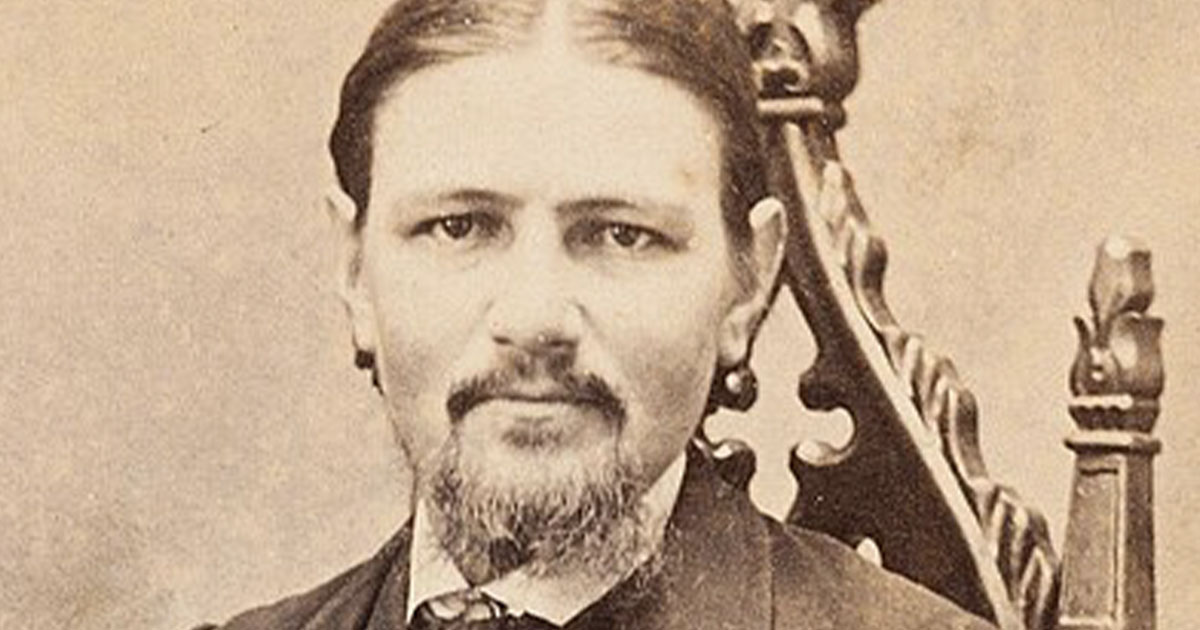
When Boston Corbett Pulled the Trigger
Boston Corbett believed he was chosen by God. That belief followed him onto a Virginia farm in 1865, into a barn where history cornered John Wilkes Booth, and eventually into madness that swallowed the rest of his life. What began as vengeance for Abraham Lincoln ended with Corbett isolated, feared, and locked away.
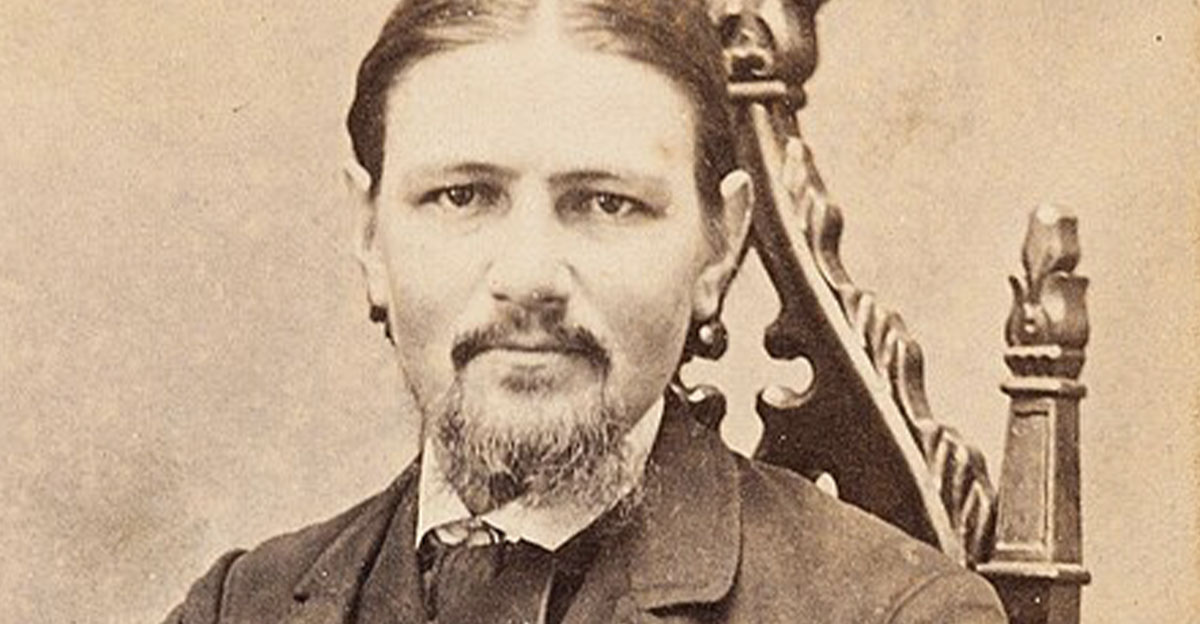 unattributed, Public domain, via Wikimedia Commons
A Man Shaped by Faith and Obsession
Boston Corbett was born Thomas Corbett on January 29, 1832, in London, England. After emigrating to the United States, he became a hatter, a trade known for mercury exposure that often caused neurological damage. Corbett was intensely religious, interpreting the Bible literally and obsessively. He preached loudly in the streets and believed God spoke directly to him.
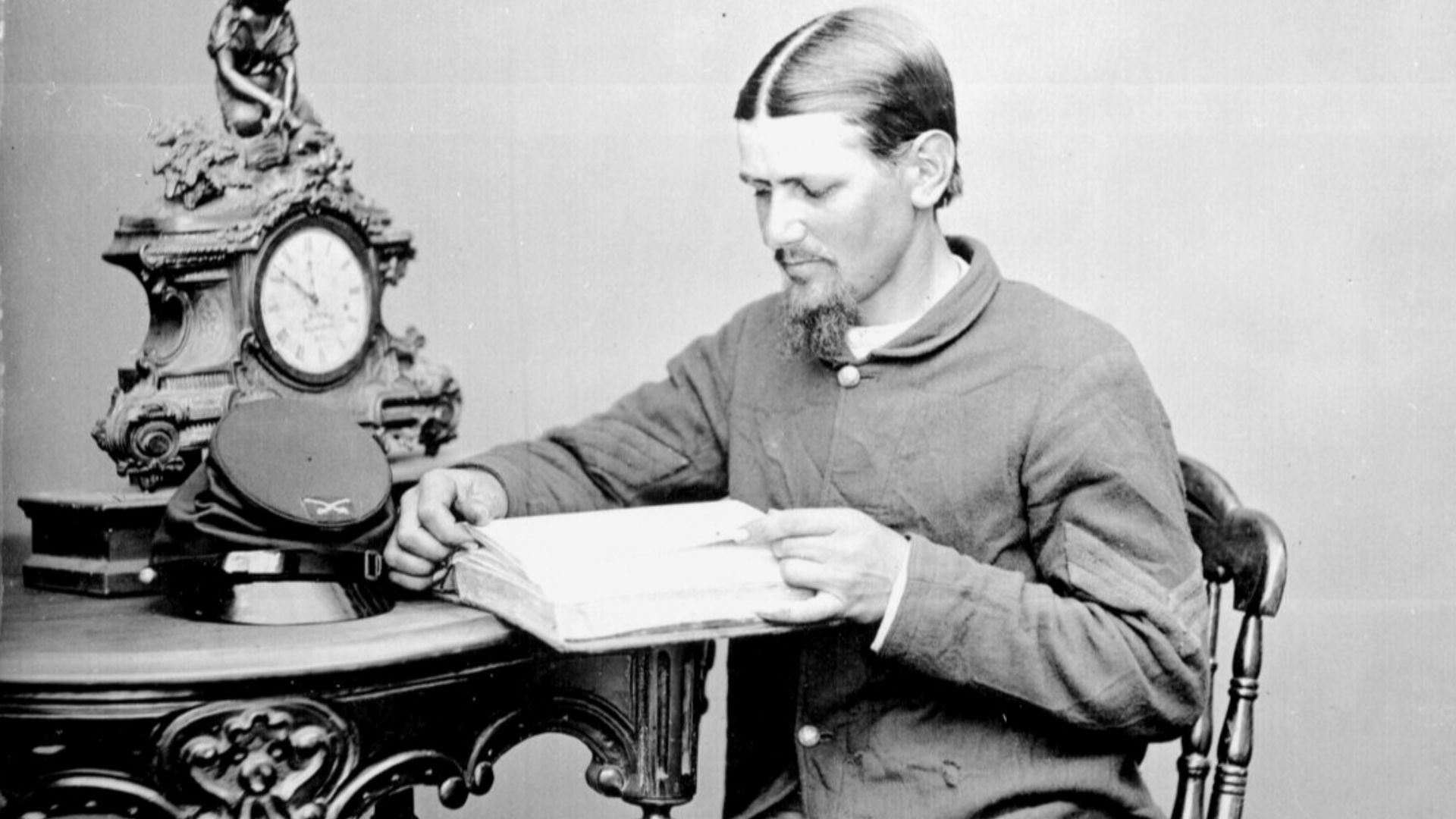 War Department, Wikimedia Commons
The Soldier Who Took a New Name
Corbett changed his name to “Boston” after a religious experience during a revival meeting in Boston. He believed his new identity represented spiritual rebirth. Friends and coworkers already noticed erratic behavior, but in Corbett’s mind, his actions were righteous, not unstable.
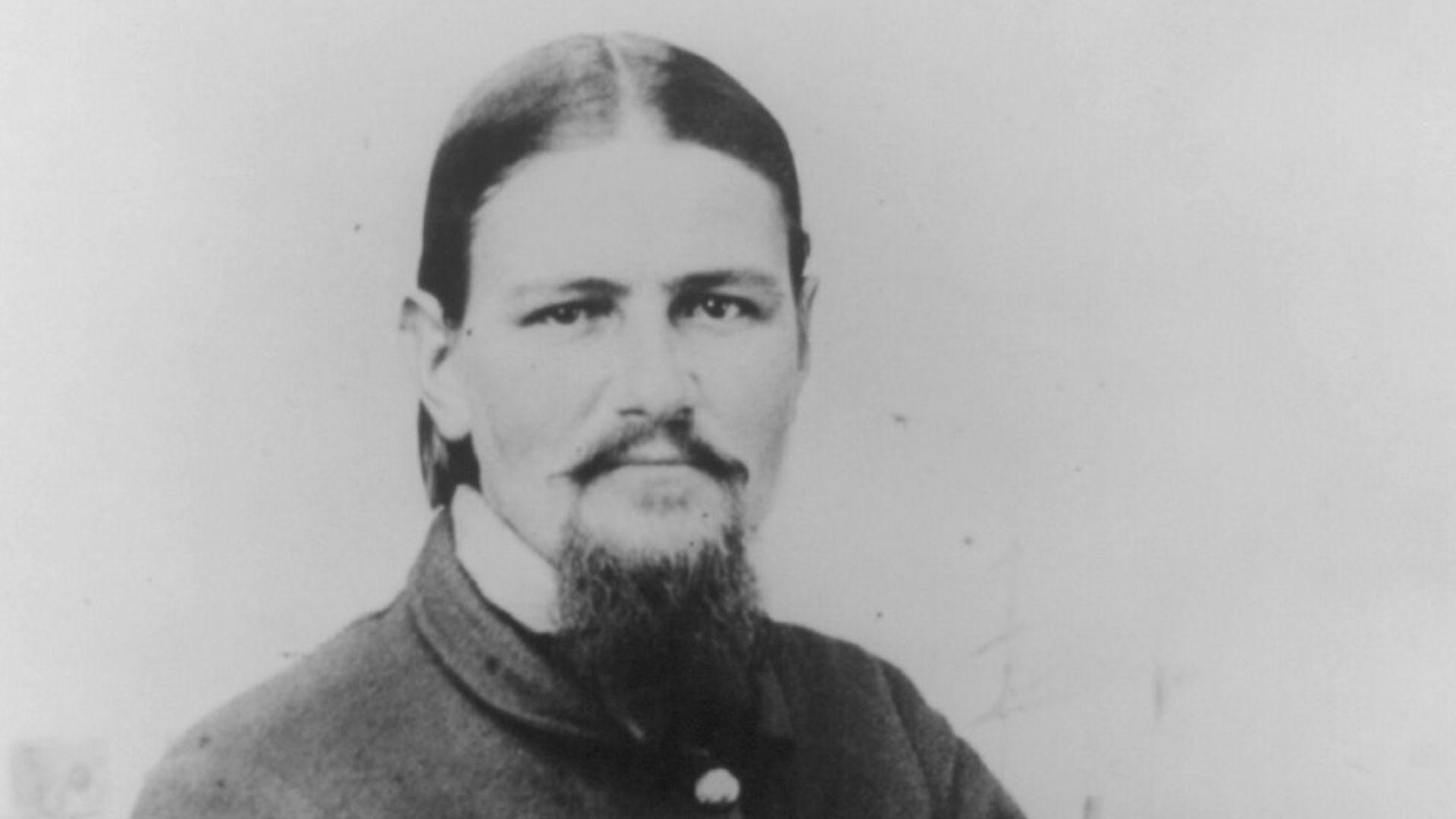 Miscellaneous Items in High Demand, PPOC, Library of Congress, Wikimedia Commons
The Civil War Gives Him Purpose
When the Civil War broke out, Corbett enlisted in the Union Army in 1861. He fought bravely but was known for extreme discipline and strange outbursts. Fellow soldiers said he prayed constantly and spoke of divine missions. Still, he followed orders well enough to remain in service.
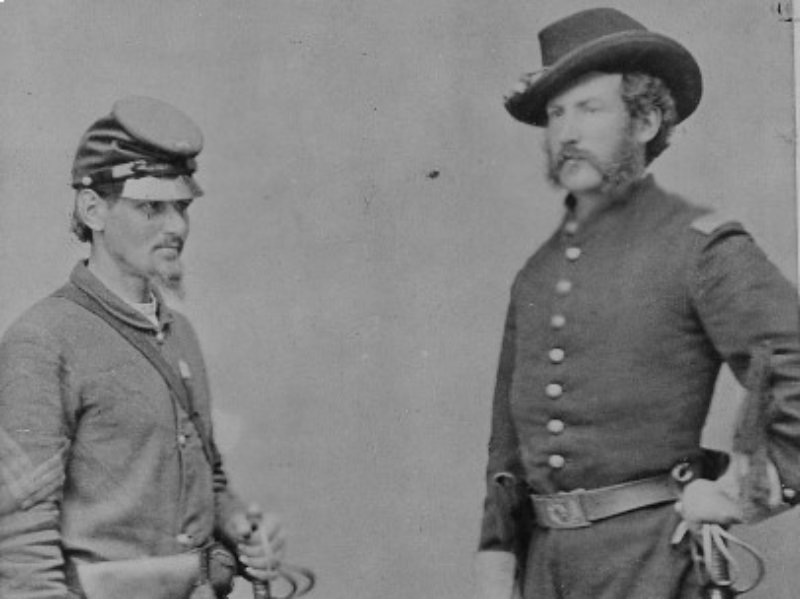 Mathew Benjamin Brady, Wikimedia Commons
Lincoln Is Assassinated
On April 14, 1865, President Abraham Lincoln was shot by actor John Wilkes Booth at Ford’s Theatre in Washington, DC. Lincoln died the following morning. The nation was stunned. Booth fled, and a massive manhunt began almost immediately.
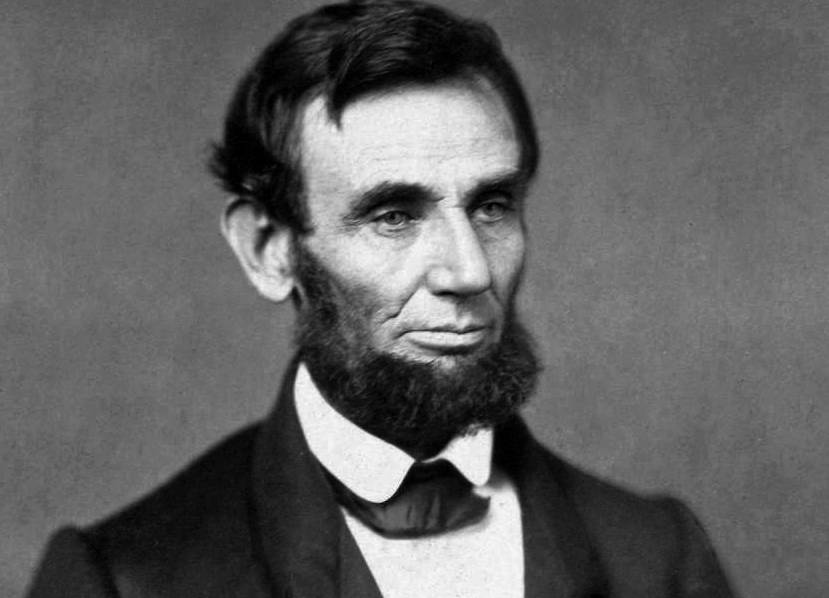 Unknown Author, Wikimedia Commons
The Hunt Leads to Virginia
Twelve days later, on April 26, 1865, Union cavalry tracked Booth to a tobacco barn on the Garrett farm near Port Royal, Virginia. Booth was cornered inside the barn with accomplice David Herold. The barn was surrounded, and soldiers were ordered not to fire unless commanded.
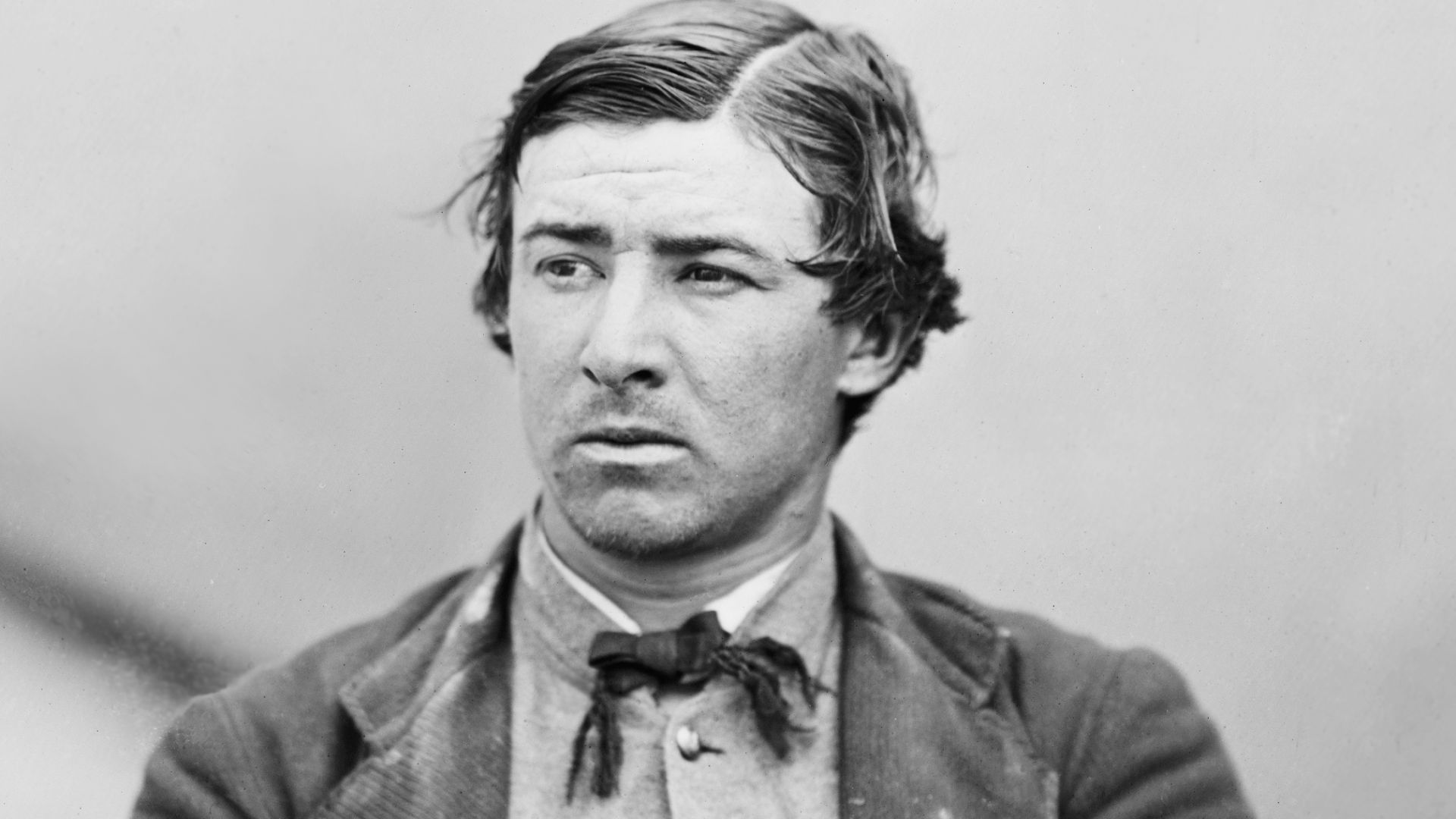 Alexander Gardner, Wikimedia Commons
A Shot That Changed Everything
As the barn burned and Booth moved inside, Boston Corbett raised his revolver and fired through a crack in the boards. The bullet struck Booth in the neck, paralyzing him. Booth died hours later. Corbett later claimed he acted because “Providence directed me.”
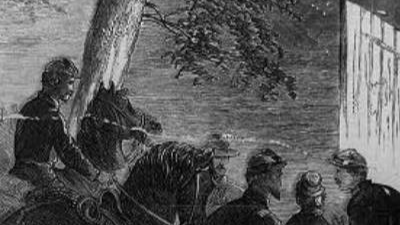
Defying Orders, Claiming God
Corbett had disobeyed direct orders. He was immediately arrested and threatened with a court-martial. During questioning, he showed no remorse. “I felt no more compunction for killing Booth than I would for killing a common murderer,” he said.
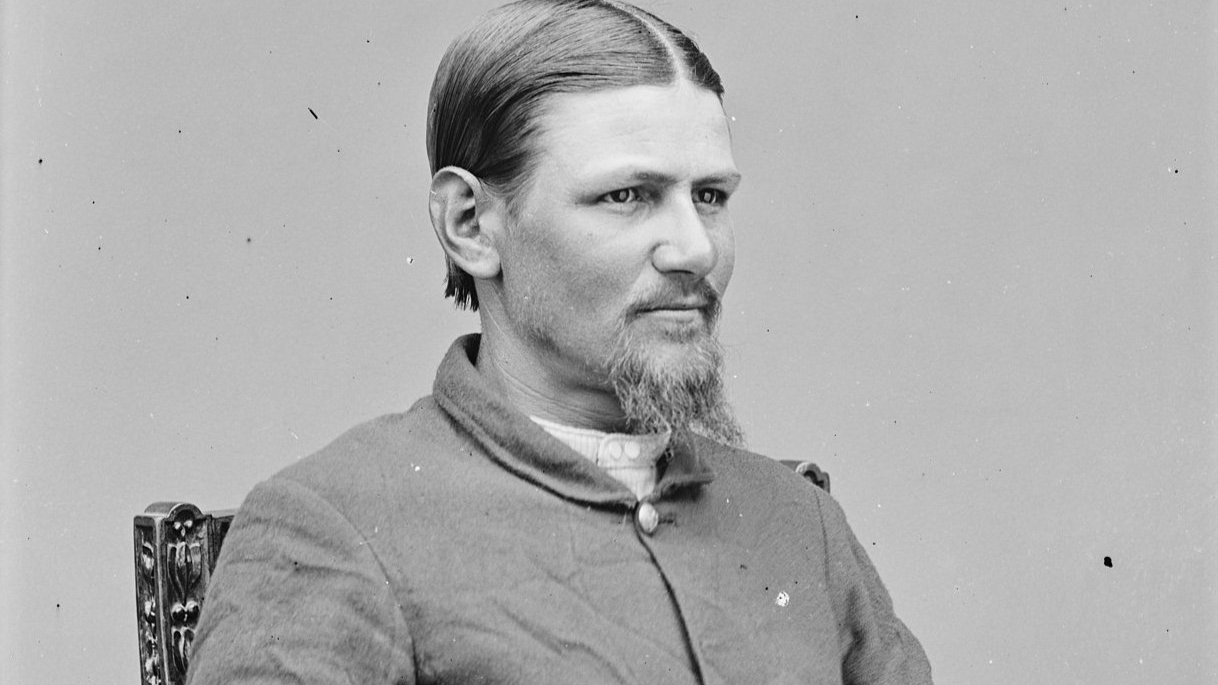 Civil War Glass Negatives, Wikimedia Commons
Declared a Hero Instead of a Criminal
Public sentiment shifted quickly. Many Americans wanted Booth dead, not captured. Secretary of War Edwin Stanton ultimately released Corbett and praised the outcome. Corbett was hailed as a hero and rewarded with part of the $100,000 bounty.
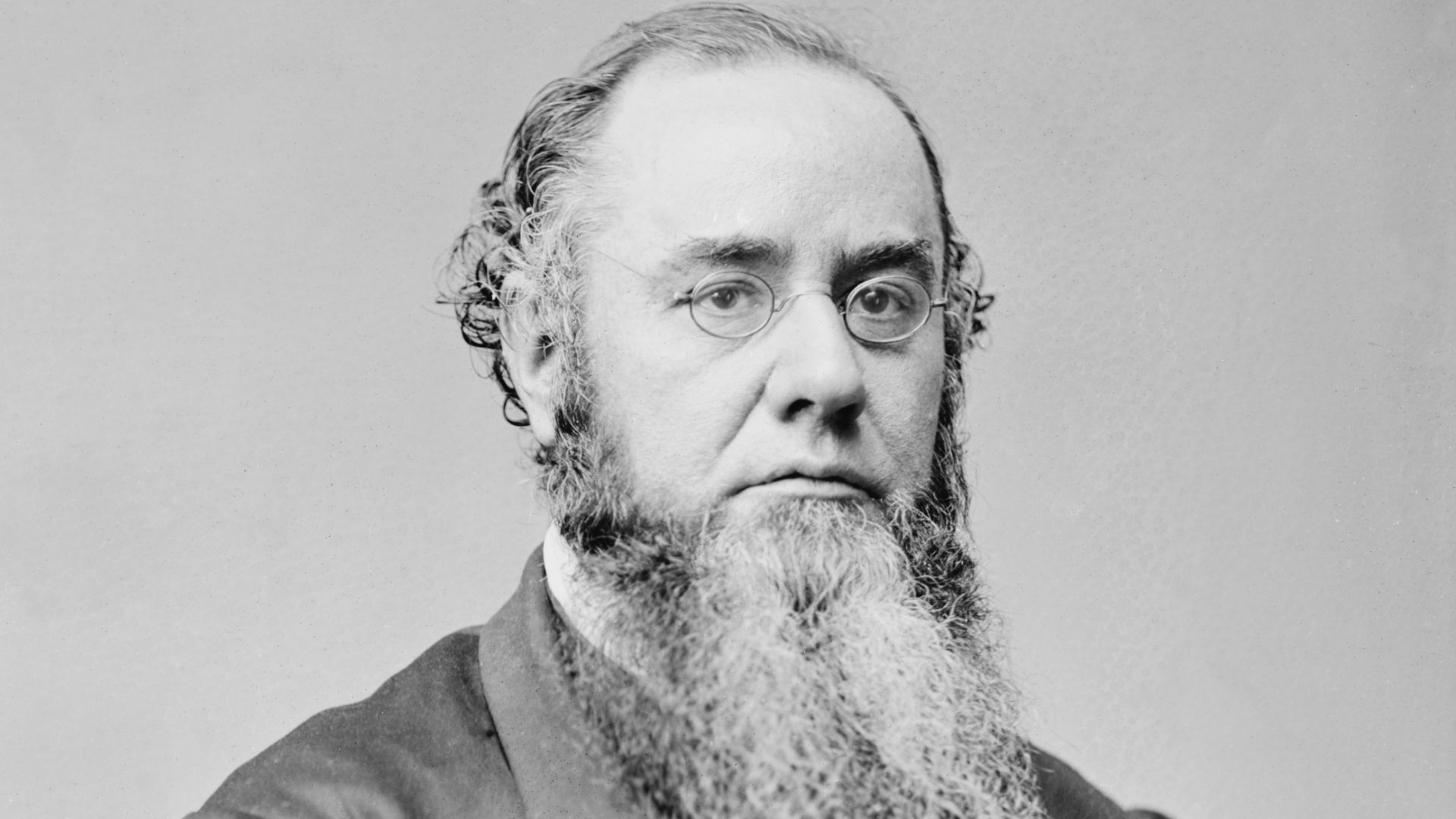 The original uploader was The Mystery Man at English Wikipedia.., Wikimedia Commons

History's most fascinating stories and darkest secrets, delivered to your inbox daily.
Fame Feeds the Delusion
Corbett began giving speeches about the killing. He spoke less like a soldier and more like a prophet. He insisted God had used him as an instrument of justice. Those around him grew uneasy. His behavior became more erratic, not less.
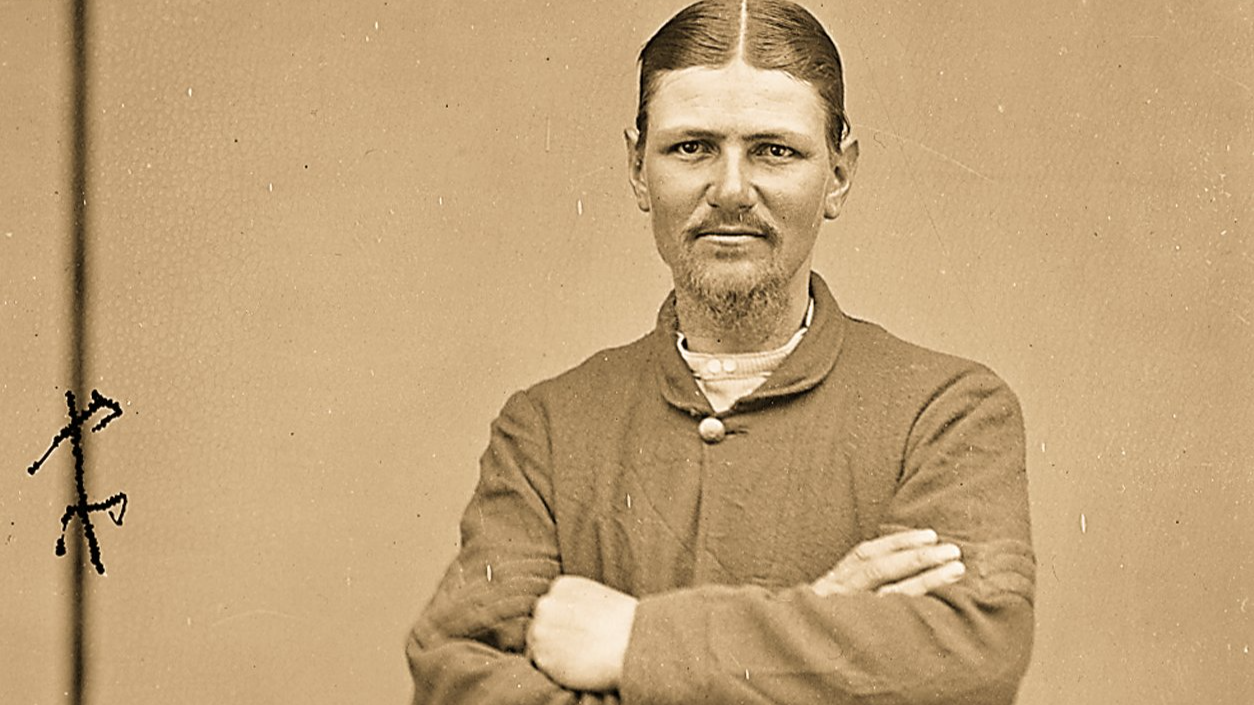 Mathew Benjamin Brady, Wikimedia Commons
Trouble After the War
After leaving the army, Corbett struggled to hold jobs. He interrupted church services to denounce ministers. He was arrested multiple times for disturbing the peace. Employers fired him for preaching to coworkers and accusing them of sin.
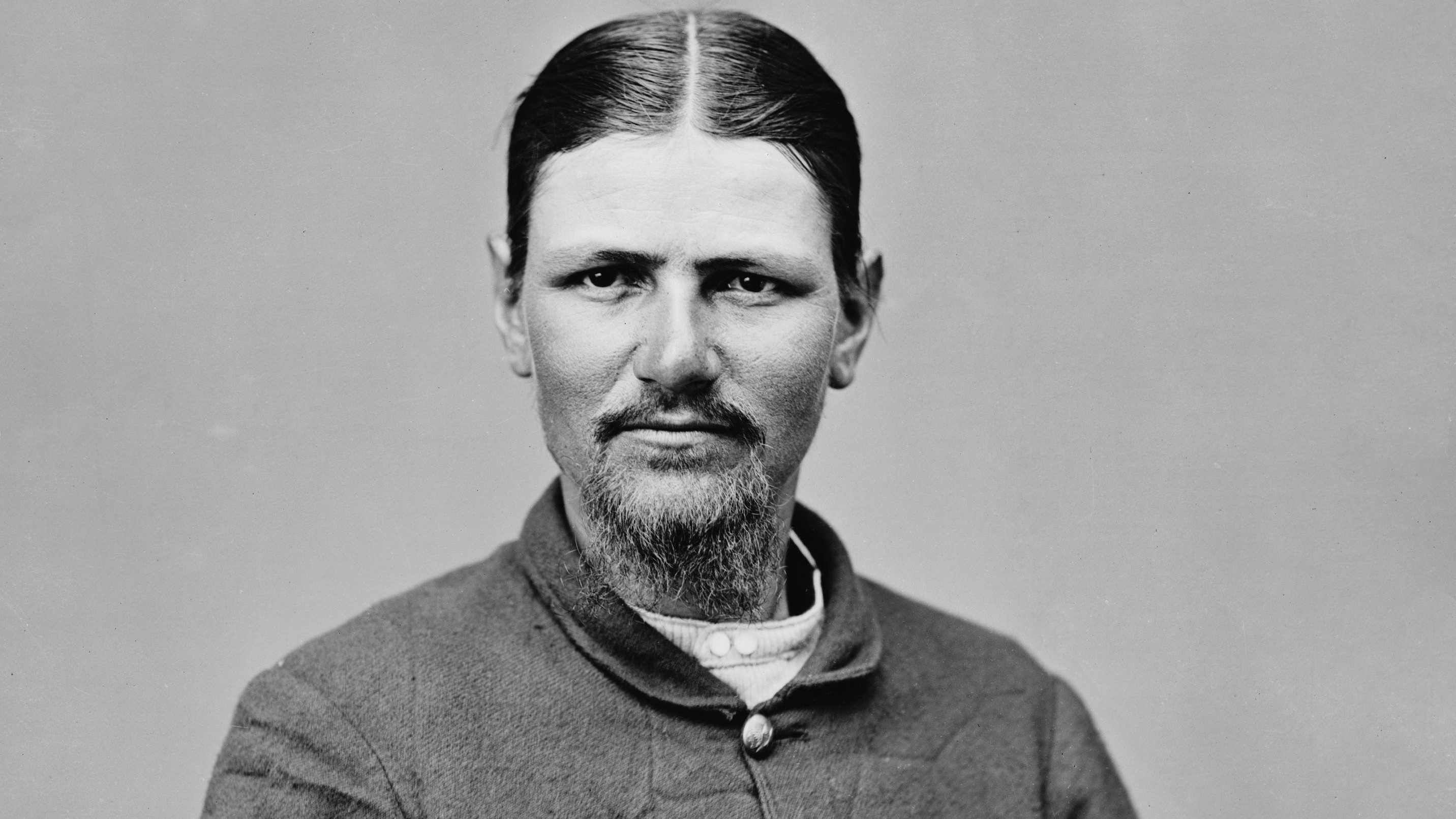 Mathew Benjamin Brady, Wikimedia Commons
Paranoia Takes Hold
Corbett became convinced powerful forces were conspiring against him. He believed government officials, churches, and employers were corrupt. He spoke of secret enemies watching him. Friends said conversations with him felt unhinged and frightening.
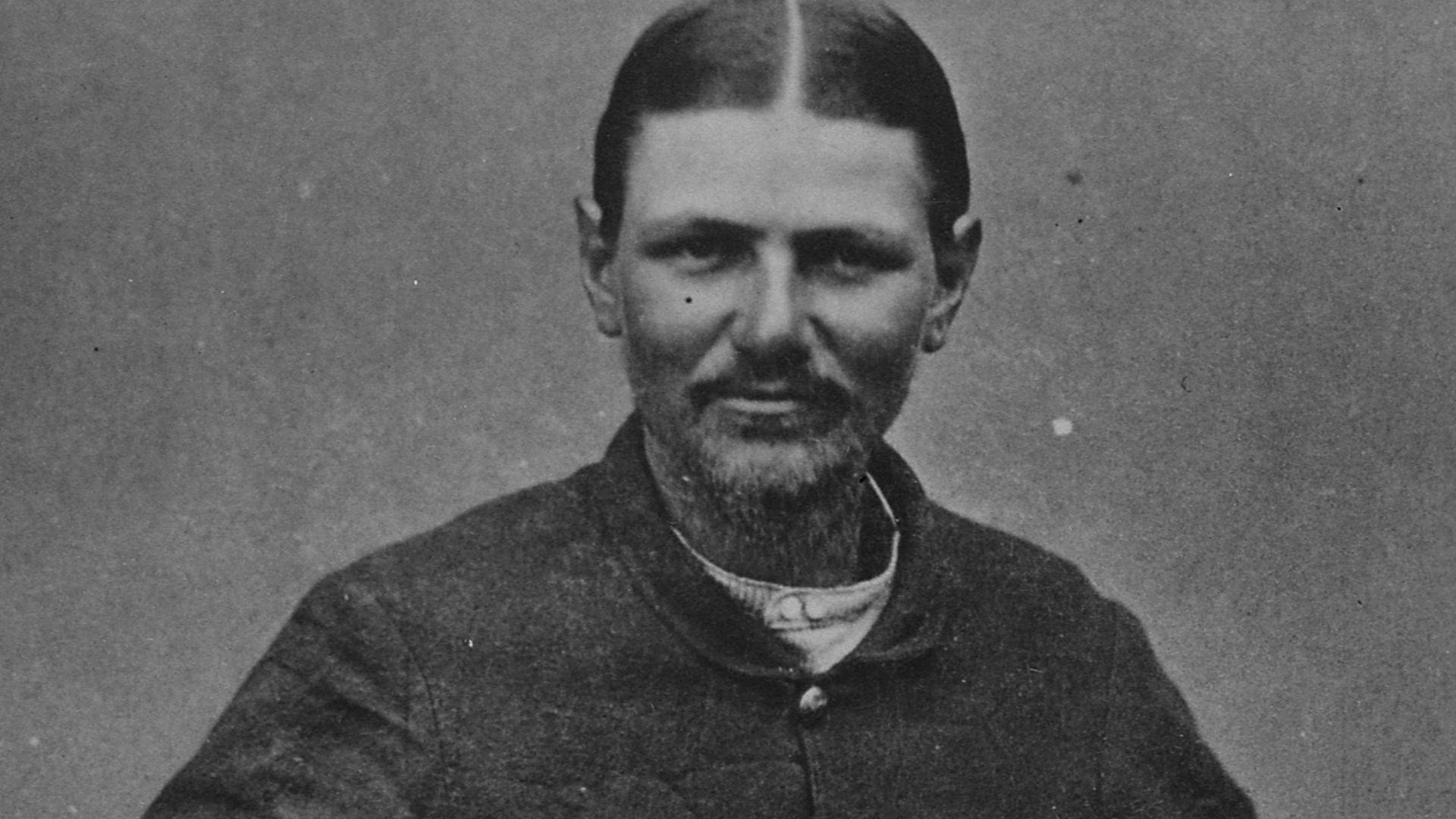 Mathew Benjamin Brady, Wikimedia Commons
A Government Job Ends Badly
In 1878, Corbett secured a job as a doorkeeper for the Kansas House of Representatives. The position gave him a sense of authority. It did not last. He began carrying a gun into the building and threatening lawmakers he believed were immoral.
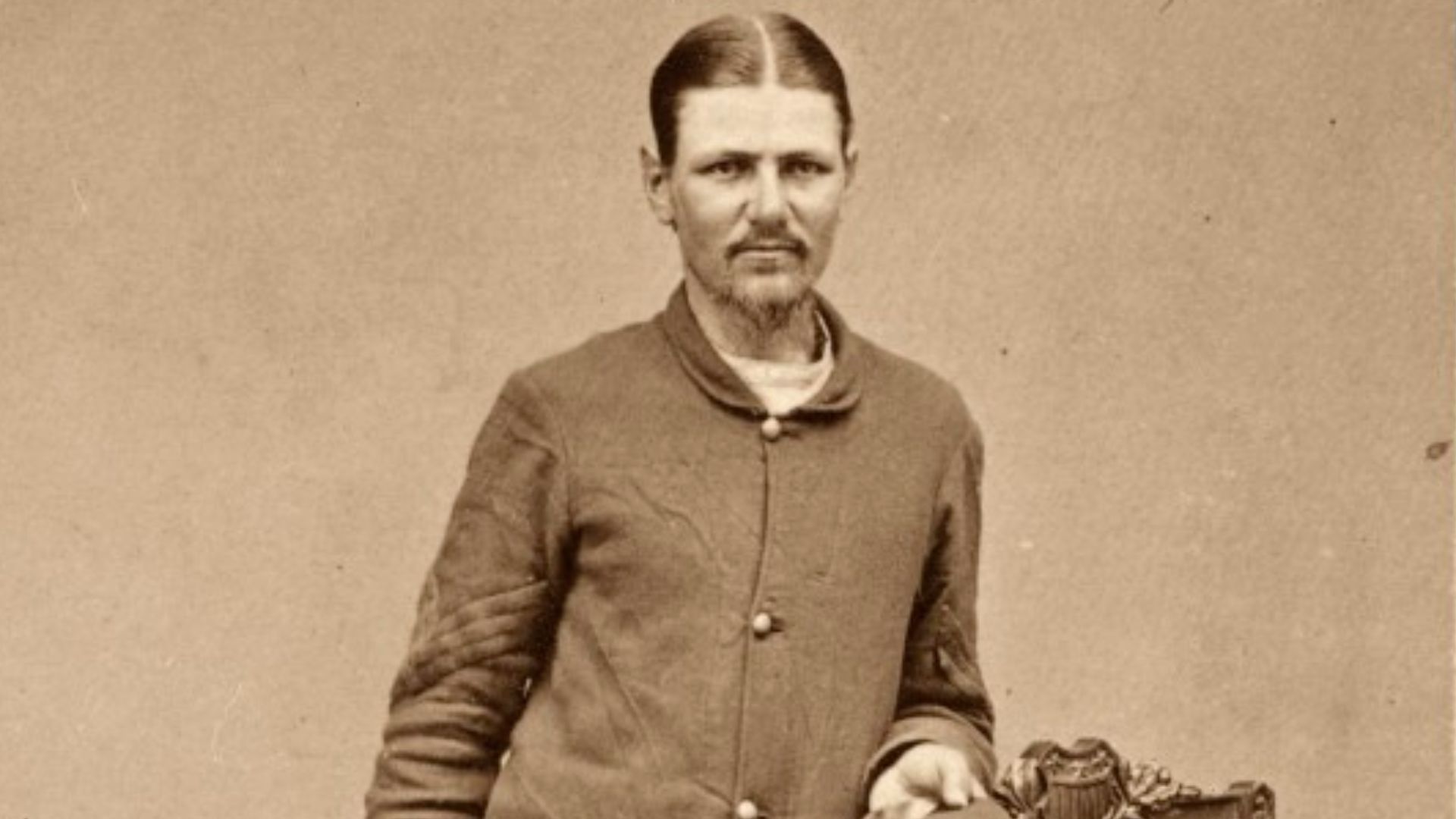 George Eastman House from Rochester, NY, United States, Wikimedia Commons
The Kansas Legislature Panics
On February 15, 1887, Corbett chased lawmakers with a revolver inside the Kansas Statehouse in Topeka. He shouted about divine judgment and corruption. No one was shot, but the incident terrified witnesses.
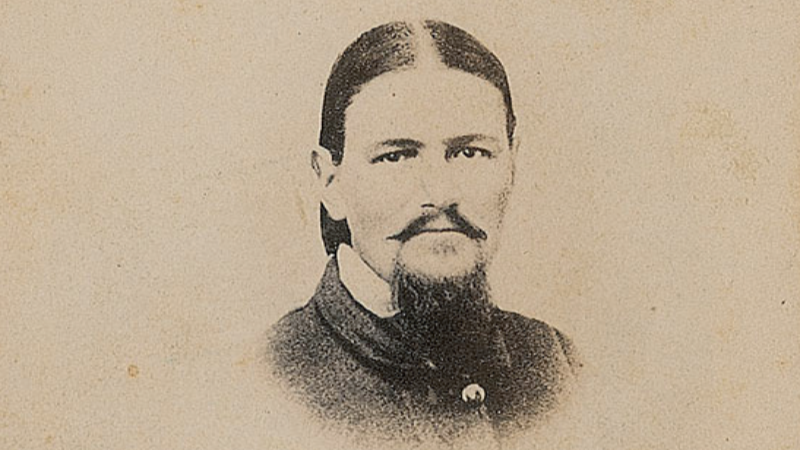 Philadelphia Photographic Co., Wikimedia Commons
Declared Insane
Corbett was arrested and declared insane. He was committed to the Topeka State Hospital for the Insane. Doctors described him as delusional, deeply paranoid, and obsessed with religious visions. The man once praised as a national hero was now locked away.
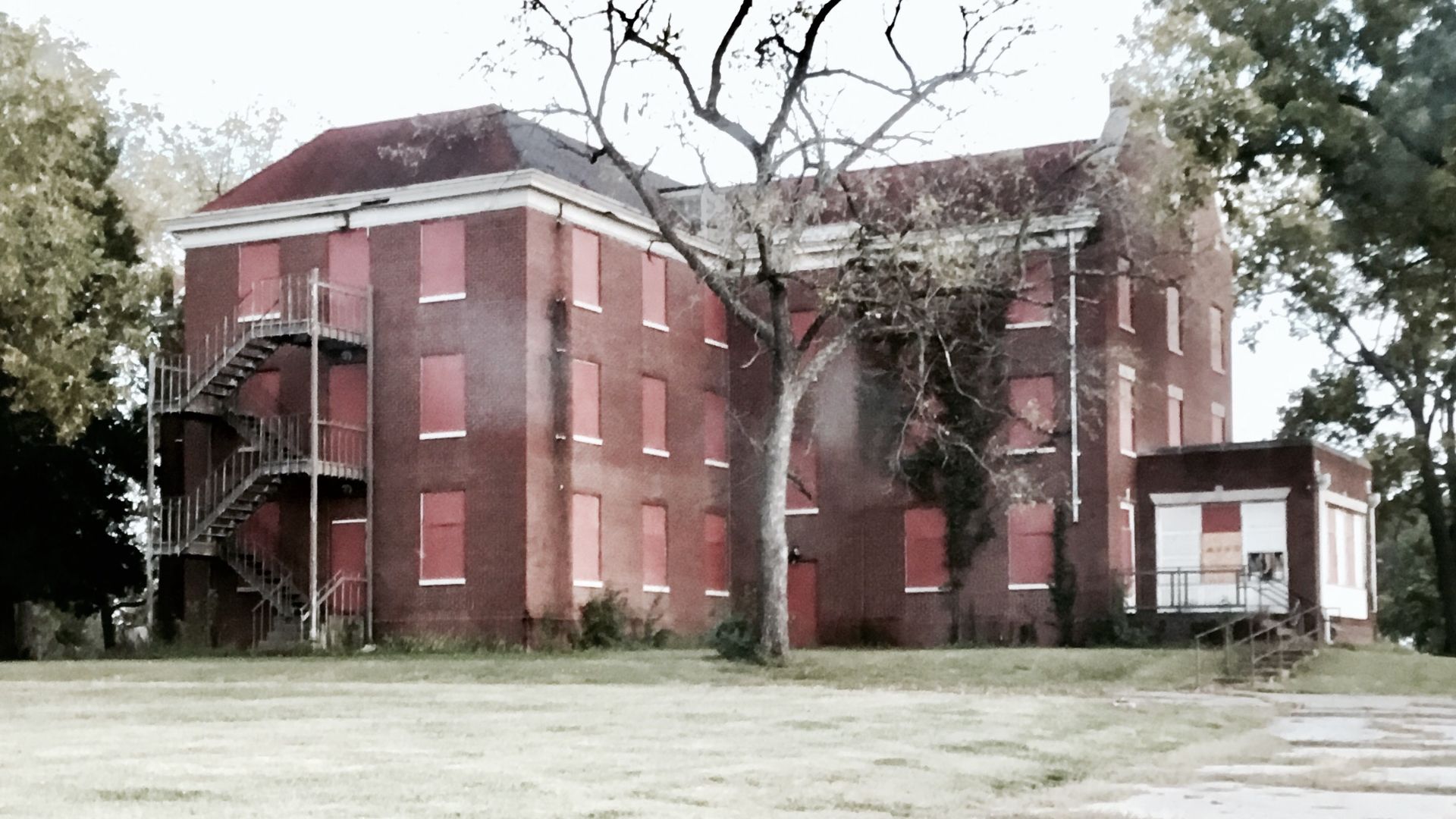 Jennafischy, Wikimedia Commons
An Escape Into Oblivion
In 1888, Corbett escaped from the asylum on horseback. After that, his trail fades. Some believe he died in the Great Hinckley Fire in Minnesota in 1894. Others think he lived under another name. No definitive record of his death exists.
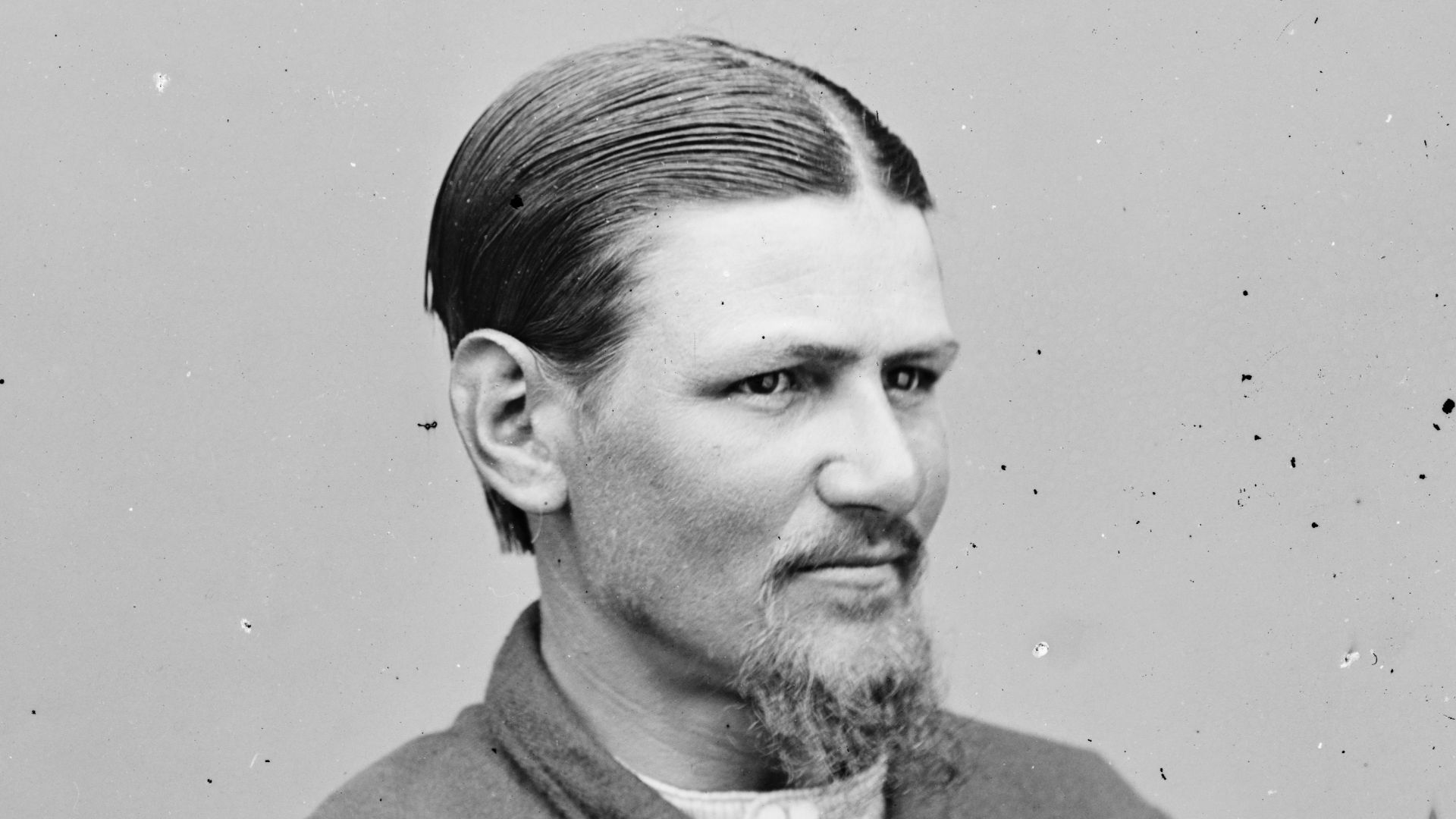 Civil War Glass Negatives, Wikimedia Commons
A Hero With an Asterisk
Boston Corbett is remembered as the man who killed John Wilkes Booth. But his story does not end with applause. It continues through unchecked faith, mental collapse, and abandonment. History rarely tells the whole story at once.
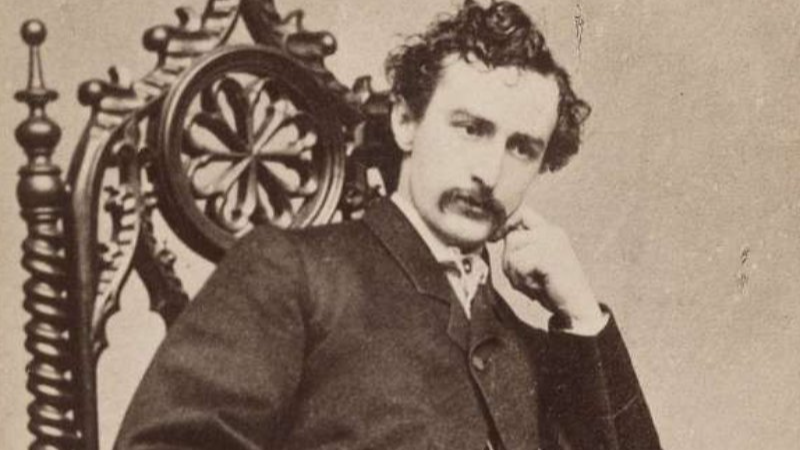 Harvard Theatre Collection, Harvard University, Picryl
Justice or Tragedy
Corbett believed he served justice. Others believe the war and his untreated condition destroyed him. Both may be true. His life shows how thin the line can be between heroism and ruin.
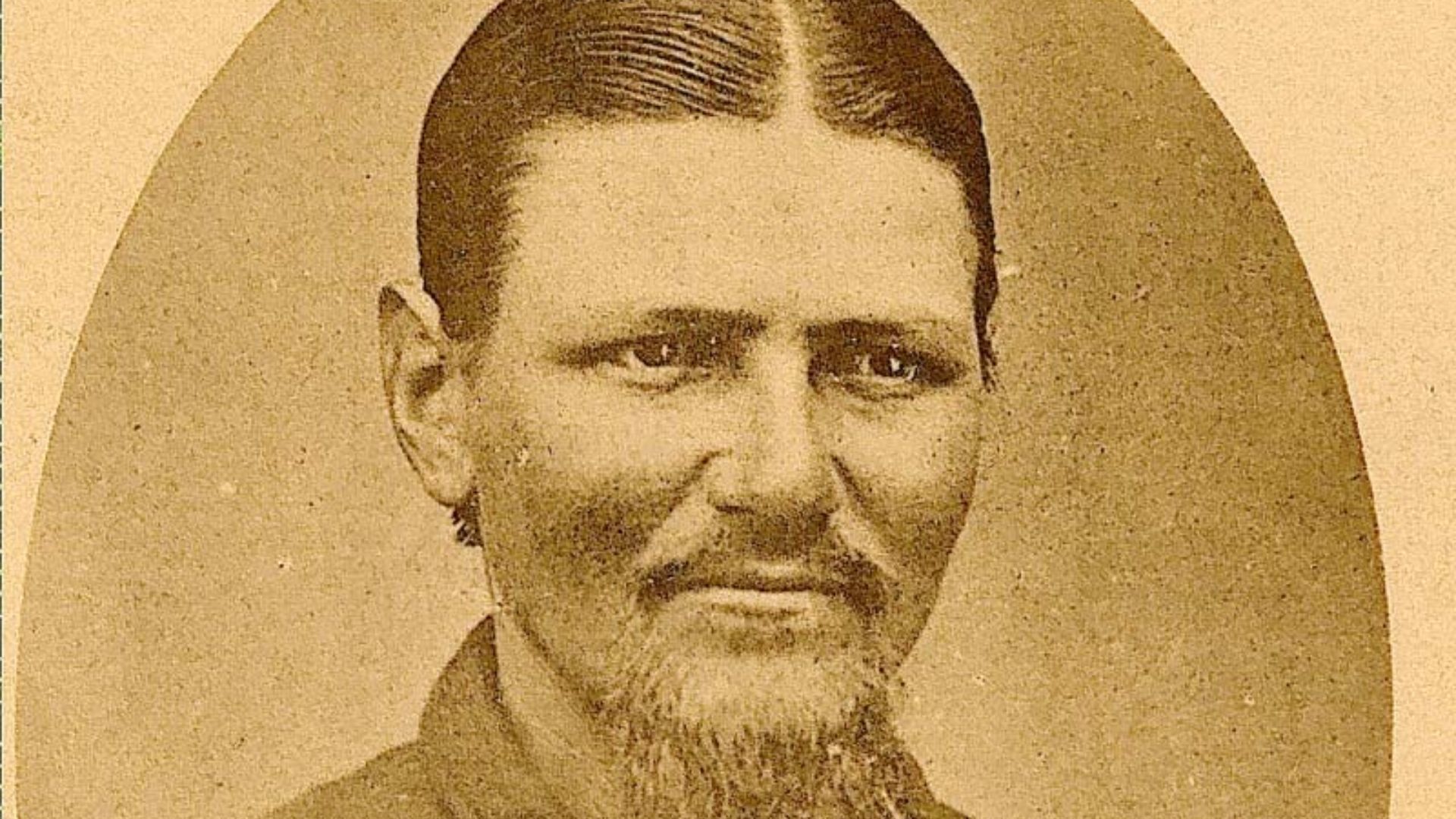 Unknown authorUnknown author, Wikimedia Commons
The Cost of Divine Certainty
In the end, Boston Corbett’s certainty never wavered, even as his world collapsed. He never doubted God had chosen him. And that belief carried him from history’s spotlight into darkness, where his story quietly disappeared.
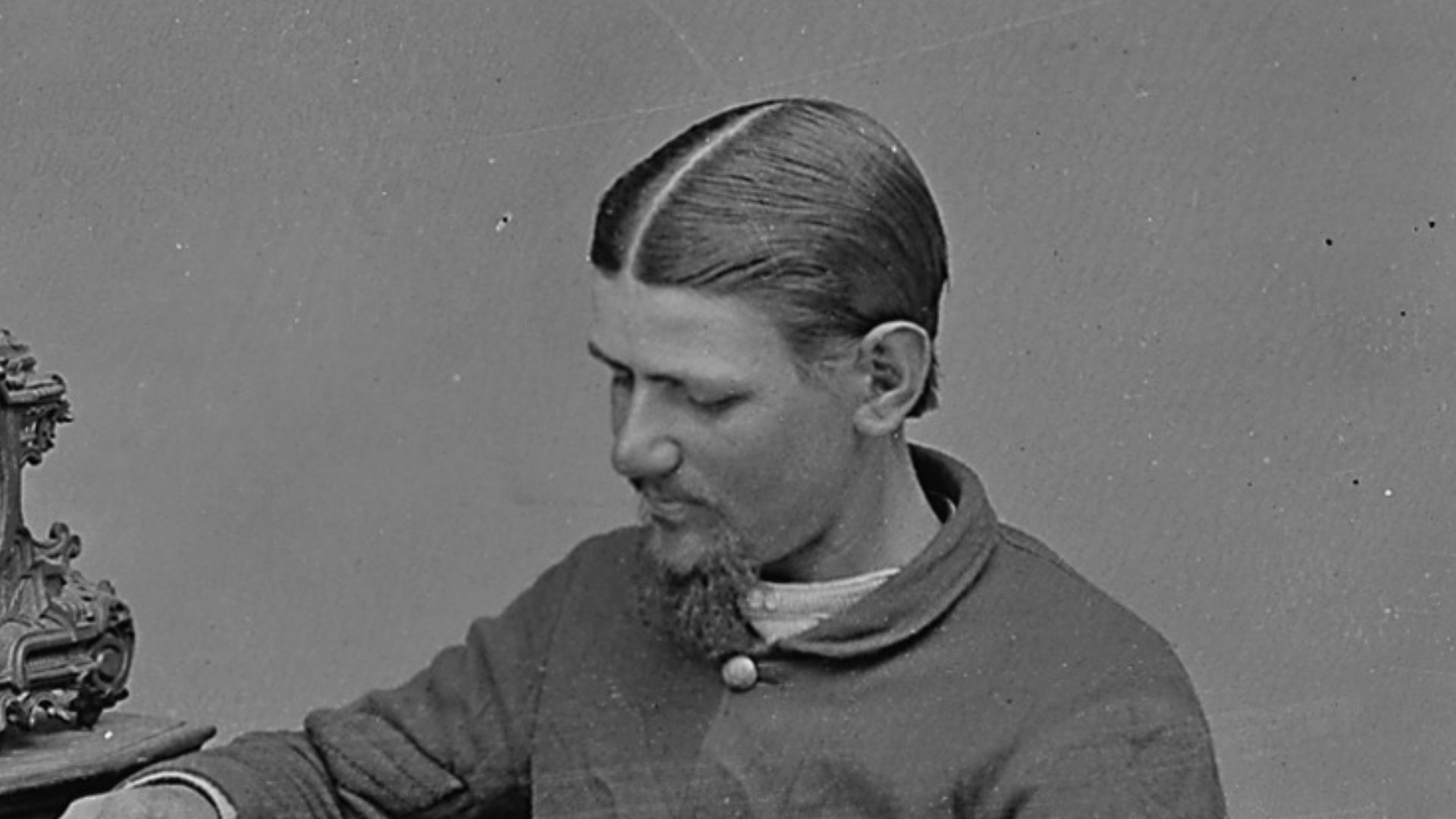 Mathew Benjamin Brady, Wikimedia Commons
You May Also Like:
John Wesley Hardin’s explosive temper and deadly accuracy made him the most dangerous man in Texas.
22 Celebrated Historical Figures Who Did Terrible Things
Walter Payton never once missed a game and rushed for over 16,000 yards. He passed in 1999, but his sweet legacy lives on.












