Medieval Words That Never Died
The Middle Ages left a lasting mark on the English language. While castles, knights, and feudal lords gradually disappeared, many colorful expressions survived for centuries. Some have barely changed at all, while others have taken on new meanings. Here are familiar sayings whose roots stretch back to medieval England and Europe.
Break The Ice
Today, 'break the ice' means easing social tension, but the expression has medieval roots. When rivers and harbors froze during winter, workers literally broke ice so ships could move again. The phrase gradually became a metaphor for overcoming barriers and making communication possible.
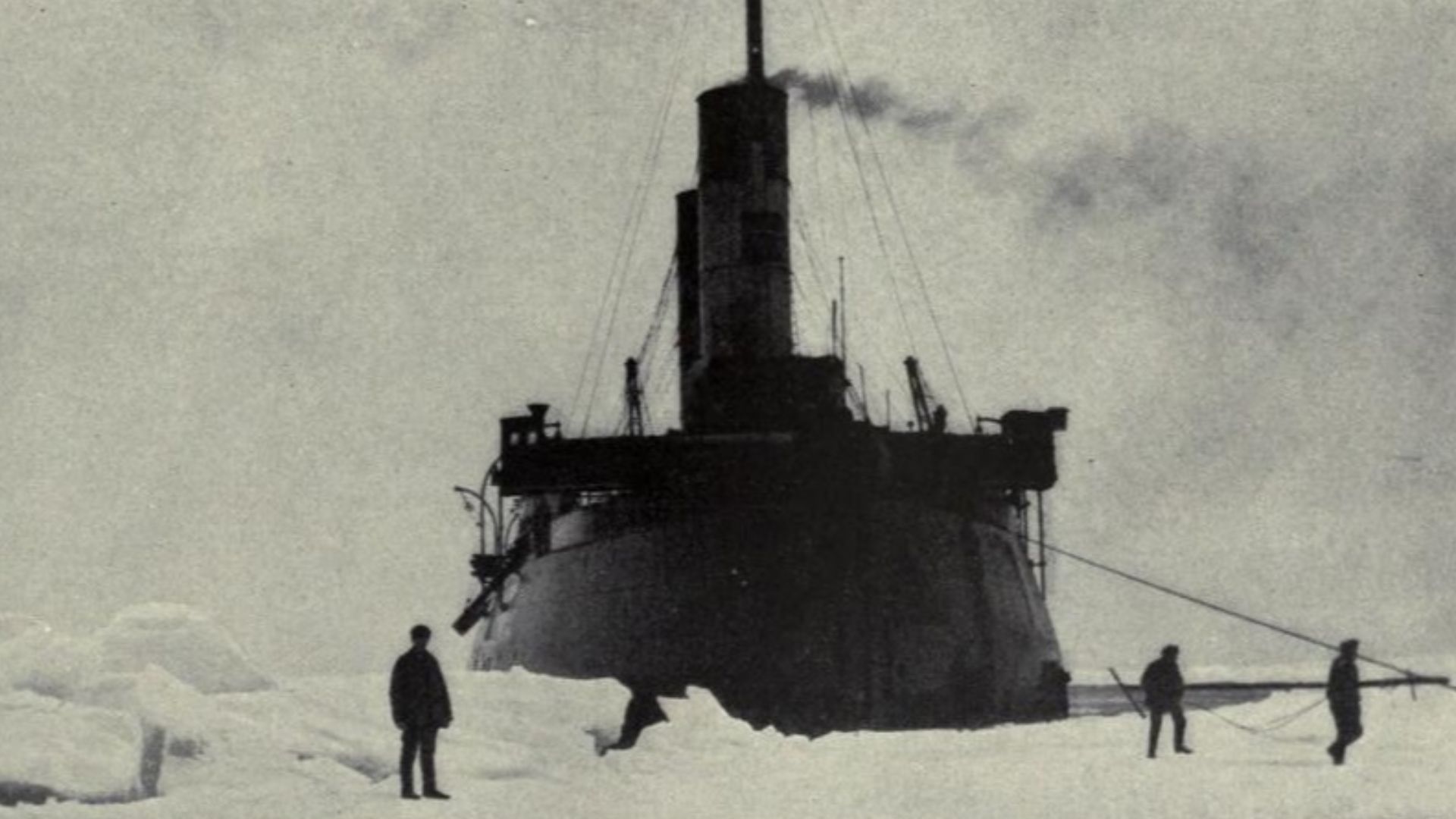 Photo: Unknown photographerUnknown photographer, Wikimedia Commons
At Loggerheads
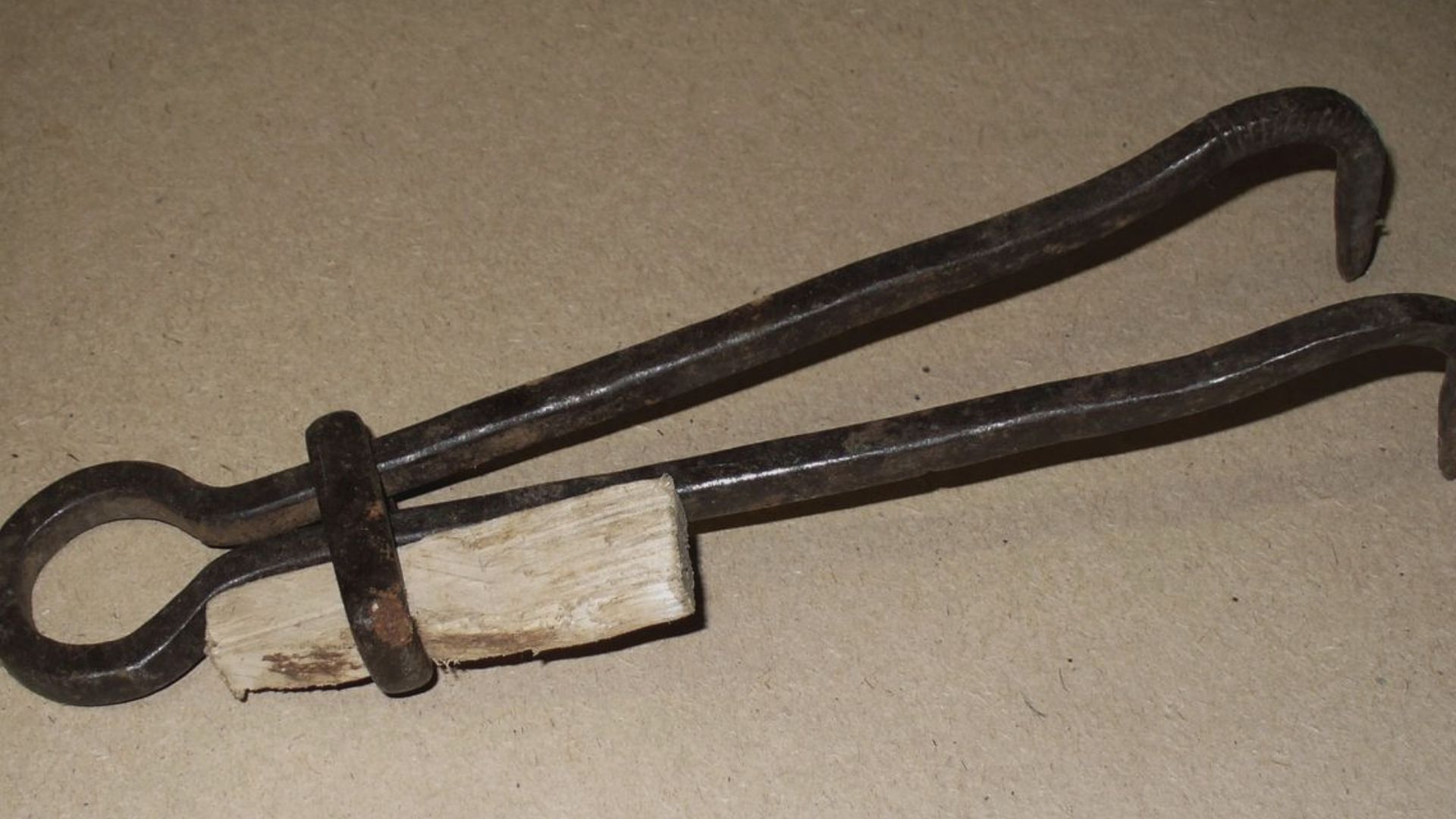
If two people are at loggerheads, they are in stubborn disagreement. During the Middle Ages, a loggerhead was a heavy iron tool with a rounded end used in fireplaces and kitchens. Two loggerheads crashing together became a vivid image for heated conflict and impossible compromise.
 VladimirZhV, Wikimedia Commons
By And Large
Originally a nautical expression that appeared during the late medieval period of sailing, 'by and large' described a ship capable of sailing both close to the wind and with it. Over time, it came to mean 'generally speaking' or 'on the whole.'


History's most fascinating stories and darkest secrets, delivered to your inbox daily.
Give The Cold Shoulder
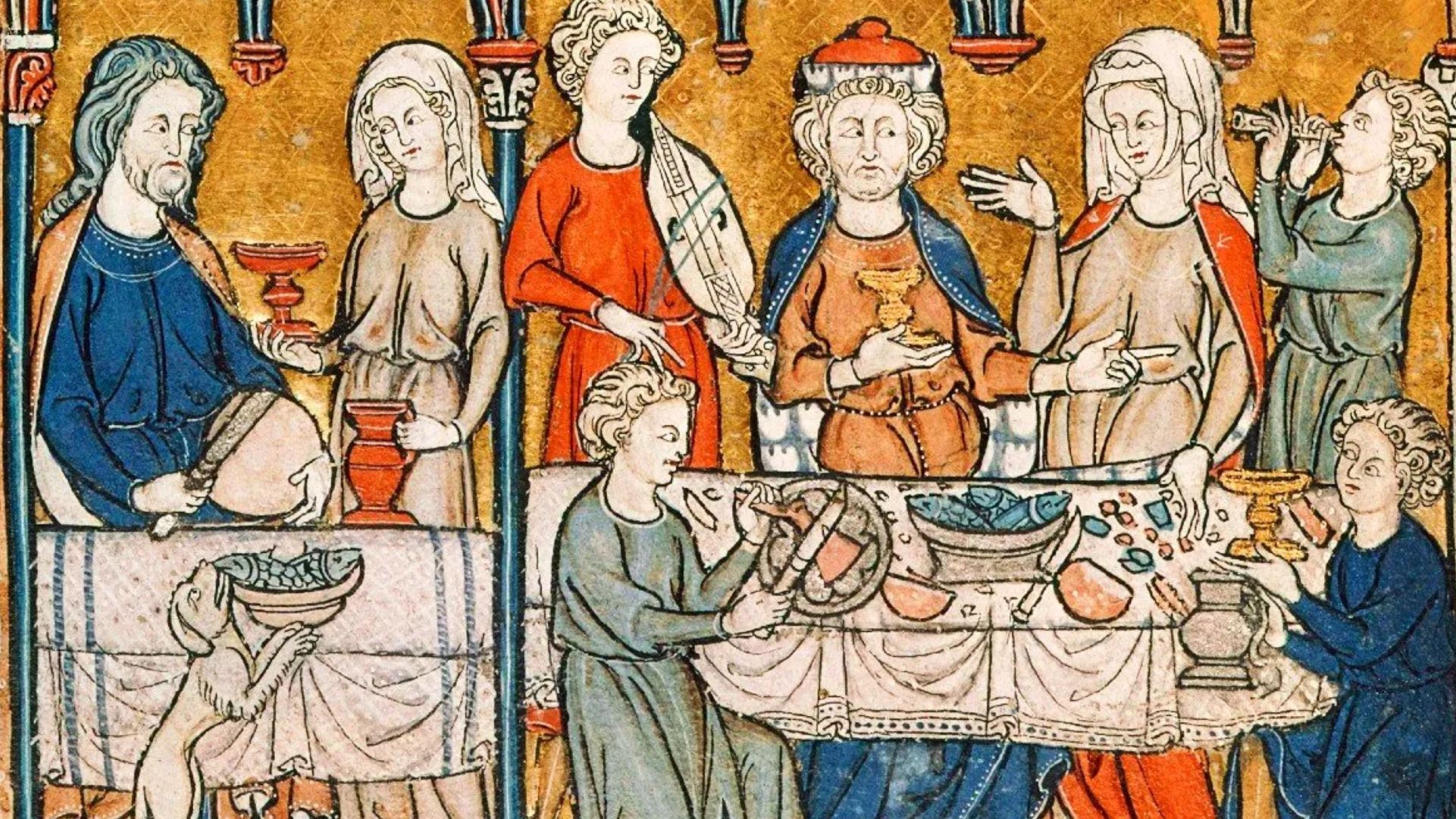
The expression dates to medieval hospitality customs. An unwelcome guest might be served a cold shoulder of mutton instead of a fresh, hot meal, signaling politely that the visit should end. Today, giving someone the cold shoulder simply means deliberately ignoring or snubbing them.
 Unknown authorUnknown author, Wikimedia Commons
Hue And Cry
If a crime occurred in medieval England, witnesses were expected to raise a 'hue and cry.' Everyone nearby was legally obligated to help pursue the suspect. Today, the phrase survives as a way of describing widespread public outrage or noisy protest.
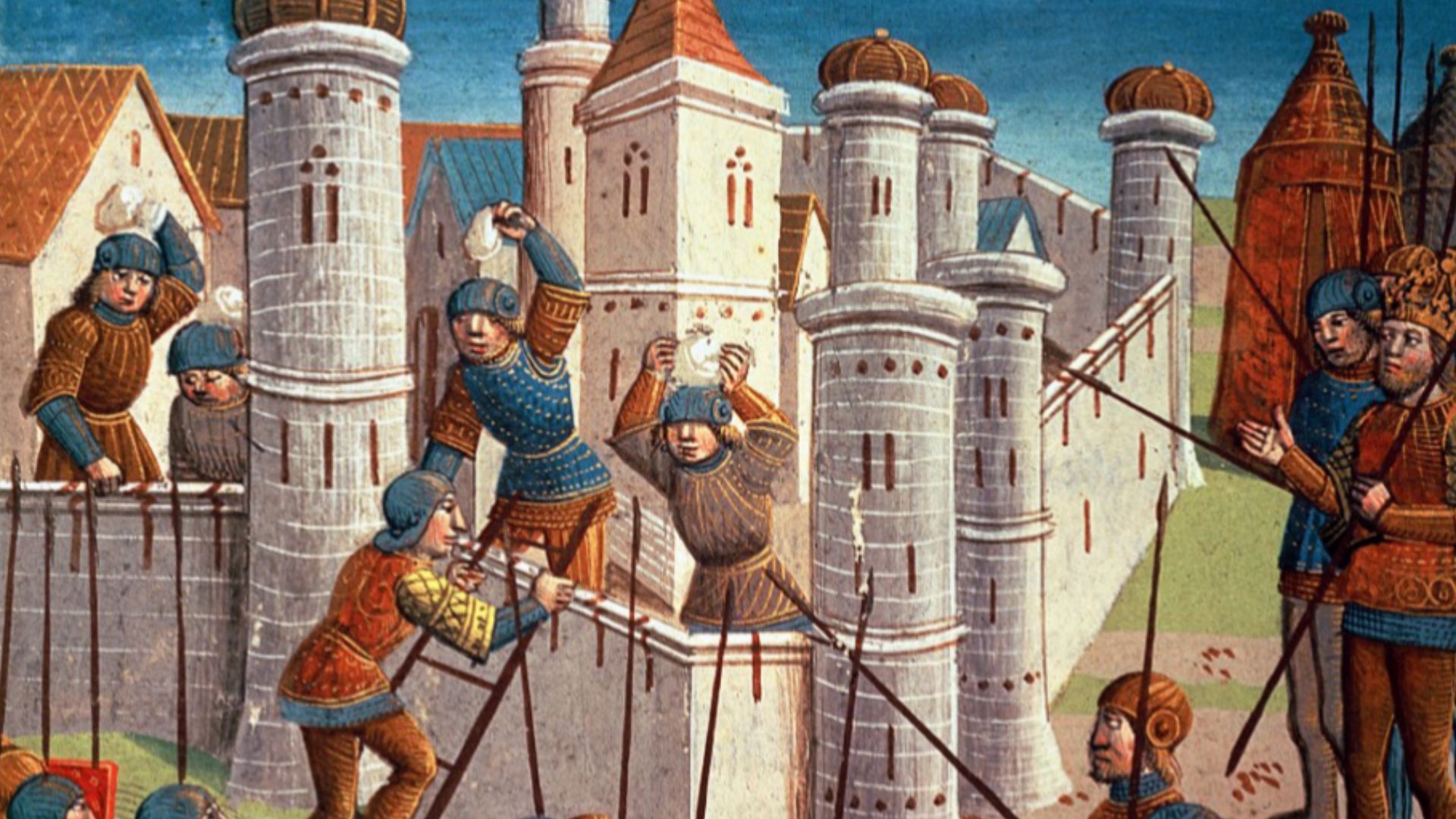 AnonymousUnknown author, Wikimedia Commons
Turn A Blind Eye
Although famously associated with Admiral Horatio Nelson centuries later, the expression existed much earlier. Medieval legal and religious writings referred to deliberately overlooking faults or offenses by pretending not to see them. The phrase still describes intentional ignorance rather than genuine blindness.
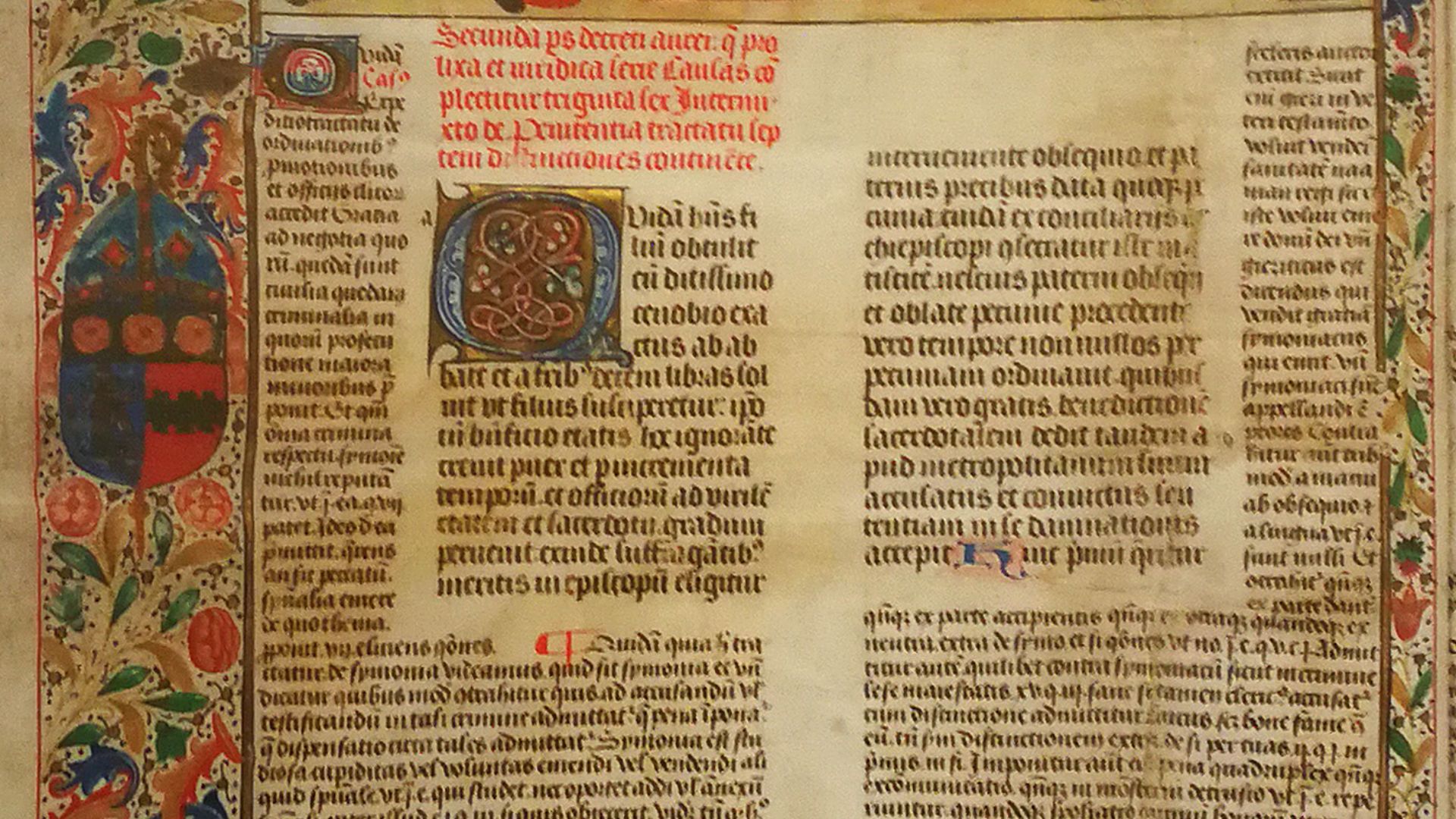 Paul Hermans, Wikimedia Commons
In The Nick Of Time
This familiar phrase comes from the medieval practice of marking notches, or 'nicks,' into tally sticks used for accounting. Arriving just before the final mark or deadline meant arriving in time. The expression eventually evolved into its modern meaning of barely avoiding disaster.
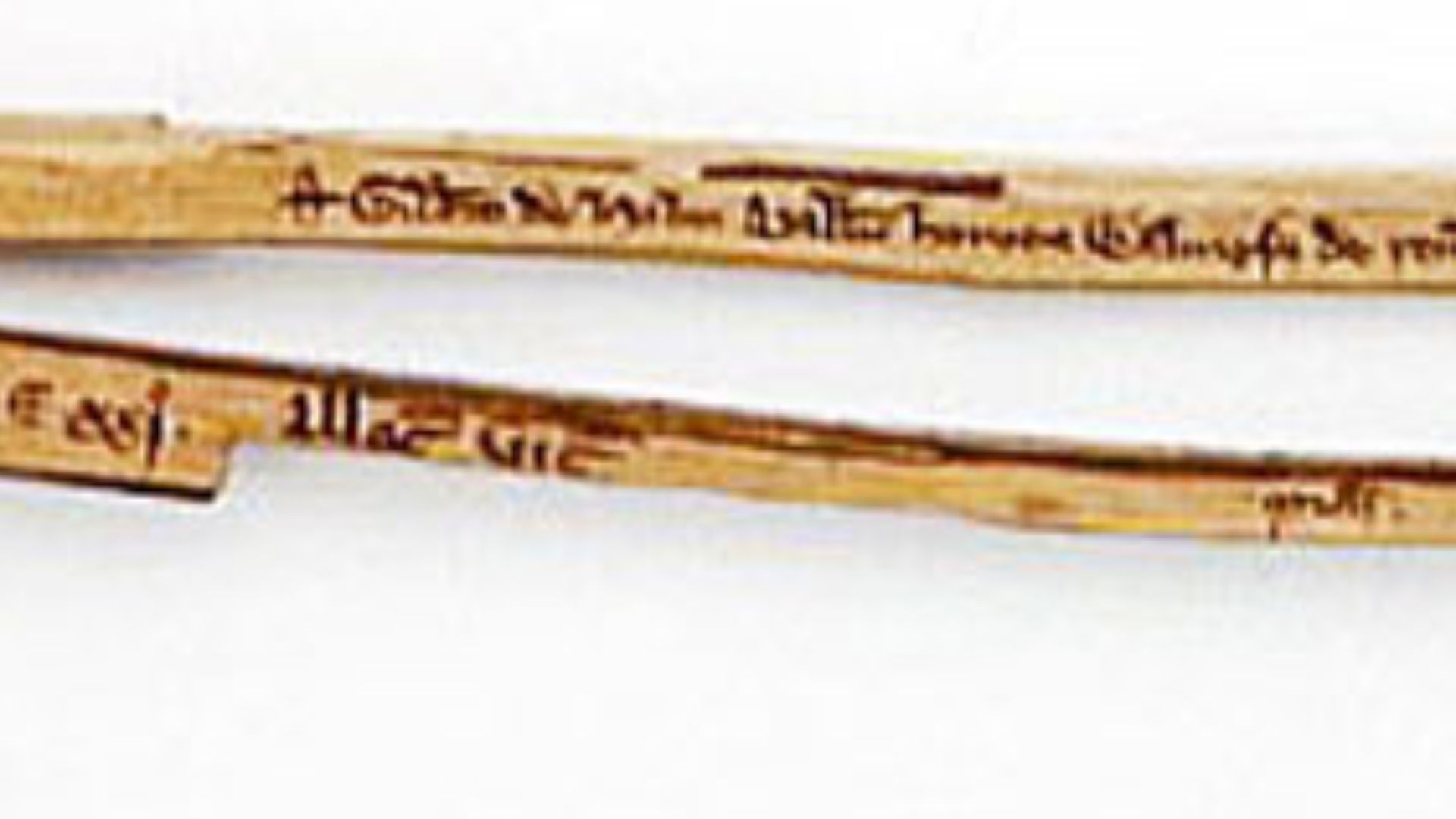 Nick Barratt, Wikimedia Commons
Fair Play
The concept of fair play grew out of medieval tournaments, legal customs, and codes of chivalry. Participants were expected to follow agreed-upon rules and honorably accept outcomes. Today, the expression applies to sports, business, and everyday life whenever honesty and integrity are expected.
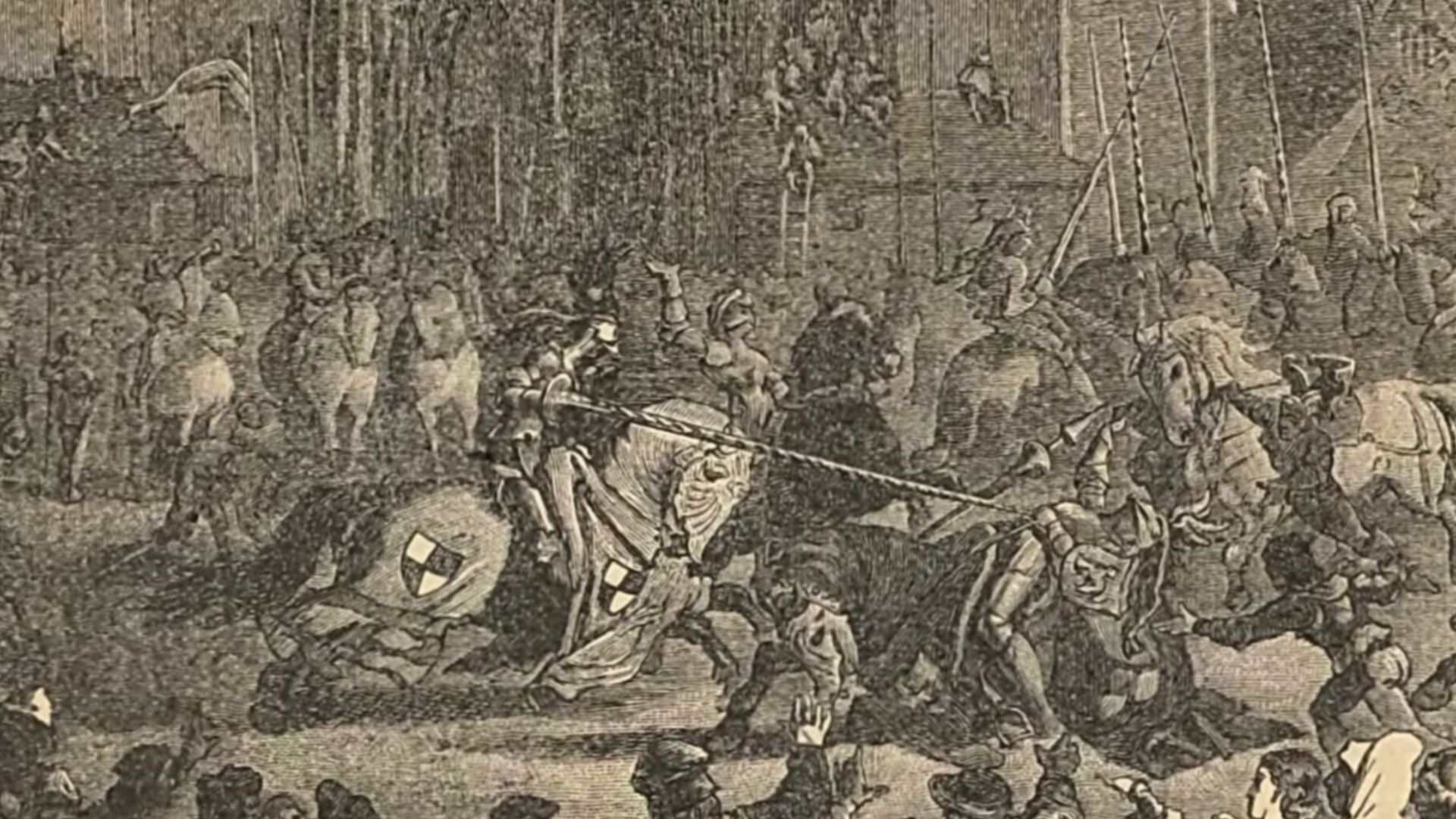 Emil Nietzsch Sohn, Wikimedia Commons
Throw Down The Gauntlet
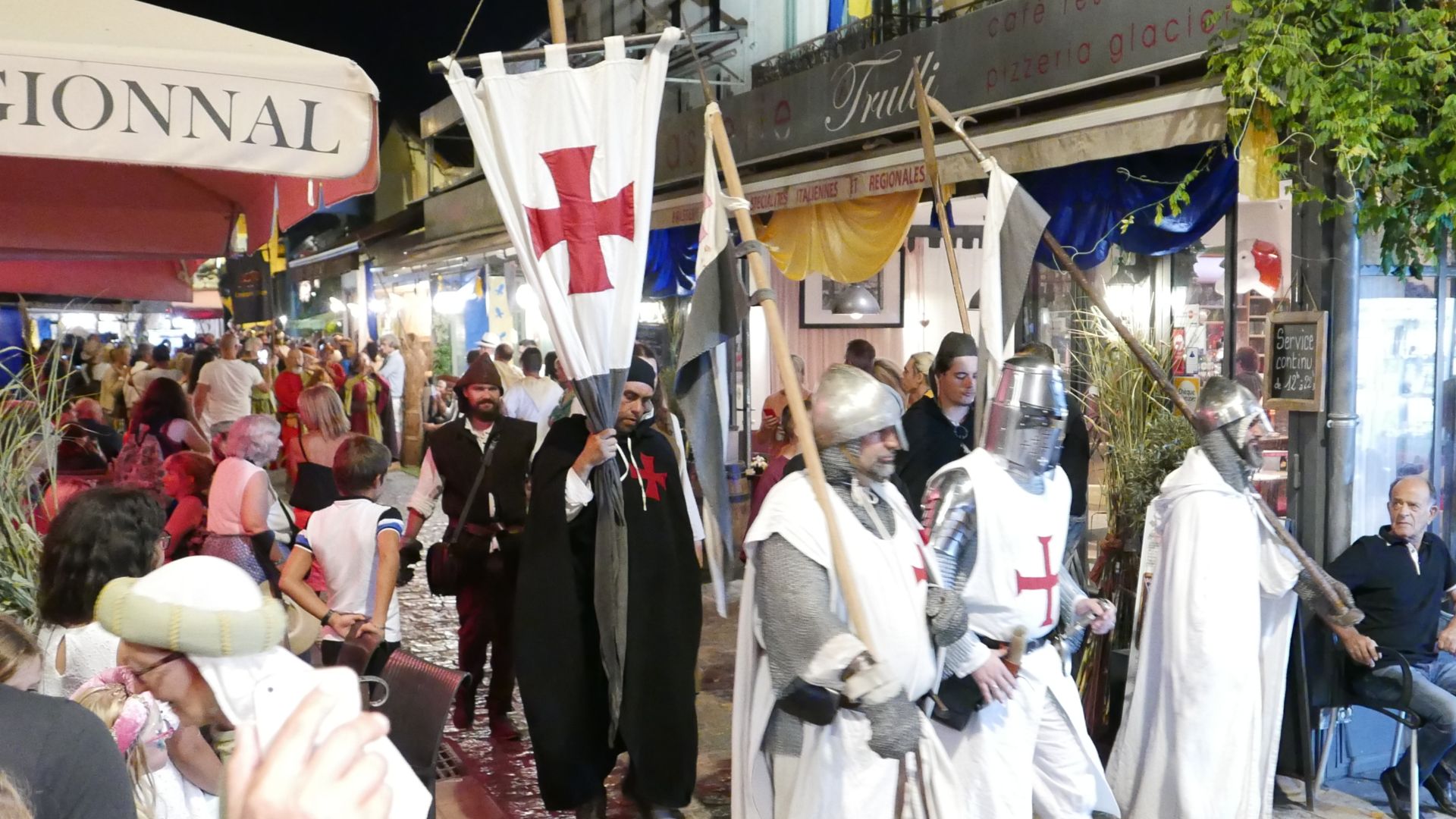
In medieval tournaments, a knight could issue a formal challenge by throwing down one of his armored gloves, known as a gauntlet. Picking it up accepted the challenge. Today, throwing down the gauntlet means boldly inviting competition or daring someone to respond.
History's most fascinating stories and darkest secrets, delivered to your inbox daily.
On The Wagon
Long before automobiles, medieval supply wagons carried water and ale through towns. Although the modern phrase became popular much later, medieval references linked water wagons with sobriety and restraint. Today, being 'on the wagon' refers to abstaining from alcohol.
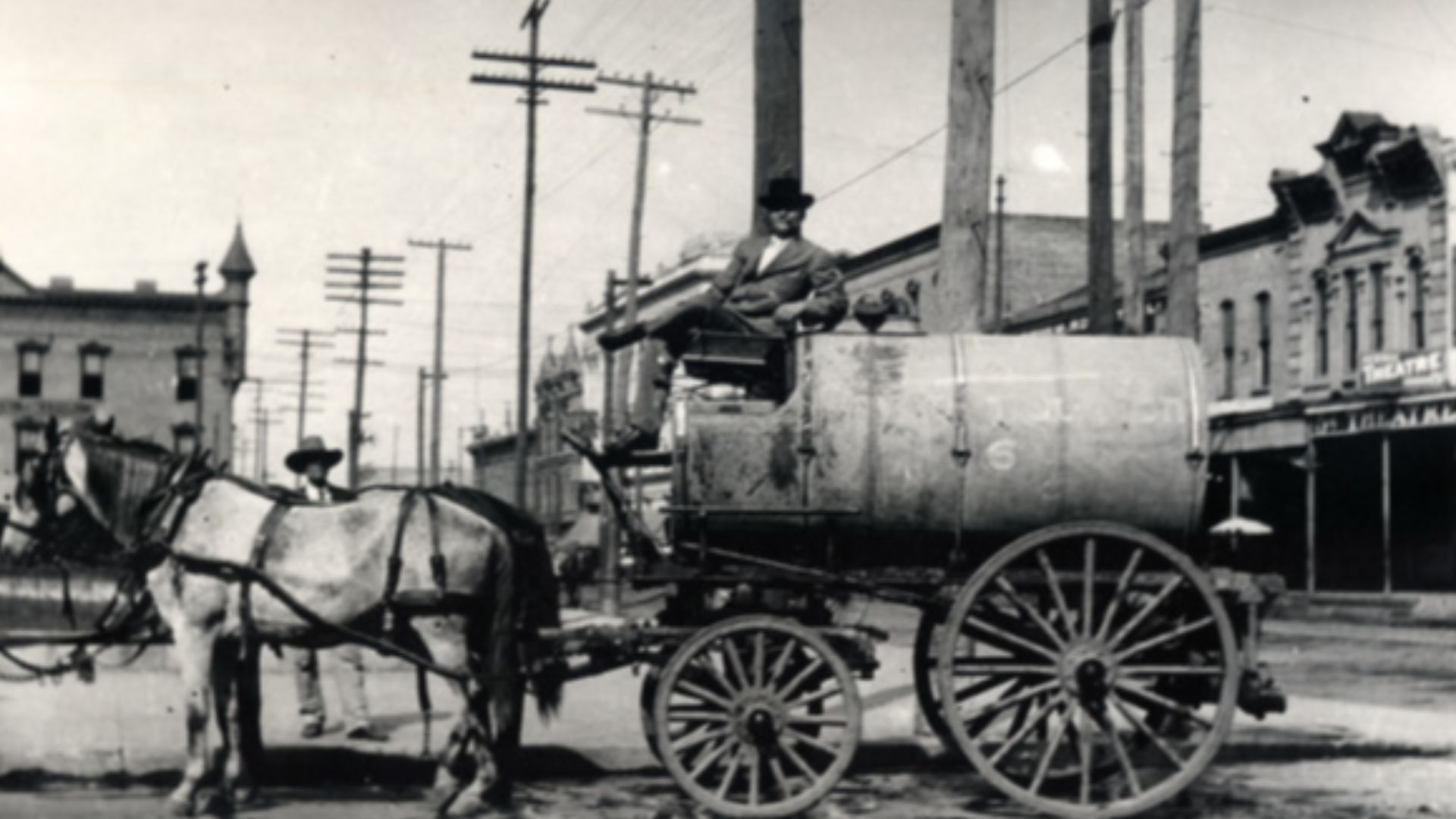 UH Digital Library, Wikimedia Commons
Read The Riot Act
The exact phrase comes from Britain's Riot Act of 1714, but its medieval roots lie in the long tradition of publicly reading royal proclamations to unruly crowds. Medieval officials frequently restored order by reading official decrees aloud in marketplaces and town squares.
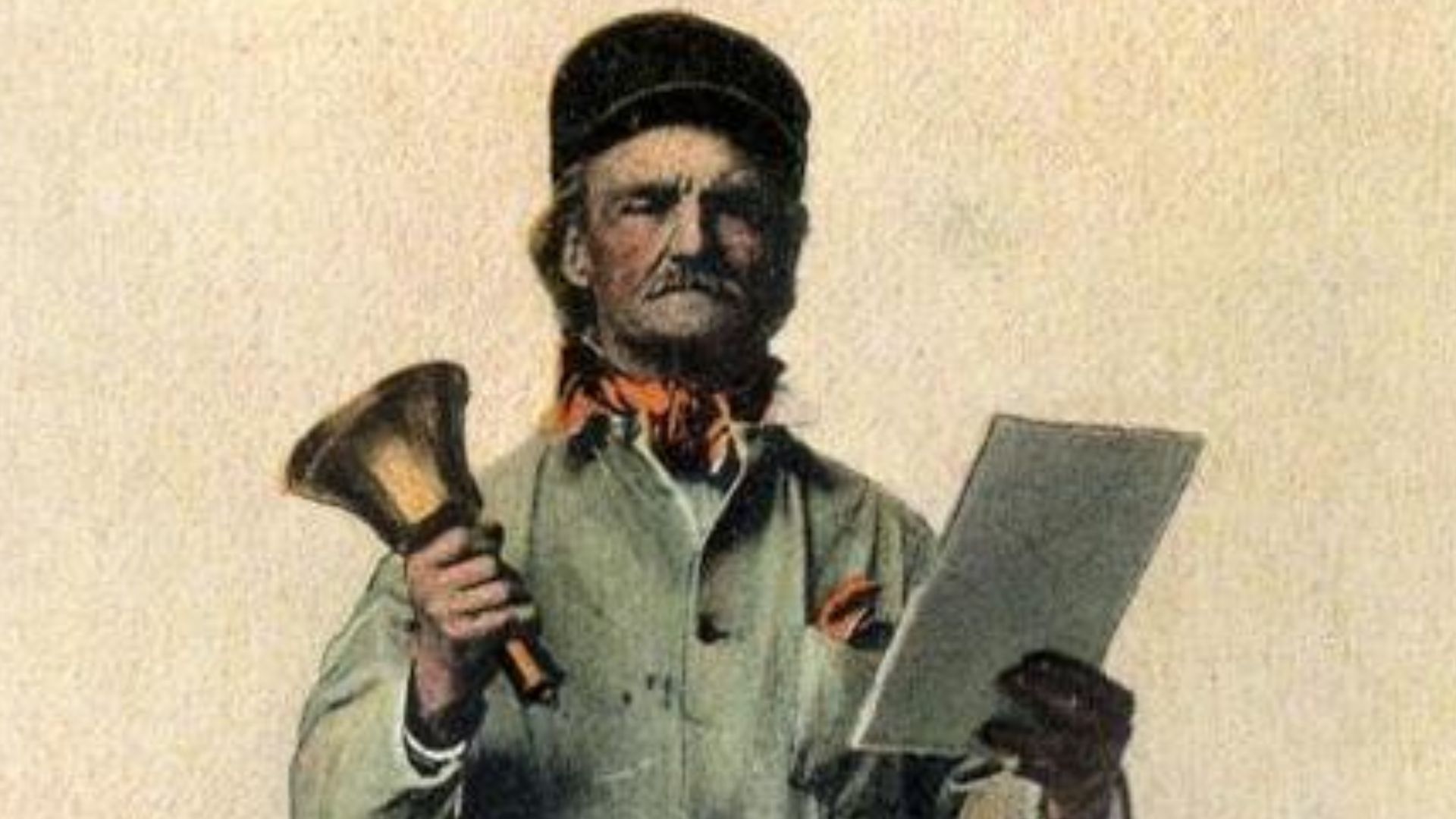 Unknown authorUnknown author, Wikimedia Commons
Wear Your Heart On Your Sleeve
Medieval knights participating in tournaments sometimes wore a lady's token, such as a scarf or ribbon, on their sleeve to publicly display affection or loyalty. William Shakespeare later popularized the expression, which now describes openly revealing one's emotions.
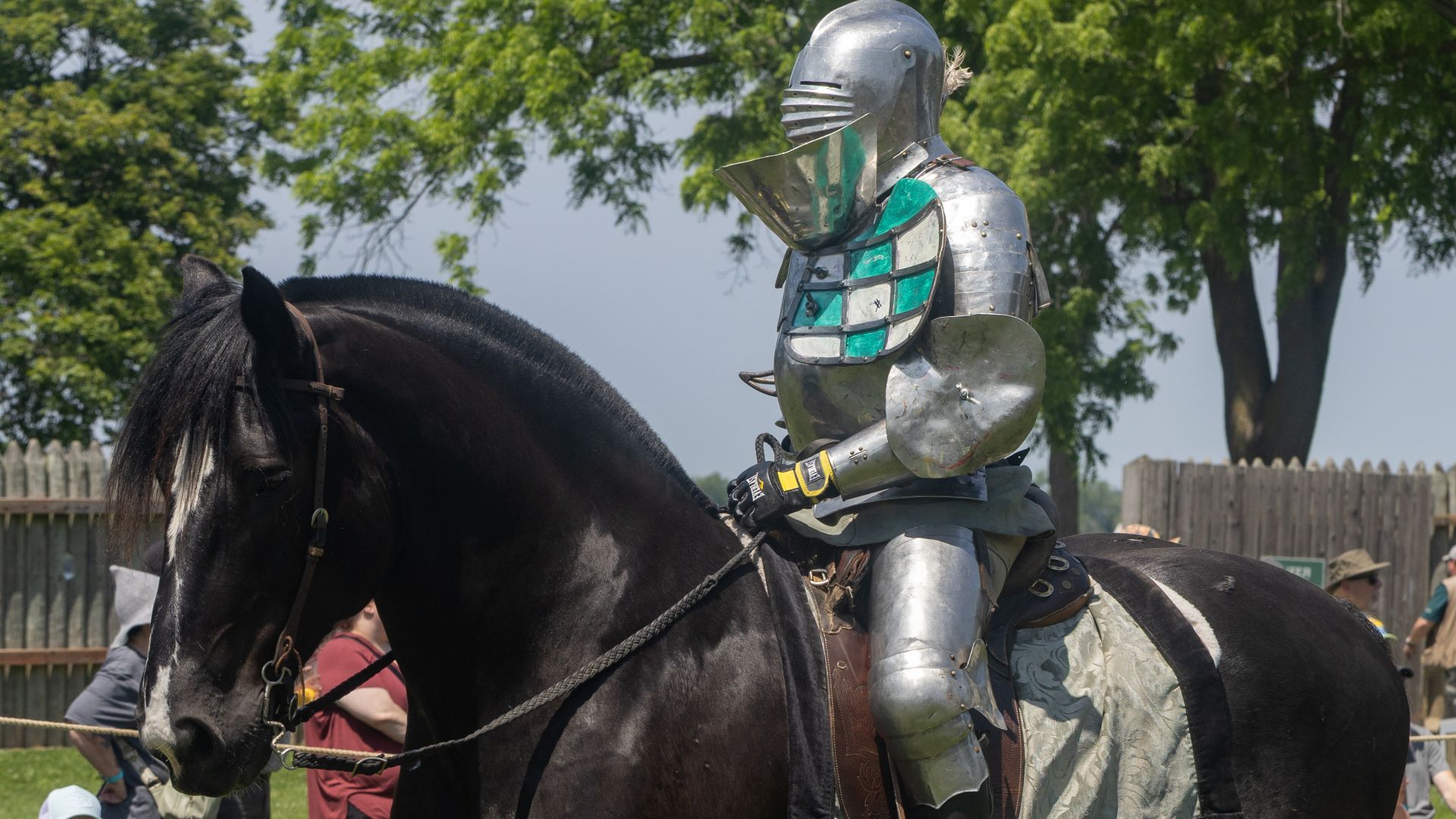 Chris Woodrich, Wikimedia Commons
Bite The Bullet
Many people believe this phrase comes from battlefield surgery, but its true origin remains debated. Medieval warriors were certainly familiar with enduring pain without complaint, and biting leather or wood during treatment was known long before modern anesthesia. Today, the phrase simply means facing hardship with determination.
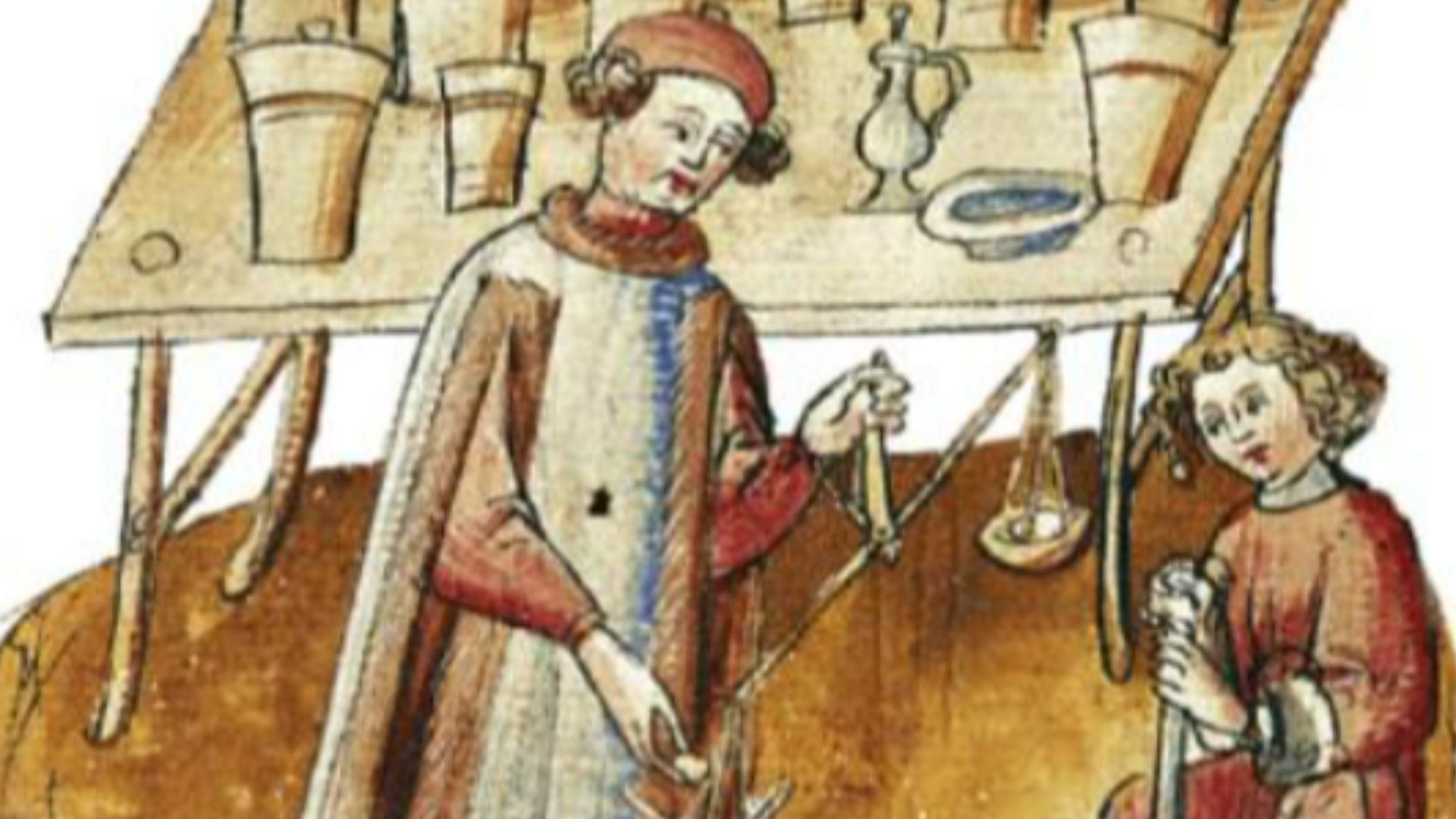 Unknown authorUnknown author, Wikimedia Commons
Spill The Beans
Although often linked to ancient Greece, medieval Europe helped preserve the expression through voting customs involving beans and other small tokens. Accidentally revealing the contents of a container could expose a secret decision. The phrase survives as a colorful way of describing an unintended revelation.
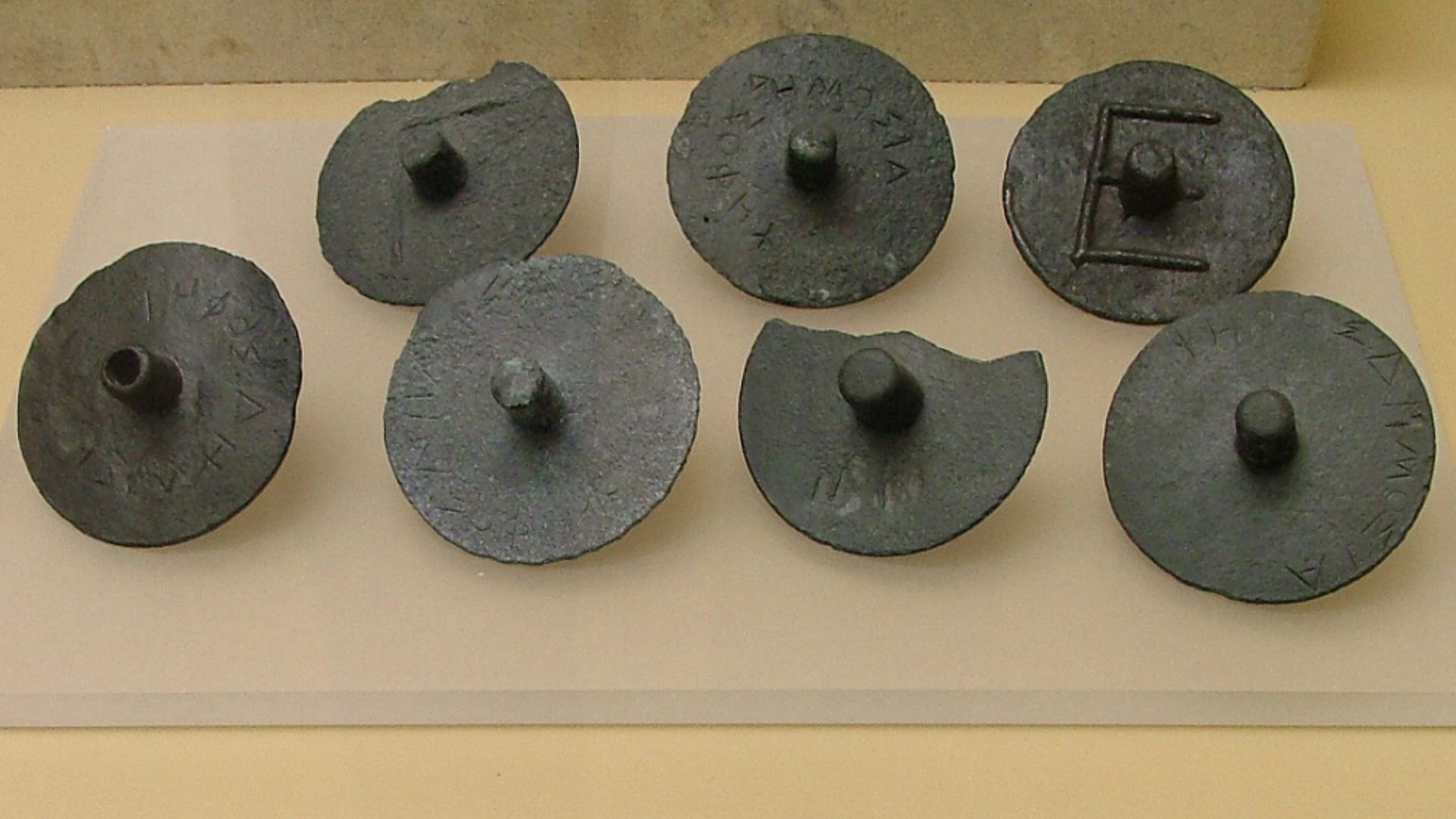
Piping Hot
Something described as 'piping hot' is extremely hot. The phrase comes from medieval minstrels and town musicians whose pipes produced hot breath as they played. Freshly baked bread and meals served immediately after cooking were compared to pipes still warm from constant use.
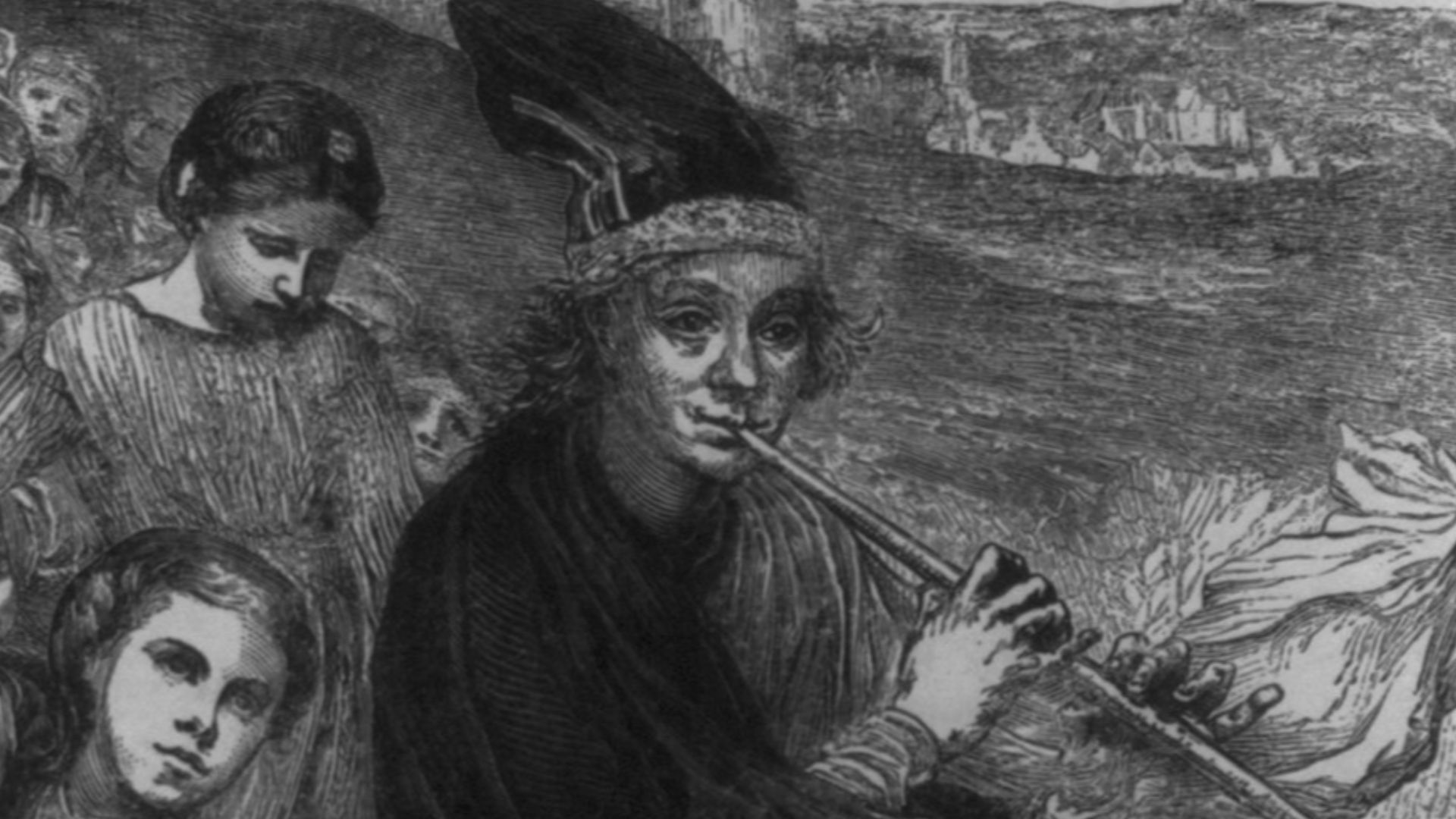 Miscellaneous Items in High Demand, PPOC, Library of Congress, Wikimedia Commons
History's most fascinating stories and darkest secrets, delivered to your inbox daily.
Lock, Stock, And Barrel
Today the phrase means 'everything included,' but its origins reach back to medieval weapon-making. Early crossbows and other weapons consisted of several major components that had to function together. By later centuries, firearms cemented the familiar trio of lock, stock, and barrel into everyday speech.
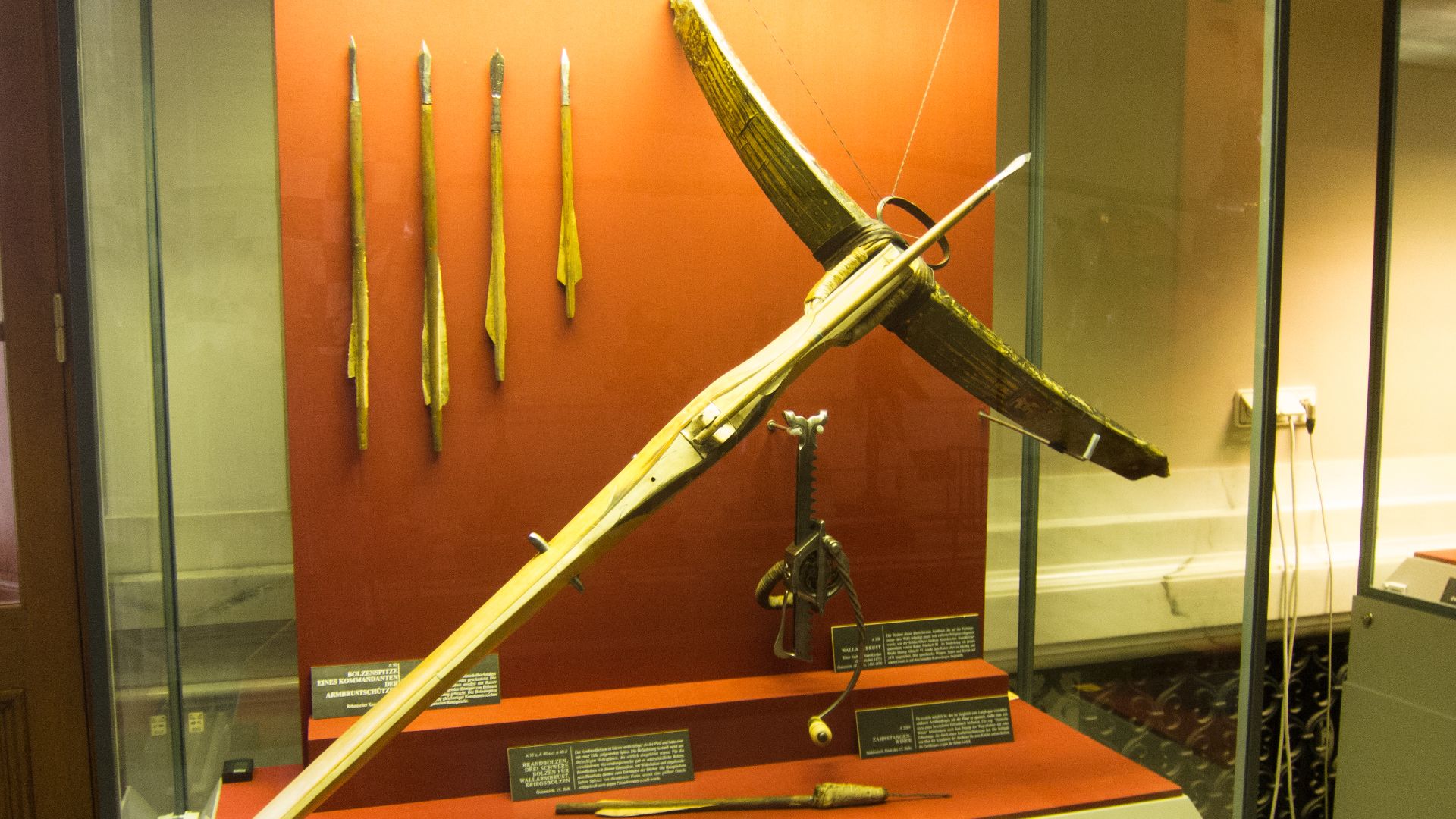 Thomas Quine, Wikimedia Commons
Stone's Throw
Medieval land records and military accounts frequently described distances by how far an average person could throw a stone. Before standardized measurements became widespread, such practical estimates were common. Today, a stone's throw simply means a very short distance away.
 Andrew from UK, Wikimedia Commons
To The Bitter End
Many people associate this phrase with grim determination, but its roots are nautical. The 'bitts' were sturdy wooden posts on medieval ships where ropes were secured. Reaching the bitter end meant letting out every available length of rope before it could go no farther.
 Herodotptlomeu, Wikimedia Commons
Cut And Dried
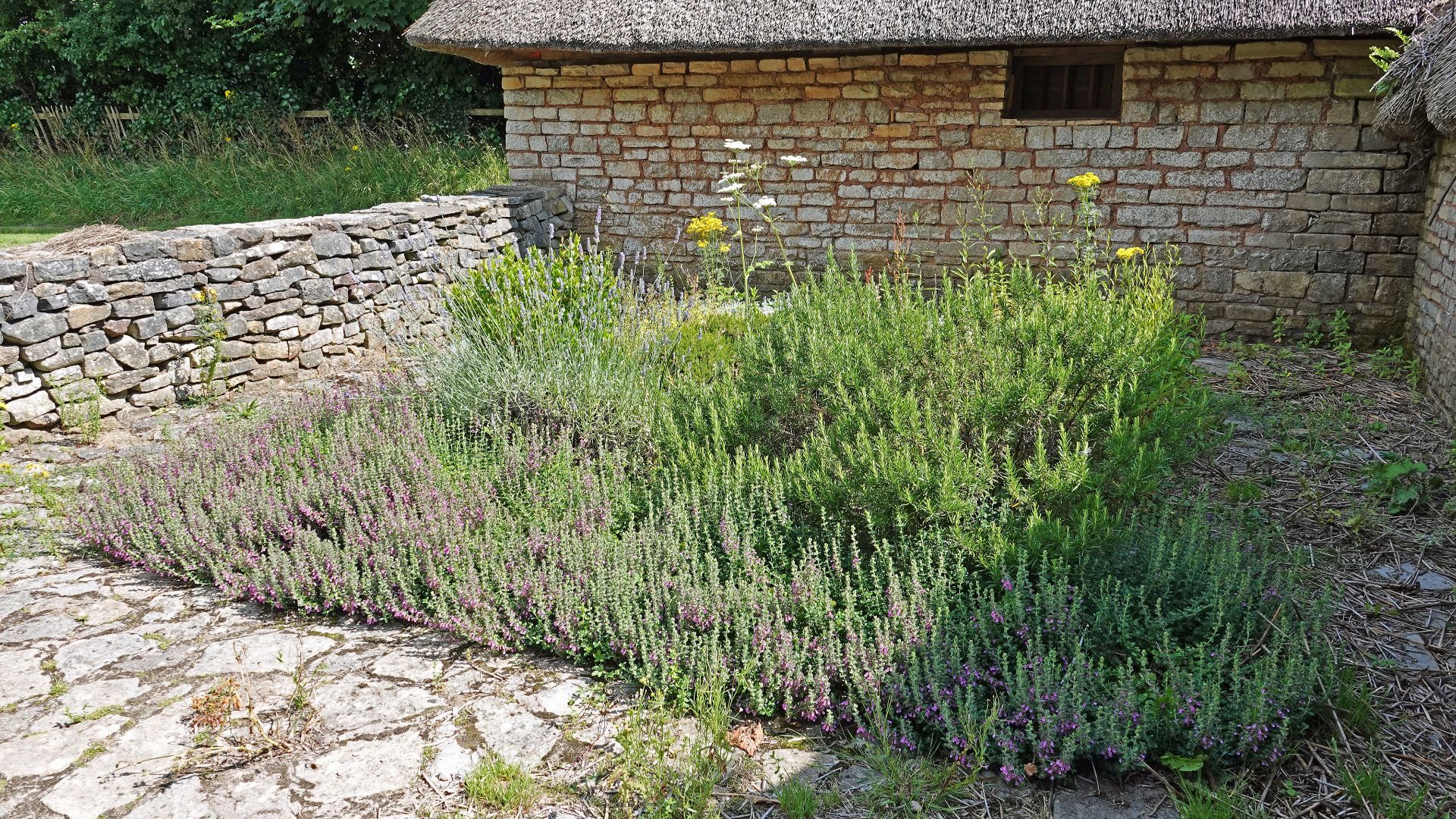
In medieval herbal medicine, plants were often cut, dried, and stored for later use. Once prepared, they required no further work and were ready whenever needed. Today, something described as cut and dried is already settled, prepared, or decided.
 Dylan Moore , Wikimedia Commons
With Flying Colors
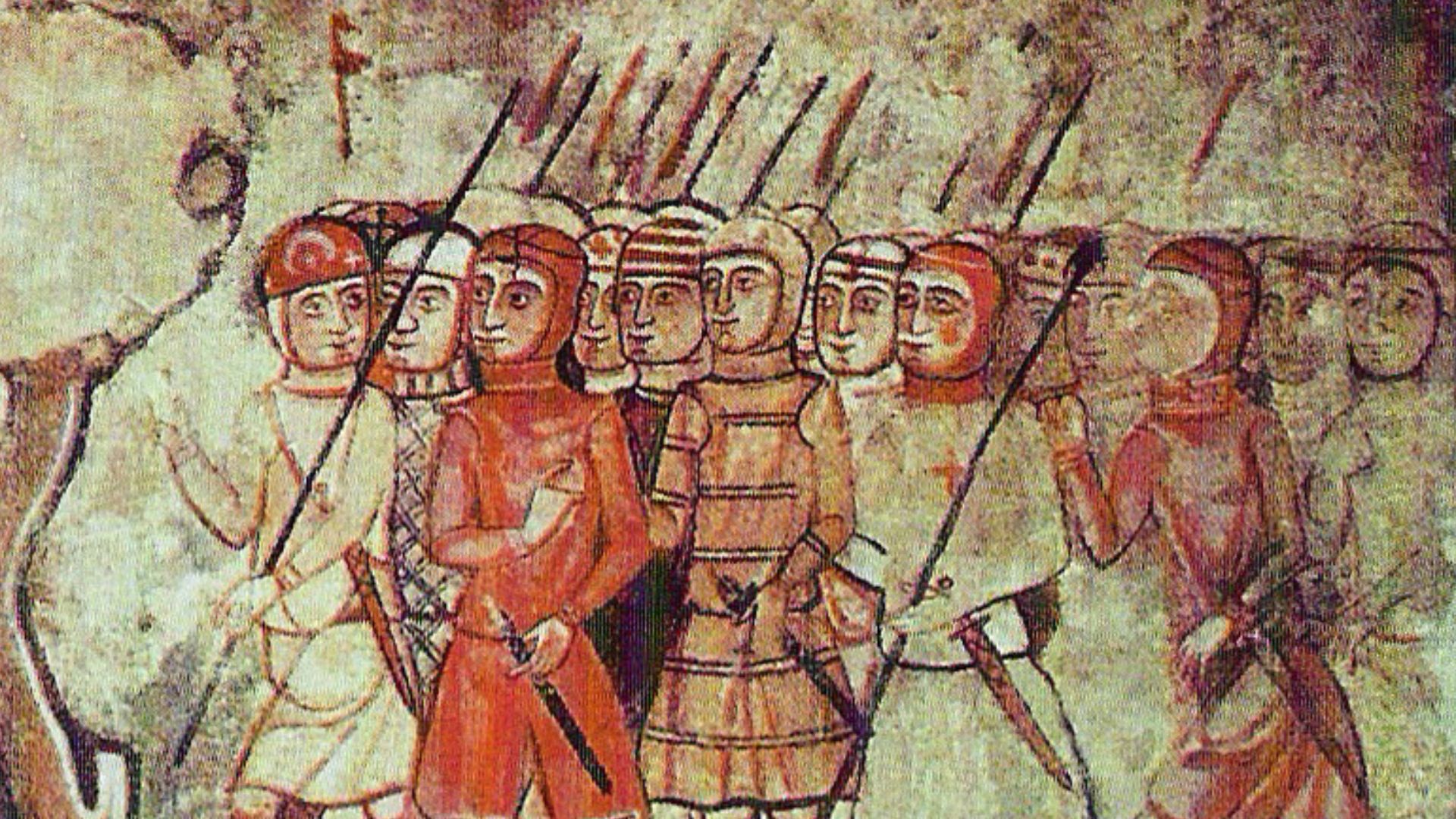
The expression developed from medieval warfare, where victorious armies returned with banners and standards proudly flying. Displaying one's colors signaled triumph rather than defeat. Today, passing an examination or completing a challenge 'with flying colors' means achieving outstanding success.
Ride Roughshod Over
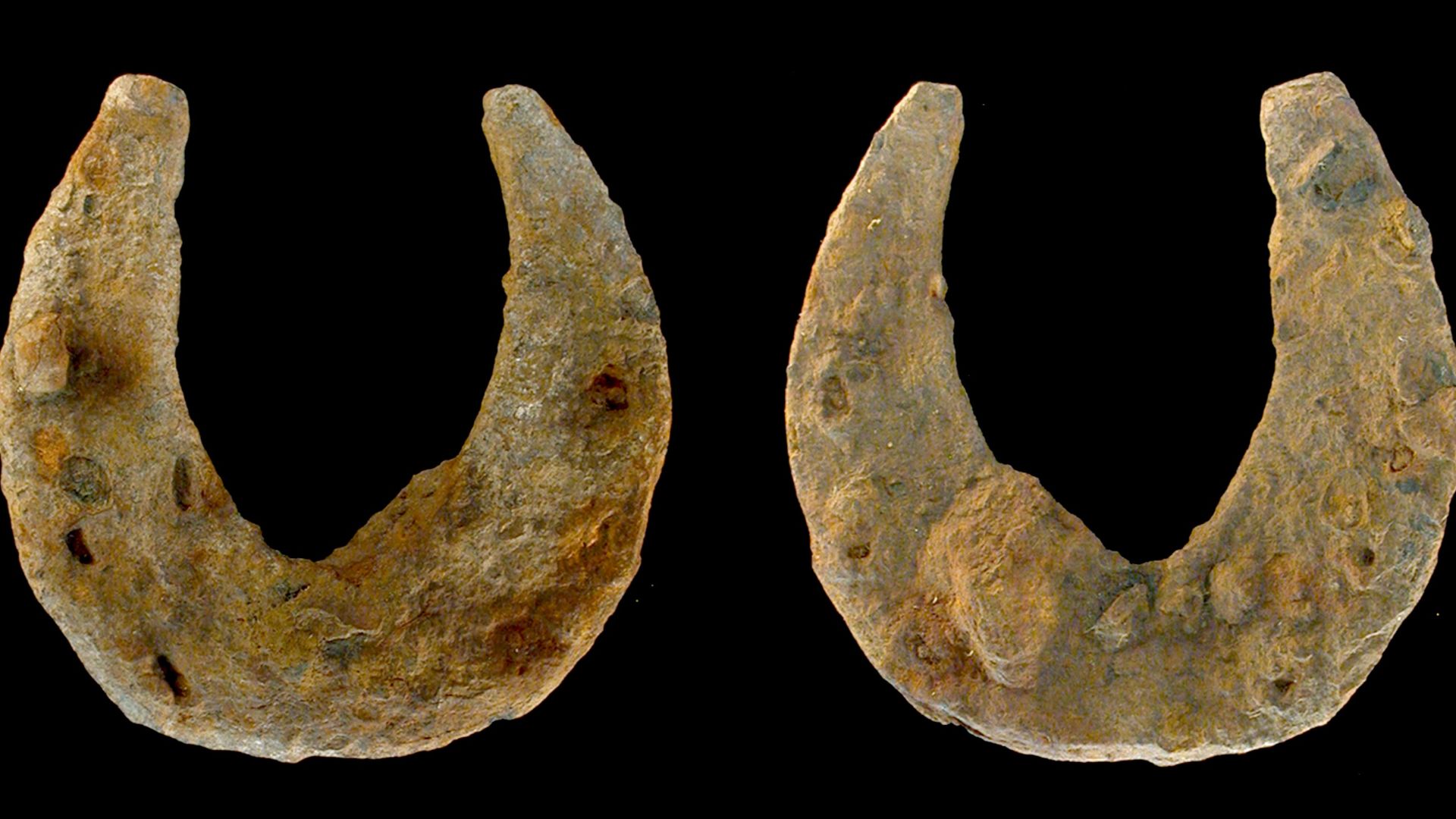
Roughshod horses wore horseshoes fitted with projecting studs to improve traction on muddy medieval roads. Being ridden over by such shoes would have been especially painful. The expression evolved into describing someone who dominates others harshly while ignoring their rights or opinions.
 Frank Basford, Frank Basford, 2005-06-17 11:42:56, Wikimedia Commons
History's most fascinating stories and darkest secrets, delivered to your inbox daily.
Straight From The Horse's Mouth
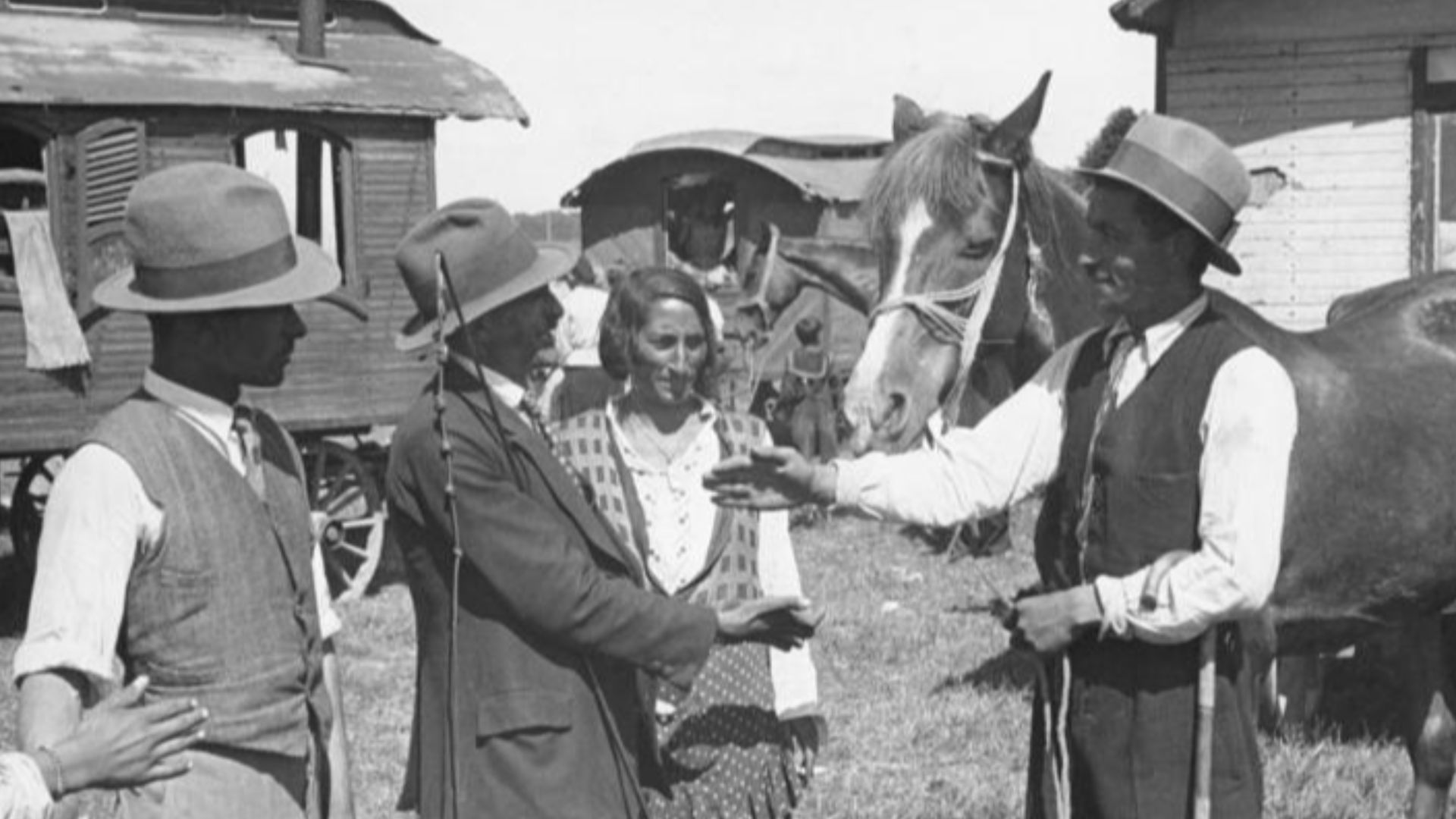
Horse traders have long examined an animal's teeth to determine its age and condition, a practice well established by the late Middle Ages. Reliable information came directly from inspecting the horse itself rather than trusting a seller. Today, the phrase means receiving information from the original source.
 Unknown authorUnknown author, Wikimedia Commons
Put Your Best Foot Forward
The saying traces back to medieval courtly etiquette, where approaching a noble or entering an important hall required proper posture and graceful movement. Leading with one's strongest or most confident step symbolized making the best possible first impression.
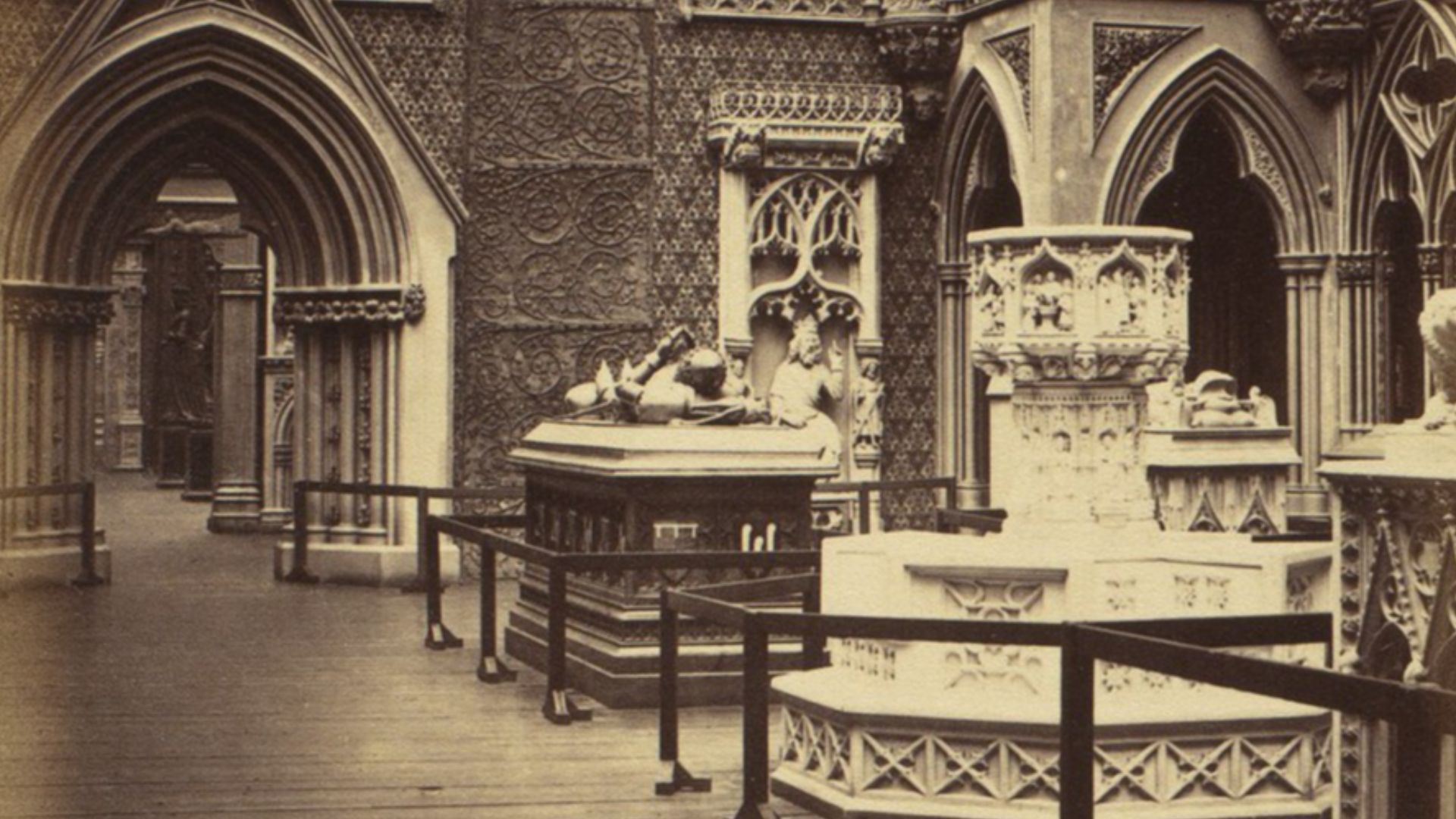 Philip Henry Delamotte, Wikimedia Commons
To A T
Although many assume the 'T' refers to the letter itself, the expression may derive from the medieval phrase 'to a tittle,' meaning down to the smallest written mark. A tittle is the tiny stroke or dot found in handwritten manuscripts. Today, it means exactly right.
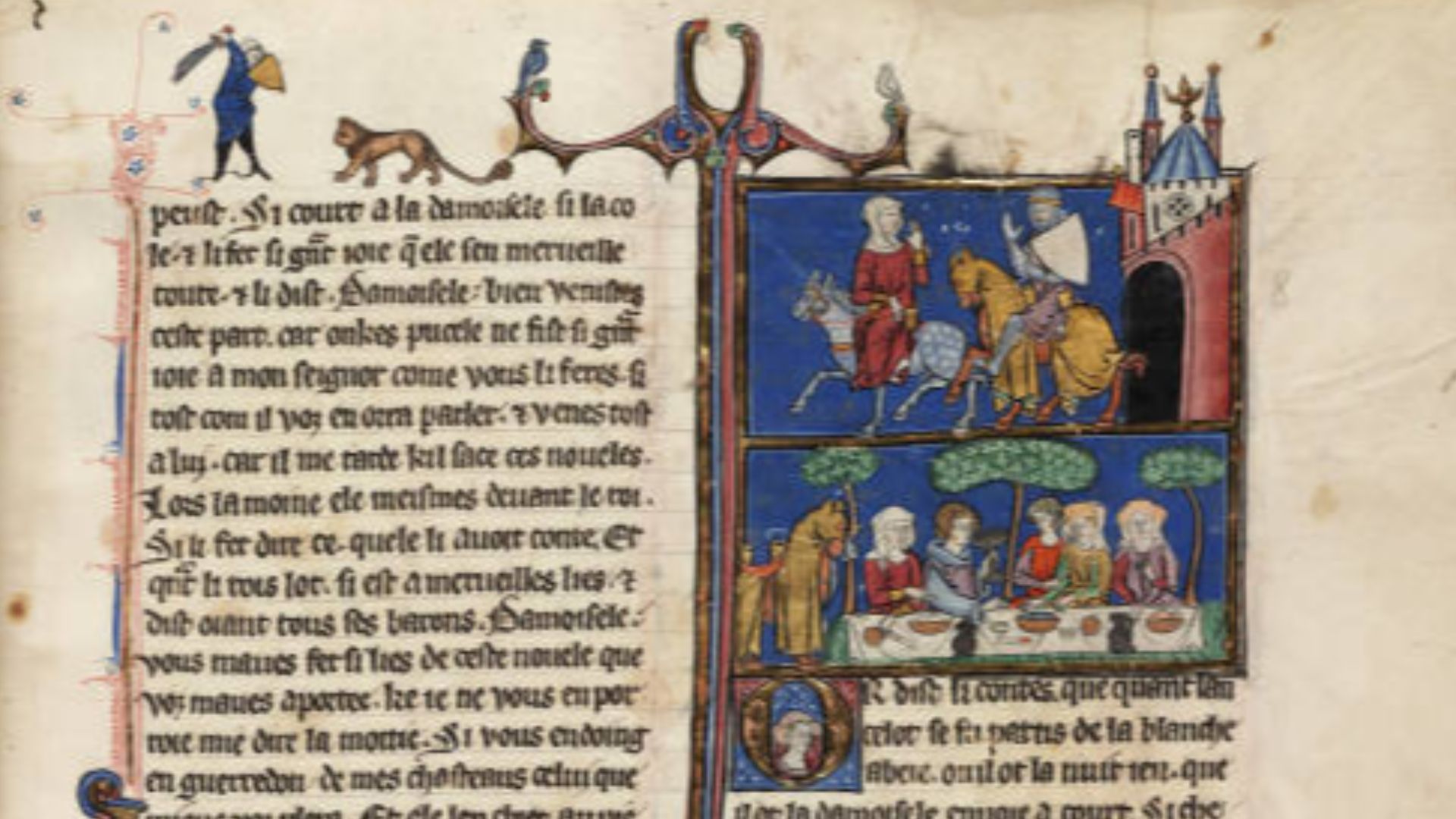 Unknown authorUnknown author, Wikimedia Commons
Leave No Stone Unturned
The phrase became widely known in medieval Europe through translations of ancient writings and was often used in chronicles describing determined searches for treasure, relics, or fugitives. Today, leaving no stone unturned means making every possible effort to find something or solve a problem.
By Hook Or By Crook
One popular explanation links this expression to medieval rights allowing commoners to gather firewood using shepherds' hooks or pruning crooks. Whether entirely accurate or not, the phrase was well established by the late Middle Ages. Today, it means achieving a goal by any available means.
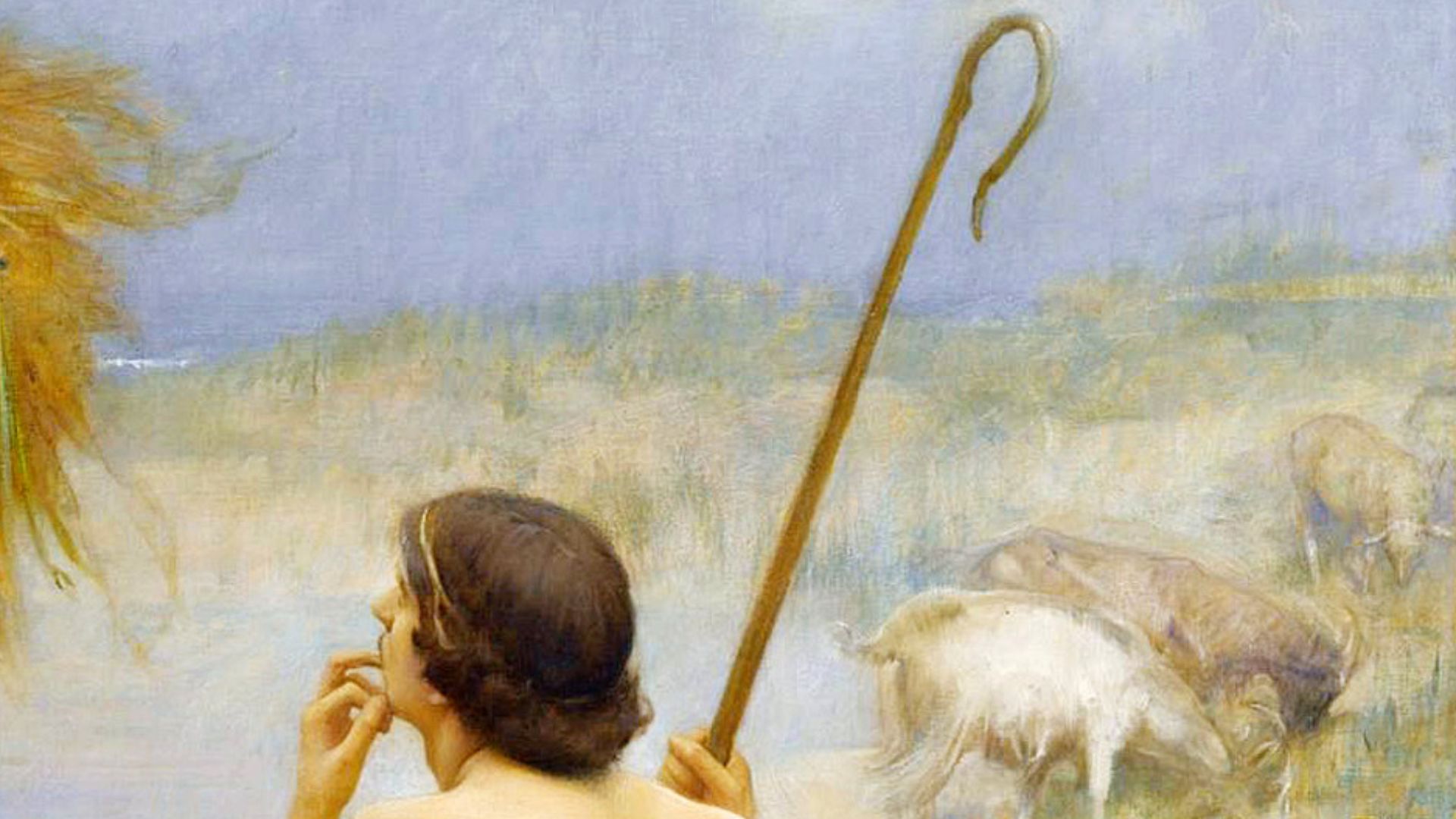 Arthur Hacker, Wikimedia Commons
Medieval Echoes In Modern English
The Middle Ages may seem distant, but traces of that world survive every time we speak. Expressions born from knights, merchants, sailors, craftsmen, and villagers have outlived castles and kingdoms themselves. These enduring sayings remind us that language often preserves history long after the events that inspired it have faded.
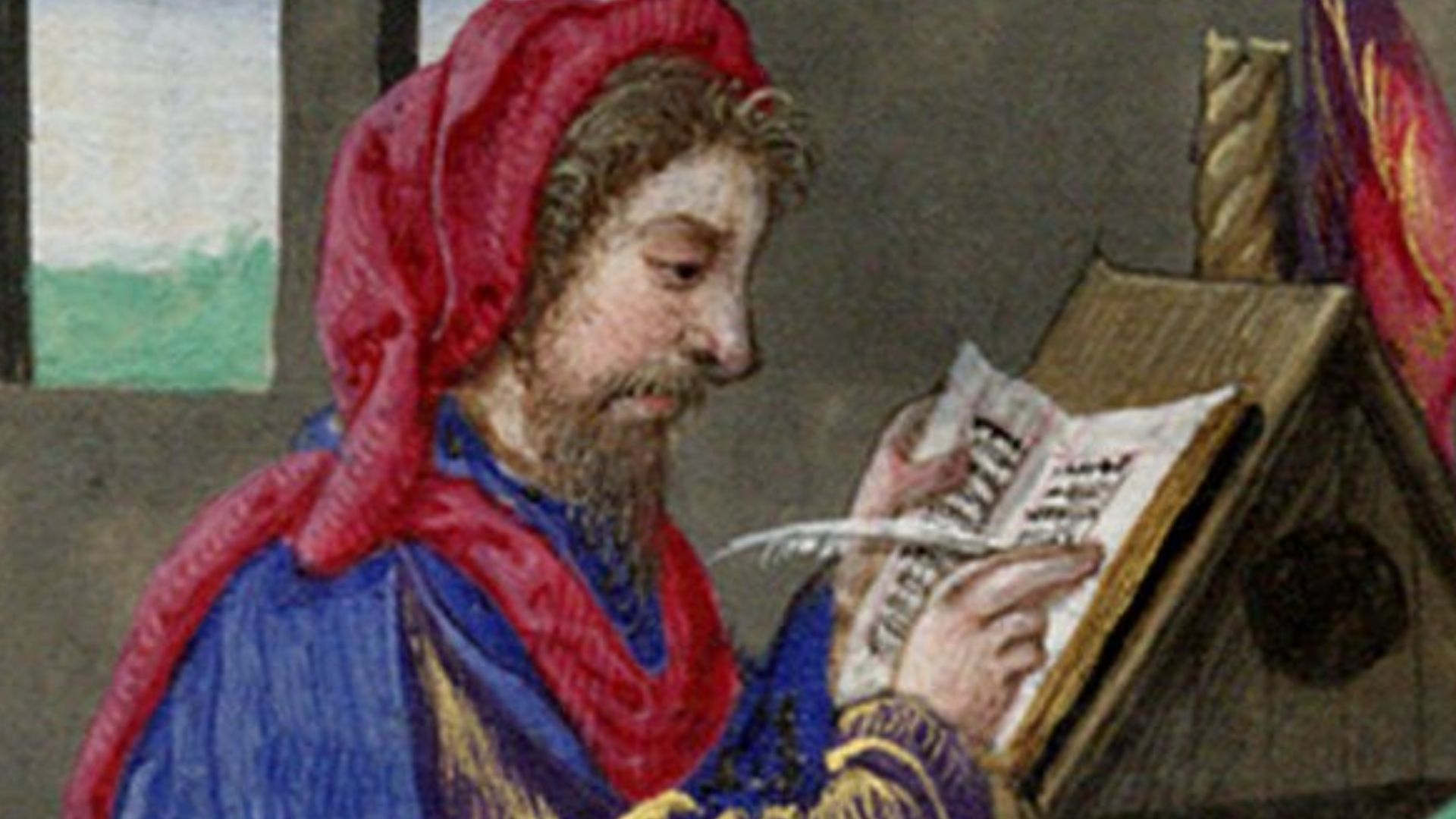 Geoffroy Tory, Wikimedia Commons
You May Also Like:
People’s everyday diets in the Middle Ages were stranger—and tastier—than we ever realized.
Facts About The Middle Ages In Europe And Around The World