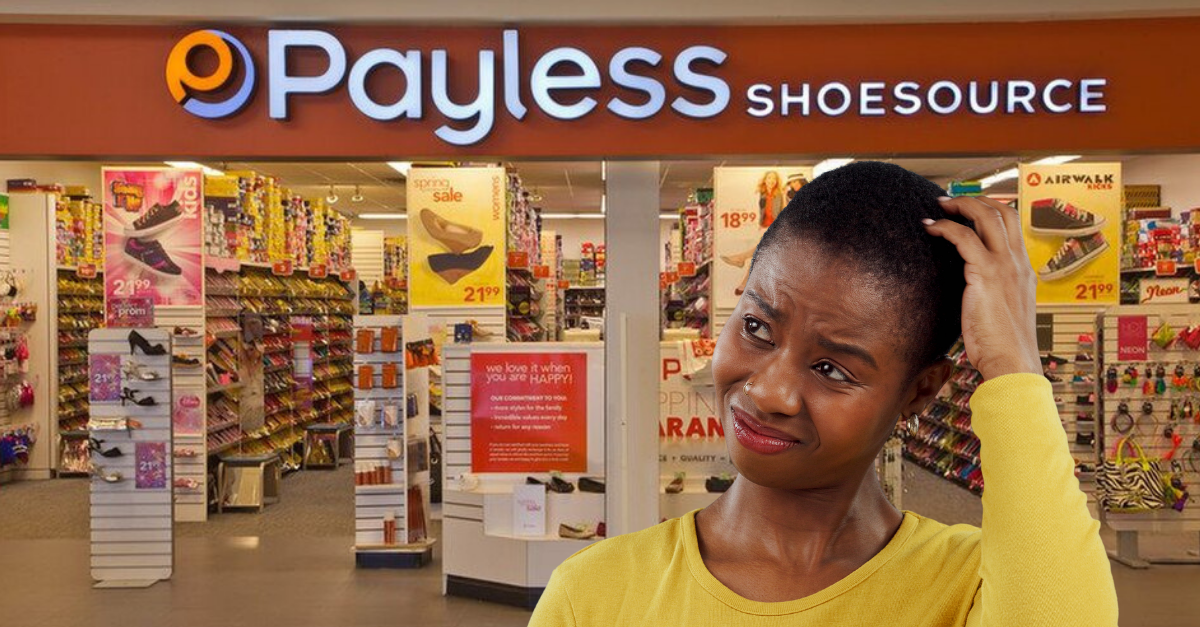
When Every Town Had The Same Stores
The American business landscape changes fast. One decade’s unstoppable giant can become the next decade’s trivia question. Many of these companies once dominated malls, shopping centers, and main streets across the country, yet today younger generations may have never even heard of them. Here are 20 businesses that were once nearly impossible to avoid but have largely faded into history.
 BentleyMall, Wikimedia Commons
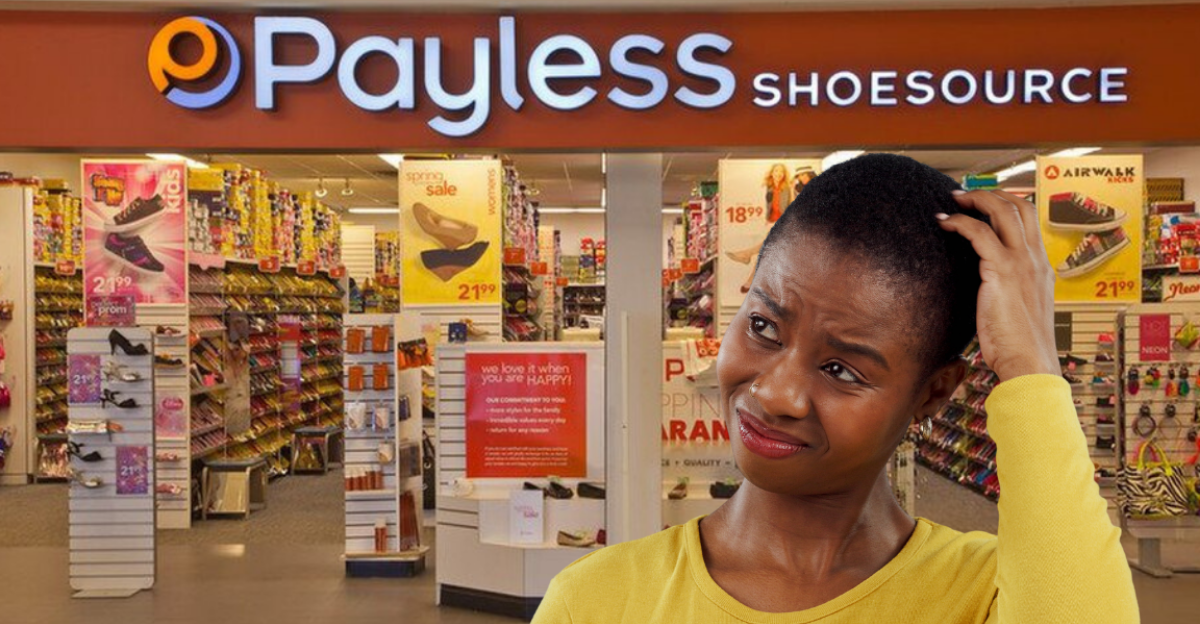
Woolworth
For much of the 20th century, Woolworth was one of America's most recognizable retailers. Its famous five-and-dime stores sold everything from household goods to candy and became fixtures in downtown shopping districts. The company eventually struggled against discount chains and changing retail habits, and its traditional stores disappeared from the American landscape.
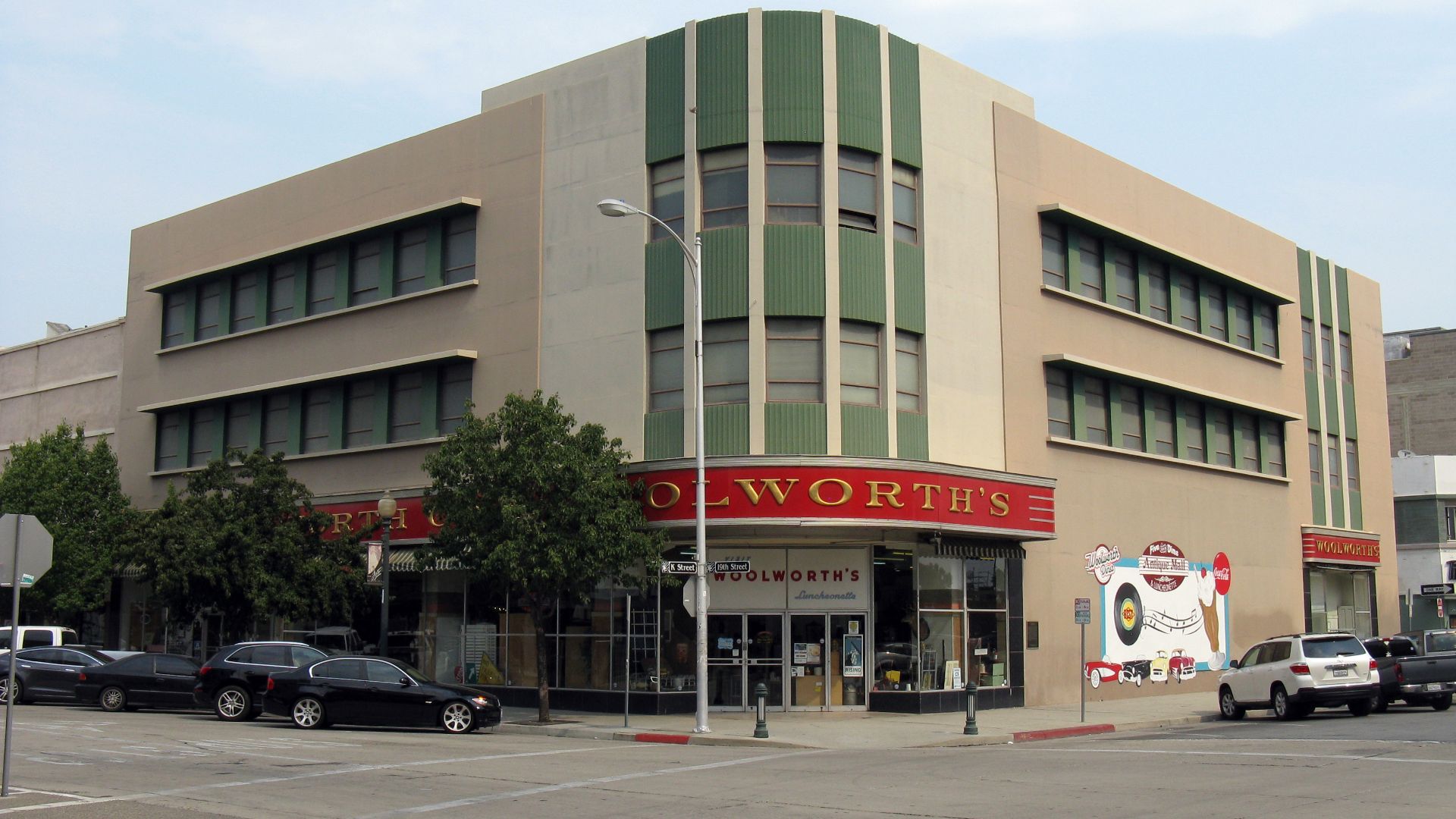
Montgomery Ward
Founded in the 19th century, Montgomery Ward helped pioneer mail-order shopping long before online retail existed. Its catalogs reached millions of homes and later expanded into large department stores across the country. After years of financial struggles, the retailer closed its remaining stores in 2001.
 The original uploader was Caldorwards4 at English Wikipedia., Wikimedia Commons
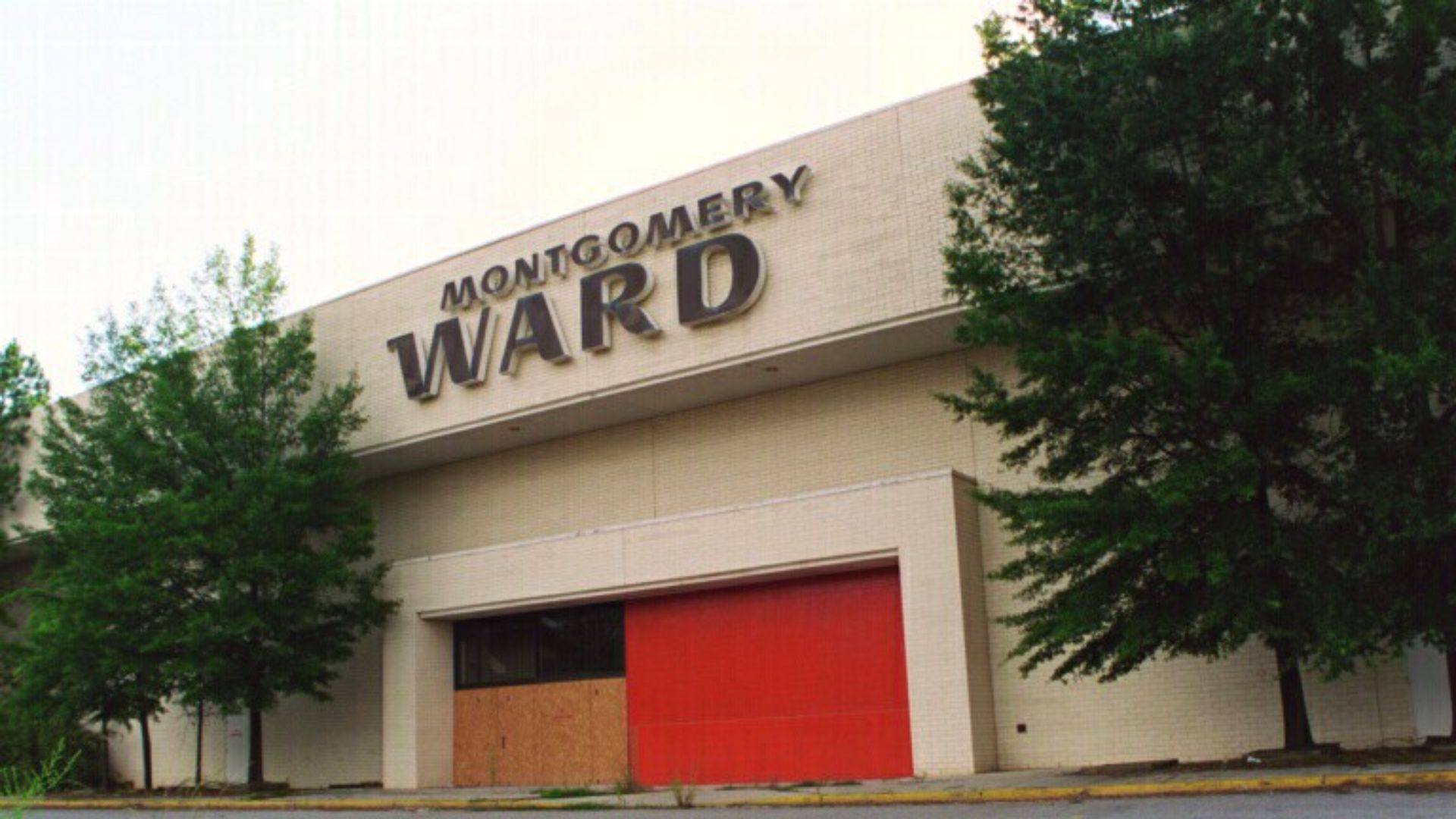
Circuit City
During the 1980s and 1990s, Circuit City was one of the biggest names in consumer electronics. Shoppers flocked there for televisions, stereos, computers, and the latest gadgets. The company filed for bankruptcy and shut down its stores in 2009 after facing intense competition and changing consumer habits.
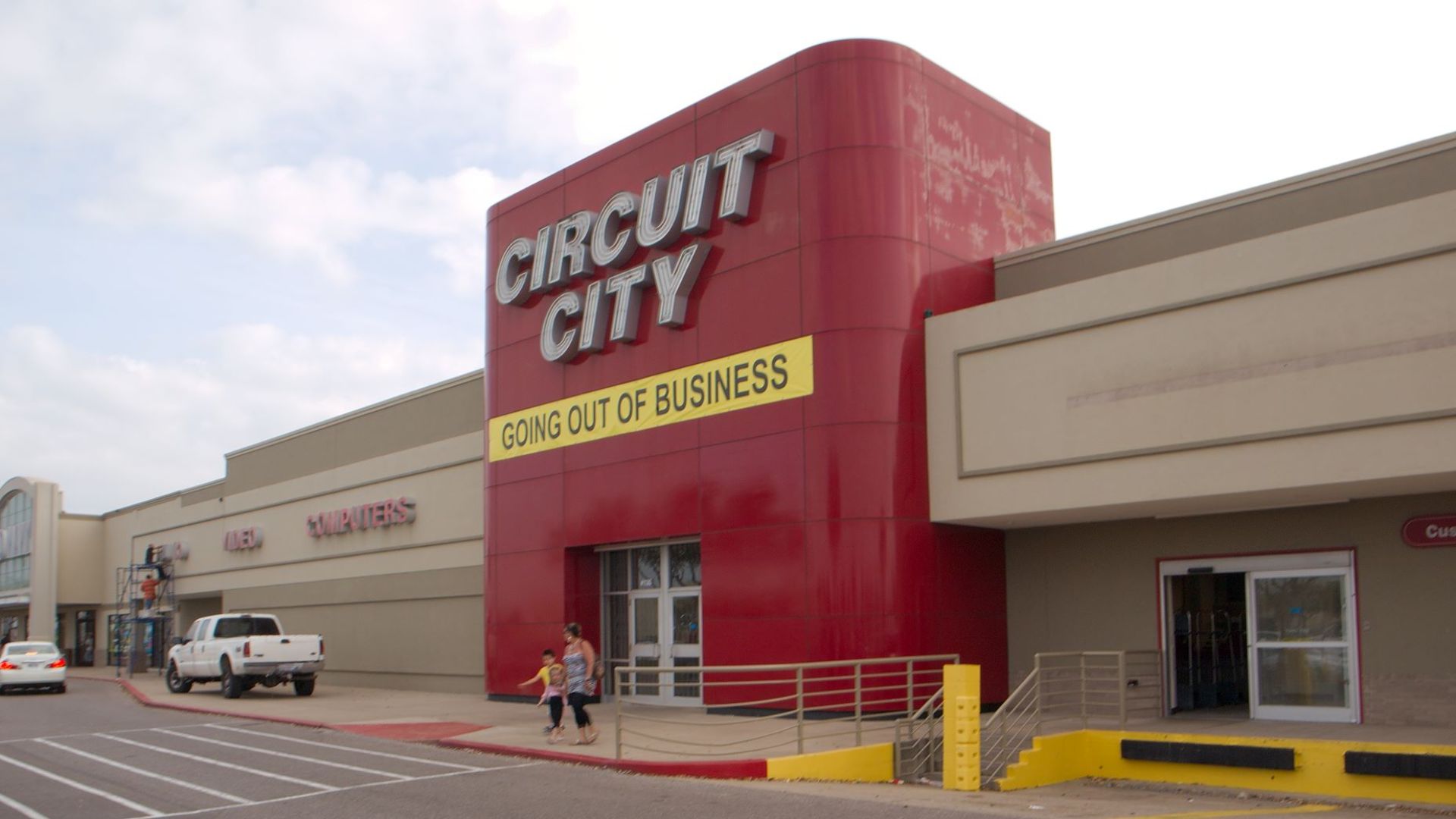 Terry Ross from Corpus Christi, Texas, United States, Wikimedia Commons

History's most fascinating stories and darkest secrets, delivered to your inbox daily.
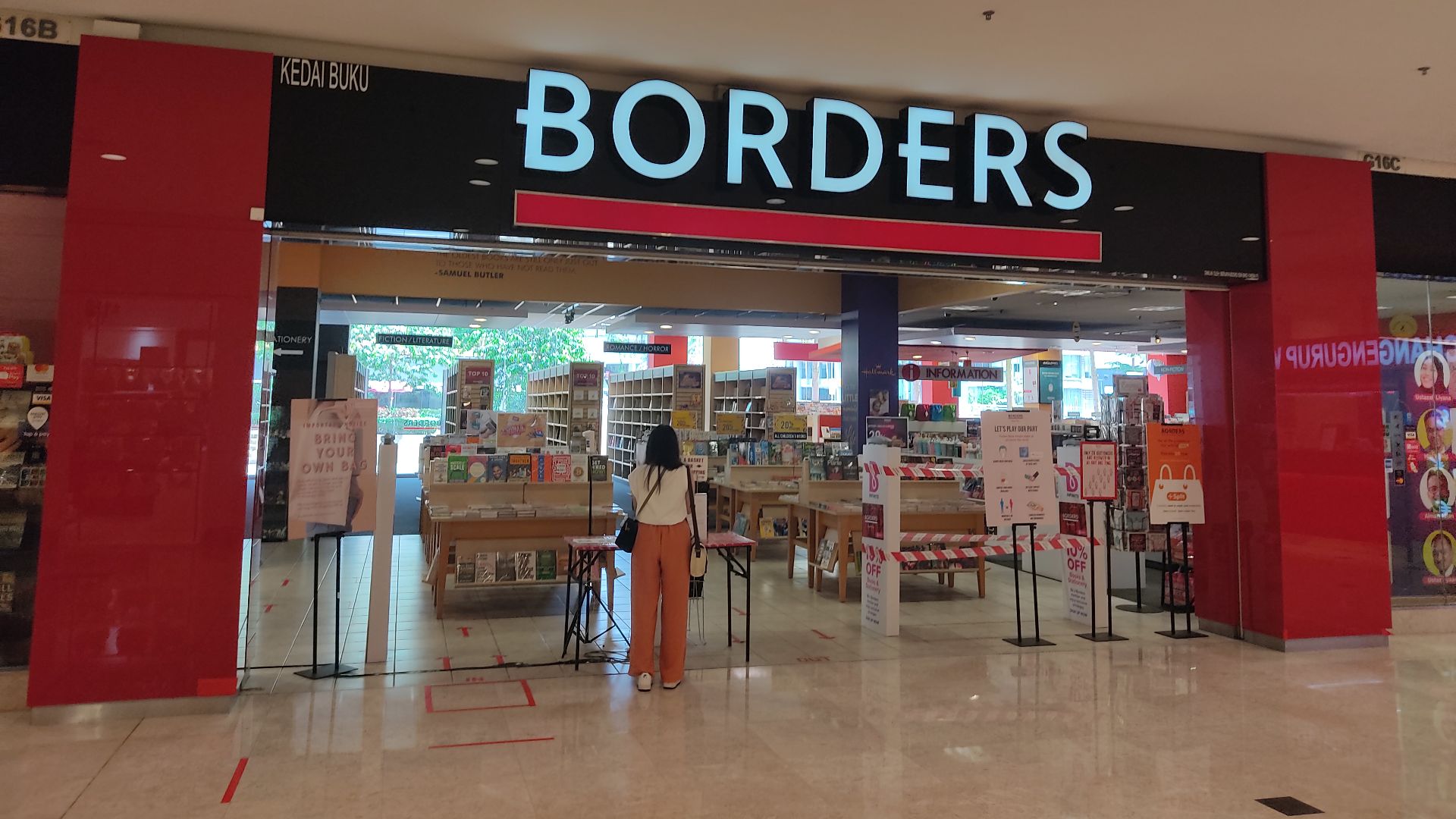
Borders
Before e-books and online booksellers transformed the industry, Borders was a destination for book lovers. Its massive stores offered books, music, magazines, and cozy reading areas. Financial problems and the rise of digital retail ultimately led to the chain's liquidation in 2011.
Blockbuster
There was a time when Friday night meant a trip to Blockbuster. The video rental giant operated thousands of locations and became synonymous with movie nights. Streaming services eventually changed the way people consumed entertainment, leaving only a single independently operated store in Oregon as a reminder of the brand's former dominance.
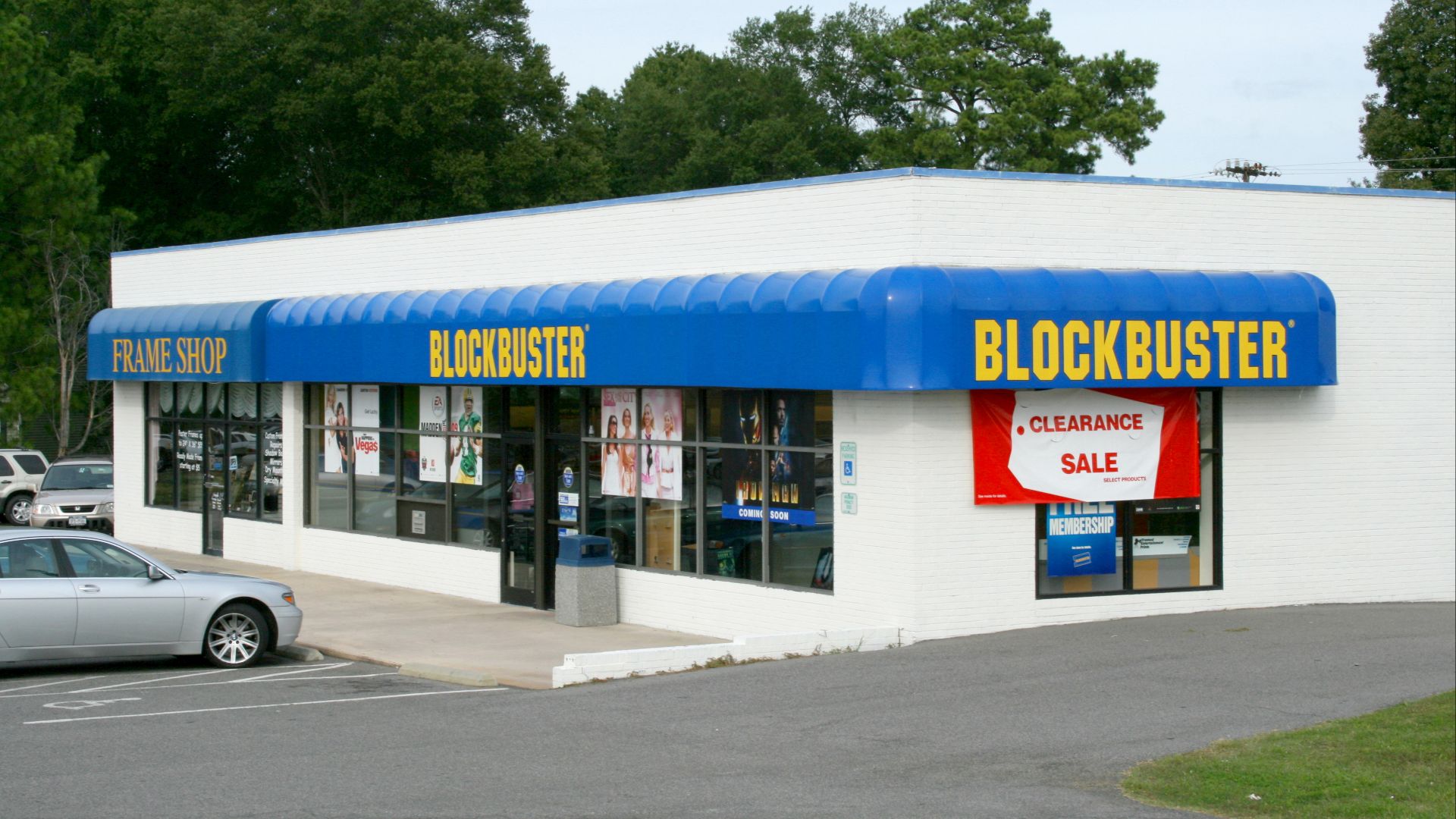 Ildar Sagdejev (Specious), Wikimedia Commons
KB Toys
Mall trips often included a stop at KB Toys. The chain became one of America's largest toy retailers, operating more than 1,300 stores at its peak. After financial difficulties and multiple bankruptcies, the company closed its remaining stores in 2009.
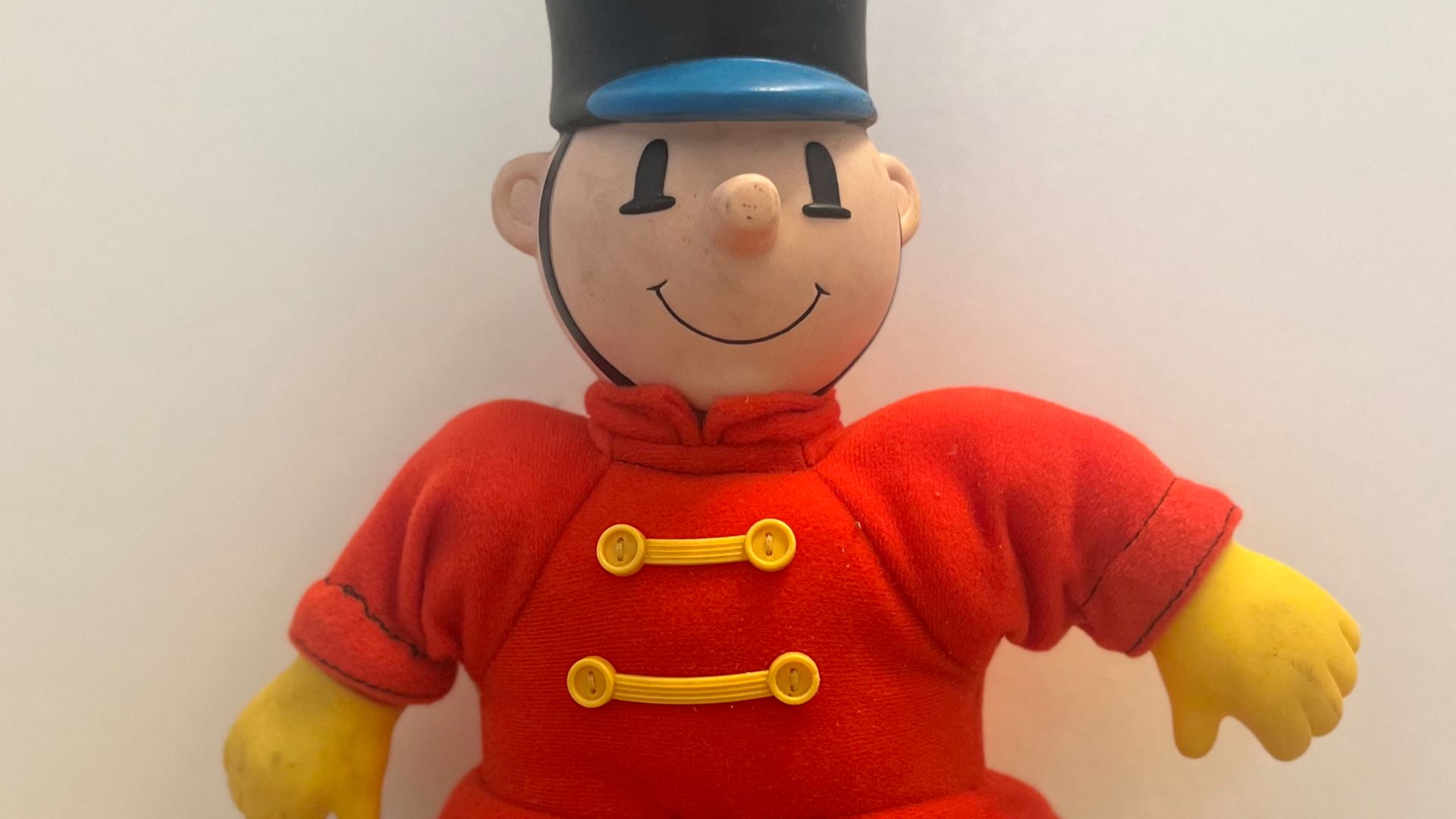 Wikicontributor135, Wikimedia Commons
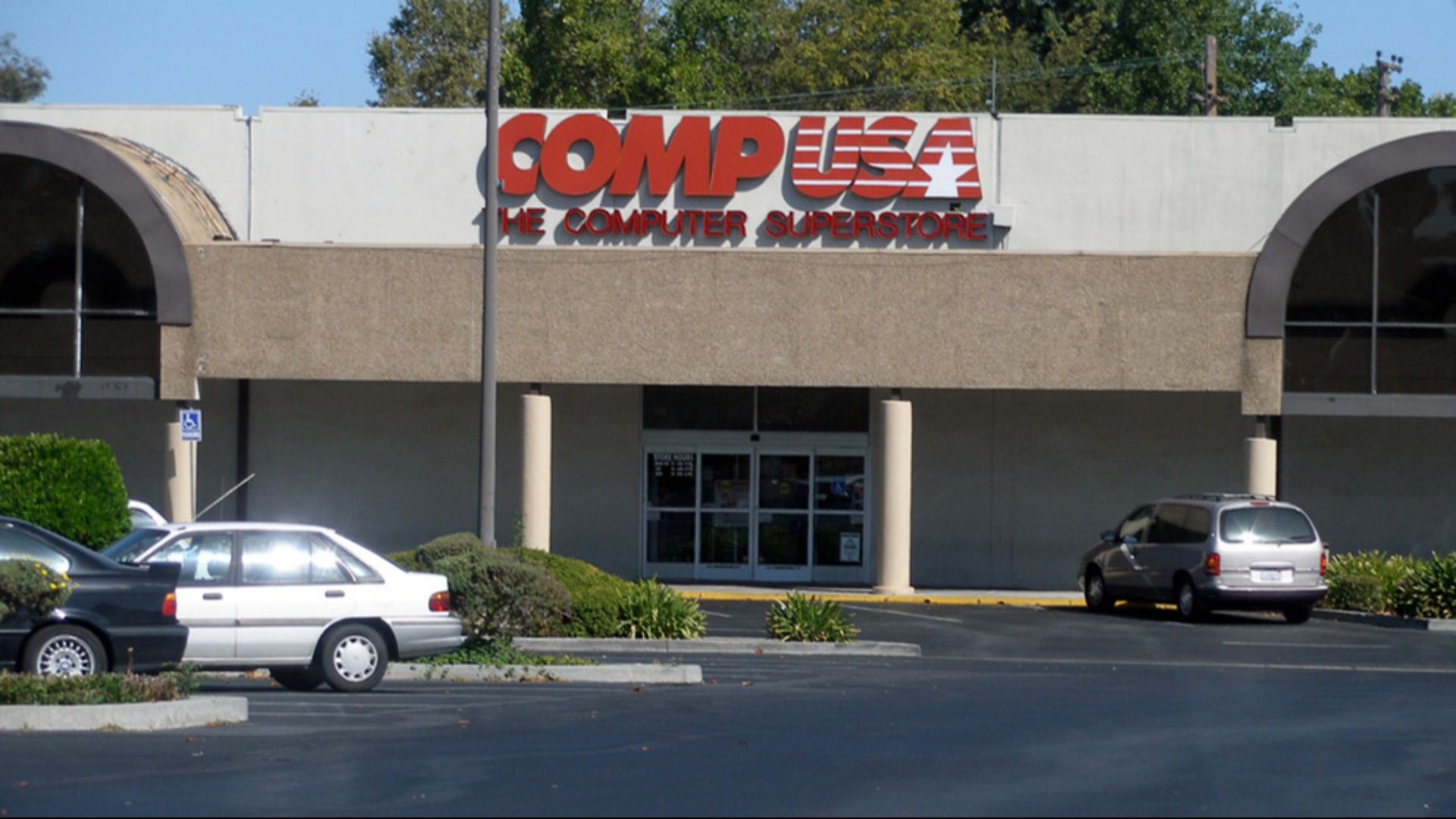
CompUSA
CompUSA was once a go-to destination for computer enthusiasts and early technology adopters. The chain sold everything from software and printers to custom computer components. As technology retail evolved and competition intensified, the company gradually disappeared from shopping centers across America.
 Coolcaesar at en.wikipedia, Wikimedia Commons
Toys "R" Us
For generations of children, Toys "R" Us felt like a wonderland. The company became one of the world's largest toy retailers and helped define the modern toy superstore. Its U.S. stores closed in 2018 after bankruptcy proceedings, marking the end of an era for countless shoppers.
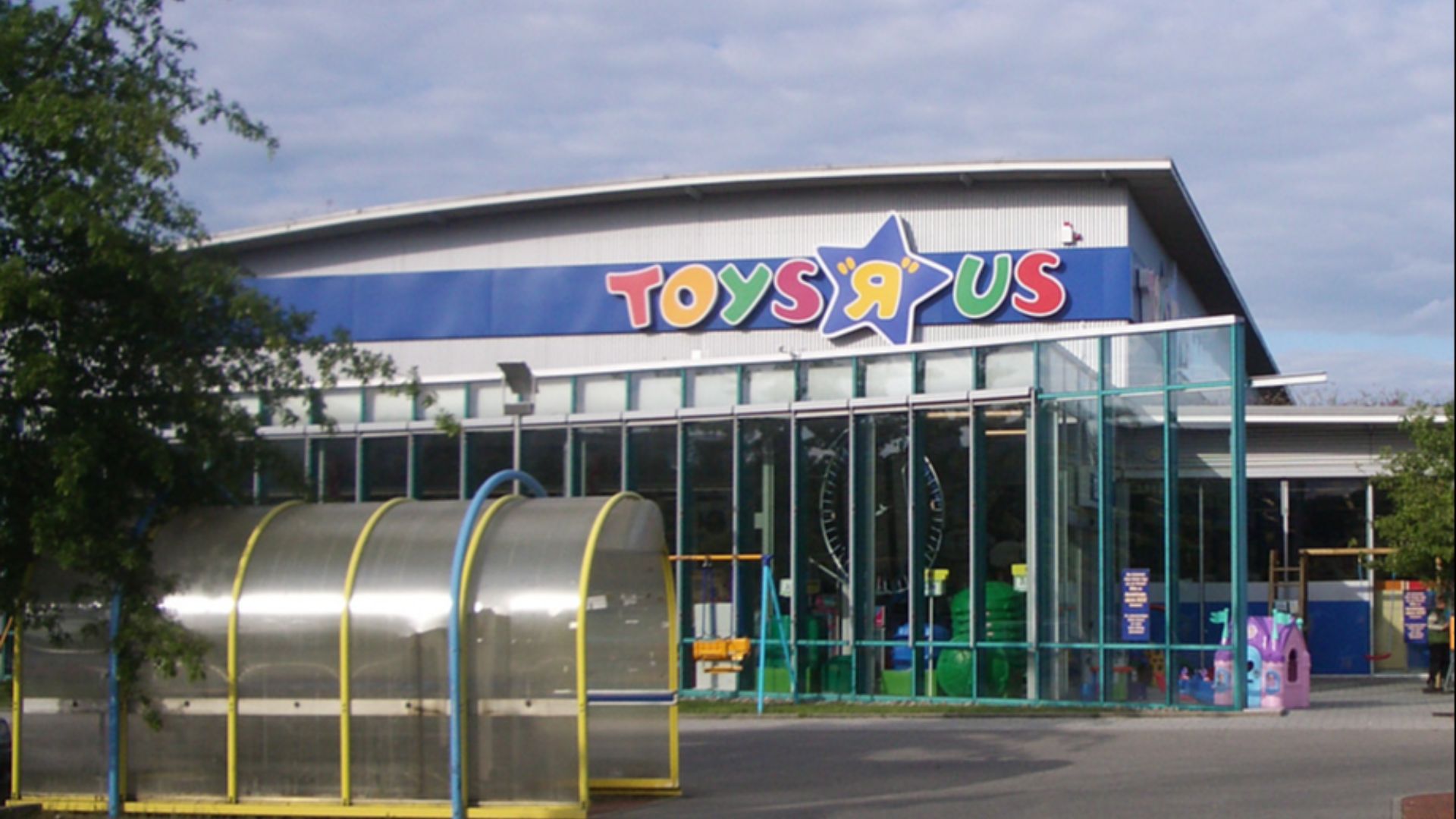 Photo: Andreas Praefcke, Wikimedia Commons
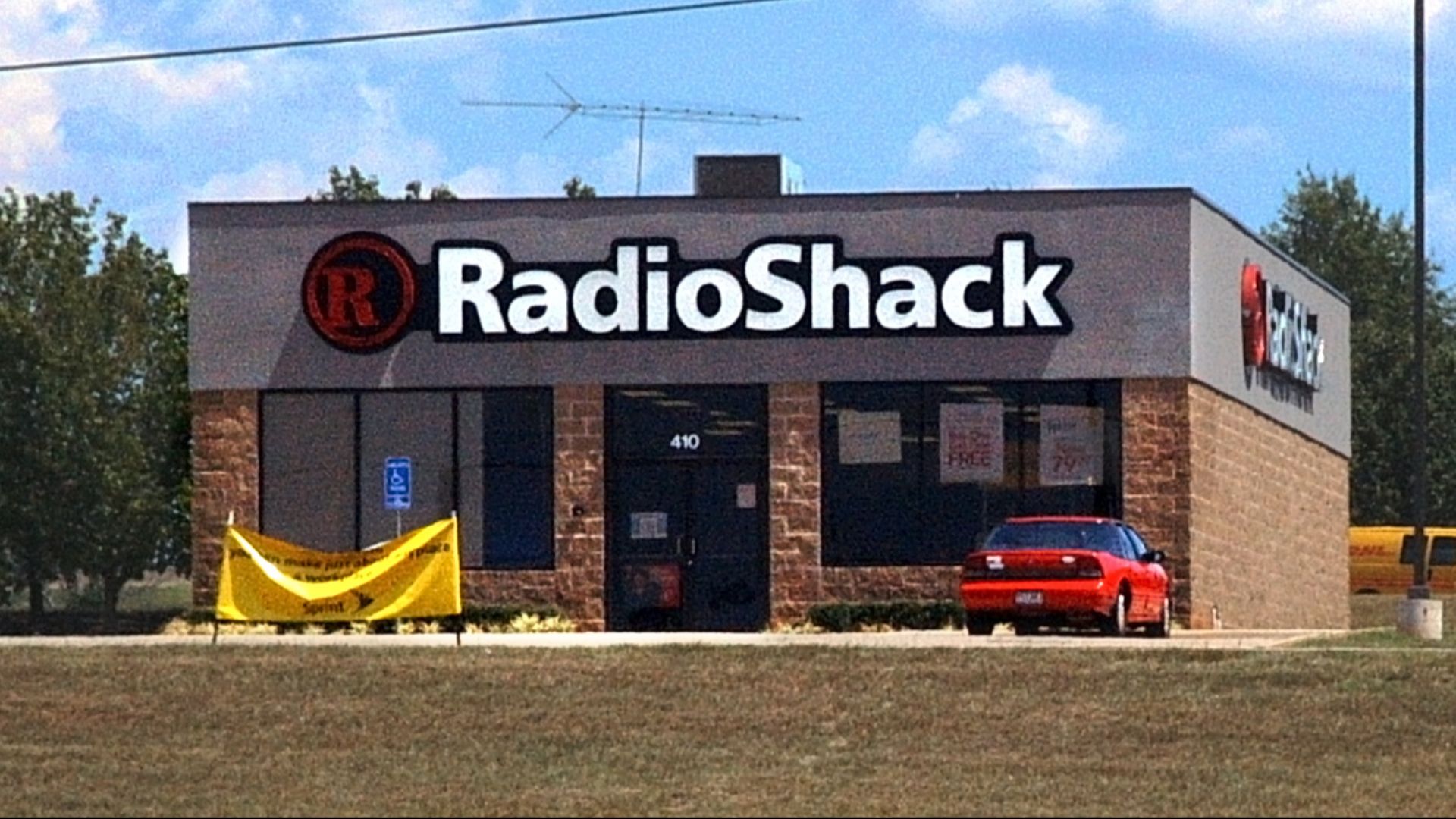
RadioShack
RadioShack was once the place to visit when you needed batteries, cables, electronic parts, or advice from someone who actually understood electronics. Thousands of stores operated across the United States during the company's peak years. The rise of online shopping and changing technology markets severely reduced its footprint.
 RadioShack_exterior.jpg: en:user:freakofnurture
derivative work: Ubcule (talk), Wikimedia Commons
RadioShack_exterior.jpg: en:user:freakofnurture
derivative work: Ubcule (talk), Wikimedia Commons
History's most fascinating stories and darkest secrets, delivered to your inbox daily.
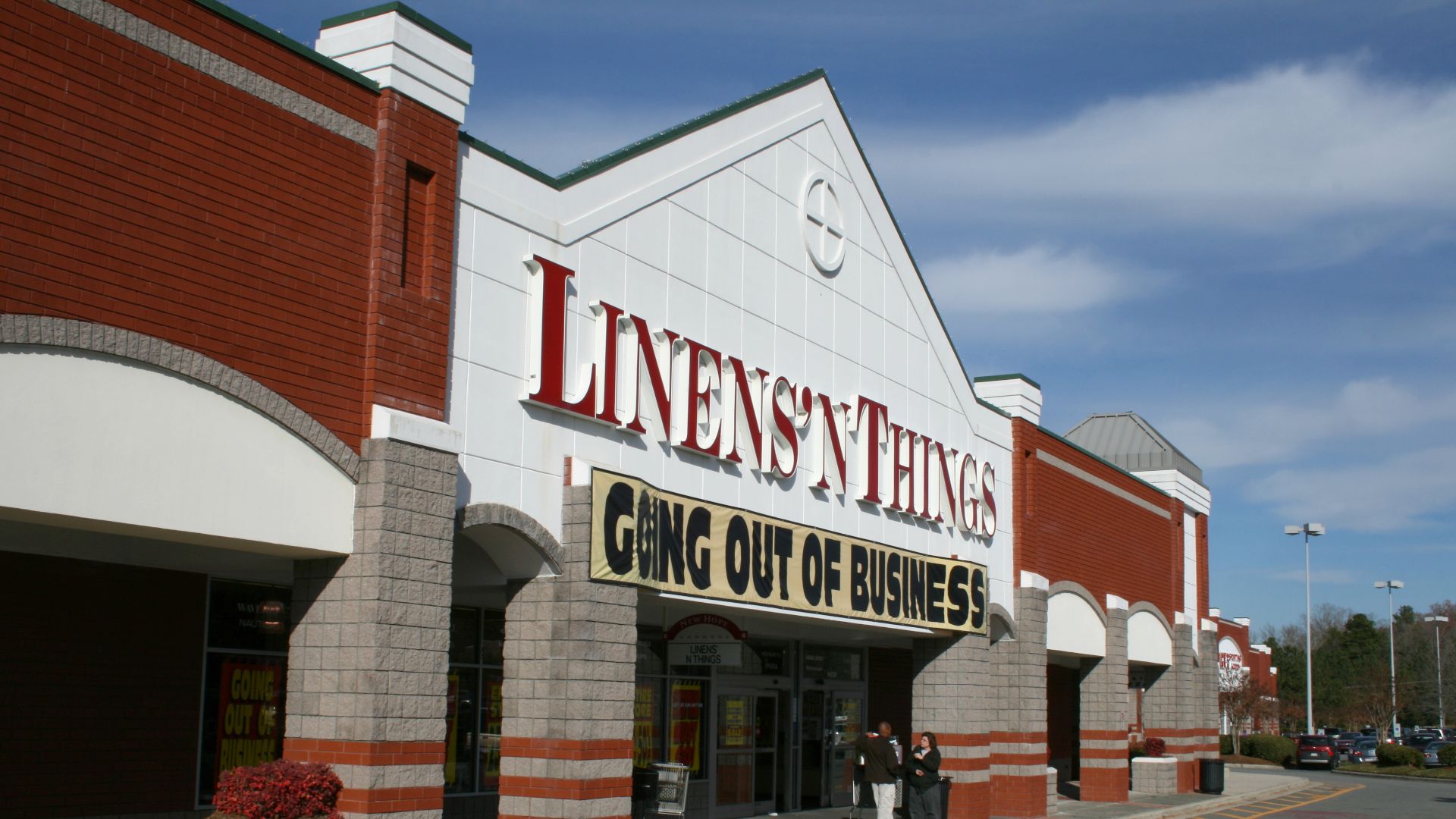
Linens 'n Things
Home shoppers once packed Linens 'n Things locations looking for bedding, kitchen supplies, and household accessories. The chain expanded rapidly throughout the 1990s and early 2000s. Economic pressures and increasing competition eventually pushed the company into bankruptcy.
 Ildar Sagdejev (Specious), Wikimedia Commons
The Sharper Image
The Sharper Image built a reputation for selling unusual gadgets and futuristic products. Its stores were famous for massage chairs, air purifiers, and items that seemed straight out of science fiction. Financial troubles eventually forced the company to close its retail locations.
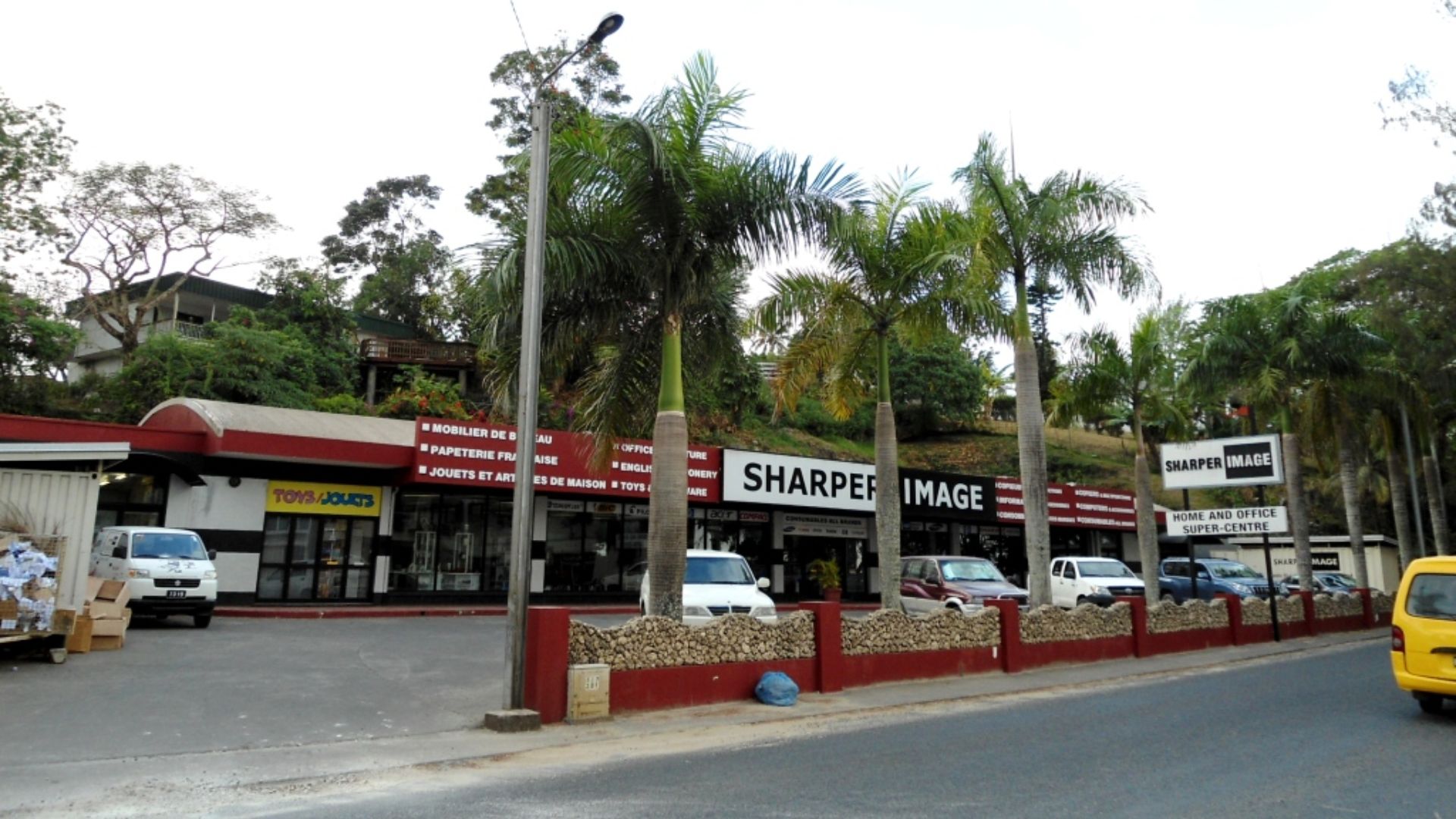 Jean Van Jean, Wikimedia Commons
Mervyn's
For decades, Mervyn's served as a popular department store chain in many American communities. Shoppers relied on it for clothing, home goods, and everyday essentials. The retailer ultimately closed all of its stores during the late 2000s financial crisis.
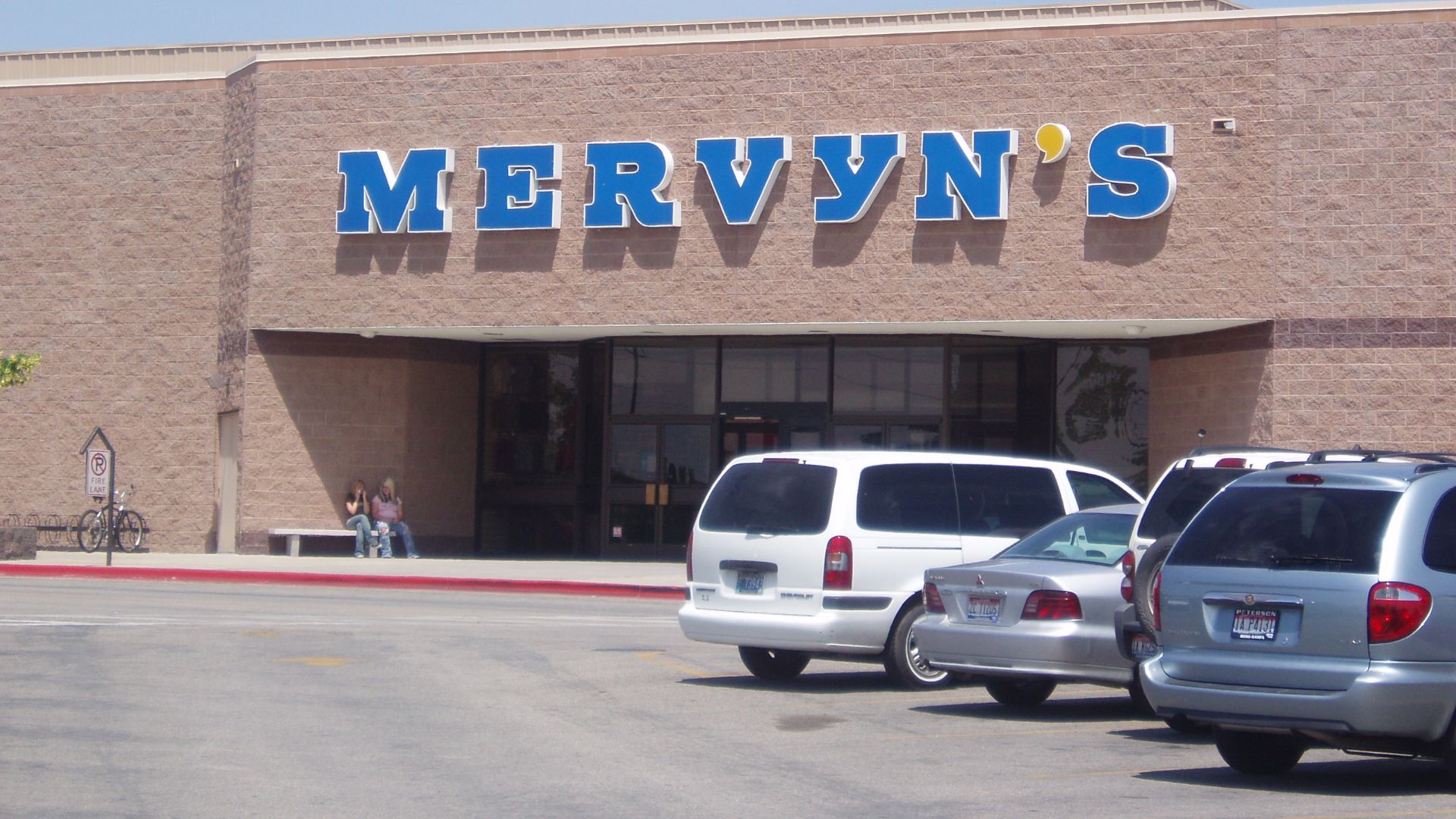 Caldorwards4 at English Wikipedia, Wikimedia Commons
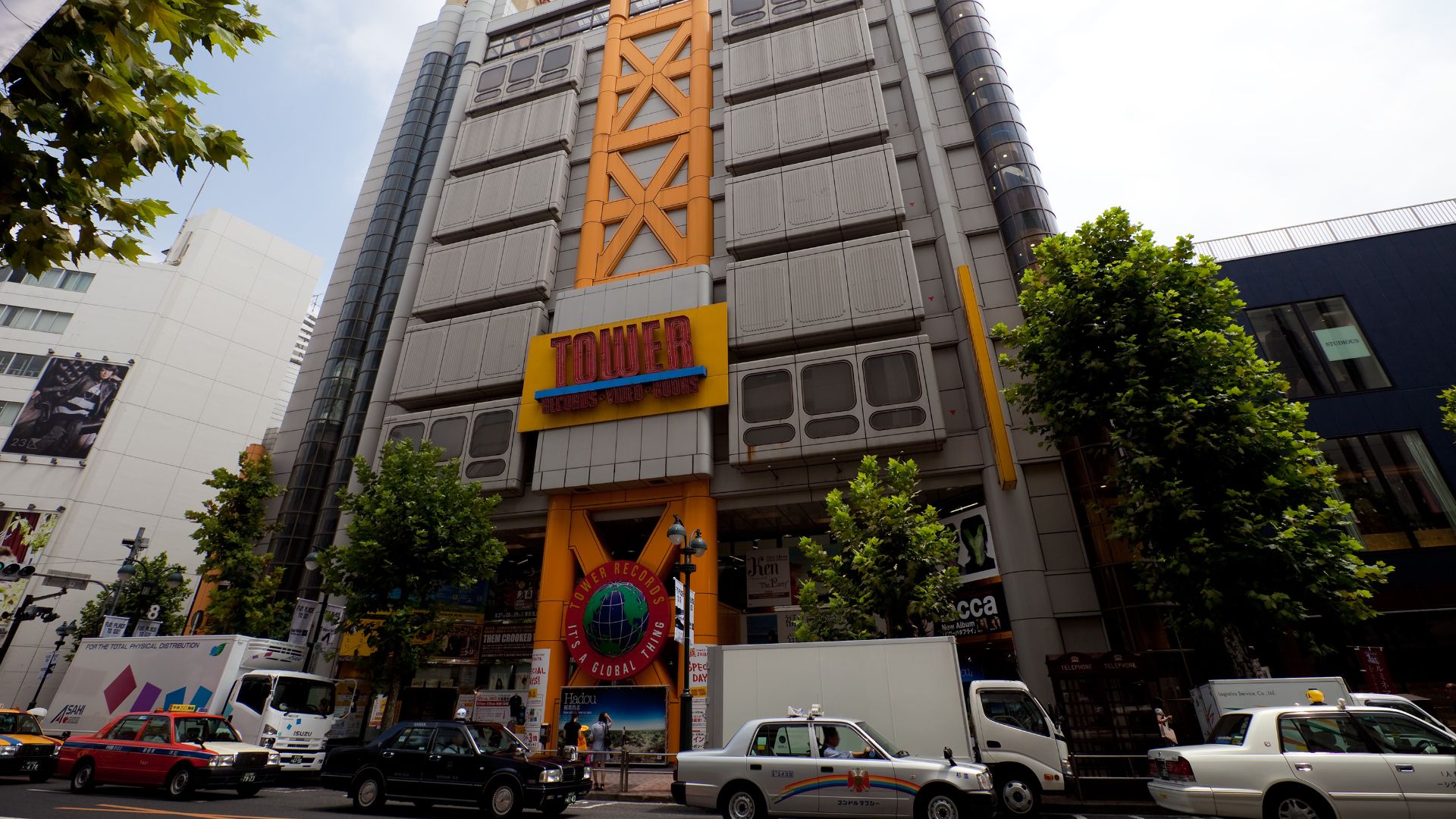
Tower Records
Music fans once considered Tower Records a paradise. The stores carried enormous selections of CDs, vinyl records, and music memorabilia. As digital downloads and streaming became more popular, the chain struggled to survive and eventually disappeared from the retail landscape.
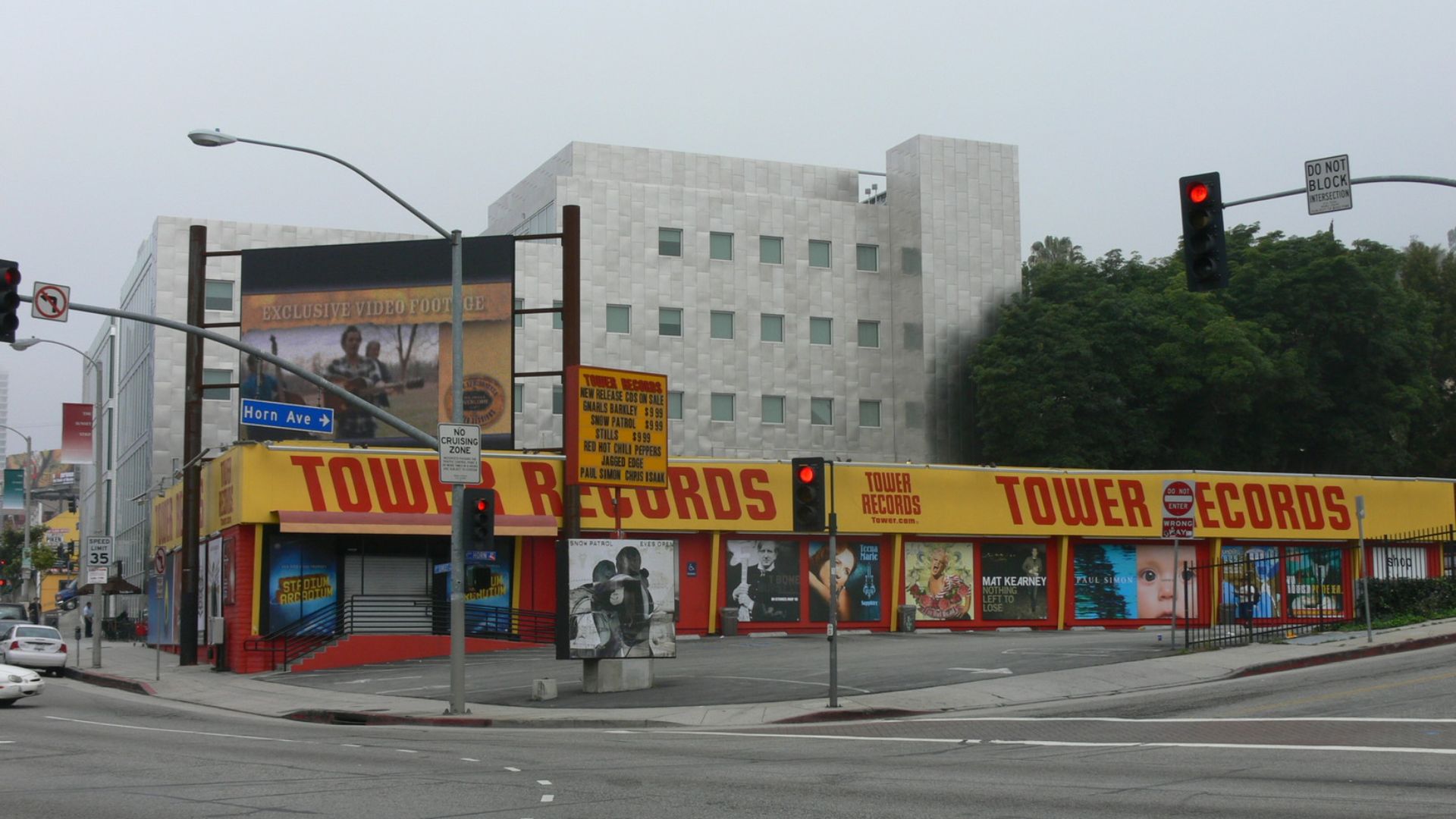
Caldor
Caldor was a major discount department store chain throughout the Northeast. Customers could find clothing, electronics, toys, and household items under one roof. Financial challenges eventually led to liquidation and store closures by the end of the 1990s.
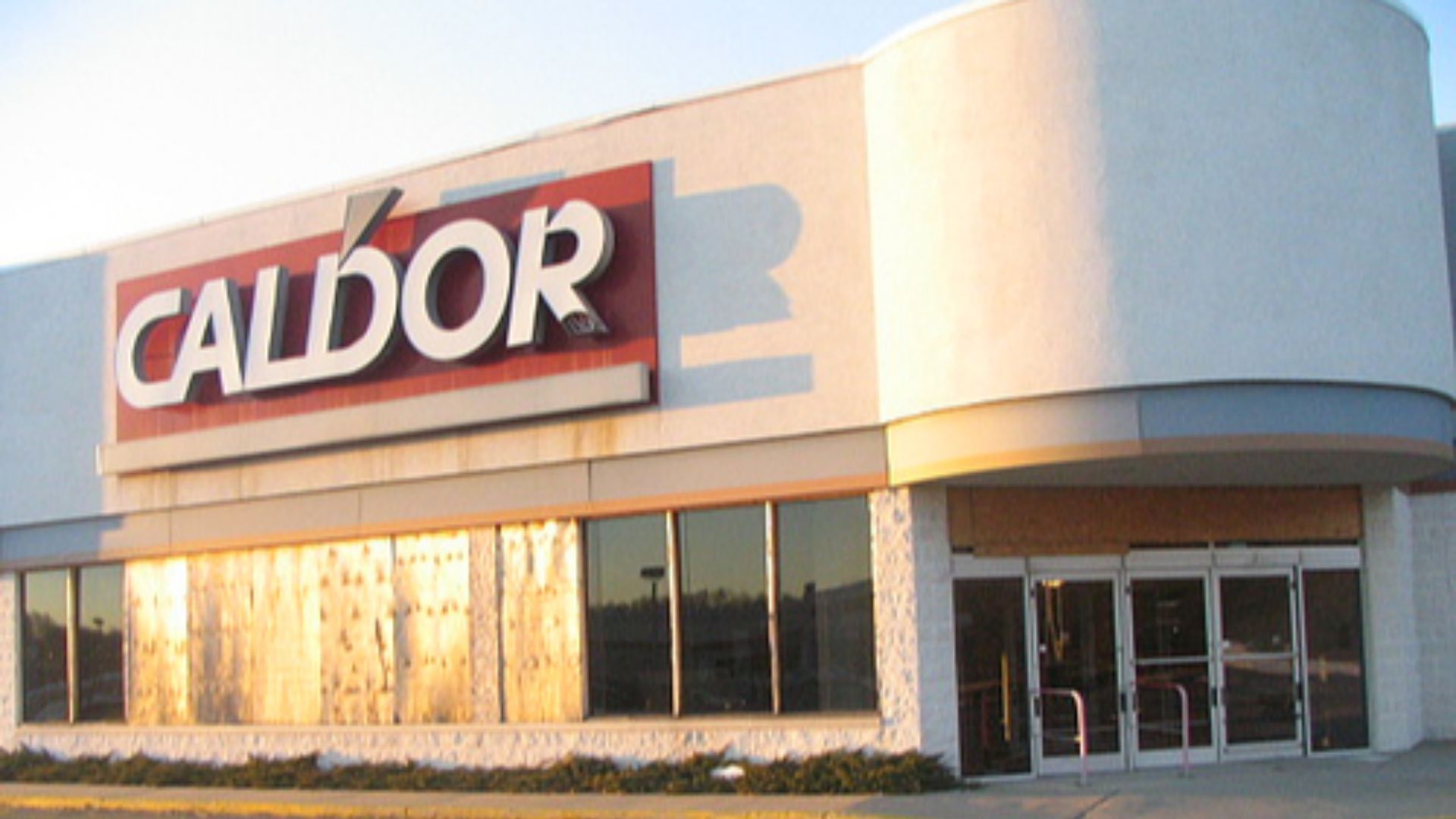 Charmedone9806, Wikimedia Commons
Service Merchandise
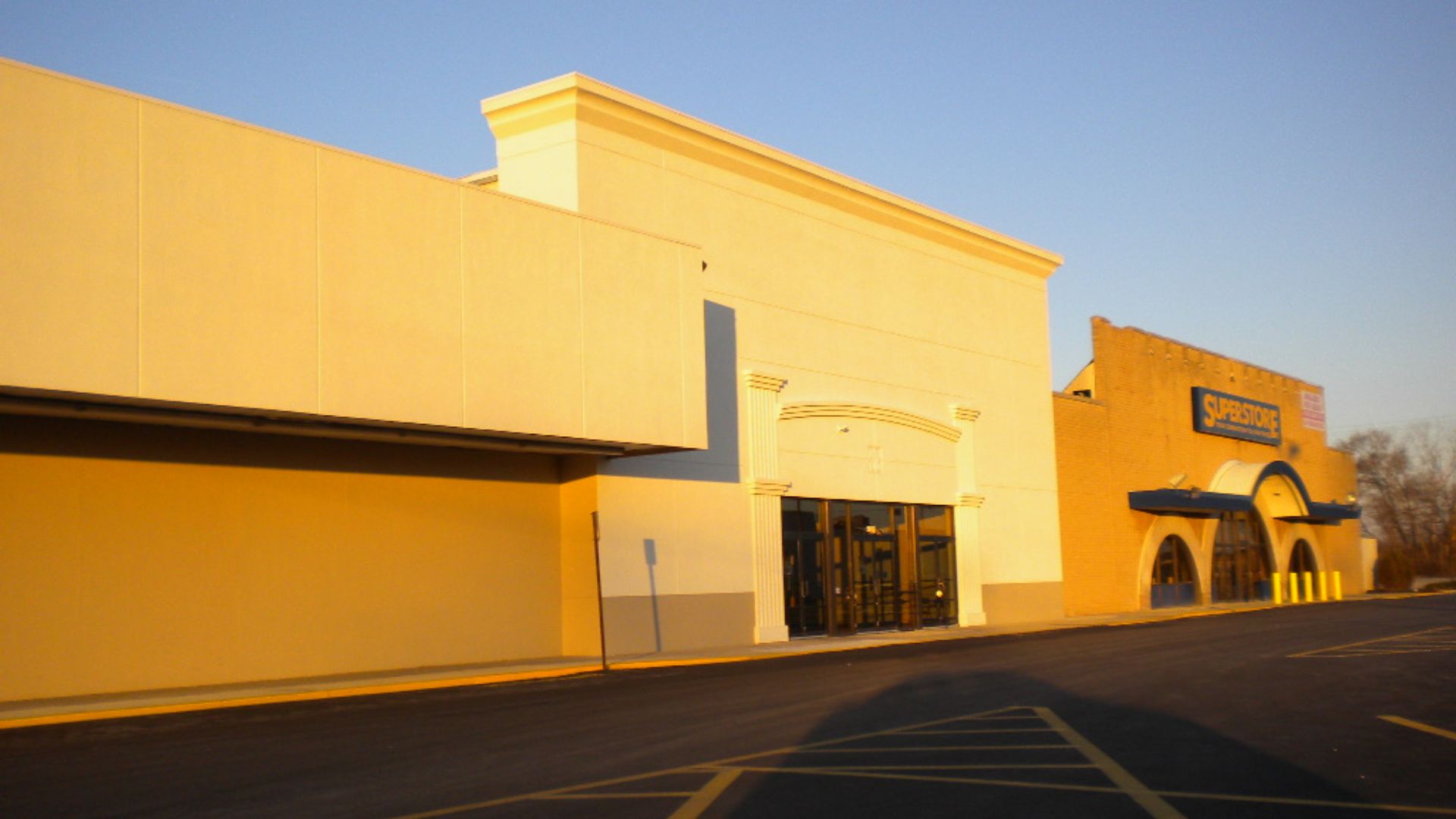
Before online shopping, Service Merchandise offered a unique catalog showroom experience. Customers selected products from displays and picked them up after purchase. The concept became increasingly outdated as retail evolved, and the company ultimately shut down.
History's most fascinating stories and darkest secrets, delivered to your inbox daily.
Hecht's
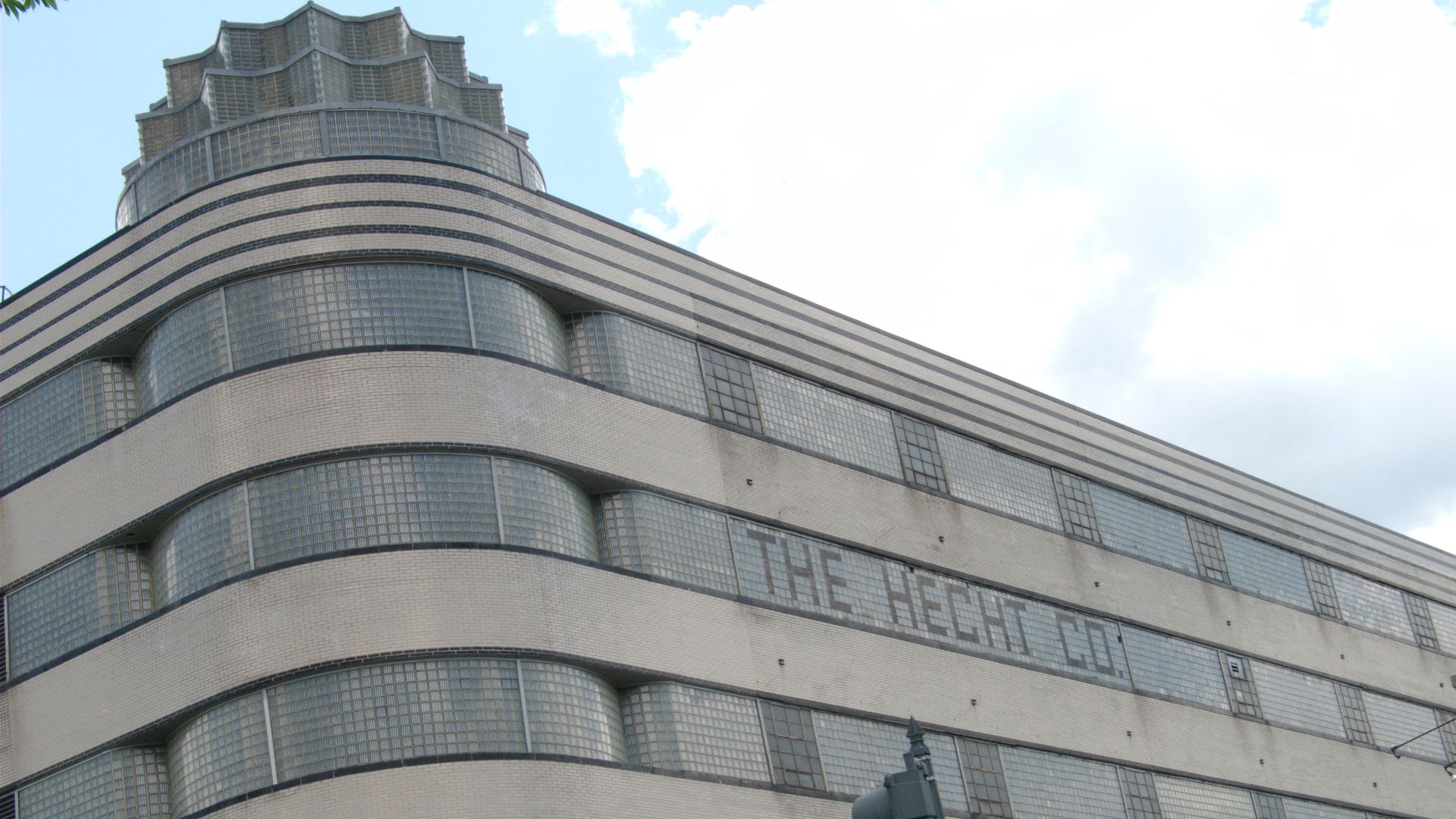
Hecht's was once a major department store brand, especially along the East Coast. The chain operated for more than a century and built a loyal customer base. Eventually, its stores were absorbed into larger retail brands, causing the familiar name to disappear.
 Sandra Cohen-Rose and Colin Rose from Montreal, Canada, Wikimedia Commons
Lord & Taylor
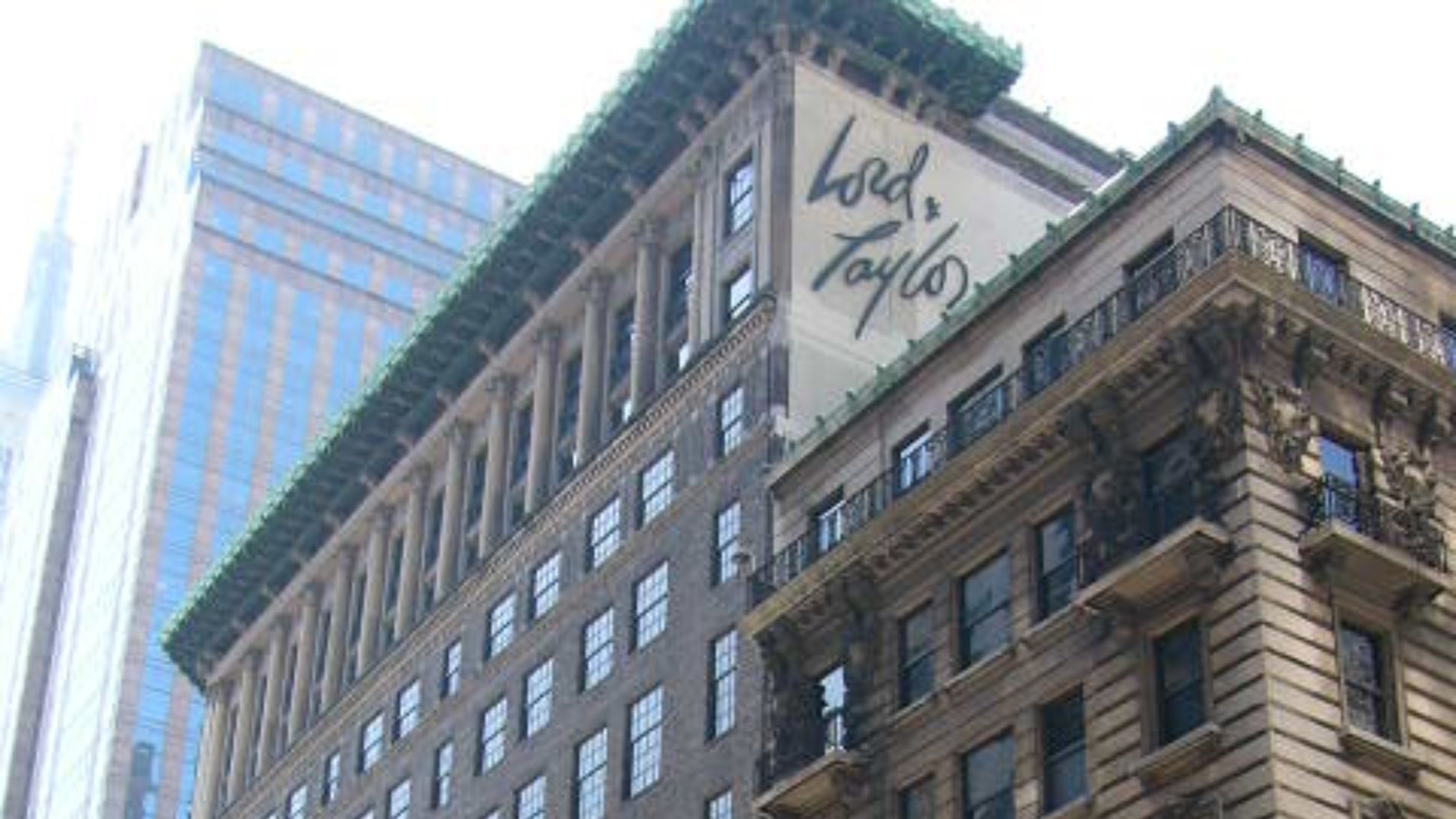
Lord & Taylor earned a reputation as one of America's oldest department store chains. For years, its stores were known for fashion, upscale merchandise, and elaborate holiday displays. Changing shopping habits and retail consolidation greatly reduced its physical presence.
Payless ShoeSource
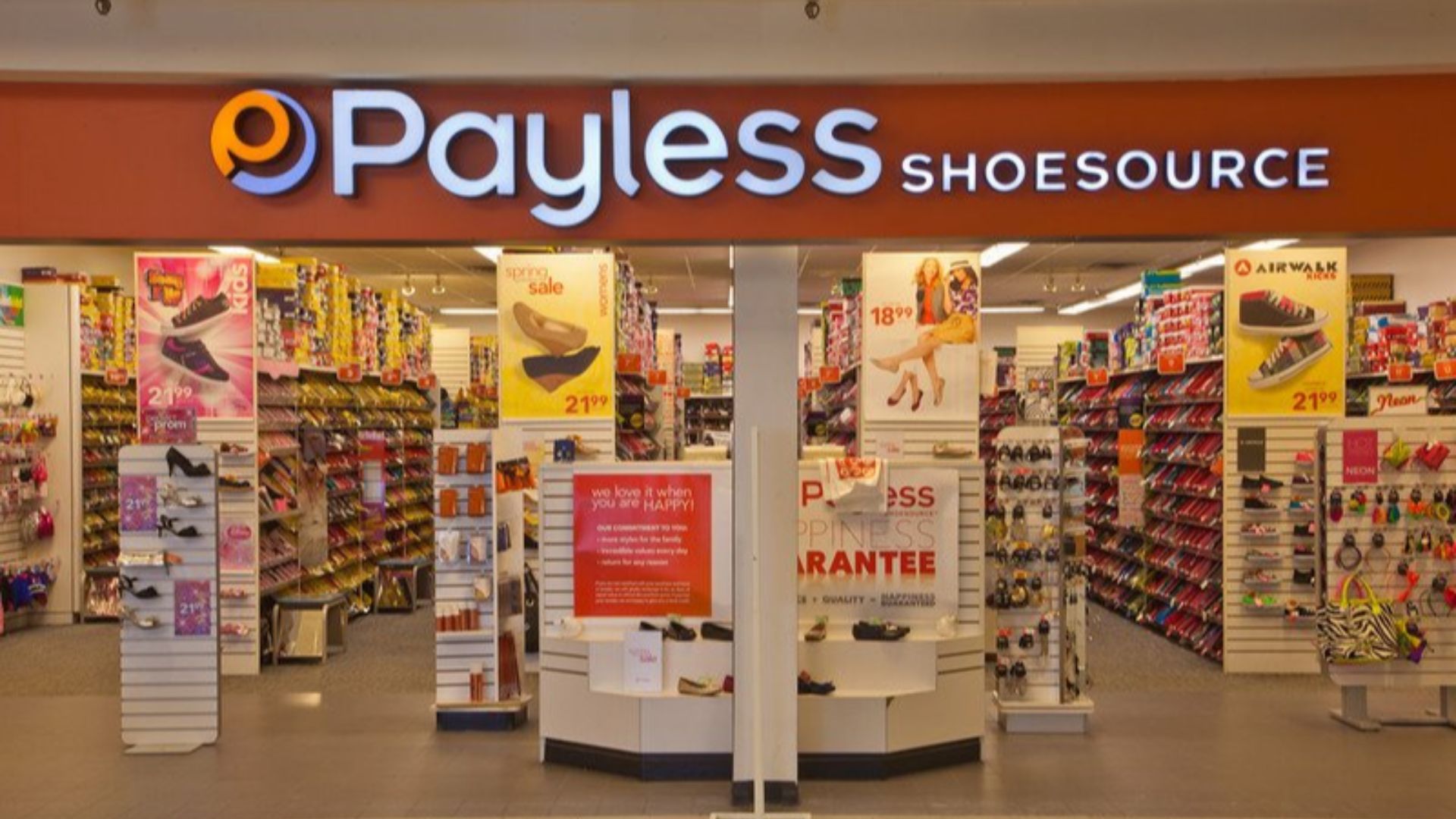
At its height, Payless operated thousands of stores and became a popular destination for affordable footwear. Families frequently relied on the chain for school shoes and everyday necessities. Financial struggles eventually led to widespread closures across the United States.
 BentleyMall, Wikimedia Commons
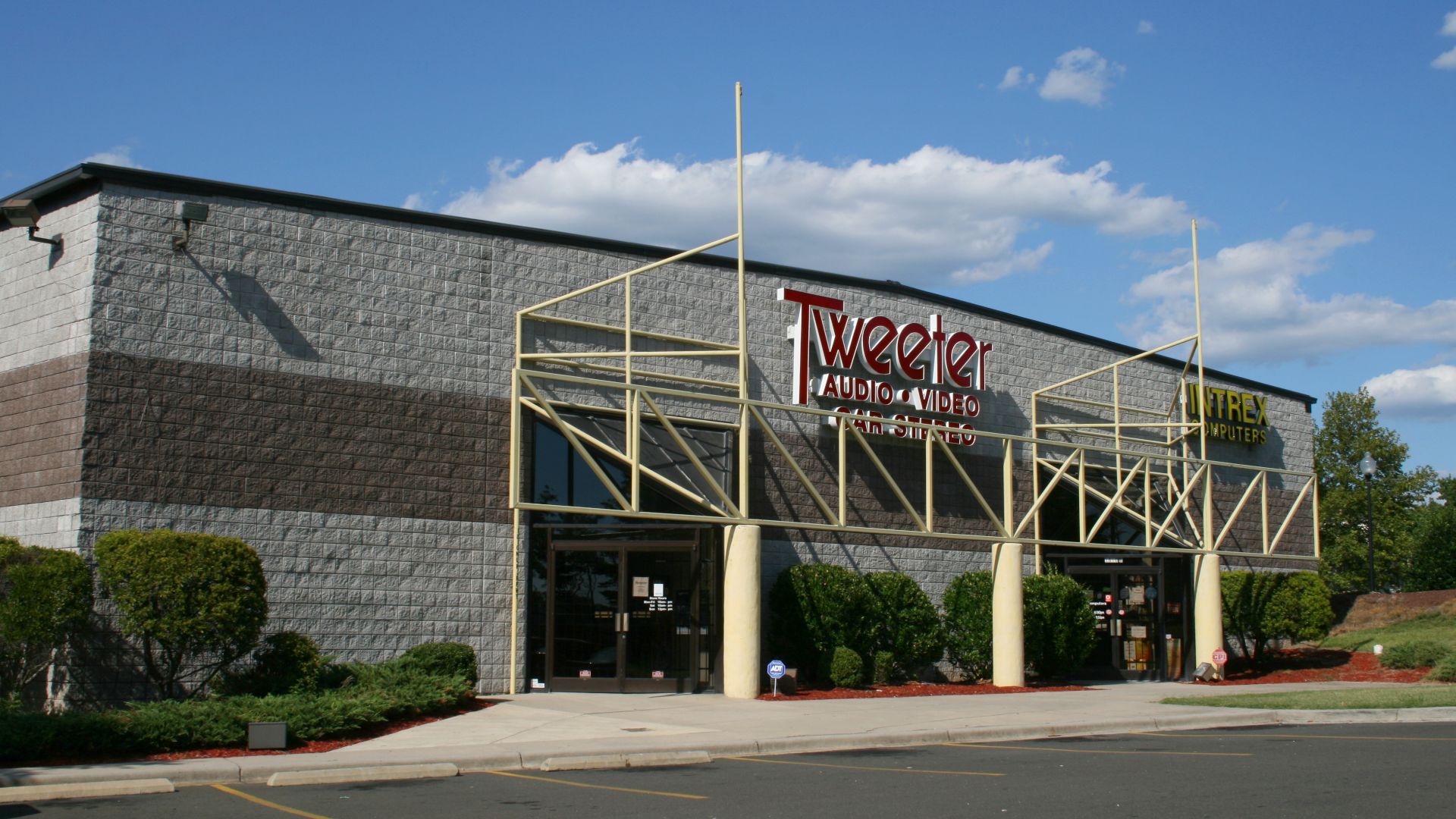
Tweeter
Tweeter specialized in car audio systems, home theater equipment, and premium electronics. The chain developed a strong following among technology enthusiasts and music lovers. Competitive pressures and shifts in consumer purchasing habits contributed to its downfall.
 Ildar Sagdejev (Specious), Wikimedia Commons
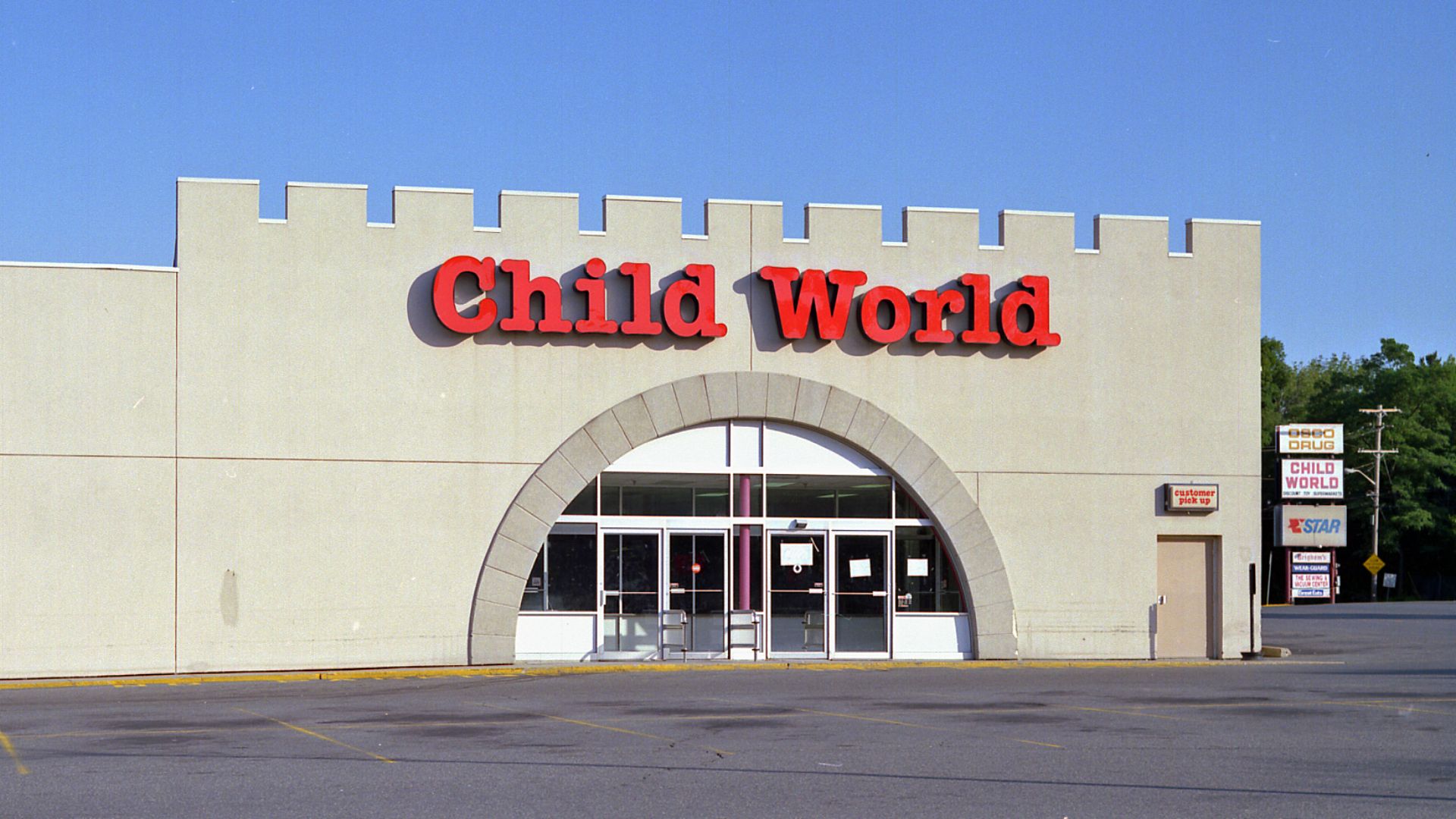
Child World
Long before many modern toy chains became household names, Child World was a major player in the toy industry. The colorful stores attracted families looking for the latest toys and games. The company liquidated in the early 1990s, leaving behind memories for a generation of shoppers.
 Anthony92931, Wikimedia Commons
The Businesses Time Forgot
What makes these companies fascinating is how permanent they once seemed. Many operated hundreds or even thousands of locations and were woven into everyday American life. Yet shifting technology, changing consumer habits, and fierce competition proved that even the biggest businesses can eventually become little more than nostalgic memories.
 DeepSkyBlue, Wikimedia Commons
You May Also Like:
Boomer-Era Trends That Disappeared Almost Overnight—And They Want Them Back
Common Things Americans Used To Do In Public That Would Shock People Today