Names Hidden In Plain Sight
Every day, we use words that seem completely ordinary without realizing they once belonged to real people. Inventors, generals, nobles, doctors, and even fictional characters have all left their names behind in our vocabulary. These everyday terms quietly preserve remarkable stories that many speakers never suspect.
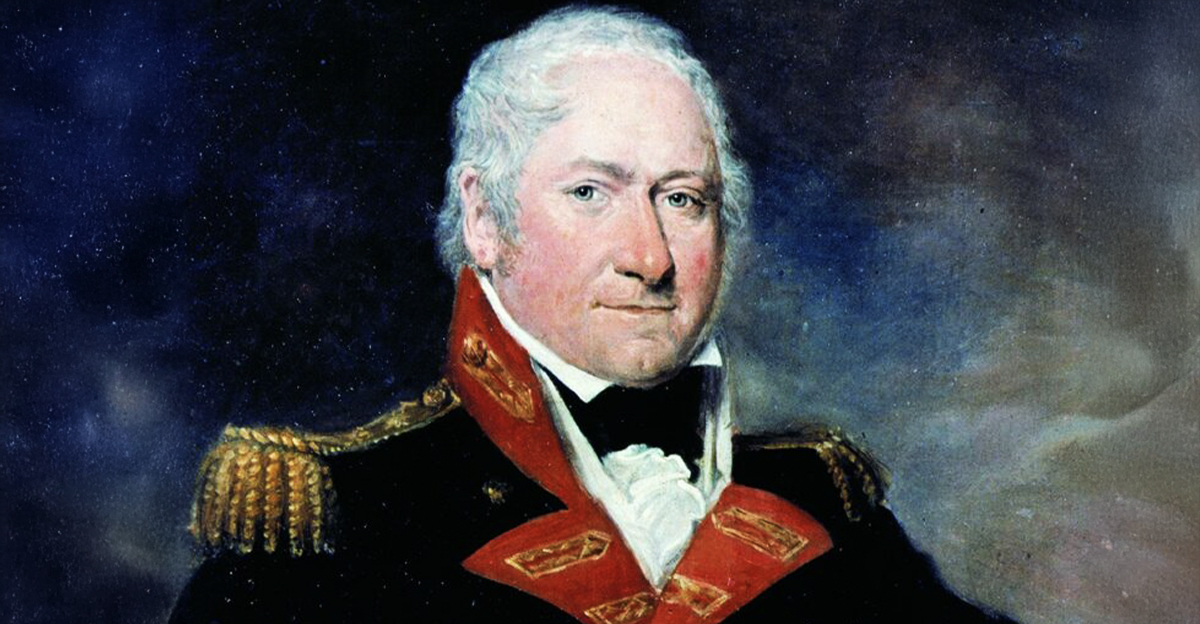 Henry Shrapnel. Public domain, Wikimedia Commons
Sandwich
The sandwich owes its name to John Montagu, the fourth Earl of Sandwich. Legend says the 18th-century nobleman preferred meat tucked between slices of bread so he could continue gambling without interrupting his card game. His practical meal soon became everyone’s convenient lunch.
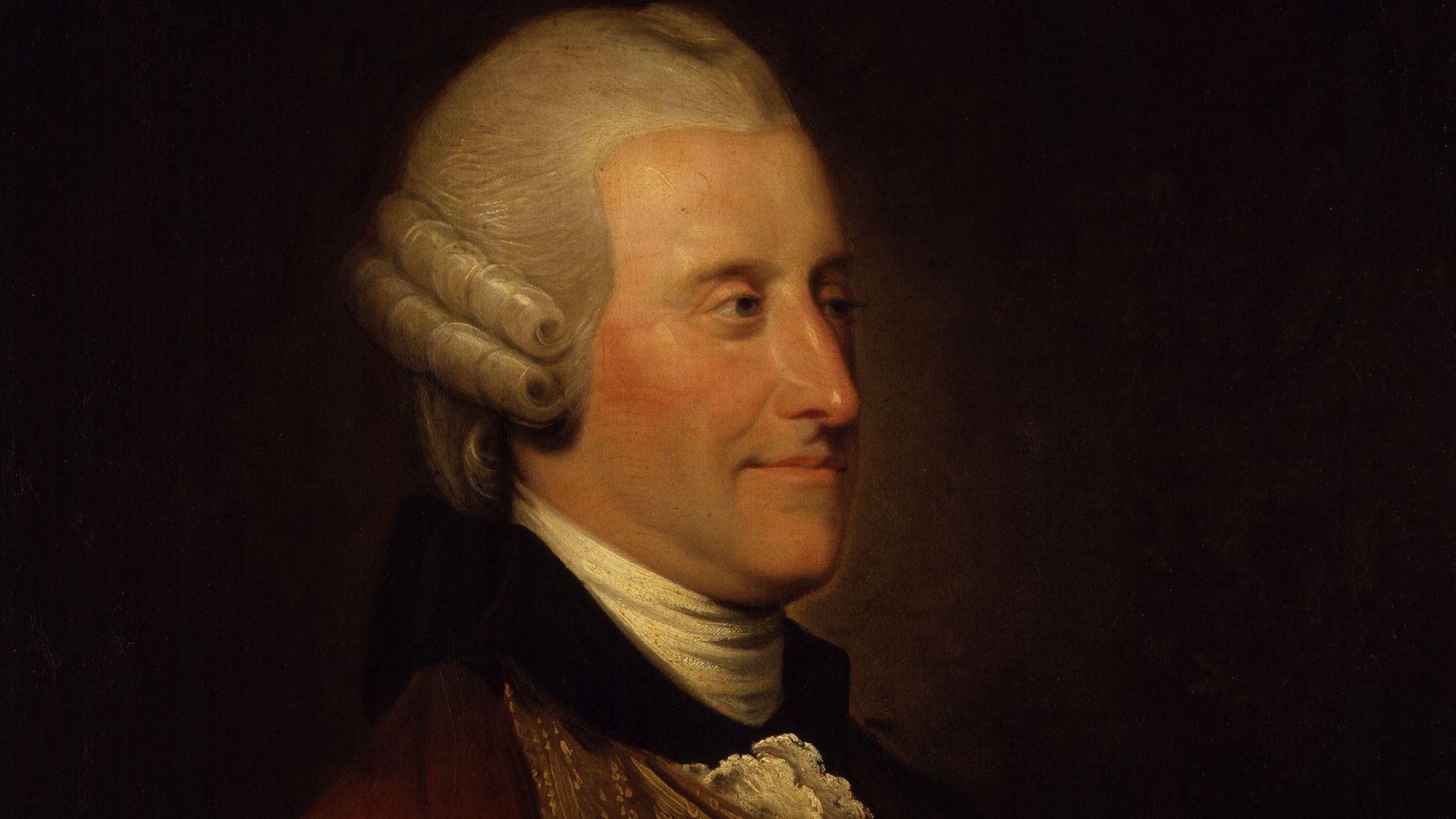 Johann Zoffany, Wikimedia Commons
Cardigan
The cardigan traces back to James Brudenell, the seventh Earl of Cardigan. During the Crimean War, the British officer popularized a knitted, open-front wool sweater that soldiers appreciated in cold weather. Fashion outlived military history, and today millions wear cardigans without knowing his name.
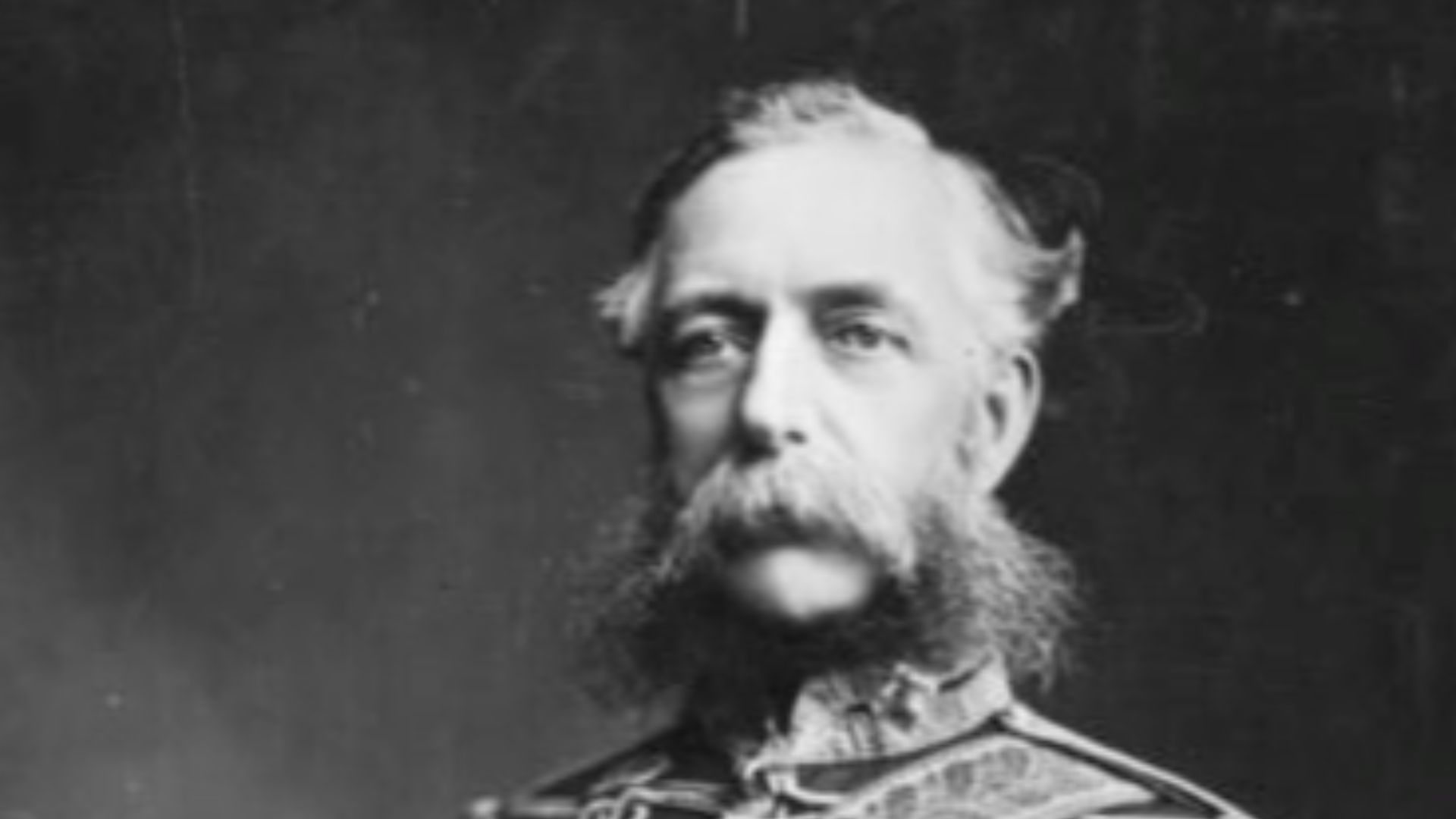 Unidentified photographer, Wikimedia Commons
Diesel
Diesel engines honor German engineer Rudolf Diesel, who developed a revolutionary compression-ignition engine during the 1890s. Although Diesel died under mysterious circumstances in 1913, his invention transformed transportation, shipping, agriculture, and industry while ensuring his surname became synonymous with heavy-duty power.
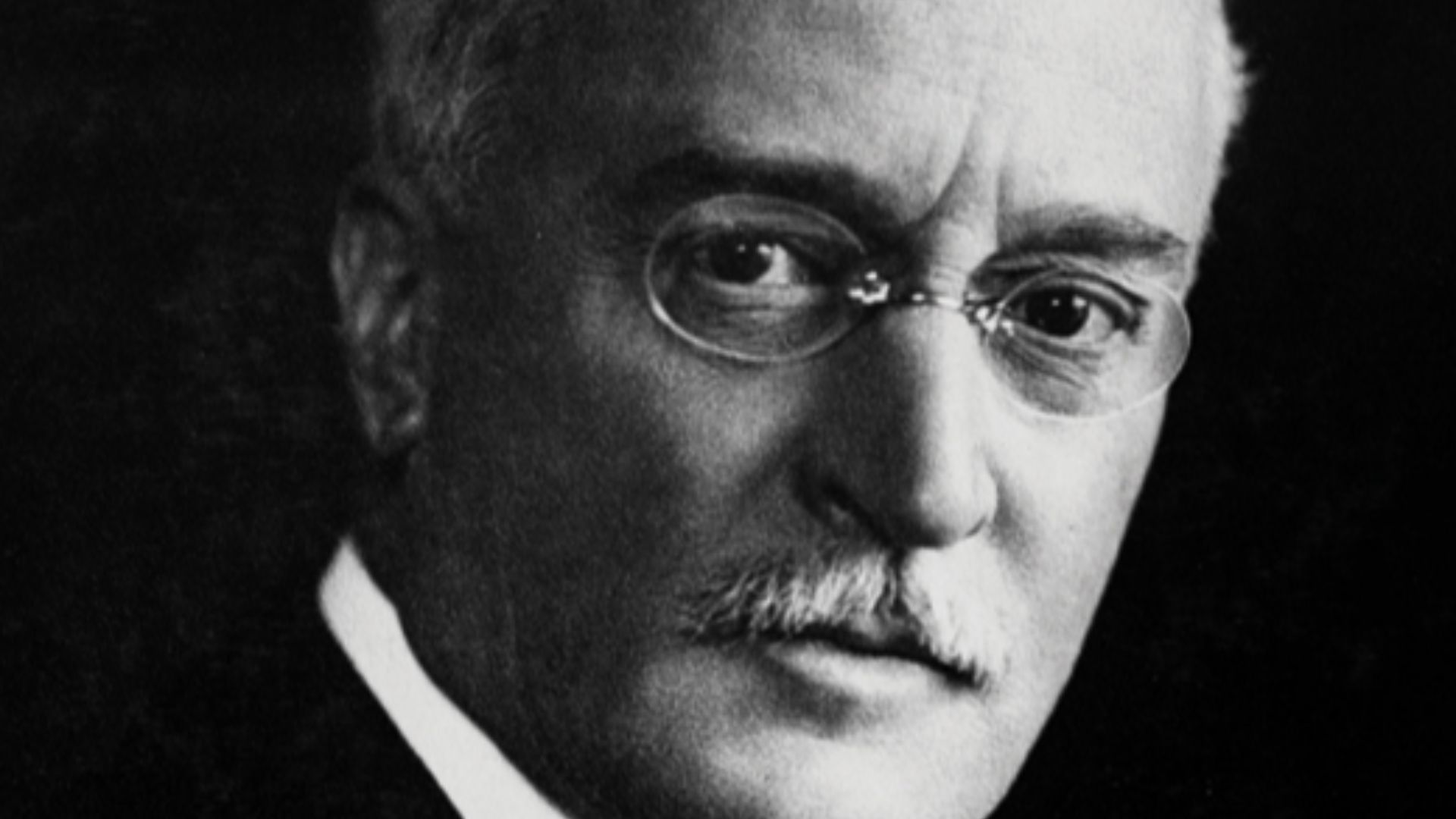 Unknown authorUnknown author, Wikimedia Commons

History's most fascinating stories and darkest secrets, delivered to your inbox daily.
Boycott
Captain Charles Boycott never intended to become a dictionary entry. In 1880, Irish tenant farmers protesting unfair rents socially and economically isolated the English land agent. Newspapers publicized the tactic, and before long, “boycott” became the universal word for organized refusal and protest.
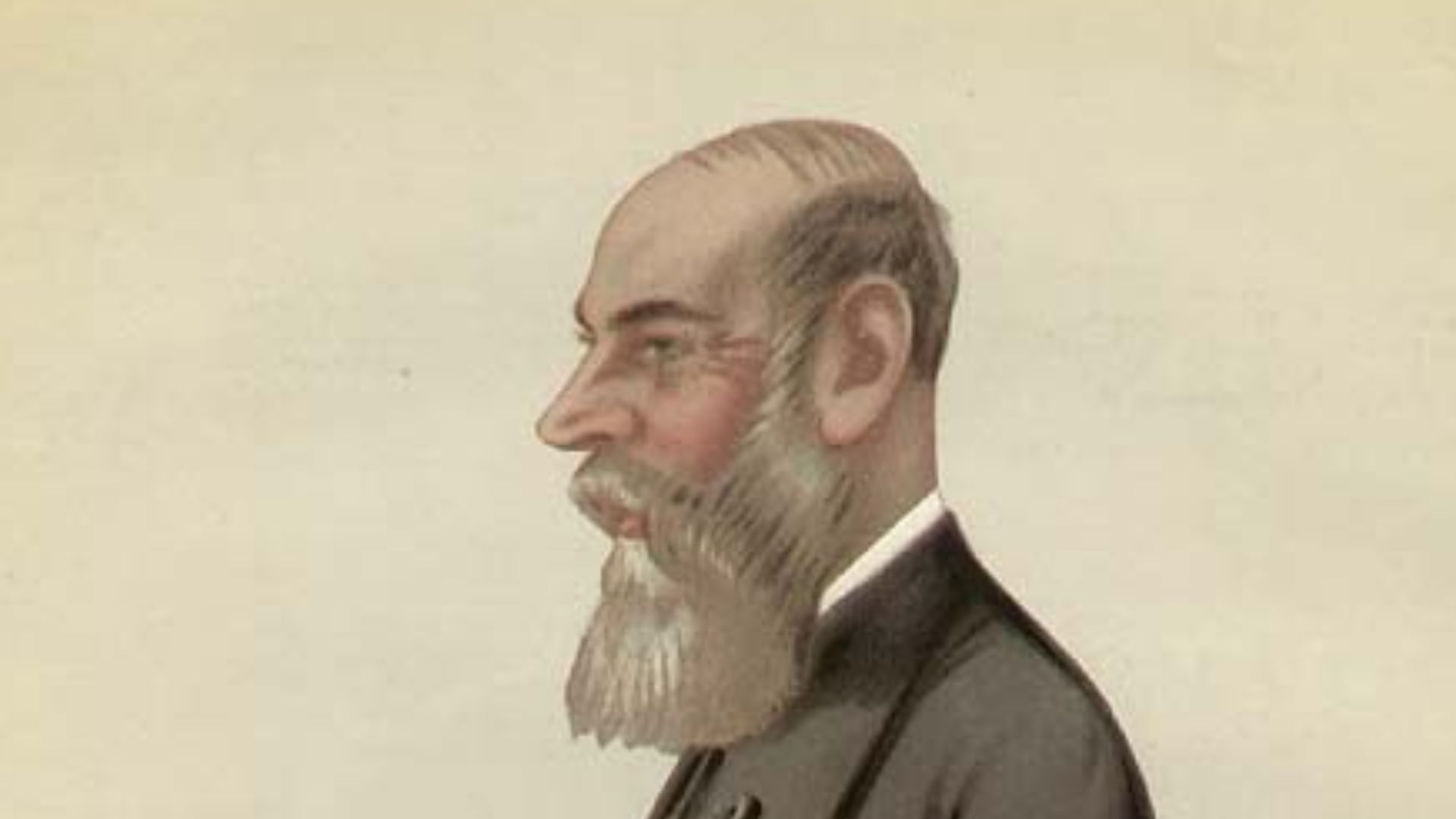 Leslie Ward, Wikimedia Commons
Saxophone
Belgian instrument maker Adolphe Sax invented the saxophone during the 1840s. He wanted an instrument combining the power of brass with the agility of woodwinds. Although initially controversial, the saxophone eventually became one of jazz music’s defining sounds and permanently honored its creator.
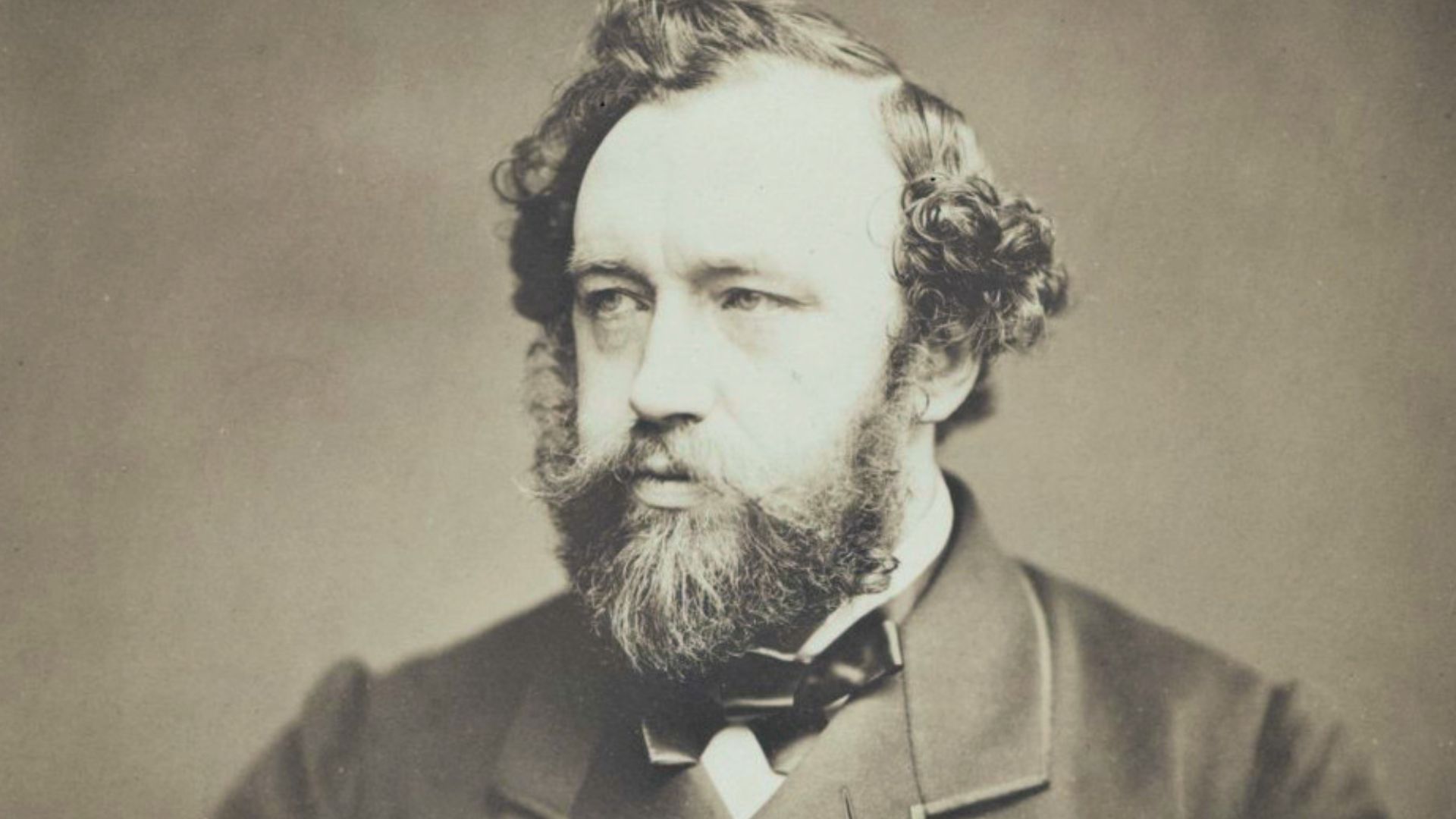 Unknown authorUnknown author, Wikimedia Commons
Guillotine
Dr. Joseph-Ignace Guillotin did not invent the guillotine, nor did he die beneath one. Instead, the French physician advocated a more humane execution method during the French Revolution. The machine became forever linked with his surname despite his objections to the association.
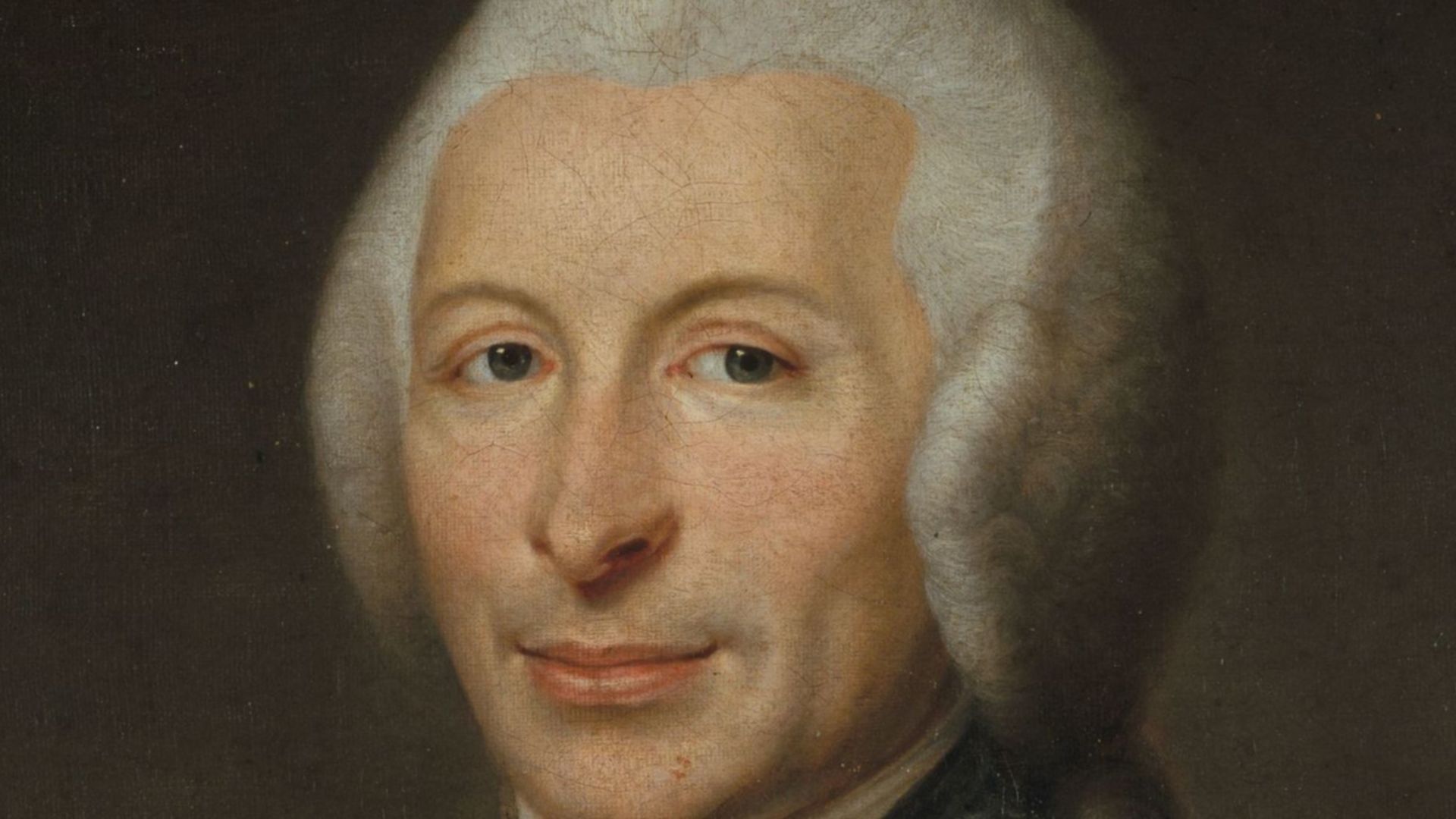
Mesmerize
Franz Anton Mesmer believed invisible natural forces influenced human health. Although his theories were later discredited, his dramatic demonstrations fascinated audiences throughout Europe. His surname eventually produced “mesmerize,” describing someone so captivated that they seem almost hypnotized by what they are seeing.
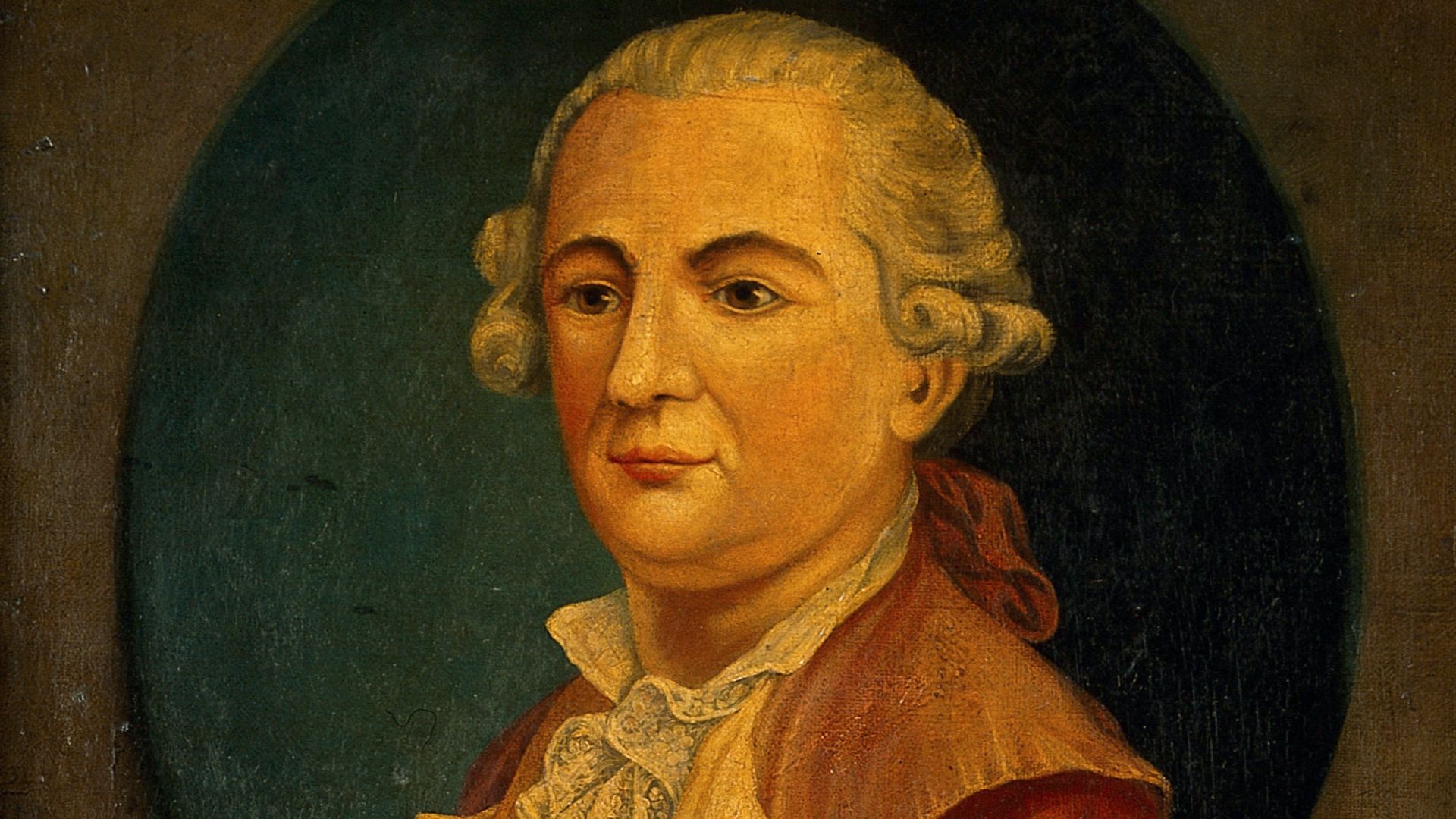
Braille
Louis Braille lost his eyesight as a child but refused to let blindness limit his education. As a teenager, he developed the raised-dot reading system that now bears his name. Nearly two centuries later, Braille remains one of history’s most important advances in accessibility.
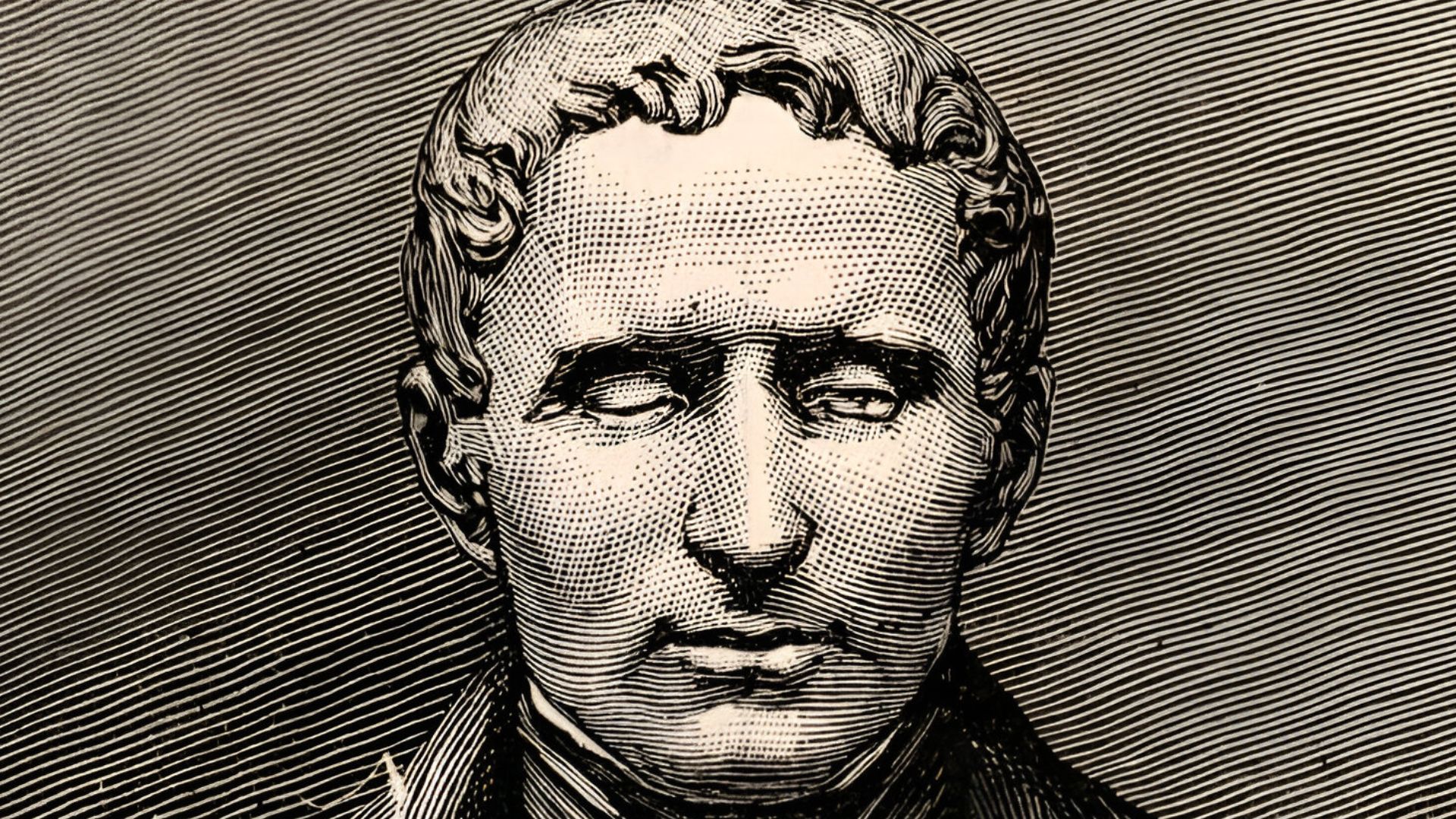 Henri Thiriat, Wikimedia Commons
Maverick
Samuel Maverick was a Texas rancher famous for not branding his cattle. As a result, any unbranded animal became known as a “maverick.” Over time, the meaning expanded to describe independent thinkers who resist convention and prefer following their own path.
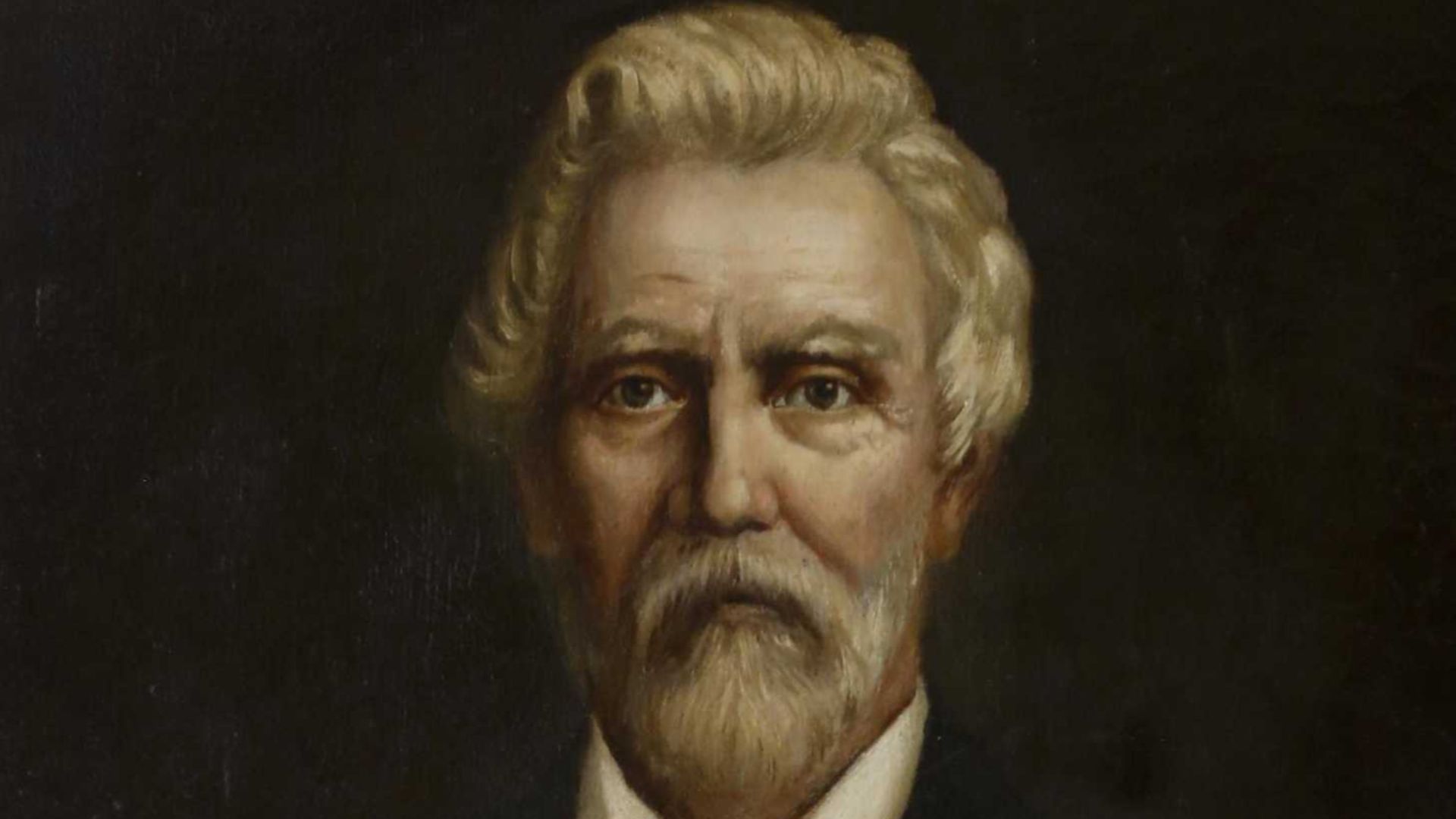 Unknown artistUnknown artist., Wikimedia Commons
History's most fascinating stories and darkest secrets, delivered to your inbox daily.
Silhouette
French finance minister Étienne de Silhouette became known for strict cost-cutting policies. Cheap profile portraits requiring only an outline were jokingly associated with his reputation for economy. Eventually, these simple shadow-like portraits became known permanently as silhouettes.
![Silhouette presumed to be Jane Austen.
4 in. x 3 1/8 in. National Portrait Gallery, London. [1] [2]](https://www.factinate.com/storage/app/media/factinate/2026/7/16/1784187671e0046b839af832d27cceb1c23a9a4796ae3fe632.png) The silhouette has been attributed to a silhouette-maker, Wikimedia Commons
The silhouette has been attributed to a silhouette-maker, Wikimedia Commons
Nicotine
Nicotine takes its name from Jean Nicot, a 16th-century French diplomat who introduced tobacco plants to the French royal court. At the time, tobacco was believed to possess medicinal qualities. His enthusiasm unintentionally guaranteed that his surname would become chemically immortal.
 Gravure publiée par l'éditeur Albin Michel, Wikimedia Commons
Chauvinism
The word “chauvinism” comes from Nicolas Chauvin, a legendary French soldier supposedly famous for extreme devotion to Napoleon. Whether Chauvin himself truly existed remains uncertain, but his reputation for blind patriotism evolved into a word describing excessive and unreasonable loyalty.
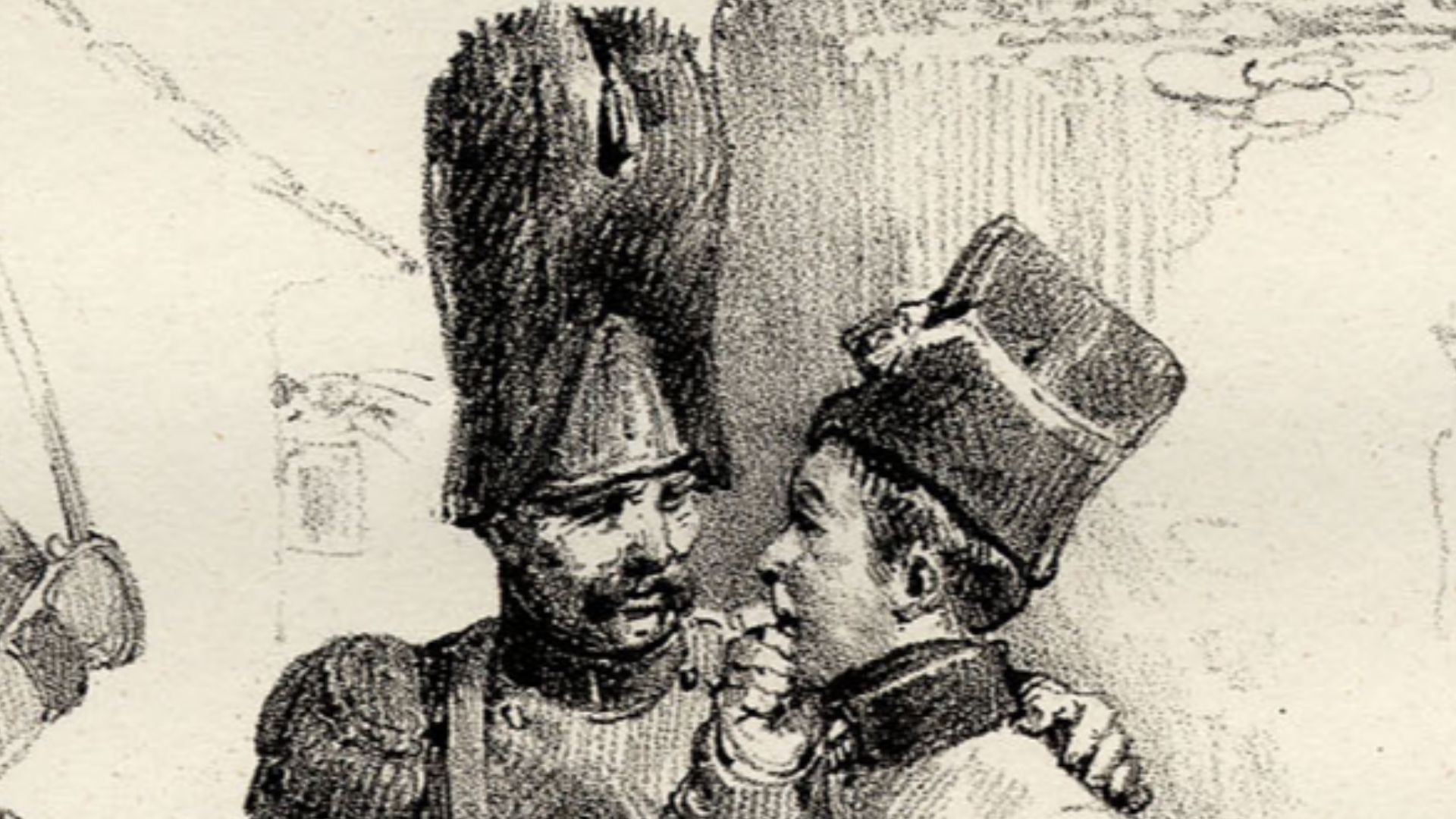 British Museum, Wikimedia Commons
Bloomers
Bloomers commemorate Amelia Bloomer, an American women’s rights advocate who promoted practical clothing for women. Although she did not invent the loose-fitting garment, her enthusiastic support connected her name with the style, making “bloomers” a lasting part of fashion vocabulary.
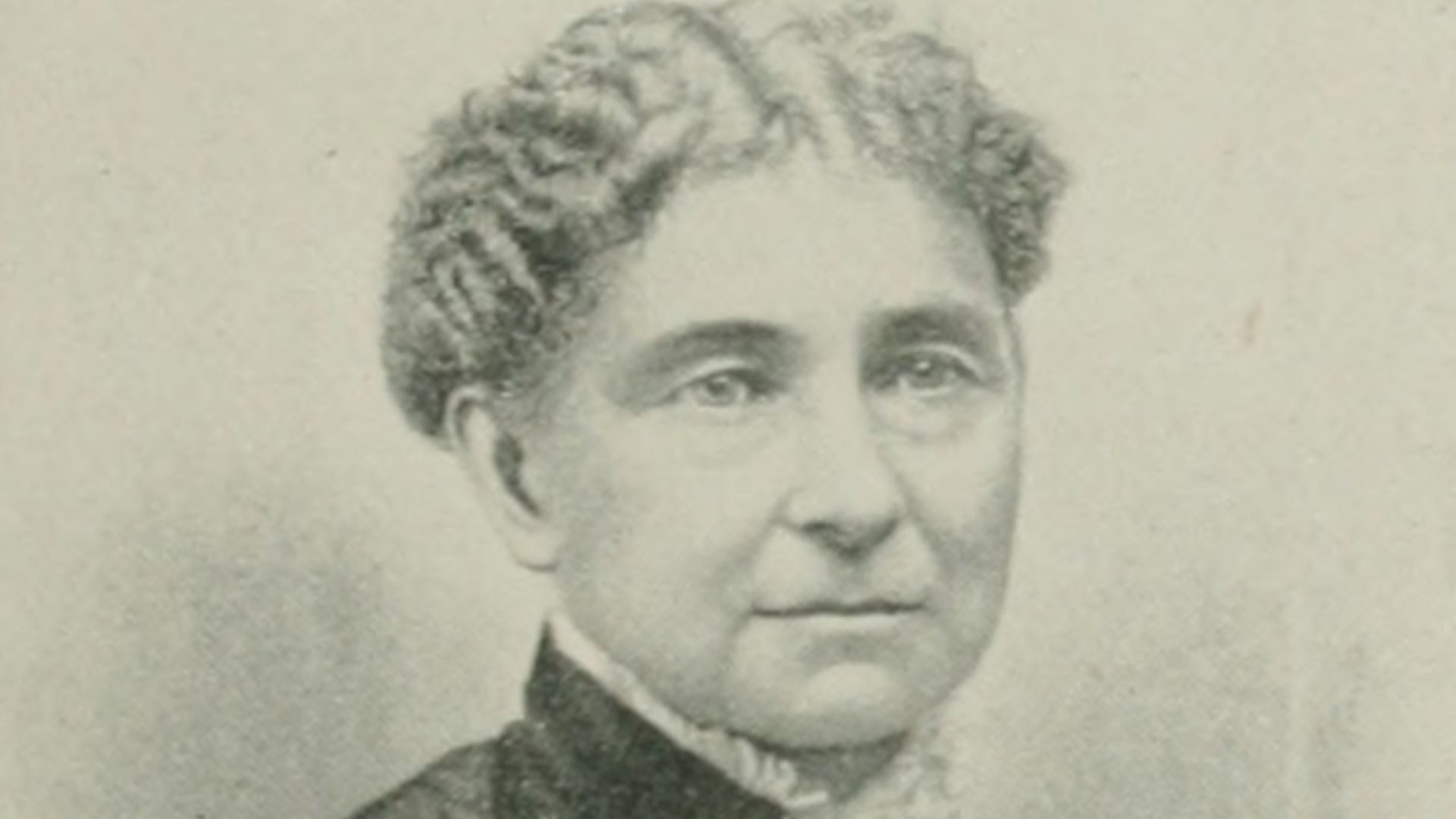 Unknown authorUnknown author, Wikimedia Commons
Leotard
French acrobat Jules Léotard thrilled audiences with daring trapeze performances during the 19th century. His close-fitting one-piece costume allowed unrestricted movement while showing remarkable athleticism. Gymnasts, dancers, and performers still wear garments named after the pioneering aerialist.
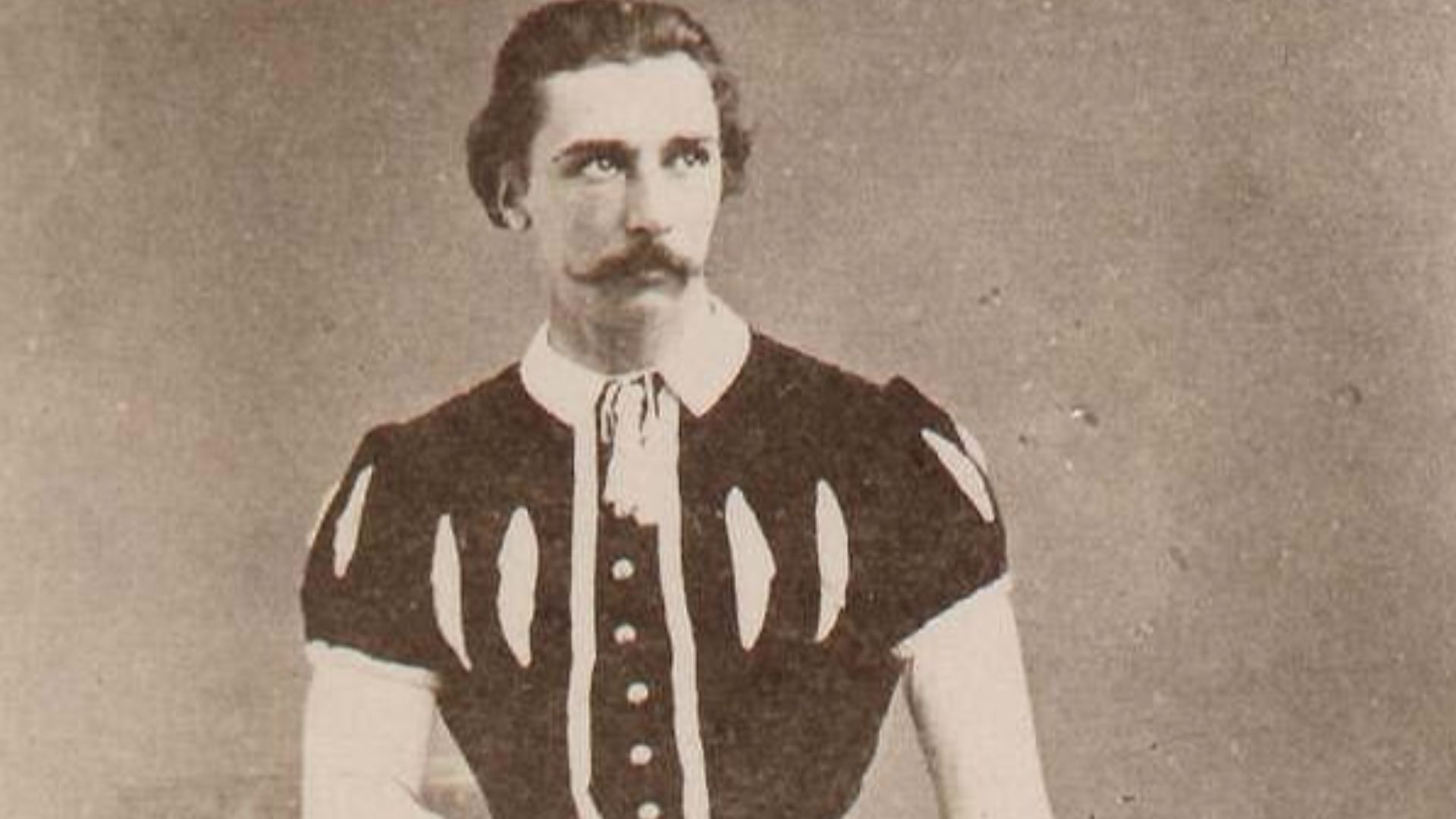 Unknown authorUnknown author, Wikimedia Commons
Sideburns
Sideburns honor Civil War General Ambrose Burnside, whose dramatic facial hair connected thick whiskers with an equally impressive mustache. The original term was actually “burnsides,” but over time people reversed the syllables, creating the familiar word still used today.
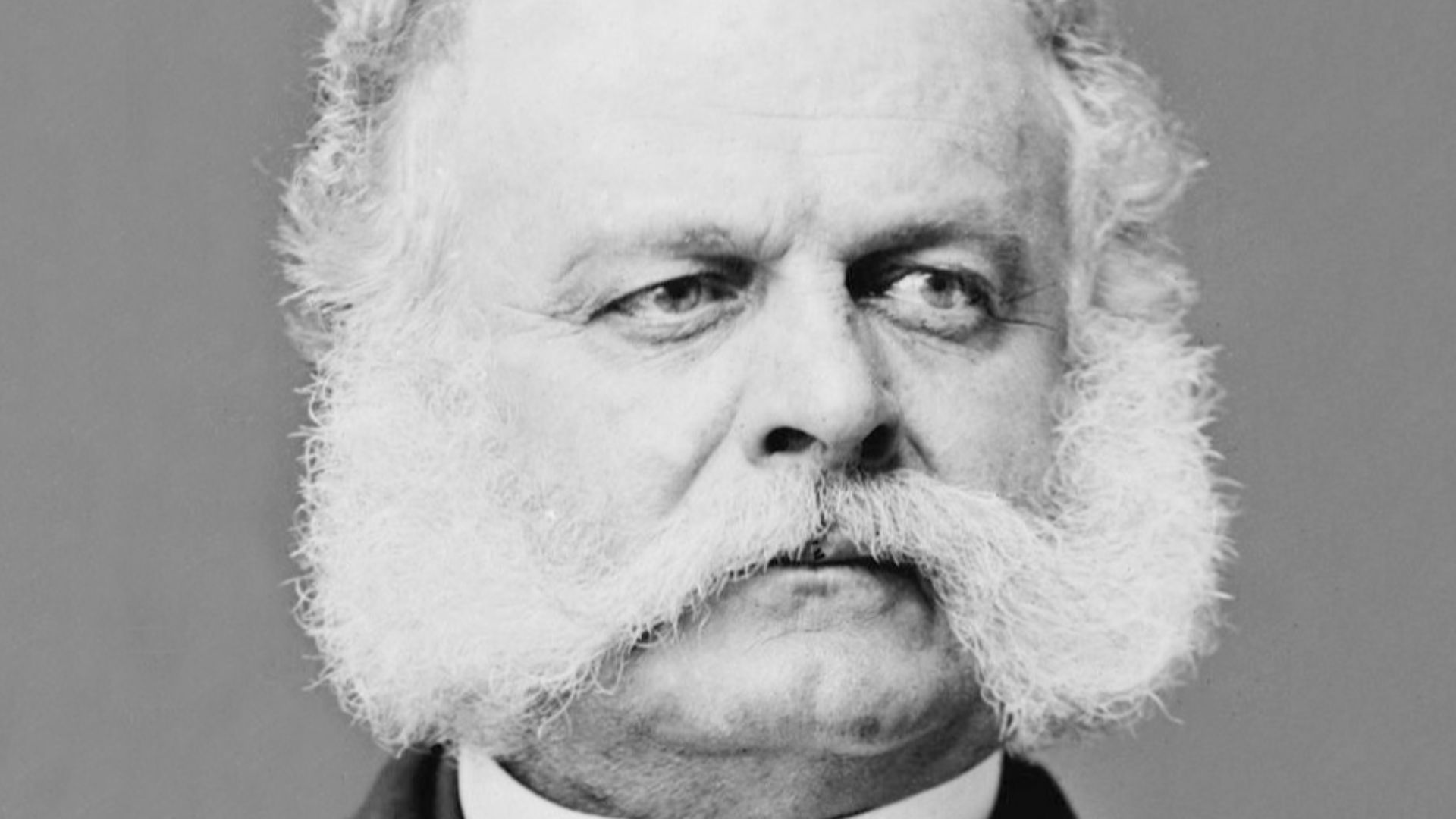 Mathew Benjamin Brady / Levin Corbin Handy, Wikimedia Commons
History's most fascinating stories and darkest secrets, delivered to your inbox daily.
Mason Jar
The Mason jar owes its name to American inventor John Landis Mason. In 1858, he patented a screw-threaded glass jar with a reusable lid that revolutionized home food preservation. Countless kitchens still rely on Mason jars for canning, storage, and decoration.
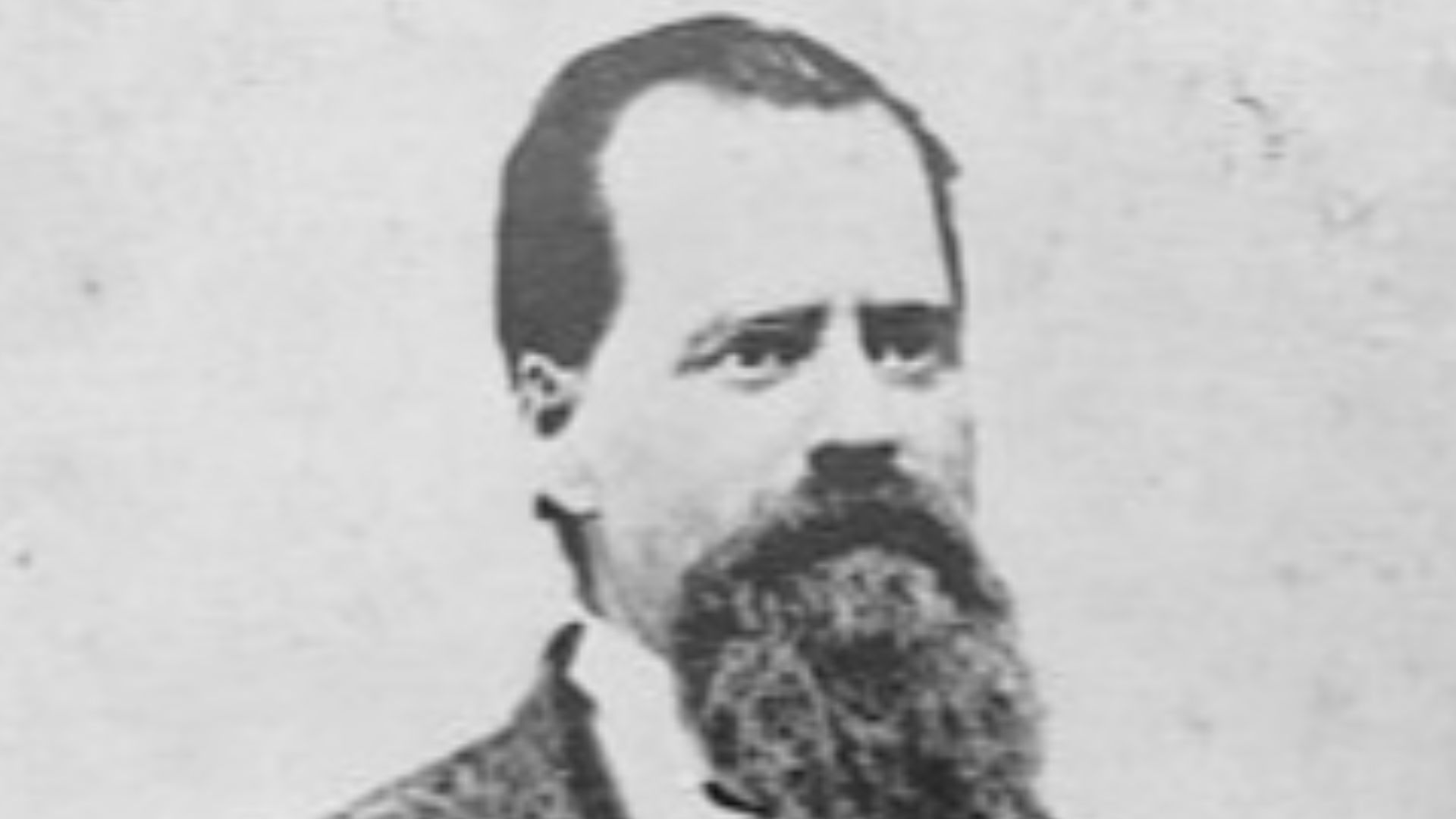
Shrapnel
British Army officer Henry Shrapnel invented an artillery shell that scattered deadly metal fragments across battlefields. His military innovation proved so influential that soldiers soon referred to the fragments themselves as shrapnel, a meaning that eventually spread far beyond its original technical definition.
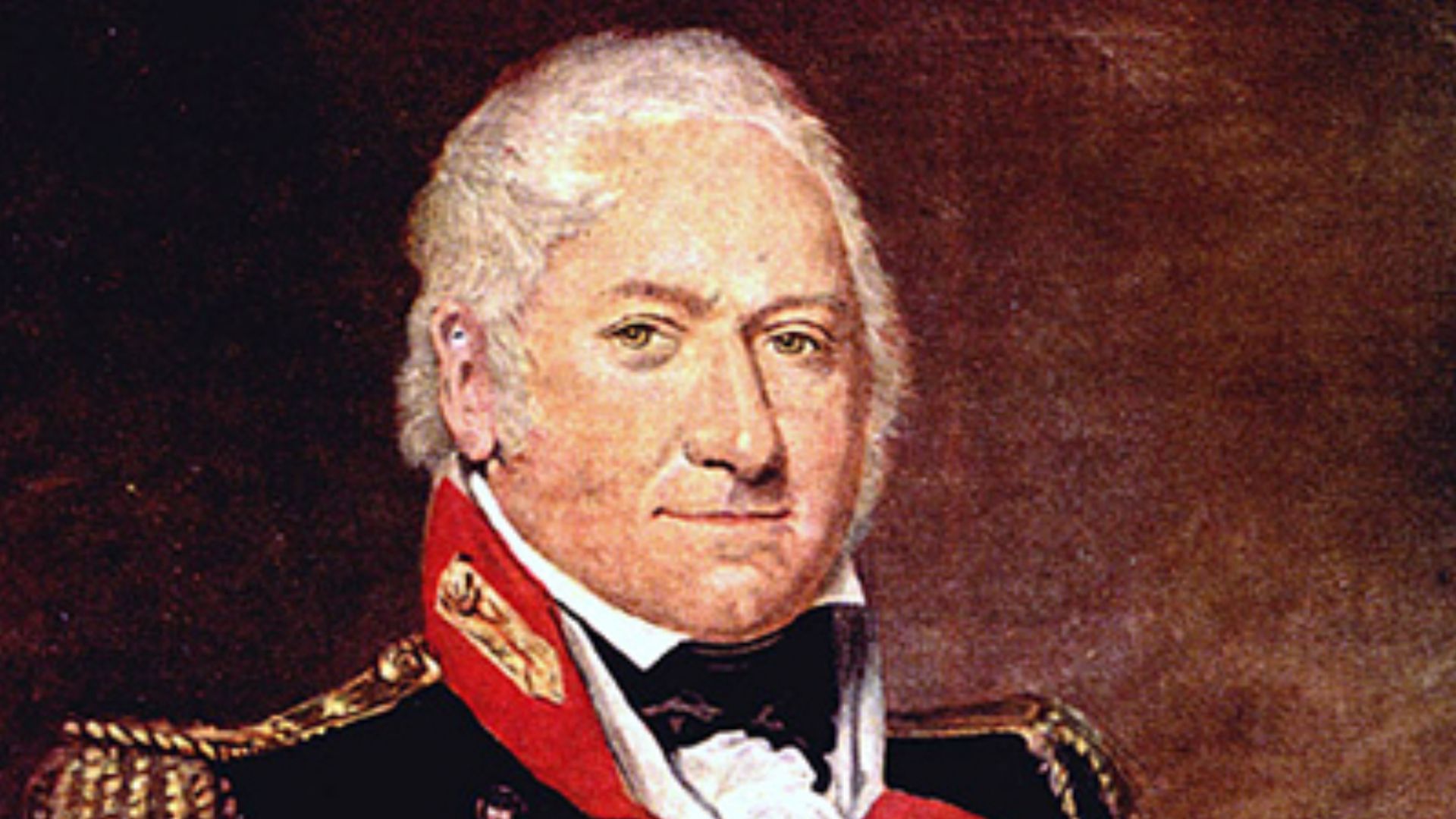 Unidentified painter, Wikimedia Commons
Volt
The volt recognizes Italian physicist Alessandro Volta, whose pioneering work produced one of the first practical electric batteries. His discoveries laid foundations for electrical science, and today every measurement of electrical potential quietly commemorates the scientist’s remarkable achievements.
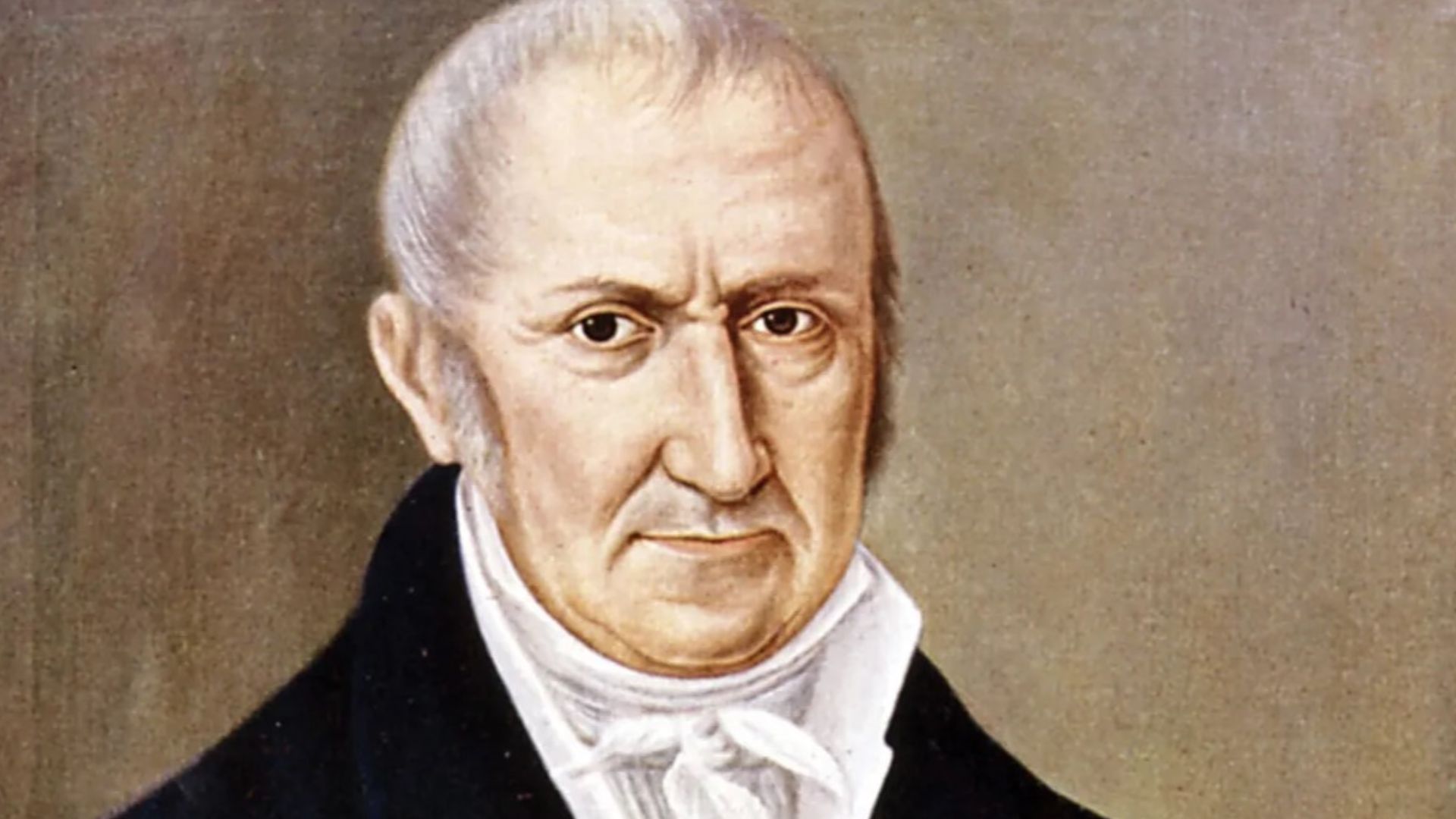 Unknown authorUnknown author, Wikimedia Commons
Watt
Scottish inventor James Watt dramatically improved the efficiency of steam engines, helping power the Industrial Revolution. His engineering breakthroughs proved to be so important that the international unit measuring power now bears his surname, ensuring every light bulb and appliance recalls his legacy.
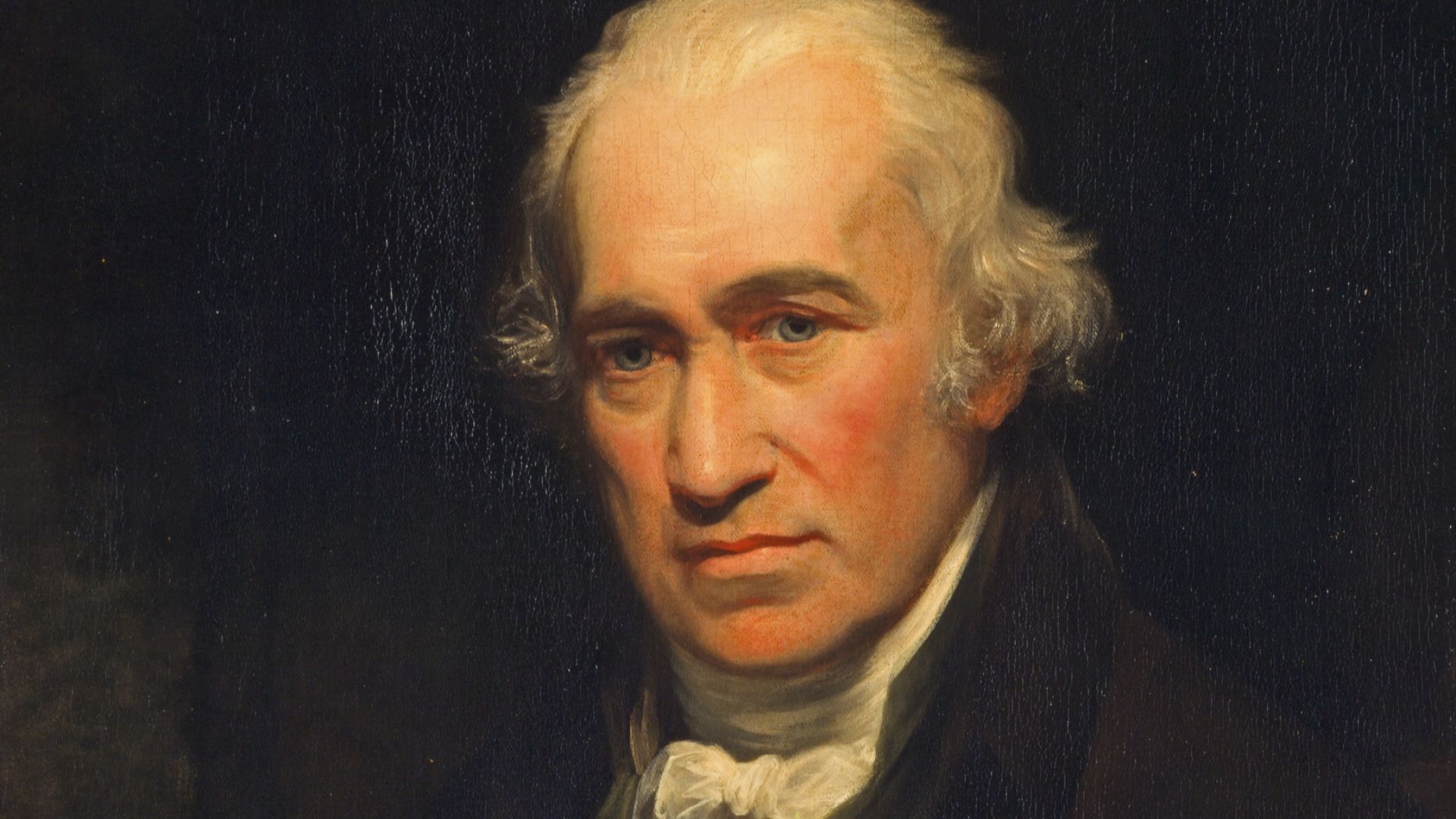 Antonia Reeve, Wikimedia Commons
Fahrenheit
Daniel Gabriel Fahrenheit created one of history’s best-known temperature scales during the early 18th century. Although much of the world now uses Celsius, millions of people still check daily weather forecasts using Fahrenheit without realizing they are speaking the inventor’s name.
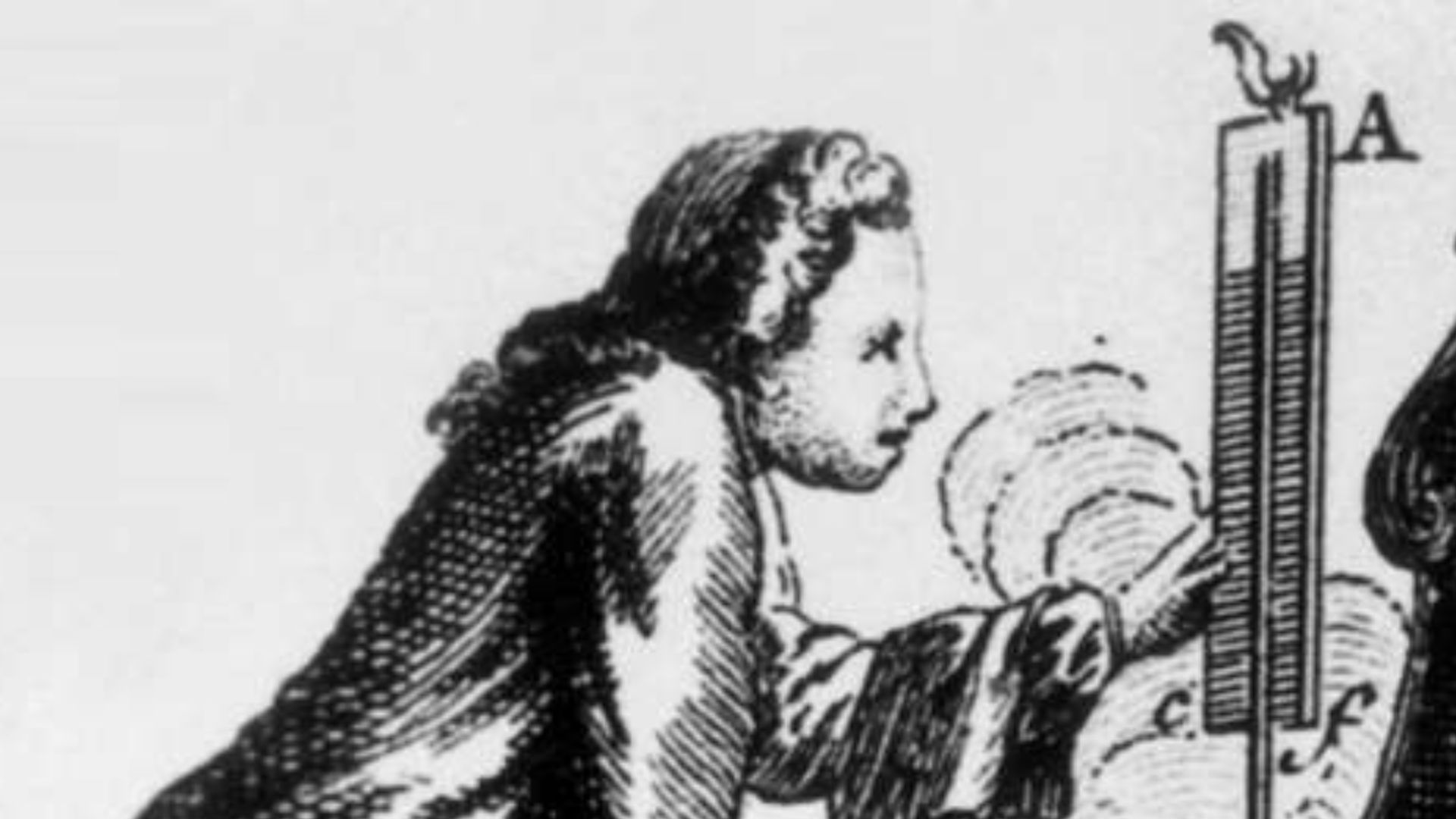 AnonymousUnknown author, Wikimedia Commons
Celsius
Swedish astronomer Anders Celsius proposed the temperature scale that eventually became the international scientific standard. Ironically, his original version reversed the modern system, with water boiling at zero and freezing at one hundred before later scientists flipped the values.
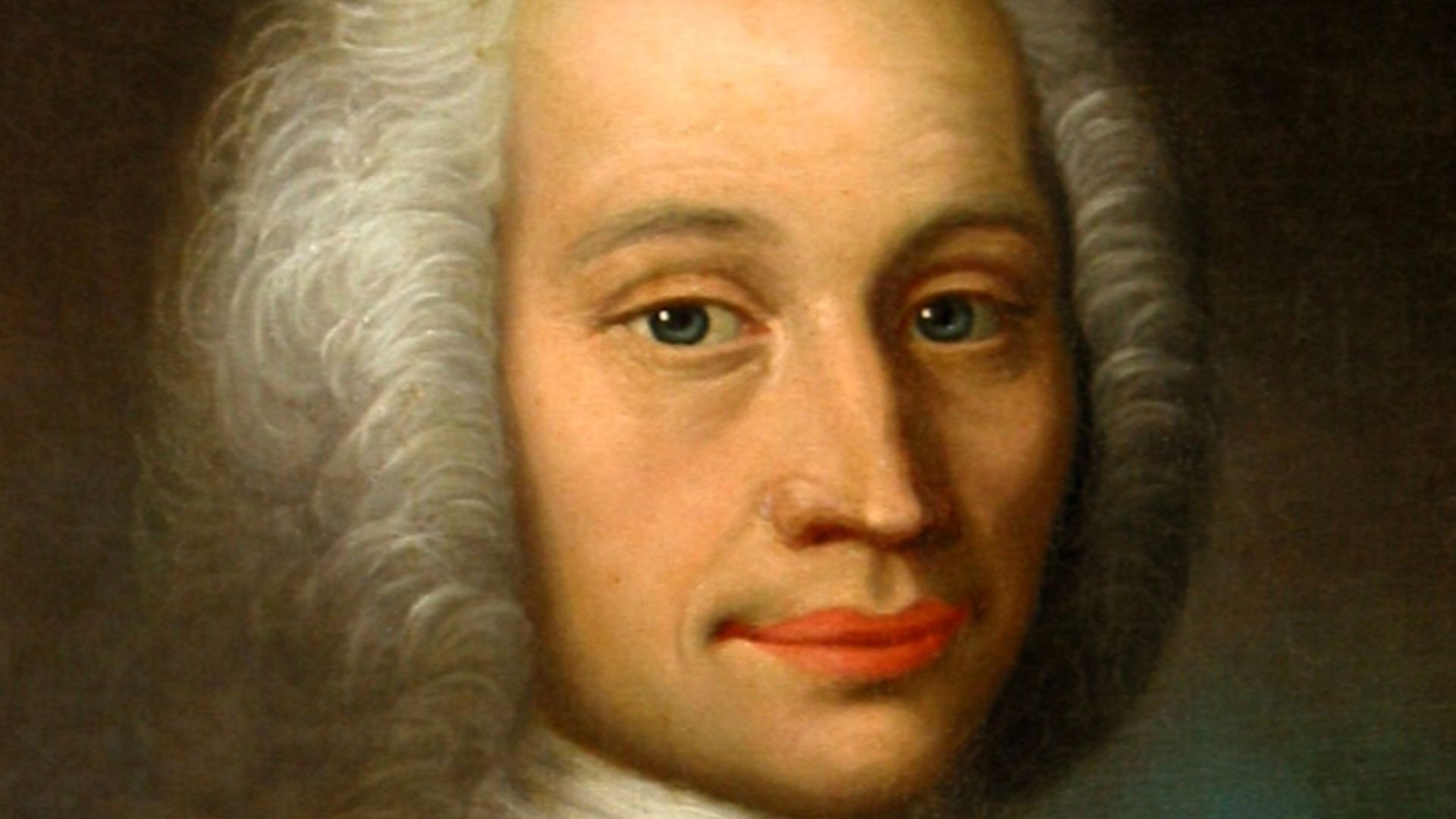 Olof Arenius, Wikimedia Commons
History's most fascinating stories and darkest secrets, delivered to your inbox daily.
Decibel
The decibel indirectly honors Alexander Graham Bell, whose work revolutionized telecommunications. Engineers named the larger unit the bel after Bell, then adopted the more practical decibel for everyday measurements of sound intensity, electronics, and communications.
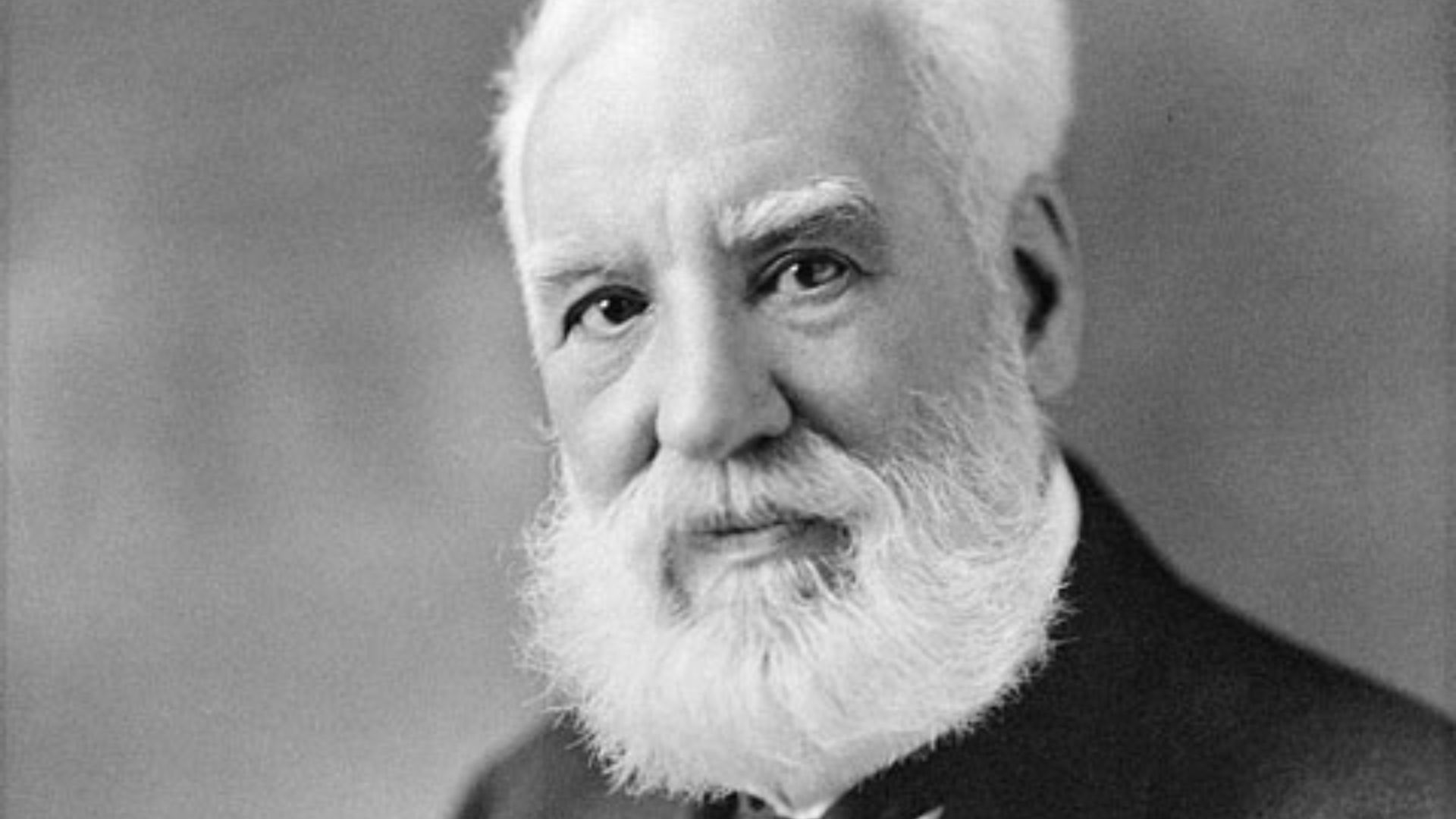 Moffett Studio, Wikimedia Commons
Jacuzzi
The Jacuzzi family immigrated from Italy and built aircraft before turning their engineering talents toward pumps and hydrotherapy equipment. After developing therapeutic whirlpool systems, their surname became permanently associated with luxurious hot tubs around the world.

Hooligan
The exact origin remains debated, but one popular explanation traces “hooligan” to Patrick Hooligan, an unruly Irish troublemaker featured in late Victorian stories and songs. Whether entirely factual or partly fictional, the colorful surname became shorthand for violent or disruptive behavior.
 Unknown authorUnknown author, Wikimedia Commons
Derringer
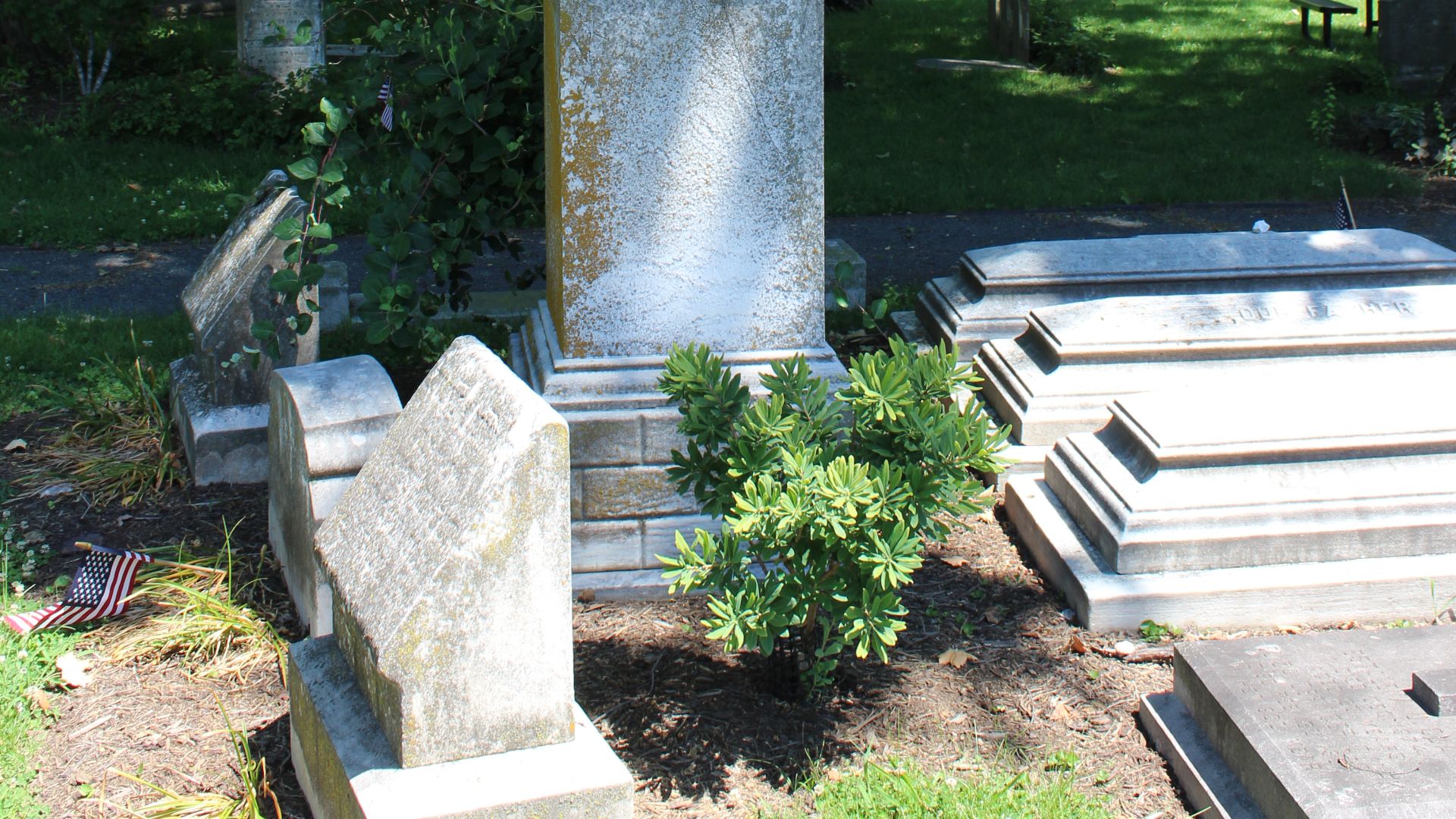
The small pocket pistol known as the derringer is named after Philadelphia gunsmith Henry Deringer. Ironically, the common spelling added an extra “r” through repeated misspellings, meaning the famous firearm preserves both his name and a long-standing spelling mistake.
Casanova
Giacomo Casanova achieved fame as a Venetian adventurer, writer, gambler, diplomat, and relentless romantic. His colorful autobiography cemented his reputation, and his surname eventually entered everyday language to describe an irresistibly charming man with an enthusiastic interest in romance.
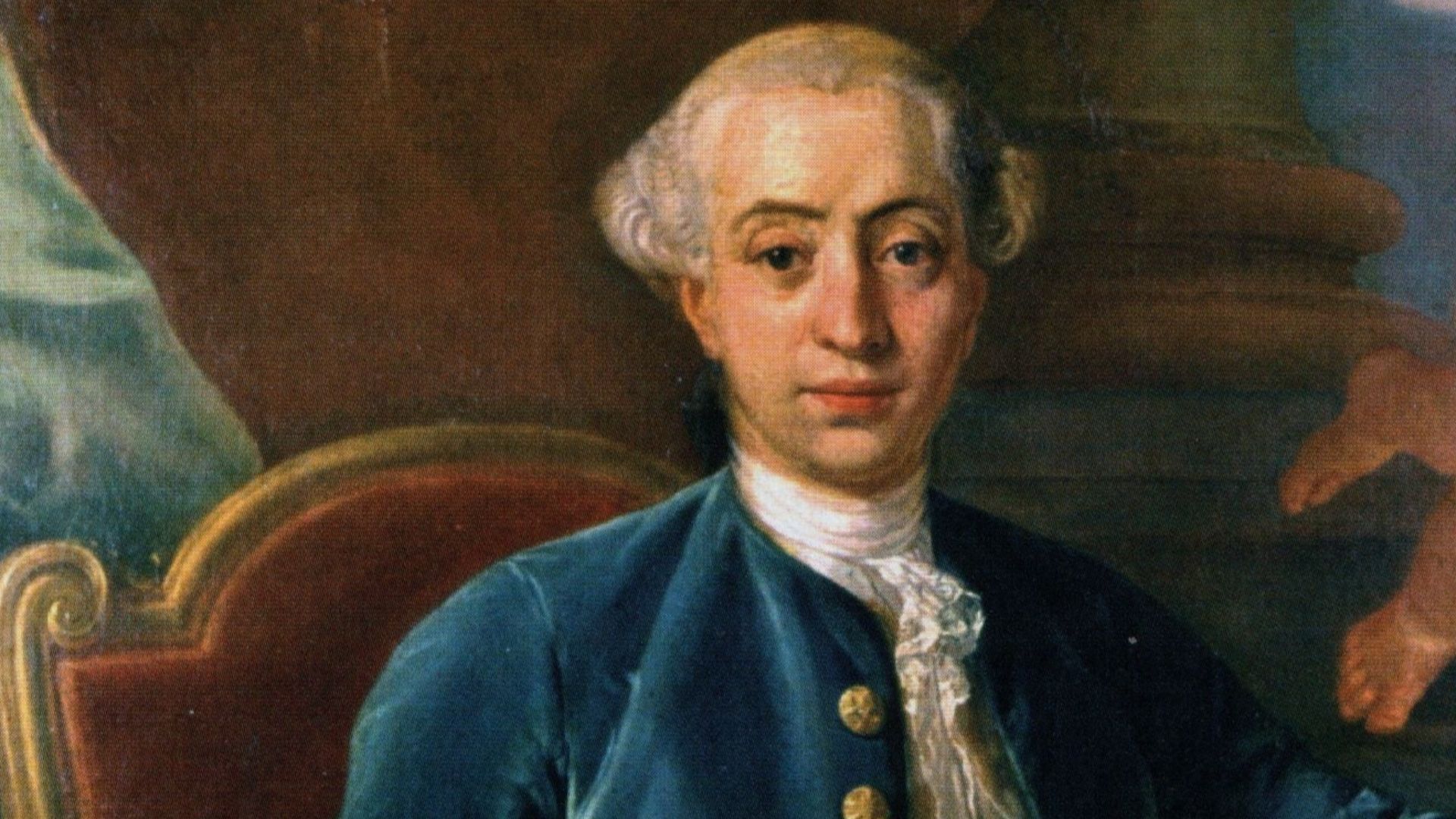 Attributed to Francesco Narici, Wikimedia Commons
Teddy Bear
The teddy bear honors American President Theodore Roosevelt. After Roosevelt famously refused to shoot a captured bear during a hunting trip, newspaper cartoons celebrated the incident. Toy makers quickly introduced stuffed bears named “Teddy’s bears,” creating one of history’s most beloved toys.
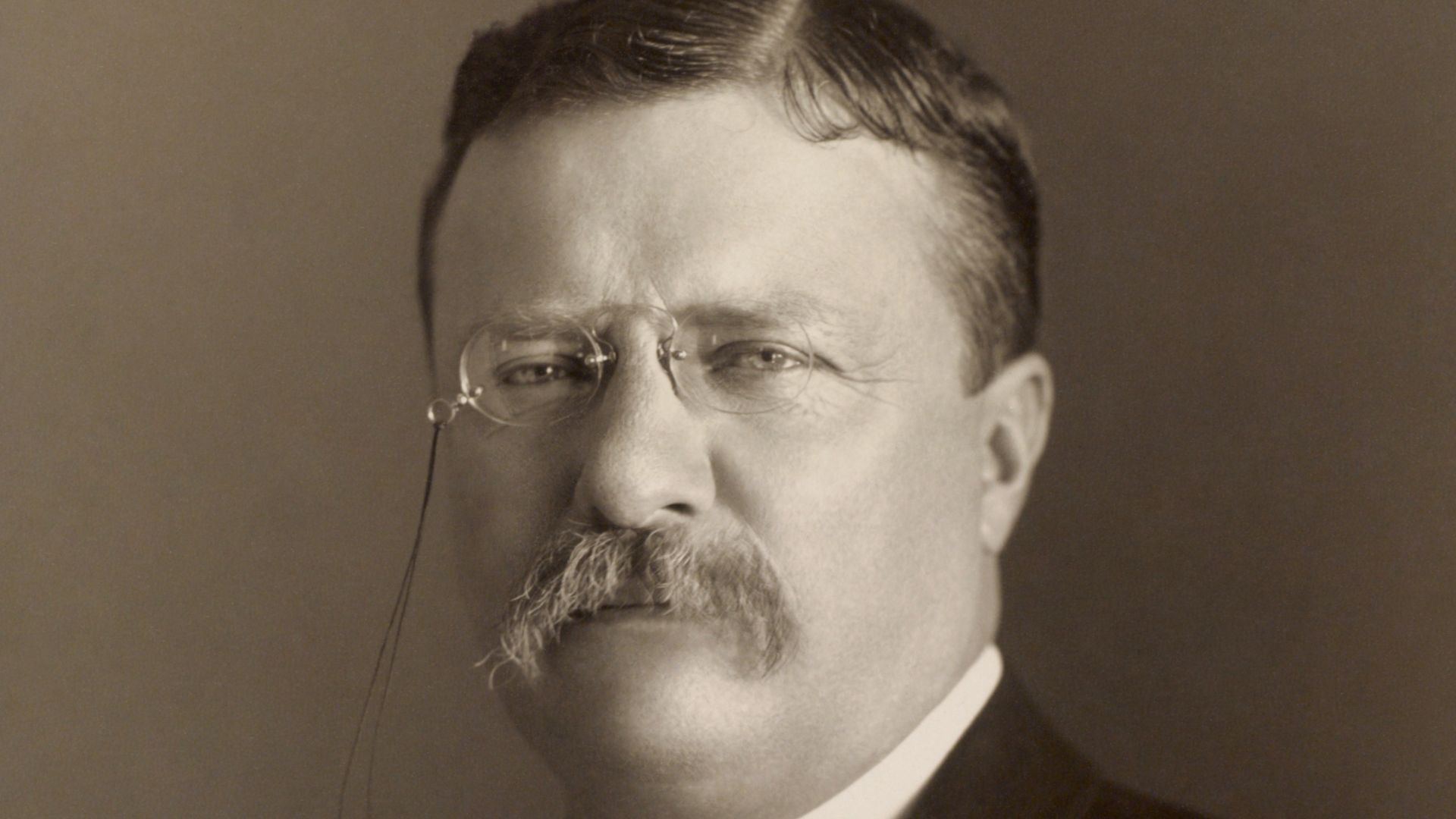 Adam Cuerden, Wikimedia Commons
History's most fascinating stories and darkest secrets, delivered to your inbox daily.
Doppler
The Doppler effect honors Austrian physicist Christian Doppler, who explained how waves change frequency when objects move toward or away from an observer. His surname now appears in weather forecasting, astronomy, medicine, and police radar technology every single day.
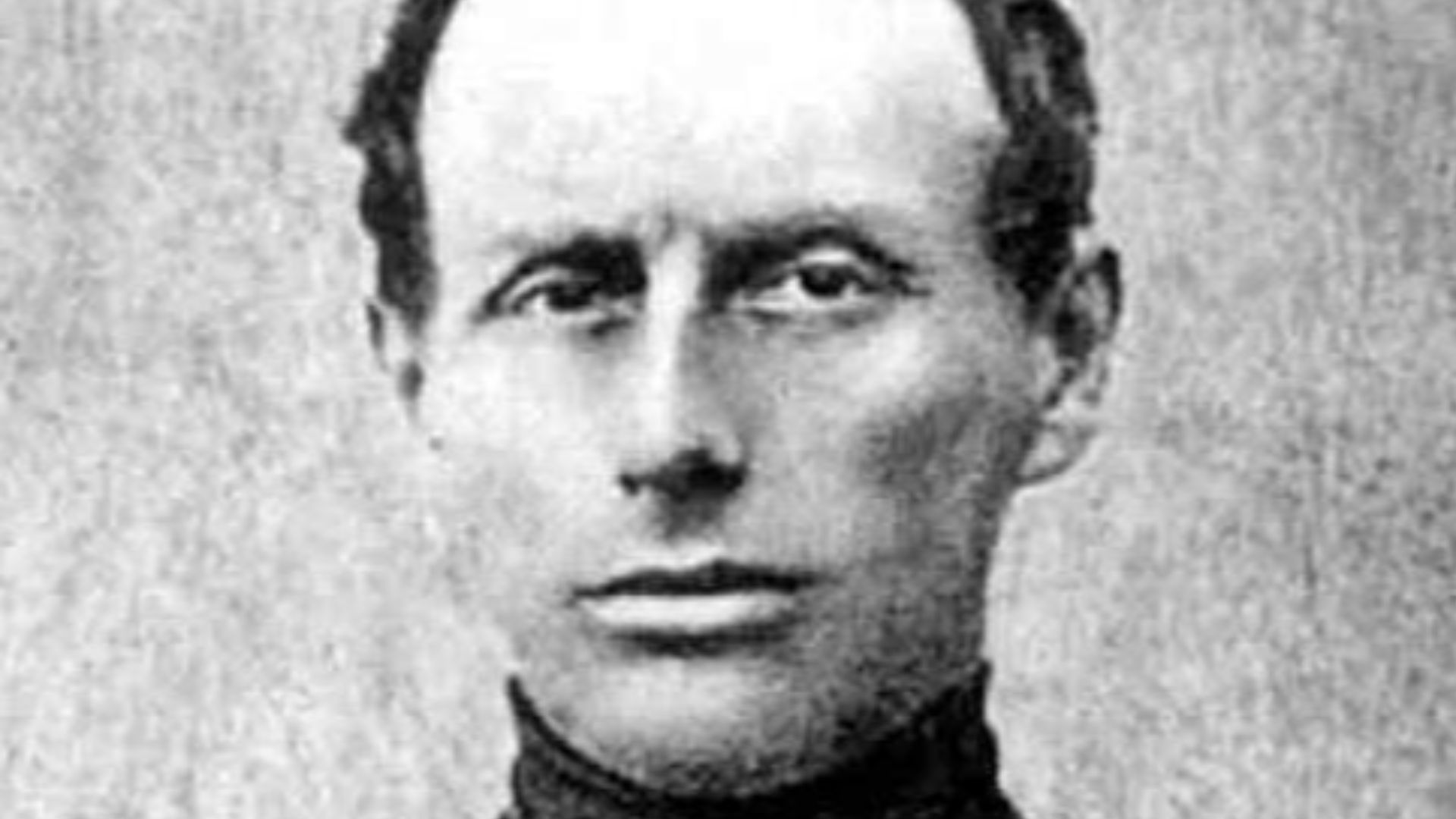 Unknown authorUnknown author, Wikimedia Commons
Alzheimer’s
Alzheimer’s disease is named after German psychiatrist Alois Alzheimer. In 1906, he described unusual changes in the brain of a patient suffering from memory loss and confusion. His careful observations eventually identified one of the world’s most widely recognized neurological disorders.
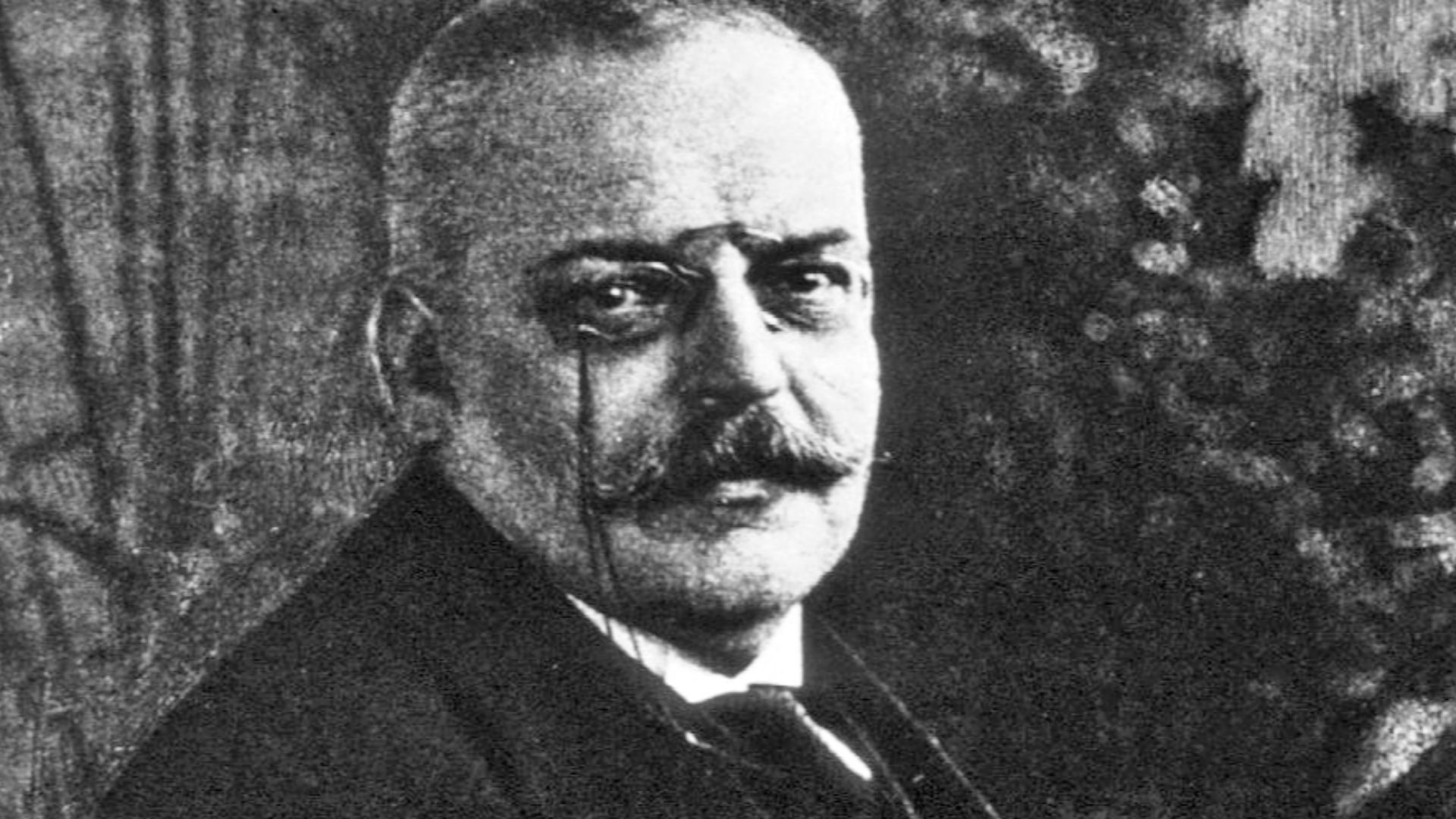 Unknown authorUnknown author, Wikimedia Commons
You May Also Like:
Real People Whose Names Became Everyday Words
The longest English word has nearly 190,000 letters and takes hours to pronounce.