America Has Suffered More Deadly Floods Than Many People Realize
When Americans think about natural disasters, hurricanes, tornadoes, and earthquakes usually come to mind first. Yet floods have claimed thousands of lives across the country, sometimes wiping entire communities off the map in a matter of hours. While a handful remain well known, many of the nation's deadliest flood disasters have gradually faded from public memory despite leaving lasting marks on engineering, emergency management, and disaster preparedness.
 Library of Congress, Wikimedia Commons
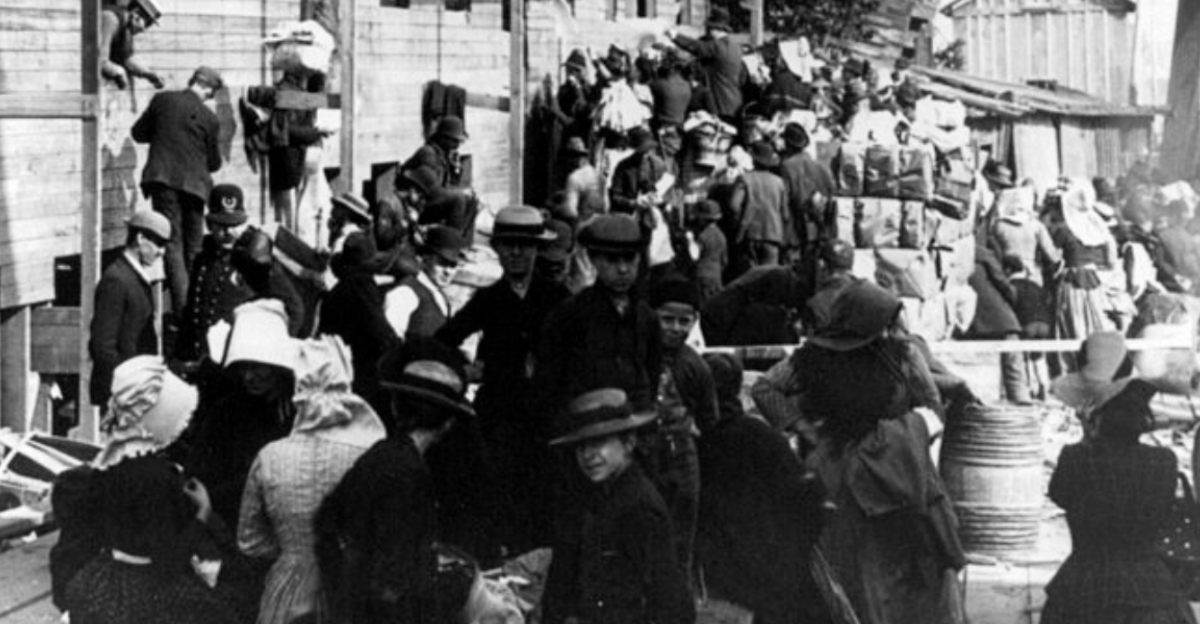
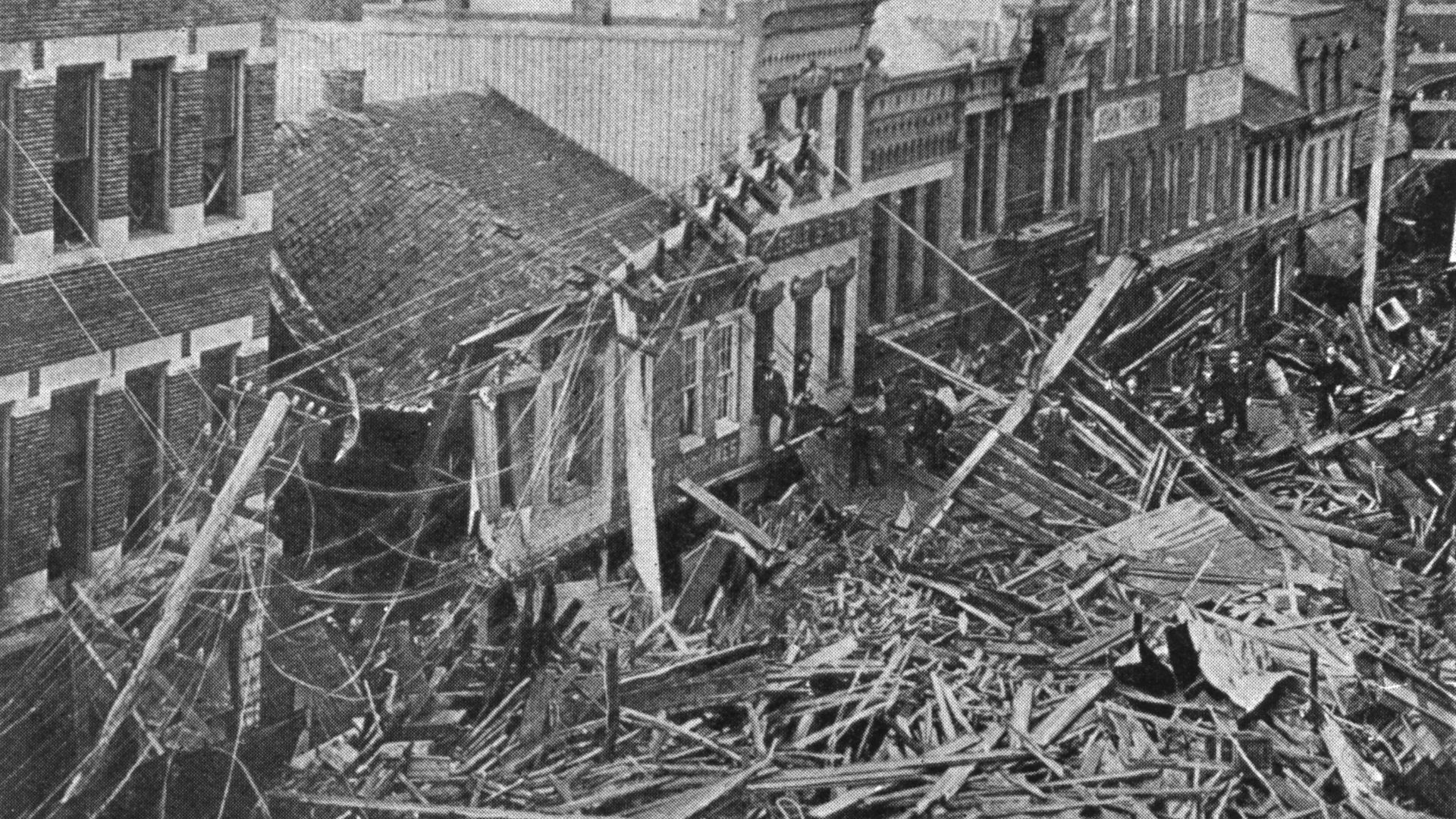
The Johnstown Flood Became One Of America's Greatest Tragedies
On May 31, 1889, Pennsylvania's South Fork Dam failed after days of heavy rain, unleashing millions of tons of water toward Johnstown. More than 2,200 people lost their lives as a massive wall of water destroyed homes, businesses, and bridges within minutes. The catastrophe remains one of the deadliest flood disasters inS history and permanently changed discussions about dam safety and disaster response.
 E. Benjamin Andrews, Wikimedia Commons
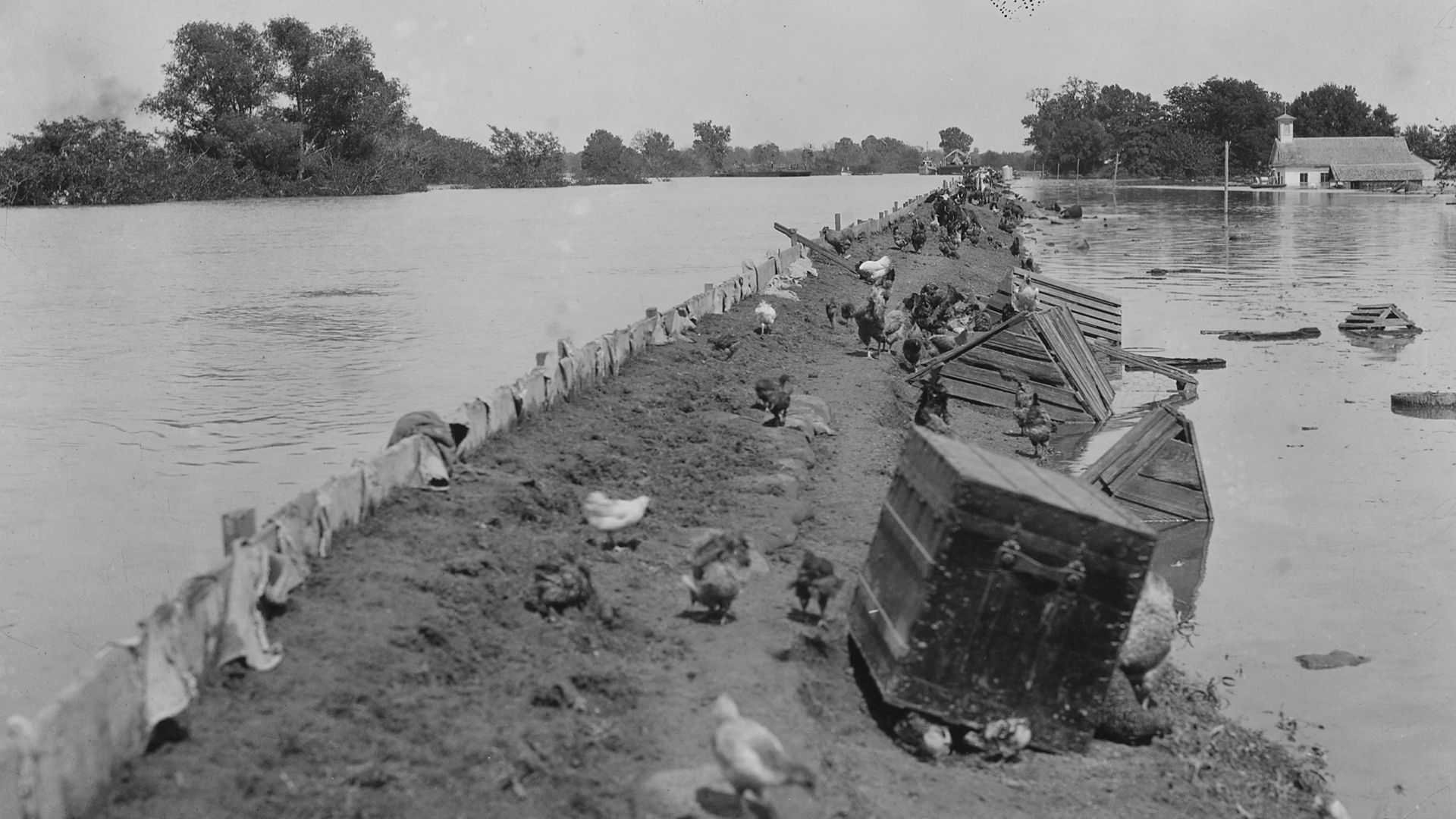
The Great Mississippi Flood Of 1927 Covered Millions Of Acres
Weeks of relentless rainfall caused the Mississippi River and its tributaries to overflow across seven states in 1927. Hundreds of people passed, roughly 700,000 were displaced, and millions of acres of farmland disappeared beneath floodwaters. The disaster prompted major federal investments in levees and flood-control infrastructure that still influence river management today.
 Unknown authorUnknown author or not provided, Wikimedia Commons
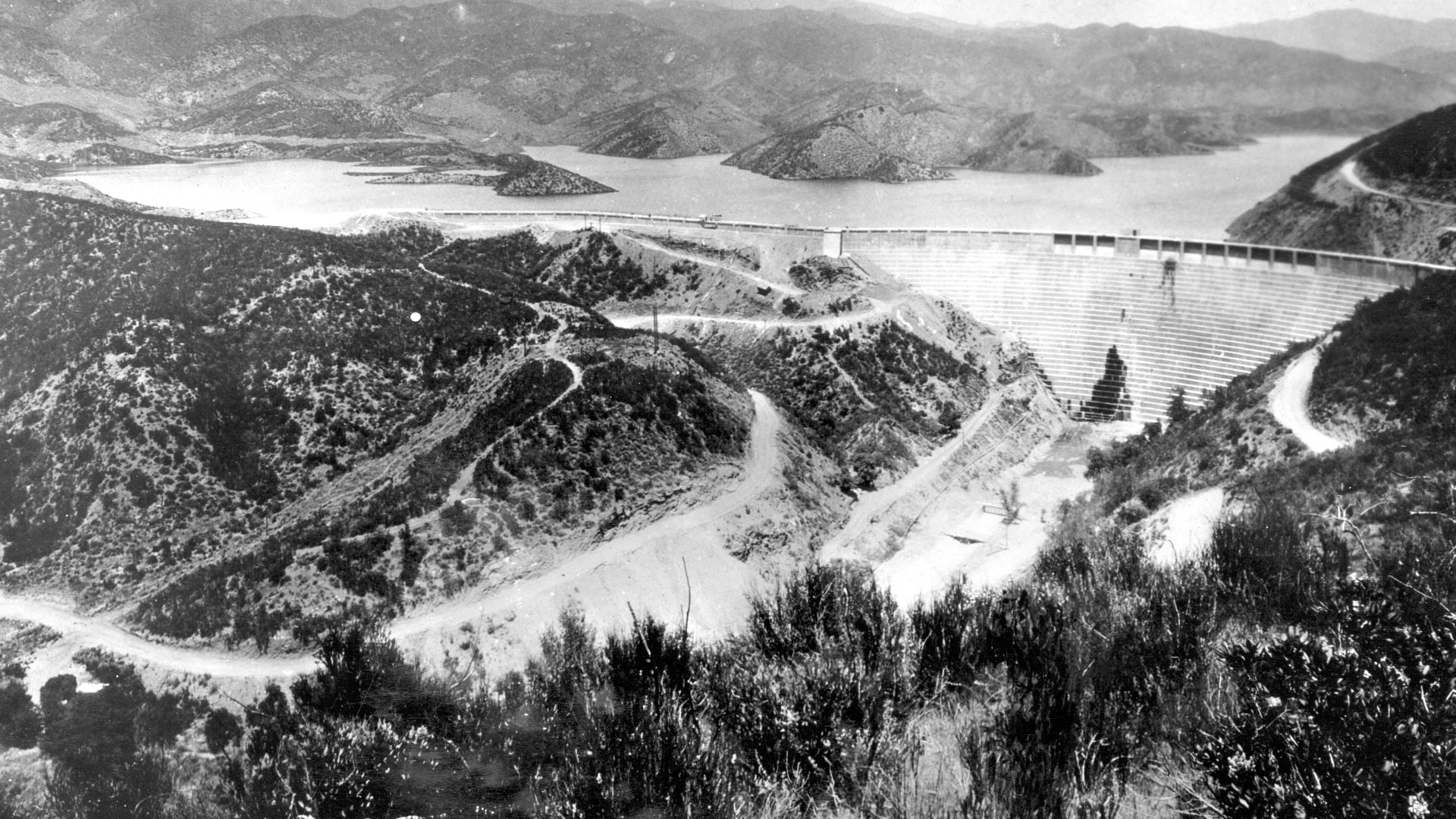
The St. Francis Dam Collapse Devastated Southern California
Late on March 12, 1928, California's St. Francis Dam suddenly failed, sending a deadly flood racing nearly 55 miles toward the Pacific Ocean. More than 430 people were taken out as entire communities were swept away overnight. The tragedy transformed dam engineering standards throughout the United States and increased oversight of large public works projects.
 Stearns, H.T. USGS, Wikimedia Commons

History's most fascinating stories and darkest secrets, delivered to your inbox daily.
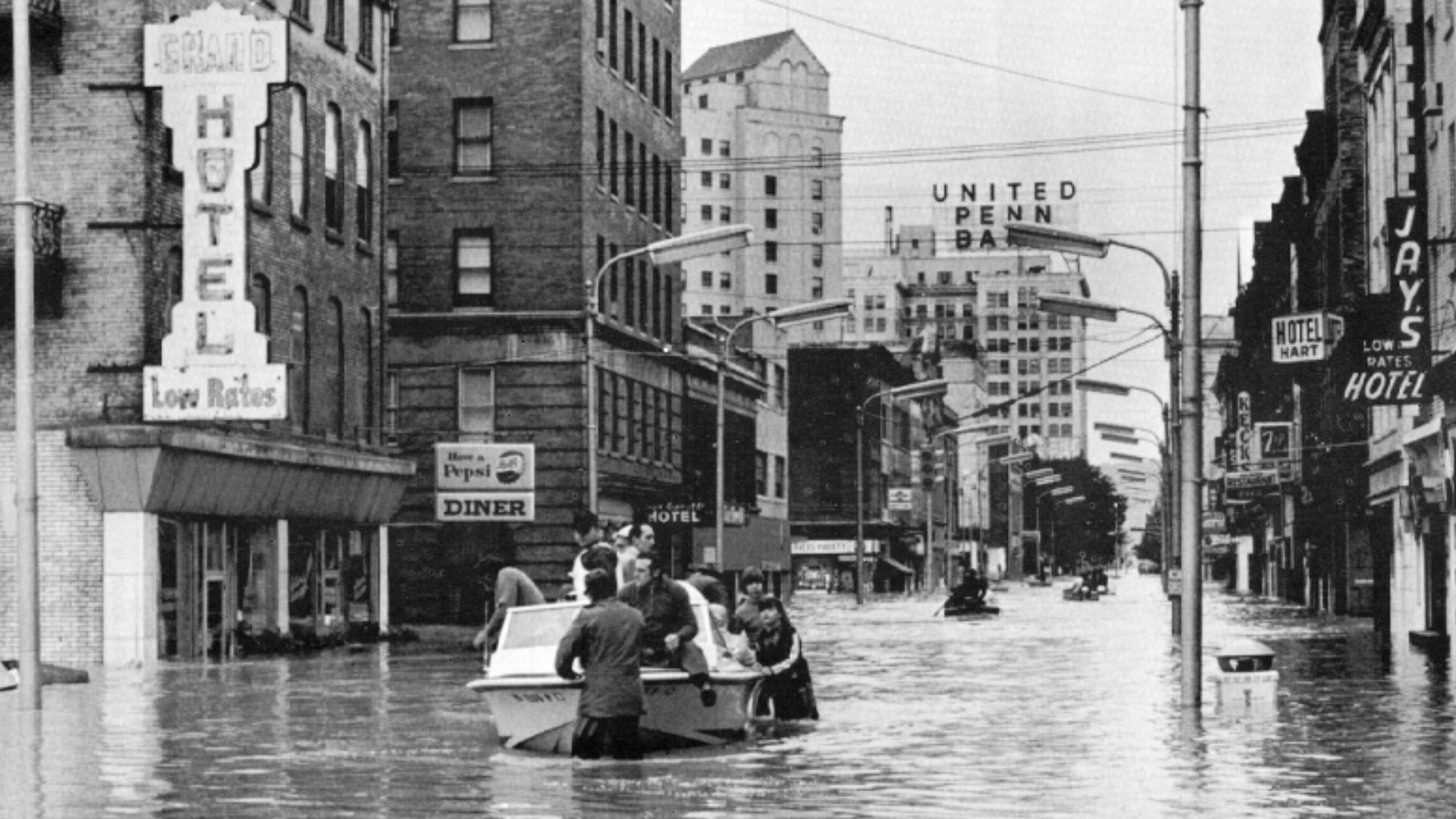
Hurricane Agnes Triggered Historic Inland Flooding
Although Hurricane Agnes weakened before reaching Pennsylvania and New York in 1972, it produced catastrophic inland flooding that proved deadlier than its winds. More than 120 people lost their lives across the eastern United States while rivers reached record levels in numerous communities. The disaster highlighted how inland flooding often causes more destruction than a hurricane's landfall itself.
 National Weather Service (NWS), Wikimedia Commons
Rapid Waters Swept Through Rapid City In 1972
On June 9, 1972, intense thunderstorms stalled over South Dakota's Black Hills, producing devastating flash floods through Rapid City. At least 238 people passed, thousands were injured, and entire neighborhoods disappeared beneath fast-moving water. The disaster led to major changes in floodplain development and emergency warning systems.
![Aftermath of the flash flood of June 9-10, 1972, Rapid City. The original of this image is found at [1]](https://www.factinate.com/storage/app/media/factinate/2026/8/5/1785915611a73382e29e4fb5972e41b23e4827d0254039b77a.jpg)
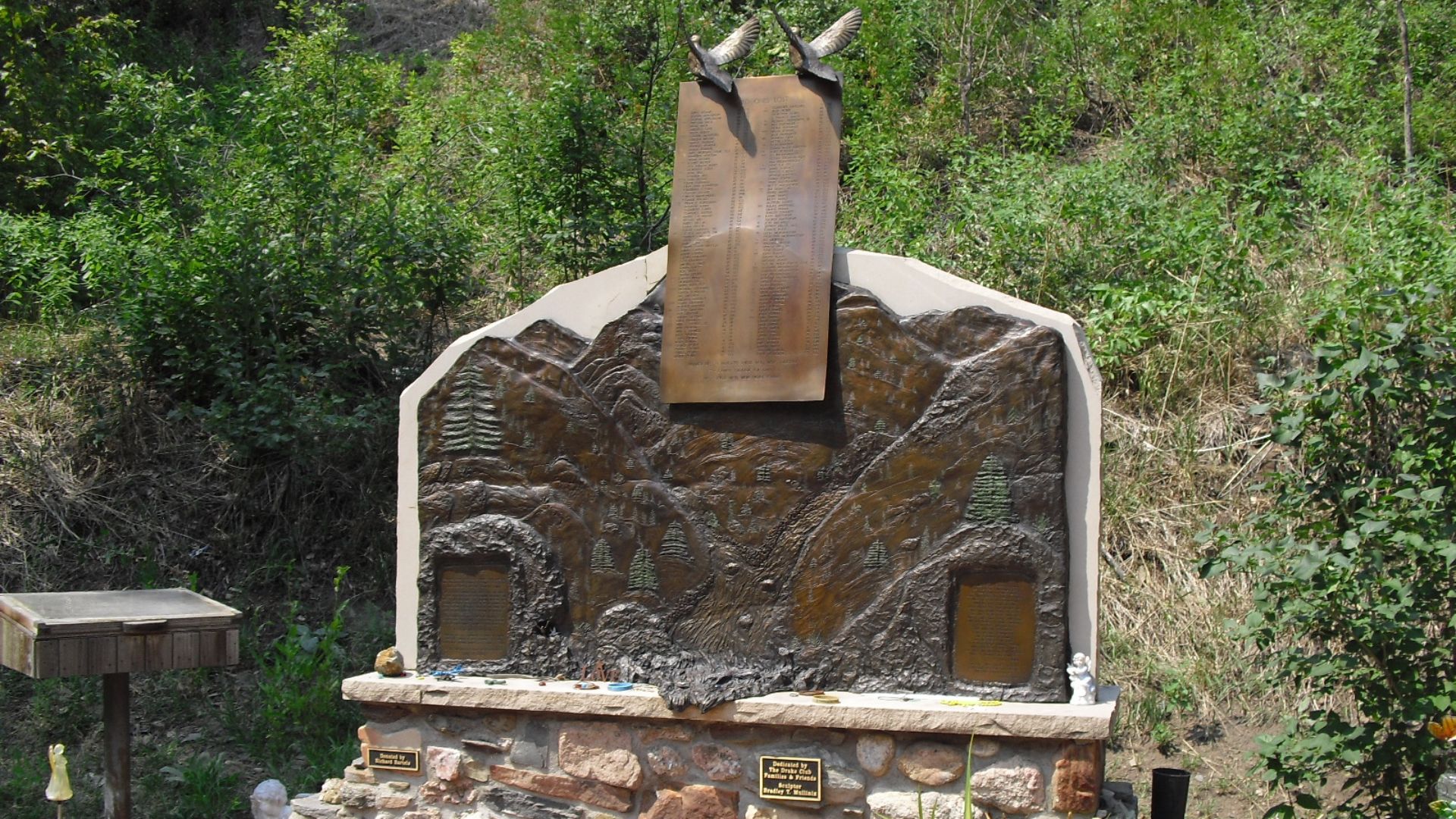
The Big Thompson Canyon Flood Struck Without Warning
Colorado's Big Thompson Canyon experienced catastrophic flash flooding on July 31, 1976, after a nearly stationary thunderstorm dumped extraordinary rainfall over a narrow mountain drainage. The resulting rain took out 144 people, many of them campers and motorists trapped along the canyon highway. The flood became a landmark case for improving flash flood forecasting.
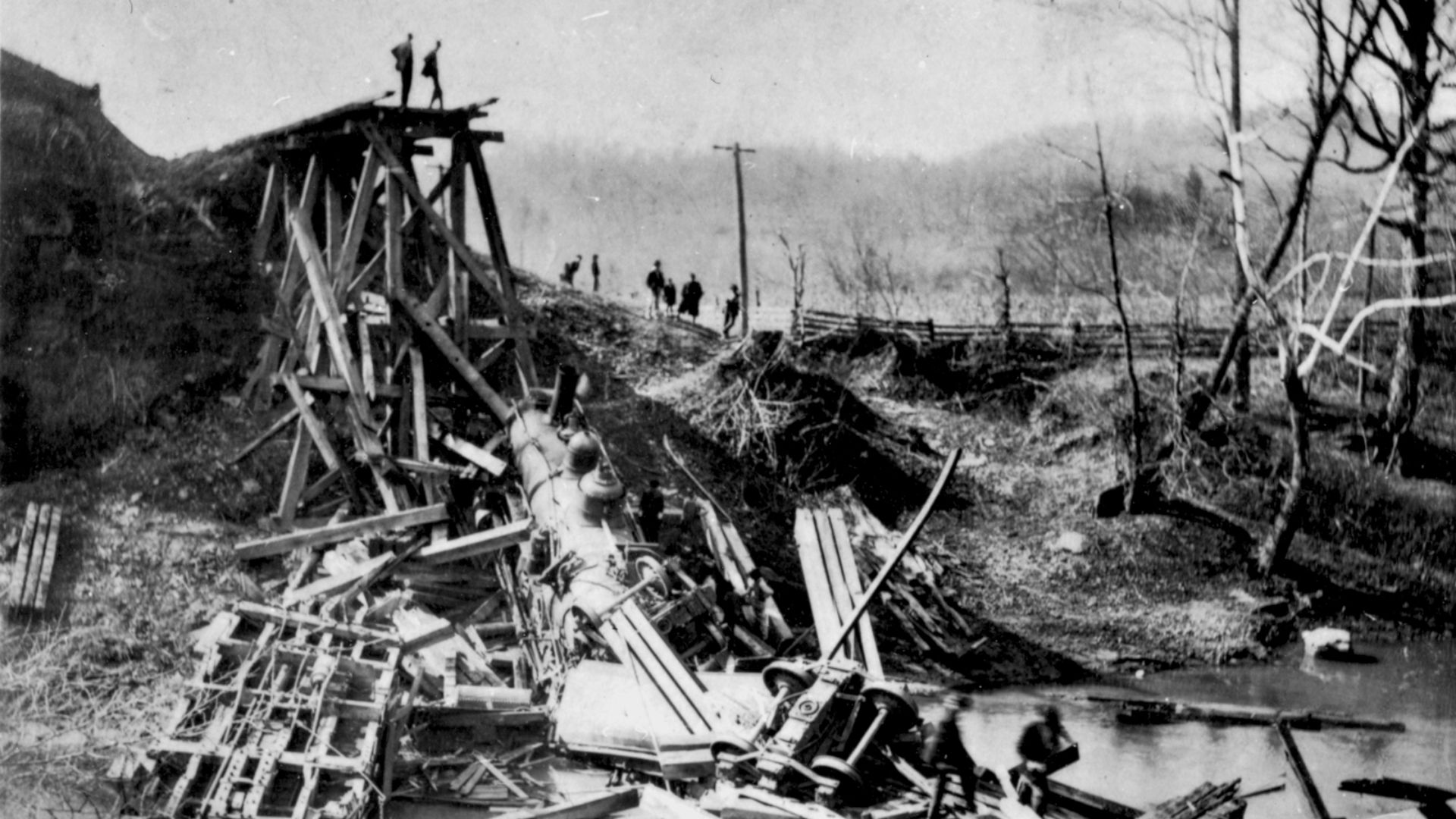
The Buffalo Creek Disaster Mixed Nature And Human Failure
Heavy rainfall caused a coal waste dam to fail in West Virginia on February 26, 1972, sending a massive flood through communities along Buffalo Creek. Approximately 125 people passed, more than 1,000 were injured, and thousands lost their homes. The disaster drew national attention to industrial waste dam safety and corporate responsibility.
 Not identified; in Looking Back at Tennessee Photograph Collection, Wikimedia Commons
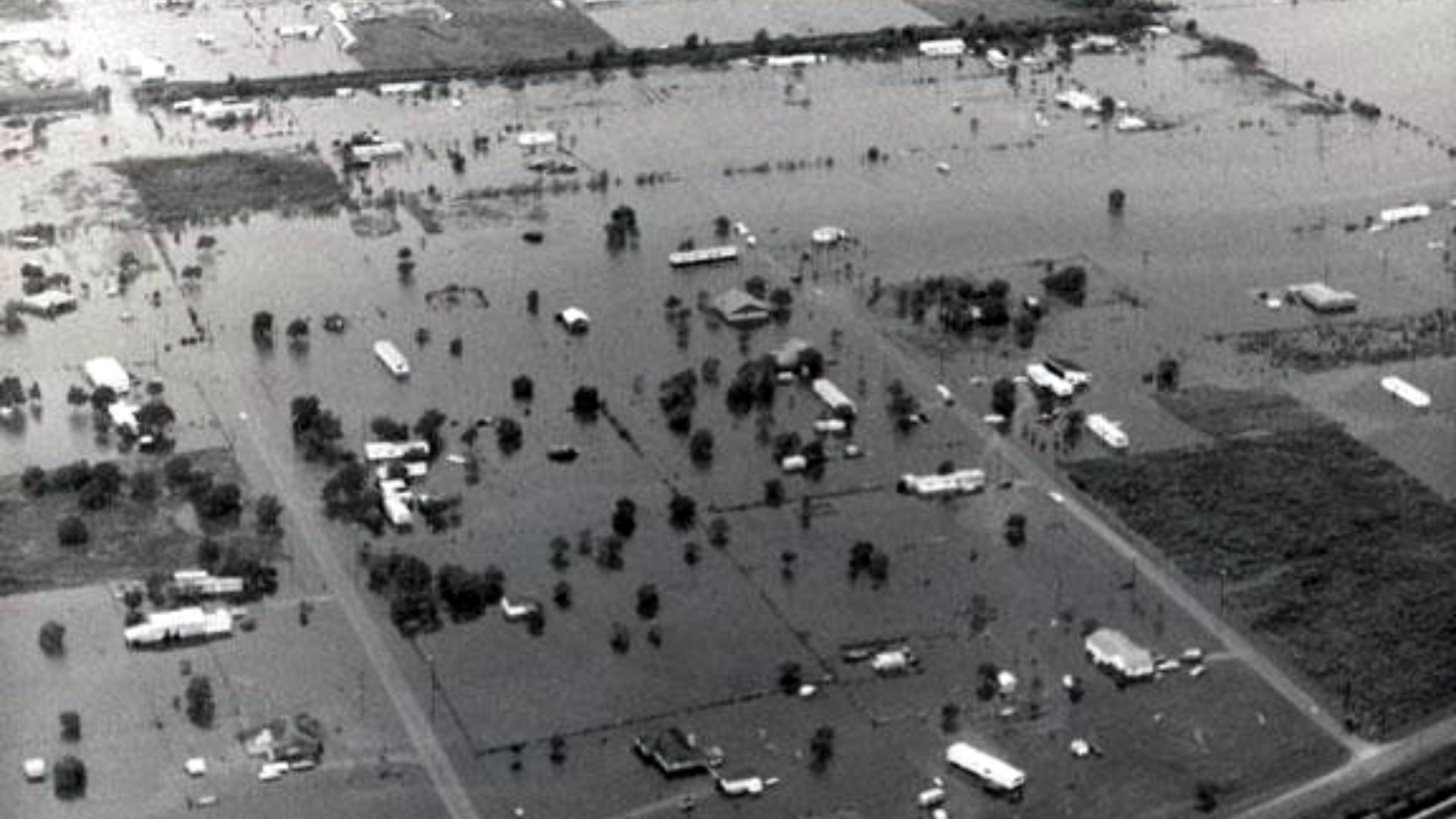
Tropical Storm Claudette Produced Record Texas Rainfall
In July 1979, Tropical Storm Claudette dumped more than 43 inches of rain near Alvin, Texas, setting a U.S. tropical cyclone rainfall record at the time. Flash flooding took out dozens of people across Texas despite the storm's relatively modest wind speeds. The event reinforced that rainfall, not hurricane category, often determines flood danger.
 Supportstorm, Wikimedia Commons
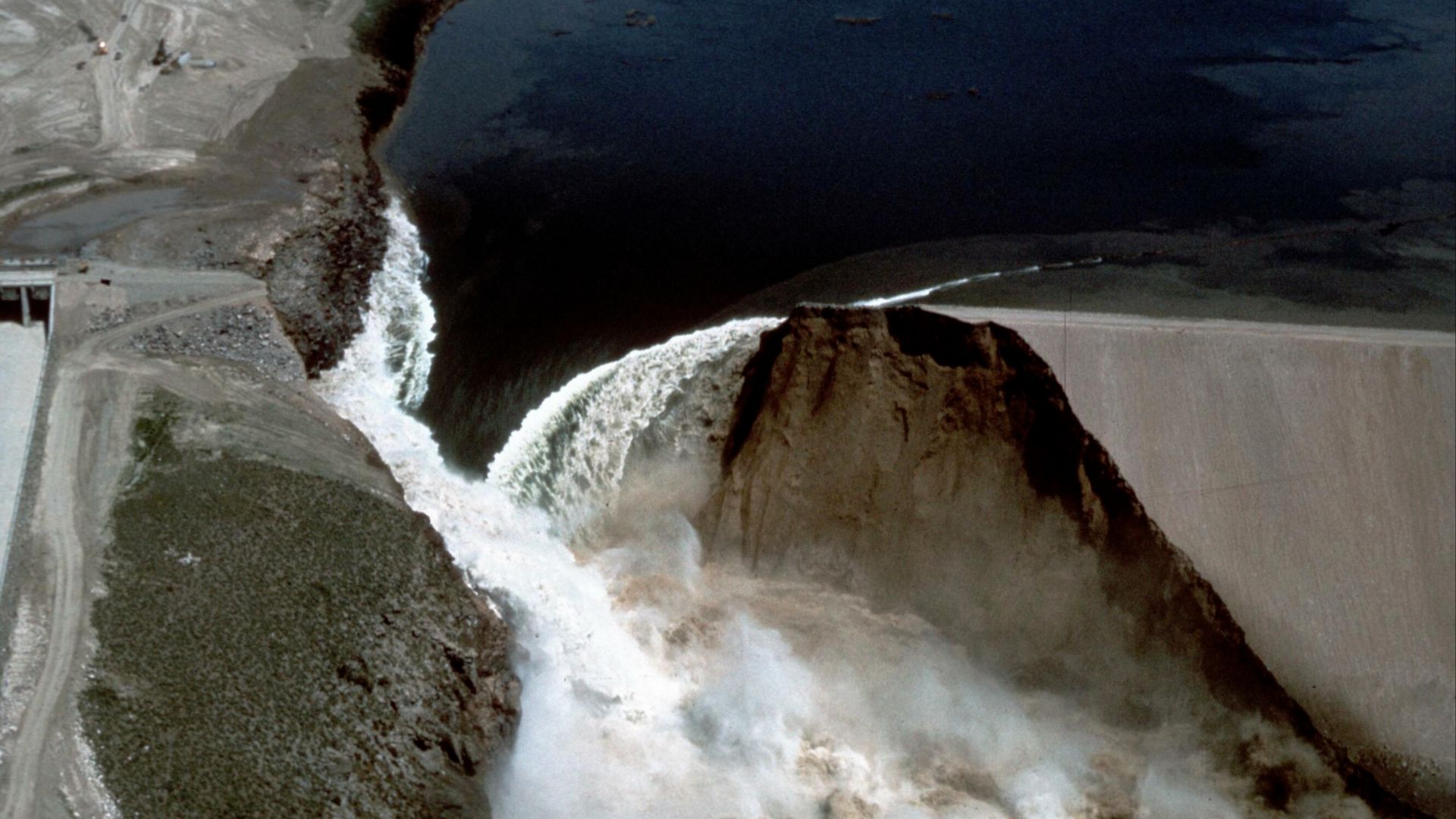
The Teton Dam Failure Sent Water Across Idaho
Idaho's Teton Dam collapsed during its first reservoir filling on June 5, 1976. Eleven people passed, while tens of thousands were forced to evacuate as floodwaters devastated farms, towns, and infrastructure. The failure remains one of the most significant engineering disasters involving a US Bureau of Reclamation project.
 WaterArchives.org from Sacramento, California, USA, Wikimedia Commons
History's most fascinating stories and darkest secrets, delivered to your inbox daily.
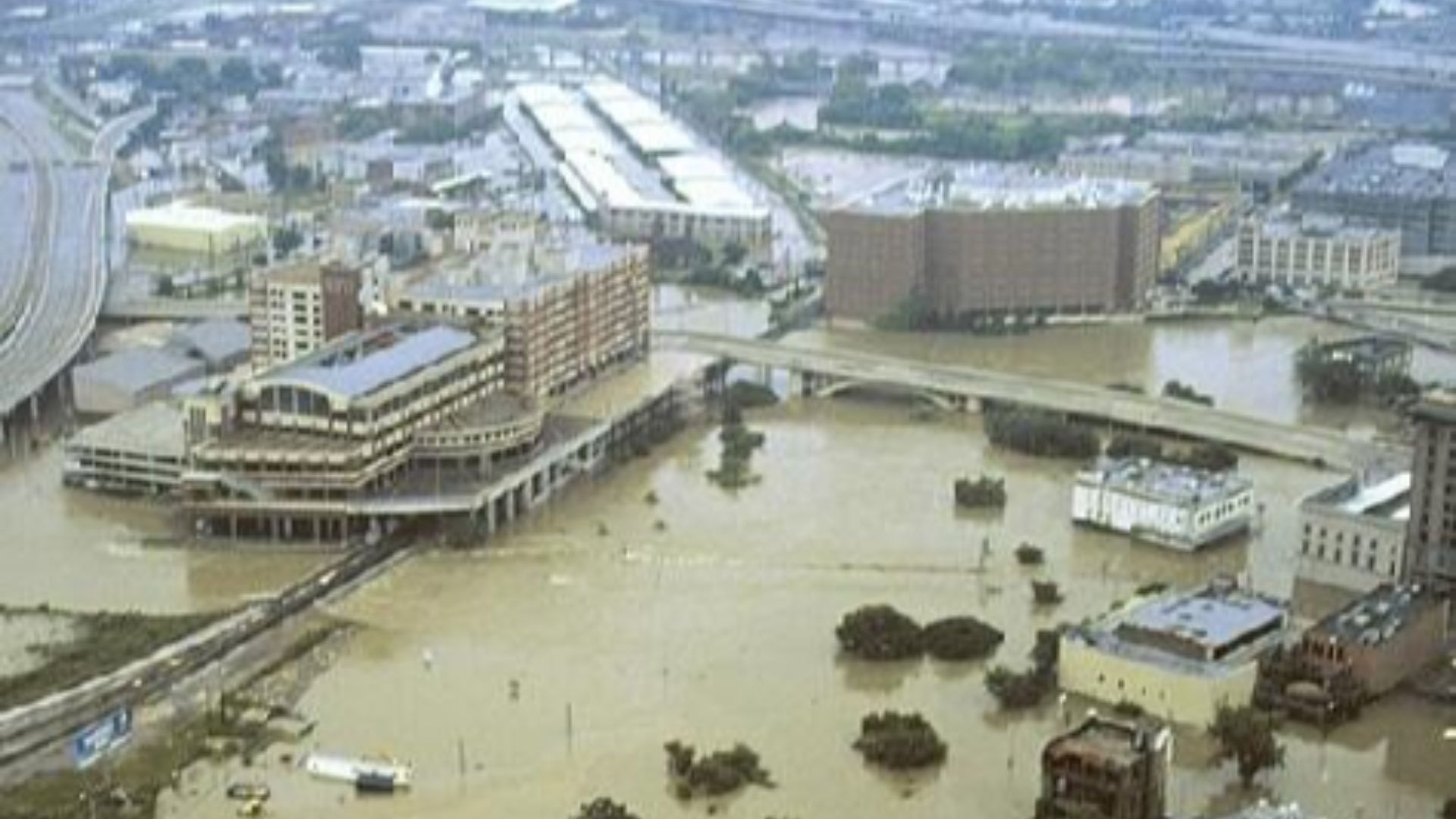
Tropical Storm Allison Flooded Houston Repeatedly
Tropical Storm Allison lingered over southeast Texas in June 2001, producing extraordinary rainfall instead of powerful winds. Floodwaters overwhelmed Houston's streets, hospitals, and neighborhoods, ending 41 people and causing billions in damage. Allison demonstrated how slow-moving tropical systems can become catastrophic flood events.
 NOAA employee, Wikimedia Commons
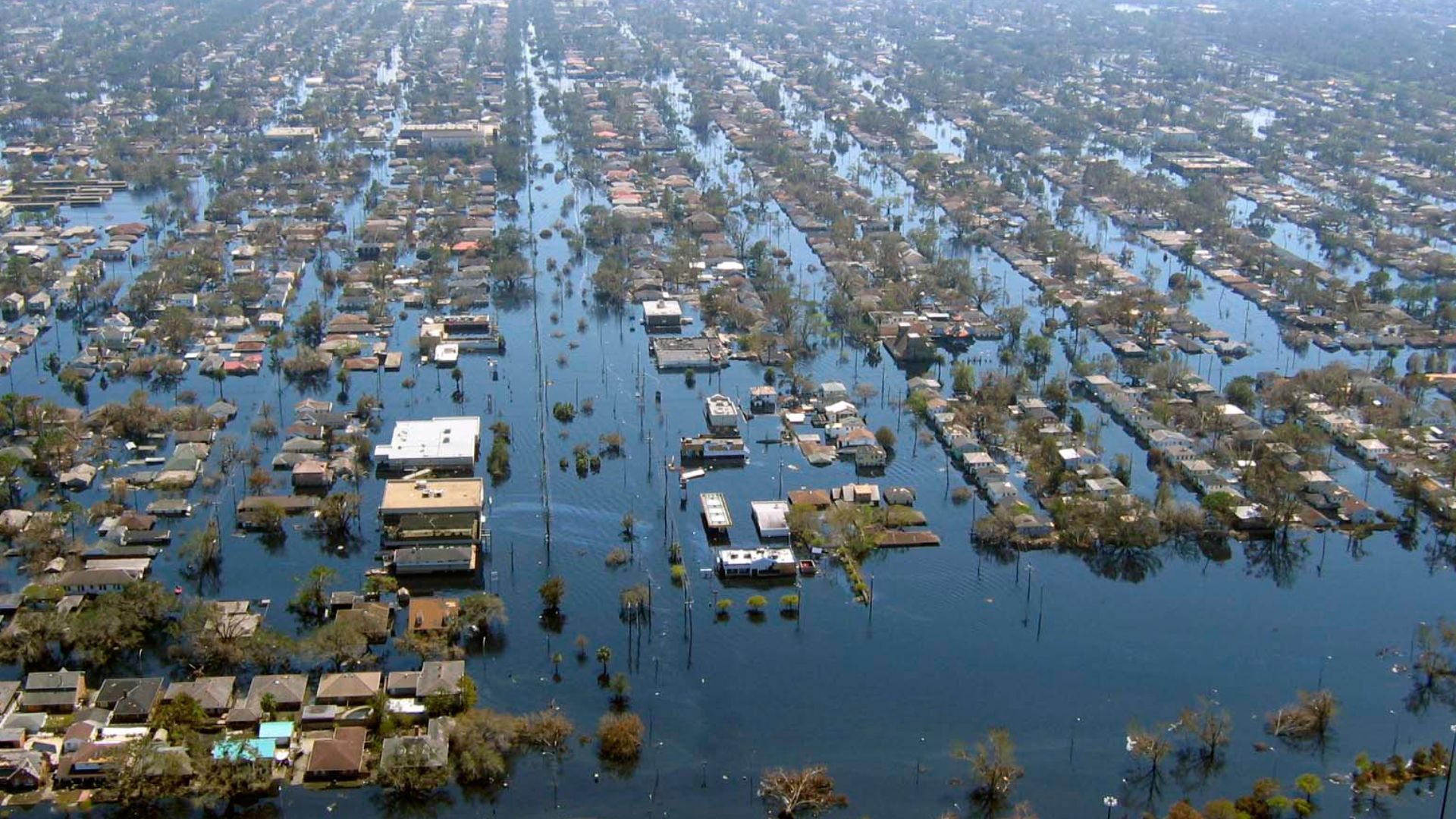
Hurricane Katrina's Deadliest Threat Was Floodwater
Although Katrina made landfall as a hurricane in 2005, much of its devastation came after levee failures flooded New Orleans. More than 1,800 people passed across several states, making it one of the deadliest US disasters of modern times. The catastrophe exposed major weaknesses in flood protection, evacuation planning, and emergency response.
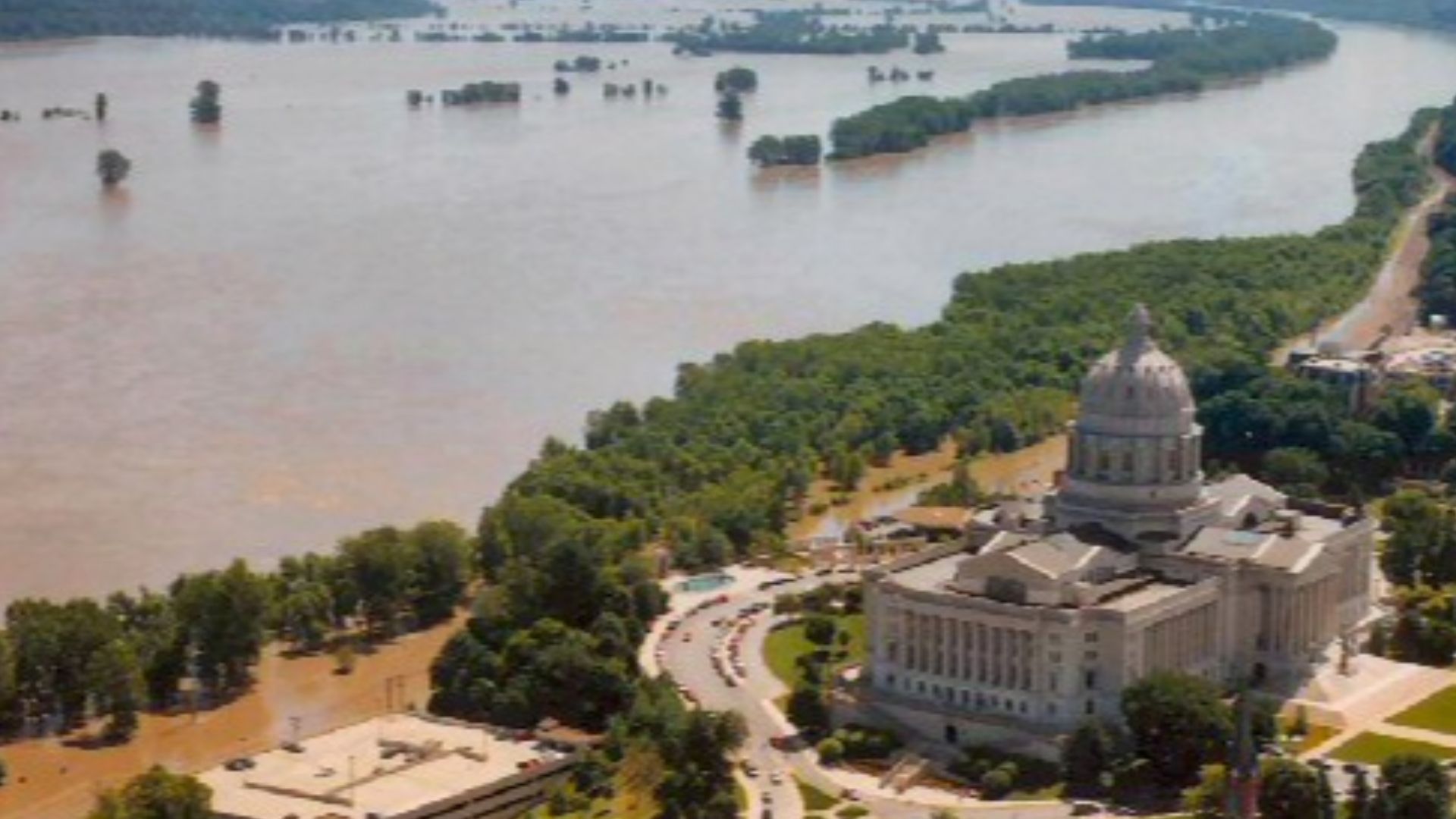
The Great Flood Of 1993 Lasted For Months
Persistent rainfall throughout the Midwest during 1993 caused one of America's largest river floods on record. Forty-seven people passed directly from the flooding while more than 20 million acres were inundated across nine states. Entire towns were submerged, and economic losses reached an estimated $15 to $20 billion.
 Uncredited USACOE photographer., Wikimedia Commons
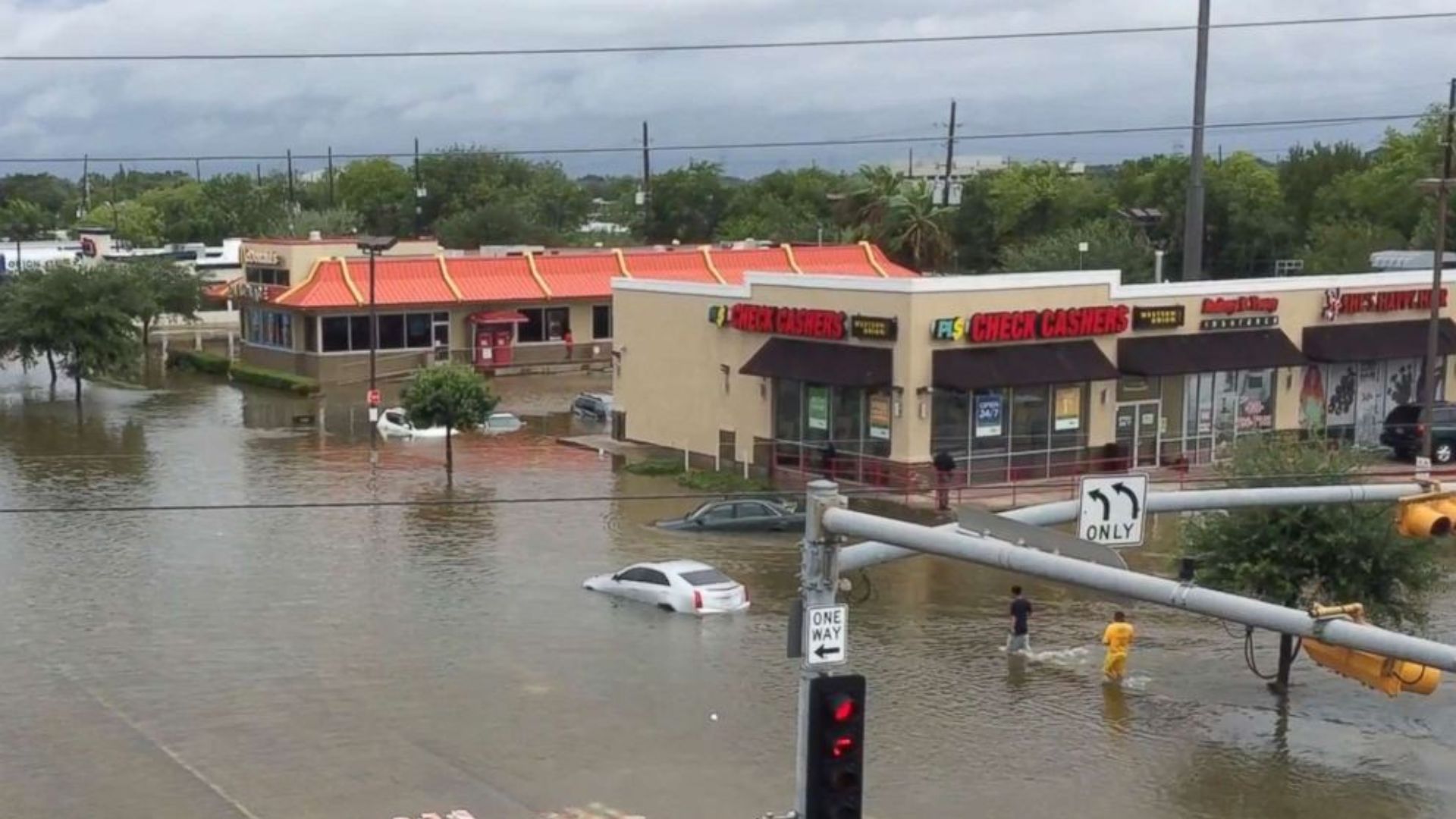
Hurricane Harvey Rewrote Rainfall Records
After making landfall in Texas during August 2017, Hurricane Harvey stalled over the Houston region for days. Record-breaking rainfall produced catastrophic flooding that took out dozens of people and damaged hundreds of thousands of homes. Harvey became one of the costliest natural disasters in American history because of its unprecedented rainfall.
 Chabad Lubavitch, Wikimedia Commons
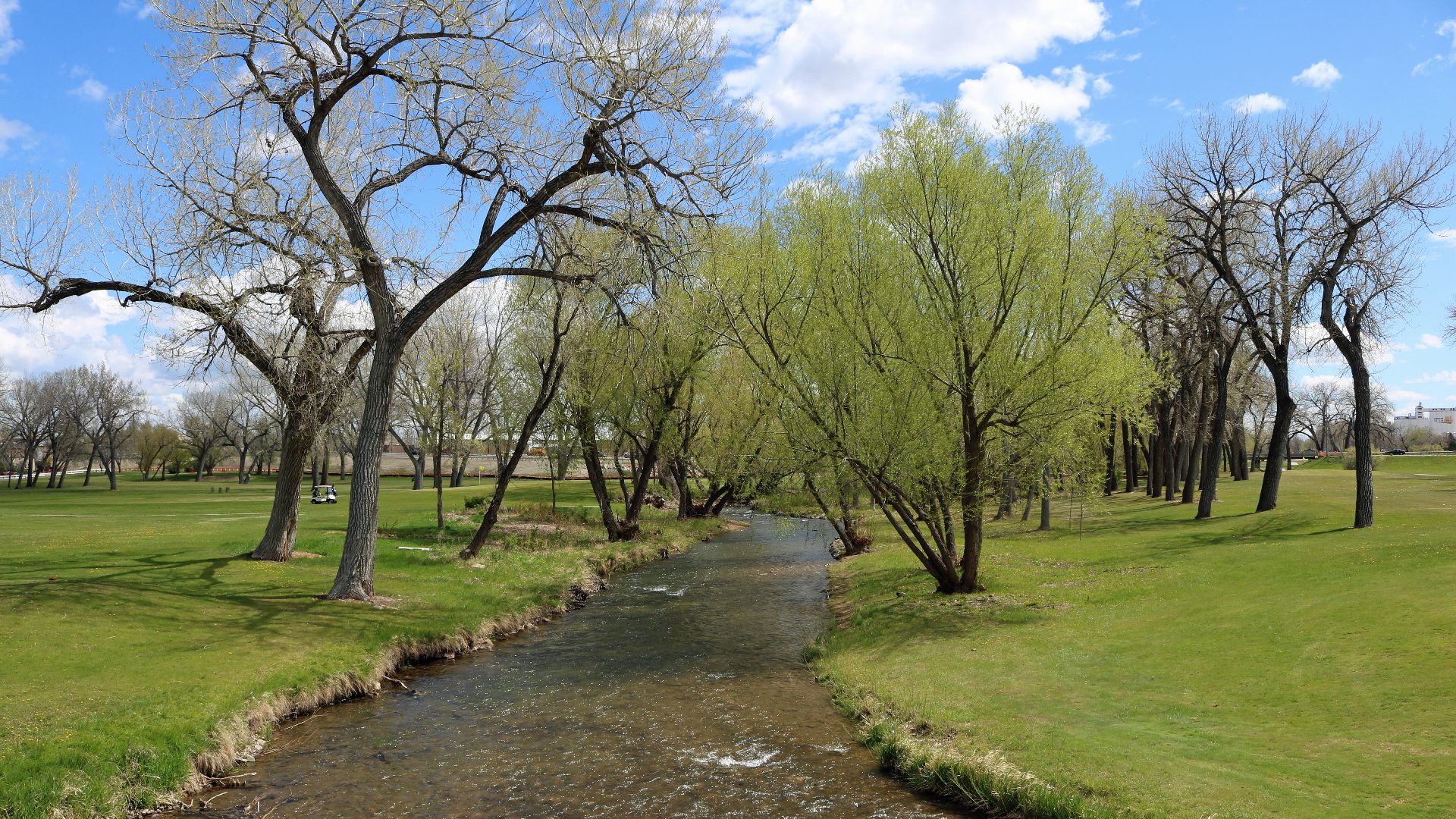
The Black Hills Flood Changed Emergency Planning
Beyond the tragic loss of life, the Rapid City flood prompted officials nationwide to rethink floodplain construction and evacuation planning. Many vulnerable structures were never rebuilt in the same locations, and flood-warning technology steadily improved afterward. The lessons learned continue to shape emergency management decades later.
 Jeffrey Beall, Wikimedia Commons
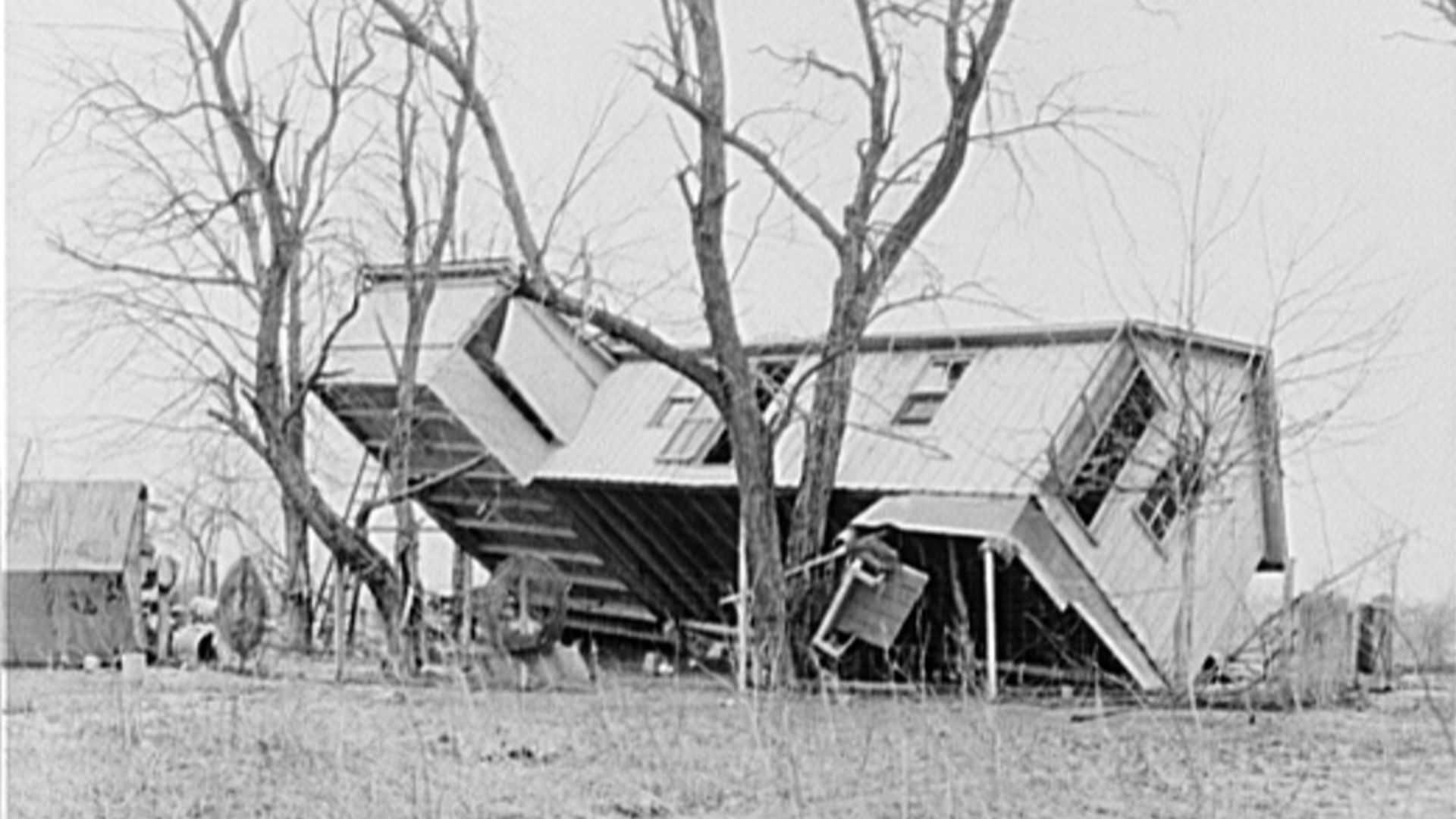
The Ohio River Flood Of 1937 Overwhelmed Entire Cities
Record rainfall sent the Ohio River to unprecedented heights in early 1937, flooding communities from Pittsburgh to Cairo, Illinois. Hundreds of people passed roughly one million residents were displaced, and Louisville alone saw nearly three-quarters of its population evacuated. The disaster accelerated federal flood-control efforts throughout the Ohio River Valley.
 Russell Lee, Wikimedia Commons
History's most fascinating stories and darkest secrets, delivered to your inbox daily.
Tropical Storm Lee Brought Destructive Northeastern Flooding
In 2011, Tropical Storm Lee dumped torrential rain across Pennsylvania and New York only days after Hurricane Irene had saturated the region. Rivers quickly overflowed, forcing widespread evacuations and causing billions in damage. Although overshadowed by Irene, Lee produced some of the worst inland flooding many communities had ever experienced.
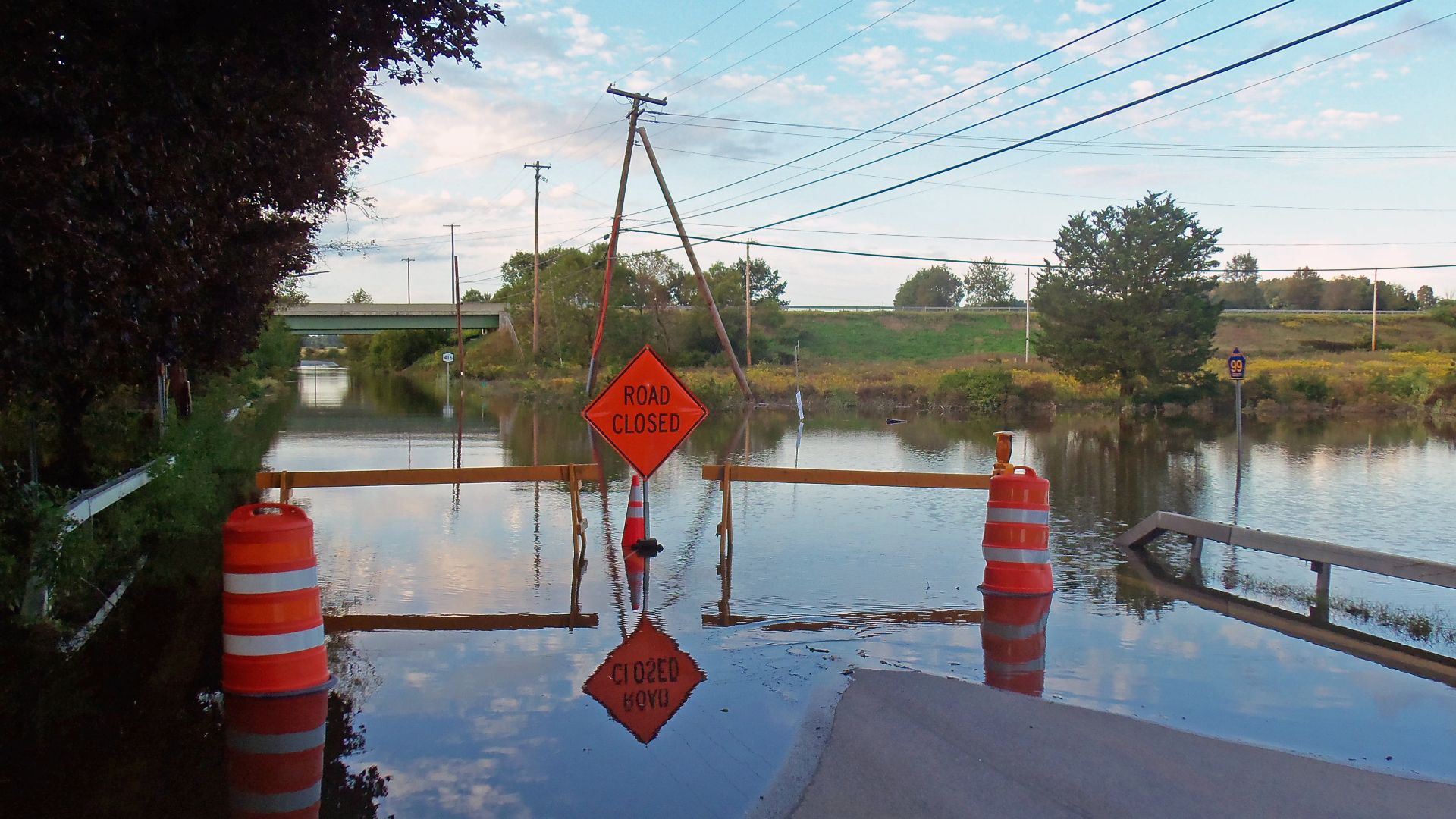 Daniel Case, Wikimedia Commons
The 1977 Johnstown Flood Showed History Could Repeat
Nearly 90 years after the infamous 1889 disaster, Johnstown again experienced catastrophic flooding following torrential rainfall in July 1977. More than 80 people passed as flash flooding overwhelmed neighborhoods already vulnerable because of the city's geography. The event proved that communities with long flood histories remain at risk despite earlier lessons.
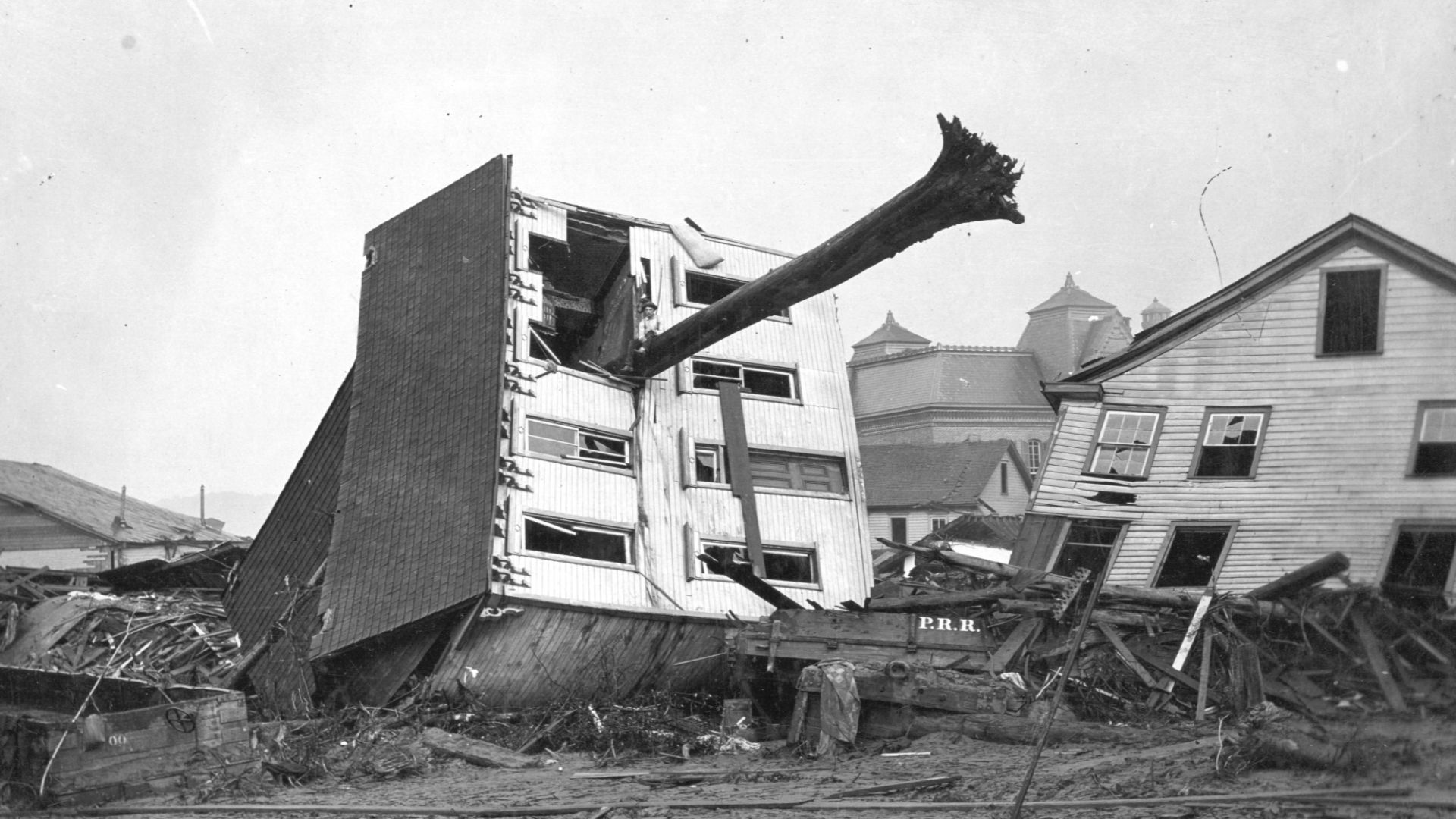 Unknown authorUnknown author, Wikimedia Commons
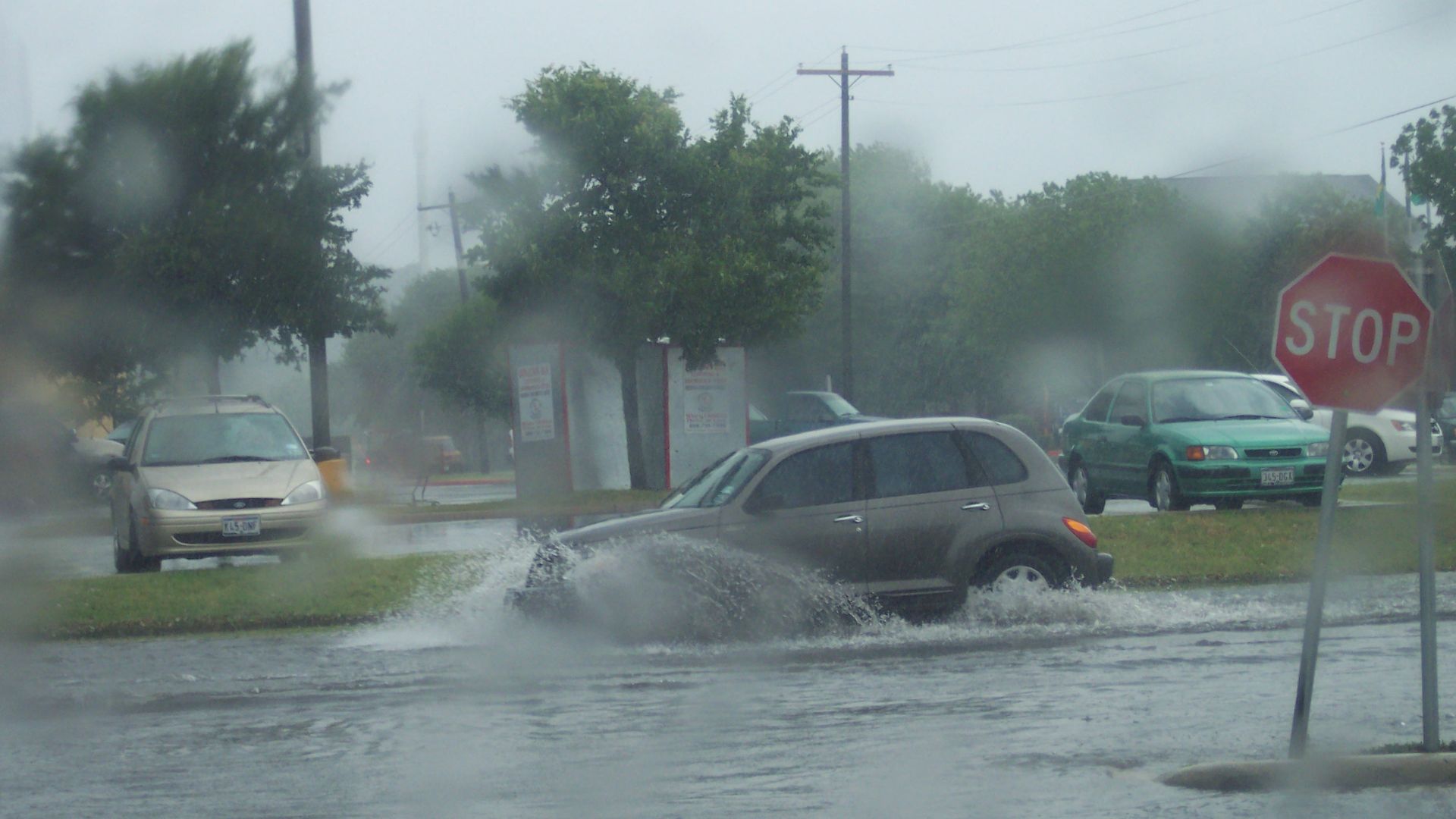
Many Of The Deadliest Floods Were Flash Floods
Unlike river floods that often develop over days, flash floods can become deadly within minutes. Events in places like Rapid City, Big Thompson Canyon, and Buffalo Creek showed how little warning victims sometimes receive before water arrives. That speed is why meteorologists continue to emphasize immediate action whenever flash flood warnings are issued.
Remembering These Disasters Helps Communities Prepare
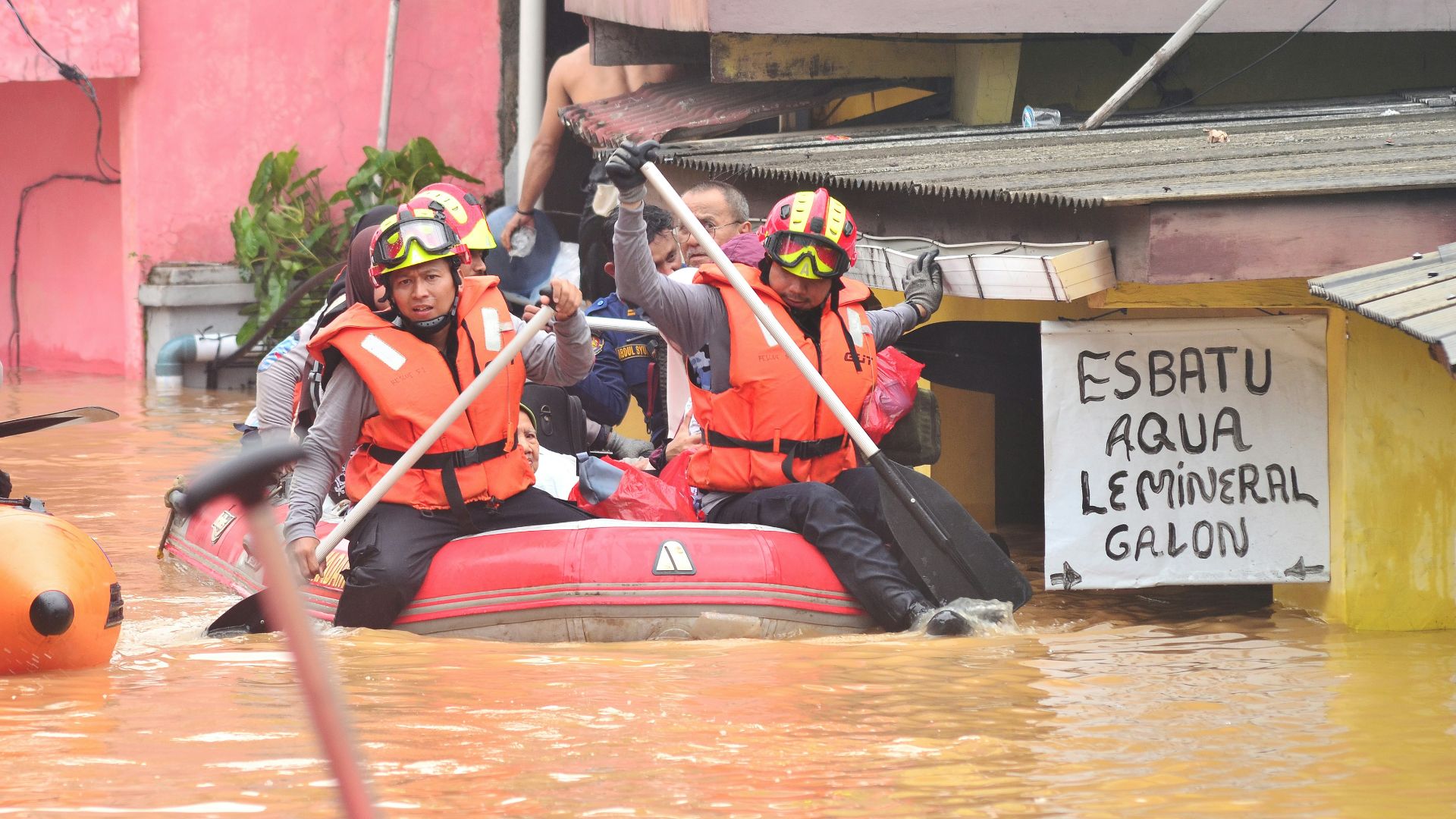
Many of these floods no longer receive the attention they once did, yet each reshaped American engineering, forecasting, and emergency planning. Their stories remind us that floodwaters remain among the nation's most dangerous natural hazards, regardless of whether they come from hurricanes, dam failures, or sudden thunderstorms. Remembering these tragedies helps ensure the lessons paid for with thousands of lives are not forgotten.
You May Also Like:
42 Treacherous Facts About History's Worst Natural Disasters
Earth-Shaking Facts About Natural Disasters