Sometimes Failure Is Really Bad Timing
History is full of inventions that appeared to fail because the underlying idea was flawed. In many cases, the real problems were expensive components, weak infrastructure, awkward interfaces, or consumers who had not yet developed a reason to change their habits. Years later, remarkably similar concepts returned after the surrounding technology had finally caught up.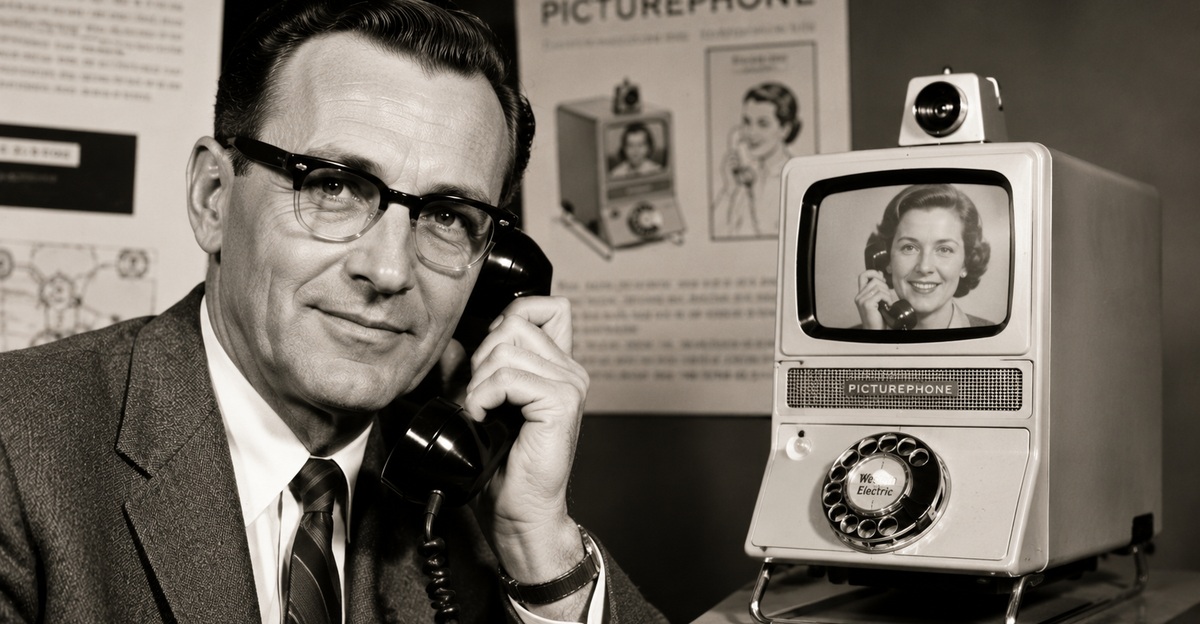 Factinate Ltd
Electric Cars Arrived Before The Model T
Electric vehicles can feel distinctly modern, but practical electric automobiles were competing with steam and gasoline cars around the turn of the 20th century. They were quiet, relatively easy to operate, and did not require drivers to manually crank an engine. In the United States, electric vehicles actually enjoyed meaningful commercial success before gasoline cars established their dominance.
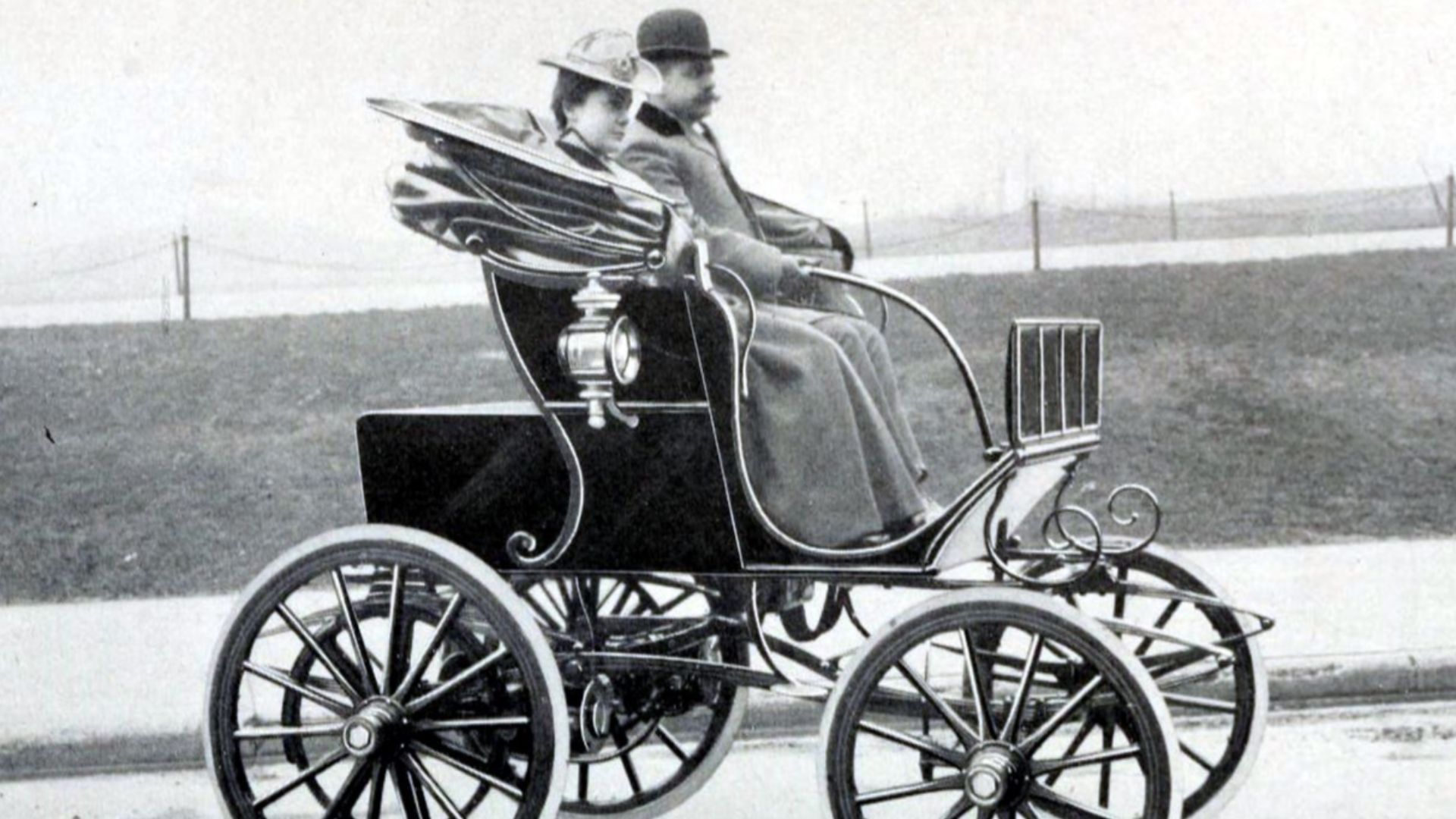 Clinton Edgar Woods, Wikimedia Commons
Cheap Gasoline Changed The Race
Early electric cars struggled with limited range, relatively high prices, and growing demand for longer-distance travel. At the same time, mass production made gasoline automobiles cheaper, better roads encouraged longer journeys, and the electric starter eliminated one of gasoline engines' most annoying drawbacks. By the 1920s, the advantages that had made electric cars appealing in cities were no longer enough to keep them competitive.
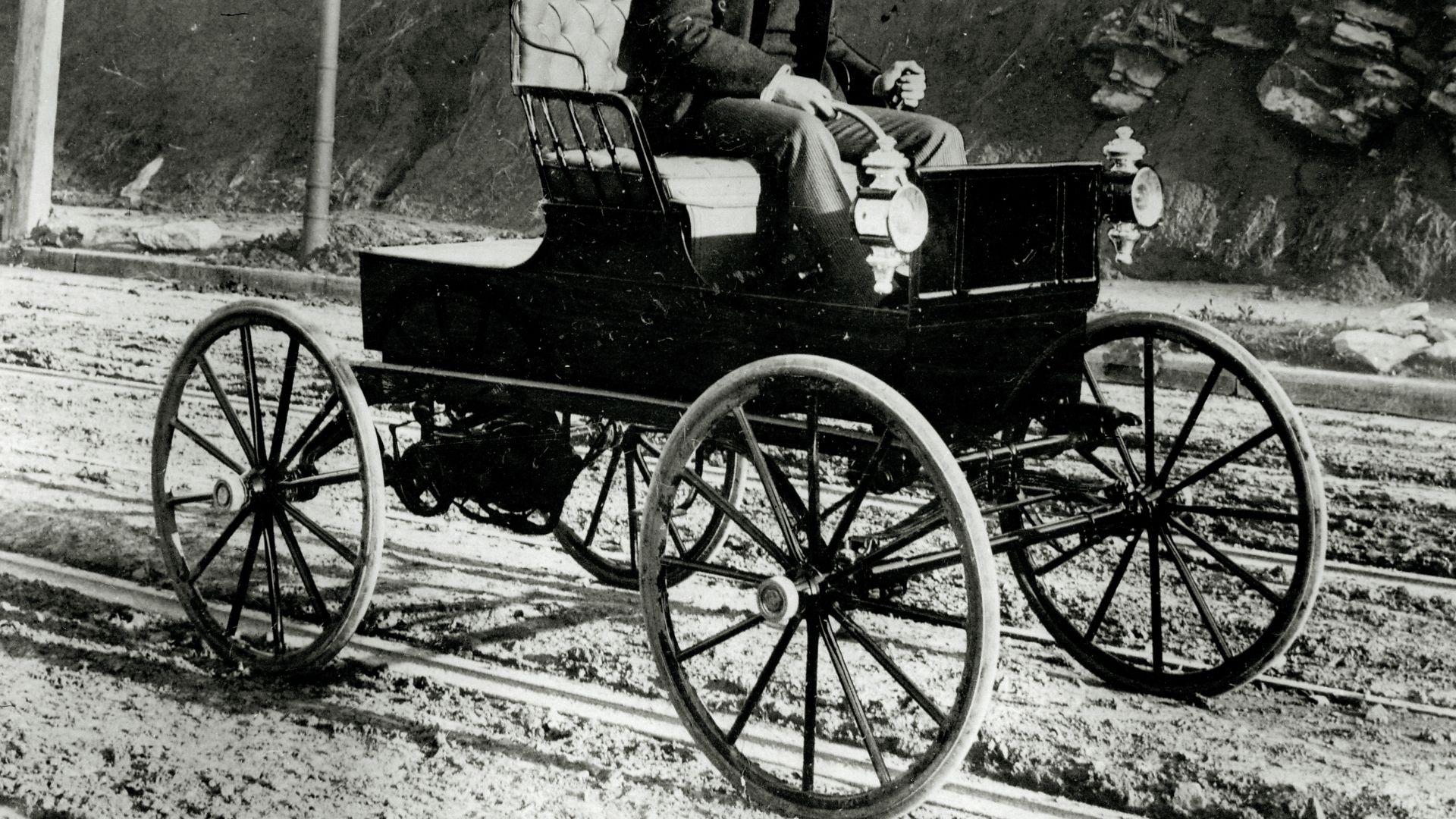 Unknown authorUnknown author, Wikimedia Commons
The Electric Car Tried Again
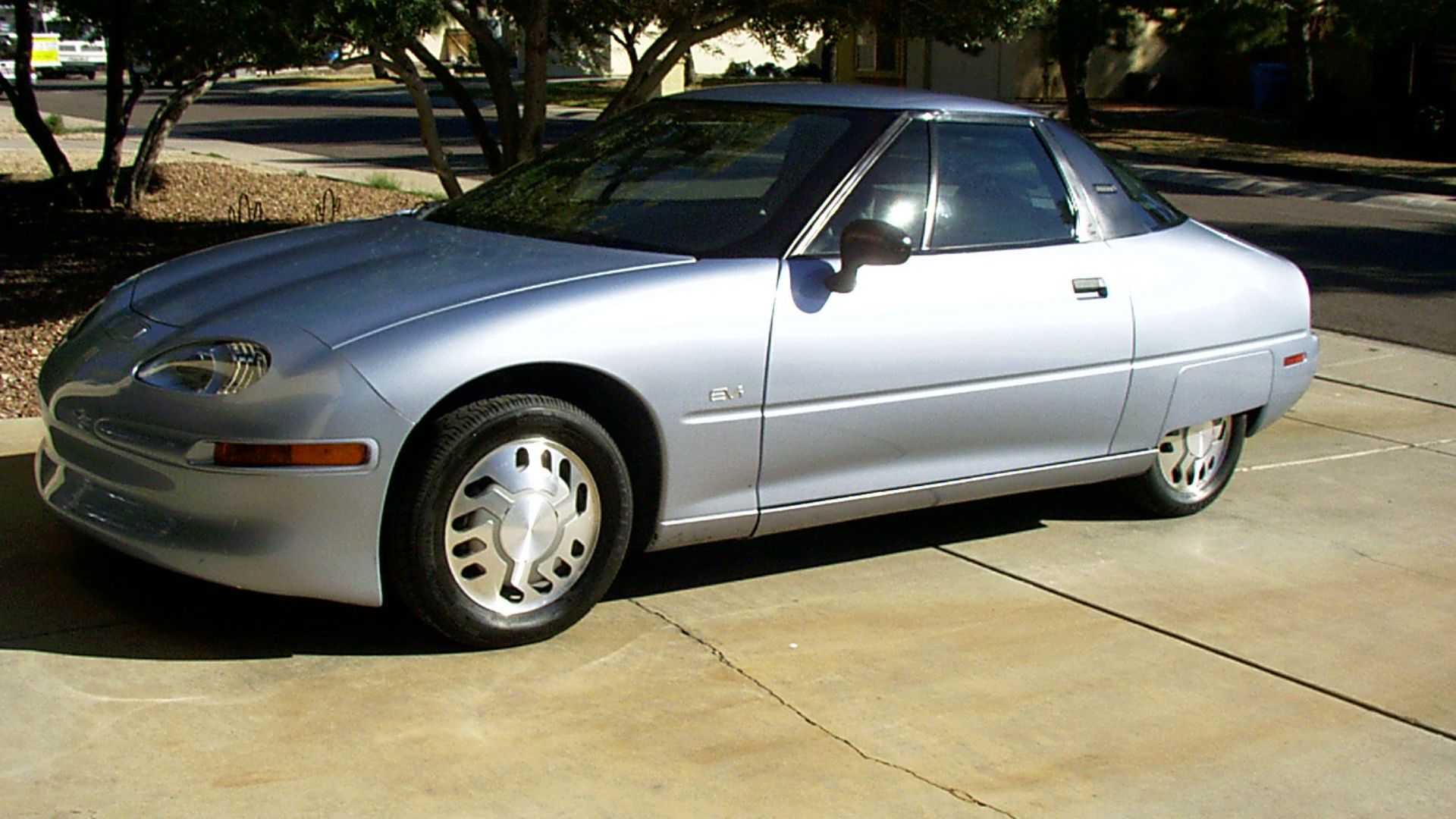
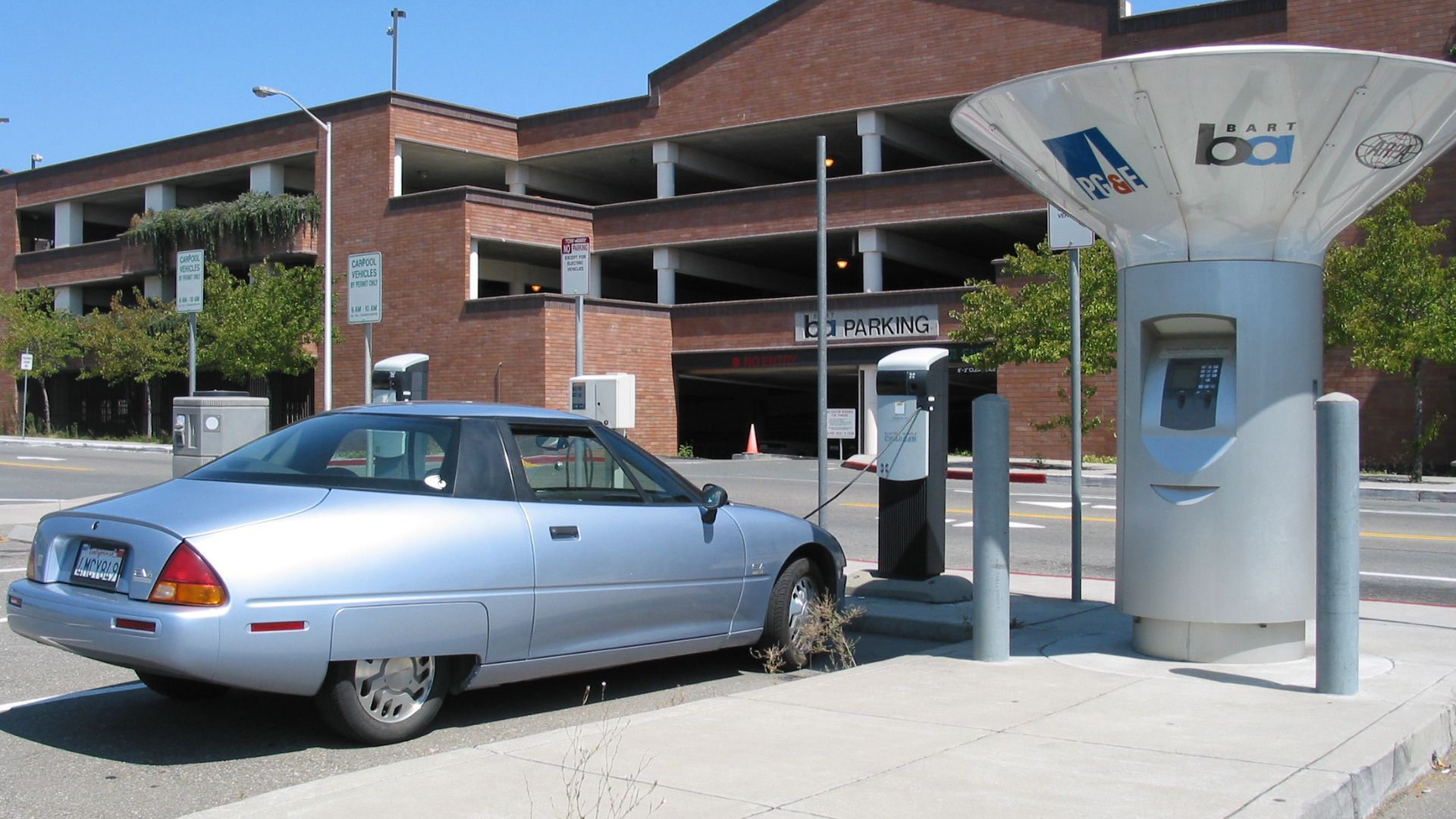
General Motors brought the idea back into the spotlight with the EV1, which entered service in 1996. The car attracted enthusiastic drivers, but its original battery offered roughly 100 miles of range and the two-seat design limited its usefulness for many households. GM eventually ended the program after producing about 1,100 vehicles, showing that an appealing electric car still needed a larger technological ecosystem around it.
 RightBrainPhotography (Rick Rowen), Wikimedia Commons
Charging Was The Missing Piece
Electric vehicles repeatedly faced a basic chicken-and-egg problem. Drivers were reluctant to embrace cars without convenient places to recharge them, while companies had little incentive to build large charging networks before enough customers owned electric cars. Improvements in batteries, charging technology, and infrastructure have since made the concept far more practical than it was during earlier attempts.
AT&T Put Video Calls On Display
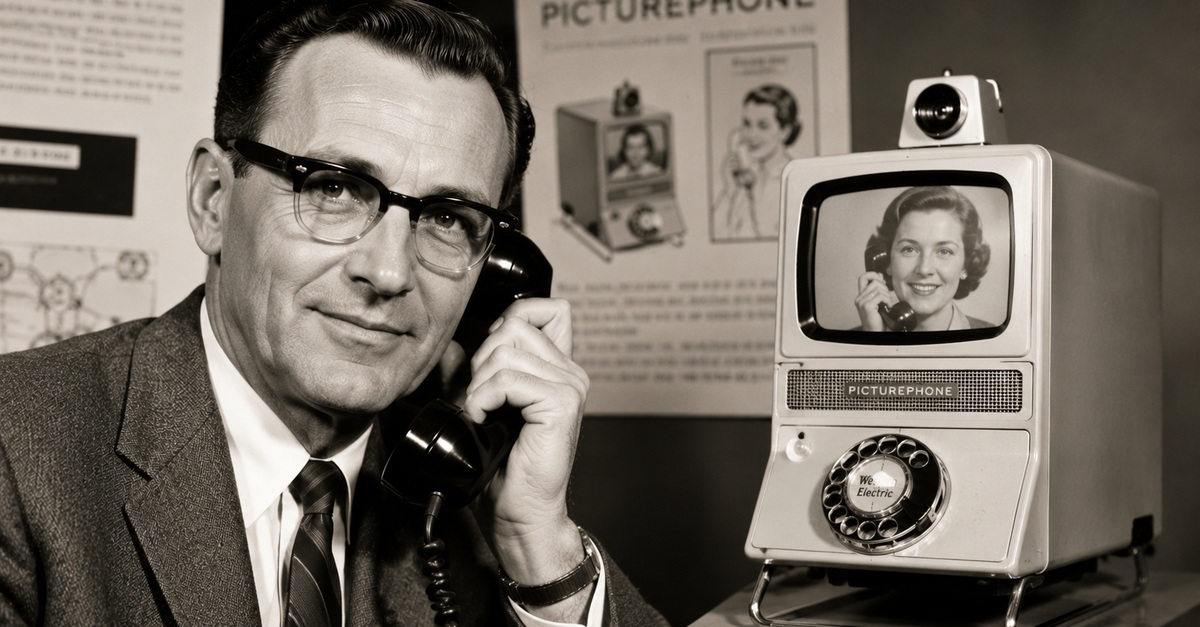
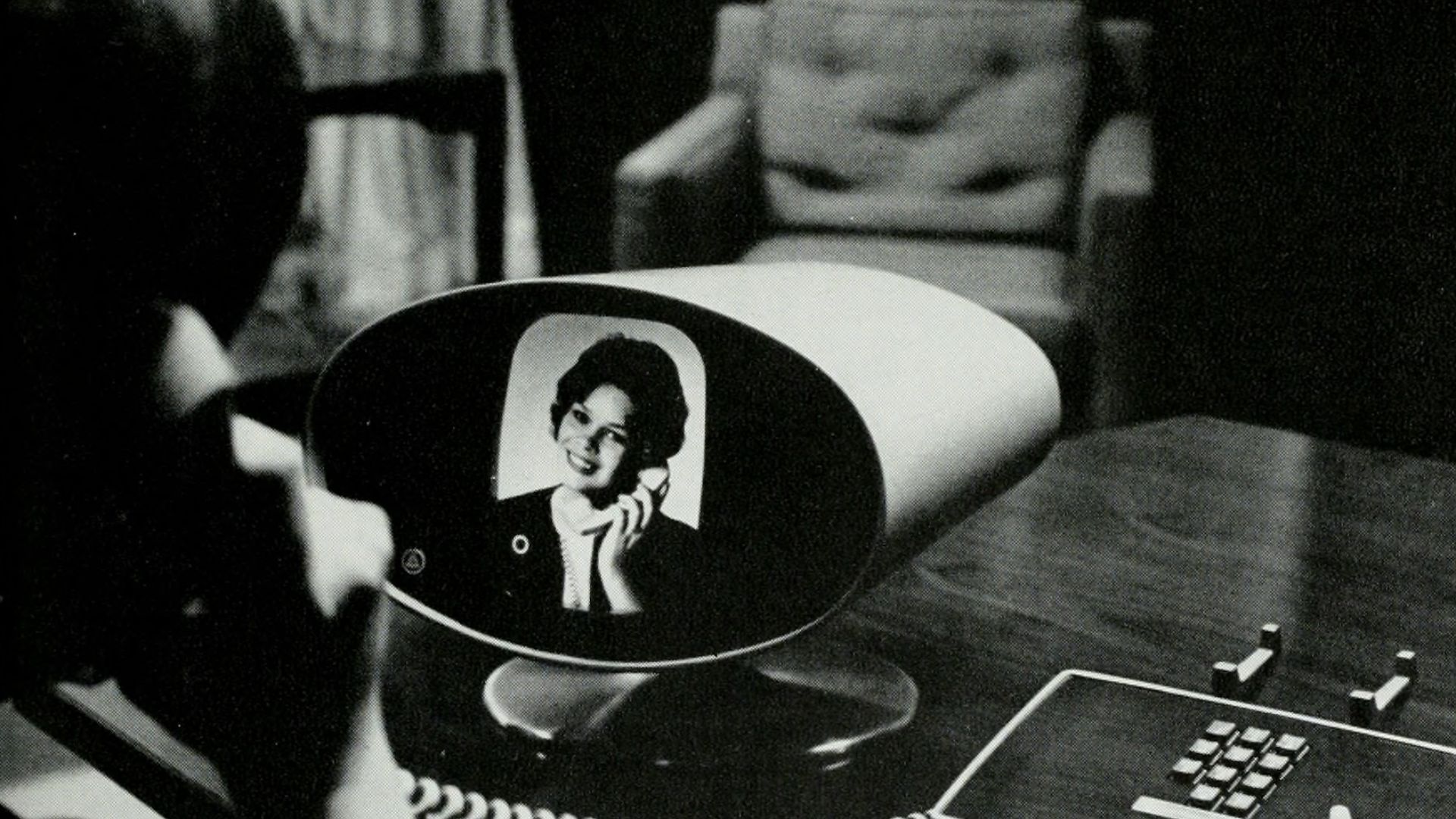
Long before Zoom or FaceTime, AT&T spent decades developing technology that allowed callers to see one another. Picturephone demonstrations became attractions at the 1964 New York World's Fair, and AT&T later introduced a commercial Picturephone service in Pittsburgh in 1970. The basic idea was strikingly similar to something millions of people now do routinely.
 Internet Archive Book Images, Wikimedia Commons
Picturephone Was Far Too Expensive
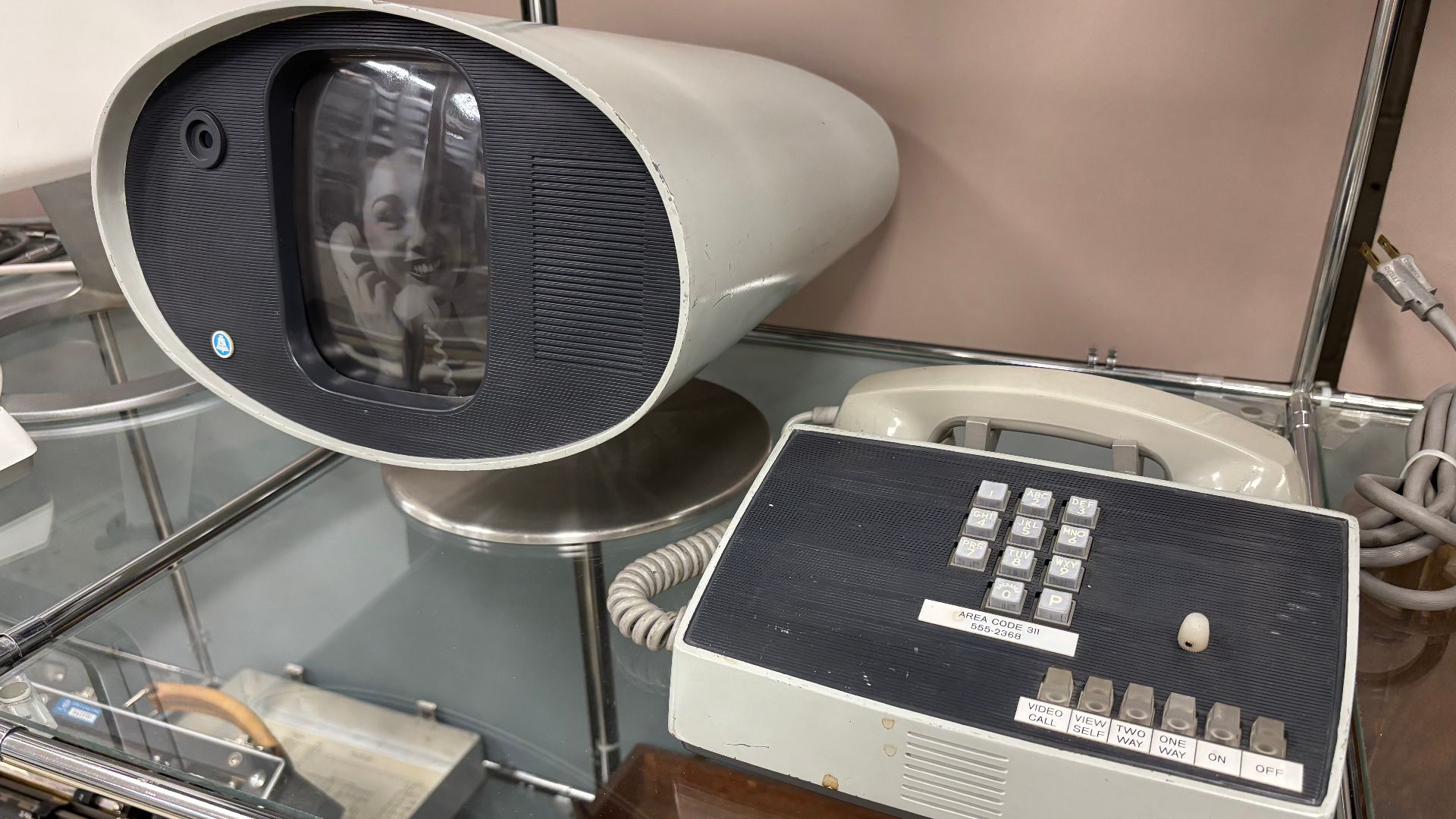
The problem was not that people could not imagine video calling. AT&T's Pittsburgh service initially cost $160 per month for a package containing only 30 minutes of use, while additional minutes cost extra. By July 1974, the Pittsburgh market reportedly had only five subscribed Picturephones, and the grand vision of widespread dedicated videophones collapsed.
Video Calling Eventually Lost The Special Machine
The breakthrough came when video calling stopped requiring a dedicated appliance. Cameras became standard components in computers and phones, internet connections became faster, and software could handle video conversations through devices people already owned. The futuristic videophone succeeded once consumers no longer had to buy a videophone.

Xerox Built Tomorrow's Office
The Xerox Alto, developed at Xerox PARC beginning in the 1970s, incorporated ideas that would become central to personal computing. It used a mouse, a graphical interface, network connections, servers, and laser printing in an era when most computers looked very different. Xerox never attempted to sell the Alto itself as a normal commercial product.
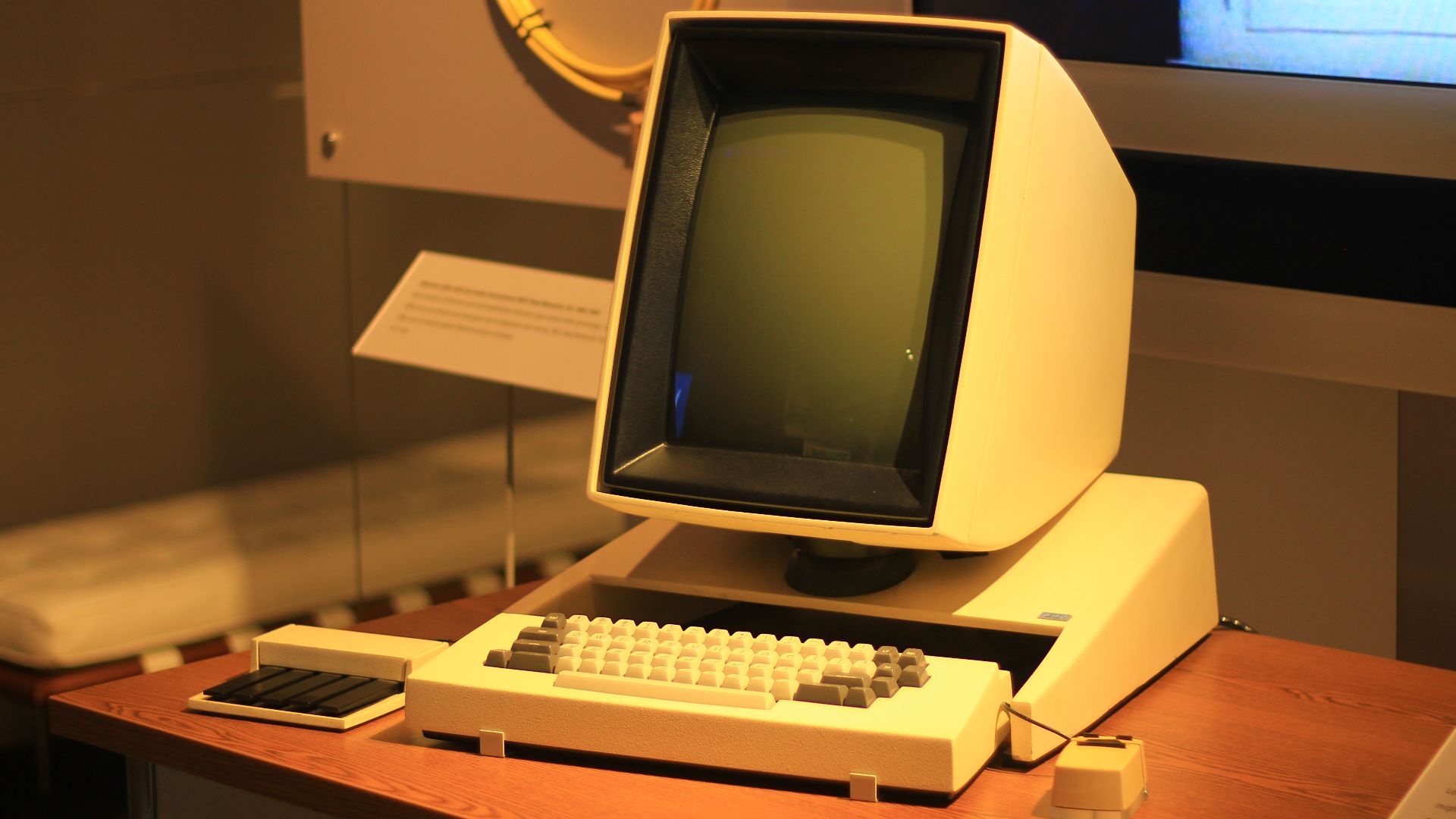 Michael Hicks from Saint Paul, MN, USA, Wikimedia Commons

History's most fascinating stories and darkest secrets, delivered to your inbox daily.
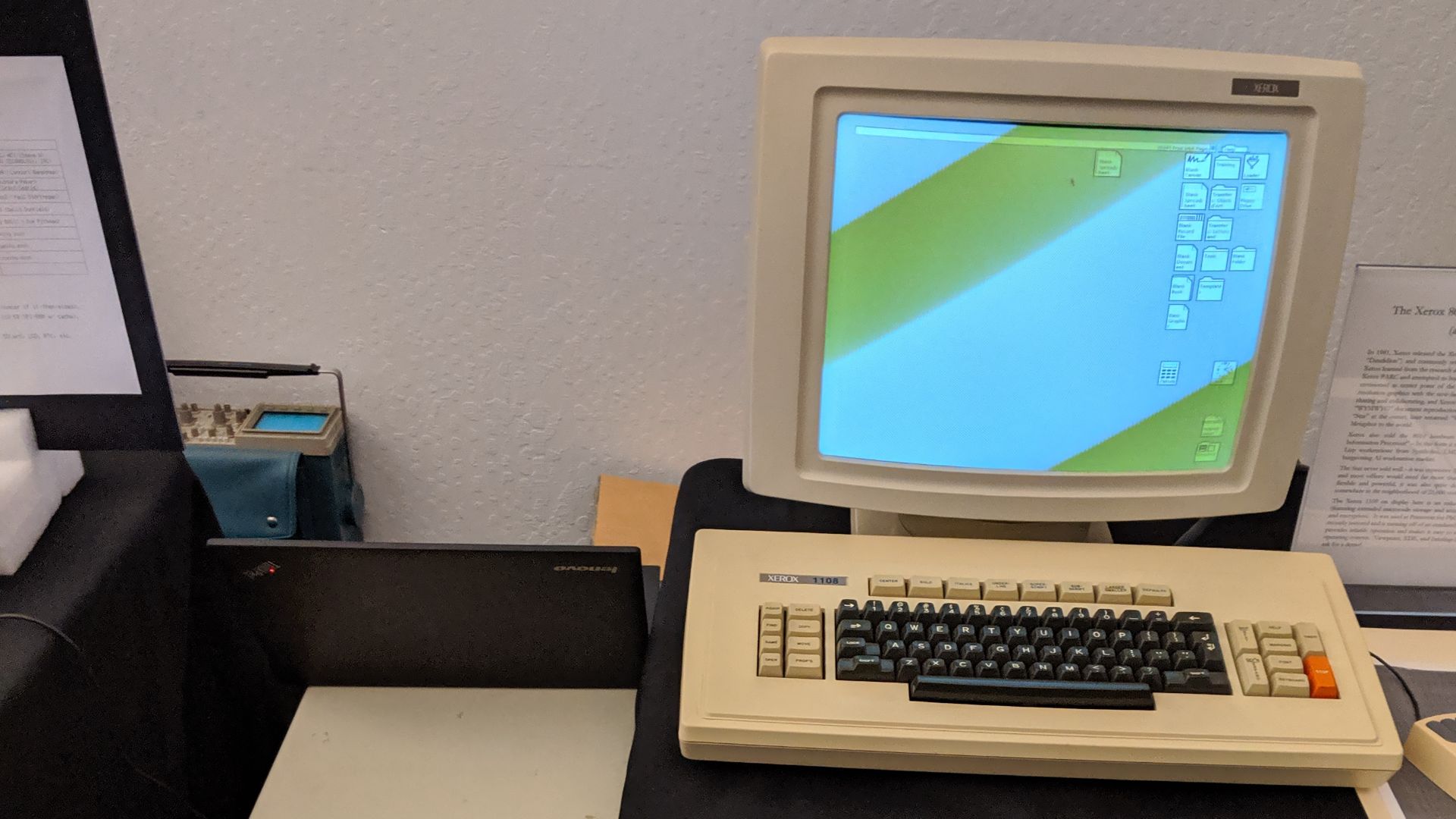
Xerox Star Made The Future Expensive
Xerox tried to commercialize many of those concepts with its Star workstation system in 1981. The technology offered a sophisticated graphical office environment, but a complete installation could cost tens of thousands of dollars. The interface concepts survived even though the expensive system struggled commercially, and graphical computing eventually became the everyday standard.
The Laptop Once Looked Like Specialist Equipment
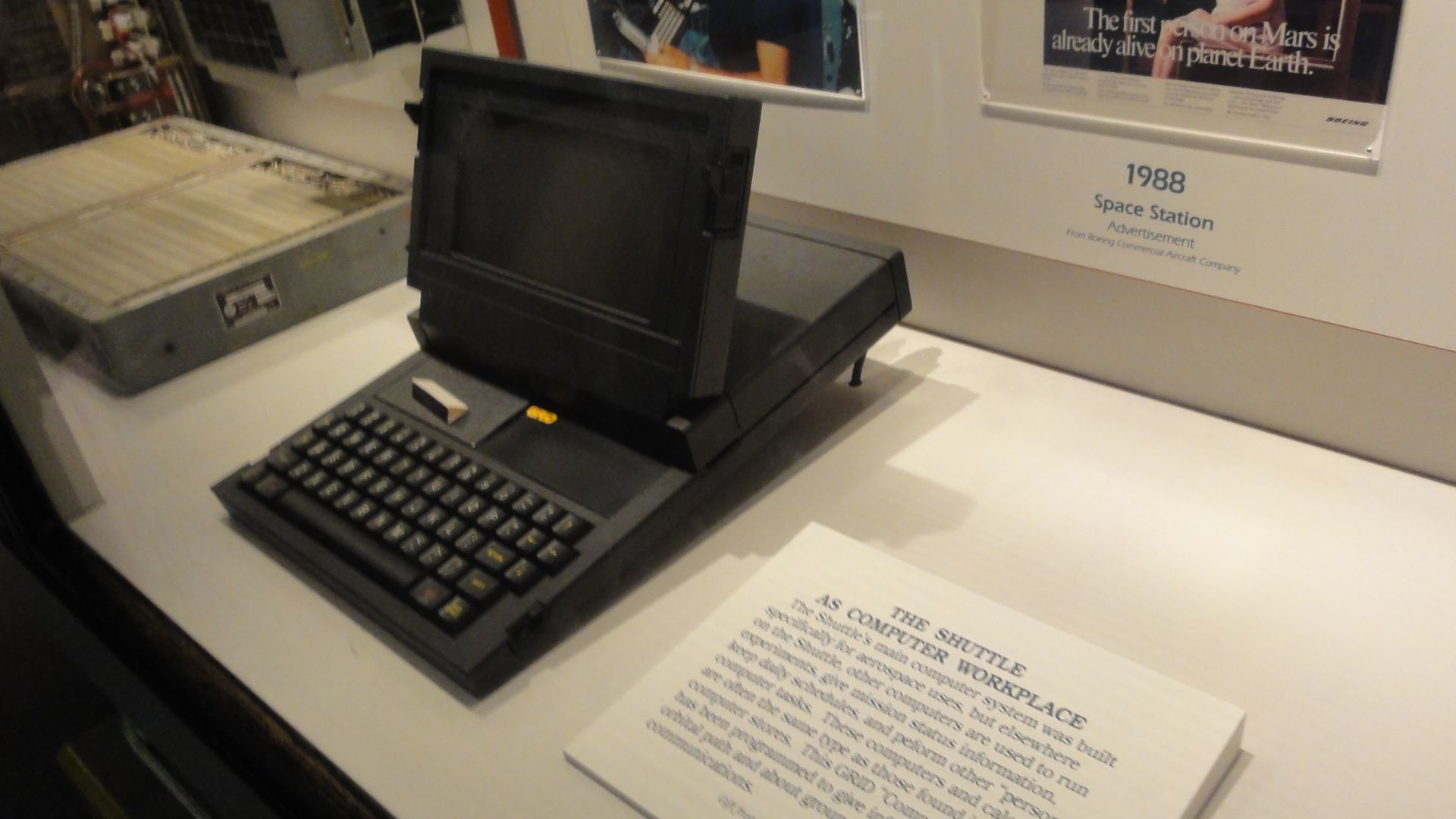
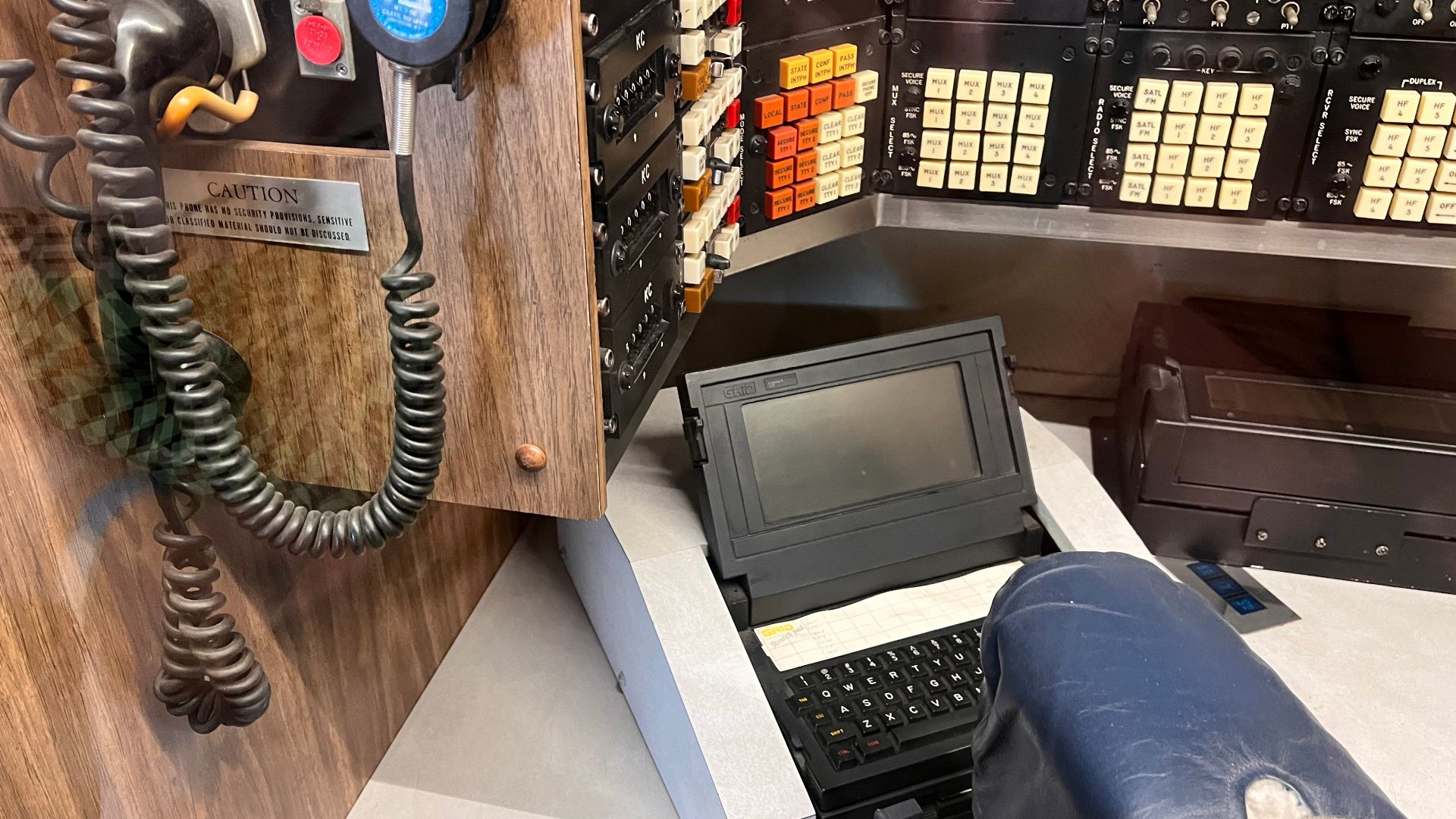
The GRiD Compass 1100 arrived in 1982 with a clamshell design that looks surprisingly familiar today. It included a flat-folding display, built-in modem, integrated productivity software, and several engineering features that later became normal in portable computers. Its design was visionary, but early portable computing remained an expensive and specialized market rather than an everyday consumer habit.
Portability Needed Better Hardware
Making a computer portable required compromises that desktop machines did not face. Designers had to balance durability, weight, battery demands, input methods, and cost while still delivering useful computing power. As components became smaller and more efficient, the clamshell concept pioneered by machines such as the GRiD Compass could finally become ordinary.
 Sleeps-Darkly, Wikimedia Commons
Everyone Thought Pens Would Replace Keyboards
During the 1980s and early 1990s, investors poured money into computers designed to be controlled by a stylus. The idea seemed sensible because writing by hand felt more natural than learning keyboard commands, particularly on a portable device. Unfortunately, many of the early machines were large, costly, slow, and poor at recognizing handwriting.
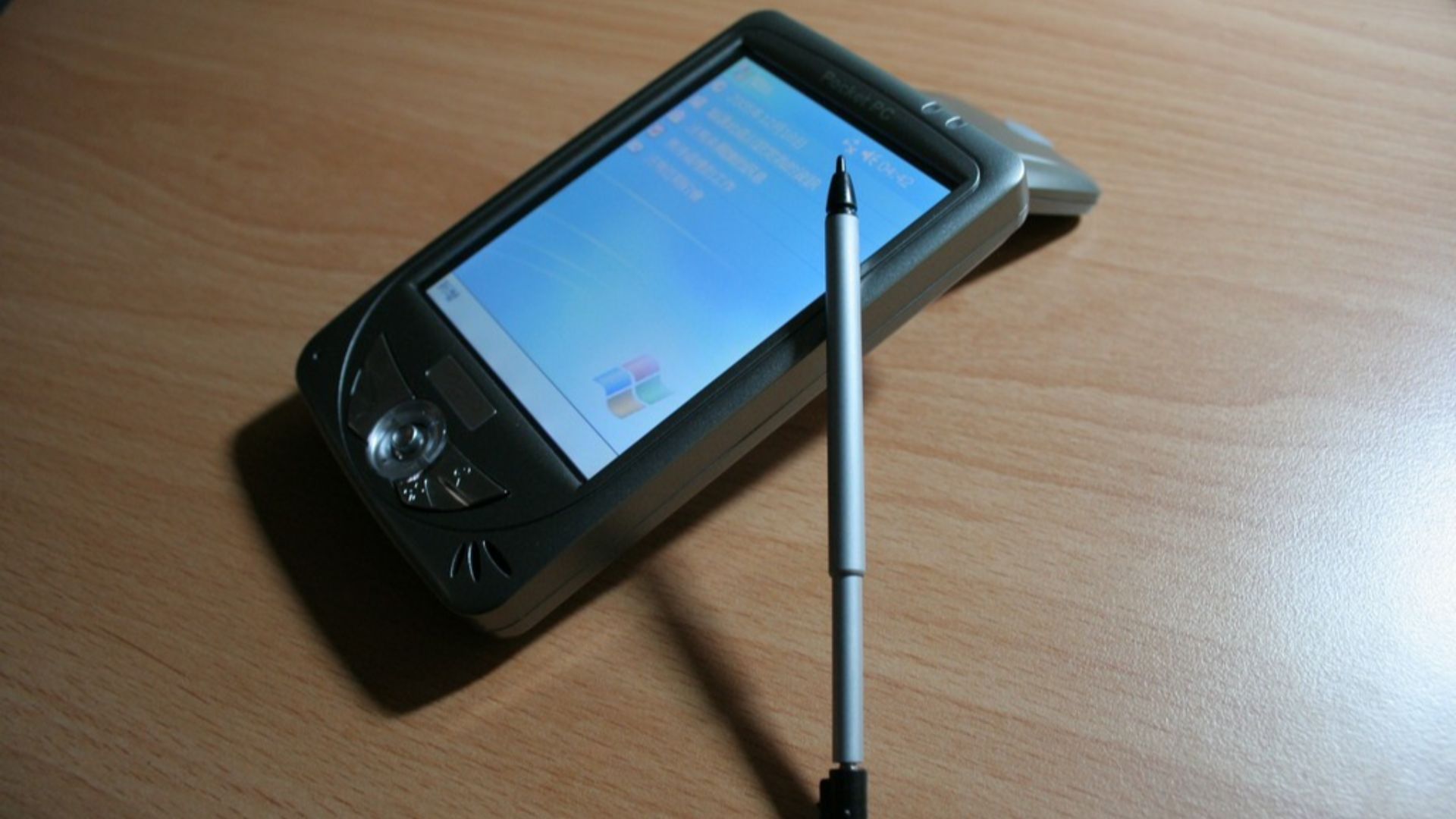 Yi-Ting Chen, Wikimedia Commons
The Newton Became A Famous Punchline
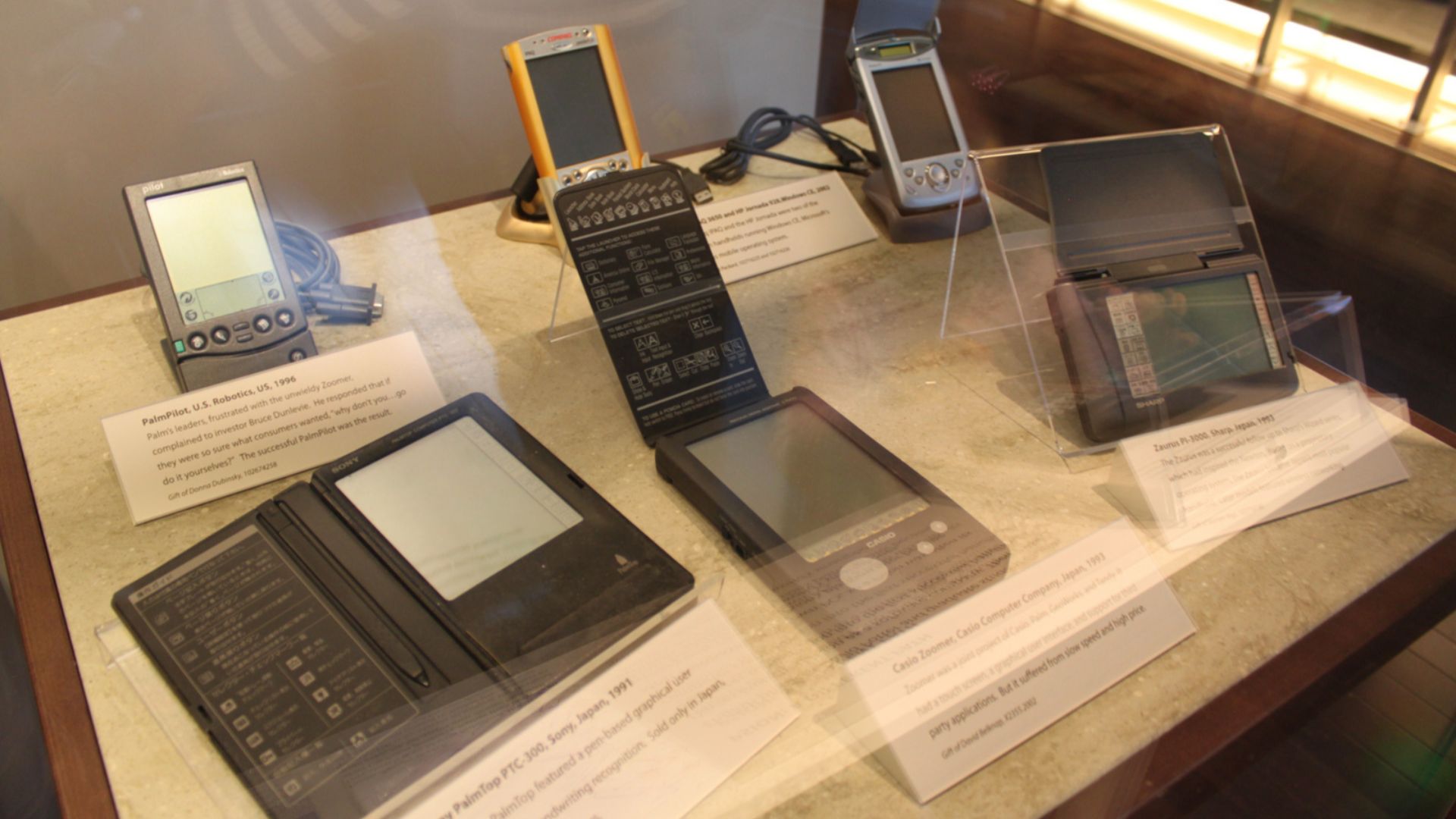
Apple released the Newton MessagePad in 1993 after years of development and enormous anticipation. It contained many concepts associated with later handheld devices, but its handwriting recognition attracted criticism and the Newton line never performed as Apple had hoped. Apple discontinued the line in 1998, although historians now regard it as an important step toward later mobile computing.
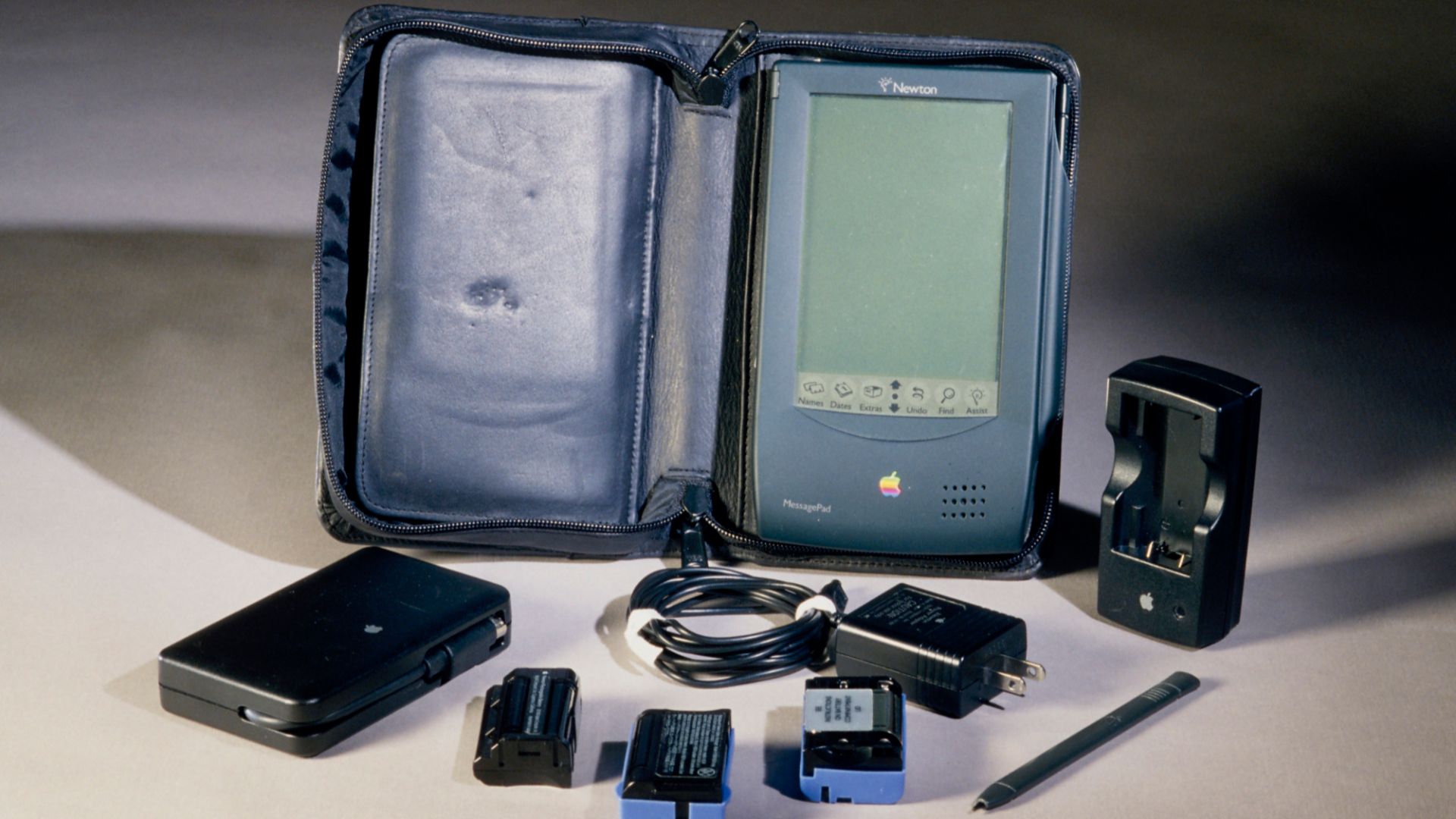 National Museum of American History
, Wikimedia Commons
National Museum of American History
, Wikimedia Commons
The Tablet Idea Refused To Disappear
The Newton was hardly the only early attempt at pen-driven computing. The EO Personal Communicator included a graphical tablet operating system and wireless modem, while the earlier GRiDPad demonstrated that tablets could work successfully in specialized business environments. What failed was the assumption that the first generation of hardware was already convenient enough for everyone.
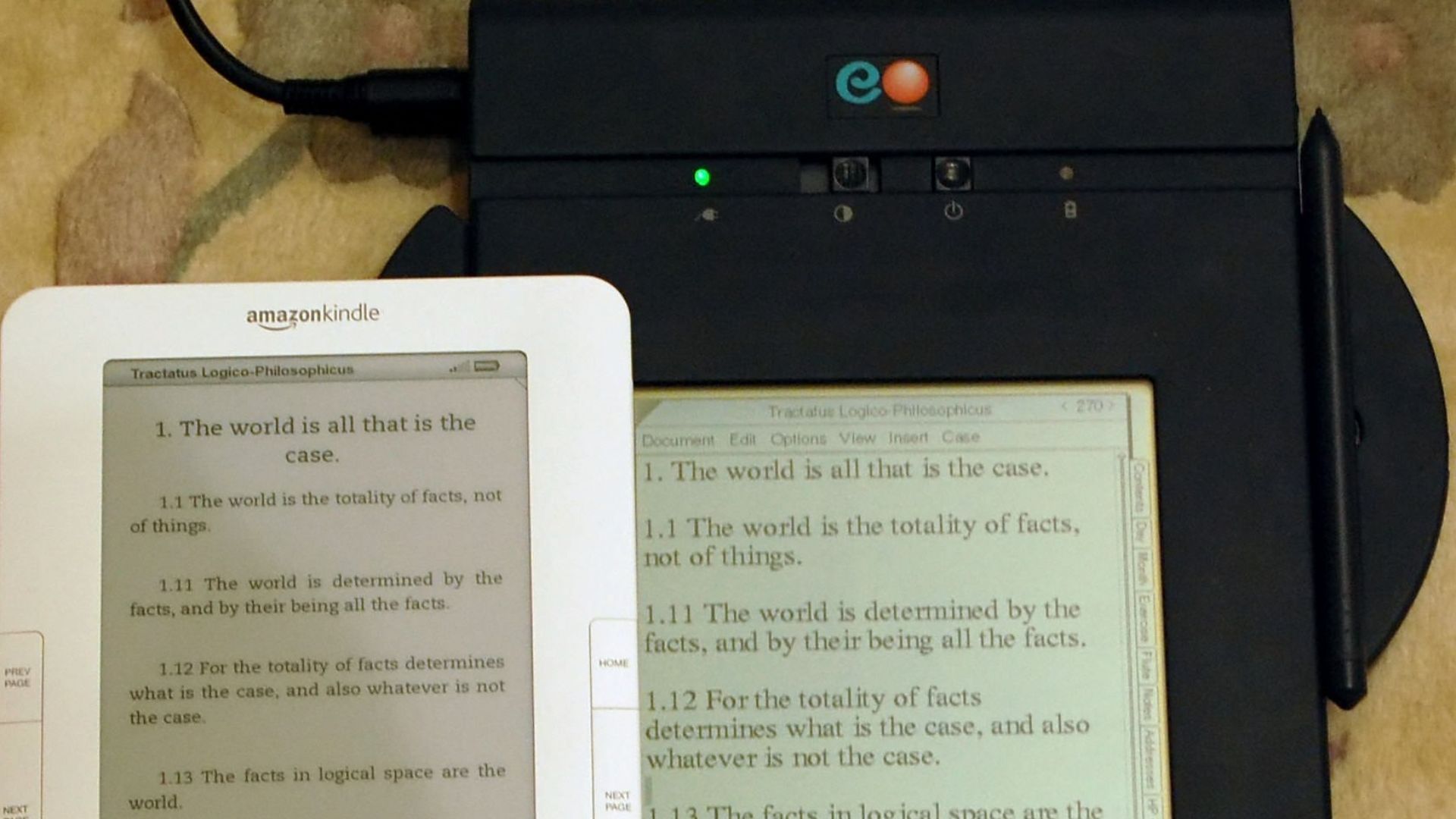 Colin Warwick aka Woz2, Wikimedia Commons
General Magic Tried To Build A Smartphone
In the early 1990s, General Magic envisioned handheld devices connected to information and communication services almost everywhere. Its software powered products such as the Sony Magic Link, and its ideas anticipated features associated with later smartphones and wearables. The concept arrived before fast mobile data, widespread internet access, and mass smartphone ownership existed to support it.
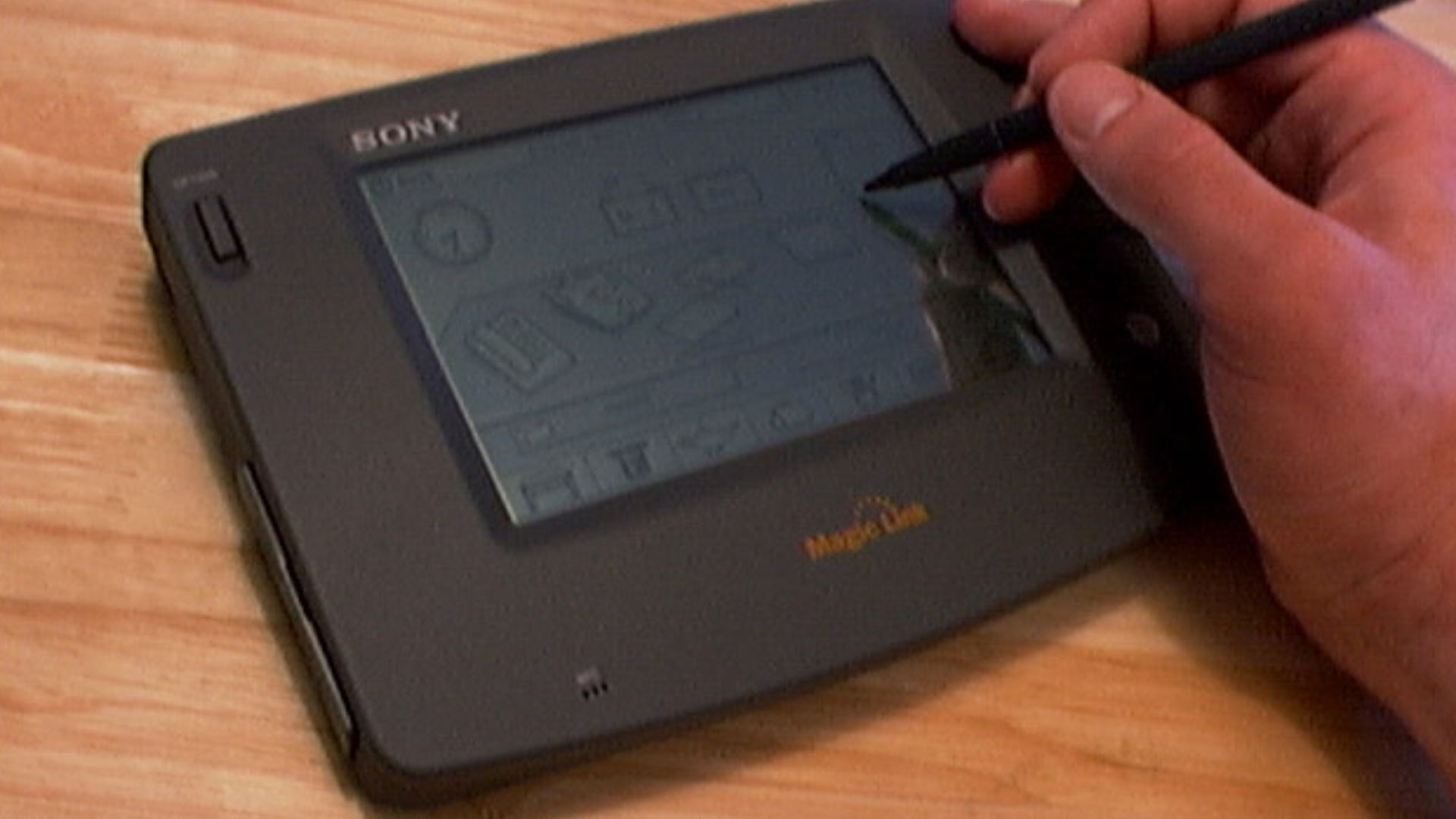 Blake Patterson from Alexandria, VA, USA, Wikimedia Commons
The Infrastructure Was Years Behind The Vision
General Magic's vision called for people to communicate, retrieve information, and use online services through portable devices. Yet the company was trying to deliver that experience when comparatively few consumers even had mobile phones and modern wireless data networks did not exist. Its products failed commercially, but people who worked there later helped create technologies including the iPod, iPhone, and Android.
 JD Lasica from Pleasanton, CA, US, Wikimedia Commons
The Smartphone Appeared Before The Smartphone Era
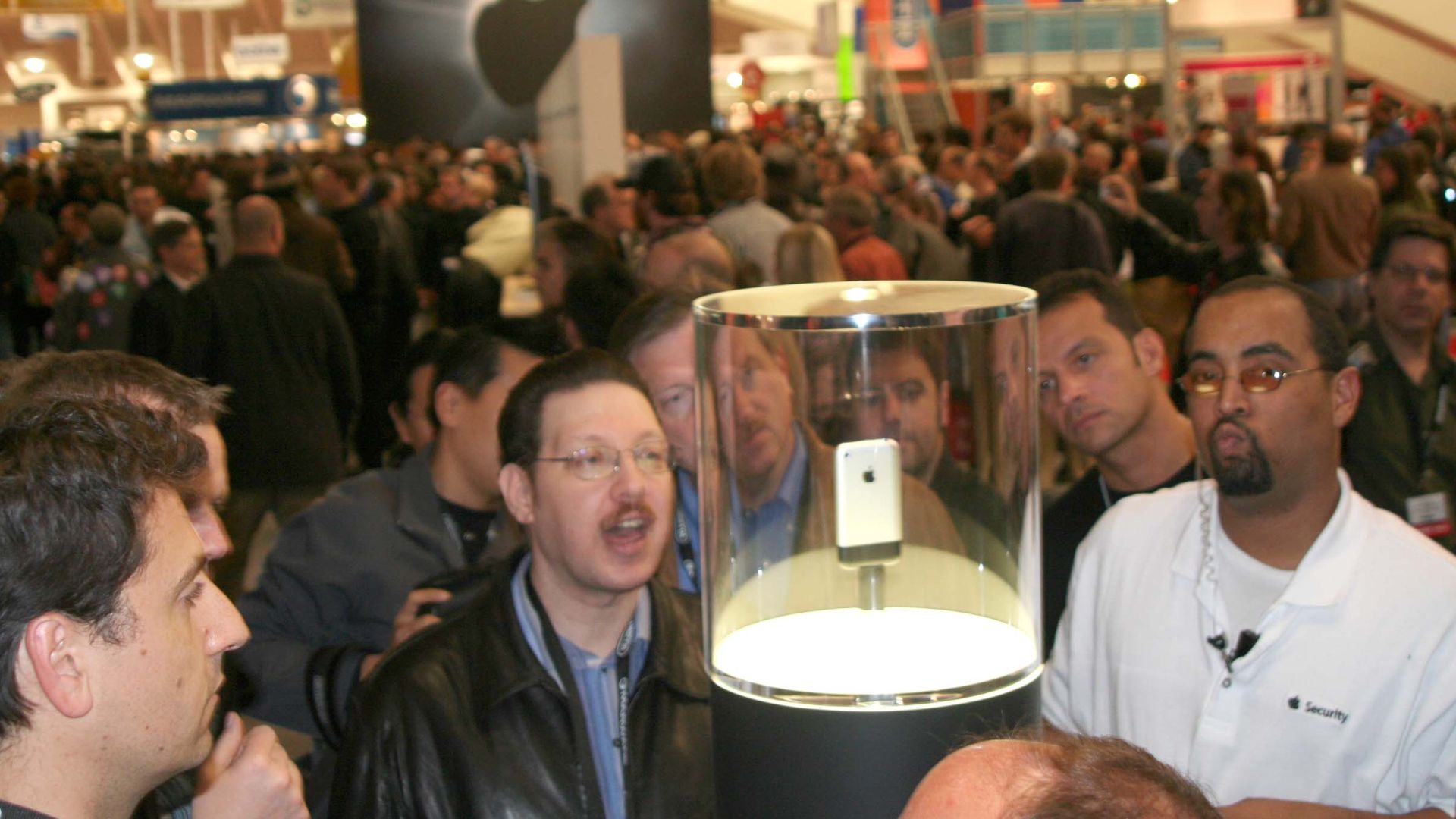
Other companies were experimenting with the same destination. IBM's Simon, released in the 1990s, combined phone functions with a touchscreen and computing features that helped establish it as an important early smartphone. The Computer History Museum describes the pioneering 1993 Simon as innovative but commercially unsuccessful.
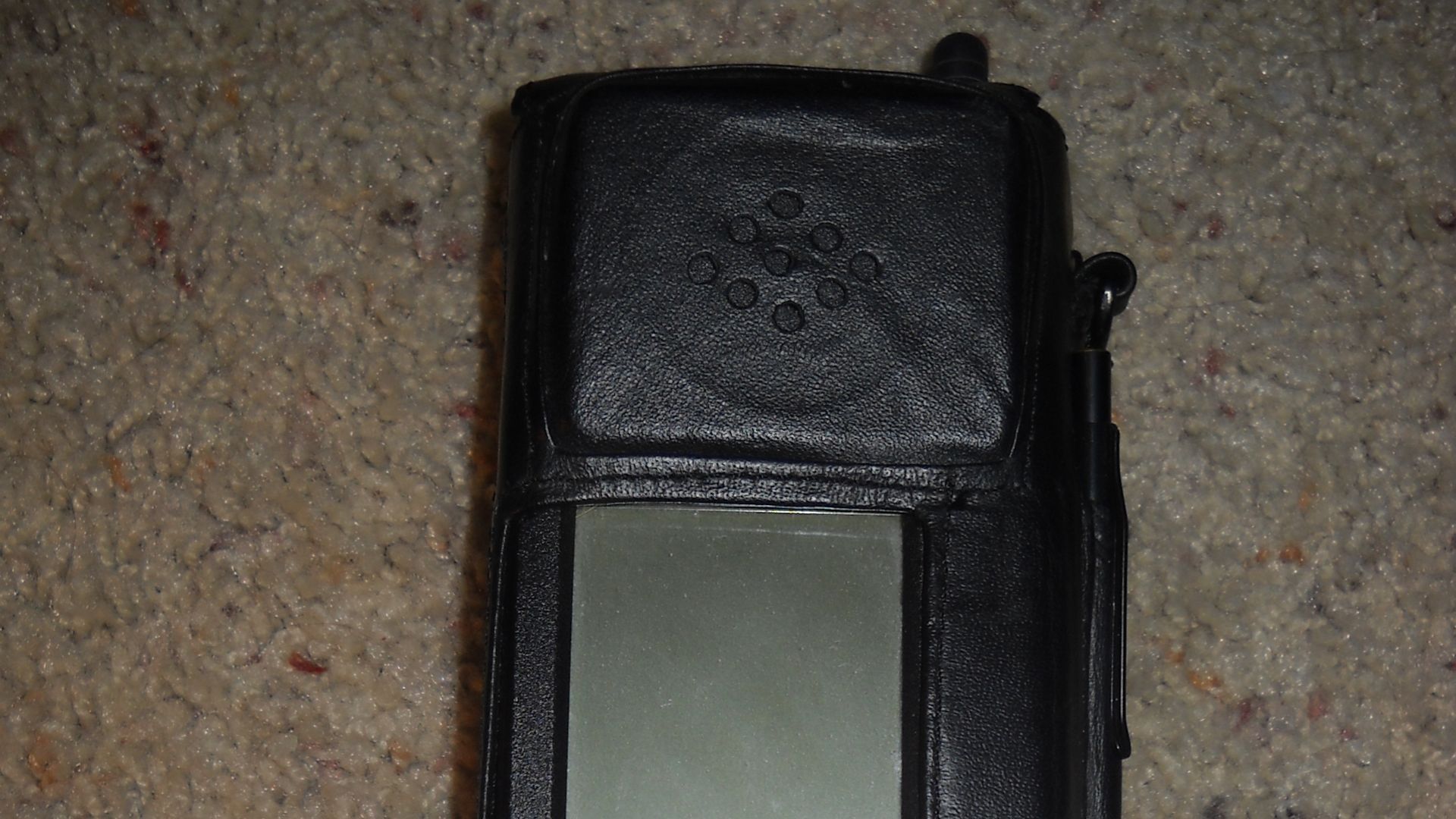
Better Networks Made The Difference
Early smartphones had to operate within a communications landscape that was fragmented and relatively primitive. Even in the years immediately preceding the iPhone, American cellular networks lagged behind some overseas markets and were divided between competing standards. Once mobile internet connections, processors, displays, batteries, and software ecosystems improved together, the smartphone became vastly easier to sell.
E-Books Had Their False Start
NuvoMedia introduced the Rocket eBook in 1998, years before electronic reading became commonplace. The paperback-sized device offered a portrait display designed specifically for reading rather than treating books like ordinary computer documents. Its arrival prompted predictions that conventional publishing was about to be transformed, but those predictions were premature.
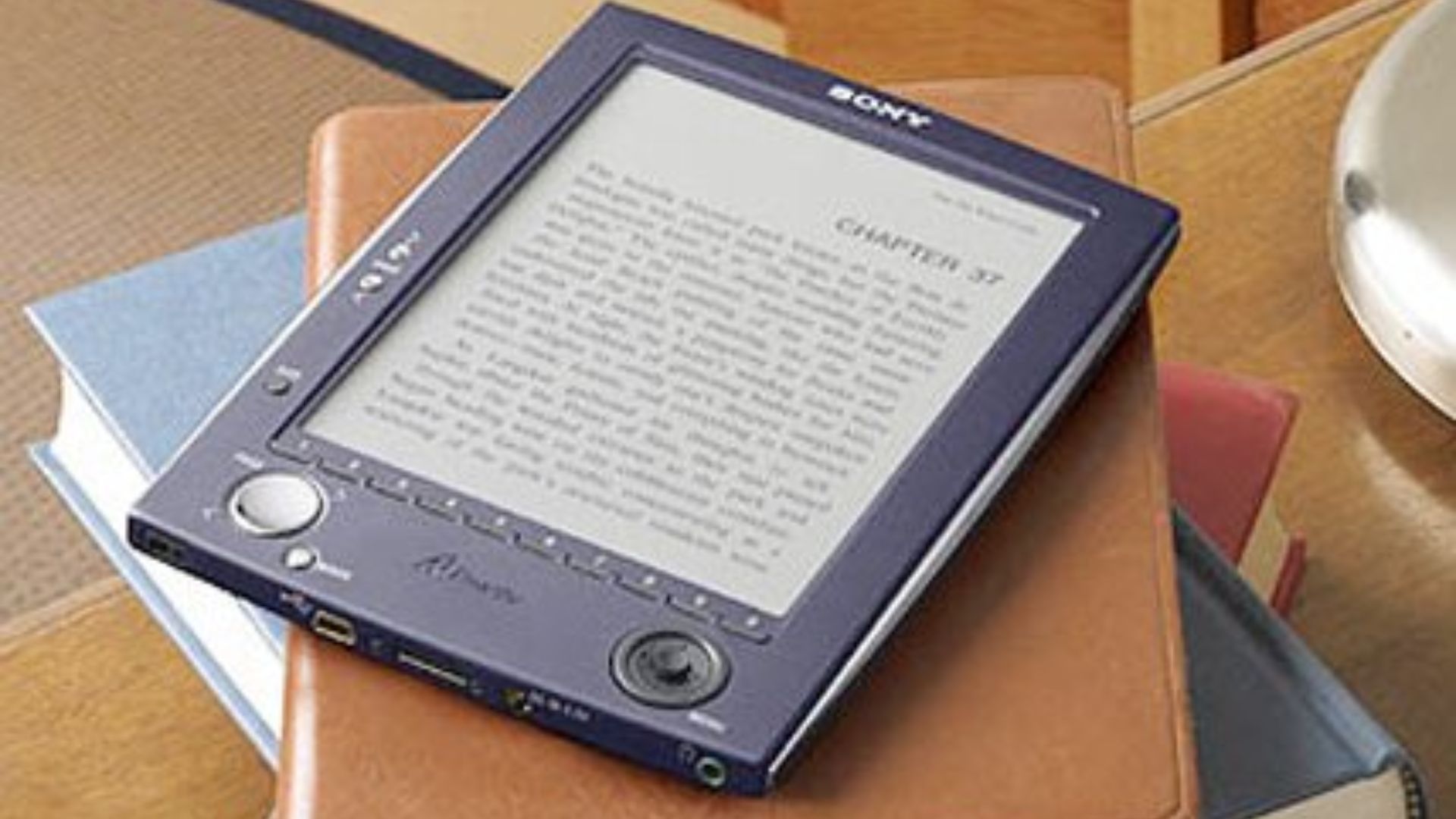
Digital Reading Needed An Ecosystem
Early e-readers were asking consumers to adopt a new device before digital book buying had become effortless and familiar. The Computer History Museum notes that credible readers such as the Rocket appeared in the late 1990s, but the predicted publishing revolution was still several years away. The idea became much more compelling once hardware, online bookstores, wireless delivery, and large digital libraries could work together.
 Anton Chiang, Wikimedia Commons
Webvan Tried To Reinvent Grocery Shopping
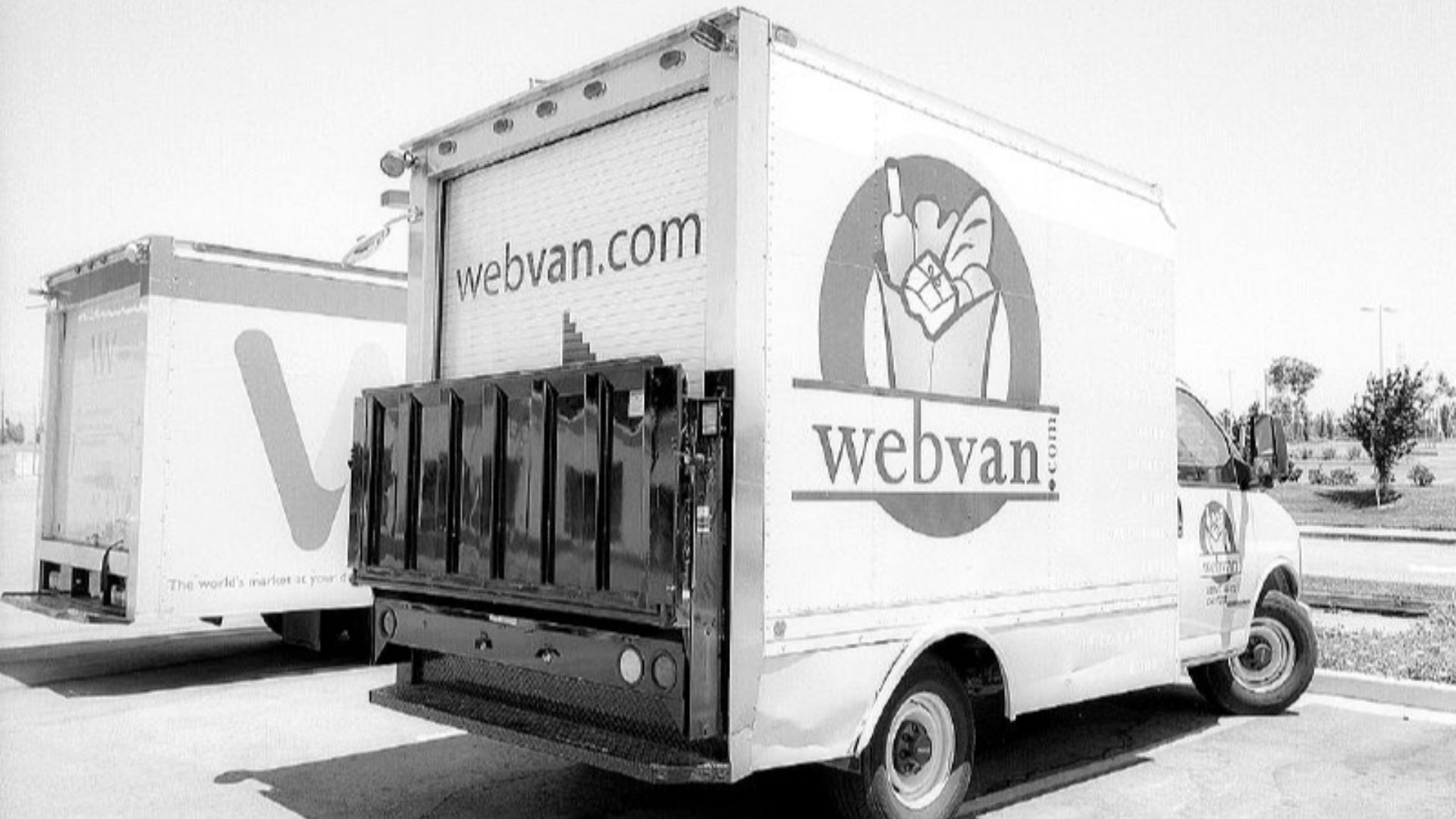
Webvan offered another glimpse of a future that now seems completely ordinary. Founded during the dot-com boom, it let customers order groceries online and have them delivered to their homes within scheduled windows. Investors poured enormous amounts of money into the company as it tried to create a technologically sophisticated delivery network across the United States.
 Mark Coggins from San Francisco, Wikimedia Commons
Webvan Built Too Much Too Quickly
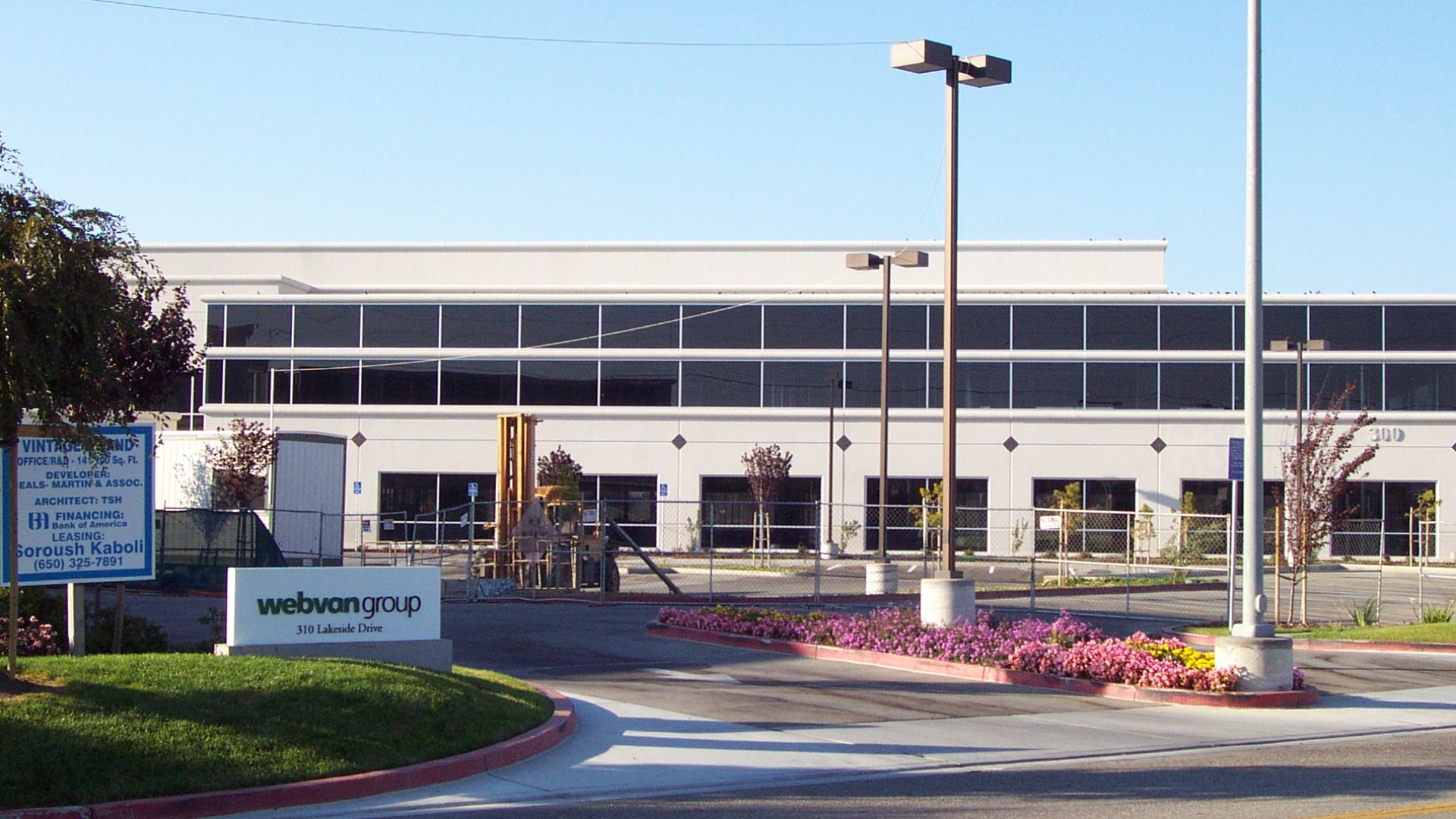
Instead of expanding cautiously, Webvan spent heavily on warehouses, vehicles, equipment, and rapid geographic growth. Sales failed to cover the enormous costs, additional financing dried up, and the company filed for bankruptcy protection in July 2001. Its collapse became one of the defining failures of the dot-com era.
The Customers Eventually Caught Up
Webvan disappeared, but online grocery shopping did not. Other retailers developed different fulfillment strategies, including packing online orders through existing stores rather than building an entirely separate national infrastructure immediately. The convenience Webvan was selling ultimately became familiar, proving that a promising idea can survive even when its first famous business model does not.

Google Glass Put A Computer On Your Face
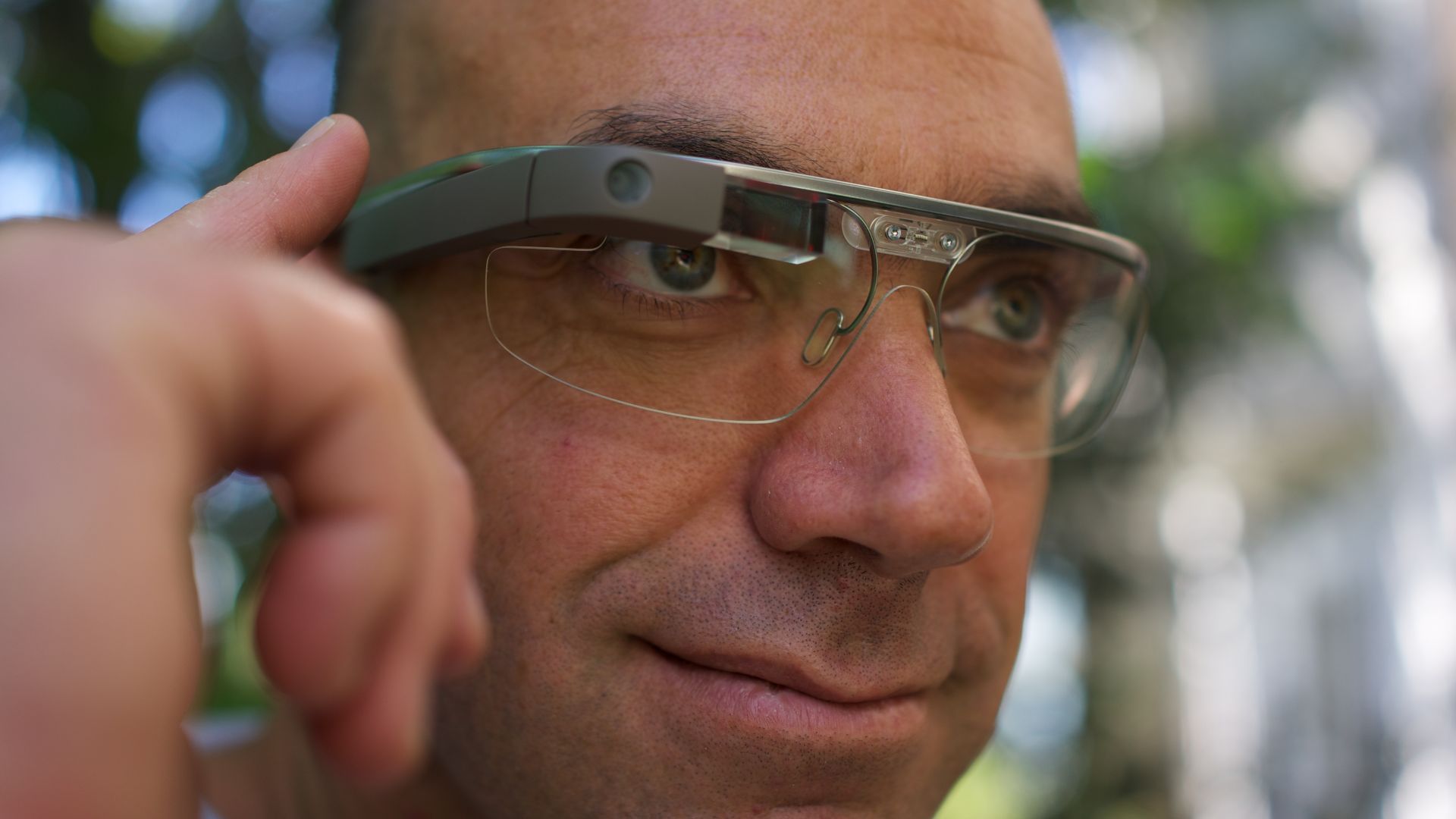
Google Glass brought wearable computing into public view with a lightweight display positioned near the wearer's eye. The consumer version generated enormous attention, but it also drew criticism over privacy, design, and practical usefulness. The technology looked futuristic, yet ordinary consumers did not find enough reasons to wear it throughout their daily lives.
 Loïc Le Meur, Wikimedia Commons
Glass Found A Second Life At Work
Google did not completely abandon the concept after the consumer experiment faltered. A later Enterprise Edition was aimed at factories and other workplaces where hands-free instructions could solve a specific problem. Companies including Boeing, DHL, and GE experimented with the enterprise version, illustrating how an invention can fail with one audience and make much more sense with another.
 Uspacificfleet, Wikimedia Commons
Even The Answering Machine Had To Wait
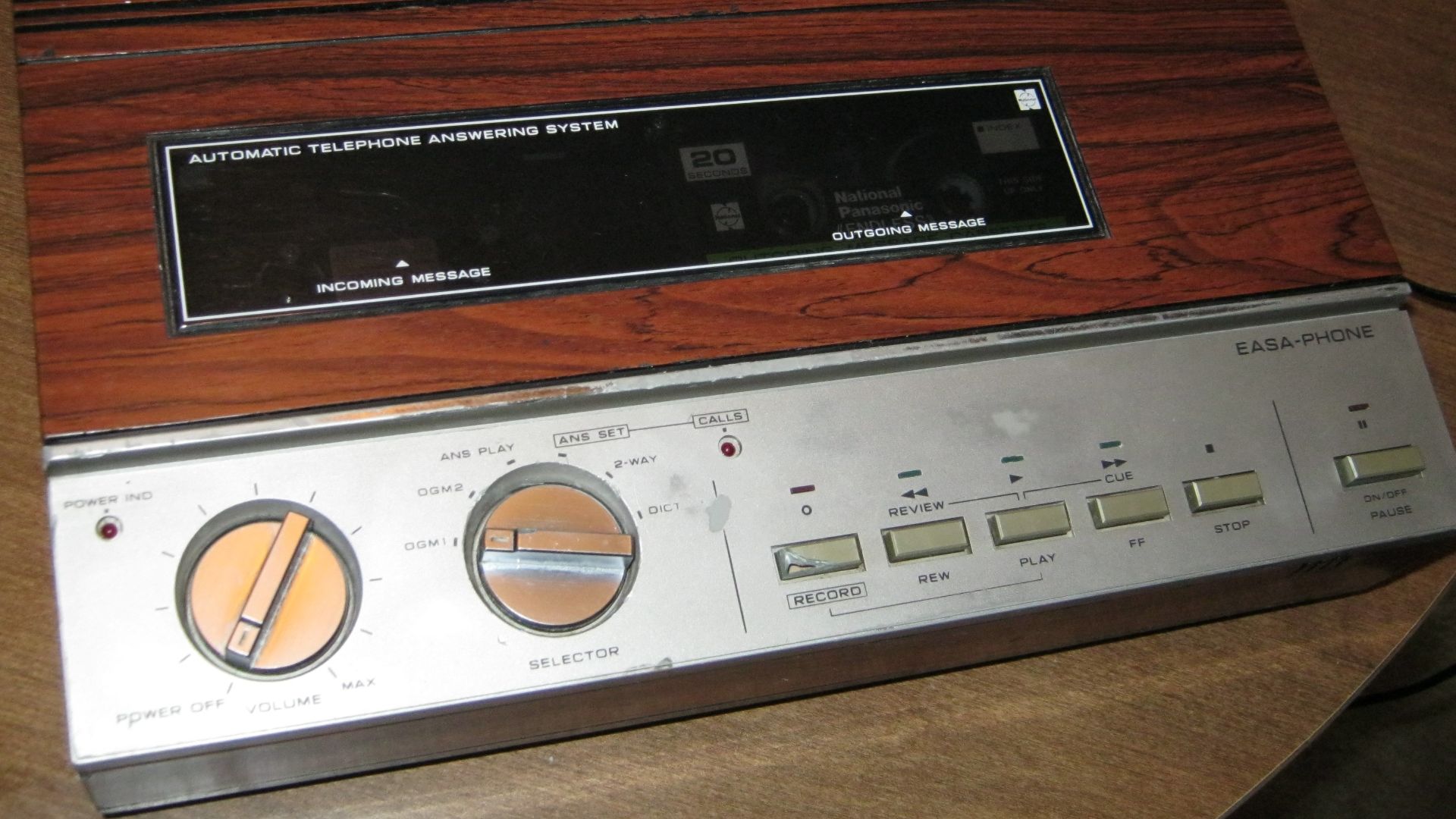
Recording a message when somebody could not answer the telephone sounds like an obvious convenience today. Yet AT&T resisted third-party answering technology for decades while controlling the American telephone network, partly because executives worried that recording capabilities could alter how people used telephones. Bell Laboratories even tested an answering system in 1934, but AT&T did not offer such technology to customers until many years later.
 phreakindee, Wikimedia Commons
Mobile Phones Needed Decades To Become Normal
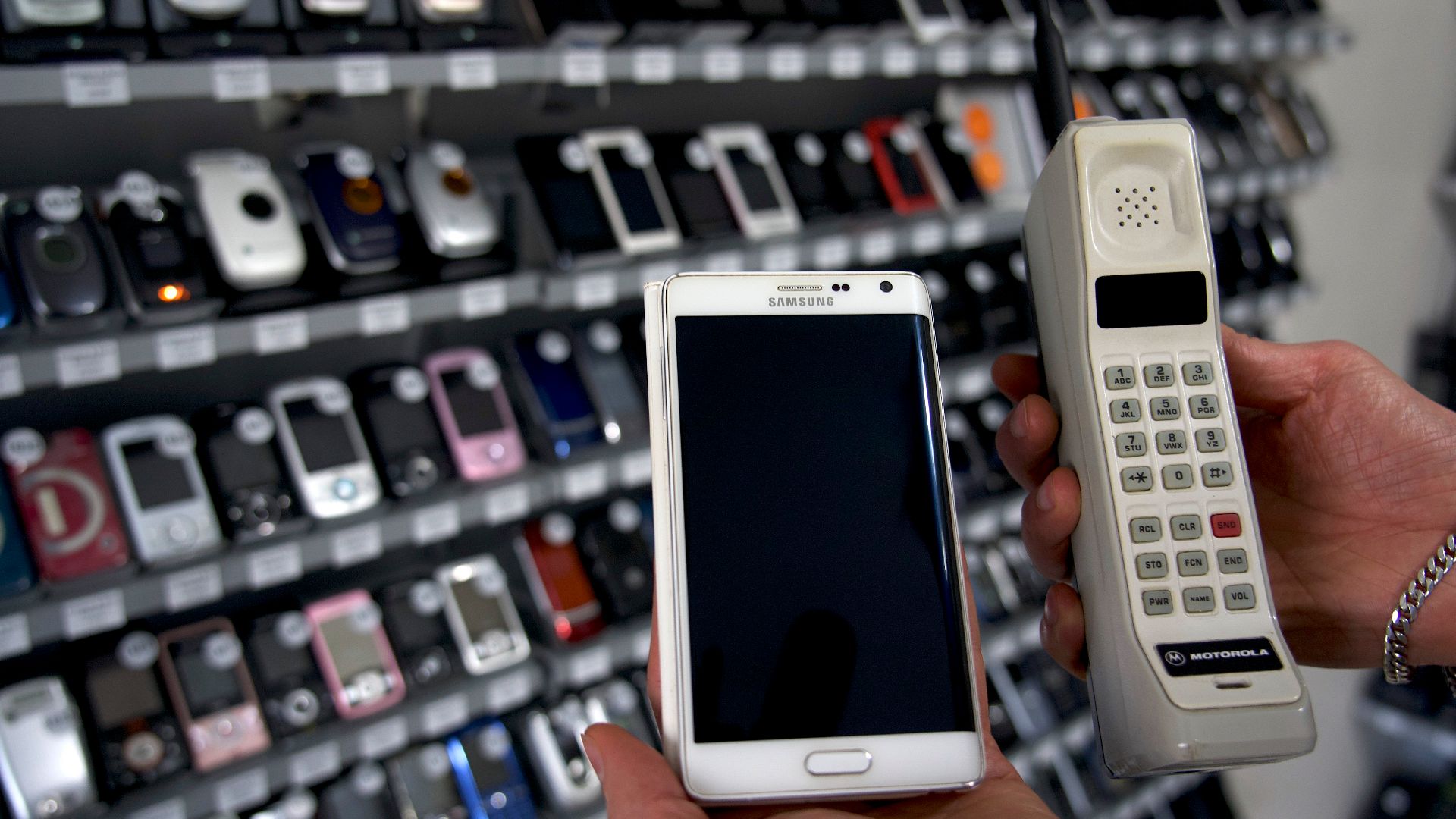
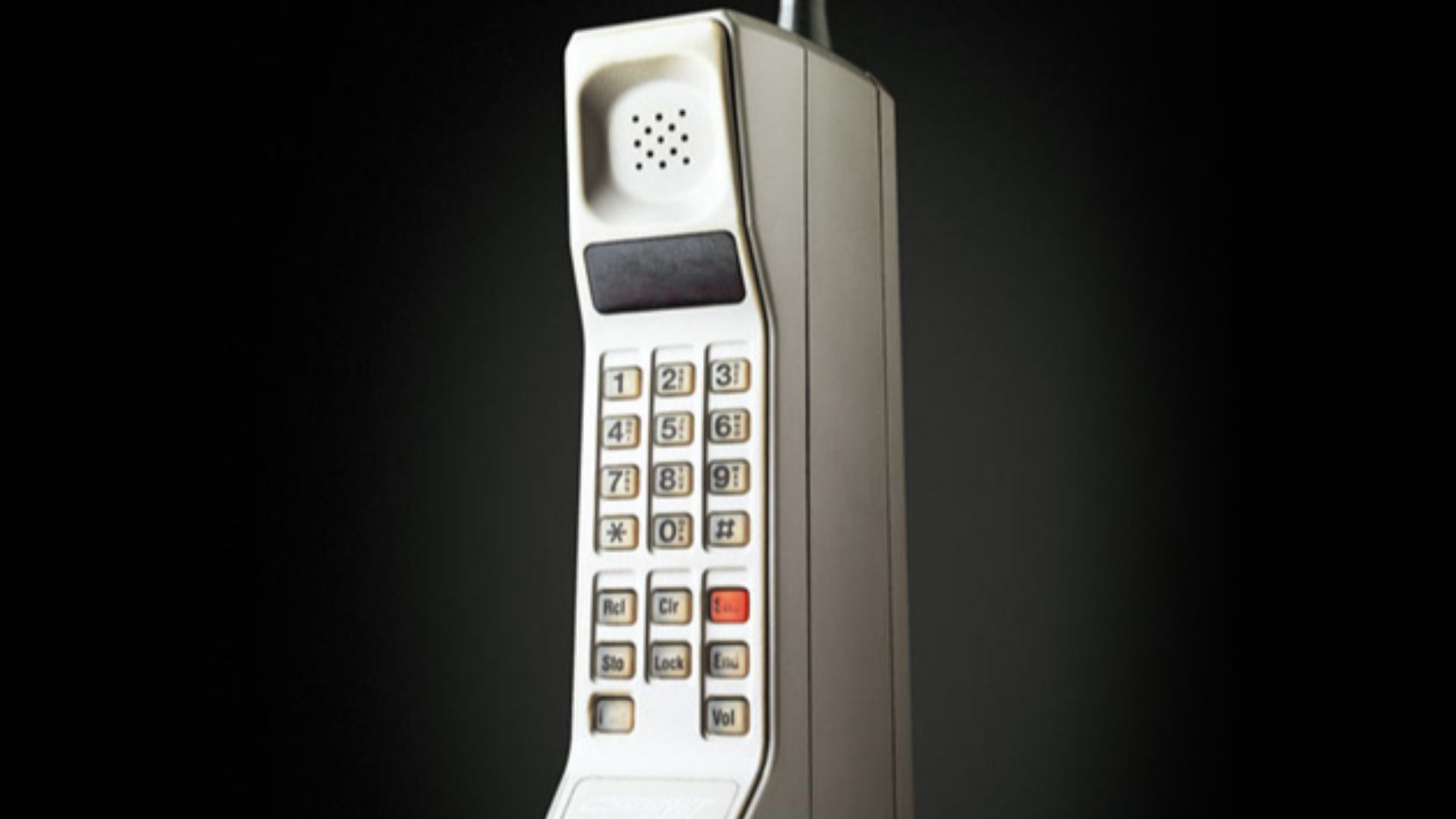
Motorola engineer Martin Cooper made the first public handheld cellular telephone call in 1973, but that demonstration did not mean everyone immediately received a mobile phone. The first commercial DynaTAC became available a decade later, and mobile phones did not become mainstream until the early 2000s as devices grew smaller and cheaper while gaining useful new features. Once again, invention came well before mass adoption.
Failure Can Be A Preview Instead Of An Ending
These products failed for very different reasons, but the recurring lesson is that inventions do not exist in isolation. An electric car needs batteries and chargers, a smartphone needs wireless networks, an e-reader needs digital books, and online shopping needs efficient logistics and customers comfortable buying through a screen. Sometimes the first company is wrong about the timing while being remarkably right about the future.
You May Also Like:
The Weirdest Rules People Once Followed At Work
The Discovery Of A Bronze Age Blade Workshop In Southern Israel
Resilient Facts About Ellen Burstyn, The Actor Who Worked With The Devil