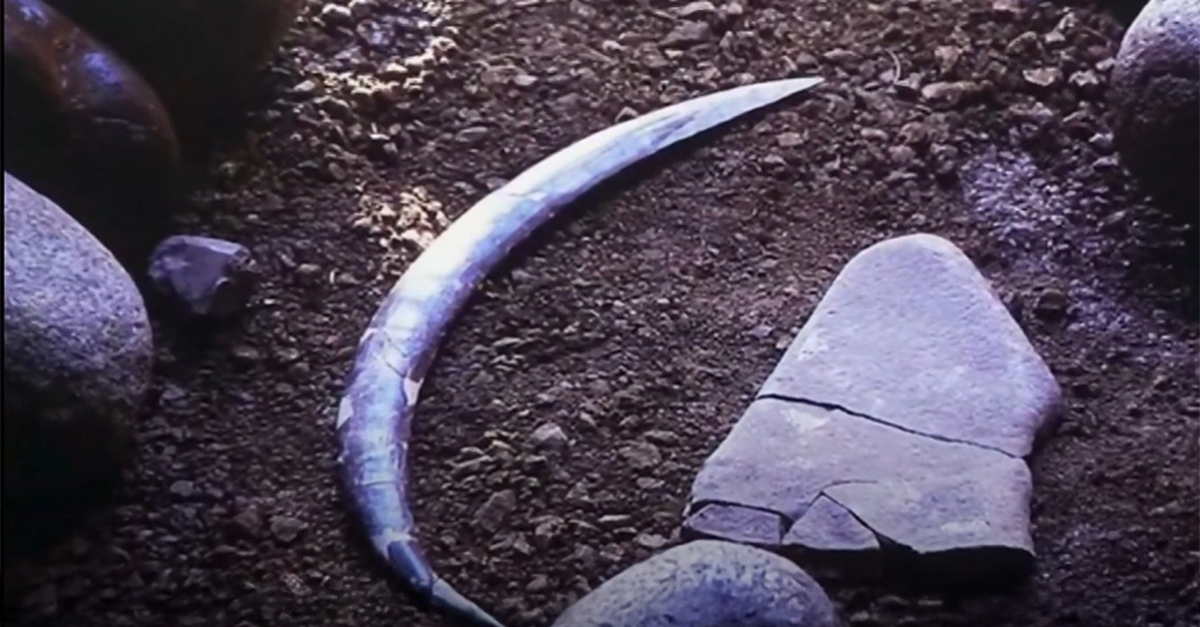
New age dating of a boomerang found in a Polish cave back in 1985 has archaeologists buzzing that it could be the oldest boomerang ever found on Earth. Carved from a woolly mammoth tusk, the curved, aerodynamic object is now estimated to be 40,000 years old. This predates all other boomerangs discovered and revises our understanding of prehistoric innovation.
Hauled Up Out Of A Polish Cave
The artifact was first discovered in the Oblazowa Cave in the Polish Carpathians back in 1985. Even way back then, researchers could comprehend how unique it was, but they didn’t have the dating technology or context to totally flesh out its importance. Now armed with improved radiocarbon dating and comparative analysis with similar artifacts, researchers think it dates back to the Upper Paleolithic, when Neanderthals and early humans coexisted in Europe.
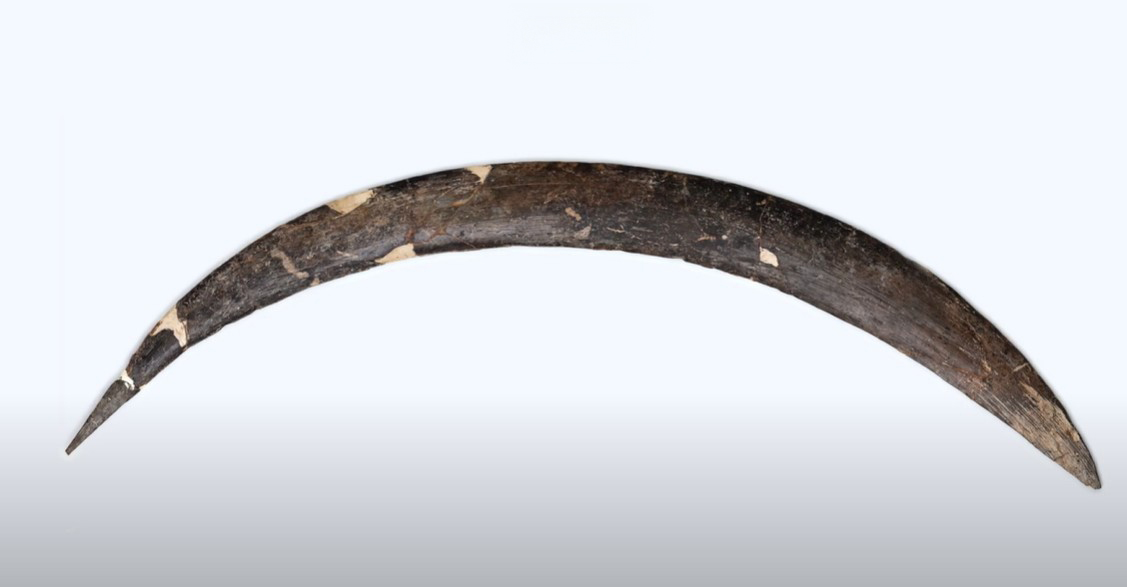 You won't believe where the WORLD'S OLDEST BOOMERANG is from!, The Prehistory Guys, YouTube
It Wasn’t Just A Plaything
Unlike the returning boomerangs of the Aboriginal Australian people, this mammoth-tusk example was most likely a non-returning boomerang. It was designed to fly straight and strike prey with force. Its size and curvature, along with its visible wear patterns, suggest it may have been used to hunt small animals or waterfowl. These weapons would’ve been a quieter and reusable alternative to spears or arrows, a valuable feature for open terrain hunting.
 You won't believe where the WORLD'S OLDEST BOOMERANG is from!, The Prehistory Guys, YouTube
Precision Craftsmanship
To make the boomerang work properly required these early humans to understand material properties and flight dynamics. Carving it from dense, brittle mammoth tusk would’ve taken skill and patience. Archaeologists admire the smoothness of its surface, its symmetry, and its carefully polished edges. All of these features speak highly of the brains and hands-on skills of these early toolmakers.
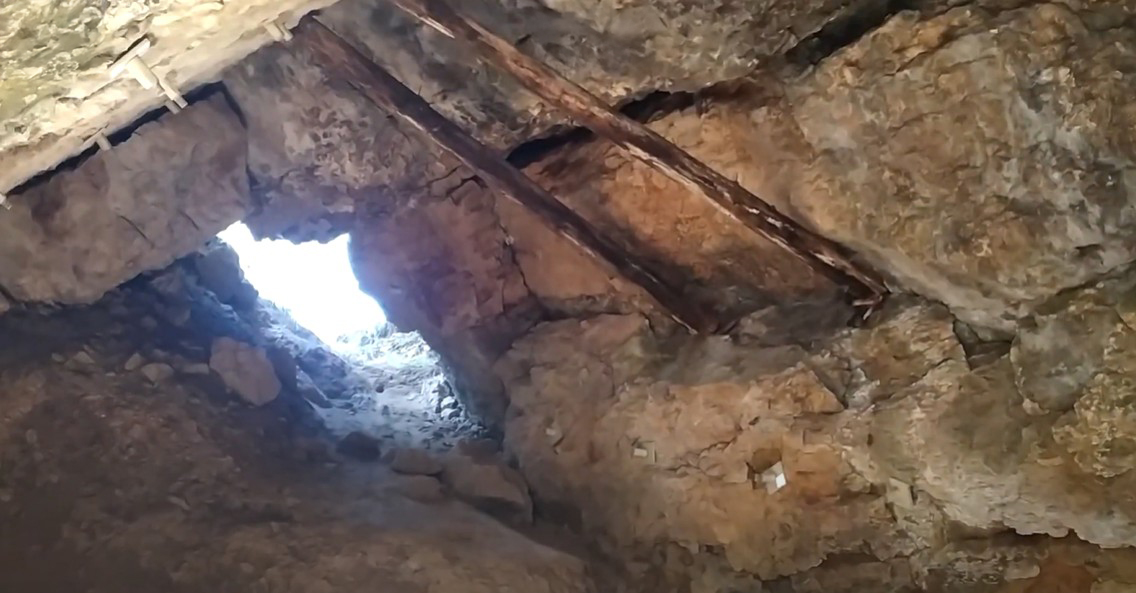 The oldest boomerang in the world in a Paleolithic shrine. Poland, Europe., Café Anthropos, YouTube
Expanding What We Know Of Prehistoric Technology
If the new date holds up to further scrutiny, it will predate the oldest known Australian boomerangs by at least 10,000 years. This flies in the face of the notion that boomerangs were used only in warm, arid regions and were exclusive only to Homo sapiens. The Polish boomerang implies that Neanderthals or early European Homo sapiens might’ve developed and used this technology independently of each other.

A Panoramic View Of Early Europe
This discovery is added to the growing pile of evidence that early humans in Europe were far more advanced than we thought. Recent finds like bone flutes, ornamental jewelry, and complex hunting tools all point to a thriving and inventive culture that felt right at home in Ice Age conditions. The use of such an advanced tool in the forbidding Ice Age environment is an insight into prehistoric survival strategies and social organization.
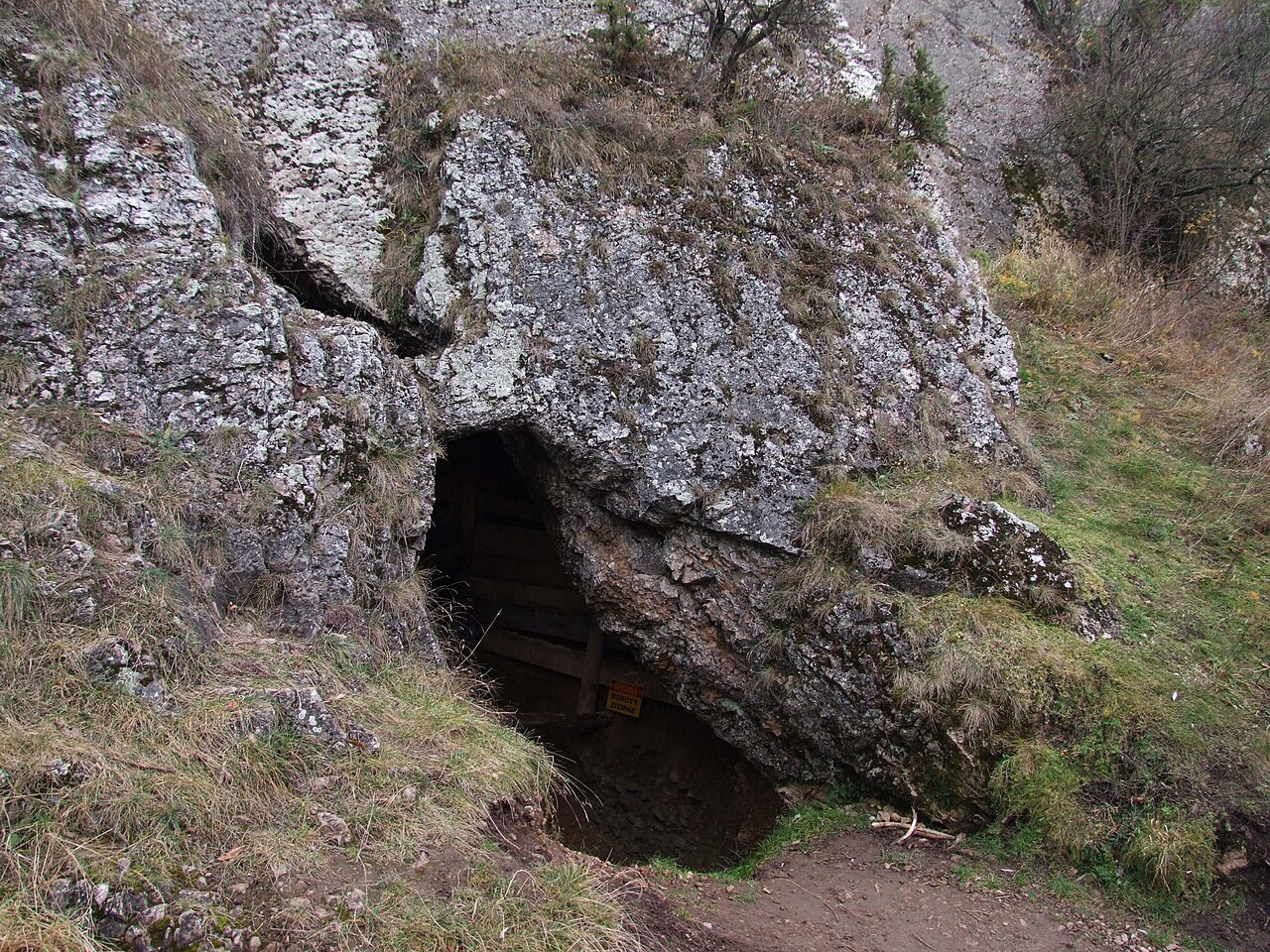 Jerzy Opioła, Wikimedia Commons
A Priceless Look Into Prehistoric Hunting Life
Most preserved hunting tools from the Paleolithic are limited to stone tools and bone points. Organic materials like wood or ivory rarely survive, which is what makes this boomerang so amazing. Its preservation flings open a window onto aspects of prehistoric life that we previously had no evidence of: how ancient peoples successfully hunted game; the tools they used; and how they handed their technical knowledge down through the generations.
Global Significance Of The Find
This isn’t the first boomerang-like object found outside Australia, but the Oblazowa Cave artifact is now the oldest ever documented. The find opens up the possibilty that history saw converging streams of human technological evolution: vastly separate human populations solving problems in similar ways, with whatever resources they could get their hands on. It also shows that we constantly have to reevaluate known artifacts with fresh perspectives and inquisitive minds.
You May Also Like:
A Perfectly Preserved Baby Woolly Mammoth Was Found In The Yukon
Bizarre Facts About Ancient History And Ancient Peoples
Archaeologists discovered an ancient lost city in the tropical paradise of Tonga.