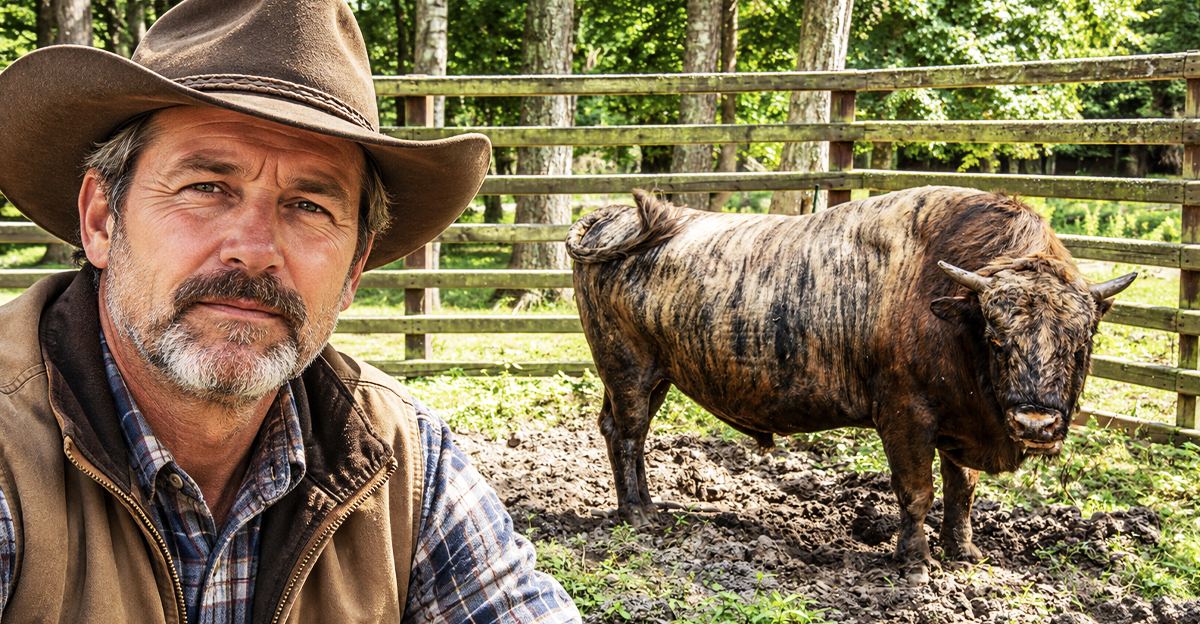
Imagine an animal with the hardiness of the American bison and the meat-producing qualities of domestic cattle. For generations, ranchers and agricultural experimenters believed that combining the two could transform the beef industry. The result was the beefalo, an unusual hybrid that promised healthier meat, efficient production, and tougher livestock. But despite decades of enthusiasm, beefalo never became a fixture of American ranching. Its history reveals why creating a promising animal and building a successful industry are two very different things.
An Idea Born On The Frontier
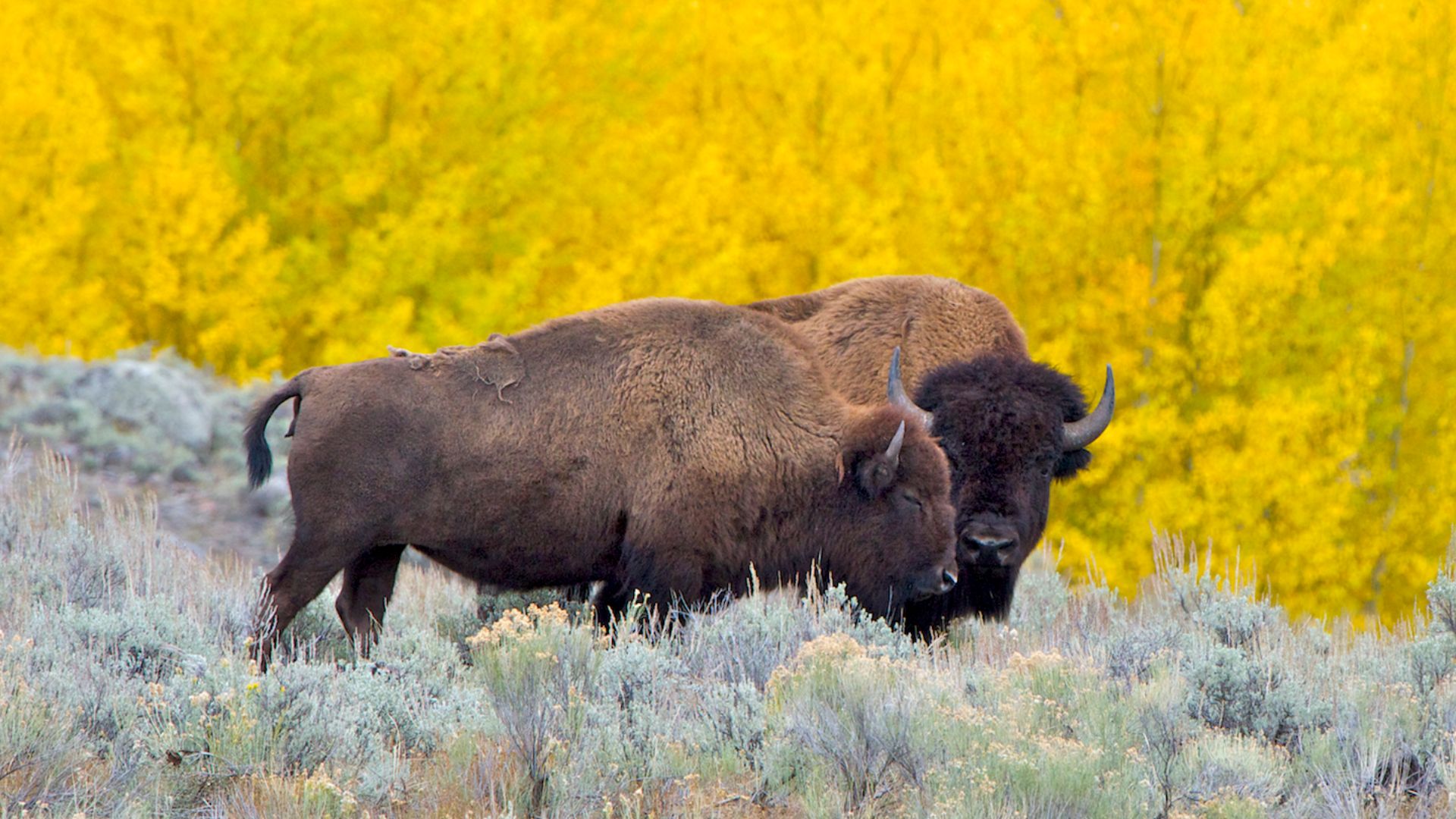
It all started way back in the 19th century, when cattle ranchers noticed that bison could survive harsh winters and forage on prairie grasses. Domestic cattle, meanwhile, had been selectively bred for meat and milk production. Crossing the two seemed like an obvious way to combine their strengths. Early experiments produced animals often called cattalo, although successful breeding proved far more complicated than enthusiasts anticipated.
 ElitProd, AdobeStock; marcinmaslowski, Adobe Stock;
The First Crosses Were Difficult
One of the best-known early experimenters was Charles “Buffalo” Jones, a Kansas rancher who began crossing bison and cattle in the 1880s. Jones hoped to produce hardy animals with valuable meat and hides. But the experiments ran up against serious obstacles, including breeding difficulties and problems with fertility. Early hybrids could be unpredictable, and male offspring were frequently sterile, making it difficult to establish reliable breeding lines.
Canada's Role In The Experiment
The idea eventually attracted attention north of the border. In the early 20th century, Canadian agricultural authorities investigated cattle-bison hybrids, hoping to develop livestock better suited to cold climates and western grazing conditions. Experiments at Wainwright, Alberta, produced cattalo, but fertility problems and inconsistent results limited their practical value. The research demonstrated that creating a hybrid was possible, but turning it into a dependable commercial animal was another matter entirely.
 Arturo de Frias Marques, Wikimedia Commons
The Beefalo Gets A Makeover
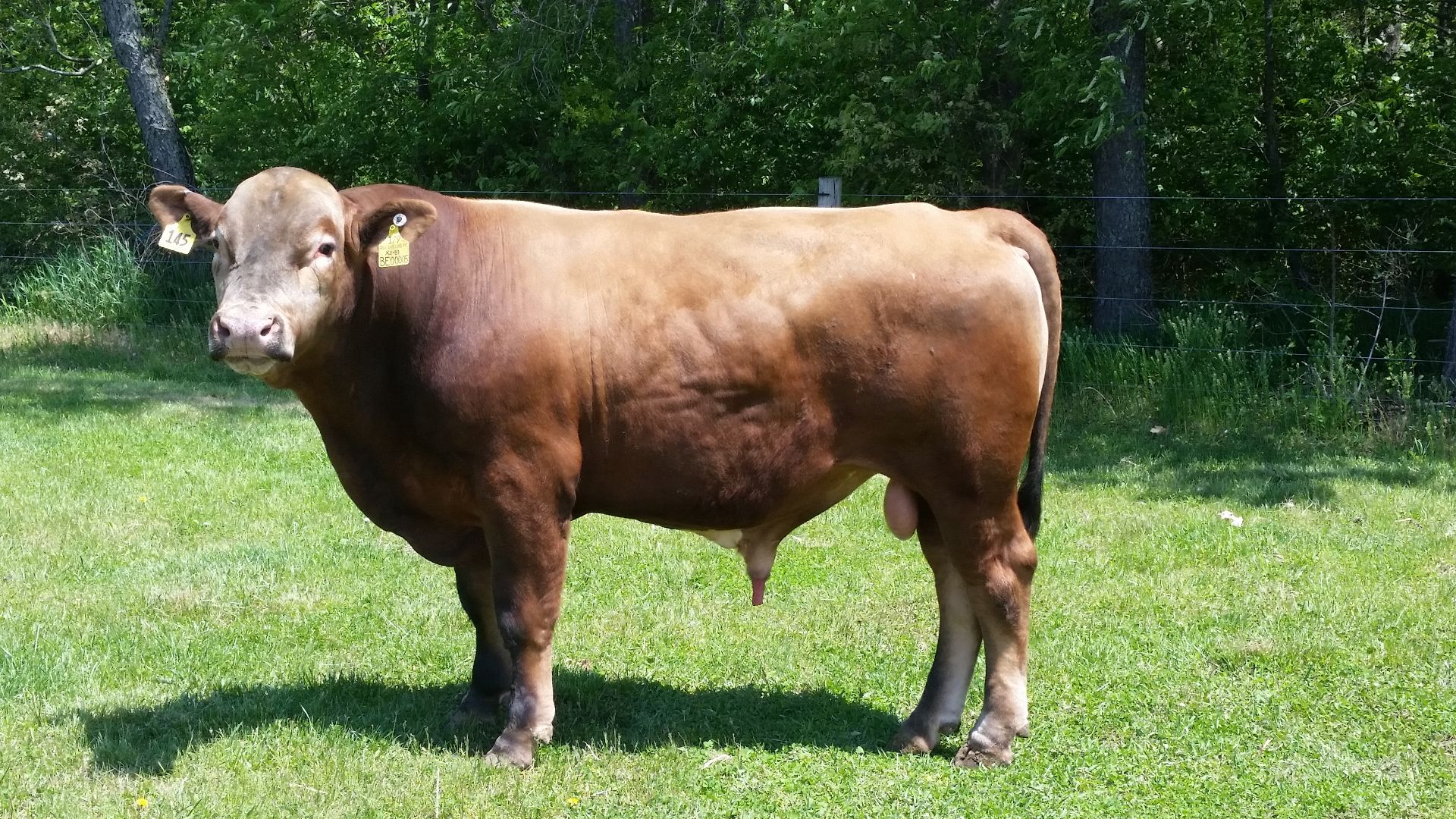
The modern beefalo emerged during the 1960s and 1970s, when American breeders made progress overcoming the fertility problems that had frustrated earlier experiments. Montana breeder Jim Burnett helped develop fertile hybrids, while California rancher D.C. “Bud” Basolo promoted a more standardized animal. The resulting beefalo was not half bison and half cow. The fullblood breeding standard called for three-eighths bison ancestry and five-eighths domestic cattle.

History's most fascinating stories and darkest secrets, delivered to your inbox daily.
The Promise Of Better Beef
Supporters believed beefalo could deliver several advantages at once. Bison ancestry promised hardiness, efficient grazing, and leaner meat, while domestic cattle contributed manageable temperaments and familiar production characteristics. During the 1970s, breeders enthusiastically promoted the hybrid as an alternative to conventional beef cattle. Beefalo associations and registries emerged, giving the once-experimental animal a recognizable commercial identity.
Ranching Reality Sets In
But developing a breed was only half the challenge. Ranchers needed animals that could be bred consistently, raised economically, and sold through established markets. Conventional cattle already benefited from generations of selective breeding, specialized equipment, and enormous distribution networks. Beefalo producers faced the additional burden of promoting an unfamiliar product. Even if individual animals performed well, switching breeds offered no guaranteed financial advantage.
Consumers Needed Convincing Too
Beefalo meat was marketed as a leaner, potentially healthier alternative to ordinary beef. But those advantages didn’t automatically translate into supermarket demand. Consumers were already familiar with regular beef, and bison meat occupied its own specialty market. Beefalo therefore faced a difficult climb in establishing a distinct identity between two existing products. Without widespread consumer recognition, its commercial growth remained limited.
A Hybrid With A Complicated Legacy
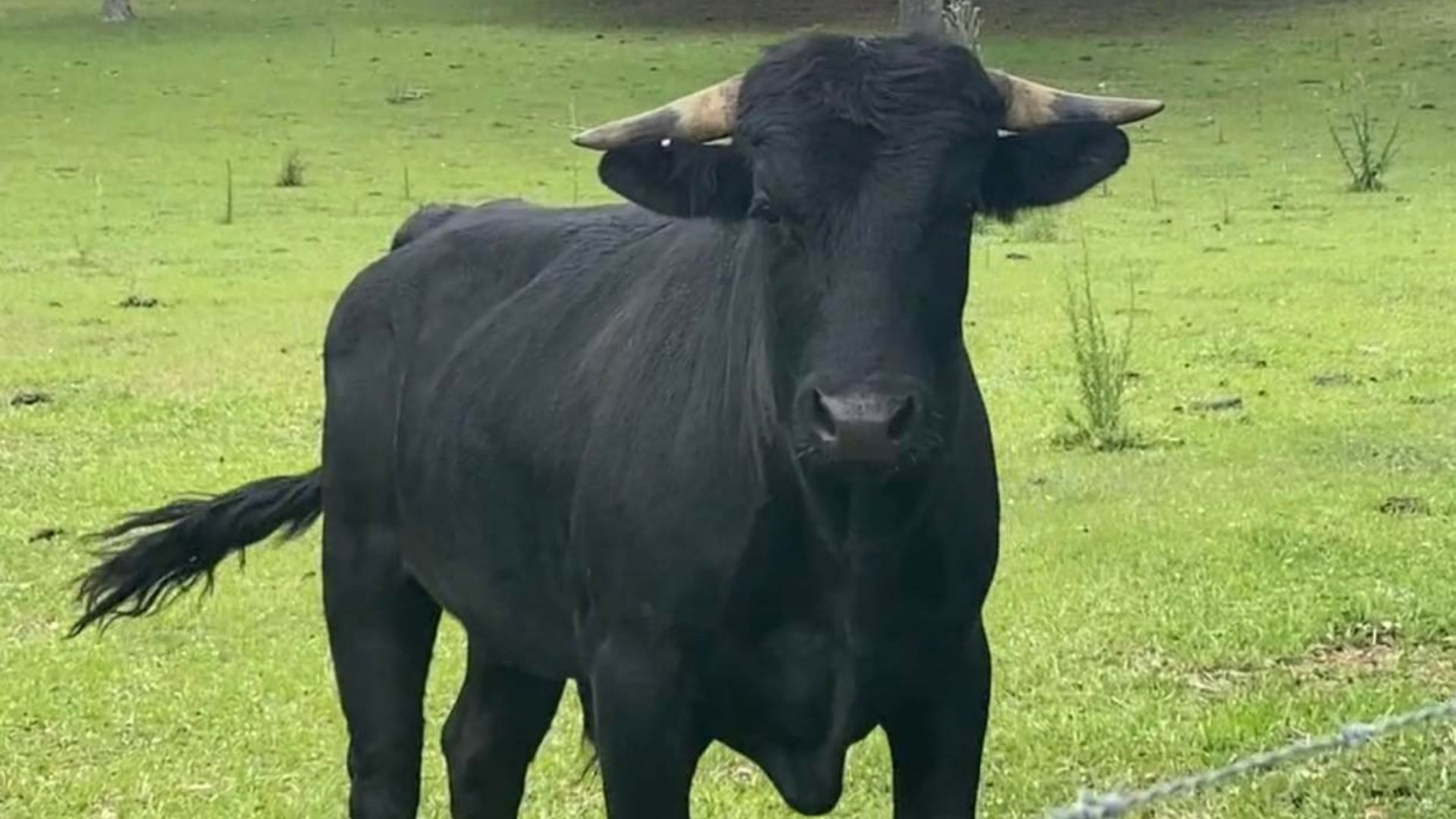
The experiment also raised questions beyond the dinner table. Cattle-bison hybridization introduced domestic cattle genes into some bison populations, complicating later conservation efforts to preserve their genetic heritage. Modern genetic research has added another twist, finding that many animals identified as beefalo lack detectable bison ancestry, a conclusion disputed by the American Beefalo Association. The hybrid's history is therefore more complicated than its simple name suggests.
The Beefalo Never Disappeared
Beefalo never replaced ordinary beef cattle, but the experiment wasn’t a complete failure, either. Dedicated breeders continued to raise and promote the animals, particularly for specialty meat markets. The American Beefalo Association is still active, and some ranchers report advantages in handling and production. What began as an ambitious attempt to revolutionize American agriculture ultimately became something more modest: a lasting niche breed that demonstrated both the possibilities and limitations of selective breeding.
You May Also Like:
Foods You Didn't Realize Were Invented In America
How Does Yak's Milk Differ From Cow's Milk?