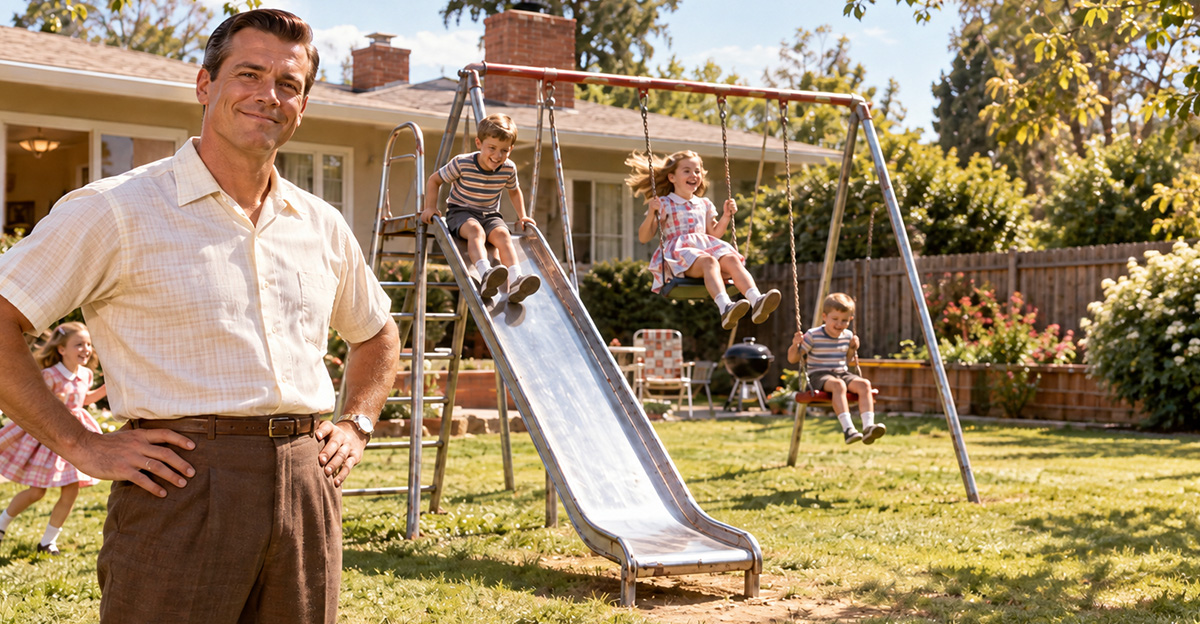
When Backyard Fun Came With A Few Bruises
Growing up in the 1960s meant spending entire afternoons outside, usually without an adult watching your every move. Backyard toys were made from metal, wood, and whatever Dad could build in the garage. Safety wasn't always the first consideration, and some of these childhood favorites would horrify today's parents.
Jarts: The Lawn Darts That Could Seriously Hurt Someone
Remember Jarts? These oversized lawn darts had weighted metal points designed to stick into the grass. Unfortunately, they could also cause serious injuries when thrown carelessly. Children played with them despite the danger, and the federal government eventually banned their sale in 1988. It's easy to understand why.
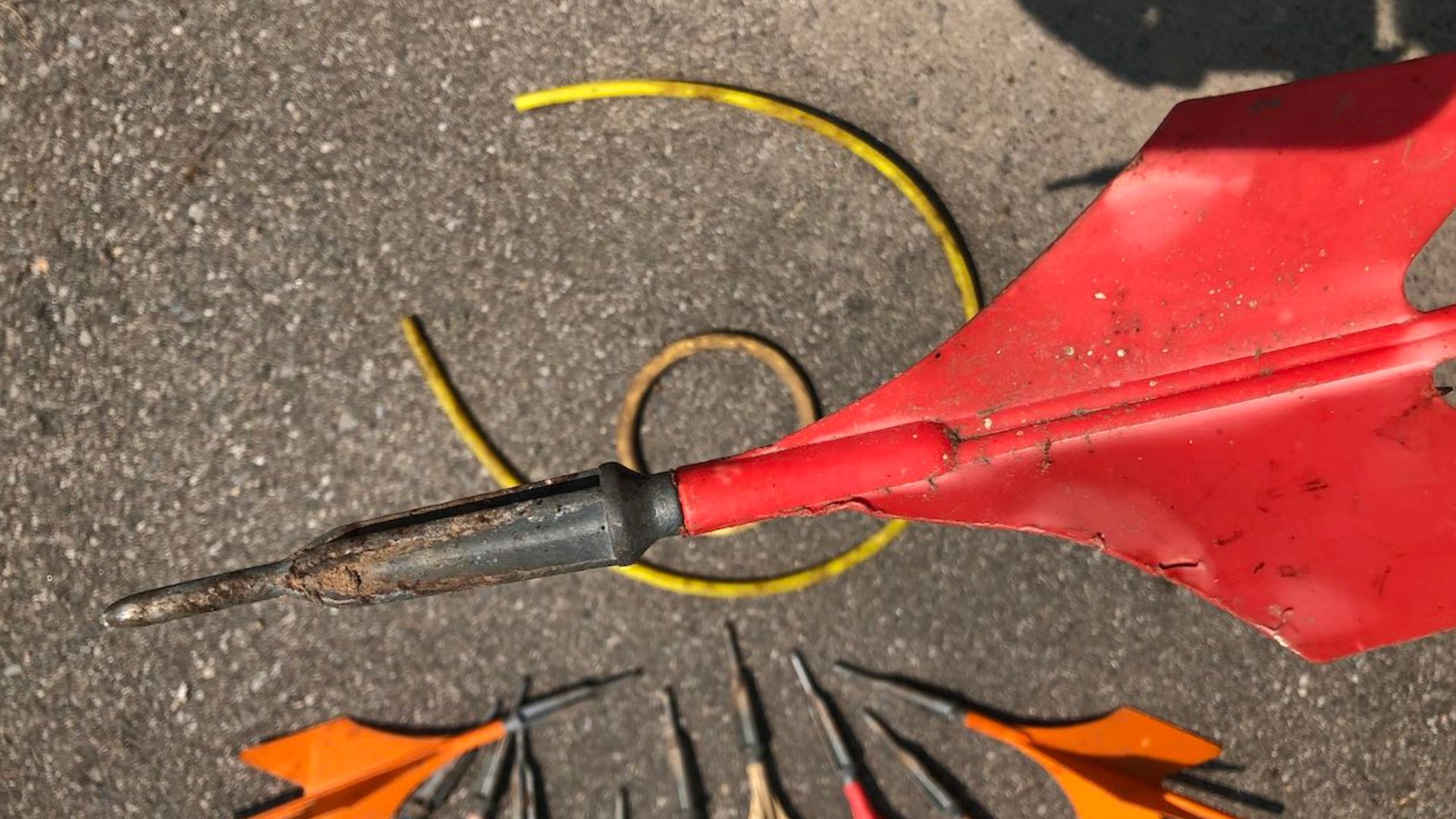 DavidSpencer.ca, Wikimedia Commons
The Wham-O Water Wiggle
This strange invention connected to a garden hose and whipped around unpredictably, spraying water everywhere. Children loved chasing it across the lawn. Unfortunately, the Water Wiggle had a dangerous metal nozzle beneath its plastic covering. Following accidents involving young children, Wham-O recalled the toy in 1978.

The Original Slip 'N Slide
Introduced in 1961, the Slip 'N Slide turned practically any backyard into a miniature water park. Children would sprint across the grass before launching themselves onto the slippery plastic. It was tremendous fun, although injuries were possible. Adults and teenagers were later warned about the risk of devastating neck injuries.

Metal Slides That Became Frying Pans
If you grew up with a metal backyard slide, you probably remember what happened when the afternoon sun hit it. Those things became scorching hot! Children regularly burned their legs on the surface, while the hard ground below offered little protection when they landed awkwardly.

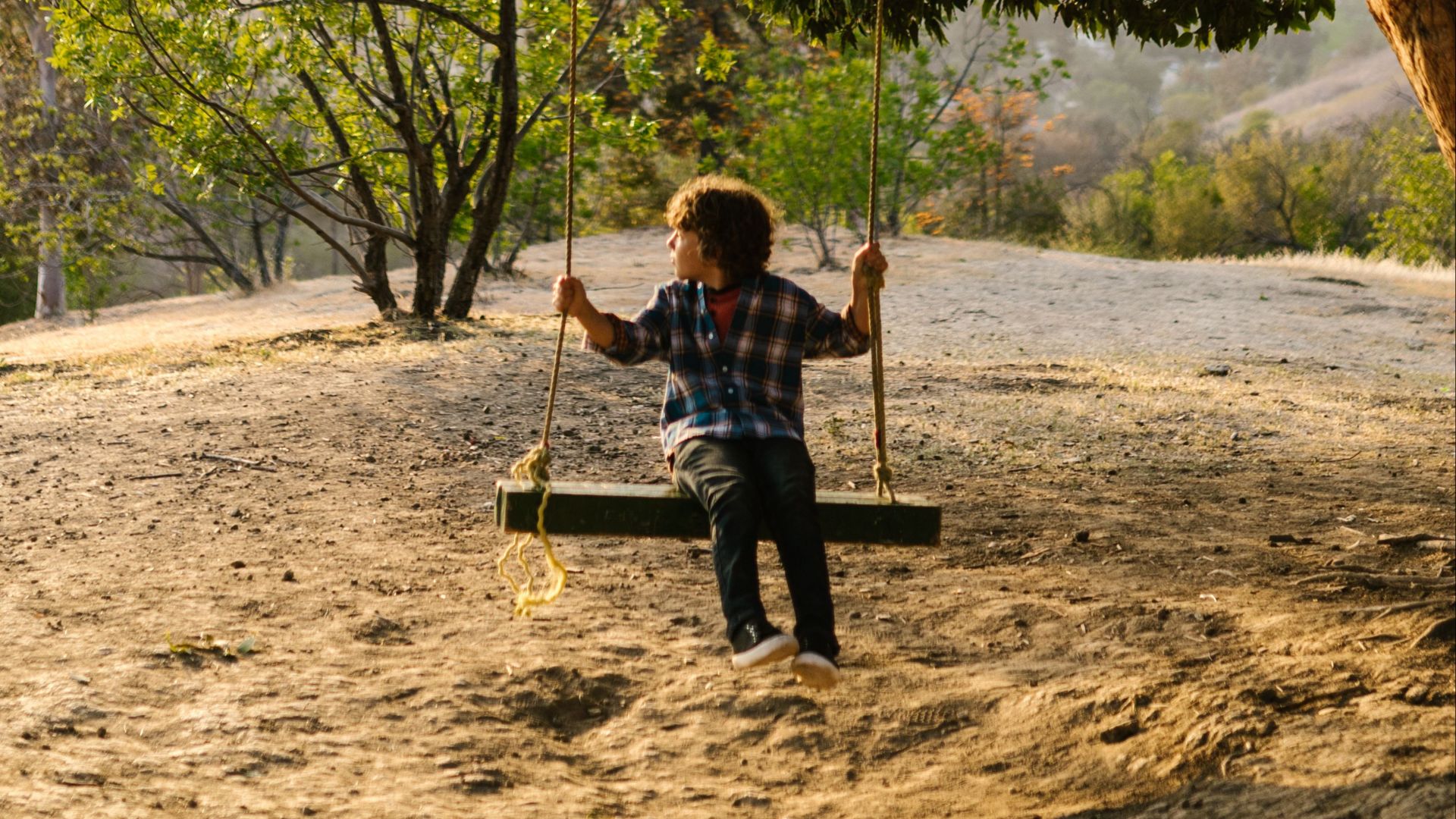
Swing Sets With Hard Wooden Seats
Before flexible plastic swing seats became popular, many backyard swings featured heavy wooden or metal seats suspended from chains. They were wonderful until someone walked directly into a swinging seat. A collision could leave quite a mark, especially when your older brother was trying to break a neighborhood height record.
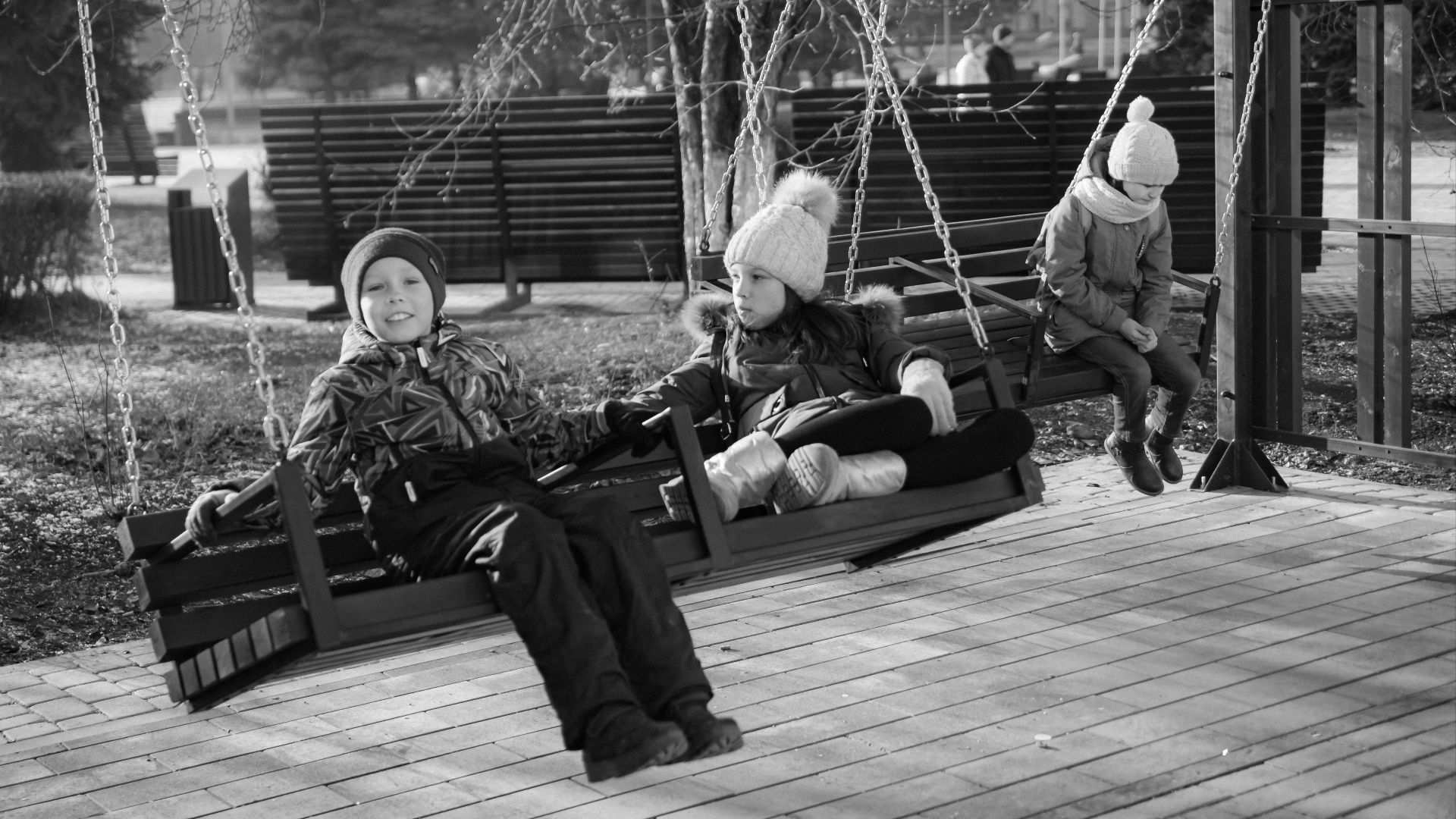
Those Two-Person Glider Swings
These backyard favorites allowed two children to sit facing each other while pumping their legs to swing back and forth. Unfortunately, the heavy metal frames and exposed moving parts created opportunities for crushed fingers and painful collisions. Getting the glider moving was easy. Stopping it was another story.
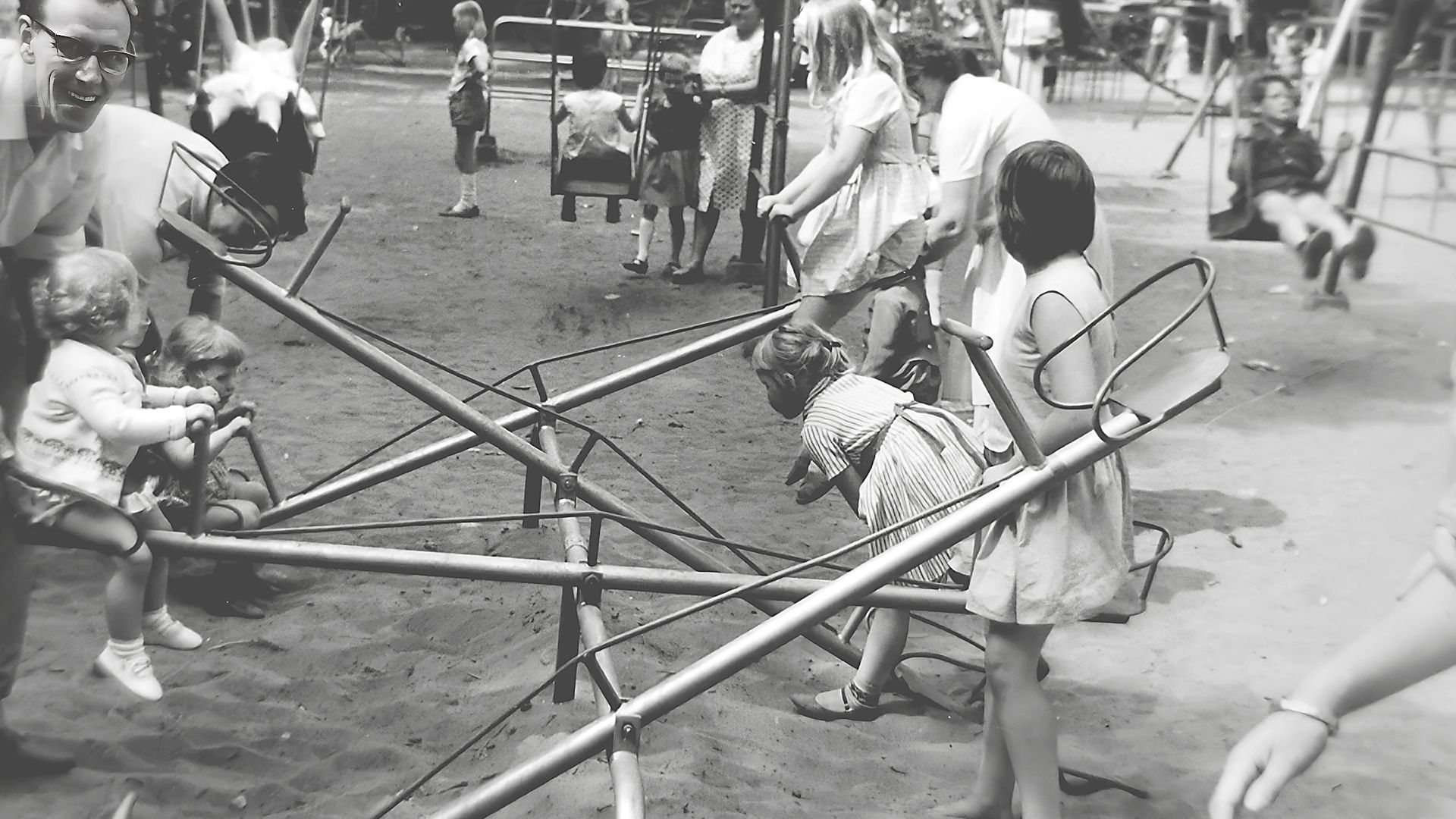
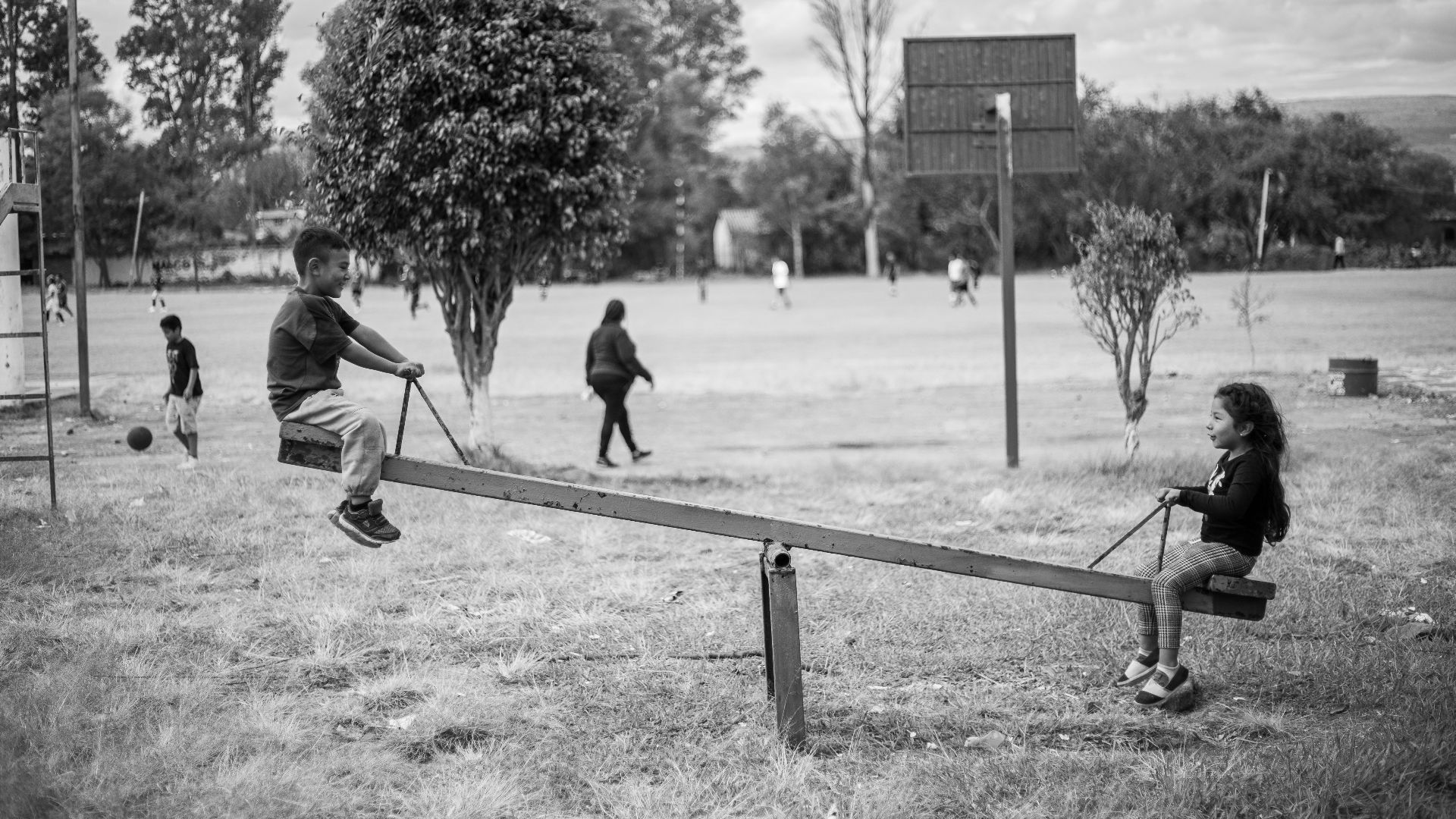
Steel Teeter-Totters
A proper 1960s teeter-totter was a long metal beam balanced on a central support. The biggest danger wasn't necessarily the equipment itself. It was the mischievous child sitting opposite you, who suddenly jumped off while you were suspended six feet above the ground. Remember that awful feeling?
 Rie Lippens-Dannenburg, Wikimedia Commons
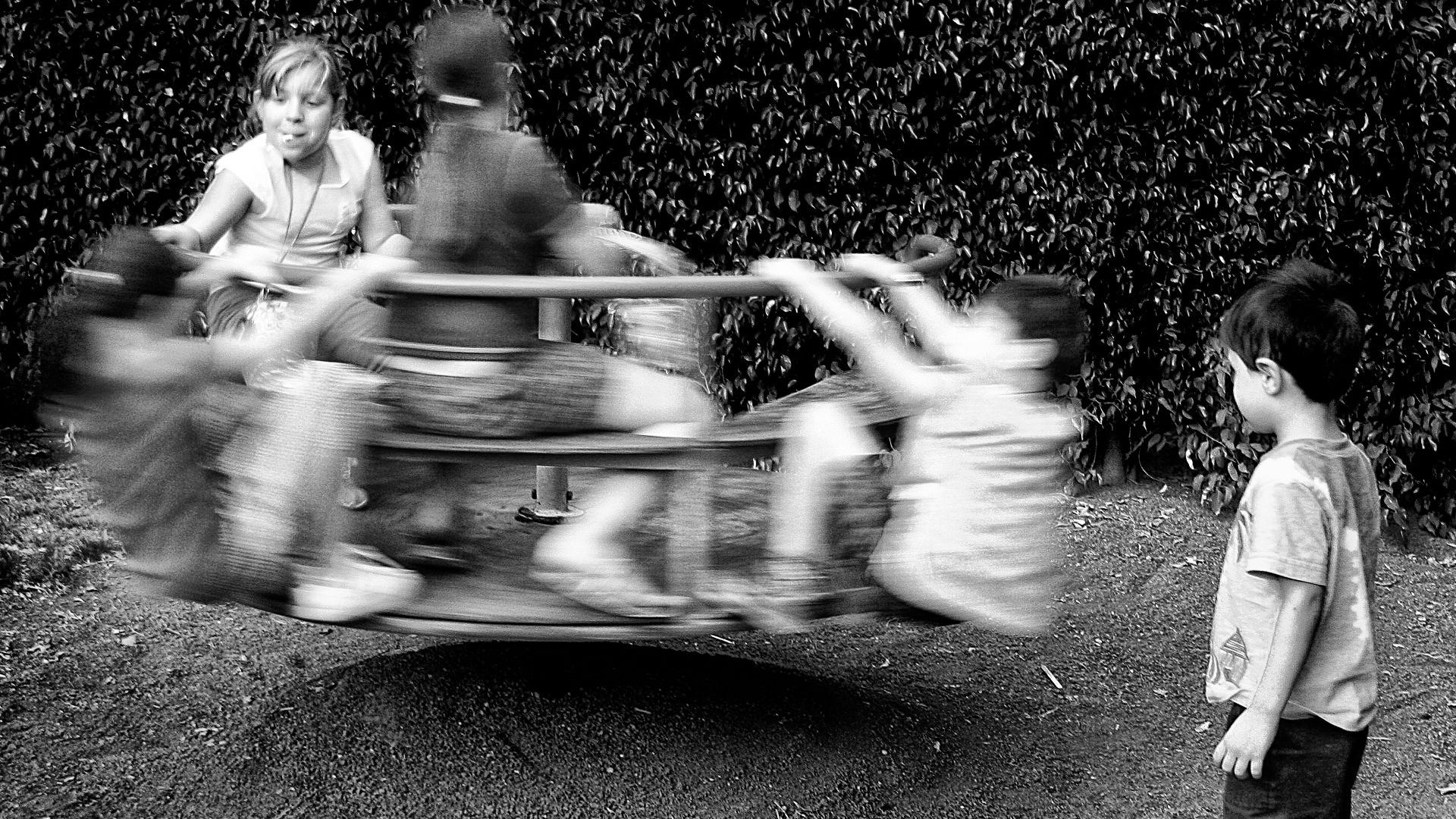
Backyard Merry-Go-Rounds
Some fortunate children had small metal merry-go-rounds in their yards. Everyone would pile aboard while one unfortunate youngster ran around pushing. Once spinning, stopping became a challenge. Falls, trapped fingers, and collisions with moving equipment made these spinning contraptions considerably less charming from a parent's perspective.
Monkey Bars Above Bare Dirt
Remember swinging across monkey bars without anything soft underneath? Plenty of backyard climbing frames stood over ordinary dirt or grass. One missed grip meant a hard landing, sometimes from an impressive height. Modern playground guidance emphasizes shock-absorbing surfaces, something many childhood backyards simply didn't have.

Those Towering Metal Climbing Domes
Geometric climbing domes looked like giant metal spiderwebs. Naturally, children wanted to reach the very top. The trouble was getting back down, especially when the bars were slippery. With hard ground underneath and plenty of spaces to slip through, these structures could turn a climbing contest into a hospital visit.
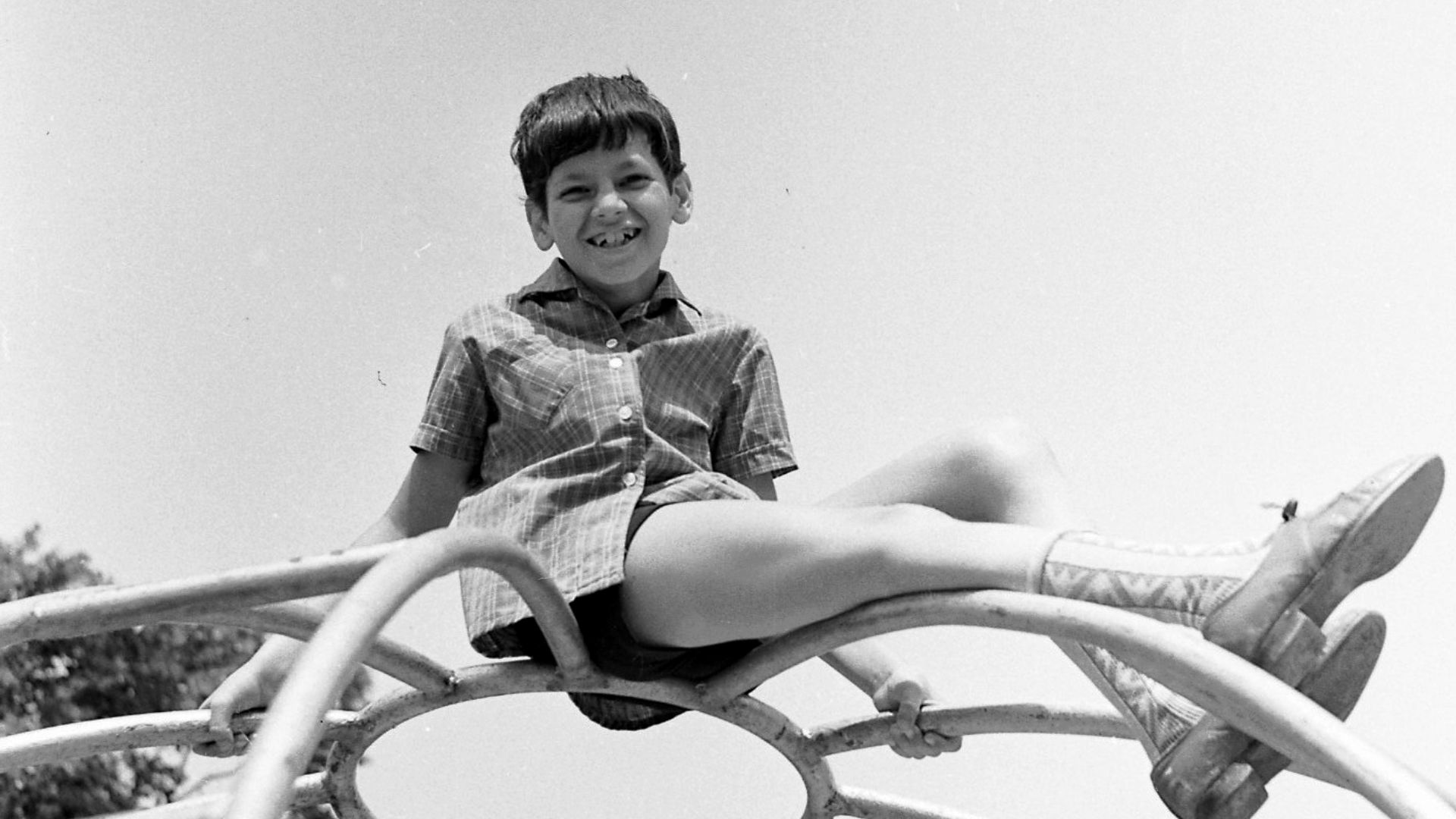 FOTO:Fortepan — ID 9571: Adományozó/Donor: Kováts Lajos., Wikimedia Commons
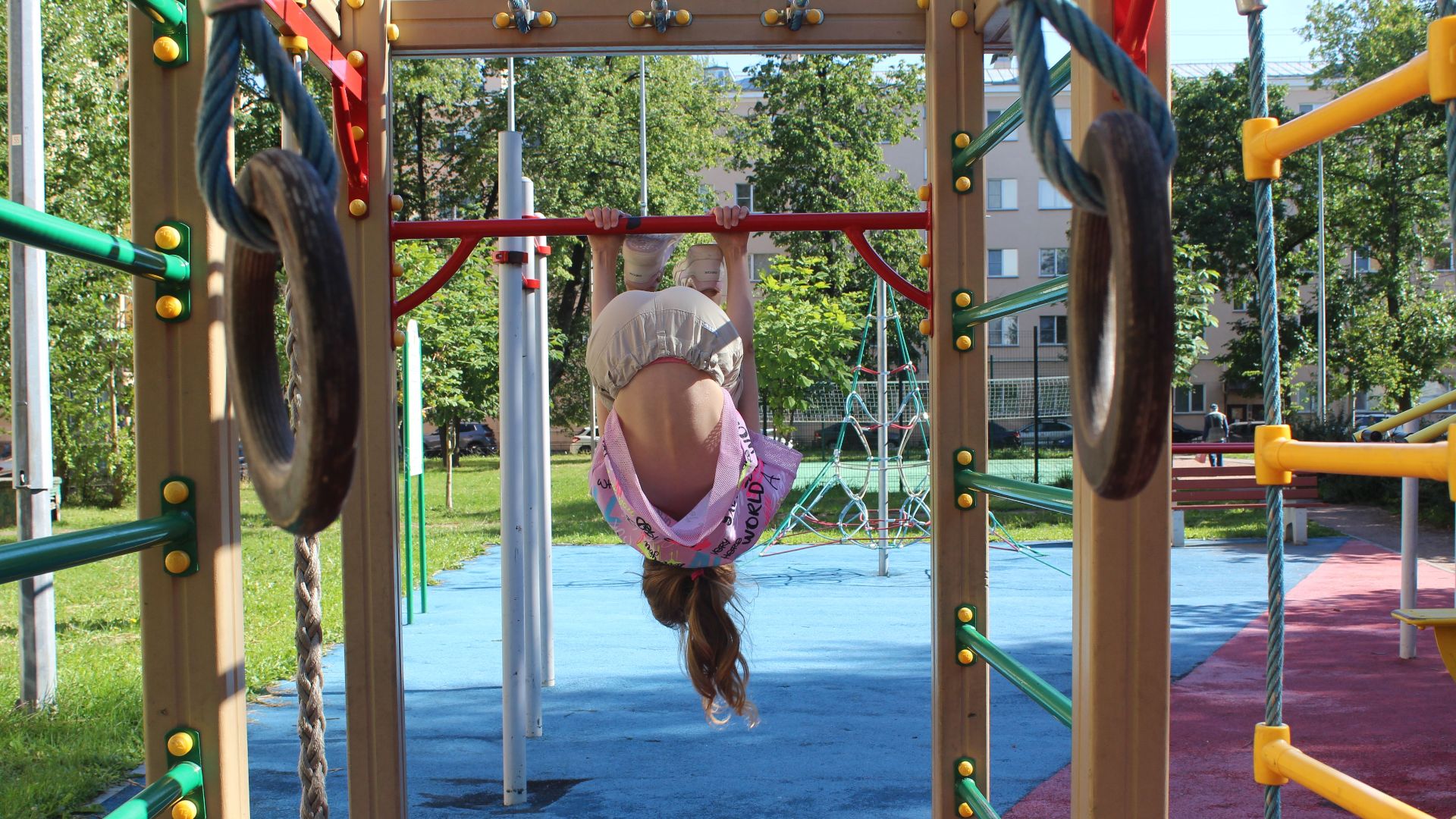
Swing-Set Trapeze Bars
Many backyard swing sets included a trapeze bar that encouraged aspiring circus performers to try their luck. Children would hang upside down, swing by their knees, or attempt daring dismounts. Landing gracefully was never guaranteed, particularly when the backyard performance involved absolutely no training or protective padding.
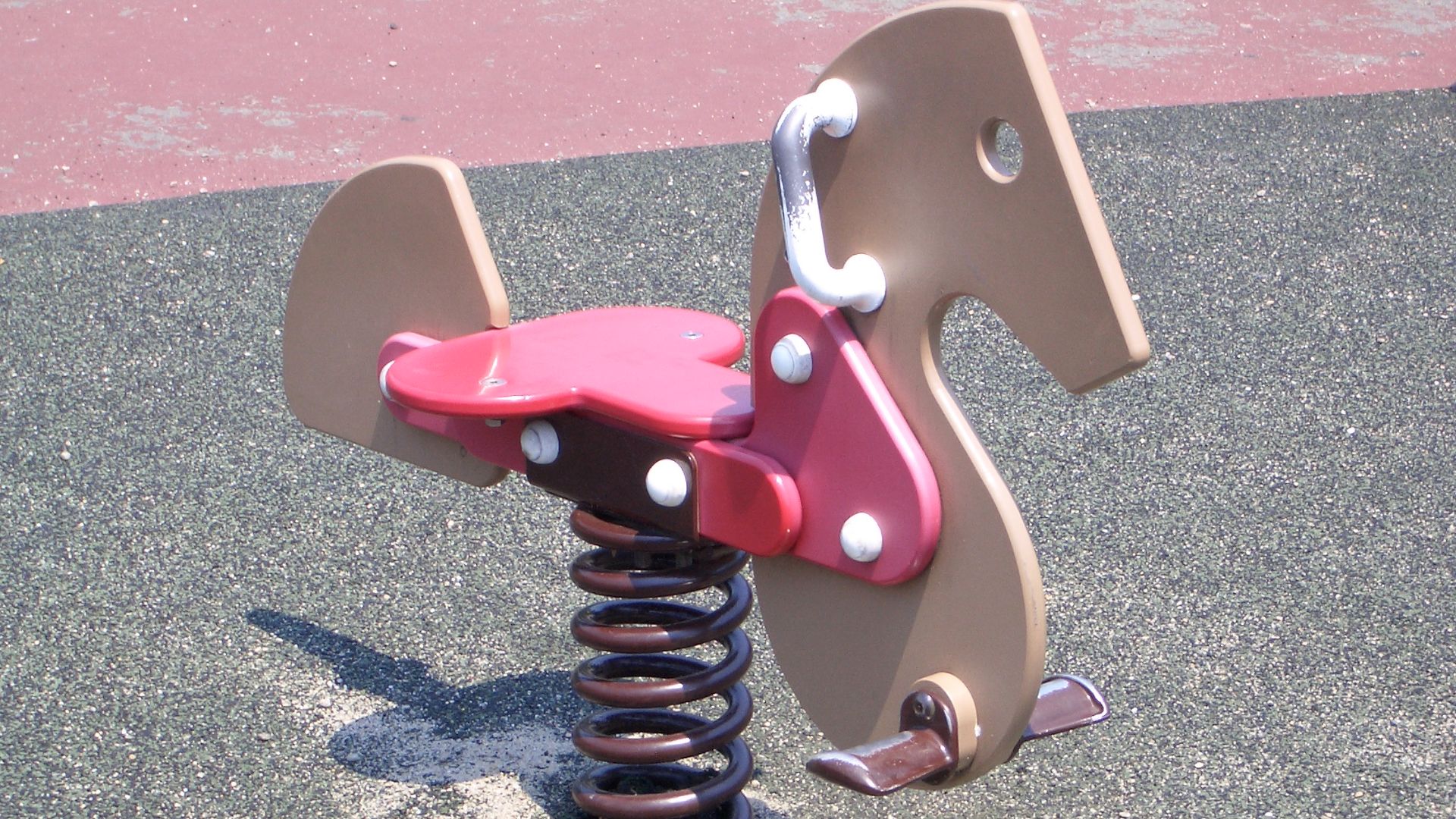
The Spring-Mounted Wonder Horse
For smaller children, the Wonder Horse was practically a backyard rodeo. These plastic horses bounced on large metal springs attached to a frame. The exposed springs could pinch little fingers, while particularly enthusiastic riders sometimes rocked harder than their parents appreciated. Still, what child didn't dream of owning a pony?
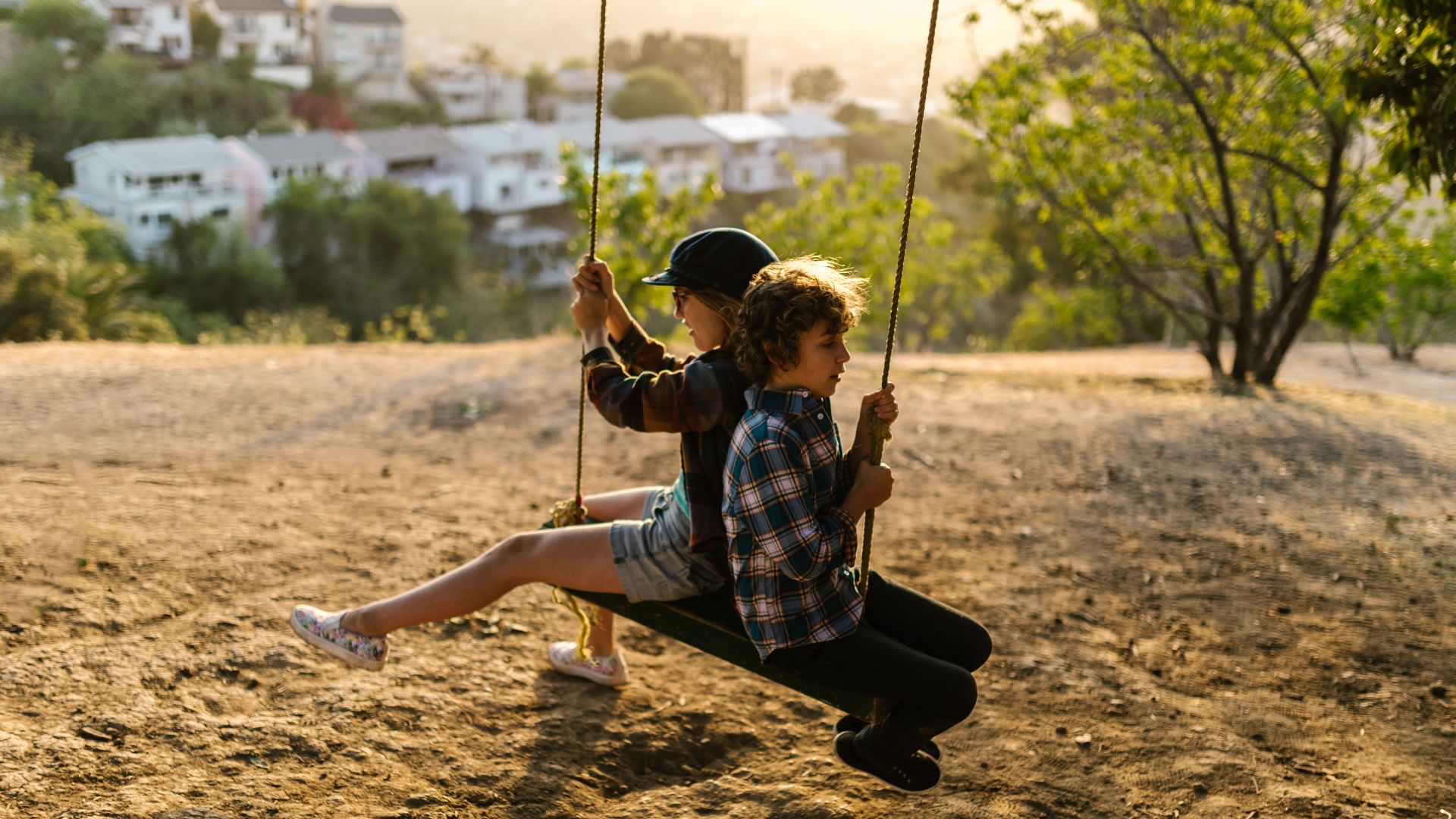
Rope Swings Hanging From Trees
A sturdy rope, an old wooden seat, and a convenient tree branch were all Dad needed to create a backyard attraction. Nobody worried much about engineering calculations. Unfortunately, ropes could fray, branches could break, and the landing area often contained roots, rocks, or whatever else happened to be underneath.
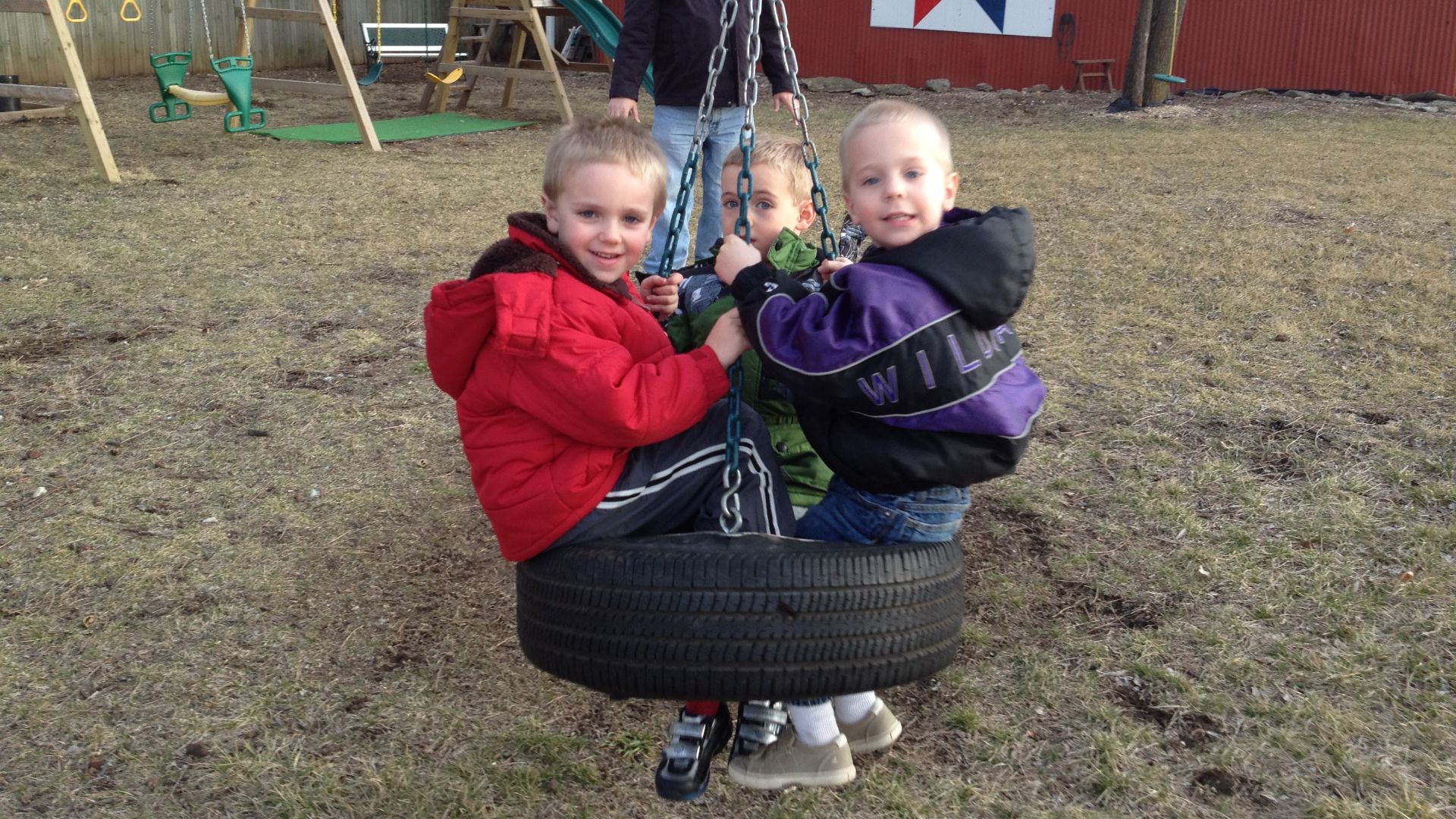
Tire Swings Made From Old Car Tires
Why buy an expensive swing when an old tire would do? These homemade favorites could spin, twist, and carry several children at once. Unfortunately, worn ropes, exposed tire wires, and unpredictable swinging patterns created real hazards. Of course, that never stopped kids from seeing who could spin the fastest.
 Paulmcdonald, Wikimedia Commons
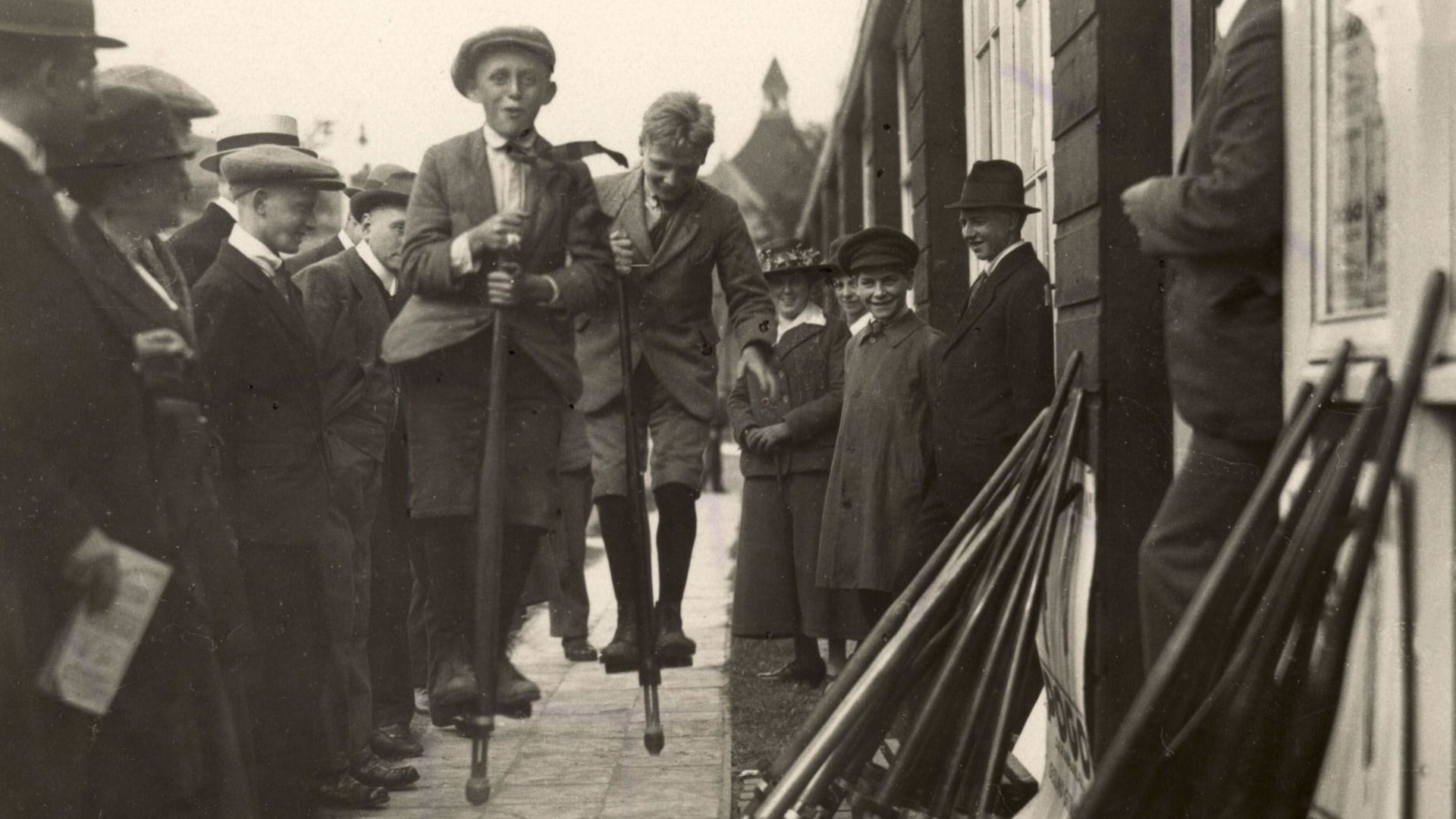
Pogo Sticks On The Driveway
Pogo sticks were simple enough: stand on two small footrests and bounce repeatedly using a powerful spring. Mastering one required impressive balance. Many children practiced on unforgiving driveways, where a sideways tumble meant meeting concrete. Helmets and protective equipment weren't always part of the afternoon's entertainment.
 Unknown authorUnknown author, Wikimedia Commons
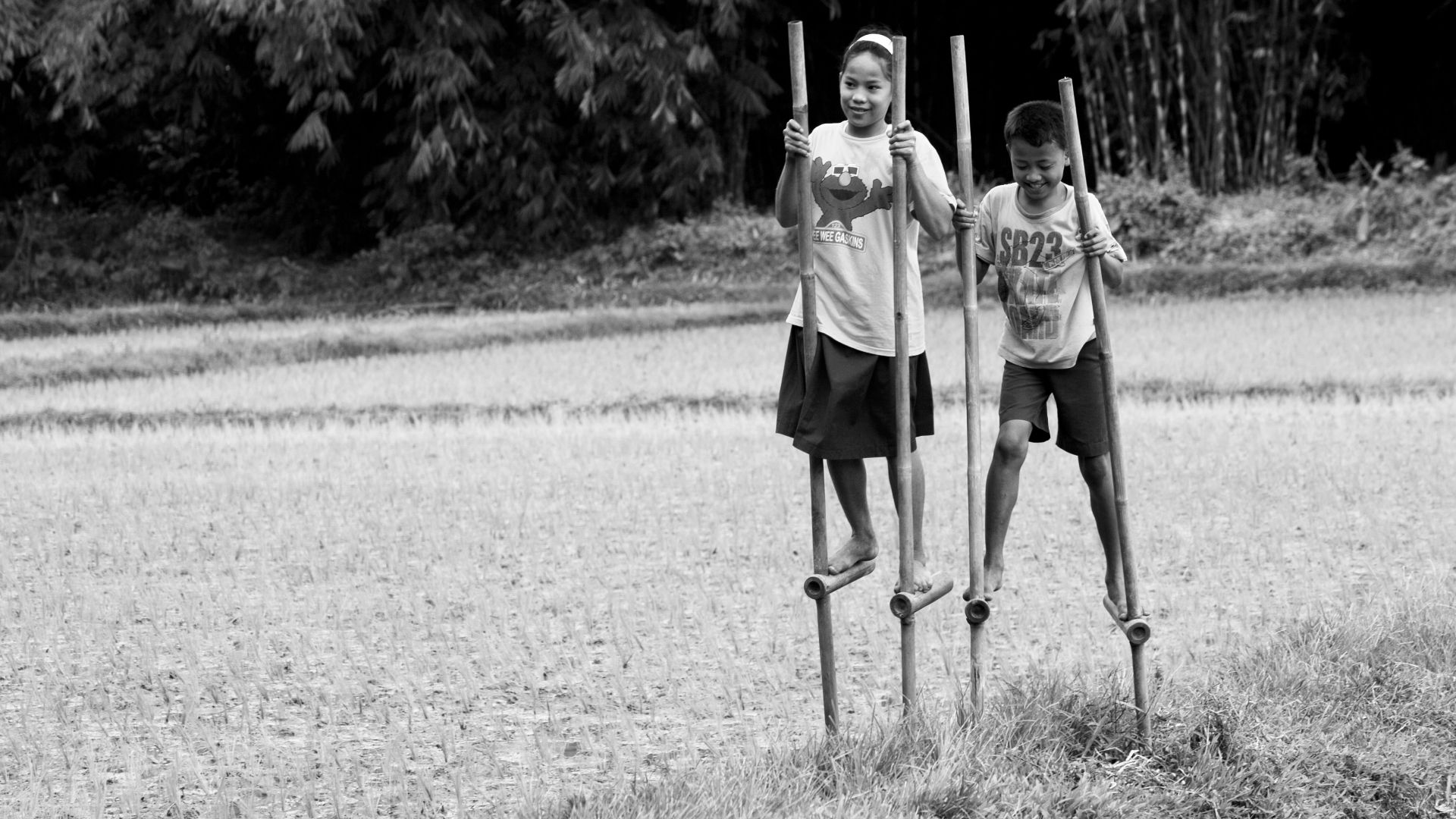
Wooden Walking Stilts
Before hoverboards and electric scooters, children challenged themselves by walking around on tall wooden stilts. Some were homemade using lumber and a couple of attached footrests. Falling was practically part of the learning process, especially when neighborhood competitions involved seeing who could walk the highest or fastest.
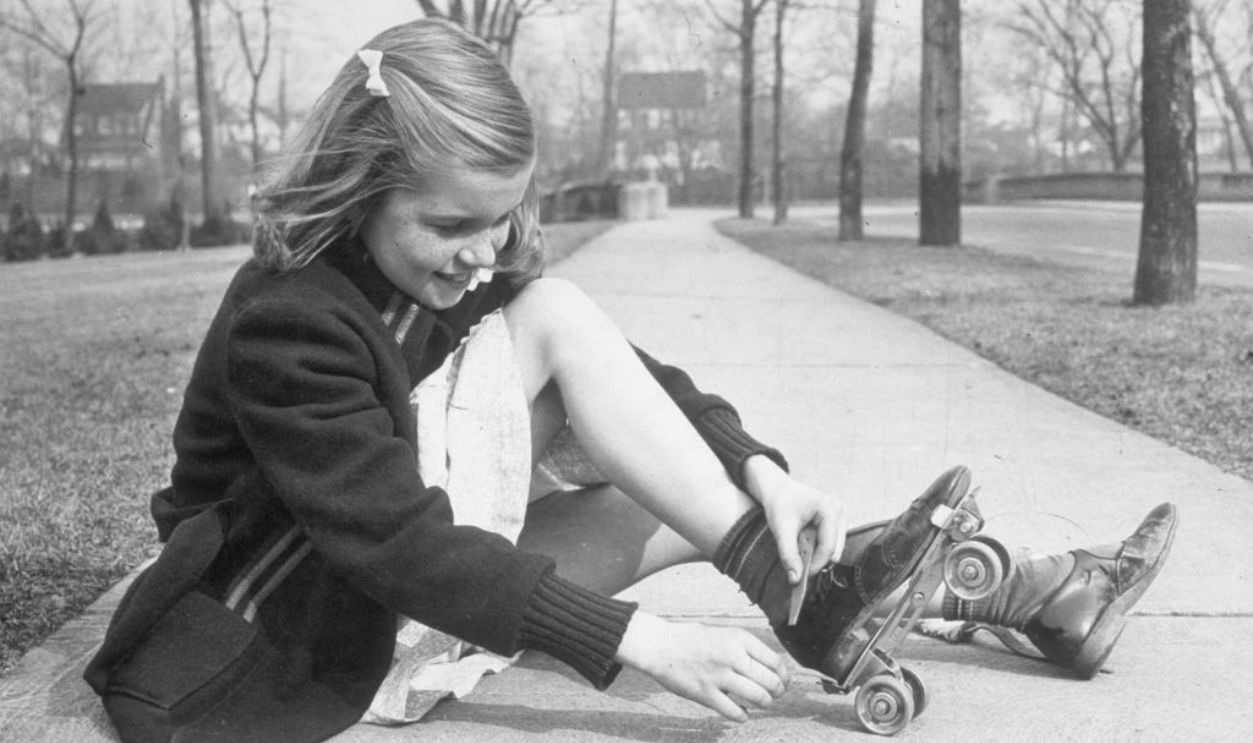
Clamp-On Metal Roller Skates
Remember those adjustable metal roller skates that fastened directly onto your shoes? They came with a little key for tightening them. Unfortunately, loose clamps, hard metal wheels, and uneven pavement were a terrible combination. Falling onto concrete was an everyday possibility, particularly when skating without protective equipment.
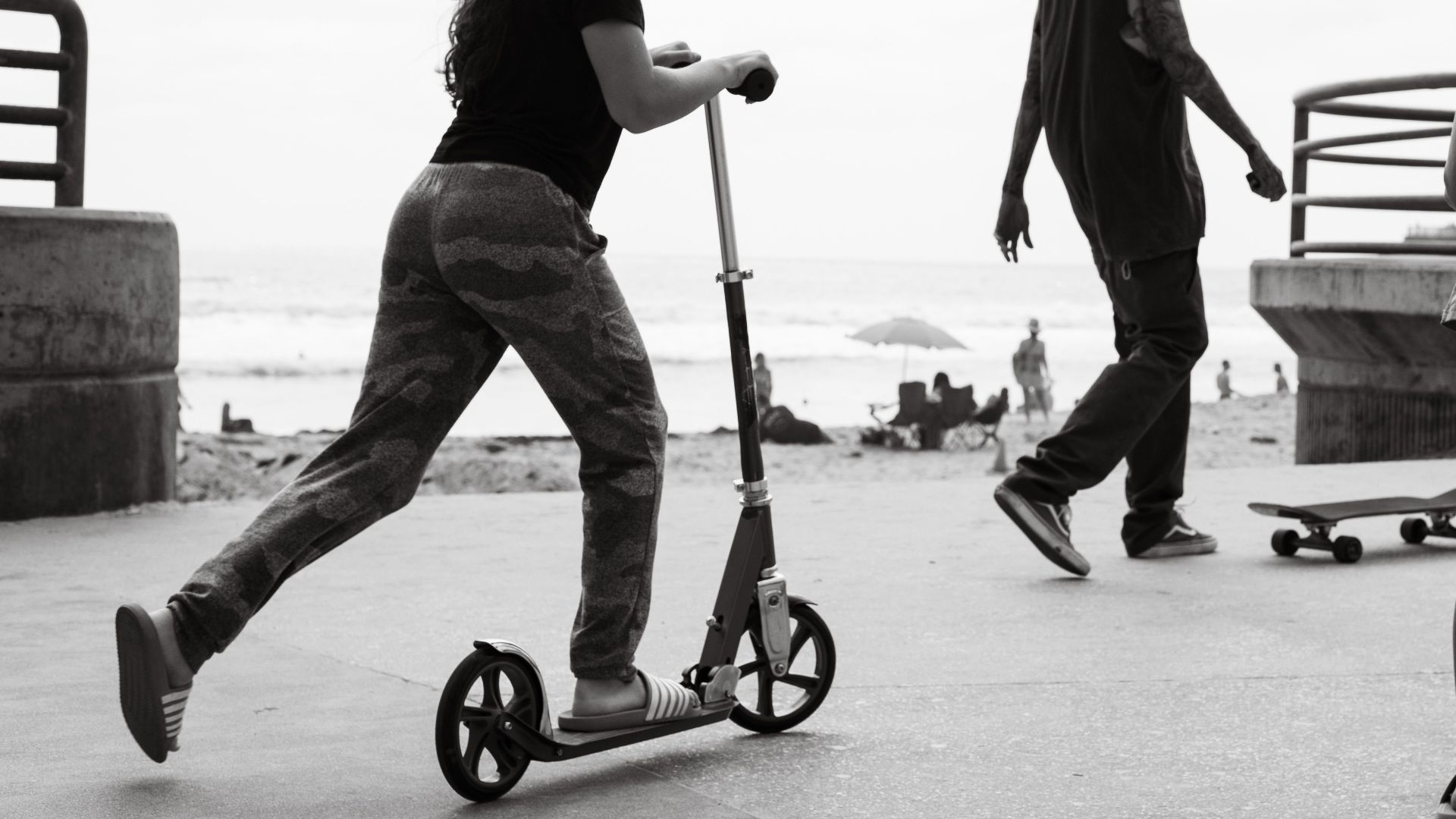
Heavy Steel Kick Scooters
Before lightweight aluminum scooters became fashionable, children sometimes rode sturdy steel versions with hard wheels and limited braking ability. They were terrific for racing down the sidewalk. Stopping suddenly, however, wasn't always easy. One unexpected crack in the pavement could send a rider flying over the handlebars.
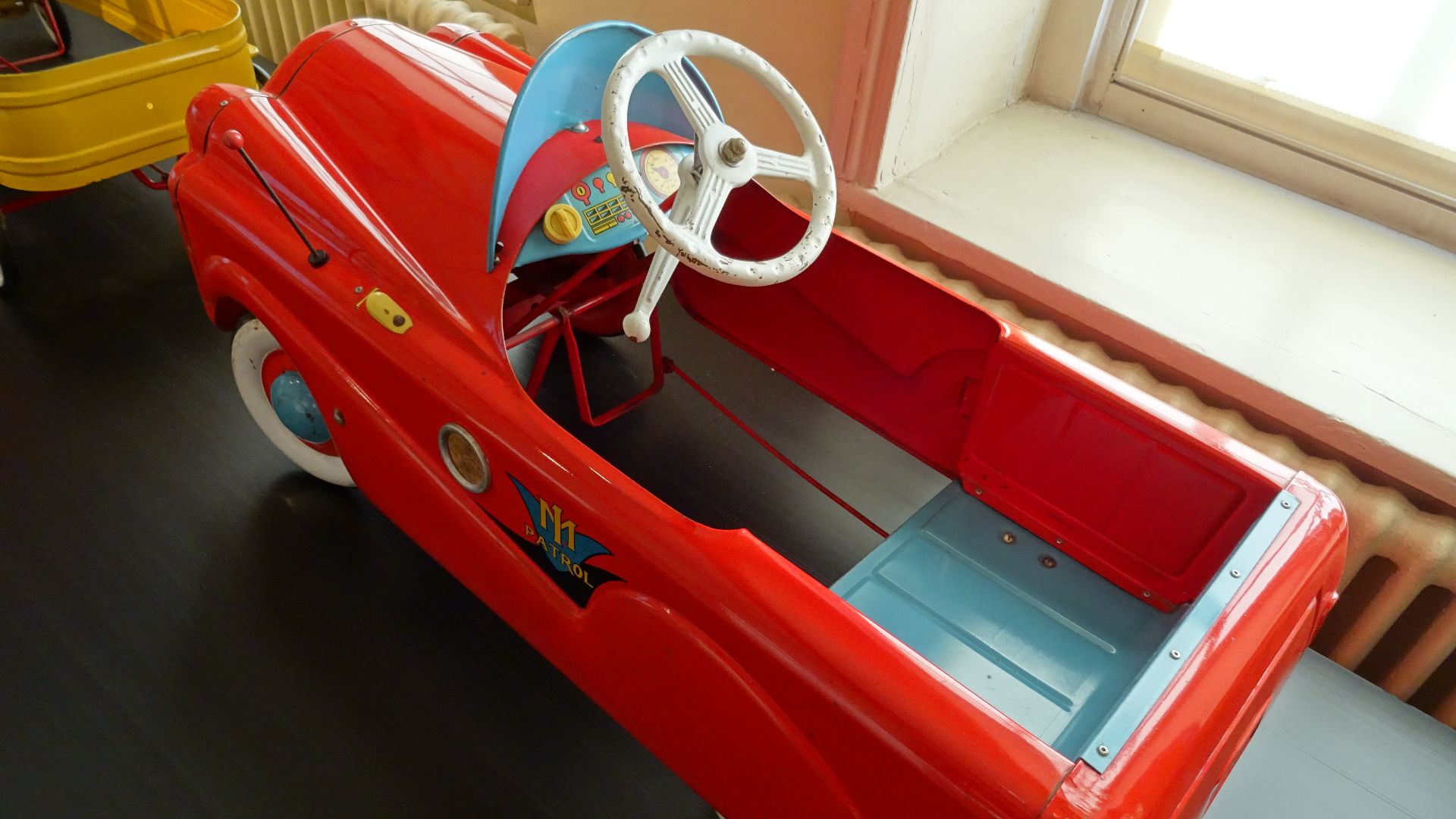
Metal Pedal Cars
Those gorgeous miniature automobiles looked just like the real thing, complete with painted steel bodies and working pedals. Children adored them. However, older designs could have sharp edges, exposed moving parts, and little protection during collisions. Naturally, every neighborhood had one kid who believed he was a professional racecar driver.
 JOHN K THORNE PHOTOGRAPHY (JOHN K THORNE FILMS) from NARNIA , Narnia, Wikimedia Commons
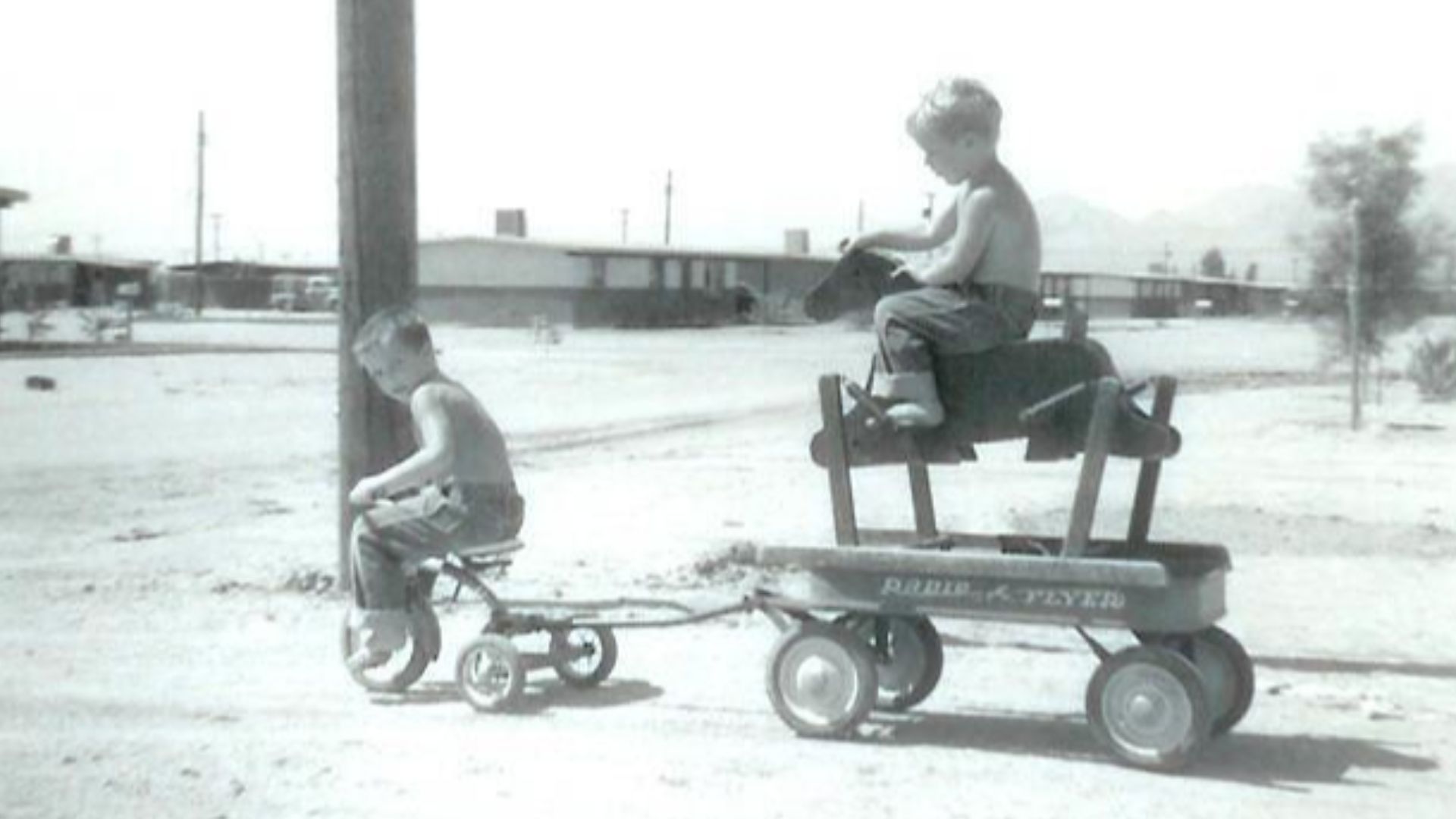
Radio Flyer Wagons On Steep Hills
The classic red wagon was a childhood treasure. Pulling your younger sibling around the yard was harmless enough, but riding downhill at full speed was another matter. With basic steering, no real brakes, and metal construction, those thrilling descents occasionally ended with children sprawled across the sidewalk.
 Polaroidbilly, Wikimedia Commons
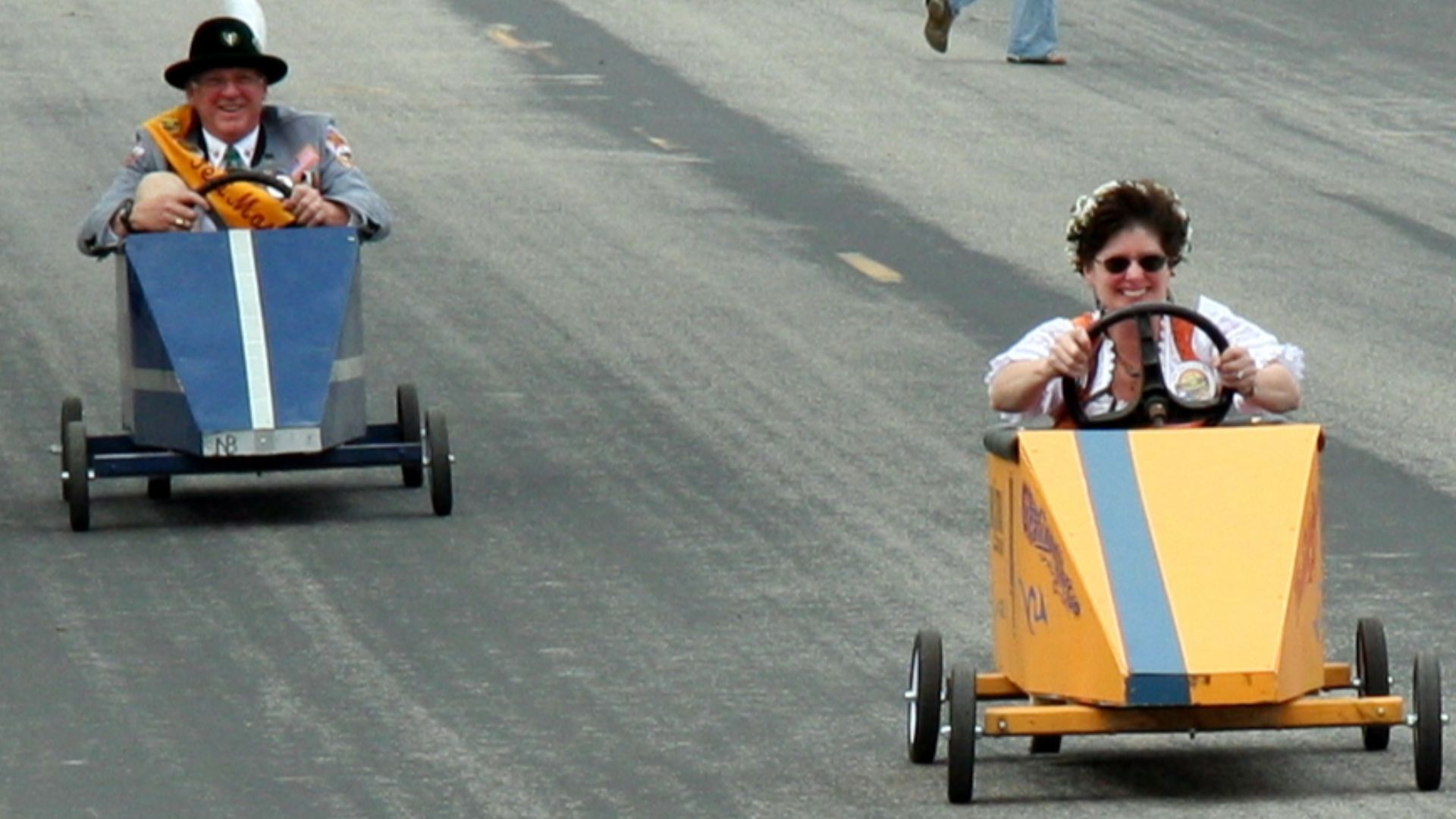
Homemade Soapbox Go-Karts
Long before battery-powered ride-on toys, ambitious fathers and children built homemade wooden go-karts. Some used discarded stroller wheels, scrap lumber, and rope steering systems. Brakes were often an afterthought. Racing downhill felt like competing at Indianapolis, although the safety features were considerably less impressive.
 Jonathunder, Wikimedia Commons
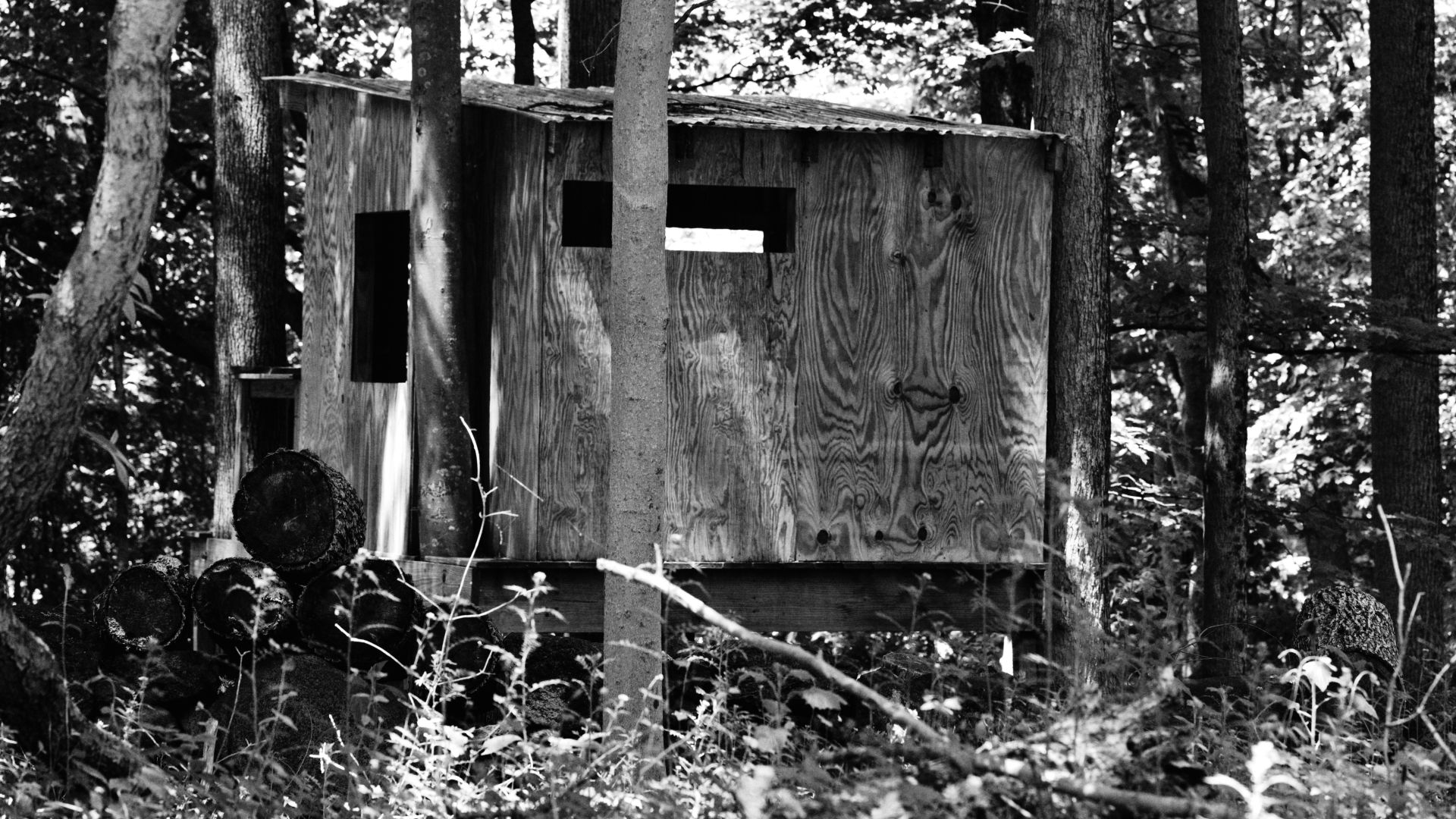
Backyard Treehouses Built By Dad
Few things were more exciting than having your own treehouse. Some were beautifully constructed, while others consisted of old boards nailed into a convenient tree. Railings were optional, ladders were questionable, and inspections rarely happened. The higher the treehouse, the greater the bragging rights among neighborhood children.
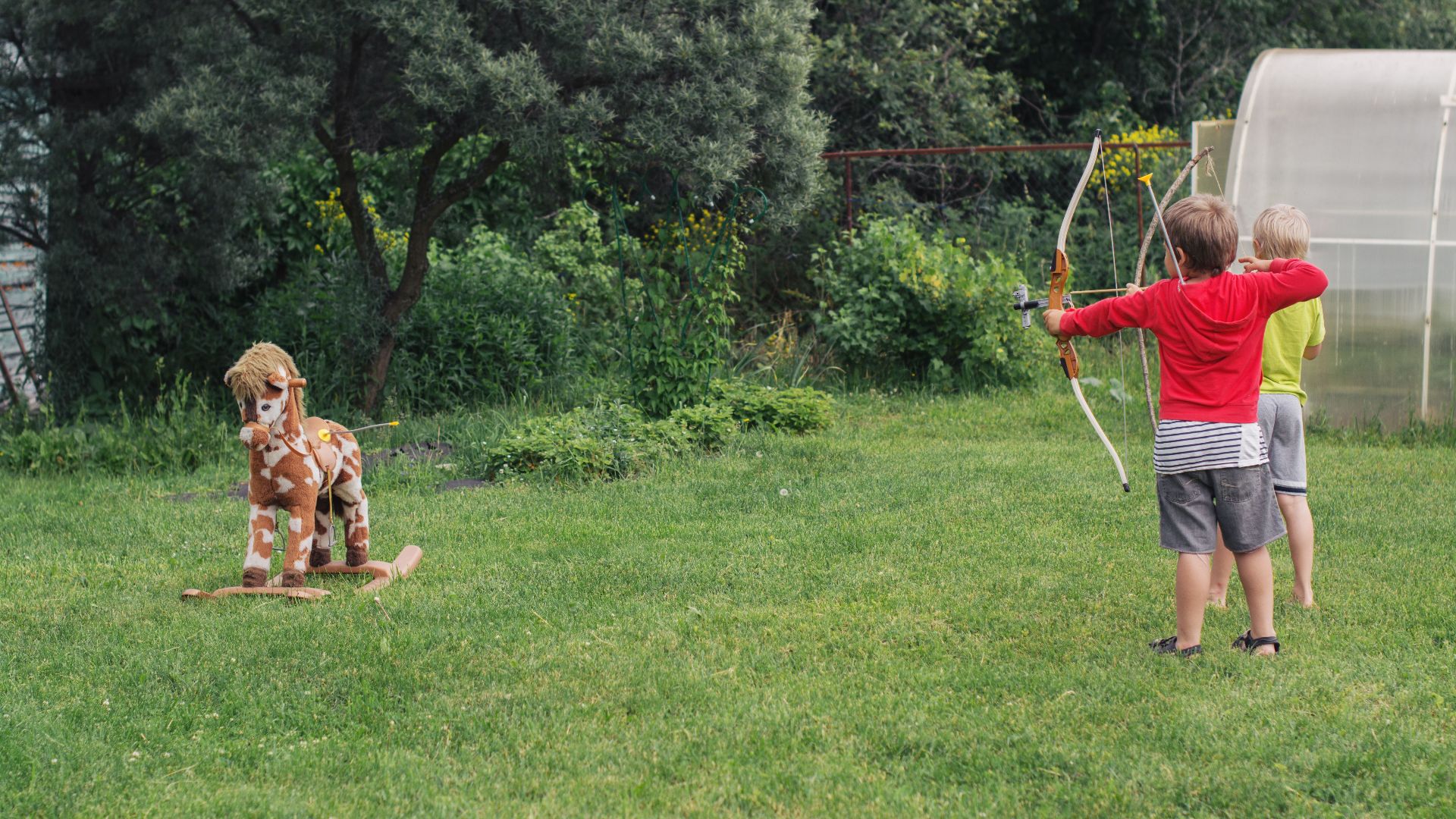
Toy Archery Sets With Real Arrows
Backyard archery was popular with children pretending to be Robin Hood or their favorite Western hero. Some sets used relatively rigid arrows and pointed tips rather than today's softer children's alternatives. A poorly aimed shot could create a genuine emergency, especially when neighborhood friends wandered into the imaginary battlefield.
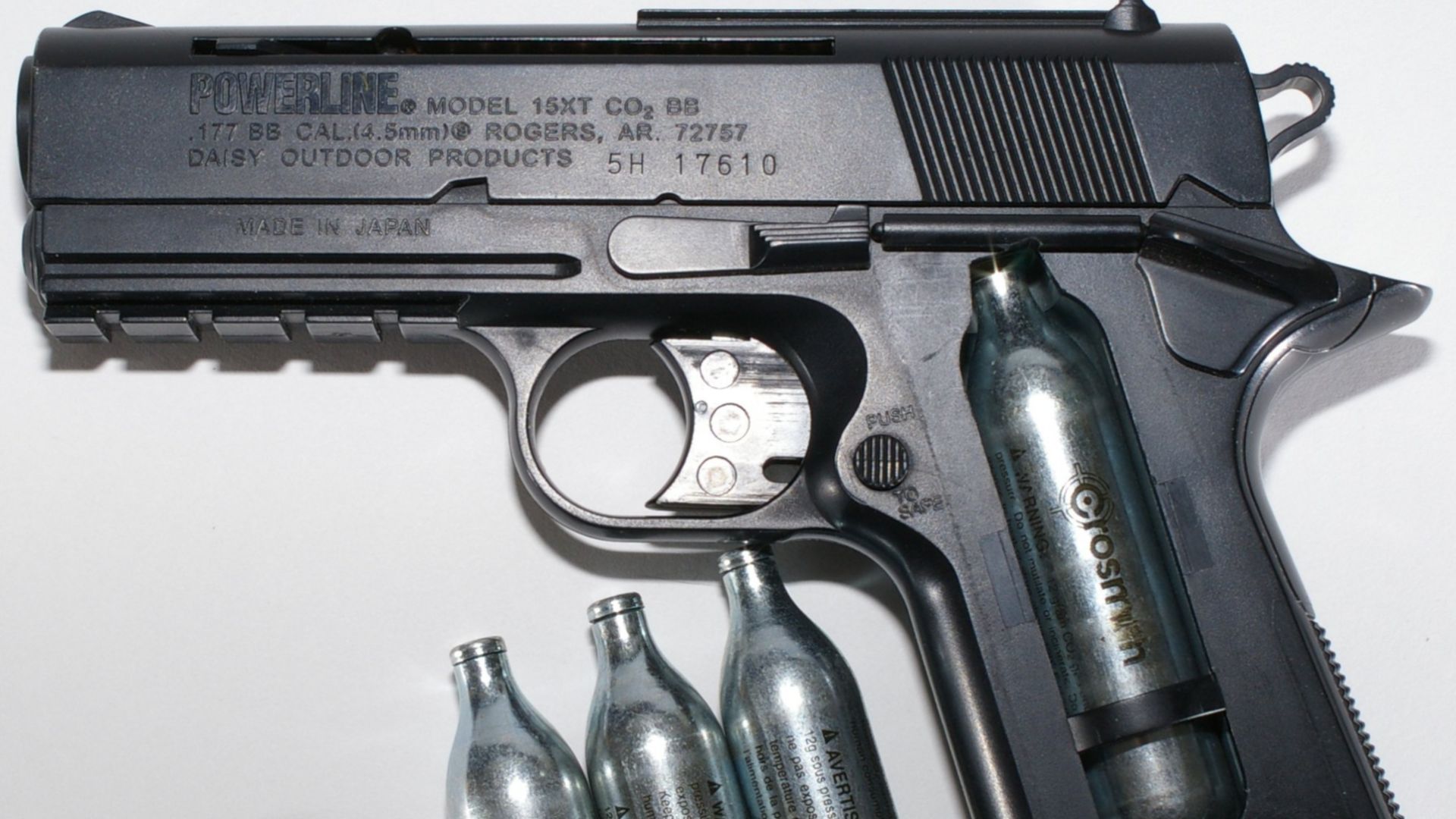
BB Guns That Were Treated Like Toys
For many youngsters, receiving a Daisy BB gun felt like a major step toward adulthood. Unfortunately, these weren't harmless toys. BBs could penetrate skin and cause permanent eye injuries. Proper training and adult supervision were essential, although not every neighborhood treated these air guns with the seriousness they deserved.
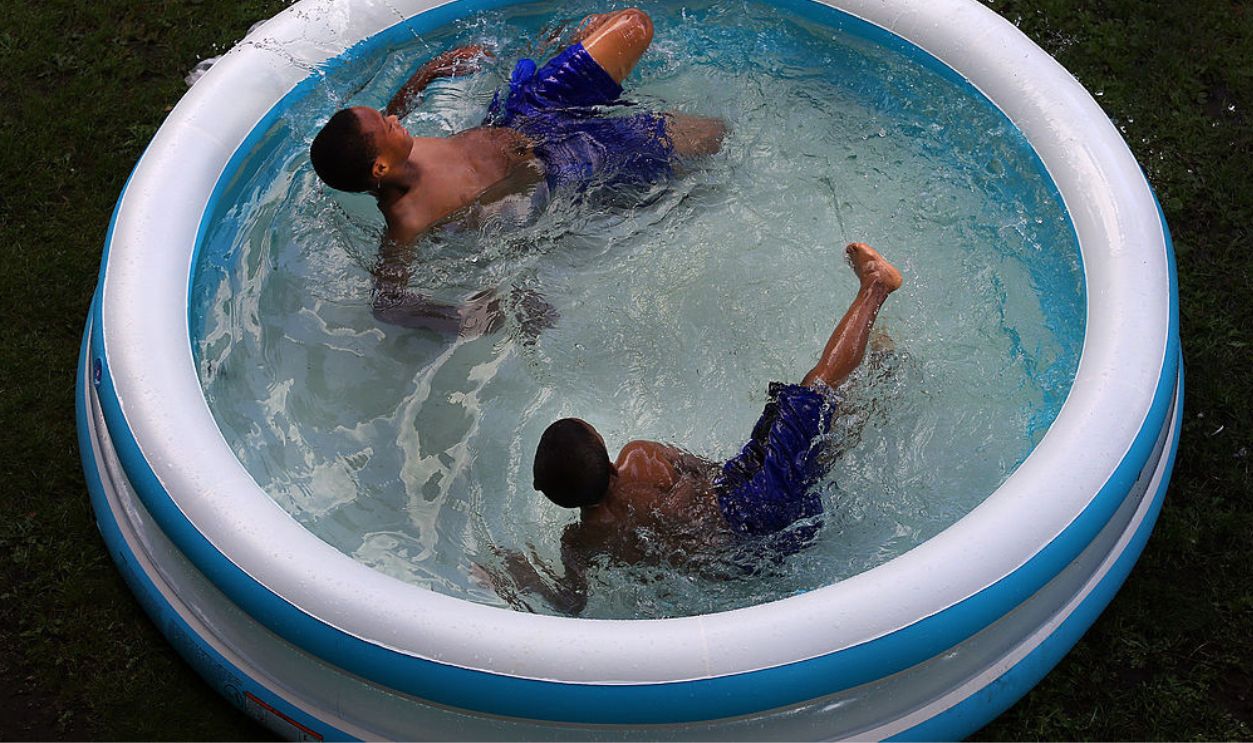
Plastic Wading Pools Left In The Yard
A shallow plastic wading pool was practically a summer requirement for families with younger children. Kids splashed around while Mom tended the garden. What many parents didn't fully appreciate was that even shallow water could be dangerous for toddlers. Today, close supervision and emptying small pools after use are strongly emphasized.
We Survived The Backyard—But Would Today's Kids?
Looking back, it's remarkable how much entertainment came from a few pieces of metal, some rope, and a little imagination. Not every old toy was dangerous, but safety standards have certainly changed. Still, for Baby Boomers, those long summer afternoons created unforgettable memories. How many of these backyard favorites did you own?
You May Also Like:
The Disturbing History Of Foods That Were Once Considered Delicacies
Ancient Engineering Tricks That Solved Problems Modern Cities Still Have