When Humans Decided Falling Wasn’t Dramatic Enough
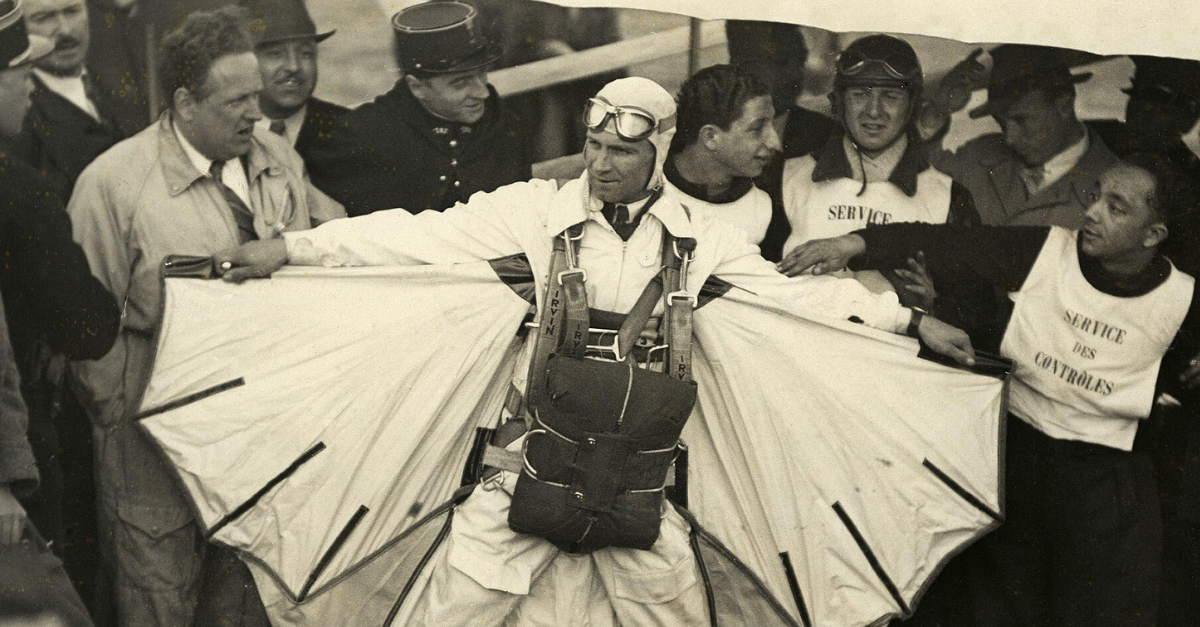
Wingsuit flying is basically what happens when skydivers look at freefall and think, “Great, but what if I could steer across the sky like a flying squirrel?” Athletes wear special suits with fabric wings between the arms and legs, which help create lift after they jump from an aircraft. It is still gravity doing most of the talking, but the suit lets pilots glide, turn, and stretch the flight into something that looks almost unreal.
There Are Actual Rules For This
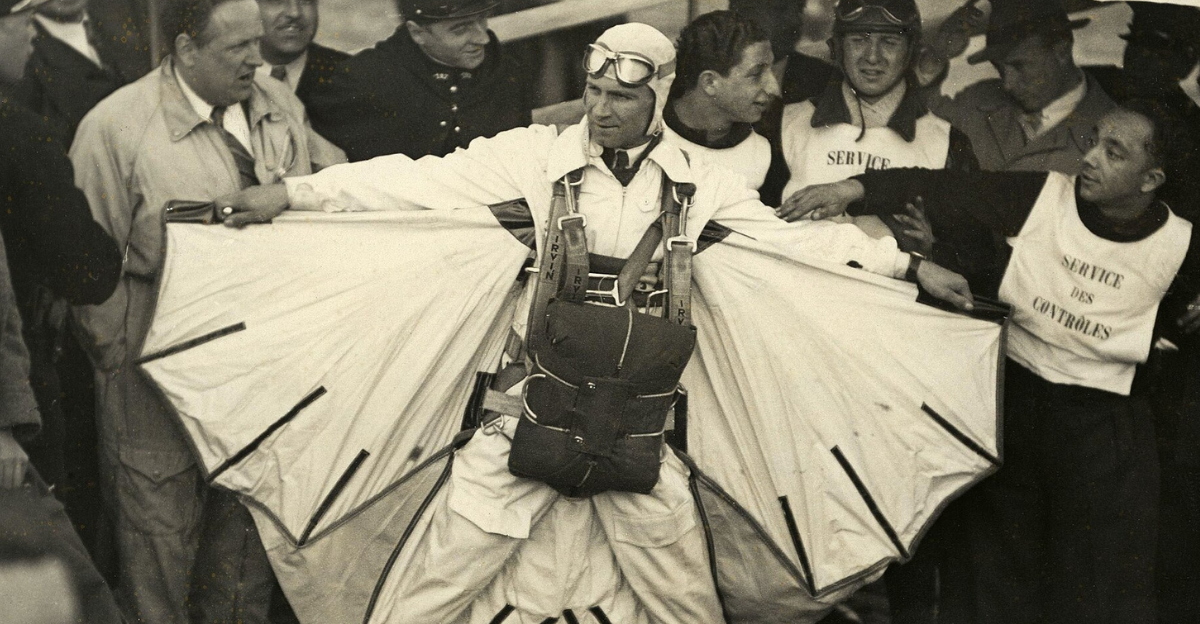
As wild as wingsuit competition looks, it is not just a bunch of people jumping out of planes and hoping for applause. The sport is governed by the Fédération Aéronautique Internationale, better known as the FAI, which oversees air sports around the world. That means official rules, scoring systems, competition standards, and championship formats are all part of the deal.
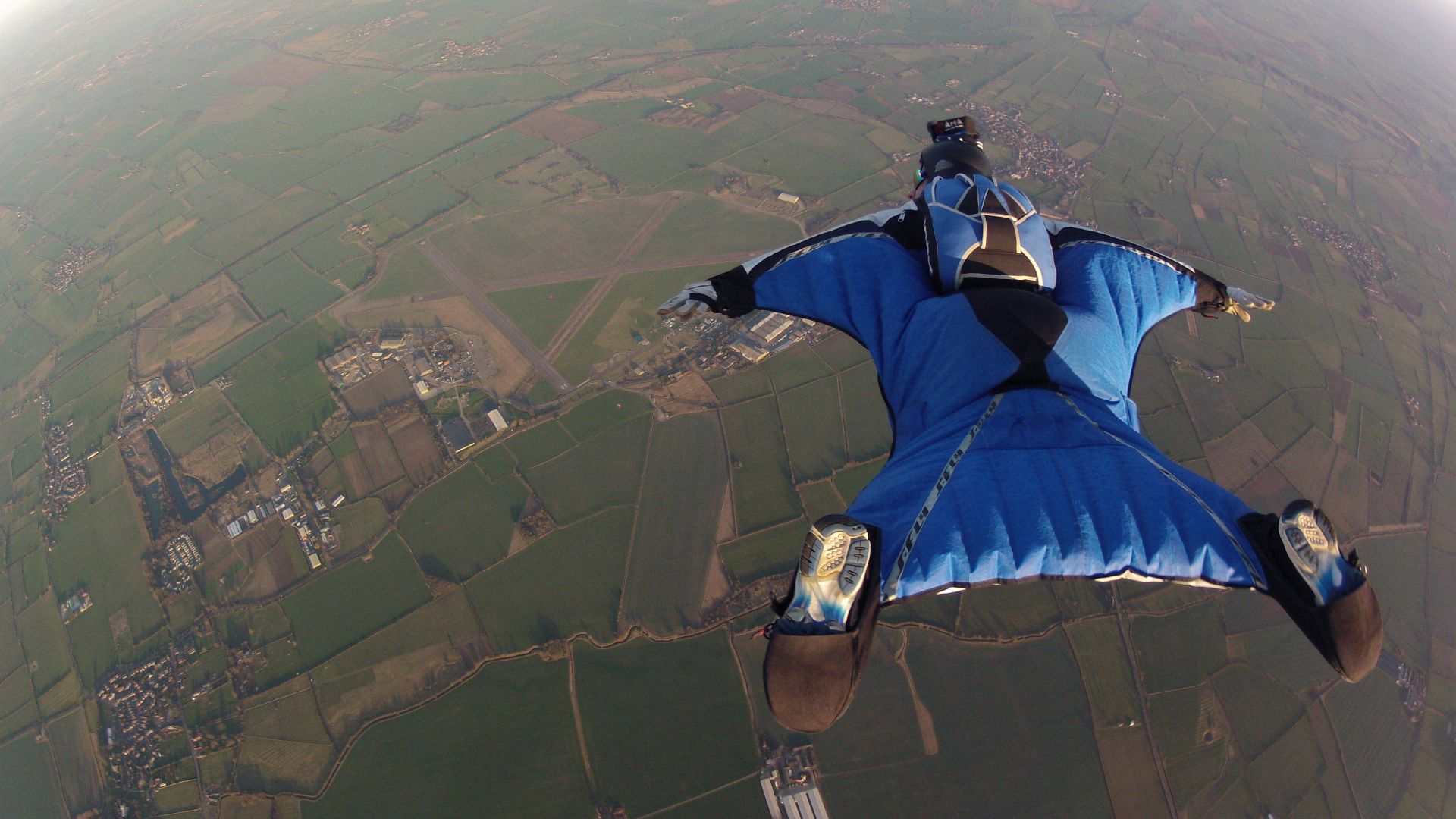 Wingsuiting, Wikimedia Commons
It Is Not Just A Race To The Ground
A lot of people assume wingsuit competition is all about who goes fastest. That is only part of it. Competitive wingsuit flying can measure speed, distance, and time, which means athletes need more than nerve and a cool-looking suit. They need control, planning, and a very good sense of what their body is doing in the air.
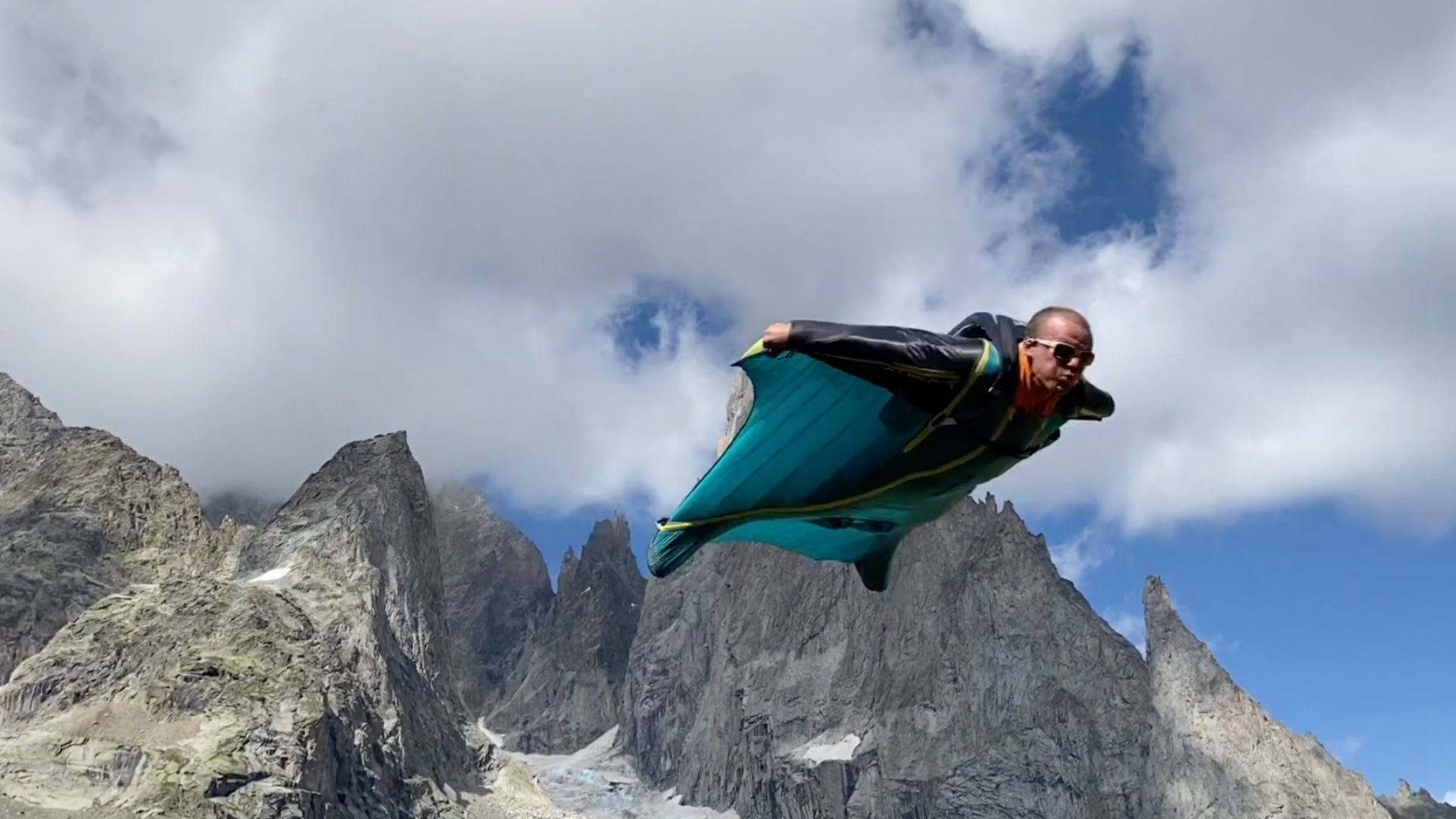 Marc Brunet, Wikimedia Commons
Speed Events Are Exactly As Intense As They Sound
In speed events, pilots try to record the fastest average speed through a set part of the flight. It sounds simple until you remember they are doing this while falling through the sky in a fabric-winged suit. Body position matters constantly, and even a small shift can help or hurt the final result.
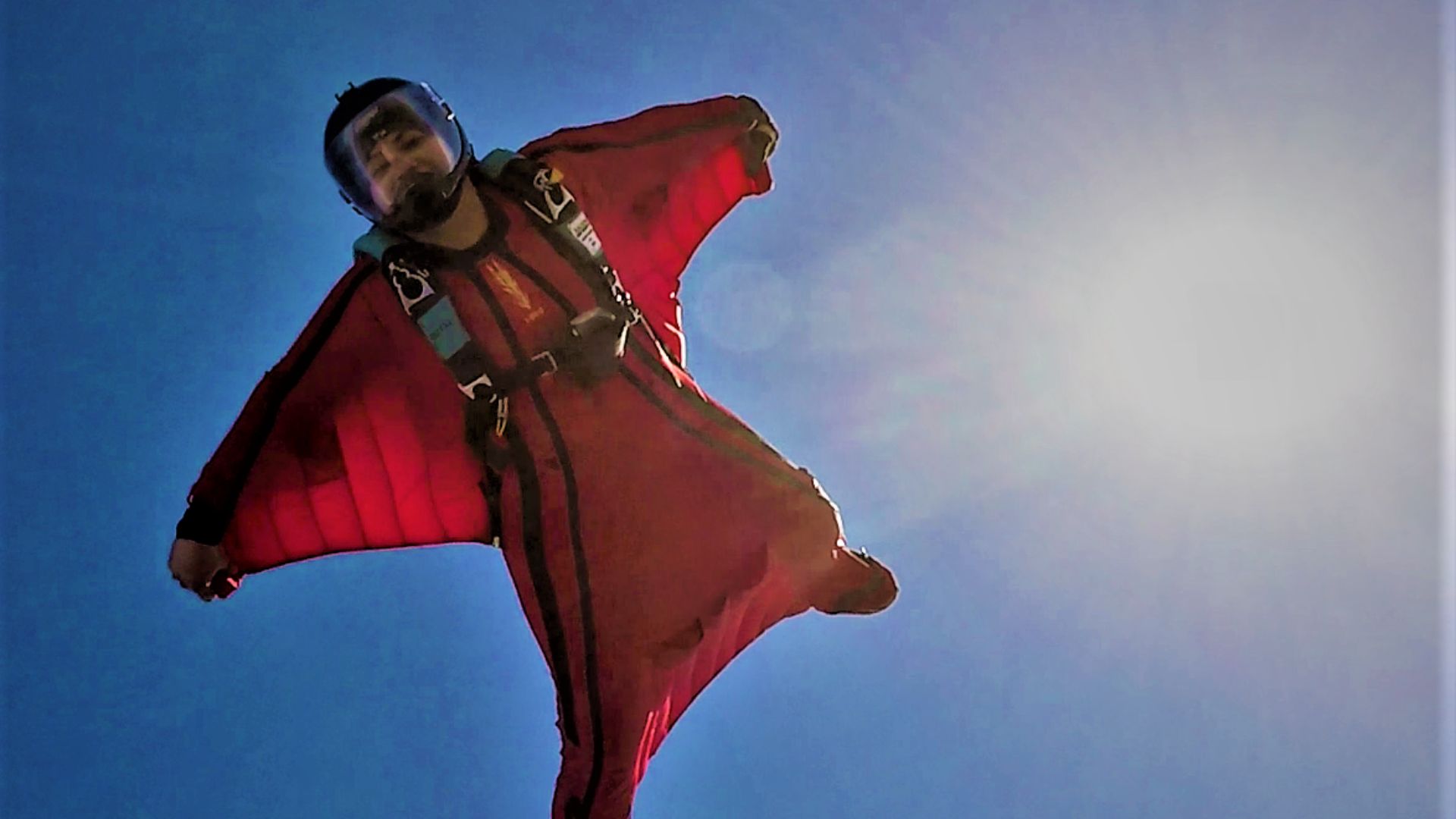 Princi19skydiver, Wikimedia Commons
Distance Events Are About Going Far
Distance competitions measure how much horizontal ground a pilot can cover before opening their parachute. The goal is not just to fall slower. It is to glide as efficiently as possible while staying stable and controlled. A great distance flight can look calm from the outside, but inside the suit, every tiny movement matters.
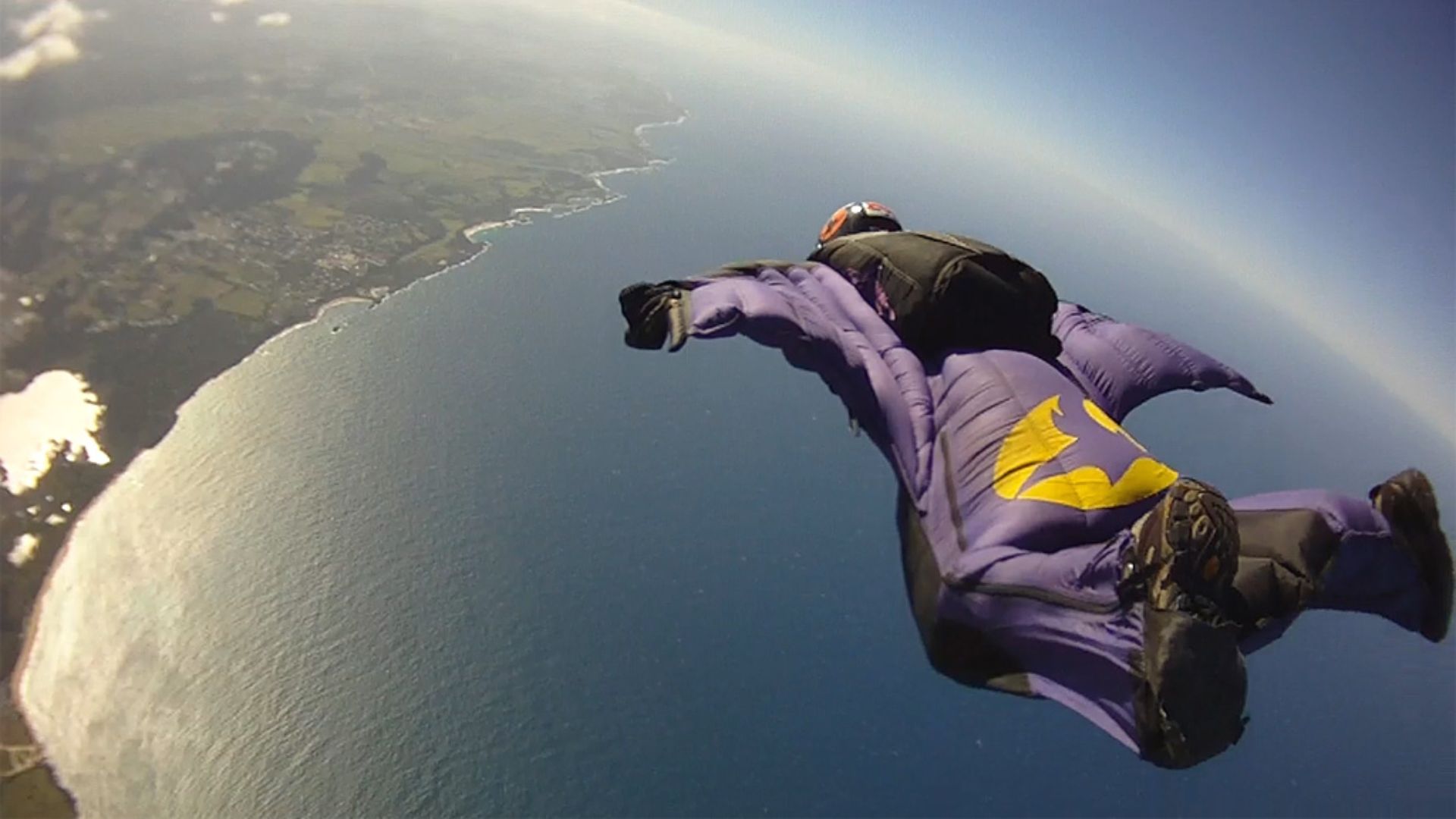 Richard Schneider from Los Angeles, Wikimedia Commons
Time Events Reward Staying Up There
Time events are about staying in flight for as long as possible during the scoring window. Since wingsuits do not have engines, pilots rely on glide efficiency, body position, and suit performance. A few extra seconds can make a major difference, so this category rewards patience as much as boldness.
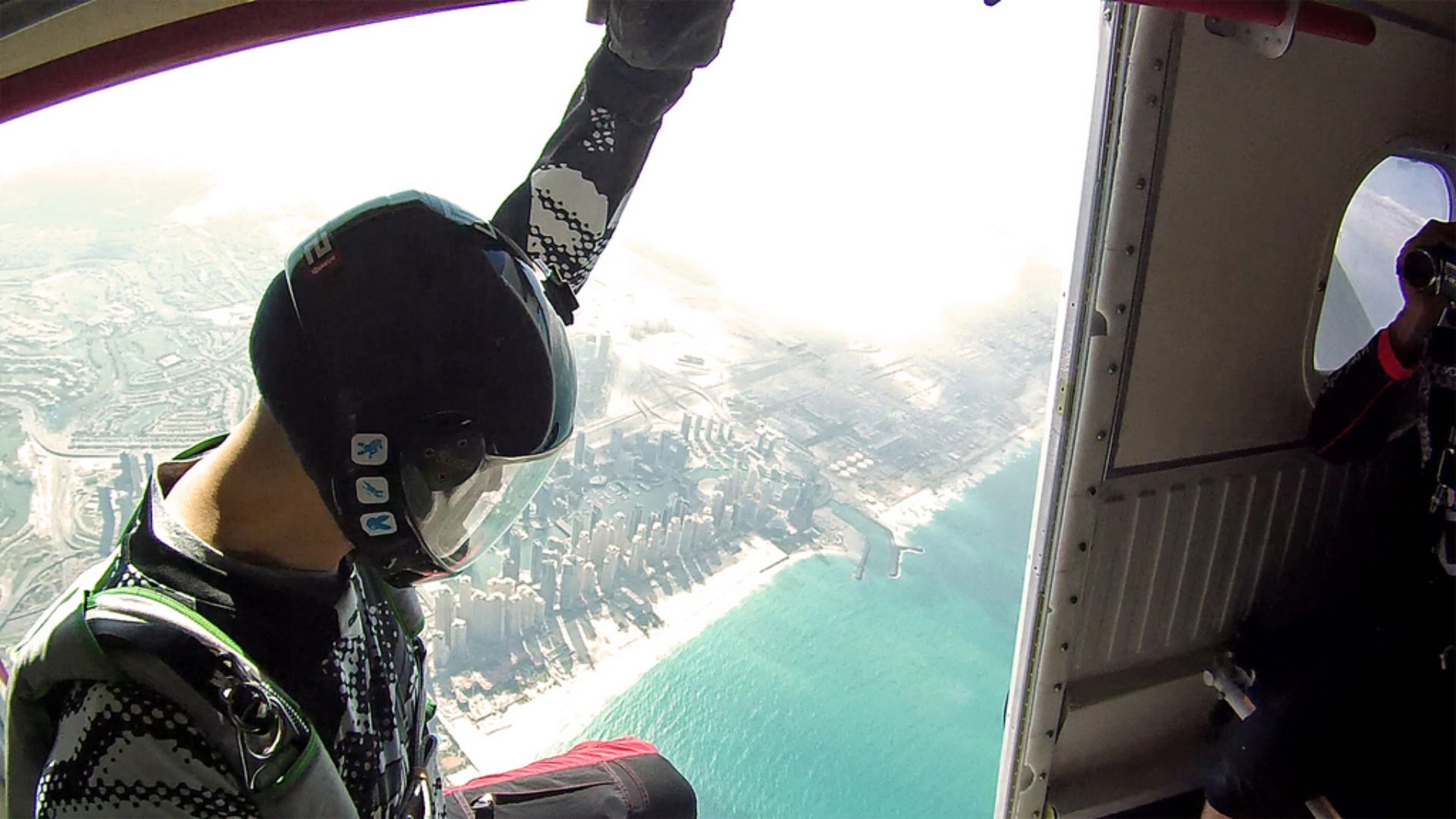 Richard Schneider from Los Angeles, Wikimedia Commons
GPS Made The Sport Much Easier To Judge
Modern wingsuit competitions depend heavily on GPS tracking. Devices record a pilot’s flight path in three dimensions, which lets judges measure speed, time, and distance with much more accuracy. Without that technology, scoring would be far harder and a lot less consistent.
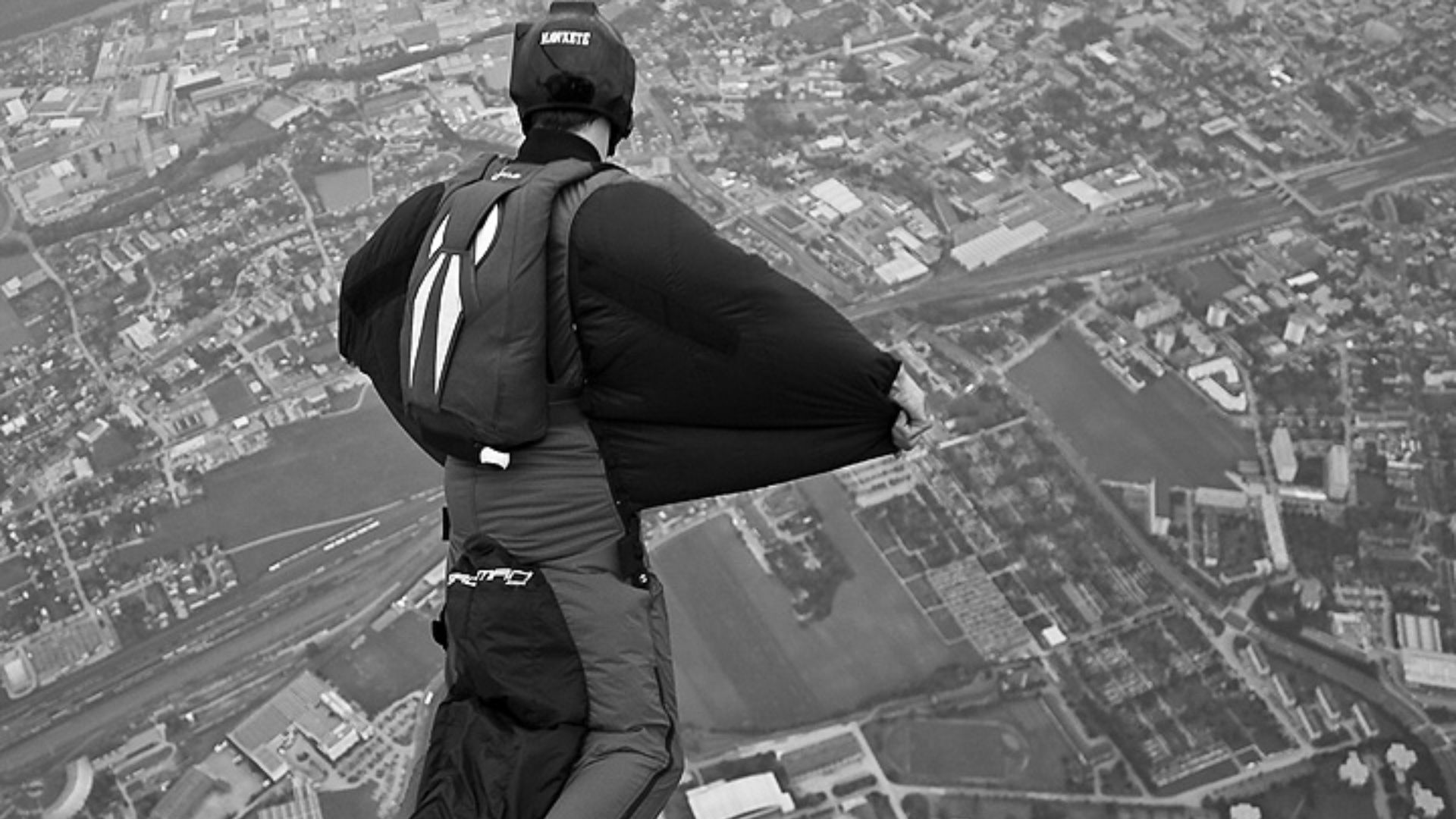 Thomas Kremshuber., Wikimedia Commons
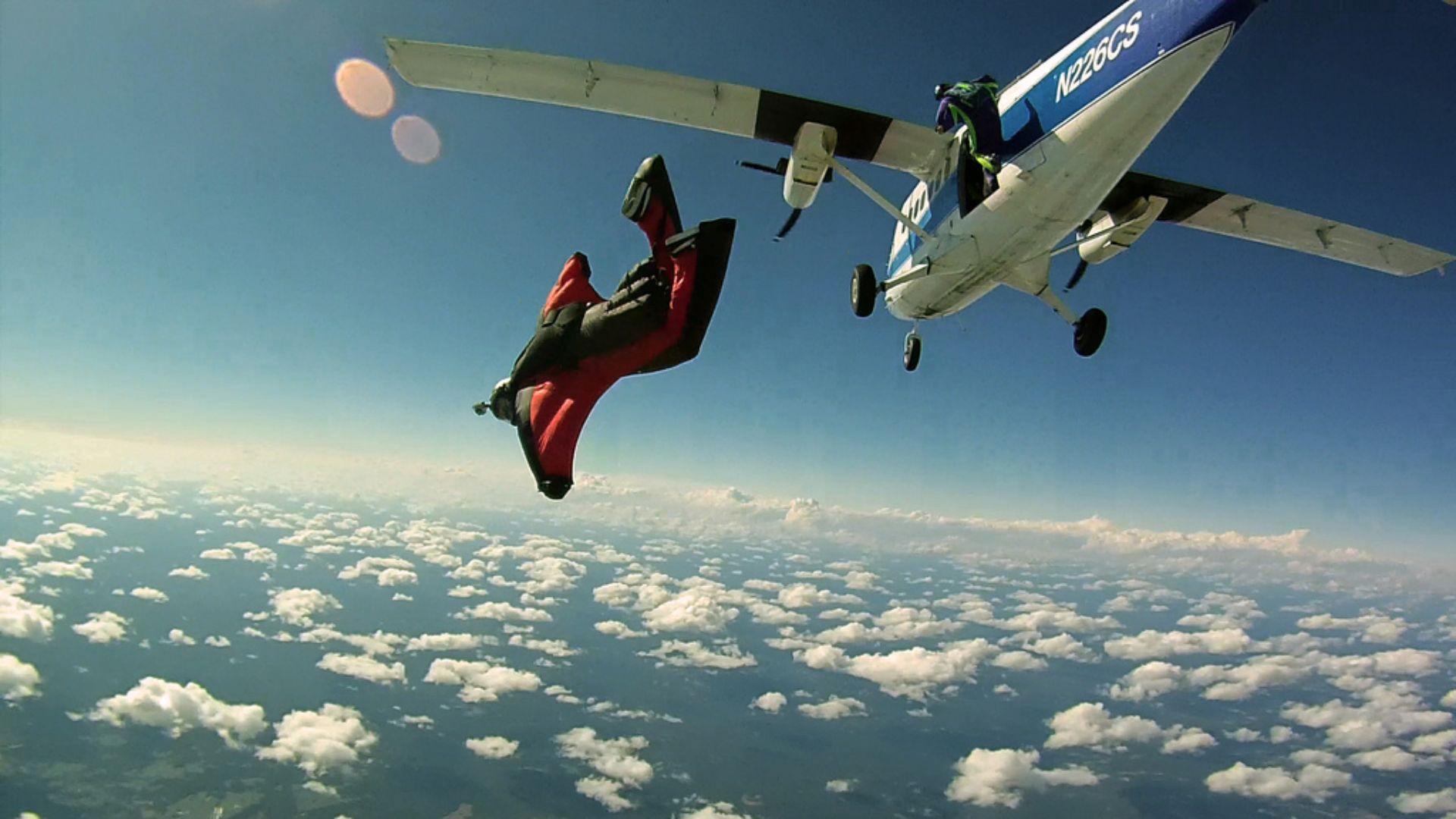
Paralog Helped Shape The Modern Format
The Paralog Performance Competition system became a major part of how wingsuit performance events developed. Its format helped standardize the way pilots could submit and compare flight data. That was a big step for turning wingsuit flying from a niche daredevil pursuit into a more structured competitive sport.
 Richard Schneider from Los Angeles, Wikimedia Commons
World Championships Made It Official
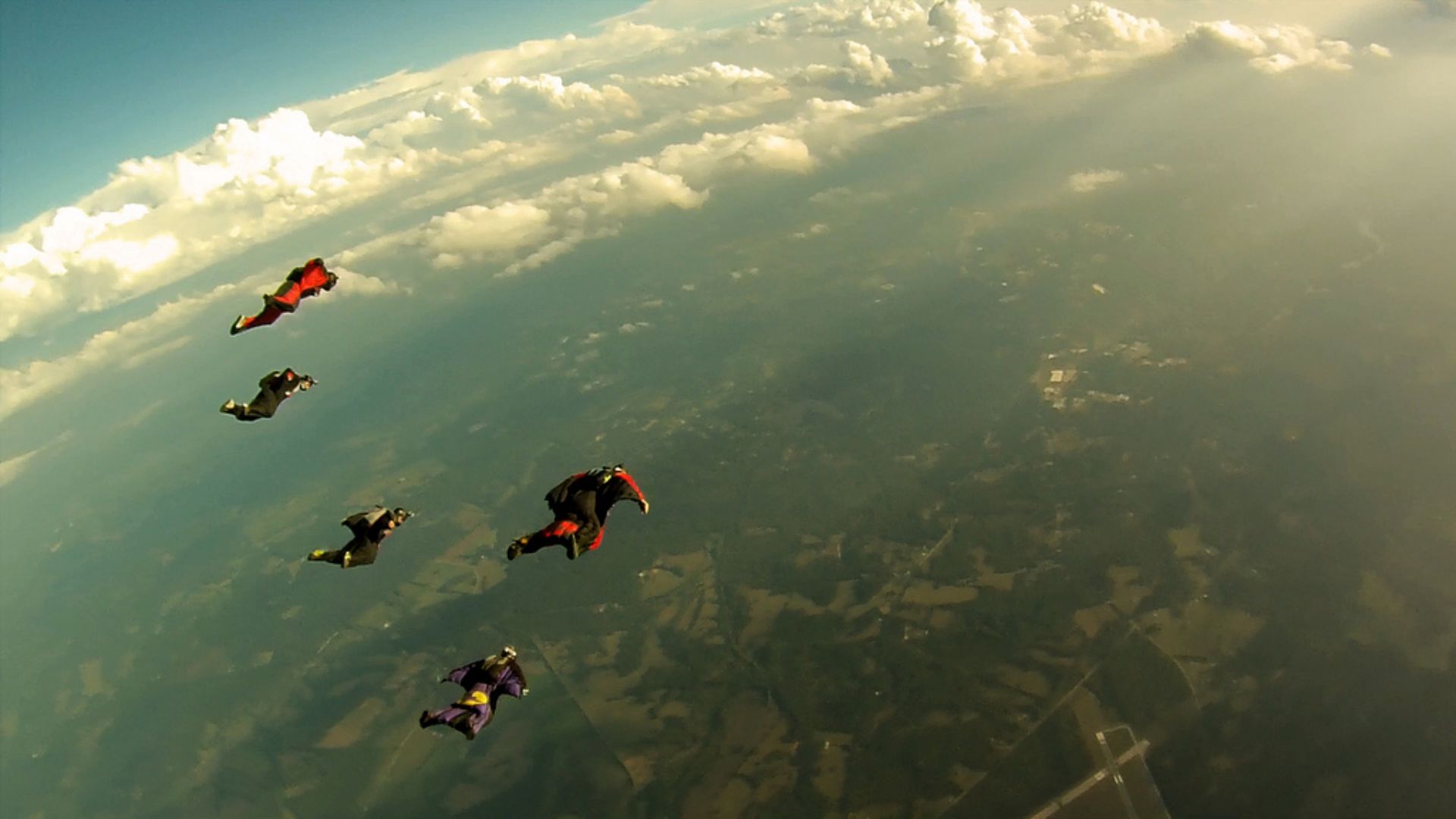
The first FAI World Wingsuit Flying Championships were held in 2016 in Zephyrhills, Florida. That gave the sport a proper international championship stage. It also proved that wingsuit competition was not just a sideshow for extreme sports fans, but a real discipline with elite-level athletes.
 Richard Schneider from Los Angeles, Wikimedia Commons

History's most fascinating stories and darkest secrets, delivered to your inbox daily.
Competitors Come From All Over
Wingsuit competitions now attract athletes from many parts of the world. Flyers from North America, Europe, Asia, Australia, and beyond have competed in major events. As training, equipment, and competition formats have improved, the sport has become more global.

Acrobatic Wingsuit Flying Is A Whole Different Beast
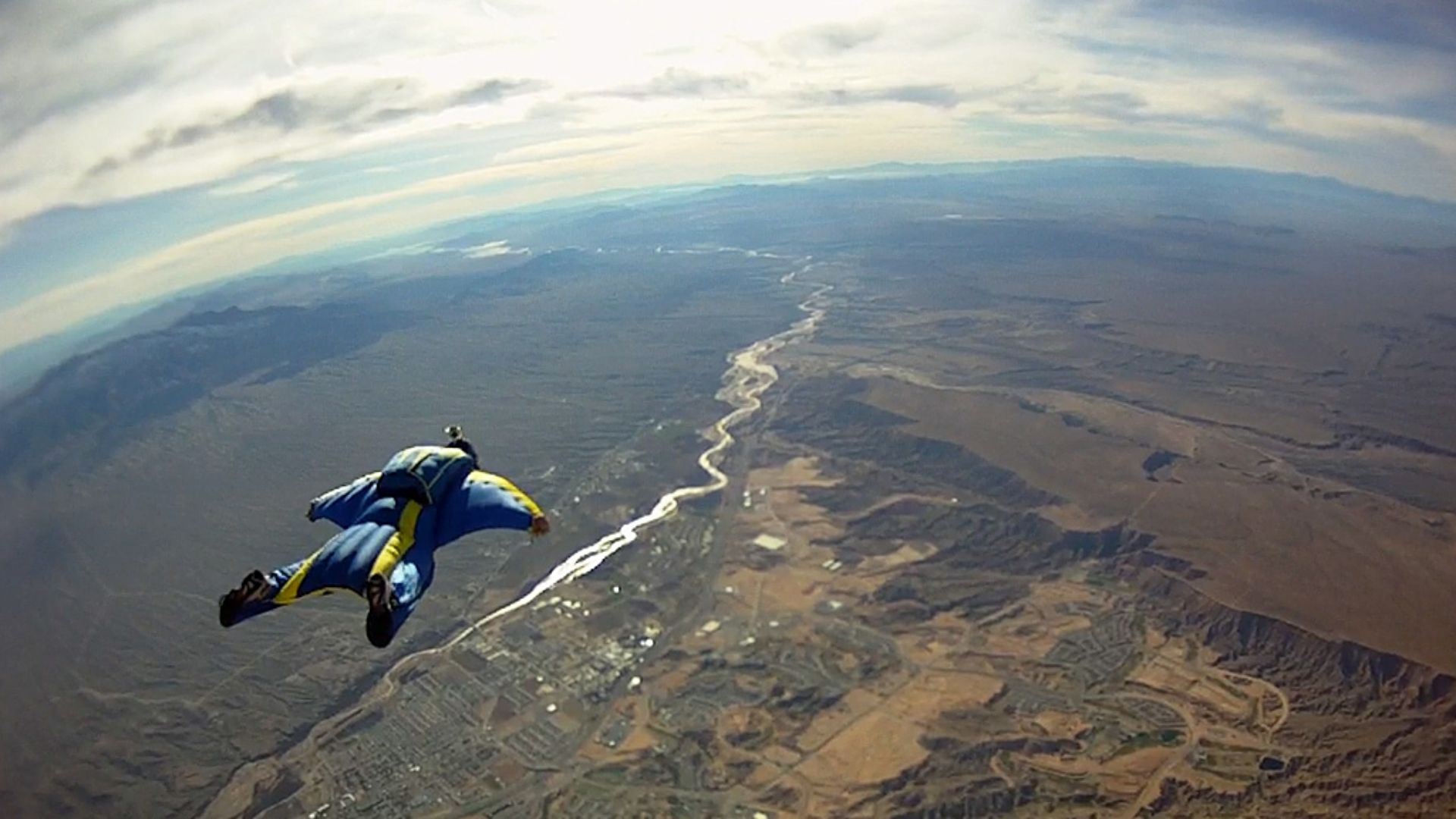
Not every wingsuit event is about numbers on a GPS tracker. Acrobatic wingsuit flying focuses on formations, maneuvers, and teamwork in the air. Pilots perform routines while being filmed, and judges evaluate how clean, difficult, and synchronized the flying is.
 Richard Schneider from Los Angeles, Wikimedia Commons
Team Flying Requires Serious Trust
Team wingsuit events demand a level of coordination that is hard to overstate. Pilots fly close to one another while trying to hold positions and complete planned movements. One mistake can throw off the whole routine, so communication, preparation, and experience are everything.
 Richard Schneider from Los Angeles, Wikimedia Commons
Red Bull Aces Made It Look Like A Video Game
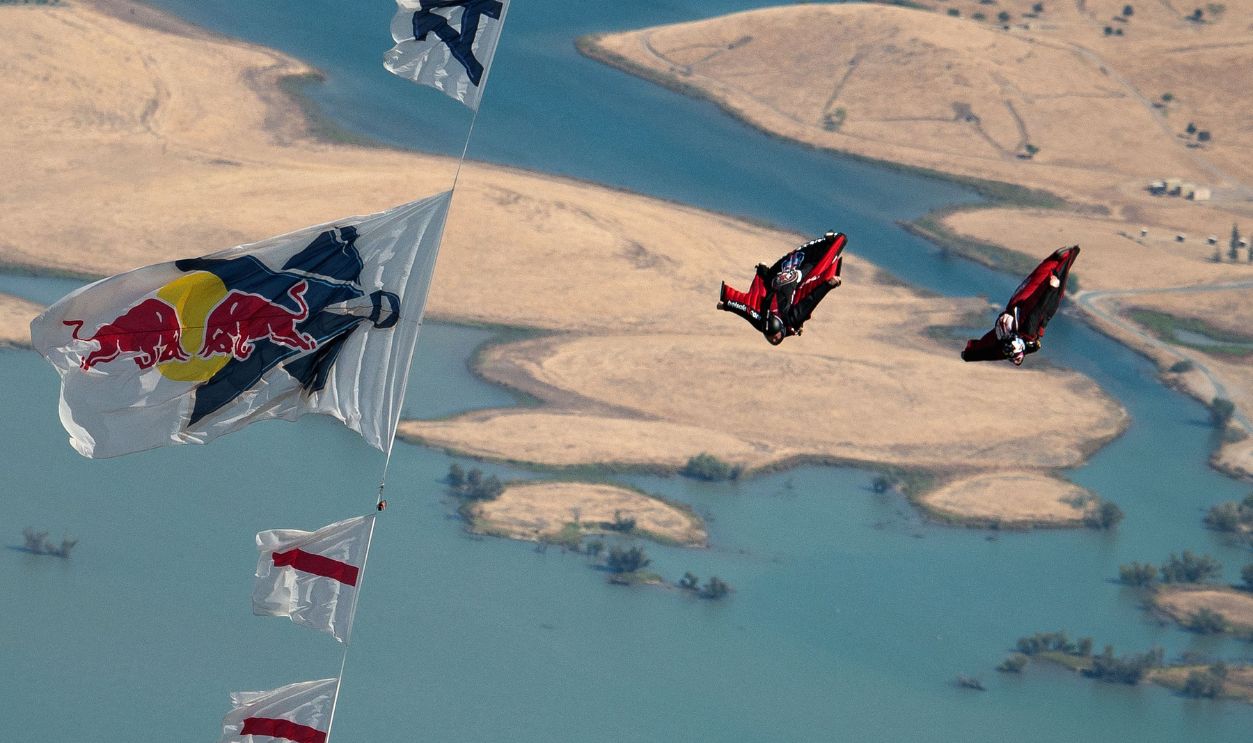
Red Bull Aces became one of the most famous wingsuit racing events because it looked almost too cinematic to be real. Pilots raced through giant gates suspended in the sky, turning wingsuit flying into a head-to-head aerial contest. It was fast, visual, and very easy to understand, even for people who had never watched the sport before.
Yes, They Really Flew Through Gates
The Red Bull Aces course used large slalom-style gates hanging thousands of feet above the ground. Competitors had to fly through them while descending at high speed. Miss the line, lose control, or take a poor route, and the race could slip away almost instantly.
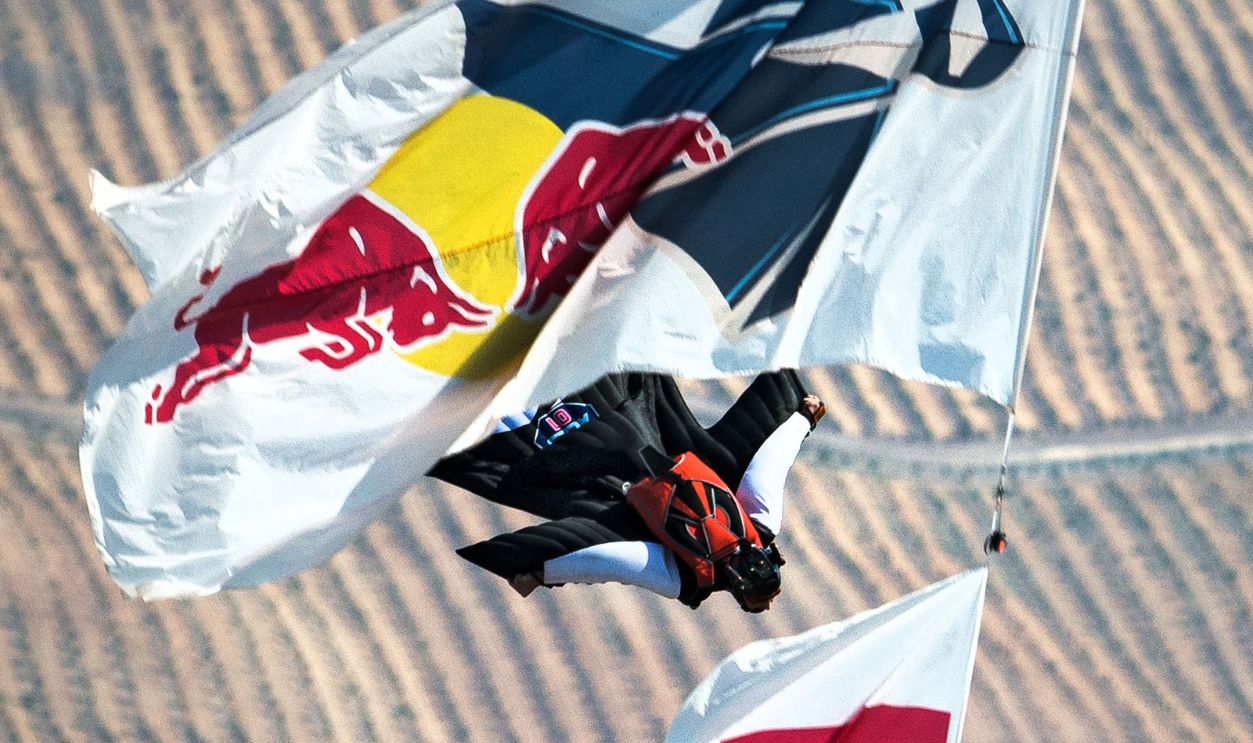
Four Pilots Racing At Once Is Pure Chaos
Unlike traditional performance competitions, Red Bull Aces sent four pilots into the same race at once. That created elimination heats, dramatic passes, and the kind of tension spectators could follow immediately. It also made strategy more important, because pilots had to think about the course and the competitors around them.

Andy Farrington Became One Of The Big Names
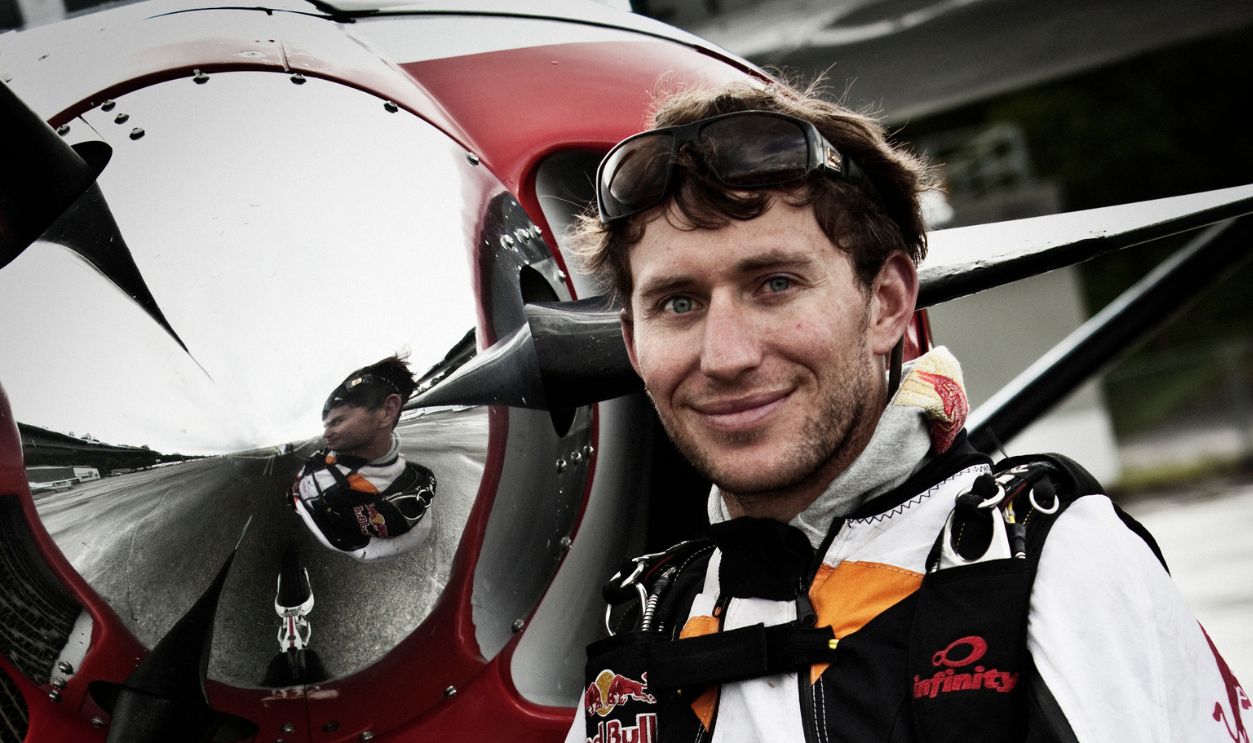
American wingsuit pilot Andy Farrington became one of the standout athletes associated with Red Bull Aces. His wins helped make him one of the better-known figures in competitive wingsuit flying. In a sport that still sits outside the mainstream, performances like his helped bring more attention to what elite wingsuit athletes can do.
 Christian Pondella, Getty Images
Safety Is Not Treated Casually
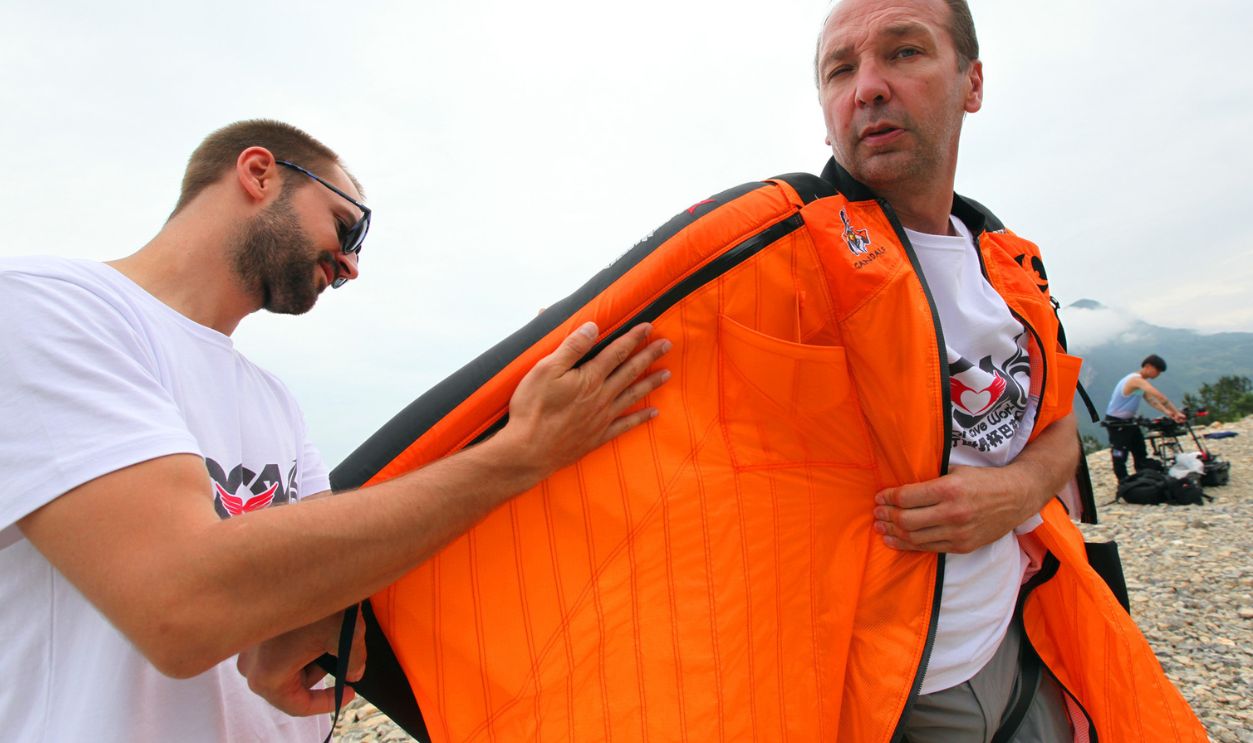
Wingsuit flying is risky, and competitions take that seriously. Organized events involve equipment checks, parachute requirements, weather calls, aircraft procedures, and strict safety planning. The athletes competing at this level are not beginners trying something wild for the weekend. They are highly trained flyers with serious experience.
 China News Service, Getty Images
Weather Can Change Everything
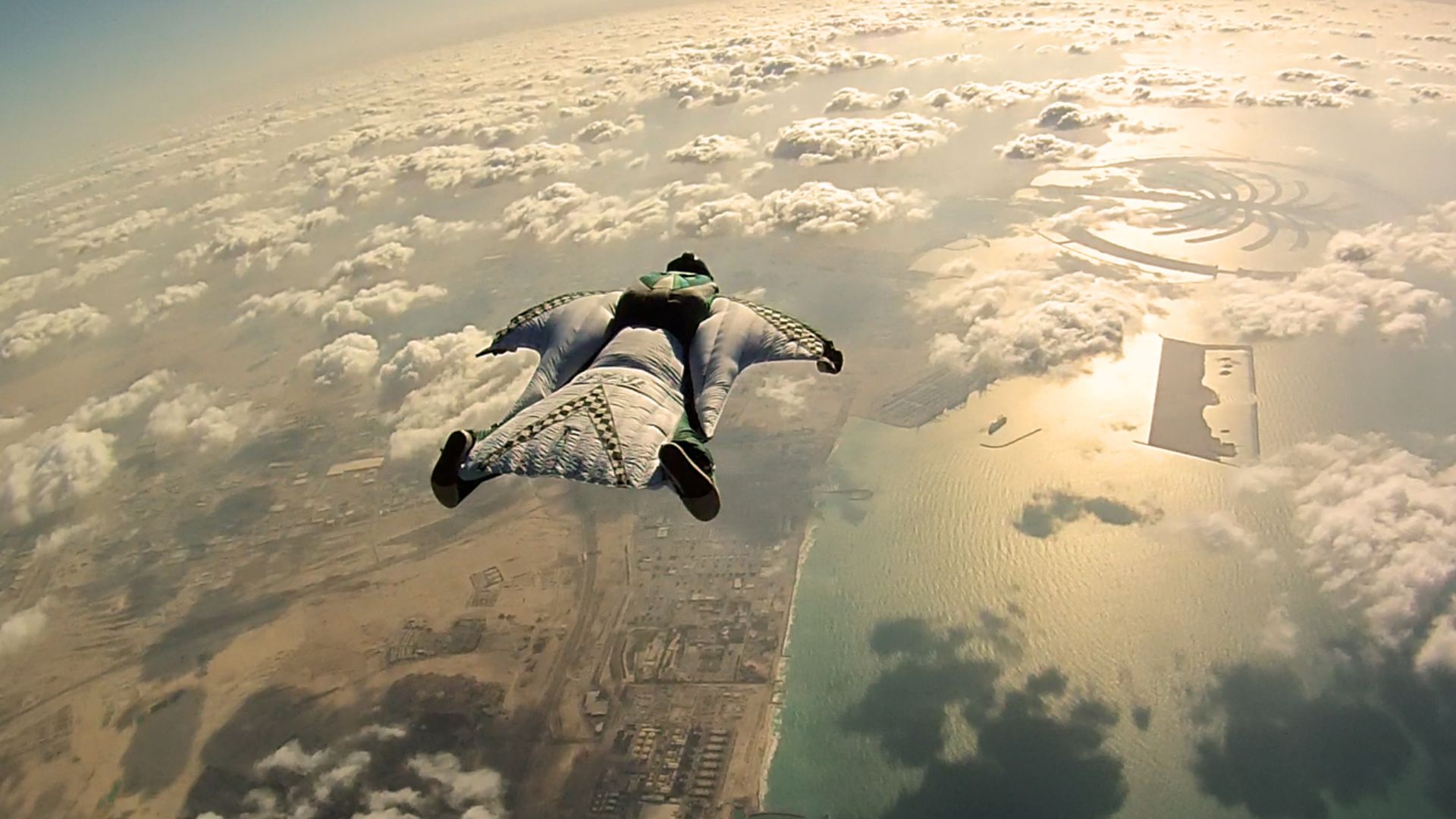
Weather plays a huge role in wingsuit competition. Wind, air density, clouds, and general atmospheric conditions can all affect how a flight performs. Organizers have to pay close attention before each jump, because a competition can only work when conditions are safe and fair enough for the pilots.
 Richard Schneider from Los Angeles, Wikimedia Commons
Online Events Opened The Door Wider
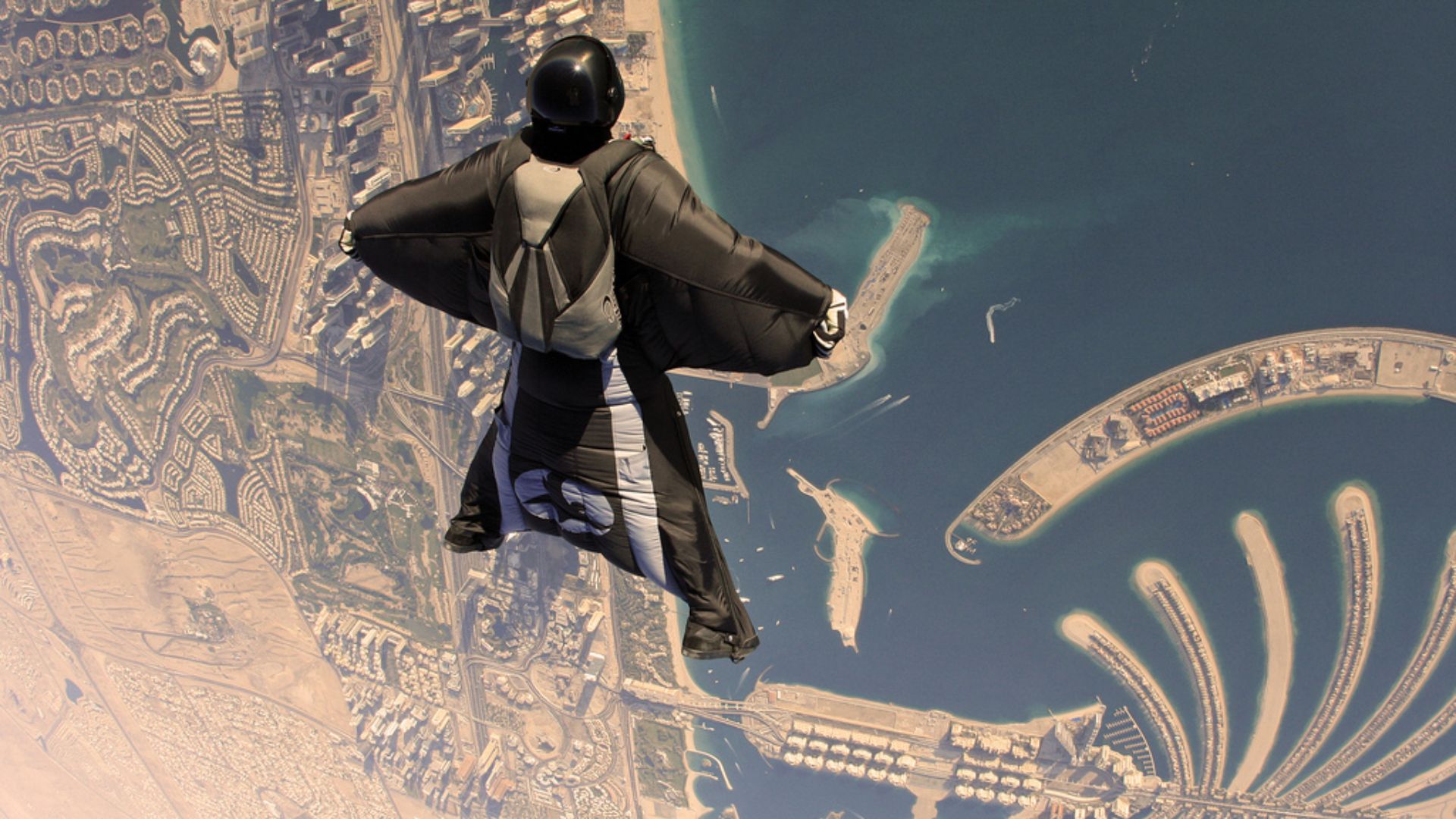
GPS tracking also made online wingsuit competitions possible. Pilots can record verified flights from approved locations and compare their results remotely. That gives more athletes a way to participate, even if they cannot travel to a major international event.
 Richard Schneider from Los Angeles, Wikimedia Commons
The Gear Keeps Getting Better
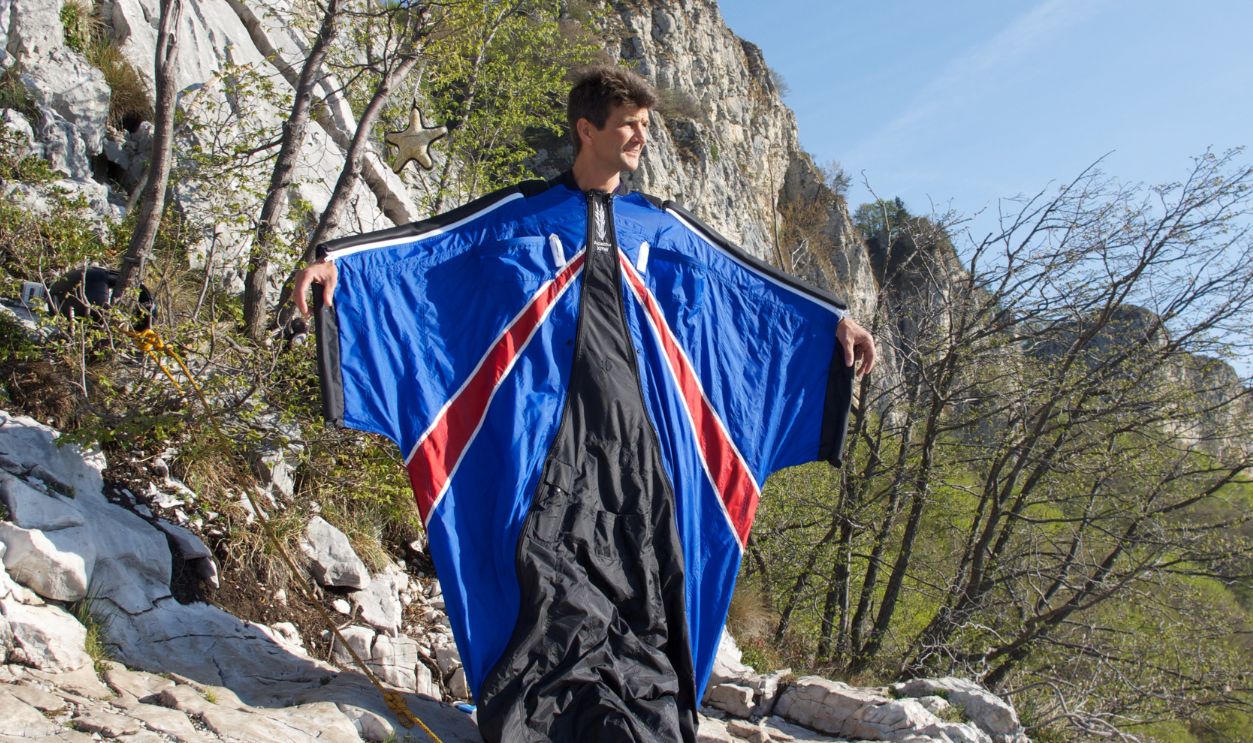
Modern wingsuits are far more advanced than early designs. Newer suits can offer better lift, more stability, and improved control, depending on the model and the pilot’s skill. As the equipment improves, athletes keep finding new ways to push performance higher.
 Gary Connery Archive, Getty Images
The Future Looks Fast, Weird, And Fascinating
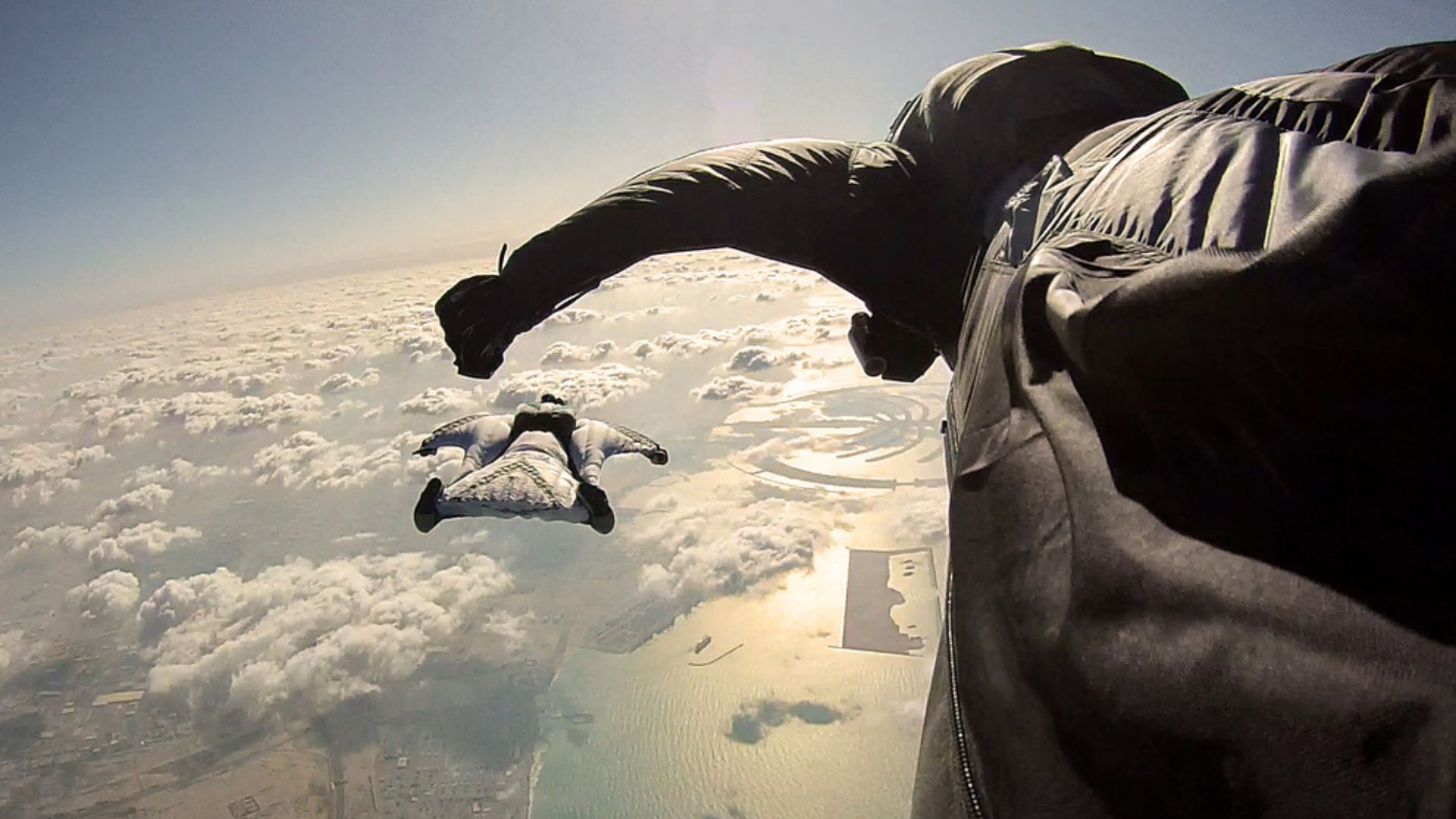
Wingsuit competition has grown from an extreme niche into a real international sport with rules, championships, specialized gear, and recognizable athletes. It still looks completely bananas to most people, which is part of the appeal. For spectators, it remains one of the closest things to watching humans fly without engines, capes, or movie magic.
 Richard Schneider from Los Angeles, Wikimedia Commons
You May Also Like:
Totally Fascinating Facts For Science Nerds