
Maybe Don’t Think Too Hard About This
You probably think you know yourself pretty well. What you like. What you’ll buy. Where you’ll go tomorrow. What you’ll do when somebody puts two choices in front of you. And maybe you can.
But predictive algorithms can do it faster.
And better.

This Started Long Before ChatGPT
Predicting human behavior with computers is not some new trick invented during the AI boom. Businesses have spent decades building mathematical models designed to anticipate what people will do next. And one industry became particularly good at it surprisingly early: airlines.

Airlines Learned The Trick Early
By the 1950s and 60s, American Airlines was already using operations research to tackle reservations, overbooking and passenger behavior. An empty seat disappears the second a plane takes off, so airlines had a huge incentive to predict who would book, cancel, show up and what they might pay. Later, those systems became much more sophisticated.
 Jon Proctor, Wikimedia Commons
And The Idea Escaped The Airport
American Airlines’ analytics operation eventually took revenue-management technology into hotels, rental cars and cruises. The basic idea was simple: collect enough past behavior, identify the patterns, then use them to make a better guess about what customers will do next. Turns out humans make pretty useful patterns.
Then We Started Leaving Breadcrumbs Everywhere
Airlines had reservations and cancellations. Modern companies have something considerably better: us. Searches, clicks, purchases, locations, scrolling habits, viewing histories, abandoned carts and countless other tiny actions can become pieces of a behavioral profile. We didn’t exactly make the prediction business harder.

What You Do Can Say A Lot
This is where things get uncomfortable. You can tell a survey whatever you want. Your digital behavior is different. Researchers have repeatedly shown that seemingly mundane online actions can reveal information about personality, preferences and personal characteristics that users never explicitly handed over.

Facebook Likes Were Enough
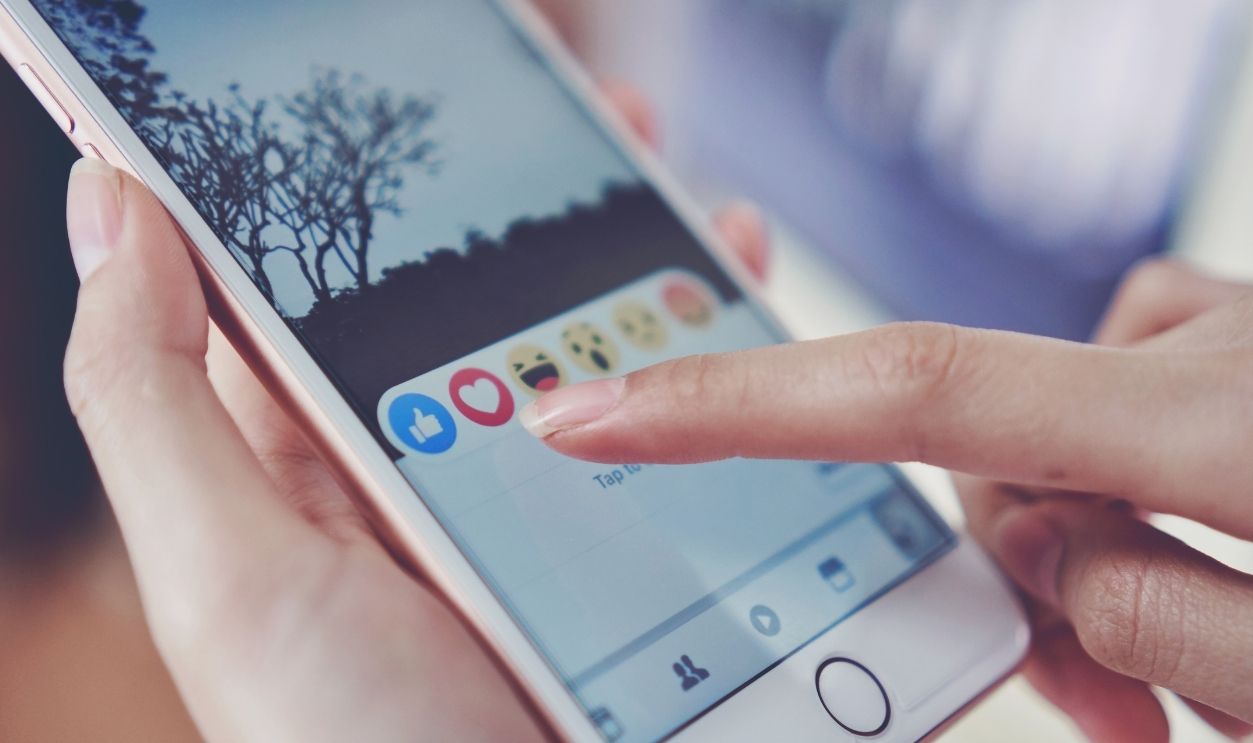
In a famous 2013 study, researchers used Facebook Likes to predict a surprisingly broad range of attributes and traits. The important part wasn’t merely what somebody had told Facebook. The model was finding statistical patterns in the things people had casually clicked “Like” on.
Then Researchers Asked A Creepier Question
Could a computer use those Likes to judge your personality better than actual people who knew you? Researchers studied more than 86,000 volunteers, directly comparing computer-generated personality assessments with judgments from Facebook friends, then benchmarking the results against previous research on coworkers, family members, friends and spouses. This is where things get a little weird.
Ten Likes
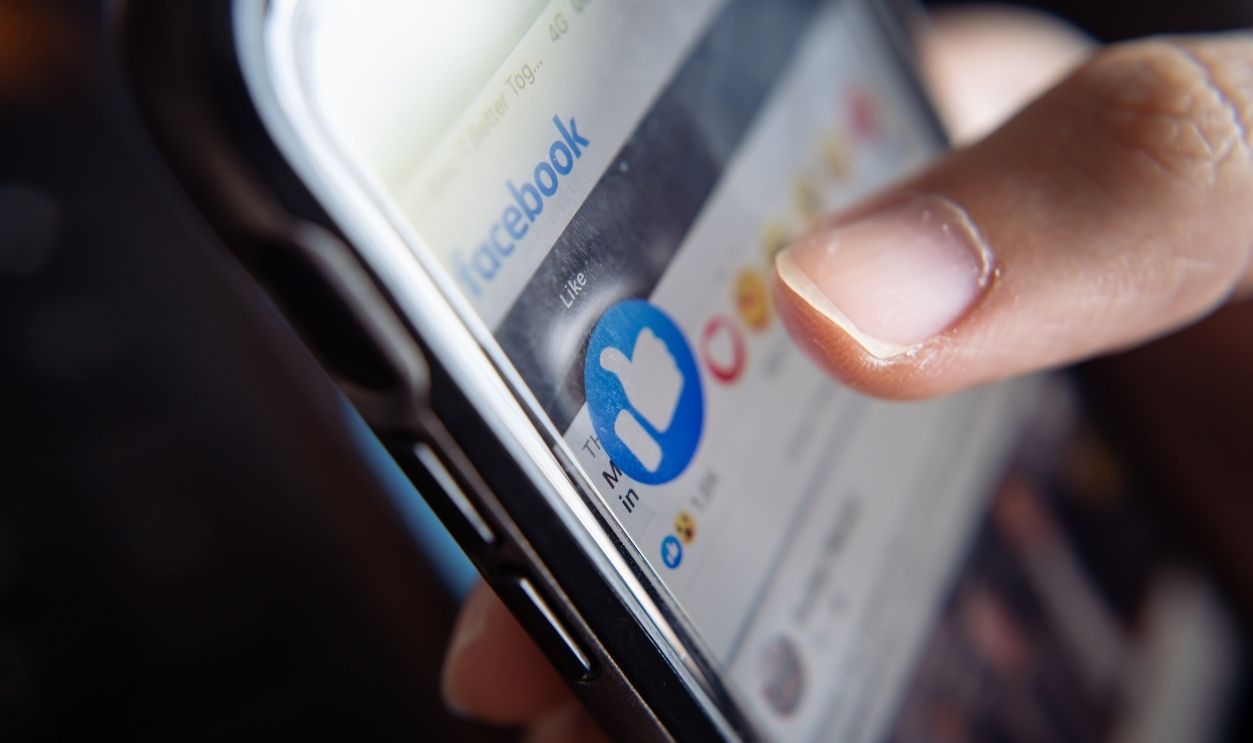
According to the study, a computer model needed about 10 Facebook Likes to outperform the average work colleague at judging someone's personality. Ten. Depending on how enthusiastic you were with that old thumbs-up button, you may have blown past that before lunch.

History's most fascinating stories and darkest secrets, delivered to your inbox daily.
Seventy Likes
At around 70 Likes, the model could outperform the personality judgment of a friend or roommate. That person who had lived down the hall from you, eaten your food and heard the stories you definitely should not have told them? The computer was catching up quickly.
Then It Came For The Family
Around 150 Likes allowed the computer model to outperform an average family member in the researchers’ comparison. Mom may remember your childhood, your embarrassing phases and every questionable haircut. The algorithm had Facebook Likes. Apparently that was enough to make this competitive.
Three Hundred Likes Got Very Personal
At roughly 300 Likes, the researchers found the computer model could outperform a spouse in judging personality. That does not mean Facebook literally understood someone better than their husband or wife. It means that on the particular personality measurements being tested, the computer produced the more accurate assessment. Still...300 Likes.

But Then It Beat The Person Too
Here’s the part that really gets us back to our title. Researchers tested whether the personality judgments could predict 13 real-life outcomes and related traits. In four categories, the computer-derived personality ratings actually performed better than the participants’ own self-rated personalities.

Your Routine Is Giving You Away Too
A separate line of research looked at something even more basic: where people go. Researchers studying anonymized mobile-phone data found striking regularity in human movement and estimated an average theoretical upper limit of roughly 93% predictability in the mobility data they examined.
About That 93% Number...
No, it does not mean Google can predict your location tomorrow with 93% accuracy. The figure was an estimated theoretical ceiling based on the regularity of the dataset, and later researchers have challenged how broadly that number should be applied. But the underlying discovery remains fascinating: our movements are remarkably patterned.
The Algorithm Doesn’t Need To “Know” You
This may be the strangest part. A predictive algorithm doesn’t need to understand why you always stop for coffee on Thursdays. It just needs to discover that Thursday plus 8:15 a.m. plus your previous behavior tends to equal coffee. Understanding is optional. Correlation can be enough.

Your Shopping Cart Is Talking Too
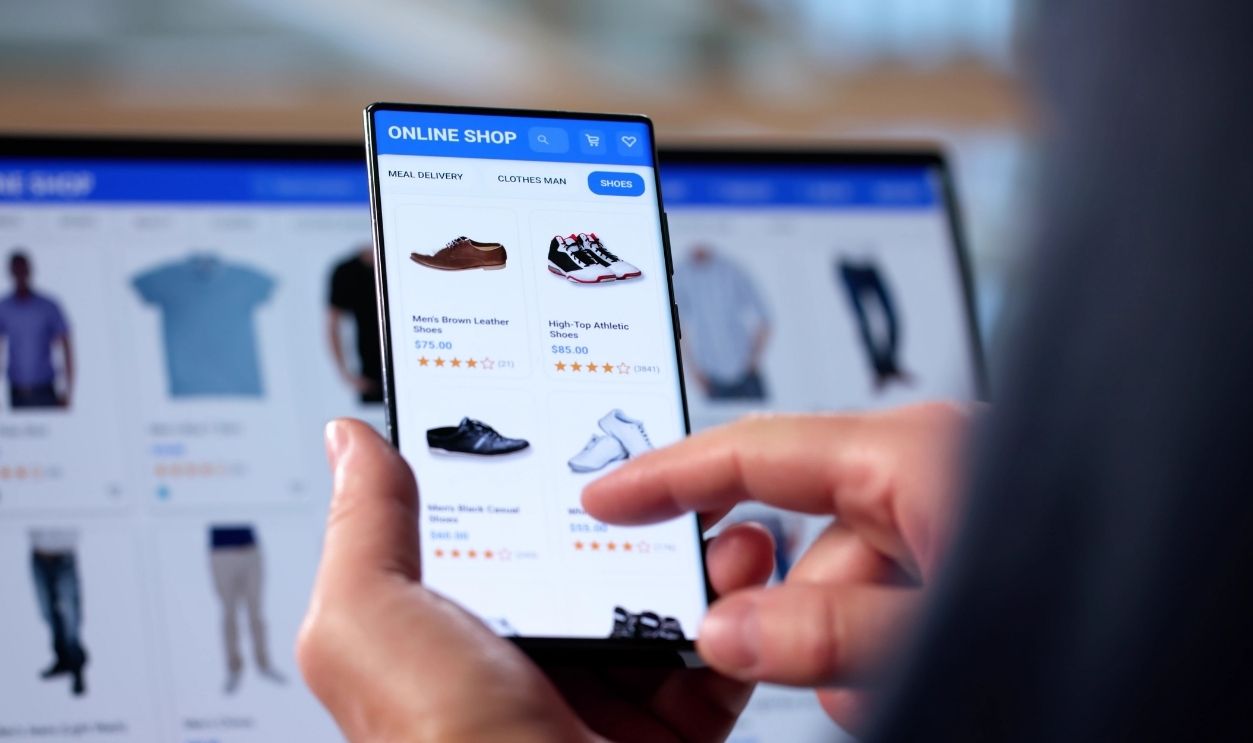
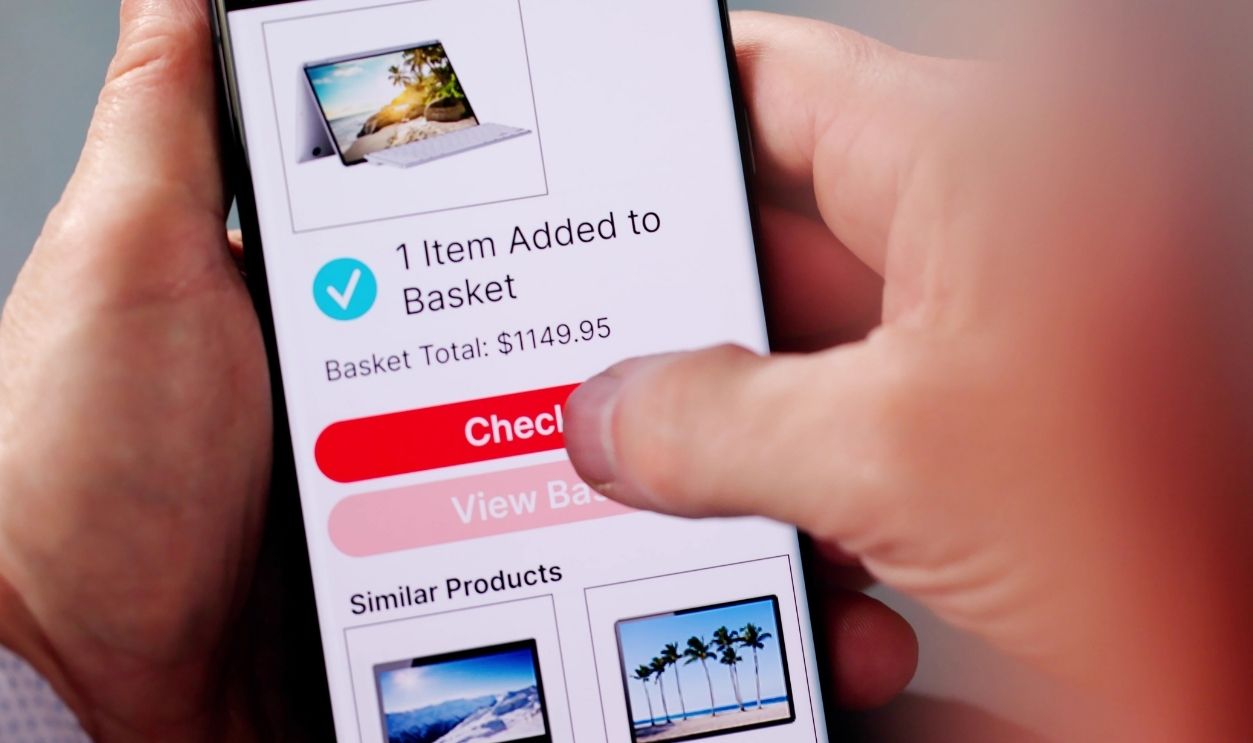
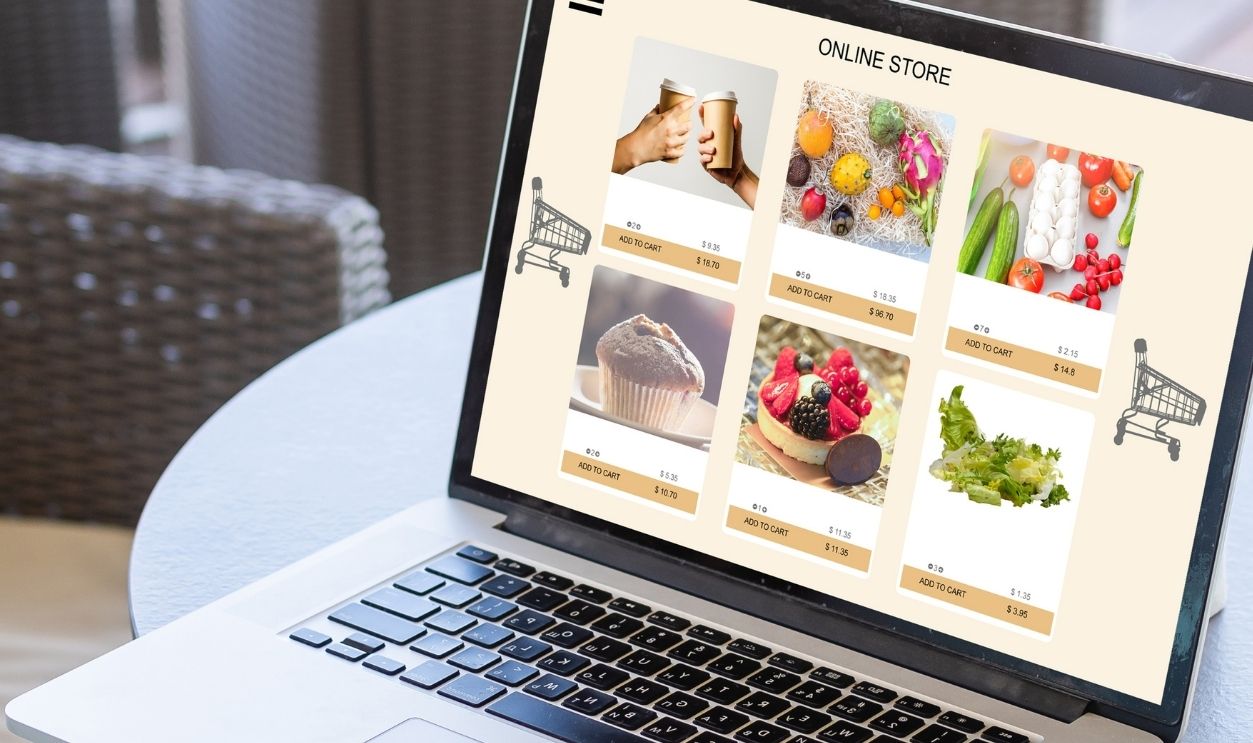
In 2025, the Federal Trade Commission reported that companies involved in so-called surveillance pricing could draw from shopping histories, browsing patterns, location data and other information. Even products people put into a shopping cart and then leave behind can become useful signals.
Even Your Mouse Can Give You Away
The FTC also found that data used by pricing intermediaries could get remarkably granular, including things like mouse movements on a webpage. Think about that. You don’t need to complete a purchase to produce valuable behavioral information. Sometimes simply hesitating can become part of the dataset.

Then The Prediction Starts Affecting The Price
The FTC has investigated systems that use personal characteristics and behavior to help businesses tailor the prices or offers different consumers see. Now the prediction isn’t merely, “Will this person buy?” It can become, “What might this particular person be willing to pay?”
And That Changes The Game
Traditional prediction watches what you do and makes a forecast. Modern digital platforms can potentially do something much more powerful: predict behavior and then change what you see. Suddenly the system isn’t merely observing the experiment. It’s standing inside the experiment with you.
Prediction Can Become Influence
Researchers Galit Shmueli and Ali Tafti have explored an especially strange possibility: platforms can make predictions appear more accurate by steering users toward the predicted behavior. In other words, predict what someone might do, subtly encourage it, then watch the prediction come true. That feels like cheating.

Which Makes Recommendation Engines Interesting
Every recommendation can produce another tiny piece of data. You watch this. Skip that. Click this. Ignore that. Stay for 30 seconds. Leave after five. Each response provides another clue, and the next recommendation can be adjusted accordingly. You aren’t filling out a questionnaire. You’re answering one anyway.
Politics Saw The Potential Too
A 2022 Monash University working paper examined roughly 91,000 Reddit users who had signaled their political ideology through user flair. Remarkably, researchers found that activity in nonpolitical communities alone could predict dimensions of those users’ stated ideology with surprisingly high accuracy. You didn’t necessarily need to argue about politics to leave political clues behind.
And Now Your Car Can Join In
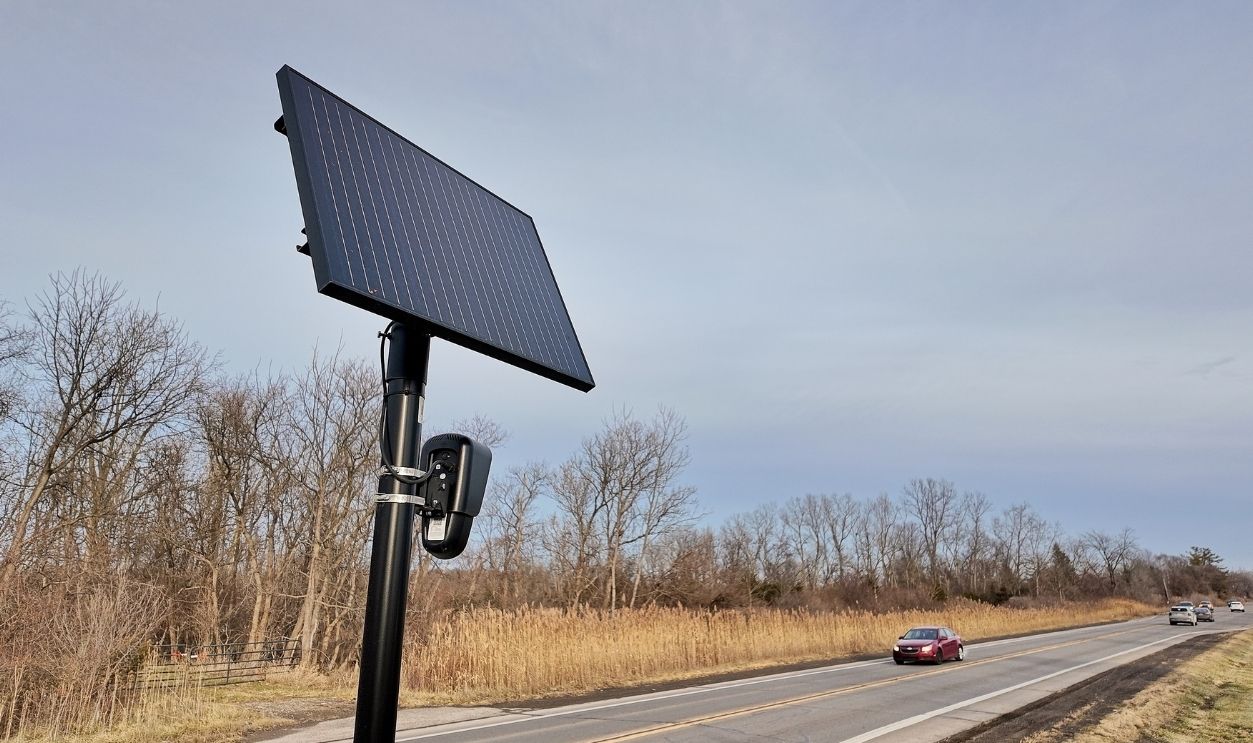
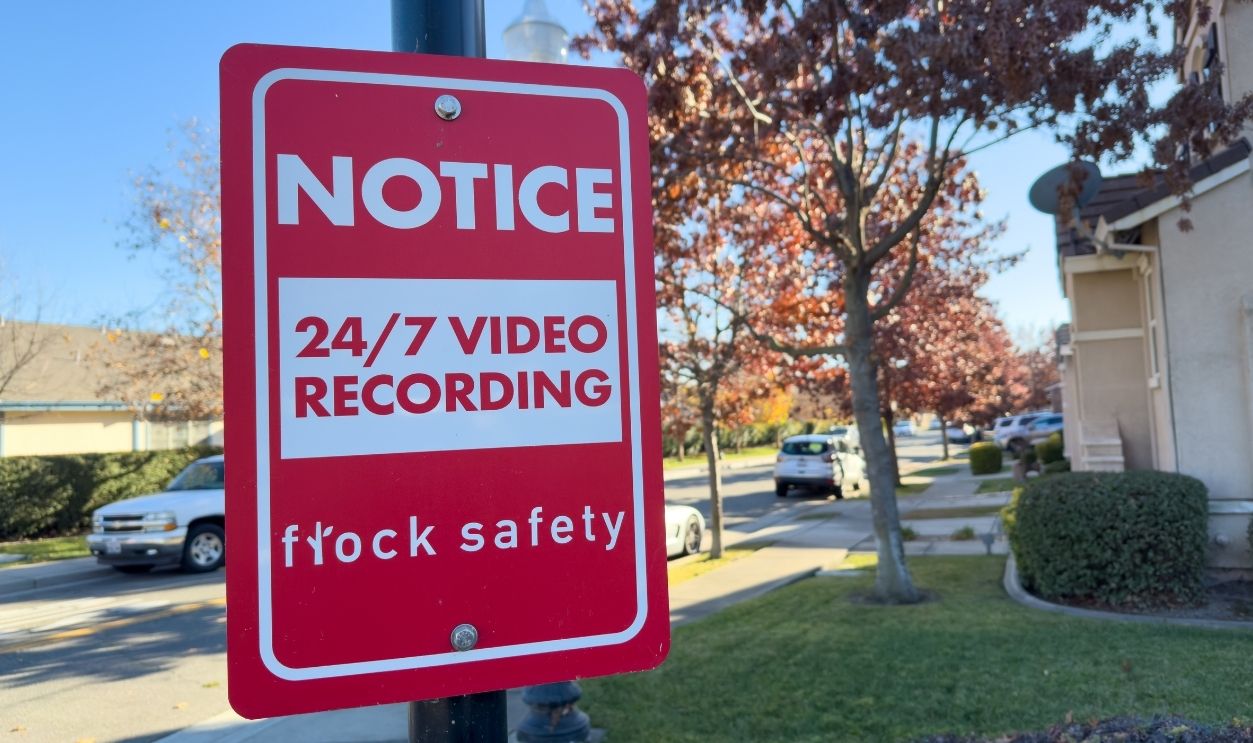
Which brings us right back to the story that inspired this article. In August 2026, WIRED reported on Flock Safety’s developing OS Investigate system, which can search enormous collections of vehicle and law-enforcement data for patterns of movement and behavior.
It Doesn’t Always Need Your Name
According to WIRED’s examination, some searches can begin without a known license plate or person. Investigators can supply a location, time period and behavioral pattern, and the system is designed to surface vehicles or people that fit. That is a very different way of looking for someone.
Patterns Can Become Associations
WIRED also reported that the developing system could identify vehicles repeatedly appearing together and use those patterns to surface possible “associates.” That doesn’t prove two drivers know each other, of course. But it demonstrates just how much can potentially be inferred from movement alone.
 Dmitry Kalinovsky, Shutterstock
No, The Computer Is Not Reading Your Mind
That distinction is important. Predictive algorithms don’t secretly know what you’re thinking. They calculate probabilities from patterns. A prediction can be impressive and still be wrong. Humans are messy, circumstances change, datasets have limitations and yesterday does not always tell you what someone will do tomorrow.

And It Can Do It Very, Very Quickly
You could spend an afternoon contemplating why you bought something, where you’re going tonight or what you’ll choose next. A computer doesn’t contemplate. Once a model exists and the data is available, calculations can be performed at machine speed across enormous datasets. Self-reflection was never really going to win that race.
 LinkedIn Sales Navigator, Pexels
“Better Than You” Needs An Asterisk
There is no scientific basis for claiming that algorithms universally predict every person's behavior better than that person can. What the research does show is more interesting anyway: in particular tasks, using particular kinds of behavioral data, computer models have outperformed friends, relatives, spouses and even self-ratings.
There’s Another Problem
A prediction doesn’t have to be perfect to be useful. A retailer, advertiser, insurer or platform may not need to know exactly what you’ll do. If its model shifts the odds enough across millions of people, that small advantage can become extremely valuable. Prediction works at population scale even when individuals remain unpredictable.

Which May Be The Creepiest Part
The technology doesn’t need a tiny digital copy of you sitting inside a computer somewhere. It needs patterns. Enough past behavior. Enough comparison data. Enough signals. Then it makes a probability.
And increasingly, we spend our entire day producing exactly what it needs.

You Do Still Have One Advantage
Algorithms learn from patterns, and human beings can break patterns. You can go somewhere different. Change your mind. Ignore the recommendation. Buy something unexpected. Close the app.
But before feeling too triumphant, remember something.
Doing that repeatedly would become a pattern too.
You Might Also Like:
Everyday Words That Came From People Whose Names Most Of Us Have Forgotten
Modern Conveniences That People Fiercely Opposed When They Were Introduced