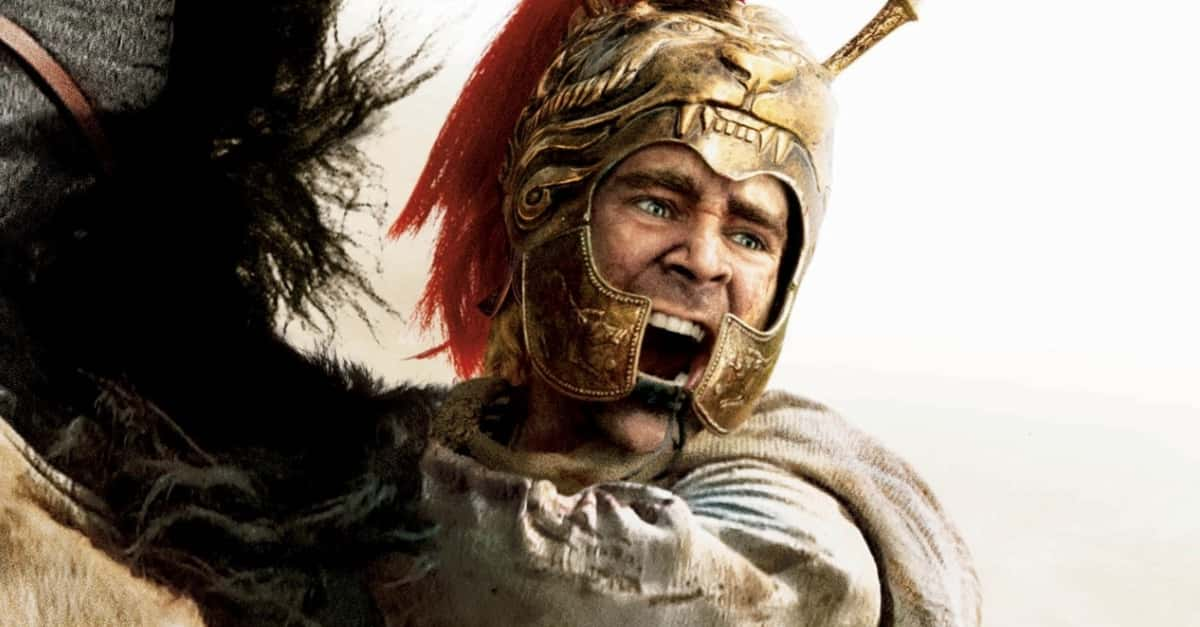
The Conqueror's Faithful Companion
Long before Alexander the Great conquered the Persian Empire, he accomplished something that had defeated his father's most experienced horsemen. He tamed a magnificent but seemingly uncontrollable horse named Bucephalus. Their legendary partnership would endure for years and span thousands of miles, but exactly what happened to Bucephalus at the end of his extraordinary journey is still a mystery.
A Horse Fit For A King
According to the Greek historian Plutarch, a Thessalian horse dealer named Philonicus approached King Philip II of Macedonia with a magnificent horse for sale. Its asking price was 13 talents, an enormous sum of money in the ancient world.
Named Bucephalus, meaning "ox-head," the horse was traditionally described as black, although accounts differ as to whether its name referred to a distinctive marking or a branding symbol.
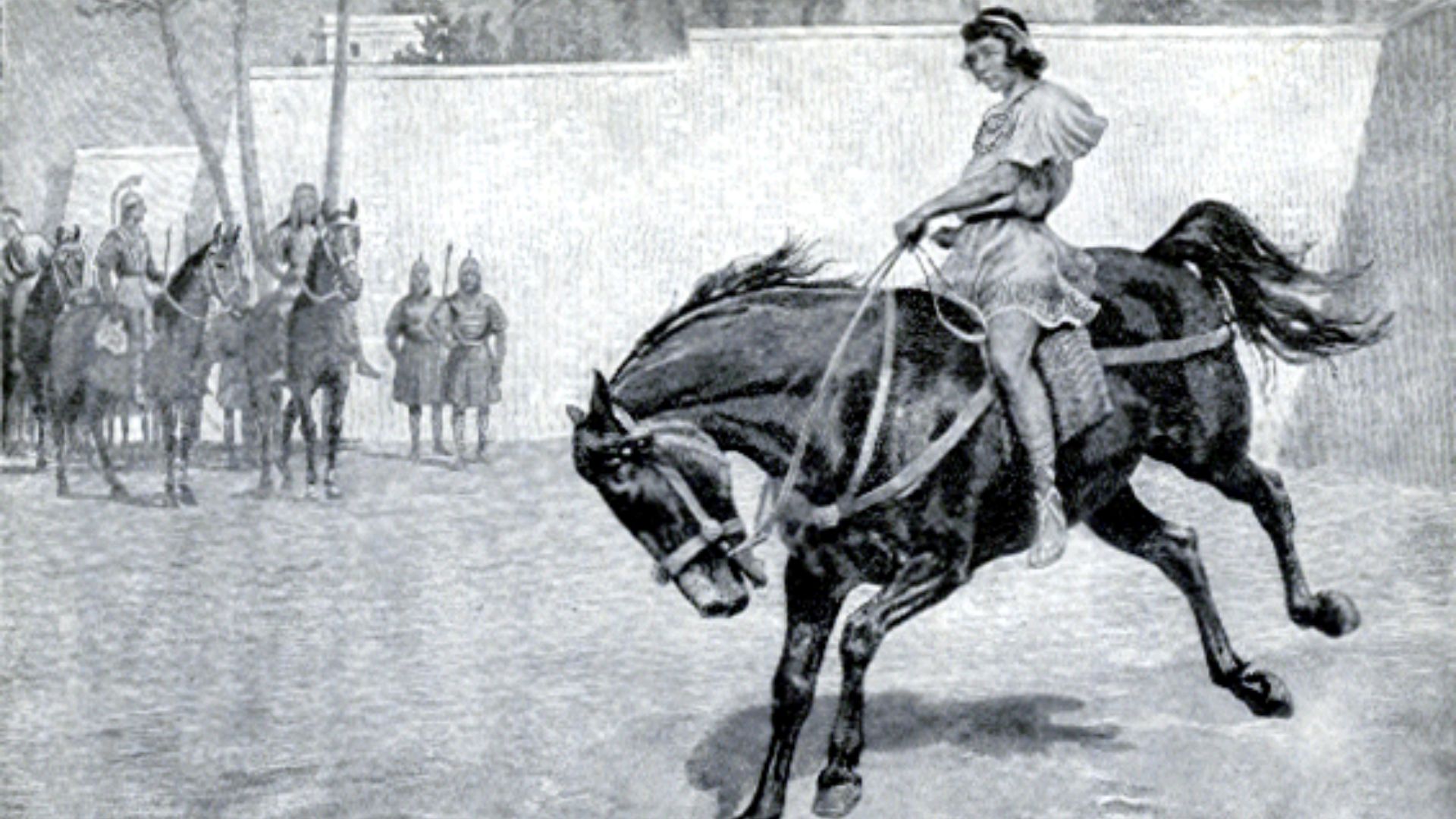
Unfortunately, the animal proved almost impossible to control. When Philip's attendants attempted to mount him, Bucephalus resisted so fiercely that the king decided against buying him.
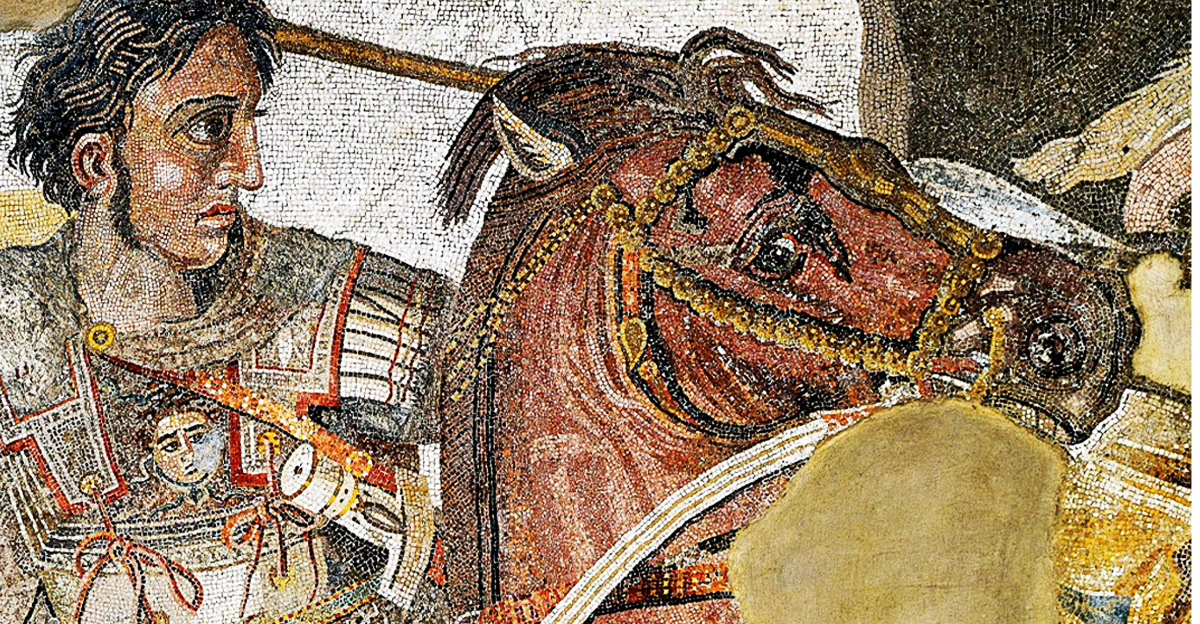 Public Domain, Wikimedia Commons
Alexander Recognized His Fear
Alexander, traditionally believed to have been around 12 or 13 years old at the time, protested that the horse was being mishandled. His father challenged him to demonstrate that he could do better, and Alexander agreed to pay for the animal himself if he failed.
The young prince had noticed something that the others had overlooked. Bucephalus appeared frightened by his own moving shadow.
Alexander turned the horse toward the sun, gently stroked him, and eventually climbed onto his back. Before long, the astonished spectators watched as Alexander rode the supposedly unmanageable animal at full gallop.
An overwhelmed Philip reportedly told his son that Macedonia was too small for him and that he should seek a kingdom worthy of his abilities.
Setting Out To Conquer Persia
Alexander succeeded his father in 336 BC at the age of 20. Two years later, he crossed into Asia Minor at the head of a Macedonian army, launching his extraordinary campaign against the Persian Empire.
Bucephalus accompanied Alexander on his expedition, which brought the young king victories at the Granicus River, Issus, and Gaugamela. His travels took him through modern-day Turkey, the eastern Mediterranean, Egypt, Mesopotamia, and Persia.
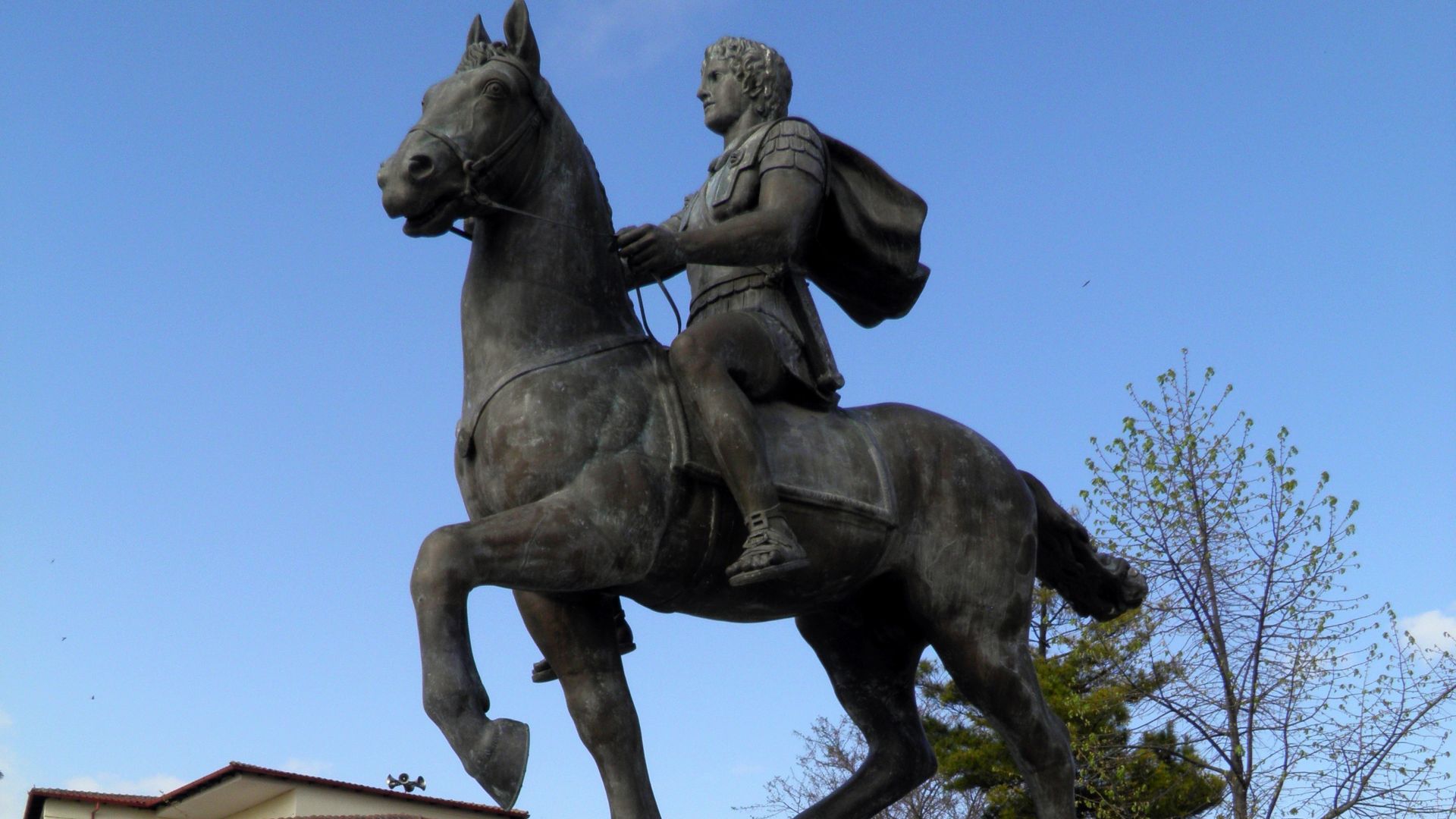
Although Alexander had access to other horses, Bucephalus remained his most celebrated mount. Ancient accounts suggest that once equipped for royal service, the horse would accept Alexander alone as his rider.
 H.A.Guerber, Wikimedia Commons
The Theft Of Bucephalus
One of the most revealing incidents in their relationship reportedly occurred around 330 BC. According to Plutarch, Alexander was campaigning near the Caspian Sea in a region known as Hyrcania when Bucephalus was stolen. Other ancient historians placed the incident elsewhere in the Persian Empire.
According to Plutarch, a group of local inhabitants surprised the men escorting Bucephalus and made off with the horse. Alexander reacted with extraordinary fury, threatening to put the captors and their families to death unless the animal was returned.
According to Plutarch, the captors returned Bucephalus and surrendered their settlements to Alexander. Rather than carrying out his threats, Alexander treated them kindly and even paid them a ransom for the safe return of his beloved horse.
An Extraordinary Journey Eastward
Alexander continued campaigning through the mountainous territories of Central Asia, including regions now belonging to Afghanistan and neighboring countries.
By 326 BC, his army had advanced into the northwestern Indian subcontinent. Bucephalus was by then an exceptionally old horse for an animal associated with military campaigning.
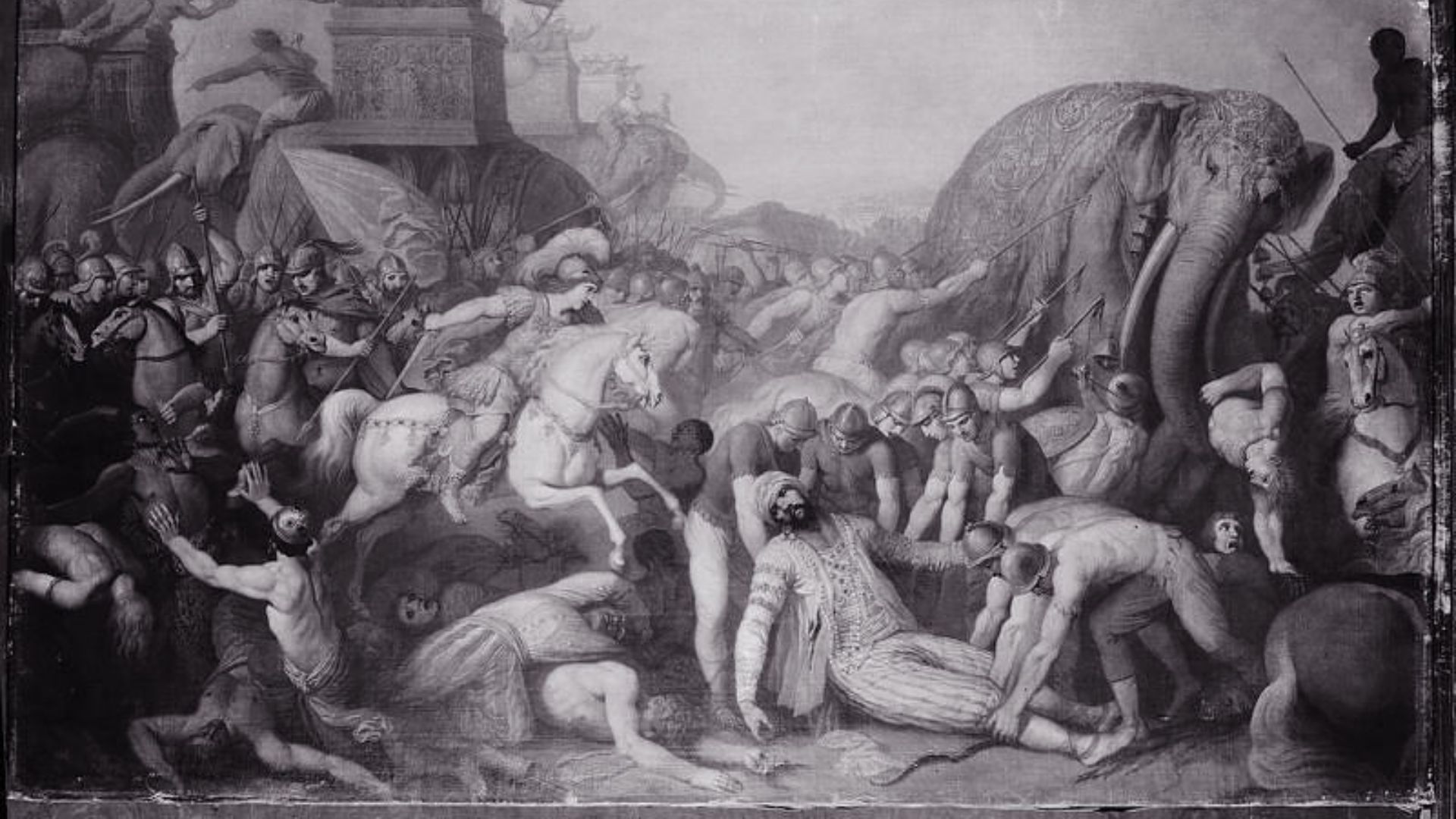
That year, Alexander confronted the Indian ruler Porus near the Hydaspes River, known today as the Jhelum River in Pakistan. The ensuing battle, which involved war elephants, proved to be one of Alexander's most challenging victories.
It was also the last major campaign of his beloved horse.
 Franciszek Smuglewicz, Wikimedia Commons
Did Bucephalus Die In Battle?
The circumstances surrounding Bucephalus's death were disputed even in ancient times. According to the Roman historian Quintus Curtius Rufus, the horse succumbed to wounds sustained during the confrontation with Porus.
Plutarch similarly reported that most historical accounts attributed the animal's death to battle injuries. However, he indicated that Bucephalus hadn't died immediately, surviving for some time while his wounds were being treated.
If these accounts are accurate, Bucephalus survived the battle only to succumb to his injuries afterward. Plutarch described Alexander's grief as comparable to losing a trusted companion and close friend, a remarkable testament to the bond between the conqueror and his horse.
A Very Different Explanation
The Greek historian Arrian offered an entirely different explanation. Although he acknowledged accounts that blamed Bucephalus's death on battle injuries, he rejected them. Arrian maintained that the horse hadn't been wounded at all but had succumbed to the combined effects of heat, exhaustion, and old age.
Arrian placed the horse's age at approximately 30, an impressive lifespan for an animal that had endured the hardships of Alexander's military expeditions.
A similar explanation appeared in the writings of Onesicritus, who had actually accompanied Alexander on his eastern campaign. His original work is lost, but Plutarch preserved his account attributing the horse's death to exhaustion and old age.
 Carole Raddato, Wikimedia Commons
A City Named After A Horse
Whatever the circumstances of Bucephalus's death, Alexander's grief was reportedly profound. Plutarch described his reaction as comparable to losing a close friend.
Alexander established two cities in the vicinity of his victory over Porus. He named one Nicaea to commemorate his military triumph and the other Bucephala in honor of his horse.
For a conqueror who famously established cities bearing his own name, this was a remarkable tribute. The settlement, also known as Alexandria Bucephalous, appears to have survived for centuries after Alexander's death.
Where Was Bucephalus Buried?
The precise location of Bucephala remains a subject of historical debate. Sites near the modern Pakistani city of Jhelum and the settlement of Jalalpur Sharif have both been proposed as possible locations for the ancient city.
Local tradition associates Jalalpur Sharif with the burial of Bucephalus. However, neither the exact location of the ancient city nor the final resting place of Alexander's beloved horse has been conclusively established.
Alexander himself died in Babylon just three years later, in 323 BC. Remarkably, the final resting places of both the legendary conqueror and the seemingly untamable horse that accompanied him across much of the ancient world remain among history's unsolved mysteries.
You May Also Like:
43 Eye-Opening Facts About Animals In Warfare
King Porus: The Destiny Of A Conqueror
44 Facts Conquering Facts About Alexander the Great's Father, King Philip II of Macedon