
37. Plan To Fail
In 1974, there was a “Not-For-Profit” airline named Freelandia that served organic food and featured waterbeds. The airline went bankrupt in under a year.

36. Super Safe
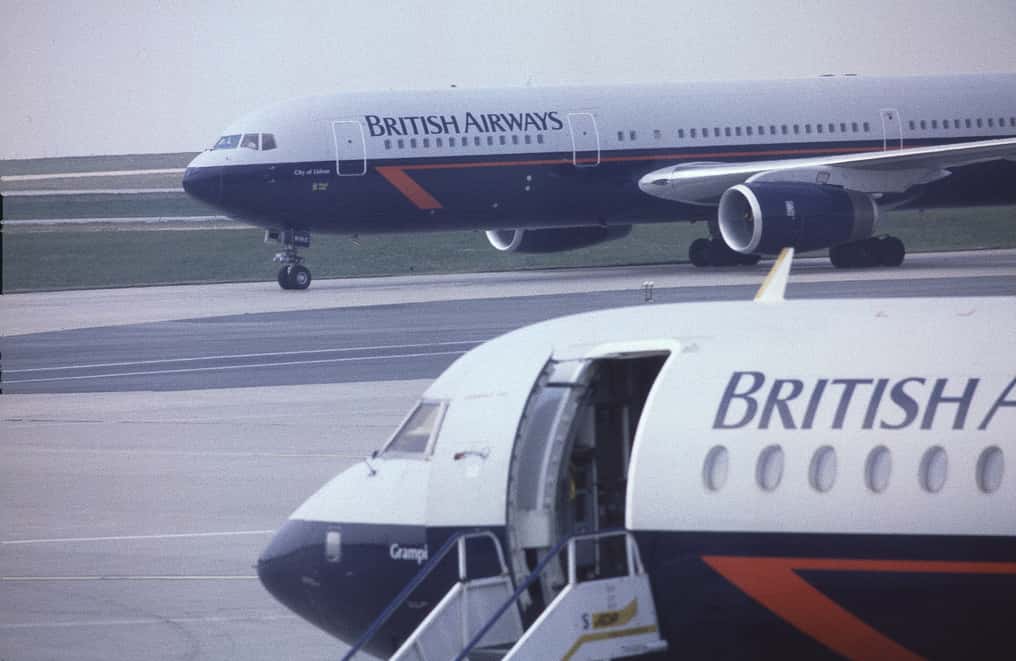
In 1990 British Airways pilot Tim Lancaster was half sucked out of a window after it broke off and was pinned to the aircraft for 20 minutes while a flight attendant clung to his legs as the co-pilot made an emergency landing. He suffered only minor injuries and was back flying within 5 months. He must really love the job.
35. Autopilot
In 2009, two Northwest Airlines pilots lost their licenses when they overshot their planned destination by 150 miles, only realizing their mistake when a flight attendant asked about landing. The pilots were both on their personal laptops and ignored inquiries from flight control for 90 minutes. Thank goodness no one was hurt because of their irresponsible actions.
34. Got Your Back
In 1994 a passenger was killed by a bomb on a Philippine Airlines flight. This led Philippine police to discover a plot to blow up 11 US airplanes in 48 hours over the Pacific. In another incident, which the Philippine authorities shared with the FBI in 1995, Philippine terrorists had planned to fly airplanes into the World Trade Center and Pentagon. The terrorists were eventually caught.
33. Miracle
In 2001, the heavily-indebted airline AirAsia was bought by Tony Fernandes’ company for One Malaysian ringgit (US$0.26) with (40 million MYR) US$11 million worth of debt. He turned the company around and produced profit in a year. That doesn’t even sound like it should be possible.

32. Emergency Landing
On July 23, 1983, Air Canada’s Flight 143, with 69 people on board, ran out of fuel at an altitude of 41,000 ft. The pilot managed to glide the plane down safely as he was a very experienced glider pilot. 22,300 pounds of jet fuel had been put in instead of 22,300 kg. A Boeing 747 can glide for two miles for every 1,000 feet of altitude.
31. Performance Review
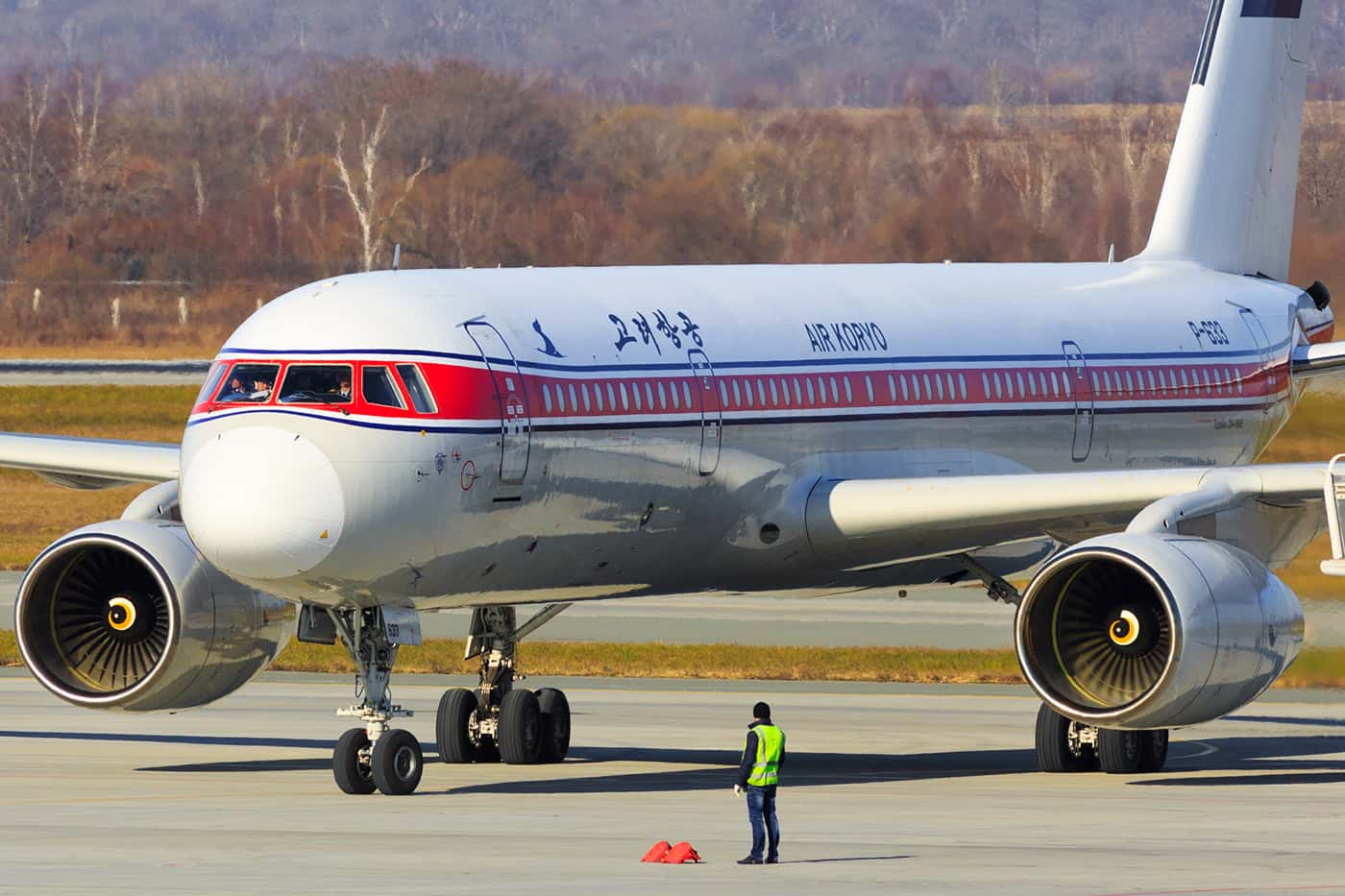
North Korea has its own airline, Air Koryo, which happens to be the only 1 star rated airline according to Skytrax. It’s ok, it’s not like North Korea is receiving a lot of travel, international or domestic.
30. Sexism In The Air
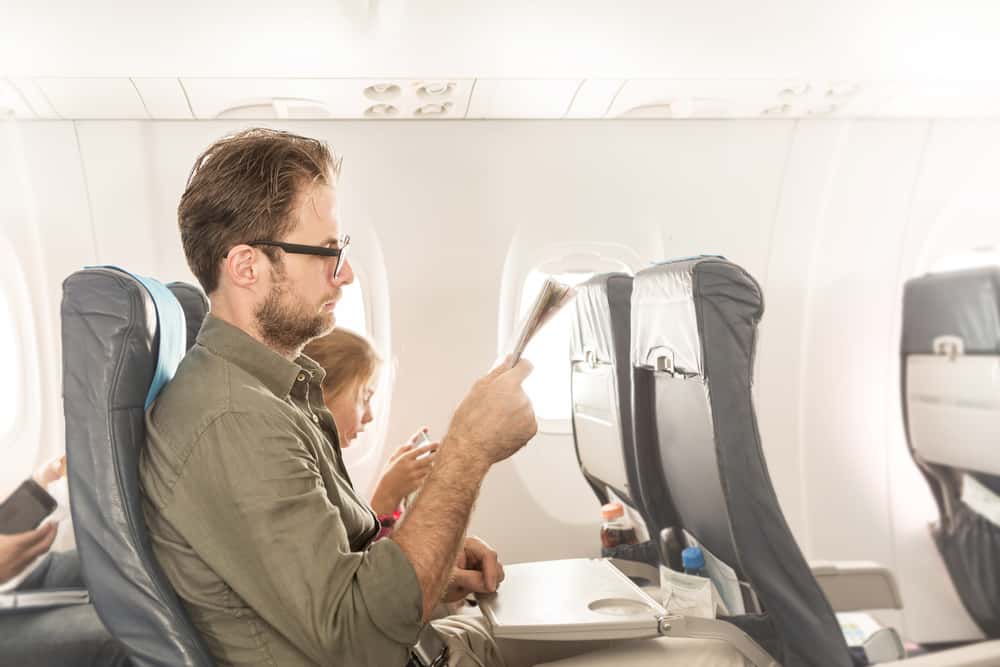
Some airlines will not let an adult male passenger sit next to an unaccompanied child. British Airways was sued because of this practice and lost, admitting to sex discrimination. They have since ended the policy but other airlines still defend it.
29. Golden Ticket
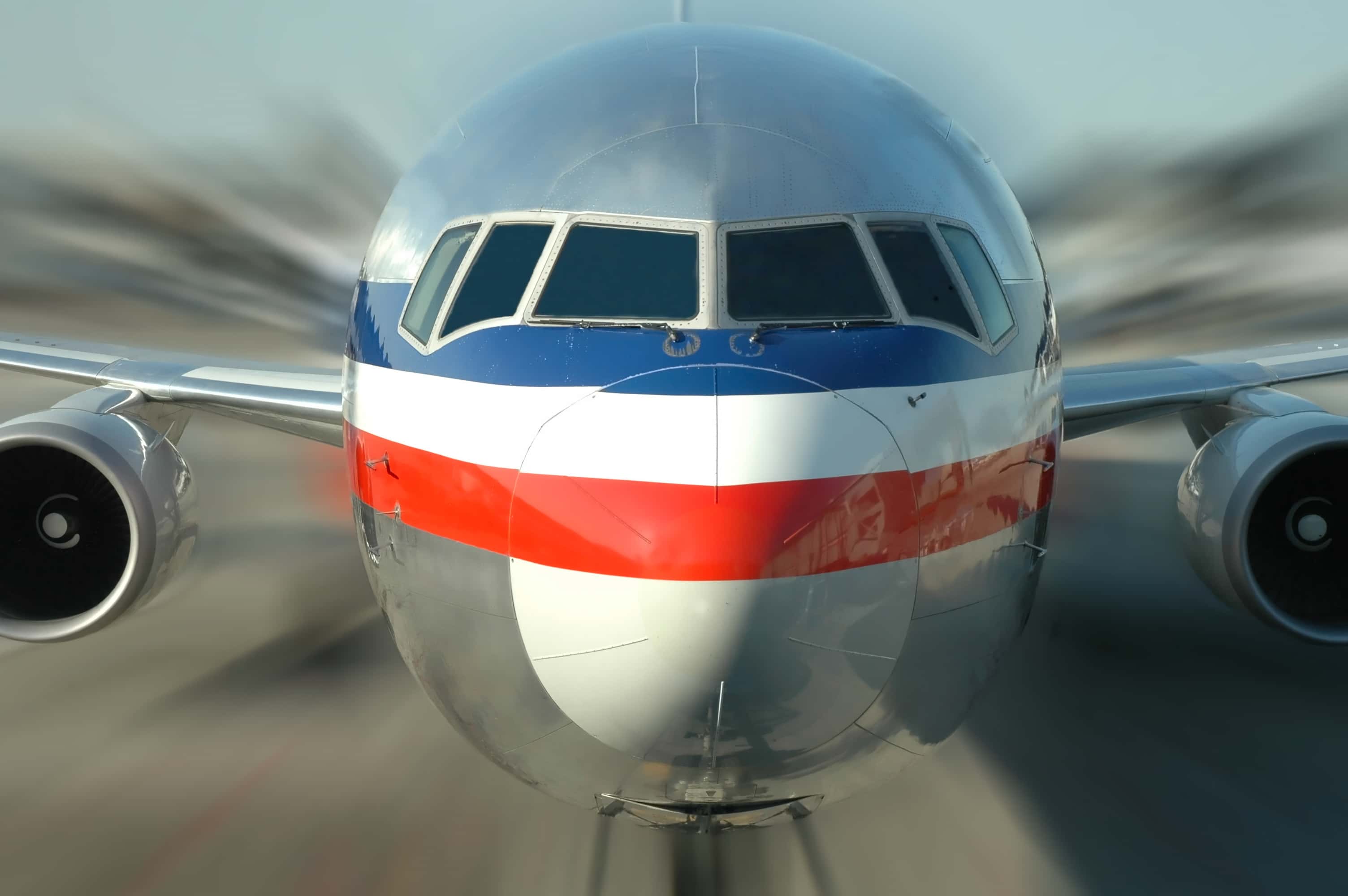
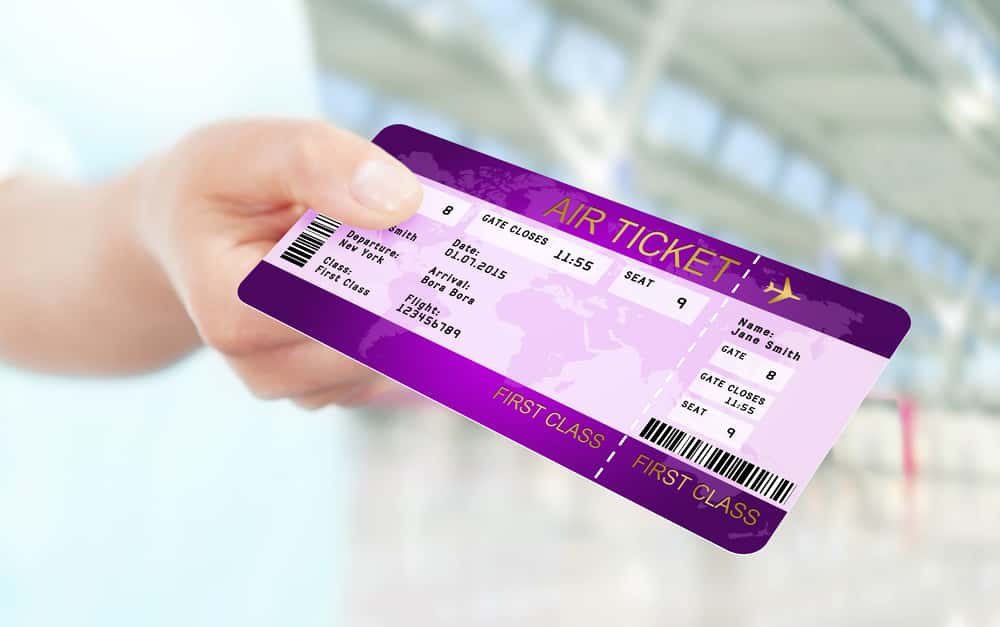
In 1987, a man bought a lifetime unlimited first class American Airlines ticket for $250,000. He flew over 10,000 flights costing the company $21,000,000. They terminated his ticket in 2008.
That's a lot of flying. Here's hoping he didn't have any truly terrible experiences.

History's most fascinating stories and darkest secrets, delivered to your inbox daily.
28. Tricking
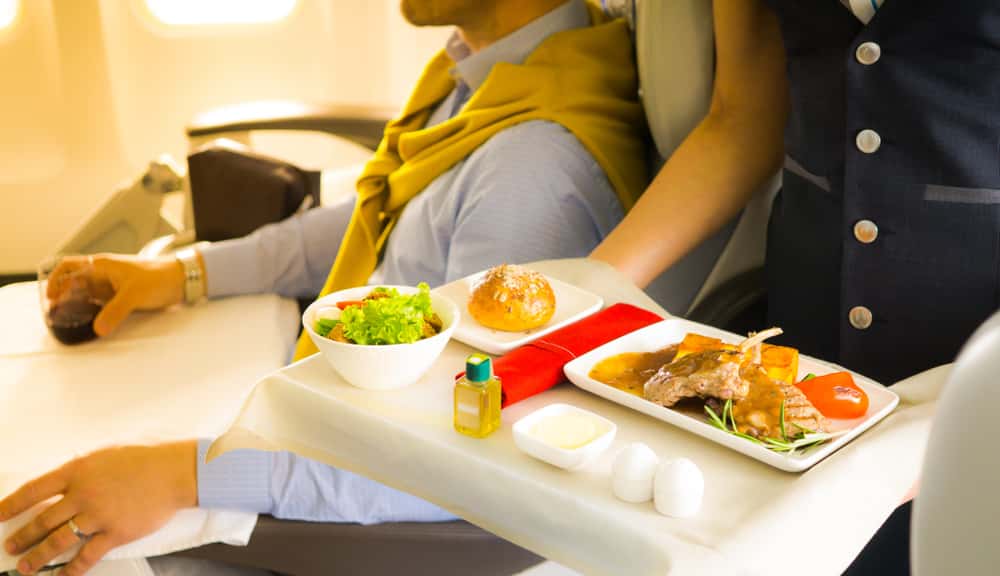
The pressurization of an airplane cabin alters the function of taste buds, causing a decrease of up to 30% in the ability to taste saltiness or sweetness. This is one of the reasons so many people dislike airline food.
Then again, we suppose that's exactly what we would say, if (like an airline) we frequently served people meals that were made out of microwaved squirrel-meat and left over packing-peanuts.
"Oh it's not that our food is bad, it's actually your tastebuds!"
27. A Bet’s A Bet
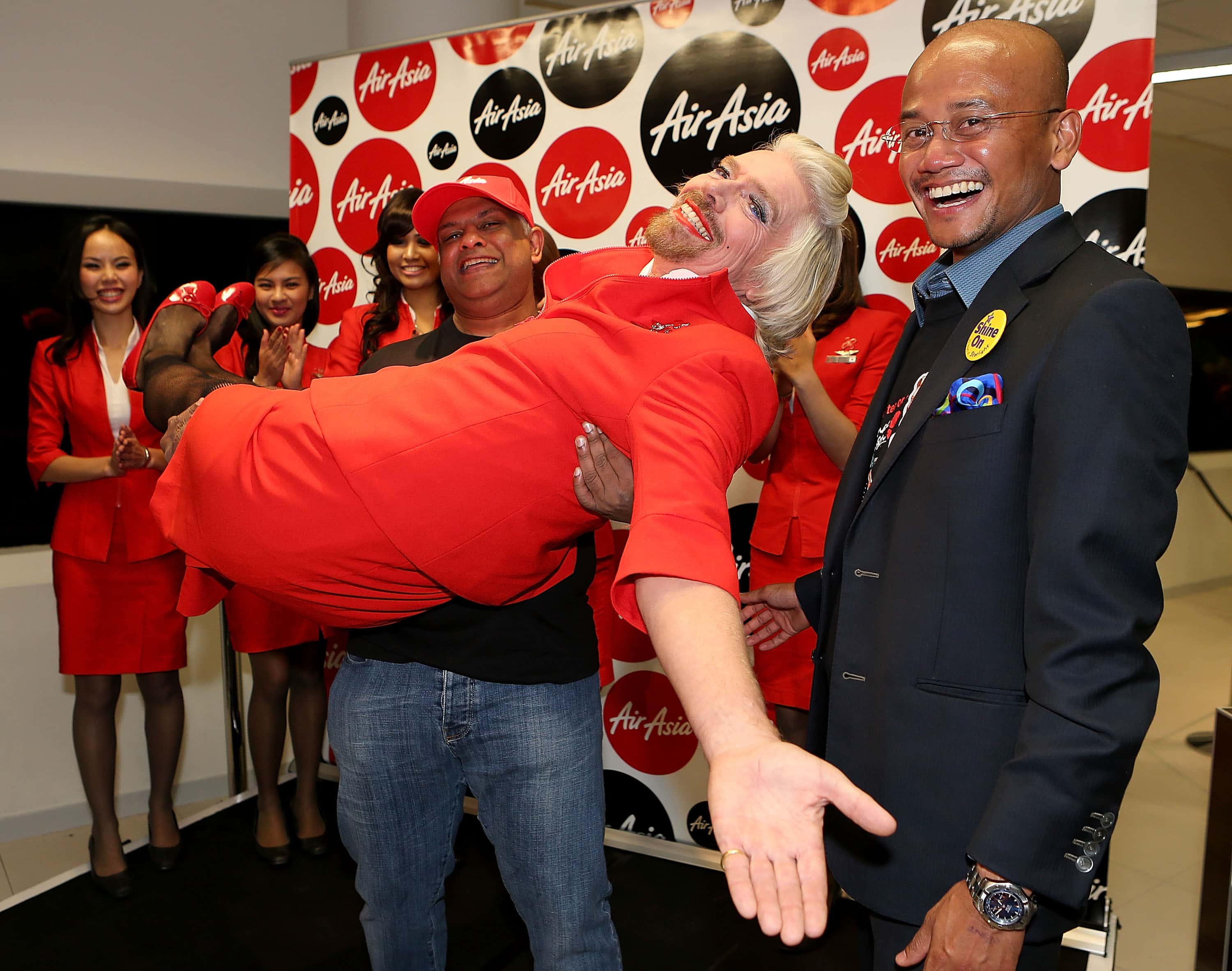
Sir Richard Branson once lost a bet with Air Asia CEO Tony Fernandes on the winner of the 2010 F1 Grand Prix in Abu Dhabi. The loser had to work as a female flight attendant on the winner’s airline. At least Branson is a man of his word.
26. Old Fashioned
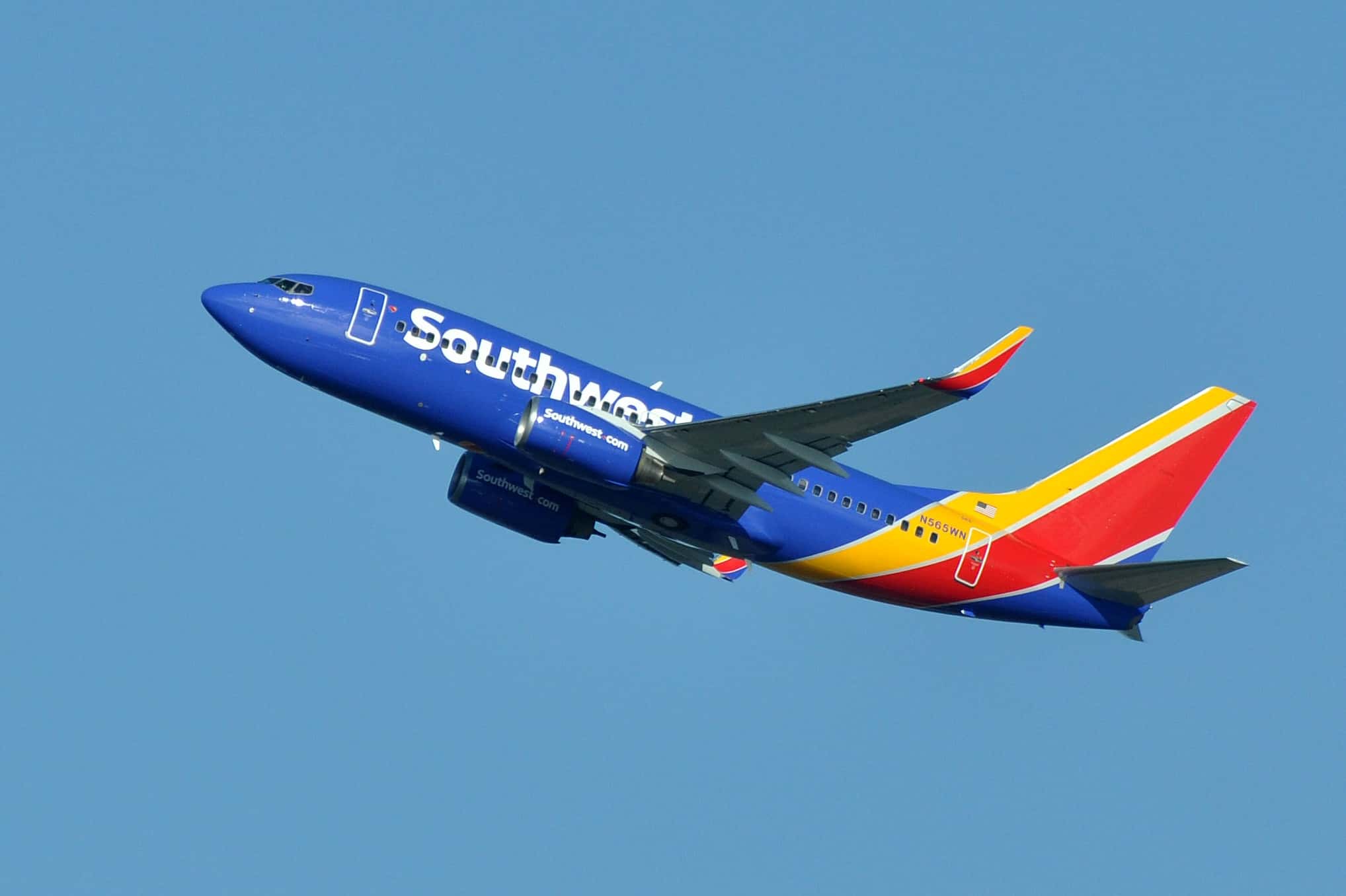
In 1992, instead of engaging in a messy legal battle over the use of the slogan,"Plane Smart", the CEOs of Southwest Airlines and Stevens Aviation simply arm-wrestled for whose company would own it. The two companies made a large charity event out of the whole thing similar to professional wrestling. We won’t spoil it.

25. Customer Service
Unlike most airlines after 9/11 (who collectively lost over $50 billion and shed 160,000 jobs) Southwest Airlines didn’t lay off one employee or ground a single flight to save money. Also, when it opened at Baltimore-Washington International Airport, fares dropped 70% and the number of passengers increased sevenfold.
24. Wrong Way
In the U.S. alone, there are as many as 7000 flights in the air at any one time.
23. Gross
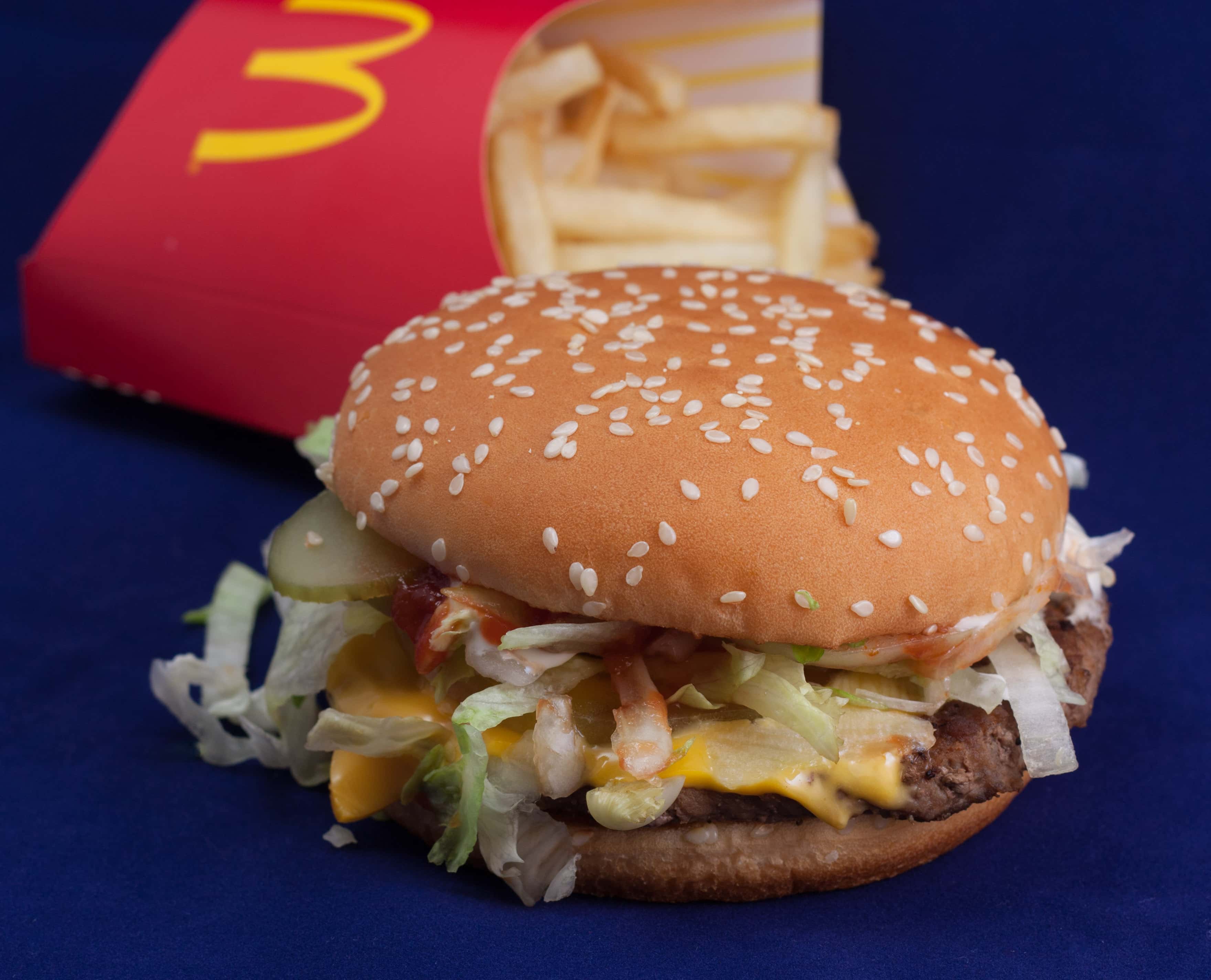
As millions of North Koreans go hungry, the country’s rulers have taken up the habit of having McDonald’s hamburgers flown in daily from China on North Korea’s national airline Air Koryo.
22. Get It Together
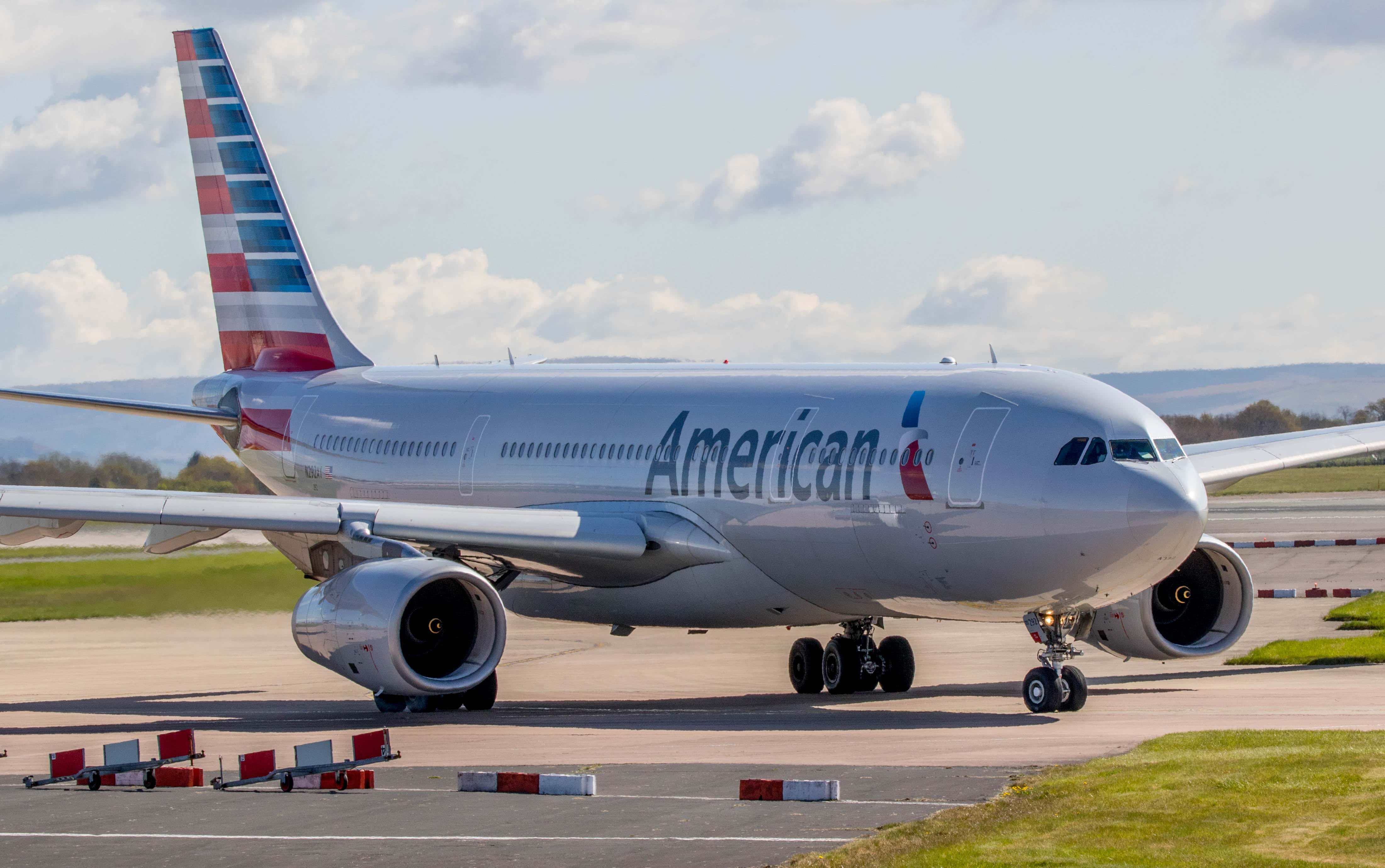
An investment bank which lost 75% of its employees in 9/11 sued American Airlines for negligence in allowing terrorists on board, and won $135 million.
21. Gotta Go
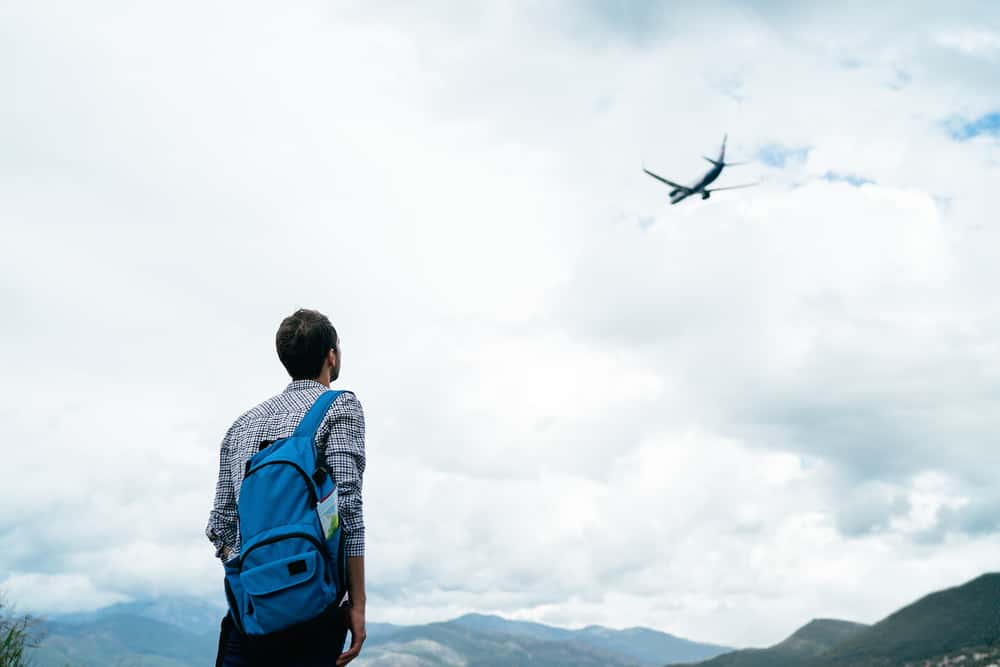
In 2013, an American Airlines flight from LA to NYC made an unscheduled stop in Kansas City to offload a passenger who wouldn’t stop singing “I Will Always Love You.” Considering how old the song was at the time, this makes very little sense.
20. Ballsy
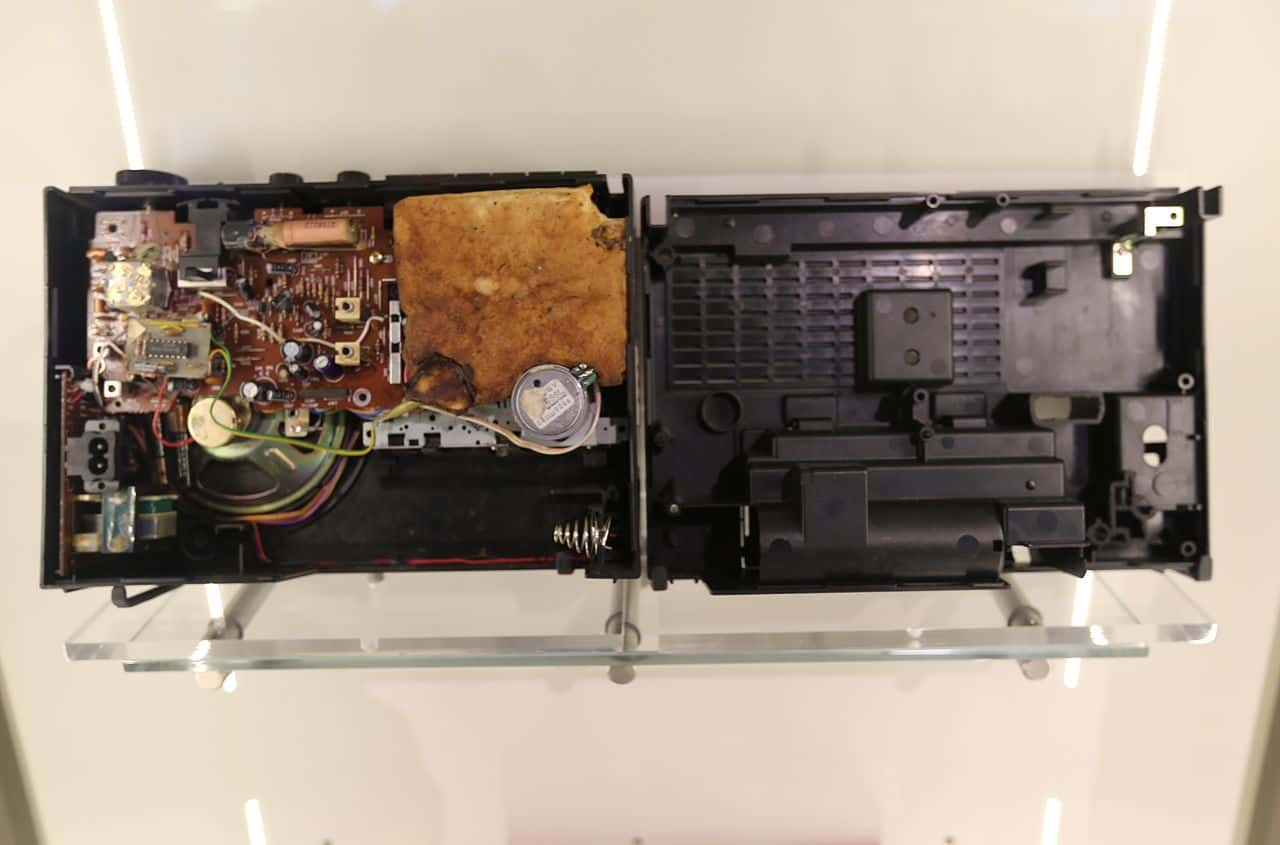
On 18 May 1990, Jim Swire, whose daughter died in an airline bombing, took a fake bomb on board a British Airways from London Heathrow to New York JFK and then on a flight from New York JFK to Boston to show that airline security had not improved. Don’t miss a parent’s love for their kids.
19. A lot of Olives
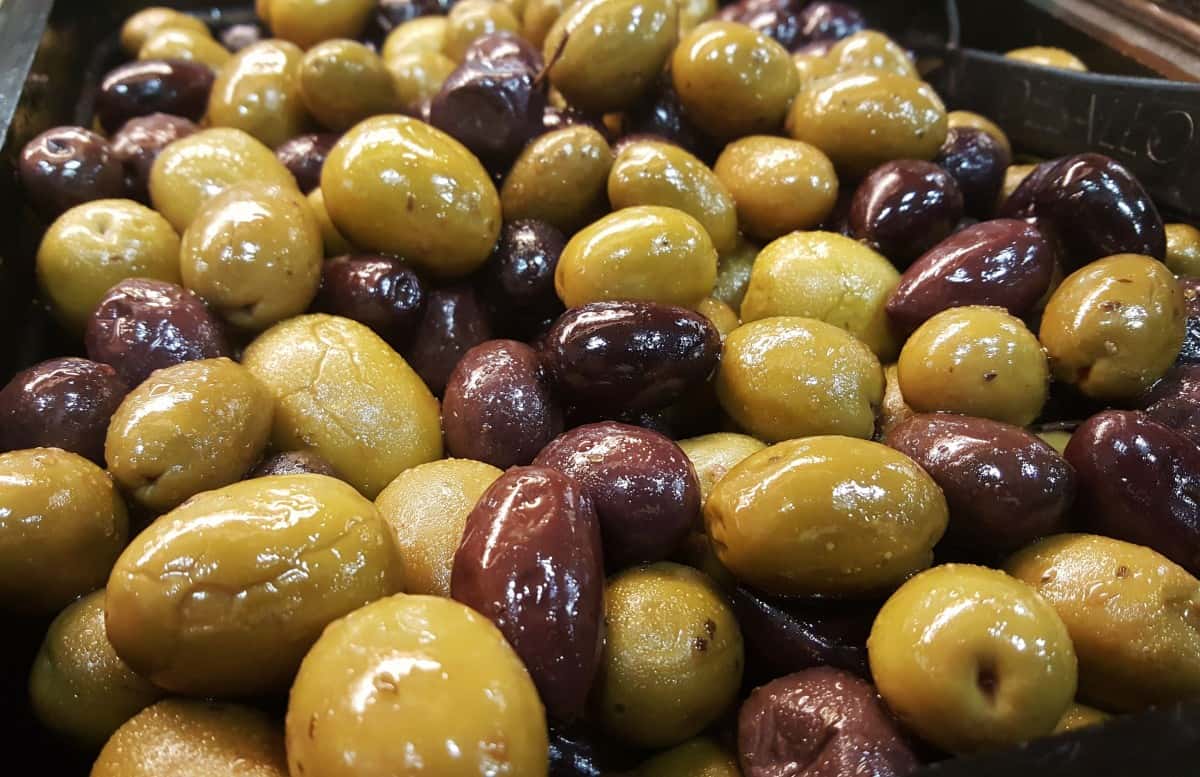
In the 1980's, Robert Crandall, then head of American Airlines saved the company $40,000 a year by removing one olive from each in-flight salad.
18. Meal Plan
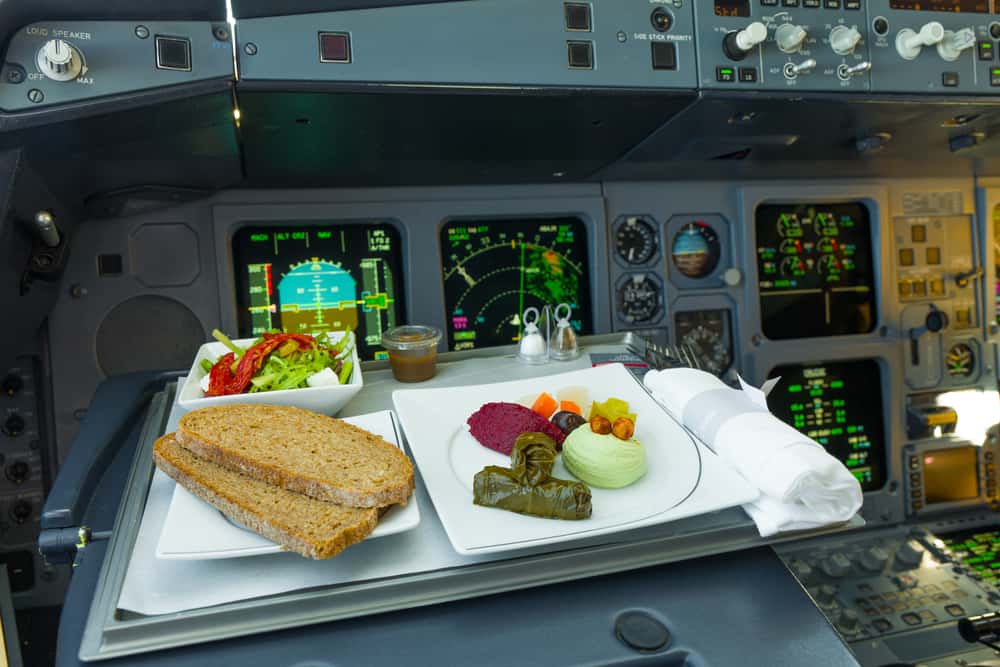
Many airlines have a rule that each pilot flying the aircraft eats a different meal, in order to minimize the risk of all pilots on board being ill. This makes a lot of sense, and we’re very grateful for the smart people who thought of this.
 Shutterstock
17. Yuge!
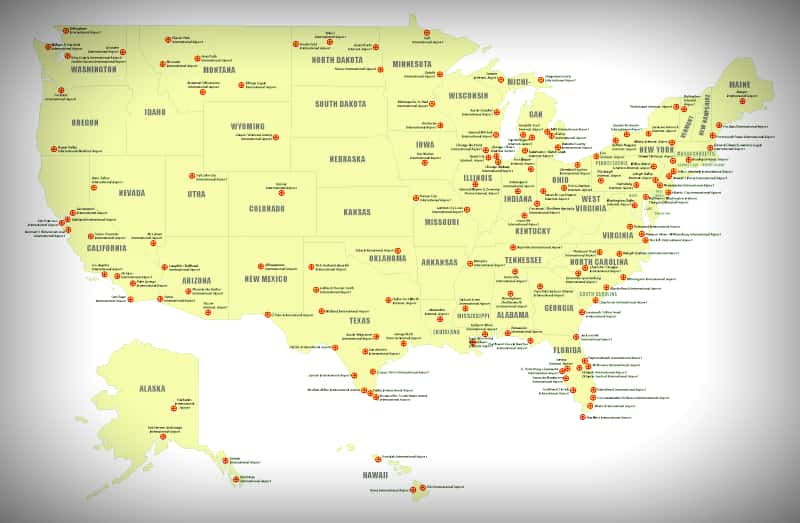
One third of the world’s airports are in the USA. That’s pretty crazy considering the US only has about 4.4% of the world’s population.
Below is a map of airports with connecting-flights within the United States. The bigger the dot, the more connecting-flights that particular airport services. Looks like East beats West...
16. Sexism In The Air Part II
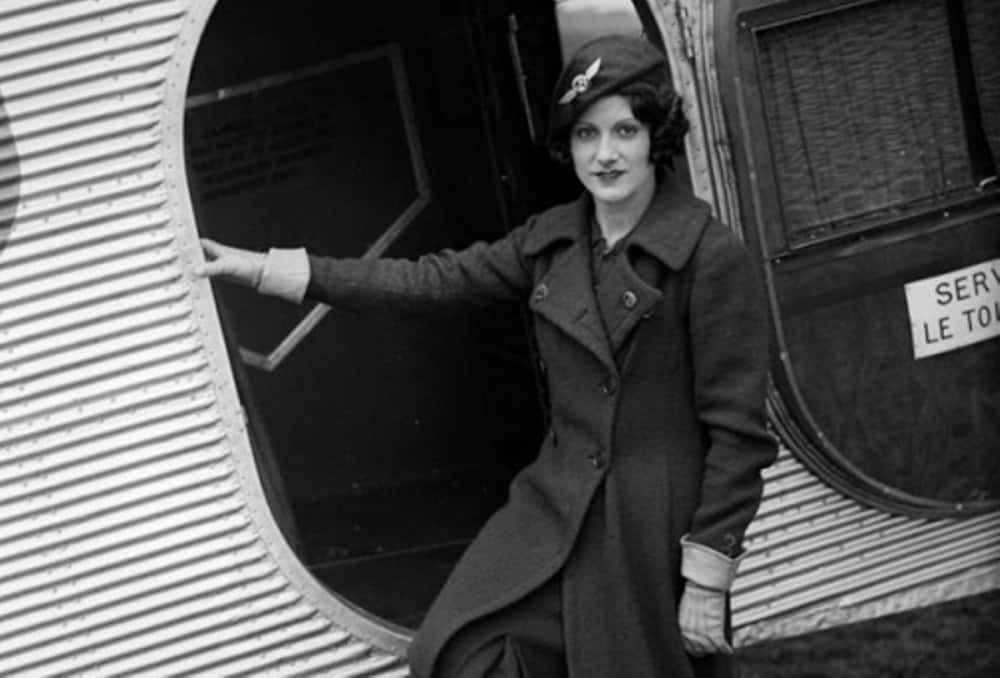
The first flight attendants had to weigh less than 115 pounds, be unmarried, and be trained nurses. There were no weight, marital or medical restrictions for pilots. Super fair...
15. Unpoppable
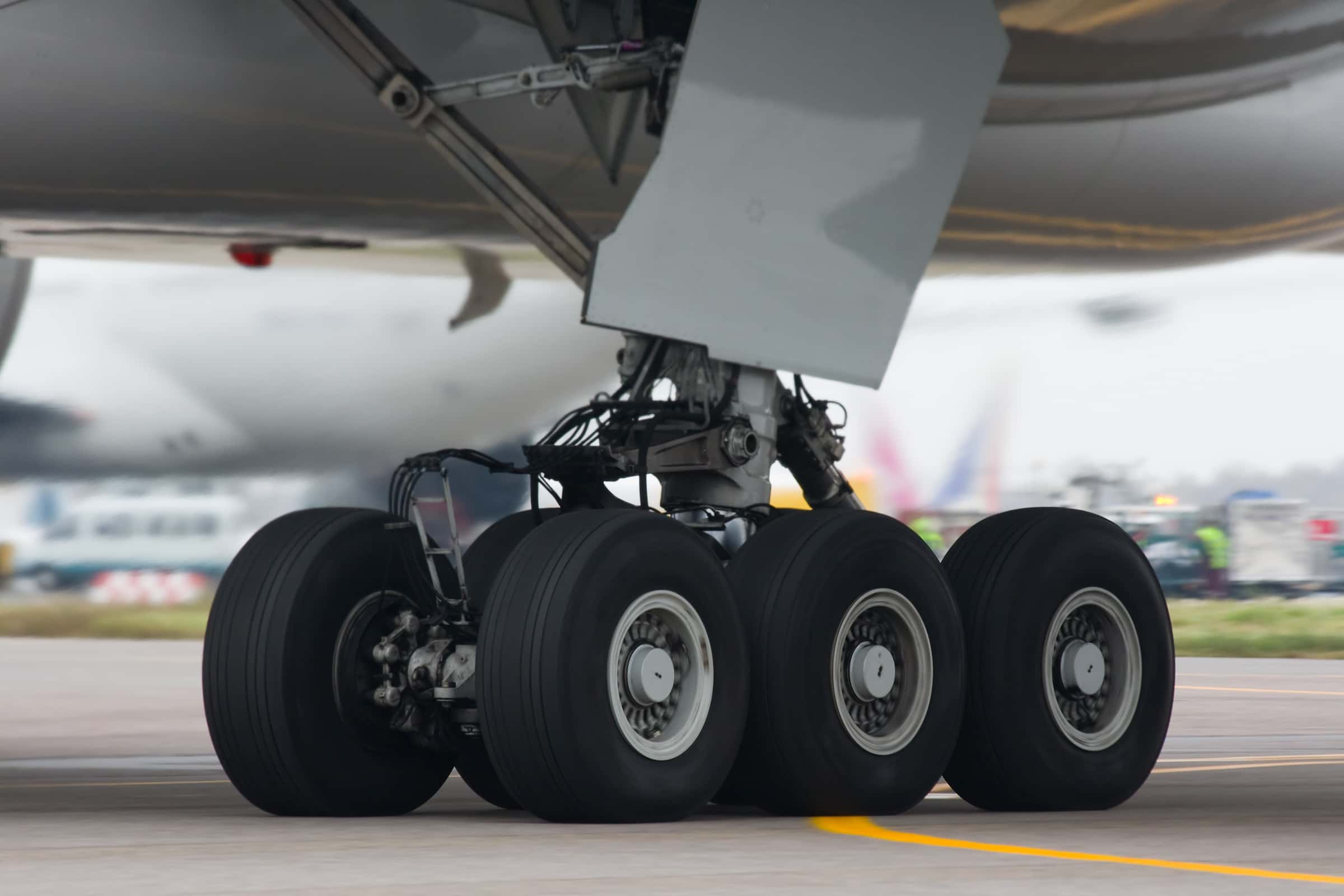
The tires on an airplane are designed to withstand incredible weight loads (38 tons!) and can hit the ground at 170 miles per hour more than 500 times before ever needing to get a retread. Additionally, airplane tires are inflated to 200 psi, which is about six times the pressure used in a car tire. If an airplane does need new tires, ground crew simply jack up the plane like you would a car.
14. Alcoves
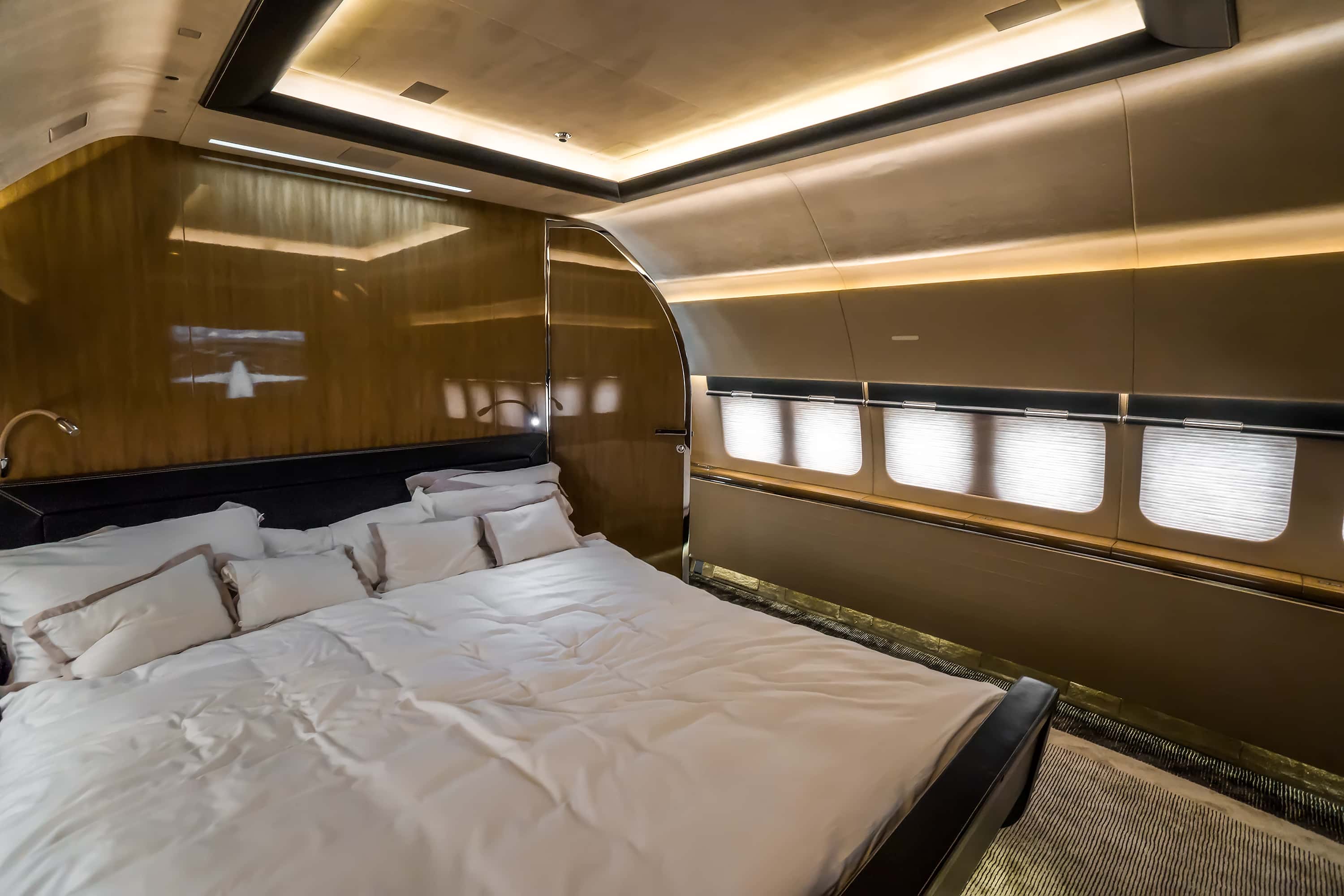
On long-haul flights, cabin crew can work 16-hour days. To help combat fatigue, some planes, like the Boeing 777 and 787 Dreamliners, are outfitted with tiny bedrooms where the flight crew can get a little shut-eye. The bedrooms are typically accessed via a hidden staircase that leads up to a small, low-ceilinged room with 6 to 10 beds, a bathroom, and sometimes entertainment.
13. Super Safe Part III
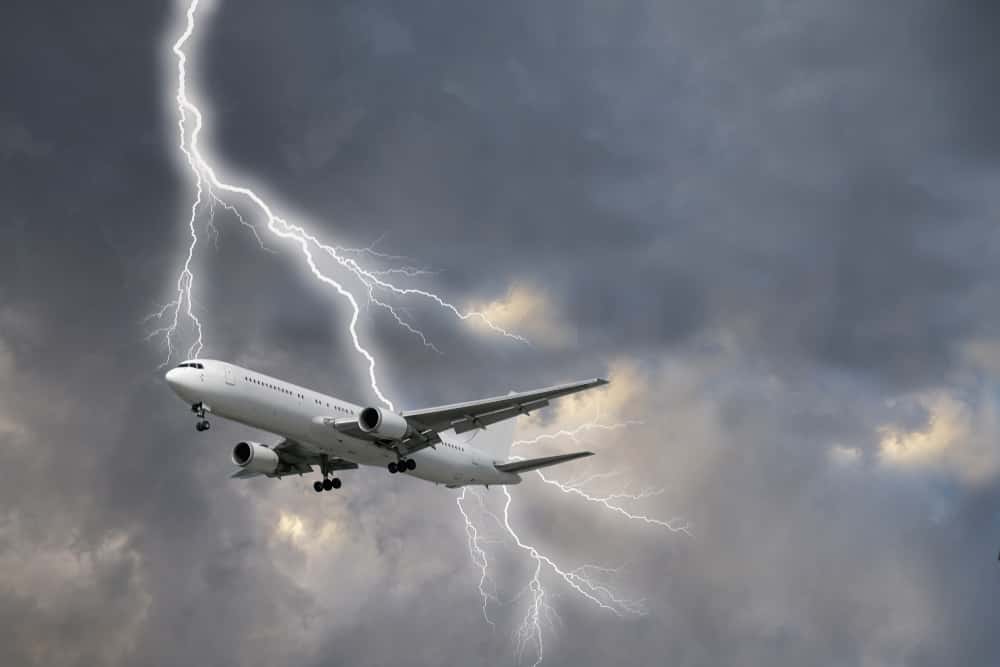
Planes are designed to be struck by lightning—and they regularly are hit. It’s estimated lightning strikes each aircraft once a year—or once per every 1,000 hours of flight time. Yet, lighting hasn’t brought down a plane since 1963 due to careful engineering that lets the electric charge run through the plane and out of it, typically without causing any damage to the plane.
12. Not Too Safe
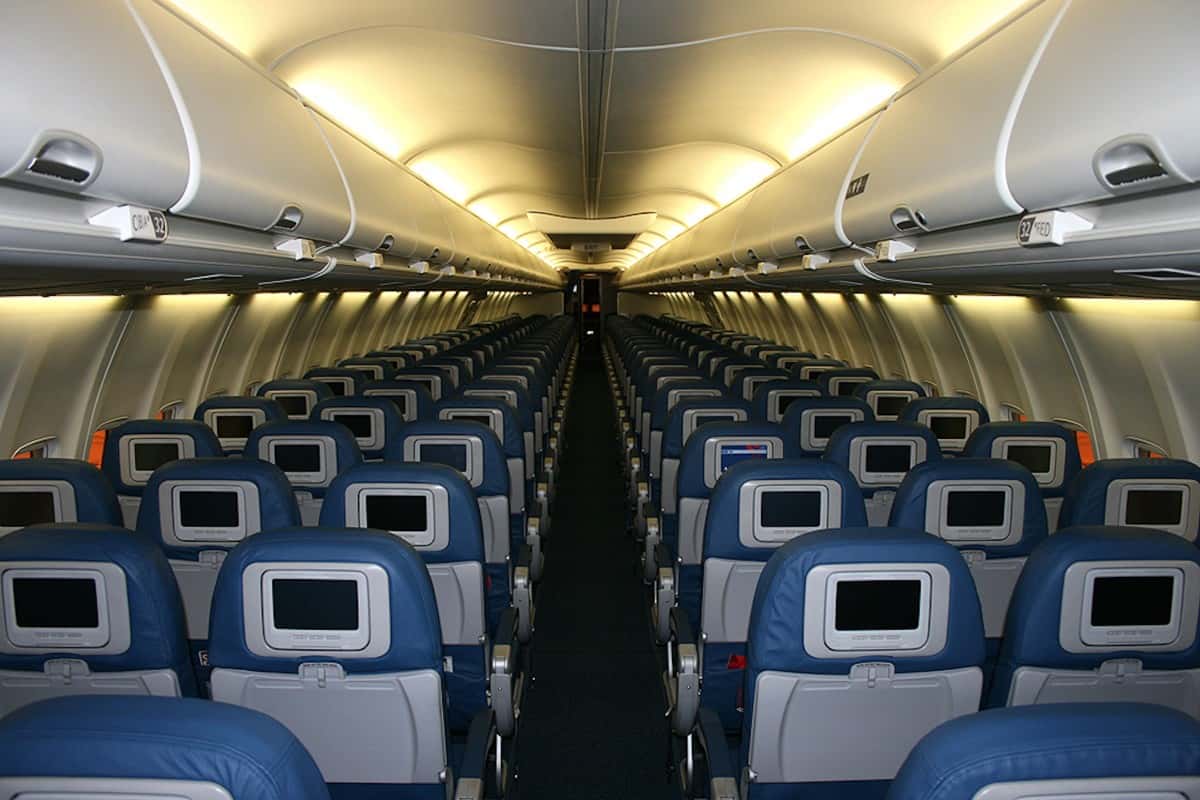
The FAA says there is no safest seat on the plane, though a TIME study of plane accidents found that the middle seats in the back of the plane had the lowest fatality rate in a crash. Their research revealed that, during plane crashes, “the seats in the back third of the aircraft had a 32 percent fatality rate, compared with 39 percent in the middle third and 38 percent in the front third.”
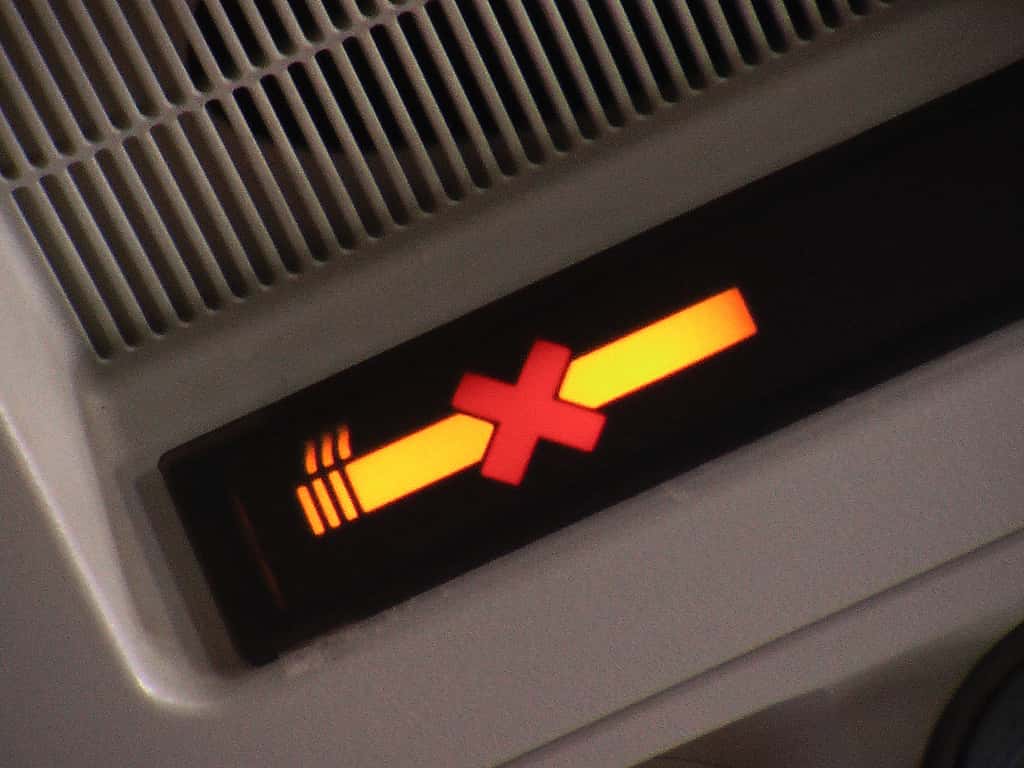
11. No Smoking
The FAA banned smoking on planes years ago, but eagle-eyed passengers know that airplane lavatories still have ashtrays in them. As Business Insider reported, the reason is that airlines—and the people who design planes—figure that despite the no-smoking policy and myriad no-smoking signs prominently posted on the plane, at some point a smoker will decide to light up a cigarette on the plane. The hope is that if someone violates the smoking policy, they will do so in the relatively confined space of the bathroom and dispose of the cigarette butt in a safe place—the ashtray, not a trash can where it could theoretically cause a fire.
If you think about it, it's actually any example of incredibly good design. Although airlines might reasonably hope for passengers to heed their warnings... breaking rules does seem to be an ingrained aspect of human nature. So rather than hoping against hope for that truth to change, aircraft systems designers have accepted people for what they are, and built-in a fail safe.
So, in theory, we suppose smoking in the bathroom is still an option. Just expect a massive fine, and a lot of social shaming.
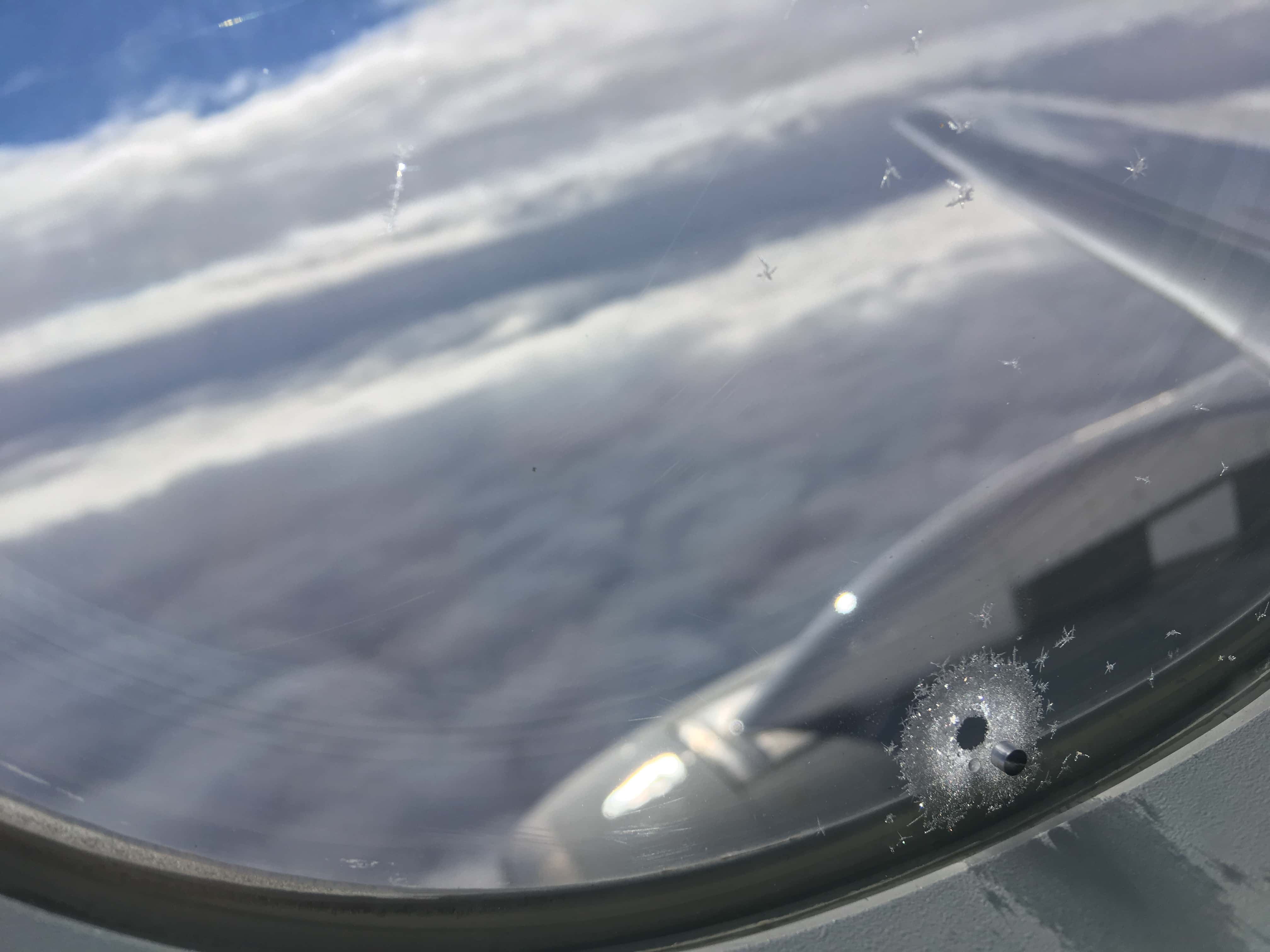
10. Air Hole
The small holes in airplane windows are there to regulate cabin pressure. Most airplane windows are made up of three panels of acrylic. The exterior window works as you would expect—keeping the elements out and maintaining cabin pressure. In the unlikely event that something happens to the exterior pane, the middle pane acts as a fail-safe option. The tiny hole in the interior window is there to regulate air pressure so the middle pane remains intact until it is called into duty.
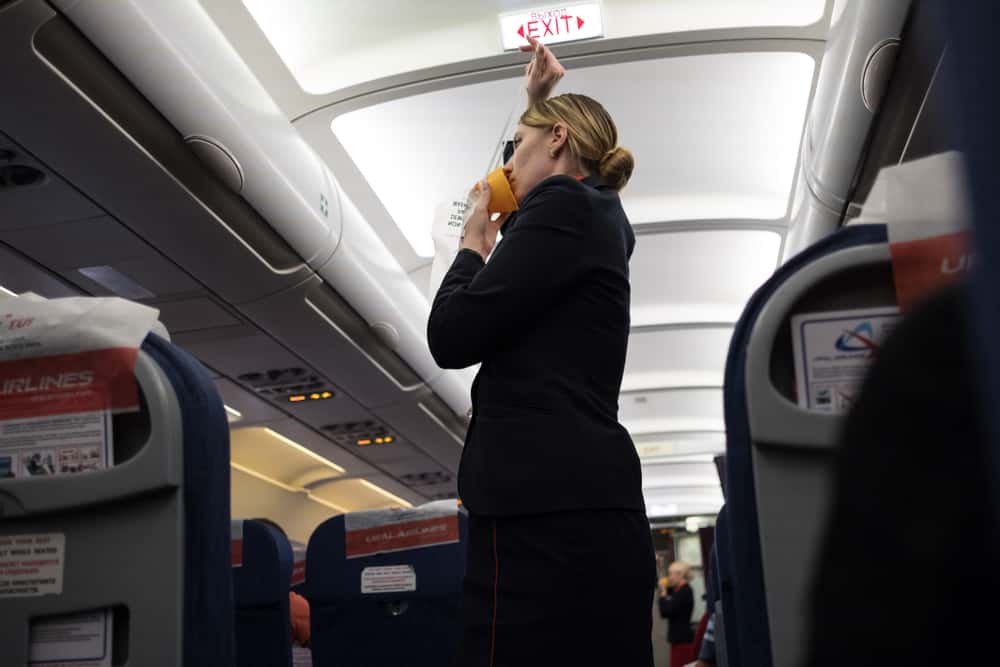
9. Breathe
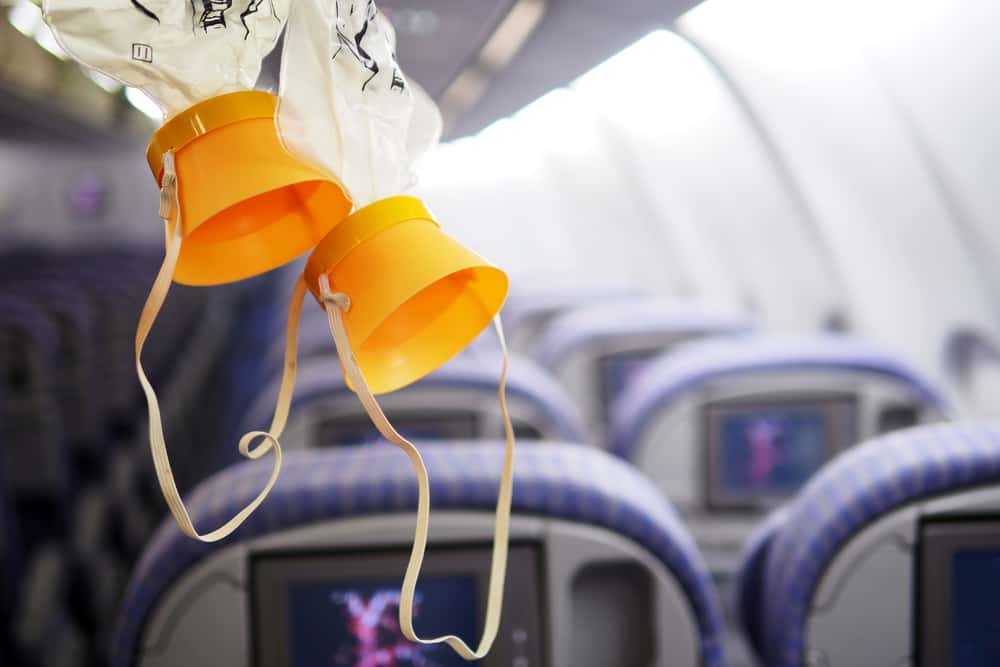
The safety instructions on most flight include how to use the oxygen masks that are deployed when the plane experiences a sudden loss in cabin pressure. However, one that thing that the flight attendants don’t tell you is that oxygen masks only have about 15-minutes worth of oxygen. That sounds like a frighteningly short amount of time, but in reality that should be more than sufficient. The pilot will respond to a loss of pressure situation descending to an altitude below 10,000 feet, where passengers can simply breathe normally, no extra oxygen required. That rapid descent usually takes way less than 15 minutes, meaning those oxygen masks have more than enough air to protect passengers.
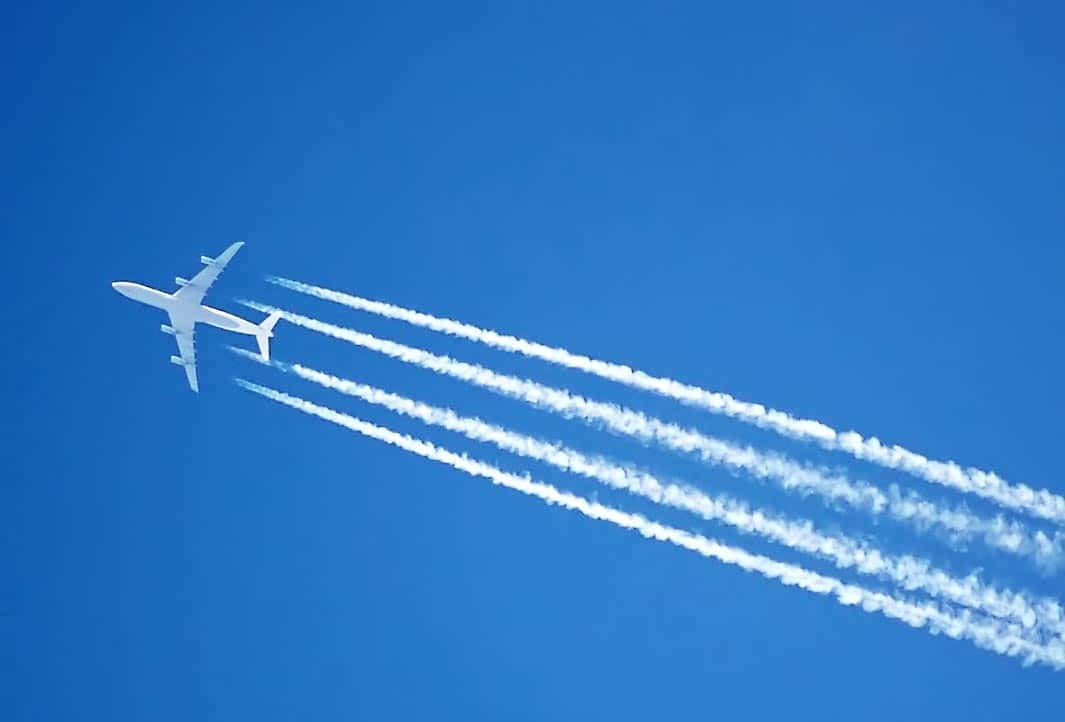
8. Airway
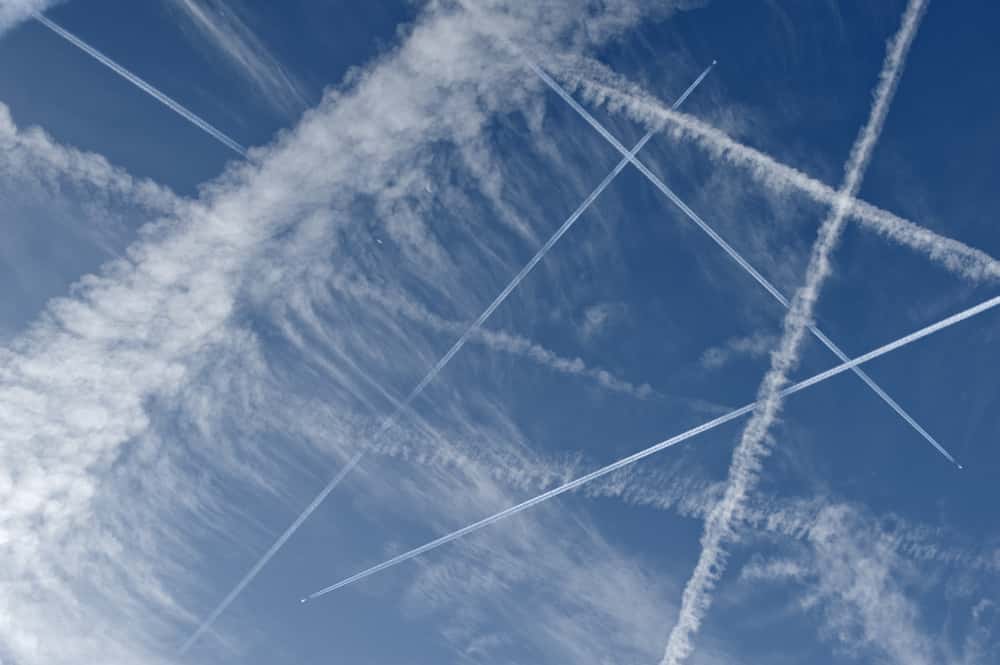
Those white lines that planes leave in the sky are simply trails of condensation, hence their industry name of “contrails.” Plane engines release water vapor as part of the combustion process. When that hot water vapor is pumped out of the exhaust and hits the cooler air of the upper atmosphere, it creates those puffy white lines in the sky. It’s basically the same reaction as when you see your breath when it’s cold outside.
7. Busy
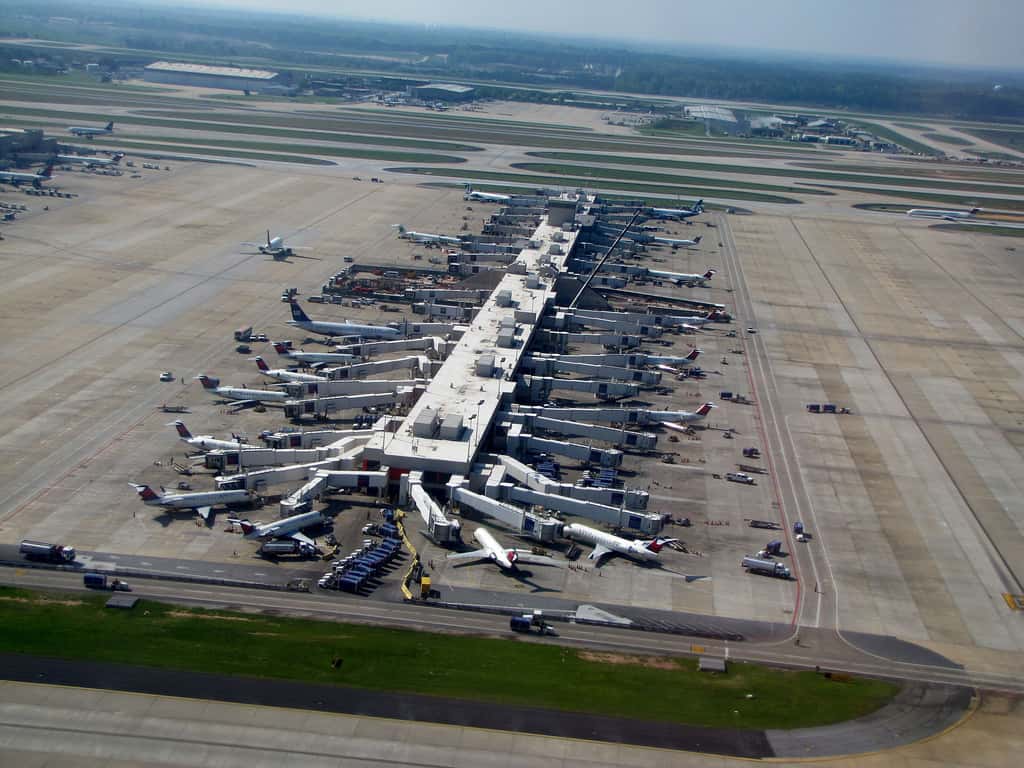
The world’s busiest commercial airport is Hartsfield-Jackson Airport (ATL) in Atlanta, with 970,000 airplane movements a year. It’s followed by Chicago (ORD), London (LHR), Tokyo (HND), Los Angeles (LAX).
6. Lost! Part II
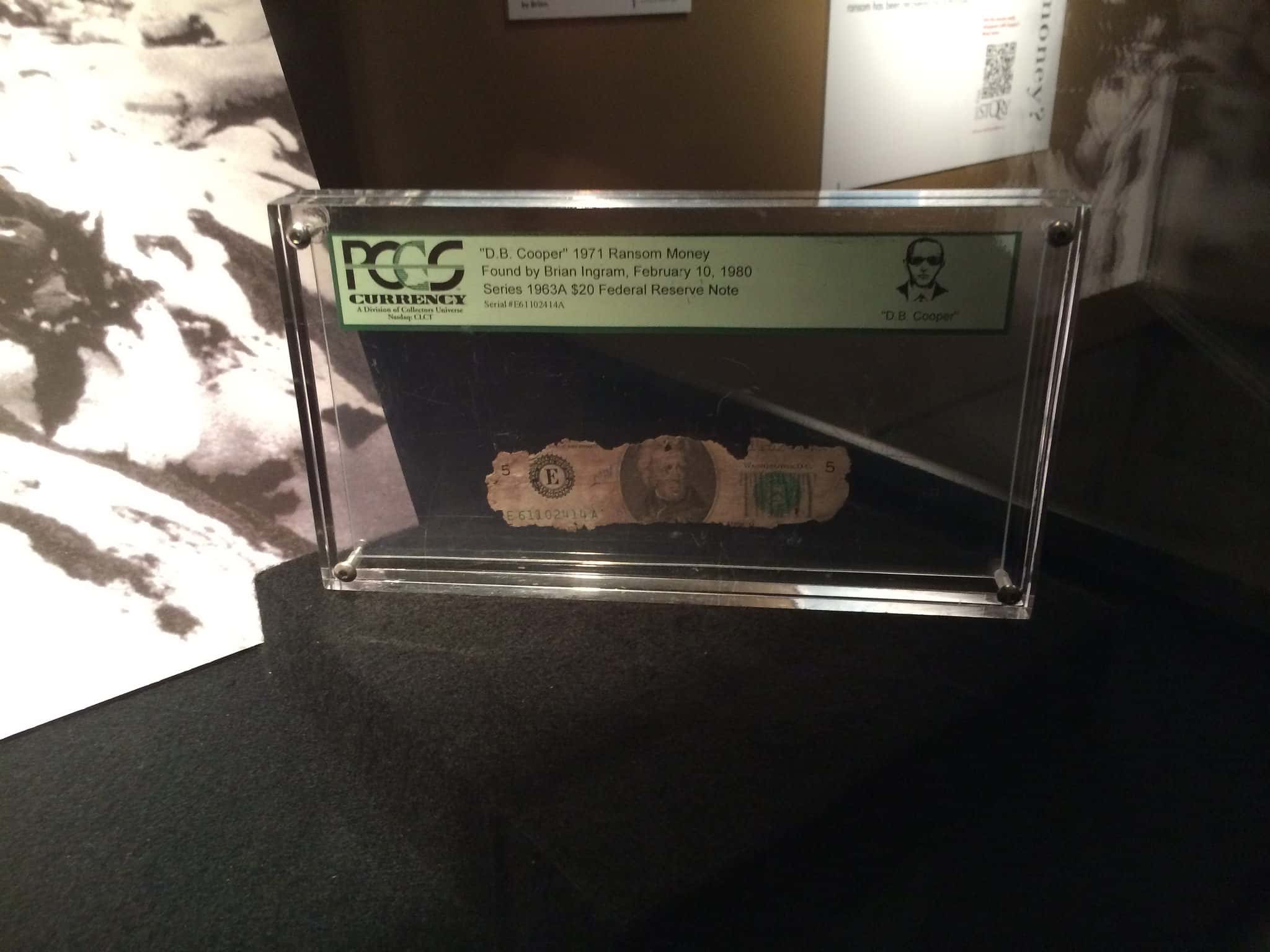
In 1971, D. B. Cooper hijacked Northwest Orient Airlines Boeing 727 – flight 305. He successfully landed the plane and negotiated a $200,000 ransom for the release of the passengers. He then took off and parachuted from the rear of the plane. He was never found.
5. Dog Day
In 2013, a blind man was kicked off a US Airways flight after his service dog repositioned itself several times during a 2-hour delay. The passengers demanded that he be let back on and the flight attendant responsible be kicked off instead. The flight was eventually canceled. Not cool.

4. That’s Fast
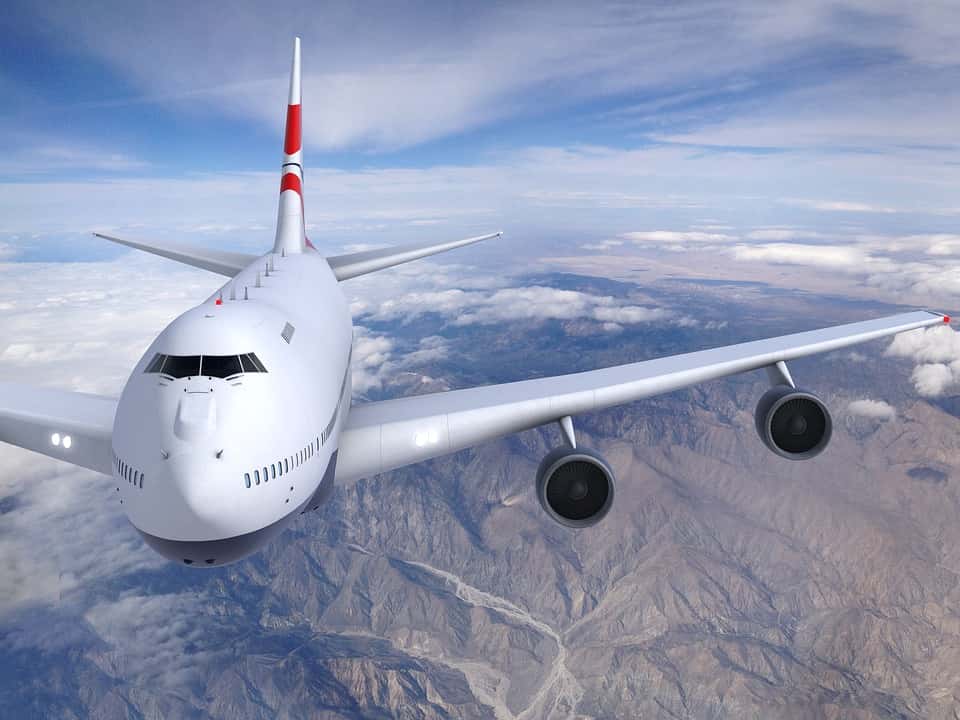
The maximum speed of a Boeing 747 is 955 km/h. That’s almost 600 mph.
3. Shakes on a Plane
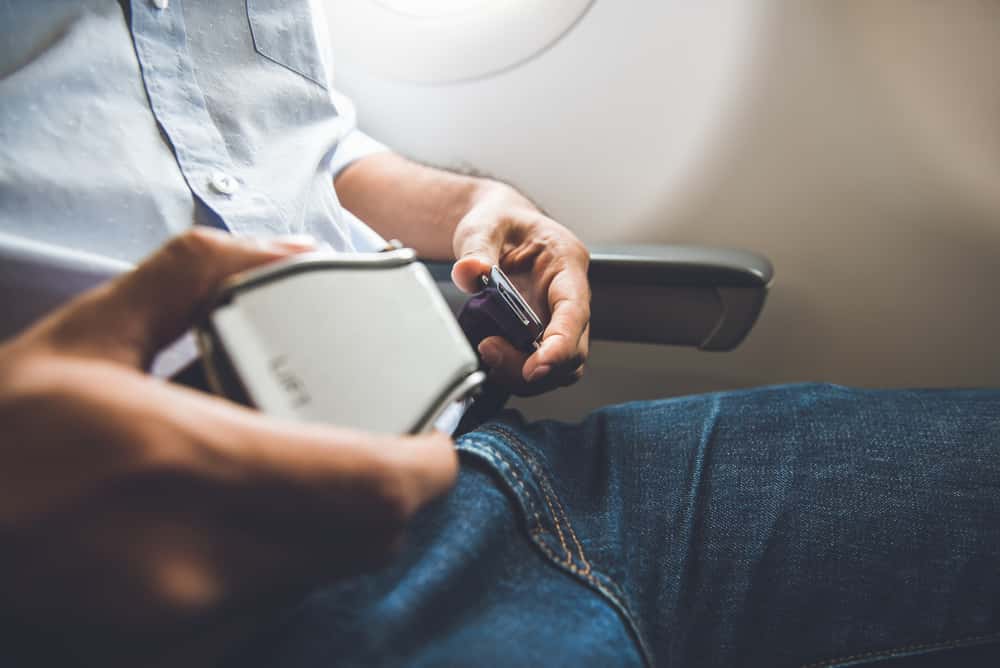
Very few aircraft have ever gone down because of turbulence alone. Most of the injuries caused by severe turbulence are from passengers hitting their heads on the ceiling of the plane (keep your seatbelt fastened people!). Although in the 60's a plane near Tokyo went down after experiencing turbulence near Mt. Fuji, today’s commercial airliners are designed to withstand forces one-and-a-half times stronger than anything experienced in the last 40 years of flying, and advances in detection systems help pilots avoid severe turbulence.
2. Mile High Club
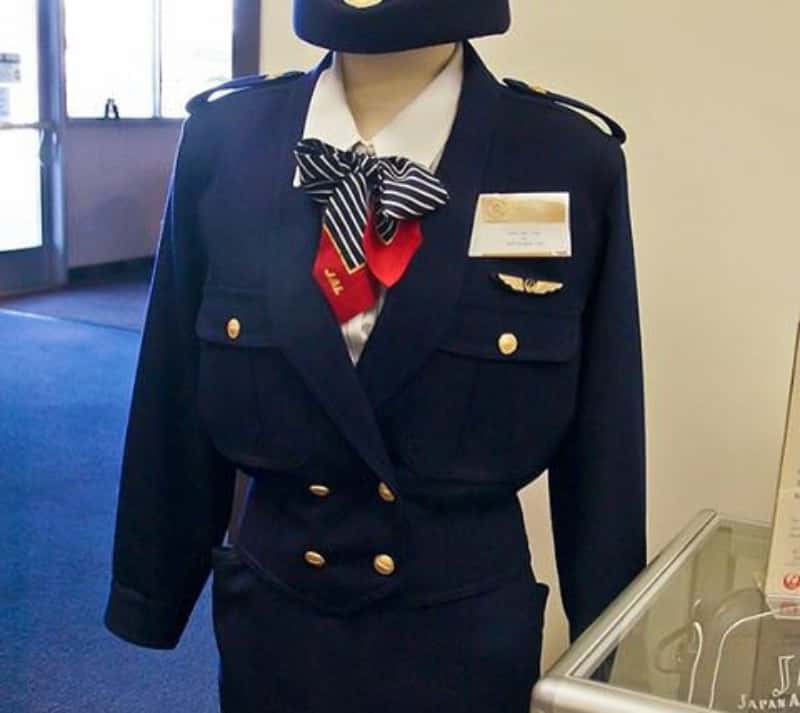
After declaring bankruptcy, Japan Airlines flight attendant uniforms were sold to the local sex industry after becoming highly sought after by fetishists. An authentic Japan Airlines uniform can sell for as much as $2500 USD online. The Japanese are practical if nothing else.
1. Breathe Part II
In the early years of commercial flight, before pressurized cabins were invented, airline passengers sometimes had to wear oxygen masks during routine flights.









.jpg)
,_N565WN_-_SEA_(21783111420).jpg)

.jpg)


