History's Hidden Wealth
Gold-laden ships sink into watery graves. Treasure hunters spend lifetimes searching for riches that might never be found. These lost treasures still beckon adventurers today—legendary fortunes waiting silently in jungles, mountains, and ocean depths.
Ark Of The Covenant
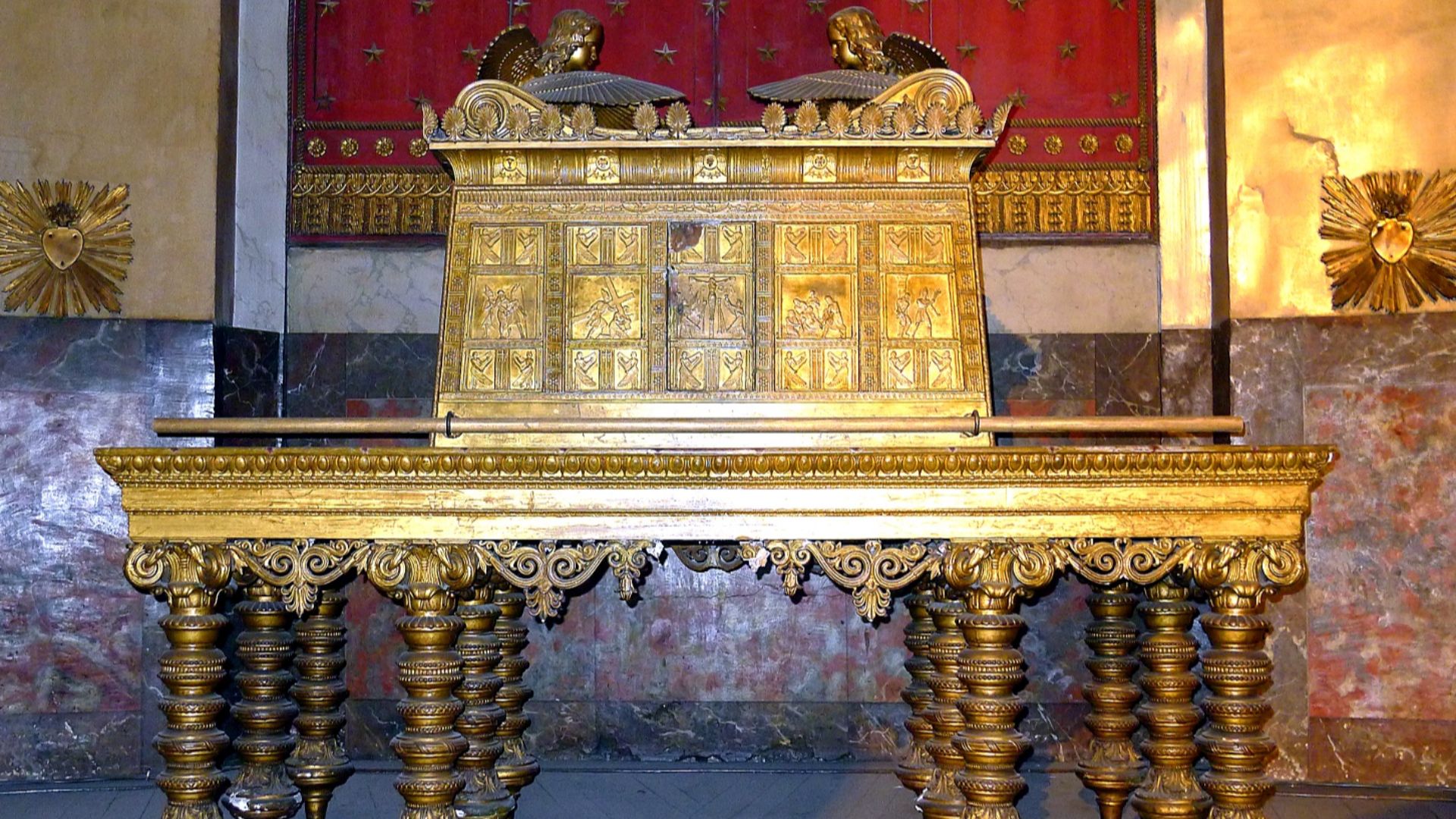
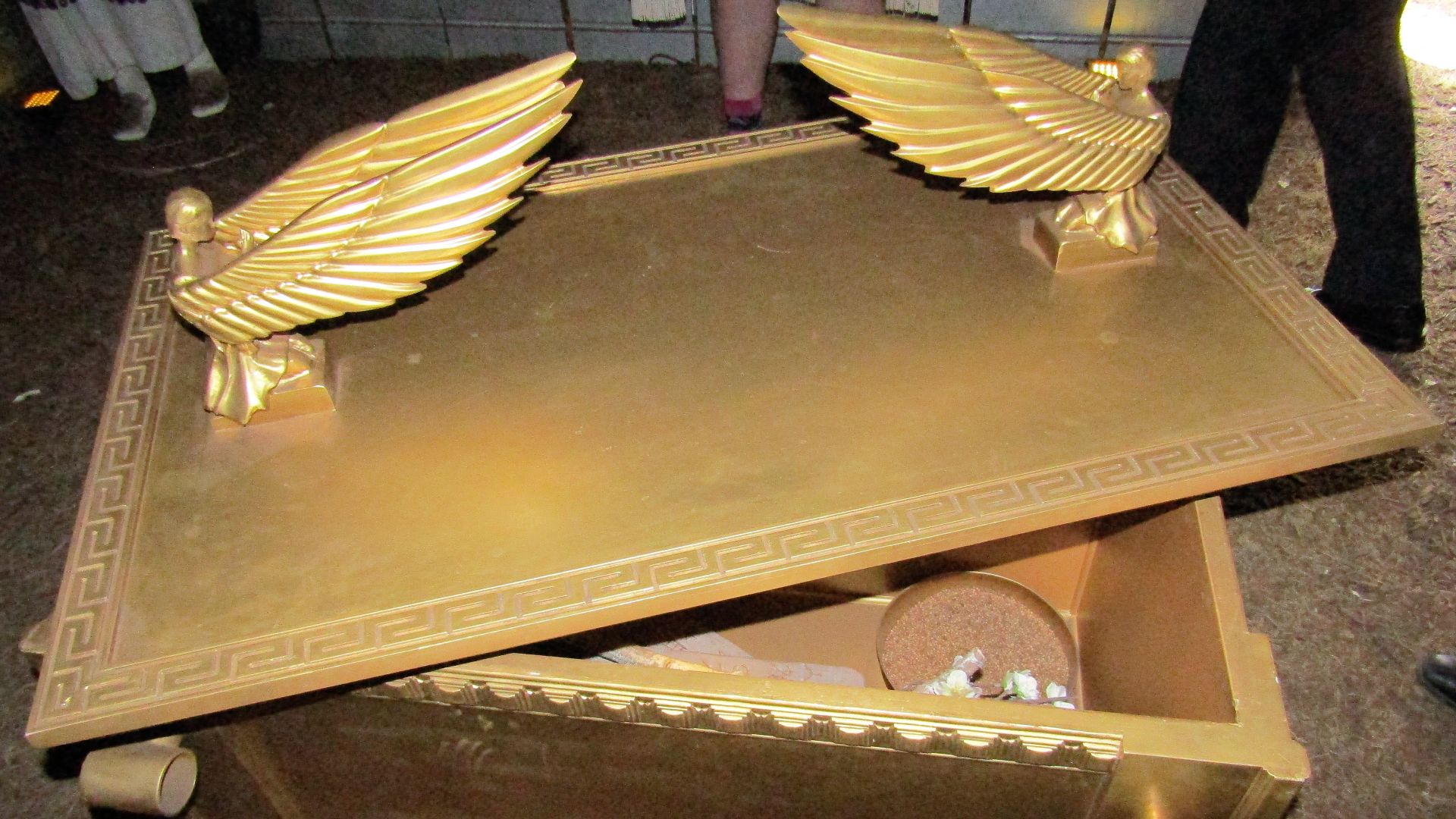
The biblical chest once housing the Ten Commandments, Aaron's rod, and manna remains a highly tantalizing mystery. Carried by Israelites for 40 years through the desert, this gold-plated wooden ark was believed to possess supernatural powers, famously bringing down Jericho's walls during ancient conquests.
Ark Of The Covenant (Cont.)
After residing in Jerusalem's First Temple, the sacred artifact vanished following the Babylonian destruction of the city in 587 BCE. Even more interesting is how the Ark demonstrated its power when captured by the Philistines—devastating plagues struck their cities until they hastily returned it to Israel.
Montezuma's Treasure
When Spanish conquistadors arrived at Tenochtitlan in 1521, the Aztec emperor's legendary riches seemingly vanished into thin air. Some fascinating theories suggest that desperate Aztecs threw the massive treasure into Lake Texcoco to prevent Cortes and his men from seizing their sacred gold and jewels.
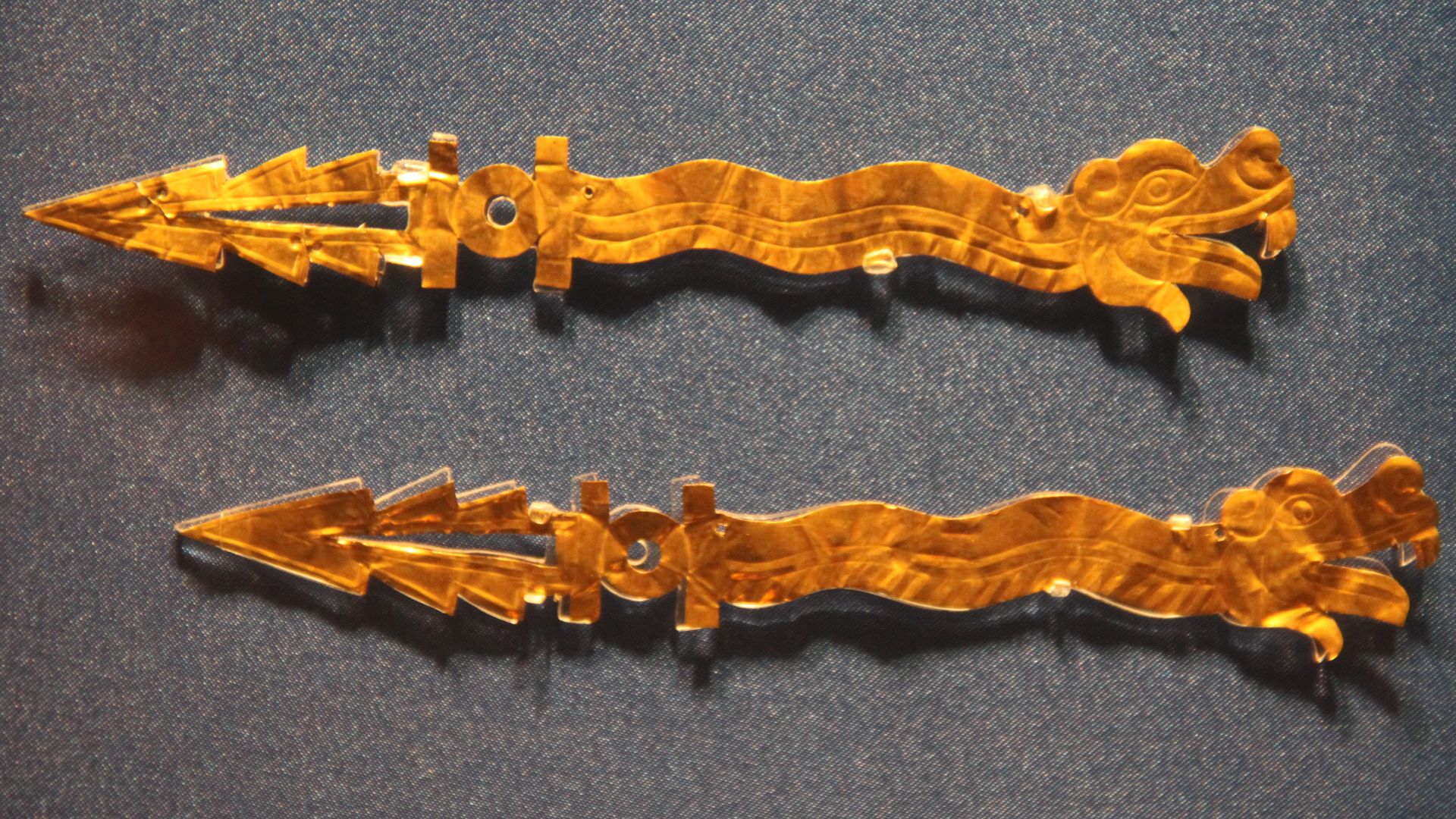 Gary Todd from Xinzheng, China, Wikimedia Commons
Montezuma's Treasure (Cont.)
The allure of Montezuma's gold has thrilled treasure hunters for centuries, inspiring countless modern-day expeditions despite no definitive evidence confirming its existence. What makes this treasure compelling is how it represents both immense material wealth and the last remnants of a conquered civilization's cultural heritage.
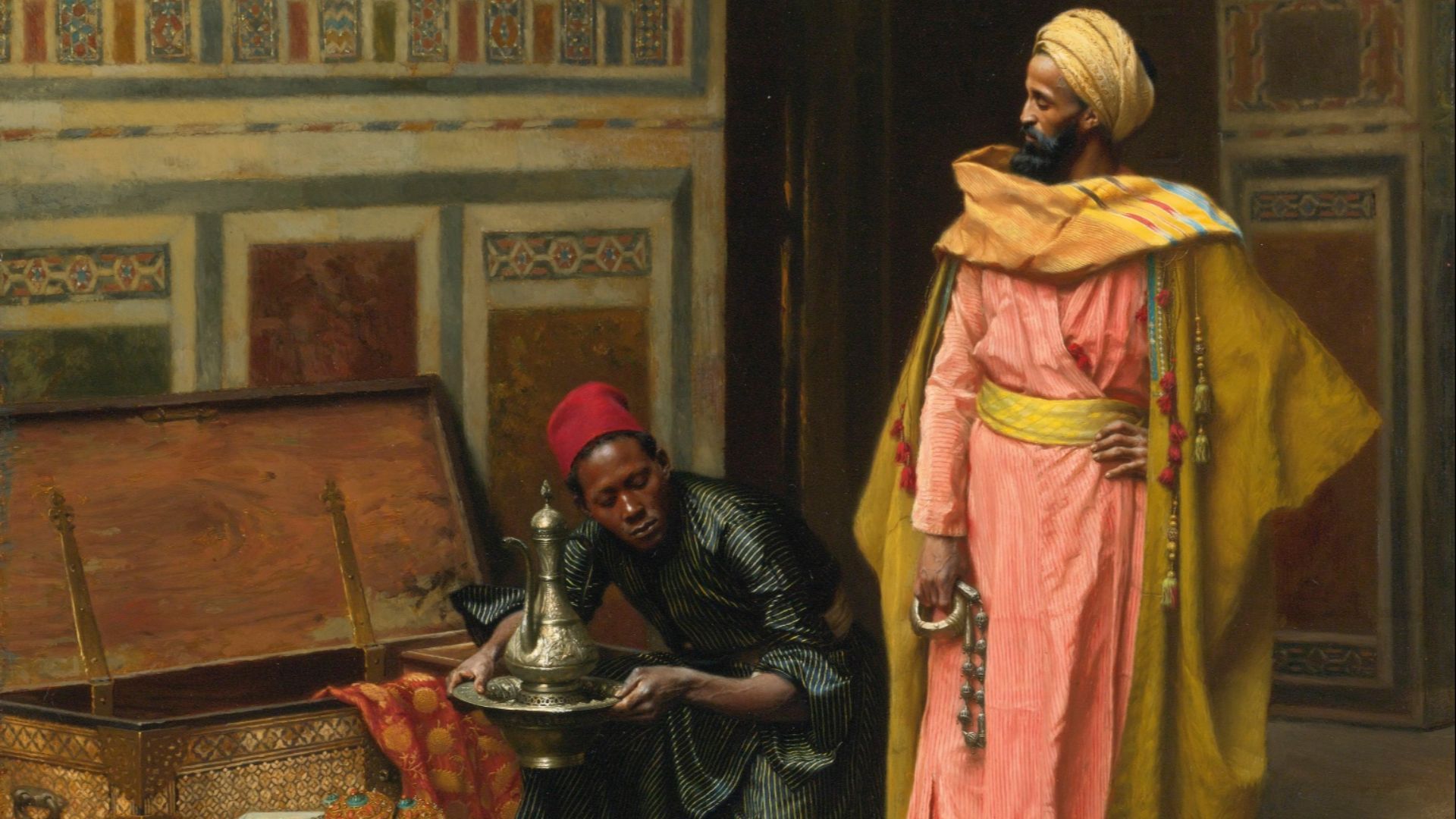 Ludwig Deutsch, Wikimedia Commons
Flor De La Mar Shipwreck
Imagine a Portuguese ship so massive for its time that it became legendary even before its sinking. The Flor de la Mar, one of the largest vessels of its era, met its tragic end in 1511 off Sumatra while transporting an immense treasure from conquered Malacca.
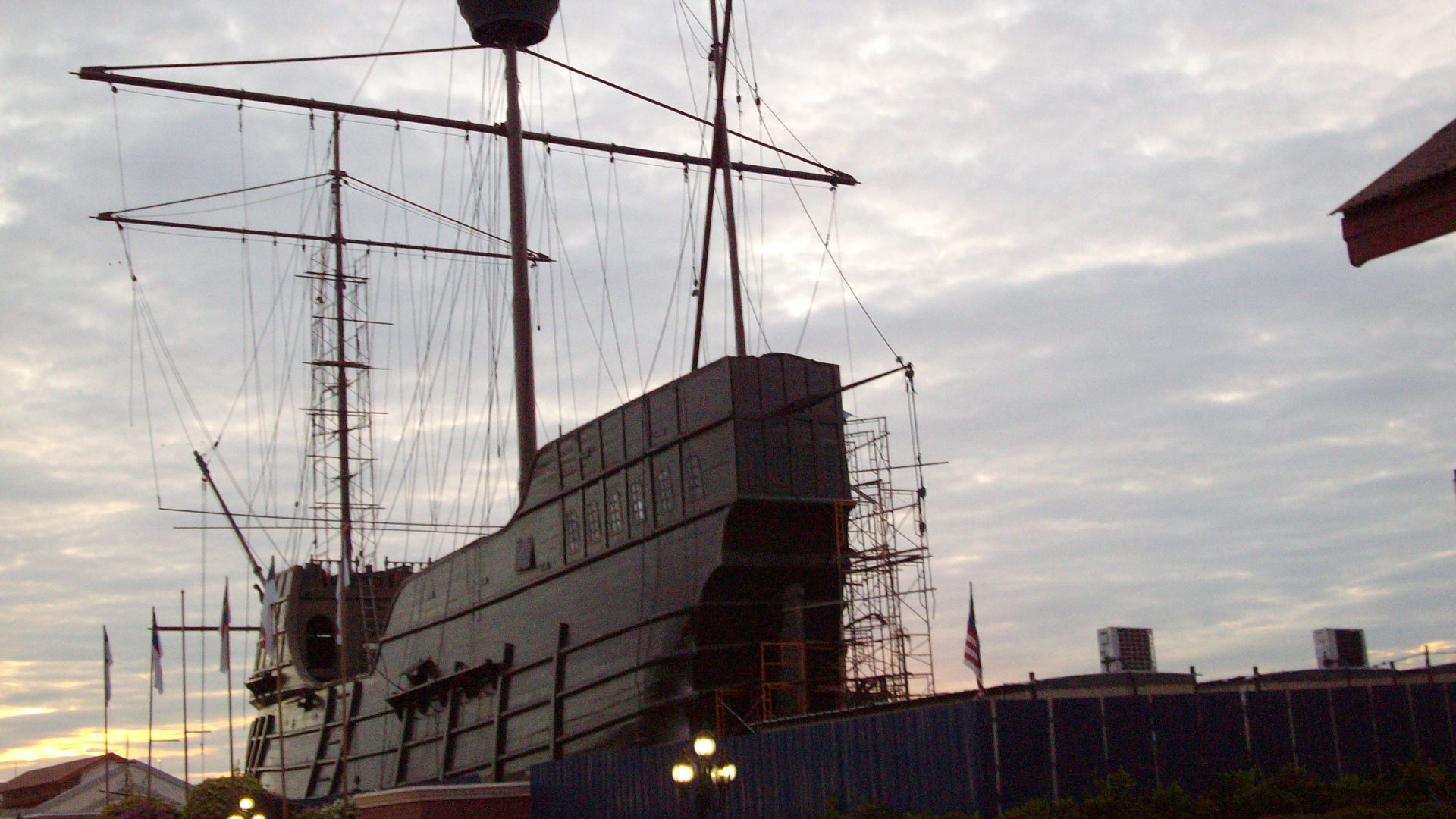 Rudolph.A.furtado, Wikimedia Commons
Flor De La Mar Shipwreck (Cont.)
It left behind a fortune estimated to be worth billions in today's currency. Numerous modern salvage attempts have failed to locate the wreckage or its precious cargo despite sophisticated technology and substantial investment. The ship's final resting place remains elusive.
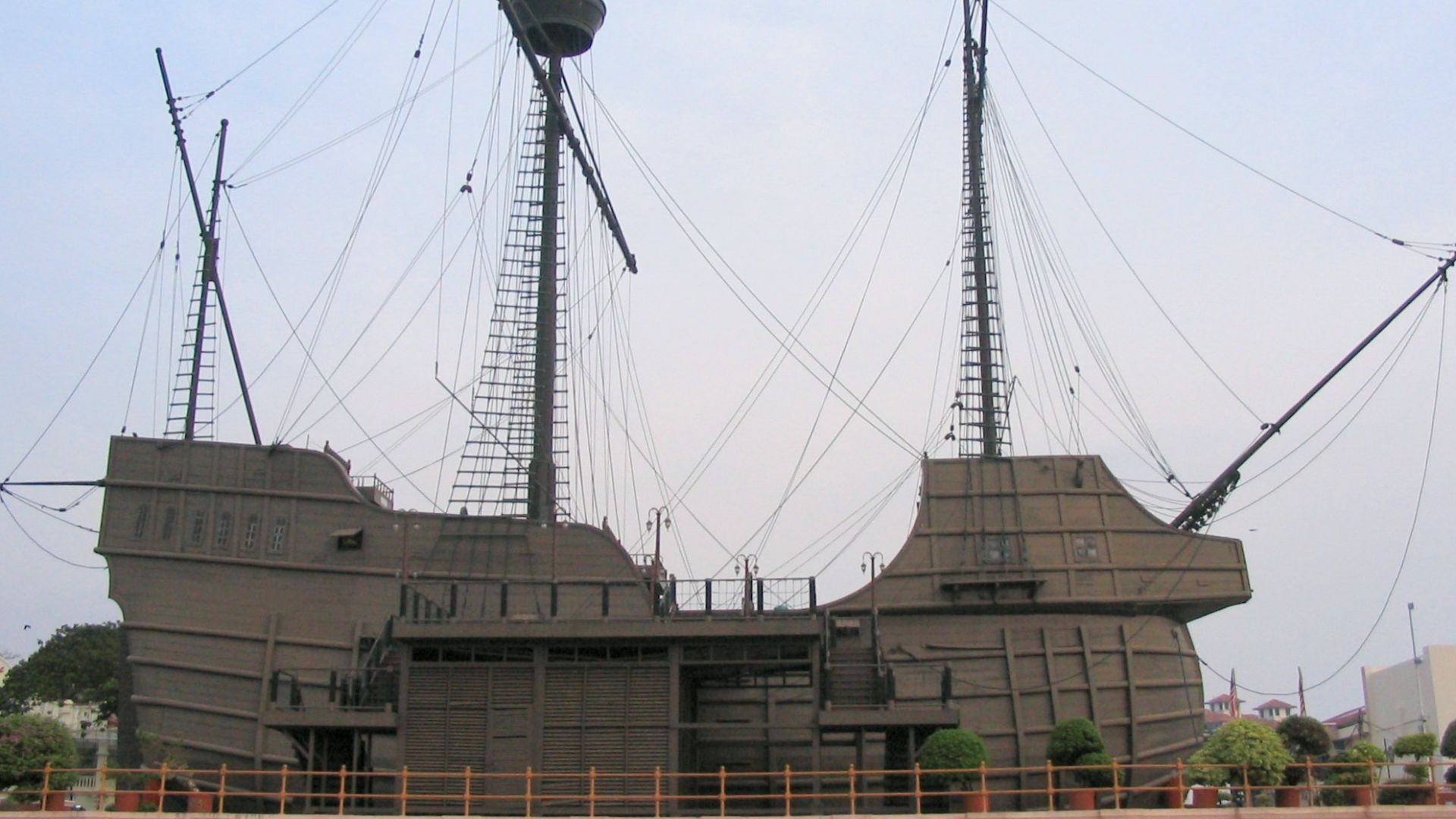 Felix Andrews (Floybix), Wikimedia Commons
Beale Cipher Treasure
Hidden somewhere in Bedford County, Virginia, lies a mysterious fortune of gold, silver, and jewels buried in the early 1800s. Apparently, its location was encoded in three cryptic ciphers, turning the hunt into an intellectual puzzle that has frustrated cryptographers and treasure hunters alike.
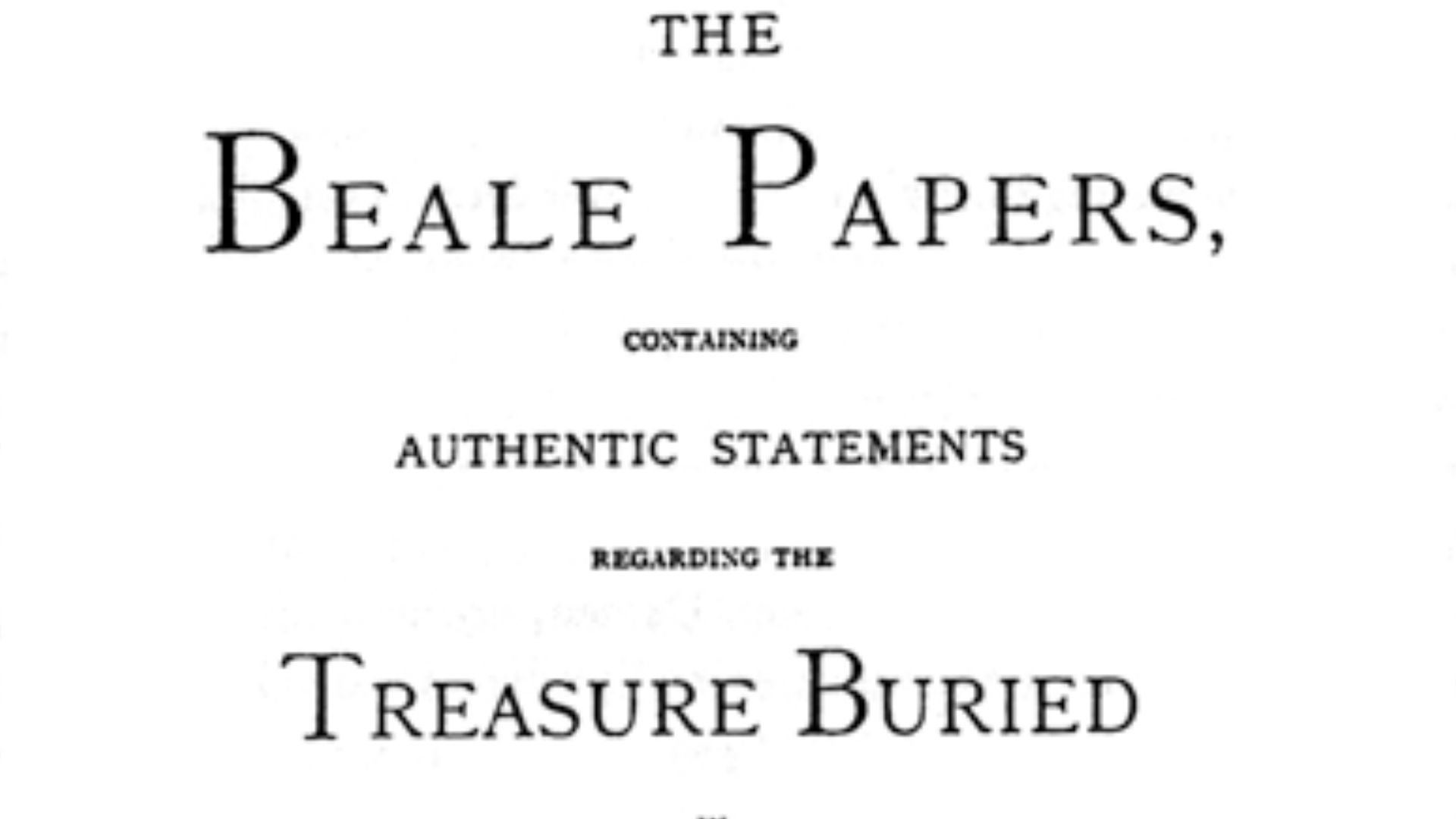 Unknown authorUnknown author, Wikimedia Commons
Beale Cipher Treasure (Cont.)
The second cipher, solved using the Declaration of Independence as the key, revealed tantalizing details about the treasure's contents but not its exact location. The remaining unsolved ciphers continue to guard the secret, while skeptics debate whether the entire story might be an elaborate hoax.
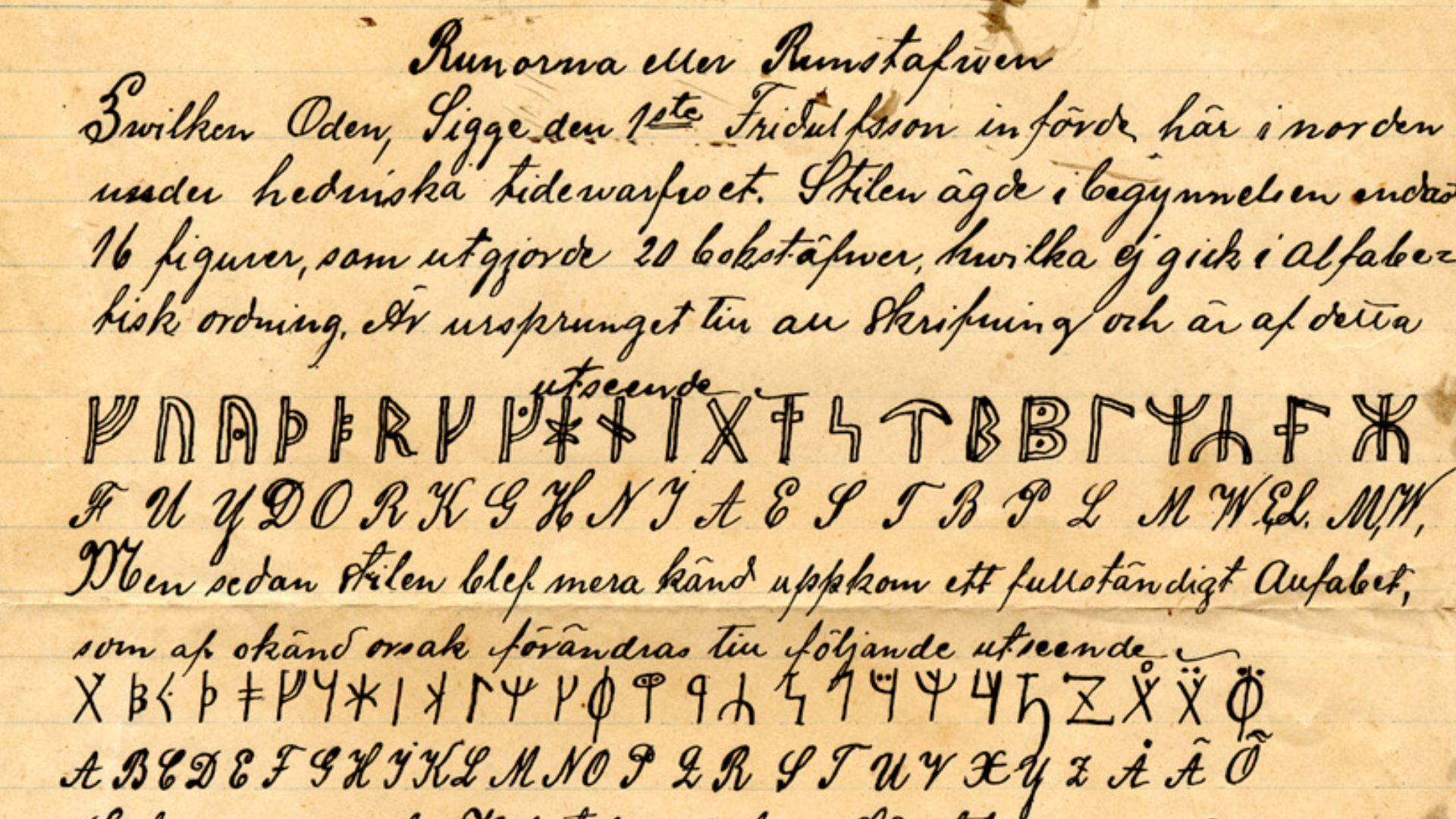 Edward Larsson, Wikimedia Commons

History's most fascinating stories and darkest secrets, delivered to your inbox daily.
Blackbeard's Lost Treasure
The notorious pirate Edward Teach, better known as Blackbeard, terrorized shipping lanes until his demise in 1718. Though his flagship Queen Anne's Revenge was discovered in 1996, no treasure was found aboard, fueling speculation that his riches remain hidden somewhere along North Carolina's coast.
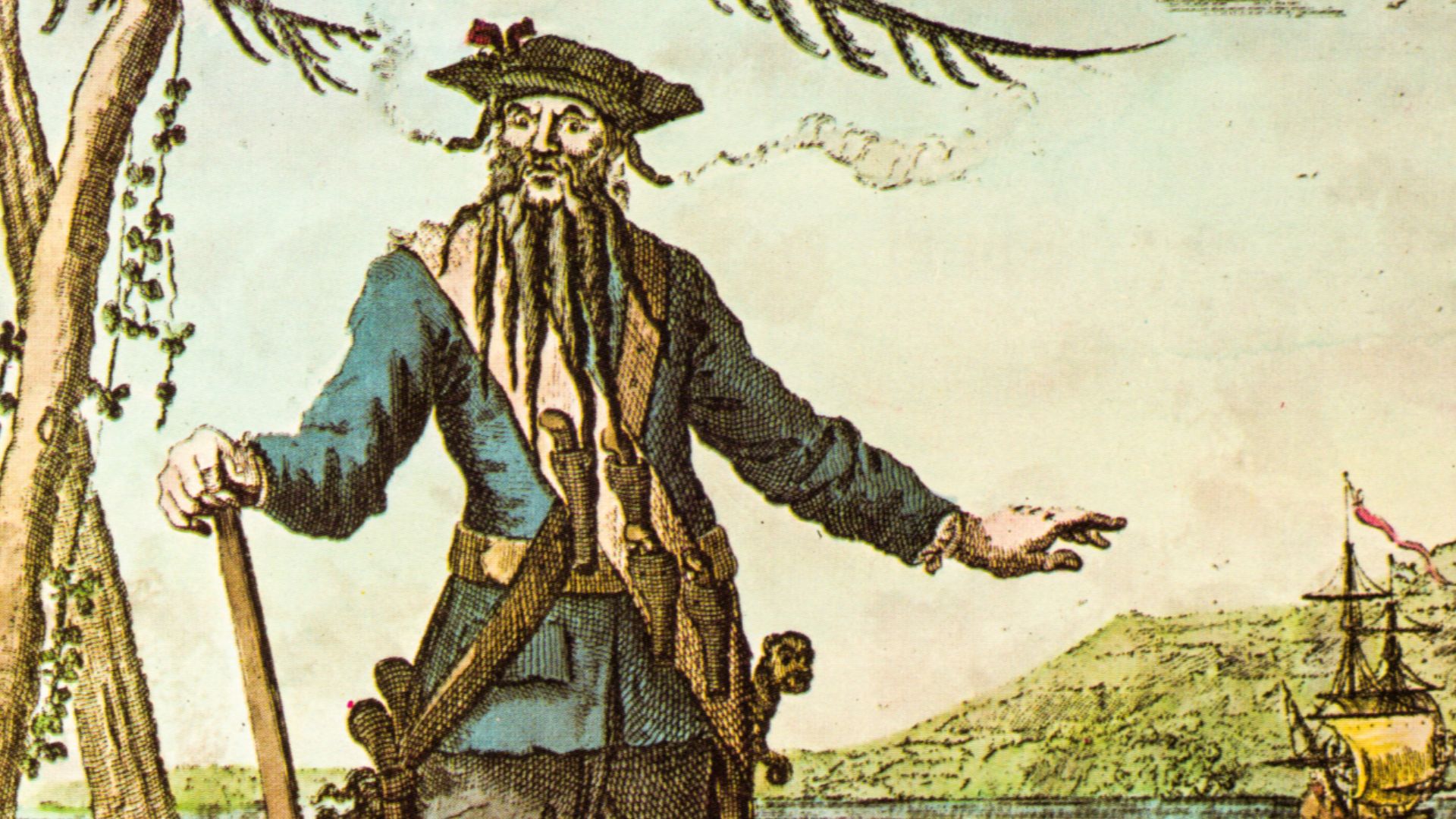 Unknown authorUnknown author, Wikimedia Commons
Blackbeard's Lost Treasure (Cont.)
Blackbeard's legacy stretches far beyond his missing gold and jewels. The feared captain cultivated a terrifying image with lit fuses woven into his beard during battles, and tales of his buried treasure have inspired countless books, films, and expeditions.
 Engraved by Benjamin Cole[3] (1695–1766), Wikimedia Commons
Amber Room (Original Panels)
Once called the "Eighth Wonder of the World," this breathtaking chamber, adorned with amber panels, gold leaf, and mirrors, took over all who beheld it. The Amber Room's original construction in 18th-century Prussia created an unparalleled masterpiece of baroque art that eventually found its home in Russia.
 Branson DeCou, Wikimedia Commons
Amber Room (Cont.)
Nazi forces looted this priceless treasure during their invasion, and by 1945, the original panels had completely vanished without a trace. Though a painstaking reconstruction was completed in 2003 in St Petersburg, the mystery of the original room continues to fascinate historians and treasure hunters alike.
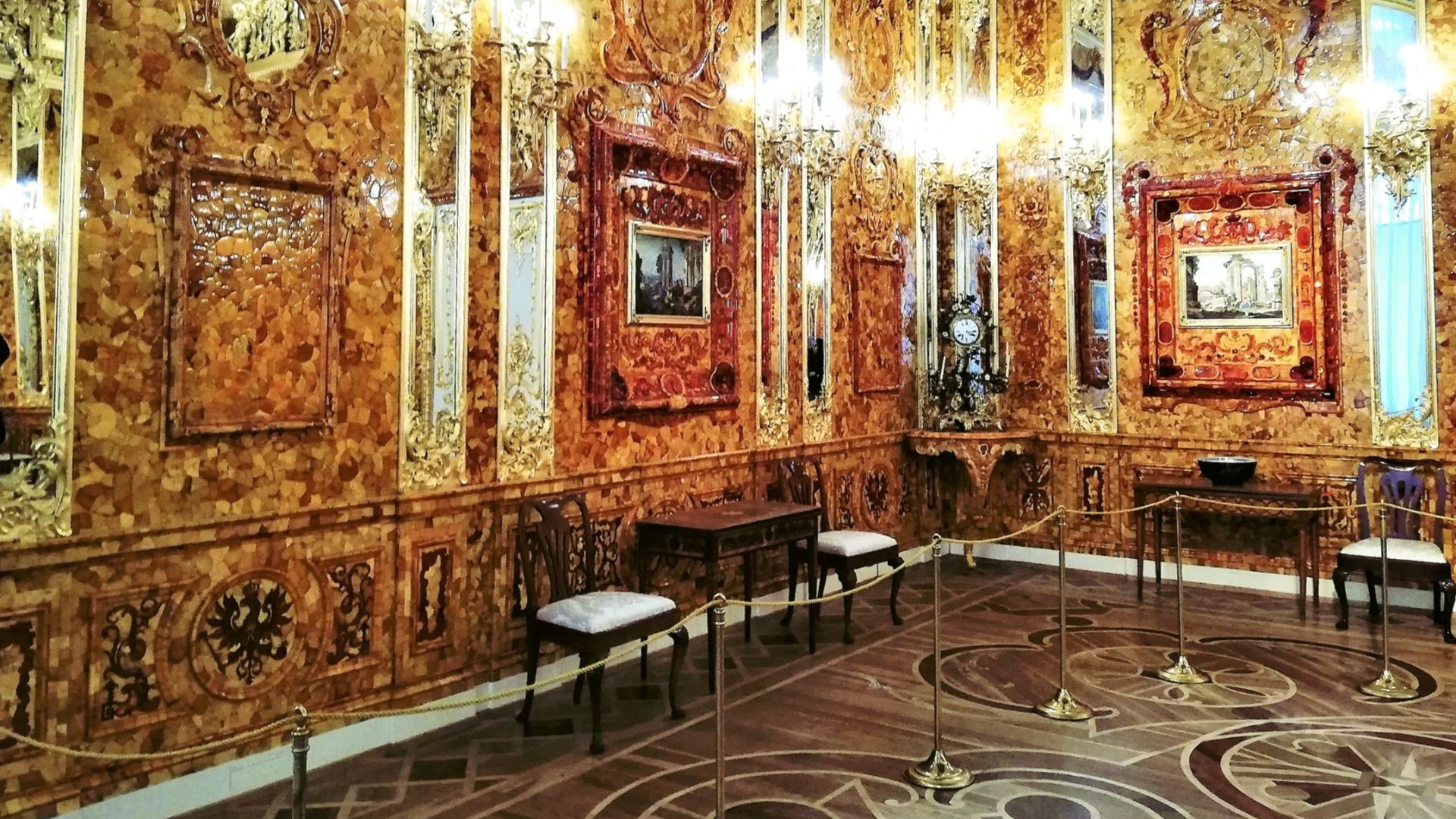 GAlexandrova, Wikimedia Commons
Honjo Masamune Sword
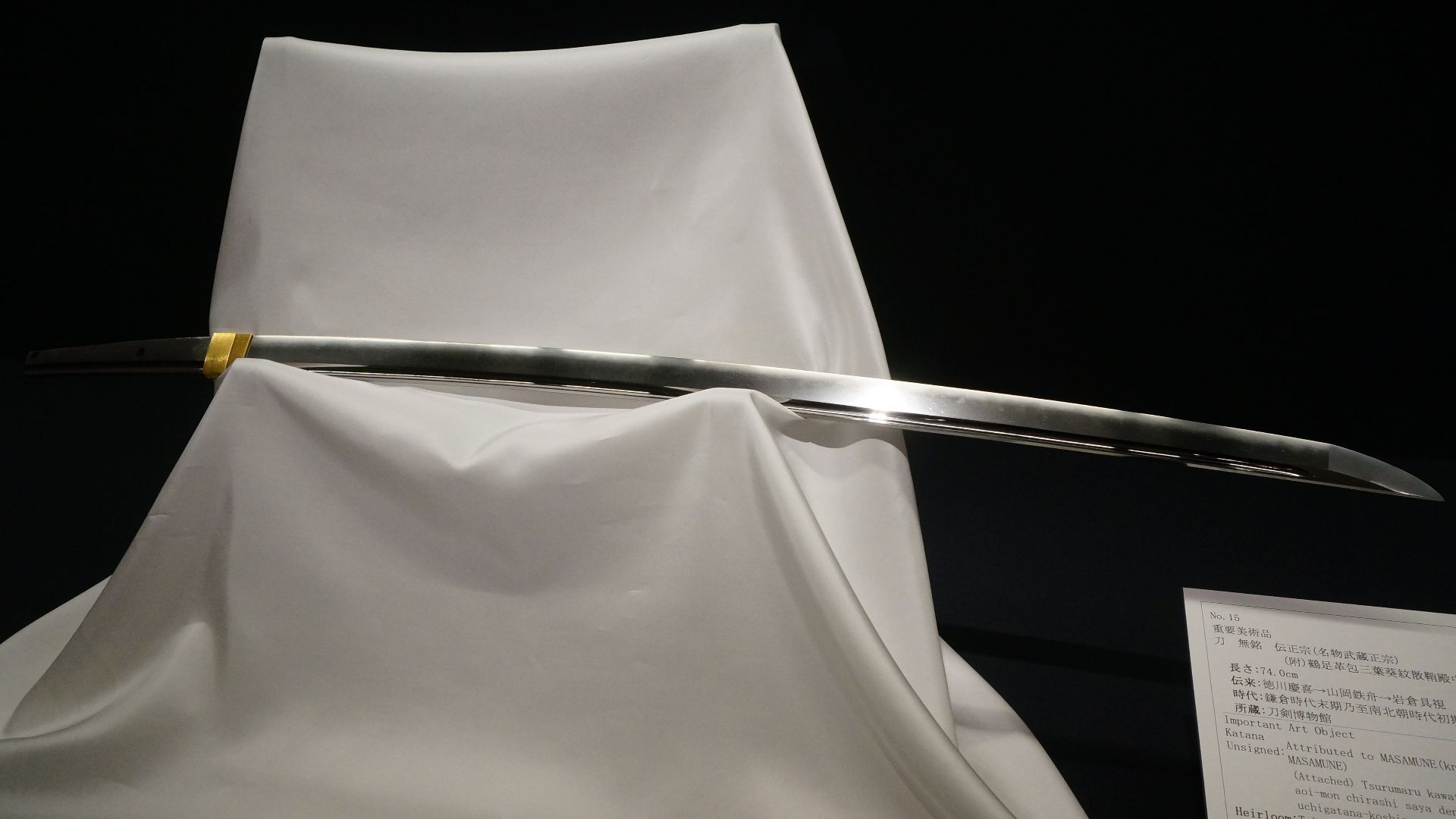
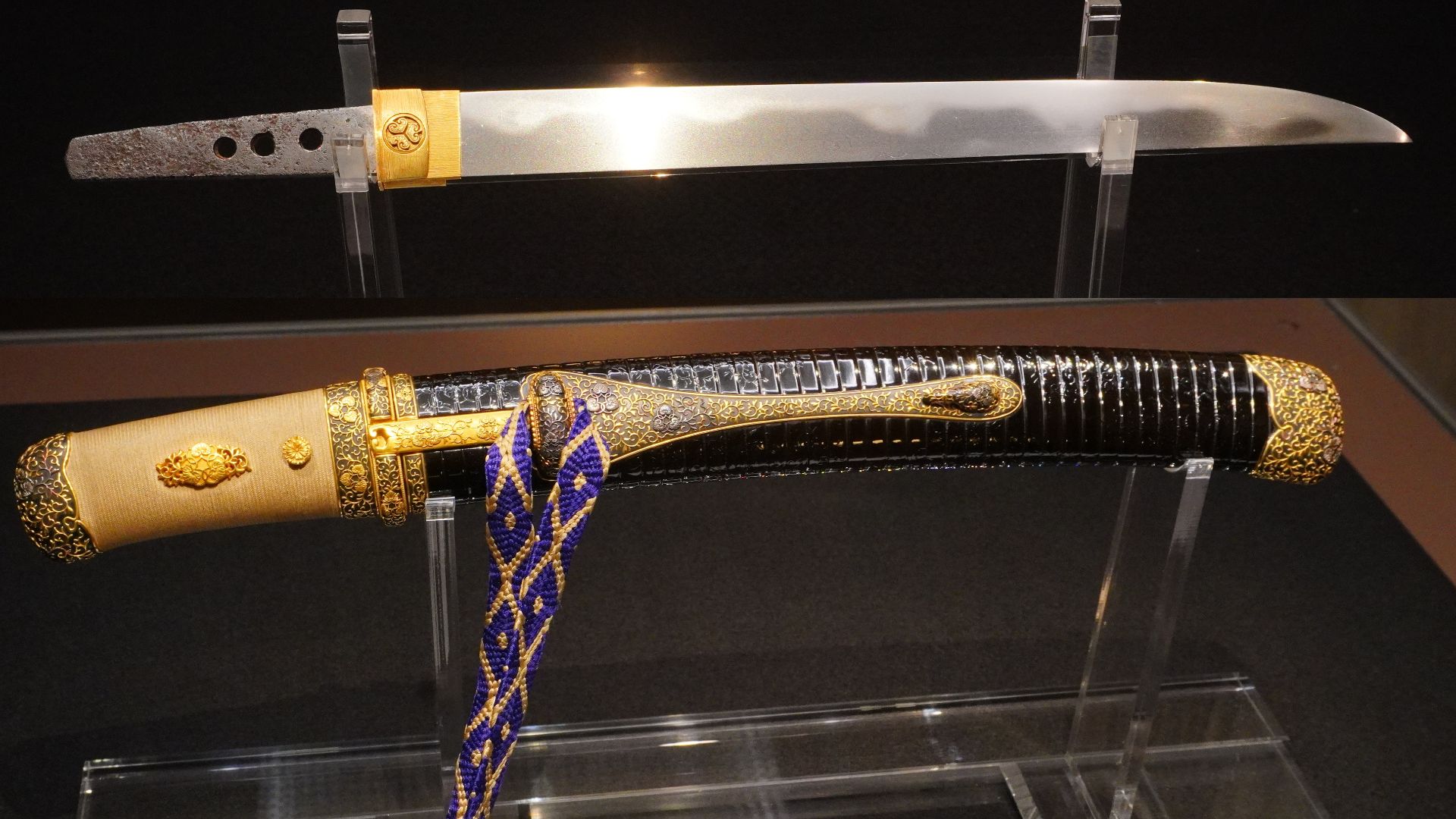
Few lost treasures carry the cultural significance of the well-known Honjo Masamune, a masterpiece crafted by Japan's greatest swordsmith. This blade, considered one of the finest ever forged in Japanese history, became a powerful symbol of the Tokugawa shogunate.
Honjo Masamune Sword (Cont.)
Soon enough, it vanished into historical obscurity post-WWII during the American occupation of Japan. The sword's disappearance represents more than just a missing artifact. It's the loss of a national treasure mirroring centuries of Japanese craftsmanship and cultural heritage.
Copper Scroll Treasure
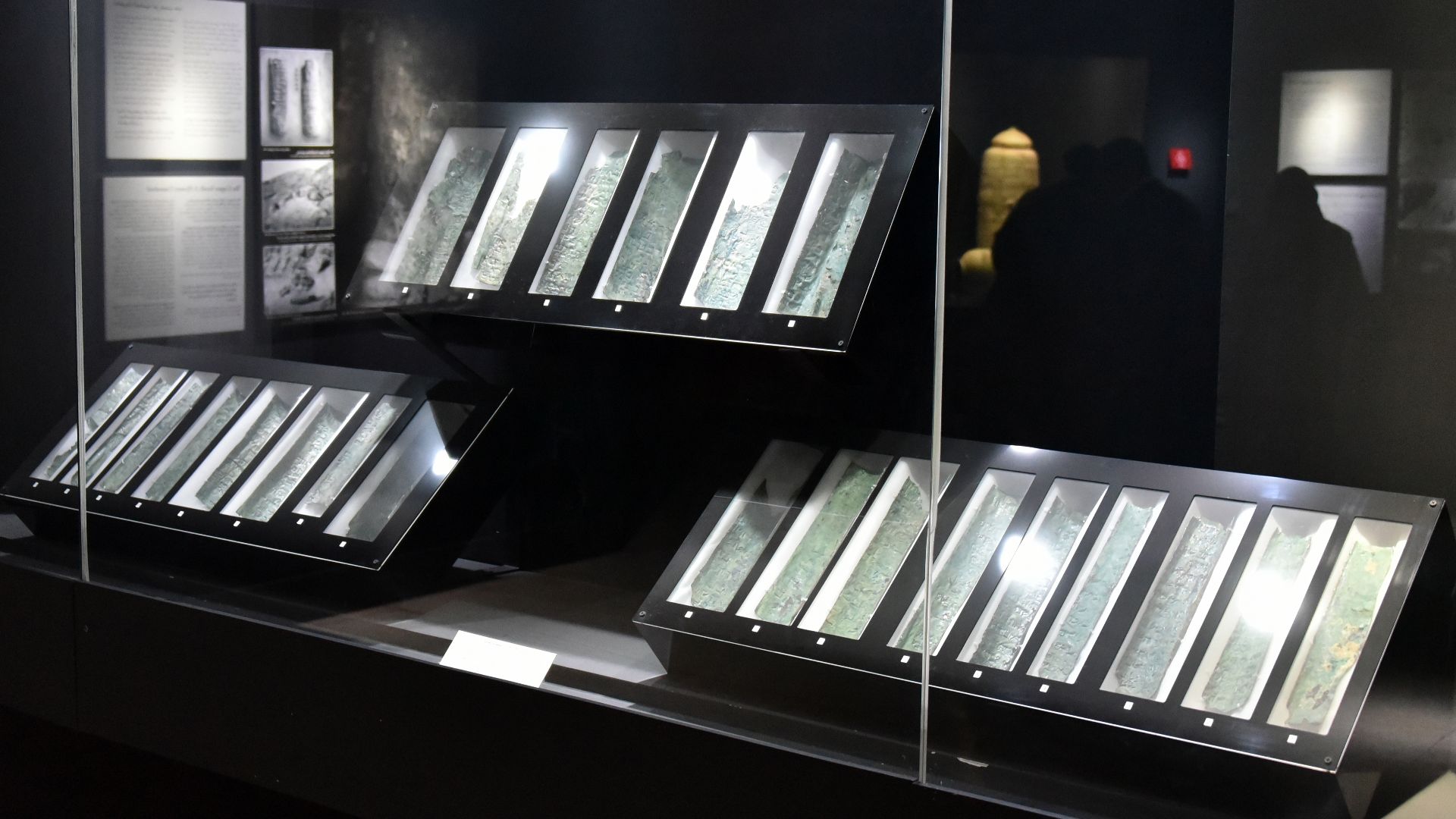
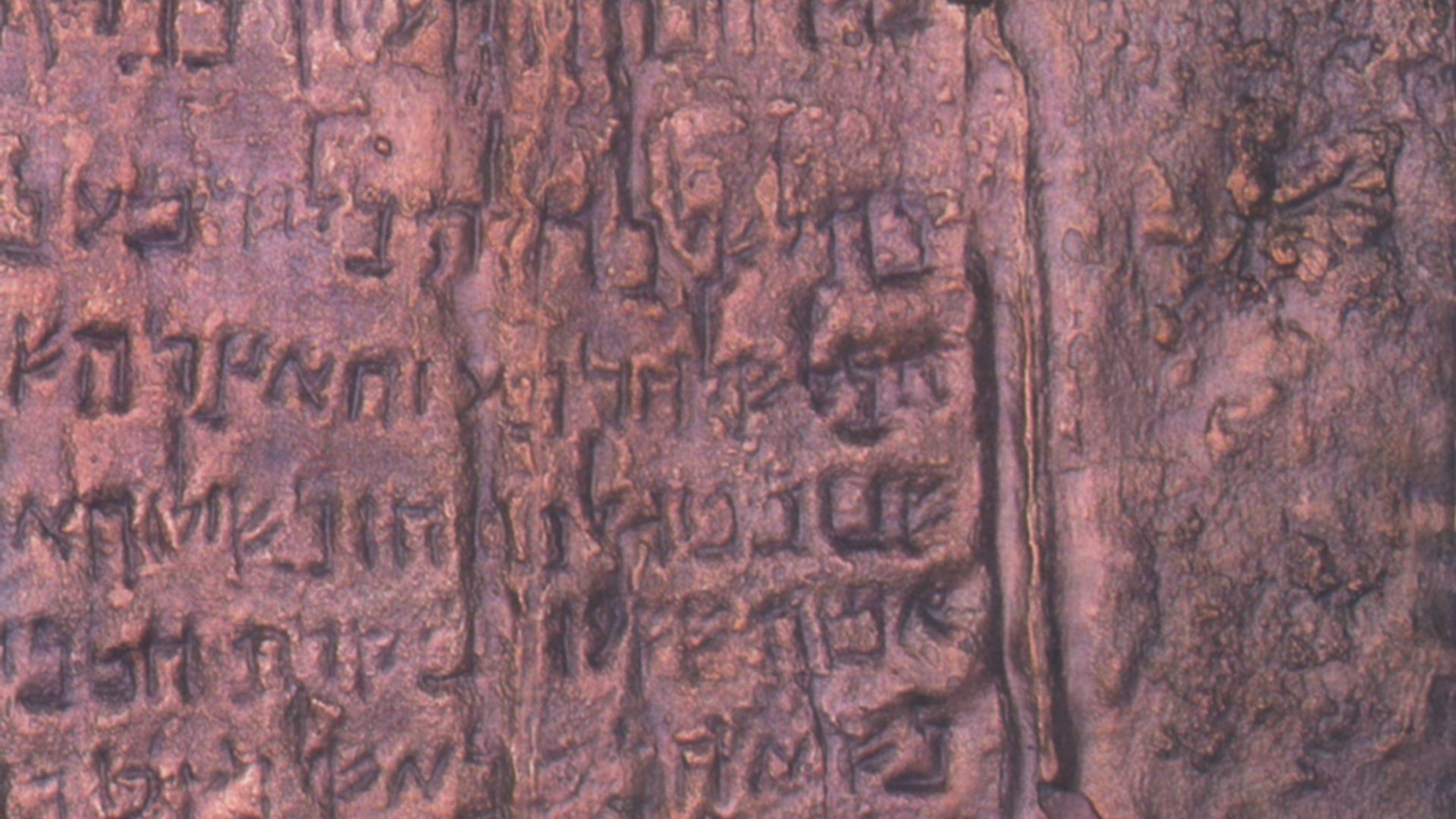
The riddle of the Copper Scroll Treasure remains uniquely intriguing among ancient mysteries because it's literally written in metal. Unlike other Dead Sea Scrolls inscribed on parchment, this enigmatic inventory was engraved on copper plates discovered near Qumran in 1952.
 Osama Shukir Muhammed Amin FRCP(Glasg), Wikimedia Commons
Copper Scroll Treasure (Cont.)
It detailed the locations of 64 caches containing vast amounts of gold and silver that have never been found. Some scholars dismiss the treasure as fictional, while others believe it might represent the hidden wealth of the Second Temple before Jerusalem's destruction.
Confederate Gold (1865 Wagons)
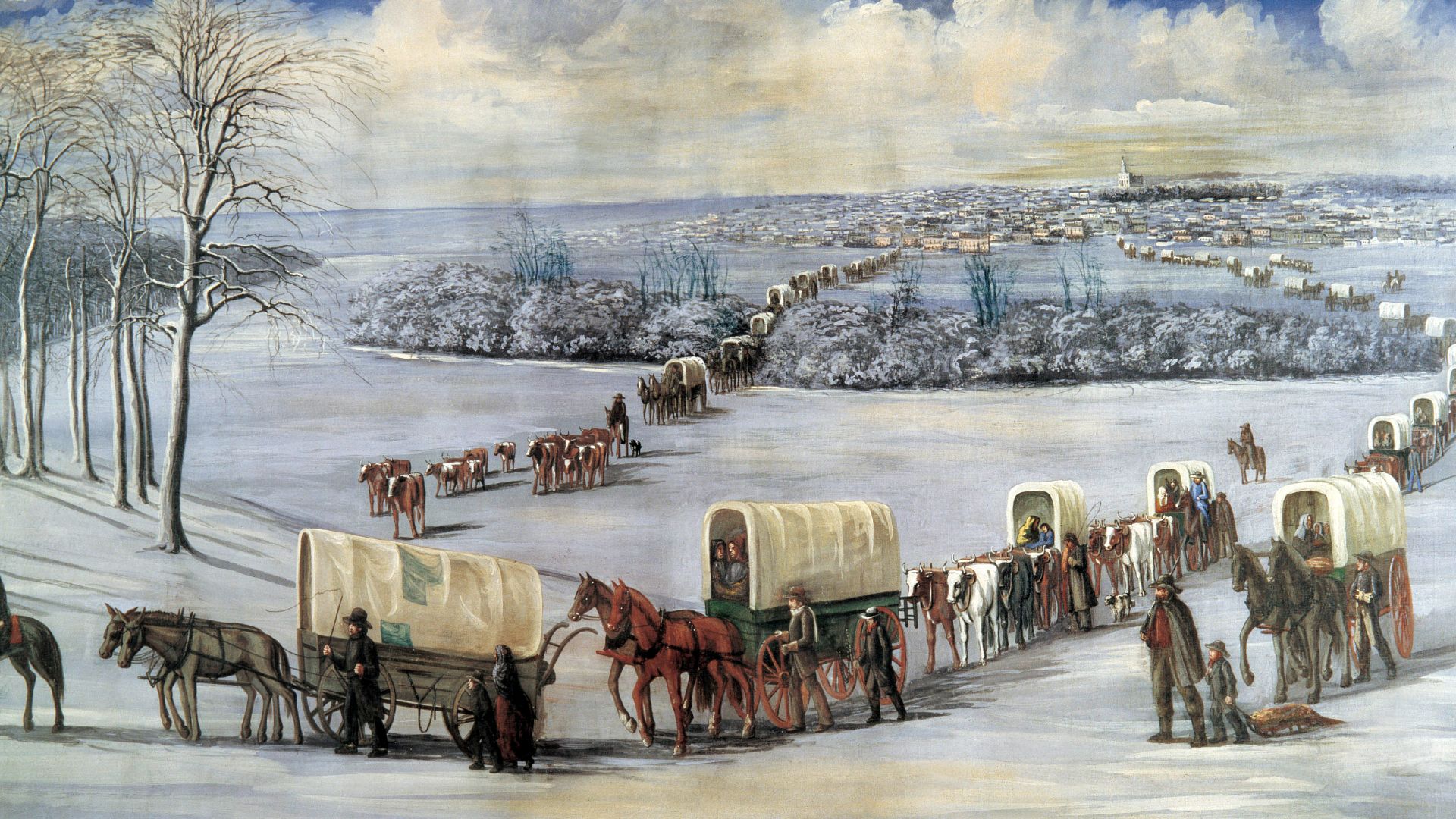
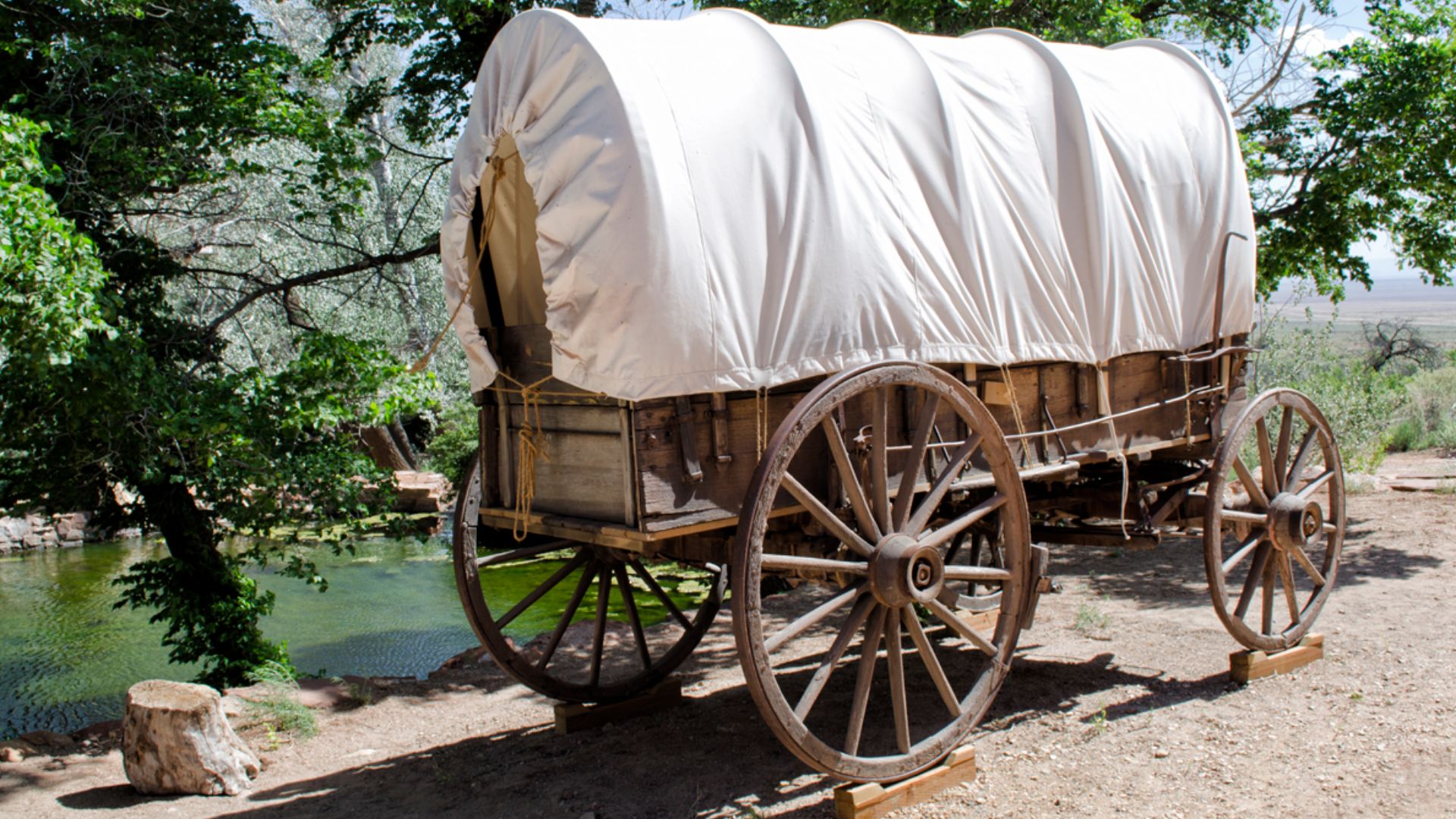
The final days of the American Civil War gave rise to some of history's most enduring treasure mysteries. As Union forces closed in during 1865, the Confederate States' remaining gold reserves reportedly disappeared while being transported in wagons from Georgia.
 C. C. A. Christensen, Wikimedia Commons
Confederate Gold (Cont.)
This lost treasure has inspired countless books, movies, and expeditions throughout the American South, with theories ranging from secret burial sites to theft by opportunistic soldiers. The story's persistent appeal lies in how it combines historical drama with the promise of undiscovered wealth.
 John Fowler from Placitas, NM, USA, Wikimedia Commons
King John's Crown Jewels
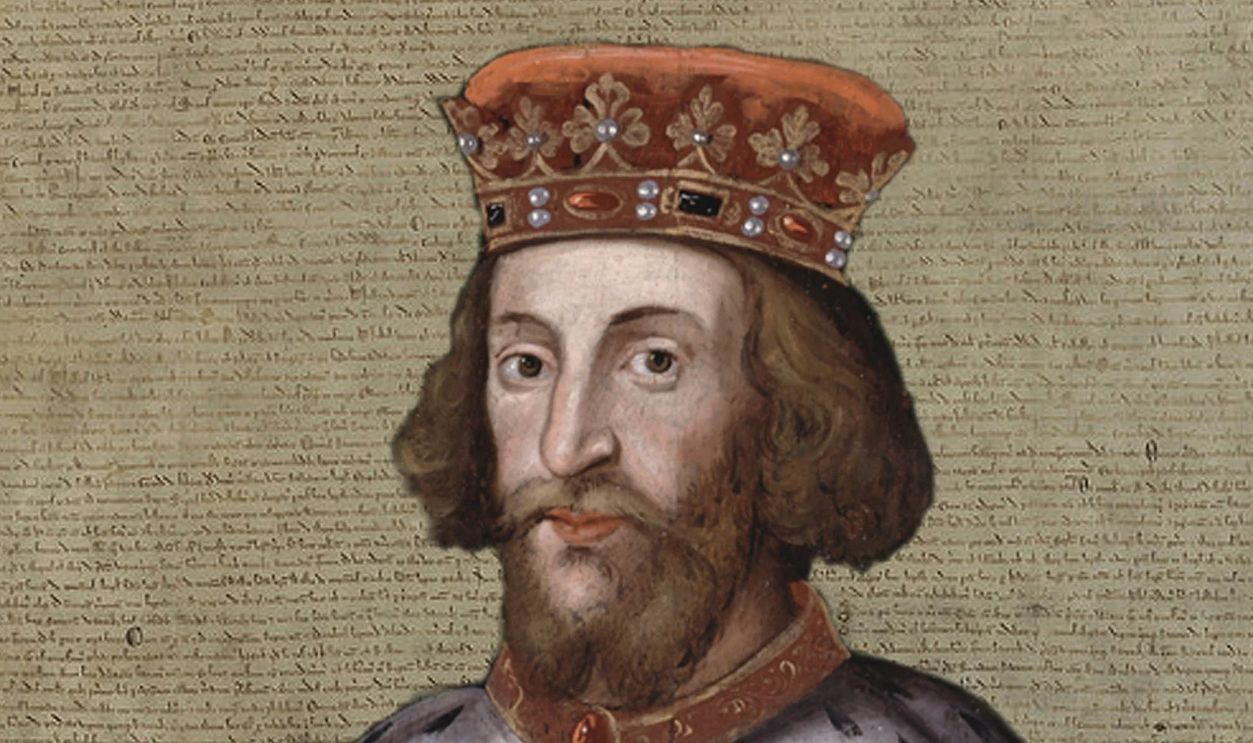
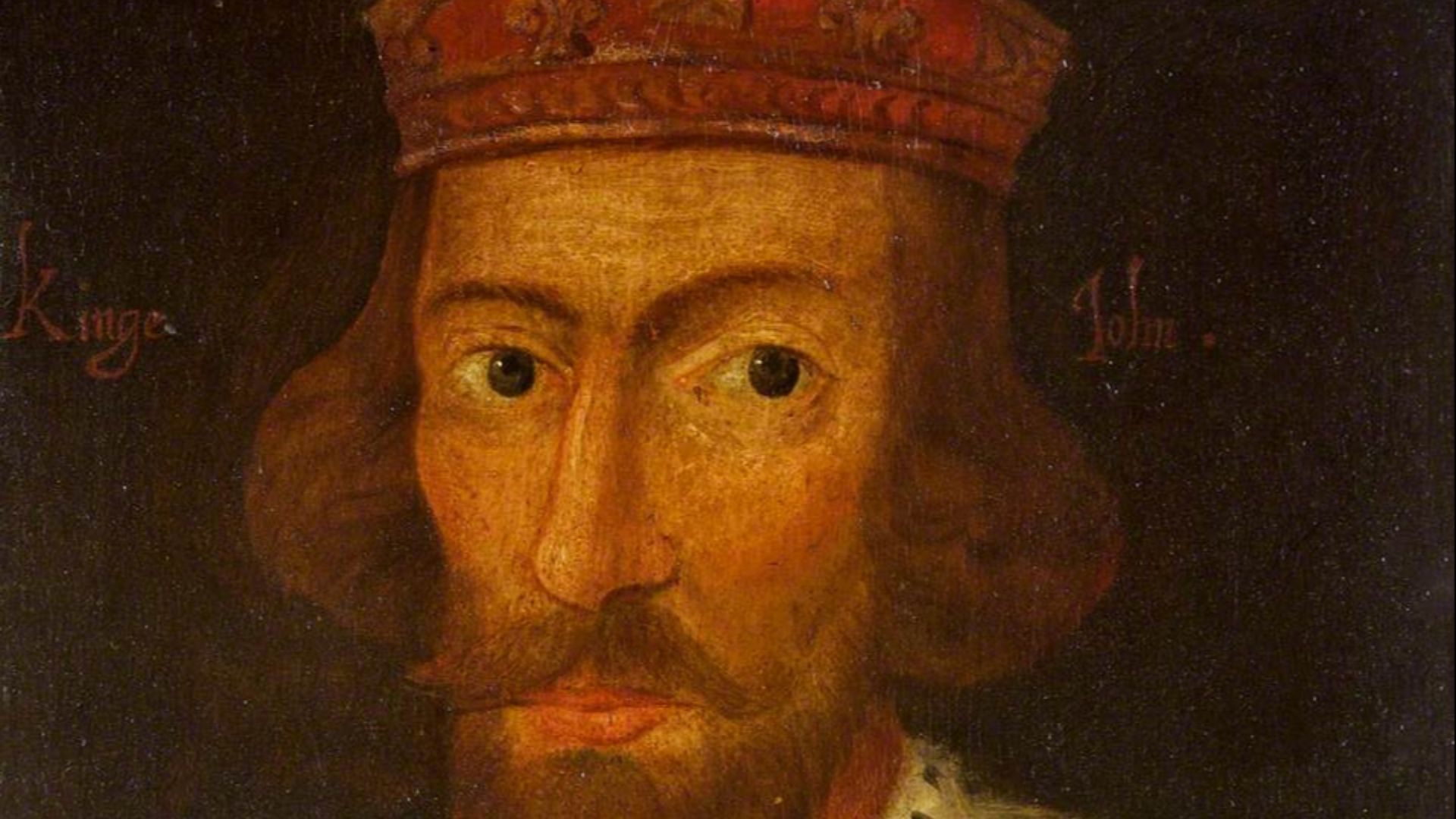
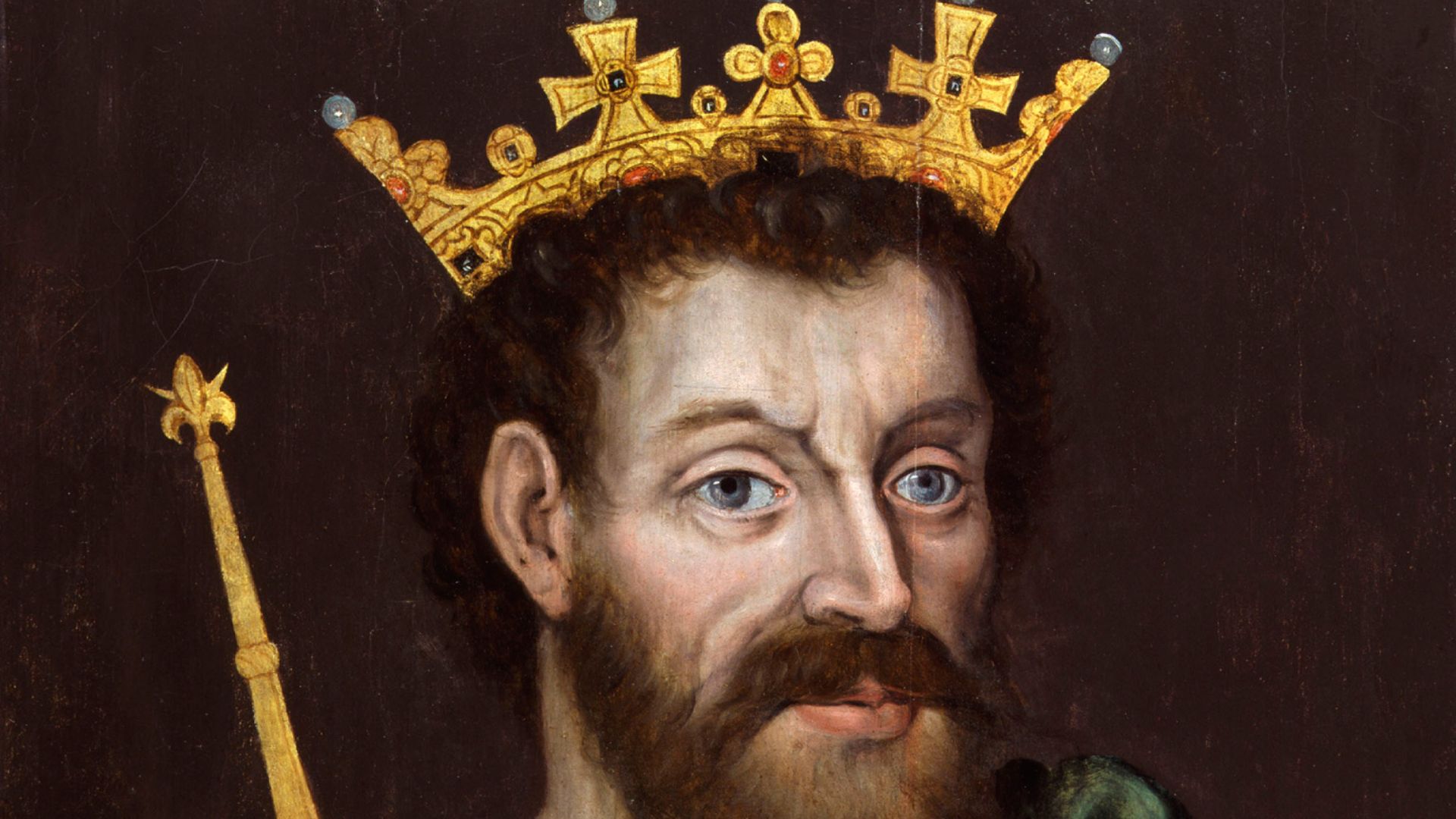
A terrible miscalculation in 1216 cost King John of England his most precious possessions when rising tides in the Wash estuary swallowed his baggage train carrying the royal crown jewels. This medieval disaster struck at a miserable moment, just days before the king's death from dysentery.
King John's Crown Jewels (Cont.)
The tragedy mirrors a pivotal moment in English history as it occurred during a tumultuous period when the king had recently been forced to sign the Magna Carta. This added importance to what might otherwise be just another tale of lost riches.
Treasure Of Lima (Cocos Island)
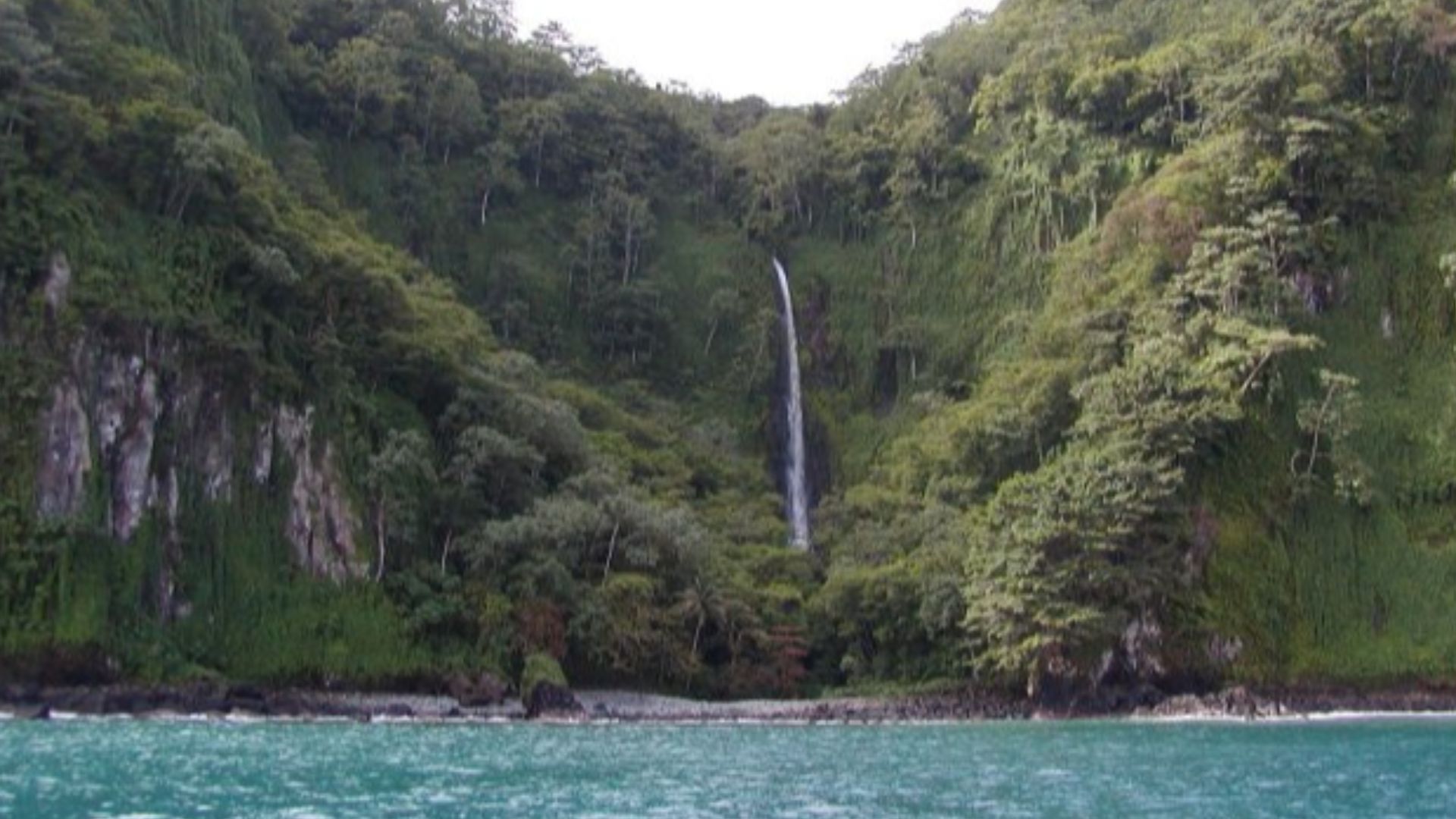
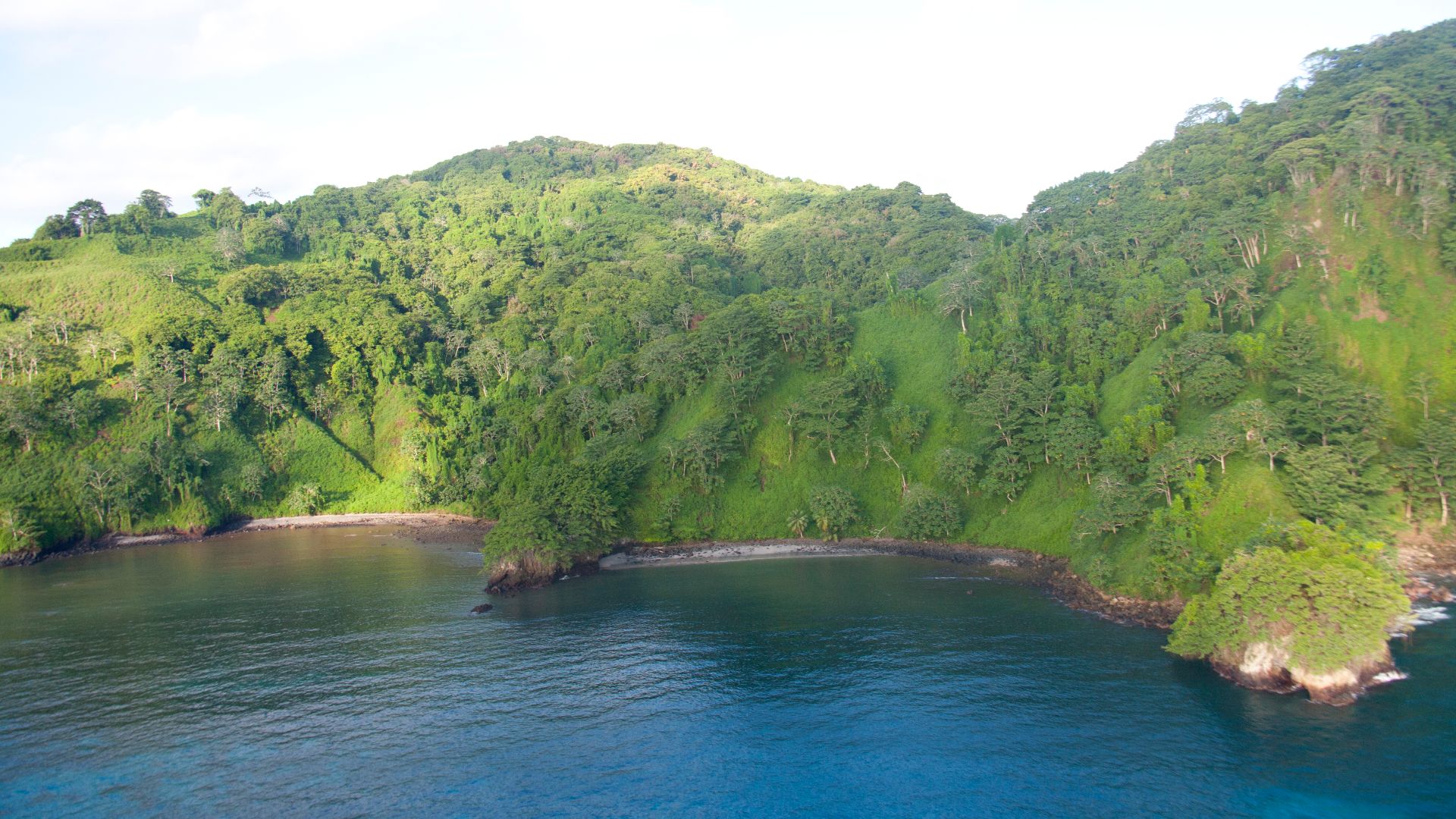
When revolution threatened Lima in 1820, Spanish authorities made a fateful decision that led to the creation of one of the most legendary lost treasures. They entrusted Captain William Thompson with a vast hoard of gold, silver, and jewels for safekeeping, only for him to allegedly bury it on Cocos Island before disappearing.
Treasure Of Lima (Cont.)
Cocos Island has since become synonymous with pirate legends and buried riches, inspiring countless stories and expeditions. Despite its allure, the island now stands protected as a UNESCO World Heritage Site, with treasure hunting activities prohibited to preserve its natural and historical importance.
 The TerraMar Project, Wikimedia Commons
Merchant Royal Shipwreck
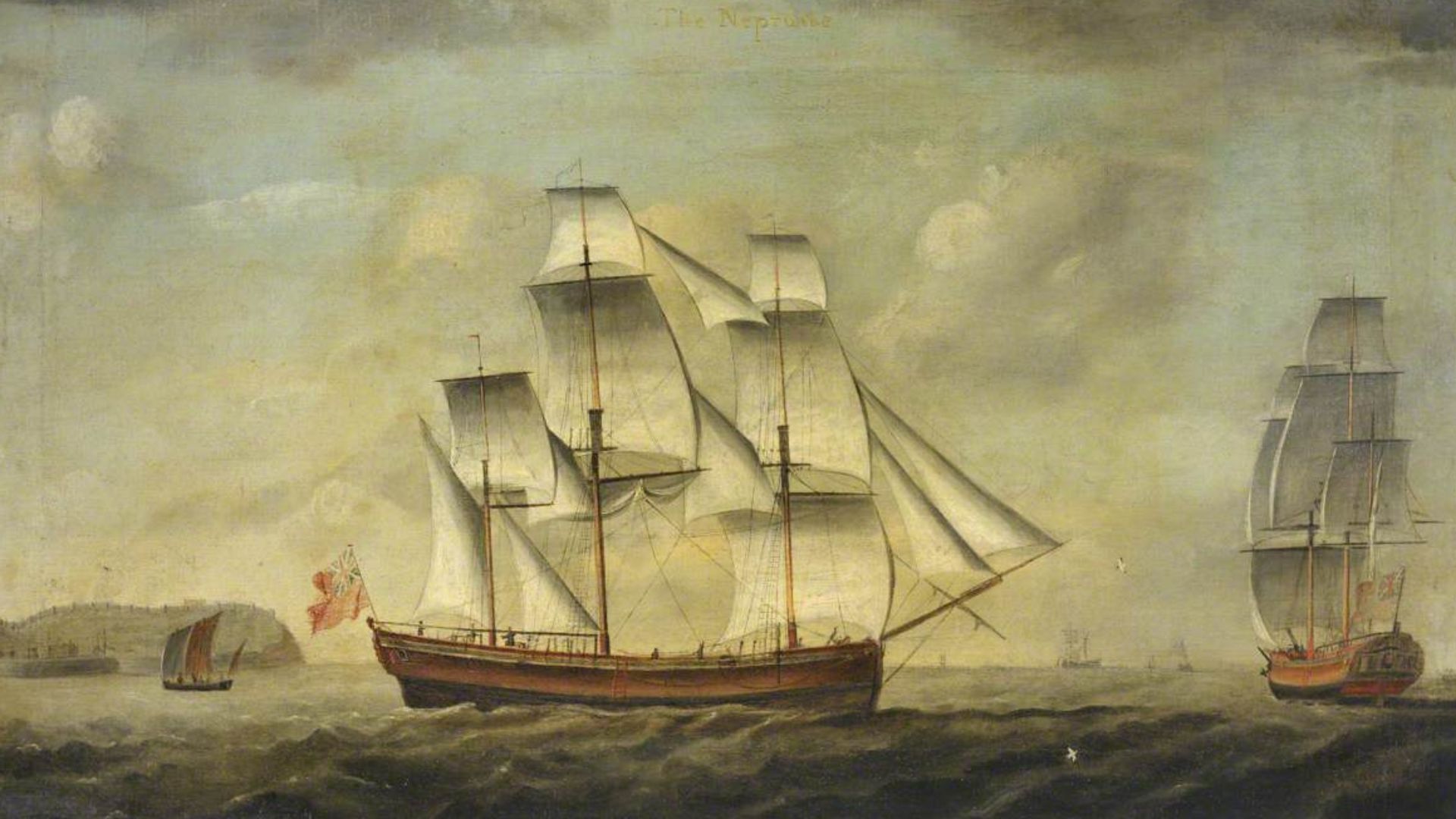
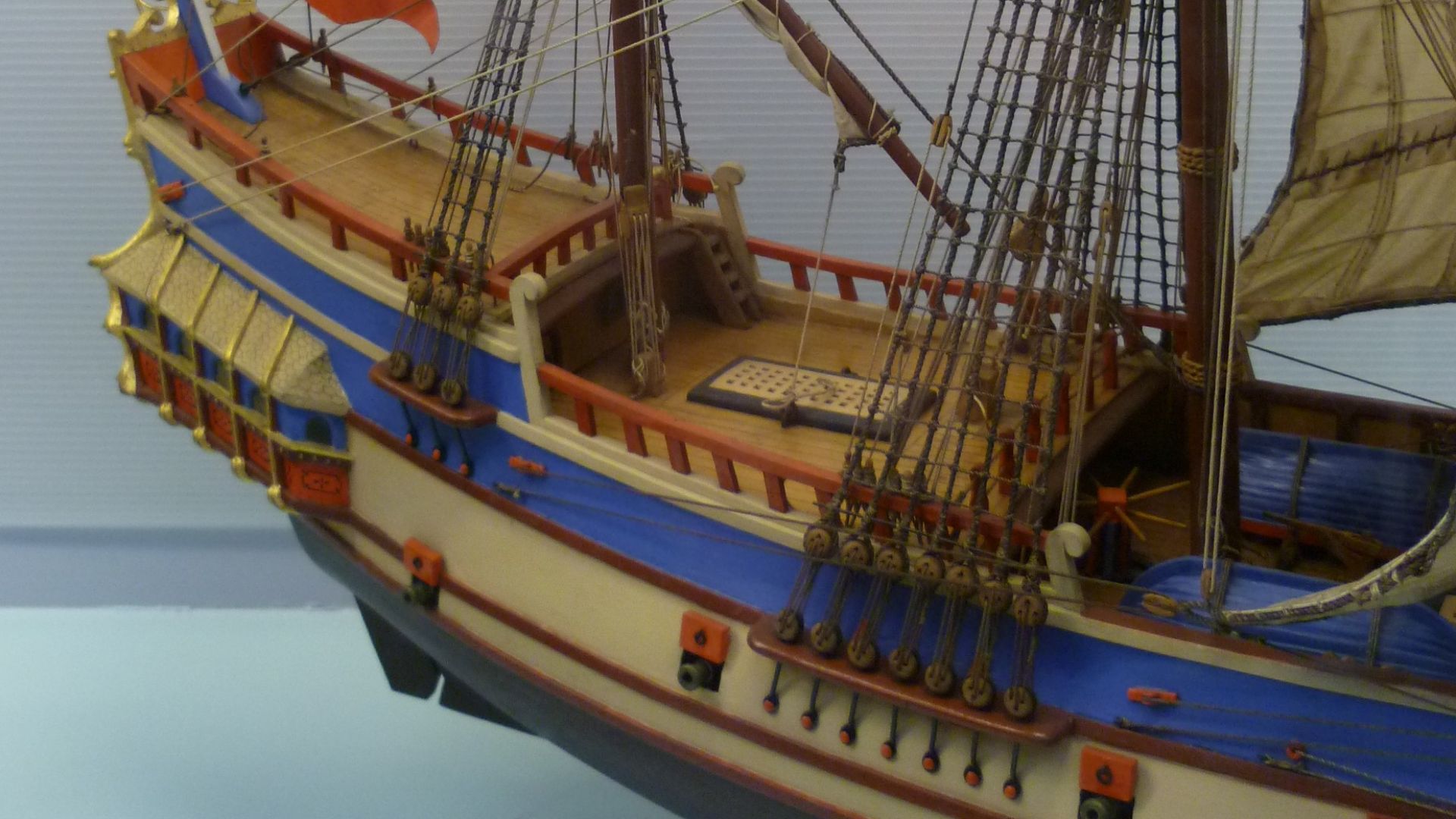
The ocean floor somewhere off Cornwall's coast holds the richest shipwreck still waiting to be discovered. In 1641, the English galleon Merchant Royal sank near Land's End during a storm, taking down a massive cargo of gold and silver.
 Francis Holman, Wikimedia Commons
Merchant Royal Shipwreck (Cont.)
Despite being called one of the richest undiscovered shipwrecks, the Merchant Royal has frustrated modern search efforts with its elusive final resting place. The ship's demise came during a return journey from Spanish America, where it had taken on additional treasure.
 Kim Traynor, Wikimedia Commons
Nazi Gold Train (Walbrzych)
The final chaotic days of WWII spawned Europe's most persistent treasure legend. As Soviet forces advanced in 1945, retreating Nazis allegedly hid an armored train filled with looted gold, jewels, and artwork in a secret tunnel near Walbrzych, Poland.
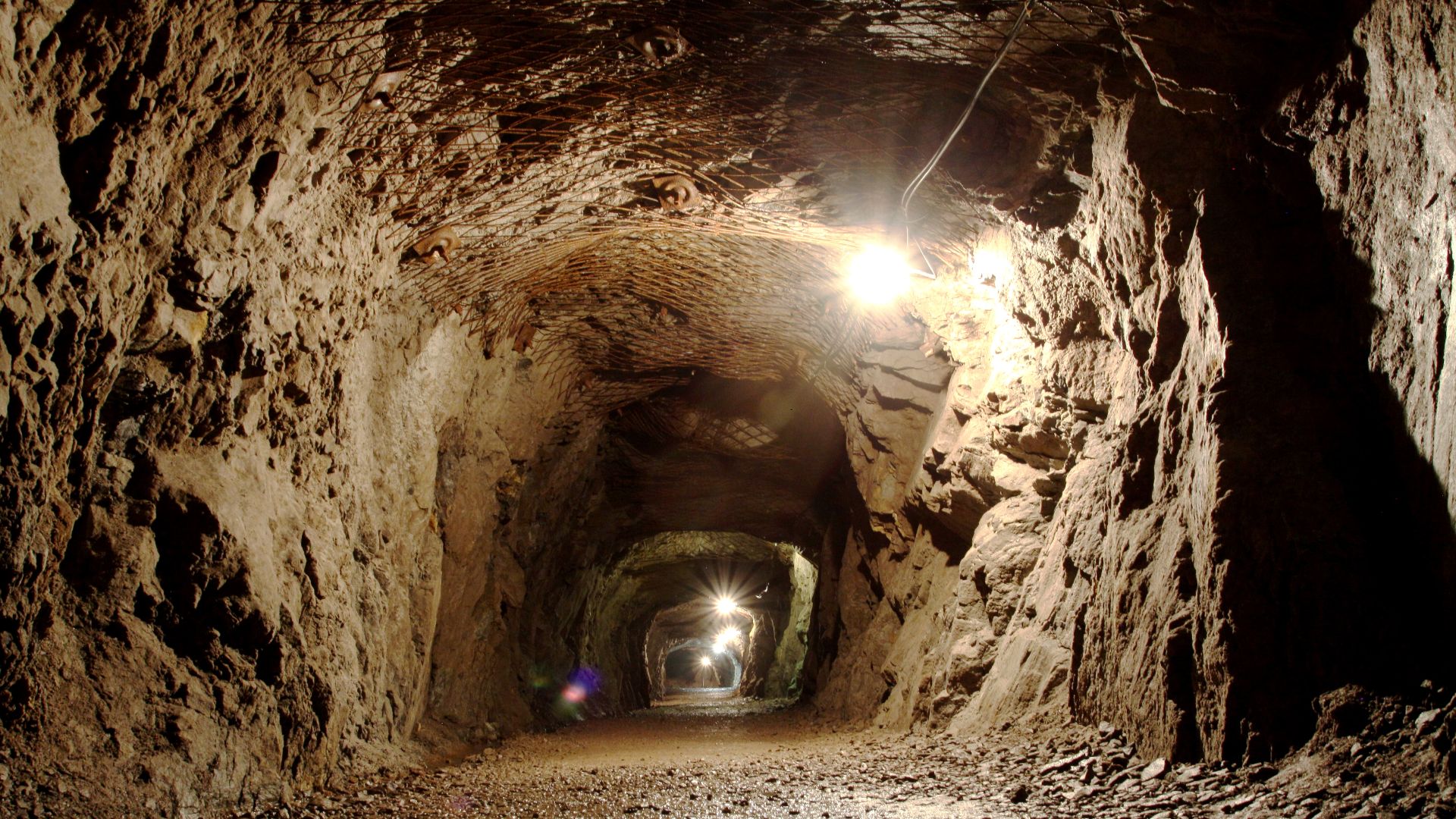
Nazi Gold Train (Cont.)
The story gained renewed worldwide attention in 2015 when treasure hunters claimed to have found compelling evidence of the train's location using ground-penetrating radar. This excitement prompted official investigations that ultimately failed to confirm the train's existence, yet the legend persists.
Lost Dutchman Mine
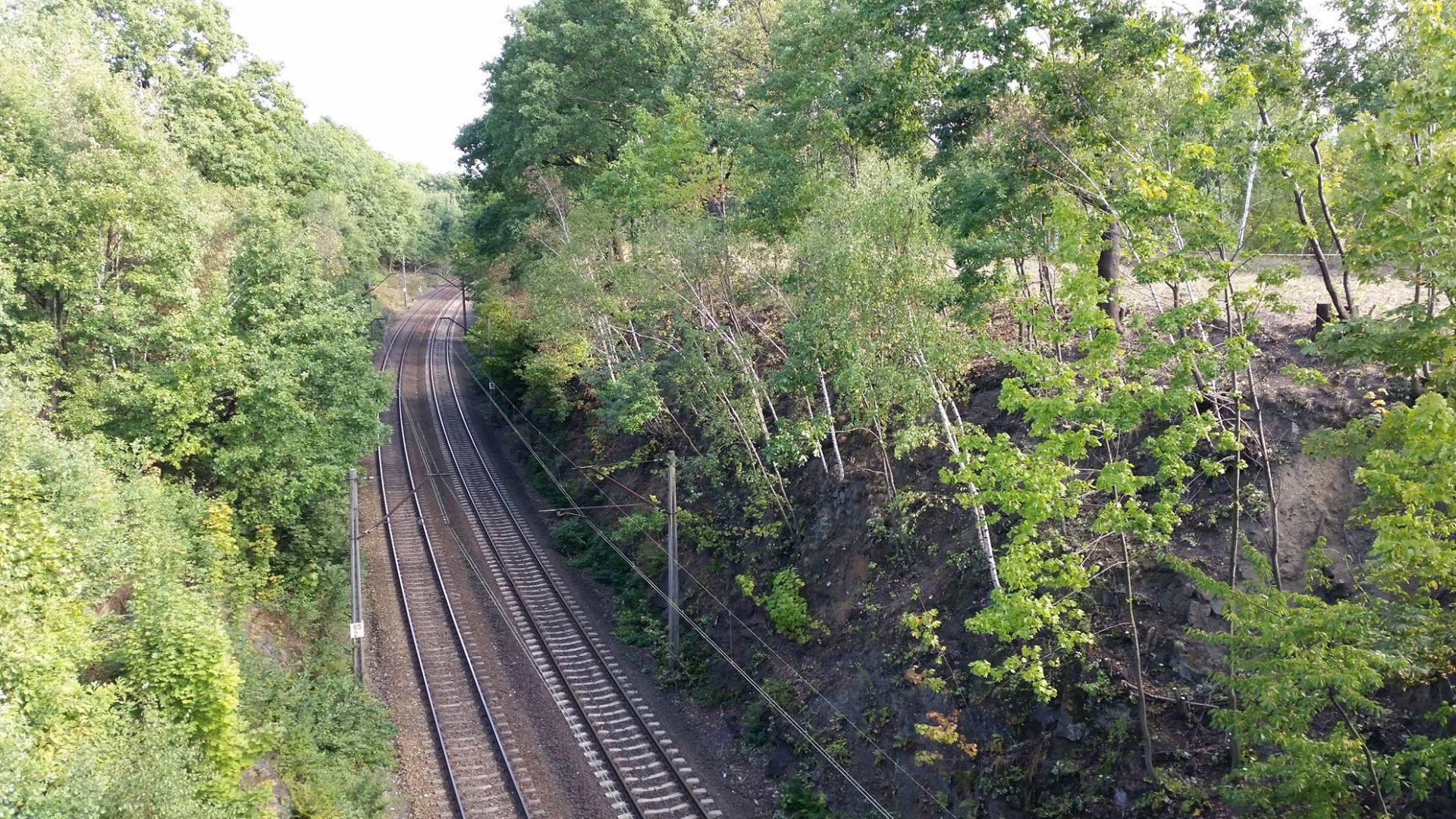
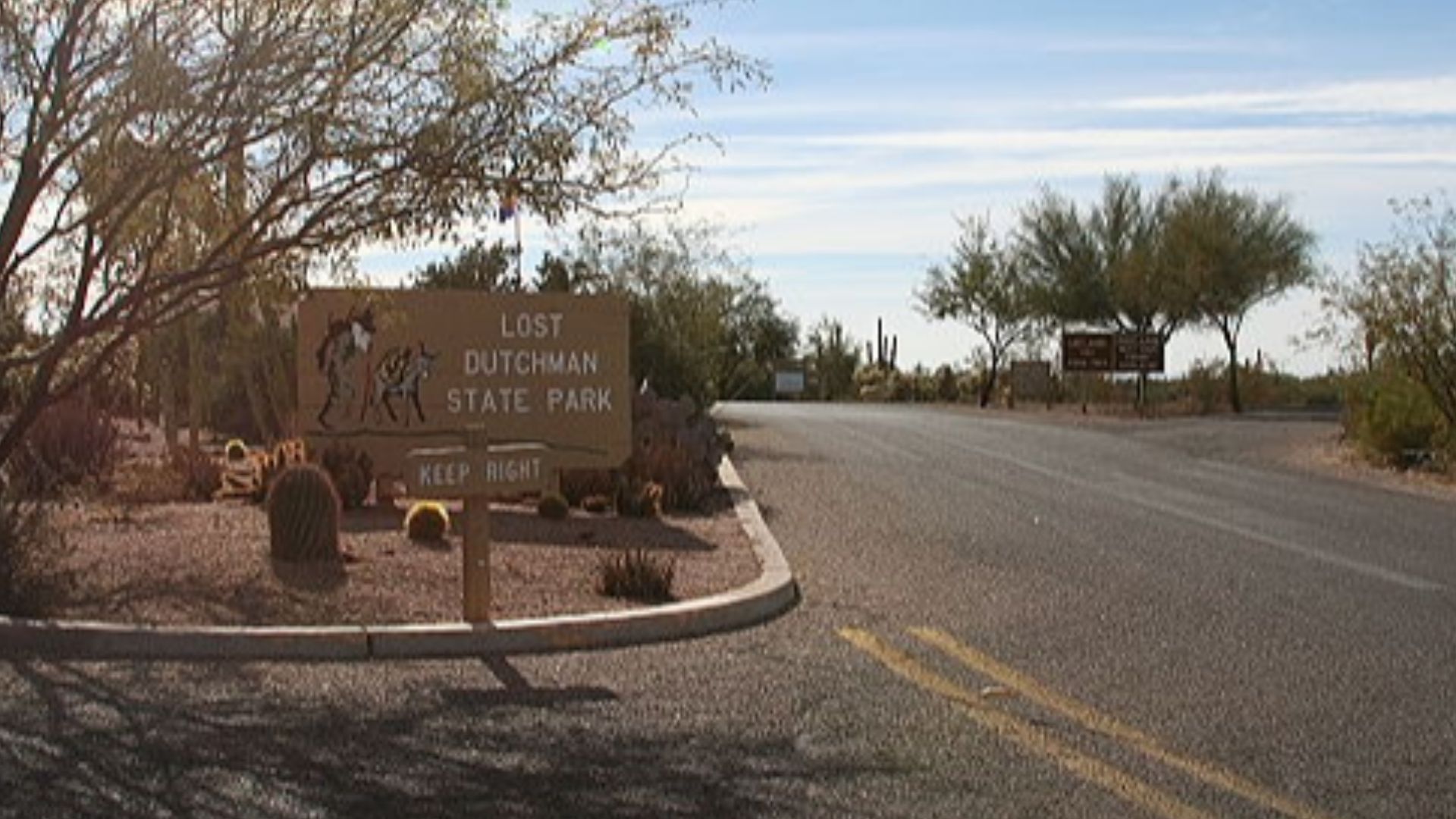
Hidden somewhere in Arizona's forbidding Superstition Mountains lies a gold mine that has claimed lives and eluded discovery for over a century. Named after Jacob Waltz, a German immigrant mistakenly referred to as "the Dutchman," this mine stands as America's most famous lost treasure.
 Chris C Jones, Wikimedia Commons
Lost Dutchman Mine (Cont.)
The Lost Dutchman's enduring appeal has converted it from a mere treasure tale to a cultural phenomenon, inspiring an annual festival, numerous books, and Hollywood films. This mine's location—if it exists at all—remains undiscovered, protected by the mountain's treacherous terrain and the confusing.
 Ymirza at English Wikipedia, Wikimedia Commons
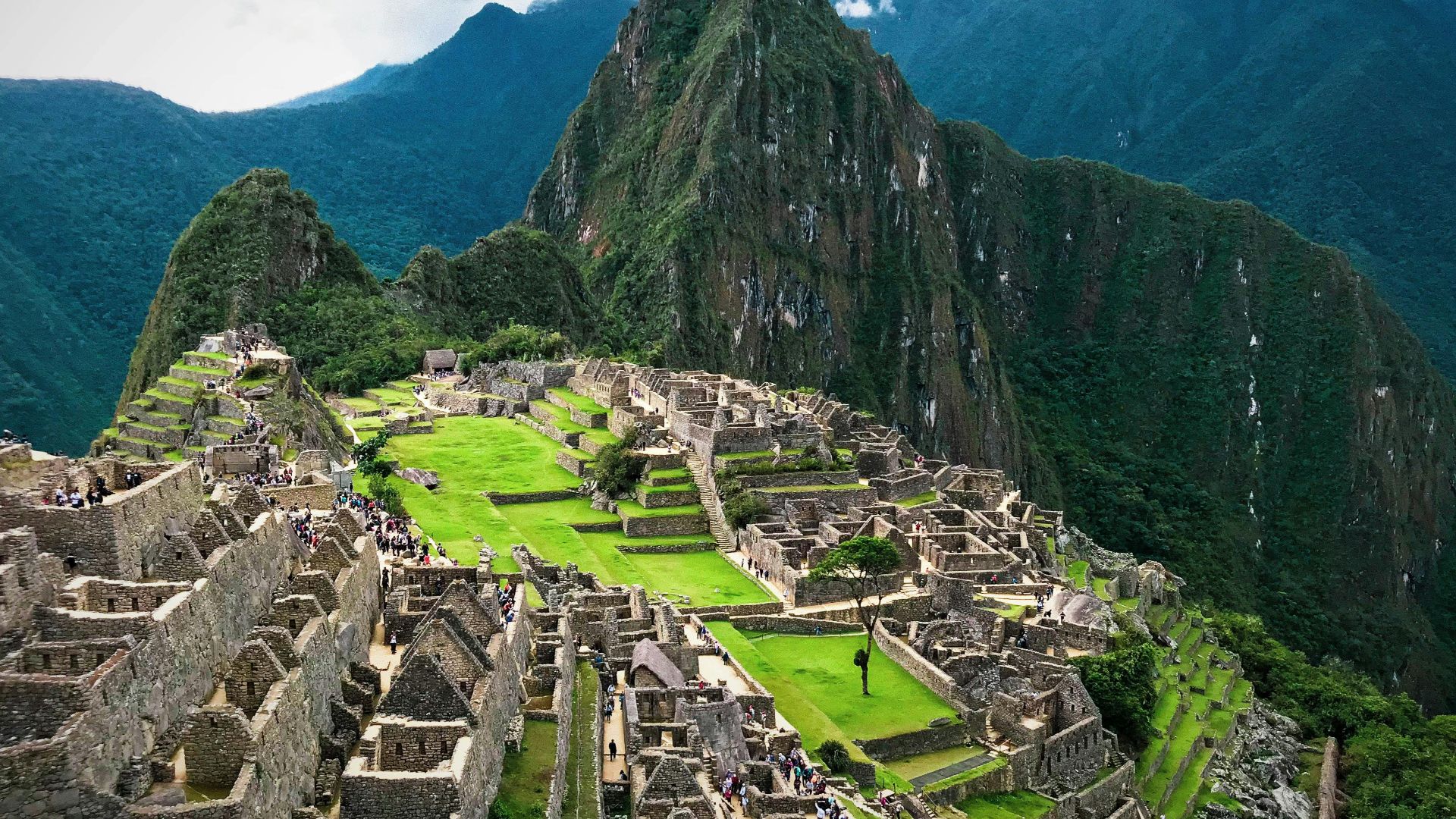
Paititi: Lost Inca City
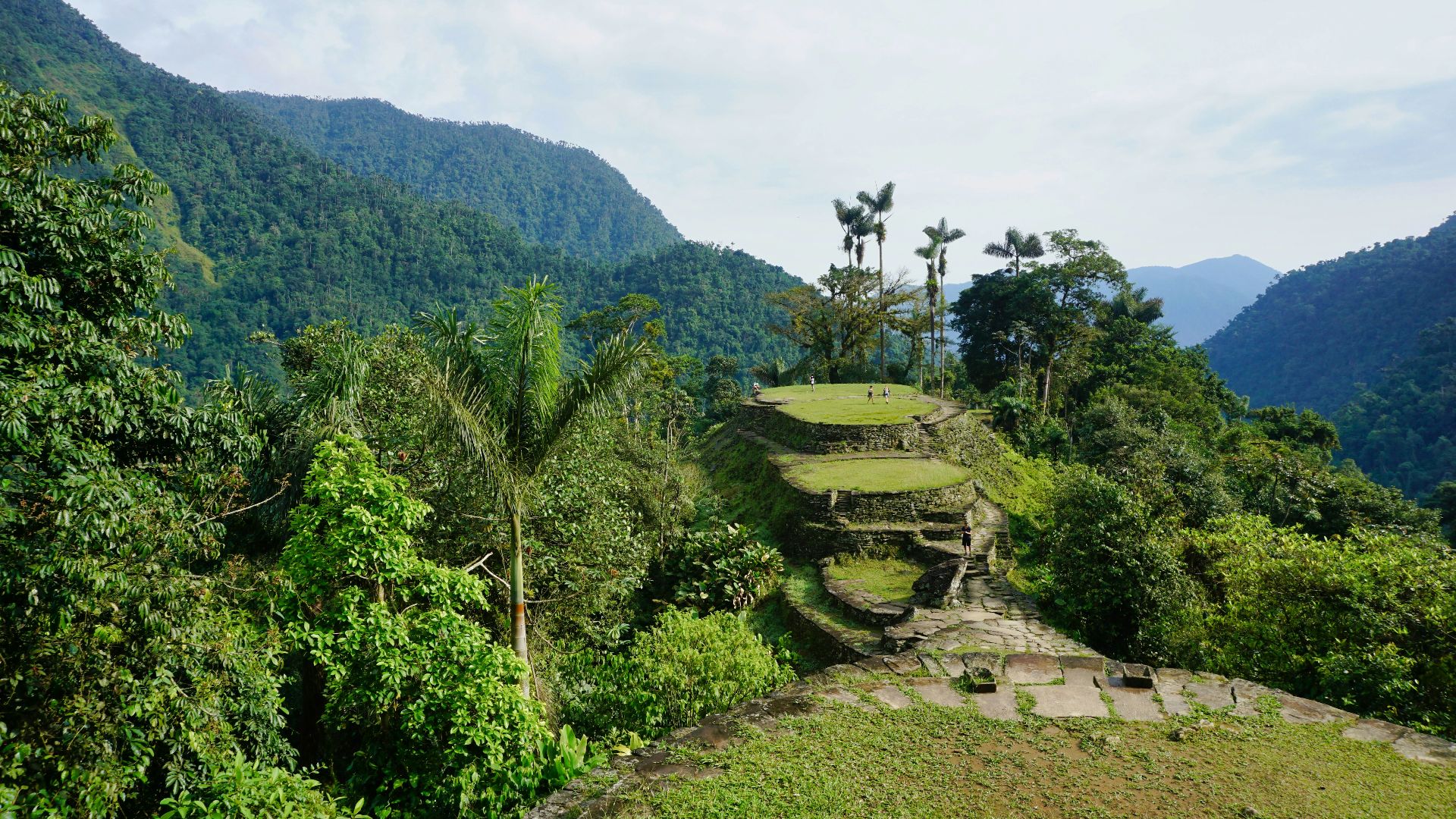
Paititi, believed to be hidden in the remote jungle regions of Peru or Brazil, represents the final refuge where Incas allegedly transported their wealth while fleeing Spanish conquistadors. This creates a South American El Dorado that has obsessed explorers for centuries.
Paititi (Cont.)
This city has become so influential that some scholars believe it inspired the more famous El Dorado myth. Explorers like Quispe and his team have even recounted journeys guided by indigenous tribes into dangerous and treacherous terrain to uncover Paititi.
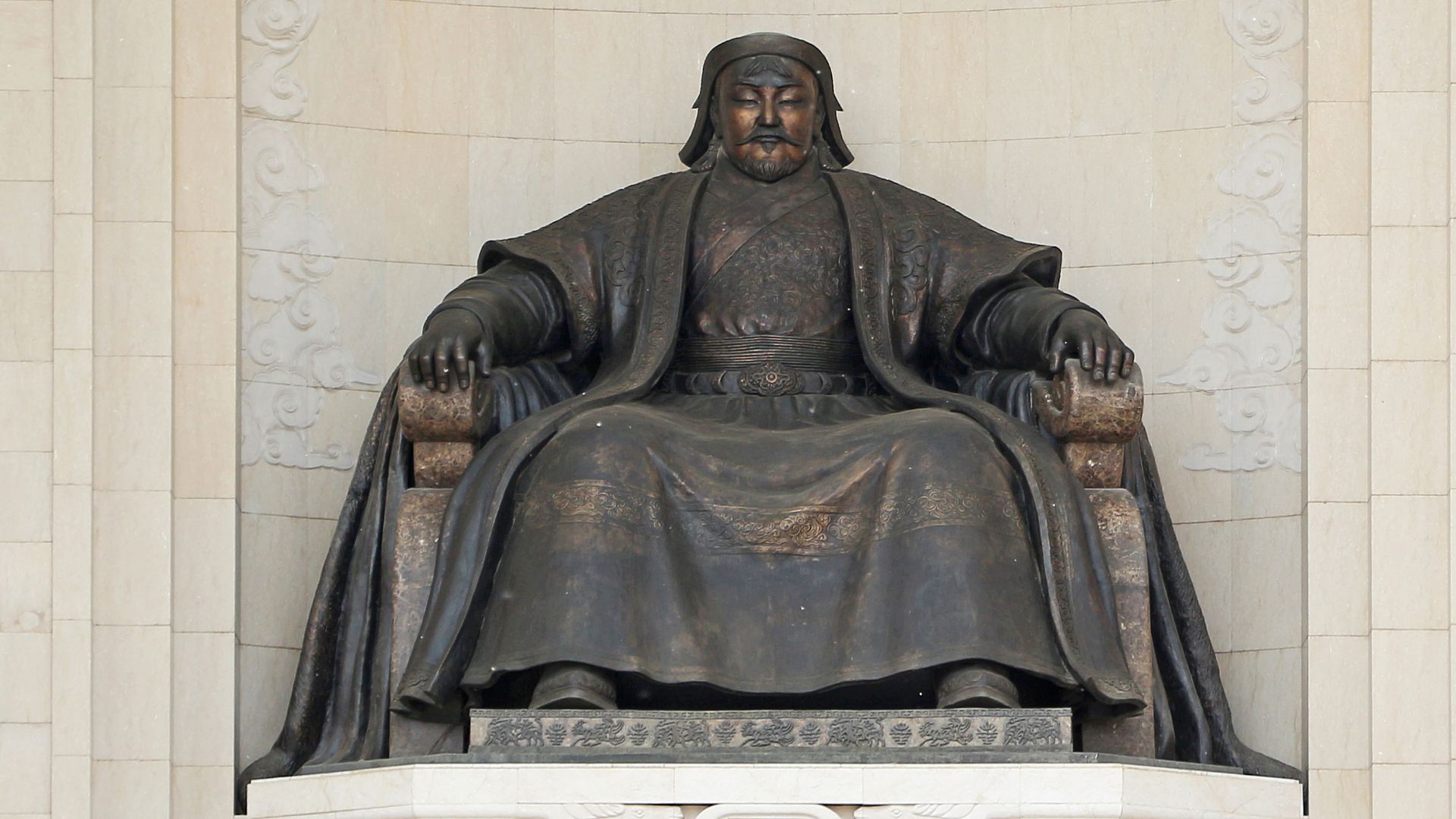
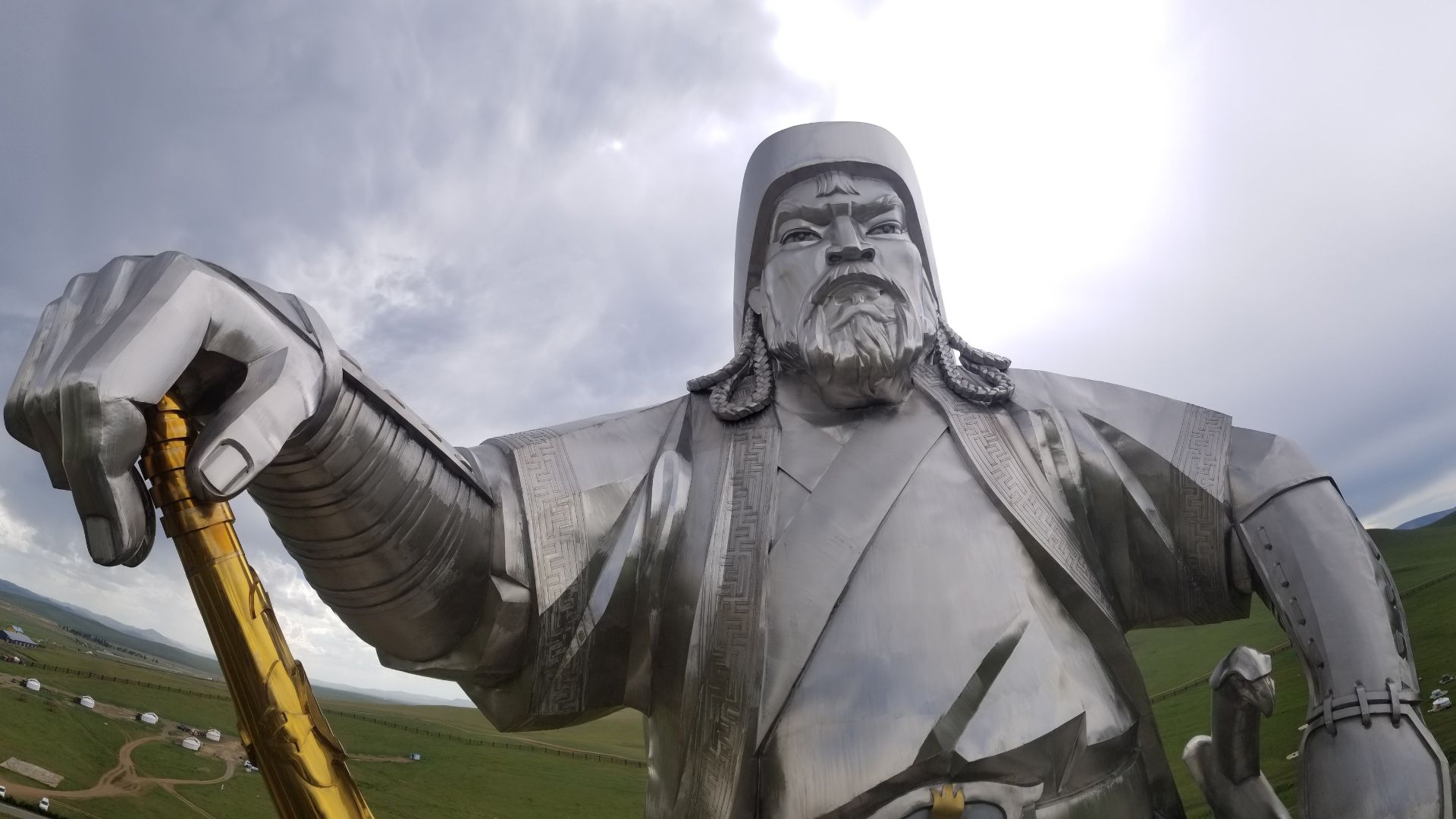
Genghis Khan's Tomb
For eight centuries, this highly influential conqueror has kept his final resting place a secret from the world. According to legend, the burial site of Genghis Khan, founder of the Mongol Empire, was hidden with extraordinary measures, including the killing of the tomb's builders.
 Bernard Gagnon, Wikimedia Commons
Genghis Khan's Tomb (Cont.)
This was done to prevent looting, creating what might be history's most successfully concealed royal burial. Modern technology has joined the search, with satellite imagery and advanced scanning techniques deployed across the Mongolian steppes to locate this elusive grave.
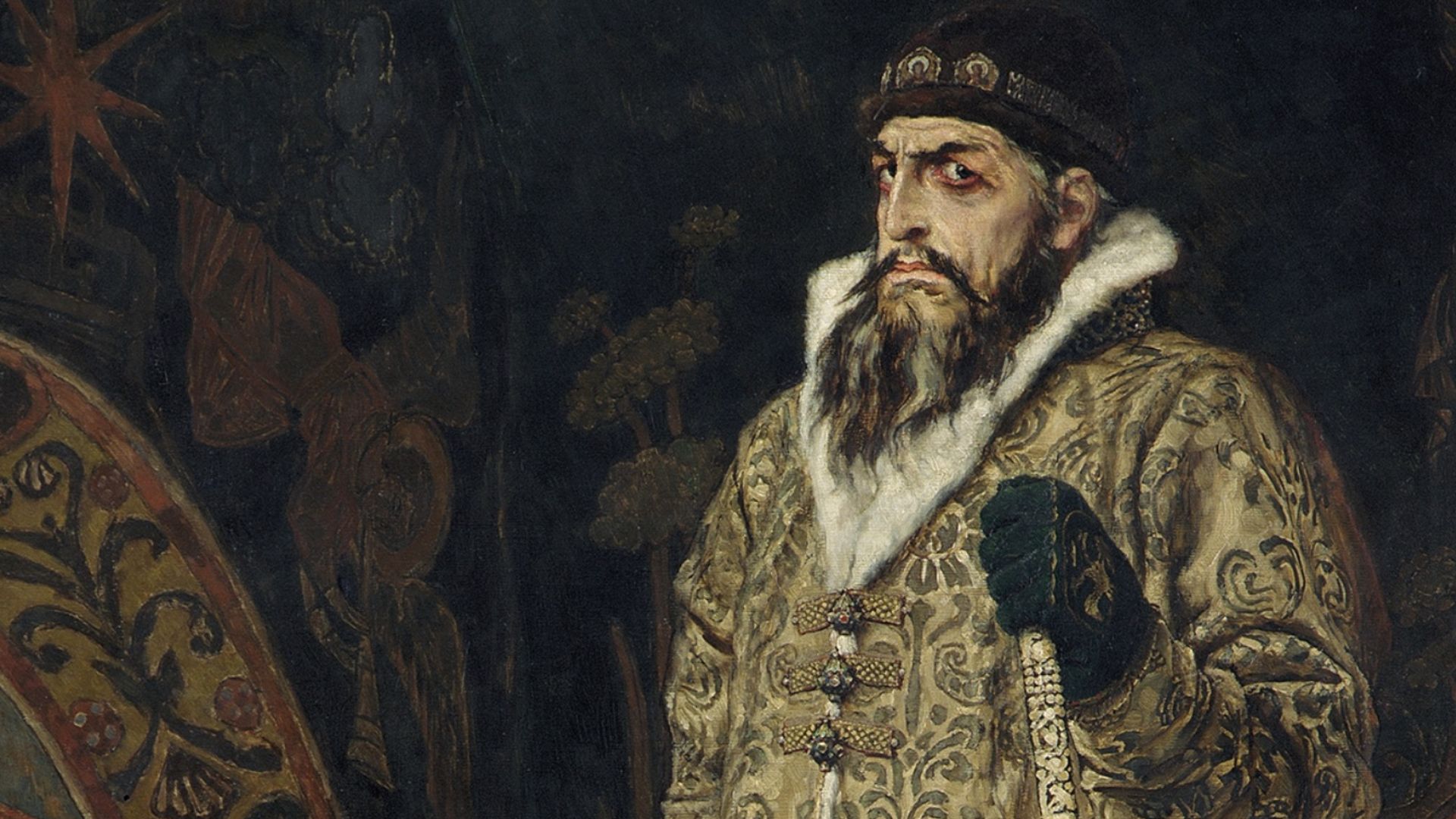
Library Of Ivan The Terrible
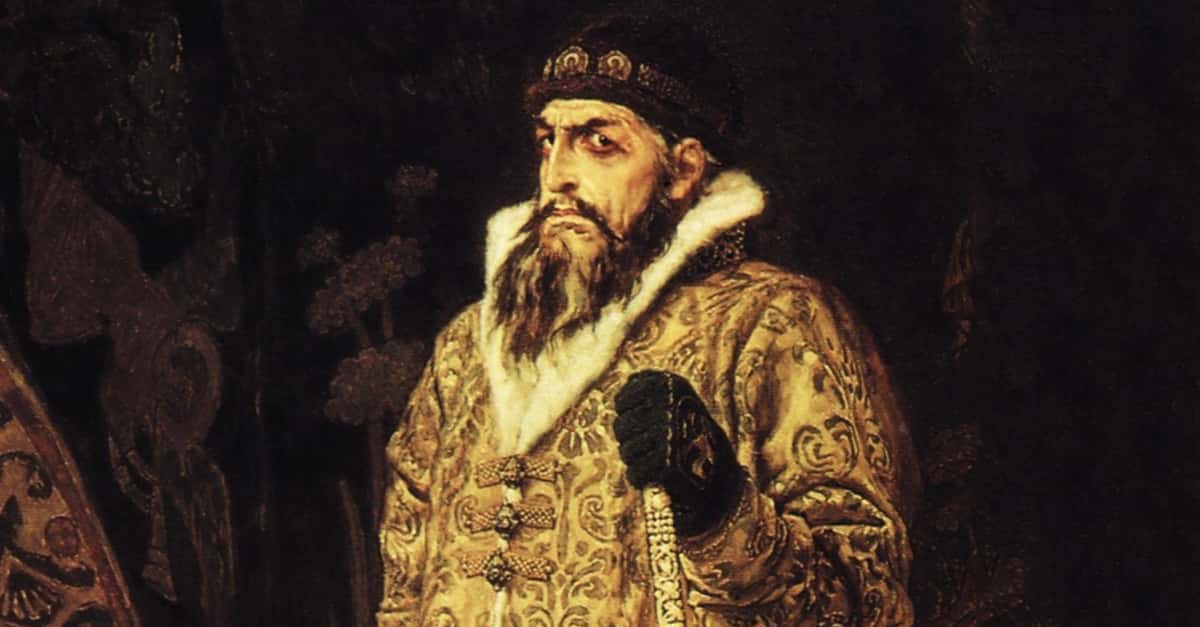
Beneath Moscow's ancient streets may lie a literary treasure trove that would revolutionize our understanding of classical antiquity. The legendary "Lost Library of the Tsars," a collection of ancient manuscripts and books allegedly assembled by Ivan the Terrible, represents something highly valuable.
 Viktor Vasnetsov, Wikimedia Commons
Library Of Ivan The Terrible (Cont.)
Despite numerous searches under the Kremlin and throughout Moscow, no convincing evidence of this mythical collection has ever emerged. What makes this literary treasure particularly tantalizing is the possibility that it might contain plays by Sophocles.
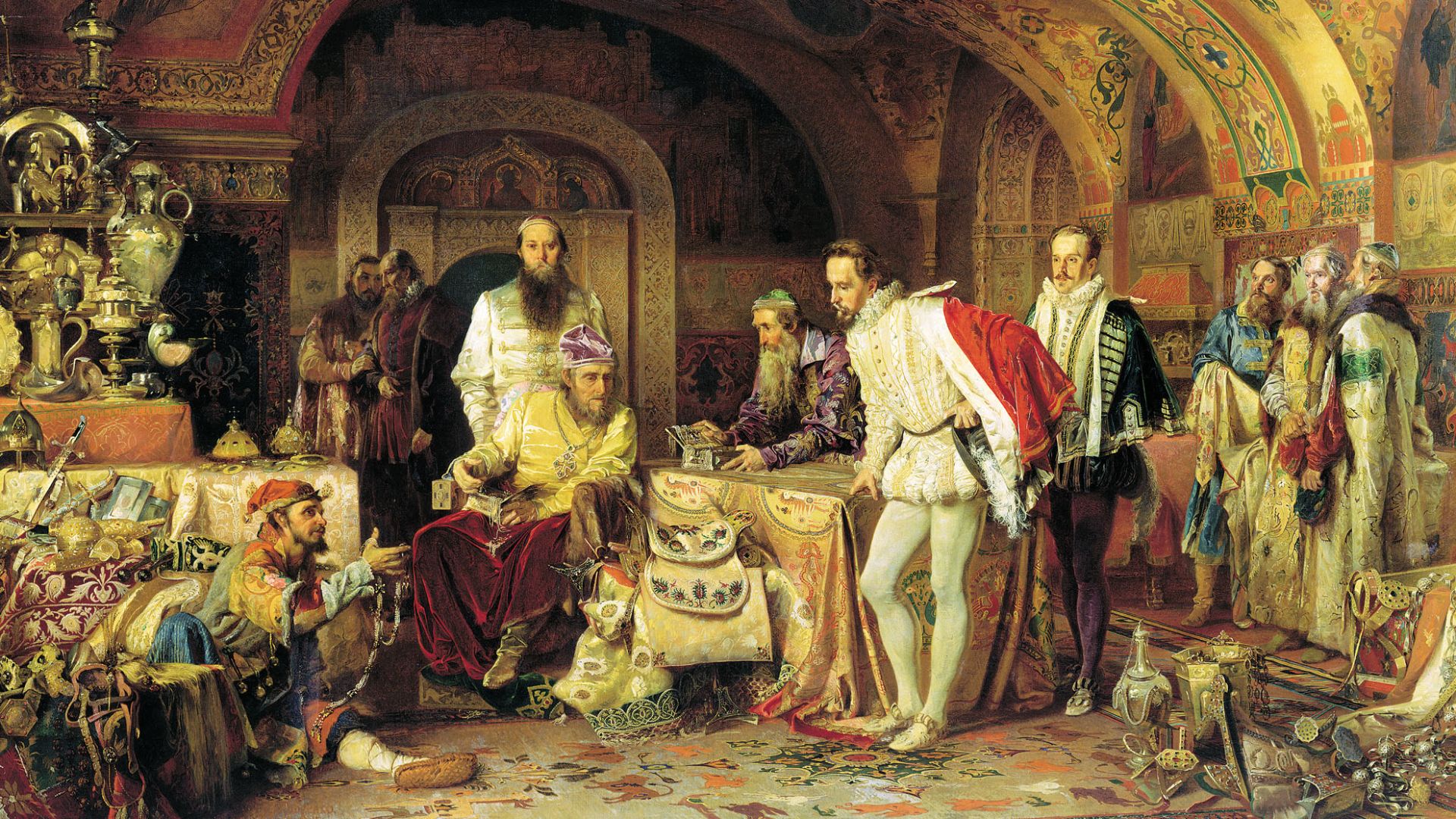 Alexander Litovchenko, Wikimedia Commons
San Miguel Galleon (1715 Fleet)
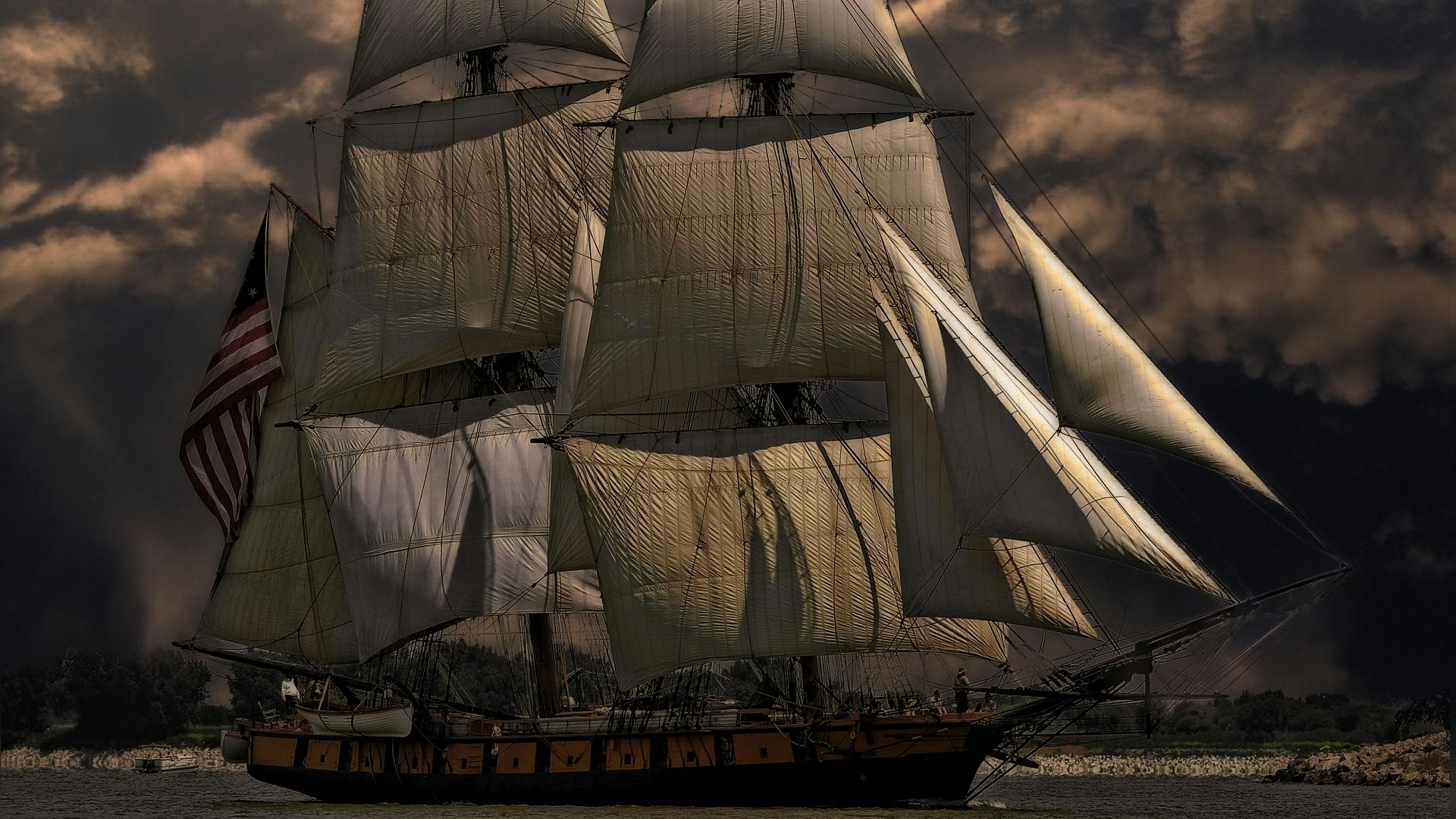
A violent hurricane in 1715 led to the most significant treasure hunting opportunities when it sank a Spanish fleet off Florida's coast. While much of the 1715 Fleet's treasure has been recovered over centuries, the San Miguel itself remains mysteriously absent from confirmed discoveries.
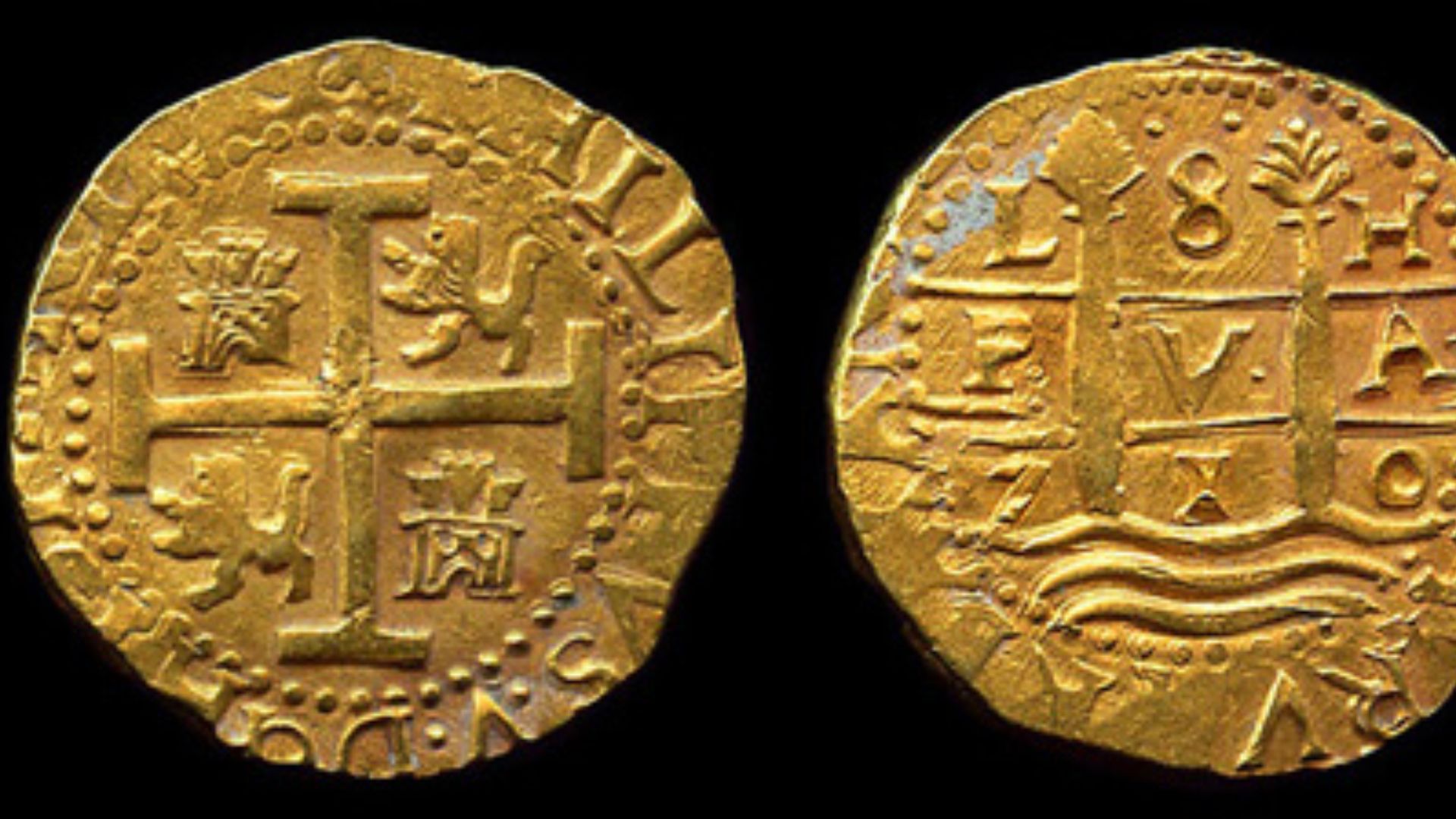 Augi Garcia, Wikimedia Commons
San Miguel Galleon (Cont.)
It gave rise to an enduring maritime mystery that continues drawing treasure hunters to Florida's “Treasure Coast”. The San Miguel has become perhaps the most sought-after missing vessel from this famous shipwreck event, which scattered Spanish gold and silver across miles of seabed.
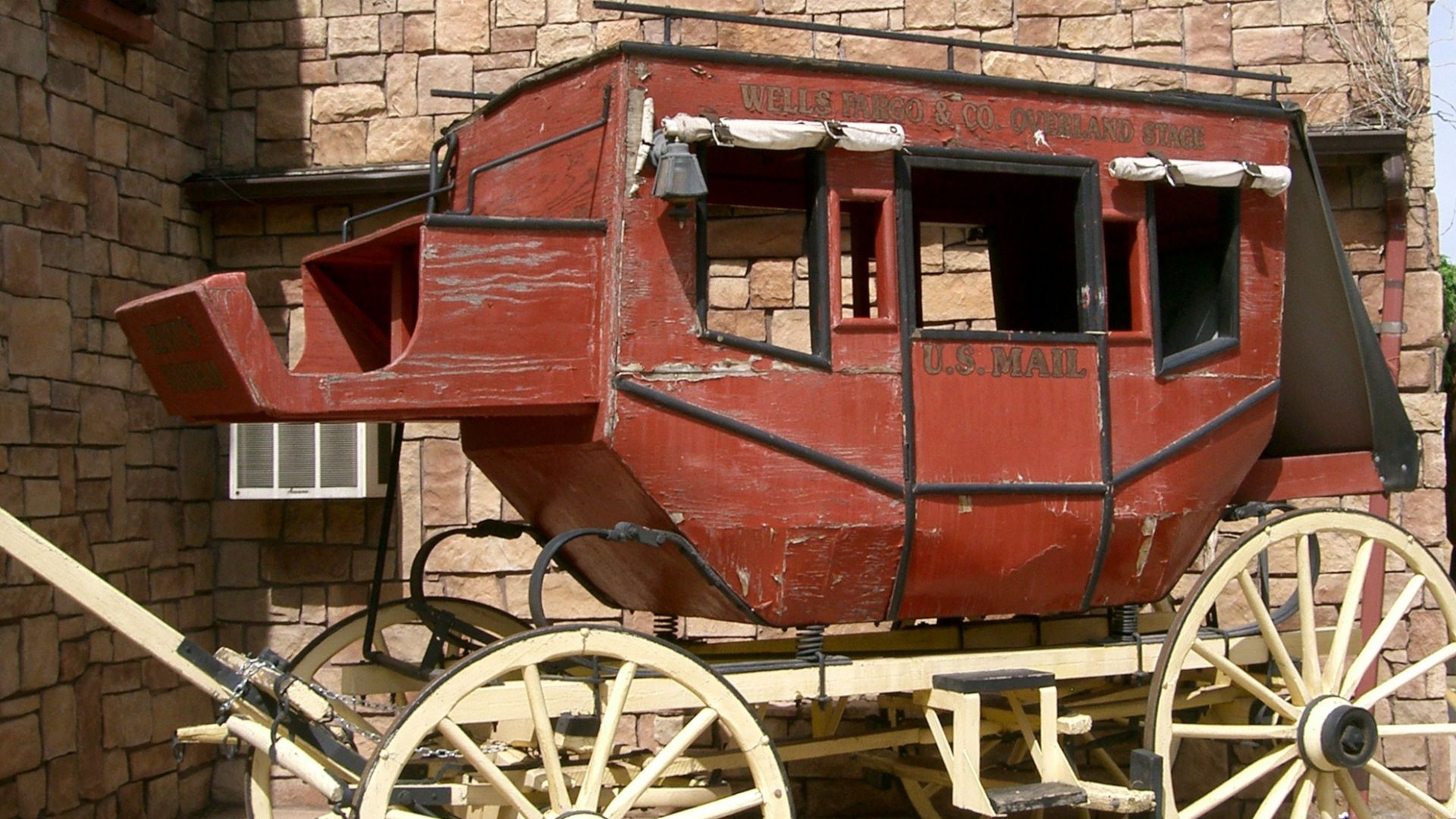
Wells Fargo Stagecoach Loot (1881)
The American West's romantic outlaw era produced numerous robberies, but few stolen treasures have remained as persistently missing as the 1881 Wells Fargo stagecoach heist loot. Despite the capture of the robbers who struck in Arizona territory, the location of their substantial stolen cache has never been found.
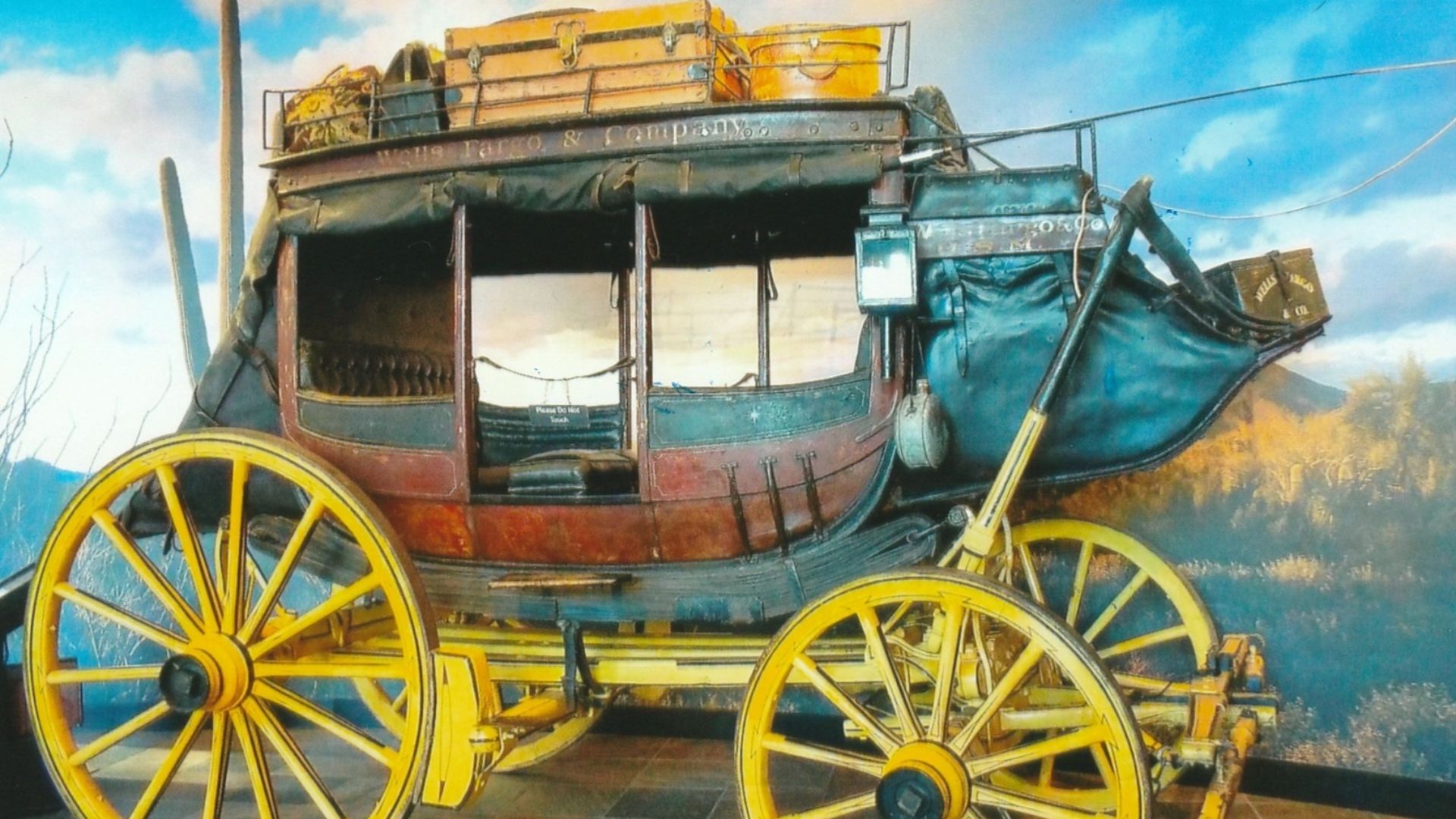 Marine 69-71, Wikimedia Commons
Wells Fargo Stagecoach Loot (Cont.)
This particular heist has transcended historical fact to become embedded in American frontier folklore. The stolen gold and silver represent more than just missing wealth—it's a tangible connection to the mythologized Old West era of stagecoach robberies, wanted posters, and frontier justice.
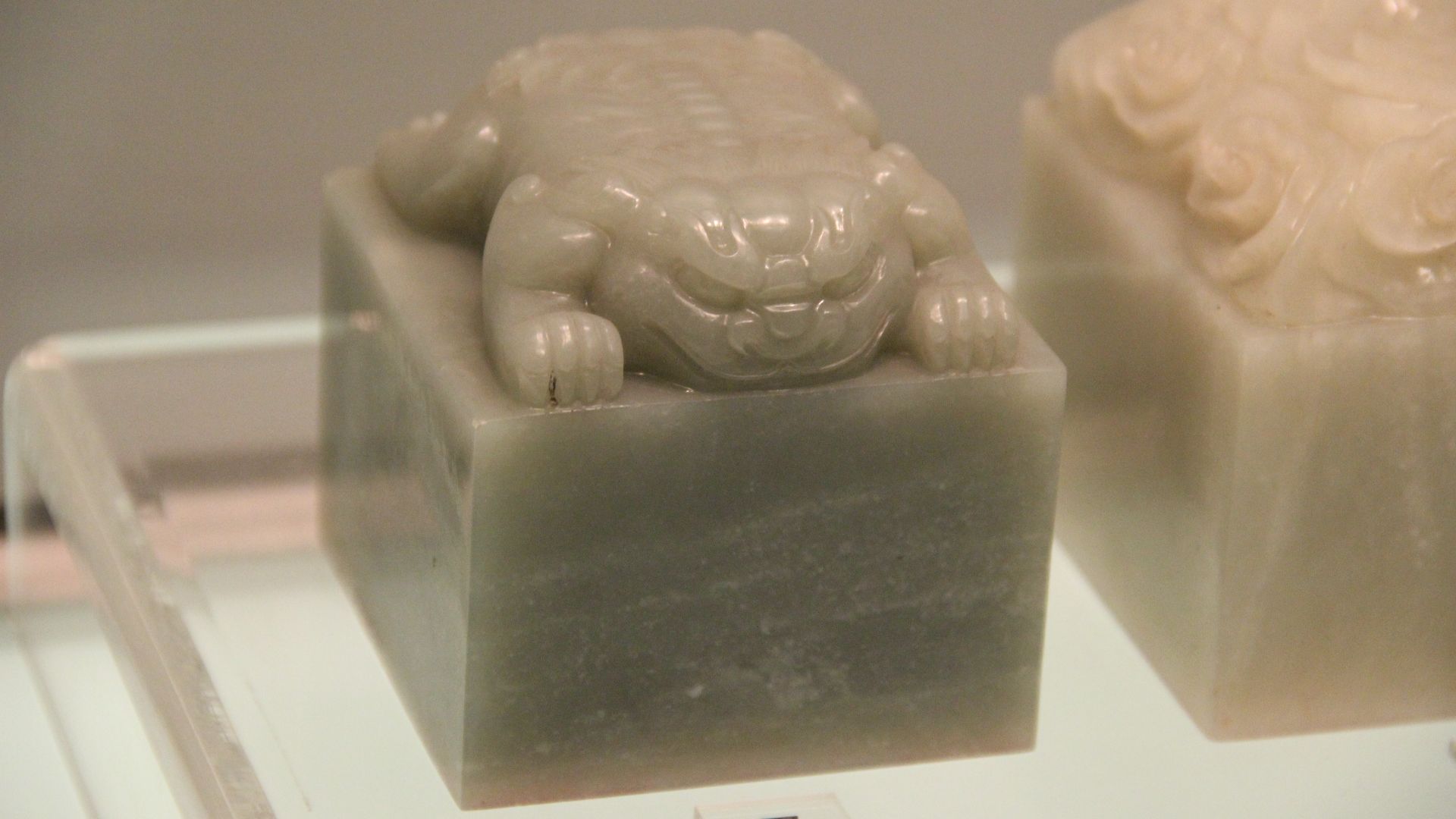
Imperial Jade Seal Of China
For over a thousand years, a small artifact symbolizing supreme power in ancient China has remained mysteriously lost to history. The Imperial Jade Seal, created for China's first emperor Qin Shi Huang in the 3rd century BCE, disappeared during the chaotic 10th century.
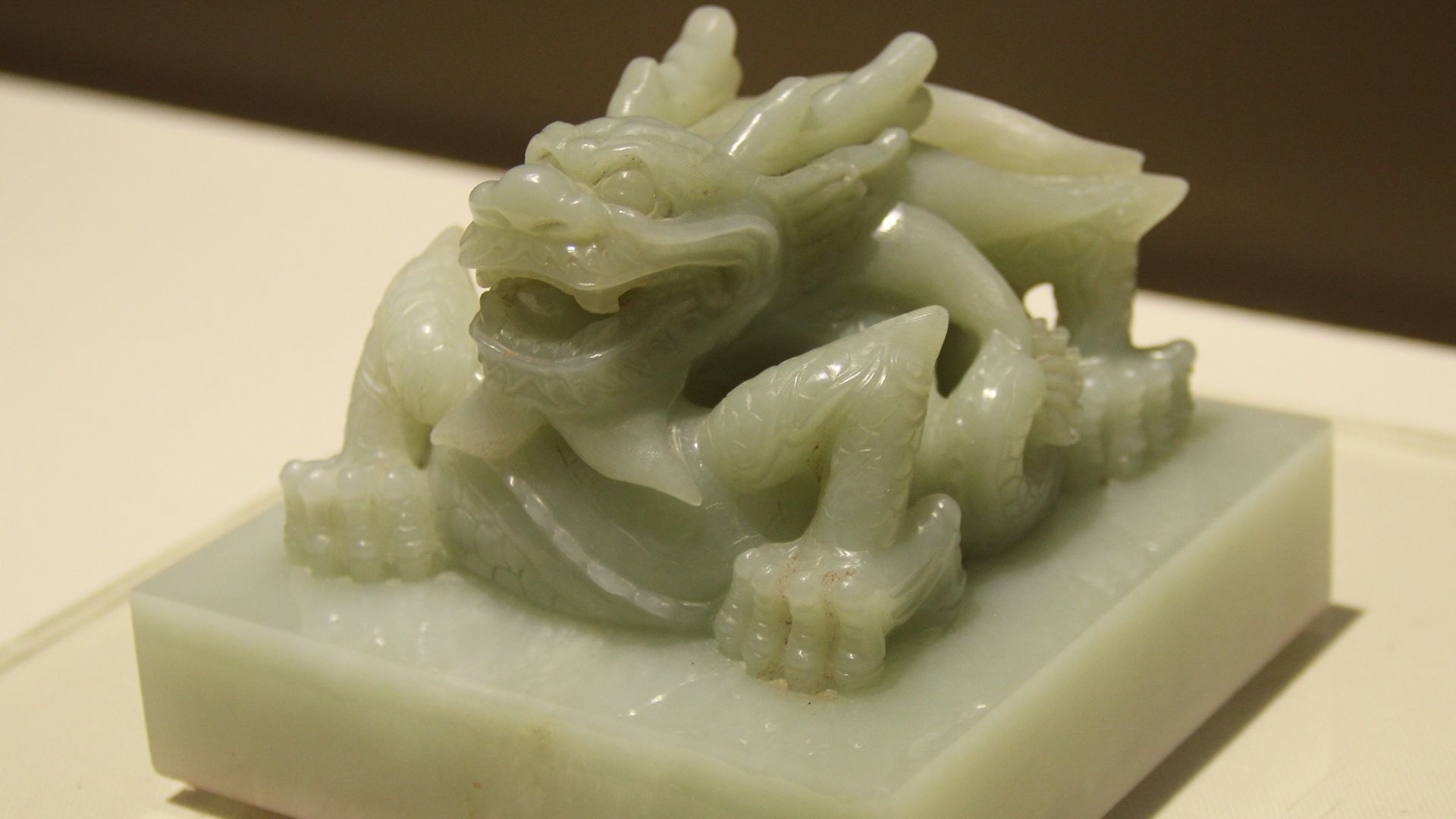
Imperial Jade Seal Of China (Cont.)
Carved from a prized piece of jade known as the Heshibi, this relatively small object carried immense cultural and political importance in ancient China. Possession of the seal represented heaven's mandate to rule, making it far more than just a valuable artifact.
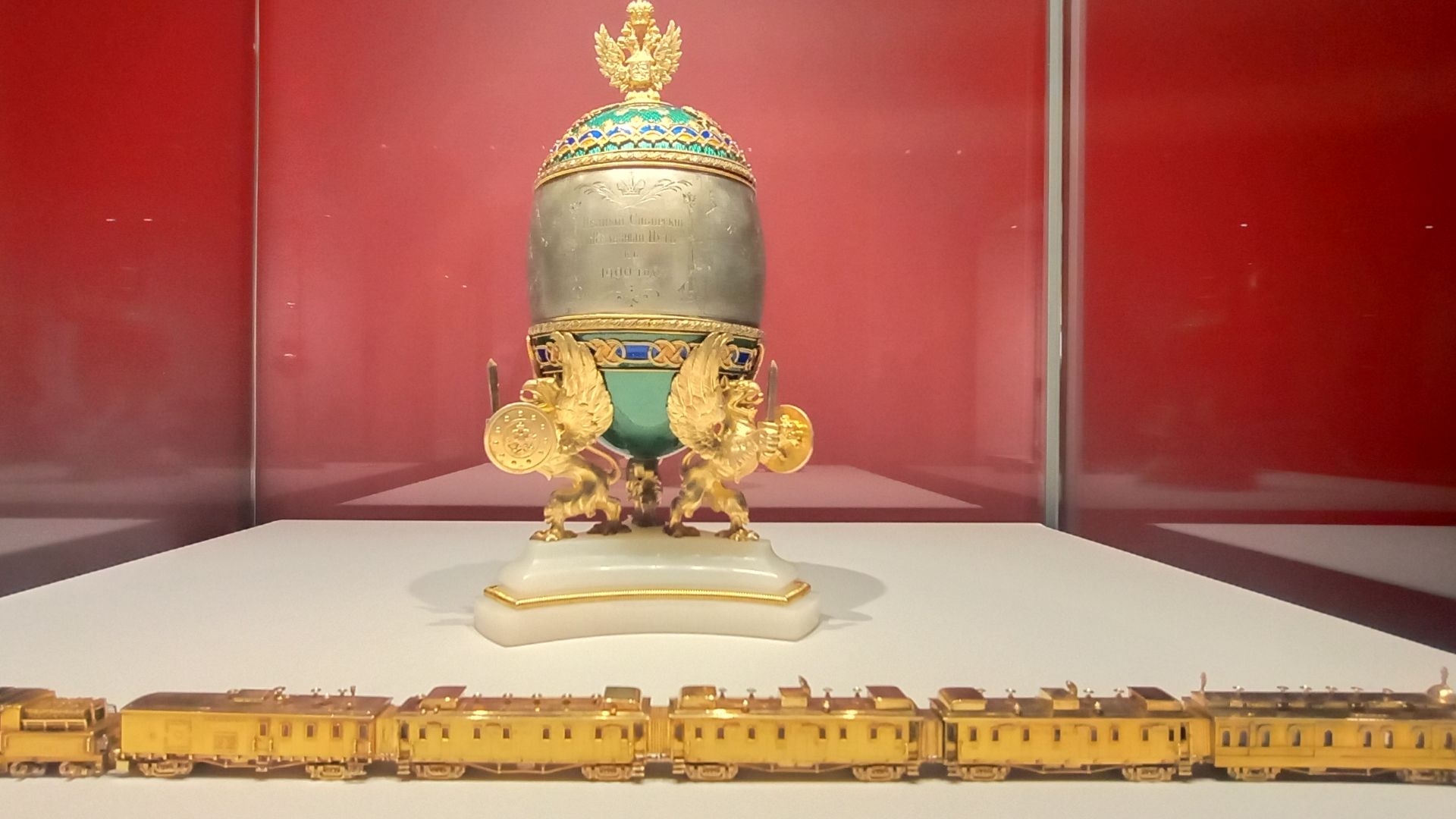
Missing Faberge Eggs (7 known)
The Russian Revolution scattered the Romanov family's priceless treasures, but few lost items capture the imagination like their missing Faberge eggs. Seven of these imperial masterpieces, crafted by Peter Carl Faberge between 1885 and 1917, have vanished without a trace.
 GAlexandrova, Wikimedia Commons
Missing Faberge Eggs (Cont.)
Each missing egg is a unique artistic achievement, often containing ingenious surprises hidden inside its bejeweled exteriors. These seven lost eggs are among the most sought-after art objects in the world, with their exquisite craftsmanship and historical significance making them virtually priceless.
 Sergey Korneev, Wikimedia Commons
Sceptre Of Dagobert
Amid the chaos of the French Revolution, this royal treasure simply dispapered. The gold scepter of King Dagobert I, a magnificent royal artifact dating to the 7th century and used by generations of French monarchs, went missing from the Basilica of Saint-Denis in 1795.
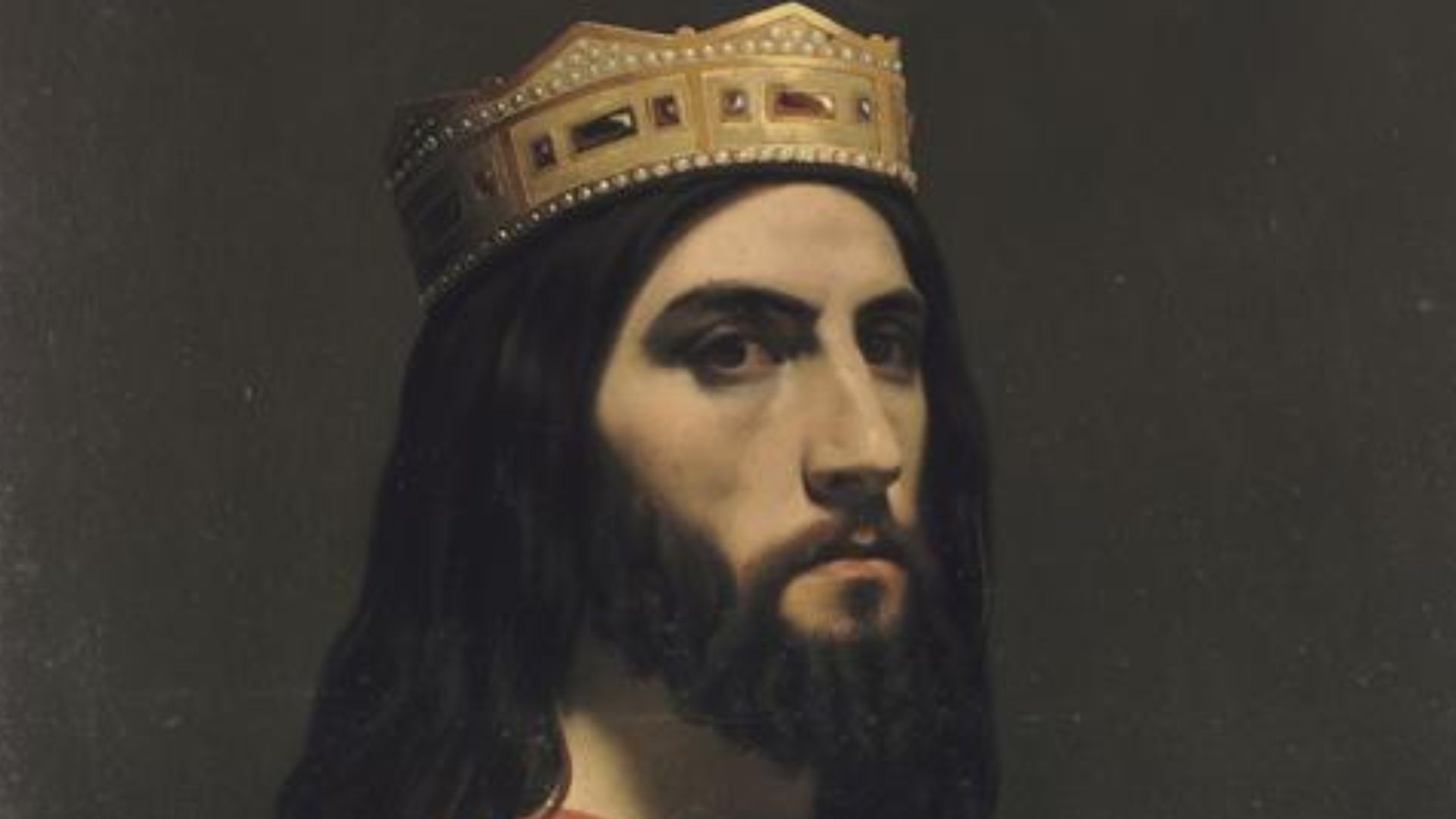 Émile Signol, Wikimedia Commons
Sceptre Of Dagobert (Cont.)
The ancient scepter, named after the Frankish king who ruled during the early medieval period, represented a tangible link to France's earliest royal dynasties. As part of the French crown jewels, it witnessed centuries of coronations and royal ceremonies before revolutionary fervor led to its disappearance.
 AnonymousUnknown author, Wikimedia Commons