
Just a few years ago, explorers mapping the bottom of the Bay of Mecklenburg off northern Germany stumbled on something startling: a nearly 3,200-foot wall of stones lying about 69 ft below the surface. This was a deliberate construction, aligned with regularity and intent. Discovered in 2021 through sonar mapping by geologists during a student training exercise, the structure is now known as the Blinkerwall. Researchers estimate it dates back roughly 11,000 years, based on radiocarbon evidence and sea-level modeling. Scientists believe Stone Age hunter-gatherers built it to guide and trap reindeer across the shallow landscapes that emerged after the last Ice Age. That realization reshapes assumptions about early northern European societies, revealing levels of planning, cooperation, and environmental knowledge once thought unlikely for such a distant period.
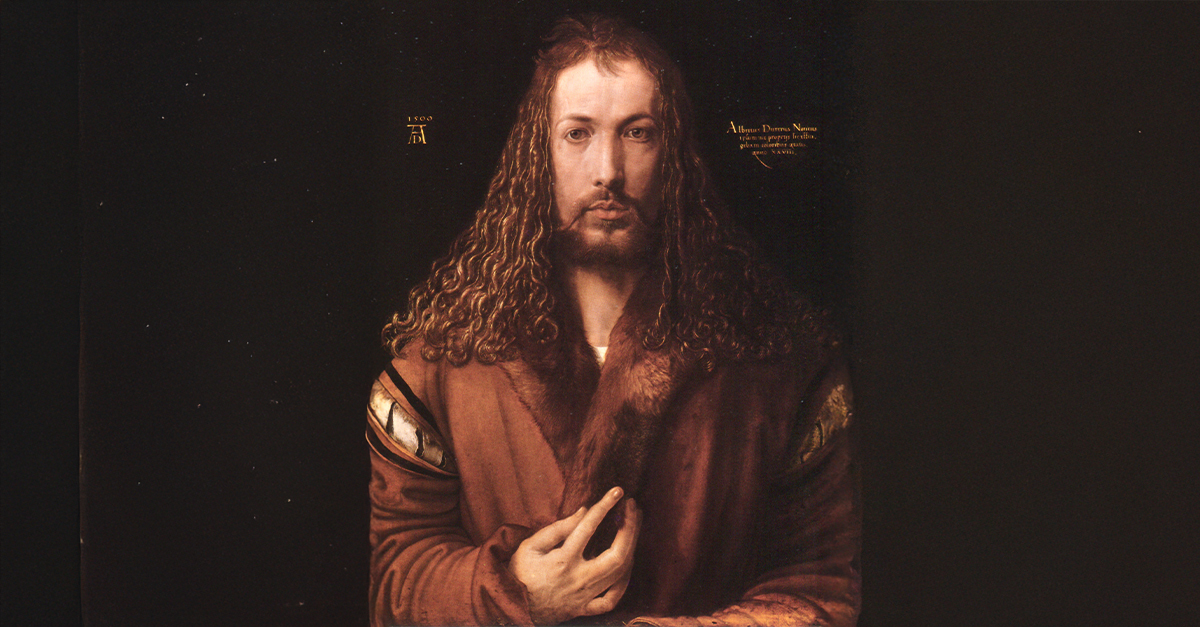
Albrecht Dürer transformed art through his engravings, which he mass printed, spreading his name across Europe.
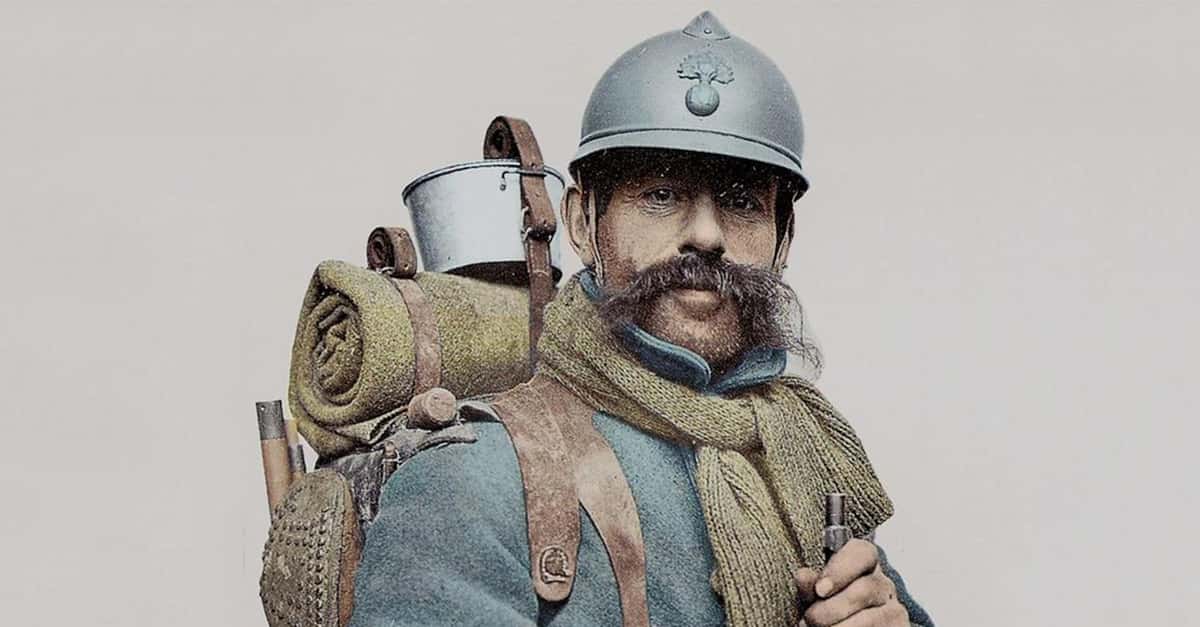
WWI was one of the largest and deadliest wars in history and caused major political change in the countries that were involved, and some of the unresolved issues from the conflict contributed to WWII just two decades later.

“It’s not a very nice solution, but a wall is a hell of a lot better than a war. This is the end of the Berlin crisis. The other side panicked—not we. We’re going to...
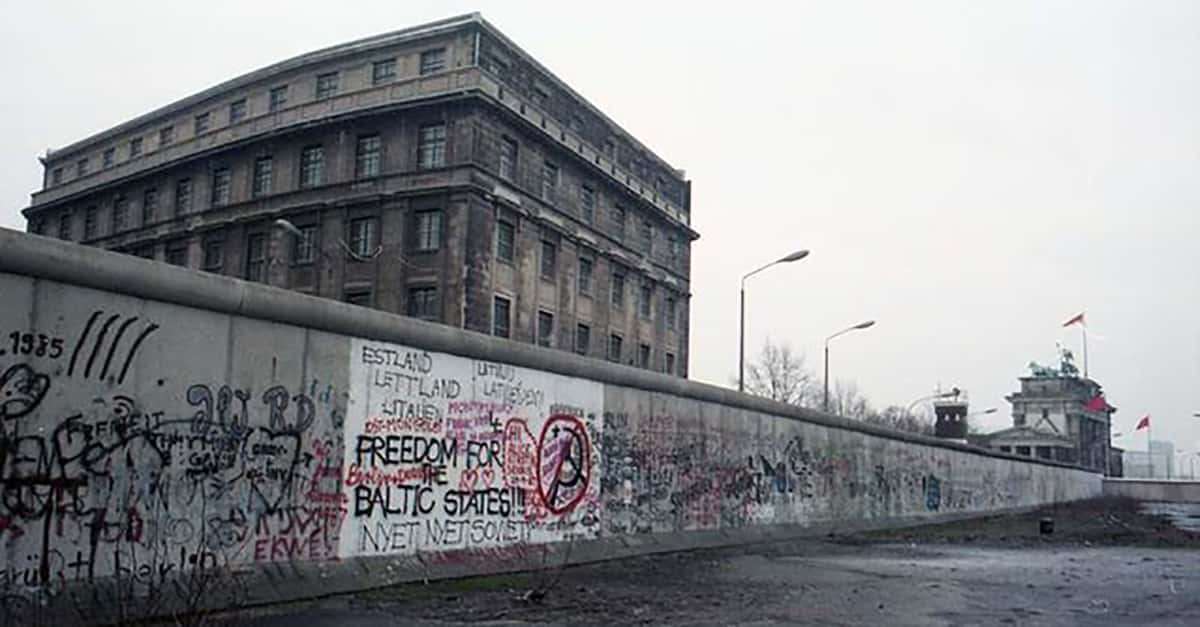
Nothing symbolized the Cold War more than the Berlin Wall, a physical divide between East and West. When did the Berlin Wall fall?
“In Britain and Europe, no event is less forgotten than World War I, or 'The Great War,' as it was called until 1939” -Michael Korda World War 1 took place between 1914 and 1918 and...

If you like humaverse you may also consider subscribing to these newsletters:
