When Doctors Were Basically Guessing
These days, medical treatments go through years of testing before they reach the public. For most of history, though, people were working with limited knowledge and a lot of confidence. That led to some truly bizarre health trends that sounded perfectly reasonable at the time but seem almost impossible to believe today.
 John Vachon(w) for the United States Farm Security Administration(w), Wikimedia Commons
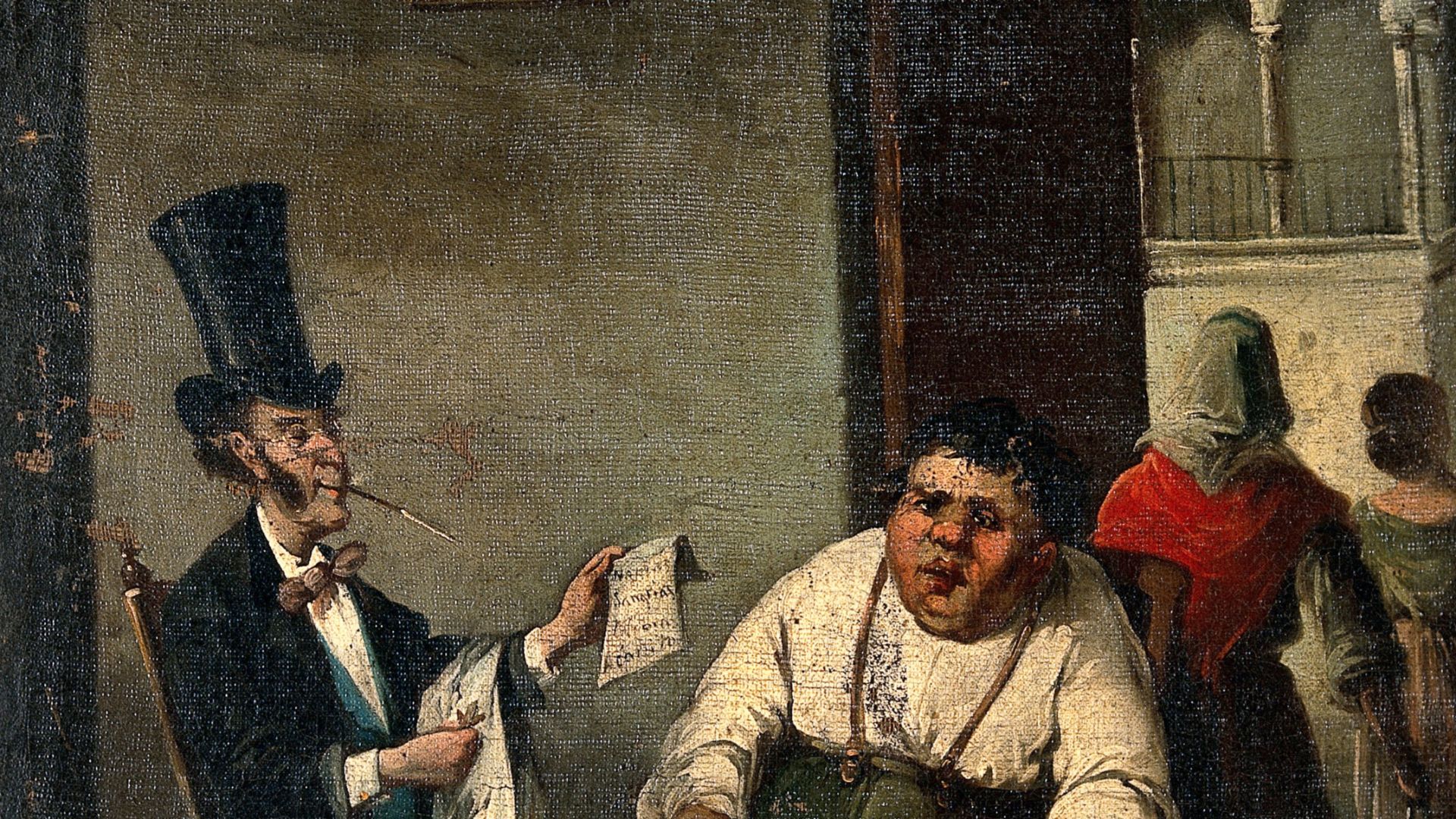
Bloodletting
For centuries, doctors thought many illnesses happened because the body's fluids were out of balance. Their solution was often to drain blood from the patient. It was one of the most common medical treatments in history, even though it frequently left people weaker than when they started.
 After Honoré Daumier, Wikimedia Commons
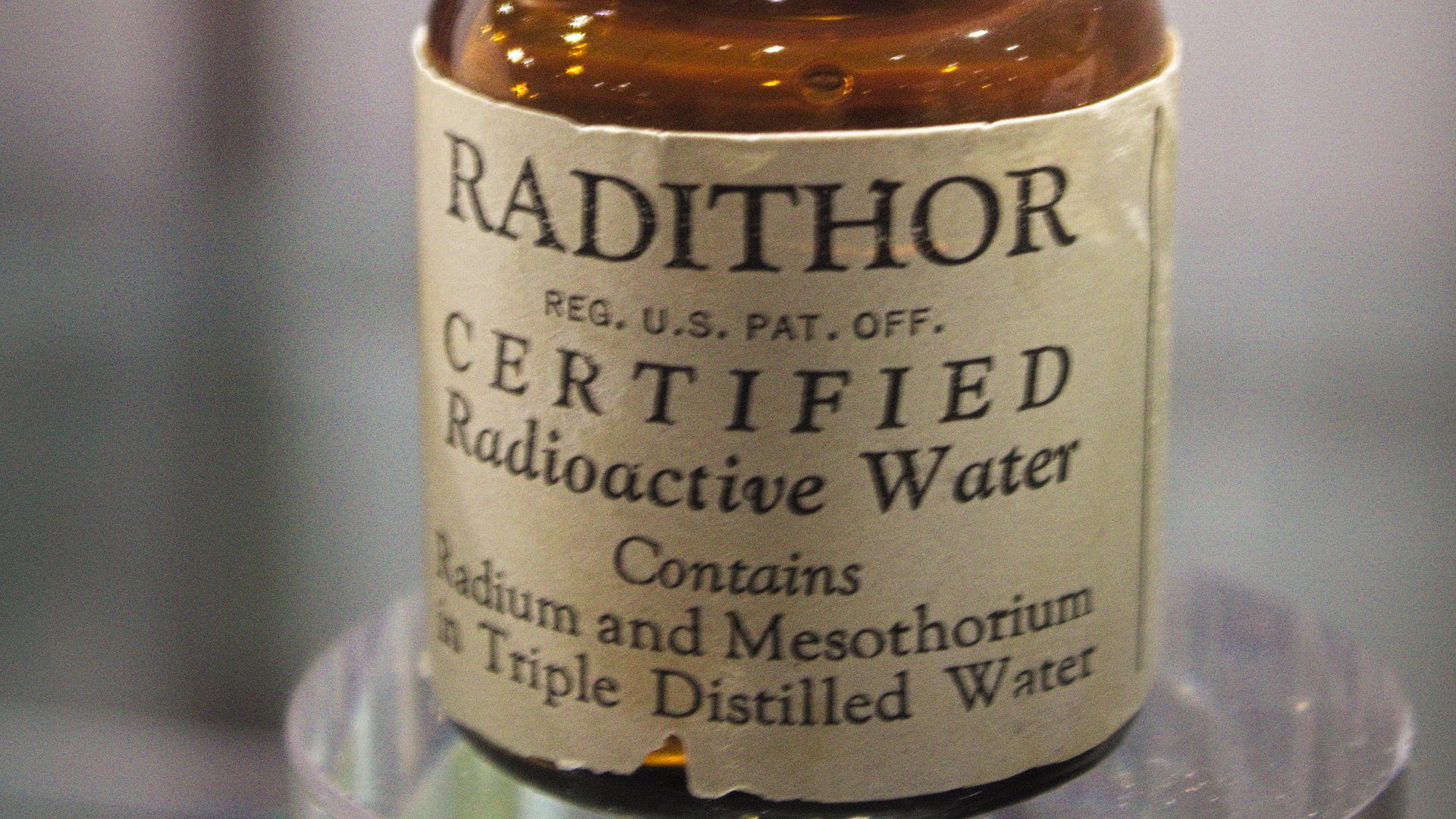
Drinking Radium Water
When scientists discovered radium, many people treated it like a miracle substance. Companies sold radioactive water that promised more energy, better health, and a longer life. The excitement eventually disappeared when radiation sickness and deaths started revealing what radium actually did to the human body.
 Sam LaRussa from United States of America, Wikimedia Commons
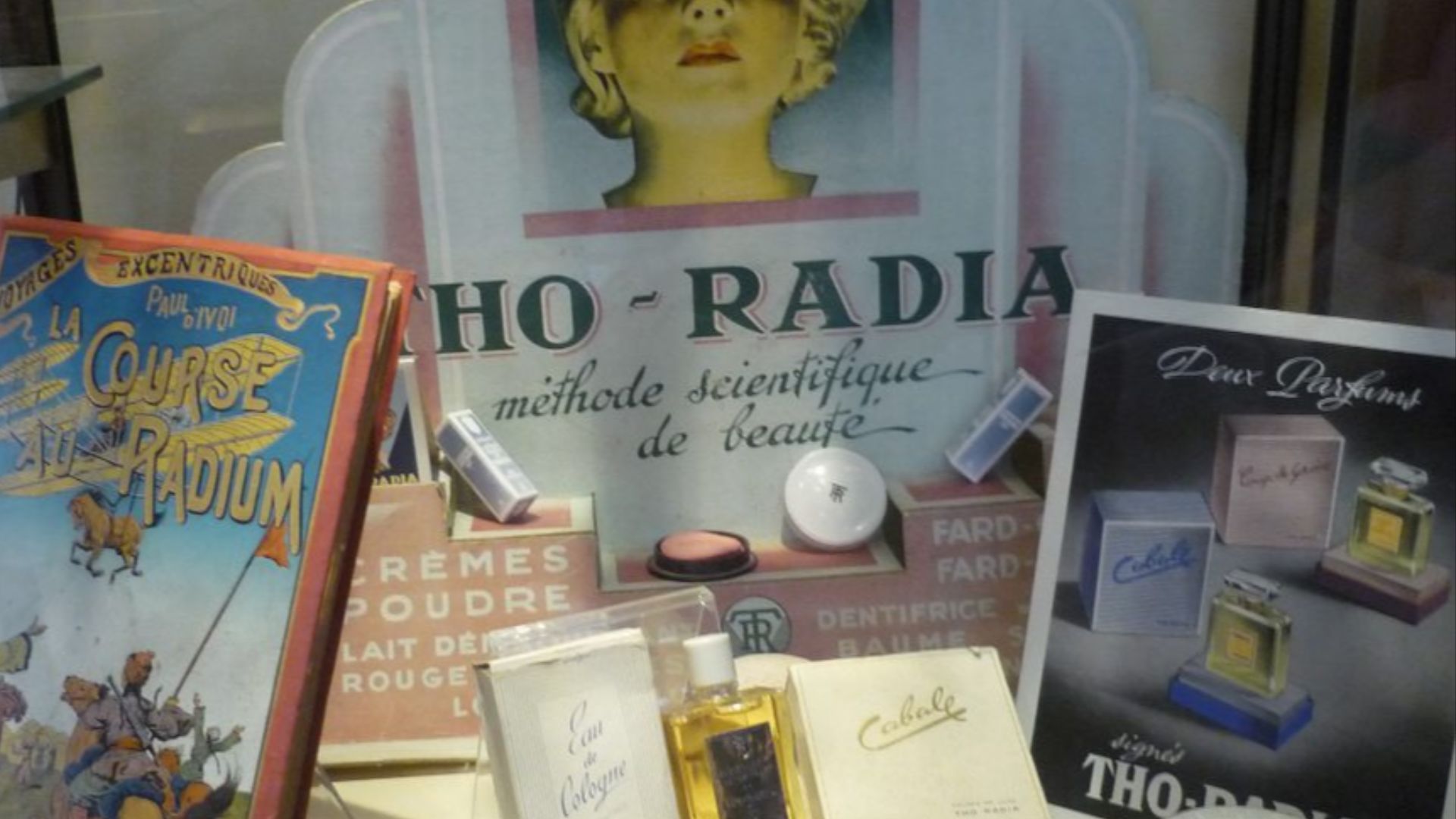
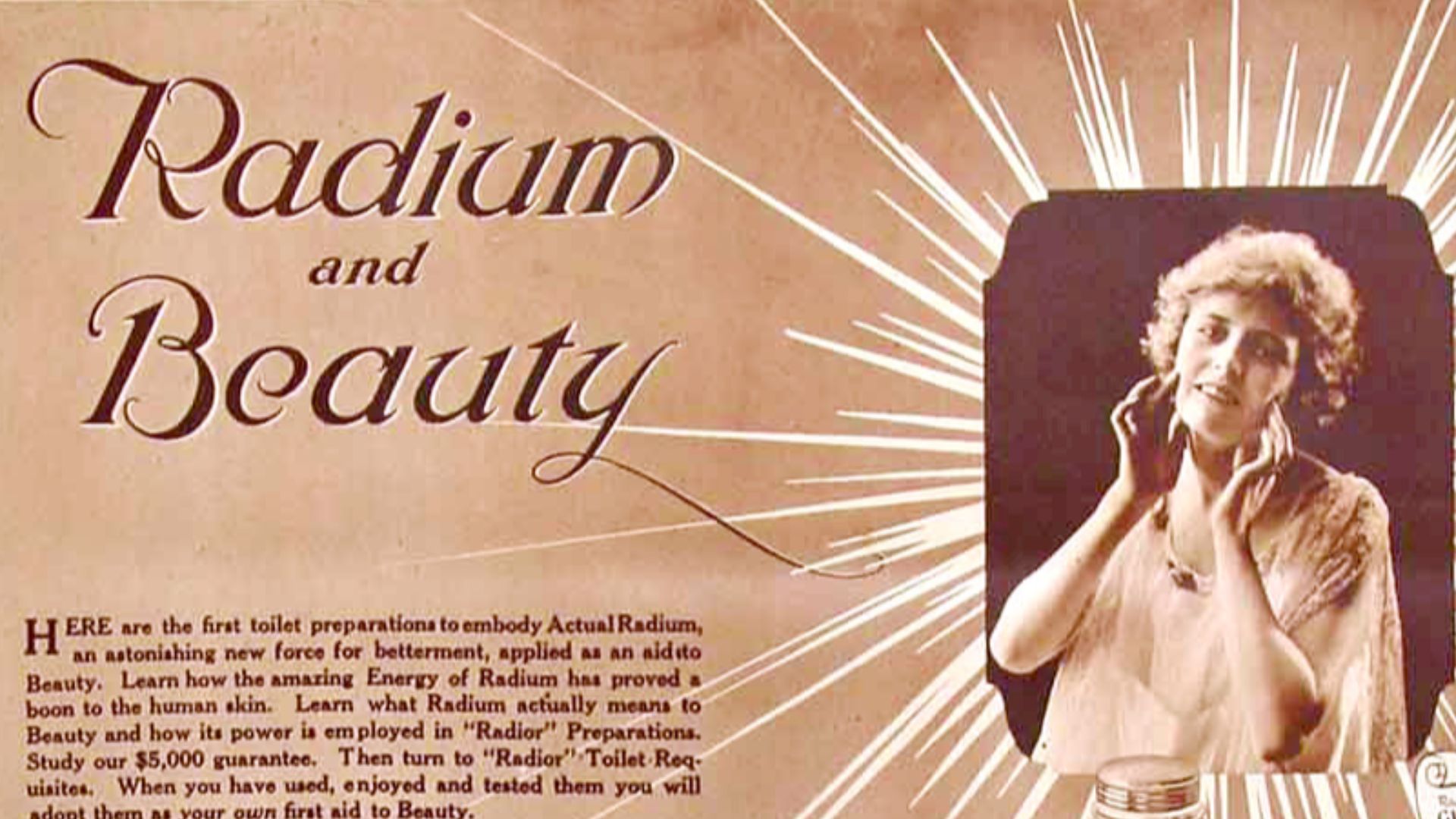
Radioactive Beauty Products
Apparently, radioactive drinking water was not strange enough. Manufacturers also added radium to face creams, cosmetics, and toothpaste because people associated radioactivity with youth and vitality. Instead of delivering glowing health, these products sometimes delivered actual radiation exposure.
Smoke Enemas
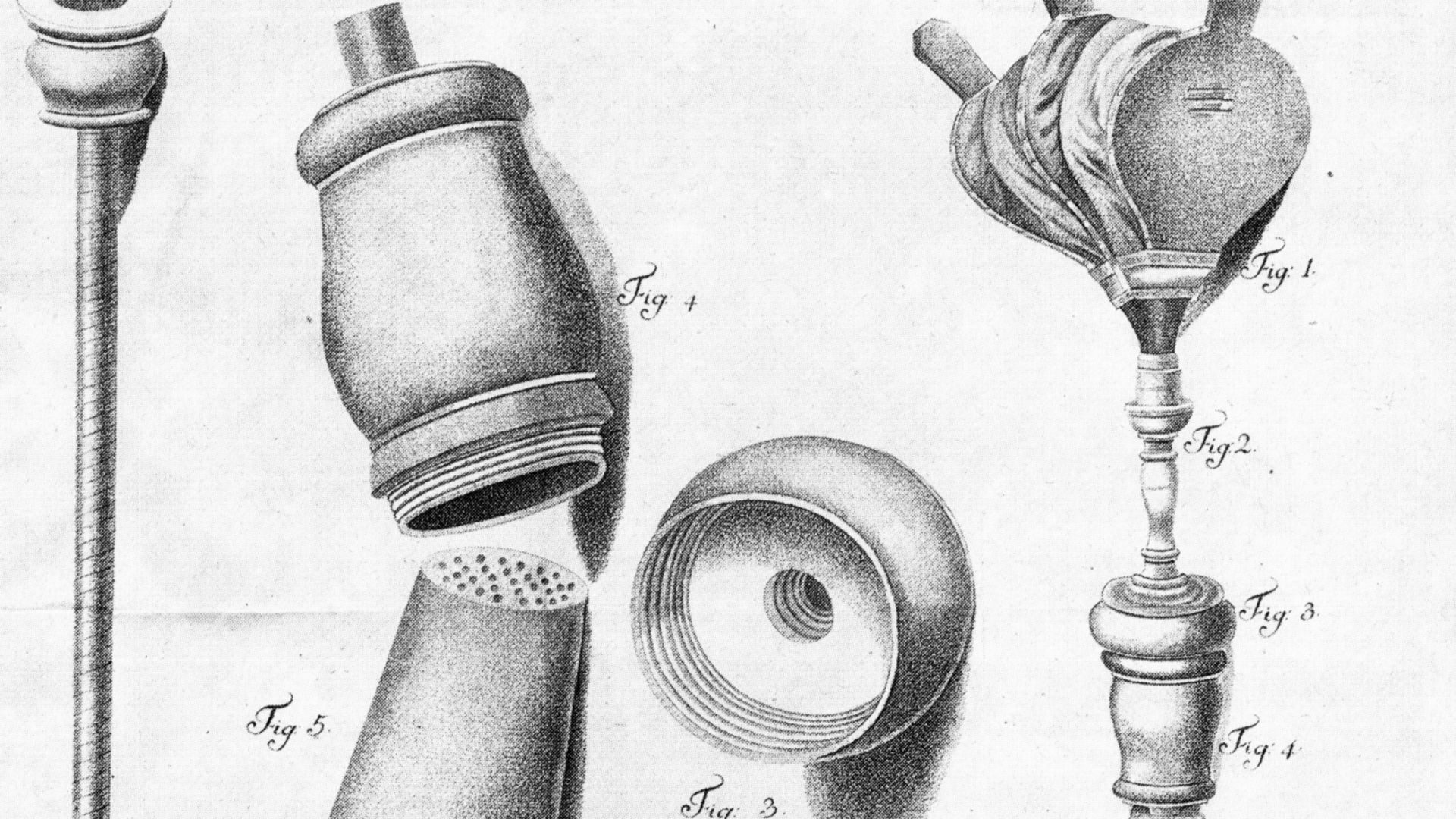
Few historical treatments sound stranger than this one. During the 1700s, some doctors believed blowing smoke into a person's behind could revive drowning victims. The practice became so popular that rescue stations along the River Thames reportedly kept these enema kits on hand.
 Unknown authorUnknown author, Wikimedia Commons
Arsenic Beauty Treatments
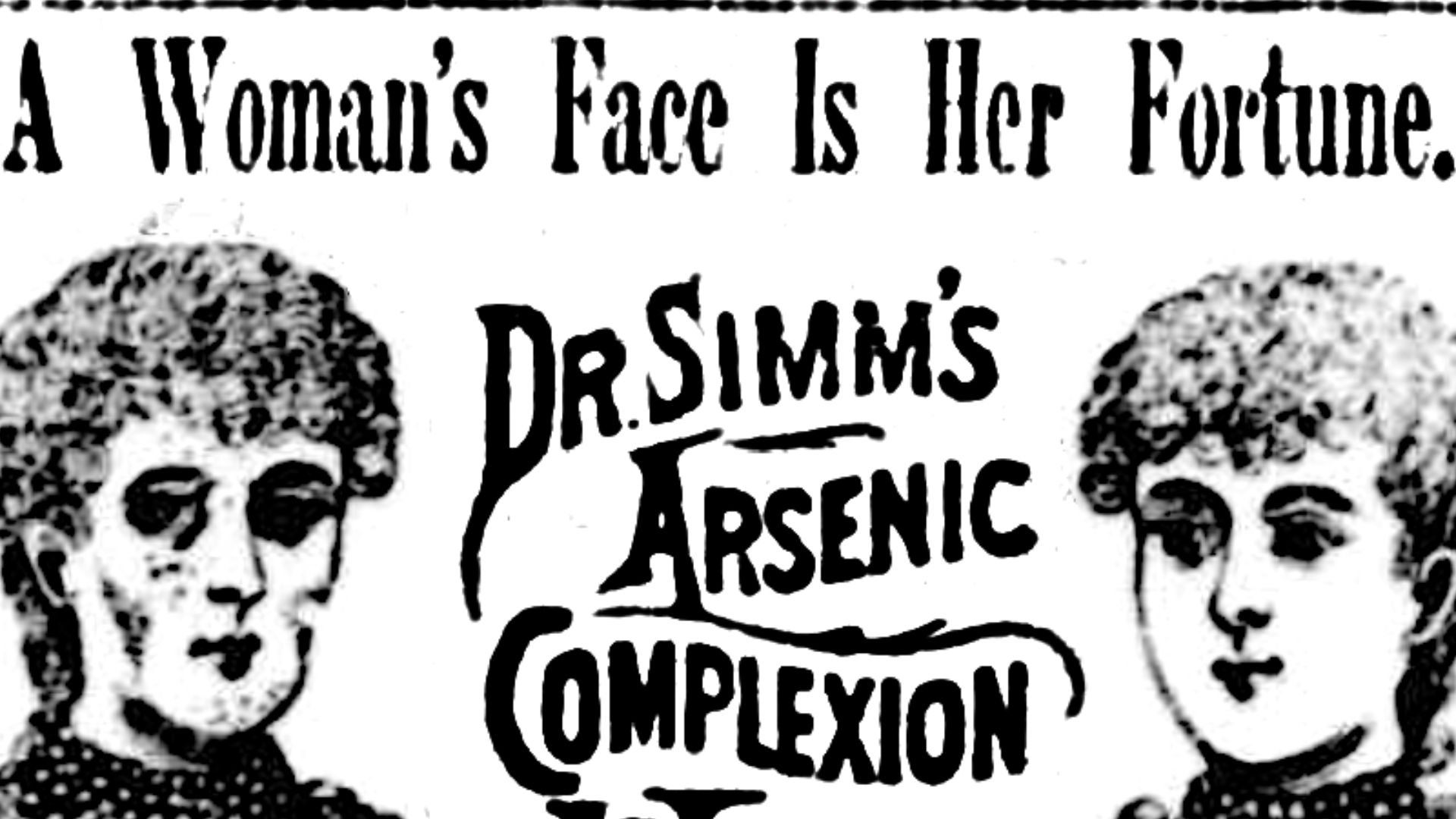
In the 1800s, pale skin was fashionable, and some people were willing to take serious risks to achieve it. Arsenic was sold as a beauty aid that supposedly improved complexion and overall appearance. Unfortunately, it also happened to be a poison.
 The Helena Independent (newspaper), Wikimedia Commons
Mercury As Medicine
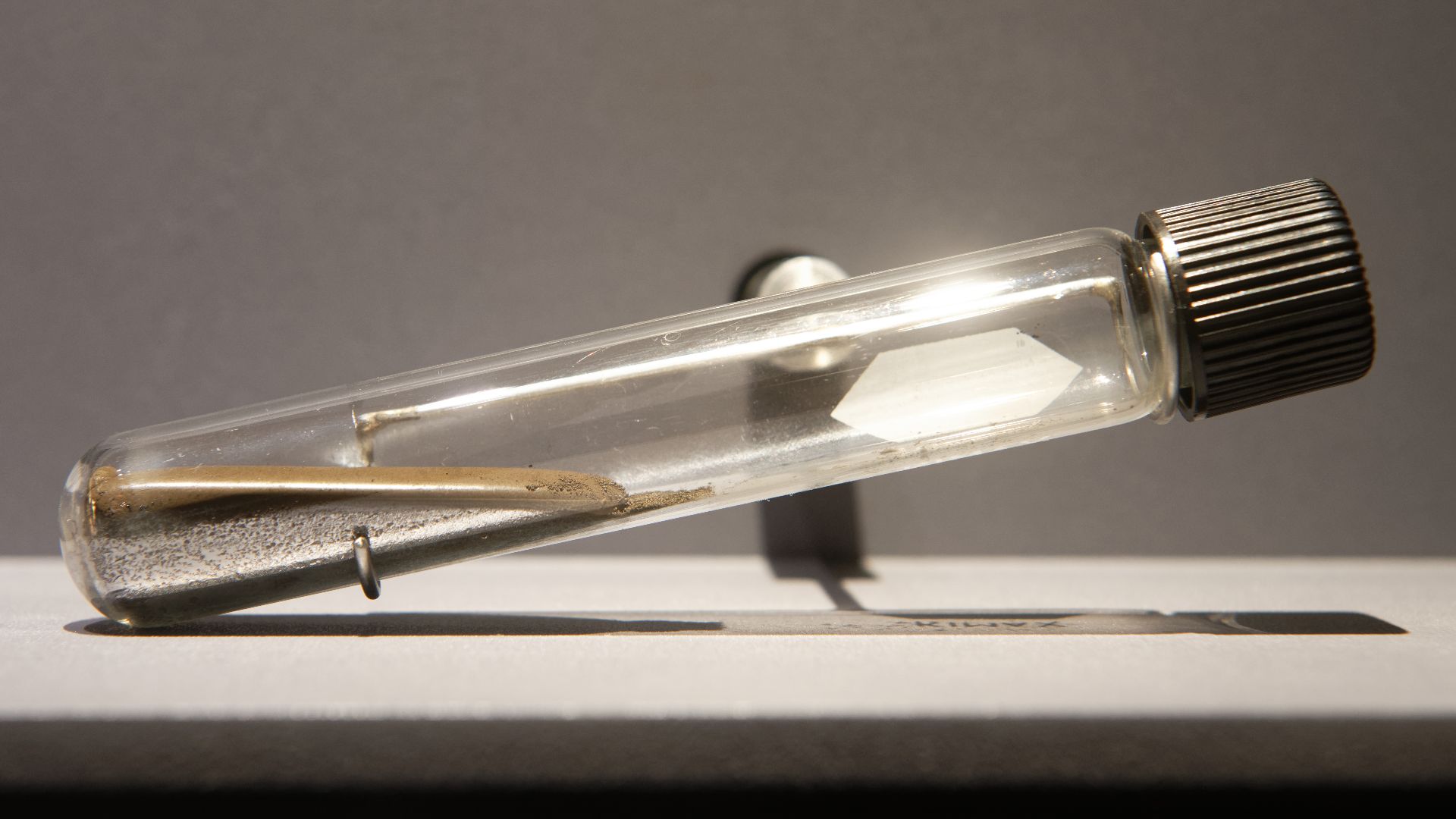
Mercury appeared in medical treatments for hundreds of years. Doctors prescribed it for infections, digestive issues, and a variety of other complaints. While some patients experienced temporary effects that looked promising, long-term mercury exposure could cause major health problems.
 Marie-Lan Taÿ Pamart, Wikimedia Commons
Miracle Snake Oil Remedies
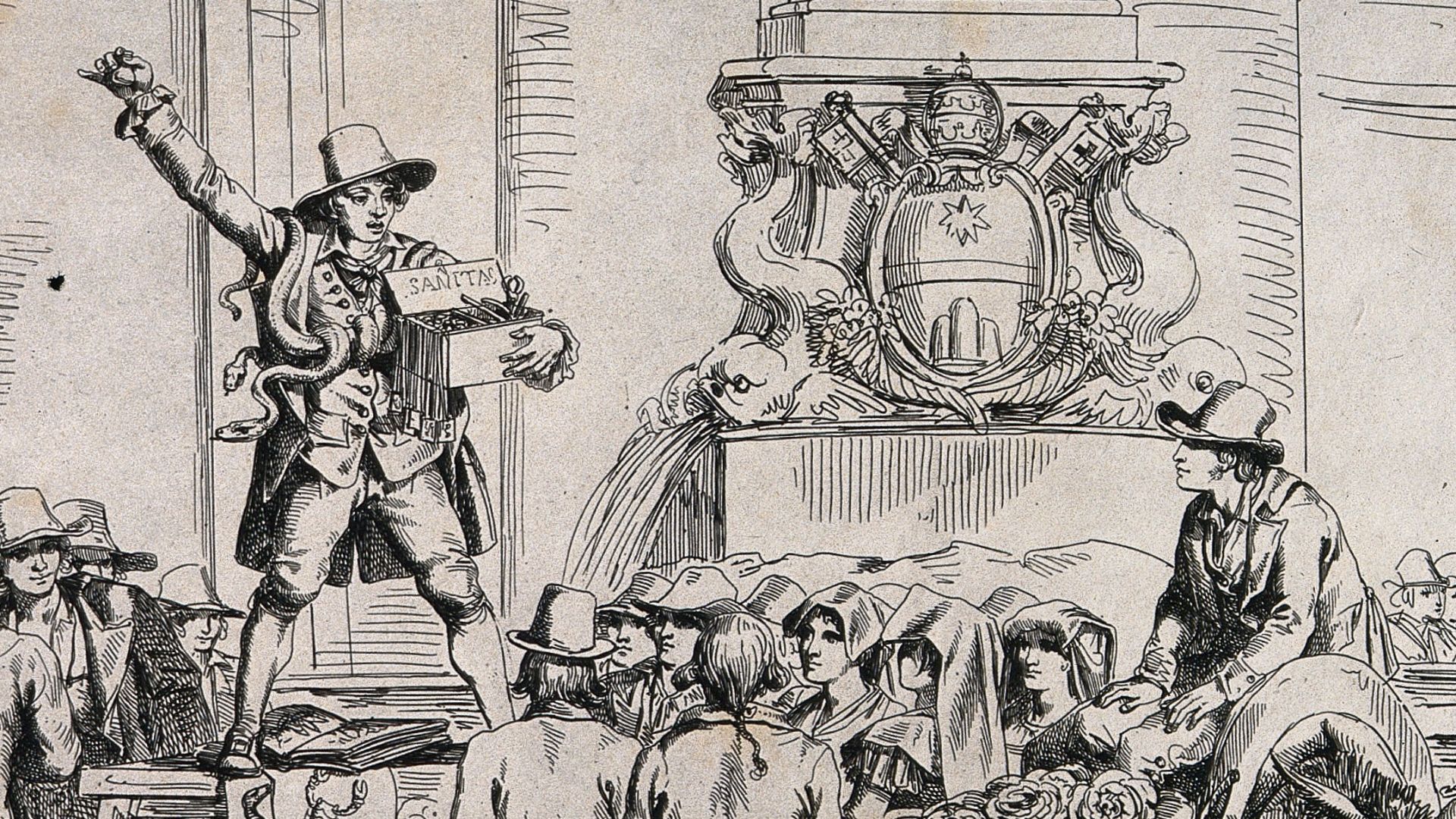
Traveling salesmen once made fortunes selling cure-all medicines that claimed to fix nearly everything. Many contained strong drinks, heavy metals, or other questionable ingredients. The promises were often far more impressive than the actual results.
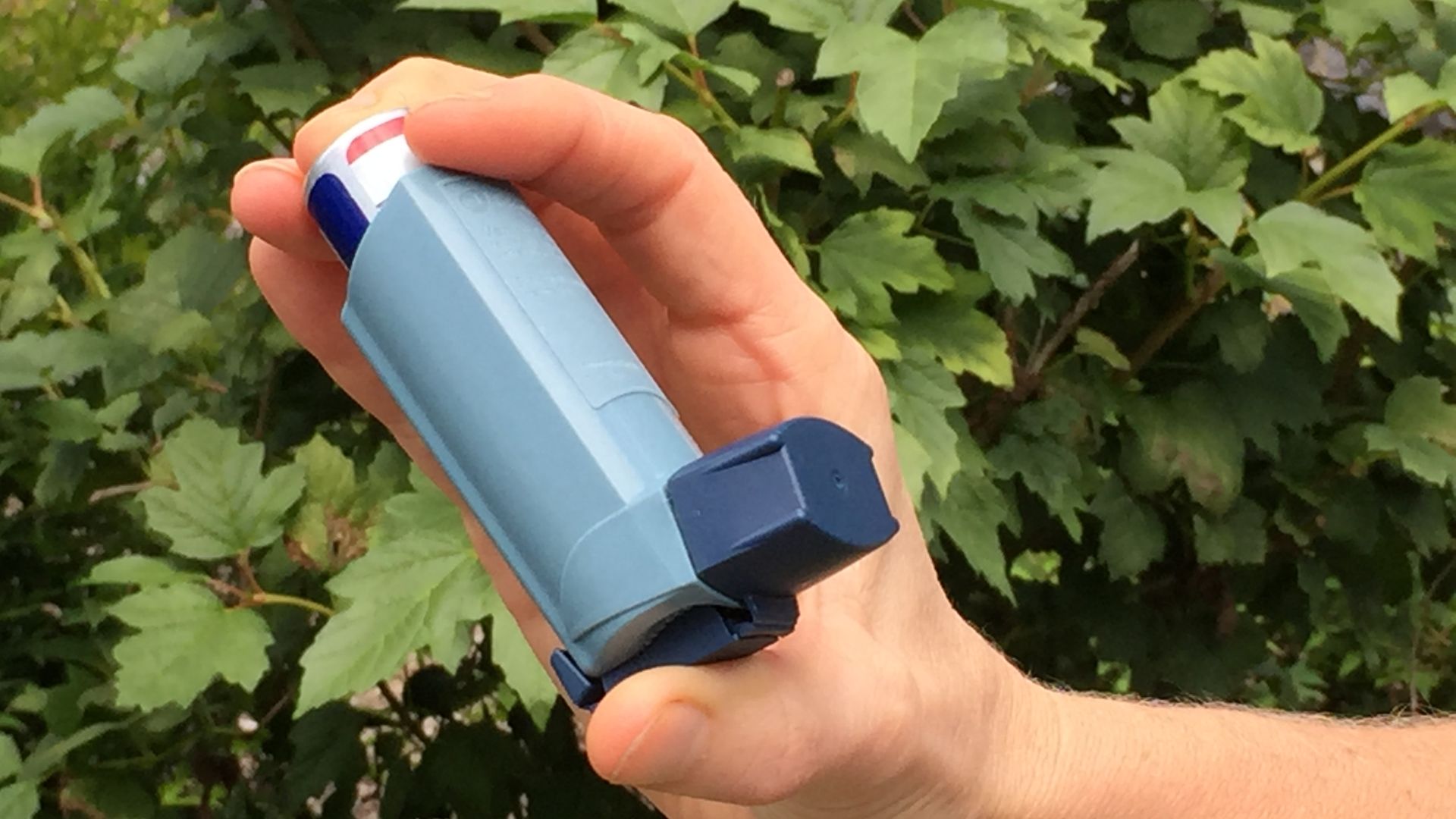
Asthma Sticks
Today, suggesting a smoke for breathing problems sounds ridiculous. Yet special smoke products were once marketed to people with asthma. The idea was that certain ingredients would help open airways, though later research showed smoke generally creates more problems than it solves.

History's most fascinating stories and darkest secrets, delivered to your inbox daily.
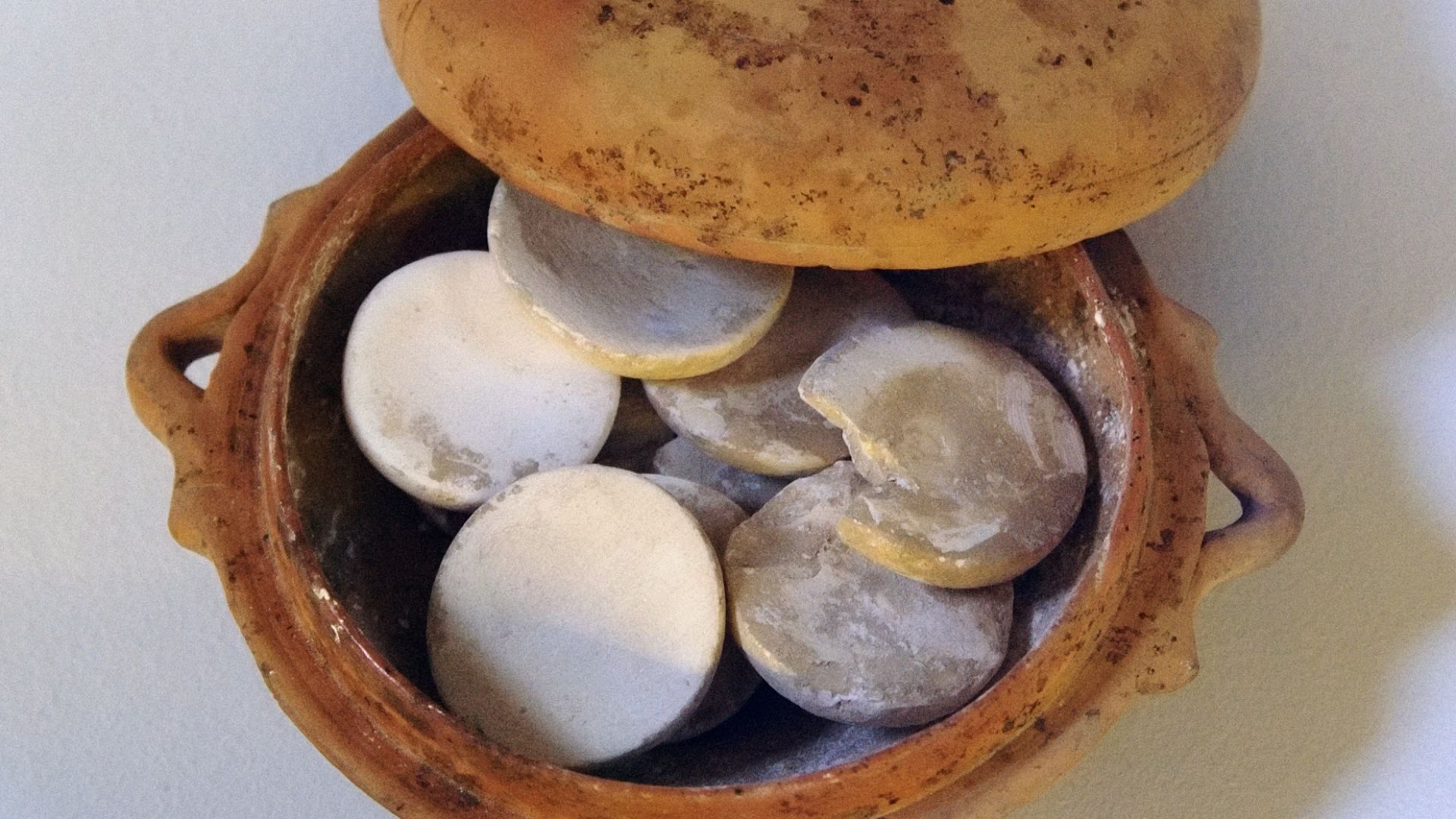
Lead-Based Cosmetics
For generations, lead helped people achieve the pale, smooth look that fashion demanded. Users often believed these products improved both appearance and skin quality. The downside was lead poisoning, which could develop after repeated use.
 Gabriela Ruellan, Wikimedia Commons
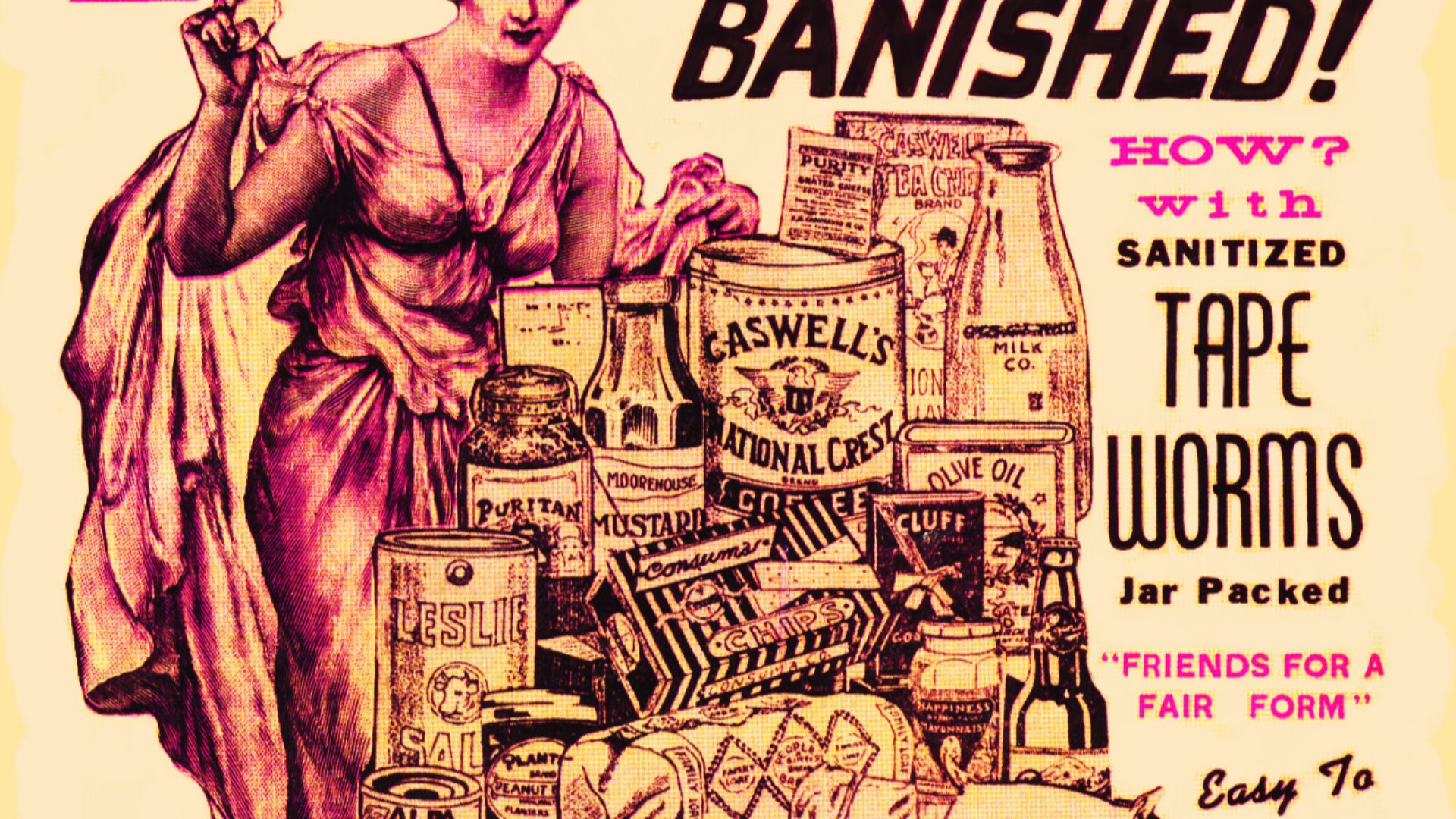
Tapeworm Diet Plans
Some people once believed swallowing tapeworms was an effective weight-loss strategy. The theory was simple: let the parasite consume some of your food. The reality was much less appealing and came with obvious health risks that most people would rather avoid.
 Jim Griffin, Wikimedia Commons
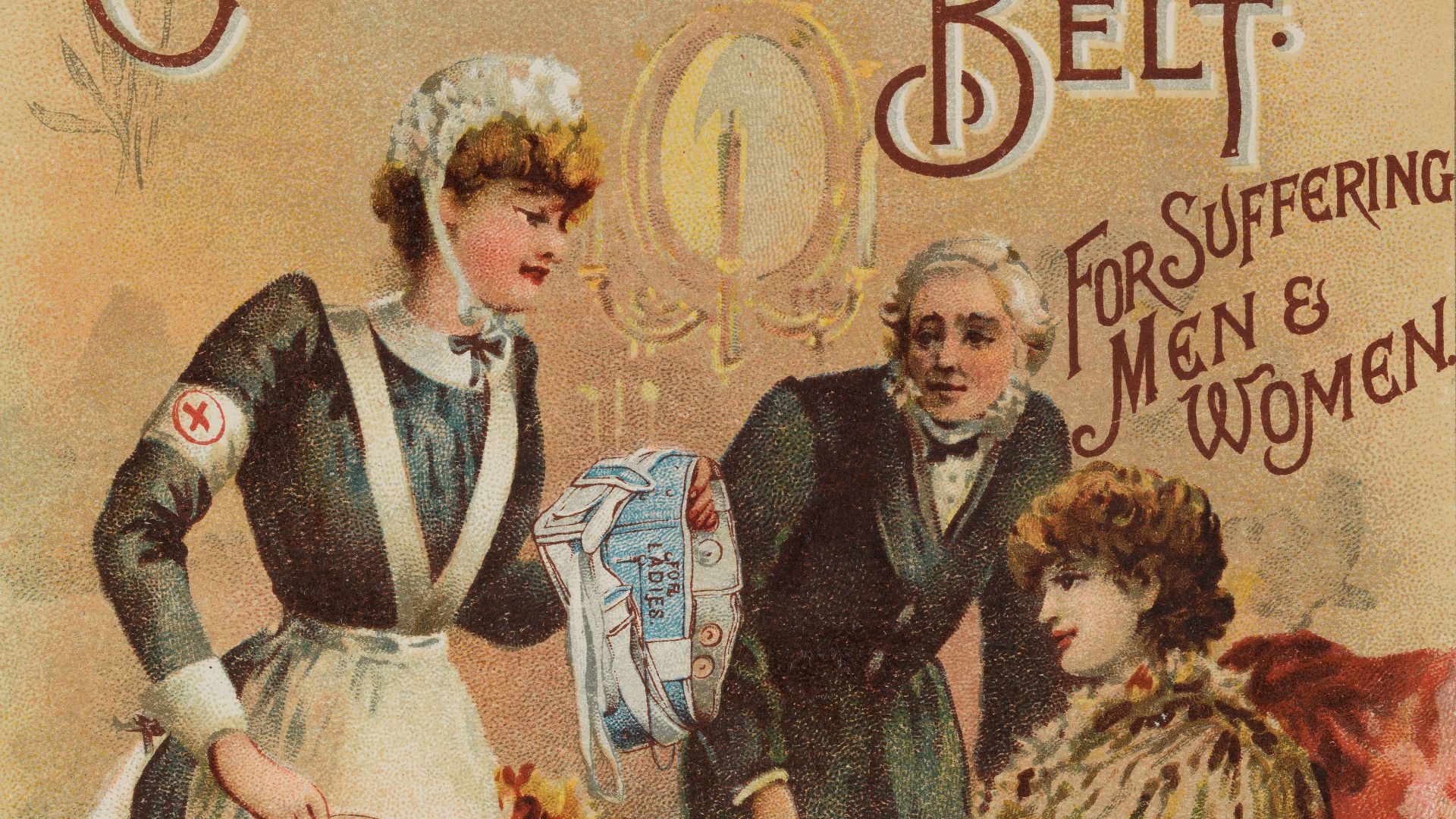
Electric Healing Belts
When electricity became a big part of everyday life, marketers found creative ways to cash in. Wearable electric belts promised to boost strength, increase energy, and improve overall wellness. Many of these devices delivered more marketing hype than meaningful health benefits.
Radioactive Snacks
The radium craze reached some surprising places. Certain food and drink products were marketed with radioactive ingredients because consumers connected radiation with vitality and modern science. Looking back, it is one of the more alarming health trends of the early twentieth century.

Animal Waste Treatments
Ancient medical practices sometimes involved using animal dung on wounds or illnesses. People believed certain animal products contained healing qualities. Modern science has shown that these treatments often created additional health risks instead.
 Malene Thyssen, Wikimedia Commons
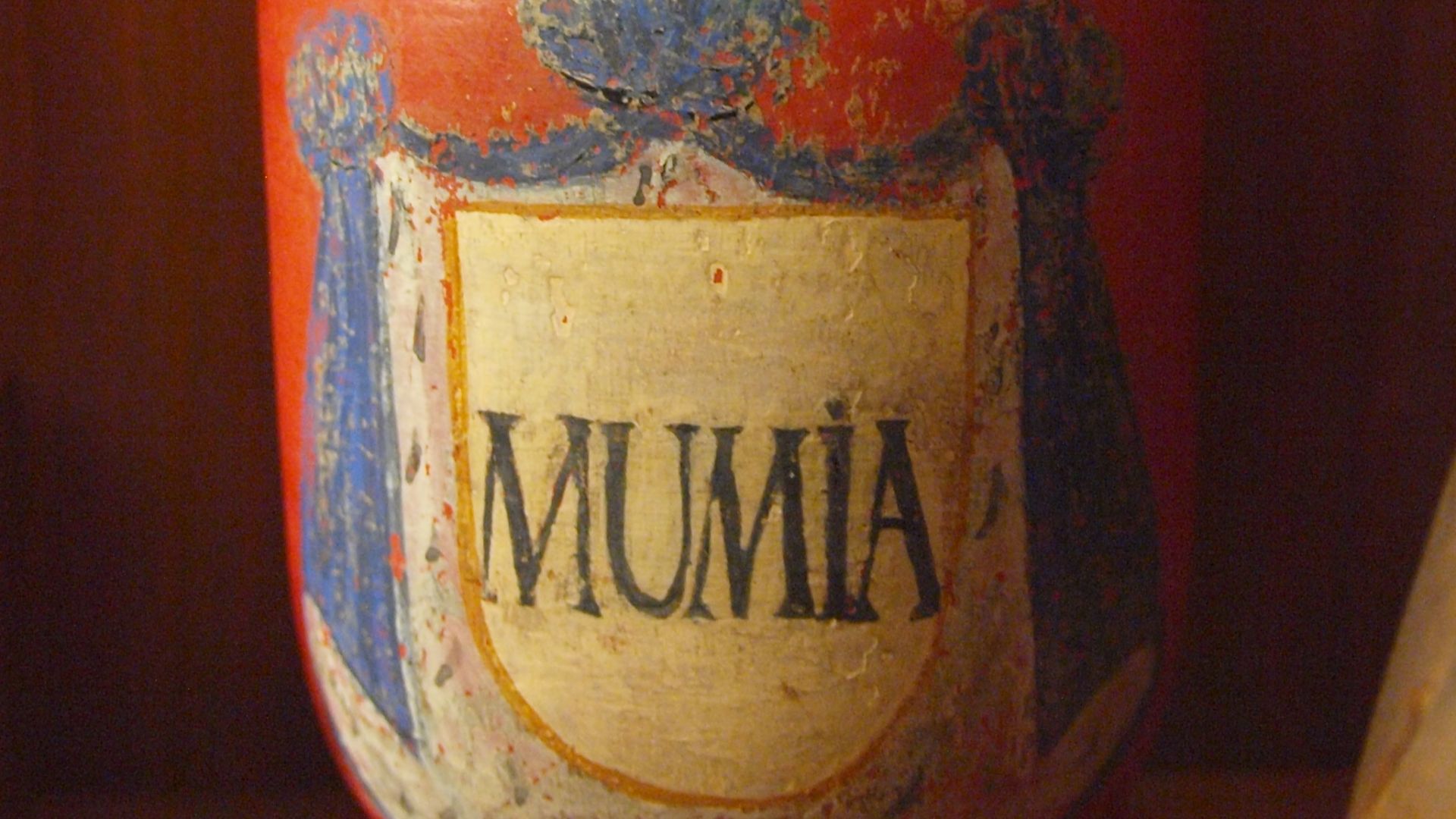
Mummy Powder Medicine
For hundreds of years, powdered Egyptian mummies were sold as medicine in Europe. People believed the substance could help with everything from injuries to internal ailments. It sounds like something from a fantasy novel, but it was a real business for a surprisingly long time.
 Bullenwächter, Wikimedia Commons
Drilling Holes In The Skull
Trepanation is one of the oldest known surgical procedures. Practitioners cut or drilled openings into the skull to address headaches, mental illness, and other conditions. Some patients survived, but it was obviously not a treatment anyone would volunteer for today.
 Beyond My Ken, Wikimedia Commons
Urine As A Health Remedy
Various cultures have promoted urine as a cure for numerous ailments. Some people drank it, while others applied it to the skin. Despite the claims, modern scientific evidence has not backed up the broad health benefits often associated with the practice.

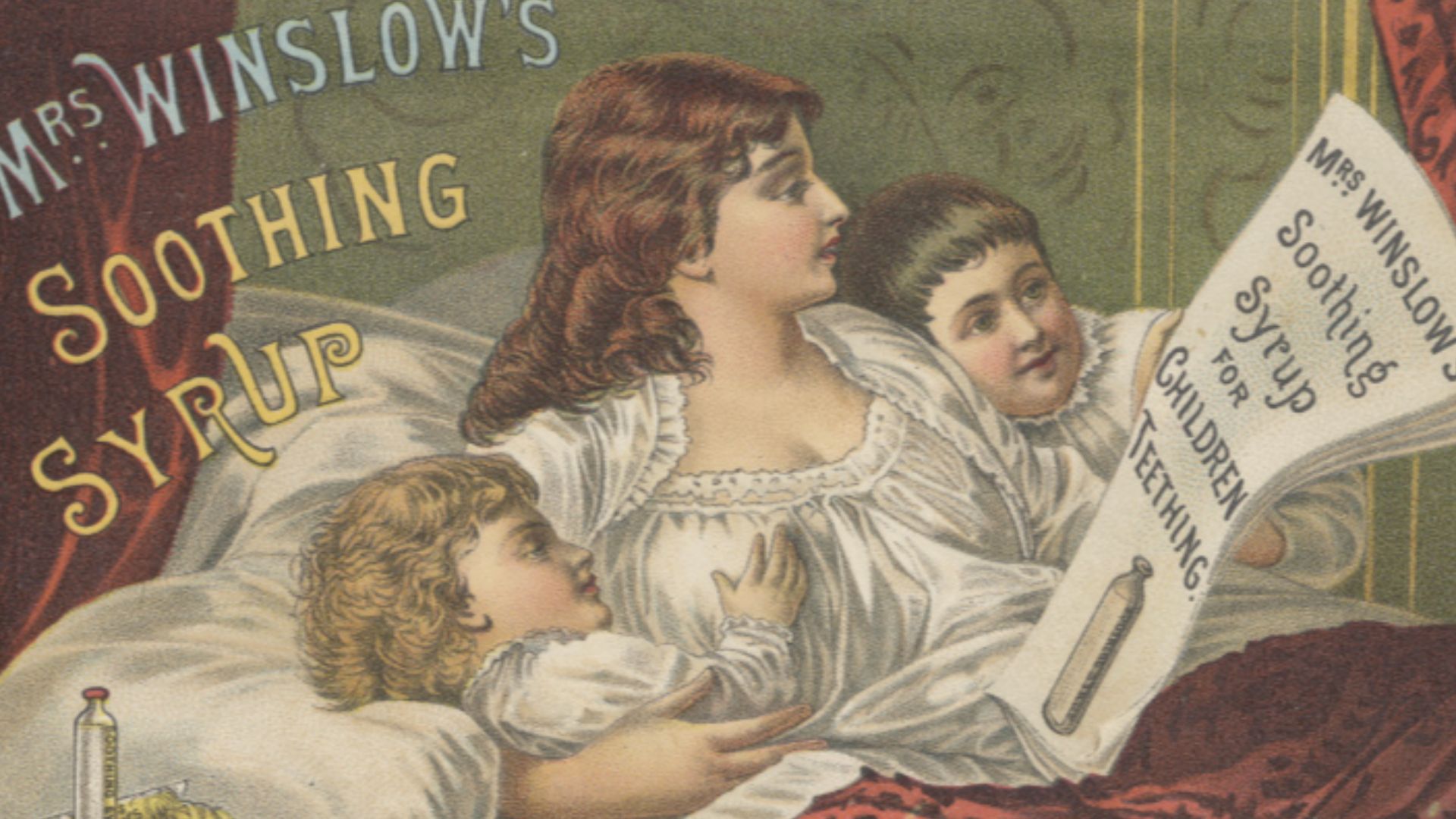
Baby Soothing Syrups
Parents have always wanted ways to calm fussy infants. In the past, some products contained strong drink, opiates, or other powerful substances. While they often made babies quiet, the health risks were far greater than many families realized.
 Miami U. Libraries - Digital Collections, Wikimedia Commons
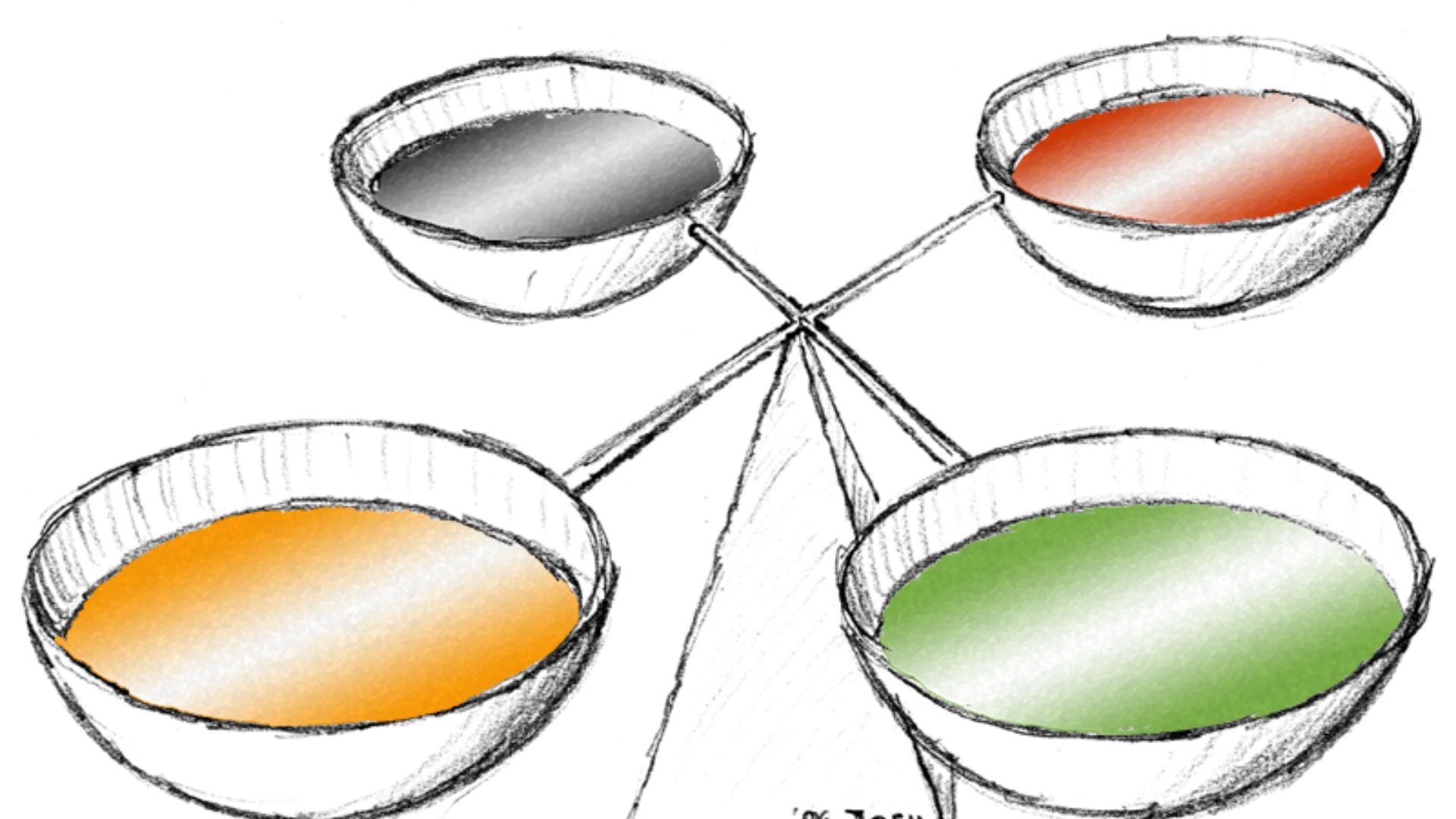
The Four Humors Theory
A huge number of historical medical treatments traced back to one central belief. Doctors thought health depended on balancing four bodily humors: blood, phlegm, black bile, and yellow bile. That idea shaped medicine for centuries and helped justify many treatments that would never survive modern scientific scrutiny.
 The original uploader was Jakob Suckale at English Wikipedia., Wikimedia Commons
What These Old Health Fads Teach Us
It is easy to laugh at these strange remedies now, but most were accepted because they seemed logical based on what people knew at the time. Medical knowledge grows by testing ideas and learning from mistakes. Many of these unusual practices serve as reminders that even widely accepted health advice can eventually turn out to be completely wrong.
 Radior cosmetics, Wikimedia Commons
You May Also Like:
The Weird And Wonderful World Of Animal Romance
Cutting-Edge Facts About Plastic Surgery