The Hunt That Nearly Went Wrong
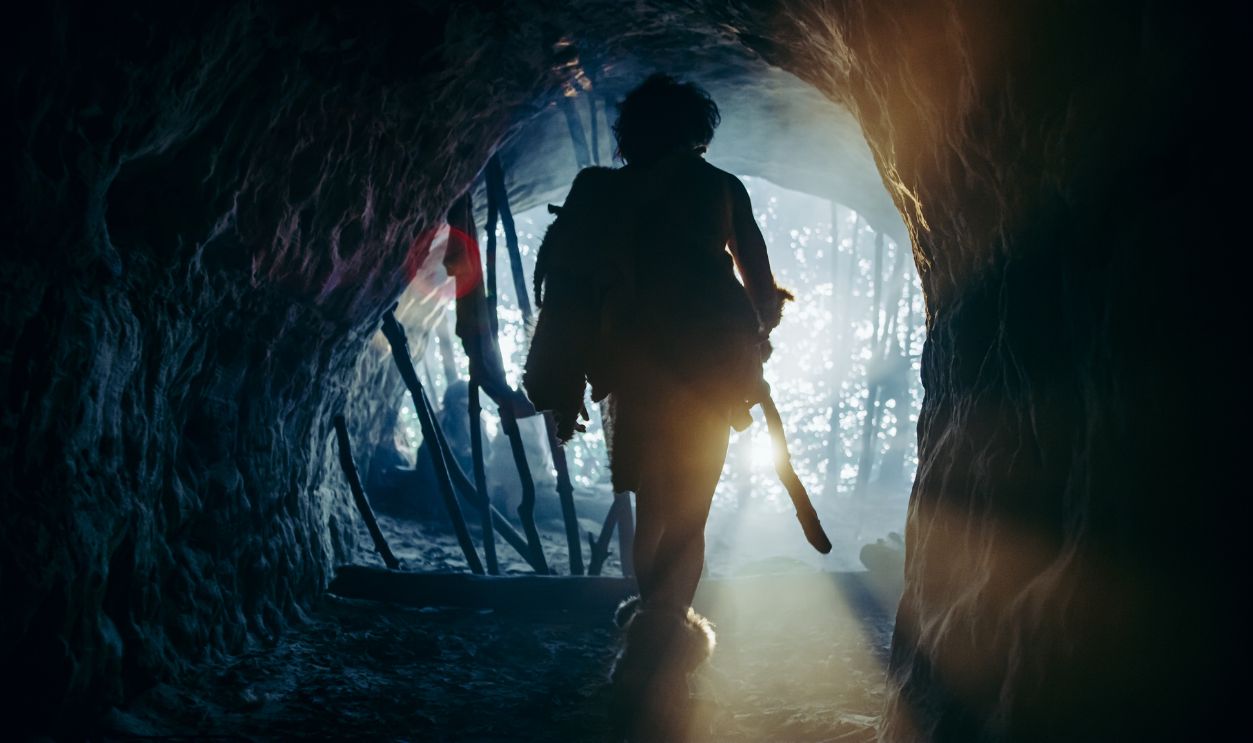
When scientists recreated Neanderthal hunting techniques, they expected a useful archaeology experiment. What they did not expect was how dangerous the process would become. Researchers testing replica wooden spears quickly realized that hunting giant animals at close range required enormous strength, precise timing, and serious courage. The experiments forced modern scientists to rethink everything they thought they knew about Neanderthals and their survival skills.

The Old Stereotype About Neanderthals
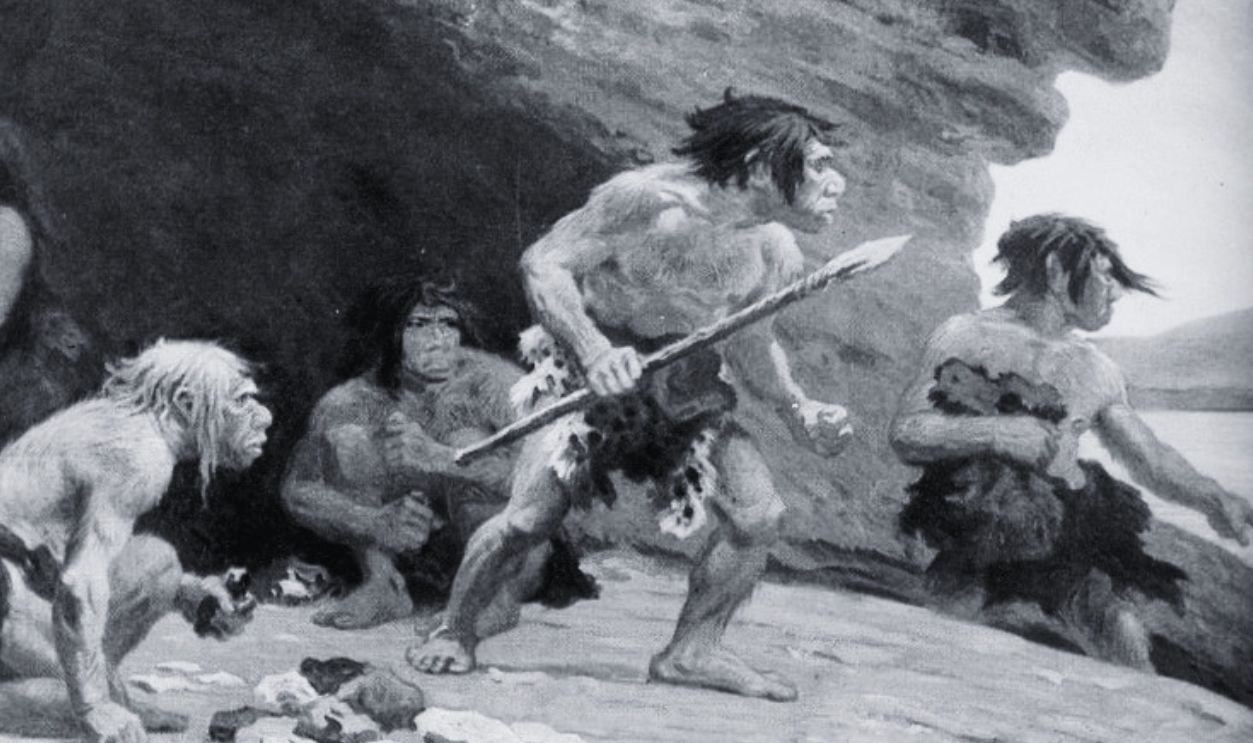
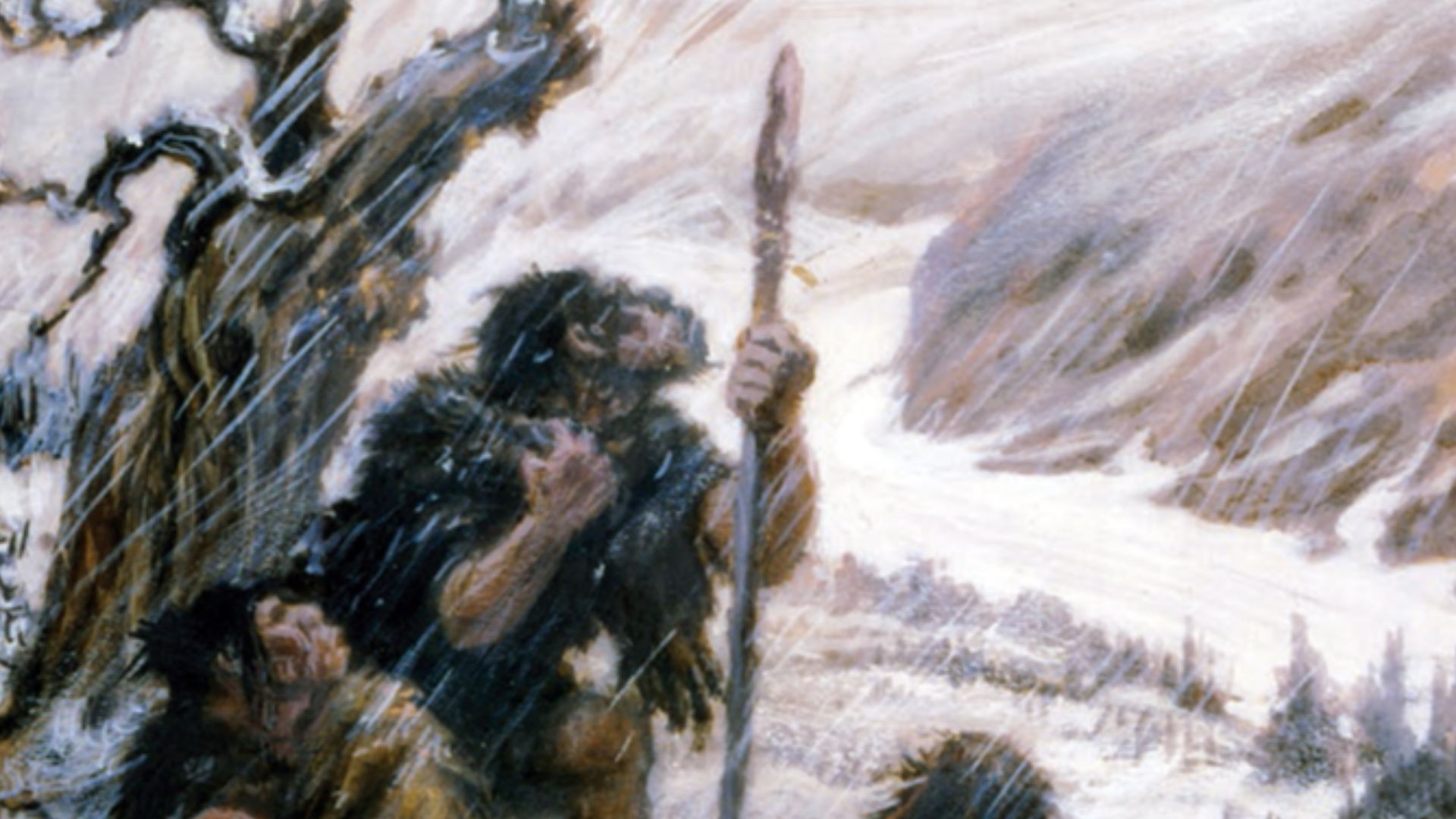
For decades, Neanderthals were portrayed as primitive cavemen with limited intelligence and crude survival tactics. Popular culture often reduced them to grunting brutes carrying clubs through icy wilderness. Early researchers even believed they mostly scavenged dead animals instead of hunting them directly. Modern archaeology has steadily dismantled that image through new discoveries and experimental research.
 Charles Robert Knight, Wikimedia Commons
Archaeologists Made A Surprising Discovery
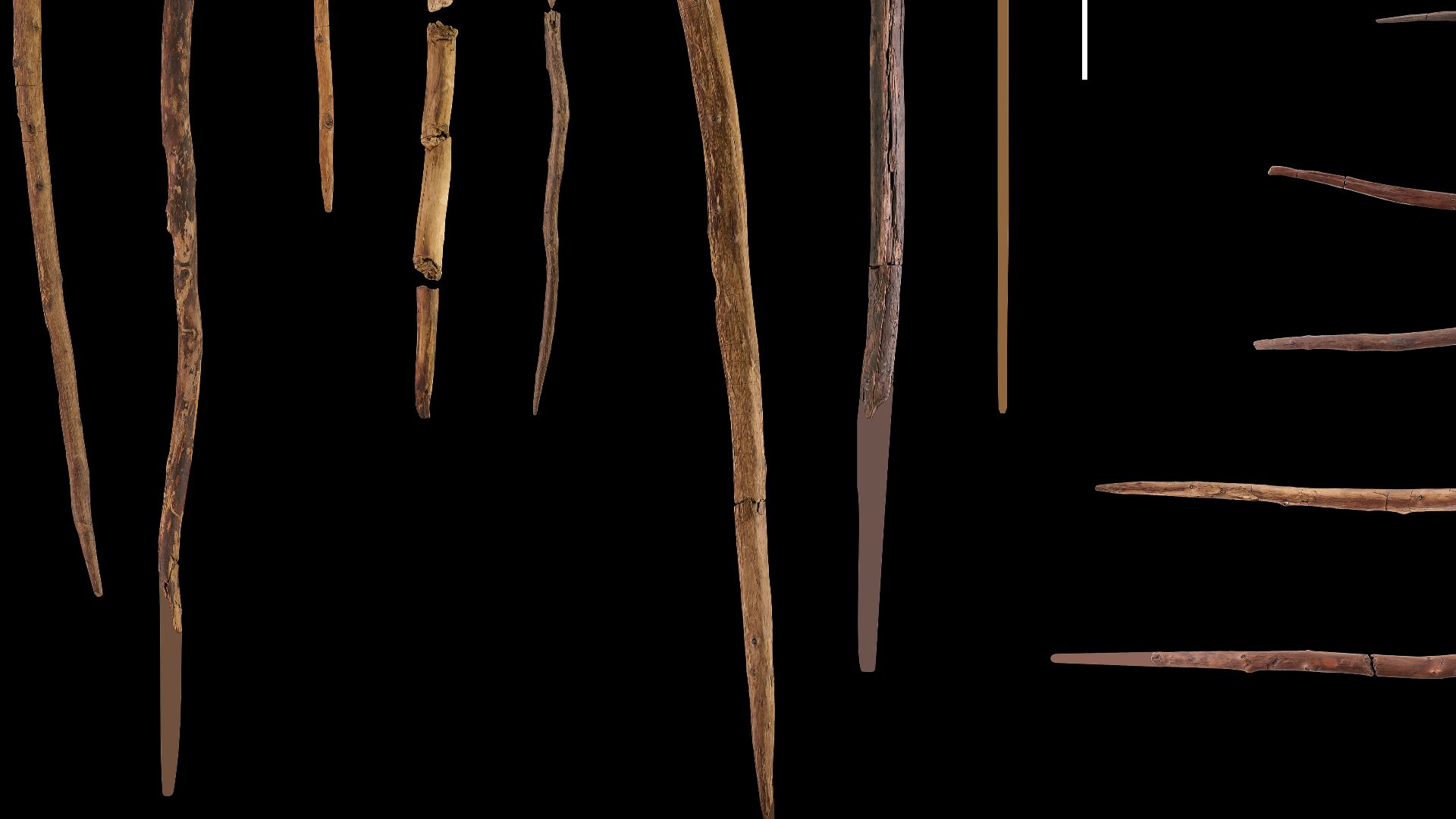
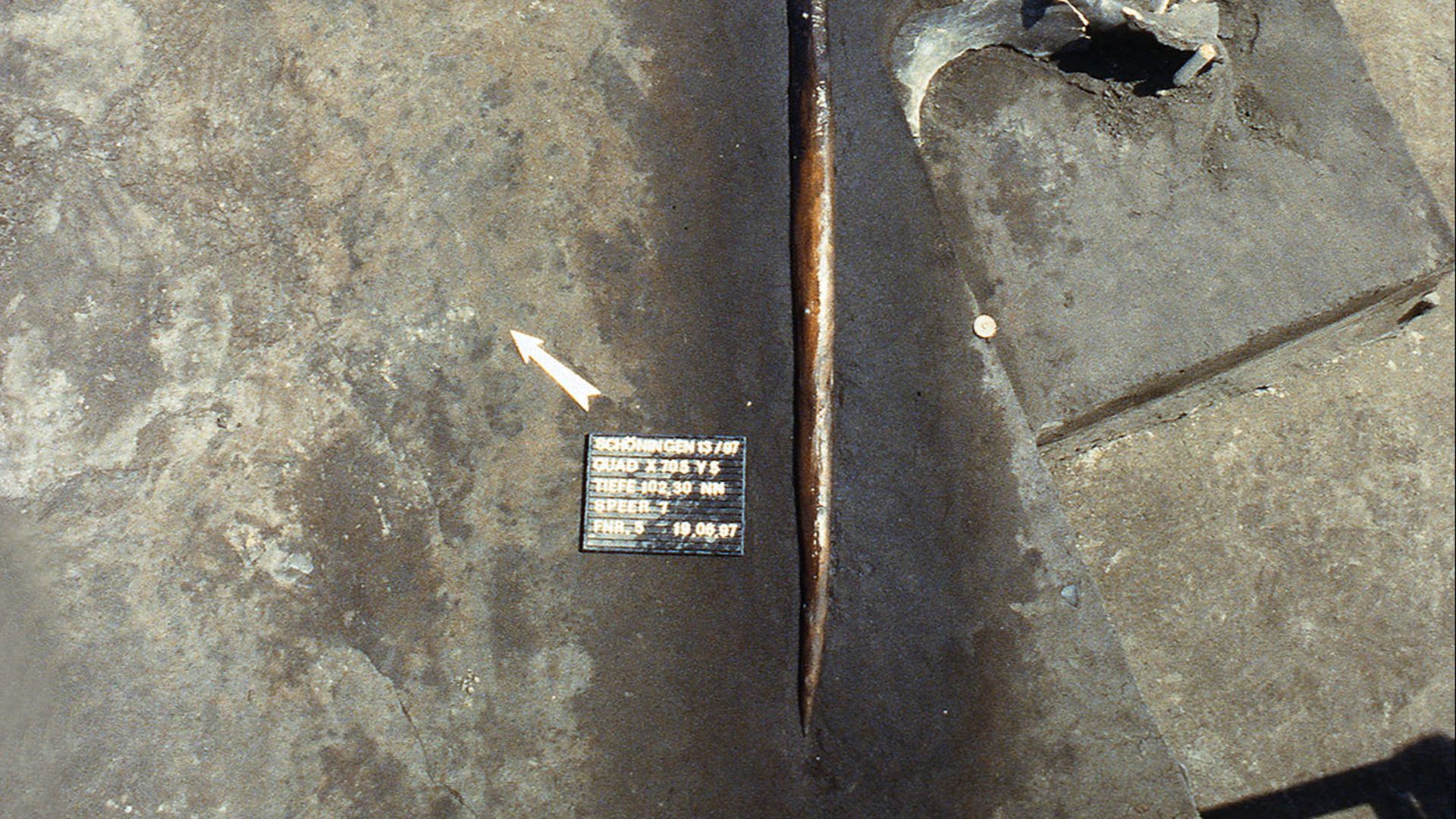
One of the most important discoveries connected to Neanderthal hunting came from Germany, where archaeologists uncovered carefully crafted wooden spears. The weapons were balanced, sharpened, and engineered with surprising sophistication. Researchers noticed that some of the spears resembled modern javelins in both shape and handling. The find immediately challenged the idea that Neanderthals relied on crude tools.
 Charles R. Knight, Wikimedia Commons
Scientists Wanted To Test The Weapons
Researchers decided to recreate the ancient spears using similar wood and traditional techniques. Their goal was to determine how effective Neanderthal weapons would have been during actual hunts. Scientists tested the replicas against ballistic targets and animal carcasses to measure penetration and impact force.
 Matthias Vogel, Wikimedia Commons
The Spears Were Extremely Effective
The replica spears proved far more deadly than many scientists expected. Even without stone or metal tips, the sharpened wooden weapons penetrated deeply into flesh and bone. Researchers discovered that a properly delivered strike could easily cause fatal injuries to large prey. The experiments confirmed that Neanderthals possessed genuinely dangerous hunting technology.
 P. Pfarr NLD, Wikimedia Commons
Hunting Happened At Close Range
One of the most surprising conclusions from the experiments involved the distance between hunters and prey. Evidence suggests many Neanderthal hunts occurred at extremely close range rather than from a safe distance. Hunters likely thrust their spears directly into animals instead of throwing them from far away. That meant every hunt placed Neanderthals only feet away from dangerous prey capable of fighting back.

Ancient Bones Supported The Theory
Scientists studying ancient deer skeletons found puncture wounds that closely matched the injuries created during the spear experiments. The 120,000-year-old bones contained damage patterns consistent with close-range thrusting attacks. Researchers were able to directly compare modern test results with archaeological evidence from prehistoric hunts. The similarities strongly supported the idea that Neanderthals hunted aggressively at short distances.
 Charles R. Knight, Wikimedia Commons
Teamwork Was Critical
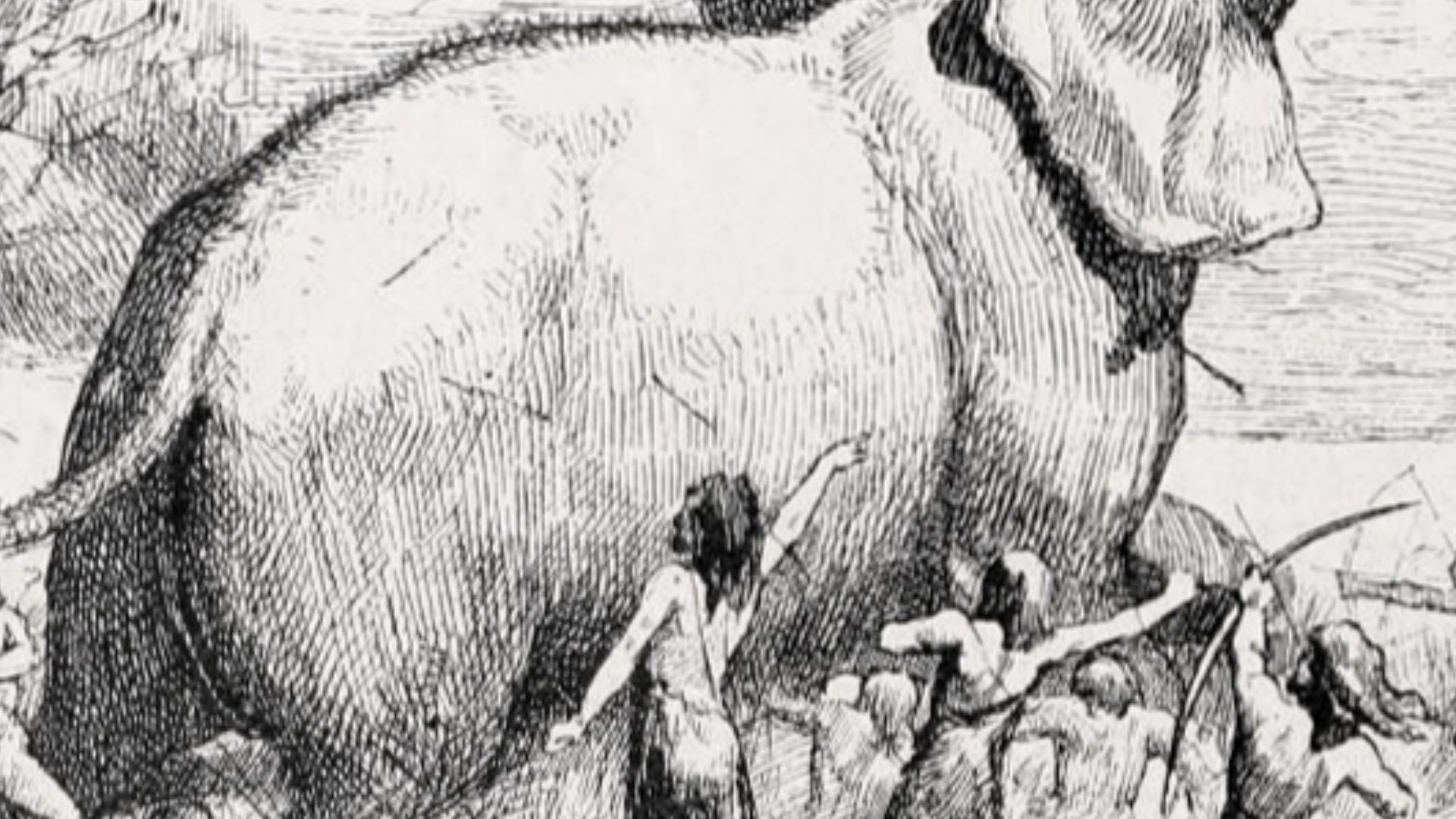
Close-range hunting would have been almost impossible for a single hunter acting alone. Researchers believe Neanderthals worked together in coordinated hunting groups to overwhelm large prey. Some hunters may have distracted animals while others moved in with spears from different directions. This level of organization suggests sophisticated communication and strategic planning.
 John Steeple Davis, Wikimedia Commons
Neanderthals Hunted Massive Animals
Archaeological evidence shows that Neanderthals hunted far more than small deer and rabbits. Researchers have uncovered signs that they targeted horses, rhinoceroses, giant deer, and even prehistoric elephants. Hunting animals of that size required confidence, physical power, and careful coordination. The discoveries completely transformed scientific understanding of Neanderthal abilities.
 Mauricio Antón, Wikimedia Commons

History's most fascinating stories and darkest secrets, delivered to your inbox daily.
The Elephant Discovery Was Incredible
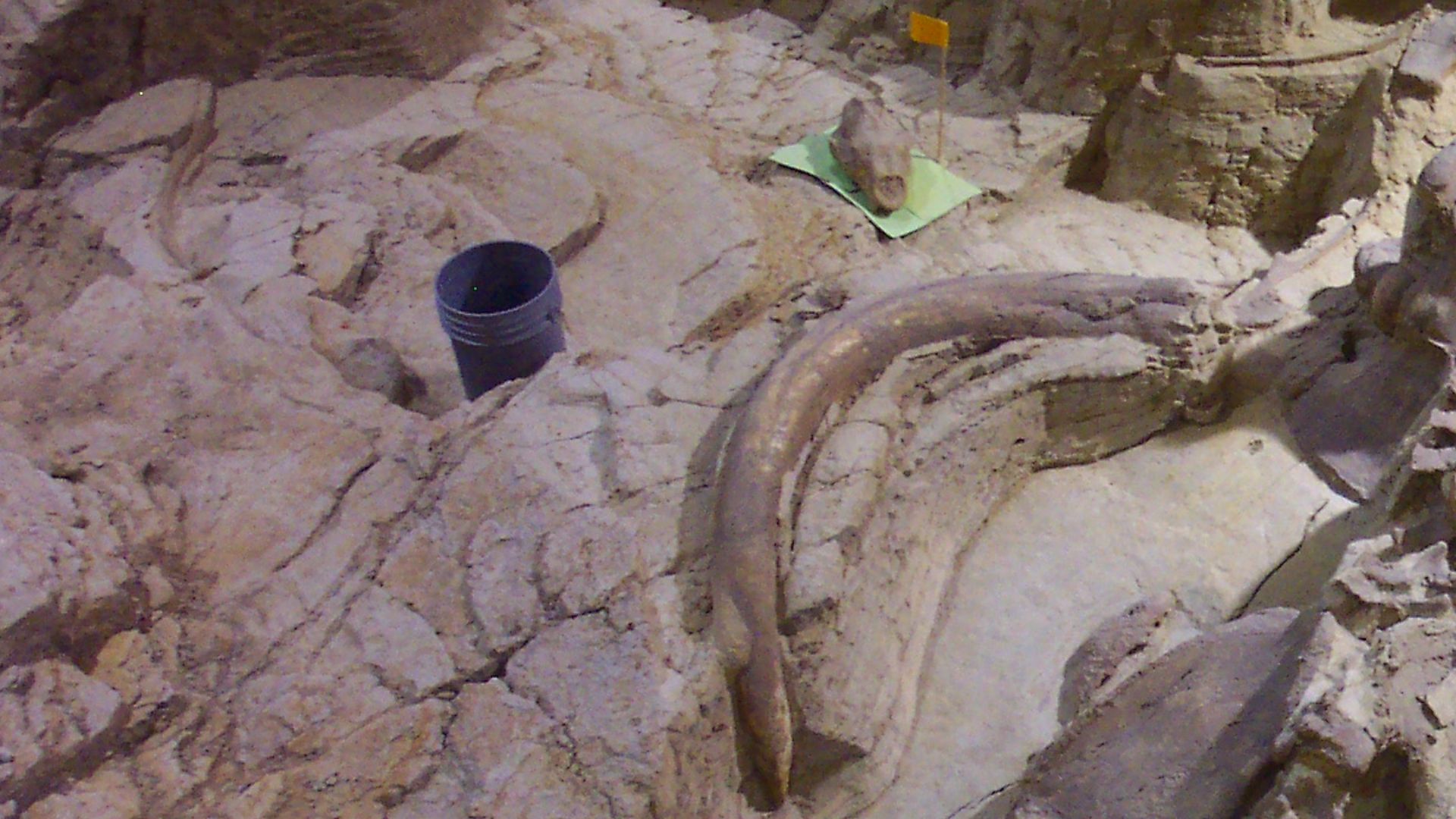
One of the most famous discoveries connected to Neanderthal hunting came from Lehringen in Germany. Archaeologists uncovered the skeleton of a giant straight-tusked elephant alongside a wooden spear. For years, scientists debated whether the spear was truly connected to the animal’s death. More recent studies strongly support the idea that Neanderthals hunted and butchered the elephant themselves.
 Jeff the quiet, Wikimedia Commons
Straight-Tusked Elephants Were Enormous
Straight-tusked elephants were much larger than modern African elephants. Some individuals weighed as much as 13 tons and stood around 13 feet tall at the shoulder. Taking down an animal that size with wooden spears sounds almost impossible by modern standards. Researchers now believe entire hunting groups likely participated in such dangerous hunts.
 Brennan Stokkermans, Wikimedia Commons
The Experiments Became Physically Demanding
Scientists conducting the spear tests quickly realized how exhausting close-range hunting would have been. Driving a wooden spear deeply enough to stop a large animal required tremendous force and precision. Even under controlled conditions, the process proved physically intense and mentally stressful. Researchers gained new appreciation for the athletic demands placed on Neanderthal hunters.

One Mistake Could Turn Deadly
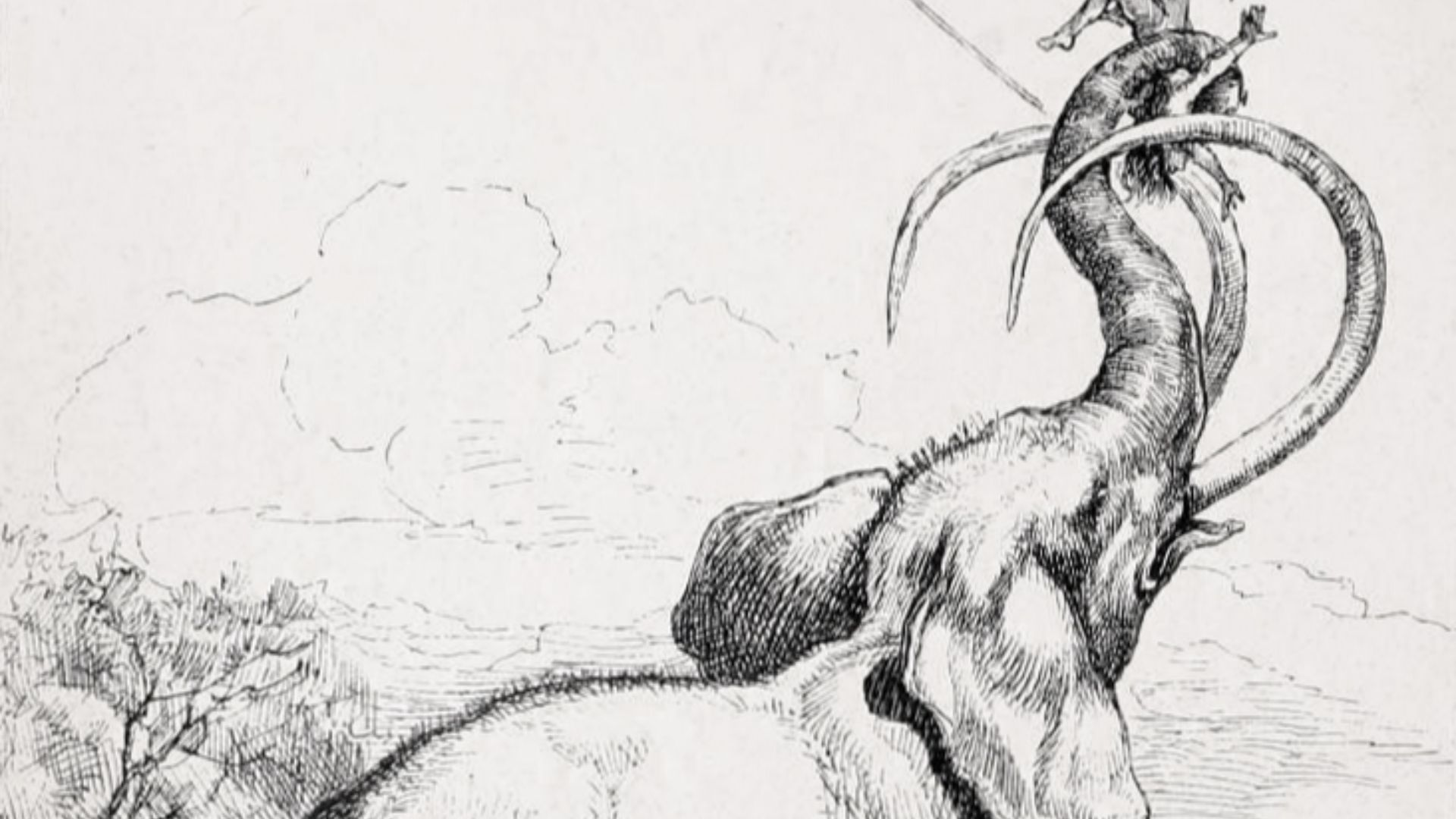
Large prey animals are dangerous even with modern hunting weapons and equipment. Neanderthals faced these animals armed mostly with sharpened wood and teamwork. An injured animal could easily charge, gore, trample, or kick nearby hunters. Researchers increasingly believe serious hunting injuries were common in Neanderthal communities.
 John Steeple Davis, Wikimedia Commons
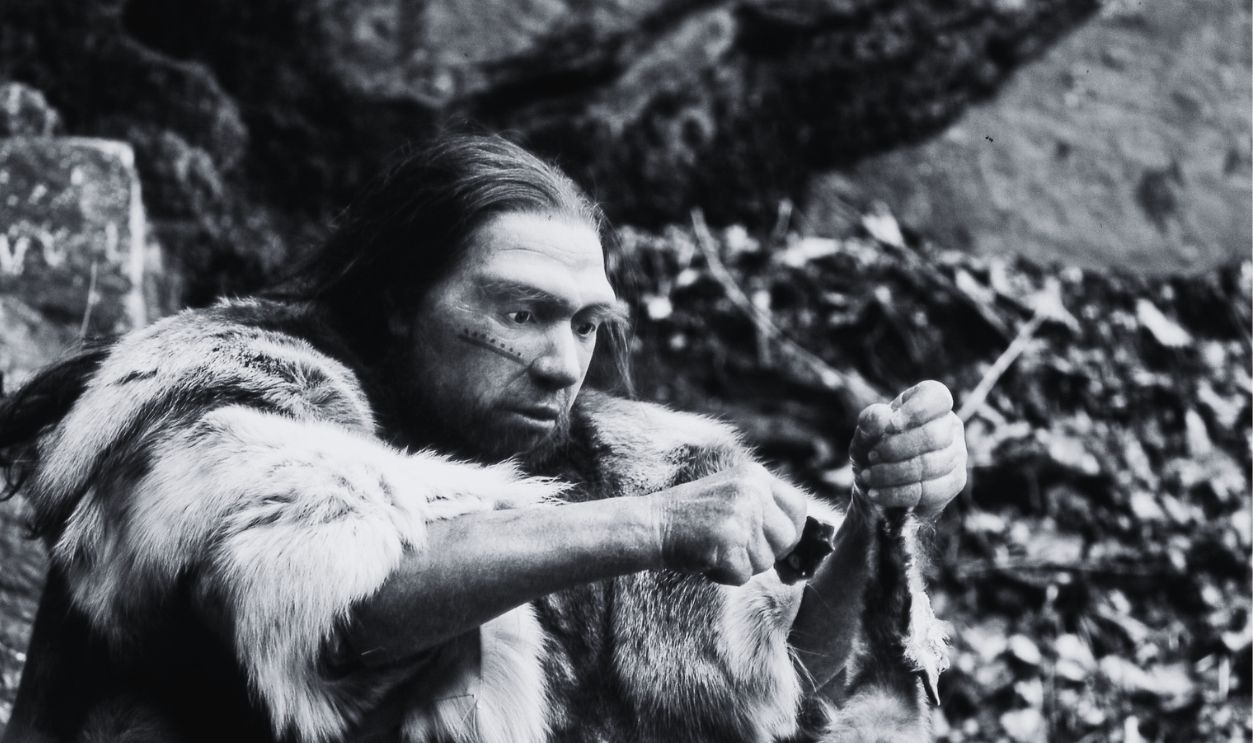
Their Skeletons Reveal The Risks
Neanderthal skeletons often contain evidence of severe physical trauma. Scientists have identified broken ribs, fractured limbs, and serious head injuries in many fossil remains. Some researchers noticed that the injuries resemble those suffered by modern rodeo riders who work closely with large animals. The evidence strongly supports the idea that close-range hunting was extremely dangerous.
 Neanderthal-Museum, Mettmann, Wikimedia Commons
They Were Smarter Than People Thought
The growing body of evidence paints Neanderthals as intelligent and adaptable hunters rather than primitive scavengers. Researchers believe they understood animal behavior, migration routes, and hunting terrain. They likely used ambush tactics and coordinated attacks to maximize their chances of success. These discoveries continue to overturn long-standing stereotypes about Neanderthal intelligence.
 Paul Hermans, Wikimedia Commons
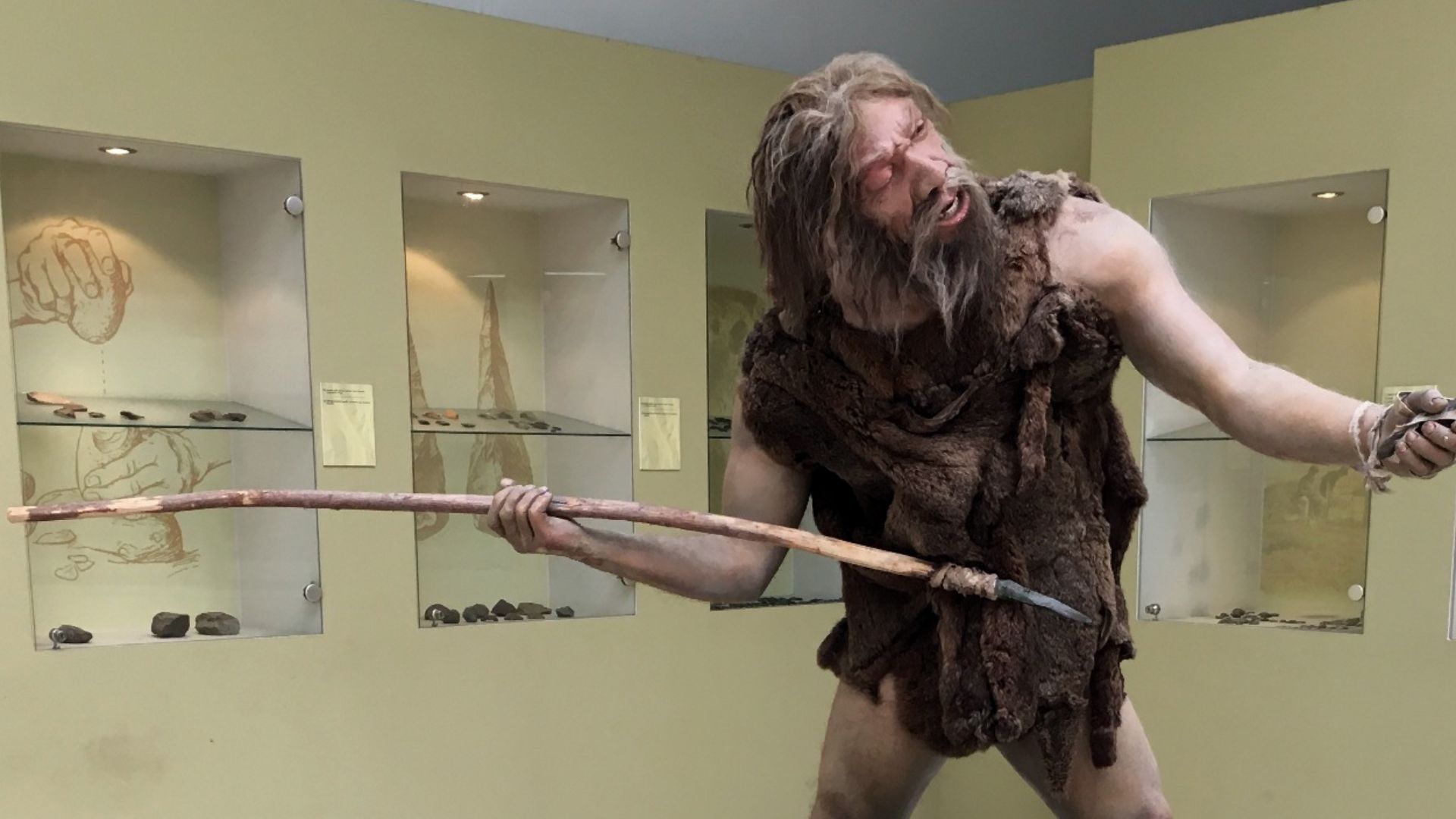
Their Weapons Were Carefully Engineered
Detailed analysis of Neanderthal spears revealed thoughtful craftsmanship and planning. Researchers discovered that the balance points of some spears closely resembled modern throwing javelins. The wood was carefully selected and shaped to improve handling and striking power. These weapons represented advanced toolmaking knowledge passed down through generations.
 This image was made by Sadko. Please credit this with:
Fire Helped Improve Their Technology
Scientists believe Neanderthals used fire to strengthen and harden their spear tips. Heat treatment could make wooden weapons more durable and effective during hunts. Researchers have also found evidence that Neanderthals created tar adhesives using controlled heating techniques. They likely used the sticky material to attach stone points to wooden shafts.

Cooperation Helped Them Survive
Large hunts required trust and communication between every member of the hunting group. Researchers believe Neanderthals relied heavily on social cooperation during dangerous encounters with prey. Each hunter probably had a specific role to play during an attack. This level of coordination suggests Neanderthal communities were socially sophisticated.
 Screenshot from 10,000 BC, Legendary Pictures / Warner Bros. Pictures (2008)
Hunting Was Probably Chaotic
Modern spear experiments gave researchers a vivid picture of how violent prehistoric hunts must have been. Close-range attacks against giant animals likely involved confusion, shouting, and frantic movement. Hunters needed to strike accurately while avoiding deadly counterattacks from wounded prey. The experiments made it clear that Neanderthal hunting was anything but simple.
 Screenshot from 10,000 BC, Legendary Pictures / Warner Bros. Pictures (2008)
Their Bodies Were Built For Survival
Neanderthals possessed thick bones, broad shoulders, and powerful muscles. Their stocky bodies were well adapted for cold Ice Age climates and physically demanding activities. Researchers believe their strength helped them manage the brutal realities of close-range hunting. Their anatomy may have provided advantages during dangerous confrontations with large prey.
Injuries Did Not Always Mean Death
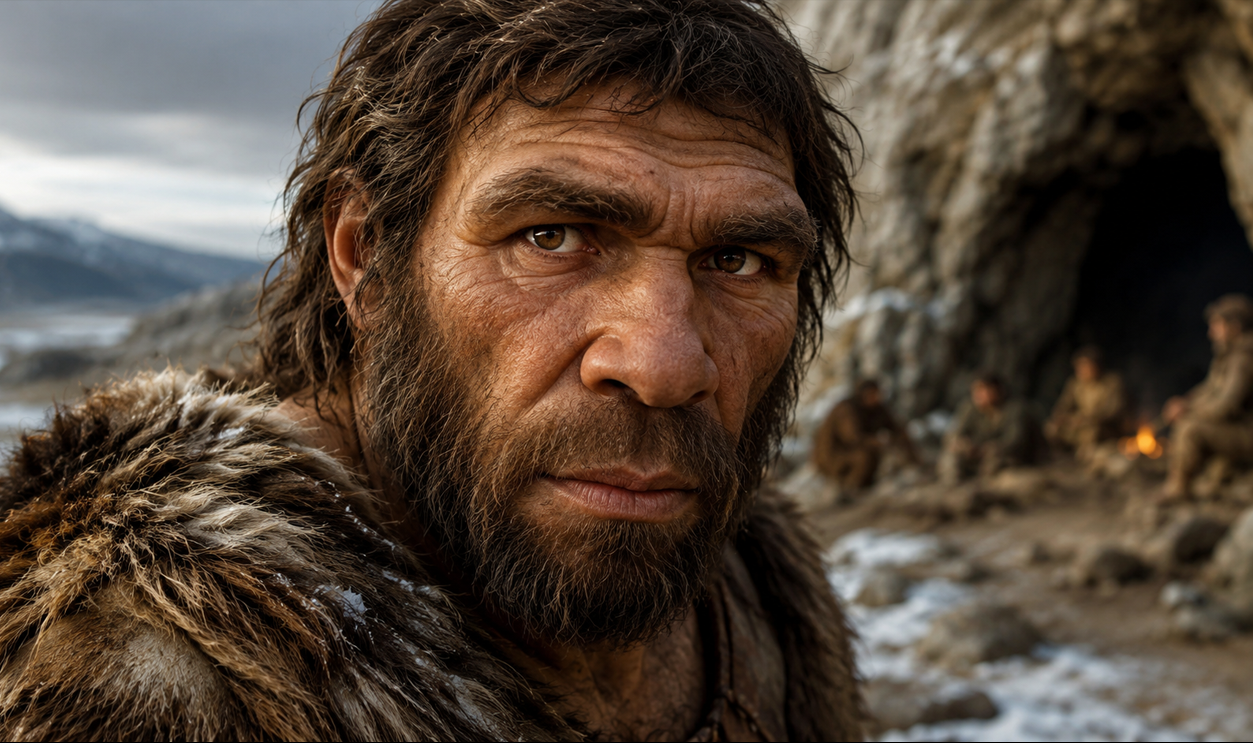
Many Neanderthal skeletons contain evidence of healed injuries that would have required long recovery periods. Broken bones and severe trauma often healed successfully, suggesting injured individuals received support from their communities. This evidence points toward strong social bonds and cooperative care within Neanderthal groups. Survival often depended on helping wounded members recover.
 Eden, Janine and Jim from New York City, Wikimedia Commons
They May Have Stored Food
Some Neanderthal hunting sites contain enormous quantities of butchered animal remains. Researchers suspect these groups may have preserved meat for later use rather than consuming everything immediately. Large elephant carcasses, for example, could provide far more food than a small group could eat at once. This possibility suggests advanced planning and resource management.
 Internet Archive Book Images, Wikimedia Commons
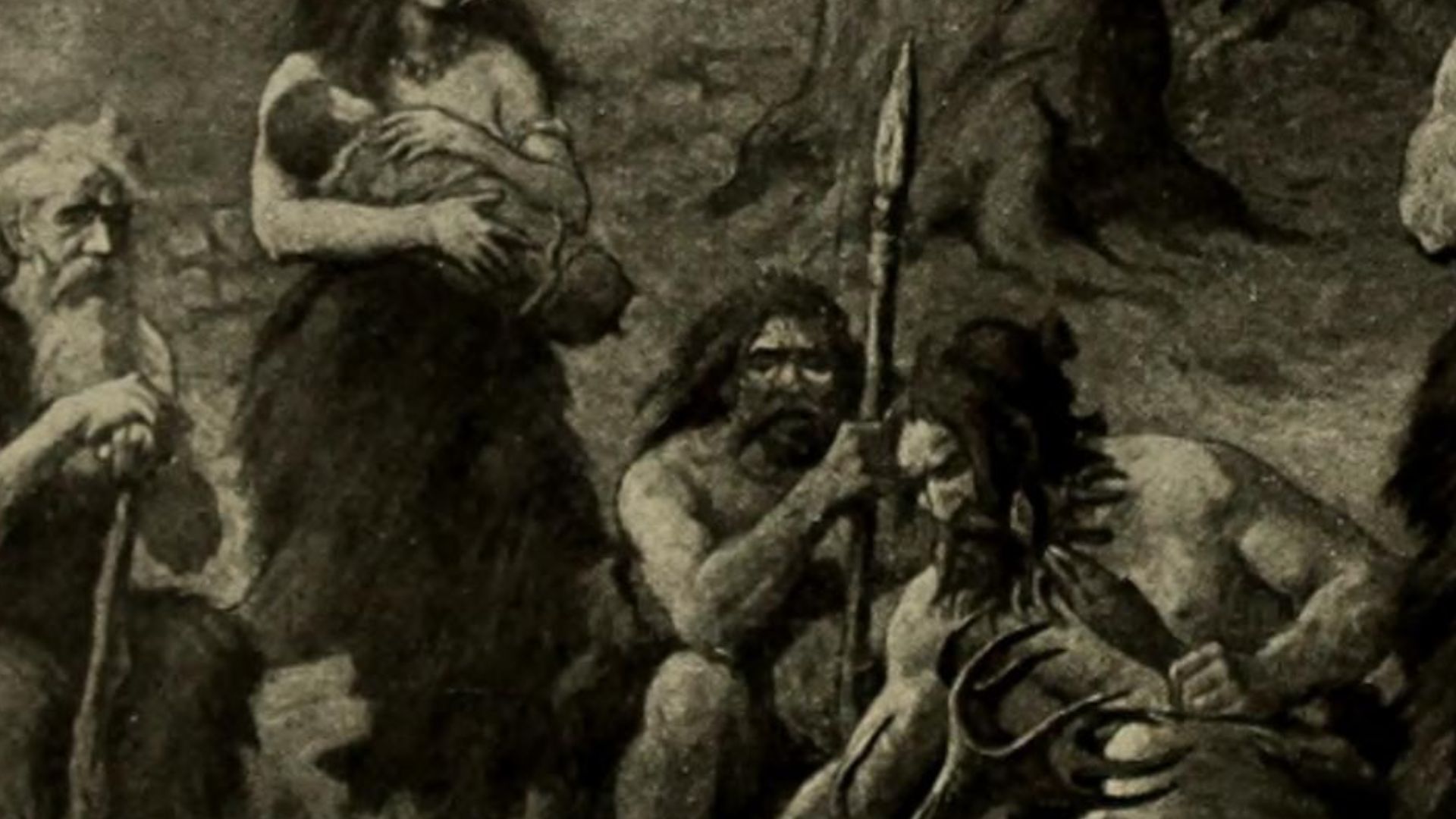
Scientists Keep Revising Old Assumptions
Nearly every major Neanderthal discovery has forced scientists to reconsider outdated theories. Researchers now know Neanderthals used tools, controlled fire, cared for injured group members, and hunted cooperatively. Some evidence even suggests symbolic behavior and artistic expression. The stereotype of the unintelligent caveman continues to collapse under modern research.
 Jakub Halun, Wikimedia Commons, Modified
Experimental Archaeology Changed Everything
Before the spear experiments, many scientists underestimated the difficulty of Neanderthal hunting. Recreating the techniques helped researchers understand the physical realities of prehistoric survival. Reading about close-range spear attacks is very different from attempting them firsthand. The experiments gave archaeologists a much deeper respect for Neanderthal skill and bravery.

Hunting Required Incredible Courage
Facing a giant animal with only a wooden spear demanded extraordinary nerve. Hunters had to approach close enough to strike while knowing the animal could kill them instantly. Even experienced modern researchers described the techniques as intimidating during controlled experiments. The danger involved in every hunt was far greater than many people previously imagined.
 Screenshot from 10,000 BC, Legendary Pictures / Warner Bros. Pictures (2008)
They Survived For Hundreds Of Thousands Of Years
Neanderthals lived across Europe and parts of Asia for hundreds of thousands of years. Surviving harsh Ice Age environments required intelligence, adaptability, and cooperation. Hunting large animals played a major role in their long-term success. Their survival alone demonstrates that they were highly capable humans.

Modern Humans Still Carry Their DNA
Although Neanderthals eventually disappeared, they were not entirely erased from history. Genetic research shows that many modern humans still carry small amounts of Neanderthal DNA today. Ancient interbreeding connected Neanderthals and early modern humans thousands of years ago. That connection makes discoveries about Neanderthal intelligence and behavior feel far more personal.

The Dangerous Truth About Neanderthal Hunting
The spear recreation experiments revealed something scientists had not fully appreciated before. Neanderthal hunting was not crude, simple, or reckless. It required skill, planning, teamwork, and the willingness to face enormous danger at close range. Far from being primitive brutes, Neanderthals were highly capable hunters surviving in one of the harshest environments humans ever faced.