

A New Look At A Distant Giant
NASA’s James Webb Space Telescope has delivered an unprecedented look at Uranus. This distant ice giant has long remained one of the least understood planets in our solar system. Now, Webb is changing that with remarkable clarity.

Why Uranus Has Been So Mysterious
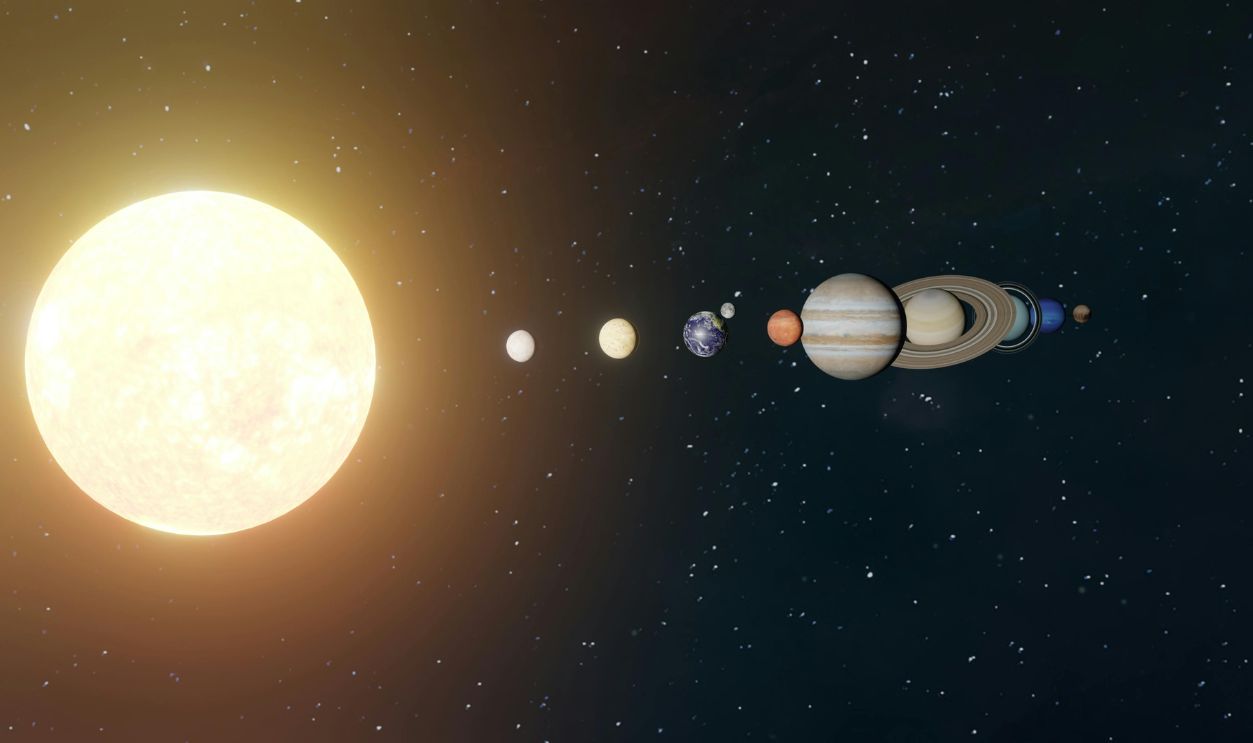
Uranus sits more than 2.8 billion kilometers from the Sun. Its extreme distance and unusual tilt have long made it one of the most difficult planets to study in detail. Previous missions only scratched the surface of its atmospheric complexity, but astronomers have a fancy new tool at their disposal. It was only a matter of time before they aimed it at Uranus.
Webb’s Infrared Advantage
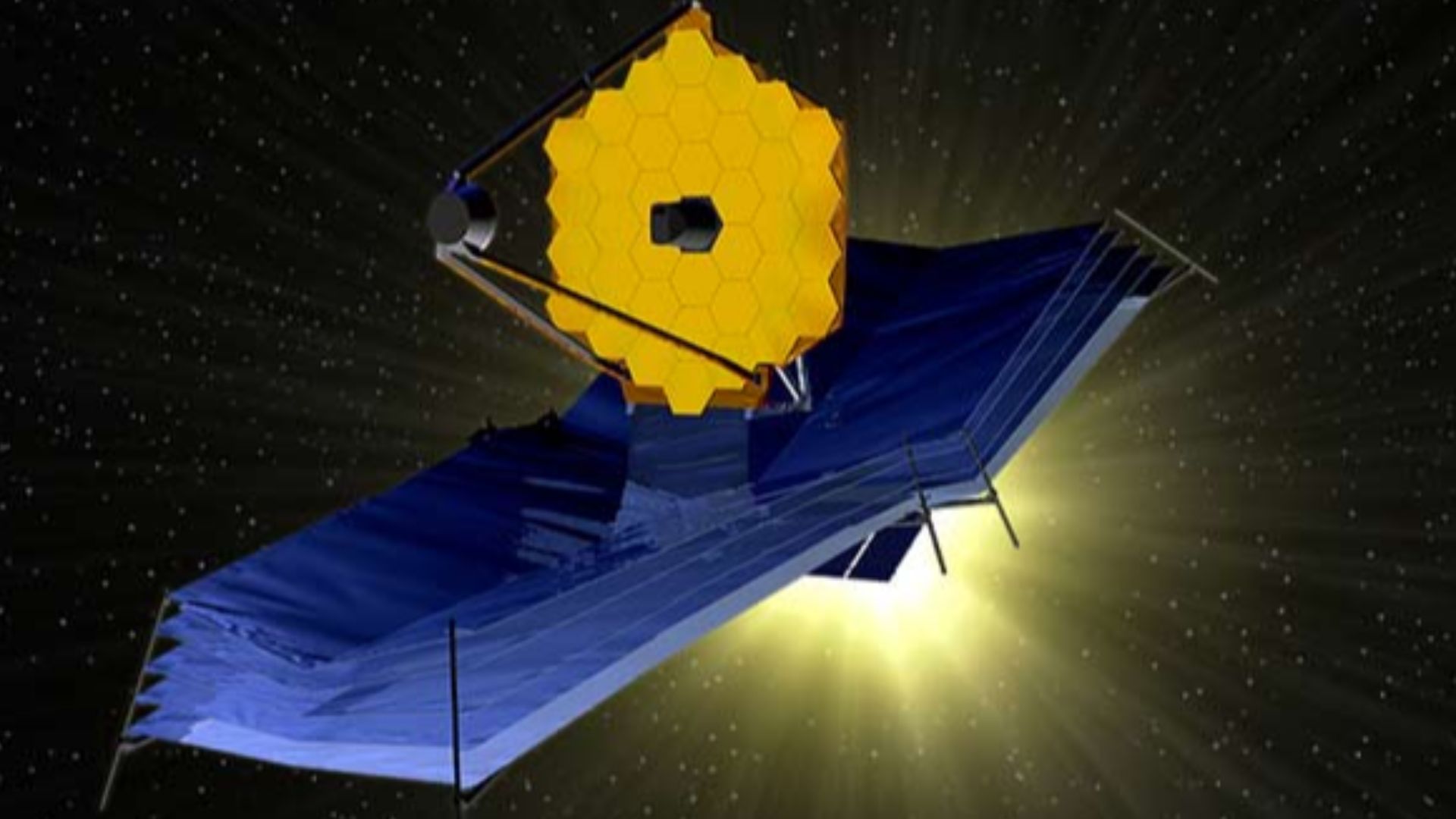
Unlike visible-light telescopes, Webb observes the universe in infrared wavelengths. This allows it to see heat signatures and subtle atmospheric features that fall outside the visible spectrum. As a result, scientists can peer deeper into Uranus’s upper atmosphere than ever before.
 NASA/MSFC/David Higginbotham/Emmett Given, Wikimedia Commons
Mapping The Upper Atmosphere
One of Webb’s biggest breakthroughs in its early years has been mapping Uranus’s thermosphere. This is the uppermost layer of the planet’s atmosphere. It plays a crucial role in how Uranus interacts with space and solar radiation.
A Surprisingly Hot Layer
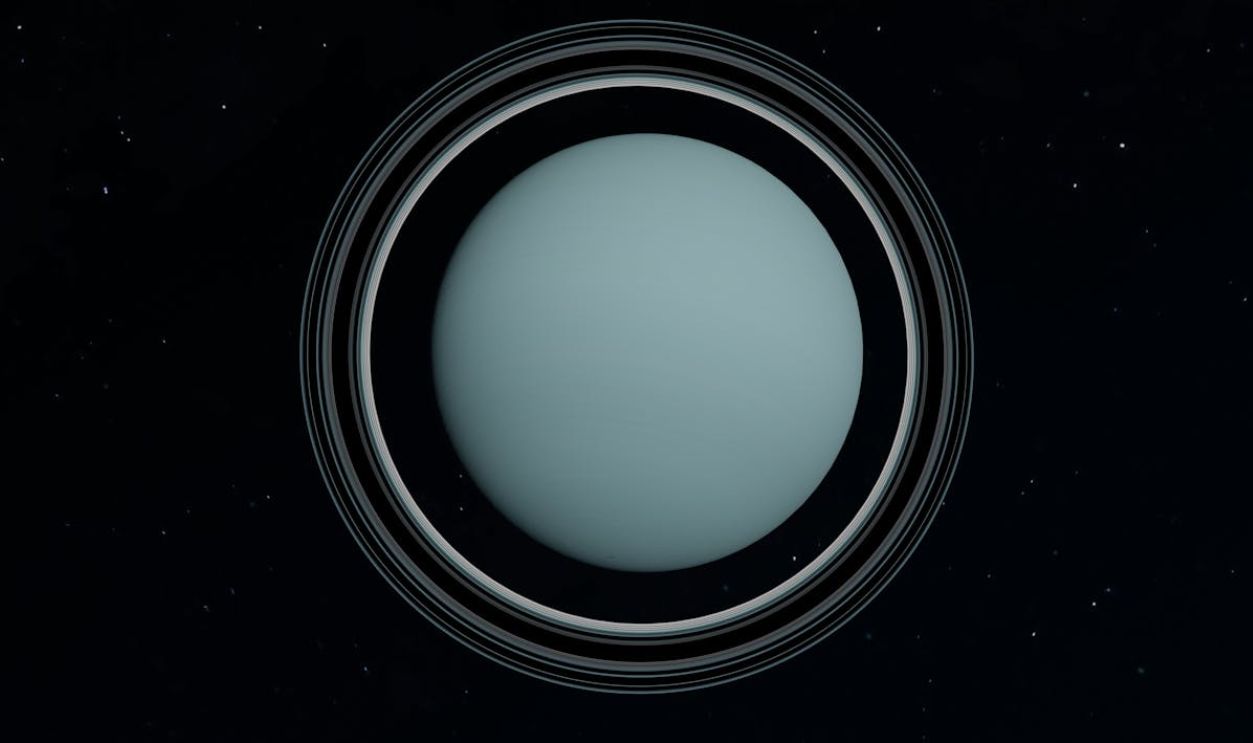
Scientists expected Uranus’s upper atmosphere to be cold. At 3 billion km from the sun, it only makes sense. But Webb has confirmed that Uranus is unexpectedly hot. Until now, the sole data point researchers had was from a single flyby by Voyager 2 in the 80s. Now Webb is revealing that Uranus is still full of surprises.
The Role Of Solar Activity
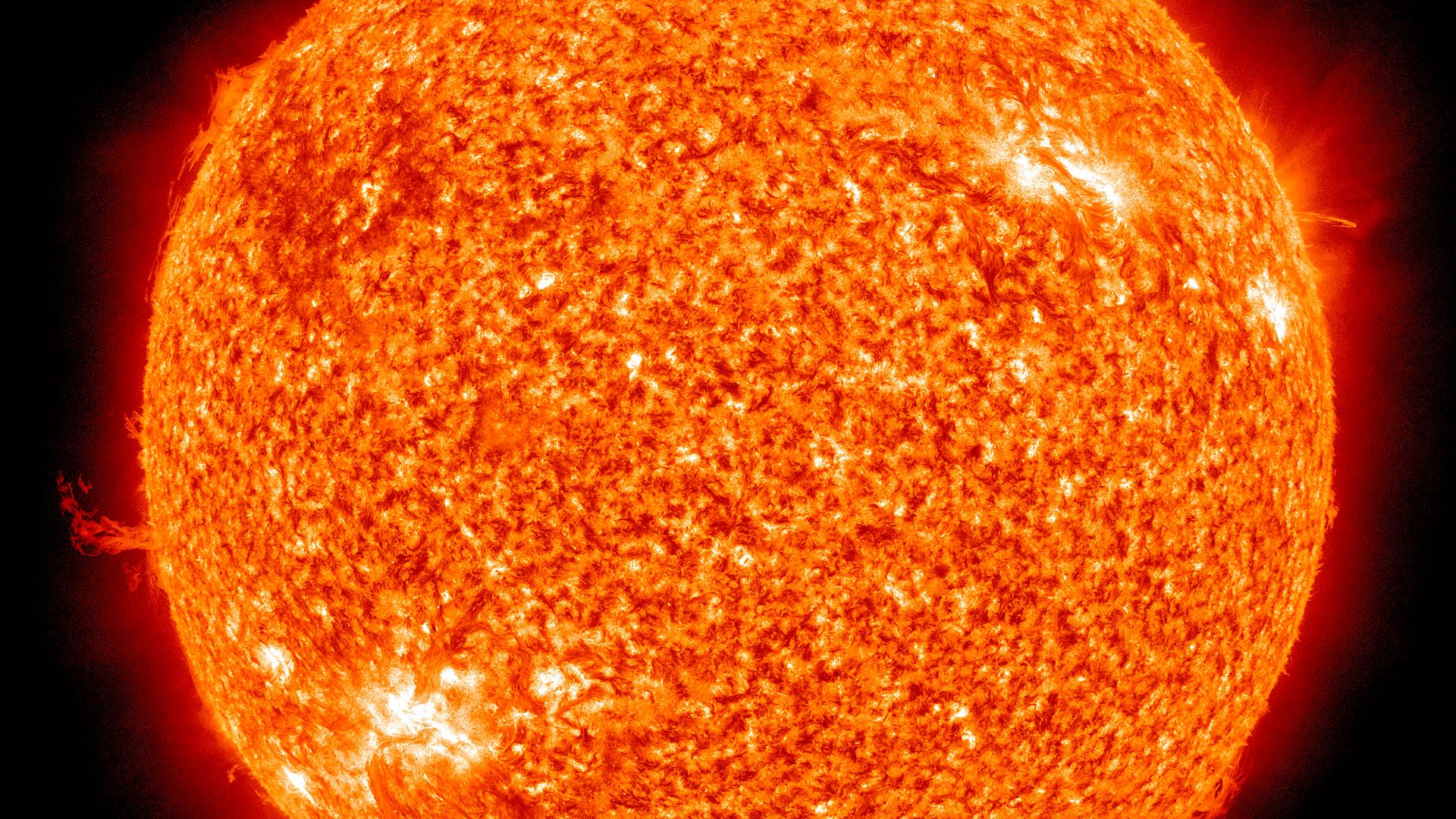
Webb data suggests that solar radiation plays a larger role than previously thought. The thermosphere appears to heat up in response to solar cycles. This connection helps explain some of Uranus’s unusual temperature patterns.
 NASA/SDO (AIA), Wikimedia Commons
A Dynamic And Changing Planet
Uranus is not as static as it once seemed. Webb’s observations show an atmosphere that shifts with time and seasons. This challenges the idea of Uranus as a cold, quiet, and inactive world.
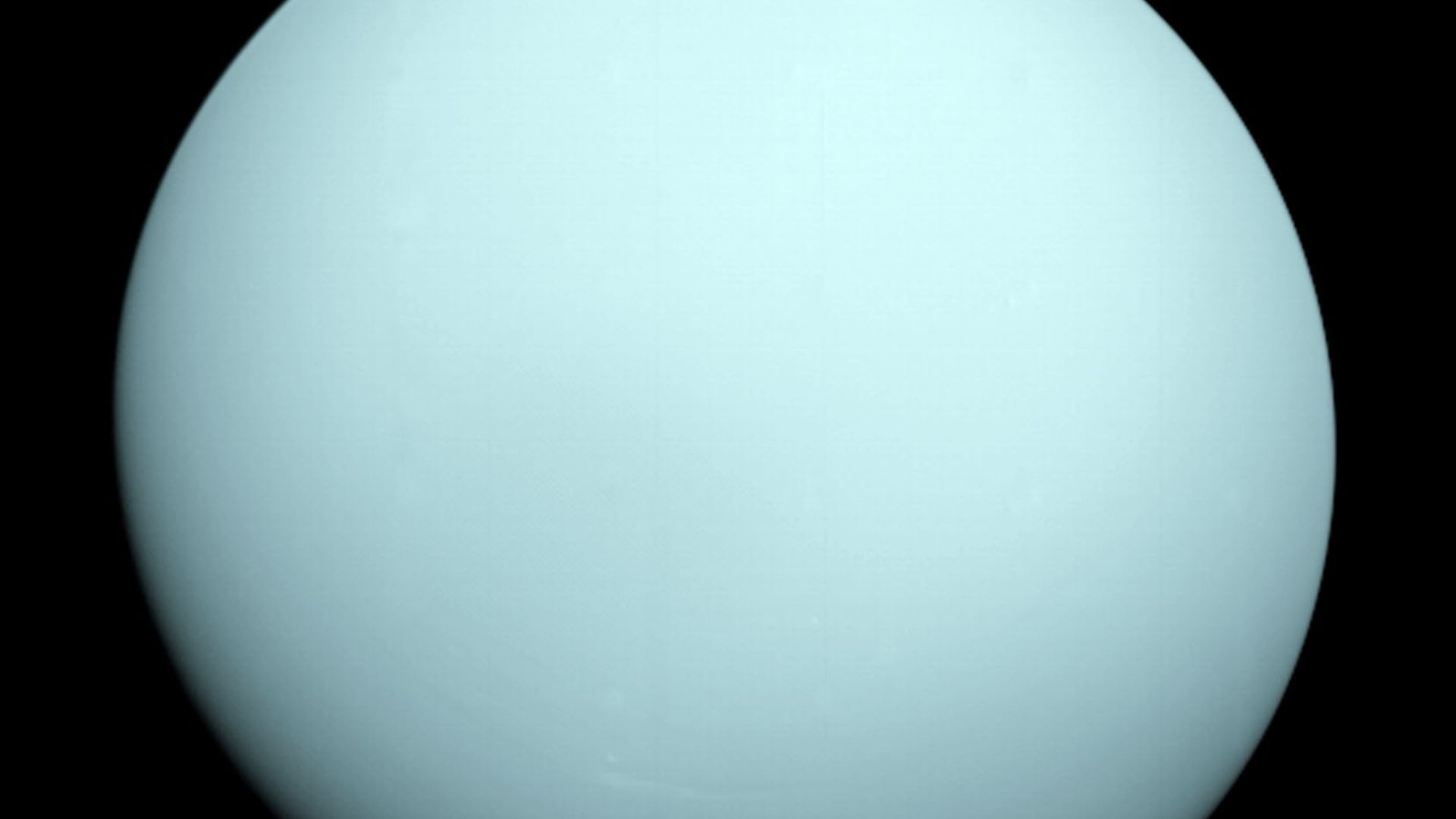 NASA/JPL-Caltech, Wikimedia Commons
A Planet On Its Side
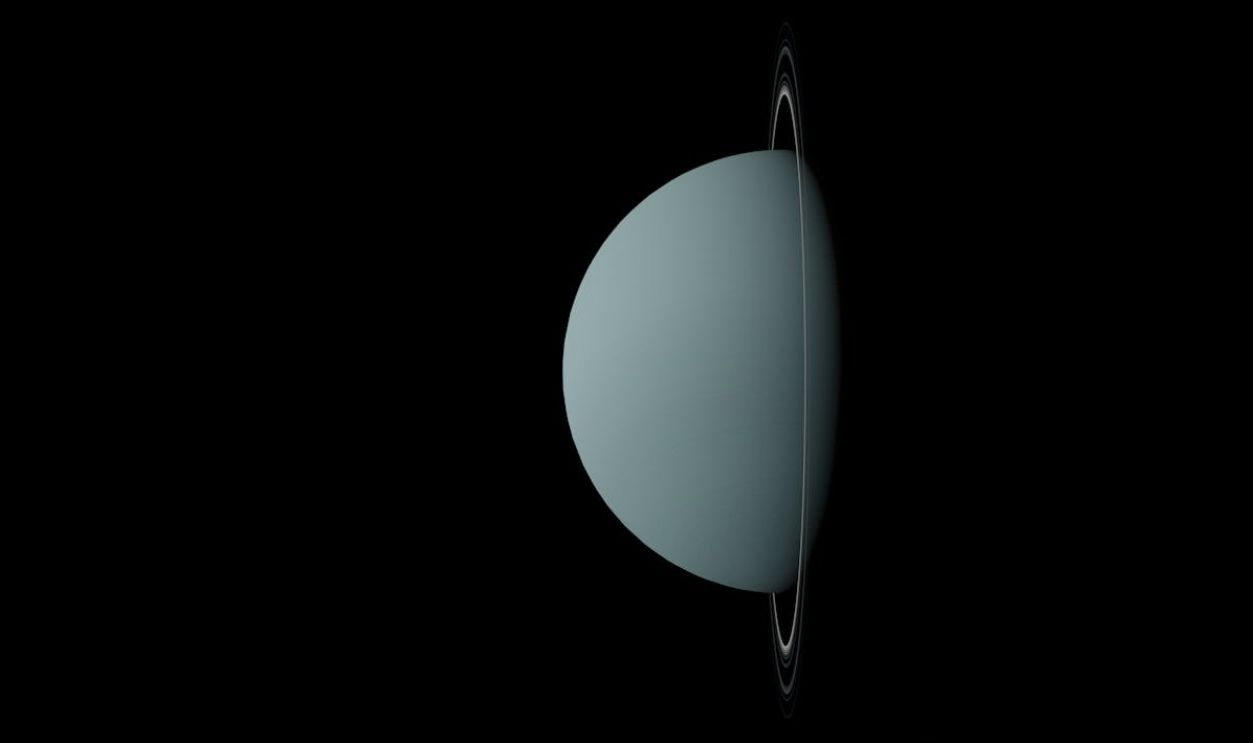
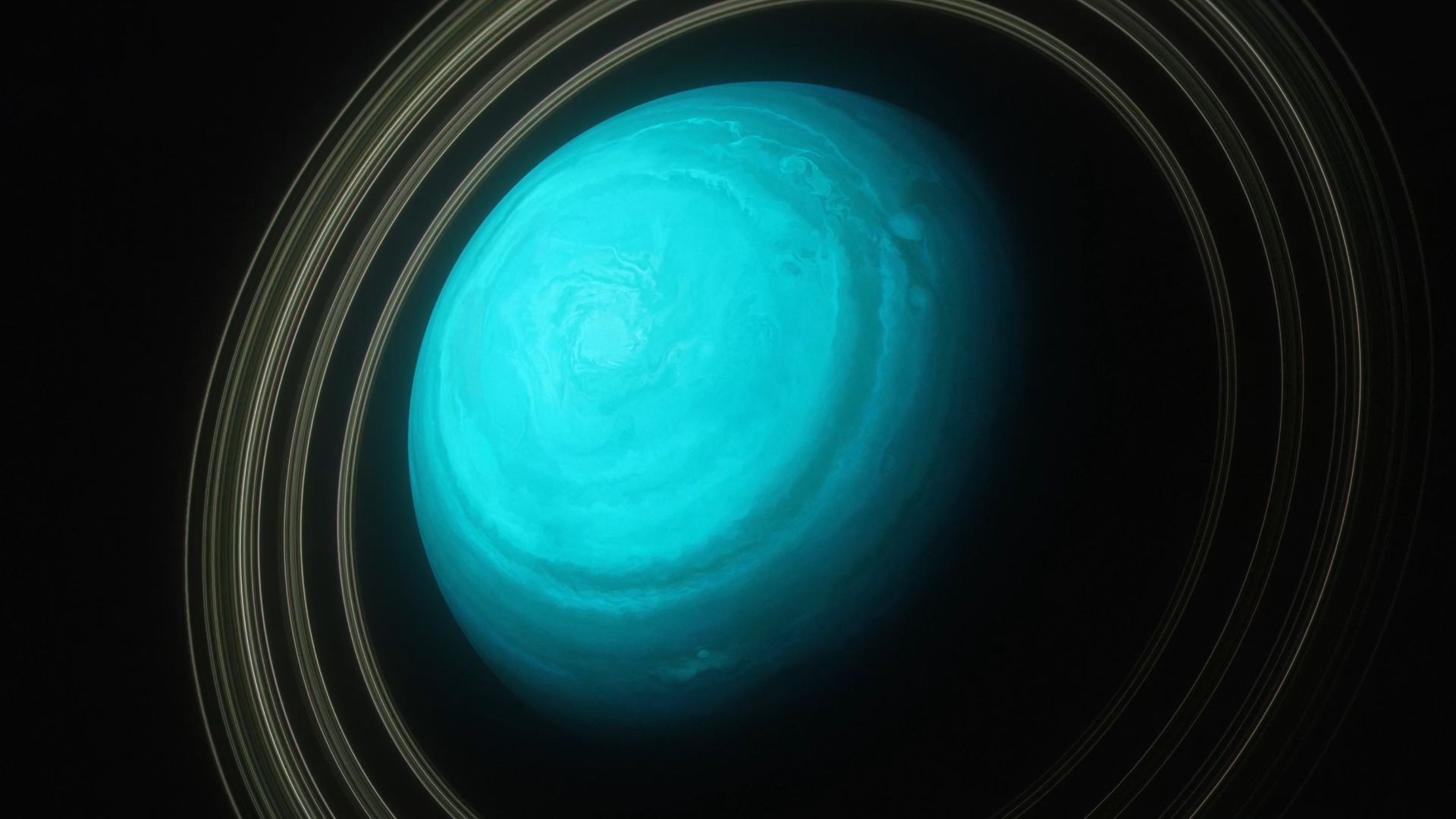
Uranus rotates at a dramatic tilt of about 98 degrees. In other words, it spins almost completely on its side. This means its poles experience decades of sunlight followed by decades of darkness. Webb’s findings help scientists understand how this extreme and unusual tilt affects atmospheric behavior.
Seasonal Effects Revealed
Because of its tilt, Uranus has the most extreme seasons in the solar system. Webb is helping track how these long seasons influence temperature and chemistry. This provides insight into long-term planetary climate systems.

History's most fascinating stories and darkest secrets, delivered to your inbox daily.
A Brighter Polar Region
Webb captured a bright cap at Uranus’s north pole. This feature becomes more prominent as the planet approaches its northern summer. Scientists believe it is linked to atmospheric circulation and seasonal sunlight.
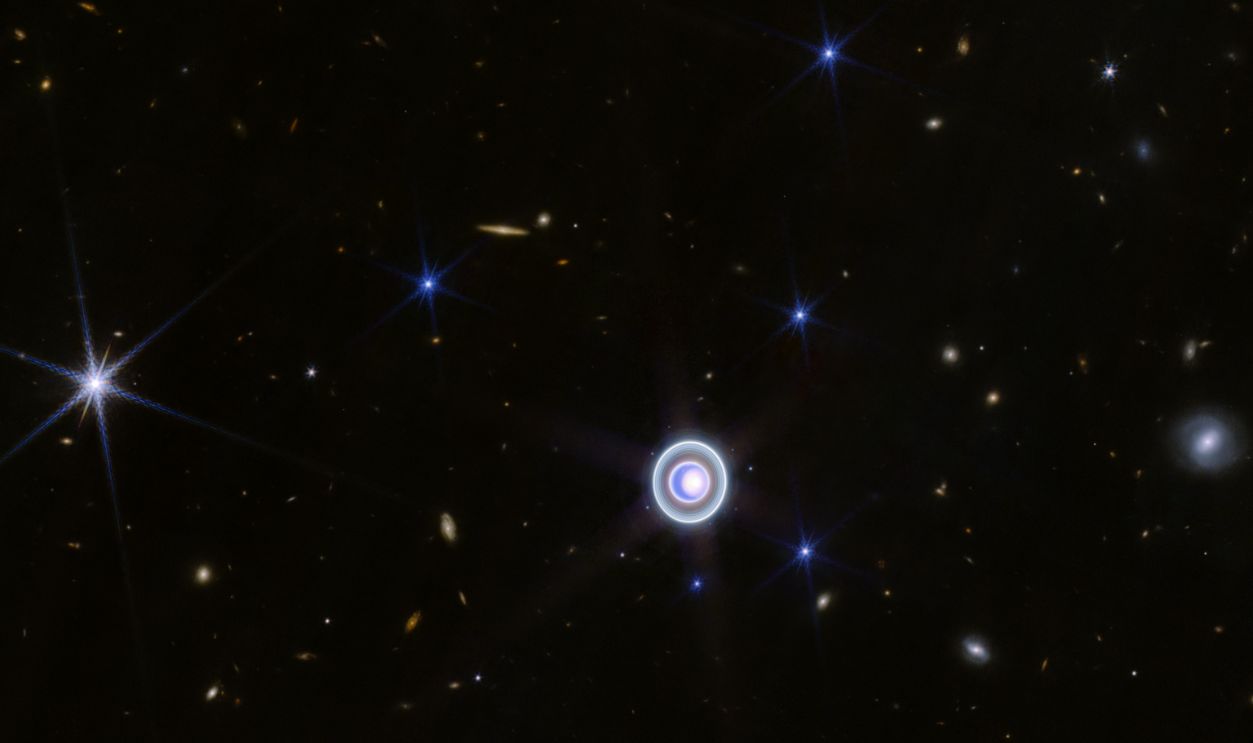 Image: NASA, ESA, CSA, STScI, Wikimedia Commons
Rings Like Never Before
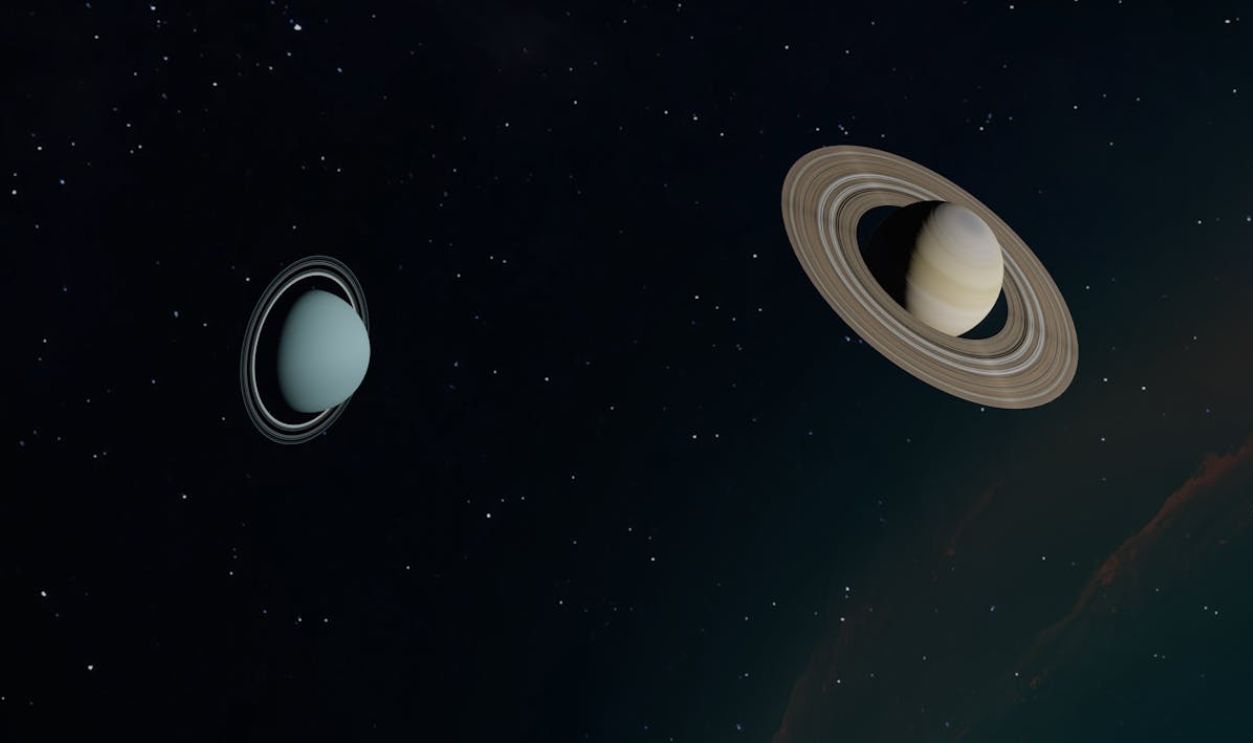
Most people think that Saturn is the only ringed planet in the Solar System, but Uranus actually has a system of faint rings that are very difficult to detect. At least, they were difficult to detect; Webb revealed these rings with stunning clarity. It even detected two faint outer rings that had rarely been seen before.
 Image: NASA, ESA, CSA, STScI, Wikimedia Commons
A Full Ring System In View
In total, Webb imaged all 13 known rings of Uranus. Some appear brighter due to reflected sunlight and particle composition. This complete view helps scientists better understand how the ring system formed.
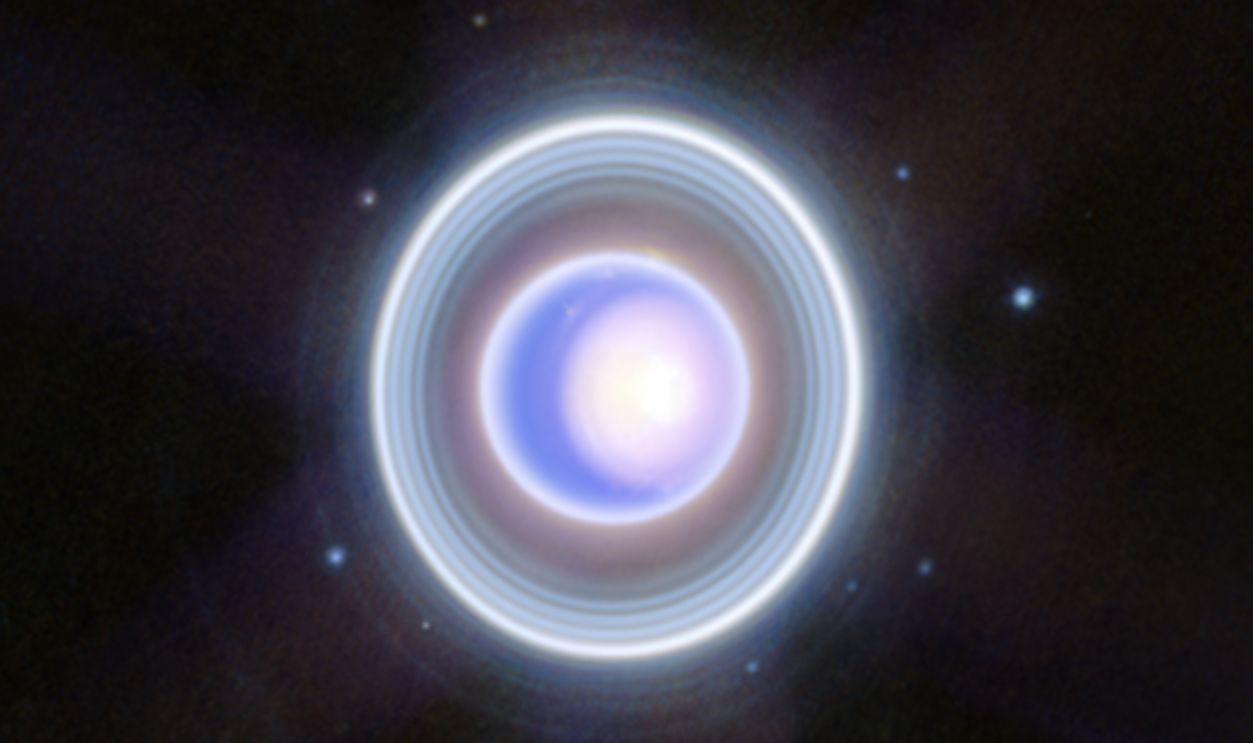 Image: NASA, ESA, CSA, STScI, Wikimedia Commons
Moons Emerging From The Darkness
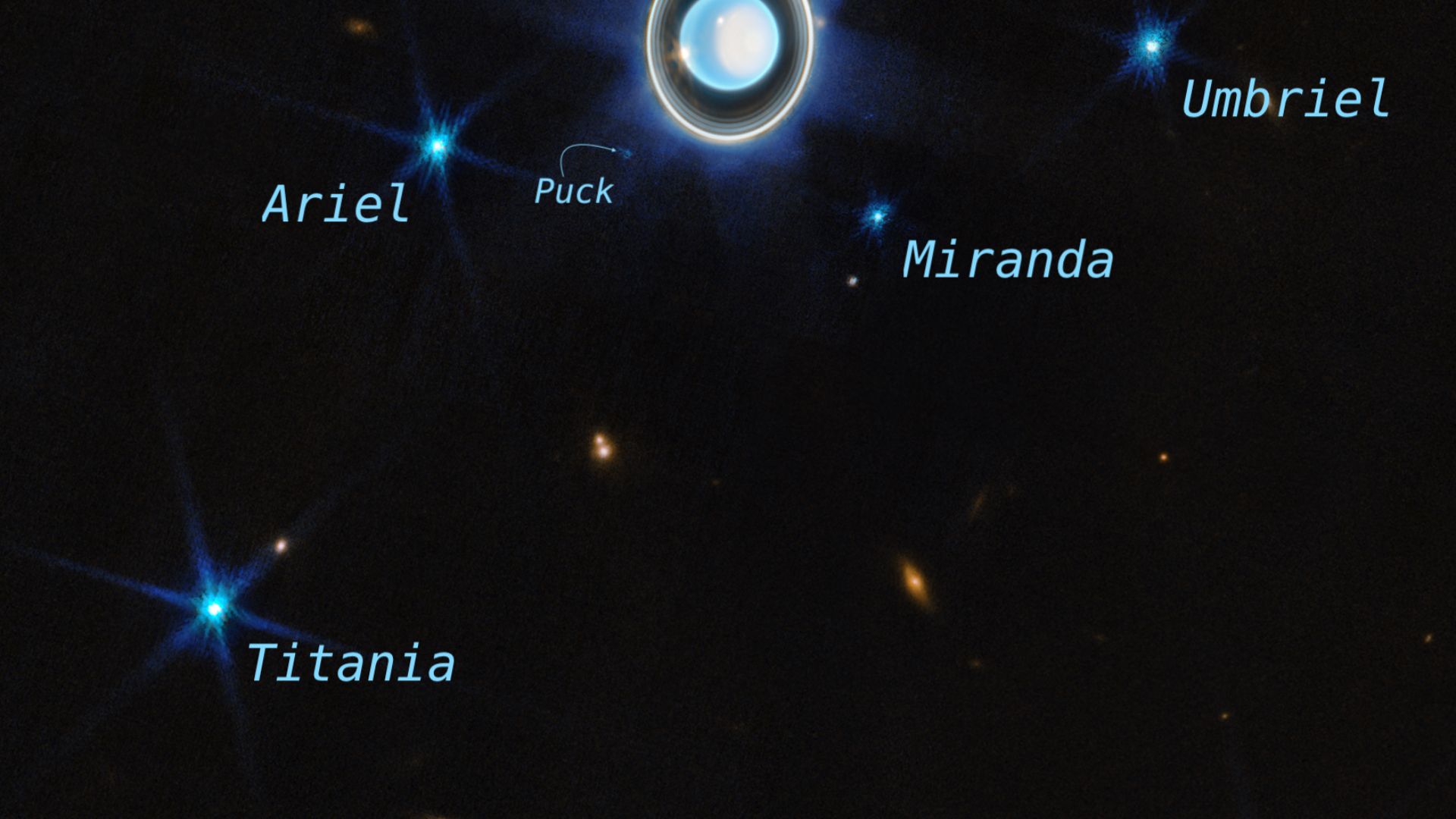
Most people also don't know that Uranus has several moons, but now Webb has captured images of several of these moons in remarkable clarity. These icy satellites orbit quietly within the ring system, and their visibility provides additional context for the planet’s gravitational environment.
 SCIENCE: NASA, ESA, CSA, STScI; IMAGE PROCESSING: Joseph DePasquale (STScI), Wikimedia Commons
Atmospheric Composition Insights
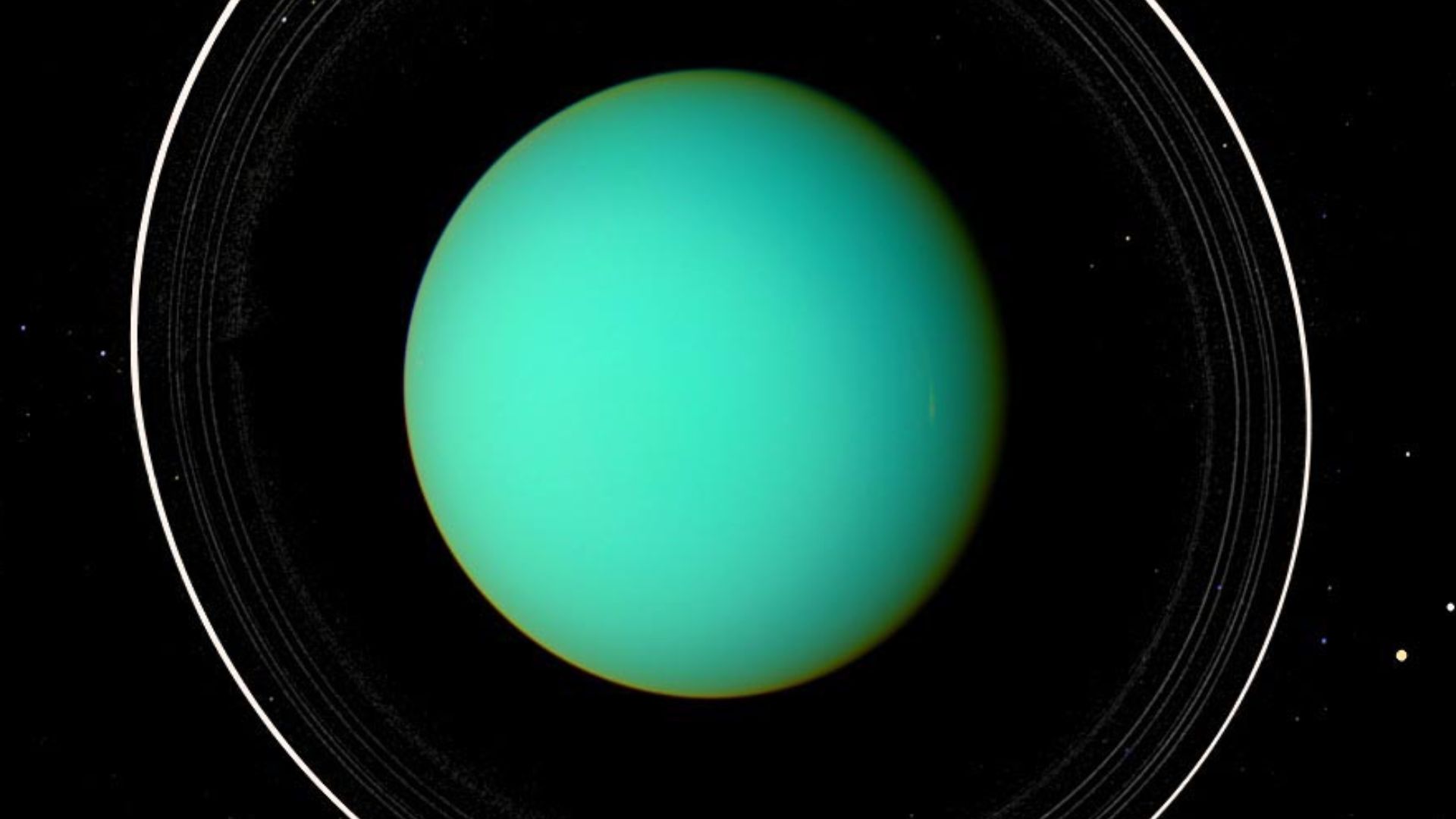
Webb's incredibly sensitive instruments detected key molecules in Uranus’s atmosphere. These include hydrogen, helium, and methane. Methane is especially important because it gives Uranus its blue-green color, and would likely give it a certain smell.
 Voyager 2, NASA, Erich Karkoschka (U. Arizona), Wikimedia Commons
Methane And Light Absorption
Methane absorbs red wavelengths of light. This causes the planet to reflect blue and green hues back into space. Webb’s data helps refine our understanding of how methane behaves under extreme conditions.
 Christinelmiller, Wikimedia Commons
Winds And Circulation Patterns
Uranus has unbelievably powerful winds that shape its atmosphere. Webb’s observations hint at complex circulation systems. It appears that these violent gales vary dramatically between the equator and the poles.
 Northrop Grumman, Wikimedia Commons
A Closer Look At The Thermosphere
The thermosphere is where Uranus meets space. It is influenced by both solar radiation and internal processes. Webb’s measurements help scientists model how energy flows through this layer, and showed that it is far more energetic than once believed.

A Long-Standing Temperature Puzzle
For years, Uranus appeared cooler than expected compared to Neptune. Webb’s data suggests the answer may lie in atmospheric dynamics. Heat may be distributed differently than scientists assumed.

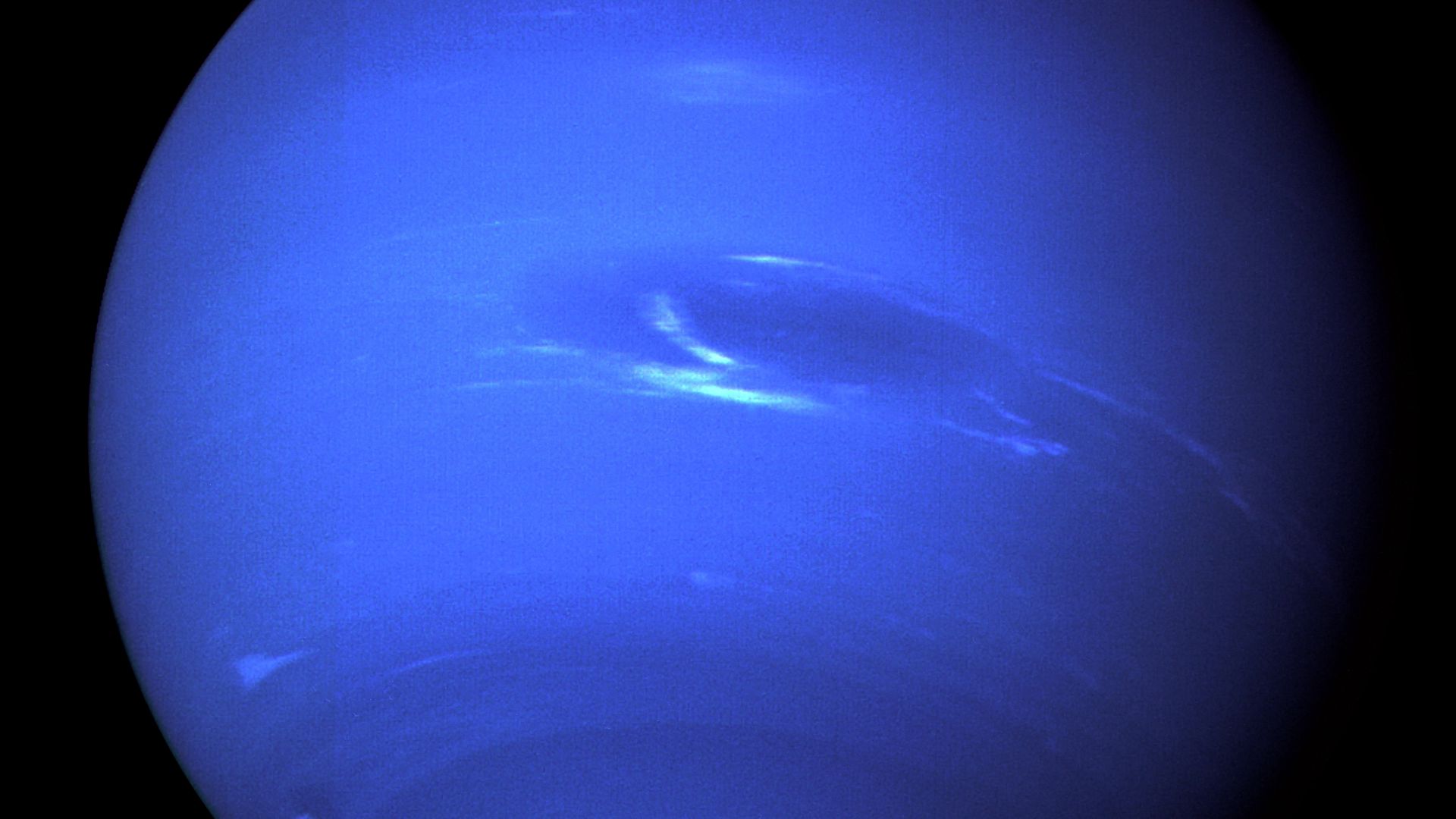
Comparing Uranus And Neptune
Uranus and Neptune are often grouped together under the name "ice giants." However, Webb’s findings highlight key differences between them. These differences may reshape how scientists classify and study such planets, and lead to new groupings in the future.
Lessons For Exoplanets
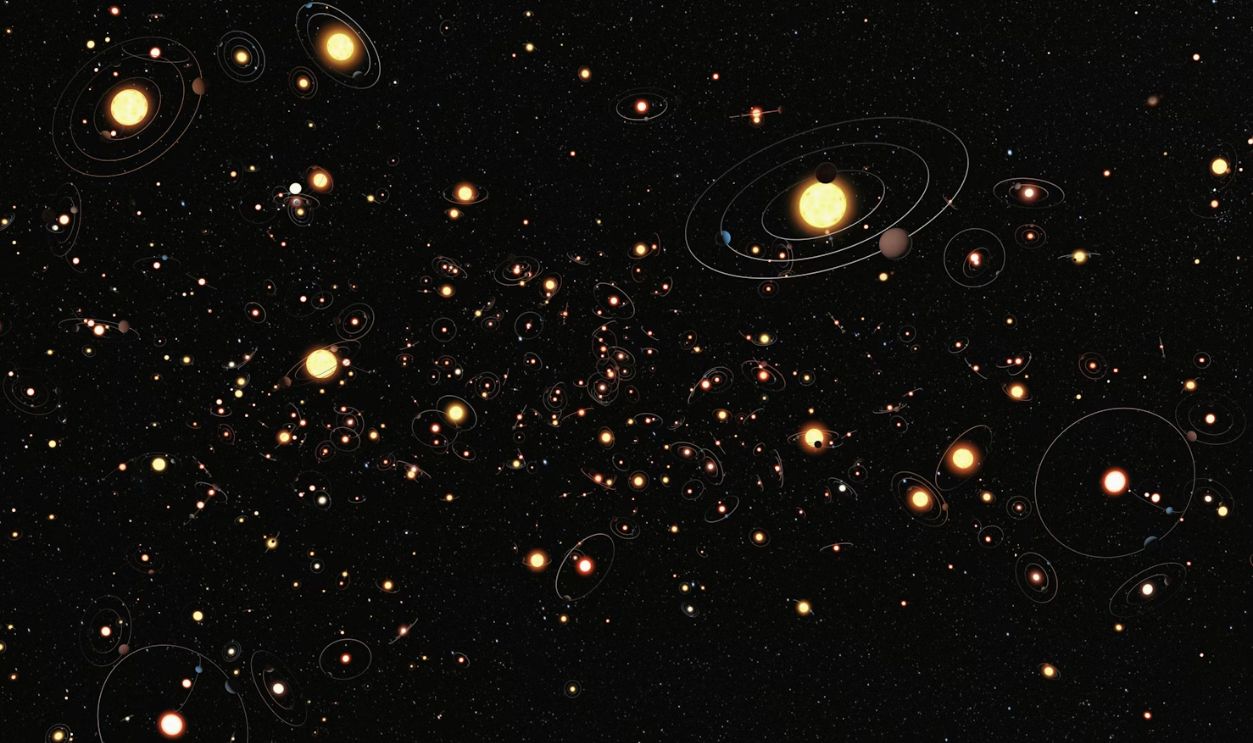
Studying Uranus helps scientists understand distant exoplanets. Many discovered worlds are similar in size and composition. Webb’s data provides a valuable reference point for interpreting those alien atmospheres.
 NASA Hubble Space Telescope, Unsplash
A Laboratory For Extreme Physics
Uranus offers conditions that cannot be replicated on Earth. Its atmosphere operates under intense pressure and cold temperatures. Webb allows scientists to study these unique extremes in detail.
 National Cancer Institute, Unsplash
The Importance Of Long-Term Observation
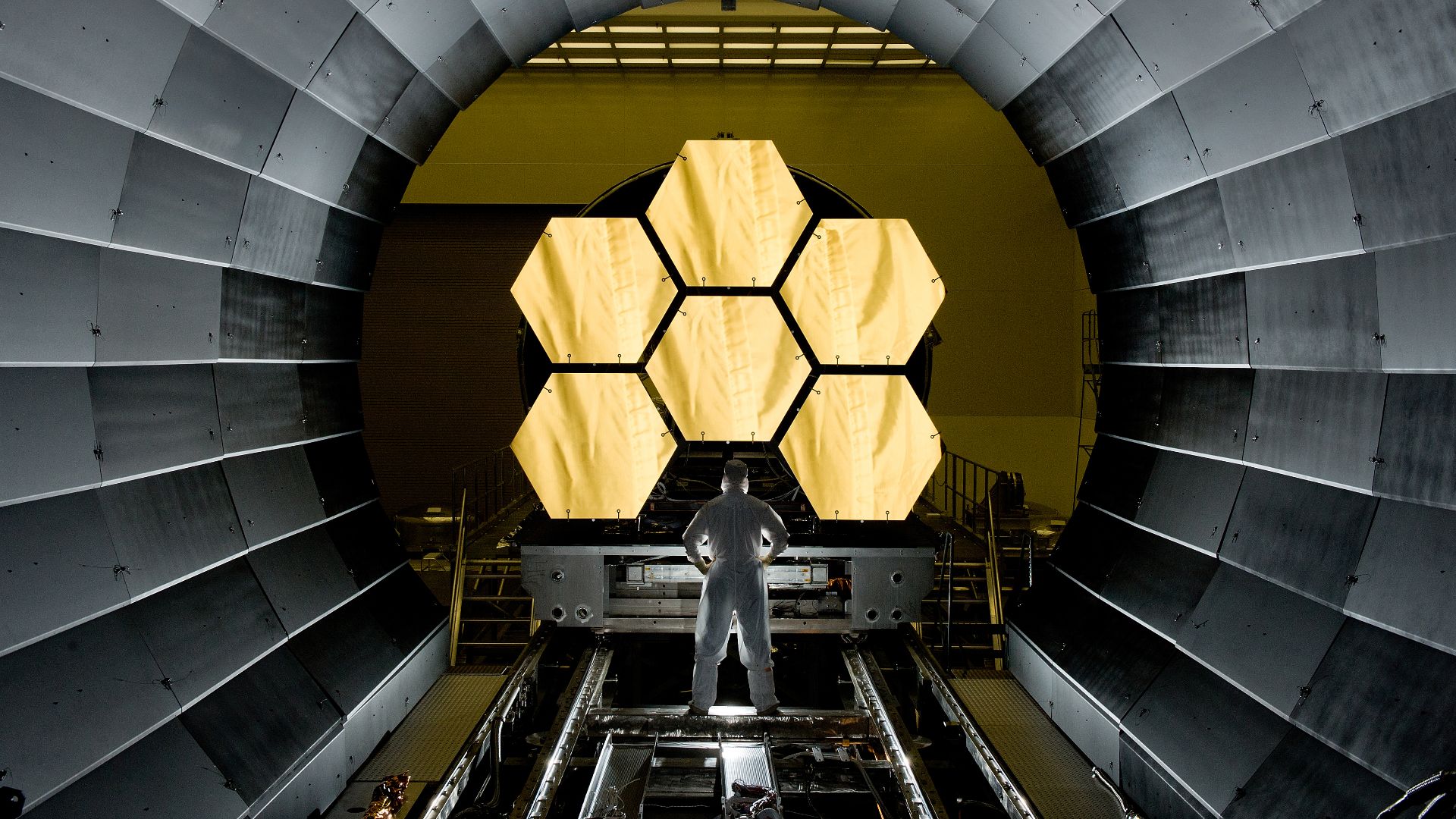
Webb’s work is only the beginning. Continued observations will track how Uranus changes over time. This long-term data is essential for understanding planetary evolution.
 NASA/MSFC/David Higginbotham, Wikimedia Commons
A Step Beyond Voyager 2
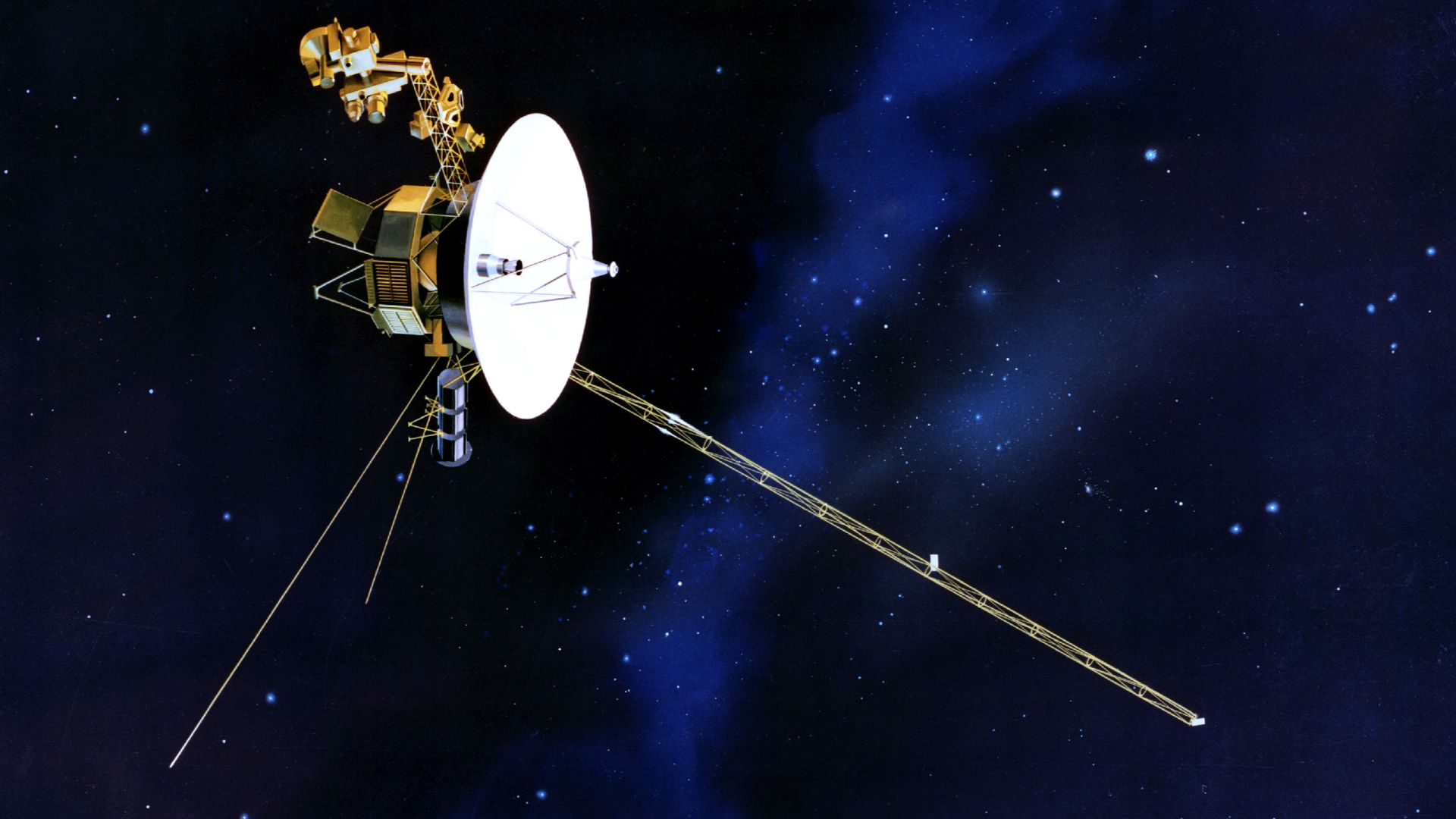
The last close-up look at Uranus came from Voyager 2 in 1986. That mission provided invaluable data, but it was incredibly limited by the technology of the time. Webb now builds on that legacy with engineering that the team behind Voyager 2 could only dream of.
New Questions Emerge
Every discovery brings new mysteries. Scientists still do not fully understand why this distant planet's upper atmosphere is so hot. Webb has opened the door to deeper investigation into Uranus.

Expanding Our Solar System Knowledge
Uranus is no longer the overlooked planet it once was. Webb has transformed it into a key target for planetary science. Each new insight helps complete our picture of the solar system.

A Reminder Of Cosmic Complexity
Even familiar planets can surprise us. Uranus shows that there is still much to learn close to home. Webb continues to reveal that the universe is more complex than we imagined.

The Future Of Ice Giant Exploration
Future missions may one day visit Uranus again, and Webb’s findings will help guide those missions. For now, it stands as our most powerful tool for unlocking the planet’s secrets.











_(2023-150).png)
_(2023-150).png)