
Who Or What Is The Object Passing By?
Something new showed up in the neighborhood of planets, and scientists are talking. One Harvard professor even tossed in a wild card: maybe, just maybe, it isn’t natural.

The Third Interstellar Visitor
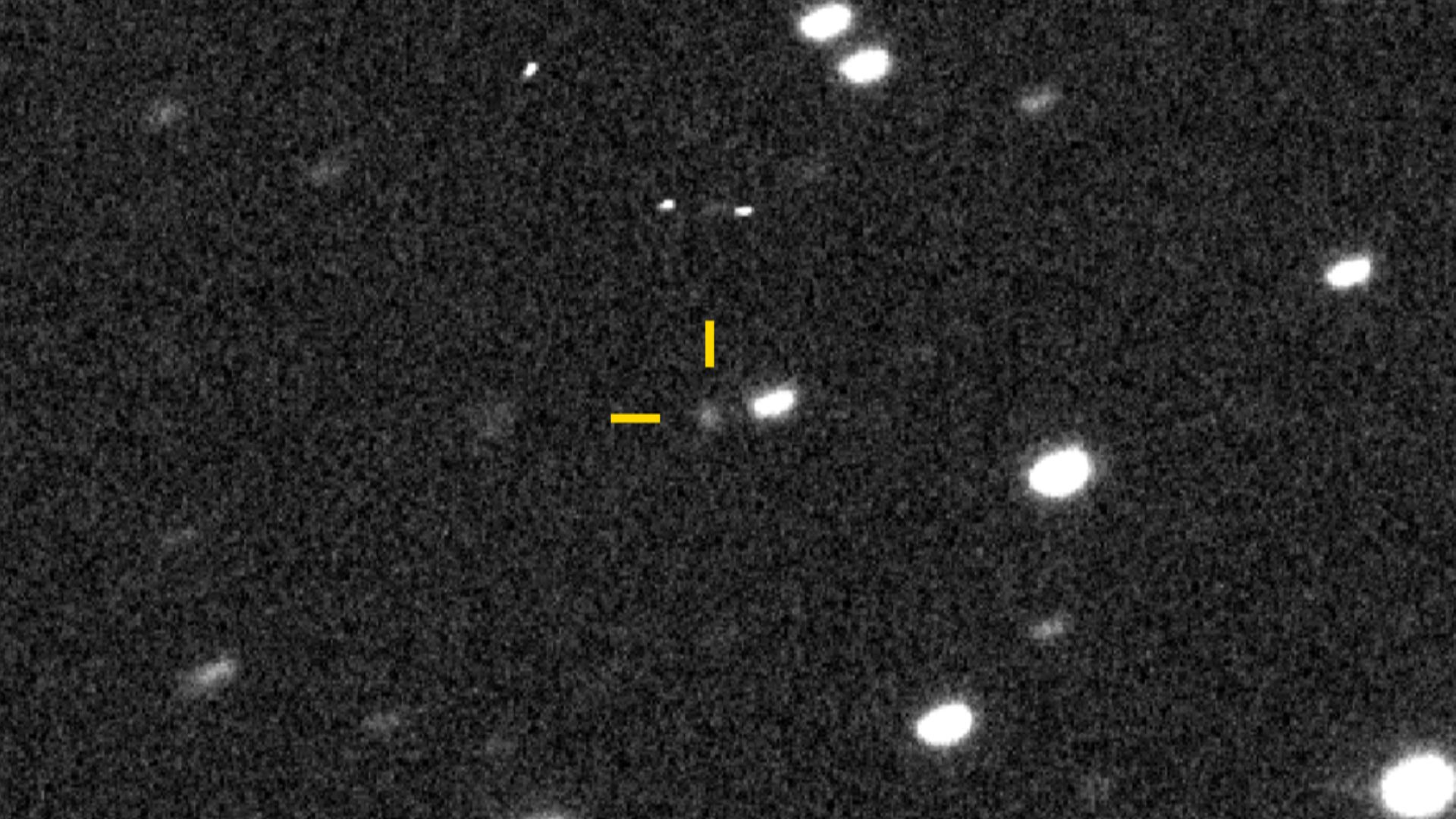
On July 1, 2025, astronomers logged the third confirmed interstellar body ever spotted in our skies, 3I/ATLAS. Unlike local comets, it entered from beyond our solar system. Only 1I/ʻOumuamua in 2017 and 2I/Borisov in 2019 earned the same rare designation.

The ATLAS Telescope In Chile Spots The Object On July 1, 2025
The Automated Asteroid Survey in Chile, known as ATLAS, captured the first sighting. Positioned for continuous sky patrol, the system flagged a rapidly moving blur. That initial observation placed 3I/ATLAS firmly on the radar of every major observatory worldwide.
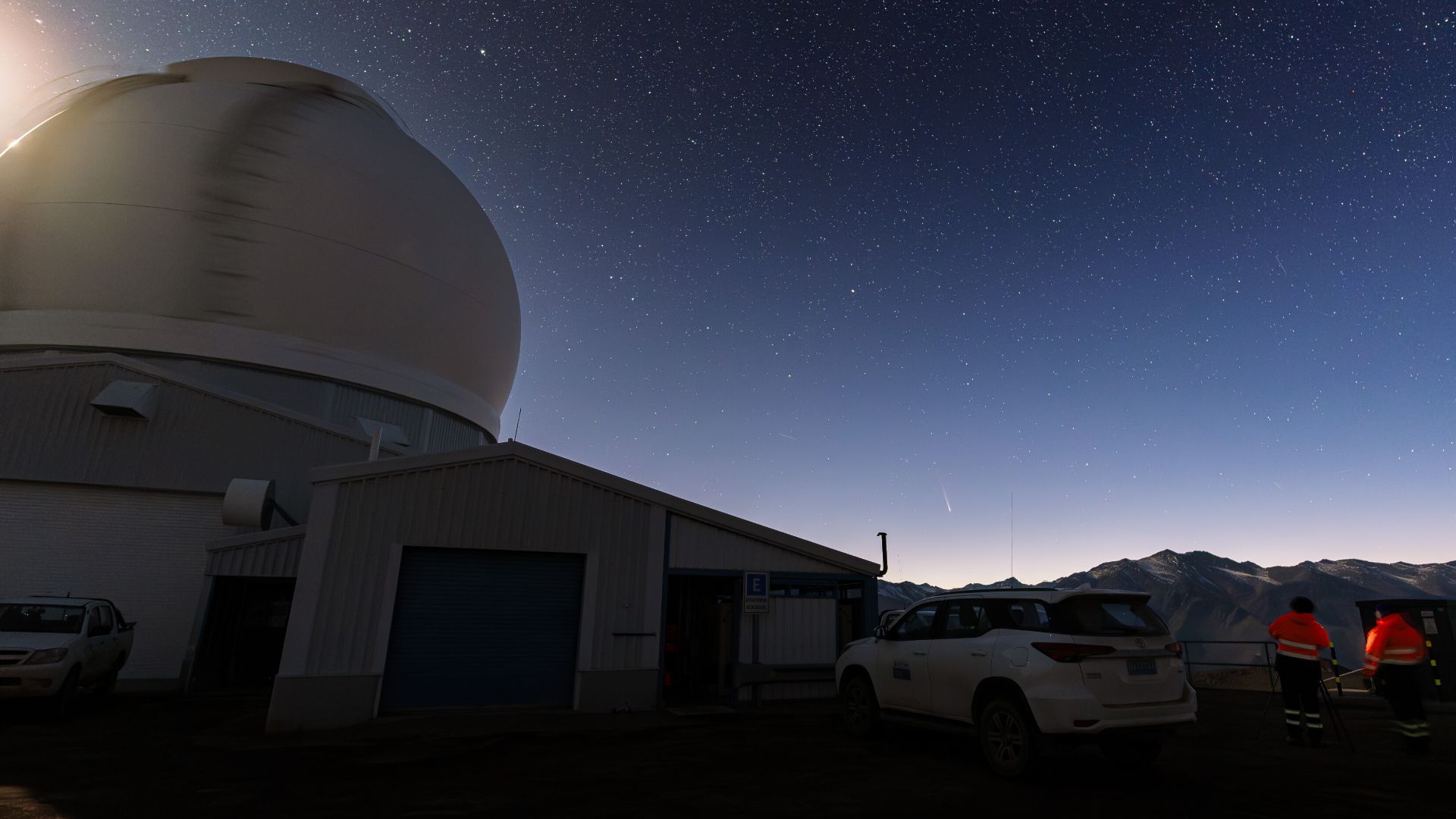 CTIO/NOIRLab/NSF/AURA/C. Corco, Wikimedia Commons
NASA Declares 3I/ATLAS An Interstellar Body
Within days, NASA confirmed the object’s trajectory didn’t match solar system debris. Its hyperbolic orbit proved it came from interstellar space. To date, only a handful of such cosmic visitors have been verified, and each one completely rewrites what you know about planetary origins.

Its Estimated Diameter Is Between 7 And 12 Miles
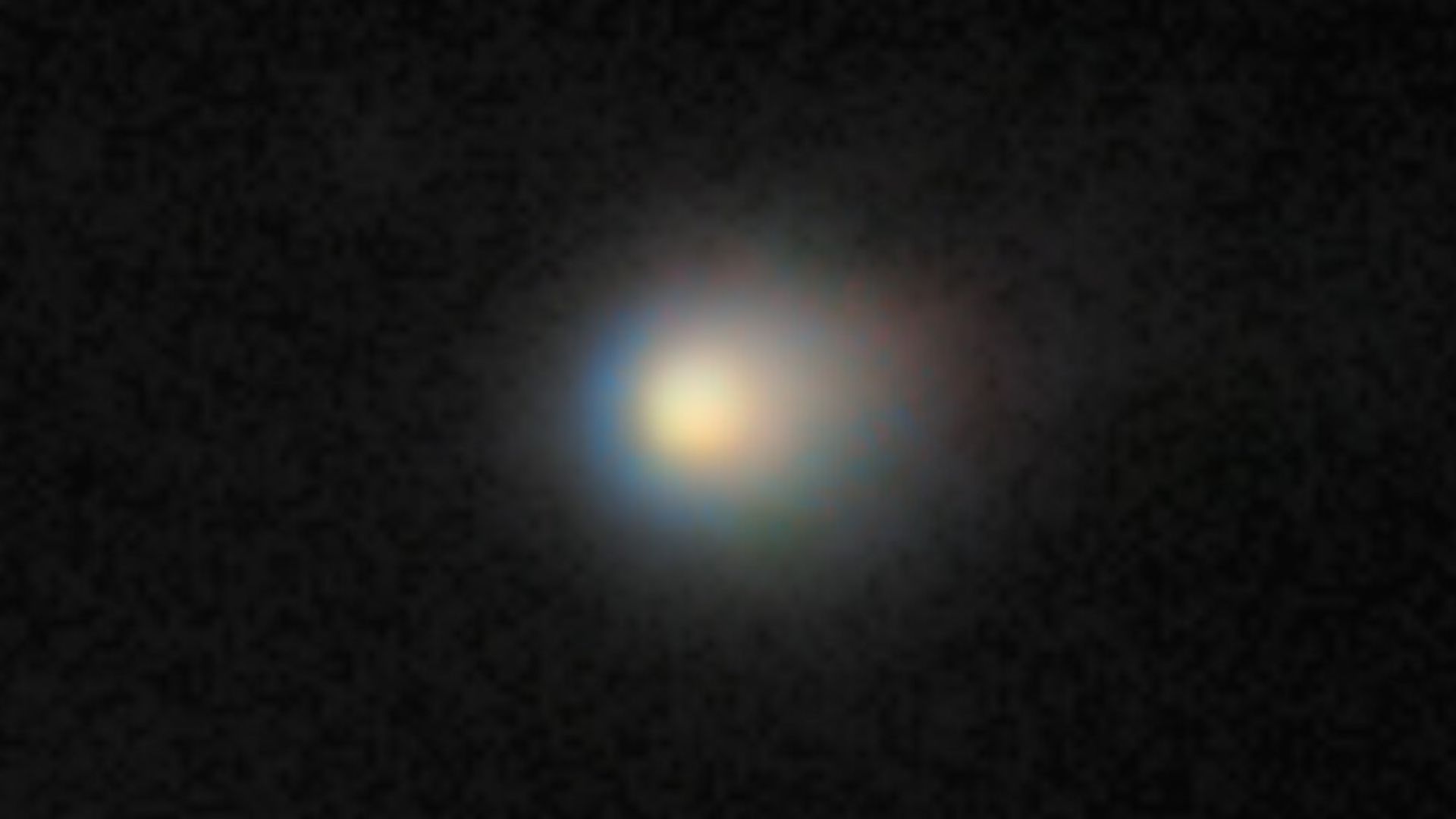
Early calculations estimated 3I/ATLAS stretched between seven and twelve miles across. Imagine a rock the size of Manhattan gliding between planets. That colossal scale dwarfs most known comets, and it raises curiosity about its structure, density, and long-term stability as it speeds away from its origin.
Speeding Through Space At Over 130,000 Miles Per Hour
At nearly 135,000 miles per hour, this traveler moves too fast to ever be captured by Earth’s gravity. For comparison, that’s almost 200 times faster than a passenger jet. Such velocity underscores its foreign origin, streaking across the solar system at a record-breaking pace.
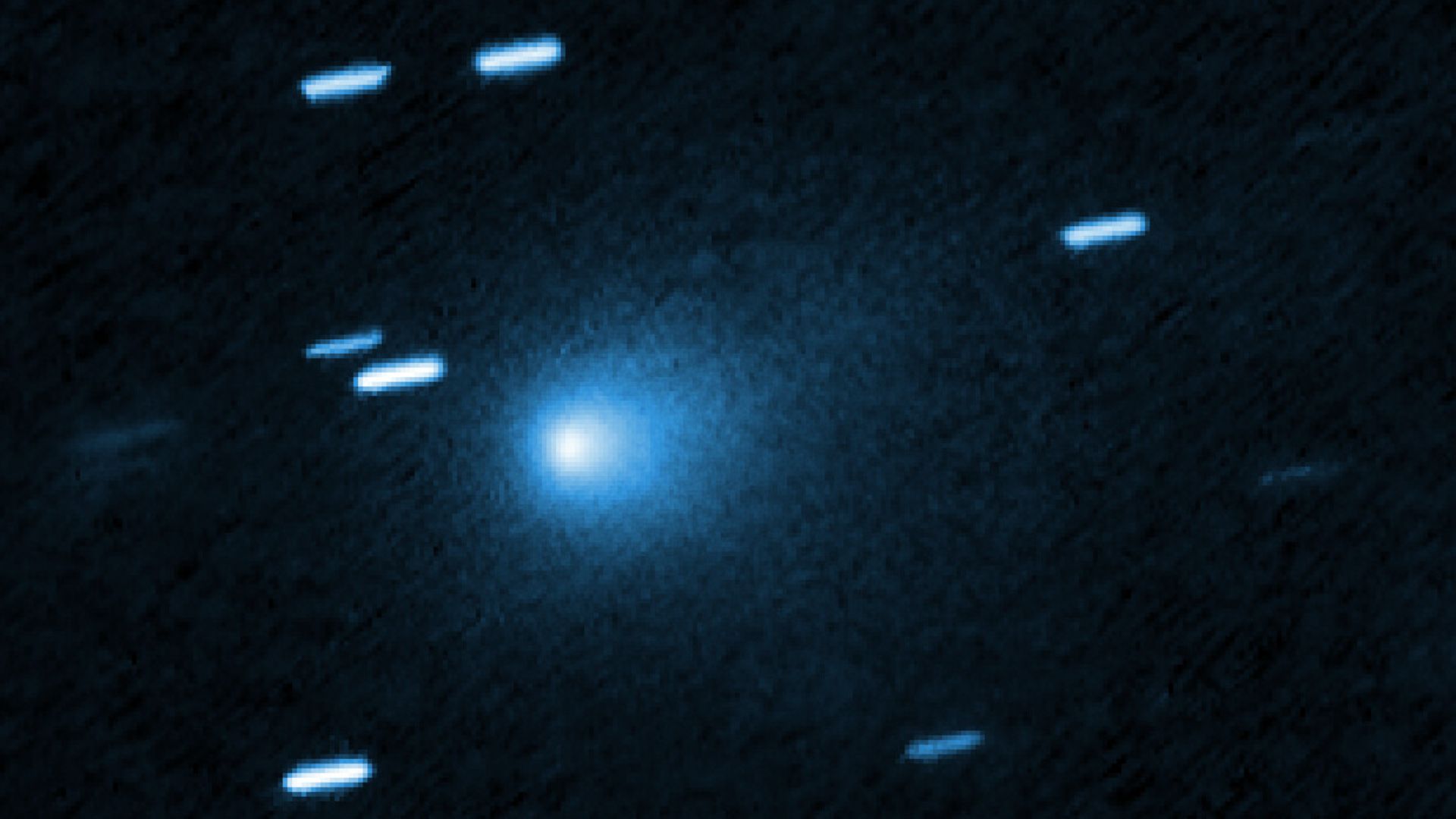 NASA, ESA, D. Jewitt (UCLA); Image Processing: J. DePasquale (STScI), Wikimedia Commons
This Body Has A Glow In Front Instead Of A Comet’s Tail
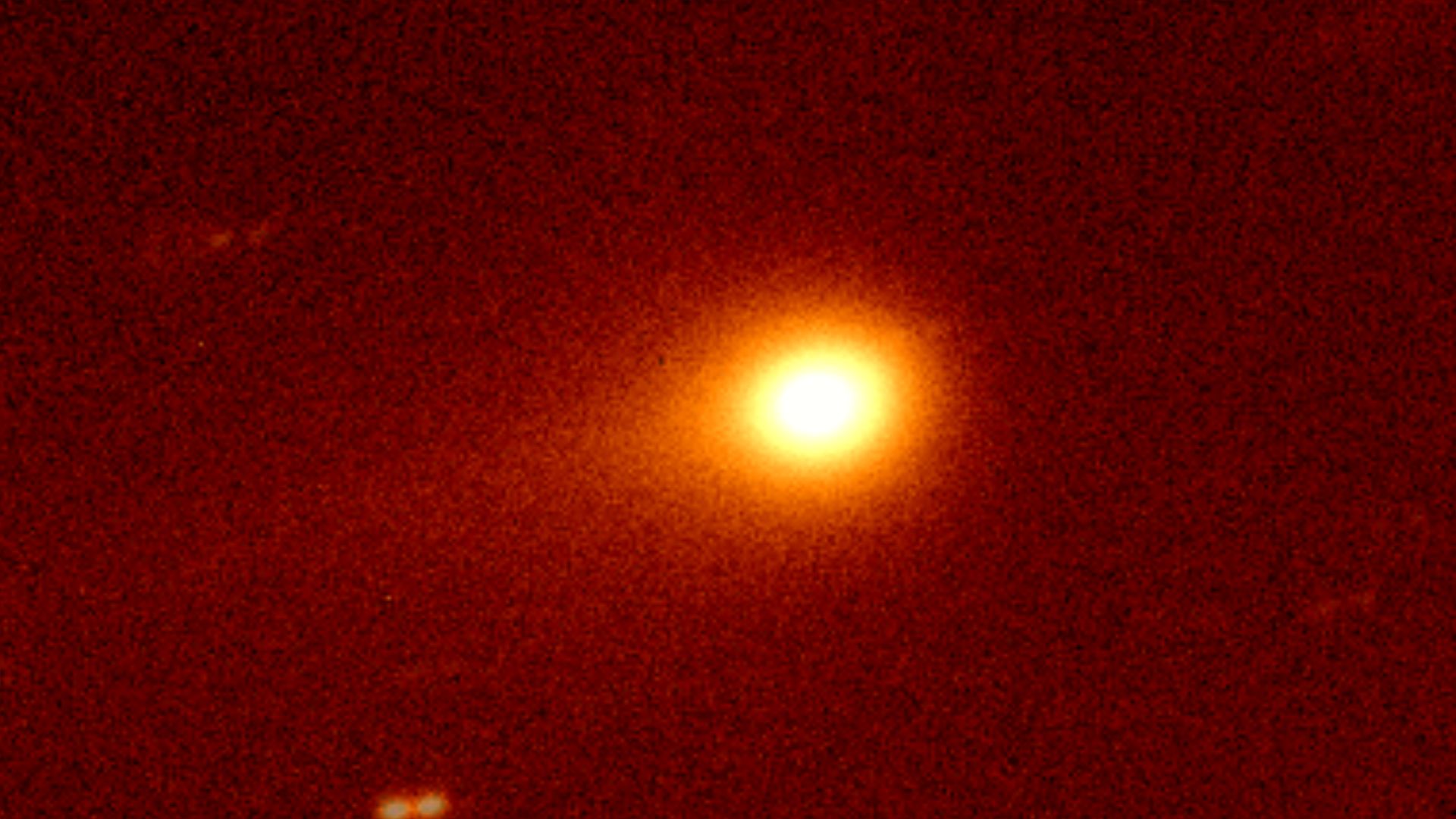
Observers also noted something else striking: 3I/ATLAS displayed brightness concentrated at its leading edge. That’s unusual. Comets typically trail gas and dust behind, but this glowing bow shocked researchers, and it sparked questions about whether unfamiliar chemistry or unique surface reactions created such radiant behavior.
Harvard’s Avi Loeb Steps Into The Debate
Harvard astrophysicist Avi Loeb, no stranger to bold theories, entered the spotlight again. He had already challenged mainstream astronomy with his work on 1I/ʻOumuamua. With 3I/ATLAS, Loeb emphasized that its peculiar properties deserve scrutiny beyond traditional cometary explanations.
 Christopher Michel, Wikimedia Commons
Why Loeb Suggests 3I/ATLAS Might Be Artificial
Loeb pointed to the object’s brightness, path, and timing as statistically odd. He argued that engineering, not nature, might explain its quirks. By suggesting an artificial origin, he reignited discussion about extraterrestrial technology navigating the same planetary system you call home.
 Avi Loeb: 3I/ATLAS Could Be ALIEN Technology by Dr Brian Keating

History's most fascinating stories and darkest secrets, delivered to your inbox daily.
The Unlikely Orbital Alignment Within 5 Degrees Of Earth
Calculations revealed the object’s orbital plane aligned within five degrees of Earth’s path. That margin is incredibly narrow given interstellar randomness. Loeb calculated the chance of such proximity at roughly two in a thousand—an alignment astronomers rarely consider a natural coincidence.
 NASA/Bill Anders, Wikimedia Commons
Flybys Of Venus, Mars, And Jupiter Raise Eyebrows
Not only did 3I/ATLAS align near Earth, but it also passed Venus, Mars, and Jupiter in succession. Such encounters created a survey-like trajectory across the inner system. For planetary scientists, those consecutive flybys feel less like chance and more like an intentional pattern.
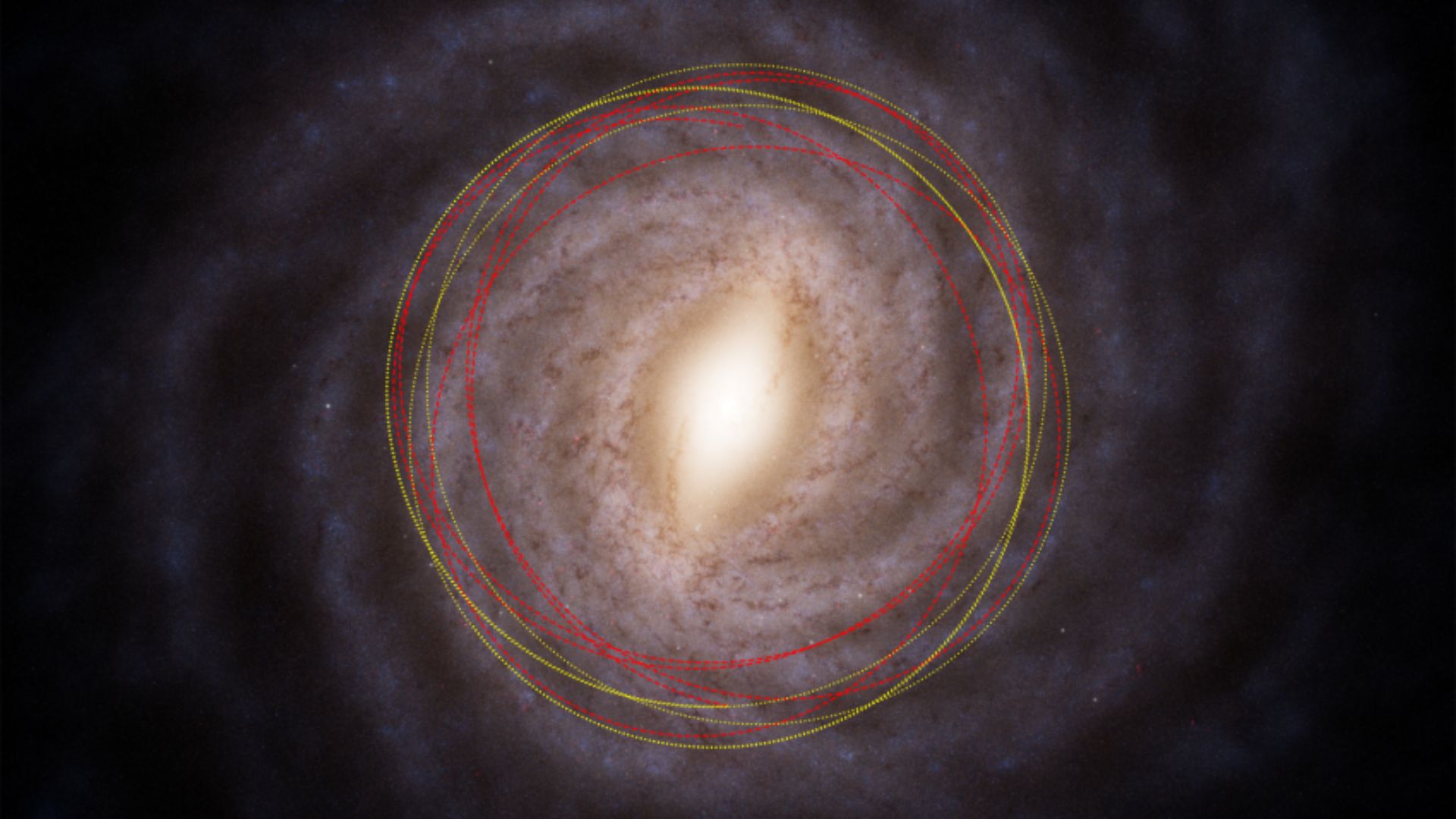 M. Hopkins/Ōtautahi-Oxford team. Base map: ESA/Gaia/DPAC, Stefan Payne-Wardenaar, Wikimedia Commons
Probability Of Coincidence Estimated At Just 0.005%
When astronomers crunched the numbers, they found the odds of 3I/ATLAS hitting its precise trajectory hovered around 0.005%. That vanishingly small probability fuels debate. Rare alignments like this almost never occur, making its pathway through the solar system especially intriguing.
 Philip Romanov, Wikimedia Commons
Comparing 3I/ATLAS To 1I/ʻOumuamua And 2I/Borisov
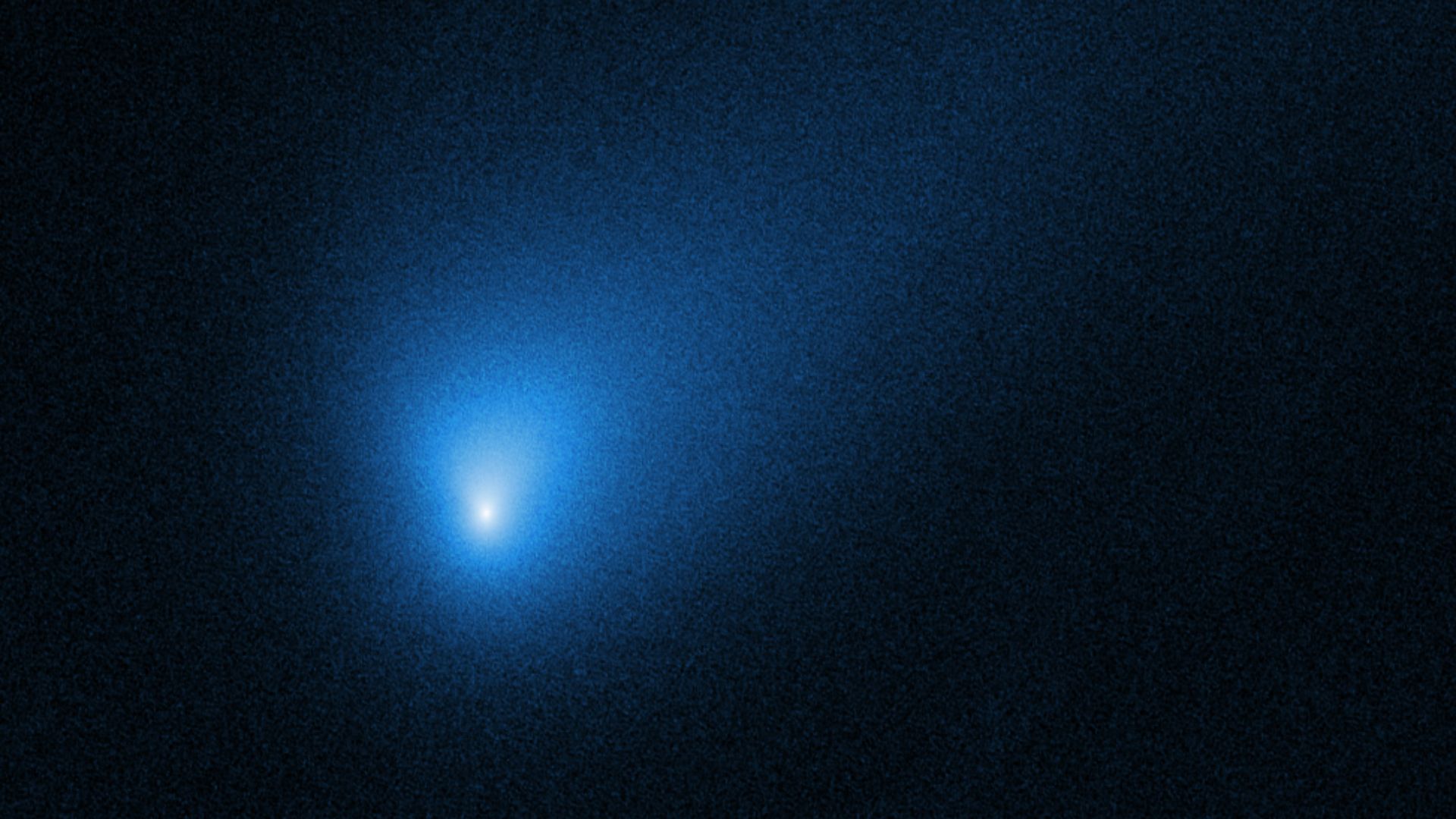
The interstellar visitor joins an exclusive club with 1I/ʻOumuamua and 2I/Borisov. Unlike Borisov, a clear comet, 3I/ATLAS displays anomalies, and unlike 1I/ʻOumuamua, it’s massive. These comparisons serve as signals for astronomers to refine their expectations for future detections.
 NASA, ESA, and D. Jewitt (UCLA), Wikimedia Commons
1I/ʻOumuamua’s Puzzling Acceleration Revisited
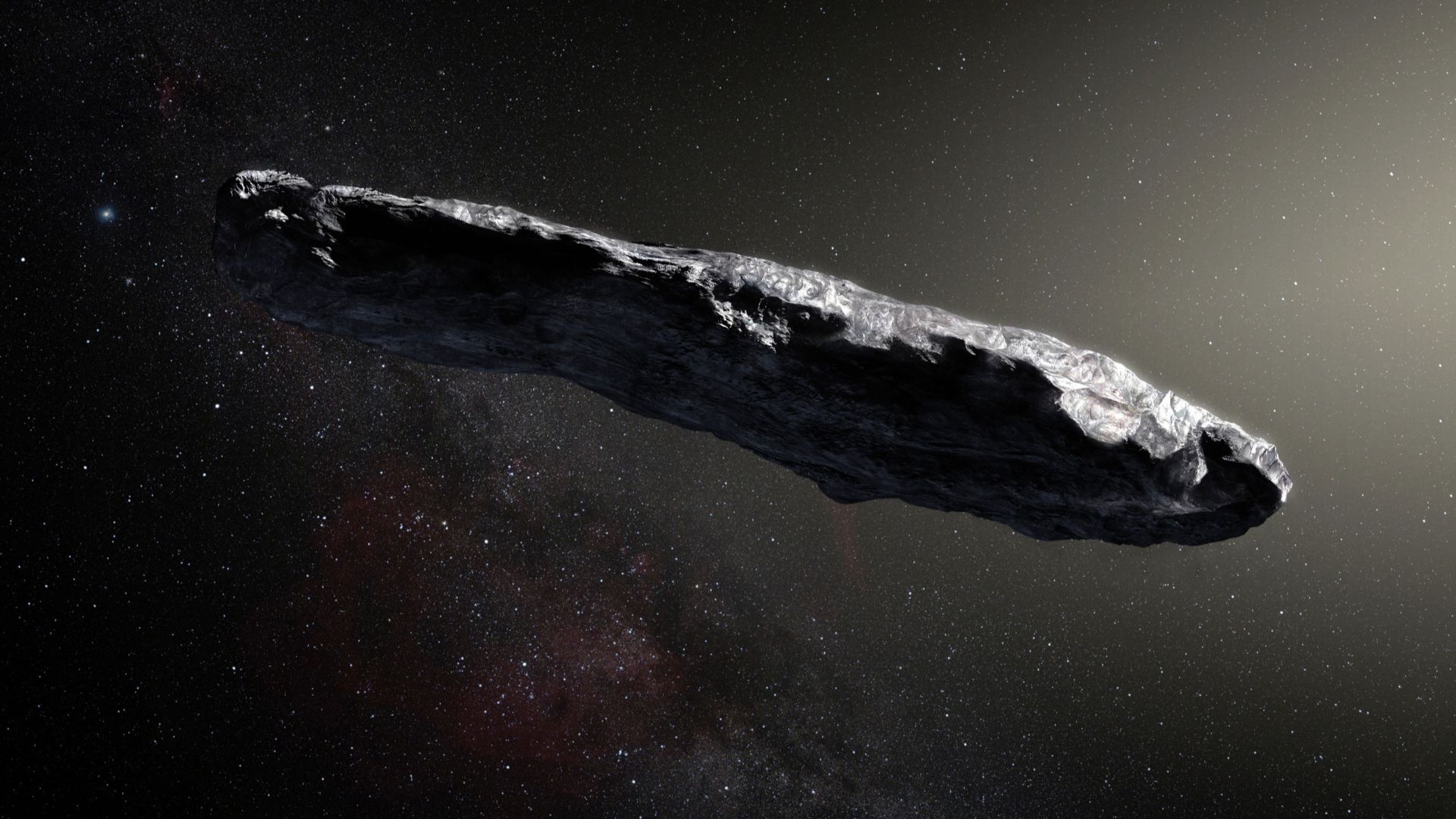
Back in 2017, 1I/ʻOumuamua astonished observers with unexplained acceleration. It gained speed without visible jets or debris, leaving theories in its wake. By revisiting those mysteries now, researchers examine whether 3I/ATLAS shares similar traits—or charts a wholly different course through space.
Comet Or Craft? The Case For A Natural Explanation
Most astronomers still classify 3I/ATLAS as a comet. Natural explanations include sublimating ice, complex dust emissions, or sunlight interacting with its surface. Such mechanisms routinely account for strange appearances, which is why many scientists ground their arguments in proven astrophysical models.
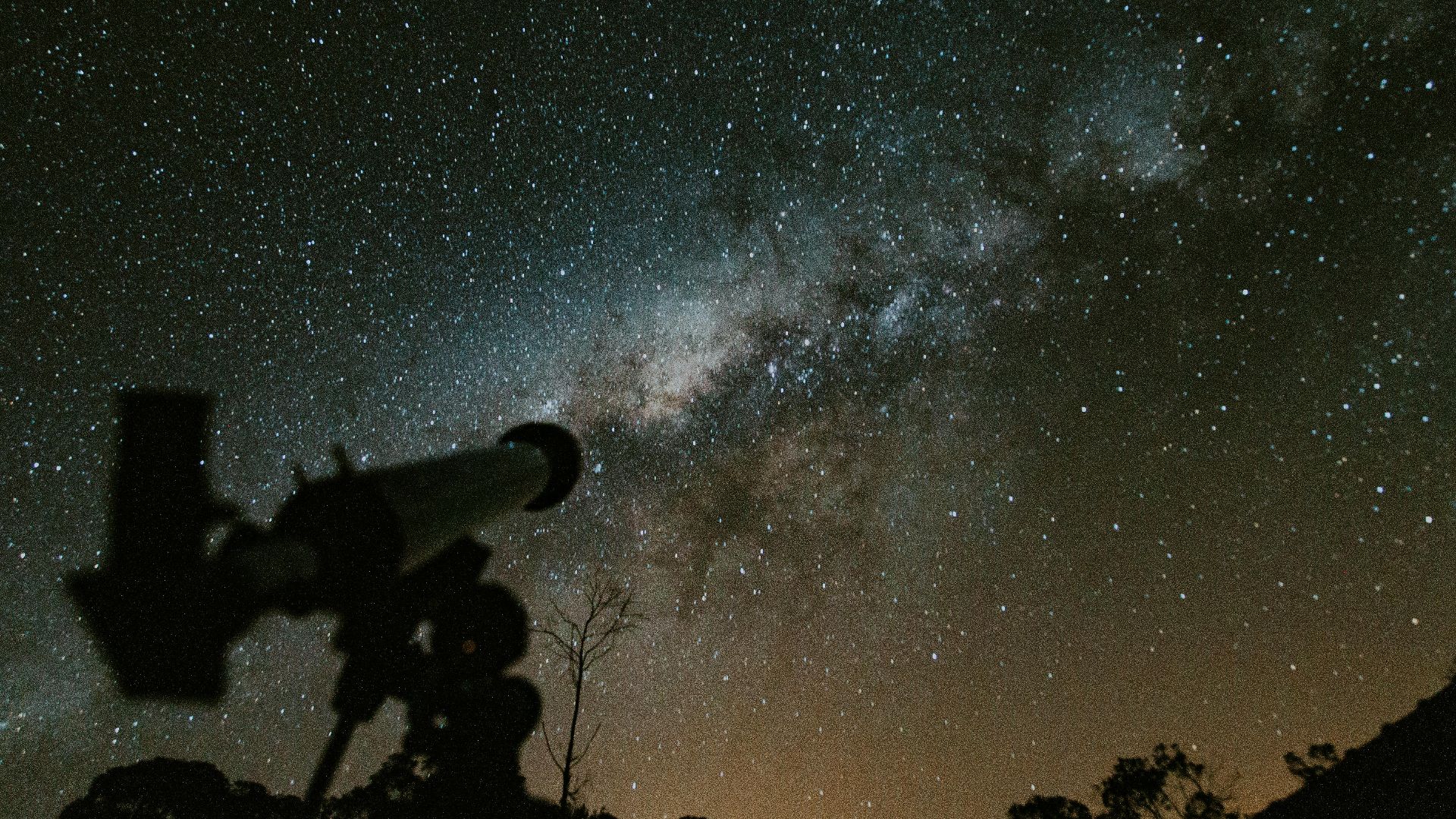
Gas And Dust Emissions Suggest A Cometary Coma
Telescopes detected diffuse emissions near the object, forming a hazy envelope around it. That feature, known as a coma, often surrounds comets when they near the Sun. Such evidence strengthens the argument for 3I/ATLAS being a natural body rather than engineered hardware.
Why Some Astronomers Remain Firmly Skeptical
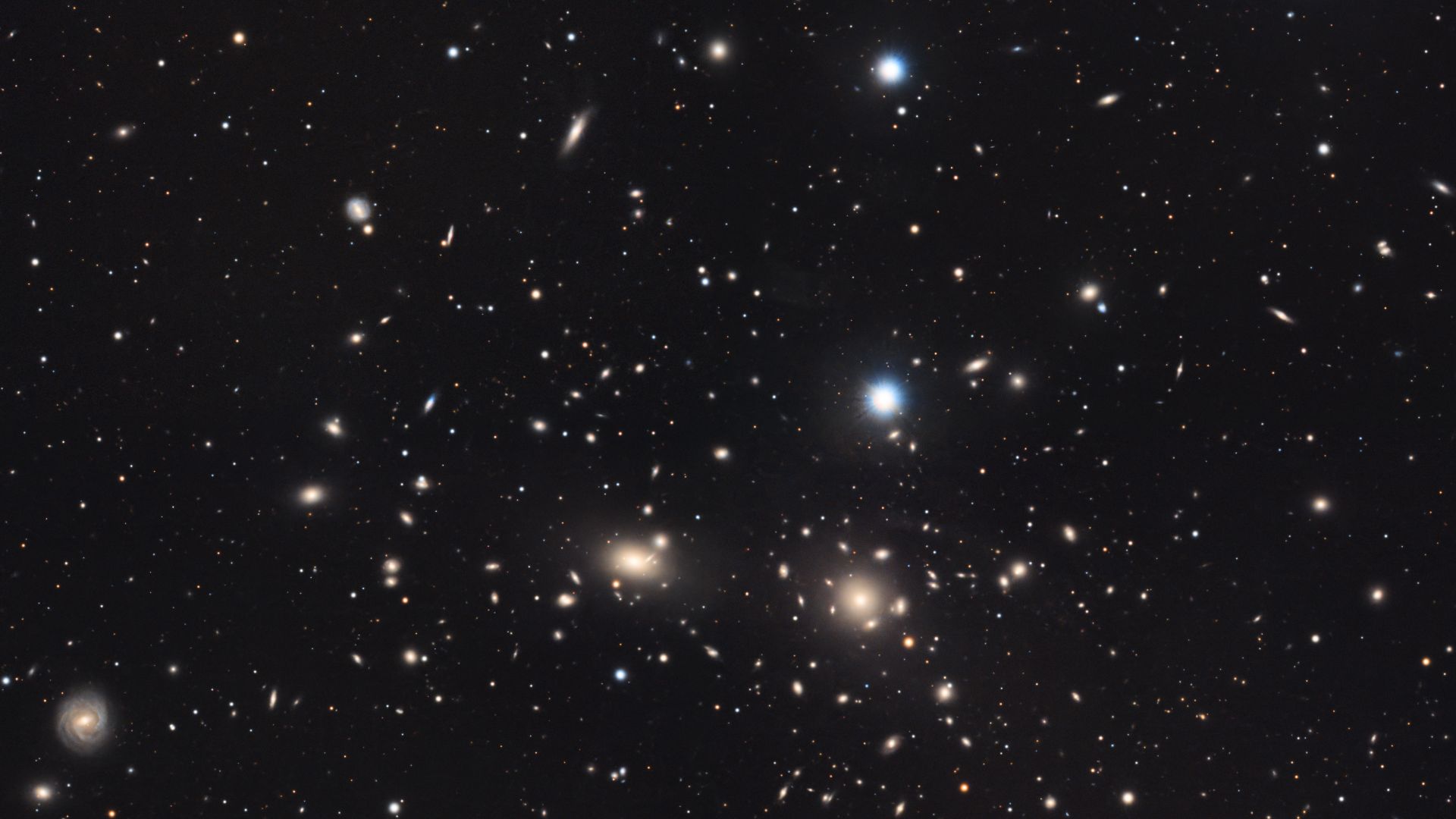
Skepticism drives science forward, and many experts remain unconvinced by alien-craft arguments. They stress that natural phenomena should be exhausted first. While the object appears unusual, skeptics remind you that Earth’s astronomical record is filled with surprises later explained conventionally.

Extraordinary Claims Require Extraordinary Evidence
Carl Sagan’s maxim echoes loudly here: every dramatic idea must be supported with verified data. Without direct samples, spectroscopy, or intercept missions, extraordinary claims remain unproven. Evidence—testable and concrete—is the bedrock of separating wonder from fact in cosmic discoveries.
 Kenneth C. Zirkel, Wikimedia Commons
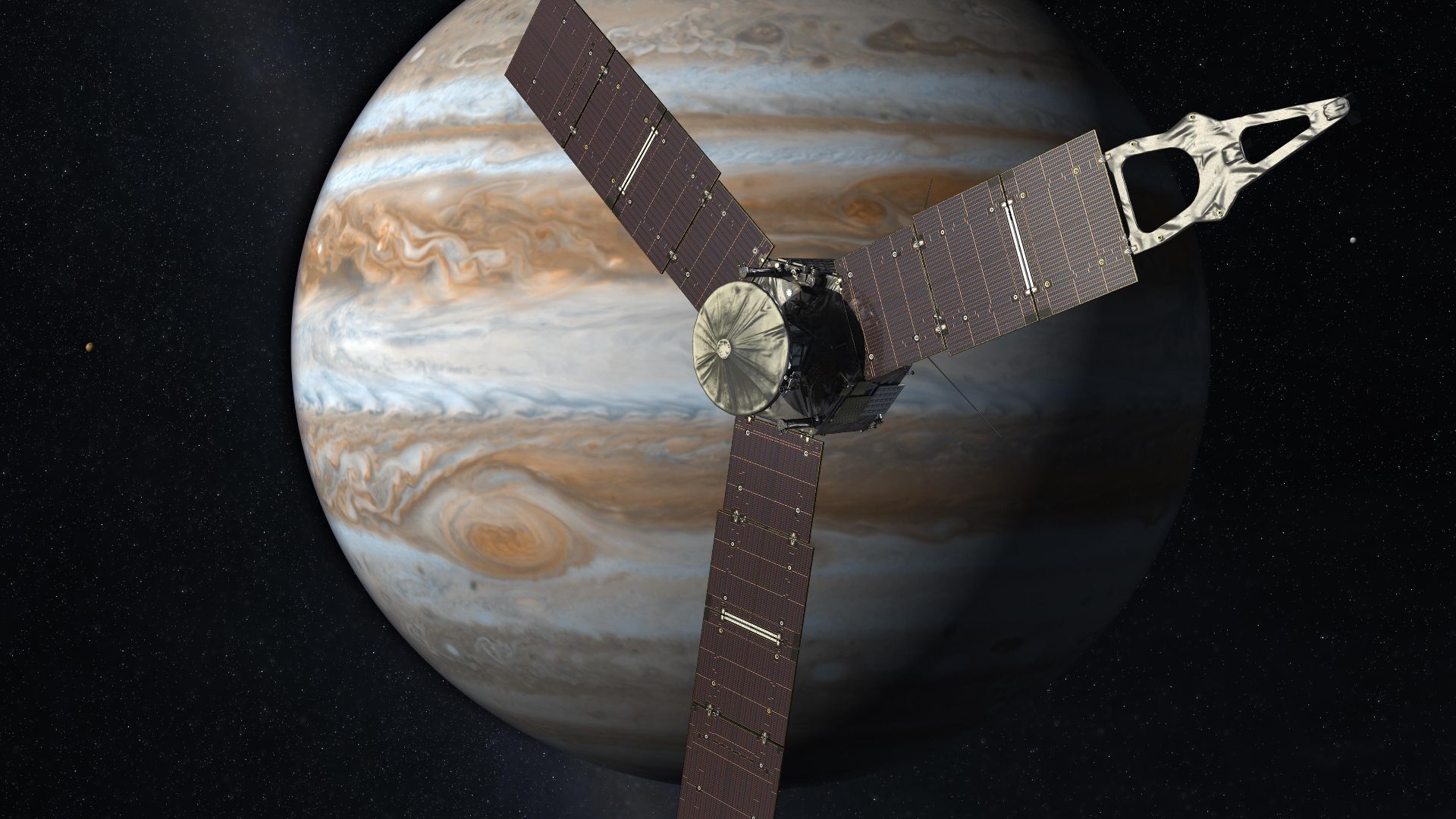
Loeb Proposes Repurposing NASA’s Juno Mission
Loeb and colleagues suggested redirecting NASA’s Juno spacecraft toward 3I/ATLAS. Juno currently orbits Jupiter, equipped with instruments that could reveal composition and structure. A daring redirection would have tested whether existing technology can double as an interstellar probe chaser.
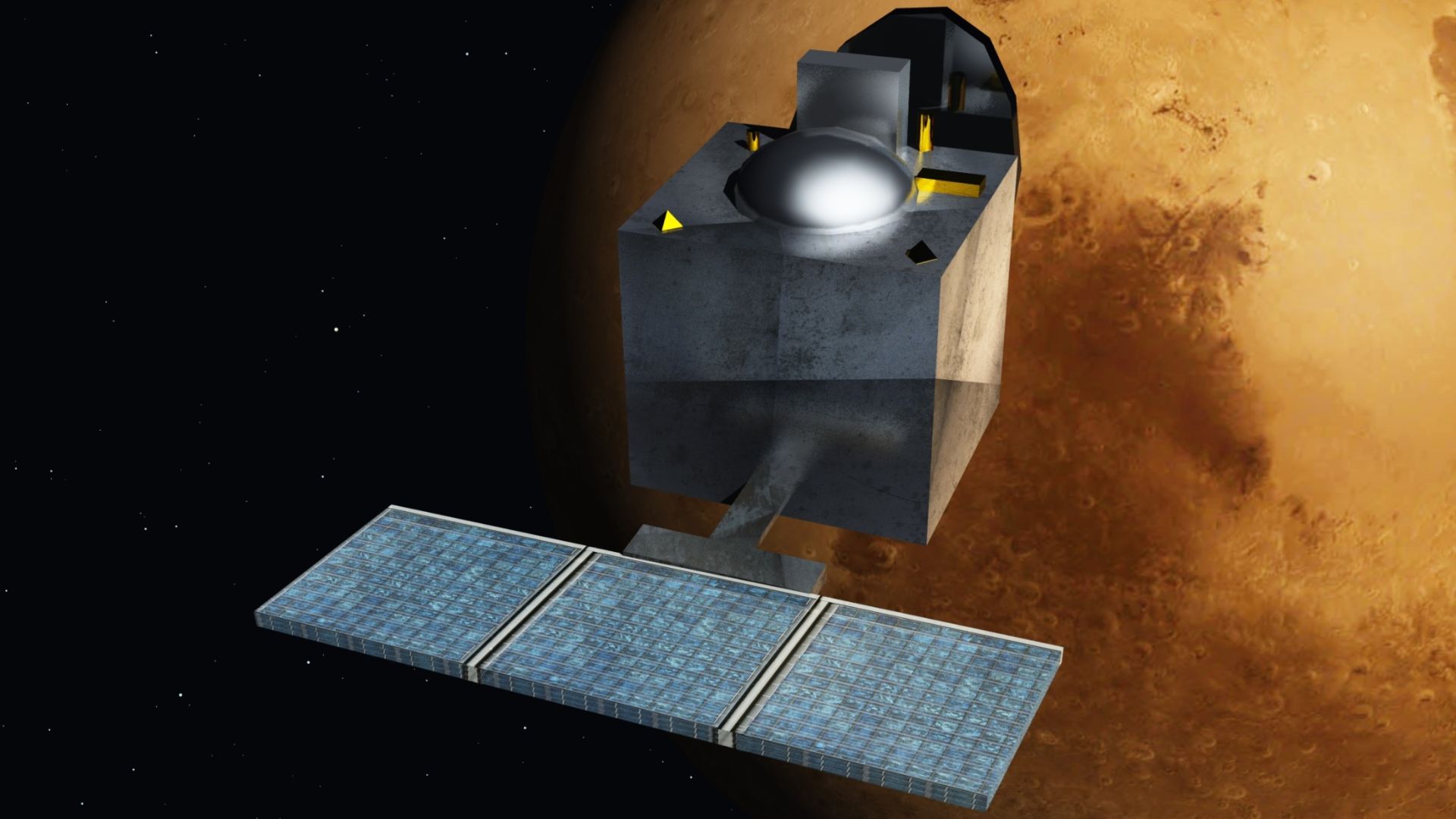
Mars Orbiters Could Help Intercept The Object
Beyond Juno, orbiters circling Mars also surfaced as candidates for closer observation. These spacecraft, already surveying the Red Planet, might pivot to capture data during flyby windows. Their cameras and sensors could supply precious readings of a once-in-a-lifetime interstellar traveler.
The Galileo Project’s Role In Investigating Anomalies
Founded by Loeb, the Galileo Project dedicates itself to studying unexplained aerial and astronomical phenomena. Its researchers advocate rigorous, systematic searches for anomalies. By incorporating 3I/ATLAS into its framework, the project pushes to analyze the object with the same intensity as other sky oddities.
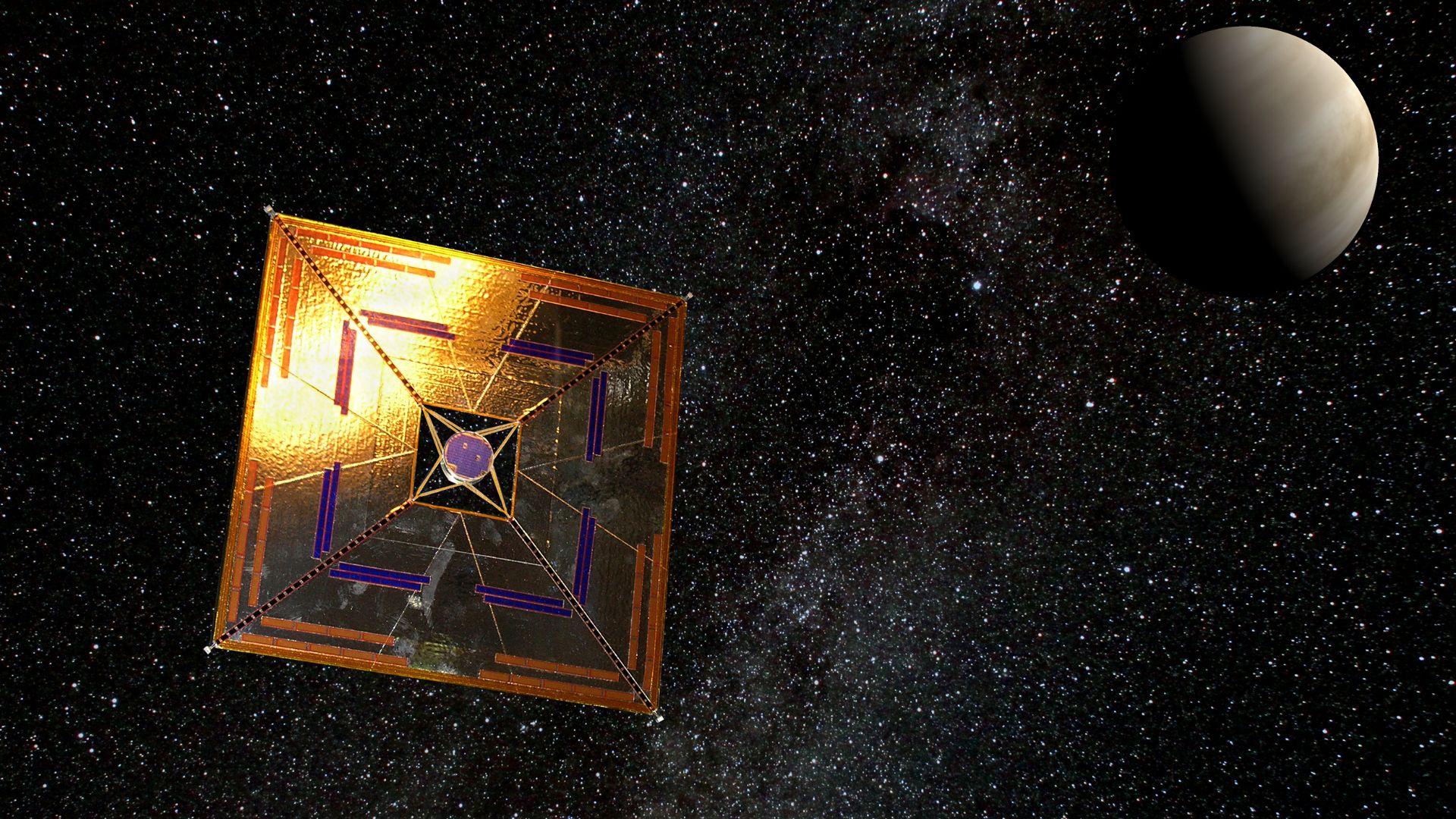 Andrzej Mirecki, Wikimedia Commons
Could 3I/ATLAS Be A Probe Surveying Inner Planets?
Some scientists noted its successive planetary encounters resembled a survey. Flybys of Venus, Earth, Mars, and Jupiter mirror paths used in robotic missions. Whether by chance or not, the sequence sparked lively debate about whether reconnaissance is built into its unusual route.
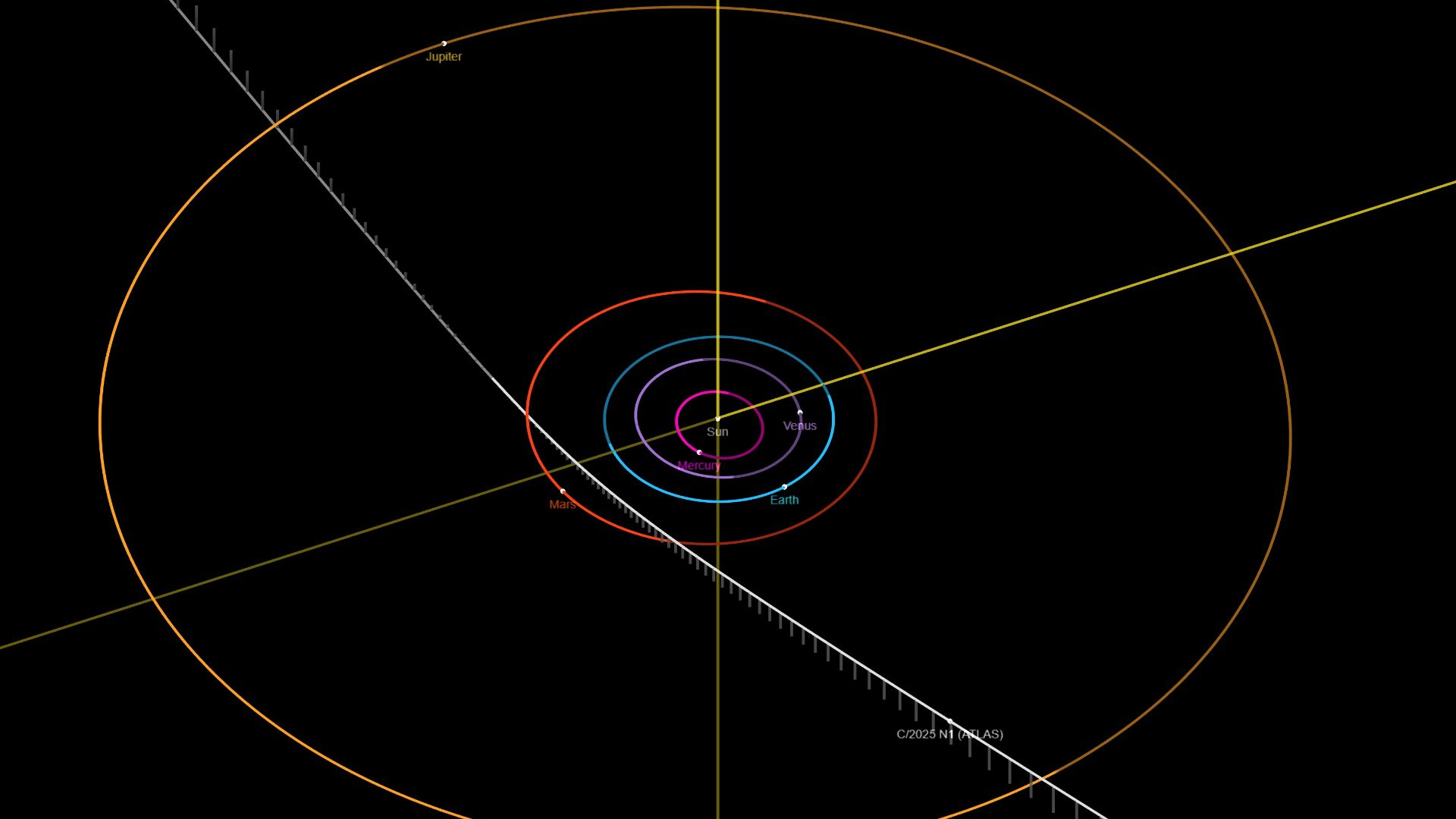 NASA/JPL-Caltech, Wikimedia Commons
How Past SETI Searches Influence Today’s Thinking
Decades of radio surveys by the Search for Extraterrestrial Intelligence (SETI) color today’s discussions. While most searches yielded silence, they primed scientists to recognize anomalies. The framework of expecting the unexpected prepares researchers to evaluate 3I/ATLAS with sharper, more critical lenses.

Timeline Of 3I/ATLAS’s Approach And Exit From The Solar System
3I/ATLAS raced into view in mid-2025, peaking in brightness as it neared perihelion. Over months, it swung past the inner planets before heading outward. Soon, it will exit the solar system permanently. Until then, astronomers watch closely before that window closes forever.
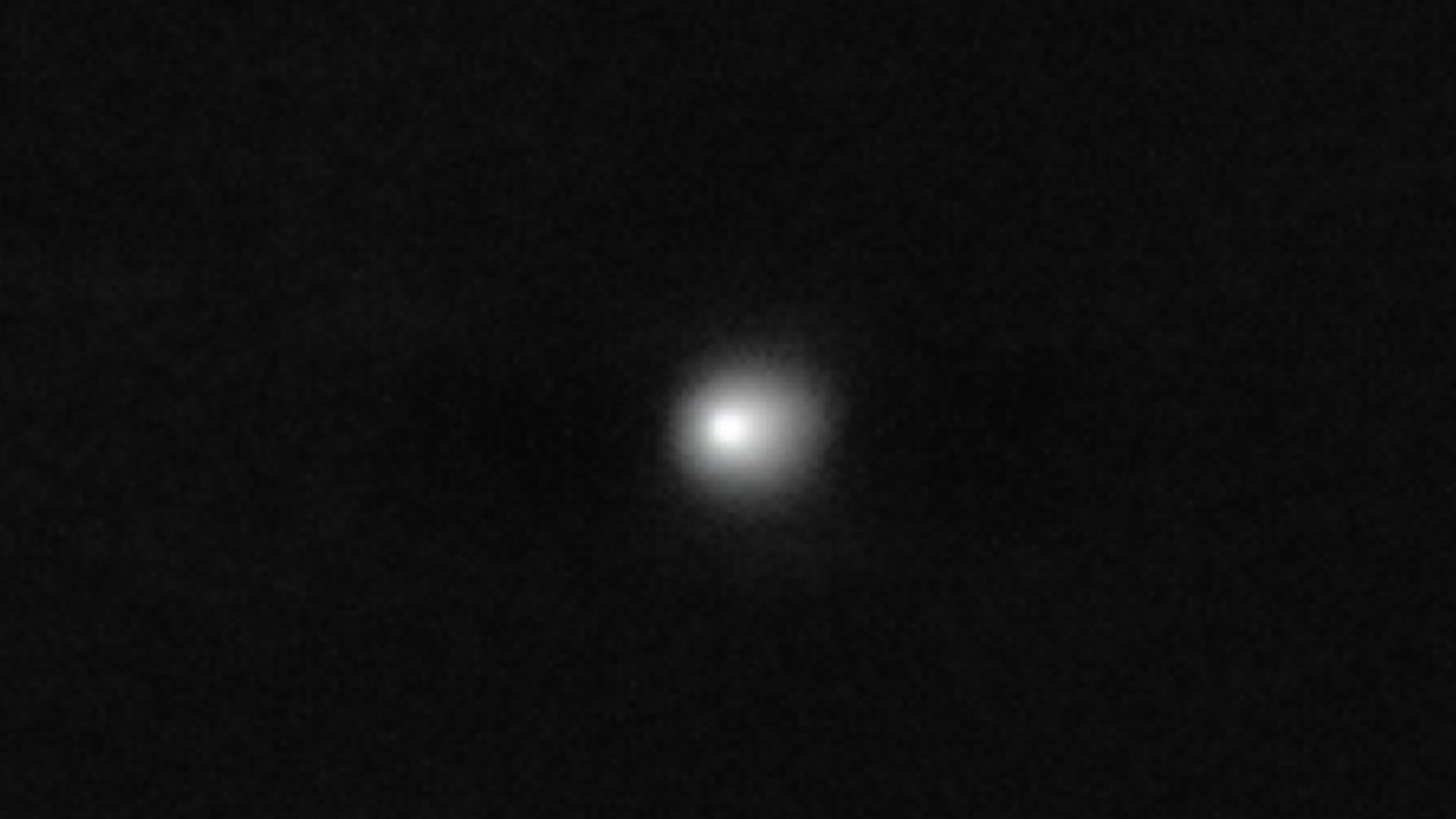 ESO/O. Hainaut, Wikimedia Commons
What We Know For Sure Vs What Remains Pure Speculation
Astronomers agree: 3I/ATLAS is interstellar, massive, and fleeting. Whether it is a comet or another UFO, such as an alien craft, its exact nature remains unknown. The line between fact and speculation stands sharp, and until direct missions reveal more, the mystery keeps scientists and dreamers equally captivated.