Beyond The Shroud Of Human Memory
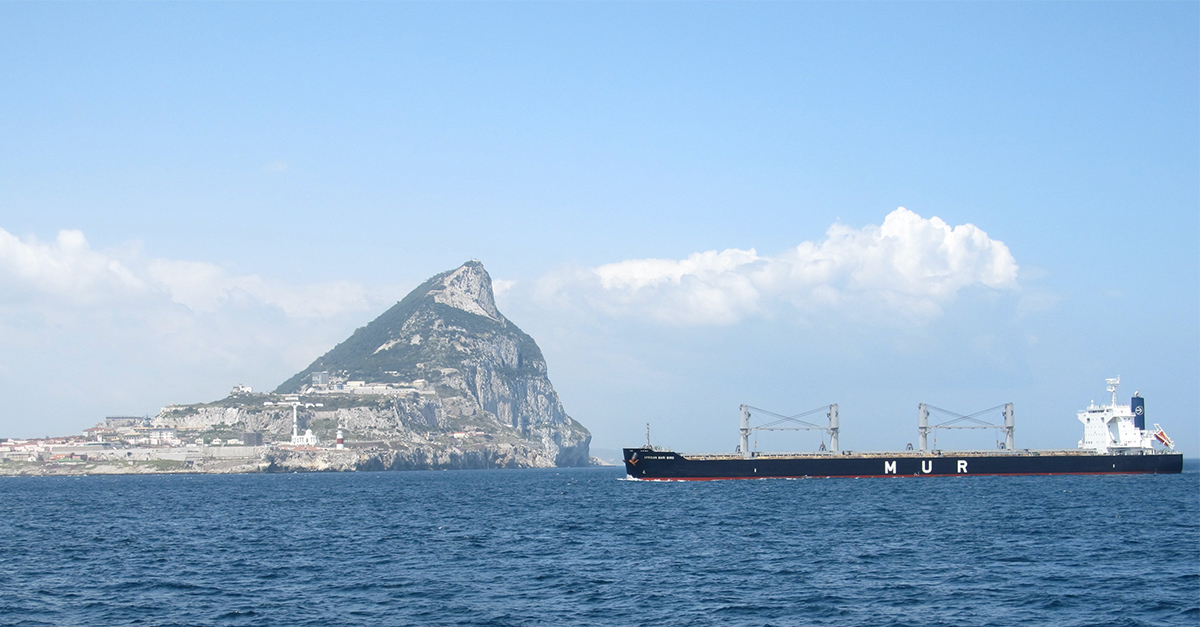
From prehistoric caves to a symbol of imperial dominance, the Rock of Gibraltar has stood solidly as witness to more than 300,000 years of human history. The towering limestone edifice has sheltered ancient hominids, inspired Greek myths, fortified the boundaries of empires, and been at the strategic crossroads between Africa and Europe. Its natural wonder and colorful past make it one of the most fascinating places on Planet Earth.
Limestone Giant
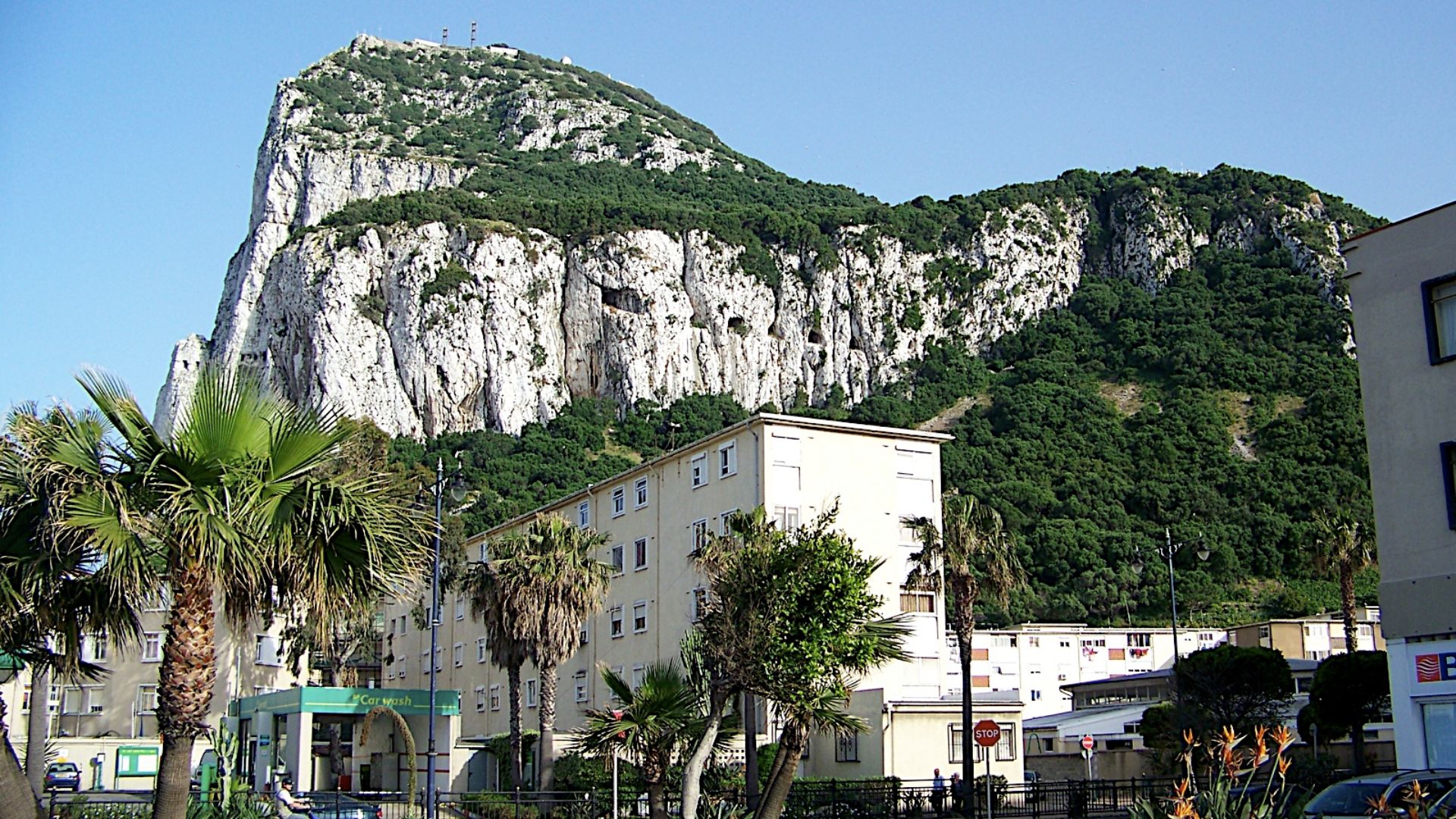
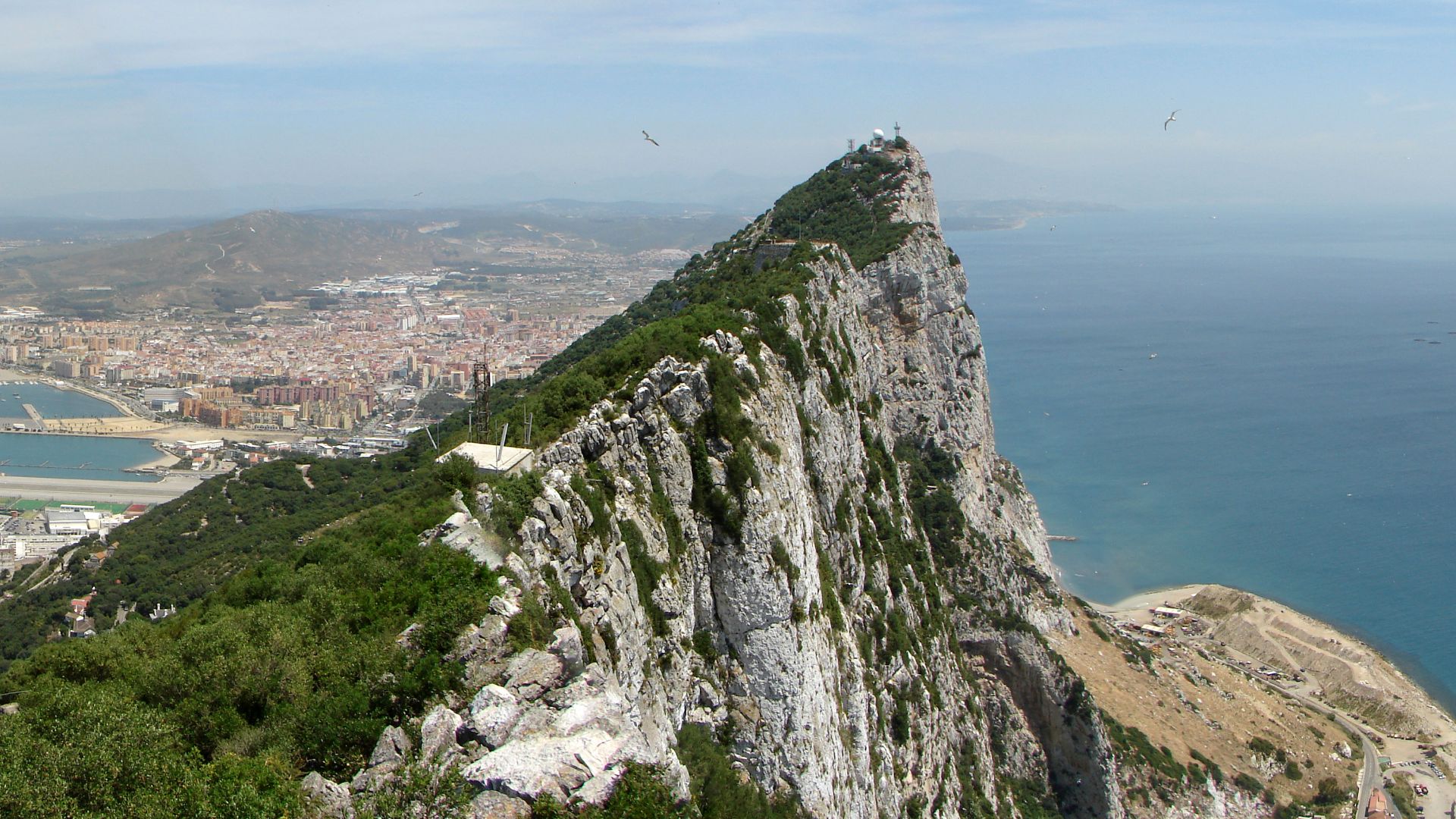
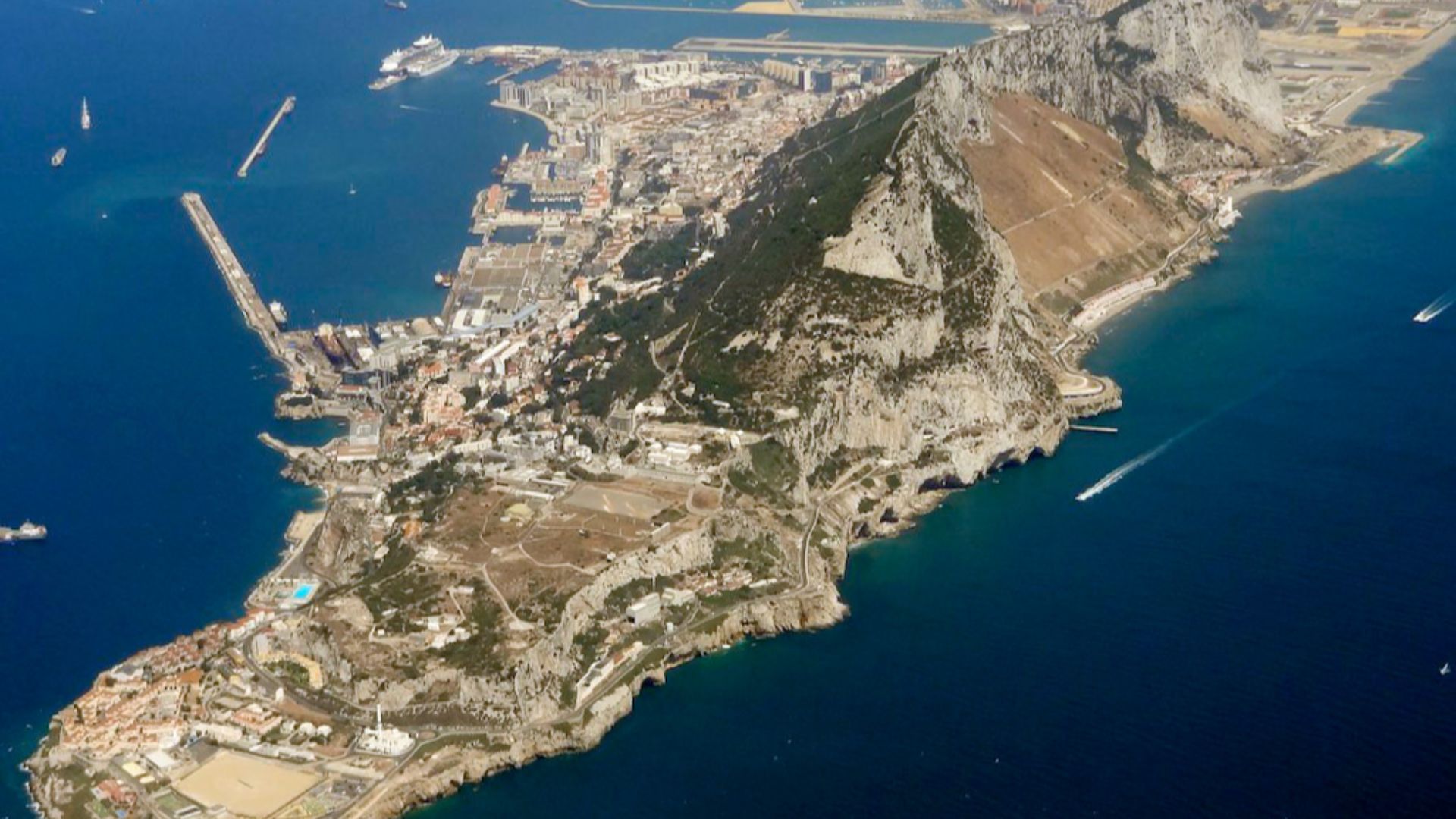
The Rock of Gibraltar is a monolithic limestone promontory 426 meters (1,400 feet) tall dominating the western passage from the Mediterranean into the open waves of the Atlantic Ocean. Rising sharply above sea level, its breathtaking cliffs and extensive rabbit warren of internal cave systems have made it a natural fortress and a constant magnet for human habitation over deep time.
 Nathan Harig, Wikimedia Commons
Geological Time Capsule
The Rock was formed from the accumulation of limestone on an ancient seafloor that was uplifted by tectonic collision. Rainwater erosion carved hundreds of caves into its looming bulk over millions of years, preserving fossil remains and archaeological materials. The unique geological conditions created ideal shelters that helped preserve evidence of prehistoric life and early humans.
The Echo Of Deep History
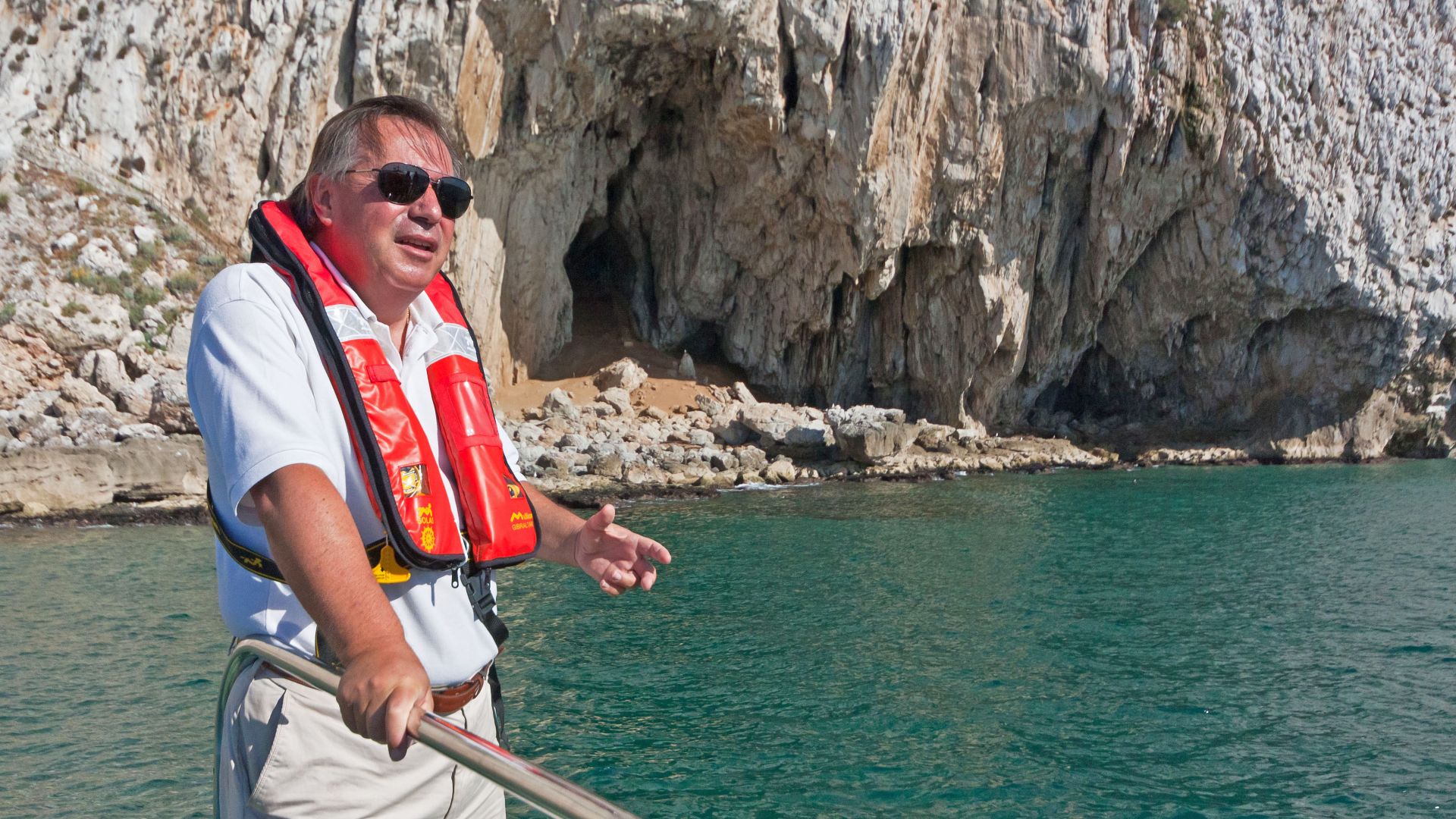
Gibraltar’s caves, including Gorham’s and Vanguard Caves, contain layered evidence of human occupation stretching back for tens of thousands of years. The sites offer anthropologists incredible glimpses into climate change, diet, and behavior across an amazing span of prehistoric history.
Last Stand Of The Neanderthals
Gibraltar is now thought to be one of the last refuges of the Neanderthals in Europe. Archaeological evidence suggests that they survived here longer than they did in other parts of Europe, exploiting coastal resources like shellfish to help survive the harsh and unpredictable Ice Age climates.
 Paul Fuller, Wikimedia Commons
The Skull That Changed Science
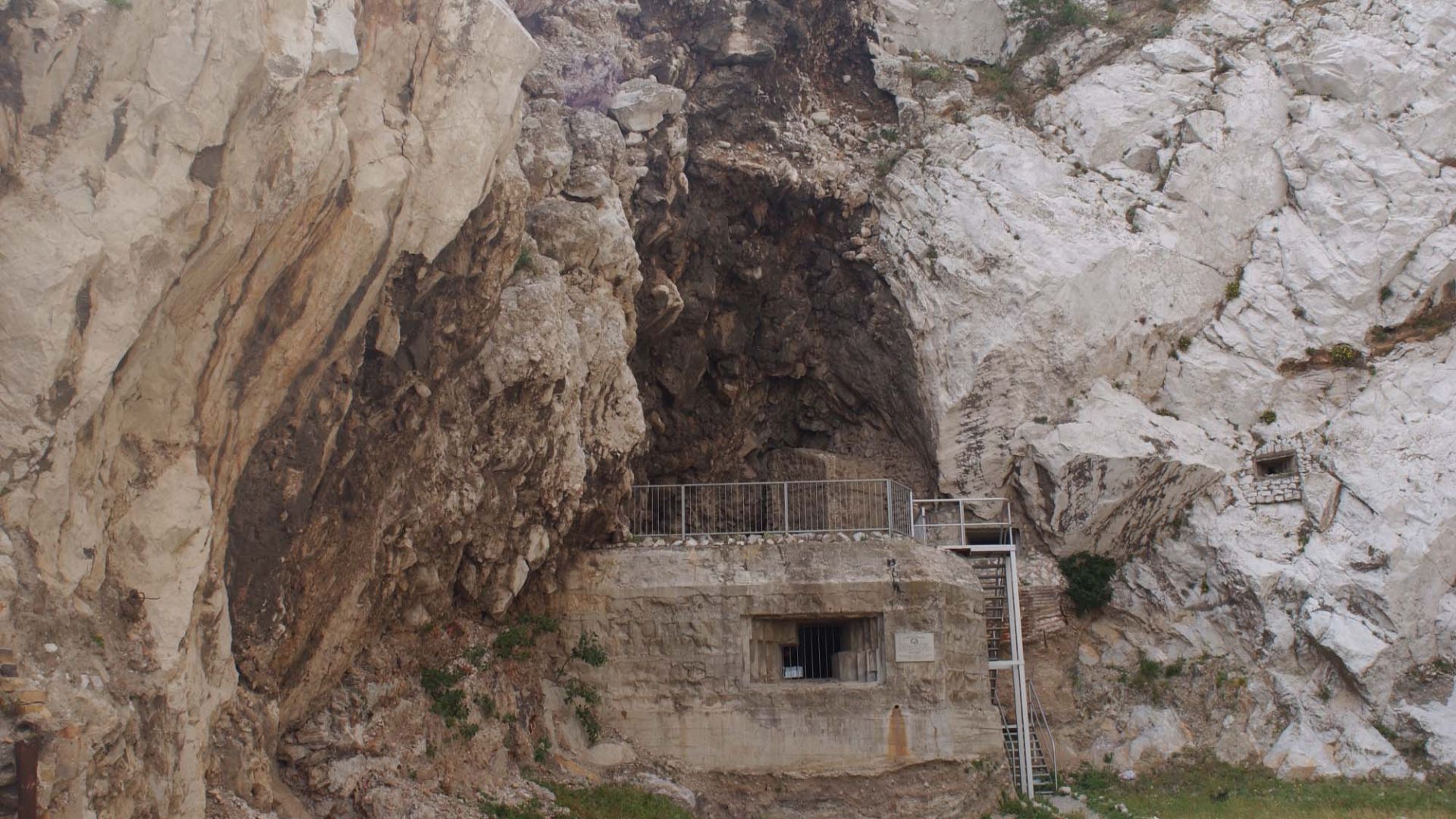
In 1848, a Neanderthal skull found at Forbes’ Quarry in Gibraltar became one of the earliest known hominid fossil finds. Although most overlooked the find or even scoffed at its significance, it later proved to be indispensable in establishing Neanderthals as a separate human species. The discovery places the rock of Gibraltar at the very beating heart of evolutionary science.
Caves Give More Proof
Further discoveries, including a child’s skull at Devil’s Tower Cave, only strengthened the historical thread of evidence of prolonged Neanderthal habitation. These finds revealed early peoples’ complex survival strategies, social structures, and ability to adapt in one of the human race’s closest extinct relatives.
 Unknown authorUnknown author, Wikimedia Commons
Modern Humans Take Up Residence
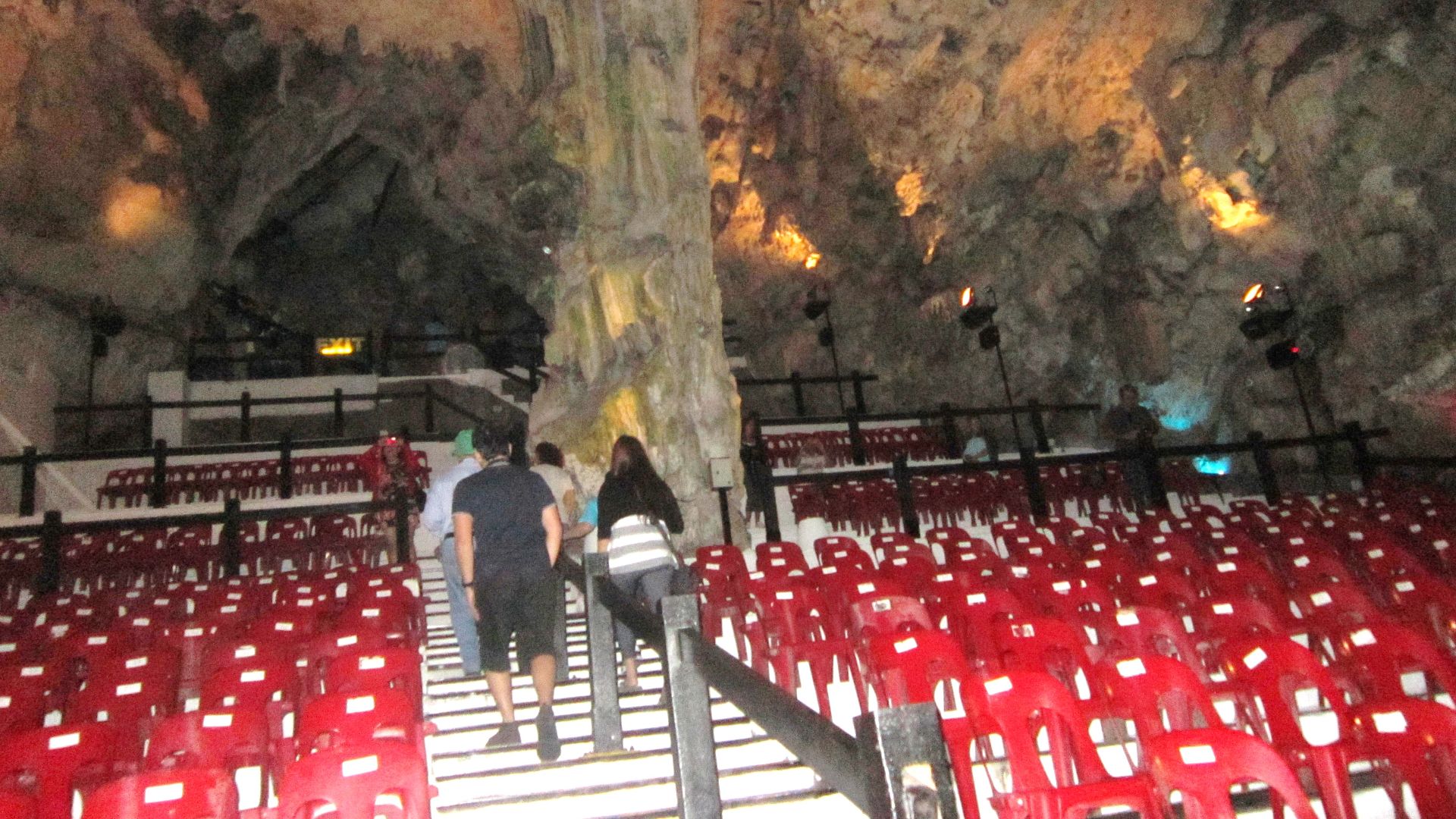
After Neanderthals sadly disappeared from the windswept plains of history, modern humans took up residence in Gibraltar’s caves. Tools and hearth remains show a continuity of habitation that only deepens and accentuates the Rock’s timeless appeal as a natural shelter and resource-rich environment.
 Michelle Maria, Wikimedia Commons
From Landmark To Legend
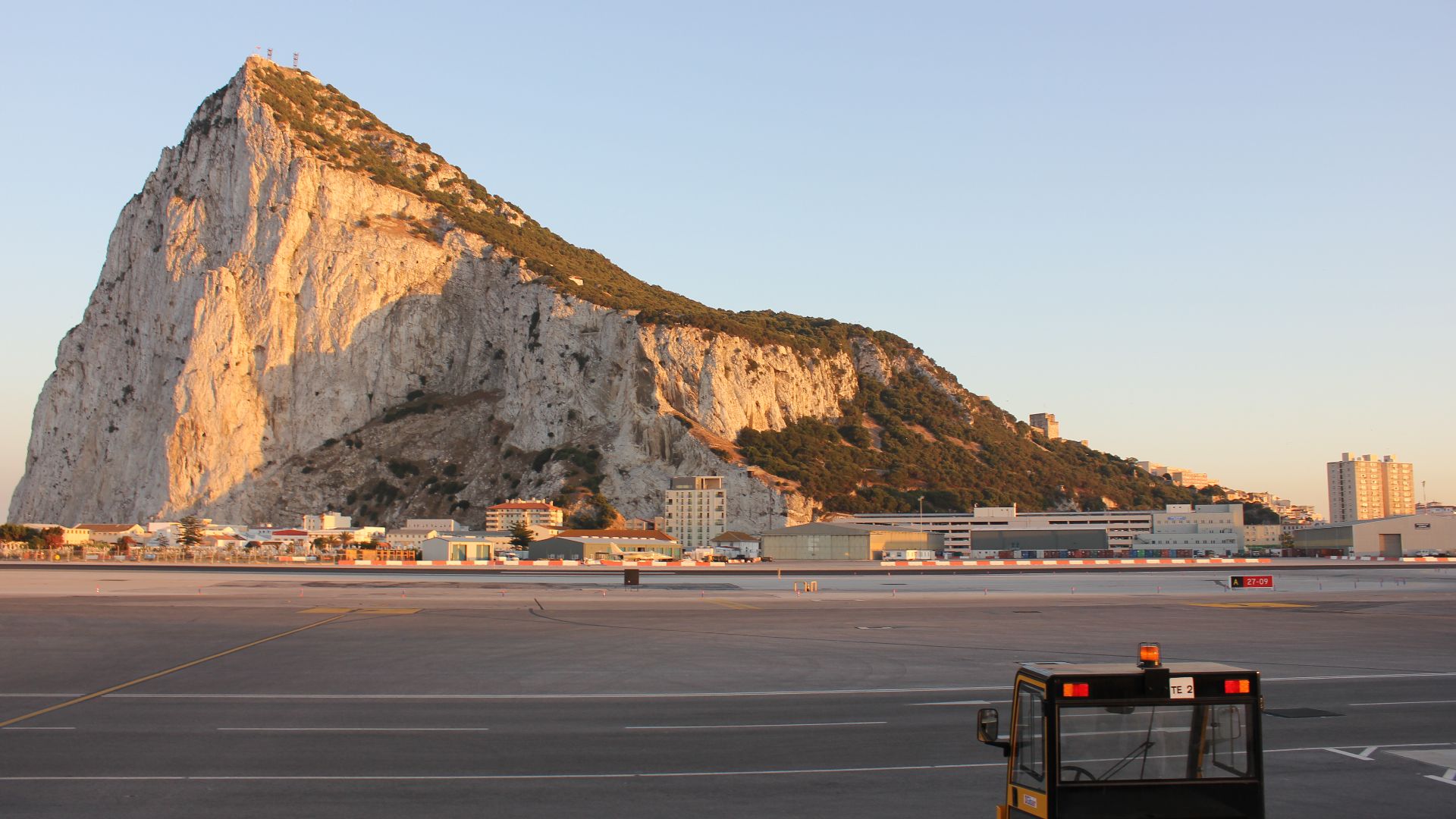
Ancient Mediterranean traders used the Rock as an obvious and helpful navigational marker. Known as Mons Calpe, the landmark was a sailor’s delight and became deeply embedded in classical geography, symbolizing the edge of the known world for sailors intrepid enough to venture beyond familiar waters.
 John Cummings, Wikimedia Commons

History's most fascinating stories and darkest secrets, delivered to your inbox daily.
The Pillars Of Hercules
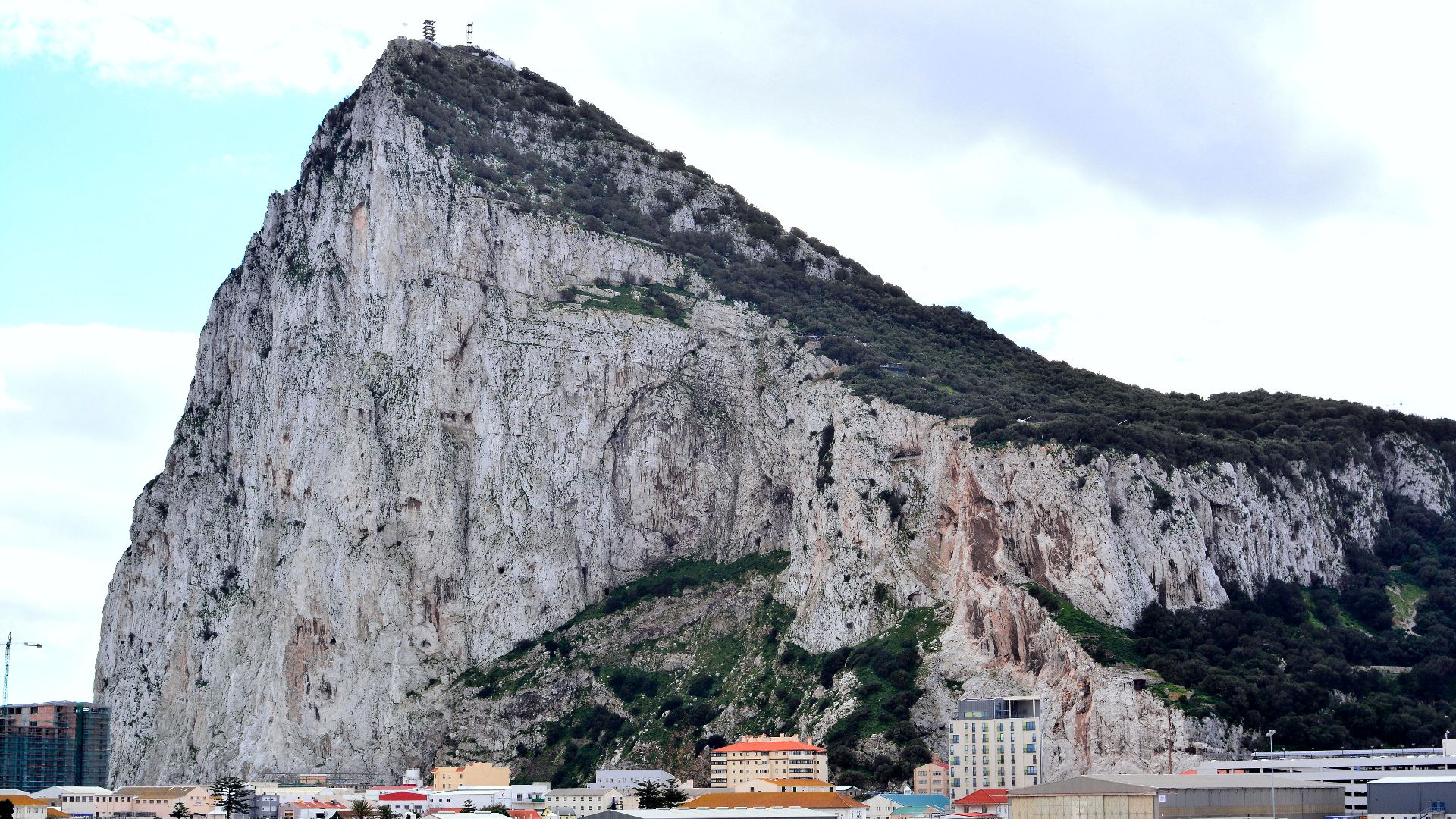
Greek mythology told the tale that the Rock formed one of the Pillars of Hercules, set at the boundary between the known world and the limitless, mysterious expanse of the open Atlantic. The myth was a reflection of the Rock’s psychological and geographic role as the western threshold of the Mediterranean world.
Moorish Arrival
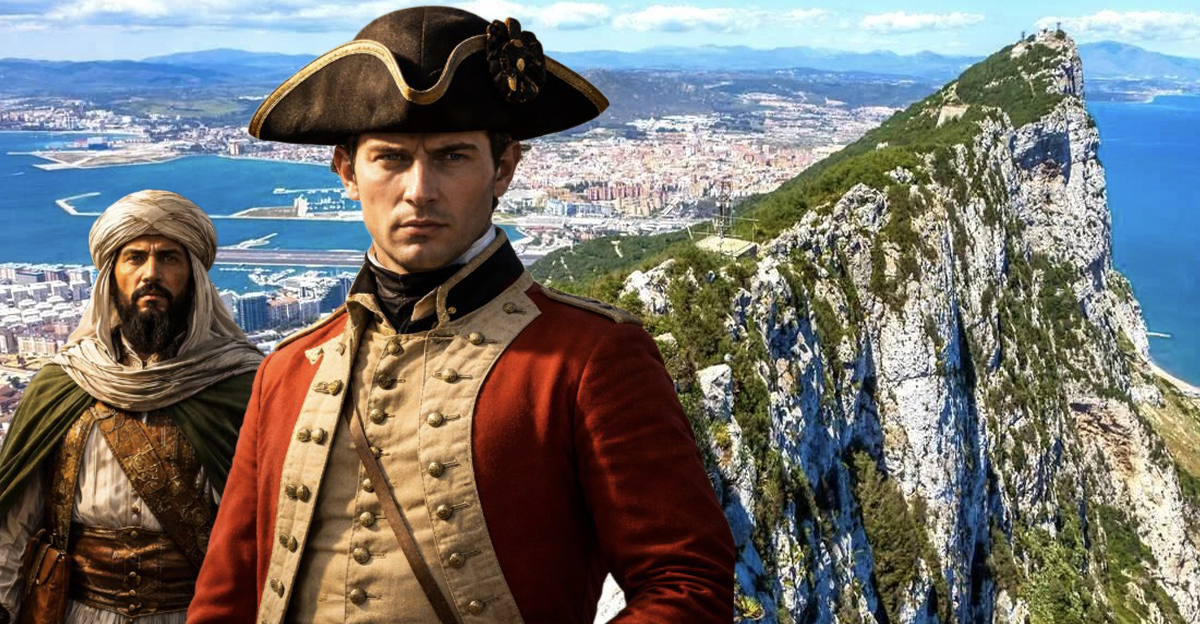
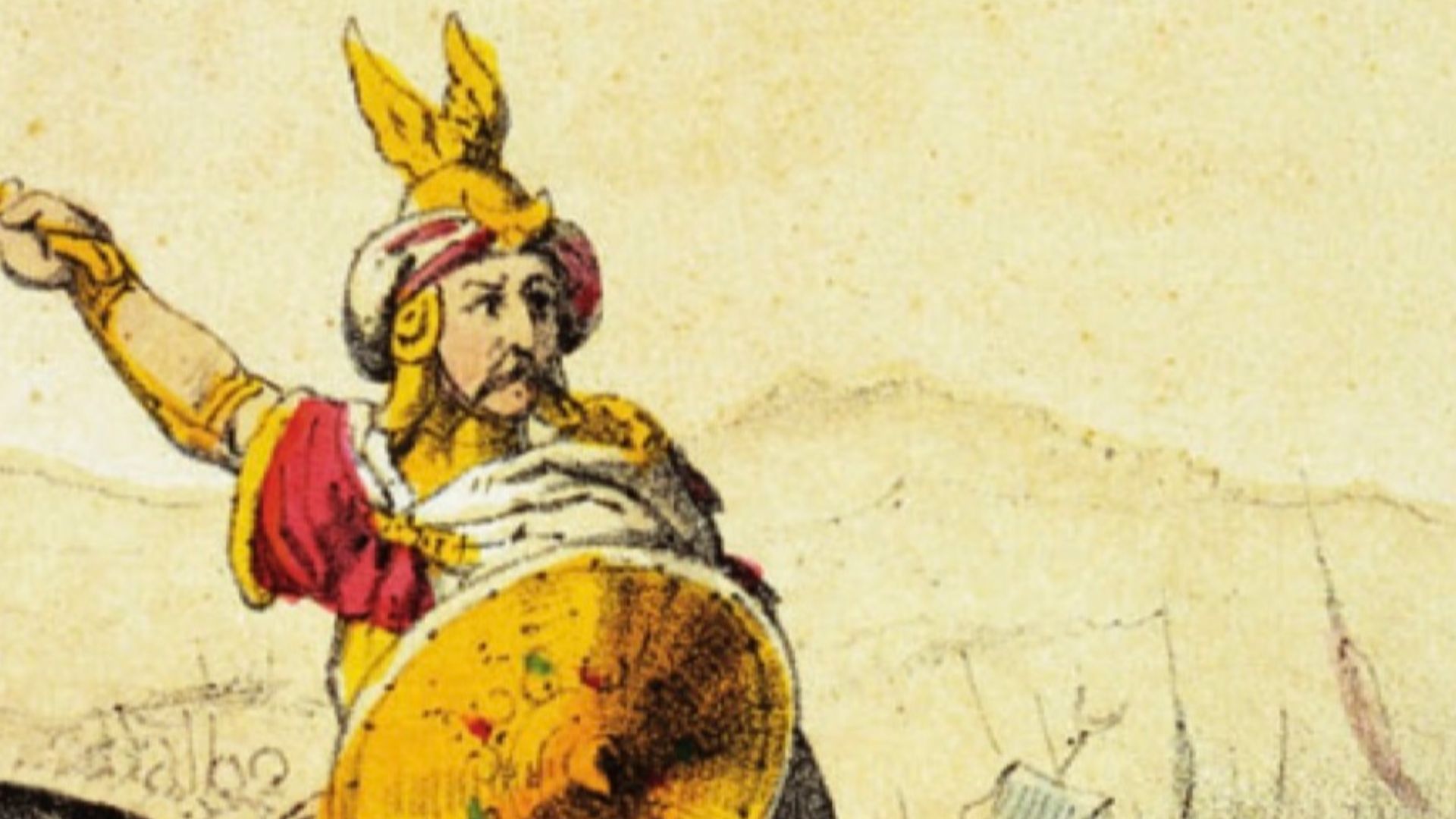
In 711 AD, Muslim forces led by Tariq ibn‑Ziyad came ashore near the Rock after making the short trip across the straits from North Africa. It was the beginning the Islamic conquest of Iberia (Spain and Portugal). The Rock was renamed Jabal Ṭāriq, meaning Mountain of Tariq, a name that later transformed into Gibraltar.
 Theodor Hosemann (1807-1875), Wikimedia Commons
Fortress Rising
Under Moorish rule, Gibraltar was fortified, a feverish phase of construction activity that culminated in the construction of the Moorish Castle. Its Tower of Homage still stands boldly, reflecting centuries of military vigilance and impregnable architectural genius against the crusading hordes of Europe.
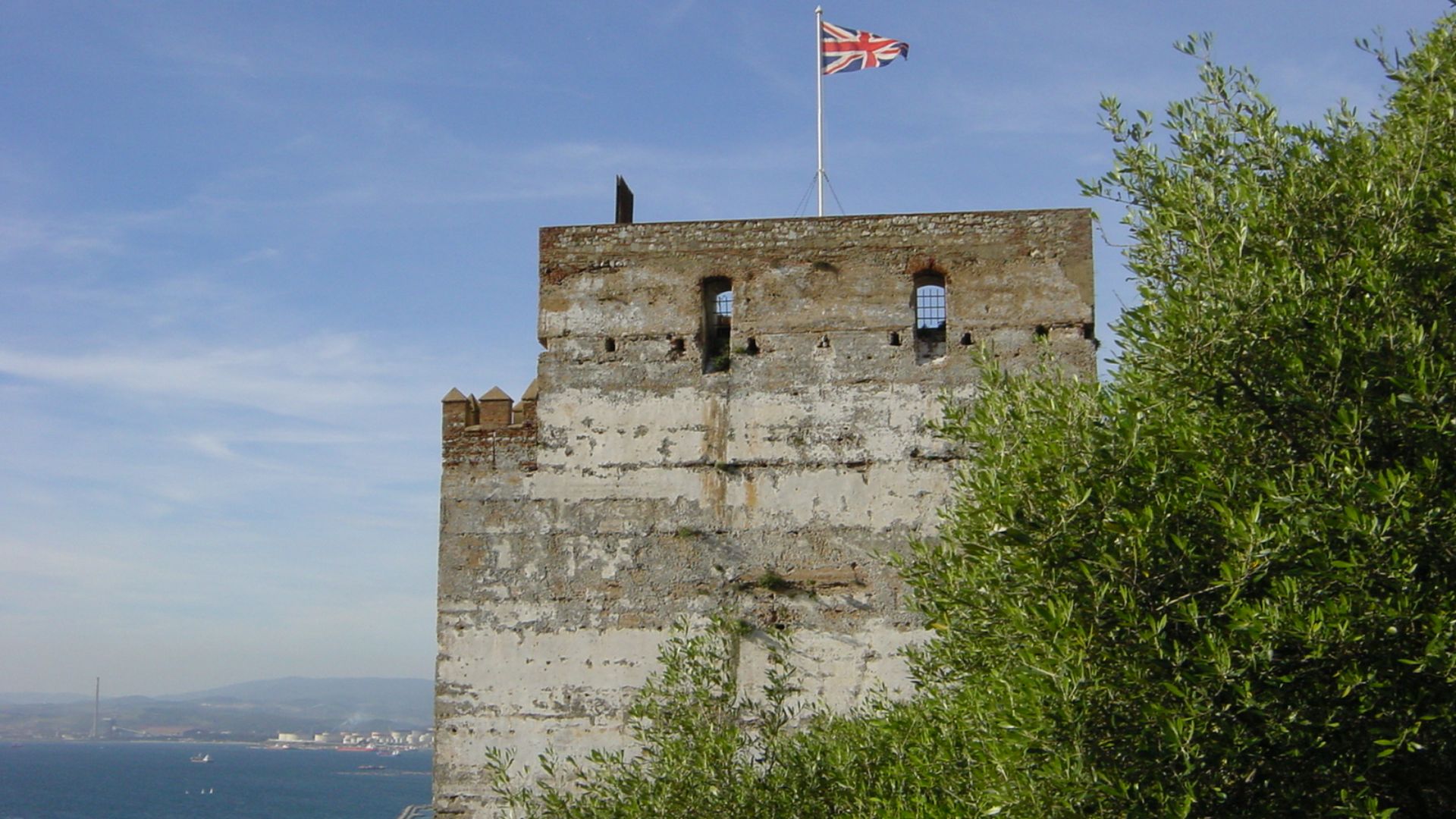 Allie_Caulfield from Germany, Wikimedia Commons
Contested Borderland
Gibraltar changed hands frequently over the span of the Middle Ages as Christian and Muslim powers struggled for supremacy. Its strategic prominence ensured that whoever controlled it, it would be a heavily defended stronghold.
Spanish Control
The last days of the Reconquista saw the Moors expelled from the Spanish mainland in 1492 after more than seven centuries. The Rock of Gibraltar then fell under Spanish dominance. The fortress town was a key part of Spain’s coastal defense network guarding the Mediterranean frontier as the newly forged kingdom of Spain whetted its appetite for conquest in the early 1500s.

Anglo-Dutch Capture
In 1704, Anglo‑Dutch forces under Sir George Rooke seized Gibraltar through military force. This was in the context of the War of the Spanish Succession, a conflict that raged across the European landscape from 1701–1714. This sudden shift of ownership forever altered the balance of power and the Rock’s political identity.
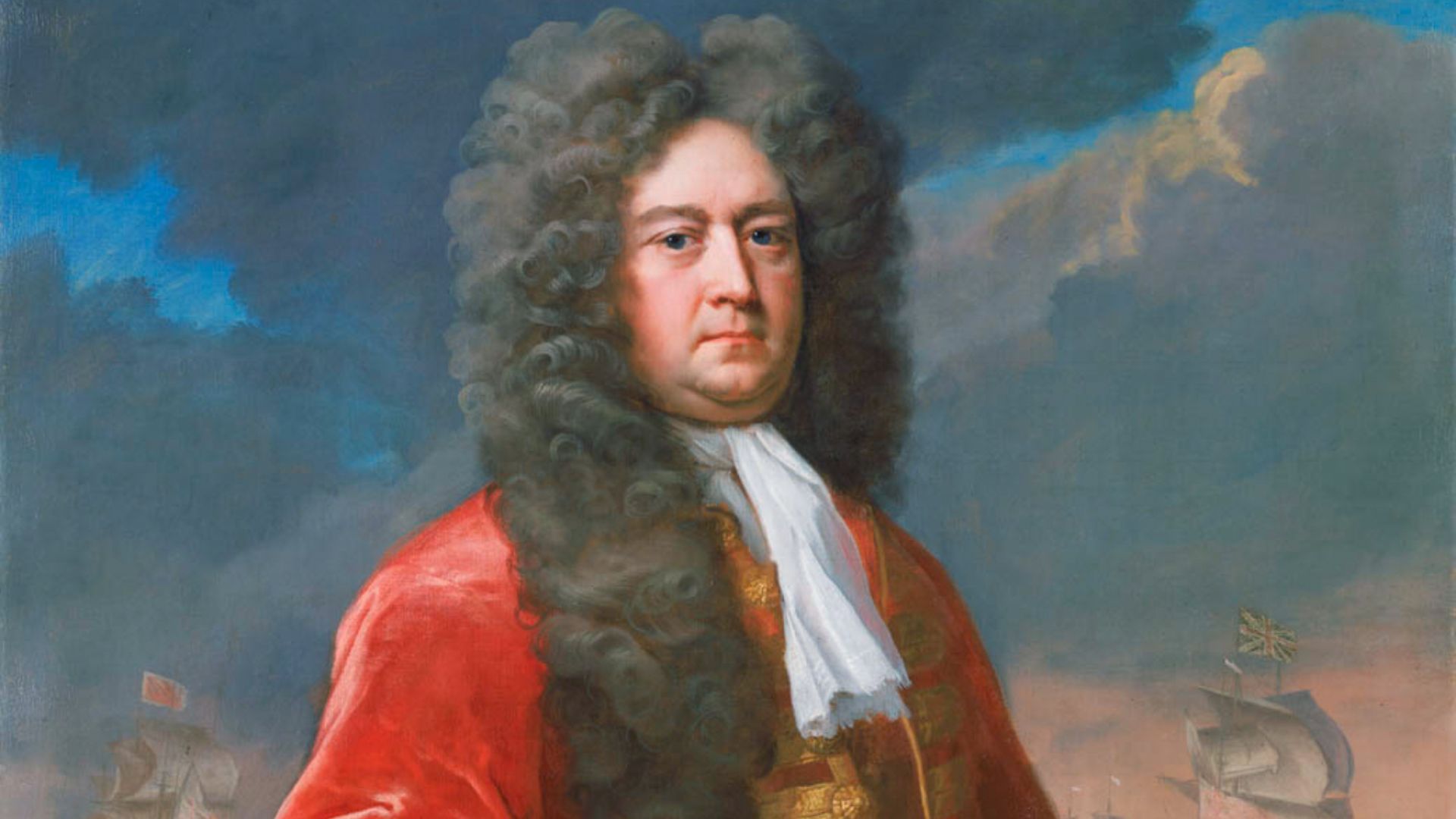 Michael Dahl, Wikimedia Commons
Treaty Of Utrecht
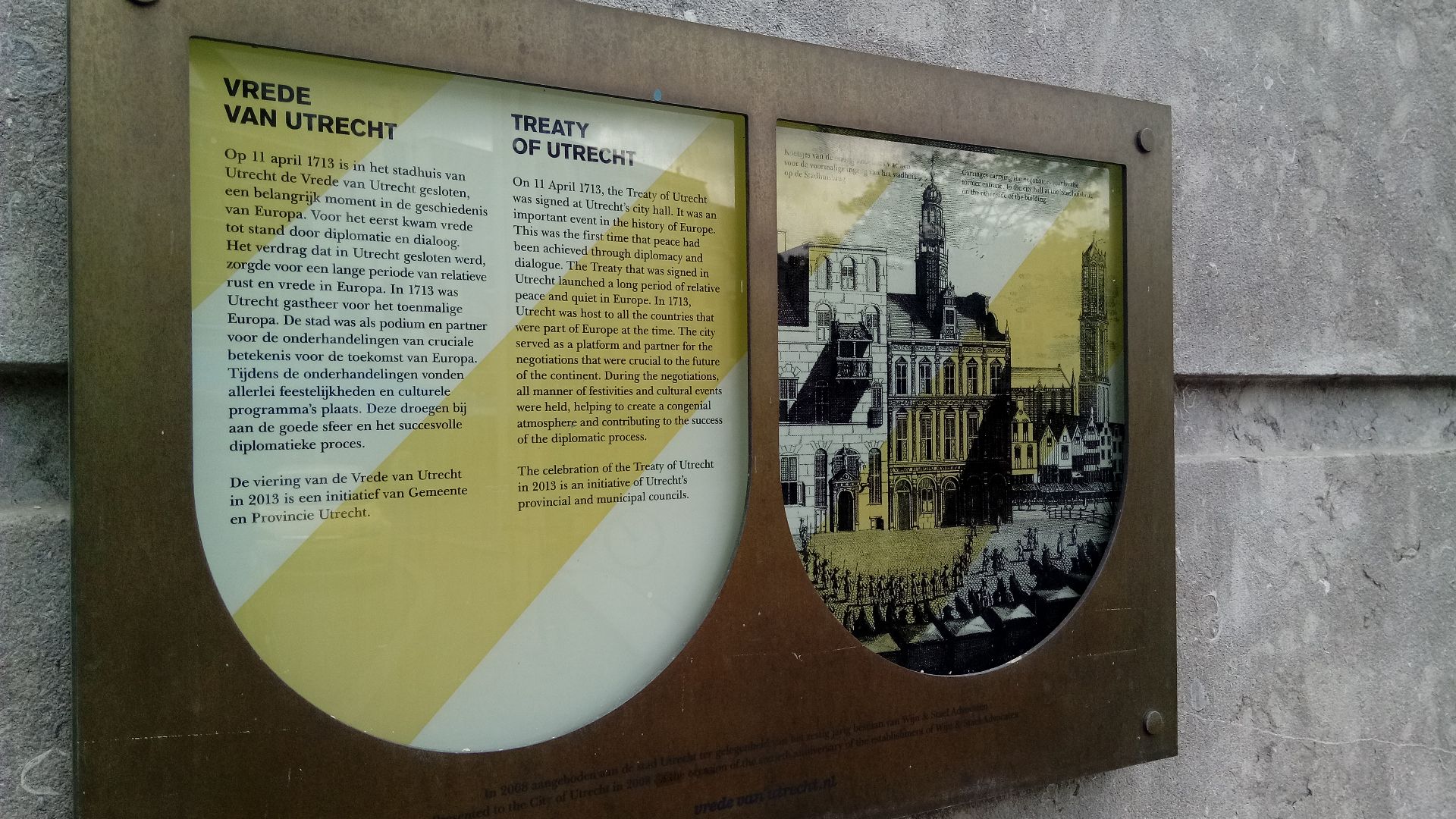
The Treaty of Utrecht in 1713 formally transferred Gibraltar to Britain. Though Spain tried to retain claims, the centuries since the Reconquista against the Moors hadn’t been kind to Spain, which was in the midst of a long slow decline. British sovereignty became permanent.
The Great Siege
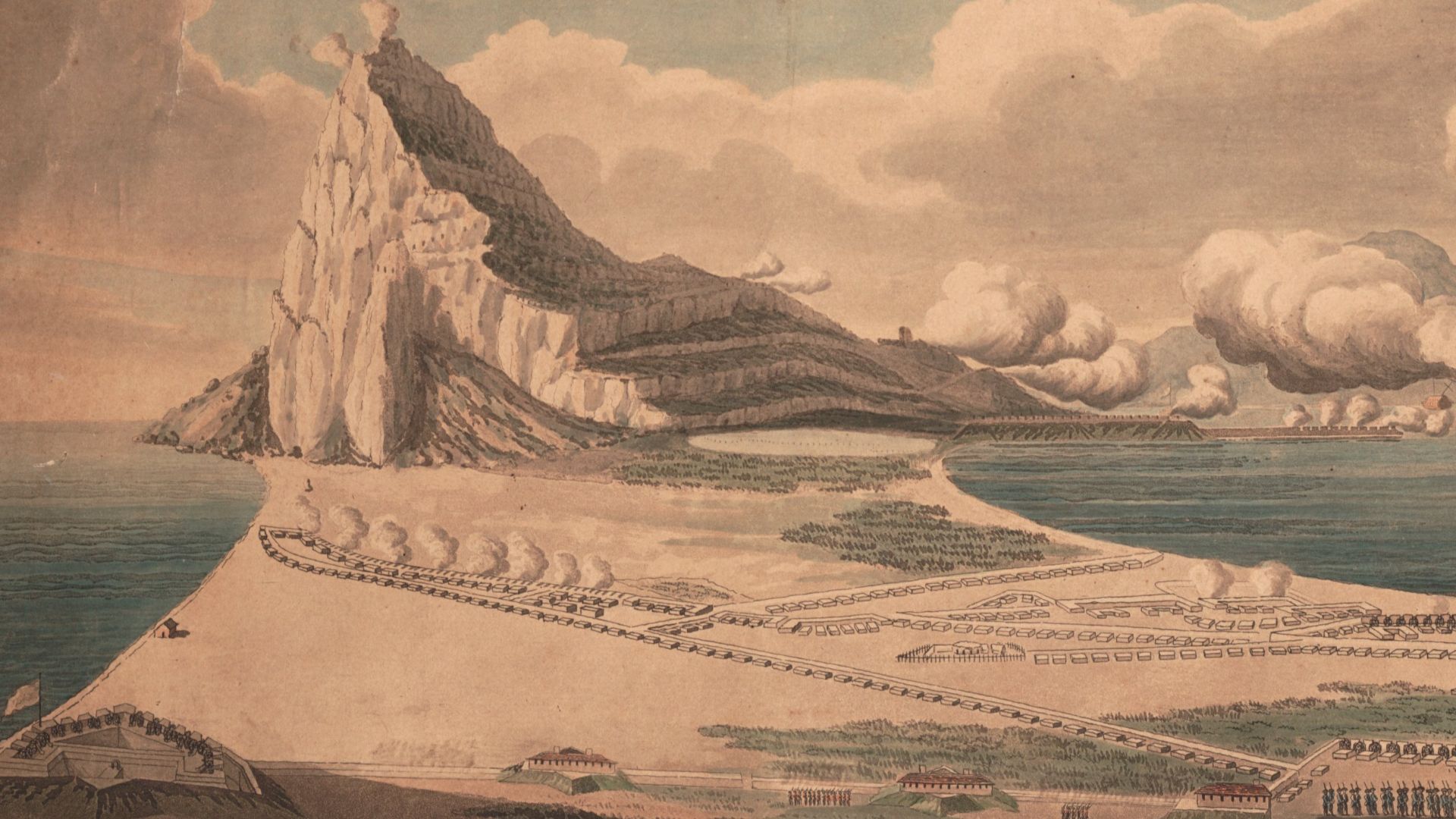
Between 1779 and 1783, Spanish and French forces laid siege to Gibraltar in one of the longest standoffs in European history. British forces endured doggedly, clinging to their hard-won monolith using innovative defenses carved into the very bowels of the Rock itself.
 Author unknown, Wikimedia Commons
Tunnels Of Defense
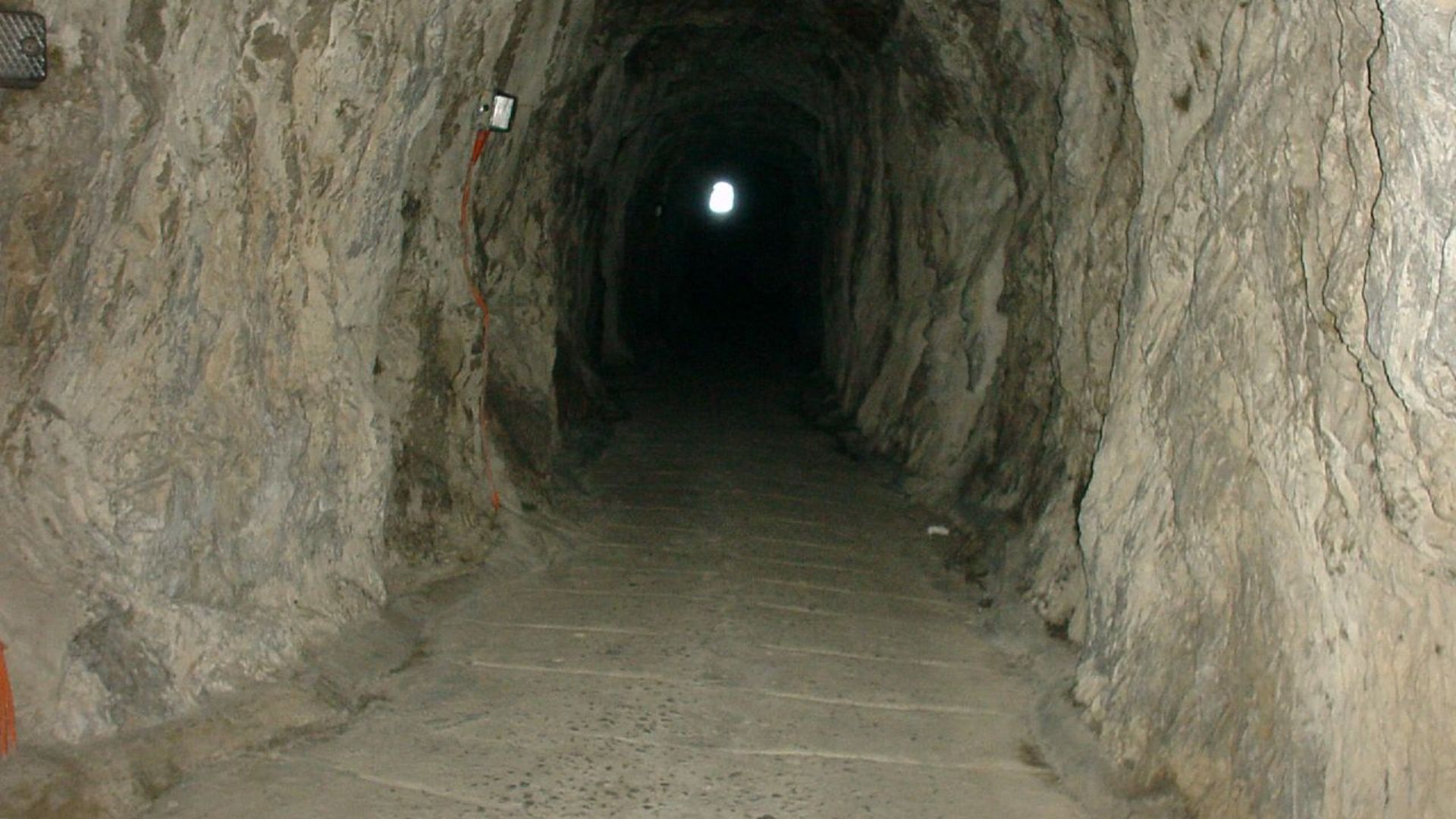
An enterprising corps of British engineers created an extensive tunnel network within the Rock, allowing for strategic artillery placement and rapid troop movements. These tunnels remain a striking example of military ingenuity that we can all learn valuable lessons from even today.
 James Cridland, Wikimedia Commons
Keystone To Britannia’s Rule
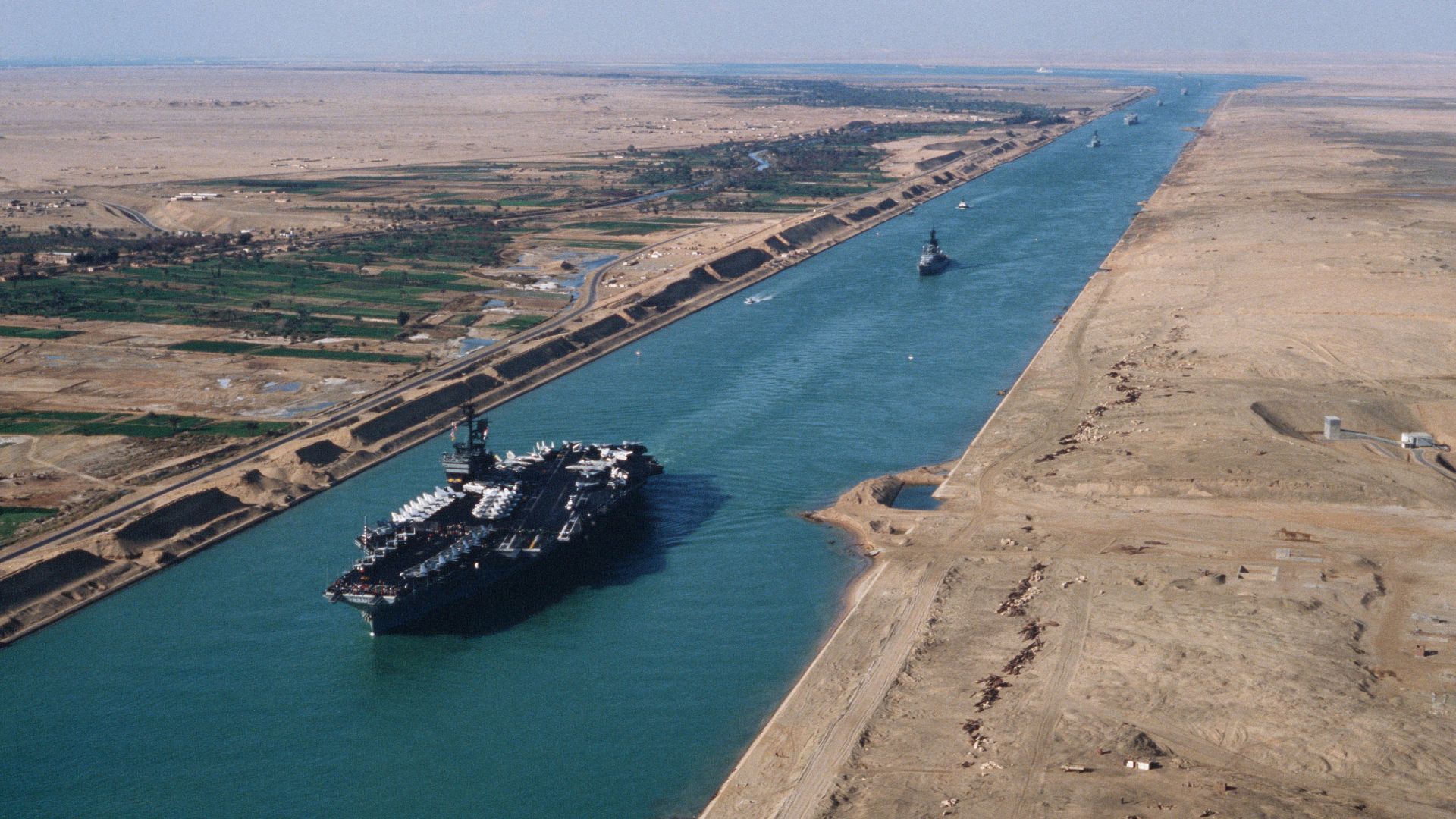
Gibraltar evolved into an absolutely vital British naval base, controlling access between the Atlantic and Mediterranean and supporting empire-wide trade and defense. This became even more important after the opening of the Suez Canal in 1869.
 W. M. Welch / US Navy, Wikimedia Commons
Stronghold Through Dark Days
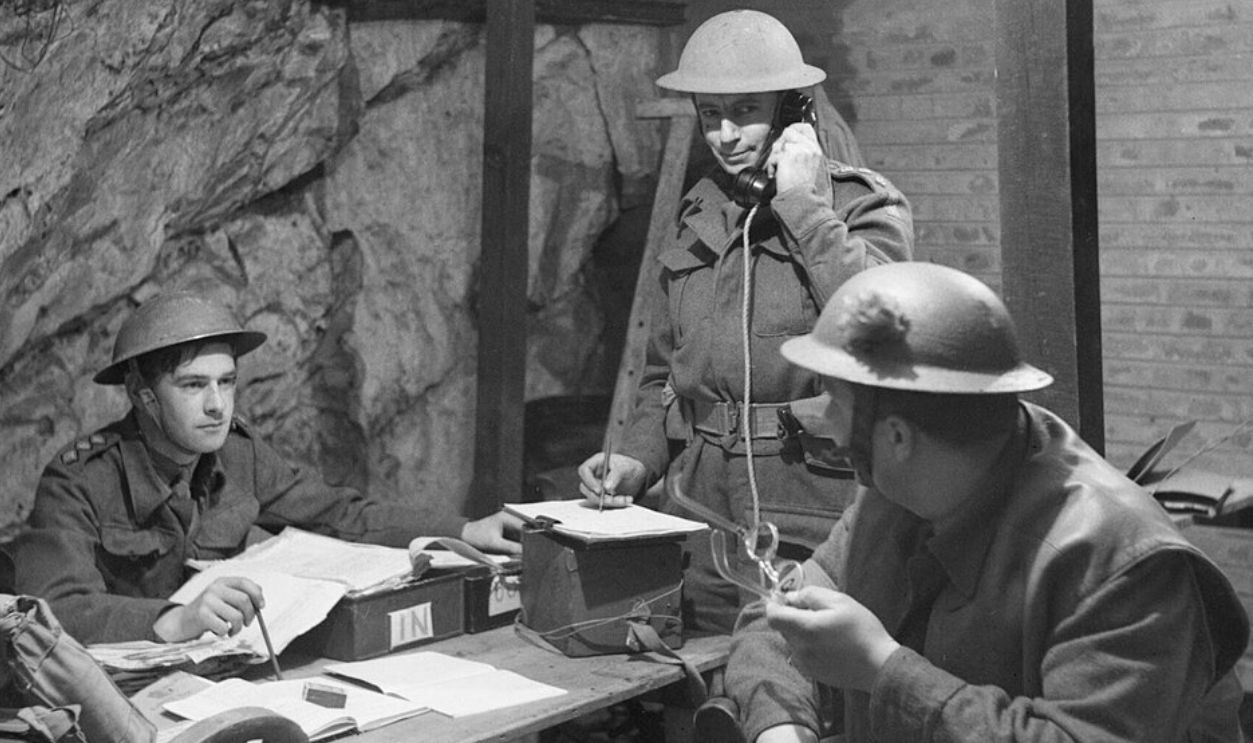
During World War II, Gibraltar was heavily fortified and civilians evacuated. The Rock’s tunnels again played a crucial role in wartime defense planning and the Royal Navy’s strategy to control the waters of the Mediterranean against the Axis powers. It was key in controlling what ship traffic entered and exited the Mediterranean.
 Dallison G W (Lieut), War Office official photographer, Wikimedia Commons
Natural Inhabitants
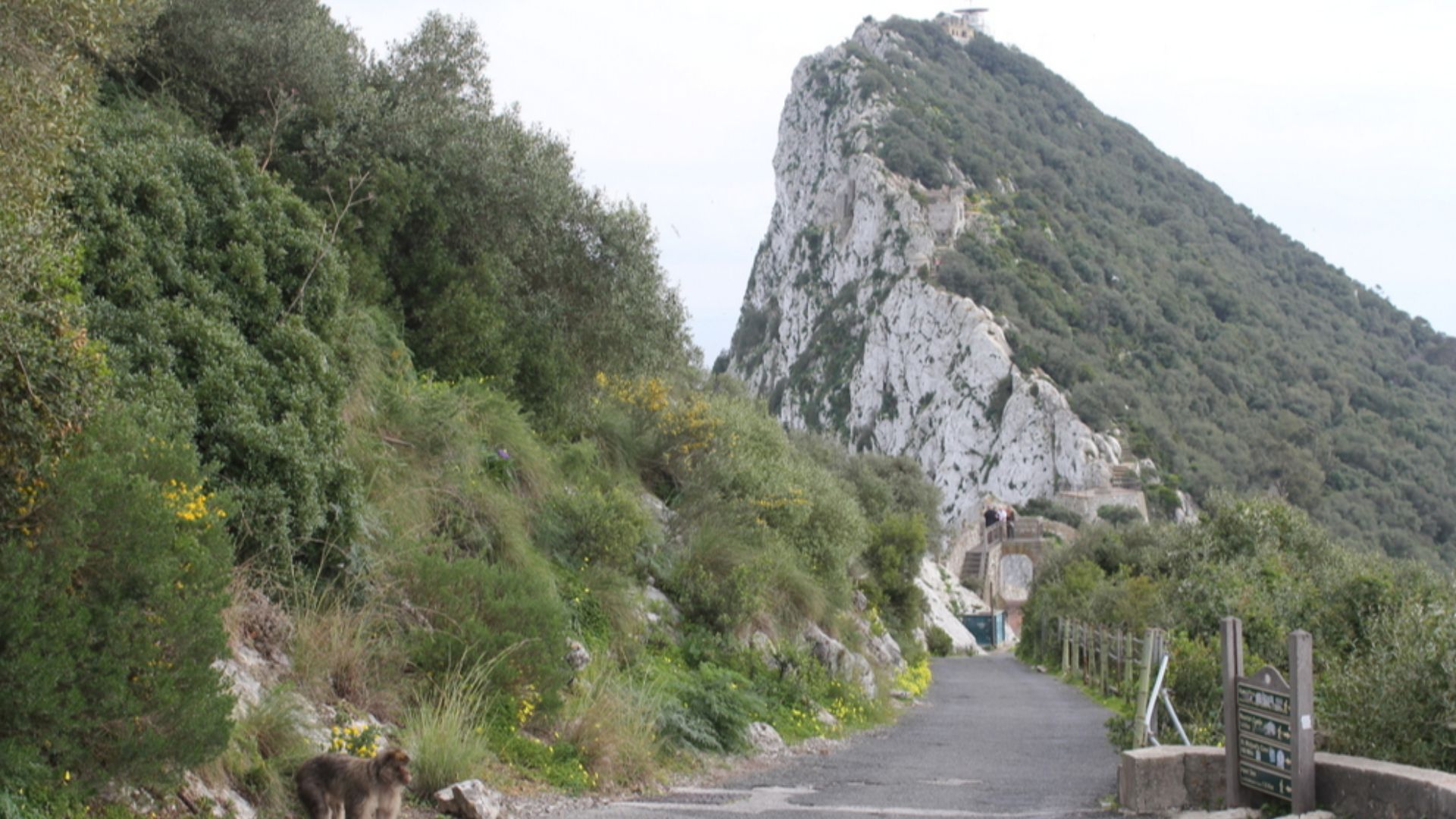
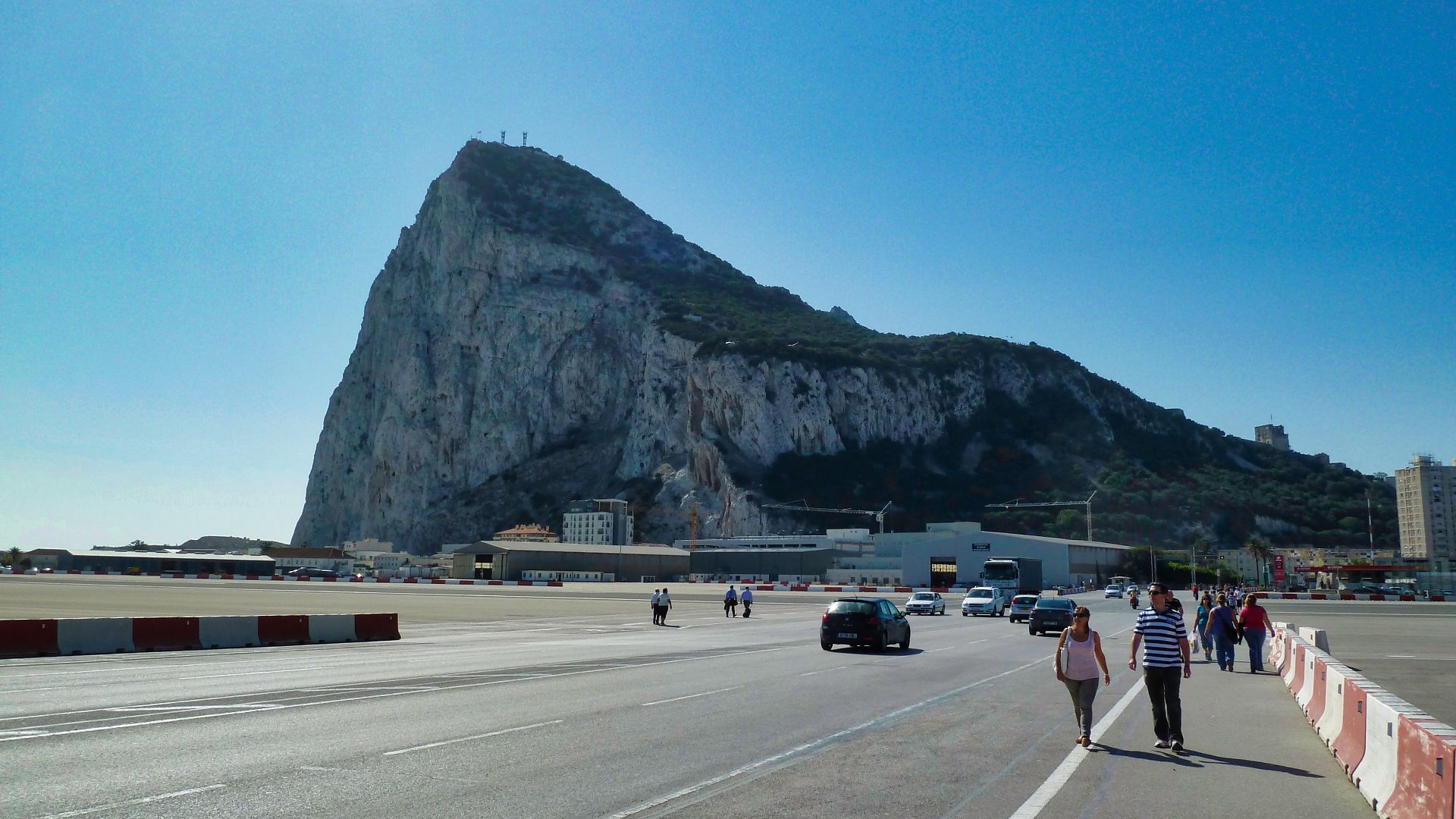
Despite heavy militarization, large areas of the Rock are protected today. Rare plant species like endemic thyme and candytuft flourish, proving that nature persists through times of human conflict. In respect to The Rock’s ecological importance, 40% of Gibraltar is now protected as the Upper Rock Nature Reserve.
 VillageHero from Ulm, Germany, Wikimedia Commons
The Barbary Macaques
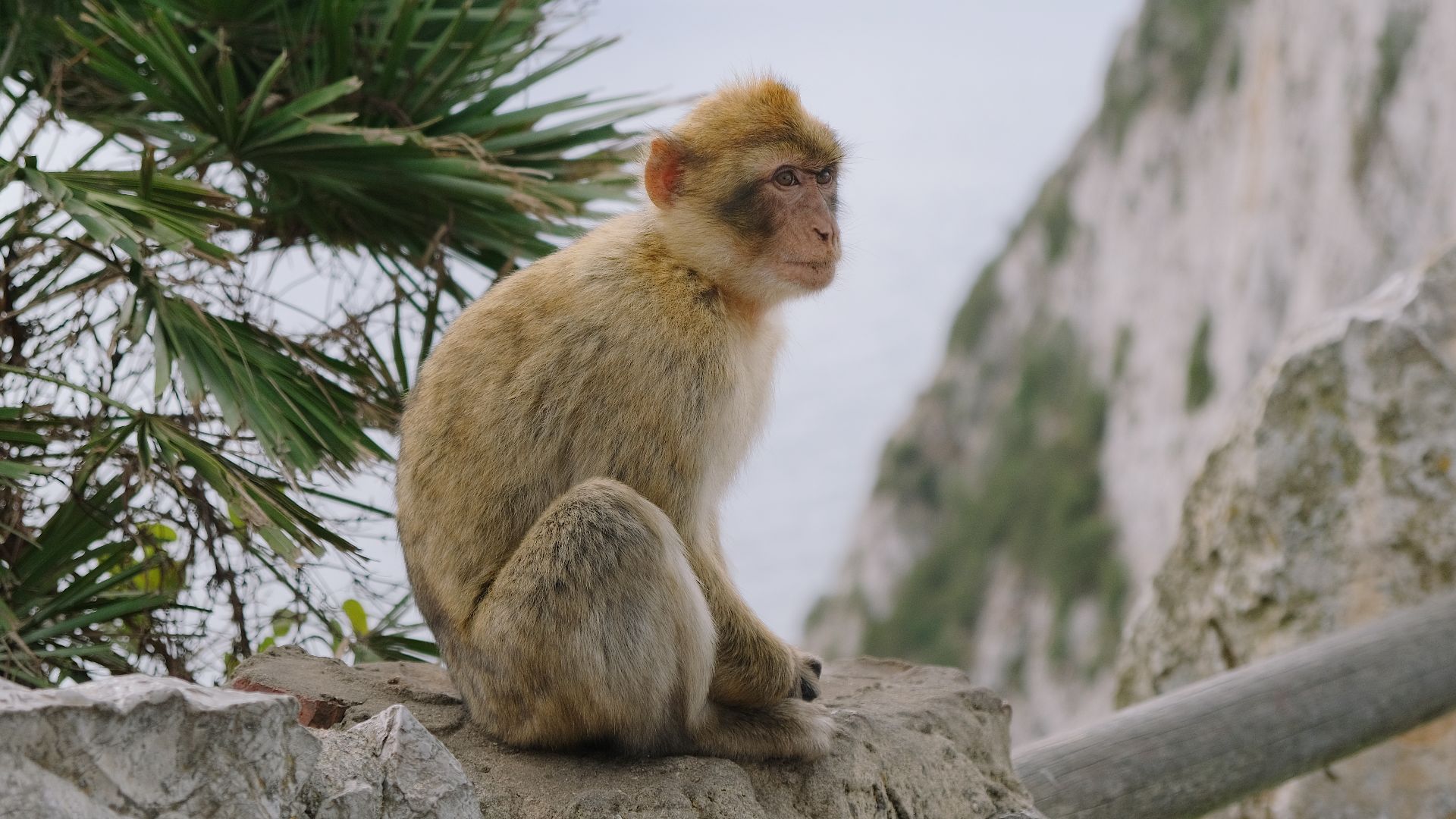
Gibraltar’s famous Barbary macaques are Europe’s only species of wild monkeys. Their presence became an important part of local legend and British identity. Local legends say that as long as these resourceful primates remain, British rule of Gibraltar will endure.
 Scott Wylie, Wikimedia Commons
Birds Over The Strait
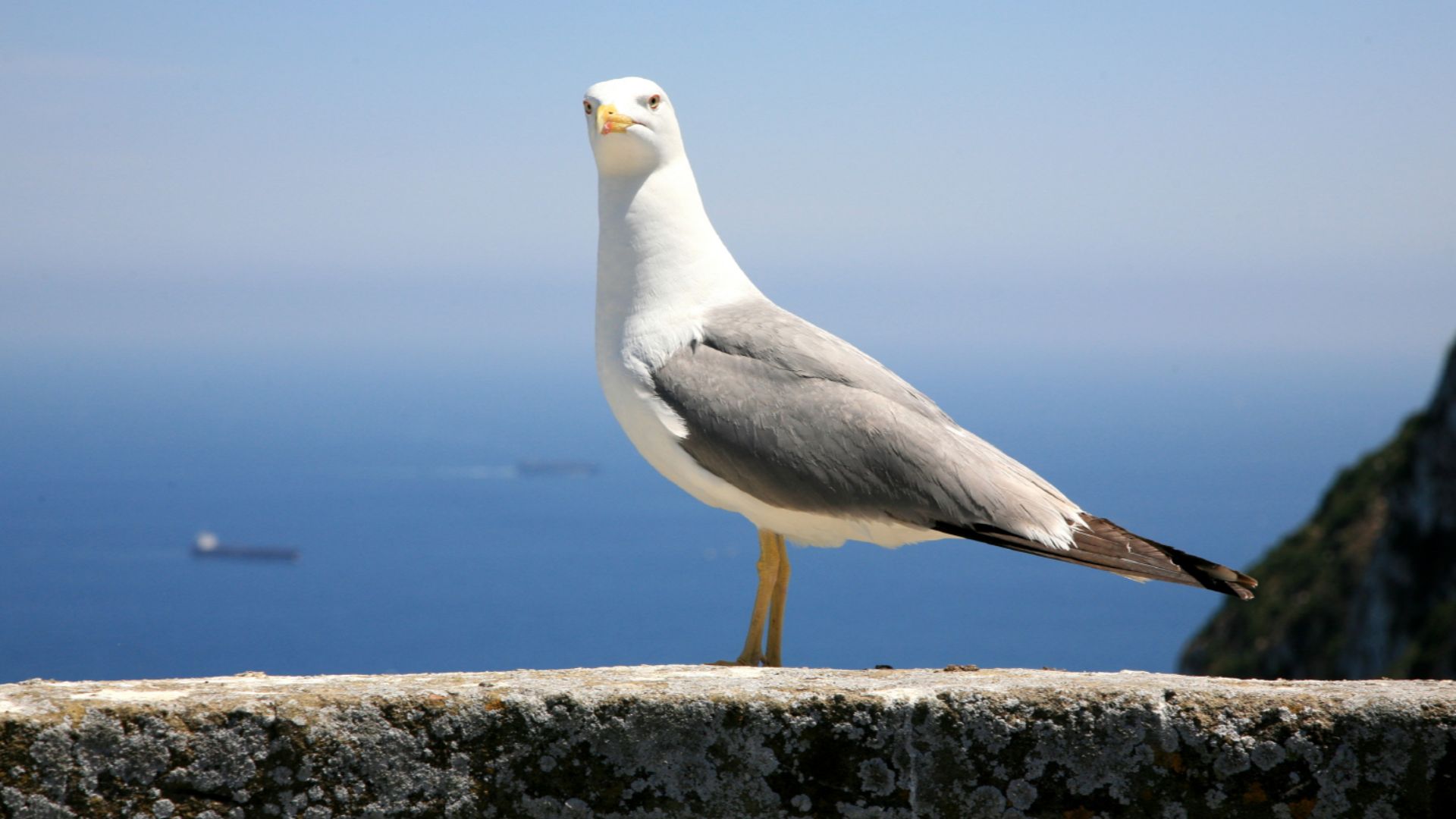
The Rock sits on one of Europe’s busiest bird migration corridors. Thousands of birds funnel past this spot each year, using it as a launching point across the Strait of Gibraltar.
 Bengt Nyman from Vaxholm, Sweden, Wikimedia Commons
A Unique People
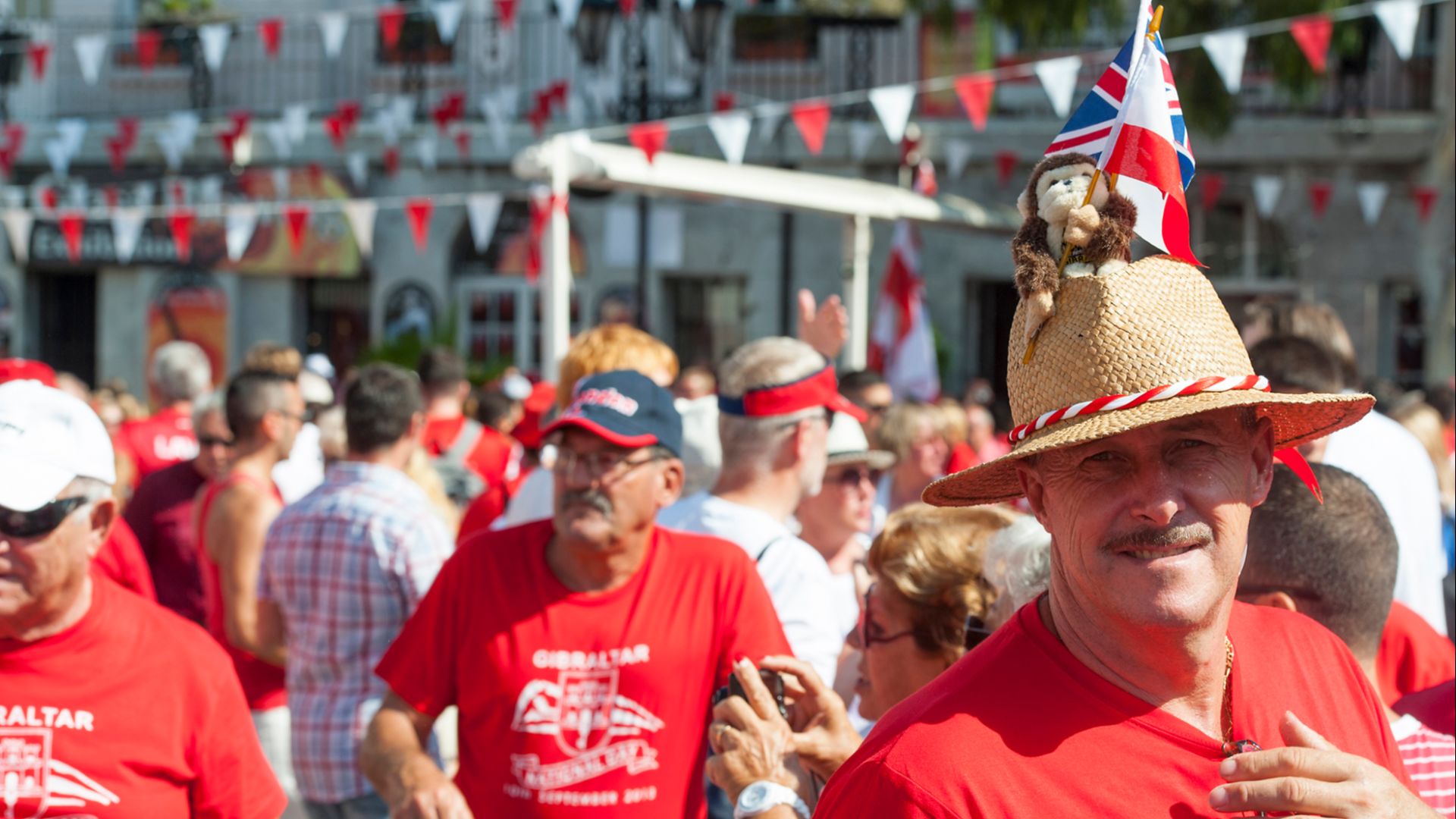
Centuries of cultural interchange produced a distinct Gibraltarian identity shaped by British, Mediterranean, Moorish, and Spanish influences. These influences are seen in the language, cuisine, and other local traditions.
 InfoGibraltar, Wikimedia Commons
Towering Symbol That Endures
Today, the Rock of Gibraltar is a monument to incredible stretches of deep time, mythology, human determination, scientific discovery, and global history that bridged continents, civilizations, and whole historical epochs.
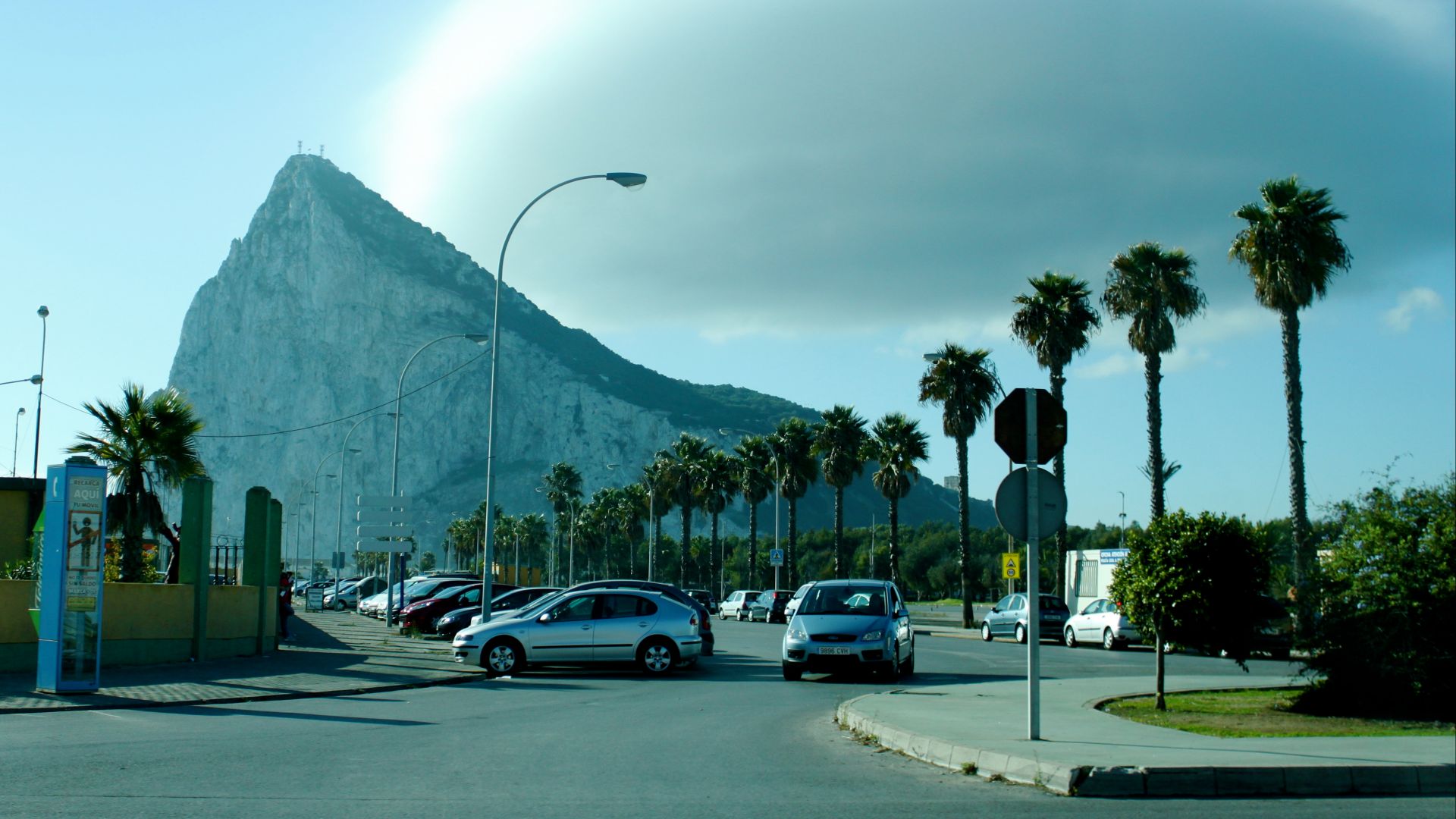 Viridianwindow, Wikimedia Commons
You May Also Like:
Curious Facts About The Crusades
Are You A History Buff? How Many Of These WWII Questions Can You Answer?