Archaeologists in southern Jordan have uncovered the long-lost Byzantine city of Tharais, tucked away on the southeast coast of the Dead Sea. Once lost to history, the rediscovery of the ancient settlement shows a self-sufficient Christian community that thrived in Byzantine times. These amazing finds range from inscriptions to productive infrastructure. The site is a look back in time to the daily life of a remote but prosperous town.
Clues From An Ancient Map
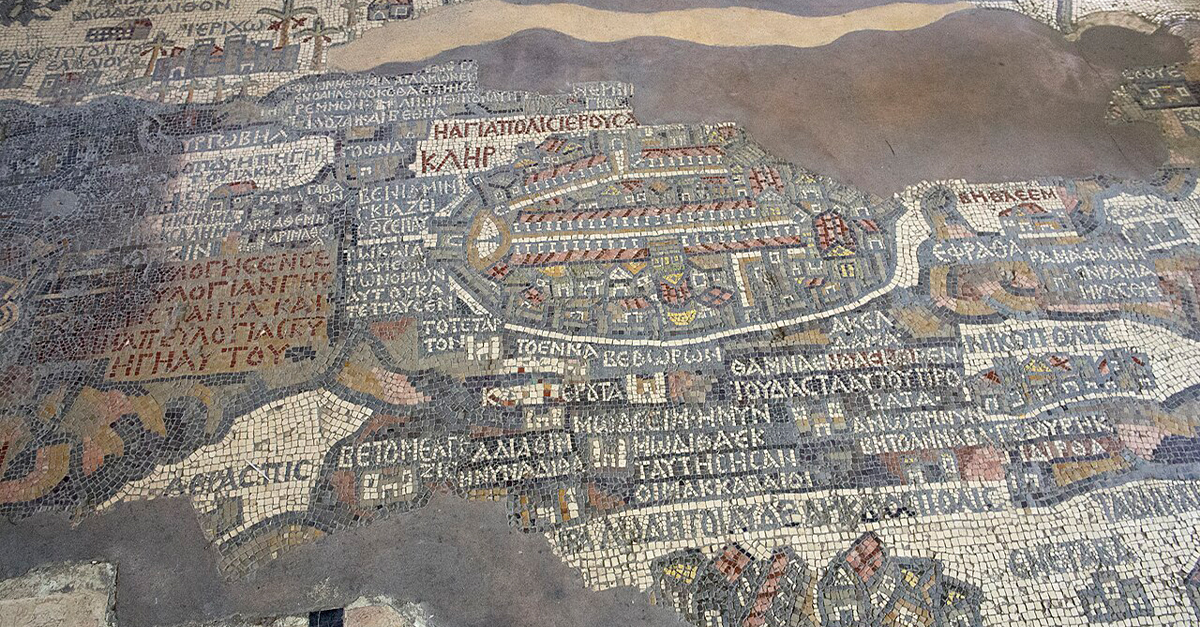
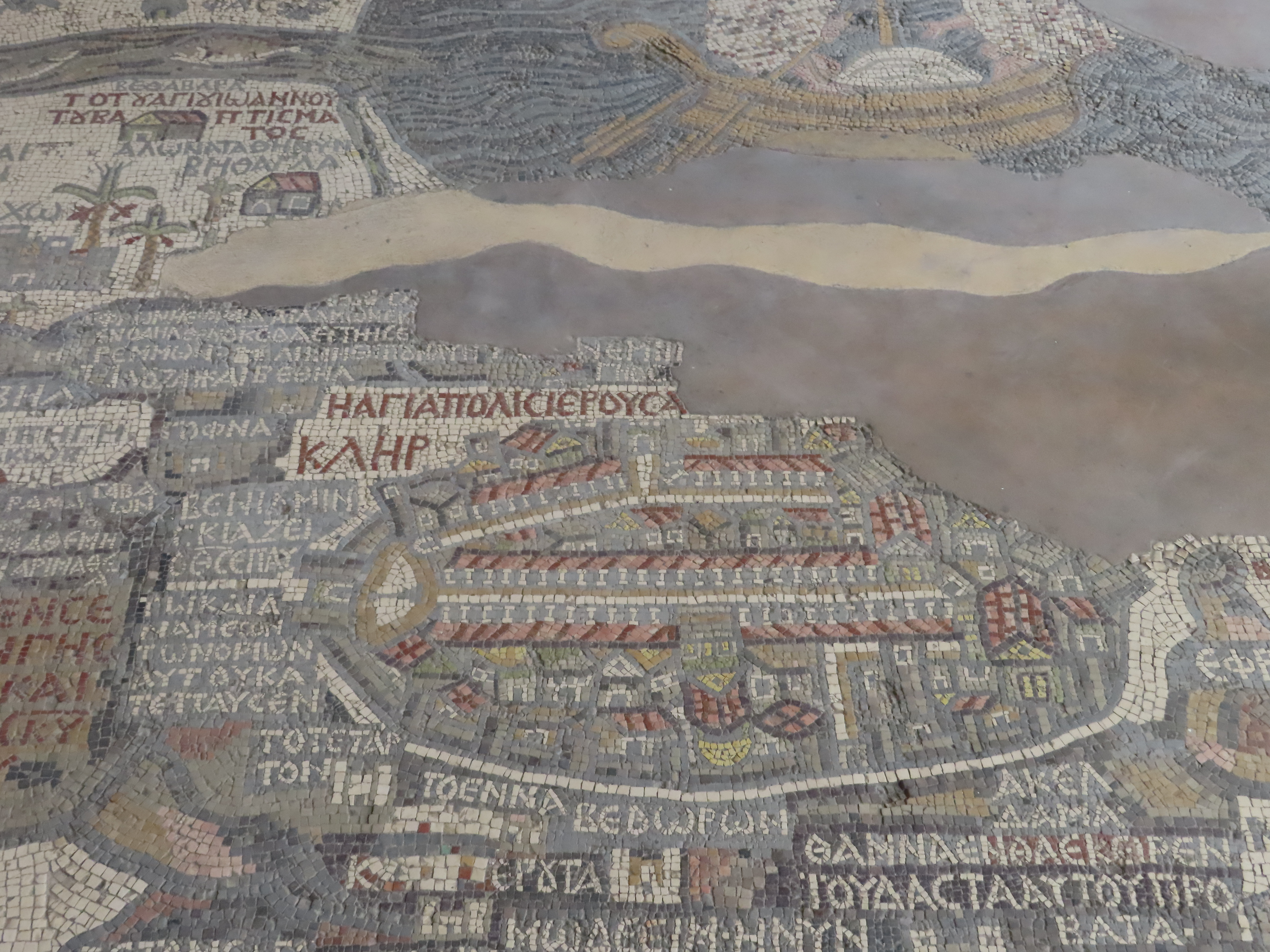
Tharais was originally known from the famous Madaba Mosaic Map. This is a map displayed in mosaic tile on the floor of the Greek Orthodox Church in the Jordanian city of Madaba. Created in around 570 AD, it is the oldest surviving map of the Holy Land, showing the locations of historical sites across present-day Jordan, Palestine, and Egypt. This is the map that narrowed down the search area for investigators.
Hidden Under The Sand
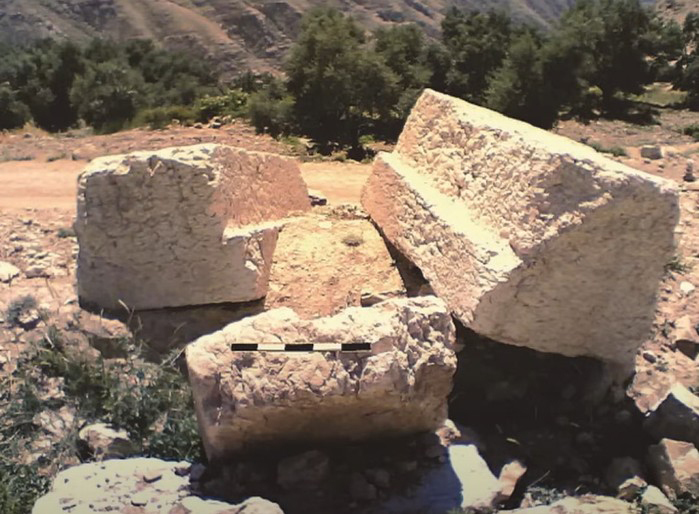
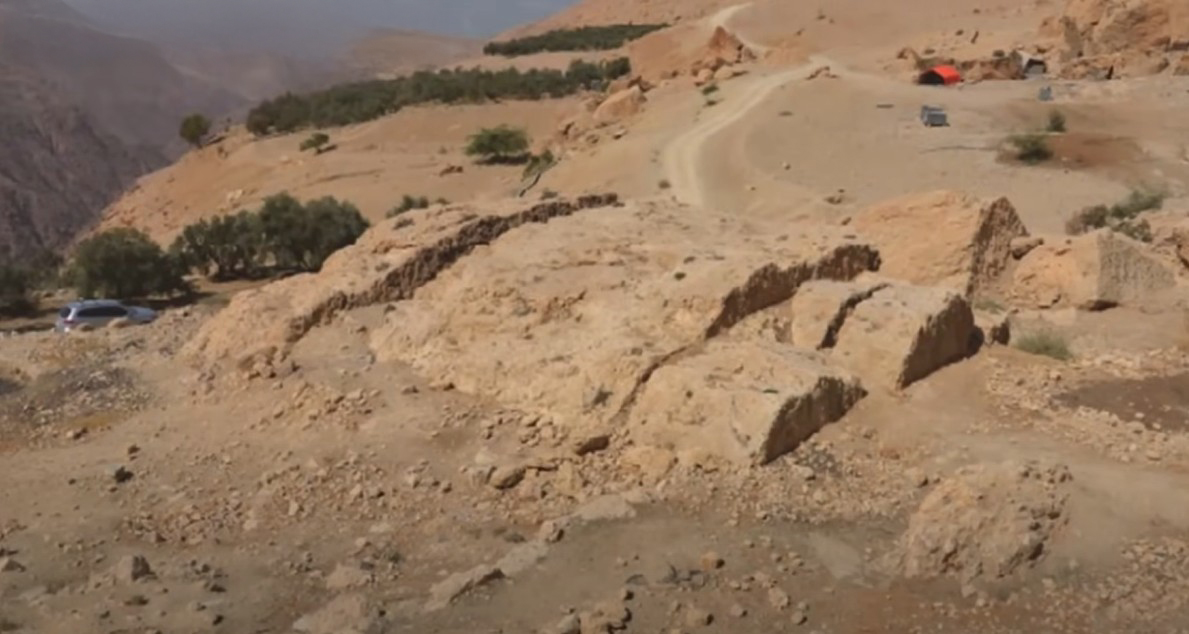
Tharais was found by an archaeological survey led by the Jordanian Department of Antiquities, working with international researchers. Satellite imaging and drones helped pinpoint anomalous structures below the harsh terrain, leading to a major excavation. This exposed the layout of a once-prosperous town including religious, residential, and industrial buildings, all well-preserved by centuries of accumulation of desert sands.
The Beating Heart Of A Dynamic Community
One of the biggest discoveries was the ruins of a large Byzantine basilica, including an intricate mosaic flooring and Greek inscriptions. The church probably served as a spiritual and social center, identifying Tharais as a Christian stronghold. Archaeologists also dug up religious iconography etched into stone lintels and preserved sections of columned aisles, showing the unmistakable Byzantine architectural influence.
Artifacts With A Tale To Tell
The many inscriptions found around the site give insights into the daily lives of the people of Tharais. Some of these thank donors who funded the church’s construction; others mark tombs and homes. Pottery shards, crosses, jewelry, and coins have also been hauled up, dated to the 5th through 7th centuries AD. These finds imply a population that was literate, religious, and connected to trade networks around the Byzantine world.
Built To Last In A Harsh Environment
Tharais’ apparent self-sufficiency in an unforgiving desert locale is perhaps its most striking feature. Excavators revealed a grape-crushing vat for winemaking and an olive press for oil production, both critical commodities in the Byzantine economy. Two water mills, built from carefully cut stone and joined to a well-designed aqueduct system, point out that the community put its utmost into managing its water resources in the desert inferno.
A Model Of Rural Resilience
Unlike major centers like Petra or Amman, Tharais ia a successful rural Byzantine outpost. It was a highly organized settlement with planned streets, domestic quarters, workshops, and religious gathering places. Its inhabitants harnessed agriculture, hydrology, and their indomitable Christian faith to build a viable life in a desert, making it a case study in ancient resilience.
Tharais In The Grand Scheme Of Things
Tharais is the first major Byzantine site ever unearthed in this region of Jordan, expanding our comprehension of how widespread Christian communities were in late antiquity. This discovery fills in the blanks between the urban hives of Byzantine rule and the rural fringes where many of the strongest believers lived. As a bonus, the site will be of great interest to those studying the trade routes between Jordan, the Levant, and the Arabian Peninsula.
 Vyacheslav Argenberg, Wikimedia Commons
The Quest For Further Knowledge
Archaeologists hope to keep digging at Tharais, with more excavations planned to uncover more residential quarters and public buildings. The Jordanian government, with support from global organizations, is also looking at conservation efforts to prevent erosion and looting at the site. Tharais could one day become a tourist site, allowing the public to step into a lost chapter of the distant past.
You May Also Like:
Powerful Facts About Empress Irene, The Byzantine Rebel
Illustrious Facts About Belisarius, The Last Great Roman General