The Oracle On A Sacred Mountain
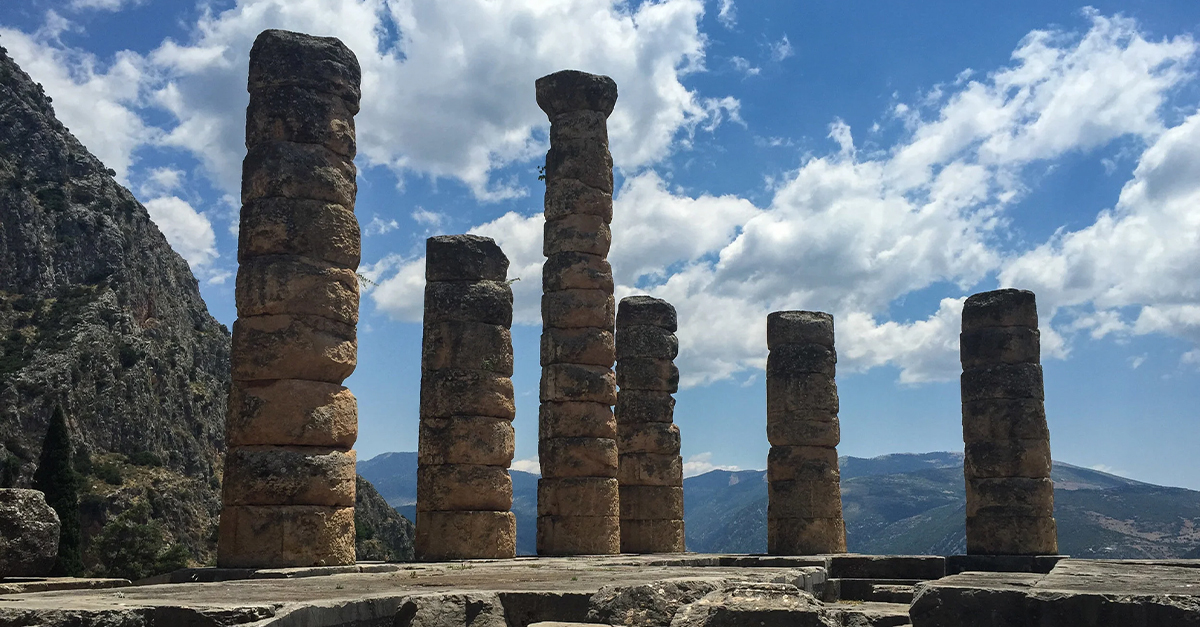
High on the slopes of Mount Parnassus, the sanctuary of Delphi was the most famous oracle of the ancient world. Through the centuries leaders of Greek city‑states, foreign kings, and ordinary people climbed its Sacred Way in search of guidance from the Greek god Apollo. At the center stood the Pythia, a priestess whose cryptic words could shape the course of history.

The Sacred Landscape Of Delphi
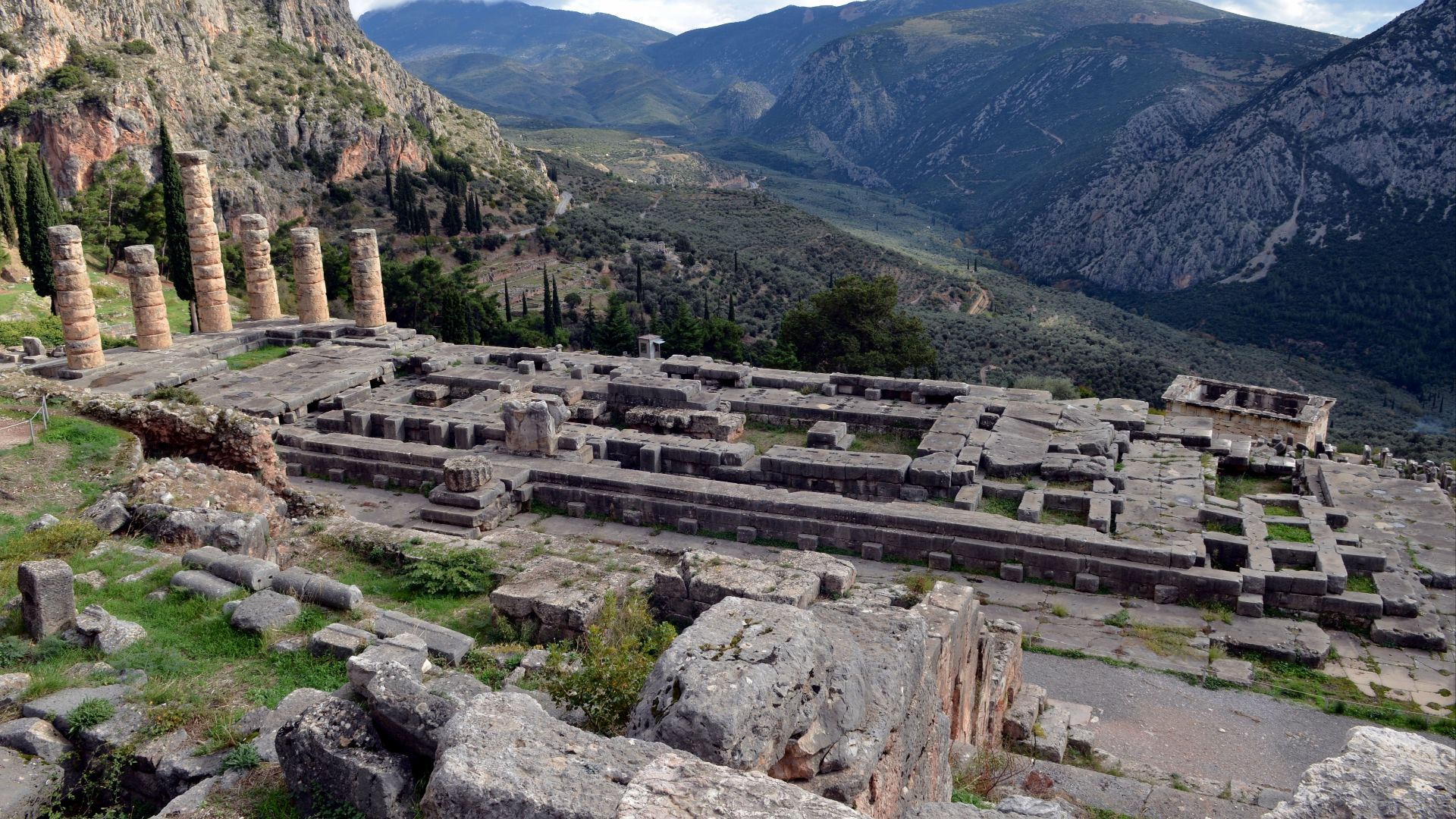
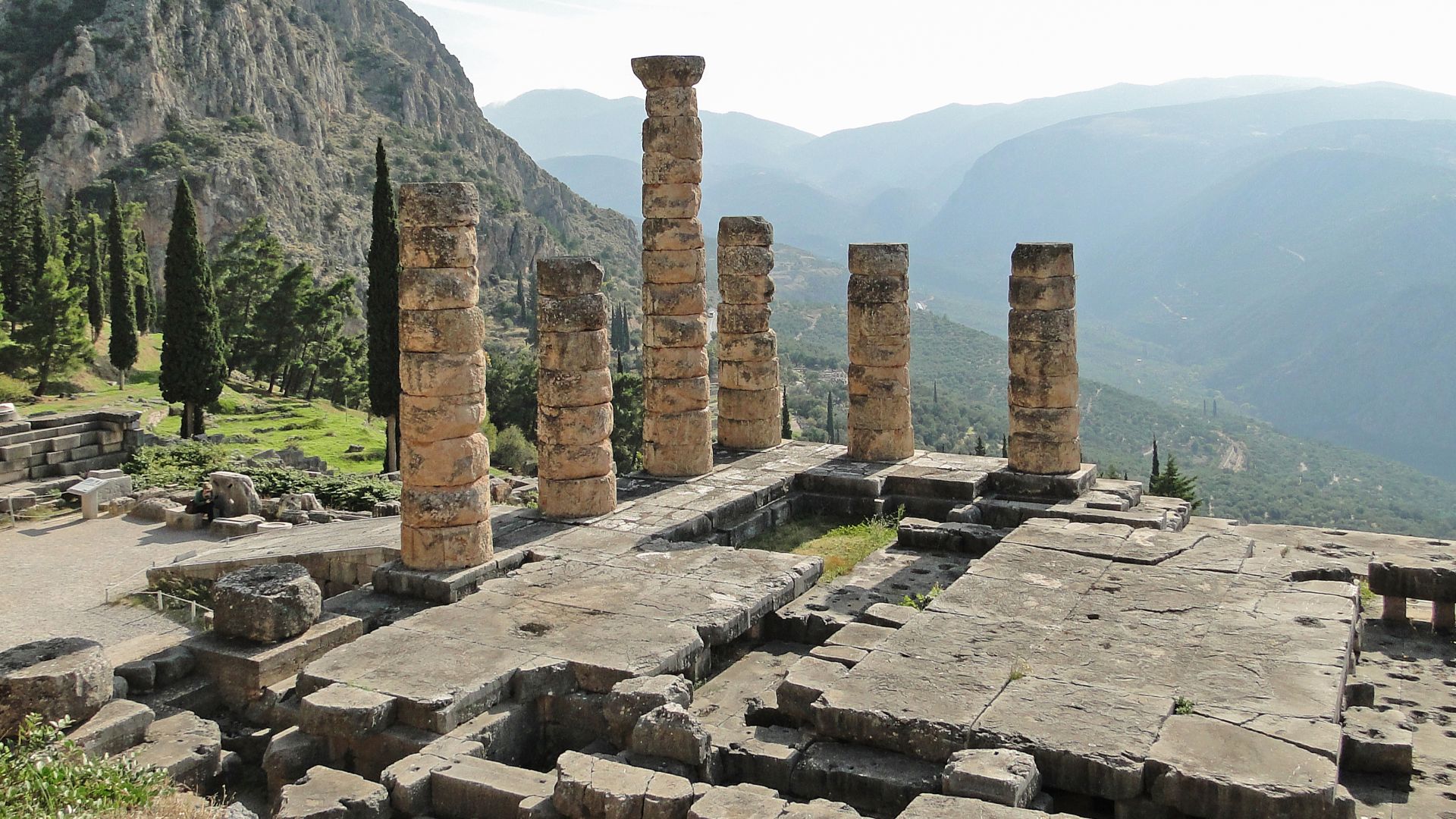
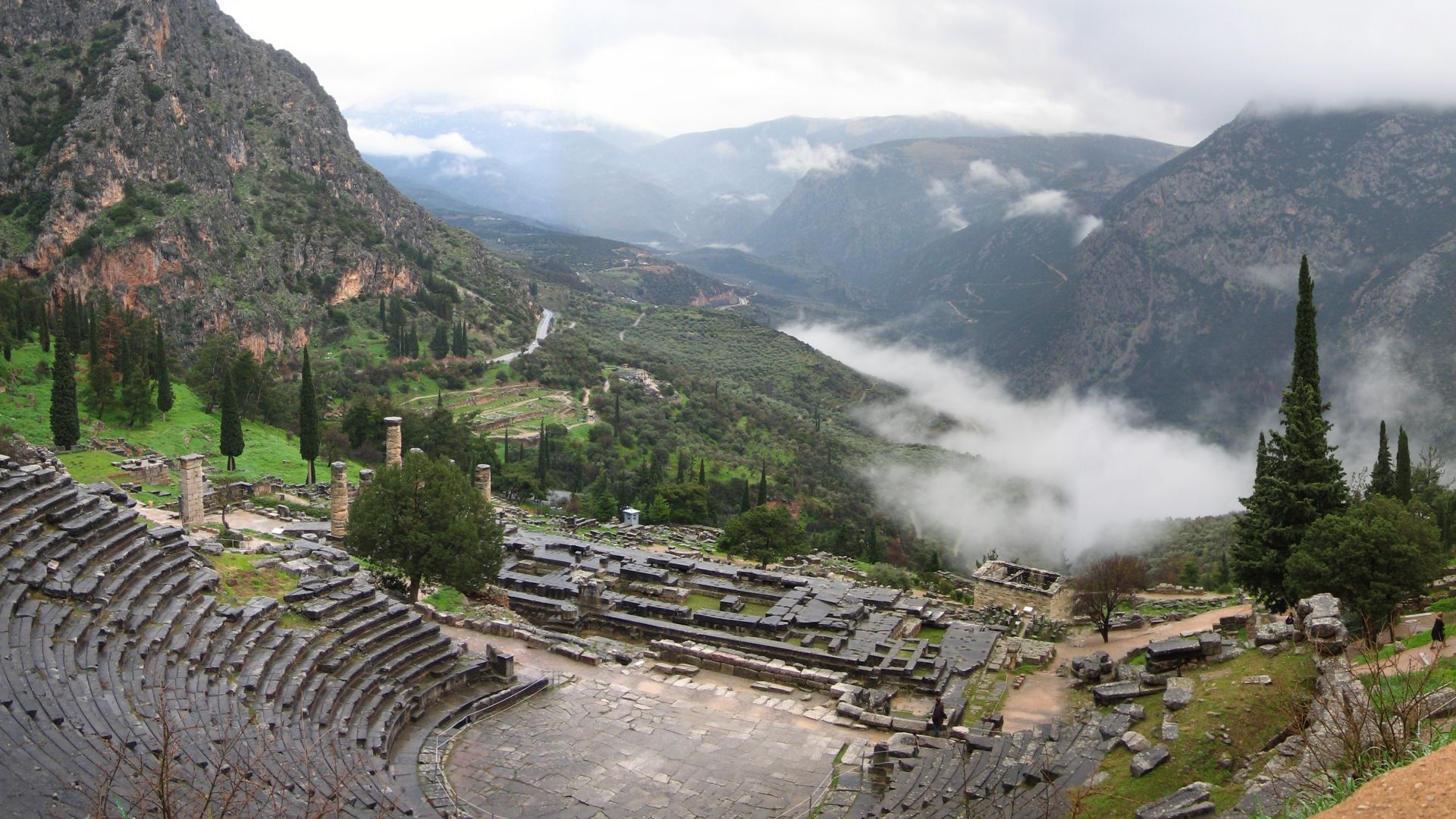
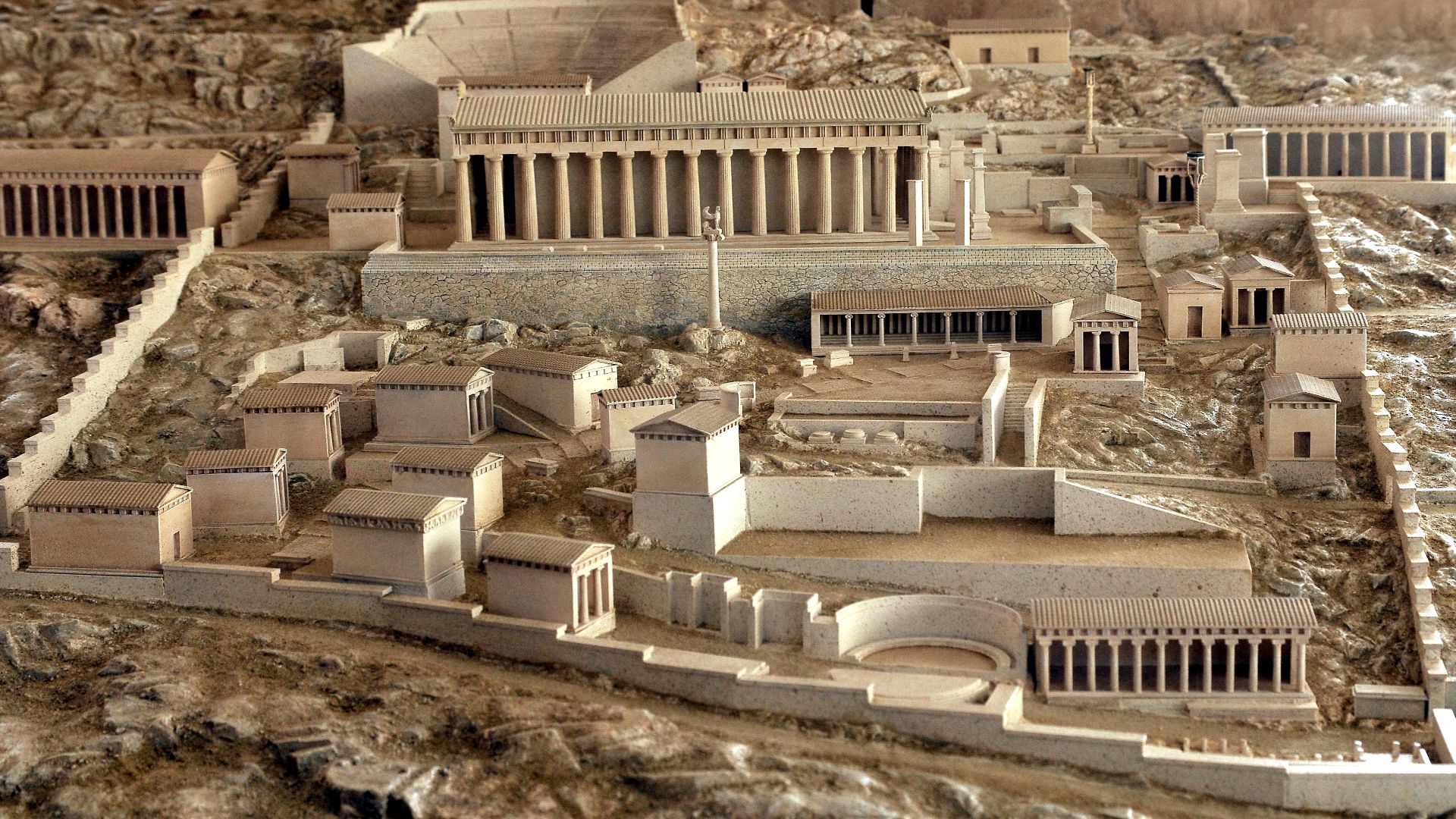
Part of Delphi’s psychological power lay in its dramatic setting. Terraces, temples, and treasuries perched high on steep rock faces above the Pleistos valley, crowned by the Temple of Apollo. Greeks believed deeply that this sanctuary marked the earth’s very center, the omphalos or “navel” of the world. It was this bedrock conviction that made a consultation with the oracle feel like a direct encounter with the vast cosmic order.
 Jason M Ramos, Wikimedia Commons
Mythic Origins And The Omphalos
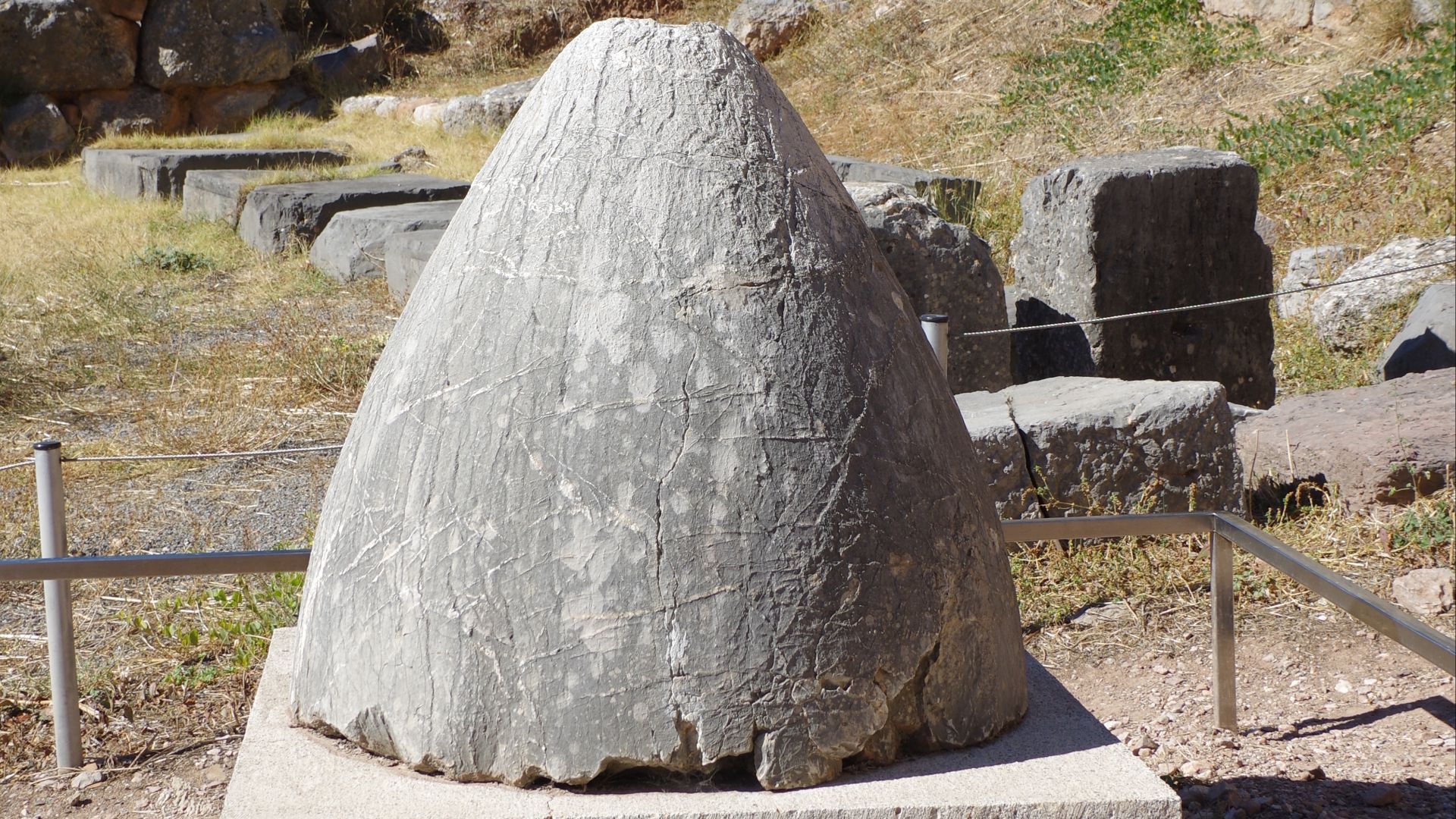
According to myth, Zeus released two eagles from opposite ends of the world, and they met above Delphi, marking it as the world’s navel. Another tradition said that Apollo slew the serpent Python in this place, reclaiming it from the Earth goddess Gaia. The stone omphalos symbolized this sacred center and Delphi’s universal spiritual authority.
 Berthold Werner, Wikimedia Commons
Apollo, Python, And Religious Transition
The story of Apollo killing Python preserved the symbolism of a shift from older underworld deities to Apollo’s radiant cult. By slaying the slimy horrifying serpent, Apollo subdued the forces of death and chaos, and absorbed their power through prophecy. According to this idea, Delphi united the older underworld insight with Olympian order, making the oracle uniquely suited to offer advice to people on difficult choices.
 Bernard Gagnon, Wikimedia Commons

History's most fascinating stories and darkest secrets, delivered to your inbox daily.
The Pythia Was The Voice Of Apollo
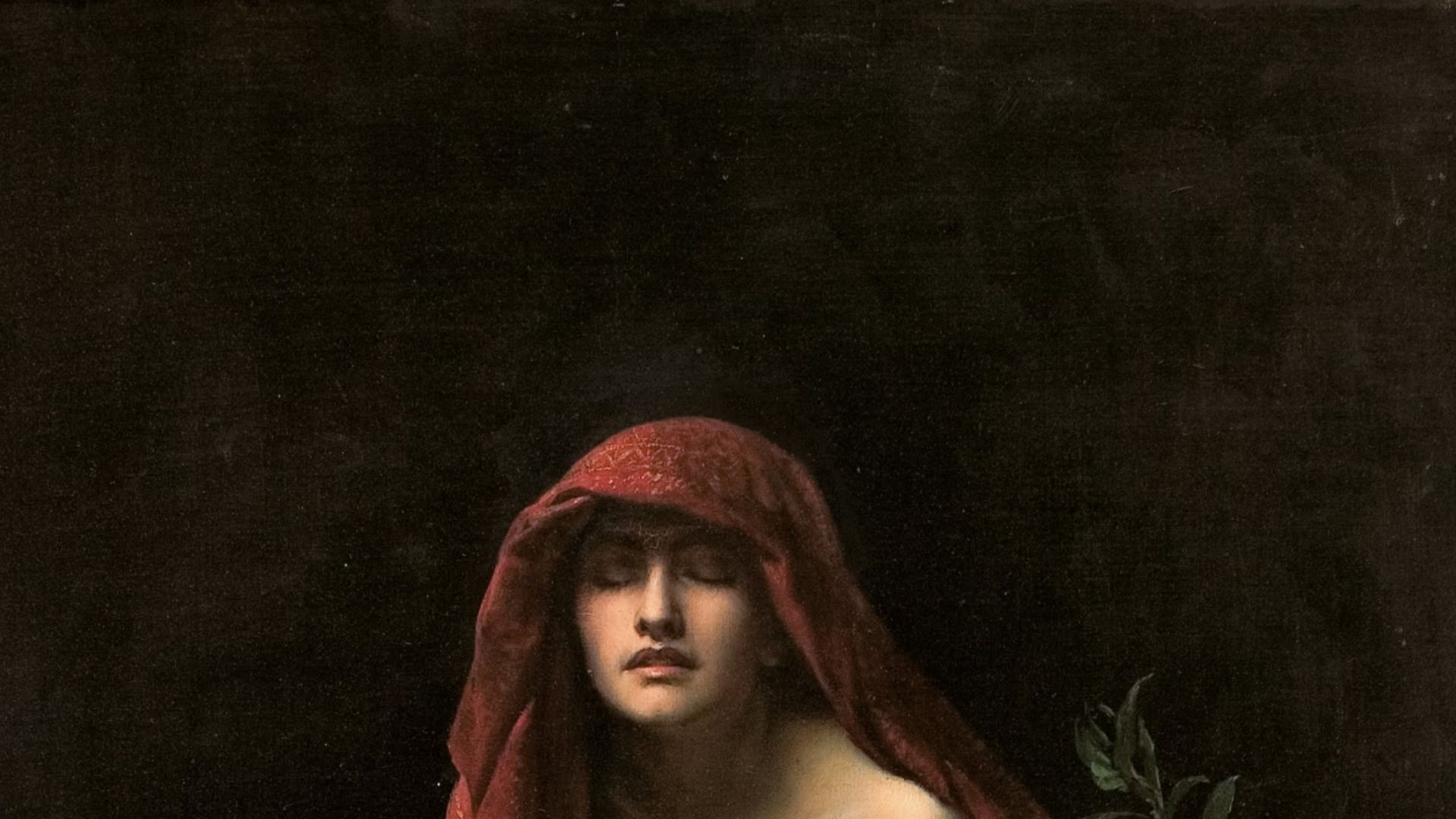
The oracle’s authority rested on the Pythia, who was a respectable local woman over middle age. On chosen days, after purification and sacrifice, she sat perched on a tripod above a chasm in Apollo’s inner sanctuary. In a trance-like state, she would utter fragmented, ecstatic speech. Temple priests would edit these utterances into coherent verses or prose to present to the visitors in search of wisdom.
Rituals, Vapors, And The Trance
Ancient writers describe vapors rising from the earth, laurel leaves, and sacred waters used to help the Pythia enter into her altered state. Geological studies suggest gases such as ethylene may have seeped through fault lines beneath the temple. Whether the trance state was chemically induced or not, the ritualized trance was enough to convince eager visitors that they were hearing Apollo’s will, not the worldly opinion of an everyday human.
 John Collier, Wikimedia Commons
Question And Answer Session
Visitors did not stroll in to this place casually. They paid fees, offered sacrifices, and waited their turn along the Sacred Way. Priests framed and worded questions with great care, often presenting yes‑or‑no or this‑or‑that style options. The answers were set up to be poetically ambiguous, requiring interpretation back home. Powerful patrons sometimes secured priority access, making political skill an important part of using the oracle.
 Berthold Werner, Wikimedia Commons
Delphi As A Panhellenic Power Center
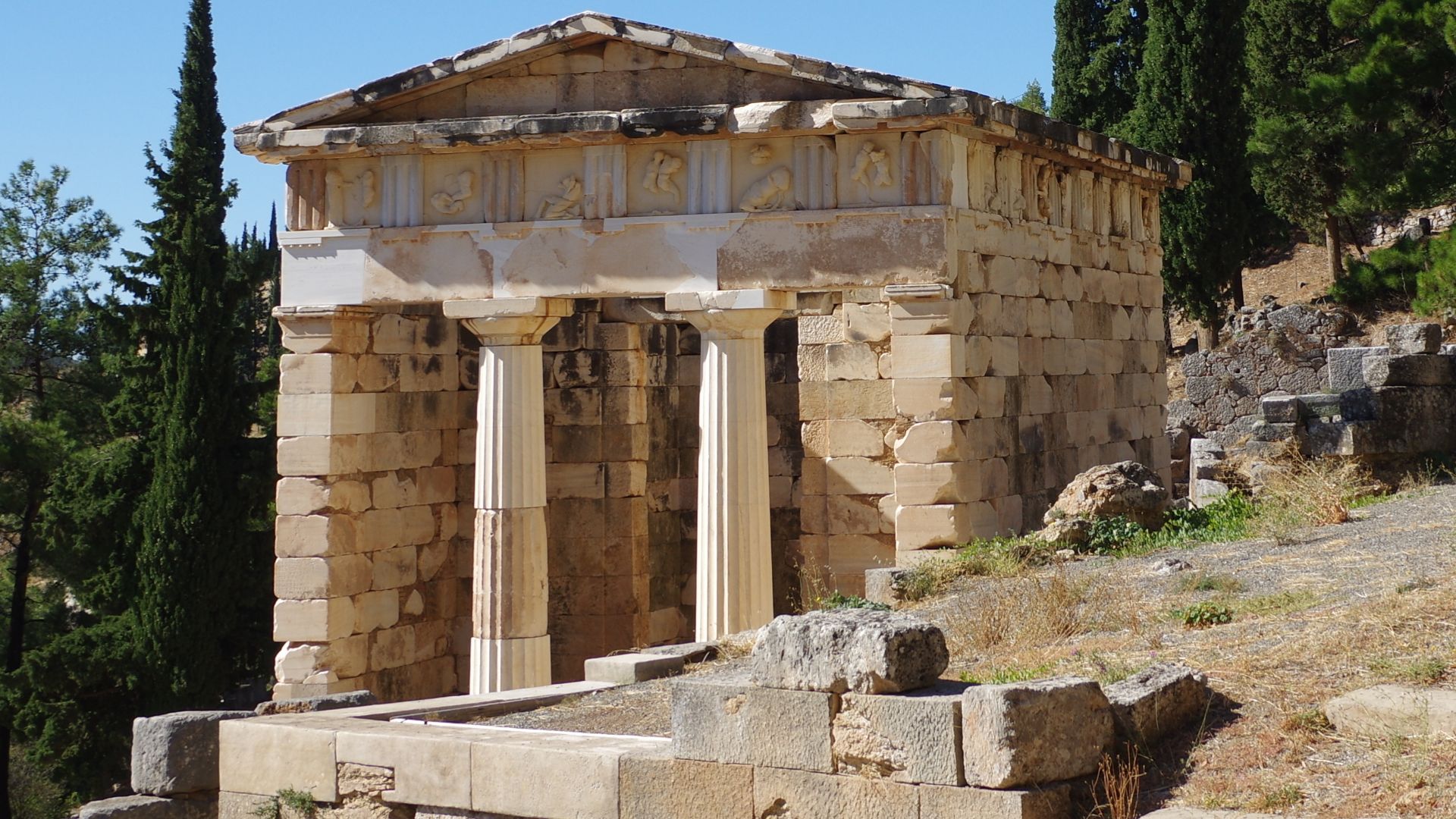
By the classical period of ancient Greece, Delphi was a pan-Hellenic (Greek civilizational) council chamber as much as a shrine. City‑states dedicated treasuries and monuments, competed in the Pythian Games, and used the sanctuary to show off their victories. Control over Delphi led to several Sacred Wars for control of the Delphic sanctuary. Whoever influenced the oracle could also shape the political reality of the day.
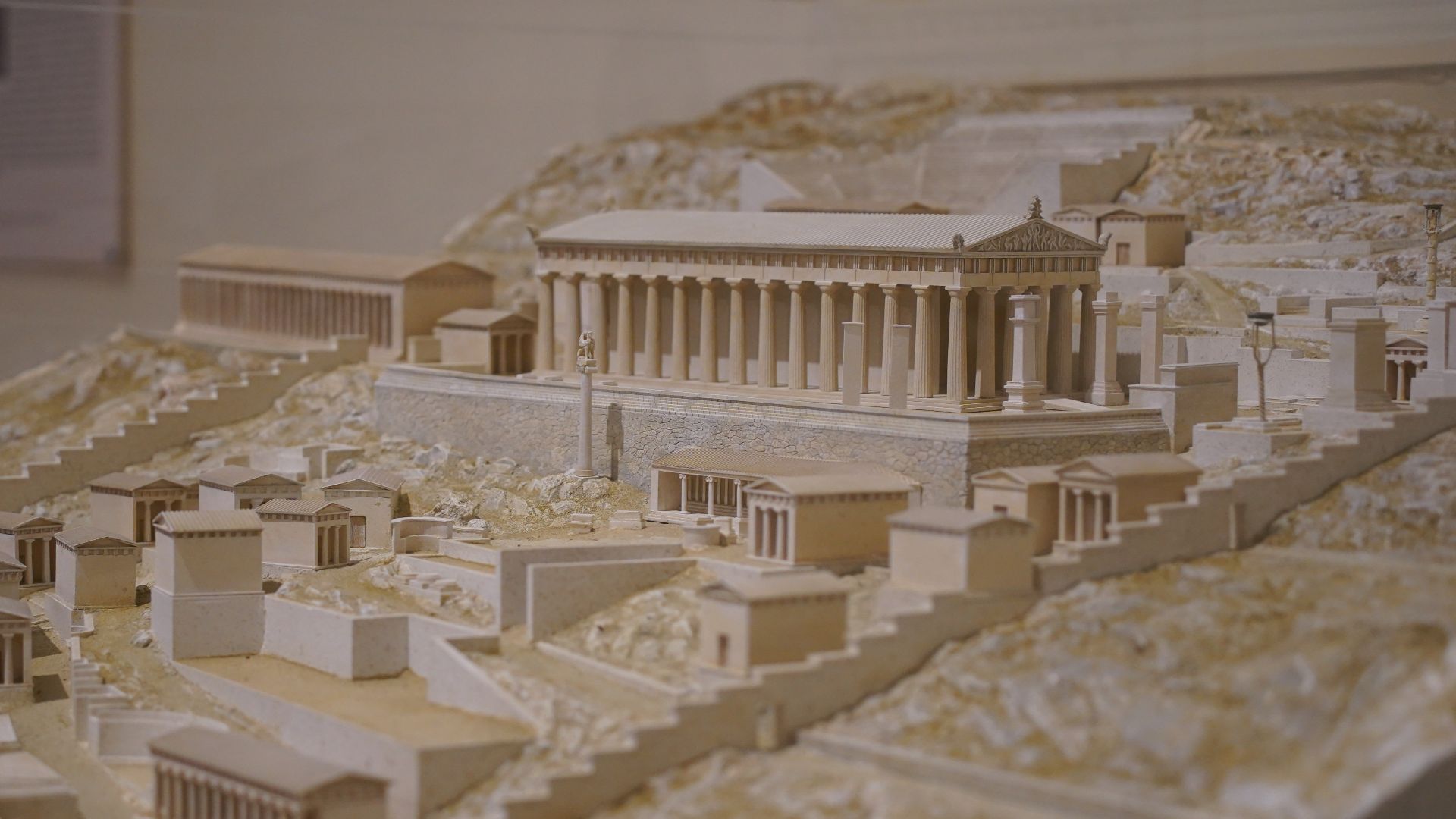 TimeTravelRome, Wikimedia Commons
Guiding Colonies, Laws, And Wars
Greek communities always went to the oracle before doing important things like founding distant colonies, deciding where to settle and who should lead. Lawgivers and aspiring leaders insisted they had Delphic backing, lending divine weight to controversial reforms. Before major wars, cities sought reassurance or warning, then interpreted victories or disasters as proof that they had correctly, or incorrectly, read Apollo’s message.
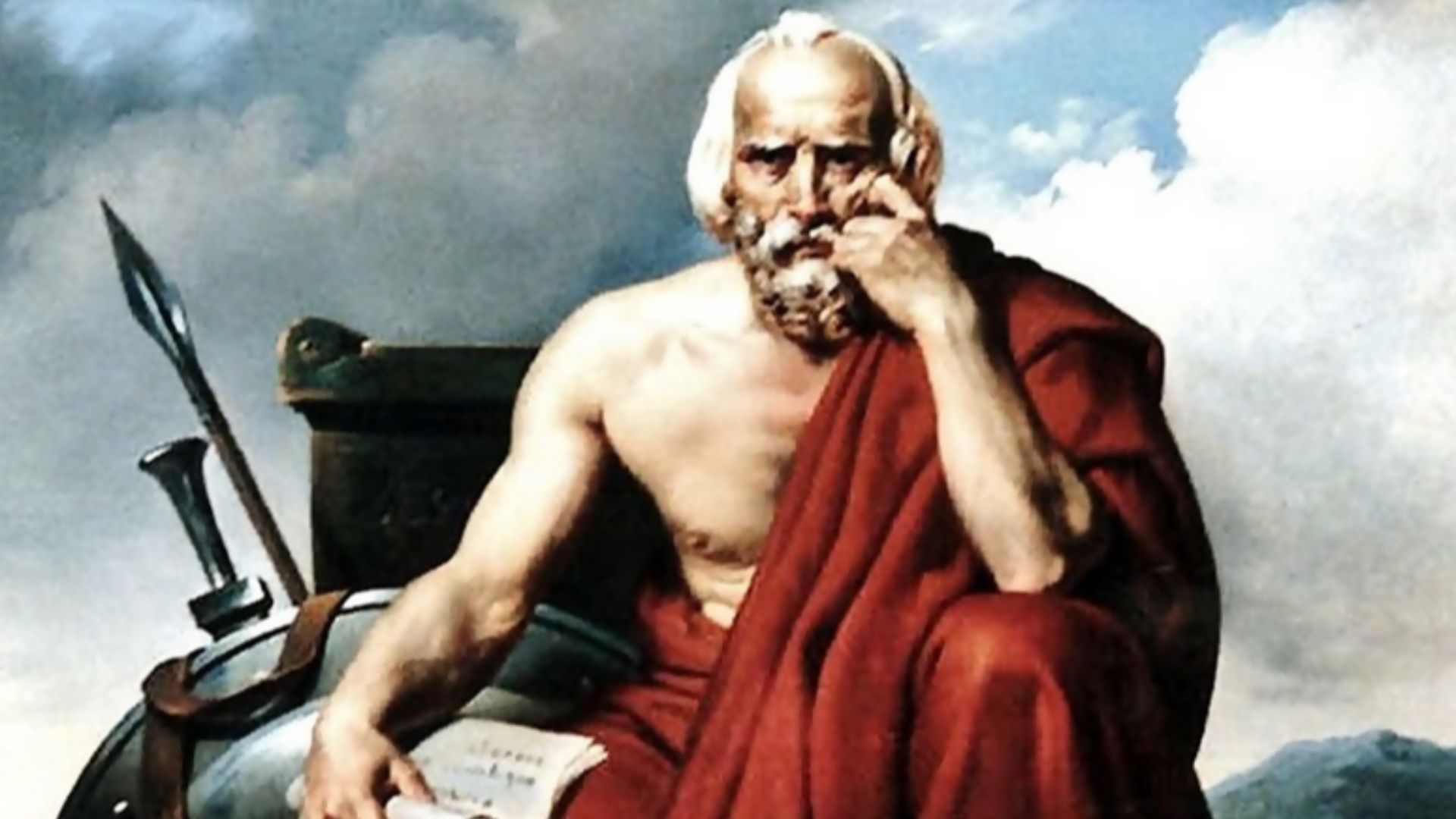 Merry-Joseph Blondel, Wikimedia Commons
Why Did The Greeks Trust The Oracle?
The oracle’s prestige grew out of centuries of perceived accuracy and careful memory. Inscriptions, songs, and stories kept the successful prophecies in the public consciousness while quietly forgetting the not-so-accurate ones. Delphi also stood officially above local rivalries, so decisions appeared impartial. For a lot of Greeks, ignoring Apollo’s advice sounded a lot riskier than trusting it, however cryptic the response.
History's most fascinating stories and darkest secrets, delivered to your inbox daily.
Rome Also Revered Delphi
When Rome conquered Greece in 146 BC, it didn’t do away with Delphi. Roman senators and generals had long admired Greek culture and language, and the oracle’s reputation still carried great prestige. The sanctuary was added to the imperial religious landscape, but emperors and elites continued to go to there for answers, hoping Apollo might legitimize their rule or clarify troubling omens and political conundrums.
Roman Emperors Sought Certainty: Nero
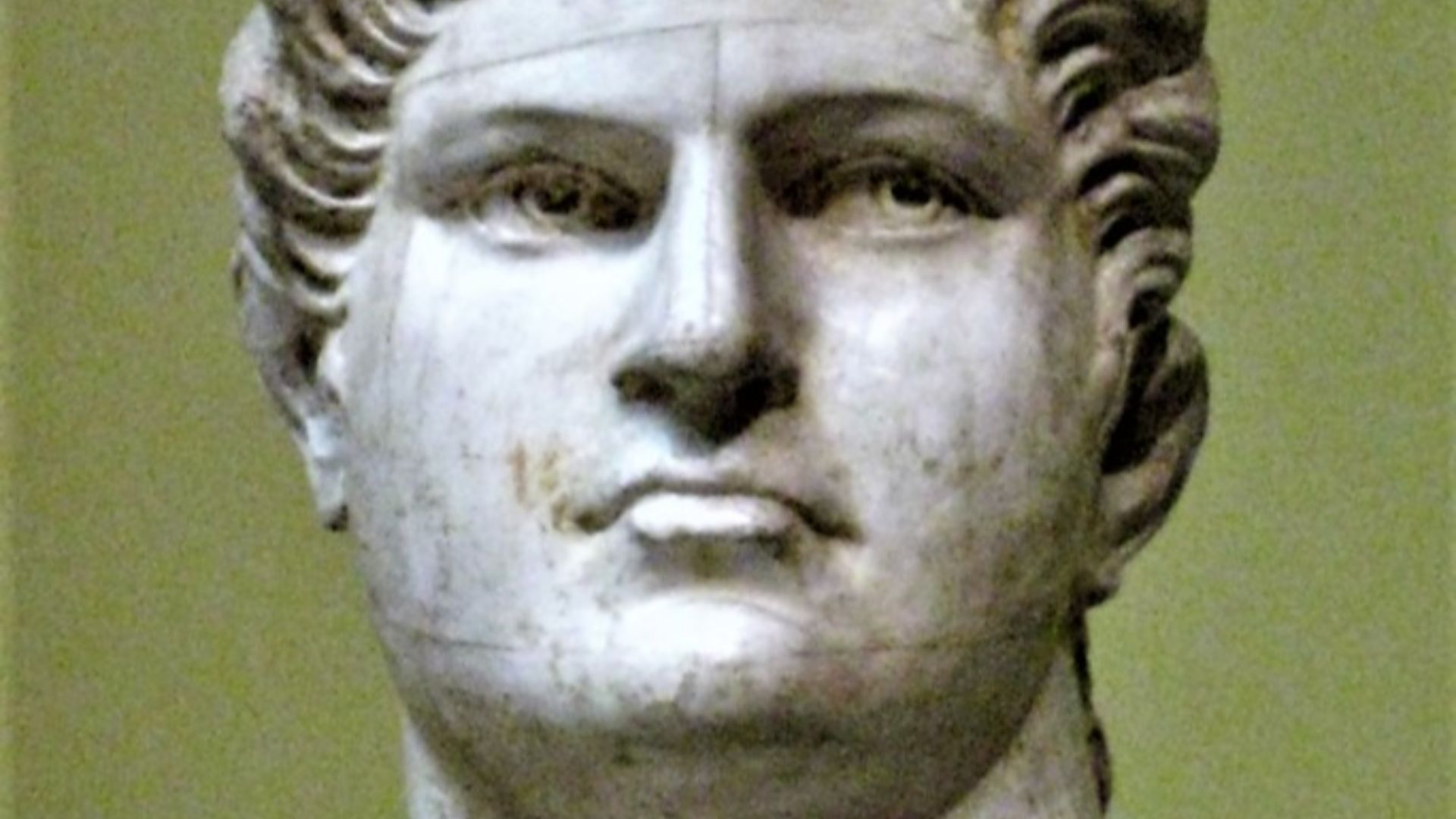
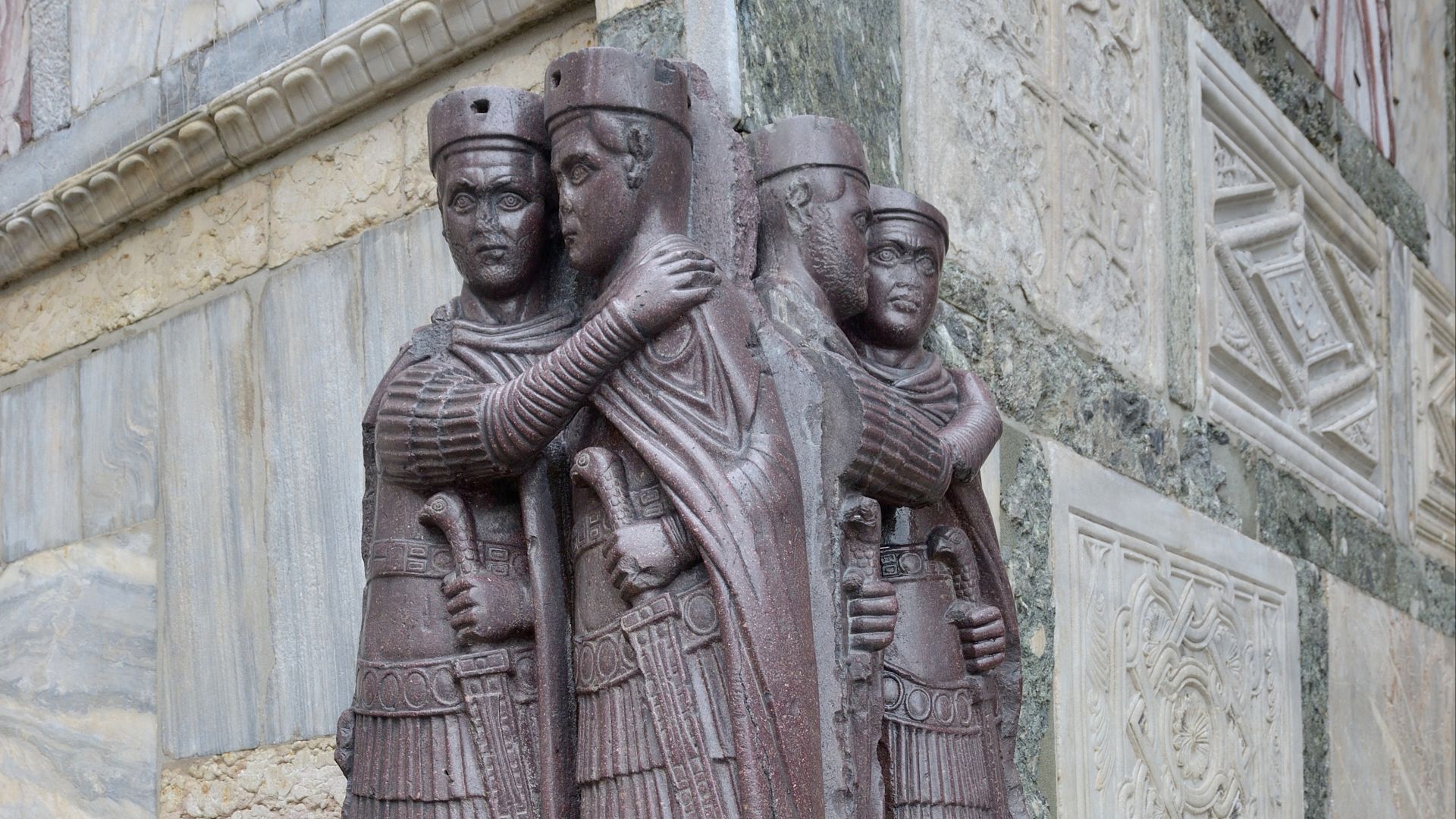
The old sources describe Roman emperors like Nero, Hadrian, and Diocletian consulting the Delphic oracle. Nero supposedly heard the warning to “beware the seventy‑third year,” erroneously thinking he would have a long reign. Hadrian, fascinated by Greek culture, supposedly asked who Homer’s parents were. Diocletian later sought guidance on the threat posed by Christianity. This caused him to launch harsh persecutions of Christians in Rome.
Imperial Decisions Shaped By Delphi
Roman leaders were loath to admit that a prophecy guided policy, but Delphic responses shaped their choices. Ambiguous warnings could be used to justify pre‑planned campaigns or ideological programs, like Diocletian’s attempt to reinforce traditional Roman cults. Even when emperors ignored or misunderstood prophecies, Roman historians framed events as fulfillments of Apollo’s words, building the oracle’s aura even more
Skepticism, Satire, And Competition
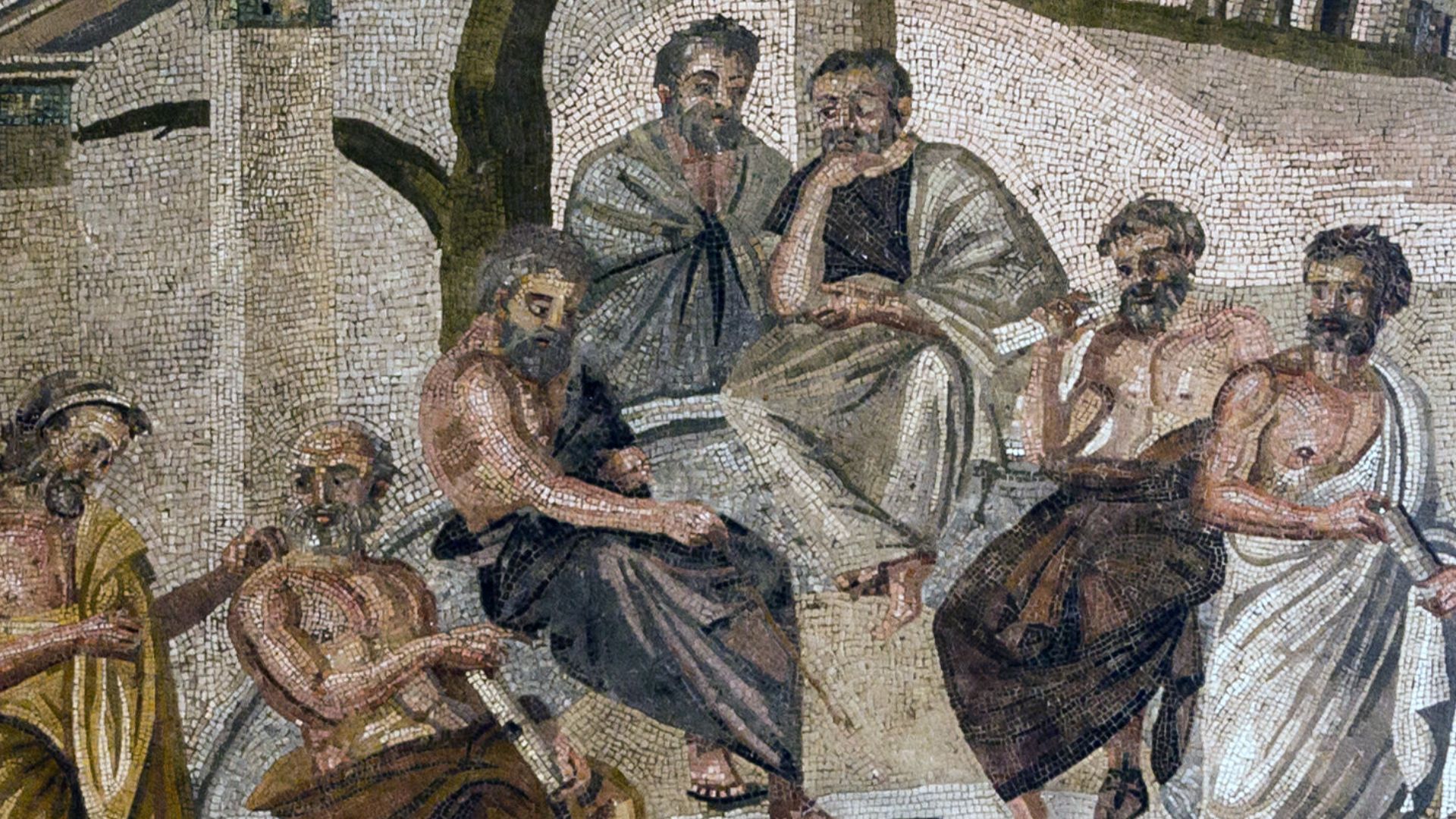
Despite its prestige, Delphi was the subject of growing criticism in the Roman world. Philosophers started to doubt whether gods truly spoke through trances. Satirists mocked oracles as masters of double‑talk. New cults and charlatans appeared promising answers, and fleecing the public out of their money. As literacy and philosophical schools spread, some Roman elites took a liking to reasoned debate over cryptic religious riddles.
 Unknown authorUnknown author, Wikimedia Commons
Christianity And Declining Credibility
As Christianity gained imperial favor, Christian writers condemned Delphi as a coven of demons rather than a voice of truth. They rejected oracles as failed predictions or clever frauds. Imperial support swayed toward churches and bishops, while pagan sanctuaries suddenly found themselves out of funding, legal protection, and luck. The oracle’s prestige was swept away as a new religious worldview reinterpreted its entire history.
Last Prophecies And Official Closure
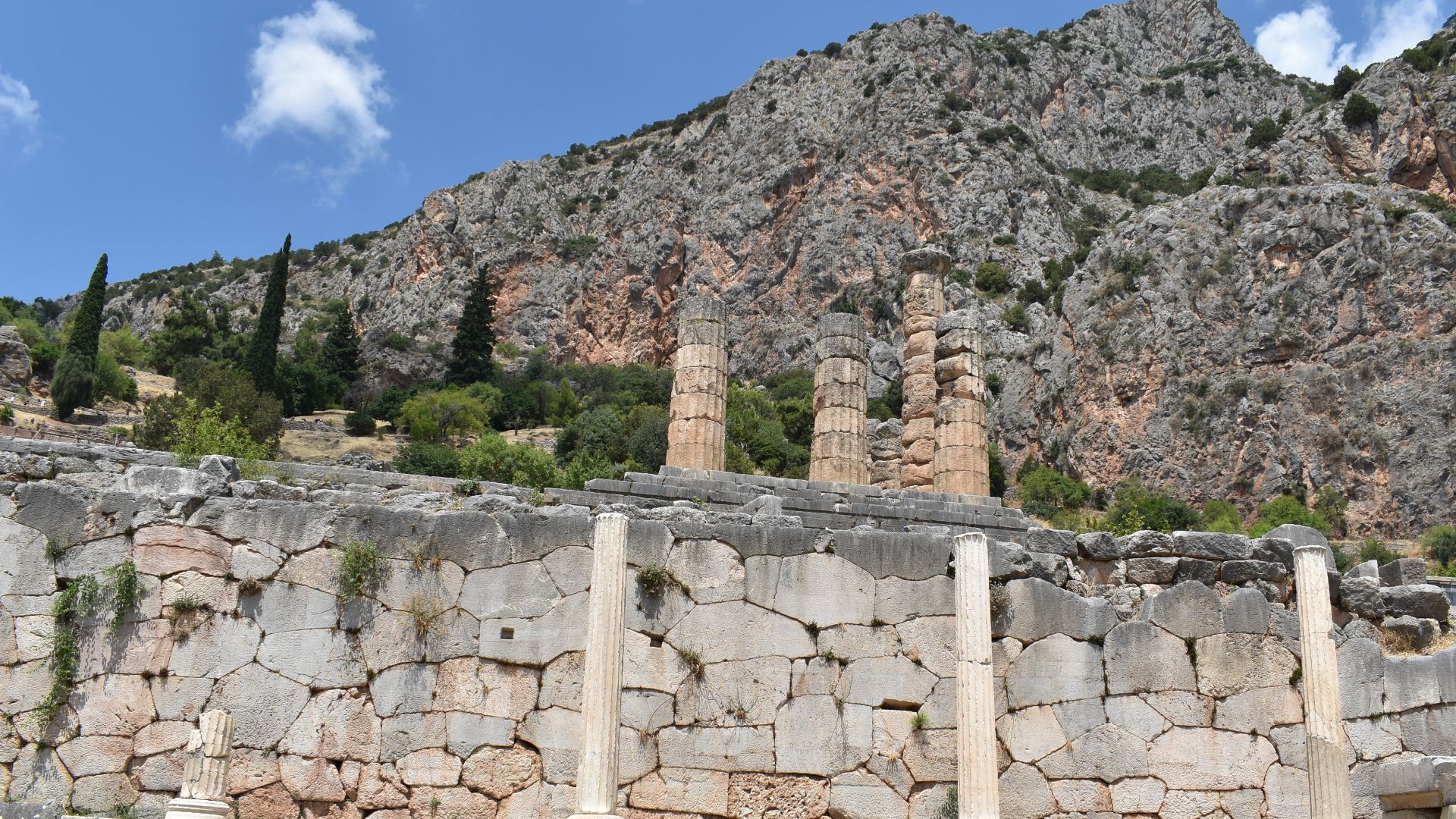
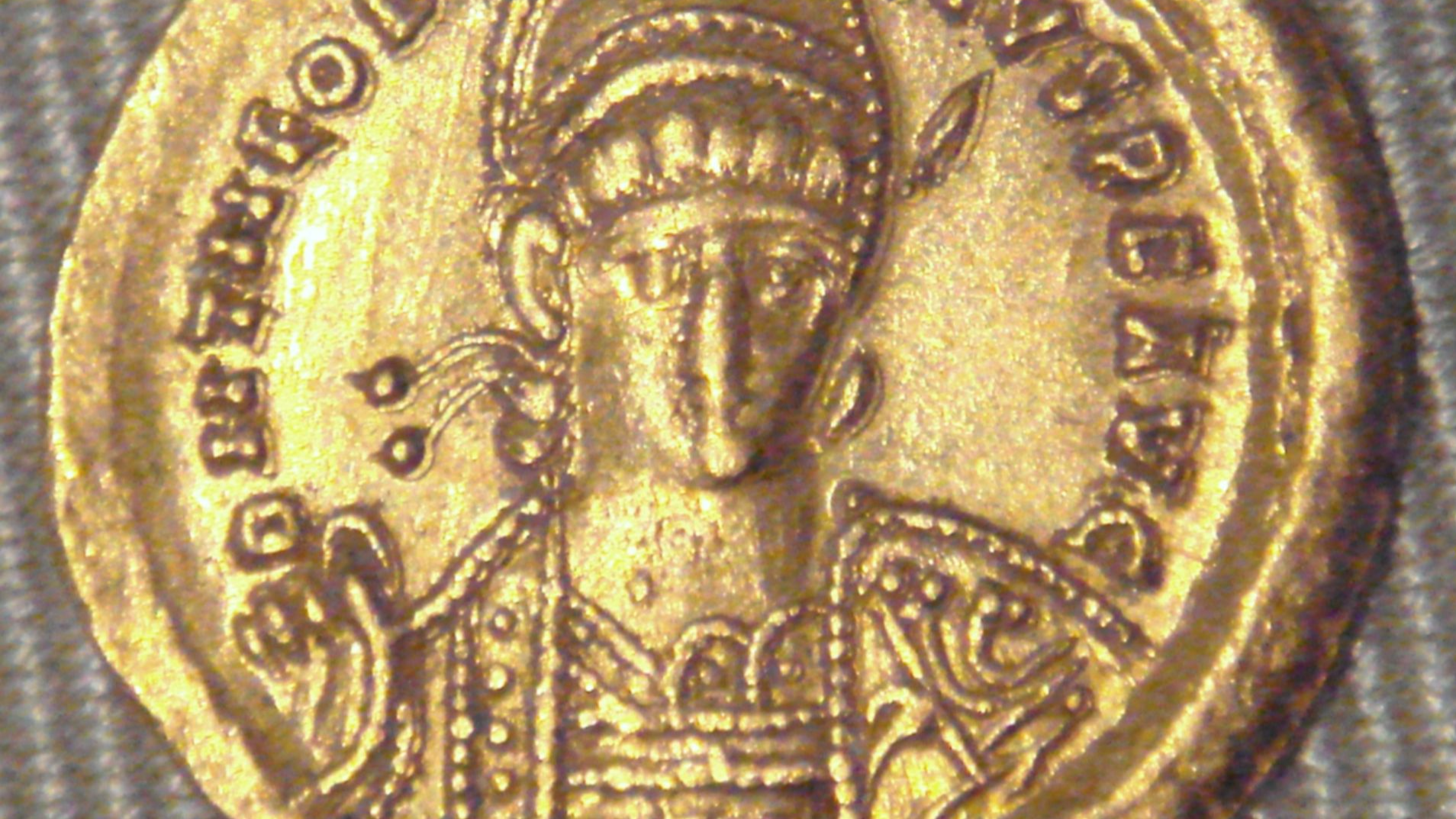
Sources from later Roman times described Delphic responses that sound like farewells, resigned to the end of Apollo’s speaking. Whether that’s historically accurate or later Christian inventions, there was a real transition going on. In 393 AD, Theodosius I banned pagan cults and closed most of the temples. Without sacrifices, festivals, or funding, the Pythia fell silent, and Delphi’s function officially came to a close.
History's most fascinating stories and darkest secrets, delivered to your inbox daily.
From Abandonment To Rediscovery
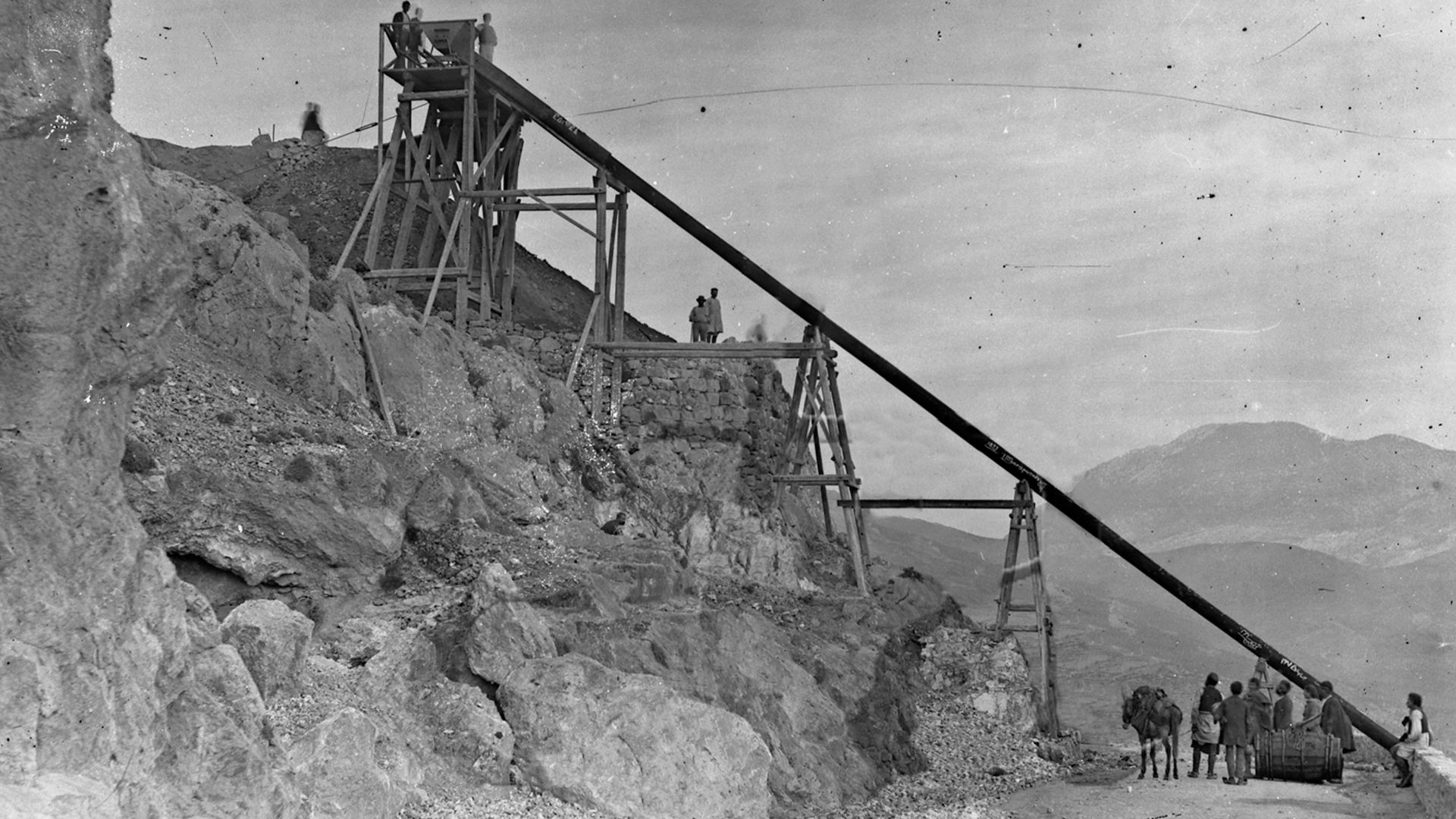
As the Roman period gave way to the Dark Ages, the sanctuary’s buildings crumbled. A village grew over top of the ruins, using the temple stones for their houses. European travelers in early modern times suspected the site’s true identity, but large‑scale archaeology didn’t take place until the 19th century. When residents were relocated, French archaeologists started the “Great Excavation,” slowly uncovering temples, treasuries, inscriptions, and artworks buried for over a millennium.
 French Archaeological School - Γαλλική Αρχαιολογική Σχολή, Wikimedia Commons
Archaeology Shows The Way
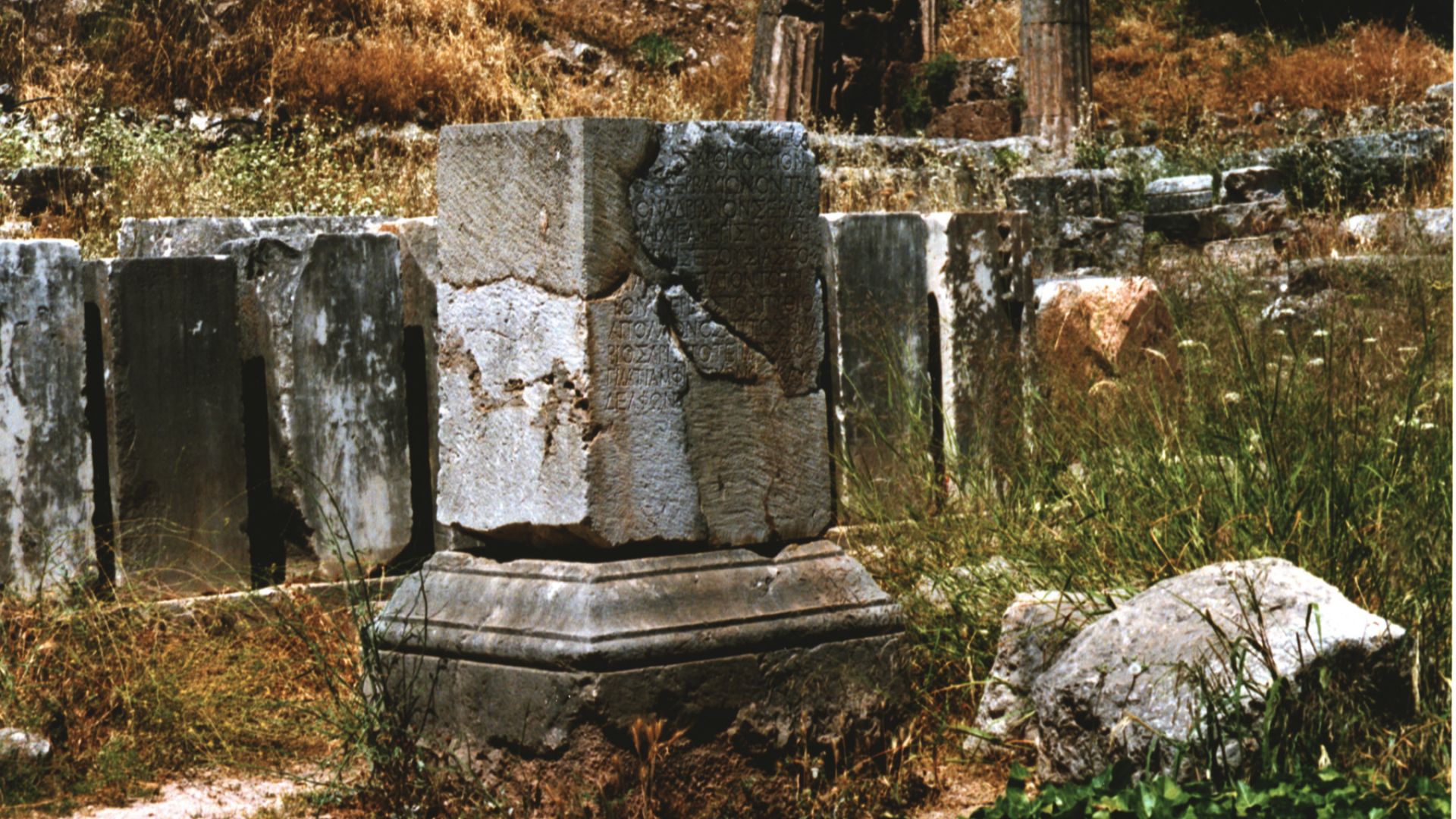
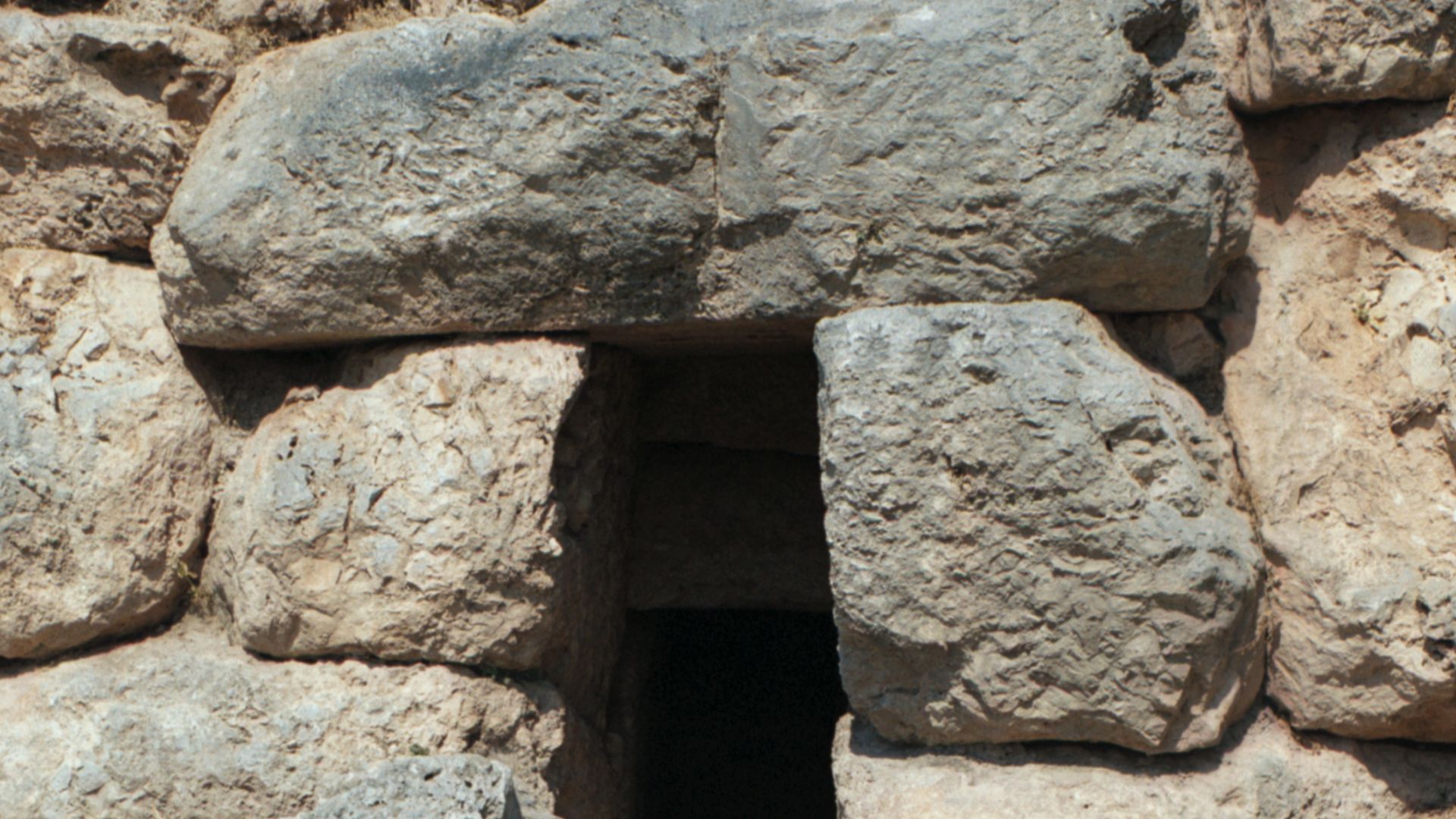
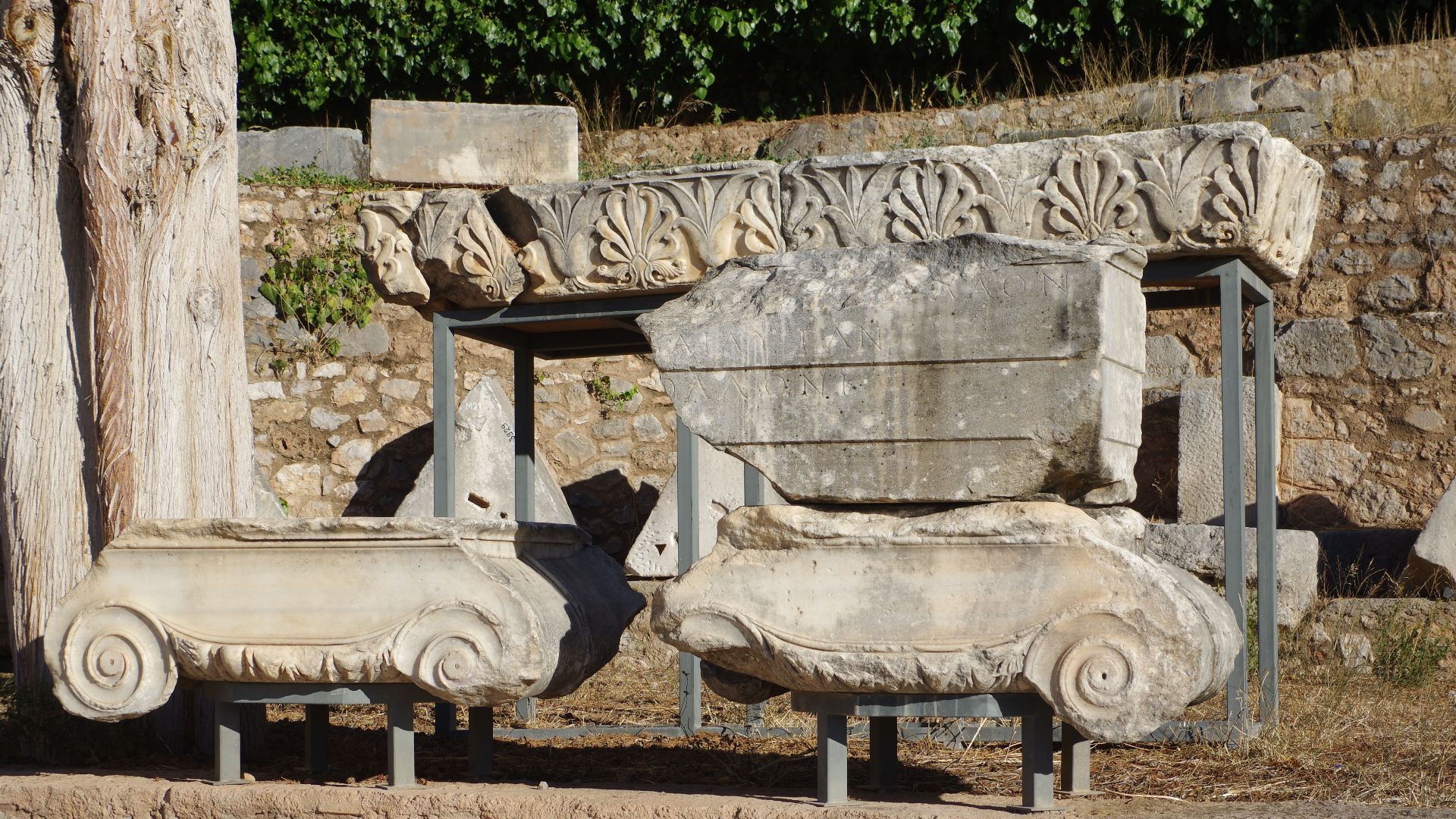
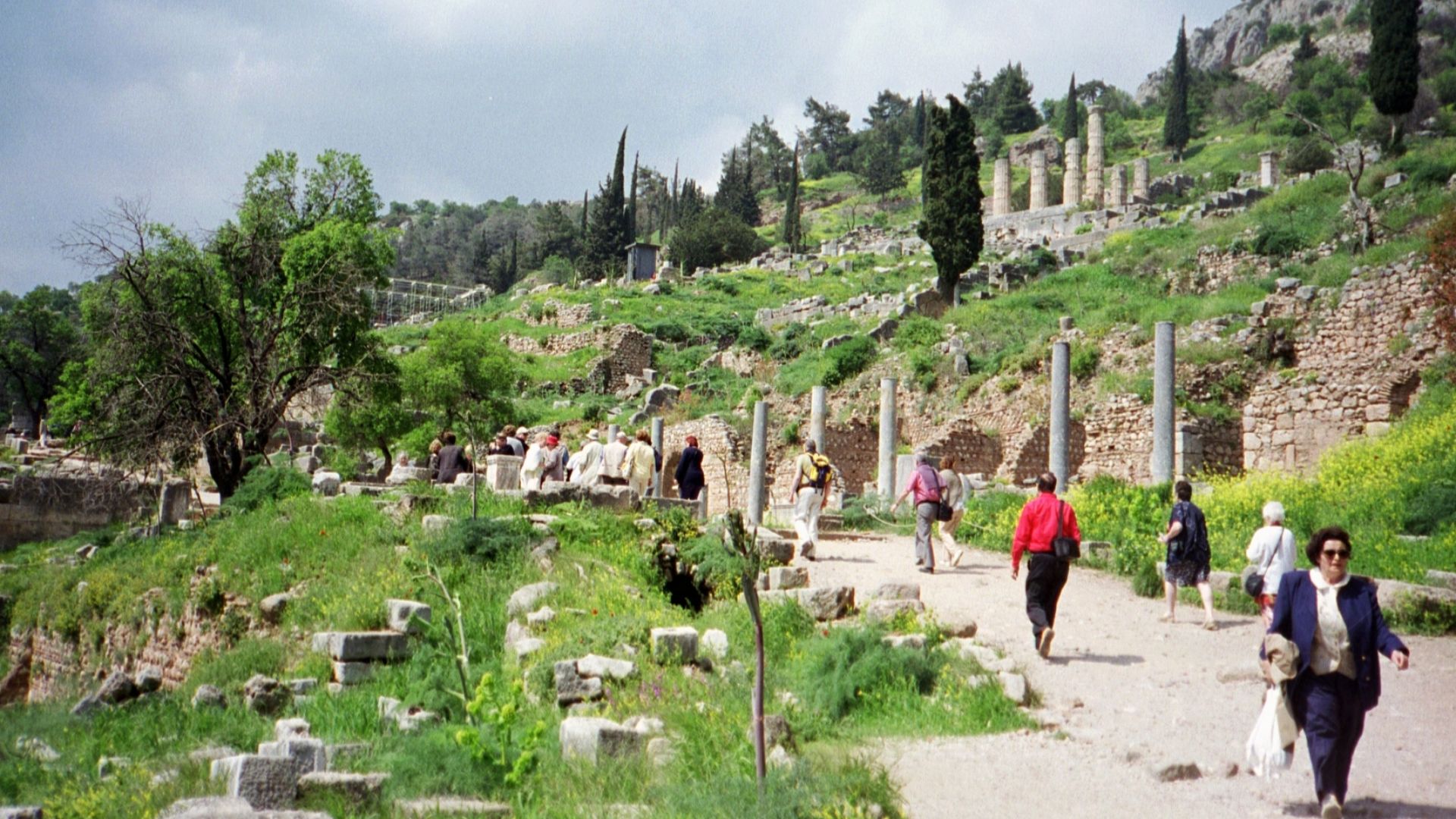
Excavations dug up the winding Sacred Way lined with monuments and city treasuries. The Temple of Apollo’s foundations, the theatre above, and the stadium farther up the slope were freed from debris. Inscriptions recording the freeing of slaves, political decrees, and votive offerings brought Delphic society to life, showing how religion, politics, and economics intersected at this windswept mountain crossroads.
Structures And Ritual Spaces
The archaeologists mapped out the temple’s inner sanctum, the tripod base, and surrounding cult monuments, showing how seekers of knowledge went through the sanctuary. The site layout and its structures demonstrate how carefully the landscape was choreographed to prepare visitors emotionally and physically to hear Apollo’s voice.
 Berthold Werner, Wikimedia Commons
Geological And Environmental Studies
Recent research has looked at Delphi’s geology, confirming fault lines beneath the sanctuary. Traces of gases like ethylene and methane support the old reports of intoxicating vapors. Environmental studies also reconstruct vegetation, climate, and erosion patterns around Mount Parnassus. These findings indicate that the oracle’s setting was not only rife with symbolism but physically unusual, adding to its sense of mystery.
World Heritage Site
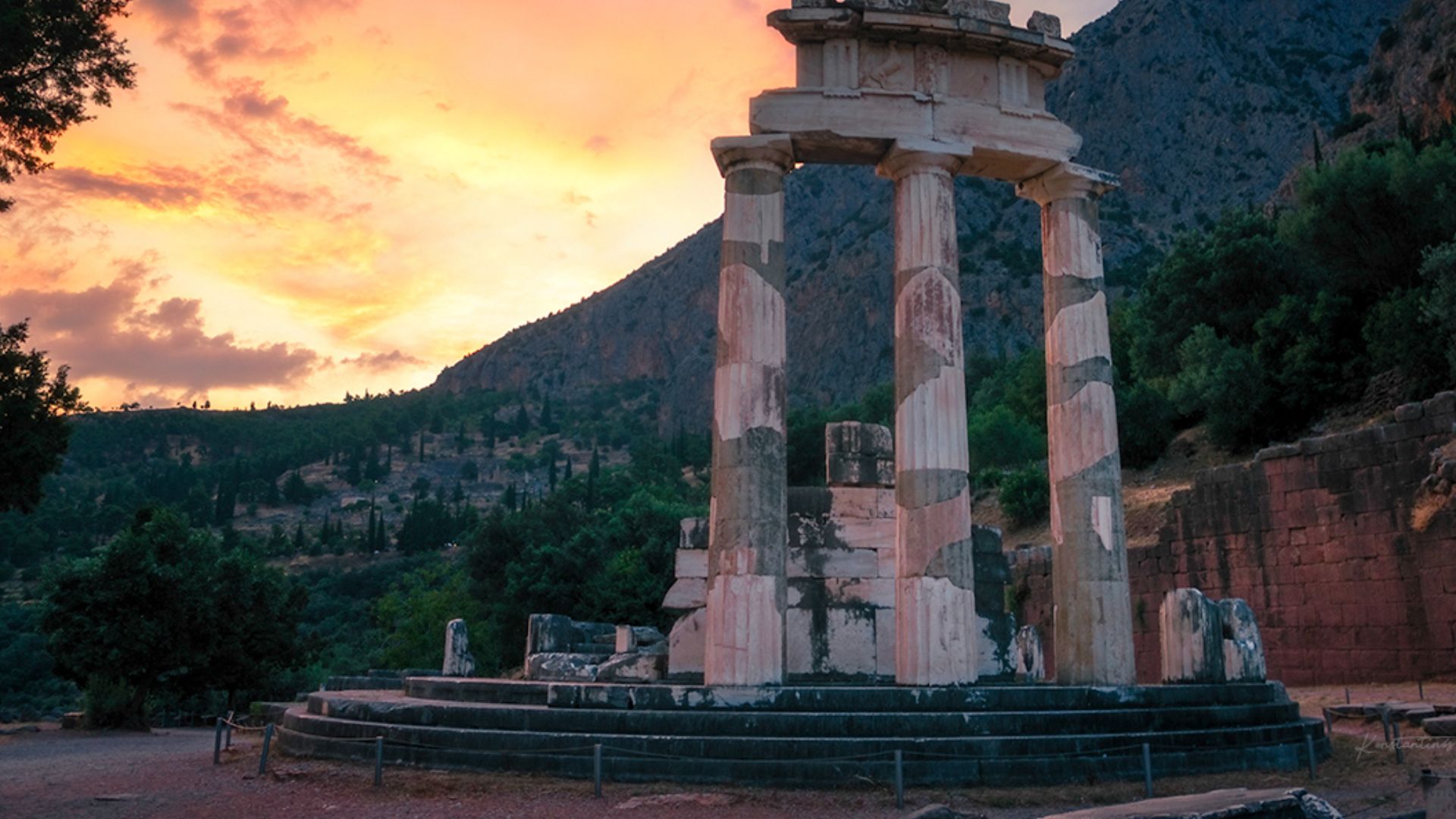
Today Delphi is a UNESCO World Heritage Site, welcoming huge numbers of visitors every year. Archaeologists and curators struggle to stabilize ancient walls, protect delicate inscriptions, and manage the heavy foot traffic on steep, fragile terraces. Ongoing projects monitor structural stress, earthquake risks, and design visitor paths to balance public access with preservation of the sanctuary’s vulnerable remains.
 Konstantinos Kousis, Wikimedia Commons
Delphi Still Beguiles Us
Historians, classicists, and scientists still debate how much of the oracle’s reputation relied on religious charisma, careful information‑gathering, or genuine trance-like experiences. Novels, films, and popular histories keep reimagining the Pythia as wise prophetess, political instrument, or tragic figure. Delphi is a great academic case study in power and a powerful symbol of enigmatic destiny for the non-scholar to think about.
History's most fascinating stories and darkest secrets, delivered to your inbox daily.
Fate And Freedom
The Delphic oracle has shaped our Western ideas about fate, choice, and responsibility. Its prophecies rarely rested on one single outcome; they instead posed puzzles, and left humans to interpret and act on their counsel. Greek drama and Roman history dramatized fatal misunderstanding of these messages of the divine; at the same time, consulting no oracle at all would’ve seemed equally reckless in those days.
 Pierre André Leclercq, Wikimedia Commons
Still In Use
Inscriptions at Delphi advised visitors to “know yourself” and “nothing in excess,” sayings that are still quoted today. These sayings linked religious experience with moral introspection and restraint. Even after temples crumbled into rubble and Christian churches rose nearby, these words survived to the present day. Apollo’s voice is gone, but Delphic wisdom is still a part of our broader cultural memory.
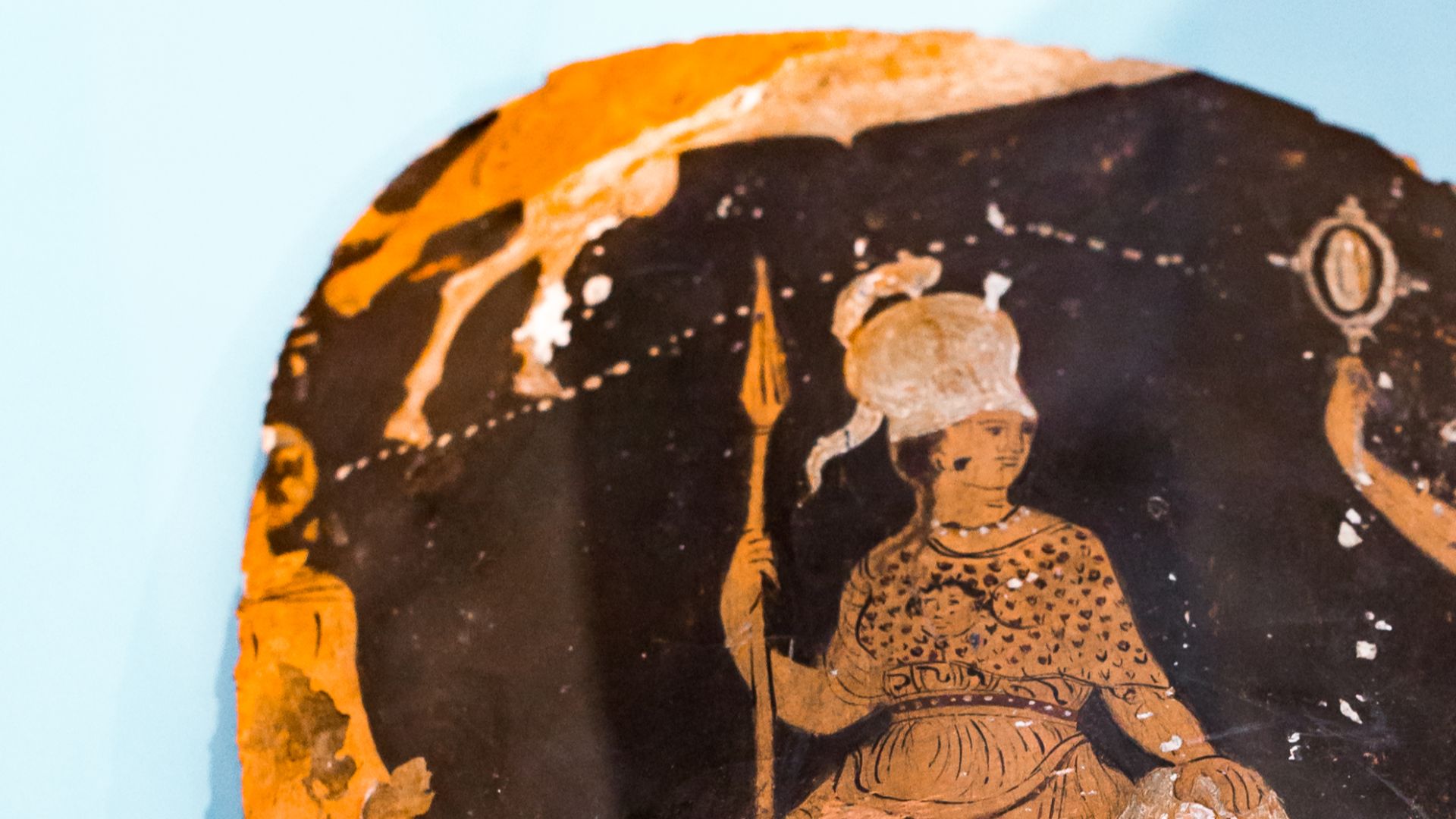 ArchaiOptix, Wikimedia Commons
Echoes Of A Long‑Silent Voice
Standing among Delphi’s ruins, visitors see no Pythia on her tripod and hear no riddles in verse. But the site still invites questions: about the power wielded by sacred language; people seeking certainty in uncertain times; and the way the landscape can shape belief. The oracle is no more, but we hear its echo every time we grasp at answers to the inescapable uncertainty of our lives.
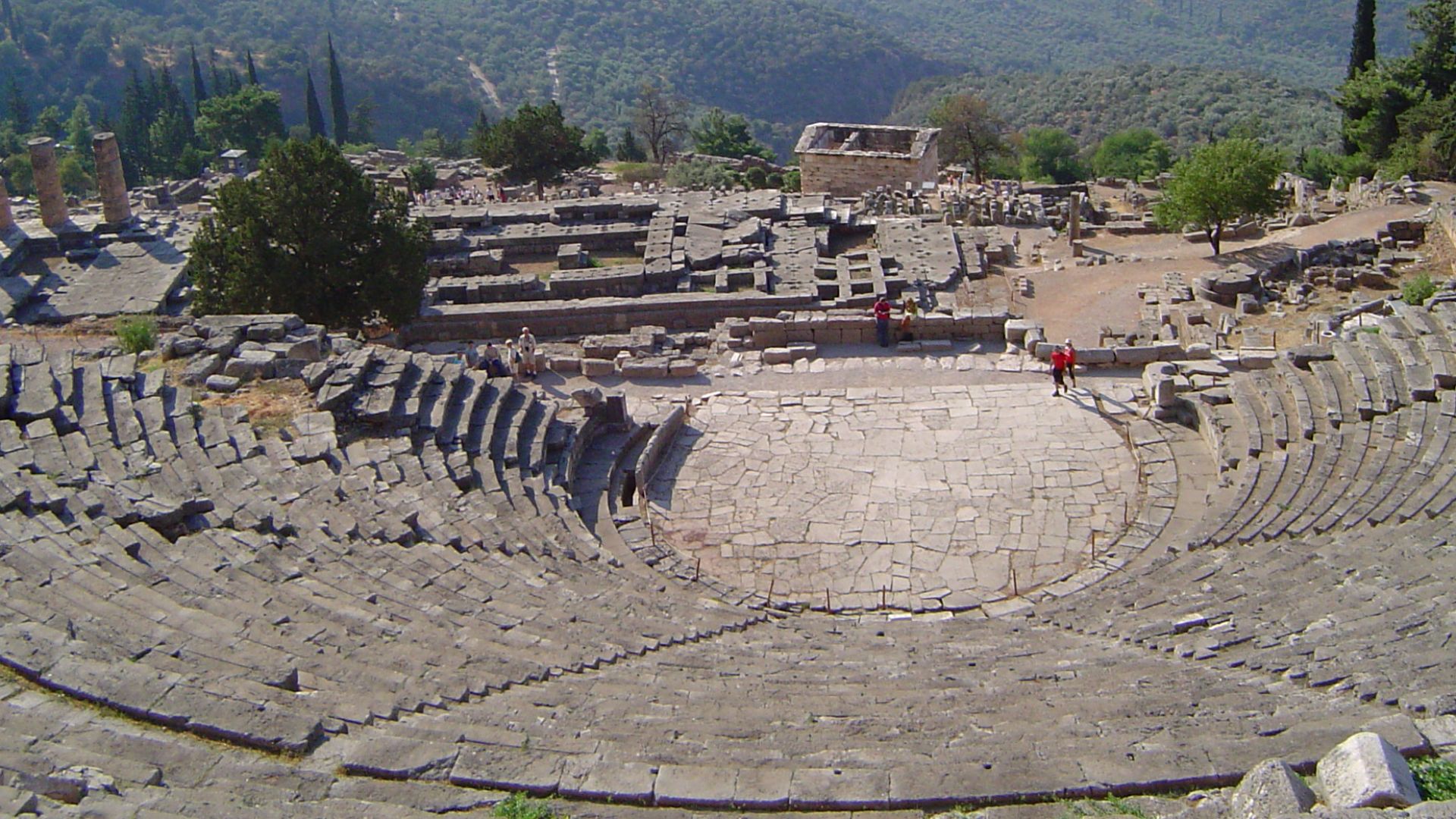 Gregor Schöffl, Wikimedia Commons
You May Also Like:
How Alexander The Great Conquered The World—Then Lost It
Prophetic Facts About Nostradamus