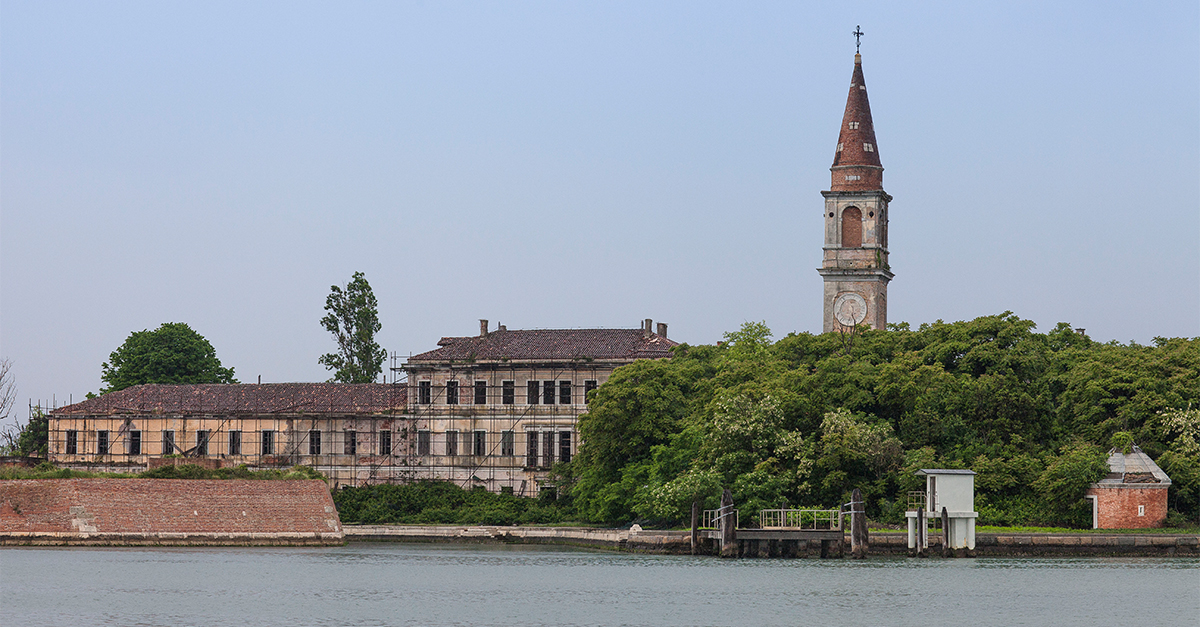
One Of The World’s Most Feared Islands
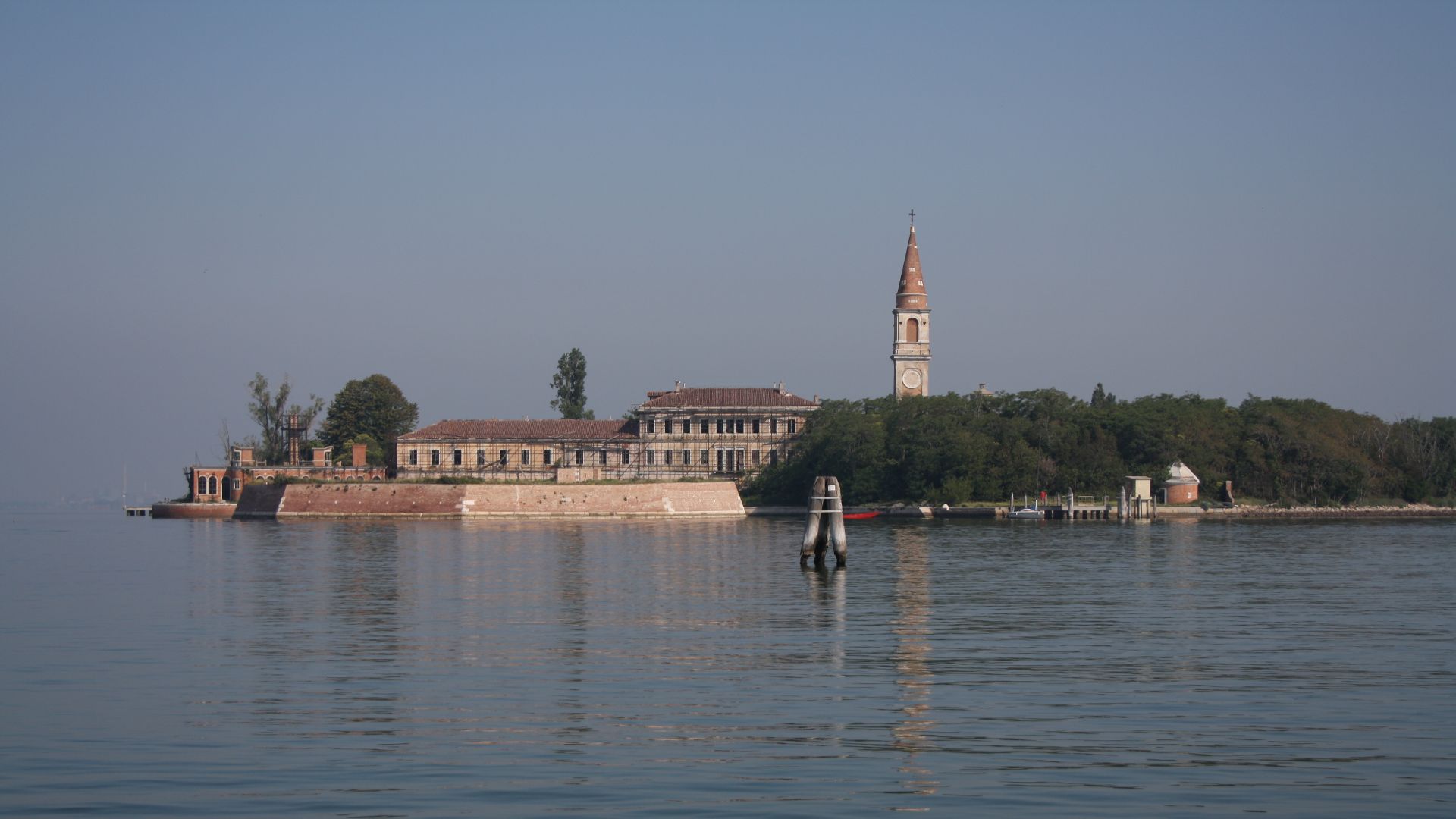
Just a short boat ride from Venice, Italy sits Poveglia, an abandoned island surrounded by stories of death, madness, plague, and ghosts. Over centuries, the island became associated with quarantine camps, mass burials, terrifying medical rumors, and unexplained sightings. Today, it remains empty, forbidden to most visitors, and widely described as one of the most haunted places on Earth.
 Marco Di Lauro/Getty Images; Factinate
A Tiny Island With A Dark Reputation
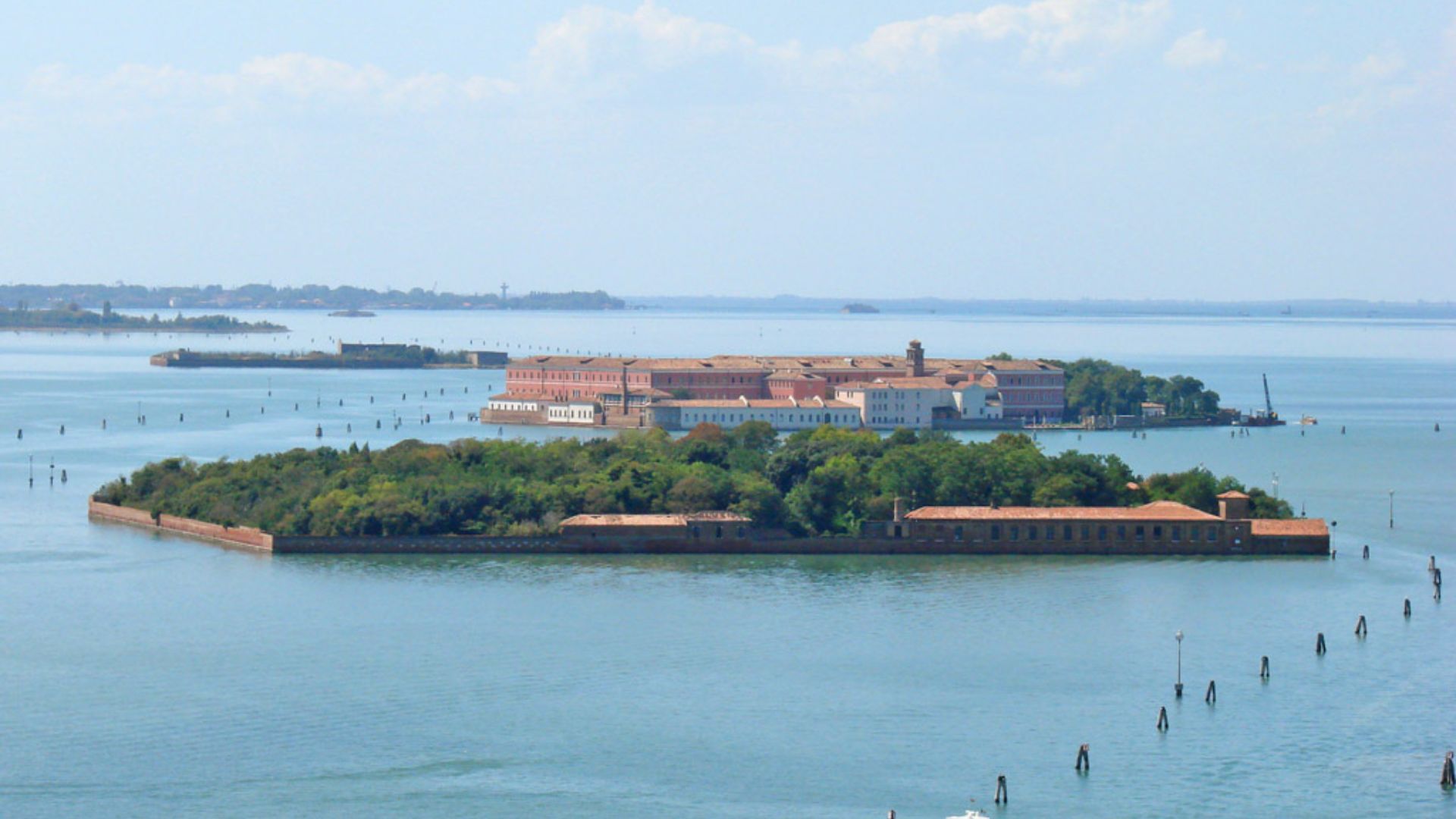
Poveglia is located in the Venetian Lagoon between Venice and Lido. Though physically small, the island carries an enormous reputation. Travelers, paranormal investigators, and horror enthusiasts have transformed it into a modern legend, fueled by centuries of disturbing stories connected to disease, isolation, and suffering.
Early Settlers Once Called It Home
Long before its haunted reputation developed, Poveglia was inhabited by ordinary families. Historical records suggest settlement on the island dates back as early as the Roman era. Refugees escaping barbarian invasions reportedly sought safety there during the collapse of the Western Roman Empire.
Venice Became Obsessed With Disease Control
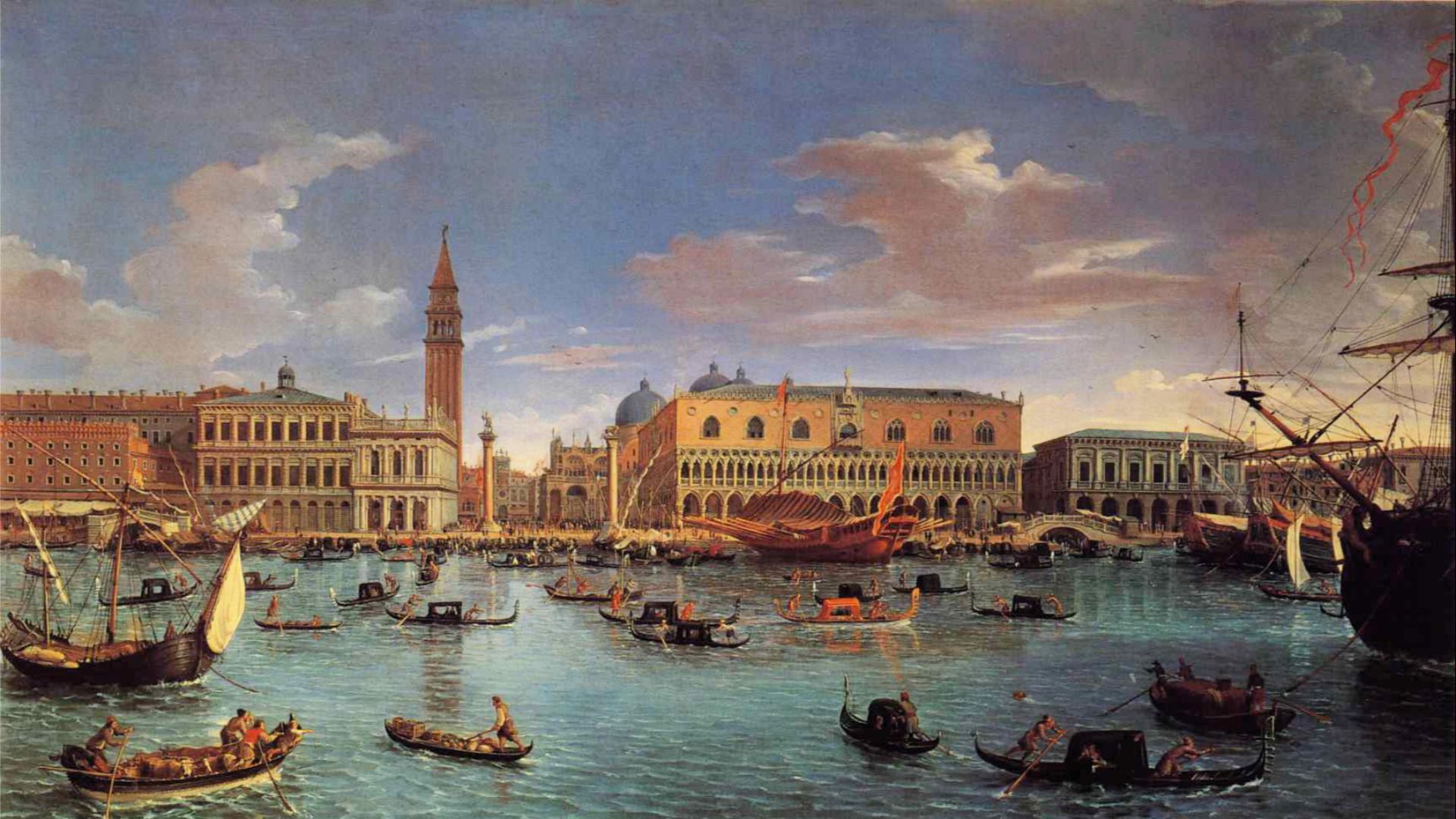
By the Middle Ages, Venice had become one of Europe’s busiest trading centers. Ships arrived constantly from across the Mediterranean and beyond. With commerce came disease, especially outbreaks of bubonic plague. Venetian authorities developed some of Europe’s earliest quarantine systems in an attempt to control epidemics.
 Gaspar van Wittel, Wikimedia Commons
The Plague Changed Poveglia Forever
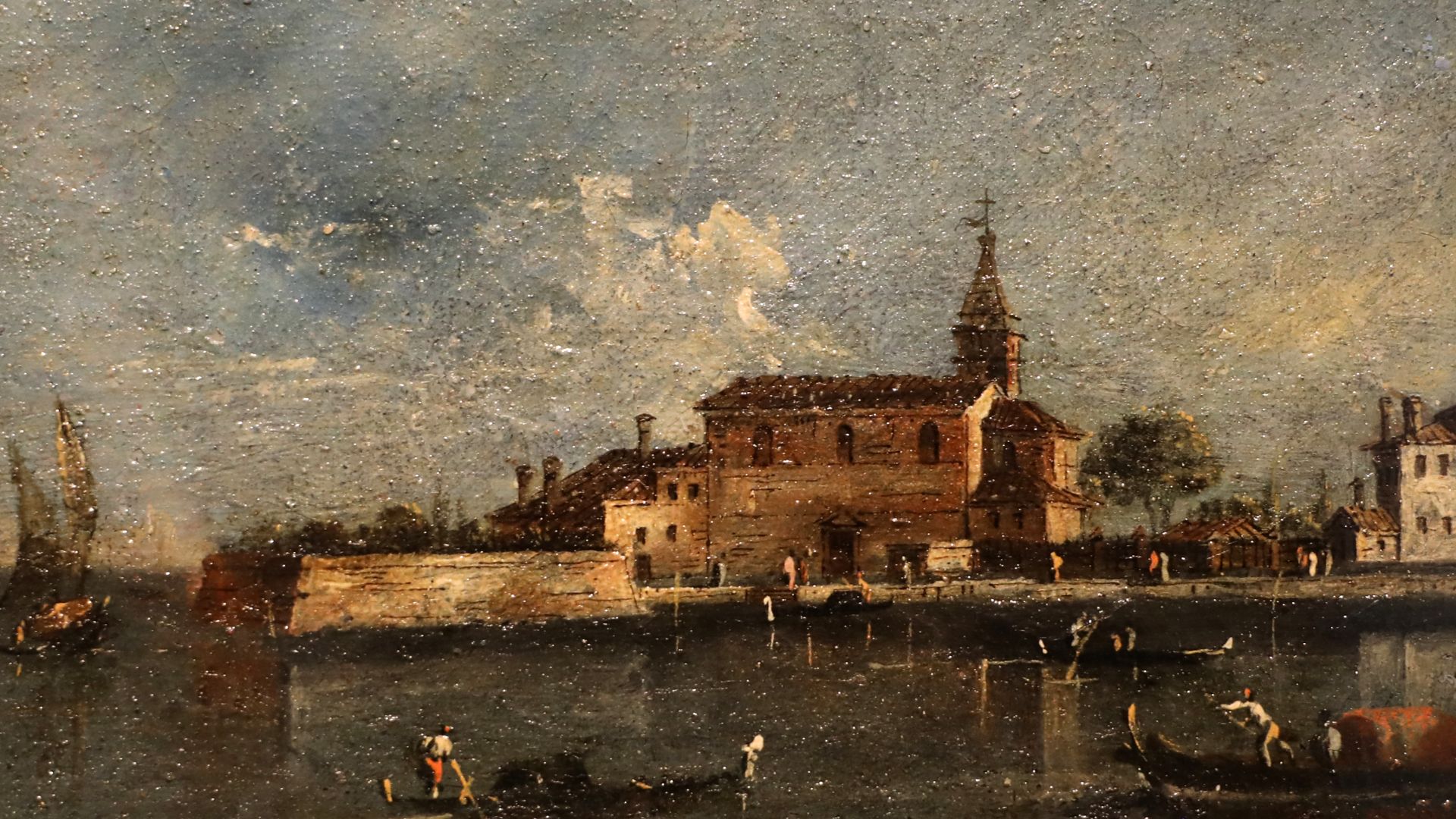
In 1776, Venetian officials formally designated Poveglia as a quarantine station. Ships entering the lagoon could be inspected there before passengers reached Venice itself. Anyone suspected of carrying plague or contagious illness might be removed from their vessel and isolated on the island for observation.
 Francesco Bini, Wikimedia Commons
Quarantine Often Meant A Death Sentence
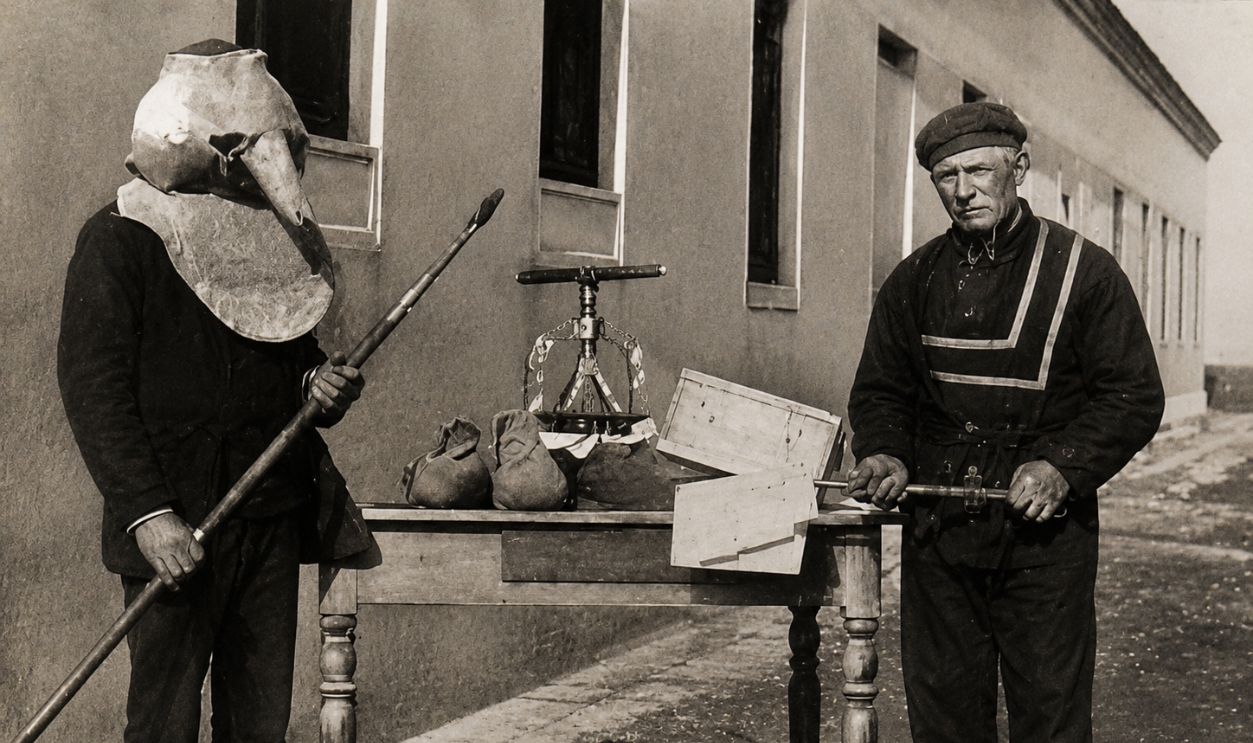
The word “quarantine” sounds clinical today, but conditions on islands like Poveglia were grim. During major outbreaks, sick individuals were separated from society and left with limited medical treatment. Many who arrived on the island never returned home, fueling later stories that the ground itself became saturated with death.
 Theodor Weyl, Wikimedia Commons, Modified
The Bubonic Plague Terrorized Europe
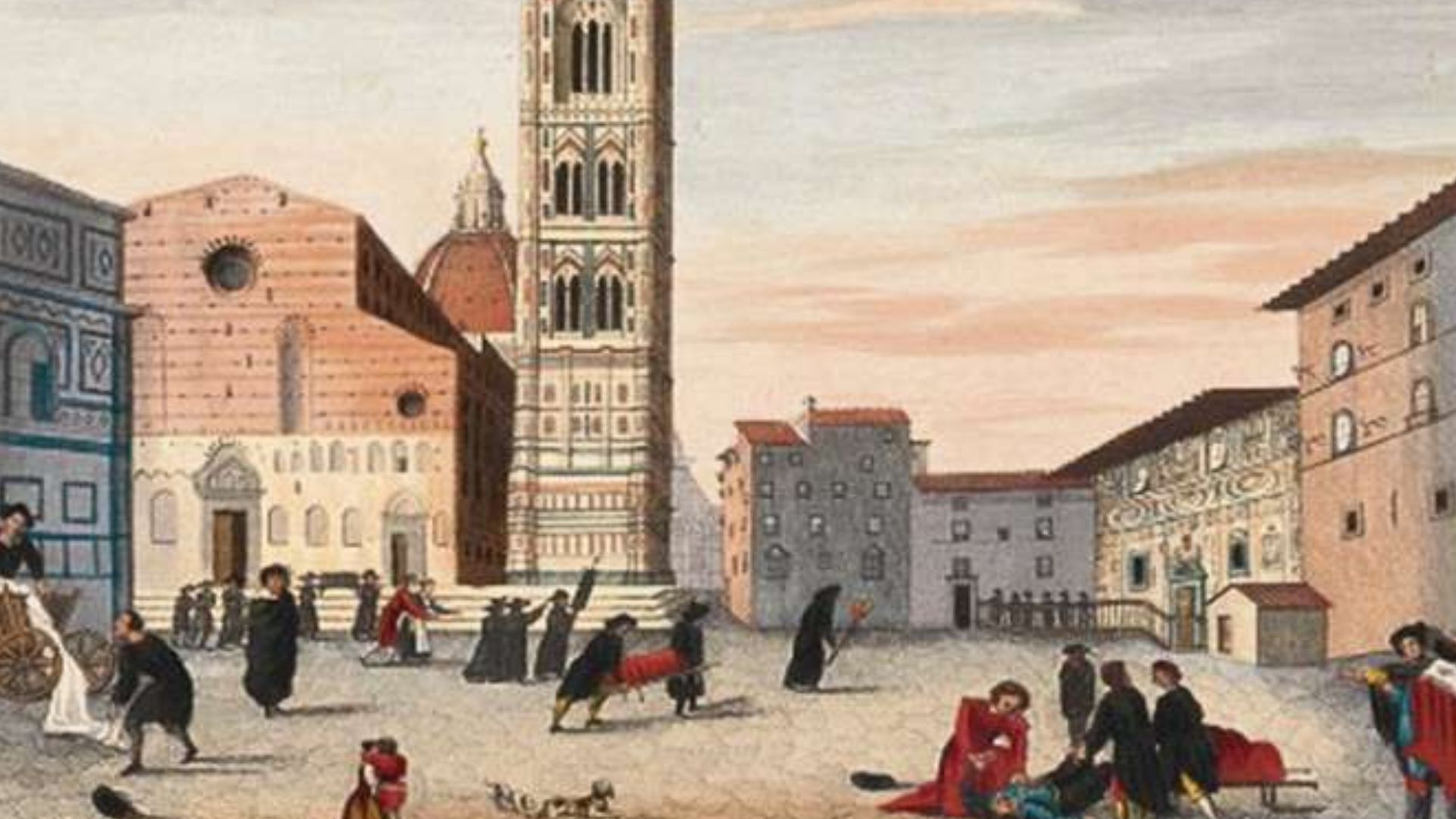
The bubonic plague repeatedly devastated Europe between the fourteenth and seventeenth centuries. Venice suffered several deadly outbreaks that killed huge portions of the population. Poveglia became one piece of the city’s desperate public health strategy, especially during periods when panic and fear spread faster than reliable medical knowledge.

Stories Of Mass Graves Emerged
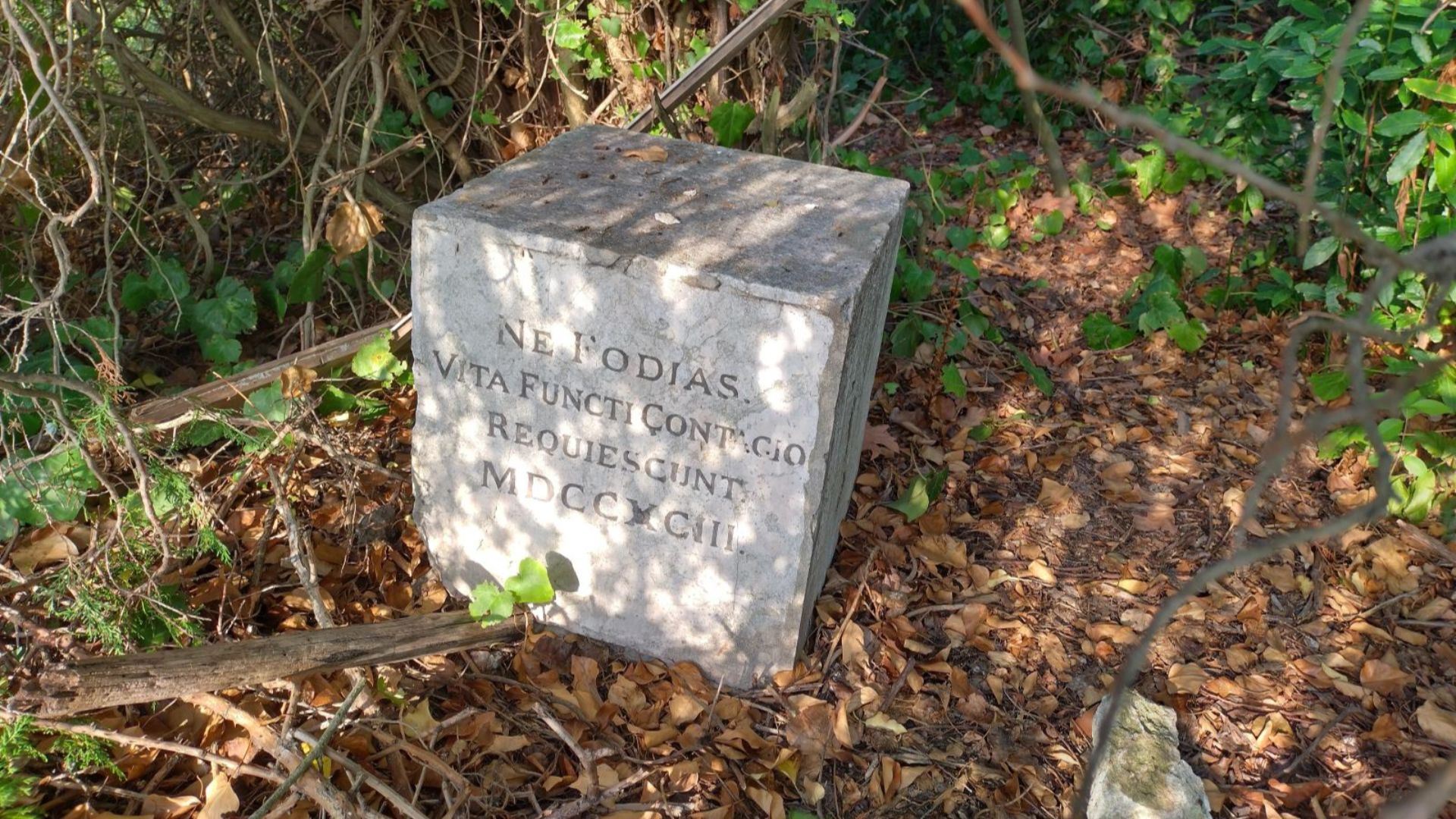
Legends surrounding Poveglia claim enormous numbers of plague victims were buried or burned there. Some tales insist over 100,000 bodies were disposed of on the island across centuries. Historians debate the exact figures, but archaeological evidence confirms the presence of plague burials and human remains on the island.
Fires And Ash Added To The Horror
One enduring story claims the soil of Poveglia contains human ash from cremated plague victims. Visitors have repeated tales of finding bone fragments mixed into the dirt. Whether exaggerated or not, these stories strengthened the island’s horrifying image and helped transform it into a modern destination for ghost lore.
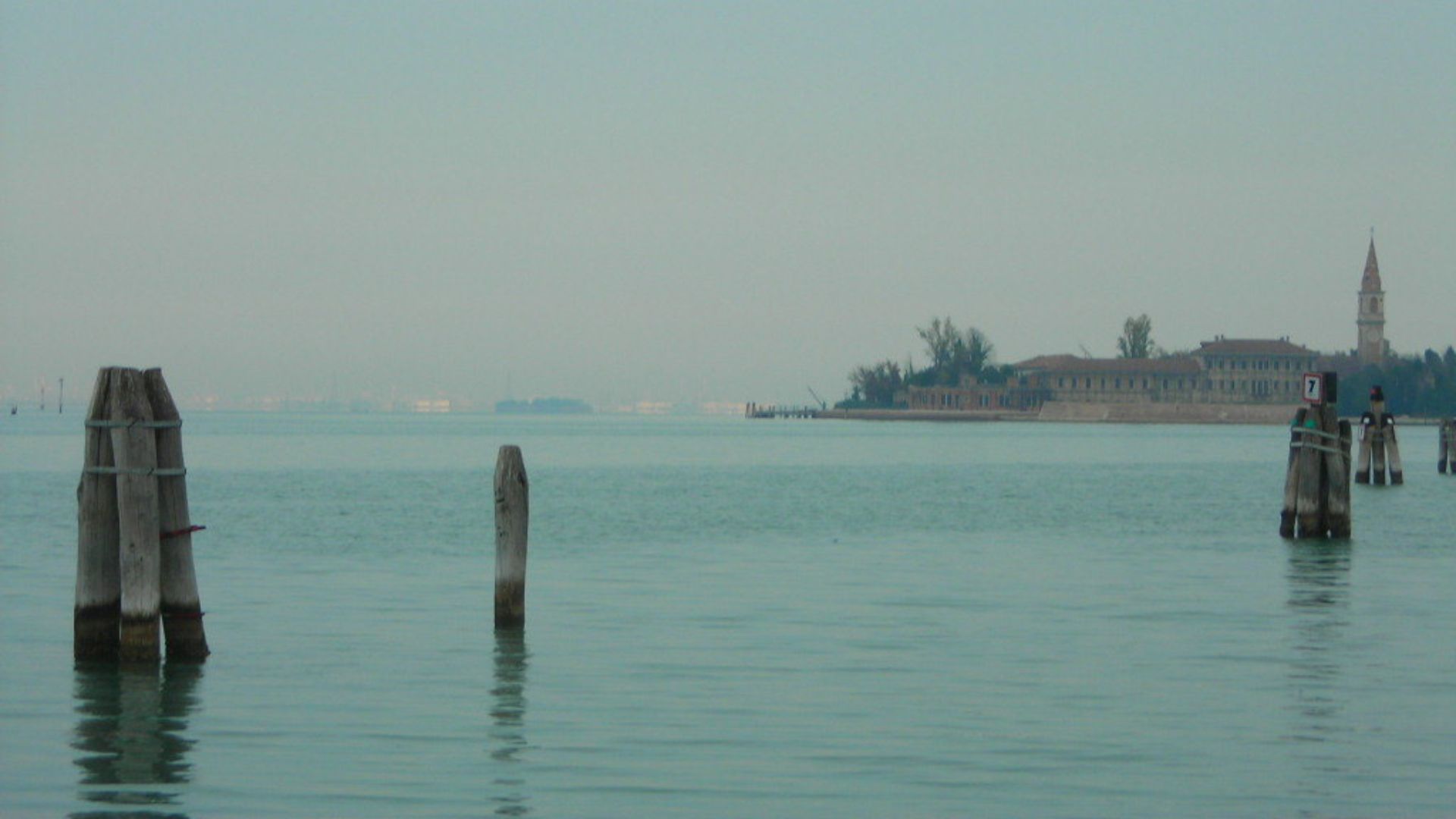 Angelo Meneghini, Wikimedia Commons

History's most fascinating stories and darkest secrets, delivered to your inbox daily.
Isolation Created Endless Rumors
Because quarantine islands were isolated by design, rumors naturally flourished around them. Few outsiders witnessed daily life there firsthand. Over generations, stories became increasingly dramatic. Accounts of screaming patients, plague carts, and desperate prisoners blended history with folklore until separating fact from legend became difficult.
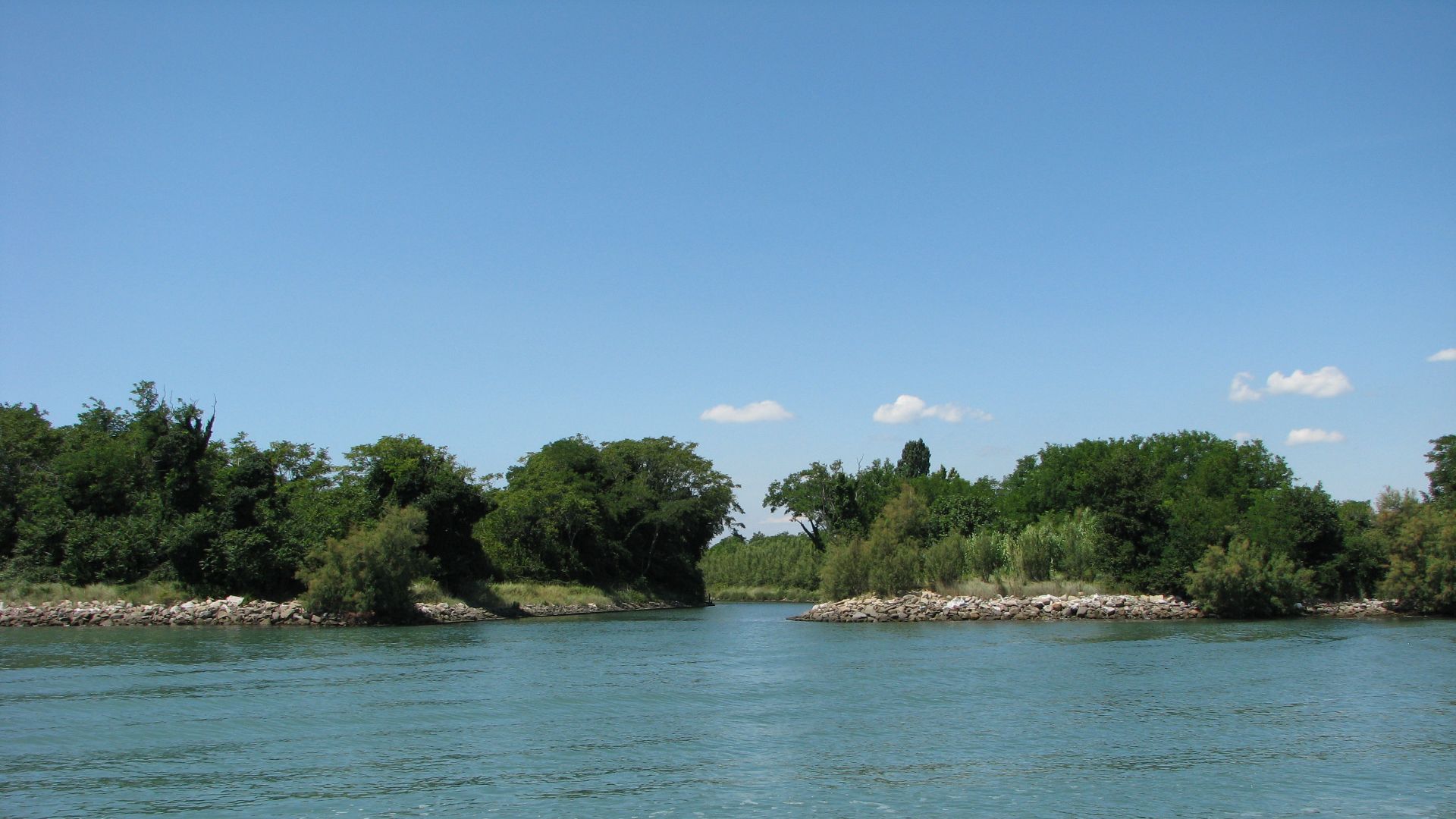
Napoleon Used The Island Militarily
During the Napoleonic era, Poveglia reportedly served military purposes as well. Some accounts suggest weapons and supplies were stored there after Venice fell under French control. Although this period receives less attention than the plague years, it added another layer to the island’s long and complicated history.
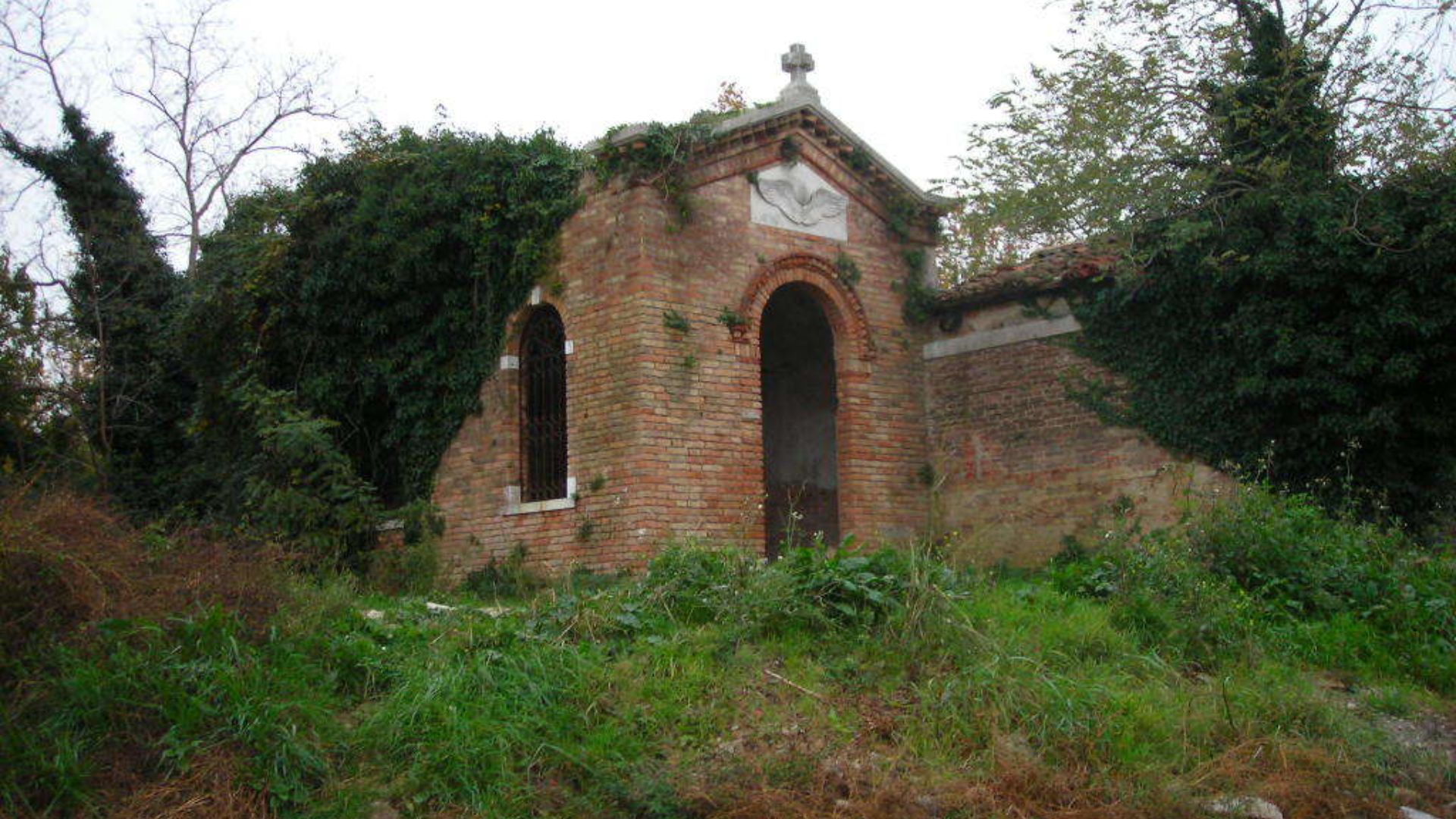 Angelo Meneghini, Wikimedia Commons
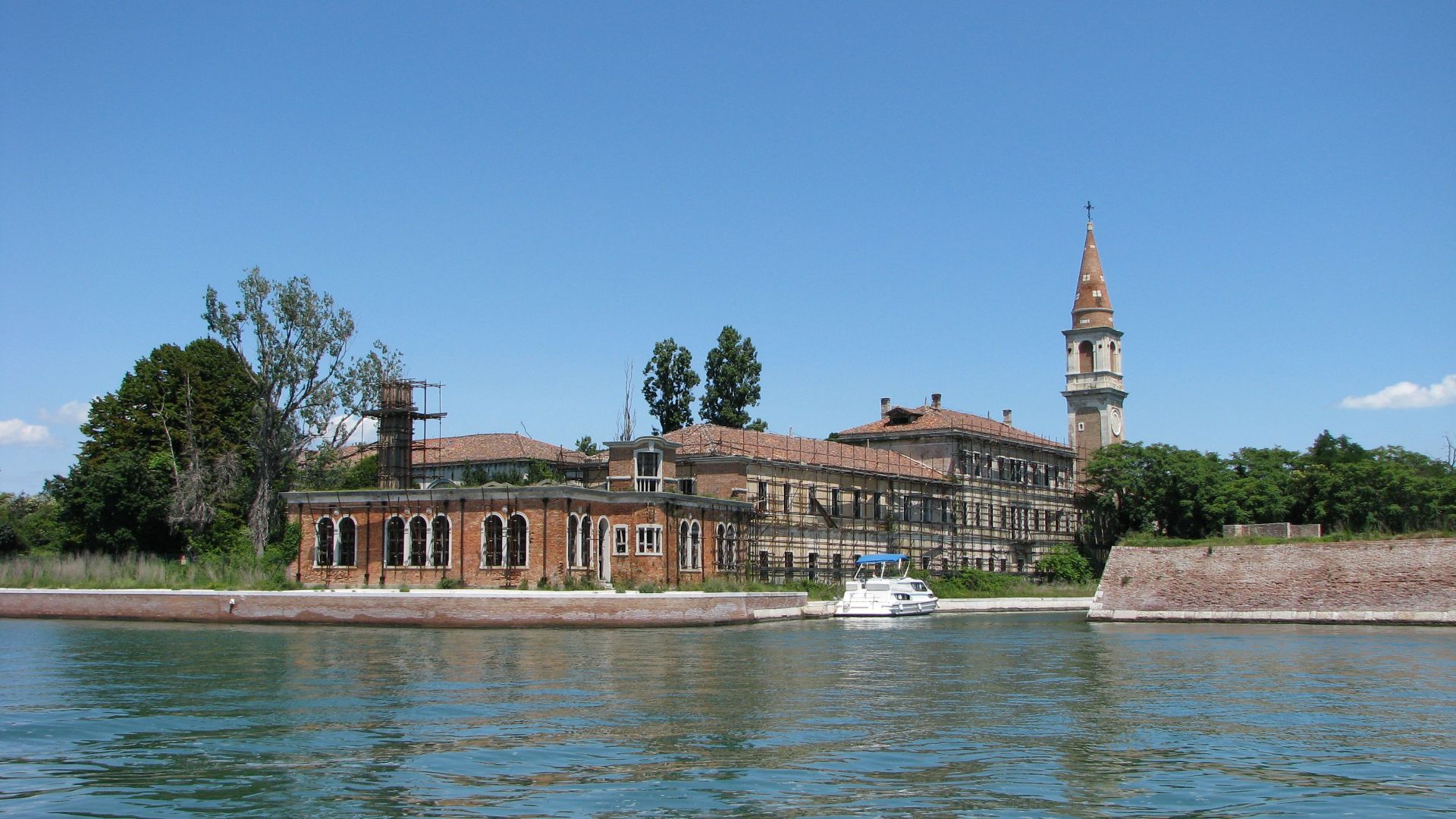
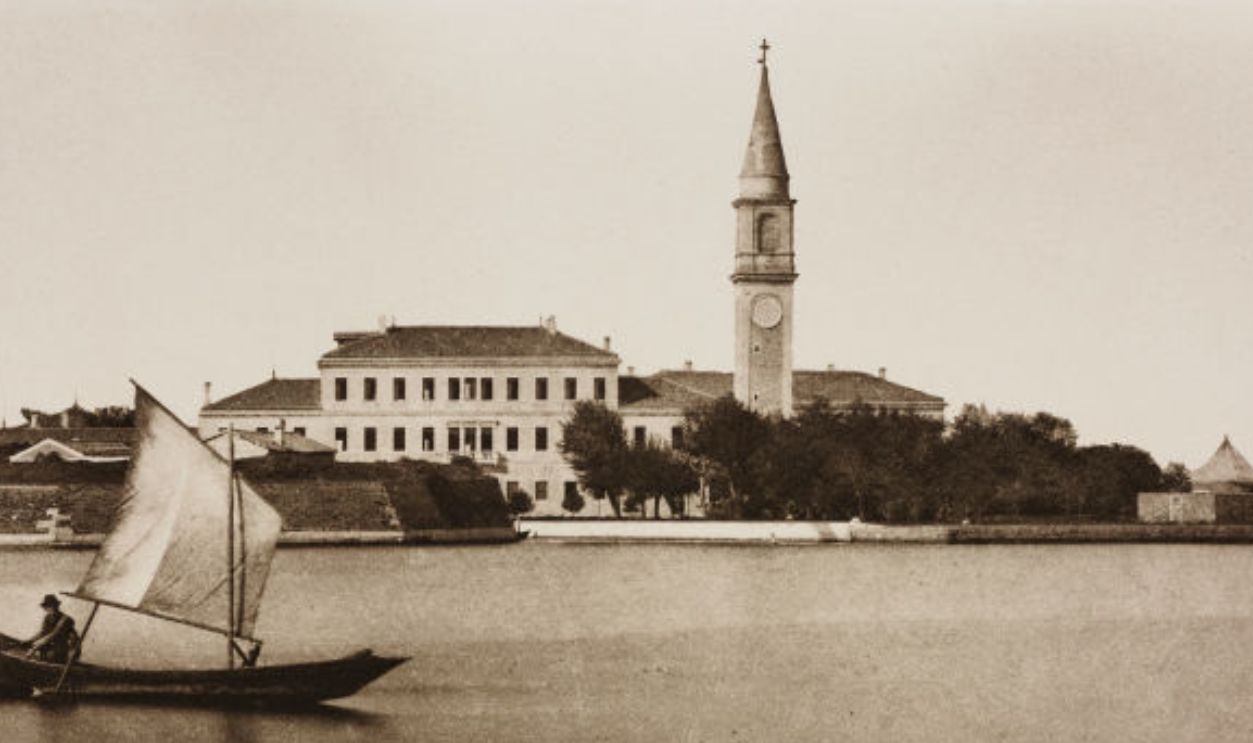
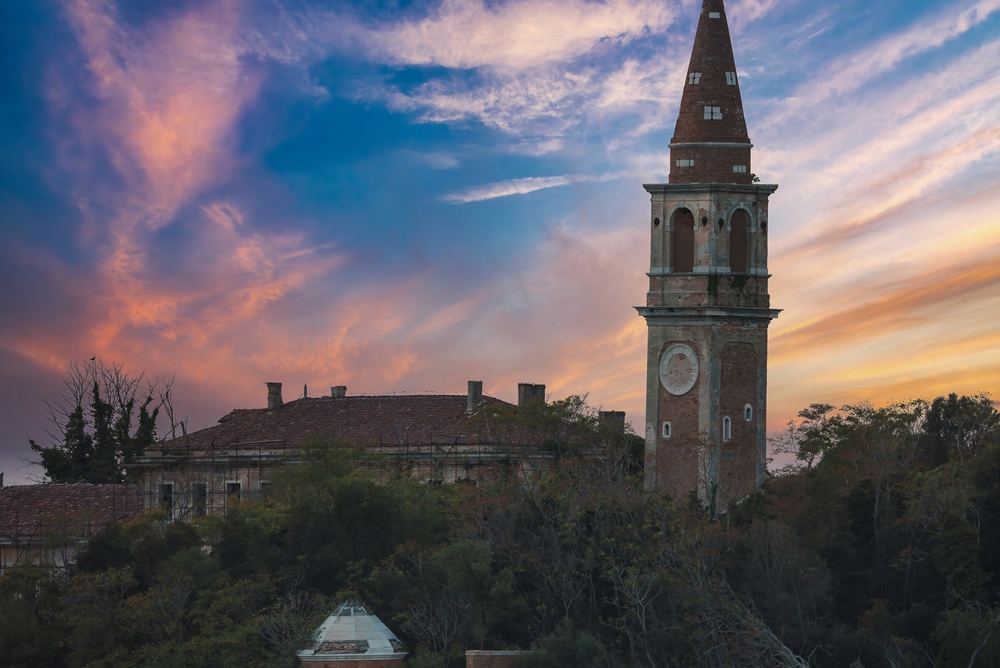
The Bell Tower Became A Sinister Symbol
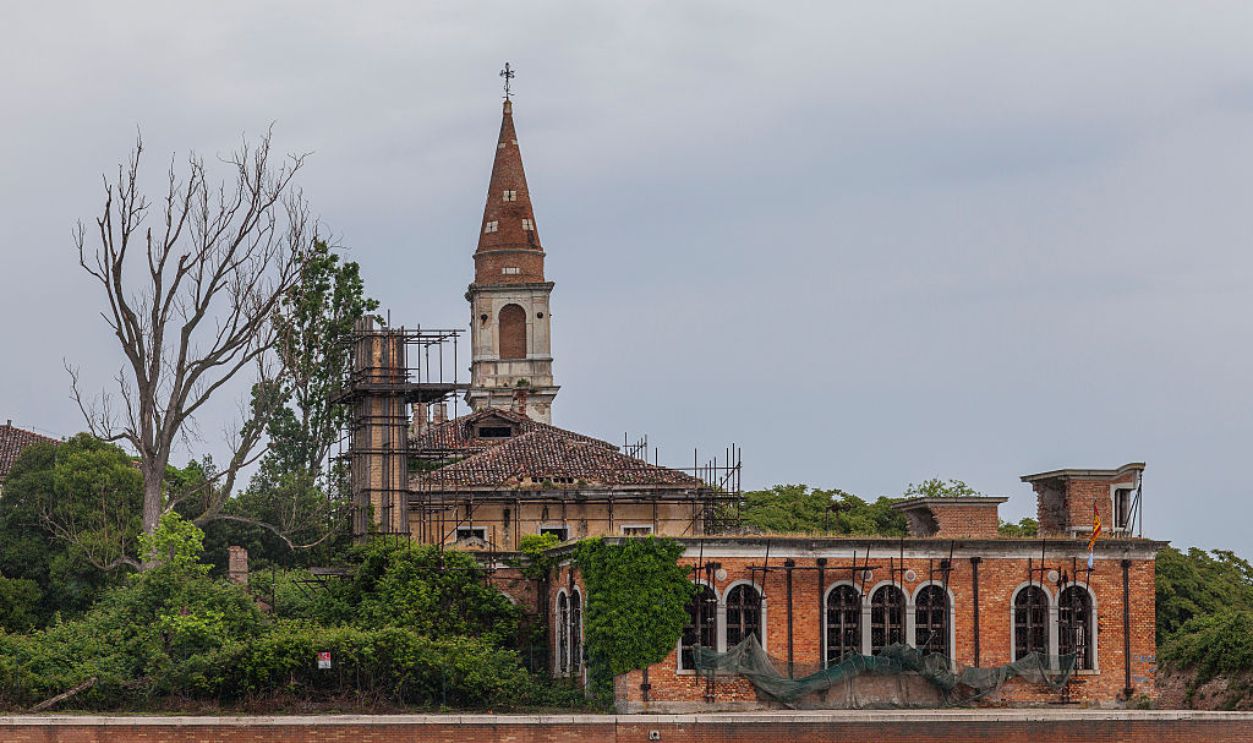
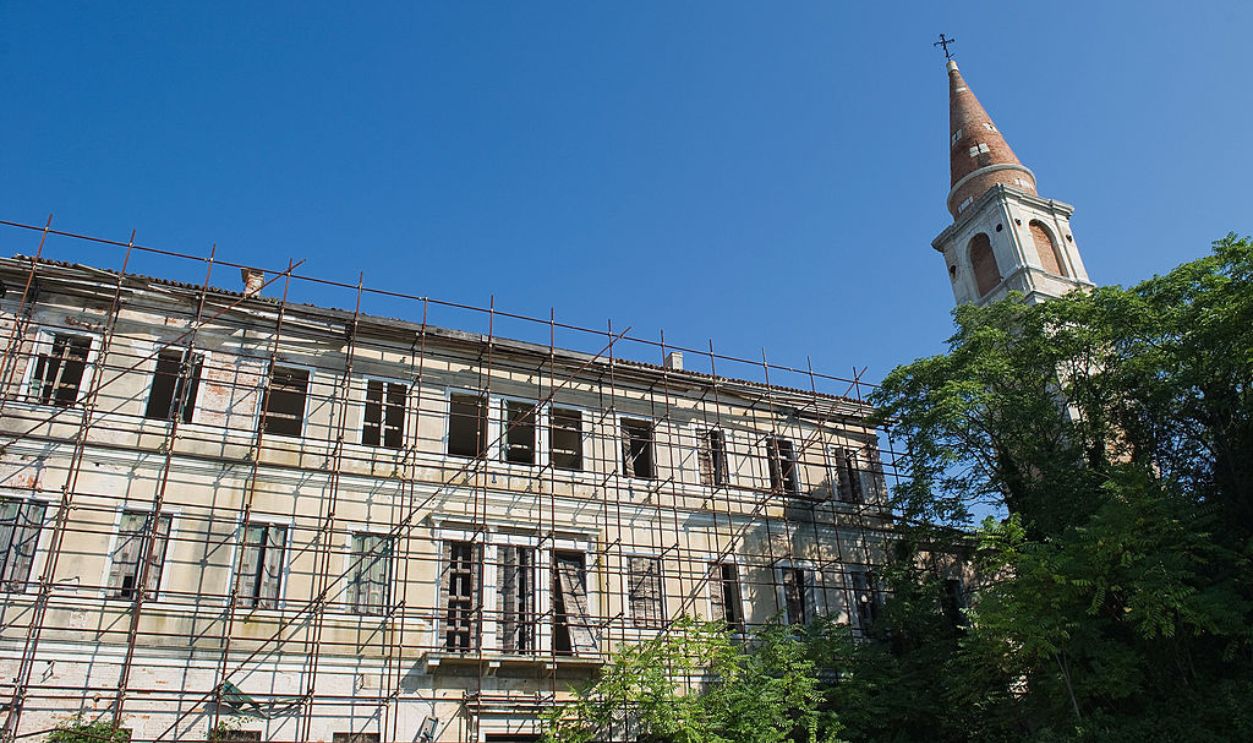
One of Poveglia’s most recognizable structures is its old bell tower. The tower later became central to the island’s ghost stories. Visitors and paranormal television programs frequently focus on it because of the terrifying tale involving a physician who supposedly died there under mysterious circumstances.
A Psychiatric Hospital Opened In The 1900s
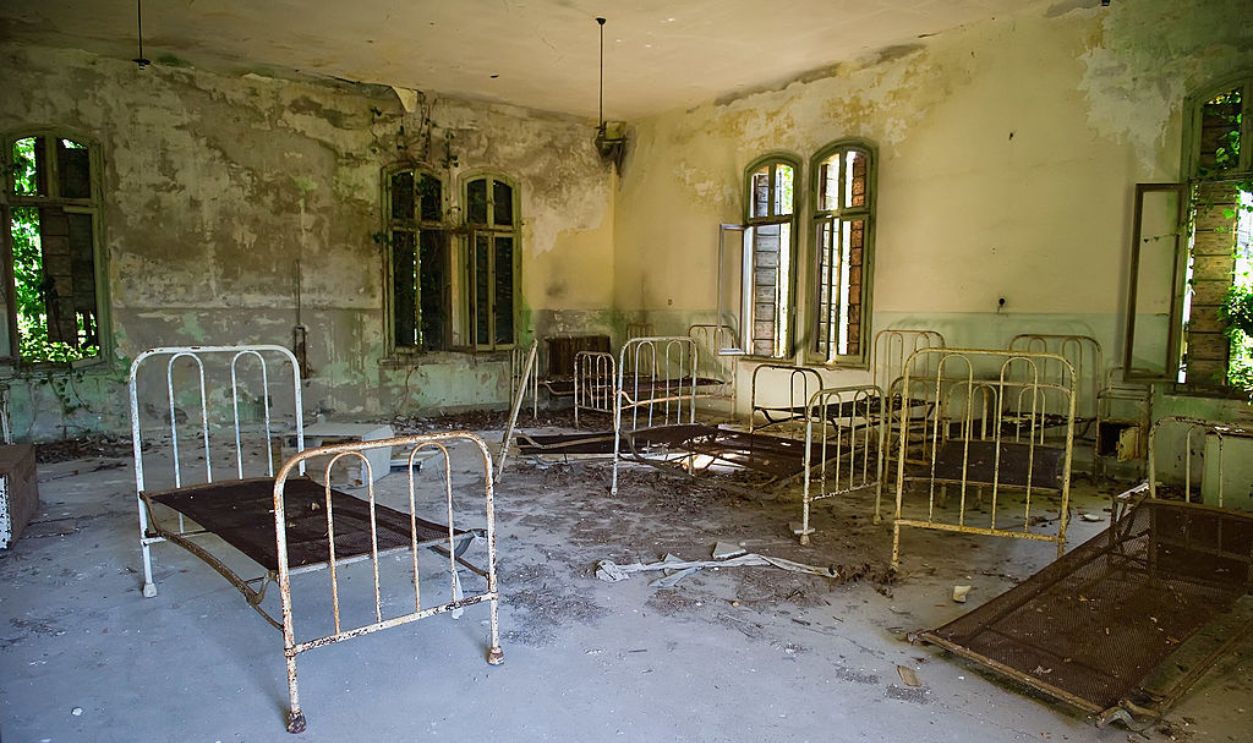
In the early twentieth century, a psychiatric hospital began operating on the island. Mental health treatment during this period was often crude and poorly regulated. Patients could face harsh confinement, experimental procedures, and isolation from society, conditions that naturally contributed to frightening stories surrounding the institution.
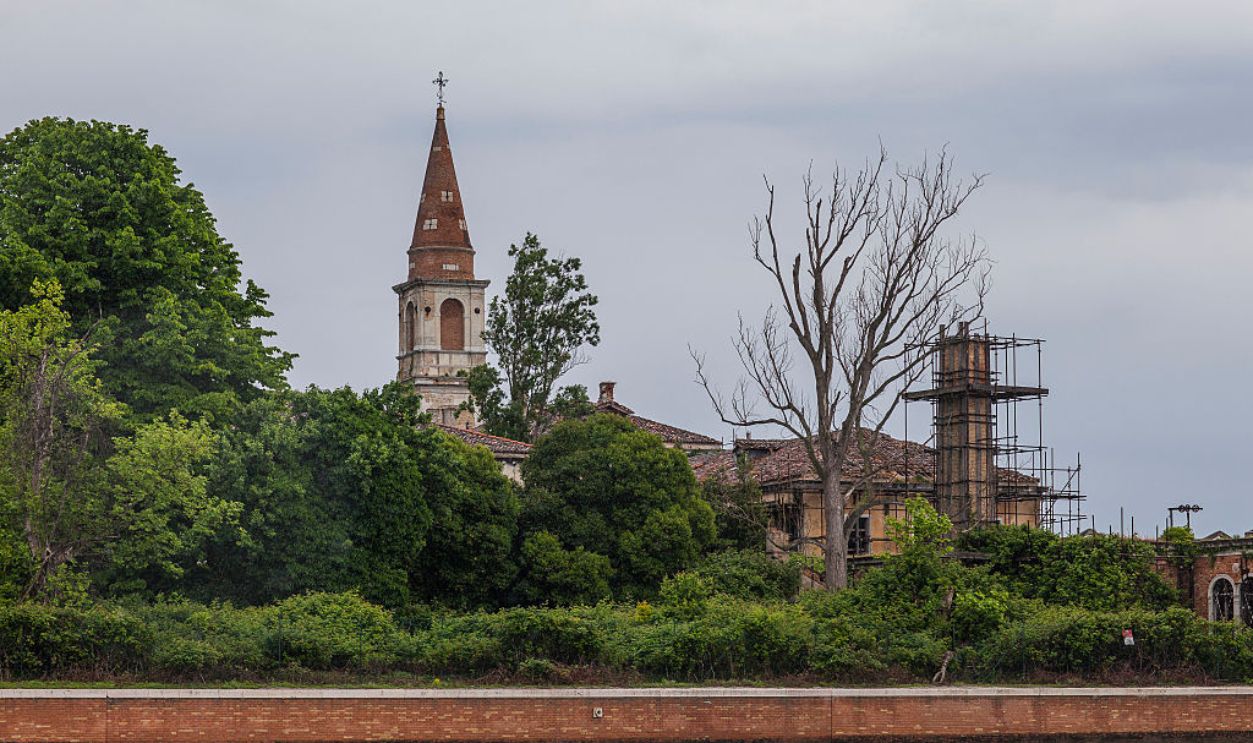
Rumors Spread About A Cruel Doctor
According to popular legend, one physician working at the hospital became obsessed with brutal medical experiments. Stories claim he performed lobotomies and other procedures on patients without medical necessity. These tales remain difficult to verify fully, but they became central to Poveglia’s haunted reputation.
Lobotomies Were A Real Medical Practice
Though many stories about Poveglia are sensationalized, lobotomies themselves were tragically real. Throughout the twentieth century, doctors in Europe and North America sometimes used the procedure to treat mental illness. Patients frequently suffered catastrophic personality changes, permanent disability, or death following these operations.
Patients Reportedly Heard Voices
Paranormal legends claim hospital patients on Poveglia experienced terrifying hallucinations and ghostly visions. Some supposedly heard voices of plague victims wandering the grounds. Whether these stories emerged from actual patient experiences or later embellishments, they helped cement the island’s reputation as a place of psychological horror.
The Doctor’s Death Became Legendary
The island’s most famous tale concerns the physician himself. According to legend, he either jumped or was pushed from the bell tower after being driven insane by the ghosts of his patients. Some versions claim he survived the fall briefly before being strangled by a mysterious mist.
Historians Debate What Really Happened
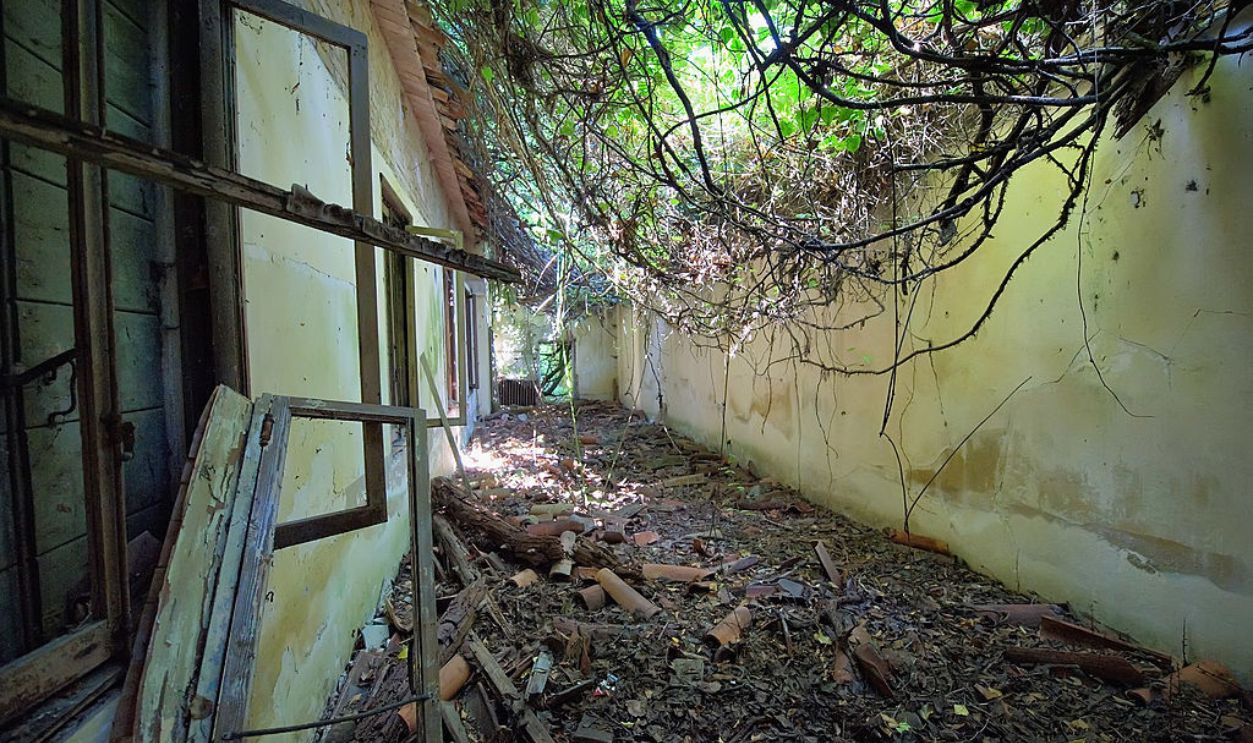
Despite the popularity of the story, historians have struggled to confirm many details surrounding the alleged doctor. Records about the psychiatric hospital are incomplete, and some paranormal claims appear heavily dramatized. Still, uncertainty often strengthens ghost stories rather than weakening them, especially in abandoned locations like Poveglia.
The Island Was Eventually Abandoned
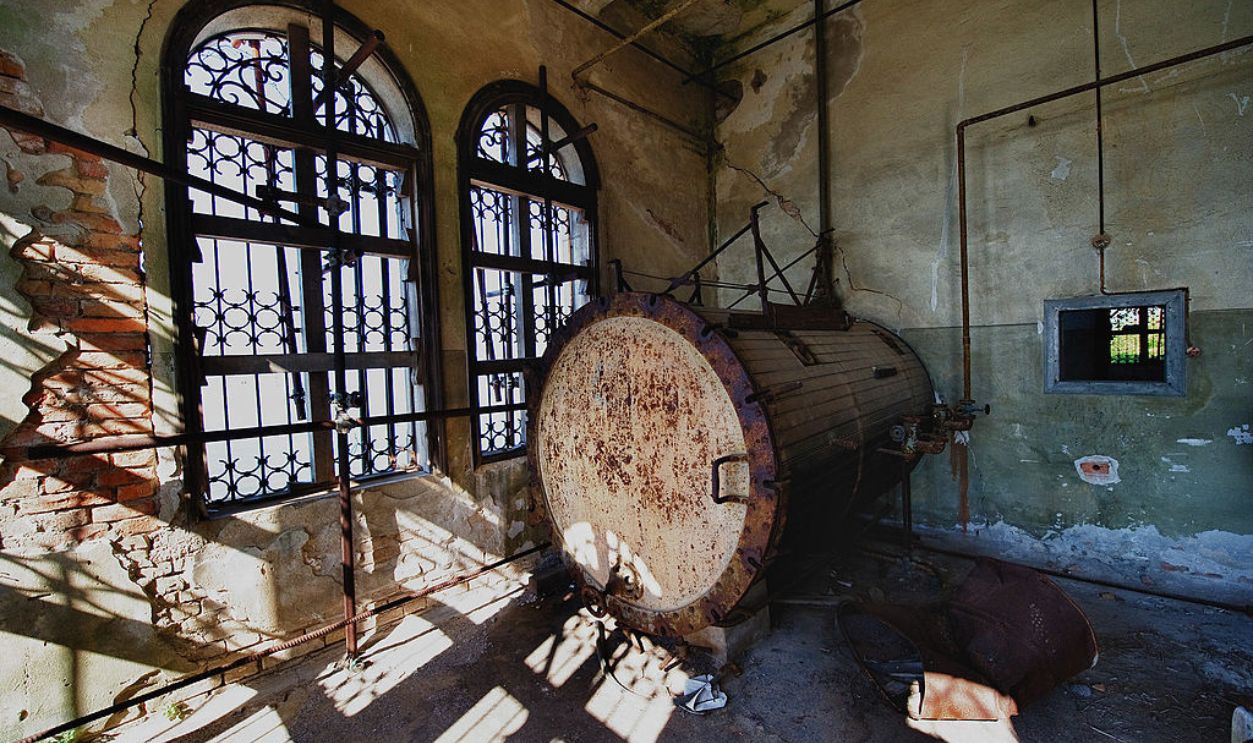
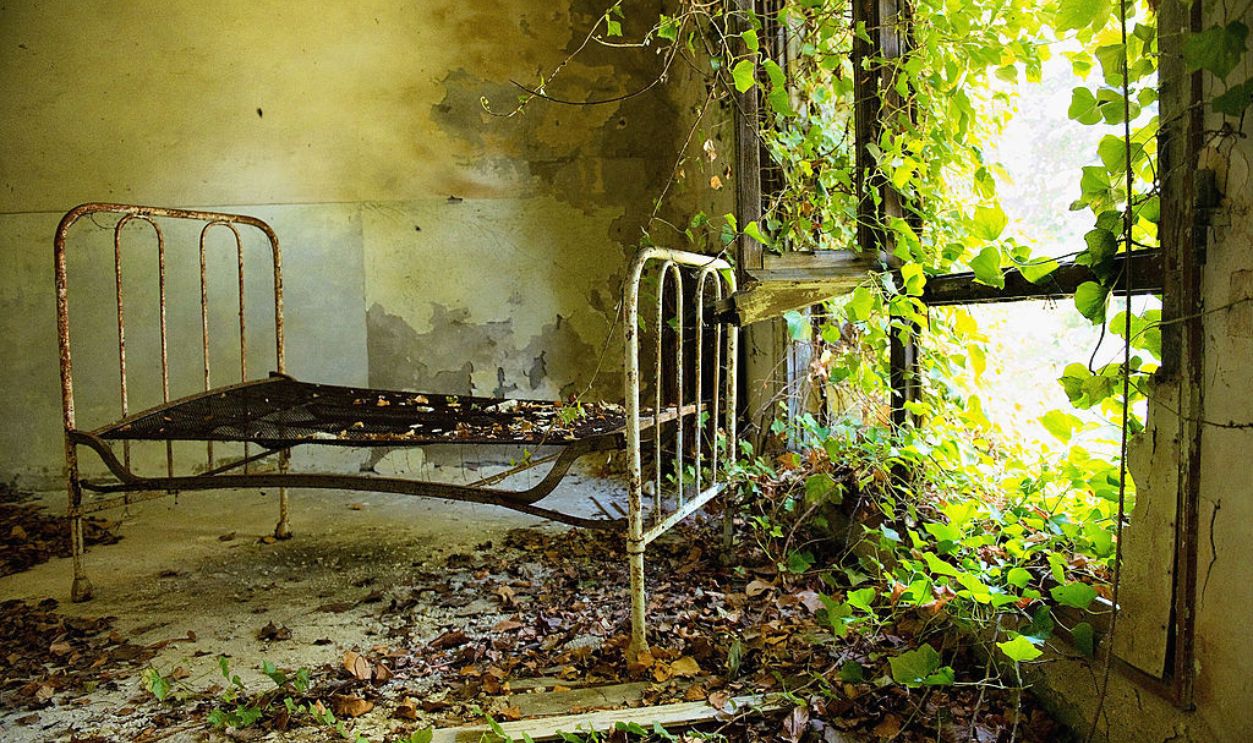
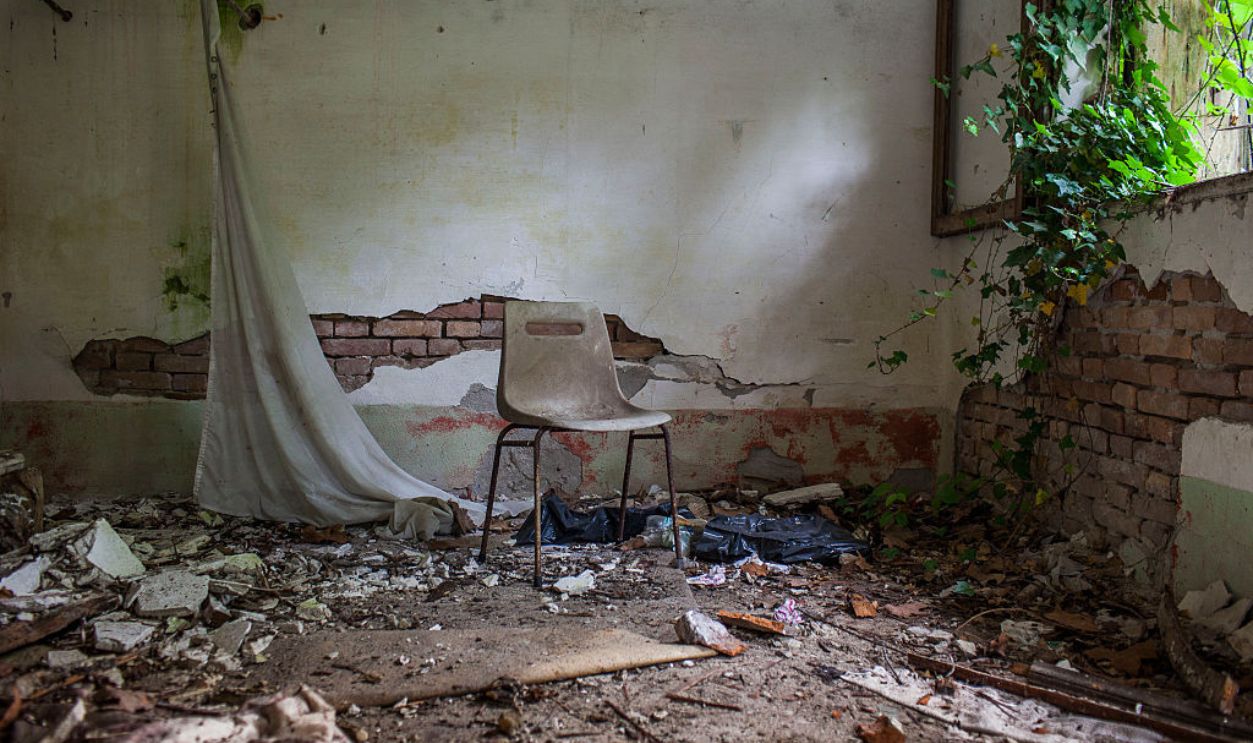
The psychiatric hospital closed during the late twentieth century, leaving the island deserted. Buildings gradually deteriorated as nature reclaimed the property. Empty hallways, collapsing walls, and overgrown courtyards gave photographers and paranormal investigators exactly the kind of atmosphere they were seeking.
Paranormal Television Increased Its Fame
Modern ghost-hunting television programs dramatically increased international interest in Poveglia. Investigators visiting the island described strange sounds, oppressive feelings, and frightening experiences. These televised encounters reached millions of viewers and transformed the island from a local legend into one of the world’s most famous haunted destinations.
Locals Often Avoid The Island
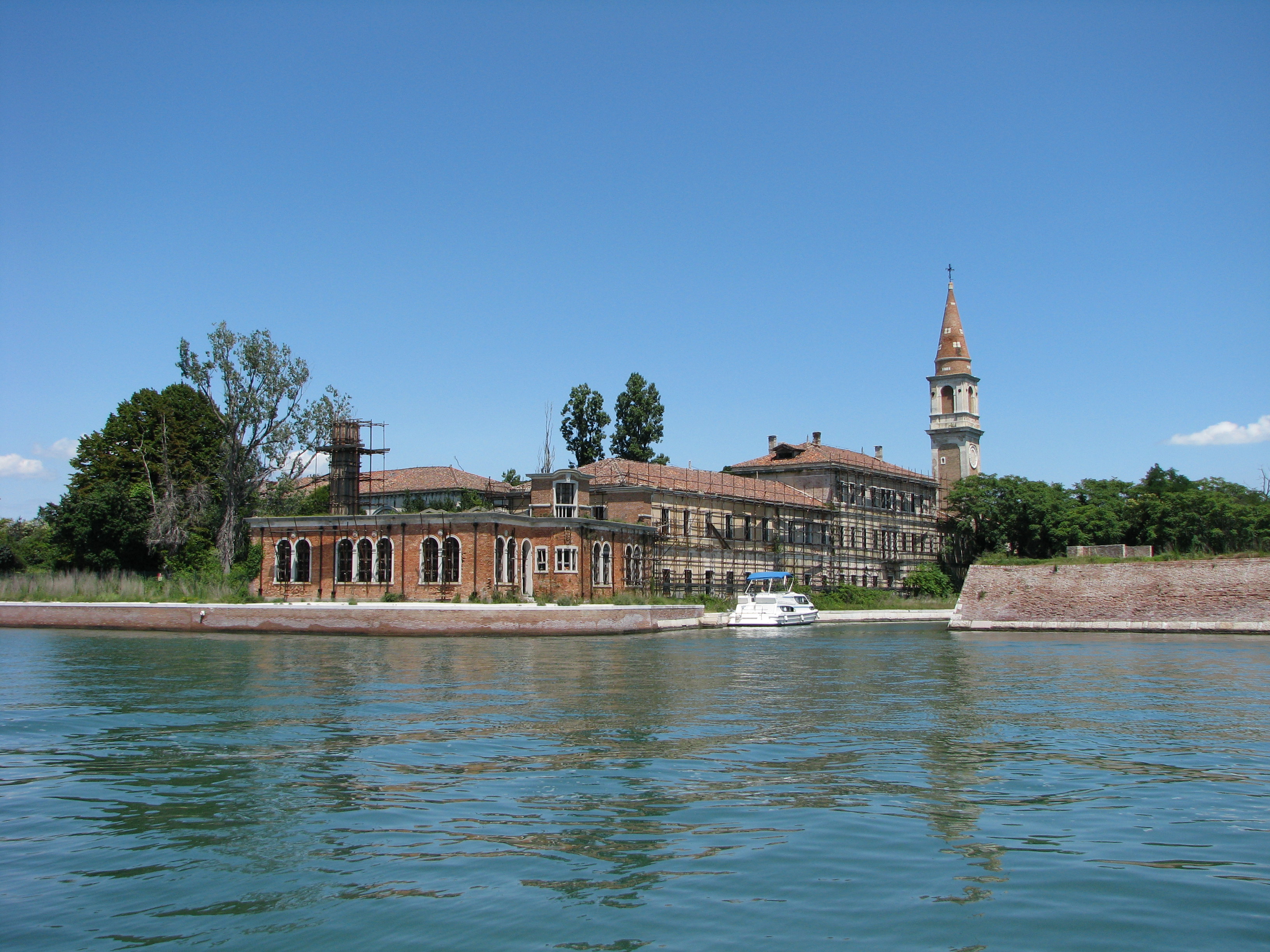
Many Venetian residents refuse to visit Poveglia or speak casually about it. Some dismiss the stories as tourist mythology, while others genuinely believe the island carries dark spiritual energy. Even skeptical locals sometimes describe the island as unsettling because of its tragic history and physical decay. While people may scoff at the old tales, they appear to believe in them enough to not go to the island.
Access To Poveglia Is Restricted
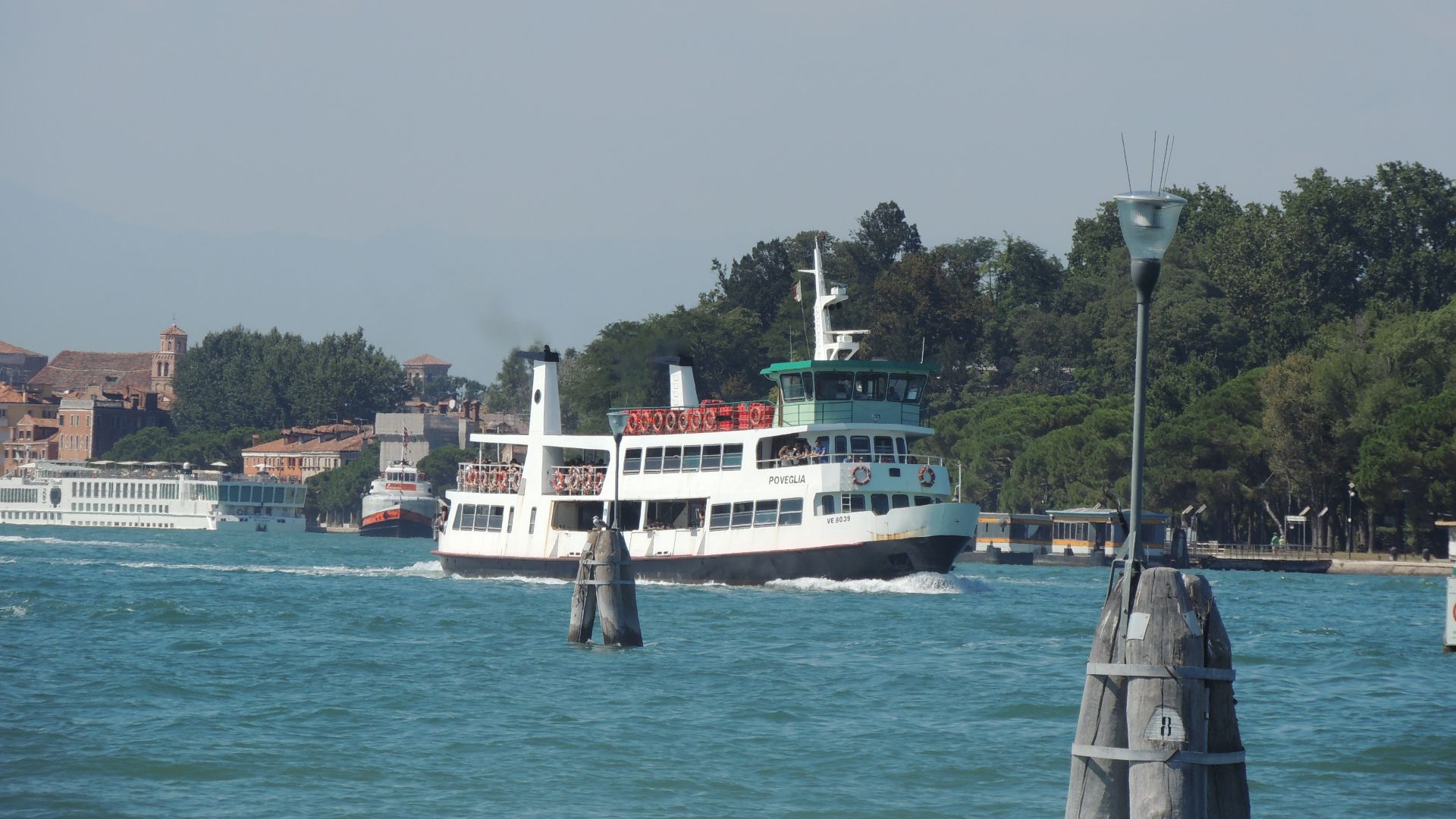
Today, Poveglia is generally closed to the public. Official access is limited, and unauthorized visits can lead to fines or legal trouble. Safety concerns also play a role, since many structures are unstable after decades of abandonment and exposure to weather from the Venetian Lagoon.
 dalbera from Paris, France, Wikimedia Commons
Investors Tried To Redevelop It
Over the years, proposals emerged to redevelop the island into luxury facilities or tourist attractions. Several plans stalled amid financial complications, political controversy, and the island’s disturbing reputation. Its notoriety has proven difficult to escape, even when investors attempt to market the location differently.
Ghost Stories Thrive In Abandoned Places
Poveglia and its abandonment accumulated layers of myths over time. Real tragedies, incomplete historical records, physical isolation, and decaying architecture created ideal conditions for folklore. Even people skeptical of ghosts often admit that locations connected to mass death can produce an unusually powerful emotional atmosphere.
 René Seindal, Wikimedia Commons
The Fear May Never Disappear
Whether Poveglia is truly haunted remains impossible to prove, but its reputation shows no sign of fading. The island combines documented history with sensational legends in a uniquely unsettling way. Between plague victims, psychiatric rumors, and generations of ghost stories, many people still believe some places are simply better left alone.
You May Also Like:
The World’s Most Haunted Places—And The Troubling Stories They Tell
Chilling Facts About Alcatraz, The World's Most Infamous Prison
Horrific Facts About Bedlam, History's Most Notorious Mental Institution