The Ghost Stories Aren’t Even The Darkest Part
Plenty of famous landmarks promise apparitions, phantom footsteps, and unexplained voices after dark. But at some places, the documented history is disturbing enough without anything supernatural at all.
 Unknown Author, Wikimedia Commons
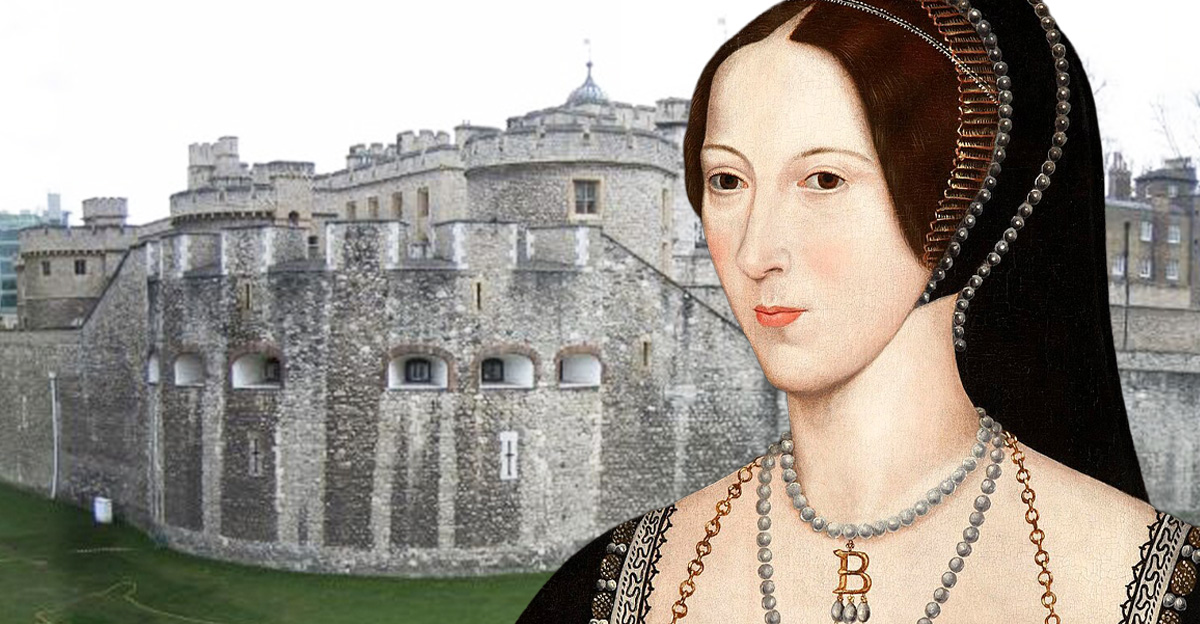
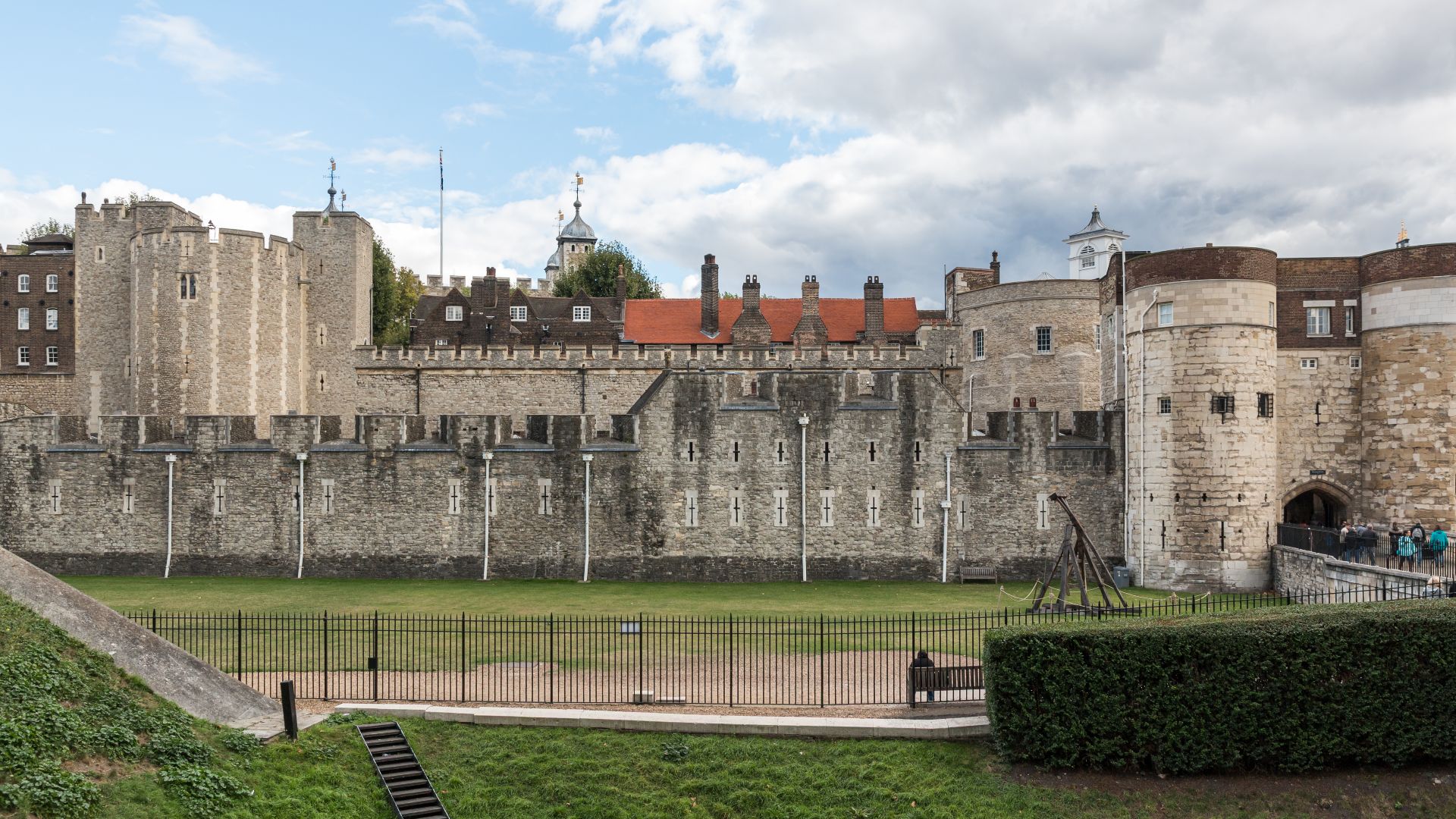
Tower Of London — London, England
Anne Boleyn supposedly wanders the Tower carrying her severed head, while other former prisoners are said to haunt its stairways and chapels. The documented history is much worse. Beginning in the Middle Ages, the Tower became a state penitentiary for nobles, political rivals, religious dissidents, and alleged traitors. Anne Boleyn, Catherine Howard, Lady Jane Grey, and Robert Devereux, Earl of Essex, were among those executed within its walls.
Torment was never as routine there as popular fiction suggests, but prisoners including Anne Askew and Guy Fawkes were subjected to it. Even more affecting are the inscriptions still carved into cell walls by inmates awaiting uncertain fates, including elaborate religious symbols, family names, dates, and desperate declarations of faith.
 Dietmar Rabich, Wikimedia Commons
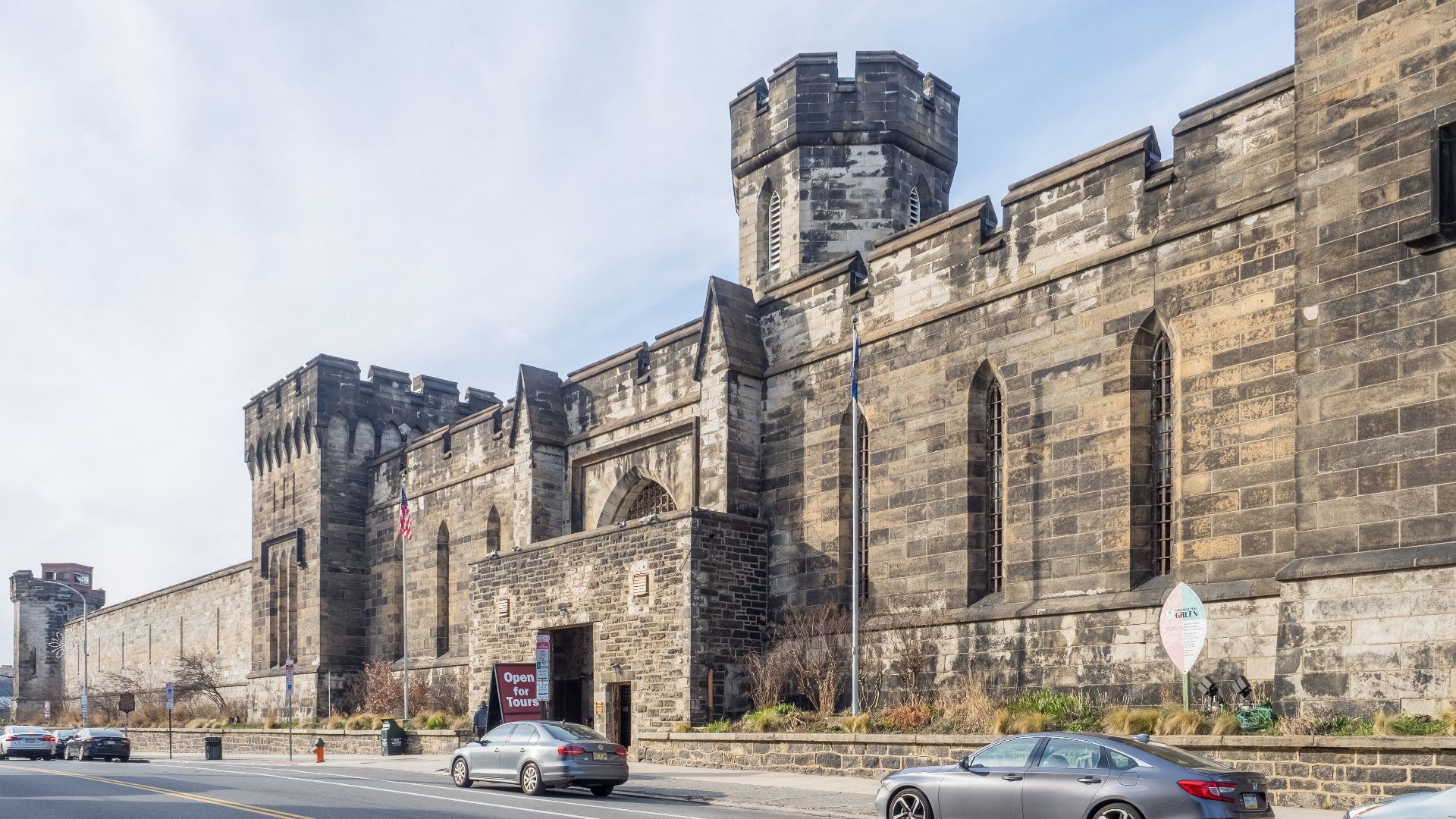
Eastern State Penitentiary — Philadelphia, Pennsylvania
Eastern State's ruined cellblocks now inspire stories about disembodied footsteps and shadowy prisoners, but its original system of confinement was unsettling enough on its own. When the penitentiary opened in 1829, reformers believed criminals could be rehabilitated through extreme solitude and reflection. Prisoners lived largely alone, worked alone, ate alone, and exercised in individual yards attached to their cells. Even movement through the institution was designed to prevent contact between inmates.
Charles Dickens visited in 1842 and condemned the psychological effects of prolonged isolation. The ambitious experiment eventually collapsed under overcrowding, and communal cellblocks replaced strict separation. By the time Eastern State closed in 1971, tens of thousands of prisoners had passed through a facility built around one of America's boldest experiments in solitary confinement.
 ajay_suresh, Wikimedia Commons
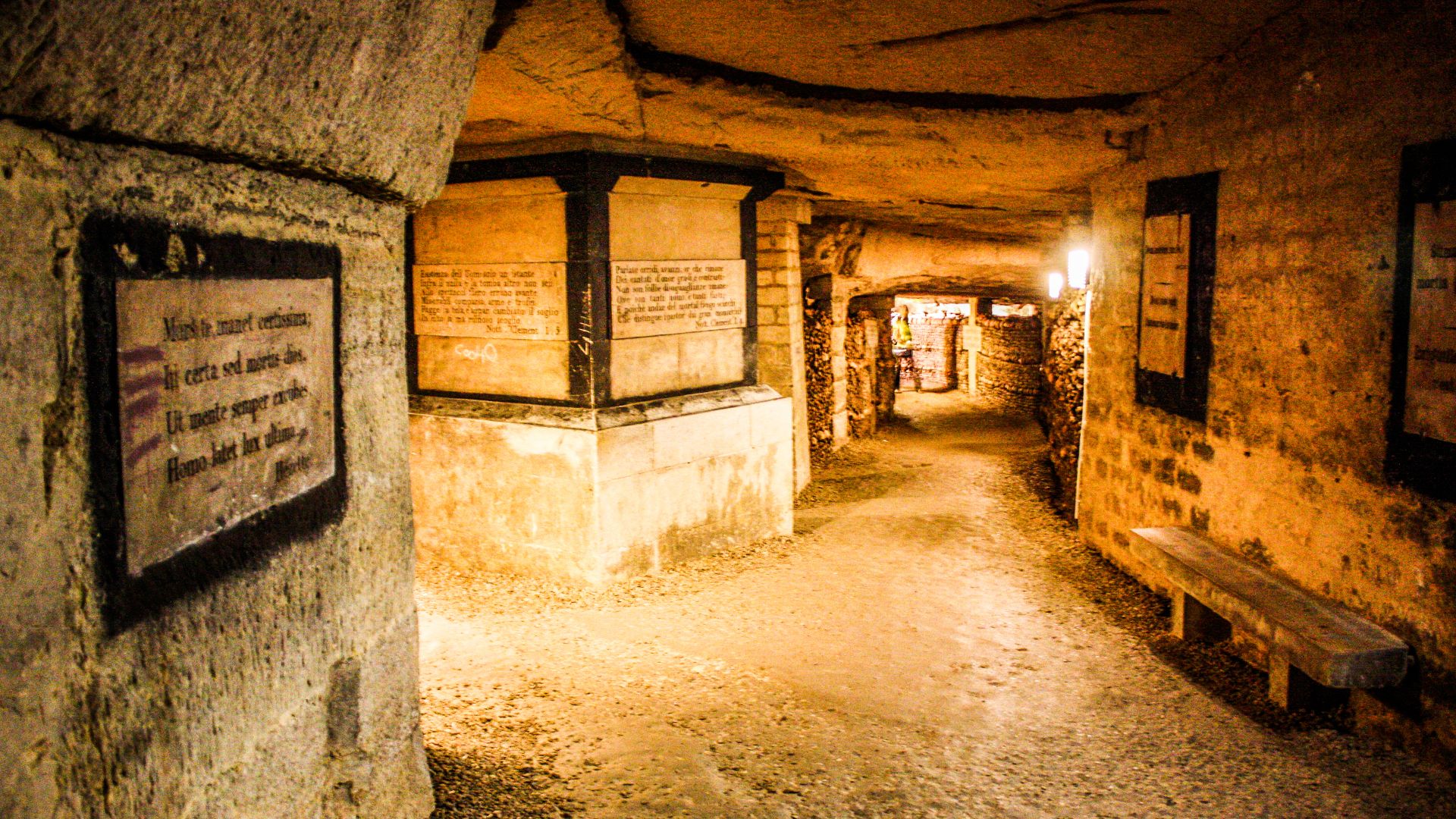
The Paris Catacombs — Paris, France
The Catacombs attract stories about voices in the darkness, mysterious figures, and people becoming lost in forbidden tunnels. Their actual origin is stranger. By the late 1700s, Paris's overcrowded cemeteries had become a serious health problem. The Cemetery of the Innocents was so packed that graves were repeatedly reused, while decomposing remains contaminated nearby cellars and wells.
Beginning in 1785, authorities transferred bones from cemeteries into abandoned limestone quarries beneath the city. The work continued for years, often taking place at night. In the early 19th century, officials reorganized portions of the ossuary into the deliberately theatrical arrangements visitors see today. Estimates vary, but the underground chambers contain the remains of several million people.
 Shadowgate from Novara, ITALY, Wikimedia Commons
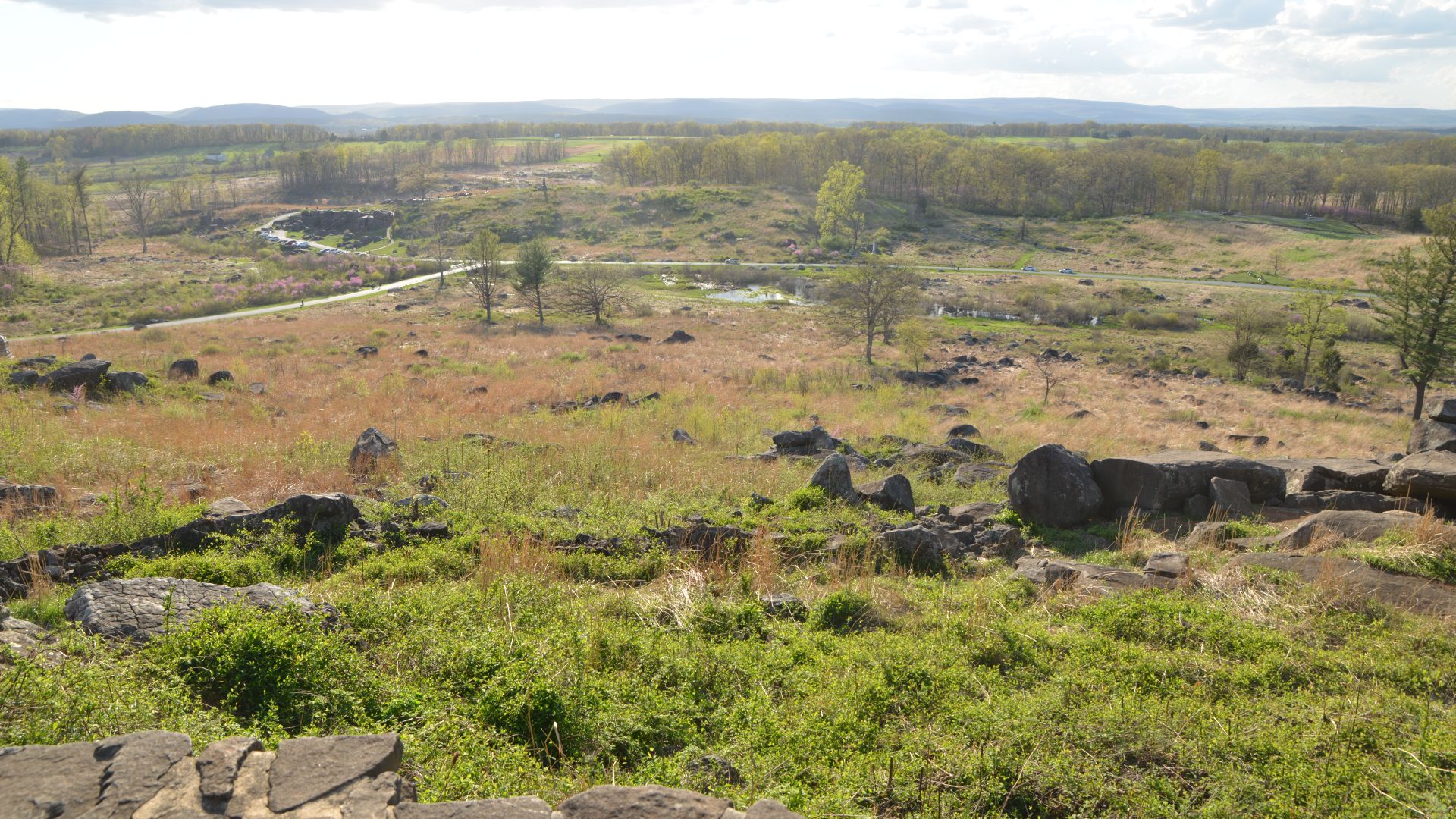
Gettysburg Battlefield — Gettysburg, Pennsylvania
Ghost troopers, phantom cannon fire, and spectral figures appear in countless Gettysburg stories, but the battlefield's documented history leaves little need for invention. From July 1 to 3, 1863, roughly 165,000 Union and Confederate forces fought in and around the small Pennsylvania town. More than 50,000 were slain, wounded, captured, or reported missing.
After the armies departed, residents faced thousands of injured servicemen and rapidly decomposing bodies. Churches, barns, homes, and schools became improvised hospitals. Lifeless troopers were initially buried in hastily dug graves across farms and fields before many Union bodies were later reinterred at the Soldiers' National Cemetery. The battle ended after three days. Gettysburg's civilians spent months dealing with what those three days had left behind.
Alcatraz Island — San Francisco, California
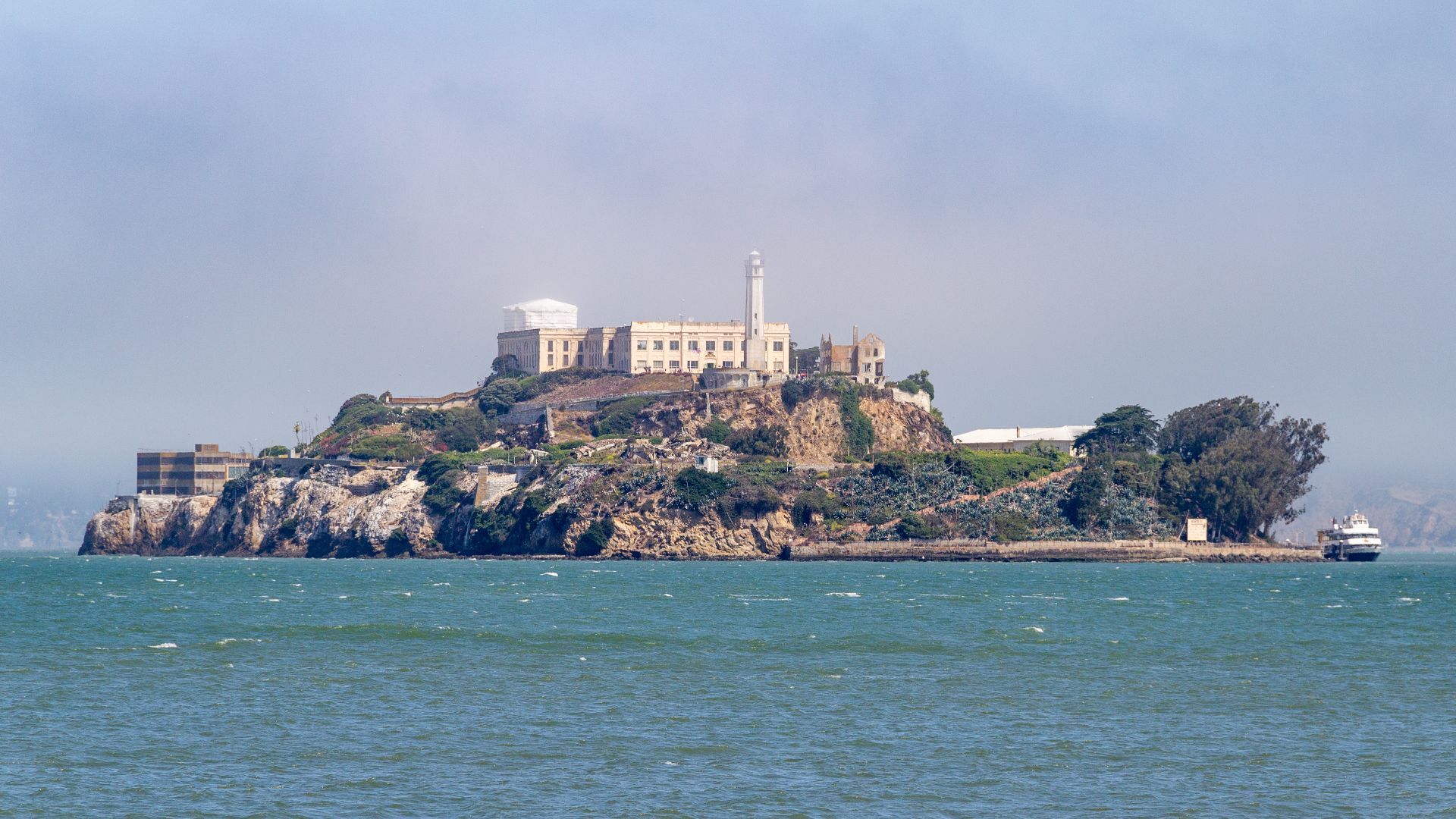
Alcatraz's empty cells have inspired reports of voices, slamming doors, and unexplained sensations for decades. Its real history goes well beyond celebrity gangsters. The US Army first fortified the island in the 19th century and later used it as a penitentiary. Native American men, including Hopi prisoners who resisted federal assimilation policies, were among those confined there.
In 1934, Alcatraz became a federal penitentiary intended for inmates who were especially troublesome or considered escape risks elsewhere. Al Capone, George Kelly, and Robert Stroud were held there, though Stroud never kept birds at Alcatraz despite his famous nickname. The building closed in 1963 after 29 years, during which more than 1,500 federal prisoners lived behind its concrete walls and steel doors.
 Dietmar Rabich, Wikimedia Commons
The Real Mary King’s Close — Edinburgh, Scotland
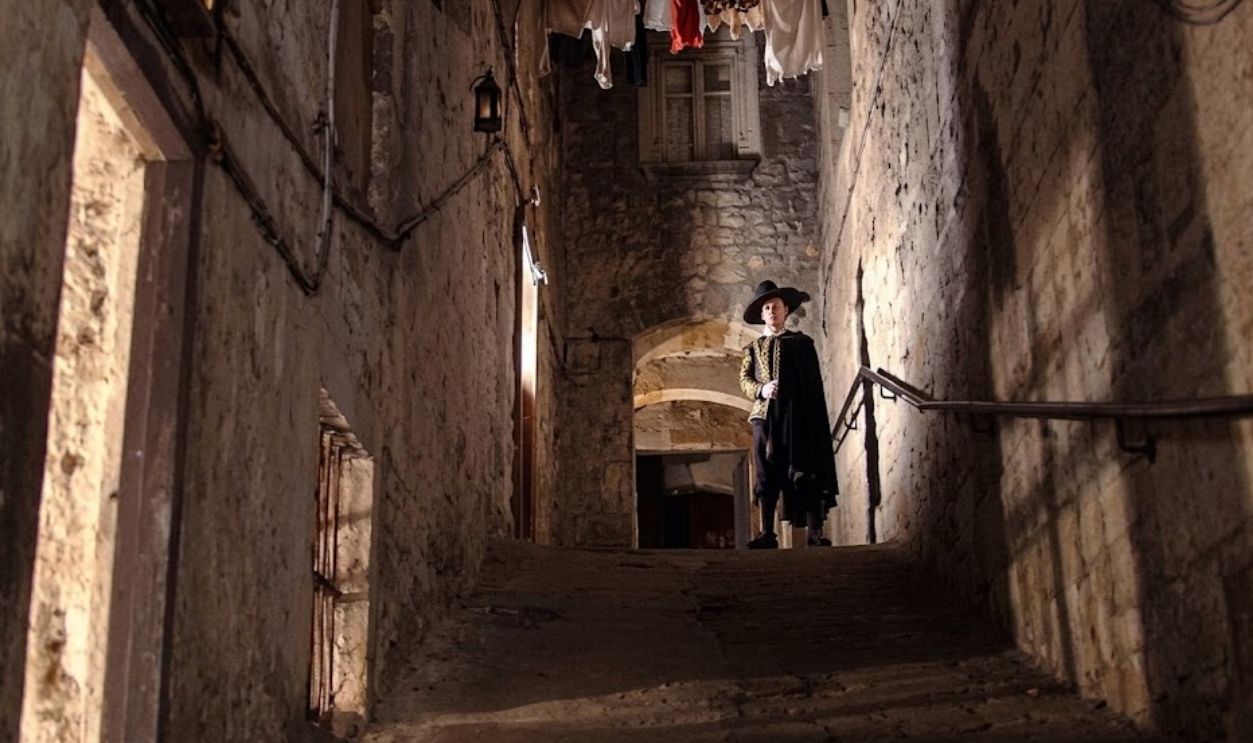
A favorite Edinburgh legend claims plague victims were bricked inside Mary King's Close and left to perish. That didn't happen, but the 1645 outbreak that struck the neighborhood was grim enough. Edinburgh was densely crowded, sanitation was poor, and plague could move quickly through narrow closes packed with families. Infected households could be quarantined, while designated officials delivered food and removed bodies. One physician associated with the outbreak, George Rae, treated plague patients at enormous personal risk and was later rewarded by the city after surviving the epidemic.
The close itself wasn't buried because of disease. Much of it disappeared beneath later development when the Royal Exchange was constructed in the 18th century, unintentionally preserving fragments of older Edinburgh beneath the modern city.
 The Real Mary King's Close at en.wikipedia, Wikimedia Commons, Enhanced
Edinburgh Castle — Edinburgh, Scotland
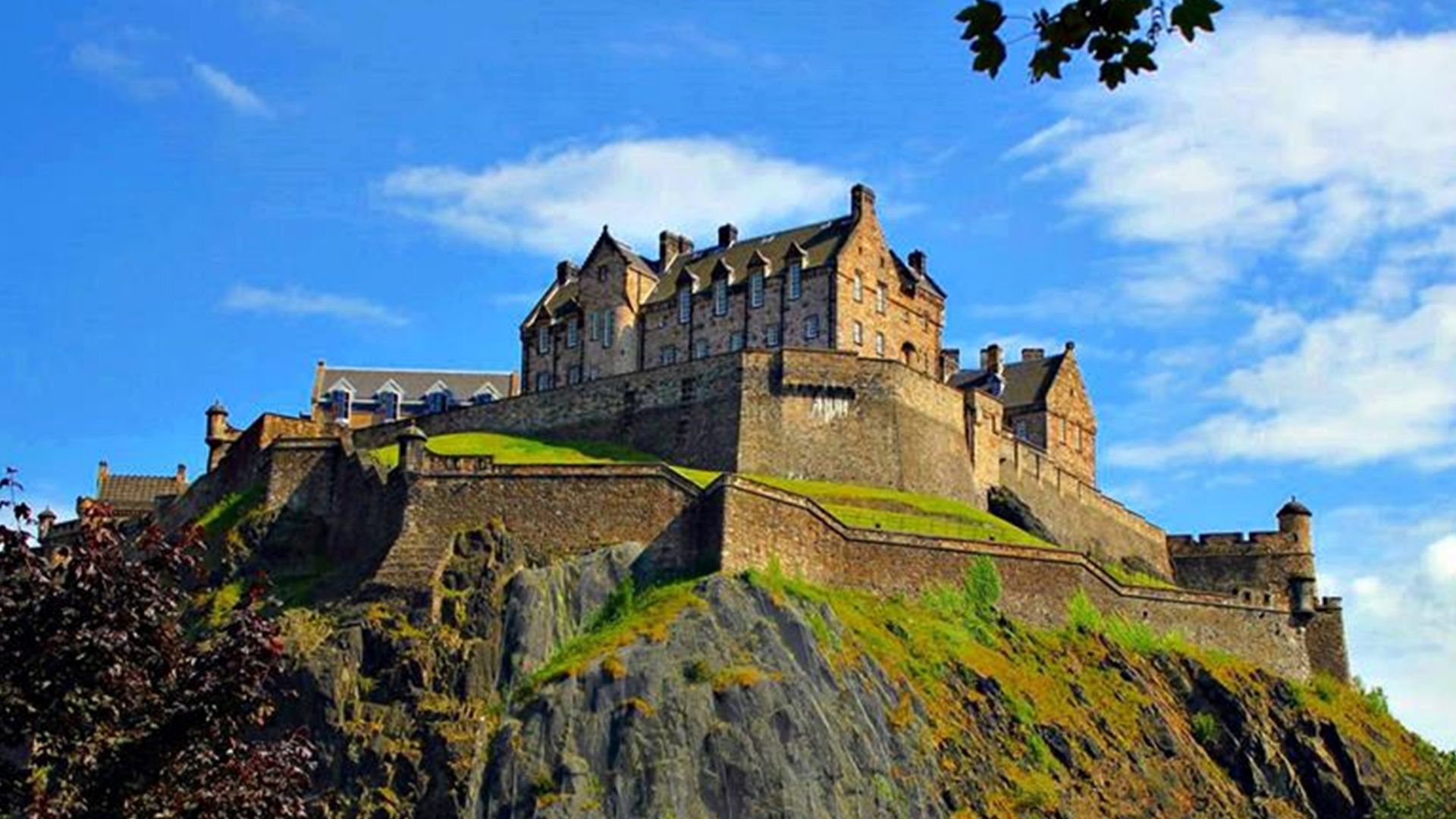
Stories about a phantom piper, prisoners, and restless troopers are woven into Edinburgh Castle's reputation. Historically, few buildings in Britain saw more sustained military drama. The fortress changed hands repeatedly during struggles between Scottish and English rulers and endured numerous sieges. During the Lang Siege of 1571 to 1573, supporters of Mary, Queen of Scots held the castle against forces loyal to the young James VI until heavy English artillery helped batter its defenses into submission.
The castle later served as a barracks and housed prisoners from conflicts including the American Revolution and the Napoleonic Wars. Names and pictures scratched by captives can still be seen in surviving penitentiary areas, including carvings that appear to depict ships and early American symbols.
Port Arthur Historic Site — Tasmania, Australia
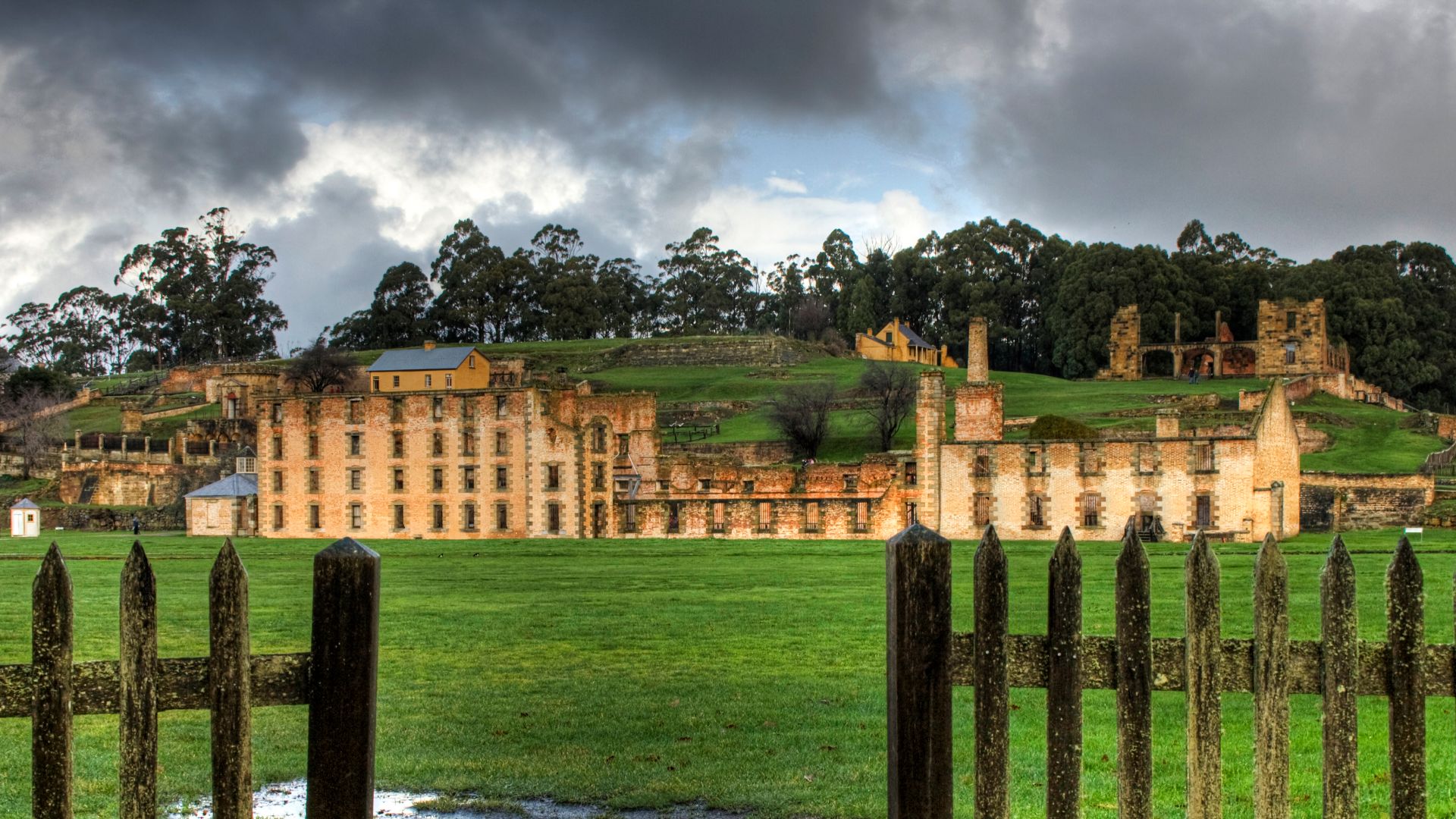
Port Arthur's modern ghost tours take visitors through ruins once occupied by some of Britain's transported convicts. Established as a penal station in the 1830s, it developed into a large industrial and punishment complex where prisoners performed hard labor in workshops, timber operations, and other enterprises. Later reformers increasingly favored psychological control over purely physical punishment.
The Separate Prison, modeled partly on British ideas about solitary confinement, kept inmates in silence and isolation under rigid routines intended to produce reflection and obedience. Prisoners could even attend chapel in individual compartments designed to prevent them from seeing one another. Nearby Point Puer operated as a separate juvenile establishment for boys, some of whom had been transported thousands of miles for relatively minor offenses.
 Andrew Braithwaite from Melbourne, Australia, Wikimedia Commons

History's most fascinating stories and darkest secrets, delivered to your inbox daily.
Trans-Allegheny Lunatic Asylum — Weston, West Virginia
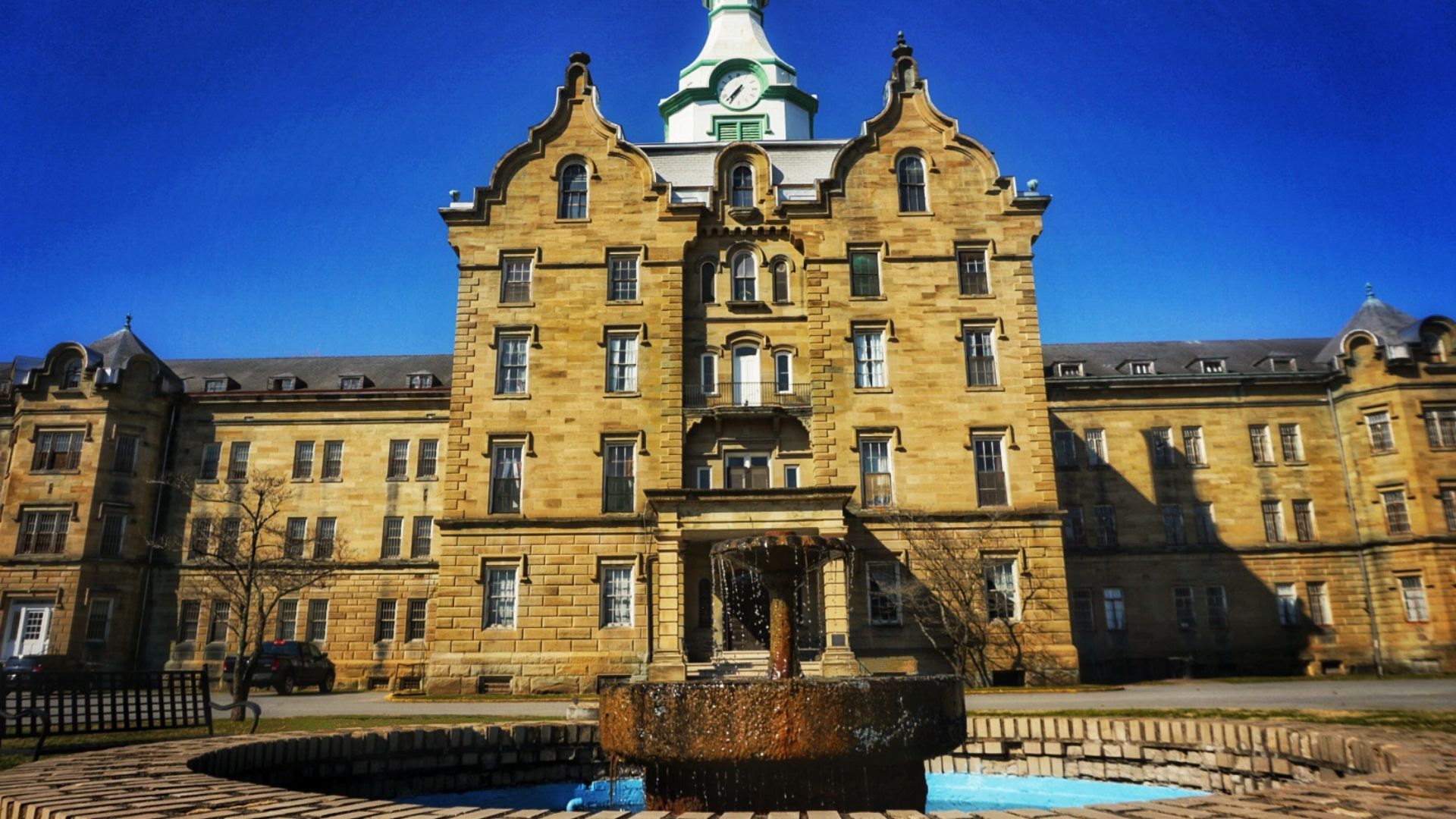
The enormous hospital in Weston was originally conceived under relatively humane principles. Its Kirkbride design emphasized fresh air, sunlight, landscaped grounds, and enough space that patients wouldn't simply be warehoused together. But the population eventually overwhelmed those ideals. A facility intended for a few hundred patients held more than 2,000 at its peak, leading to severe overcrowding and understaffing.
Treatment reflected the changing—and sometimes disturbing—psychiatric practices of the 19th and 20th centuries, including electroconvulsive therapy, insulin shock therapy, and lobotomy. Patients could remain institutionalized for years, sometimes for reasons that modern medicine would handle very differently. The hospital finally closed in 1994 after more than a century of operation.
 Sedgwickbrettm, Wikimedia Commons
The Lizzie Borden House — Fall River, Massachusetts
The Borden house now operates as a historic lodging where guests report footsteps, voices, and objects moving without explanation. On August 4, 1892, however, two very real slayings took place inside. Abby Borden was beset upon upstairs and struck repeatedly with a hatchet-like weapon. Andrew Borden returned home later and was slain while resting on a sofa downstairs. His daughter Lizzie quickly became the focus of suspicion and was apprehended.
The resulting 1893 trial became a national sensation, with disputed evidence involving Lizzie's behavior, burned clothing, family tensions, and alleged attempts to purchase poison. A jury acquitted her after little more than an hour of deliberation. No one else was ever convicted, leaving both slayings officially unsolved.
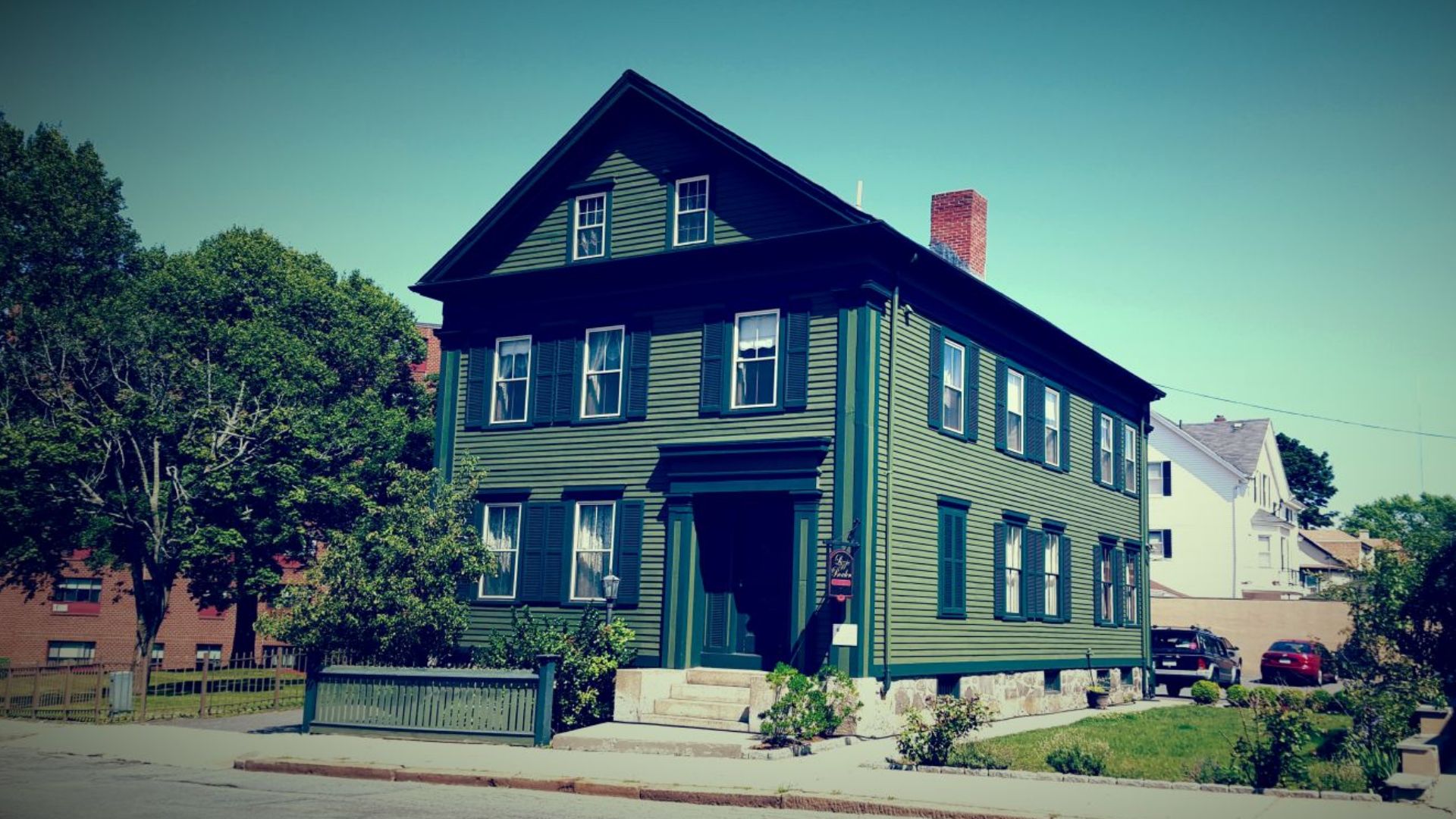 Upstateherd, Wikimedia Commons
LaLaurie Mansion — New Orleans, Louisiana
Delphine LaLaurie's Royal Street mansion has attracted elaborate stories about mutilated ghosts and supernatural revenge, but the documented events of April 1834 require no embellishment. After a fire broke out at the property, people entering the house discovered enslaved individuals who had suffered severe physical mistreatment. Contemporary newspaper accounts described people restrained and injured in horrifying conditions.
News spread quickly through New Orleans, where an enraged crowd later damaged the mansion. LaLaurie fled the city and never faced trial there. Later books and television programs dramatically embellished some details of what rescuers found, making it difficult to separate 19th-century reporting from later horror fiction. What isn't disputed is that enslaved people were imprisoned and brutalized inside the house.
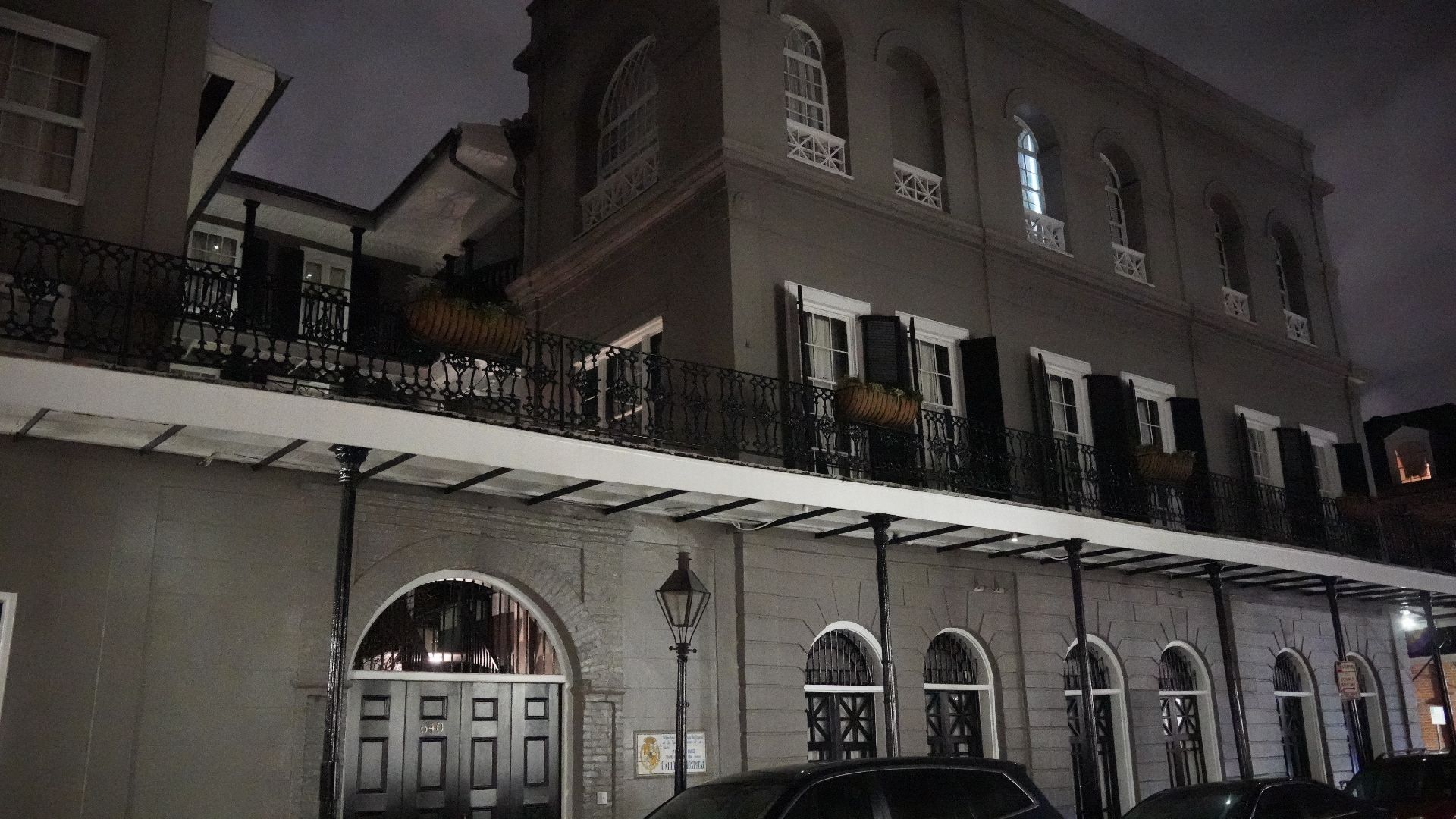 Miguel Discart (Photos Vrac), Wikimedia Commons
The Myrtles Plantation — St Francisville, Louisiana
The Myrtles has built much of its paranormal reputation around Chloe, an enslaved woman allegedly punished by having part of her ear cut off before ending members of the household with an oleander-laced cake. Historical researchers have found no convincing evidence that Chloe existed at the plantation, and the family members often said to have been poisoned actually perished during a yellow-fever outbreak.
The property nevertheless has a genuine history of slavery and terrible ends. In 1871, attorney William Drew Winter was shot on the property and perished soon afterward. His slaying was tied to the turbulent Reconstruction-era politics of Louisiana. Separating documented history from tourism folklore makes the site less tidy, but considerably more revealing.
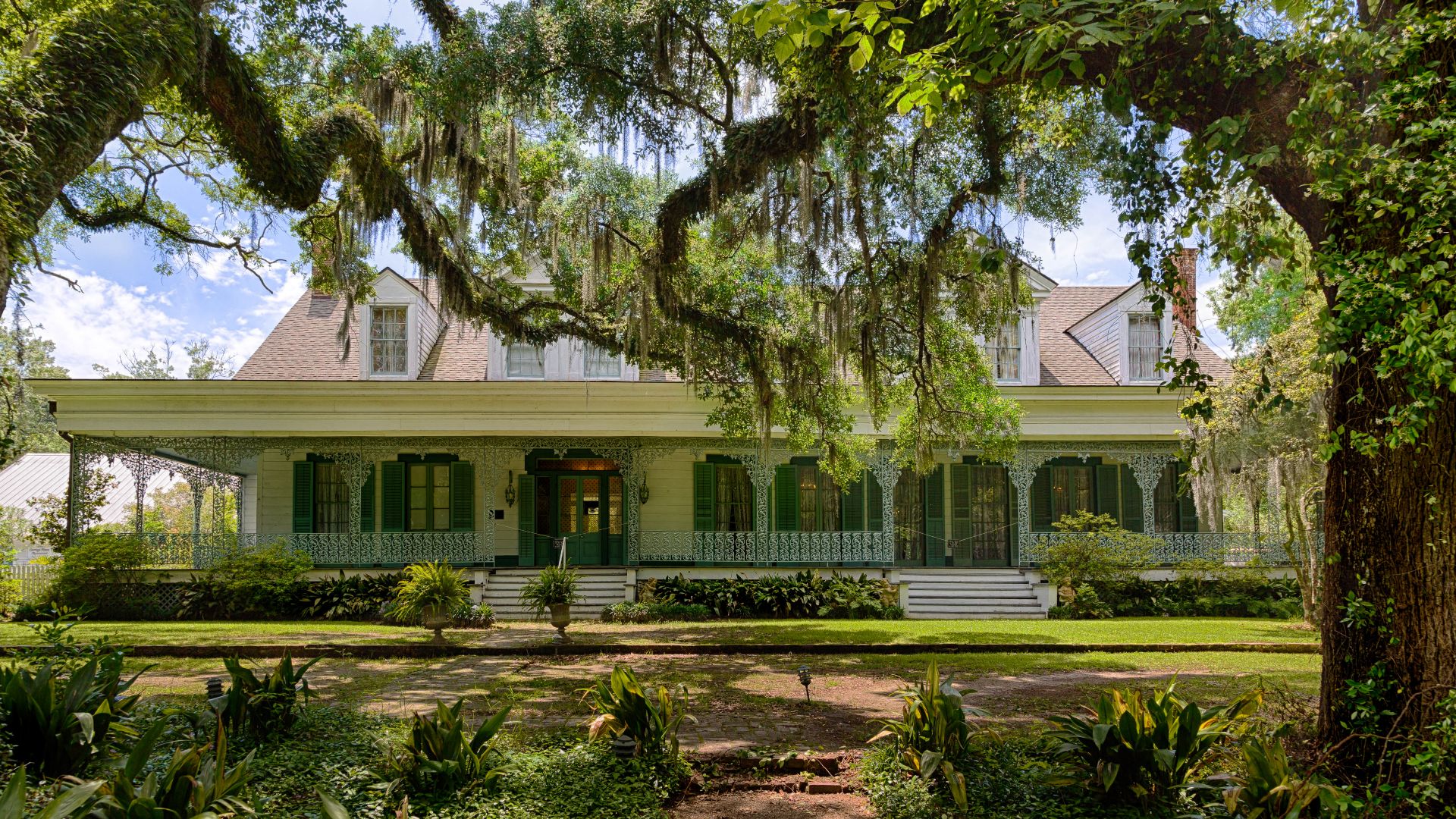 Bogdan Oporowski, Wikimedia Commons
Poveglia Island — Venice, Italy
Few supposedly haunted places have accumulated more internet mythology than Poveglia. Stories claim enormous numbers of plague victims were burned there and that a sadistic psychiatric doctor tortured patients before taking his own life. Much of that material is either exaggerated or unsupported. Poveglia's documented role in Venetian public health is still remarkable. During periods when epidemic disease threatened Venice, the island was used in quarantine and maritime-health systems intended to separate potentially infected travelers and goods from the city.
In the 20th century, buildings there were used for medical and geriatric care before the facility closed. Today an Italian association working to preserve the island specifically pushes back against the sensational asylum legends that have overwhelmed its more complicated history.
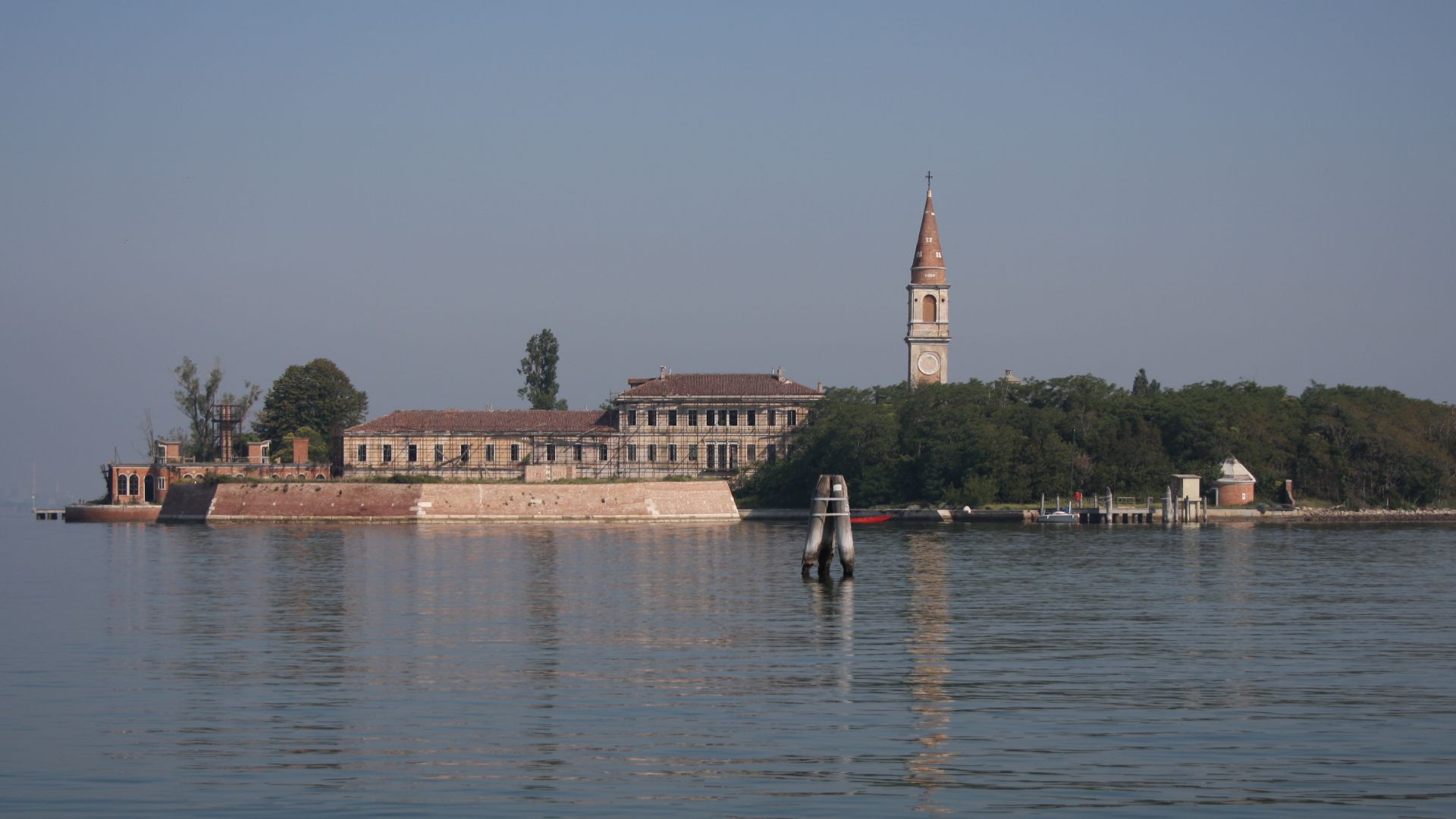
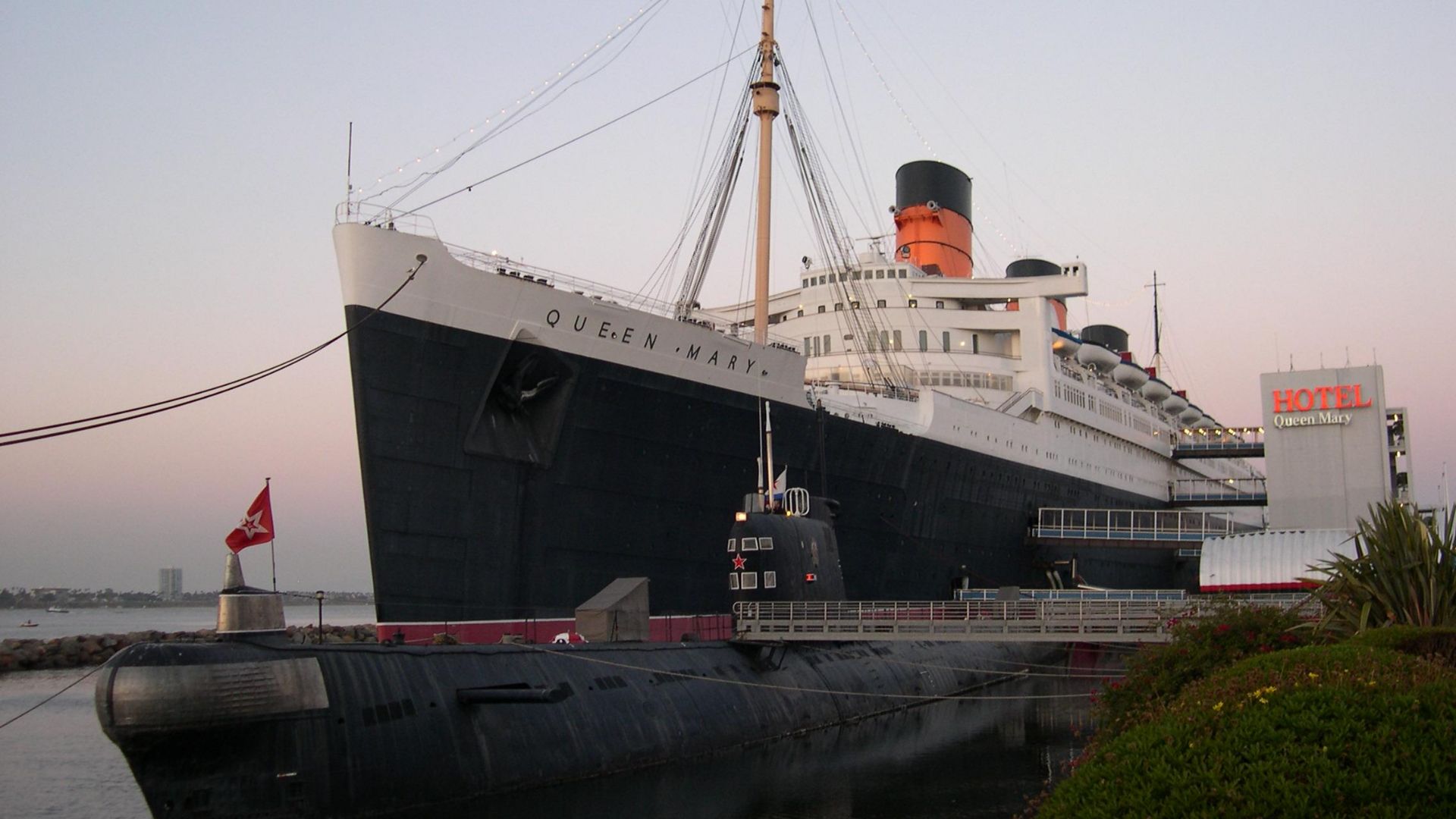
The Queen Mary — Long Beach, California
The Queen Mary is now marketed partly through stories about haunted cabins, phantom children, and unusual sounds in the engine room. During WWII, the liner experienced something far more dramatic. Converted into a troopship and painted gray, she carried enormous numbers of Allied personnel across dangerous waters.
On October 2, 1942, Queen Mary collided with the British light cruiser HMS Curacoa off Ireland while traveling at high speed. The massive liner sliced through the smaller ship, which sank rapidly. More than 300 Curacoa crew members were slain. Army orders and the risk of submarine attack meant Queen Mary continued rather than immediately stopping. The collision remained subject to secrecy before becoming the focus of lengthy judicial proceedings afterward.
 Sfoskett~commonswiki, Wikimedia Commons
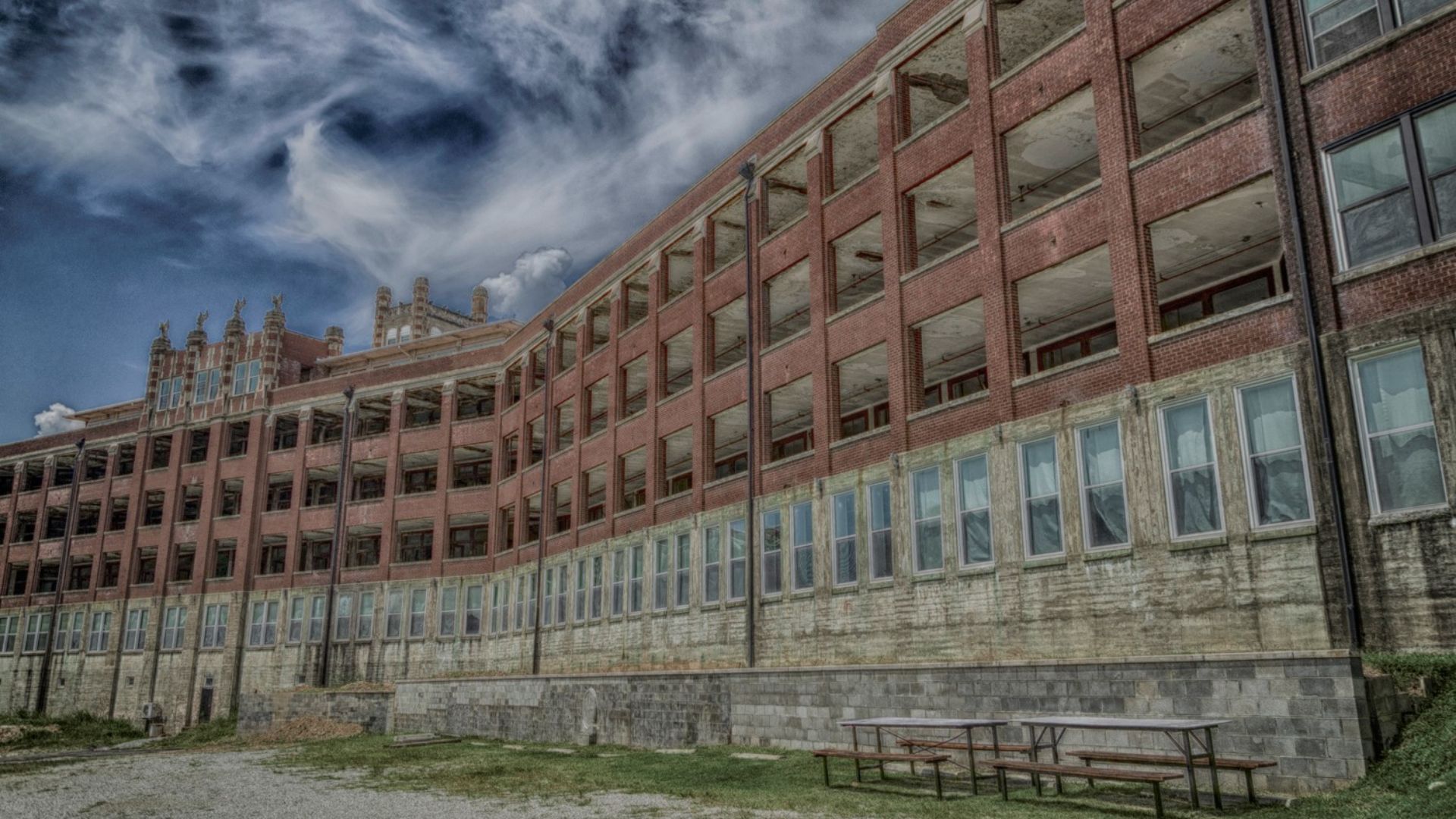
Waverly Hills Sanatorium — Louisville, Kentucky
Waverly Hills is now synonymous with shadow figures and paranormal investigations, but its actual history belongs to the era when tuberculosis was one of America's most feared diseases. Louisville opened the original hospital in 1910 as cases increased, then replaced it with a much larger building in 1926. Before effective antibiotic treatment, patients could remain for months or years while doctors relied heavily on fresh air, rest, nutrition, and experimental surgical procedures.
Some severe tuberculosis treatments involved deliberately collapsing part of a lung to allow diseased tissue to rest; in other cases, surgeons removed ribs to reduce the chest cavity. Streptomycin and other antibiotics eventually transformed tuberculosis care, and Waverly Hills closed as a TB hospital in 1961.
 Royasfoto73, Wikimedia Commons
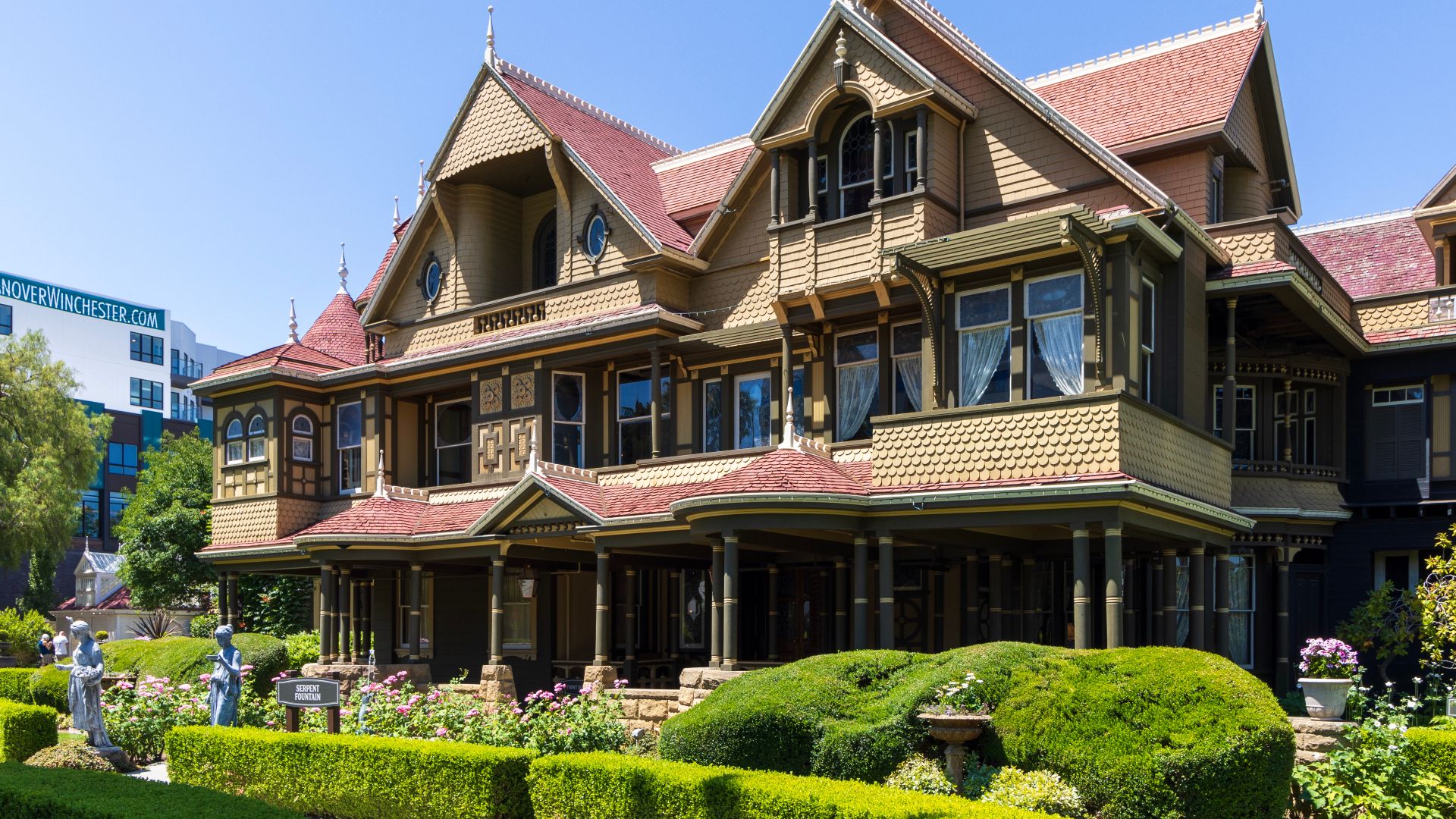
The Winchester Mystery House — San Jose, California
The standard legend says Sarah Winchester believed she was haunted by people slain with Winchester rifles and kept construction going to confuse or appease their spirits. The story became central to the house's mythology, but strong contemporary evidence for it is lacking. Winchester's real life included devastating losses. Her infant daughter Annie passed in 1866, and her husband William succumbed to tuberculosis in 1881, leaving Sarah extremely wealthy.
She moved to California and purchased an unfinished farmhouse near San Jose, then spent decades expanding it. Construction produced rooms, staircases, doors, windows, and additions in an unusually complex layout. The 1906 San Francisco earthquake badly damaged portions of the mansion, after which some areas were sealed rather than fully rebuilt.
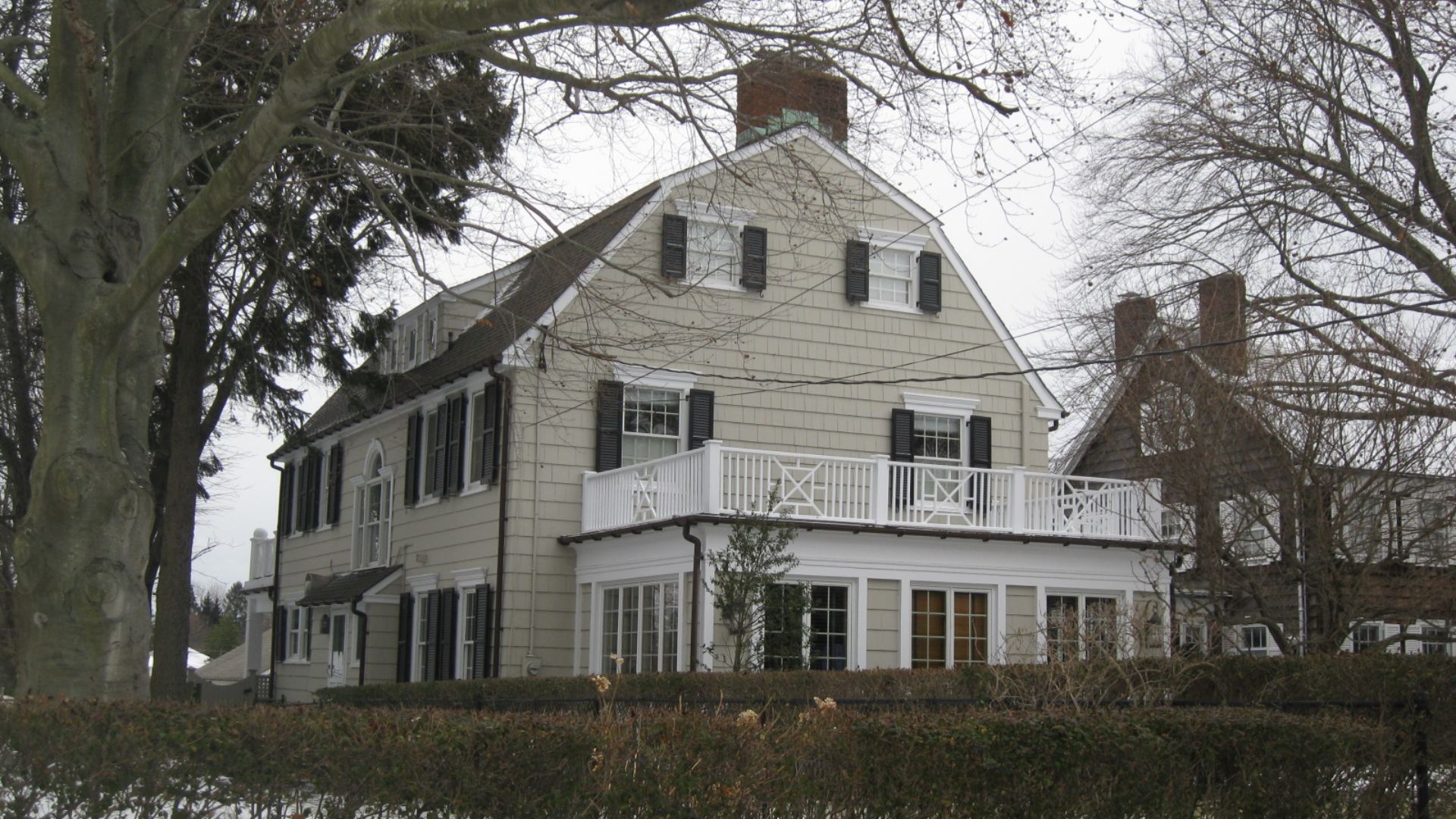
The Amityville House — Amityville, New York
The haunting claims associated with the Amityville house became one of the most profitable supernatural stories of the 20th century, generating books, movies, sequels, and decades of argument over whether any paranormal activity occurred. The event that preceded them is documented. During the night of November 13, 1974, 23-year-old Ronald DeFeo Jr fatally opened fire on his father, mother, two brothers, and two sisters inside the family home at 112 Ocean Avenue.
All six victims were found in their beds. DeFeo initially offered investigators misleading explanations before eventually confessing. He was convicted of six counts of second-degree slaying in 1975. The Lutz family moved into the house the following year and left after 28 days, providing the story that later became The Amityville Horror.
Villisca Axe Murder House — Villisca, Iowa
On the morning of June 10, 1912, eight people were found slain inside the Moore family home in Villisca. Josiah and Sarah Moore, their four children, and visiting sisters Lena and Ina Stillinger had been slain during the night, mostly while sleeping. The weapon used to do the grisly deed was an axe belonging to Josiah Moore.
Investigators pursued multiple theories and suspects, including itinerant preacher George Kelly, who confessed under disputed circumstances but was ultimately acquitted after a second trial. Rumors implicated business rivals and traveling killers as well. The investigation suffered from a contaminated scene and inconsistent early law enforcement work. More than a century later, nobody has been conclusively identified as the killer.
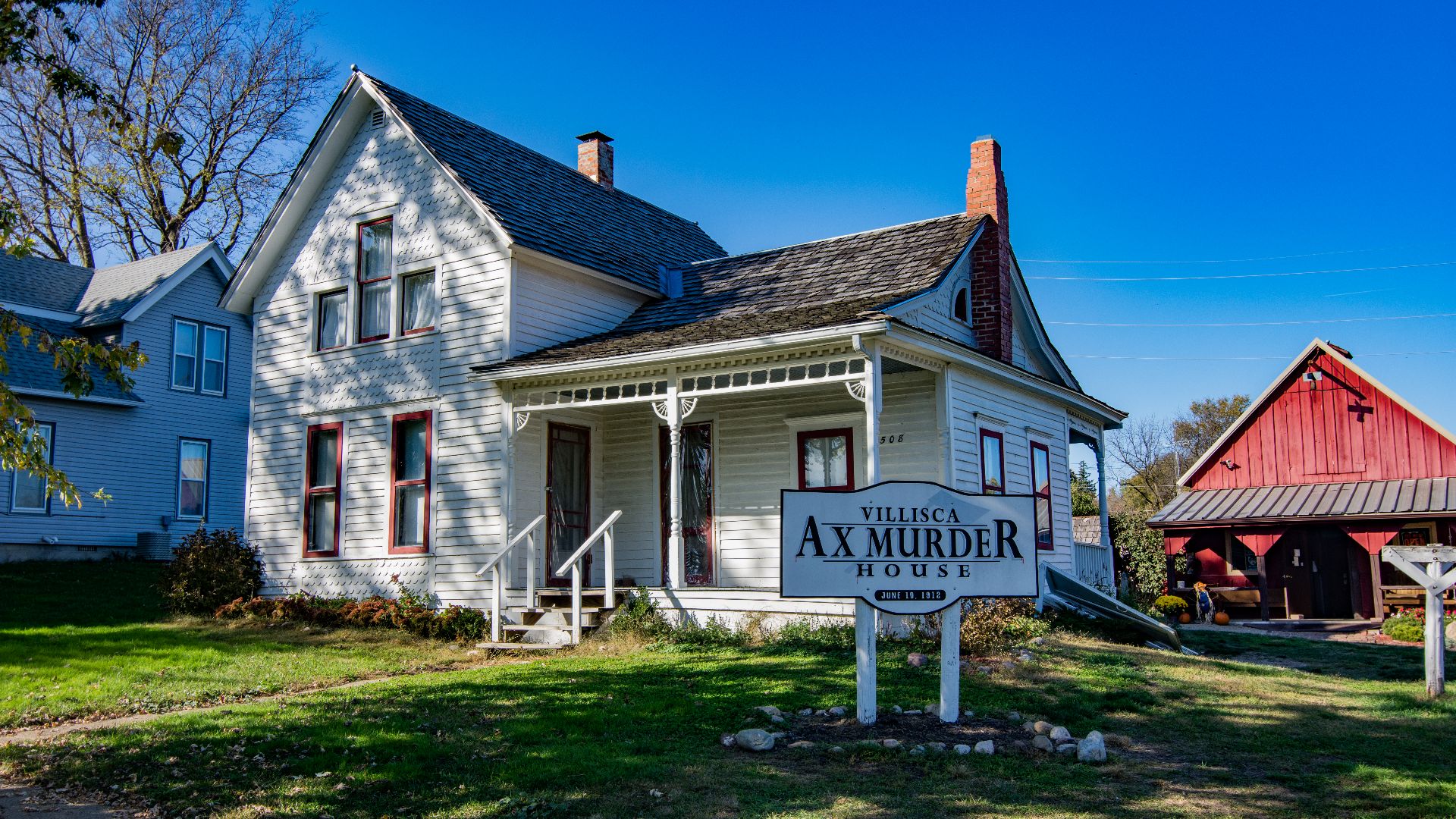 Jason McLaren, Wikimedia Commons
Leap Castle — County Offaly, Ireland
Leap Castle's supernatural reputation includes an entity known as the Elemental and a story about a priest slain by his own brother in what became known as the Bloody Chapel. Sorting documented events from later folklore is difficult. What is certain is that the castle stood in territory associated with the powerful O'Carroll clan and experienced generations of political instability, battle, and family rivalry. Control eventually passed to the Darby family, whose presence brought new chapters of conflict.
During the upheaval of 1922, the castle was beseiged and burned. Its modern restoration began after musician Sean Ryan acquired the property in the 1990s. The legends grew around a building that genuinely survived centuries of contested ownership and brutality.
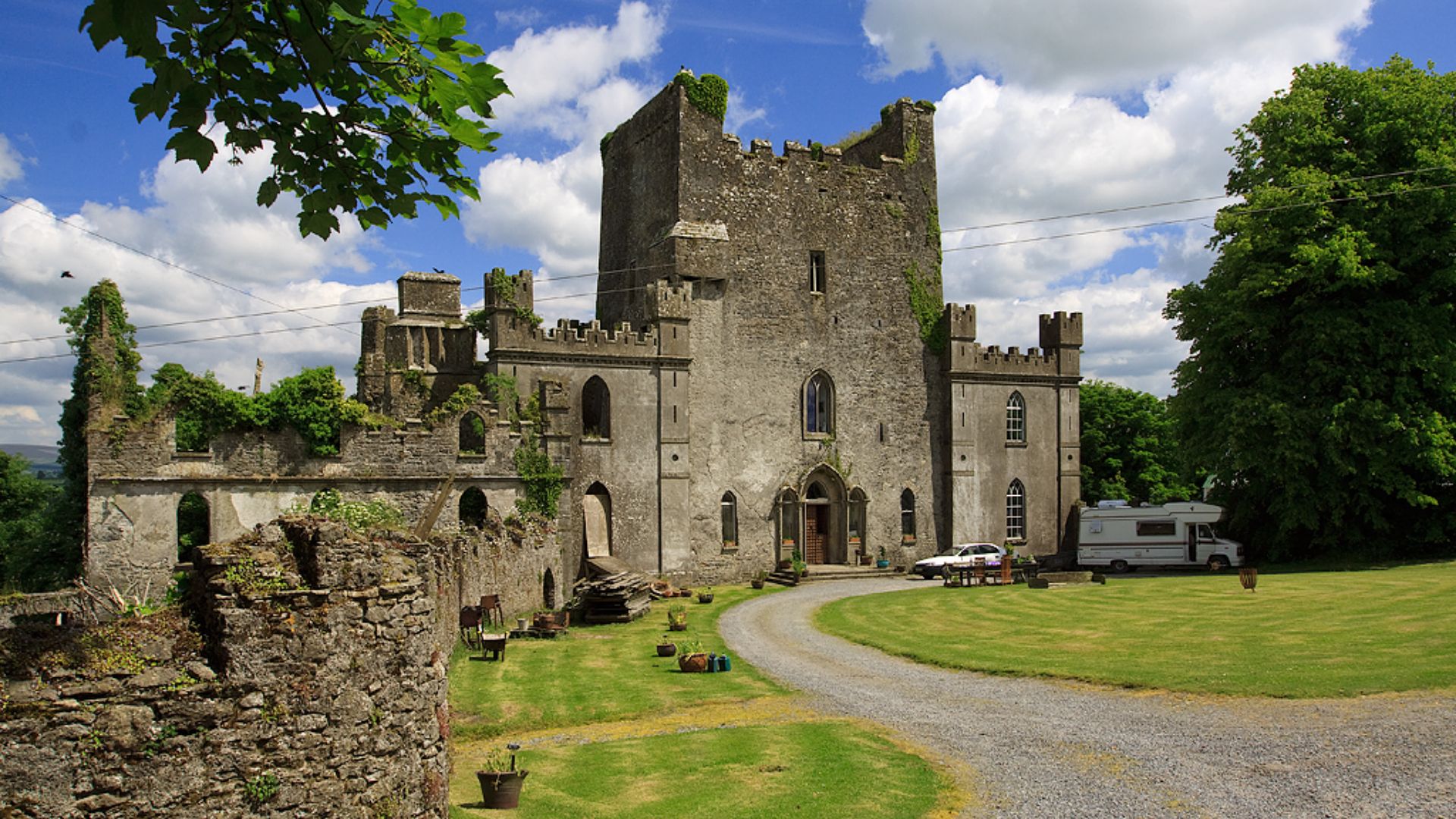 Mike Searle, Wikimedia Commons
Salem Witch Trials Sites — Salem, Massachusetts
Modern Salem embraces witch imagery so completely that it's easy to forget the original events involved no theatrical magic at all. The crisis began in 1692 when several girls claimed they were being afflicted by witchcraft. Accusations spread rapidly through Salem Village and surrounding communities. Courts allowed spectral evidence—claims that a person's spirit had went after someone—to play a role in prosecutions.
19 people were hanged, while Giles Corey was pressed till his end after refusing to enter a plea. Others perished in lockup. Many more were imprisoned, including people who spent months confined while awaiting trial. By 1693, the proceedings had collapsed. Massachusetts authorities later reversed convictions and compensated some victims' families.
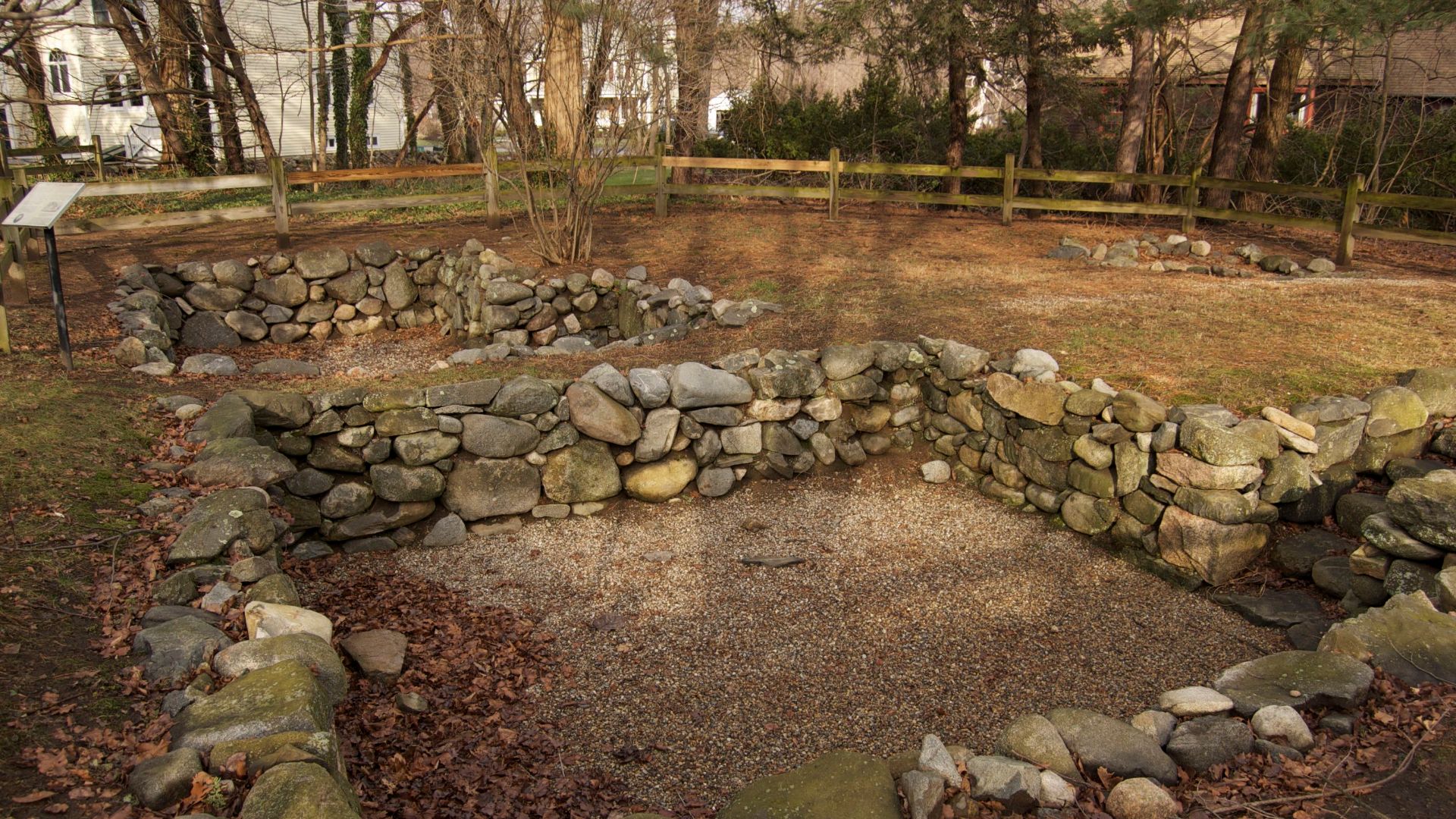
The Old Charleston Jail — Charleston, South Carolina
The Old Charleston Jail operated from 1802 until 1939 and became entangled with nearly every major upheaval that affected the city during that period. Ordinary defendants and convicted criminals shared its history with sailors, civil conflict prisoners, and people caught in race-based and political crackdowns. Its most infamous association is with the 1822 Denmark Vesey conspiracy, when white authorities claimed Vesey and other Black Charlestonians were planning a major uprising. Dozens were tried by secret courts, and 35 men were ultimately executed.
Prisoners held in Charleston's early penal system also faced disease, inadequate sanitation, heat, and overcrowding. The surviving building represents only part of a larger historical complex whose uses and conditions changed repeatedly over more than a century.
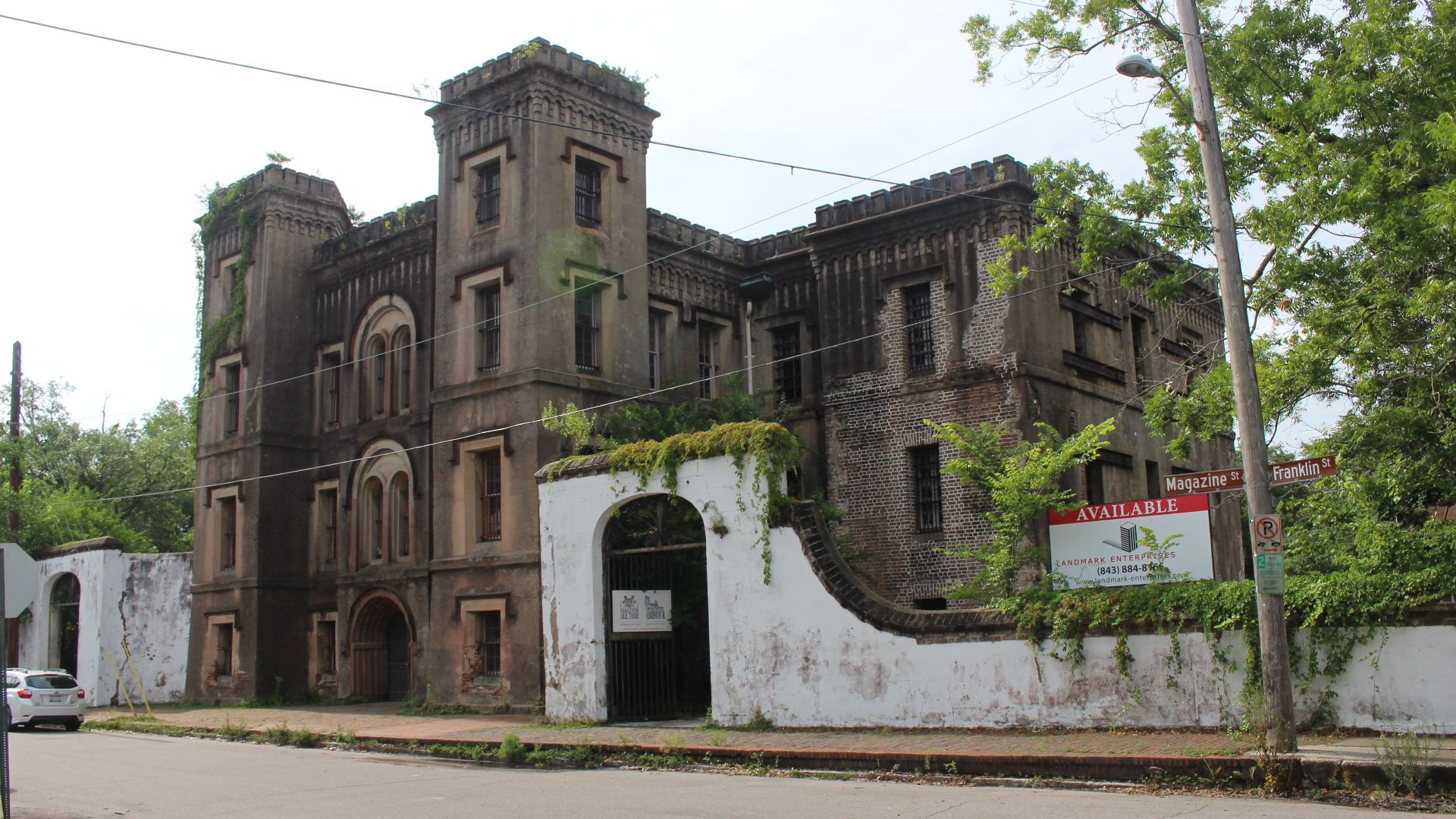 Michael Rivera, Wikimedia Commons
St Augustine Lighthouse — St Augustine, Florida
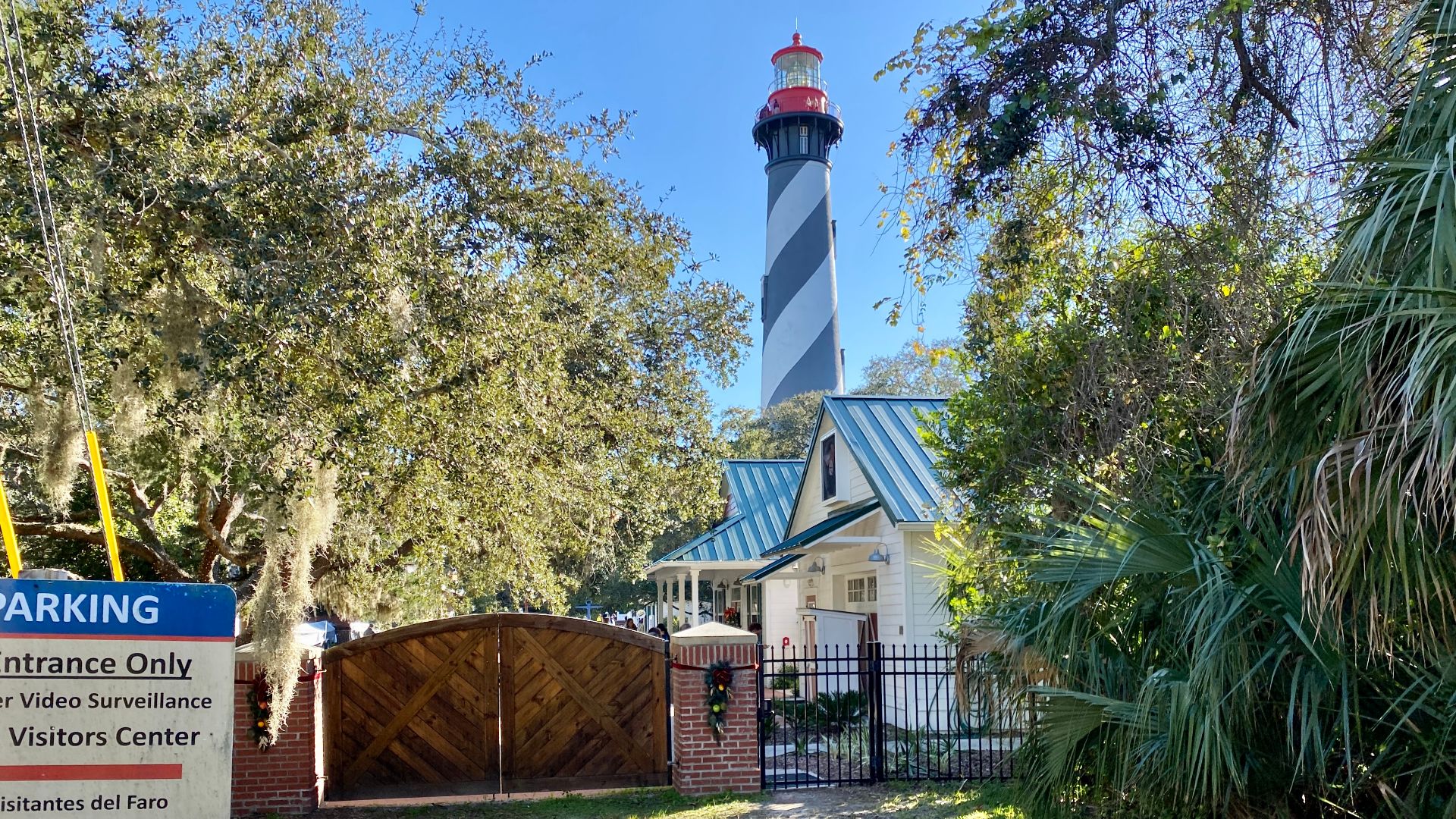
The St Augustine Lighthouse's best-known ghost stories involve children's laughter, and they are connected to a documented accident during construction of the current tower. Workers used a small railway and cart to move supplies from ships to the building site. On July 10, 1873, several children were riding the cart when it ran off the end of the track and plunged into the water. The heavy cart trapped children beneath it.
Mary and Eliza Pittee, daughters of construction superintendent Hezekiah Pittee, drowned, as did another girl. A third Pittee daughter, Carrie, survived. The new lighthouse was completed the following year. Later paranormal stories about young girls near the tower drew directly from a tragedy recorded during its construction.
Bhangarh Fort — Rajasthan, India
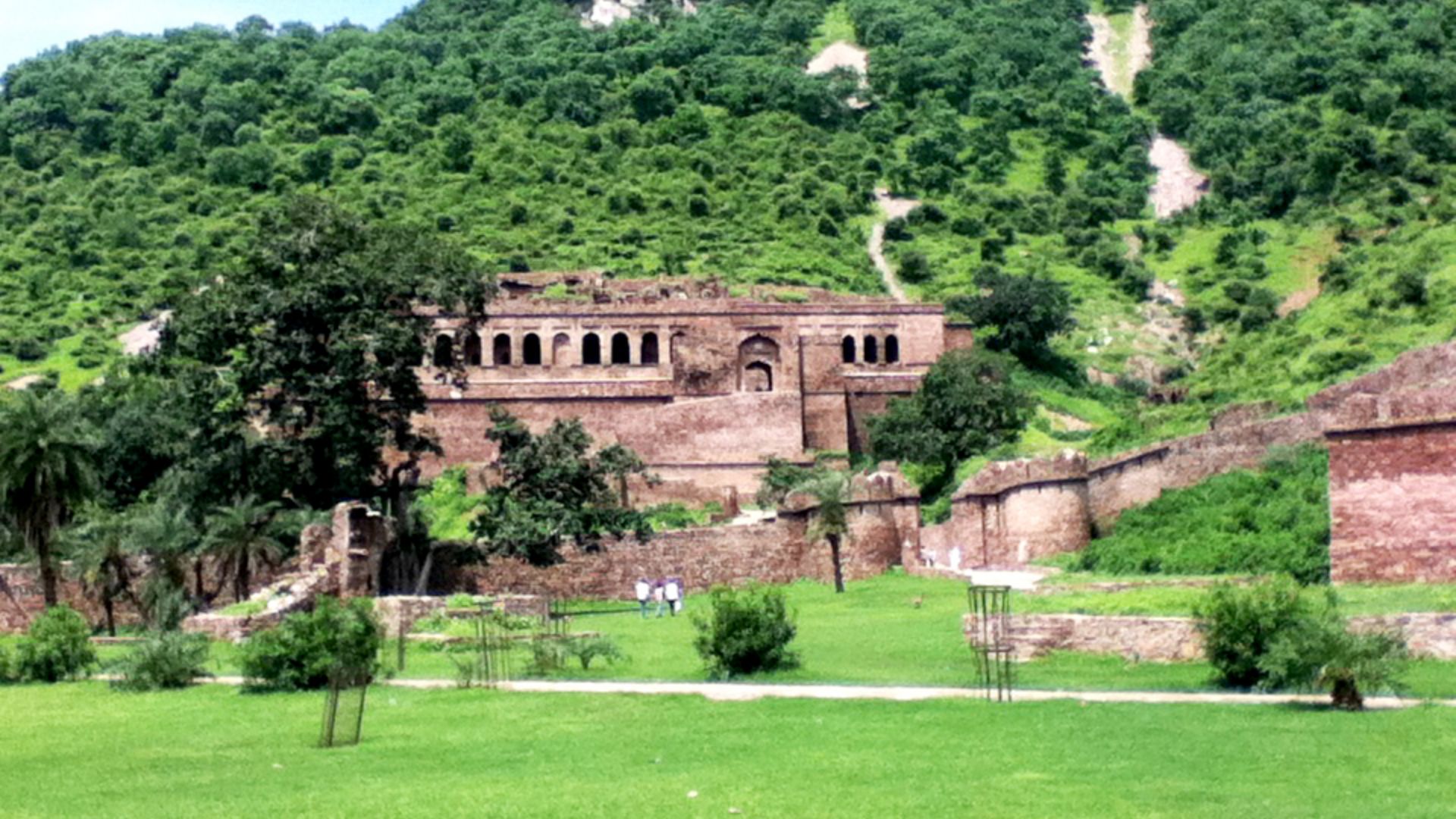
Bhangarh is routinely described as one of India's most haunted locations, with popular legends blaming its abandonment on curses involving either an ascetic or a sorcerer obsessed with a princess. Those stories are folklore rather than established historical explanations. The surviving ruins reveal something much more substantial: Bhangarh was once a thriving settlement containing temples, markets, residences, fortifications, and a royal palace.
The town developed under the Kachwaha rulers during the early modern period but declined over time, with political instability, regional economic change, and environmental pressures all appearing in discussions of its abandonment. Today the Archaeological Survey of India oversees the ruins, while the site's empty streets and roofless structures continue feeding a supernatural reputation that developed long after its decline.
 Vivek Moyal, Wikimedia Commons
Moundsville Penitentiary — Moundsville, West Virginia
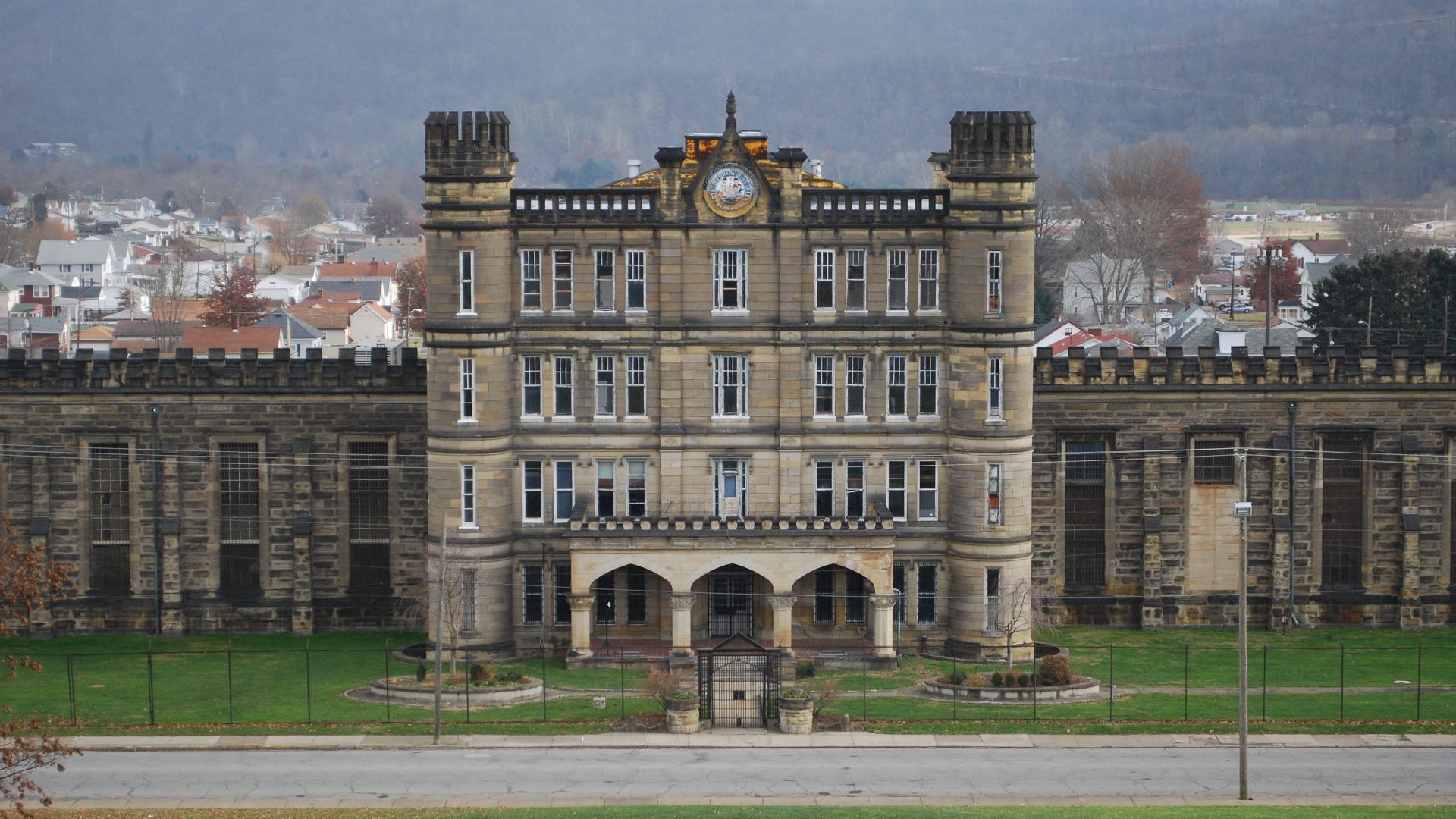
The West Virginia Penitentiary's Gothic Revival walls look deliberately intimidating, and life behind them often was. Authorized shortly after West Virginia became a state, the penitentiary opened in the 1860s and remained in use until 1995. Population pressures repeatedly caused overcrowding, and fights between prisoners became a persistent problem.
The penitentiary witnessed riots, escapes, slayings, and executions. Hanging was initially used for capital punishment, with executions taking place inside the walls before the state adopted electrocution in 1951. The electric chair known as “Old Sparky” was constructed by inmates and used for several executions before West Virginia abolished capital punishment in 1965. The penitentiary continued operating for another three decades.
 Rhonda Humphreys, Wikimedia Commons
The Stanley Hotel — Estes Park, Colorado
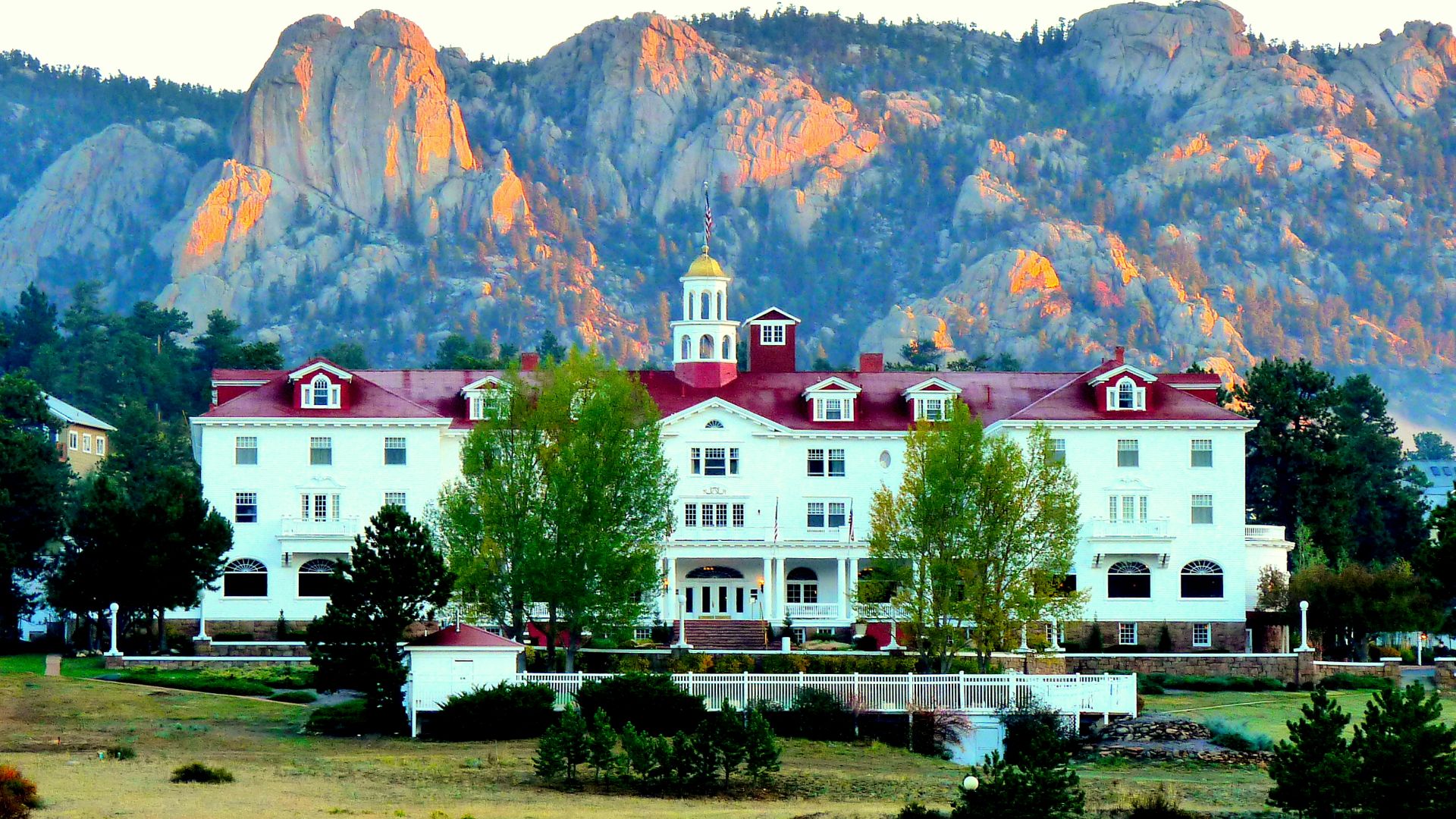
The Stanley is unusual because its real history isn't dominated by tragedy or imprisonment. Built by inventor and entrepreneur Freelan Oscar Stanley, the grand hotel opened in 1909 and helped establish Estes Park as a fashionable mountain destination. Its lasting connection to horror came decades later. In 1974, Stephen King and his wife Tabitha stayed there near the end of the season, when the sprawling hotel was nearly empty.
King later recalled wandering the corridors and having an unsettling dream about his young son being chased through the building. Those experiences helped inspire The Shining. Stanley Kubrick didn't use the hotel as the exterior in his film adaptation, but King's story permanently altered the real hotel's identity, eventually encouraging ghost tours and paranormal tourism of its own.
 1progressivedem1, Wikimedia Commons
You May Also Like:
The Haunting Of Poveglia Island
The World’s Most Haunted Places—And The Troubling Stories They Tell
The Most Haunted Places In America To Visit This Spooky Season