
Ancient Societies In Biblical Lands Weren’t Primitive—And Archaeologists Are Rethinking Everything
For a long time, people pictured biblical-era societies as relatively simple—small communities, basic tools, nothing too industrial. But a new archaeological discovery is flipping that idea on its head. Turns out, some of these ancient groups were running large-scale operations that look surprisingly modern.

A Discovery That Started Turning Heads
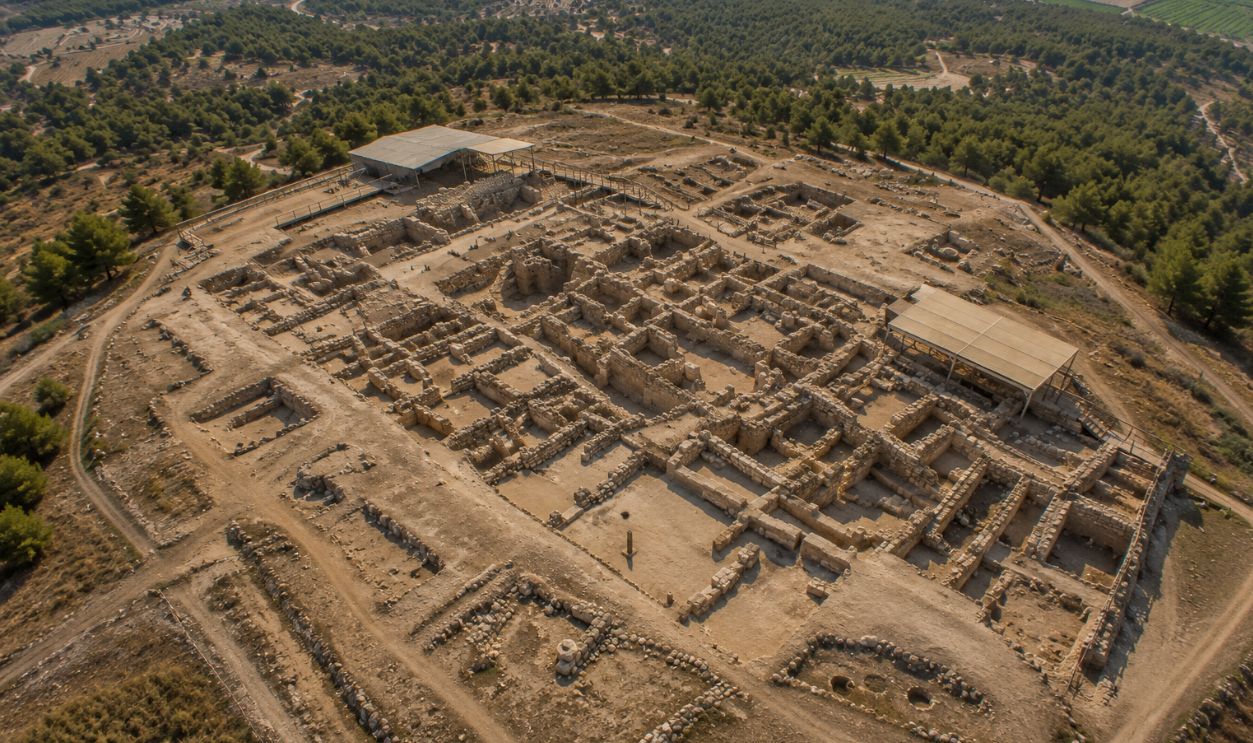
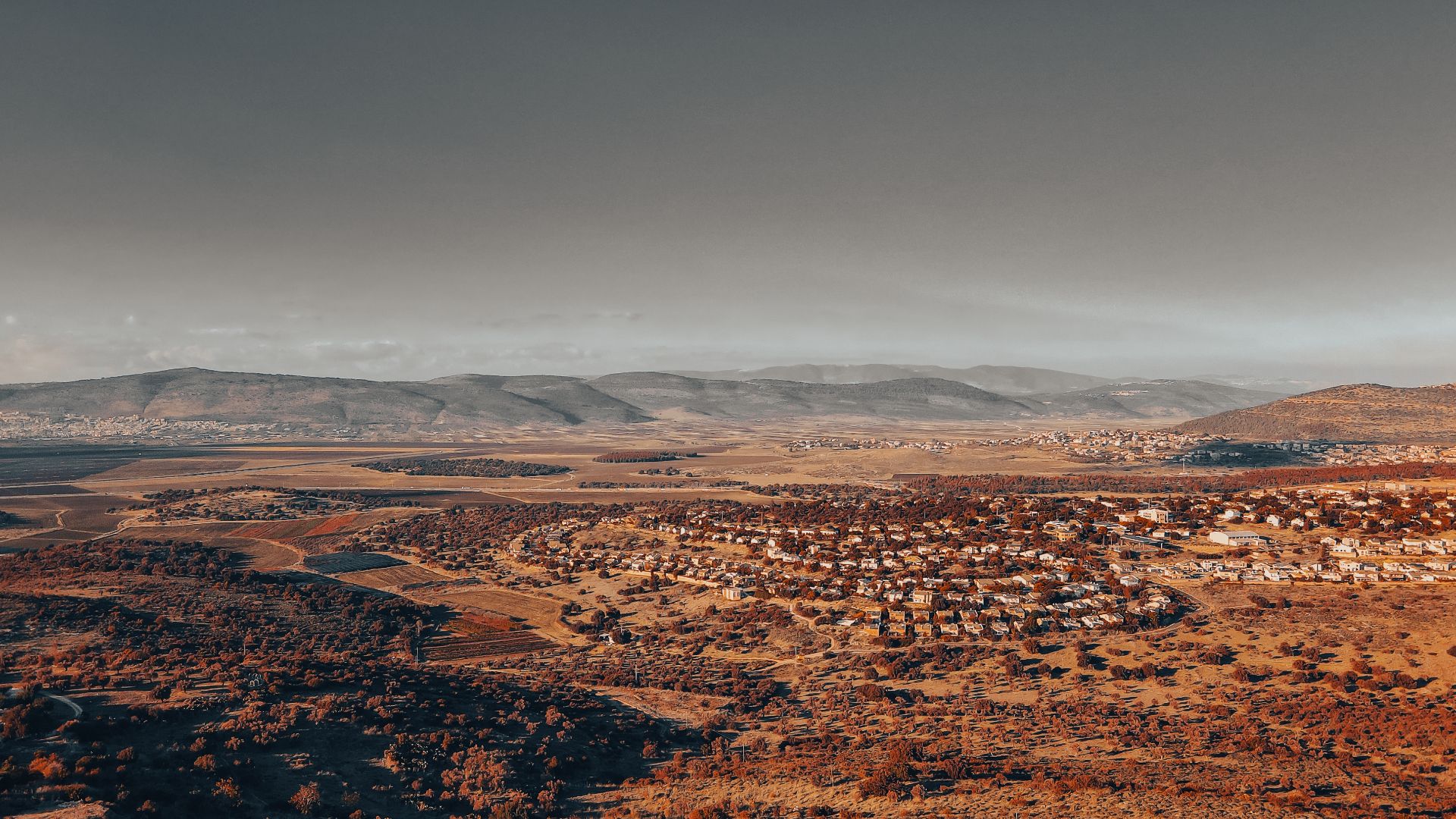
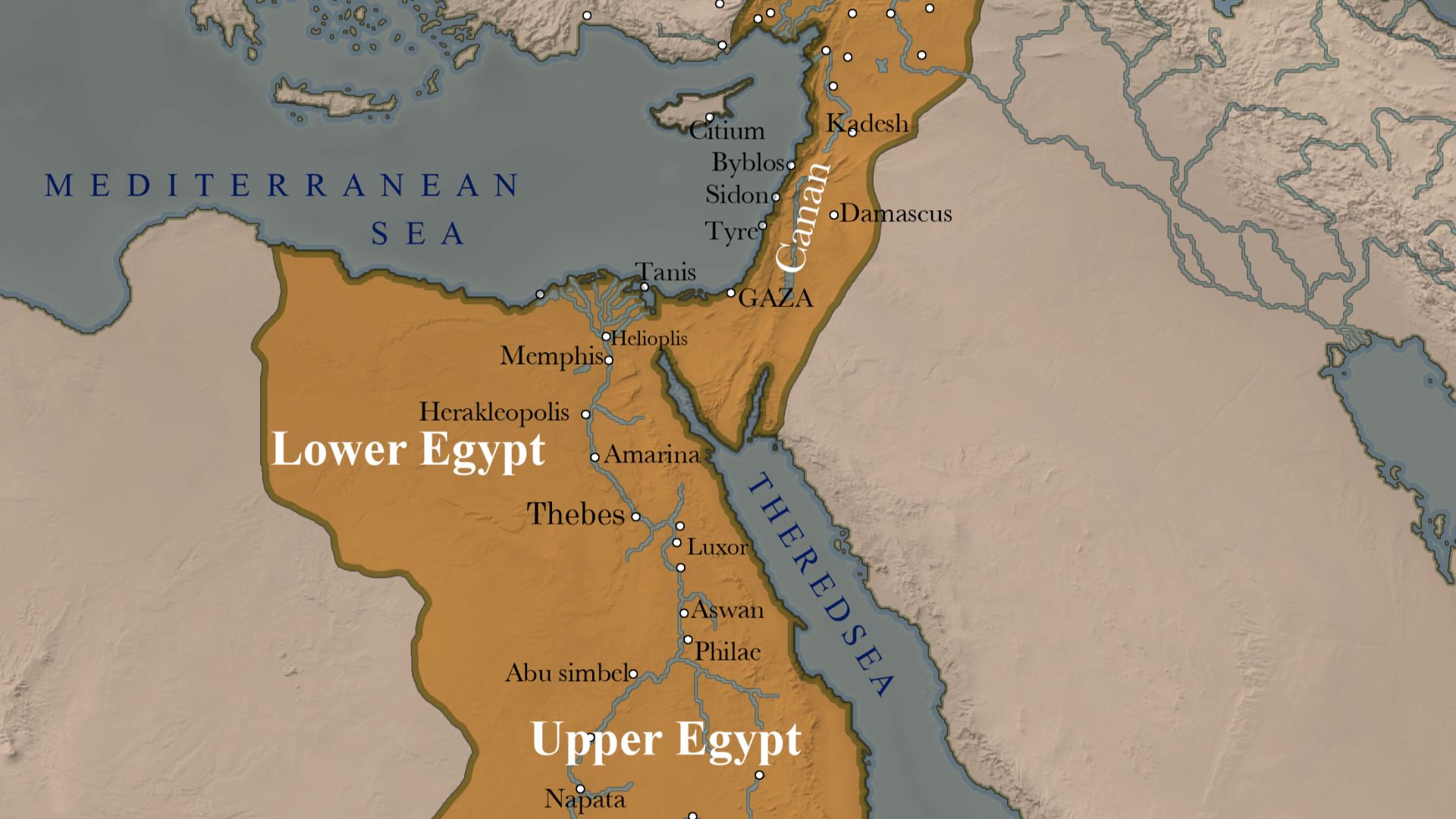
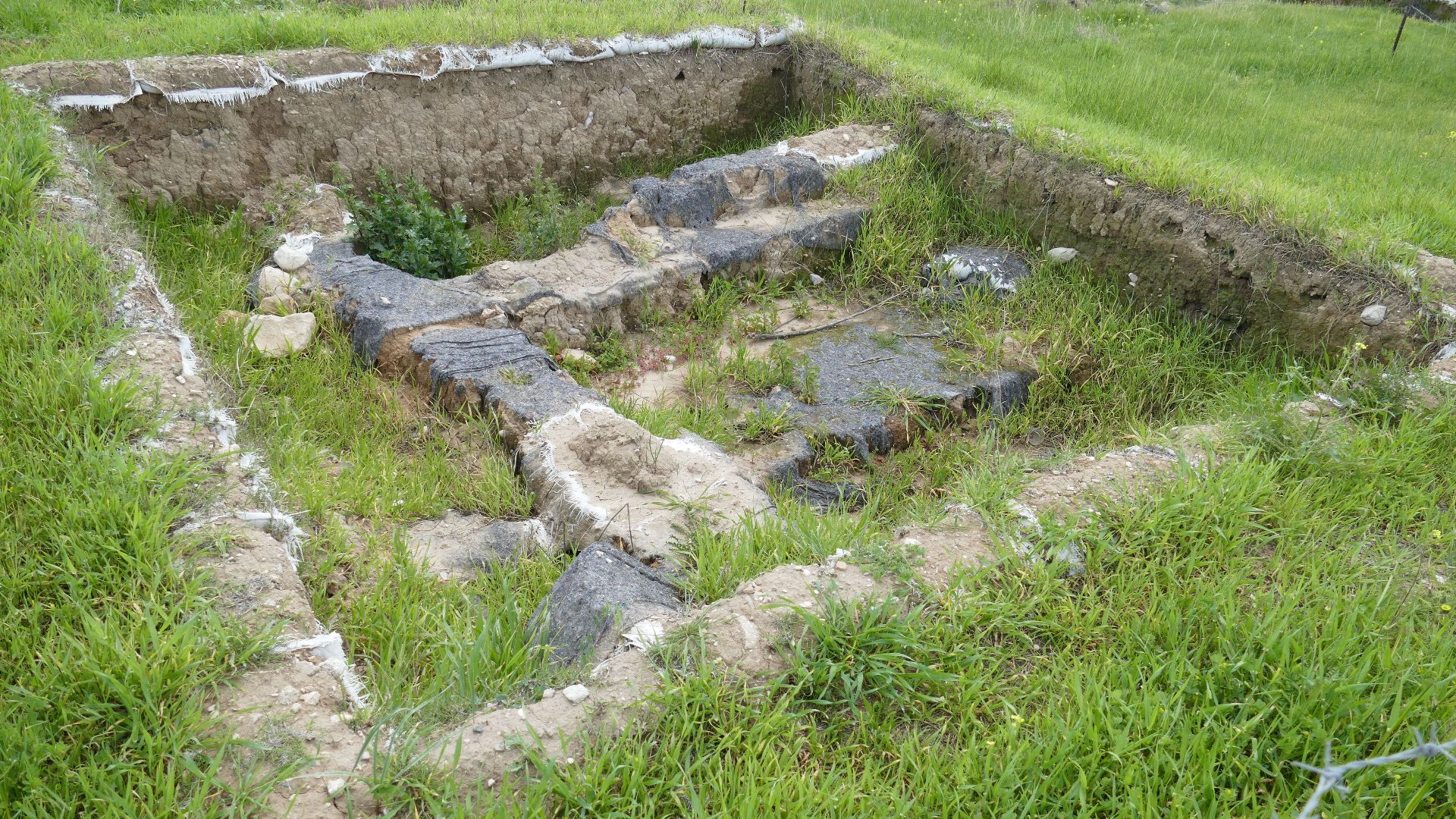
In recent years, archaeologists uncovered a 5,500-year-old Canaanite site in what is now modern-day Israel. The site dates back to around 3500 BCE, well before many traditionally recognized urban civilizations. What they found there wasn’t just a settlement—it was something much bigger and far more organized.
Not Just A Village—Something More Complex
At first glance, the site looked like a typical ancient settlement. But as researchers dug deeper, they realized this wasn’t just a place where people lived. It was a center of production, with clear evidence of organized, large-scale manufacturing activities.
 Amotz Zertal (Amotz Zertal), Wikimedia Commons
Evidence Of Early Industry
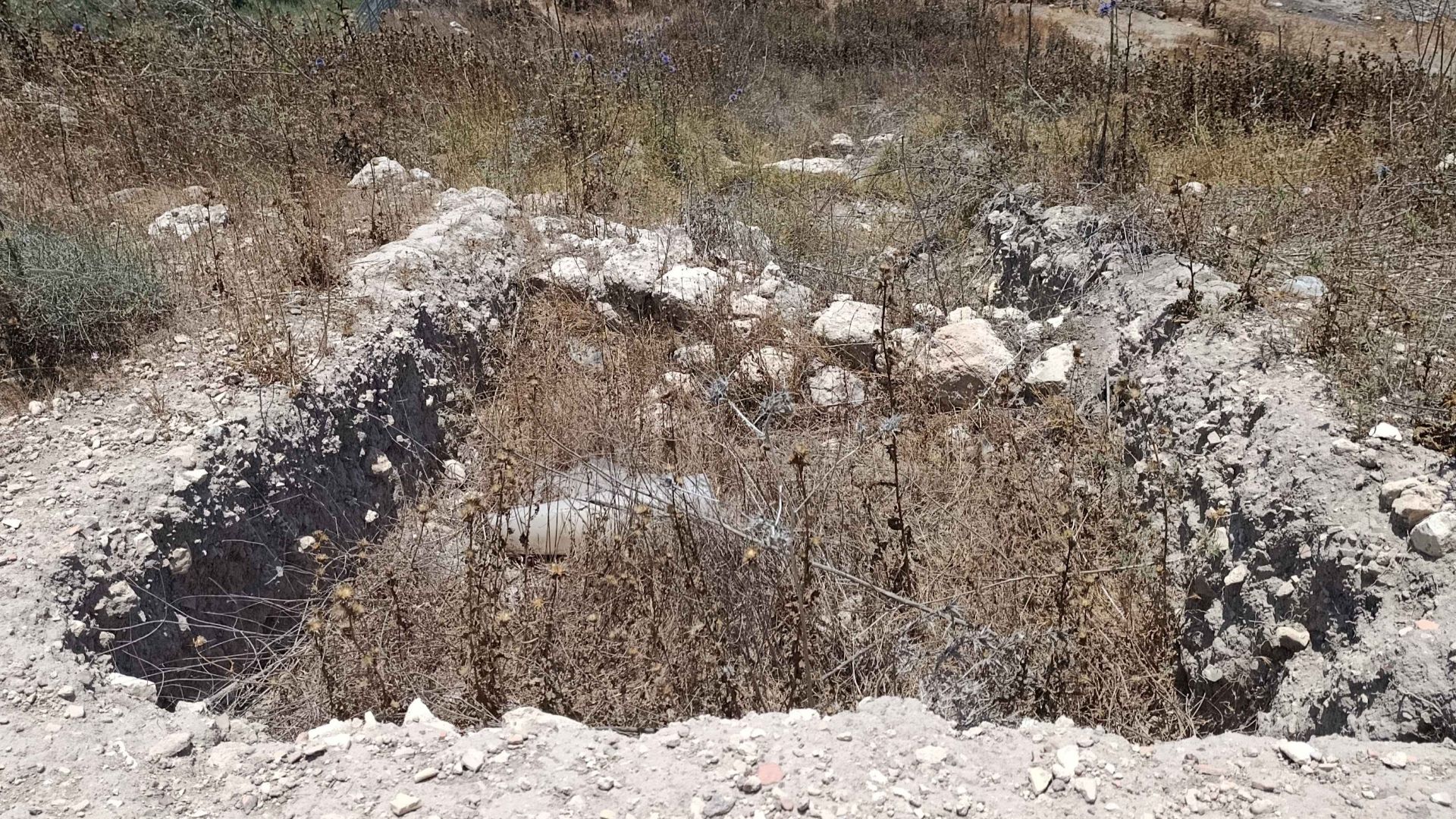
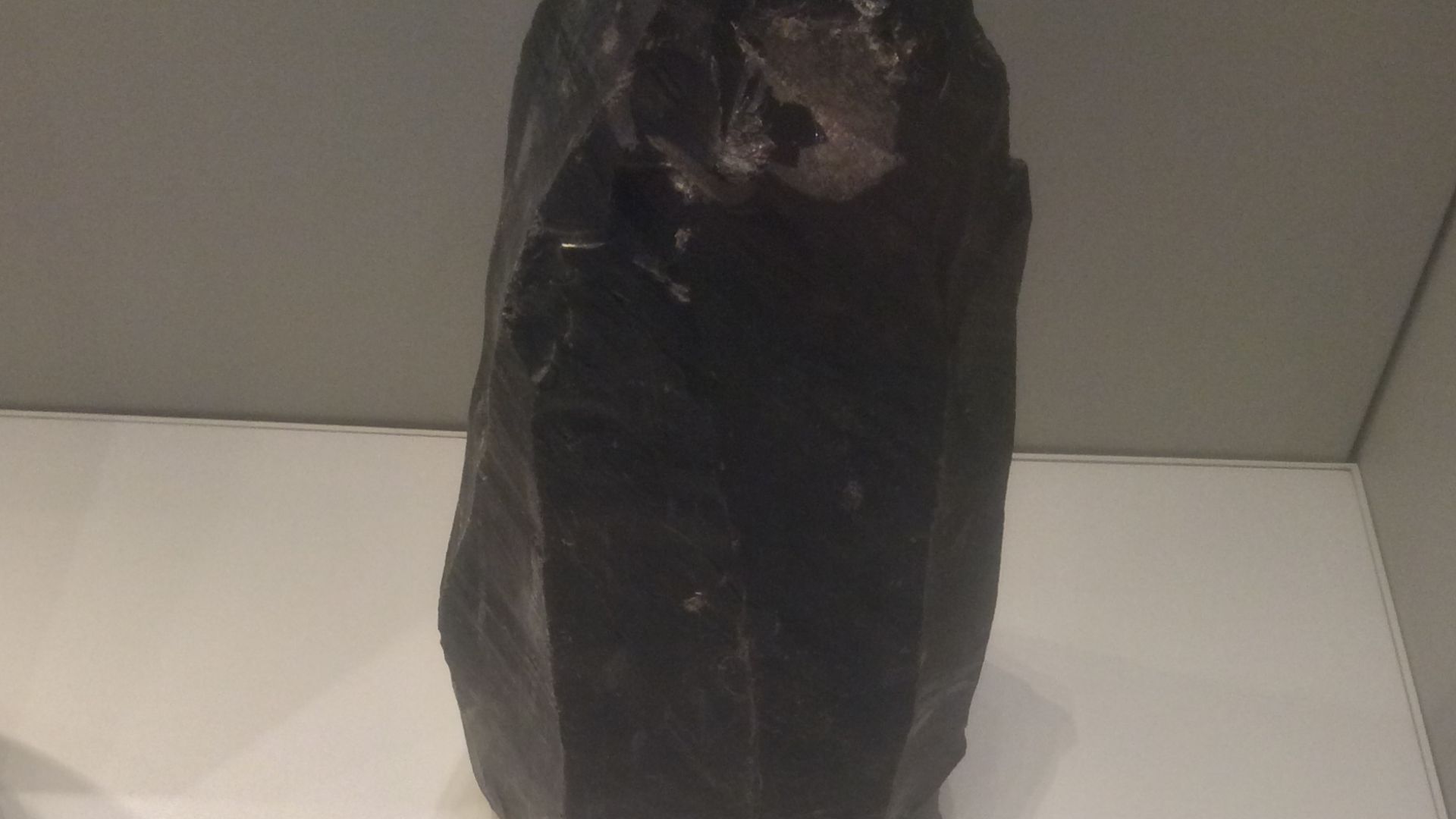
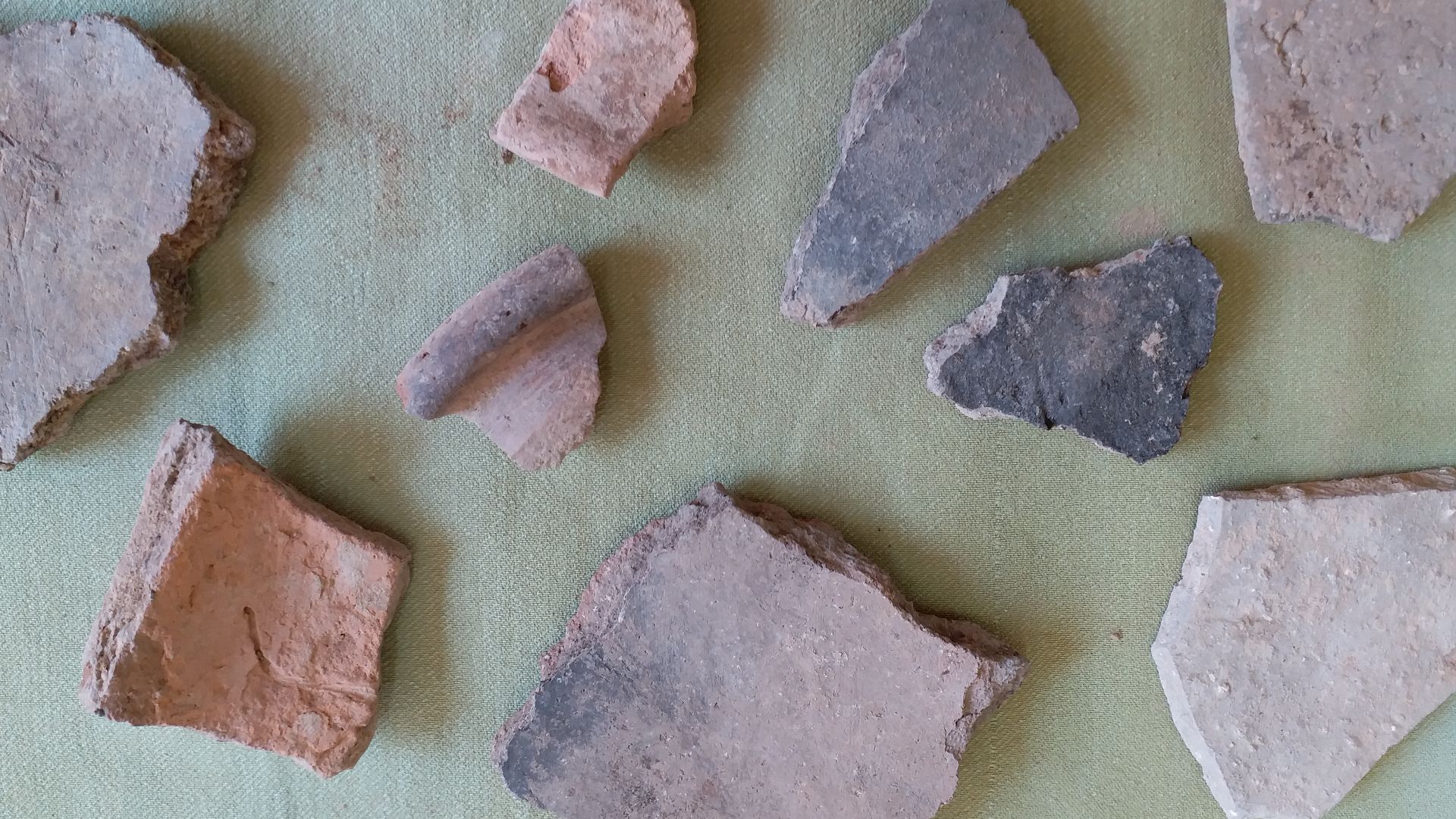
Archaeologists discovered tools, raw materials, and production waste spread across the site. This wasn’t random clutter—it showed repeated, systematic work. In other words, people weren’t just making things for themselves; they were producing goods in volume.
 Henry Pelgrift, Wikimedia Commons
Specialized Work Was Already Happening
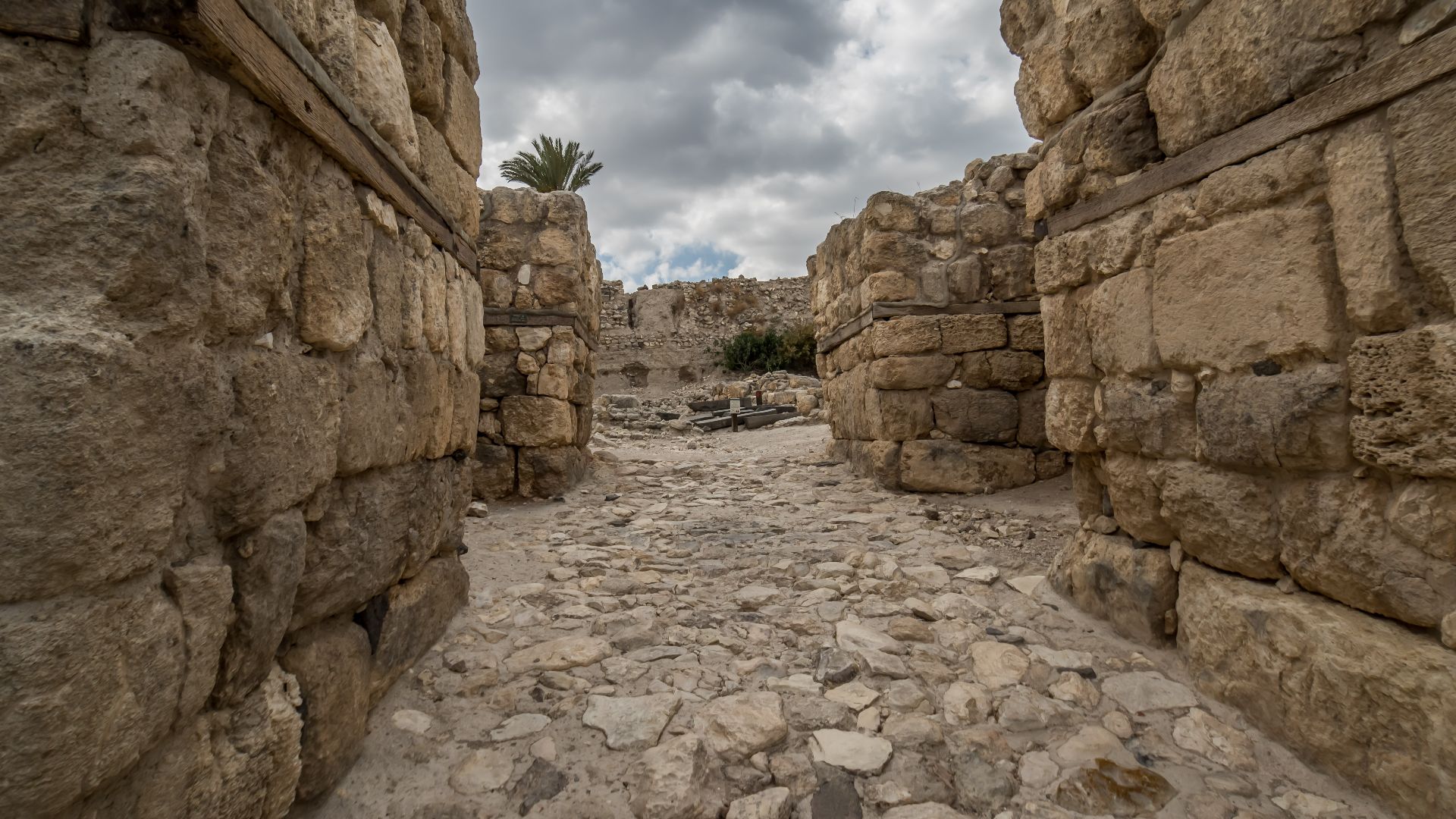
One of the most surprising findings was evidence of economic specialization. Different areas of the site were dedicated to different tasks, suggesting people had specific roles or trades. That’s a big deal, because specialization is usually linked to more advanced economies.
This Changes How We View Early Societies
For years, many historians assumed that complex economies developed later in history. This discovery suggests that organized production and division of labor existed much earlier. It’s a reminder that ancient people were a lot more capable than we sometimes give them credit for.
 Dan Lundberg, Wikimedia Commons
The Scale Was Hard To Ignore
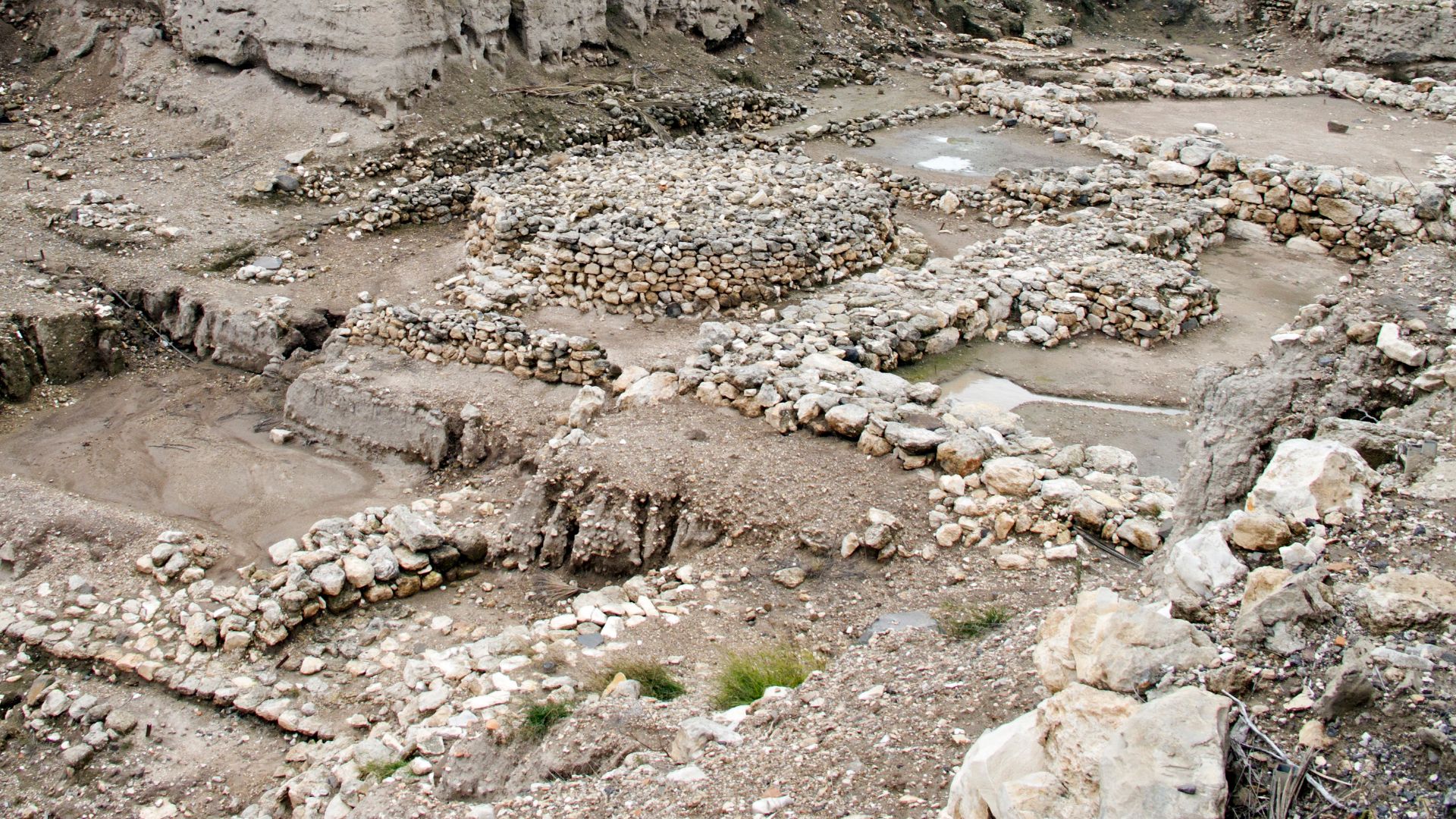
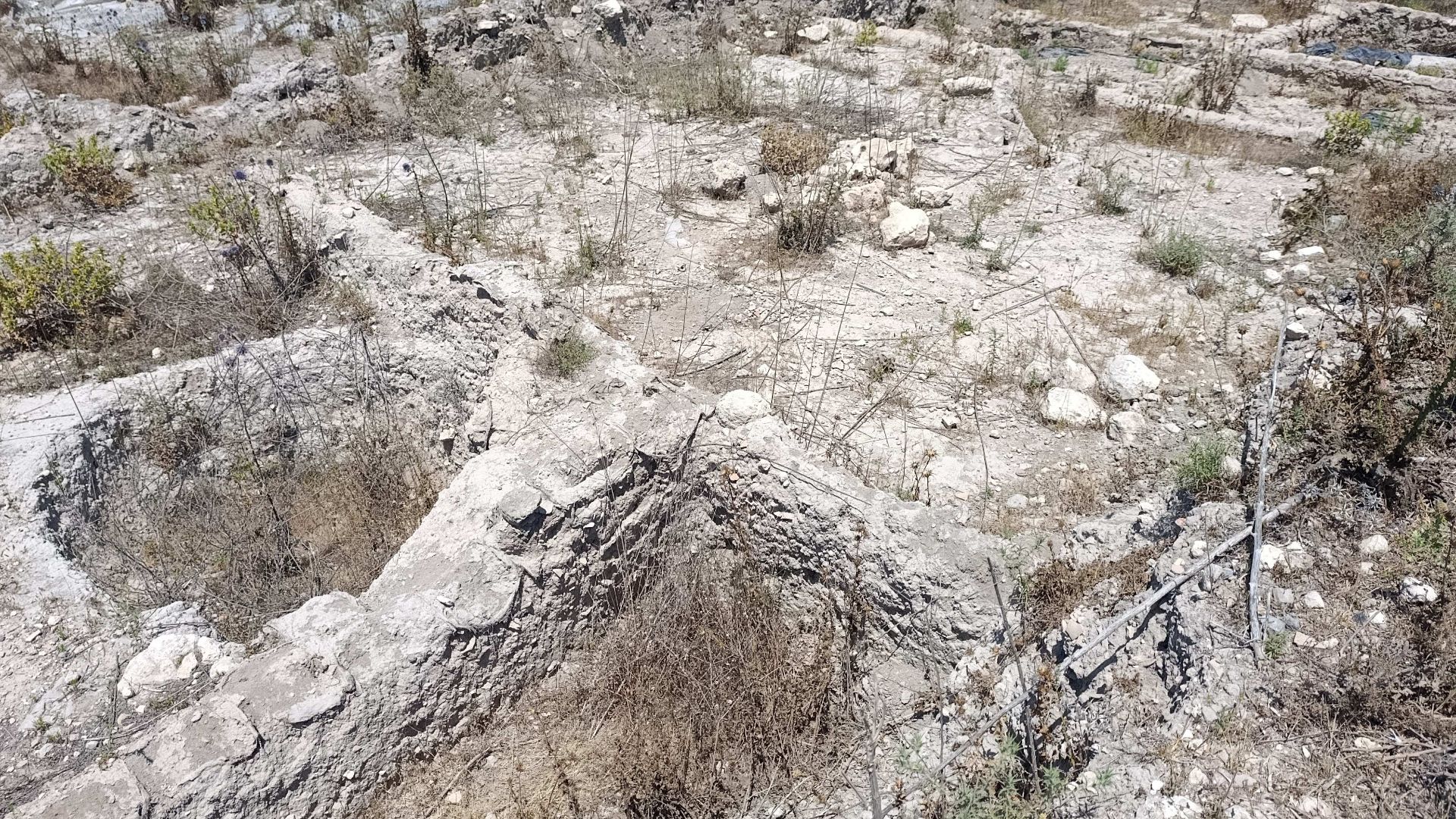
The size of the site alone raised eyebrows. It wasn’t a small operation—it covered a large area and supported a significant population. That kind of scale points to coordination, planning, and some form of leadership or structure.
 Amotz Zertal (Amotz Zertal), Wikimedia Commons
What They Were Actually Making
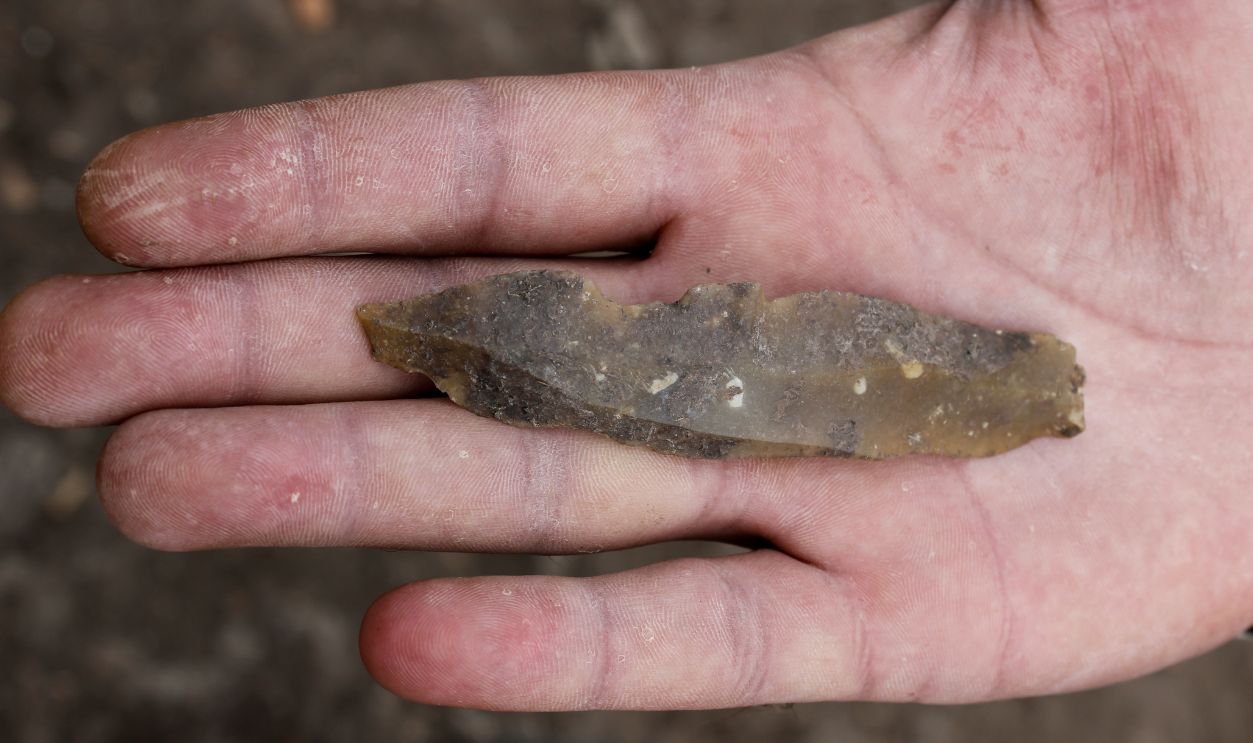
Researchers found evidence of large-scale production of tools, possibly made from flint or other local materials. These tools were likely distributed beyond the immediate area, suggesting trade networks were already in place. So yes, ancient supply chains were apparently a thing.
 Stoyan G. Ivanov, Shutterstock
Trade Was Already In Motion
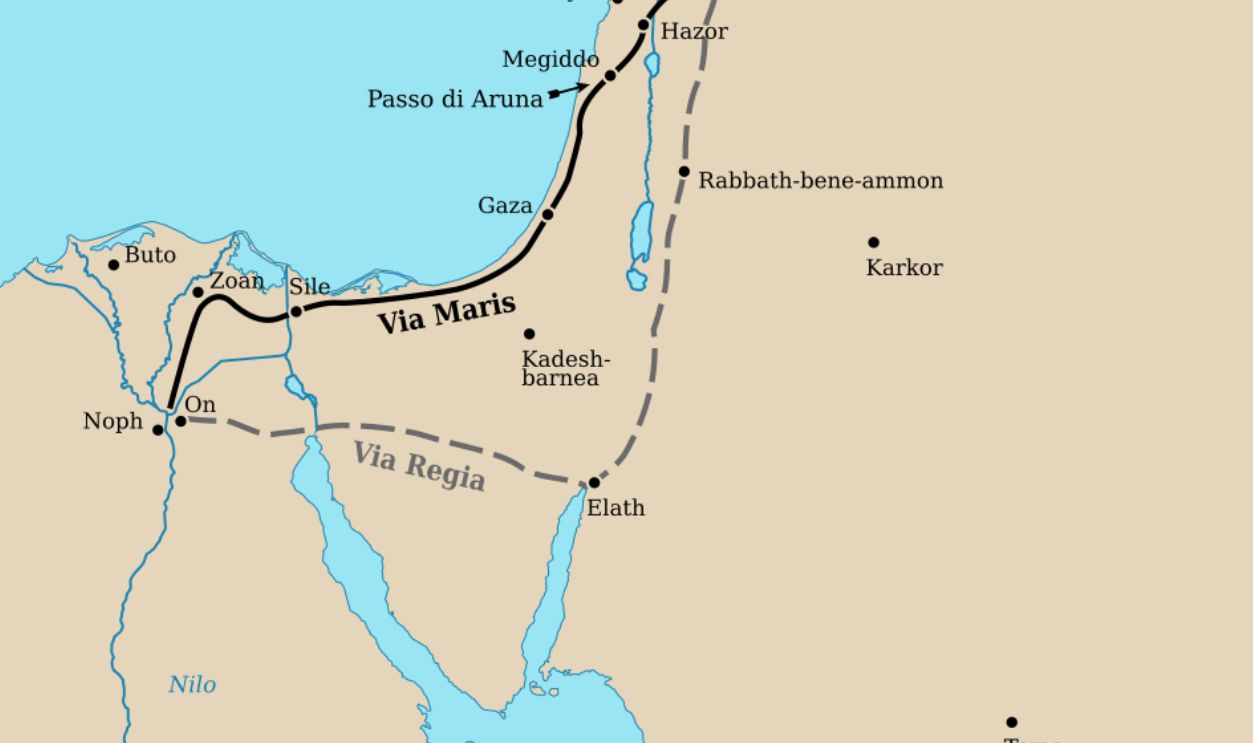
The presence of non-local materials at the site suggests goods were being exchanged over distances. This means the people living there weren’t isolated—they were connected to wider regional networks. That kind of interaction is a hallmark of more advanced societies.
 Derivative work: Arrow303, Wikimedia Commons
Organized Production Means Organized Thinking
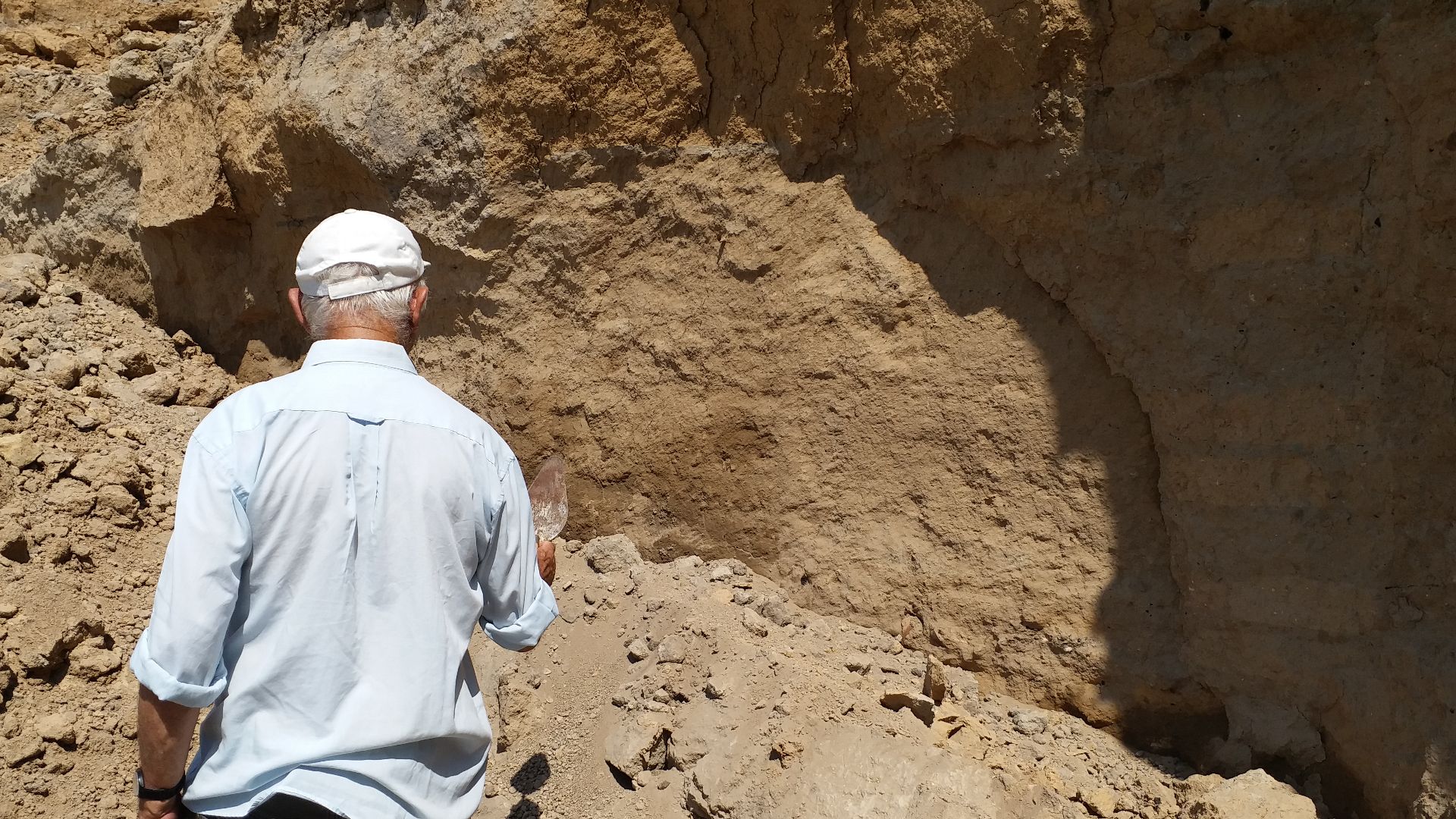
Running a production site like this requires planning and coordination. You don’t accidentally create an industrial center. This suggests that people had systems in place to manage resources, labor, and output.
 Essam Mohammed Ali Adwan, Wikimedia Commons
A Glimpse Into Early Urban Life
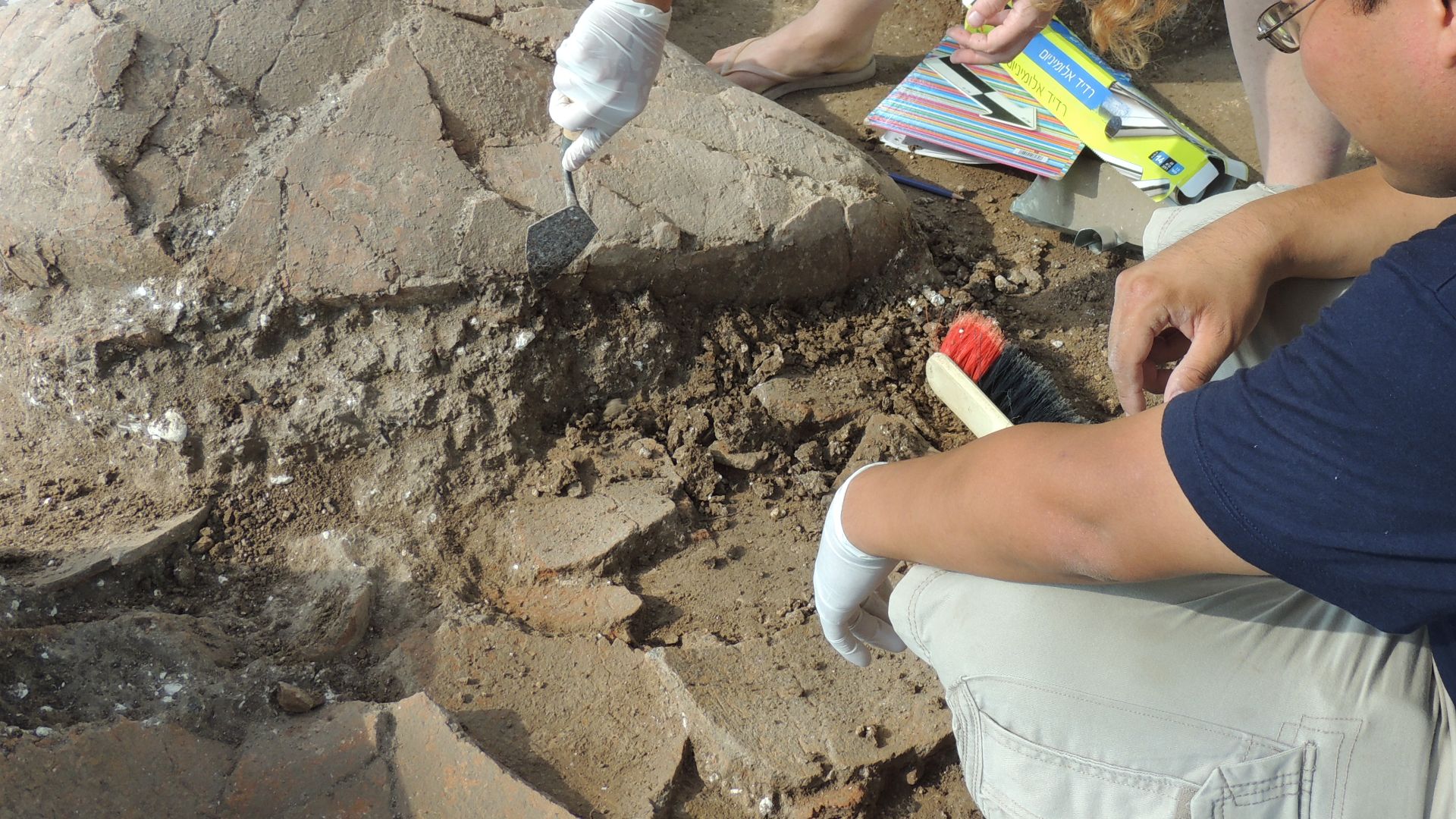
Some researchers believe this site represents an early stage of urban development. It shows characteristics you’d expect in a developing city—division of labor, production zones, and a growing population. Basically, this was more than just a cluster of huts.
 Eric H. Cline, Wikimedia Commons
The Canaanites Weren’t “Simple”
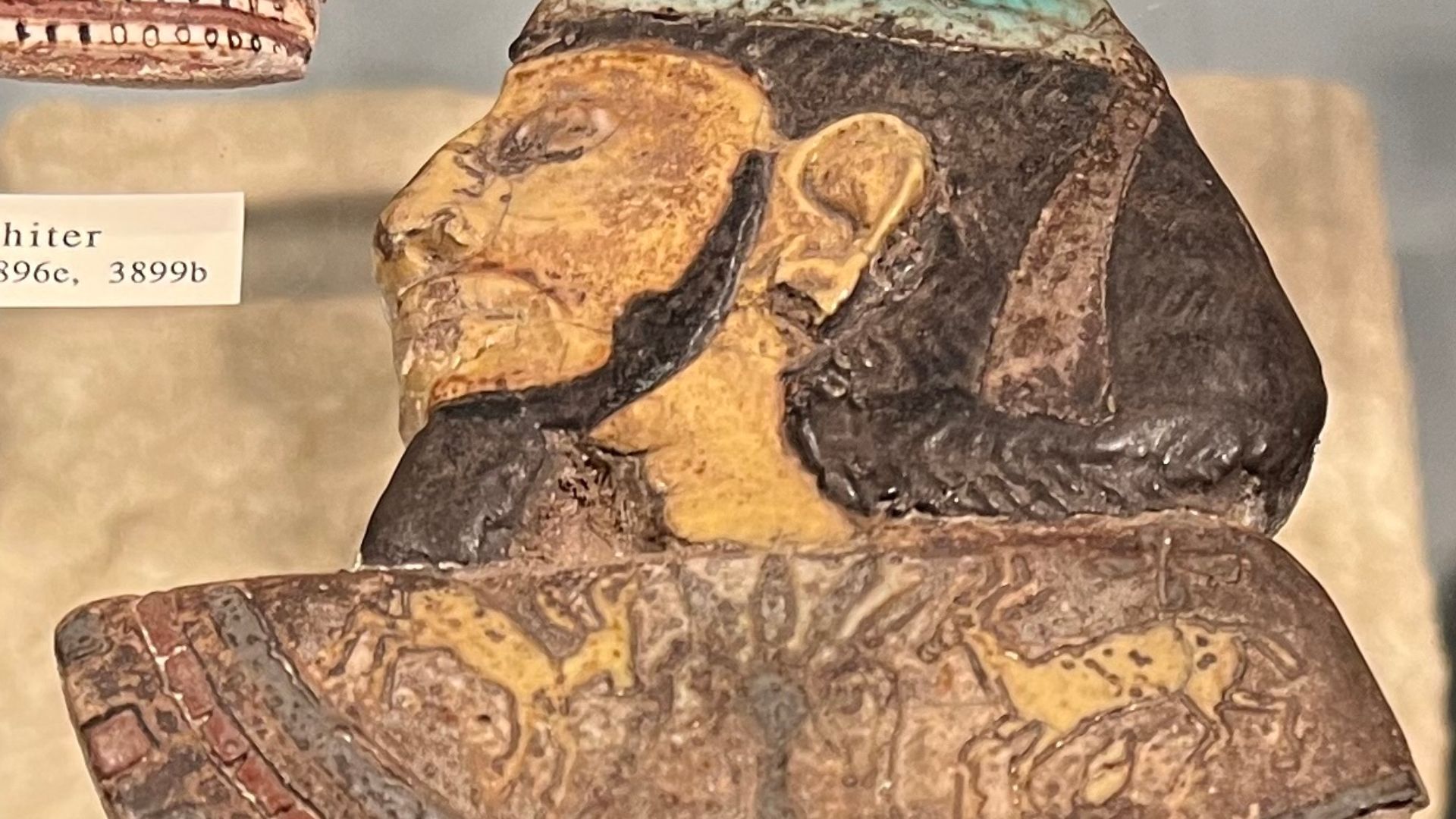
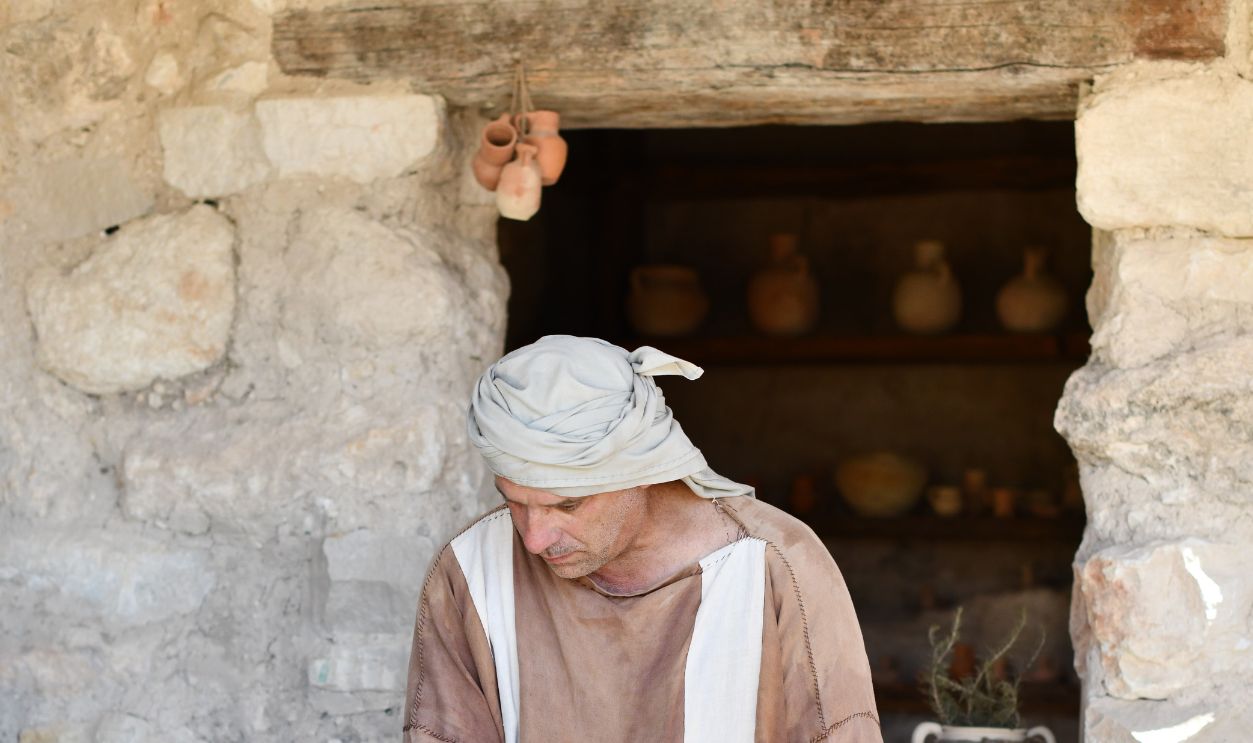
The people behind this site were part of early Canaanite culture. Traditionally, they’ve often been portrayed as relatively simple agricultural communities. Discoveries like this challenge that idea in a big way.
 Upper times, Wikimedia Commons
Archaeology Is Catching Up
Part of the reason these societies were underestimated is because earlier archaeology didn’t have the tools we have today. With better excavation techniques and analysis, researchers are now uncovering details that were previously missed.
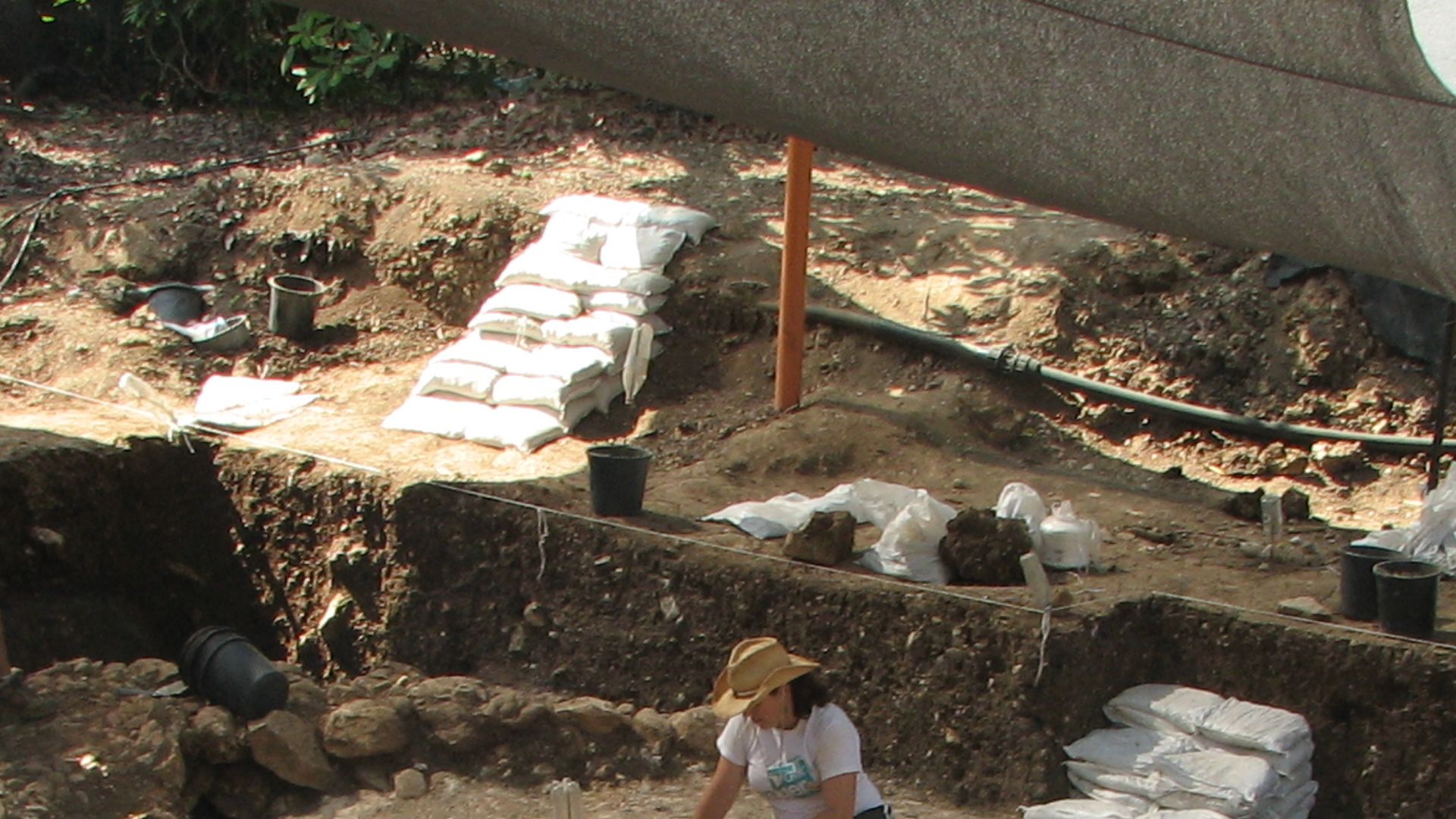
Technology Was More Advanced Than Expected
The tools and production methods found at the site show a level of technical skill that’s hard to ignore. These weren’t rough, one-off creations—they were consistent and repeatable. That points to knowledge being passed down and refined over time.
 Essam Mohammed Ali Adwan, Wikimedia Commons
This Wasn’t A One-Time Effort
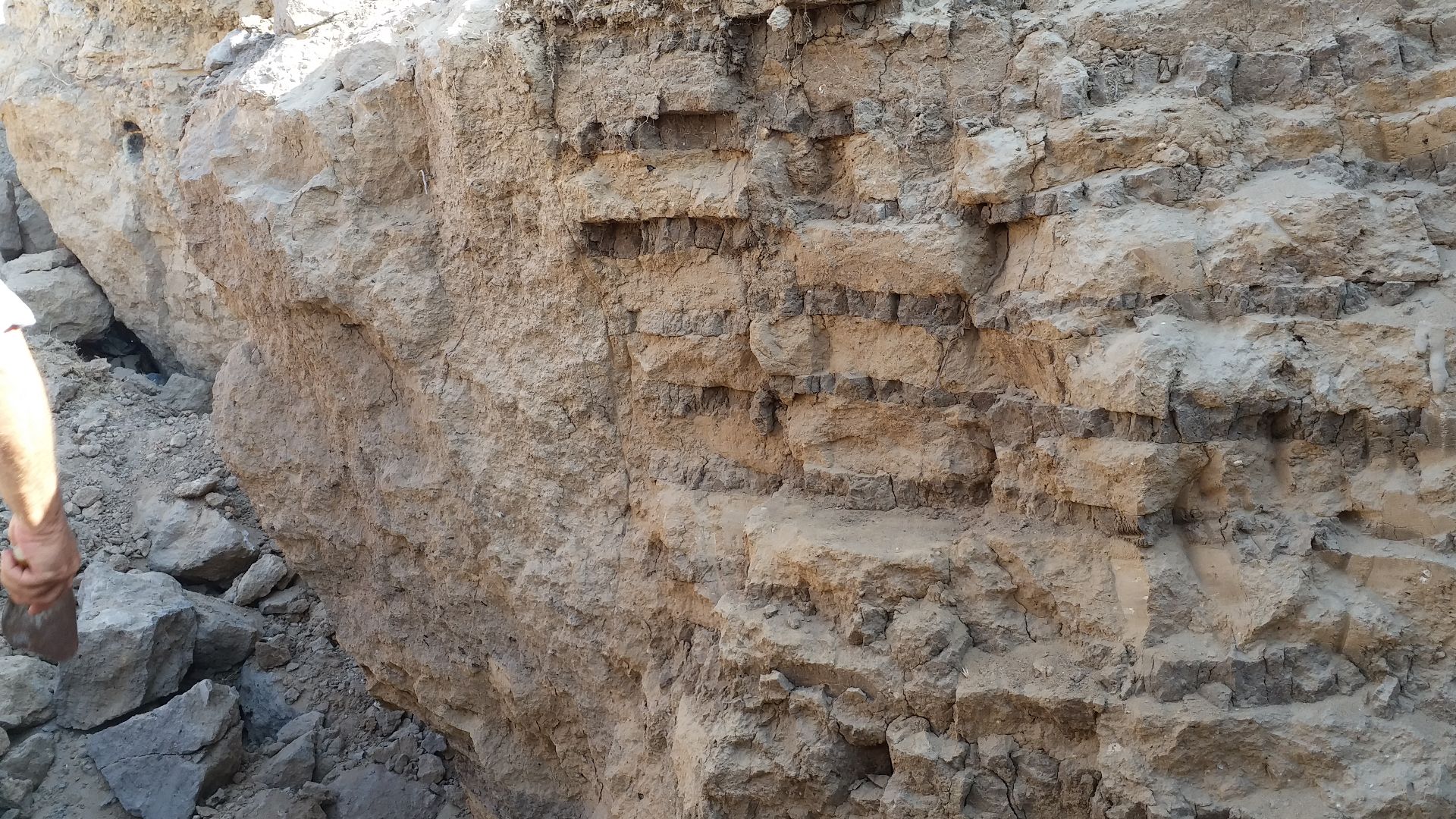
The amount of production waste found suggests the site was active for a long period. This wasn’t a temporary setup—it was a sustained operation. People were working, producing, and likely trading here for generations.
 Essam Mohammed Ali Adwan, Wikimedia Commons
Why This Matters For Biblical History
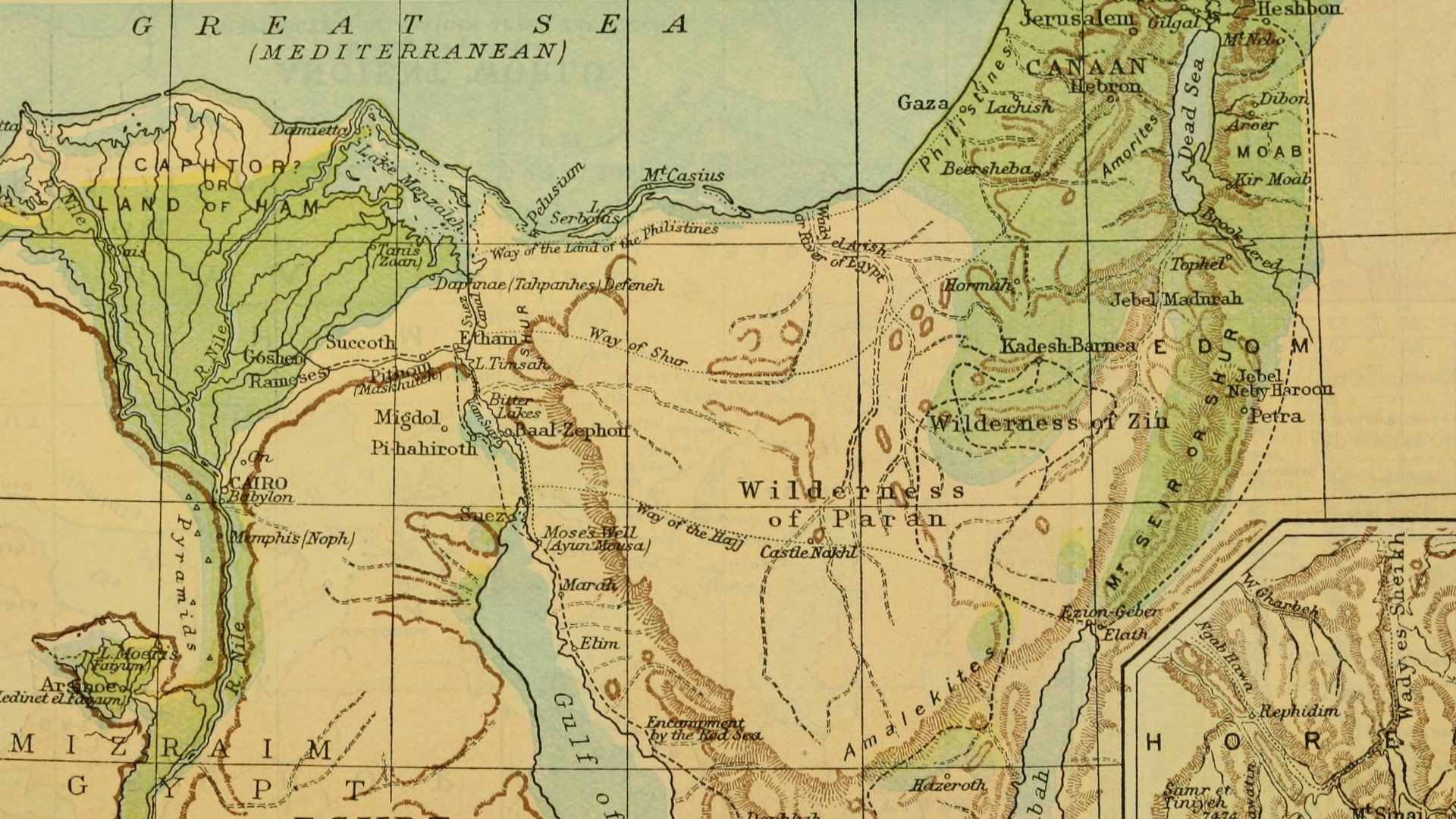
This discovery provides important context for understanding societies mentioned in biblical texts. It shows that people living in these regions had access to organized systems and technologies earlier than expected. That can change how certain historical accounts are interpreted.
 Blaikie, William Garden, 1820-1899, Wikimedia Commons
Rethinking Economic Development
Economists and historians often link specialization and large-scale production to later civilizations. This site pushes that timeline back significantly. It suggests complex economies may have started forming much earlier than previously believed.
The Role Of Geography
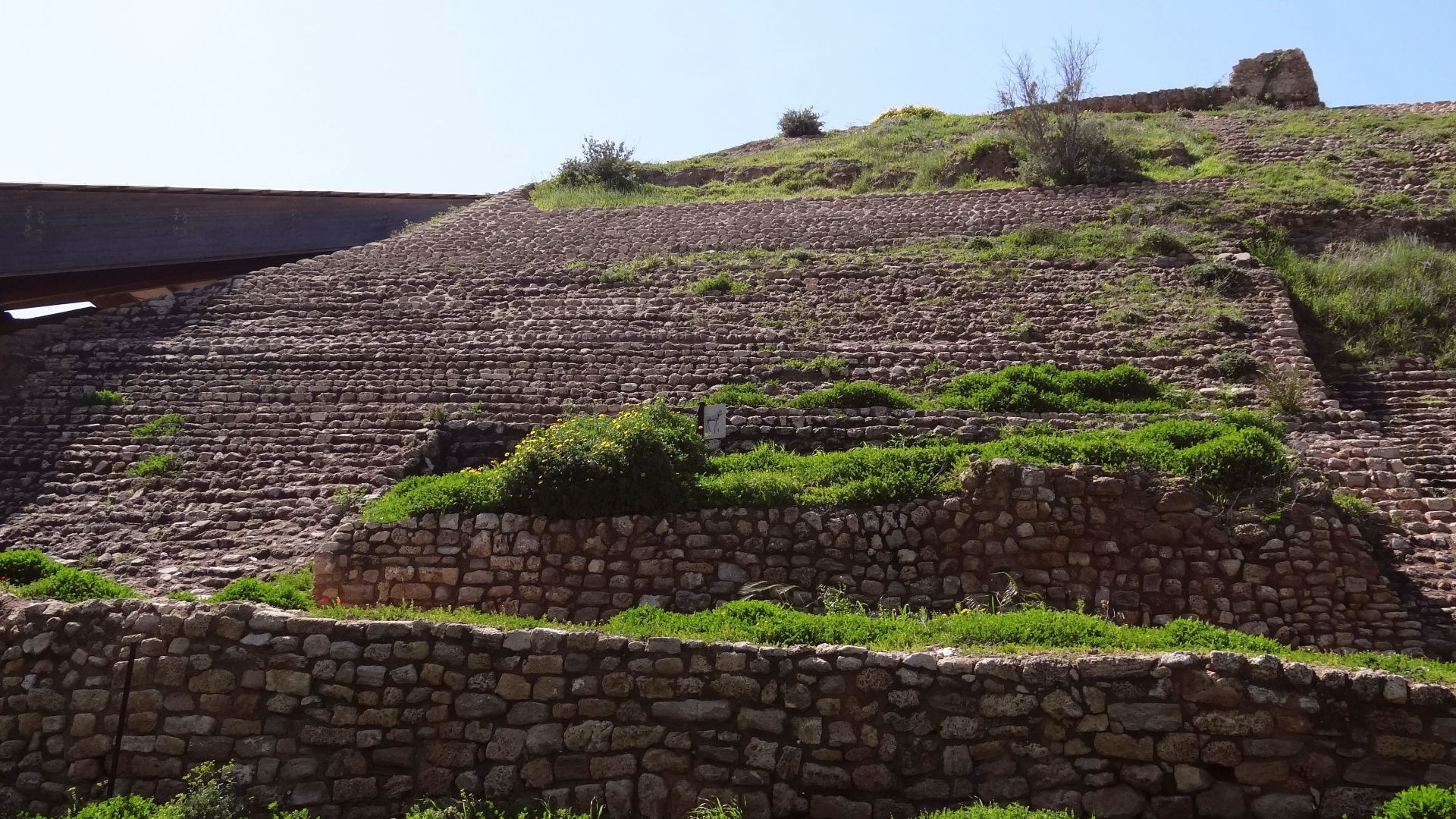
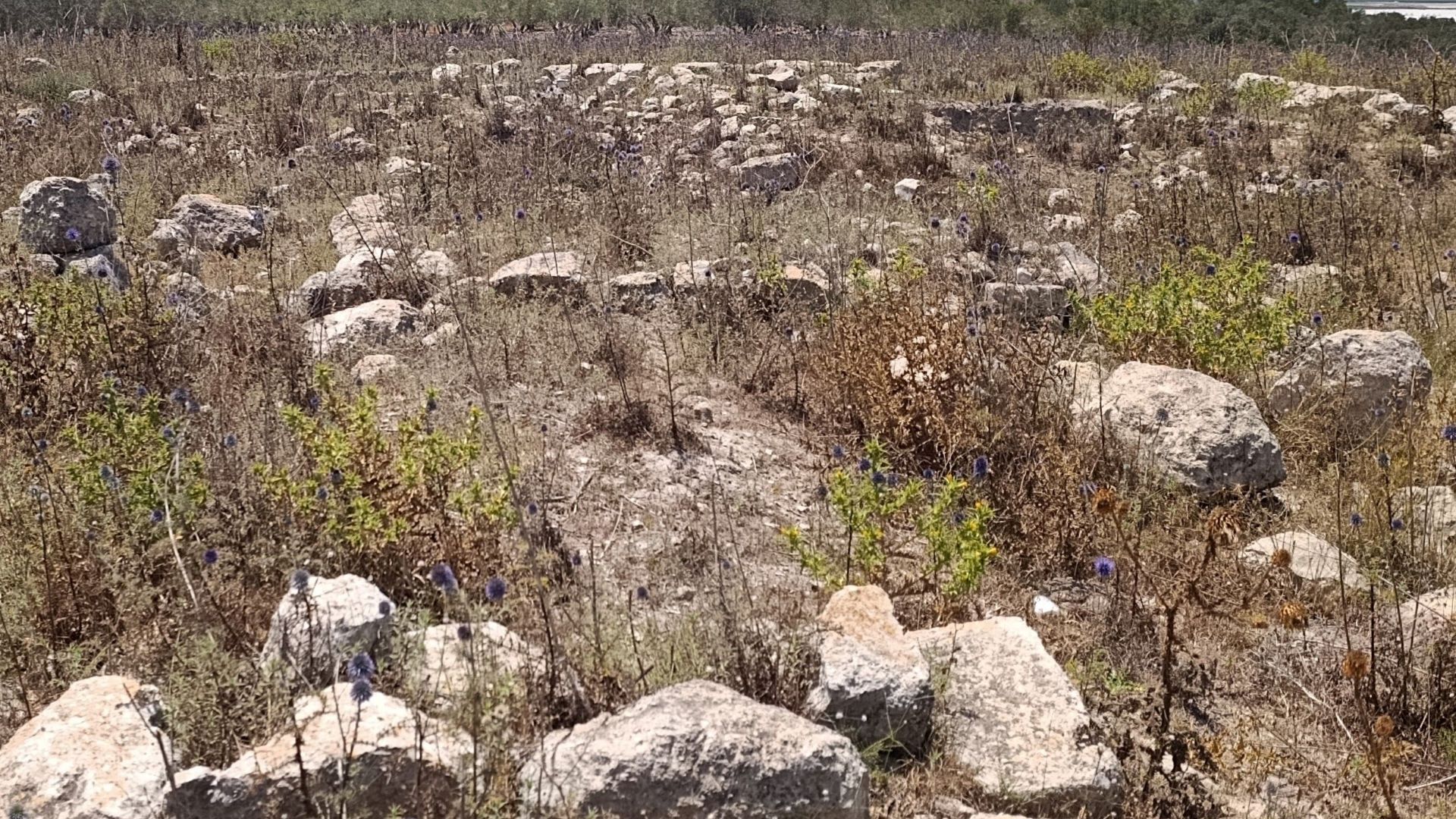
The site’s location likely played a key role in its success. Being situated near trade routes or resource-rich areas would have made large-scale production more practical. Geography, as always, seems to have been a major advantage.
 Amotz Zertal (Amotz Zertal), Wikimedia Commons
Leadership Had To Exist
A site of this size and complexity wouldn’t run itself. There must have been some form of leadership or organizational structure in place. Whether it was formal or informal, someone was clearly coordinating the work.

Not Everyone Is Surprised—But Many Are
Some archaeologists have long suspected that ancient societies were more advanced than we assume. Still, discoveries like this provide concrete evidence. It’s one thing to guess—it’s another to dig it up.
What Researchers Are Doing Next
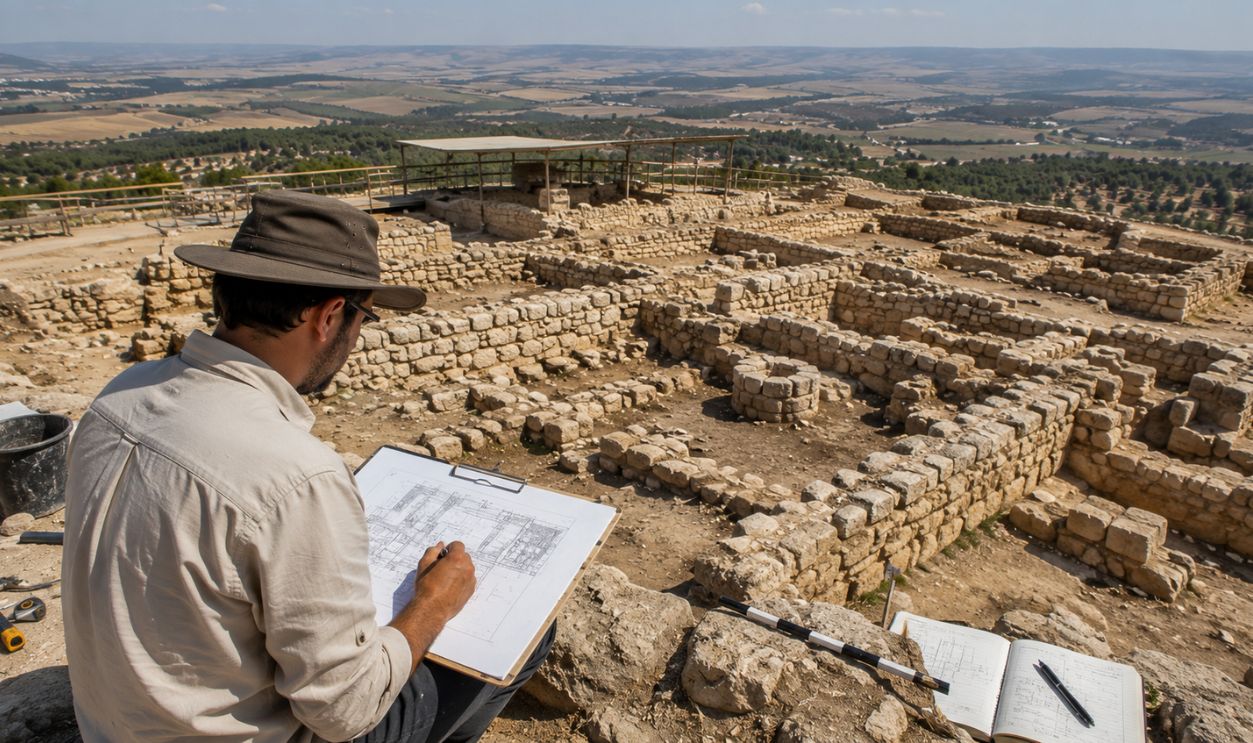
Archaeologists are continuing to study the site to understand exactly how it functioned. They’re analyzing materials, mapping production areas, and trying to reconstruct daily life. There’s still a lot to learn from what’s already been uncovered.
More Sites May Be Waiting
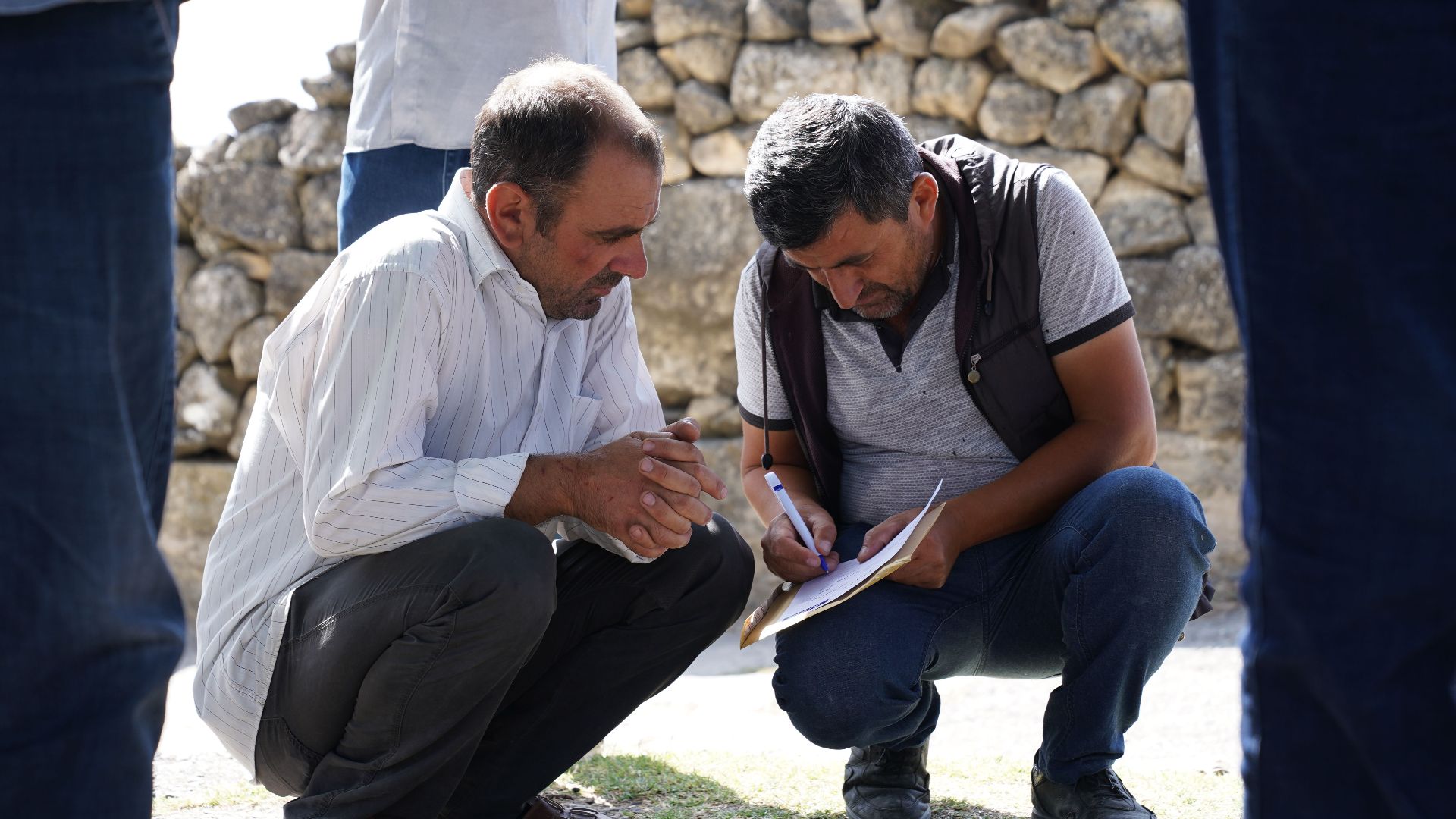
This discovery raises an interesting question: how many similar sites are still out there? If one large-scale production center existed, there were likely others. We may just not have found them yet.
Changing The Narrative Of The Past
For a long time, history books painted early societies as slowly evolving from simple to complex. Discoveries like this suggest that leap may have happened faster—and earlier—than expected.
Ancient People Were More Like Us Than We Think
At the end of the day, this site shows that people 5,500 years ago were capable of organization, innovation, and large-scale planning. They weren’t just surviving—they were building systems.
The Past Keeps Getting Smarter
Every new discovery reminds us that history isn’t set in stone. As tools and methods improve, so does our understanding of the past. And sometimes, the biggest surprise is realizing ancient people were already way ahead of us.
When Old Assumptions Get Rewritten
This Canaanite site is a perfect example of how archaeology can challenge long-held beliefs. What once seemed like a simple society now looks surprisingly sophisticated. And if this is what we’ve found so far, there’s probably more waiting underground.
You May Also Like:











.svg)