A City At War With Itself
In August 1917, Houston was supposed to be helping America prepare for war overseas. Instead, the city became the scene of a deadly clash involving Black soldiers, local police, and frightened residents. What happened at Camp Logan would spark violence, mass trials, executions, and a scandal lasting more than a century.
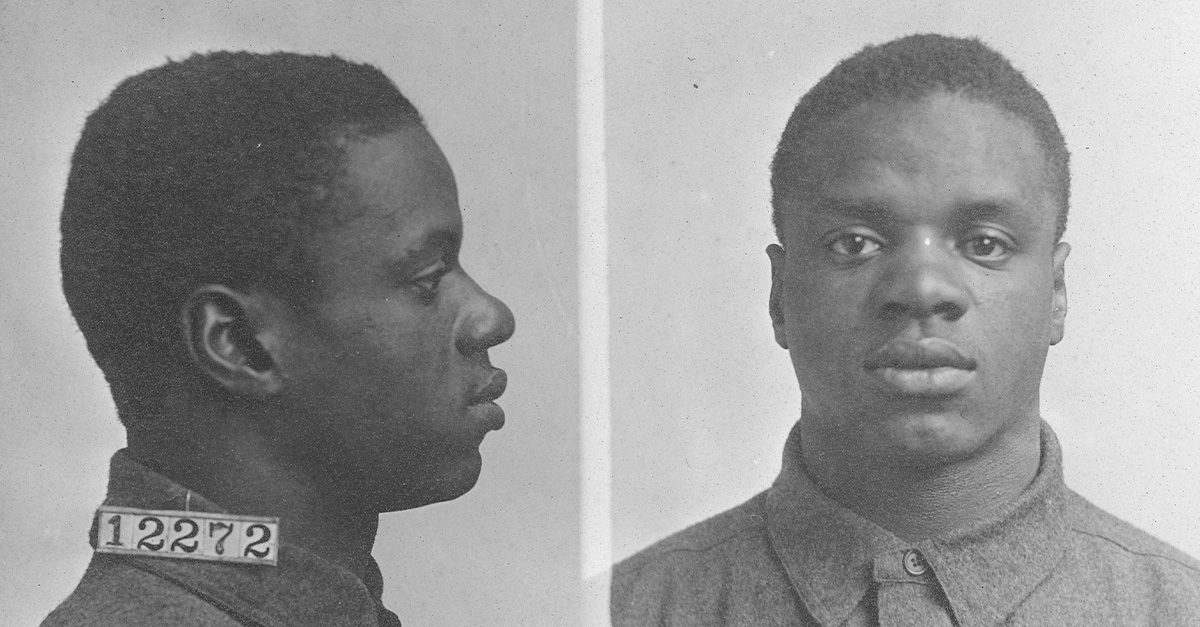
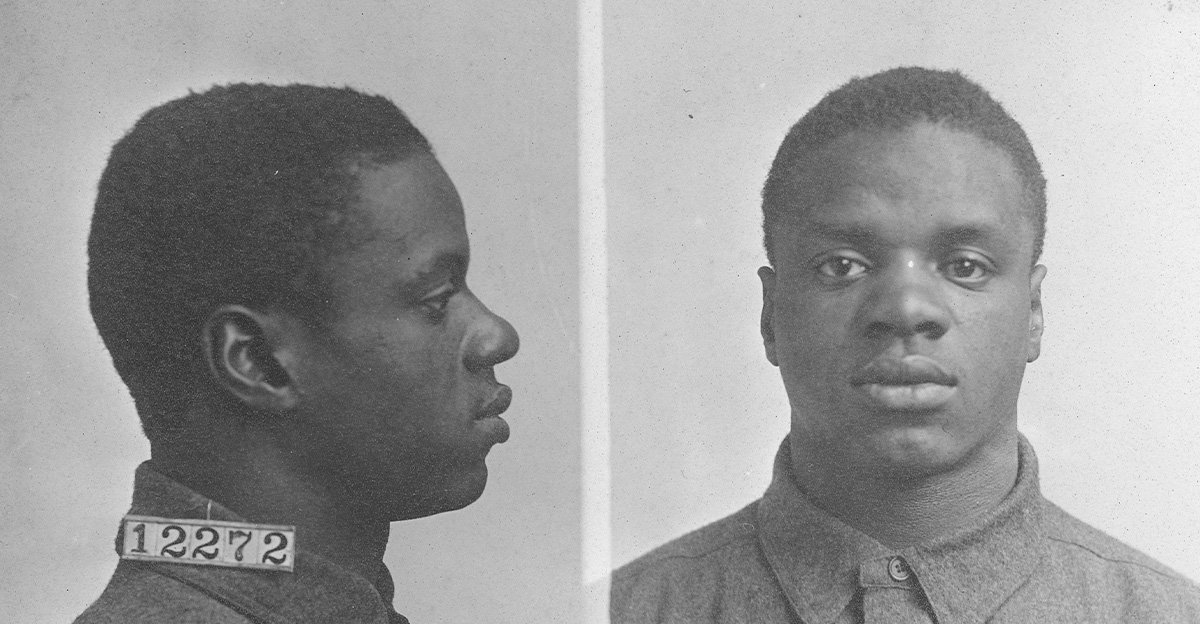 National Archives and Records Administration, Public domain, via Wikimedia Commons
America Enters The Great War
The United States entered World War I in April 1917 and suddenly needed places to train thousands of troops. Houston was selected for a large emergency military camp, bringing soldiers, labourers, supplies, and federal money into a city already divided by strict racial segregation.
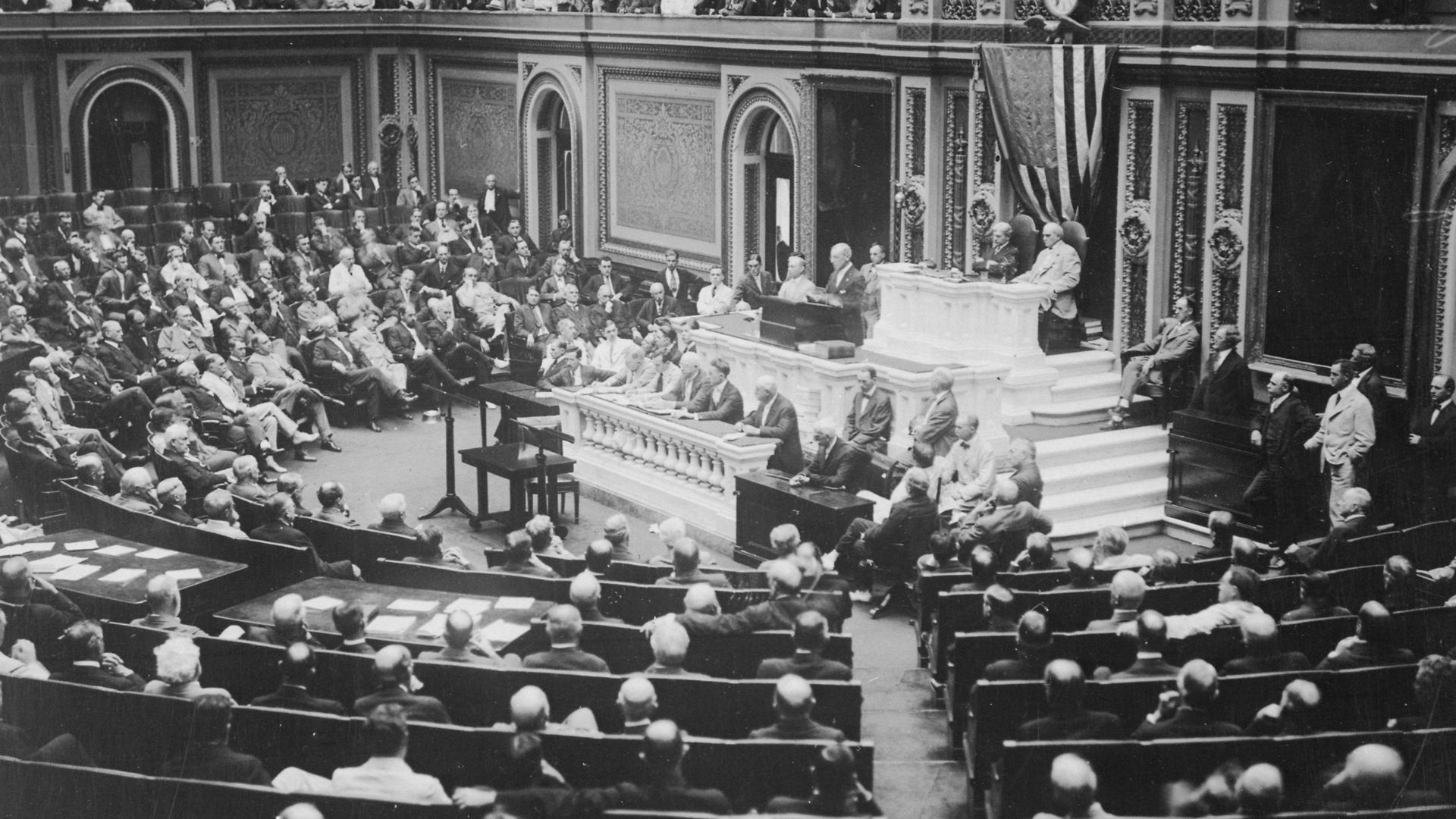 Photograph by Harris & Ewing., Wikimedia Commons
Camp Logan Appears Almost Overnight
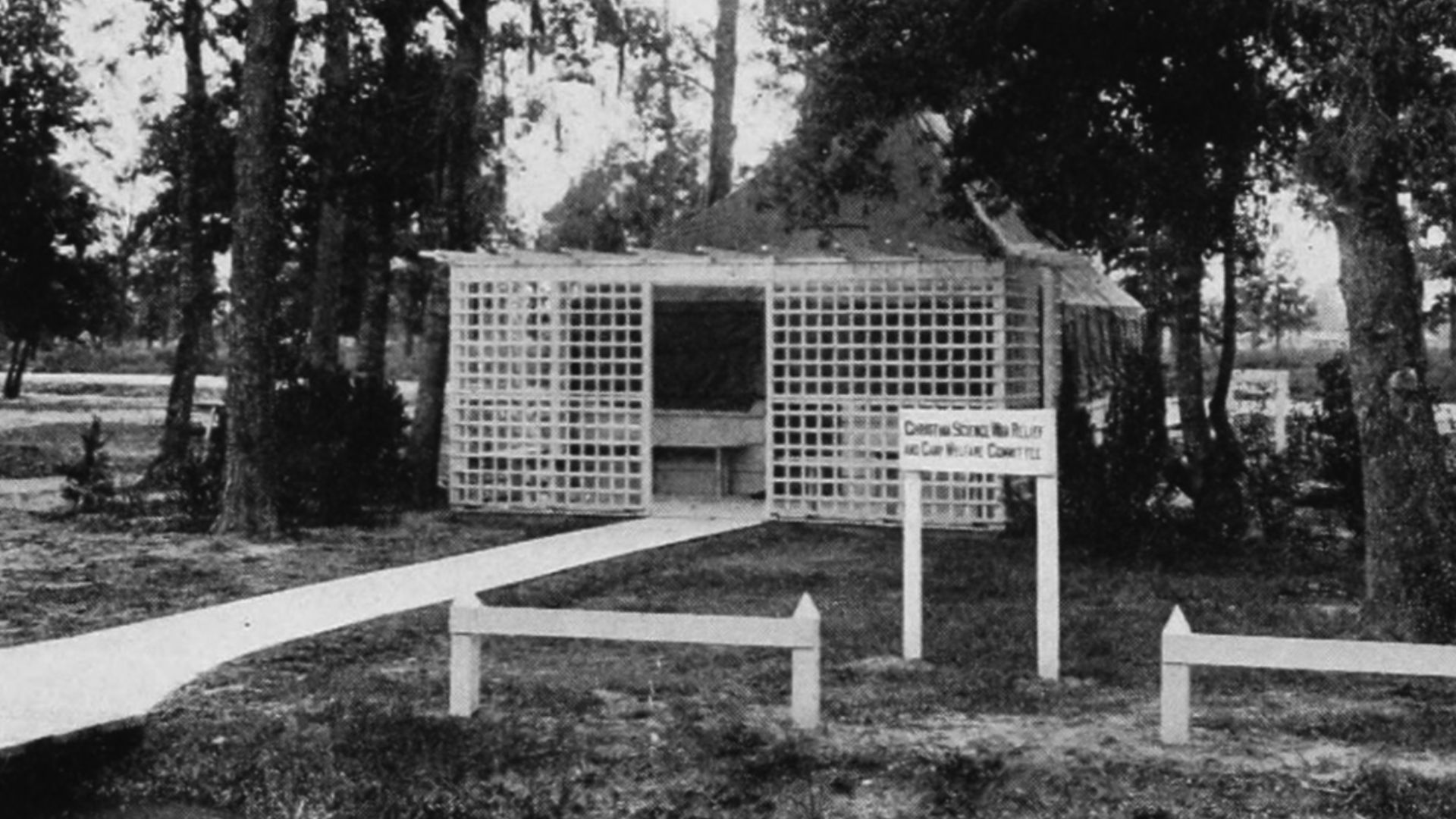
Construction on Camp Logan began west of Houston in July 1917. The enormous camp was intended to train National Guard troops before they went overseas. Today, much of the former site lies beneath Memorial Park, where joggers and golfers pass over ground that once held barracks and rifle ranges.
 Unknown photographer, Wikimedia Commons
The 24th Infantry Arrives
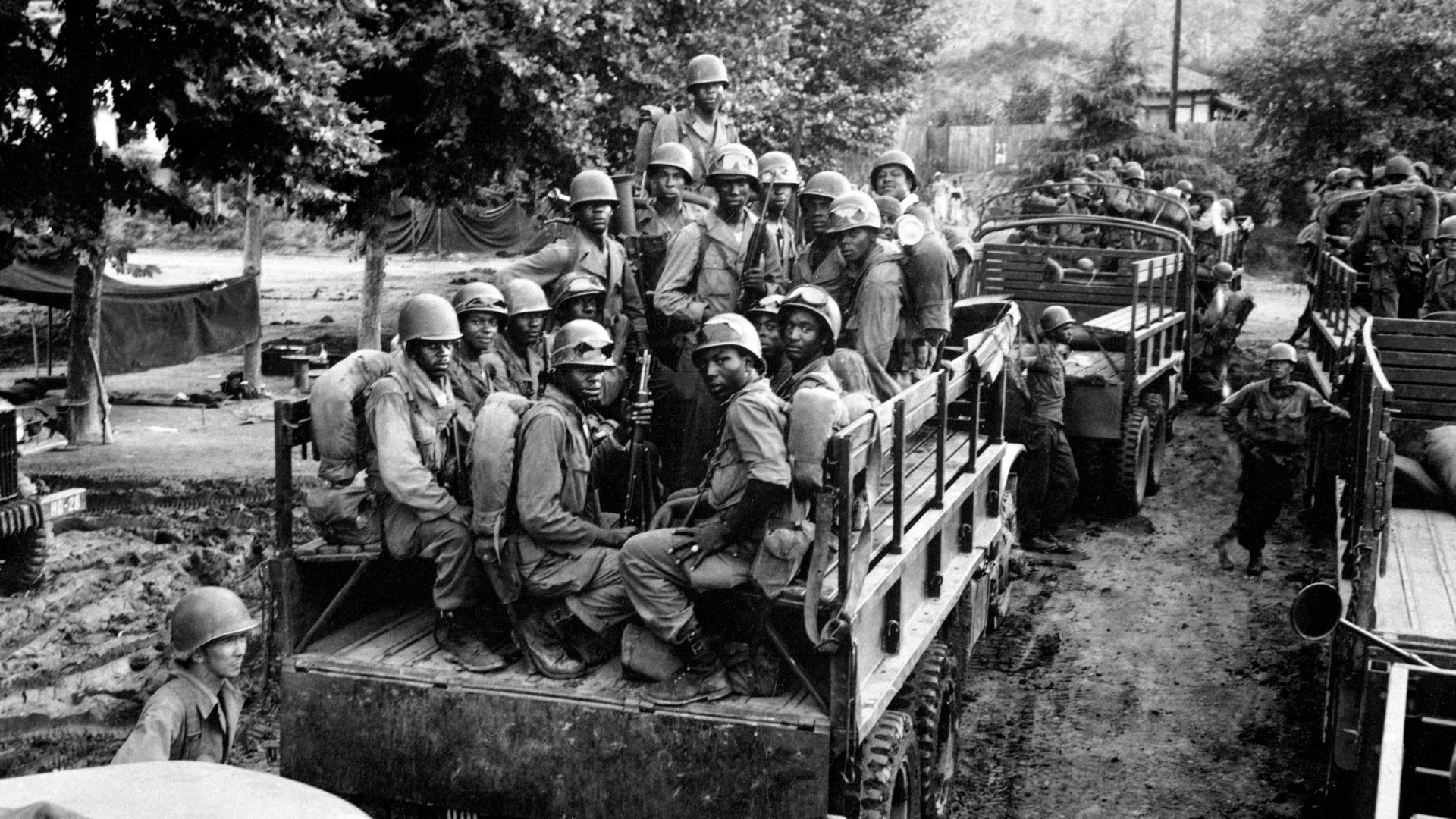
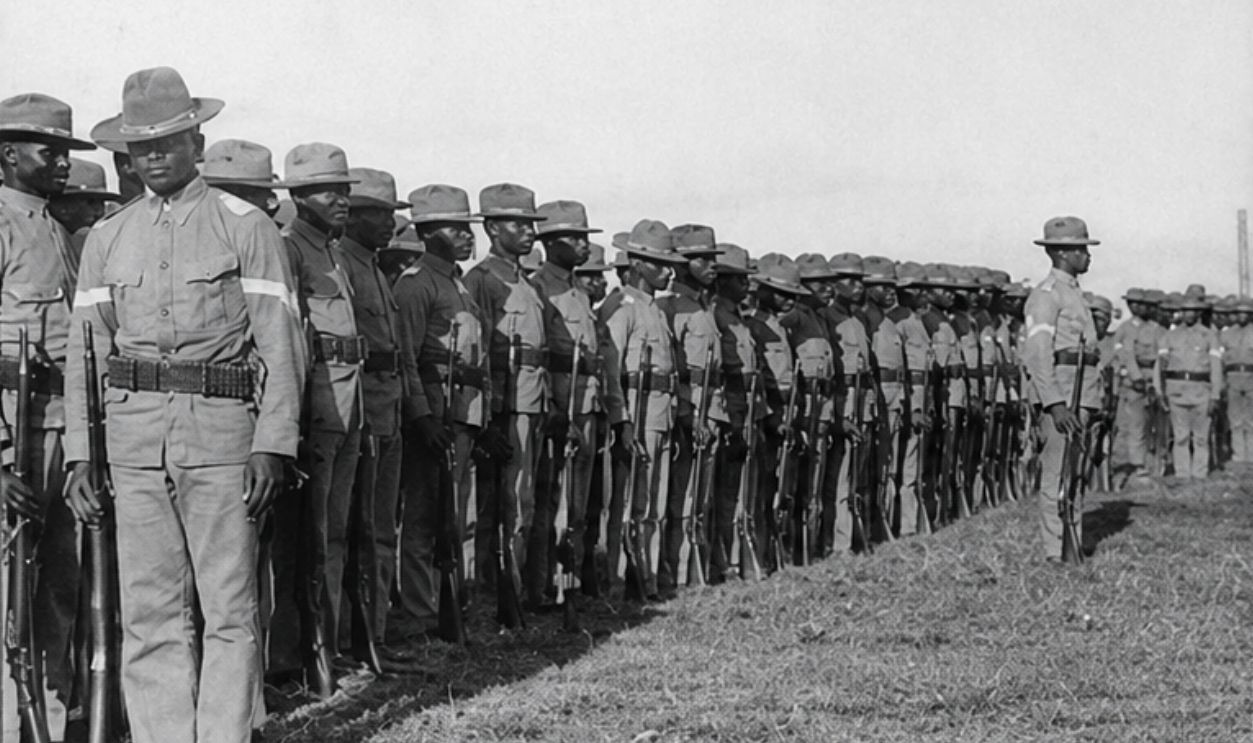
The Army sent the Third Battalion of the 24th Infantry Regiment to guard the construction site. The battalion included more than 600 Black soldiers, commanded largely by White officers. They arrived with military experience and discipline, but Houston offered them a reception shaped by the laws and customs of Jim Crow.
 US Army Signal Corps, Wikimedia Commons
These Were Buffalo Soldiers
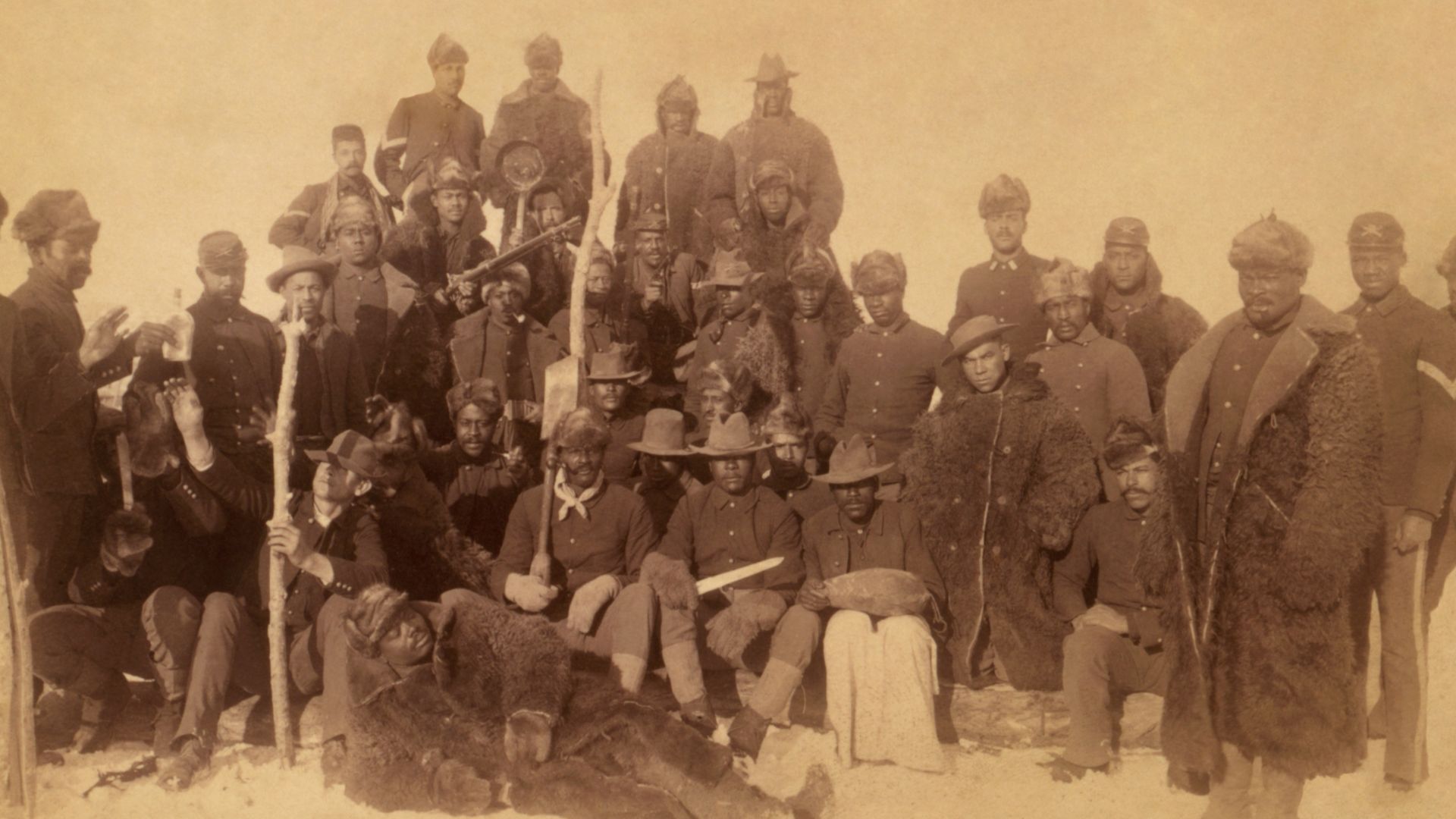
The 24th Infantry belonged to the celebrated tradition of the Buffalo Soldiers, Black Army regiments formed after the Civil War. Its members had served in difficult posts at home and abroad. Many expected their uniforms to earn respect. In Houston, however, those uniforms offered surprisingly little protection from racism.
 Chr. Barthelmess, Wikimedia Commons
Jim Crow Followed Them Into Uniform
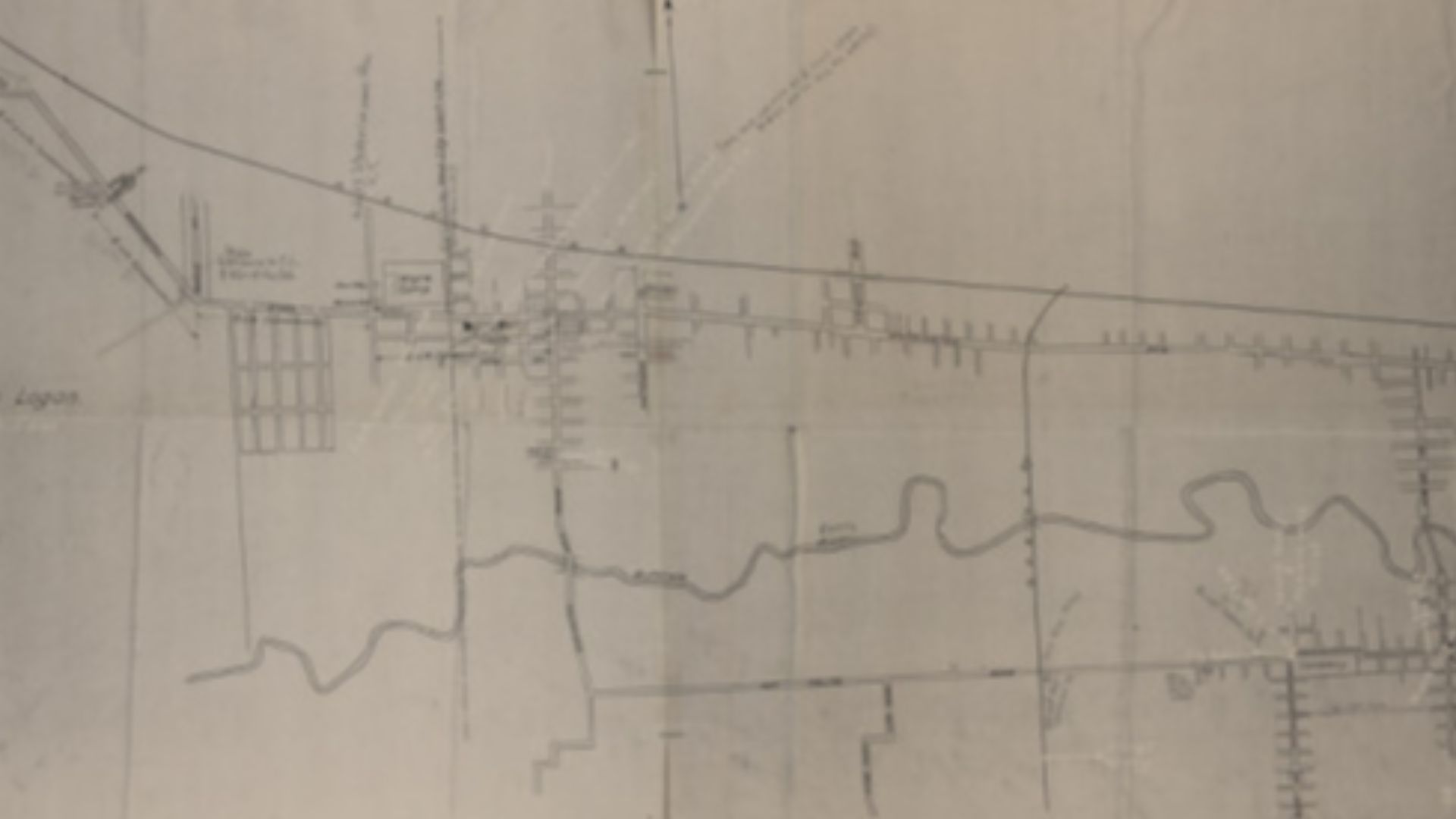
Houston’s public spaces were segregated. Black passengers were pushed to the back of streetcars, while businesses and public facilities treated them as second-class citizens. The soldiers had served their country, carried weapons, and followed military discipline, yet local rules still demanded that they accept humiliating treatment without complaint.
 The University of Houston Digital Library, Wikimedia Commons
Daily Humiliations Added Up
The men endured racial slurs from White workers and harassment from some Houston police officers. Unlike many local Black residents, the soldiers were not accustomed to quietly accepting every insult. Their resistance angered authorities, while military commanders worried that even an ordinary trip into town could end in confrontation.
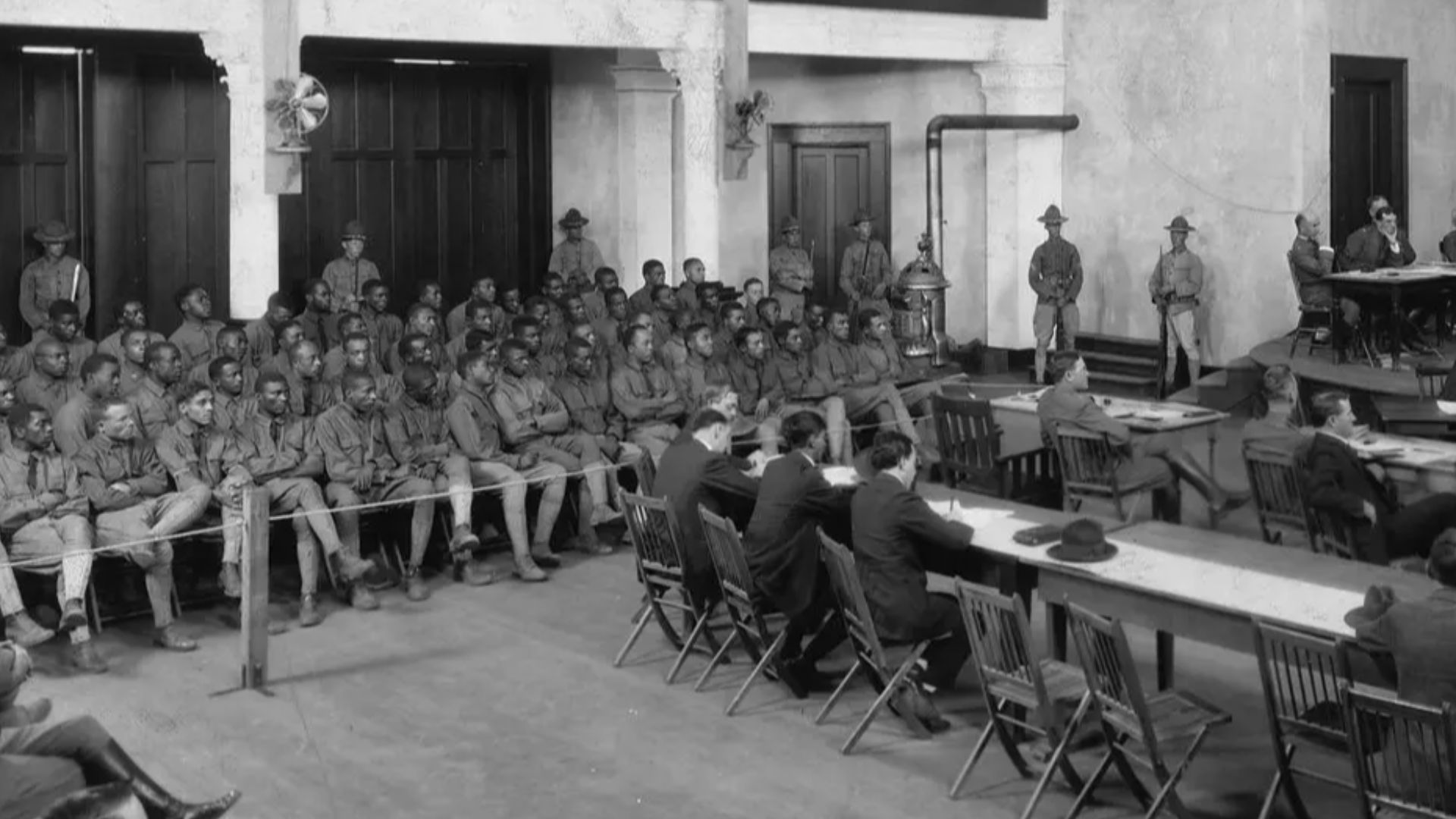 AnonymousUnknown author, Wikimedia Commons
Police Trouble Was Already Brewing
The Houston police had a reputation for rough treatment of Black residents. Encounters between officers and soldiers became increasingly tense during the battalion’s brief stay. Warning signs were everywhere, but neither city leaders nor military commanders found an effective way to calm the situation before something finally exploded.
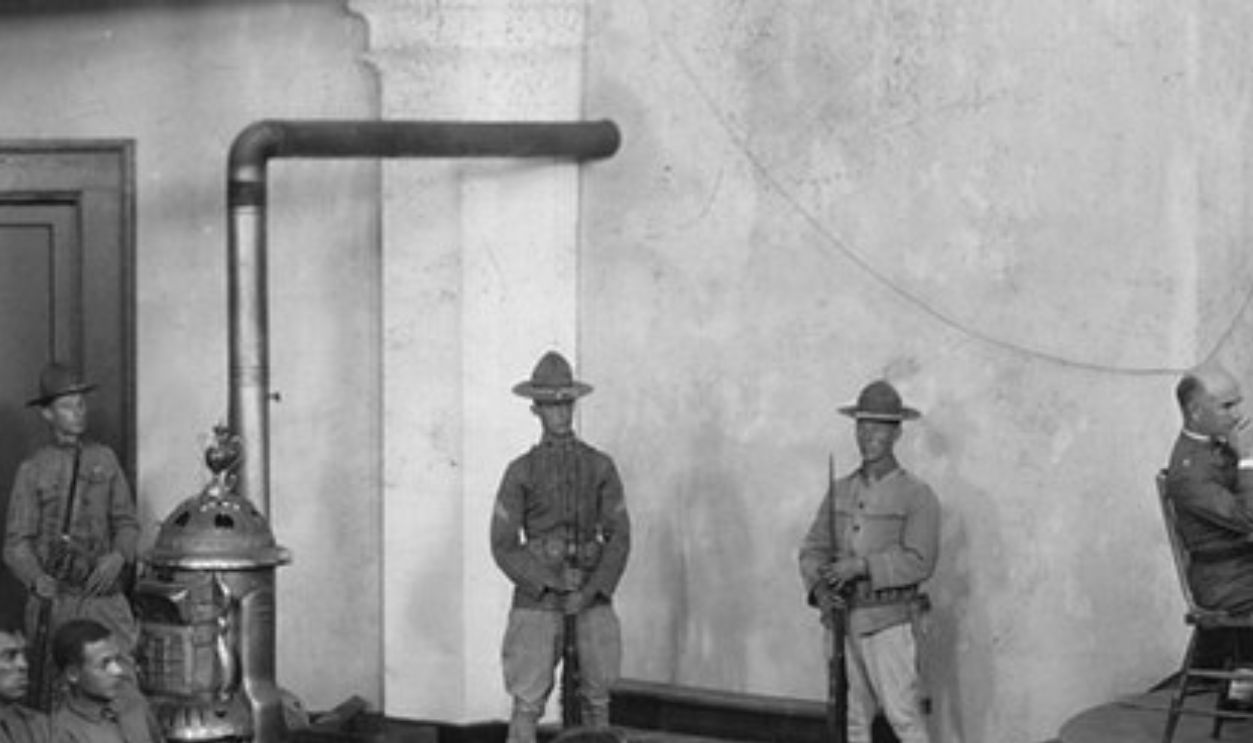 National Archives at College Park, Wikimedia Commons
The Arrest That Lit The Fuse
On August 23, two police officers arrested a Black soldier who had interfered while they detained a Black woman. The situation quickly became physical. When word reached Camp Logan, soldiers saw the arrest as another example of police officers abusing Black people while expecting nobody to challenge them.
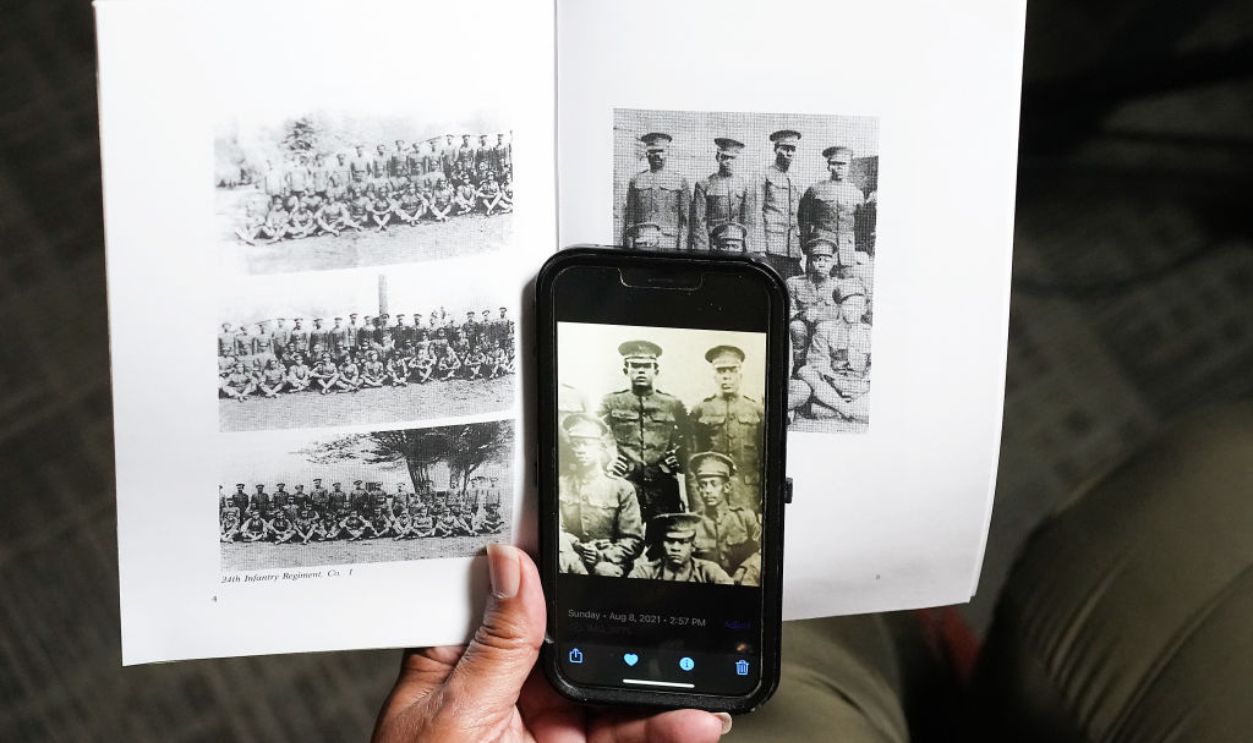 Houston Chronicle/Hearst Newspapers, Getty Images

History's most fascinating stories and darkest secrets, delivered to your inbox daily.
Corporal Baltimore Steps In
Corporal Charles Baltimore, one of the battalion’s military policemen, went to investigate. A Houston officer struck him, fired at him as he fled, chased him into a building, and arrested him. Baltimore was eventually released, but accurate information travelled much more slowly than anger and fear.
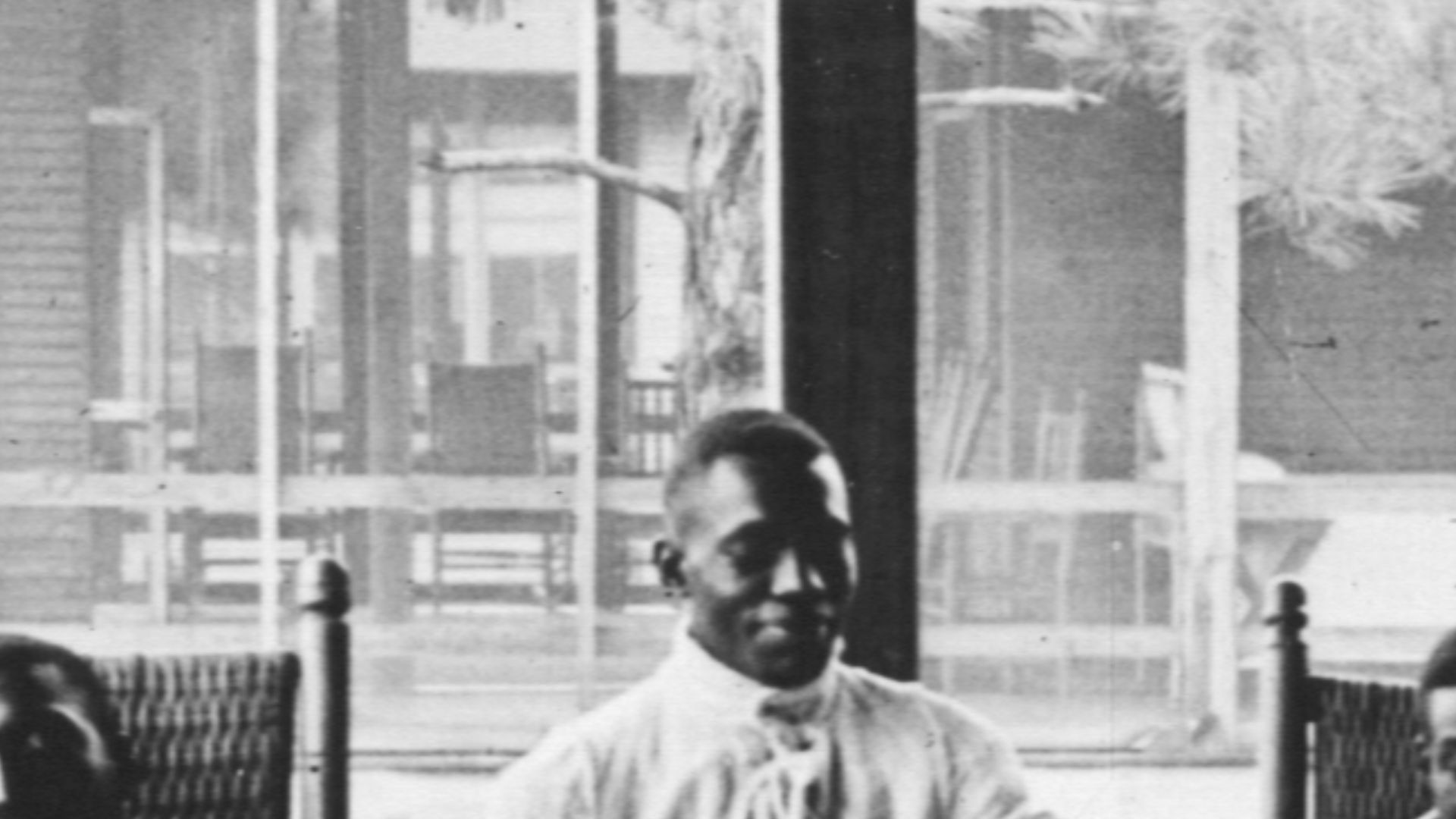 Unknown authorUnknown author or not provided, Wikimedia Commons
A Deadly Rumour Reaches Camp
Back at Camp Logan, rumours spread that Baltimore had been shot or killed. The story was false, but it sounded believable to men who had already witnessed repeated police hostility. Some soldiers reportedly decided they would march to the police station and rescue Baltimore themselves.
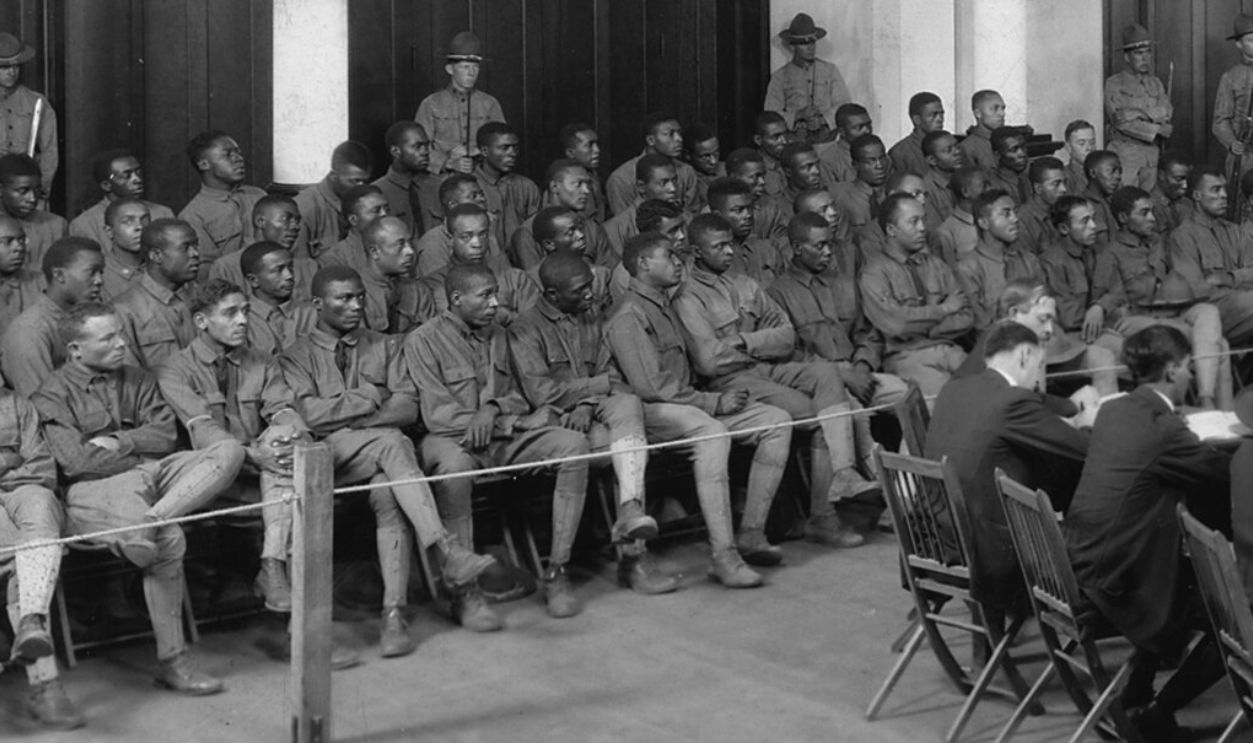 National Archives at College Park, Wikimedia Commons
Officers Struggle To Keep Control
Battalion commander Major Kneeland Snow initially dismissed reports that serious trouble was coming. When the danger became clearer, officers tried to collect rifles and loose ammunition. The order came too late. Fear, fury, and confusion were already racing through the camp faster than commands could contain them.
 National Archives at College Park, Wikimedia Commons
The Mob That Wasn’t There
Someone suddenly shouted that an armed White mob was approaching Camp Logan. No such attack was taking place, but the rumour was terrifyingly believable in the Jim Crow South. Soldiers rushed for rifles and fired toward the supposed threat, turning a tense military camp into a scene of panic.
 Xuan Han Tan, Wikimedia Commons
Rifles Come Out
Roughly 150 soldiers defied orders and armed themselves. Some were eager to confront the police, while others may simply have been swept along by the chaos. Sergeant Vida Henry emerged as a leader, and the group left Camp Logan carrying military rifles and ammunition.
 Carleton H. Graves, Wikimedia Commons, Modified
The March Into Houston
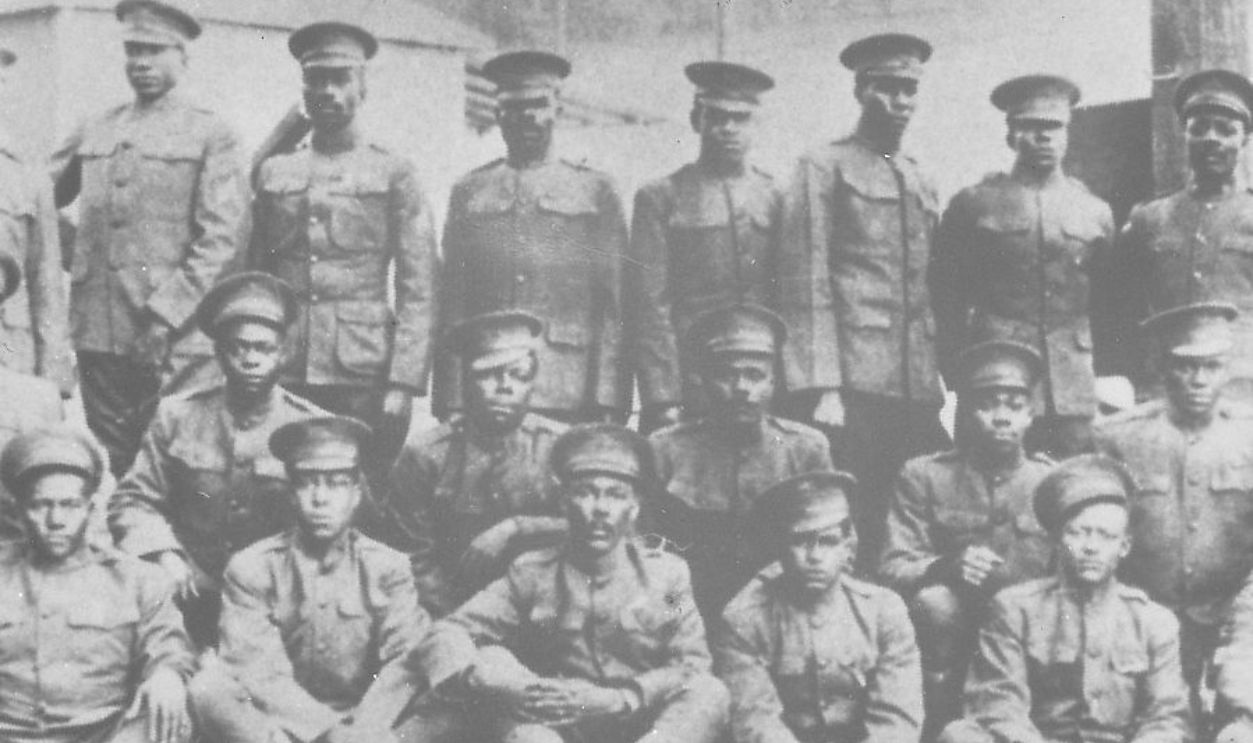
The soldiers moved toward the city along Brunner Avenue and San Felipe Street. They believed they were heading for a confrontation with Houston police. Residents, officers, and passing motorists suddenly encountered an armed column moving through the darkness, with almost no reliable way of knowing what was happening.
 Afro Newspaper/Gado, Getty Images
A Dark And Rainy Battlefield
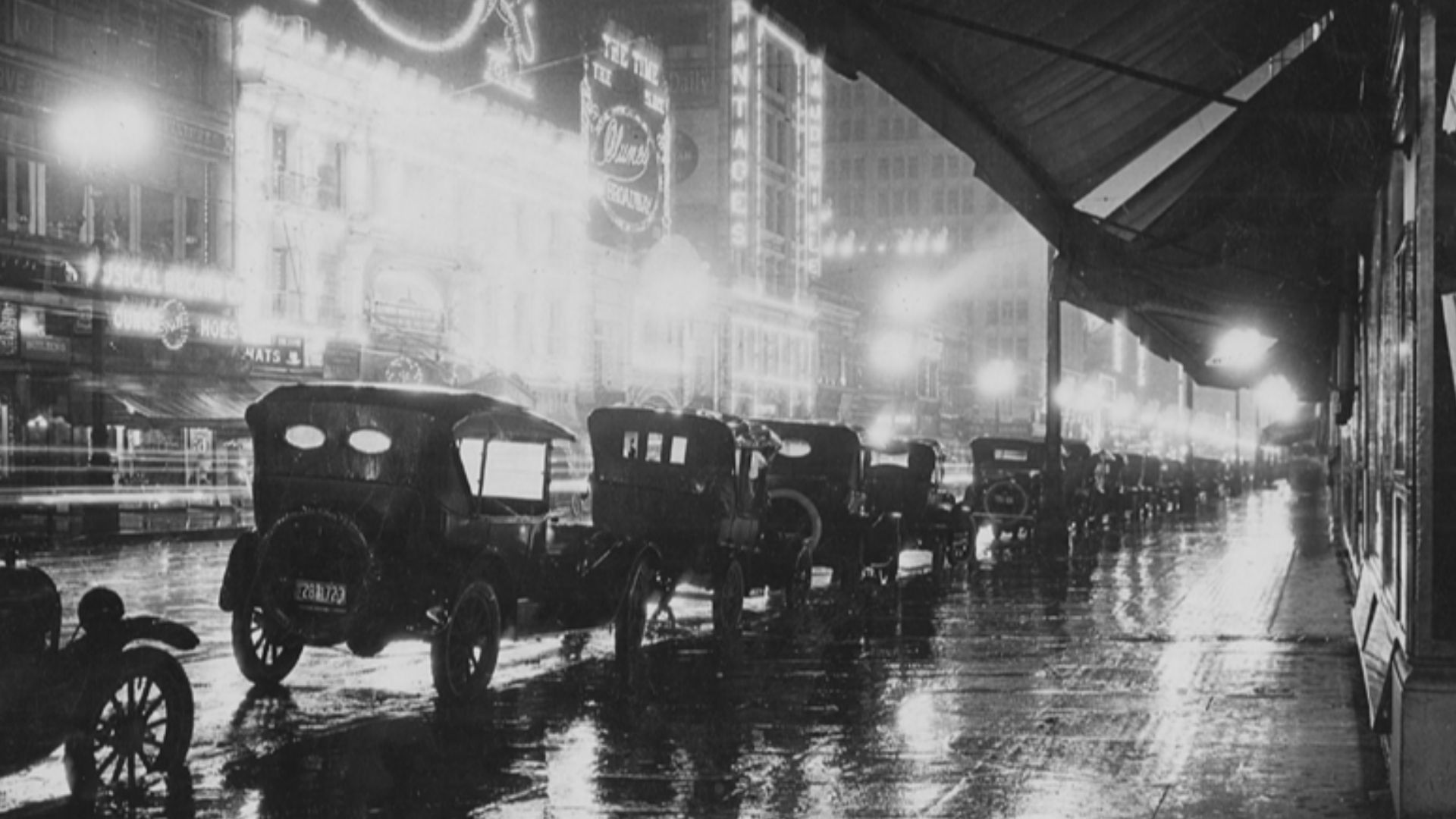
The night was dark and rainy, creating terrible visibility. Gunfire broke out along the route, and the march became a confused running battle. Soldiers fired at police officers and civilians, sometimes mistaking other uniformed men for enemies. Several Black soldiers were also accidentally shot by their own comrades.
 Underwood & Underwood, Wikimedia Commons
The Death Toll Shocks The City
By the time the violence ended, approximately 20 people were dead or fatally wounded. The victims included Houston police officers, civilians, National Guardsmen, and Black soldiers. The exact details remained confused, but the scale of the bloodshed horrified Houston and immediately attracted national attention.
 National Archives at College Park, Wikimedia Commons
Sergeant Vida Henry Disappears
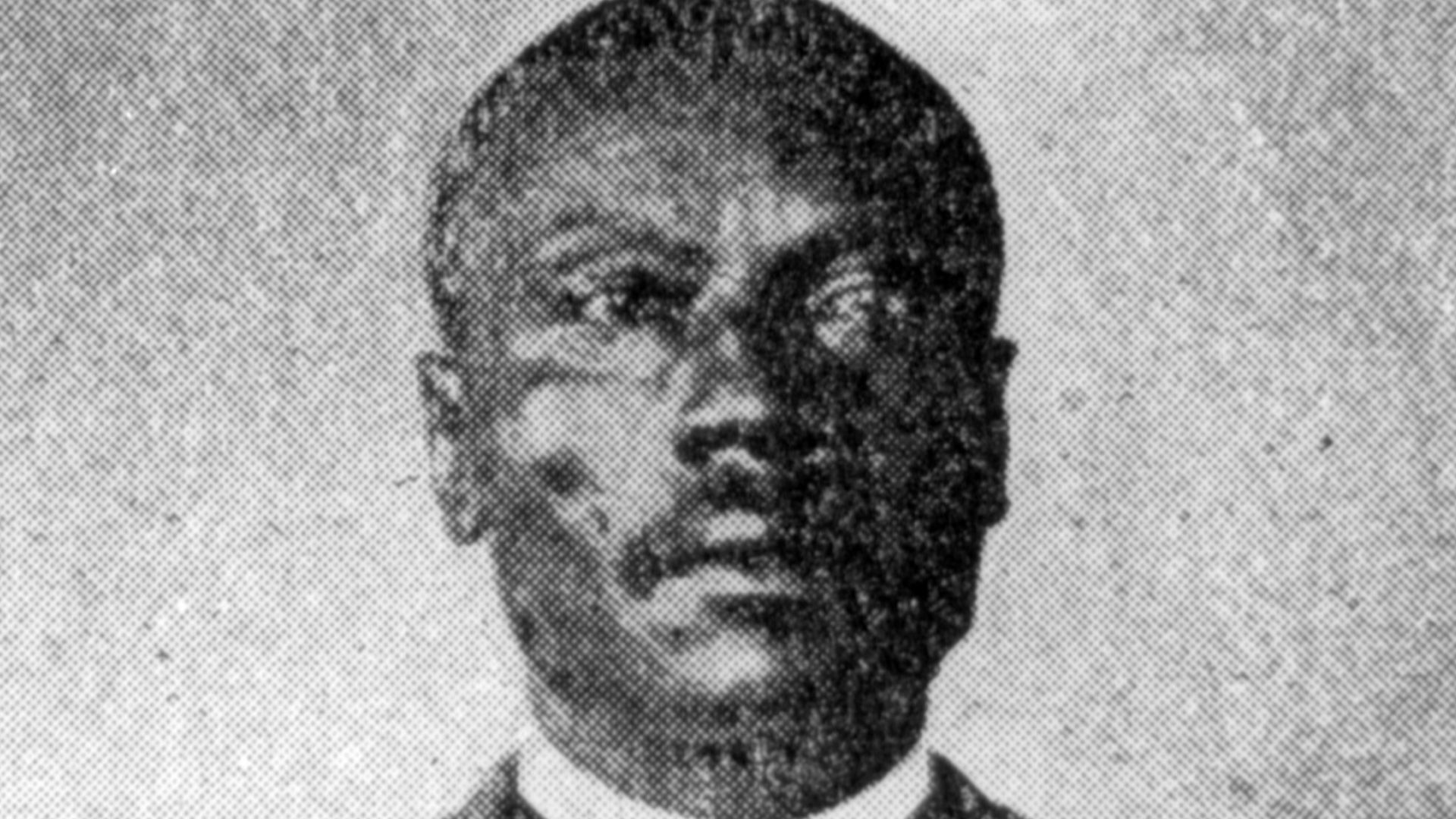
After about two hours, the armed group began breaking apart. Sergeant Henry reportedly told the soldiers to return to camp quietly or escape before capture. Henry did not return with them. His body was later found with a gunshot wound to the head, apparently self-inflicted.
 Unknown authorUnknown author, Wikimedia Commons
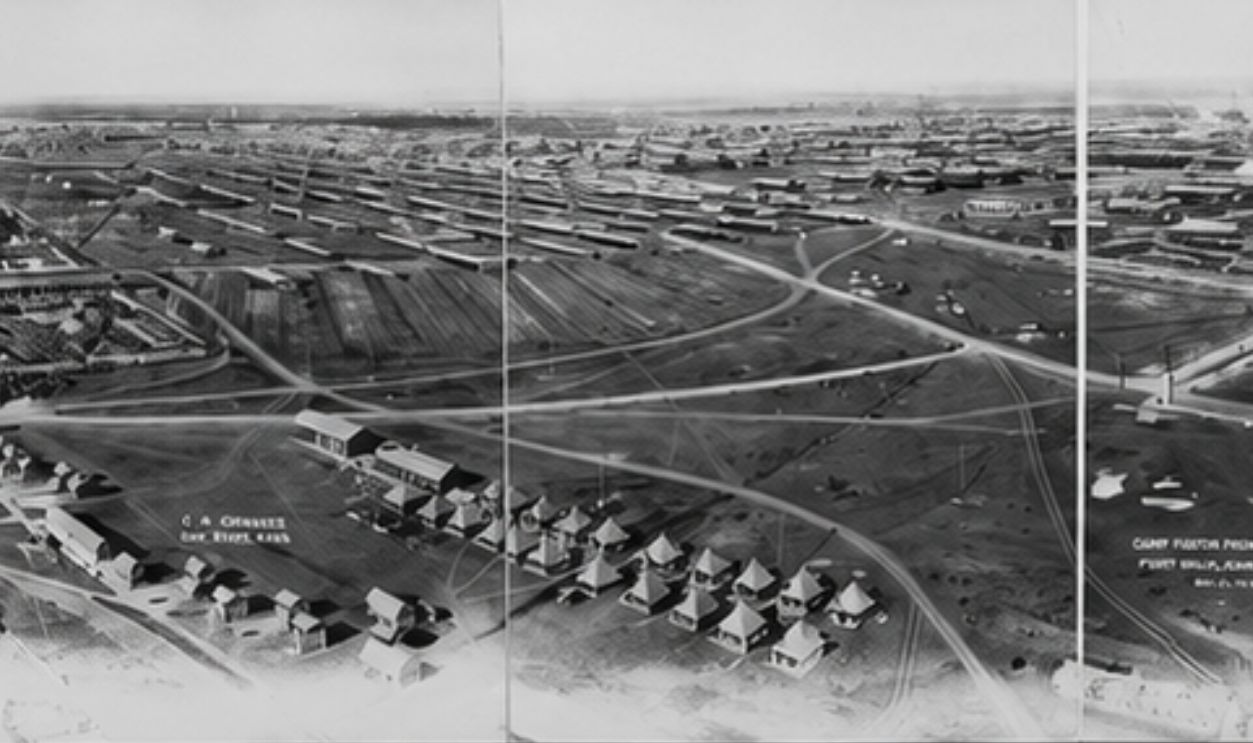
Houston Locks Down
Houston imposed a curfew, disarmed the remaining soldiers, and searched neighbourhoods for men who had not returned to camp. Residents awoke to streets patrolled by armed authorities and headlines describing a military uprising. The city’s wartime excitement had transformed overnight into fear, grief, and fury.
 Library of Congress, Wikimedia Commons, Modified
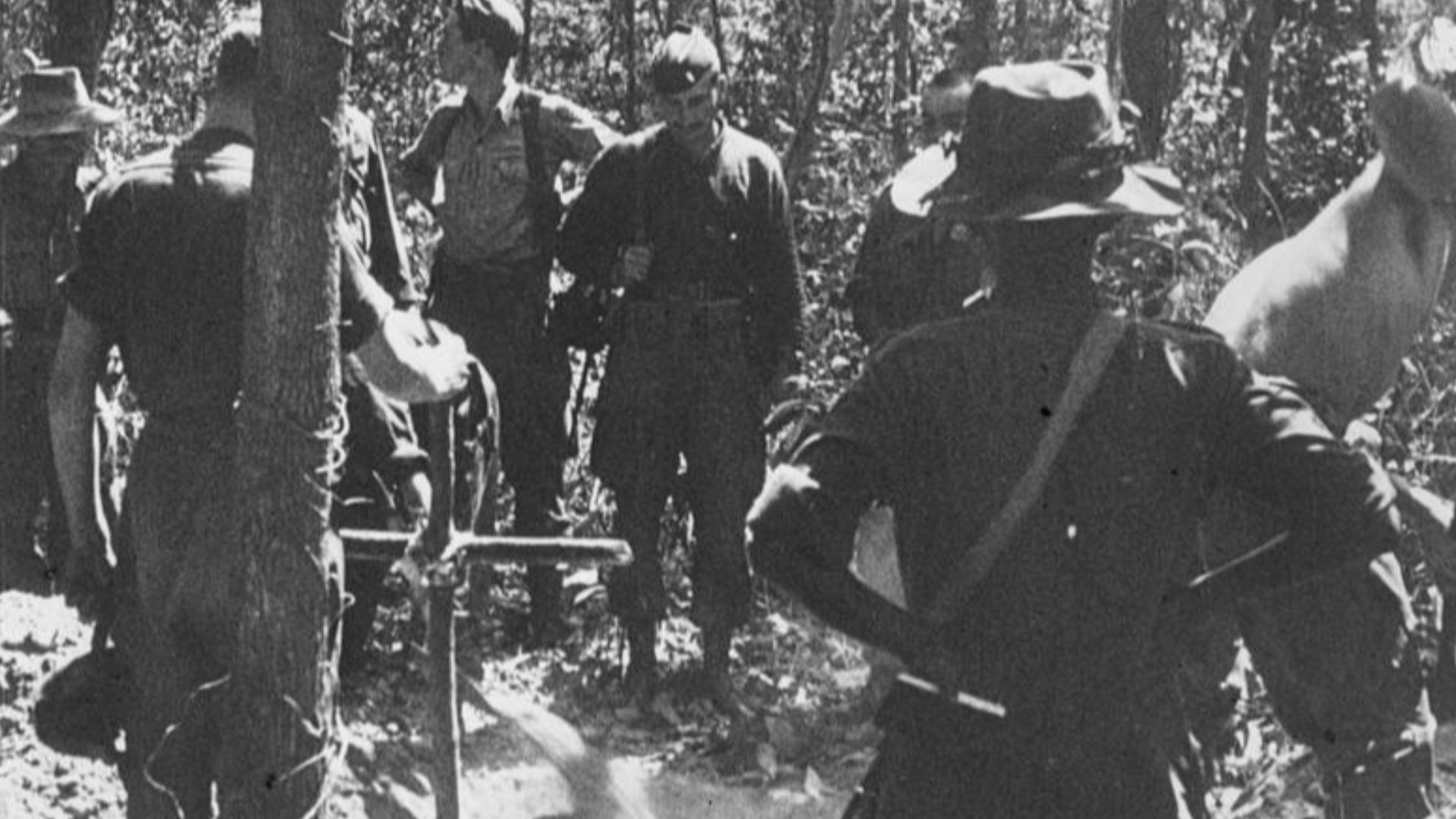
The Soldiers Are Removed
The Third Battalion was quickly placed aboard a train and removed from Houston. It was sent back west while investigators began collecting testimony. Some soldiers agreed to testify against others in exchange for lighter treatment, creating evidence that would become enormously important during the trials.
 No 9 Army Film & Photographic Unit, Wikimedia Commons
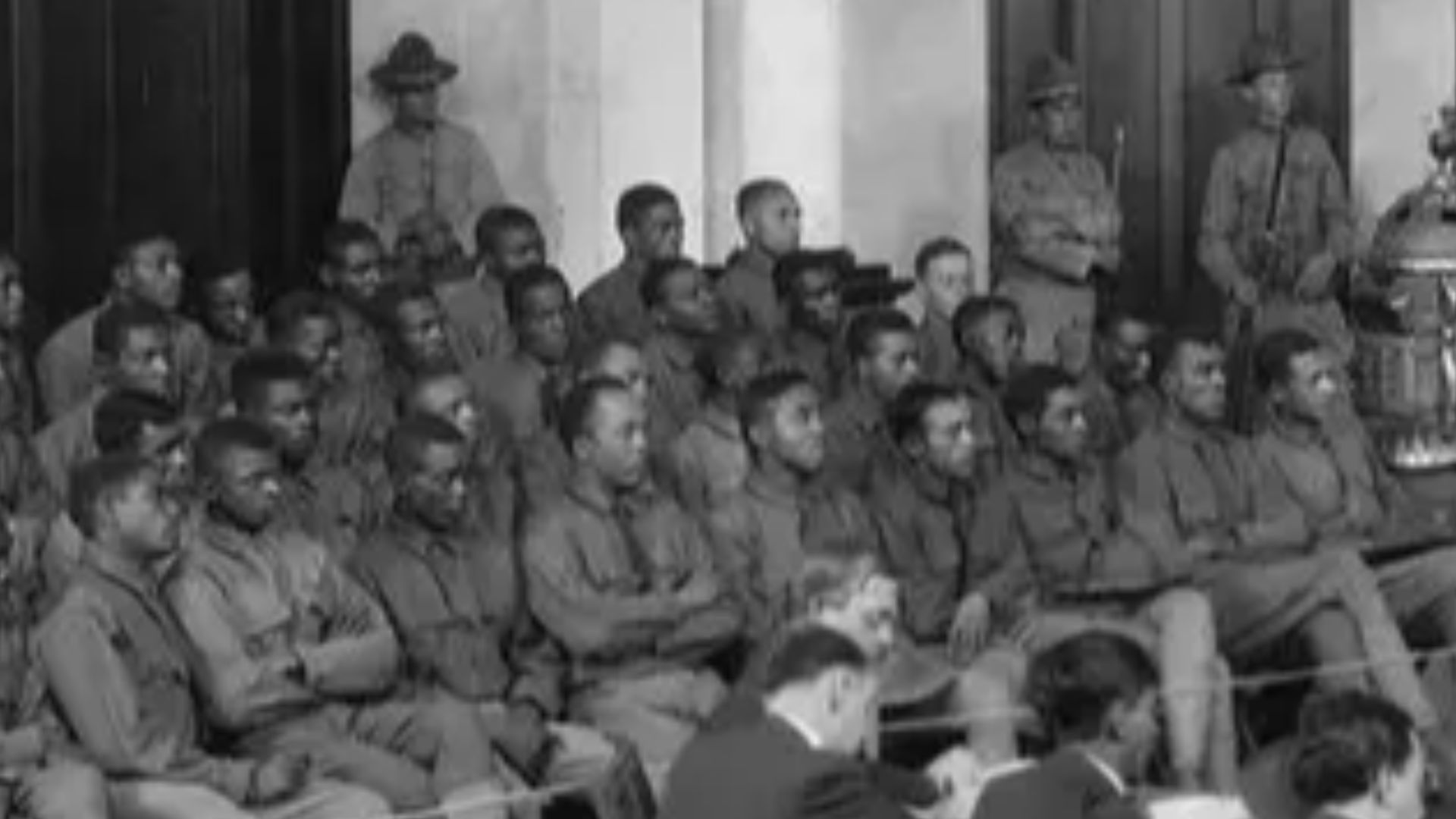
The Largest Murder Trial Begins
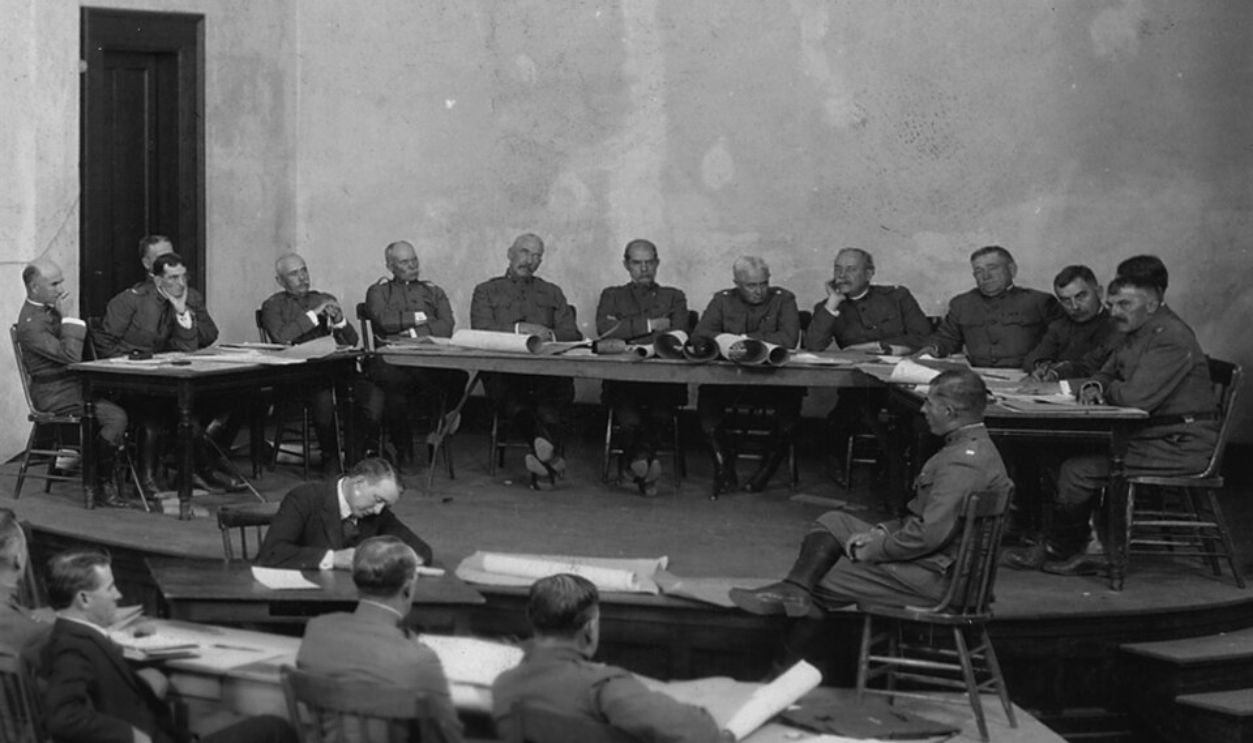
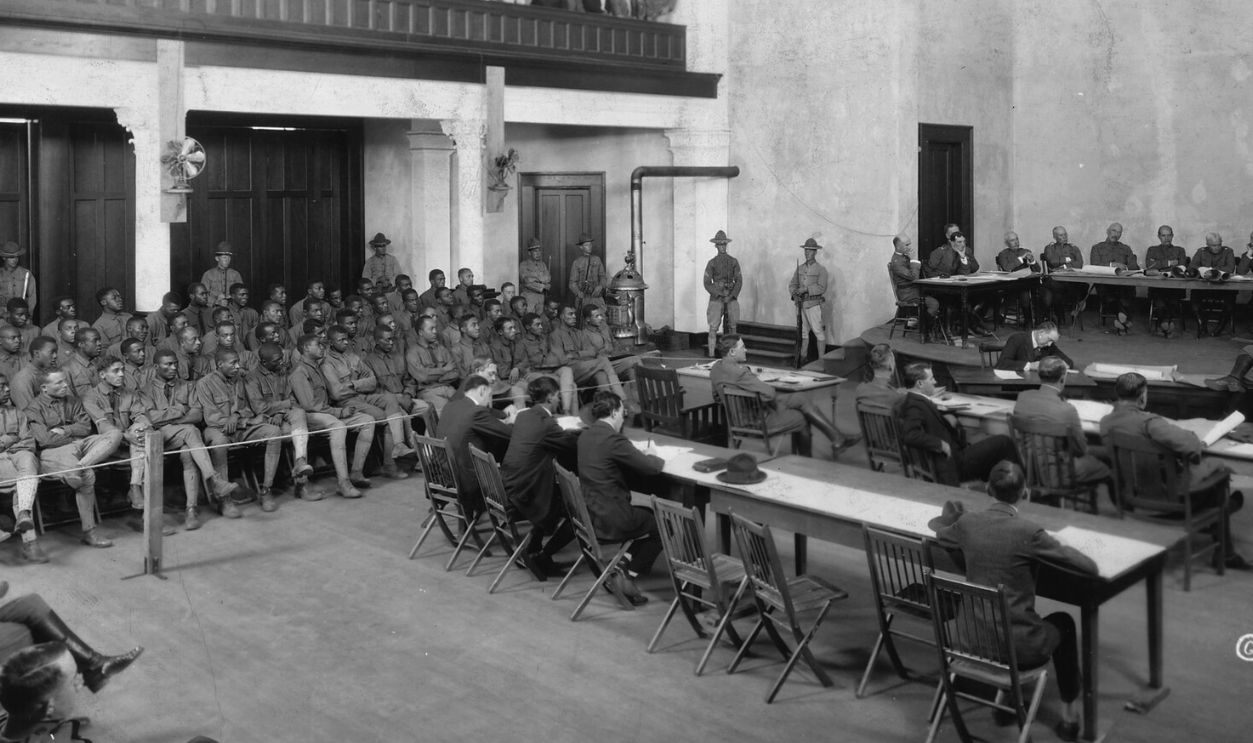
The Army charged 118 Black enlisted men with crimes including disobeying orders, mutiny, assault, and murder. Three courts-martial were held at Fort Sam Houston in San Antonio. The first trial involved more than 60 defendants and became known as the largest murder trial in American history.
 AnonymousUnknown author, Wikimedia Commons
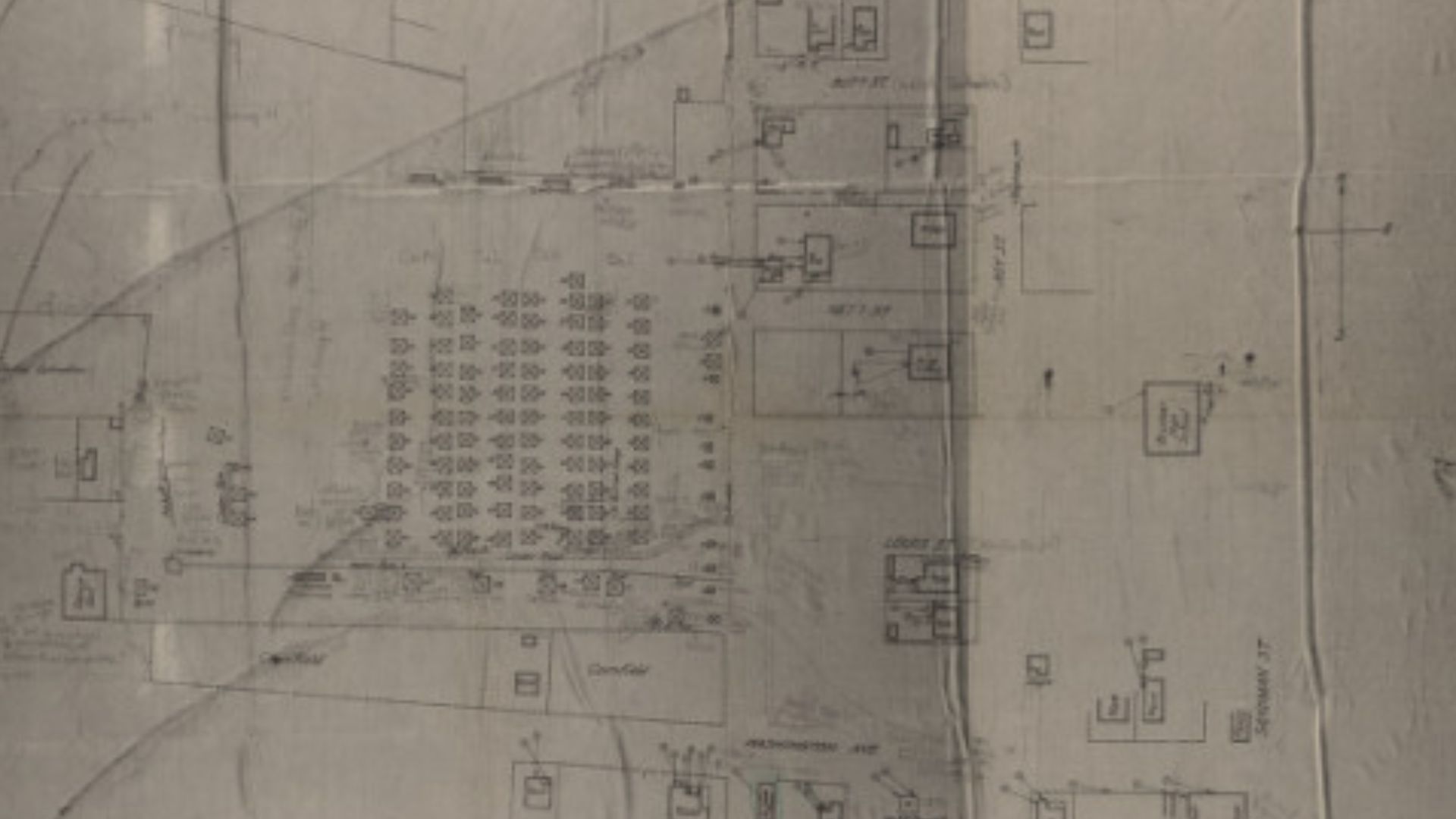
One Lawyer Faces Sixty-Three Men
A single military officer was appointed to defend the soldiers in the first mass trial. He was not a trained lawyer and had very little time to prepare. Somehow, he was expected to examine evidence, question witnesses, and defend dozens of men facing possible execution.
 United States Army/Peden (Lieutenant), Wikimedia Commons
The Evidence Was A Mess
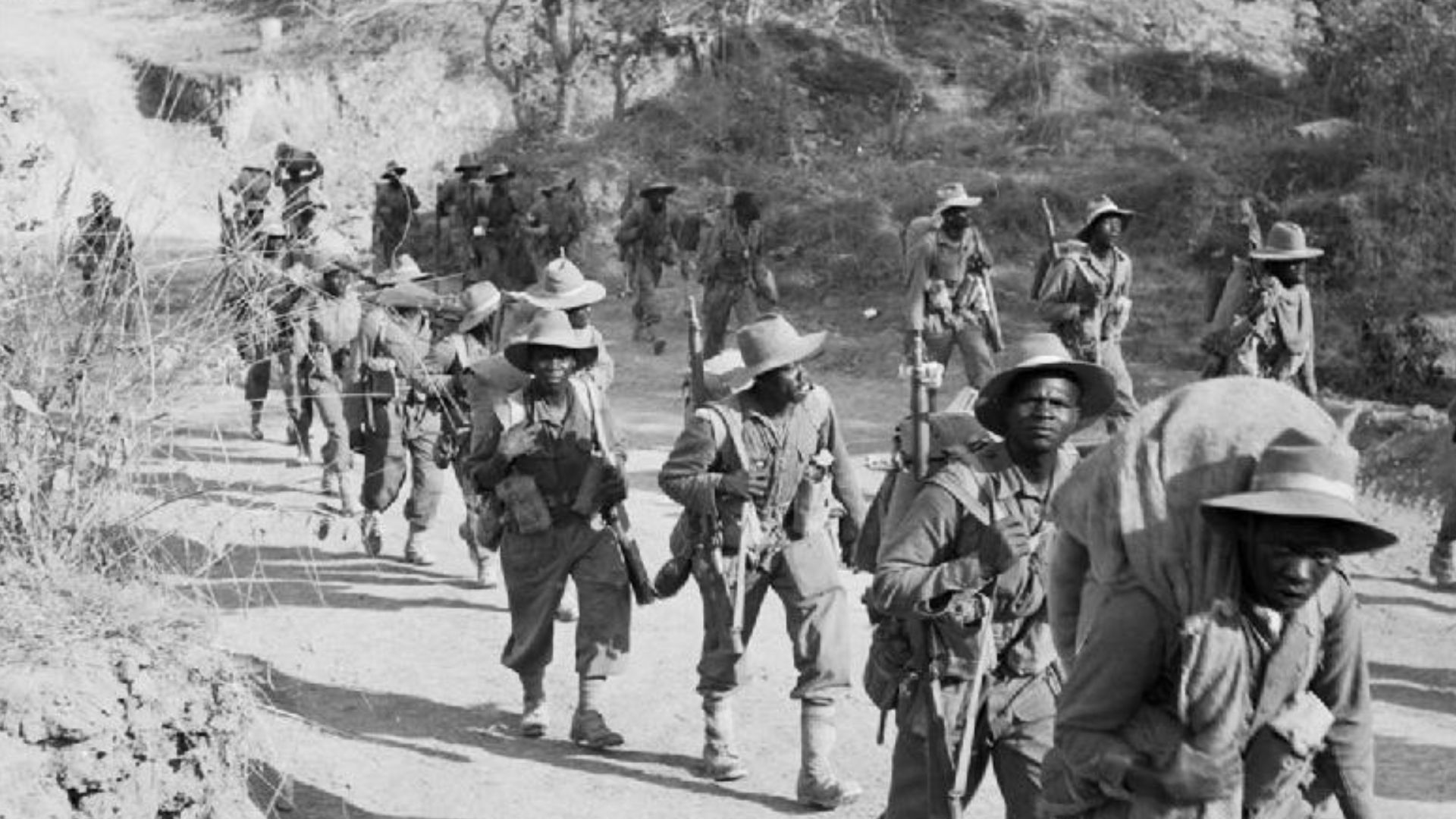
Identifying individual shooters was extremely difficult. The violence had unfolded at night, in rain and confusion, with many men wearing identical uniforms. Some witnesses could not clearly identify defendants, while cooperating soldiers received promises of leniency. Even so, the court treated shared participation as enough to support sweeping convictions.
 No 9 Army Film & Photographic Unit, Watson E (Sgt), Wikimedia Commons
Thirteen Men Die Before Dawn
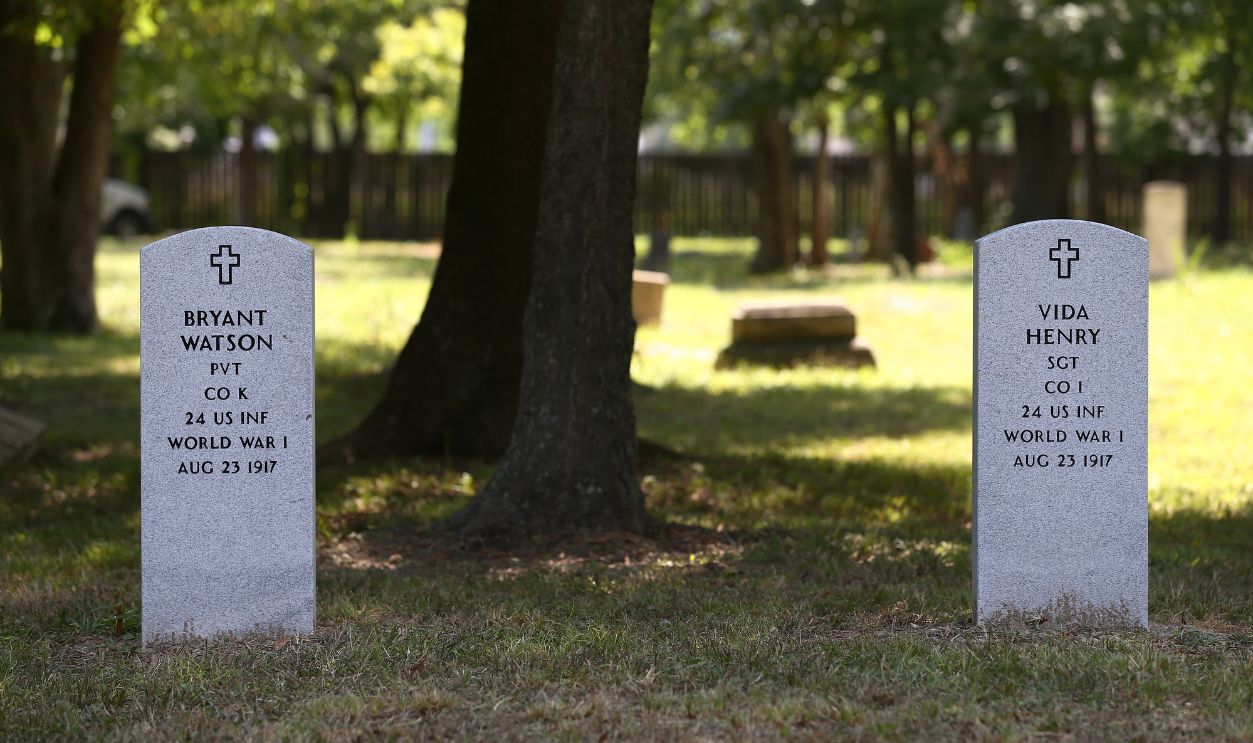
The first court convicted 58 soldiers. Thirteen were sentenced to death and secretly hanged near Salado Creek on December 11, 1917. They received no meaningful appeal, and higher War Department officials were not warned before the executions took place. Families learned what had happened only afterward.
 Houston Chronicle/Hearst Newspapers, Getty Images
The Executions Change Military Law
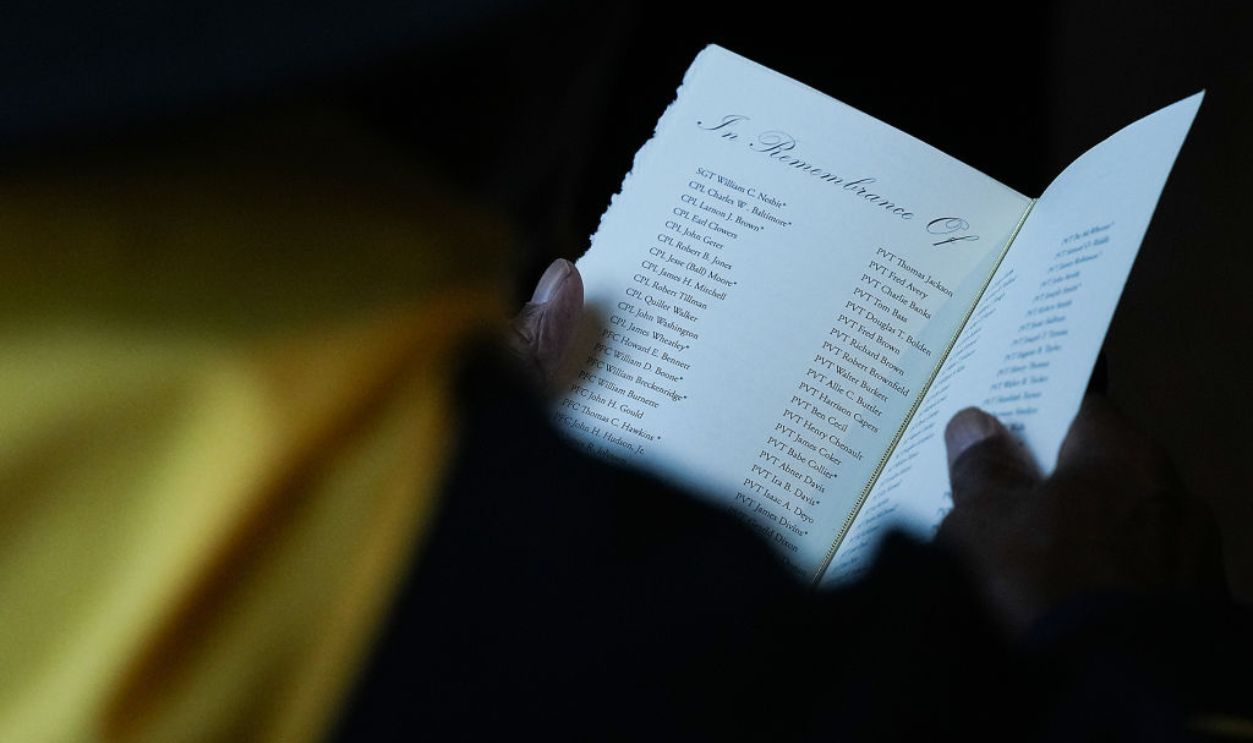
The secret mass hanging caused national outrage. Critics described it as a federal lynching and demanded stronger safeguards. The Army soon required additional review before military death sentences could be carried out, making the Camp Logan cases an important—and deeply tragic—turning point in American military justice.
 Houston Chronicle/Hearst Newspapers, Getty Images
More Trials Bring More Death Sentences
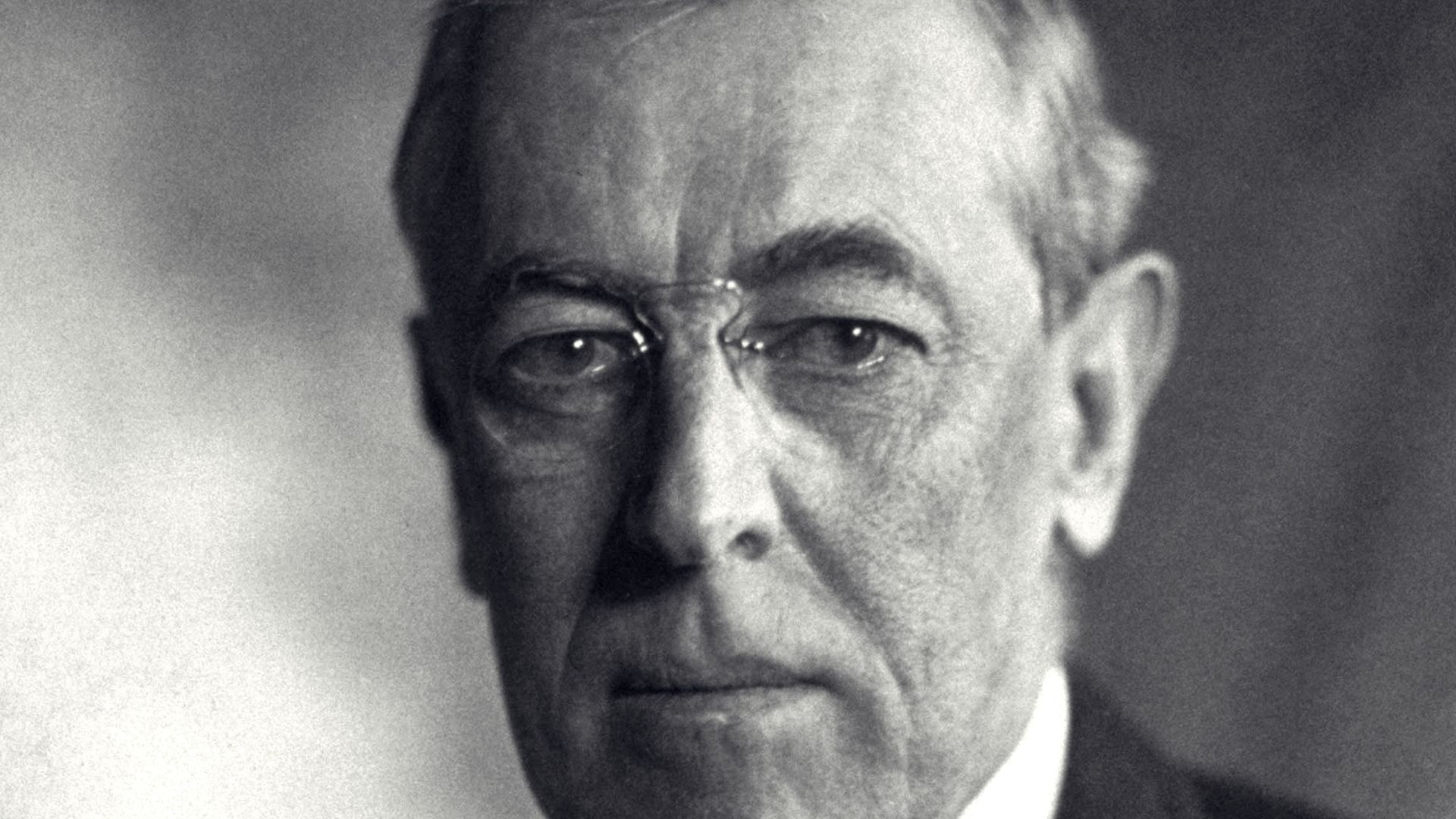
Two additional courts-martial followed. In total, 110 soldiers were convicted, 19 were executed, and 63 received life sentences. President Woodrow Wilson commuted several later death sentences, but no White civilians were prosecuted for the violence, and White officers charged by the Army were ultimately released.
 Harris & Ewing, Wikimedia Commons
A Scandal Finally Reconsidered
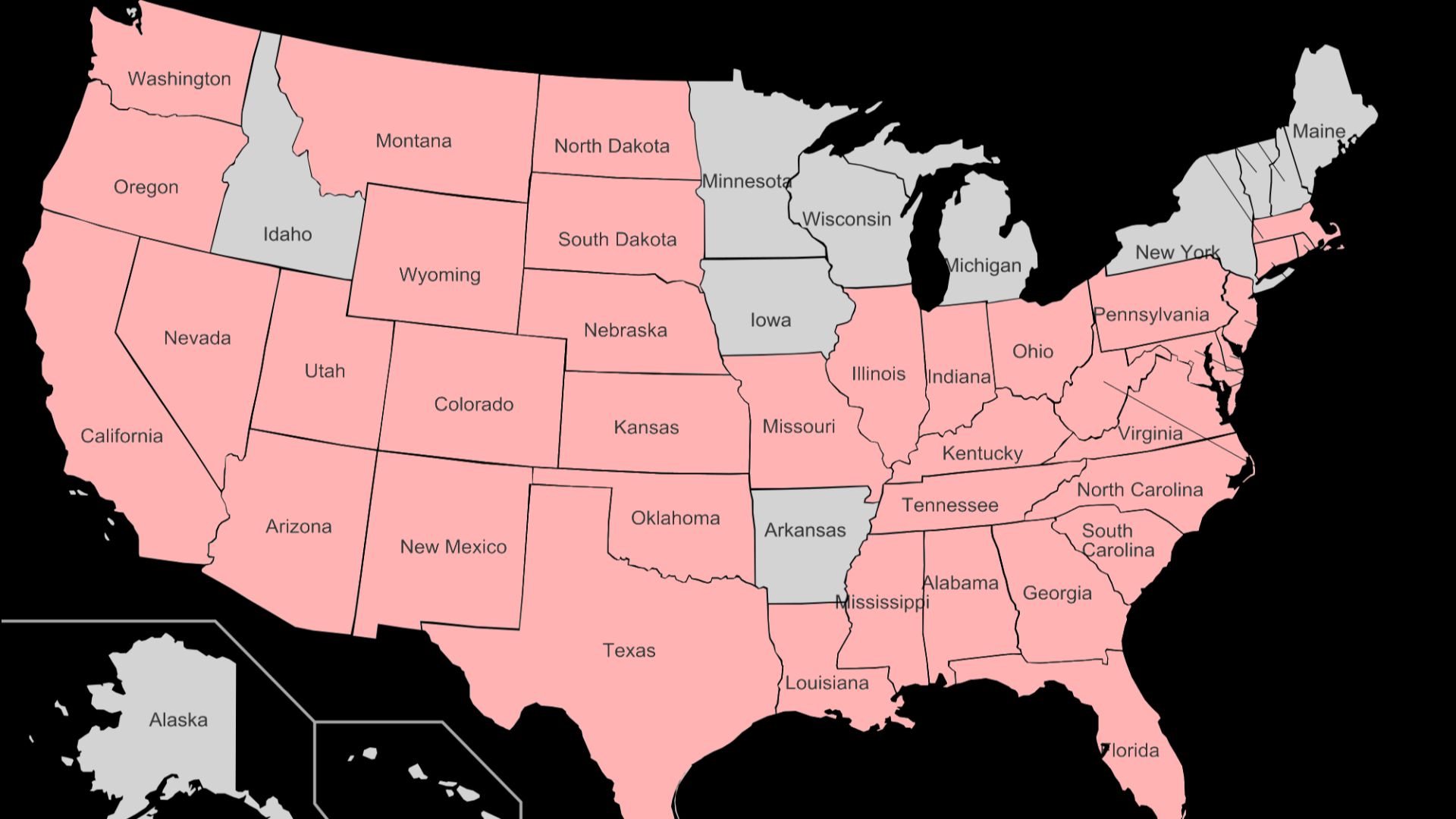
For generations, the story was remembered mainly as a mutiny. In 2023, the Army set aside all 110 convictions, acknowledging that racism and unfair trials had denied the soldiers justice. Their records were changed to honourable discharges. Houston’s national scandal had finally received an official correction—106 years after the gunfire ended.
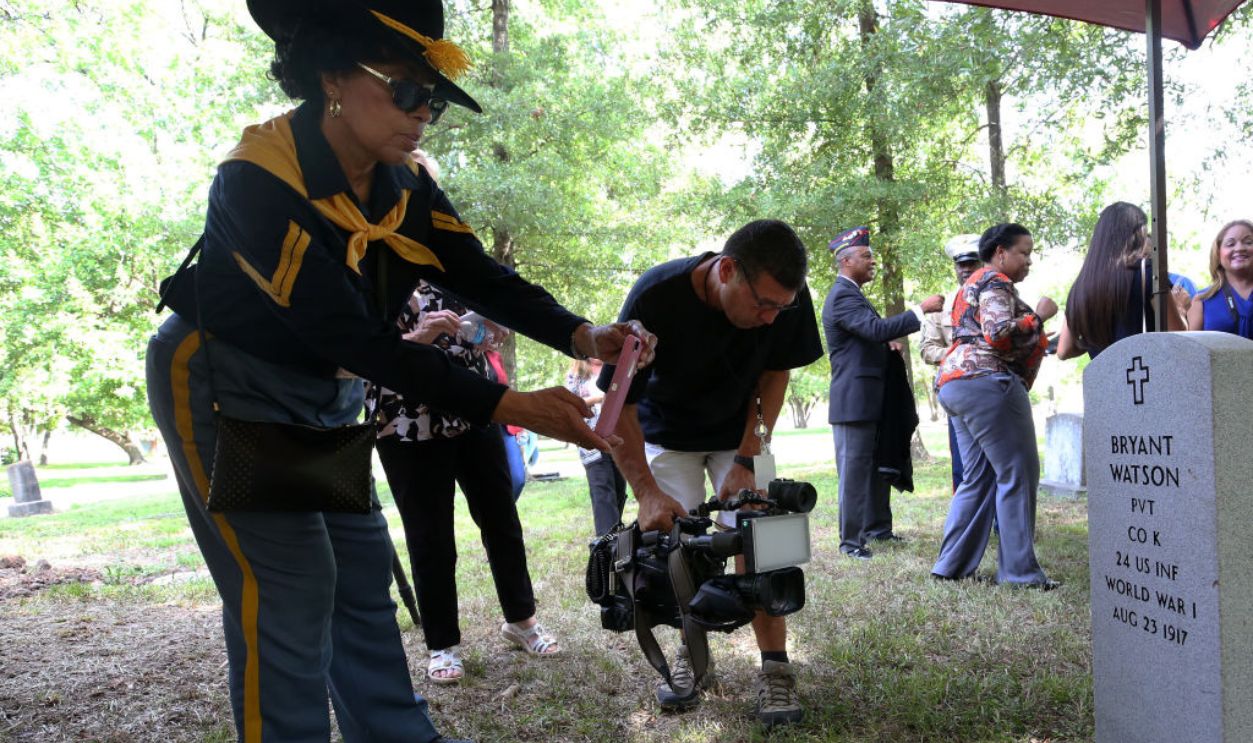 Houston Chronicle/Hearst Newspapers, Wikimedia Commons
You May Also Like:
Nefarious Facts About Villains The World Wanted Us To Forget
The True Story of The "Mercury 13" Women Who Never Got To Fly