Remember When These Names Meant Something?
Back in the 70s, getting into the right college gave you something to brag about. Your parents were impressed. Your guidance counselor was pleased. And your friends wanted to know how you pulled it off. But mention those same schools today, and...nothing.
How many do you remember?
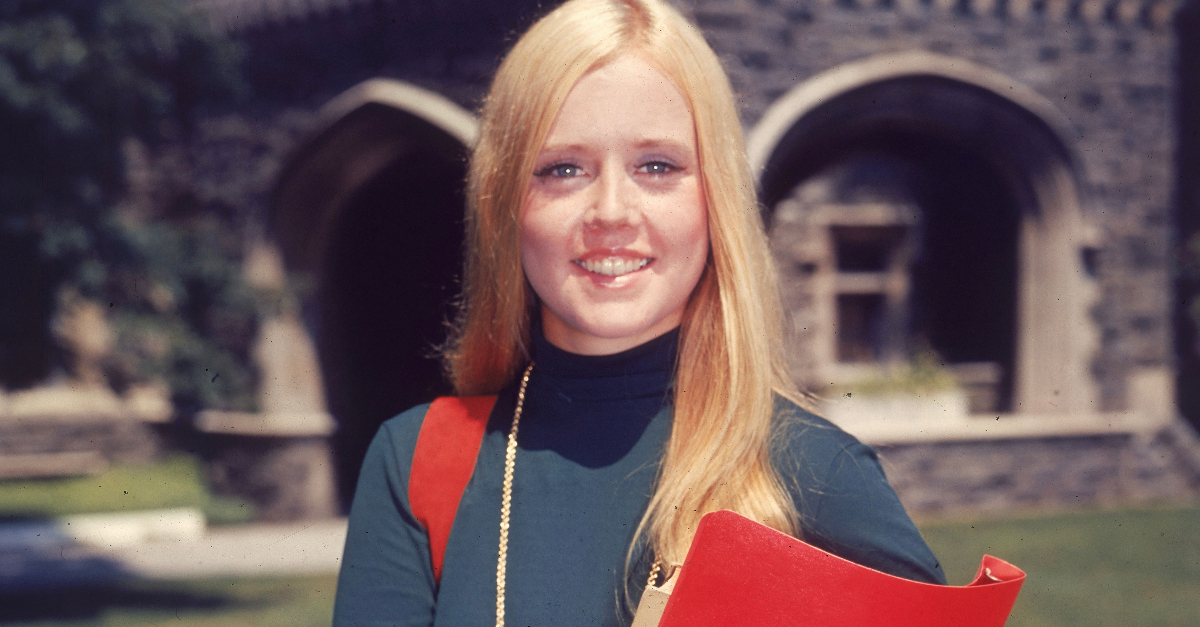
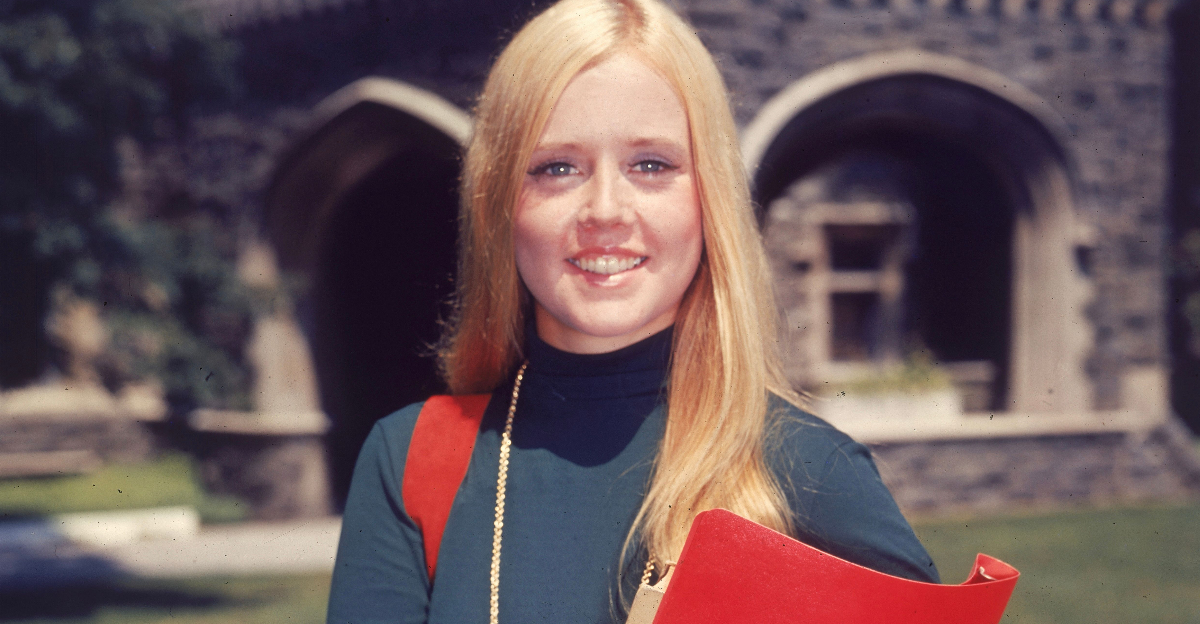 Harold M. Lambert, Getty Images
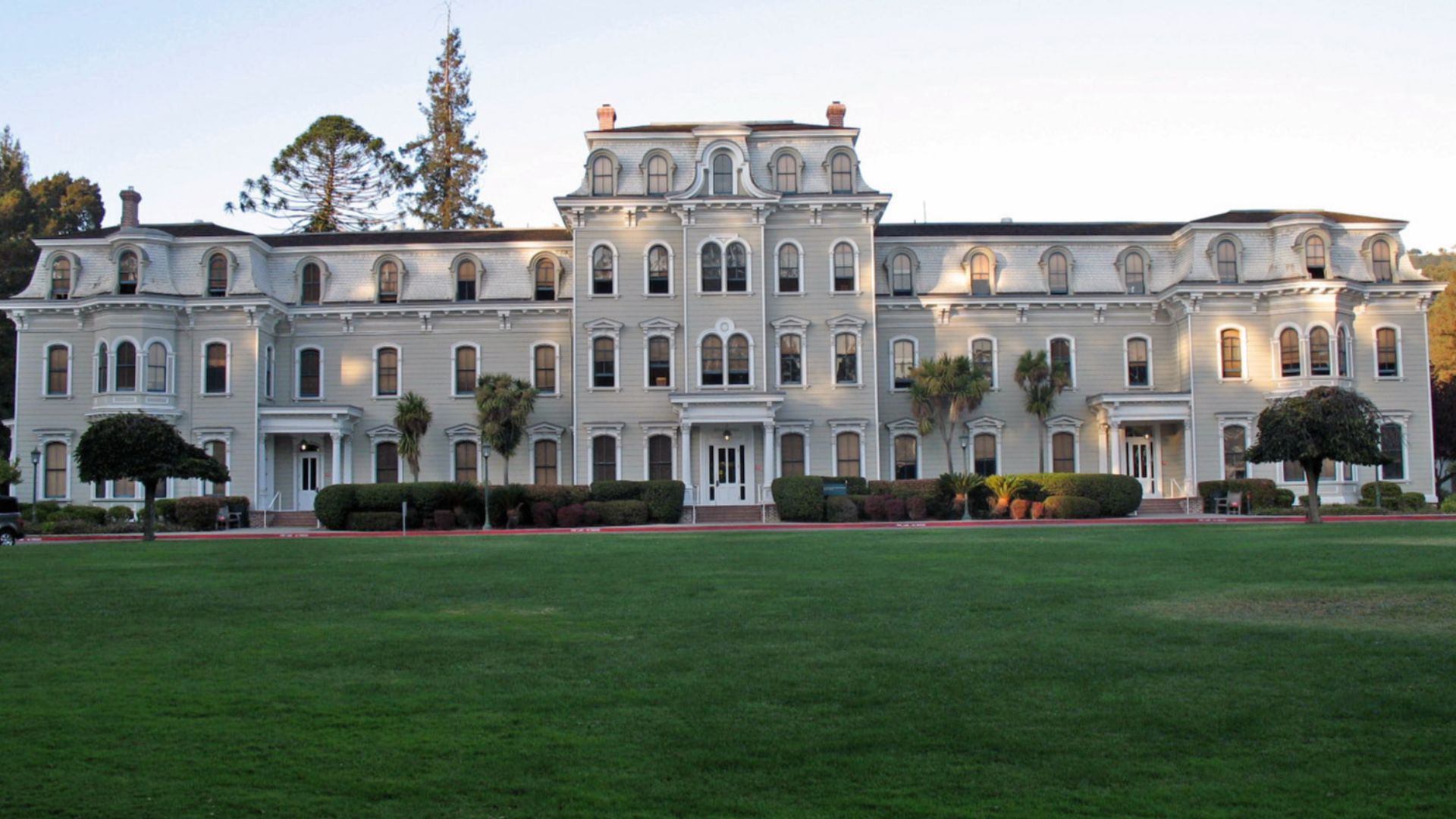
Mills College
Mills had a beautiful Oakland campus, a distinguished history of educating women, and a place on Town & Country’s 1973 list of Ivy League alternatives. That was quite a recommendation. Financial pressures eventually changed its future, and Mills merged with Northeastern in 2022, ending its independence as a women’s college.
 Sanfranman59, Wikimedia Commons
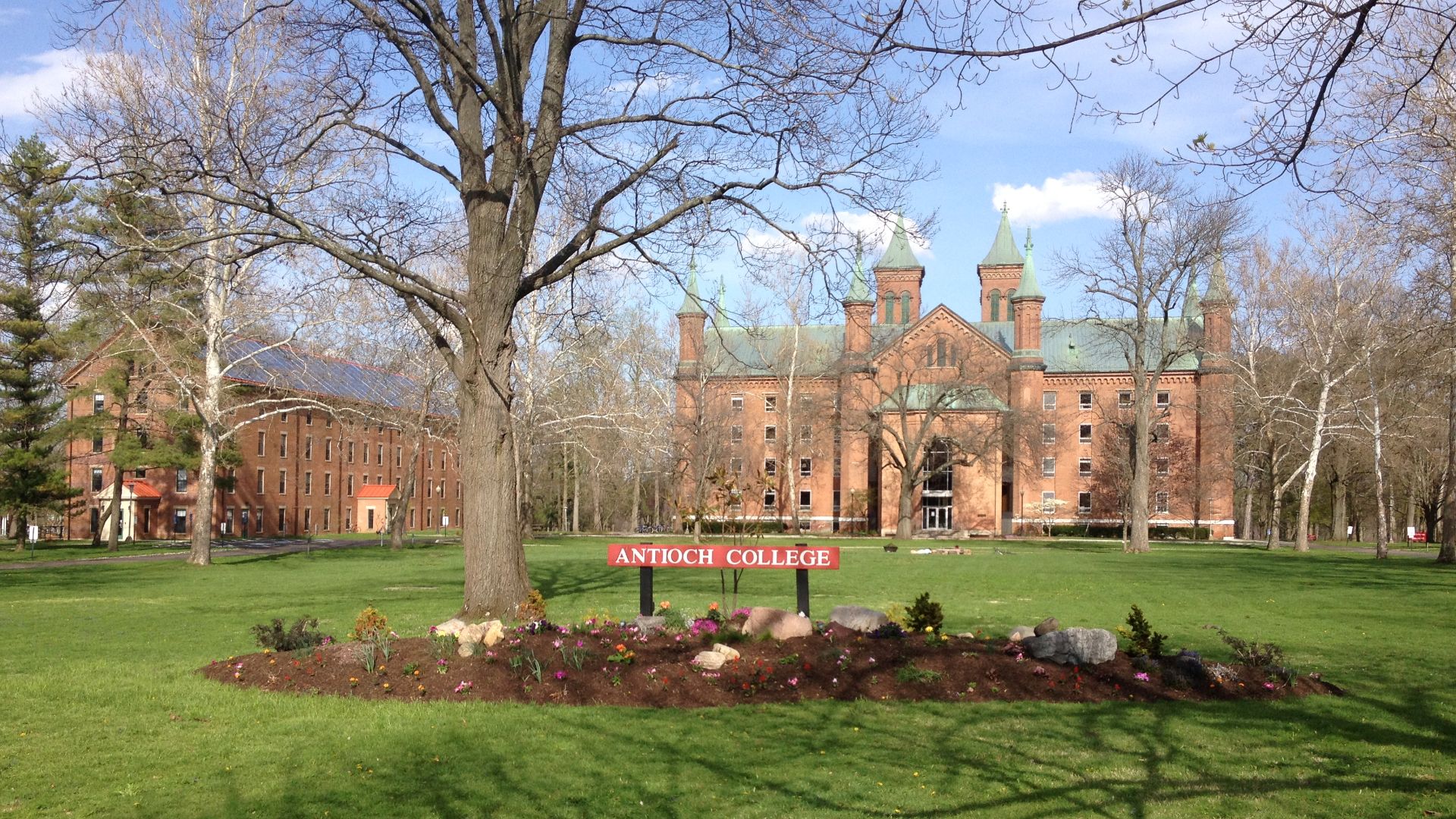
Antioch College
Antioch appealed to students who wanted an education with more independence and real work experience. For certain Boomers, its unconventional reputation was the whole point. But financial and enrollment problems eventually caught up with it. The Ohio college closed in 2008 and reopened independently in 2011, beginning a much smaller chapter.
 Clifton res, Wikimedia Commons
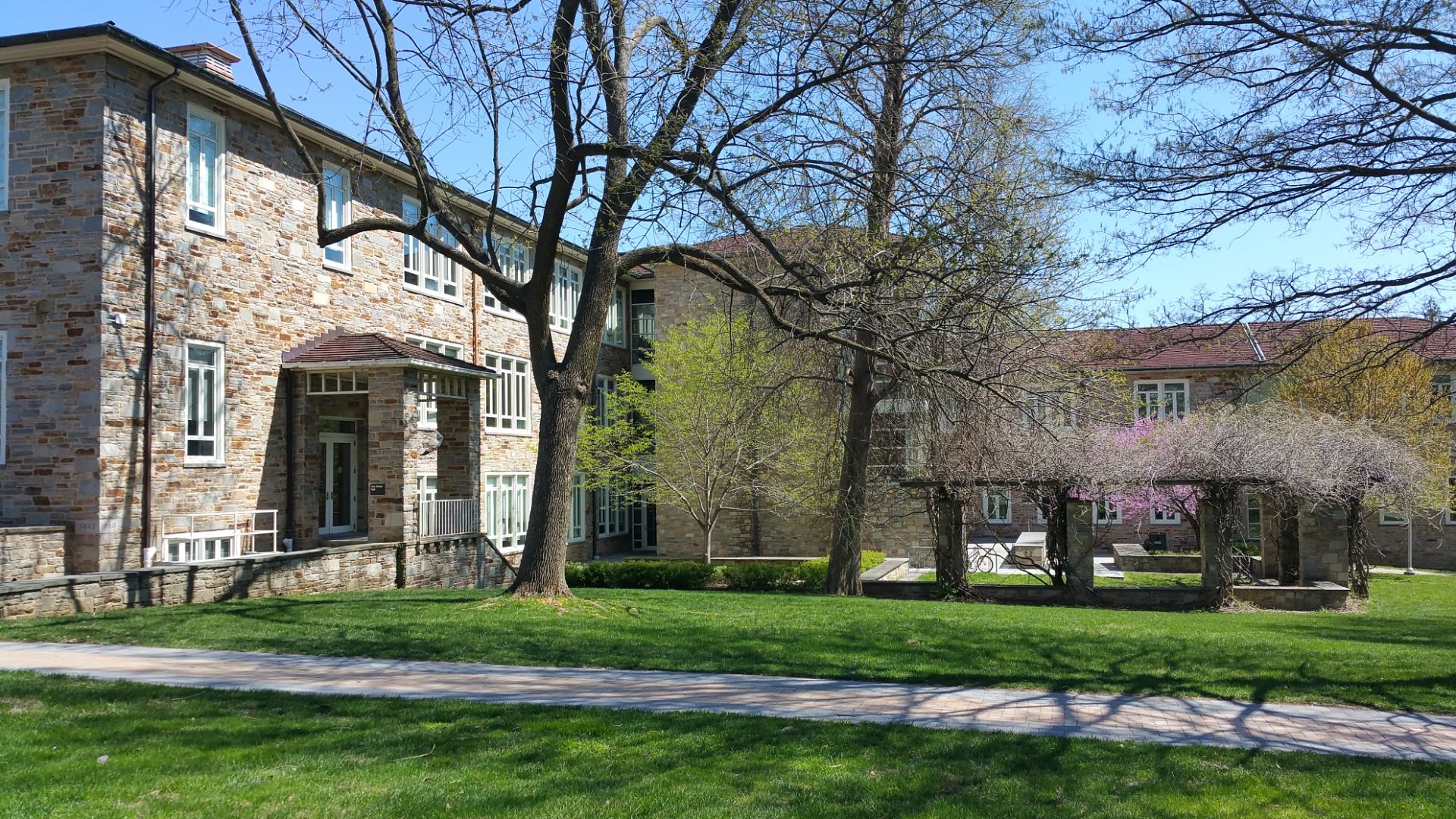
Goucher College
In 1973, Goucher was a women’s college that Town & Country considered an alternative to the Ivy League. In its 2023 retrospective, the magazine singled it out as a school that had lost some luster, citing an acceptance rate above 80%. It still operates, but its earlier selectivity makes an interesting comparison.
University Of Bridgeport
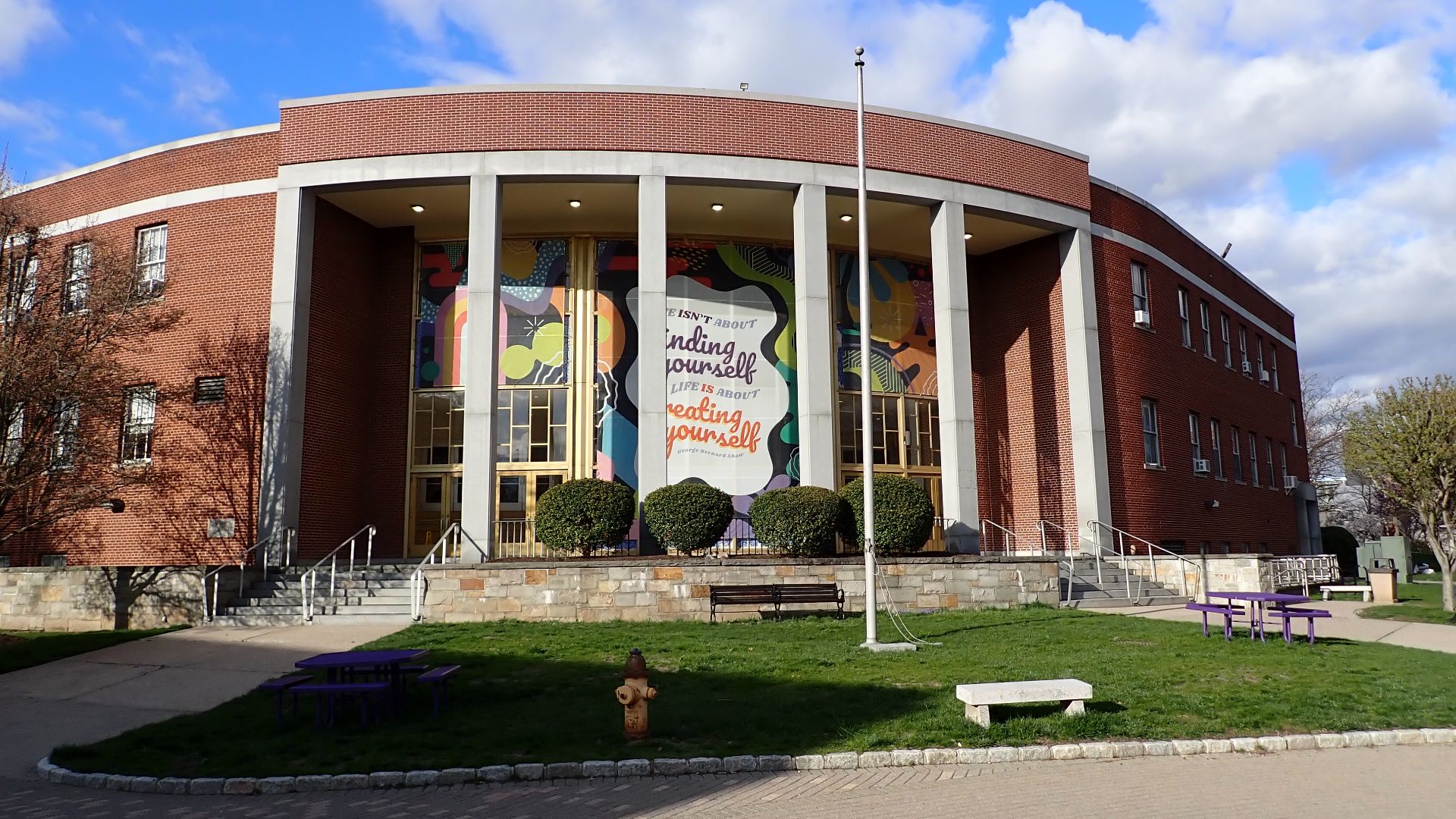
Bridgeport entered the 70s with more than 8,500 students and added a law school in 1977. Then came prolonged labor disputes, a near closure, and a controversial financial rescue connected to the Unification Church. Goodwin University acquired it in 2021. The school survives, but its growth years gave way to a complicated recovery.
 MConradWard, Wikimedia Commons
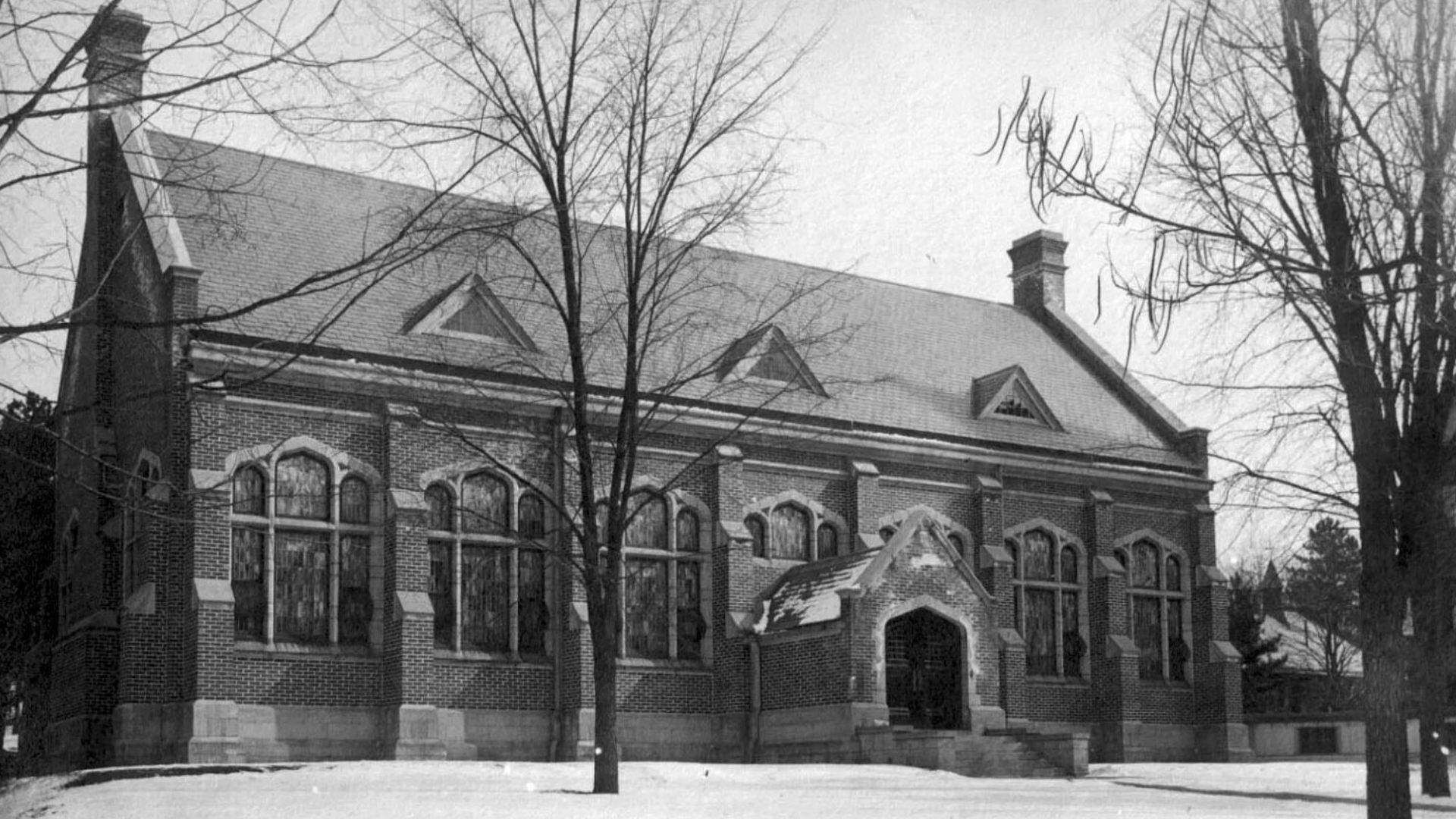
Wells College
A small women’s college overlooking Cayuga Lake, Wells made the 1973 Ivy League alternatives list. Going coeducational in 2005 temporarily helped enrollment. However, financial troubles persisted, and Wells closed in June 2024. Students who hadn’t completed their degrees needed to transfer elsewhere to finish.
 Henry Morgan (credited), Wikimedia Commons
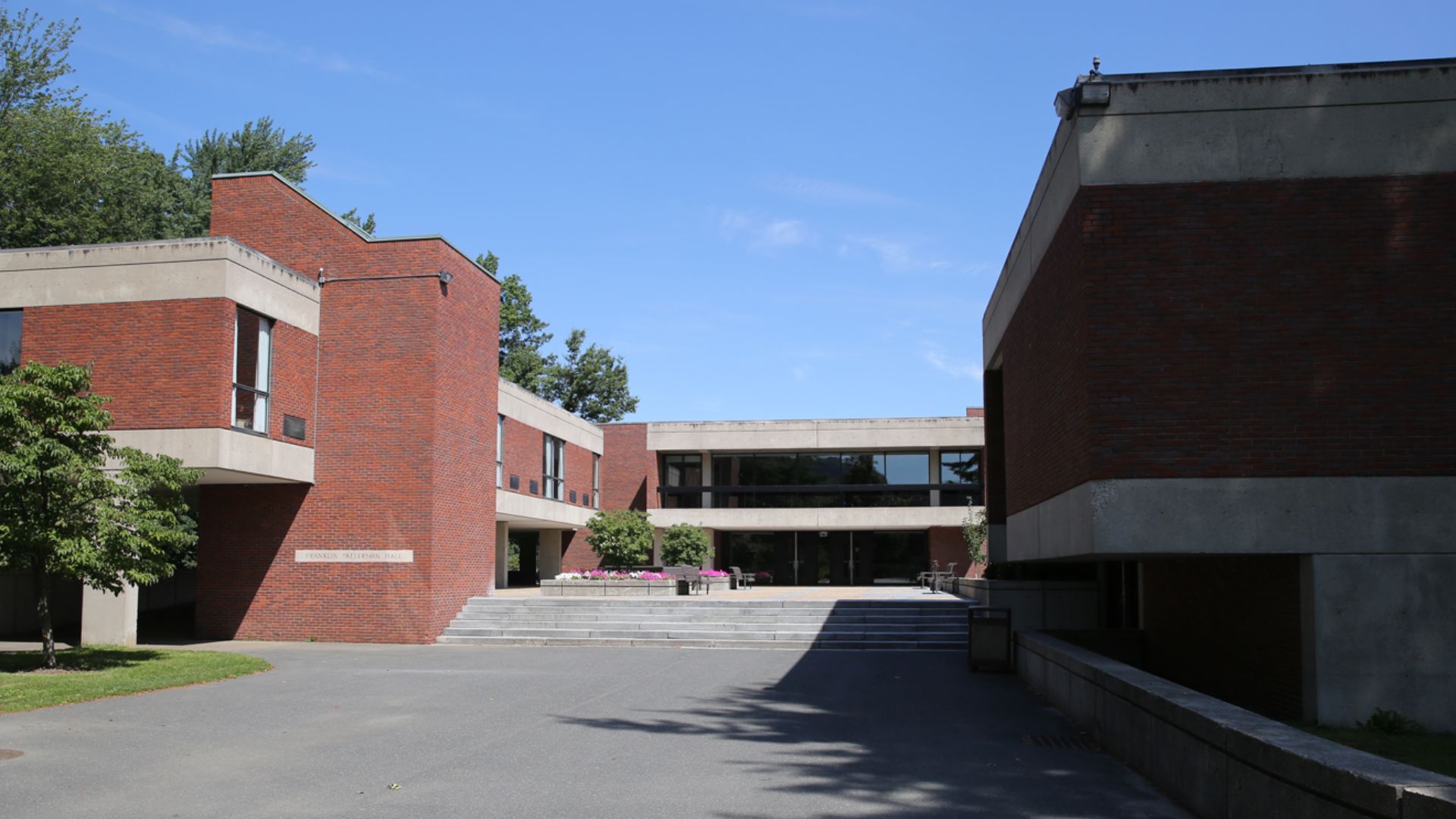
Hampshire College
Hampshire welcomed its first students in 1970, offering independent projects and the freedom to help shape your own education. Ken Burns enrolled the following year. For creative Boomers, that approach had obvious appeal. After years of financial pressure, Hampshire has announced plans to close following the fall 2026 semester.
 photographer contracted by Hampshire College, Amherst, Massachusetts, Wikimedia Commons
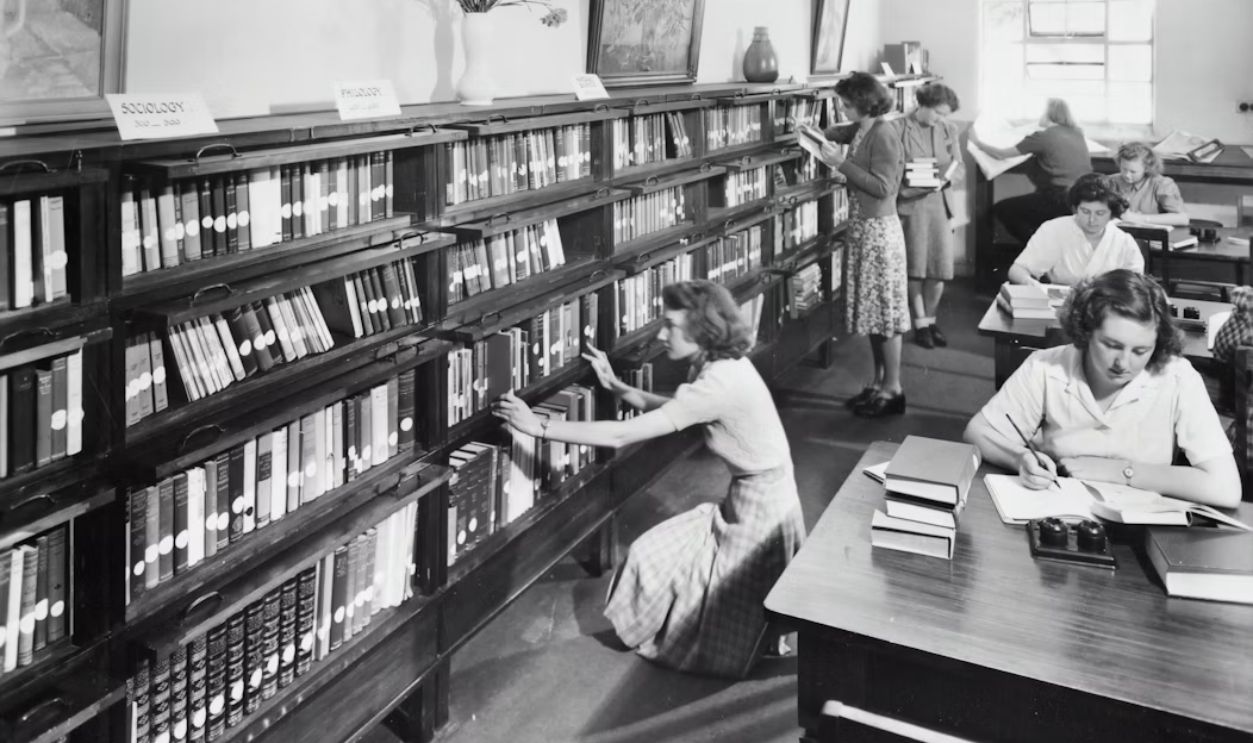
Finch College
Finch offered something rather different from a sprawling campus: a women’s college tucked into Manhattan’s Upper East Side. Its history included students from prominent families and a reputation for social polish. But that identity became harder to sustain as college choices changed. Finch graduated its last class in 1975, leaving a devoted alumnae community behind.
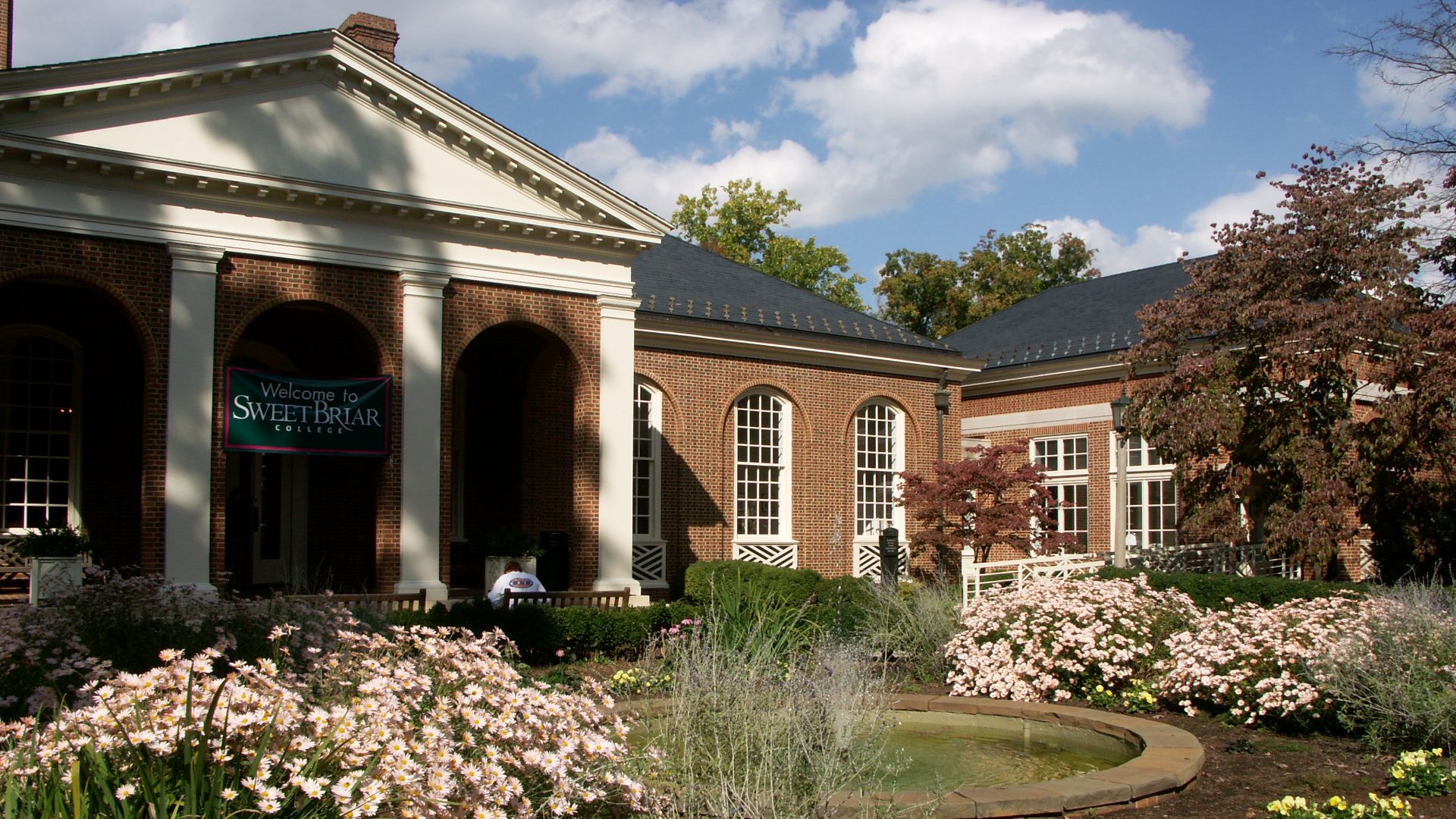
Sweet Briar College
Sweet Briar’s Virginia campus and academic reputation helped earn it a place among the 1973 Ivy League alternatives. Decades later, its board announced plans to close in 2015. Alumnae fought back and helped save it. Enrollment has since grown, giving this particular college story a much happier ending than it nearly had.
 Annette Teng, Wikimedia Commons

History's most fascinating stories and darkest secrets, delivered to your inbox daily.
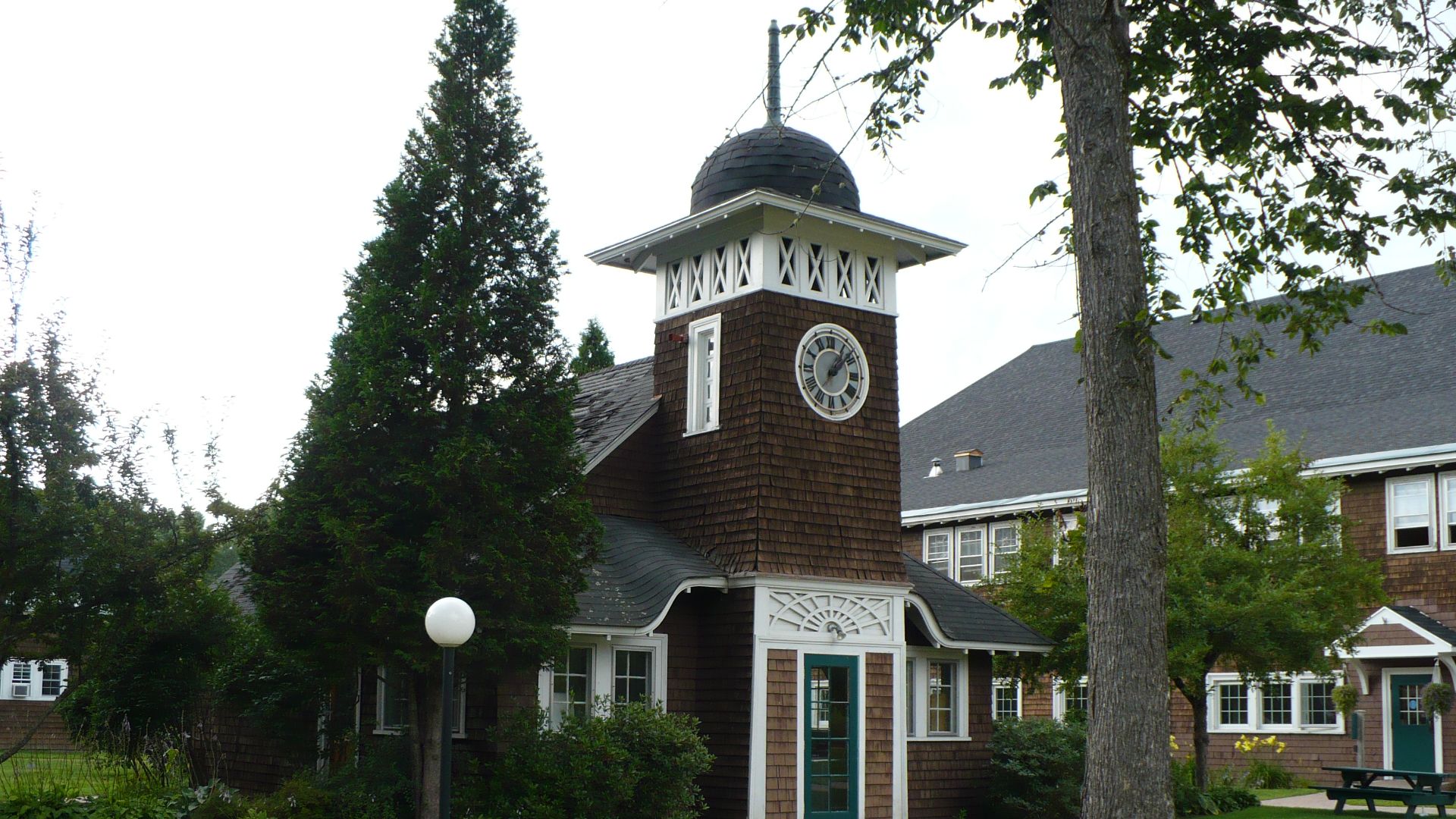
Goddard College
Goddard attracted students who wanted more control over their education and fewer conventional rules about how learning should work. Enrollment topped 1,900 in the early 70s. By its 2024 closure announcement, only 220 students remained. The Vermont college had an enthusiastic following, but enthusiasm couldn’t cover the bills indefinitely.
 SayCheeeeeese, Wikimedia Commons
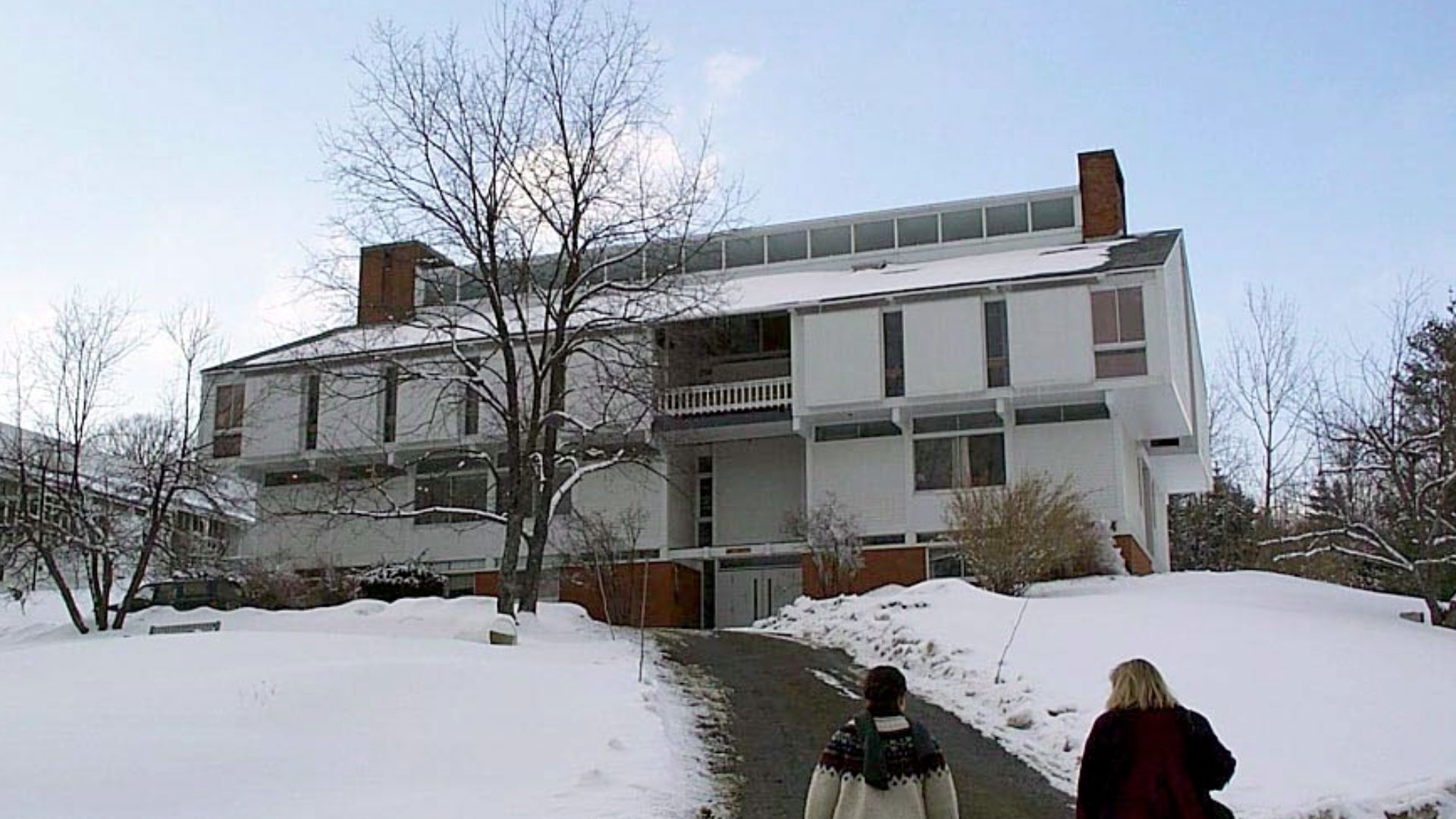
Marlboro College
Marlboro appealed to students who wanted serious, independent study in a small Vermont community. Its approach inspired the kind of loyalty that lasted well beyond graduation. Unfortunately, its small size also made declining enrollment difficult to absorb. In 2020, its academic legacy moved to Emerson, ending the independent college on Potash Hill.
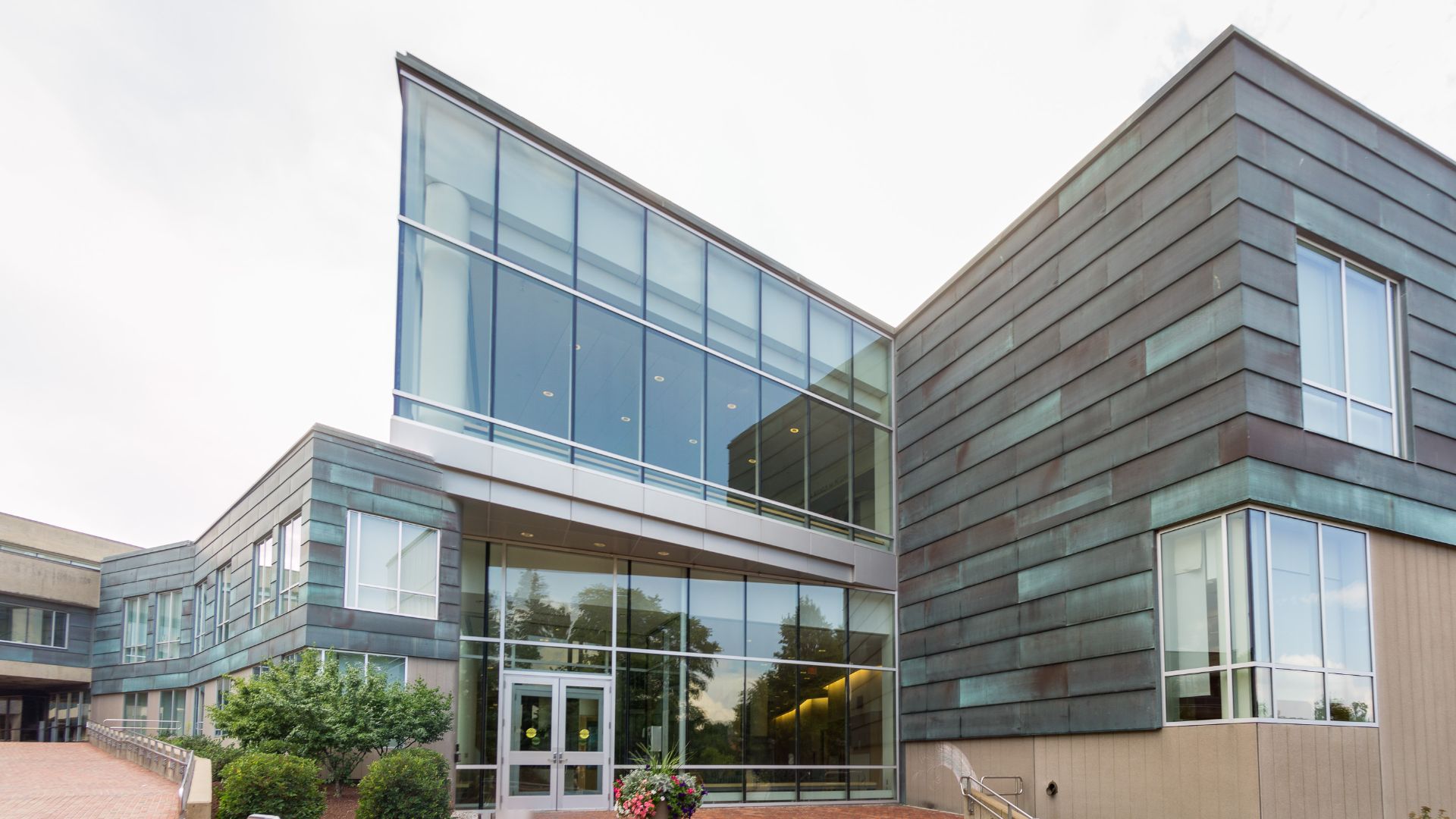
Kirkland College
Kirkland welcomed its first class in 1968 and emphasized creativity, independence, and education for women. It appeared alongside neighboring Hamilton on the 1973 Ivy League alternatives list. But its separate existence lasted just a decade. The colleges merged in 1978, making Kirkland a school Boomers could remember attending that later generations could never apply to.
 Kenneth C. Zirkel, Wikimedia Commons
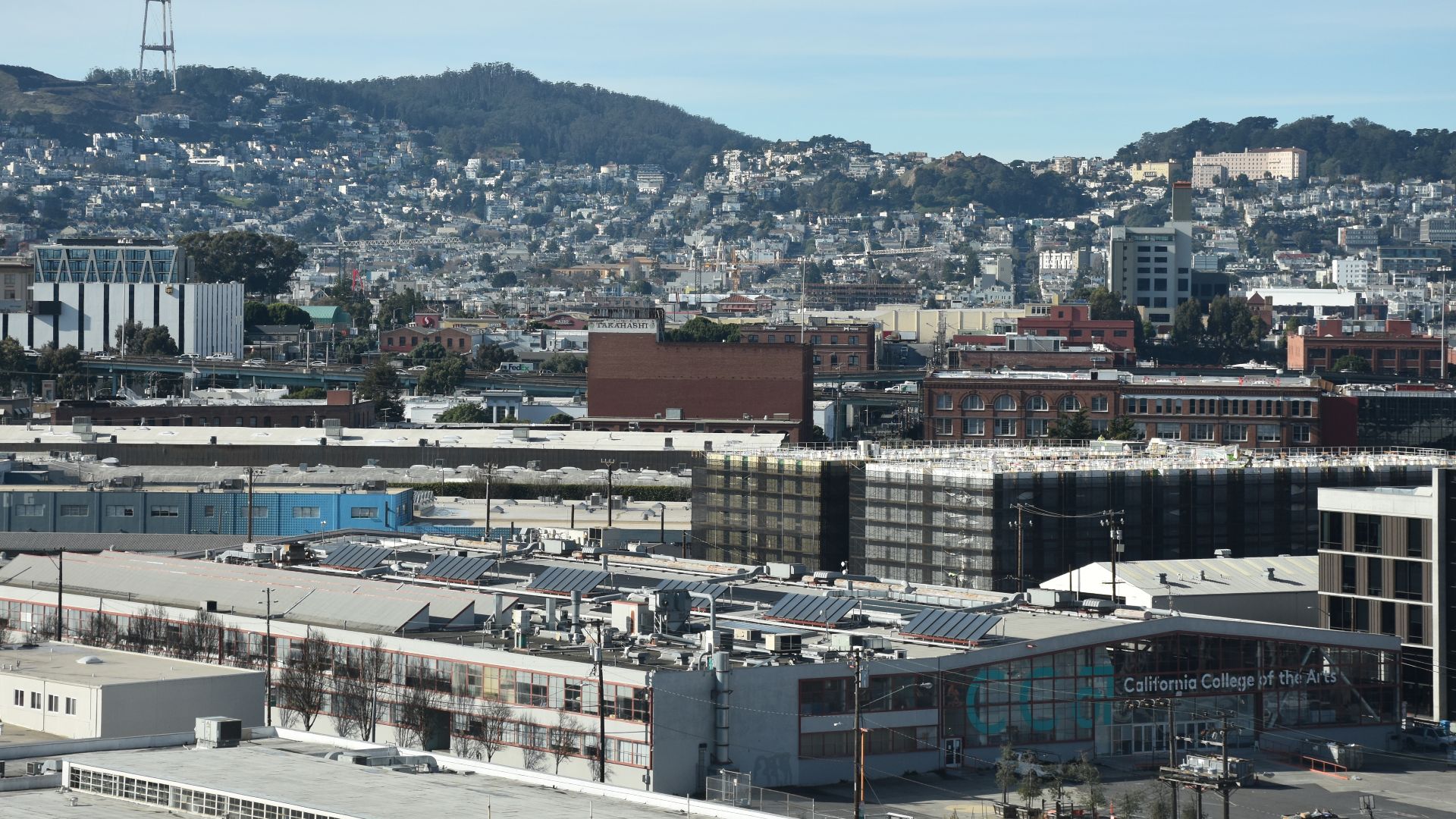
California College Of Arts And Crafts
That was the name Boomers knew. Around 1970, enrollment was growing rapidly, and the college was an important part of the Bay Area’s creative community. It later became California College of the Arts. Despite its long artistic legacy, it plans to close by the end of the 2026–2027 academic year, with Vanderbilt taking ownership of its campus.
Marymount College, Tarrytown
Marymount reached its highest enrollment in the early 70s, with approximately 1,100 students. The women’s college combined liberal arts study with growing opportunities for internships and career preparation. It joined Fordham in 2002, but the arrangement couldn’t preserve it indefinitely. Marymount’s last class graduated in 2007. This was the Tarrytown school, distinct from Marymount Manhattan.
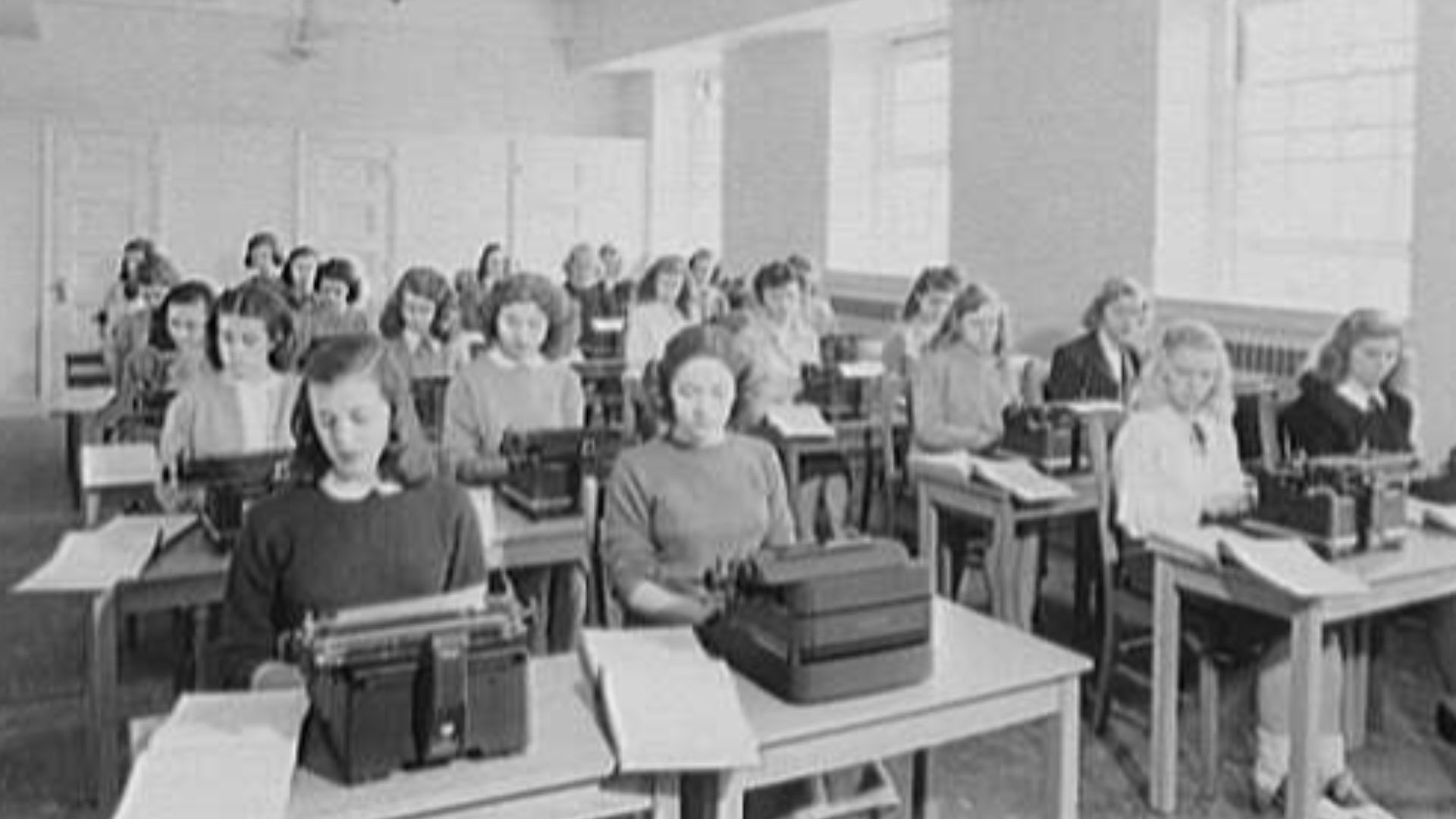 Gottscho-Schleisner Collection, Wikimedia Commons
San Francisco Art Institute
For aspiring artists, the San Francisco Art Institute offered an education rooted in experimentation. Its archives preserve a 1978 advertisement for a “Non-Sculpture” class, which gives you some idea of the atmosphere. After financial trouble and a failed merger effort, its degree programs closed in 2022. Its influence on the city’s art world remains.
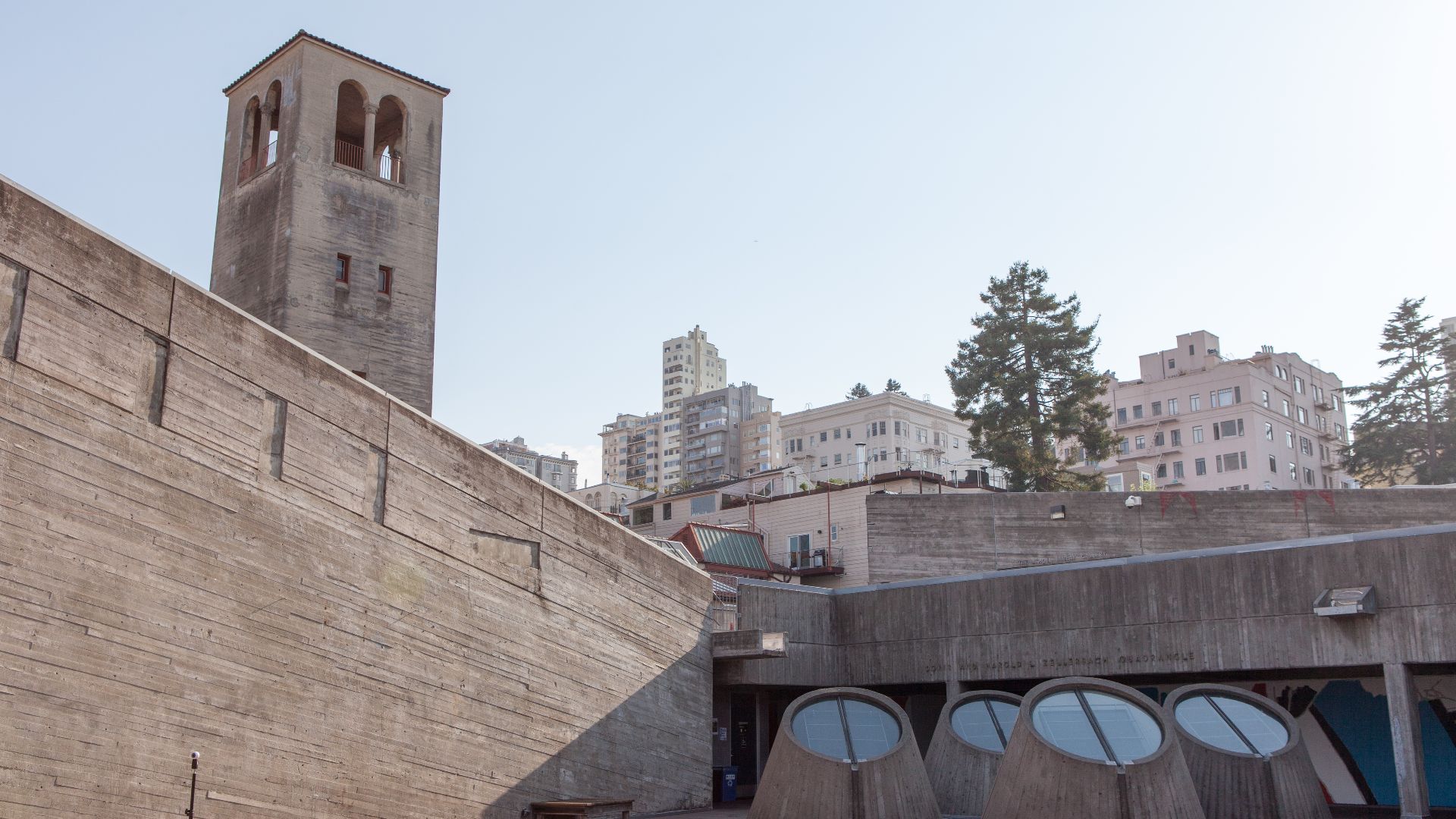 Pax Ahimsa Gethen, Wikimedia Commons
Beloit College
Beloit’s unusual educational plan helped attract students from across the country and overseas. It combined classroom learning with off-campus experience and a flexible calendar. Enrollment approached 1,800 in 1969. Financial pressures ended the original calendar in 1978, but the Wisconsin college continues, retaining elements of the independent approach that appealed to its Boomer students.
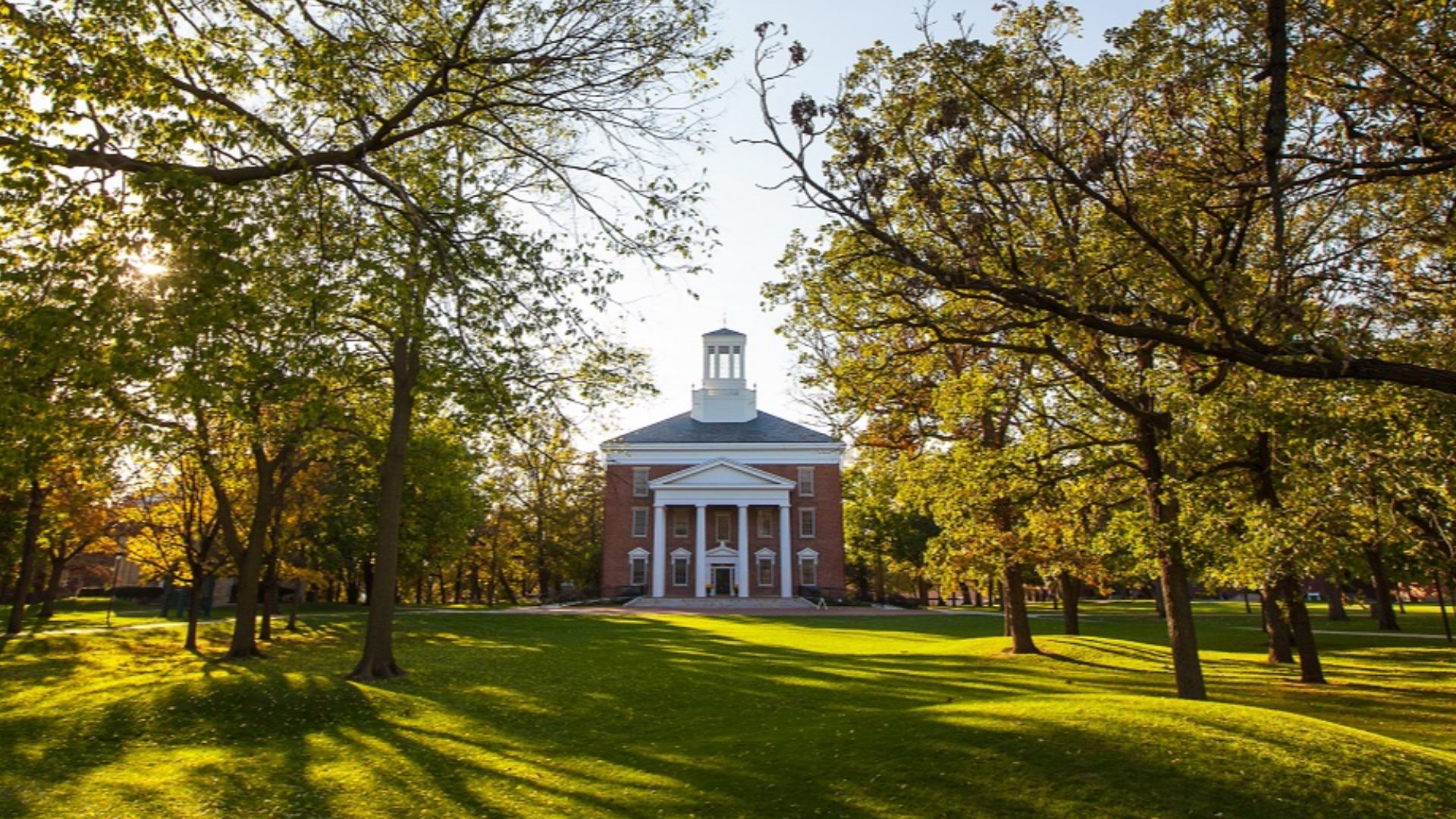 Chicfriend88, Wikimedia Commons
The Evergreen State College
Evergreen opened in 1971 with an approach that stood apart from the usual majors-and-grades routine. For students looking for an unconventional education, that was a selling point. Enrollment later fell sharply before beginning to recover. The Washington college reported further growth in spring 2025, showing that its unusual approach still has an audience.
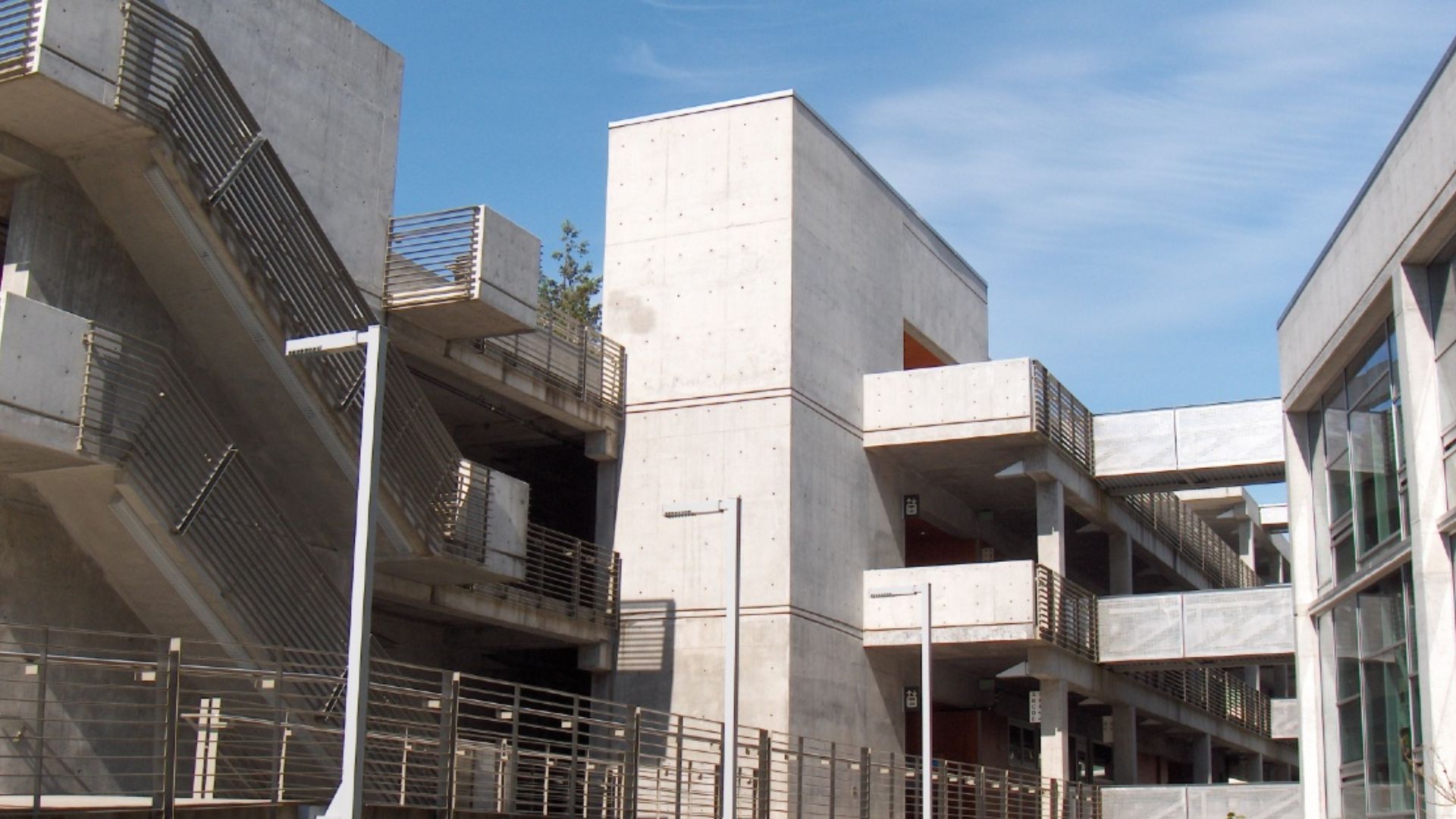
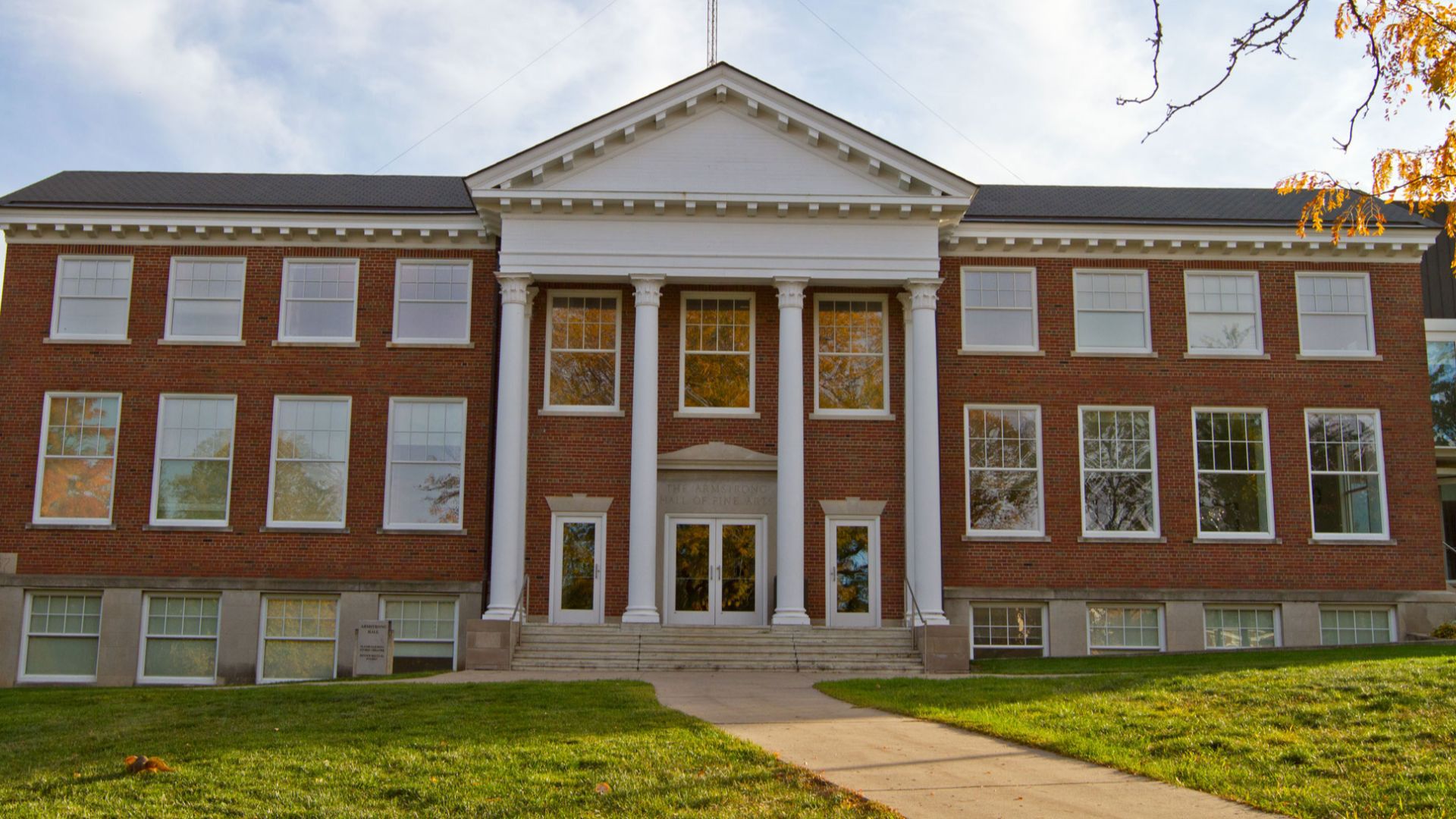
Mount Vernon College
Mount Vernon reached record enrollment in the late 70s as it expanded programs preparing women for careers. Financial problems eventually brought George Washington University into the picture. Mount Vernon stopped operating independently in 1999, although its campus and parts of its mission continue through GW.
 ArtisticAbode, Wikimedia Commons
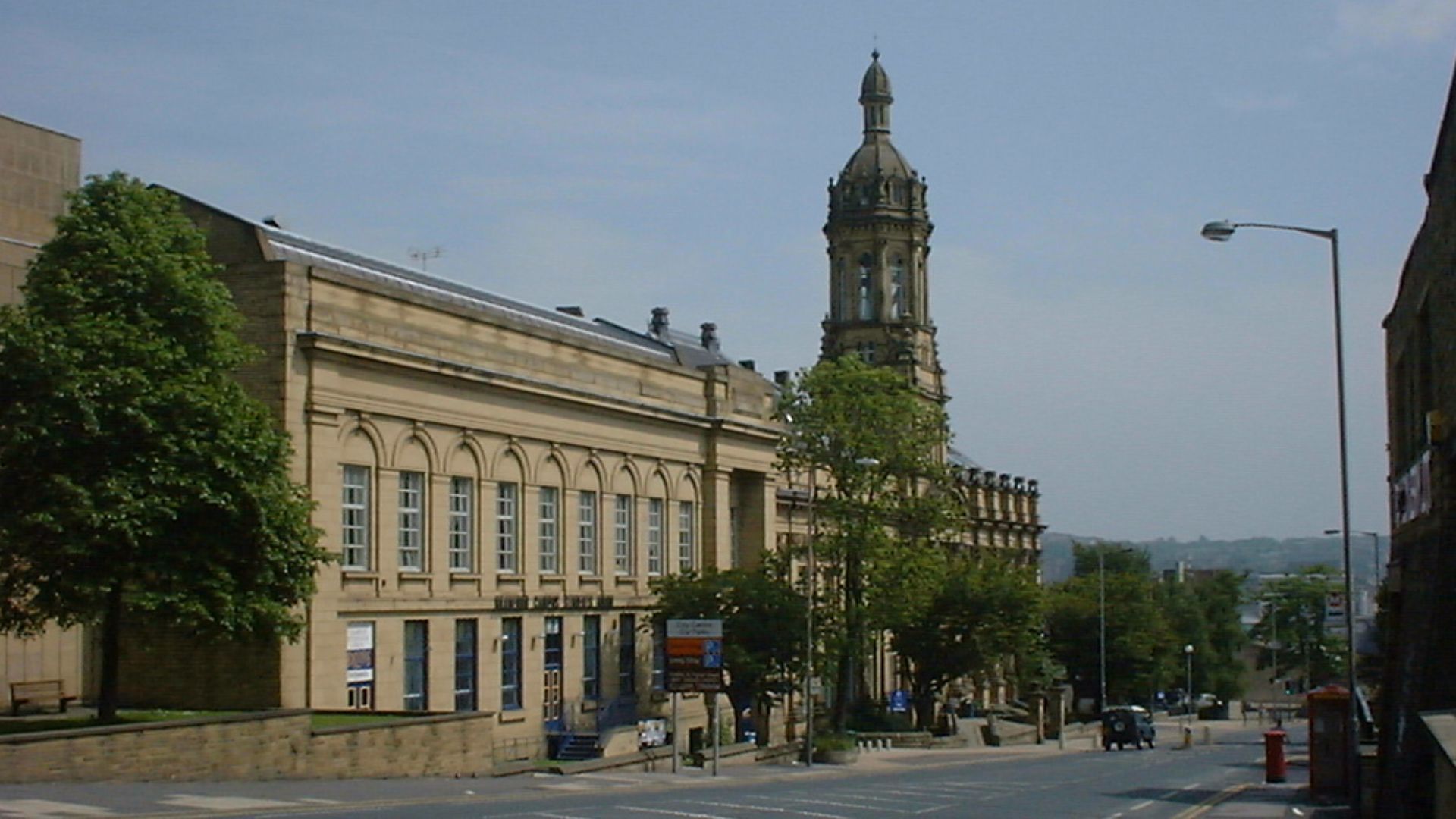
Bradford College
Bradford entered the 70s with an established reputation. It began admitting men in 1971 and became a four-year college in 1972, giving students another small-campus option. But financial problems eventually overwhelmed the Massachusetts school, which closed in 2000. For people born afterward, Bradford was already history before college applications ever entered the picture.
 The original uploader was NRTurner at English Wikipedia., Wikimedia Commons
You Might Also Like: