A 7.7‑magnitude earthquake struck central Myanmar on March 28, 2025, causing deep fissures and mass subsidence of whole sections of the ground beneath people's feet. While the quake caused tragic death and destruction, it also revealed an unexpected archaeological treasure: the remains of a grand structure belonging to Burma’s historic Konbaung Dynasty.
An Earthquake Unearths Royal Ruins
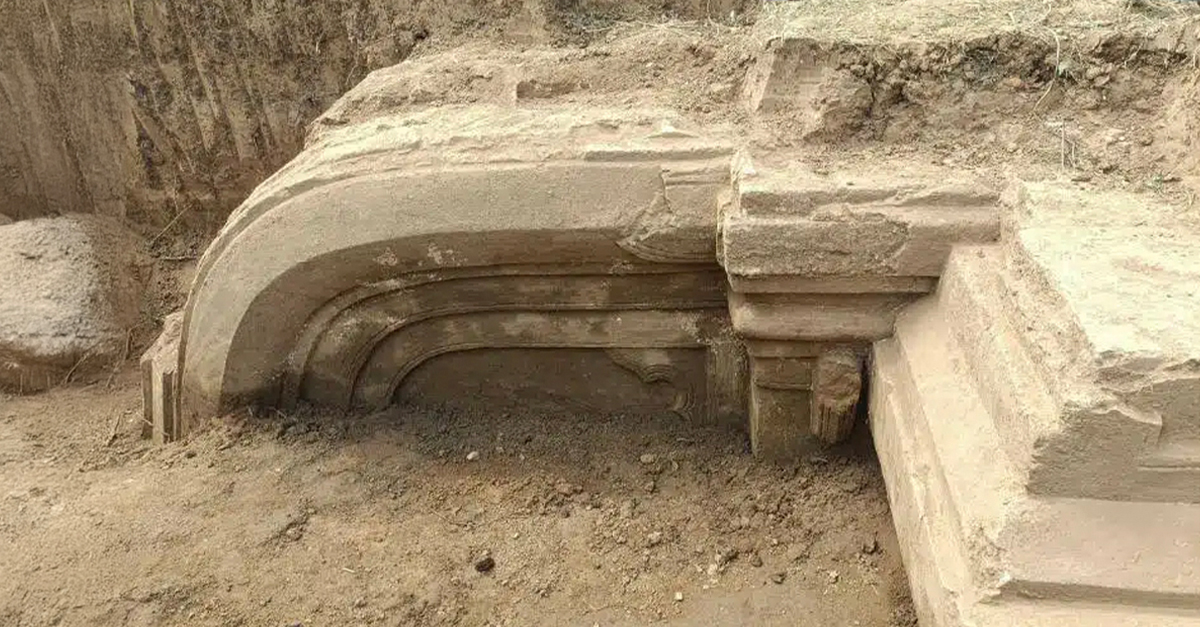
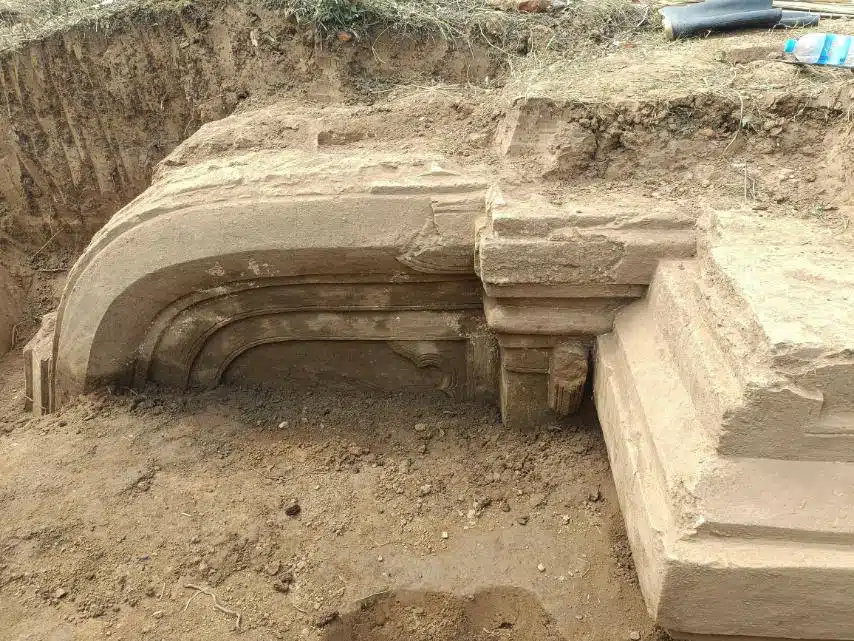
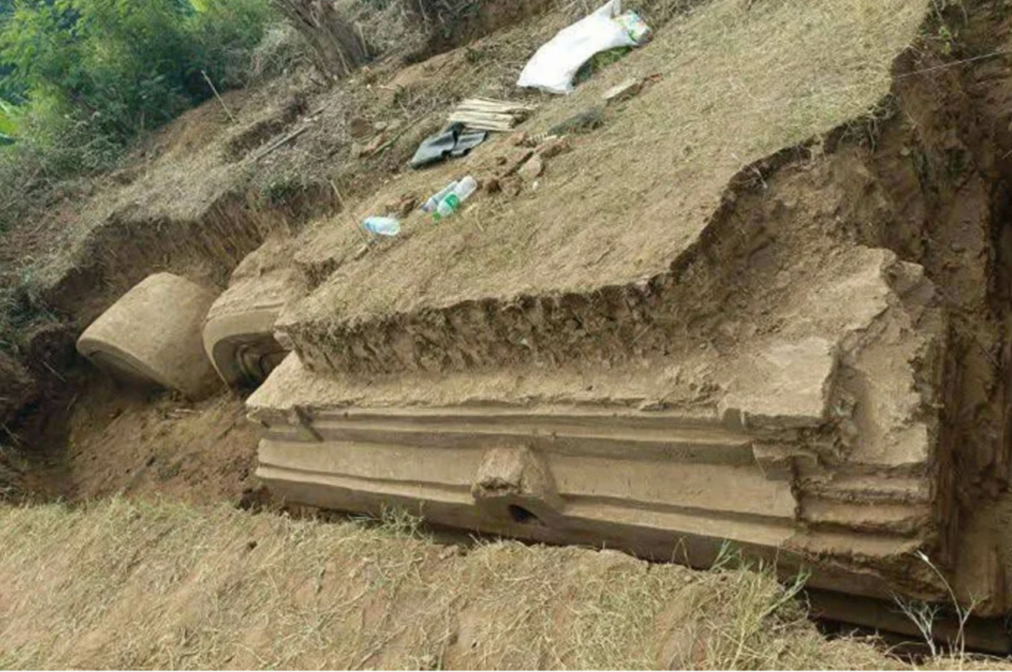
The seismic jolts opened cracks and raised blocks of the earth in Tada‑U near ancient Inwa in the Mandalay area. The upheaval exposed brick platforms, stairs, and even parts of a handrail. What locals once dismissed as a collapsed staircase, first noticed during brick‑baking in 2009, was confirmed to be part of a more extensive complex, perhaps even a royal “water palace” of the era of Konbaung royalty.
 Myanmar Earthquake Reveals Konbaung Dynasty Royal Water Palace, Newscvg, YouTube
The Splendor Of A Lost Dynasty
The Konbaung Dynasty (1752–1885) was Burma’s last monarchy, ruling through a complex period marked by imperial expansion followed by British colonization. Their royal capitals at Inwa, Amarapura, and Mandalay were the site of sumptuous palaces and waterworks with ornate designs and hydraulic systems.
Features Of A Bold Masonry Structure
Archaeologists digging through the site observed thick brick platforms, decorative railings, and raised steps. All these elements are consistent with a water palace, where royalty would entertain or perform ceremonial duties by water. The layout, masonry style, and elevated platforms are a sign of elite use rather than settlement by common folk.
Disaster And Opportunity
Mandalay Palace and many other historic structures were damaged in the quake, but these same cataclysmic shock waves coughed up previously buried royal structures, giving us a priceless window into Konbaung‑era architecture. The disaster turned out to be an unplanned archaeological opportunity, revealing remnants long buried under a thick mantle of soil and vegetation.
 Earthquake Uncovers Lost Royal Palace in Myanmar, Makingviral, YouTube
Archaeologists Hard At Work
The Mandalay branch of Myanmar’s Department of Archaeology started a serious organized excavation in early April. With careful, non-invasive methods, researchers are patiently recording the brickwork, mapping out terraces, and trying their best to keep all the structural details intact. This will give them the best chance to comprehend the scale of the palace and truly appreciate its glorious past.
Exploring Konbaung Waterworks
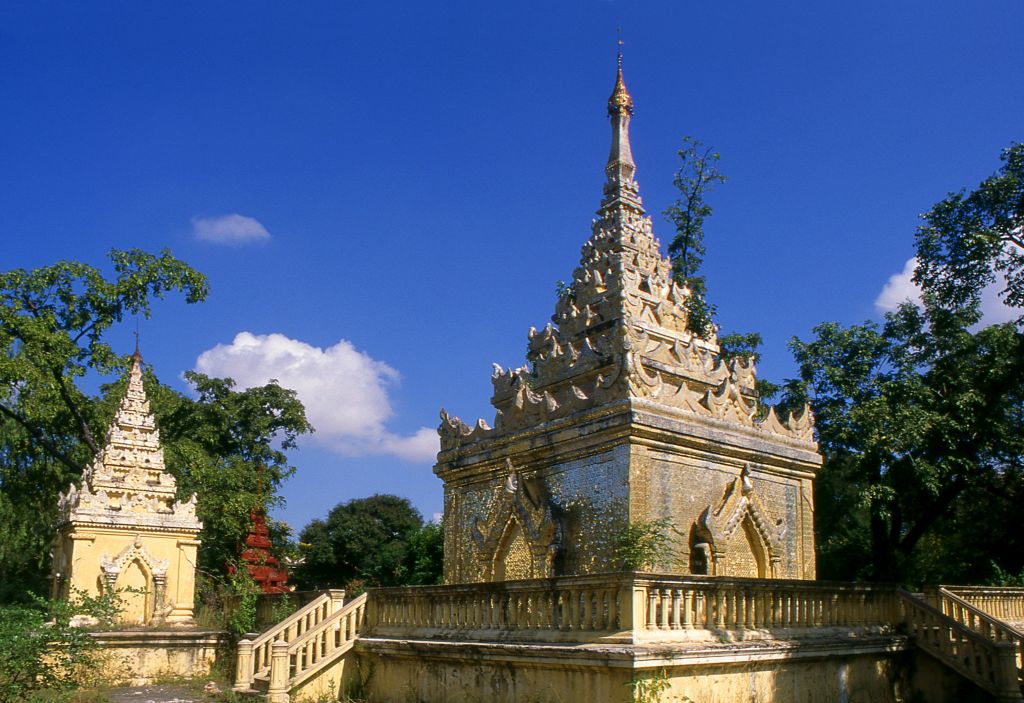
The newly revealed features demonstrate the Konbaung interest in hydraulic engineering. Royal water palaces were important places that served social, religious, and practical purposes for the whole community. Confirmation of this structure as part of a system like this enriches our knowledge of dynasty‑era architecture.
 David Henley/Pictures from History/Universal Images Group via Getty Images)
A Major Challenge For Conservationists
The excavation project is up against multiple challenges: unstable ground that could give way and swallow up people and equipment; geopolitical tensions; and the importance of maintaining the fragile brick foundations. Experts are pushing for heritage protection and even possible UNESCO World Heritage consideration to keep the site from further damage.
Shattering History And Putting It Back Together
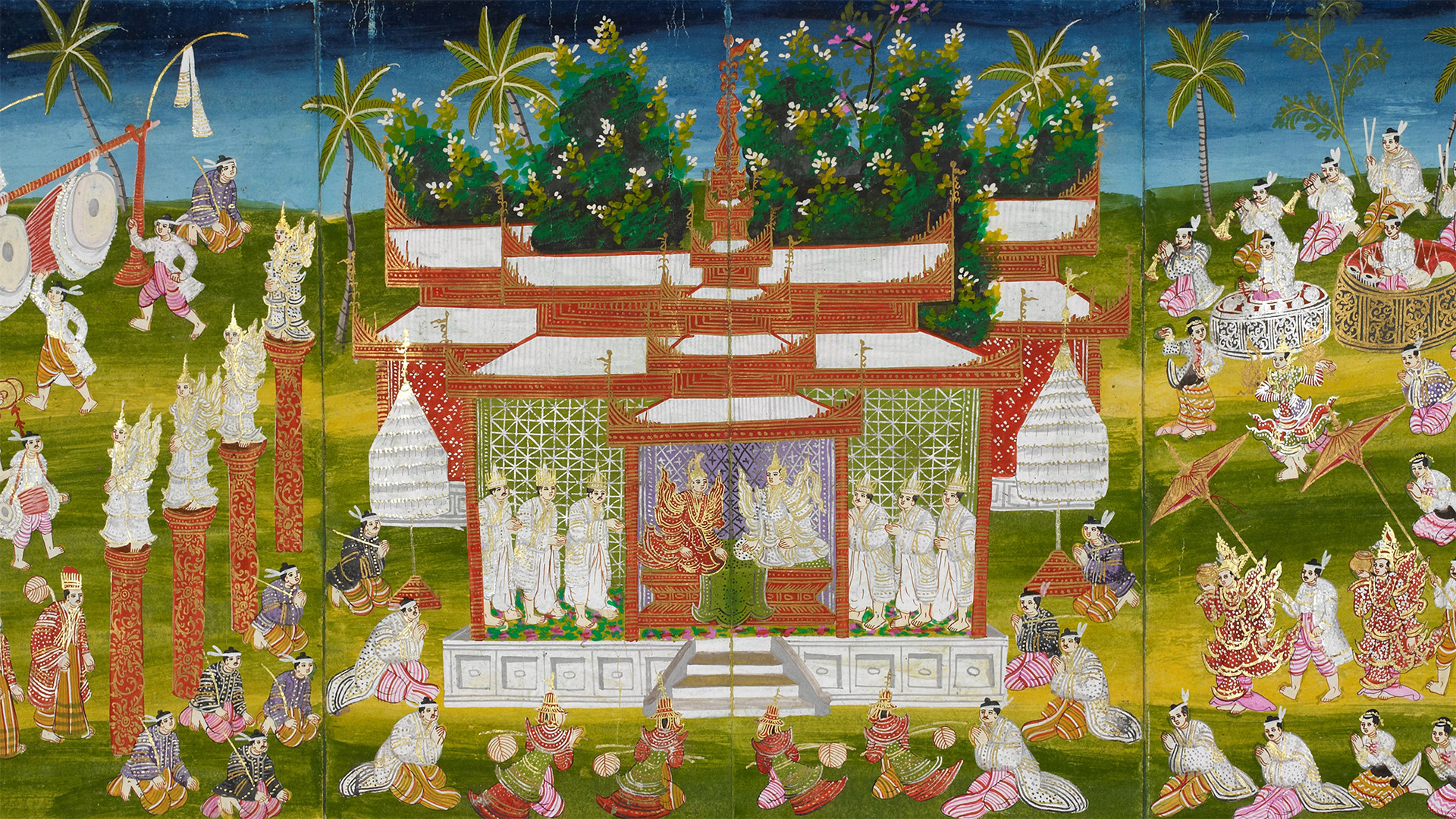
This royal architecture is at some distance away from the previously-known palace sites, suggesting a more decentralized Konbaung governance. Royal mandarins may have maintained seasonal residences or leisure complexes for a relaxing escape from the pressures of life at court. This idea will influence traditional views of royal lifestyles and land use during the reign of dominant kings like Mindon Min and Thibaw.
 Unknown authorUnknown author, Wikimedia Commons
Renewed Public Interest
These excavations have drawn global interest, and they show how natural disasters can suddenly change the course of archaeological discovery by reshaping the landscape. For Myanmar, the find has offered up a symbolic bridge to the glories of the country’s past.
You May Also Like:
Archaeologists discovered an ancient lost city in the tropical paradise of Tonga.
Mind-Blowing Facts From The Depths Of History