The Winners Write The Story
History is full of villains, but not all of them earned their reputations fairly. In some cases, political enemies, propagandists, or later generations exaggerated their crimes or ignored important context. These figures were often flawed, but historians now question whether they truly deserve the infamy attached to their names.
 Joseph Willibrord Mahler, Wikimedia Commons
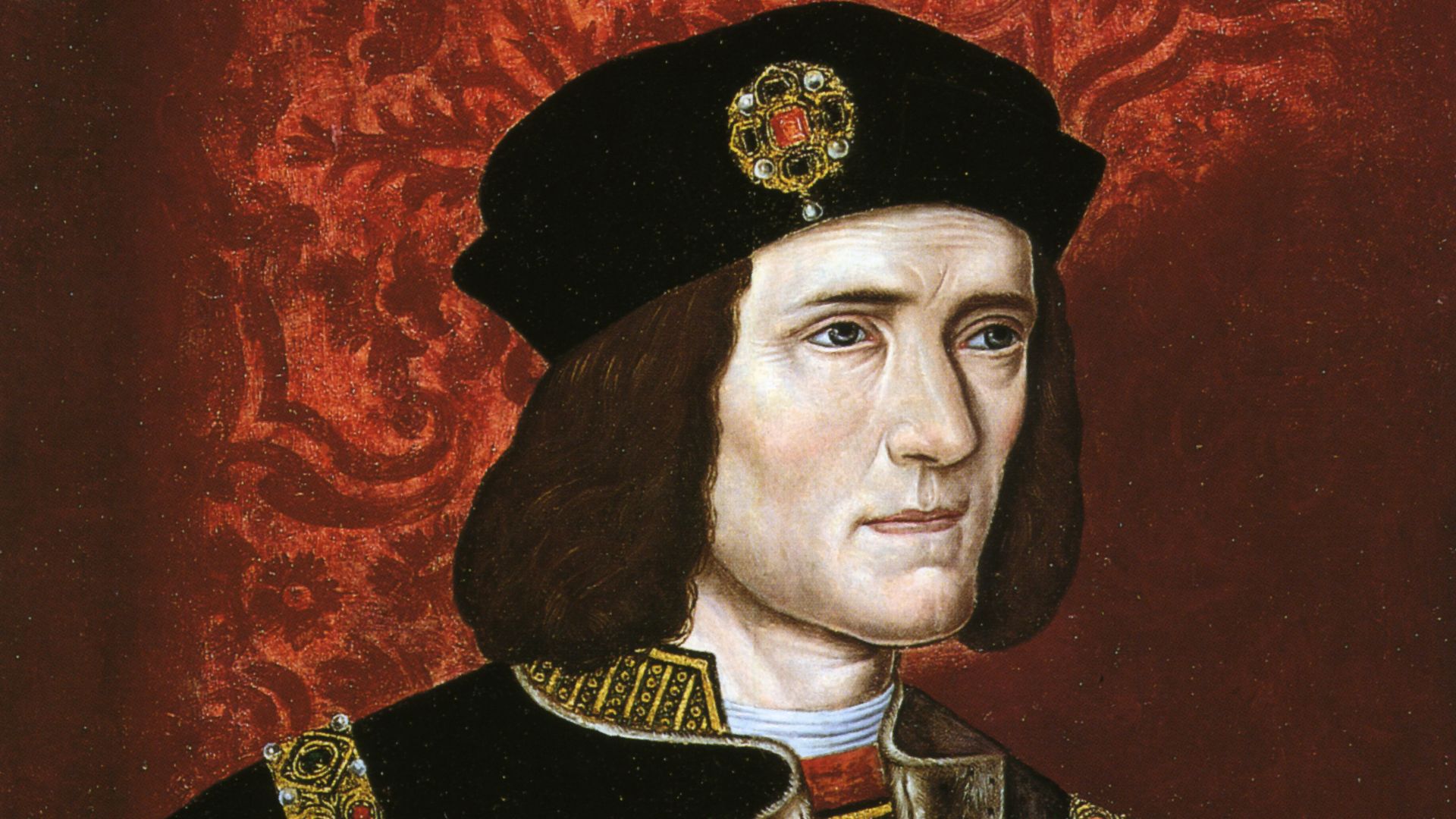
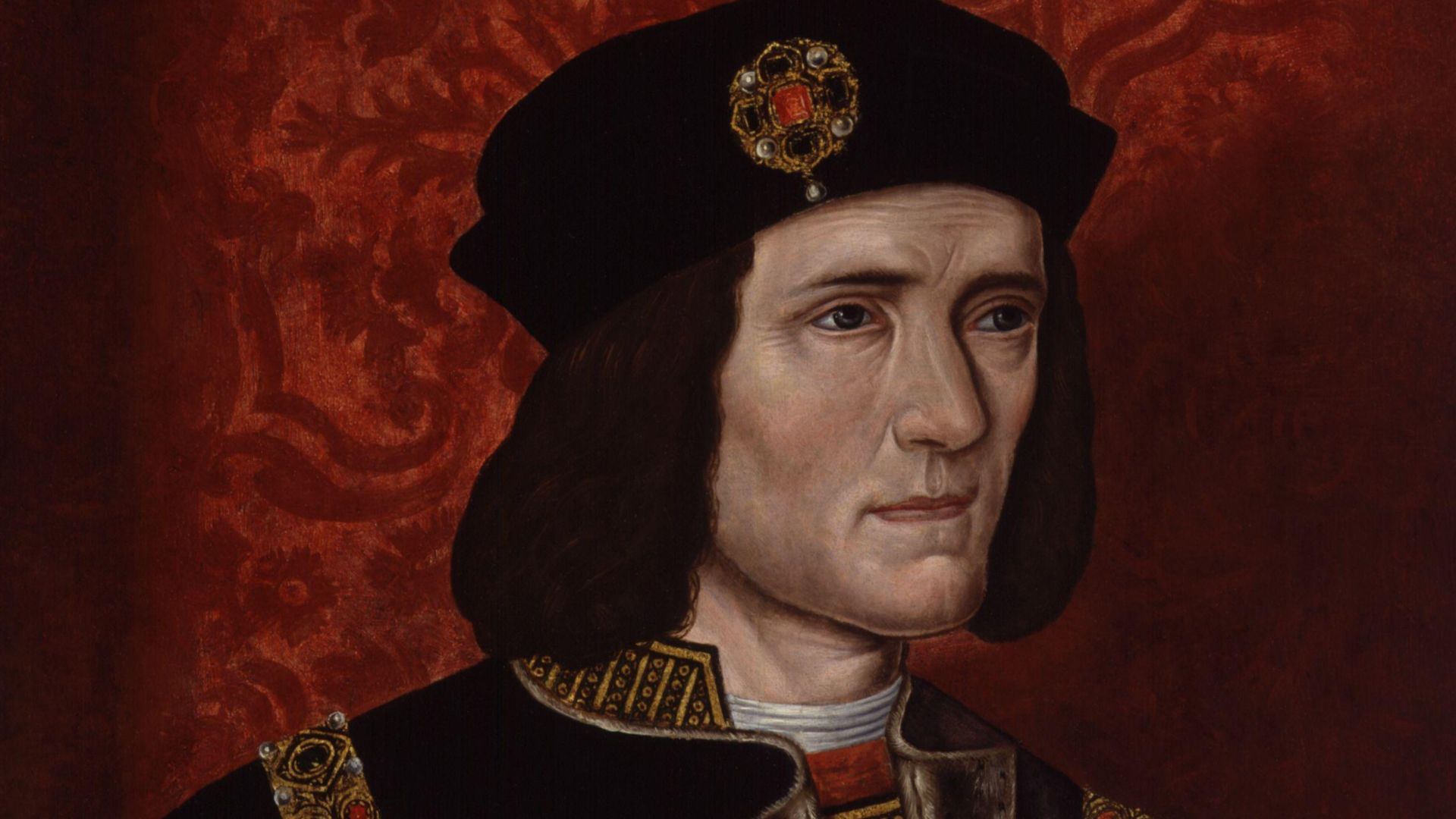
Richard III
For centuries, Richard III was remembered as the murderous hunchback king immortalized by Shakespeare. Modern historians have challenged many of those claims, noting that much of the Tudor-era evidence against him came from the dynasty that overthrew him and had every reason to blacken his name.
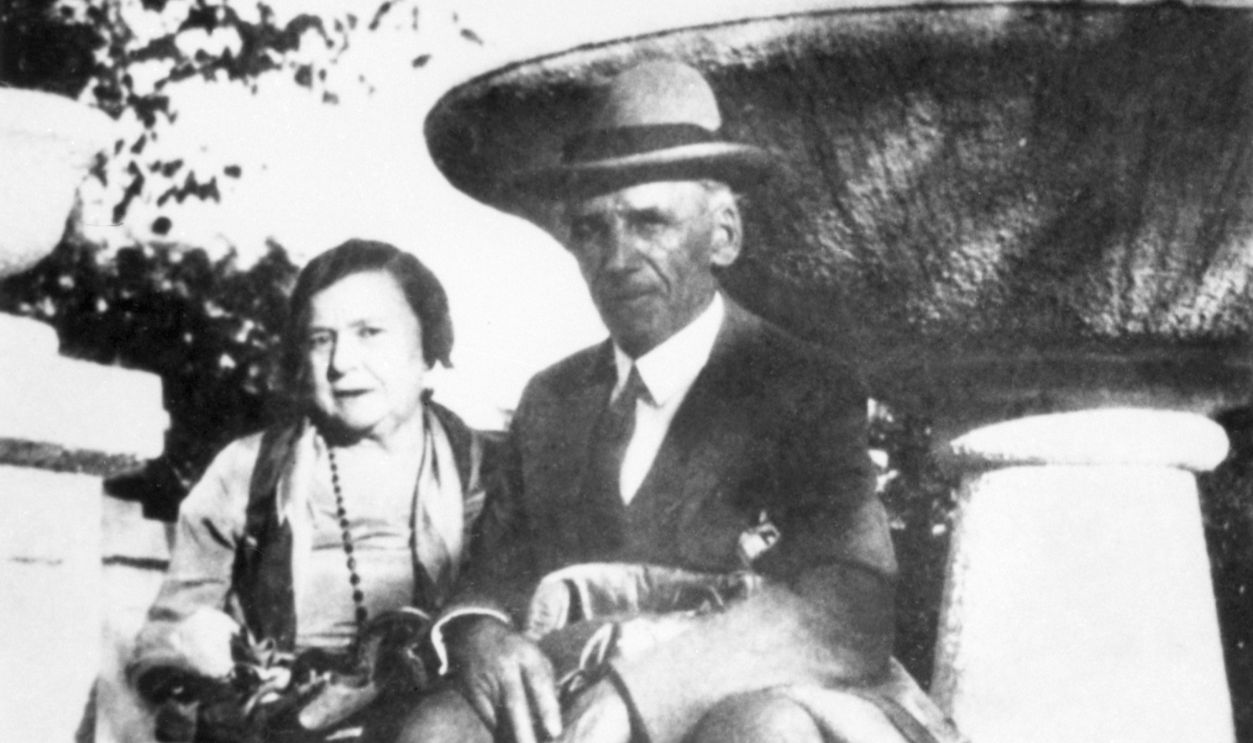
Ma Barker
The FBI portrayed Ma Barker as the criminal mastermind behind the notorious Barker-Karpis Gang. Yet many modern historians argue she was never the gang's leader. Some believe FBI director J. Edgar Hoover exaggerated her role after her death to justify a costly and highly publicized operation.
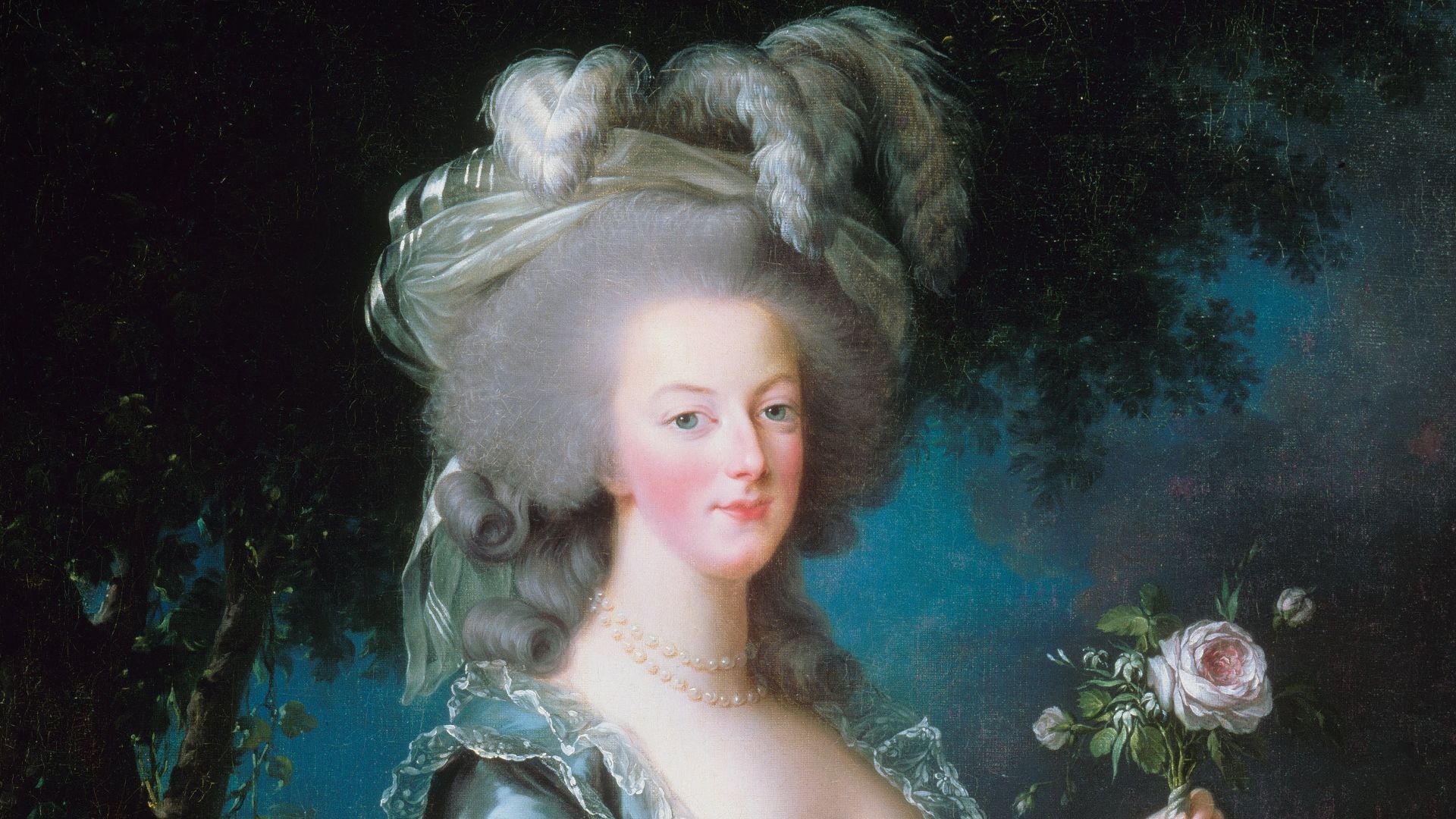
Marie Antoinette
The French queen became a symbol of aristocratic excess during the Revolution. She never actually said, 'Let them eat cake,' and many accusations against her were fabricated or exaggerated by revolutionary propagandists seeking to turn public opinion against the monarchy.
 Elisabeth Louise Vigee Le Brun, Wikimedia Commons

History's most fascinating stories and darkest secrets, delivered to your inbox daily.
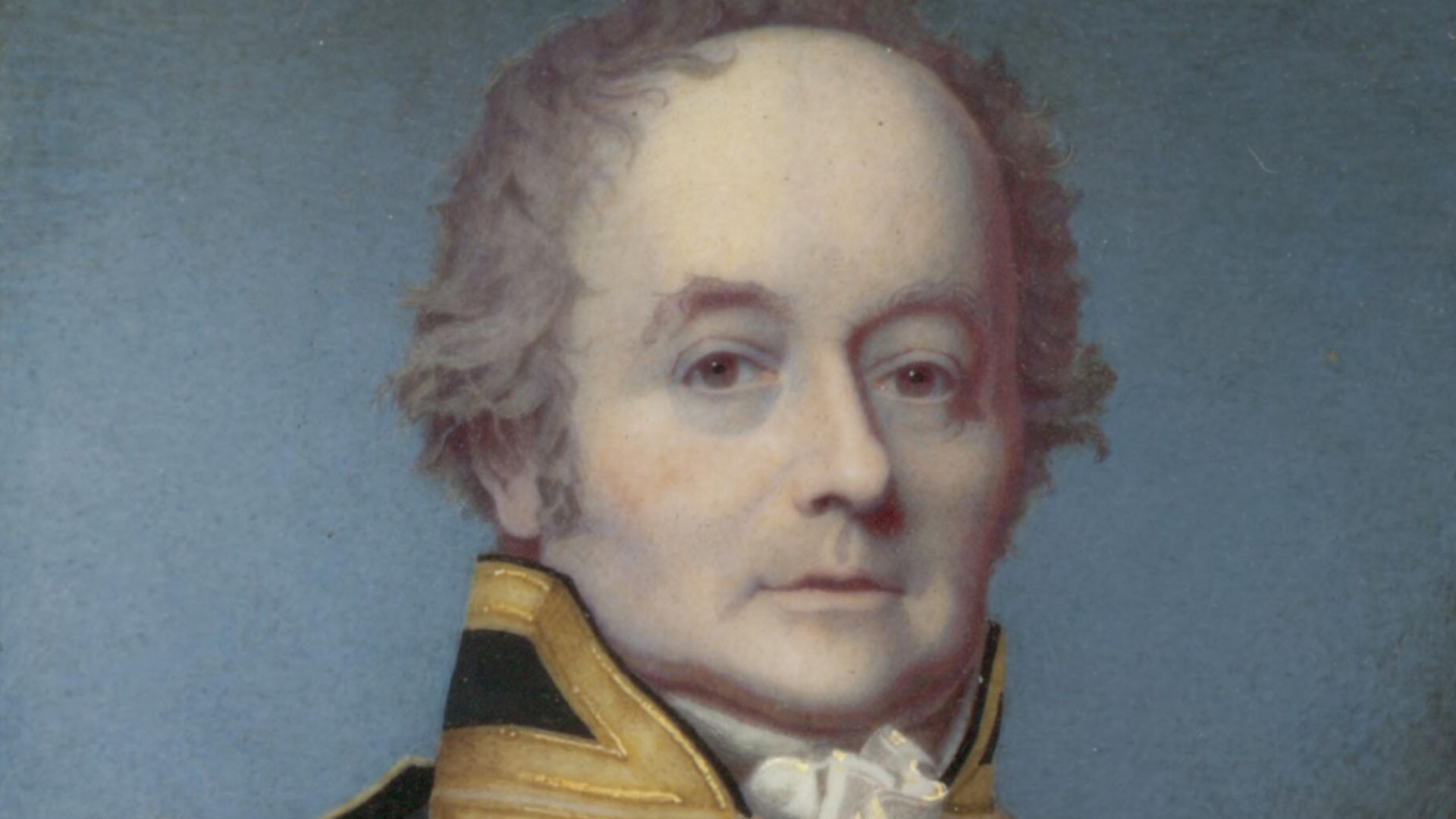
Captain William Bligh
Popular culture remembers Bligh as a tyrannical captain whose cruelty sparked the famous mutiny aboard the Bounty. Surviving records suggest he was often less brutal than many naval commanders of his era, and some historians believe the mutineers were motivated by other factors.
 Alexander Huey, Wikimedia Commons
Caligula
Roman sources portray Caligula as an insane monster who appointed a horse to public office and delighted in cruelty. Most surviving accounts were written by hostile senators after his death, leading historians to question how much of the story reflects reality.
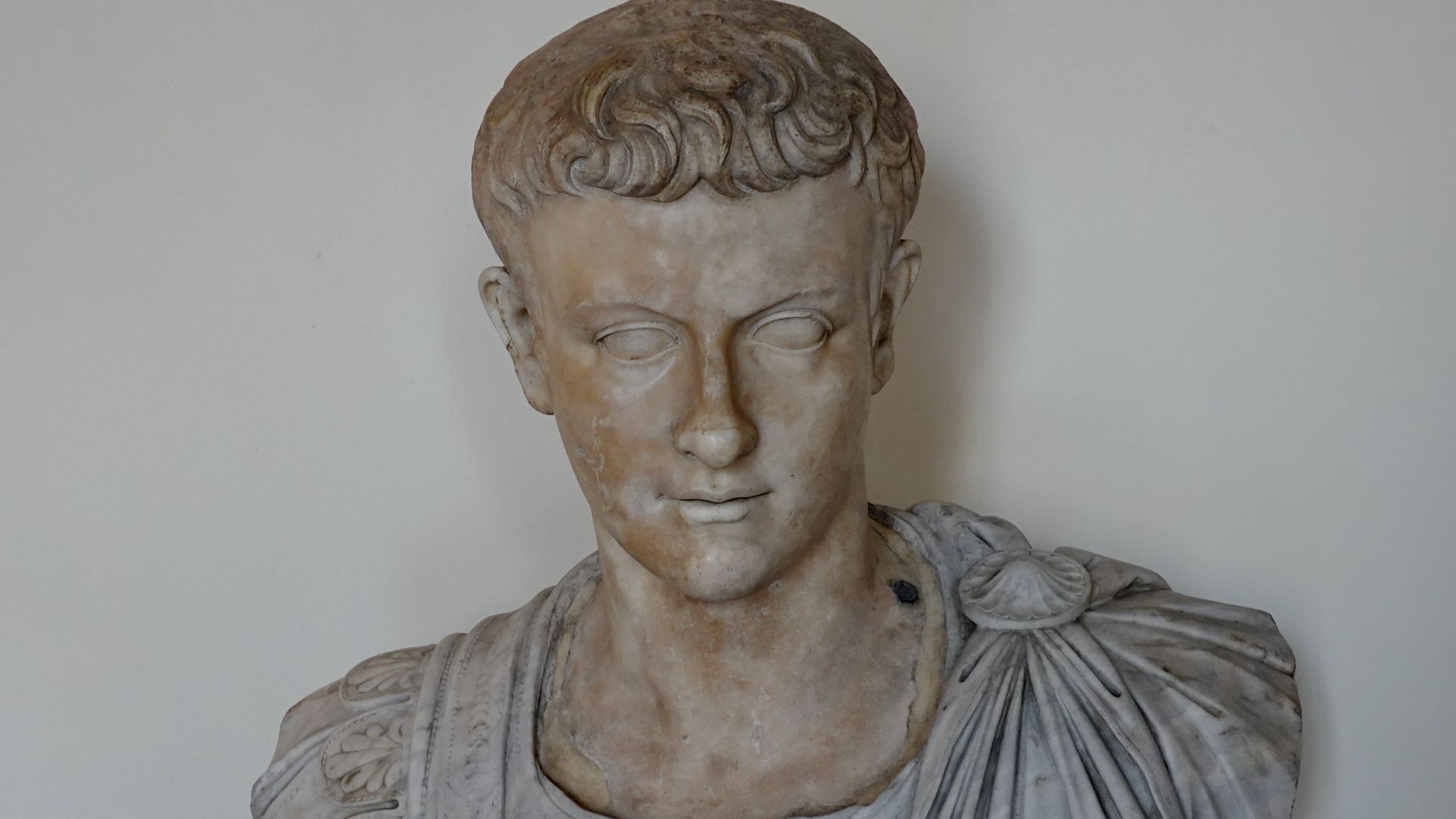 Richard Mortel, Wikimedia Commons
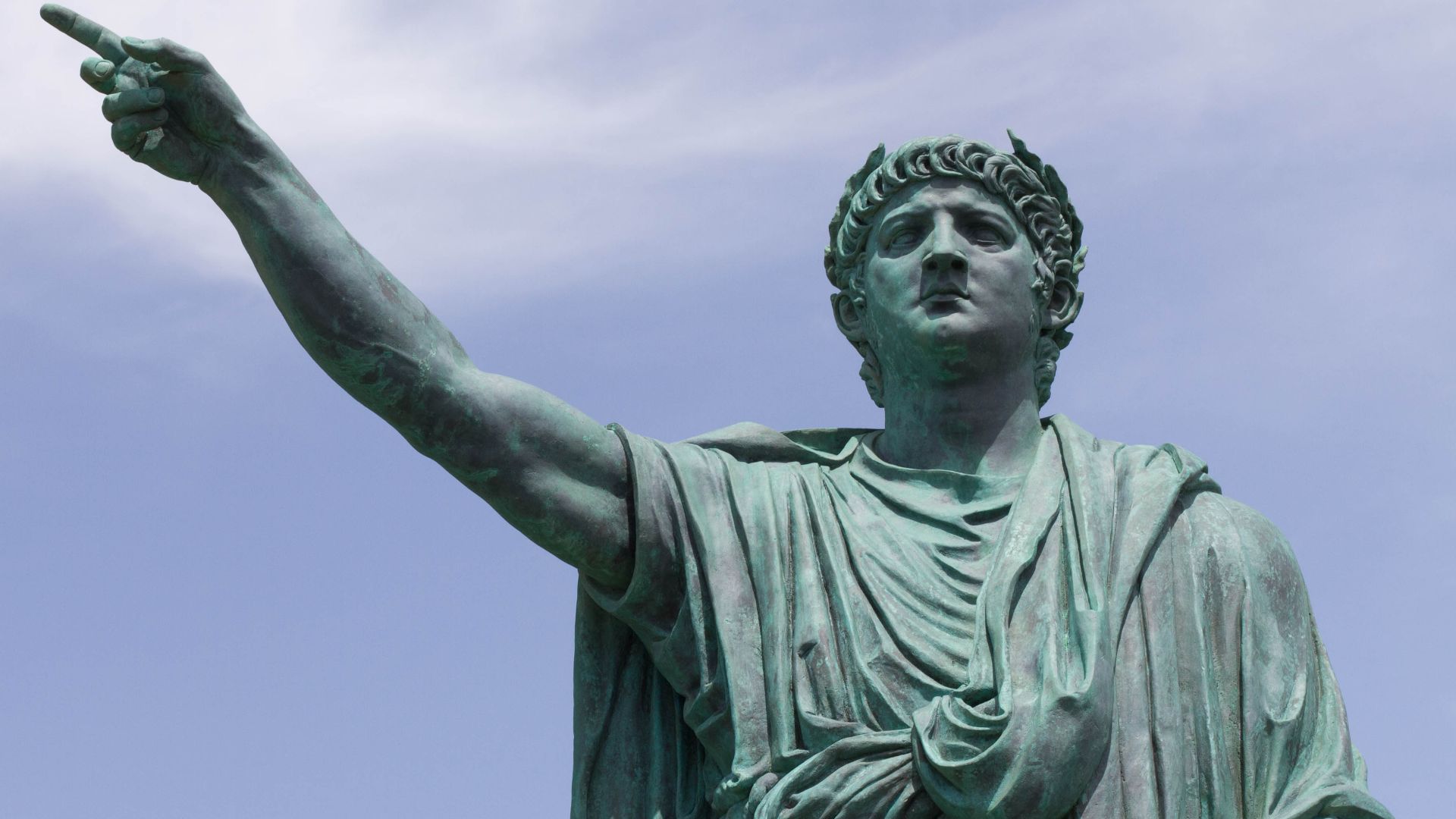
Nero
Nero remains one of history's most infamous emperors, often accused of fiddling while Rome burned. The violin did not exist in his time, and modern scholars note that many stories about Nero originated from enemies who wrote after his downfall.
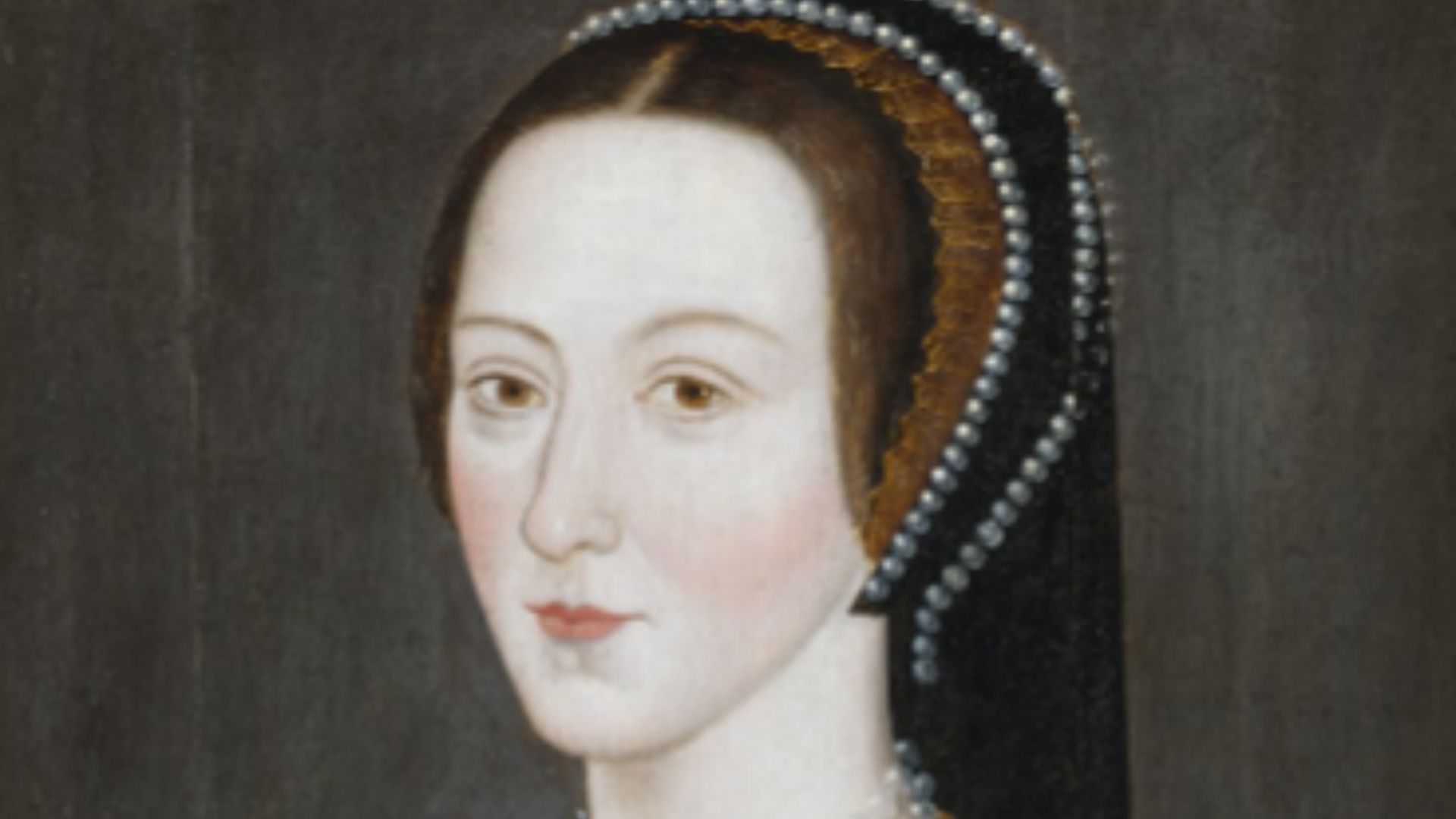
Anne Boleyn
Henry VIII's second wife was executed for adultery, incest, and treason. Most modern historians consider the charges highly questionable. Many believe Anne became the victim of political maneuvering after losing favor with a king desperate for a male heir.
King John
England's King John is remembered as the villainous ruler of Robin Hood legends. While certainly unpopular, much of his modern reputation stems from medieval chroniclers and later storytellers who amplified his failures while overlooking the difficult circumstances he inherited.
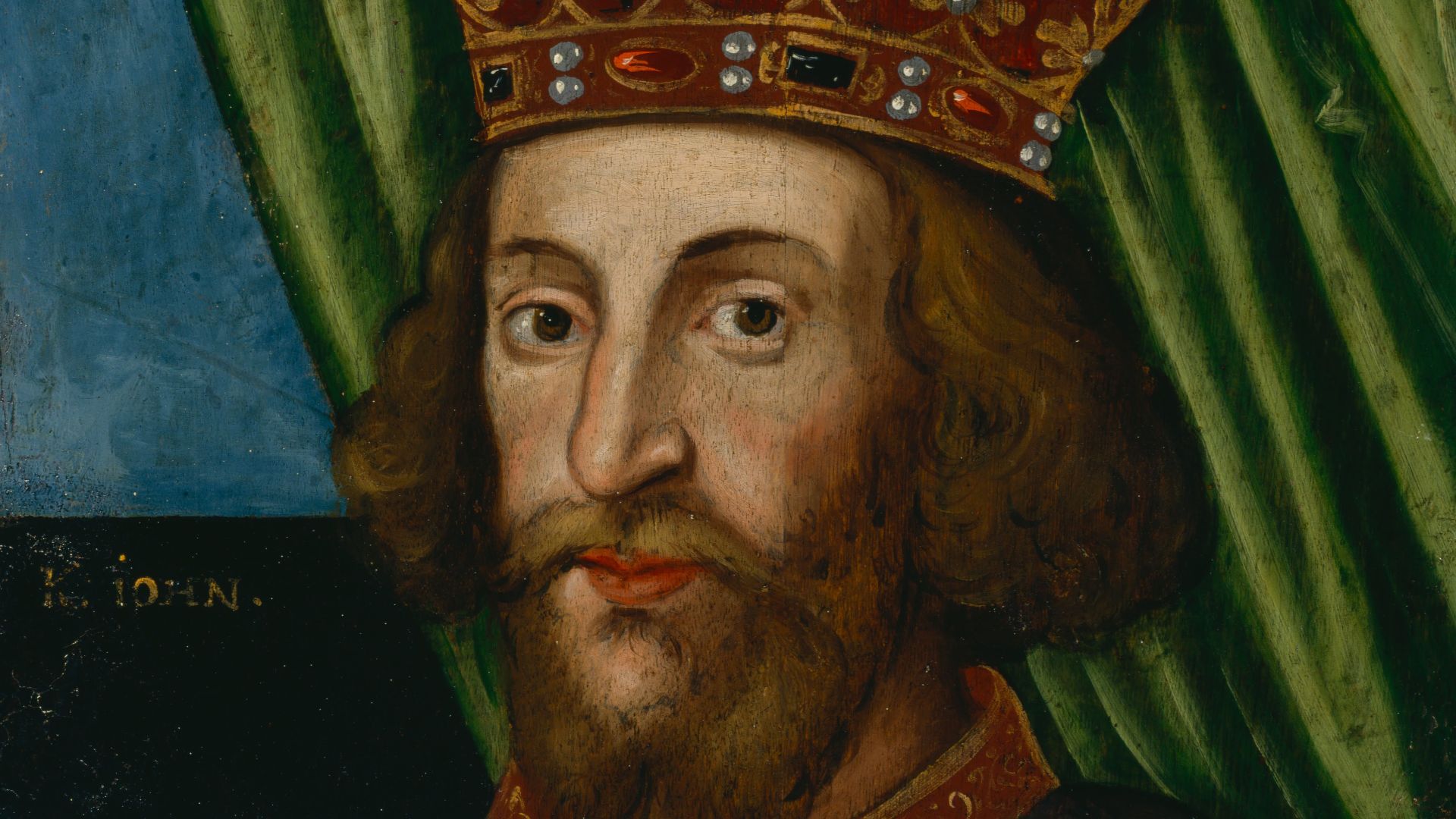 British School – School Details on Google Art Project, Wikimedia Commons
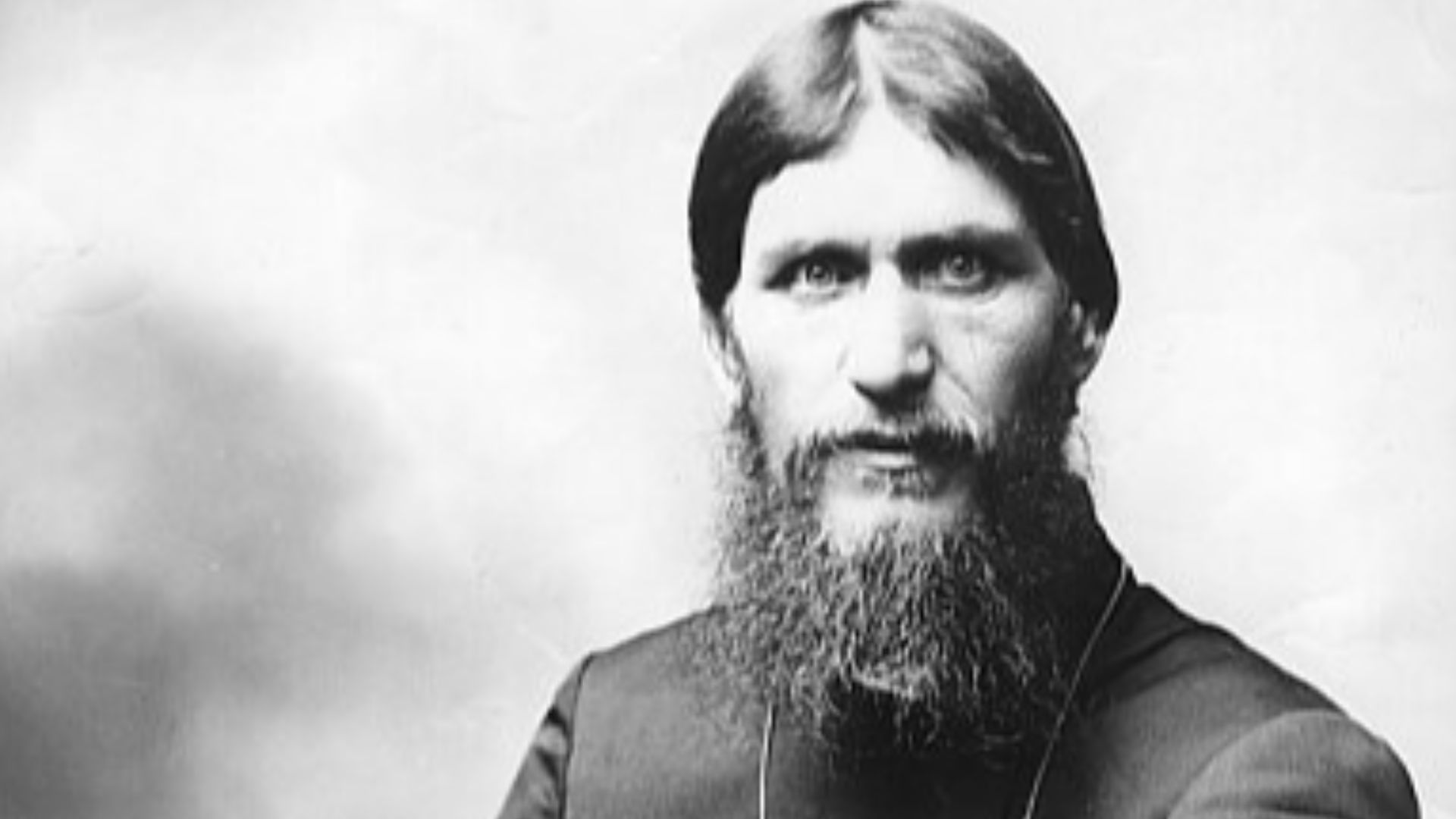
Grigori Rasputin
Rasputin became synonymous with corruption and sinister influence in imperial Russia. While he undoubtedly enjoyed access to the royal family, historians continue to debate how much actual political power he wielded compared to the exaggerated image promoted by his enemies.
History's most fascinating stories and darkest secrets, delivered to your inbox daily.
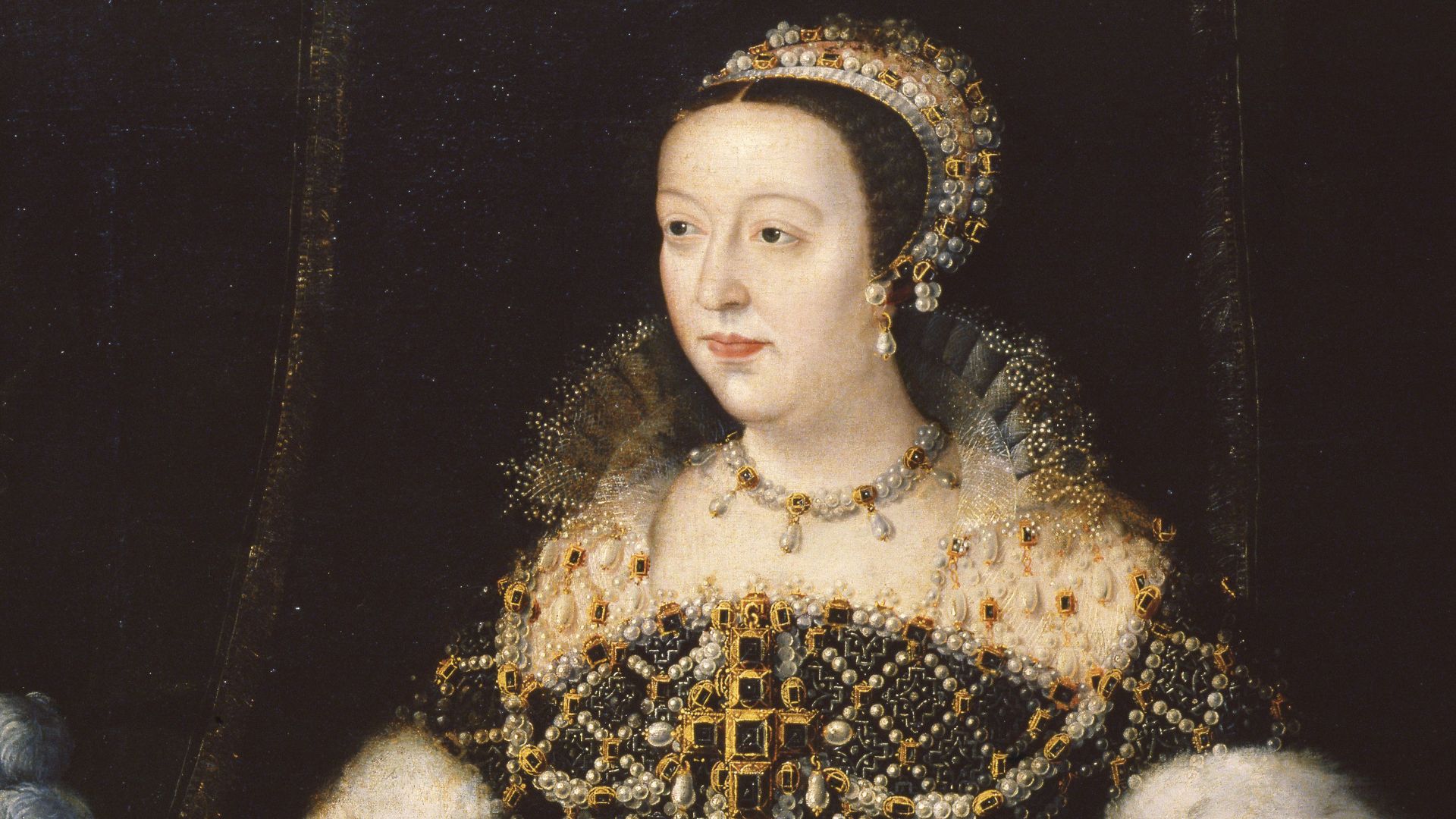
Catherine De Medici
For generations, Catherine de Medici was depicted as a scheming poisoner responsible for countless political murders. Recent scholarship paints a more complex picture of a ruler attempting to navigate one of the most violent periods in French history.
 Attributed to Germain Le Mannier, Wikimedia Commons
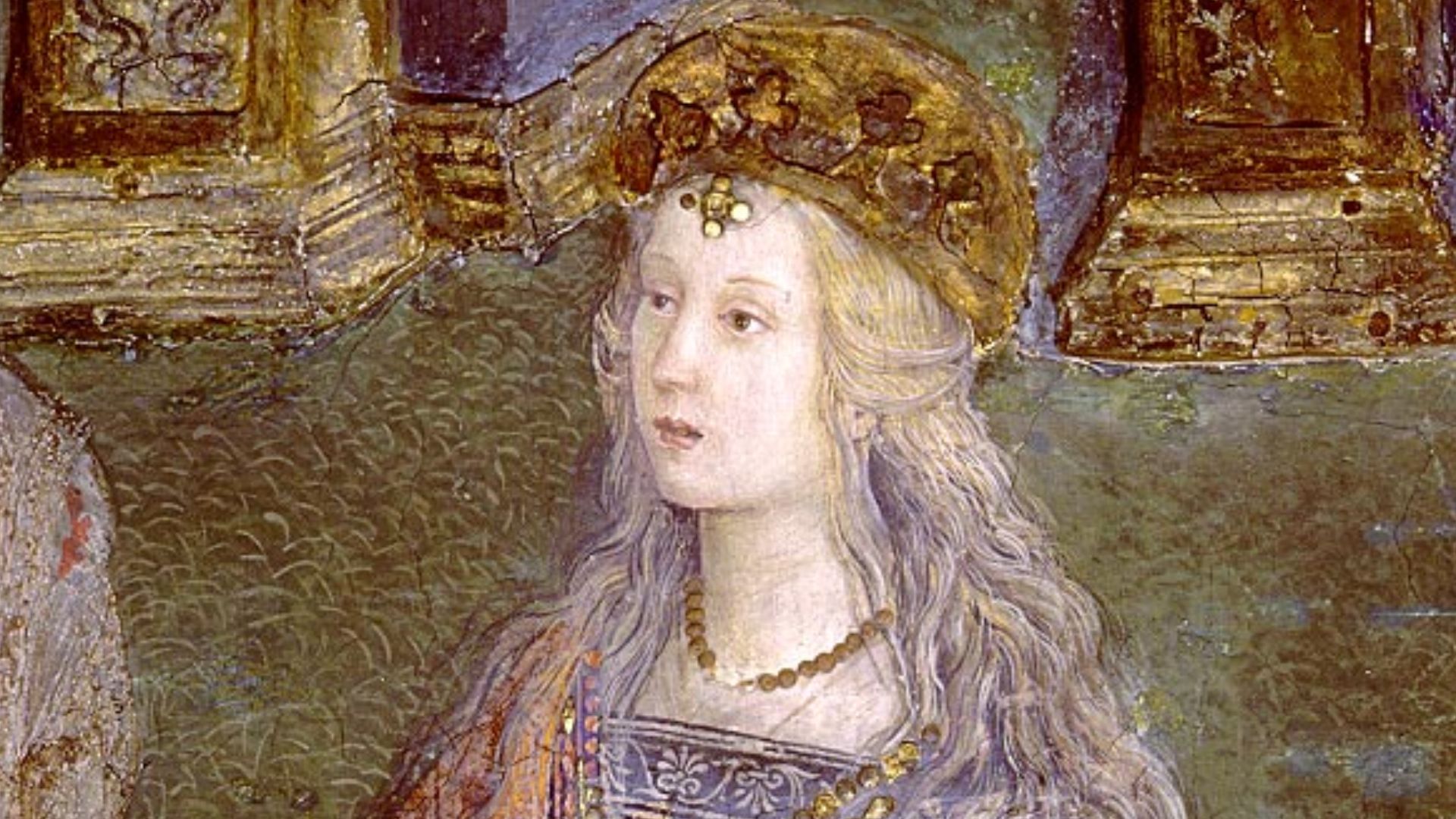
Lucrezia Borgia
The Borgia name became synonymous with treachery, murder, and poison. Yet many of the lurid stories surrounding Lucrezia originated from rival political factions. Modern historians often view her more as a pawn in family politics than a criminal mastermind.
 The original uploader was Phrood at German Wikipedia., Wikimedia Commons
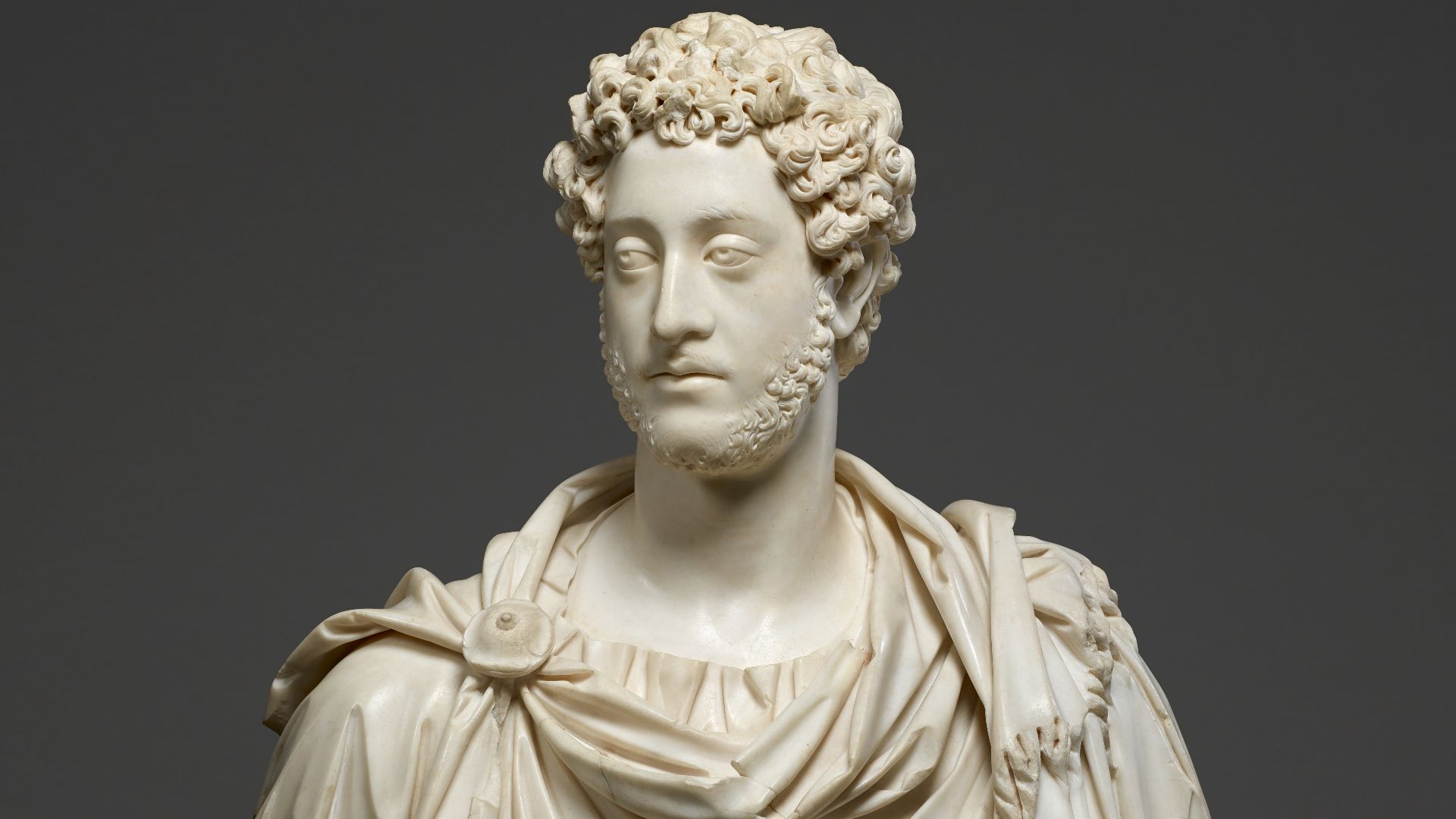
Emperor Commodus
Commodus is frequently portrayed as the deranged villain seen in popular films. While he was a controversial ruler, many surviving accounts were written by senators who despised him. Historians caution that those sources may exaggerate his failures and eccentricities.
 J. Paul Getty Museum, Wikimedia Commons
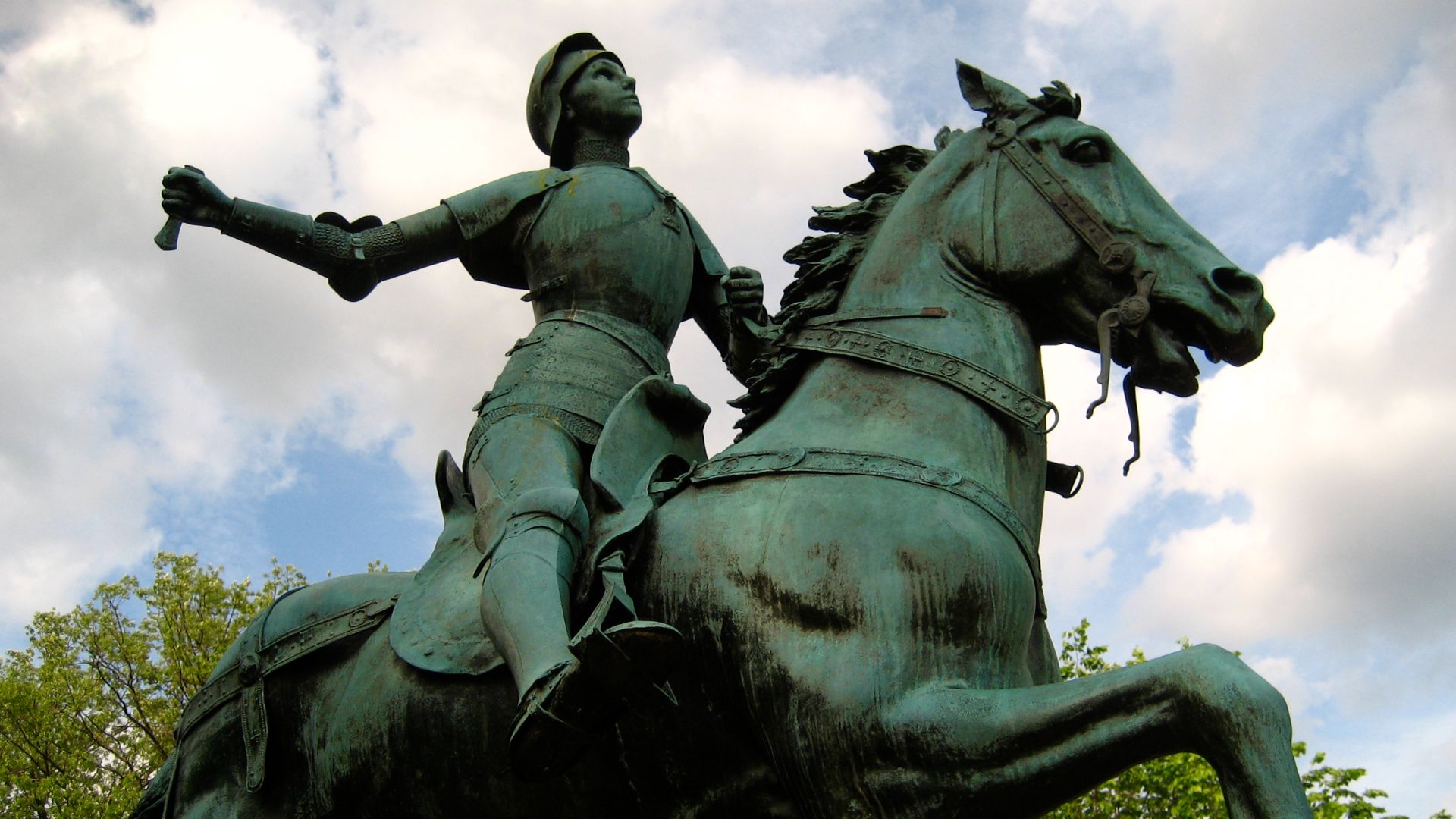
Joan Of Arc's Judges
When Joan of Arc was executed, church authorities condemned her as a heretic. A later investigation overturned the verdict and declared the trial fundamentally flawed. Today she is revered as a saint, illustrating how dramatically historical reputations can change.
 Timothy Vollmer, Wikimedia Commons
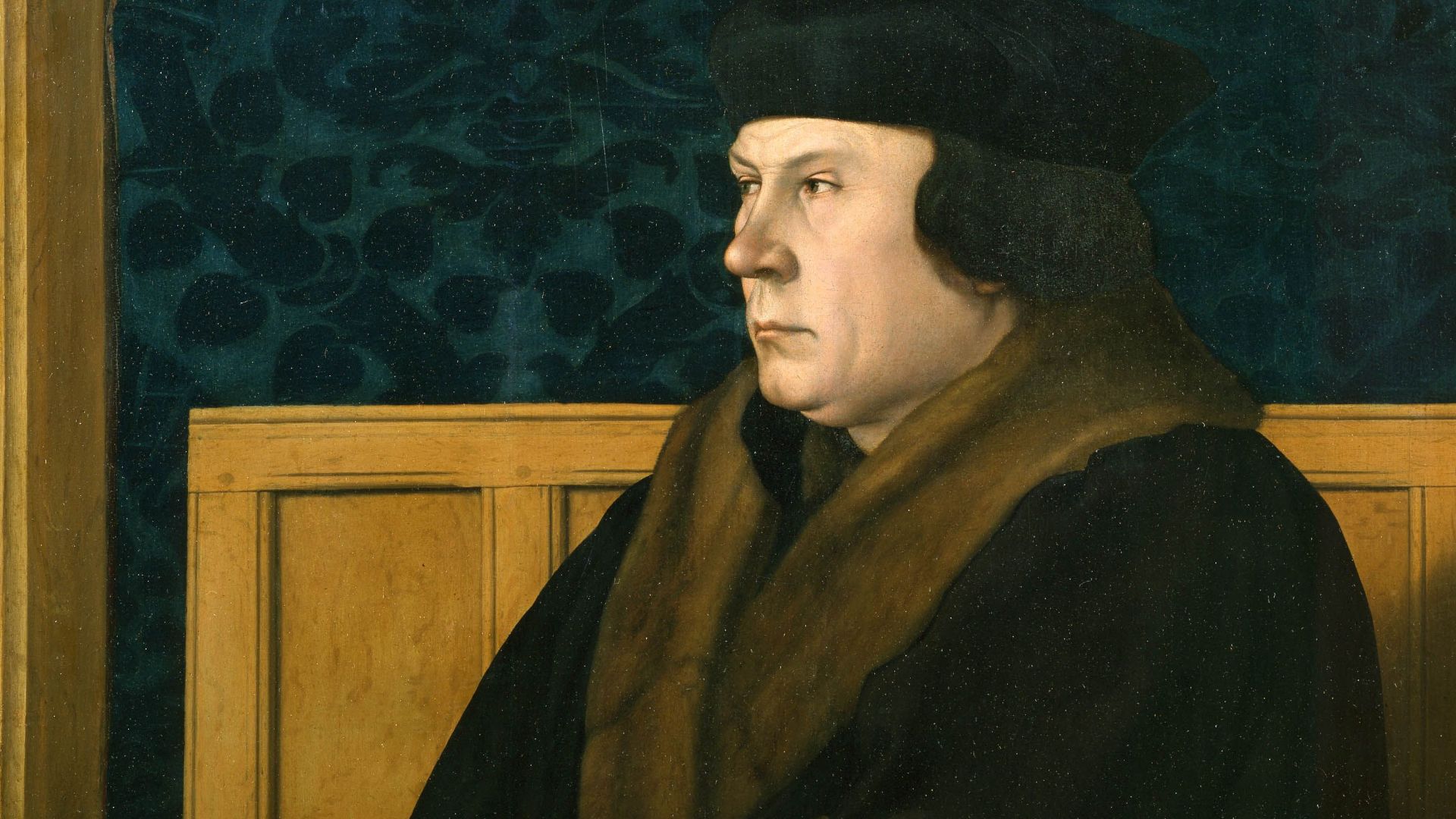
Thomas Cromwell
For centuries, Cromwell was remembered as a ruthless political operator who destroyed opponents without mercy. Recent historians have emphasized his administrative brilliance and suggest that some of his darkest portrayals originated from hostile contemporary accounts.
 Hans Holbein the Younger, Wikimedia Commons
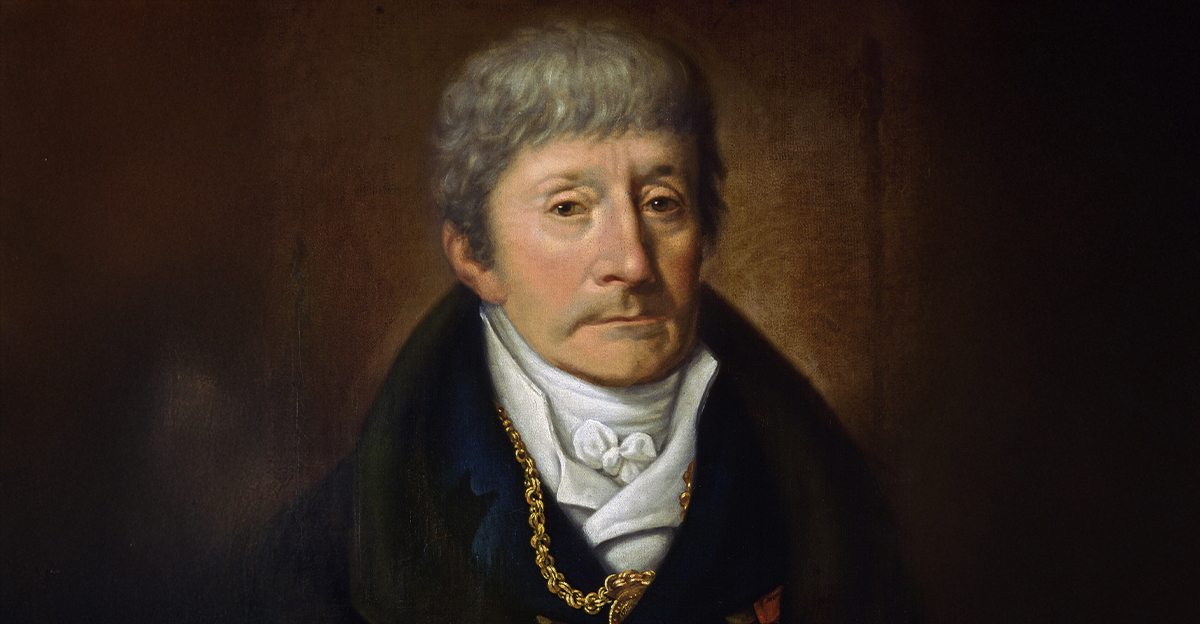
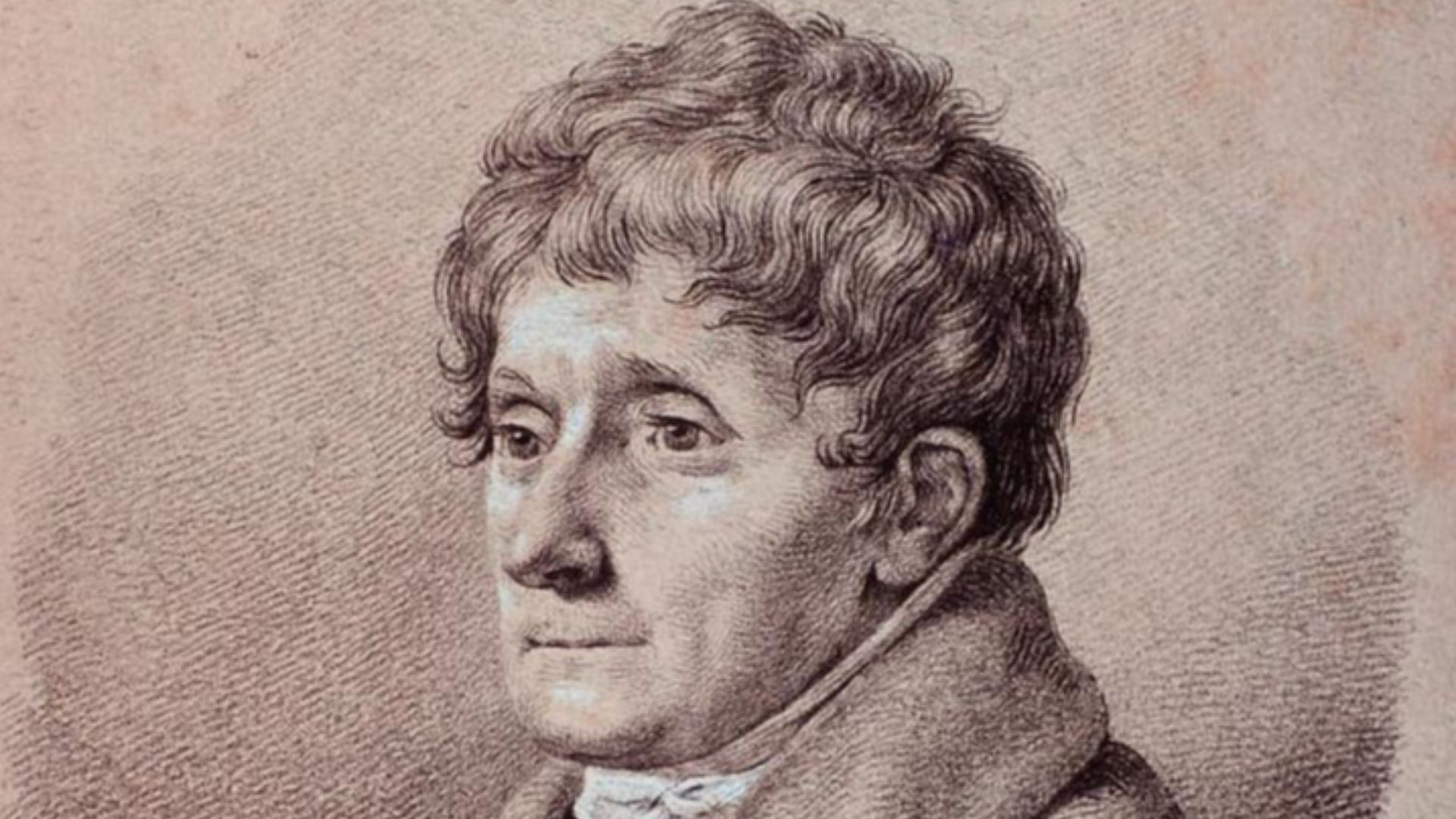
Salieri
Antonio Salieri's reputation suffered enormously because of the persistent myth that he murdered Mozart. There is no credible evidence supporting the claim. The story gained popularity through literature and film rather than through documented historical fact.
History's most fascinating stories and darkest secrets, delivered to your inbox daily.
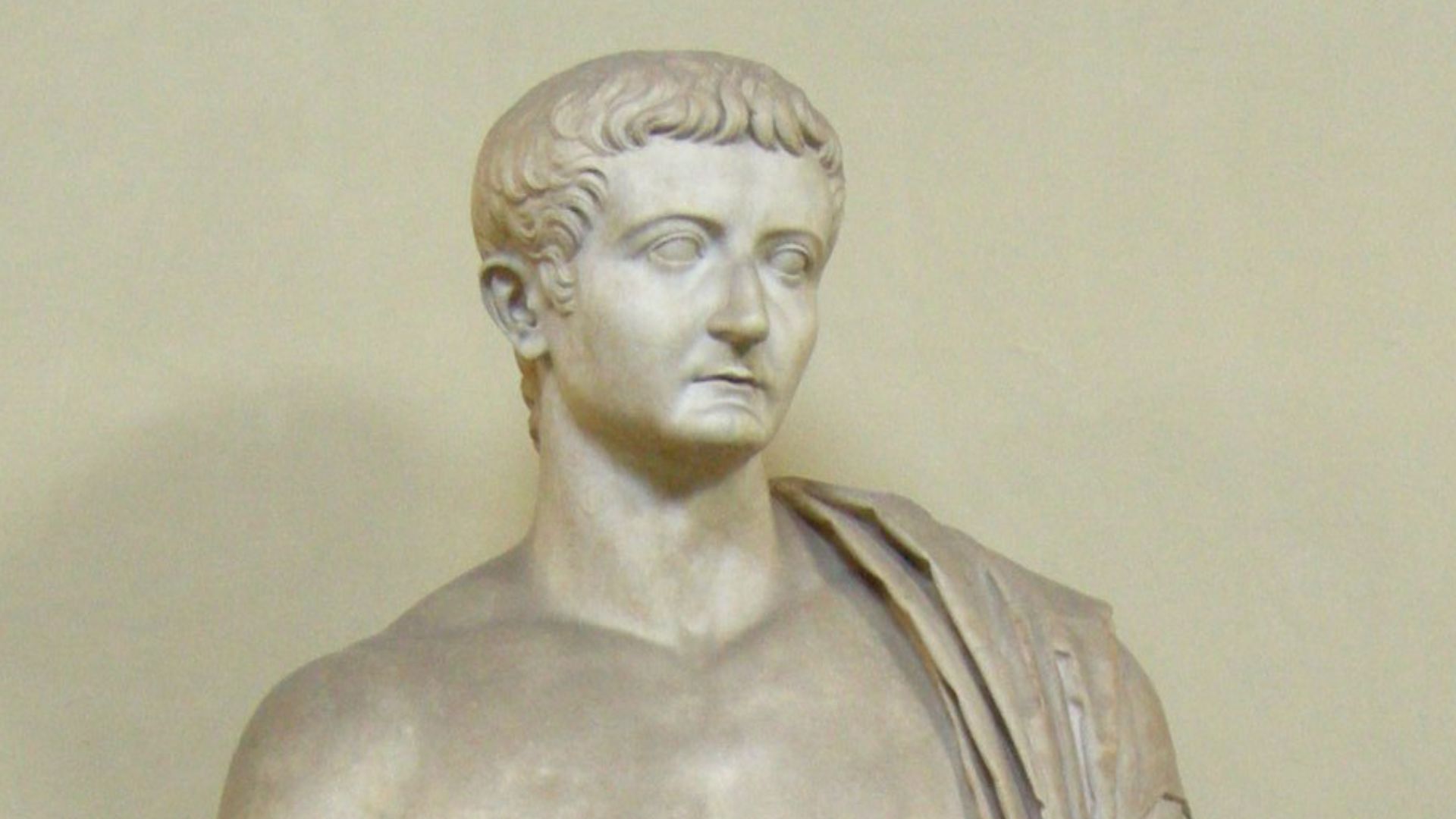
Emperor Tiberius
Ancient writers described Tiberius as a depraved tyrant who indulged in bizarre excesses. Much of that depiction comes from authors who wrote long after his death. Historians remain divided over whether the sensational stories can be trusted.
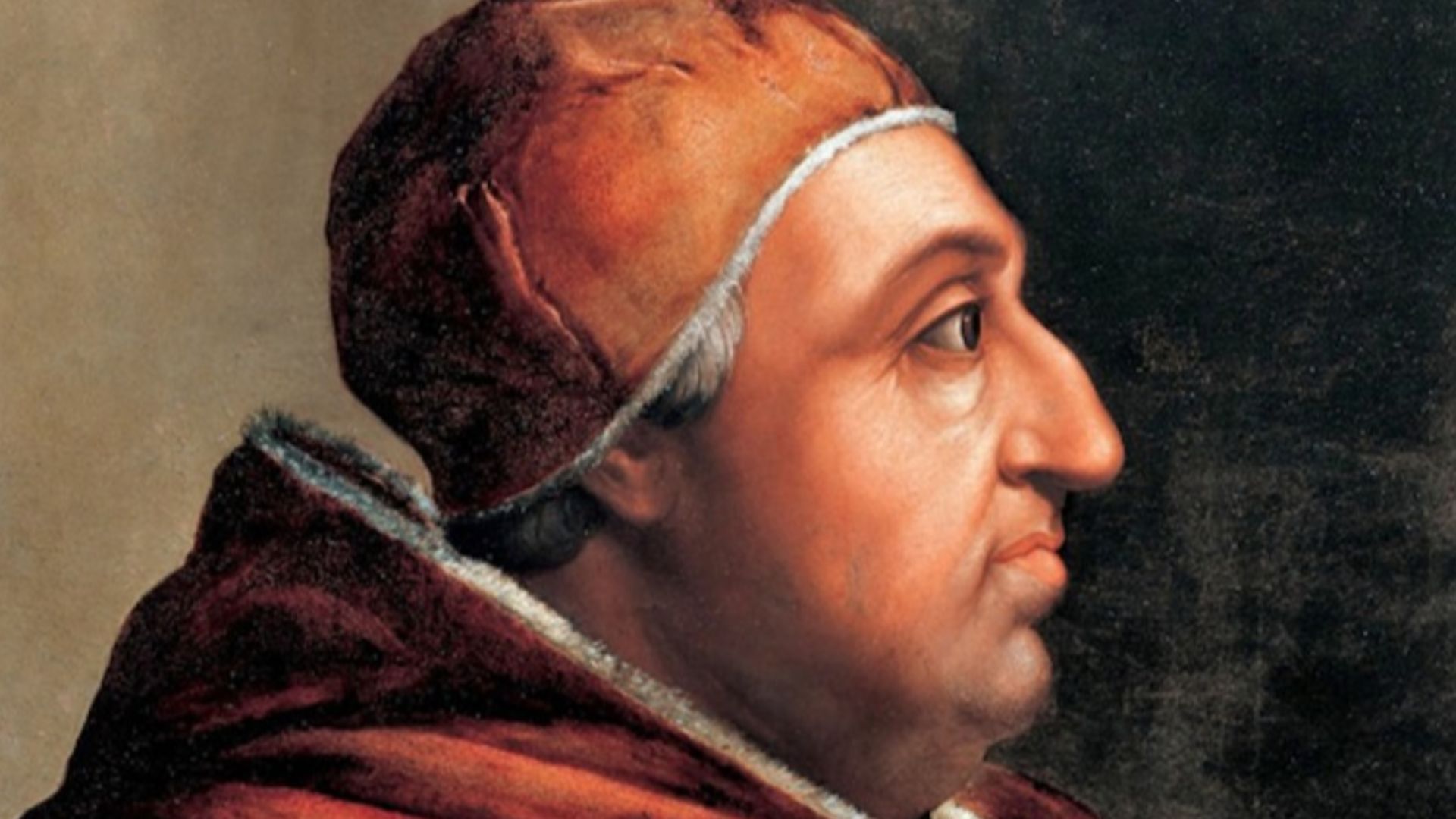
Pope Alexander VI
Rodrigo Borgia's papacy remains infamous for corruption and nepotism. While many criticisms are justified, historians note that some of the more outrageous accusations originated from political enemies eager to discredit both him and his family.
 Cristofano dell'Altissimo, Wikimedia Commons
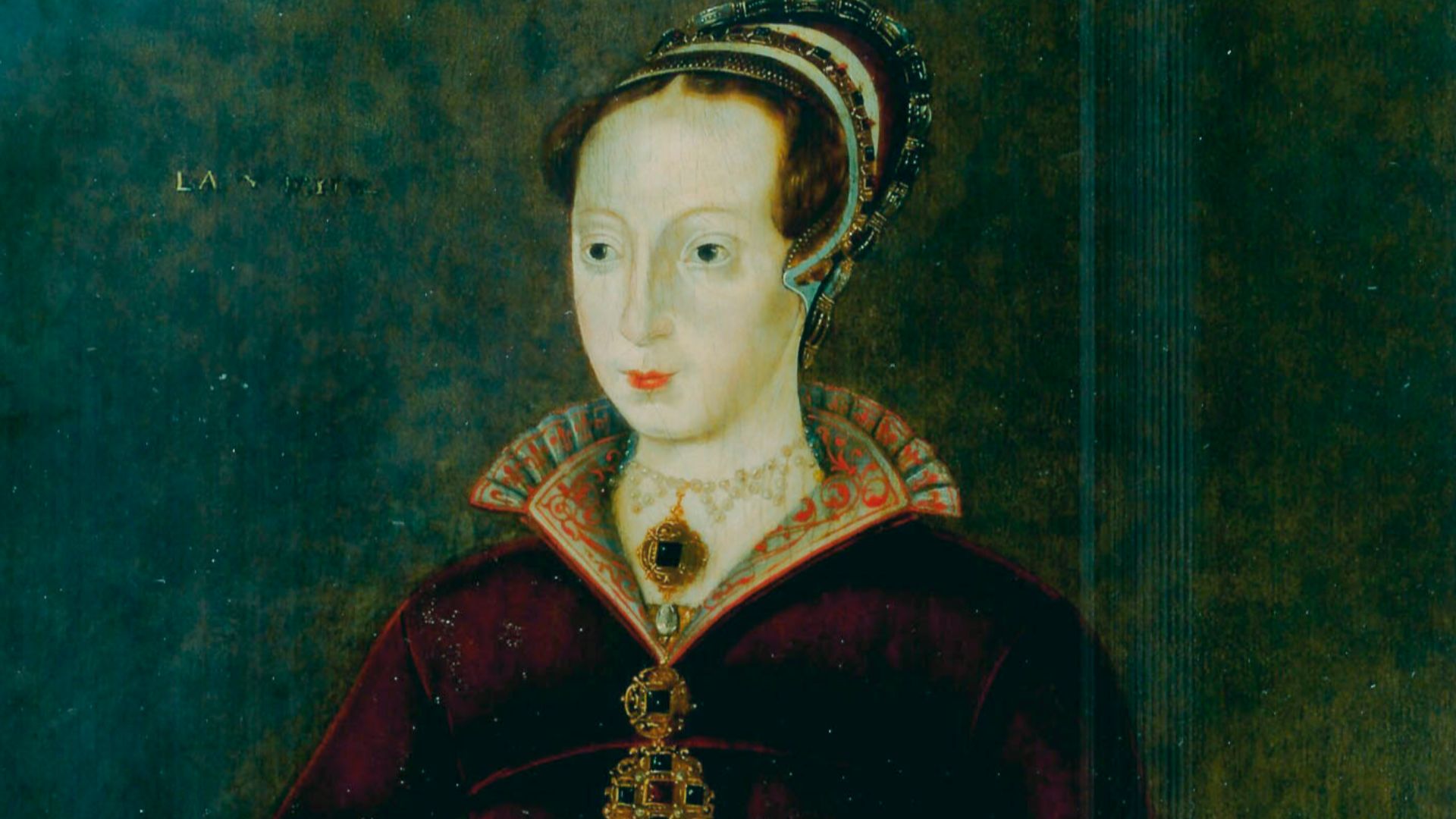
Lady Jane Grey
The 'Nine Days' Queen' has traditionally been portrayed as a willing participant in a power grab. Modern historians often see her as a teenager manipulated by powerful relatives who placed her in an impossible political situation.
 Unknown authorUnknown author, Wikimedia Commons
Mary Mallon
Known as 'Typhoid Mary,' Mallon became one of America's most notorious public health villains. Historians point out that other asymptomatic carriers existed, but none received the same treatment, raising questions about how much prejudice shaped her reputation.
![Mary Mallon in a hospital bed. She was forcibly quarantined as a carrier of typhoid fever in 1907 for three years and then again from 1915 until her death in 1938. Image source: [1], where it is credited to the June 20, 1909 issue of The New York America](https://www.factinate.com/storage/app/media/factinate/2026/6/3/1780485616b35860ba18e2f80c8f95755e4f5012fcc399eea8.jpg) UnknownUnknown , Wikimedia Commons
UnknownUnknown , Wikimedia Commons
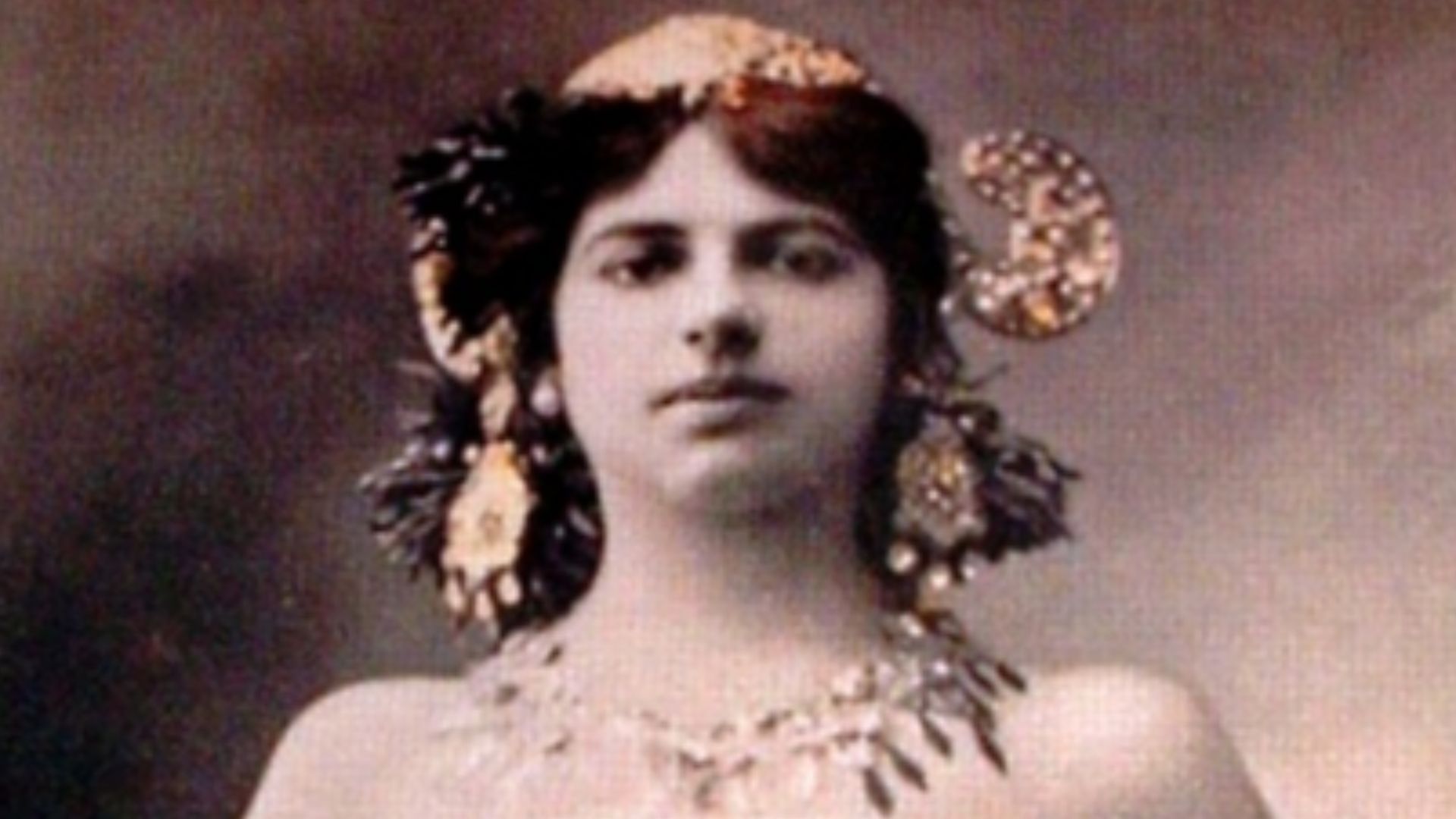
Mata Hari
The exotic dancer was executed by France during World War I for espionage. Modern evidence suggests she was likely a marginal intelligence asset at best. Many historians believe French authorities exaggerated her threat to justify their calamitous military failures.
 Unknown authorUnknown author, Wikimedia Commons
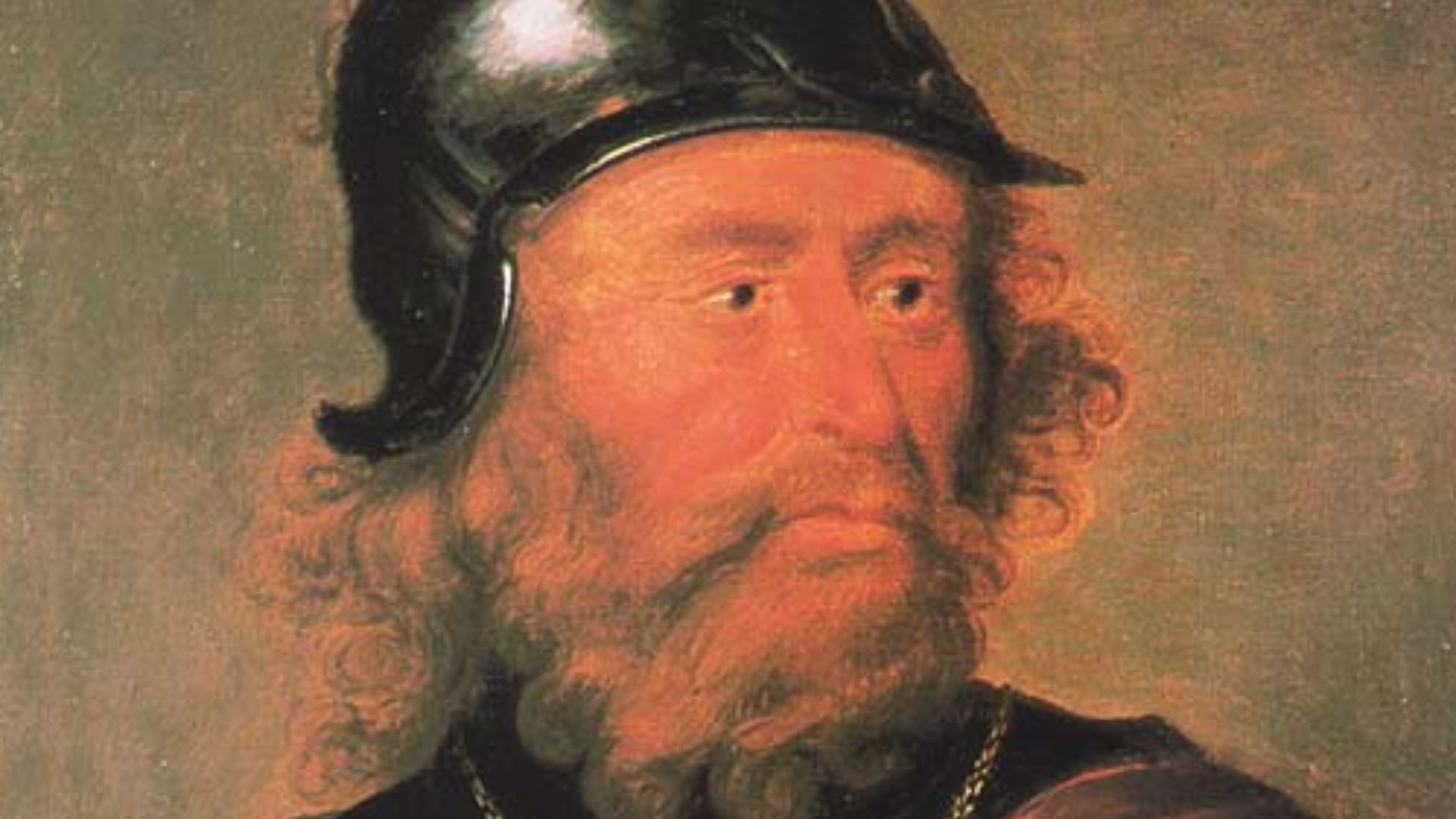
Robert The Bruce
English chroniclers often portrayed Robert the Bruce as a rebellious traitor and opportunist. Scottish sources paint a very different picture. His reputation demonstrates how historical judgment often depends on which side ultimately tells the story.
History's most fascinating stories and darkest secrets, delivered to your inbox daily.
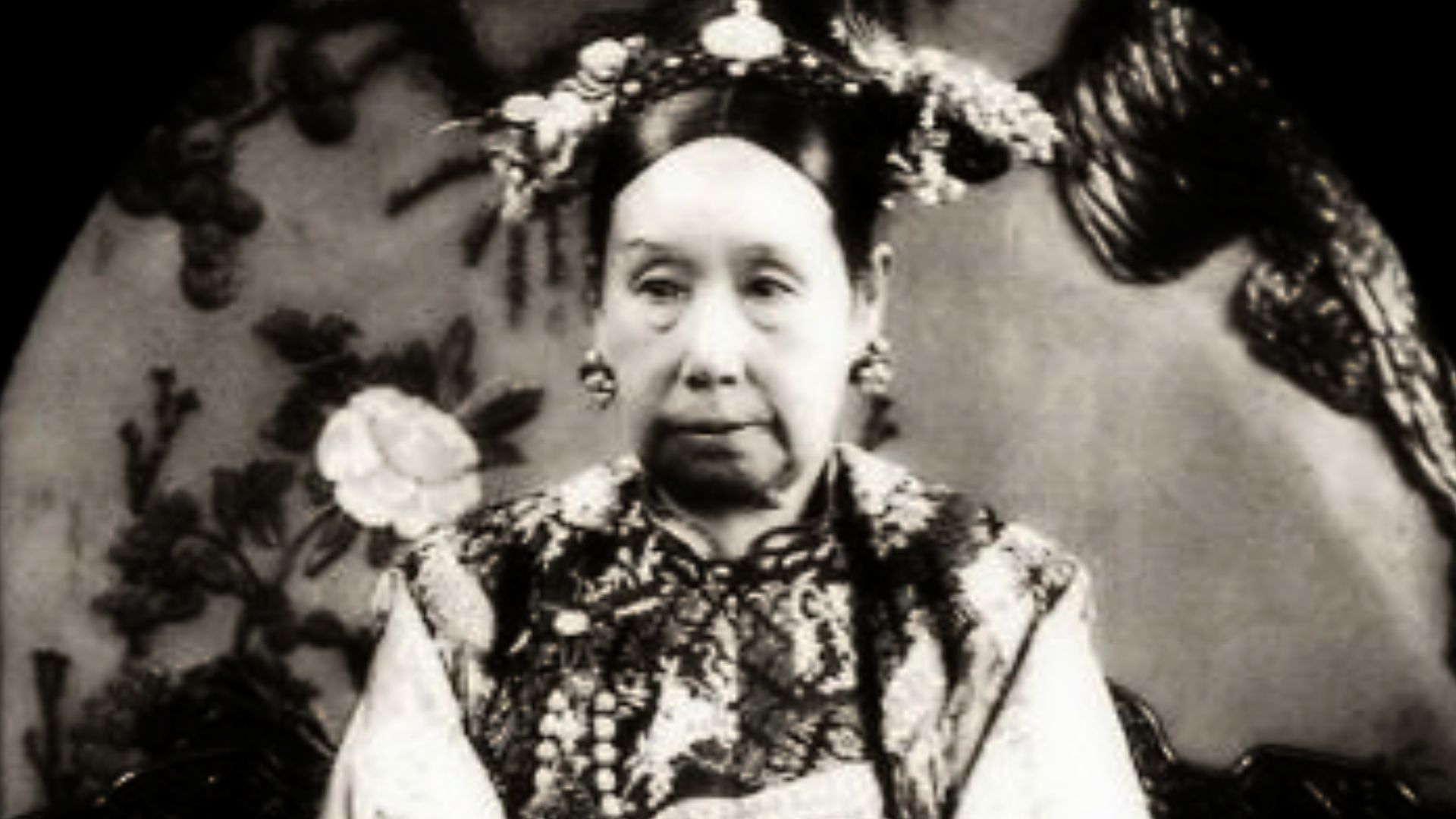
Empress Dowager Cixi
For decades, Cixi was blamed for China's decline and portrayed as selfish and incompetent. Recent scholarship has offered a more balanced assessment, arguing that she inherited enormous challenges and sometimes pursued meaningful reforms despite severe constraints.
 John Yu Shuinling, Wikimedia Commons
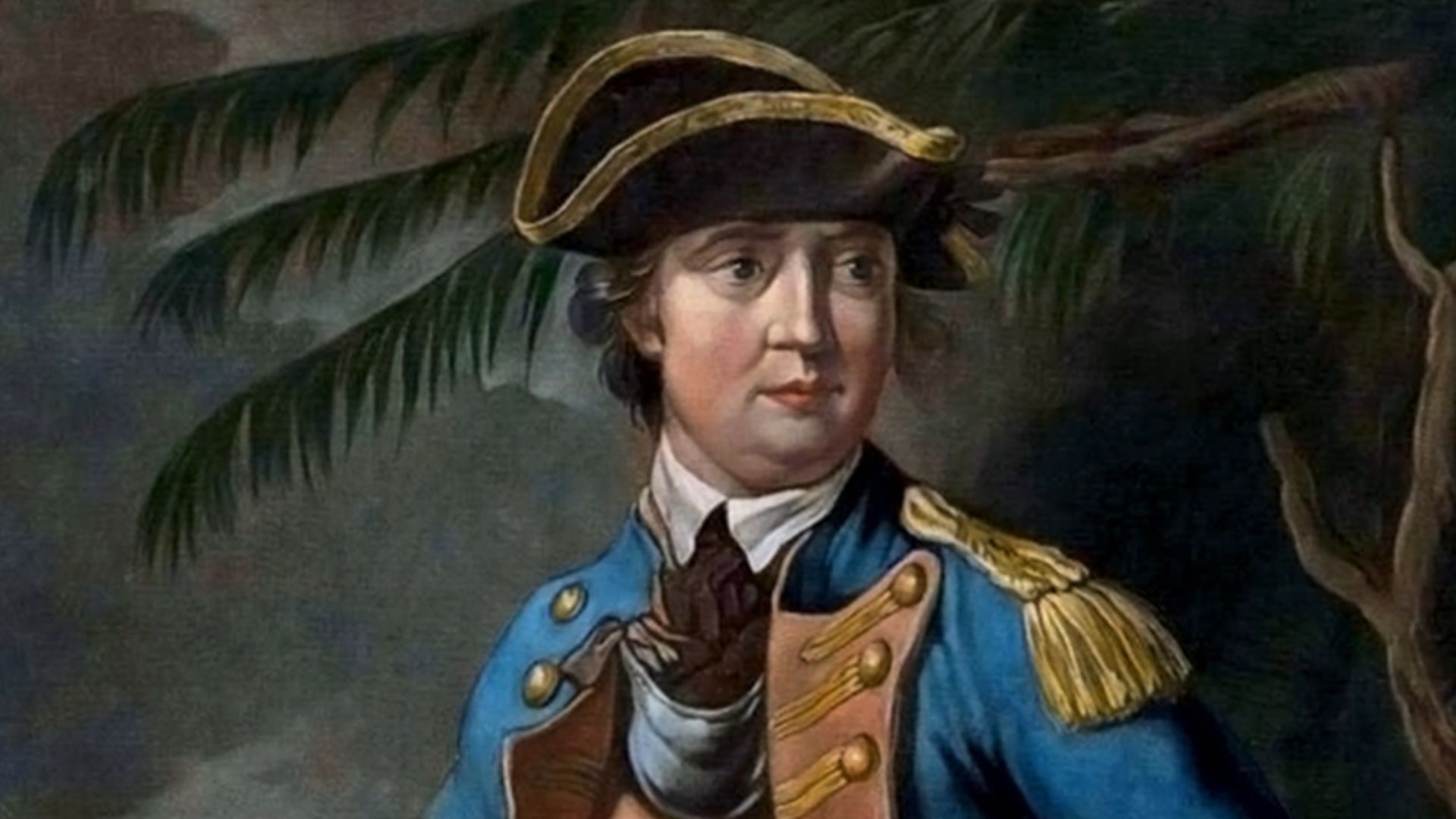
Benedict Arnold
Arnold's betrayal of the American cause made him synonymous with treason. Yet before switching sides, he was one of the Revolution's most capable military leaders. Historians increasingly examine the grievances and disputes that contributed to his decision.
 Thomas Hart, Wikimedia Commons
The Role Of Propaganda
Many historical villains became infamous because propaganda proved more durable than facts. Governments, dynasties, and political movements frequently created simple narratives that transformed complicated people into symbols of evil for future generations.
 Magnussen, Friedrich (1914-1987), Wikimedia Commons
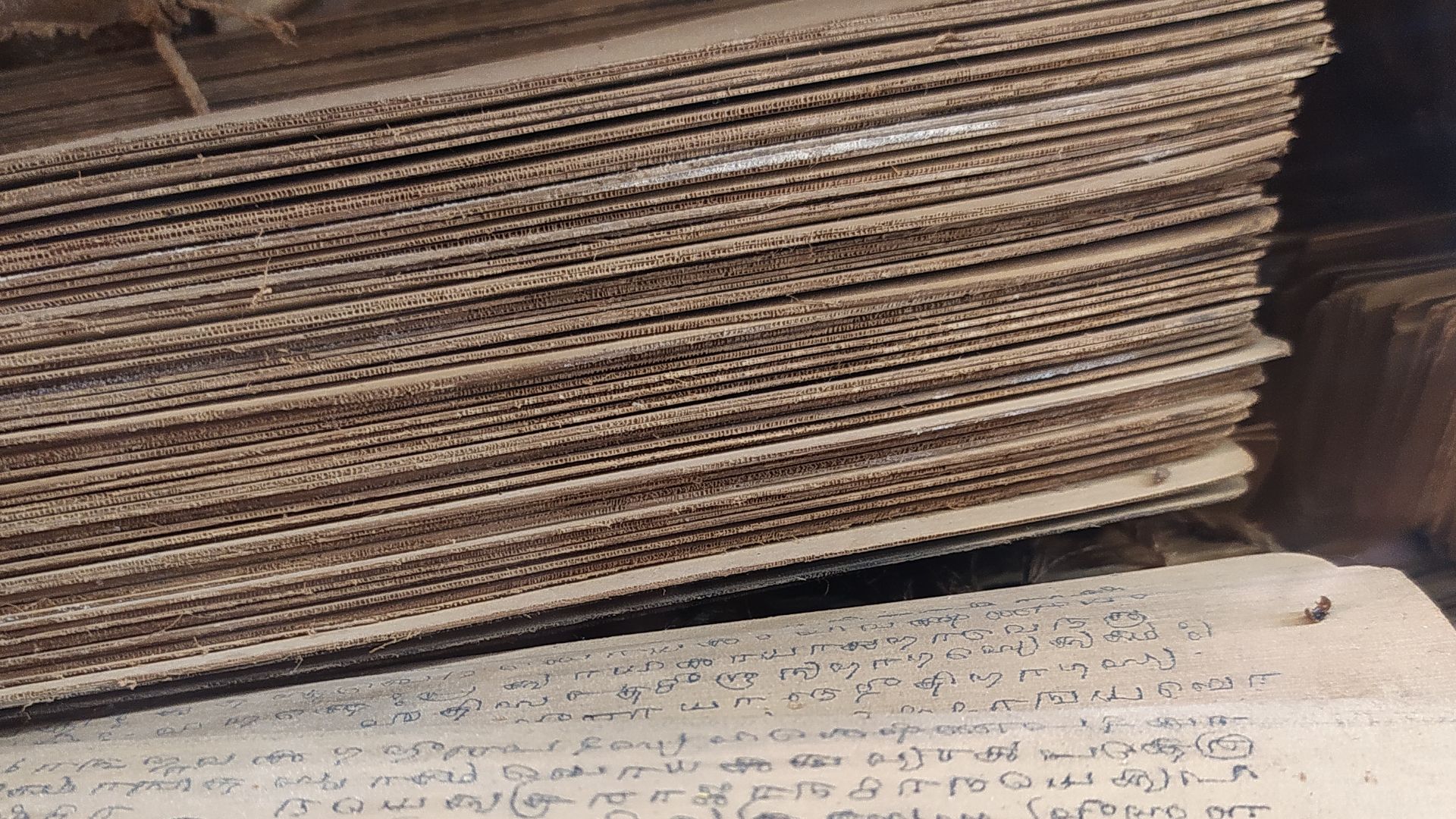
The Problem Of Surviving Sources
Historians can only work with the evidence that survives. When most records come from enemies, rivals, or conquerors, reputations can become distorted. In many cases, the most negative accounts are also the most widely preserved.
 Ishan Mittal, Wikimedia Commons
Why Historical Reputations Change
New archaeological discoveries, newly available documents, and fresh interpretations constantly reshape our understanding of the past. As historians revisit old assumptions, some villains appear even worse than previously thought, while others emerge as victims of history itself.

You May Also Like:
Ruling Facts About Matilda Of Flanders, The Conqueror’s Right Hand
Disobedient Facts About History's Infamous "Bad Girls"
Dark Facts About Thomas Cromwell, Henry VIII’s Notorious Right-Hand Man