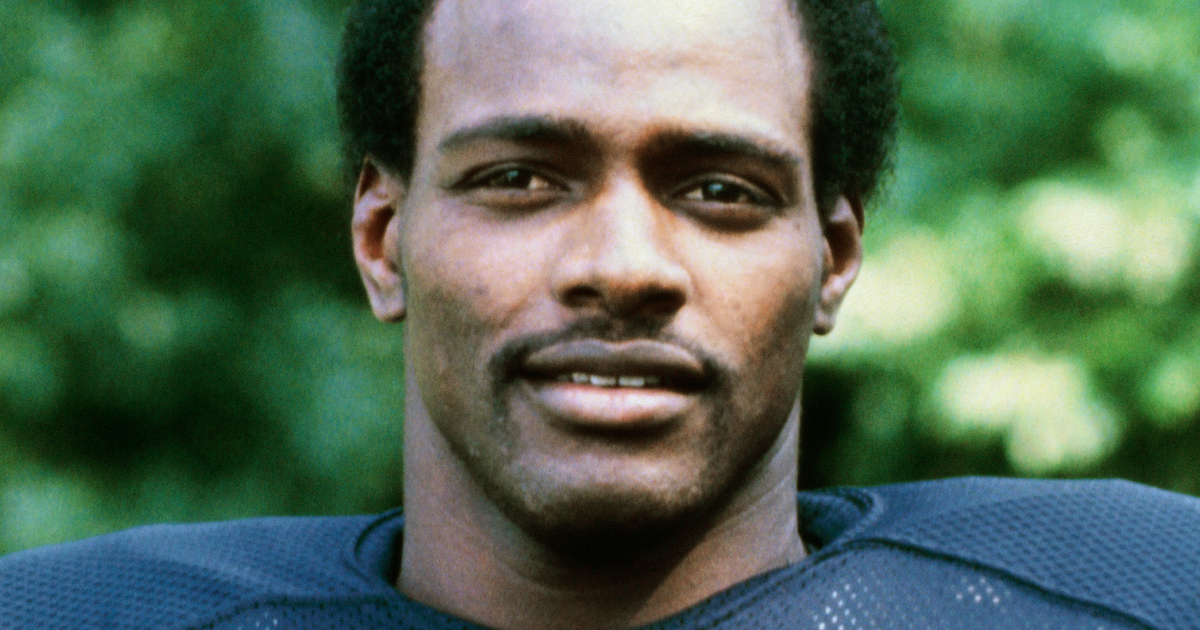
The Running Back Who Refused to Break
Walter Payton was born on July 25, 1954, in Columbia, Mississippi, and even as a kid, he had restless energy. Friends said he never walked anywhere—he sprinted. Growing up during the civil rights era, he learned resilience early, carrying that strength with him throughout his life.

Discovering Football Later Than Most
Walter didn’t play organized football until high school. Before that, he was more interested in music and the marching band. But once he suited up, everyone saw something rare. He had a running style that mixed grace and raw force—and he wasn’t afraid of anyone.

A Star at Jackson State
At Jackson State University, Payton became a national sensation. He ran with such smoothness that fans called him “Sweetness.” Some said it referred to the elegance of his running. Others said it reflected his kindness and personality. Either way, the name stuck for life.
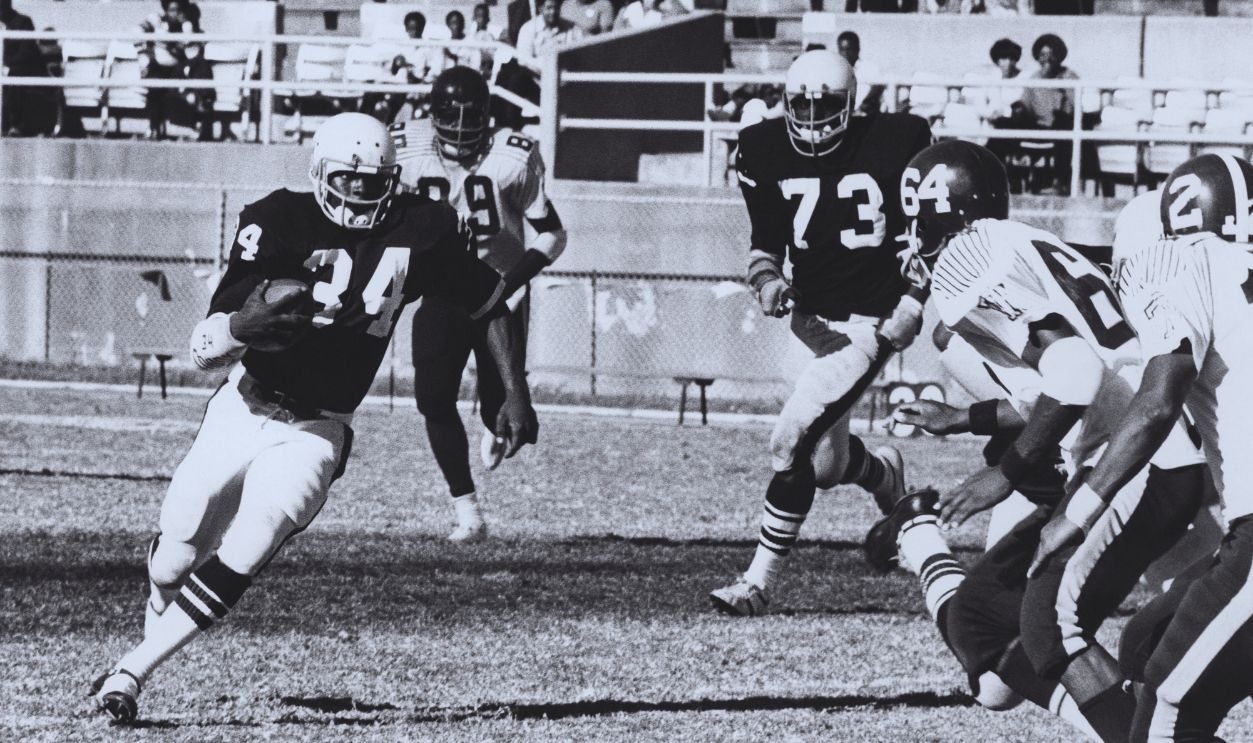 Jackson State University, Getty Images
Draft Day and a Franchise’s Future
In 1975, the Chicago Bears drafted Payton fourth overall. Reporters weren’t sure what to expect, but his coach confidently said, “We just drafted a franchise.” Walter proved him right. He became the heart of the Bears—the kind of player who changed a team’s entire identity.

The Iron Man of the NFL
One of Walter Payton’s most incredible records is his durability: he only missed one single game during his 13-year career. No injuries, no sick days, no excuses. He played every one of the 190 games in his NFL career—a feat almost unthinkable today.

Training That Terrified Teammates
Payton’s workouts became legendary, especially his brutal hill runs at an almost vertical slope. Teammates tried to keep up but usually ended up vomiting. Walter never mocked them—he encouraged them. He believed pushing yourself to the limit was the only way to grow.
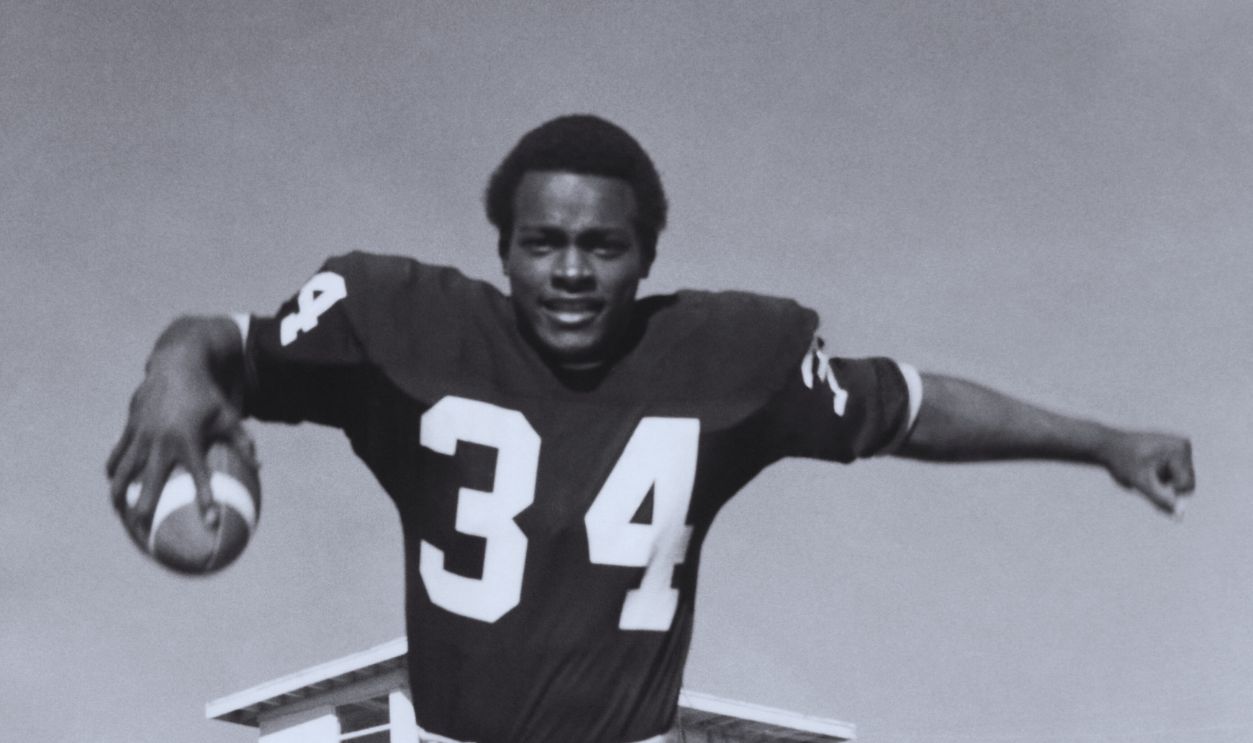 Jackson State University, Getty Images
The 16,000-Yard Man
By the time he retired, Walter Payton had rushed for 16,726 yards—breaking Jim Brown’s all-time record. His running was a blend of grace, strength, creativity, and unbreakable will. He didn’t just play football. He elevated it.

Sweetness, the Prankster
Despite his toughness on the field, Payton was known for his humor and mischief. He loved pranking teammates—hiding their clothes, making strange noises in interviews, or sneaking up behind rookies. He kept the locker room light, even after brutal losses.

Leading the Bears to Greatness
Payton was the driving force behind the Chicago Bears’ rise in the 1980s. He carried the team through rebuilding years and celebrated when the pieces finally came together. Everyone respected him—not just as a player, but as the emotional core of the team.


History's most fascinating stories and darkest secrets, delivered to your inbox daily.
The ’85 Bears and a Super Bowl for the Ages
The 1985 Bears delivered one of the most dominant seasons in NFL history. Payton didn’t score in the Super Bowl, which quietly disappointed him, but he never complained. “We won,” he said afterward. “That’s what I care about.” His class spoke louder than any touchdown.

A Private Man with a Big Heart
Off the field, Payton avoided spotlight for his good deeds. He visited sick children, donated quietly to families in need, and showed up to help people who never knew the money came from him. His generosity was real—and often completely anonymous.

Life After Football
After retiring, Walter explored business ventures, charity work, racing, and television. He stayed close to the Chicago community, always showing gratitude for the fans who embraced him from day one. But retirement also brought personal struggles he kept hidden from the world.

Battles No One Saw
Those close to Payton said he had moments of emotional difficulty during retirement. Going from constant action to stillness was hard. But he never let the public see sadness or vulnerability. He wanted to stay strong for the people who looked up to him.

A Diagnosis That Changed Everything
In 1999, Payton revealed he was suffering from primary sclerosing cholangitis, a rare liver disease. Fans were devastated. Even then, Walter tried to stay positive, repeatedly saying, “Everyone’s got something to deal with. This is mine.”

His Final Mission: Saving Lives
One of Payton’s last major public appearances became unforgettable. With his voice shaking, he urged Americans to become organ donors. He did it not for sympathy, but to help others. “Give someone else a second chance,” he said. It was pure Sweetness.

The Toughest Man They Ever Knew
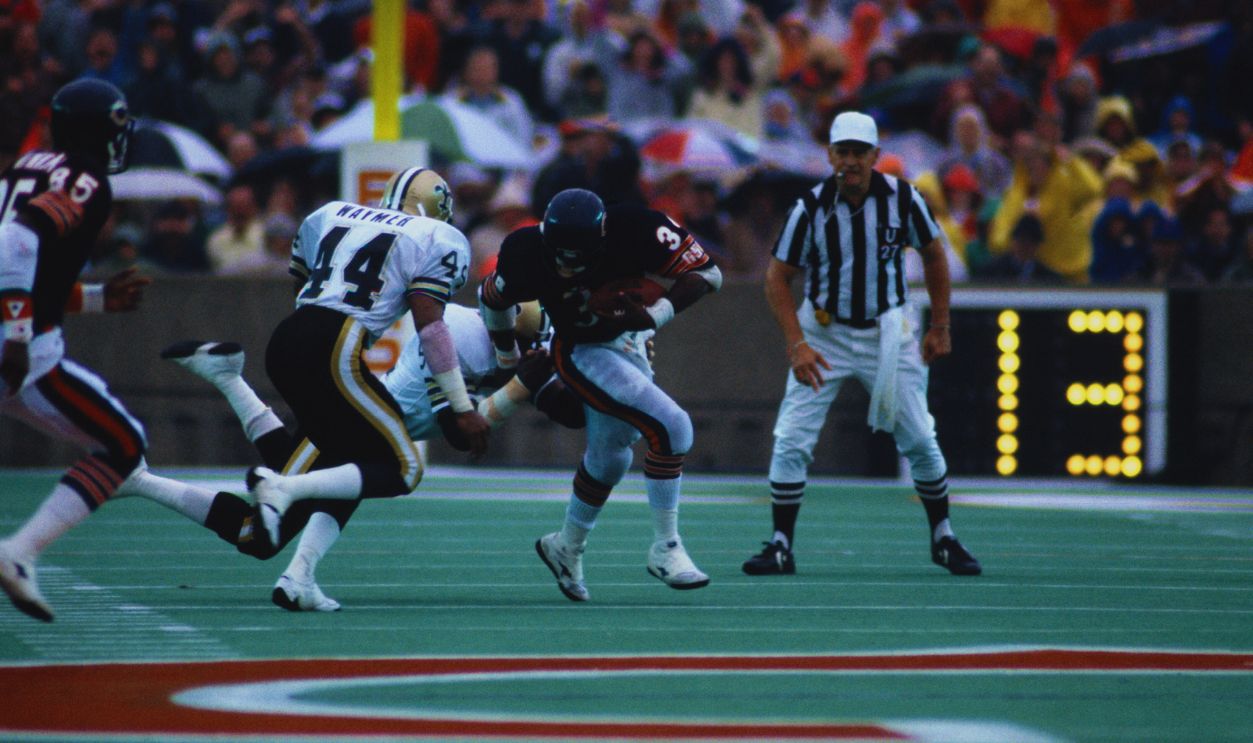
As Walter’s health faded, teammates and coaches began sharing stories they’d long kept private. They revealed the injuries he hid—cracked ribs, separated shoulders, fingers bent at impossible angles. “If people knew what Walter played through,” Mike Ditka said, “they’d call him the toughest man alive.”
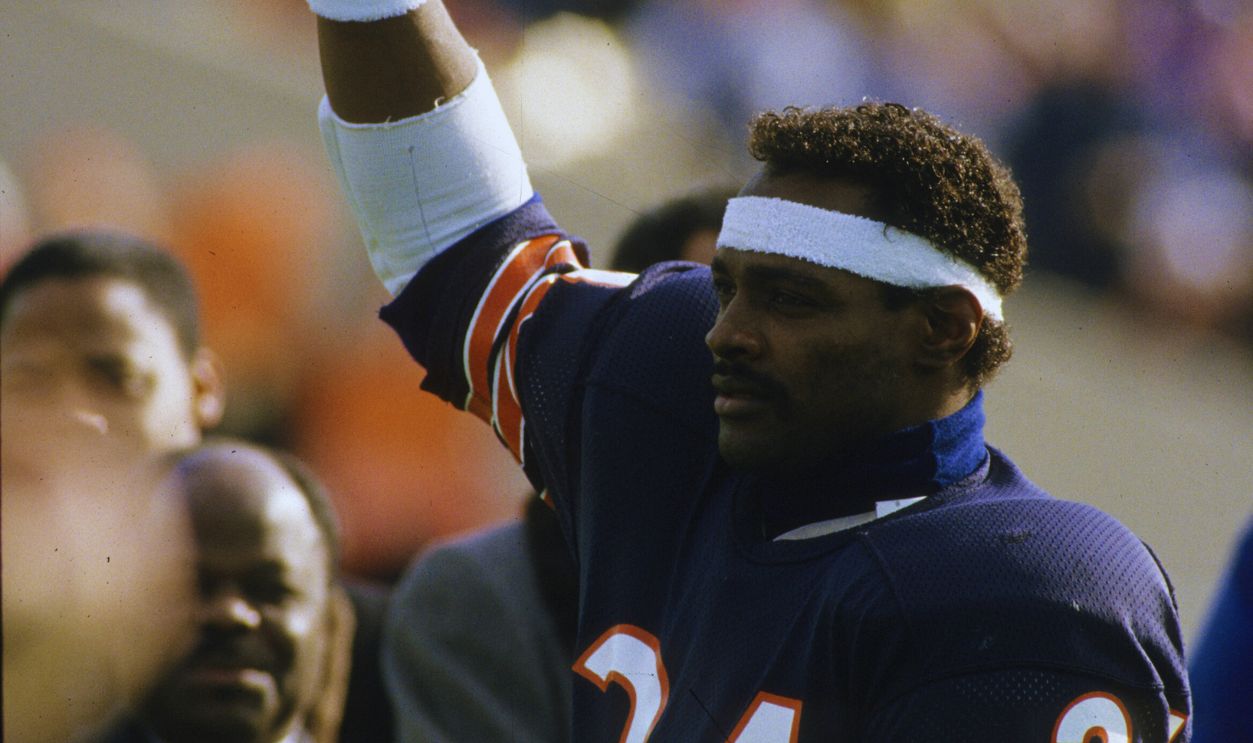 Damian Strohmeyer, Getty Images
He Carried the Team in Ways No One Knew
During the NFC Championship against the Saints, Walter had a high fever—but no one knew. He pushed through, telling no one he was sick. This became a pattern of his entire career: he protected the team from his pain, not the other way around.
The Day Chicago Stopped
Walter Payton passed away on November 1, 1999, at age 45. Chicago mourned like it had lost family. Thousands came to his memorial. His number, 34, became a permanent symbol—not just of greatness, but of grace, humility, and boundless heart.

A Legacy That Can’t Be Measured
Today, the Walter Payton Foundation continues helping children and families in need. The NFL’s Man of the Year award now bears his name, given to the player who represents excellence both on and off the field. No honor could be more fitting.
Sweetness Forever
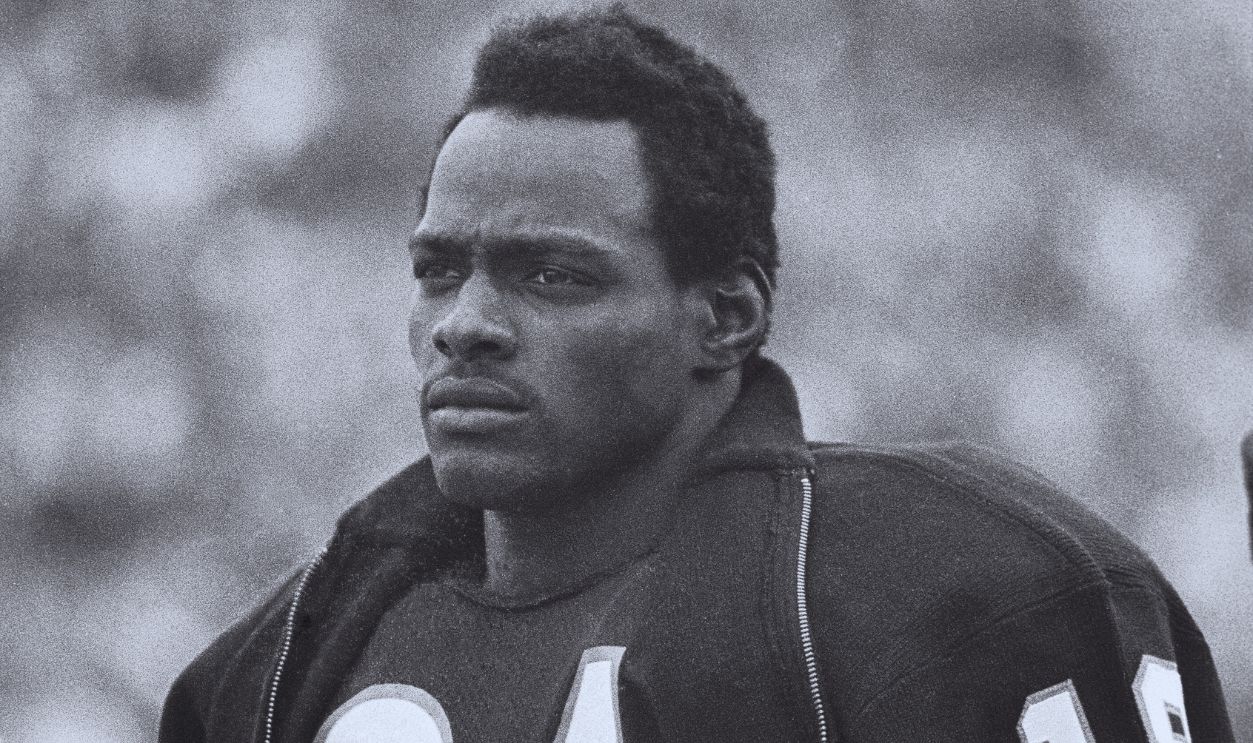
Walter Payton was more than a running back. He was strength, kindness, humor, resilience, and unshakable heart. He ran for 16,000 yards, only ever missed one game, and changed countless lives. As one teammate said, “Walter didn’t just run. He lifted people every time he touched the ball.”

You May Also Like: