
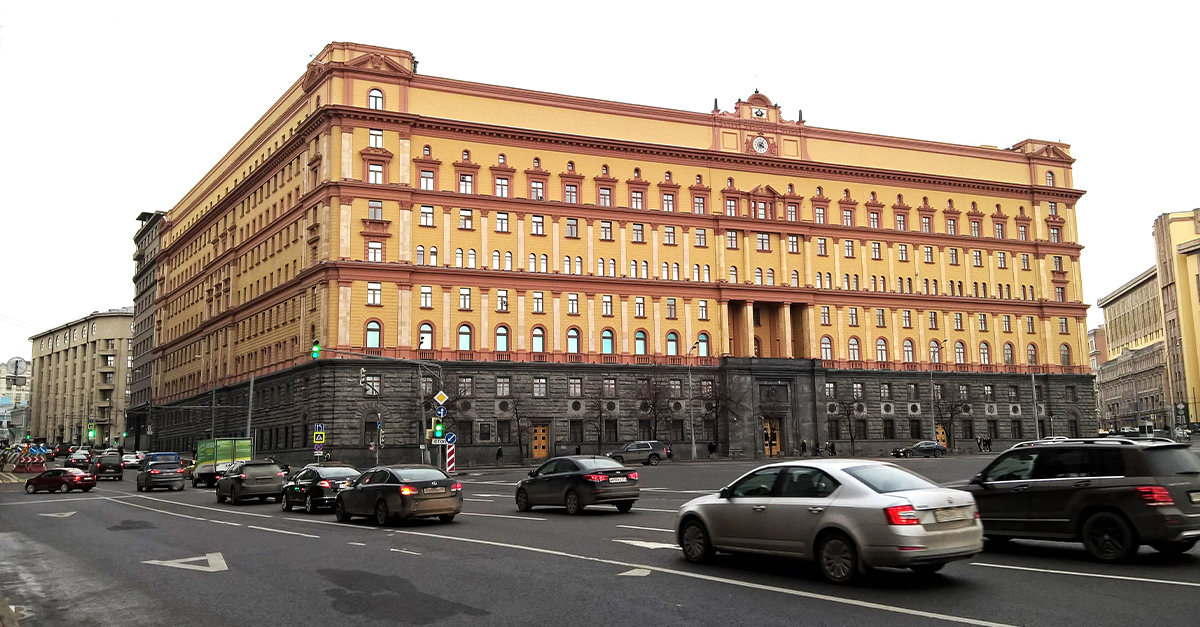
His Life’s Work
Imagine a KGB archivist secretly copying decades of top‑secret files, and then risking his life to smuggle them out of Russia. That’s the story of Vasili Mitrokhin and his archive, one of the biggest intelligence troves ever revealed. His notes ripped the lid off Soviet plots and espionage around the world, and could have cost him his life if he had been caught.
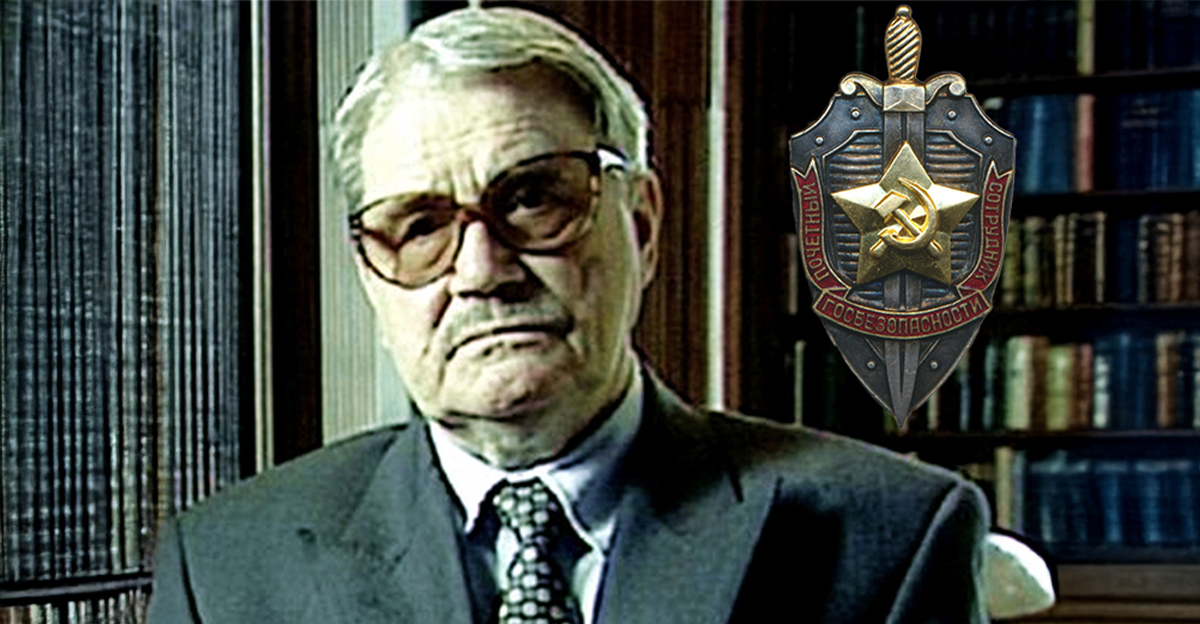
Who Was Vasili Mitrokhin?
Vasili Mitrokhin was an archivist for the Soviet Union’s foreign intelligence arm, the KGB. He started out as an overseas agent, but proved to be ineffective in that role. Reposted to KGB headquarters in 1956, he organized the shadowy agency’s archives that spanned decades. As he pored through the old files, he came face to face with the scale of secret Soviet state crimes and subversion that the KGB kept veiled from the prying eyes of the outside world.
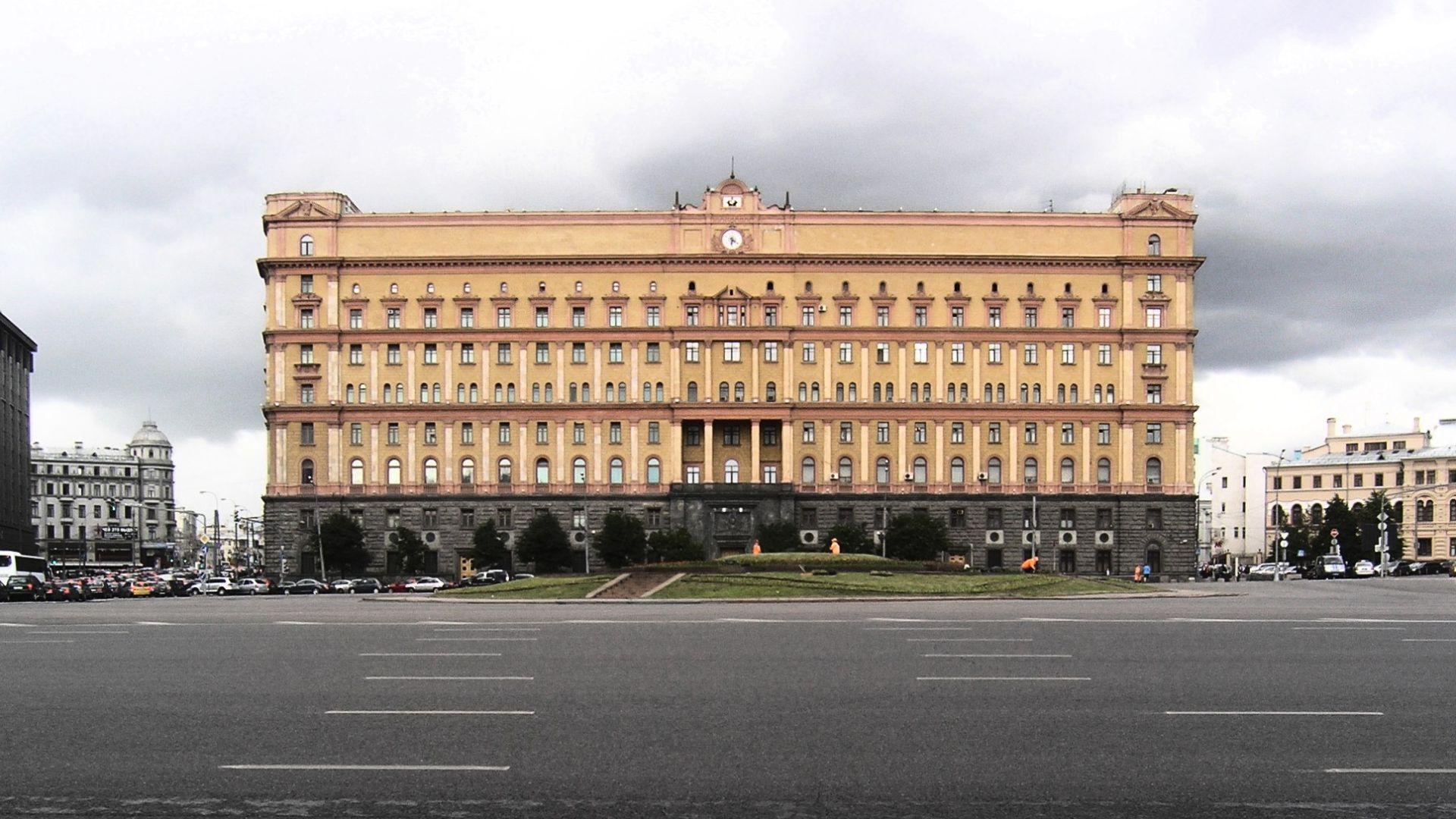 Ikar.us (talk), Wikimedia Commons
The Moment That Set Him Off
Over the years Mitrokhin’s disillusionment grew. Hearing outside radio broadcasts and recognizing the discrepancies between foreign media reports and Soviet propaganda, he finally came to terms with the truth about the KGB. When charged with overseeing archive relocation to a new site outside Moscow in the 1970s, he jumped at the chance to copy documents. He started his own personal archive as a protest and for future preservation.
 M. Lukyanov [2], Wikimedia Commons
How He Smuggled It Out
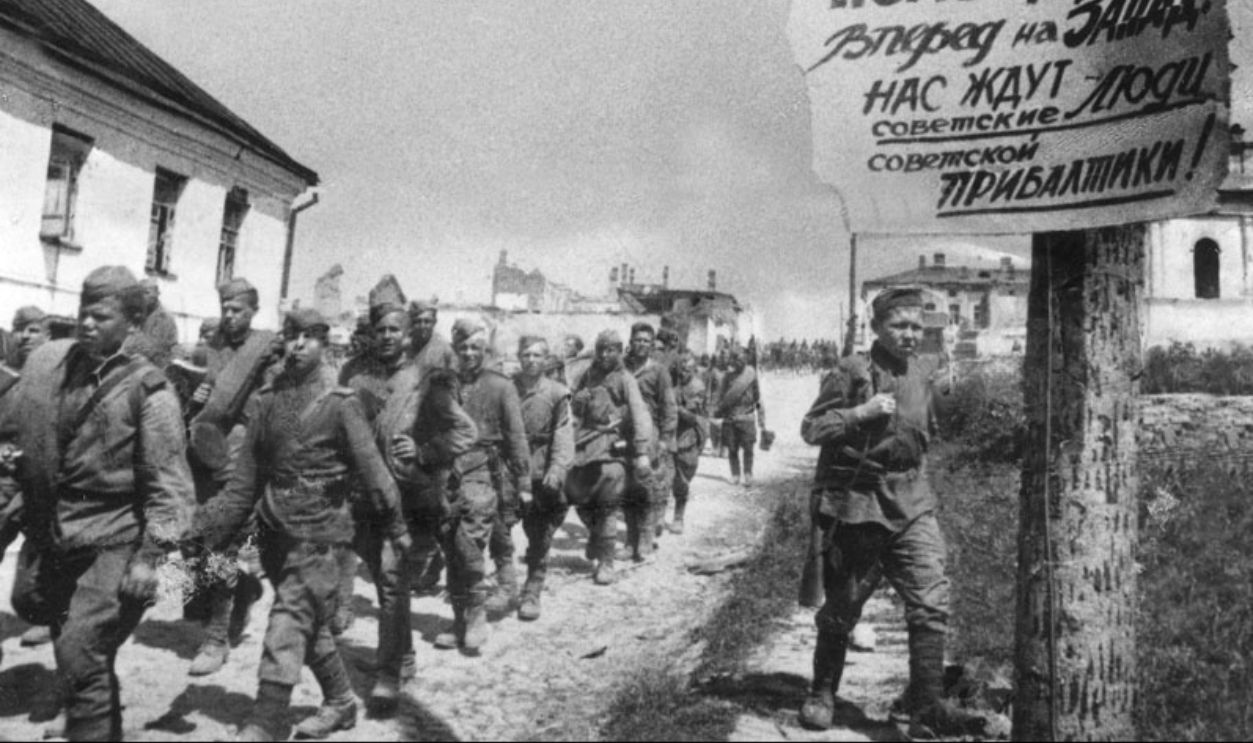
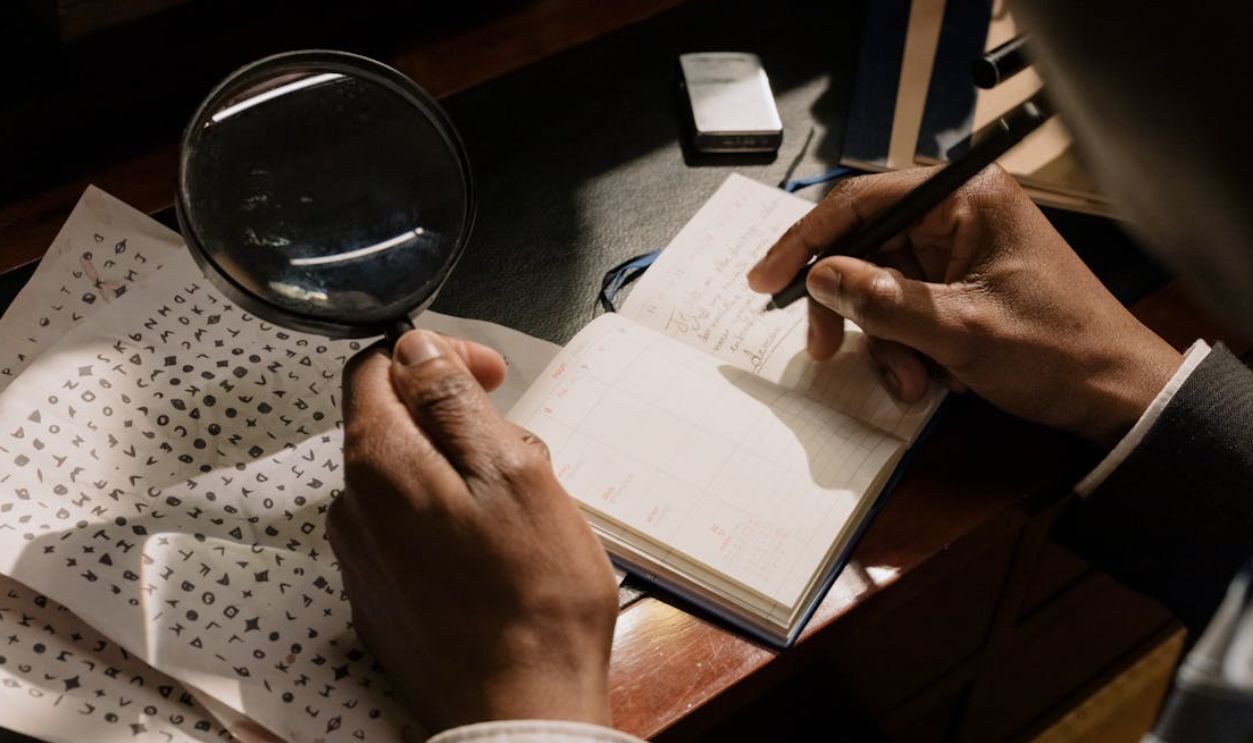
Mitrokhin didn’t take the secret files directly. Instead, he hand‑wrote summaries of the files and hid them in his shoes. After leaving his office, he’d stash them at his dacha (summer home), then type everything out and hide the works of it under the floorboards. Over the years, his stash of copied documents grew to thousands of pages of explosive intelligence.
 Unknown author, Wikimedia Commons
He Was In Great Danger
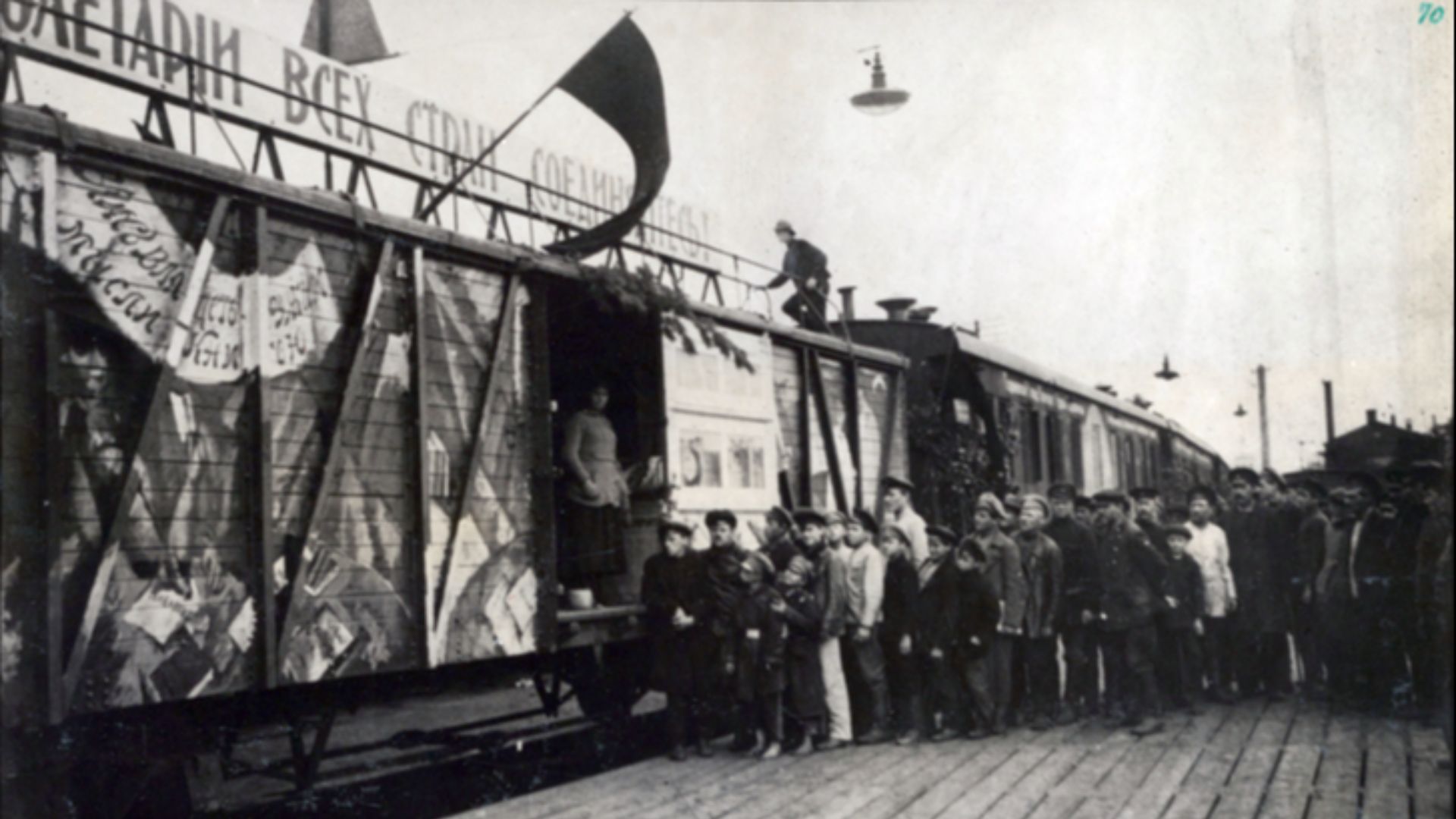
He knew all too well what would happen to him if he’d been caught sneaking notes out of KGB headquarters. The consequences would have been brutal. Exposure meant arrest, a secret trial, and probable execution. Defection or even the suspicion of it could mean a bullet or disappearance, never to be heard from again. Mitrokhin was playing a deadly game of Russian roulette with his life on the line every moment of every day.
 Unknown authorUnknown author, Wikimedia Commons
He Flew Under The Radar
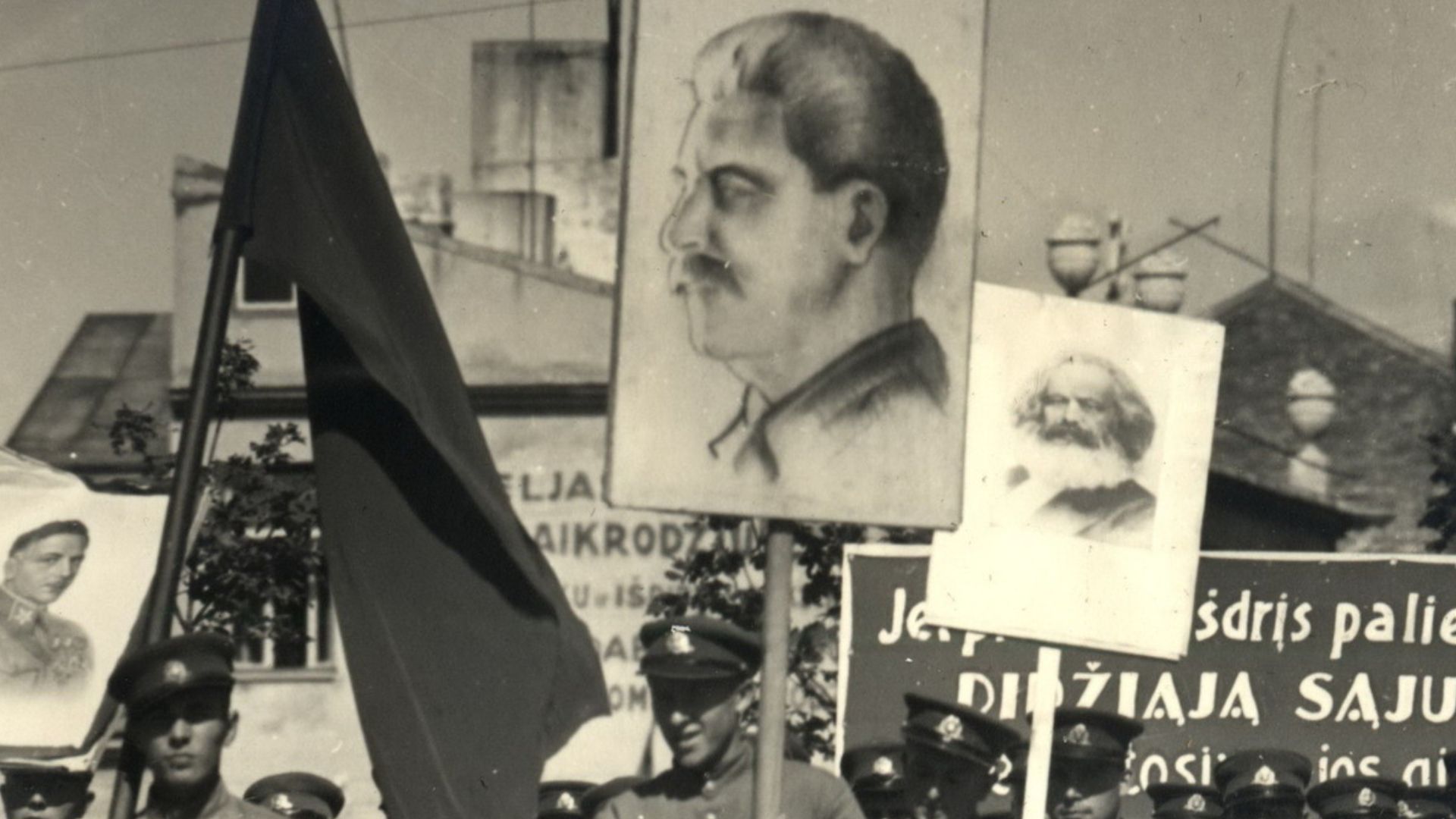
Mitrokhin had spent the entire period from 1972 to 1984 copying and squirreling away KGB secret documents. There were a couple of anxious moments when he worried that he’d been found out, but later records revealed that no one had any suspicion of what he was up to. That was the advantage of being an archivist, whom most of his colleagues overlooked as being little more than a paper-shuffler. But the man they regarded as a fuddy-duddy old bookworm was hoodwinking them all.
 Unknown authorUnknown author, Wikimedia Commons
Soviet Collapse Created Opportunity
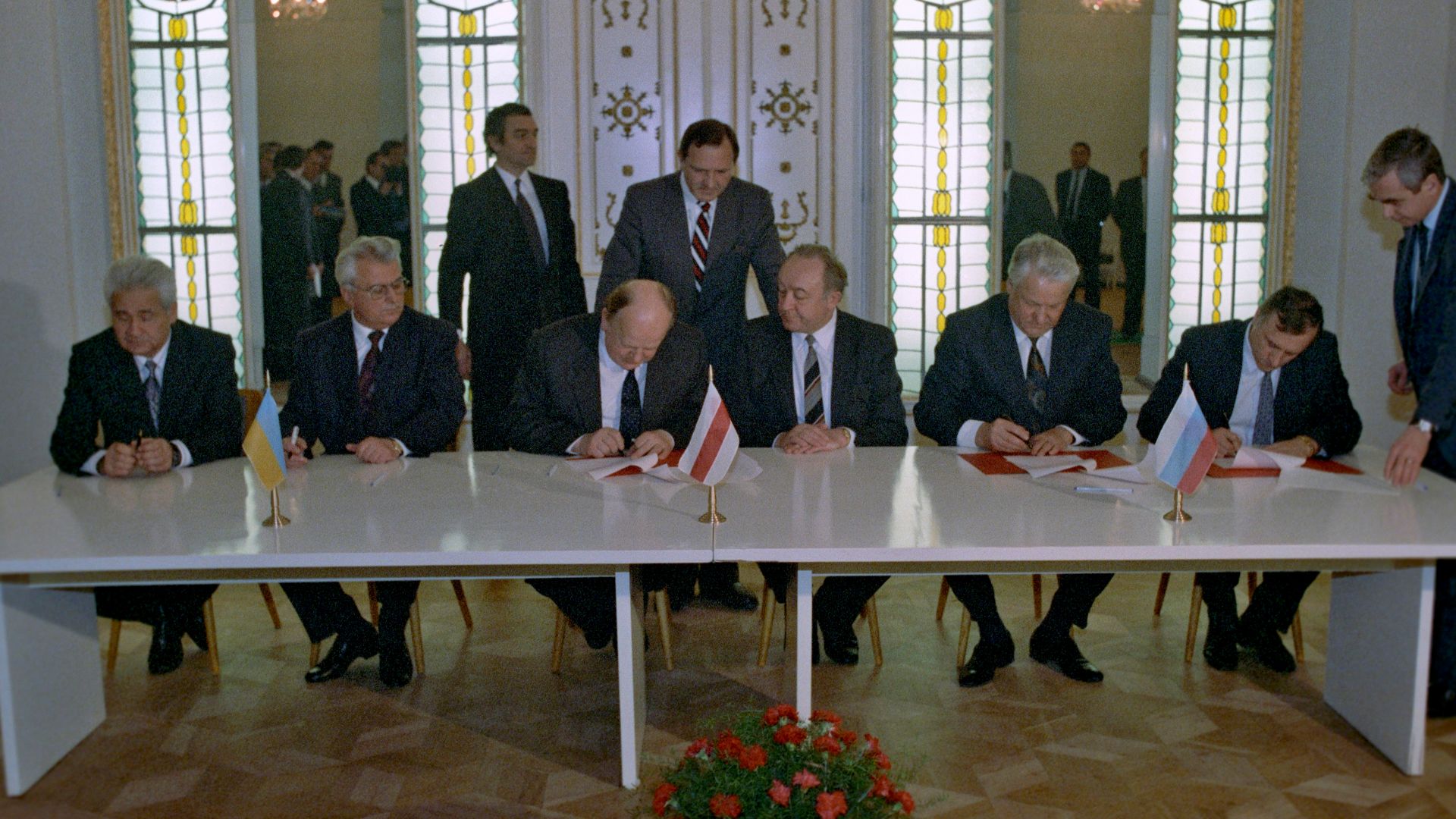
Seven more years went by. In 1991, the Soviet Union dissolved. Security weakened. Mitrokhin realized that the time to take action was now or never. He seized the chance. He traveled to Latvia with portions of his archive. He had no idea if he’d find a refuge or have a door slammed in his face. He only knew the truth needed to get out before the window of opportunity closed forever.
 U. Ivanov / Ю. Иванов, Wikimedia Commons
First Stop: U.S. Embassy Rejection
Mitrokhin went straight to the U.S. Embassy in Riga and asked them to defect. He offered samples of the archive, but the wisecracking American agents breezily dismissed him. This couldn’t be real, they thought. He must be a crank. His case was ignored, and filed away. Mitrokhin had risked everything and come up with a whole lot of nothing. The U.S. missed out on one of the greatest intelligence leaks of the century.
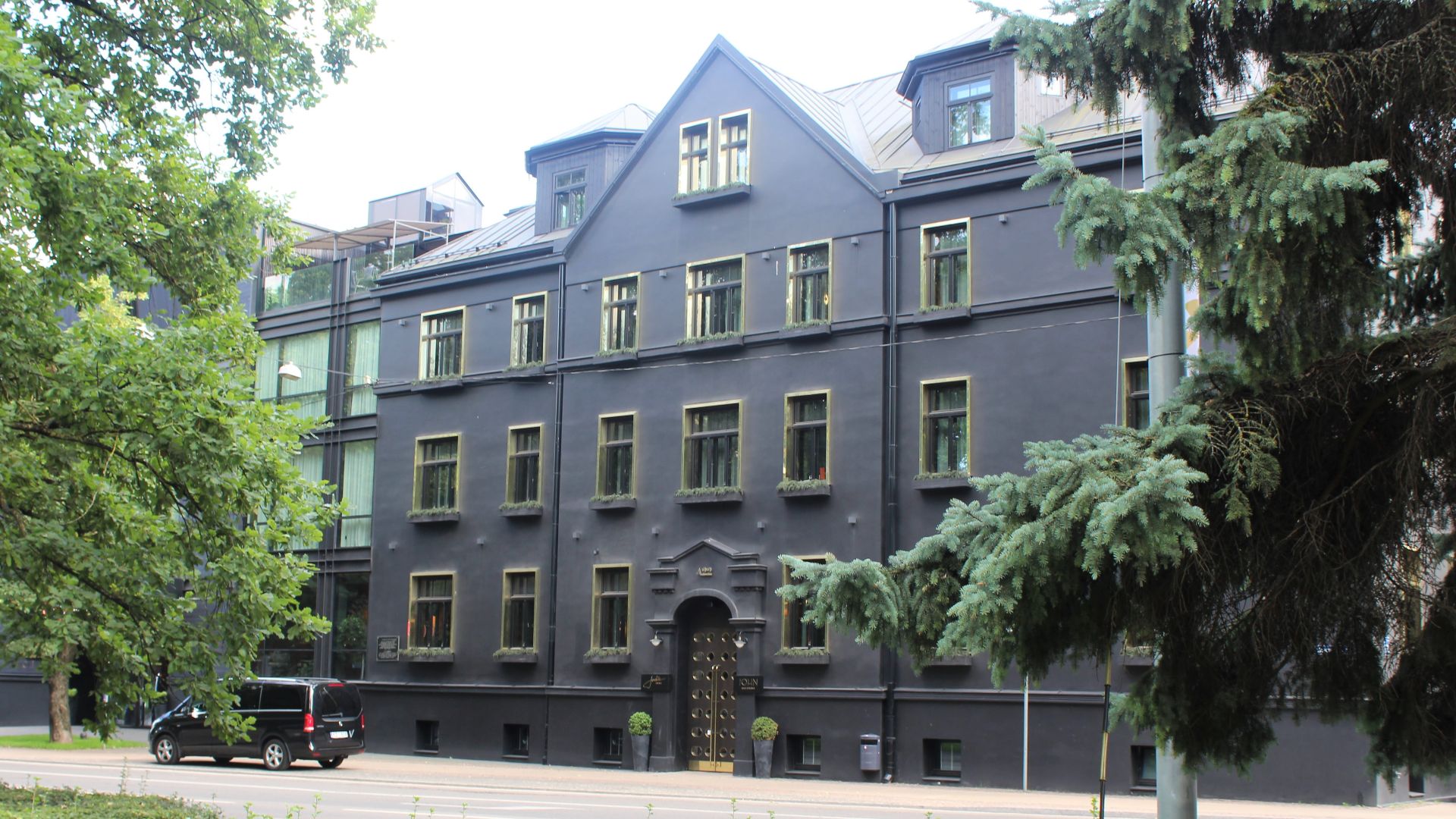
Turning to Britain
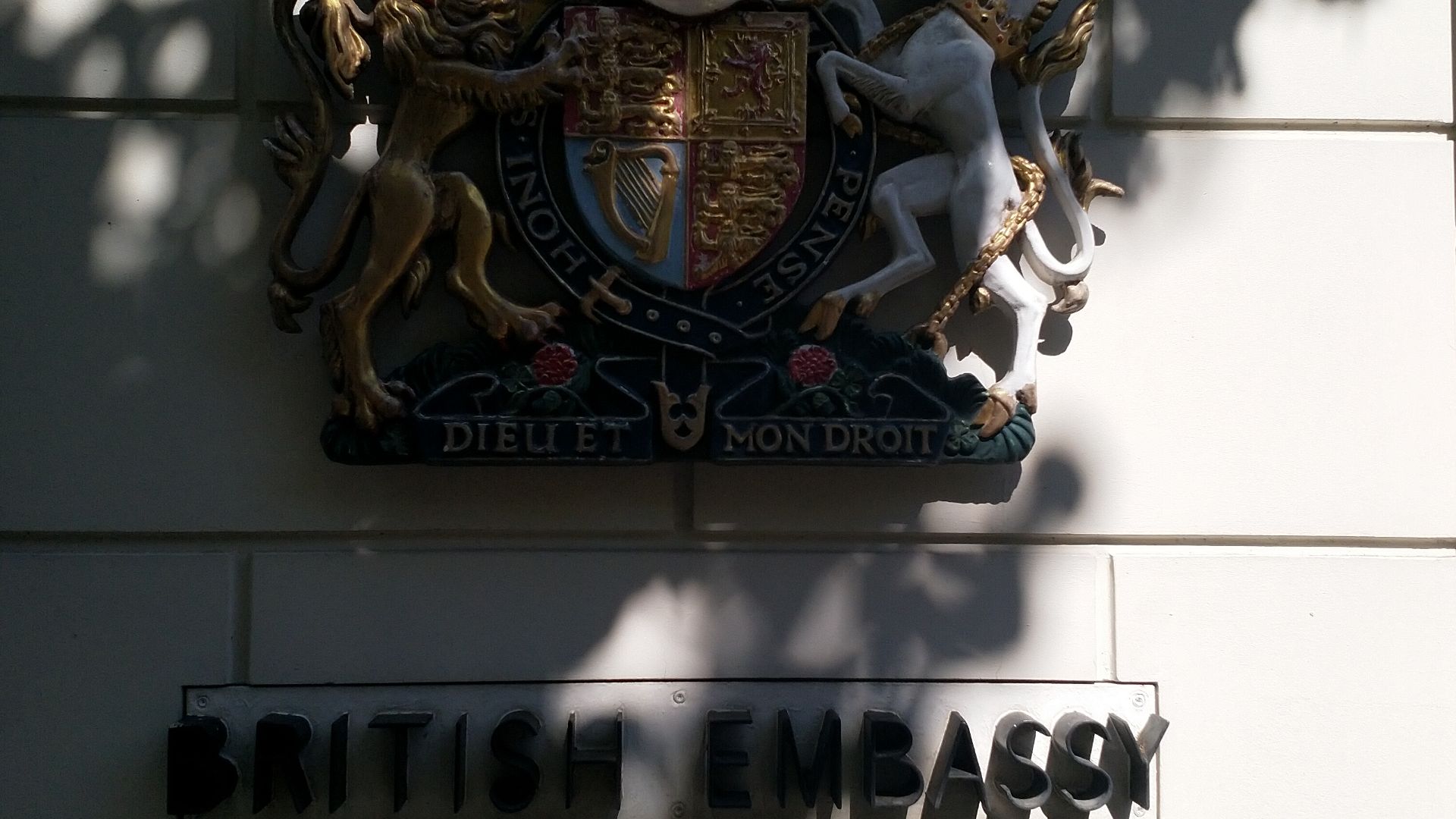
Mitrokhin wasn’t even close to giving up hope. He had waited too long, and come way too far to throw in the towel now. He approached the British Embassy. A Russian‑speaking diplomat listened to his tale with poker-faced politeness. Deciding to humor the old man, the agent told him to return with the full archive. A month later he met MI6 officers with thousands of typed pages ready. The meeting changed the course of Cold War history.
 Niegodzisie, Wikimedia Commons

History's most fascinating stories and darkest secrets, delivered to your inbox daily.
MI6 Exfiltration
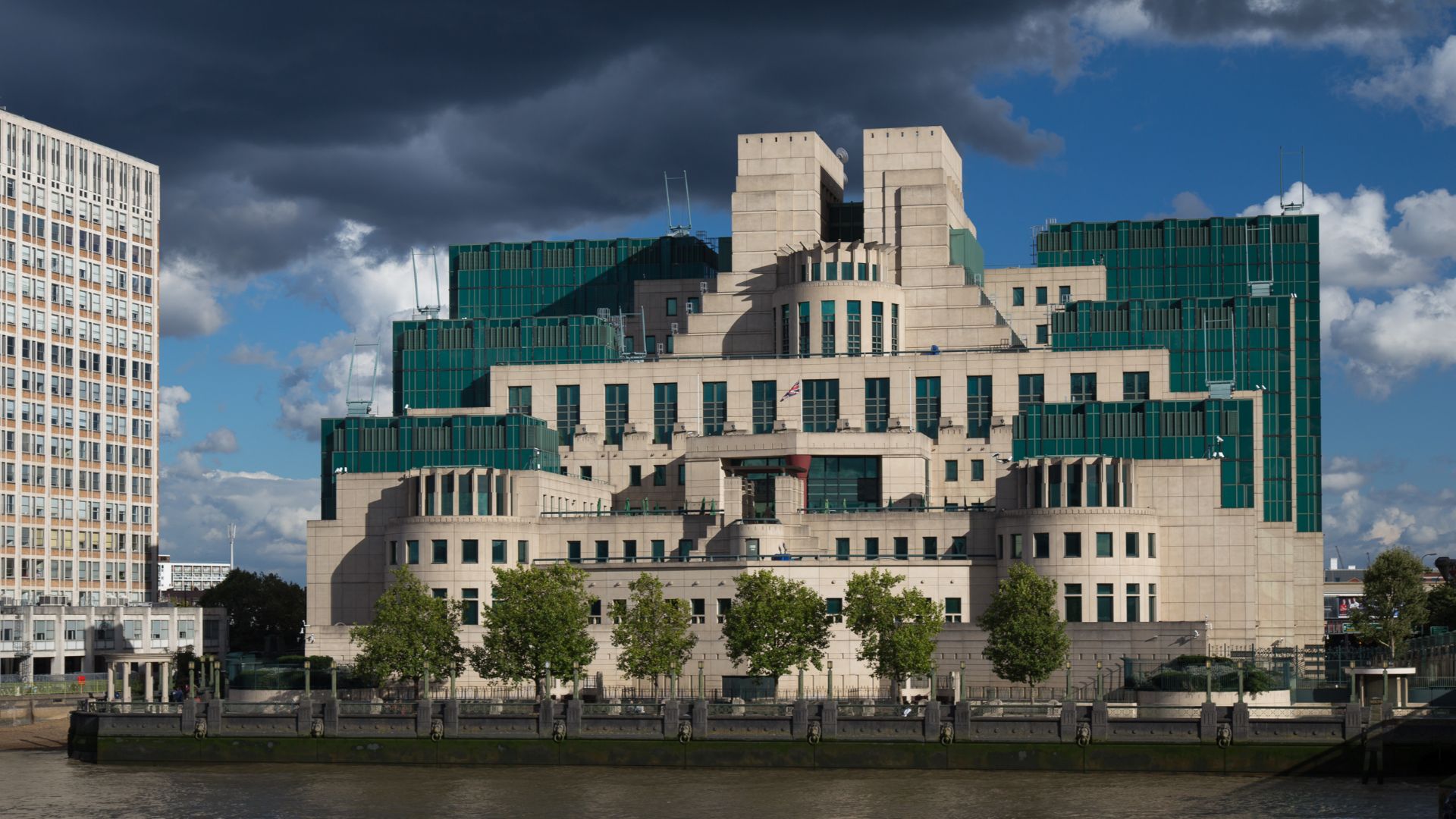
In late 1992, MI6 exfiltrated (extracted) Mitrokhin, his family, and the archive back to Britain in a meticulously coordinated covert op. The 25,000 pages included decades of KGB operations: espionage, sabotage, and political interference. Files that had been burrowed away inside Soviet vaults were now suddenly in the grasp of Western hands.
 Laurie Nevay, Wikimedia Commons
What’s Inside the Archive
The archive exposed dozens of Soviet spy networks, agents in politics and industry, sabotage plans, and destabilization campaigns. From government infiltration to disinformation and sleeper cells, the breadth of these undertakings stunned intelligence services. It was Cold War espionage revealed in full detail.
Operation Pandora & Active Measures
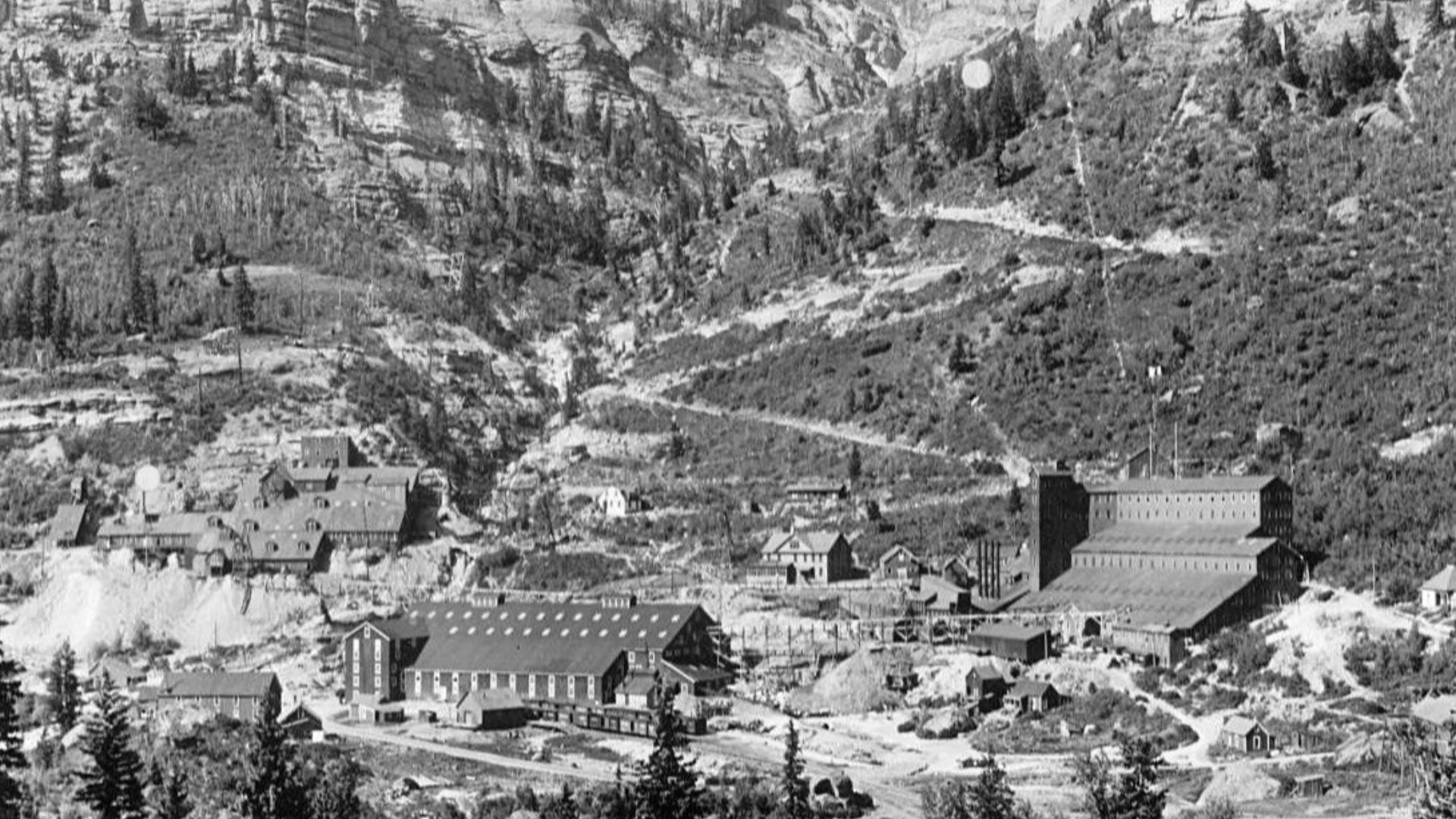
One of the most chilling revelations of the archive was Operation PANDORA. These were alleged plans to provoke unrest in the U.S. using sabotage and racial tension. The archive redefined how dangerous Soviet information warfare could be and how long it had been penetrating and shaping global politics to its own ends.
 Unknown authorUnknown author, Wikimedia Commons
Why The Archive Mattered
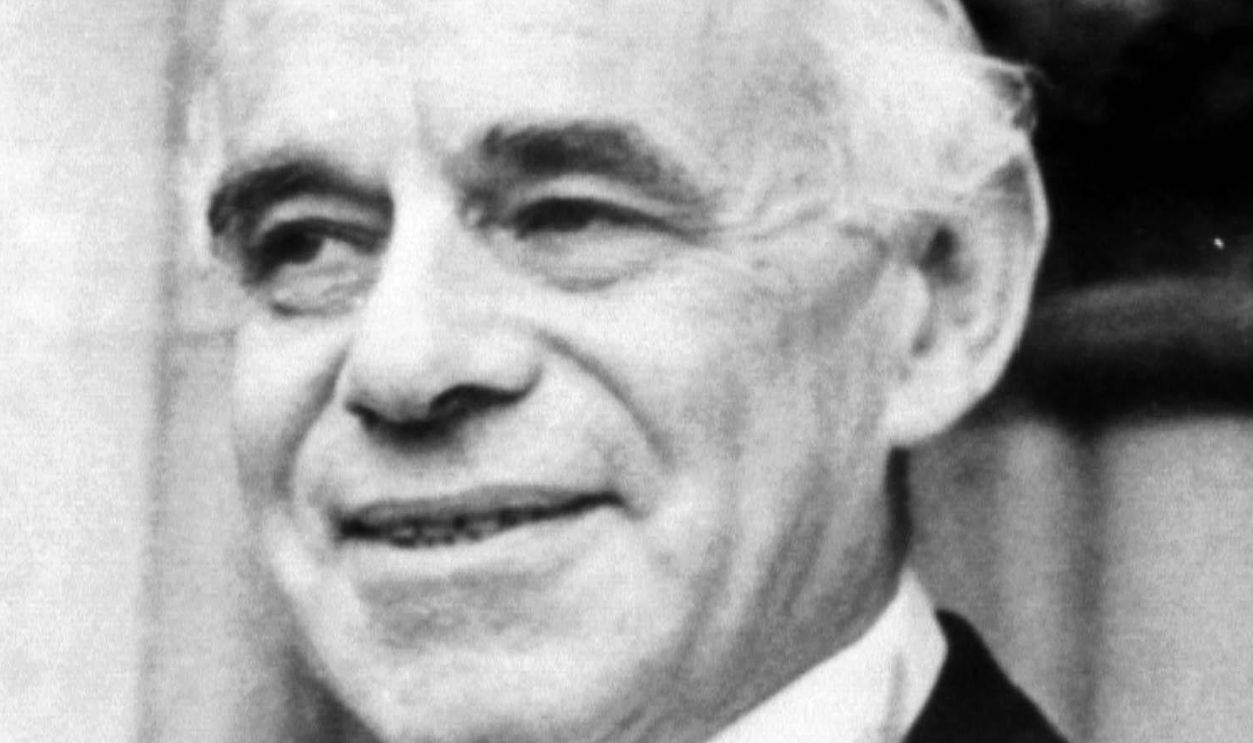
For the first time, Western intelligence had a complete map of Soviet infiltration tactics, sleeper agents, and political covert operations. Counterintelligence methods changed overnight. Decades‑old myths about Soviet tactics were swept aside, replaced by hard evidence from inside the very innards of KGB headquarters.
The CIA’s Mistake
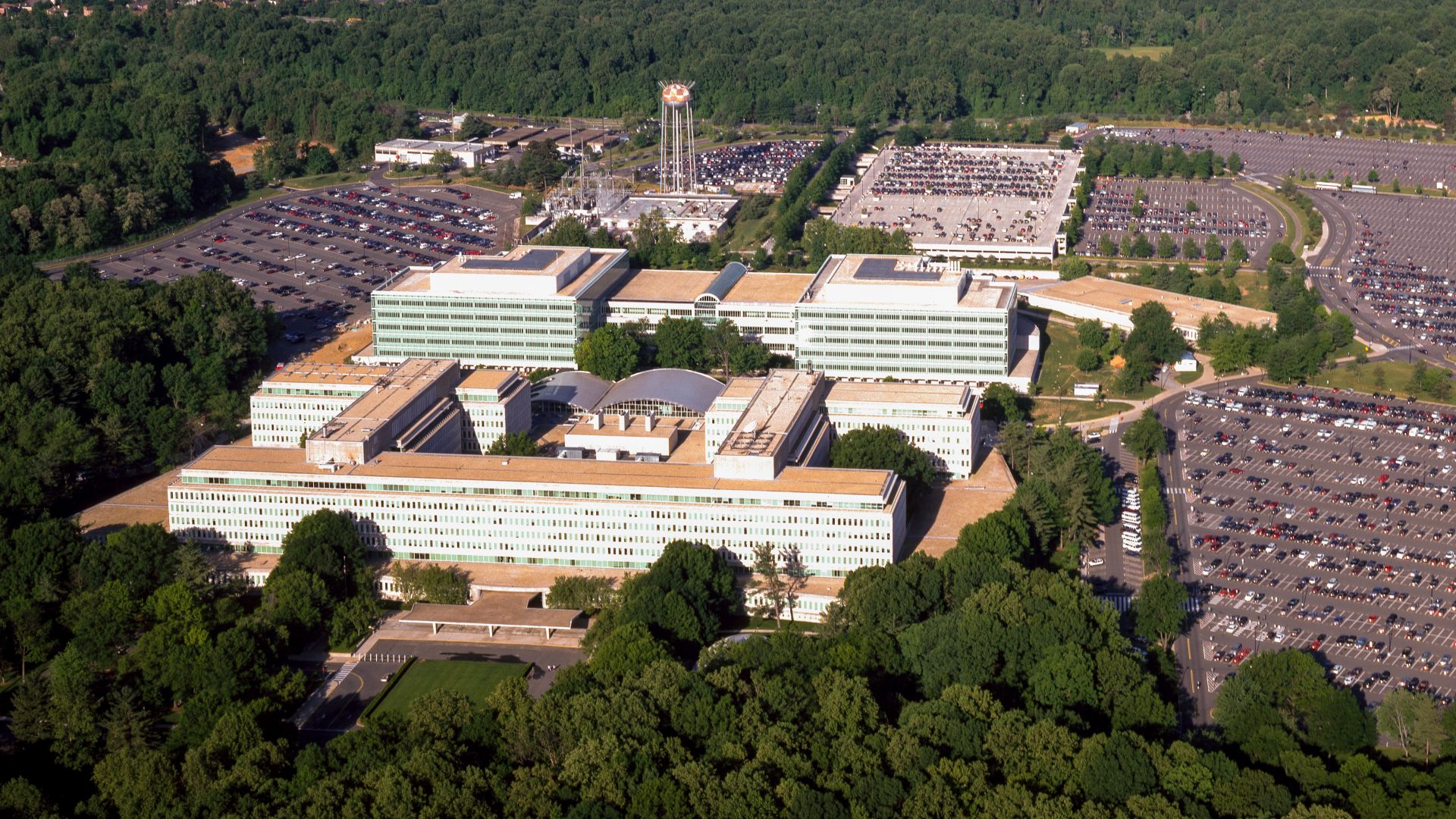
When Mitrokhin first offered the archive, the CIA dismissed him without so much as an afterthought. That refusal cost them access to one of the greatest intelligence windfalls ever. MI6 nabbed the archive for themselves, and only later did the U.S. scramble around trying to get copies. The mistake is still remembered today as a legendary intelligence failure.
 Carol M. Highsmith, Wikimedia Commons
Mitrokhin’s Motivations
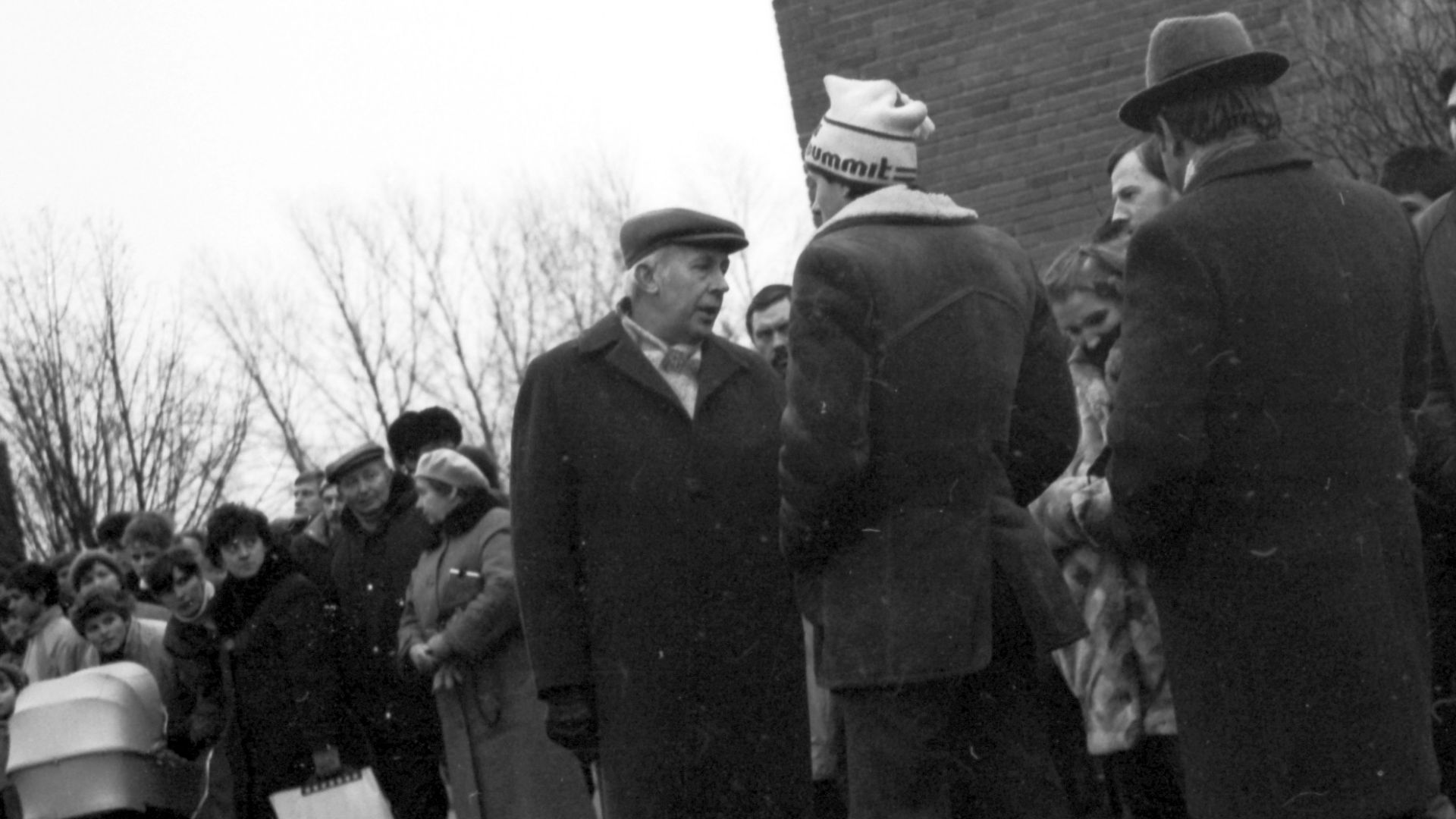
Mitrokhin didn’t do what he did for money. As analysts pointed out, his motivation was moral. He wanted to expose repression and help Russians see the evil of what their government had done. The archive was an act of intelligence-gathering, and a personal act of conscience against the KGB.
 Rimantas Lazdynas, Wikimedia Commons
The Archive Went Public
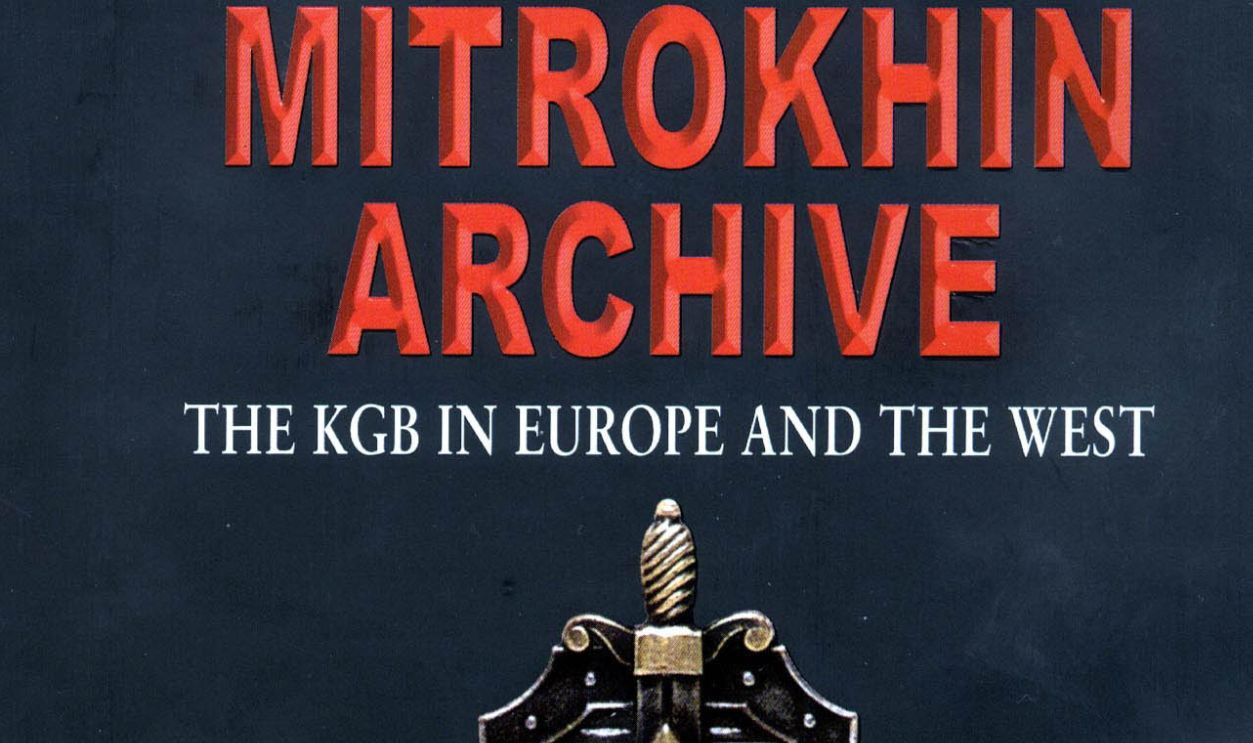
In 1999, Mitrokhin and historian Christopher Andrew published the first volume of the book: The KGB in Europe and the West. The revelations contained within its pages stunned the world. Newspapers ran front‑page headlines. The archive shattered complacency about what had gone on during the Cold War and rewrote intelligence history.
Some Downplayed Its Importance
Not every country embraced the revelations with the same level of enthusiasm. Some feared diplomatic fallout. Others questioned the archive’s reliability because it consisted of one man’s handwritten notes rather than the original hardcopies of the files. But even critics agreed that its scope made it in an amazing primary source for espionage history.
 Volland~commonswiki, Wikimedia Commons
Exposing Illegals
The archive exposed deep‑cover agents who had been living abroad under false identities and sleeper networks dating all the way back to WWII. Intelligence services re‑evaluated operations and all of their old counterintelligence strategies. The archive became a blueprint for tracking Soviet infiltration.
Life After Defection
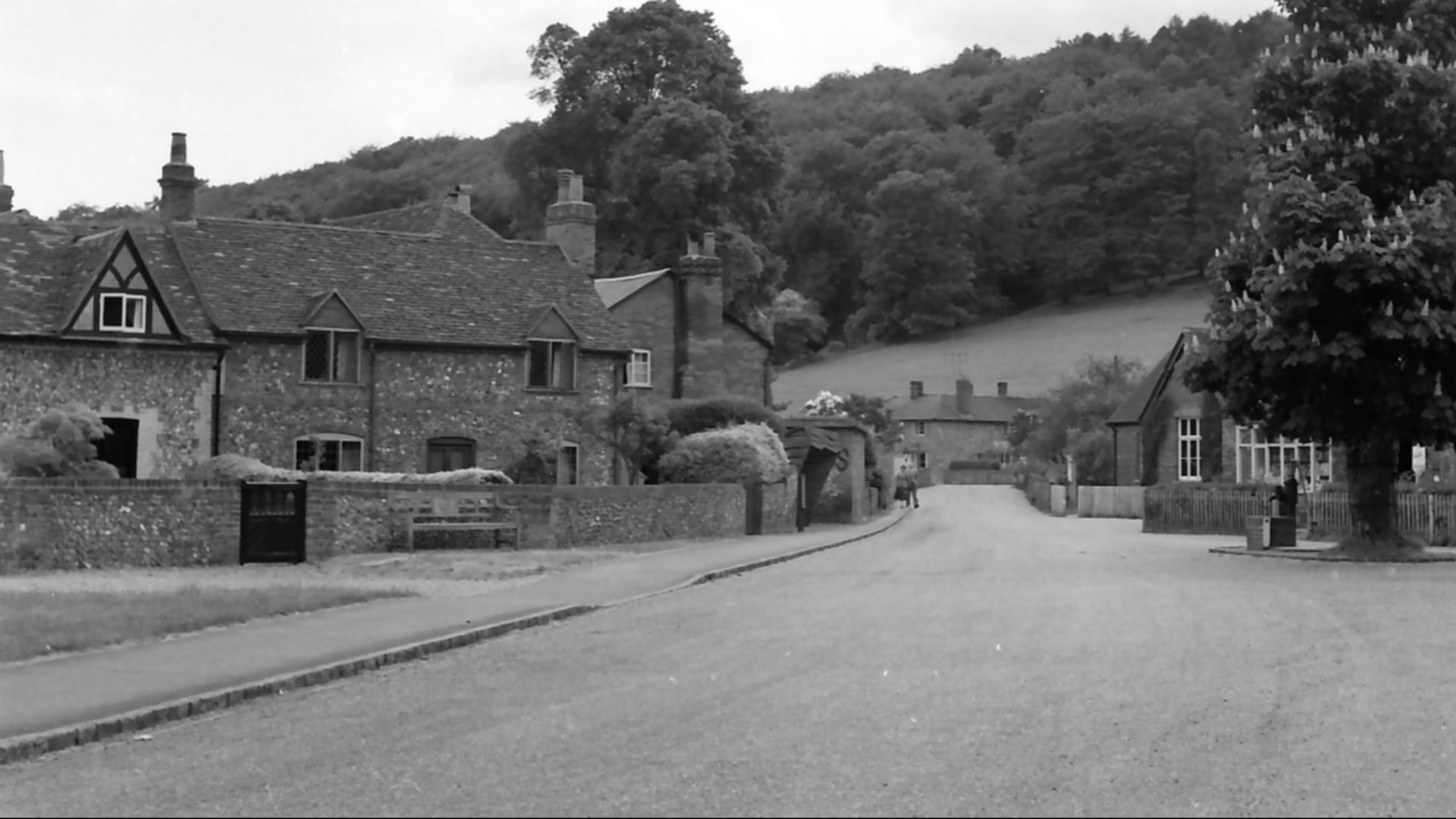
Mitrokhin lived out his life under a new identity in Britain, safe but in exile. He would never set foot on the soil of his homeland again. He passed on in 2004. Some say he retained some bitterness that the West didn’t take him seriously sooner. He had given everything he had to deliver the truth, but it arrived too late.
 Antony Ewart Smith , Wikimedia Commons
A Quiet Hero
Vasili Mitrokhin risked his life to expose the Soviet Union’s hidden realm of espionage. It’s hard to imagine the determination of Mitrokhin, writing and hiding away all those documents for all those years. All that time he never knew if anyone would ever read the papers. He wondered from one moment to the next if armed KGB agents would break down his door. That’s what makes the story of Mitrokhin so incredible, and so heroic.
You May Also Like:
Shadowy Facts About Spies, Espionage, And State Secrets
How Many Of These Cold War Trivia Questions Can You Answer?








,_passing_by_propaganda_poster_celebrating_the_reconquest_of_the_city_and_urging_the_liberation_of_the_Baltic_from_Nazi_German_occupation._July_4,_1944.jpg)