Buyer Beware
Before modern drug regulation, self-appointed healers and legitimate physicians alike could build fortunes around miracle pills, electrical gadgets, secret formulas, and supposed cures that had never survived serious scientific testing. Some were eventually exposed by experiments, journalists, medical boards, and federal law, but not before America's age of medical quackery made several of them rich and famous.
James Graham Built A Temple To Electricity
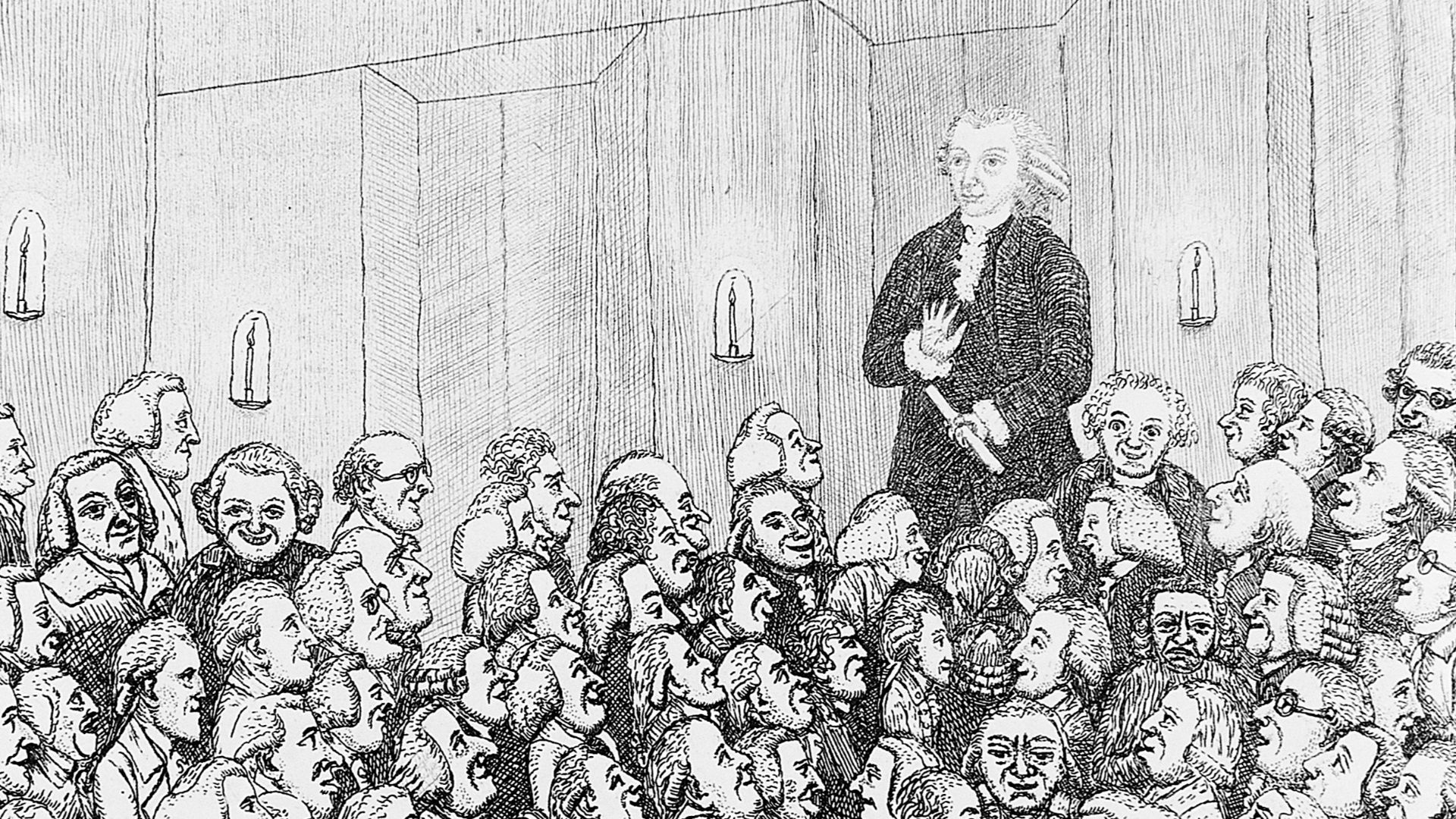
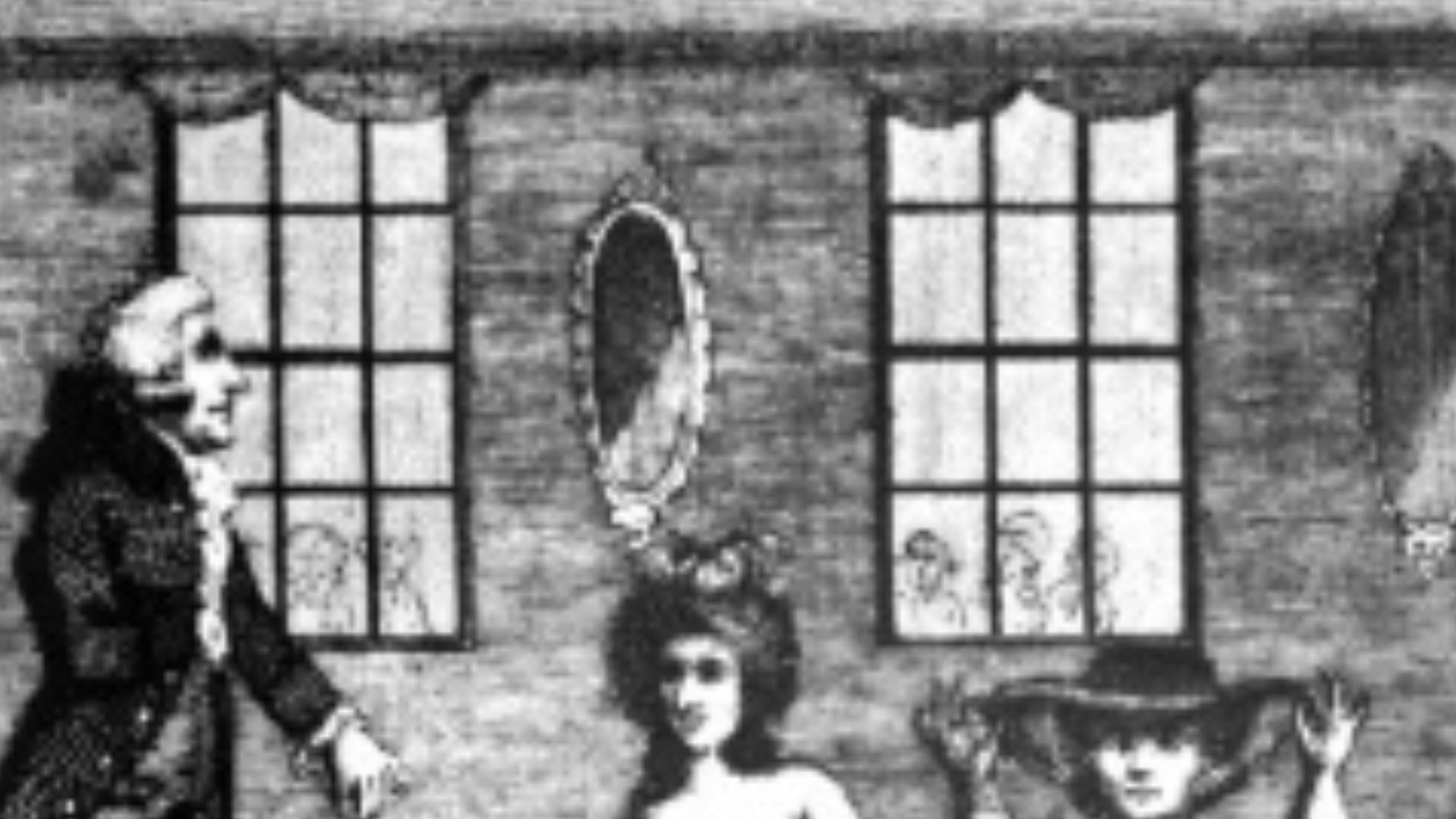
Scottish showman James Graham studied medicine but never completed a medical degree, yet by the late 18th century he was presenting himself as a specialist in health and fertility. His spectacular London establishments combined medicine with music, theatrical lighting, perfume, attendants, and electrical equipment. Electricity was still mysterious enough to seem almost miraculous, which made it ideal for Graham's promises of restored vitality. His clinics resembled futuristic attractions as much as medical offices.
His Celestial Bed Promised Babies
The centerpiece of Graham's Temple of Hymen was an enormous electrically charged contraption known as the Celestial Bed. Wellcome Collection records that Graham claimed couples using it would gain stronger nerves and improved fertility, and he charged an extraordinary £50 for a night's use. Music, perfume, magnets, electricity, and elaborate decoration helped make the experience feel scientifically advanced. Desperate couples were essentially buying an expensive performance wrapped around an unsupported medical promise.
 Eric Jameson, Wikimedia Commons
London Eventually Laughed At Doctor Graham
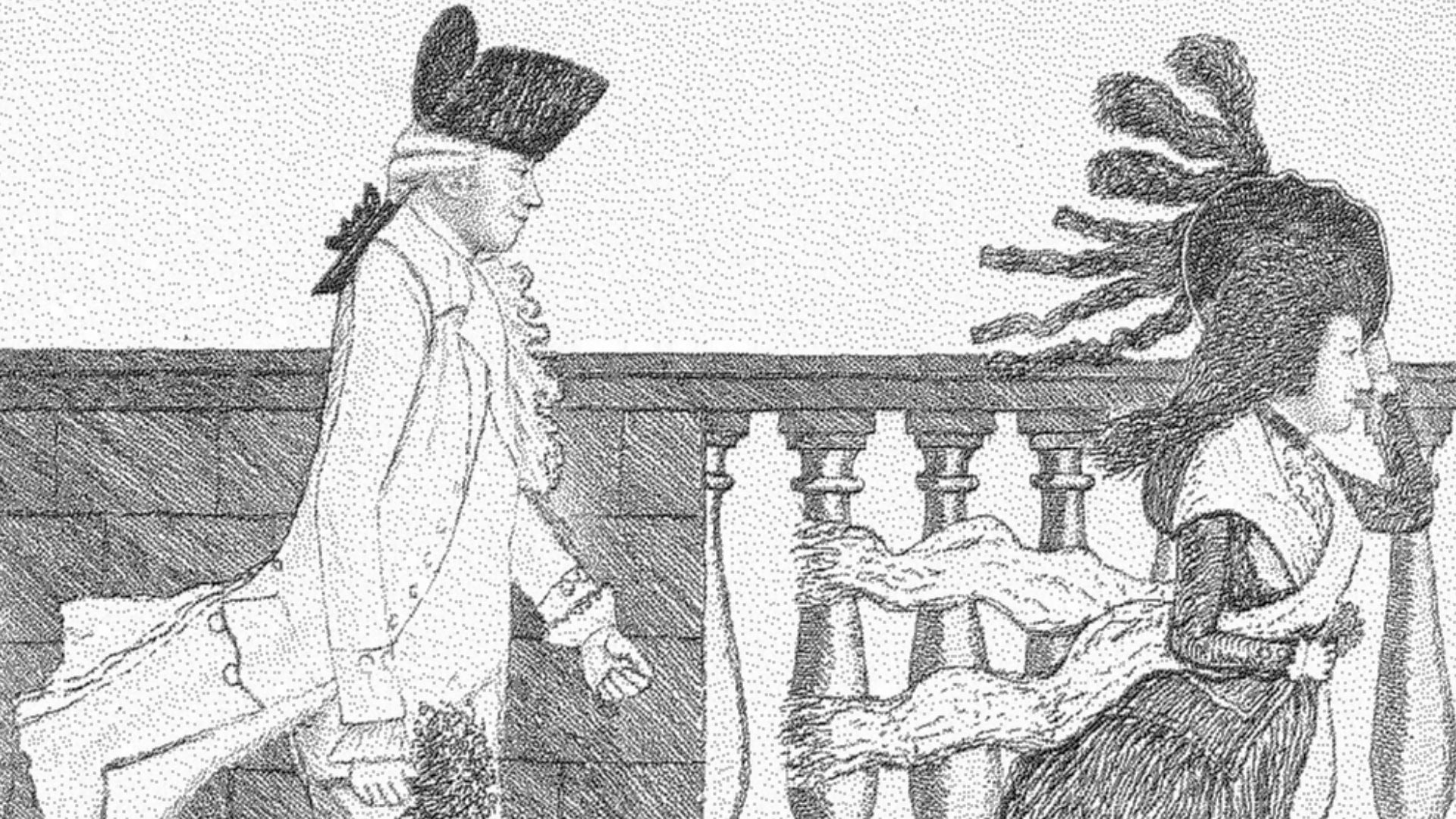
Graham's methods were mocked publicly even during his own lifetime. Satirical prints portrayed him amid electrical devices while a duck literally cried "Quack," and poems ridiculed the Celestial Bed. His medical spectacle eventually lost its fashionable audience, and Graham moved on to other unconventional ideas, including what he called earth-bathing. Long before government regulators could police such claims, ridicule and changing public taste were often the only real checks on a medical showman.
 Artist John Kay, Wikimedia Commons

History's most fascinating stories and darkest secrets, delivered to your inbox daily.
Elisha Perkins Patented A Miracle Pair Of Rods
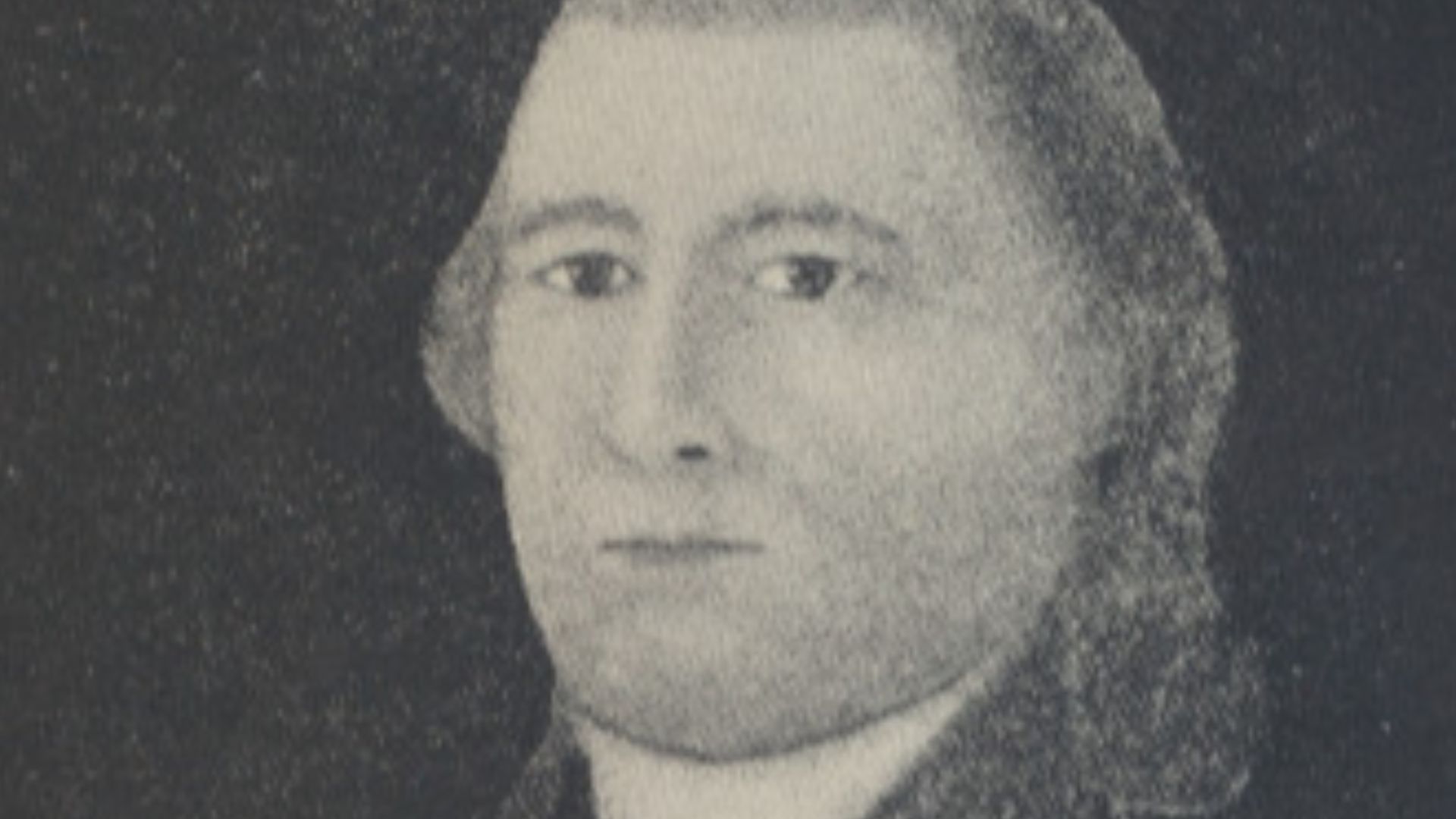
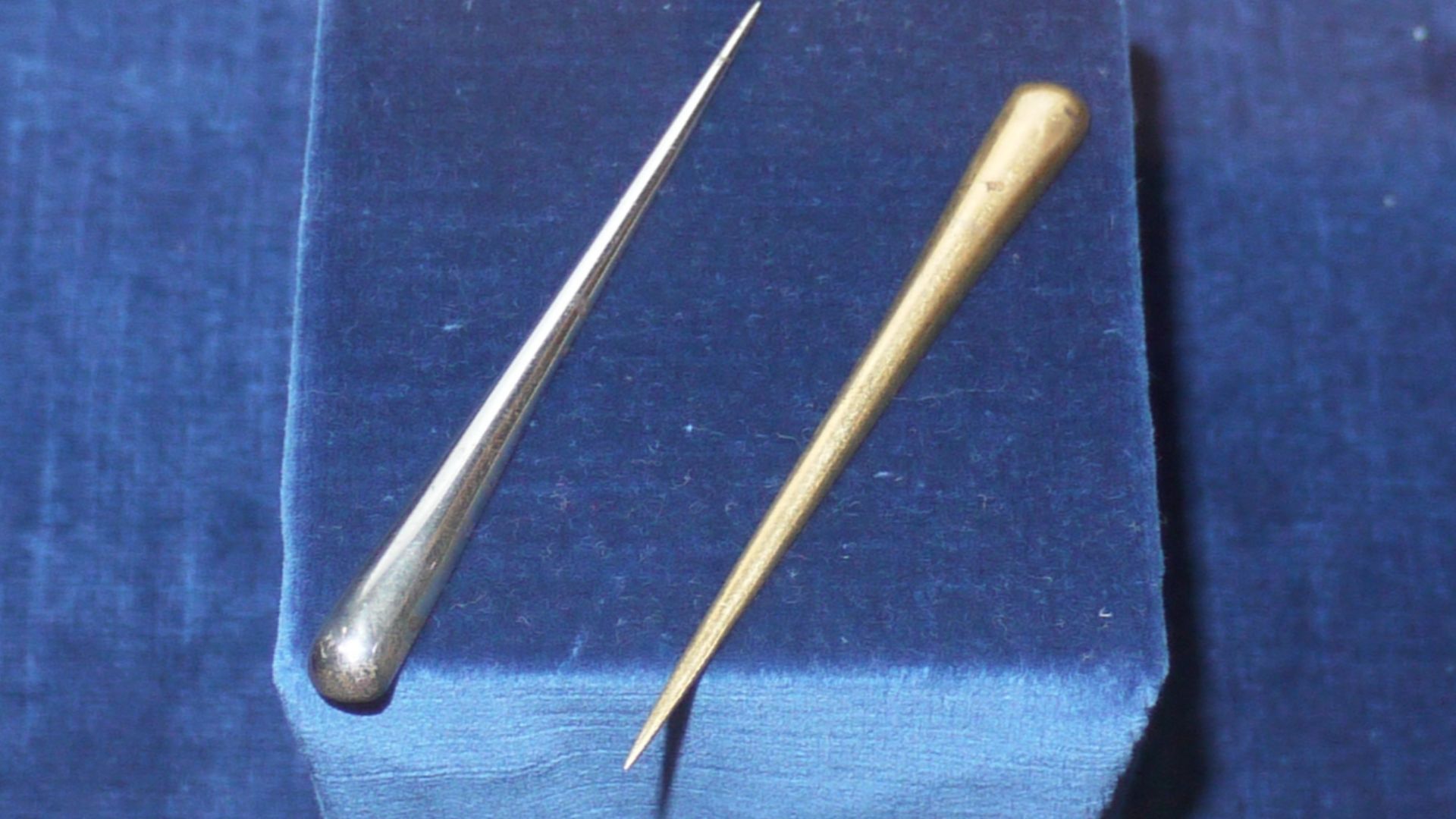
Connecticut physician Elisha Perkins entered the medical marketplace with a more portable wonder. In 1796, he patented two small metal rods that became known as Perkins's Tractors. Perkins claimed that passing the instruments over painful areas could relieve numerous illnesses through an invisible "electrophysical force." Aggressive marketing and endorsements helped the device spread rapidly through the United States and Britain.
 Unknown authorUnknown author, Wikimedia Commons
The Tractors Became An International Craze
Supporters claimed the devices could treat headaches, toothaches, rheumatism, gout, and other painful conditions. Perkins's son Benjamin became an especially energetic promoter and expanded the business in Britain. The treatment benefited from the period's fascination with electricity and galvanism, giving a simple pair of rods an aura of cutting-edge science. Prominent supporters helped make "Perkinism" fashionable before anyone had convincingly established that the metal itself did anything.
Wooden Fakes Destroyed The Miracle
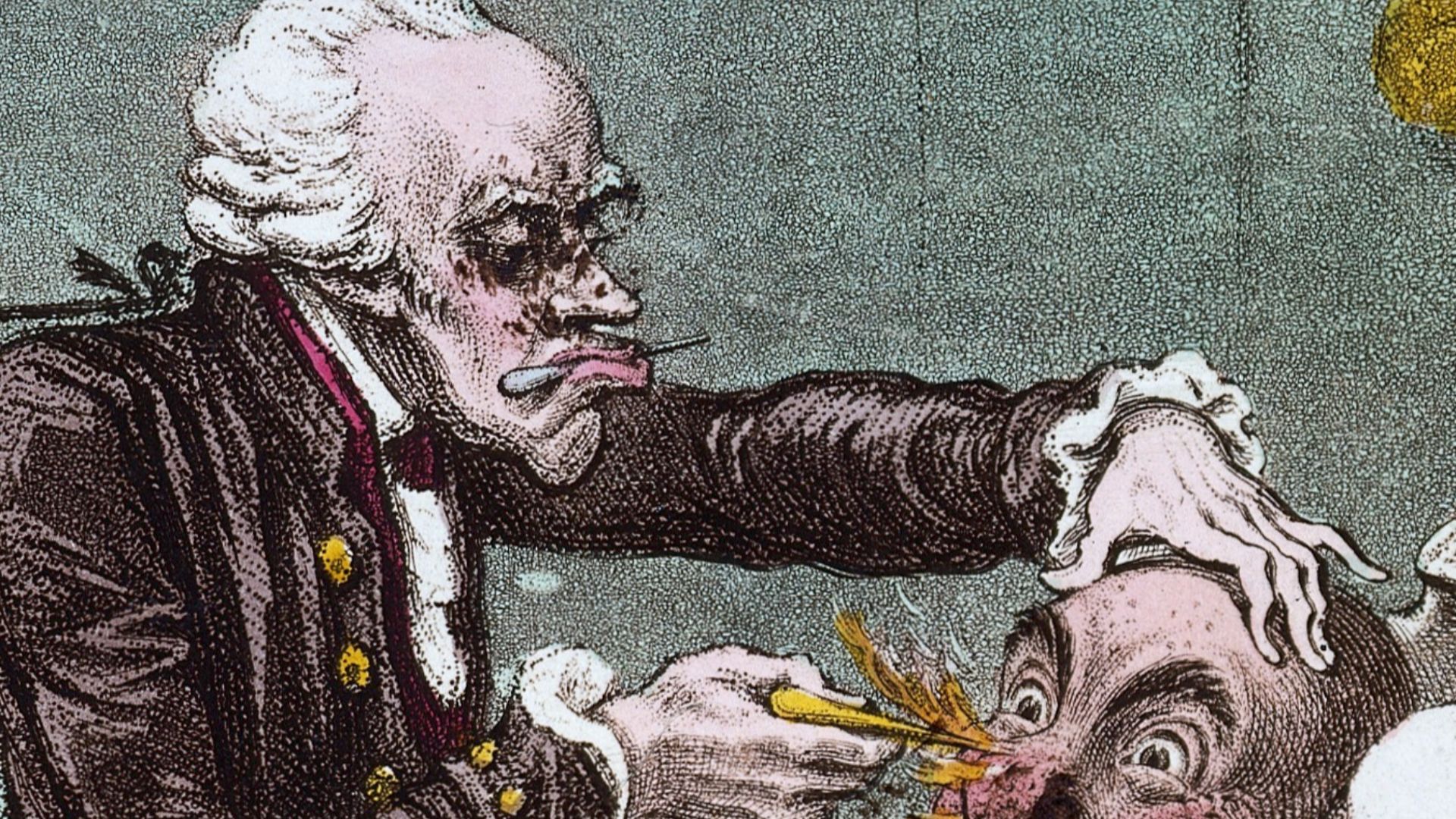
English physician John Haygarth devised an ingenious test around 1800. He treated patients with wooden imitations that looked like Perkins's metal tractors and found that the sham devices produced similar reports of improvement. Later experiments likewise failed to show a special effect from the patented instruments. The episode became an important early demonstration of placebo-controlled testing and showed how easily expectation could masquerade as a miracle cure.
John St John Long Reinvented Himself As A Healer
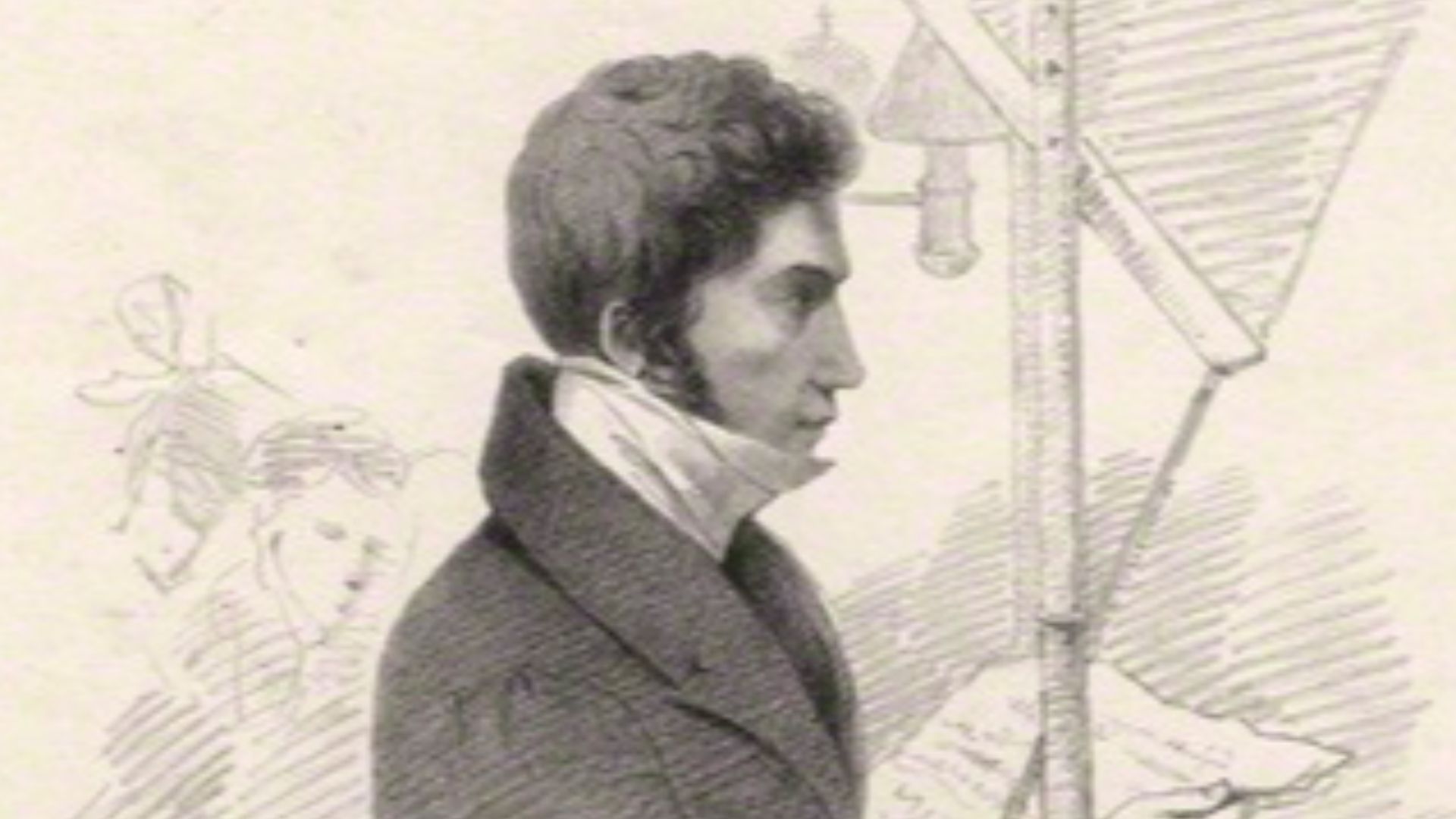
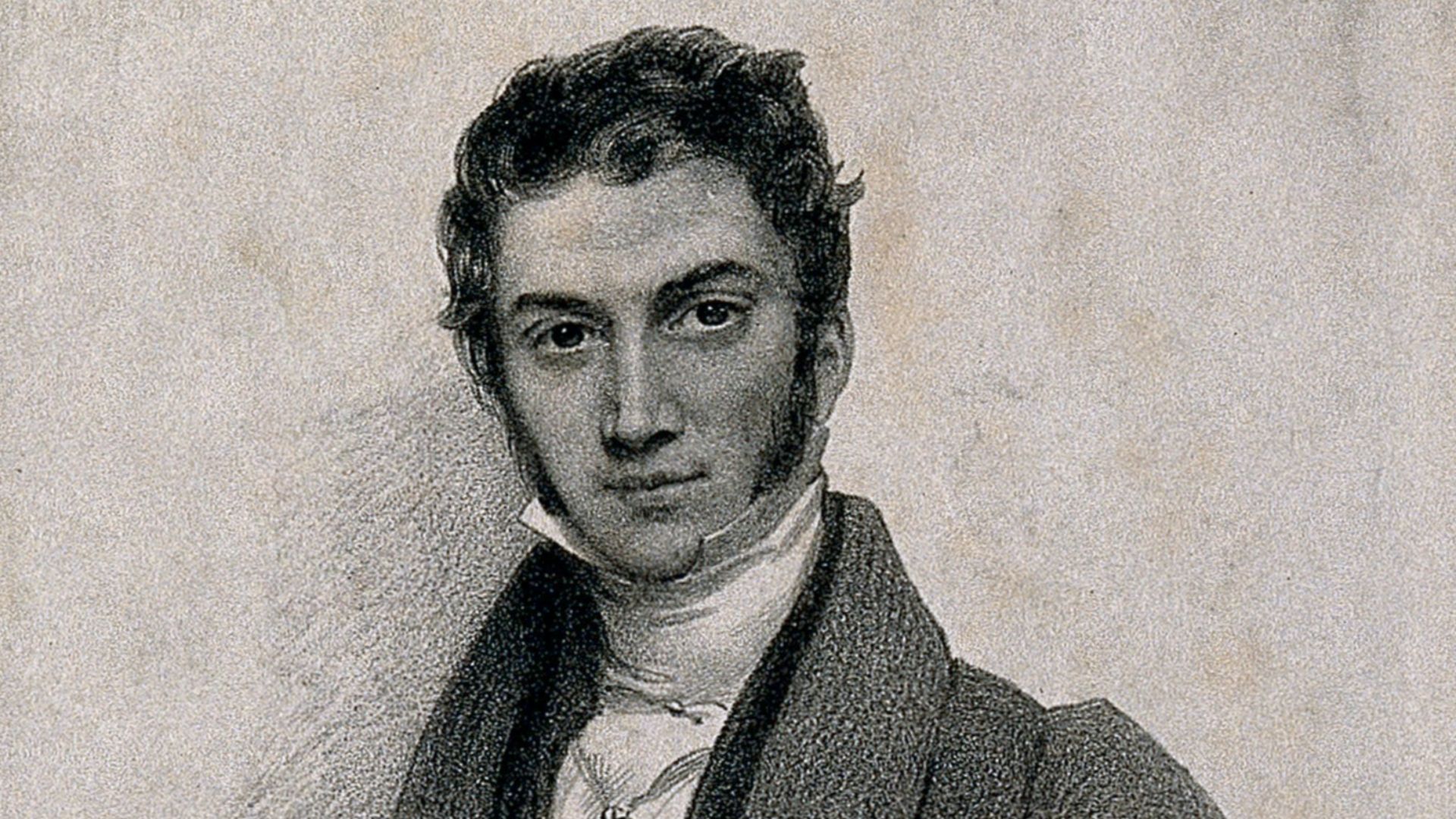
John St John Long began his career as an Irish artist rather than a physician. After moving to London, he established a medical practice and became known for claiming he could treat tuberculosis and other serious diseases with secret preparations. His success carried him into fashionable circles and eventually to prestigious Harley Street. A persuasive personality had transformed an artist without conventional medical training into a highly sought-after healer.
His Cure Deliberately Created Wounds
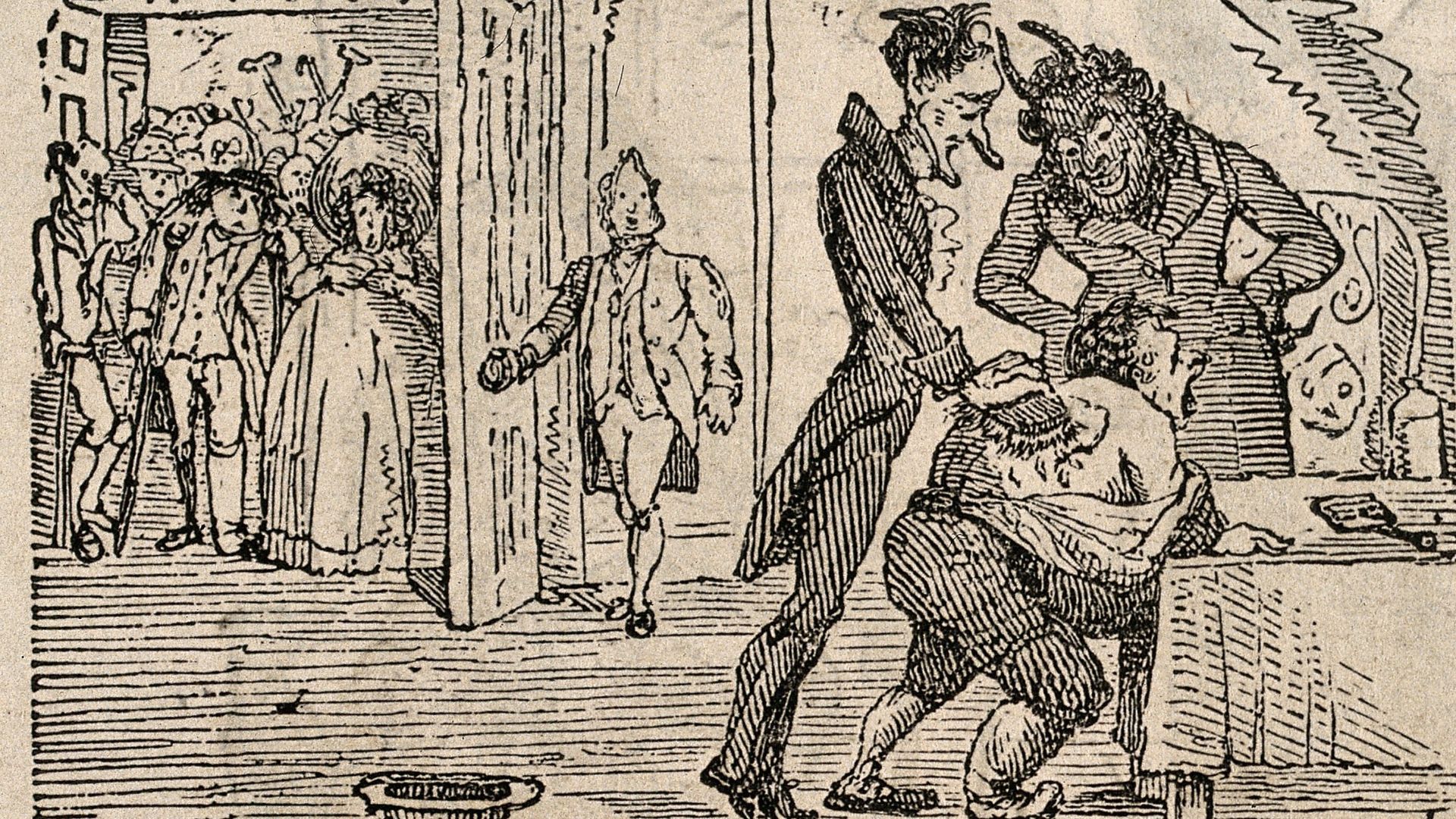
Long's treatment involved rubbing a secret substance onto a patient's chest or back until it produced an inflamed, draining sore. He argued that the eruption allowed disease to leave the body. The practice was especially dangerous because patients with serious illnesses could suffer additional injury and infection from the treatment itself. Long nevertheless attracted enough loyal patients to continue practicing after grave questions arose about his methods.
Manslaughter Still Did Not End His Career
Long was prosecuted after the death of patient Catherine Cashin and was convicted of manslaughter in 1830. He received a £250 fine rather than imprisonment and soon faced another manslaughter prosecution involving a different patient, though he was acquitted in that case. Remarkably, wealthy supporters continued defending him and seeking his treatments. His story shows how little legal protection patients had when charisma, secrecy, and testimonials could outweigh medical evidence.
History's most fascinating stories and darkest secrets, delivered to your inbox daily.
Benjamin Brandreth Sold A Universal Pill
Benjamin Brandreth arrived in the United States from England in 1835 hoping to expand the market for his family's Vegetable Universal Pills. The product was essentially a powerful purgative sold in an era when cleansing the body was widely believed to restore health. Brandreth did not invent the formula, but he understood something just as valuable: mass advertising. Within a year, he had established a large manufacturing operation in Sing Sing, later renamed Ossining, New York.
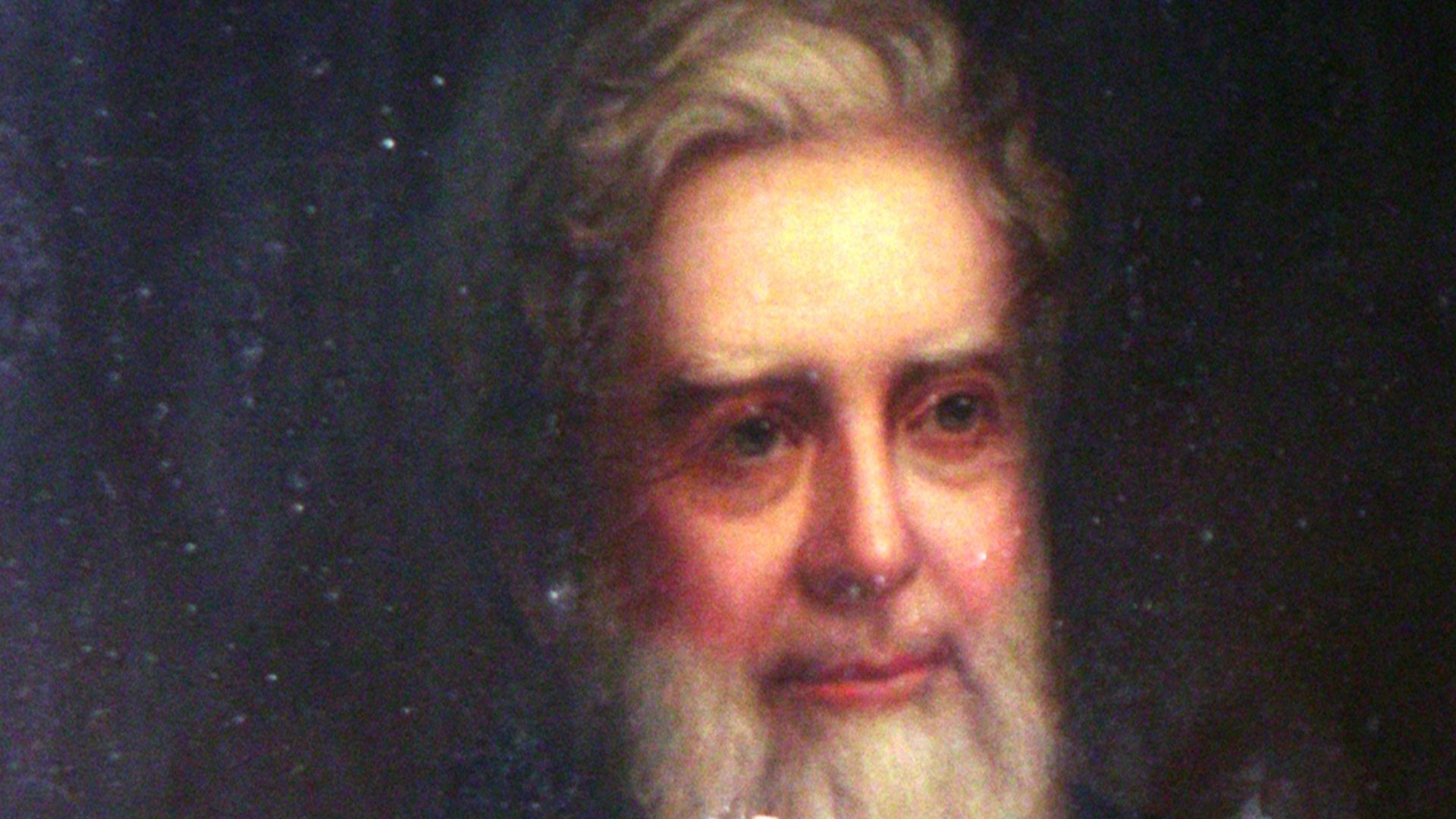 Unknown authorUnknown author, Wikimedia Commons
Printer's Ink Made Brandreth Rich
Smithsonian records describe Brandreth as an early master of using "printer's ink" to expand a medical business. He flooded newspapers and pamphlets with advertising and published elaborate material explaining the supposed virtues of purgation. The National Park Service notes that he used paid testimonials and outdoor billboards and became the nation's largest proprietary advertiser according to an 1849 congressional committee. Medicine had become a mass-marketing product years before national regulators existed to demand proof.
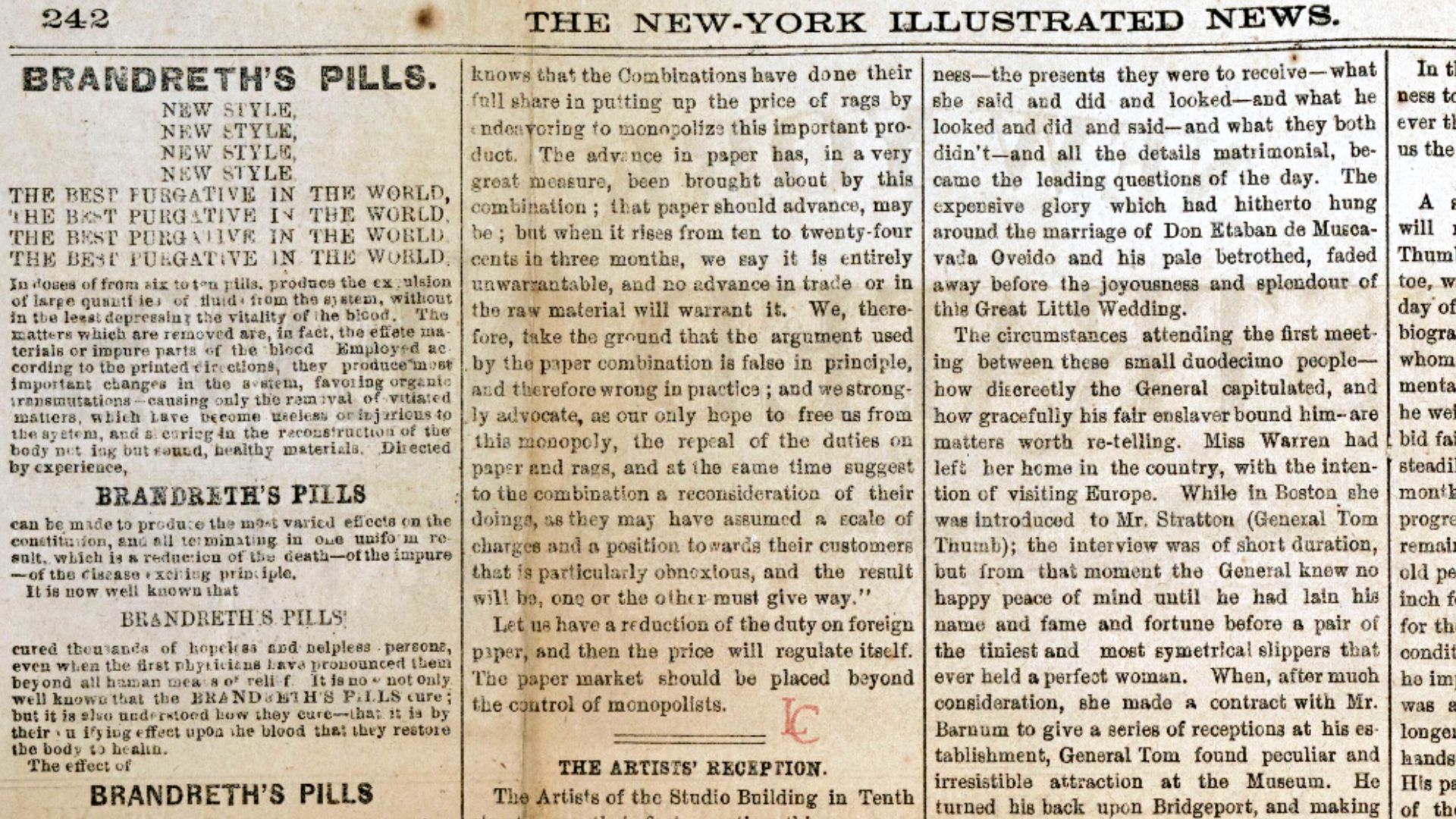
The Pill Factory Outlasted The Craze
Brandreth became wealthy enough that the business required a substantial industrial complex. His Ossining factory is historically significant as an early American patent-medicine manufacturing site and was eventually listed on the National Register of Historic Places. The pills survived for decades because Brandreth had created not simply a remedy but a recognizable national brand. His success provided a blueprint that later patent-medicine sellers would follow on an even grander scale.
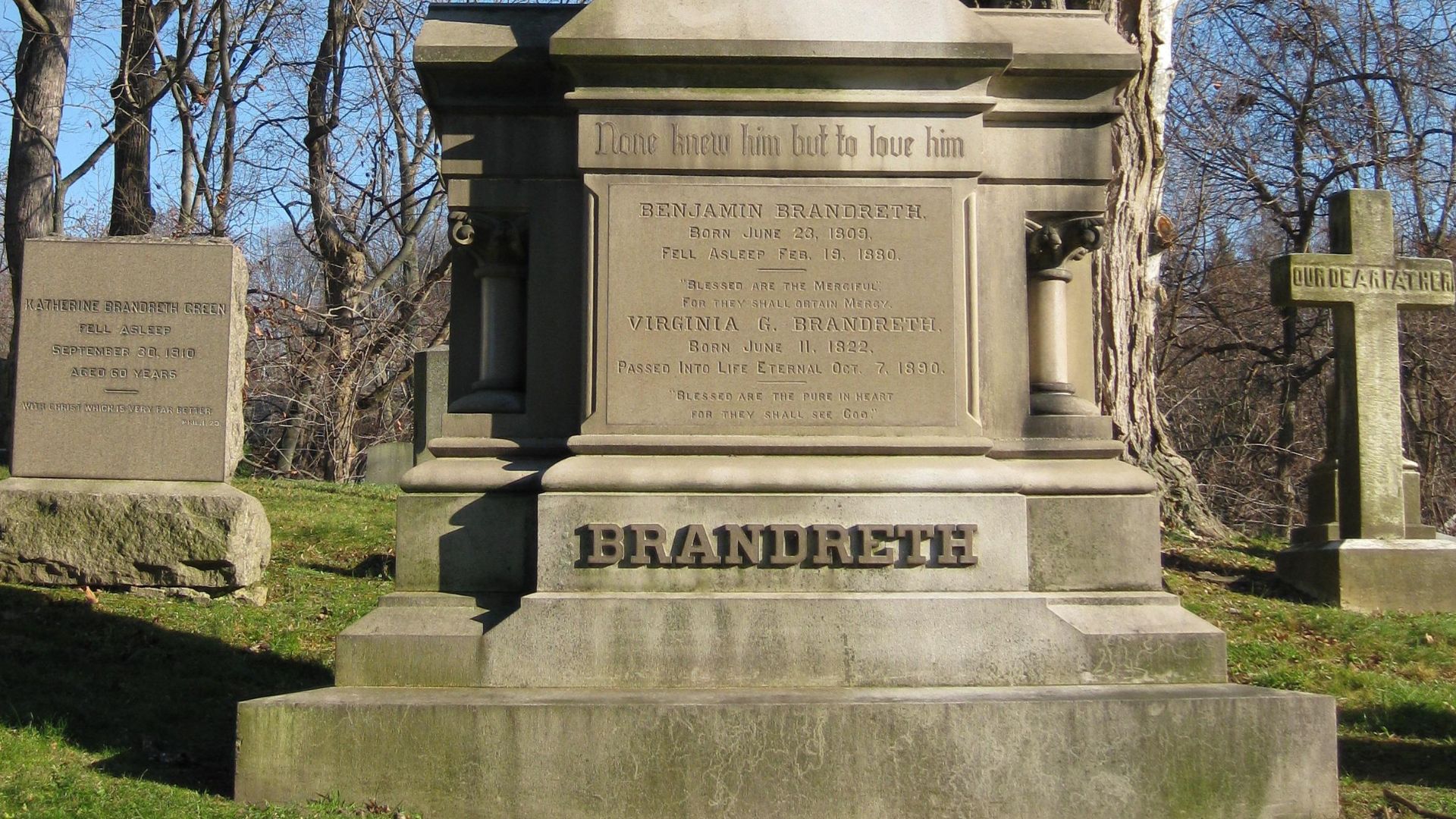
William Radam Declared War On Every Microbe
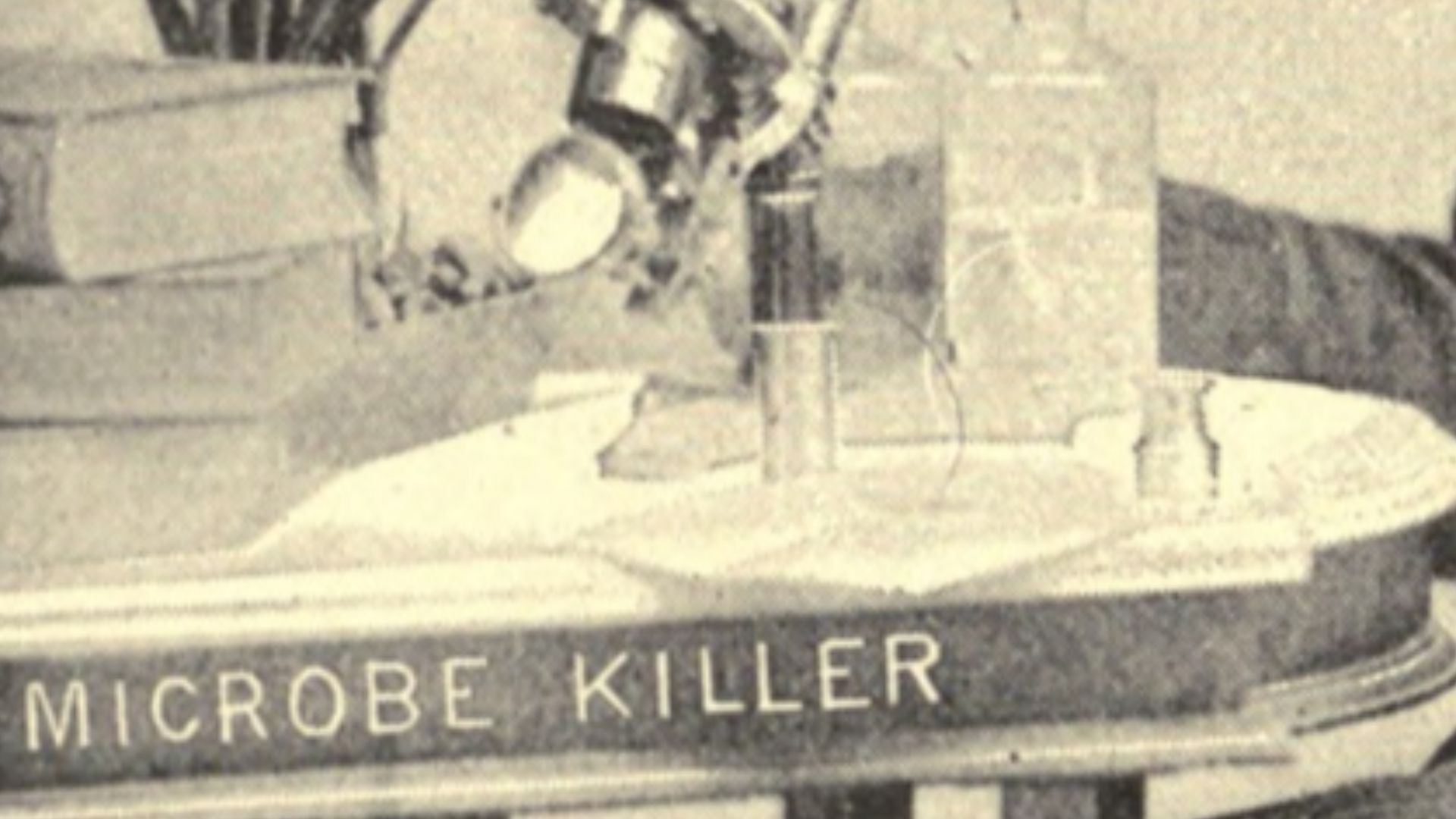
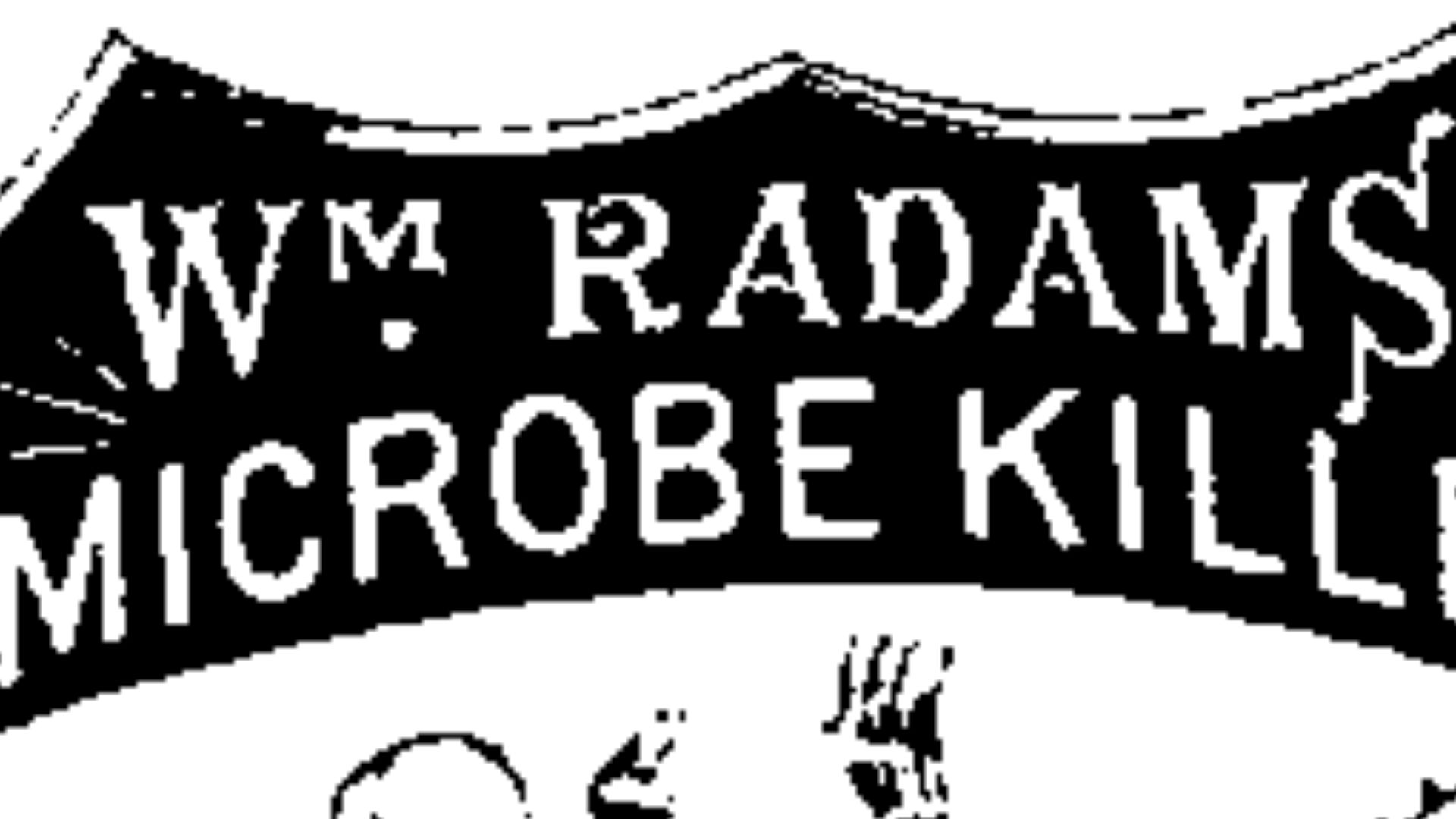
William Radam was a German-born gardener and botanist who settled in Texas rather than a trained physician. He became convinced that microorganisms caused virtually all disease and developed a liquid he dramatically named the Microbe Killer. Radam claimed his concoction could destroy disease-causing microbes throughout the body. Smithsonian records note that he promoted it as a treatment capable of curing all diseases.
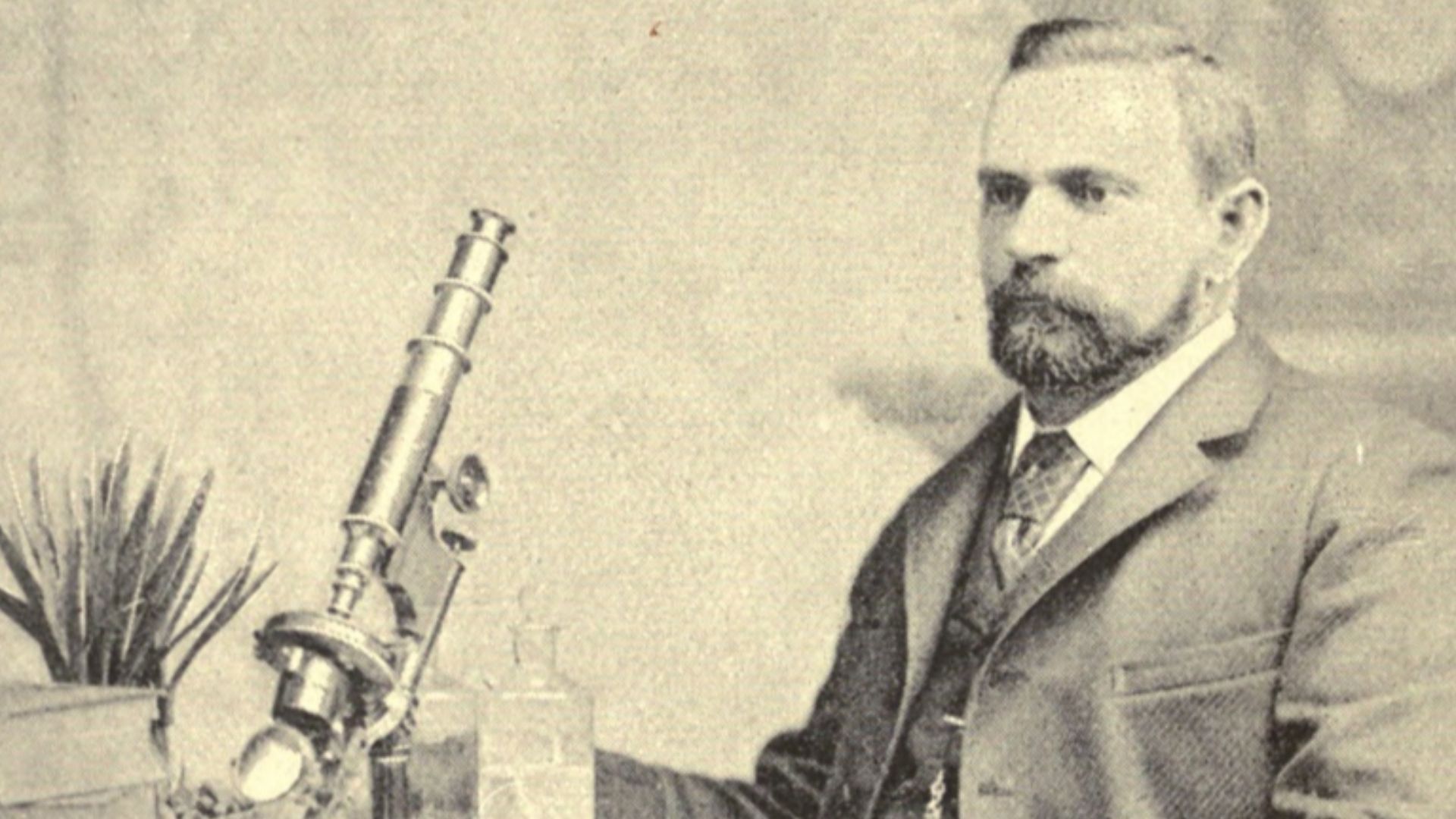
The Microbe Killer Became Big Business
Radam published books explaining his theory and sold the Microbe Killer in distinctive jugs that made the remedy instantly recognizable. The product became commercially successful at a moment when germ theory was transforming legitimate medicine, allowing Radam to borrow the language of genuine scientific discovery. His claims sounded modern because microbes really did cause many diseases. The problem was his leap from that fact to the claim that his proprietary liquid could cure essentially everything.
New Drug Laws Made The Old Claims Harder
Radam died in 1902, but his branded remedy continued after him. Smithsonian records that the Microbe Killer remained commercially successful until federal food and drug legislation began making extravagant medical claims more difficult to sustain. The product illustrates one of the era's favorite tricks: attach a genuine scientific idea to an unsupported universal cure. Regulation increasingly forced manufacturers to prove more than a clever connection to the latest scientific vocabulary.
 Smerdis of Tlön, Wikimedia Commons
History's most fascinating stories and darkest secrets, delivered to your inbox daily.
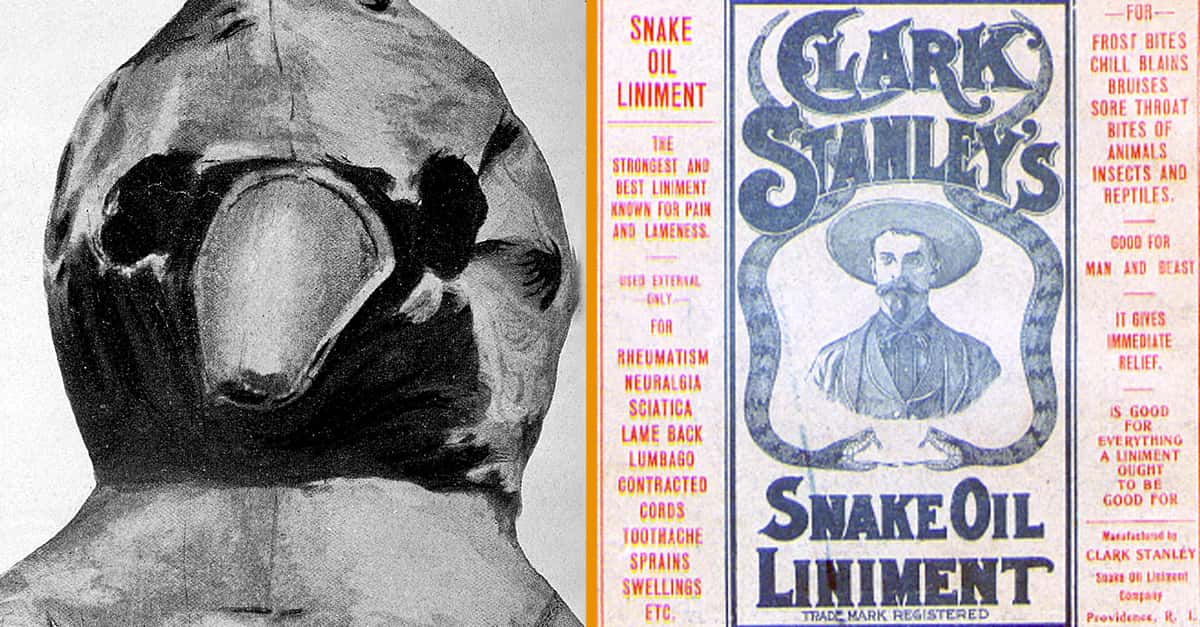
Clark Stanley Made Snake Oil Literal
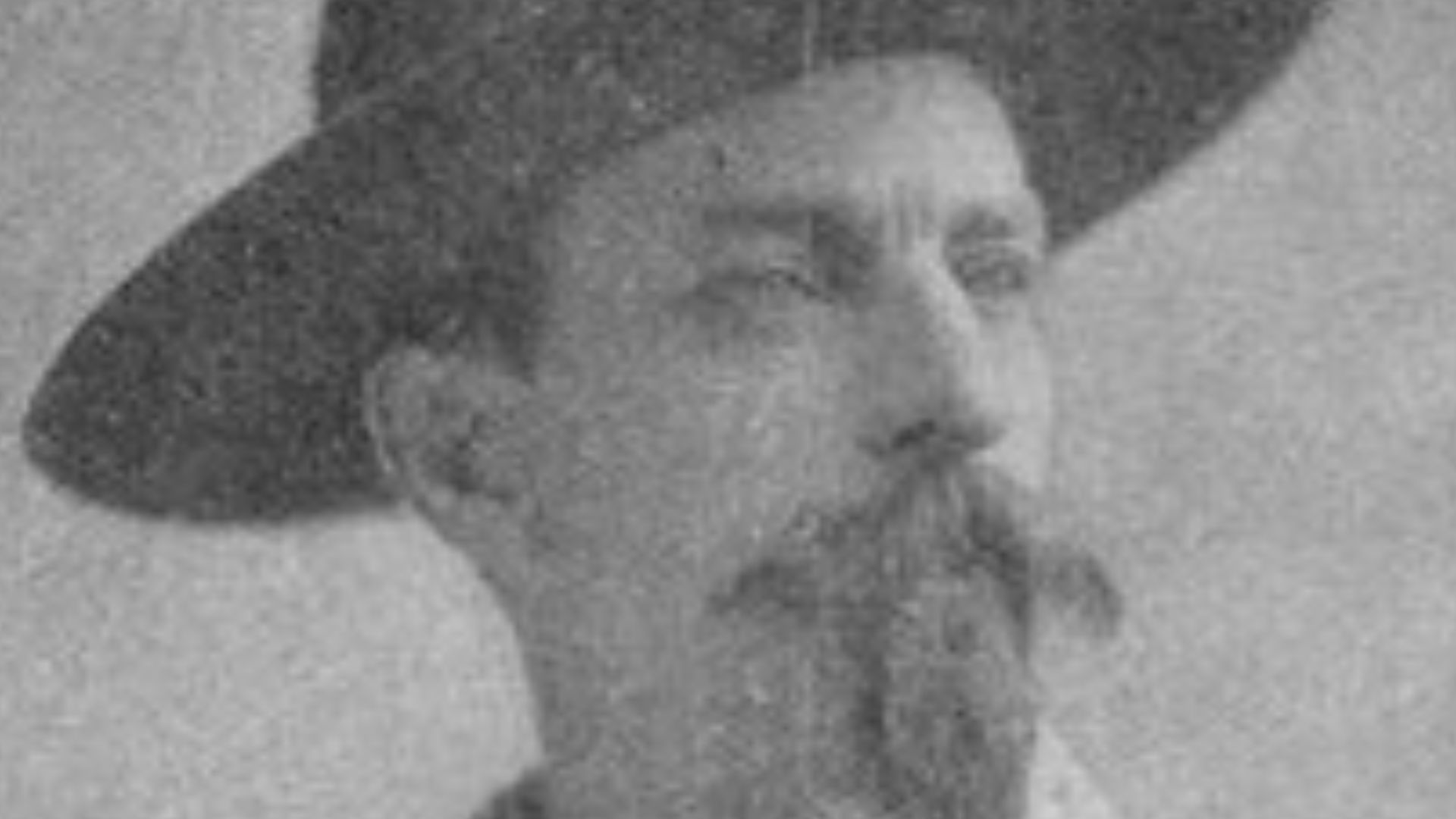
Clark Stanley called himself the "Rattlesnake King" and told customers that he had learned the secrets of snake oil from a Hopi medicine man. After promoting his liniment through medicine shows, he attracted major attention at Chicago's World's Columbian Exposition in 1893. Live rattlesnakes and Western showmanship made Stanley's sales pitch far more memorable than an ordinary pharmacy advertisement. He built a nationwide business around what appeared to be an exotic traditional remedy.
 Clark Stanley, Wikimedia Commons
The Bottle Promised An Amazing Cure
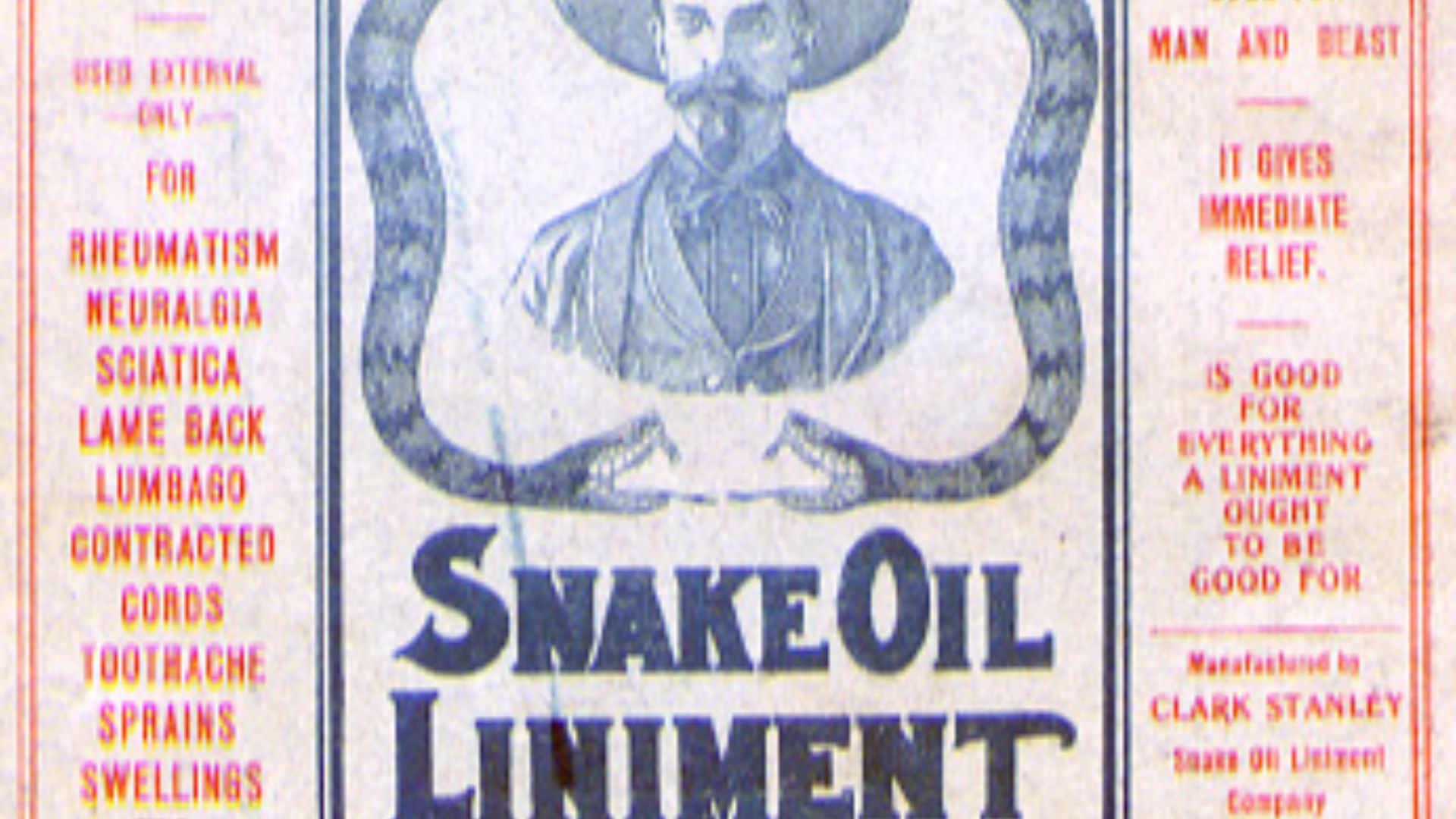
Stanley's Snake Oil Liniment was sold as a treatment for aches and pains and carried the mystique of a product supposedly derived from rattlesnakes. Medicine shows allowed promoters such as Stanley to blend entertainment with medical salesmanship, making the pitch itself part of the attraction. Customers were buying a story about secret knowledge along with the bottle. Eventually, federal investigators got a chance to see what the celebrated snake remedy actually contained.
 Clark Stanley, Wikimedia Commons
Investigators Found No Snake Oil
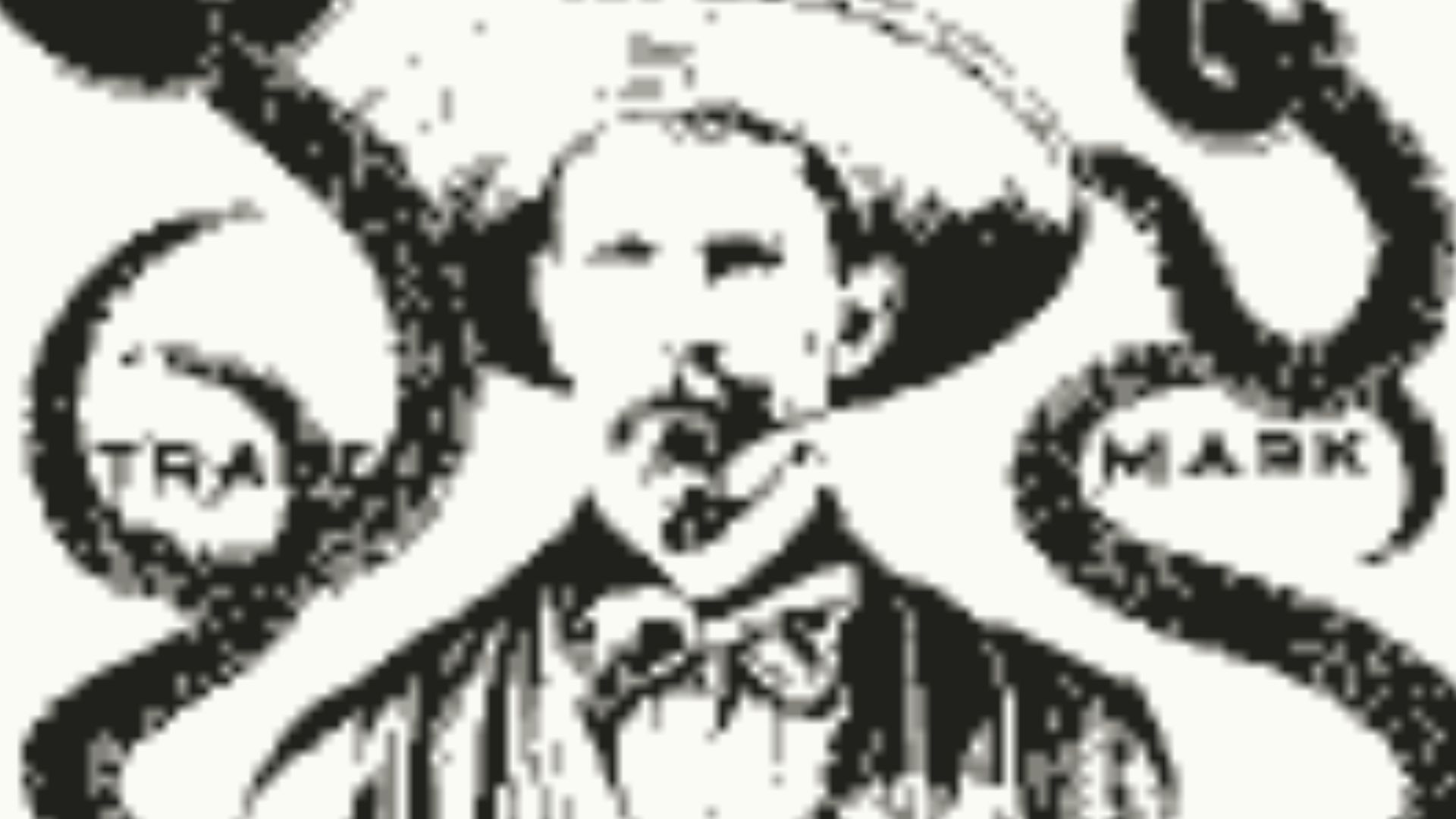
In 1916, federal authorities analyzed Stanley's product under the Pure Food and Drug Act. Smithsonian records show that the mixture contained mineral oil, a fatty substance thought to be beef-derived, capsaicin, and turpentine, but apparently no snake oil. Stanley was fined $20. His name faded, but "snake oil" survived as one of the English language's most enduring expressions for fraudulent cures and dishonest salesmanship.
 Clark Stanley, Wikimedia Commons
Samuel Hartman Made Catarrh Cause Everything
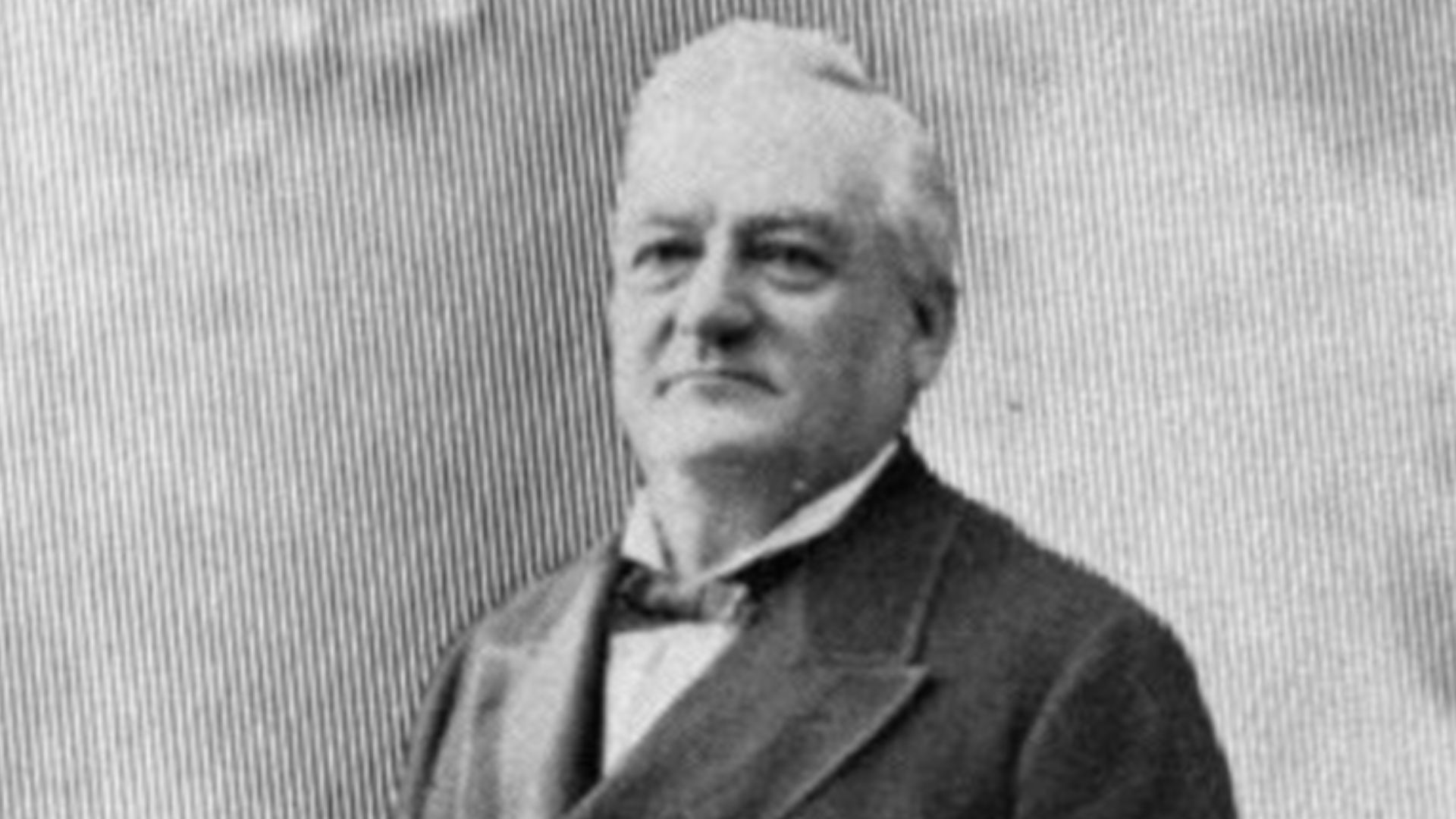
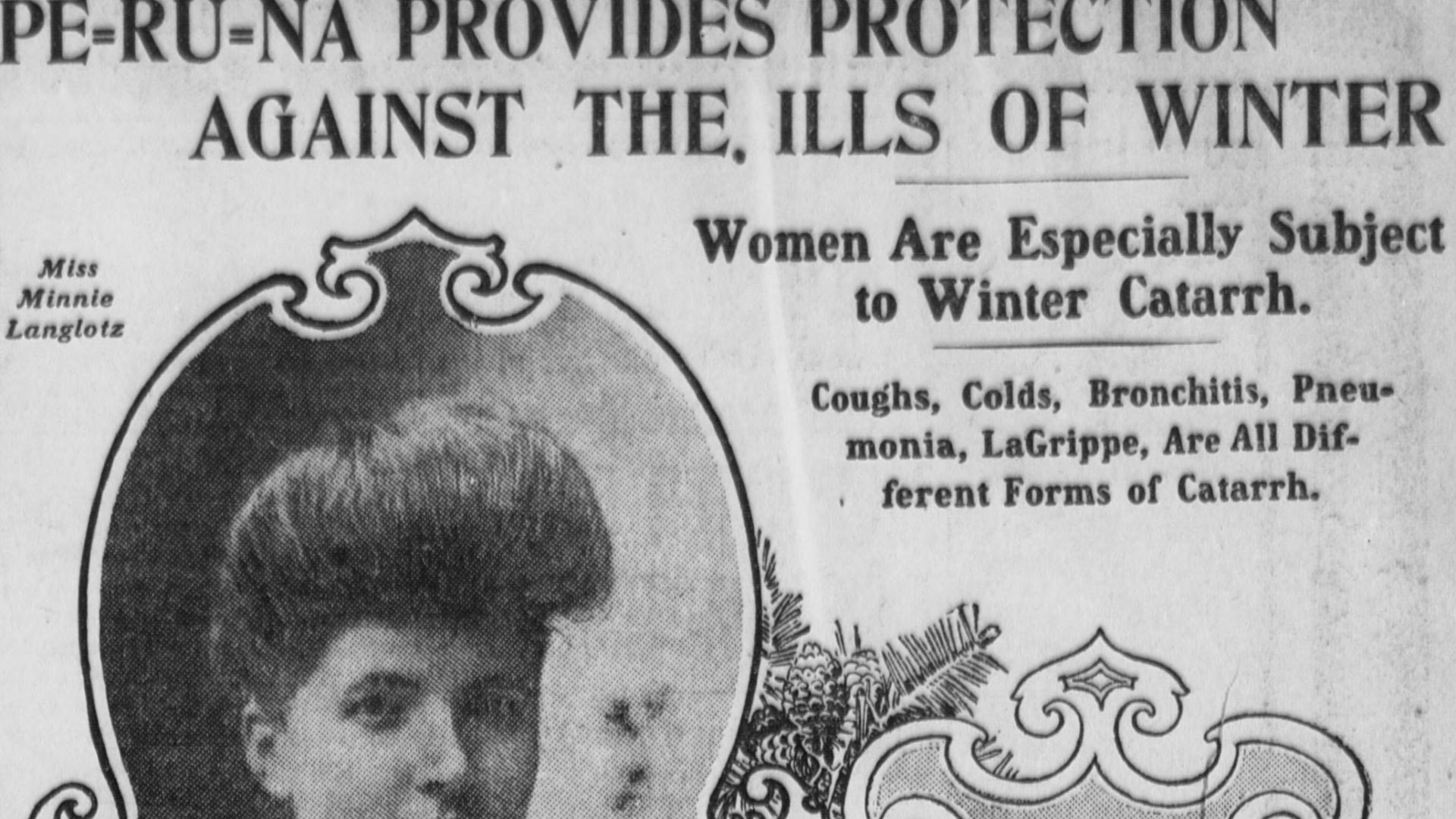
Samuel Brubaker Hartman actually had medical training, but his later patent-medicine empire carried cure-all logic to extraordinary lengths. He created Peruna and argued that "catarrh," a vague term involving inflammation and mucus, lay behind an enormous range of illnesses. This allowed one product to be advertised to people suffering from very different medical problems. The broader the definition of the disease became, the larger Hartman's potential market grew.
 Unknown authorUnknown author, Wikimedia Commons
Peruna Sold Medicine And Plenty Of Alcohol
Peruna became one of America's best-known patent medicines. Historical examinations found that the tonic contained a substantial amount of alcohol, an ingredient that could certainly make customers feel something even if the product did not cure their underlying disease. Hartman used testimonials and enormous advertising campaigns to promote the remedy. His empire demonstrated how effectively a medical entrepreneur could manufacture both a diagnosis and the product supposedly designed to cure it.
 Unknown authorUnknown author, Wikimedia Commons
The Great American Fraud Changed The Rules
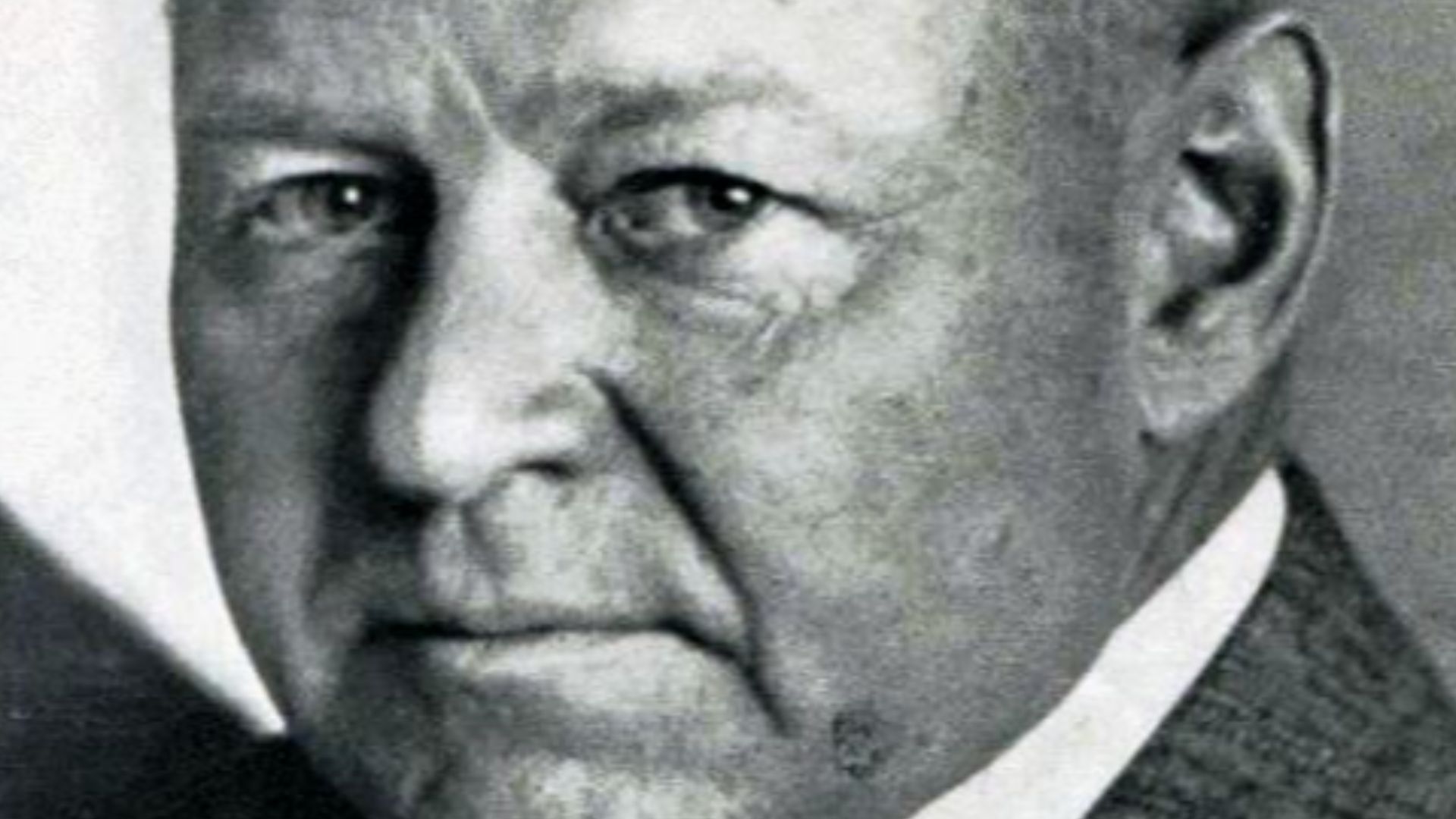
Journalist Samuel Hopkins Adams attacked patent medicines like Peruna in his famous 1905 Collier's series, "The Great American Fraud." The investigation exposed misleading claims and helped build public support for federal intervention. Congress passed the Pure Food and Drug Act in 1906, creating stronger rules around labeling and adulteration. It did not end medical quackery, but the anything-goes era had finally acquired a federal adversary.
 Paul Thompson, Wikimedia Commons
History's most fascinating stories and darkest secrets, delivered to your inbox daily.
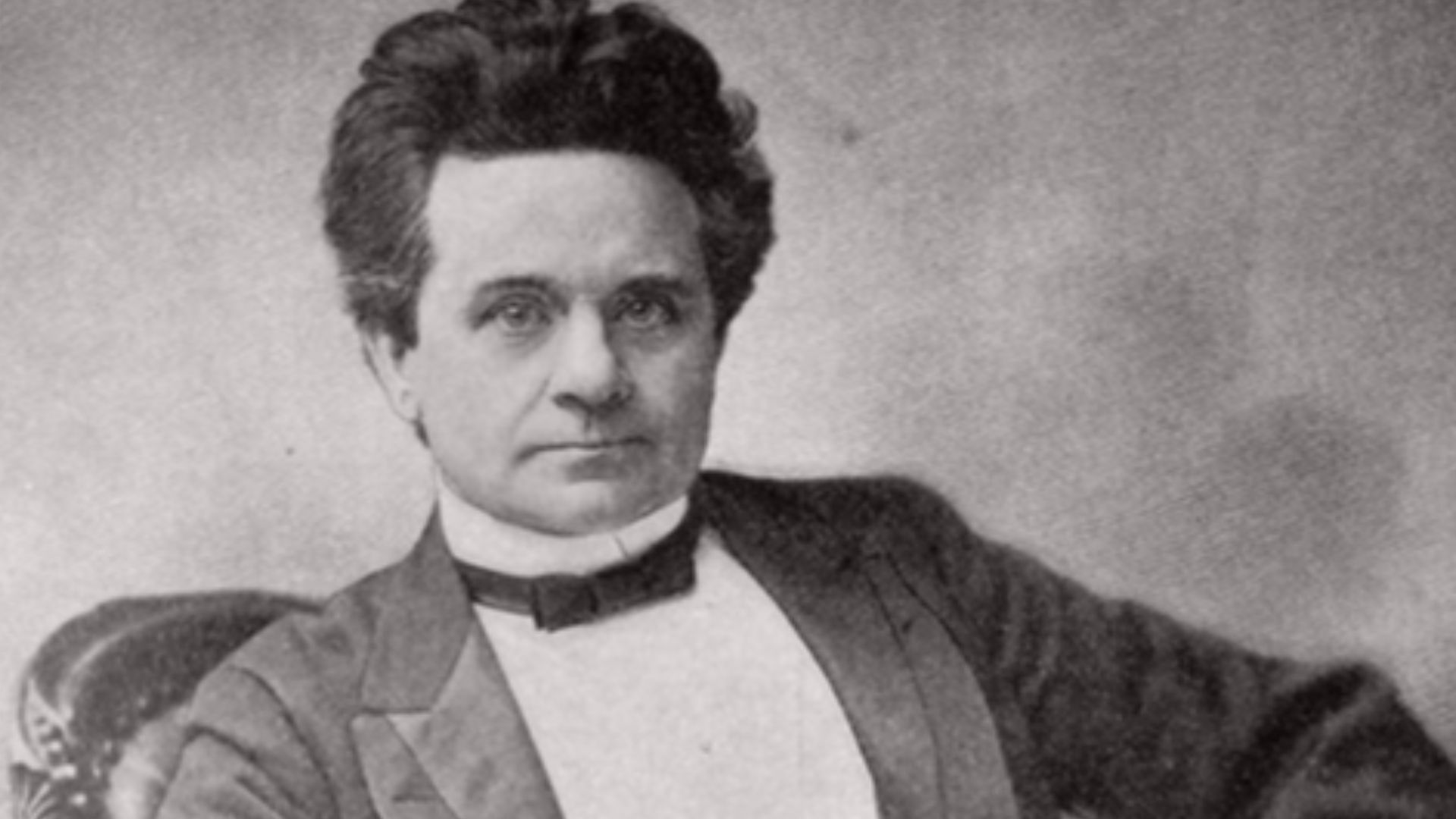
Professor Munyon Had A Remedy For Everything
James M. Munyon built another enormous business around homeopathic preparations in the late 19th century. Smithsonian collections preserve Munyon products marketed for measles, catarrh, constipation, liver problems, and other conditions. Instead of offering one universal tonic, Munyon's company sold a catalog of specialized remedies. That approach let consumers diagnose themselves and purchase the corresponding bottle without seeing a conventional physician.
 Music published by M.D. Swisher, Philadelphia. Photo credit illegible., Wikimedia Commons
Munyon Sold Health Like A Department Store
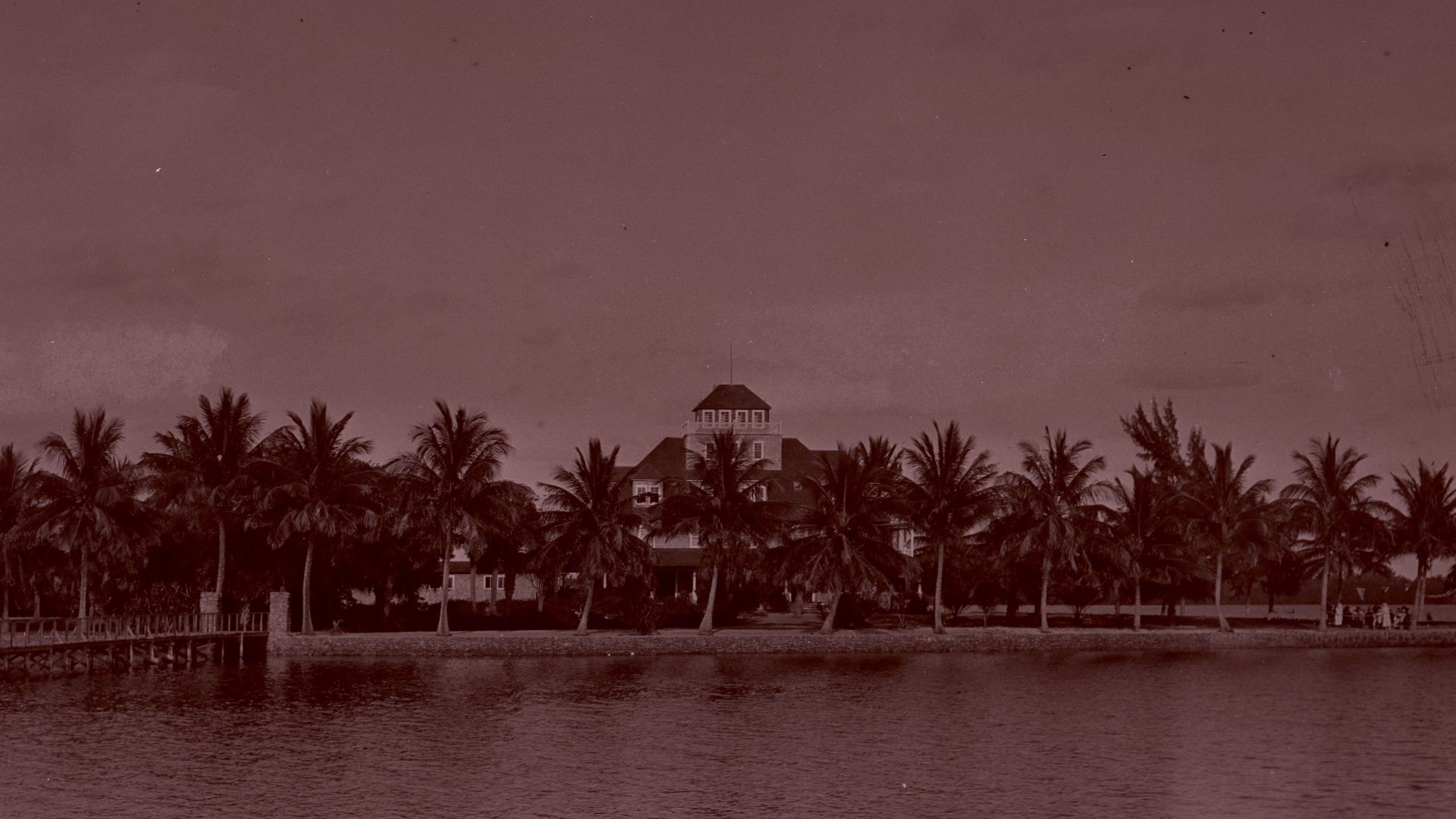
Munyon was as much a promoter as a medical entrepreneur. His branded remedies appeared in distinctive packaging, and he built a business large enough for his name to become closely associated with home treatment. He even promoted his products at the Hotel Hygeia on his Florida property, combining health branding with a resort atmosphere. For nervous consumers, Munyon offered the comforting impression that almost every complaint had its own neatly packaged answer.
 Edmund F. Arras, Wikimedia Commons
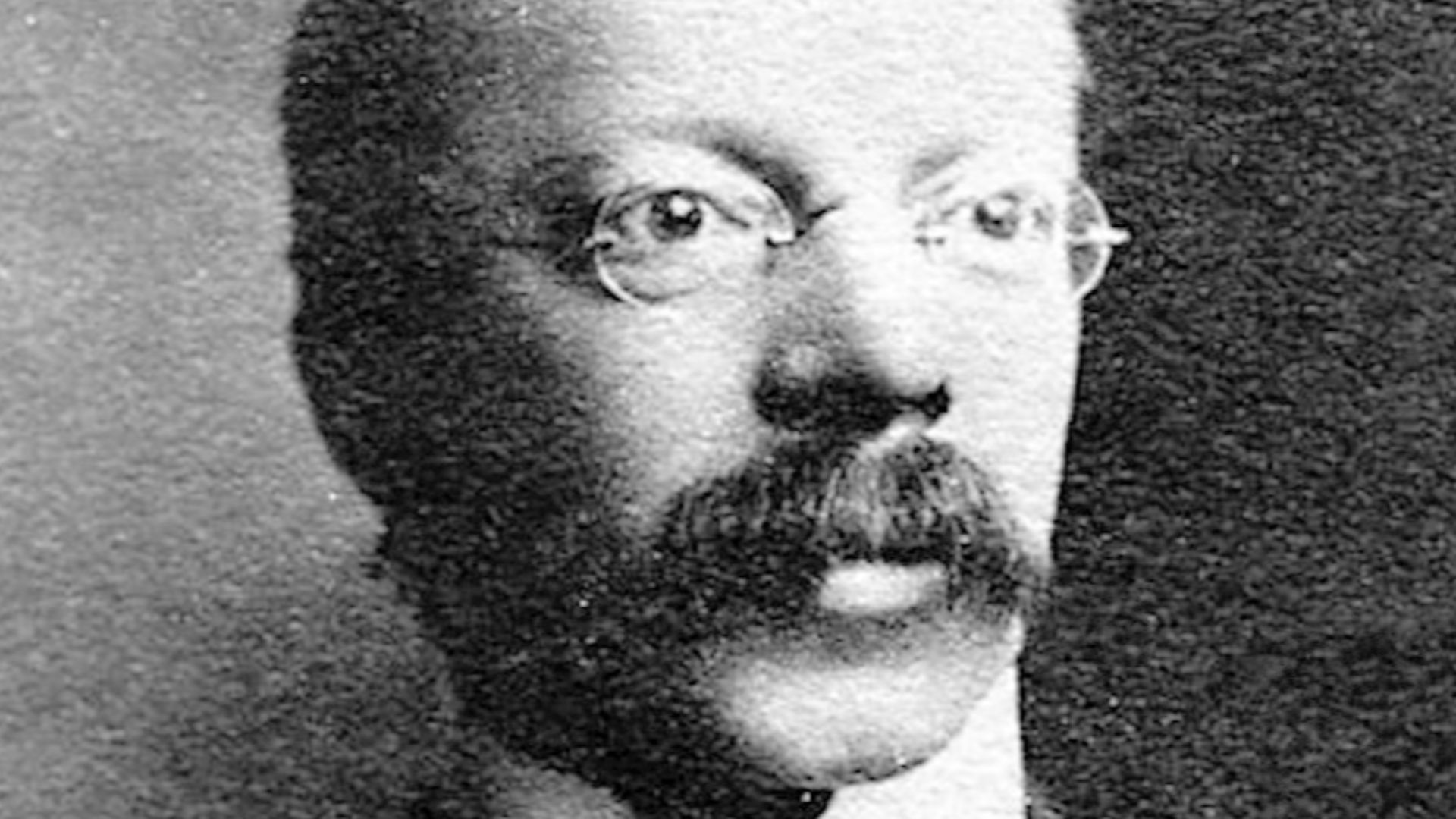
Federal Law Finally Reached The Remedy Business
The Pure Food and Drug Act did not instantly eliminate dubious cures, but it gave federal authorities tools that had not existed during Brandreth's heyday. Munyon products continued into the new regulatory era, where labels and claims increasingly faced government scrutiny. Smithsonian collections contain later preparations showing how the company persisted while the rules around proprietary medicines tightened. The transition marked a crucial shift from trusting a promoter's confidence to expecting some level of legal accountability.
 Threedots dead at en.wikipedia, Wikimedia Commons
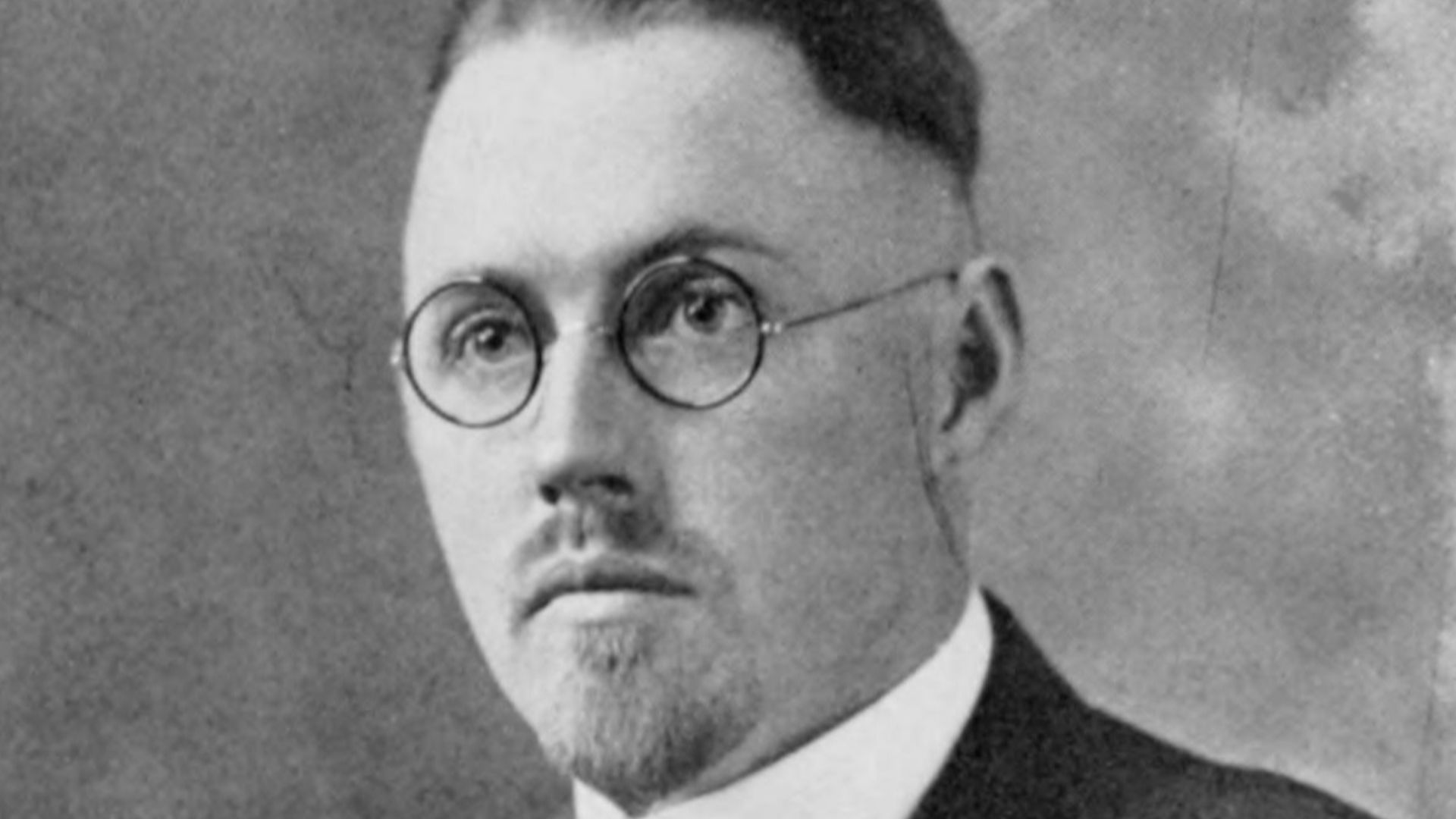
John Brinkley Bought The Credentials He Needed
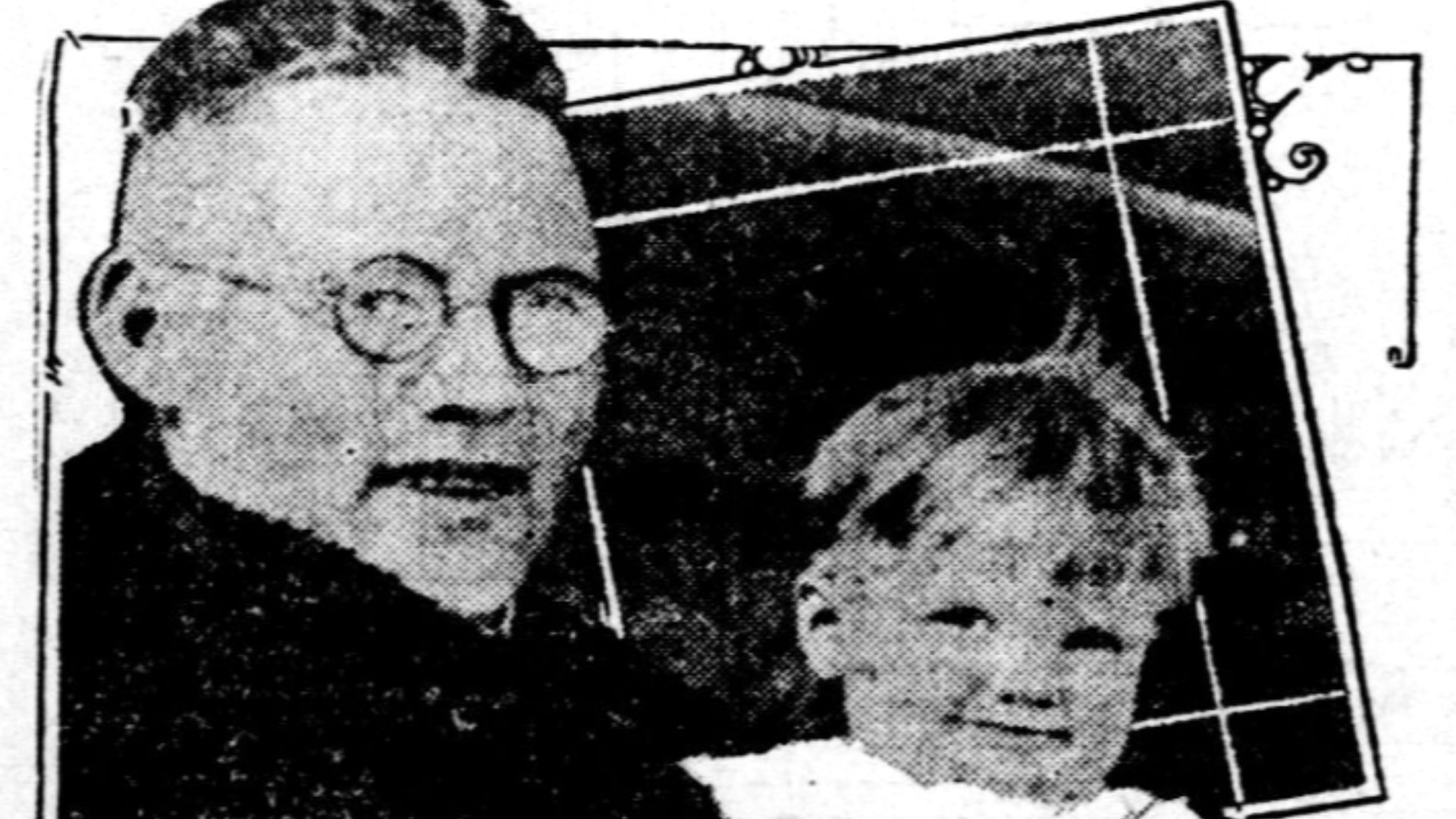
John R. Brinkley became one of America's richest medical charlatans despite lacking a solid accredited medical education. He studied at questionable institutions and obtained credentials that helped him present himself as a legitimate doctor. After settling in Milford, Kansas, he began offering an extraordinary treatment for male sexual problems. Brinkley's supposed breakthrough involved placing goat reproductive tissue inside human patients.
 Unknown authorUnknown author, Wikimedia Commons
Goat Glands Made Brinkley A Millionaire
Brinkley claimed his operations could restore virility and promoted them relentlessly. He understood the emerging power of radio so well that his station KFKB became a giant advertising machine for his clinic and other remedies. The University of Kansas records that Brinkley amassed a fortune performing goat-gland implantations. Patients traveled long distances to Milford because Brinkley could broadcast his promises directly into homes that conventional medical journals would never reach.
 Unknown authorUnknown author, Wikimedia Commons
Losing His License Barely Slowed Him Down
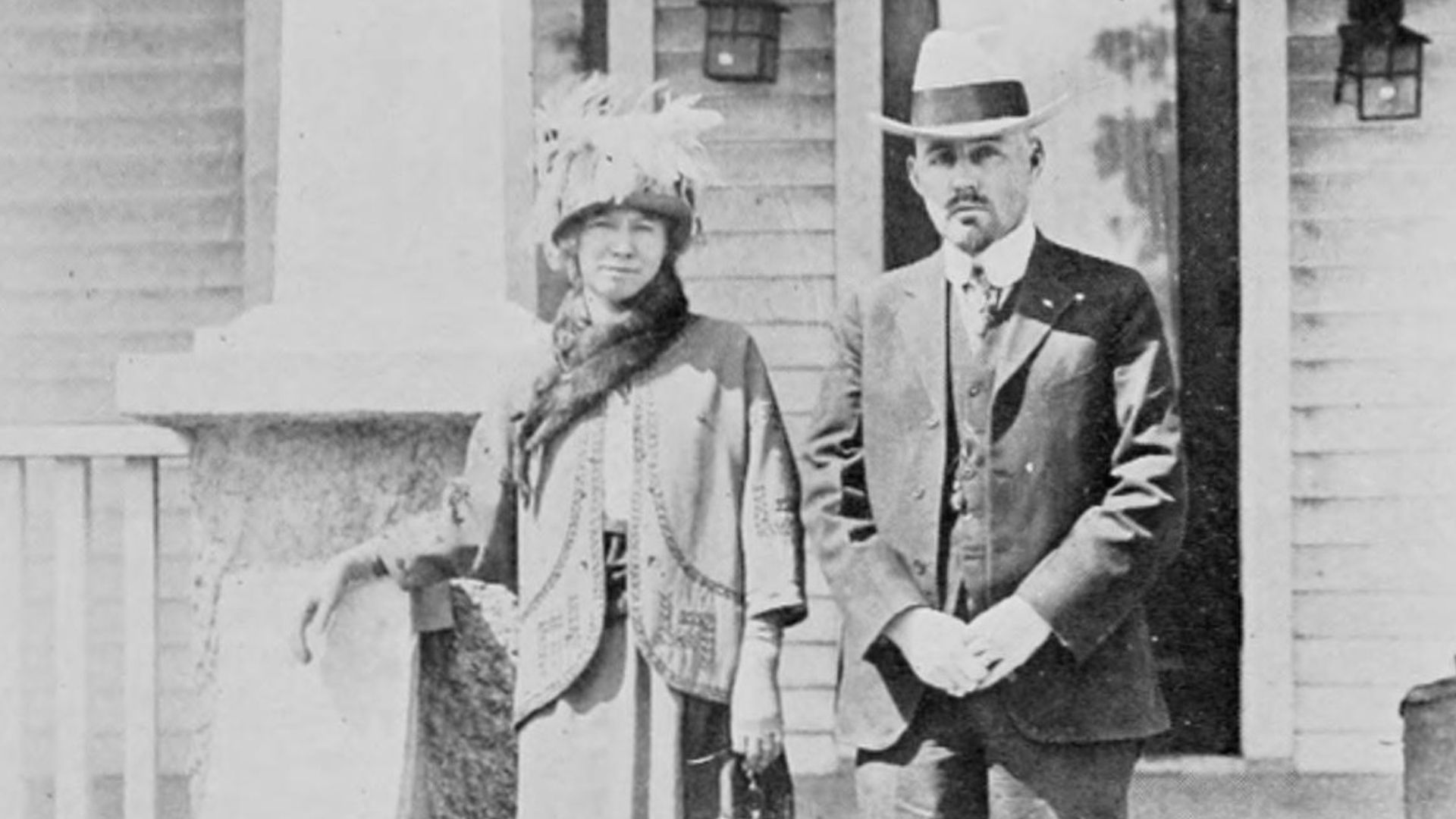
Medical authorities increasingly challenged Brinkley's practices, and Kansas eventually revoked his medical license. He responded by entering politics and using powerful radio stations, including broadcasts from across the Mexican border, to remain famous and profitable. Brinkley continued attacking the medical establishment while promoting himself as a persecuted outsider. His downfall came through lawsuits, regulatory pressure, financial collapse, and worsening health rather than one dramatic exposé.
 Parnell (?), Wikimedia Commons
History's most fascinating stories and darkest secrets, delivered to your inbox daily.
Norman Baker Wasn't A Doctor At All
Norman Baker might be the clearest example of a fake doctor building a genuine medical empire. He was an inventor, businessman, showman, and radio broadcaster with no medical degree, yet in the late 1920s he began claiming he possessed an effective cure for cancer. Baker used broadcasting and print advertising to attack established medicine while directing desperate patients toward his institutions. Smithsonian describes him simply and accurately as a charlatan.

Baker Turned A Resort Into A Cancer Hospital
In 1937, Baker transformed the luxurious but struggling Crescent Hotel in Eureka Springs, Arkansas, into the Baker Hospital. Promotional material promised that patients could be cured without surgery, X-rays, or radium. Federal court records later described claims that thousands had been cured, including people supposedly abandoned by conventional physicians. Smithsonian estimates that Baker accumulated millions by selling false hope to people with cancer.

Federal Prosecutors Finally Shut The Door
The government eventually attacked Baker's operation through mail-fraud laws. An appellate court record described his supposed cancer treatment as part of a scheme based on false representations, including claims about patients who had actually died. Baker was convicted and sentenced to prison, serving time at Leavenworth in the 1940s. By then, regulation had evolved from occasionally fining a snake-oil seller a few dollars to imprisoning a businessman who used mass media and the mails to sell fraudulent medical cures.

You May Also Like:
History's Most Bone-Chilling Events
Sources: 1, 2, 3, 4, 5, 6, 7, 8, 9, 10, 11, 12, 13, 14, 15, 16, 17, 18, 19, 20, 21, 22, 23, 24, 25, 26, 27