
He Simply Went Missing
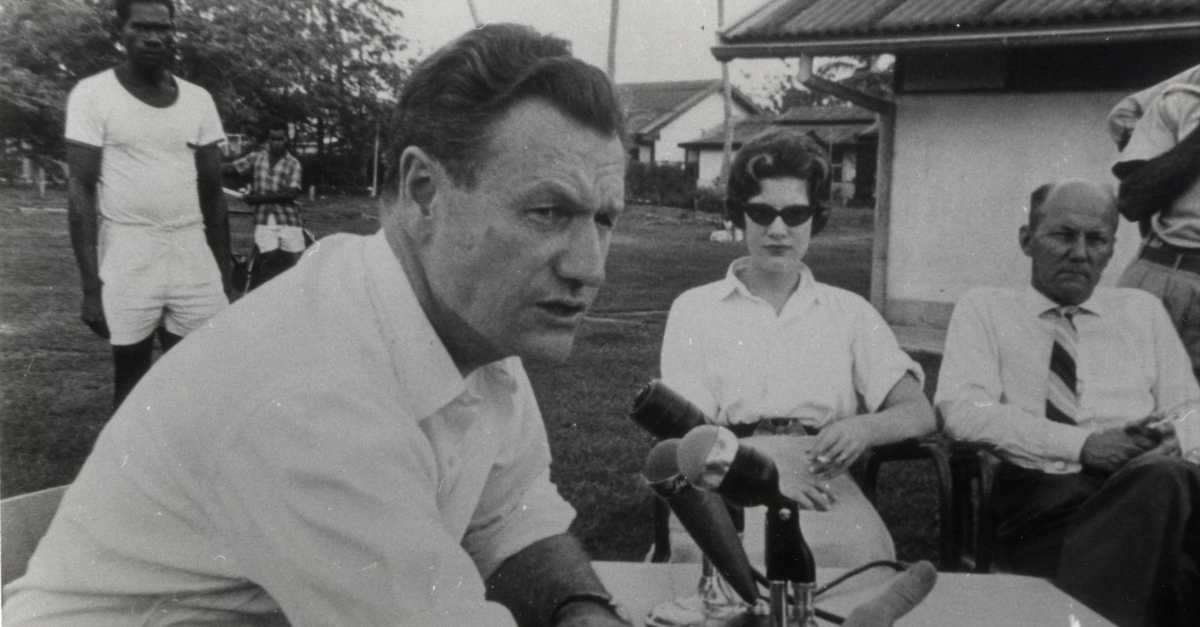
Michael Rockefeller was the great-grandson of John D Rockefeller Sr. But instead of drilling for oil, he explored new frontiers and made contact with remote tribes collecting artifacts like shrunken heads and skulls. But he had no way of knowing that he, himself, might become one of those artifacts.
1. He Was Born Into Billions
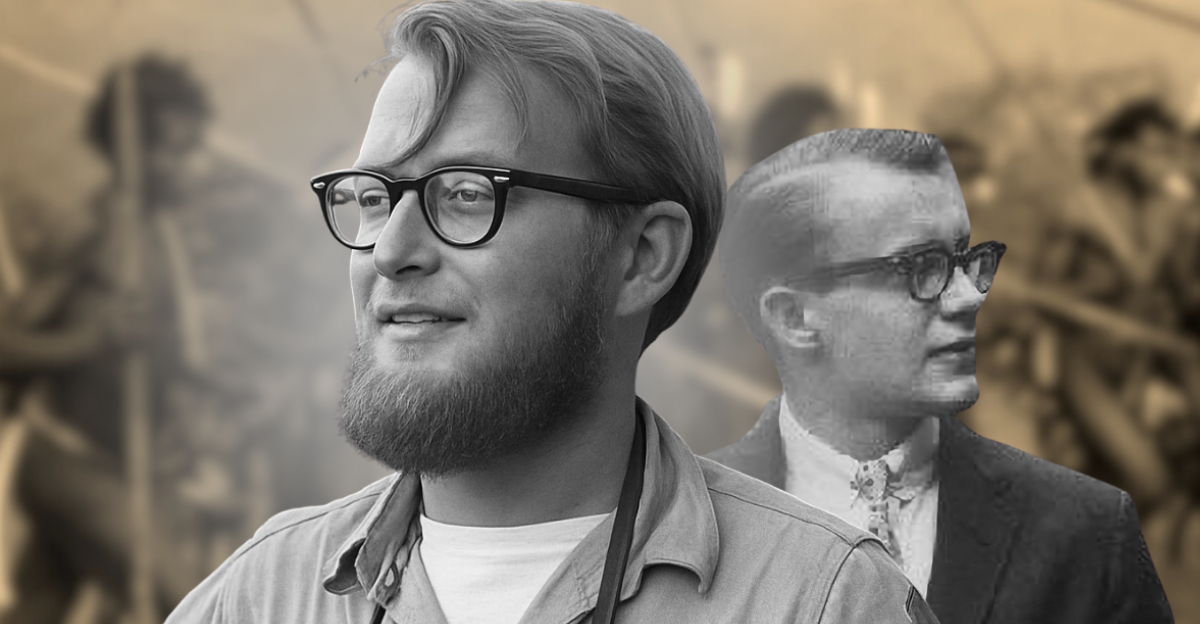
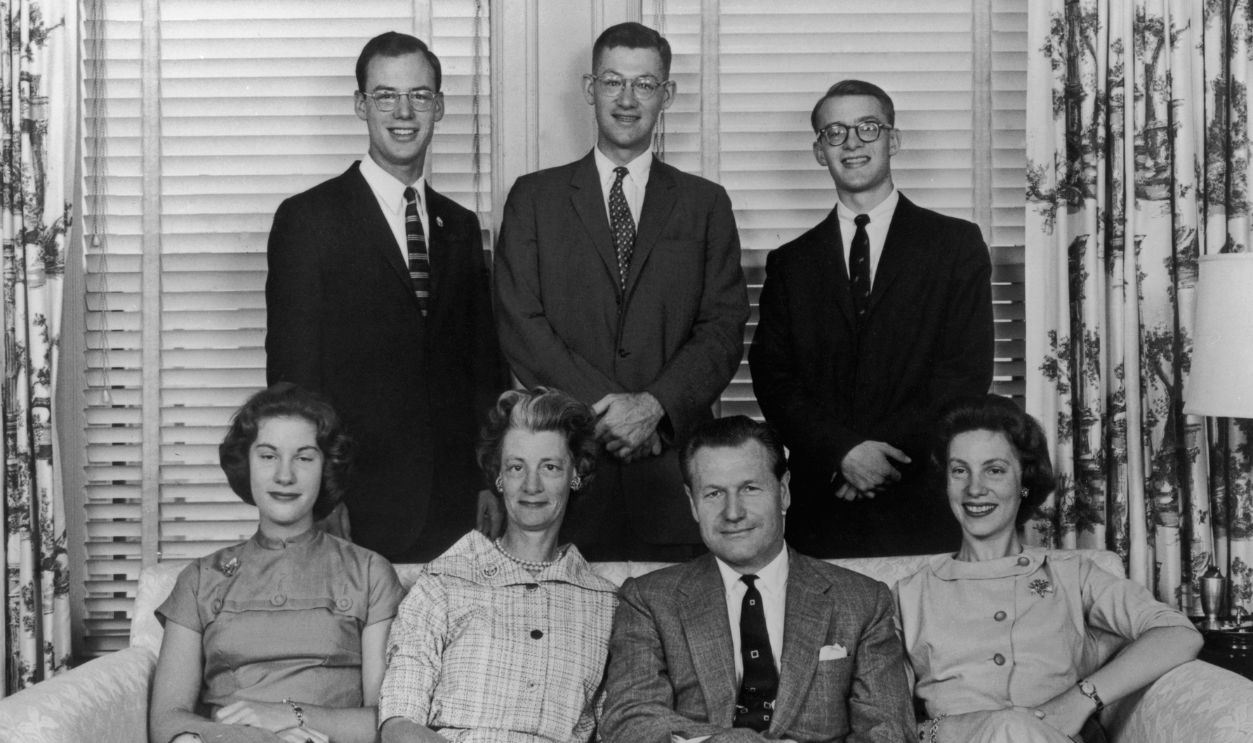
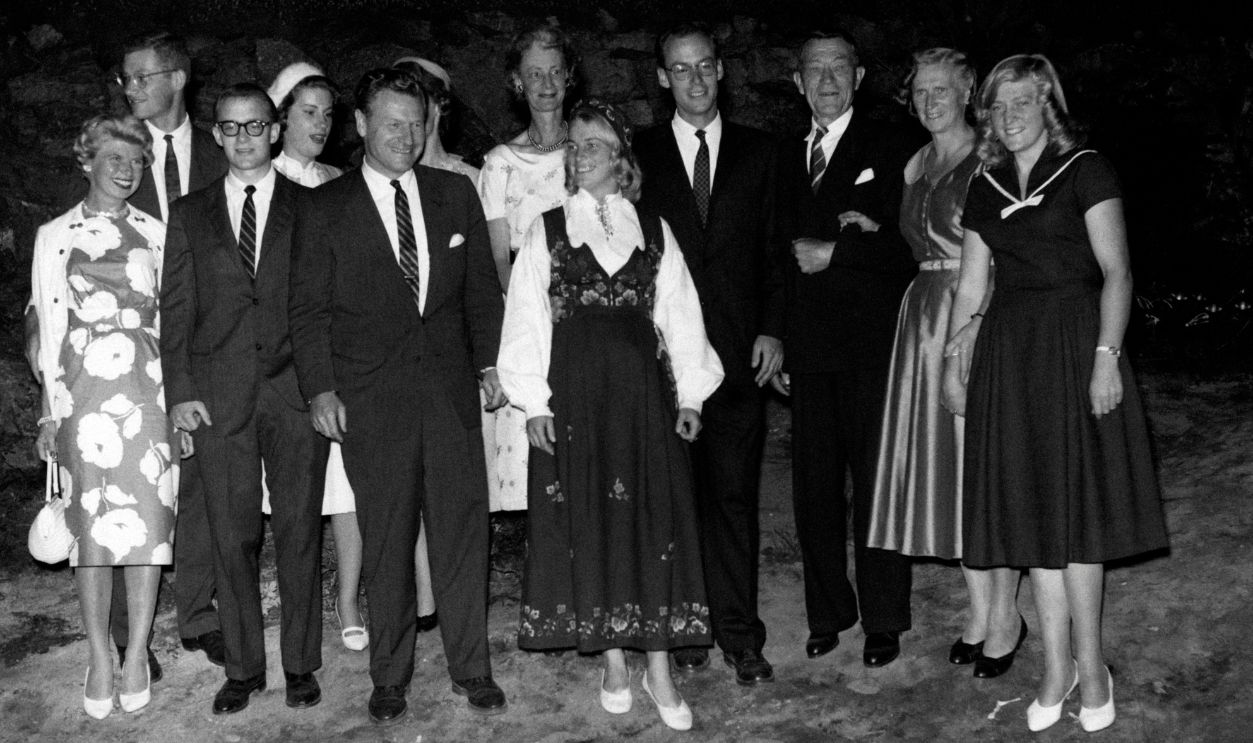
Michael Clark Rockefeller entered the world on May 18, 1938, alongside his twin sister Mary. As Nelson Rockefeller and Mary Todhunter Rockefeller’s fifth child, he inherited more than just a famous name. He inherited an empire built on oil and ambition. But despite his hefty inheritance, he ended up wanting something very different for his own life.
 Warren K. Leffler, Wikimedia Commons
2. His Fortune Was Legendary
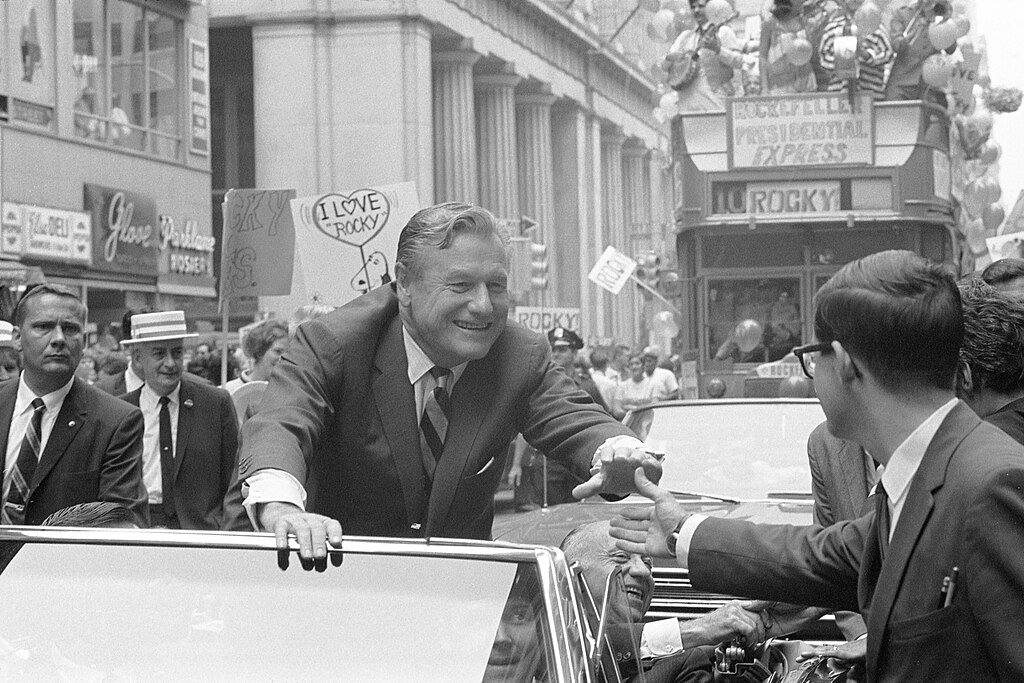
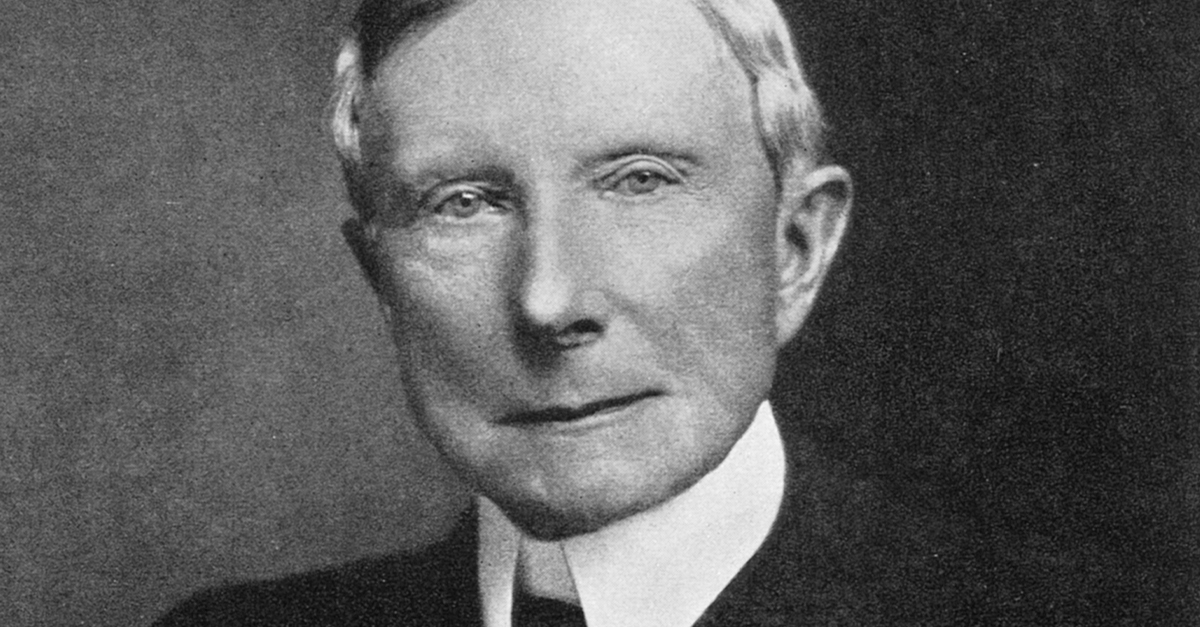
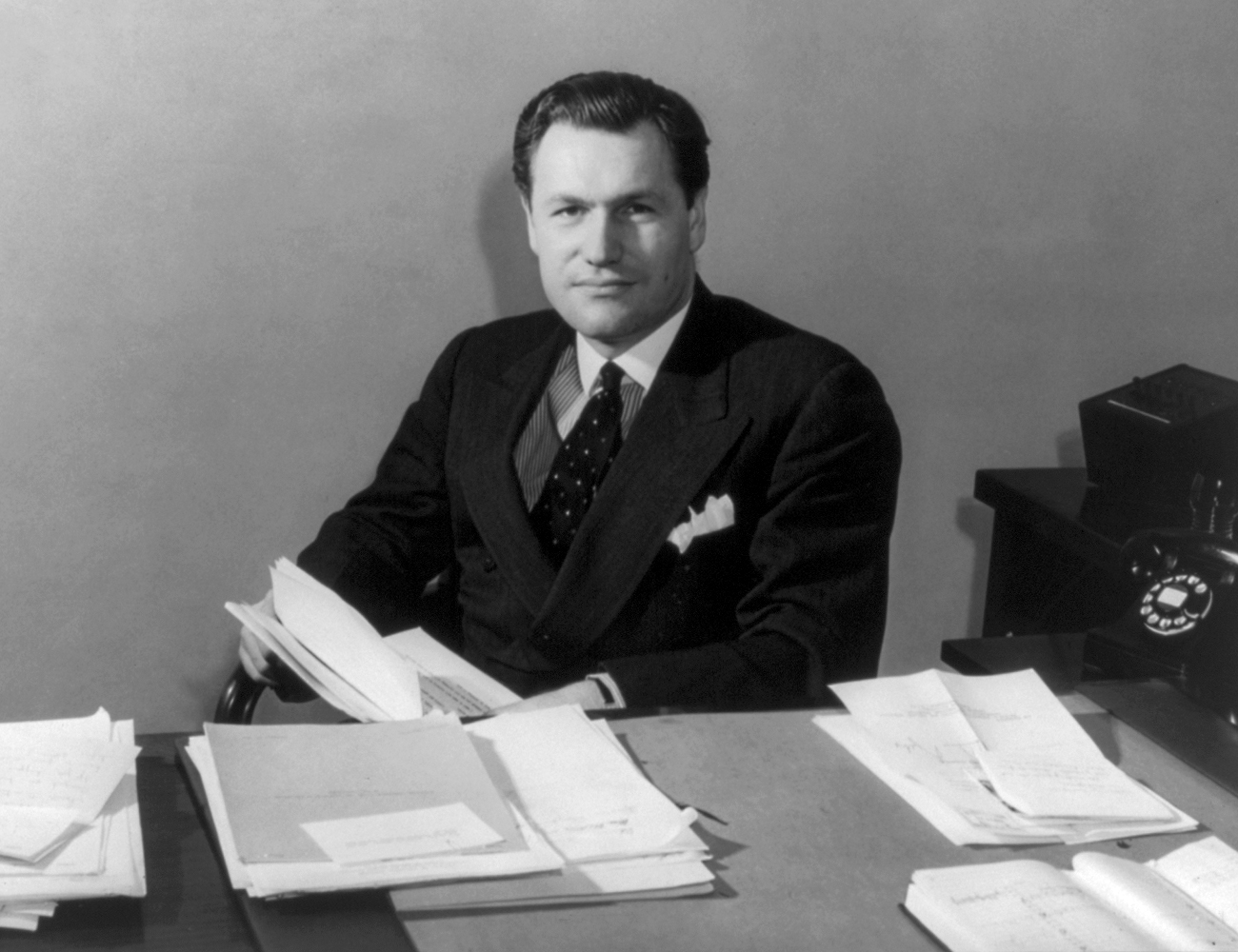
Even from birth, Michael Rockefeller was minted. His great-grandfather, Standard Oil co-founder John D Rockefeller Sr, was “the richest man on earth, with a fortune estimated at $900 million”. Even Michael’s father, Nelson, became Governor of New York and later Vice President of the United States.
But all that money and power couldn’t protect him from what awaited him.
3. He Grew Up Around Art
Growing up, Michael and his twin sister Mary spent a considerable amount of time at their family’s Westchester estate, where they “loved to watch their father rearrange his art”. These quieter moments among priceless masterpieces, far away from their Manhattan townhouse, planted the seeds that would eventually lead Michael halfway around the world.
And to his doom.
 Royden Dixon, Wikimedia Commons

History's most fascinating stories and darkest secrets, delivered to your inbox daily.
4. His Parents Molded Him
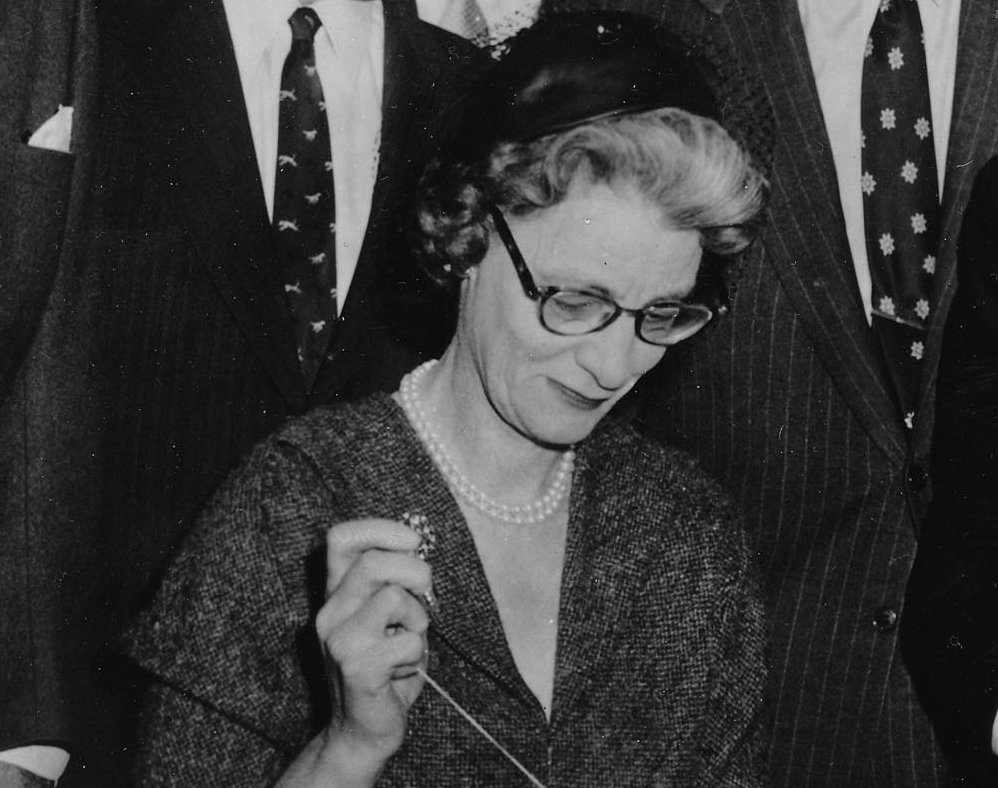
Rockefeller was practically trained to become an explorer of remote tribes. His grandmother was a co-founder of the Museum of Modern Art, while his father schooled him in art “the way other boys were schooled in baseball, taking him to art dealers on Saturday afternoons”. This unusual education would give him eyes to see beauty where others saw only the primitive and strange.
Unfortunately, it didn’t give him the skills he would need to survive.
 Kheel Center, CC BY 2.0, Wikimedia Commons
5. He Was An Artist At Heart
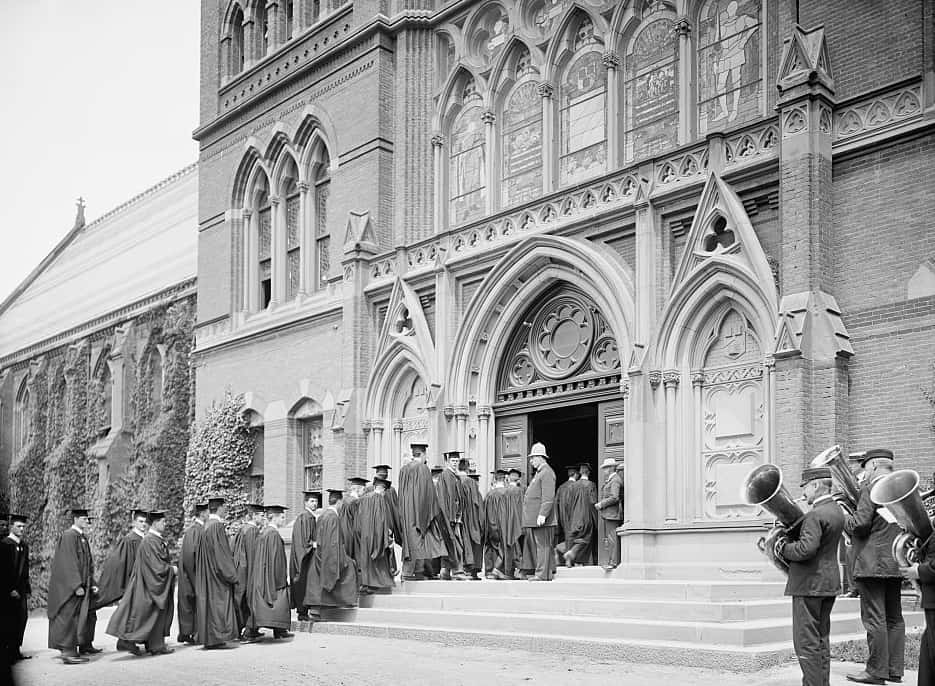
Even with his unusual home life, Rockefeller was an exemplary student at the Buckley School, Phillips Exeter Academy, and ultimately Harvard University where he graduated cum laude with a degree in history and economics. As a sparkling varsity wrestler and student senator, his friends described him as “a quiet, artistic spirit”.
But beneath that gentle exterior burned an adventurer’s heart.
6. His Father Changed Everything
On February 20, 1957, a then 18-year-old Michael watched his father open the Museum of Primitive Art in downtown Manhattan. There, the elder Rockefeller displayed indigenous art as masterpieces rather than as curious specimens, revolutionizing the way Americans saw tribal cultures. This moment seemingly redirected Michael’s entire life toward a fateful destination.
 Ricardo Thomas, Wikimedia Commons
7. He Craved Adventure
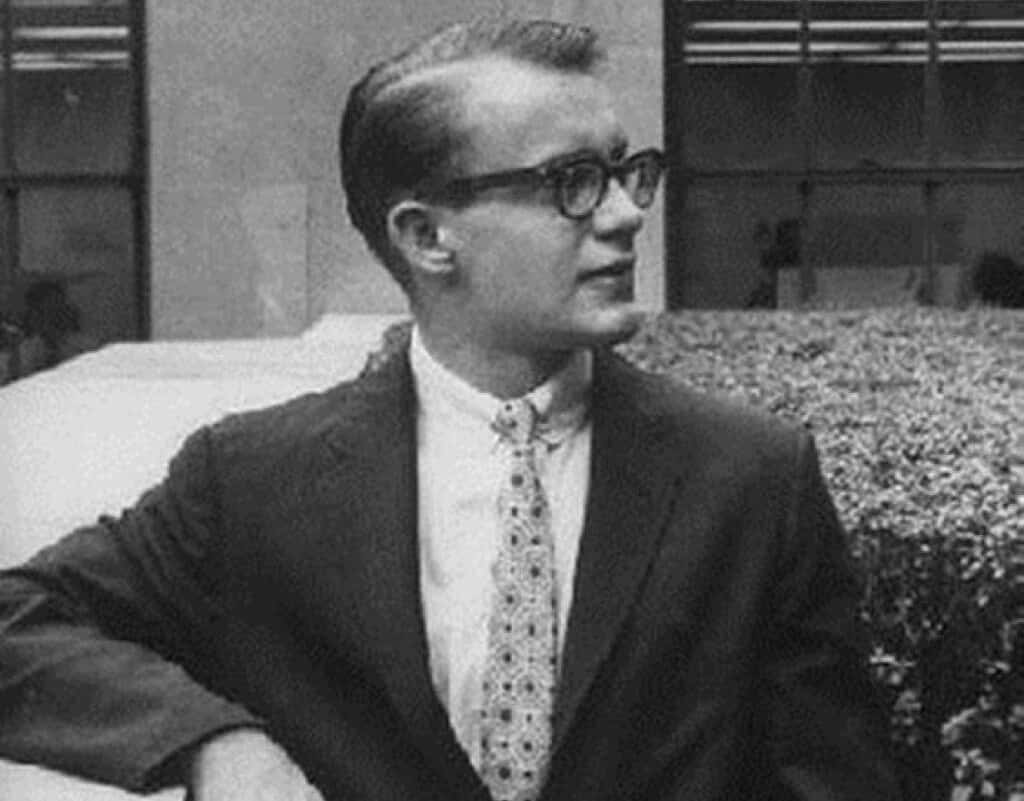
After six months as an Army private in 1960, Michael’s wanderlust only intensified. He’d already worked on his father’s Venezuelan ranch and visited Japan in 1957, but these trips were mere appetizers. His hunger for authentic experiences would soon lead him to the most remote corners of the planet.
8. He Joined A Harvard Expedition
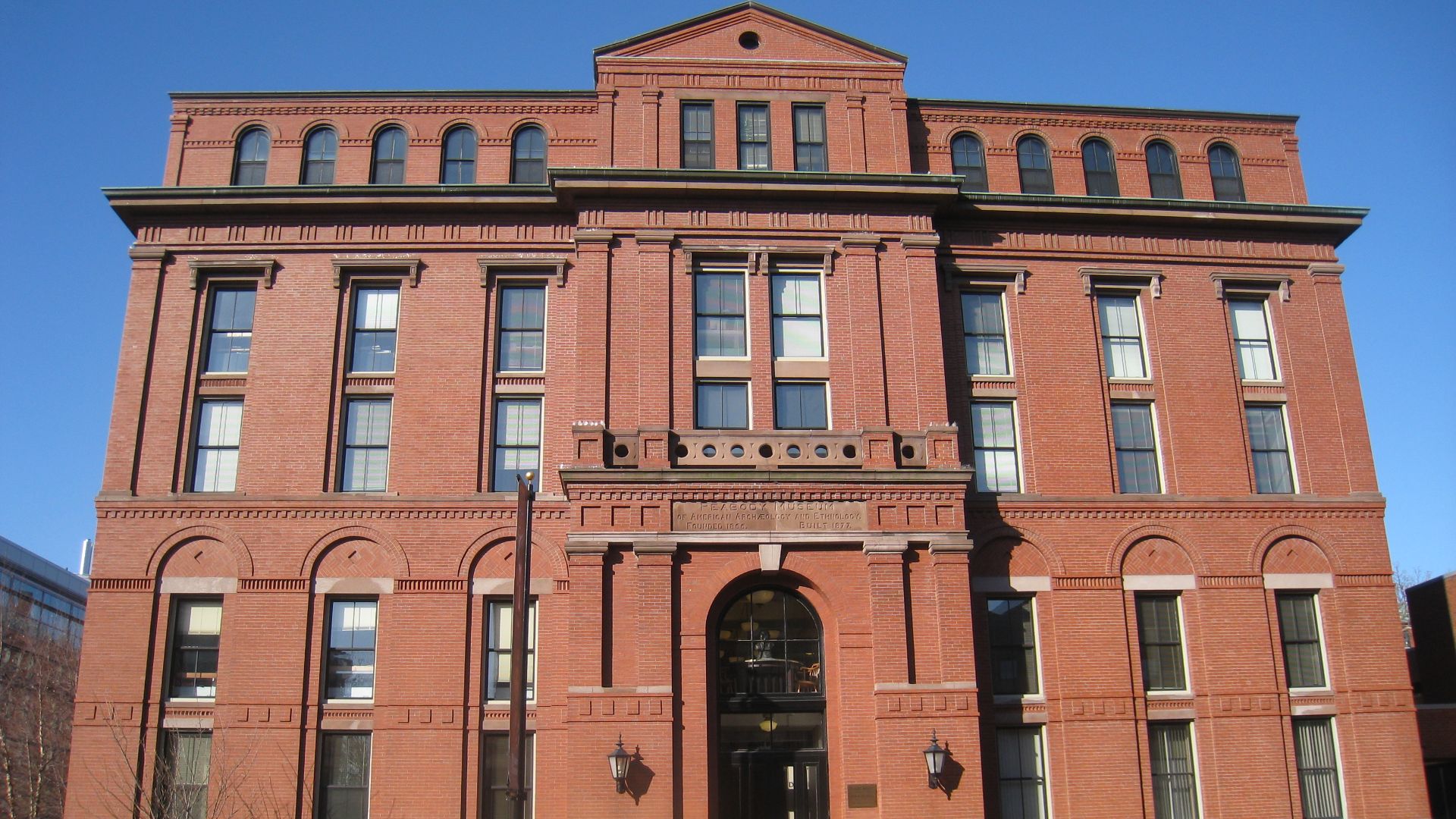
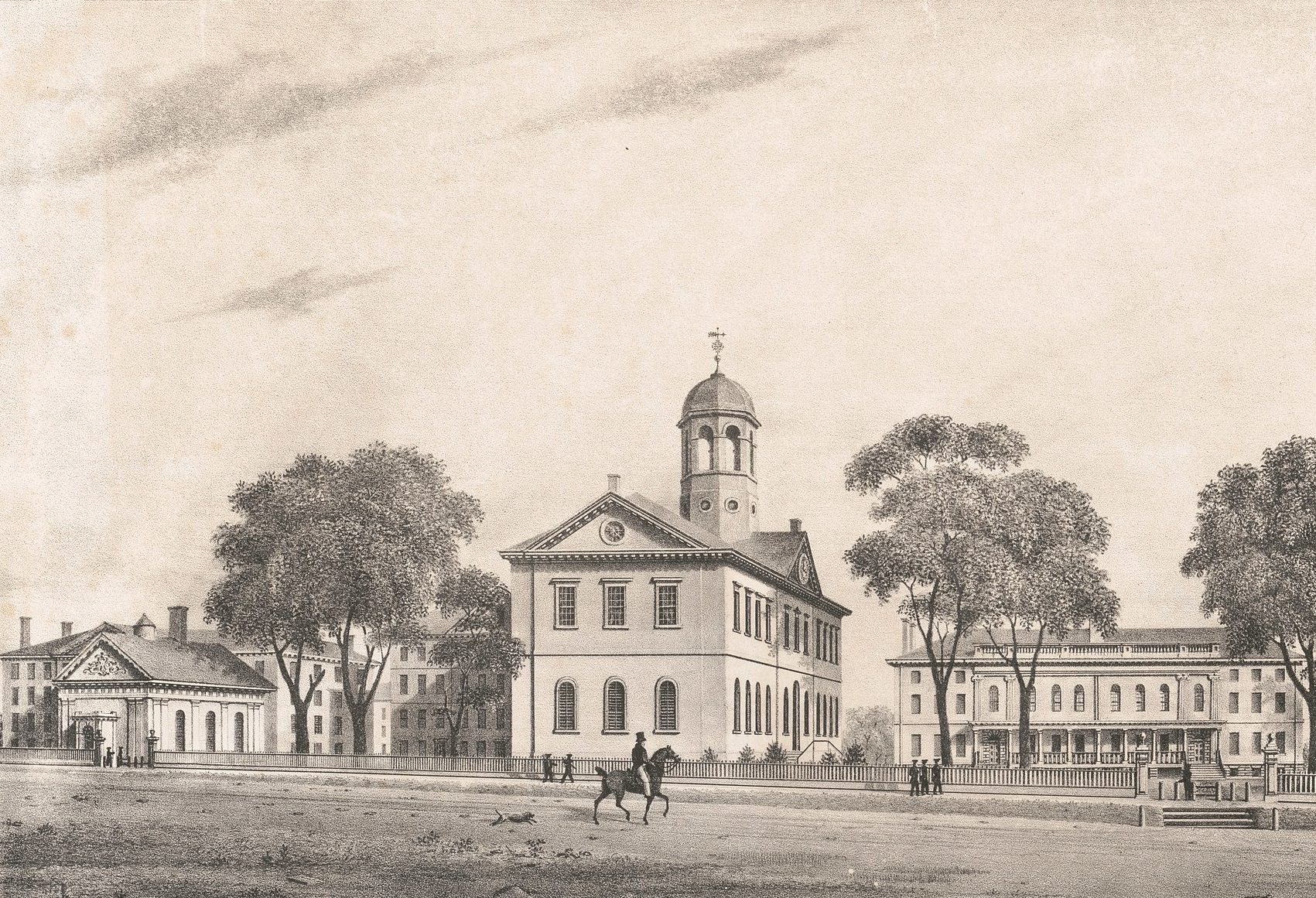
Following his service in the army, Michael embarked on an expedition for Harvard’s Peabody Museum. The goal of the expedition was to study the Dani tribe in western Dutch New Guinea. By the spring of 1961, Rockefeller abandoned Manhattan high rises and traveled to the far reaches of the world, getting his first real taste of the primitive world that had captivated him since childhood.
He was shockingly well-adapted.
9. He Shocked His Tent-Mate
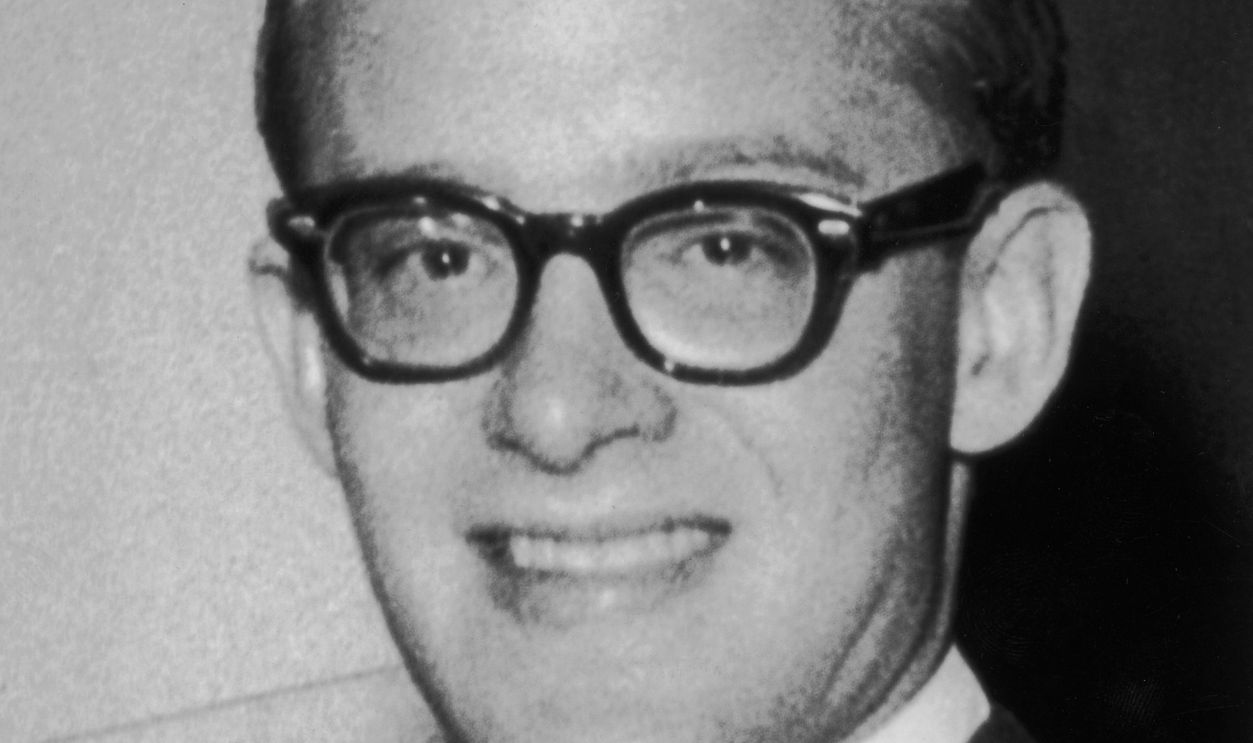
On the 1961 expedition to Dutch New Guinea, Rockefeller shared a tent with fellow Harvard anthropology student Karl Heider. And he left quite the impression. Heider recalled being “astonished to see the wealthiest member of the team darning his socks”. Other expedition team members called Rockefeller “very quiet and very modest”.
But no amount of humility could save him from the dangers of uncontacted tribes.
History's most fascinating stories and darkest secrets, delivered to your inbox daily.
10. He Traded Privilege For Peril
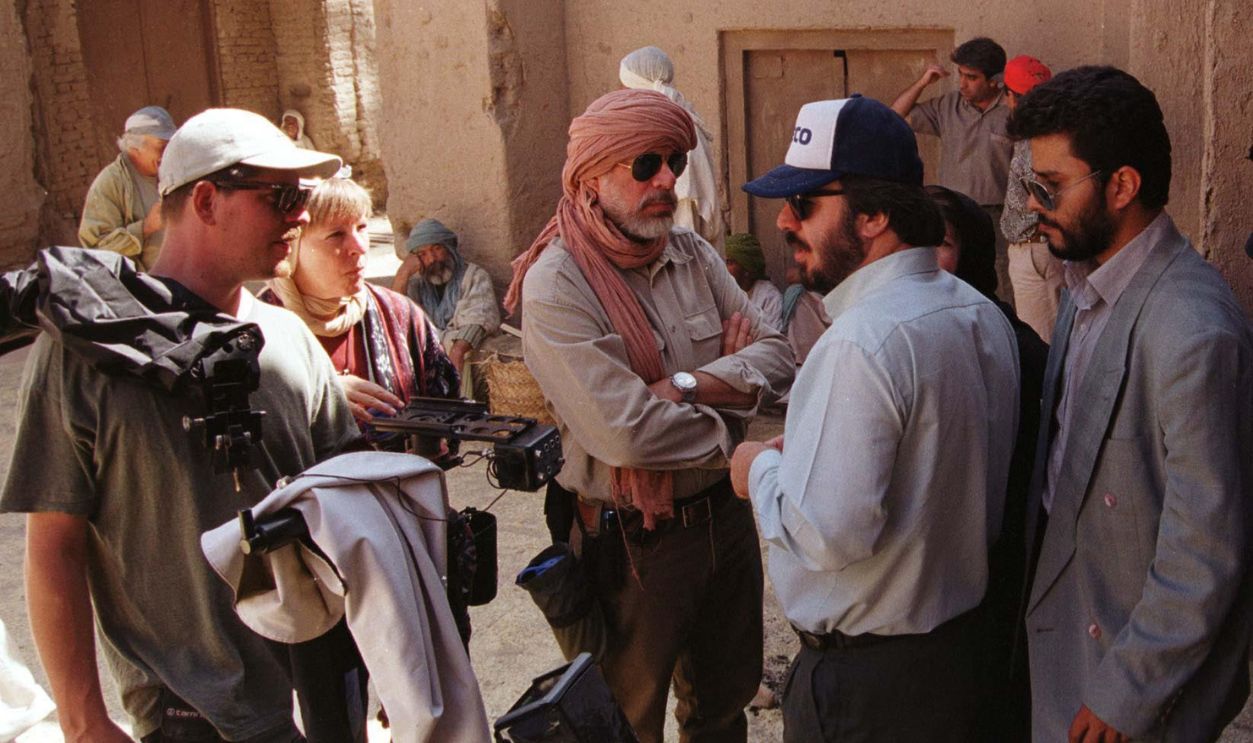
While at Harvard, Rockefeller met the filmmaker Robert Gardner, who was beginning work on a film called Dead Birds. Michael, intrigued at the opportunity to explore tribal cultures in New Guinea, signed on as sound engineer. He had no idea that he was trading his privilege for peril.
11. He Heard Primal Sounds
Serving as a sound recordist for Gardner’s film, Michael Rockefeller documented the Dani tribe’s ceremonial battles. Through his headphones, he heard ancient battle cries and clashing spears—sounds from a world untouched by modernity. But recording these fatalistic rituals would prove to be an ominous beginning.
12. He Explained His Obsession
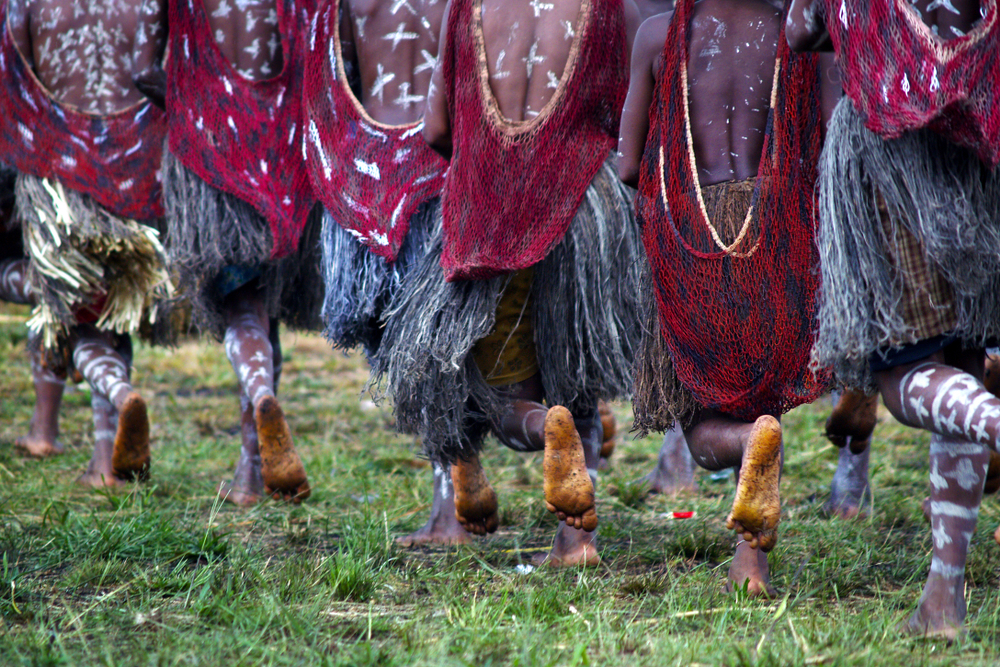
Rockefeller’s decision to give up his luxurious life for the rough life of an explorer confused many. “It's the desire to do something adventurous,” he once explained, “at a time when frontiers, in the real sense of the word, are disappearing”. His romantic vision of vanishing worlds drove him deeper and deeper into uncharted territory.
13. He Abandoned The Expedition
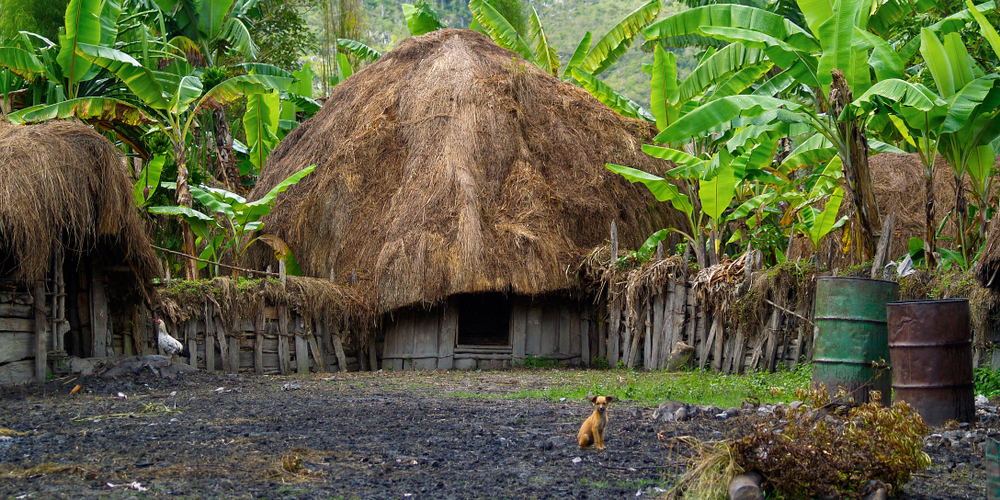
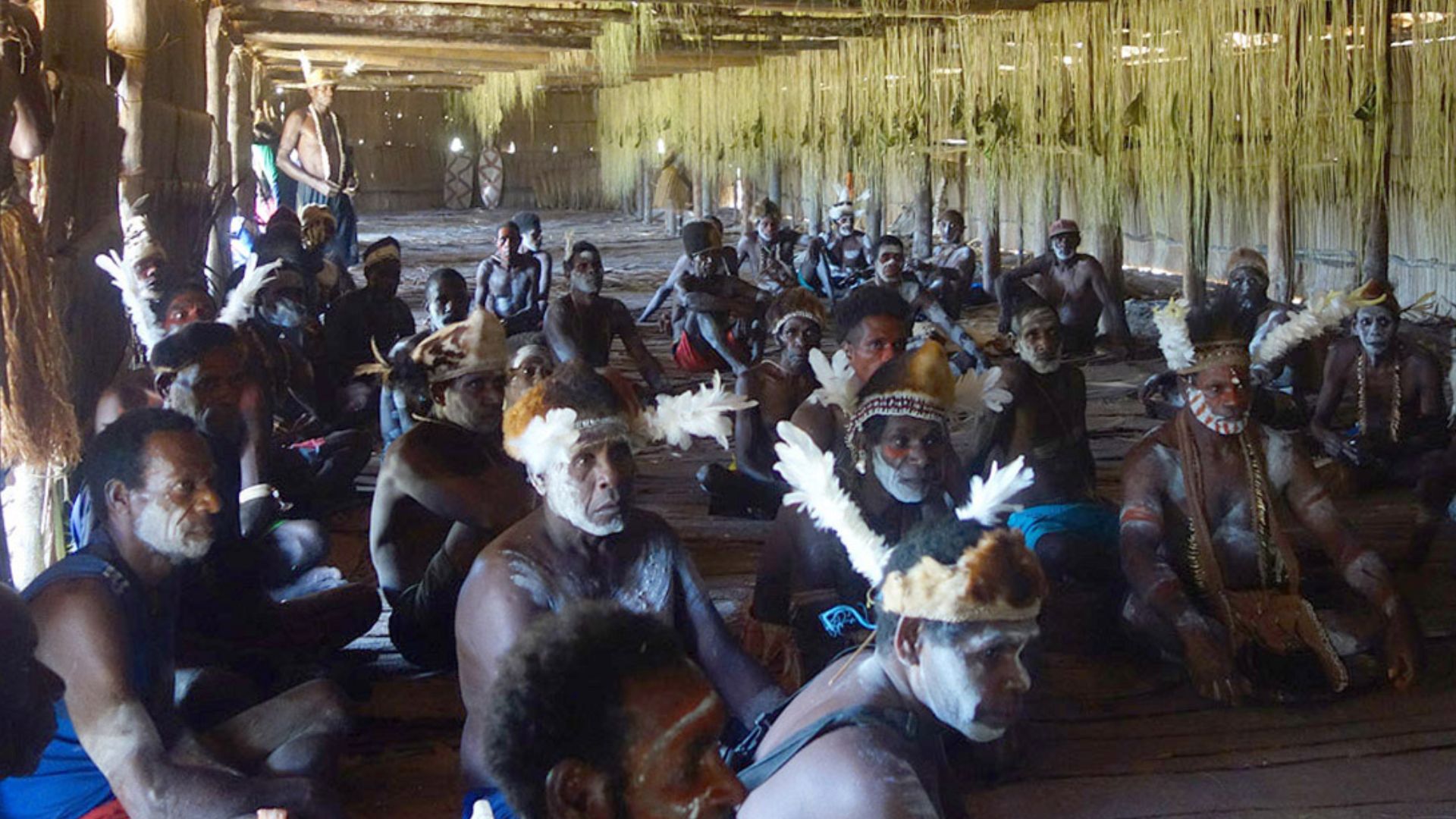
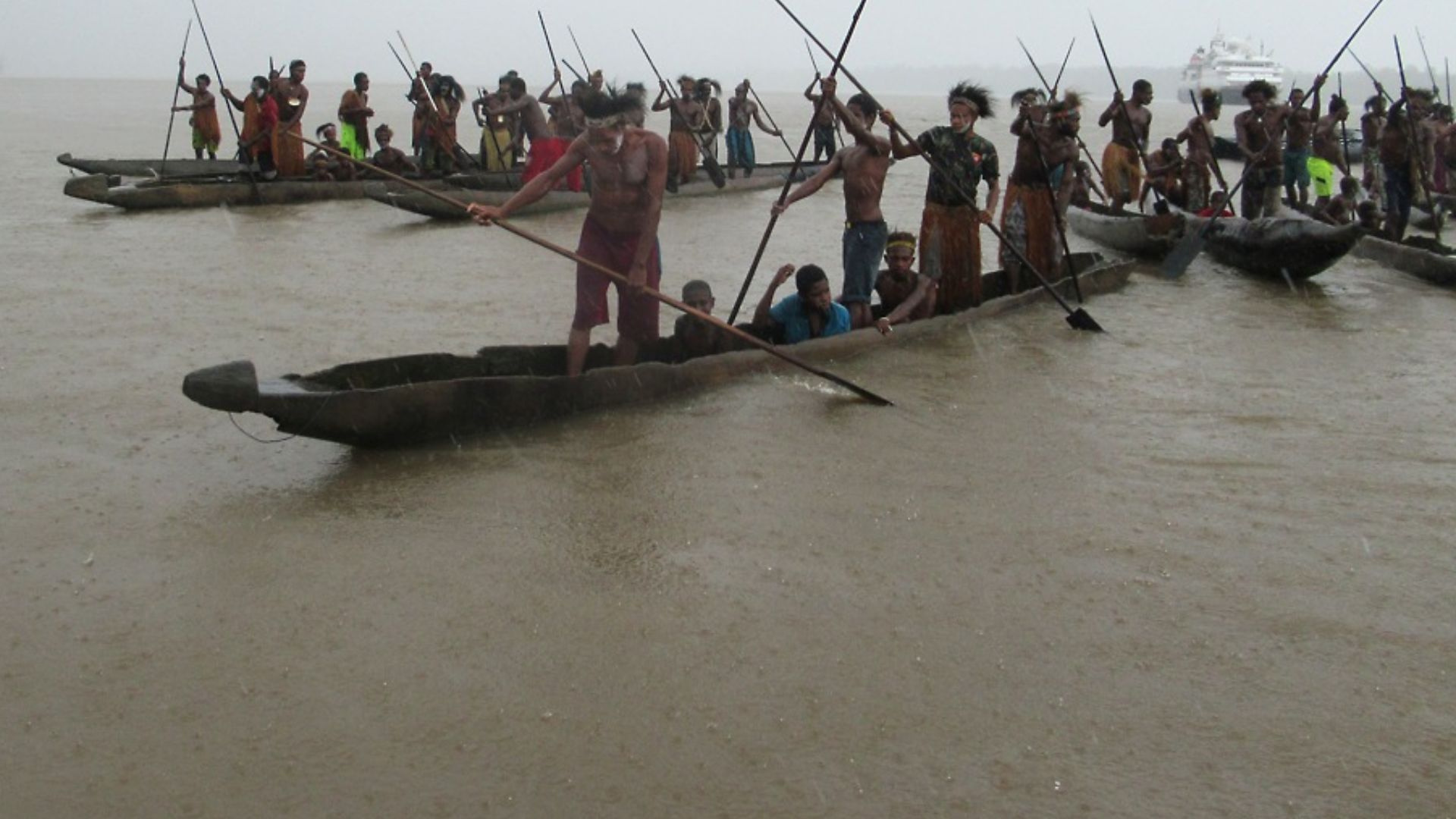
In spring of 1961, Gardner called for a break in the filming. Never one to keep still, Michael Rockefeller and his friend Sam Putnam left the Peabody team behind for a scouting mission. First, they headed south to study the Asmat tribe, a people whose reputation for ferocity made even seasoned explorers nervous. Rockefeller couldn’t resist their dangerous allure—or, perhaps, their ravenous appetites.
 Spencer Weart, Wikimedia Commons
14. He Found His Paradise
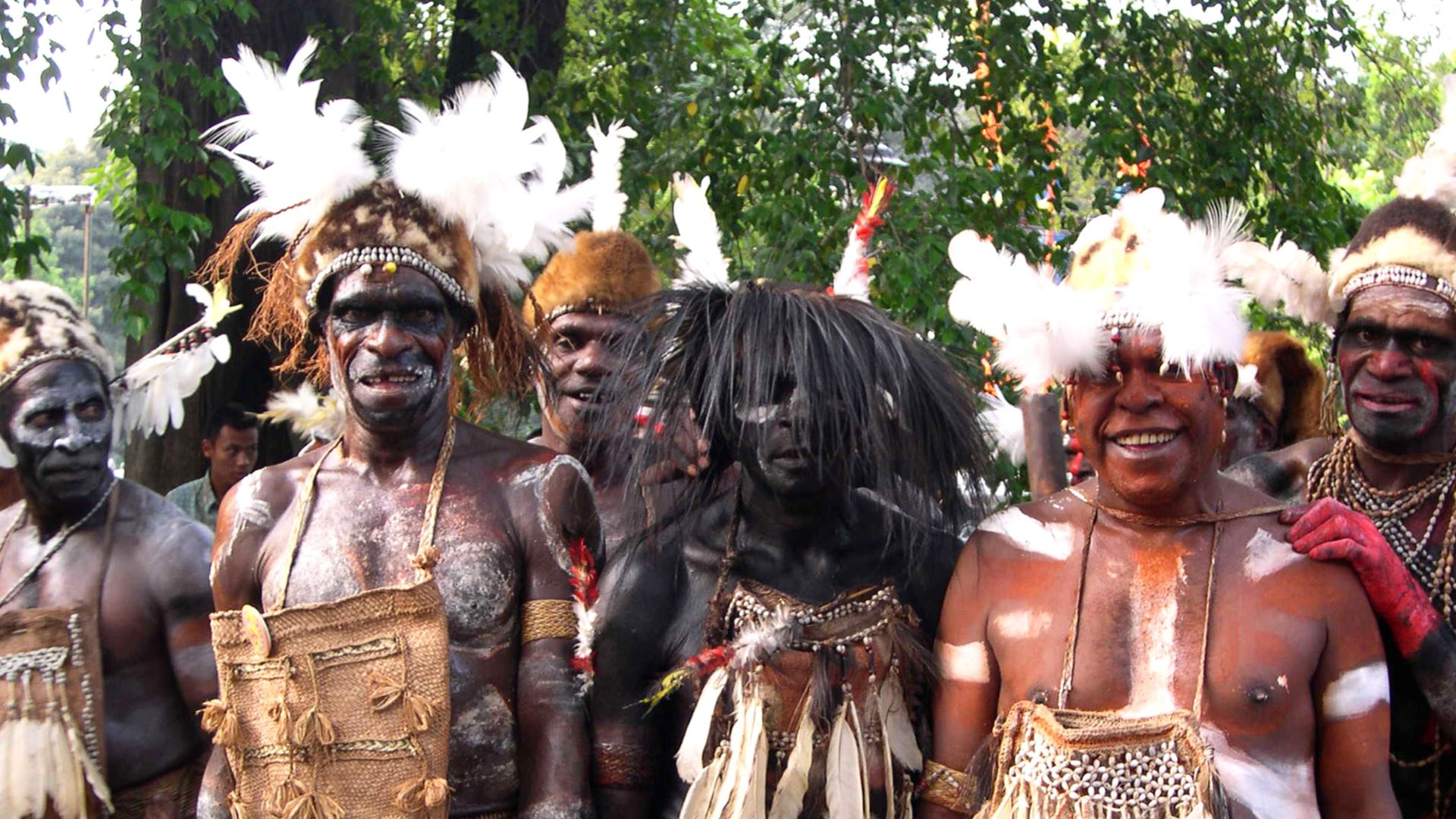
Despite the danger of interacting with the Asmat people, Rockefeller relished the opportunity. “Now this is wild and somehow more remote country than what I have ever seen before,” he wrote after his encounter with the Asmat people. Finally, he’d found the authentic primitive world he’d been searching for. Little did he know, it would never let him go.
 Esti lestarini88, Wikimedia Commons
15. His Letters Revealed Everything
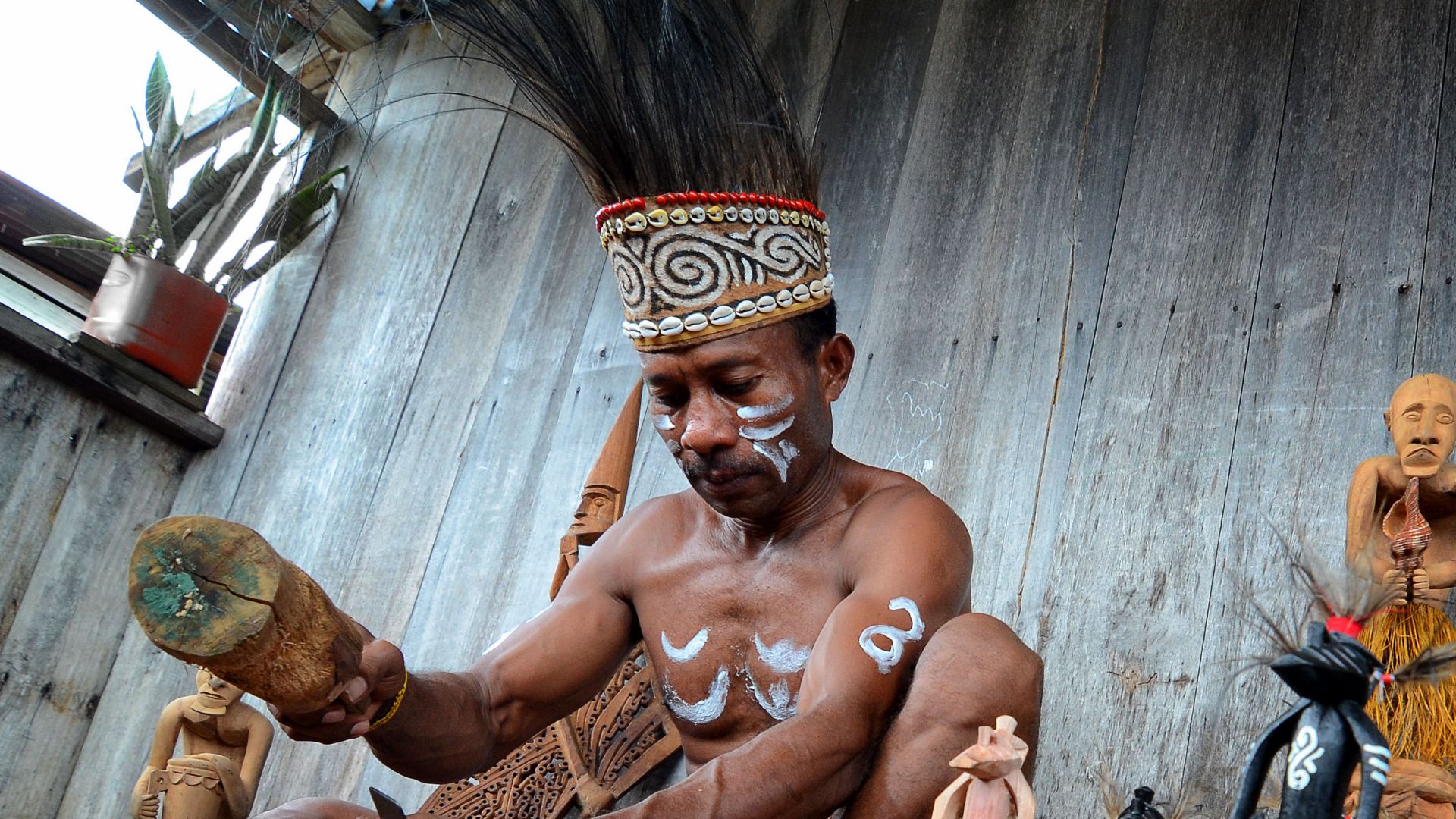
In a letter that he sent home to New York, Michael Rockefeller wrote, “The Asmat is like a huge puzzle with the variations in ceremony and art style forming the pieces. My trips are enabling me to comprehend (if only in a superficial, rudimentary manner) the nature of this puzzle”. Sadly, he didn’t comprehend it well enough in time.
History's most fascinating stories and darkest secrets, delivered to your inbox daily.
16. He Couldn’t Stay Away
Once filming wrapped, Rockefeller returned to America and visited Gardner in Cambridge. Ostensibly, he wanted to review expedition footage and selected photographs for a book. But the truth was that the comfortable world of art and academia couldn’t hold him. From the great expanse of the Pacific Ocean, New Guinea called to him—a fateful siren song.
 Popular Graphic Arts, Wikimedia Commons
17. He Returned For Art
By late 1961, Rockefeller couldn’t take it anymore. Alongside the anthropologist René Wassing, Rockefeller headed back to Asmat territory. This time, he didn’t come to record sounds, but to collect the tribe’s distinctive woodcarvings for his father’s museum. In the end, he, himself, might have become an artifact.
18. He Bought A Deathtrap
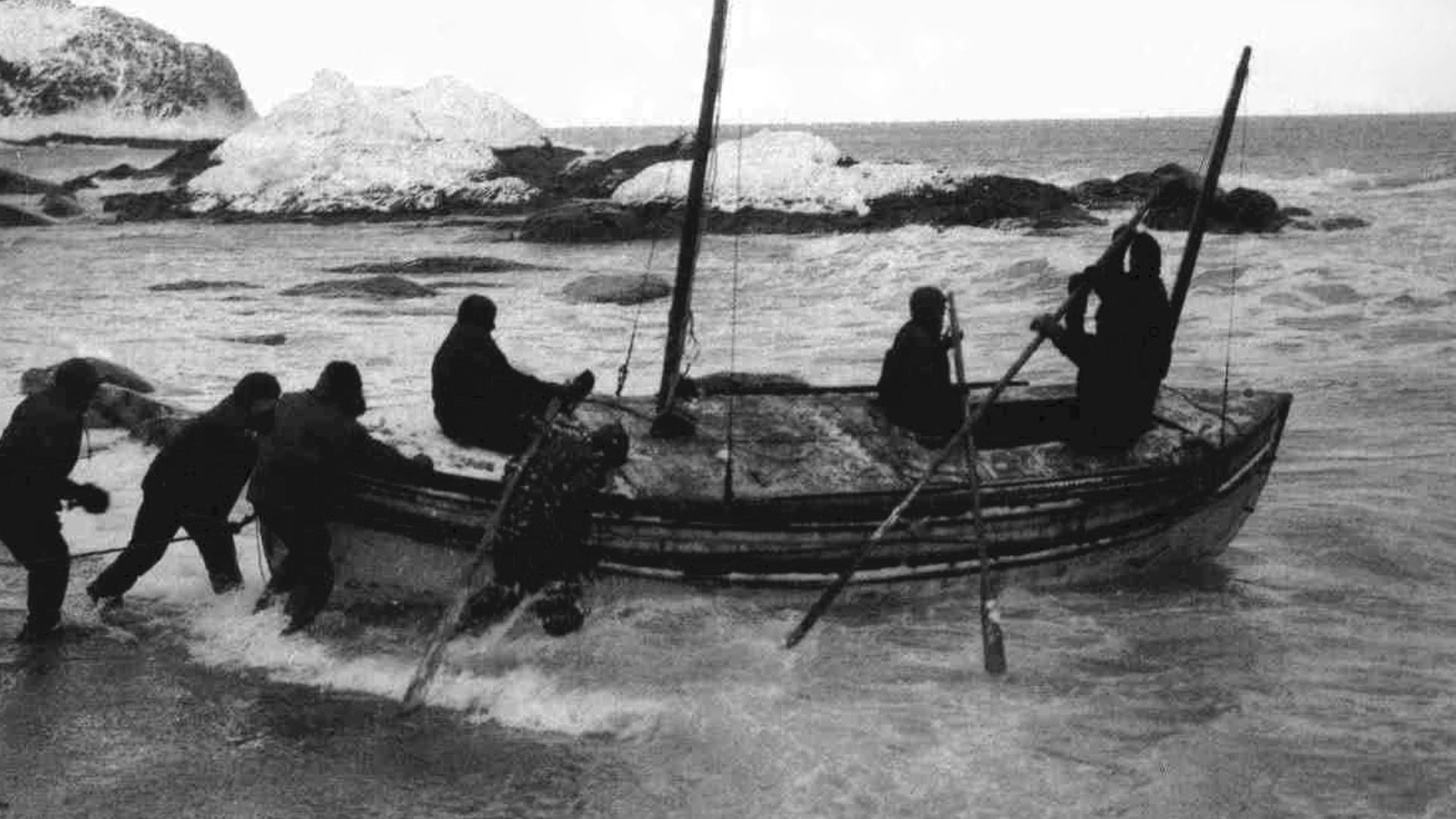
To ease his movements around the wild, untamed landscape, Michael Rockefeller purchased a “makeshift” catamaran in Agats. The vessel was no more than two canoes, hastily lashed together with planks and a thatch hut. Priests on mission warned Rockefeller about 20-foot tides that “surged 75 miles upriver” with devastating force, saying that this slapdash vessel was “unsafe”.
Little did Rockefeller know that surging tides would be the least of his concerns.
 Probably Frank Hurley, the expedition's photographer, Wikimedia Commons
19. He Traded For Treasures
Michael Rockefeller needed the catamaran to carry goods that he intended to trade with the Asmat people. He loaded the vessel with “steel axes, fishing hooks and line, cloth and tobacco, to which the Asmats had become addicted”. All packed up and ready for adventure, Rockefeller, accompanied by Wassing and two Asmat teenagers named Simon and Leo, visited 13 villages over just three weeks.
All the way, he traded his Western goods for priceless artifacts. But there was one that he prized above the rest.
 David Stanley from Nanaimo, Canada, Wikimedia Commons
20. He Coveted Sacred Objects
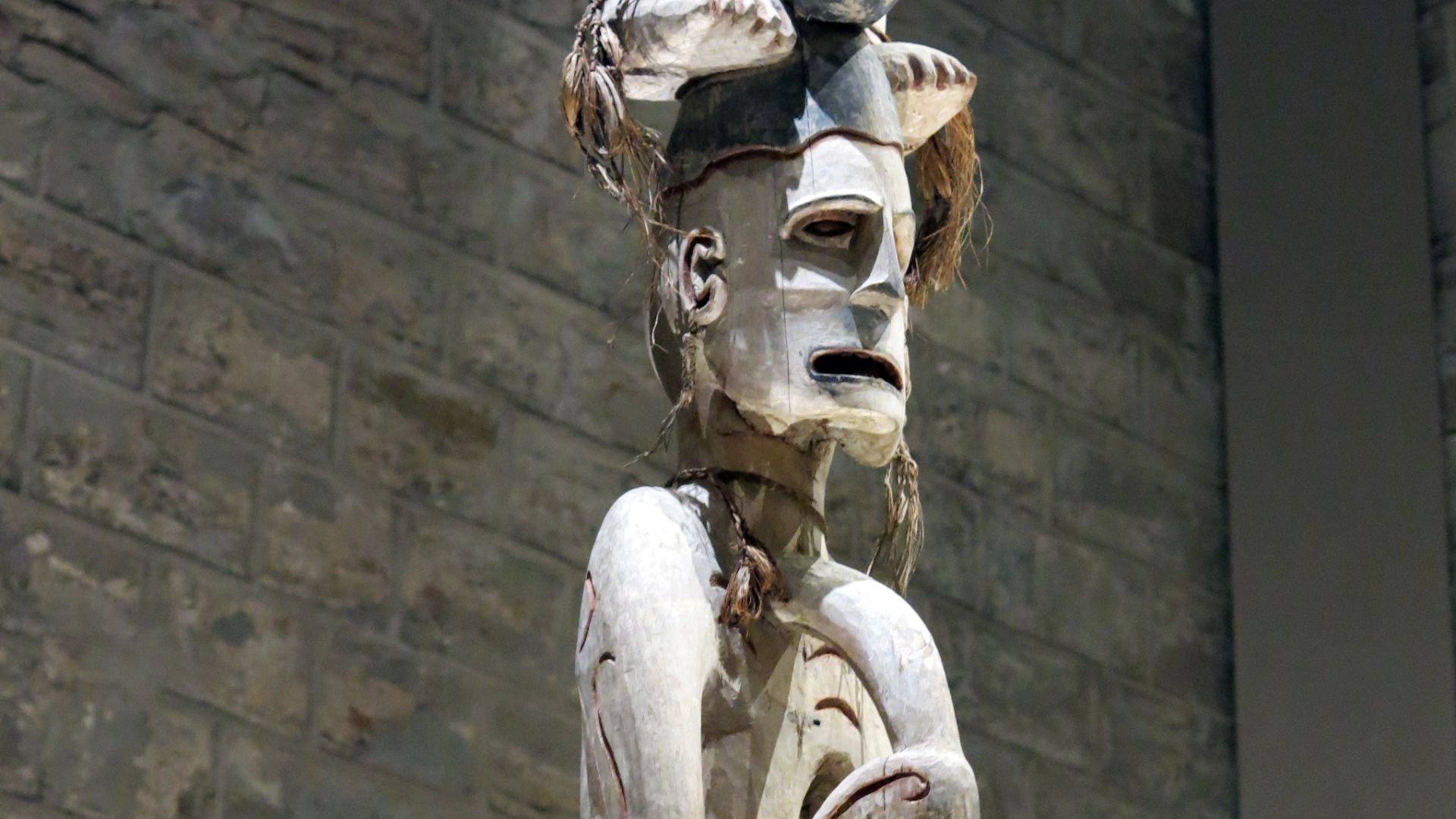
On his expedition, Rockefeller collected drums, bowls, spears, and shields. But it was really the bisj poles—20-foot masterpieces embodying ancestral spirits—that mesmerized him. “This was one kind of object that seemed to me inviolate for the encroachment of western commercialism,” he wrote. Getting all of these treasures home would be the true challenge.
21. He Made One Last Journey
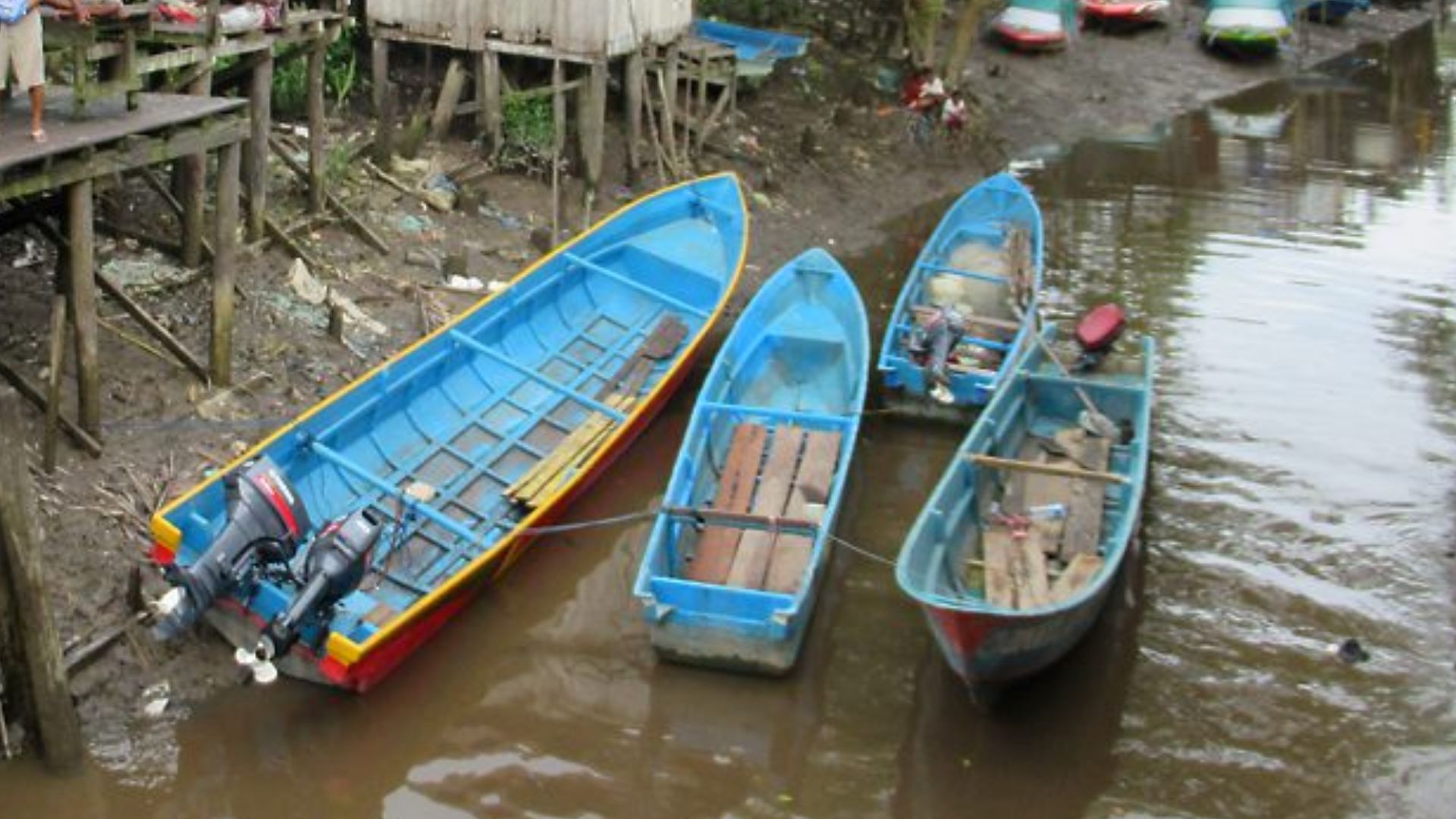
By mid-November, Rockefeller needed to restock his supplies in Agats for another month of collecting artifacts. After a few days, he and Wassing motored toward southern Asmat to meet Father van Kessel. But, just as the priests had warned, at the Betsj River mouth, “conflicting tides and winds whipped up waves and crosscurrents” that would seal his fate.
 David Stanley from Nanaimo, Canada, Wikimedia Commons
History's most fascinating stories and darkest secrets, delivered to your inbox daily.
22. His Boat Betrayed Him
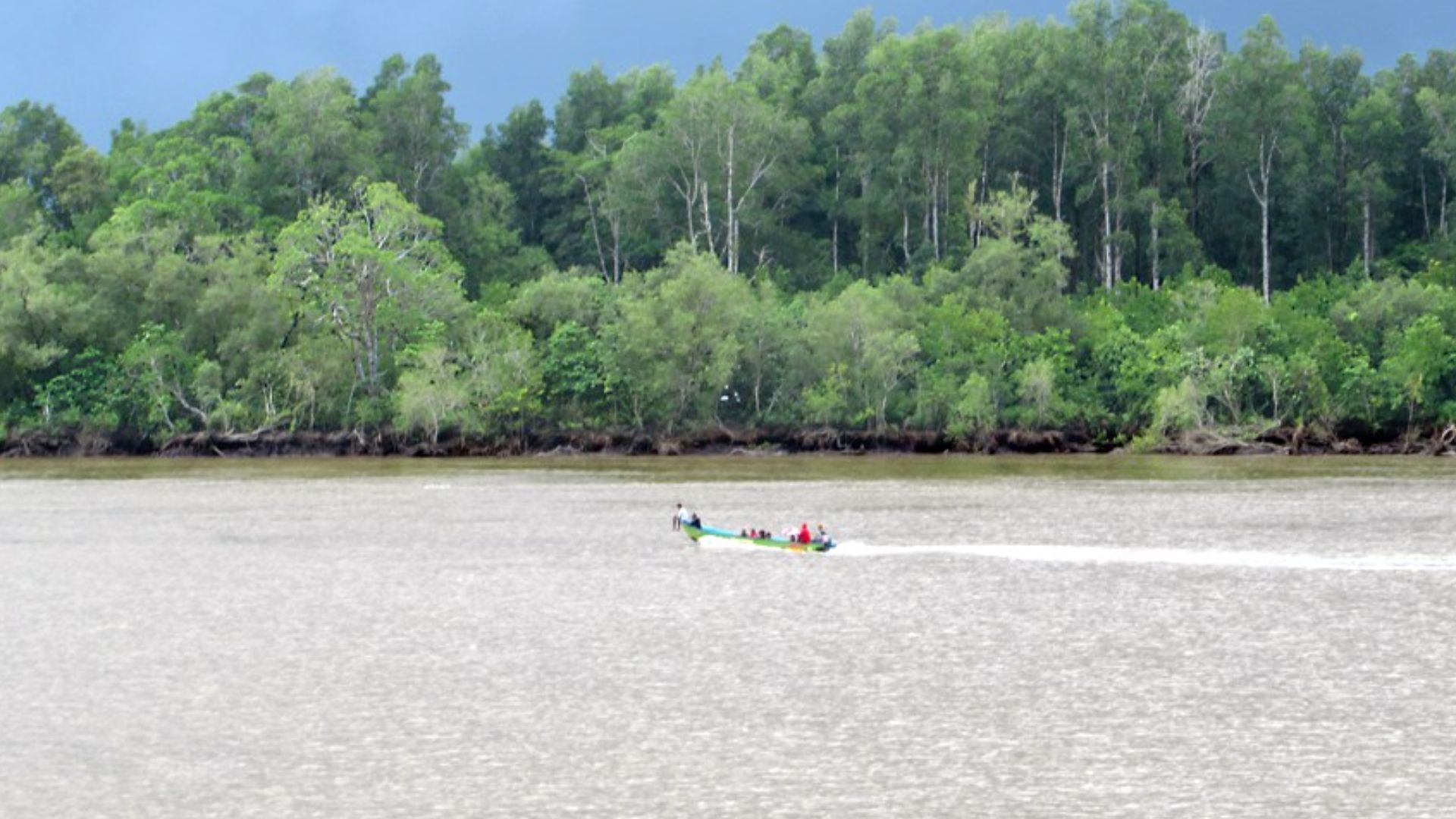
The turbulent waters easily swamped Rockefeller’s outboard motor and flipped the makeshift catamaran. By that point, it was apparent that Rockefeller and his crew were in danger. The two Asmat teenagers, Simon and Leo, immediately swam for shore. After hours trudging through mud, they reached Agats that evening and summoned help.
Meanwhile, Rockefeller and Wassing spent the night of November 17-18 clinging to their overturned hull, drifting helplessly in hostile waters. Far more hostile than they imagined.
 David Stanley from Nanaimo, Canada, Wikimedia Commons
23. He Made A Desperate Choice
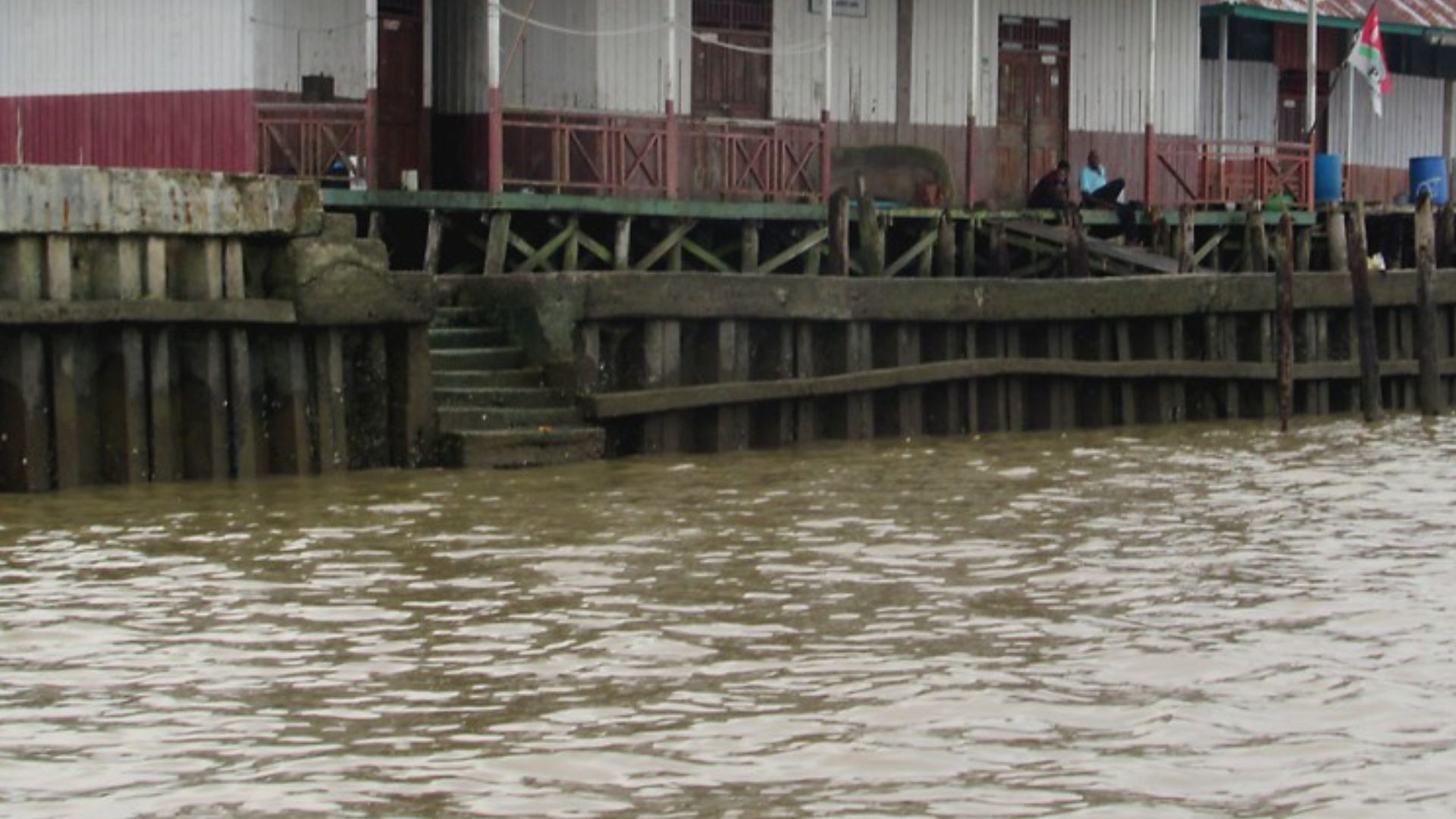
The following morning, Rockefeller made a fateful decision. He told Wassing that he feared they would drift into the open sea. So, by daybreak, he fashioned a float from two red jerrycans and the catamaran’s gas tank, took a compass and knife, stripped to his underwear, and looked to the shore. Bravely, he announced: “I think I can make it”.
 Mondadori Portfolio, Getty Images
24. His Nature Demanded Action
Wassing later explained Rockefeller’s apparently rash decision. “Rockefeller’s restless nature made it impossible to endure our drifting around,” Wassing said. It was that very nature that compelled Rockefeller to ignore the warnings about opposing tides and the three-mile distance to shore. He simply couldn’t wait for rescue.
But he would have desperately needed it.
 David Stanley from Nanaimo, Canada, Wikimedia Commons
25. He Vanished Into The Tides
Wassing gave a harrowing account of Rockefeller’s swim to shore—the last time anyone from the outside world saw him alive. “I saw him in a straight line going towards shore,” Wassing recounted, “until I just saw three dots: the two cans and his head”. From there, Rockefeller vanished into the tides of fate.
26. His Partner Survived Alone
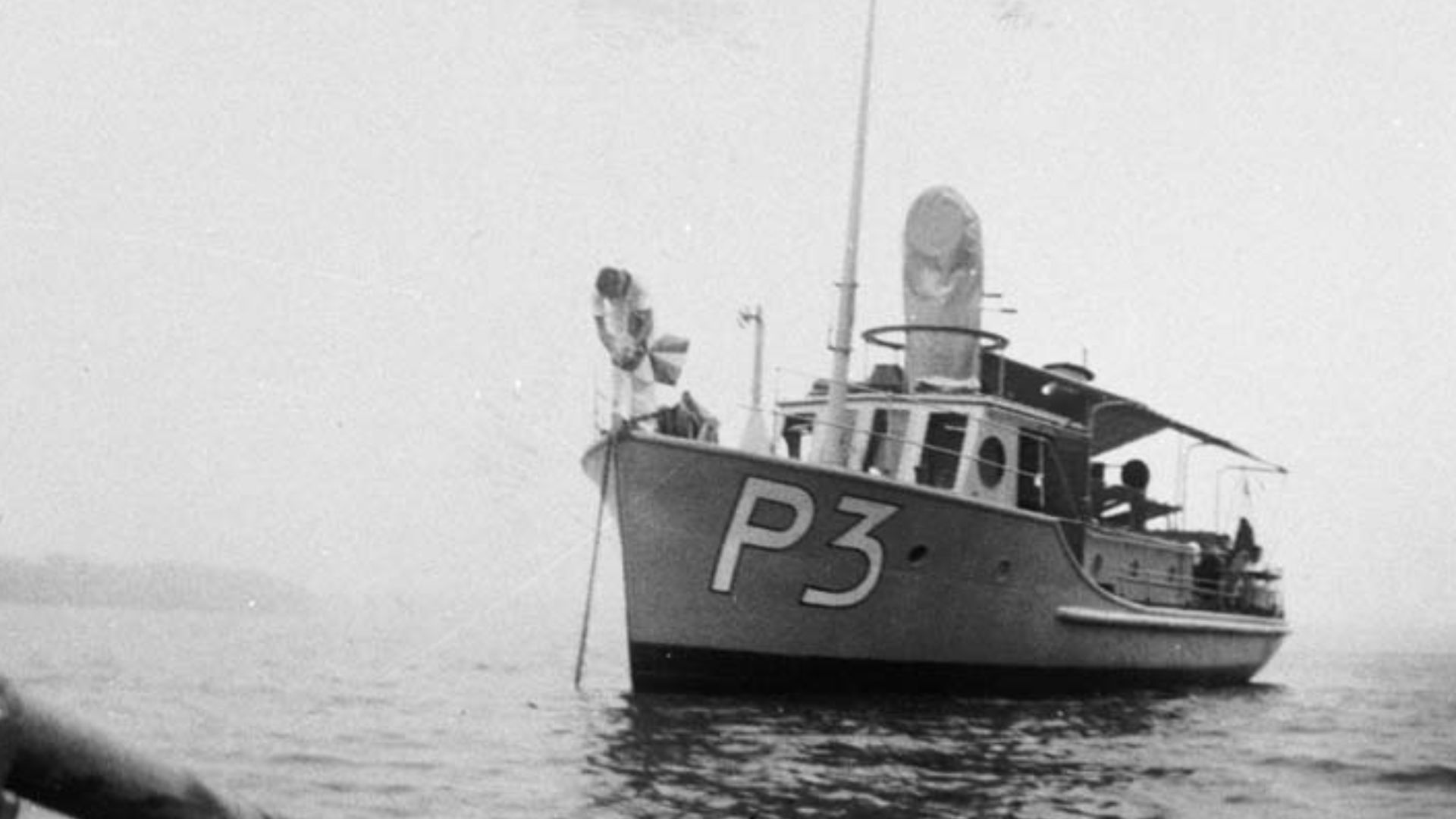
In an ironic twist, that same afternoon, a plane spotted Wassing still clinging to the wreckage. The next morning, a Dutch patrol boat rescued him, pulling him back to civilization after he had drifted 22 miles out to sea. The only question was where Rockefeller had gone.
 Nederlands Instituut voor Militaire Historie, Wikimedia Commons
27. His Father Chartered Hope
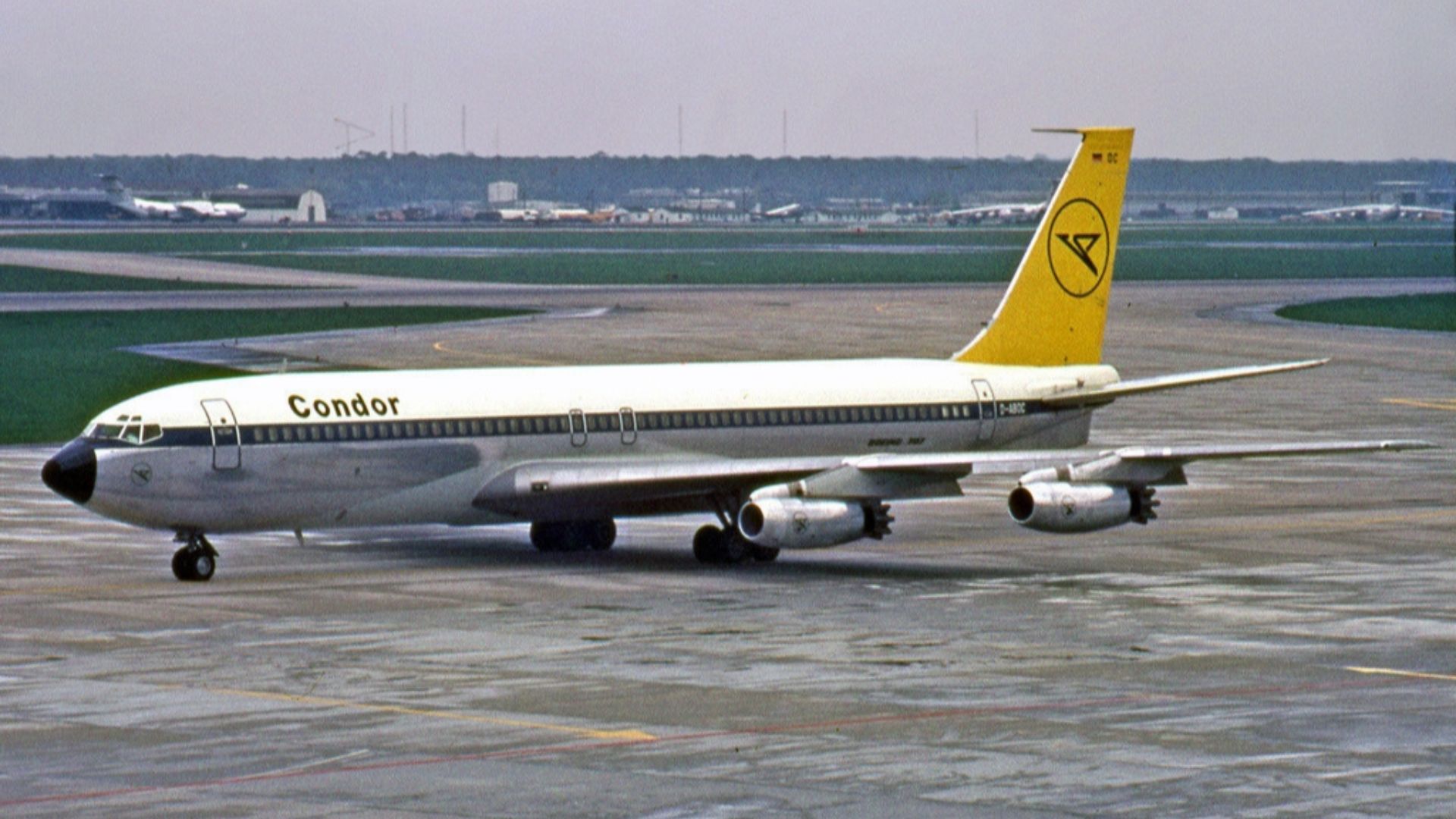
Once they learned of the terrible news, Nelson and Mary Rockefeller sprang into action, bringing the full force of their wealth and power to bear. They chartered a Boeing 707 and filled it with reporters before flying to Merauke, 150 miles from Asmat. “I could never forgive myself if I didn’t do everything possible to help find my son,” Nelson explained.
Money couldn't buy miracles, but he had to try.
 Ralf Manteufel, Wikimedia Commons
History's most fascinating stories and darkest secrets, delivered to your inbox daily.
28. His Disappearance Mobilized Armies
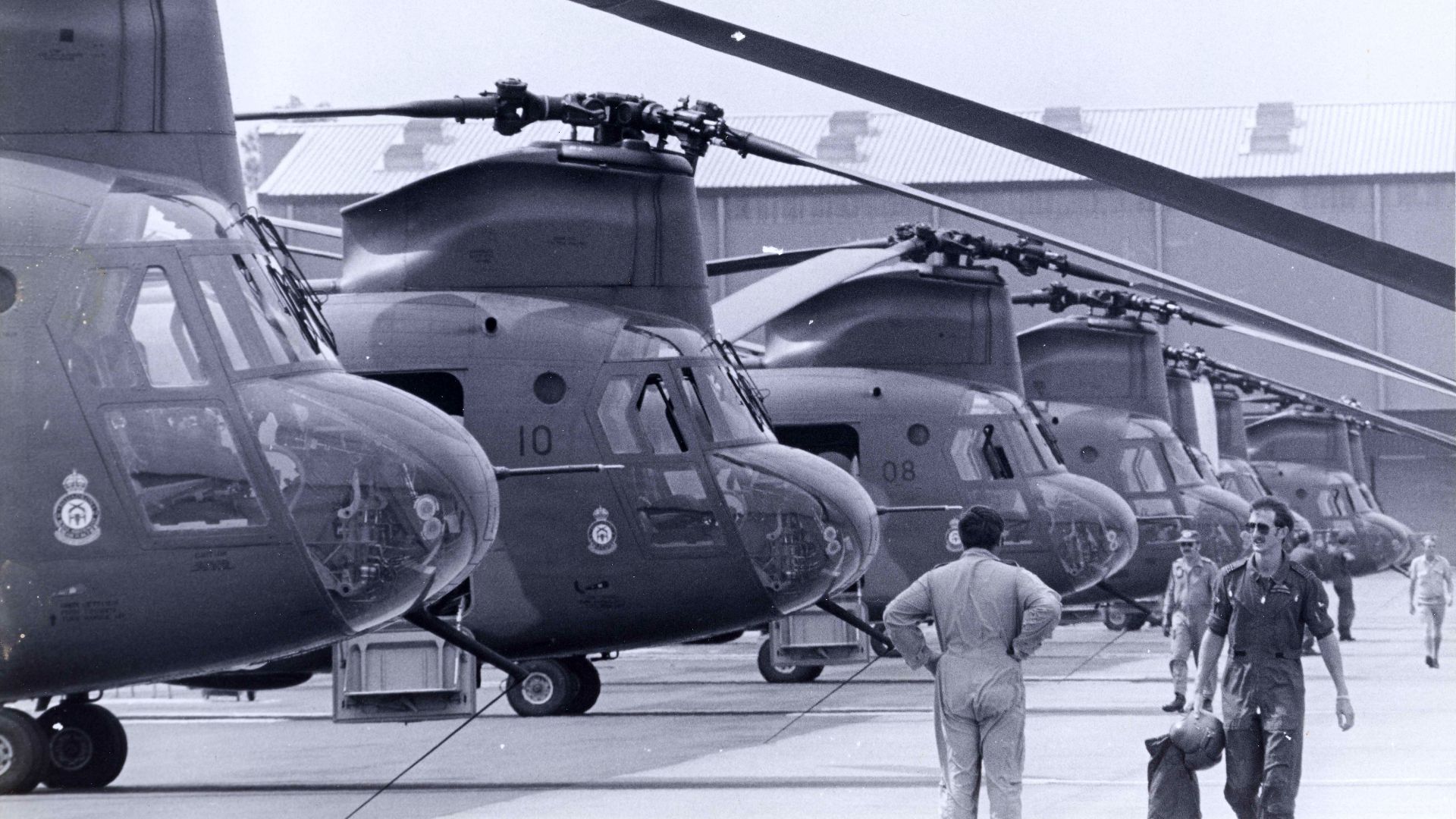
The Rockefeller family weren’t alone in their efforts to find their son. Dutch and Australian forces launched helicopters and boats while local officers and Asmat villagers “valiantly” sailed the rivers in canoes. But no one searched harder than Nelson and Mary, who flew “at dangerously low altitudes” for any trace of their son.
But it was all for naught.
 Firemanwill14, Wikimedia Commons
29. He Was Declared Lost Forever
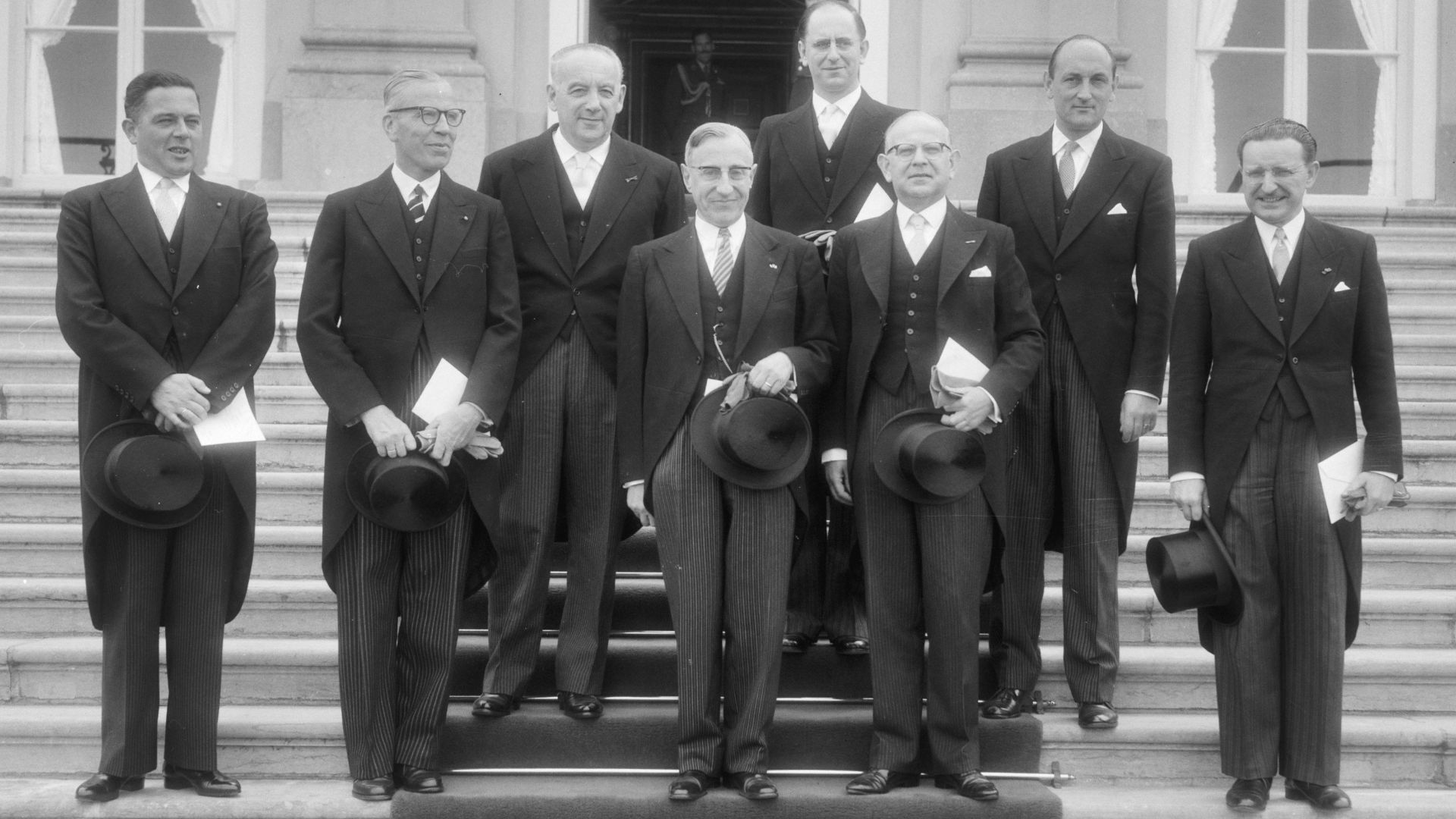
On November 24, 1961, the Dutch minister of the interior delivered the news that no one wanted to hear: “There is no longer any hope of finding Michael Rockefeller alive”. With heavy hearts and deep regrets, Rockefeller's parents flew home, just nine days after he had gone missing. Two weeks later, the Dutch officially ended their search— but the rumors had only just begun.
 Rijksoverheid.nl, Wikimedia Commons
30. He Might Have Been A Victim
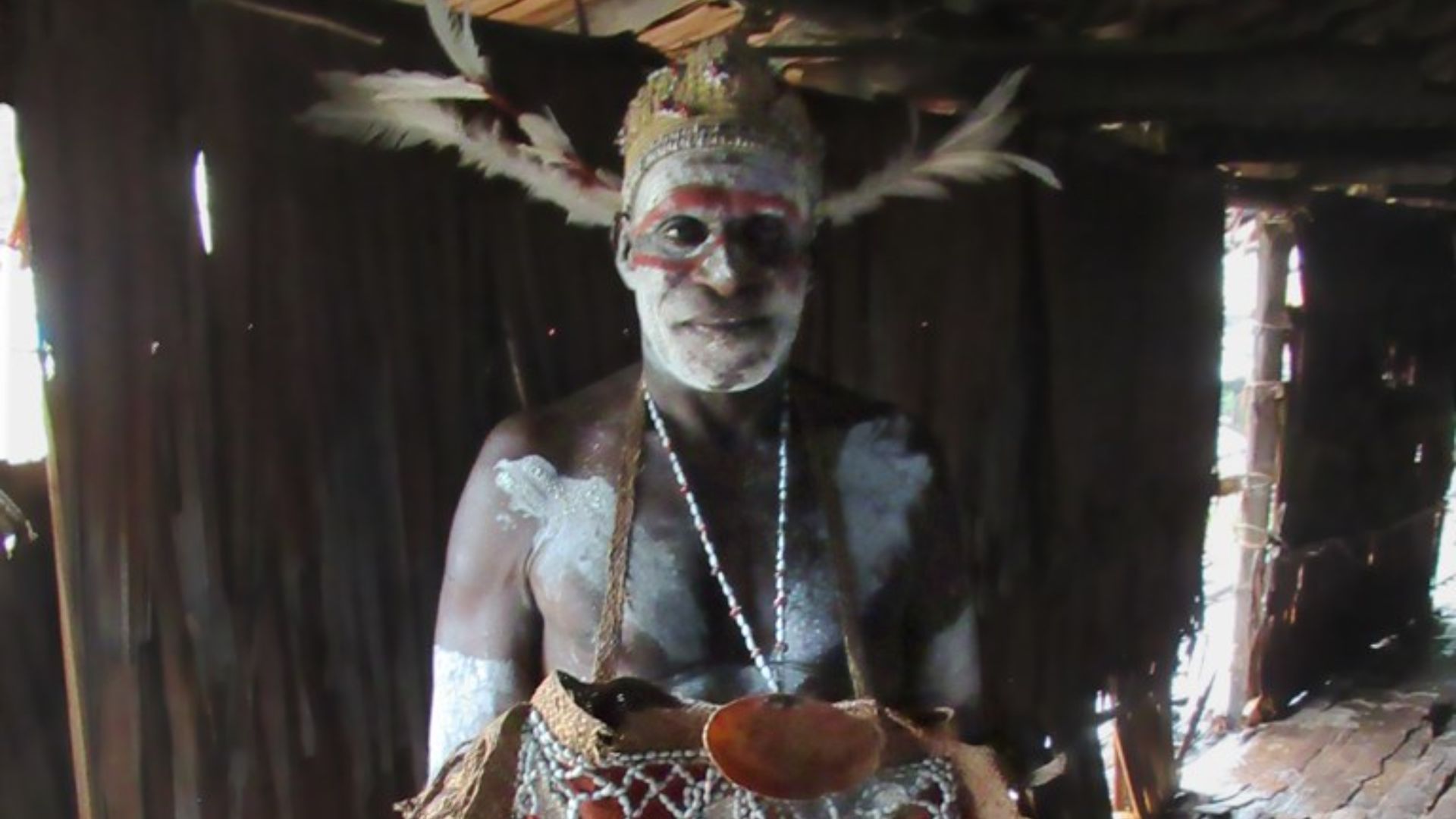
Less than a month after the search for Rockefeller ended, the mystery of his disappearance took on a sinister tone. Four Asmat men—two from Otsjanep and two from Omadesep—visited the Dutch Catholic priest Father Hubertus von Peij. Their message was chilling: Michael Rockefeller, they said, had fallen victim to men from Otsjanep.
Von Peij listened, horrified, as the mystery took its darkest turn yet.
 David Stanley from Nanaimo, Canada, Wikimedia Commons
31. He Was Floating In The River
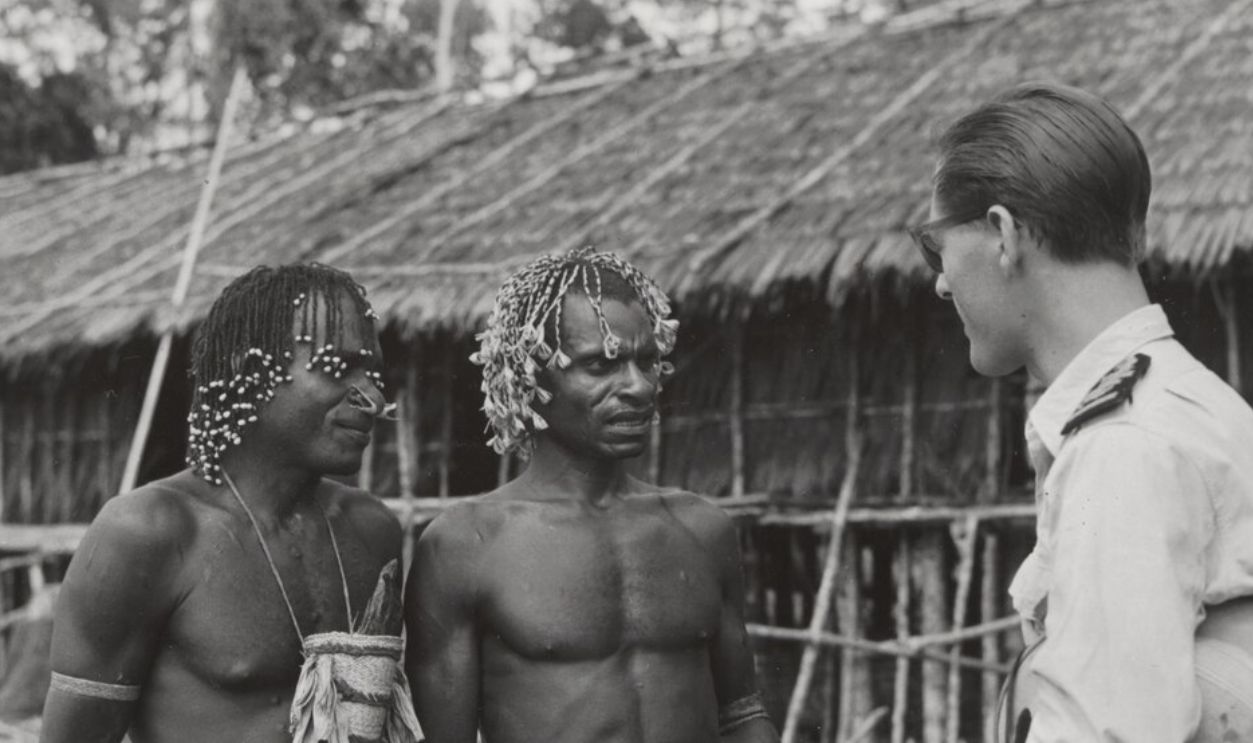
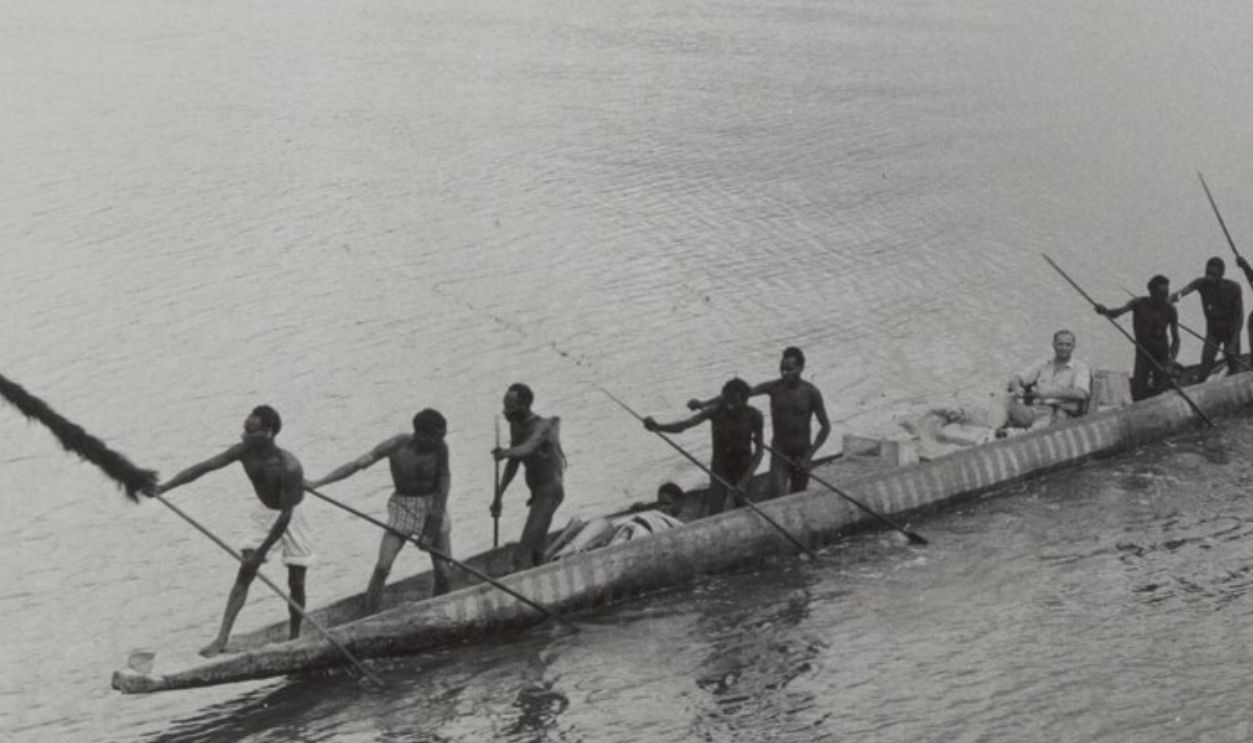
According to the Asmat account of Rockefeller’s final moments, at daybreak on November 20, 1961, 50 men from Otsjanep paused at the mouth of the Ewta River after delivering palm supplies. There, they saw a lone white man swimming on his back…it could only have been Michael Rockefeller. What they claimed happened next was downright stomach-turning.
 Kantoor voor Voorlichting en Radio Omroep Nieuw-Guinea, Wikimedia Commons
32. He Caused A Debate Amongst The Asmat
The Asmat account continued, saying that the men argued over what to do with the lost white man. “People of Otsjanep,” one cried, “you’re always talking about headhunting tuans [white men]. Well, here’s your chance”. Their leader, Dombai, urged mercy, but two others, Ajim and Fin, disagreed. Then, as they tried to lift Rockefeller into a canoe, another man named Pep suddenly speared him in the ribs.
Rockefeller’s fate went from grim to grisly in a heartbeat.
 Kantoor voor Voorlichting en Radio Omroep Nieuw-Guinea, Wikimedia Commons
33. He Met A Grisly End
The Asmat men claimed they carried Rockefeller upriver to a secluded creek called the Jawor River. There, far from prying eyes, they finished him off and built a great fire. But, if the story that the Asmat men told to the Dutch priest was true, then they weren’t exactly building a funeral pyre.
 Kantoor voor Voorlichting en Radio Omroep Nieuw-Guinea, Wikimedia Commons
History's most fascinating stories and darkest secrets, delivered to your inbox daily.
34. His Clothes Told A Story
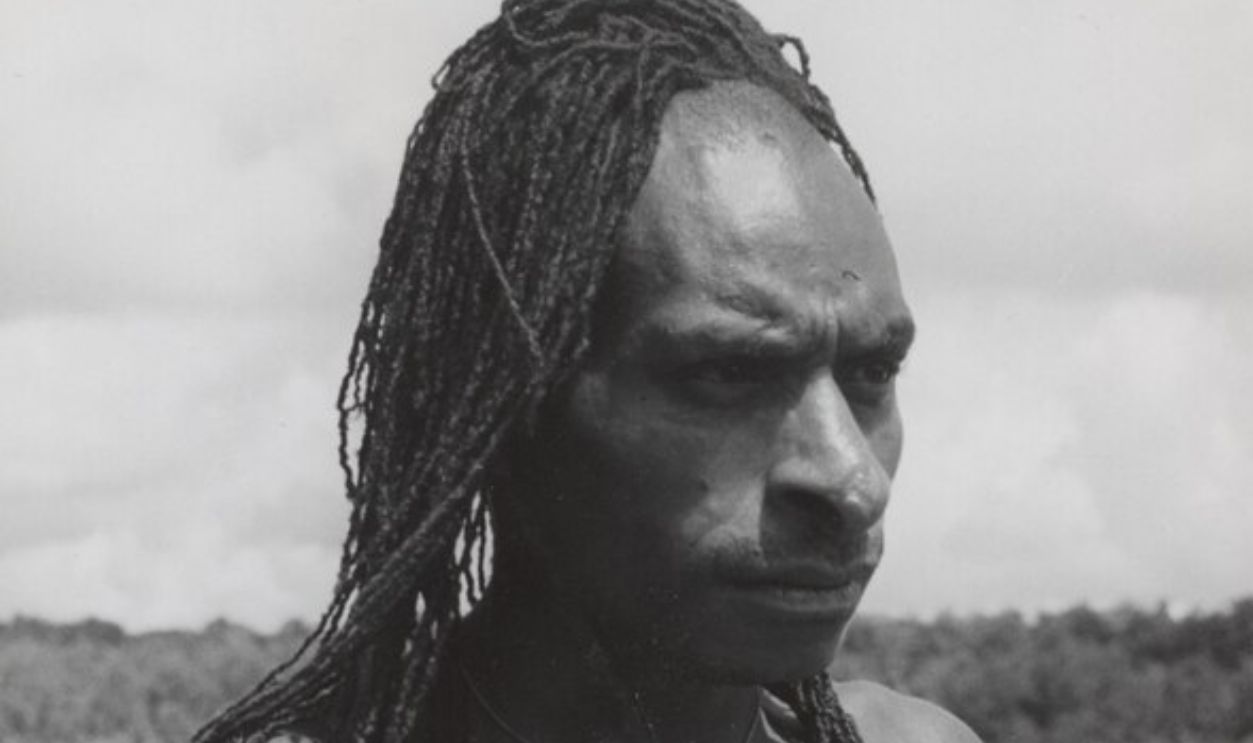
When Father von Peij pressed the Asmat for more details to confirm their story, the villagers chillingly described Rockefeller’s final outfit: “shorts that ended high up on his legs and had no pockets. Underpants”. They’d never seen clothing like it before, confirming that the man whose life they ended wasn’t from any tribe—but from a different world entirely.
 Kantoor voor Voorlichting en Radio Omroep Nieuw-Guinea, Wikimedia Commons
35. His Head Became A Trophy
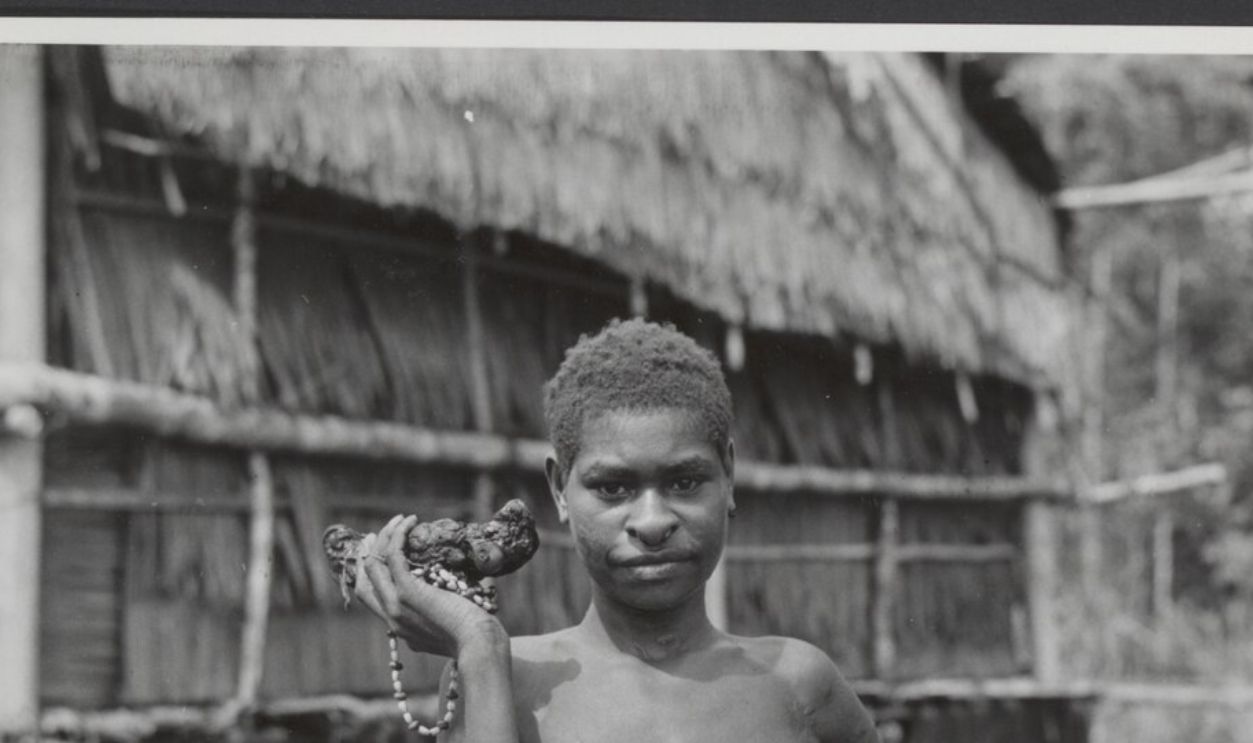
The villagers then revealed a chilling detail to von Peij. They claimed that Rockefeller’s head was currently serving as decoration in the house of a man named Fin. “It hangs in the house of Fin,” they said, “and it looked so small, like the head of a child”. The rest of his body didn’t fare so well either.
 Kantoor voor Voorlichting en Radio Omroep Nieuw-Guinea, Wikimedia Commons
36. His Body Was Divided
According to the Asmats’ confession, Rockefeller’s body was never truly laid to rest. Instead, the Asmat had divided his body, sharing various parts among 15 men. Pep took one thigh bone, Ajim the other; Jane and Wasan took his tibias, crafting fishing spears. Others claimed his ribs, arms, shorts—even his glasses. Chillingly, Rockefeller had become one of the artifacts he so eagerly sought out.
He was more a part of the Asmat story than he had known.
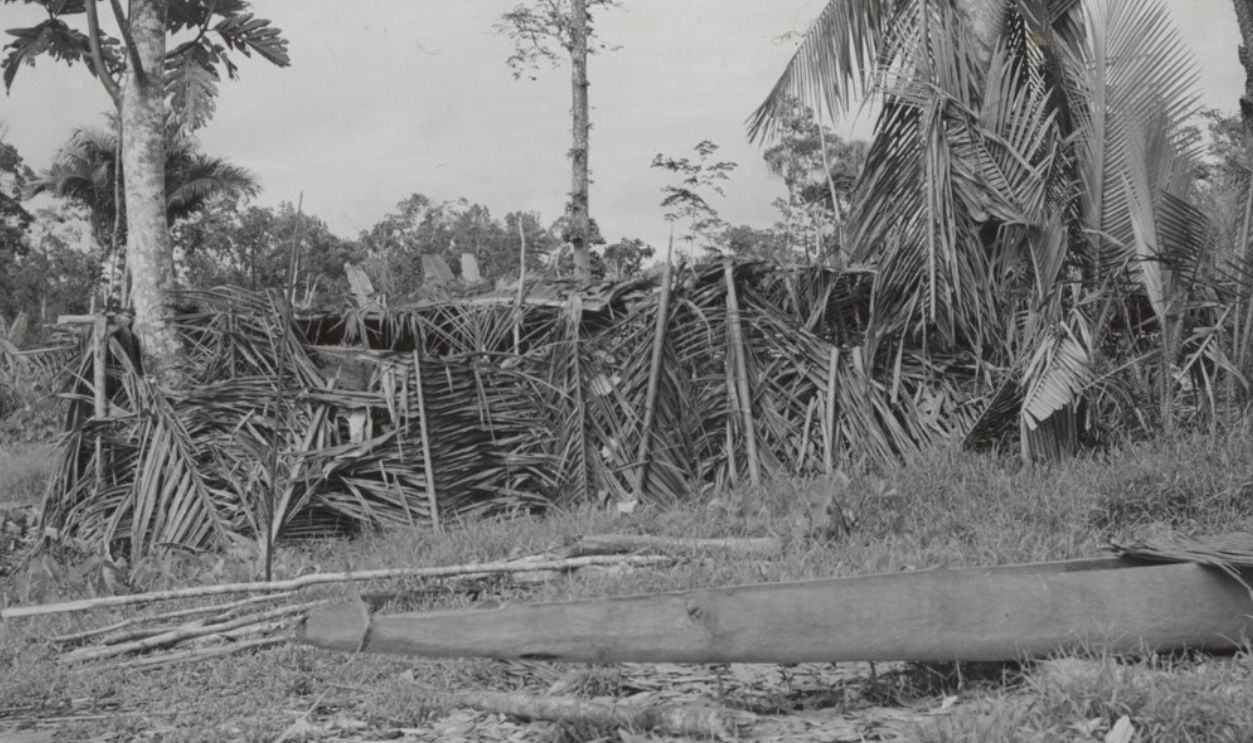 Kantoor voor Voorlichting en Radio Omroep Nieuw-Guinea, Wikimedia Commons
37. He Was The Price Of Revenge
When Father von Peij asked the Asmat why they had taken Rockefeller’s life, they offered a simple yet chilling explanation. It was vengeance, they claimed, for the “Max Lepré raid” four years earlier. That raid had occurred on January 18, 1958, when the Dutch officer Max Lepré had punished Omadesep for tribal massacres—burning canoes, confiscating spears and the like, and torching ceremonial houses.
For the Asmat, blood demanded blood.
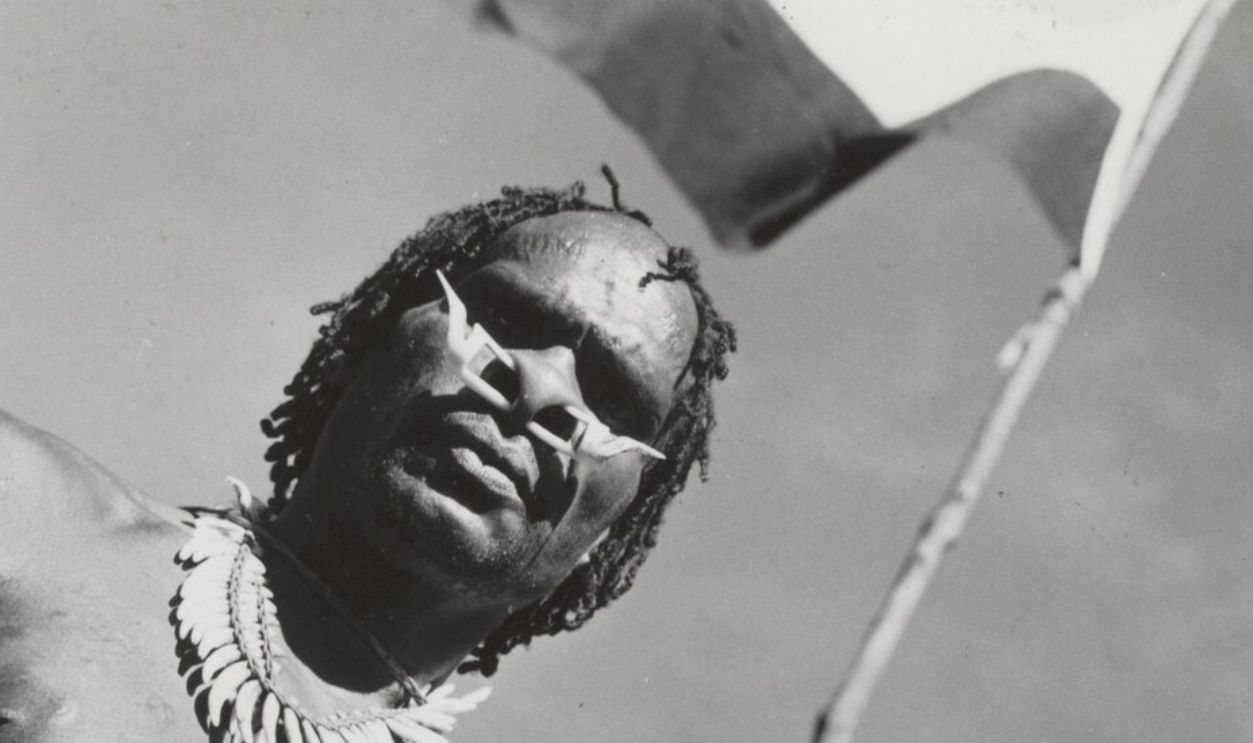 Kantoor voor Voorlichting en Radio Omroep Nieuw-Guinea, Wikimedia Commons
38. His Life Fueled A Blood Grudge
Weeks after Lepré’s first raid, his men arrived in Otsjanep to do the same. But, the second time around, the Asmat people were prepared and fought back. Shots tore through the village, claiming the lives of five prominent Asmat men—Faratsjam, Osom, Akon, Samut, and Ipi. So when Rockefeller appeared that fateful day, they saw their chance for divine retribution.
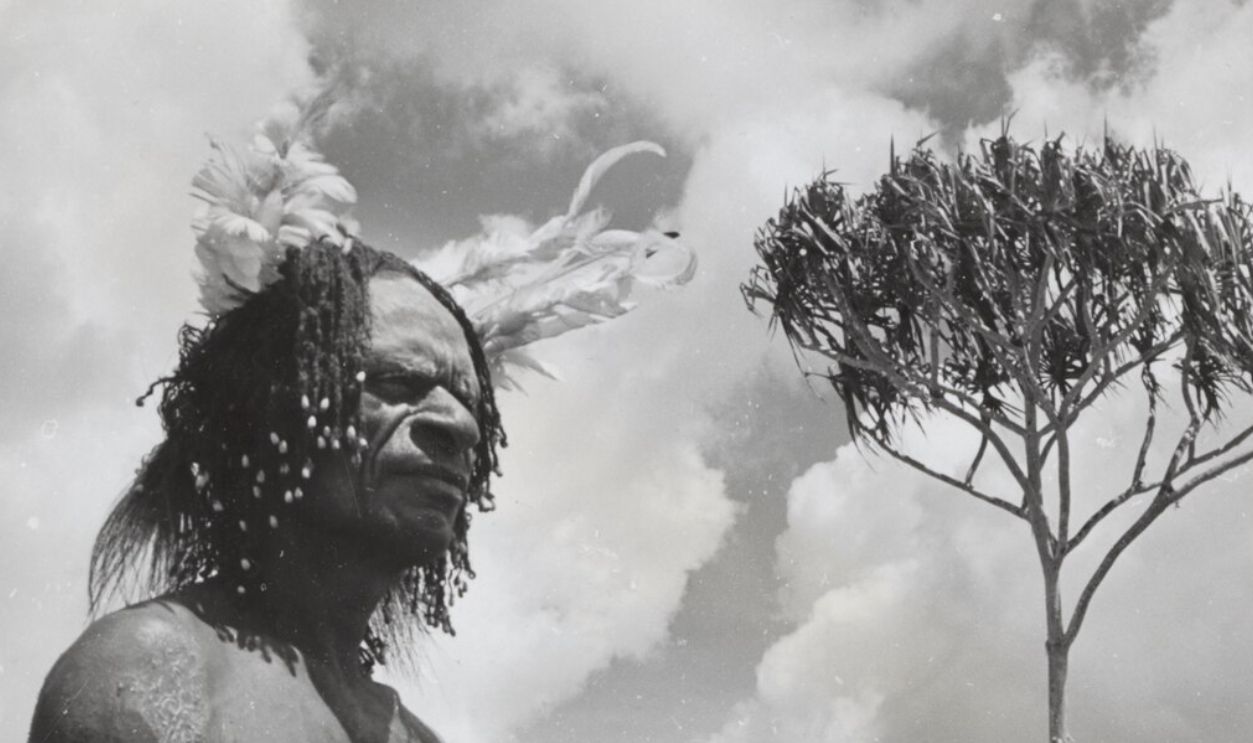 Kantoor voor Voorlichting en Radio Omroep Nieuw-Guinea, Wikimedia Commons
39. His Passing Passed Without Much Note
Shaken by the story, Father von Peij sent a note to his superior in Agats: “Without having the intention of doing so, I stumbled across information and I feel compelled to report this. Michael Rockefeller has been picked up and [ended] by Otsjanep”. The words were clinical—but the horror behind them was anything but.
Still, there was more to the story.
History's most fascinating stories and darkest secrets, delivered to your inbox daily.
40. He Might Have Been Lunch
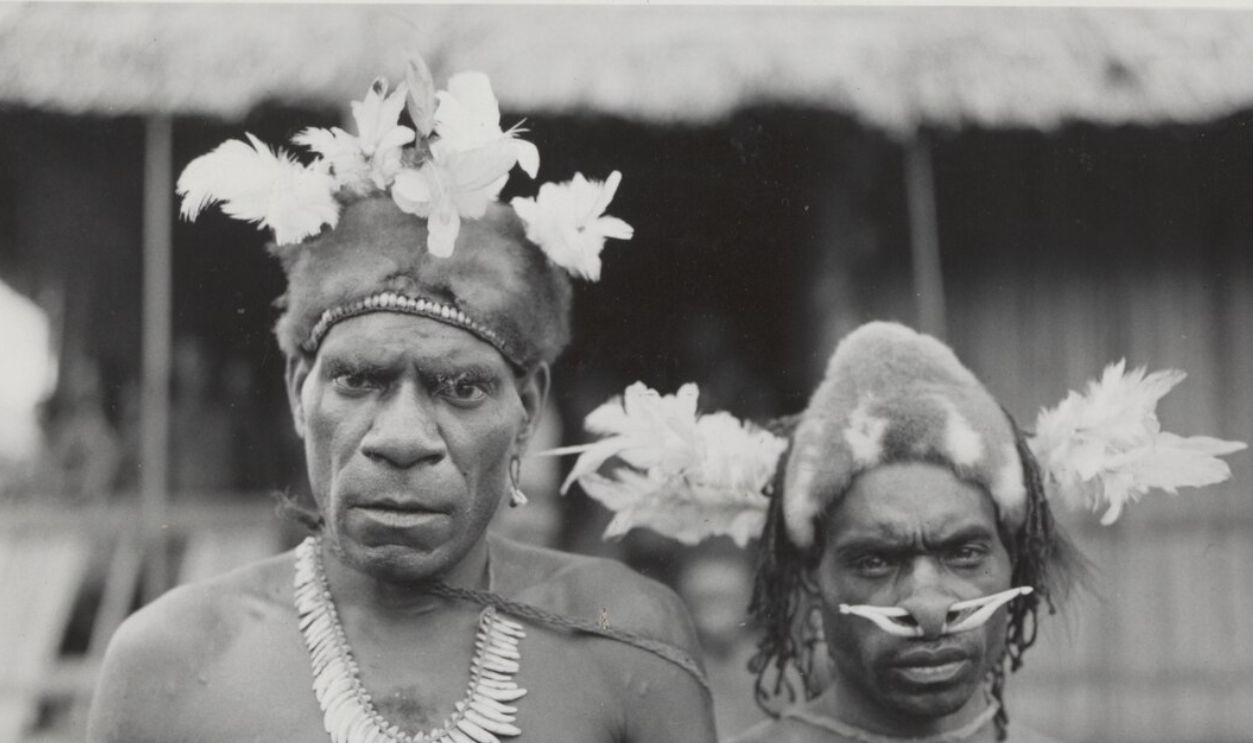
Father Cornelius van Kessel, the very priest Rockefeller had been trying to reach, launched his own investigation and reached an even more chilling conclusion. On December 15, 1961, he wrote a furious report to Dutch authorities declaring: “IT IS CERTAIN THAT MICHAEL ROCKEFELLER WAS [ENDED] AND EATEN BY OTSJANEP. This was revenge for the [incident] four years ago”.
As it turns out, though, the story was too terrible to tell.
 Kantoor voor Voorlichting en Radio Omroep Nieuw-Guinea, Wikimedia Commons
41. His Fate Was Buried In Secrecy
Six days after van Kessel’s shocking note, on December 21, 1961, the governor of Dutch New Guinea sent a cable that only added another layer of drama to the already scintillating story of Rockefeller’s disappearance. The governor marked the cable with “secret” and “destroy” and sent it to the Dutch minister of the interior.
It read: “No evidence has been found yet…there is no certainty”. Officials agreed—no word should reach the press, or Rockefeller’s grieving father. But rumors slipped through anyway.
42. His Story Leaked To The World
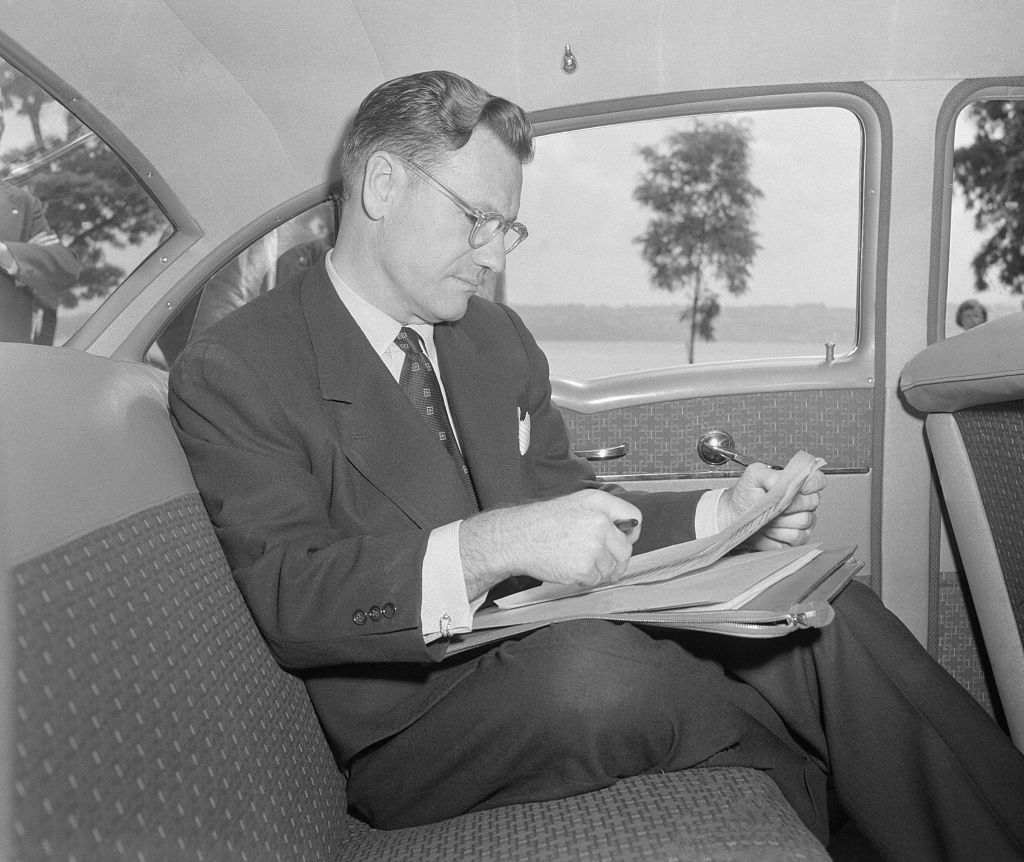
Despite the Dutch government’s cryptic silence, the truth began to slip out. In March 1962, the Associated Press reported that Rockefeller had been “[ended] and eaten,” citing a letter from another Dutch priest. Nelson Rockefeller, stunned by the claim, immediately contacted the Dutch Embassy in Washington for answers.
Sadly, the truth was even more elusive than Rockefeller himself.

43. His Father Heard Lies
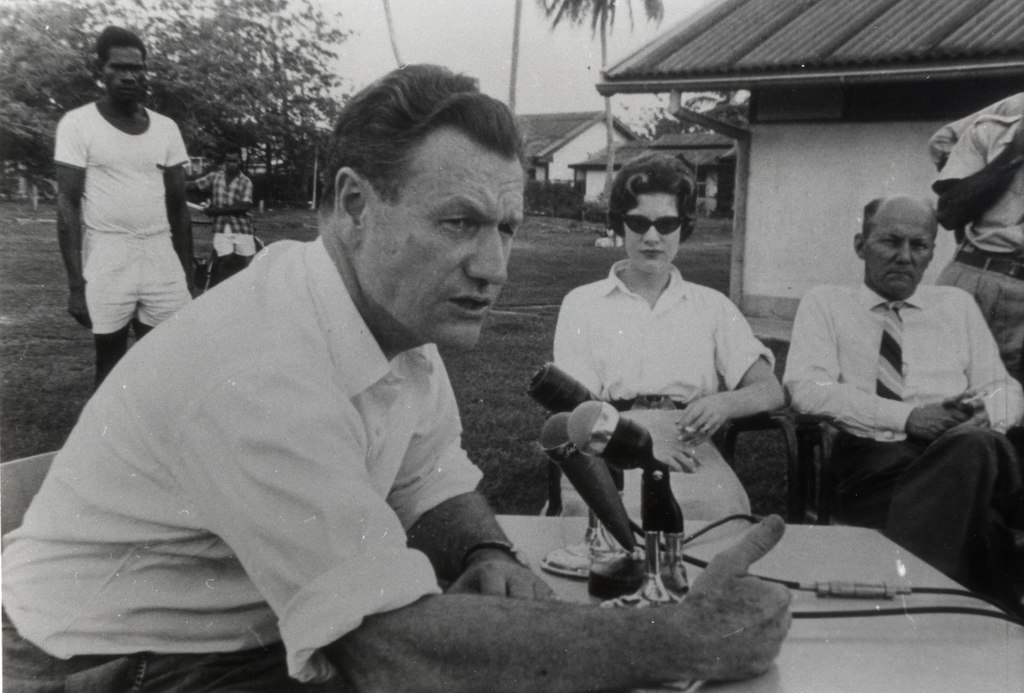
In an attempt to keep a lid on the unfolding scandal, the Dutch Foreign Minister personally replied to Nelson Rockefeller’s inquiry. He insisted that the rumors about his son’s ultimate fate at the hands of the Asmat people were baseless. He claimed they had been “thoroughly investigated…and there was nothing to them”.
Behind the scenes, however, Dutch officials were doing everything they could to keep the truth under wraps.
 Government Information Service Netherlands New Guinea, Wikipedia
44. His Old Friend Tried To Find The Truth
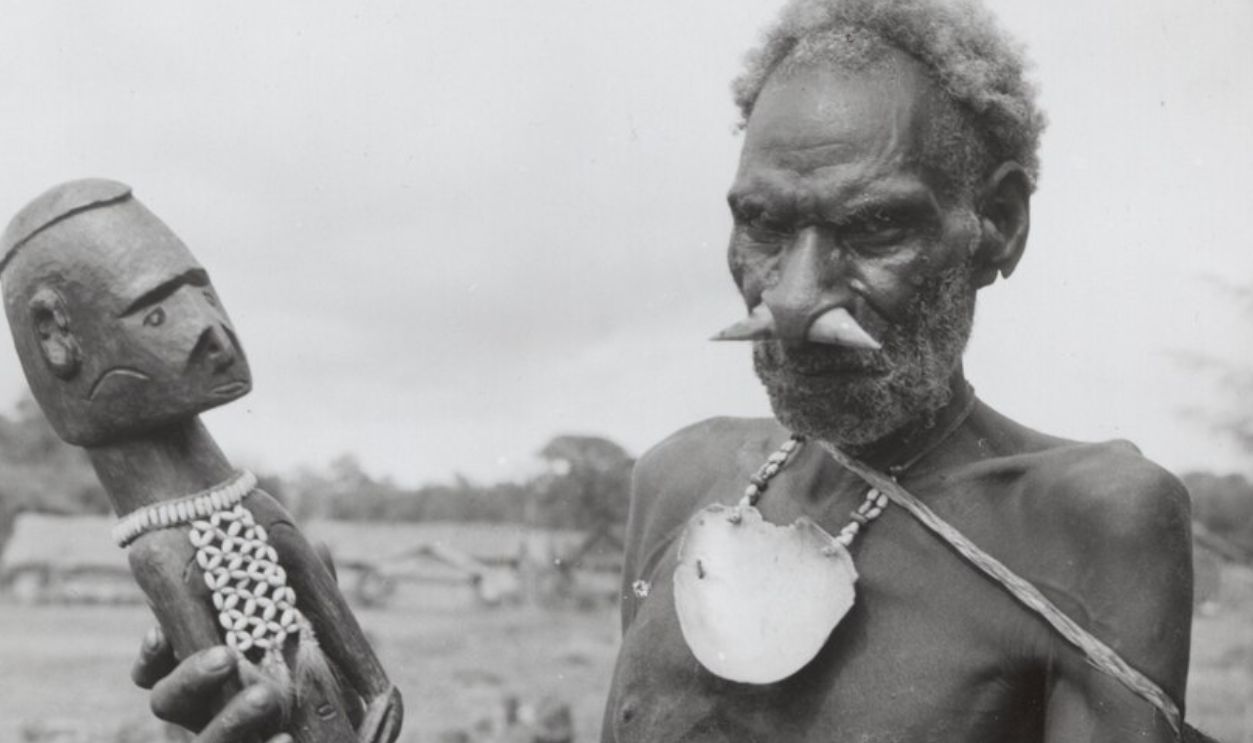
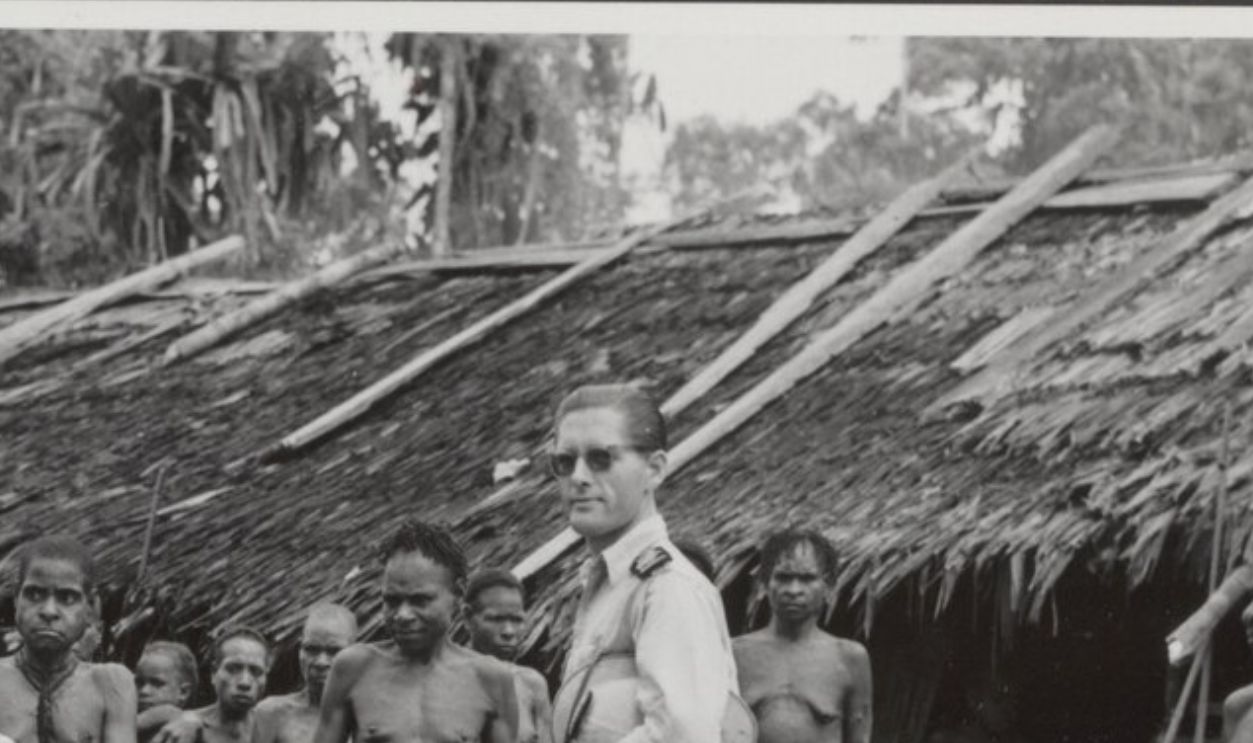
By 1962, the Dutch government was desperate to put the matter to bed. In a last ditch effort, they sent patrol officer Wim van de Waal—the very man who’d sold Rockefeller his ill-fated catamaran—back to Otsjanep. His assignment: find the truth. “The Asmat in Otsjanep didn’t understand why I was there,” van de Waal later recalled. “They feel like talking about these things brings them bad luck”.
They were right.
 Kantoor voor Voorlichting en Radio Omroep Nieuw-Guinea, Wikimedia Commons
45. His Remains Were Unearthed
After months in the jungle, van de Waal’s persistence paid off. Not only did the villagers stick to their story, but they even led him to a swamp where they dug up bones. One skull missing its lower jaw, and with a hole in the temple revealing that the head had been “opened to consume the brains”. It was a gruesome confirmation of the story von Peij had heard months earlier.
 Kantoor voor Voorlichting en Radio Omroep Nieuw-Guinea, Wikimedia Commons
History's most fascinating stories and darkest secrets, delivered to your inbox daily.
46. His Case Vanished With The Dutch
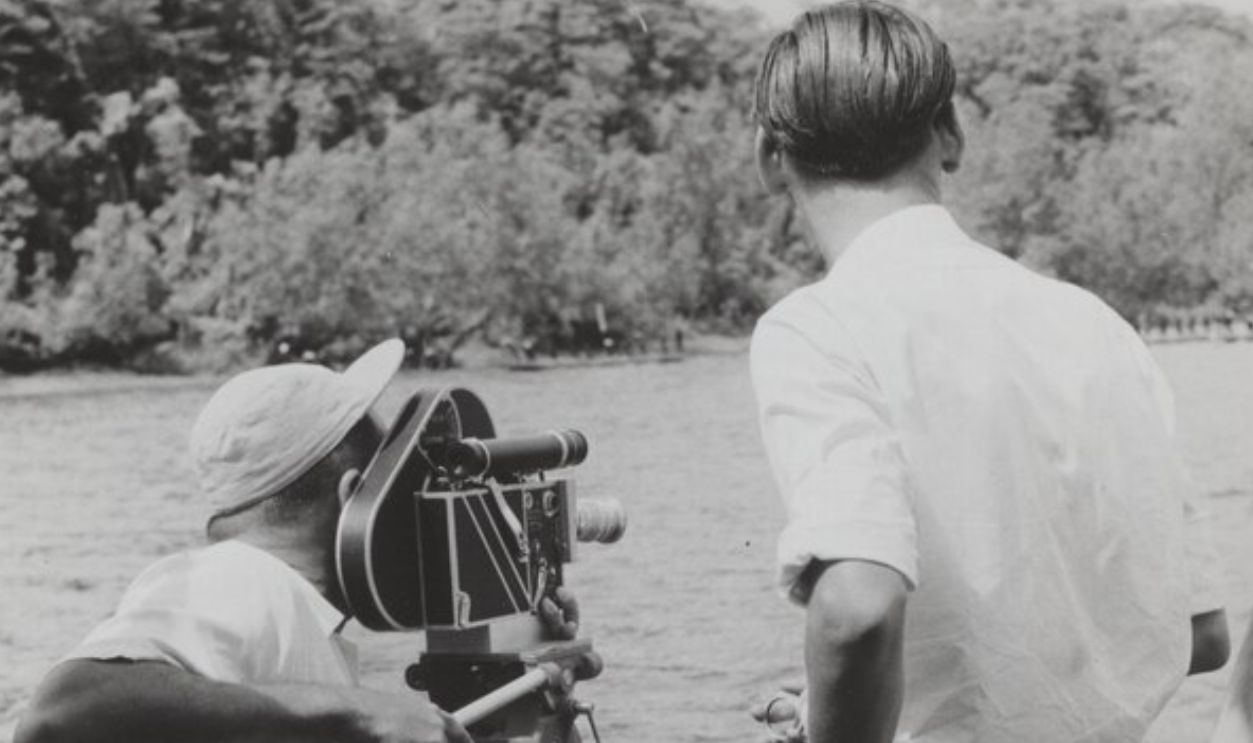
Van de Waal concluded his investigation and handed over the unearthed remains in June 1962. Curiously, however, he did not file an official report. “The political situation was becoming awkward,” he recalled years later. As the Dutch prepared to cede New Guinea to Indonesia, they felt compelled to bury any bad news stories.
“We never, ever, touched upon my investigation,” van de Waal said.
 Kantoor voor Voorlichting en Radio Omroep Nieuw-Guinea, Wikimedia Commons
47. He Was Declared Lost To The Sea
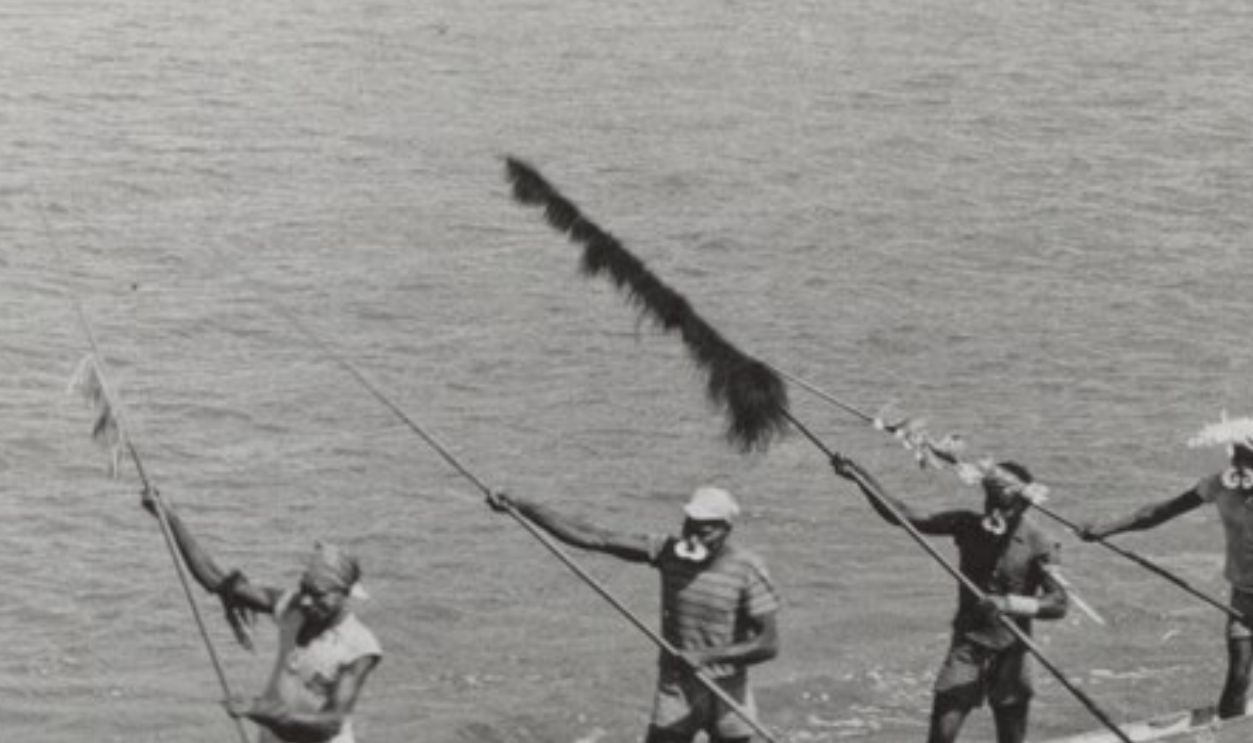
Even after Van de Waal’s investigation, Rockefeller’s body was never confirmed to have been recovered. In 1964, years after his disappearance, the New York Surrogate’s Court finally declared him legally gone, concluding that he had drowned off the coast of Dutch New Guinea. His family mourned quietly—but the mystery surrounding his disappearance would never stop haunting them.
 Kantoor voor Voorlichting en Radio Omroep Nieuw-Guinea, Wikimedia Commons
48. His Mystery Drew A Reporter
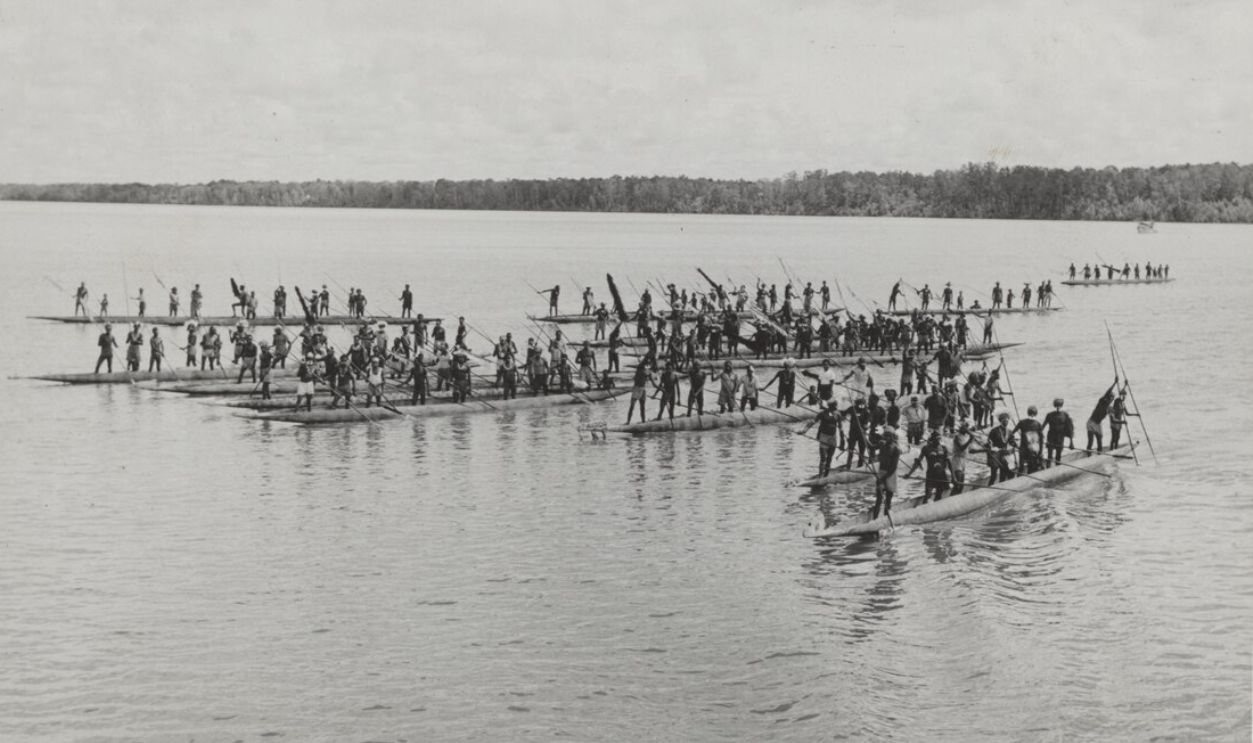
In the following years, wild speculation about Rockefeller’s true fate consumed high society. So, in 1969, journalist Milt Machlin journeyed deep into New Guinea to chase down the truth about Rockefeller’s disappearance. He dismissed the wild rumors that Rockefeller had gone “native” or ruled the jungle like a lost king.
Even Machlin had to admit that the evidence strongly suggested something darker had happened.
 Kantoor voor Voorlichting en Radio Omroep Nieuw-Guinea, Wikimedia Commons
49. His Passing Was Tribal Law
Machlin’s investigation led to many of the same conclusions that previous investigations had found. But he added some very important context. Machlin stated that under the Asmat belief system, the men named Fin, Ajim, Pep, Jane, and Samut had a sacred obligation to avenge the passing of those taken in the 1958 Dutch raid.
If true, Rockefeller’s demise wasn’t random—it was ritual repayment, written in blood.
 Los Angeles Times, CC BY 4.0, Wikimedia Commons
50. His Demised Lived On In Film
The documentary filmmaker Tobias Schneebaum confirmed everyone’s worst fears in his film Keep the River On Your Right. Speaking with Asmat villagers, he confirmed that they had found Rockefeller on the riverbank, speared him, and then ate his remains. But there was one person who wouldn’t accept this chilling tale.
 Joelasinger, Wikimedia Commons
51. His Twin Spoke Through Her Grief
Rockefeller’s surviving twin sister, Mary, finally broke her silence on her brother’s disappearance, nearly five decades later. Her memoir Beginning with the End: A Memoir of Twin Loss and Healing chronicled her decades-long struggle to make peace with her brother’s disappearance. It was a gripping tale of optimism—or denial.
History's most fascinating stories and darkest secrets, delivered to your inbox daily.
52. His Sister Doubted The Story
In her memoir, Mary wrote: “Rumors and stories of Michael’s having made it to shore—of his having been found, captured, and [ended] by headhunting Asmat villagers—have persisted for more than forty years…None of them have been substantiated by any concrete evidence”. Instead, Mary chose to believe a more peaceful ending for her brother.
53. His Sister Believed A Better Ending
Mary ultimately sided with the official version of events. “All the evidence,” she wrote, “based on the strong offshore currents, the high seasonal tides, and the turbulent outgoing waters…supports the prevailing theory that he drowned before he was able to reach land”. For her, that ending was mercy.
But a curious event after Rockefeller’s disappearance almost certainly sealed his fate.
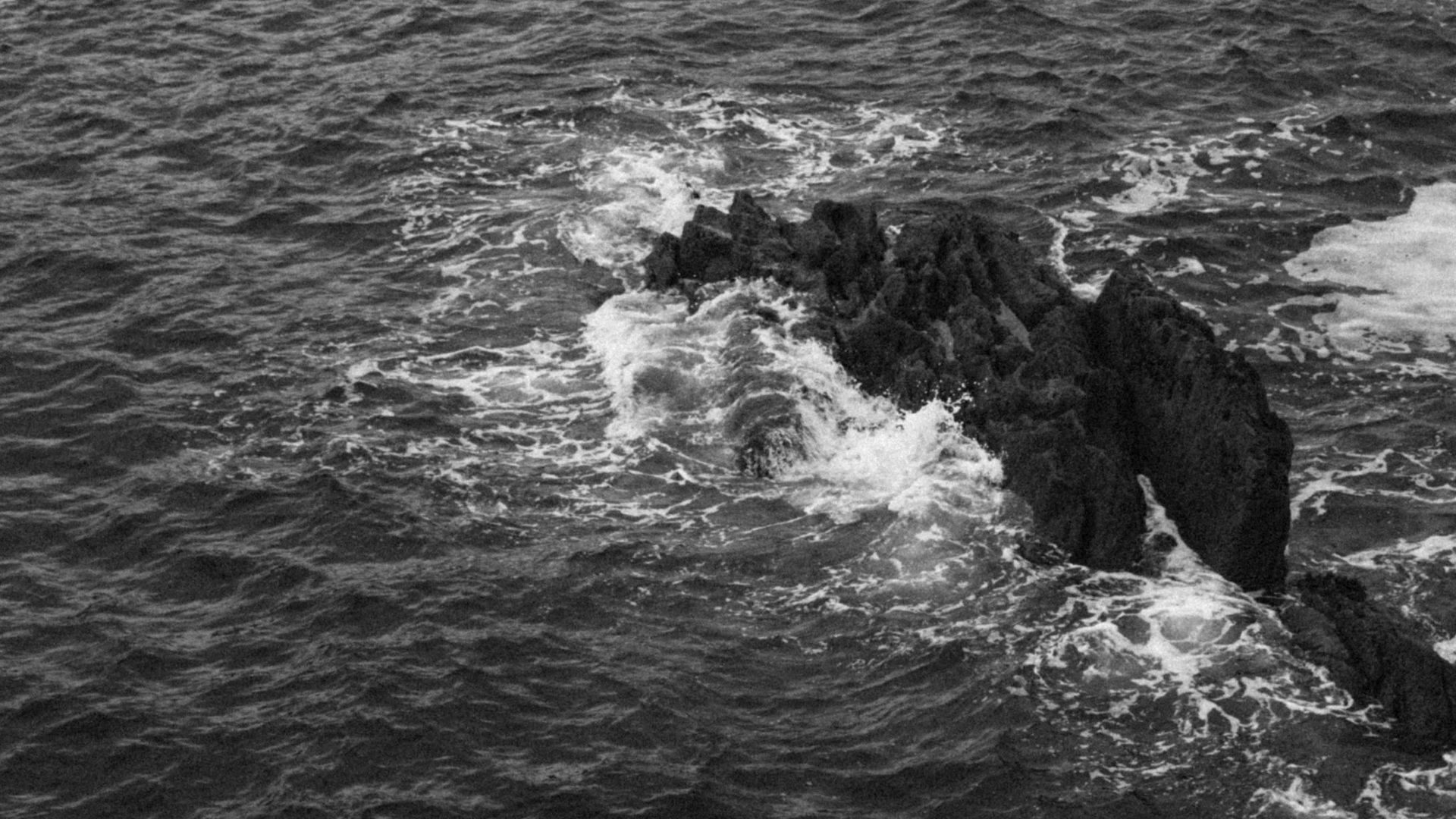
54. His Passing Cursed A Village
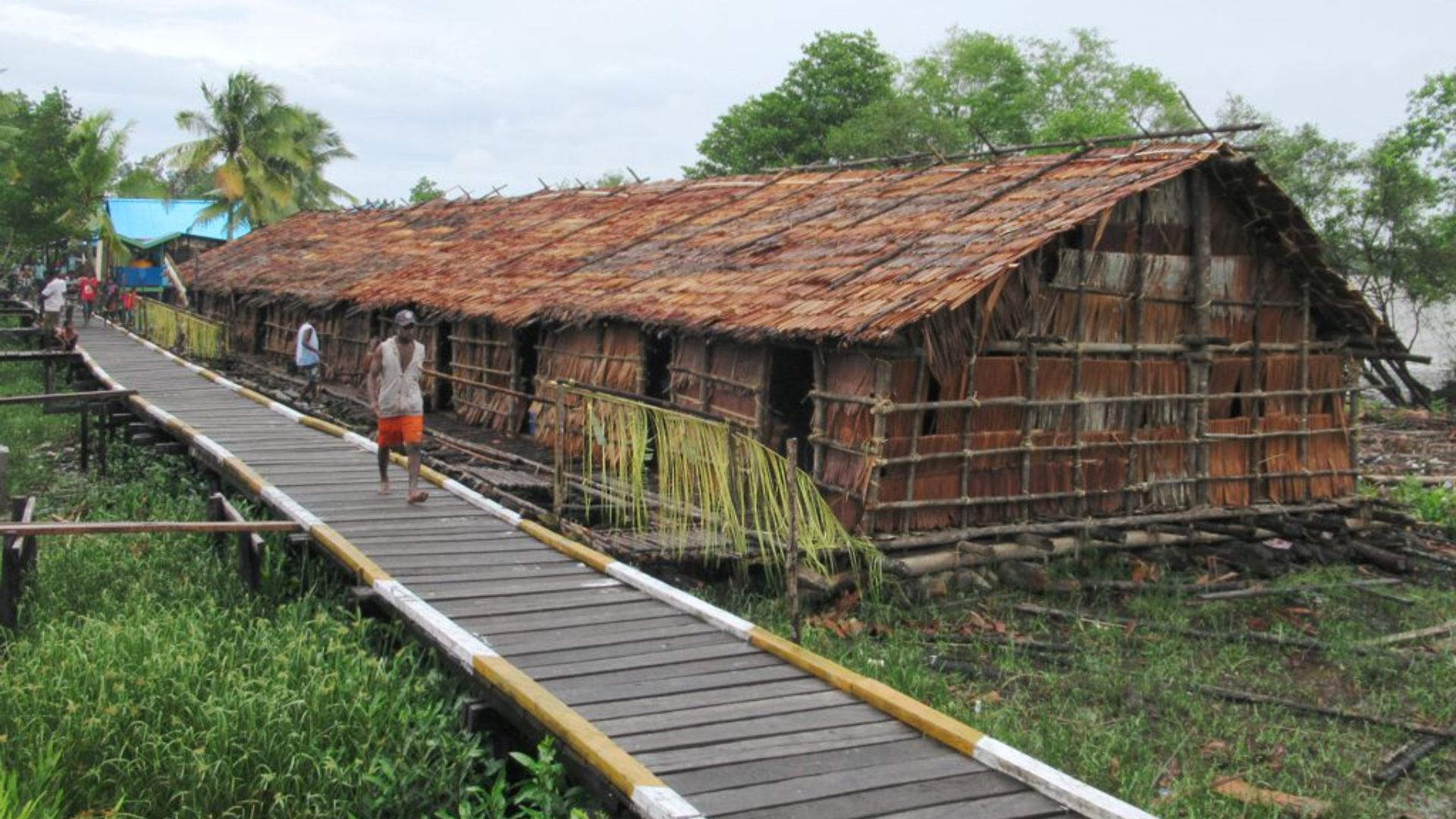
Years after Rockefeller’s disappearance, the anthropologist Carl Hoffman reported a haunting local legend that breathed strange new life into the missing millionaire’s story. According to Hoffman, not long after Rockefeller’s demise, a cholera epidemic swept through the Asmat villages. The tribes themselves believed it was punishment from the spirits—retribution for what they had done Rockefeller.
Rockefeller, however, might not have wanted retribution for himself.
 David Stanley from Nanaimo, Canada, Wikimedia Commons
55. His Legacy Lives In Artifacts
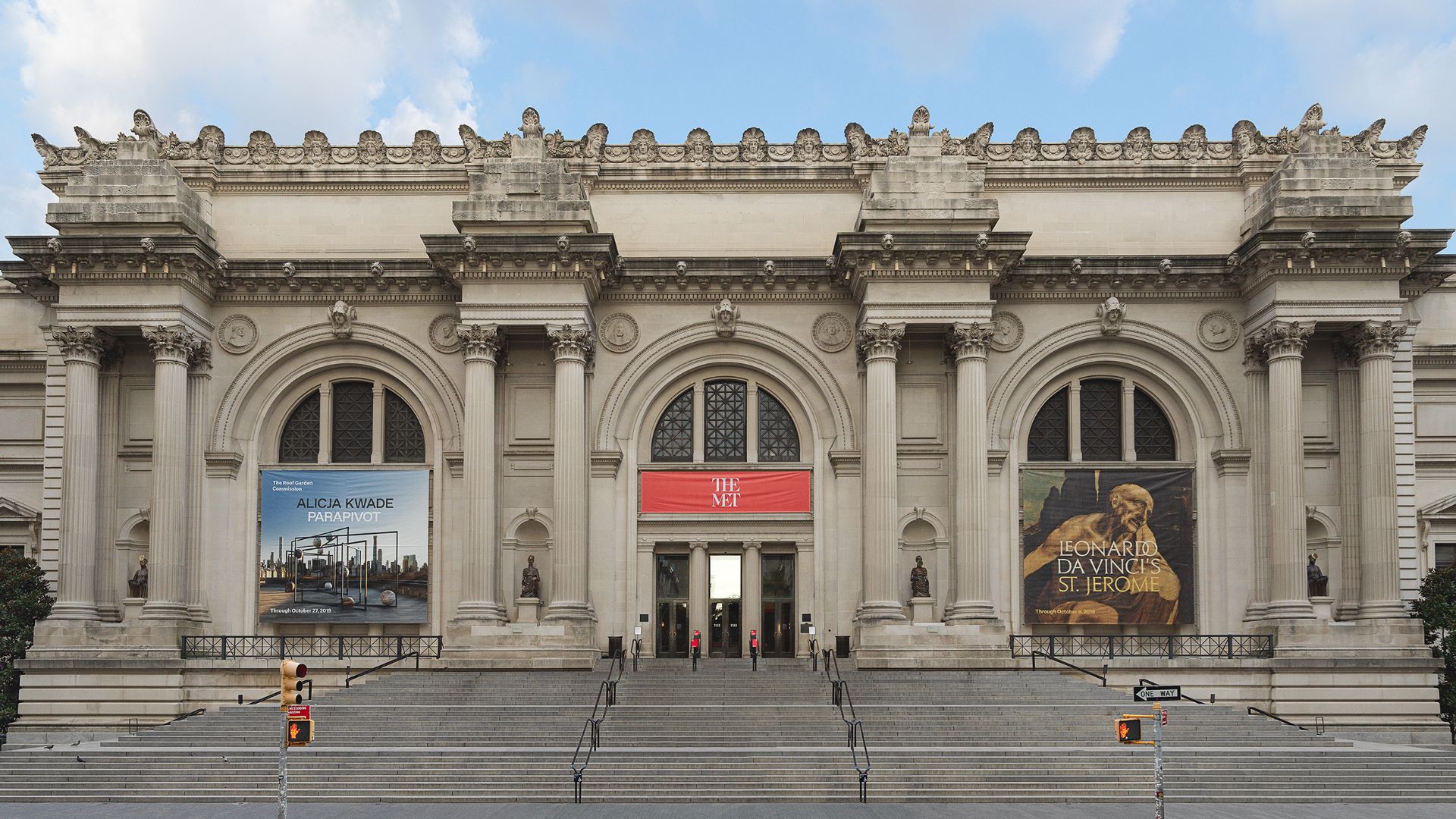
To this day, many of the Asmat artifacts that Michael Rockefeller collected—drums, shields, and sacred bisj poles—reside in the Michael C Rockefeller Wing of the Metropolitan Museum of Art. The art he sought to preserve still endures. Only its final collector was lost to history.
 Hugo Schneider, Wikimedia Commons
You May Also Like:
Dieter Dengler’s Odyssey To Freedom
The Lawless Sheriff Of The West











.jpg)


