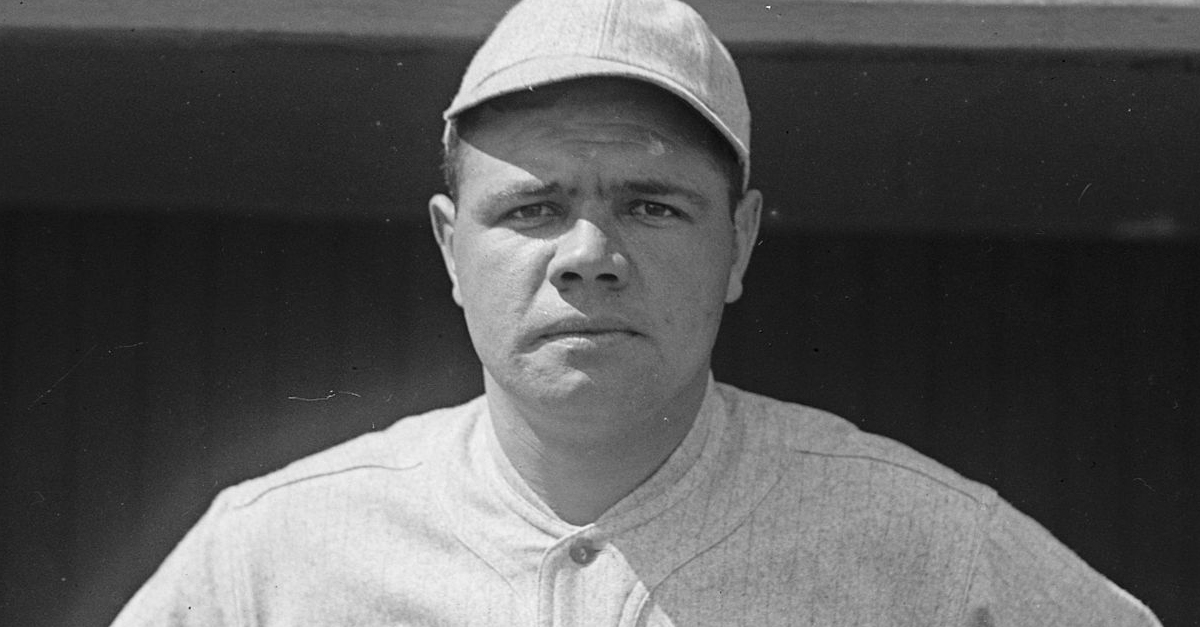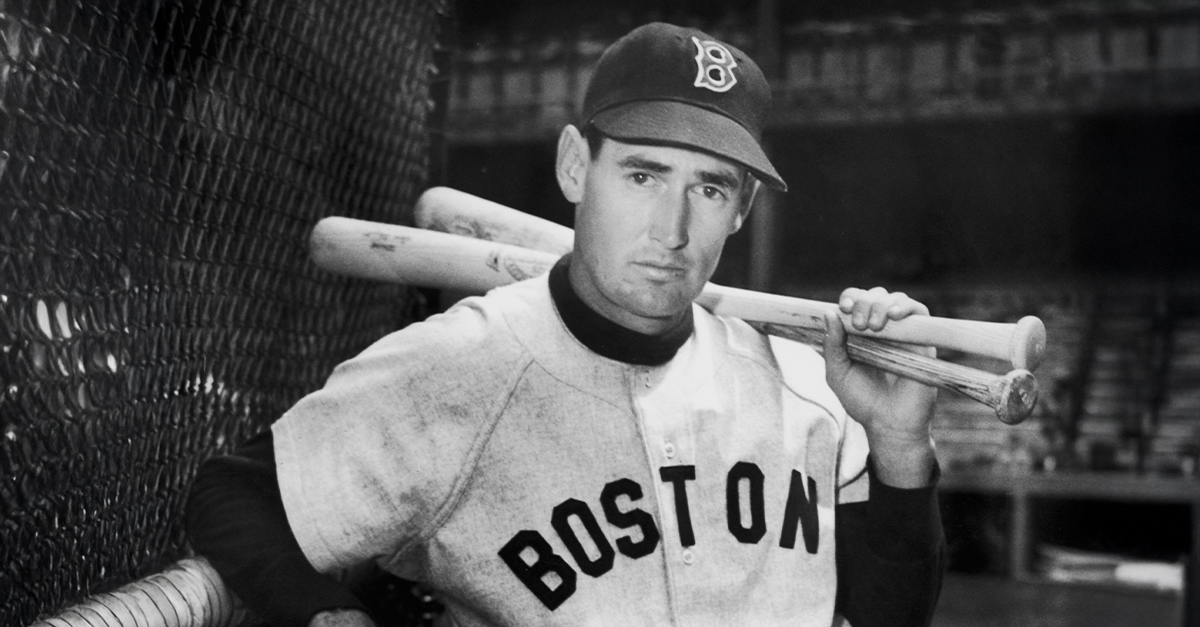
A Life Defined By Two Careers
Few athletes combined the astonishing ability of a Hall‑of‑Fame baseball career with the courage of combat aviation. Ted Williams, the longtime slugger for the Boston Red Sox and decorated U.S. Marine pilot embodied both. The Williams story was of baseball greatness, military service, and an extraordinary dual legacy.
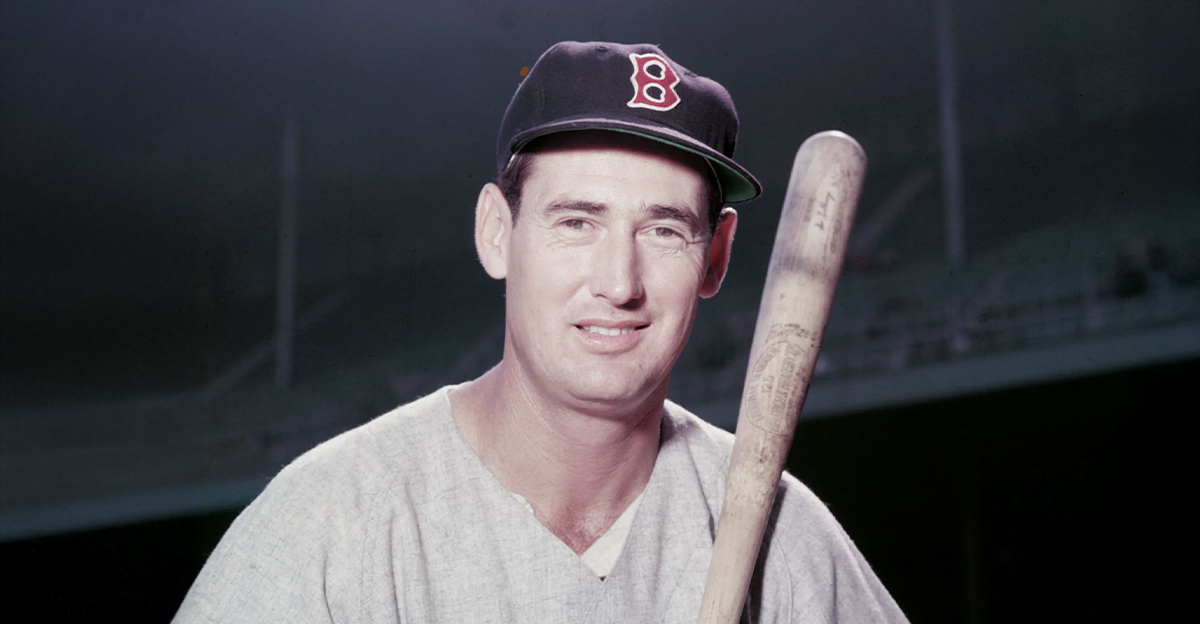
The Kid
Ted Williams was born on August 30, 1918 in San Diego, California. His first lessons in baseball came from his uncle, teaching him to throw when he was only eight. In high school Ted quickly stood out as a natural talent, with performances that caught the attention of professional scouts; offers from big-league clubs came even before graduation.
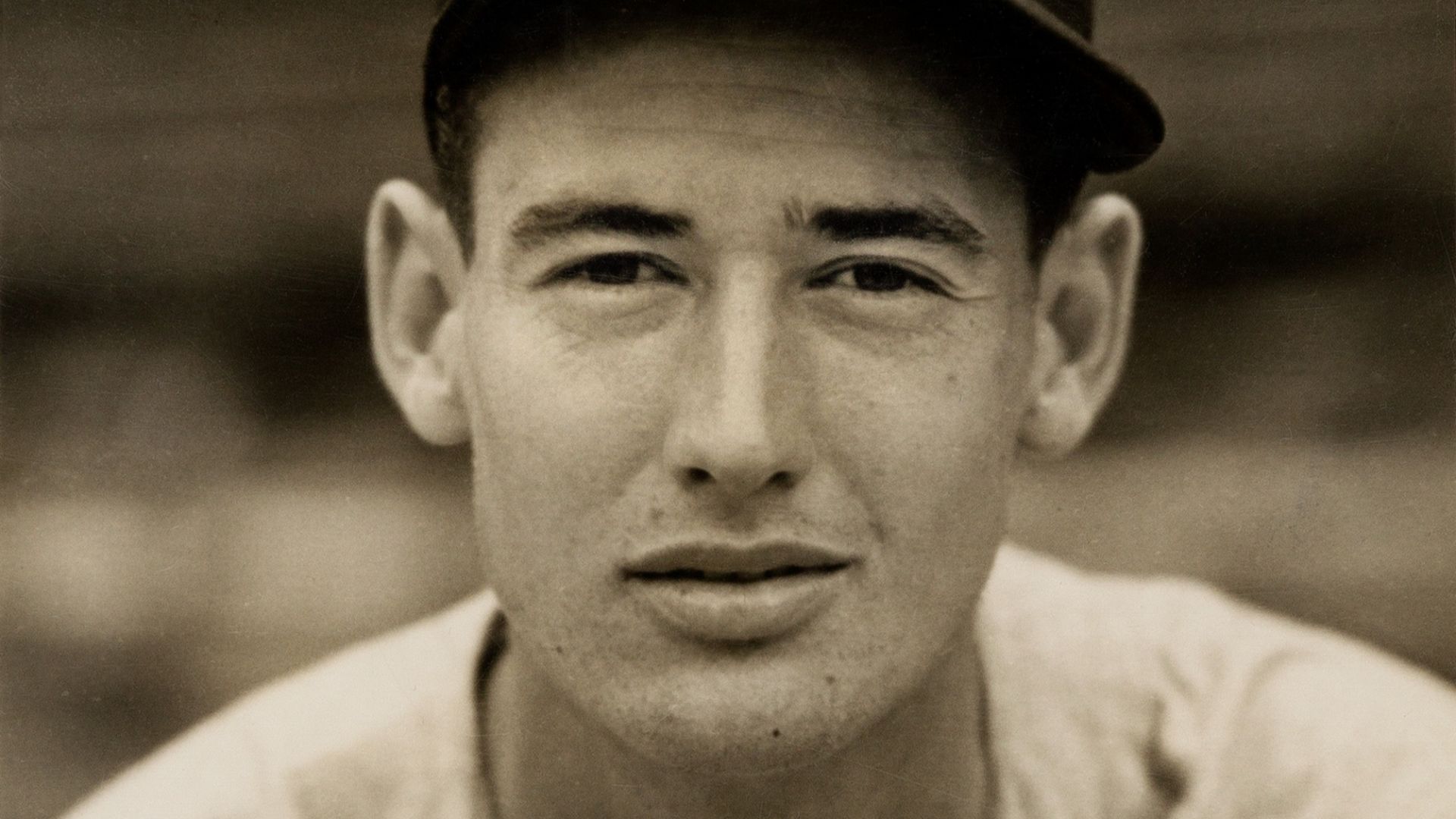 Apex Photo Company, Wikimedia Commons
Latino Heritage: A Hidden Identity
Williams’ mother had a Mexican background, but he rarely spoke publicly about his Mexican‑American heritage due to prejudice of the era. Later in life, he acknowledged pride in his background, and his story resonated with many Latino fans. But he acknowledged that he may have had problems if more people had known of his Latino roots.
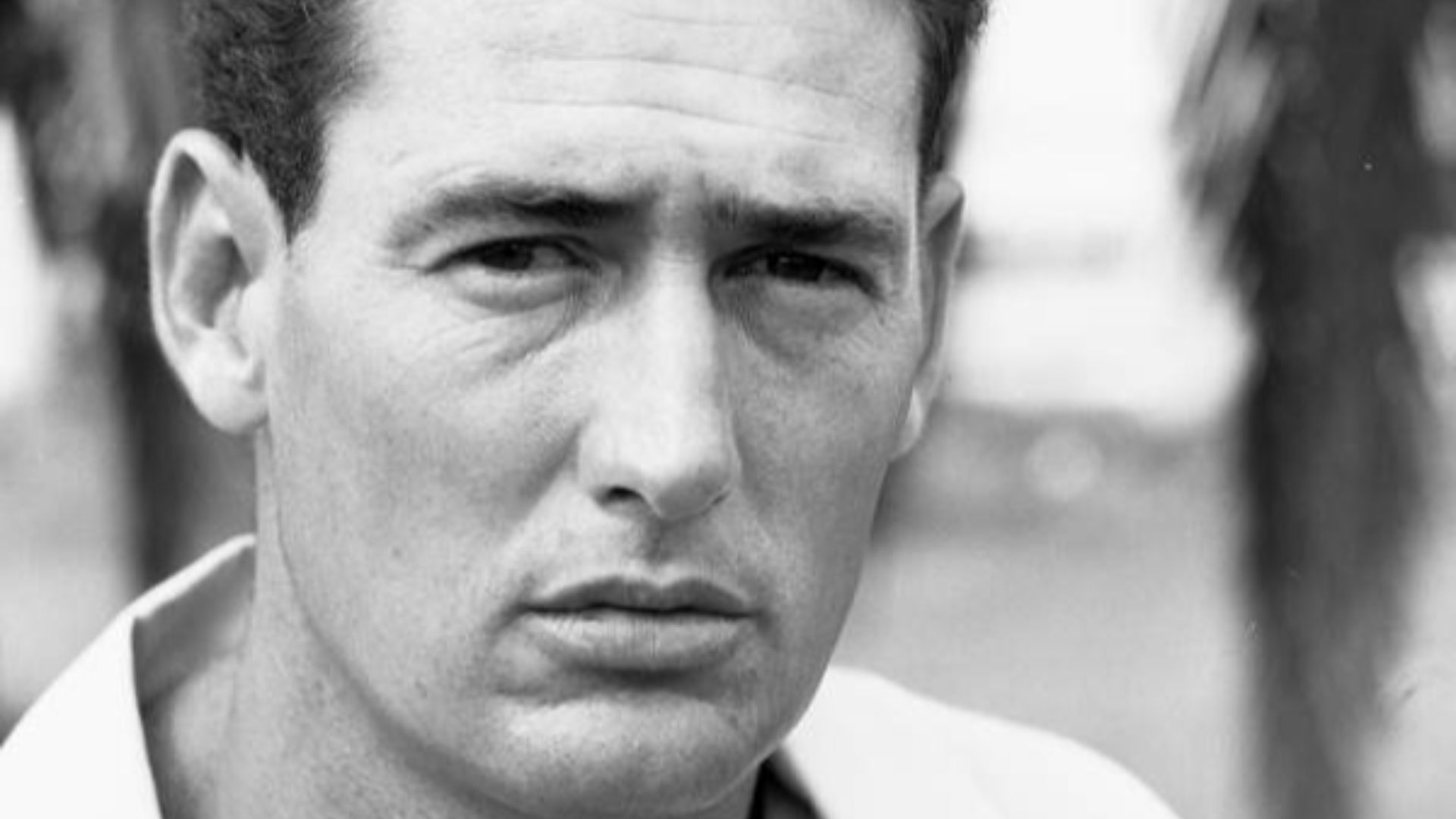 Florida Memory, Wikimedia Commons
Rising Talent With The Red Sox
After a couple of seasons of minor league ball, Ted Williams made his major‑league debut in 1939 with the Boston Red Sox. He immediately established himself as a formidable hitter. His eyesight, swing mechanics, patience at the plate, and maturity beyond his years were instant signs of a superstar in the making.
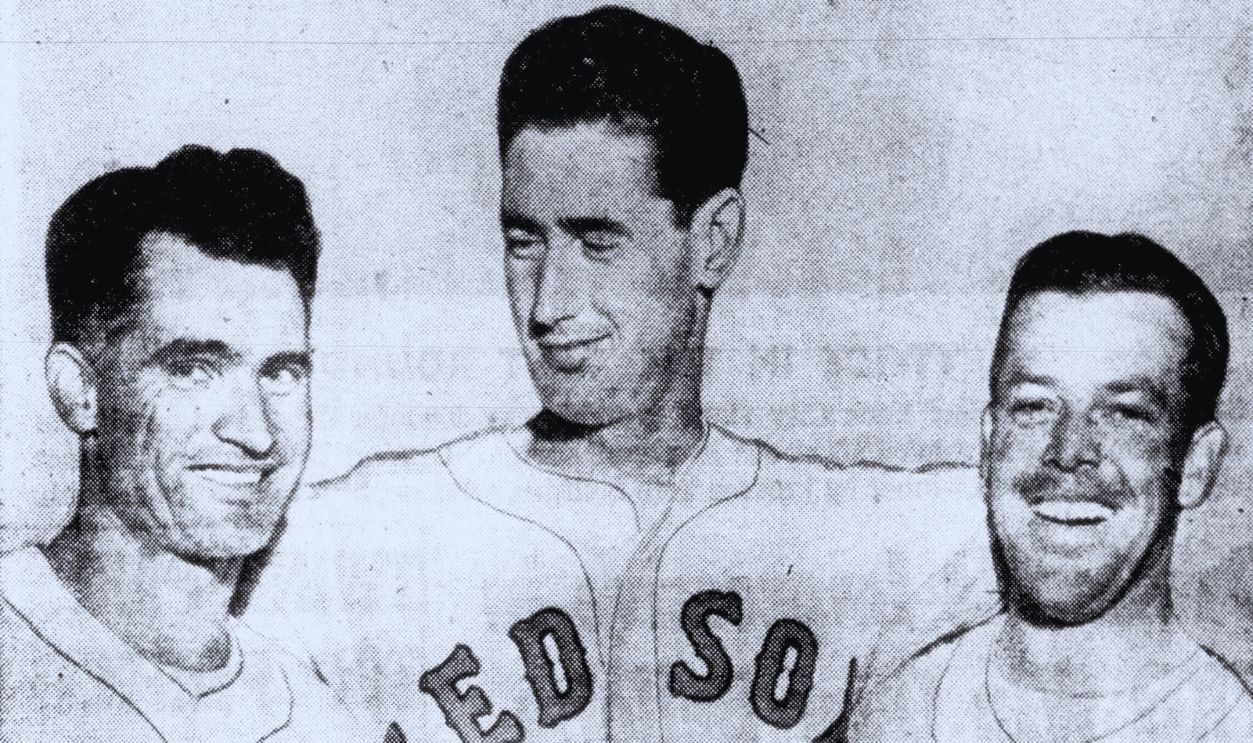 Los Angeles Mirror, Wikimedia Commons

History's most fascinating stories and darkest secrets, delivered to your inbox daily.
.406: A Record That Still Stands
In 1941, Williams batted .406 for the season, a statistical feat unmatched in the 84 years of Major League baseball since. He played the final day rather than sit on his average, going six-for-eight in a doubleheader, boosting his average from .39955 to .406, and cementing his place in baseball history in the process.
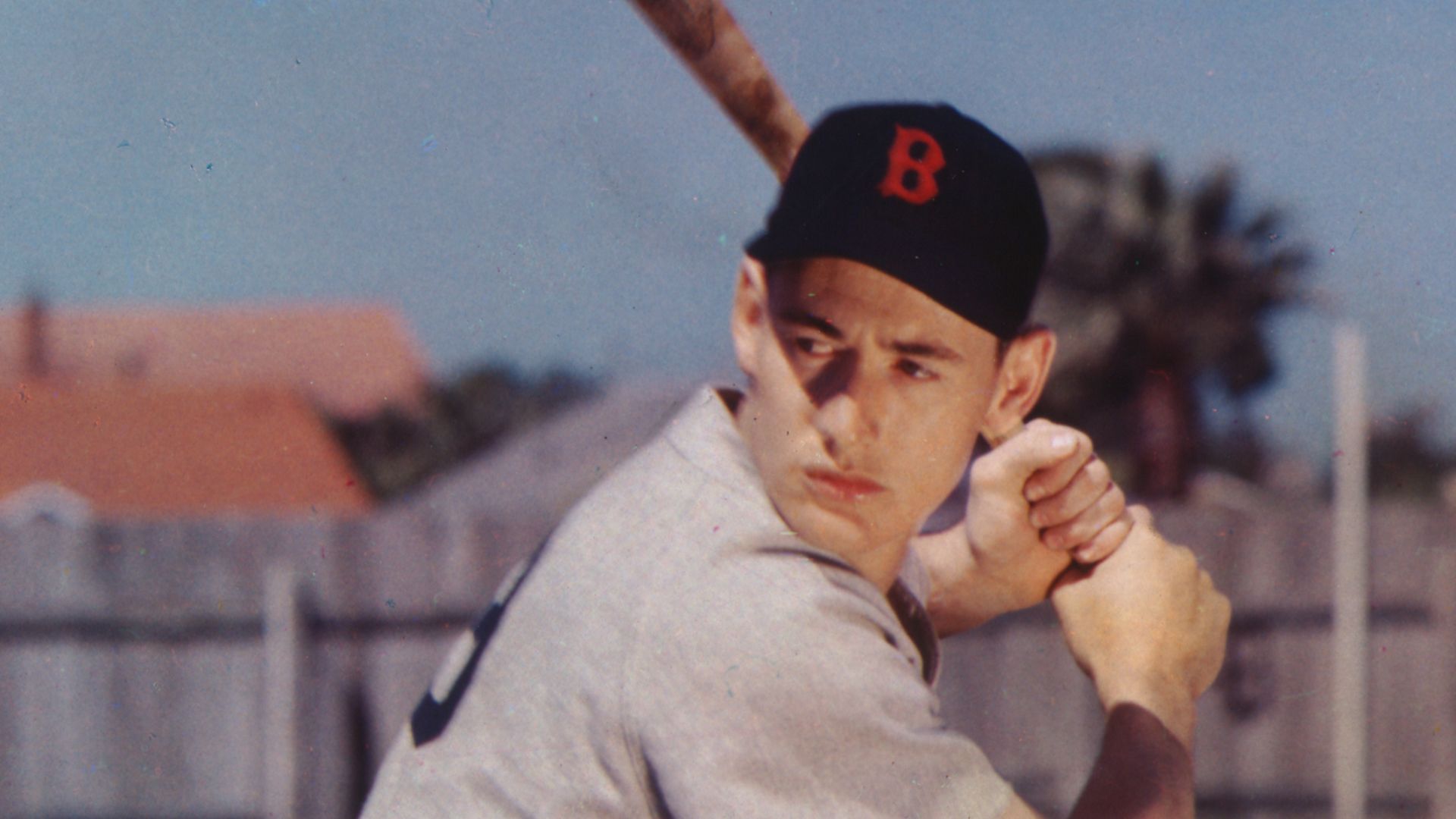 Harry Warnecke, Wikimedia Commons
Behind The Swing
Williams was obsessive about perfecting the craft of hitting, to the point of mania. He studied pitchers, anticipated pitch movement, and demanded discipline in the strike zone. His book, “The Science of Hitting,” is still one of the most influential hitting guides ever written.
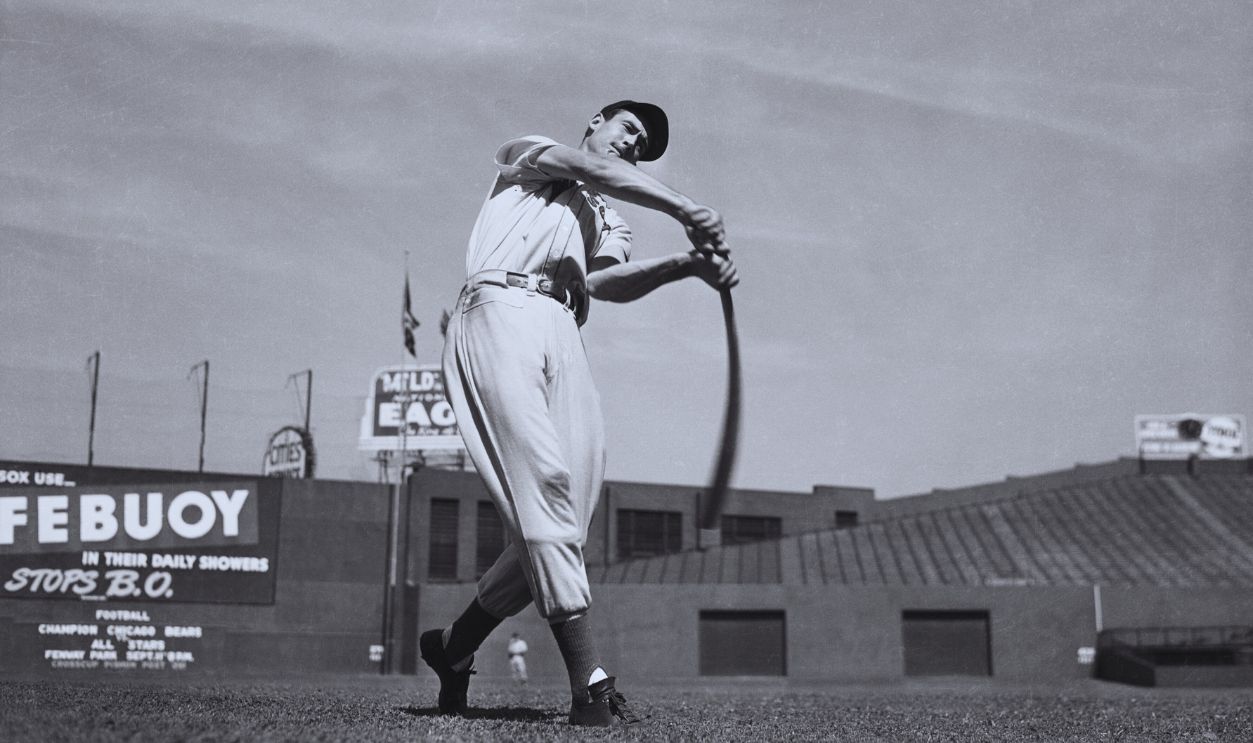
Military Service Interrupts A Rising Career
At the height of his baseball stardom, Williams chose duty over fame. After Pearl Harbor, he enlisted in the U.S. Navy Reserve in 1942 and trained rigorously as an aviator instead of remaining a stateside symbol of morale.
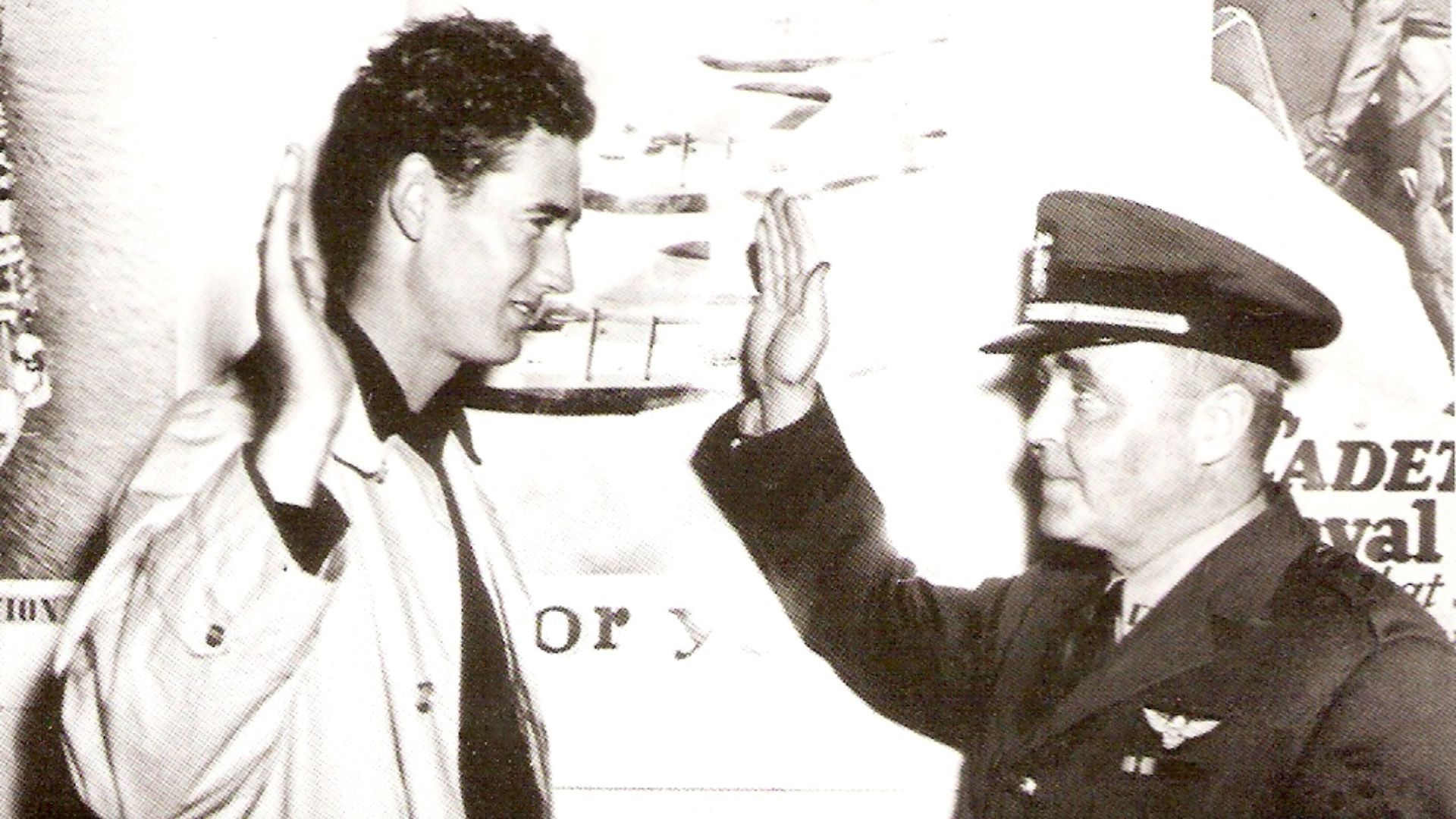
Training To Be A Marine Pilot
Williams excelled in the demanding flight training program, mastering advanced aircraft with precision. His commitment to military excellence cost him three full baseball seasons, but earned him respect in a world far removed from sports celebrity.
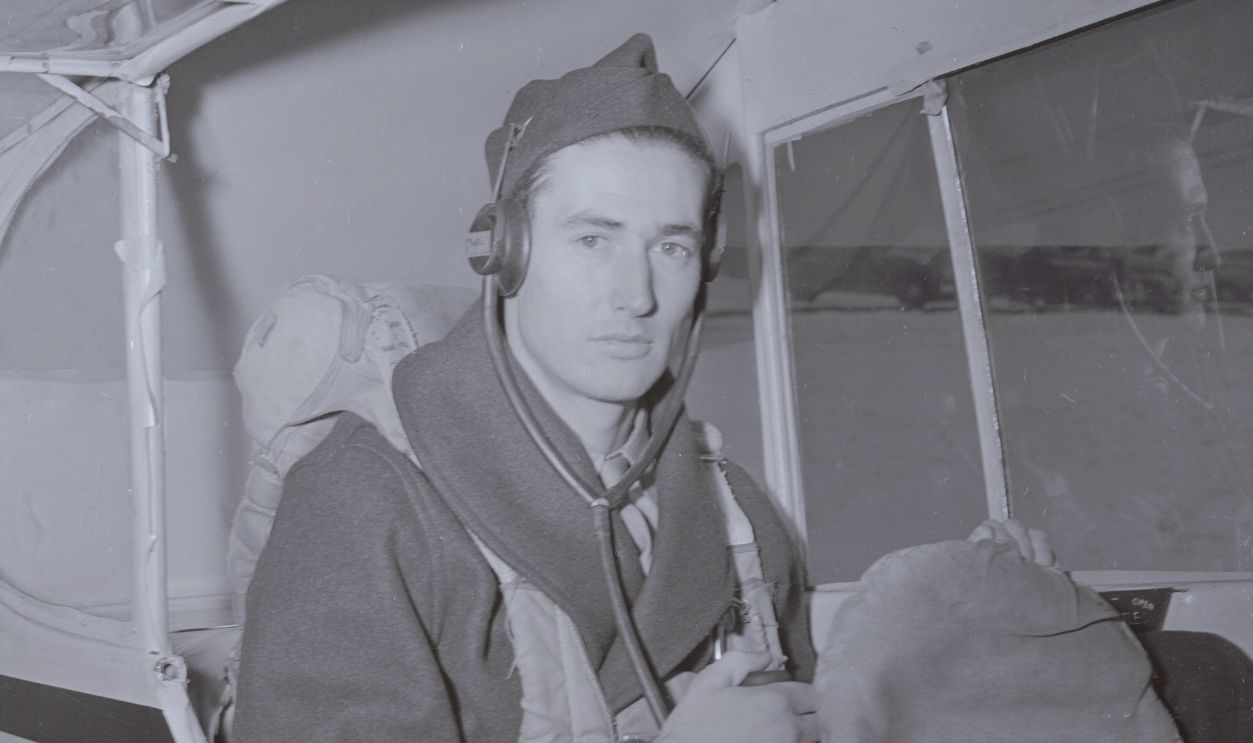
Return To Baseball: Unfinished Business
With WWII wrapped up, Williams returned to the diamond in 1946 without missing a beat. He won the American League MVP while leading the Red Sox to the World Series. Though they lost the Fall Classic to the St. Louis Cardinals, he showed the world that his bat hadn't cooled off one degree during his time away.
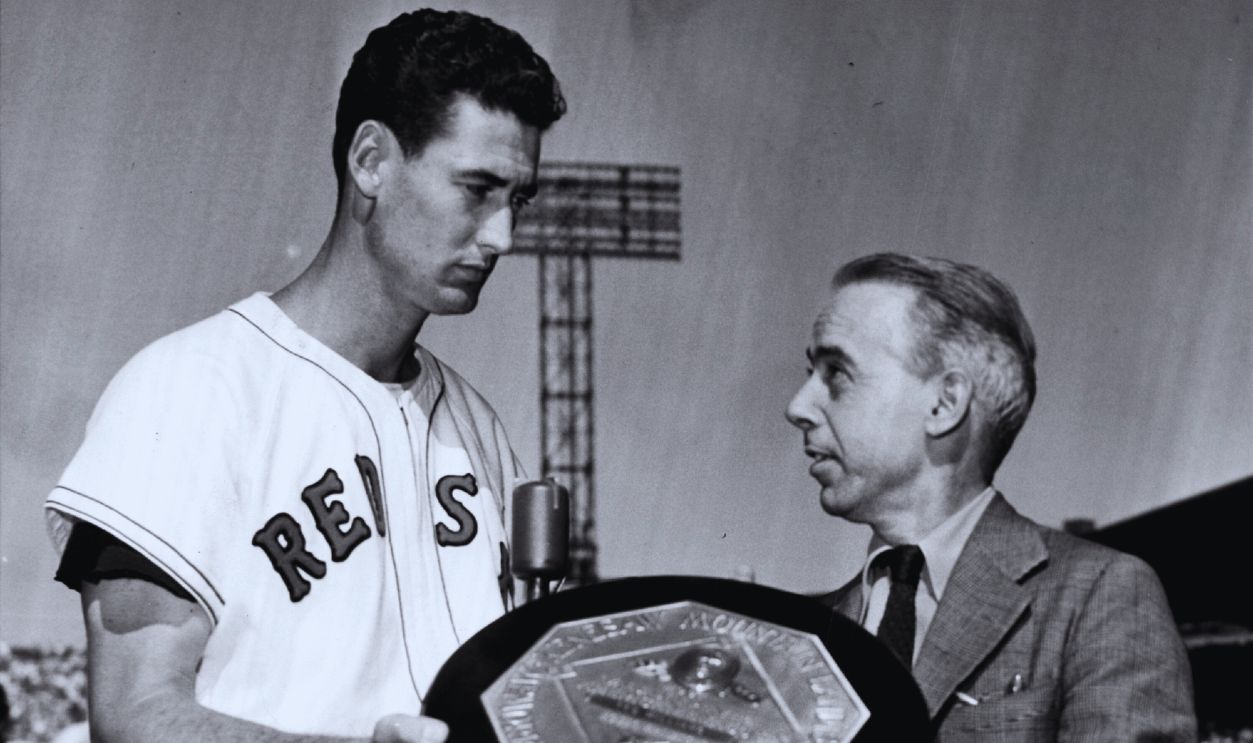 The Sporting News, Getty Images
Baseball Dominance Into The Late 1940s
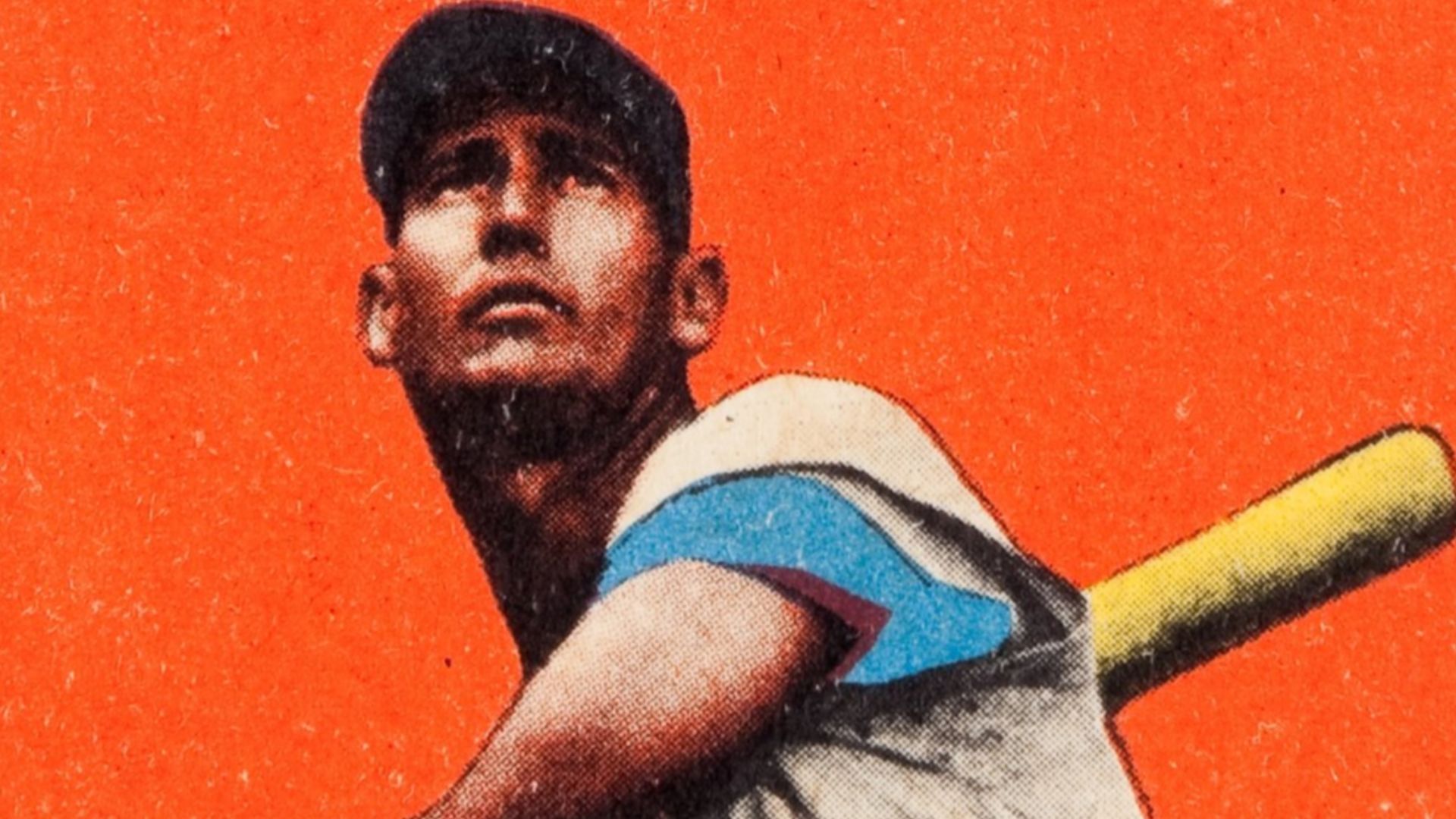
Williams continued to lead the league in walks, average, and on‑base percentage. Pitchers feared him for good reason. His prime years were some of the greatest offensive seasons the sport has ever seen: he claimed the American League Triple Crown (leader in batting average, runs batted in, and home runs) in 1947, the second time he’d done so (the other time was in 1942).
 Leaf International, Wikimedia Commons
History's most fascinating stories and darkest secrets, delivered to your inbox daily.
Recalled To Serve In The Korean War
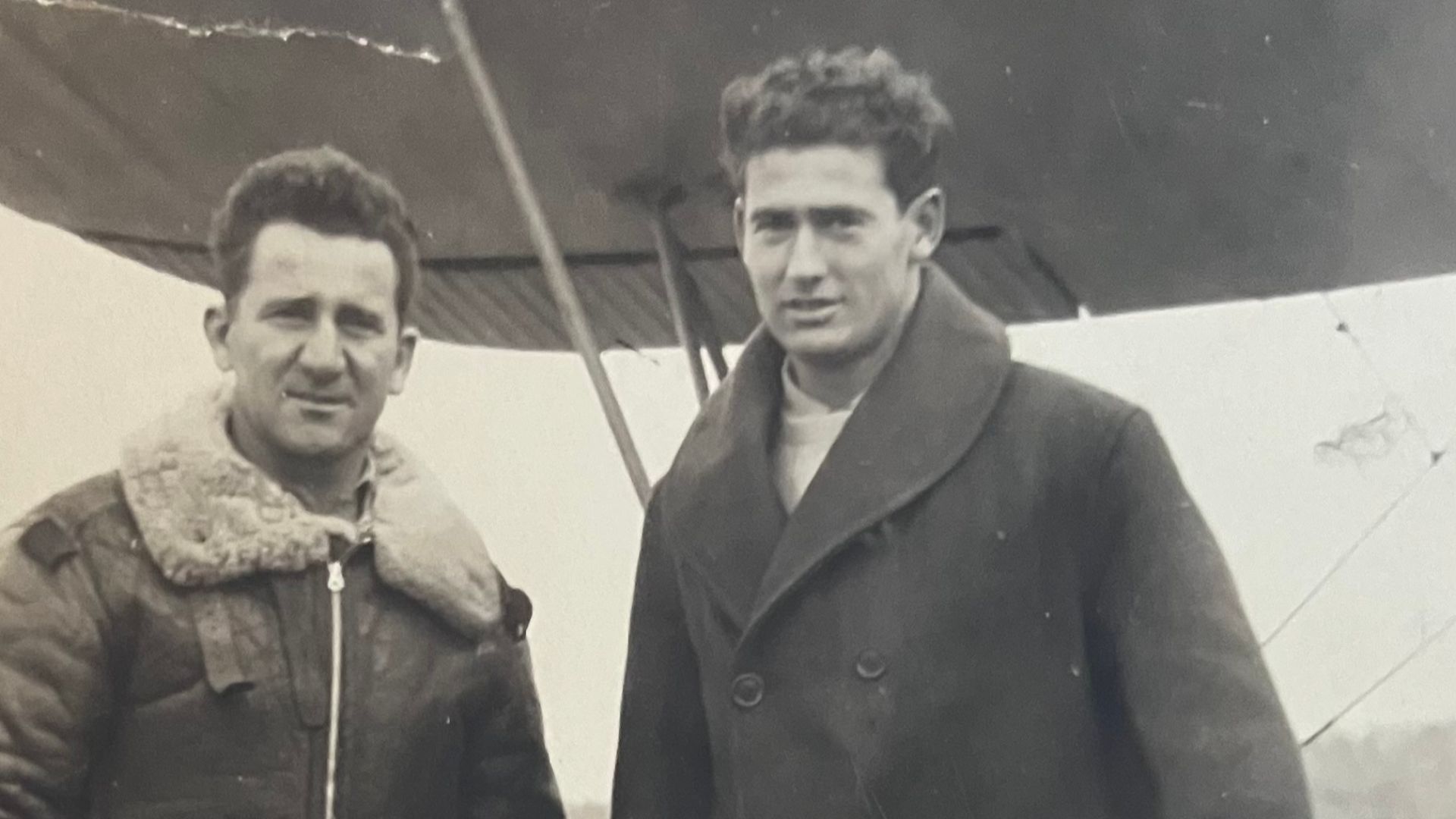
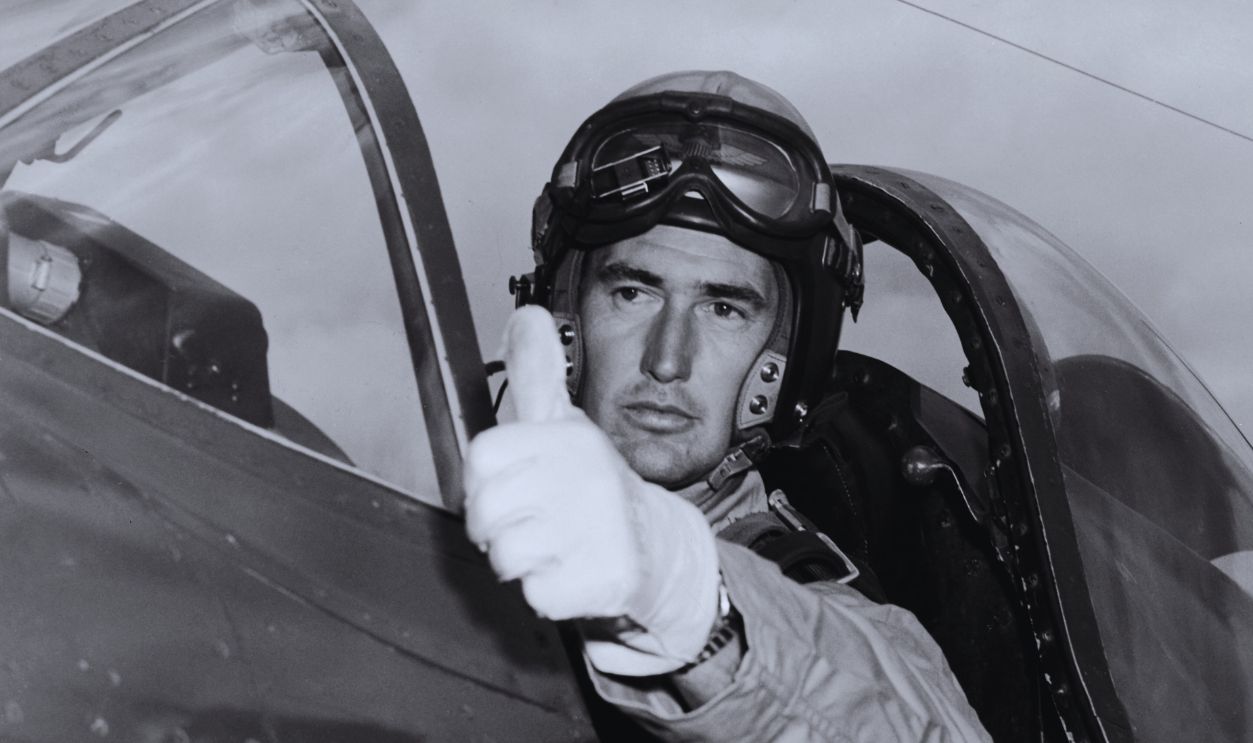
In 1952, Williams was activated as a reservist and recalled for combat duty with the U.S. Marine Corps. He transitioned from star outfielder to fighter‑jet pilot, placing himself in danger while still at the height of his baseball powers. He could have served in the rear echelons but chose to fly combat missions even though he hadn’t flown in eight years.
 Ronald M Zschau, Wikimedia Commons
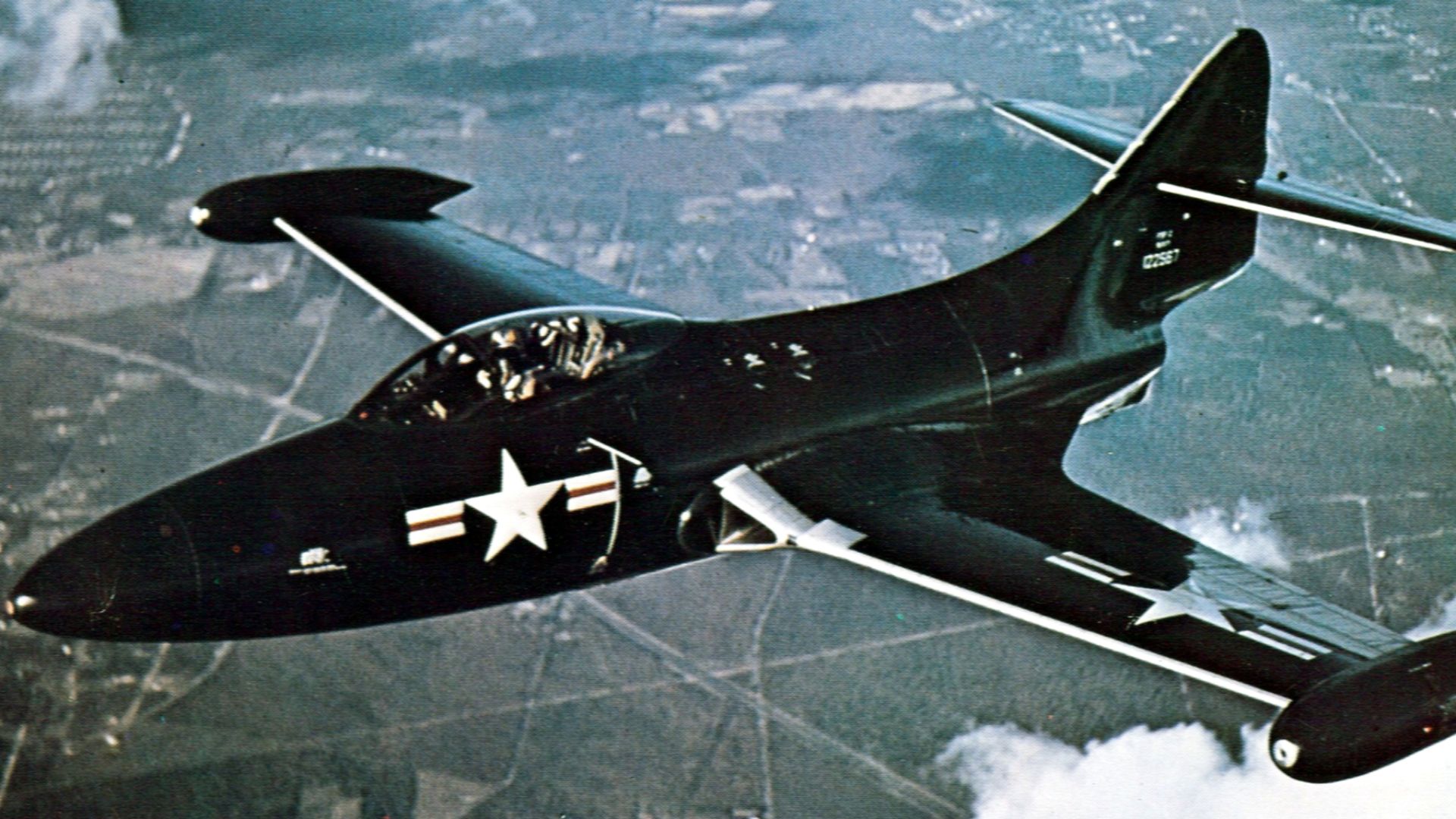
Flying F9F Panther Jets In Combat
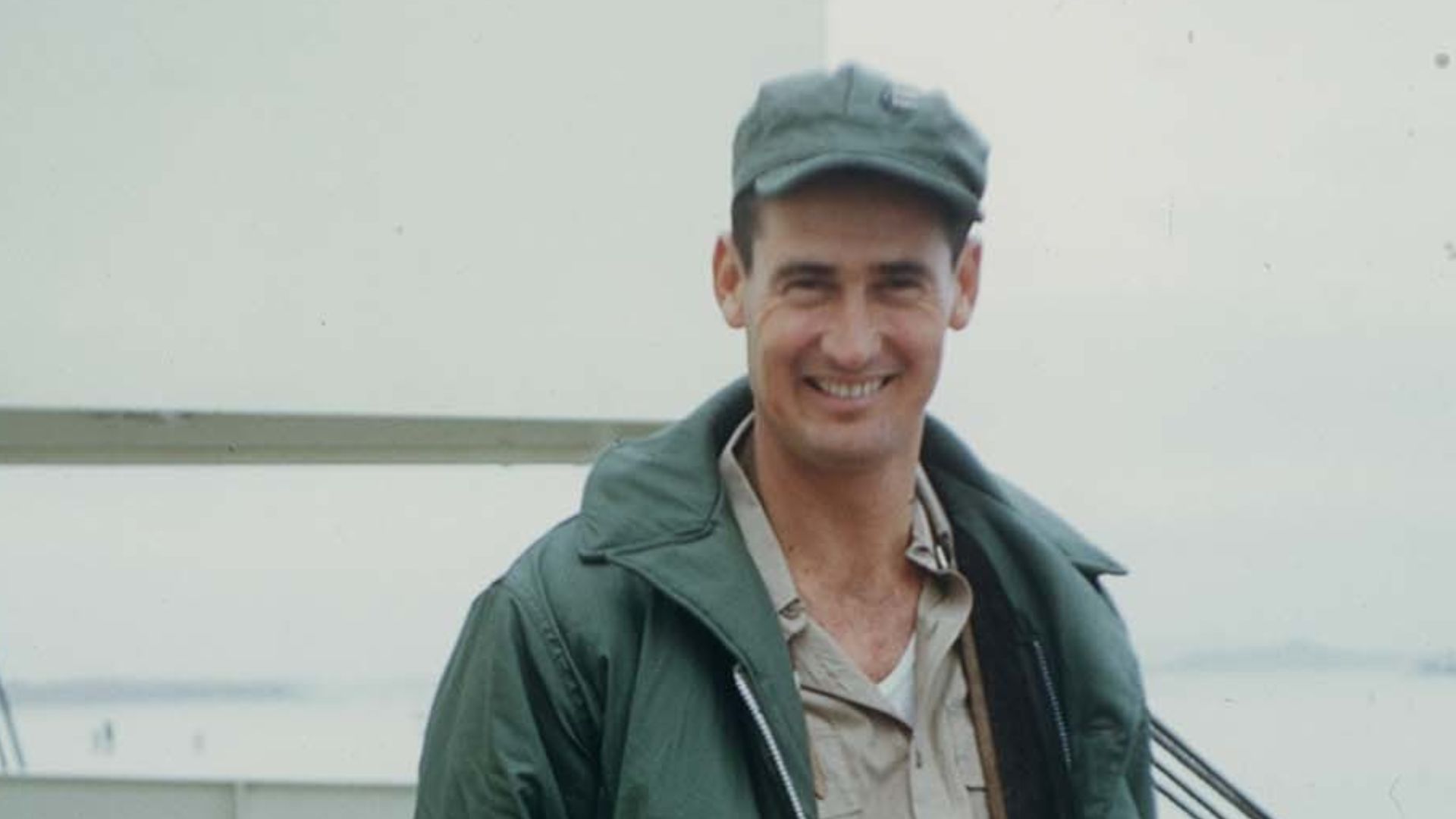
As a Marine aviator, Williams flew 39 combat missions over Korea, performing bombing and support operations. He served with great distinction, showing that he was far more than an athlete dabbling in patriotism.
Wingman To John Glenn
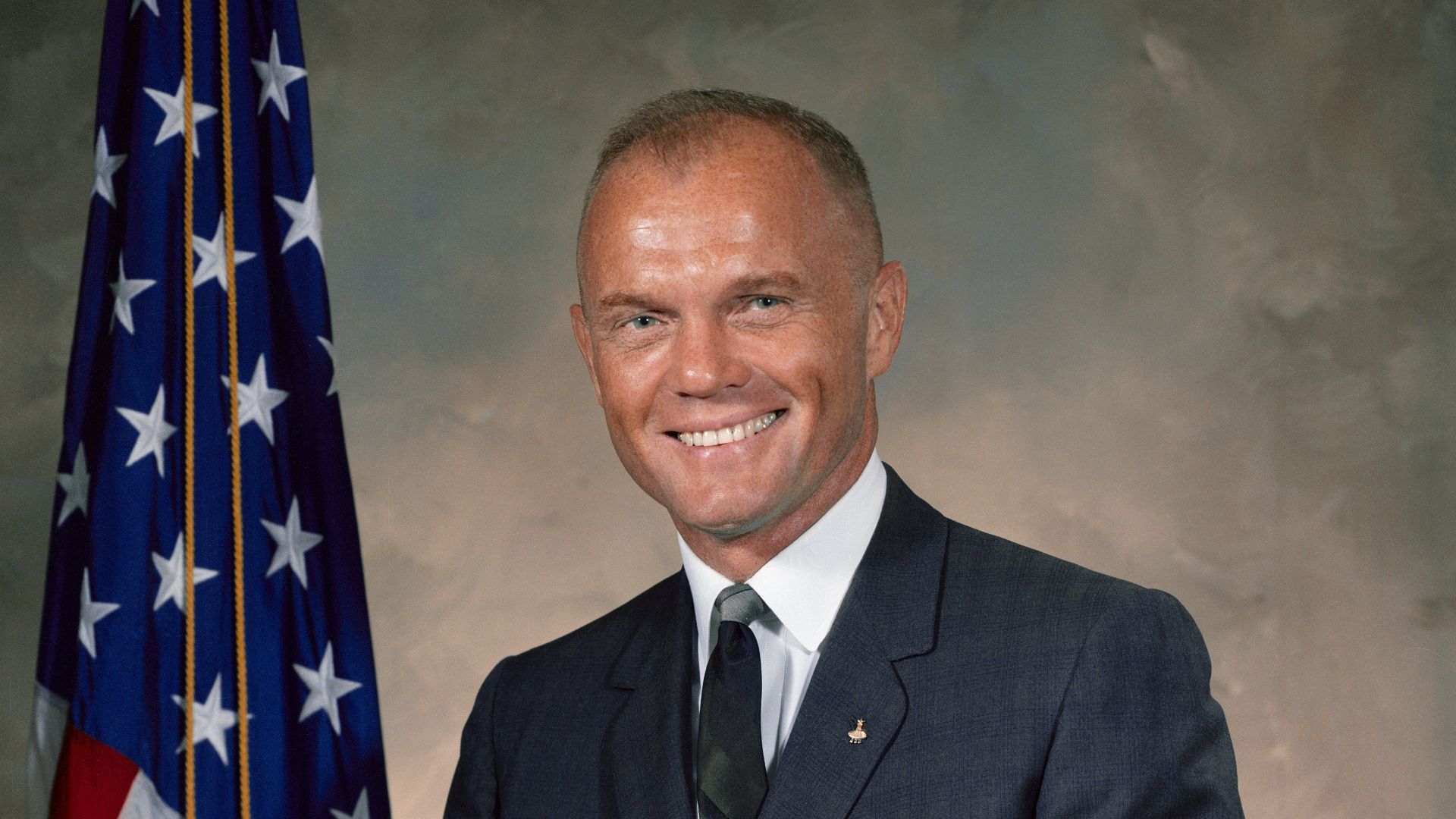
Williams’ wingman was the future astronaut and U.S. Senator from Ohio, John Glenn. Glenn praised Williams as a skilled and courageous pilot who handled high‑pressure conditions with calm professionalism. It was a lifelong friendship; as Glenn described it, “When you fly in combat with somebody, there’s a bond that runs so deep you can’t describe it.”
Hit By Enemy Fire Over North Korea
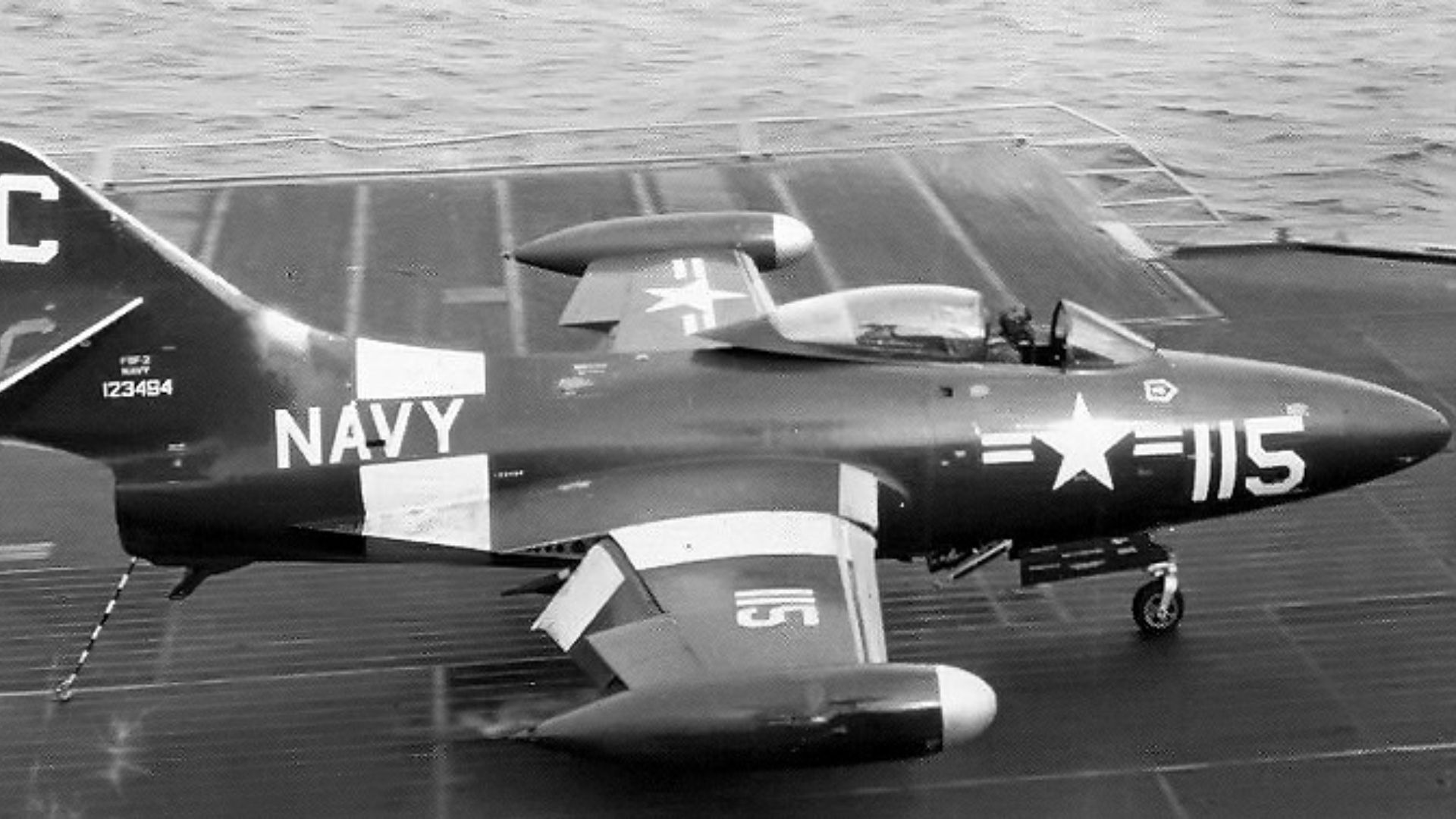
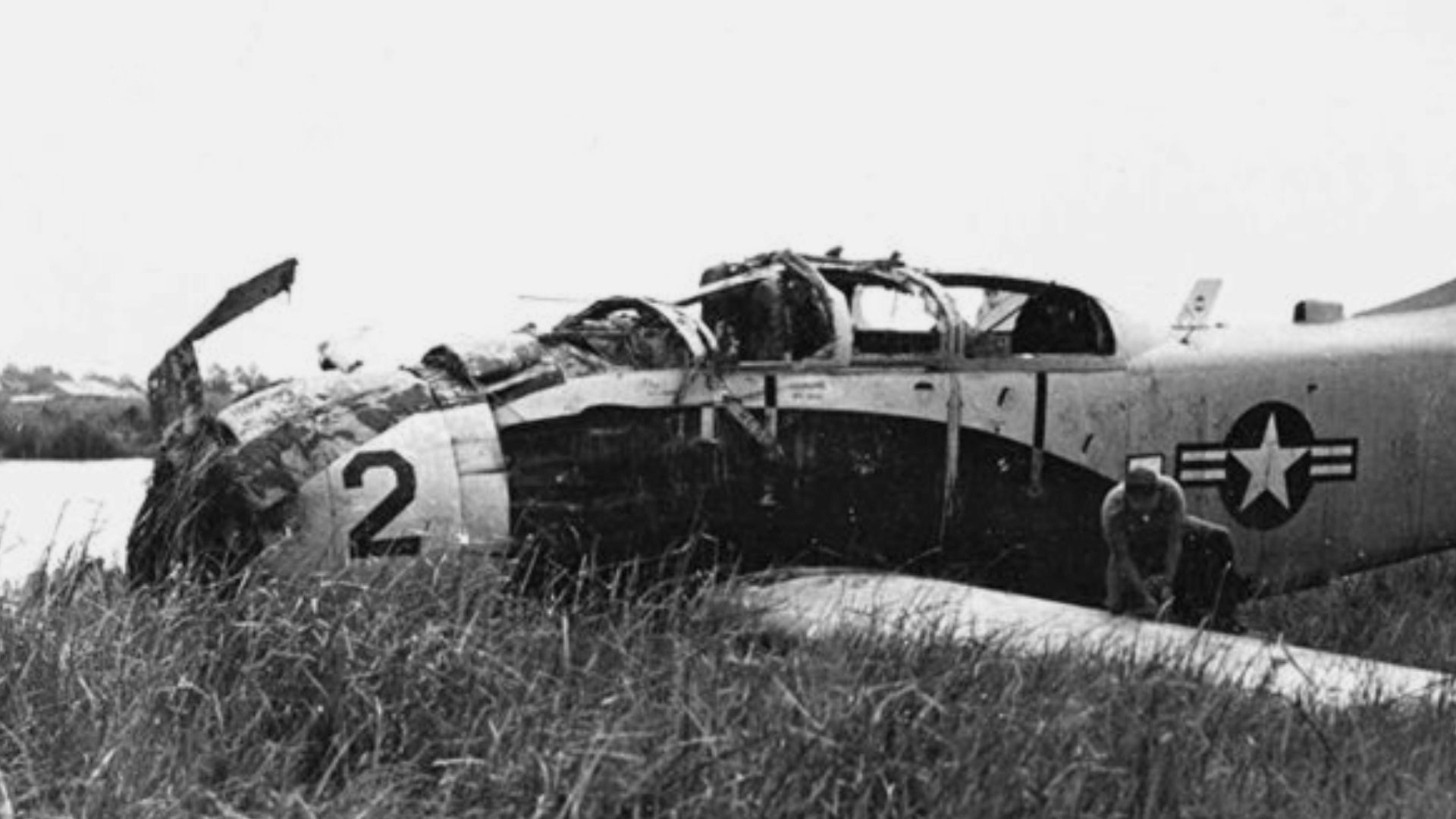
During a mission in 1953, Williams’ aircraft took enemy fire, damaging hydraulic systems and igniting flames. He was ordered to eject, but refused. As he told it later, he was worried his knees would be smashed upon leaving the plane, ruining his baseball career. Determined to save himself and the expensive jet and and avoid capture or injury, he seized control of the stick in a desperate bid to get the smoldering plane back to base.
Crash‑Landing In Extreme Danger
Williams guided his burning F9F Panther back to base, bringing it in without landing gear and skidding more than a mile down the runway. He escaped moments before the jet was fully engulfed by a massive fireball, a dramatic episode that later etched his name into Marine aviation lore.
 U.S. Air Force photo, Wikimedia Commons
Decorated For Courage
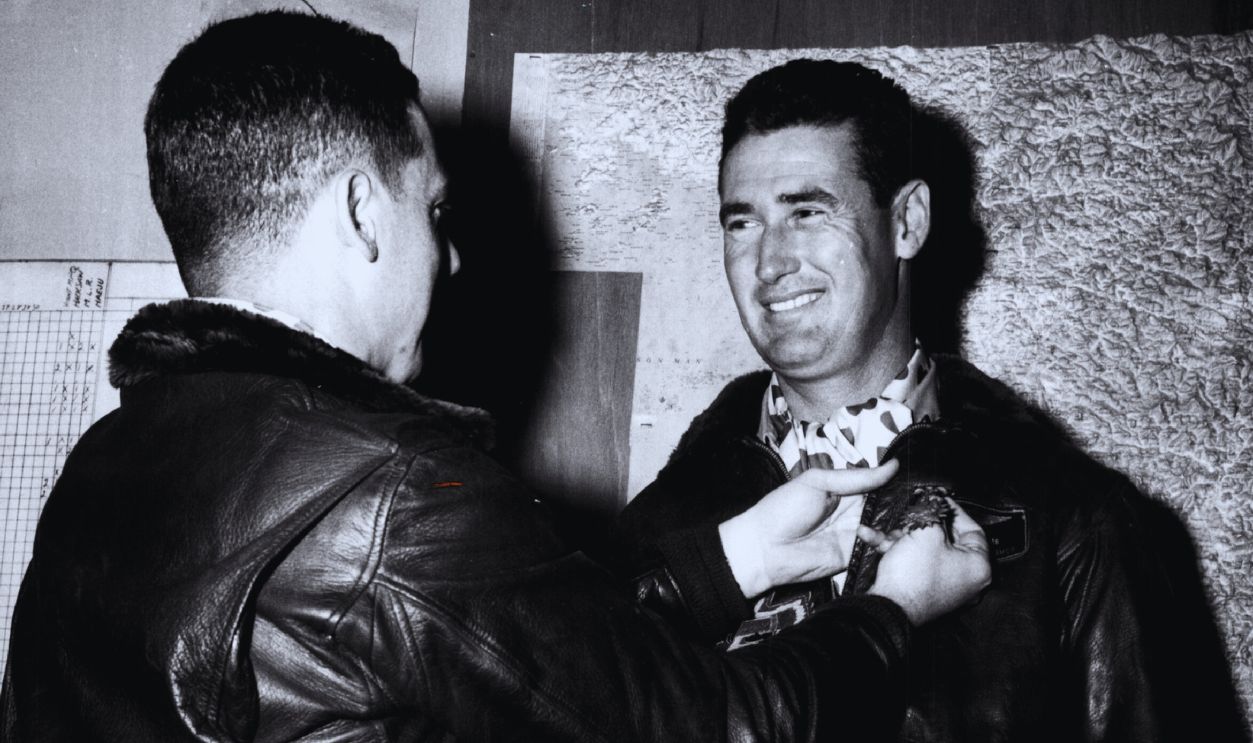
For his bravery and aviation excellence, Williams earned Air Medals. Fellow Marines respected him not only as a baseball icon, but as a brother‑in‑arms willing to risk everything for his country.
 The Sporting News, Getty Images
History's most fascinating stories and darkest secrets, delivered to your inbox daily.
Another Triumphant Return
Despite injuries and lost time in Korea, Williams returned to the Red Sox in 1953 and picked up hitting again at the elite level he had left off from. His resilience amazed fans as he continued to give American League pitchers fits.
Final Years Of A Great Career
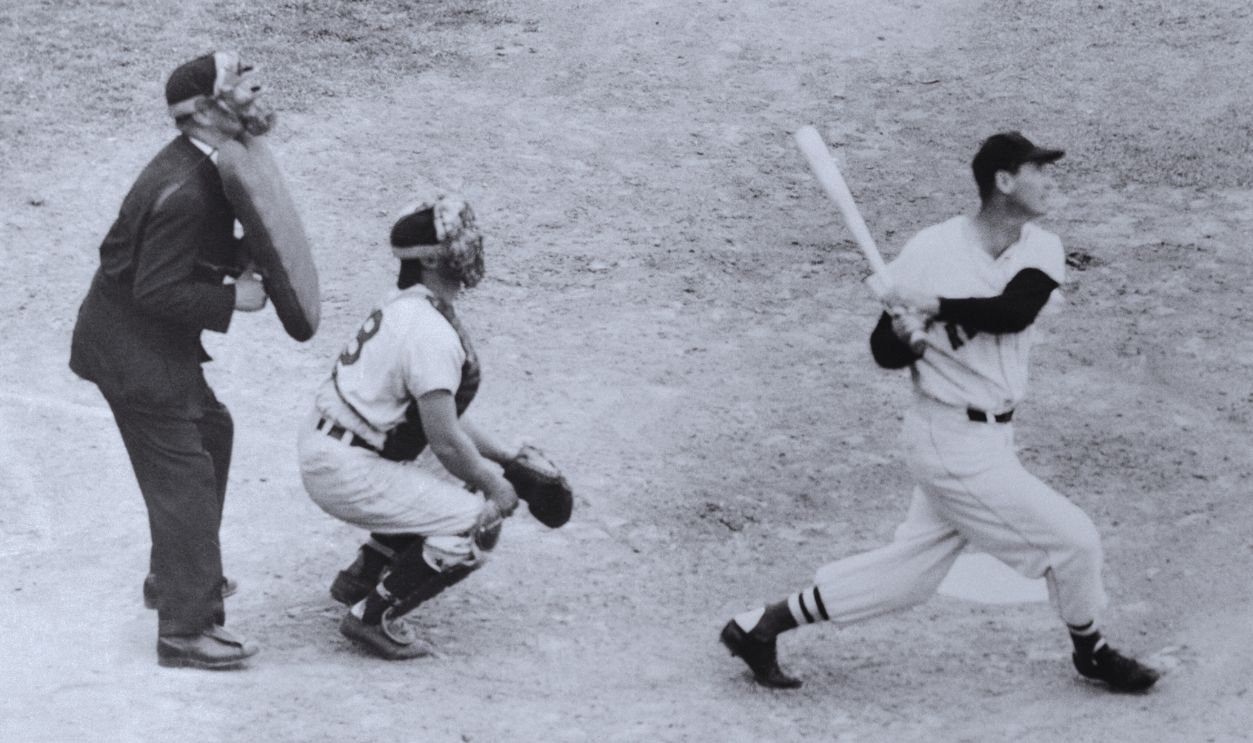
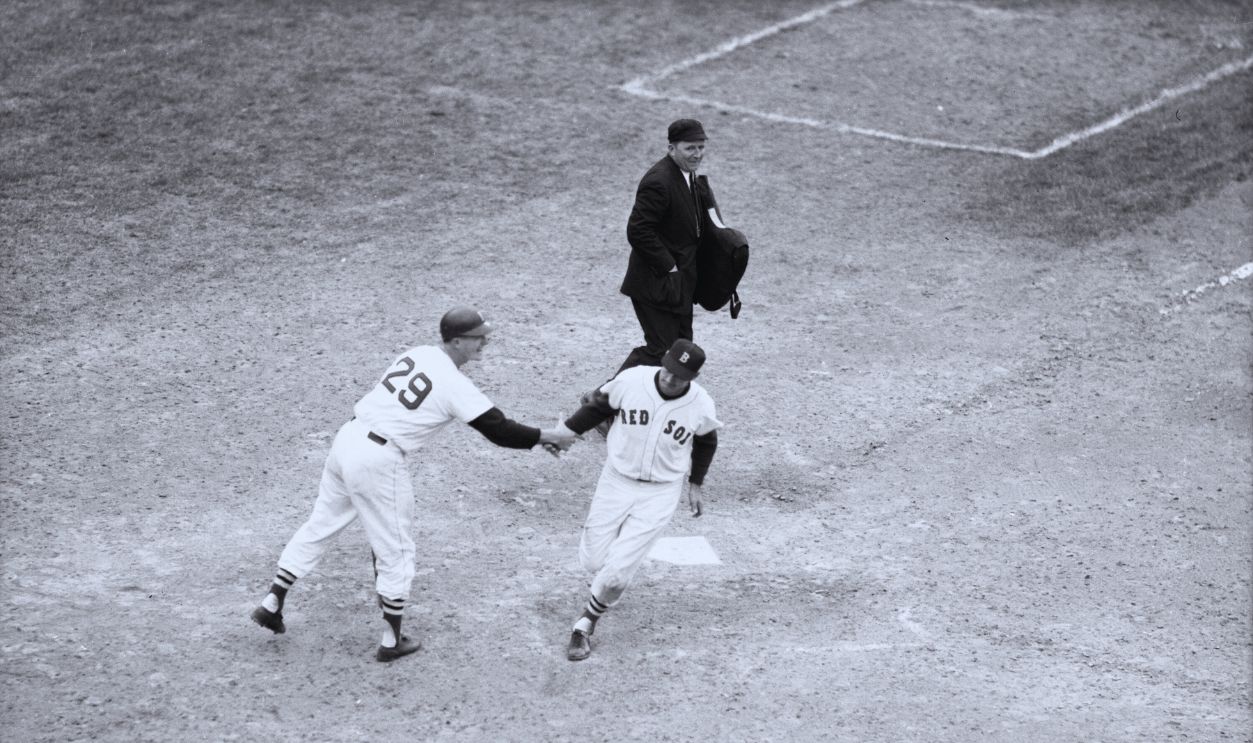
Williams’ career stretched to 1960, and he remained dangerous at the plate until retirement on September 28, 1960. His final at‑bat was a towering home run. It was a Hollywood‑style farewell, except that Williams famously made no acknowledgment or curtain call to the fans as they stood in awe of his trip around the bases.
Career Numbers That Dazzle
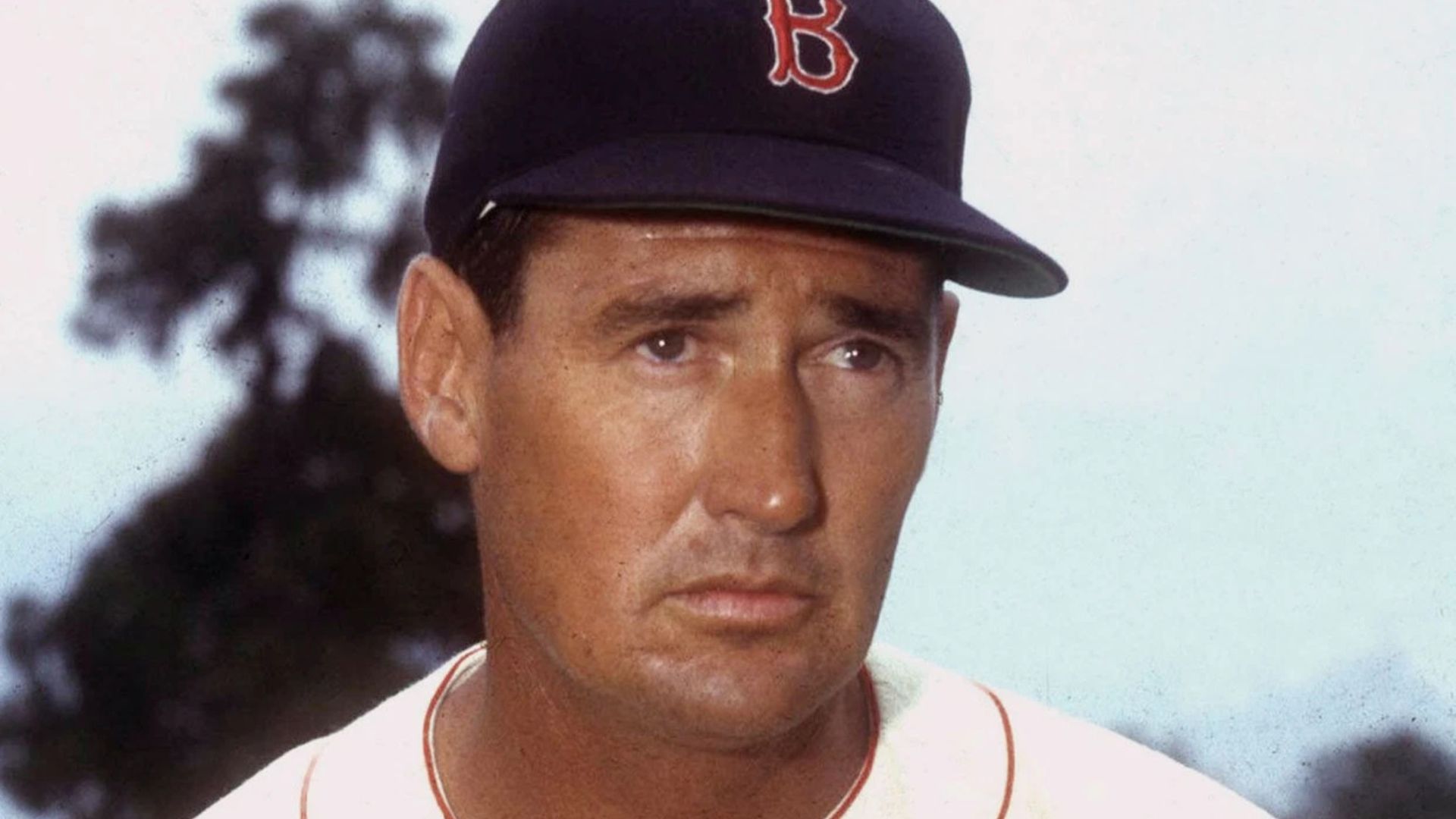
Even though he lost almost five seasons of the prime of his career to military service, Williams retired with a .344 lifetime average, 521 home runs, and a .482 on‑base percentage, the highest in MLB history. His legacy is statistically unmatched. He was elected to the Baseball Hall of Fame in 1966, the first year that his name appeared on the ballot.
 Unknown author, Wikimedia Commons
A Complicated Relationship With Media
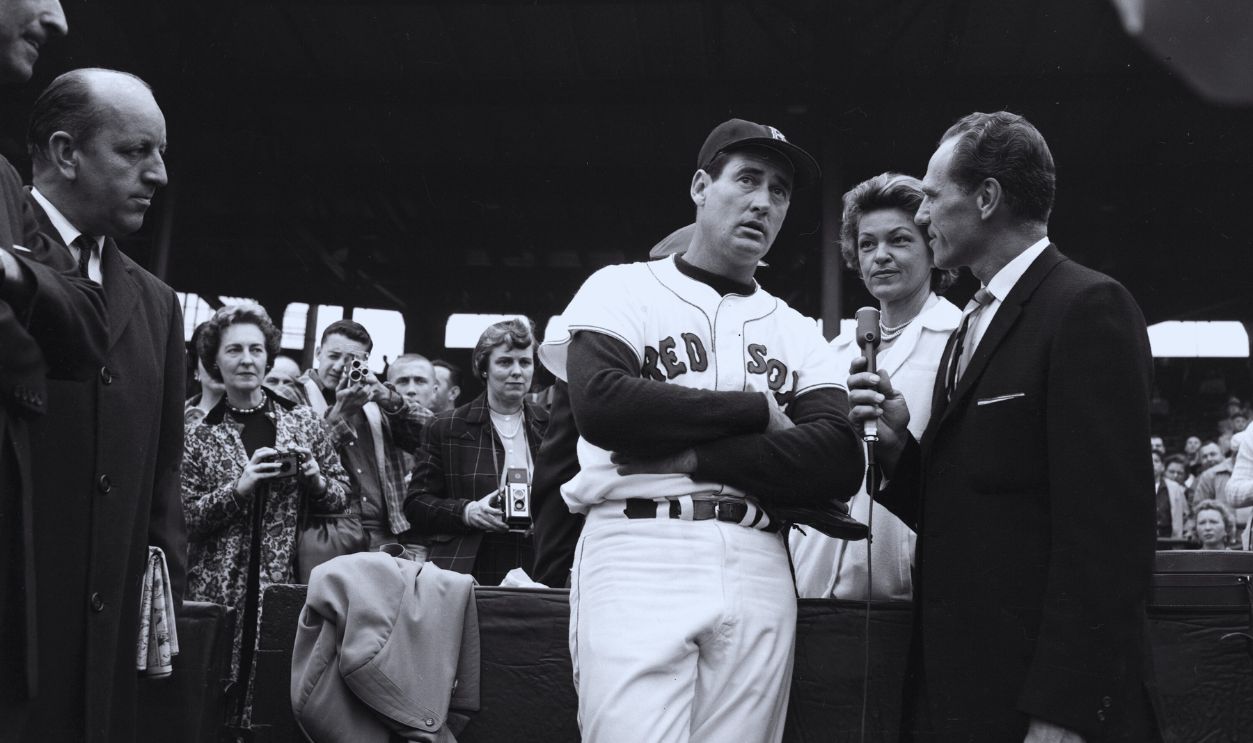
Williams struggled with reporters during his career. He never really trusted sportswriters after one of them left his name entirely off the ballot in the voting for the 1947 American League MVP, causing him to lose the award to Joe DiMaggio even though Williams had been statistically better. Williams didn’t pretend friendliness for cameras or downplay his own authentic emotions. Critics were not amused, but supporters admired his honesty.
Friendly Rivalry With Joe DiMaggio
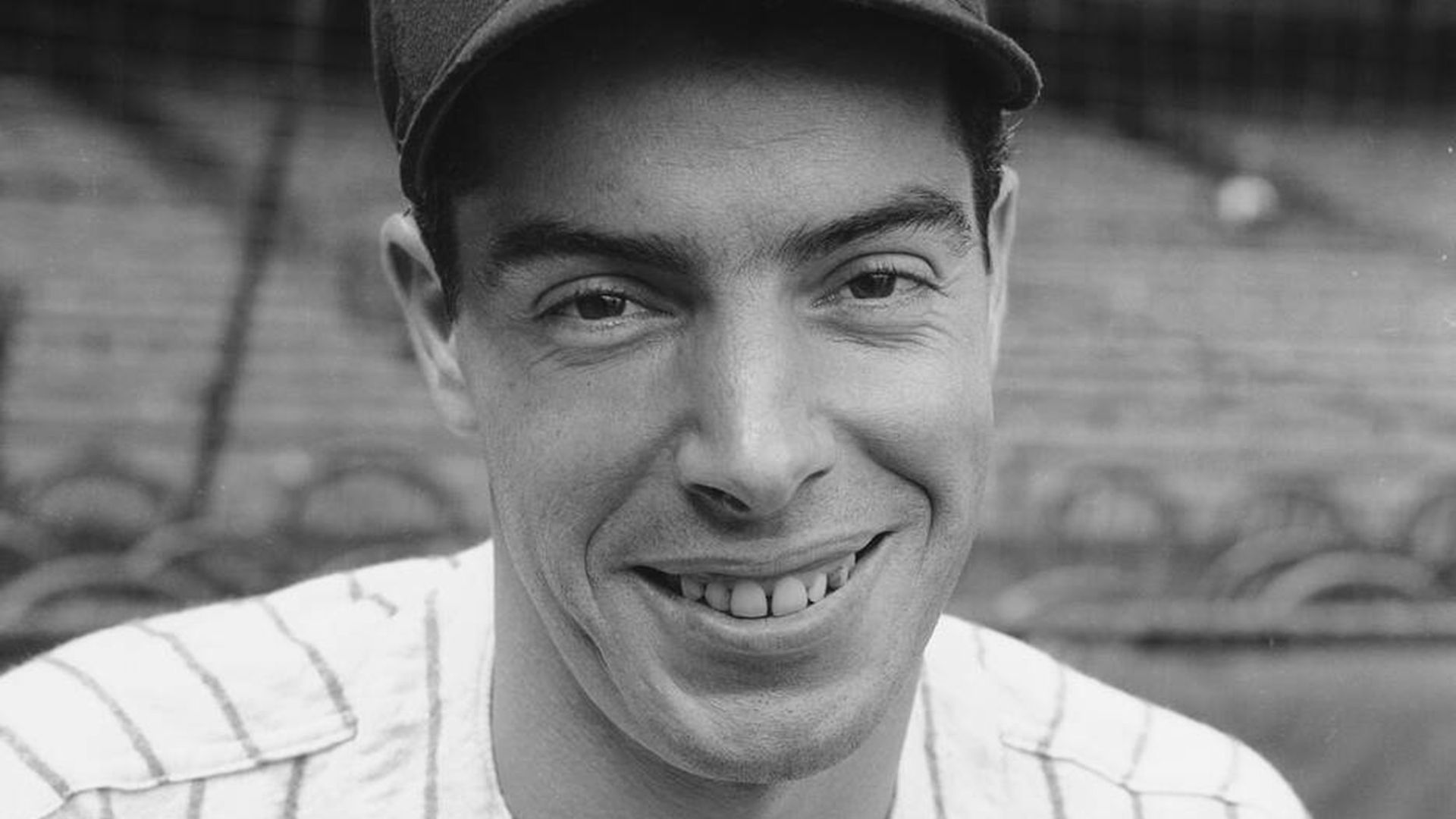
Williams developed a healthy rivalry with his contemporary, NY Yankees’ star Joe DiMaggio. The same year of 1941 when Williams batted .406 saw DiMaggio set the all-time record of hitting safely in 56 consecutive ball games. Before the 1947 season rumors abounded that Williams and DiMaggio were going to be traded for each other, but the deal fell through when the Red Sox asked the Yankees to also give them their promising young catcher at the time, Yogi Berra.
Master Of Deep‑Sea Fishing
Off the diamond, Williams became a world‑class deep‑sea fisherman. He approached fishing with the same relentless analytical focus he brought to baseball. After his retirement from the big leagues, he spent the summers by the Miramichi River in New Brunswick, Canada, and the rest of the year at Islamorada in the Florida Keys. He was especially fond of fly-fishing for bonefish, and was inducted into the IGFA Fishing Hall of Fame in 2000. Williams is one of a preciously small group of people who became Hall of Famers in two different sports.
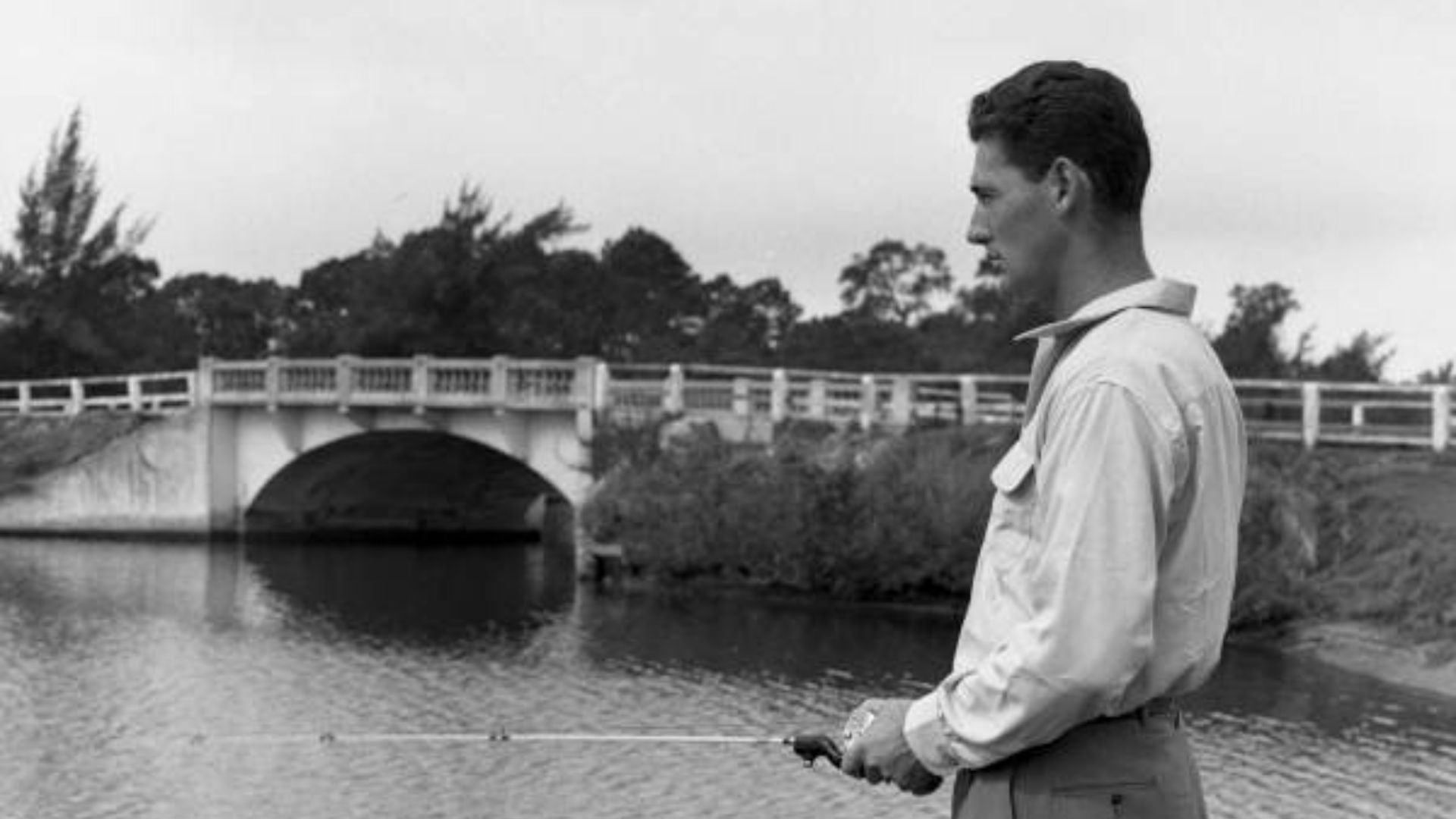 State Library and Archives of Florida, Wikimedia Commons
History's most fascinating stories and darkest secrets, delivered to your inbox daily.
Managerial Chapter: The Senators And Rangers
After retiring as a player, Williams managed Washington and later Texas Rangers from 1968–1972. Though he was nowhere near as successful as in his playing days, his commitment to baseball and mentoring players remained unwavering. He loved to be around the game.
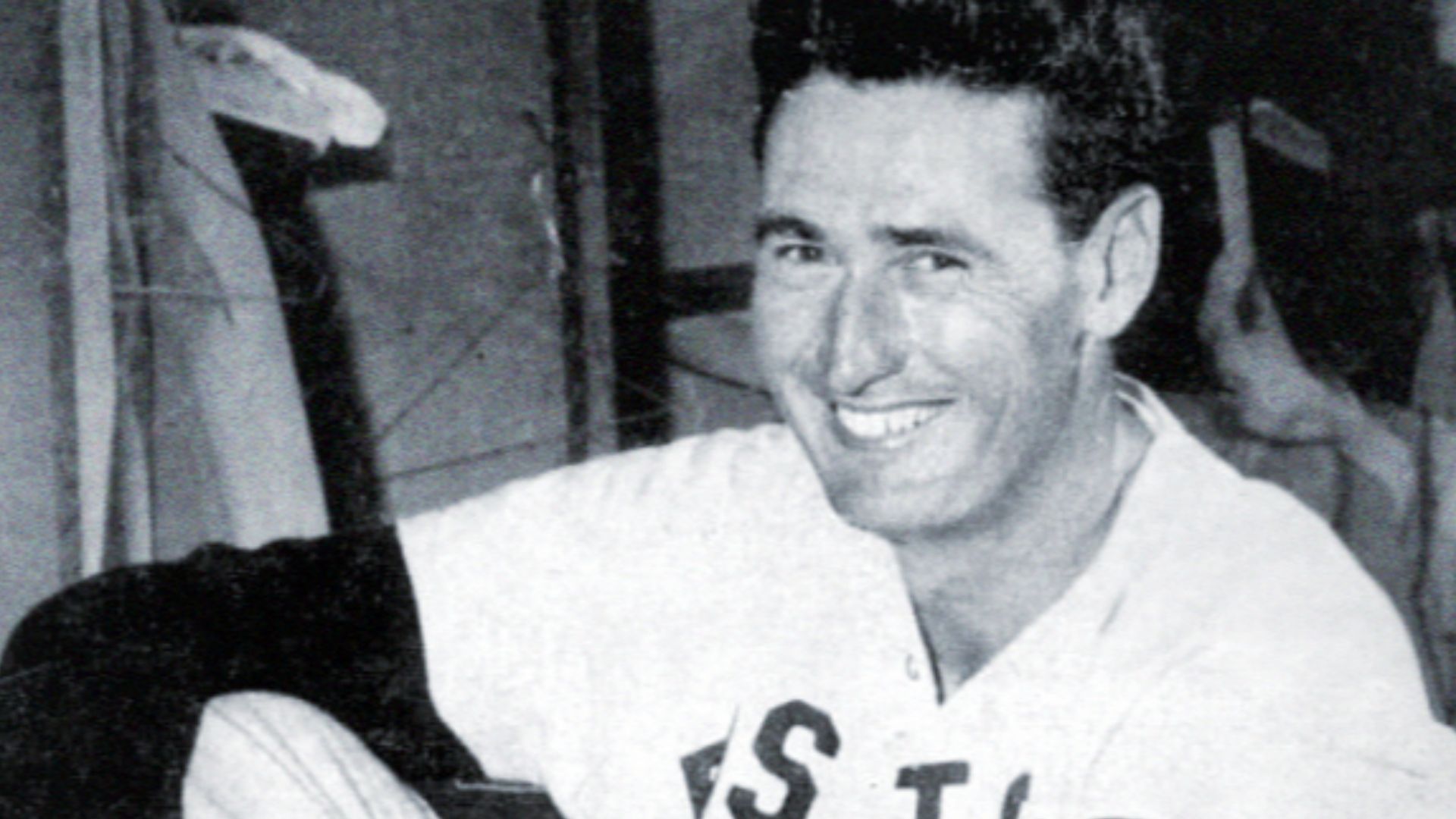 Unknown authorUnknown author, Wikimedia Commons
A Man Of Many Nicknames
Nicknamed “The Kid,” “The Splendid Splinter,” and “Teddy Ballgame,” Williams embraced the role of baseball entertainer. Fans filled ballparks to see his towering home runs and fiery competitiveness on display every game.
 Play Ball cards, published by Bowman Gum, Wikimedia Commons
War Cost Him Records
Had he not served in two wars, Williams might have broken MLB home run records long before others. Instead, his legacy reflects both athletic brilliance and incredible sacrifice.
Later‑Life Reflections
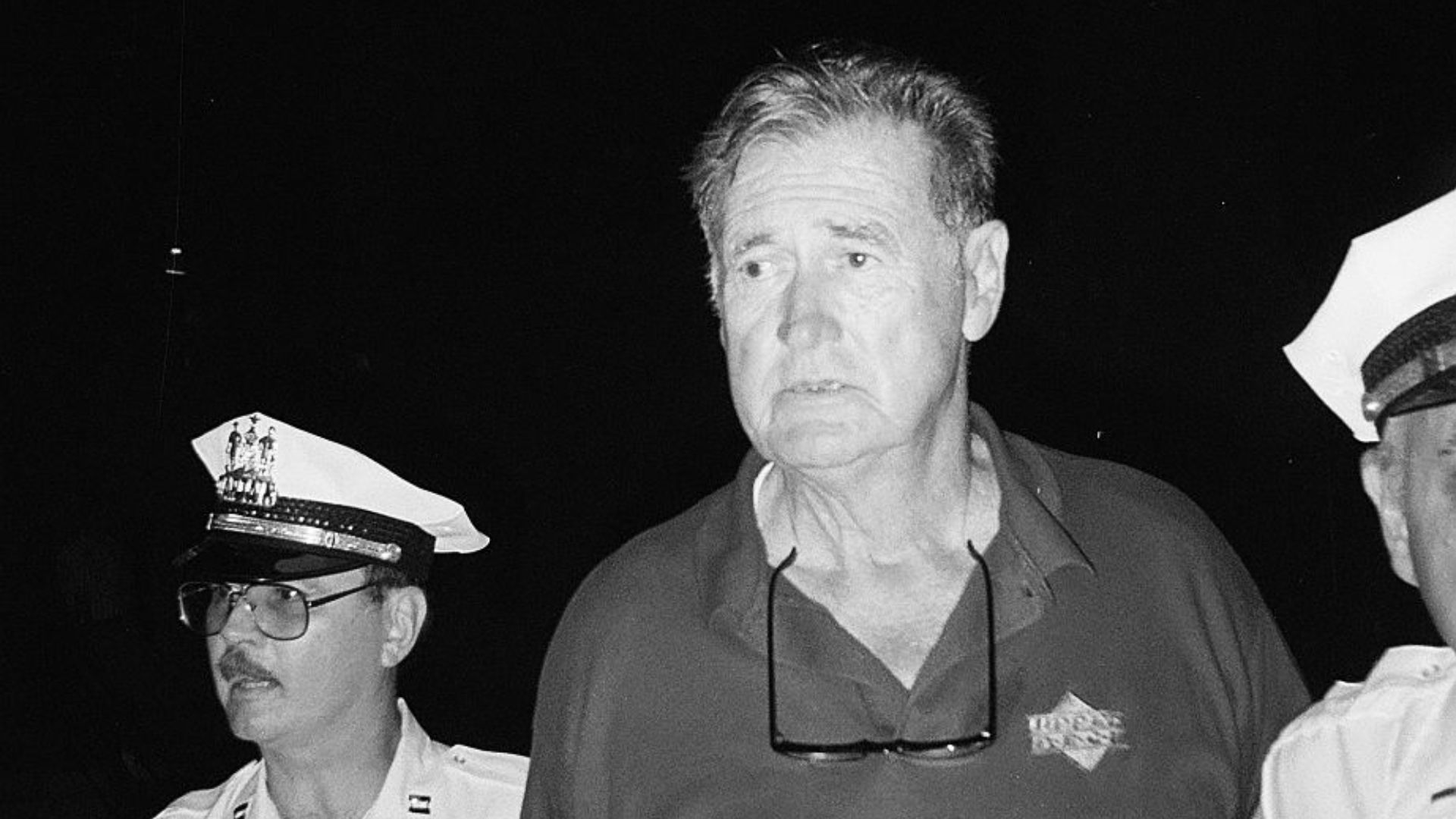
As he grew older, Williams expressed pride in both his service and his baseball accomplishments. His tough no-nonsense exterior softened as he embraced his role as an aging national sports hero.
 John Mathew Smith & www.celebrity-photos.com from Laurel Maryland, USA, Wikimedia Commons
One Last Appearance
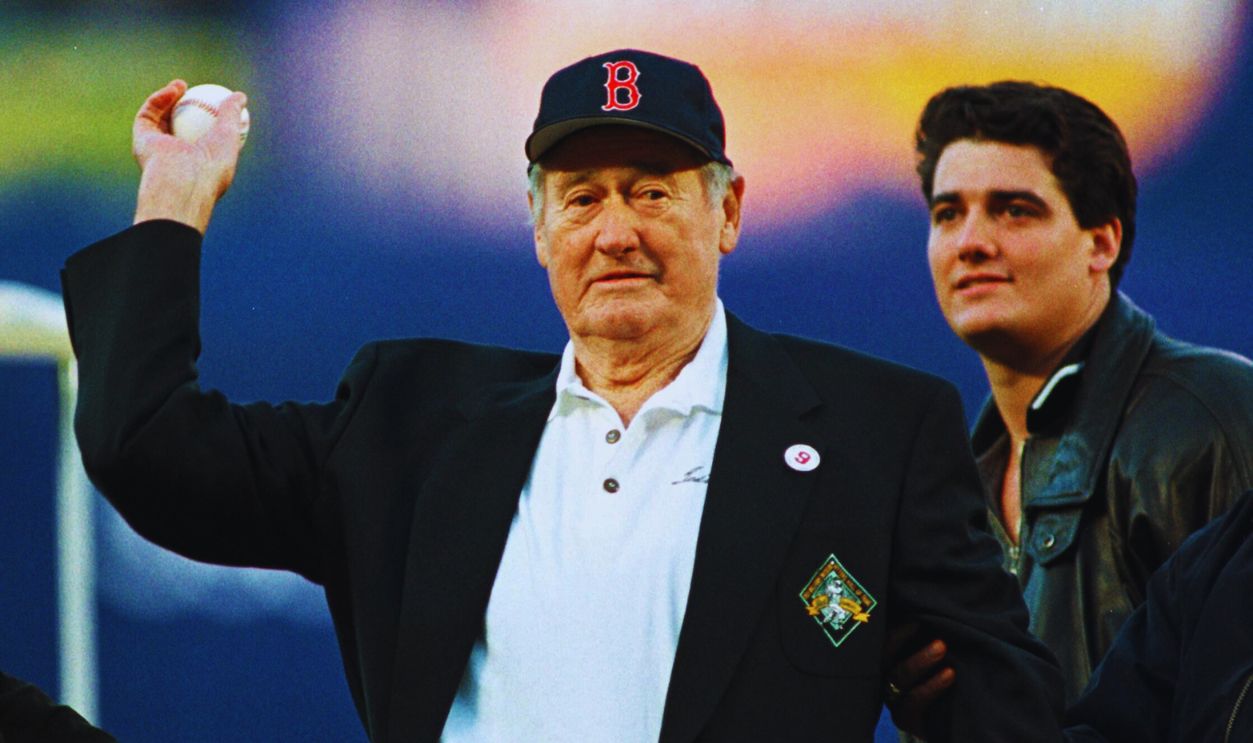
Over time, fans embraced Williams more fully, recognizing not only his greatness on the field but also his loyalty, patriotism, and devotion to the sport he cherished. He made a memorable and moving visit to Fenway Park to throw out the first pitch of the 1999 Baseball All-Star game. Williams received a tremendous ovation from fans as he was mobbed by players on both teams in a moment that still shines as a closing chapter of 20th-century baseball.
Cryogenic Preservation
Ted Williams passed on July 5, 2002, at his home in Inverness, Florida, at age 83. In a bizarre twist, his youngest children had Williams’ body flown to Scottsdale, Arizona and cryogenically frozen. Williams’ eldest daughter then sued her younger siblings claiming that Williams had asked in his will to be cremated and have his ashes spread in the sea off the Florida Keys. The siblings later reached an agreement to keep Williams frozen in place.
 Navy Medicine, Wikimedia Commons
History's most fascinating stories and darkest secrets, delivered to your inbox daily.
A Legend Who Never Compromised
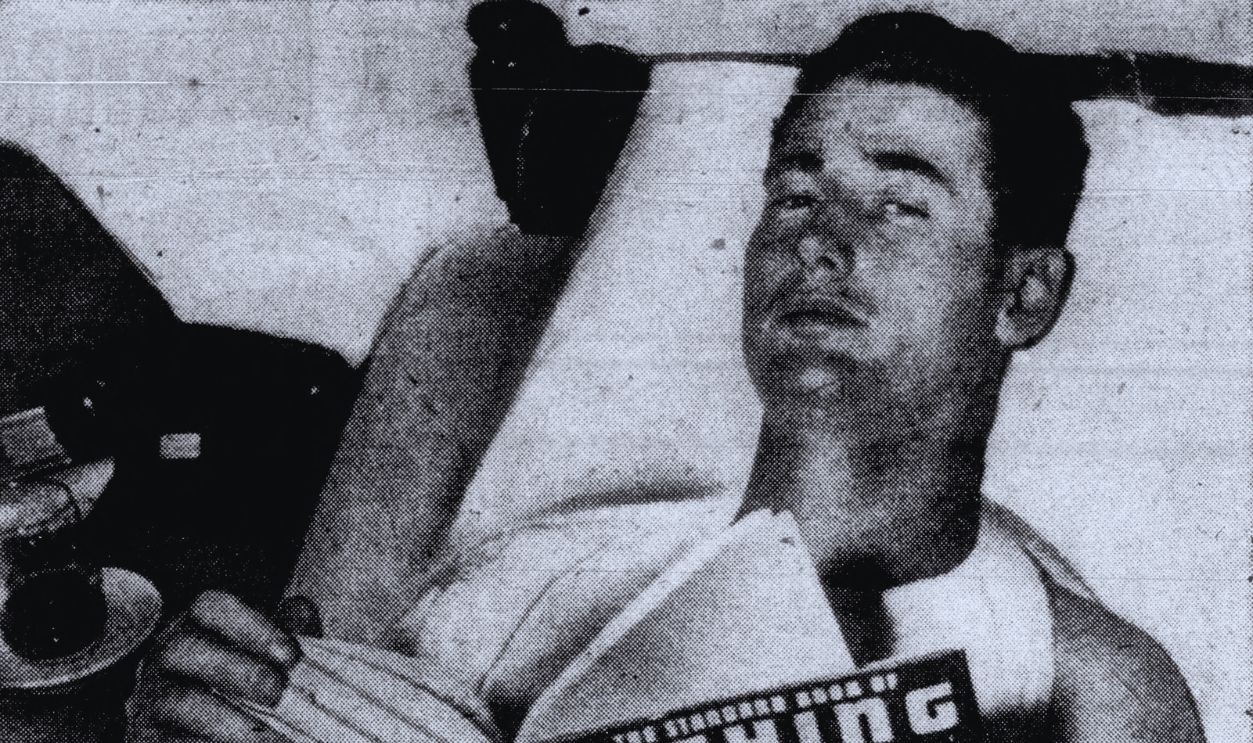
Ted Williams made sacrifices most stars would never consider. The thought of giving up baseball achievements to serve his country didn’t cause Williams a second thought. His decisions reflected the core values of loyalty, hard work, and duty above self. He stood firm in who he was, refused to put up with nonsense, and earned the deep respect of those around him.
 Los Angeles Mirror, Wikimedia Commons
You May Also Like:
The Tangled Legacy of Ty Cobb, Baseball’s Toughest Competitor
The Legendary Baseball Career Of Tony Gwynn