The Family Names Behind Famous American Brands
Some of America’s most familiar brands did not begin in boardrooms. They started in kitchens, barns, garages, storefronts, candy shops, farms, and family arguments around dinner tables. From hot sauce to hotels, these family businesses became part of daily life, and their backstories are often stranger, sweeter, and more surprising than people realize.
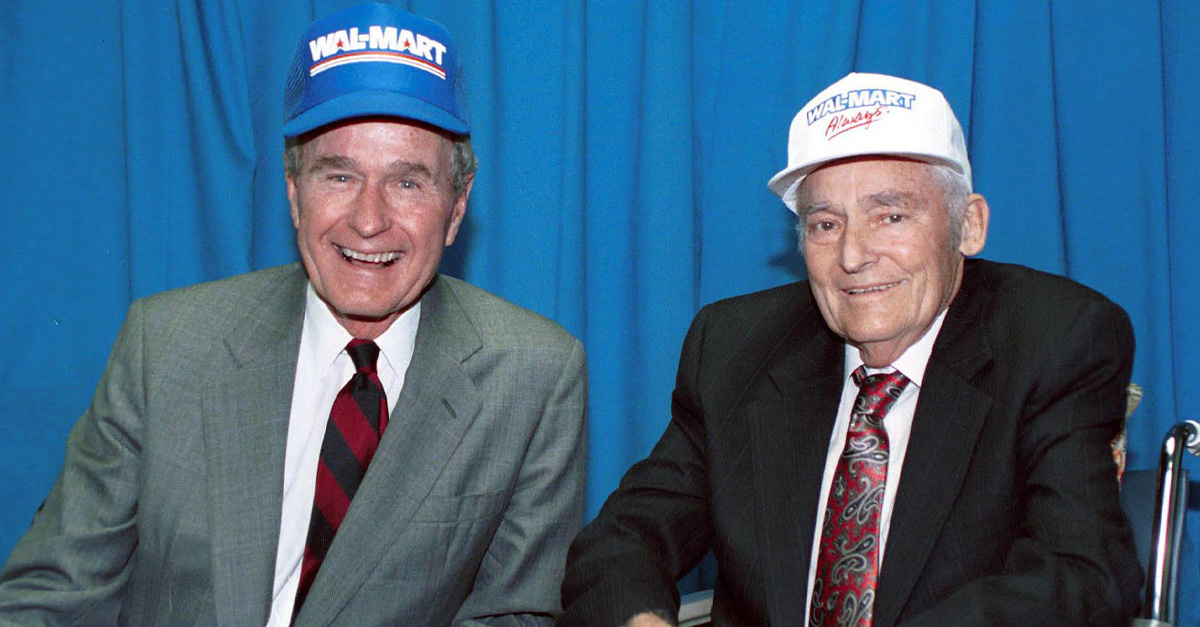
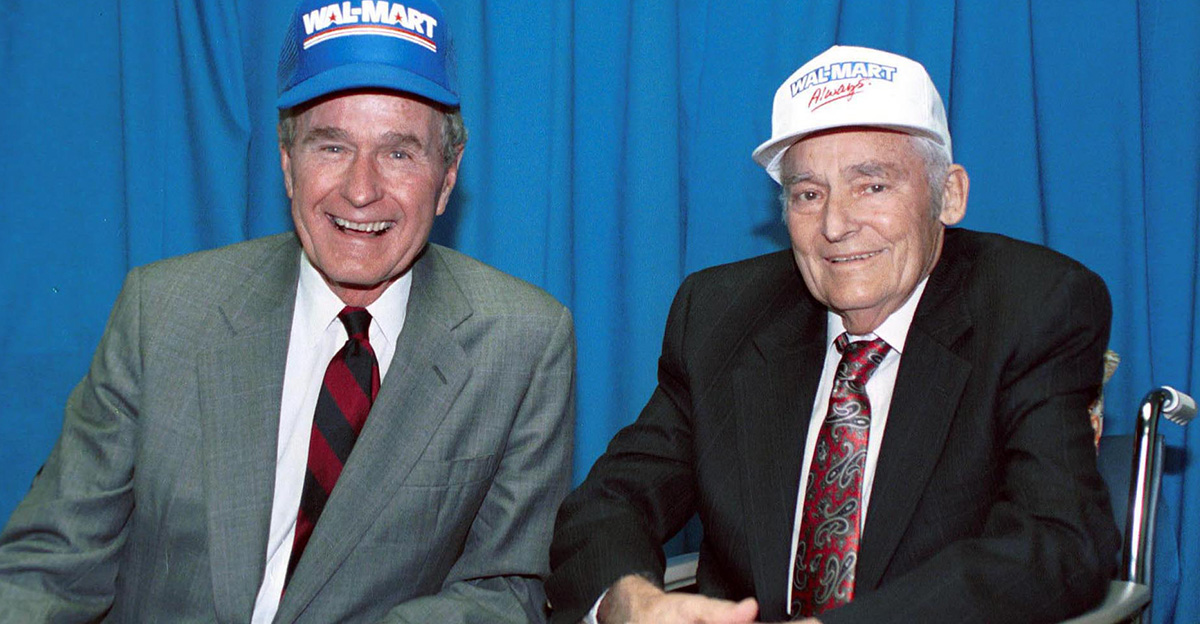 George Bush Presidential Library and Museum, Public domain, via Wikimedia Commons
Tabasco Started On A Tiny Louisiana Island
Tabasco is one of those brands people recognize from one red-capped bottle. The McIlhenny family started making the sauce on Avery Island, Louisiana, after Edmund McIlhenny developed his pepper recipe in the 1860s. The surprising part? The company is still family-owned and still connected to that same island, generations later.
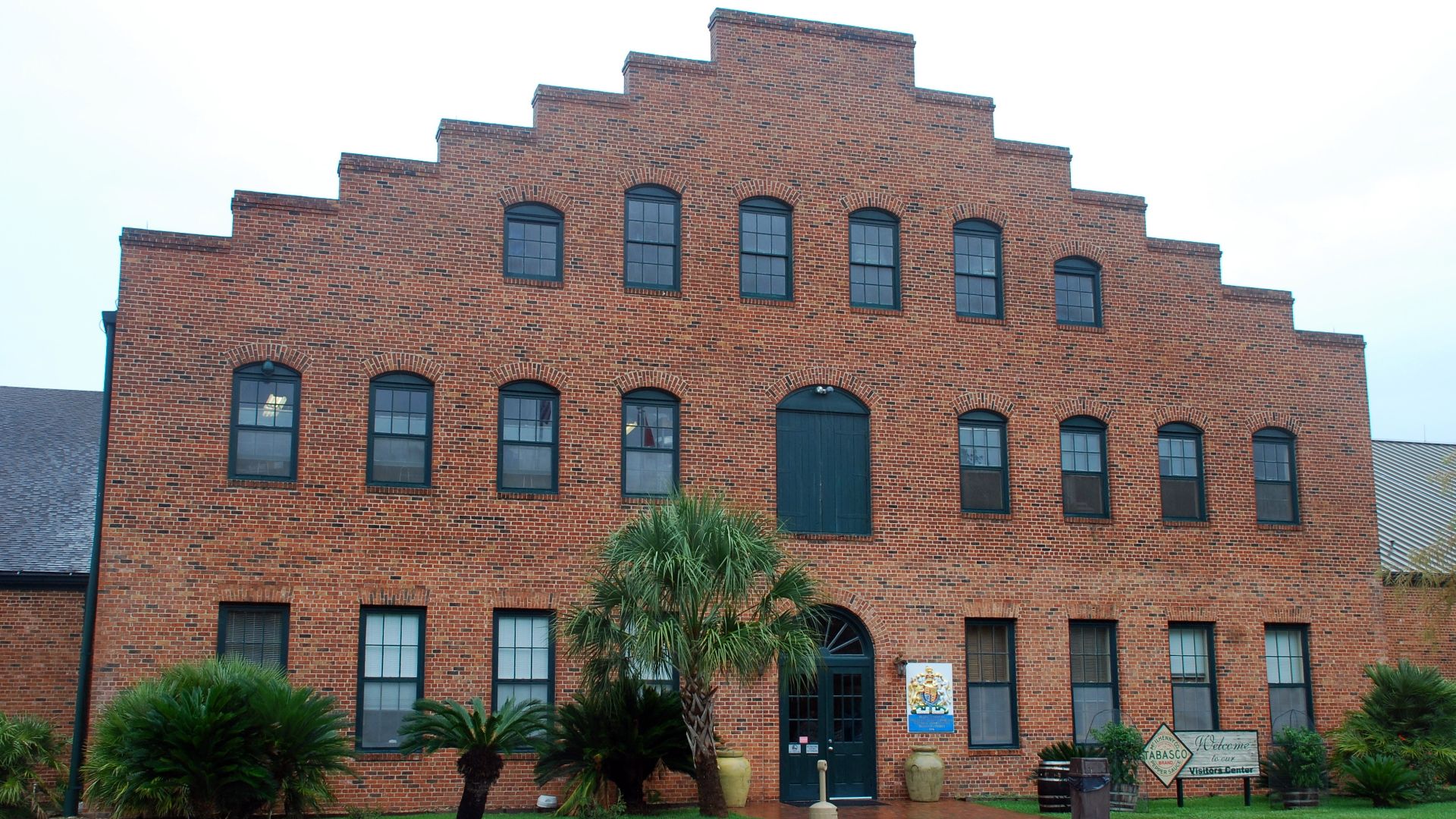 Jan Kronsell, Wikimedia Commons
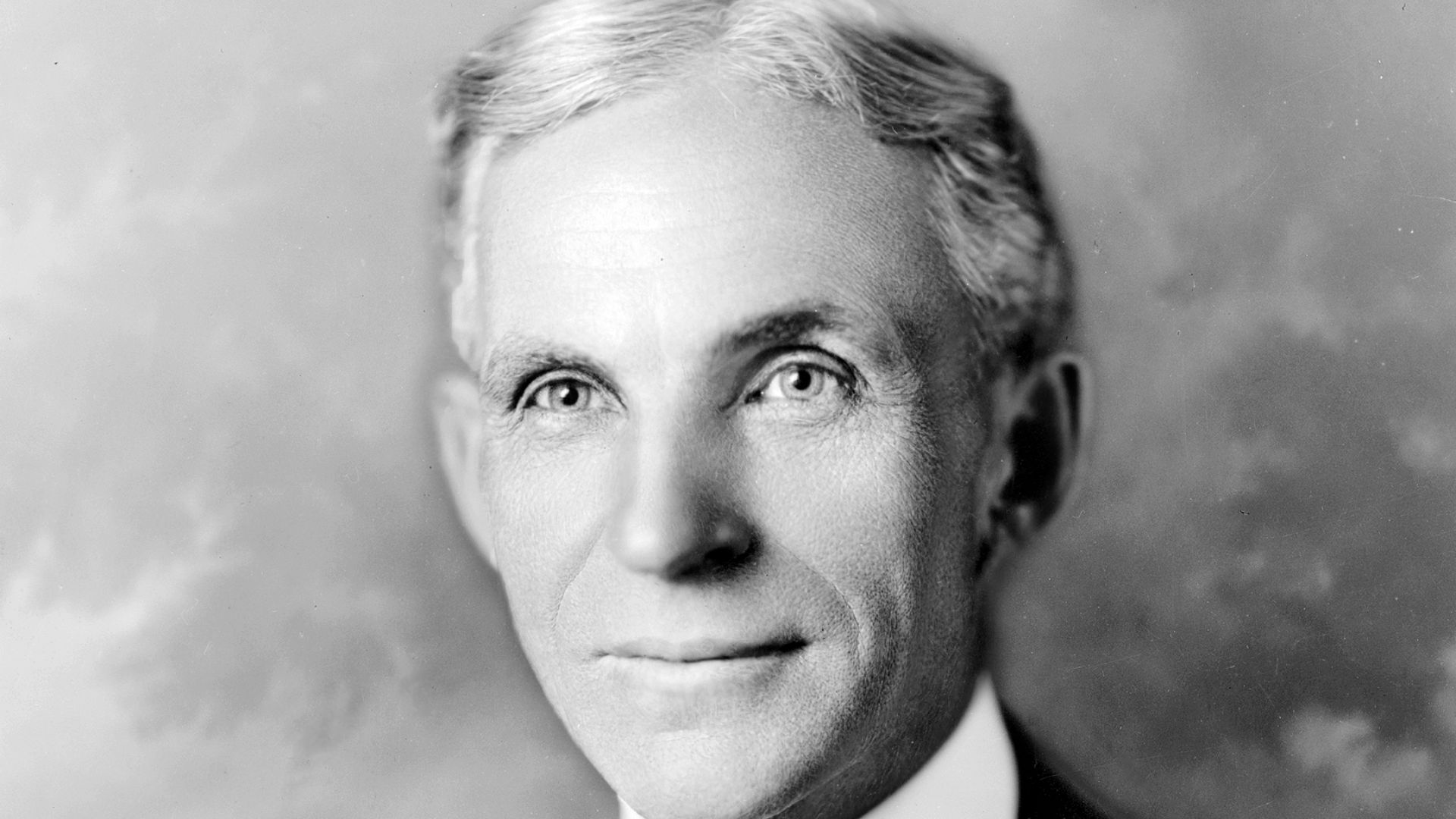
Ford Kept The Family In The Driver’s Seat
Ford became a public company long ago, but the Ford family never fully let go of the wheel. Thanks to a special share structure, the family still holds major voting influence over the automaker Henry Ford helped build in 1903. That is unusual for a company whose cars became everyday American icons.
 Fred Hartsook, Wikimedia Commons
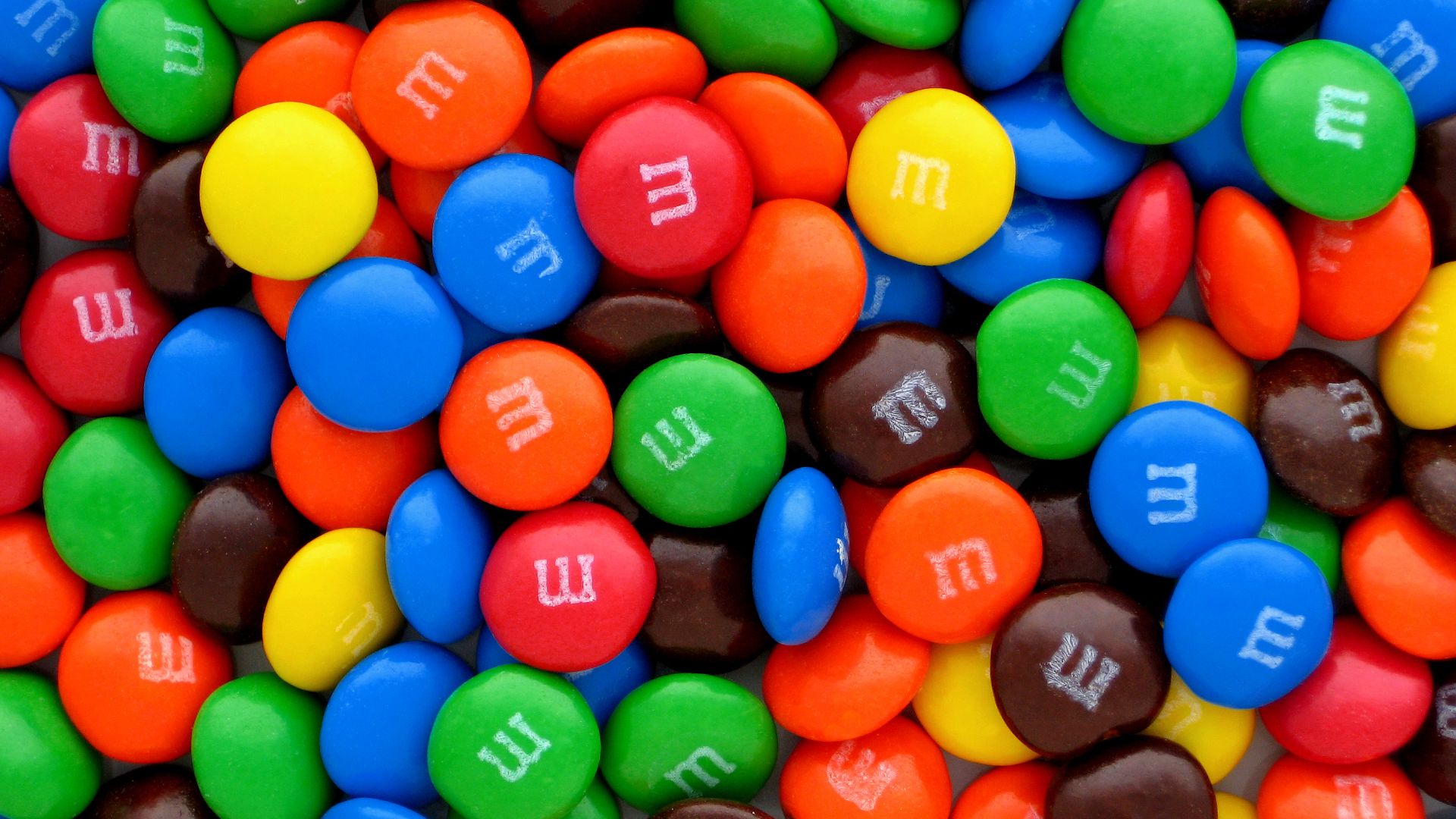
Mars Turned Candy Into A Private Empire
Mars began with candy, but it grew into something much bigger. The family company behind Snickers, M&M’s, Twix, pet food, and animal care remains one of America’s best-known private business empires. Its story really took off when Forrest Mars joined the business and helped turn sweets into a global operation.

History's most fascinating stories and darkest secrets, delivered to your inbox daily.
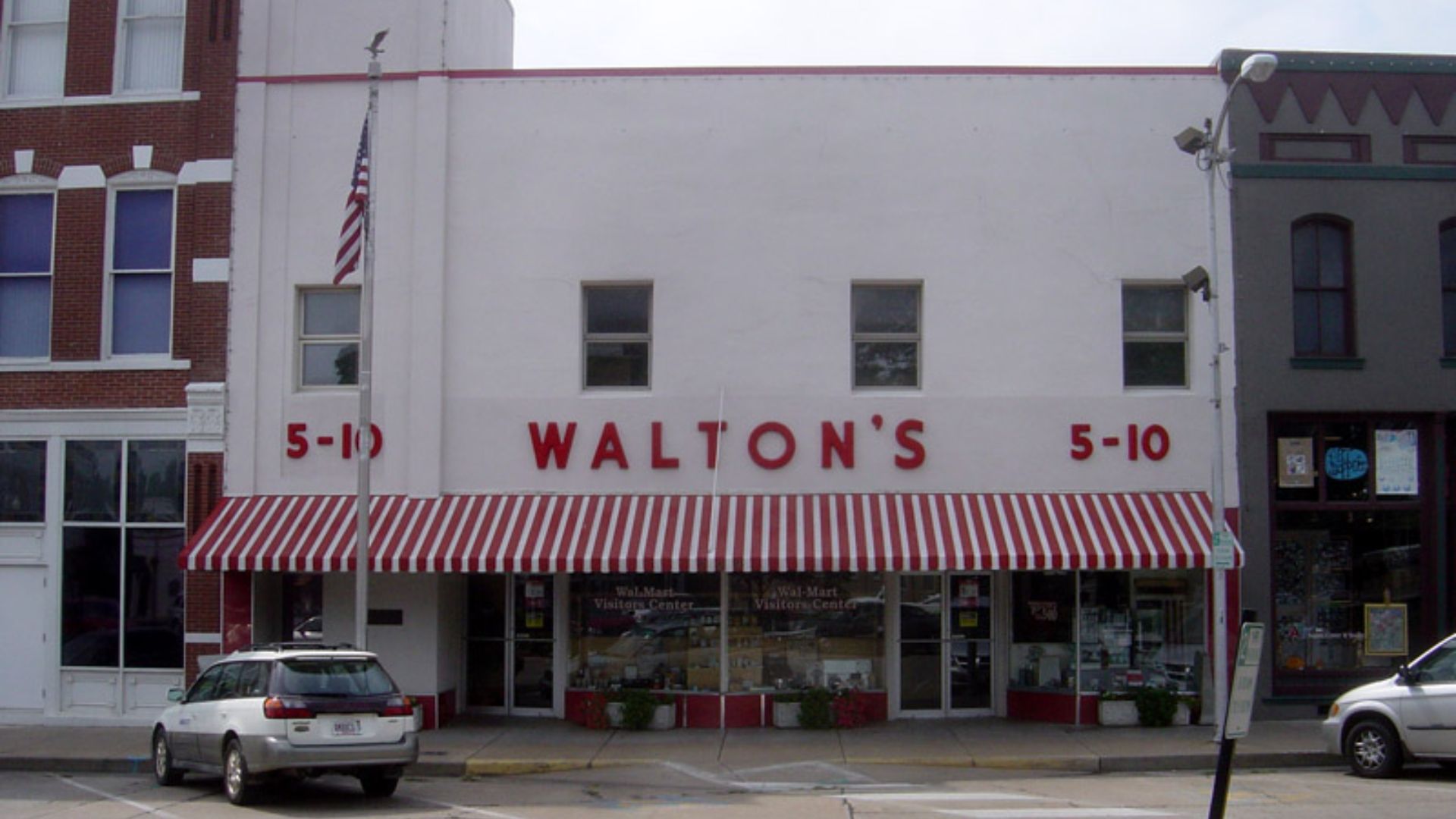
Walmart Grew From One Discount Store
Sam Walton opened the first Walmart in Arkansas in 1962, chasing a simple idea: sell more for less in overlooked towns. The Walton family’s business exploded into the world’s most famous retail giant. What began as one family bet on small-town shoppers became a company that changed American shopping forever.
 User Bobak on en.wikipedia, Wikimedia Commons
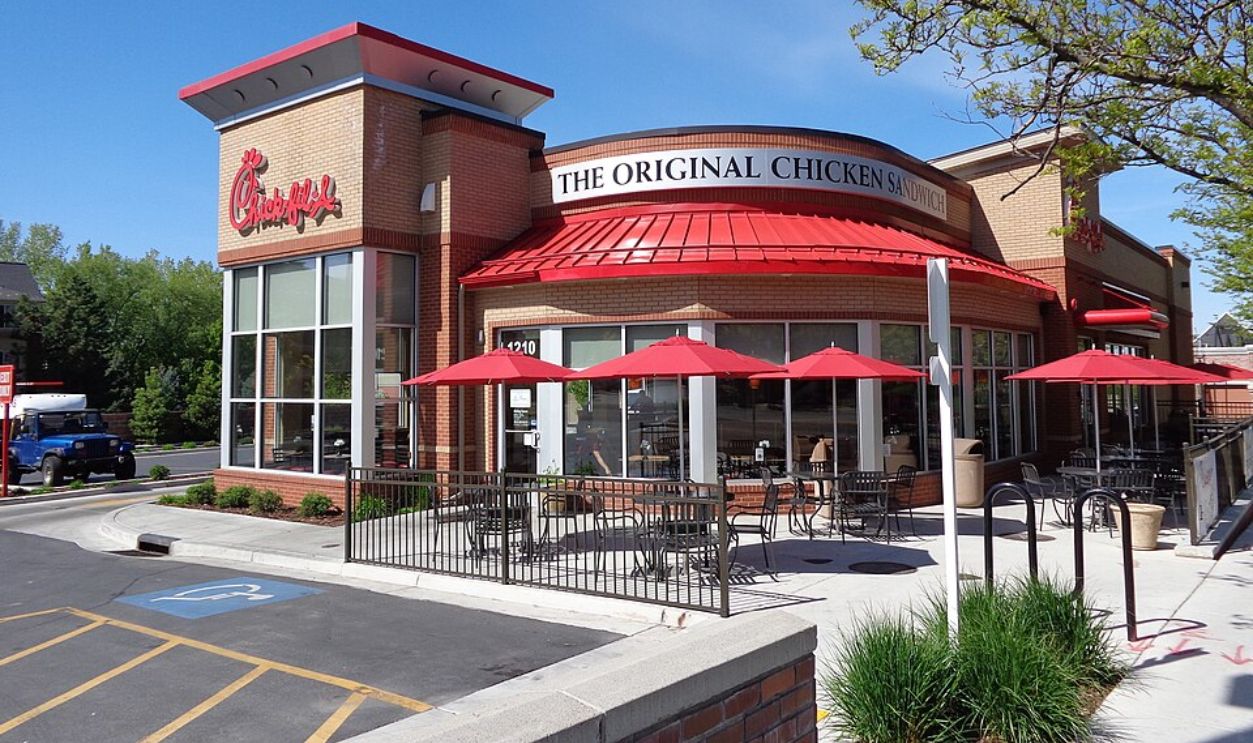
Chick-Fil-A Built A Chicken Sandwich Dynasty
Chick-fil-A grew from Truett Cathy’s restaurant work and a very simple promise: make chicken sandwiches people would crave. The Cathy family kept the business private and built a brand famous for waffle fries, polite service, and being closed on Sundays. That last choice became one of its most recognizable traditions.
 Saalebaer, CC0, Wikimedia Commons
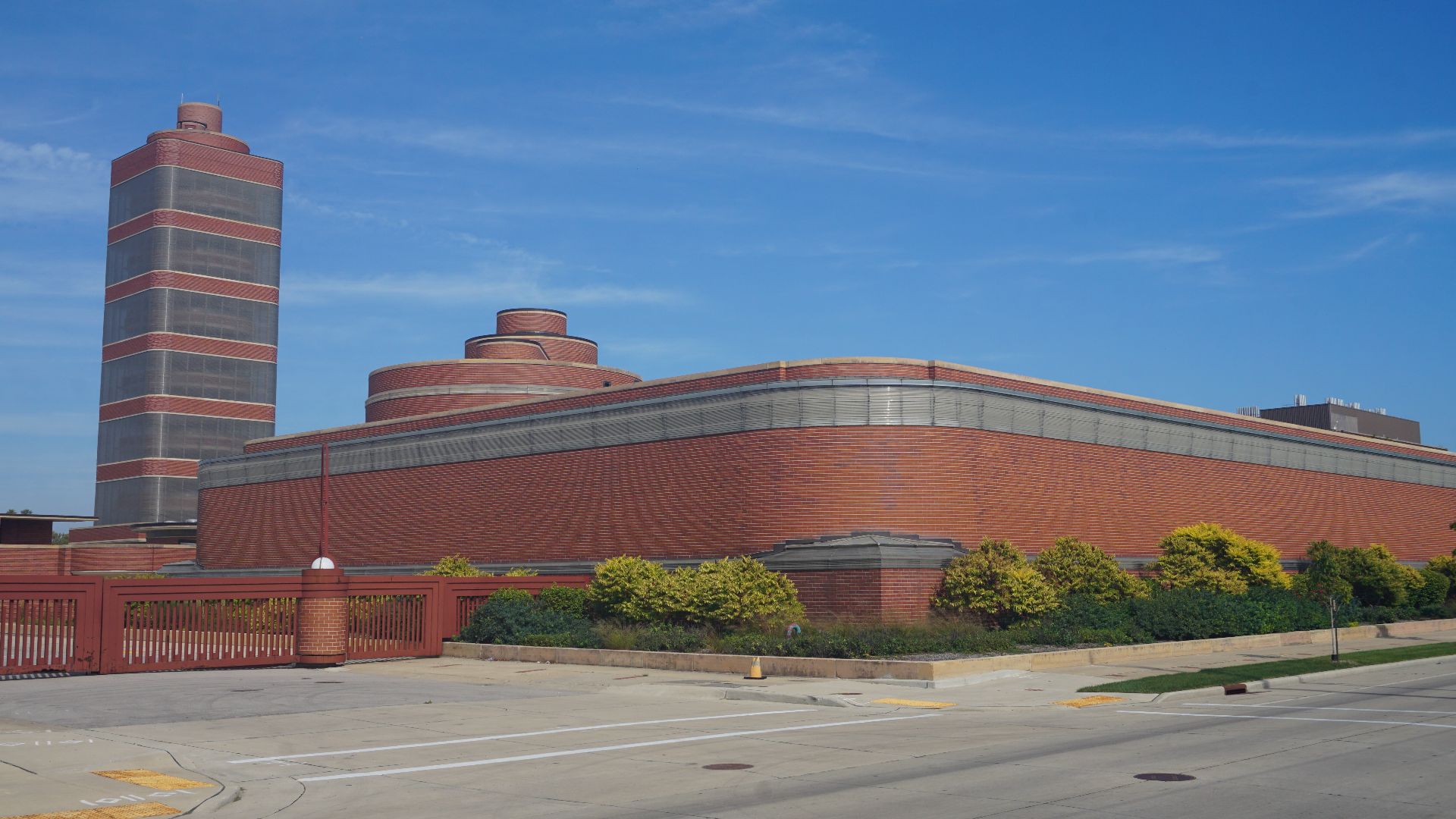
S.C. Johnson Went From Floors To Fresh Air
S.C. Johnson began in Racine, Wisconsin, in the 1880s, after Samuel Curtis Johnson moved into parquet flooring. Floor wax led to household products, and eventually to names like Windex, Glade, Pledge, Raid, and Ziploc. Few family companies have ended up in so many kitchen cabinets.
 Michael Barera, Wikimedia Commons
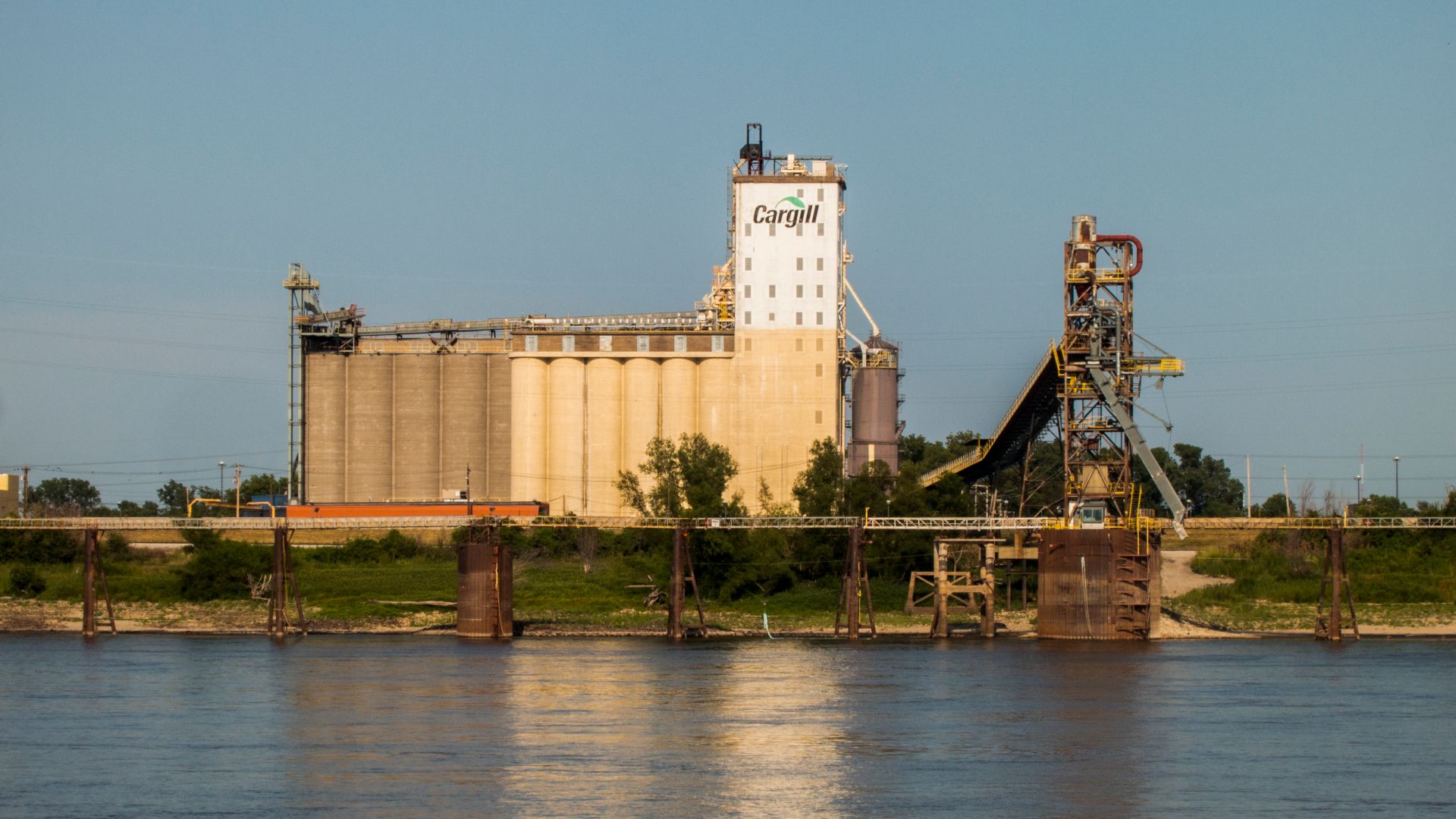
Cargill Became The Giant Most People Never See
Cargill is one of America’s biggest private family businesses, yet many people do not know how often it touches their lives. The company grew from grain storage into a global food and agriculture powerhouse. Its products move quietly through farms, factories, restaurants, and grocery shelves all over the world.
 Mark Schierbecker, Wikimedia Commons
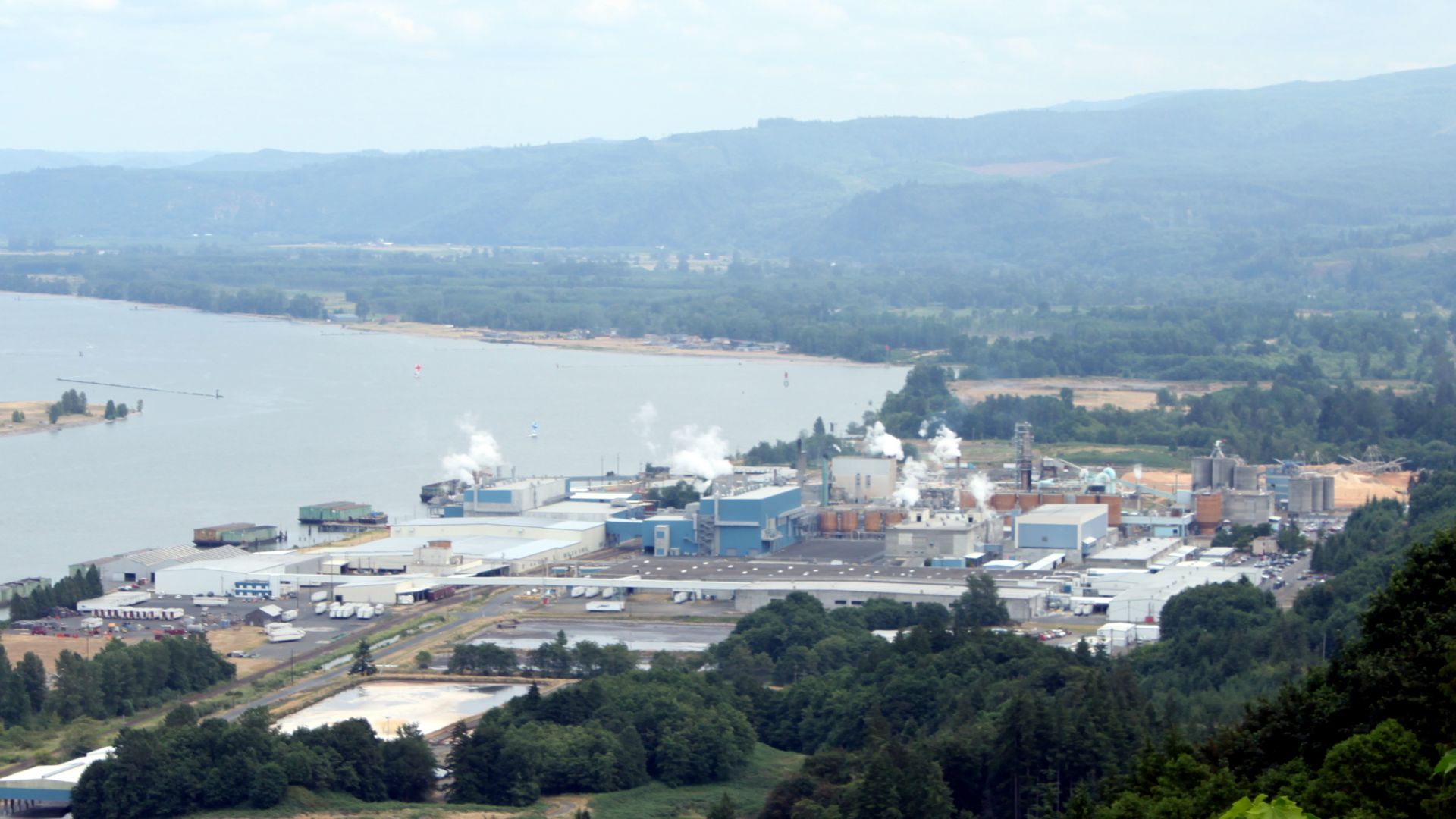
Koch Built An Industrial Powerhouse
Koch Industries is not a flashy consumer brand, but it is one of the most powerful family-controlled businesses in the country. Its reach includes energy, chemicals, paper products, technology, and manufacturing. The surprising part is how a largely behind-the-scenes company became one of America’s most influential private empires.
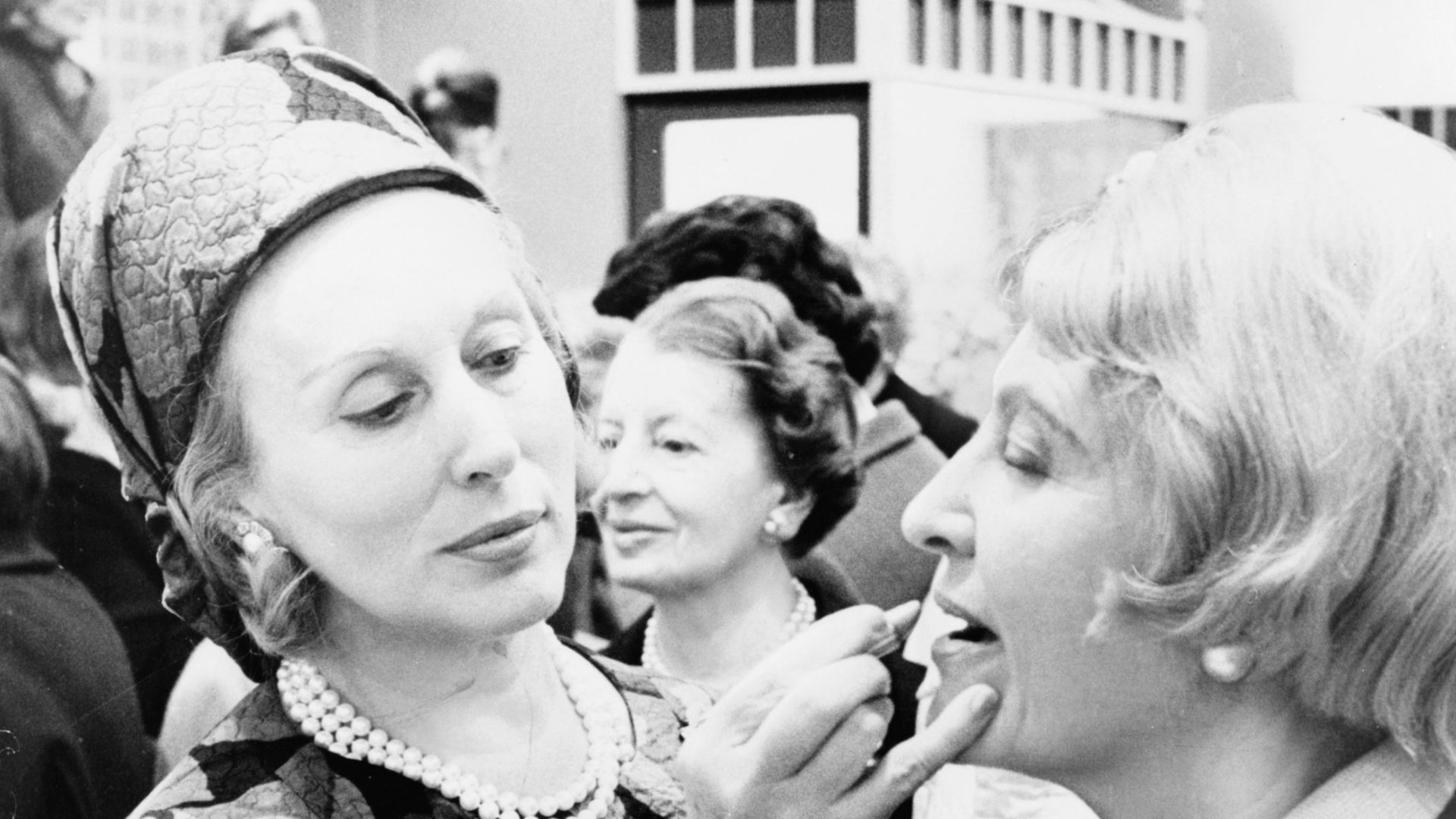
Estée Lauder Made Beauty A Family Business
Estée Lauder turned a personal talent for selling skincare into a beauty empire. She famously believed in letting customers try products for themselves, a simple idea that helped build loyalty. Her family’s name still sits behind one of the most recognizable beauty companies in the world.
History's most fascinating stories and darkest secrets, delivered to your inbox daily.
Hyatt Grew From One Airport Hotel
The Pritzker family’s Hyatt story began with a hotel near Los Angeles International Airport in the 1950s. From that practical starting point, Hyatt became a global hospitality name. It is a classic family-business leap: spot one smart opportunity, then build a brand that travelers see around the world.
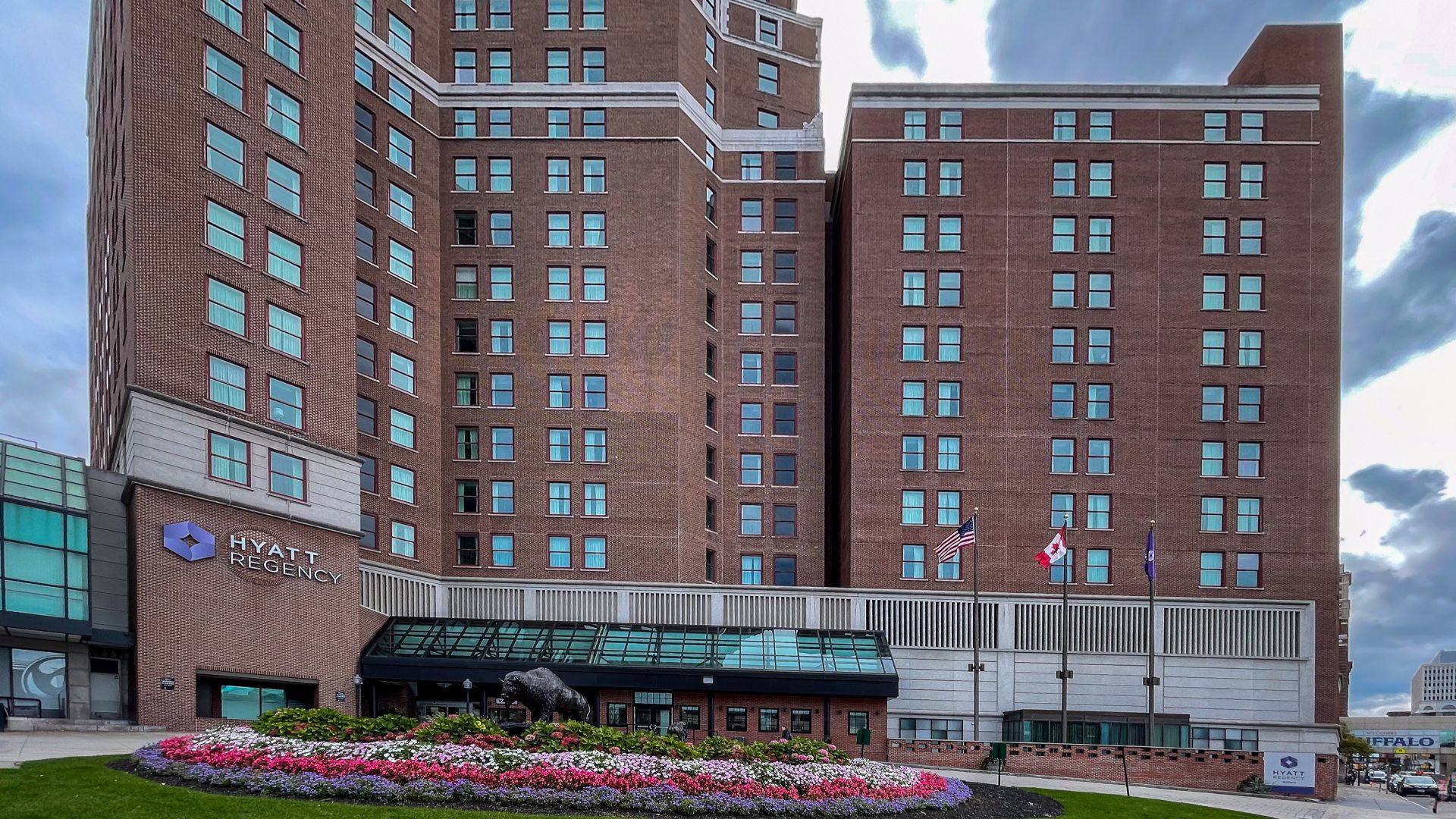 Kenneth C. Zirkel, Wikimedia Commons
Levi Strauss Made Work Pants Legendary
Levi Strauss did not set out to make fashion history. His company supplied durable clothing during the Gold Rush era, and blue jeans eventually became a symbol of American cool. The family legacy behind Levi’s is surprising because it turned practical workwear into one of the most famous clothing styles ever.
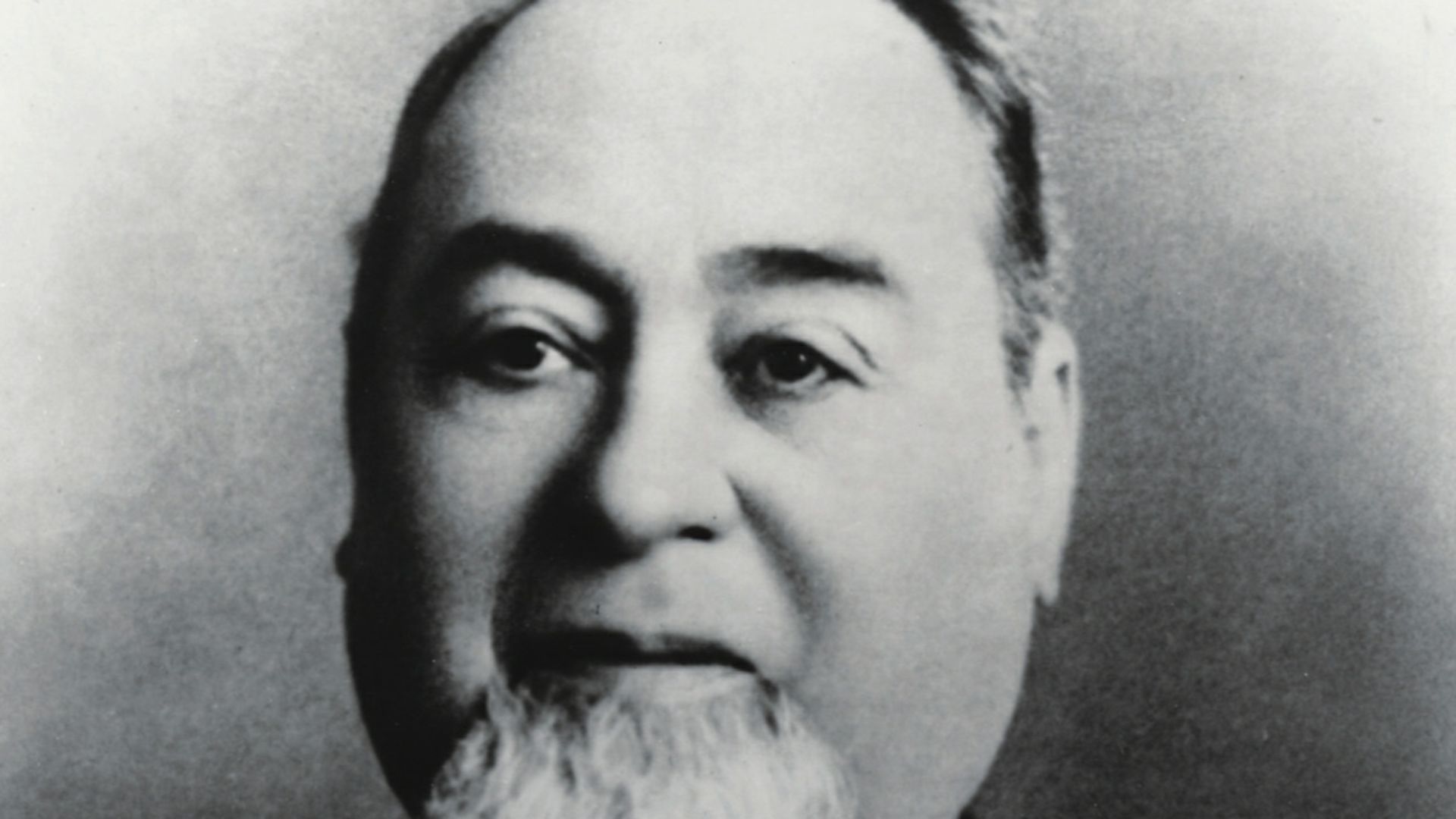 Unknown authorUnknown author, Wikimedia Commons
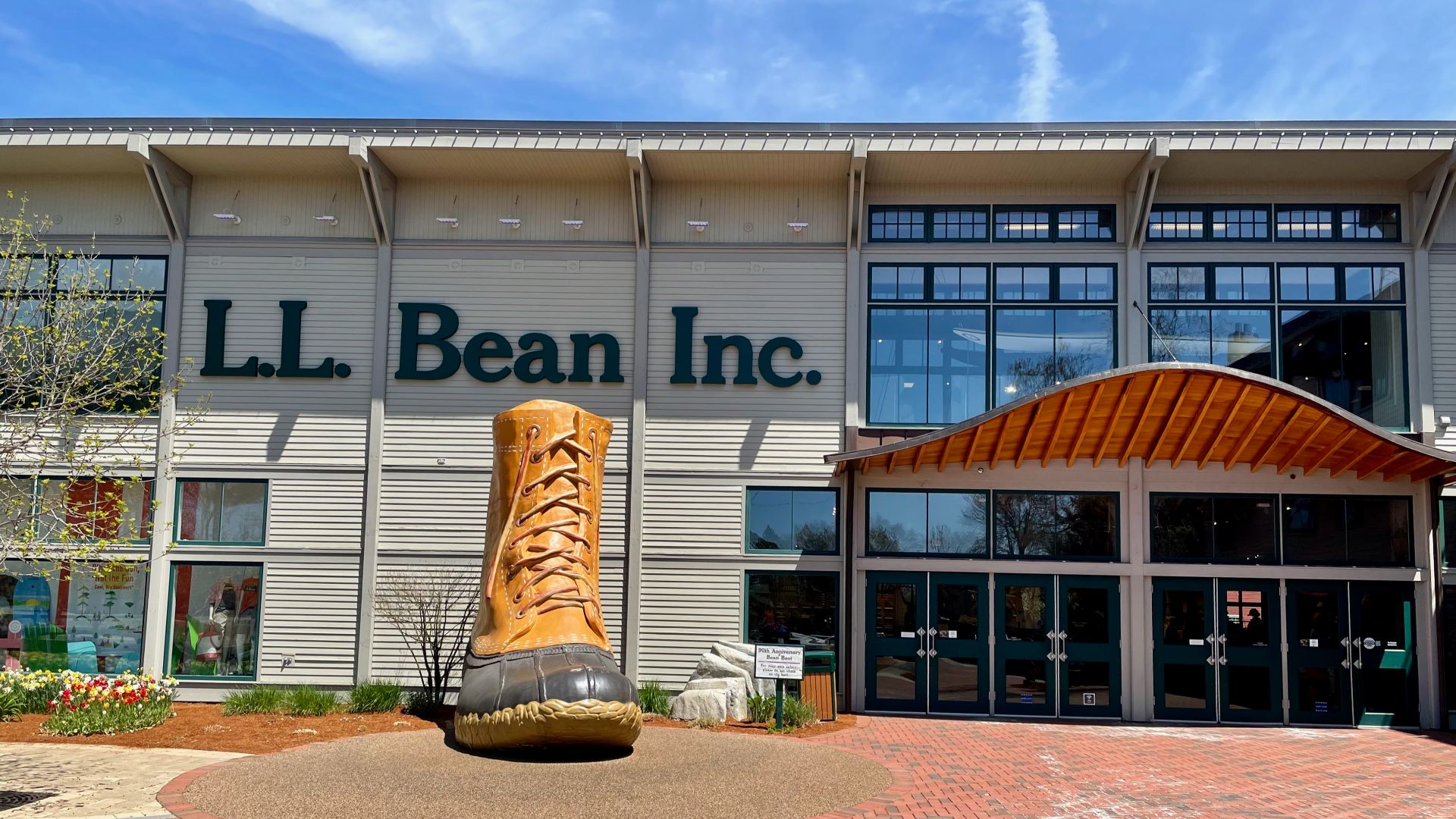
L.L.Bean Turned Wet Feet Into A Business
L.L.Bean began because Leon Leonwood Bean hated soggy hunting boots. His solution was a rubber-bottomed boot with a leather upper, and customers loved the idea. The family brand grew into an outdoor institution, proving that one annoying problem can become a century-long business opportunity.
New Balance Stayed Different In Sneakers
New Balance has long stood apart from flashier sneaker rivals. The company became known for fit, comfort, and a more practical image, while maintaining strong family-business roots through the Davis family. In a world of celebrity sneaker hype, New Balance built loyalty by being dependable instead of loud.
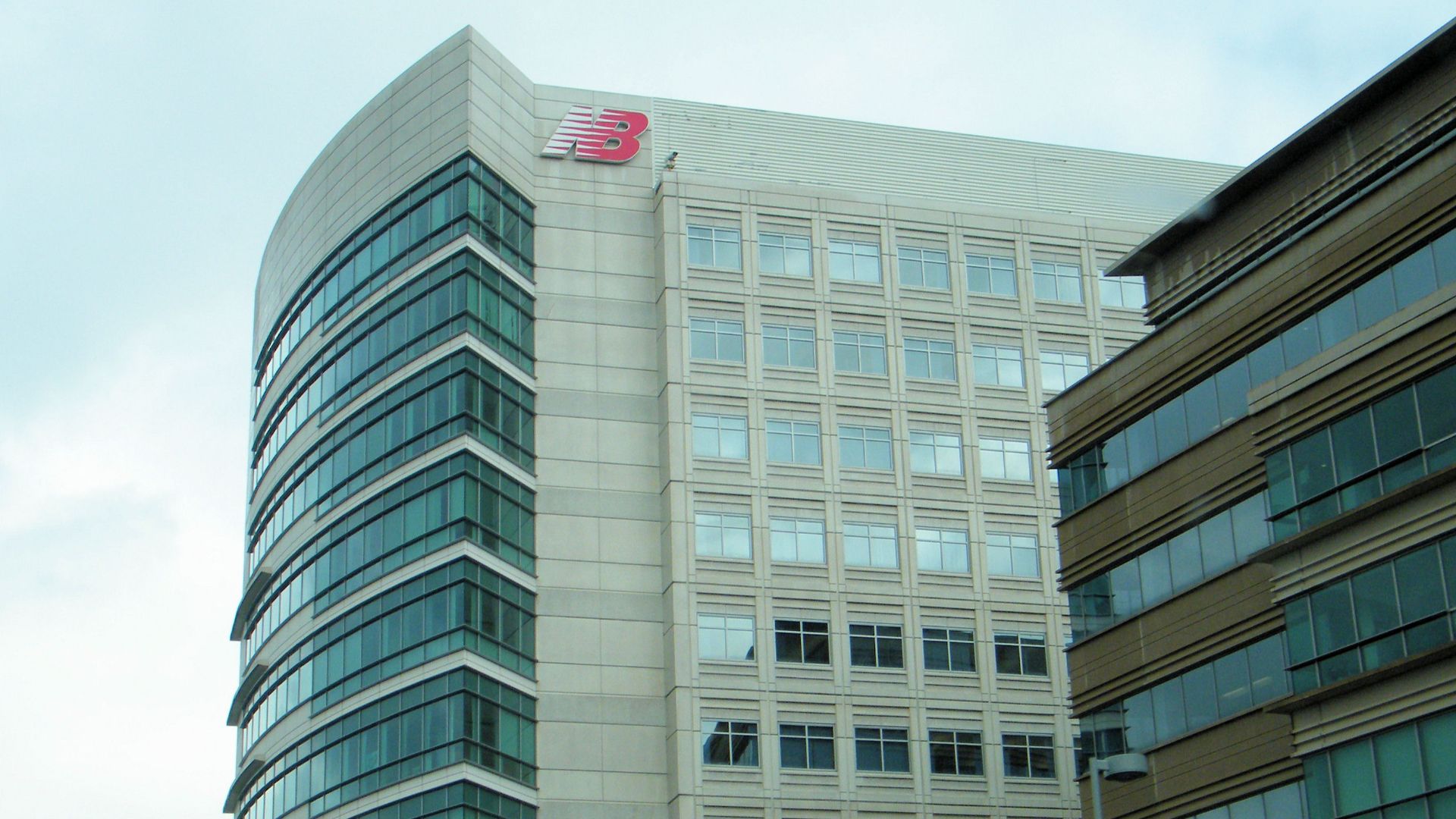 Coolcaesar at en.wikipedia, Wikimedia Commons
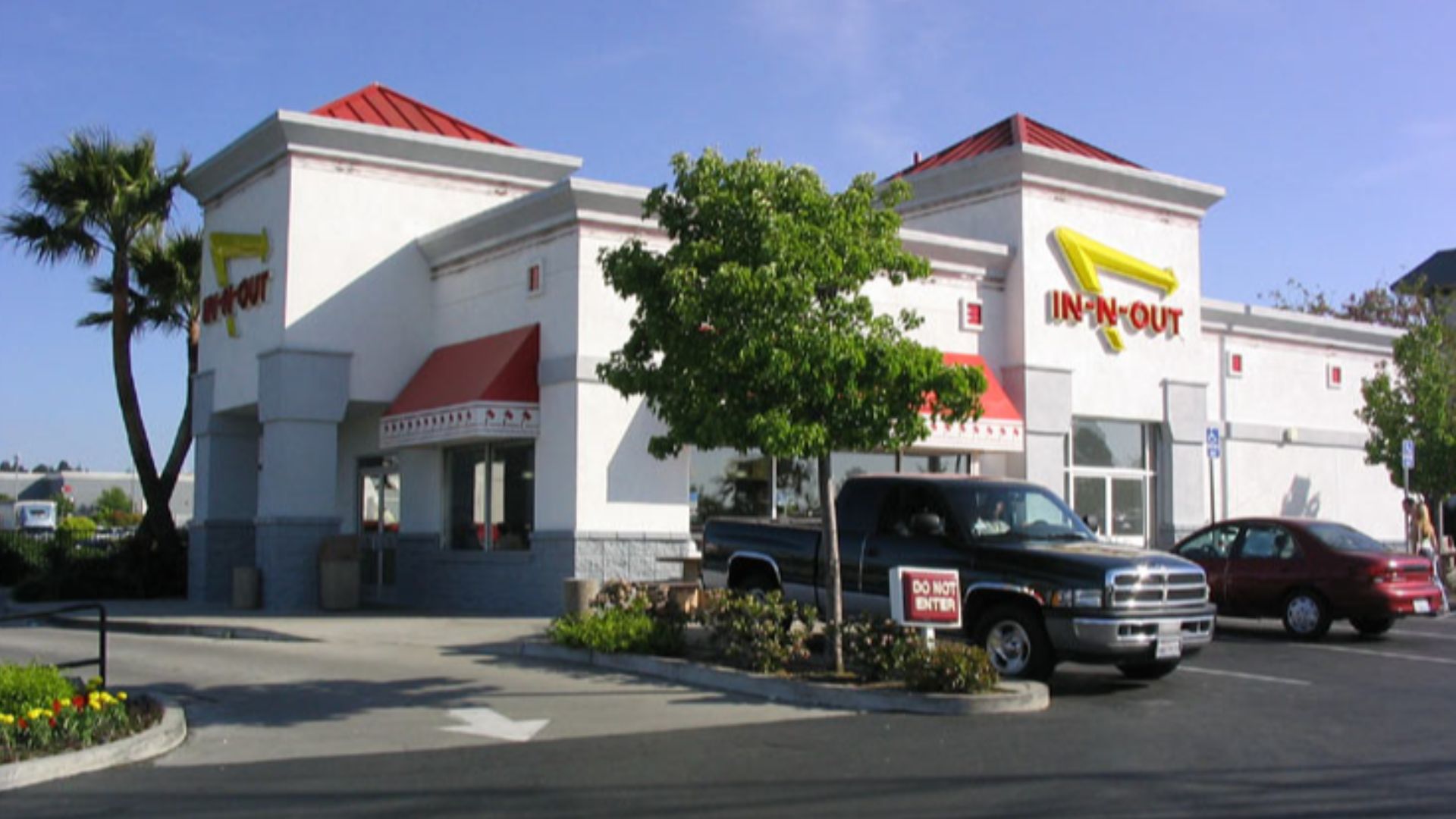
In-N-Out Kept The Menu Simple
In-N-Out Burger became famous by refusing to act like every other fast-food chain. The Snyder family kept the menu small, the quality consistent, and the expansion careful. That restraint made the brand feel almost mythical, especially to fans who treat a Double-Double like a regional treasure.
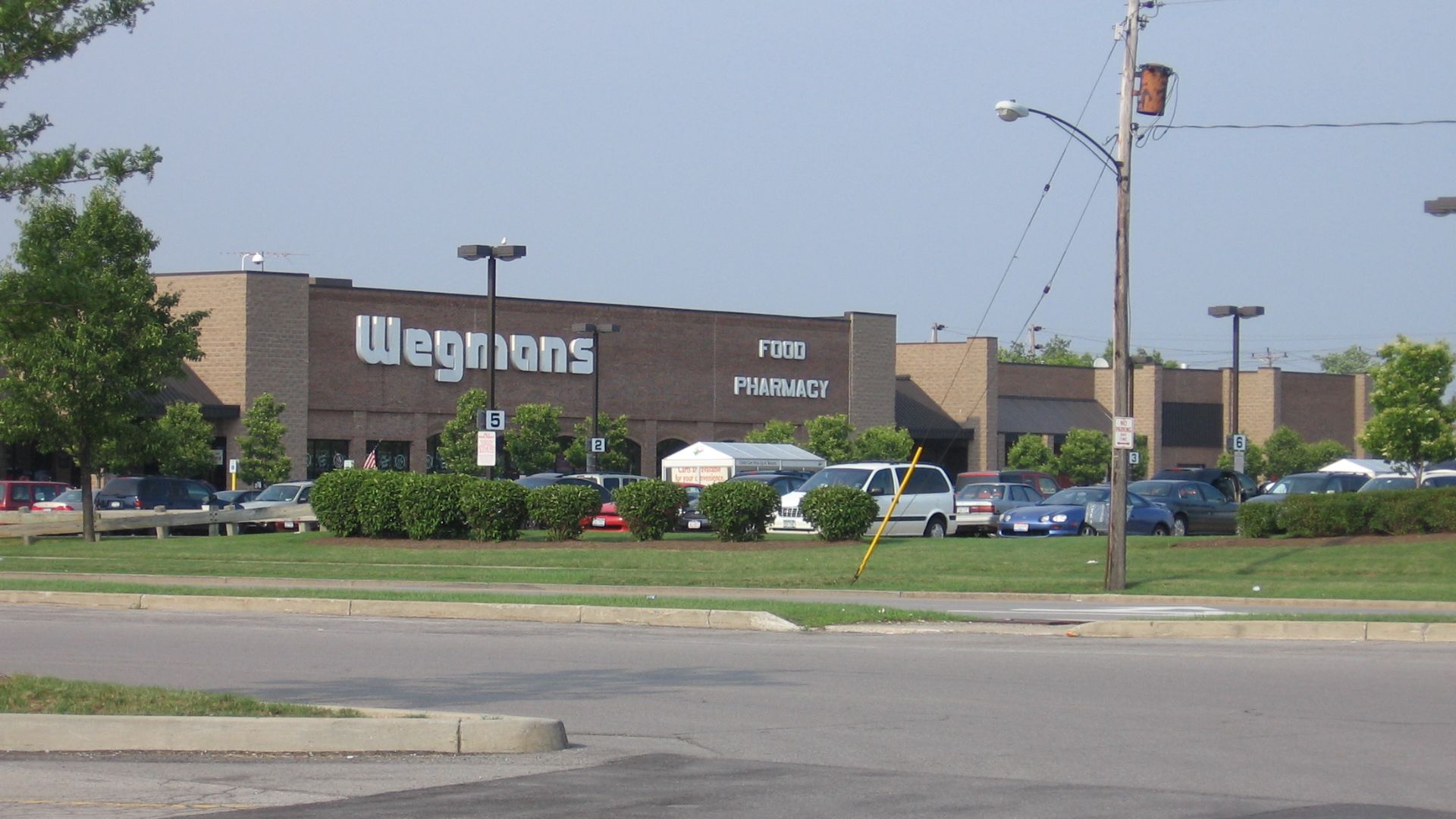
Wegmans Made Grocery Shopping Feel Friendly
Wegmans began as a family grocery business in Rochester, New York, and grew into a supermarket chain with an almost cult-like following. The Wegman family’s secret was not just food. It was making grocery shopping feel pleasant, organized, and surprisingly warm, which is harder than it sounds.
History's most fascinating stories and darkest secrets, delivered to your inbox daily.
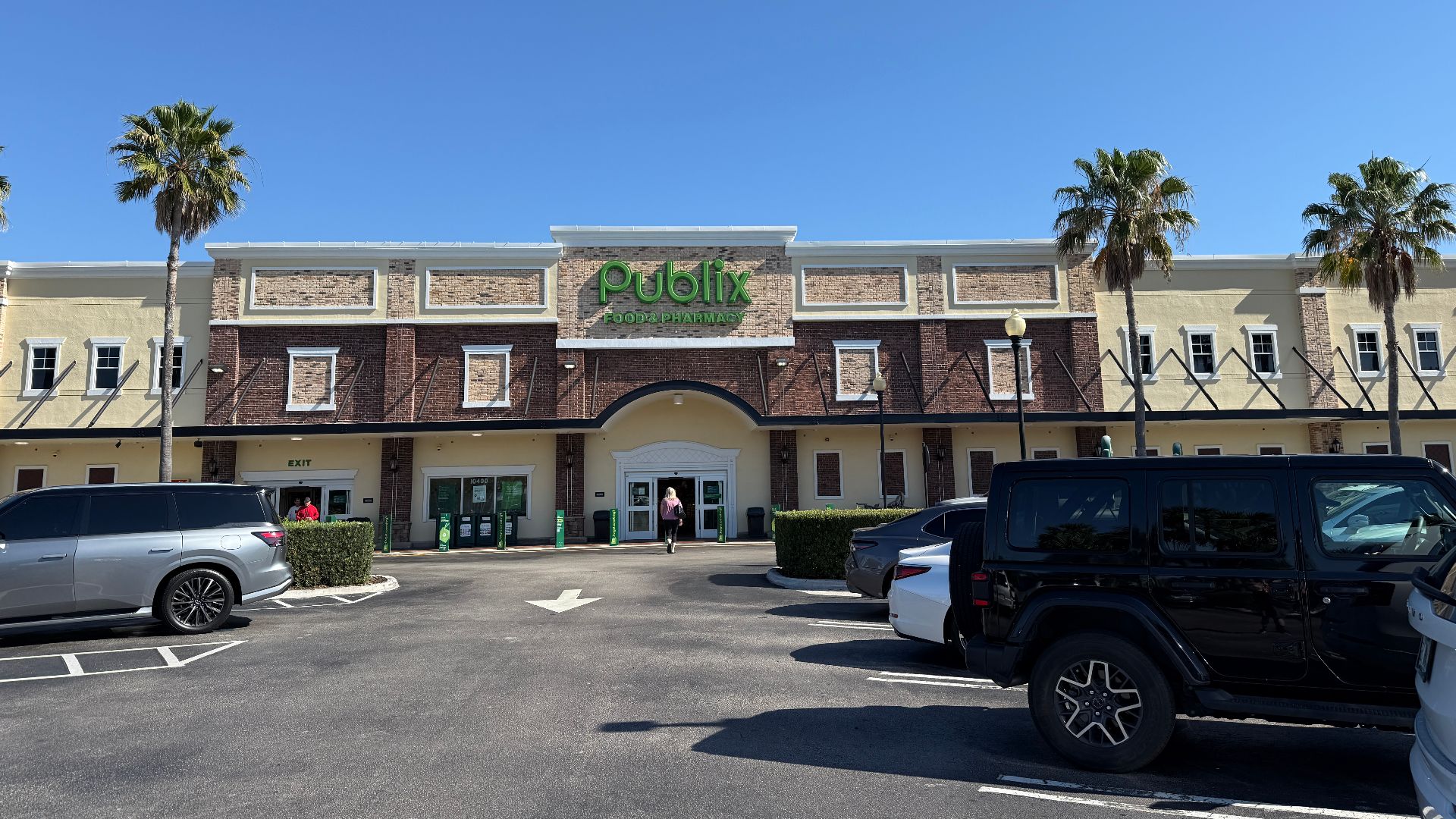
Publix Sold More Than Groceries
Publix was founded by George Jenkins in Florida and became beloved for clean stores, friendly service, and its famous “Pub Sub” sandwiches. While the company is employee-owned today, the Jenkins family legacy still shapes the brand. It proves a grocery store can become part of local identity.
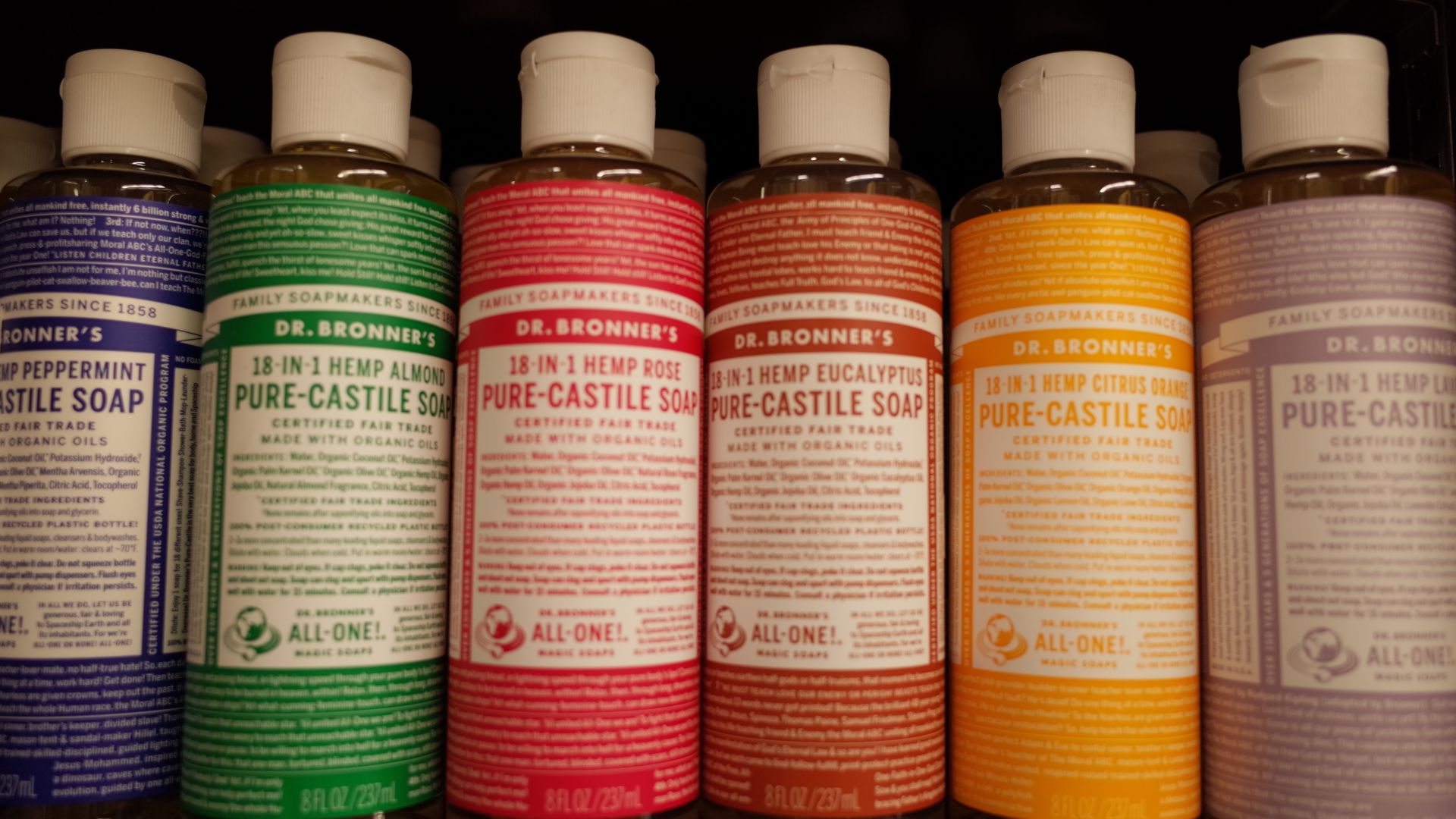
Dr. Bronner’s Mixed Soap With Philosophy
Dr. Bronner’s is not just a soap company. It is a label-reading experience. The Bronner family built a brand around organic soap, bold values, and packaging covered in tiny messages. Somehow, that unusual mix of cleanliness, activism, and eccentricity became a bathroom-shelf classic.
Brown-Forman Bottled A Famous Whiskey Legacy
Brown-Forman, the company behind Jack Daniel’s and other spirits, has deep family roots and a long American whiskey story. The Brown family helped grow the business from the 19th century into a global name. Its surprising strength is how well old-fashioned bourbon culture traveled into modern branding.
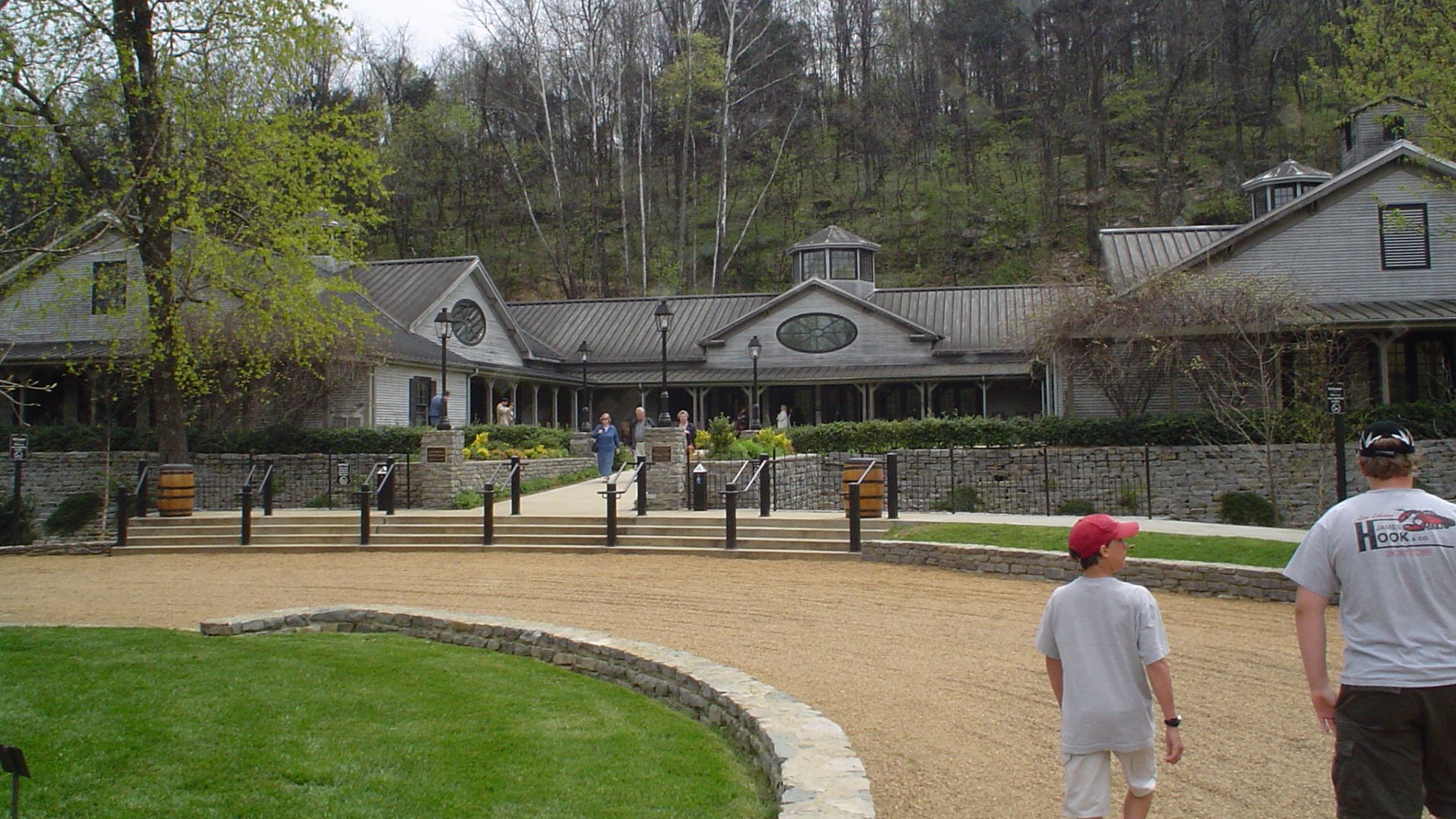 Ben Jacobson (Kranar Drogin), Wikimedia Commons
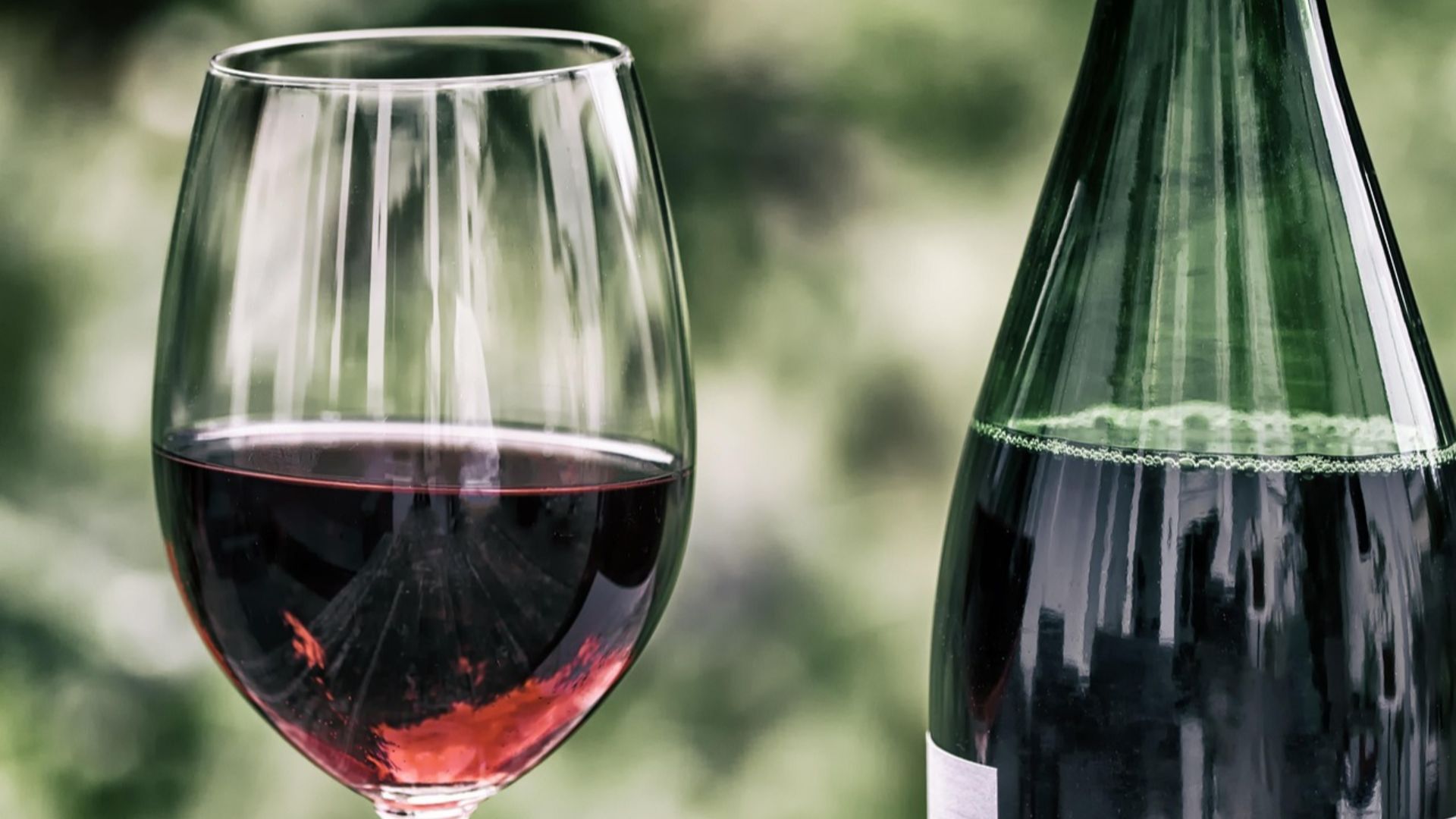
Gallo Turned Wine Into A Household Name
E. & J. Gallo Winery began with two brothers, Ernest and Julio Gallo, and grew into one of the biggest names in American wine. They made wine approachable for everyday shoppers, not just fancy dinners. The family turned California grapes into a business that reached grocery carts nationwide.
Zildjian Made Cymbals Before America Existed
Zildjian’s story goes back to 1623, long before the United States existed. The family’s famous cymbals began with a secret metal alloy created in the Ottoman Empire, then the business eventually moved to Massachusetts. Today, its sound has crashed through jazz clubs, marching bands, rock arenas, and recording studios.

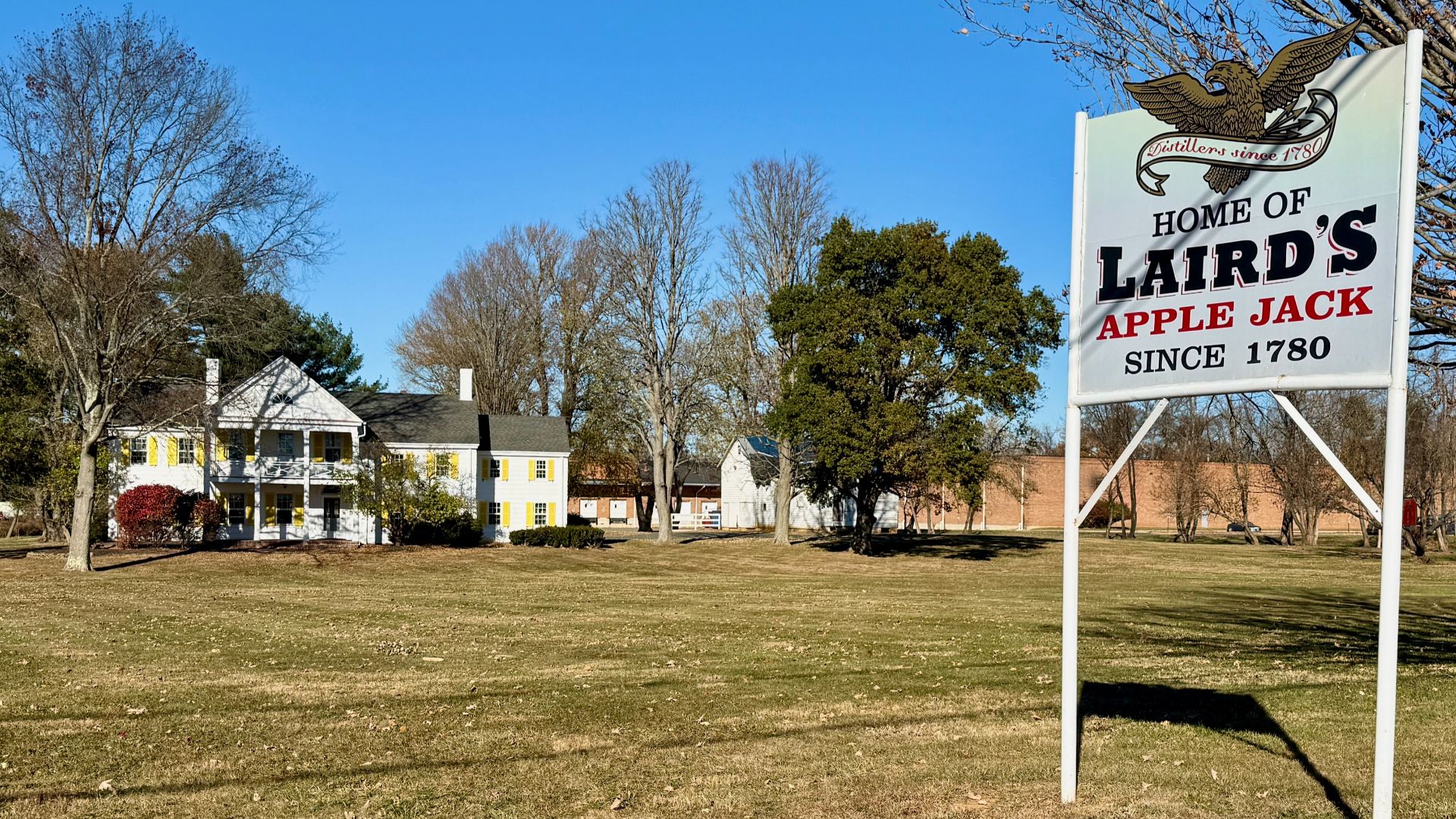
Laird & Company Survived Prohibition
Laird & Company traces its apple spirits tradition to the late 1600s and became formally licensed in 1780. The family distillery is famous for applejack, a drink with deep colonial roots. During Prohibition, the company survived by selling apple products instead of liquor, which is both clever and very on-brand.
History's most fascinating stories and darkest secrets, delivered to your inbox daily.
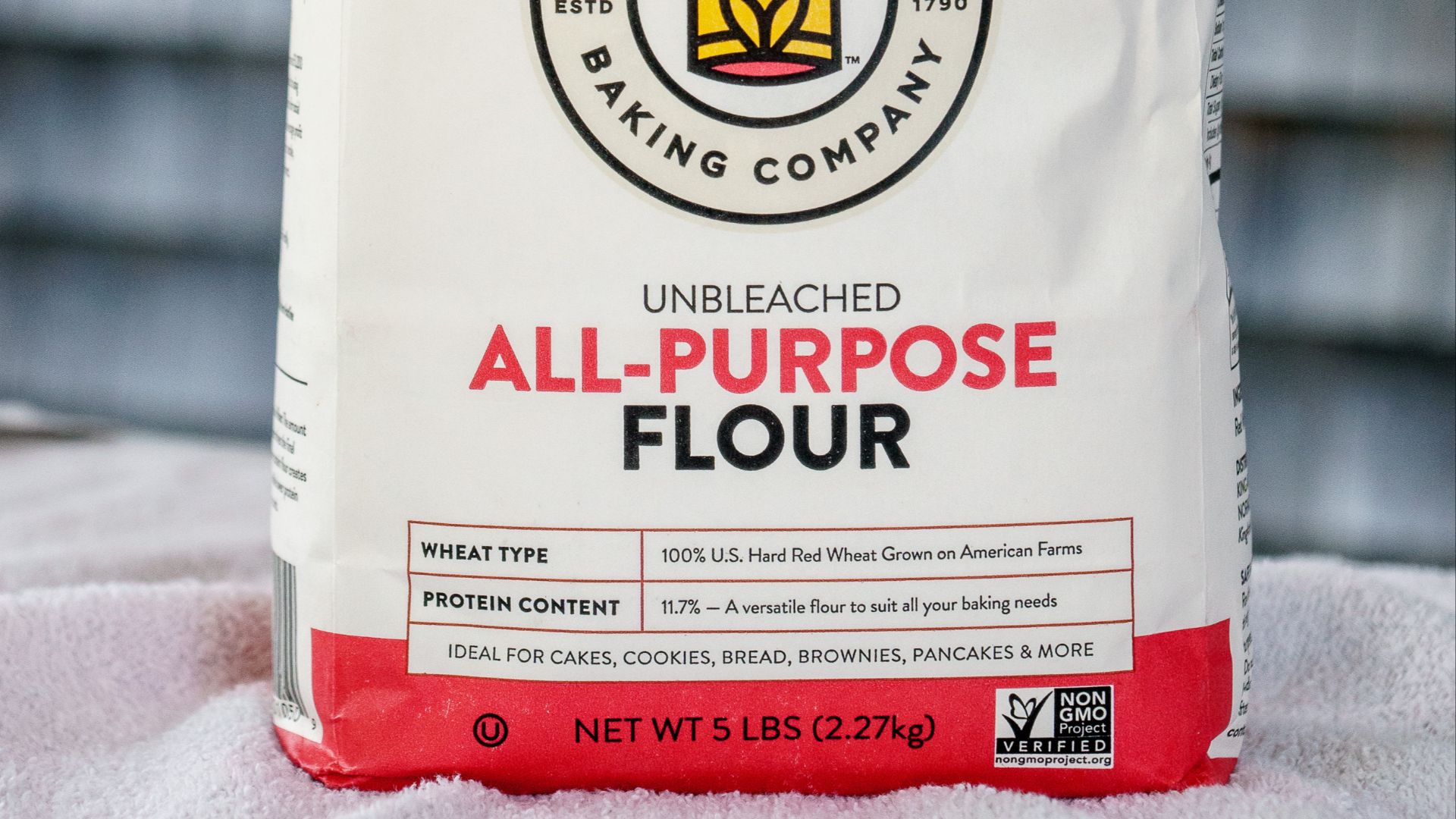
King Arthur Baking Rose With Home Bakers
King Arthur Baking started as a flour business in the late 1700s and became one of America’s most trusted names for home bakers. Today, it is employee-owned rather than family-owned, but its long survival story still feels personal. It turned flour into a brand people actually feel loyal to.
 Kenneth C. Zirkel, Wikimedia Commons
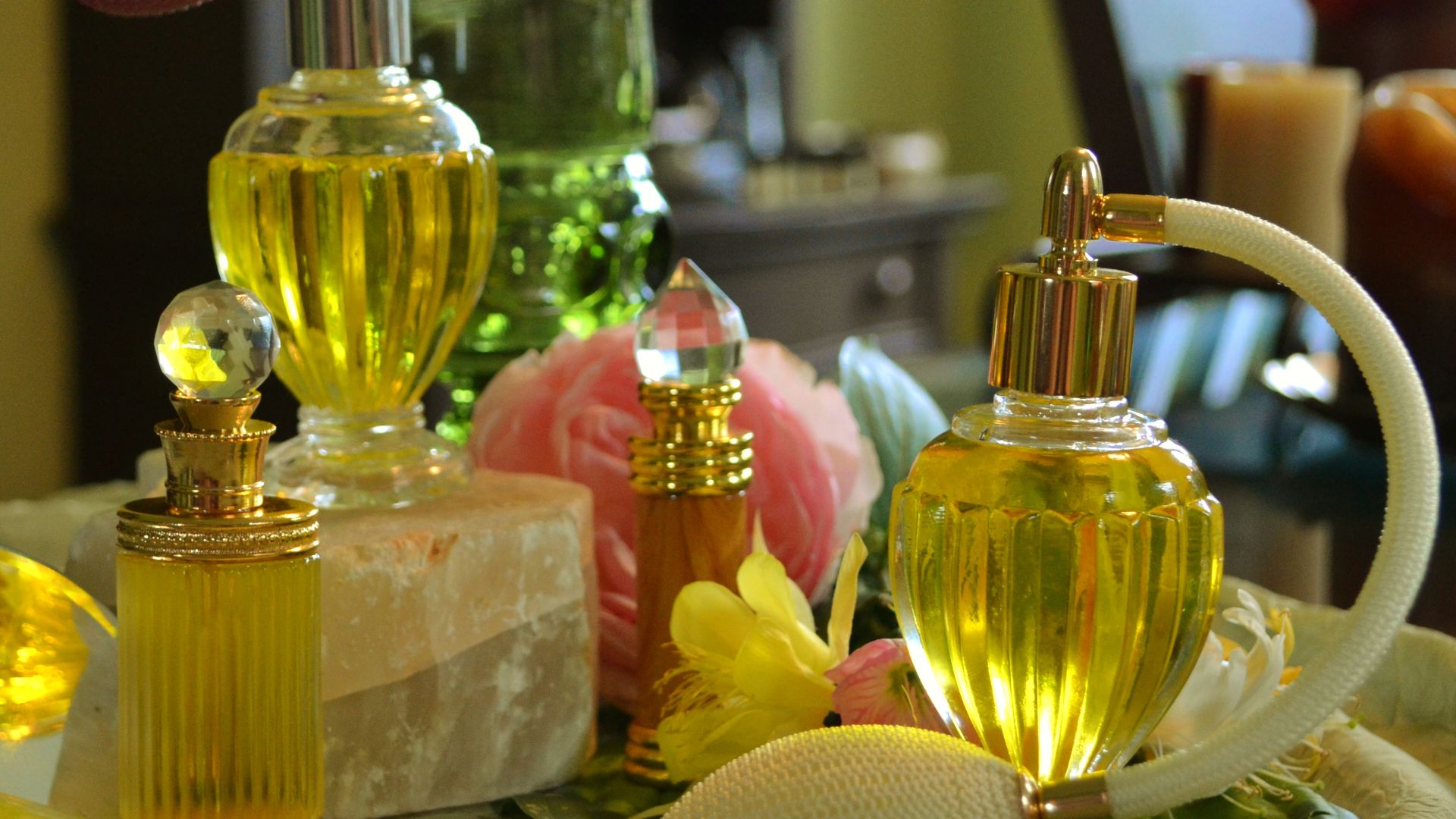
Caswell-Massey Sold Scents To Early America
Caswell-Massey began in the 1700s and became known for perfumes, soaps, and grooming products. Its story feels like a scented tour through early American luxury. While its ownership changed over time, the brand’s survival is impressive because fragrance trends can vanish fast, but this name kept coming back.
 Angela Andriot, Wikimedia Commons
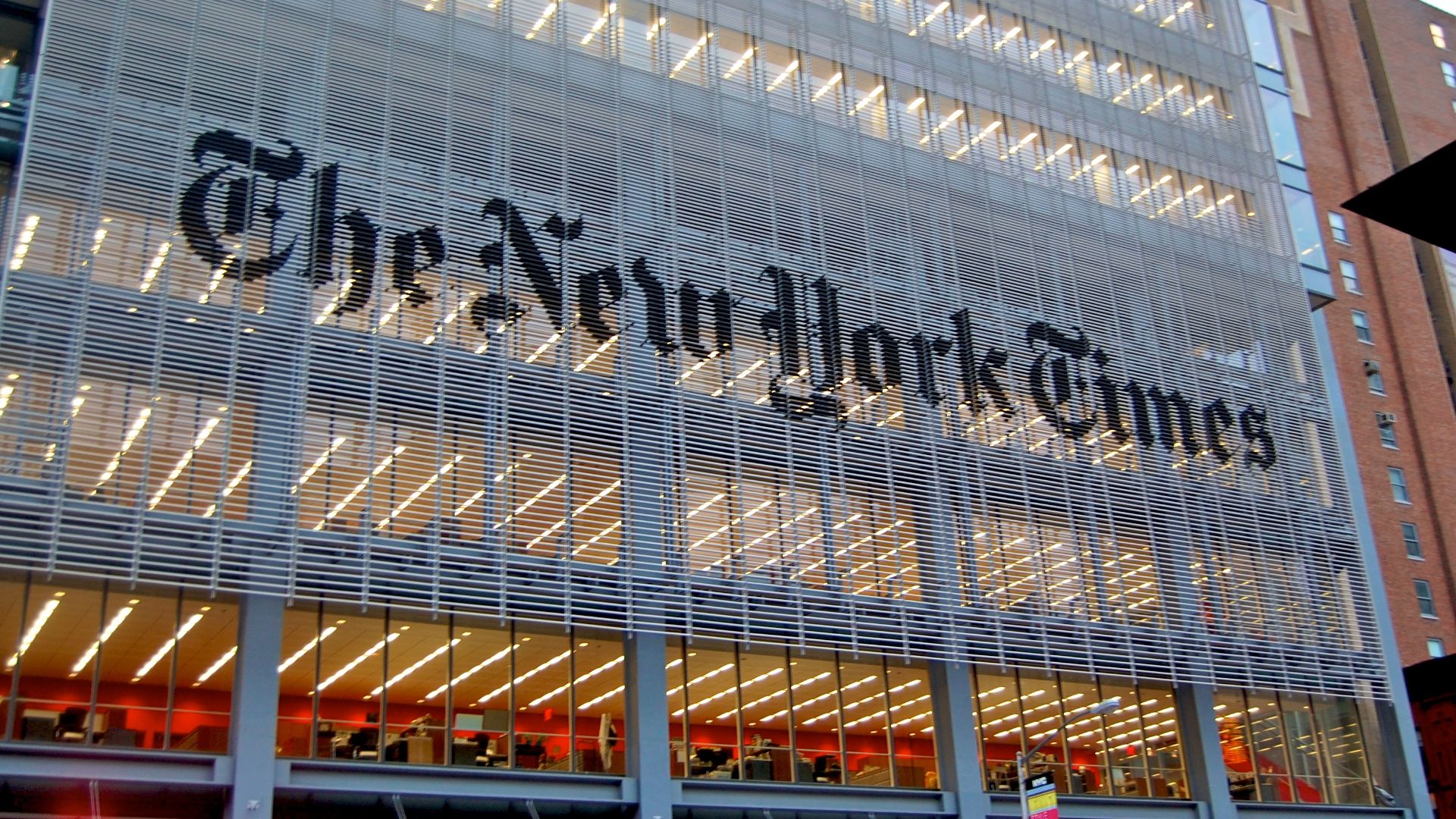
The New York Times Became A Family Media Institution
The New York Times is publicly traded, but the Ochs-Sulzberger family has remained central to its control and identity for generations. That family stewardship helped guide the paper through wars, scandals, digital disruption, and endless arguments about the news. Few family businesses have shaped American conversation so directly.
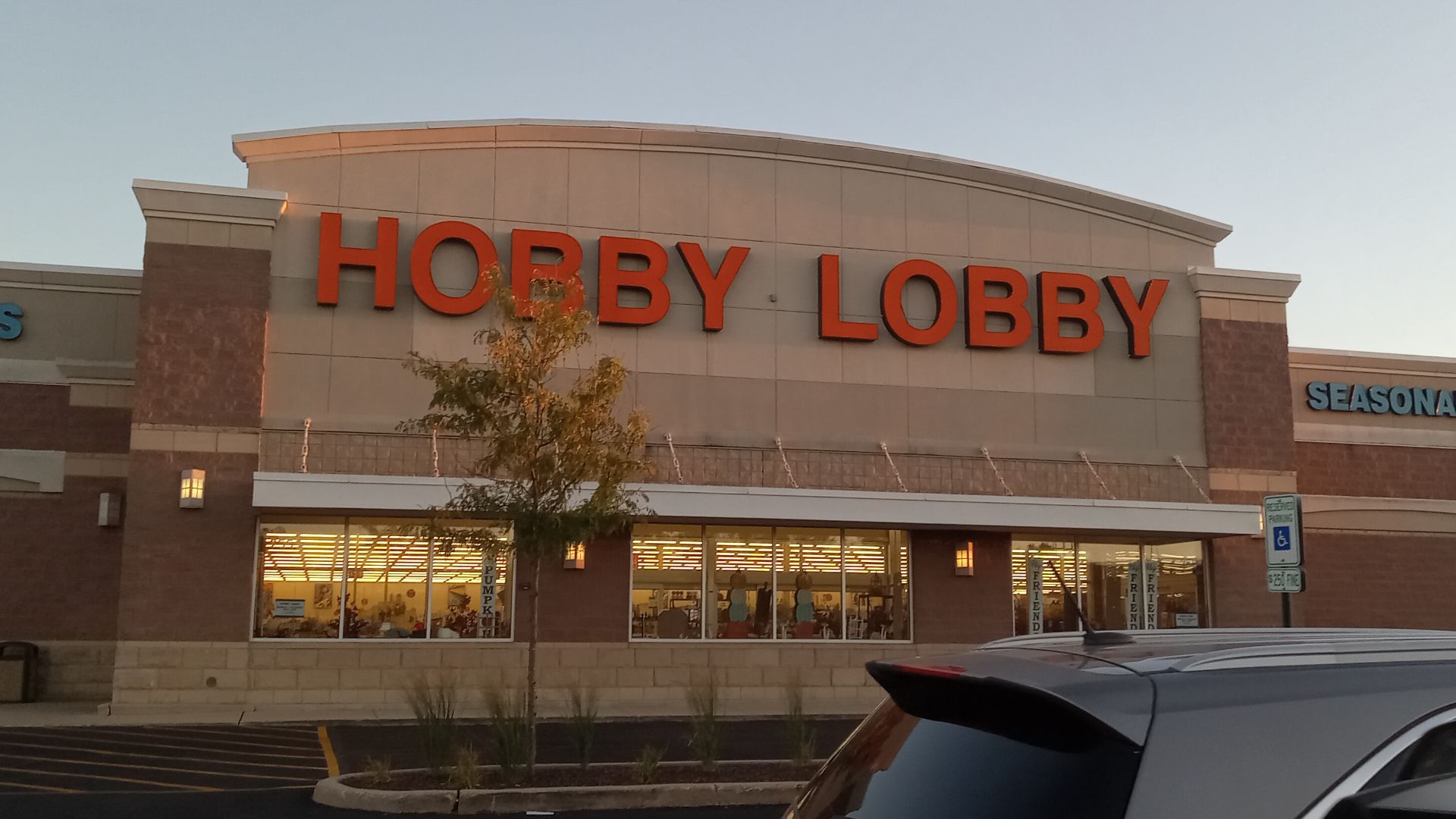
Hobby Lobby Built A Craft-Store Empire
Hobby Lobby began with the Green family and grew into a giant arts-and-crafts retailer. Its stores became familiar territory for scrapbookers, decorators, teachers, and last-minute holiday planners. Like several family-led companies, it also became known for strong values, private ownership, and a very distinct corporate personality.
 Retail Thriller, Wikimedia Commons
Uline Turned Shipping Supplies Into Big Business
Uline may not sound glamorous, but nearly every modern business needs boxes, labels, tape, and packaging. The Uihlein family turned those practical supplies into a massive private company. It is a reminder that some of the strongest family businesses are built not on sparkle, but on solving boring problems beautifully.
 Hoi An and Da Nang Photographer, Unsplash
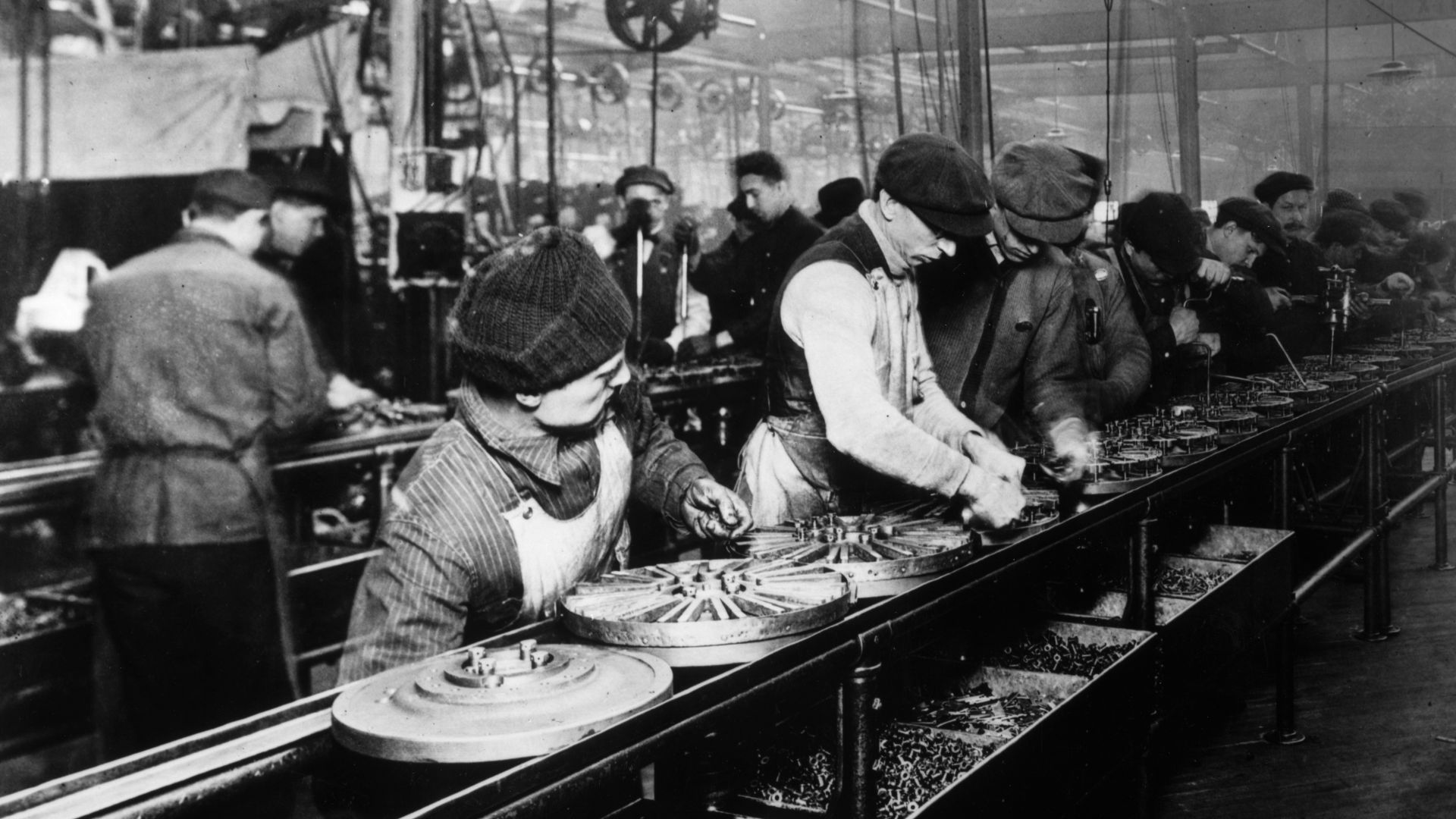
These Families Built More Than Companies
The most famous American family businesses did not all stay small, cozy, or simple. Some became global giants. Others stayed private, quirky, stubborn, or surprisingly old-fashioned. But each one shows how a family name can become a promise, a product, a controversy, a tradition, and sometimes even a piece of American culture.
 Unknown authorUnknown author, Wikimedia Commons
You May Also Like:
Scandalous Facts About Peggy Guggenheim, The Art Maven
Elusive Facts About Bob Dylan, The King Of Songwriting
Red-Hot Facts About Hillel Slovak, The Original Chili Pepper