Friday The 13th Was A Late-Blooming Nightmare
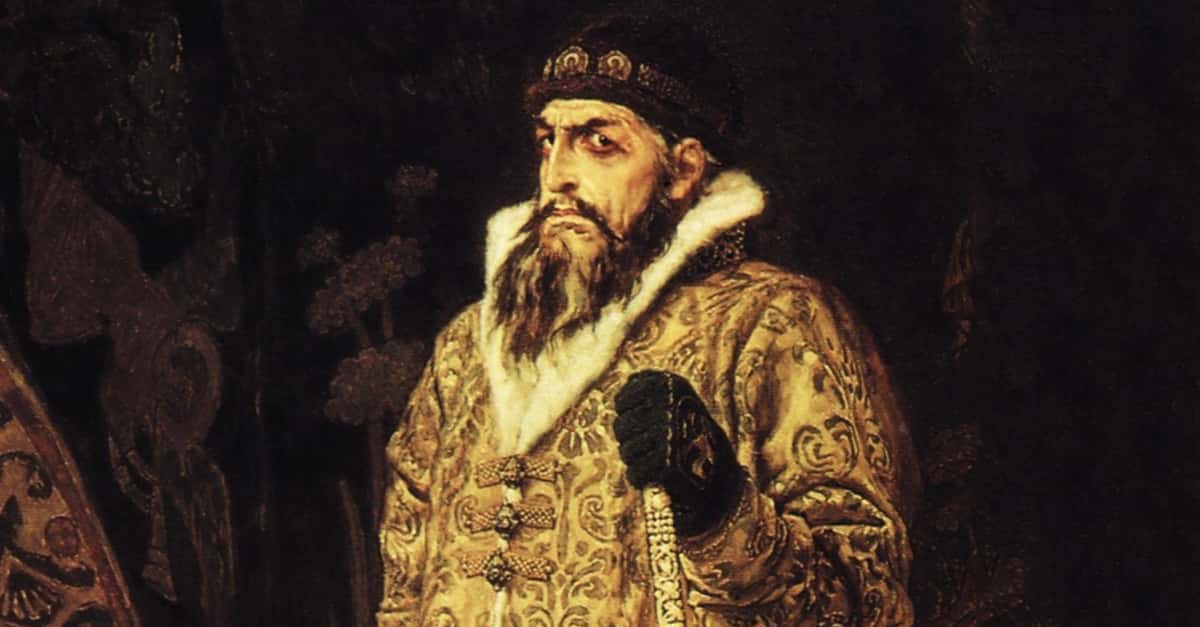
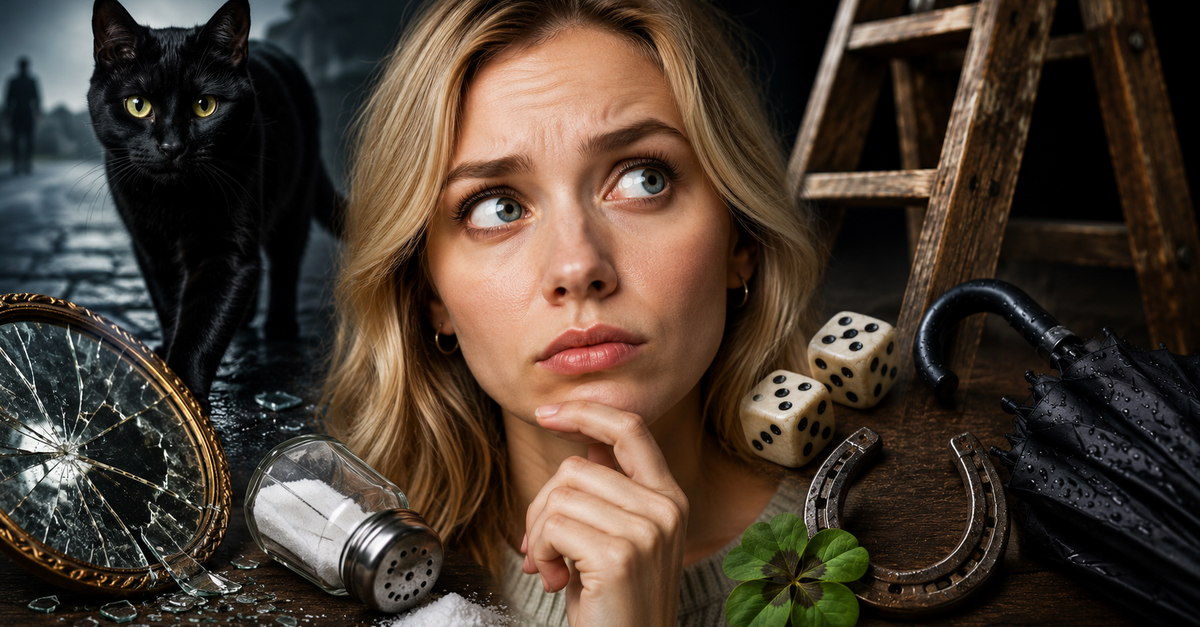
Fear of Fridays and suspicion of the number 13 developed separately before they were combined into one supposedly disastrous date. Although later stories connect the superstition to the Last Supper, Norse mythology, or the 1307 arrest of the Knights Templar, folklorists have found no single proven origin. The modern panic was strengthened by popular culture, including Thomas W. Lawson’s 1907 novel Friday, the Thirteenth.
The Number Thirteen Broke A Perfect Pattern
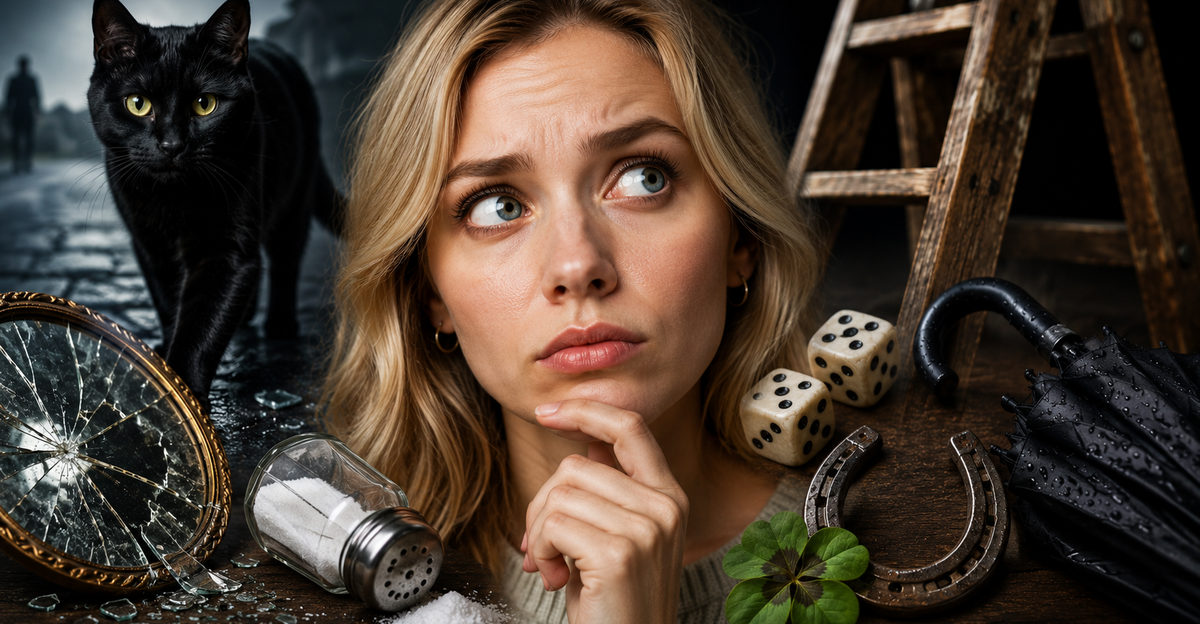
The number 12 has long represented completeness in Western traditions, appearing in the months of the year, hours on a clock, zodiac signs, and apostles of Jesus. Thirteen became suspicious partly because it disrupted that familiar pattern rather than because the number itself had any dangerous property. Once buildings, hotels, and airlines began skipping 13 in their numbering, everyday design helped keep the fear alive.
 Phillip Stewart User:Pmsyyz, Wikimedia Commons
Black Cats Were Victims Of A Medieval Smear Campaign
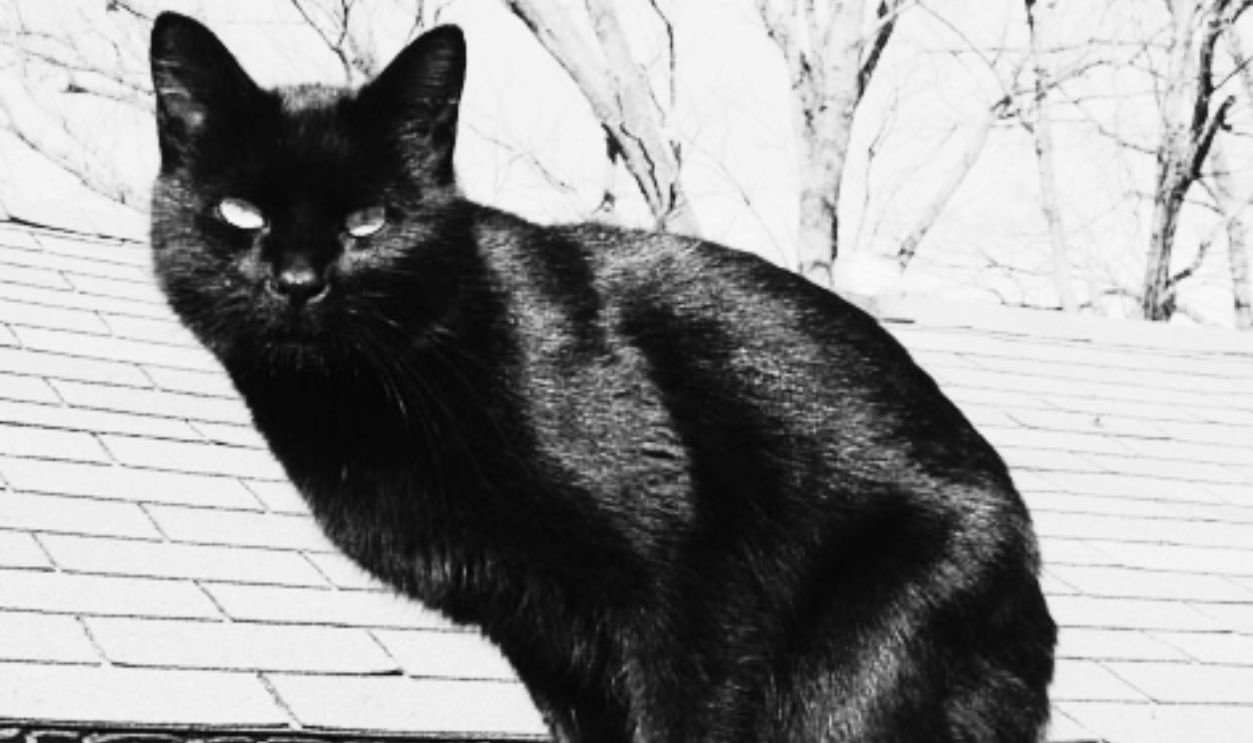
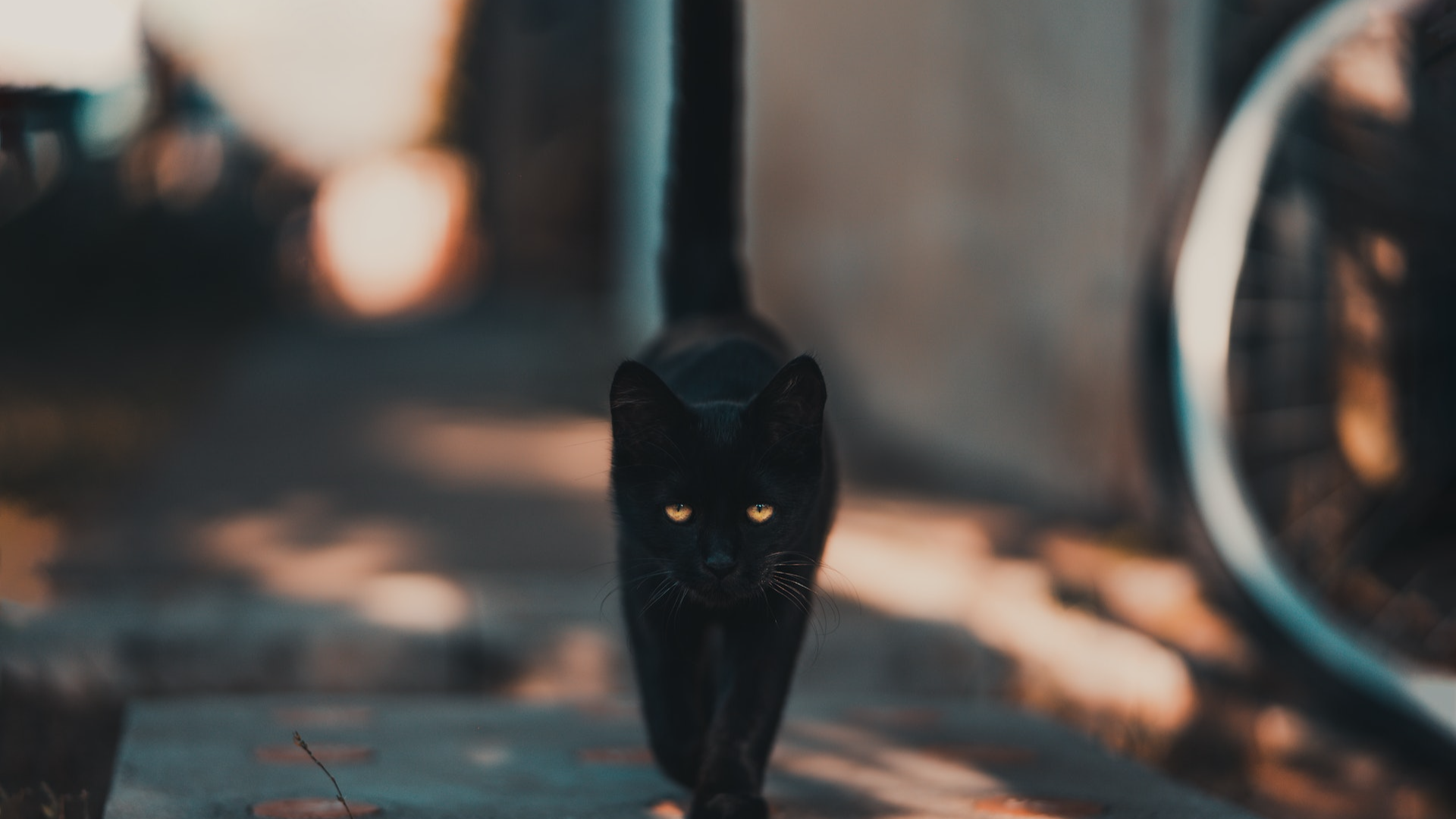
Black cats were not universally considered unlucky in the ancient world, and some cultures still regard them as fortunate. Their sinister reputation grew in medieval Europe as church authorities increasingly connected cats, heresy, the devil, and alleged witchcraft. The superstition says far more about historical religious persecution than it does about an animal crossing the street.
 DrL, CC BY-SA 2.5, Wikimedia Commons
Broken Mirrors Once Threatened More Than Your Wallet
Ancient cultures sometimes treated reflections as extensions of a person’s soul or life force, making damage to a reflective surface spiritually alarming. The familiar seven-year penalty is commonly associated with Roman ideas about life renewing itself in seven-year cycles, although the precise development of the rule is uncertain. Today, the only predictable consequences are shattered glass, cleanup, and the cost of a replacement.
 Lionel Allorge, Wikimedia Commons
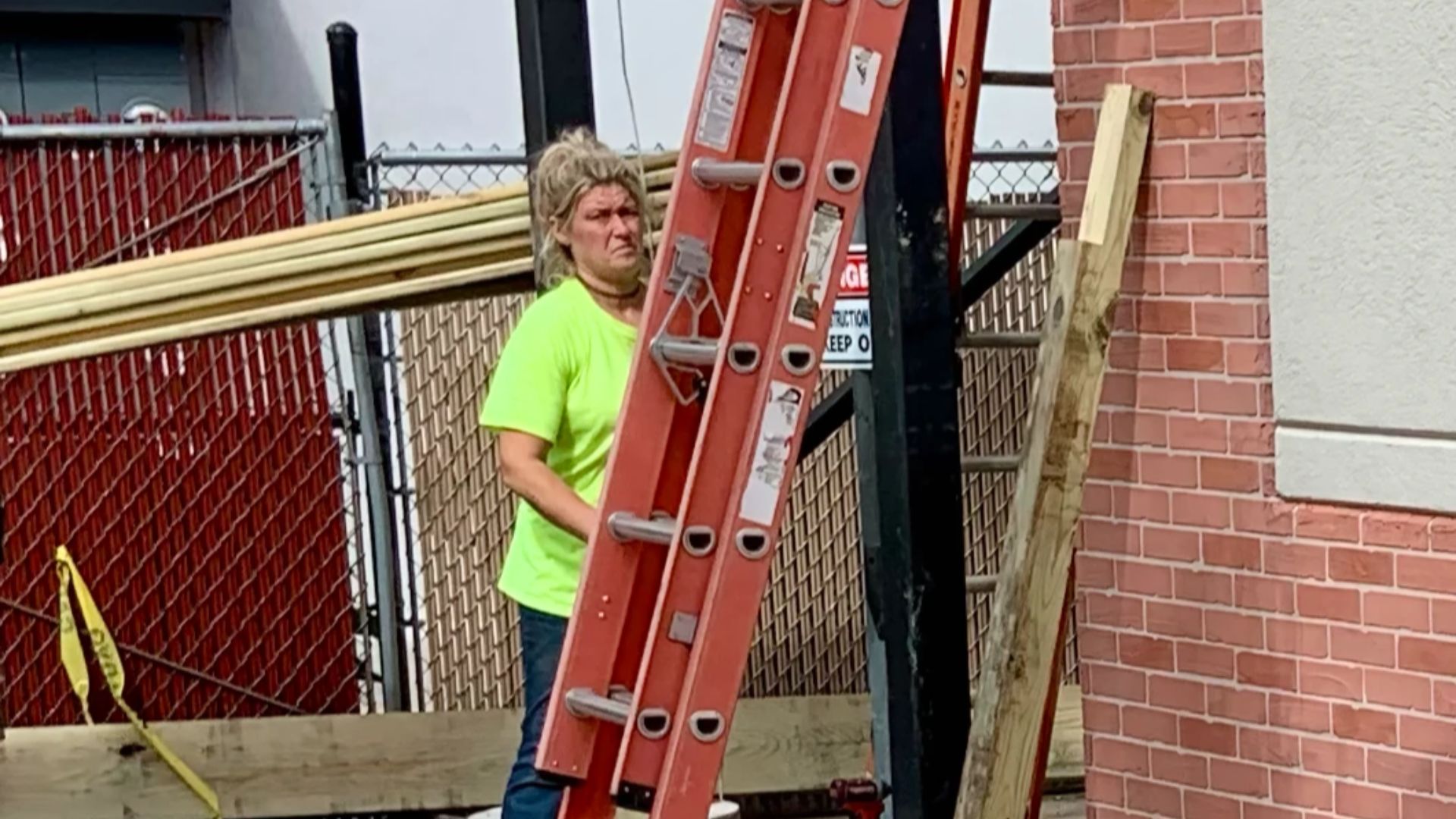
Walking Under A Ladder Was Always A Bad Idea
A leaning ladder creates a triangular shape, which later explanations connected to sacred symbolism and the Christian Trinity. Other stories associate ladders with executions because condemned prisoners sometimes passed beneath ladders leading to the gallows. The simplest explanation is also the strongest one, since walking beneath workers, tools, and paint buckets has never been especially sensible.
Knocking On Wood Has No Confirmed Starting Point
One popular theory says people touched trees because they believed spirits or protective forces lived inside them. Another links the custom to a children’s game in which touching wood provided safety from capture. Historians have not identified a definitive origin, so the confident little knock is built on several competing stories rather than one established tradition.
Spilled Salt Became A Crisis Because Salt Was Precious
Salt was once expensive, essential for preserving food, and important in religious ceremonies, so wasting it could represent a genuine household loss. Throwing a pinch over the left shoulder supposedly blinded or distracted an evil presence believed to linger on that side. The ritual transformed an ordinary kitchen accident into a miniature battle against the devil.
 Jorge Royan, Wikimedia Commons
Indoor Umbrellas Were Basically Victorian Weapons
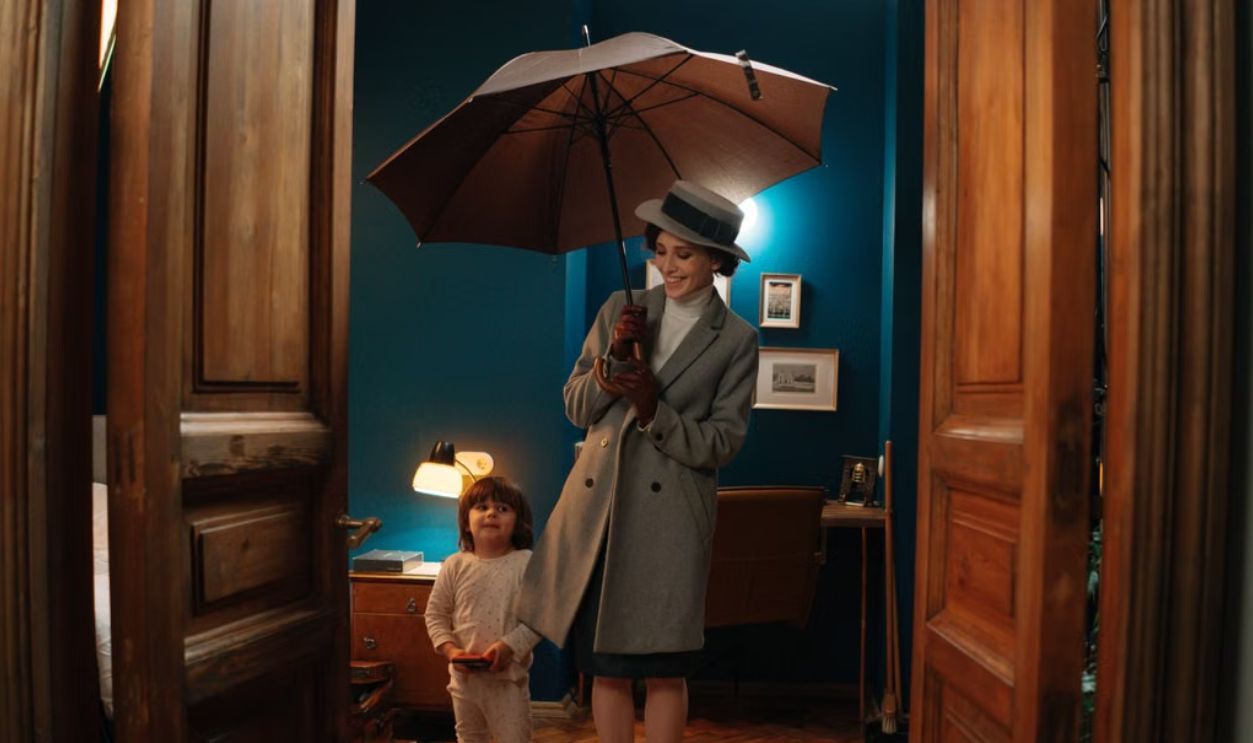
A popular modern explanation places this superstition in Victorian England, when early spring-loaded umbrellas could open abruptly and damage objects or injure nearby people. Rules against opening them indoors therefore had an obvious practical purpose before they acquired supernatural consequences. The bad luck may originally have meant broken ornaments and an angry host.
Horseshoes Mixed Blacksmithing With Demon Control
Iron was widely believed to repel fairies, witches, and evil spirits in European folklore. A later Christian legend claimed that Saint Dunstan nailed a horseshoe to the devil’s hoof and removed it only after the devil promised to avoid homes displaying one. Hanging a horseshoe above a door was therefore once closer to supernatural home security than cheerful country decoration.


History's most fascinating stories and darkest secrets, delivered to your inbox daily.
Rabbit Feet Came From Much Darker Folklore
Rabbits became associated with fertility, springtime, and renewal because of their reproductive habits. Certain American versions of the lucky rabbit’s foot tradition added unsettling requirements involving a particular foot, a cemetery, or a specific time of night. The fuzzy charm sold in gift shops is a sanitized descendant of beliefs involving magic, death, and ritual power.
 Farther Along, Wikimedia Commons
Saying Rabbit Rabbit Is Surprisingly Recent
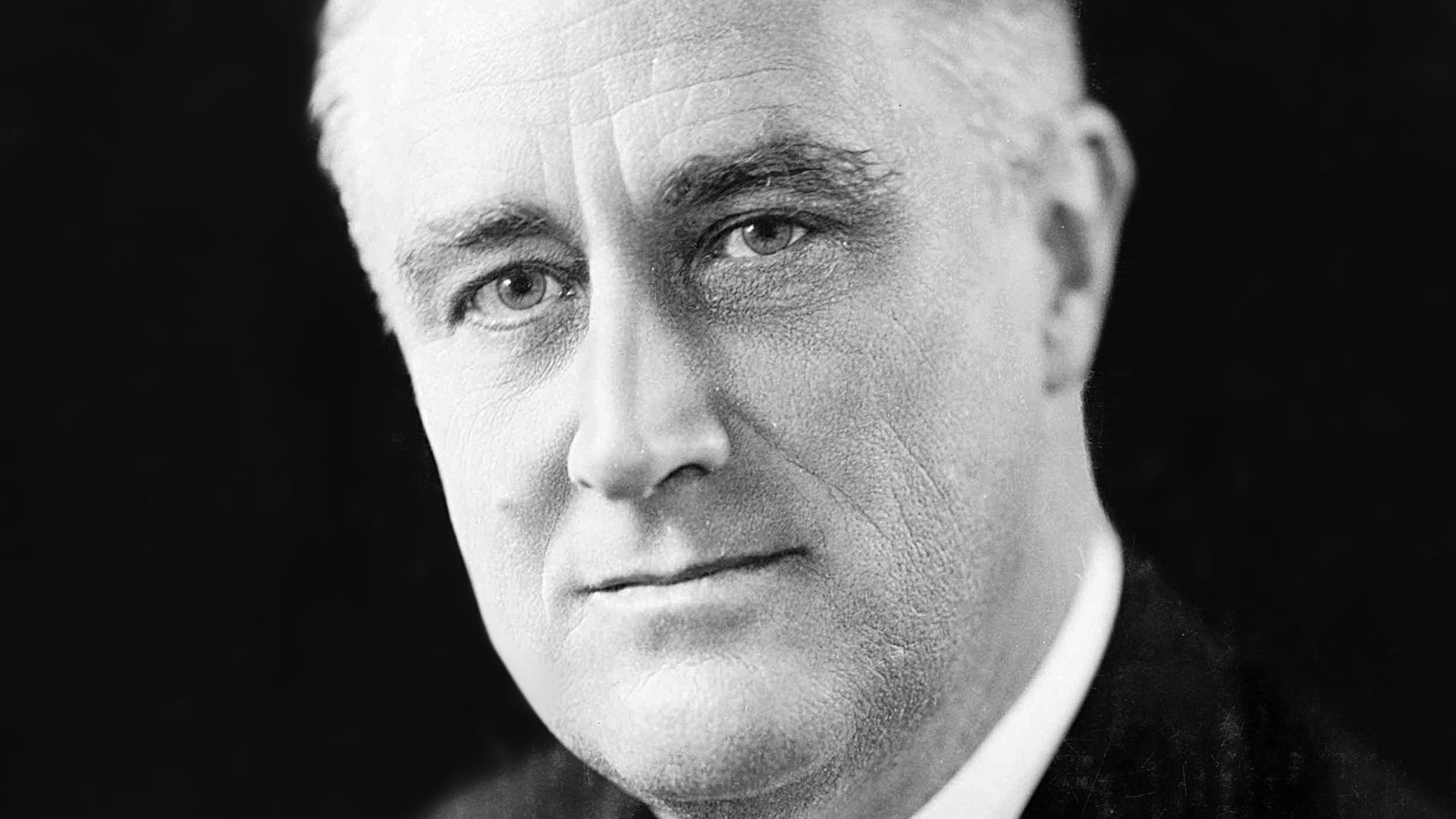
Some people still say “rabbit rabbit” immediately after waking on the first day of a month to secure good luck. One of the earliest known printed references appeared in a 1909 issue of the British journal Notes and Queries, where the practice was described among children. Its origin remains unclear, despite later associations with prominent believers such as Franklin D. Roosevelt.
 Elias Goldensky, Wikimedia Commons
Four-Leaf Clovers Won The Rarity Lottery
Most white clovers have three leaflets, so finding one with four feels special simply because it is uncommon. Over time, European folklore assigned meanings such as faith, hope, love, and luck to the four leaves. The plant does not predict your future, but spotting an unusual natural variation can still feel like a tiny victory.

Wishbones Began With Birds As Fortune-Tellers
The wishbone custom is commonly traced to ancient beliefs that birds could reveal messages about the future. Later European diners dried the forked bone from a chicken or other bird, pulled it apart, and granted the wish to whoever received the larger piece. A contest over poultry anatomy eventually became a family-friendly holiday ritual.
Crossed Fingers Once Worked As A Pocket-Sized Cross
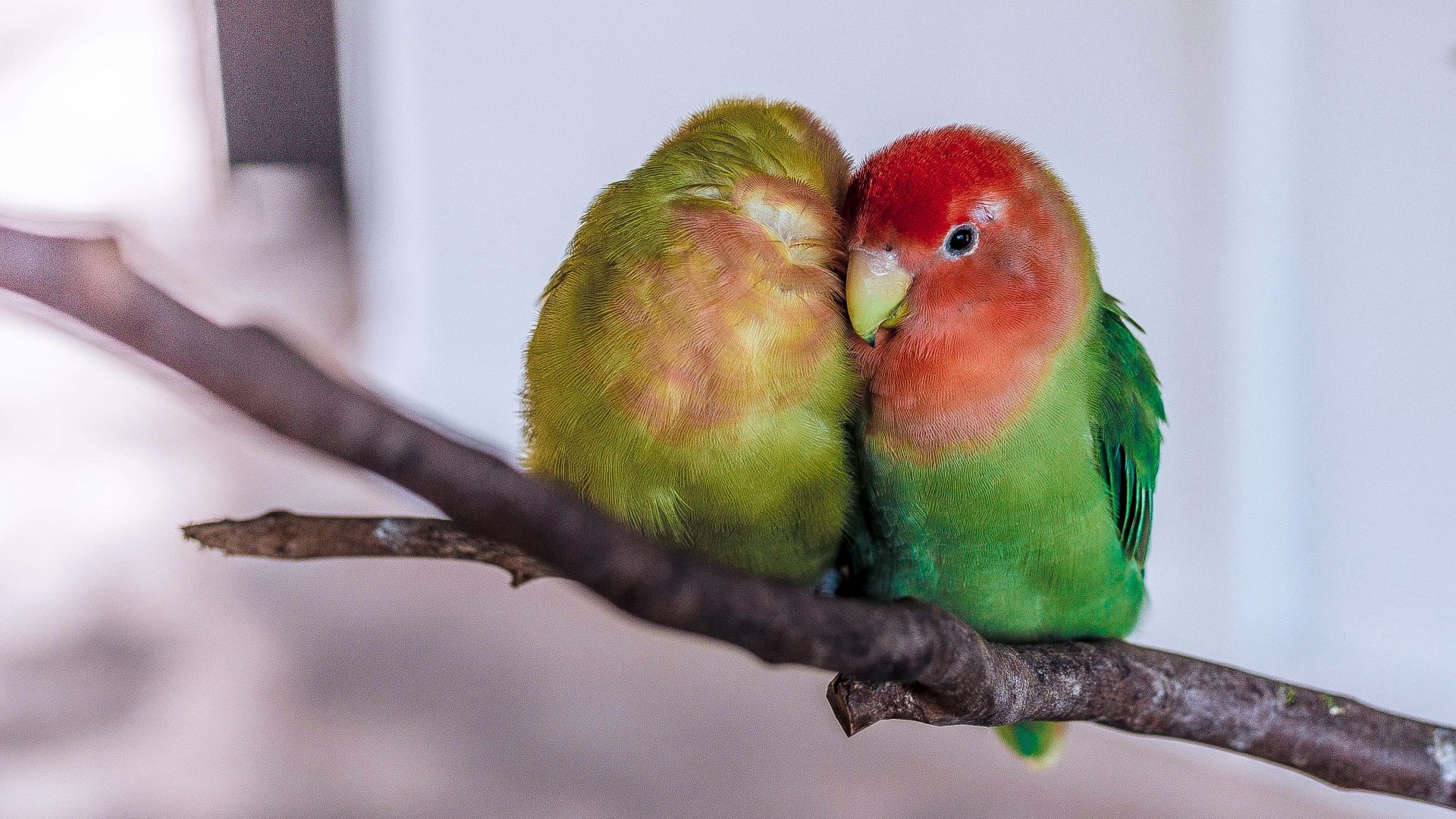
Crossing the fingers probably developed from Christian symbolism, with the shape invoking the protection of the cross. Some accounts suggest that two people originally crossed their index fingers together before the one-person gesture became standard. What now looks like a casual request for luck may have started as a compact religious sign.
A Sneeze Once Looked Like A Spiritual Emergency
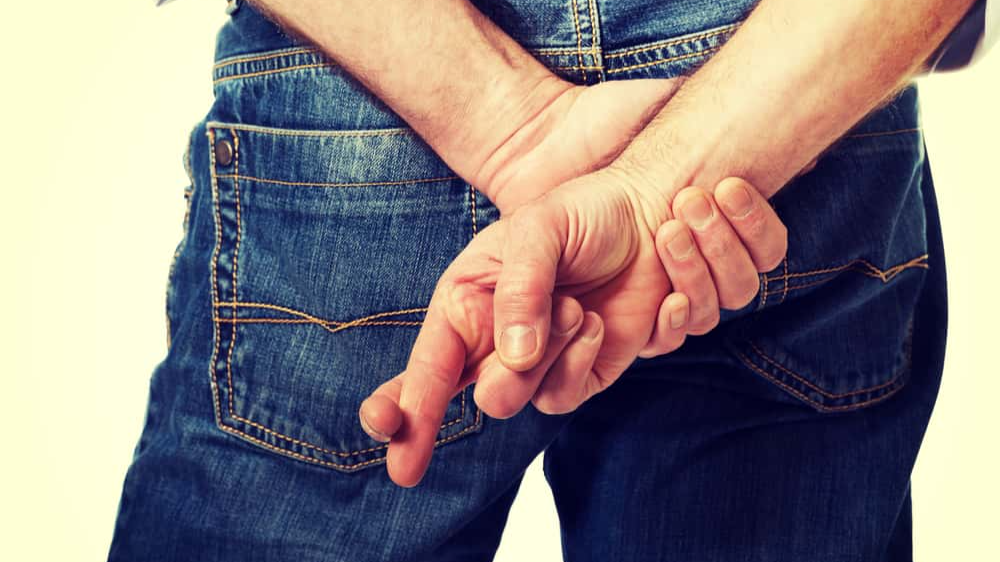
People have offered blessings after sneezes in many cultures, but the explanations differ dramatically. Some feared that sneezing expelled the soul, while others believed it created an opening through which harmful spirits could enter. Christian stories also linked “God bless you” to prayers for protection during outbreaks of disease, although no single origin has been conclusively established.

The Evil Eye Blamed Envy For Everyday Misfortune
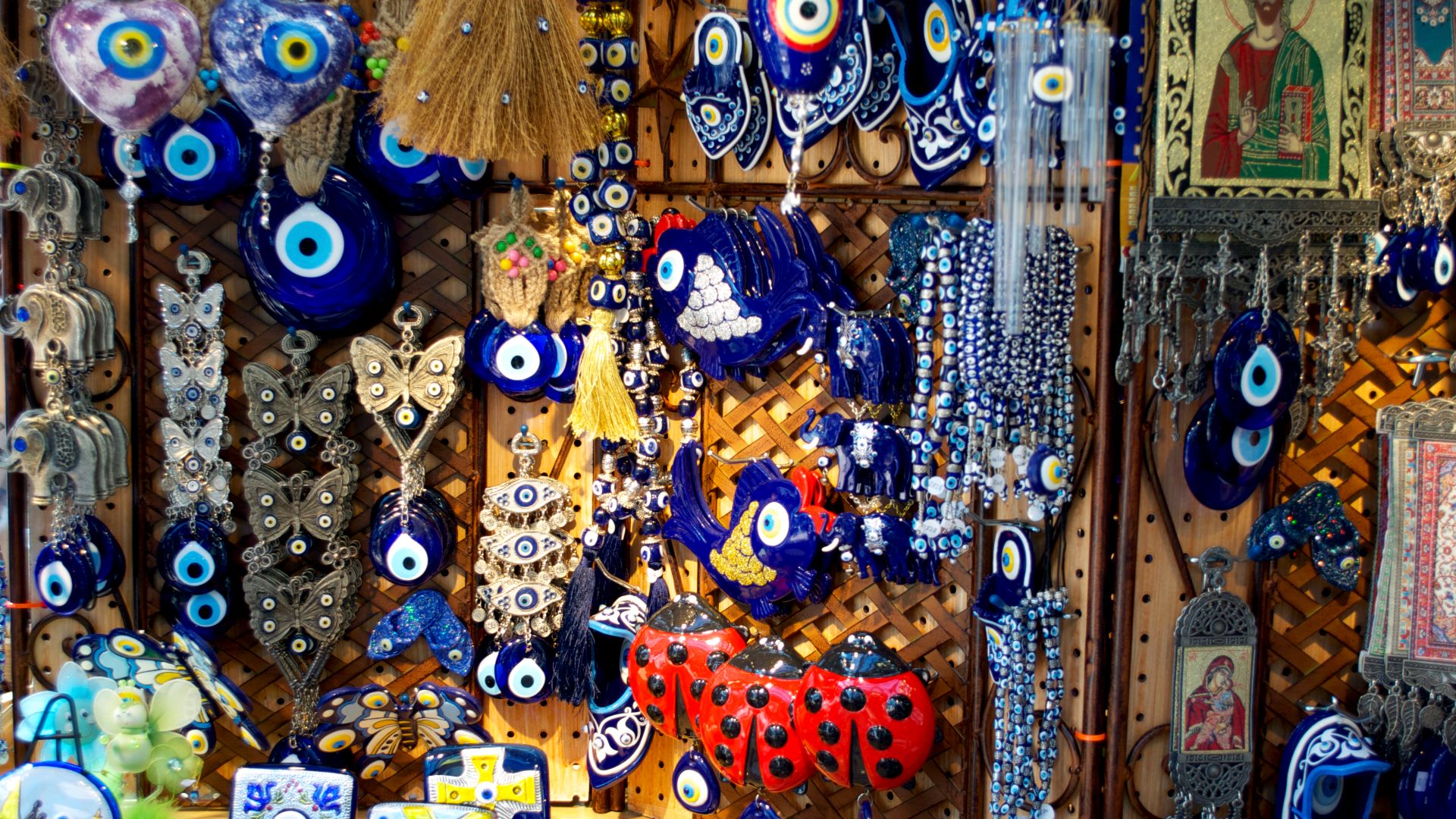
Belief in the evil eye appears across the Mediterranean, the Middle East, South Asia, and other regions. It holds that an envious or overly admiring look can cause illness, injury, infertility, or other trouble, sometimes without the observer intending harm. Protective eye-shaped amulets grew from attempts to redirect that imagined force rather than from evidence that hostile staring changes reality.
Lucky Seven Borrowed Its Power From Religion And Nature
Seven appears repeatedly in influential traditions, including the seven-day week, biblical creation stories, and ancient observations of seven prominent celestial bodies. These associations helped make the number seem complete, sacred, or cosmically important. Slot machines and lottery promotions inherited a reputation that had been accumulating for centuries.
 Hayk Aprikyan, Wikimedia Commons
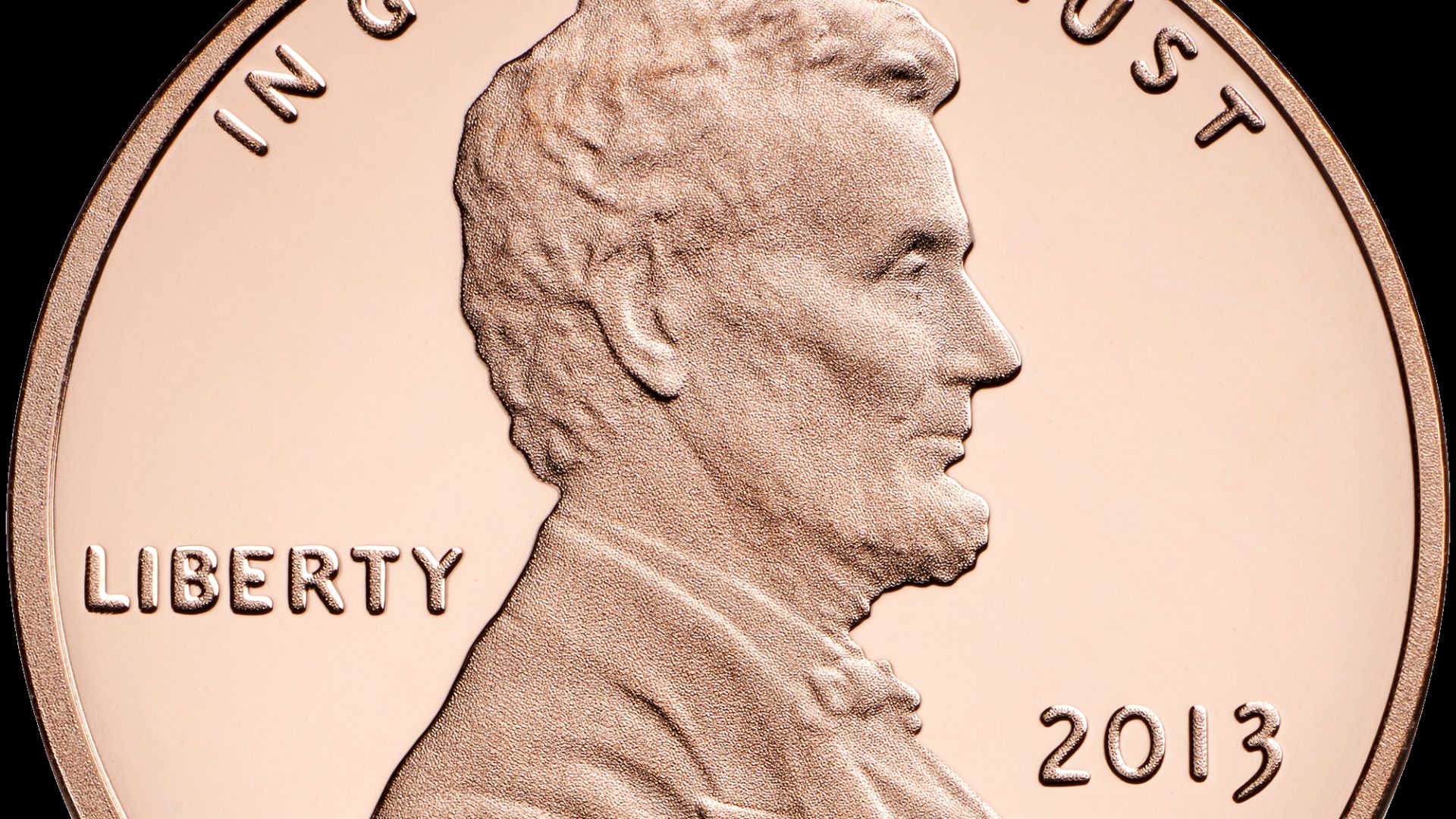
Finding A Penny Was Once A Metal-Based Blessing
The rhyme about finding a penny reflects older beliefs that metal could repel dangerous supernatural forces. Coins also carried the obvious appeal of unexpected wealth, even when their monetary value was small. The instruction to pick up only a face-up penny appears to be a later variation rather than an ancient rule.
 United States Mint, Wikimedia Commons
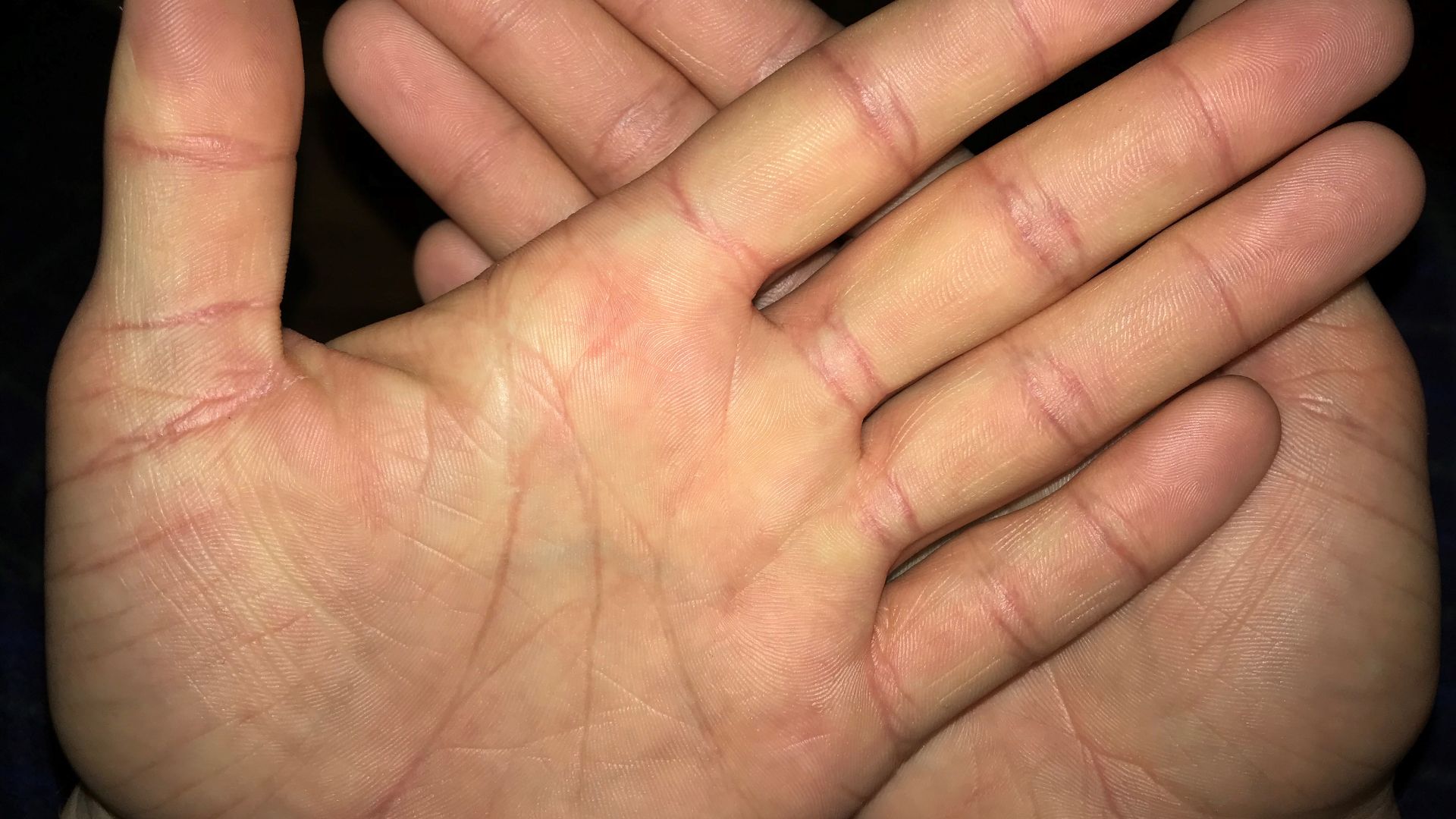
An Itchy Palm Turned Skin Irritation Into Financial News
European and American folklore developed numerous interpretations for itching hands. Depending on the region, an itching right palm could mean money was arriving, while the left predicted payment, or the meanings could be completely reversed. The contradictions reveal how freely the superstition changed as it traveled between communities.
Beginner’s Luck Protects Our Memory From Boring Results
A novice who succeeds unexpectedly creates a memorable story, while the many beginners who perform poorly are quickly forgotten. Psychologists describe this kind of selective attention as part of the human tendency to notice evidence that supports an existing belief. “Beginner’s luck” is therefore more useful as a narrative than as a dependable advantage.
 Shabab Mustafa, Wikimedia Commons
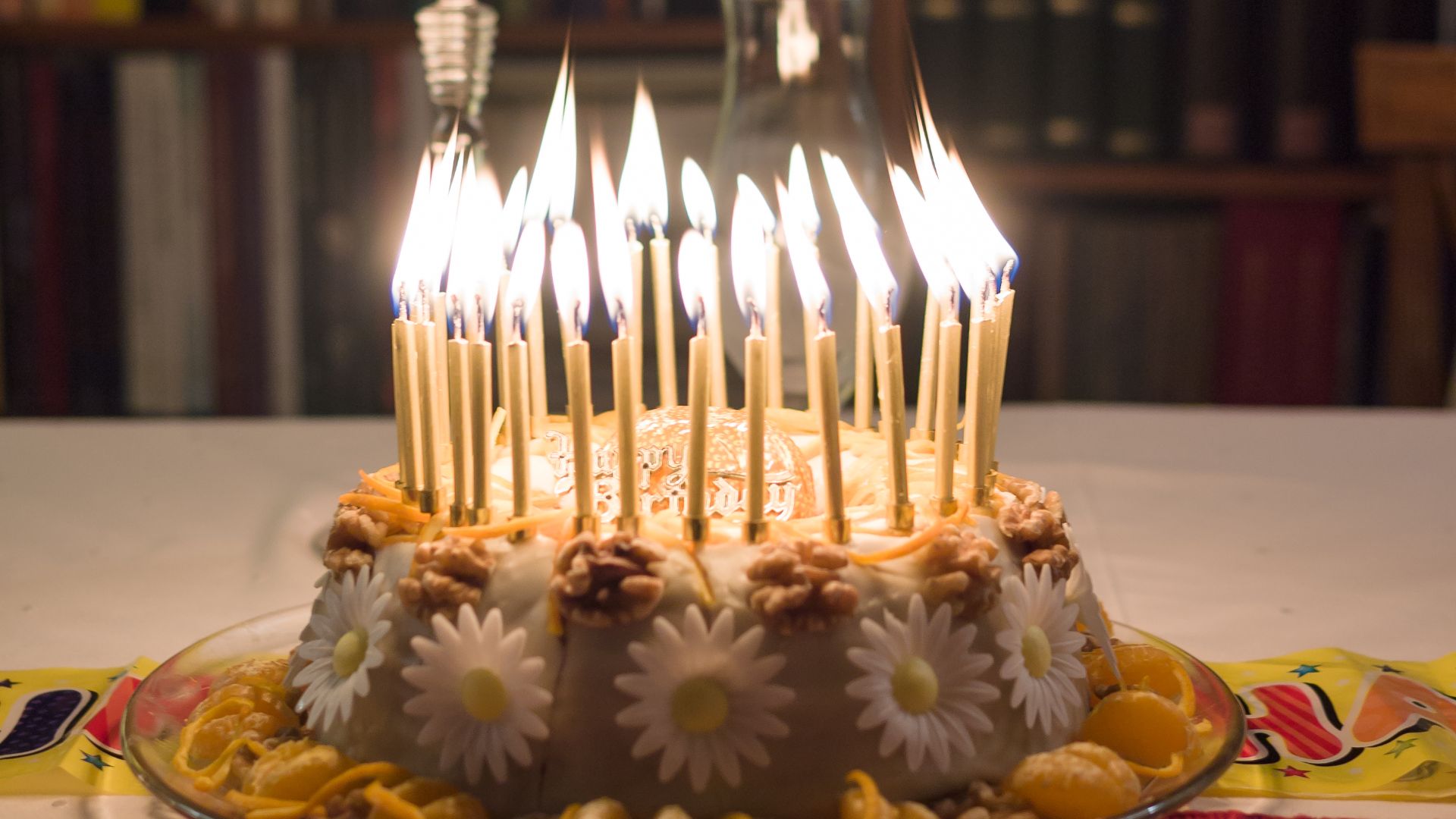
Birthday Candles Began As Messages To The Divine
Ancient Greeks offered cakes to Artemis, although direct claims that their cakes perfectly matched modern birthday customs are difficult to prove. Later German children’s birthday celebrations used cakes with candles representing years of life and sometimes an additional candle for the future. The modern wish combines several historical traditions rather than preserving one unchanged ancient ceremony.
 James Petts from London, England, Wikimedia Commons
Wishing On Stars Was Originally A Celestial Opportunity
Ancient observers often treated unusual events in the sky as messages, warnings, or moments when the boundary between heaven and Earth had shifted. The astronomer Ptolemy wrote that the gods sometimes opened the heavens to observe humanity, creating a later explanation for why a falling star might carry a wish upward. What looks like a star falling is usually a small piece of space debris burning in Earth’s atmosphere.

Stepping On Cracks Turned Sidewalks Into Moral Tests
Children’s rhymes about cracks have circulated in many versions, including warnings about bad luck and harm coming to a parent. The exact origin is uncertain, and the rhyme appears to have changed repeatedly through playground transmission. Uneven paving can certainly cause a fall, but it has no known effect on anyone’s mother.

Wedding Blue Was Supposed To Block The Evil Eye
The complete rhyme about something old, new, borrowed, blue, and a sixpence in the shoe emerged in Victorian England. The objects represented continuity, new beginnings, borrowed happiness, fidelity, prosperity, and protection against hostile supernatural attention. A sentimental bridal checklist therefore began partly as magical defense equipment.

Seeing The Bride Was Once A Business Risk
The rule against partners seeing each other before the ceremony is often connected to arranged marriages. Families feared that a groom who saw the bride early might change his mind and jeopardize the agreement. The romantic suspense now associated with the first look may conceal a history of economic arrangements and limited personal choice.

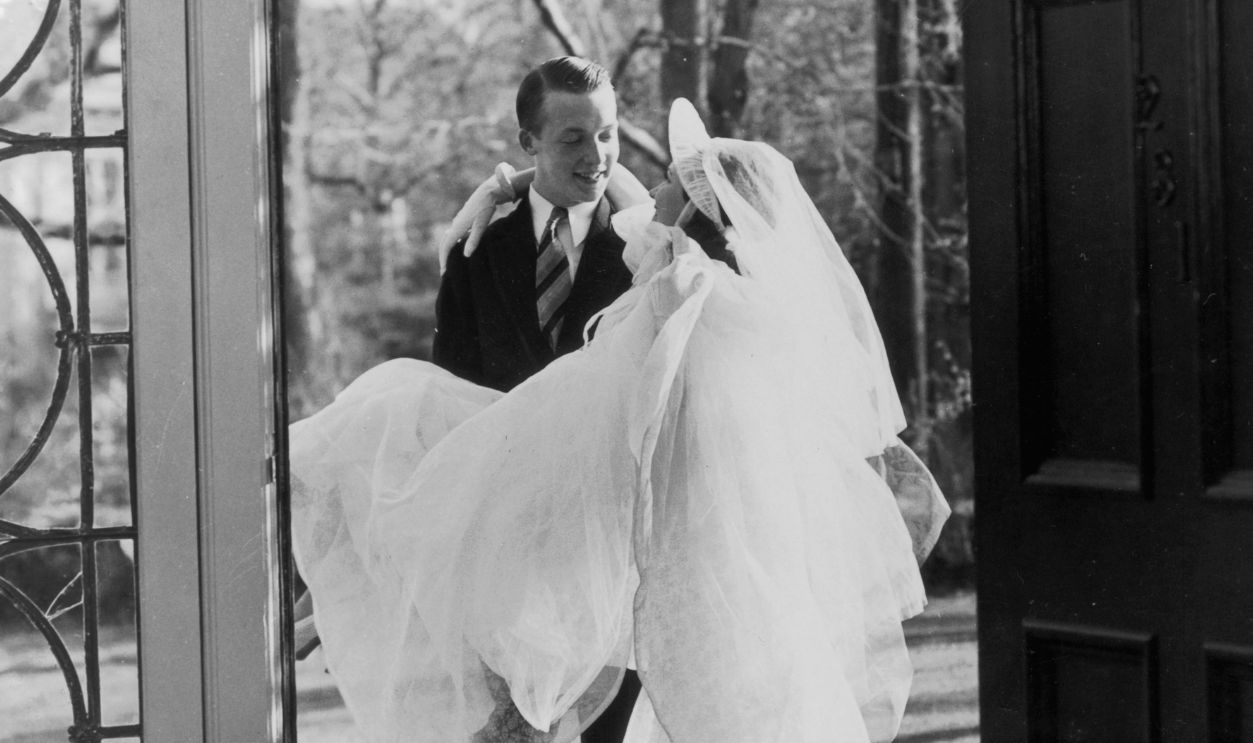
Carrying The Bride Was Supernatural Damage Control
European wedding lore warned that evil spirits might enter a bride through the soles of her feet as she crossed into her new home. Carrying her over the threshold supposedly prevented that contact and protected the marriage. The gesture now marketed as romantic originated in ideas about spiritual contamination and female vulnerability.
Rainy Weddings Received A Convenient Rebranding
Rain on a wedding day is often described as lucky because water can symbolize fertility, cleansing, renewal, and a bond that is difficult to untie. These interpretations softened the disappointment of bad weather during an event traditionally held outdoors or reached by difficult travel. Calling the downpour fortunate remains an effective way to rescue the mood, even without supernatural assistance.

Saying Macbeth Became Theatrical Hazard Management
Many performers avoid saying Macbeth inside a theater unless they are rehearsing or presenting the play. Stories blame supposedly authentic spells, early production accidents, or the play’s history of violence, but evidence for a single curse is weak. The elaborate cleansing rituals performed after someone says the title show how professional traditions can survive even when their origin is disputed.
 Altairisfar, Wikimedia Commons
Backstage Whistling Could Actually Drop The Scenery
Early stage crews often included sailors because their knowledge of ropes and rigging transferred well to theatrical fly systems. Whistled signals could be used to coordinate the movement of scenery, so an accidental whistle risked triggering the wrong action. What became a superstition may have started as a serious workplace safety rule.
 User:Catsquisher, Wikimedia Commons
Superstitions Survive Because They Make Chaos Feel Organized
Rituals can provide a sense of control when outcomes are uncertain, especially during travel, competition, weddings, illness, or dangerous work. They also persist through confirmation bias, since people remember the dramatic occasion when a ritual “worked” and overlook all the times nothing happened. Knowing the history does not always stop the habit, but it does make knocking on wood feel considerably less mysterious.
You May Also Like:
The Weirdest Rules People Once Followed At Work
The Discovery Of A Bronze Age Blade Workshop In Southern Israel
Resilient Facts About Ellen Burstyn, The Actor Who Worked With The Devil