Sam Bass: The Texas Robin Hood
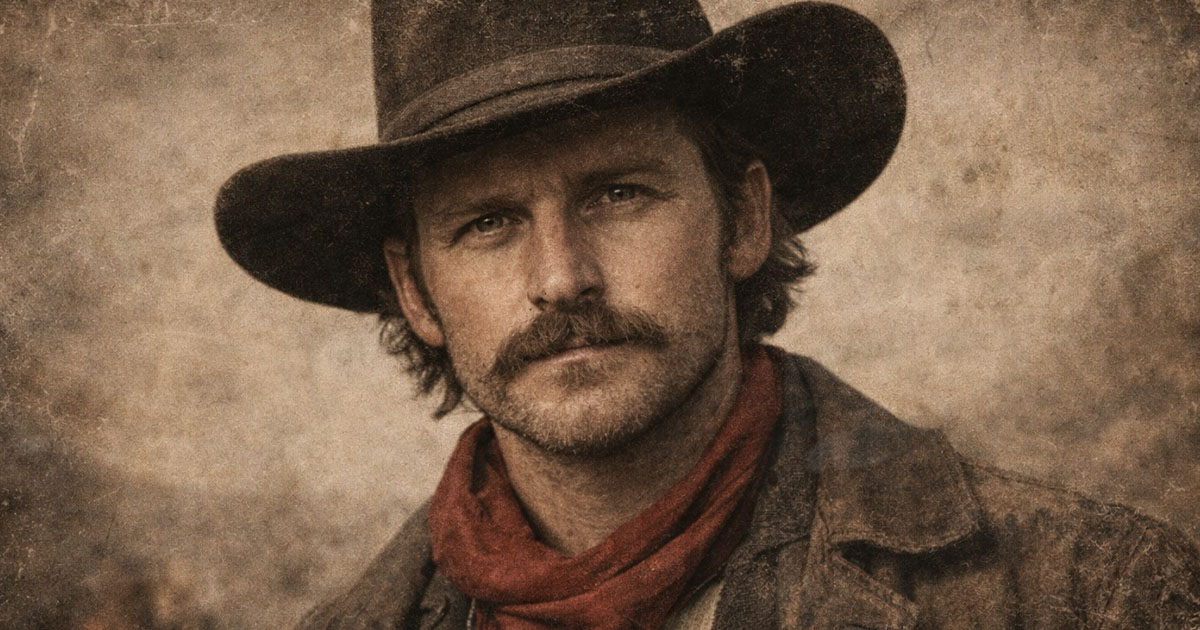
Some outlaws are hunted. Others are remembered. Sam Bass managed to become both, and Texas never stopped talking about how he did it. His rise was fast, reckless, and destined to end in a way no legend ever plans for. Texas hunted Sam Bass relentlessly—and he loved every dangerous minute of it.
A Hoosier With an Itch to Roam
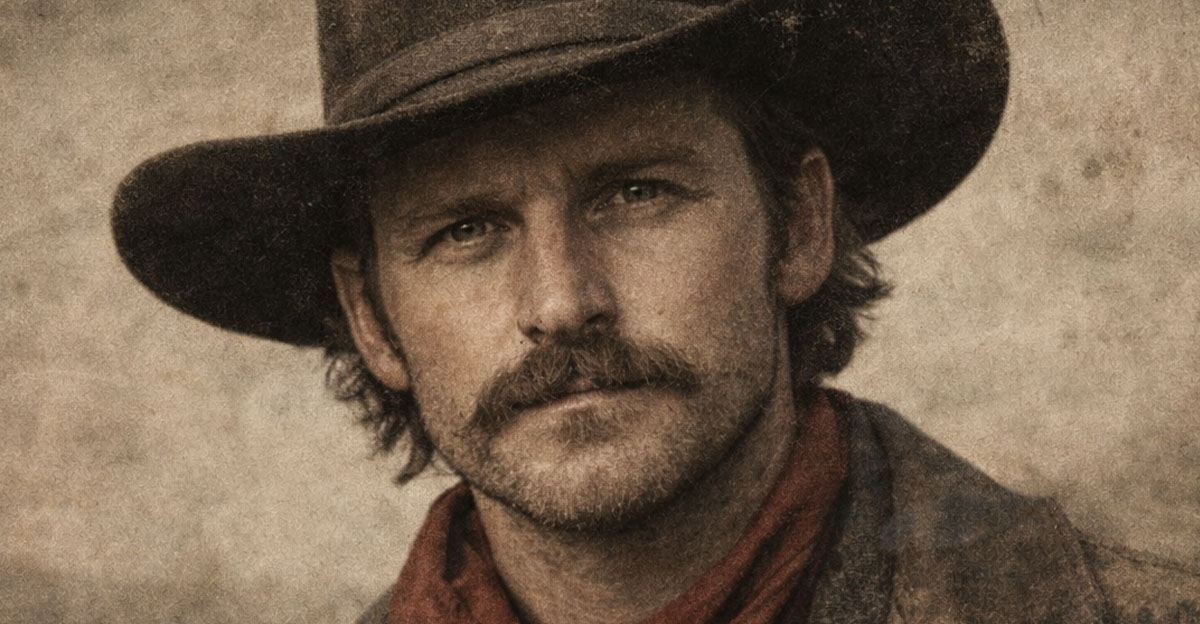
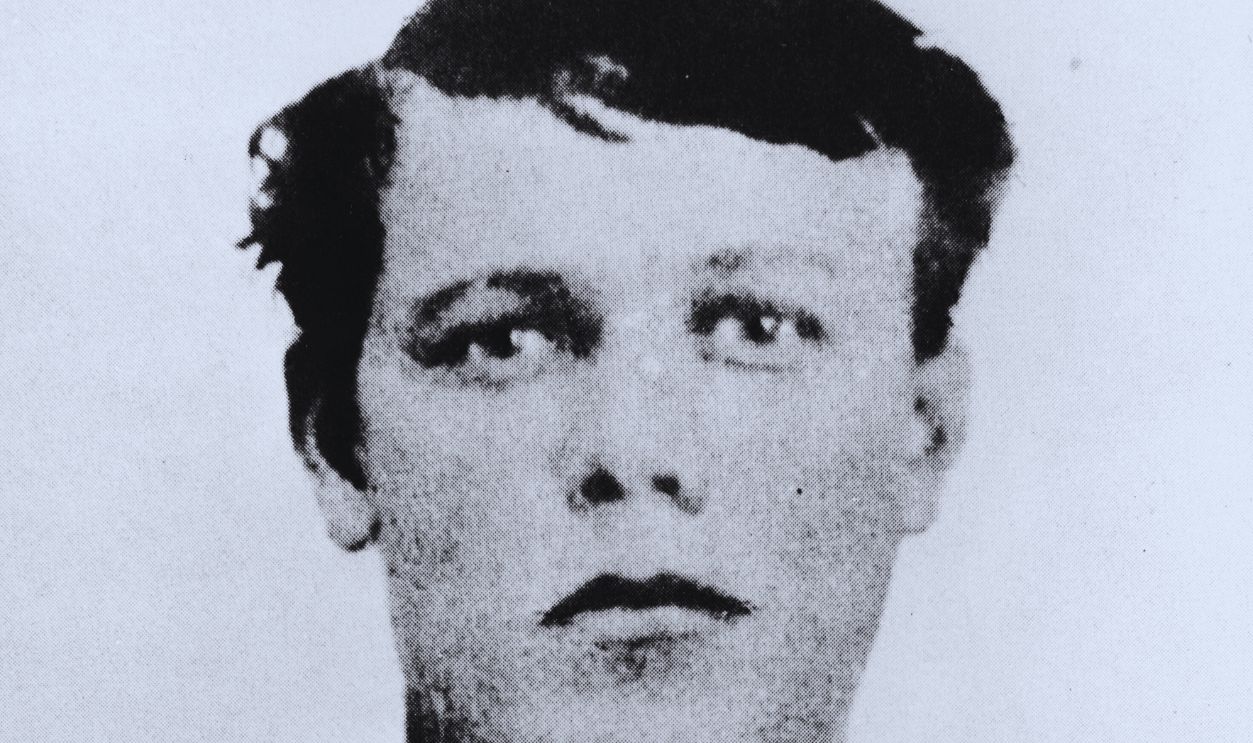
Samuel Bass was born on July 21, 1851, in Mitchell, Indiana. Orphaned as a teenager, he bounced between relatives and jobs, never quite settling. By his early twenties, Bass had already learned that staying put wasn’t his style. He was charming, restless, and unusually likable for a man who would soon be hunted statewide.
 American Stock Archive, Getty Images
Gambling First, Crime Later
Before he ever robbed a train, Sam Bass was better known as a gambler. In the early 1870s, he drifted west to Denton, Texas, where he spent more time at card tables than stables. Friends said he was generous when he won and calm when he lost. Unfortunately, he lost a lot.
 Todd Klassy, Wikimedia Commons
The Cattle Drive That Went Wrong
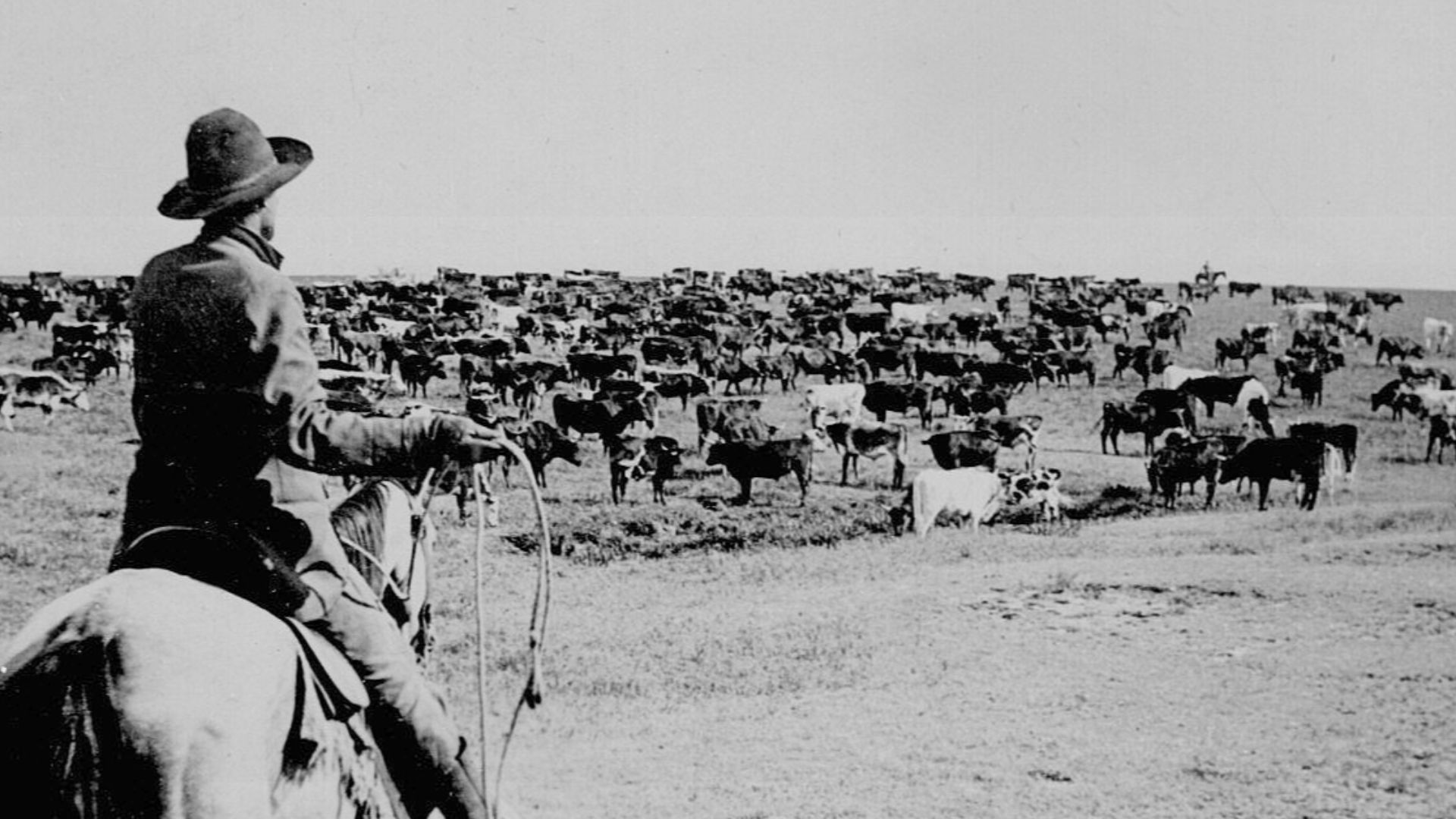
In 1876, Bass joined a cattle drive to Kansas with partner Joel Collins. The plan was honest work. The outcome was not. When the cattle sold for far less than expected, Bass and Collins decided to make up the difference another way. That decision would change everything.
 Unknown authorUnknown author, Wikimedia Commons
Robbing Trains in the Wild West
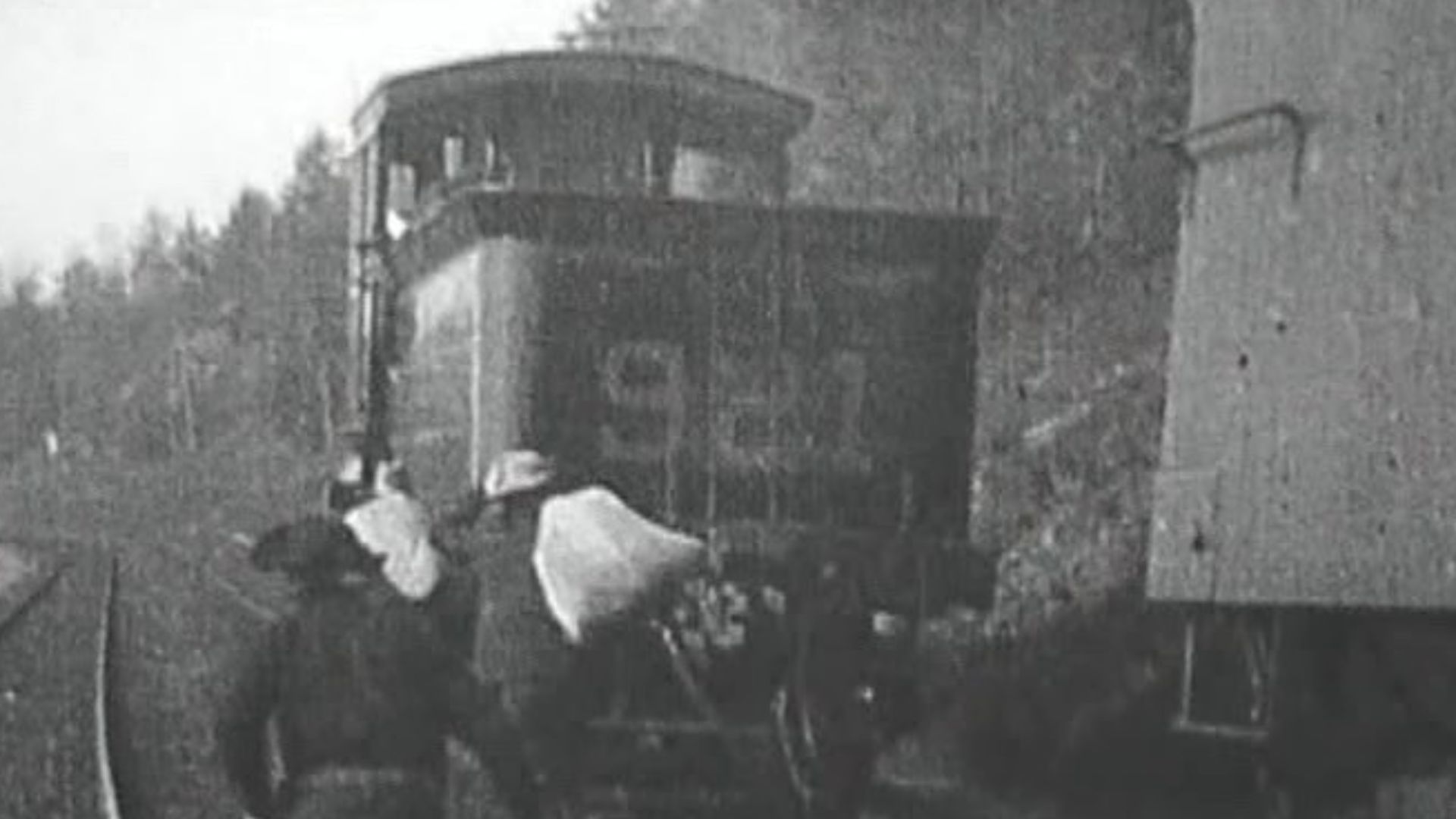
Bass and Collins turned their attention to trains traveling through Nebraska. On September 18, 1877, the Bass Gang robbed a Union Pacific train near Big Springs, Nebraska. They walked away with over $60,000 in gold coins. It was one of the largest train robberies in US history at the time.
 Edwin S. Porter, Wikimedia Commons
A Mistake That Made Him Famous
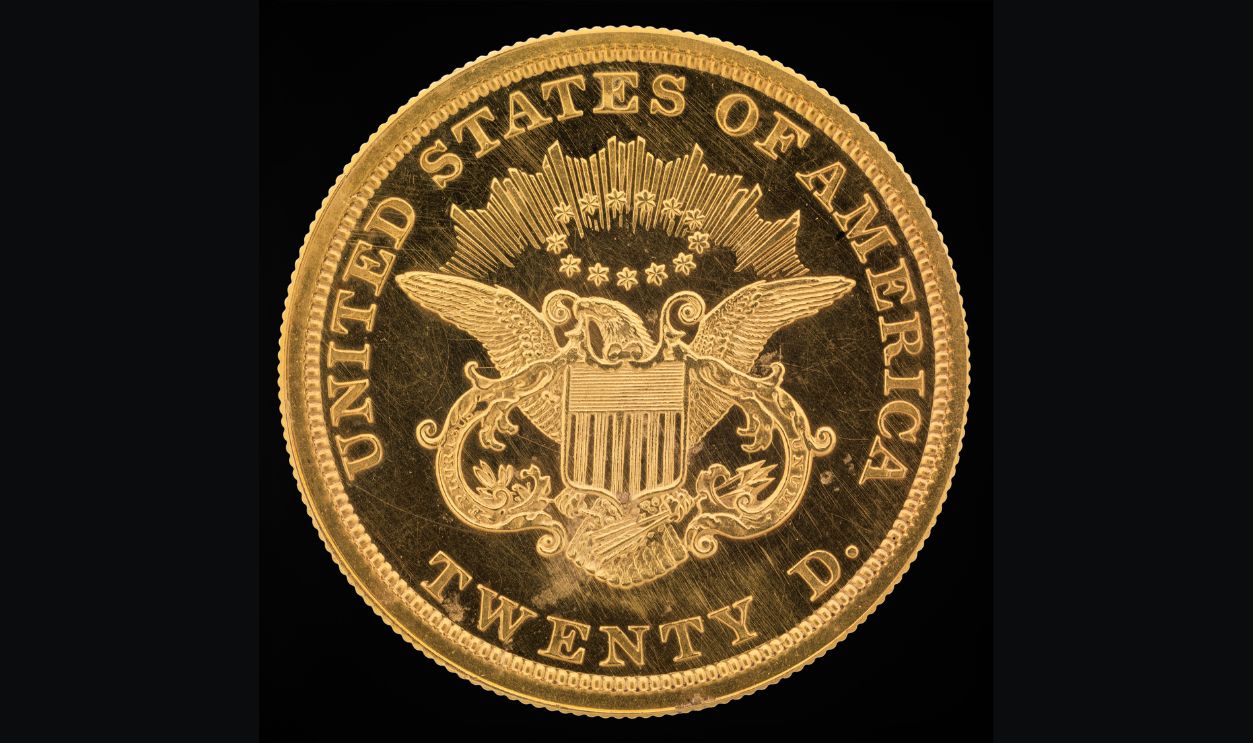
The gang didn’t know they had stolen newly minted $20 gold coins. Those coins were rare and traceable. When Bass started spending them freely, authorities noticed. Ironically, the very thing that made the robbery successful also made Bass impossible to hide.
 US Mint (coin), National Numismatic Collection (photograph by Jaclyn Nash), Wikimedia Commons
A Hero in Texas, Somehow
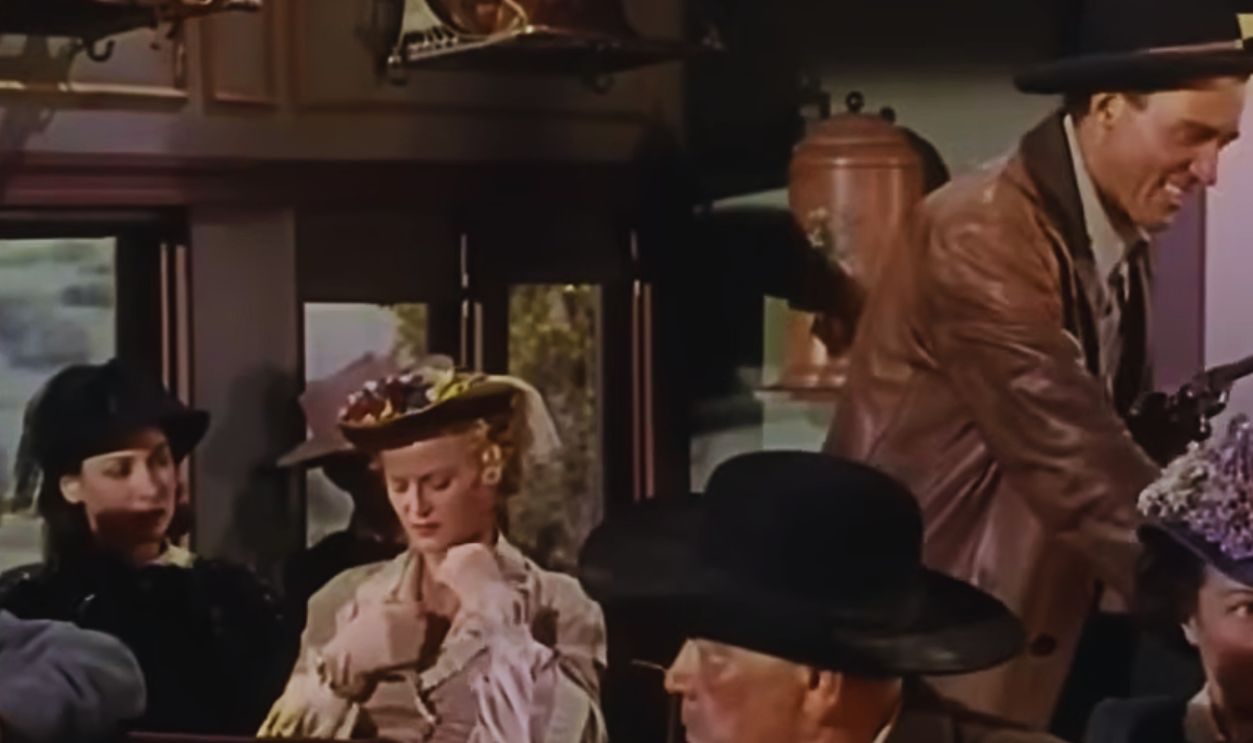
After Collins was killed in a shootout in Nebraska in 1877, Bass returned to Texas. Instead of laying low, he became bolder. He robbed stagecoaches and trains, often without hurting anyone. Locals began calling him the “Texas Robin Hood,” claiming he shared money with the poor, though historians debate how often that actually happened.
 Screenshot from The Texas Rangers, Warner Bros. Pictures (1951)
Charisma Goes a Long Way
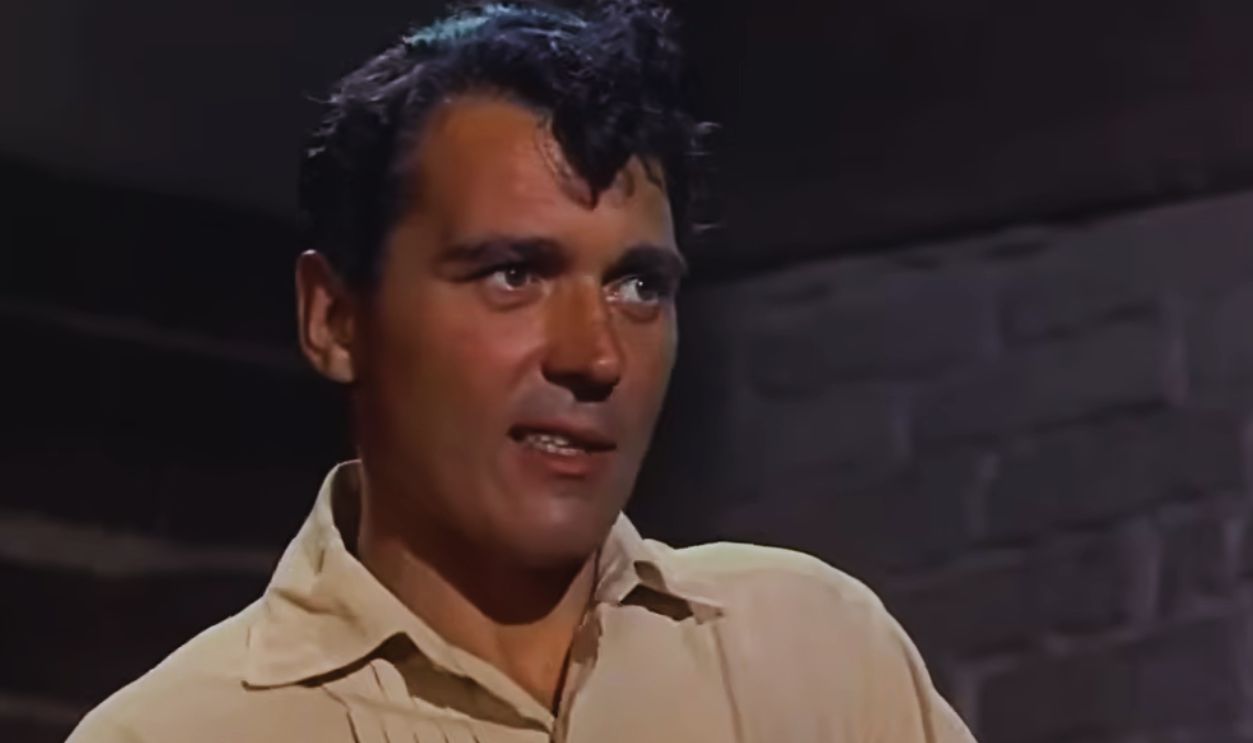
What made Sam Bass different wasn’t just the crimes. It was how people felt about him. Witnesses described him as polite, soft-spoken, and surprisingly respectful. Even people he robbed sometimes admitted they liked him. That charm helped him hide longer than he should have.
 Screenshot from The Texas Rangers, Warner Bros. Pictures (1951)
The Texas Rangers Get Involved
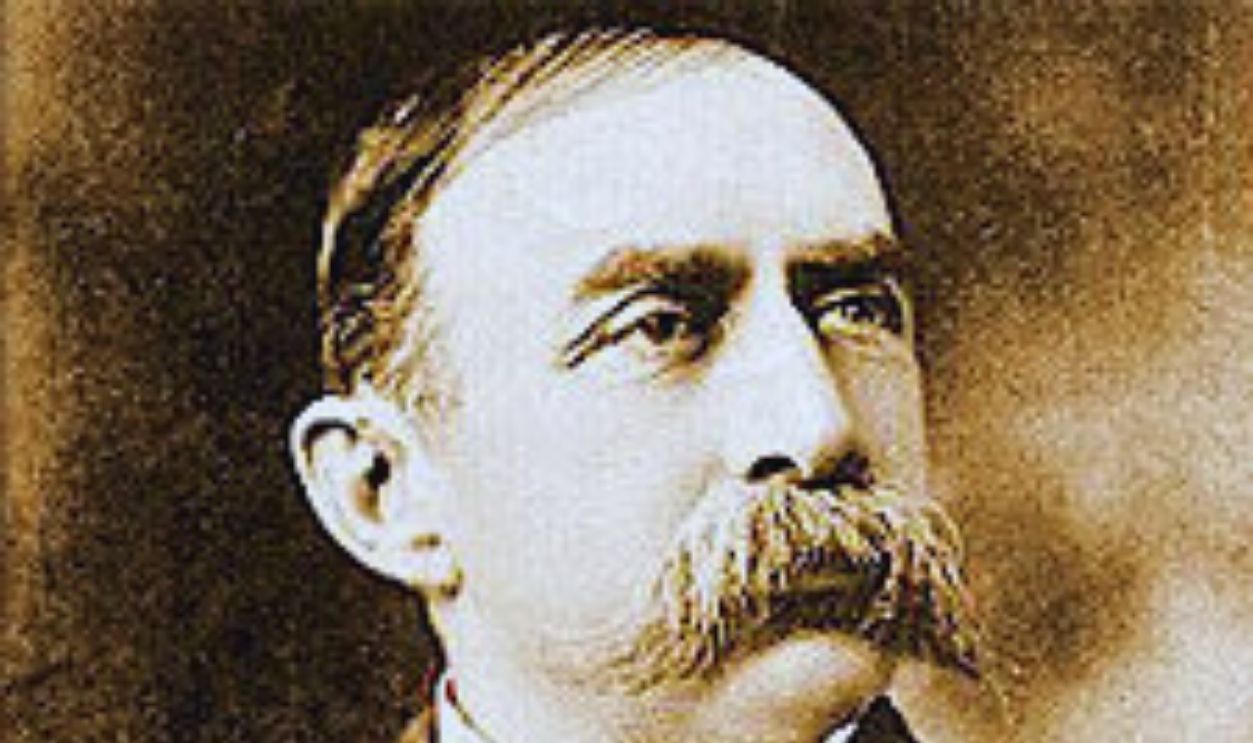
By late 1877, Texas officials had enough. Governor Richard Coke authorized Texas Rangers to hunt Bass down. Captain Junius “June” Peak and Ranger John B Armstrong were assigned to the case. Bass was now facing professionals who knew Texas better than he did.
 Unknown Author, Wikimedia Commons
A Price on His Head
In early 1878, Texas offered a $10,000 reward for Sam Bass, dead or alive. That was an enormous sum at the time. Friends became liabilities. Strangers became threats. Bass knew the walls were closing in, but he kept moving.
Love Slows Him Down
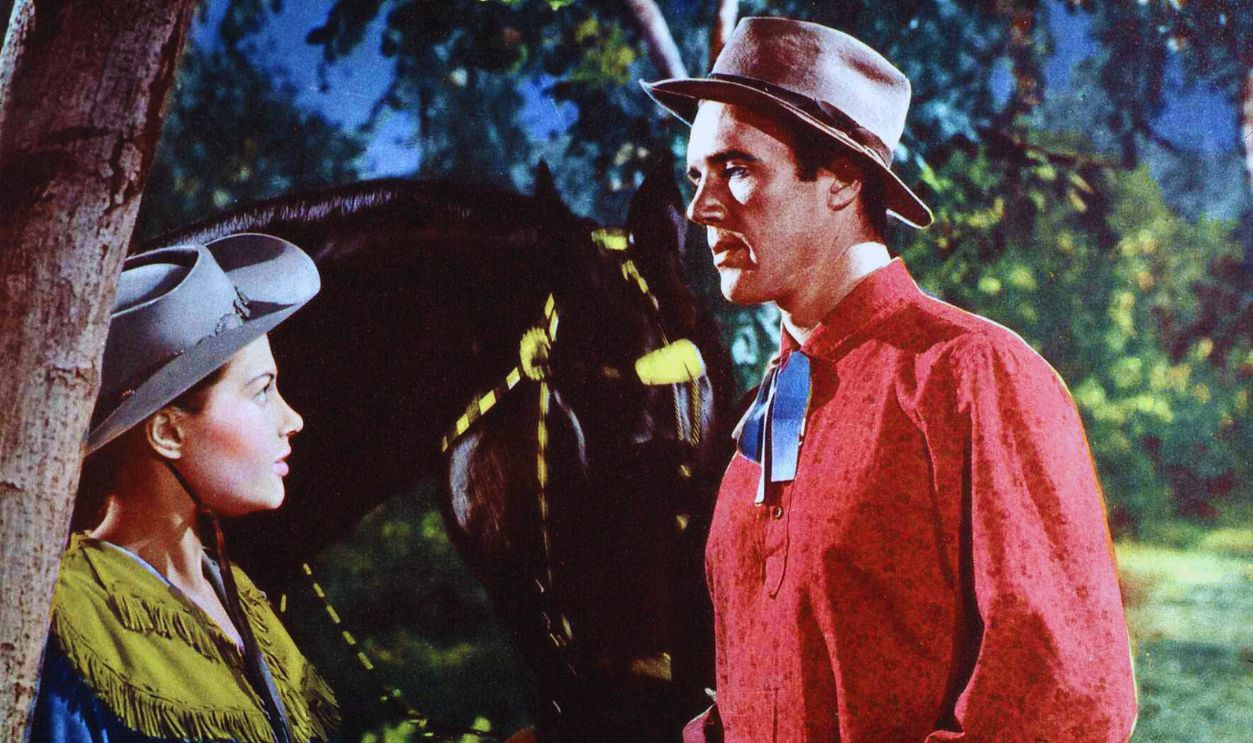
Bass fell in love with a young woman named Etta Place. Some historians believe the relationship made him careless. He lingered longer in towns. He trusted people he shouldn’t have. Romance didn’t turn him soft, but it did make him human.
Betrayed From the Inside
One of Bass’s associates, Jim Murphy, secretly contacted the Texas Rangers. Murphy agreed to help set a trap in exchange for a pardon. Bass had no idea his inner circle was collapsing. This betrayal would seal his fate.
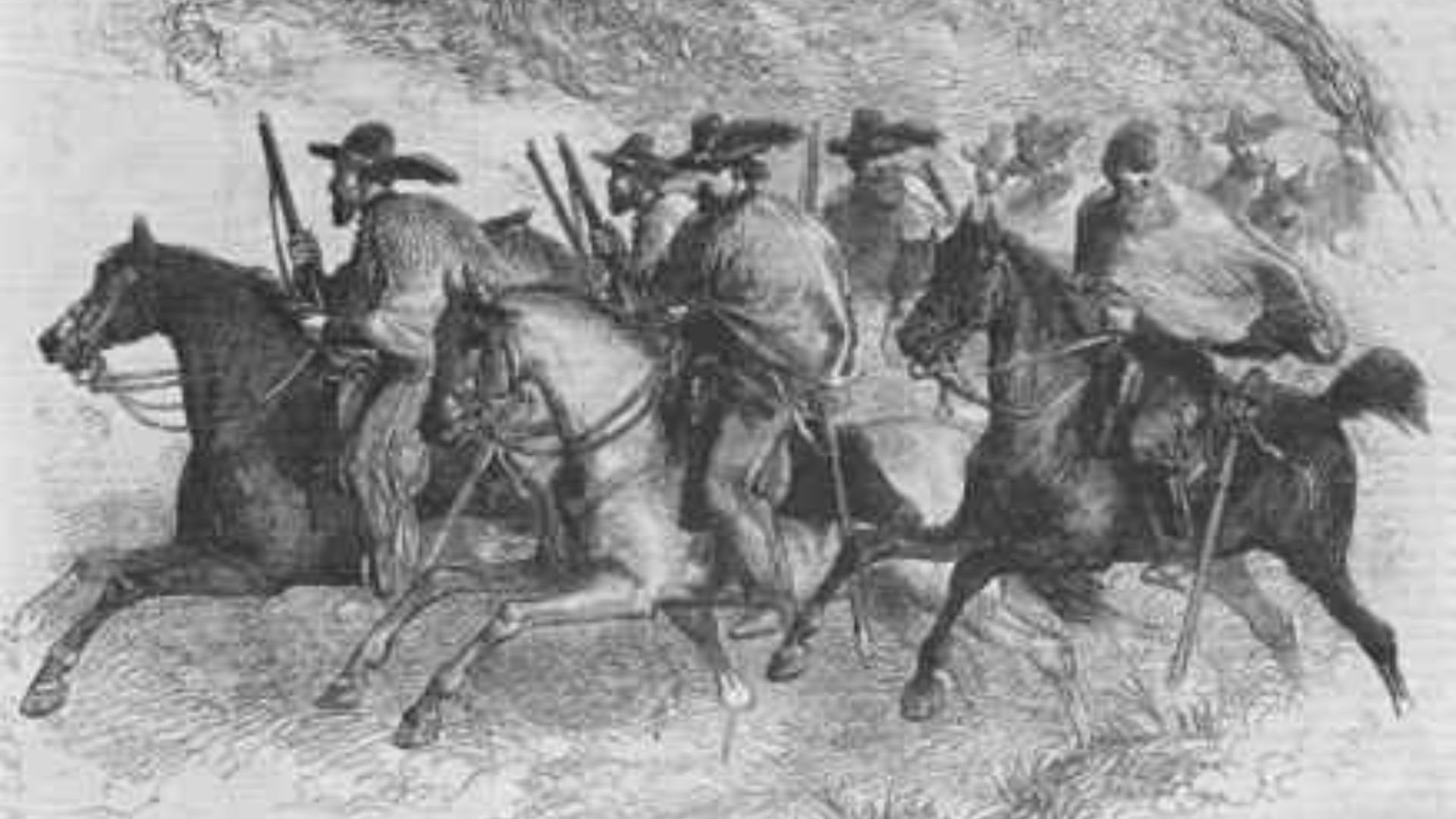
The Trap at Round Rock
On July 19, 1878, Bass planned to rob a bank in Round Rock, Texas. Texas Rangers were already waiting. When Bass’s gang arrived, local lawman AW Grimes tried to arrest them. Gunfire erupted in broad daylight.
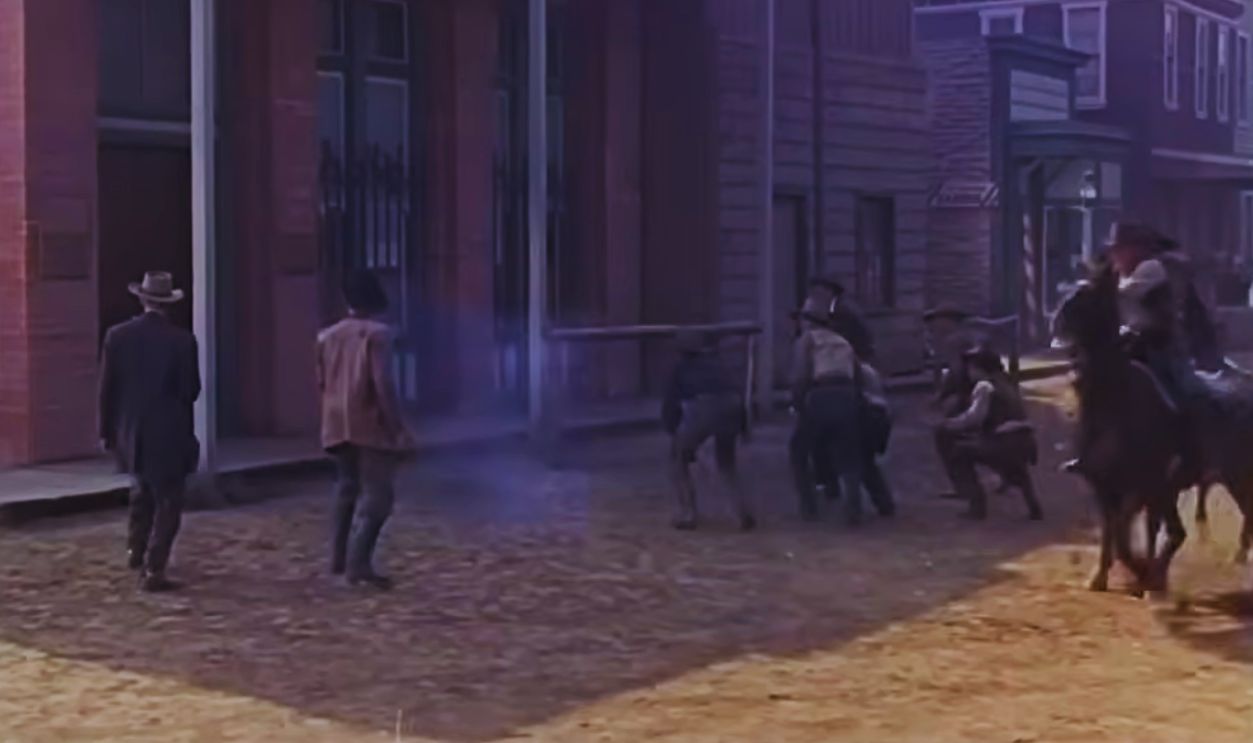 Screenshot from The Texas Rangers, Warner Bros. Pictures (1951)
A Gunfight in the Street
During the shootout, Ranger George Herold was killed, and Sam Bass was shot twice, once in the spine. Despite his injuries, Bass managed to escape briefly on horseback before collapsing outside town. The outlaw who had outrun Texas was finally stopped.
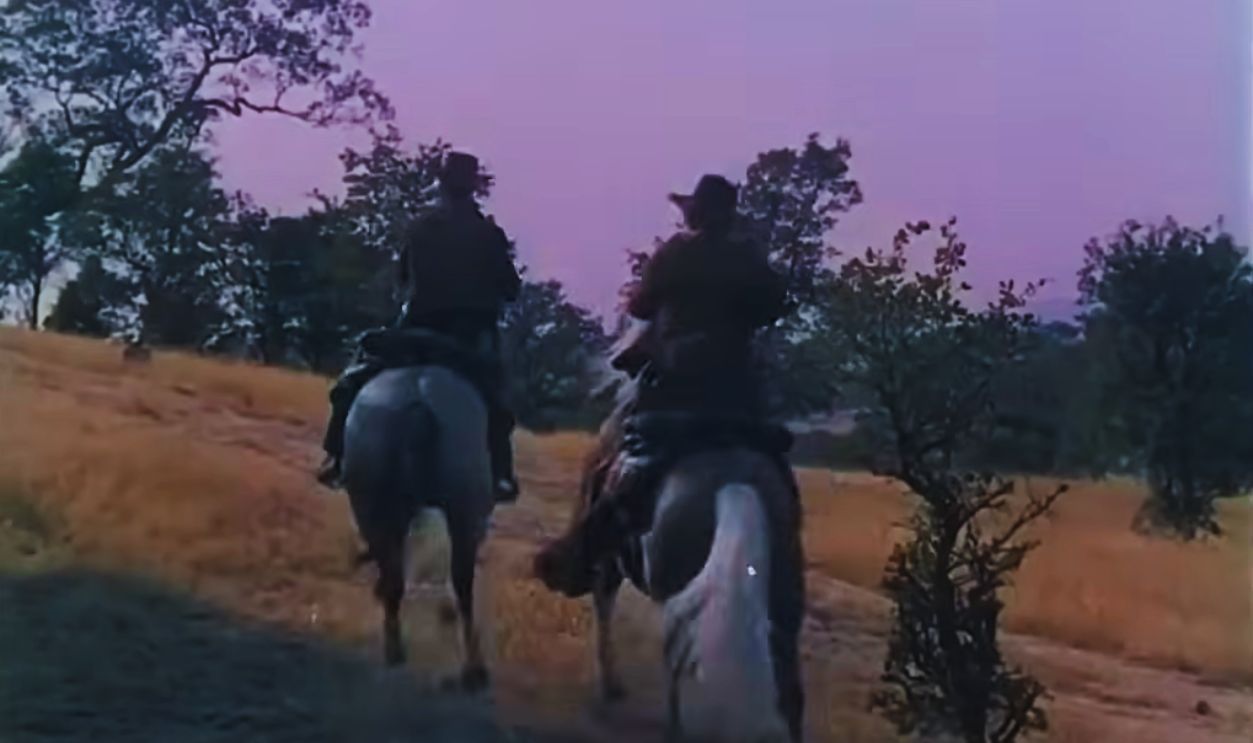 Screenshot from The Texas Rangers, Warner Bros. Pictures (1951)
Dying on His Birthday
Sam Bass was captured and taken back to Round Rock. He lingered for two days, paralyzed and in pain. On July 21, 1878, his 27th birthday, Sam Bass died. He reportedly said, “I’d have made it if it hadn’t been for that dirty little coward, Jim Murphy.”
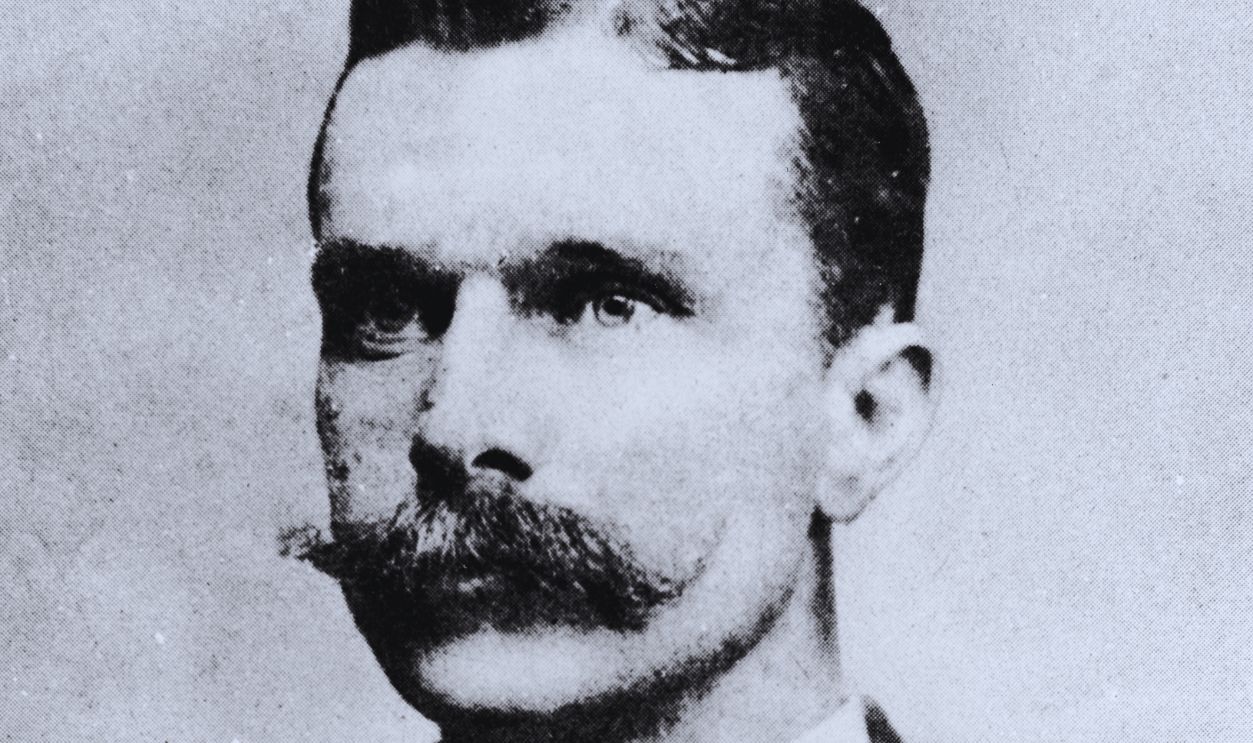 American Stock Archive, Getty Images
A Legend Grows Overnight
Bass was buried in Round Rock Cemetery. Within weeks, songs were written about him. Stories grew taller. Details blurred. To some, he was a criminal. To others, he was a folk hero who stood up to railroads and banks during a brutal economic era.
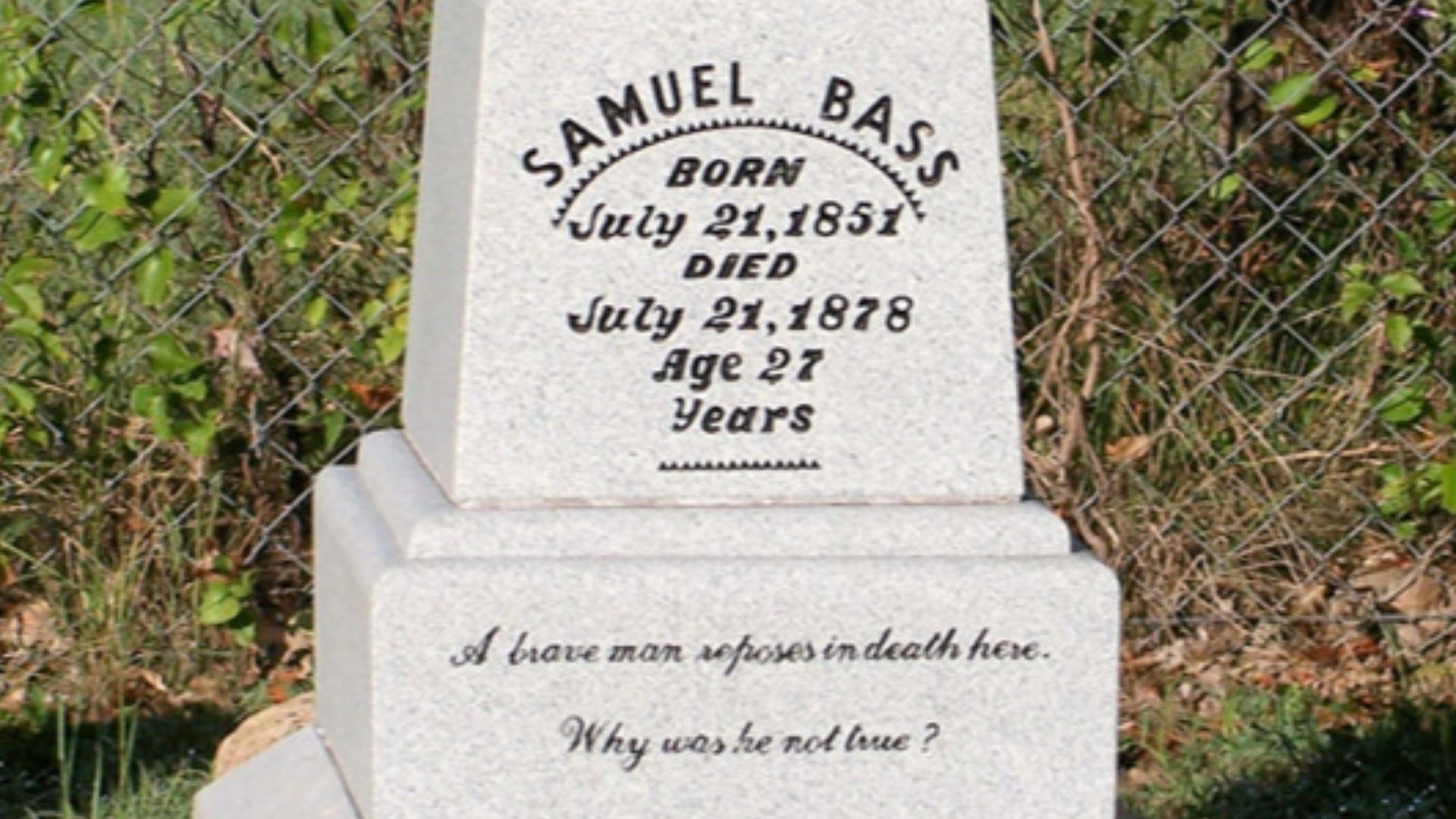 Larry D. Moore, Wikimedia Commons
The Ballad That Wouldn’t Die
“The Ballad of Sam Bass” became one of the most famous outlaw songs in American history. It painted Bass as brave, loyal, and doomed. The song did what history often does not. It turned a complicated man into a symbol.
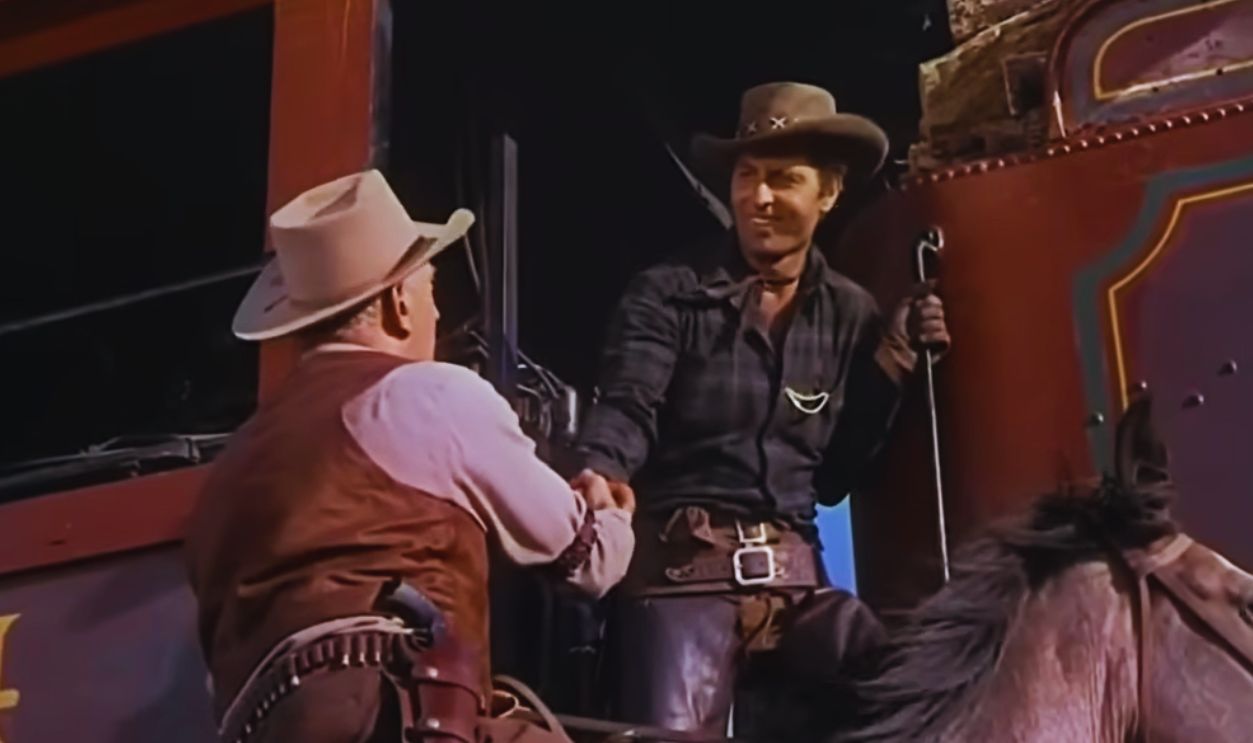 Screenshot from The Texas Rangers, Warner Bros. Pictures (1951)
Hero or Villain? Depends Who’s Asking
Modern historians agree Bass was no saint. He broke the law repeatedly. But they also note he avoided unnecessary violence and never built an empire of cruelty. Compared to other outlaws of the era, Bass stands out as oddly restrained.
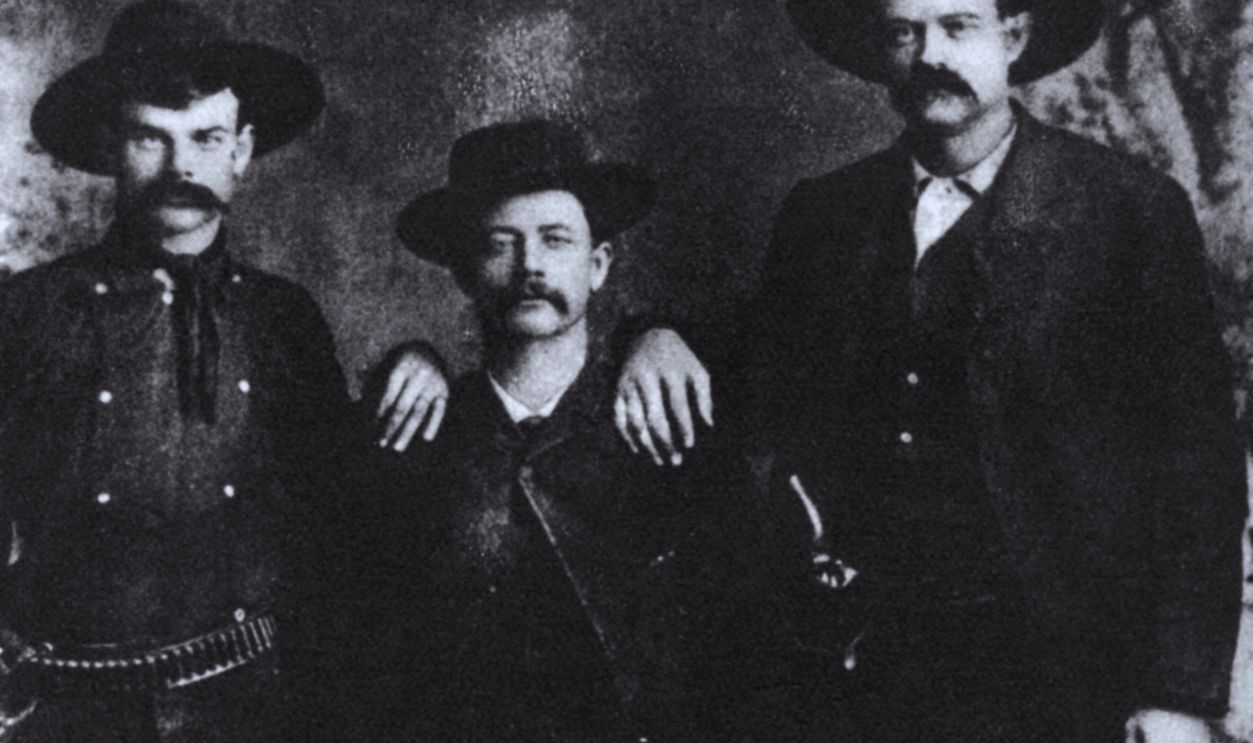
Rebellion Without Brutality
Sam Bass represents rebellion without brutality. He challenged powerful institutions at a time when regular people felt crushed by them. That alone earned him loyalty that outlived him.
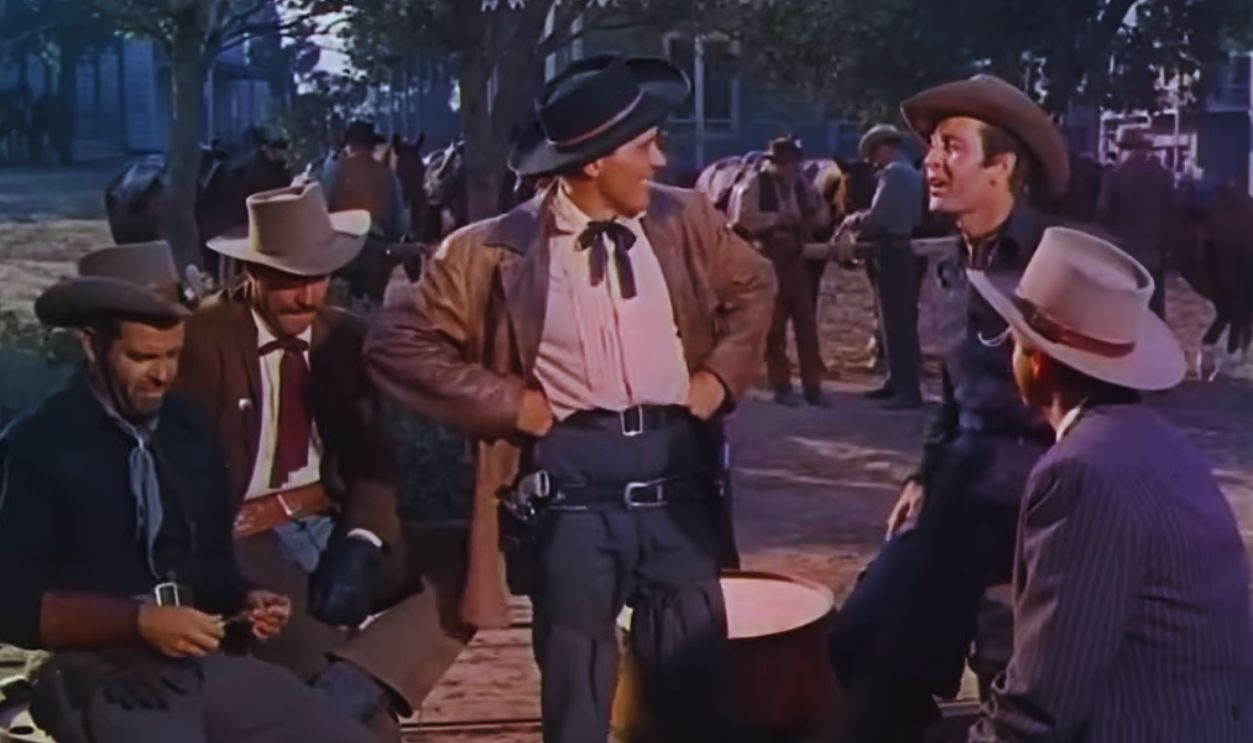 Screenshot from The Texas Rangers, Warner Bros. Pictures (1951)
He Never Actually Robbed A Bank
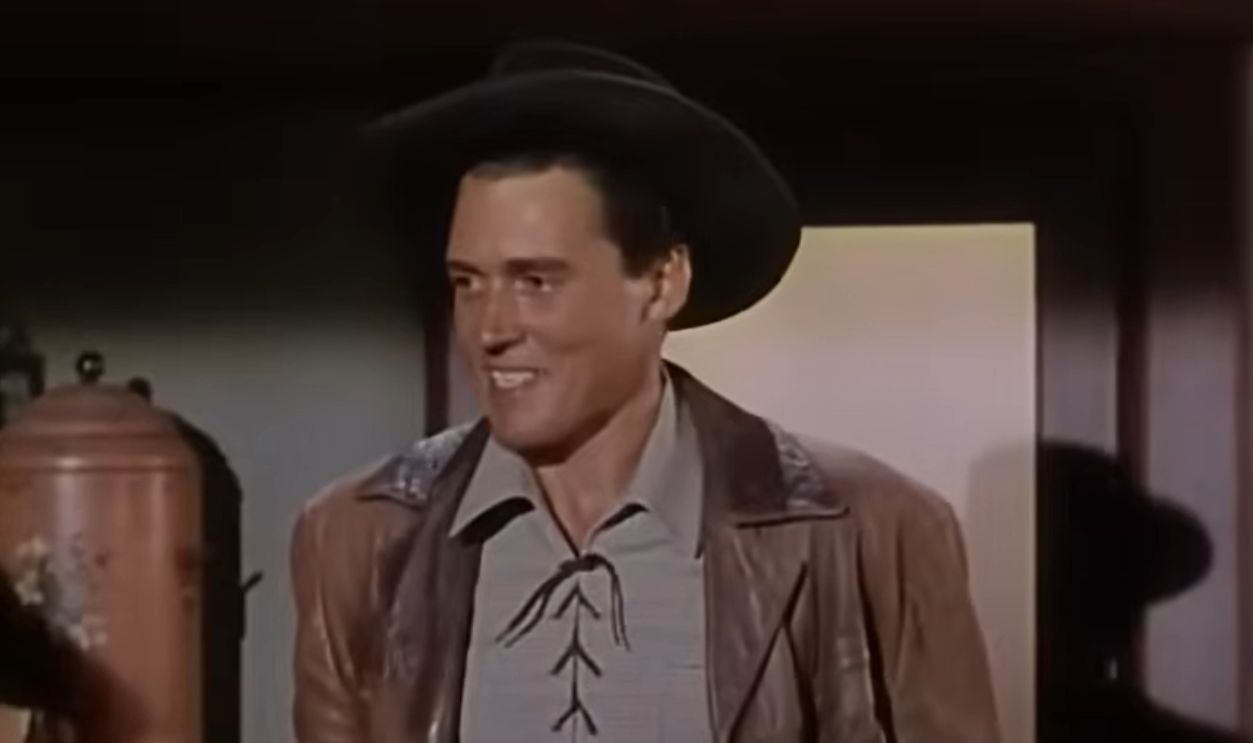
Despite his reputation as an outlaw, Sam Bass never actually robbed a bank successfully. Every major heist that made him famous involved trains or stagecoaches. The man remembered as a fearless bank robber died trying to pull off the one crime he never mastered.
 Screenshot from The Texas Rangers, Warner Bros. Pictures (1951)
You May Also Like:
Charming Facts About Stede Bonnet, The Gentleman Pirate
42 Infamous Facts About Wild Bill Hickok
42 Notorious Facts About Jesse James