

She Saw What Others Refused To Believe
Ruth Becker was just 12 years old when she escaped the sinking Titanic in 1912. From her lifeboat, she watched the enormous ship break in two, but for decades, her account was met with skepticism. Years later, an official reportedly even took away her microphone when she tried to tell her story. But the extraordinary journey from a little girl's disputed memory to an astonishing discovery on the ocean floor would take more than 70 years, and the truth was worth the wait.
A Childhood Far From The Atlantic
Ruth Elizabeth Becker was born in India in 1899, the daughter of American missionary parents. Her father, Allen, worked as a Lutheran missionary, while her mother, Nellie, cared for their growing family. Ruth spent her early childhood thousands of miles from the American home her family would eventually seek. But a medical concern involving her little brother would soon send them on a journey that changed their lives forever.
 Unknown author, Wikimedia Commons, Enhanced
Her Little Brother Needed Help
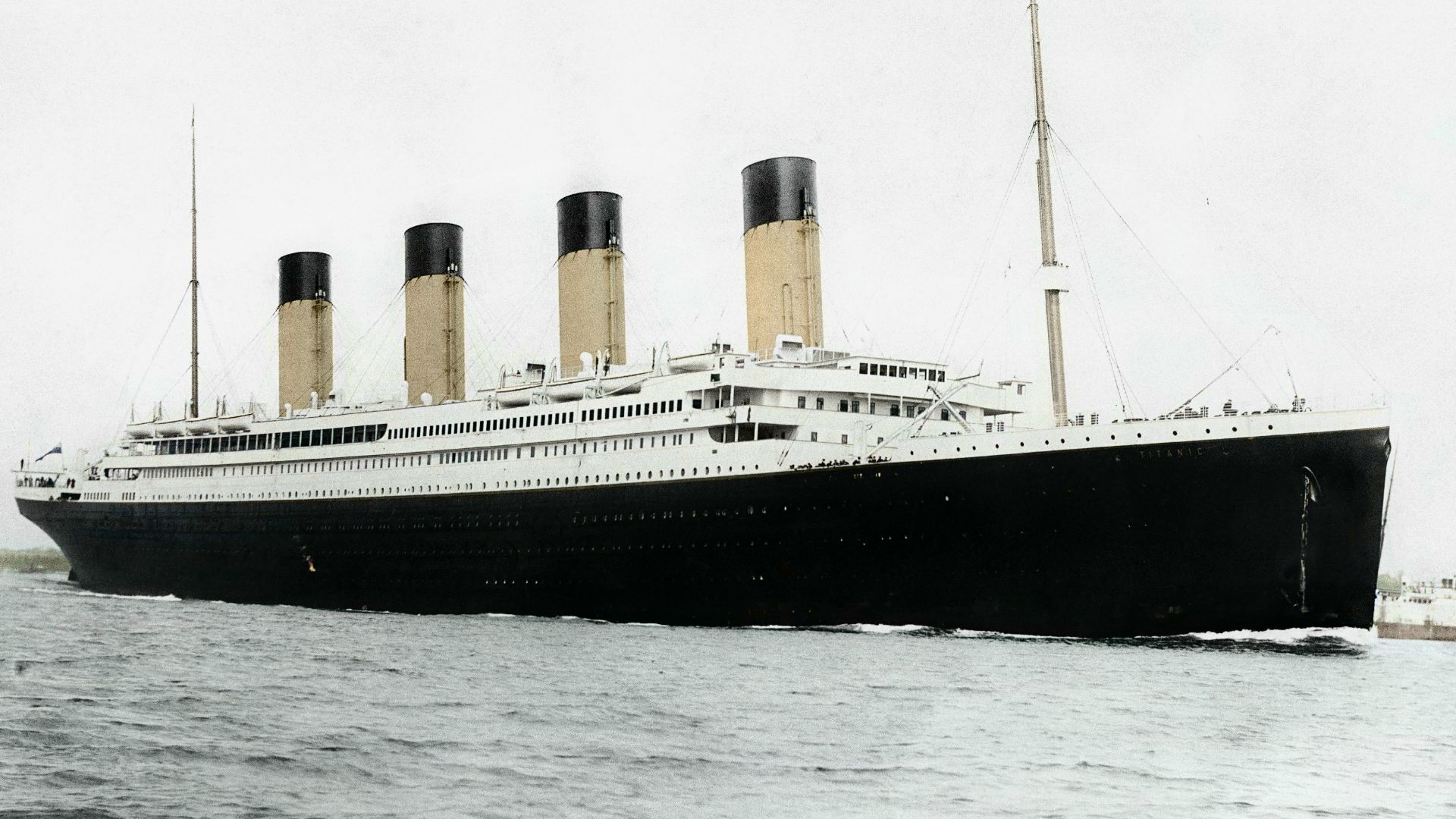
Ruth's younger brother Richard had health problems, and the family decided he needed medical treatment in the United States. Her father remained in India while Nellie prepared to travel with Ruth and her two younger children. Their destination was Michigan, where they could stay with relatives. To get there, however, they first needed to cross the Atlantic aboard a very special ship.
 Songyc 0303, Wikimedia Commons
They Boarded A Brand-New Ship
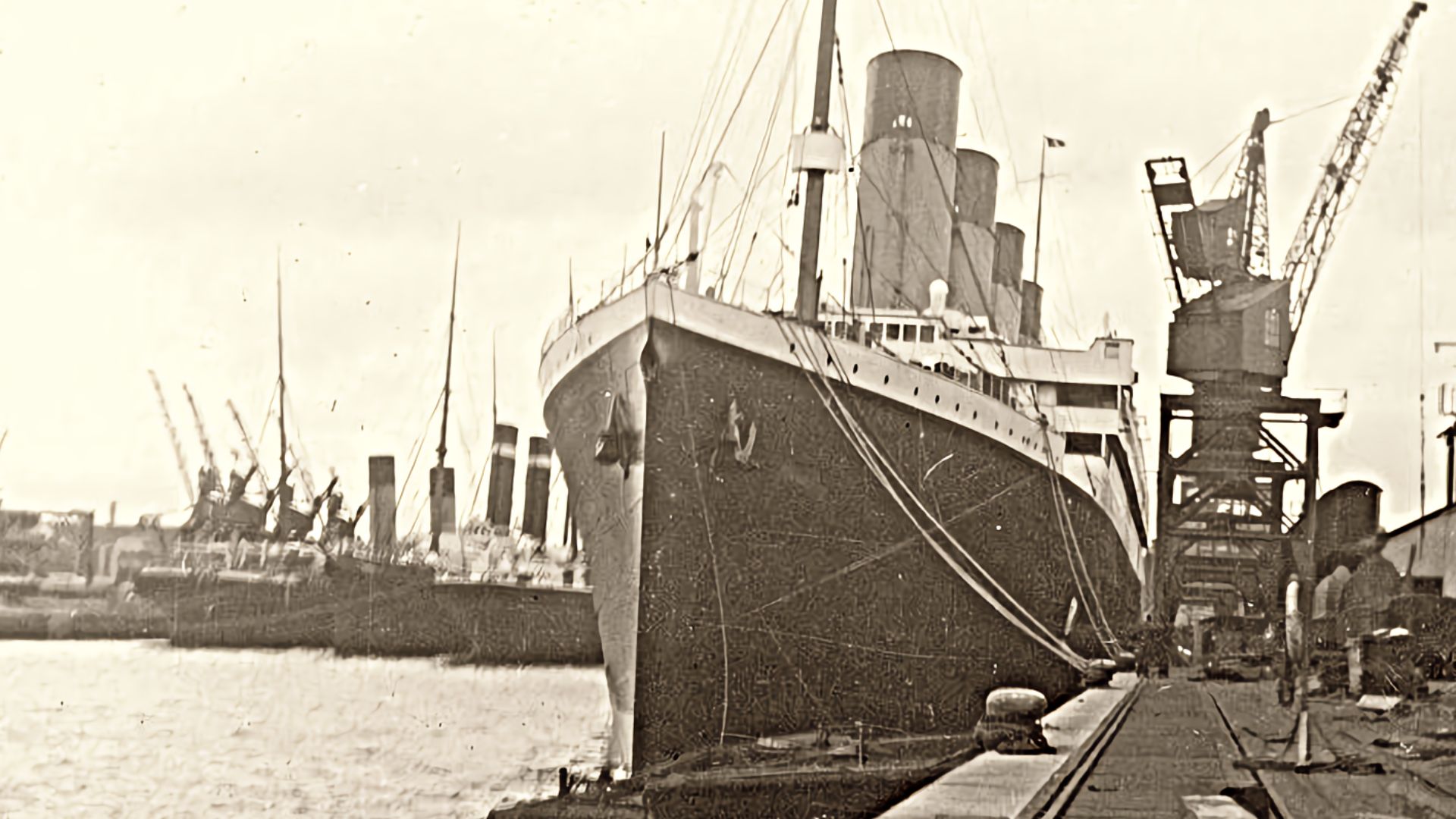
On April 10, 1912, Ruth, her mother, four-year-old sister Marion, and two-year-old brother Richard boarded Titanic at Southampton, England. They traveled in second class aboard a vessel celebrated for its enormous size and modern comforts. For a young girl who had spent much of her life in India, the ship offered plenty to marvel at. But Ruth's mother wasn't nearly as excited about their journey.
 Unknown authorUnknown author, Wikimedia Commons
Her Mother Was Nervous
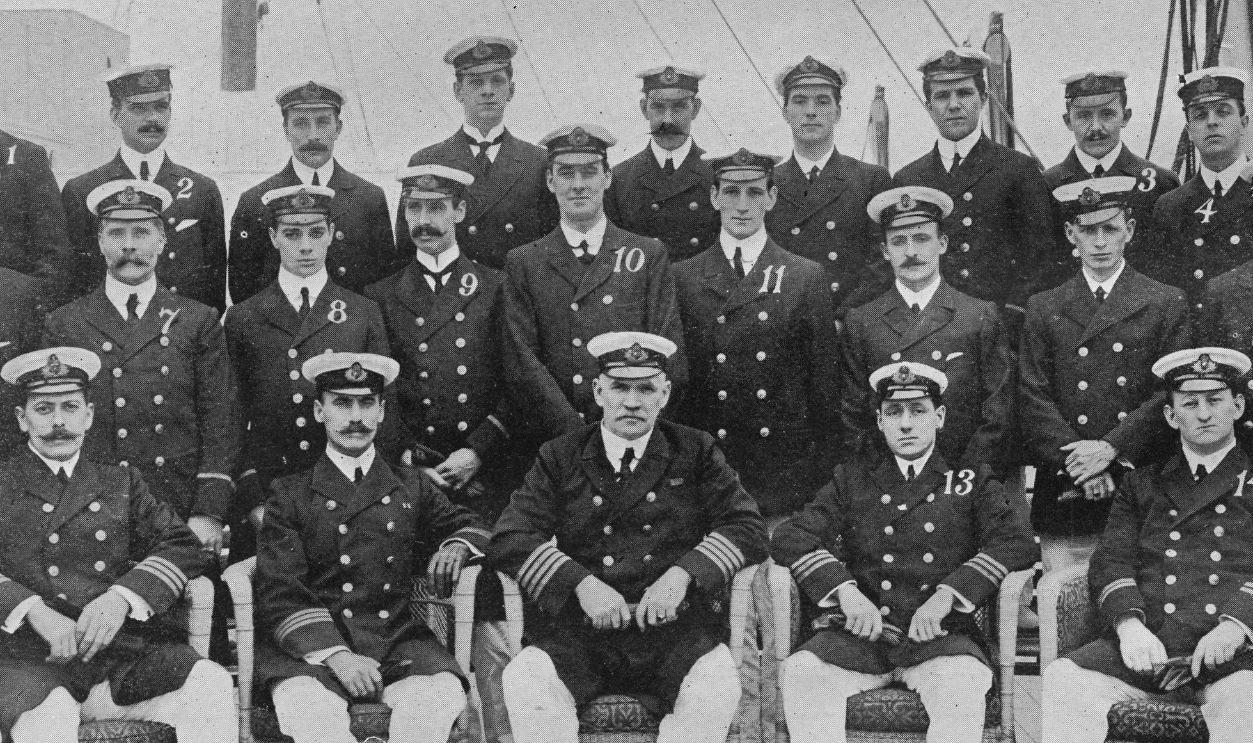
Years later, Ruth recalled her mother questioning a ship's official about traveling aboard Titanic on its very first voyage. According to Ruth, the man reassured Nellie that the vessel's watertight compartments would keep it afloat long enough for help to arrive if anything went wrong. It was exactly the sort of reassurance a worried mother wanted to hear. Within days, that promise would be tested in the worst possible way.
 UniversalImagesGroup, Getty Images
Everything Looked Magnificent
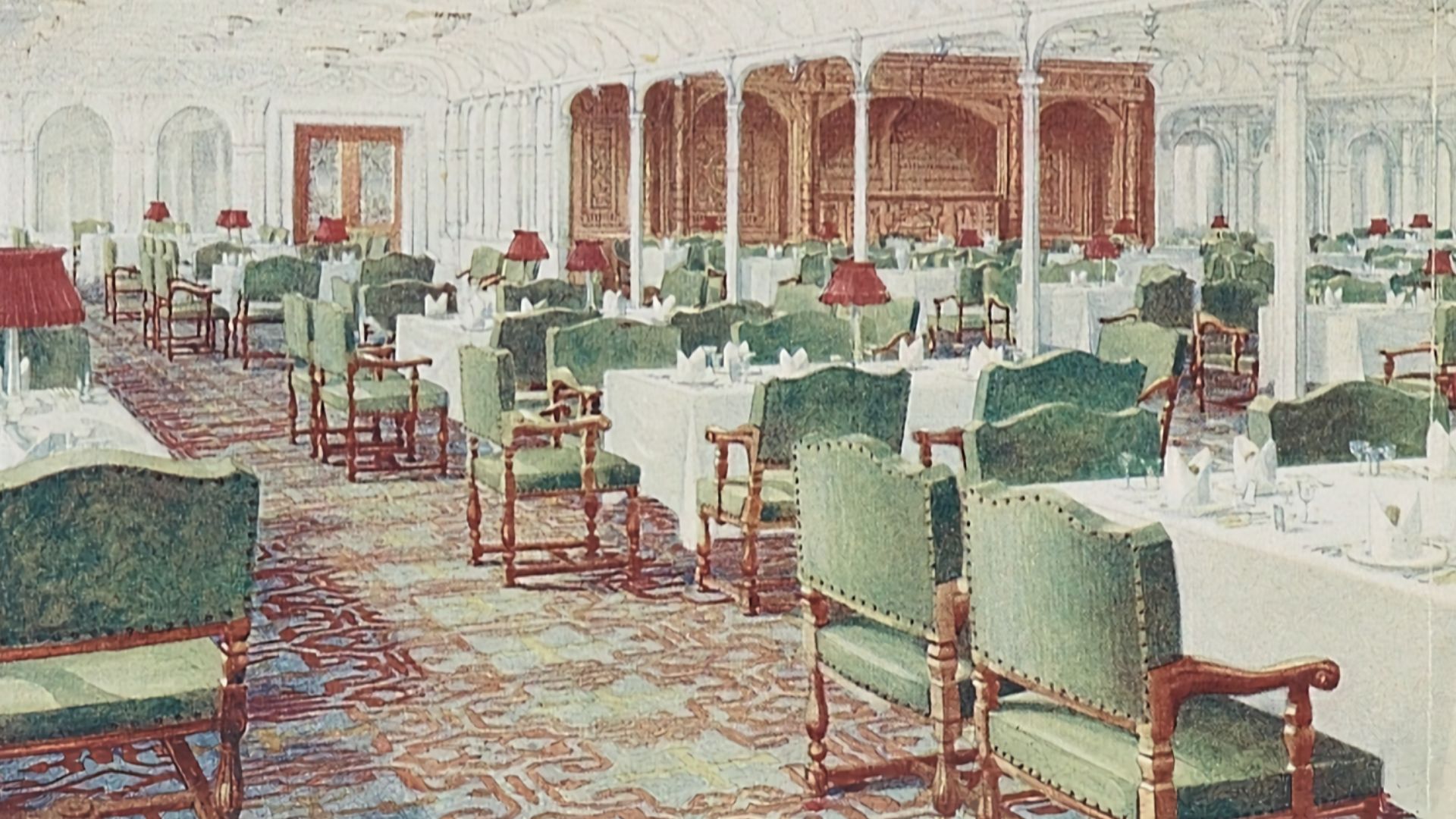
Ruth remembered Titanic as beautiful, spacious, and completely new. She particularly admired the dining room, with its shining silverware and carefully arranged linens. She also helped occupy her little brother by pushing him around the promenade in a stroller. For several days, the voyage seemed like an extraordinary adventure, until something happened that nobody aboard had expected.
 White Star Line, Wikimedia Commons
Something Was Wrong That Night
Late on April 14, Titanic struck an iceberg in the North Atlantic. Ruth later remembered her mother asking a steward why the ship had suddenly stopped in the middle of the ocean. The steward suggested that a minor accident had occurred and that the voyage would soon continue. But the growing commotion in the corridors told a very different story.
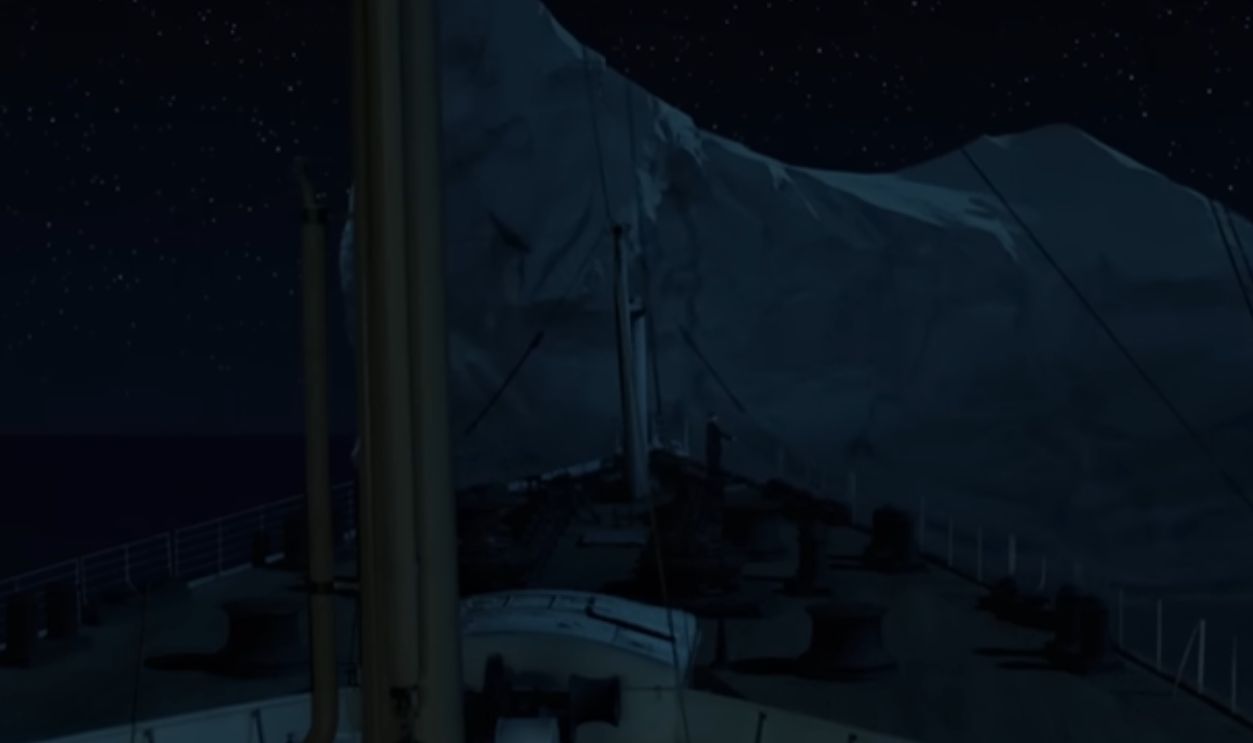 Screenshot from Titanic, Paramount Pictures (1997)
The Corridors Filled With Panic
As passengers began moving through the ship, Ruth's family hurried to get ready. They dressed the two younger children first and threw coats over their own nightclothes. In Ruth's recollection, they were in such a rush that they didn't even put on life jackets. When they reached a crowded gathering area, they found frightened women struggling to understand what was happening.
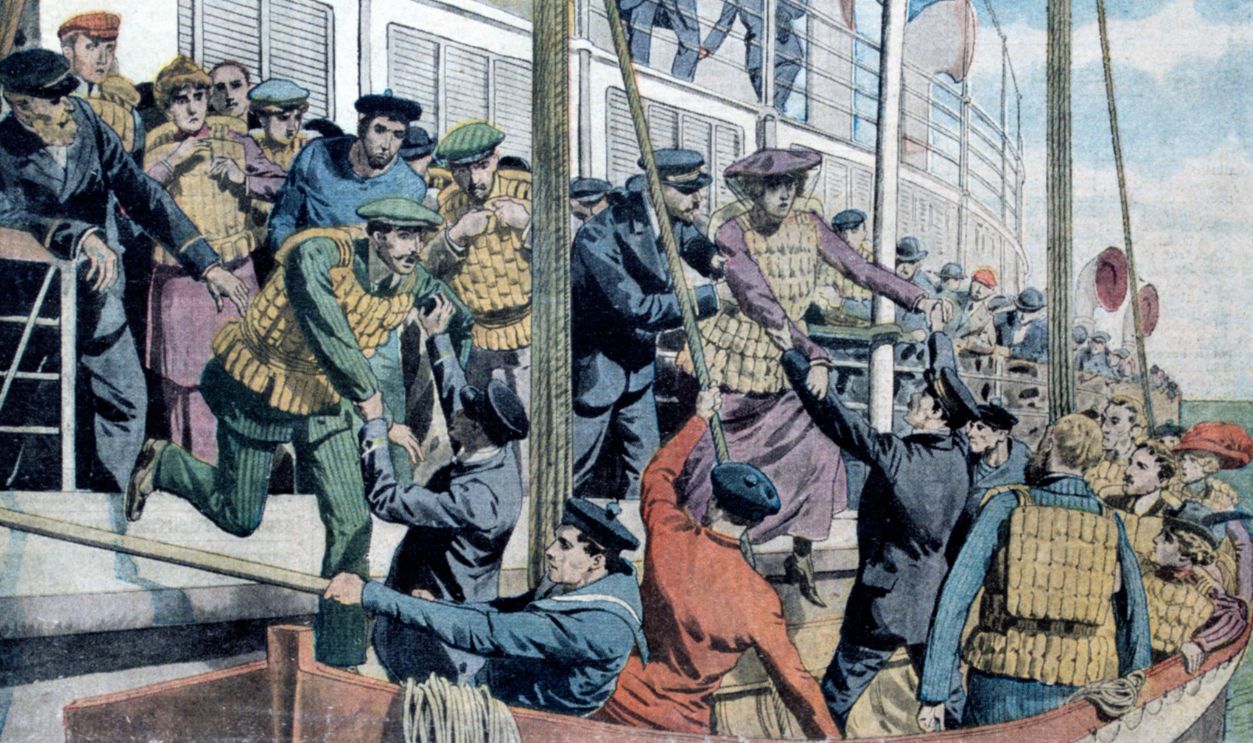
Her Mother Sent Her Back
With the night bitterly cold, Nellie worried about keeping her children warm. According to Ruth's later account, her mother asked her to return to their cabin and collect three blankets. It seemed like a simple errand, and Ruth remembered carrying the blankets as the family made its way toward the lifeboats. But when they finally reached the evacuation deck, Ruth faced a terrifying surprise.


History's most fascinating stories and darkest secrets, delivered to your inbox daily.
Her Family Was Leaving Without Her
Crew members began placing Ruth's younger brother and sister into Lifeboat 11. When they announced that the boat was full, Nellie desperately pleaded to be allowed aboard with her children, and the officers eventually agreed. But there was no room for Ruth, who was left standing aboard the sinking ship as her family prepared to leave. Suddenly, the 12-year-old had to find another way to survive.
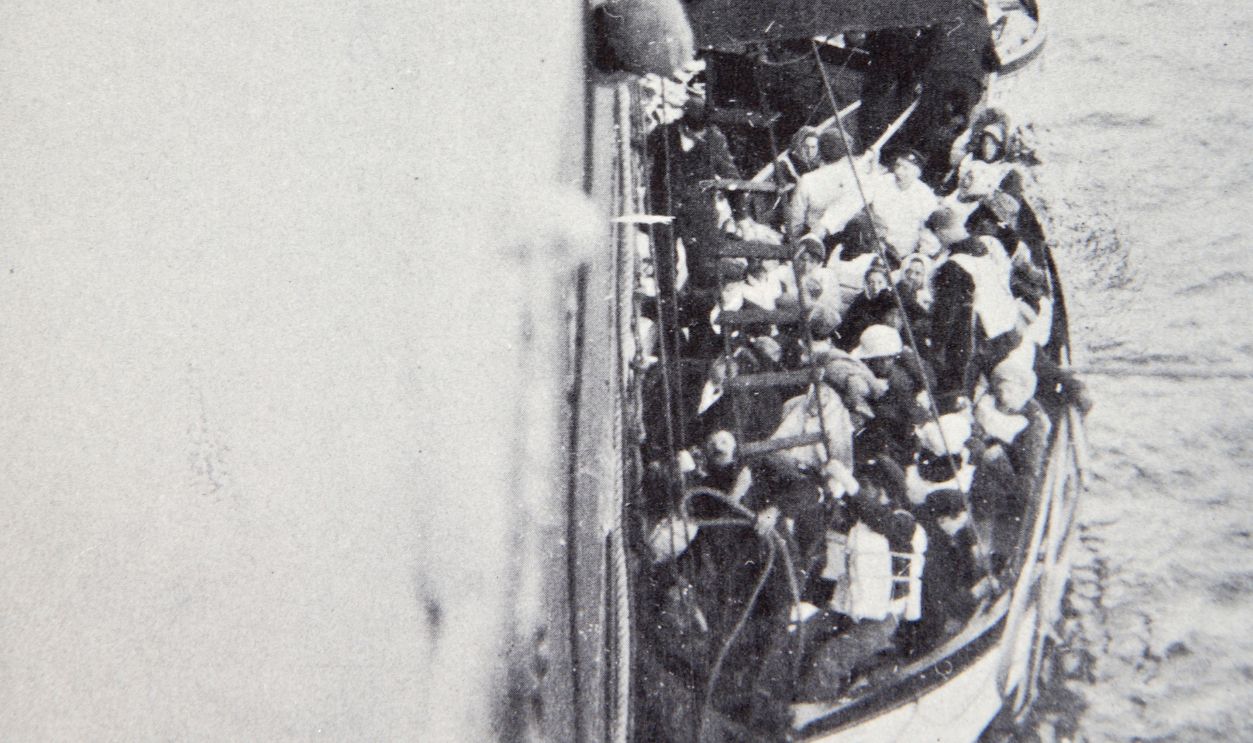
A Stranger Became Her Only Hope
With her mother and siblings gone, Ruth approached another officer who was loading passengers into a lifeboat. She asked whether she could board, and he lifted her into Lifeboat 13 just before it was lowered. She had no idea whether her family would survive, or whether she would ever see them again. And even after reaching the water, Ruth's ordeal was far from over.
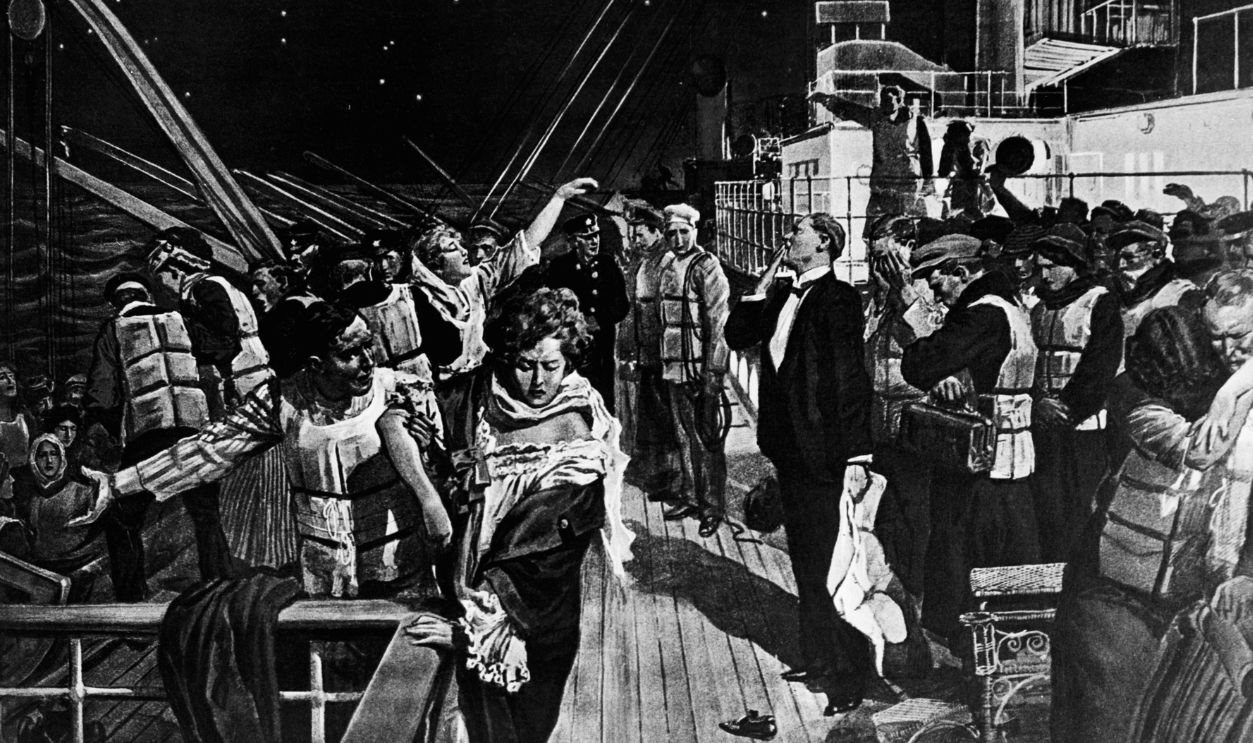
Another Lifeboat Nearly Crushed Them
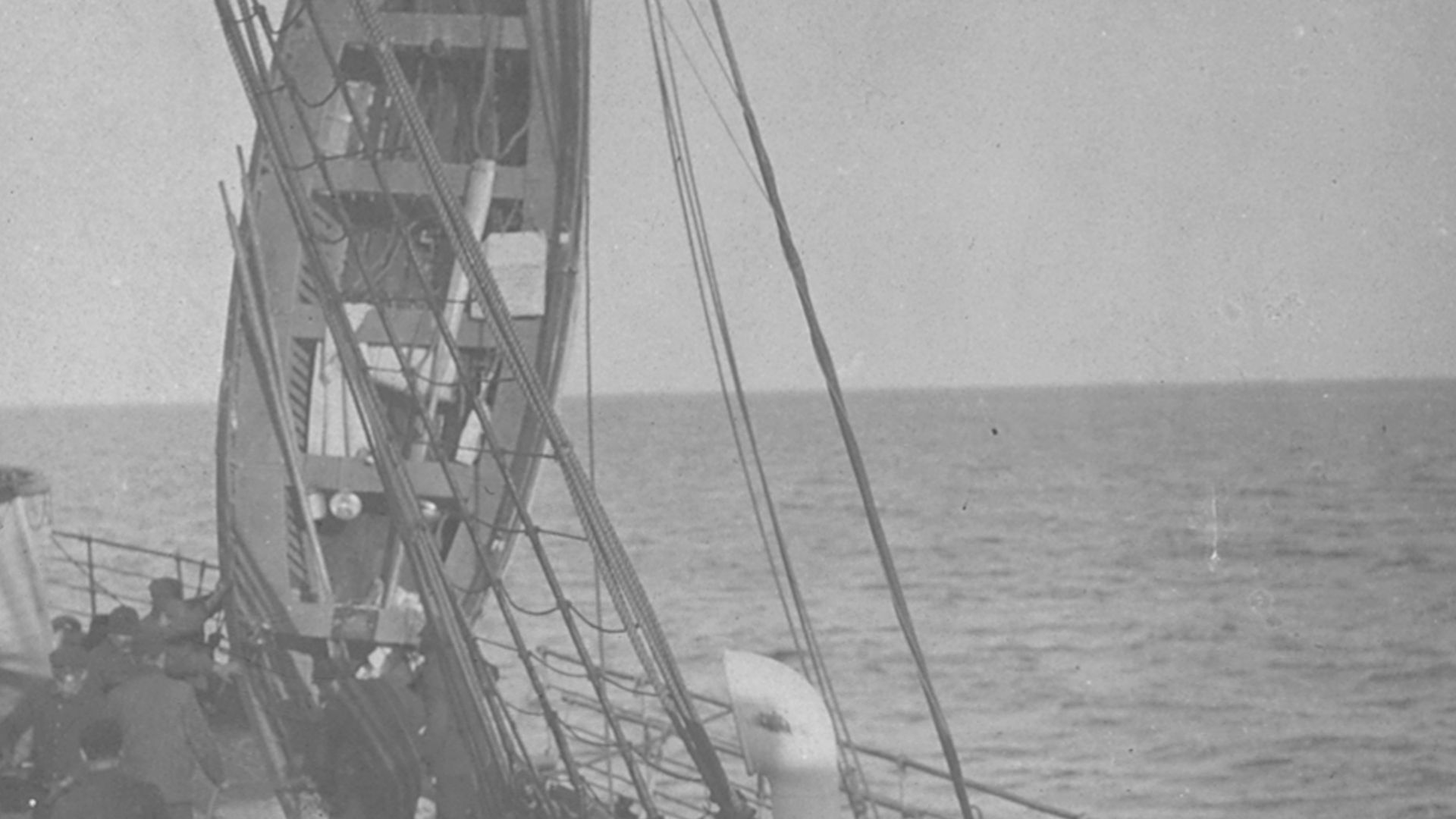
After Lifeboat 13 reached the sea, its crew struggled to get clear of the ship. Lifeboat 15 was being lowered directly above it, creating the terrifying possibility that one boat would come crashing down onto the other. The men aboard managed to free Lifeboat 13 and move it out of danger just in time. Ruth had escaped one disaster only to come frighteningly close to another.
 Unknown authorUnknown author or not provided, Wikimedia Commons
They Rowed Into The Darkness
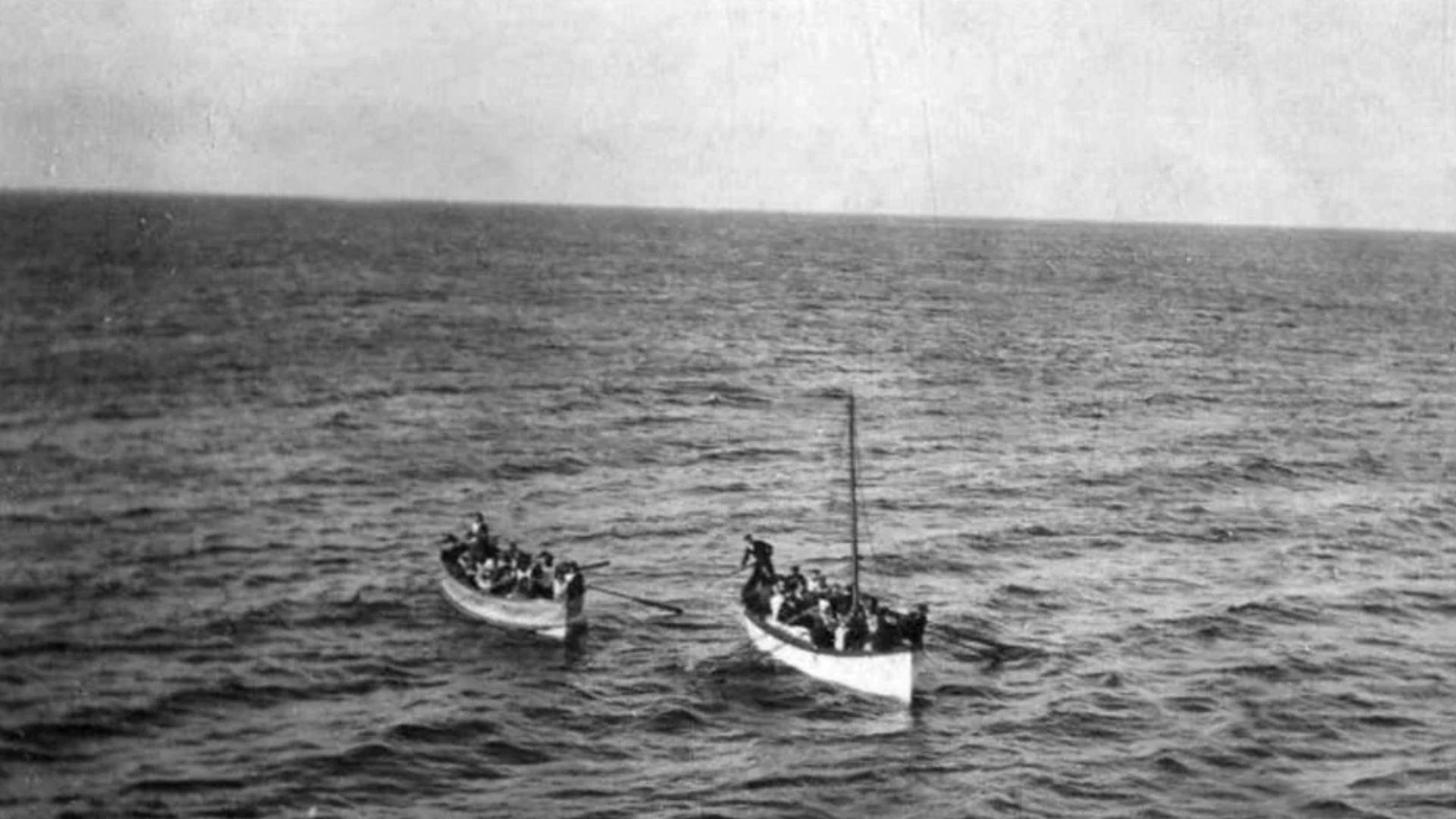
Once clear of Titanic, Ruth's lifeboat moved away from the sinking vessel. The night was moonless, making the illuminated ship stand out against the black ocean. From a distance, Ruth could see that Titanic was slowly settling into the water, its lights still glowing against the darkness. What happened next would become one of the most important details in her account.
 Louis Ogden, Wikimedia Commons
She Watched The Titanic Break Apart
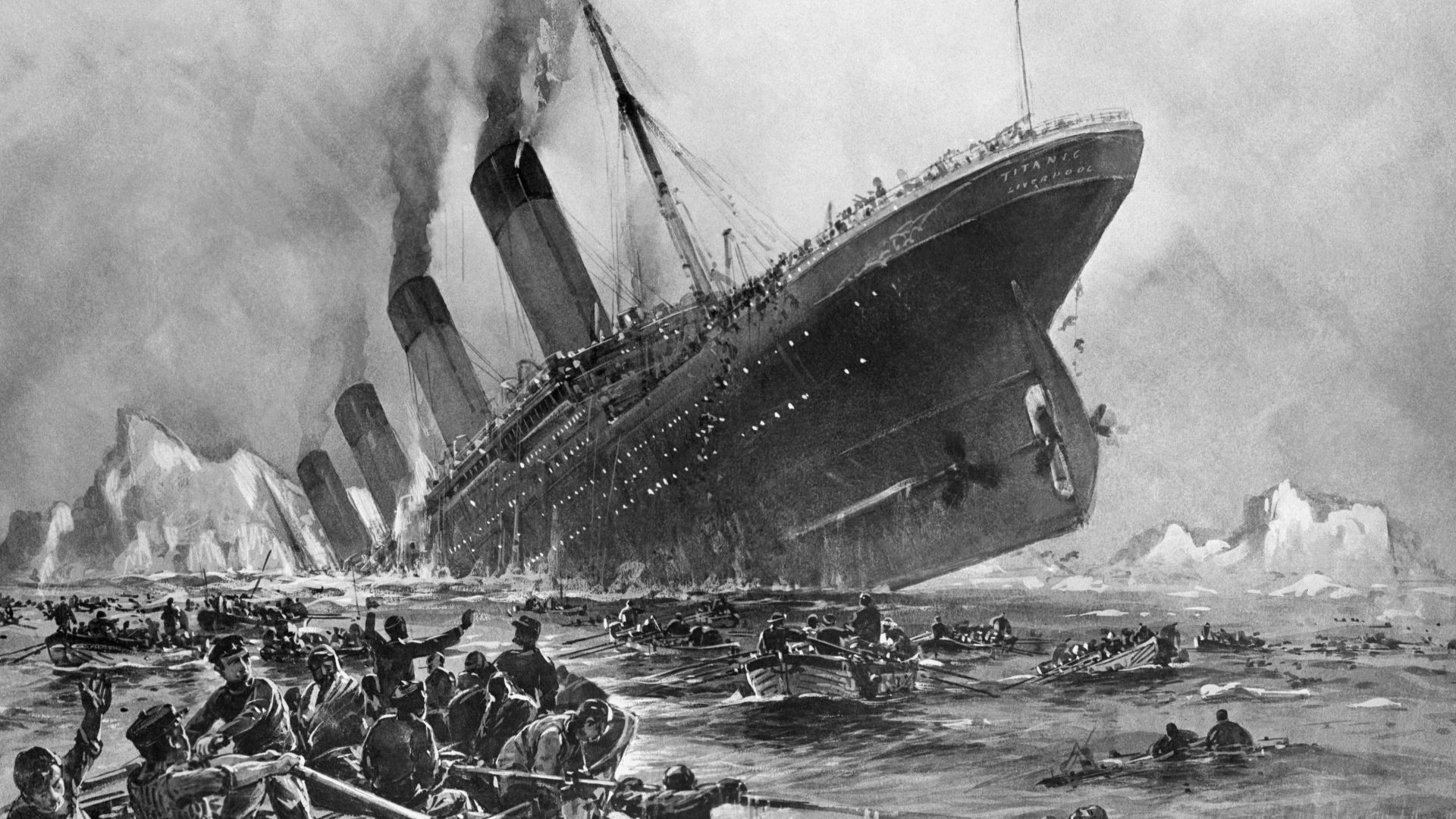
Ruth later described seeing the ship separate near its four funnels as the sinking reached its final moments. She remembered the stern remaining above the water briefly before disappearing too. From her position in the lifeboat, she believed she had witnessed Titanic breaking into two sections. It was an extraordinary sight, but the sounds coming from the water were even harder to forget.
 Willy Stower, Wikimedia Commons
The Screams Stayed With Her
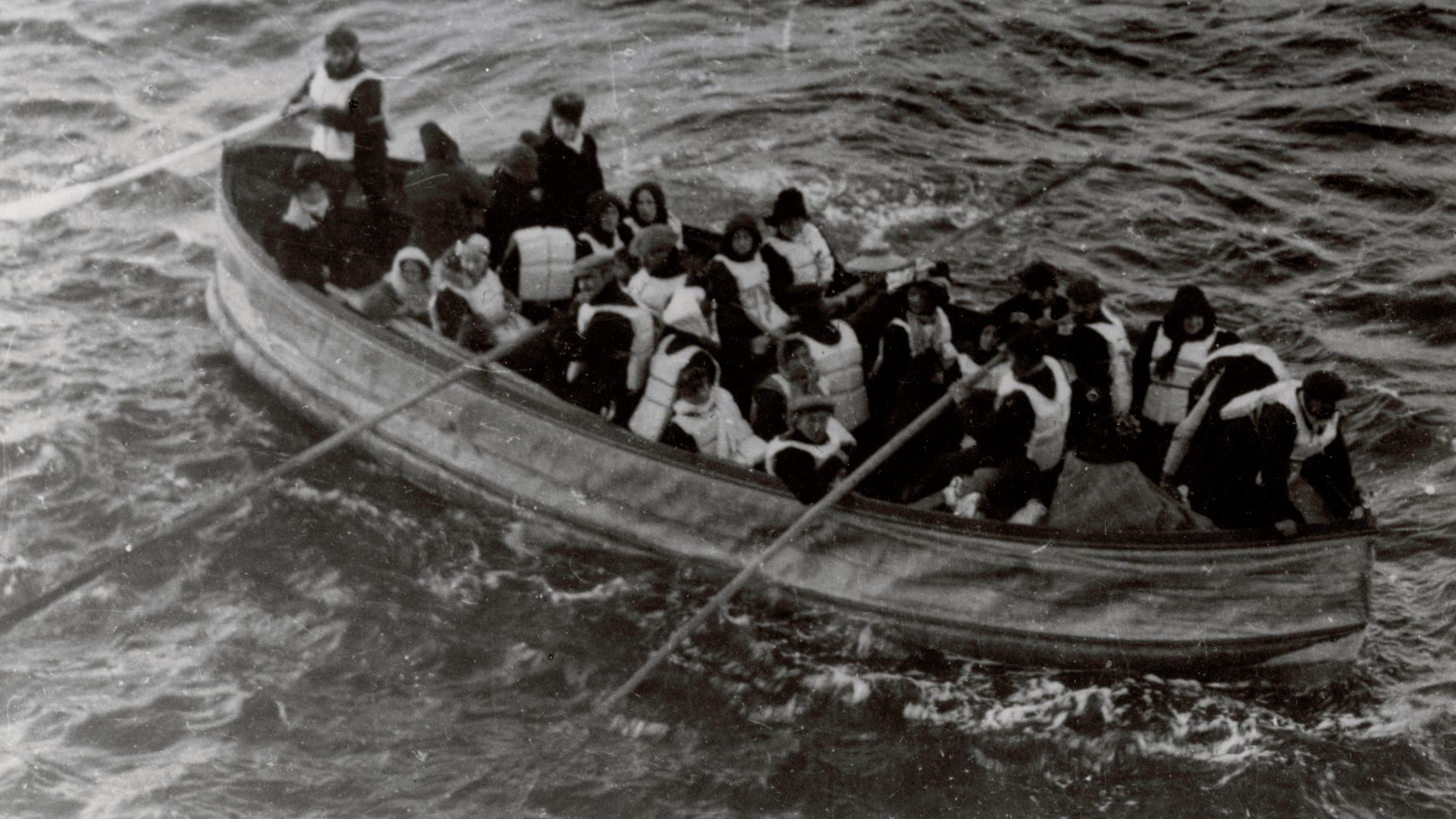
Ruth remembered people jumping from Titanic's decks as the ship disappeared. Their cries carried across the water, but the crowded lifeboats couldn't rescue everyone. She later explained that her own boat was already packed with survivors and had little room to spare. The helplessness of that night remained with her long after the ship itself was gone.
 U.S. District Court for the Southern District of New York. 1814, Wikimedia Commons
A Light Appeared In The Distance
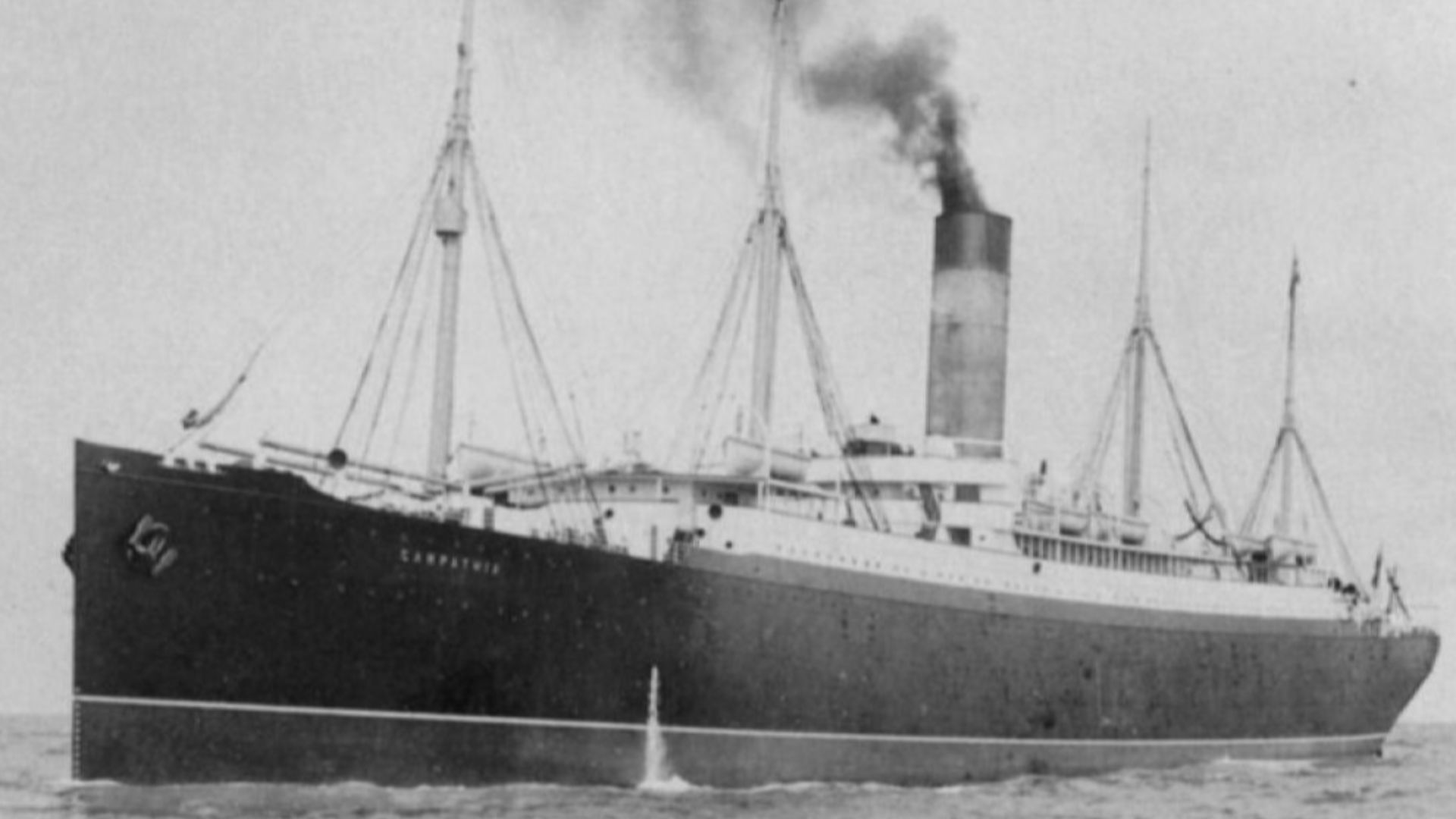
For hours, Ruth and the other survivors waited in the freezing darkness. Eventually, they spotted a distant light and saw rockets rising into the sky. The approaching vessel was Carpathia, which had rushed toward Titanic's distress signals. Rescue was finally coming, but Ruth still had no idea whether her mother and siblings were alive.
 Unknown authorUnknown author, Wikimedia Commons
Someone Was Looking For Her
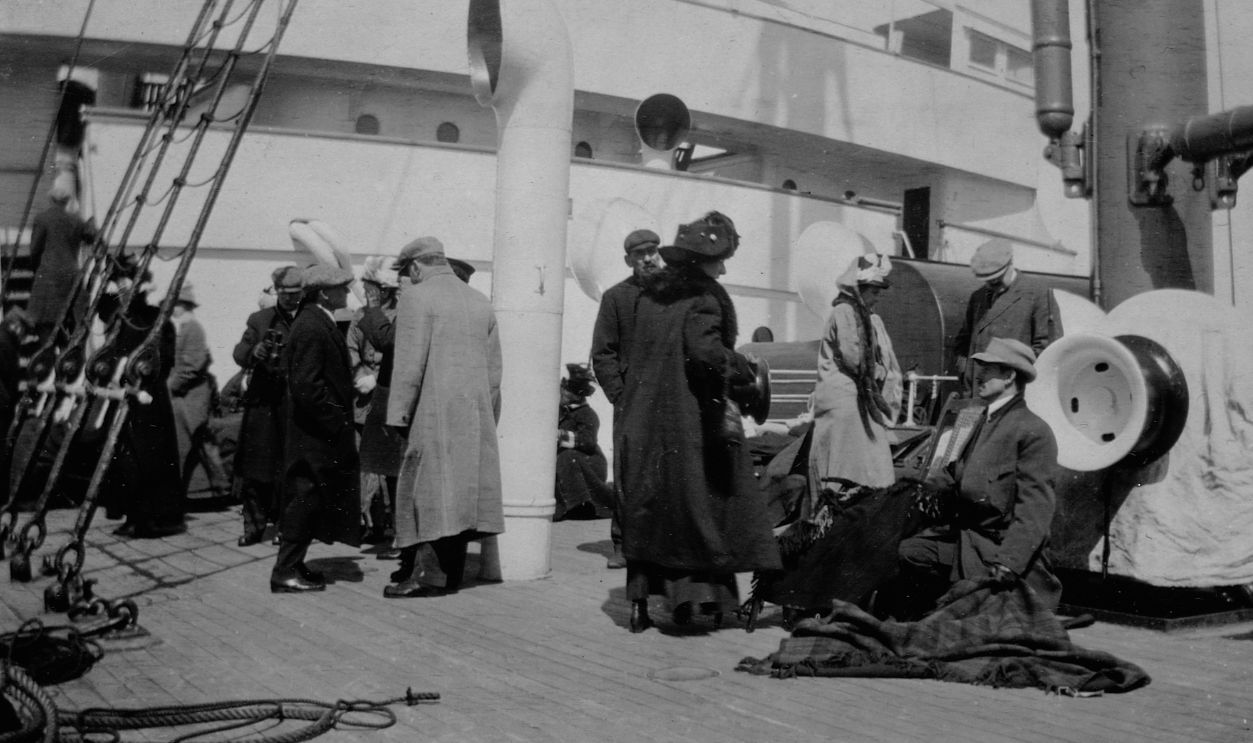
Ruth was so cold when she reached Carpathia that she struggled to hold onto the equipment used to lift her aboard. Once safely on deck, a woman approached and asked whether her name was Ruth Becker. The stranger explained that Ruth's mother had been searching everywhere for her. After a night of terrible uncertainty, the family was finally reunited.
 Library of Congress, Getty Images
Not Every Family Was So Lucky
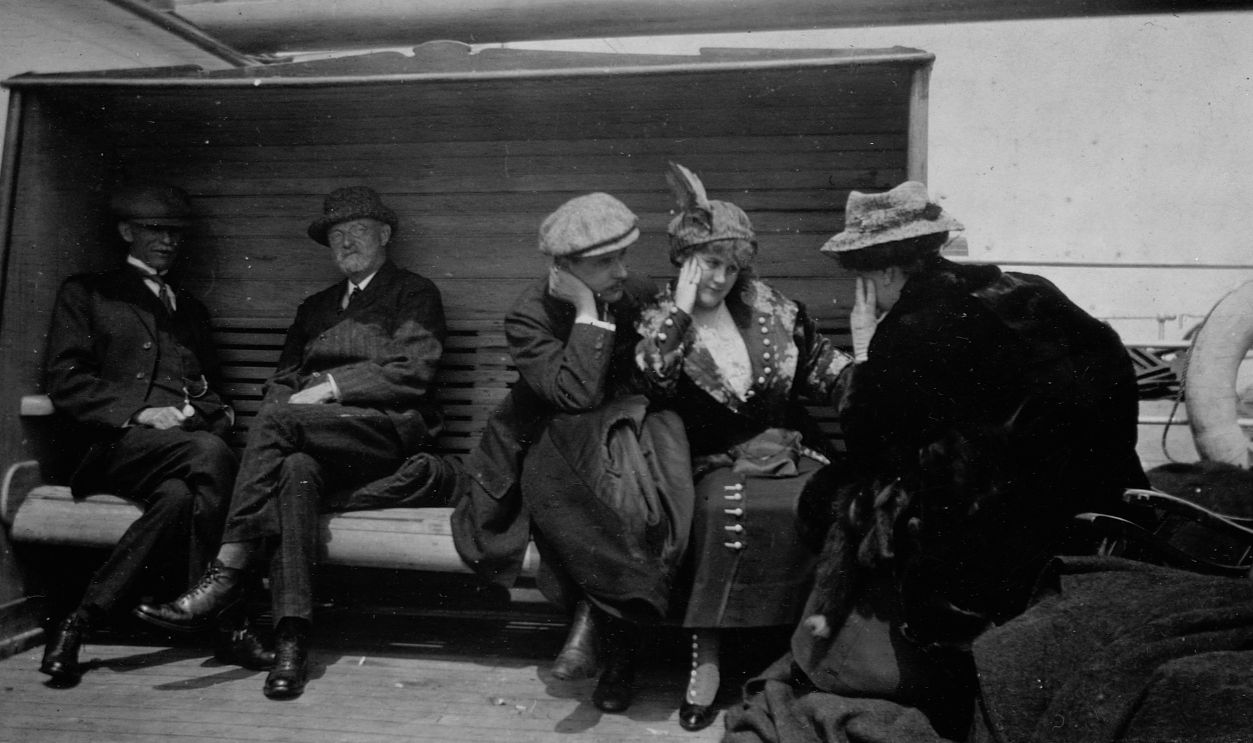
As Carpathia carried the survivors toward New York, Ruth witnessed another heartbreaking scene. Women stood near the railings, waiting for husbands who had promised to follow them aboard rescue boats. Many of those men never appeared. Ruth's entire immediate family had survived, but roughly 1,500 others aboard Titanic had lost their lives.
 Library of Congress, Getty Images
A Different Story Took Hold
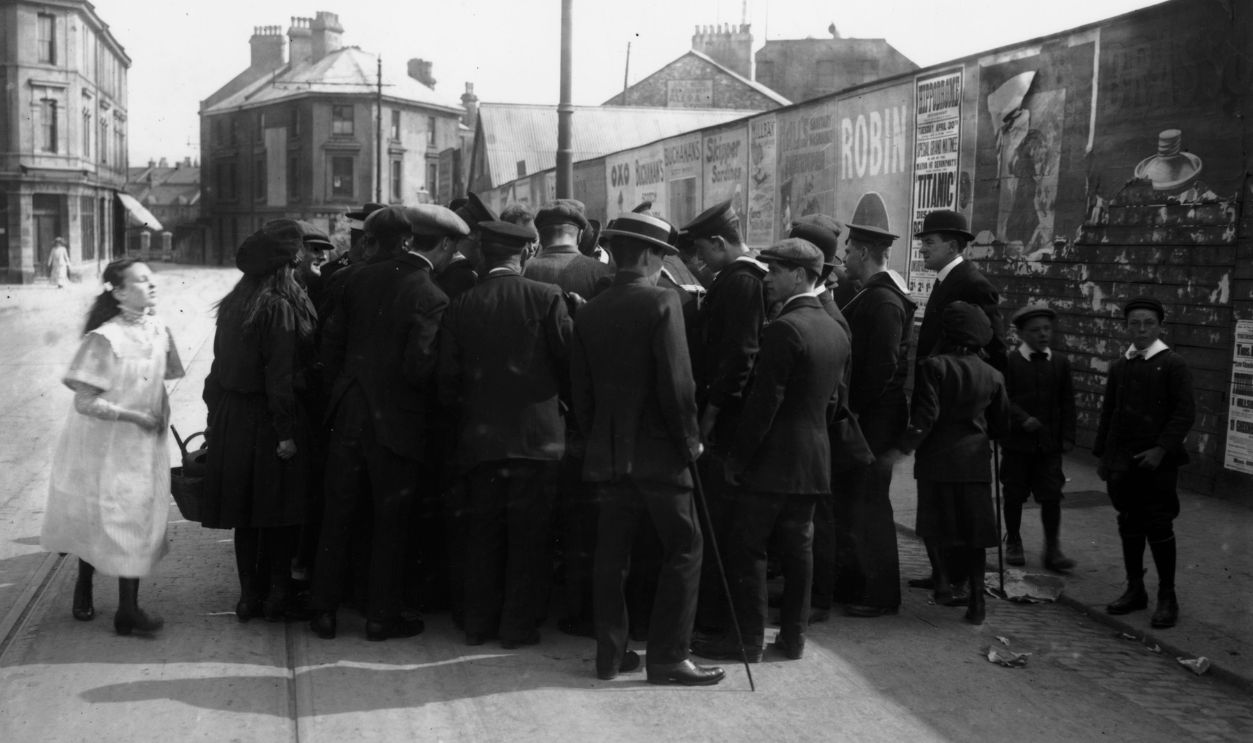
In the aftermath of the disaster, investigators gathered testimony about Titanic's final moments. Survivors disagreed about whether the ship had broken apart before sinking, and several influential accounts supported the idea that it went down intact. That version became widely accepted, even though other eyewitnesses remembered something very different. The disagreement would continue long after Titanic itself had vanished beneath the waves.
 Topical Press Agency, Getty Images
Even An Officer Disagreed
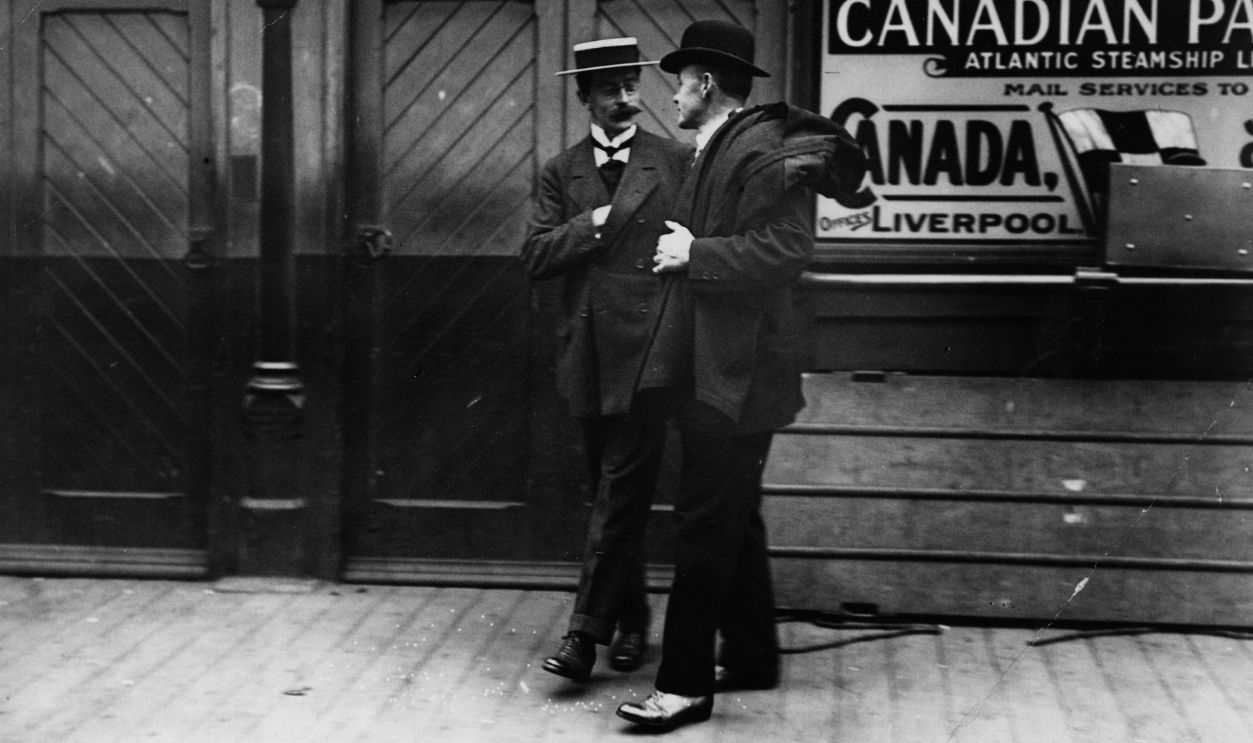
Titanic's Second Officer Charles Lightoller survived the disaster and gave evidence suggesting the ship had remained intact. Other prominent survivors, including Archibald Gracie and Lawrence Beesley, also described a sinking that did not involve a visible breakup. Their accounts carried considerable weight in the years that followed. But they weren't the only people who had been watching.
 Topical Press Agency, Getty Images
Other Survivors Remembered Differently
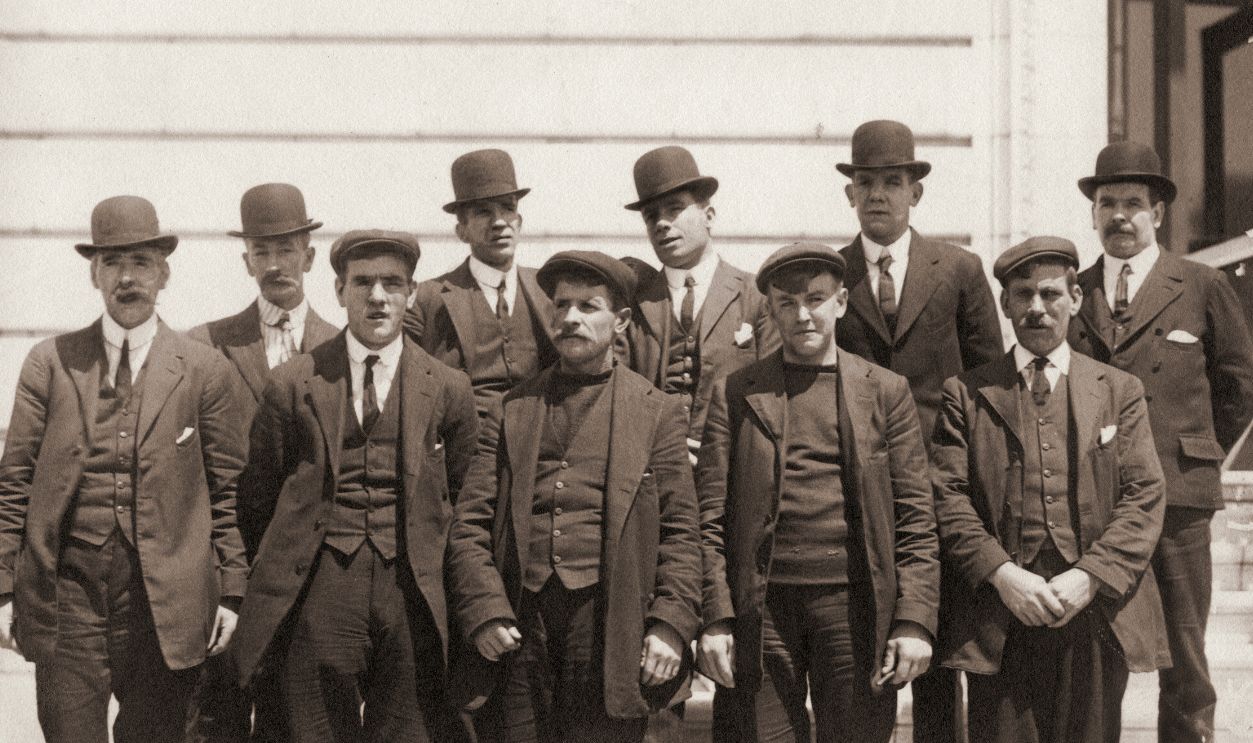
Ruth was hardly alone in believing Titanic had broken apart. Other survivors, including Quartermaster Arthur Bright, also described the ship separating before it disappeared beneath the waves. Their descriptions didn't always agree, which made reconstructing the final moments difficult. Yet despite these eyewitness accounts, the idea of an intact Titanic continued to dominate popular understanding of the disaster.
Ruth Carried Her Memories Into Adulthood
After the disaster, Ruth continued her education and eventually became a teacher. She married Daniel Blanchard in 1924, and the couple had three children. For much of her adult life, she avoided speaking publicly about Titanic, choosing instead to concentrate on her family and career. But decades later, she would begin sharing the memories that had stayed with her since childhood.
 Screenshot from Titanic: Breaking New Ground, 20th Century Studios (1998), Enhanced
Someone Reportedly Silenced Her
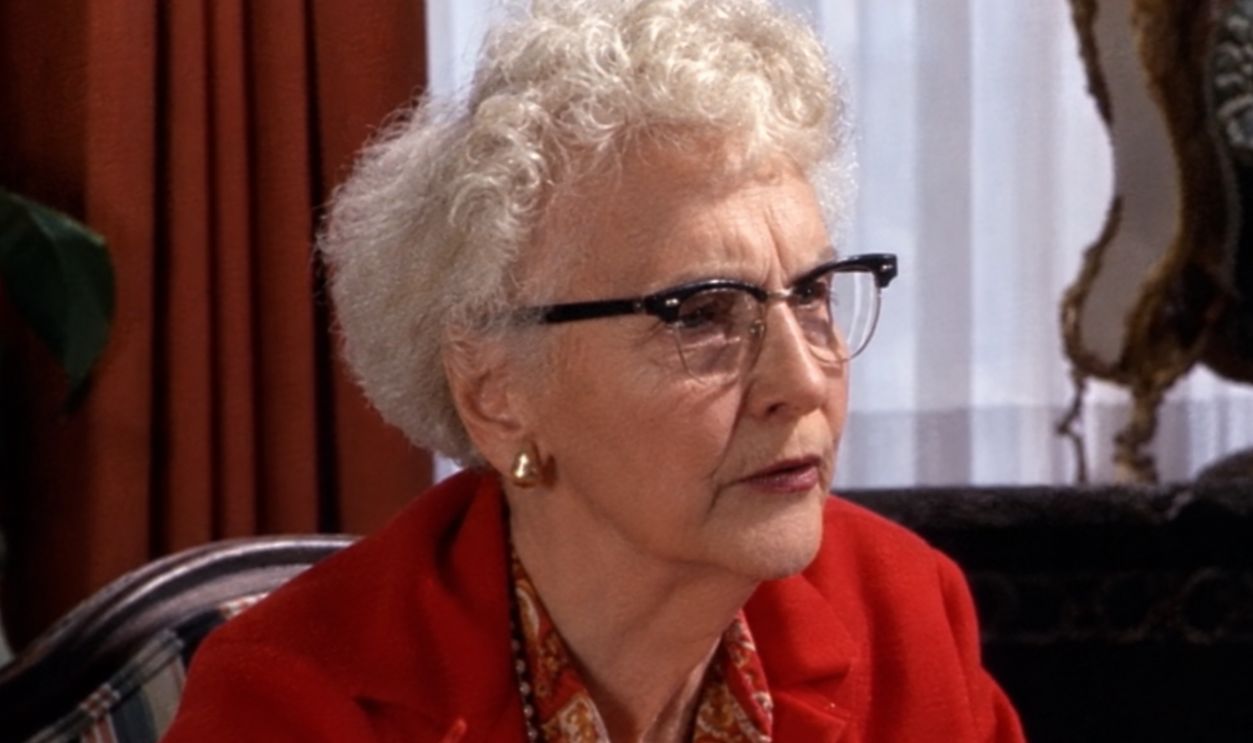
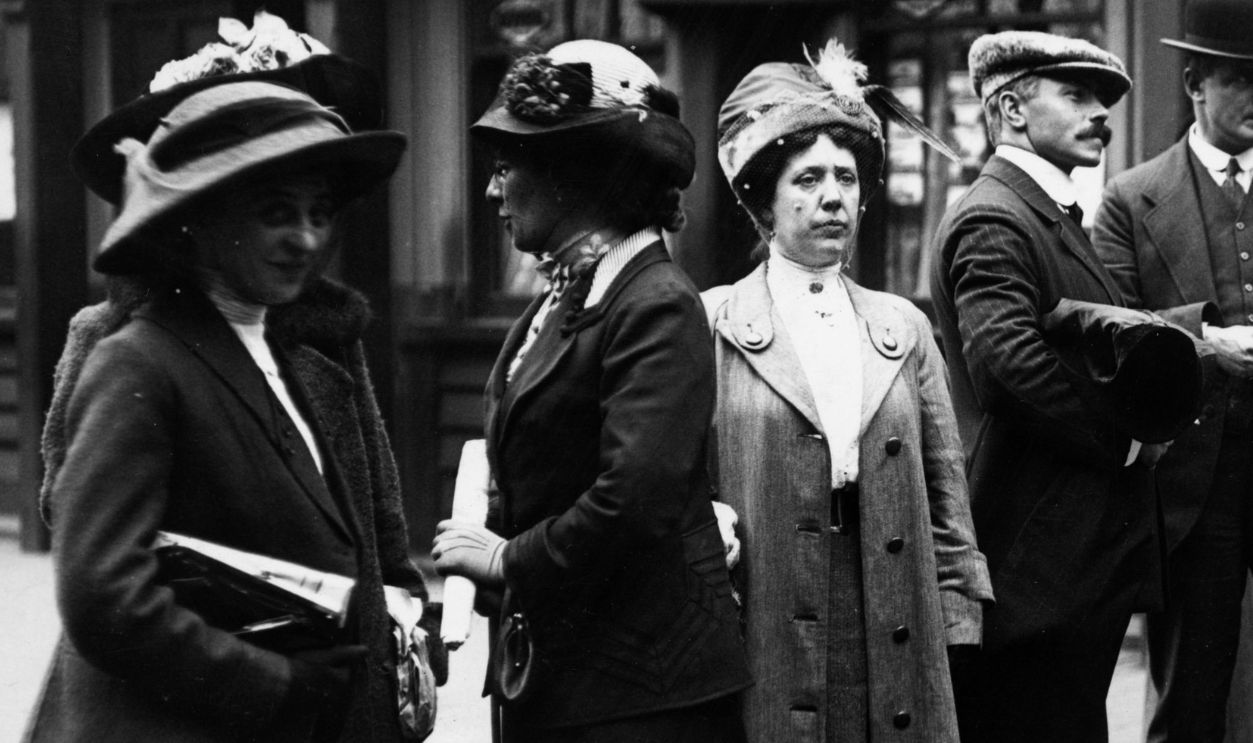
After retiring, Ruth became more willing to discuss her experiences and attended Titanic Historical Society gatherings during the 1980s. According to an unverified account, during one gathering, she described watching the ship break apart, only for an official to reportedly take away her microphone and tell the audience she was mistaken. The incident has not been independently confirmed, but Ruth's surviving recorded testimony leaves no doubt about what she remembered seeing. And the argument over Titanic's final moments was about to take an extraordinary turn.
 Topical Press Agency, Getty Images
The Ocean Was Hiding The Answer
Titanic had sunk in a remote part of the North Atlantic, thousands of feet beneath the surface. Finding the wreck was enormously difficult, especially before modern underwater exploration technology became available. Without direct evidence from the seabed, historians continued debating what the survivors had actually seen. Then, in 1985, a French-American expedition set out to find the missing ship.
The Search Took A New Approach
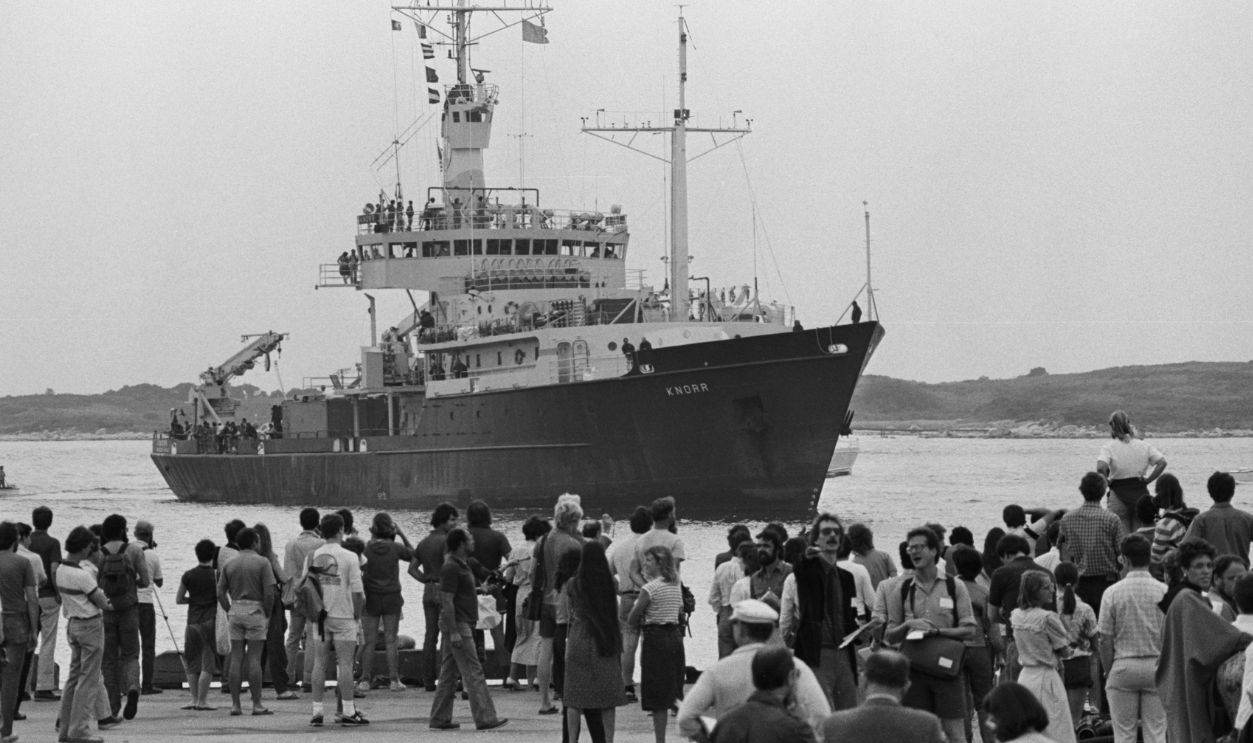
Researchers from France and the United States worked together to search for Titanic. Jean-Louis Michel helped lead the French survey, while Robert Ballard led the American team's subsequent search aboard the research vessel Knorr. Ballard's team used an underwater camera system called Argo to search for debris scattered across the ocean floor. Rather than looking only for an enormous ship, they hoped to follow the smaller pieces that might lead them to it.
 Titanic Belfast, Wikimedia Commons
A Boiler Appeared In The Darkness
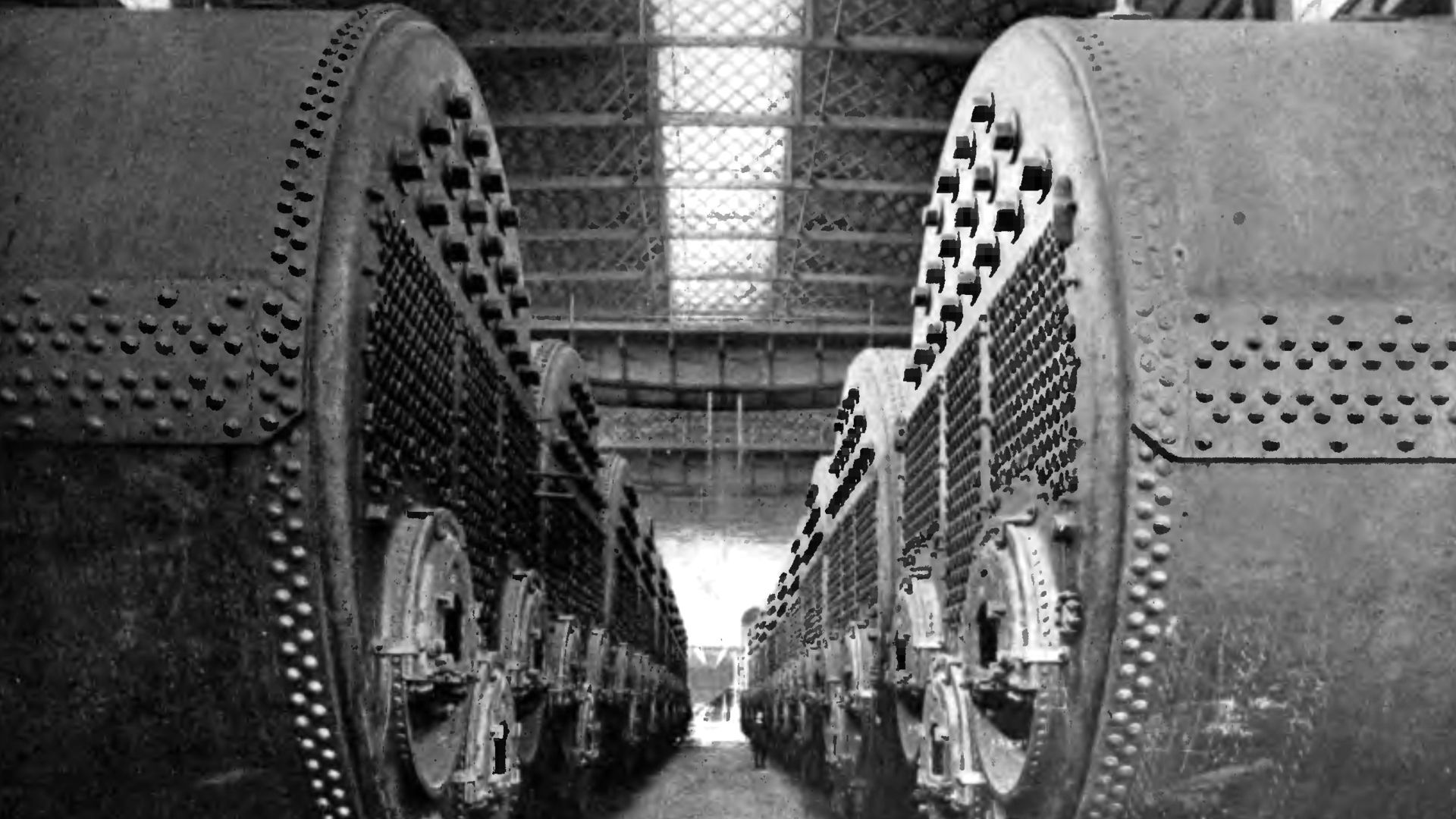
In the early hours of September 1, 1985, the researchers spotted something unmistakable on their underwater cameras. A large boiler from Titanic had appeared on the seabed, confirming that they had finally reached the wreck site. After more than 73 years, the ship's resting place had been discovered. But the most important revelation for the breakup debate was still to come.
 John Bernard Walker, Wikimedia Commons
The Titanic Was In Two Pieces
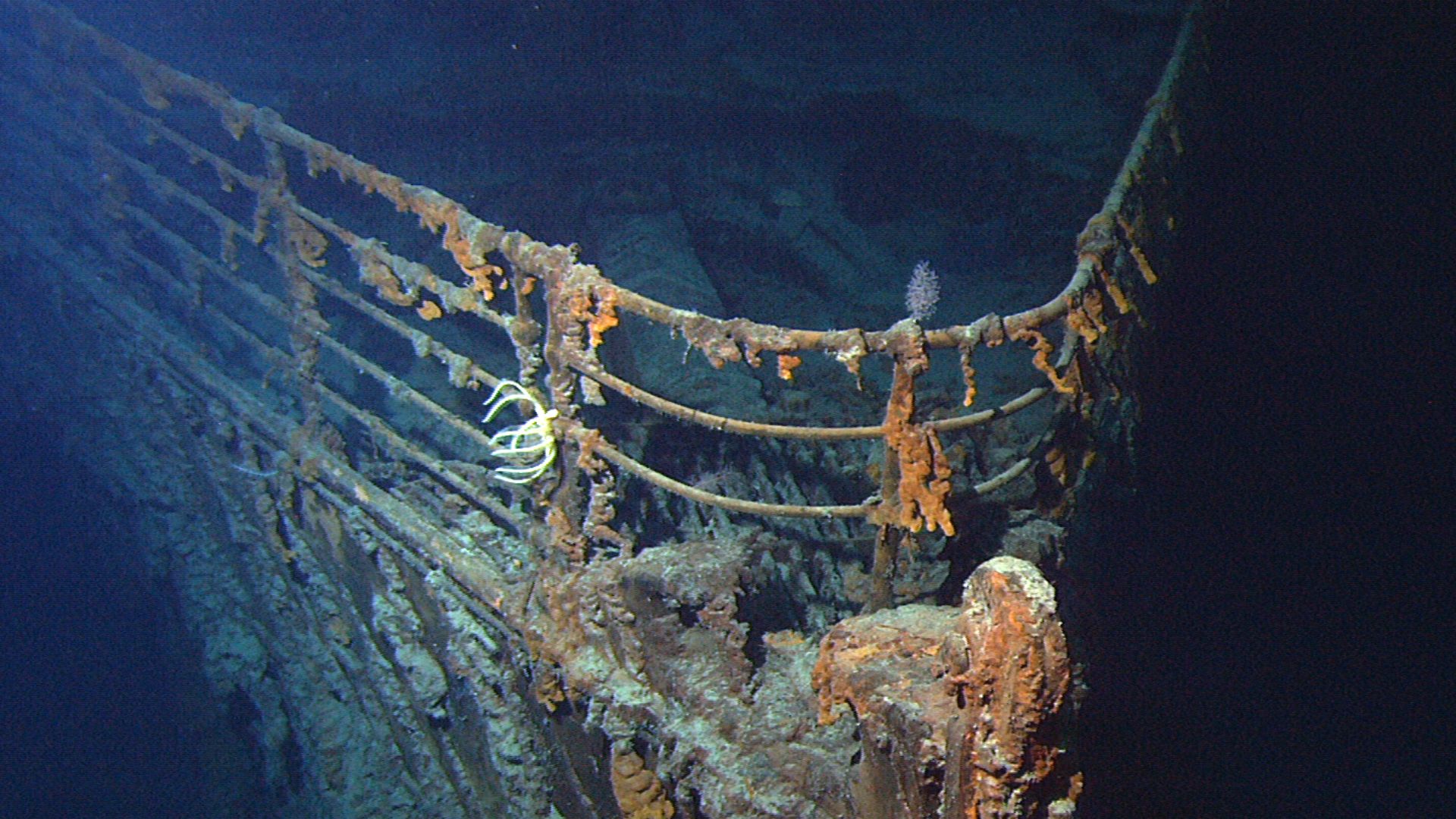
The wreck revealed that Titanic had not reached the ocean floor as a single intact vessel. Its bow and stern lay separated, with a debris field scattered between them. This was decisive physical evidence that the ship had broken apart during its destruction, although it couldn't establish precisely what every eyewitness had seen at the surface. The discovery nevertheless supported the central claim Ruth Becker and numerous other survivors had maintained for decades.
She Lived To See The Discovery
Ruth was 85 when Titanic's wreck was found in 1985. She had survived the sinking as a child, lived through decades of disagreement about its final moments, and finally witnessed the discovery of physical evidence supporting her account. Interestingly, she did not believe the wreck should simply be disturbed for the sake of recovering objects. For Ruth, the ocean floor was also the resting place of people who had never come home.
 Screenshot from Titanic: Death of a Dream, A&E Television Networks (1994), Enhanced
Her Final Journey Was Back To The Sea
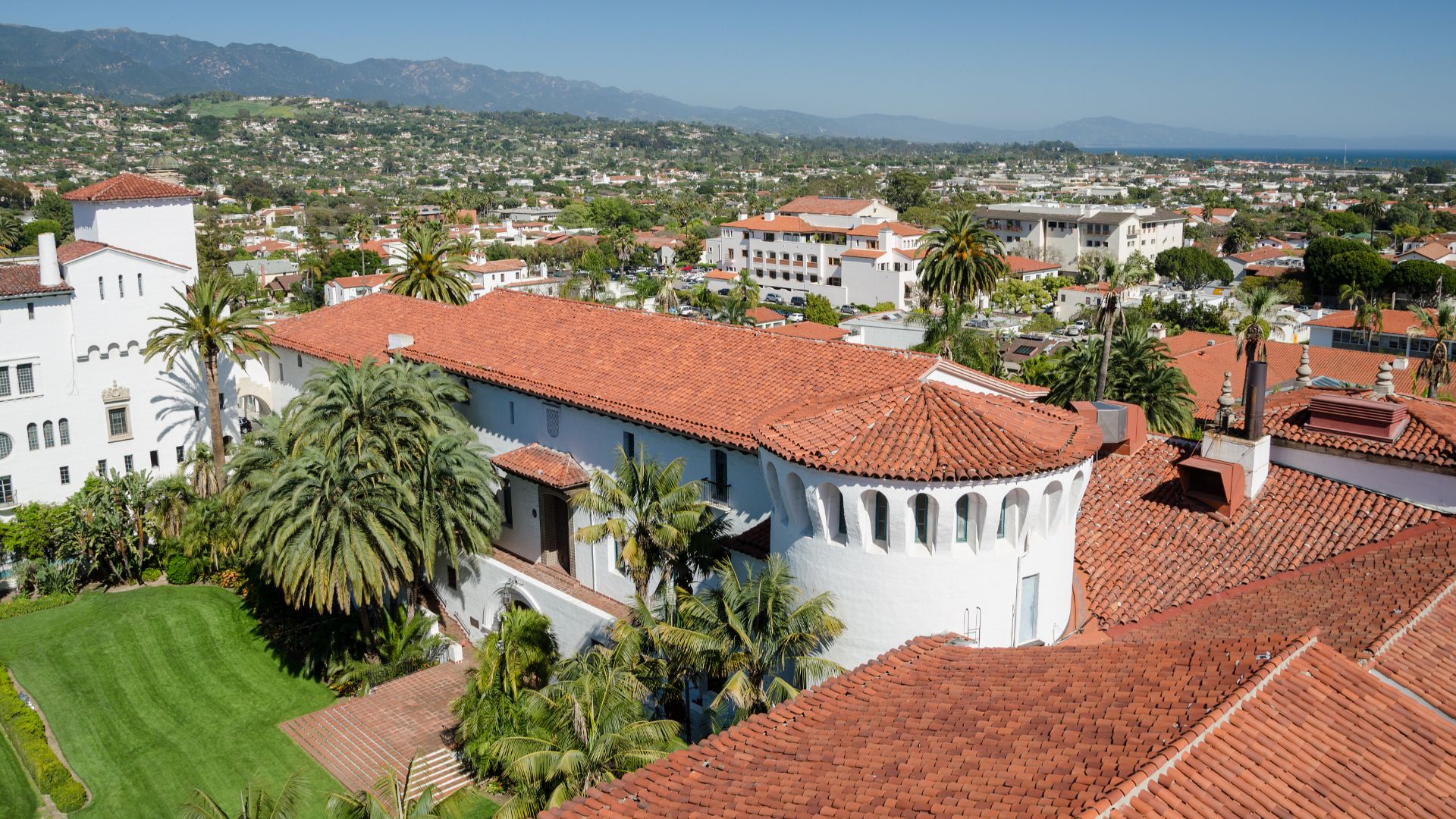
Ruth Becker Blanchard died in Santa Barbara on July 6, 1990, at the age of 90. Shortly before her passing, she had taken a cruise to Mexico, her first ocean voyage since surviving Titanic. After her death, her ashes were scattered over the Atlantic near the site of the sinking. Her life had come full circle, but the significance of her eyewitness account would endure.
The Little Girl Who Remembered
Ruth Becker wasn't the only survivor who described Titanic breaking apart, and the 1985 discovery didn't prove every detail of her recollection. But it did establish that the long-accepted picture of an intact ship was wrong. Her testimony now stands alongside the wreck itself as part of the historical record of that terrible night. More than seven decades after a frightened 12-year-old watched Titanic disappear, the ocean finally revealed the evidence that had been missing.
 Screenshot from Titanic: Death of a Dream, A&E Television Networks (1994)
You May Also Like:
12 Titanic Survivors Who Revealed The Truth About That Night