
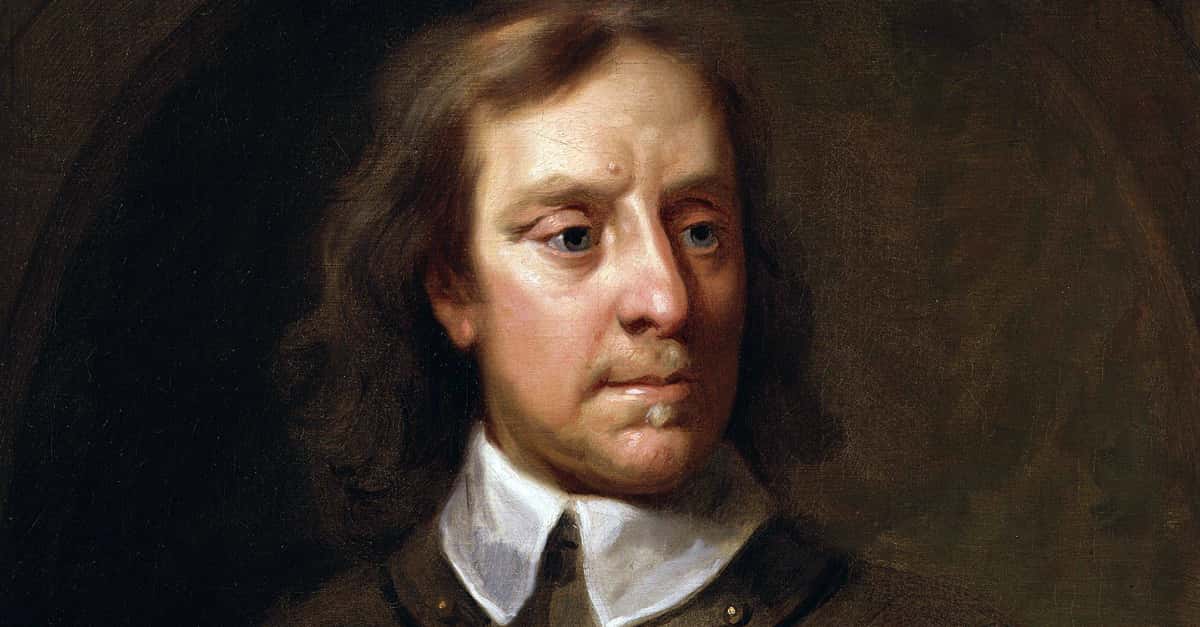
He Was King In All But Name
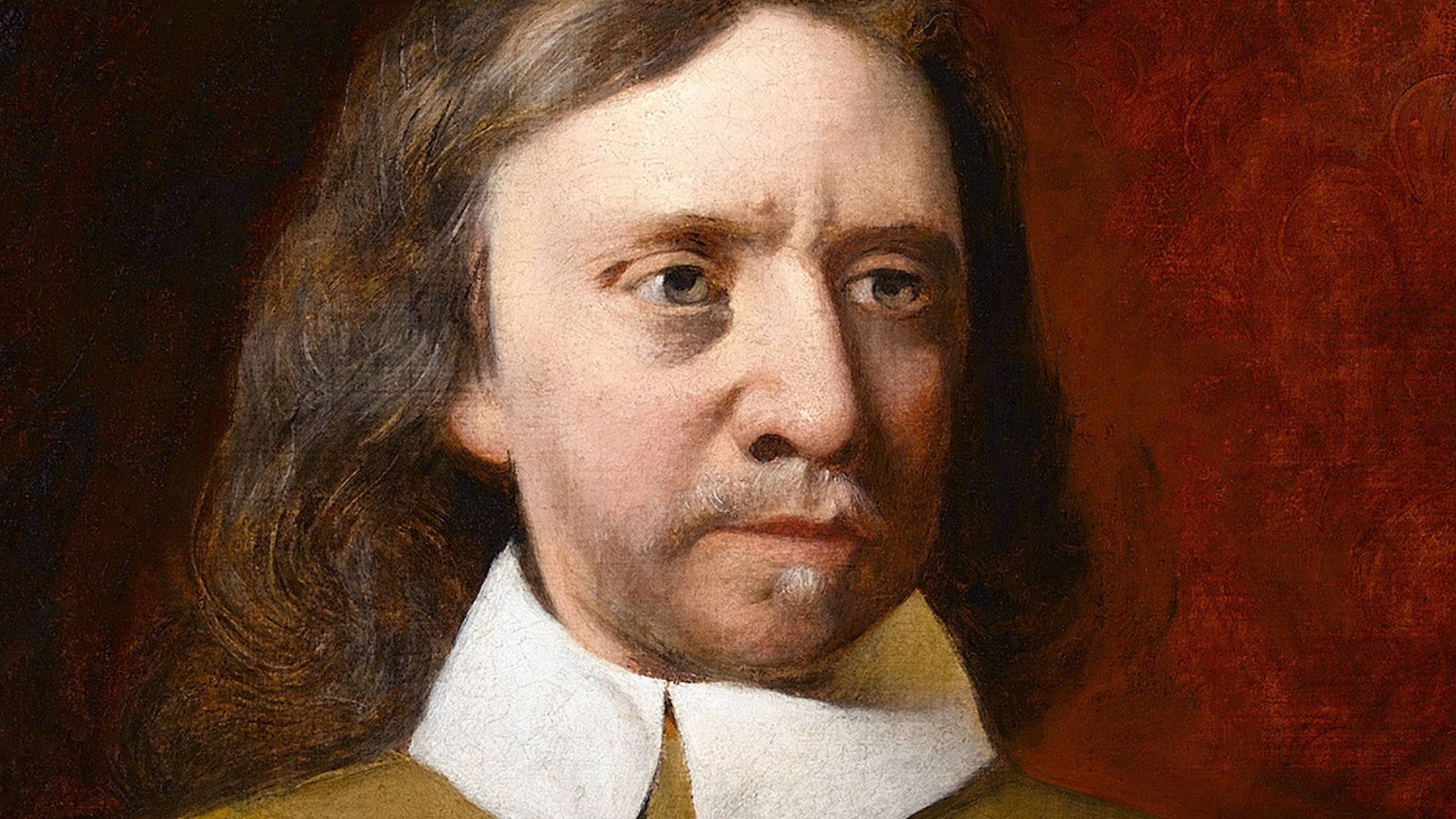
Oliver Cromwell ruled over the Commonwealth of England as Lord Protector from 1653 to 1658. Rising through the ranks of the army one bloody campaign after another, he became “king” in all but name. Whether he was a traitor or a truehearted Puritan is still a matter of debate. A debate that cost him his head.
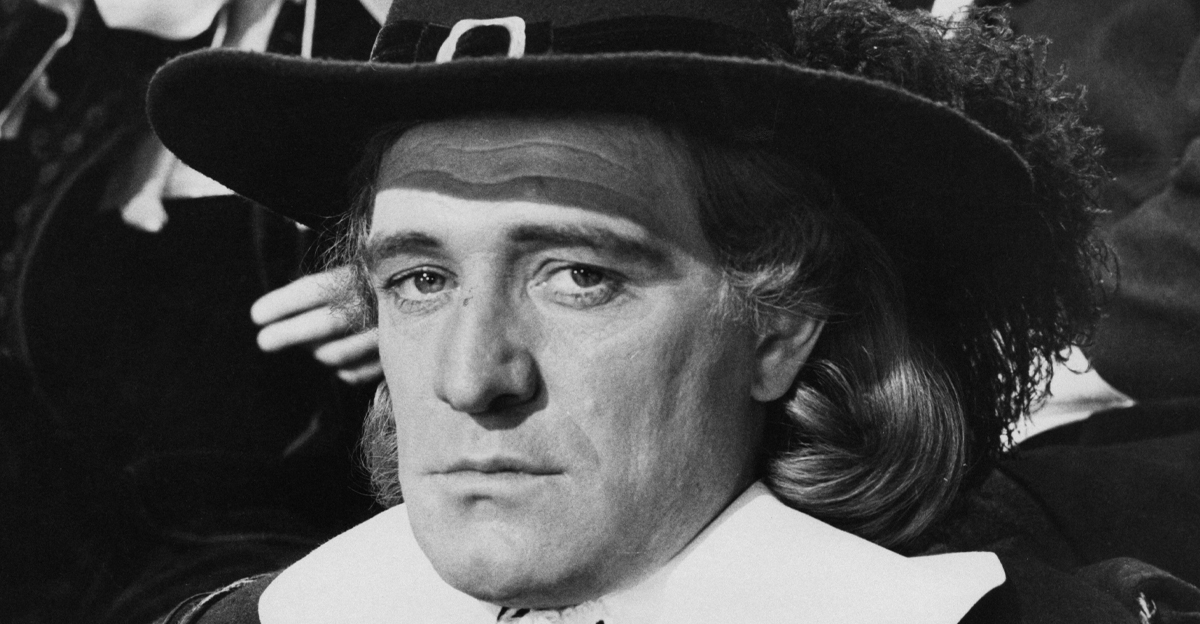 Ted West / Stringer, Getty Images
1. He Was Just One Of Many
Born on April 25, 1599 in Huntingdon into a crowded household, no one imagined that Oliver Cromwell would one day be England’s de facto king. He was the fifth child and only surviving son among ten, born to Robert Cromwell and his wife Elizabeth. Baptized a few days after his birth at St John’s Church, nothing about his birth suggested destiny.
Yet he was already closer to the crown than even he knew.
2. His Ancestors Were Powerful People
Cromwell’s lineage was both aristocratic and common. His ancestor, Morgan ap William, had married into the Cromwell name through Thomas Cromwell’s sister—Thomas Cromwell being the infamous advisor to one of the Tudor dynasty’s most controversial kings, Henry VIII. On the other side of his family, he hailed from wealthy Huntingdon landowners.
He was landed noble gentry—without the gentry.
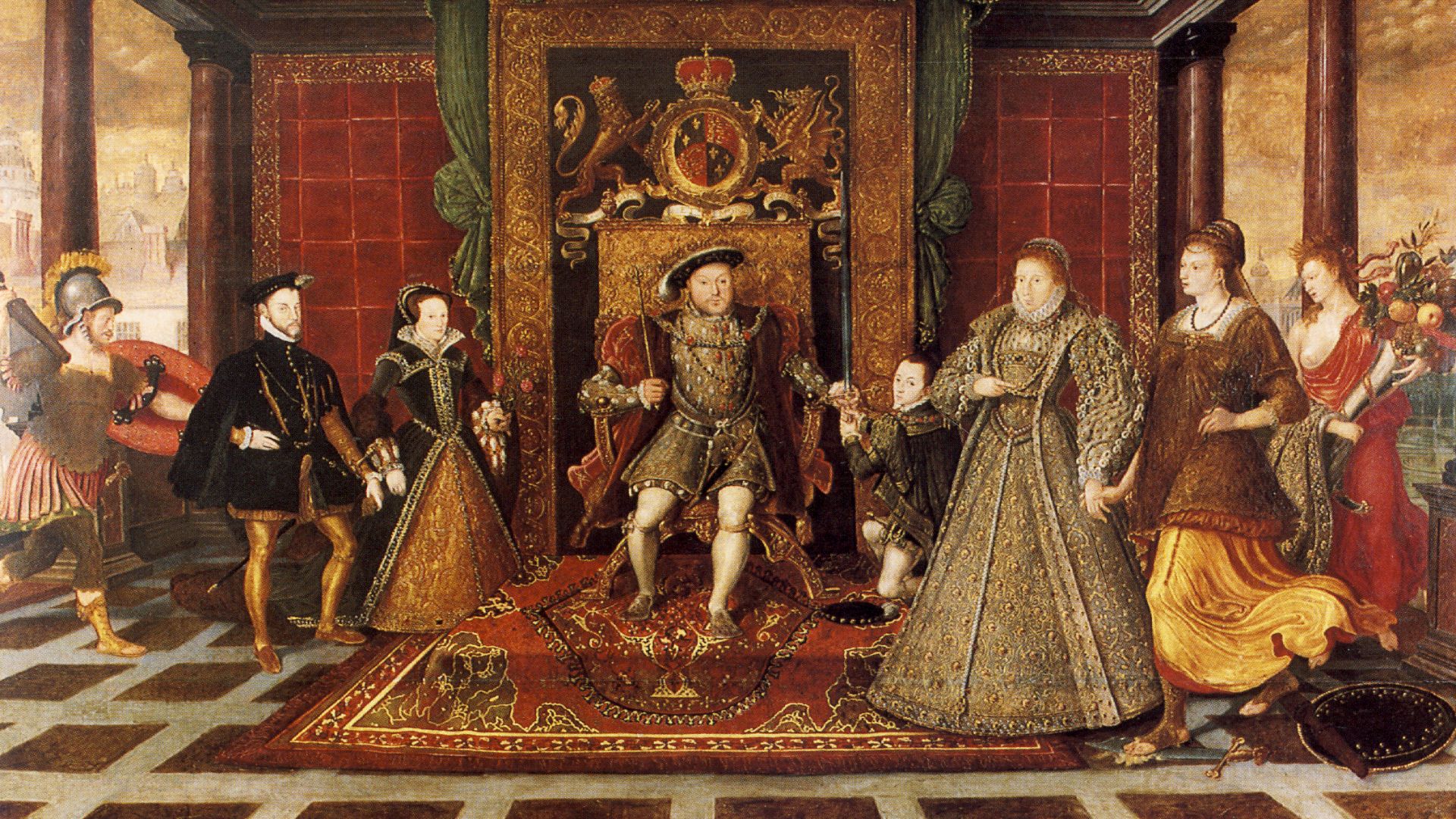 Attributed to Lucas de Heere, Wikimedia Commons
3. He Knew His Place
Oliver Cromwell later reflected plainly on his precarious social status, stating, “I was by birth a gentleman, living neither in considerable height, nor yet in obscurity”. His family’s history made him part of the aristocracy, but his father’s modest income placed him at the lower edge of England’s gentry—enough to get by, but never enough to get ahead.
He was determined to change that.
4. He Was Not An “A” Student
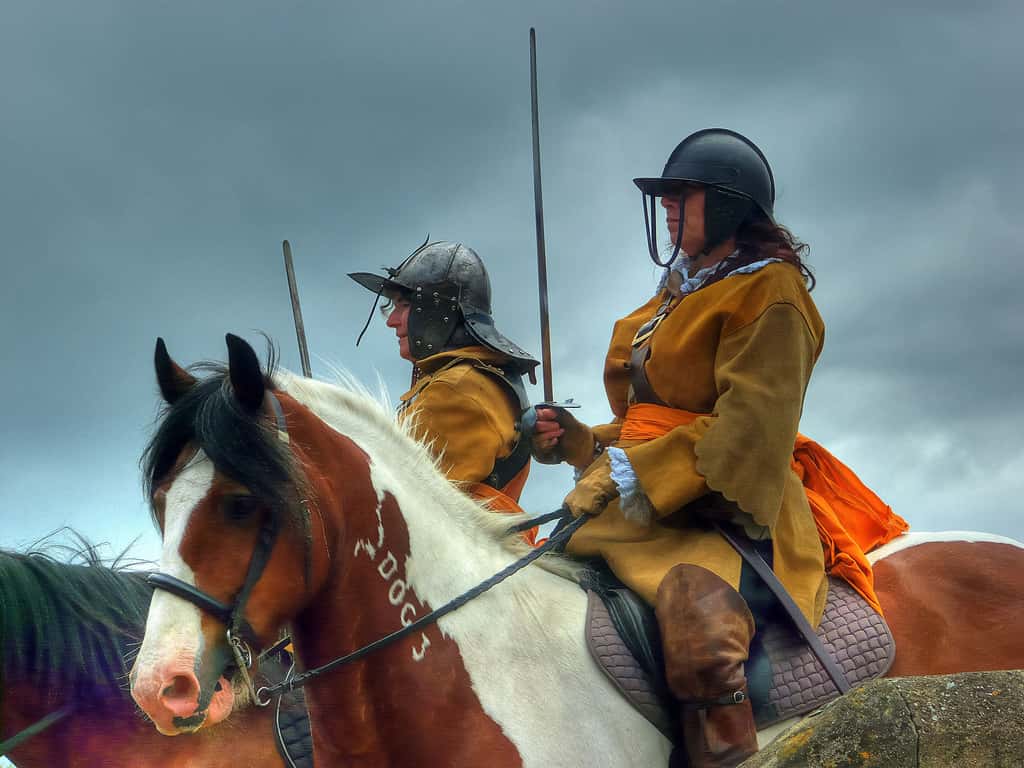
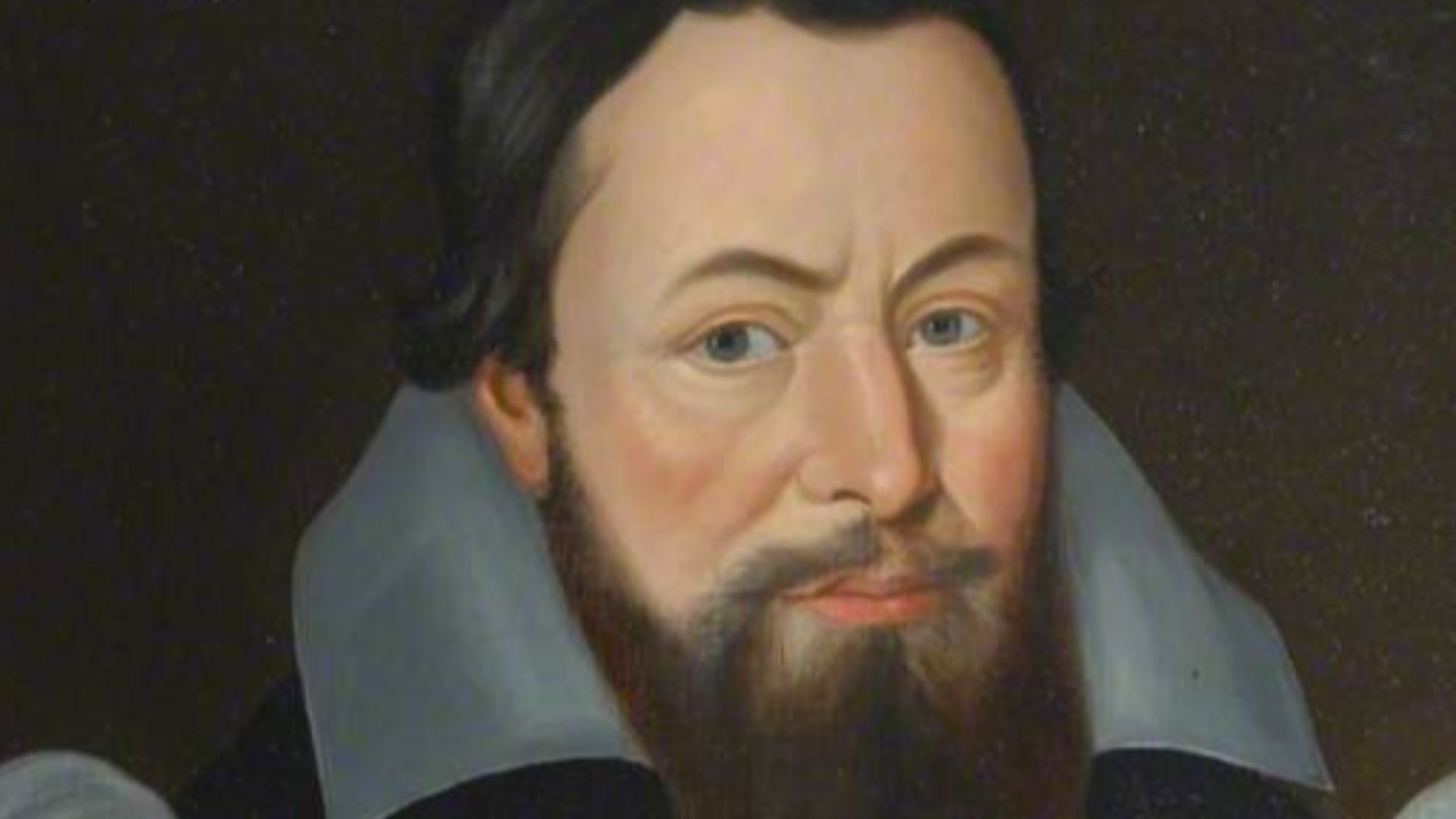
Educated at Huntingdon Grammar School and later Sidney Sussex College, Cambridge, Cromwell was well-educated. Under the tutelage of the Puritan theologian, Thomas Beard, Cromwell originally showed more interest in sports than in scholarship. Later on, he would blend his considerable physical prowess with the zeal of his Puritan education with devastating effects.

5. He Skipped Out On School
When his father unexpectedly passed on in 1617, Cromwell abandoned his education at Cambridge. Some accounts suggest that he continued studying law in London, following in his family’s tradition. In all likelihood, however, as the only male left in his family, duty pulled him home to manage the property and support his mother and sisters.
Soon, he would have a family of his own to care for.
6. His Marriage Opened Doors
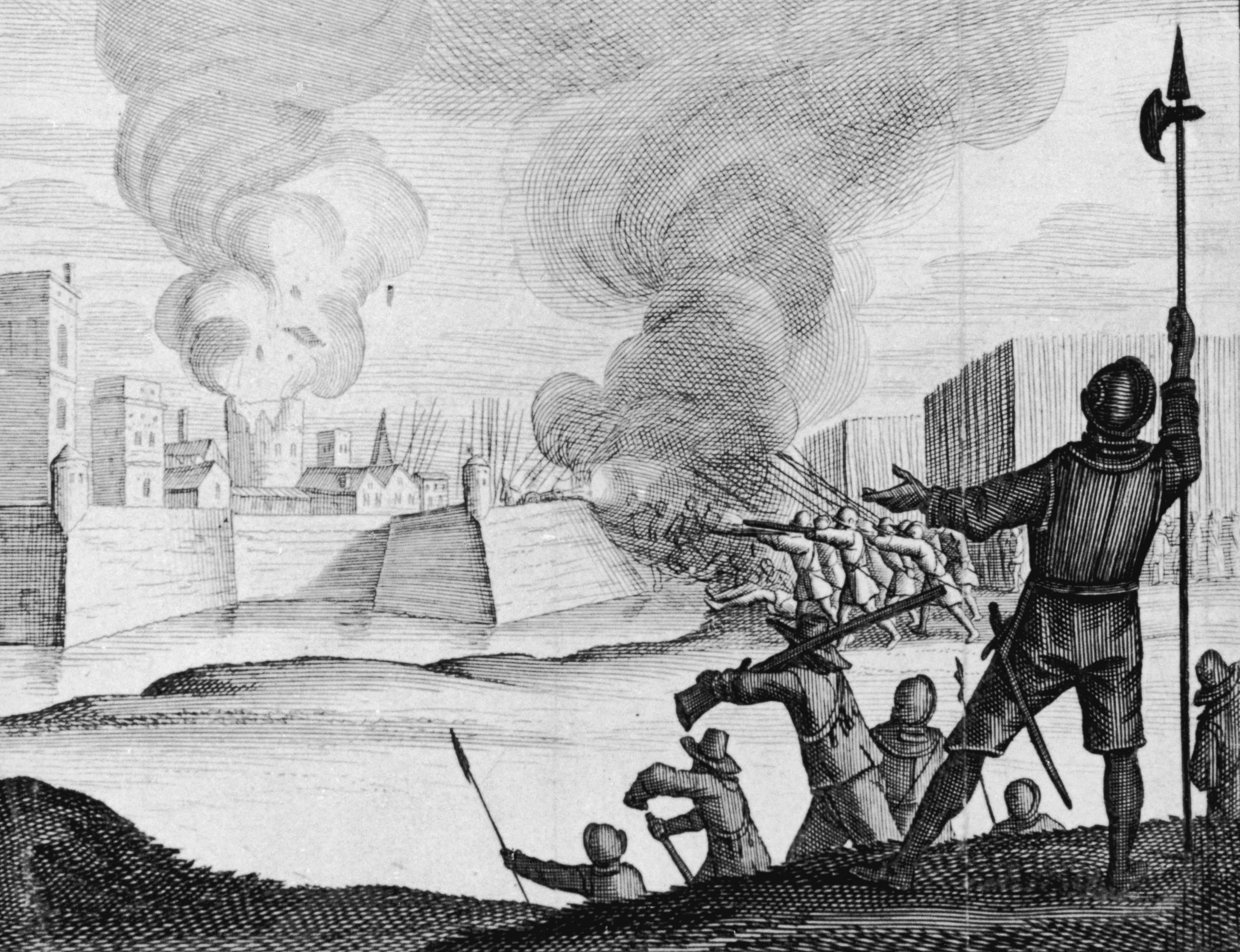
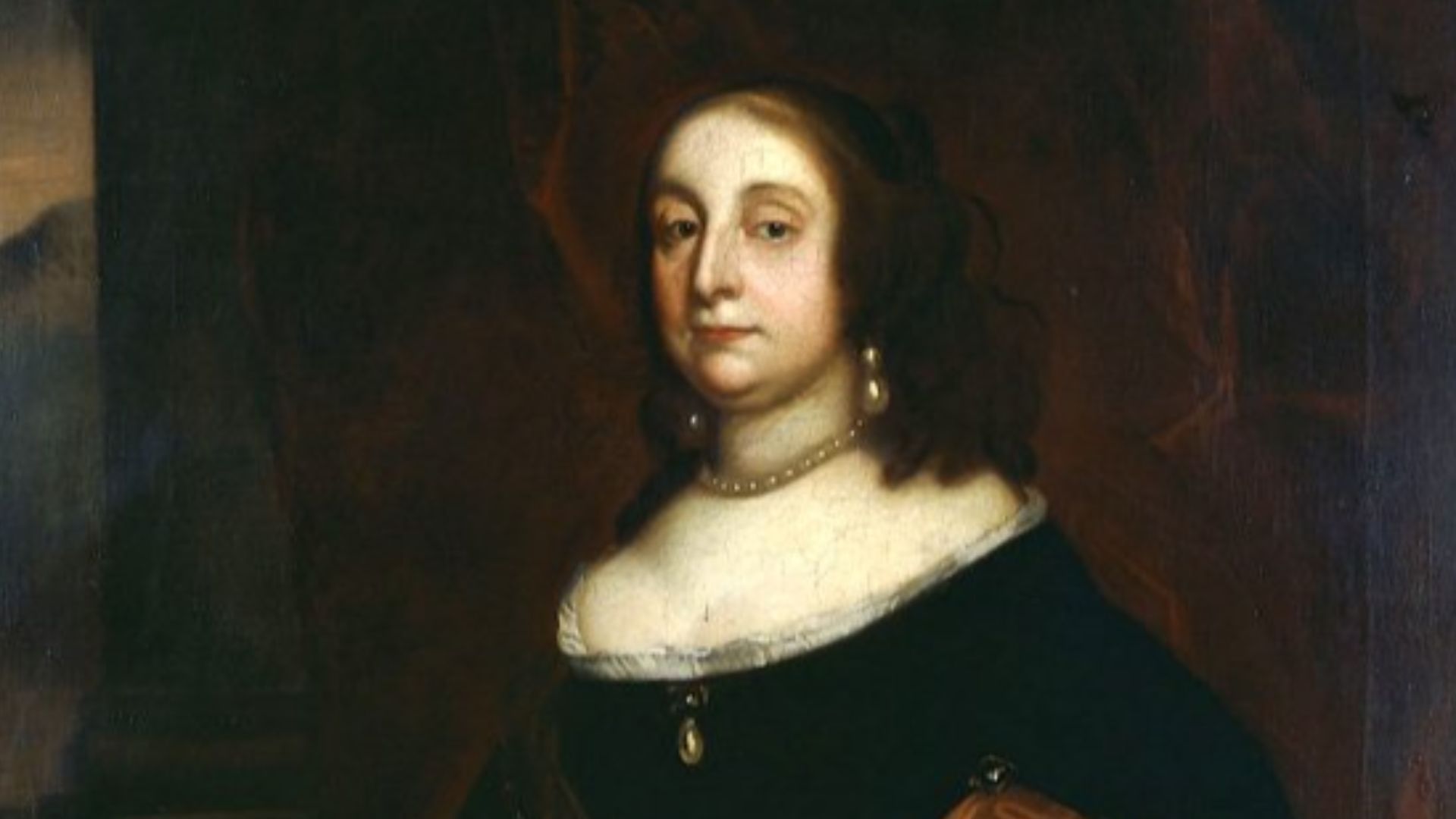
Oliver Cromwell married Elizabeth Bourchier in 1620. Something about the arrangement, however, suggested that it was more than just romance that brought them together. Bouchier’s merchant family had important connections to London’s Puritan elite and influential nobles. With nine children, the union was fruitful—and very politically convenient.
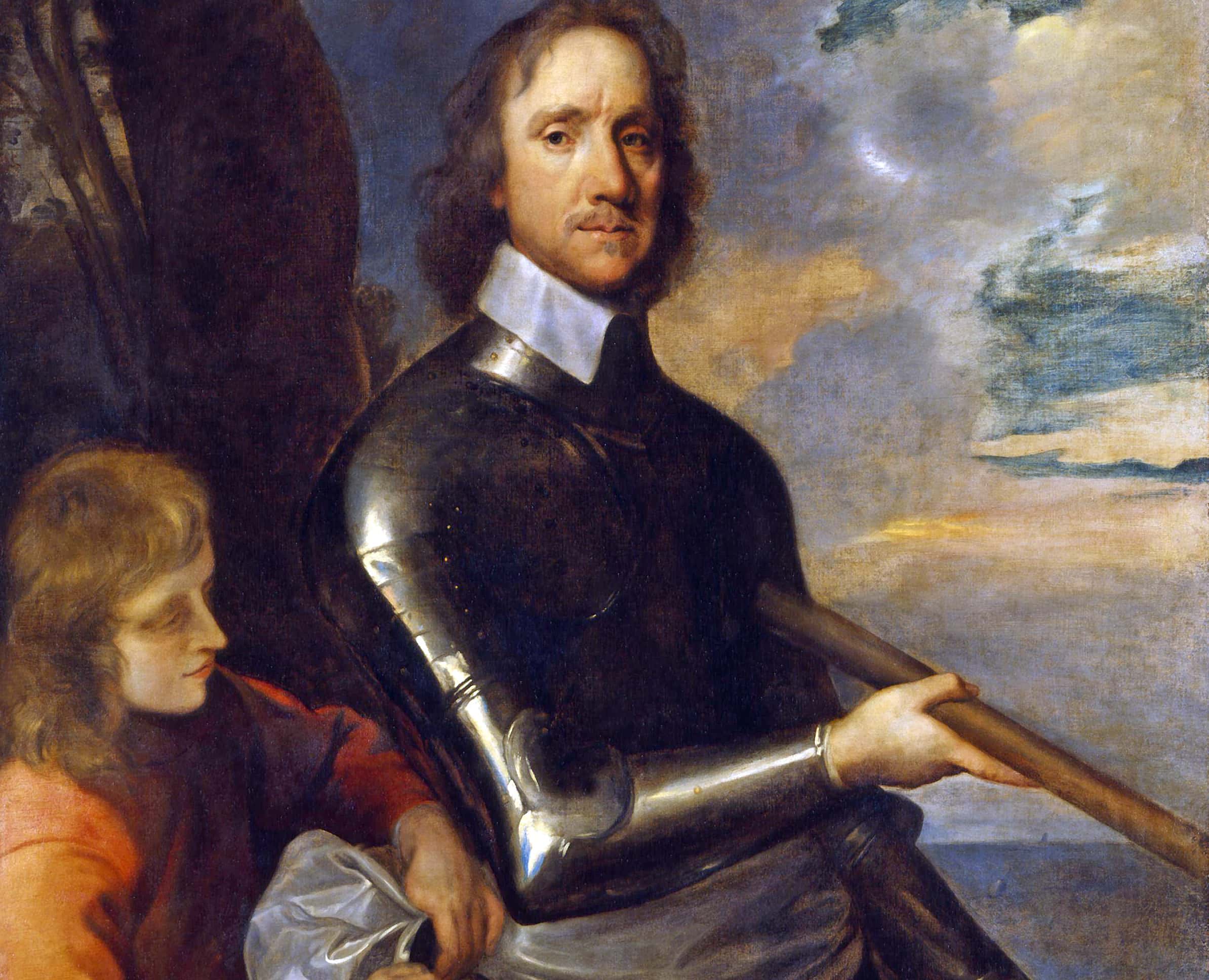
 Robert Walker, Wikimedia Commons
7. He Was An Anti-Royalist MP
Leveraging his wife’s connections, Cromwell managed to get elected MP for Huntingdon in 1628. But, when he entered Parliament for the first time, it became plainly obvious that he was out of his depth. Only one recorded speech of his survives in which he attacked Bishop Richard Neile. Apparently, his speech was only memorable because it was so terrible.
Still, Cromwell managed to make himself a valuable ally to the anti-royalists, aligning against King Charles I.
 copy by Buscall Fox (died 1887) of 17th century portrait, Wikimedia Commons
8. He Had A Spiritual Awakening
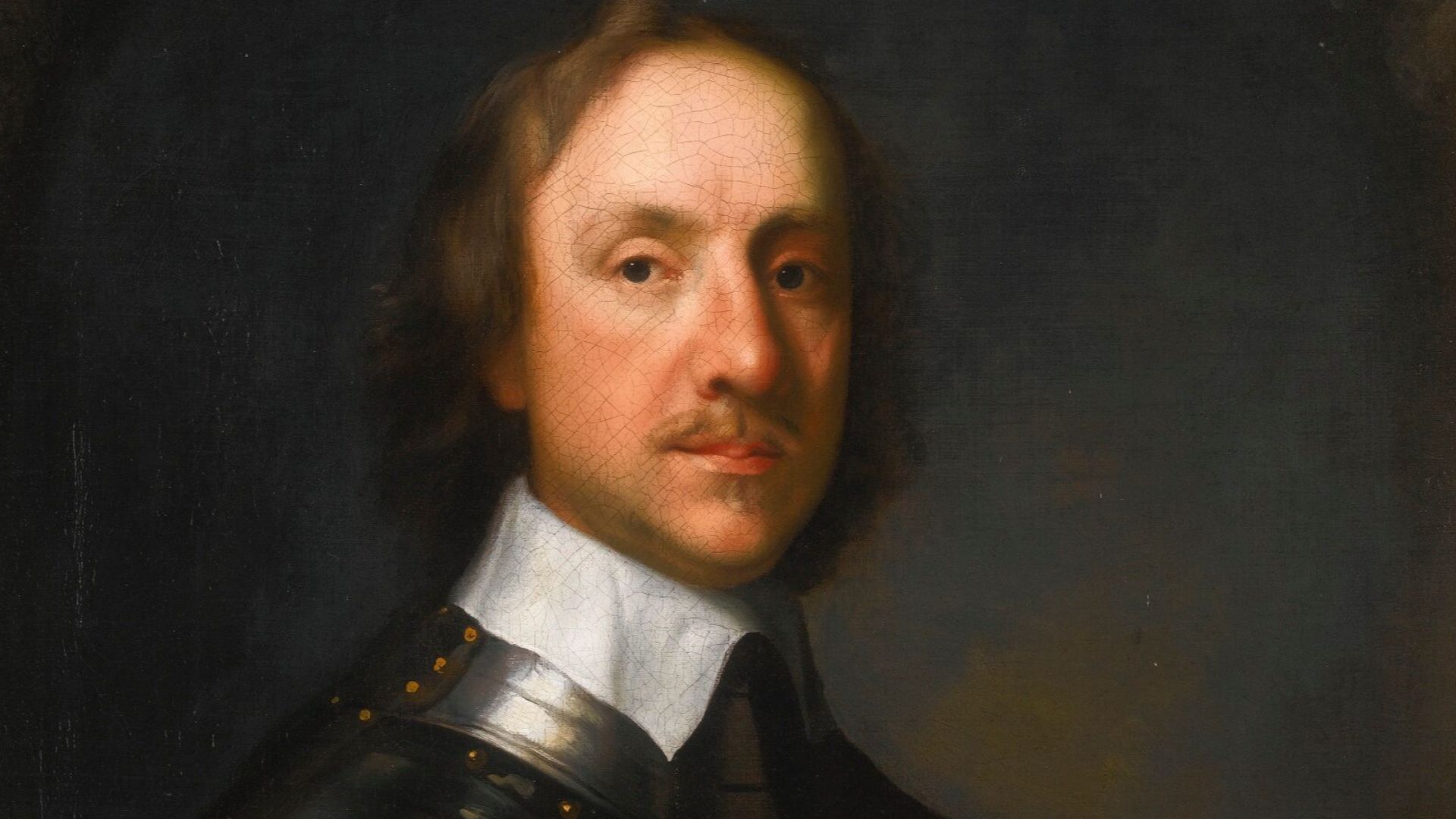
Just as his political career was sputtering to life, Oliver Cromwell fell gravely and suddenly ill. He began seeking medical help for vague physical and emotional ailments, described as valde melancholicus (depression). But his strange affliction actually turned out to be his calling. During his convalescence, Cromwell experienced a powerful spiritual awakening that hardened his Puritan convictions.
He believed that he was a new man.
 Studio of Robert Walker, Wikimedia Commons

History's most fascinating stories and darkest secrets, delivered to your inbox daily.
9. He Was The “Chief Of Sinners”
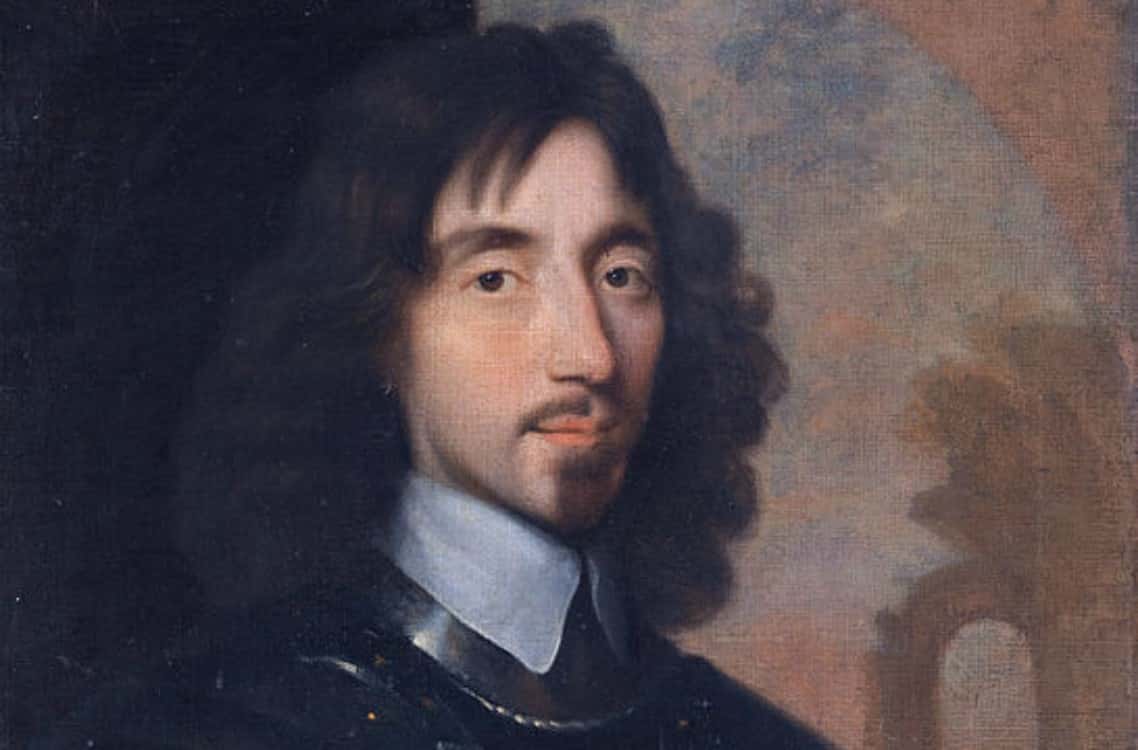
In a 1638 letter to his cousin, the depth and intensity of Cromwell’s new religious conviction was palpable. In the letter, he confessed that he had once been the “chief of sinners” and wrote of joining “the congregation of the firstborn,” revealing, at once, both humility and ambition. Faith reframed his identity—not only as a renewed man, but as one selected for divine work.
10. He Lost Almost Everything
Cromwell’s rise to prominence was anything but smooth. Before he was England’s “king without a crown”, he entered into a local charter dispute in Huntingdon. The affair landed Cromwell before the Privy Council and, by 1631, the legal drama appears to have nearly bankrupted him. To stay afloat, Cromwell had to sell nearly all his property and lease a farm.
That wasn’t the end of his humiliation.
11. He Lived Like A Yeoman Farmer
After losing nearly everything, Oliver Cromwell looked like anything but a landed nobleman. In fact, times were so tough for Cromwell that he and his brother lived like yeoman farmers, raising chickens and sheep and selling eggs and wool to survive. In 1634, he even tried to leave England for the New England colonies, but authorities stopped him.
England, it seemed, was not finished with Oliver Cromwell—nor he with England.
12. His Fortune Suddenly Shifted
Everything changed for Cromwell in 1636. An uncle’s passing brought Cromwell a decent inheritance that included property in Ely and, more importantly, the position of tax collector for the parishes of St Mary’s and Holy Trinity. With his financial security and social status restored, Cromwell was ready to re-enter society.
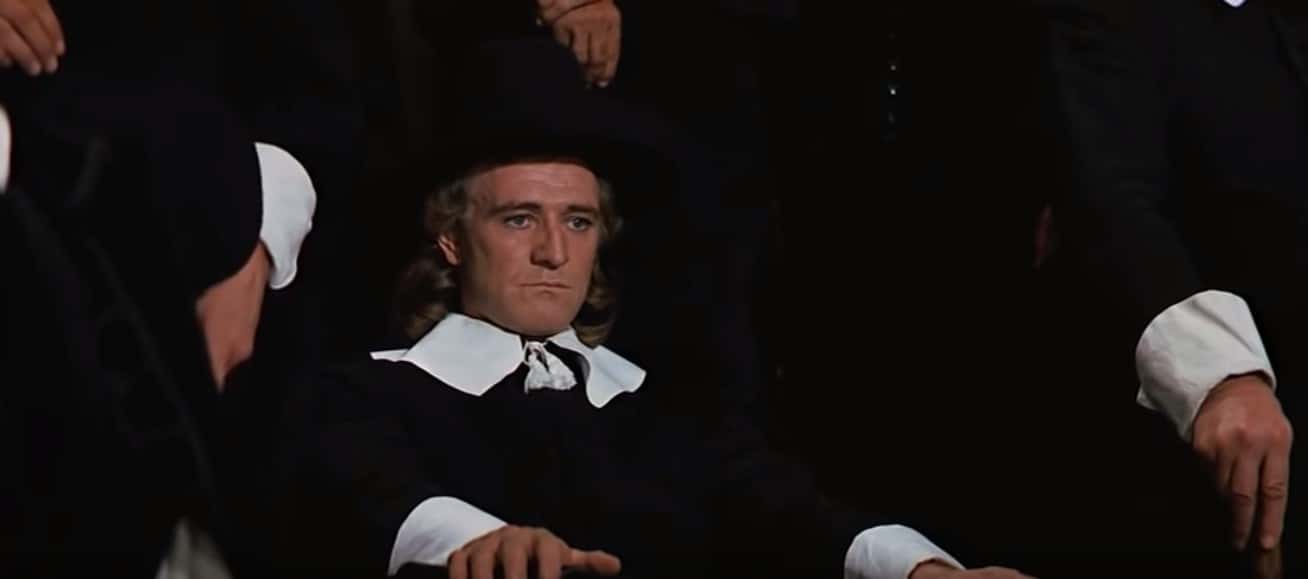 Cromwell ,Columbia Pictures Corporation
13. He Found His Voice
Oliver Cromwell once again leveraged his Puritan connections and was elected as MP, this time for Cambridge, in 1640. And this time, he made an impression at Westminster. In just his first week, Cromwell delivered a rousing speech in defense of the Leveller, John Lilburne, condemning his imprisonment. After that, Cromwell aimed his populist vitriol at the episcopacy itself.
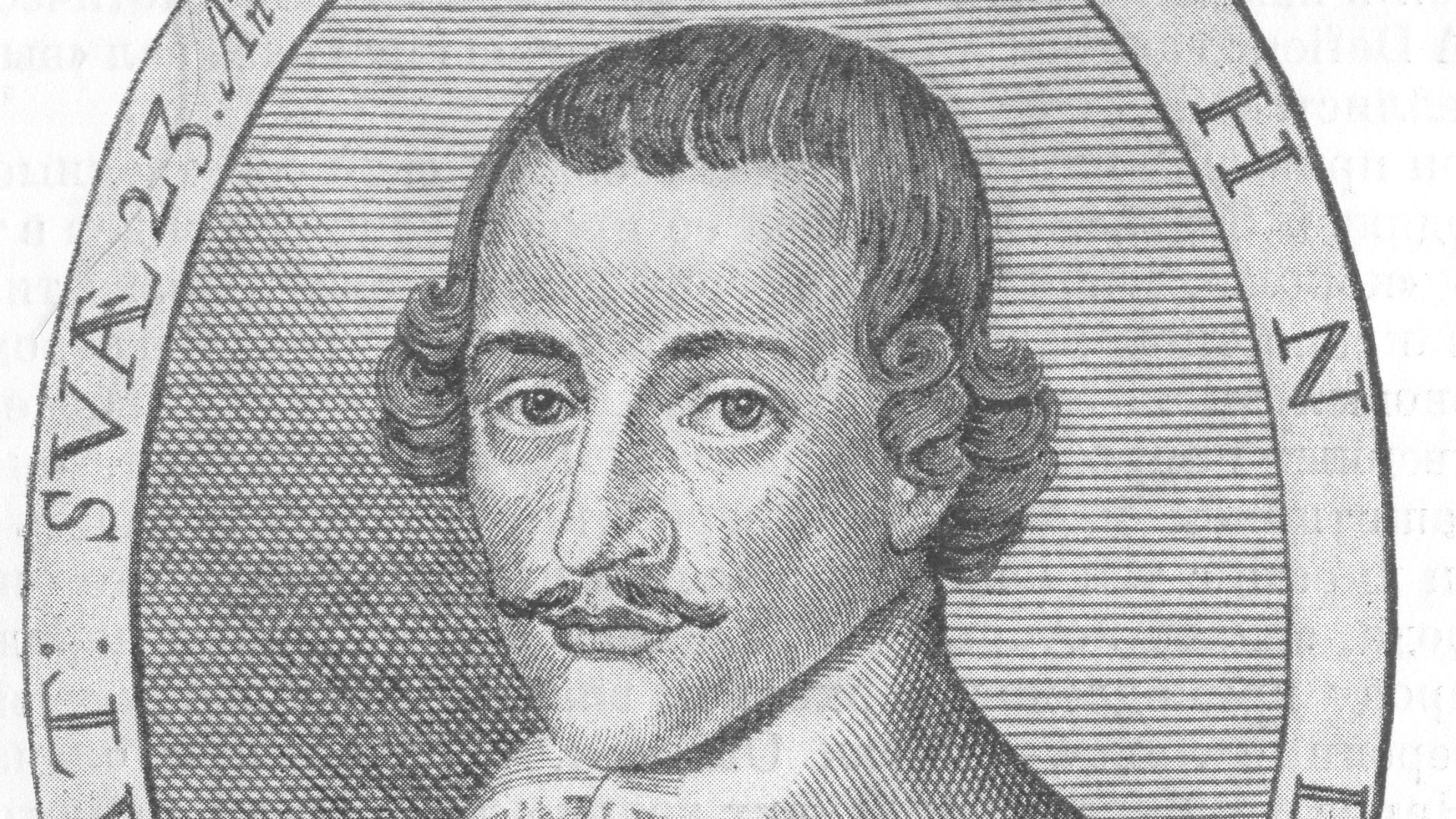 George Glover, Wikimedia Commons
14. He Inspired Without Eloquence
Perhaps because he never finished his education, Cromwell never mastered political rhetoric. Though he gave a rousing speech or two every now and again, it was his sincerity that gave him political power. Allies like John Pym and his cousin John Hampden valued Cromwell’s intensity and strident anti-royalist views.
His intensity would soon be all that mattered—especially when words failed.
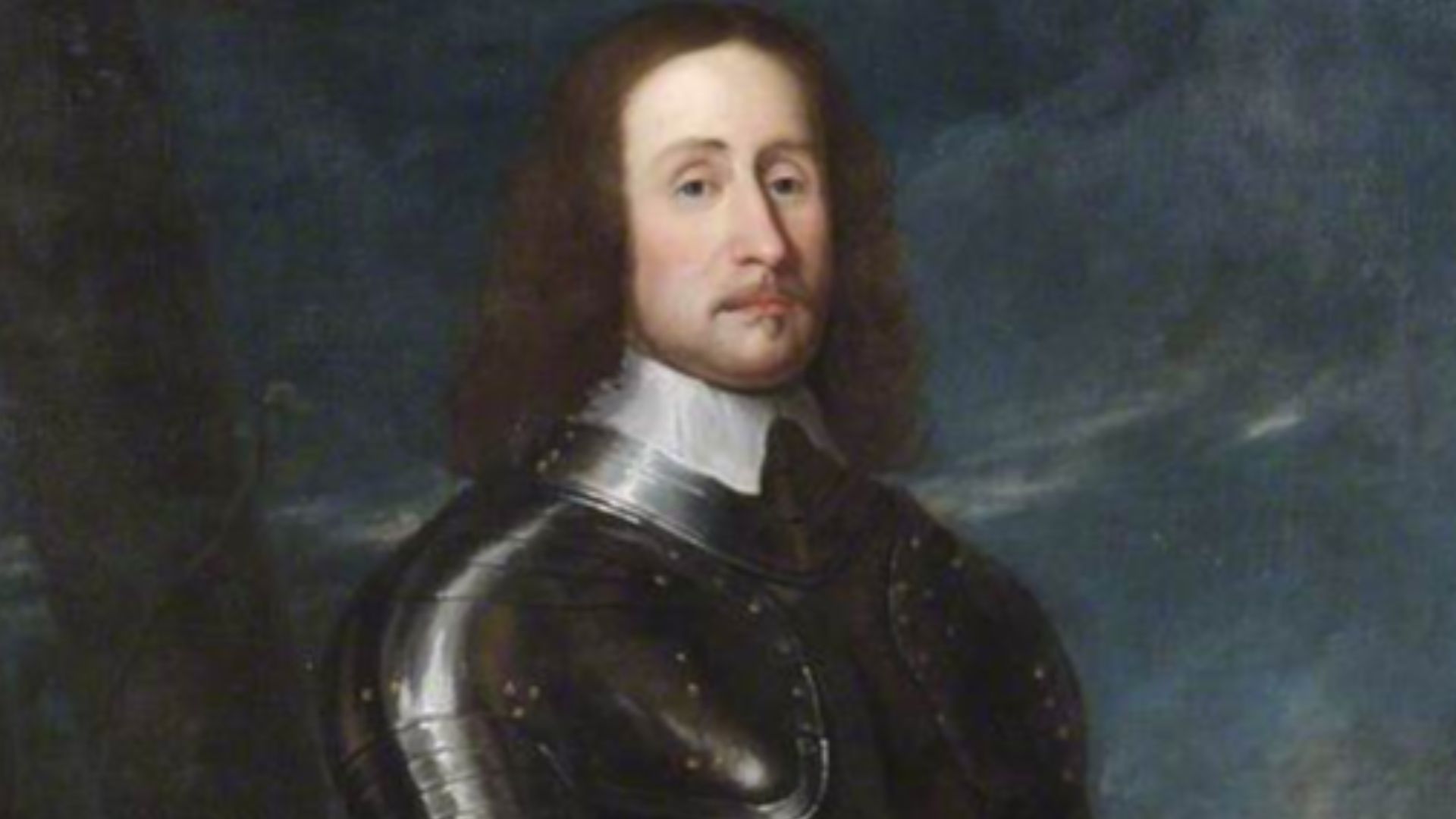 School of Godfrey Kneller, Wikimedia Commons
15. He Defended Cambridge’s Silver
When open conflict between King Charles’ royalists and the anti-royalists broke out in 1642, Oliver Cromwell wasted no time. With virtually no real martial training or background, Cromwell audaciously led volunteers to stop royal forces from seizing Cambridge’s college silver. The haul denied the King vital funds—and revealed Cromwell’s instinct for bloodshed.
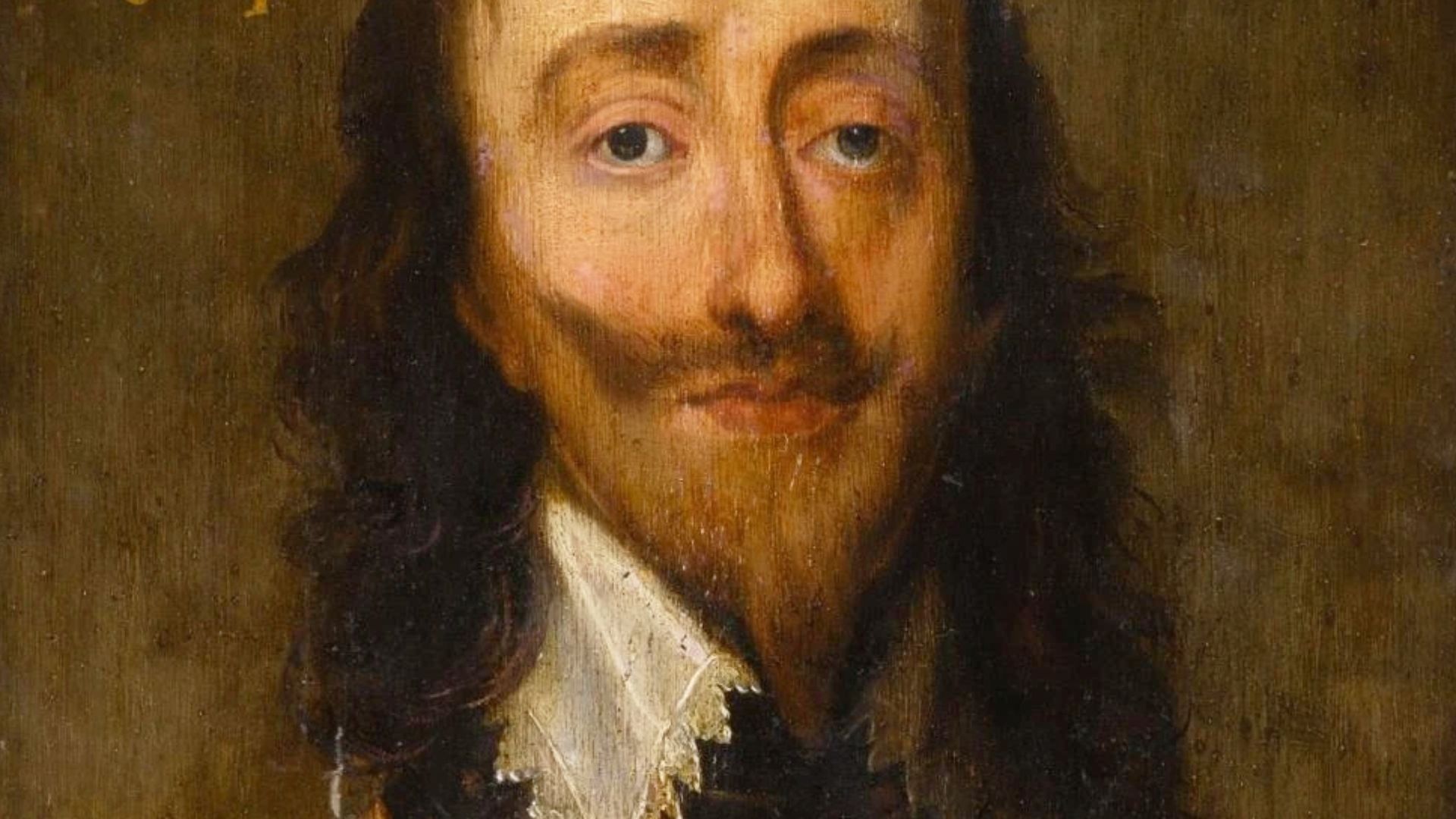 Follower of Anthony van Dyck, Wikimedia Commons
16. He Recruited Only “Godly” Men
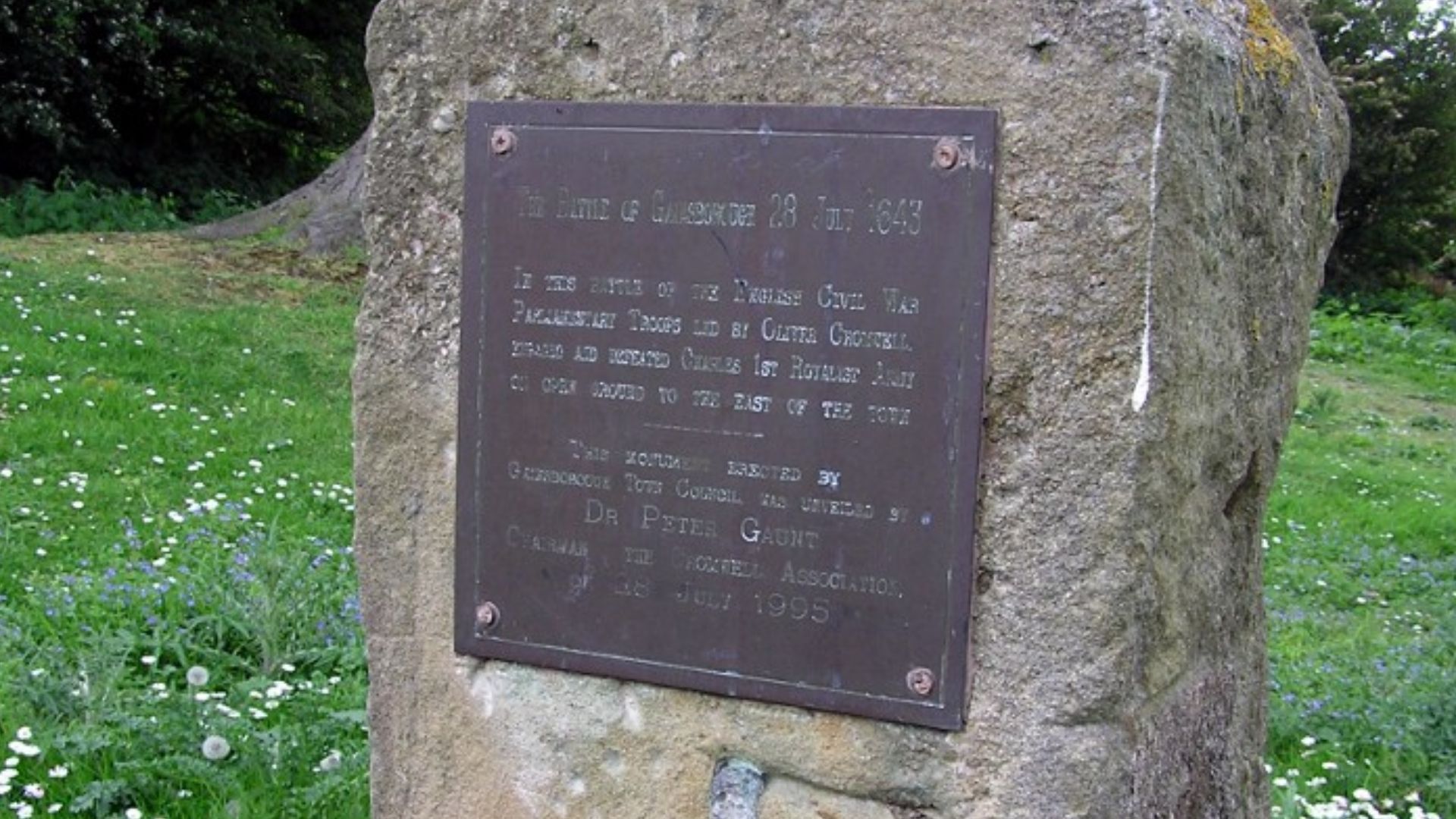
Early clashes with Royalist cavalry taught Cromwell a brutal lesson: discipline decided battles. Returning to East Anglia, he sought to build a Parliamentary cavalry unit to oppose the Royalists, recruiting only “godly, honest men” to enforce strict order. Pretty soon, his natural talent for leading cavalry emerged, distinguishing himself in battles around Gainsborough in 1643.
He had finally found his calling.
17. He Rose At Alarming Speed
By mid-1643, Oliver Cromwell and his new cavalry had secured most of East Anglia for Parliament. Promotion followed rapidly. Parliament appointed Cromwell governor of Ely and he attained the rank of lieutenant-general the following year. Whenever he rode into battle, Cromwell delivered decisive victories against the king’s forces.
His reputation soon preceded him.
 Cromwell ,Columbia Pictures Corporation
18. He Earned A Fearsome Name
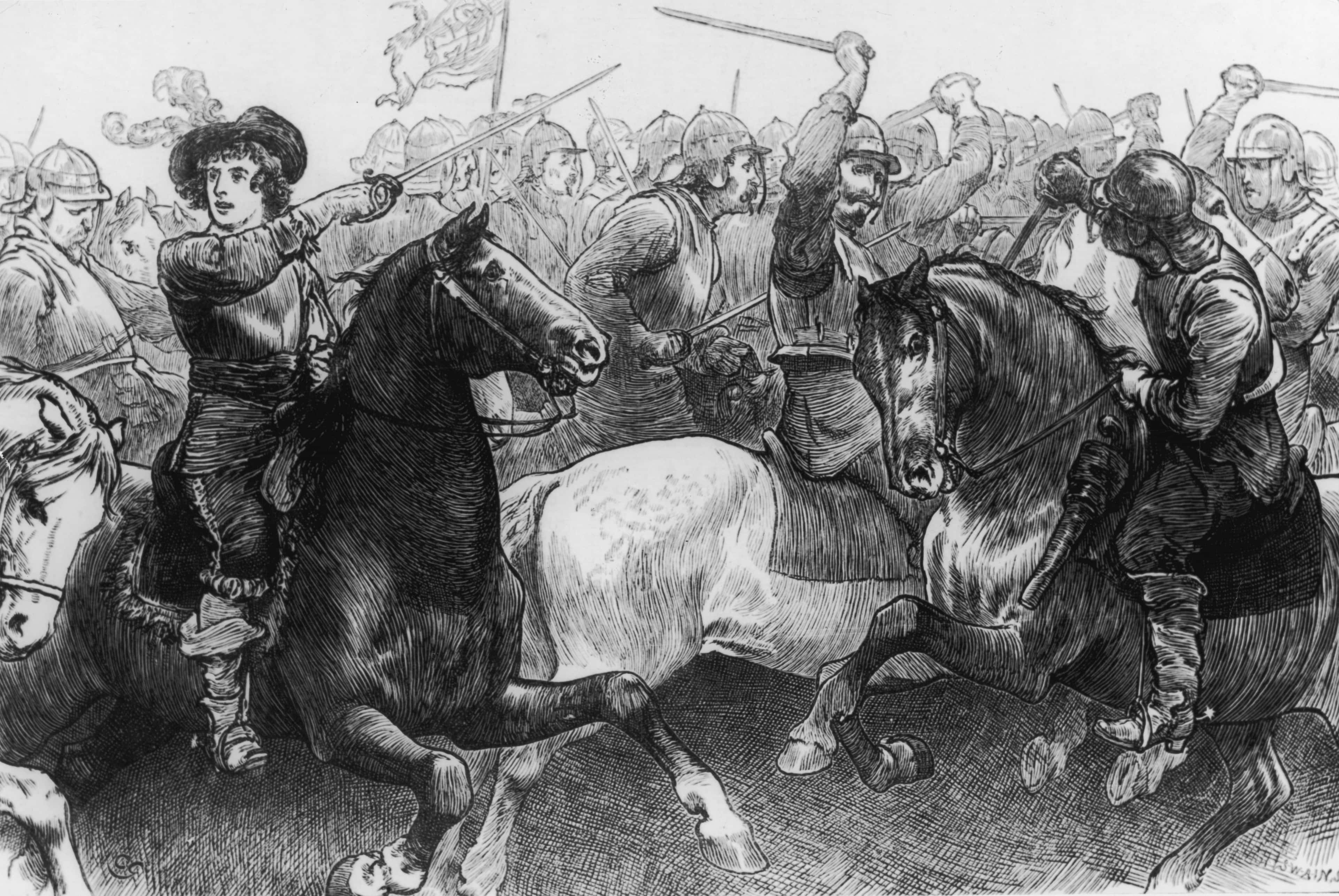
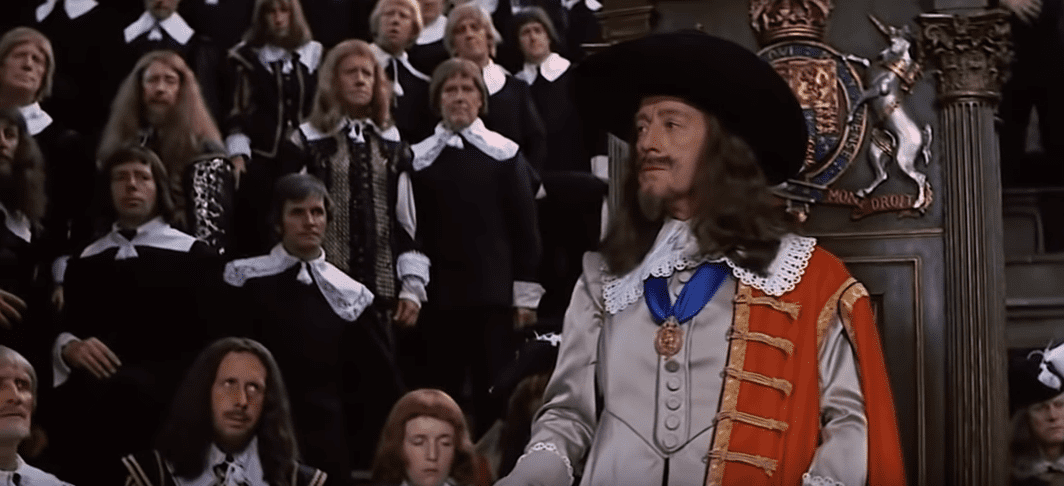
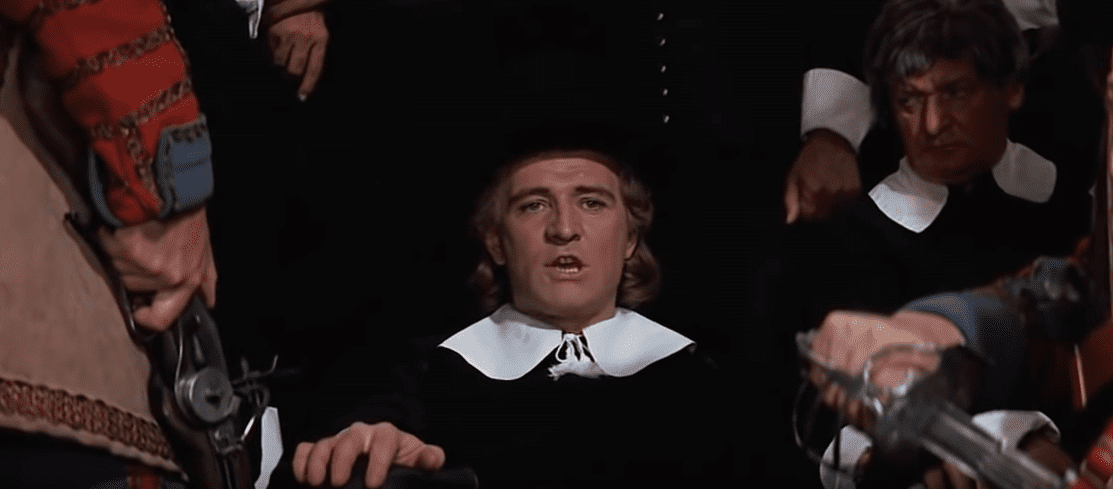
During the brutal civil conflict, Cromwell had earned a reputation for charging at the enemy from the very frontlines. But it was a costly strategy. During an intense battle, he was injured in the neck. However, after a brief trip to the medical tent, he returned to the fray to win the battle. His reputation had become so fearsome that even King Charles I’s nephew, Prince Rupert of the Rhine, reportedly dubbed Cromwell “Ironside”.
Even his allies feared him.
 Cromwell ,Columbia Pictures Corporation
19. He Alarmed His Allies
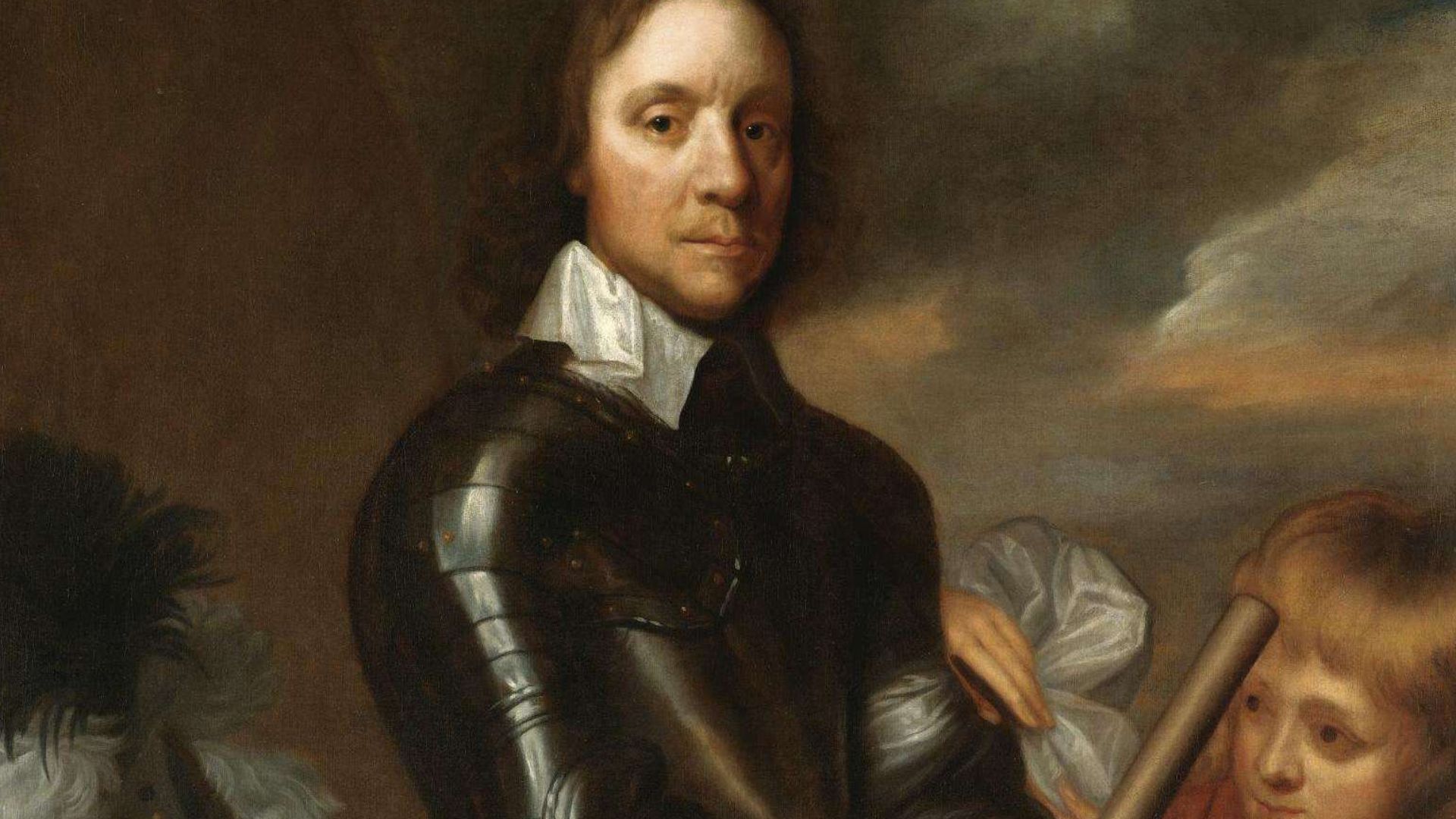
Cromwell’s insistence on Puritanical religious zeal amongst his troops unsettled even his fellow Parliamentarians. Major-General Crawford, a strict Presbyterian, bristled at Cromwell’s encouragement of Independents and Anabaptists within the ranks. To Cromwell, the Puritan faith unified the army. To others, it threatened chaos from within.
 After Robert Walker, Wikimedia Commons
20. He Rejected Gentlemen
Edward Montagu, 2nd Earl of Manchester was one the many who believed that Cromwell’s extreme religious and political views were a hindrance, not a help. But, when Manchester accused Cromwell of promoting men of “low birth”, Cromwell fired back fiercely. “I would rather have a plain russet-coated captain who knows what he fights for,” Cromwell said, “than that which you call a gentleman and is nothing else”.
Zealous or not, he was quickly becoming the heart of the anti-royalist forces.
21. He Was The Exception To The Rule
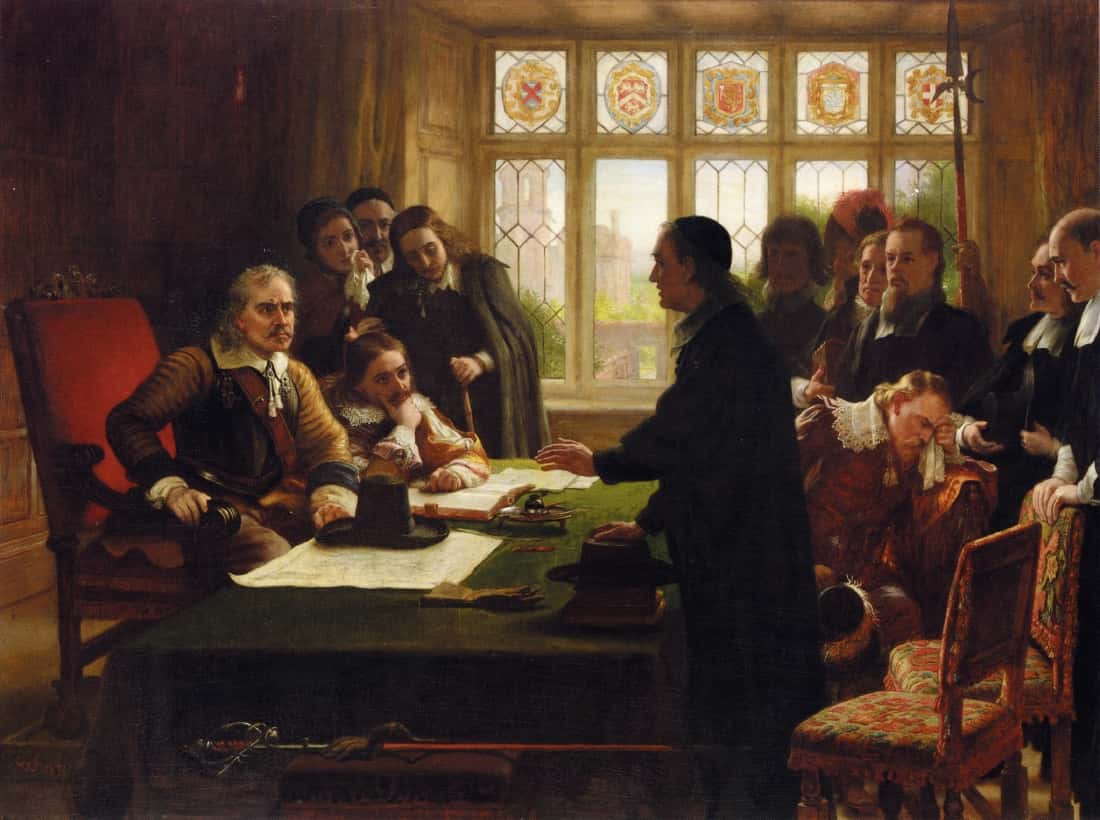
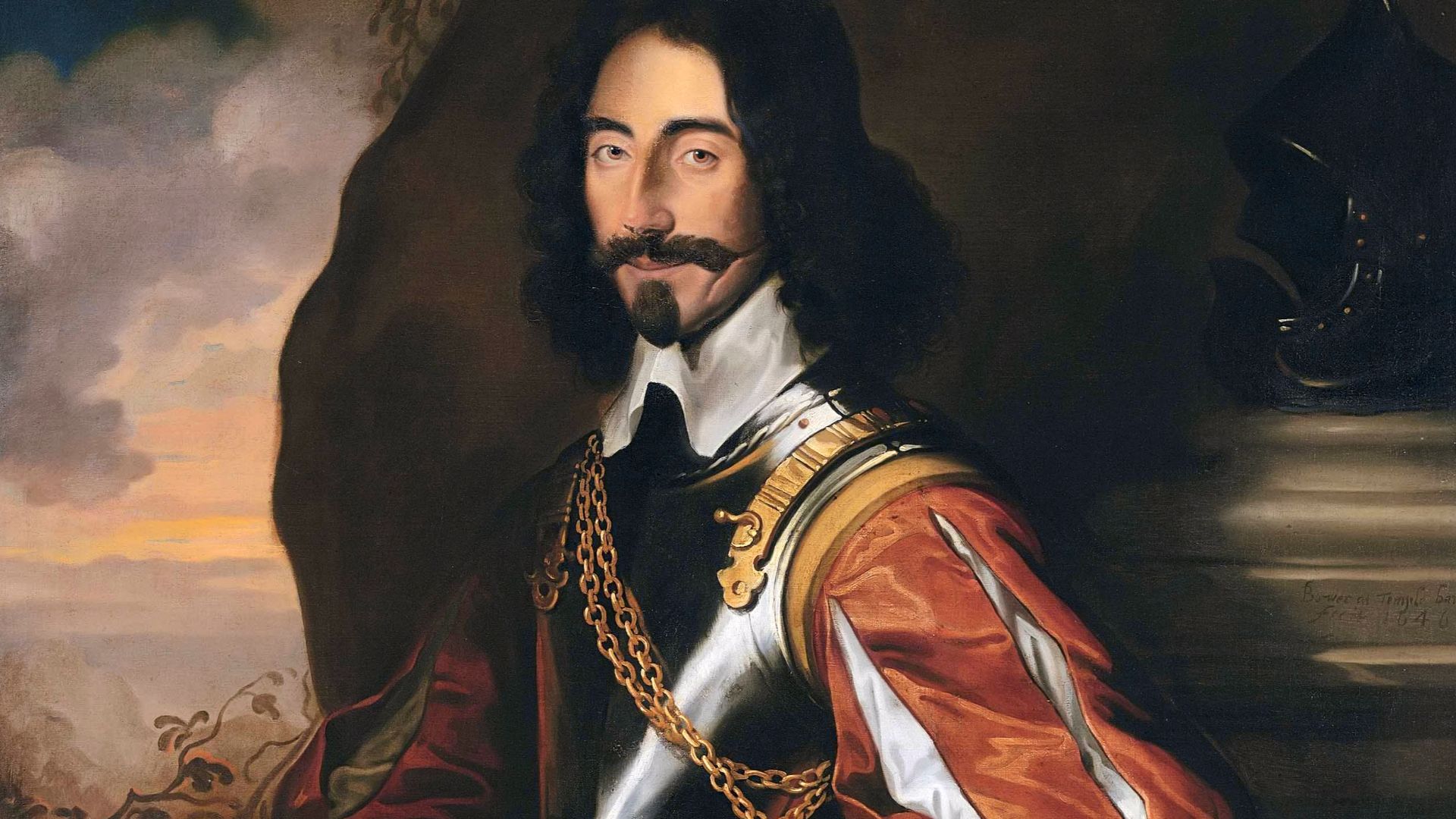
Parliament, fearing the growing power of their army officers, ordered MPs to resign from their army commands. Except, that is, for Oliver Cromwell. Instead, Cromwell was officially appointed lieutenant-general under Sir Thomas Fairfax and tasked with forming the cavalry of the New Model Army. Shortly after that, at Naseby, Cromwell proved why he was the exception to the rule when “Ironside” cavalry decided the battle.
He was not gracious or merciful in victory.
 Edward Bower, Wikimedia Commons
22. He Showed No Mercy
At Basing House in 1645, Cromwell besieged one of England’s most impenetrable Catholic strongholds—and penetrated it. After breaking through, however, he did something that made even his allies’ stomachs turn. Cromwell faced accusations that he had put 100 of the 300 Royalists to the sword after their surrender.
23. He Was England’s Fiercest Fighter
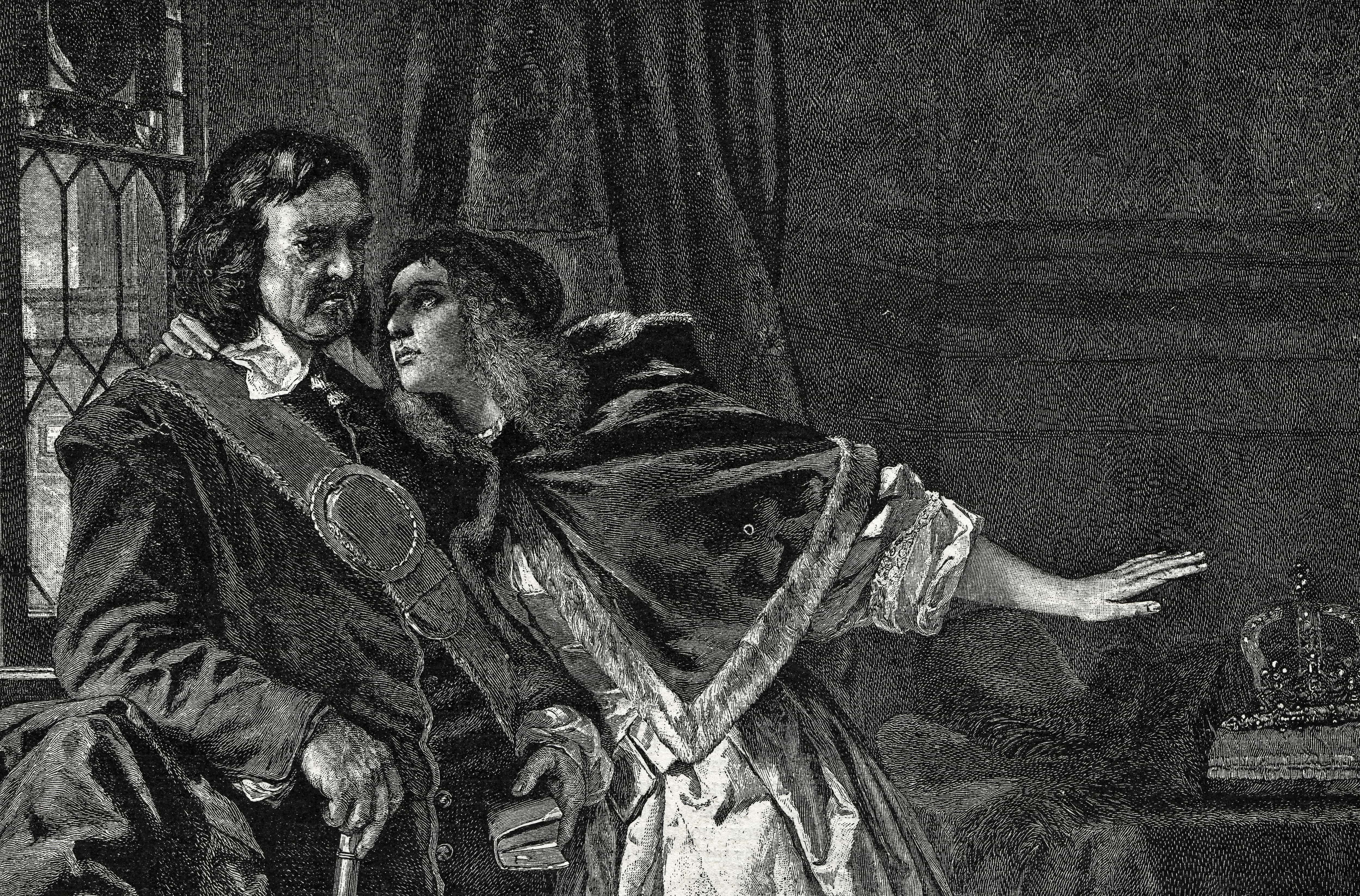
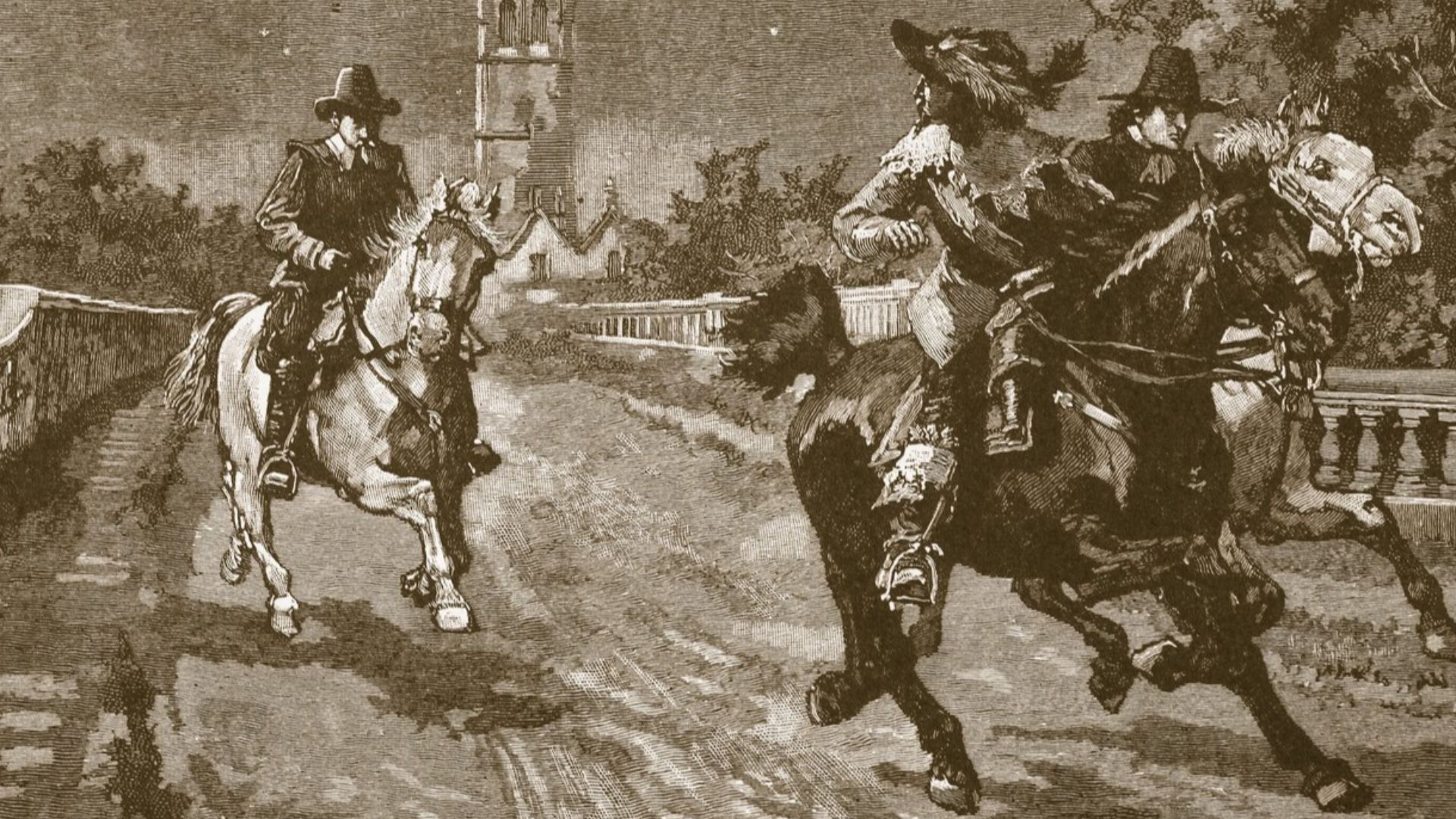
When Charles I surrendered in 1646—in no small part thanks to Cromwell’s decisive victories—the conflict between the Royalists and anti-royalists came to a close. And Cromwell emerged as the true winner. As the ink on the treaties dried, everyone knew one thing for certain: Cromwell was England’s greatest fighter.
His next move, however, had everyone stunned.
 Unknown authorUnknown author, Wikimedia Commons
24. He Tried To Restore King Charles I To Power
Despite his own deep religious convictions and infamous intensity, Oliver Cromwell resisted radical reform. In a shocking move, he opposed the political requests of the Levellers for universal suffrage. Even more surprisingly, Cromwell attempted reconciliation with King Charles I, believing that he could restore Charles I to power in exchange for peace.
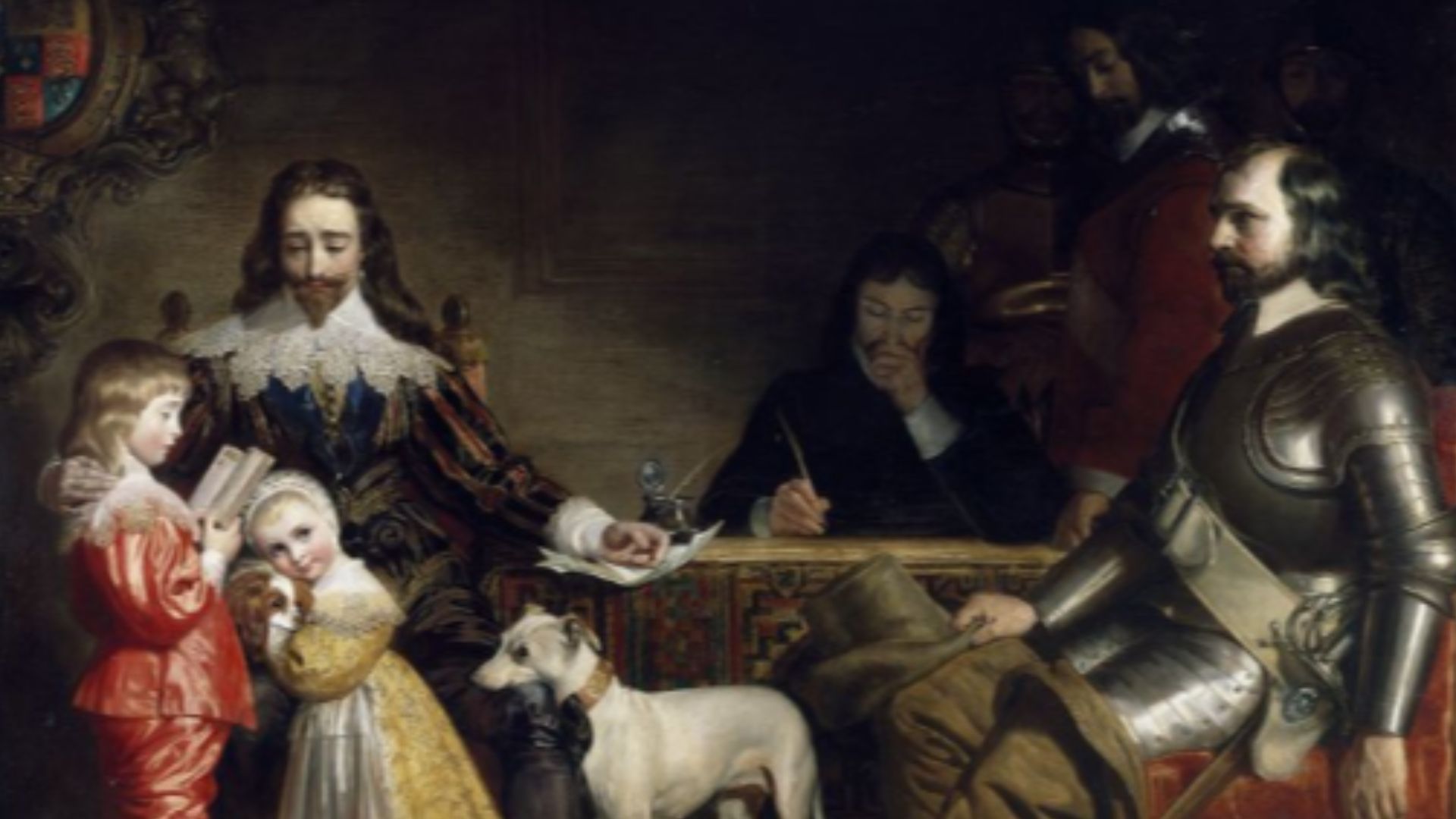 Daniel Maclise, Wikimedia Commons
25. He Crushed Royalist Rebellions
Cromwell’s efforts to secure peace fell apart in 1648 and another round of brutal conflicts between Royalists and anti-royalists broke out. This time, Cromwell acted even more decisively, crushing Royalist forces in Wales, Chepstow, Carmarthen, and beyond. Even so, for every Royalist army he smashed, another one popped up.
And they kept getting bigger.
26. He Overcame The Odds
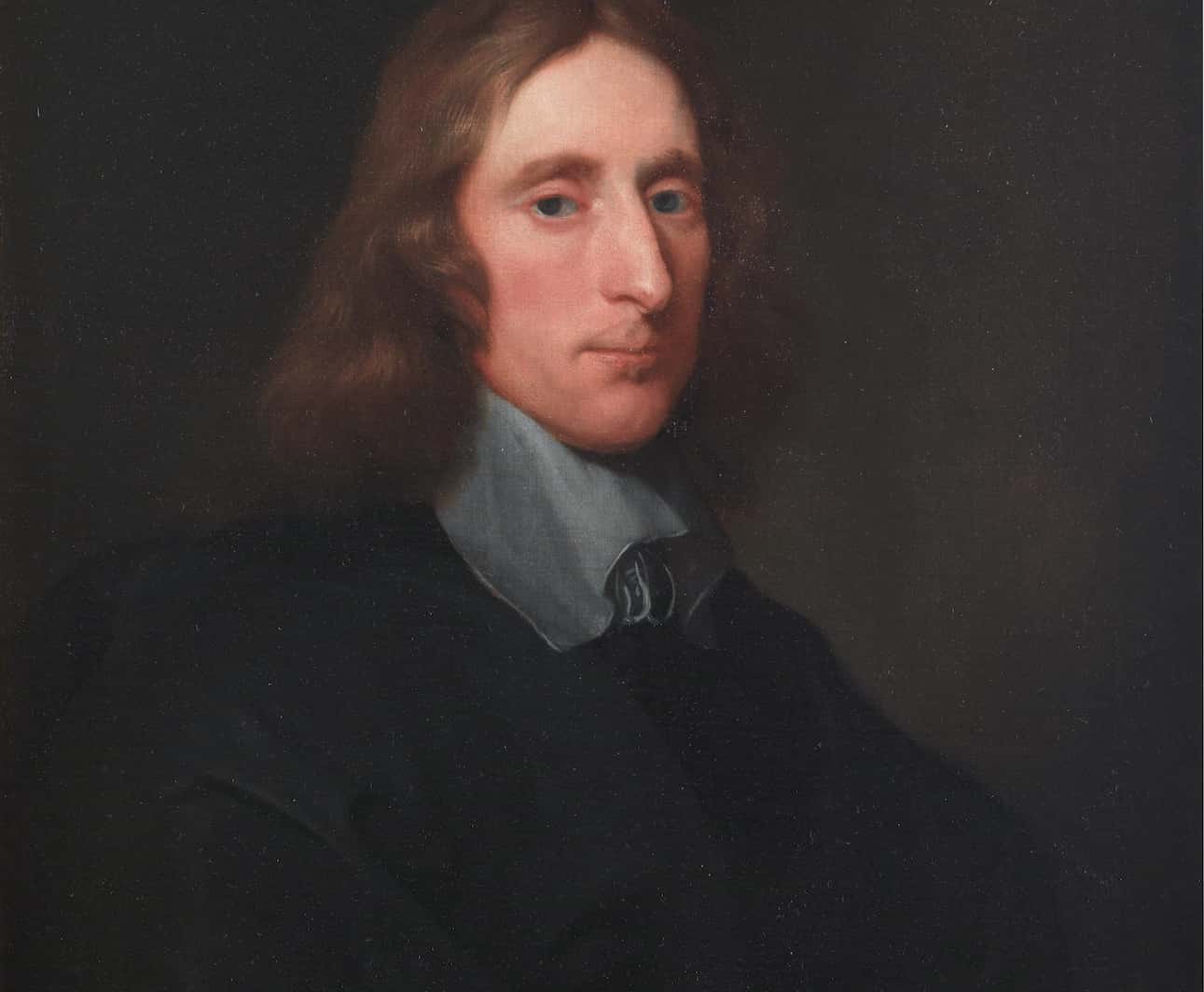
Oliver Cromwell continued pushing north, crushing Royalists along the way. That is, until he encountered a Scottish army that was twice the size of his own 9,000-man force. When the two sides clashed at Preston, however, Cromwell was not deterred. In fact, even with half as many troops, Cromwell managed to crush the Scottish army.
God, he thought, had delivered him the victory.
 Wikimedia Commons, Dave Hitchborne
27. He Spoke Like A Prophet
After his resounding victory at Preston, Cromwell’s language became increasingly religious. His letters overflowed with passages from scripture and dripped with sanctimony. Possibly reflecting on a passage from Psalms, he declared before Parliament that “[they] that are implacable and will not leave troubling the land may be speedily destroyed out of the land”.
Cromwell’s political skills had become almost as good as his strategic ones.
28. He Stayed Above The Politics
While Oliver Cromwell suppressed the final Royalist resistance in the north, others in London decided the King’s fate. Cromwell cleverly delayed his return to London until after Parliament’s enemies had been forcibly removed, keeping his hands clean of the politics of treason. The horrific maneuver became known as Pride’s Purge—but it was Cromwell’s opportunity.
29. He Feigned Ignorance
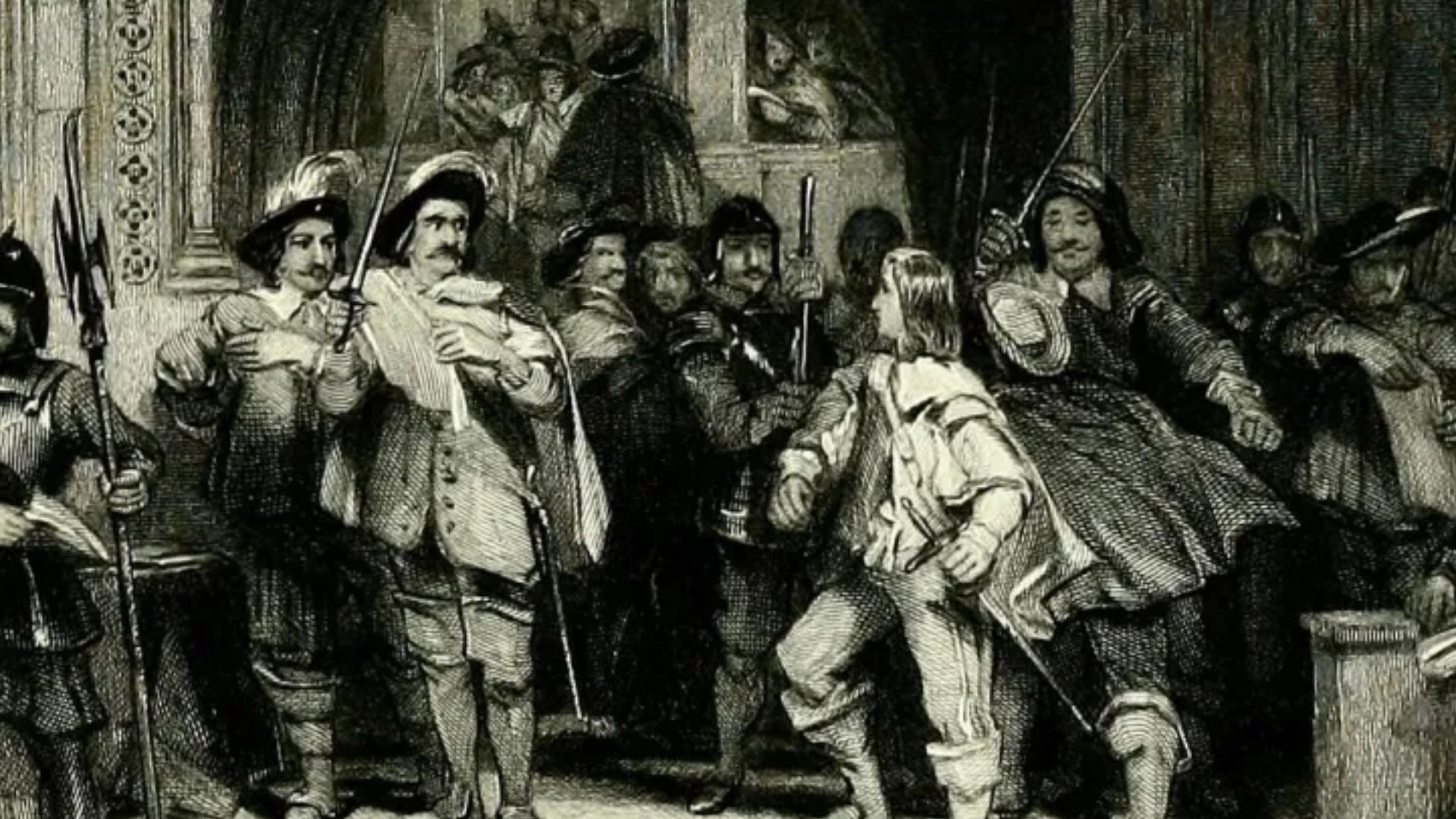
Pride’s Purge was the anti-royalist way of “cleaning house”, expelling MPs who opposed the growing strength of the Army and lacked the radical zeal to actually overthrow the monarchy. After he returned to London, Cromwell claimed ignorance of the plan, but (conveniently) welcomed its outcome. Parliament, now cleansed of dissent and firmly in the grip of the Army, was Cromwell’s to rule.
And his first act was a brutal one.
 Unknown authorUnknown author, Wikimedia Commons
30. He Chose Regicide
Oliver Cromwell could tell where the political winds were blowing. He knew that the Army wanted to exact revenge on King Charles I and would settle for nothing less than his head. So, Cromwell became one of the staunchest advocates for Charles I’s trial and execution, declaring that it was “an act of justice and the will of God”.
It just so happened to be his will as well.

31. He Sealed The King’s Fate
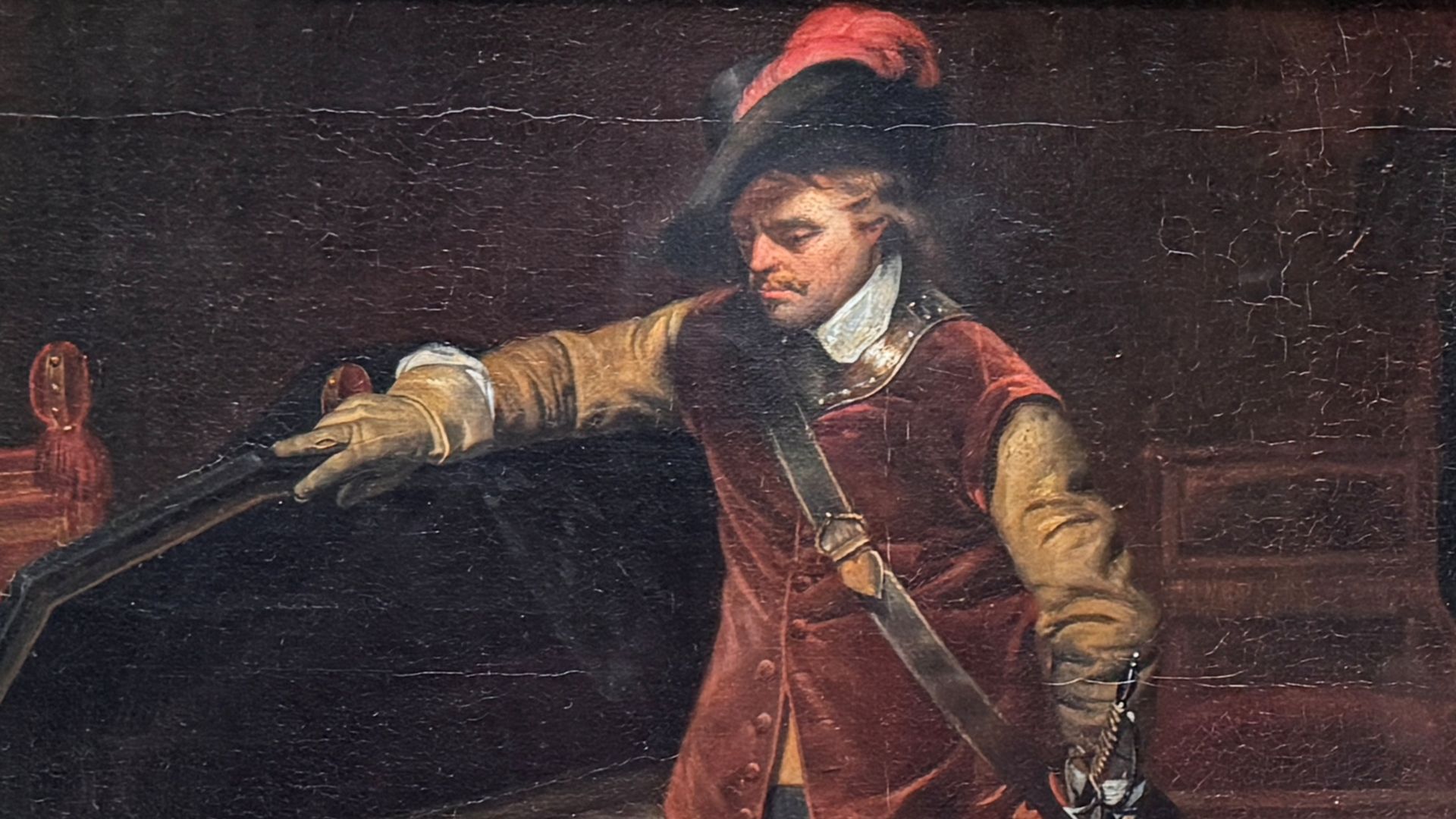
Cromwell didn’t just voice the execution of King Charles I, he practically orchestrated it. In all, 59 men signed Charles I’s order of execution warrant, and Cromwell was the third to eagerly sign on the dotted line. Even the staunch anti-royalist Fairfax refused. Then on January 30, 1649, Cromwell got his wish: Charles I was executed.
Cromwell’s reign of terror was about to begin.
32. He Sailed For Ireland
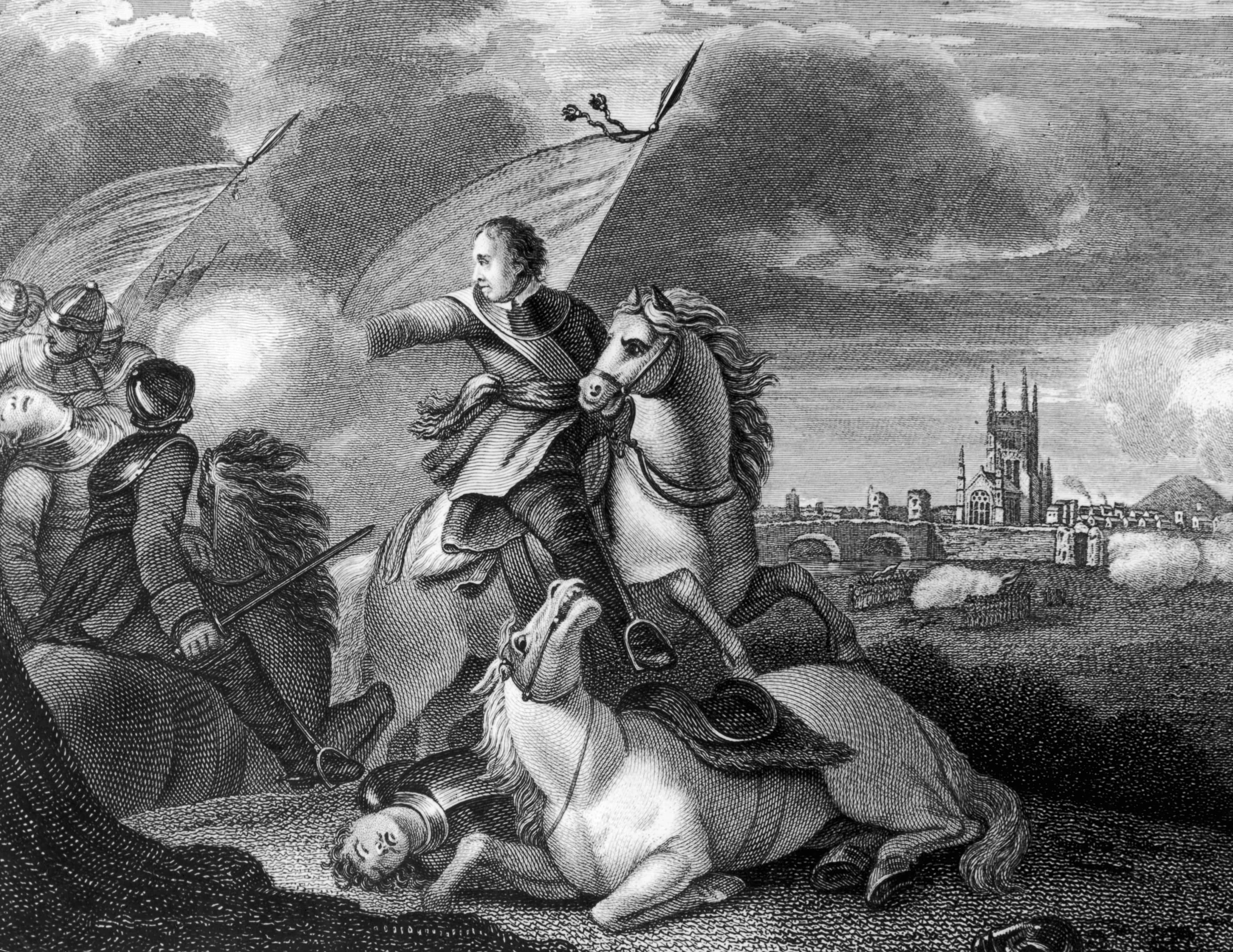
Just because Charles I had lost his head, didn’t mean his supporters had given up. After careful preparation, Oliver Cromwell carried the army to Ireland, where Royalists had joined forces with the Irish Confederates. He landed at Dublin on August 15 quickly capturing Drogheda and Wexford to secure England’s supply lines—and to announce his arrival.
 Unknown author, Wikimedia Commons
33. He Called Slaughter “Righteous”
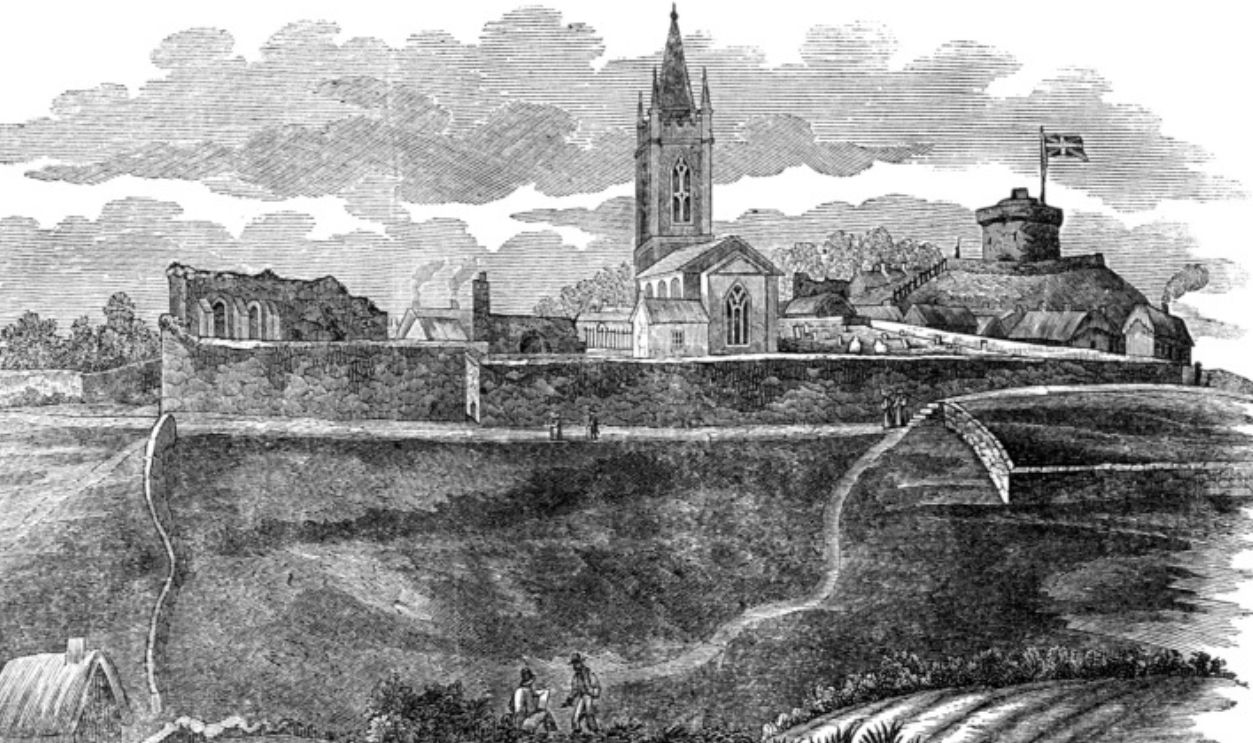
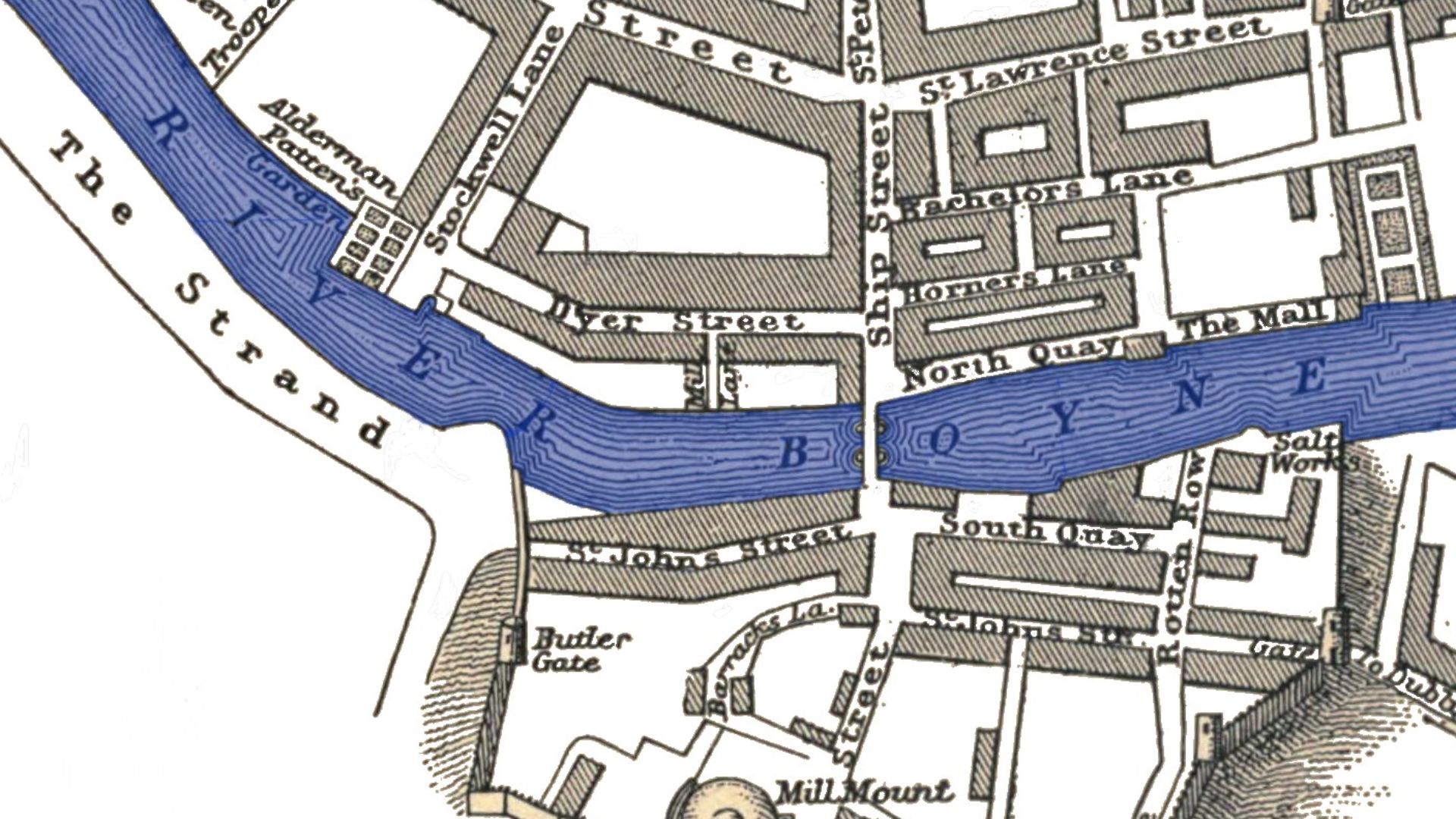
At Drogheda, Cromwell’s 12,000 men stormed the town—where the Royalists got their first taste of what a Cromwell kingdom might look like. According to the records, Cromwell put 3,500 people, including townsmen, prisoners, and Catholic clergy, to the sword. Cromwell later defended his brutal and bloody tactics, saying, “I am persuaded that this is a righteous judgment of God upon these barbarous wretches…”.
Wexford didn’t fare any better.
 Gardiner, Samuel Rawson and F.S. Weller (illustrator), Wikimedia Commons
34. His Troops Burned And Butchered A Town
A month later at Wexford, Cromwell’s disciplined army appeared to have broken rank. While Cromwell apparently tried to settle the town’s terms of surrender, scores of his troops broke into the town and unleashed hell upon them. They put about 2,000 Irish troops and up to 1,500 civilians to the sword before burning down much of the town.
These two incidents alone sealed Cromwell’s legacy.
35. He Didn’t Have The Luck Of The Irish
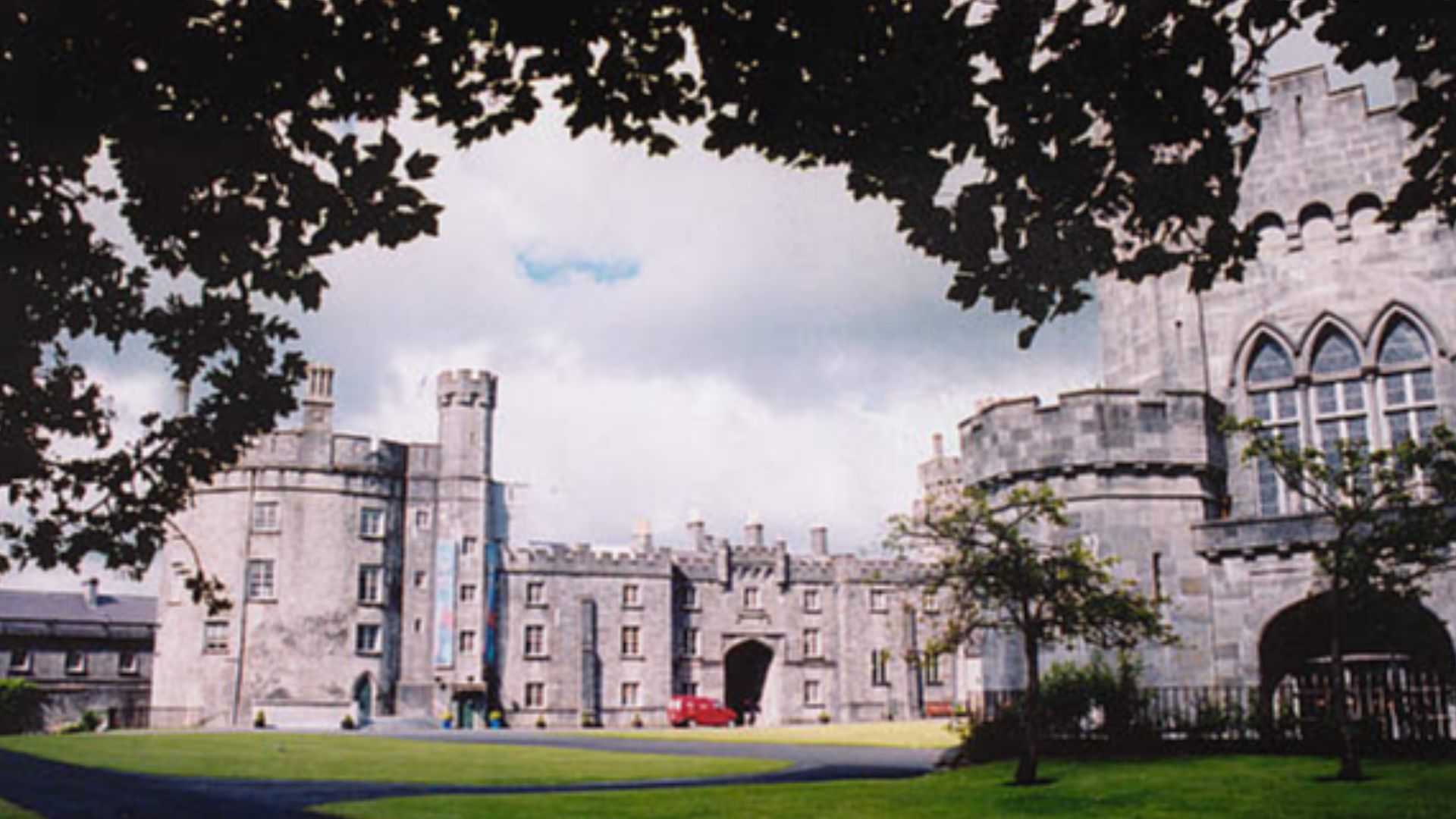
Drogheda and Wexford branded Oliver Cromwell permanently in Irish folk memory. To this day, his name is among the most hated in both Ireland and Scotland. Later, writers even described his measures against Catholics in Ireland and Scotland as “genocidal”. He might actually have completed his atrocities against the Irish and the Scots if fate hadn’t intervened.
36. He Rushed Back To England
In 1650, news yanked Cromwell out of Ireland—and away from more bloodshed. In a stunning bit of news that sent shivers down the spines of anti-royalists, Charles II had landed in Scotland from exile in France. He planned on taking back his family’s crown. In a hurry, Cromwell sailed back to England to shore up the defenses.
The fight was far from over.
37. He Replaced Fairfax
When Scotland backed Charles II, Fairfax—once the staunchest anti-royalist—refused to invade and resigned. In response, Parliament turned to the one man they knew who would never refuse a fight: Oliver Cromwell. They made Cromwell Captain-General and commander-in-chief. By 1650, Cromwell was once again marching north.
His tactics puzzled everyone.
 Not stated., Wikimedia Commons
38. He Begged Them To Doubt
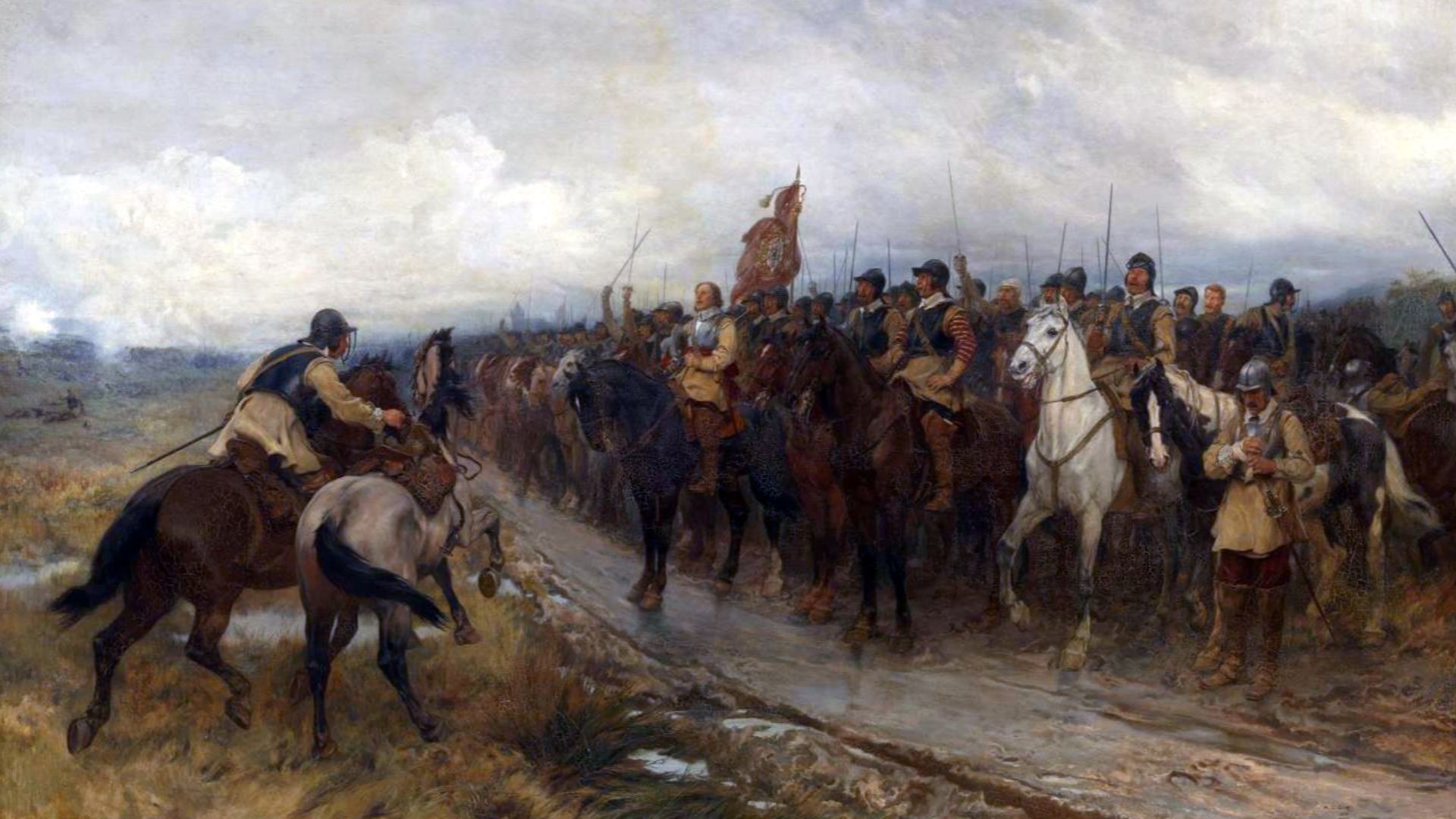
In a surprising change of tactics, Cromwell tried diplomacy before charging into battle. Appealing to the Church of Scotland, Cromwell cried out for the Scots to rethink their support of Charles II, pleading, “I beseech you, in the bowels of Christ, think it possible you may be mistaken”. The Scottish reply was characteristically stubborn: “Would you have us to be sceptics in our religion?”
With diplomacy having failed, Cromwell resorted to his usual strategy: bloodshed.
 Andrew Carrick Gow, Wikimedia Commons
39. He Won His Greatest Victory
At first, the Scottish forces, under the leadership of the Earl of Leven and David Leslie, did the unthinkable: they outmaneuvered Oliver Cromwell. However, by late 1650, Cromwell had turned the tables and dealt a crushing blow to the Royalists. In all, he had sent 4,000 Scots to an early grave and had taken another 10,000 captive before finally taking Edinburgh.
Cromwell had only this to say about the stunning victory: “A high act of the Lord’s Providence to us [and] one of the most signal mercies God hath done for England and His people”.

40. He Ended The Civil Conflict
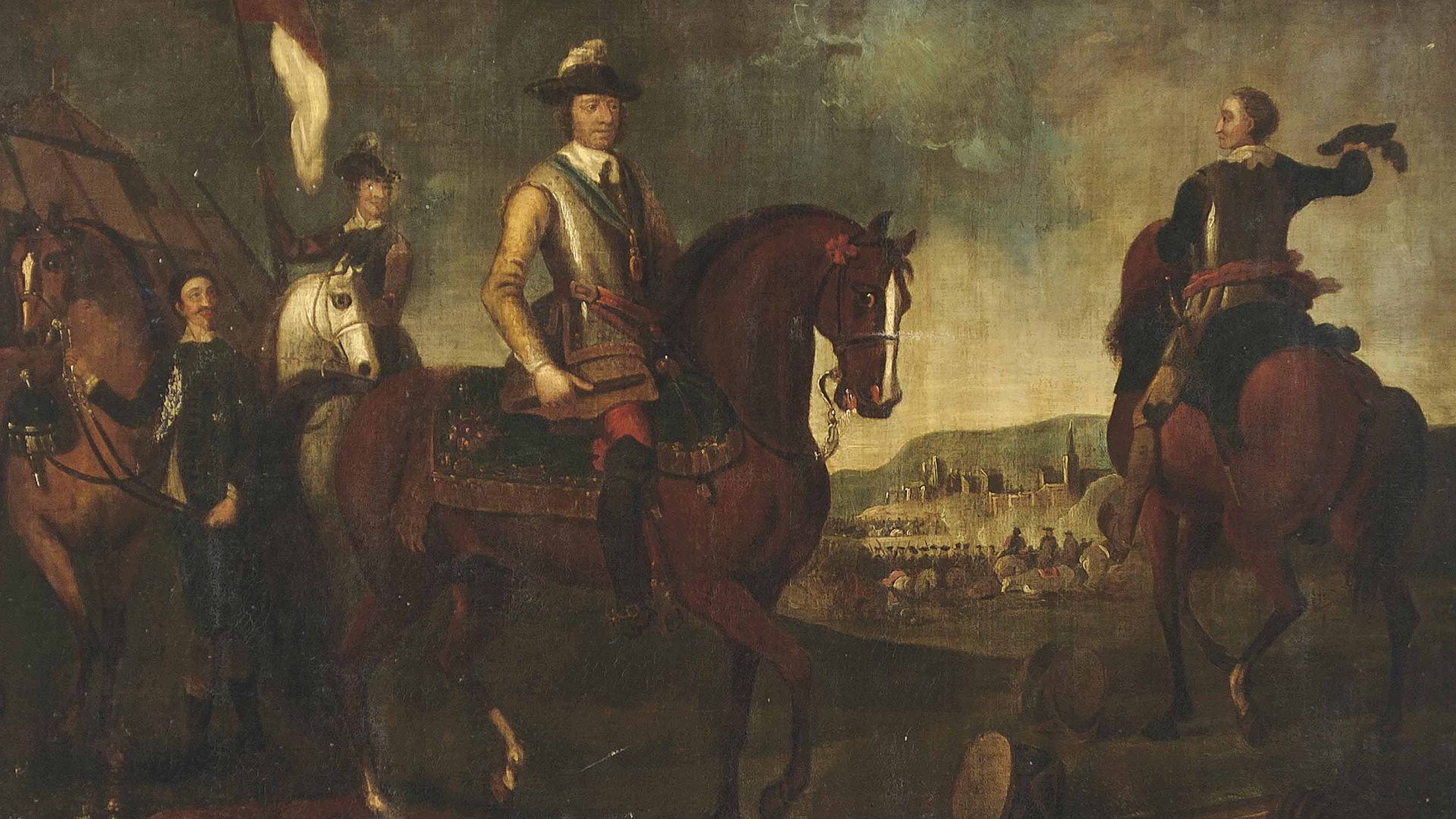
For nearly a year, Cromwell tried to convince the Royalists that Charles II didn’t fit a “godly” nation. But, when they refused to see things his way, he baited them into invading England—and hunted them down. At Worcester on September 3, 1651, he crushed the Royalists in the last battle of the civil conflict that had ravaged England for years. Charles II himself only barely managed to escape England with his life.
With the Royalists defeated, Cromwell faced new enemies.
 English School, Wikimedia Commons
41. He Threw Parliament Out
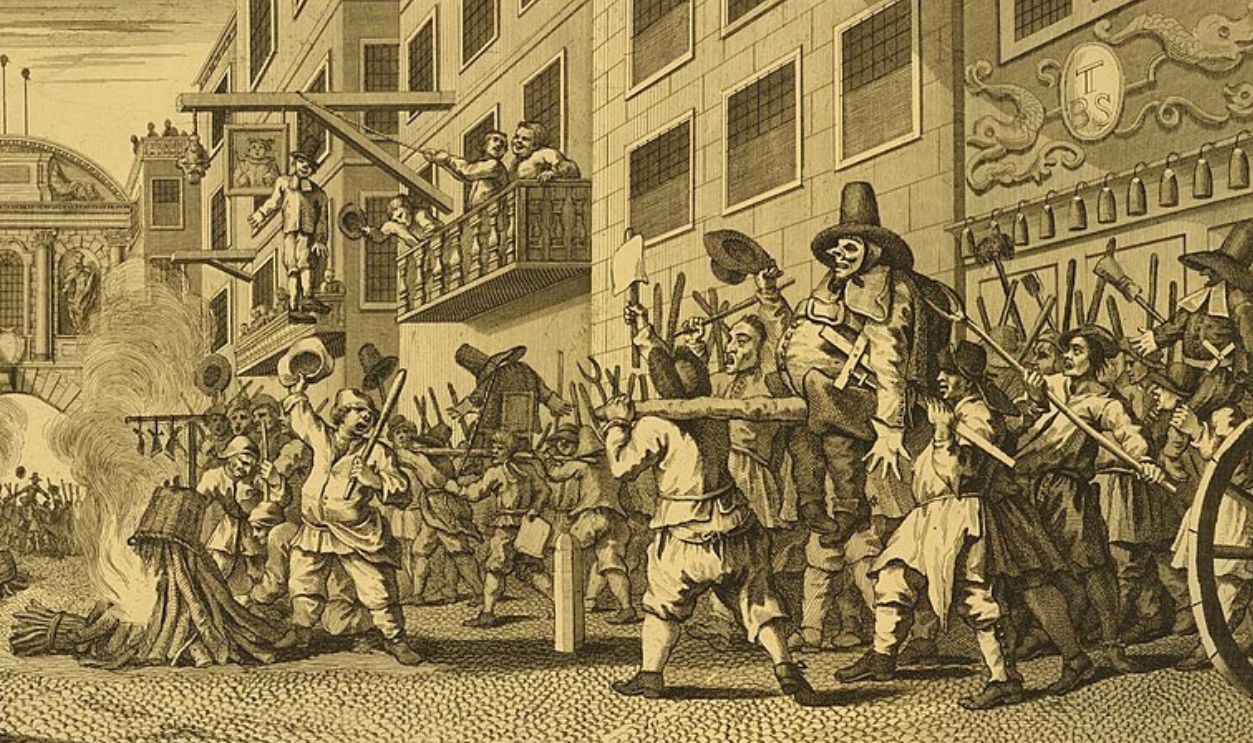
While Cromwell was campaigning between 1649 and 1651, factions within Parliament began tearing at the fragile peace. Cromwell demanded that Parliament set its differences aside and put in place policies to foster peace. But, when Parliament refused, Cromwell acted. Legend has it that he stormed through the doors with musketeers and declared, “You are no Parliament, I say you are no Parliament; I will put an end to your sitting,” before removing them all from office.
His solution was no better.
 British Museum, Wikimedia Commons
42. He Assembled The Saints
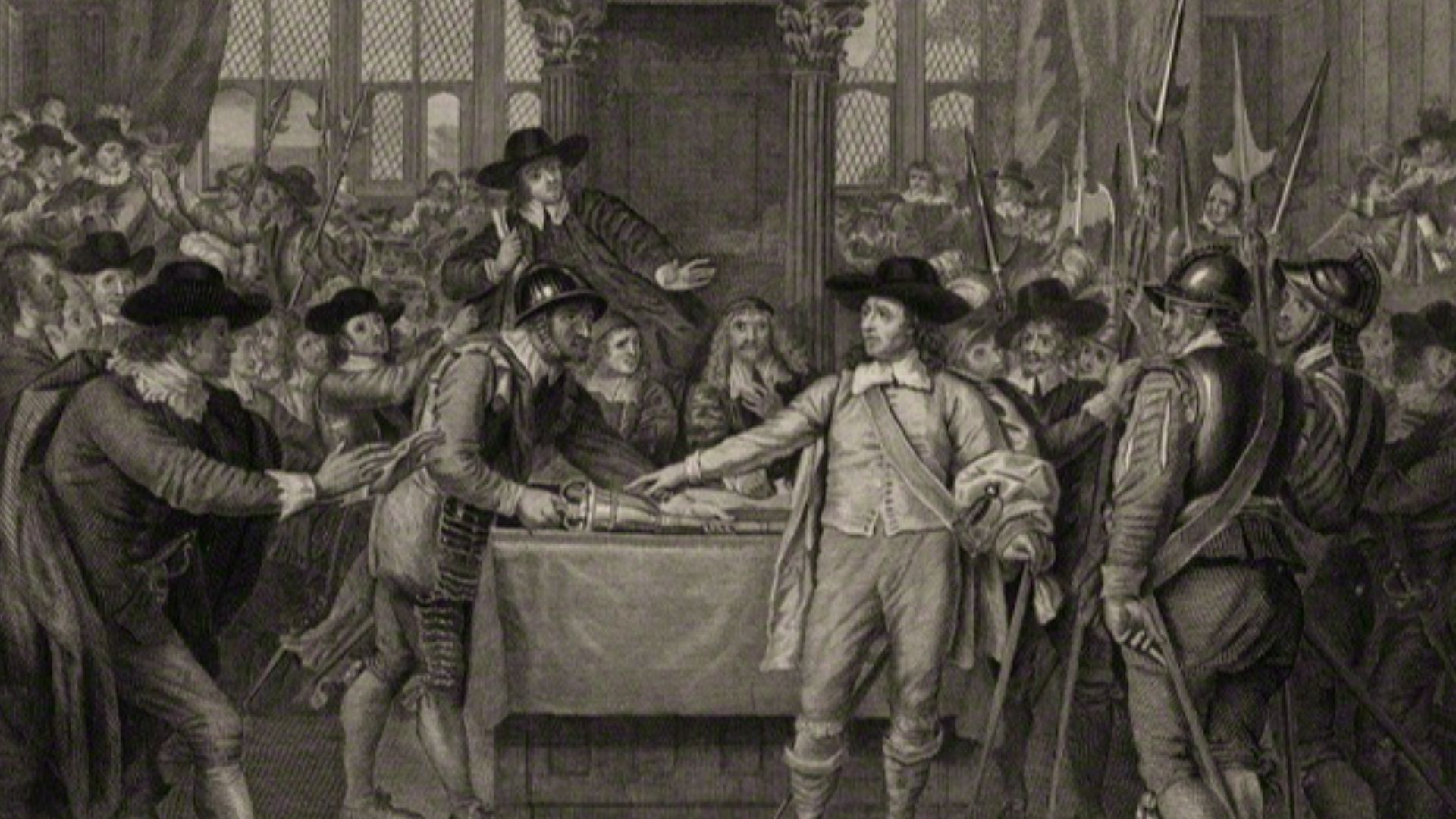
Cromwell replaced the factions within the Parliament with an assembly of his own design: the Nominated Assembly. His detractors mockingly called it “Barebone’s Parliament”, so named because of the Cromwell-appointee Praise-God Barebones. Cromwell, however, considered it to be a “Parliament of Saints” that would bring “godly government to the Commonwealth”.
Or, more accurately, a Cromwell government.
 Burnet Reading, Wikimedia Commons
43. He Had All The Power
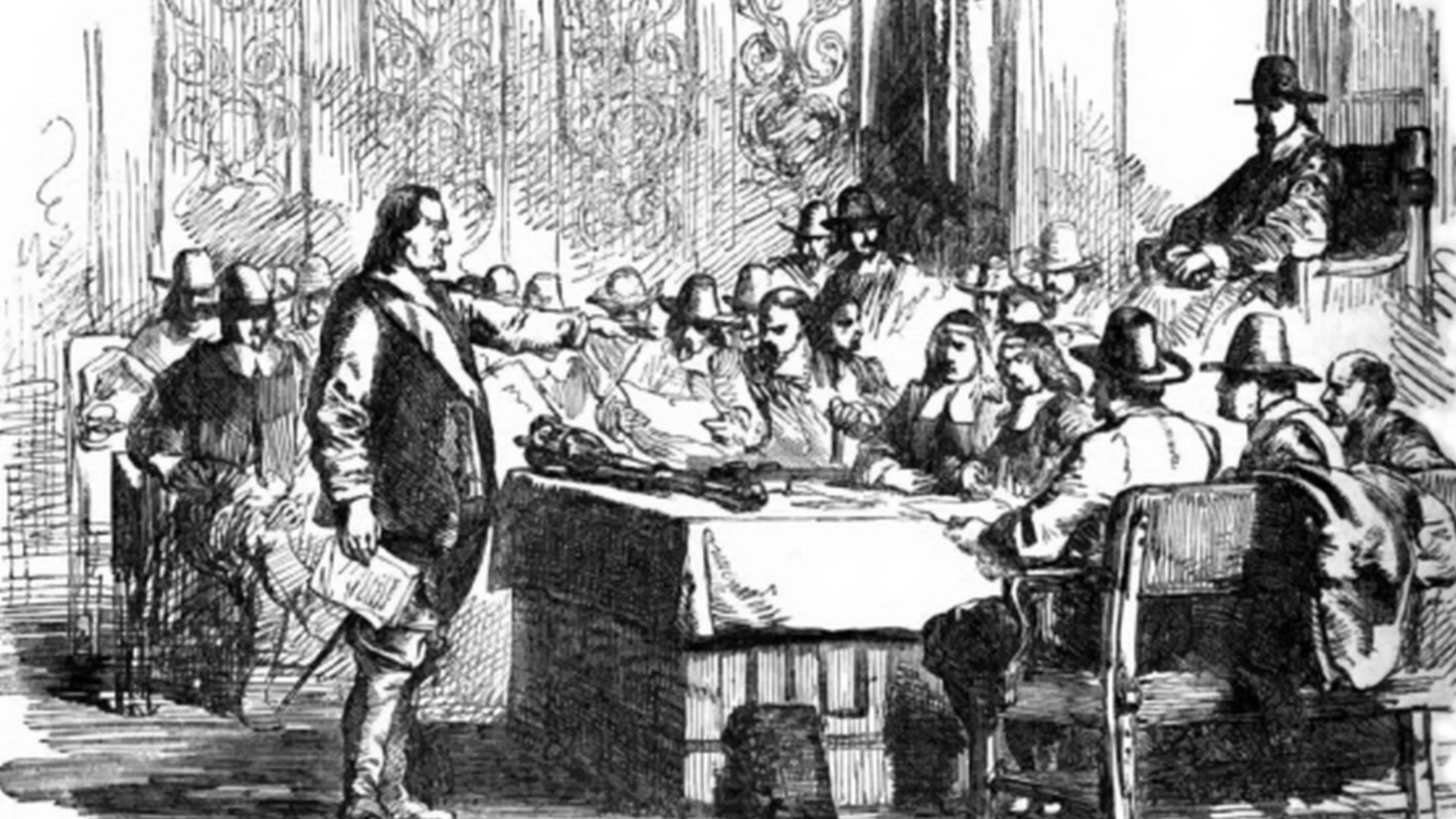
Barebone’s Parliament fractured quickly. Within six months, moderates feared what some of the more radical members of the Assembly might do if they seized true power. So, in December 1653, they conspired to dissolve the Assembly and transfer authority to Cromwell—the man who had appointed the Assembly in the first place.
Cromwell now stood alone as the center of power in England. He just needed a title.
 John Cassell, Wikimedia Commons
44. He Became “Lord Protector”
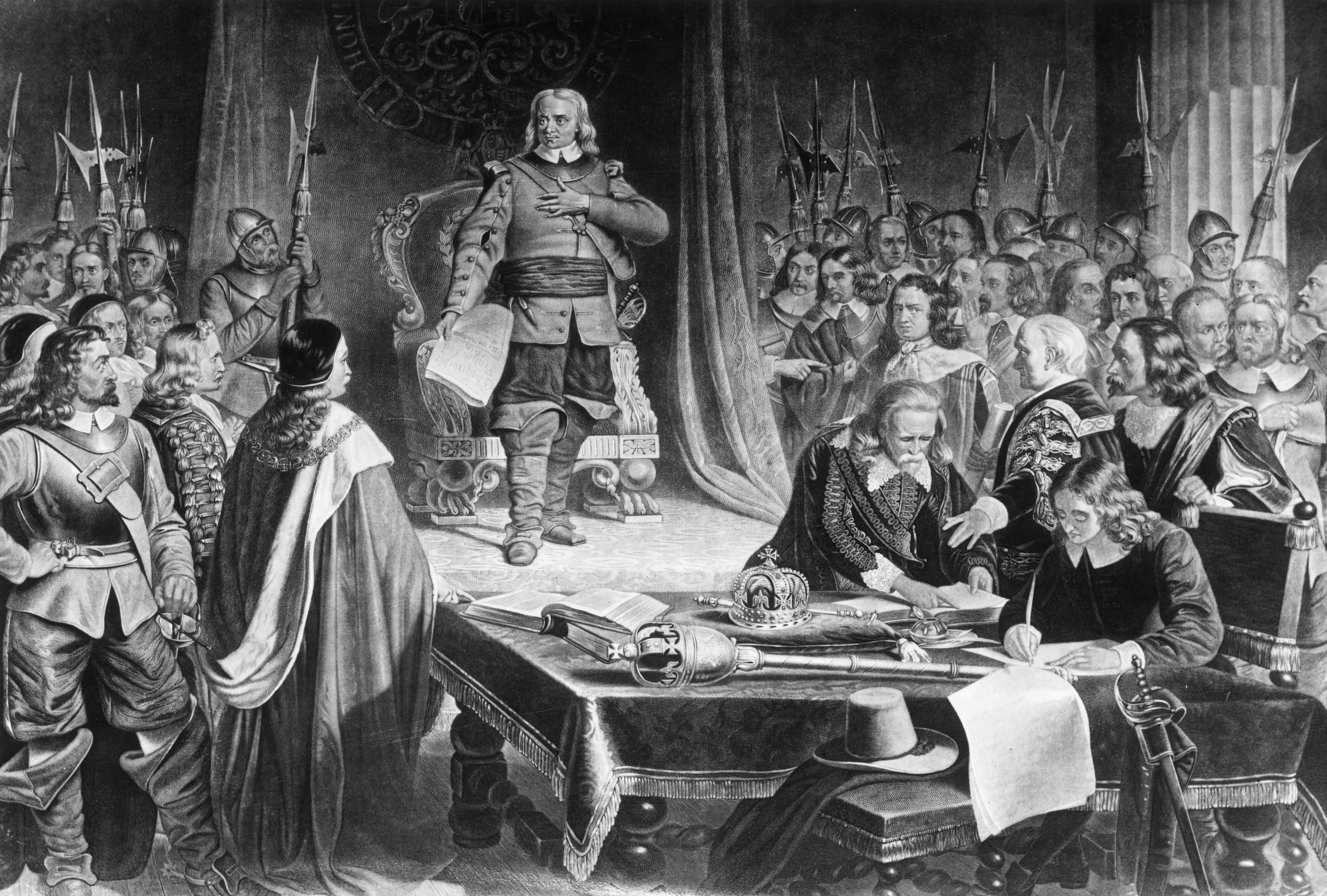
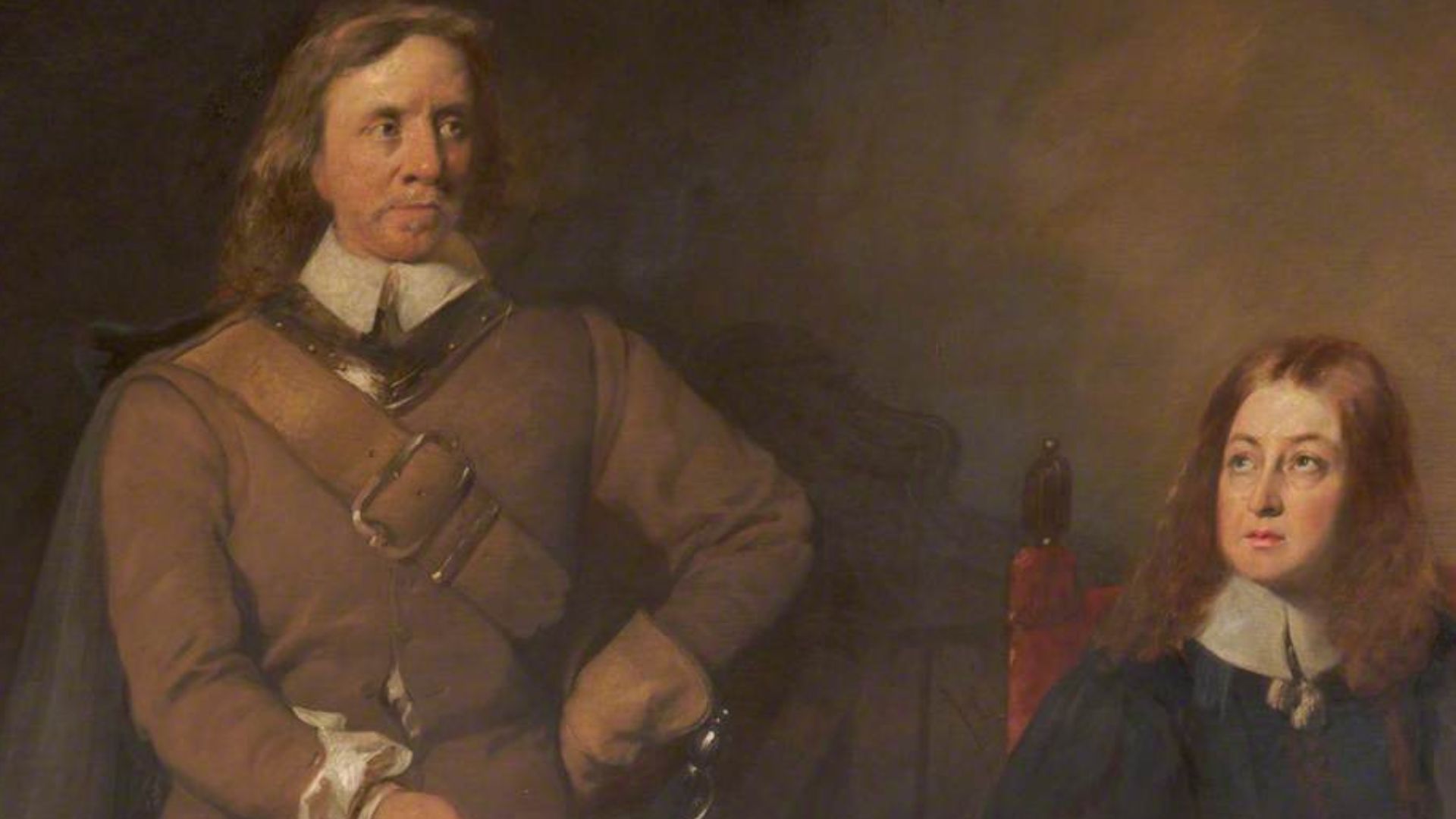
With the government in shambles, statesmen and army officers like John Lambert scrambled to put together a new constitution—one with Cromwell at its core. Cromwell insisted that he not be given the title “king”, preferring instead to take the title “Lord Protector”. Then, on December 16, 1653, his “coronation” took place. Donned in plain black, Cromwell signed the new constitution, as “Oliver P” for “protector”.
Before long, however, all of England was referring to him as “Your Highness”. And he lived like royalty.
 Frederick Newenham, Wikimedia Commons
45. He Moved Into Whitehall
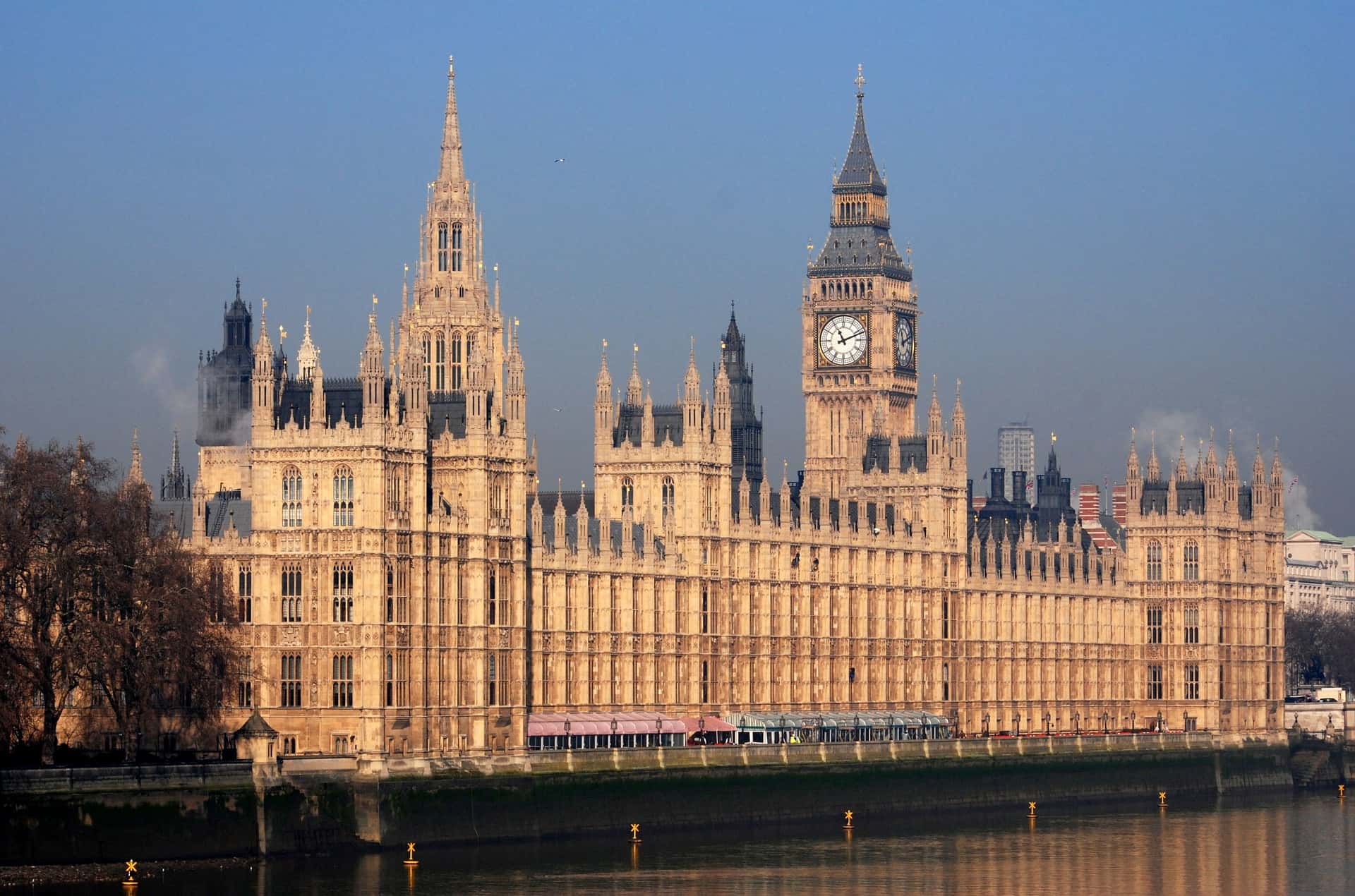
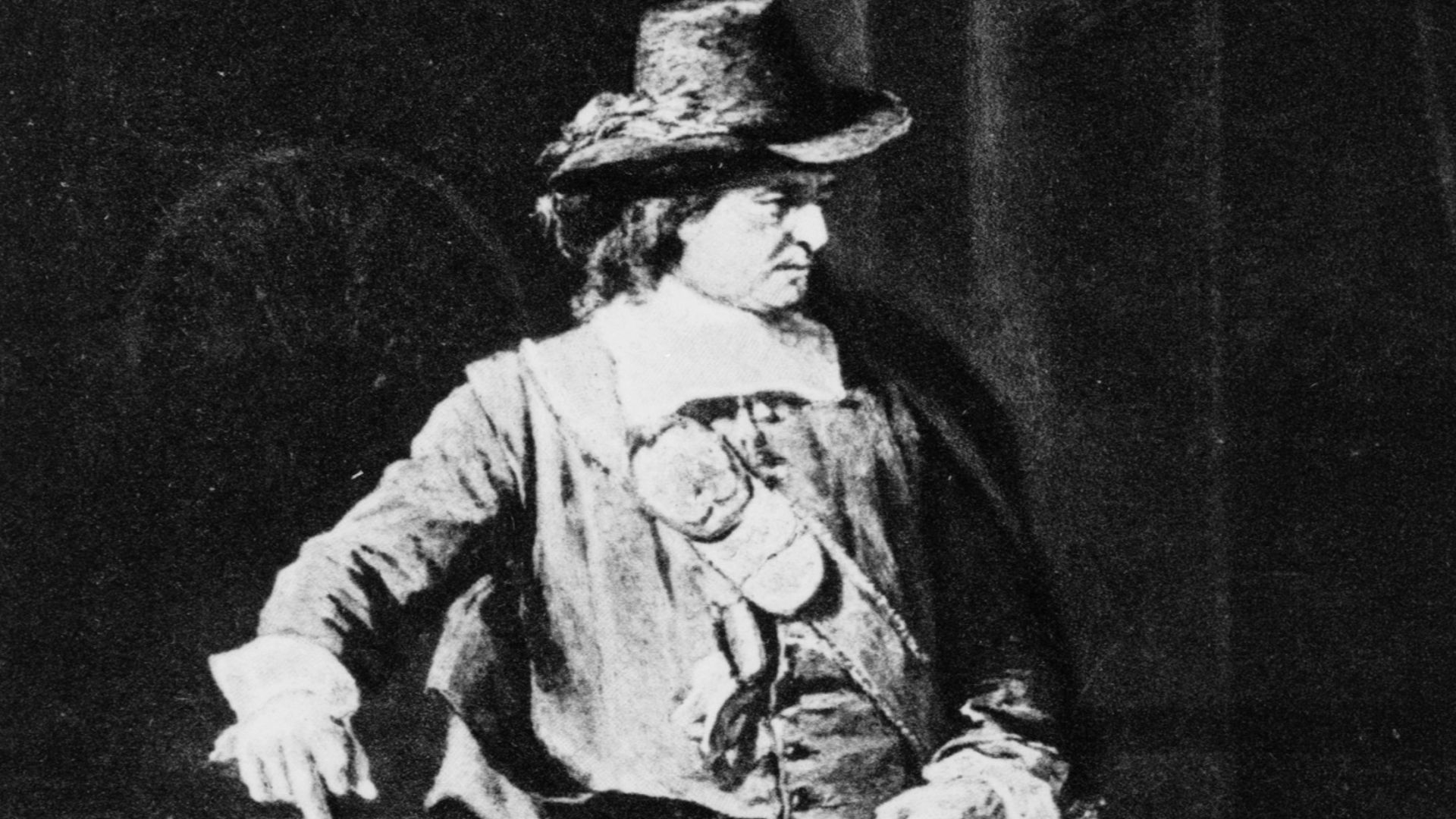
Whether he had the title “King” or “Lord Protector” didn’t matter to Cromwell’s former Republican allies and religious brethren. To them, he was living like a king anyway, betraying everything they had fought for. And they had a point. Cromwell moved into Charles I’s former residence, Palace of Whitehall, and gave himself a hefty salary of £100,000 a year (about £5.8 million in 2026).
And Cromwell knew how to hold court.
 Miscellaneous Items in High Demand, PPOC, Library of Congress, Wikimedia Commons
46. He Created A Patronage System
Cromwell survived the 1650s not through popularity, but through patronage. He kept the Army firmly on his side and filled key civil and military posts with men personally loyal to him—family members included. He maintained his power through gratitude, obligation, and proximity; a carbon-copy of the patronage system that monarchs before him had used.
Cromwell trusted people he had elevated—and few others.
47. He Ruled Through Might
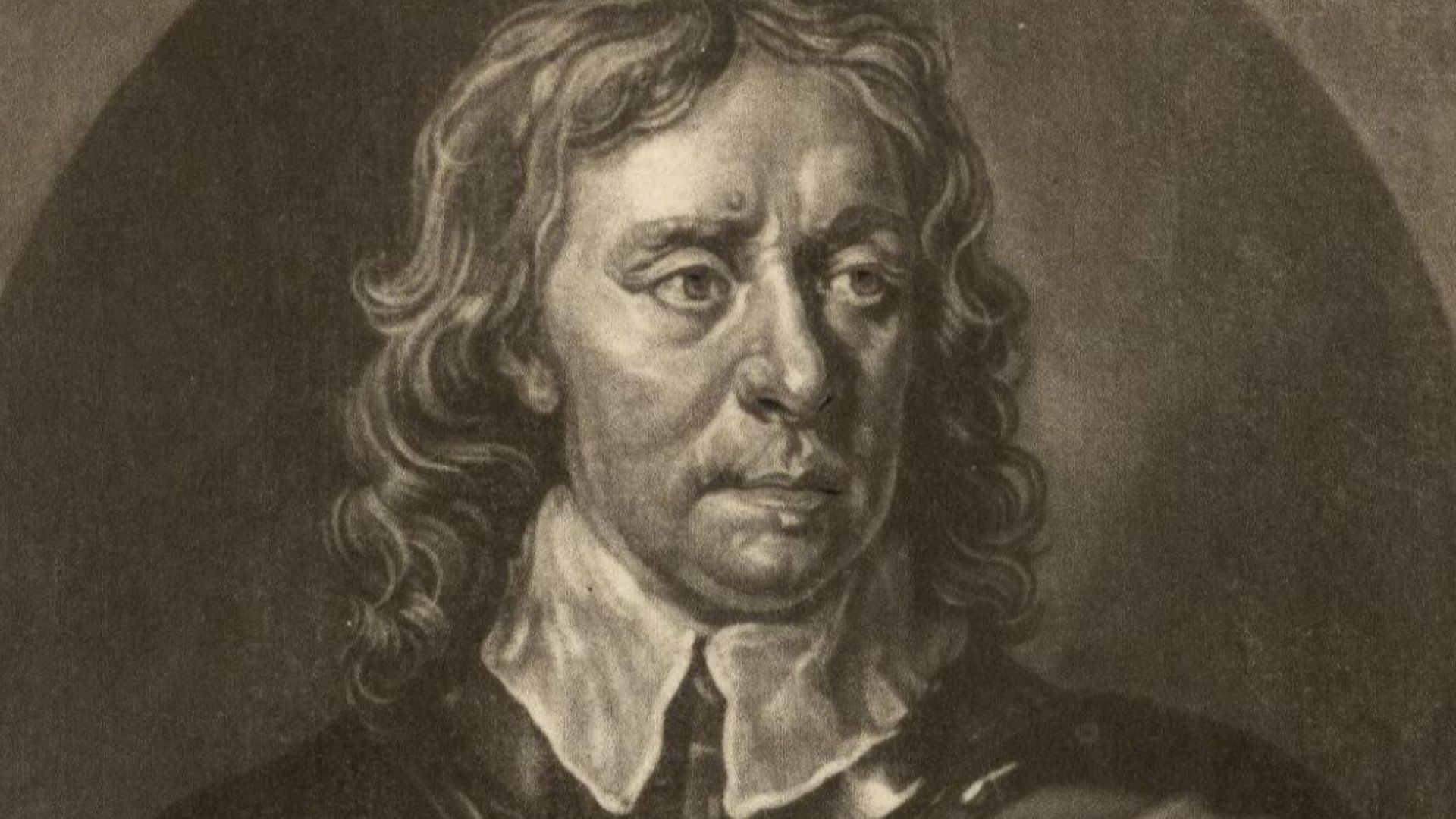
When Royalist uprisings once again flared up, Cromwell abandoned any pretense of civilian governance. Instead, he carved England and Wales up into districts, each ruled by a Major-General, who reported directly and only to the Lord Protector…who just so happened, of course, to be Cromwell. With absolute power, his reign turned dictatorial.
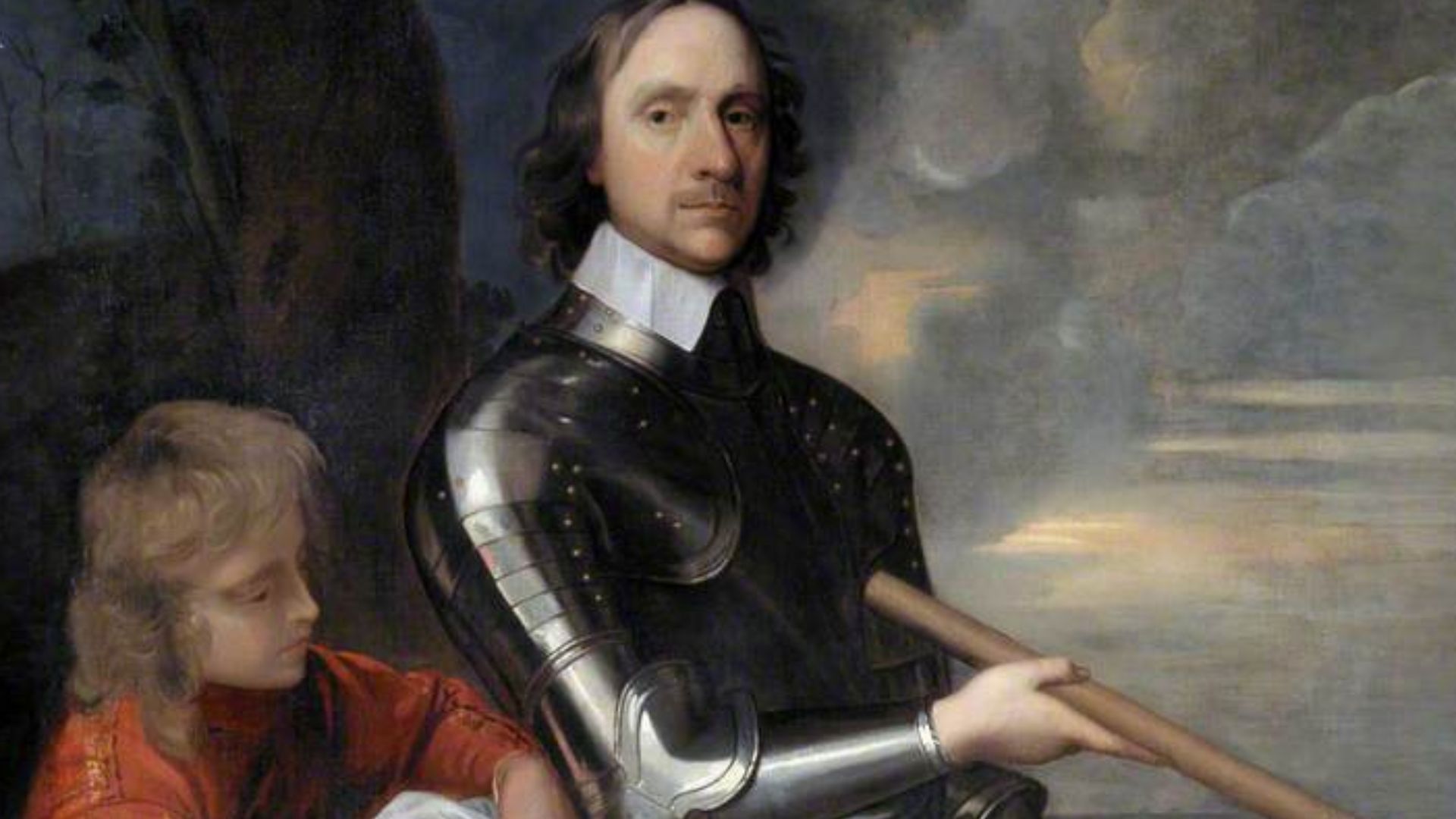 Robert Walker, Wikimedia Commons
48. He Enforced His Moral Order
As per Cromwell’s wishes, his Major-Generals didn’t just suppress rebellion—they enforced virtue. Cromwell gave the Major-Generals the power to regulate behavior, punish vice, and impose godliness—by force, if necessary. Needless to say, the public hated it. Given England’s needs abroad, Cromwell had no choice but to summon another Parliament to assuage the angry populace.
He was about to learn that even “kings” had limits.
49. He Backed Down—Briefly
Once they were reestablished, Parliament immediately attacked Cromwell’s Major-Generals as unconstitutional and unlawful. Faced with mounting resistance, he had no choice but to relent, or face another protracted civil conflict. In a rare retreat, Cromwell agreed to suspend the Major-Generals, for a time, until things calmed down.
Ironically, this only strengthened his monarchical ambitions.
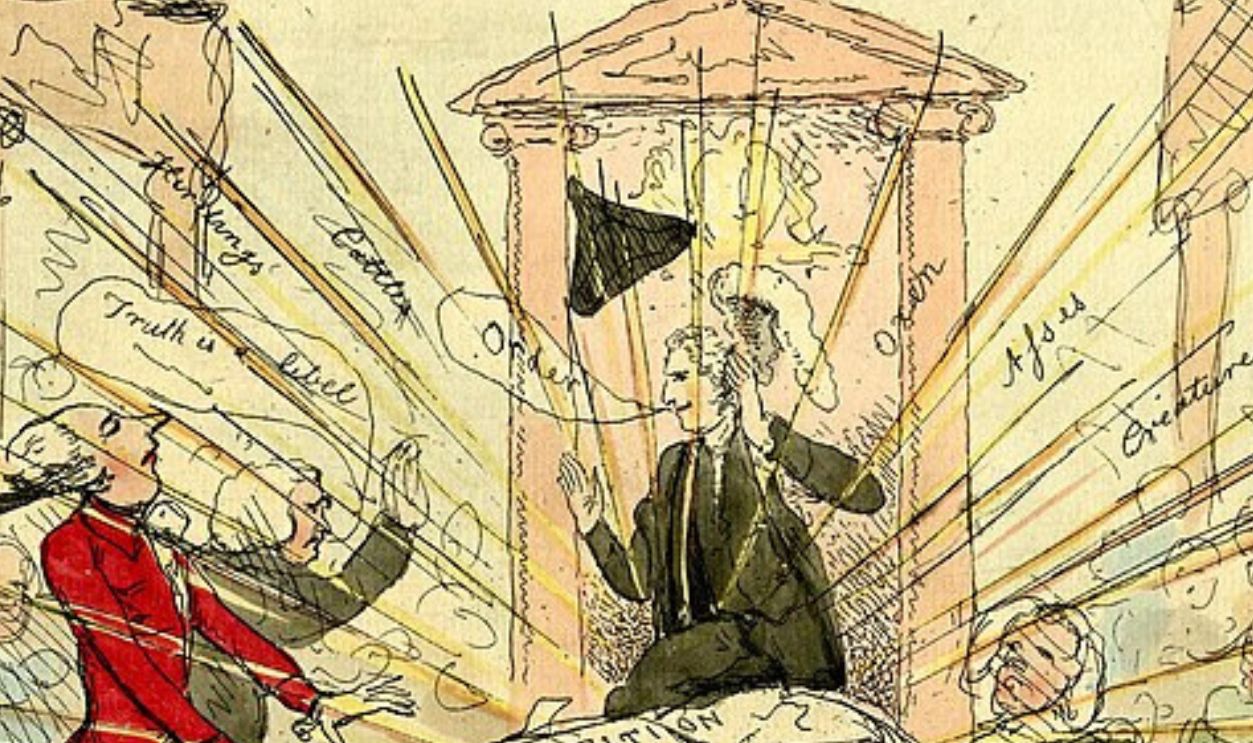 British Museum, Wikimedia Commons
50. He Refused A Crown
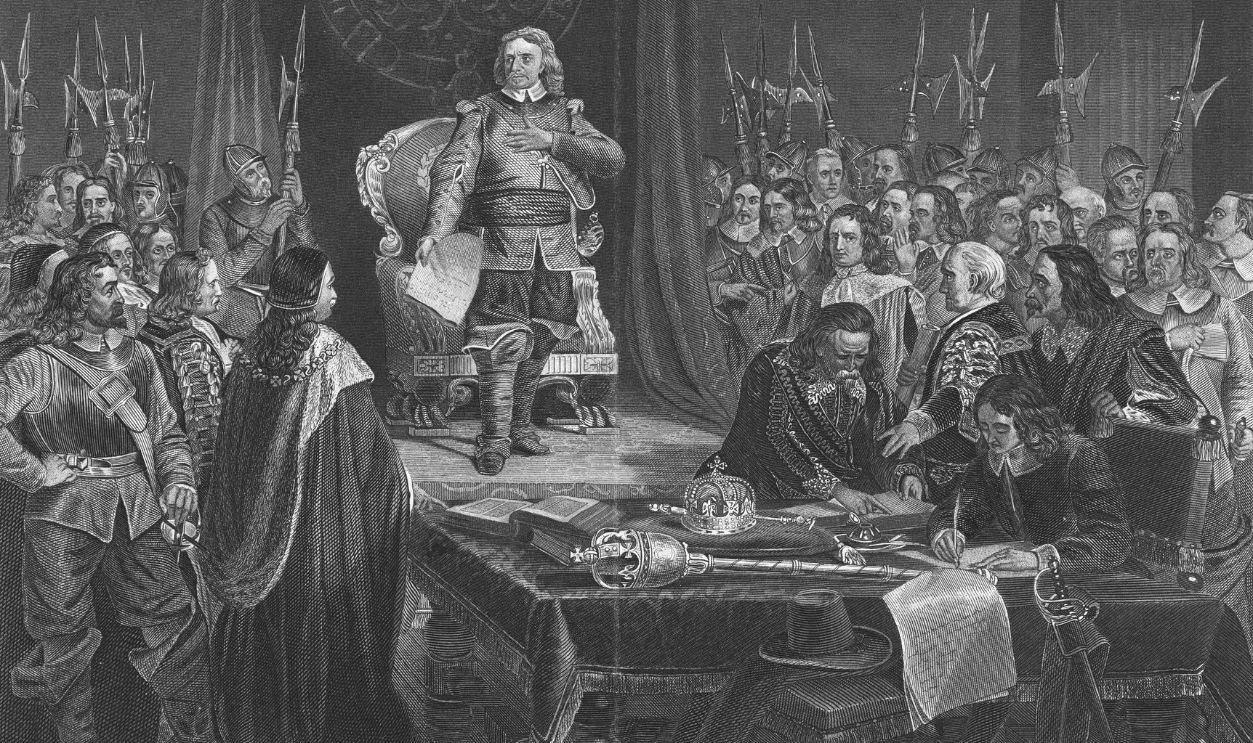
In 1657, Parliament put a new constitution down in front of Cromwell—one that offered him everything he could ever have wanted and then some. The constitution formally offered Cromwell the crown. But, in a shocking (and agonizing) move, Cromwell turned it down. “I will not build Jericho again,” he explained.
The irony, of course, was that he was effectively “King of England” anyway.
51. He Accepted A Coronation Anyway
Cromwell might have refused the crown—but he gleefully accepted everything that went along with it. Reinstalled as Lord Protector in June of 1657, Cromwell had a “coronation” that would have made any true king blush. Wearing purple velvet trimmed with ermine and carrying a golden scepter, Cromwell swore a modified coronation oath, and departed Westminster Hall amid cries of “God save the Lord Protector”.
The only thing left was to secure his dynasty.
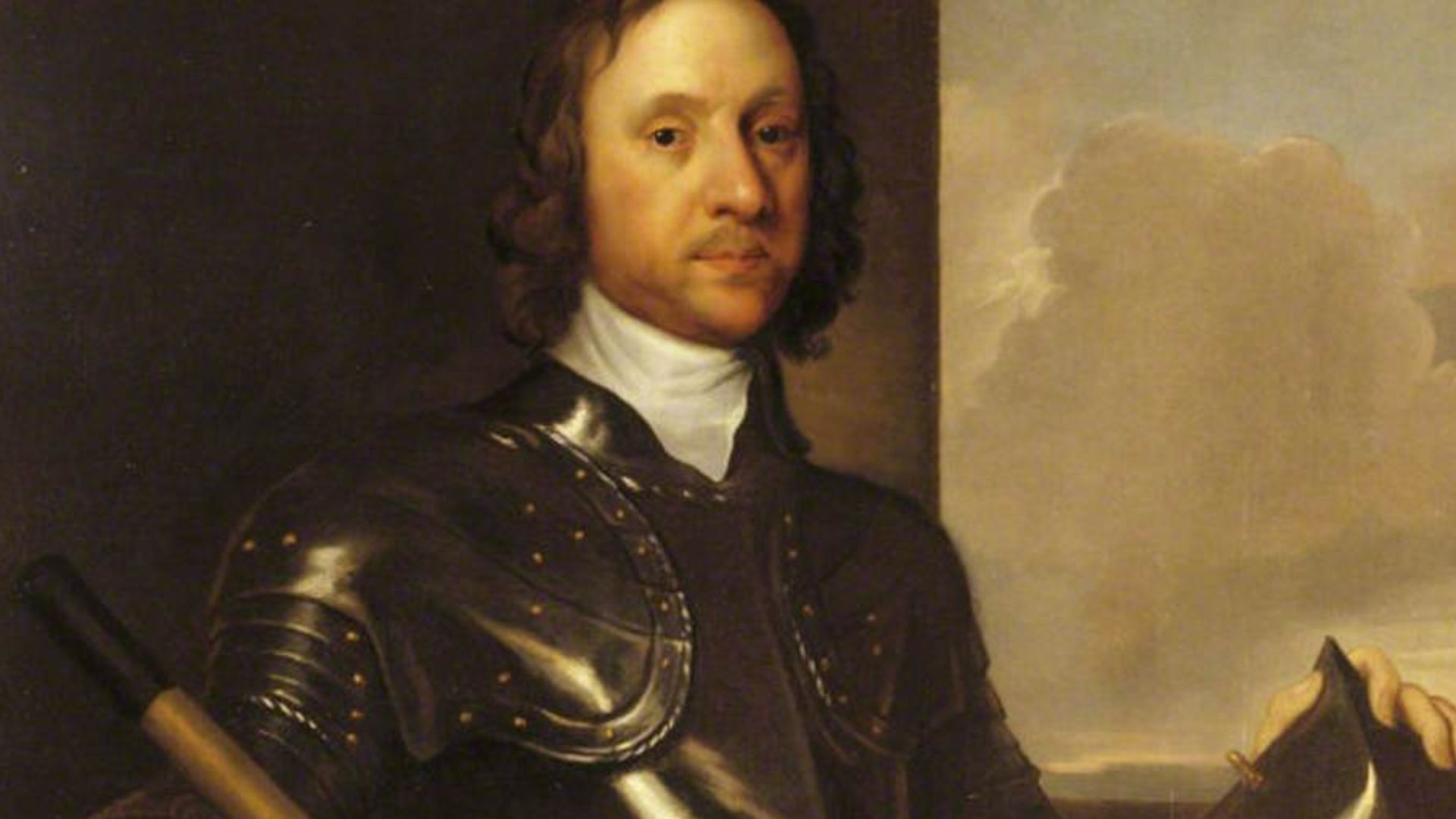
52. He Tried To Secure His Dynasty
Under the revised constitution, Cromwell gained the power to do what all monarchs seek to do: name their successor and secure their line. With this new power, there was no faking it anymore, Cromwell truly was “King in all but name”. The game of thrones, however, would be far harder to win than Cromwell had initially thought.
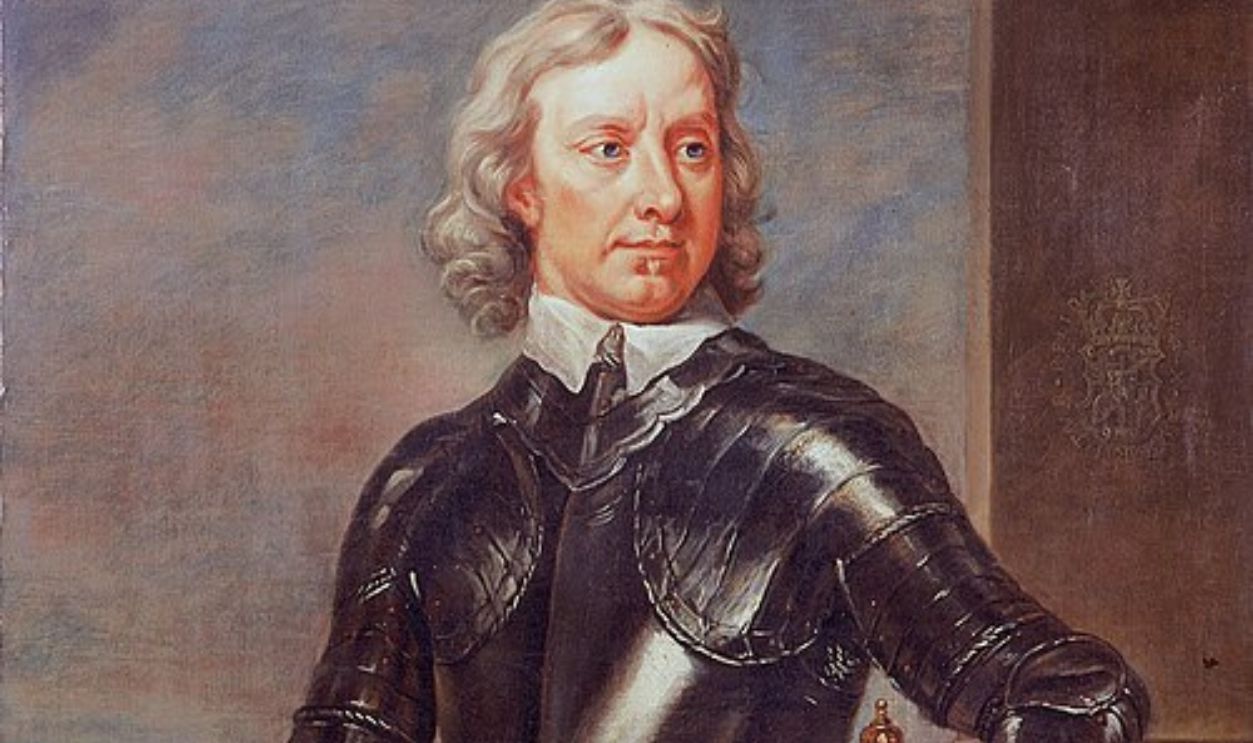 Royal Museums Greenwich, Wikimedia Commons
53. He Faded Away
Despite gaining absolute power, Cromwell felt defeated. He failed to unify the Puritan sects or settle the matter of England’s constitution. Then tragedy struck. His favorite daughter, Elizabeth, succumbed to illness. Heartbroken and demoralized, Cromwell withdrew from public life, leaving much of the state’s affairs to his subordinates…like a true monarch.
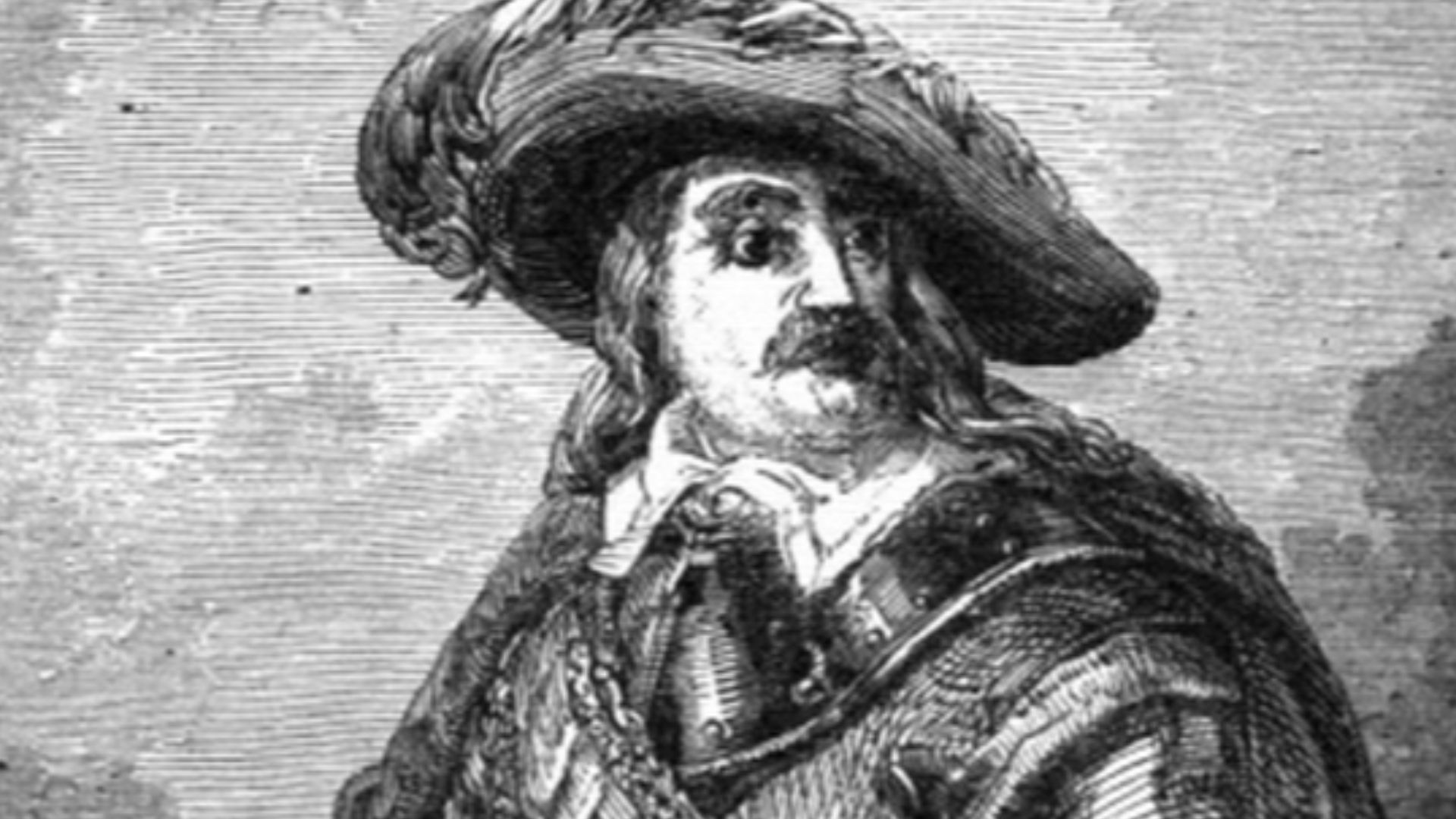 John Cassell, Wikimedia Commons
54. He Caused A Storm On His Way Out
At the height of his powers, Cromwell was at his weakest. A “recurring malarial fever” that had plagued him for nearly 30 years finally got the better of him on September 3, 1658—the anniversary of his greatest victories at Dunbar and Worcester. That night, a violent storm ripped through England. Cromwell’s detractors said the terrible tempest was the Devil, coming to collect Cromwell’s soul.
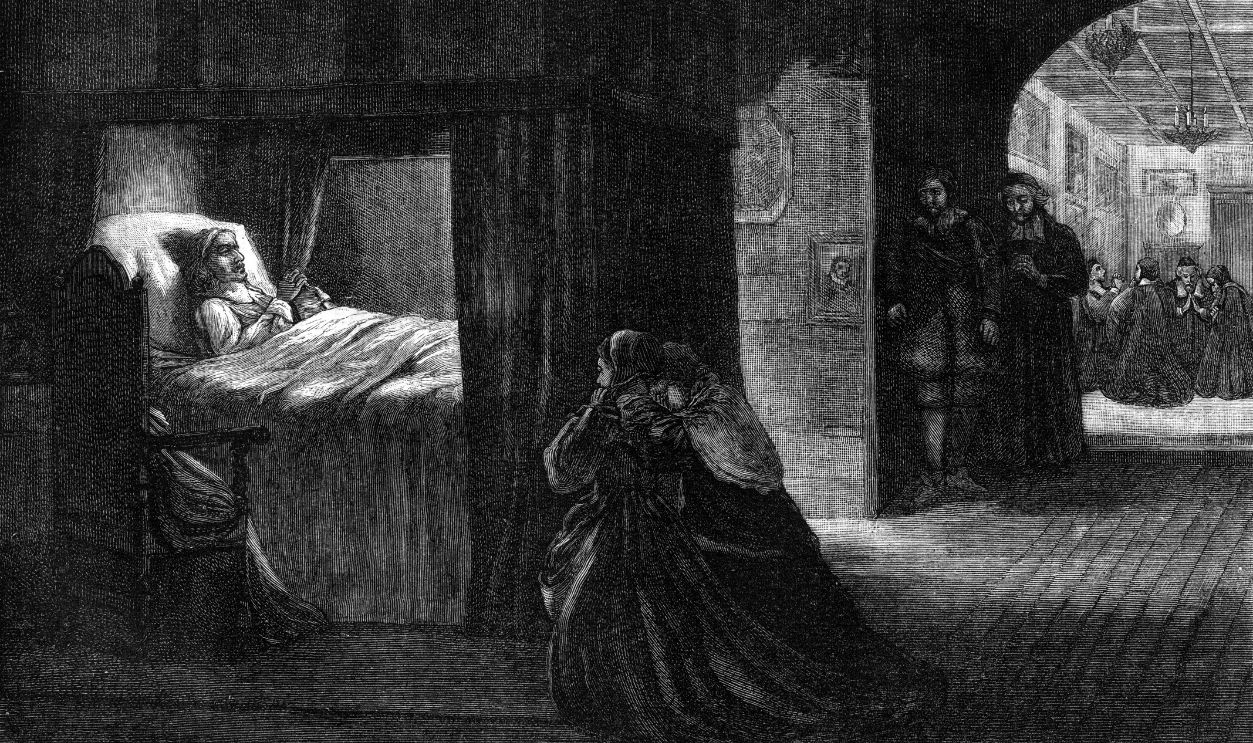
55. He Received A King’s Farewell
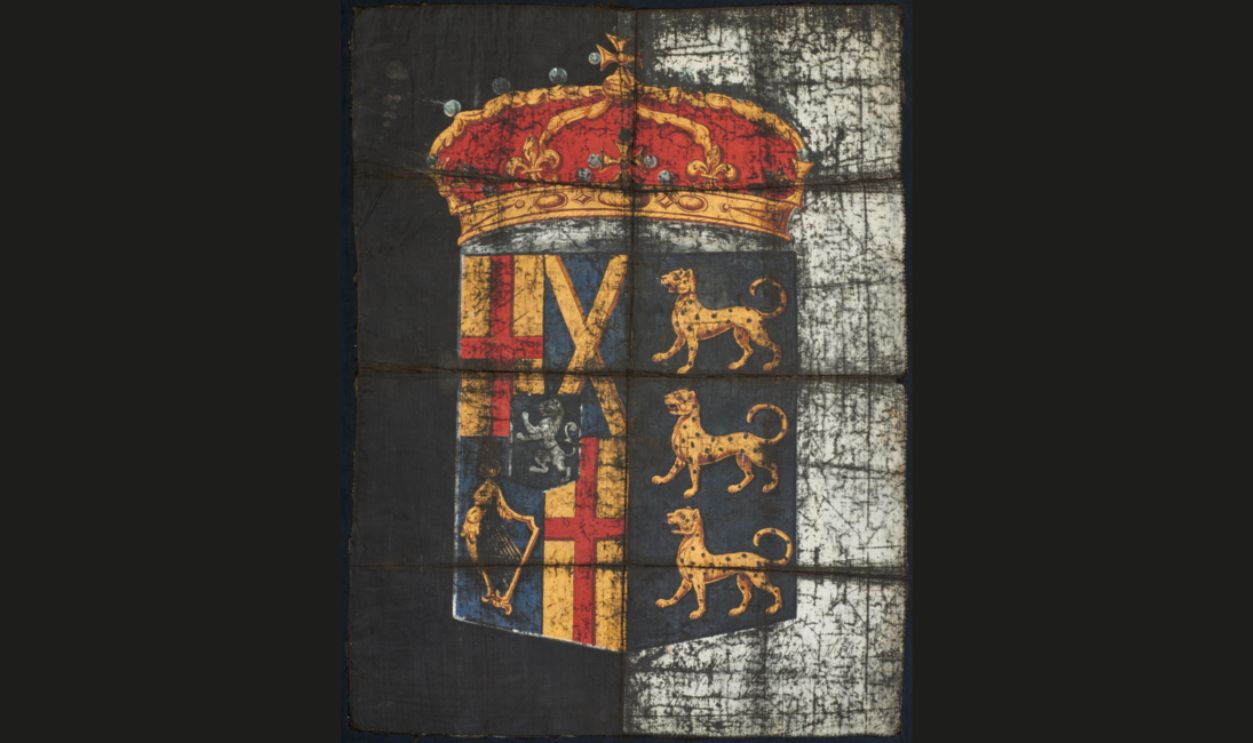
Cromwell had ruled England like a king—so it was only fitting that he be buried as one. He was laid to rest at Westminster Abbey with a funeral modeled on that of King James I. The ceremony cost roughly £60,000—an obscene sum given that the average wage in England was just one shilling a day. Cromwell’s son succeeded him, but only briefly. Within a year, the Protectorate had collapsed.
And the real monarchy would get its revenge.
 Unknown author, Wikimedia Commons
56. He Did Not Rest In Peace
When the Stuarts returned to the throne in 1660, they exacted revenge on Cromwell’s corpse. The Royalists exhumed his body, hauled it off to Tyburn, then hanged, and beheaded it on the anniversary of King Charles I’s execution. Cromwell’s severed and decomposing head was mounted above Westminster Hall until at least 1684.
Even now, his legacy is uncertain.
57. He Was A Saint—Or A Sinner
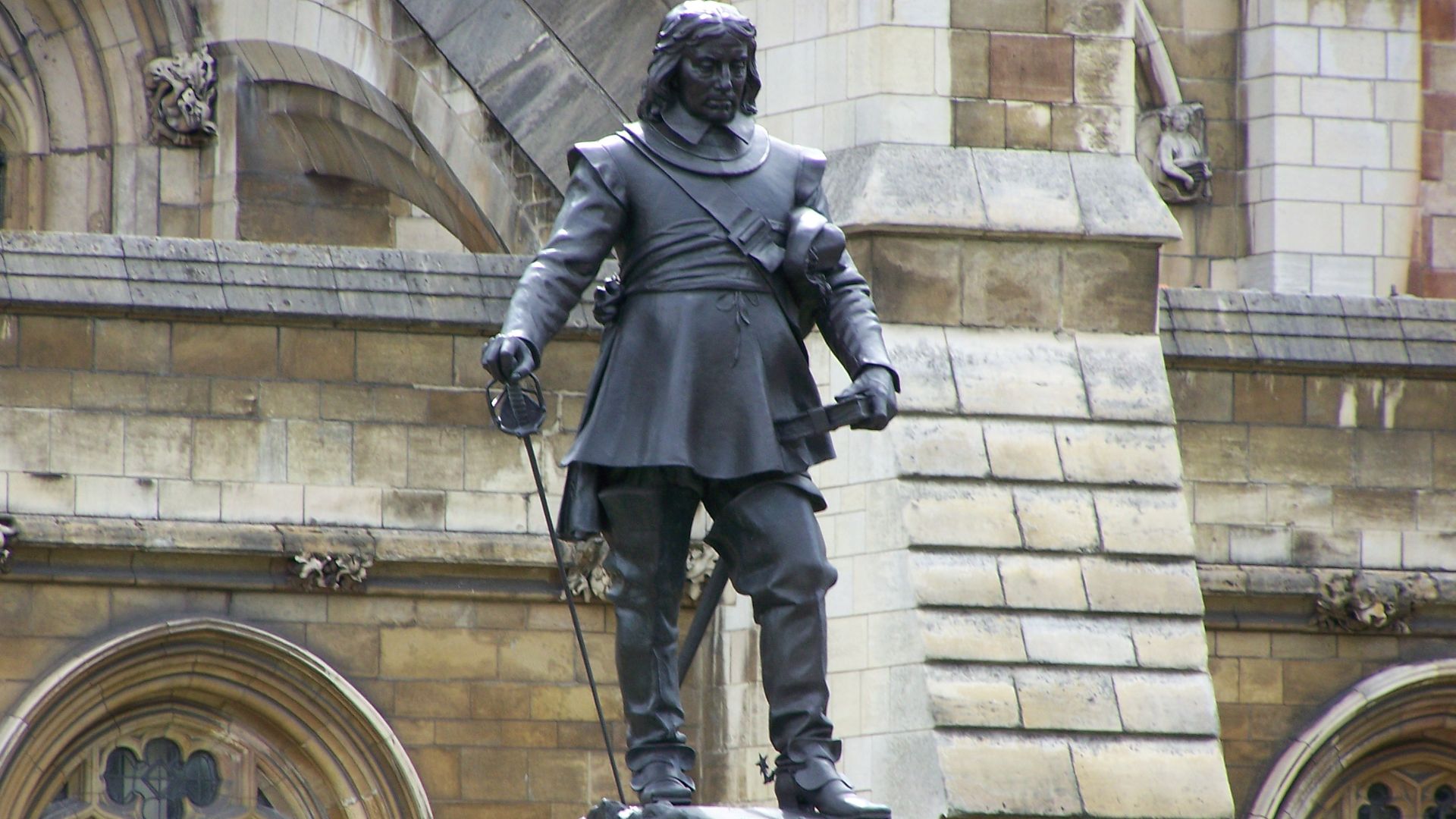
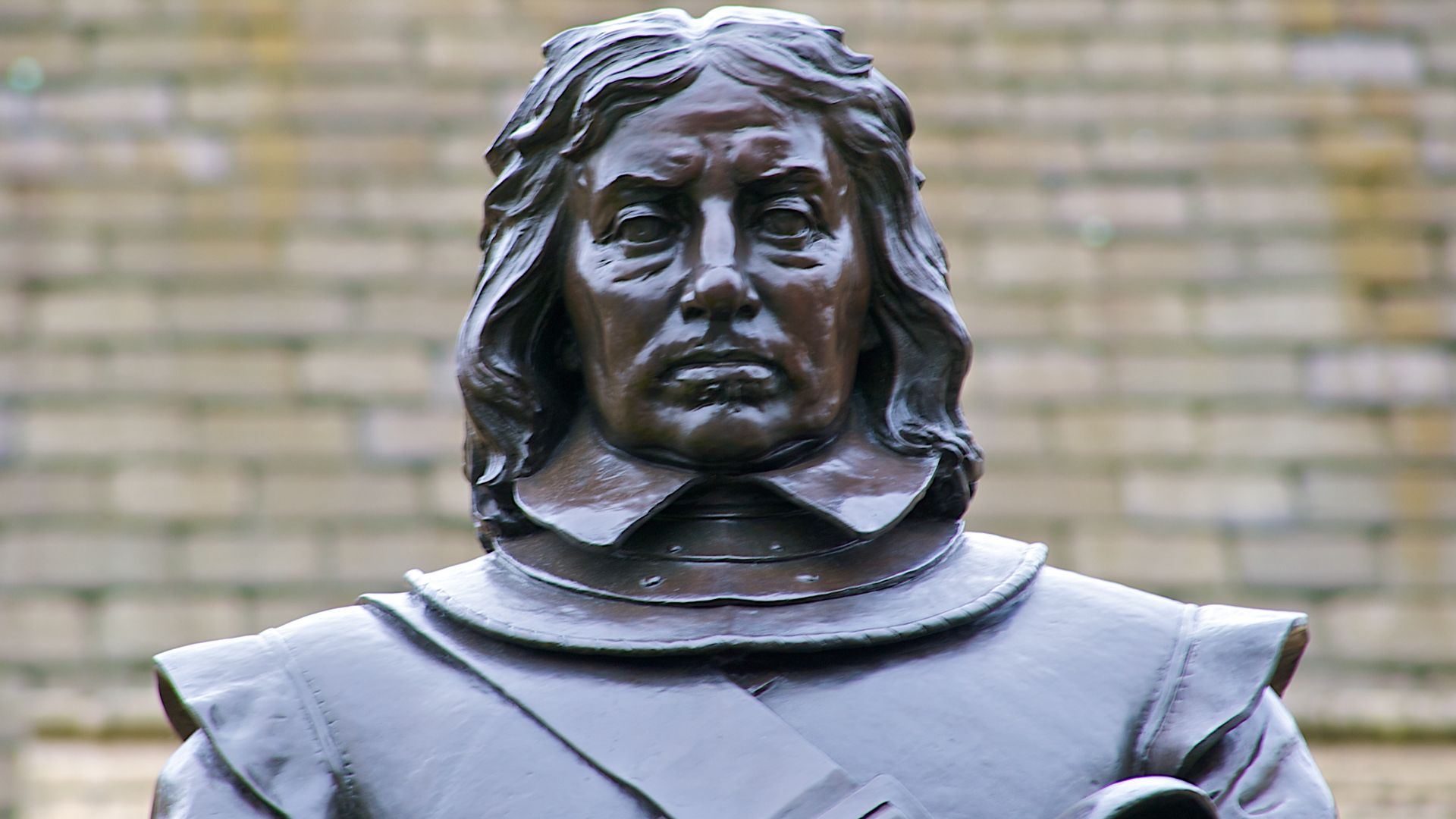
Centuries later, history is still divided on Oliver Cromwell’s legacy. Thomas Carlyle, the Scottish philosopher and historian, hailed Cromwell as a symbol of “puritan morality and earnestness”. Winston Churchill, on the other hand, dismissed Cromwell as nothing more than a “military dictator”. Traitor or savior, tyrant or reformer, Cromwell was one thing for certain: England’s “King Without A Crown”.
 Steve Punter, Wikimedia Commons
You May Also Like:
Appalling Facts About The Worst Rulers In History
Treacherous Facts About Charles I Of England, The Doomed King
Dark Facts About Thomas Cromwell, Henry VIII’s Notorious Right-Hand Man










_by_Robert_Walker_and_studio.jpg)

,_by_Gerard_Soest.jpg)


.jpg)

