When Fame Was A Terrible Idea
Long before TikTok challenges and viral videos, ordinary people discovered a shortcut to fame: do something so ridiculous, dangerous, or outrageous that newspapers simply couldn’t ignore you. Sometimes it worked spectacularly. Unfortunately, becoming famous and benefiting from fame turned out to be two very different things.
 Francis J. Petrie Photograph Collection, Public domain, via Wikimedia Commons
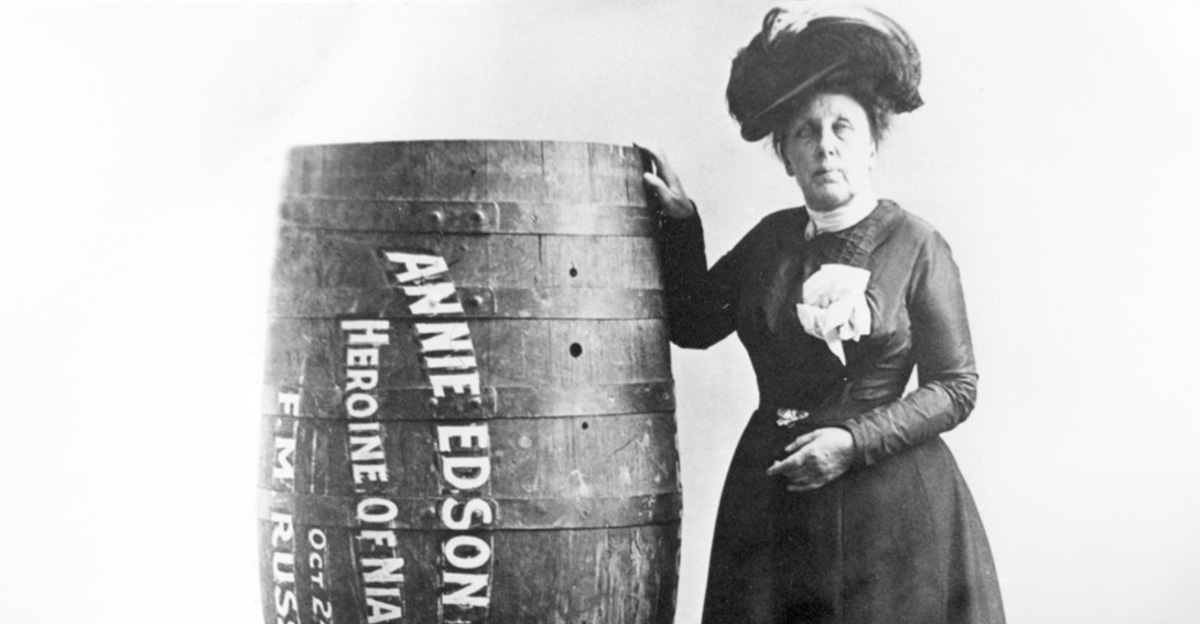
Annie Edson Taylor Needed A Payday
In 1901, Annie Edson Taylor was a widowed schoolteacher approaching her sixties and worried about money. Instead of taking the sensible route, Taylor dreamed up an extraordinary retirement plan. She would climb inside a barrel, plunge over Niagara Falls, survive, and become rich from the publicity.
 GG Bain News Service, Wikimedia Commons
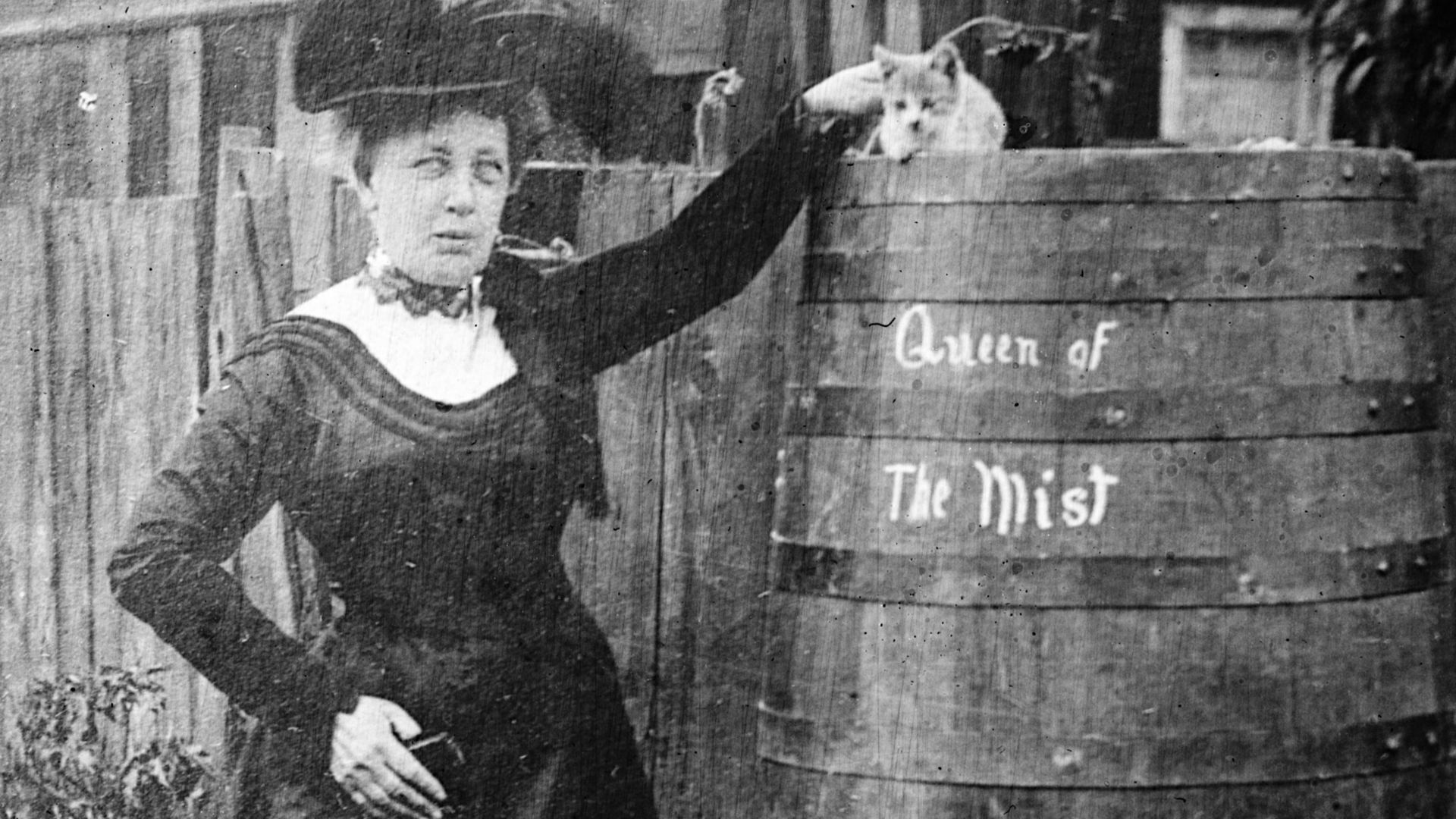
The Barrel Made Her Famous
On October 24, Taylor climbed into a specially constructed barrel and went over Horseshoe Falls. Amazingly, she survived with relatively minor injuries. Suddenly, reporters wanted interviews and crowds wanted to see the woman who had conquered Niagara. For a moment, Taylor appeared to have hit the publicity jackpot.
 From the Teresa Lasher collection, Wikimedia Commons
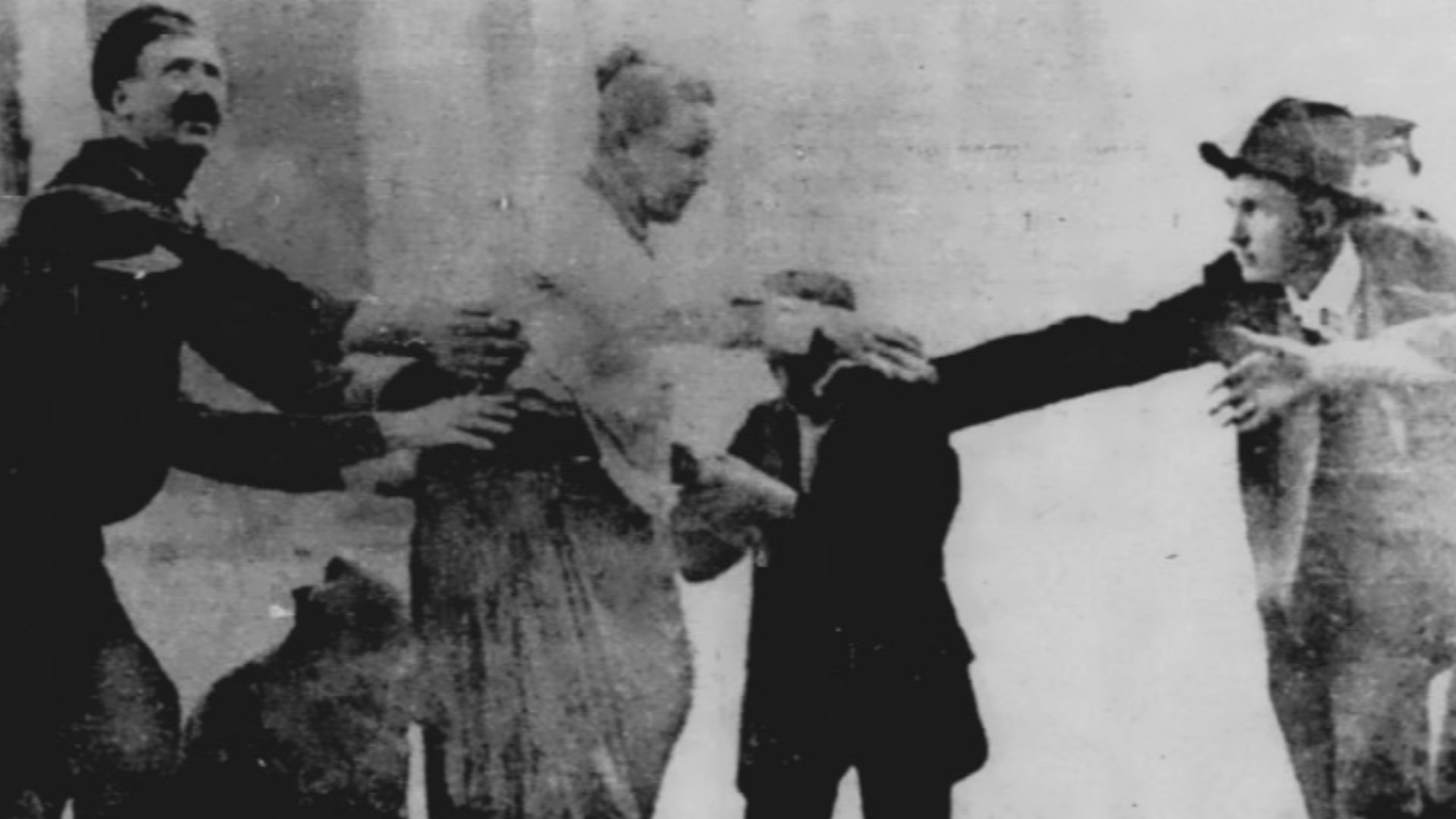
Fame Refused To Pay The Bills
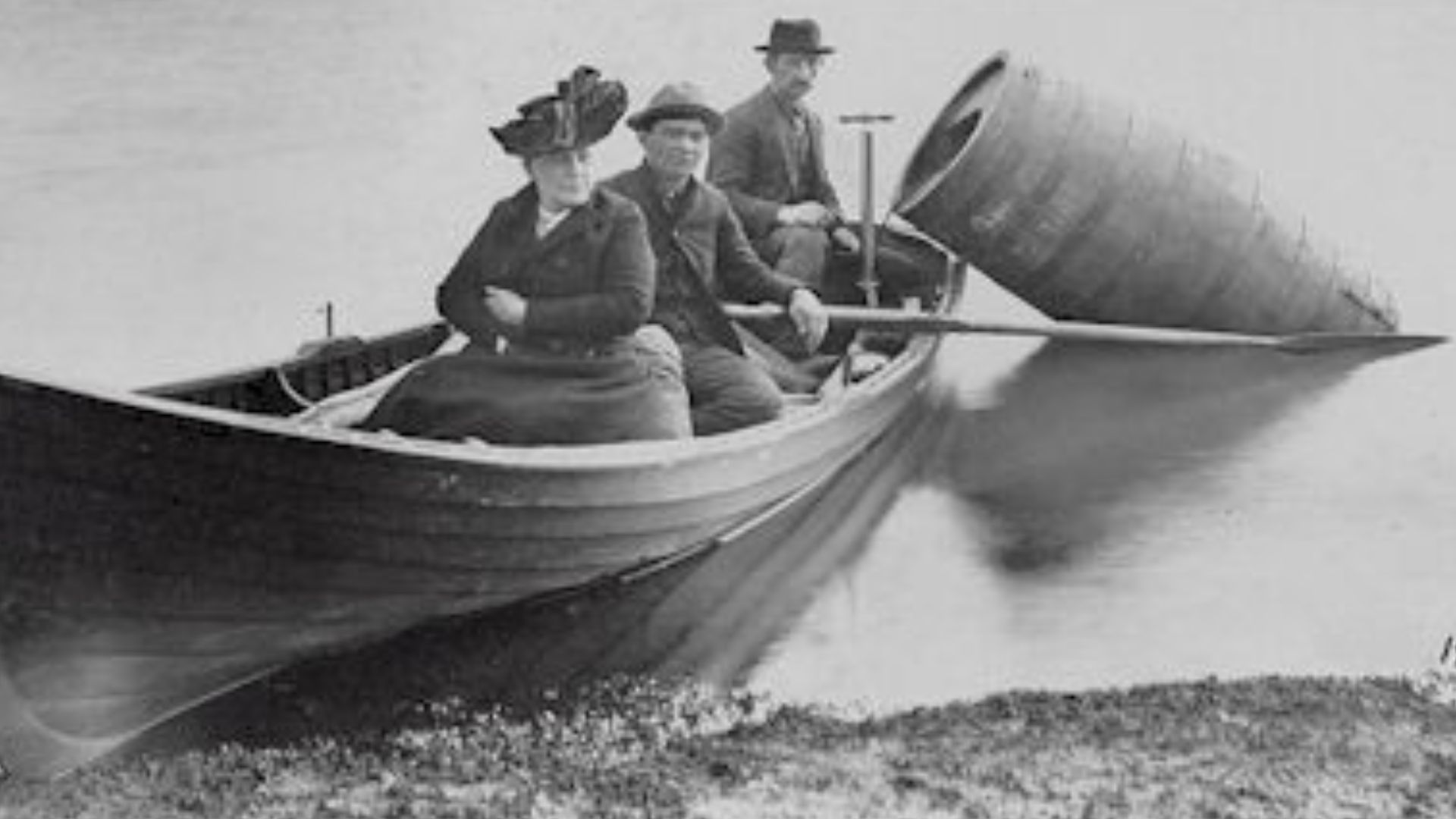
Taylor discovered that public fascination didn’t automatically produce money. She spent years selling souvenirs and posing for tourists around Niagara while struggling financially. The stunt that was supposed to secure her future instead became something she had to keep selling. She eventually died with little money.
 Unknown authorUnknown author, Wikimedia Commons
Sam Patch Made Falling A Career
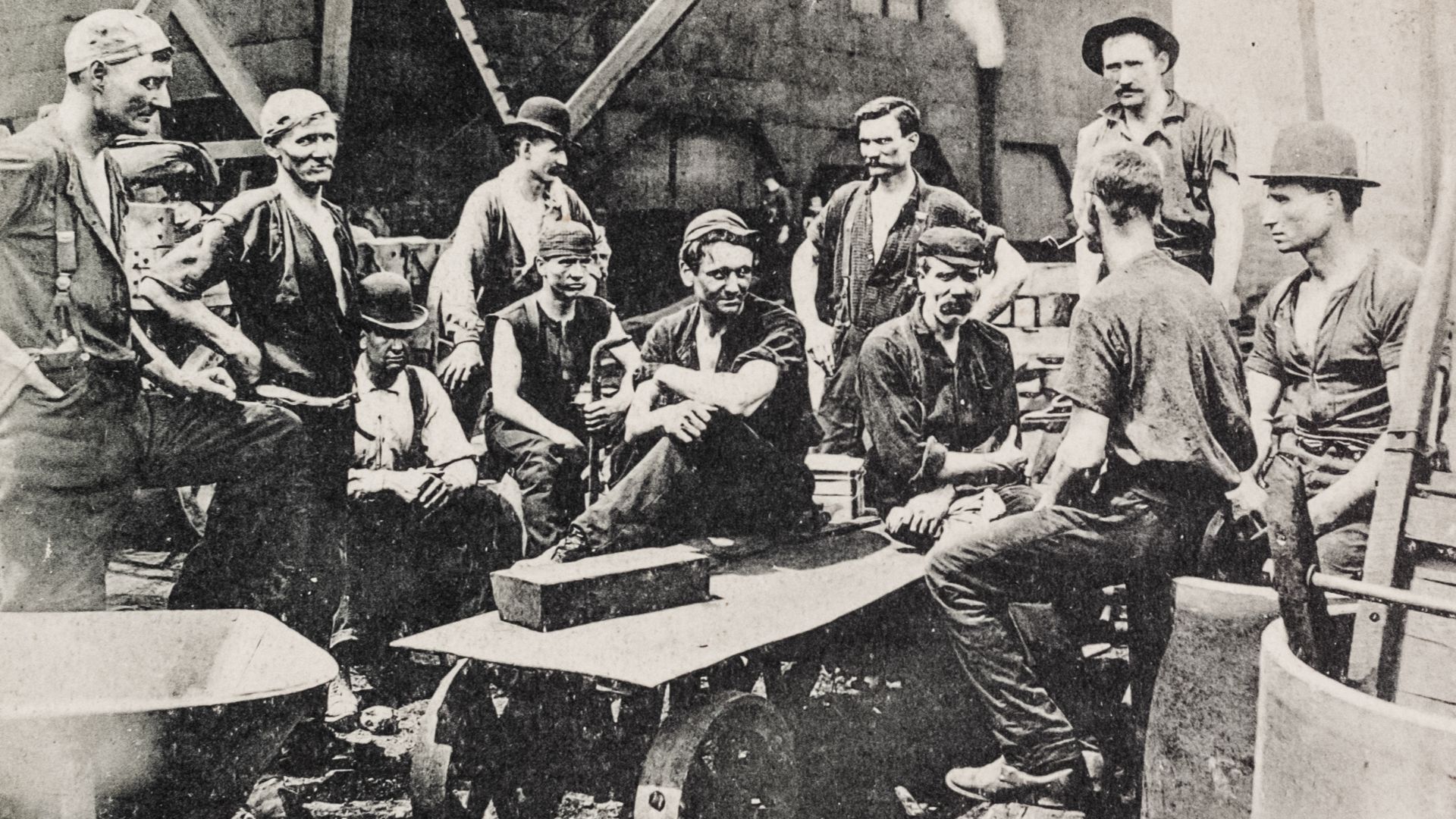
Sam Patch started life as a mill worker, but he had one very marketable skill: he could jump from astonishing heights into water and survive. By the late 1820s, advertised leaps from bridges, cliffs, and waterfalls had transformed him into one of America’s earliest celebrity daredevils.
The Crowd Always Wanted More
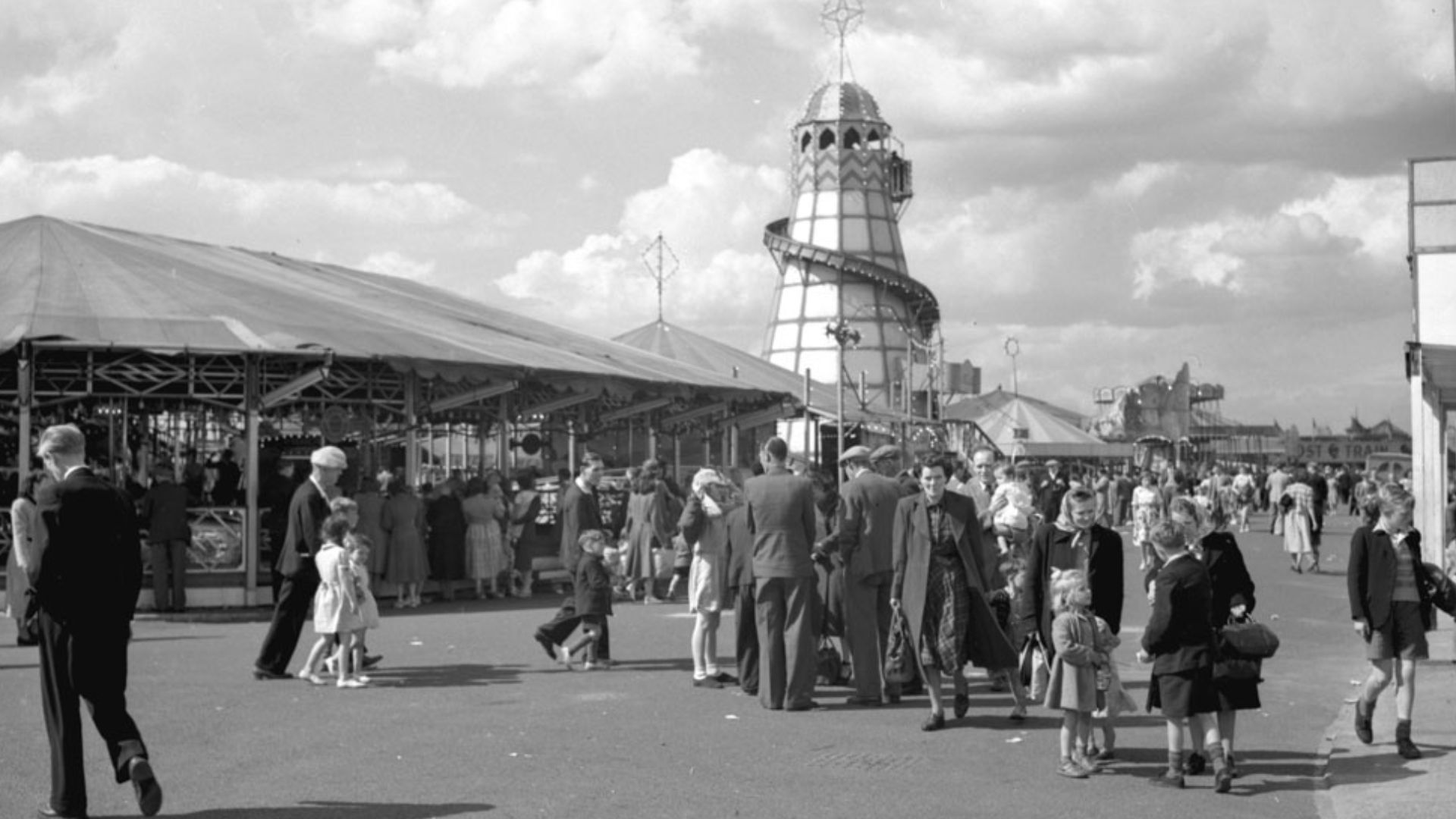
Patch successfully jumped near Niagara Falls and later tackled Rochester’s High Falls. But one successful stunt created demand for another. After a Rochester jump brought disappointing financial returns, Patch arranged another attempt from an even higher platform. Fame had effectively turned danger into his business model.
 Tyne & Wear Archives & Museums, Wikimedia Commons
Sam’s Last Jump Really Was
On November 13, 1829, thousands gathered as Patch leapt from roughly 120 feet above the Genesee River. He hit the water badly and disappeared. His body was recovered months later. The publicity bill had advertised “Sam’s Last Jump.” Nobody expected the phrase to become horribly literal.
![Genesee River, Middle Falls. About 45 mi/72 km SSW of Rochester, NY. In the background the first Letchworth Portage Bridge is visible. (cf. [1]) The](https://www.factinate.com/storage/app/media/factinate/2026/8/27/17878216002551d8205f36429f70316ce7477ae2e7dc949999.jpg) William England, Wikimedia Commons
William England, Wikimedia Commons
Franz Reichelt Invited The Cameras
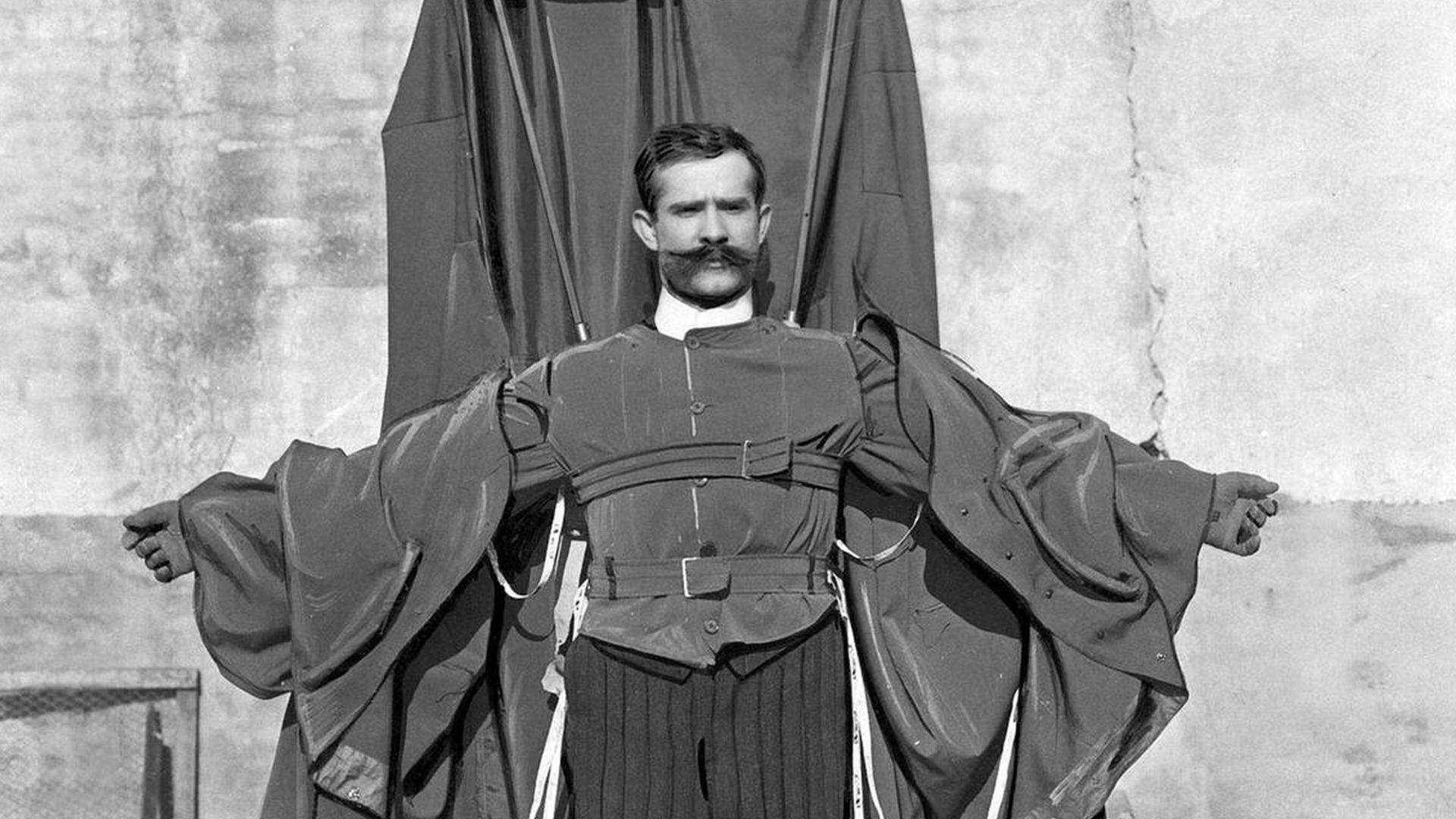
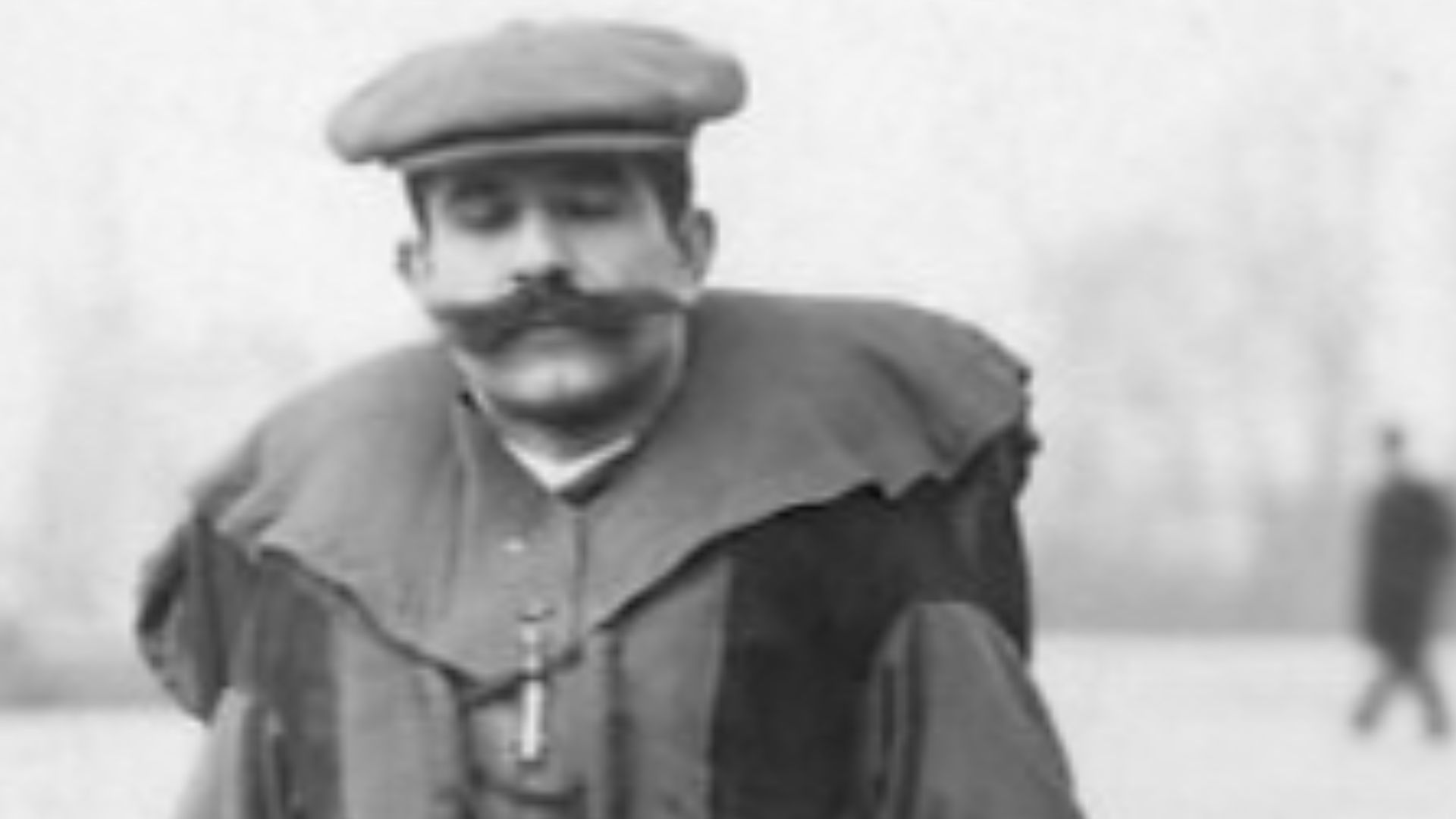
French tailor Franz Reichelt believed he had invented a wearable parachute suit that could save aviators. To demonstrate it dramatically, he received permission to conduct a test from the Eiffel Tower. Reporters and cameramen gathered below, turning an engineering experiment into a very public spectacle.
 Unknown authorUnknown author, Wikimedia Commons
The Eiffel Tower Became His Last Stage
In 1912, cameras recorded Reichelt standing nervously on the first level before finally jumping. His parachute suit failed to open properly, and he fell about 58 meters to his death. Instead of launching his invention, the publicity stunt preserved his fatal failure on film forever.
 Agence de presse Meurisse, Wikimedia Commons

History's most fascinating stories and darkest secrets, delivered to your inbox daily.
Red Hill Jr. Needed A Bigger Attraction
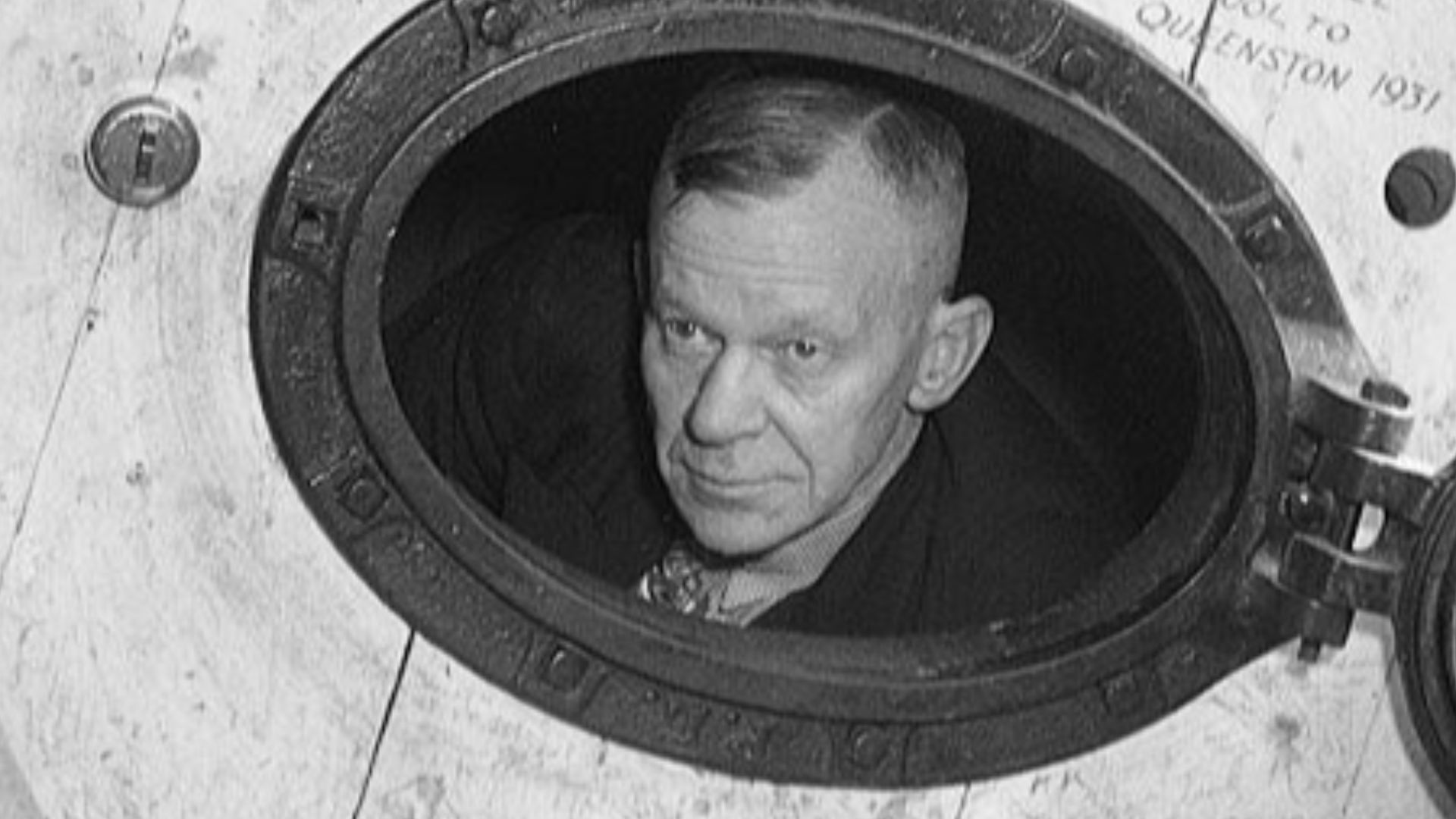
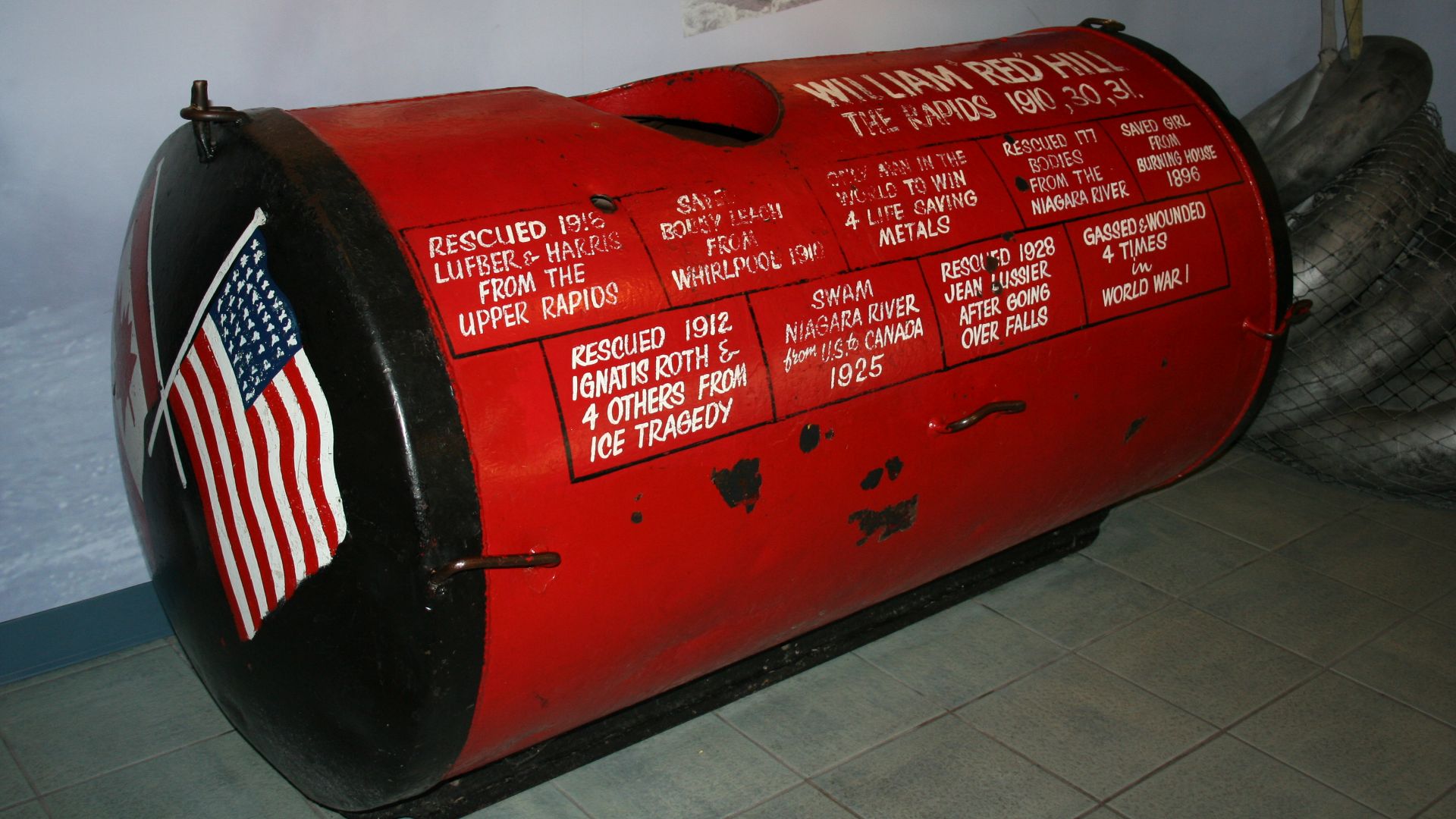
William “Red” Hill Jr. grew up around the Niagara River and had already made dangerous trips through its rapids. He also hoped to raise money for a memorial honoring his famous river-rescuer father. When smaller efforts failed to produce enough cash, Hill dramatically increased the stakes.
 Toronto History, Wikimedia Commons
The Thing Wasn’t Strong Enough
Hill constructed a strange craft from inflated inner tubes, canvas, and netting. He called it “The Thing.” In August 1951, thousands watched it plunge over Horseshoe Falls. The contraption broke apart under the enormous force, and Hill’s body was recovered the following day.
 Knightflyte, Wikimedia Commons
Lawnchair Larry Took Off
Larry Walters was a California truck driver with a wonderfully terrible idea. In 1982, he attached more than 40 helium weather balloons to a lawn chair. Walters expected a modest flight. Instead, he rocketed to roughly 16,000 feet and drifted into busy Southern California airspace.

Fame Arrived Before The Fine
Airline pilots spotted Walters floating through the sky in his patio furniture. After eventually descending into power lines, he became an instant national celebrity. Television appearances followed. So did federal attention. The FAA initially demanded thousands of dollars before the penalty was eventually reduced to $1,500.
 NASA/Joseph P. Allen IV, Wikimedia Commons
Celebrity Didn’t Become A Career
Walters quit truck driving and tried motivational speaking, but his strange adventure never turned into lasting riches. He eventually withdrew from much of public life. Walters died by suicide in 1993; there is no evidence that his brief celebrity caused his death, but his hoped-for new life never truly materialized.
 Shixart1985, Wikimedia Commons
Karel Soucek Beat Niagara
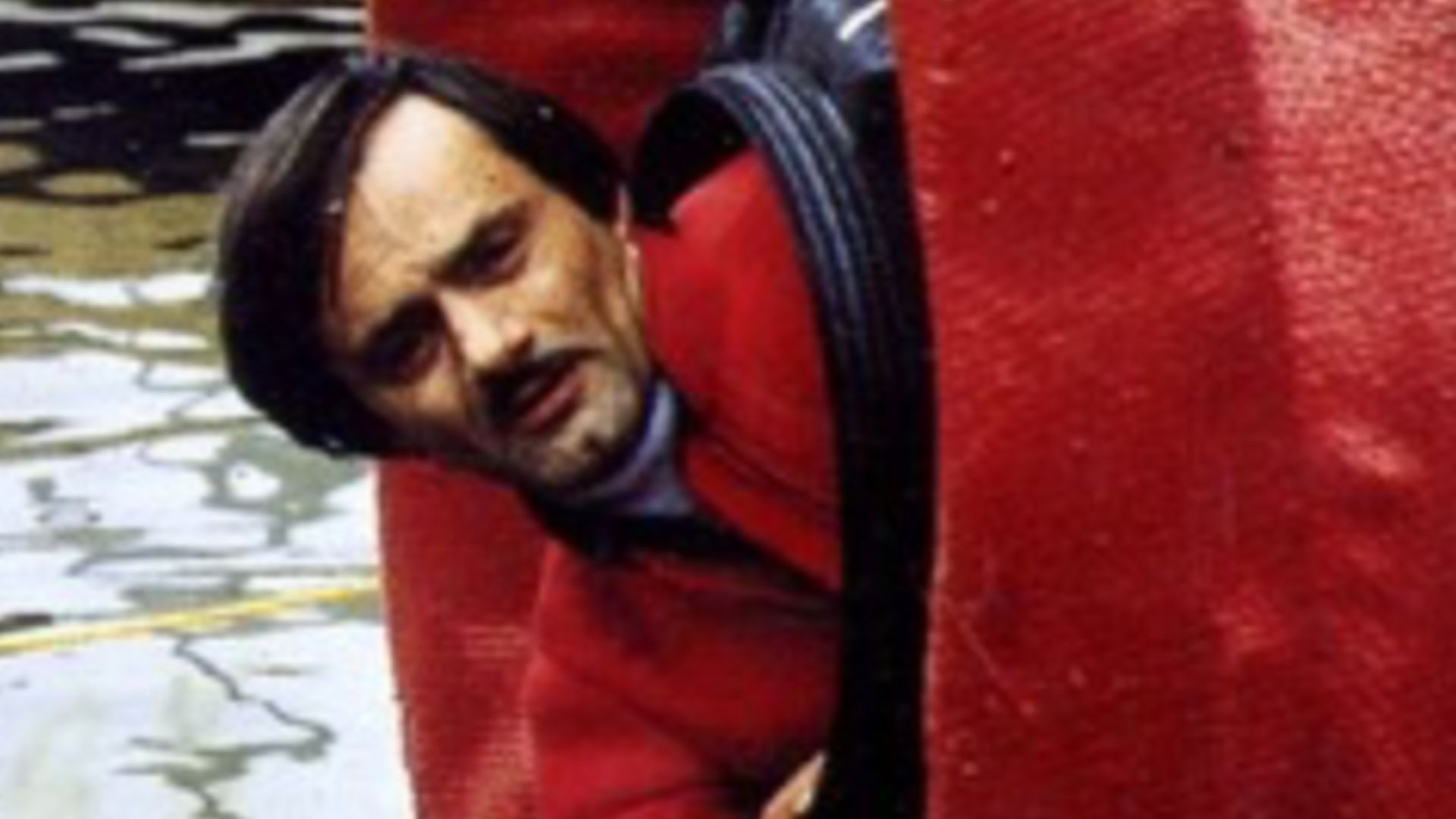
Canadian daredevil Karel Soucek climbed into a barrel and successfully survived going over Horseshoe Falls in 1984. The feat brought publicity, but surviving Niagara created an obvious problem for anyone hoping to keep audiences interested: what could possibly top going over one of the world’s most famous waterfalls?
The Encore Was Even Bigger
Soucek arranged another spectacular stunt inside Houston’s Astrodome. He would be dropped 180 feet inside a barrel and land in a small water tank. Even Evel Knievel reportedly urged him not to attempt it. Tens of thousands of spectators nevertheless gathered to watch.
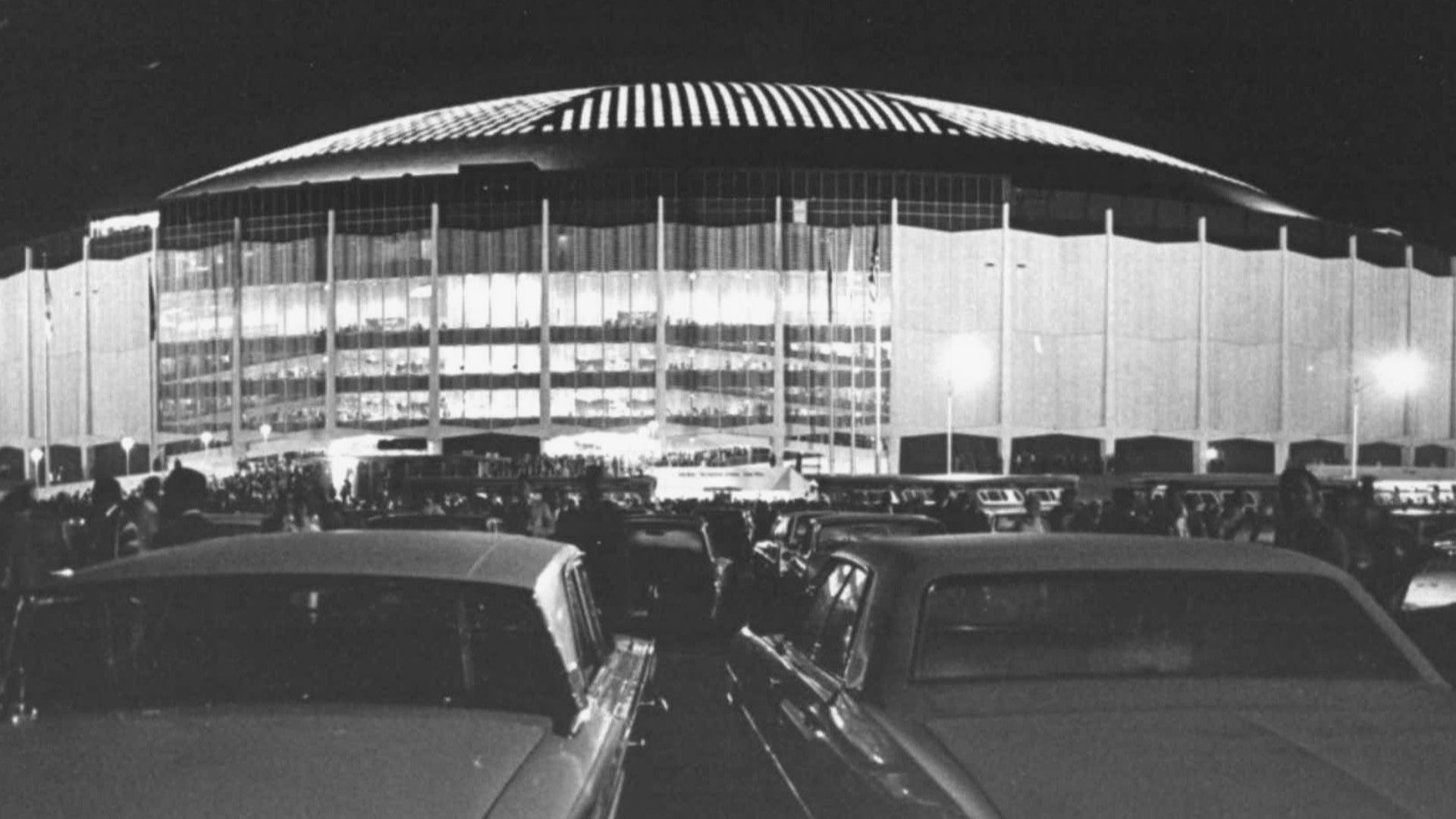 Ted Rozumalski, Wikimedia Commons
The Barrel Missed
In January 1985, Soucek’s barrel fell toward the tank but struck its rim instead of landing safely in the water. The impact caused devastating injuries, and Soucek died shortly afterward. Less than a year after conquering Niagara, his effort to produce an even bigger spectacle had killed him.
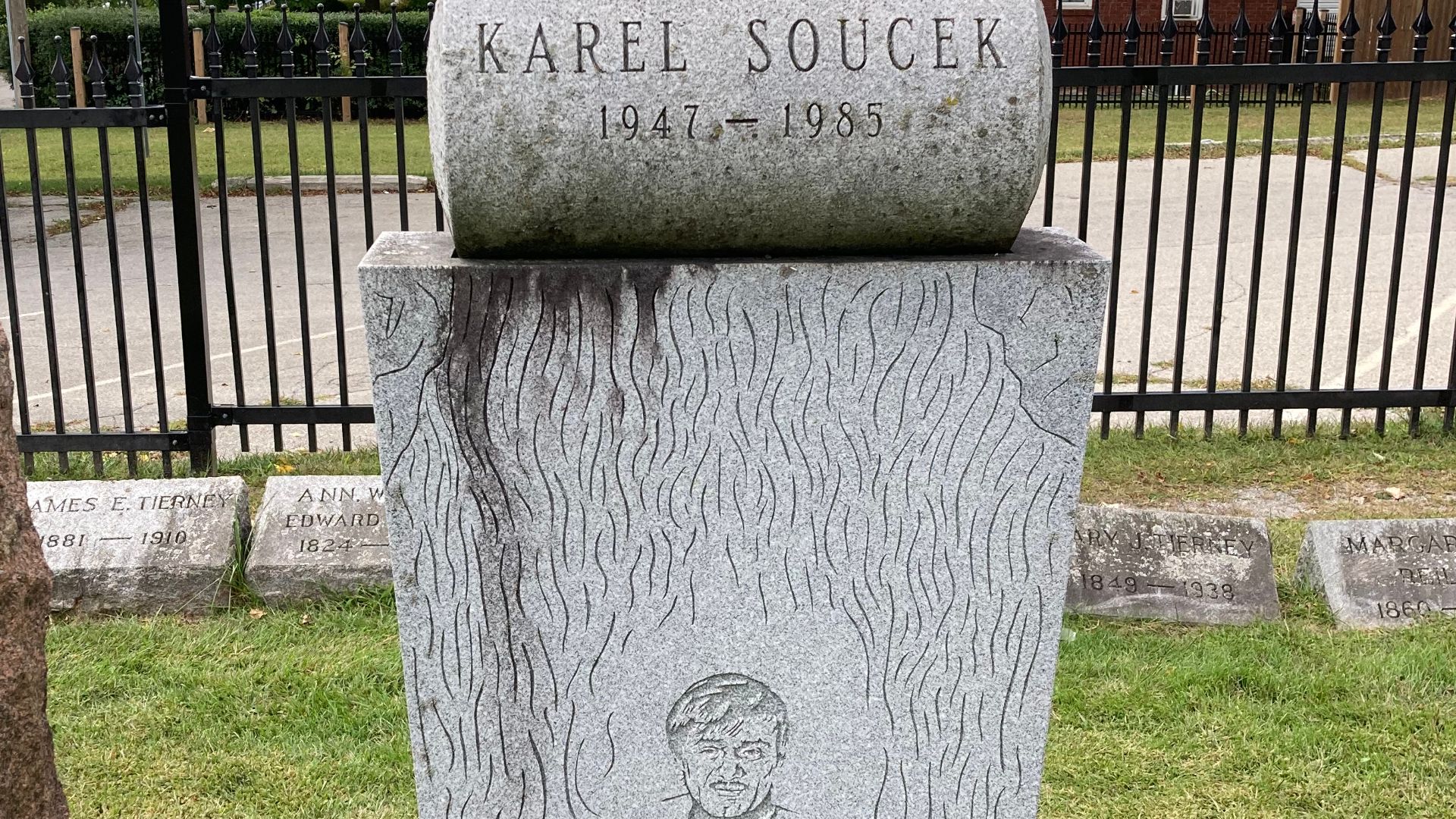 Nick Number, Wikimedia Commons
Father Adelir Had A Colorful Plan
Brazilian priest Adelir Antonio de Carli wanted to raise money for a shelter serving truck drivers. His attention-grabbing method involved attaching himself to hundreds of helium-filled party balloons and attempting a record-breaking flight. It certainly generated publicity. Unfortunately, balloons aren’t famous for following carefully prepared travel plans.
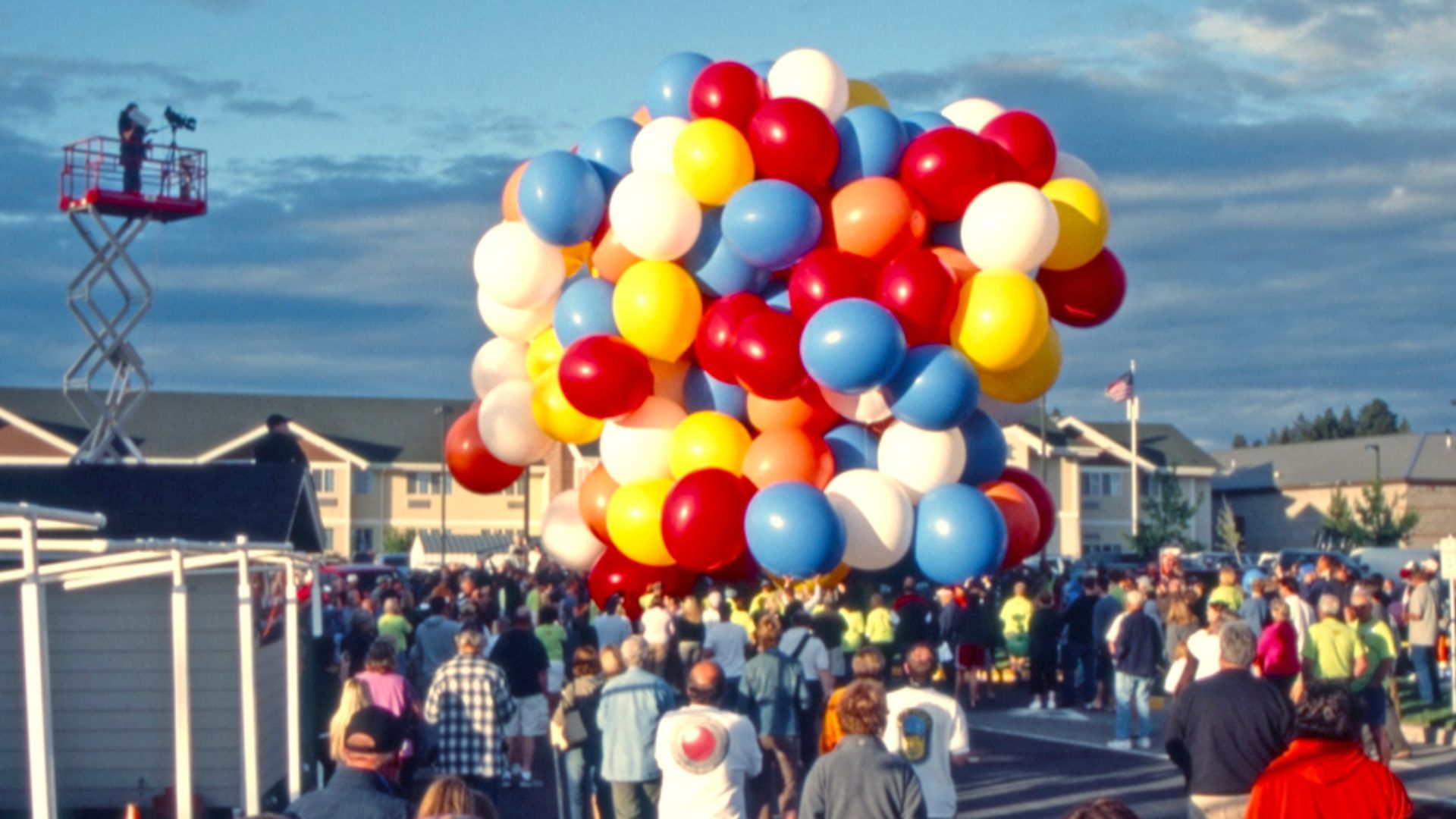
The Wind Changed Everything
In April 2008, unexpected winds carried de Carli away from his planned route and over the Atlantic Ocean. A major search followed. Months later, a body recovered at sea was identified through DNA testing as the missing priest. His charity stunt had ended in tragedy.
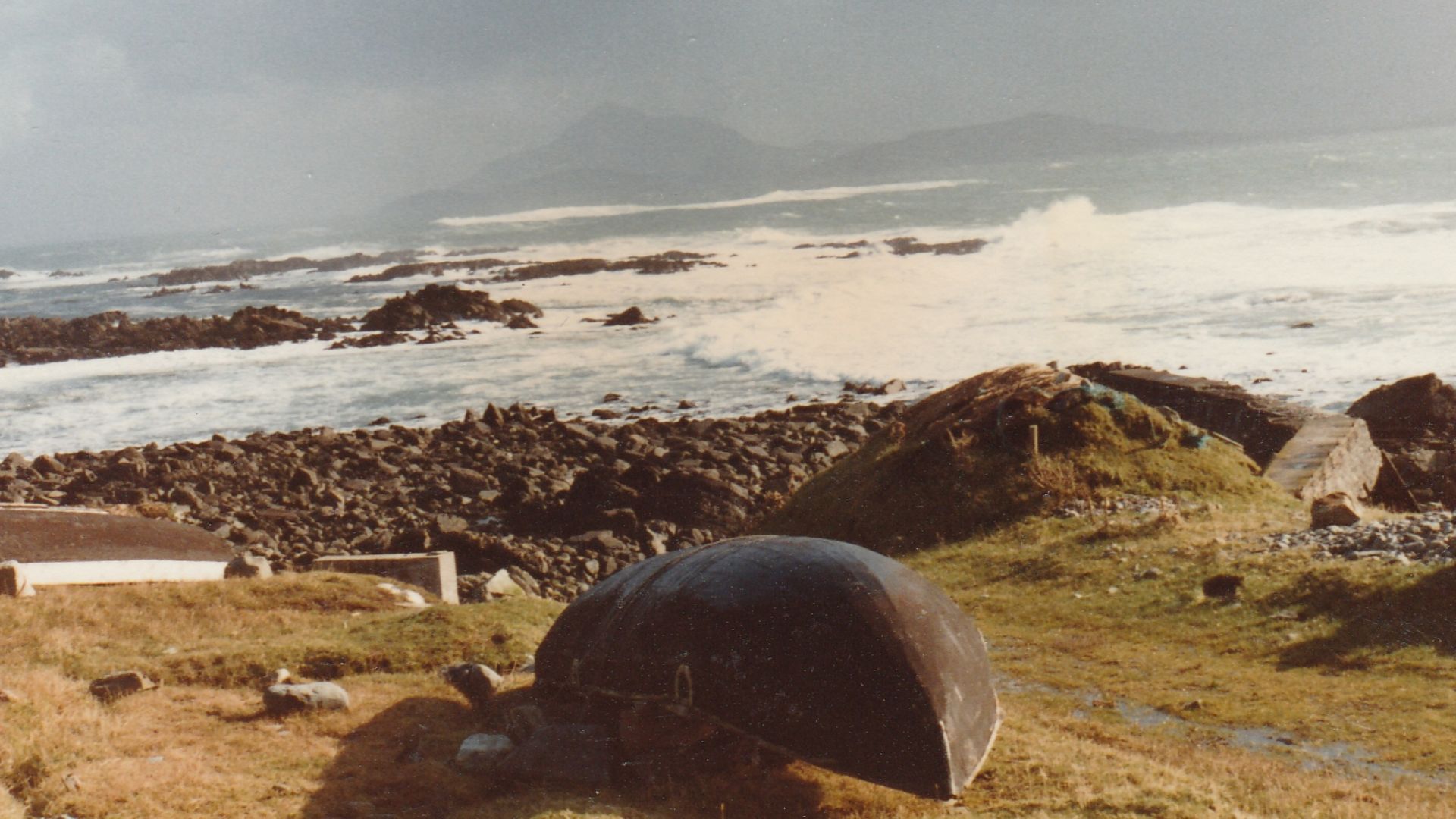 Ridiculopathy, Wikimedia Commons
Robert Overacker Chose A Jet Ski
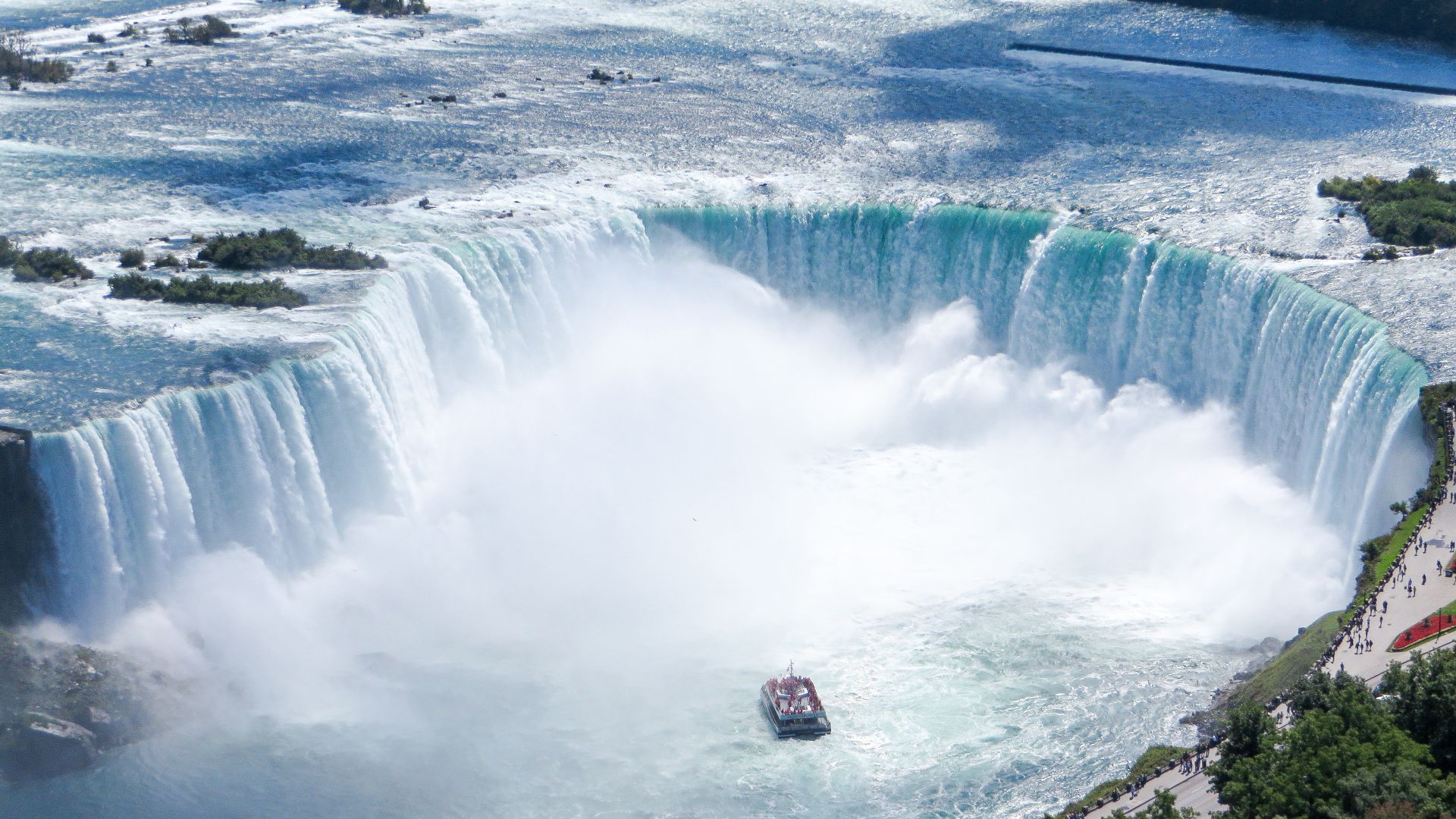
Robert Overacker planned perhaps the most action-movie stunt imaginable. In 1995, the 39-year-old Californian intended to ride a Jet Ski over Horseshoe Falls, separate from the vehicle, and descend safely using a rocket-assisted parachute system while friends filmed the entire performance.
The Parachute Never Saved Him
Overacker reached the brink, but his escape system failed to work as planned. He plunged approximately 180 feet into the water and died. What had been carefully staged as a spectacular recorded achievement instead became another reminder that Niagara Falls does not care how impressive the plan sounds.

Mad Mike Sold The Spectacle
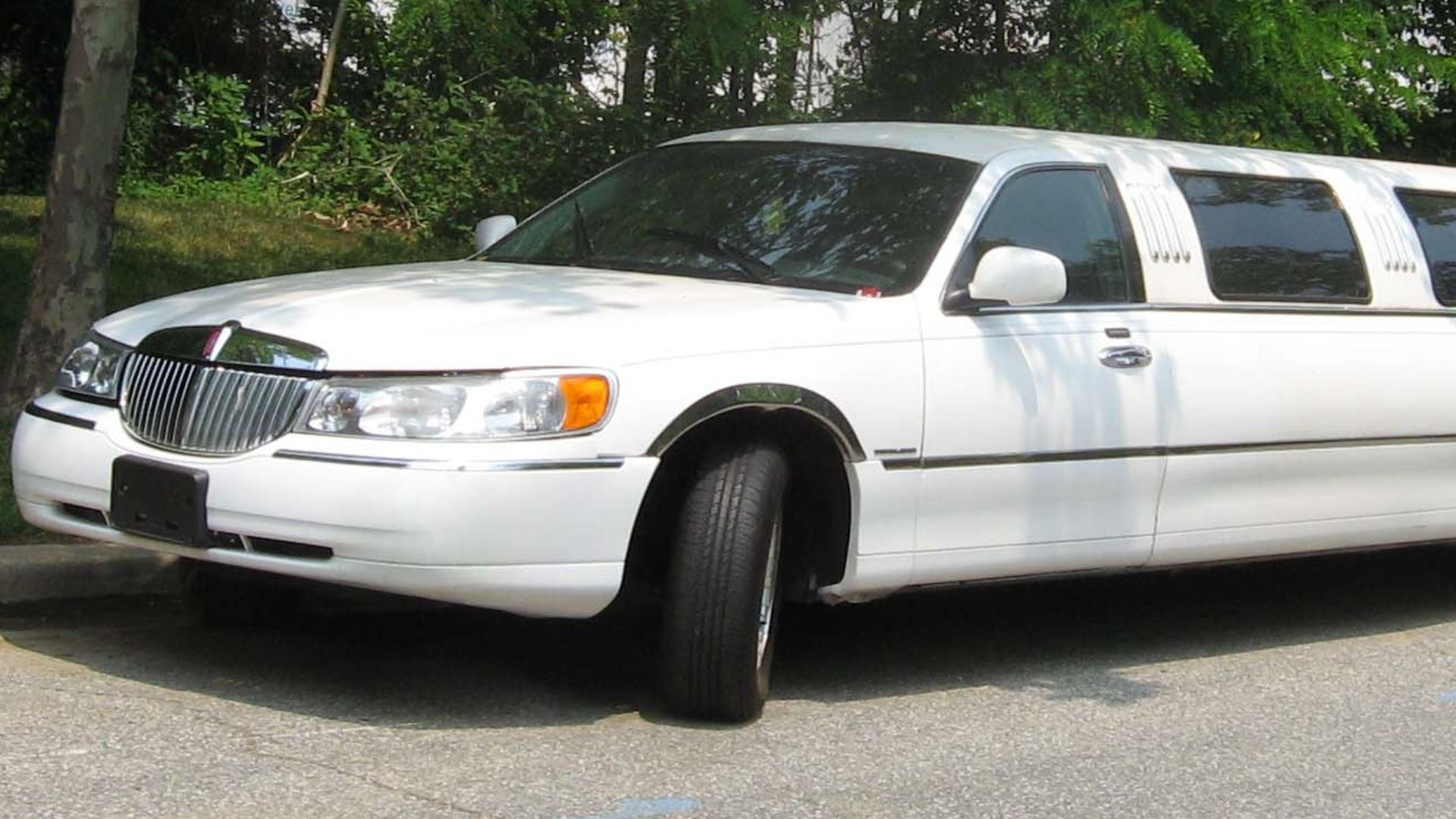
Mike “Mad Mike” Hughes was a limousine driver turned homemade-rocket builder who understood that outrageous claims attracted cameras and sponsors. His increasingly ambitious rocket launches turned him into an internet-era daredevil. Even his publicist later described the flat-Earth angle surrounding Hughes as a publicity strategy.
The Publicity Machine Kept Growing
Hughes successfully launched himself nearly 1,900 feet in a homemade steam-powered rocket in 2018. Media crews, documentaries, sponsors, and television producers followed his adventures. As attention increased, so did the pressure to attempt increasingly ambitious launches capable of keeping audiences interested.

His Final Launch Became The Story
On February 22, 2020, Hughes launched another homemade rocket near Barstow, California. The rocket’s parachute system failed, and the craft crashed into the desert, killing him. Cameras were there recording everything—the attention he had spent years chasing was present right until the end.
 Kerballistic07, Wikimedia Commons
Balloon Boy Fooled The Country
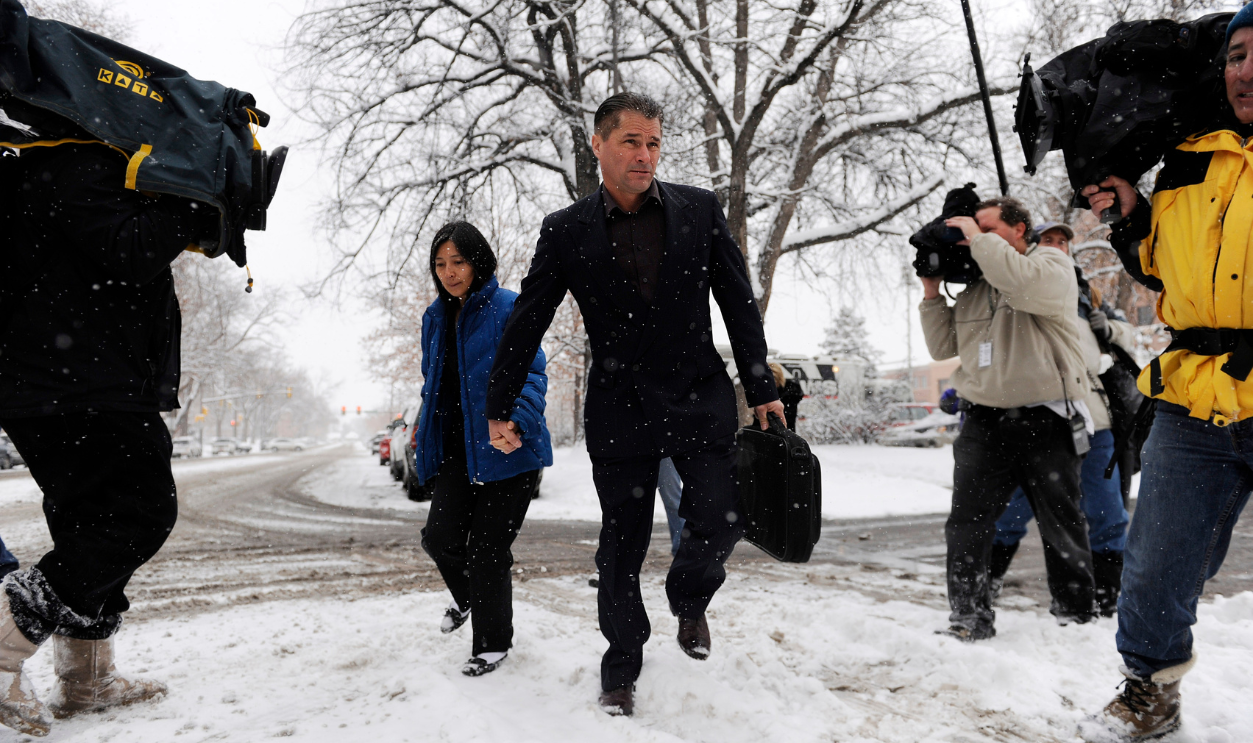
In 2009, Richard and Mayumi Heene reported that their six-year-old son Falcon might be trapped aboard a homemade helium balloon floating over Colorado. Television networks followed the balloon live while emergency crews scrambled. Falcon was eventually discovered safely hiding at the family home.

One Sentence Changed Everything
Suspicion exploded during a television interview when Falcon remarked that the incident had been done “for the show.” Authorities alleged that his parents staged the event partly to attract publicity for a reality television project. Richard and Mayumi later pleaded guilty to charges connected with the incident.
 Jon Sullivan, Wikimedia Commons
Fame Turned Into Court Dates
Richard Heene received jail time, while Mayumi Heene also received a sentence connected with false reporting. Instead of delivering the television opportunity prosecutors said they wanted, the balloon spectacle brought criminal charges, worldwide ridicule, and years of notoriety. The couple was eventually pardoned in 2020.

The Spotlight Has A Price
These stories span nearly two centuries, but the formula barely changes. One outrageous idea produces attention. Attention creates pressure for something bigger. Sometimes the price is money, reputation, or freedom. Sometimes it is tragically life itself. Going viral may be modern, but regretting fame definitely isn’t.
You May Also Like:
Bleak Facts About Cliff Burton, Metallica’s Bedeviled Bassist
Bewitching Facts About Dick York, The Unbreakable Actor
Famous Historical Figures Who Took Credit For Things They Didn’t Actually Do