Taking All The Credit
History is full of people who became famous for doing something incredible. The only problem? Some of them didn’t actually do it. But that didn’t stop them from taking the credit.
Walter Keane Claimed His Wife’s Paintings Were His
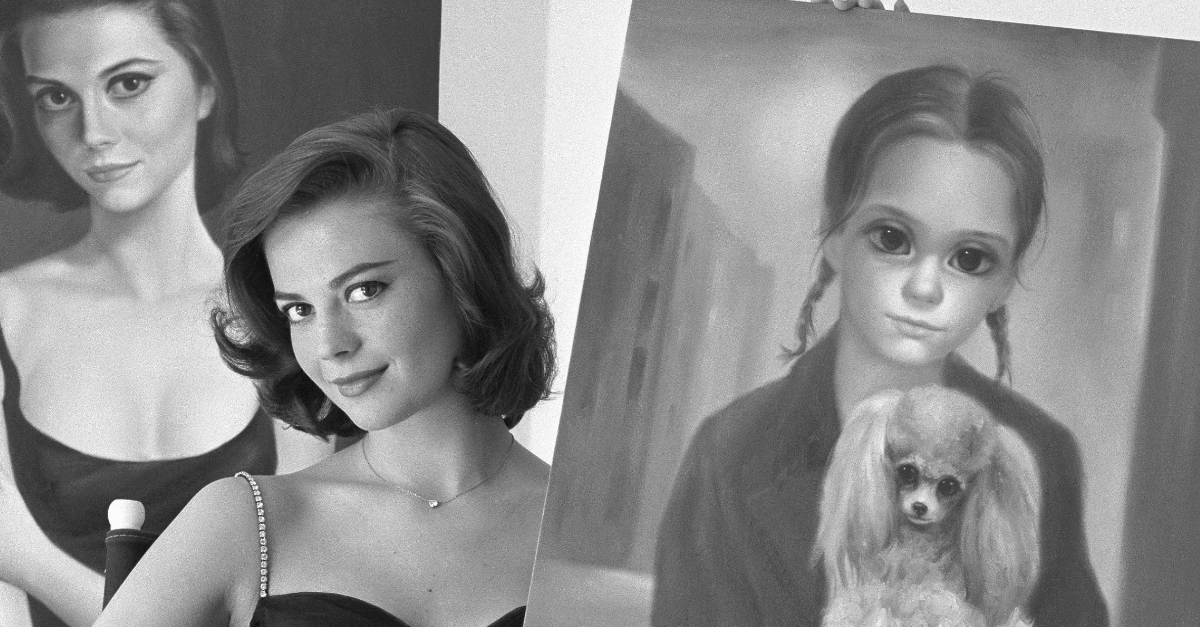
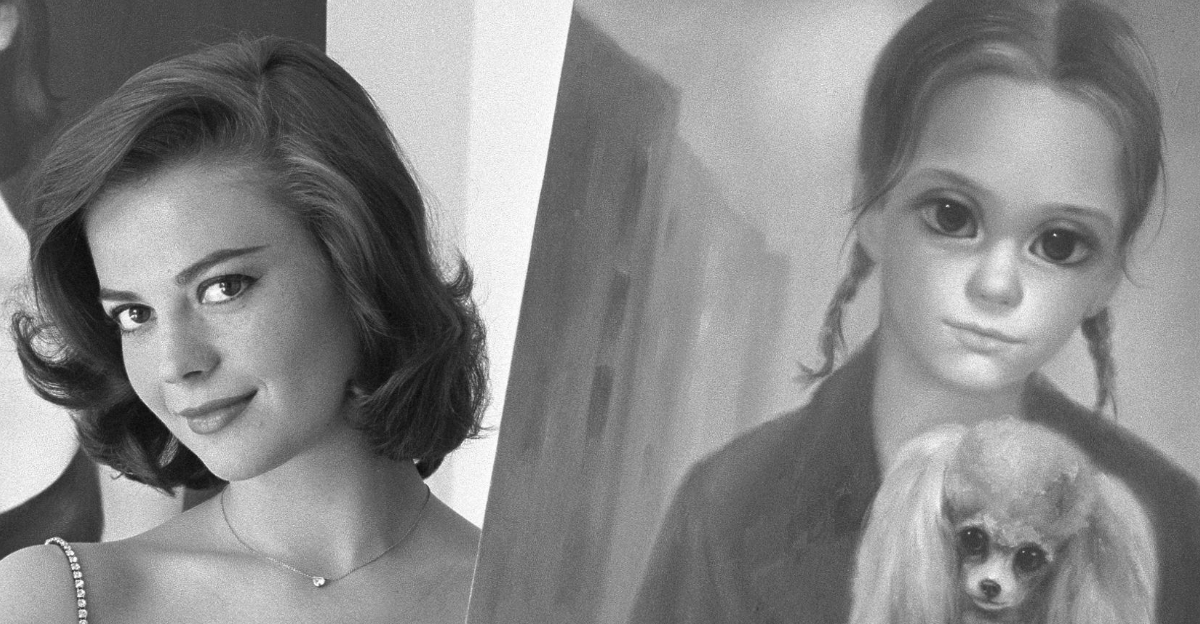
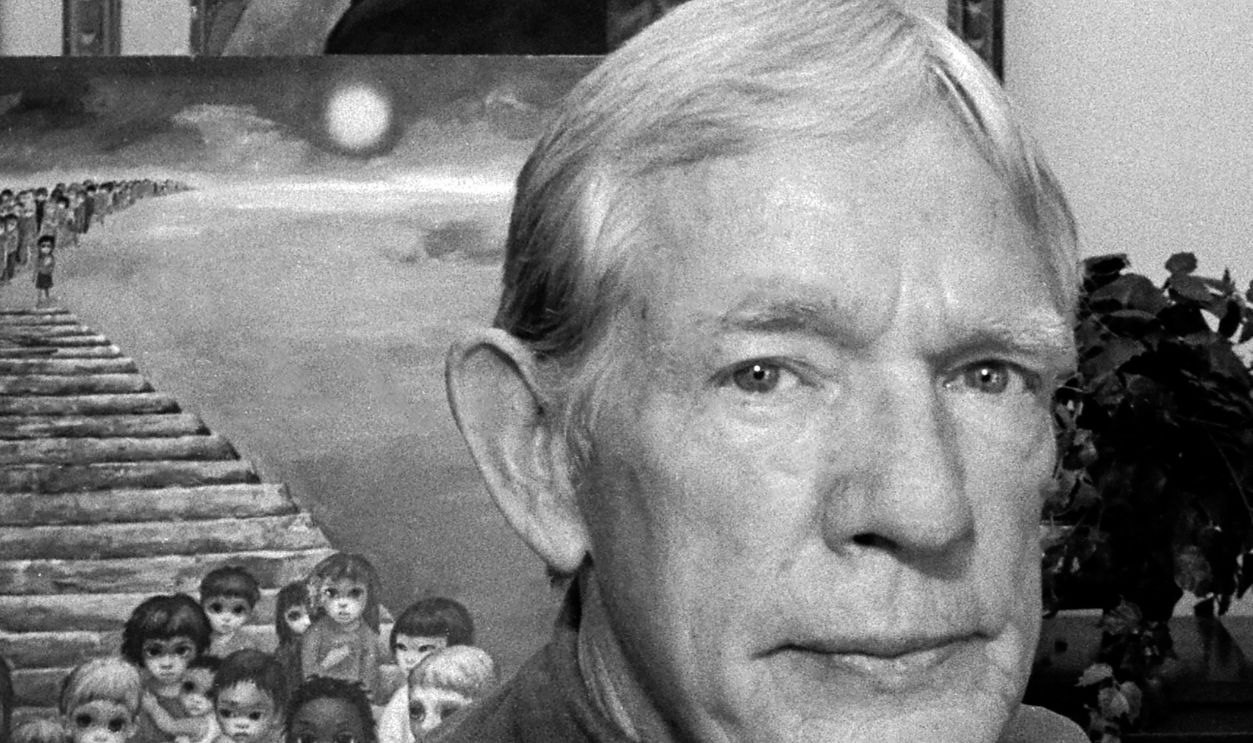
Those famous paintings of sad, big-eyed children made Walter Keane a celebrity in the 60s. There was just one problem: his wife Margaret was painting them. Walter claimed the work as his own for years. The dispute eventually landed in court, where the jury sided with Margaret.
Ray Kroc Started Calling Himself McDonald’s Founder
Ray Kroc turned McDonald’s into an empire, but Richard and Maurice McDonald had already founded the restaurant and created its revolutionary Speedee Service System before he arrived. Kroc eventually bought them out and later presented himself as the founder. Dick McDonald was not exactly thrilled with that rewrite.
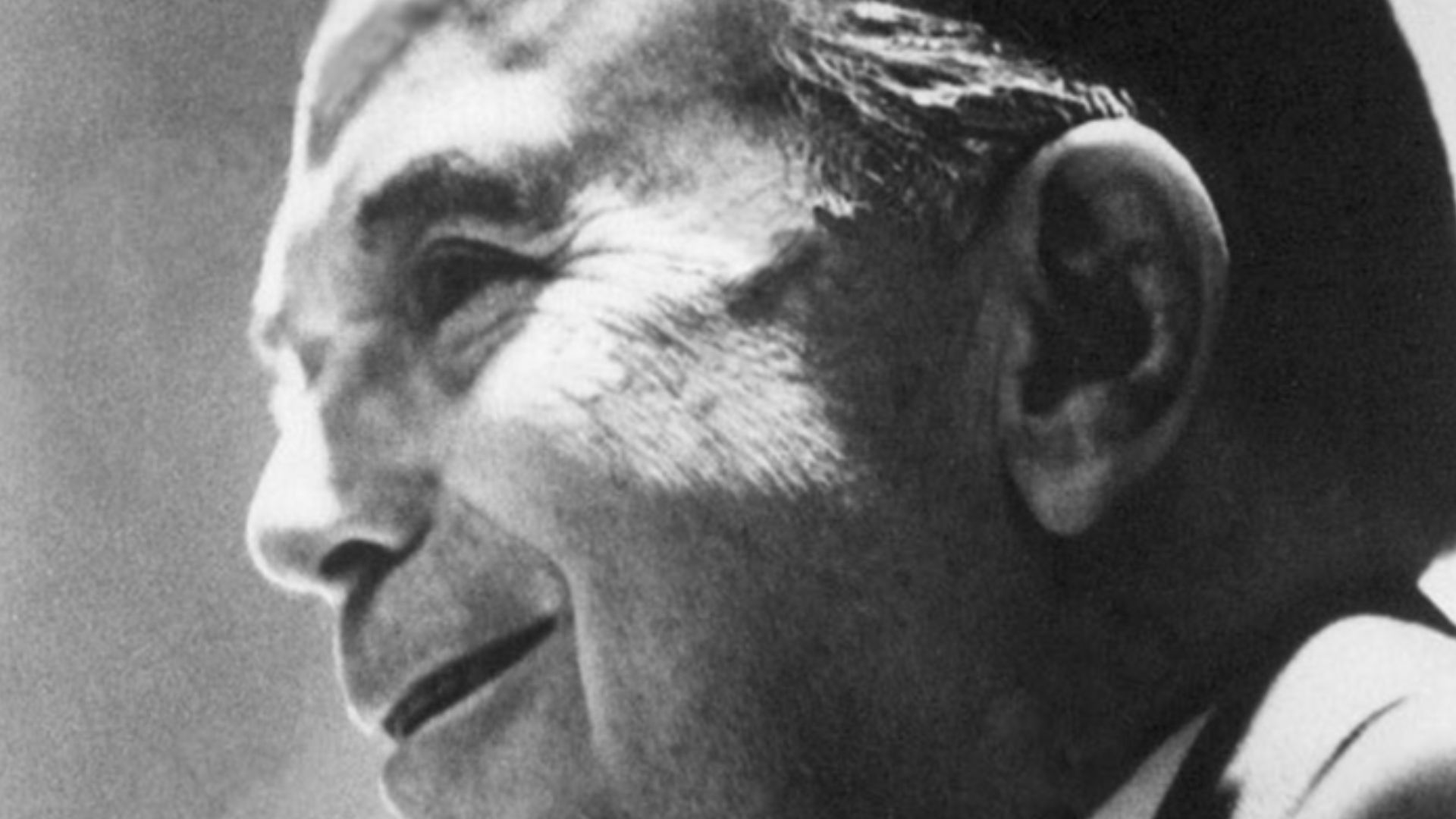 Unknown author, Wikimedia Commons
Edison Put His Name On Somebody Else’s Projector
Thomas Armat and Charles Francis Jenkins developed a motion-picture projector called the Phantoscope. Edison’s company later agreed to manufacture Armat’s improved machine, but there was a catch: it would be advertised as a new Edison invention called the Vitascope. Apparently having the more famous name was half the battle.
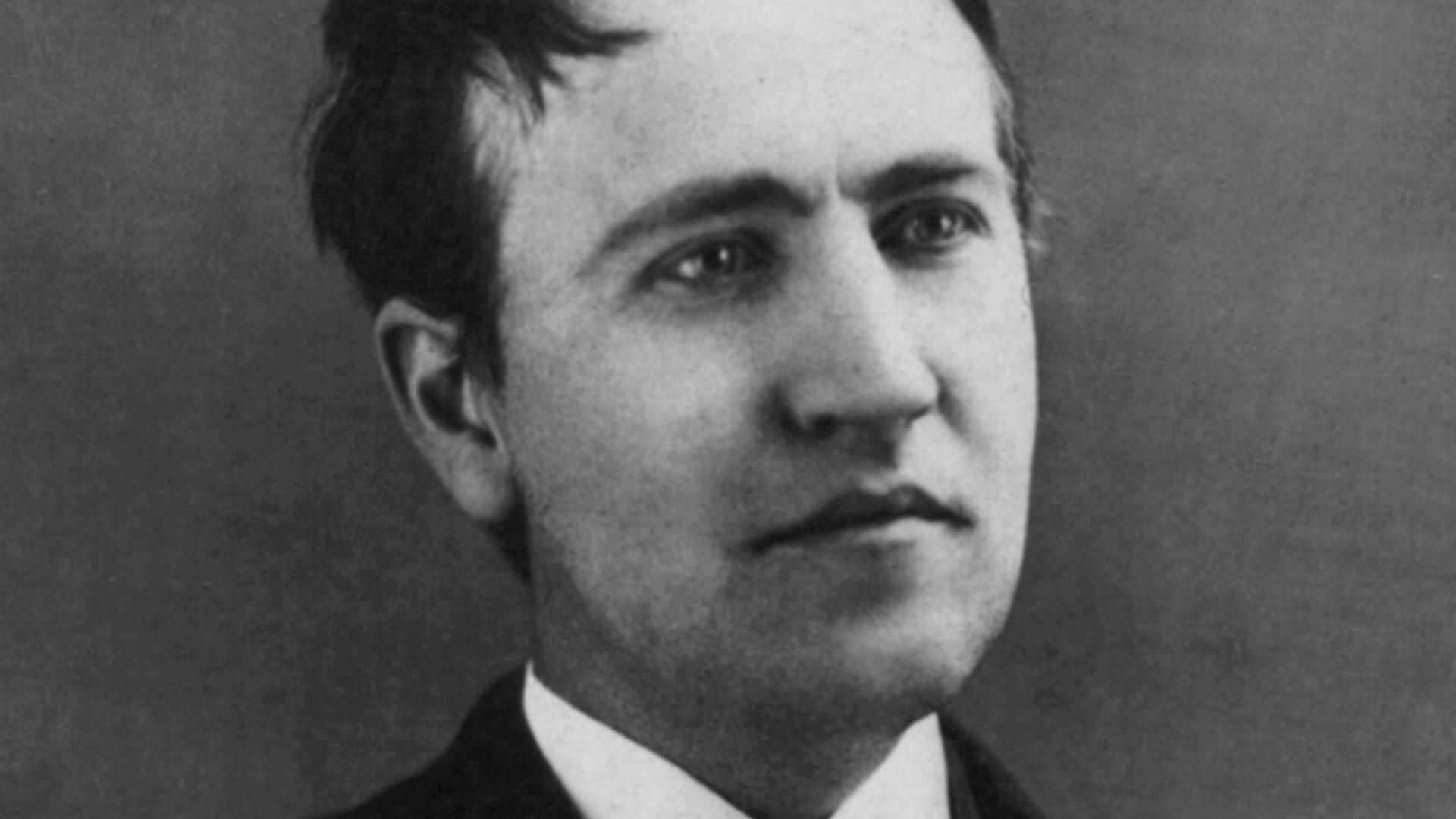 Miscellaneous Items in High Demand, PPOC, Library of Congress, Wikimedia Commons
Charles Annan Tried To Patent Margaret Knight’s Invention
Margaret Knight invented a machine that could automatically make flat-bottomed paper bags. Then Charles Annan saw the machine, copied the idea and tried to patent it himself. Knight fought back, producing drawings and records proving the invention was hers. Annan’s attempt to take the credit didn’t work.
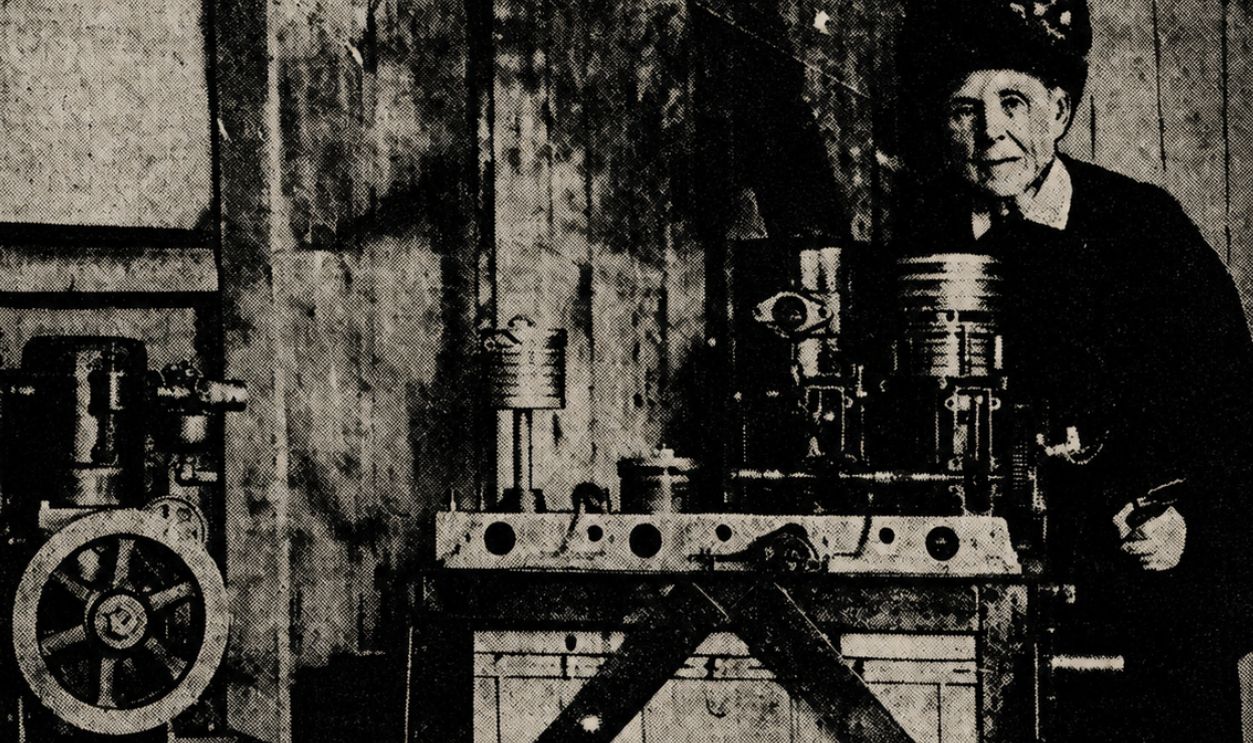 Boston Sunday Post, Wikimedia Commons, enhanced
Charles Darrow And The Very Convenient History Of “Monopoly”
Charles Darrow became famous as the man who invented Monopoly during the Great Depression. Except Lizzie Magie had patented The Landlord’s Game decades earlier, and homemade versions had evolved for years before reaching Darrow. Darrow still presented the game to Parker Brothers as his own creation. Convenient.
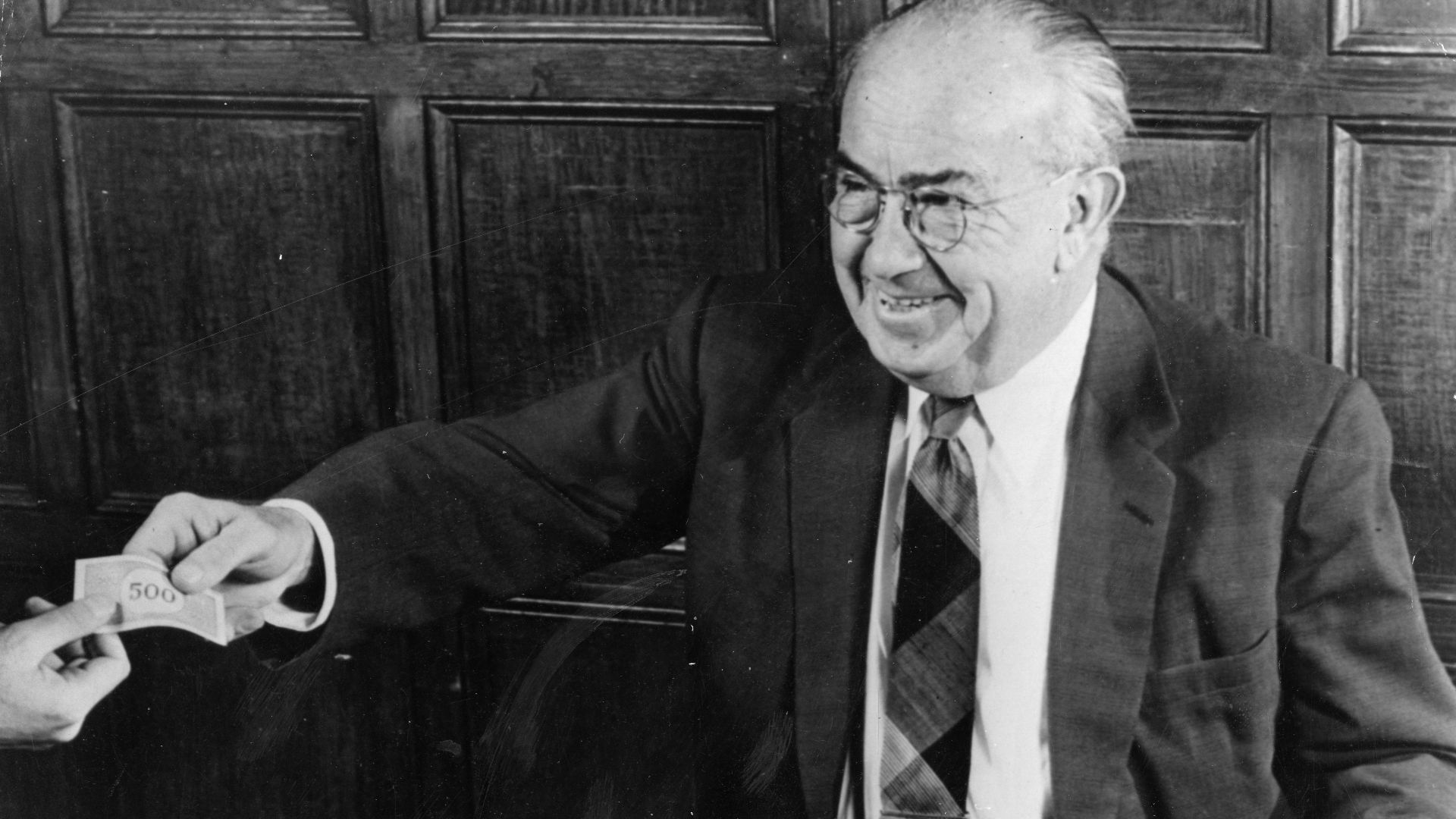 Salem State University Archives and Special Collec from Salem, Massachusetts, Wikimedia Commons
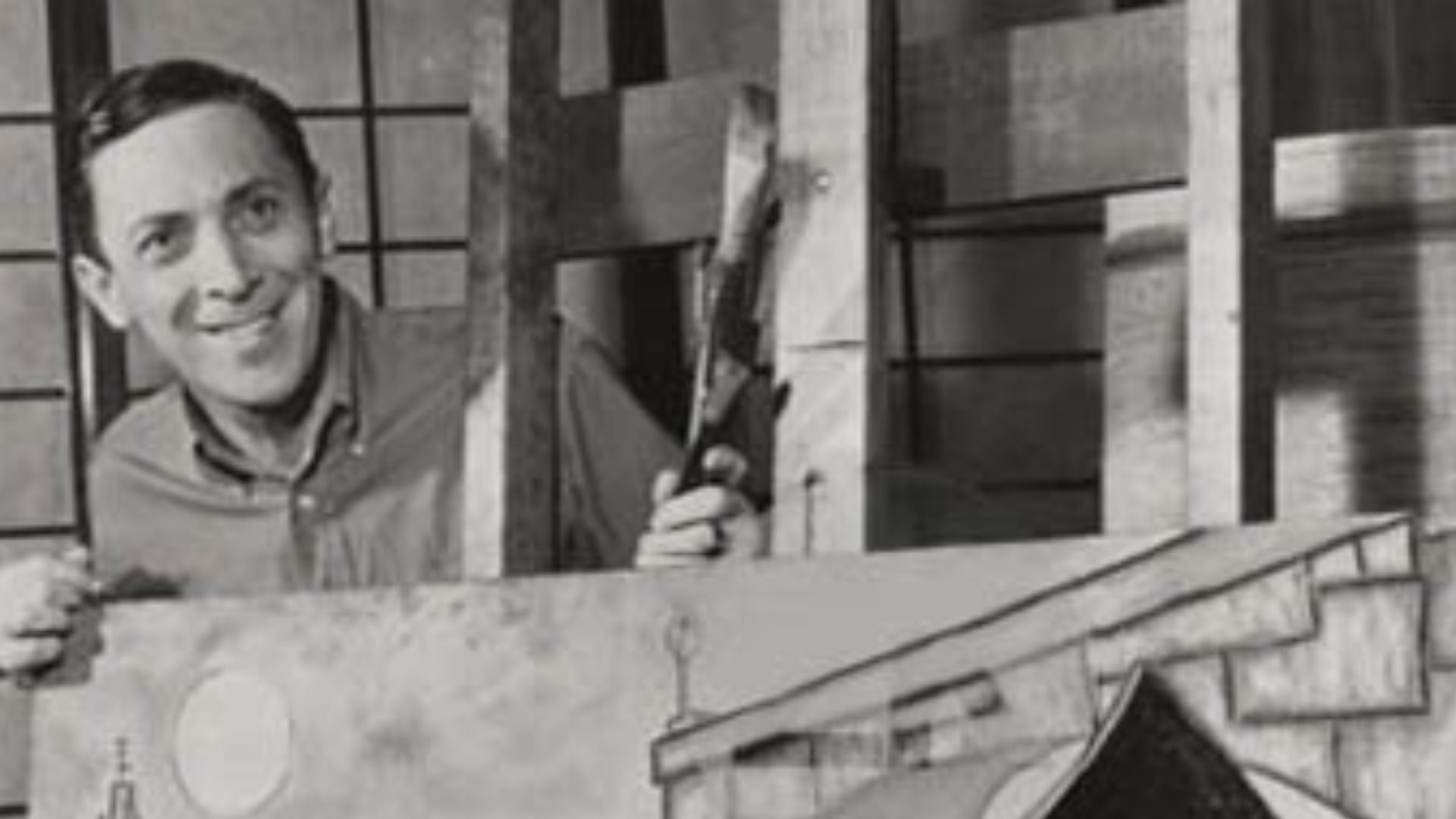
Bob Kane Said He Created Batman Alone
Bob Kane spent decades receiving credit as Batman’s creator, and he publicly insisted the character was his alone. But writer Bill Finger played a huge role in developing Batman and wrote the character’s earliest stories. Finger went largely uncredited during his lifetime. DC eventually changed the official credit.
 Unknown author, Wikimedia Commons
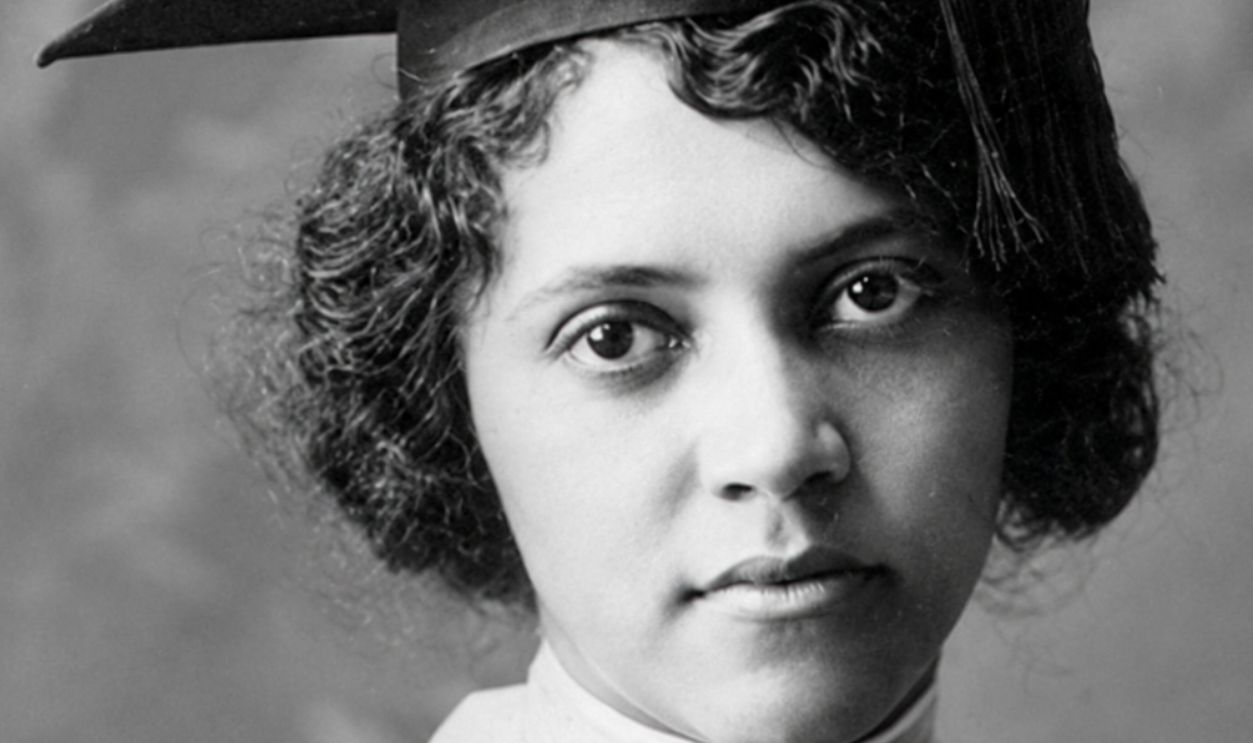
Arthur Dean Put His Name On Alice Ball’s Work
Chemist Alice Ball developed a groundbreaking injectable treatment using chaulmoogra oil compounds for people with Hansen’s disease. Then Ball died in 1916 at just 24. University president Arthur Dean continued the work without properly crediting her, and the treatment became known for a time as the “Dean Method.”
 Unknown author, Wikimedia Commons, enhanced
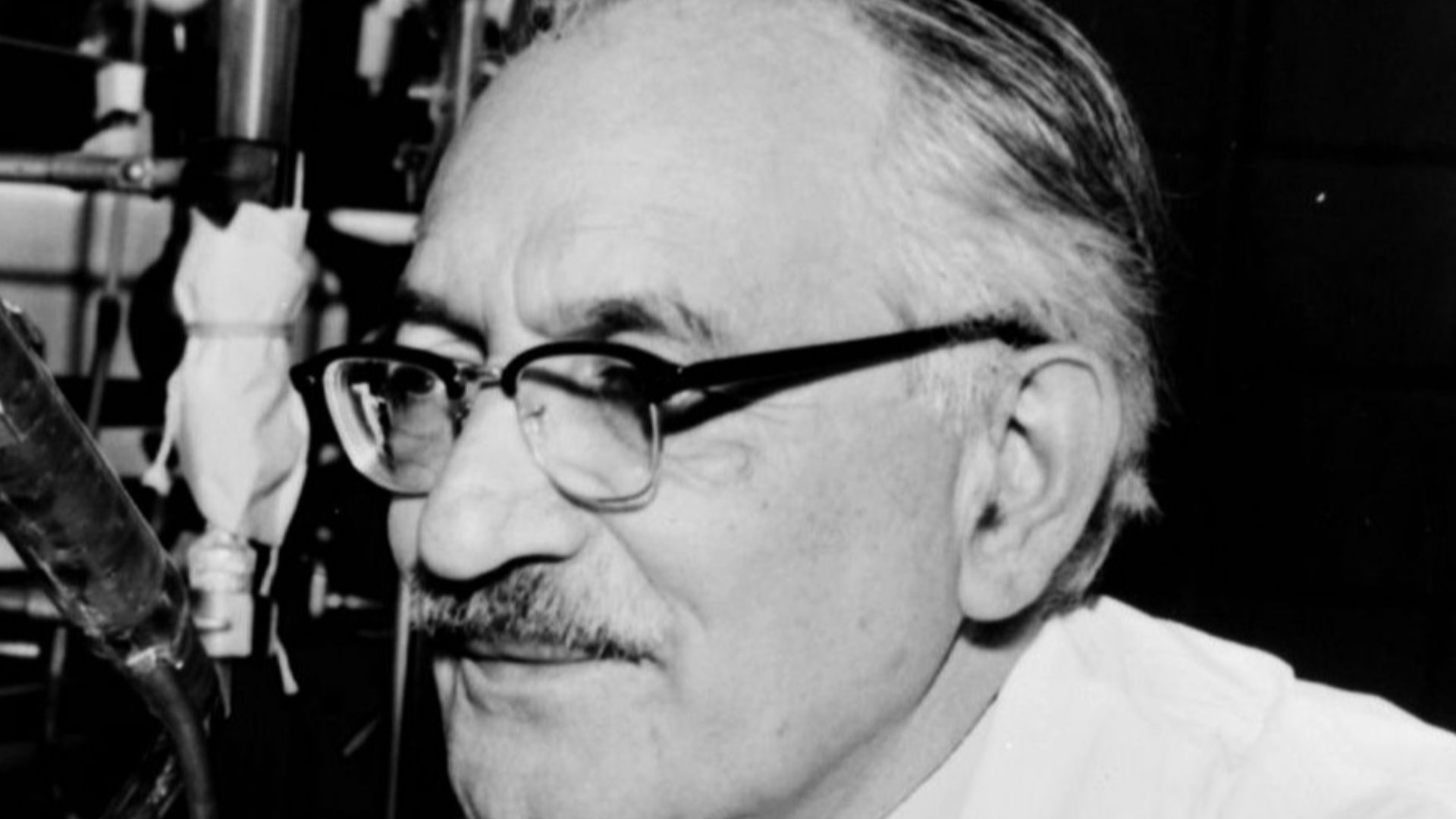
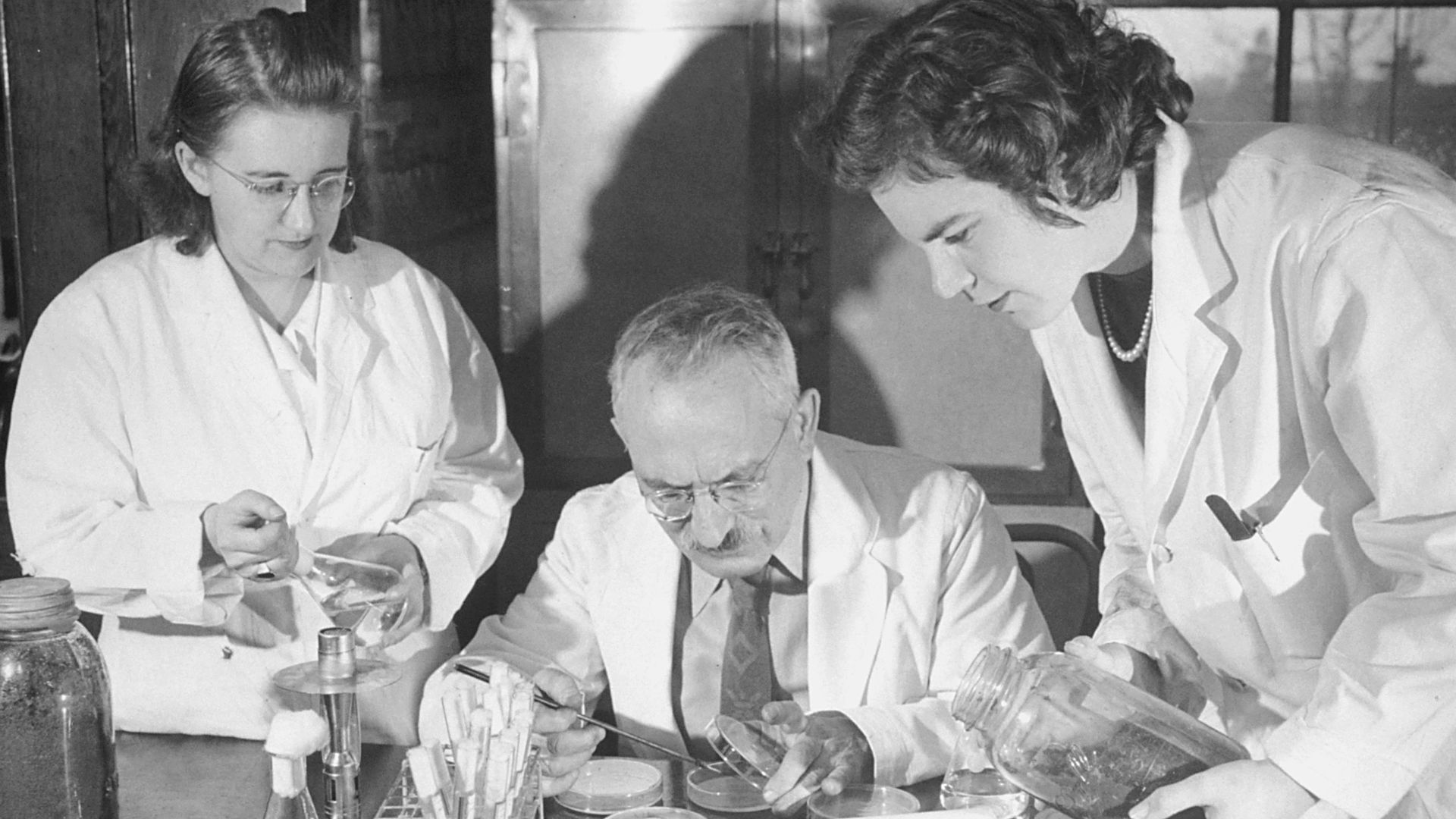
Selman Waksman Claimed Streptomycin
Graduate student Albert Schatz performed crucial laboratory work that led to streptomycin in Selman Waksman’s Rutgers laboratory. Waksman later presented himself as its sole discoverer. Schatz sued, and the settlement formally recognized him as a co-discoverer. Waksman still received the Nobel Prize. Schatz did not.

History's most fascinating stories and darkest secrets, delivered to your inbox daily.
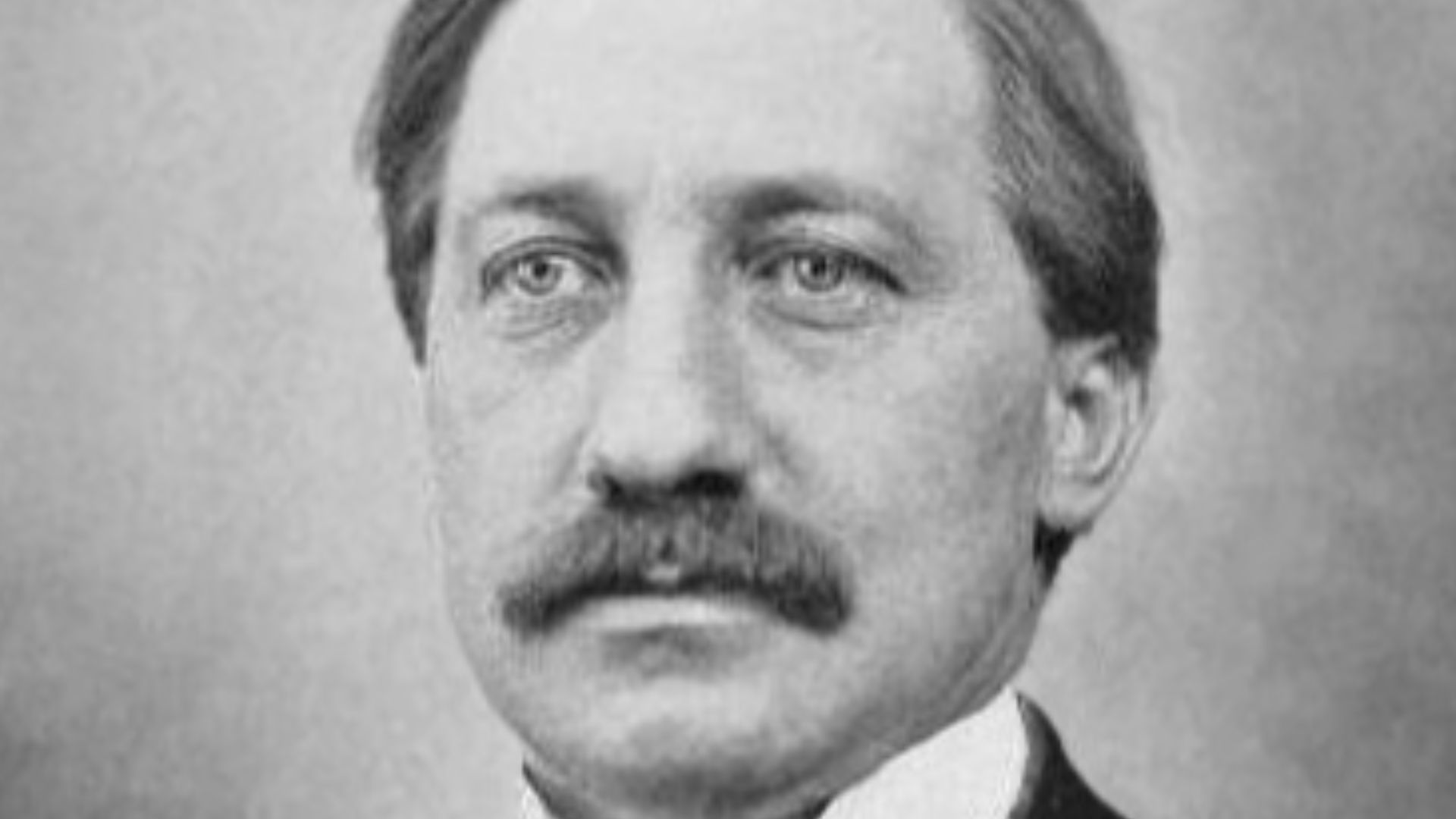
Frederick Cook Said He Climbed Denali First
Frederick Cook claimed he had made the first successful ascent of Denali in 1906 and even produced a photograph supposedly showing the summit. Later explorers tracked down the location in his picture far from the actual peak. Cook’s historic first turned out to be a lot less historic than advertised.
 Unknown author, Wikimedia Commons
William Morton Wanted To Own Anesthesia
William T.G. Morton’s 1846 public demonstration of ether anesthesia was a landmark moment. Morton then pushed hard to be recognized as its discoverer. But Crawford Long had successfully used ether during surgery four years earlier, while Horace Wells had already experimented with nitrous oxide. Morton still pursued the credit.
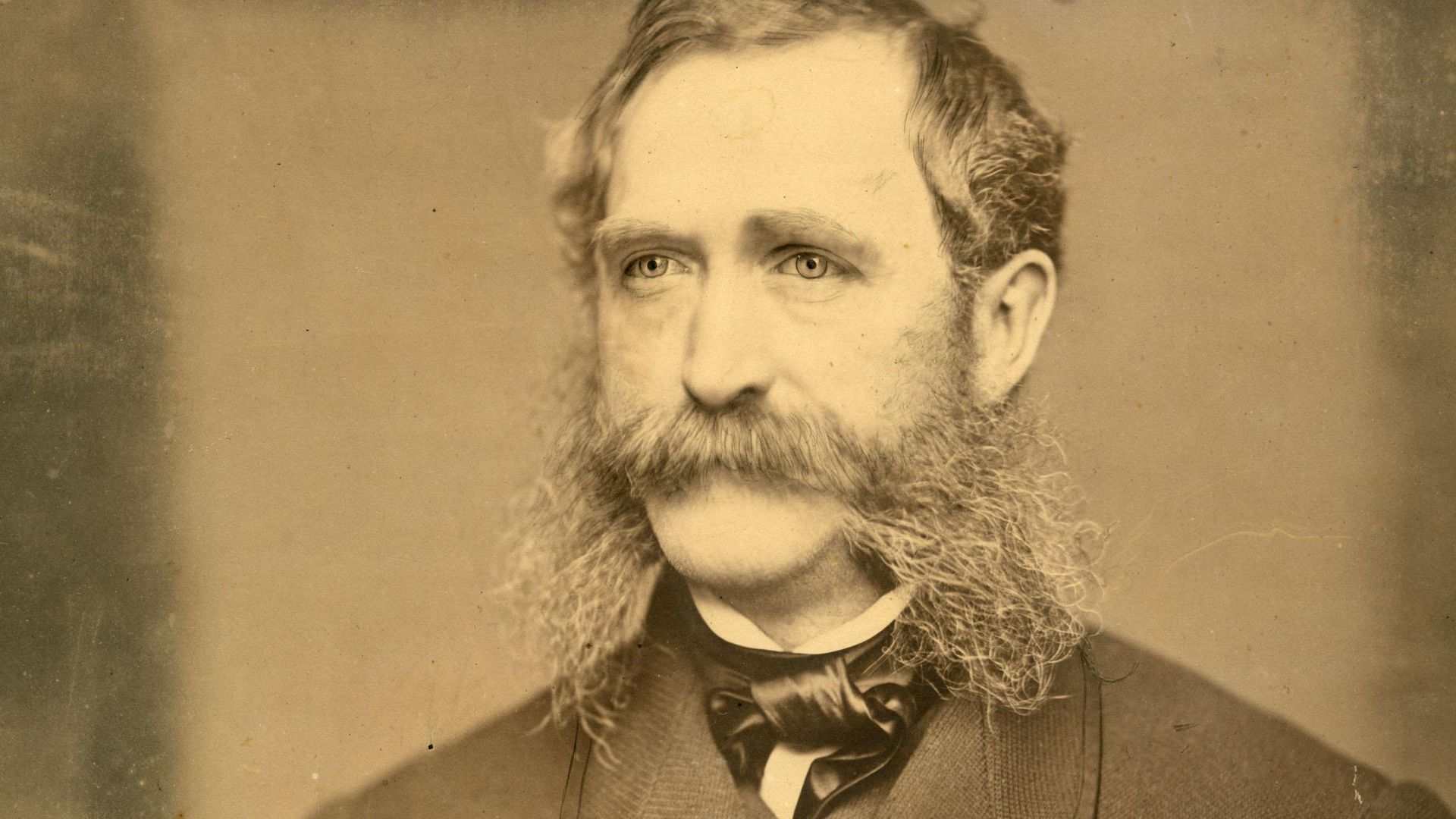 Bushby & Hart, Wikimedia Commons
Charles Dawson “Discovered” Something He Probably Made Himself
In 1912, Charles Dawson announced the discovery of Piltdown Man, supposedly a missing link in human evolution. Decades later, it was exposed as an elaborate fake made from human skull fragments and an orangutan jaw. Modern forensic research points strongly toward Dawson himself as the person who created the fraud.
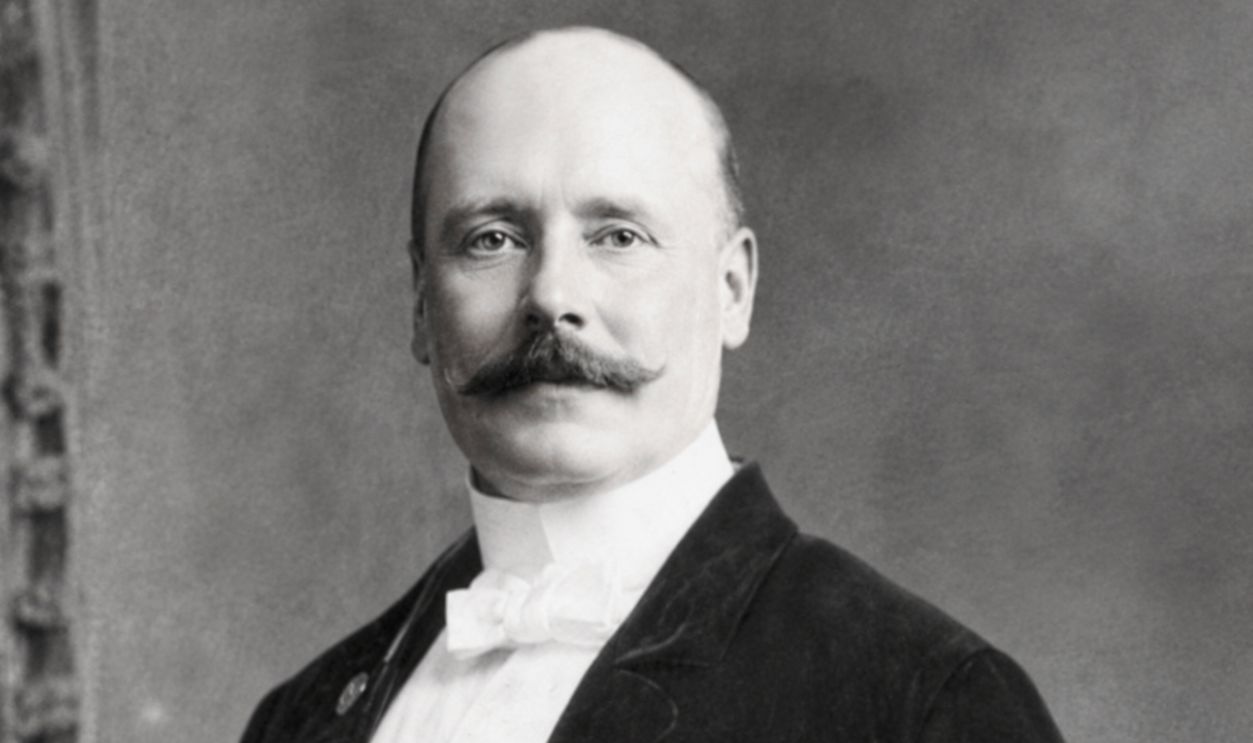 Sander Sade, Wikimedia Commons, enhanced
John Mauchly Claimed Computer Ideas A Court Said Weren’t His
John Mauchly visited John Atanasoff and examined his experimental electronic computer before helping develop ENIAC with J. Presper Eckert. Years later, a federal court invalidated the ENIAC patent and found that the broad computer invention it covered had been derived from Atanasoff’s work. That is a pretty definitive footnote.
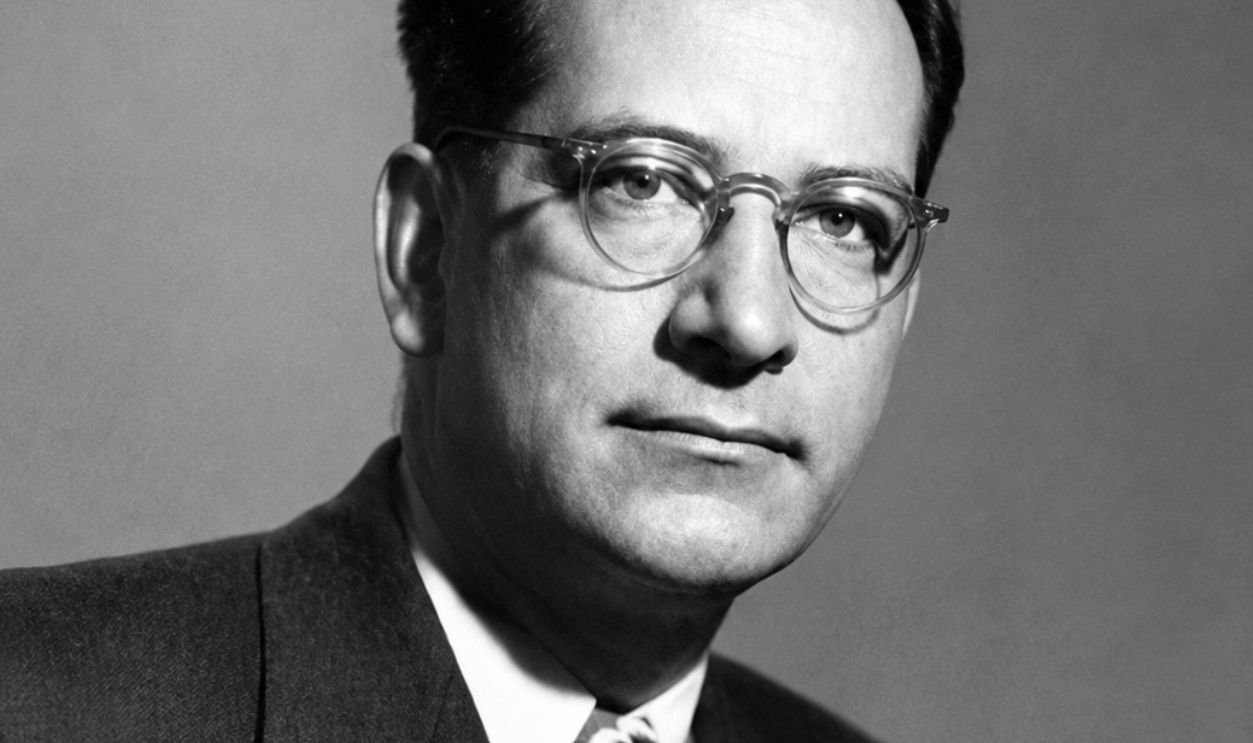 Unknown author, Wikimedia Commons, enhanced
George Selden Claimed He Had Invented The Automobile
Patent lawyer George Selden secured an extremely broad patent covering a gasoline-powered automobile and claimed he had invented the car. Automakers were then pressured to pay royalties. Henry Ford fought the patent, and an appeals court eventually limited it so Selden’s claim no longer covered the automobiles manufacturers were actually building.
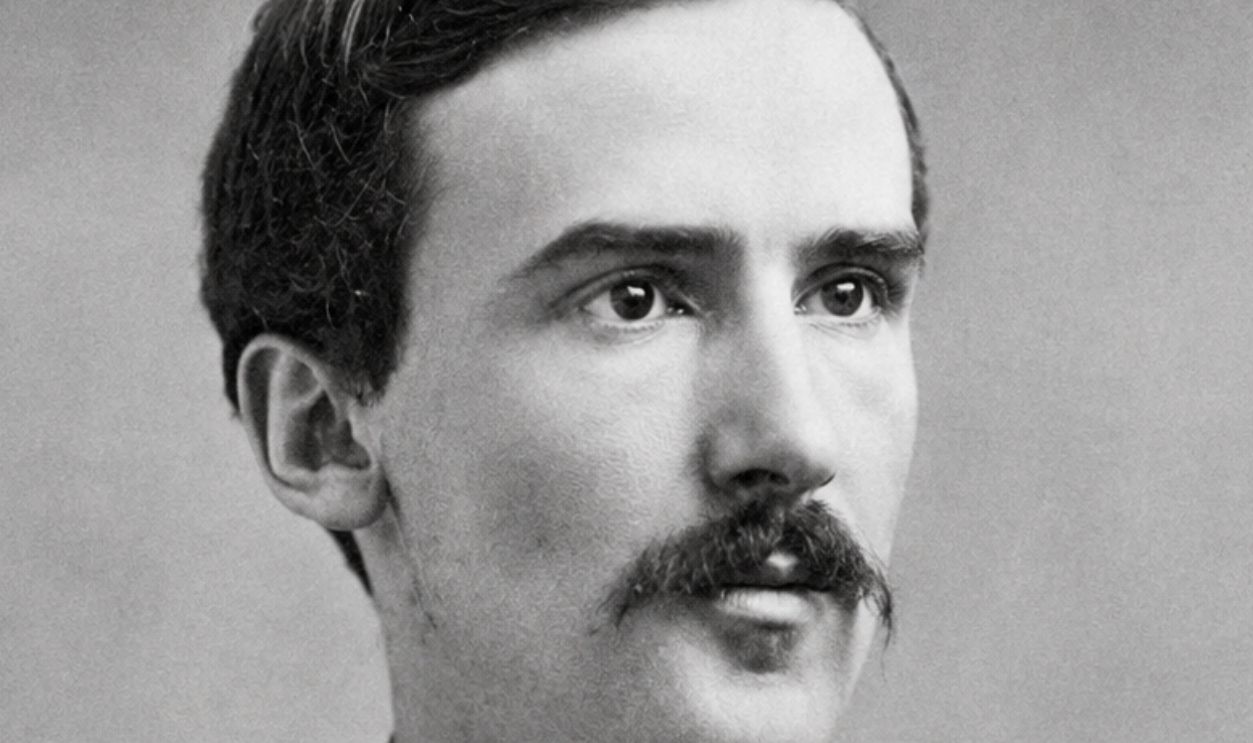 Chief tin cloud, Wikimedia Commons, enhanced
Credit Where It Wasn’t Due
Some of these people were talented businessmen, inventors, scientists and artists in their own right. Apparently that wasn’t always enough.
Because once your name gets attached to somebody else’s breakthrough, creation or achievement, history has a funny way of remembering the famous name and forgetting who actually did the work.
 Unknown photographer, Wikimedia Commons
You Might Also Like:
Sky-High Facts About The Wright Brothers
Groundbreaking Facts About The Most Brilliant Women In Science