Some Kind Of Hero
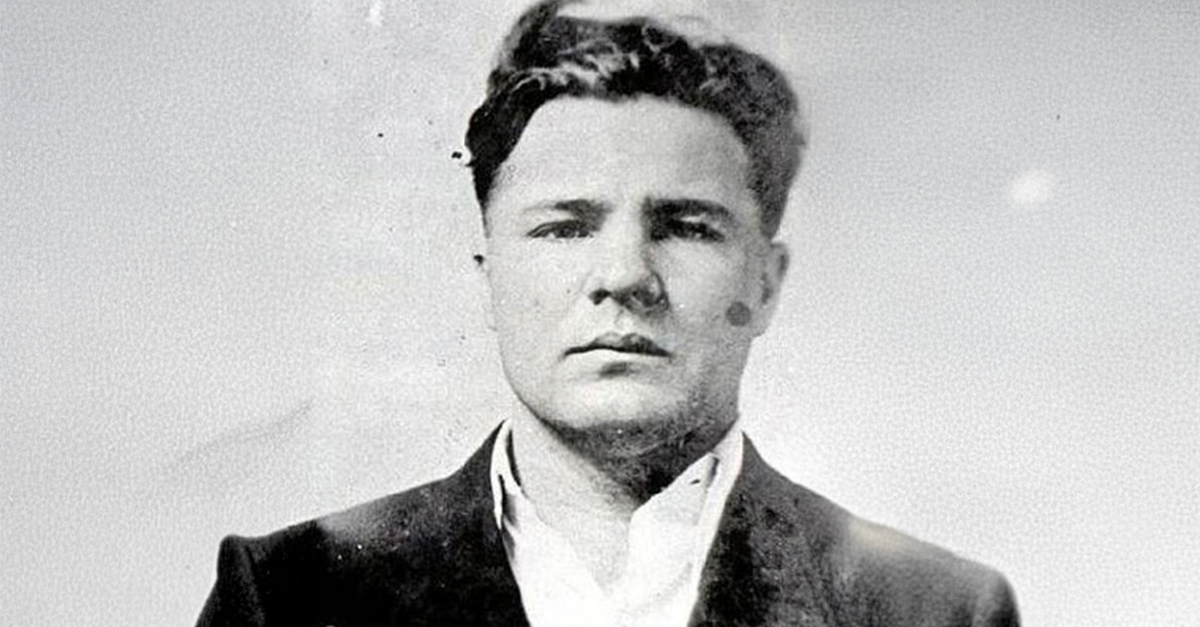
During the chaos of the Great Depression, few criminals captured the American imagination like Pretty Boy Floyd. To some, he was a ruthless bank robber and killer. To others, he was a folk hero who struck at financial institutions blamed for widespread ruin. His life became a collision of crime, myth, and public resentment toward authority.
A Poor Childhood In Georgia
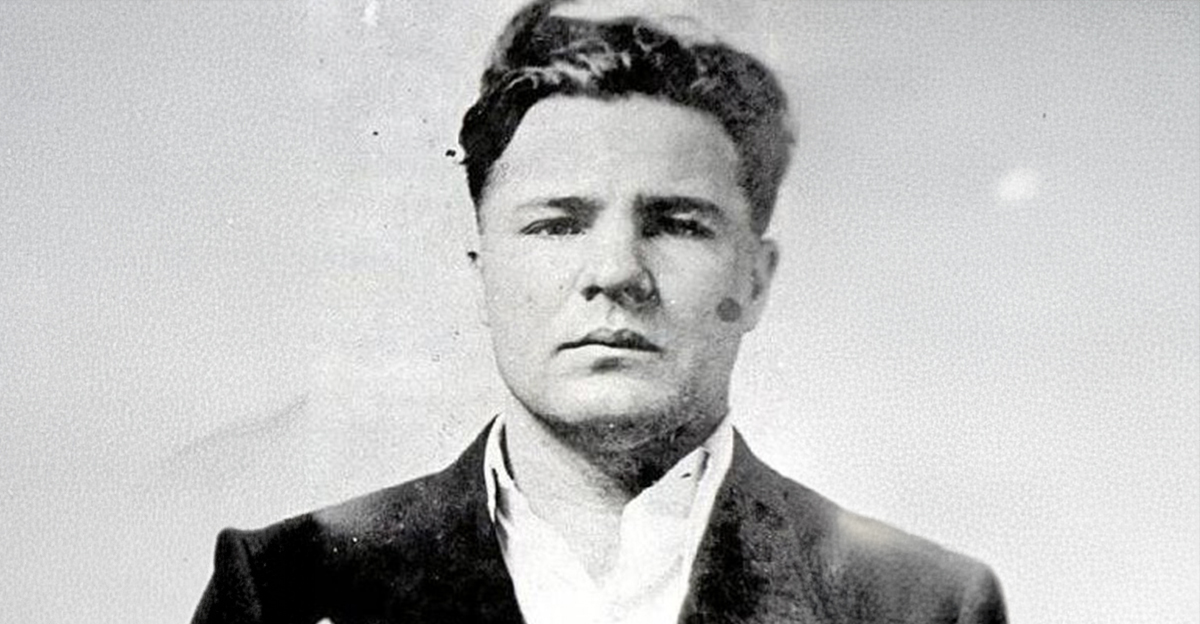
Pretty Boy Floyd was born Charles Arthur Floyd in 1904 in rural Georgia. His family struggled with poverty, frequent moves, and limited education. These early hardships caused Charles to harbor a distrust of authority and institutions. When the family later relocated to Oklahoma, Floyd found himself in an environment already rocked by economic instability.
Growing Up In Oklahoma
Floyd spent most of his formative years in the Cookson Hills region of eastern Oklahoma, where tenant farming and economic inequality were a regular part of life. The region had a long historical reputation as a remote place where outlaws could hide out from pursuers.
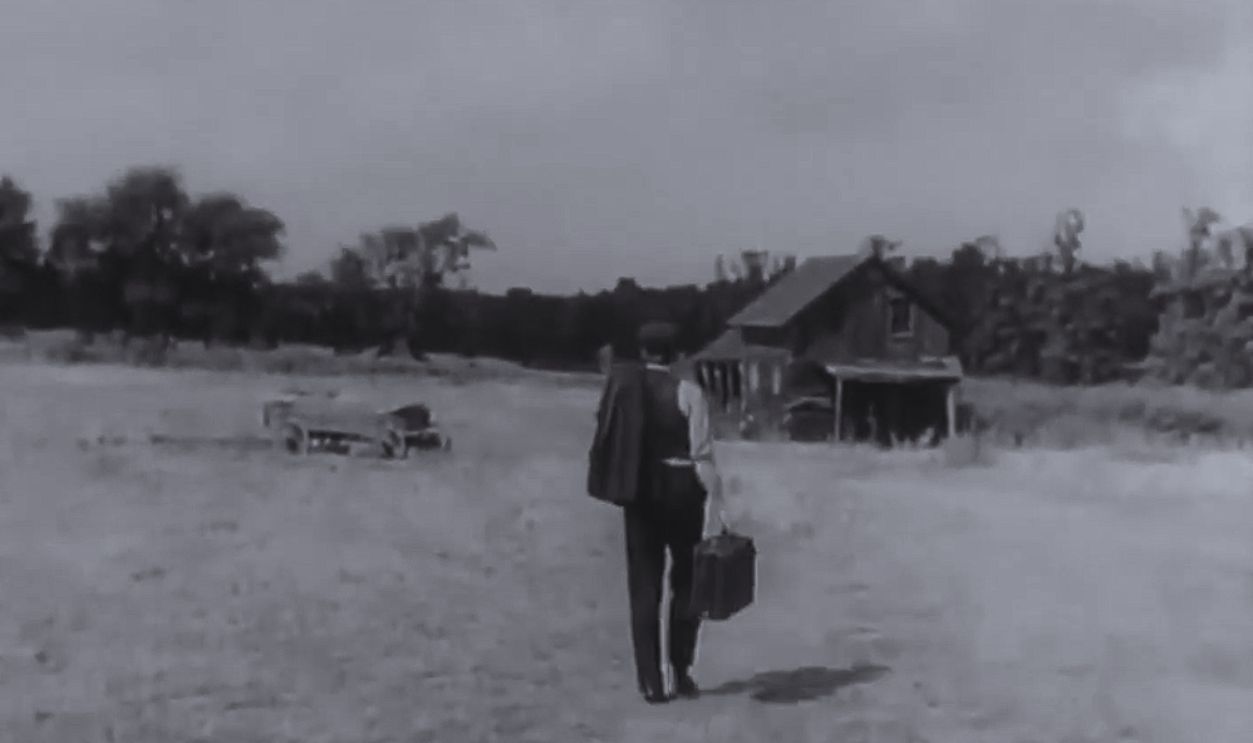 Screenshot from Pretty Boy Floyd, 20th Century Fox Television (1960)
He Struck Out On His Own
Floyd wasn’t much of a student, dropping out of school after sixth grade. As a teenager, he worked sporadic labor jobs in the area, and married young. Financial pressure and limited opportunities pushed him toward petty crime, and once he went down that path there was no turning back.
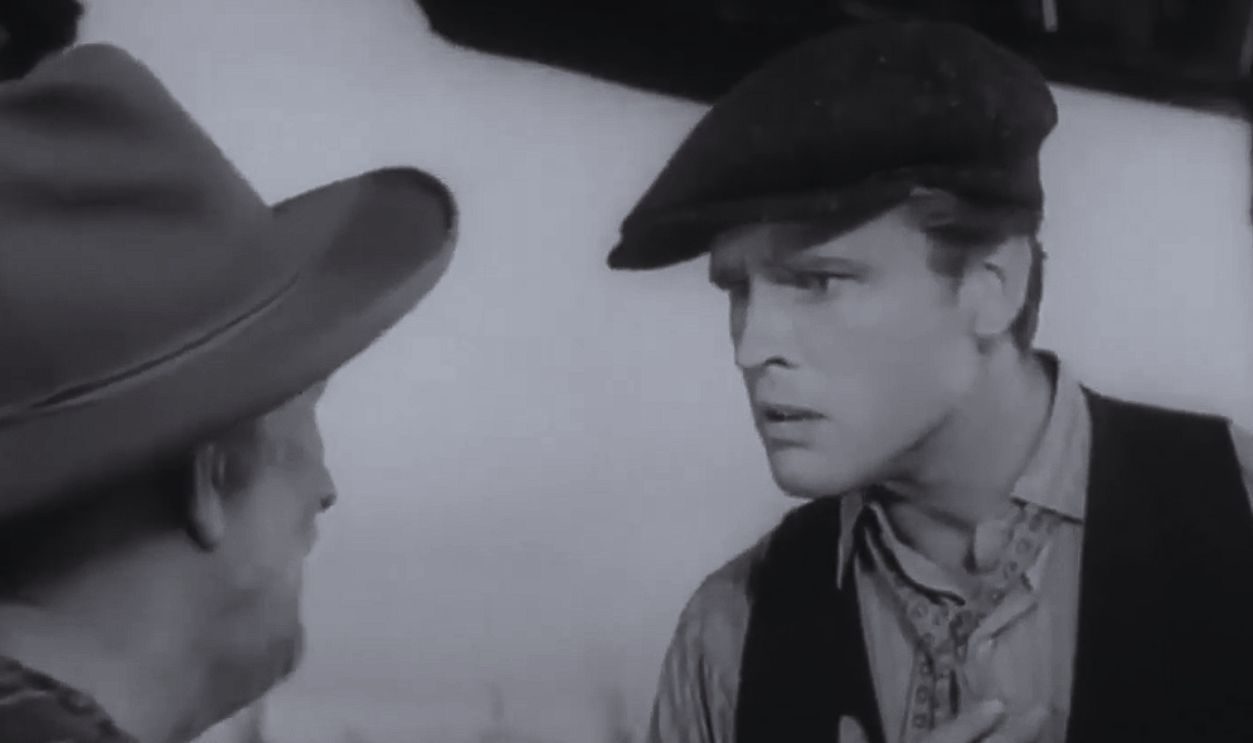 Screenshot from Pretty Boy Floyd, 20th Century Fox Television (1960)
His First Known Crime
Floyd committed his first crime in 1922 when he was arrested for burglarizing a post office. The offense was minor, and his father’s influence in the local community helped him to avoid jail time, but the arrest introduced him to the legal system. This initial encounter with the law gave Floyd an appetite to commit more crimes.
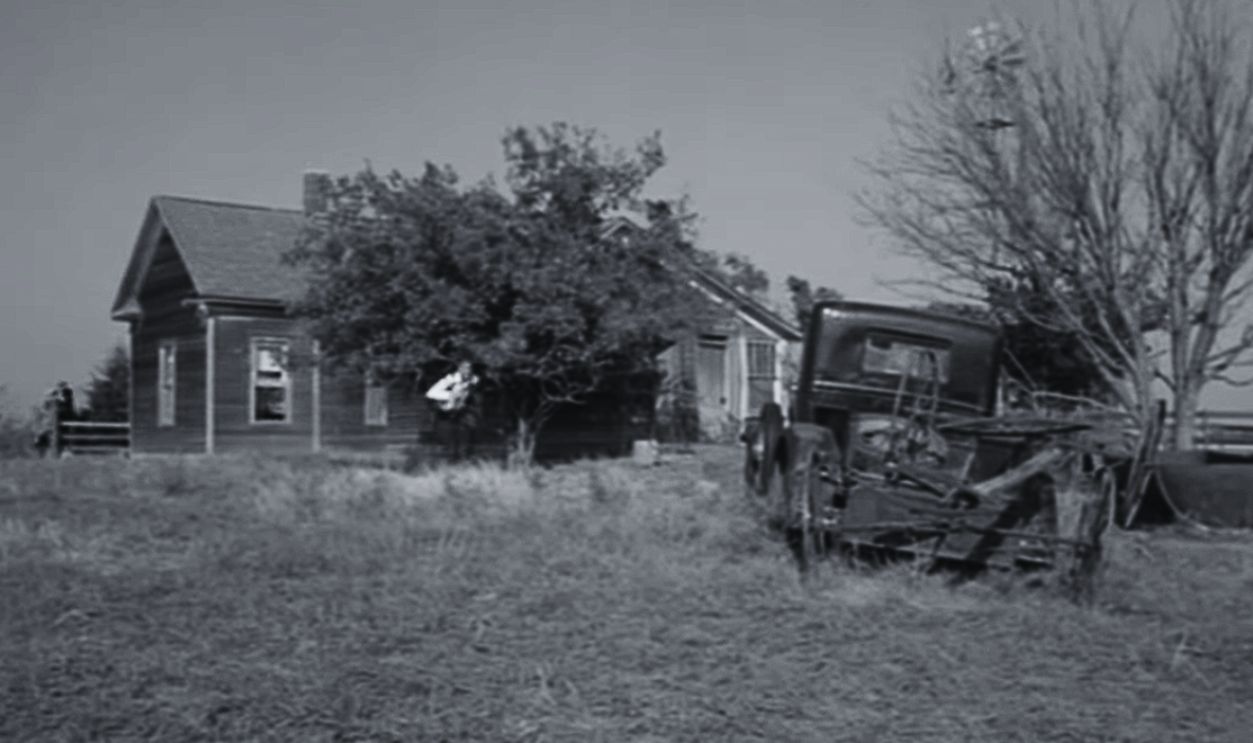 Screenshot from Dillinger, American International Pictures (1973)
Prison And Escalation
Floyd’s next escapade was a string of grocery store and drug store robberies culminating in the robbery of a St Louis payroll office in 1925. He was caught and served three and a half years of a five-year sentence. But instead of deterring him, his stint behind bars escalated his criminal ambitions. Upon release, he moved quickly from petty theft to more organized and targeted forms of crime. This included the ultimate robbery targets: banks.
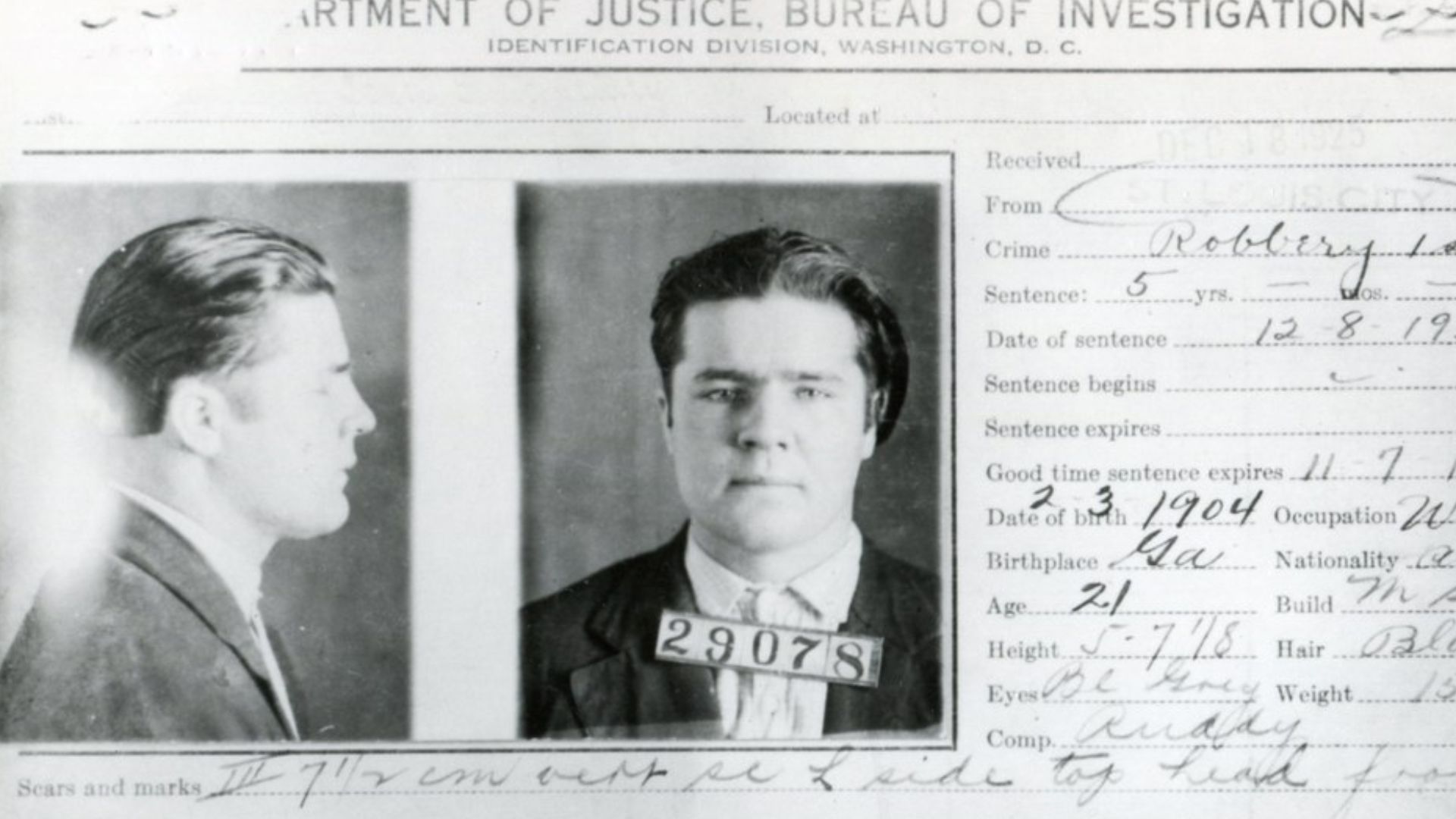 1928 LAw enforecment 1934 Law enforcement 1934 FBI, Wikimedia Commons
A Hated Nickname
One of the clerks in the payroll holdup had given a description of Floyd’s appearance to the police as “a pretty boy with apple cheeks.” The name became a nickname for Floyd in the press, much to Floyd’s annoyance.
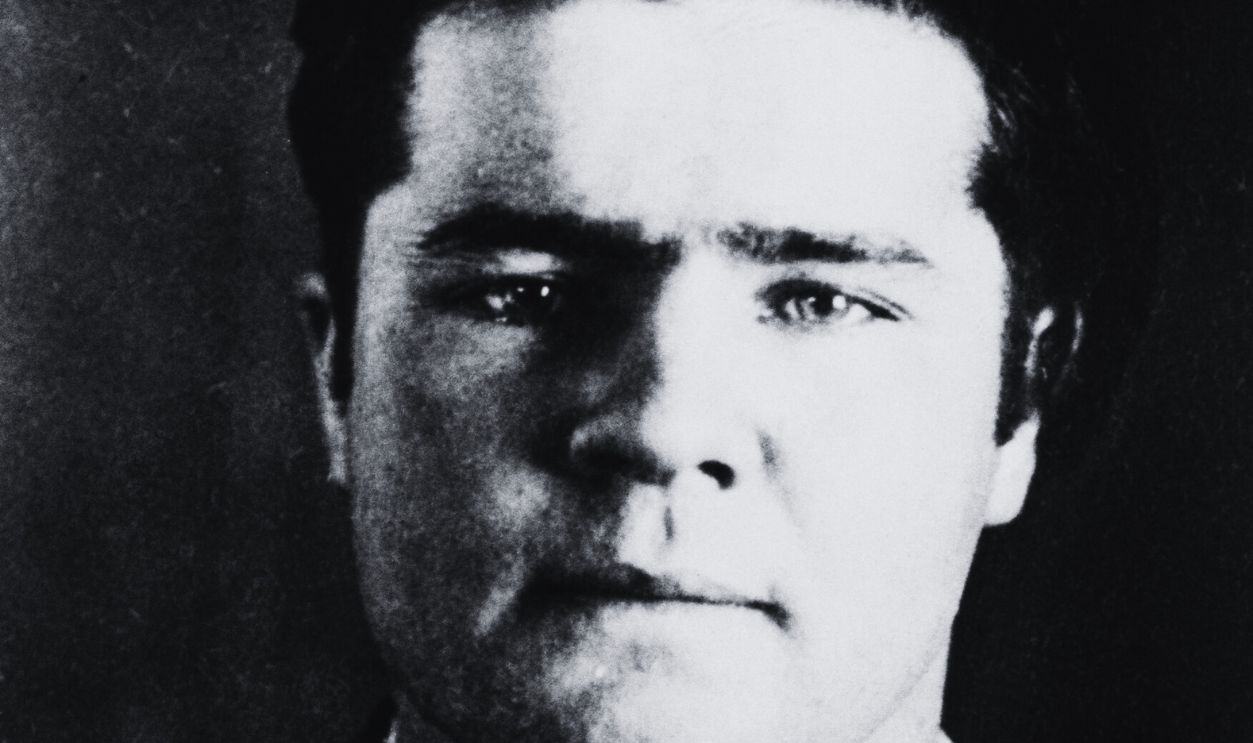
Things Were Different When He Got Out
Once he was out on parole, Floyd faced a different situation. His wife Ruby, who he had married in 1924, divorced him. Worse, Floyd got news that his father had been killed in a dispute with a neighbor that got out of hand. Floyd arrived home in time for his father’s funeral and the killer’s trial.
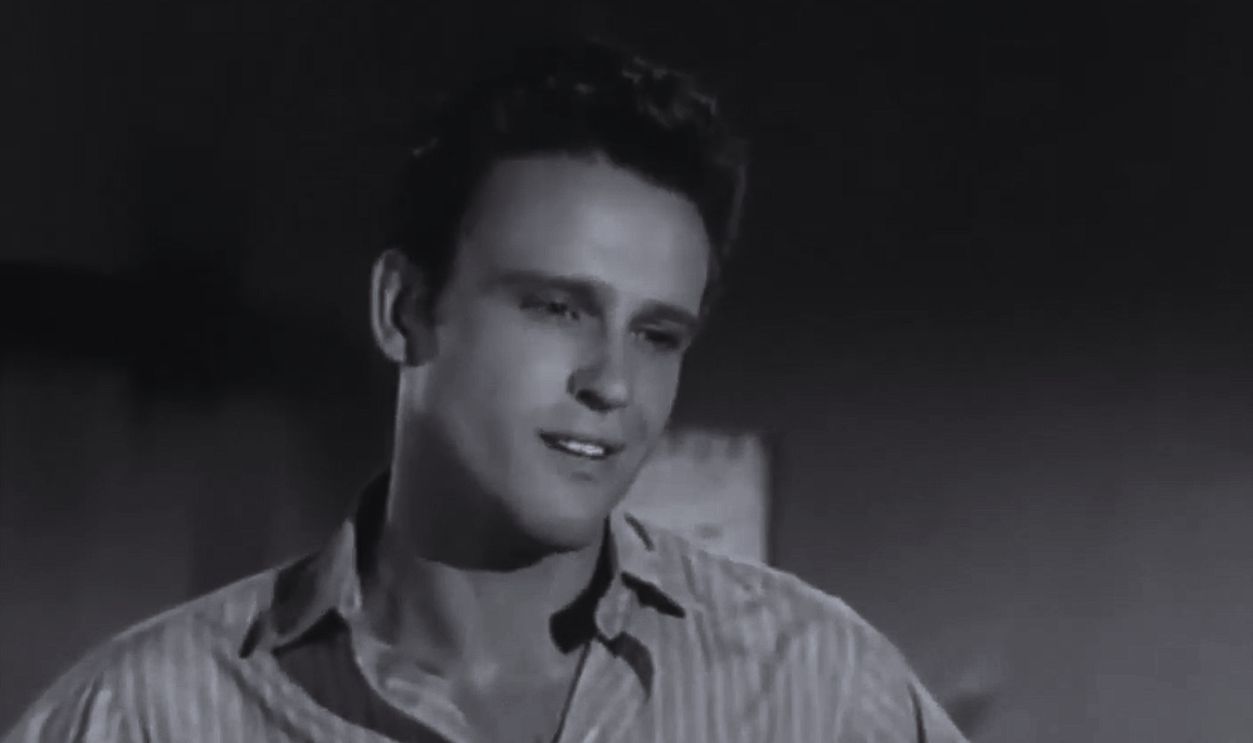 Screenshot from Pretty Boy Floyd, 20th Century Fox Television (1960)
He Was Acquitted And Never Seen Again
Floyd returned to Oklahoma for the trial of the man who’d killed his father, neighbor Jim Mills. Despite an eyewitness account, Mills was acquitted. Soon after, Mills disappeared under mysterious circumstances. According to later accounts and local folklore, Floyd allegedly tracked down the man and killed him in retaliation. It added to Floyd’s reputation for vengeance and violence.
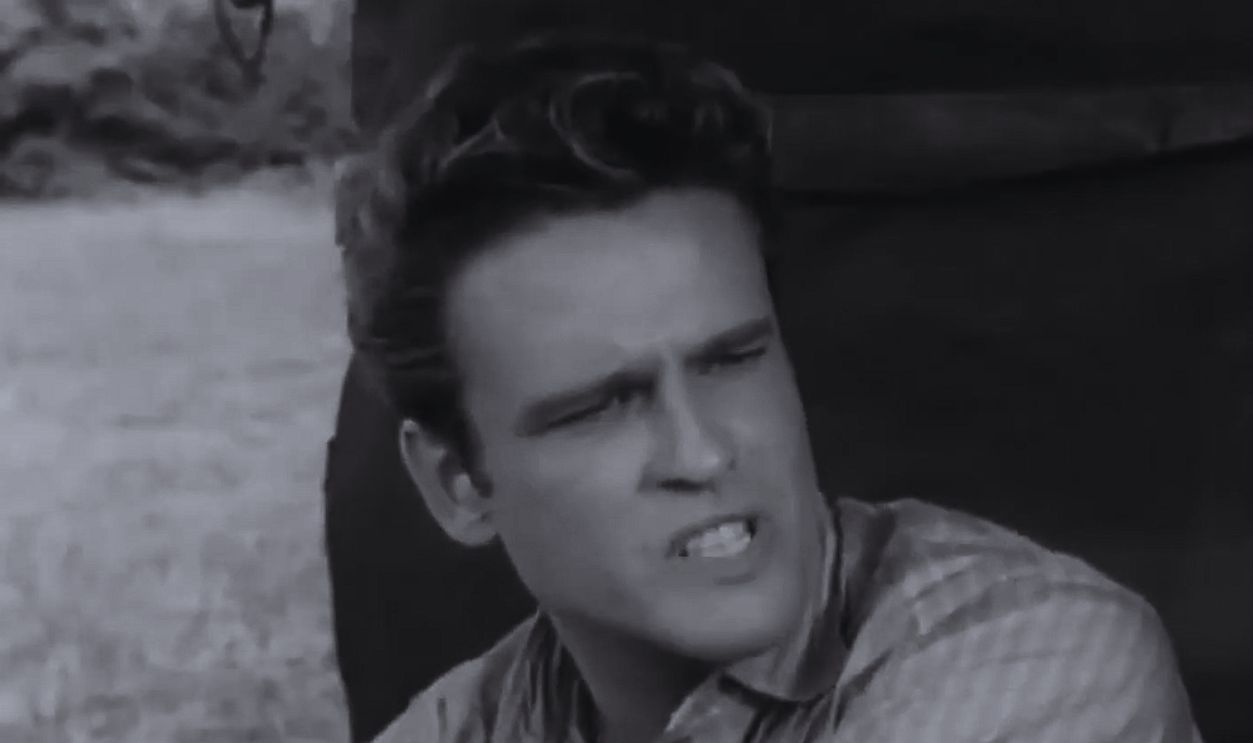 Screenshot from Pretty Boy Floyd, 20th Century Fox Television (1960)

History's most fascinating stories and darkest secrets, delivered to your inbox daily.
Building A Criminal Network
Now a free man, Floyd had no intention of giving up his life of crime. But he rarely operated alone. He’d made a variety of new criminal connections while behind bars in Missouri. It was this rotating cast of criminals who shared profits and intelligence to form a network. This allowed Floyd to commit robberies across multiple states. Ohio became his new stomping around.
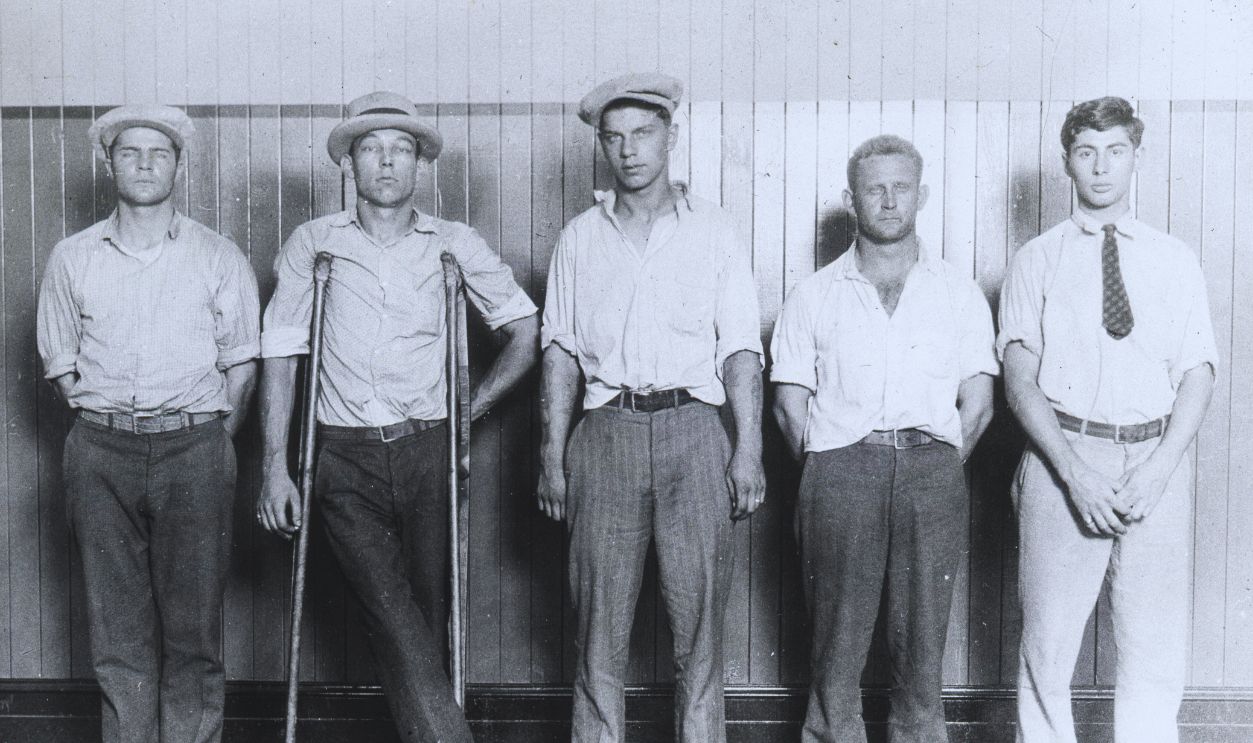 Unknown Author, Wikimedia Commons
The Great Depression Changed Everything
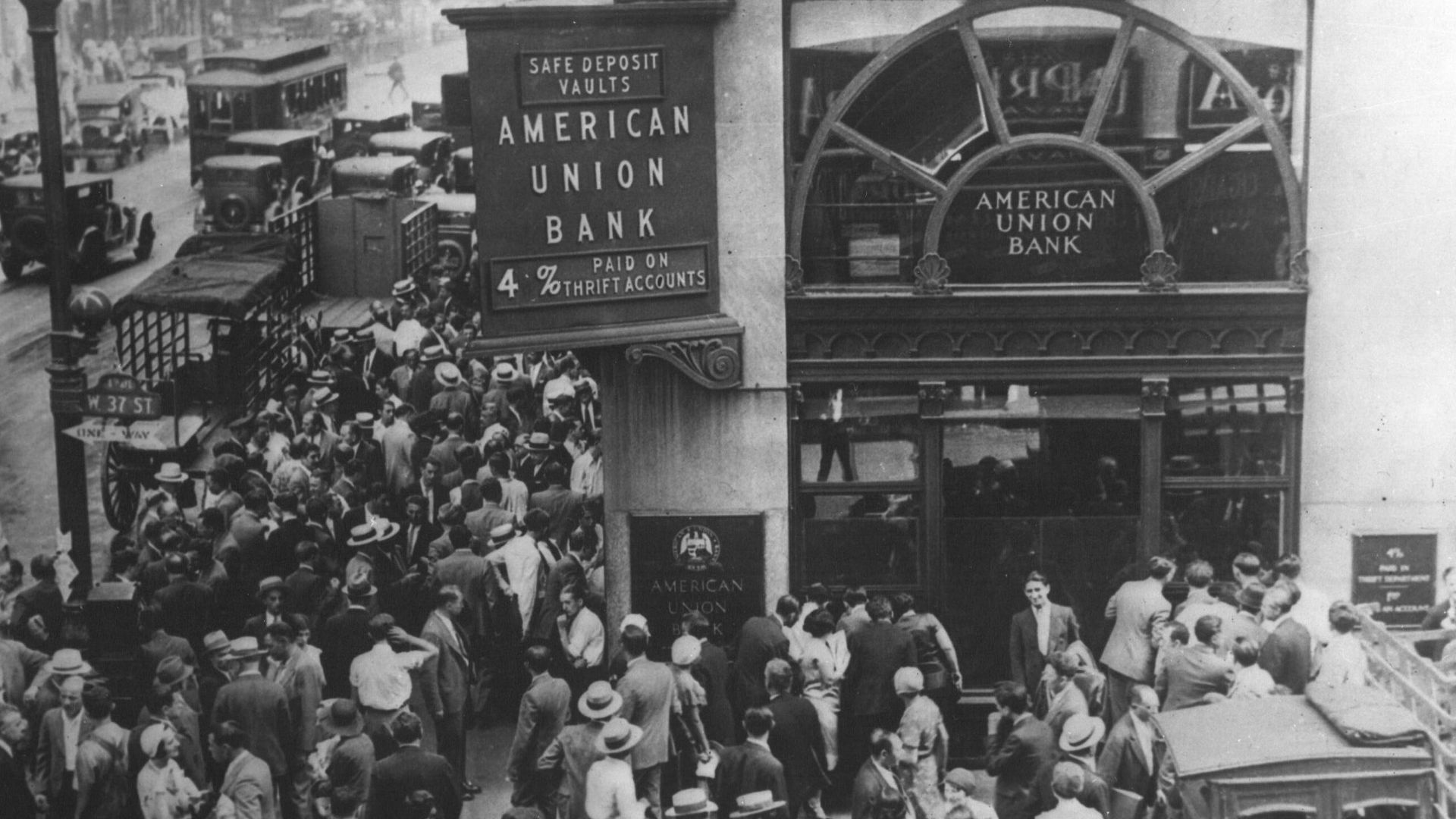
The onset of the Great Depression transformed public attitudes toward banks. As foreclosures spread and people's savings vanished, resentment toward banks grew. Floyd’s crimes occurred within this context, enabling him to be viewed by some communities not just as a criminal, but as an enemy of hated institutions.
 Wikideas1 Wikideas1 (talk) (Uploads), Wikimedia Commons
Reputation Takes Shape
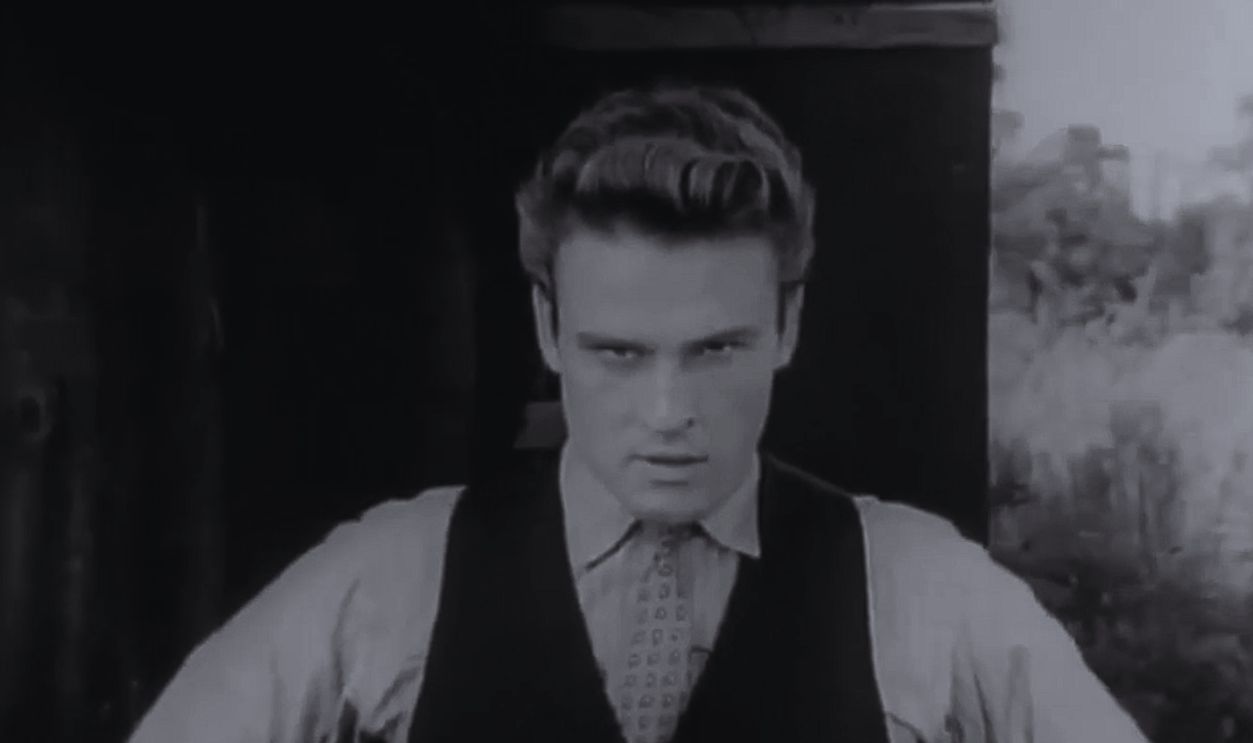
Floyd’s appearance, confidence, and willingness to confront authority contributed to his growing legend. Newspapers amplified his image, exaggerating both his violence and his generosity. Media portrayals played a major role in shaping how the public perceived him.
 Screenshot from Pretty Boy Floyd, 20th Century Fox Television (1960)
A Manhunt Intensified
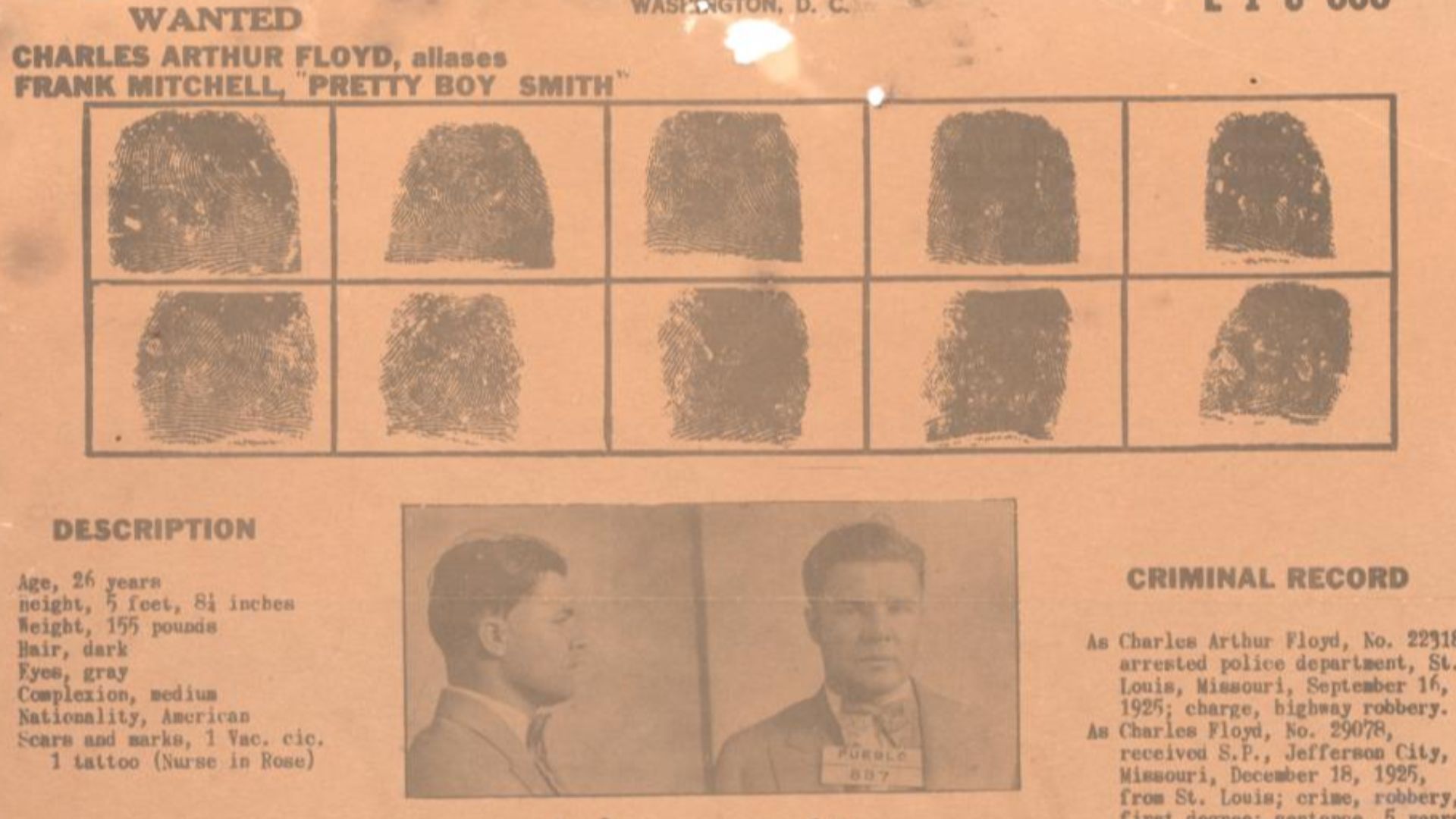
On March 8, 1930, Floyd was charged under the alias Frank Mitchell in connection with the murder of a police officer during a robbery in Akron, Ohio. While Floyd often used aliases to evade capture, this incident intensified law enforcement’s efforts to pursue him across state lines.
 1928 LAw enforecment 1934 Law enforcement 1934 FBI, Wikimedia Commons
He Was Caught Again
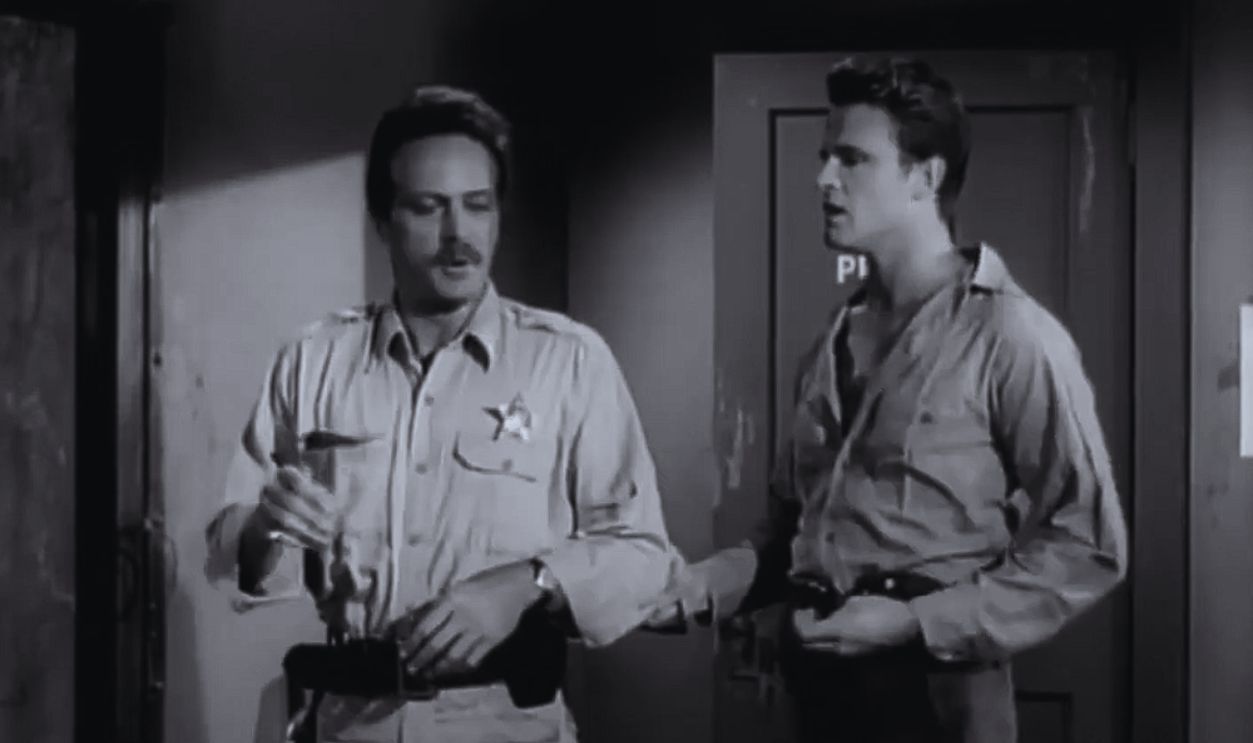
Floyd was apprehended in Toledo, Ohio, on May 20, 1930, after authorities tagged him as a suspect in multiple robberies. His capture was part of a major coordinated effort by law enforcement to shut down the network of criminals operating with impunity across the Midwest. These new charges were sure to bring Floyd a much longer sentence.
 Screenshot from Pretty Boy Floyd, 20th Century Fox Television (1960)
Sentence Cut Short
On November 24, 1930, Floyd was sentenced to 12 to 15 years in the Ohio State Penitentiary for his involvement in the Toledo bank robbery. But true to his growing outlaw reputation, Floyd had no intention of serving out his sentence. He soon escaped from prison, and went straight back to his life of armed robbery and violence.
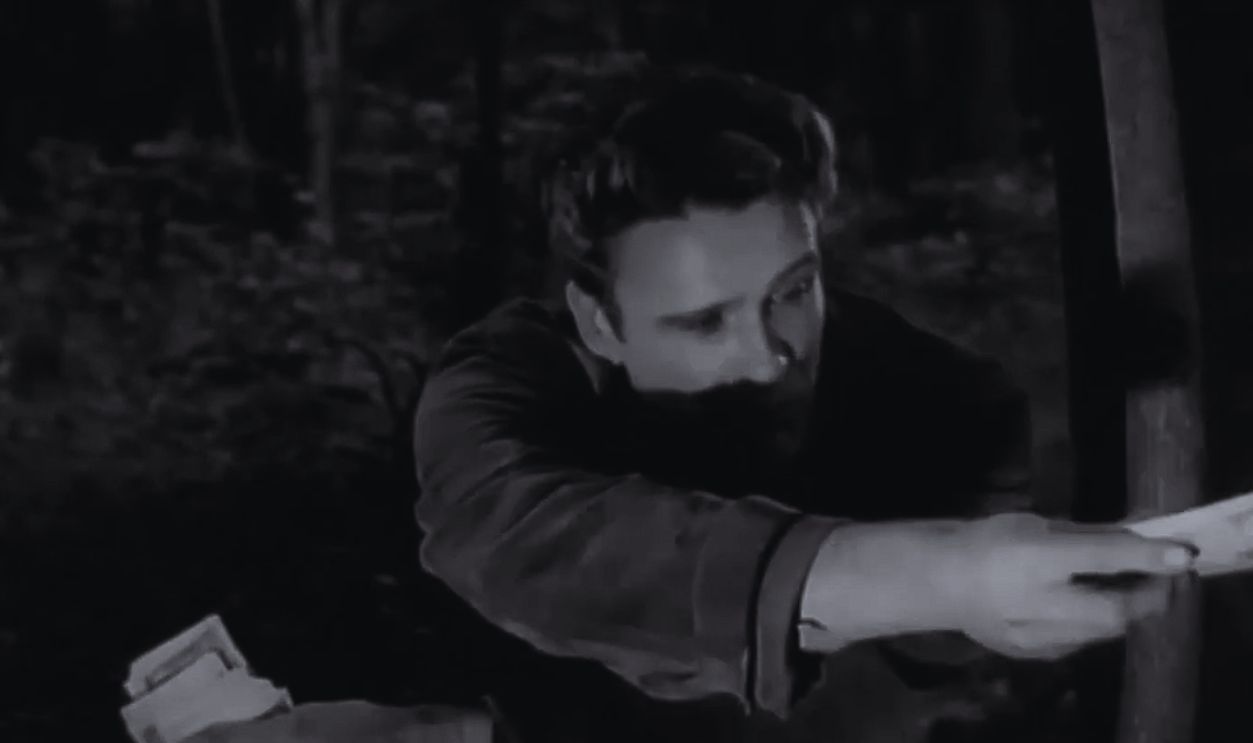 Screenshot from Pretty Boy Floyd, 20th Century Fox Television (1960)
They Suspected Him
Floyd was suspected of involvement in the murders of bootlegging brothers Wally and Boll Ash in March 1931 in Kansas City. The brothers were found inside a burning car, suggesting a brutal execution designed to rub out his rivals. Though the direct evidence was limited, Floyd’s name became increasingly linked to organized crime in the region.
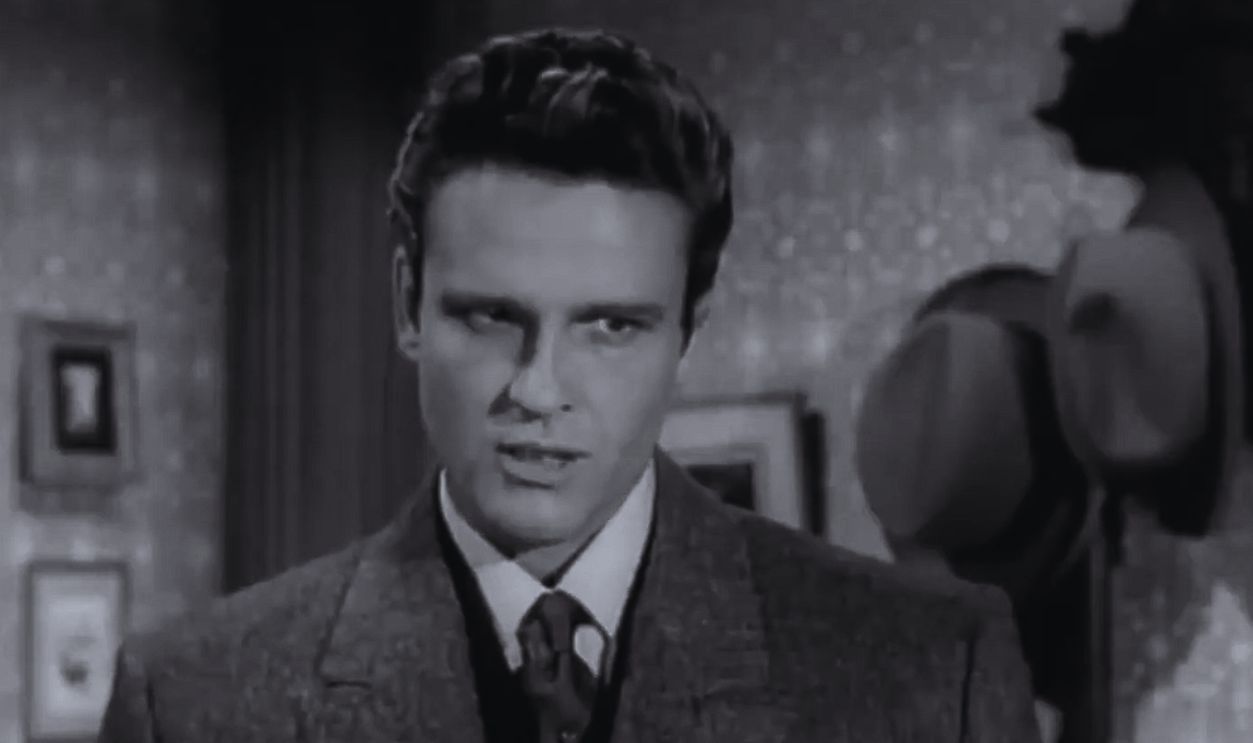 Screenshot from Pretty Boy Floyd, 20th Century Fox Television (1960)
Another Fallen In The Line Of Duty
Members of Floyd’s gang gunned down Patrolman R.H. Castner of Bowling Green, Ohio, on April 23, 1931. The incident underscored the growing danger of facing off against Floyd and his associates, who were more than willing to open fire on law enforcement officers. With each violent encounter, Floyd’s notoriety deepened, and the manhunt intensified.
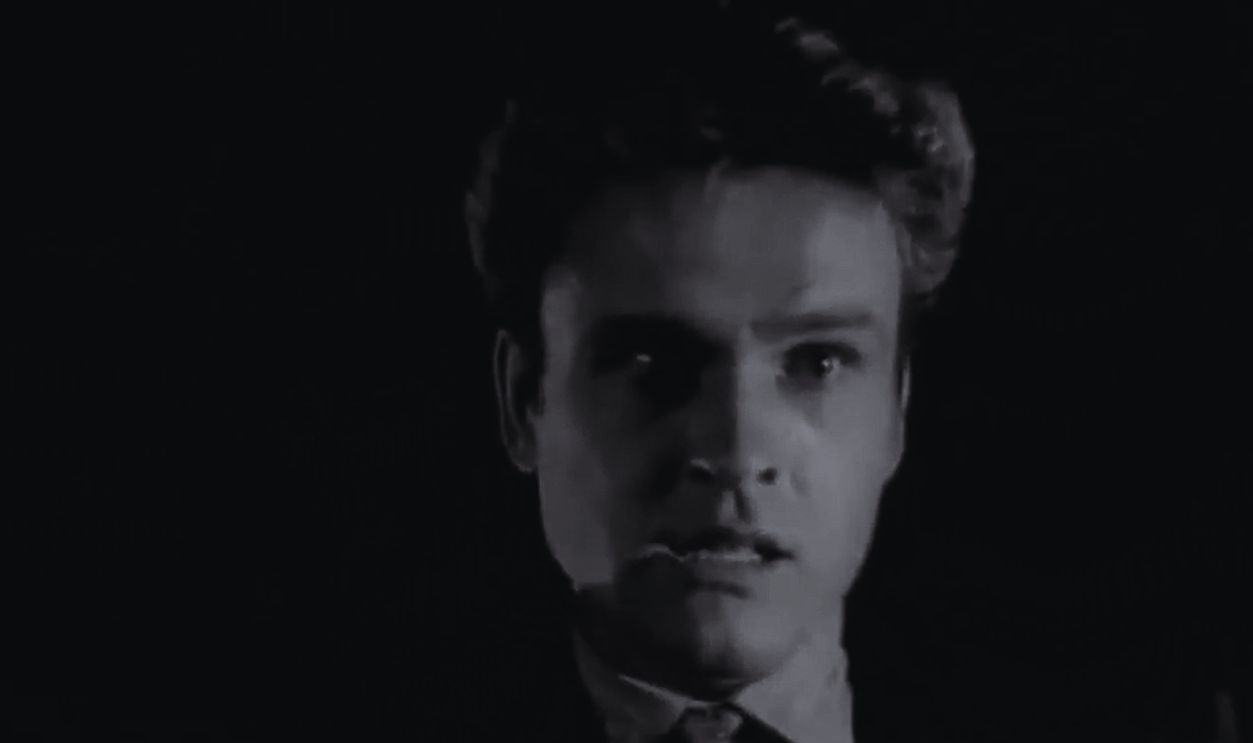 Screenshot from Pretty Boy Floyd, 20th Century Fox Television (1960)
Turning Point
On July 22, 1931, Floyd took the life of ATF Agent Curtis Burks while the ATF was carrying out a search warrant of Floyd's room in Kansas City. This fatal confrontation with federal agents was a major turning point, and turned Floyd from regional outlaw to national fugitive. Federal authorities expanded their pursuit, recognizing him as a significant threat.
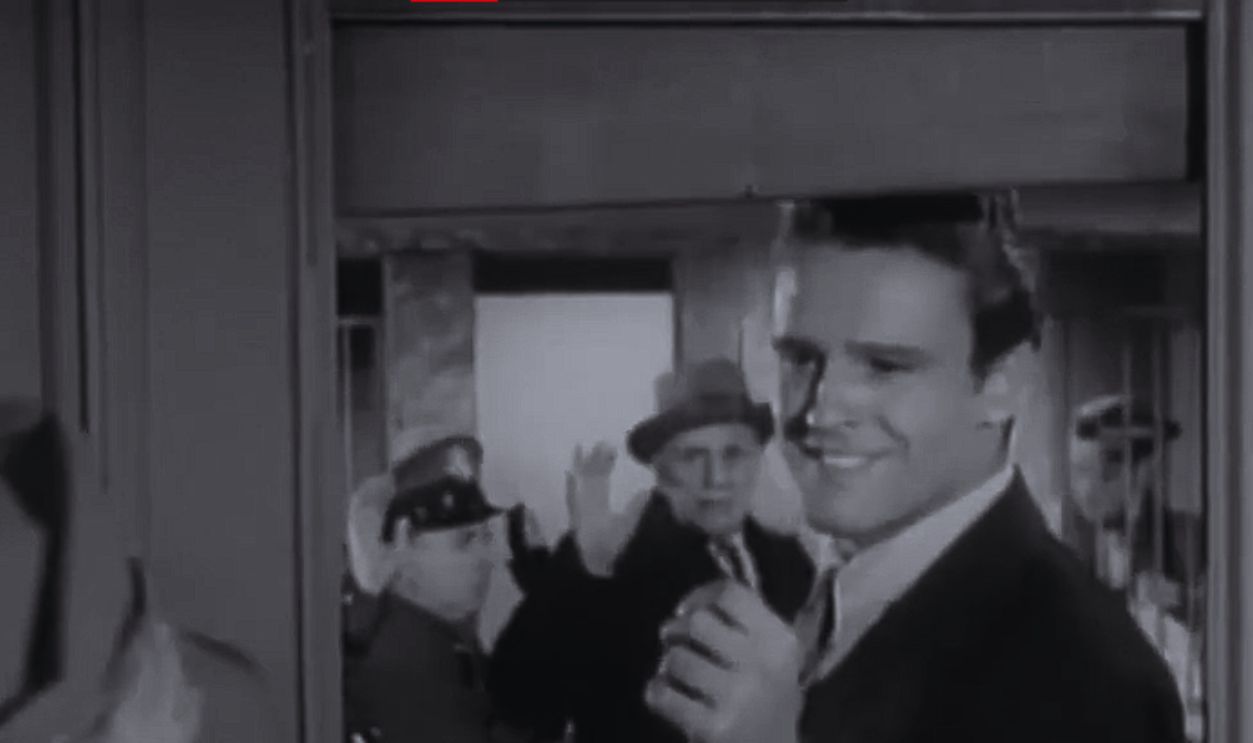 Screenshot from Pretty Boy Floyd, 20th Century Fox Television (1960)
A Bounty Hunter’s Grim Fate
On April 7, 1932, Floyd cut down Erv Kelley, a former McIntosh County, Oklahoma sheriff who had become a bounty hunter. Kelley tried to ambush on Floyd near Bixby, Oklahoma, hoping to capture him for reward money. The failed attempt ended in Kelley’s death, further adding to Floyd’s reputation as a dangerous and elusive criminal.
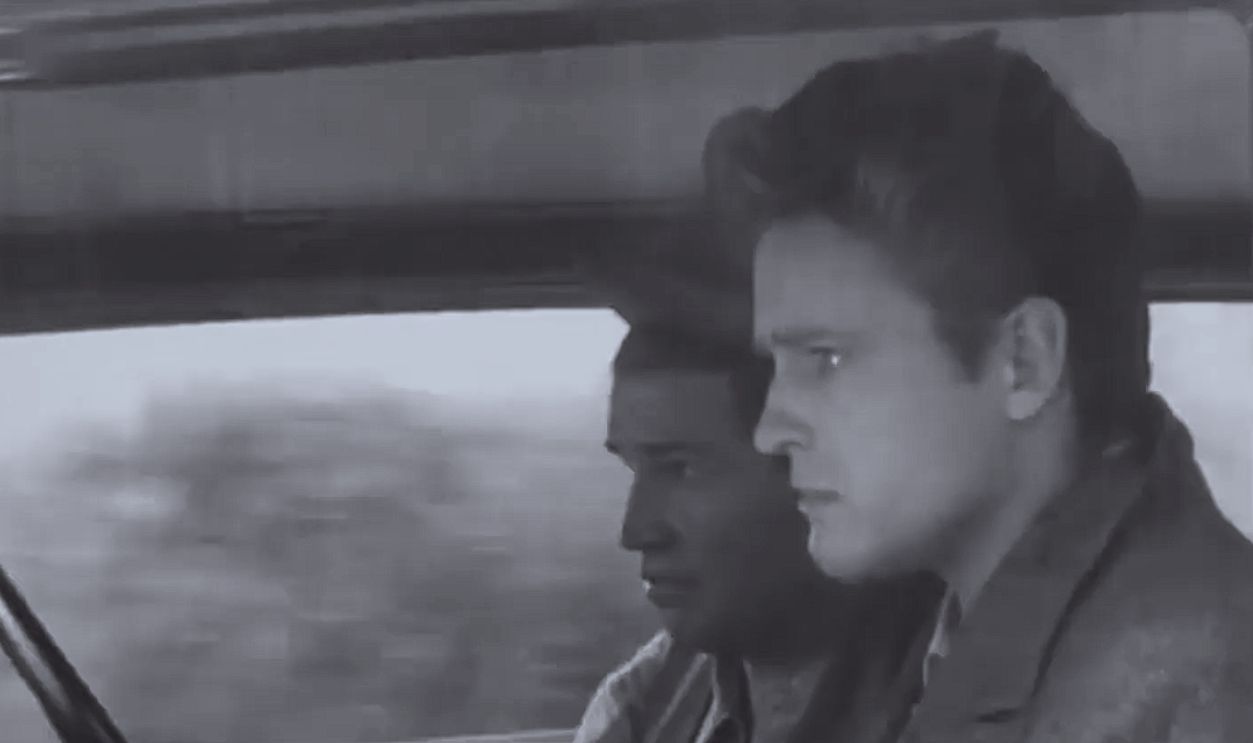 Screenshot from Pretty Boy Floyd, 20th Century Fox Television (1960)
Robbing Banks Closer To Home
In November 1932, three members of Floyd’s gang tried to rob the Farmers and Merchants Bank in Boley, Oklahoma. That same year Floyd joined his partner George Birdwell in robbing the Sallisaw State Bank in Oklahoma, near Floyd’s hometown. This rash of robberies burnished Floyd’s image among many locals as a Depression-era outlaw who struck at financial institutions rather than private citizens. But the ring of destiny grew ever tighter around Floyd.
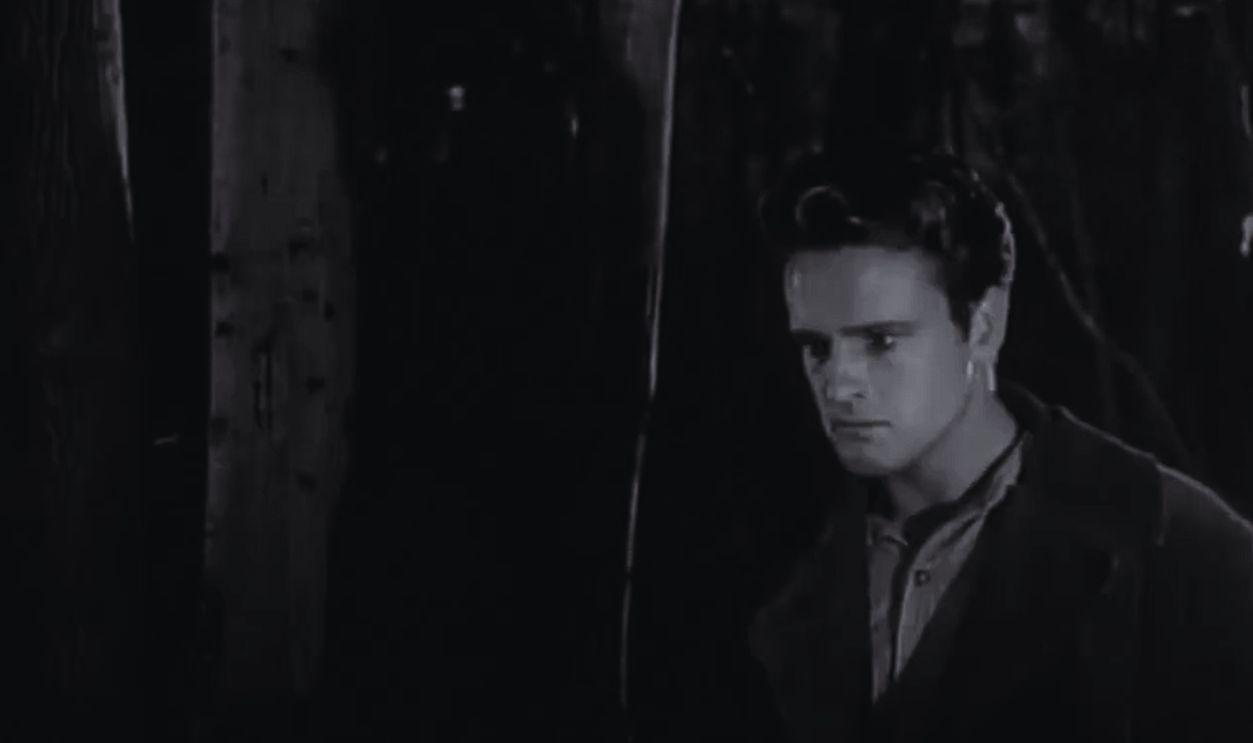 Screenshot from Pretty Boy Floyd, 20th Century Fox Television (1960)
Kansas City Massacre Allegations
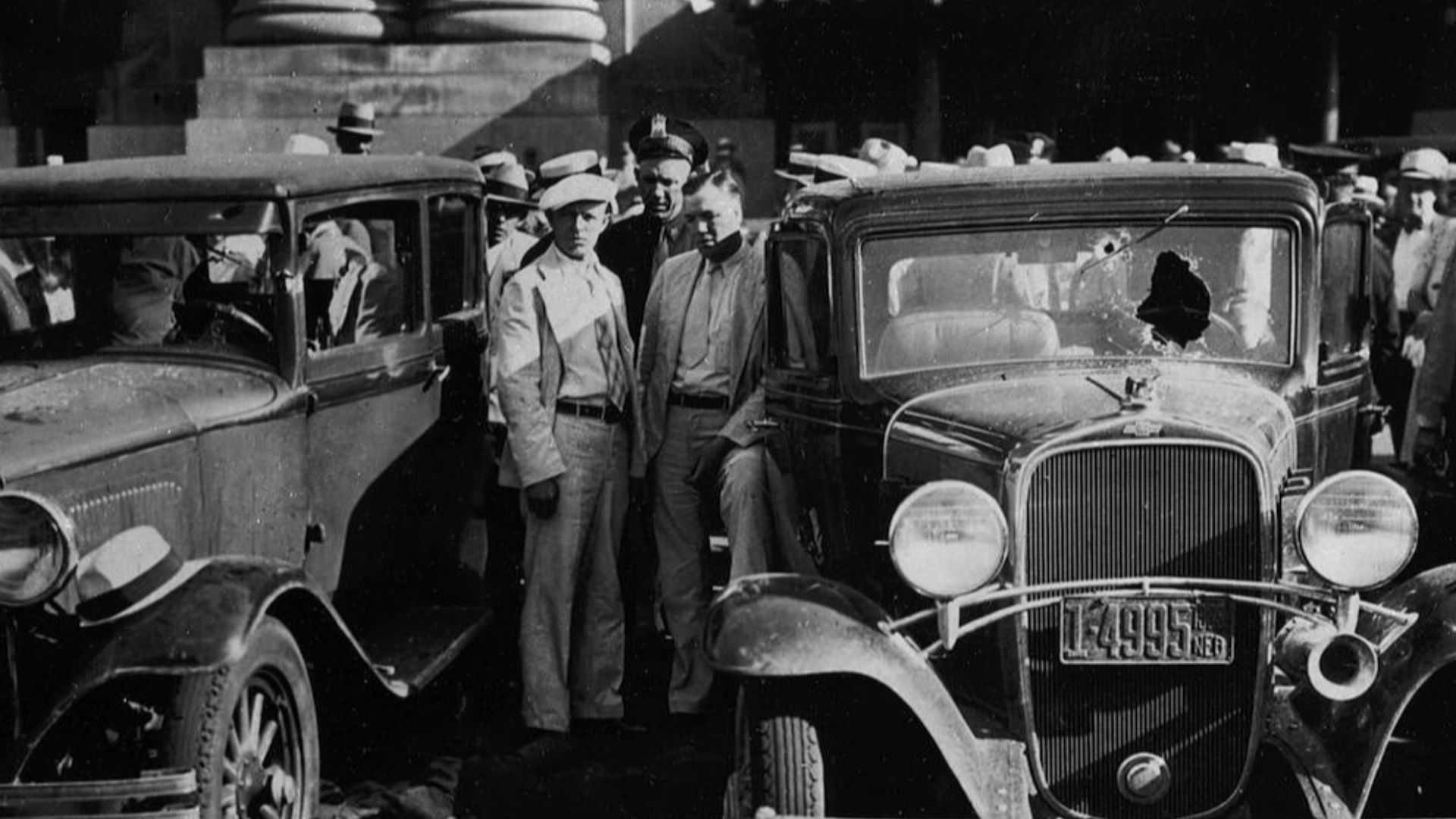
In 1933, Floyd was accused of involvement in the Kansas City Massacre, where four law enforcement officers were killed. His participation remains disputed, but the accusation elevated his priority status for federal capture and permanently darkened his public reputation.
FBI Manhunt Intensifies
Following the massacre allegations, the FBI placed Floyd near the top of its most wanted targets. Federal agents expanded surveillance and coordination across state lines. Floyd responded by changing hideouts frequently and relying on his network of rural supporters.
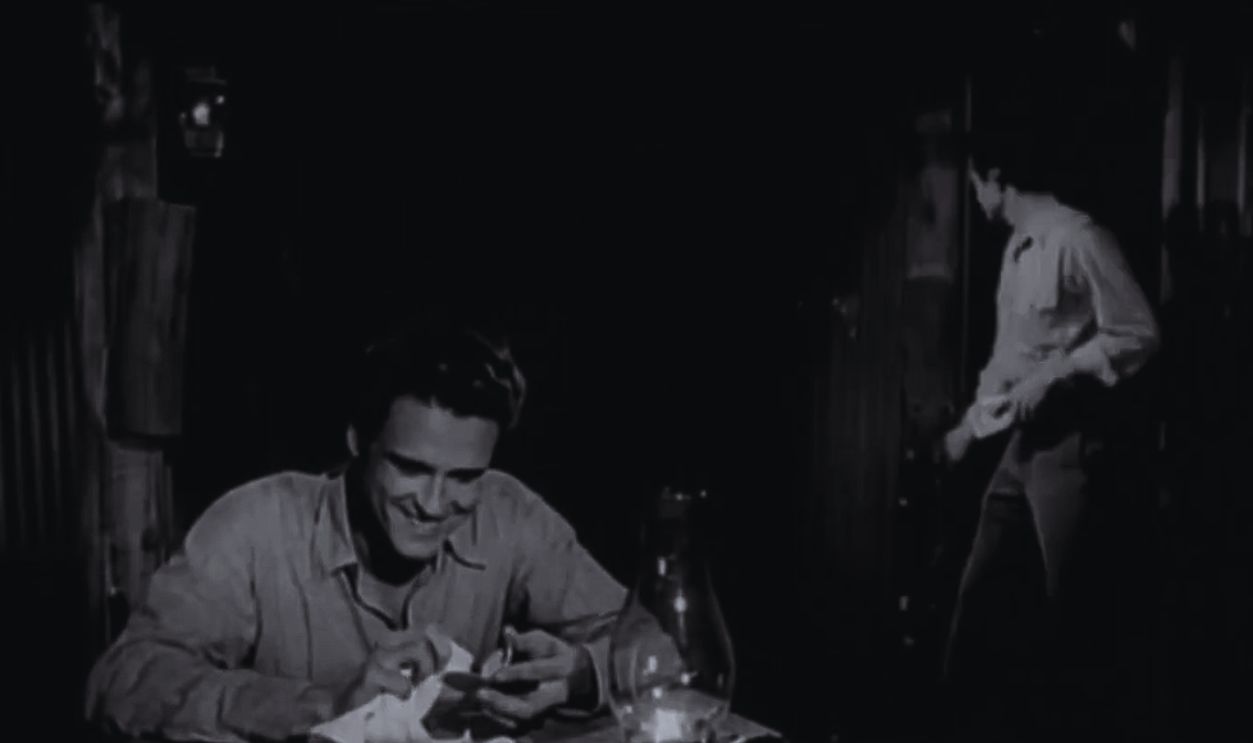 Screenshot from Pretty Boy Floyd, 20th Century Fox Television (1960)
The Final Pursuit Begins
In October 1934, law enforcement was able to track Floyd to eastern Ohio. A ferocious concentrated search effort slowly but surely began to narrow his options. Realizing he was surrounded and on unfamiliar territory, Floyd was running out of allies and escape routes.
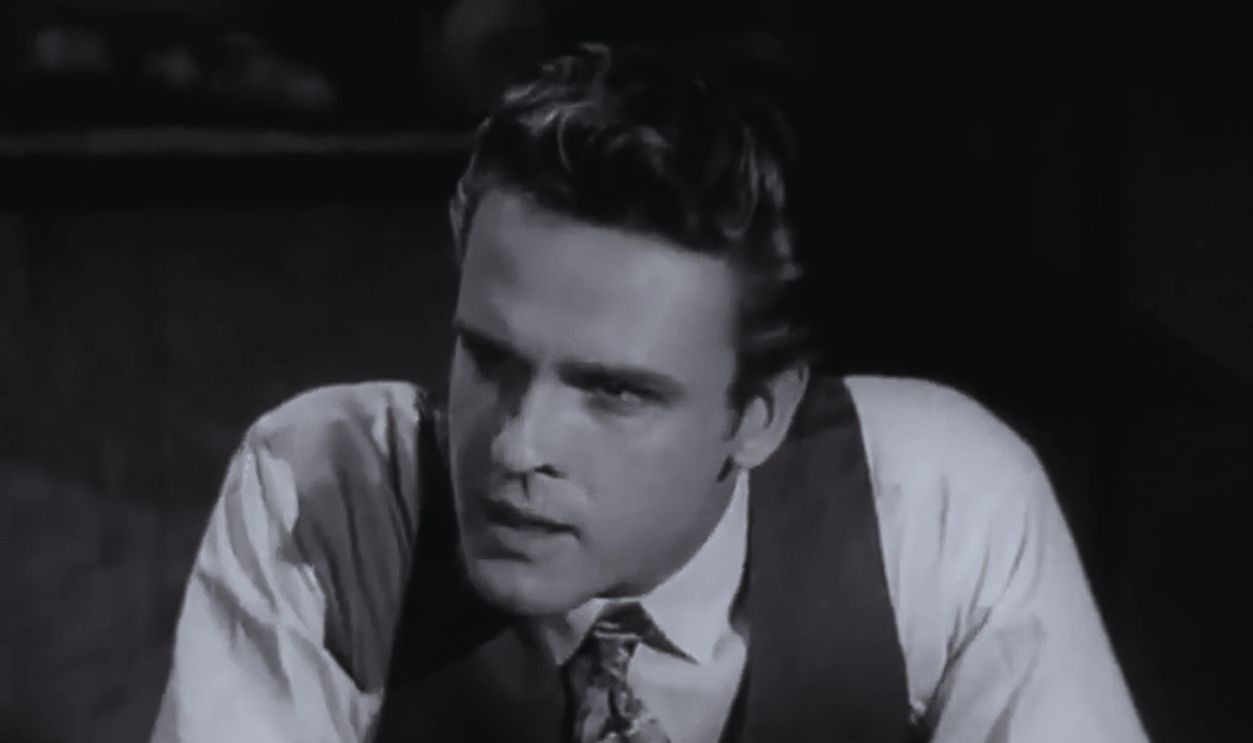 Screenshot from Pretty Boy Floyd, 20th Century Fox Television (1960)
Fatal Showdown
On October 22, 1934, Floyd was finally confronted by federal and local officers in a cornfield near East Liverpool, Ohio. After fleeing on foot, he was hit and mortally wounded. The accounts at the time differ, but there was no disputing the final result of the fateful battle. Pretty Boy Floyd was no more. But the drama was far from over.
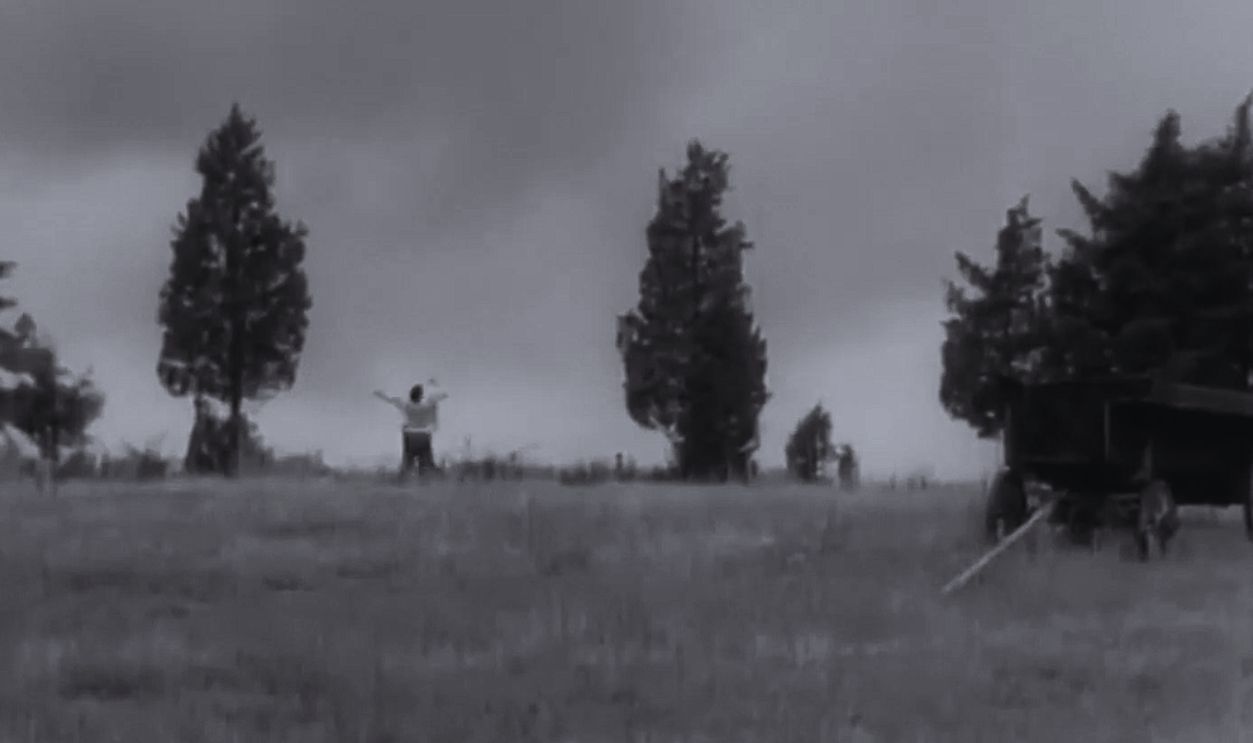 Screenshot from Pretty Boy Floyd, 20th Century Fox Television (1960)
Cornfield Controversy
Conflicting stories emerged and persisted for decades about the exact manner in which Floyd met his end. Some eyewitnesses claimed he was questioned before dying. Others insisted that he was dispatched at point blank range by angry lawmen while he lay wounded. The uncertainty fueled suspicion and only added to his mystique.
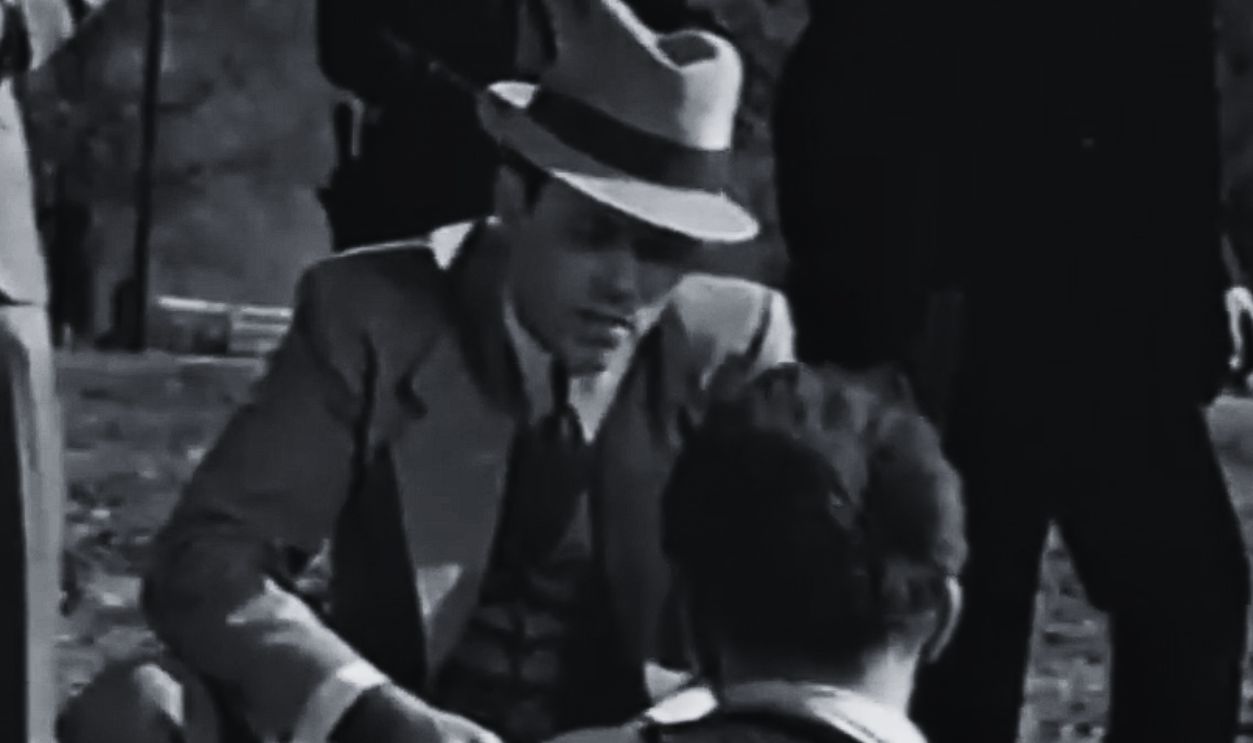 Screenshot from The Story of Pretty Boy Floyd, Columbia Pictures Television (1974)
Back To Oklahoma
Floyd’s body was returned to Oklahoma for burial. Despite his criminal record, preparations for the funeral drew enormous public attention. Already during his lifetime, he’d developed an enormous following, but the news of his demise at the hands of the law turned him into an American legend.
![Gettyimages - 50472566, Charles Floyd [Death] Gravestone adorned w. flowers which marks the spot where murderous bank robber, Charles Pretty Boy Floyd, is buried.](https://www.factinate.com/storage/app/media/factinate/2026/2/17/20.jpg)
The Largest Funeral In State History
Somewhere between 20–40,000 people attended Floyd’s funeral. It remains the largest funeral in Oklahoma history. The turnout left no doubt to anyone how powerfully his image resonated during a time of economic despair.
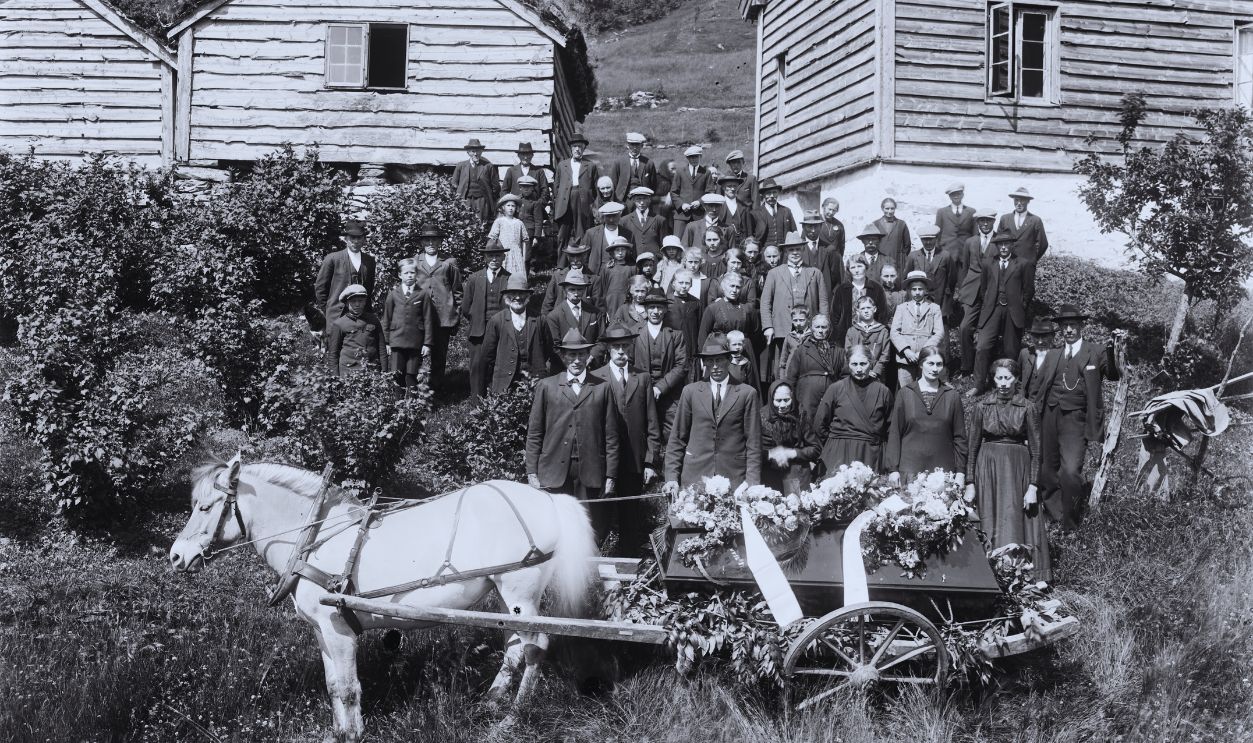 Fylkesarkivet i Sogn og Fjordane, Wikimedia Commons
Immediate Cultural Impact
It wasn’t long after his death that songs, poems, and stories all began to come out in celebration of Floyd’s life. Despite the undisputed facts of everything he’d done, he became embedded in folk culture, separate from the legal reality of his crimes.
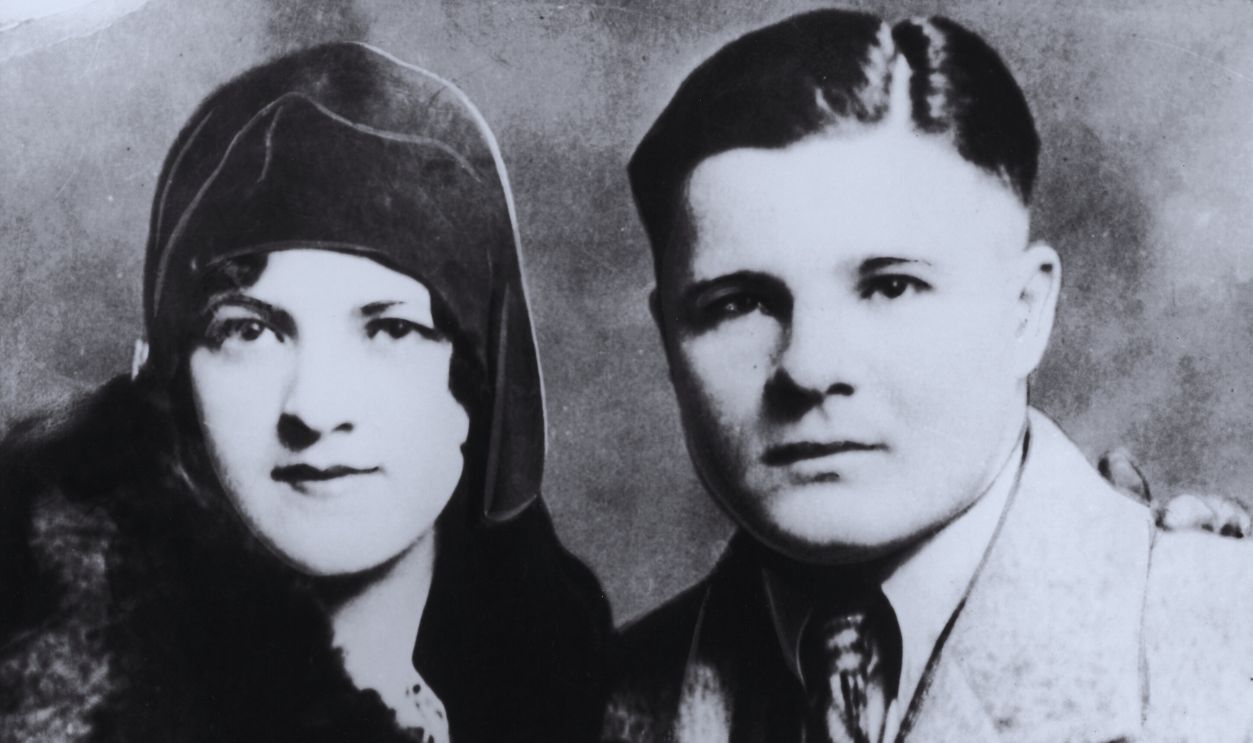 American Stock Archive, Getty Images
Robin Hood Reputation
Stories circulated that Floyd destroyed mortgage records during bank robberies, supposedly freeing farmers from debt. These accounts became central to his Robin Hood reputation. However, evidence supporting these claims remains thin and largely anecdotal.
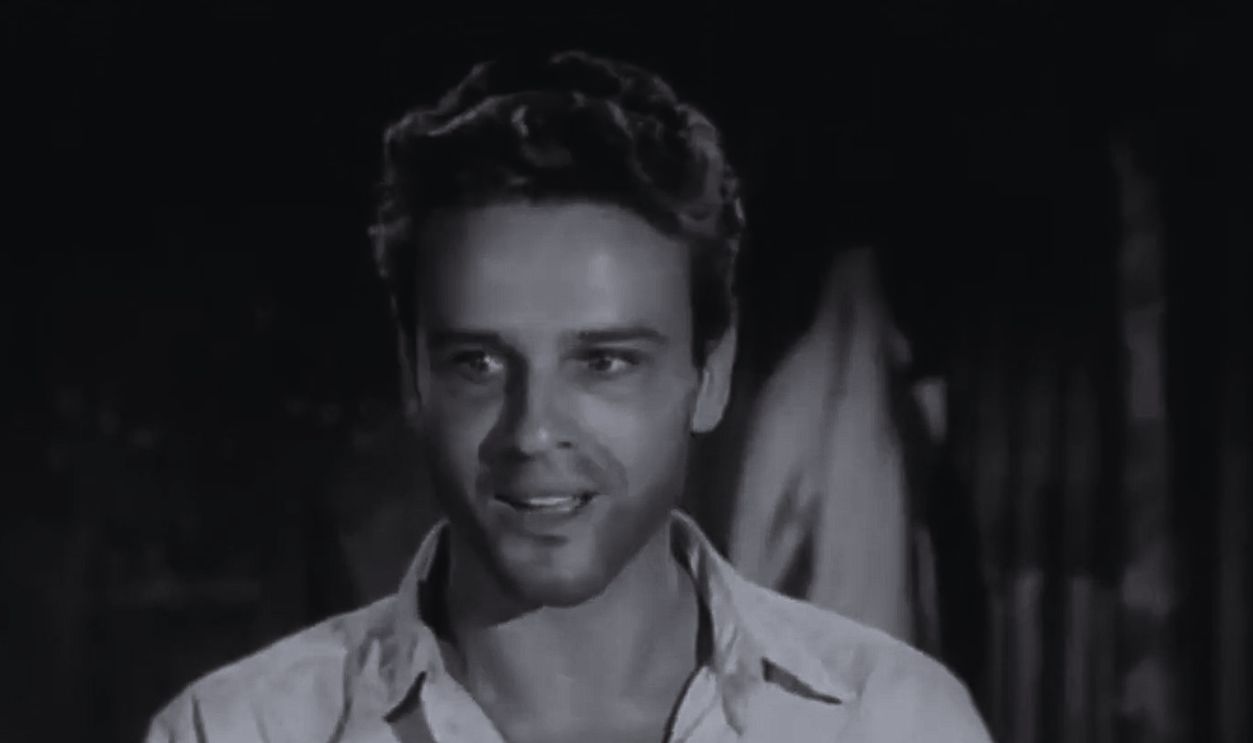 Screenshot from Pretty Boy Floyd, 20th Century Fox Television (1960)
Help From Local Communities
In parts of Oklahoma and Ohio, Floyd received shelter and assistance from sympathetic residents. Many locals viewed him as a victim of economic injustice. This support strengthened his folk hero image ad made him a lot harder to capture.
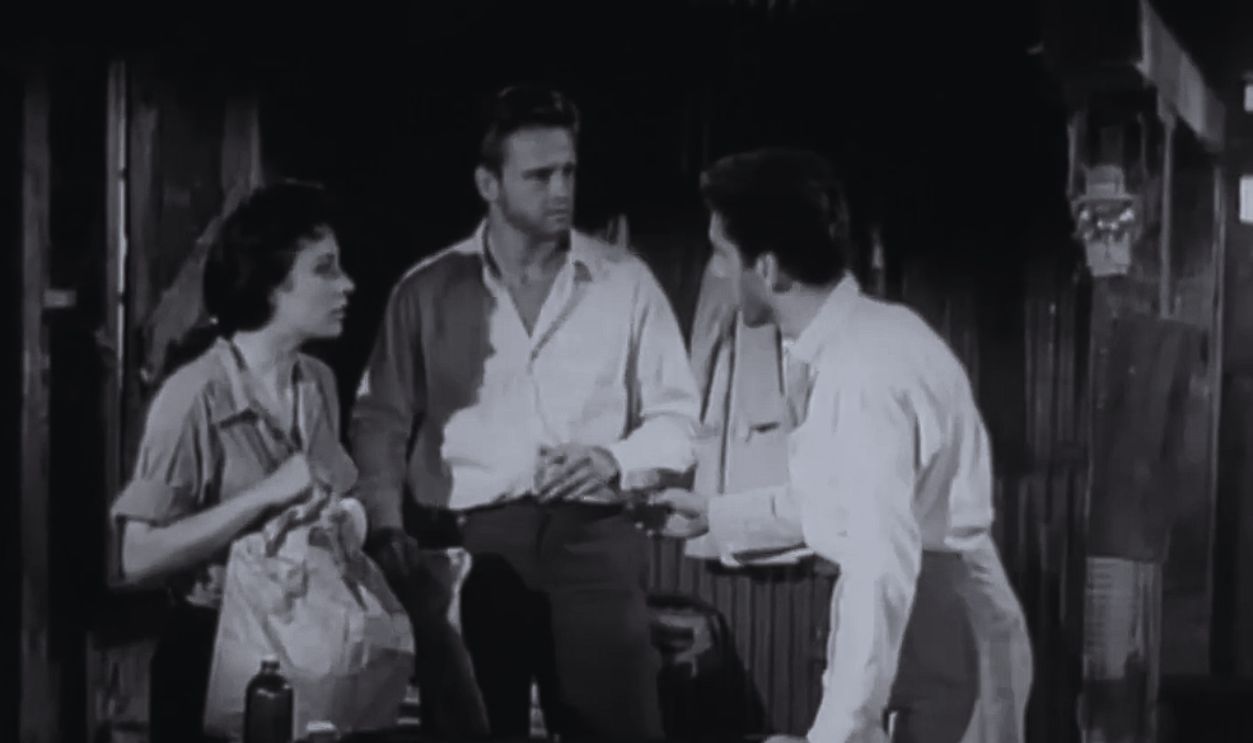 Screenshot from Pretty Boy Floyd, 20th Century Fox Television (1960)
Examining The Evidence
Historians have found little documentation proving Floyd deliberately burned mortgage records. While papers were sometimes destroyed during robberies, experts believe these acts were chaotic rather than intentional. The myth most likely persisted because it resonated with public frustration.
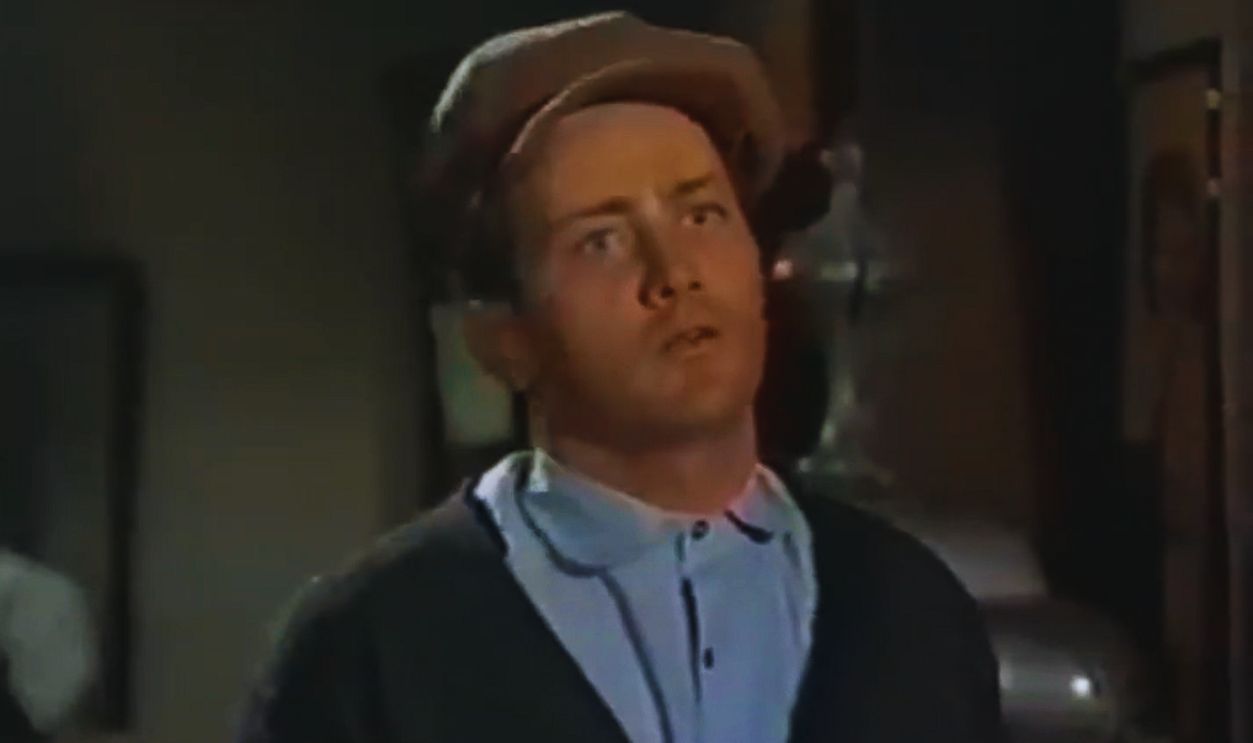 Screenshot from The Story of Pretty Boy Floyd, Columbia Pictures Television (1974)
Public Image Vs Reality
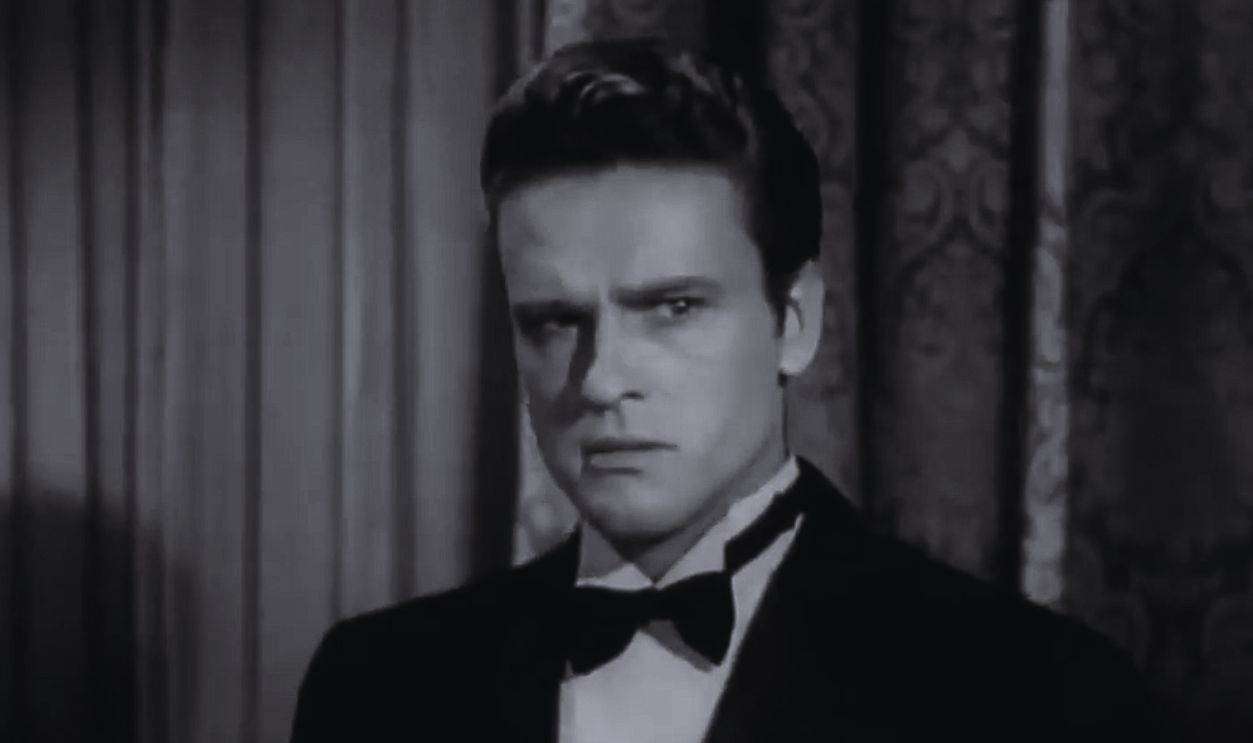
Floyd did indeed give money to friends, family, and occasionally to struggling locals. Still, there is no solid proof that he had any serious intention to start redistributing wealth on a large scale. He committed his crimes primarily to benefit himself and his accomplices. But those who lionized Floyd would hear nothing of it. They followed his every exploit in the papers with great interest.
 Screenshot from Pretty Boy Floyd, 20th Century Fox Television (1960)
Escapes And Close Calls
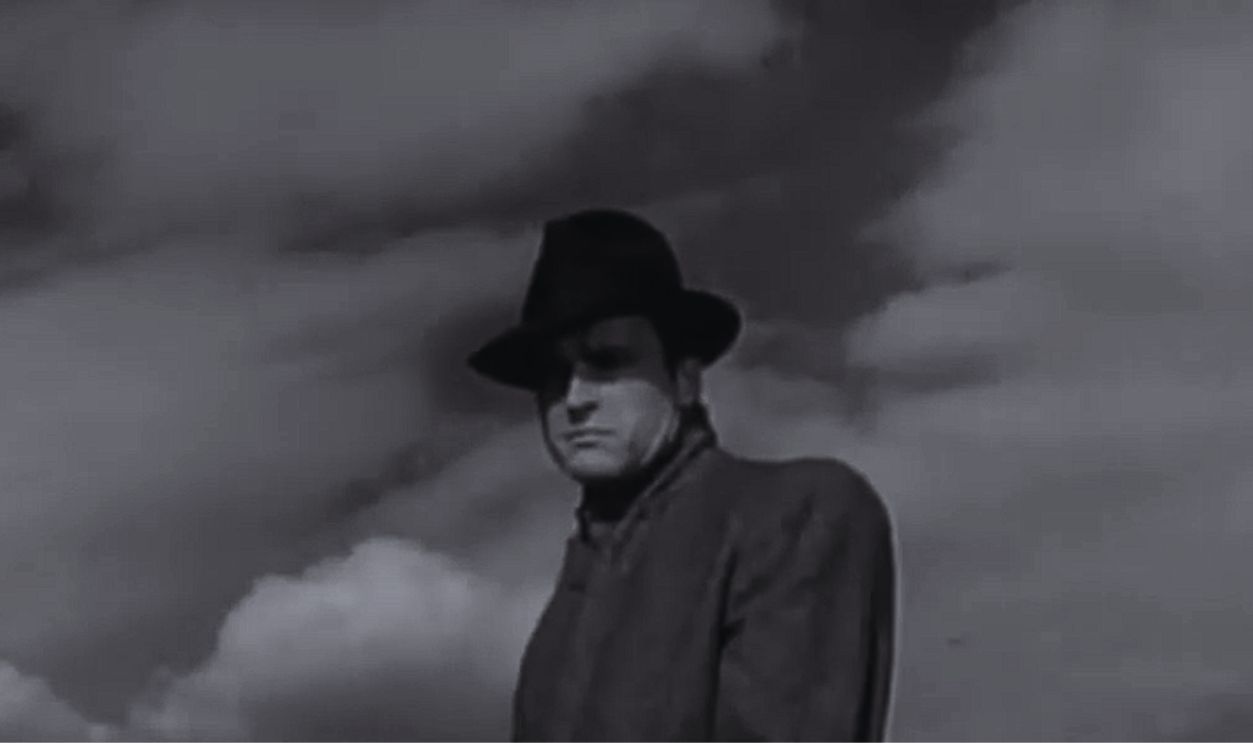
Throughout the early 1930s, Floyd narrowly escaped multiple arrests. He survived gunfights and evaded ambushes, reinforcing his reputation for luck and toughness. Each escape added to his legend and frustrated law enforcement.
 Screenshot from Pretty Boy Floyd, 20th Century Fox Television (1960)
Life On The Run
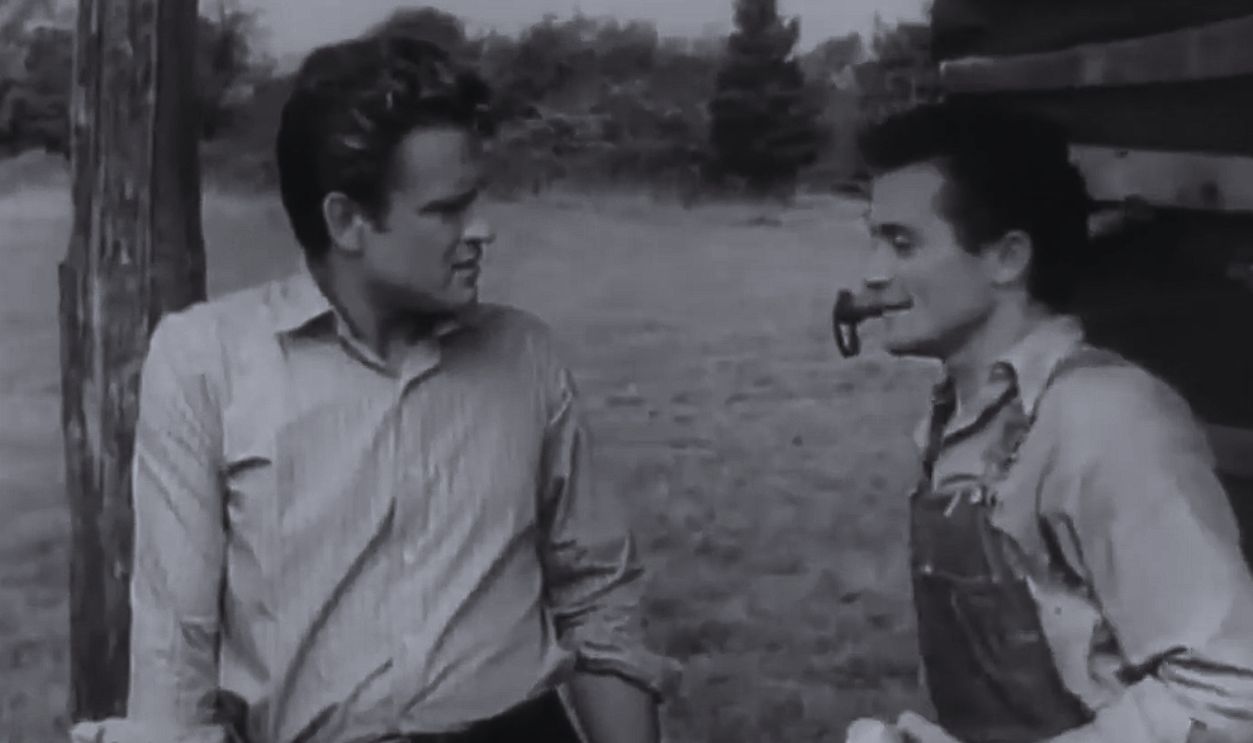
Floyd spent the later years of his life in constant motion. Forever on the run, he slept in barns, safe houses, and rural hideouts. The strain of life as a fugitive increased his paranoia and isolation, even as the public interest in his exploits grew to rabid proportions.
 Screenshot from Pretty Boy Floyd, 20th Century Fox Television (1960)
They Retraced His Steps
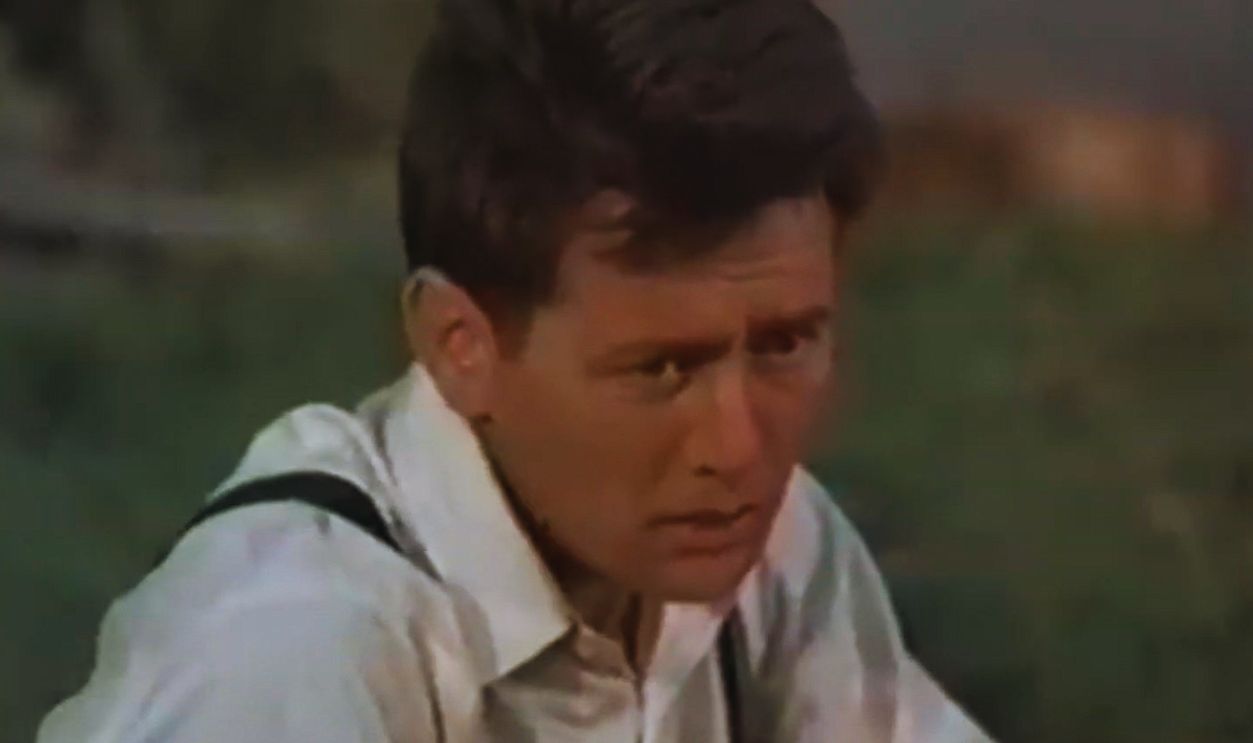
A lot has been written about Pretty Boy Floyd, as authors and historians retrace his cross-country ramblings while attempting to separate fact from myth in Floyd’s story. Biographers continue to debate his motivations, actions, and the controversial circumstances of his downfall, keeping public interest alive even today.
 Screenshot from The Story of Pretty Boy Floyd, Columbia Pictures Television (1974)
Film And Television Portrayals
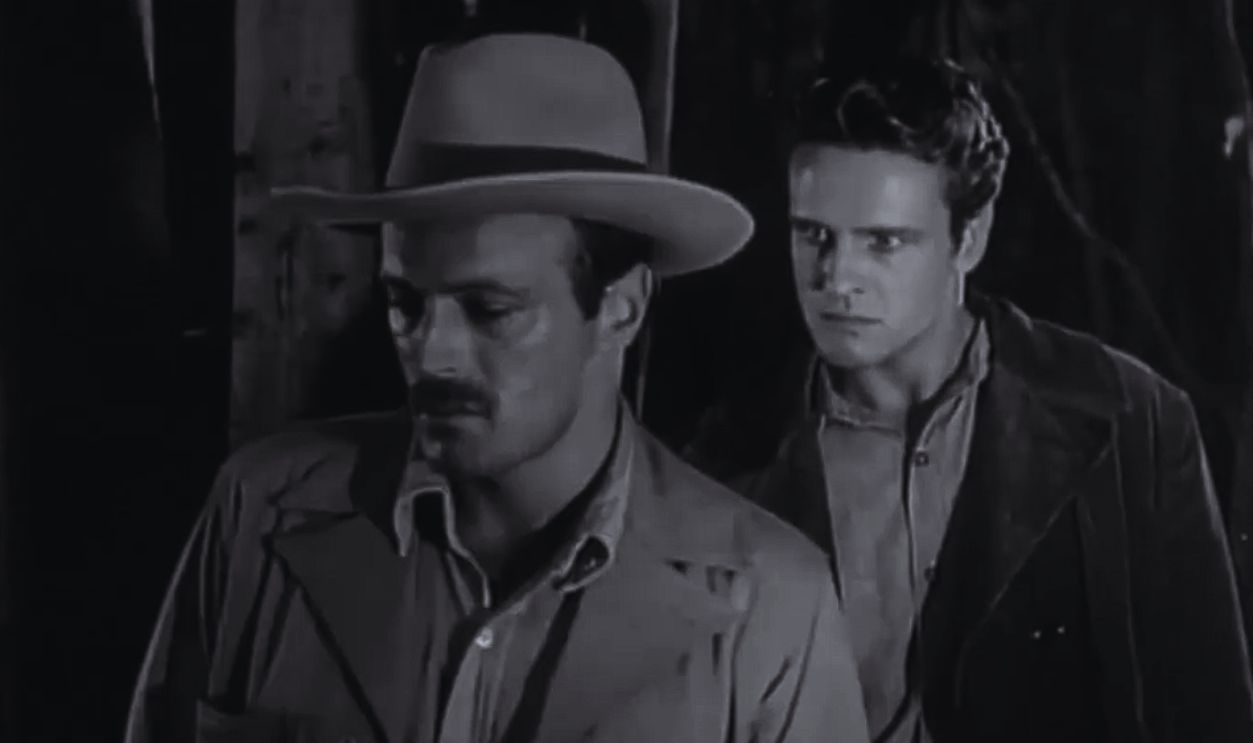
The character of Pretty Boy Floyd popped up in multiple films and TV shows, more often than not portrayed as a defiant antihero. Those kinds of depictions fed into the Robin Hood image, sometimes at the expense of historical accuracy.
 Screenshot from Pretty Boy Floyd, 20th Century Fox Television (1960)
Music And Folk Memory
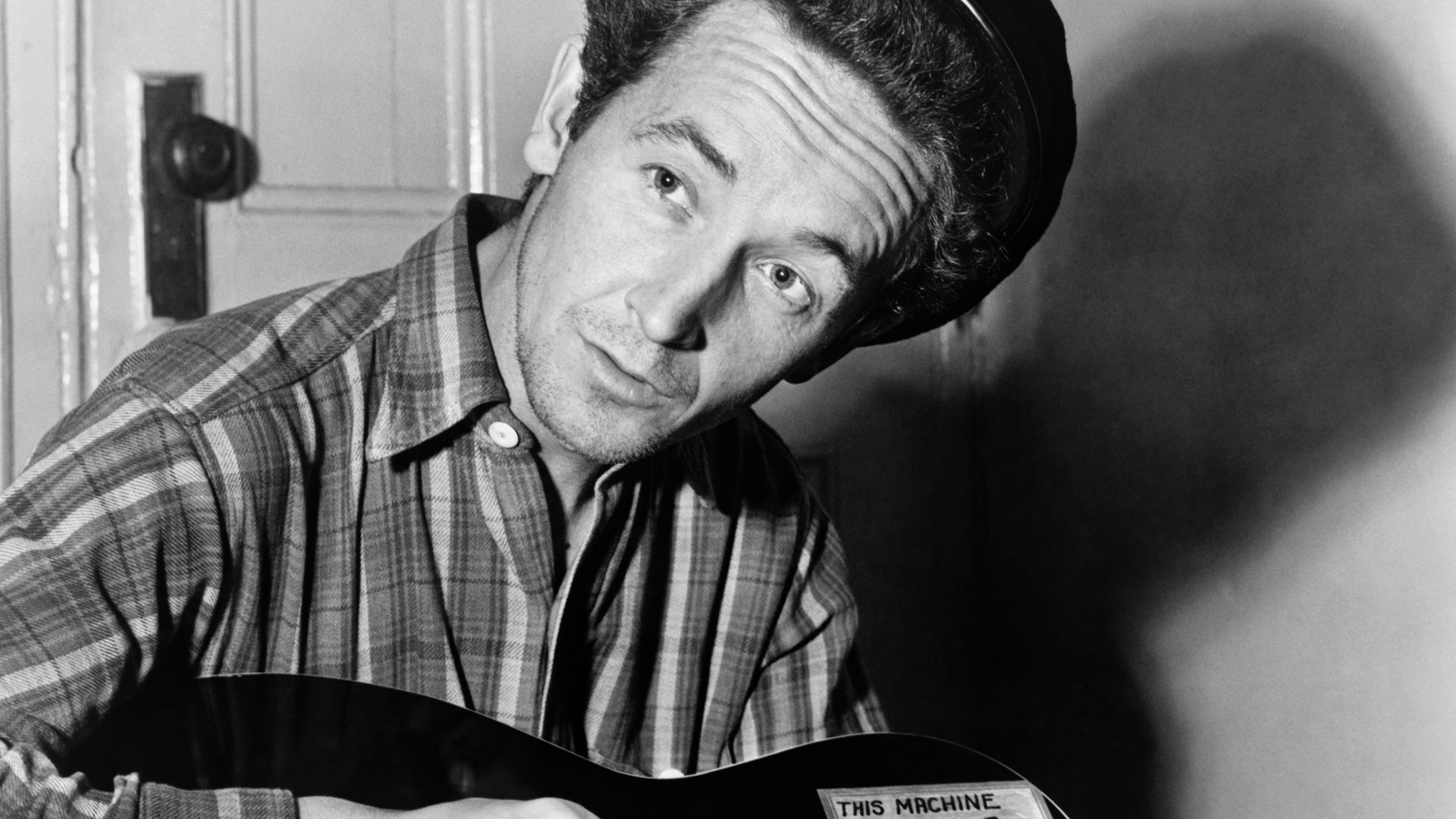
Woody Guthrie and other folk artists immortalized Floyd in songs that were part of a rising tide of discontent with the economy across the country. Music helped preserve his legend and ensured his story reached audiences decades removed from the actual events.
 Al Aumuller/New York World-Telegram and the Sun (uploaded by User:Urban), Wikimedia Commons
A Symbol Of His Era
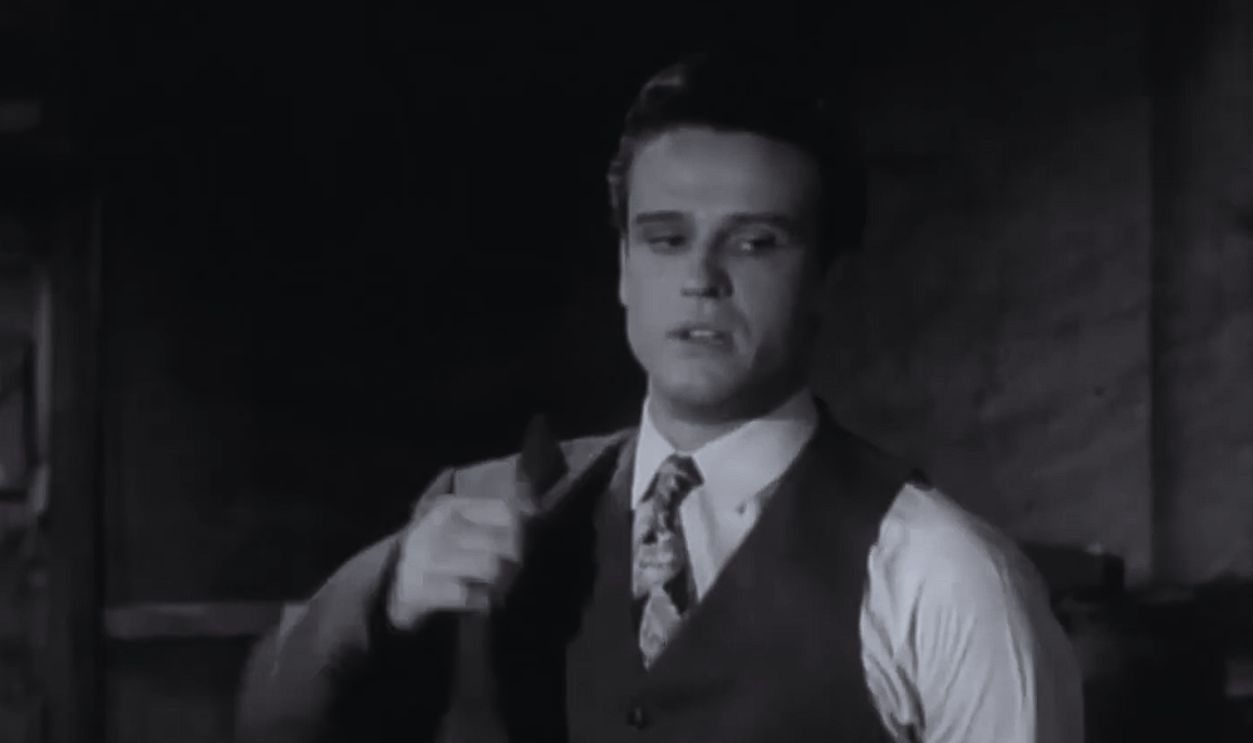
Floyd’s legacy reflects the tension between law and survival during the Great Depression. He had turned into a symbol of resistance to a phalanx of national institutions whose indifference to the people’s hardship sowed the seeds of anger, whether deserved or not.
 Screenshot from Pretty Boy Floyd, 20th Century Fox Television (1960)
Crime, Myth, And Memory
Pretty Boy Floyd went from being a criminal to a cultural symbol. His story is still fascinating for its blend of violence, rebellion, myth, and retribution. If nothing else, the Pretty Boy Floyd saga proves that if the social and economic conditions are in place, the people will start to look on an outlaw as a folk hero.
![Gettyimages - 50611644, George Birdwell [Misc.];Charles Floyd [Misc.] Closeup of wanted poster w. small mug shot photo of murderous bank robber Charles Pretty Boy Floyd, next to info about Floyd & his accomplice, George Birdwell, as well as instructions on whom to contact if you know the whereabouts of the men](https://www.factinate.com/storage/app/media/factinate/2026/2/17/32.jpg)
You May Also Like:
27 Criminal Facts About Al Capone
Thrilling Facts About John Dillinger, Public Enemy Number One