More People Need To Know About Poppaea Sabina's Twisted Story
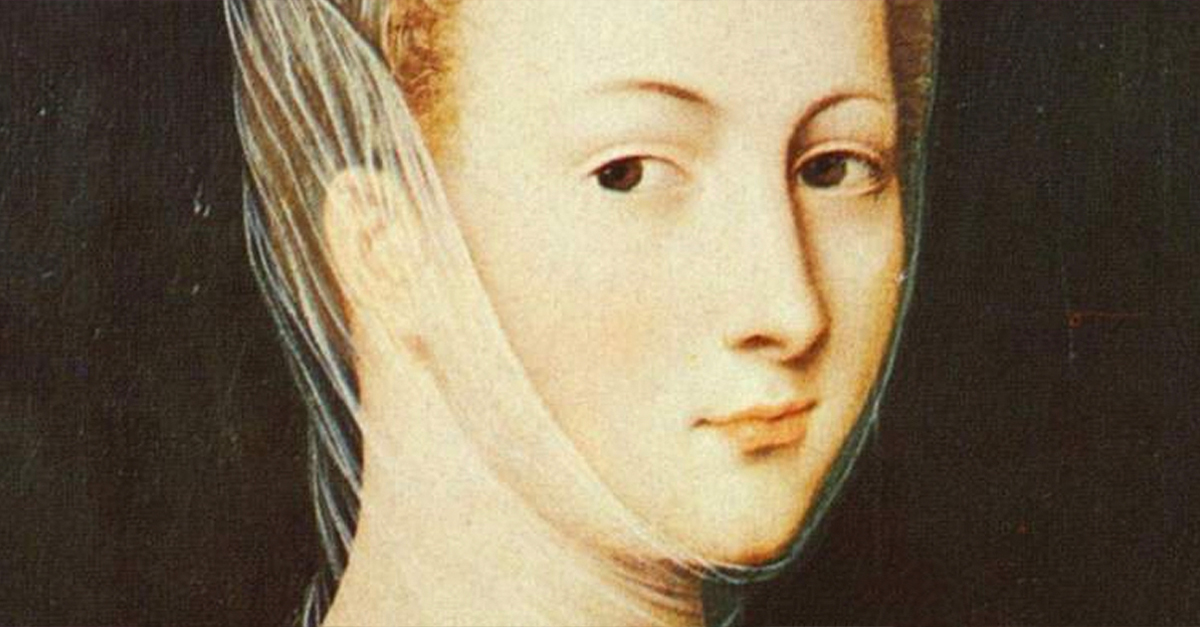
Poppaea Sabina was adept at manipulating some of the Roman Empire’s most powerful men, and she did so to her great advantage. Employing intrigue, political scheming, and good old-fashioned seduction, she worked her way up to the position of Empress. But the consequences were chilling.
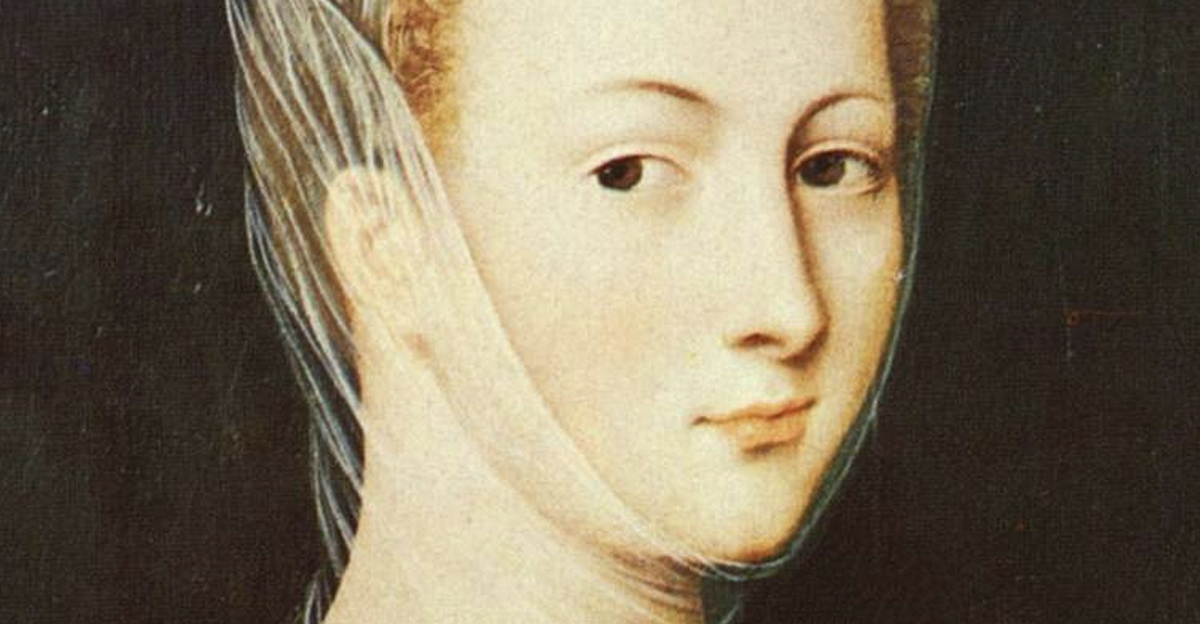 Unknown author (School of Fontainebleau), Wikimedia Commons
1. She Was Pompeian
Poppaea Sabina the Younger was born around 30 AD, in the infamous Roman city of Pompeii in modern-day Italy. Her parents were prominent citizens: her father was Titus Ollius, and her mother was the aristocrat Poppaea Sabina the Elder. As with all members of the Roman upper class, the young Poppaea grew up in luxurious comfort.
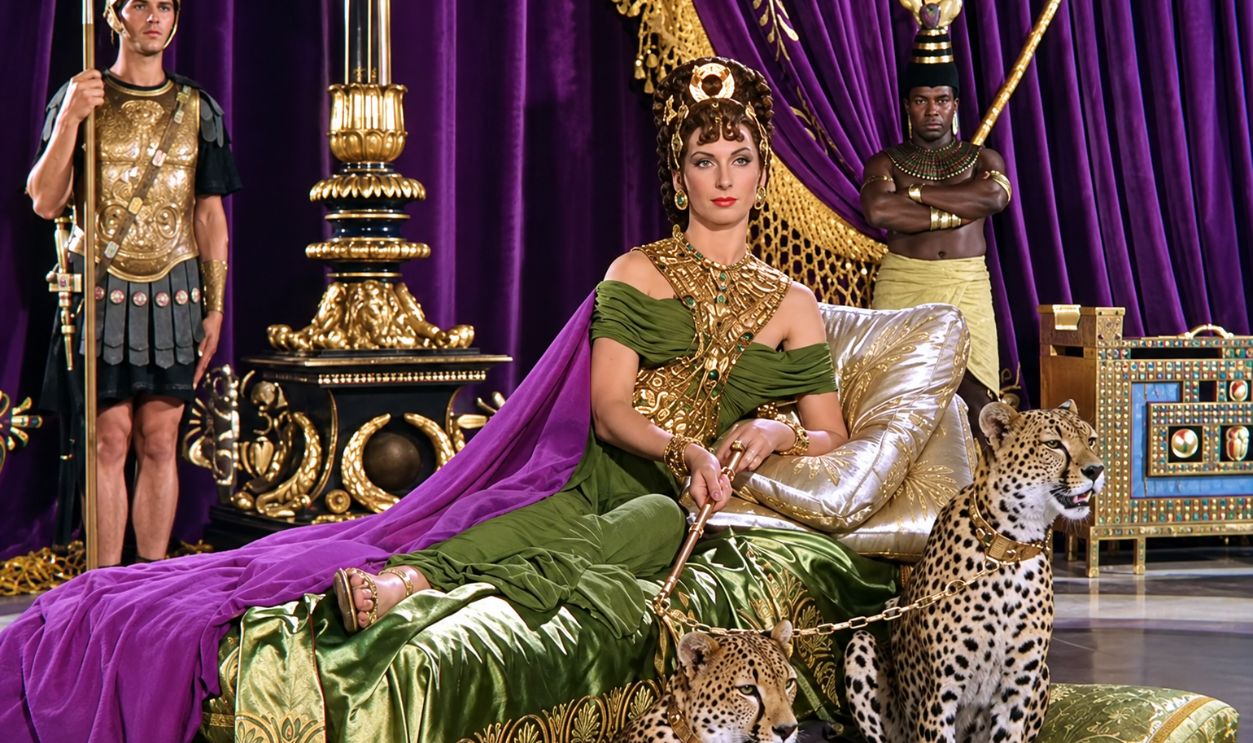 Screenshot from Quo Vadis, Metro-Goldwyn-Mayer (1951)
2. She Grew Up In A Mansion
Historians believe it is very likely that Poppaea’s family owned the famous Casa del Menandro, a magnificent house in ancient Pompeii, rich in architecture, decoration, contents, and sheer size of the grounds. If this is true, then Poppaea grew up at this extravagant residence, rubbing elbows with aristocrats and surrounded by some of the finest art of the day.
Those who knew her as a child knew her by a different name, however—and the reason why is chilling.
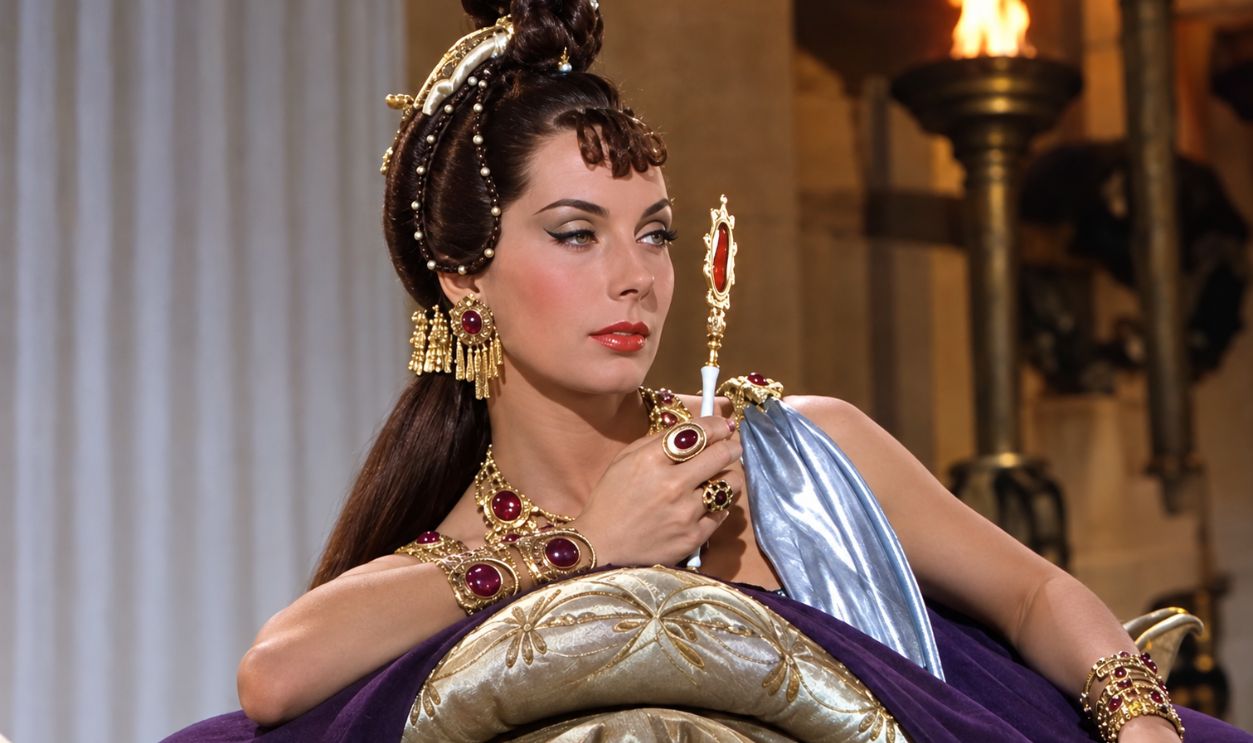 Screenshot from Quo Vadis, Metro-Goldwyn-Mayer (1951)
3. She Had A Different Name
Poppaea Sabina the Younger would not have received her mother’s name at birth. In fact, it was a Roman tradition for children to go by their patronymic nomen. Her father’s gens being the Ollii, it is therefore likely that Poppaea went by Ollia for most of her childhood, that is, until her father did something to throw a shadow over that name.
 Screenshot from Quo Vadis, Metro-Goldwyn-Mayer (1951)

History's most fascinating stories and darkest secrets, delivered to your inbox daily.
4. Her Father Made Dangerous Friends
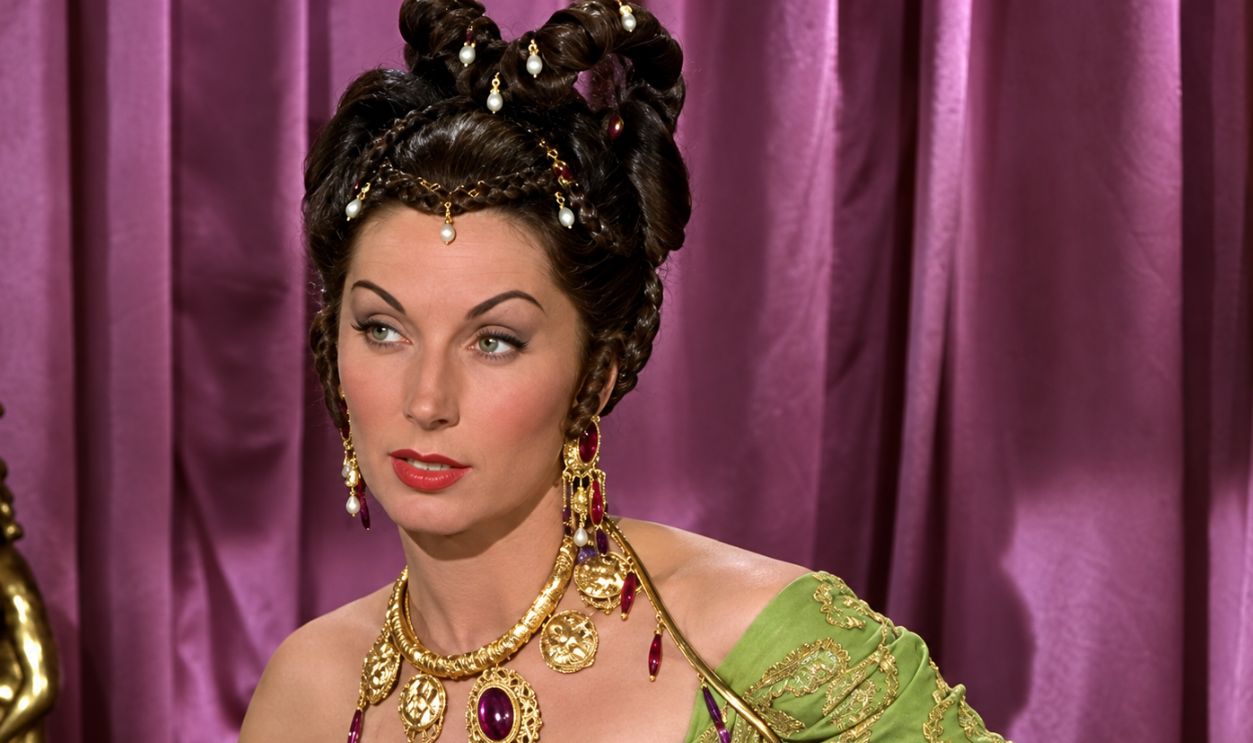
While Poppaea was still an infant, her father attained the rank of quaestor in his career in public service. He also cultivated a friendship with Lucius Aelius Sejanus, a praetorian prefect who became something of an infamous historical figure. Hitching his wagon to Sejanus would be his downfall.
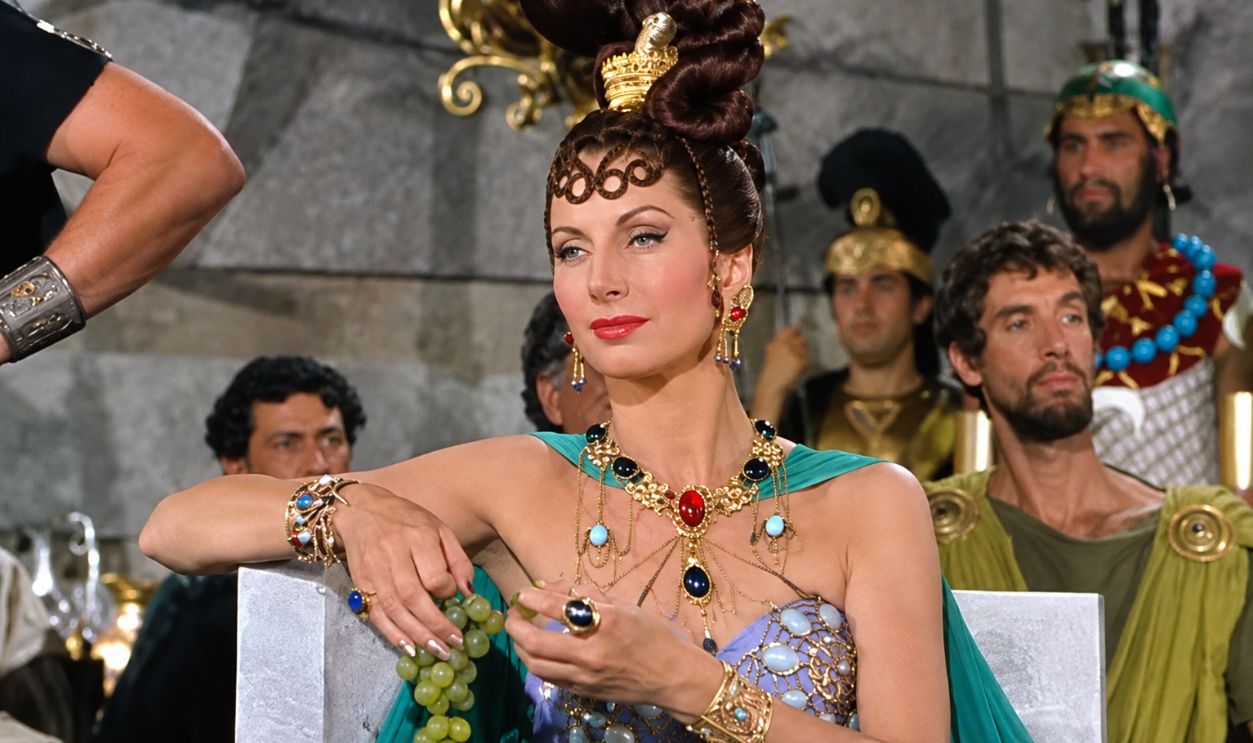 Screenshot from Quo Vadis, Metro-Goldwyn-Mayer (1951)
5. She Suffered A Terrible Loss
Poppaea’s father’s new friend, Sejanus, was an ambitious man, and became a close confidant of Emperor Tiberius. One day, however, he suddenly fell from grace; historians believe he made a grab for power, plotting against the emperor and failing miserably. The consequences for Poppaea's father were devastating.
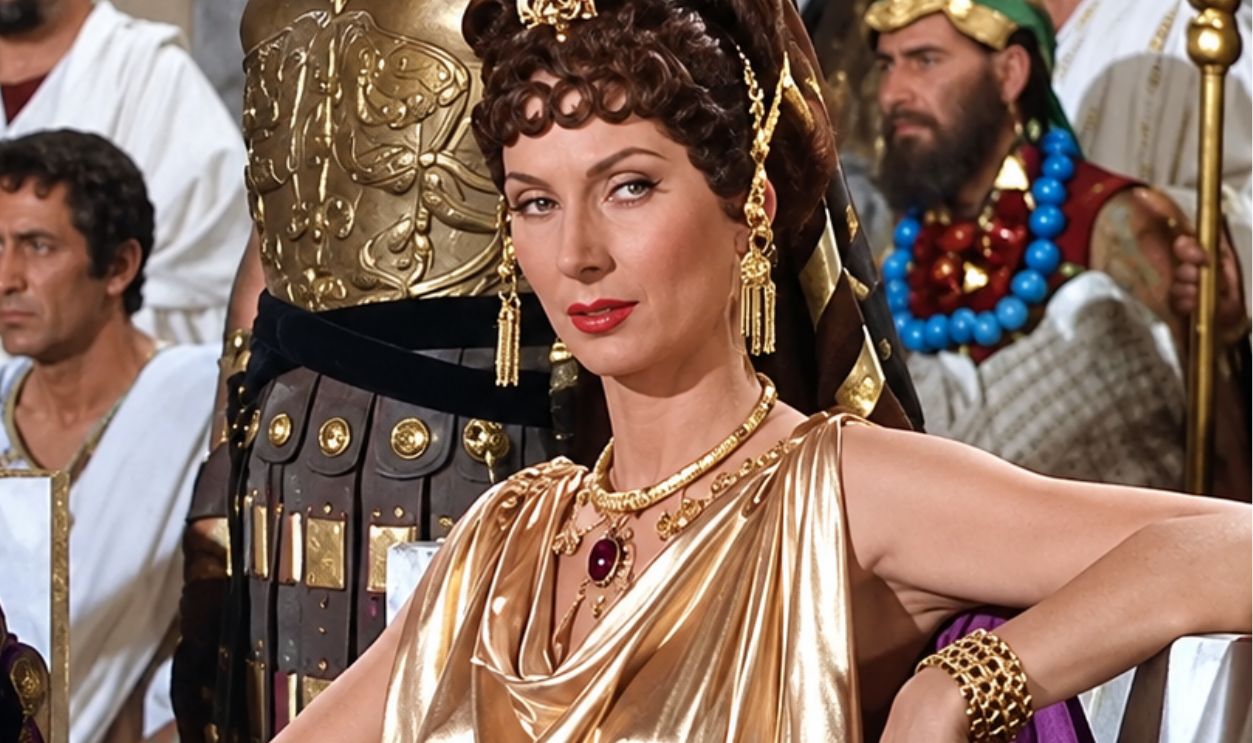 Screenshot from Quo Vadis, Metro-Goldwyn-Mayer (1951)
6. Her Name Was Now Shameful
Titus Ollius’s close association with Sejanus threw him into disgrace among the political class, and when Poppaea Sabina was just a year old, her father took his own life. Sources cite his fall from grace as the likely reason for Poppaea's name change. But despite the tragedy that had befallen Poppaea's family, the worst was yet to come.
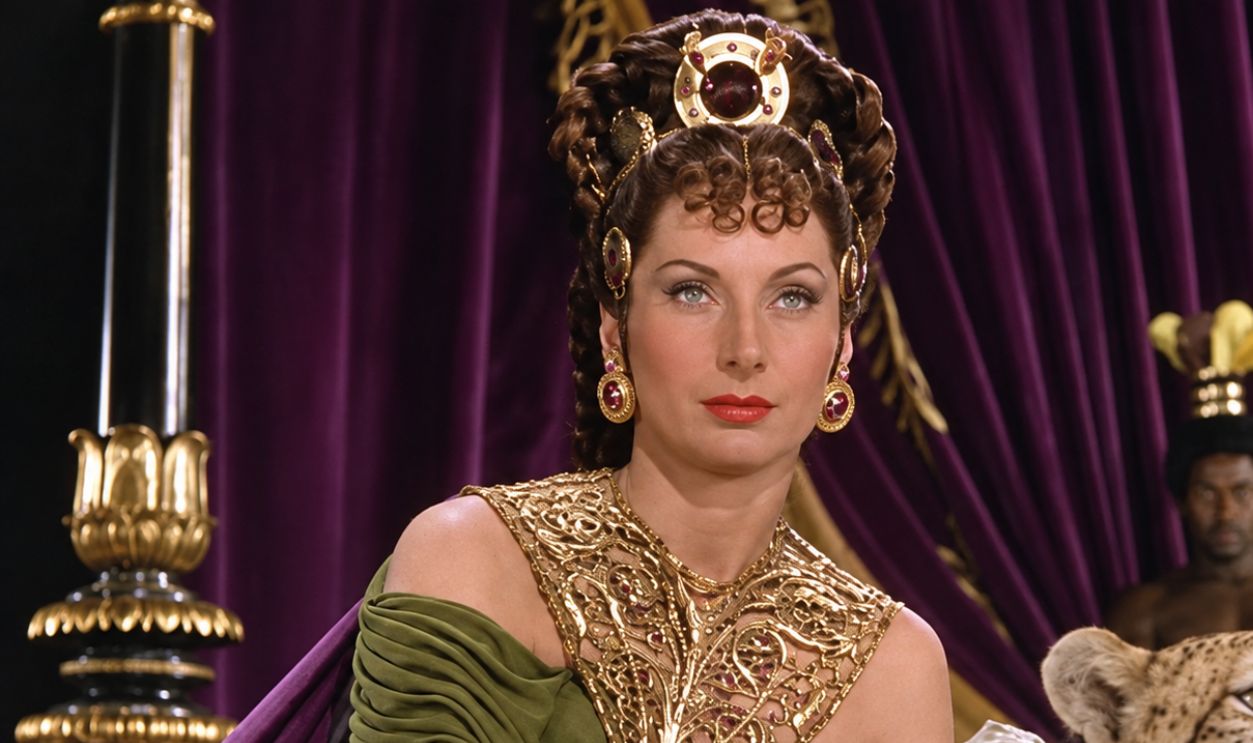 Screenshot from Quo Vadis, Metro-Goldwyn-Mayer (1951)
7. Her Family Was Cursed
Poppaea Sabina had a lot to live up to. After all, her mother had been described as "the loveliest woman of her day". But no amount of elegance or beauty could save the family's matriarch from what the future held. At first, it looked like the family had turned a page on a new chapter. Poppaea's mother remarried, and she gained a stepfather, step-brother, and eventually, a half-brother.
Little did anyone know, there was trouble on the horizon.
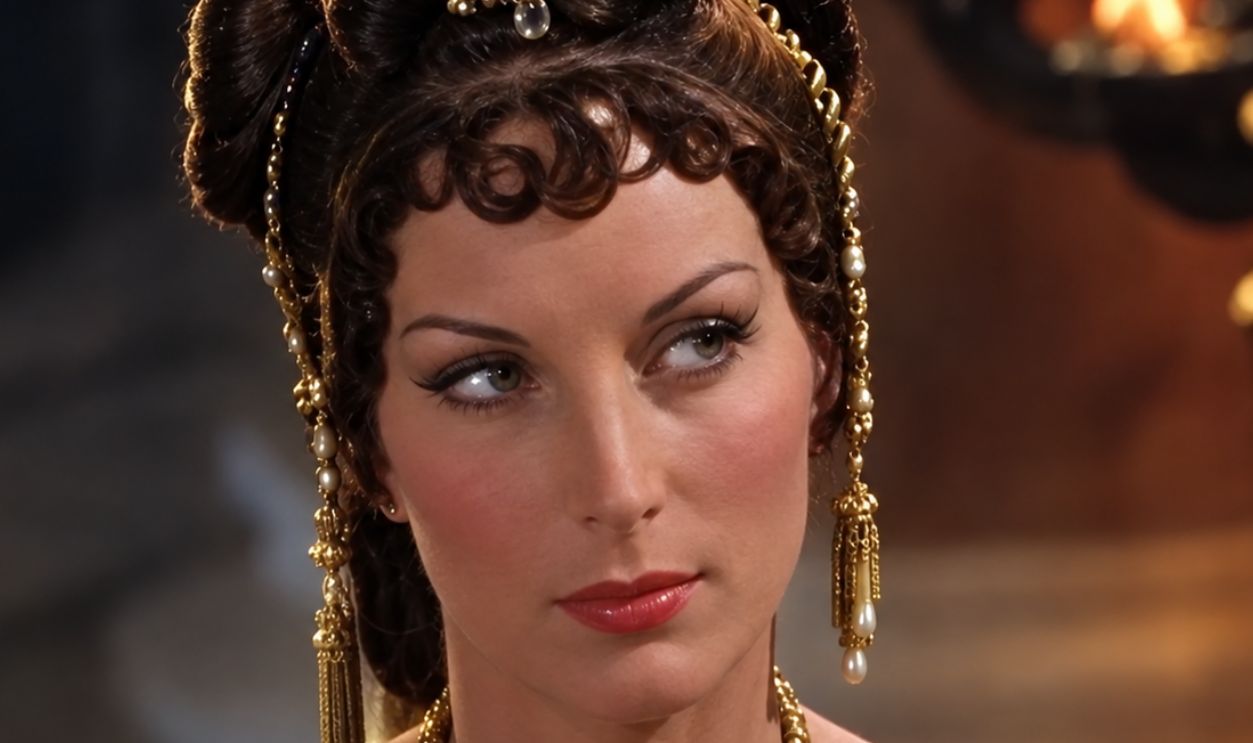 Screenshot from Quo Vadis, Metro-Goldwyn-Mayer (1951)
8. Her Life Became Messier And Messier
Poppaea's young life imploded once again in 47 AD. Her mother became twisted up in the dangerous politics of the time, specifically Valeria Messalina's political campaign, which targeted Roman senator Decimus Valerius Asiaticus. That's when a bone-chilling accusation destroyed everything.
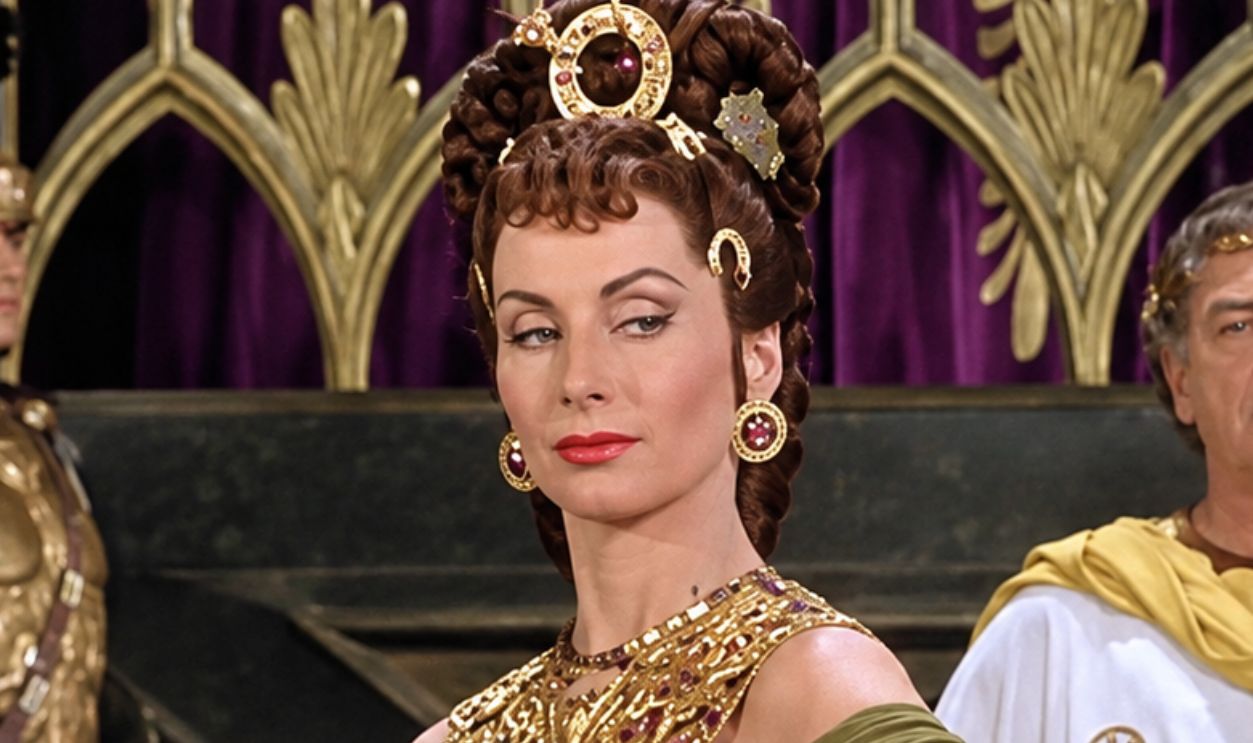 Screenshot from Quo Vadis, Metro-Goldwyn-Mayer (1951)
9. Her Mother Met A Horrifying Fate
When Poppaea's mother faced false accusations of adultery with the Roman senator Asiaticus, she took a page out of her late husband's book—and tragically took her own life. Poppaea was now officially orphaned. But like her parents before her, her own tragic timeline was about to unfold.
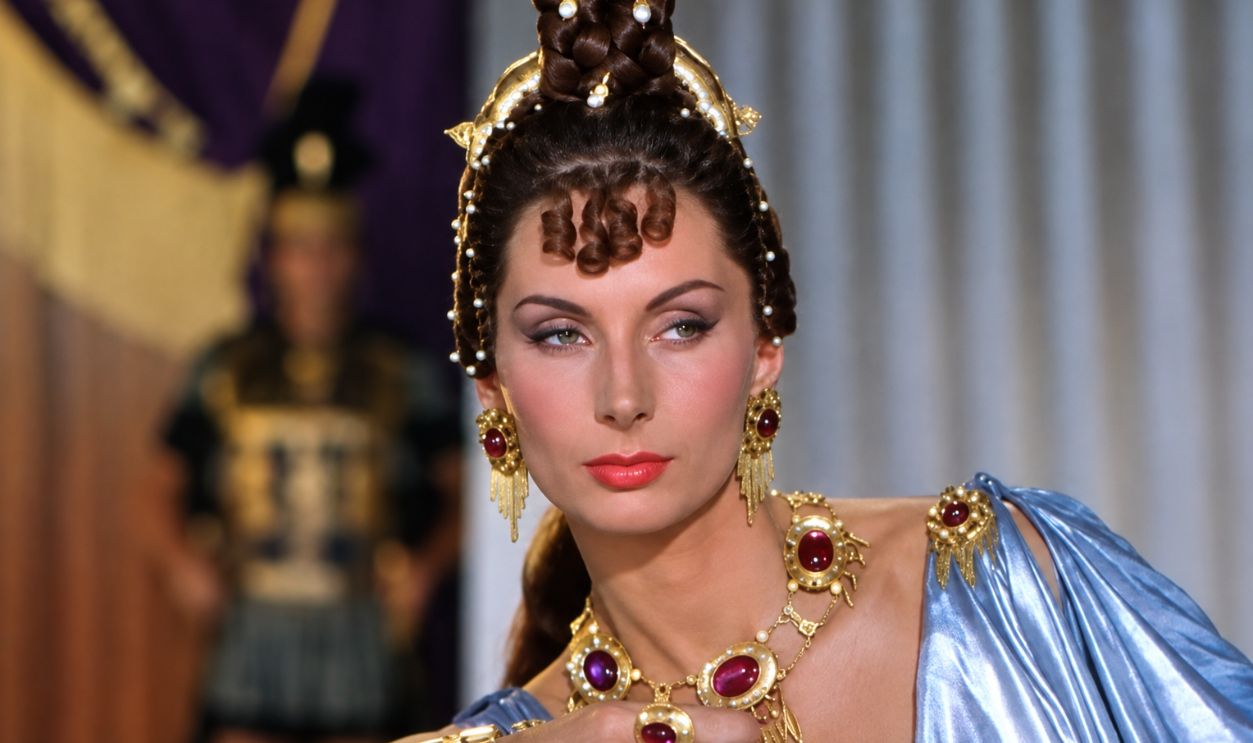 Screenshot from Quo Vadis, Metro-Goldwyn-Mayer (1951)
History's most fascinating stories and darkest secrets, delivered to your inbox daily.
10. Her First Marriage Turned Sour
Three years before her mother's death, 14-year-old Poppaea Sabina married Rufrius Crispinus—but this was no happily ever after. Though she bore Rufrius a son of the same name, the marriage was not made to last. For reasons unknown, the couple ultimately divorced. This did mean, however, that Poppaea was free to marry again.
Her choice of husband number two shed light on her lofty ambitions—and her penchant for social climbing.
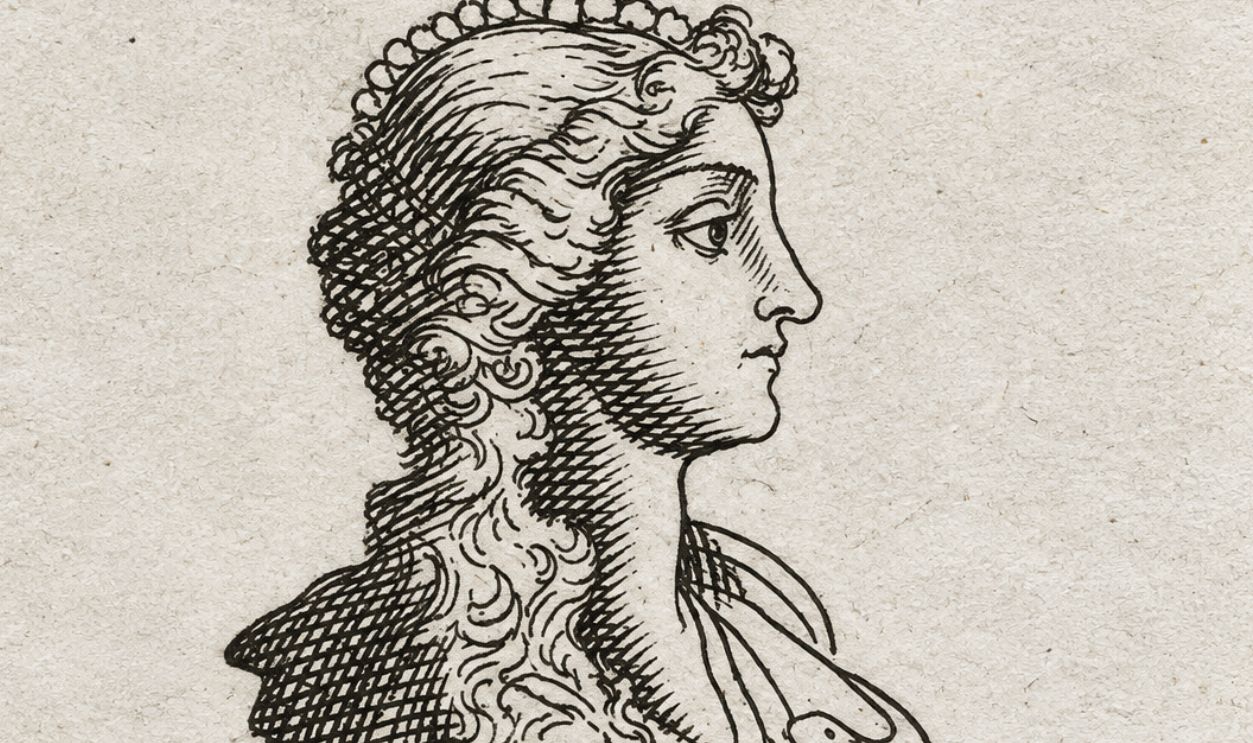 Marcello Clodio, Wikimedia Commons, Enhanced
11. She Set Her Sights On The Emperor
The new emperor at the time was none other than Nero—and Poppaea's marital scheming had everything to do with getting as close to Nero as possible. To do this, she set her sights on a very attractive target: the emperor's close friend, Otho. However, before she could even think of wooing the emperor, she had to work her way up.
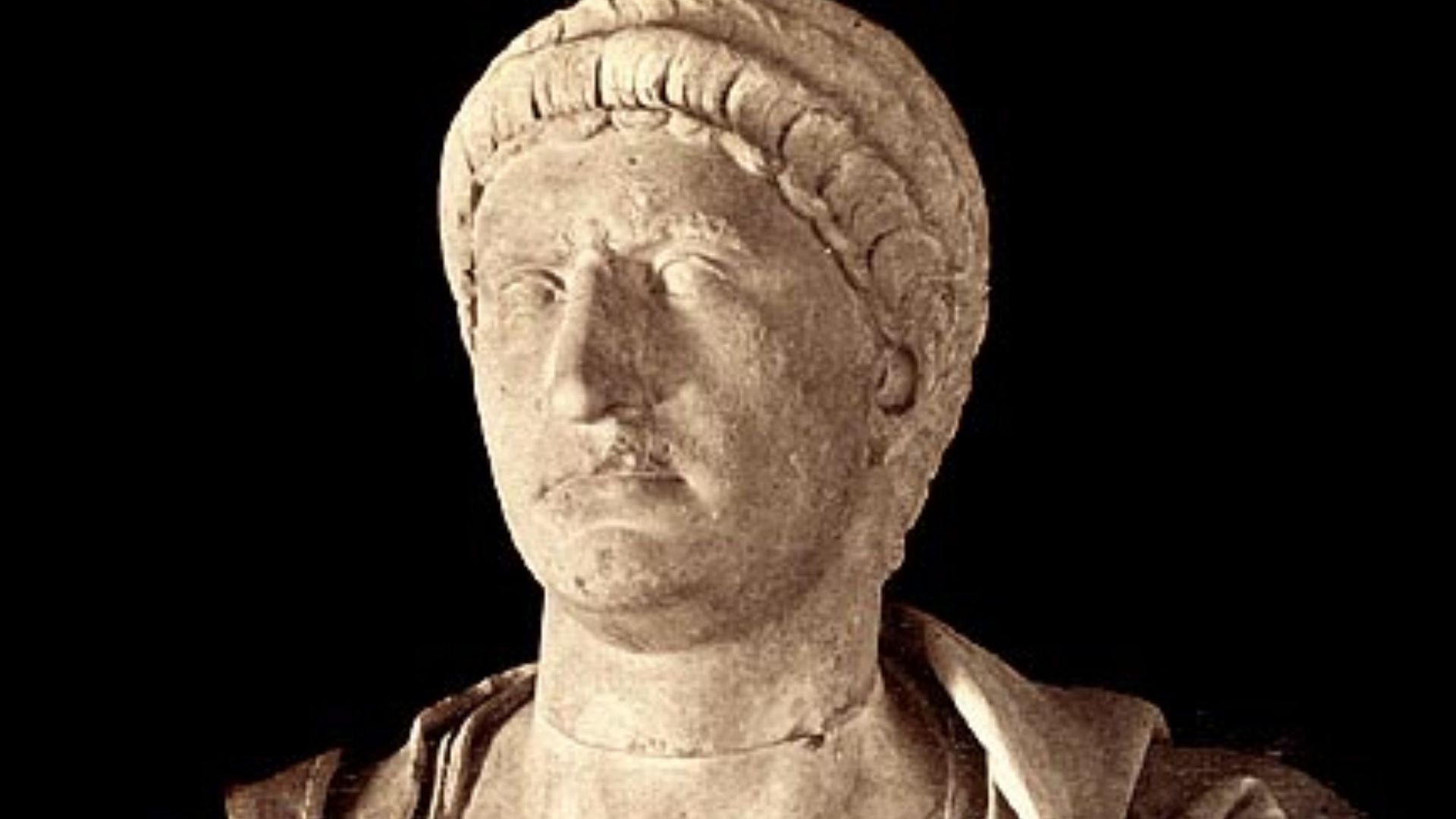
12. She Had A Scheming Streak
Although Poppaea Sabina was seven years older than Otho, she knew he was her golden ticket. When Poppaea wed Otho, she got exactly what she wanted: proximity to Nero. And once she was in his orbit, he never stood a chance. Nero fell head over heels for his friend's beautiful wife.
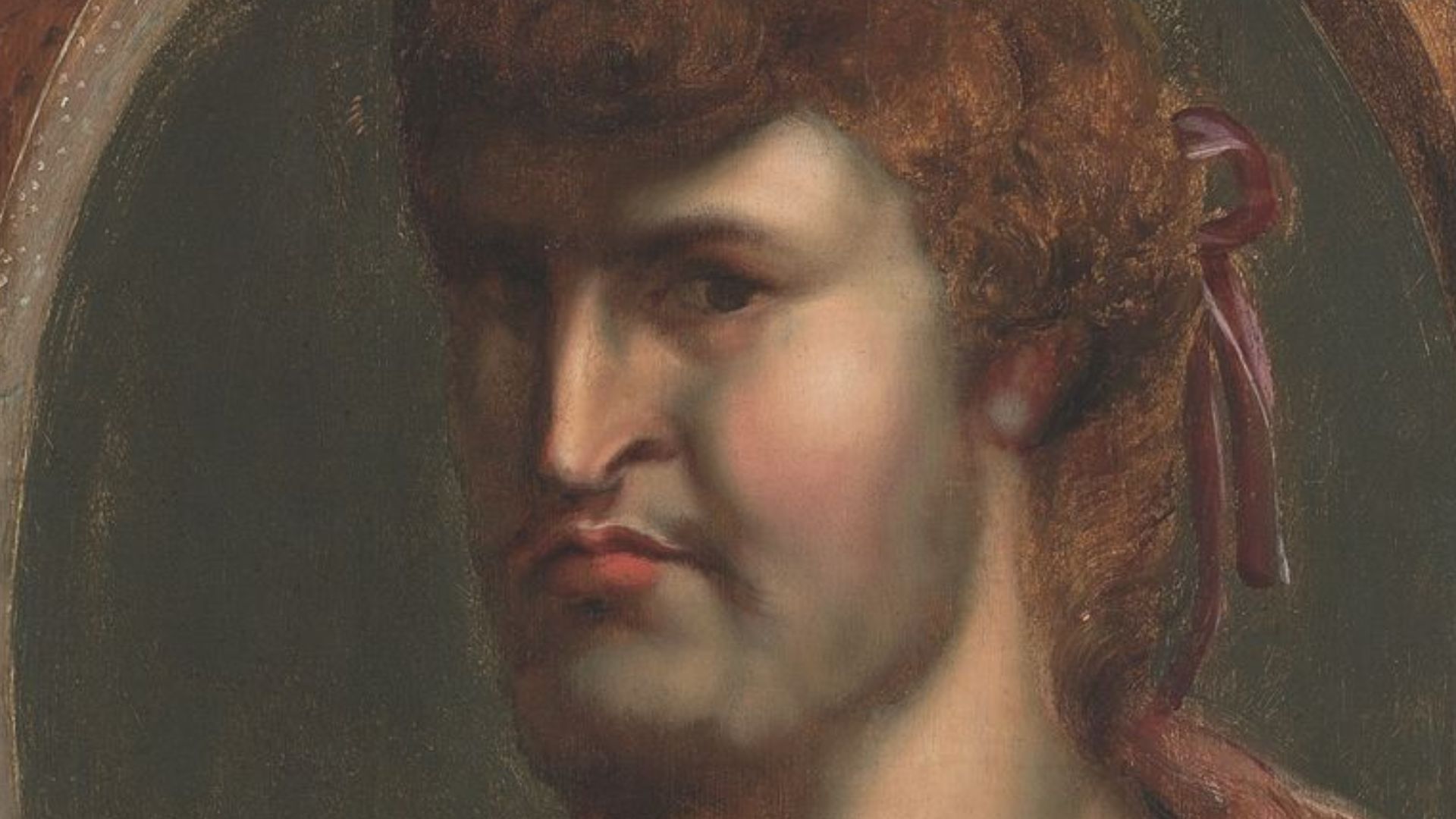 Peter Paul Rubens, Wikimedia Commons
13. She Became His Mistress
With Nero wrapped around her little finger, Poppaea was closer to the top than ever before. Once she captured the emperor's heart, he made her his mistress. Everything Poppaea wanted was suddenly within reach—but she had so much more to do. She was only getting started.
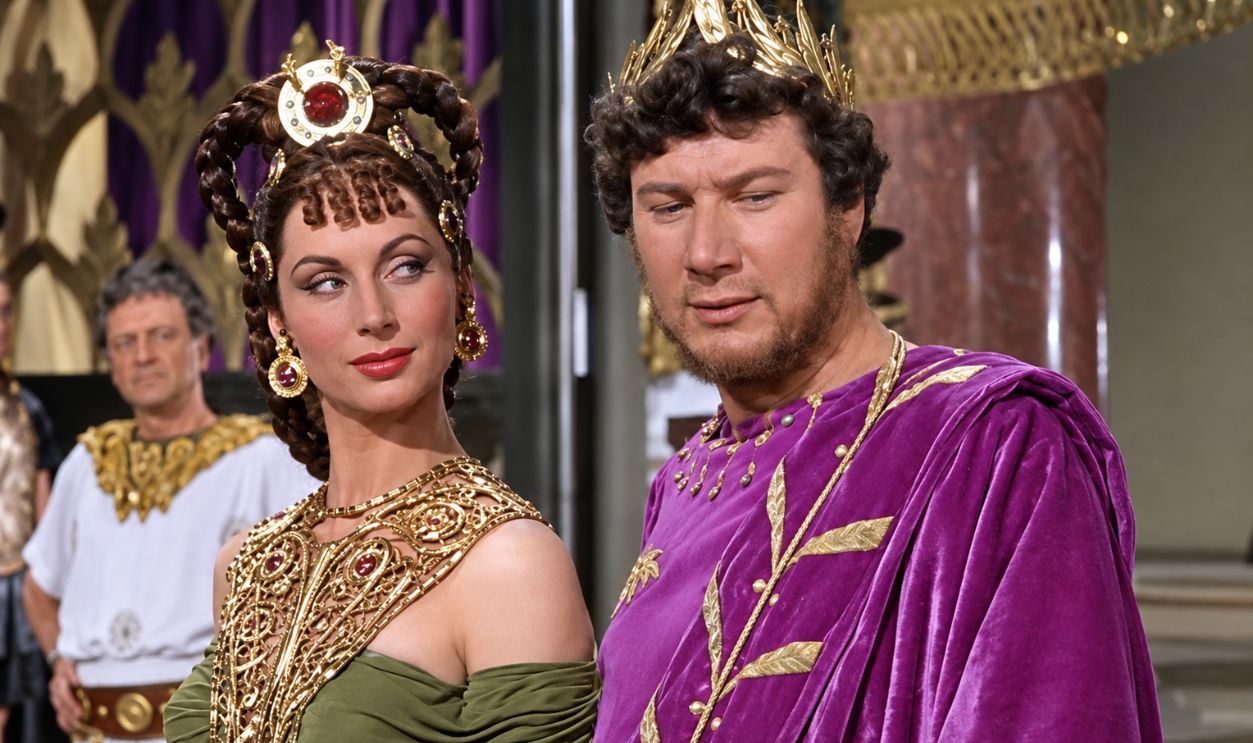 Screenshot from Quo Vadis, Metro-Goldwyn-Mayer (1951)
14. She Wanted More And More
With Nero cradled in her clutches, Poppaea Sabina no longer had any use for Otho, her second husband—and divorced him around 58 or 59 AD. He was promptly sent away to Lusitania to take up the position of governor. But being a mistress was not enough for Poppaea. She wanted to be Nero's wife.
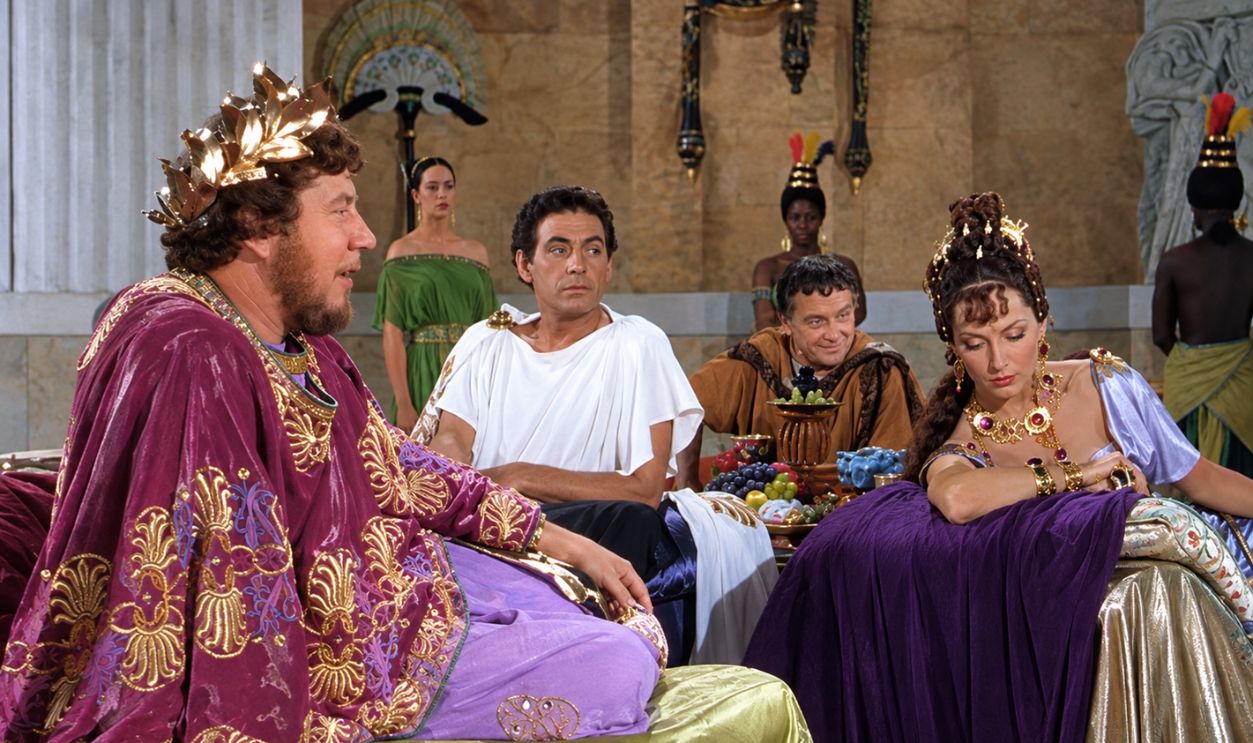 Screenshot from Quo Vadis, Metro-Goldwyn-Mayer (1951)
15. She Wanted His Mother Out Of The Picture
Now, this is where historical facts get a bit murky. According to the Roman historian Tacitus, Poppaea persuaded Nero to kill his own mother, Agrippina—who stood as an obstacle between Poppaea and the throne. This version of events paints Poppaea in a power-hungry and murderous light.
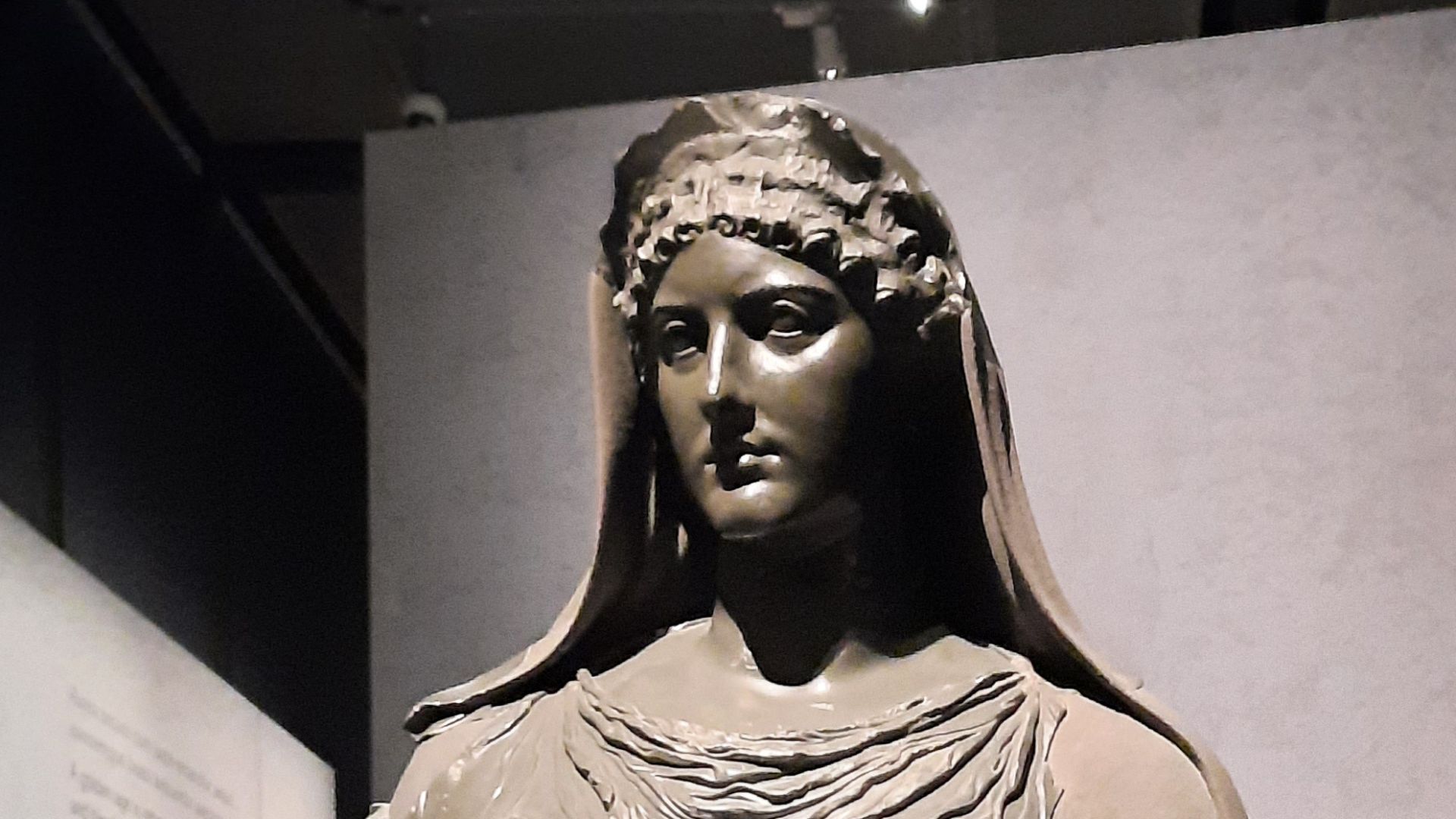 Jamie Heath, Wikimedia Commons
History's most fascinating stories and darkest secrets, delivered to your inbox daily.
16. She Pushed Him Into Darkness
For those who do believe that Poppaea Sabina had a hand in Agrippina's death, sources claim that she was very aware of Agrippina's control over Nero. Her dreams of marrying him were unlikely to come true with Agrippina's strong influence over the emperor, and she reportedly made fun of him for being a "mummy's boy".
According to this version of events, Poppaea was at the heart of Nero's vengeance against his own mother. But was she really?
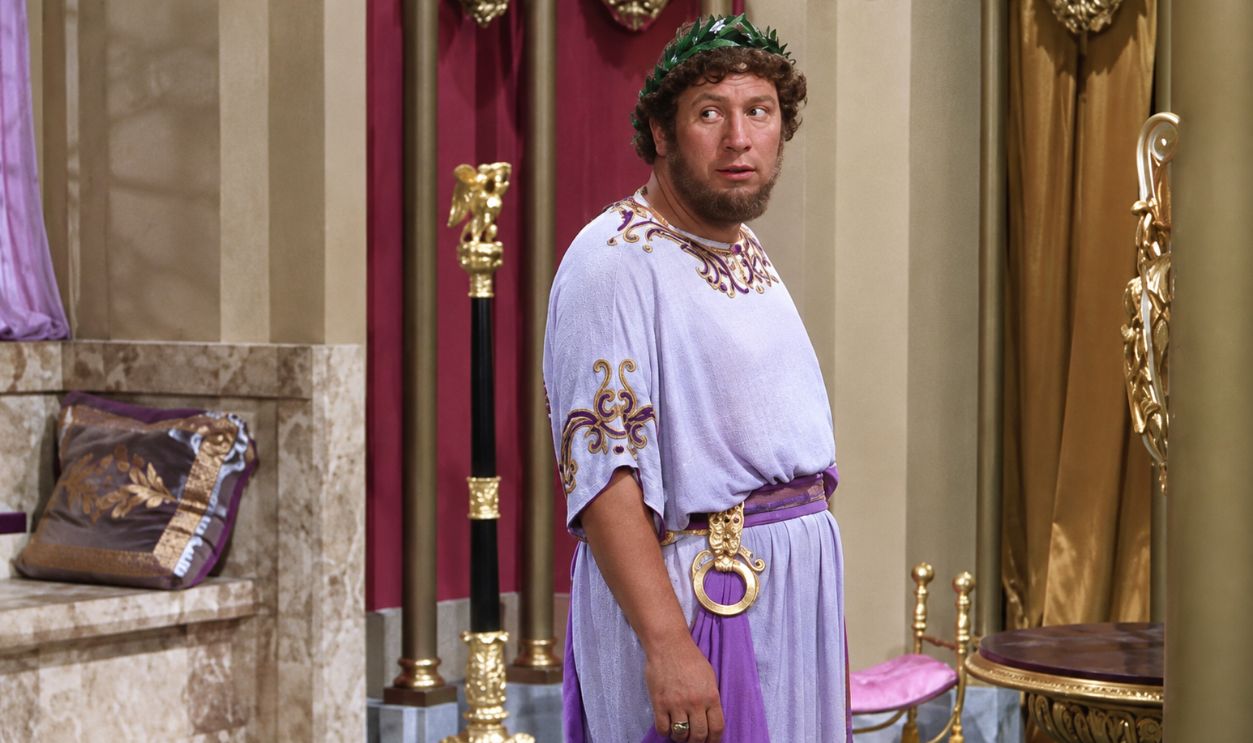 Screenshot from Quo Vadis, Metro-Goldwyn-Mayer (1951)
17. She May Or May Not Have...
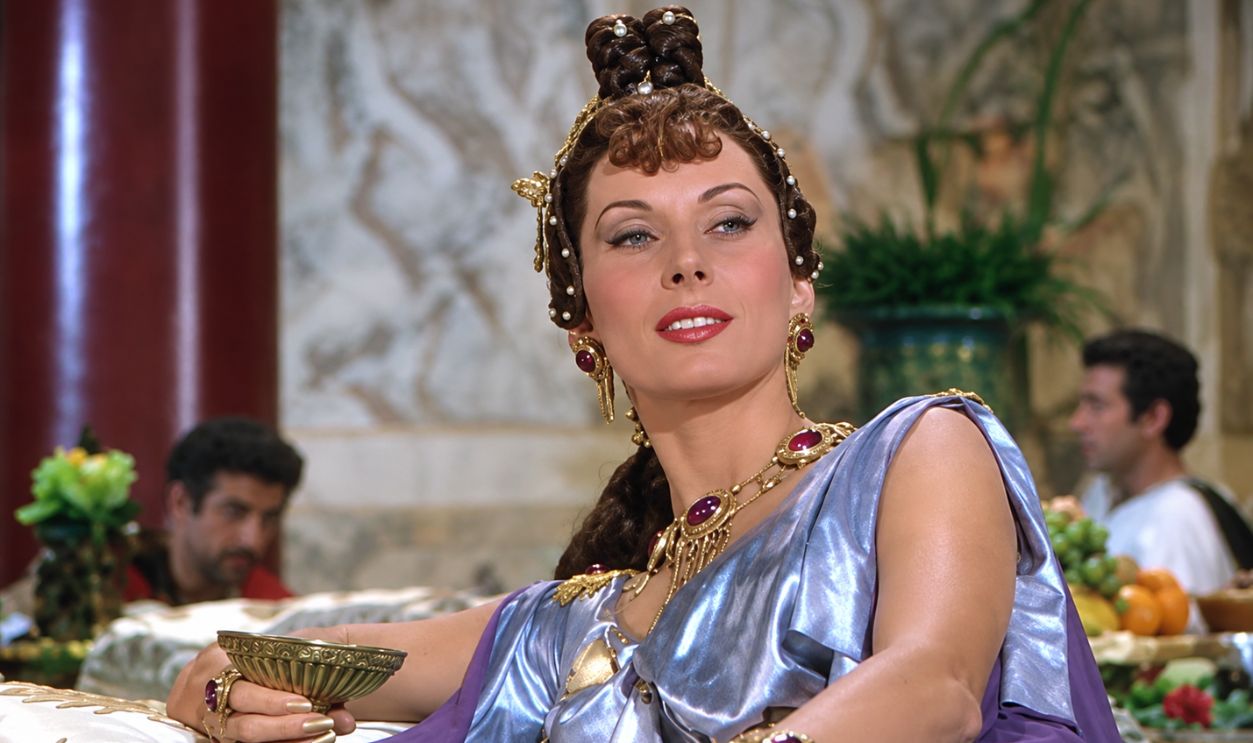
Sensing that she would never be able to marry Nero without removing Agrippina’s influence, Poppaea encouraged the emperor to take out his mother. However, other versions point to Agrippina's suffocating style of mothering as Nero's main motivation—her "over-critical" nature pushing him over the edge.
Unfortunately, we'll never know the entire truth of the matter.
 Screenshot from Quo Vadis, Metro-Goldwyn-Mayer (1951)
18. History Stands On Neutral Ground
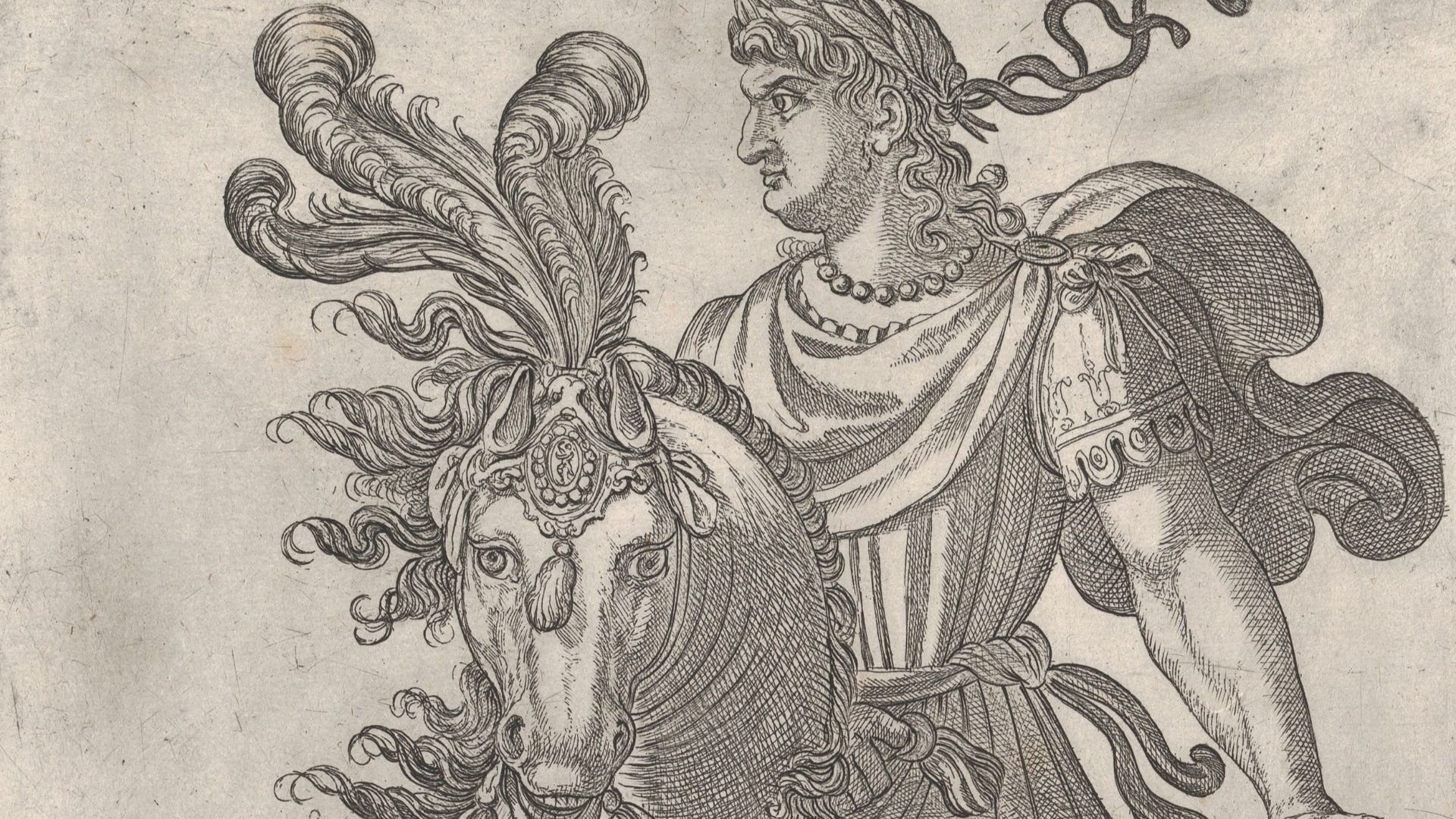
Poppaea Sabina undoubtedly brought out a ruthless side of Nero, but perhaps not in the case of his own mother's demise. The Oxford Encyclopedia of Ancient Greece and Rome doesn't even give a clear answer, explaining that his reasons are "not fully understood". Nevertheless, this was a dark and brutal chapter of Poppaea's life—and there were more sacrifices to be made for the sake of power.
 Antonio Tempesta, Wikimedia Commons
19. There Was Another Woman In Her Way
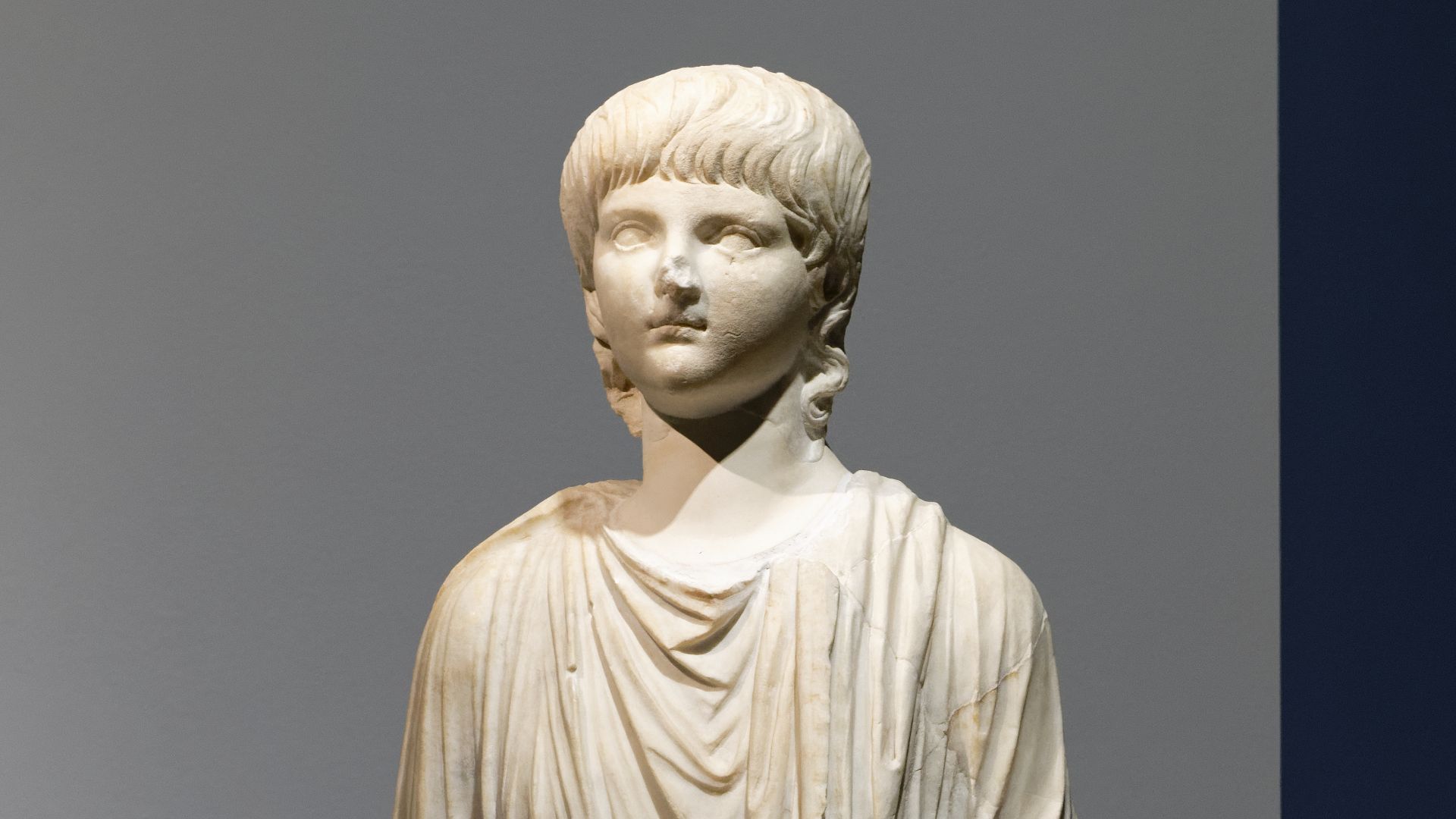
For Poppaea, her goals were quickly becoming a reality. With Agrippina out of the picture, she needed Nero to remove another woman in his life—his first wife, Claudia Octavia. This way, she would finally be able to marry Nero herself. For poor Octavia, Poppaea checkmated her in the worst way possible.
 Marie-Lan Nguyen, Wikimedia Commons
20. Her Rival Was Barren
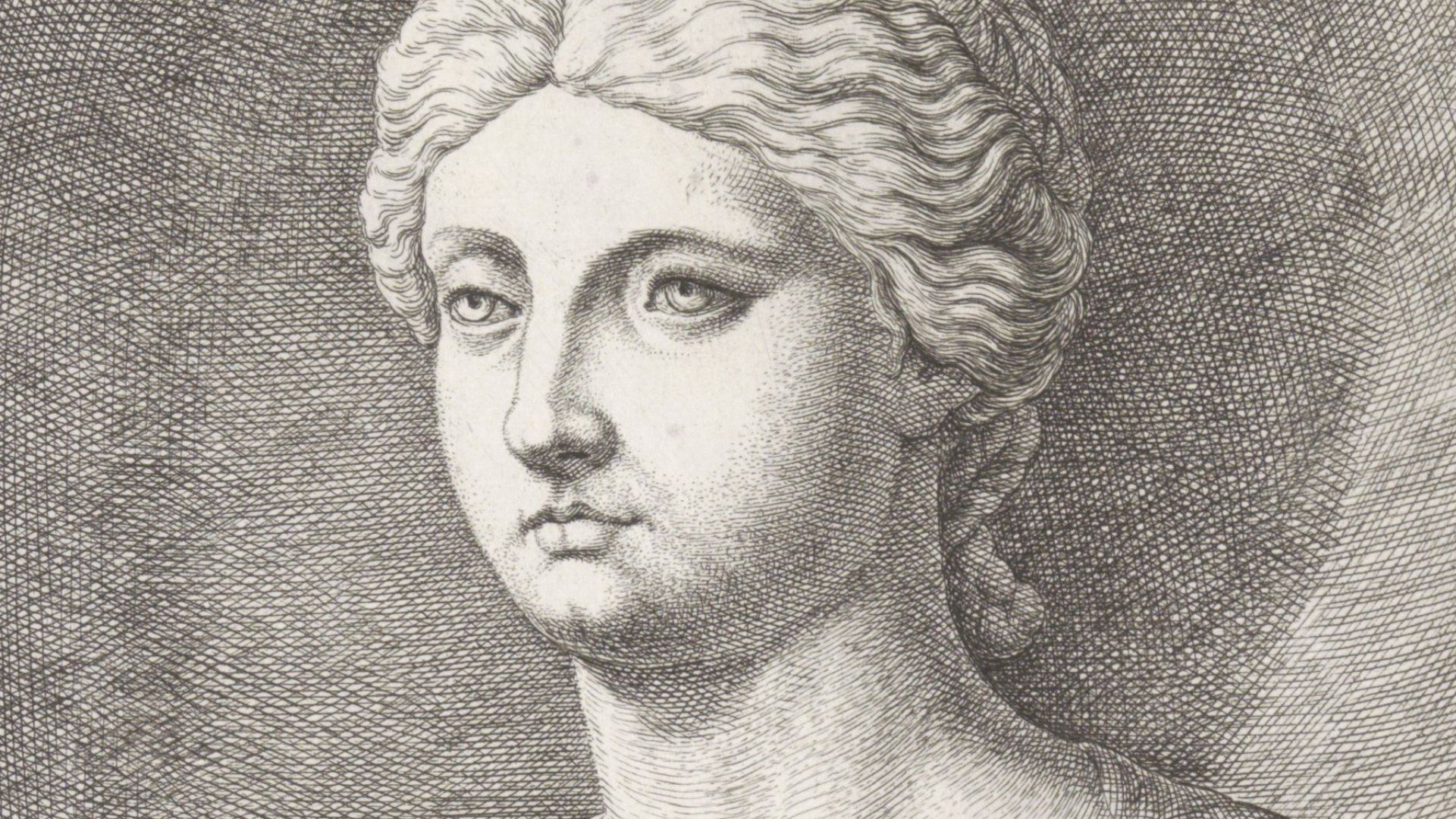
Poor Claudia Octavia had struggled to give Nero a child throughout their eight-year marriage. But in 62 AD, Poppaea Sabina succeeded in the one thing Octavia failed to do. She became pregnant. Nero needed no more convincing—and sprang into action.
 Rijksmuseum, Wikimedia Commons
21. She Kicked Her Off The Throne
According to Nero, Octavia could never be the wife he needed: she was completely barren. Not only did Nero punish Octavia for her inability to give him a son by divorcing her and banishing her from his household, but he also went a step further. He sent her into exile in Campania. However, betraying Octavia yielded a shocking response.
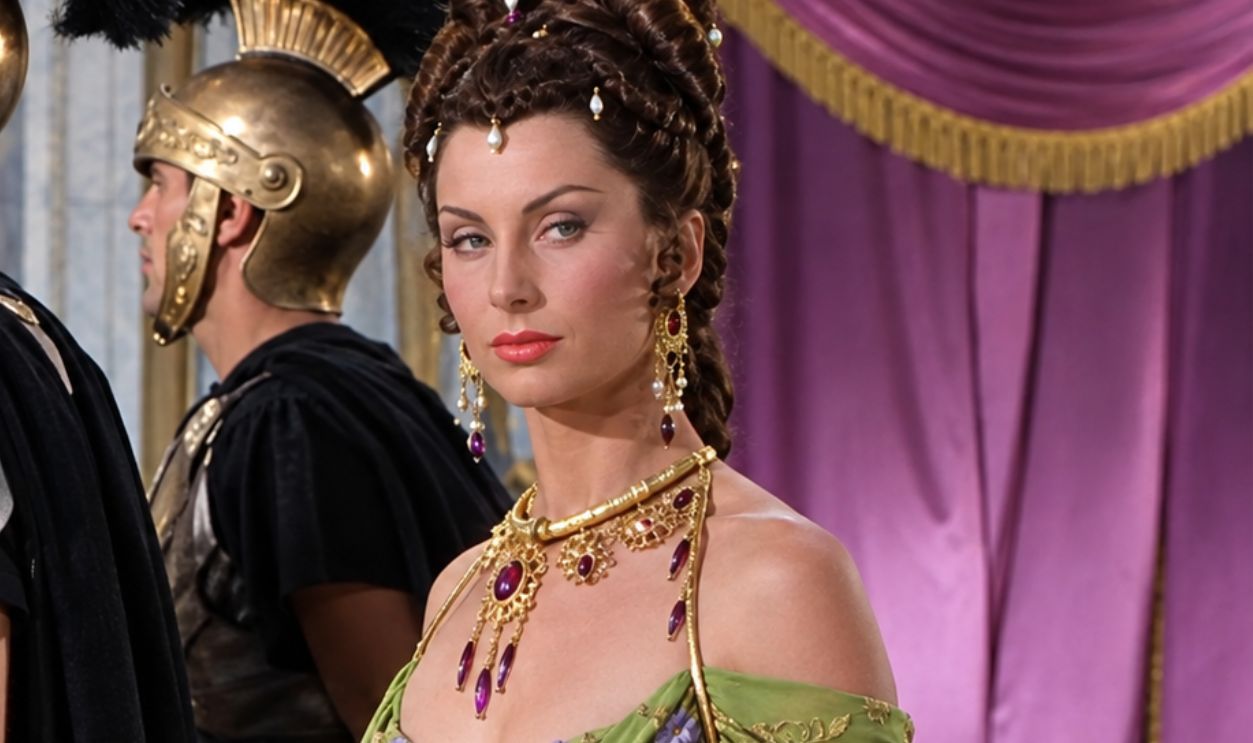 Screenshot from Quo Vadis, Metro-Goldwyn-Mayer (1951)
History's most fascinating stories and darkest secrets, delivered to your inbox daily.
22. She Wasn't The People's Princess
The people came to Octavia's defence—their dissatisfaction so intense that Nero had no choice but to reverse the divorce...at least, for the moment. In the eyes of the public, Poppaea Sabina became enemy number one. The city of Rome ignited. People vandalized images of the emperor's mistress, while at the same time celebrating Octavia whenever they could.
In the background of this unraveling, Poppaea allegedly stirred up even more trouble.
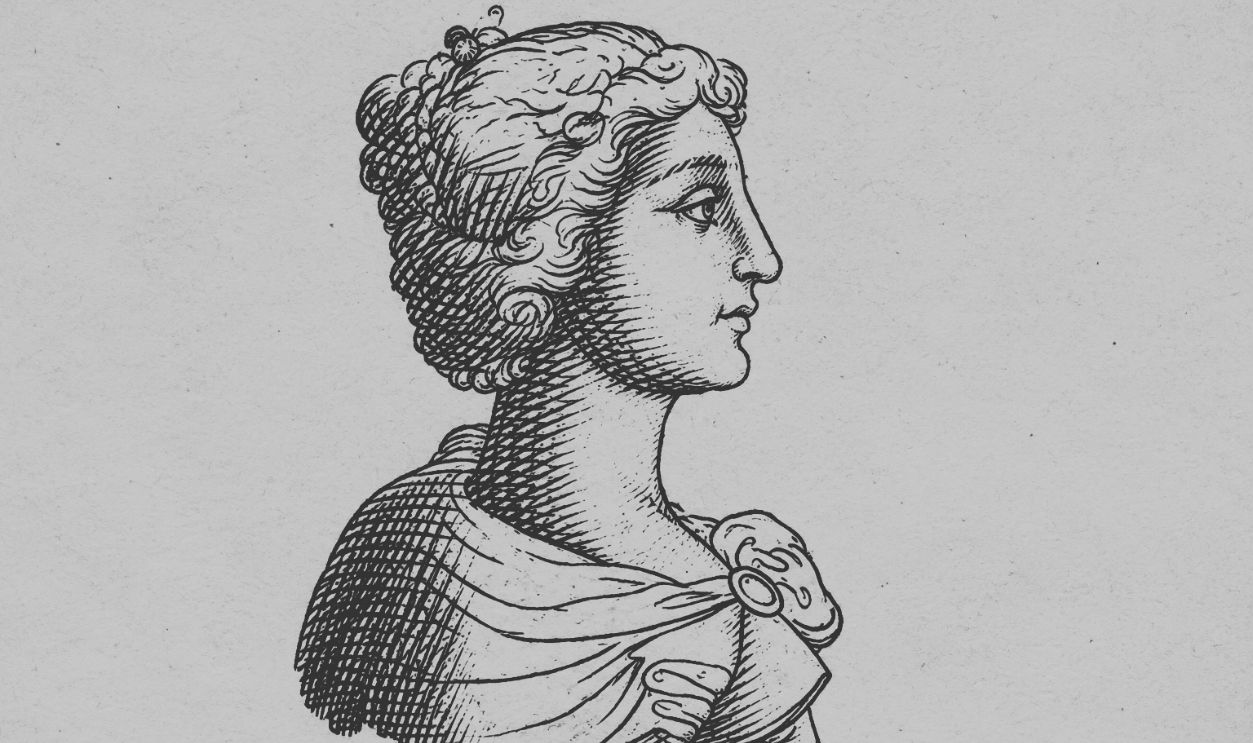 Marcello Clodio, Wikimedia Commons, Enhanced
23. She Tried To Sully Her Reputation
You see, an extra dose of scandal surfaced when one of Octavia's circle claimed that she'd had an intimate affair with an enslaved man. Sources claim that it was Poppaea Sabina who urged Octavia's enslaved workers to speak against her. Though an investigation into these accusations failed, Nero still had a decision to make. And, of course, it was Poppaea who had his ear.
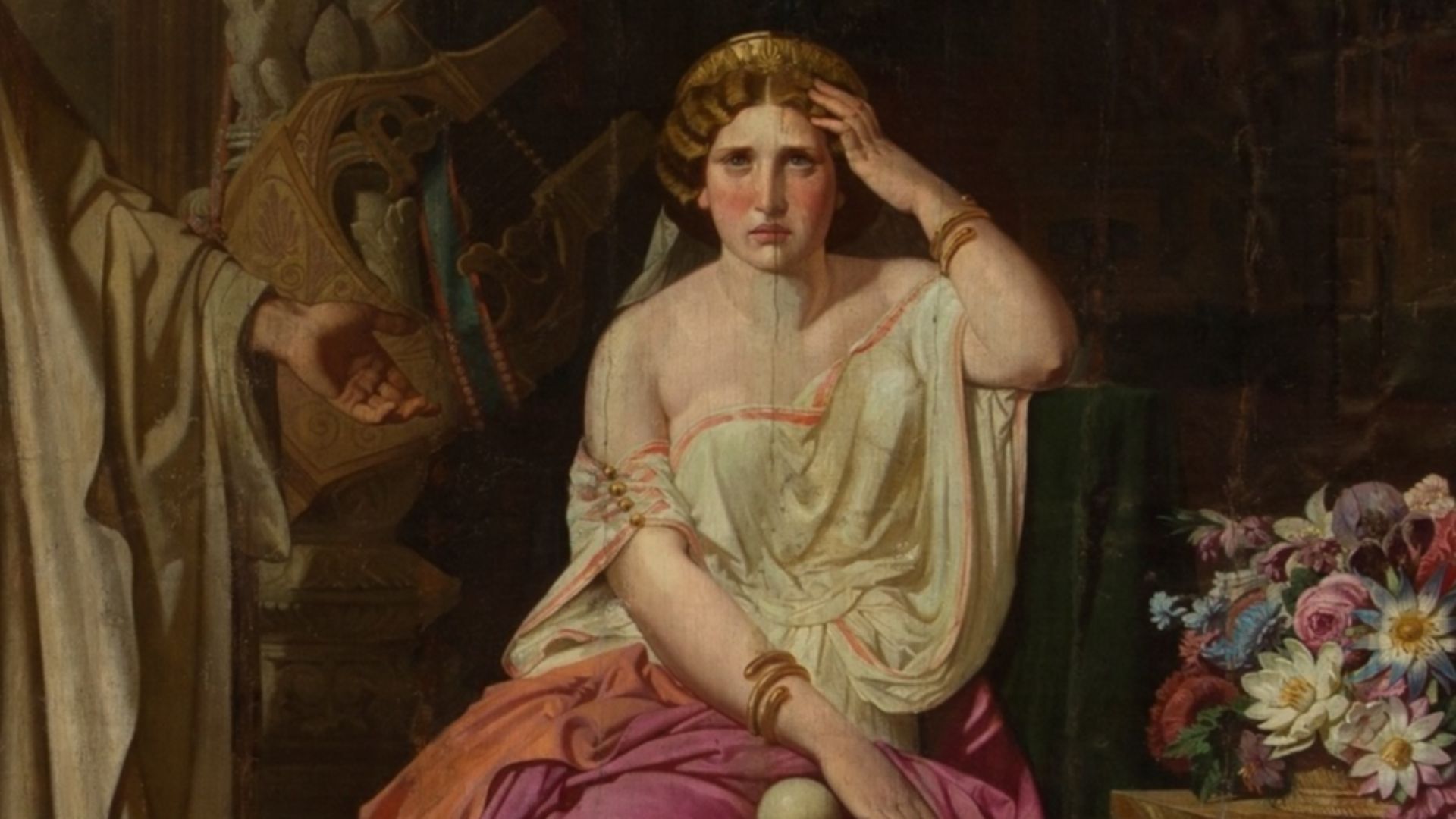 Isidoro Lozano, Wikimedia Commons
24. She Scared Him
Poppaea Sabina undoubtedly benefitted from Octavia's exile, and she allegedly convinced Nero that he would also benefit from getting rid of his ex-wife for good. Poppaea used the city's uprising as a hypothetical preview of what might happen if Octavia came back to Rome. With the threat of a possible revolution ringing in his ears, Nero decided to circle back to the adultery accusation.
What he did next was unforgivable.
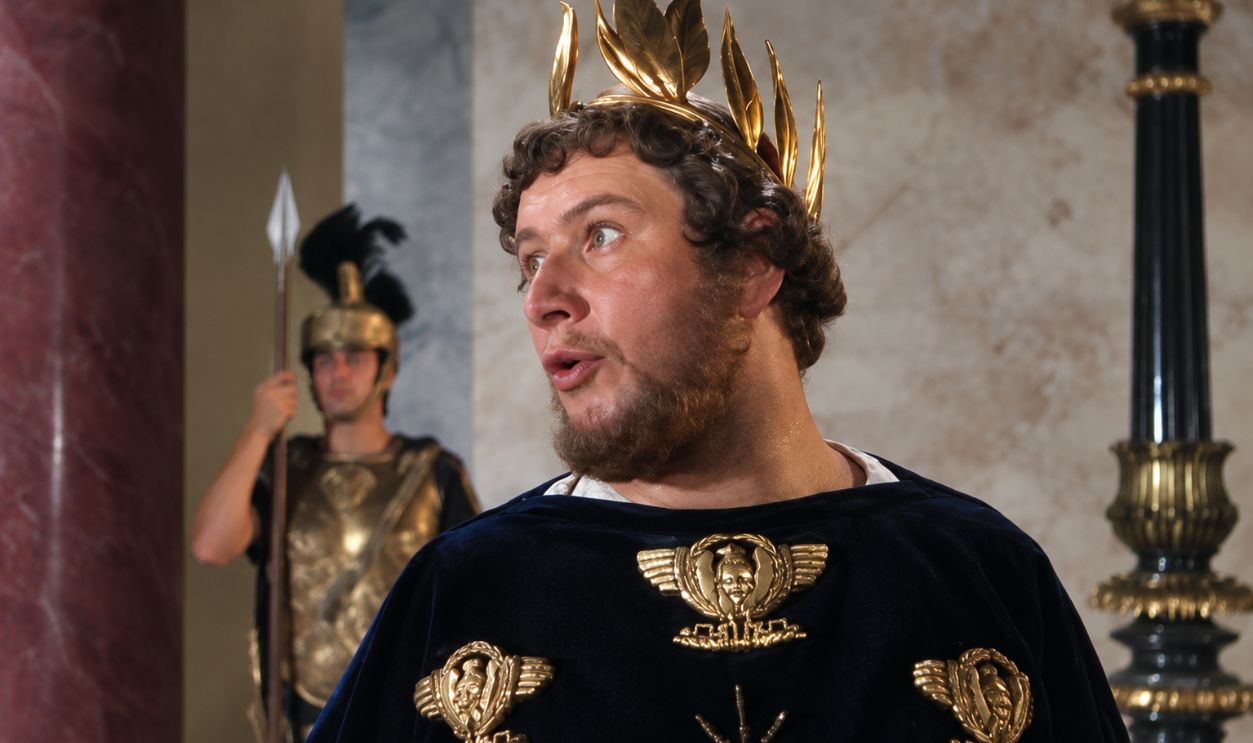 Screenshot from Quo Vadis, Metro-Goldwyn-Mayer (1951)
25. She Helped Turn Her Life Into A Nightmare
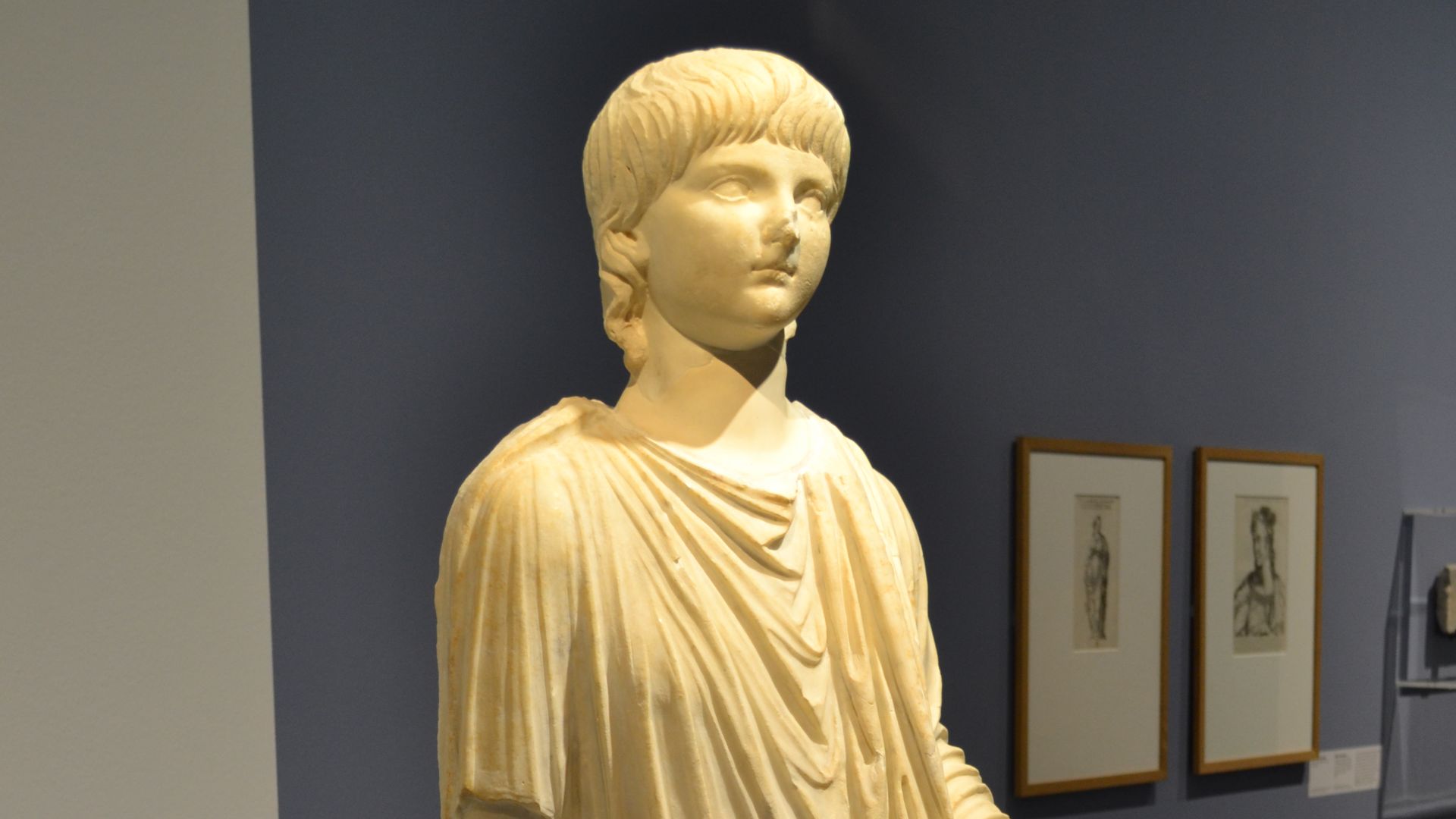
Allegedly, under Poppaea's influence, Nero persuaded one of his allies to make a false confession. It was through this lie that Nero brought about Octavia's brutal end. If the stories of Poppaea's involvement are true, then she was the catalyst for one of the messiest chapters of Nero's life. And sadly, it was 22-year-old Octavia who suffered the most.
Just days after Octavia reached the island of Pandateria, soldiers came to twist the knife even deeper. An execution order had been made.
 Pierre Tribhou, Wikimedia Commons
26. She Watched Her Rival Fall
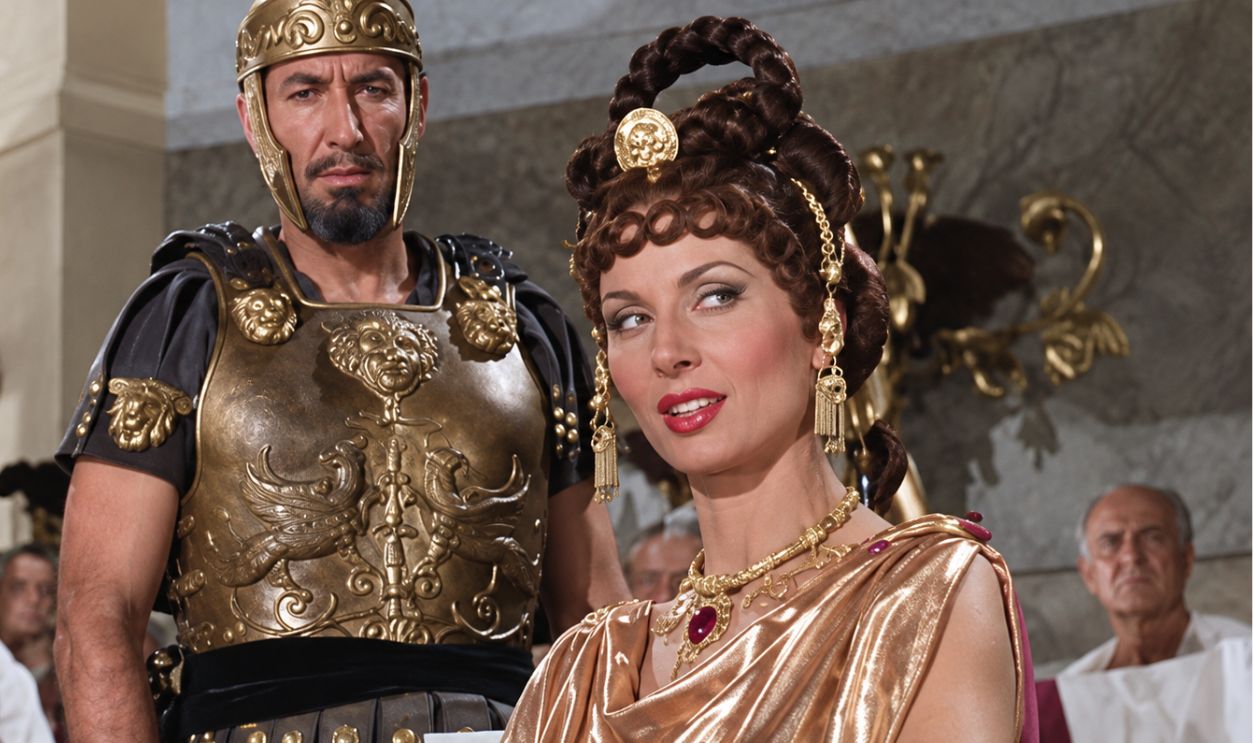
At first, the officers tried to make it look like Octavia had taken her own life, but when this took too long, they found another disturbing way to get rid of her. Her ultimate fate? Suffocating in a room filled with scalding steam. But that wasn't all. What happened to her head was so chilling—it's unforgettable.
 Screenshot from Quo Vadis, Metro-Goldwyn-Mayer (1951)
27. She Made Her Move
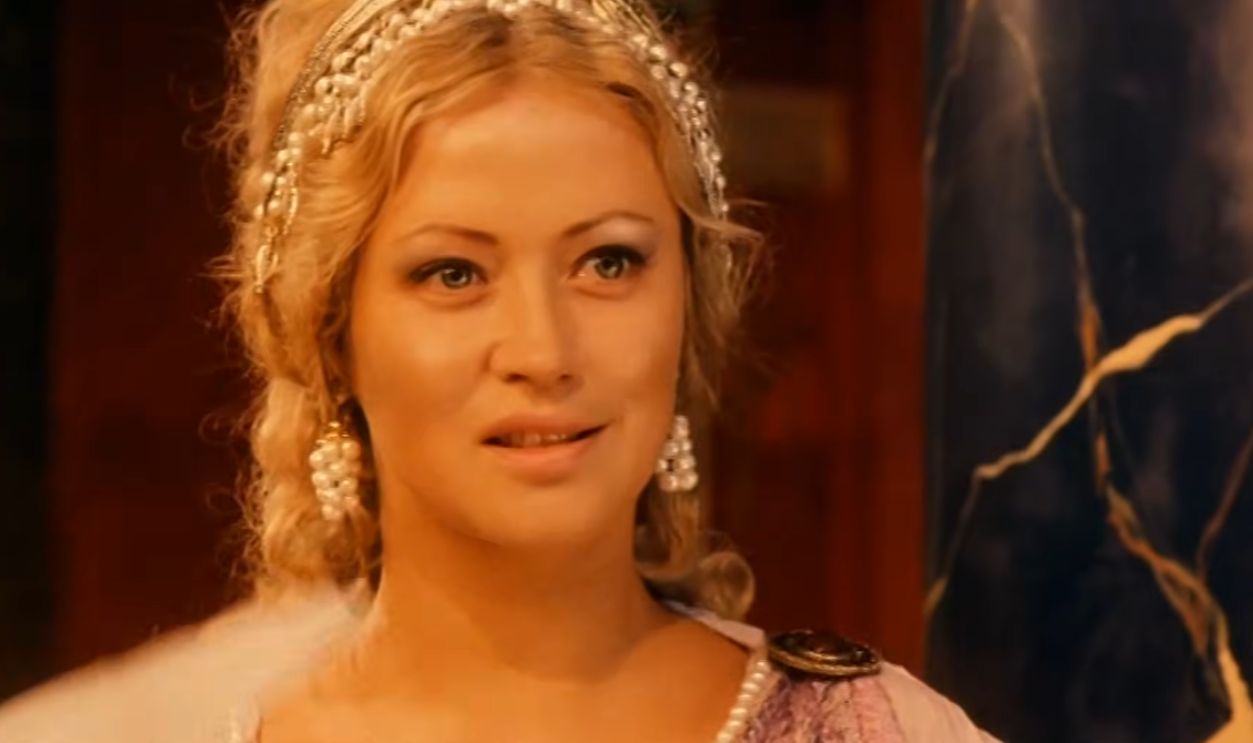
As if Octavia's demise wasn't tragic enough, she suffered an indignity, even in death. Her head was sent directly to Poppaea Sabina. With Octavia finally out of the way for good, Poppaea could marry Nero. However, sources say that this wasn't the only time Poppaea had been allegedly embroiled in a murder plot.
 Screenshot from Quo Vadis, Chronos-Film (2001)
History's most fascinating stories and darkest secrets, delivered to your inbox daily.
28. She Gained A Ruthless Reputation
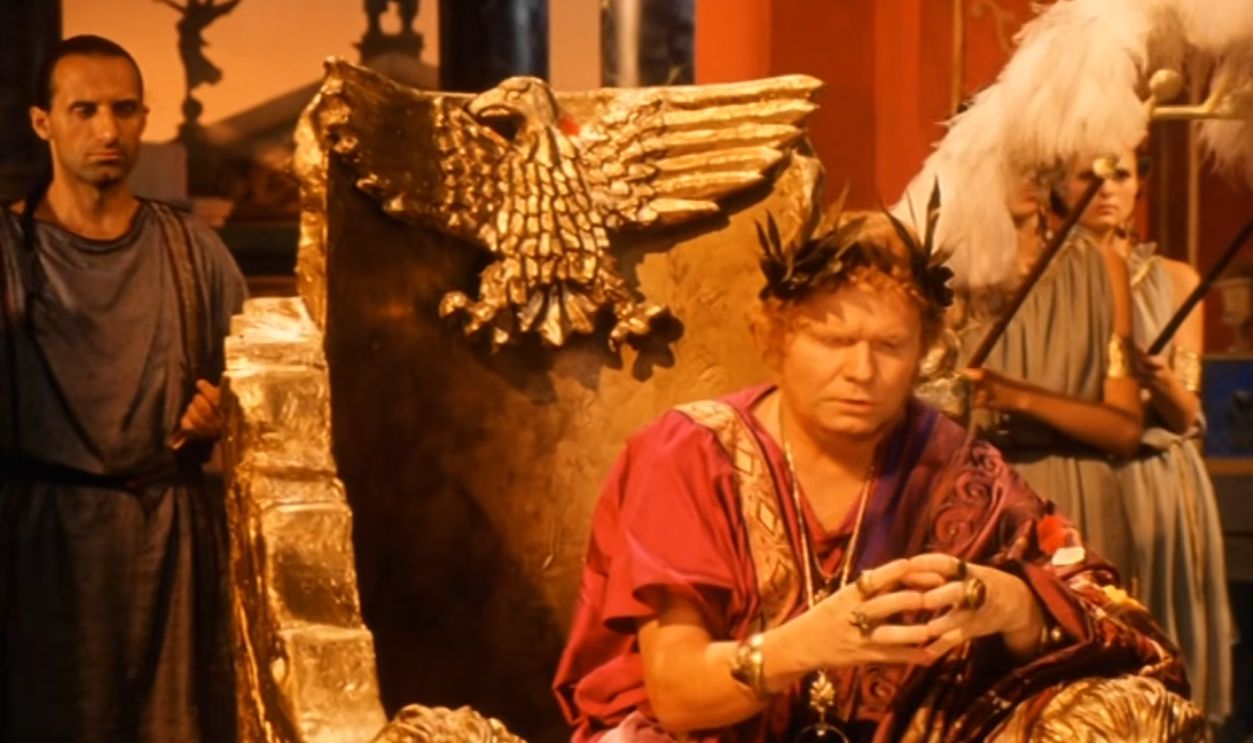
It would seem that many historical accounts portray Poppaea as the devil on Nero's shoulder, influencing him to commit the most heinous deeds. Another victim is said to be Seneca, the philosopher. Poppaea supposedly wanted him taken out—and the reason why is unnerving.
 Screenshot from Quo Vadis, Chronos-Film (2001)
29. She Targeted Her Enemies
Apparently, Poppaea Sabina wanted to be the only woman in Nero's world. Seneca had supported Nero's former mistress, Acte Claudia, making him a certain enemy. But that wasn't all. It has also been claimed that it was also Poppaea who awakened Nero's bloodlust for Christians in the wake of the Fire of Rome.
However, fate had a brutal curveball in store for the triumphant Poppaea too. She just didn't know it yet.
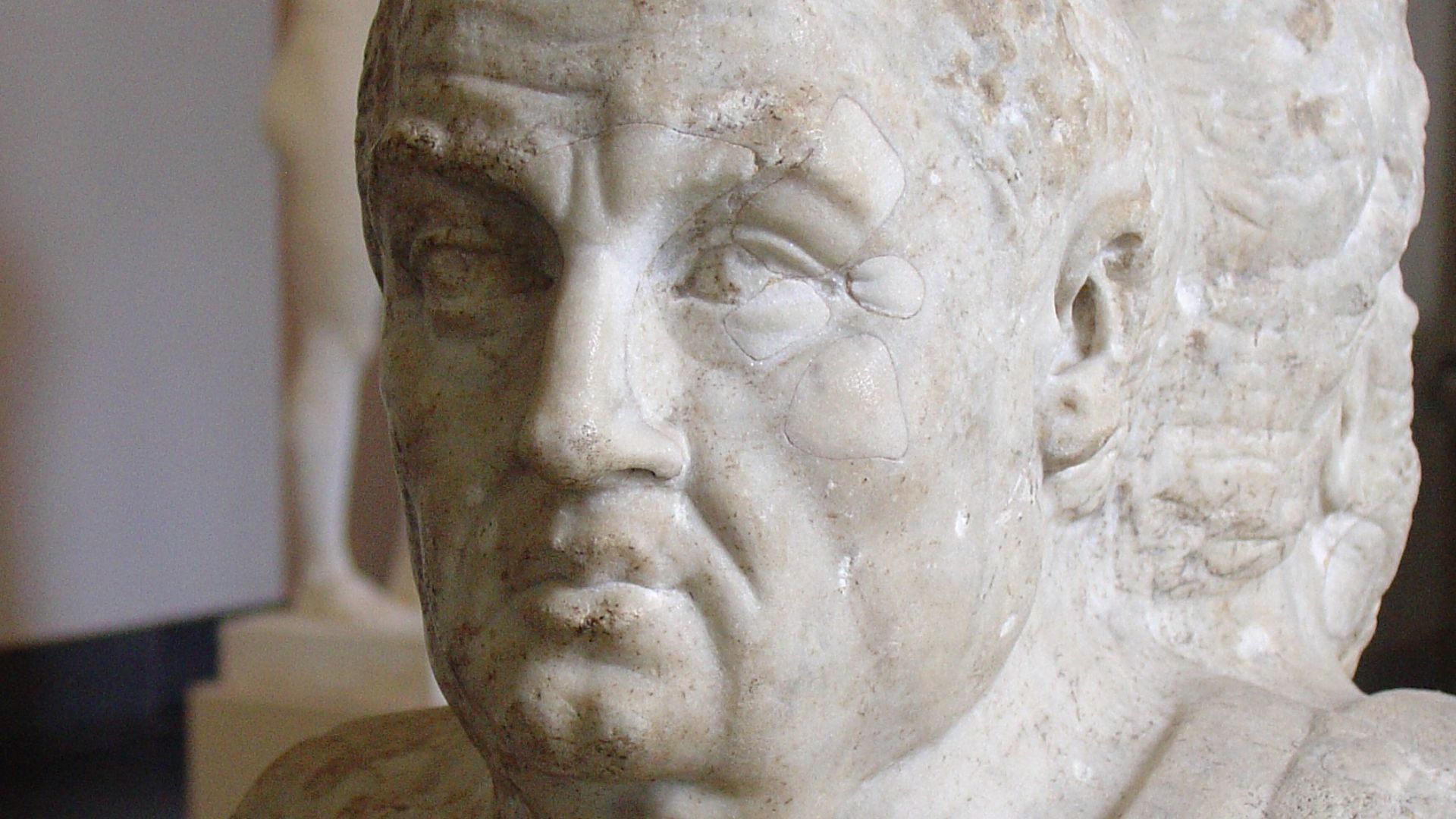
30. She Had Everything She Wanted
In 63 AD, Poppaea gave birth to Nero's daughter, Claudia. It was a moment of celebration, and Nero showed his glowing appreciation for both mother and child by giving them both the imperial title of Augusta. It was an unprecedented move on the emperor's part. This gave Poppaea a level of equality that other imperial consorts had never experienced.
For a brief, shining moment, Poppaea had everything she ever wanted... then the other shoe dropped.
 https://www.flickr.com/photos/184393744@N06/, Wikimedia Commons
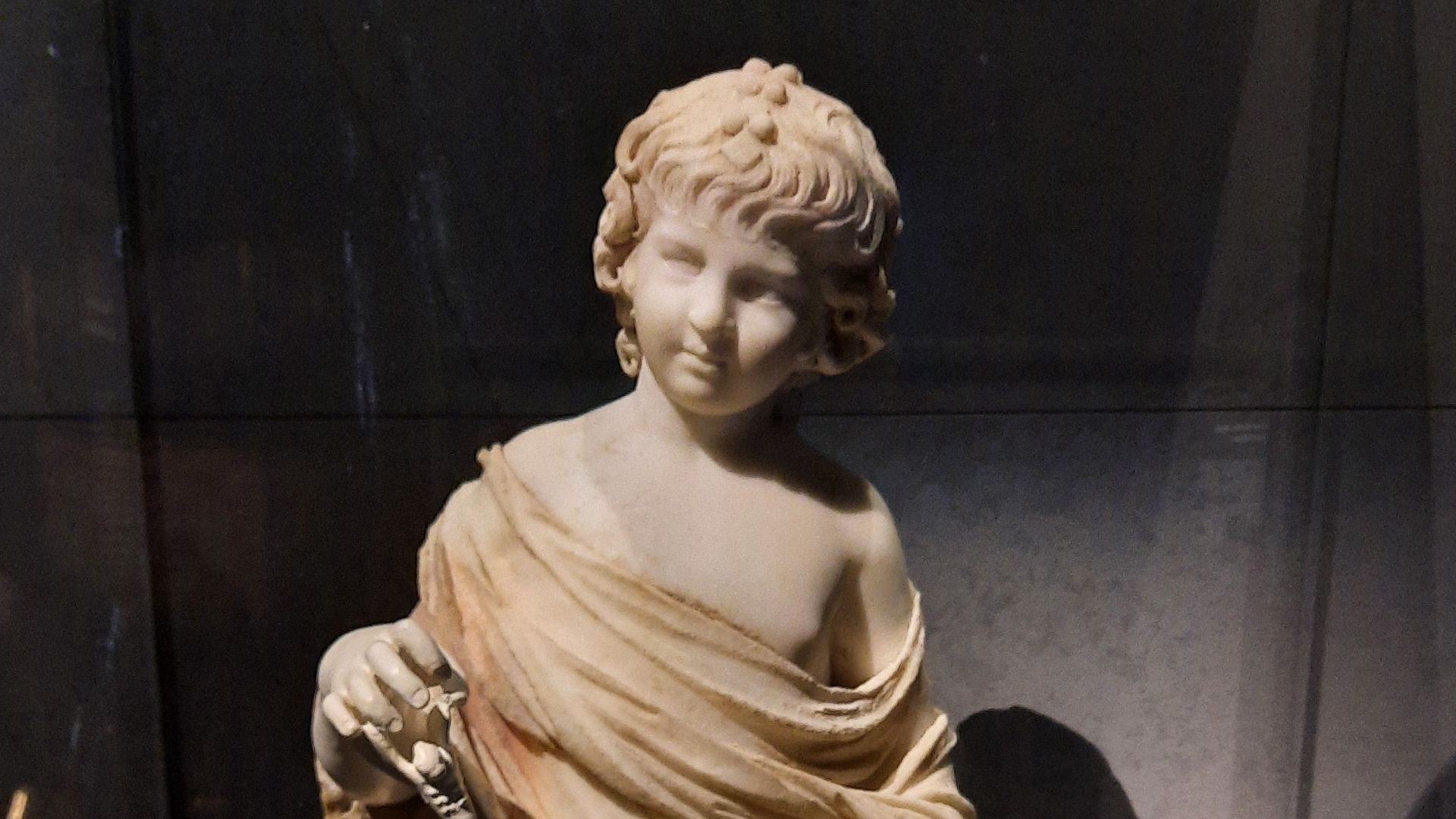
31. She Lost Her Daughter
Only months after welcoming her bundle of joy, tragedy struck. For unknown reasons, little Claudia perished. All of a sudden, Poppaea's dream life became tarnished by grief. She had given Nero his only daughter, only to have the Grim Reaper steal her away.
But the dark side of Poppaea's life also had flashes of optimism.
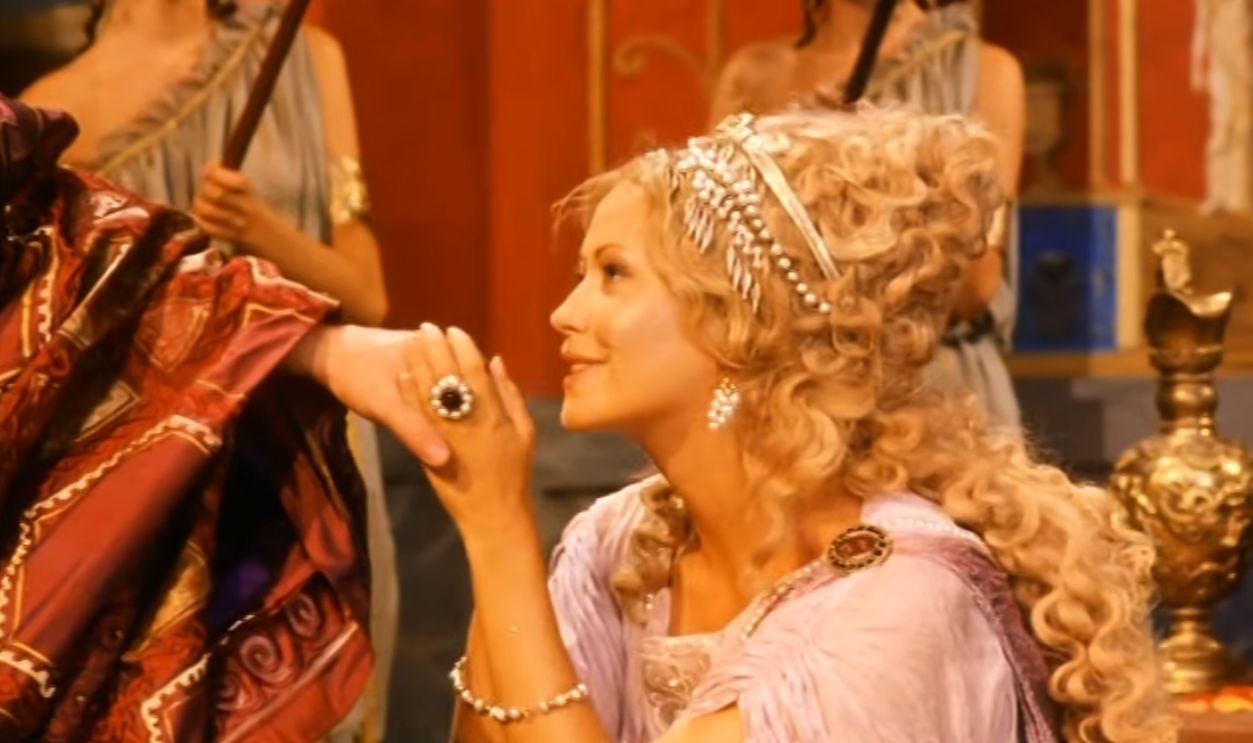 Screenshot from Quo Vadis, Chronos-Film (2001)
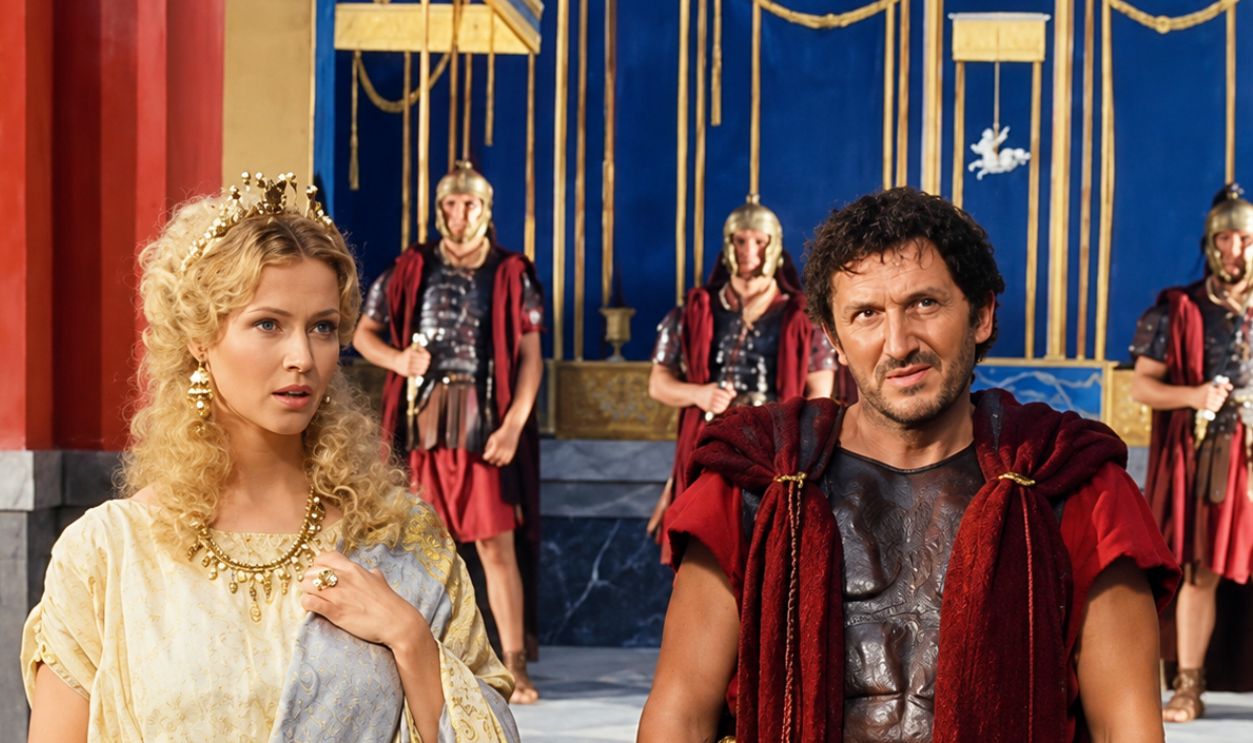
32. She Stood By Her People
Though historical records paint Poppaea Sabina as ambitious and ruthless, there's also evidence that she sought to do some good. Take, for instance, her hometown of Pompeii. She stayed loyal to her roots—and, by advocating for it and its people, she was able to win its autonomy. There were also clues left behind in the doomed city that revealed a different side of Poppaea.
 Screenshot from Quo Vadis, Chronos-Film (2001)
33. They Honored Her
As most people know, Pompeii would eventually fall victim to a volcano. The ash that covered the city helped preserve it, and today, it provides endless insight into Roman life. Scholars have since found statues of Poppaea, meaning she was honored by Pompeii's citizens.
However, like her people, Poppaea met her own harrowing end.
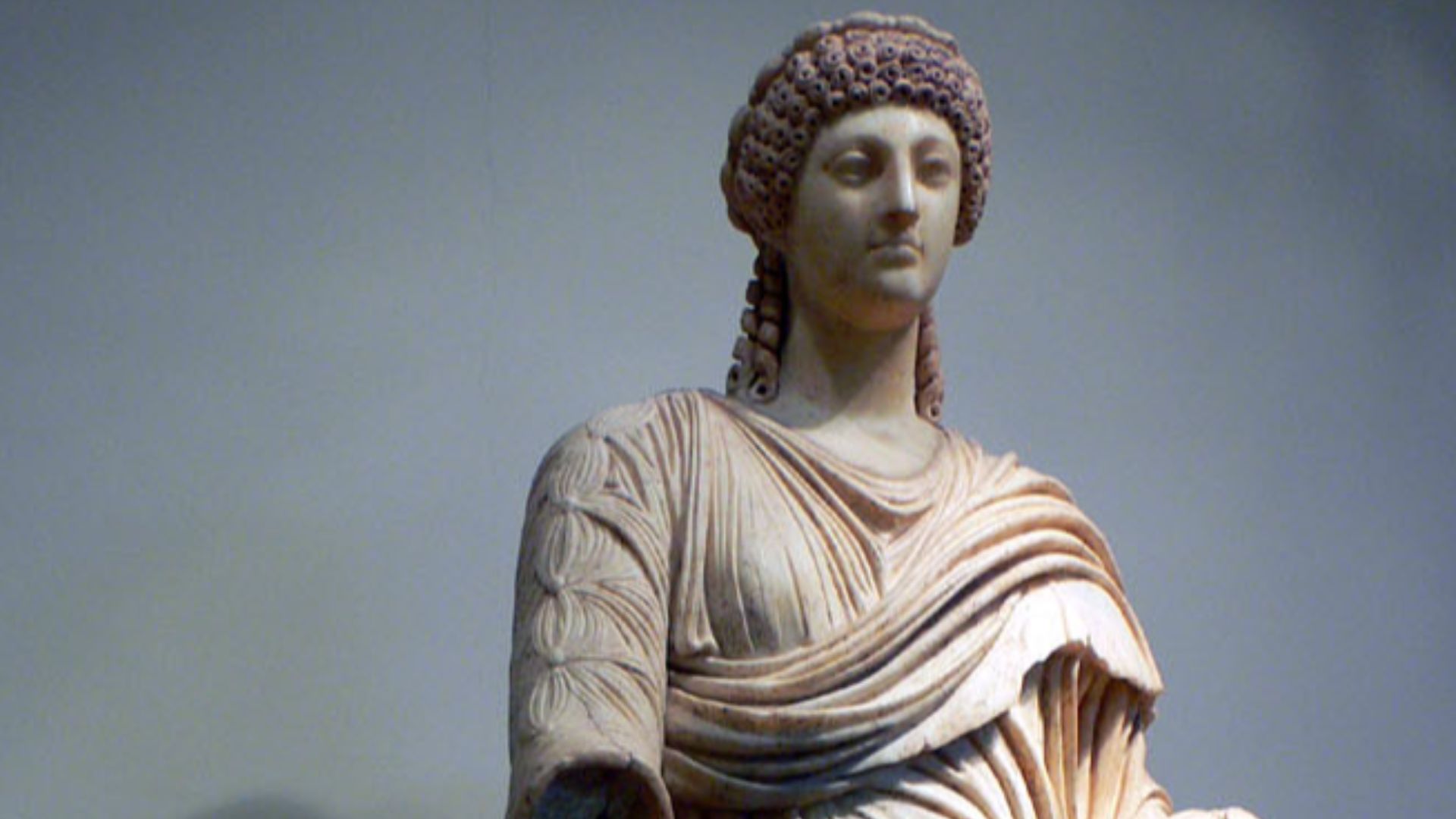 Nanosanchez, Wikimedia Commons
34. Her Husband Had A Wicked Temper
Like most of Poppaea's life, many versions exist of the same event—and the same can be said for her demise in 65 AD. Records suggest that she and Nero were happy in their marriage, but as time passed, Nero became more volatile—especially his temper. According to the historian Suetonius, Poppaea was pregnant with her third child when she got into a terrifying dispute with Nero.
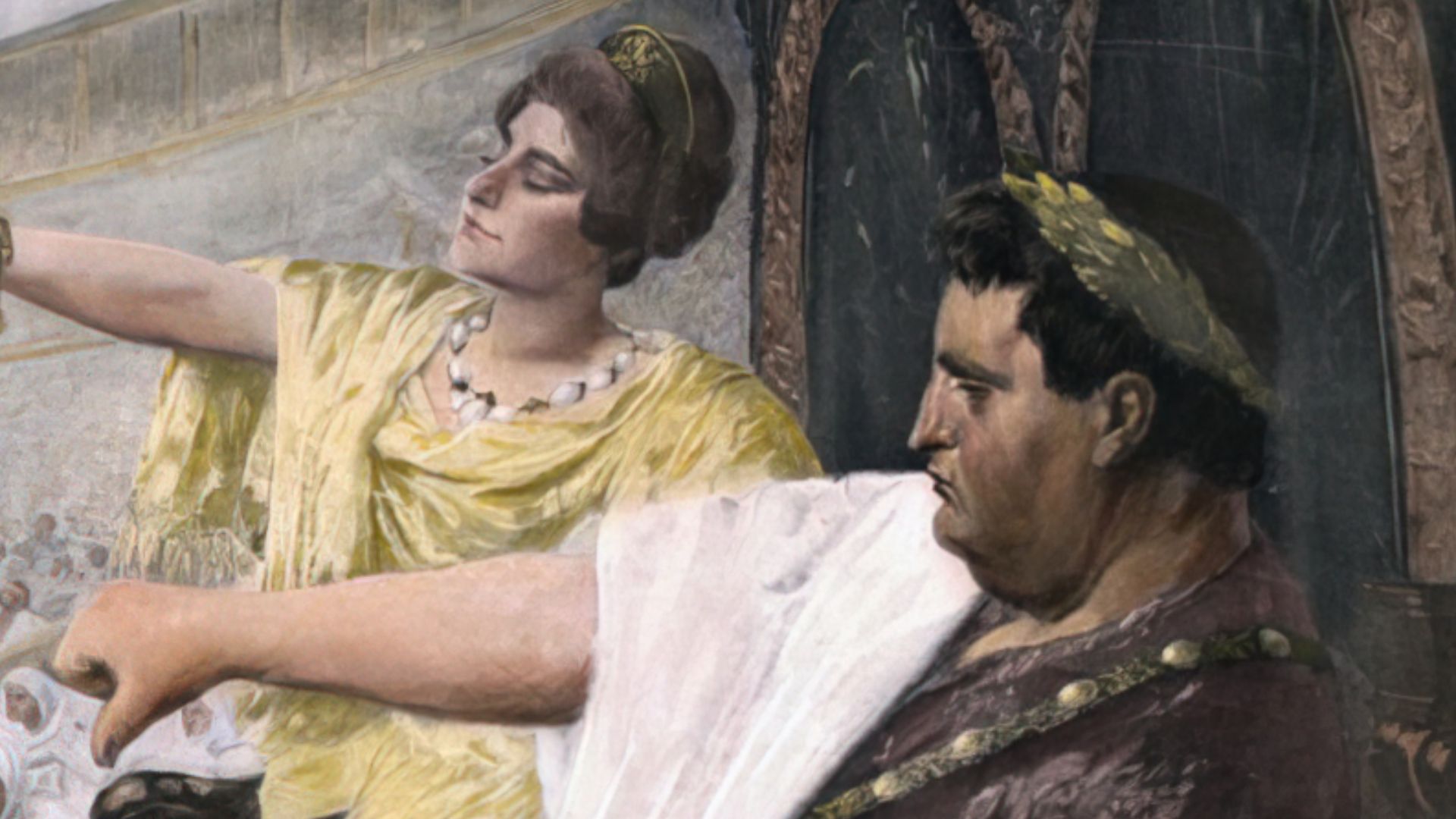 Wilhelm Peters, Wikimedia Commons
History's most fascinating stories and darkest secrets, delivered to your inbox daily.
35. She Picked A Fatal Fight
Poppaea Sabina was reportedly angry with Nero for consistently attending the races and got into a heated argument with him over it. It quickly turned into a horror show. Nero completely lost his head, his anger clouding his better judgment—and this caused him to do the unthinkable.
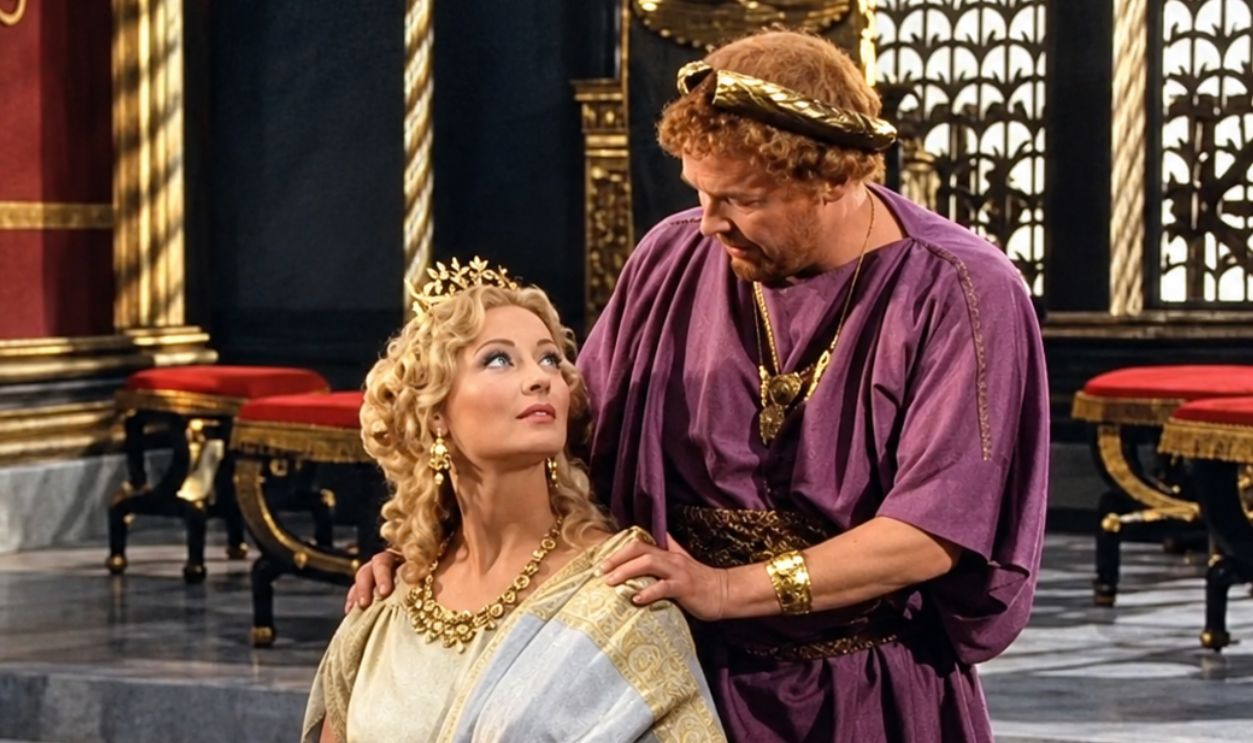 Screenshot from Quo Vadis, Chronos-Film (2001)
36. Her Demise Remains Mysterious
Nero allegedly became physical with Poppaea, kicking her in the stomach. Unfortunately, it was a blow she did not come back from, and she perished. However, we must remember that this was only Suetonius's version of events. Both Tacitus and Cassius Dio had slightly different stories to tell.
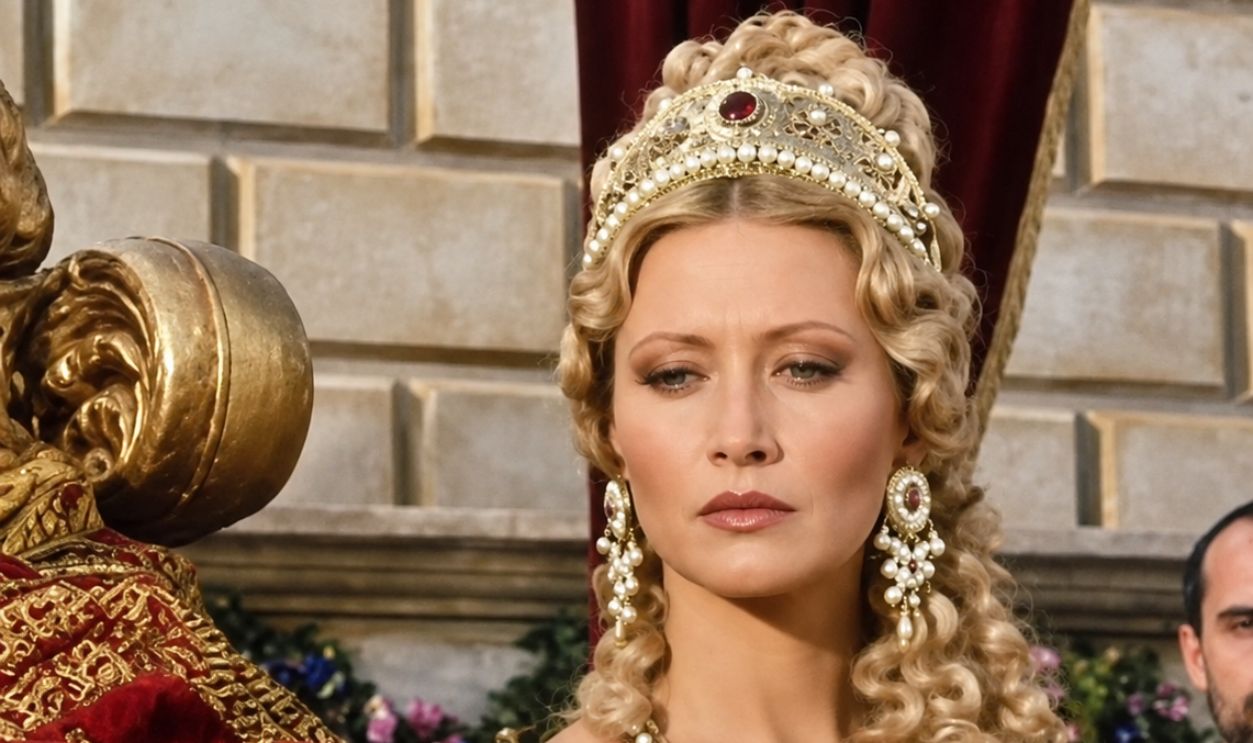 Screenshot from Quo Vadis, Chronos-Film (2001)
37. The Truth Isn't Clear
Tacitus claimed that Poppaea passed after the Quinquennial Neronia—a consequence of Nero's "casual outburst" rather than a vicious quarrel. Cassius Dio said that Nero may have intentionally or accidentally jumped on her abdomen. There have also been accounts that she'd been poisoned. Modern historians, however, have an even more heartbreaking hypothesis.
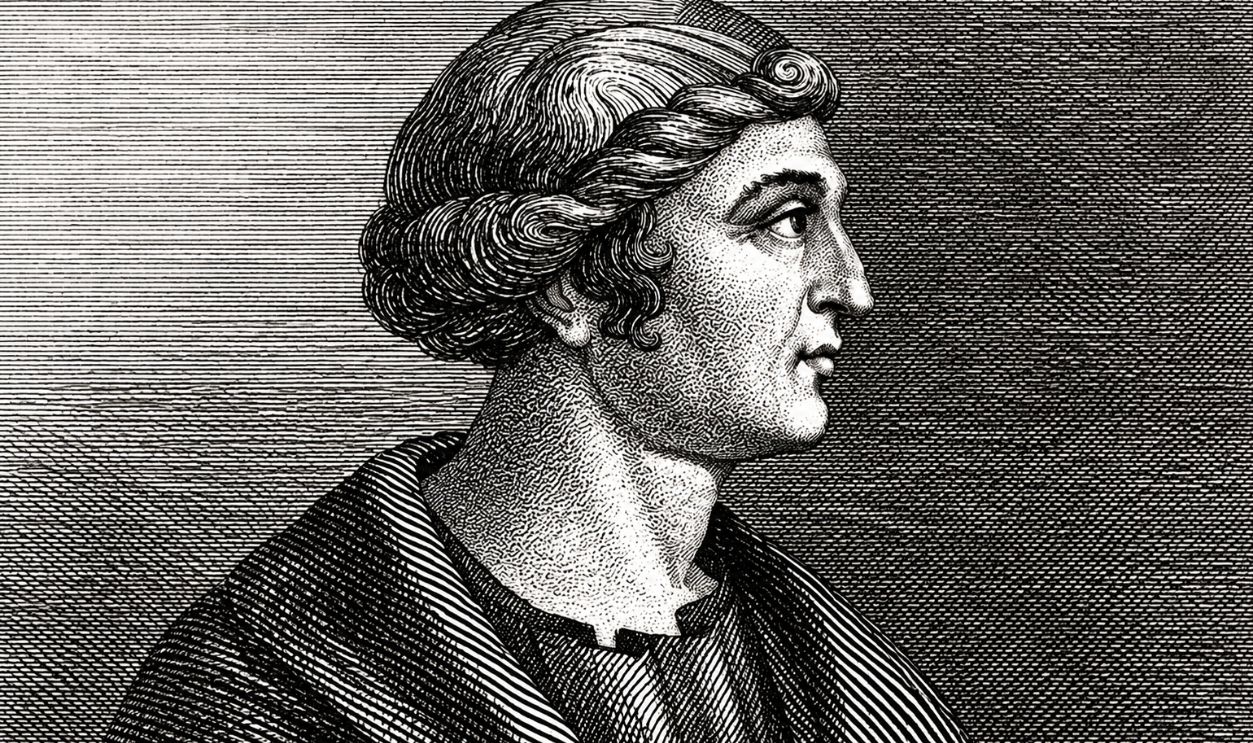
38. She May Have Had A Miscarriage
Today, many historians are cognizant of the fact that Suetonius, Tacitus, and Cassius Dio had their biases. They present the very possible chance that Poppaea had complications with pregnancy, likely dying after a miscarriage or in childbirth. There is also real physical evidence that does not cast Nero as the villain here.
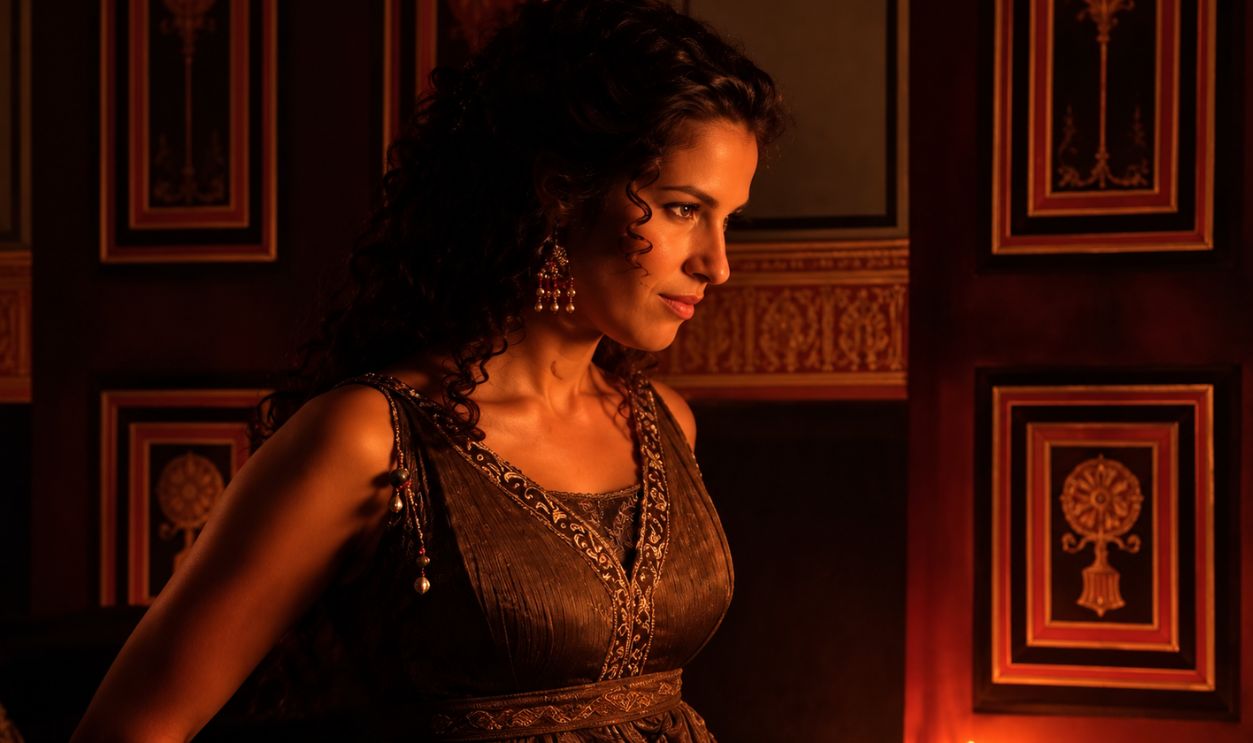 Screenshot from Nero, Sony Pictures Home Entertainment (2004)
39. She Had A Revealing Poem Written About Her
A simple piece of papyrus may be enough to cast some doubt on the brutal assumption that Nero took Poppaea's life. It was a Greek poem that explained how Poppaea "made a loving farewell speech to Nero, before [ascending] off to heaven on a chariot driven by a goddess". Nero may have been innocent, but as we'll see, he still had a cruel blow to deal Poppaea's legacy.
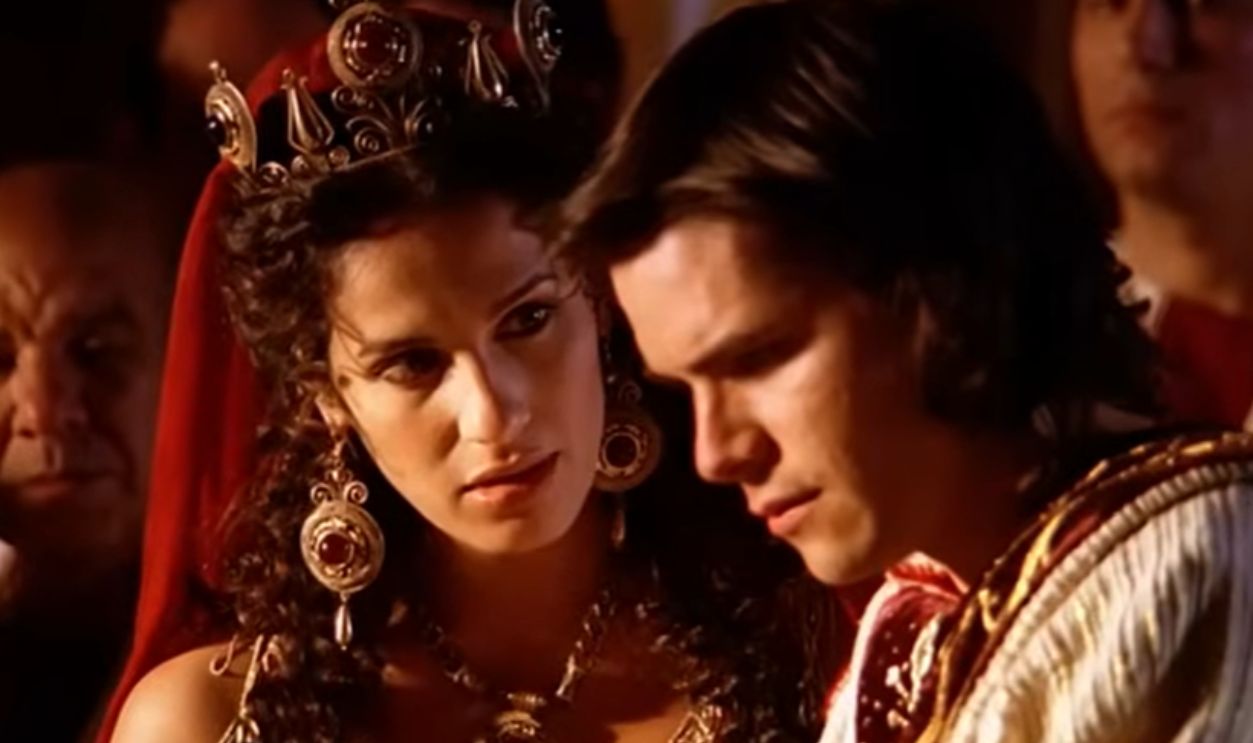 Screenshot from Nero, Sony Pictures Home Entertainment (2004)
40. Her Husband Deified Her
By all appearances, it would seem that Nero truly mourned his wife. He gave her an extravagant, public funeral and buried her in the Mausoleum of Augustus. Stories claim that he went so far as to burn through a year's worth of incense from Arabia. He even deified her.
But though his love for her lived on, his hatred for the men that used to be her in life drove him to commit some of the most heinous acts imaginable.
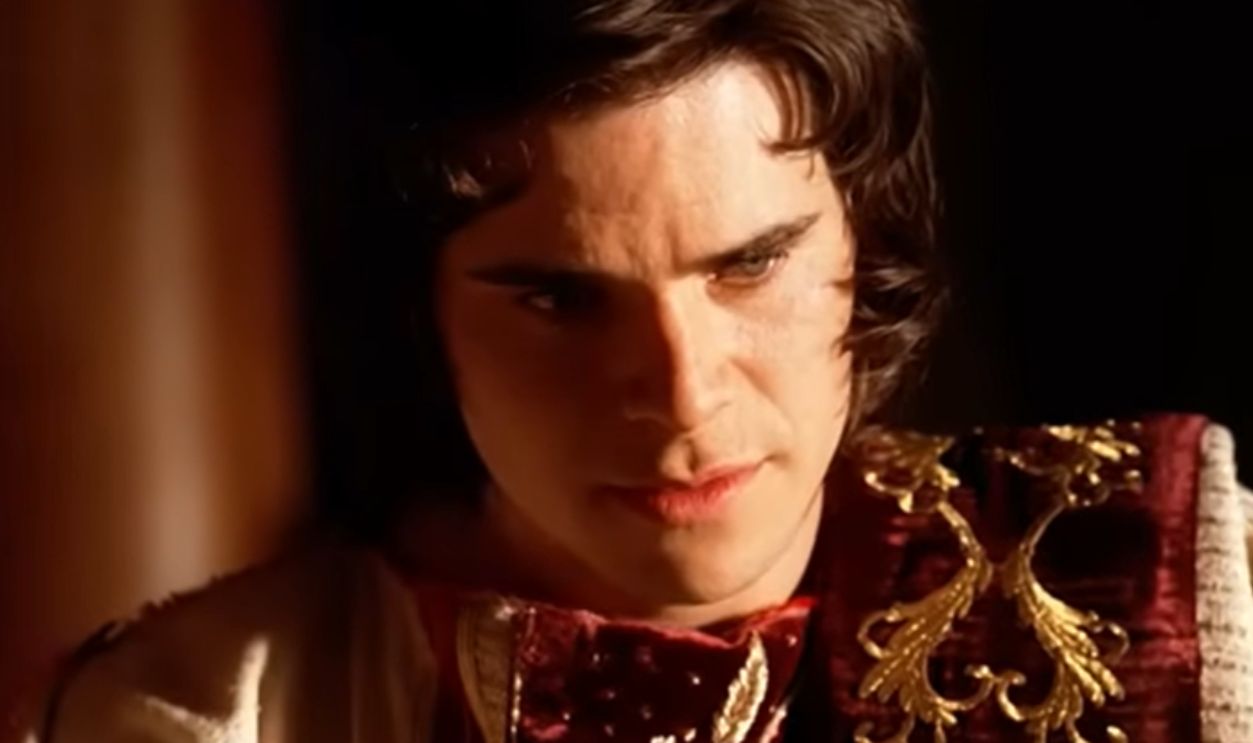 Screenshot from Nero, Sony Pictures Home Entertainment (2004)
History's most fascinating stories and darkest secrets, delivered to your inbox daily.
41. Her Ex Was In Danger
For Poppaea, snagging Nero and gaining influence was her ultimate goal. Yet, after she was gone, Nero still had time to dwell on her first husband Rufrius Crispinus and only surviving son, Rufrius Crispinus Jr. His resentment drove him to a long-overdue revenge. In 65, he banished Rufrius Crispinus. But that wasn't even the worst part.
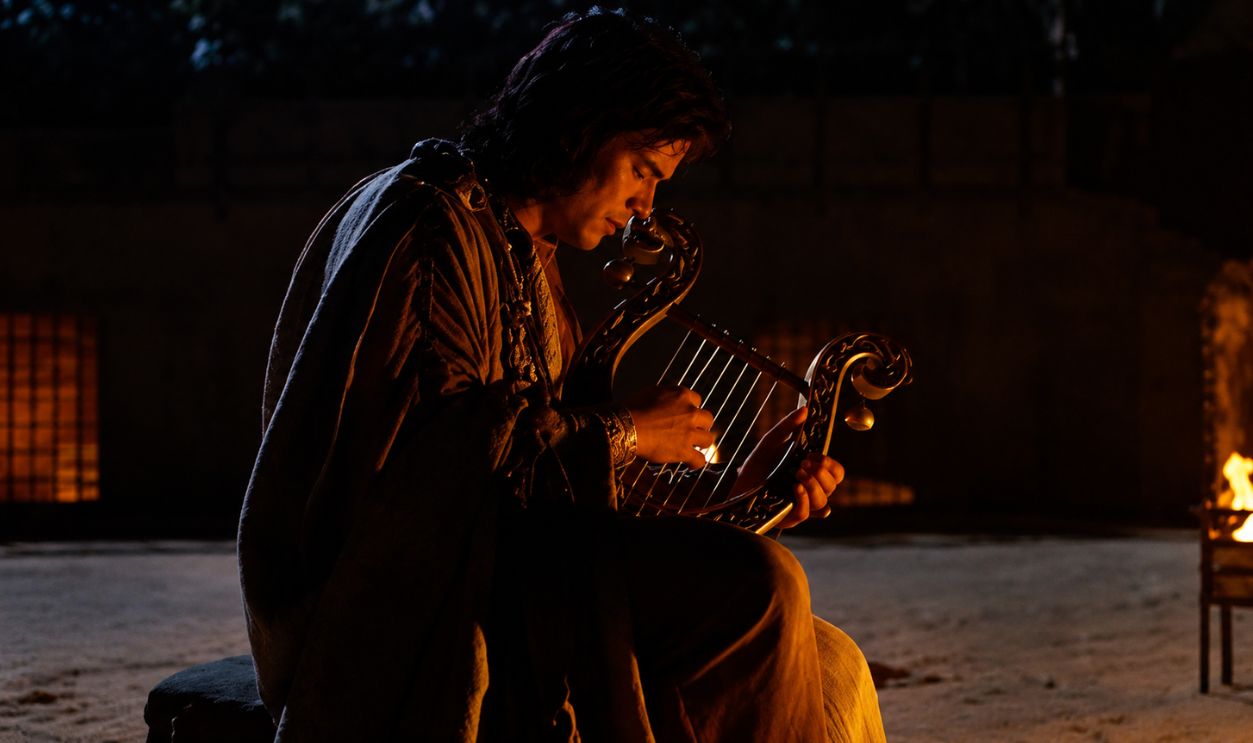 Screenshot from Nero, Sony Pictures Home Entertainment (2004)
42. Her Only Surviving Child Made A Mistake
It only took a year for Nero to realize that banishing Rufrius Crispinus just wasn't enough—and so he had him executed. And when it came to his late wife's son, he had no mercy to muster up there either. When Nero heard that the child was playing pretend at being an emperor, he hatched a diabolical plan.
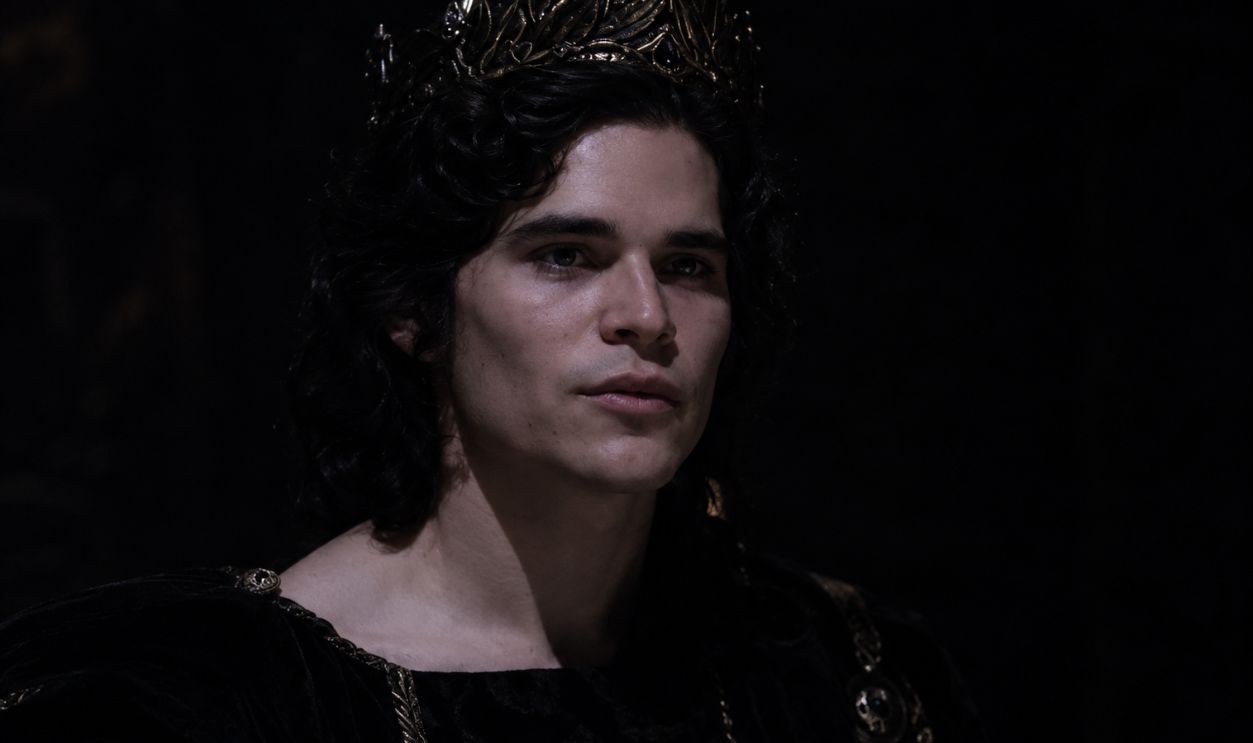 Screenshot from Nero, Sony Pictures Home Entertainment (2004)
43. Her Bloodline Disappeared
Nero wanted to eliminate Poppaea's son for daring to be any kind of general—even if it was just harmless child's play. Under the guise of a fishing trip, Nero had Rufrius Crispinus Jr's enslaved men turn against him. They drowned him. And just like that, Poppaea's bloodline was erased for all time.
Still, the ghost of Poppaea wasn't quite done with Nero.
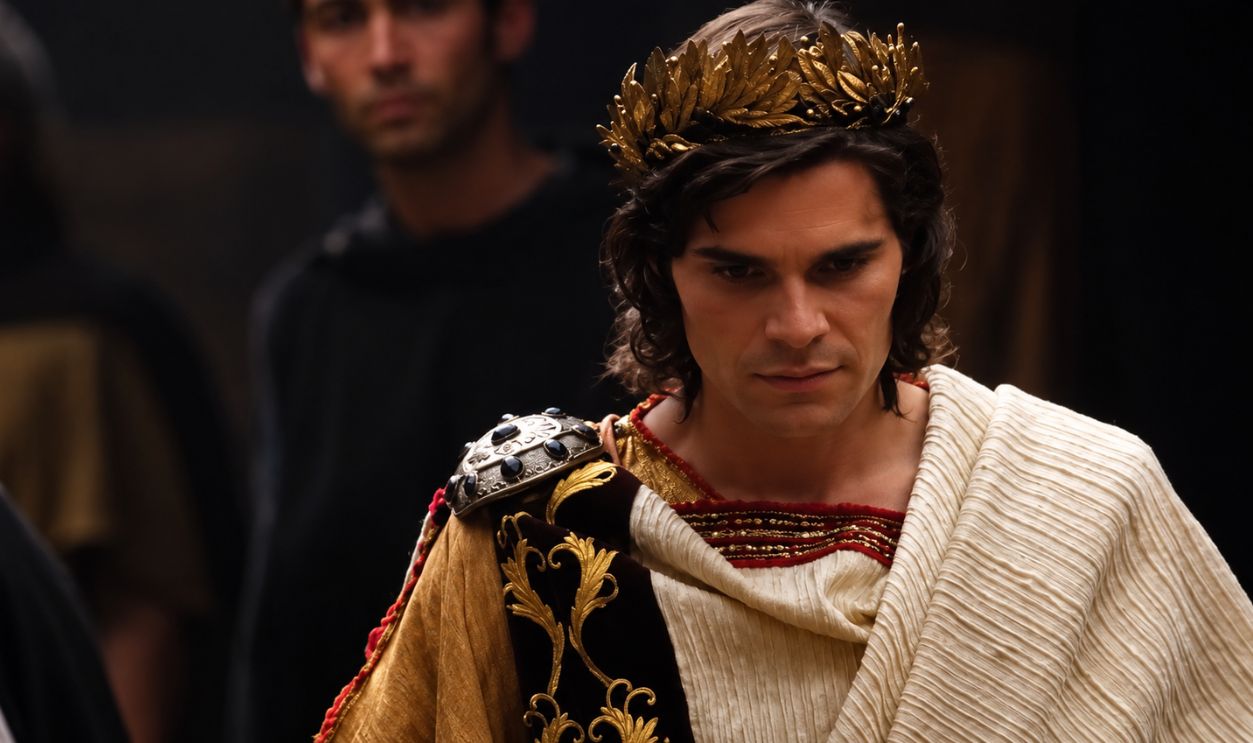 Screenshot from Nero, Sony Pictures Home Entertainment (2004)
44. She Was Replaceable
Poppaea had been around 34 or 35 when she met her tragic end—but it didn't take too long for Nero to find her replacement. Less than a year later, he married Statilia Messalina. But things took a turn for the weird in 67 AD when Nero married a young enslaved boy named Sporus. He also castrated him. Somehow, that wasn't even the worst part.
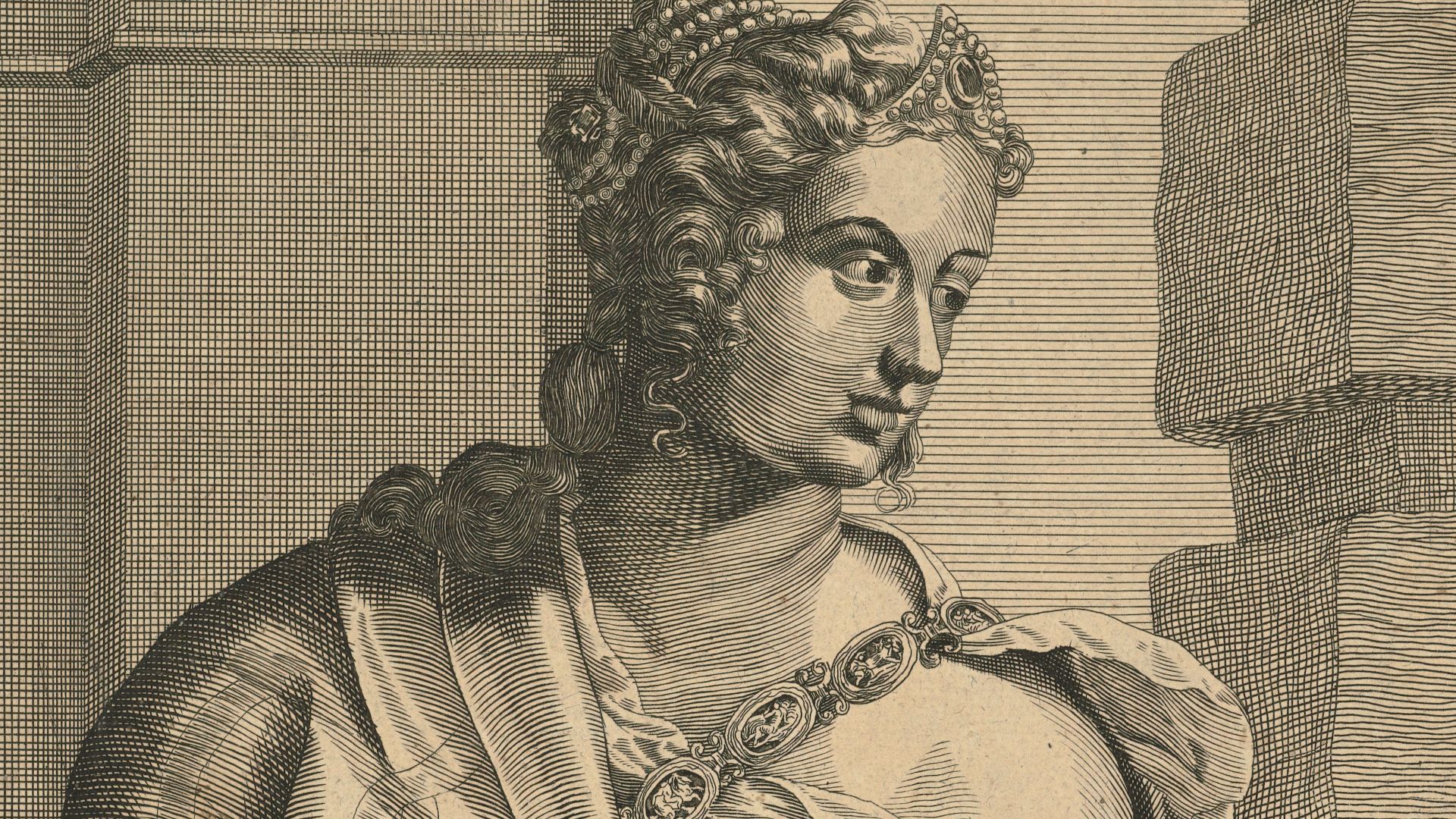
45. He Felt Guilty
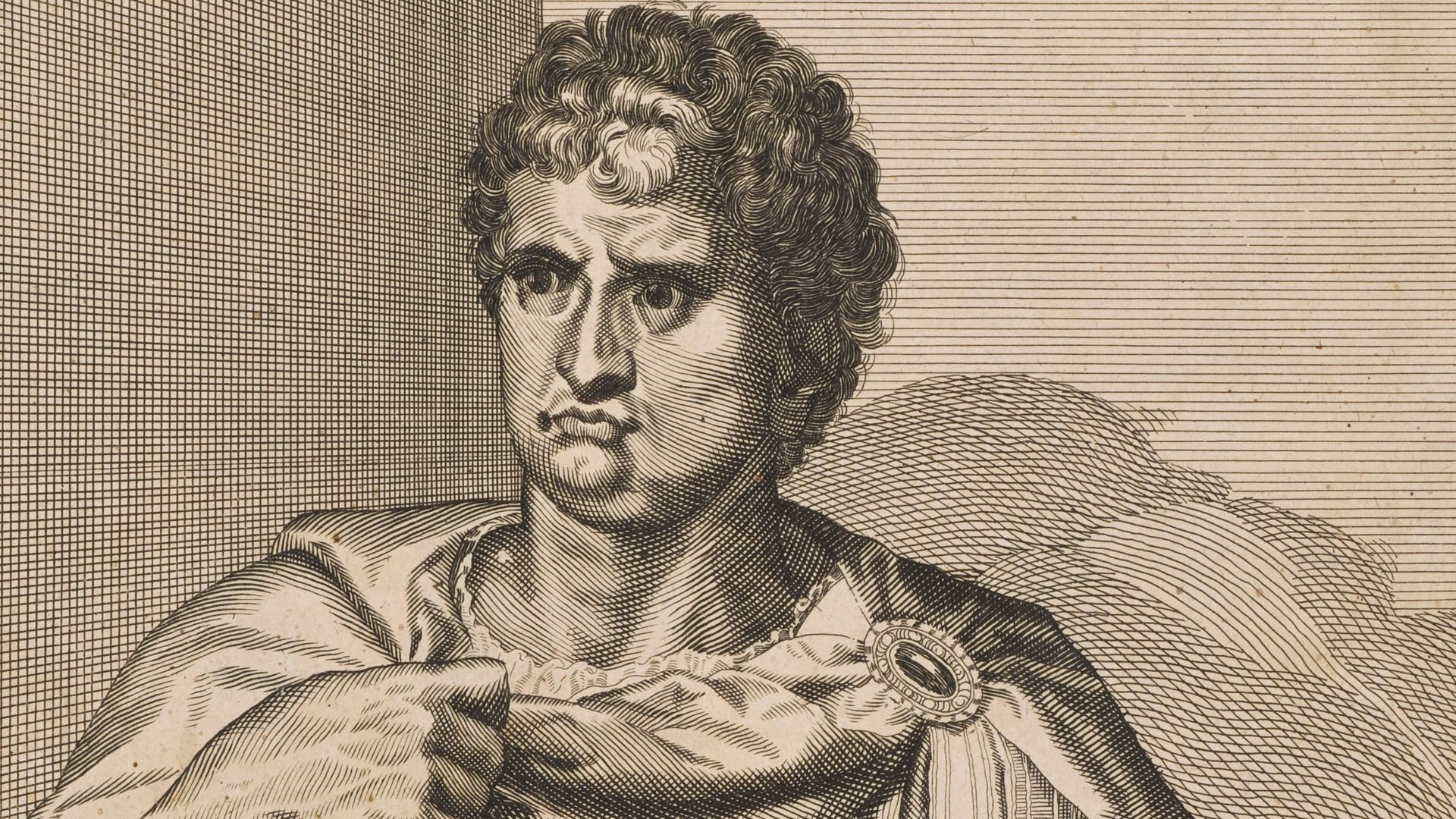
You see, Sporus looked so much like Poppaea, it was almost spooky. To make things even darker, Nero started calling Sporus by Poppaea's name. Historians have put their heads together, trying to make sense of this relationship—and some have come to the conclusion that this was Nero's way of coping with his own guilt for killing Poppaea.
46. He Pretended She Was Still Alive
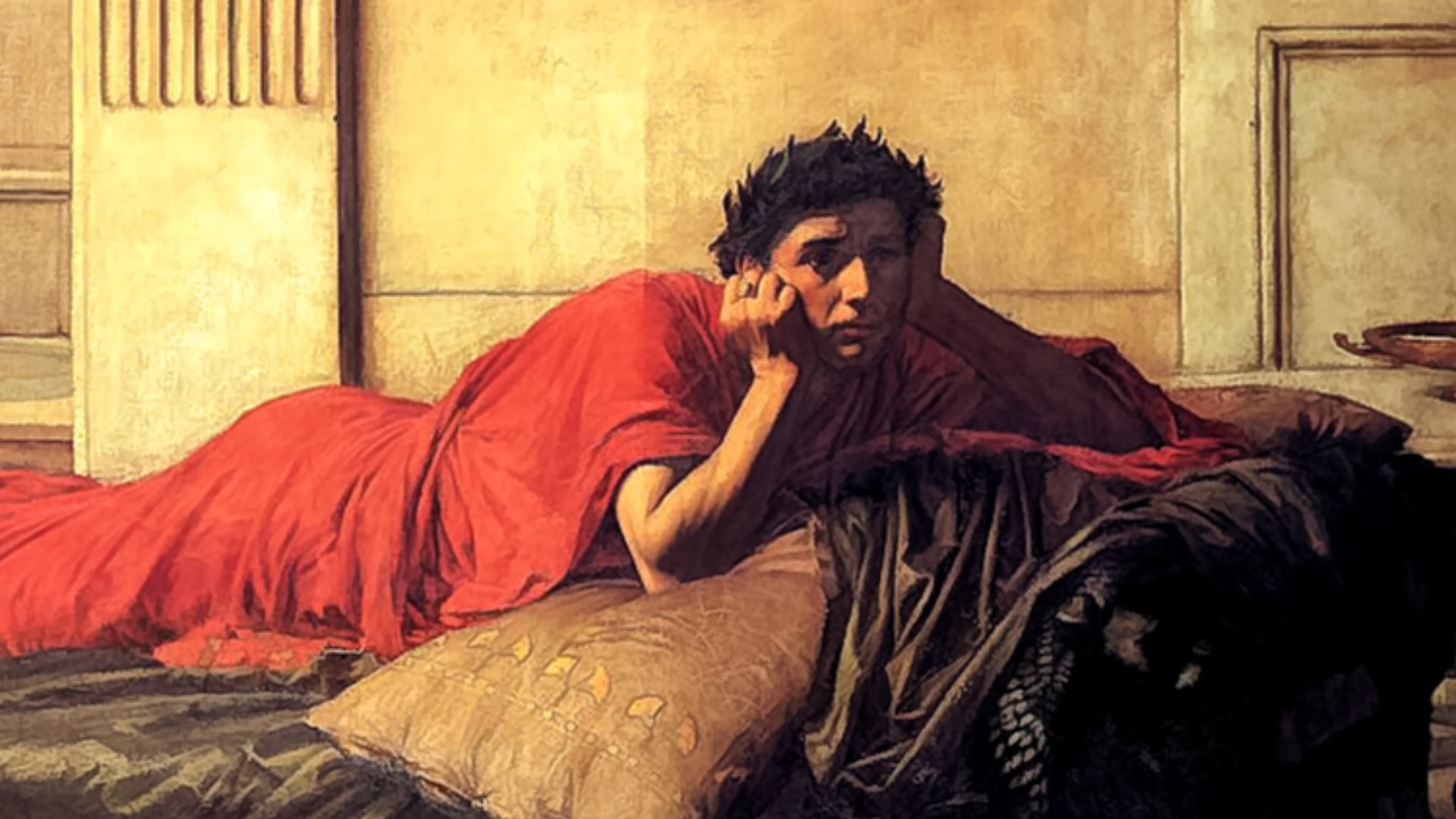
With this false vision of Poppaea, Nero could—for just a moment—forget the harsh reality of her loss and believe that she was still with him. He even had Sporus dress up like a woman and dress in the traditional outfits made for Roman empresses. Nero addressed Sporus as "Lady", "Empress", and "Mistress". But just like Poppaea, Sporus was doomed to a sad end.
 John William Waterhouse, Wikimedia Commons
History's most fascinating stories and darkest secrets, delivered to your inbox daily.
47. Her Doppelganger Also Met A Sad End
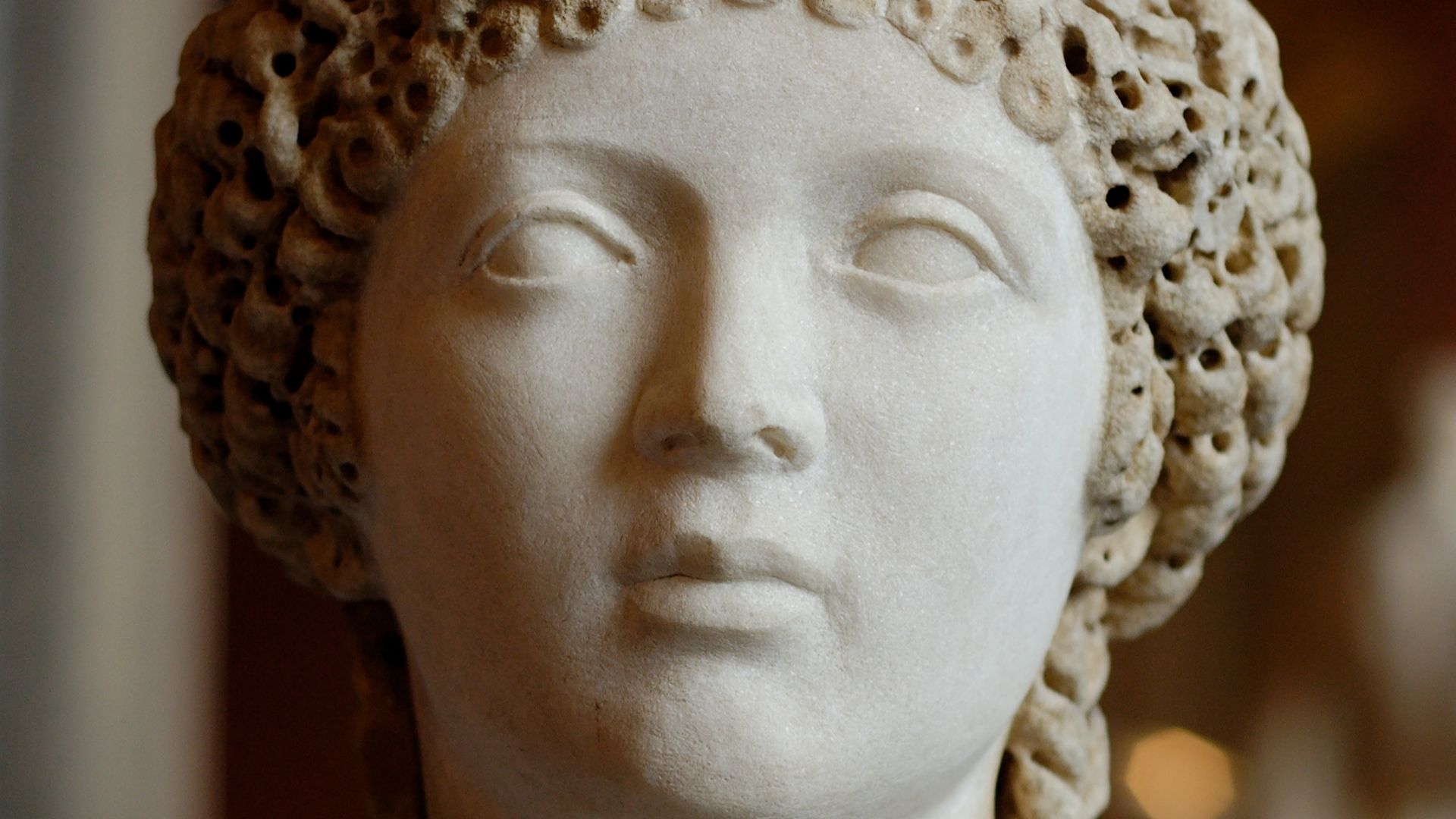
After the fall of Nero, Sporus took his own life to escape being used in a gladiator show, where he would have likely met a horrifying end as well. Nero had a chilling knack for injecting tragedy and suffering into the lives of everyone he ever loved. Poppaea Sabina knew this too well.
Luckily though, the world hasn't forgotten her just yet.
 Unknown artistUnknown artist, Wikimedia Commons
48. She Was Unforgettable
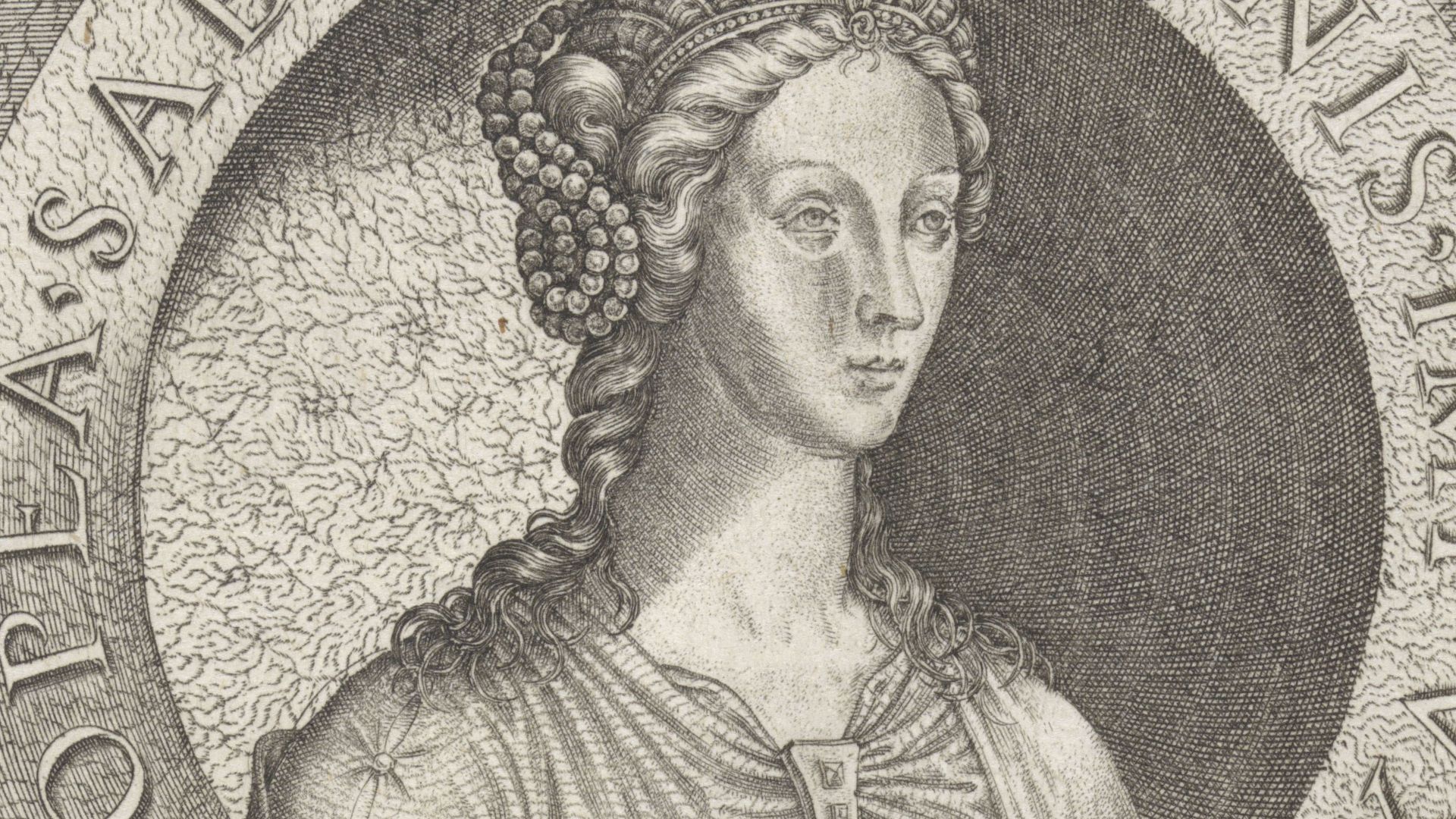
Poppaea was a fascinating figure, a beautiful and cunning woman who used her smarts and her smile to reach the top spot for women of the Roman Empire. To that end, she has proved irresistible to writers of fiction in the centuries following her passing.
 Rijksmuseum, Wikimedia Commons
49. Her Story Is Still Being Told
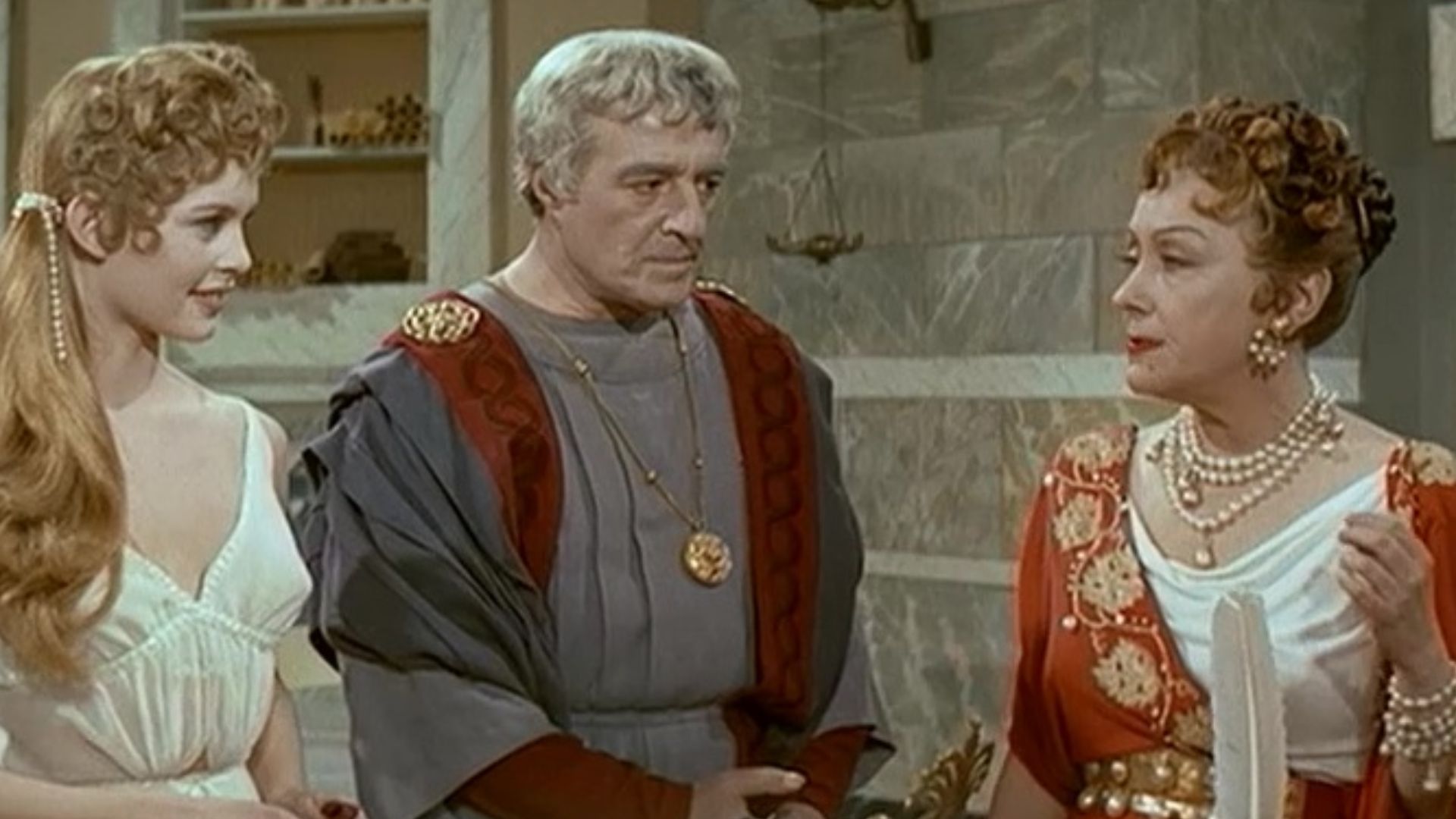
Portrayals of the empress have been enjoyed by audiences of television, movies, music, and, most notably, in opera, where the empress features as the titular character in Claudio Monteverdi's last opera, L'incoronazione di Poppea (The coronation of Poppaea). In film, Brigitte Bardot took on her character in 1956's Nero's Mistress.
 Utente:Vabbè, Wikimedia Commons
50. She Played The Game Of Life
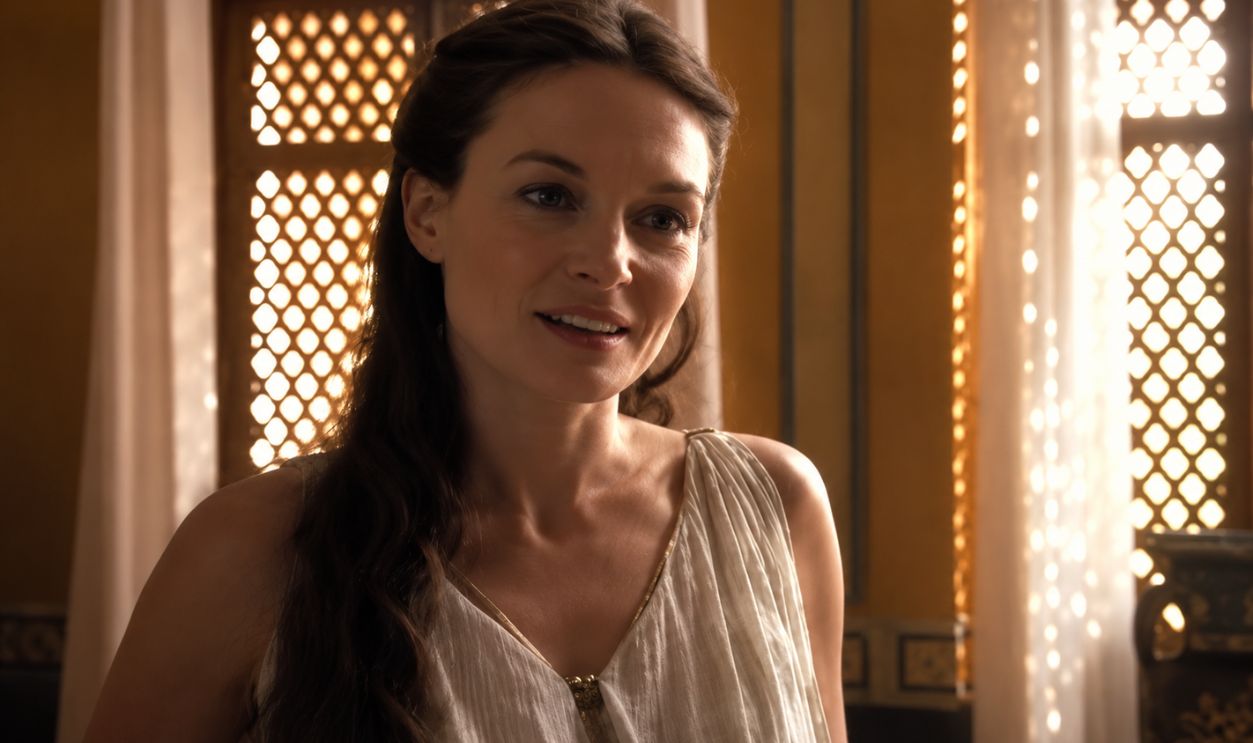
Poppaea Sabina's life story is a cautionary tale about power, corruption, ambition, and the art of persuasion. With the odds stacked against her and danger at every turn, the young empress almost had it all. And while the details of her sudden and sad end remain muddy, one thing is undeniably true: Poppaea knew how to play the game, and she every hand she played was formidable.
 Screenshot from Ancient Rome: The Rise And Fall Of An Empire (2006)
You May Also Like:
Anne Seymour Clawed Her Way To The Top—But Paid A Terrible Price
The Rise of Frederick Barbarossa
The Forgotten Emperor Behind One Of Europe’s Biggest Wars
Sources: 1, 2, 3, 4, 5, 6, 7, 8, 9, 10, 11, 12, 13, 14, 15, 16,