People Paid Admission To Stare.
Across the 18th, 19th, and early 20th centuries, unusual bodies, disabilities, racial identities, and even human remains were openly marketed as entertainment to crowds who treated real people like museum exhibits. Behind the posters were individuals who worked, married, raised families, fought for freedom, and sometimes spent their entire lives trying to regain control of identities that promoters had sold to strangers.
 Unknown author / Wikimedia Commons
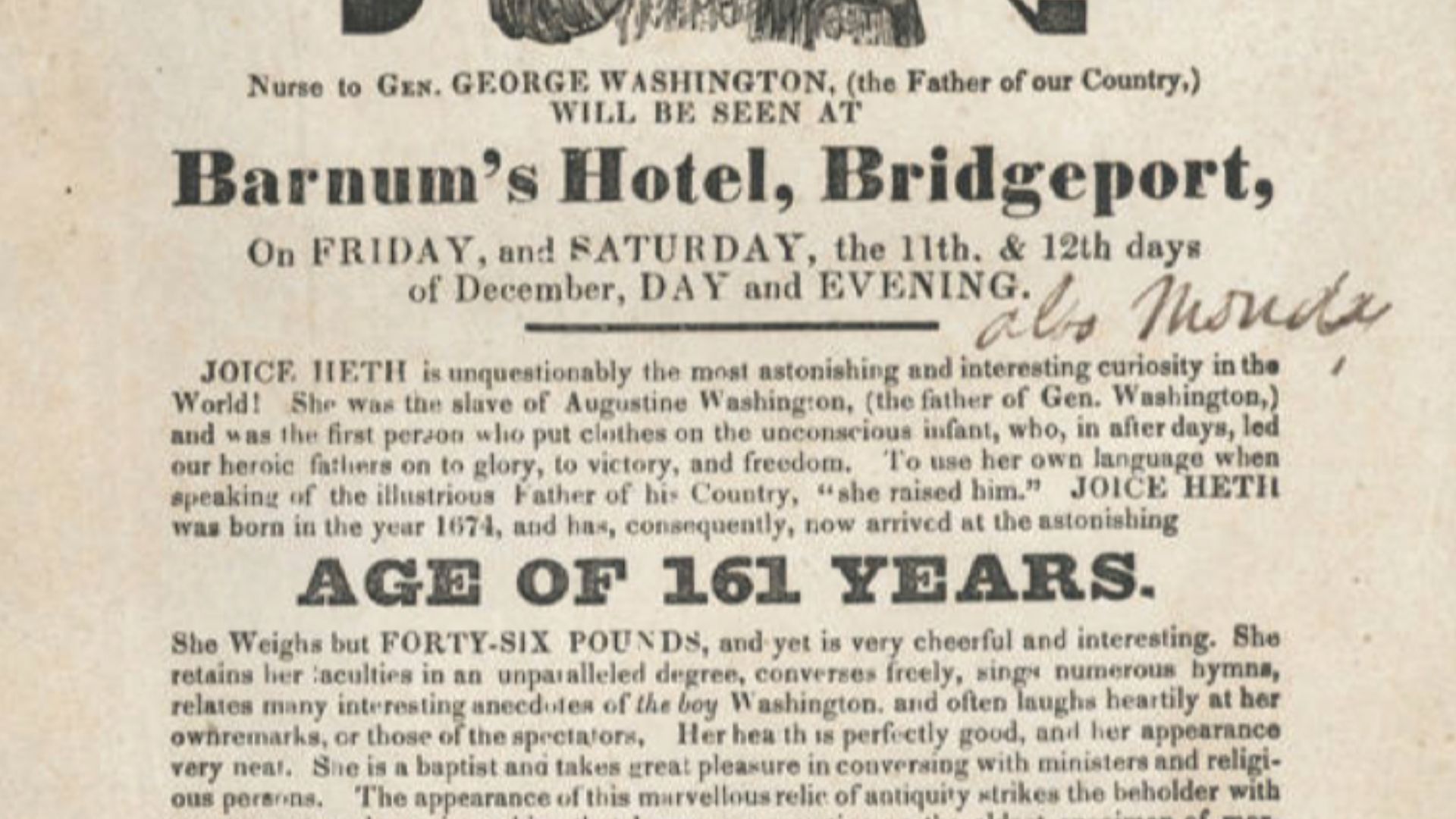
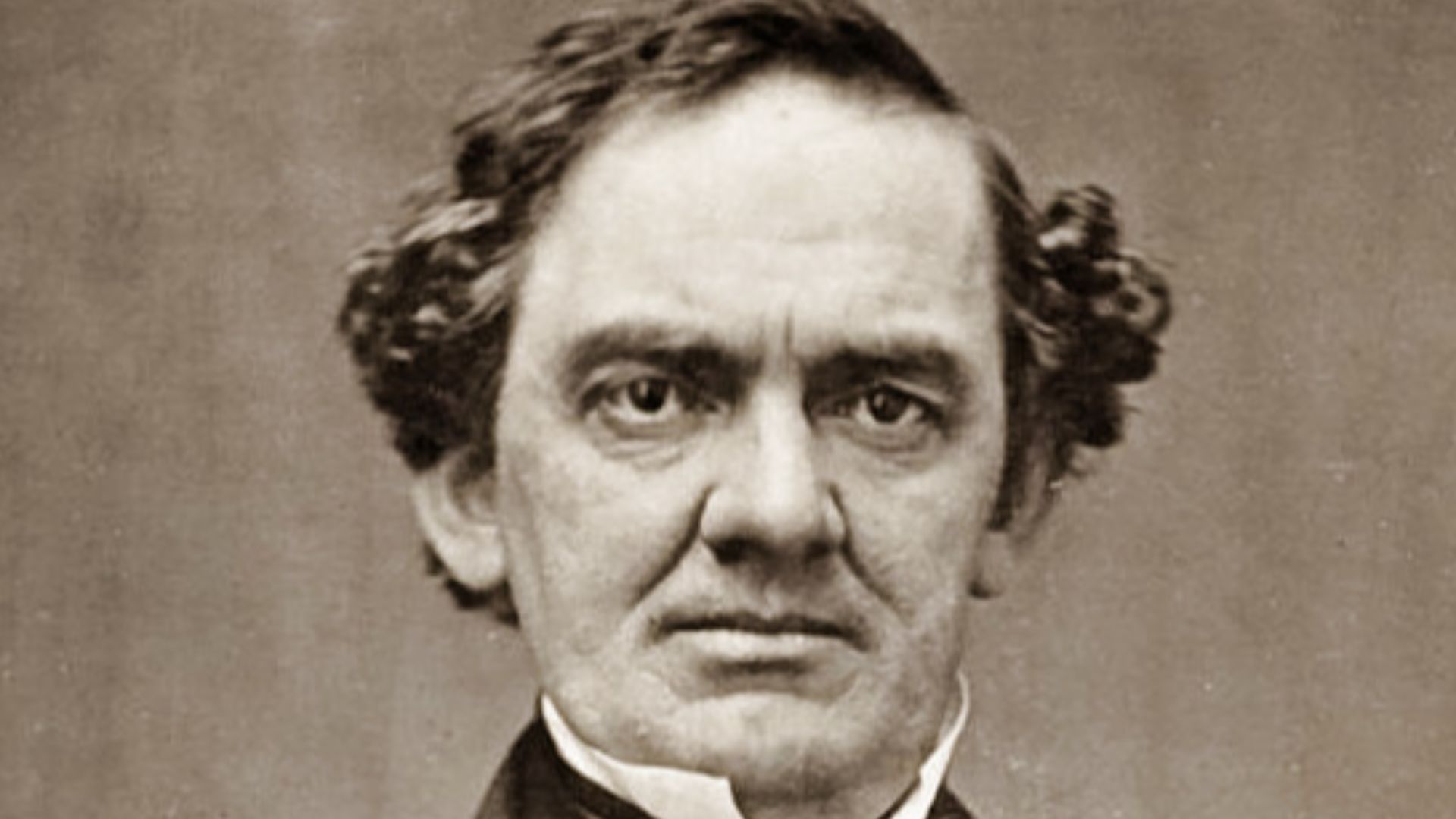
Joice Heth Was Advertised As 161 Years Old
P.T. Barnum's first major attraction was Joice Heth, an elderly Black woman whom promoters claimed had once nursed George Washington. The publicity insisted that she was 161 years old, making her supposedly old enough to remember the future president as a baby. Barnum began exhibiting Heth around the northeastern United States in 1835, charging audiences for the chance to see and hear her. A fabricated connection to America's founding history had turned a human being into a traveling tourist attraction.
 J. Booth & Son, 147 Fulton St NY, Wikimedia Commons
Barnum Discovered That Doubt Sold Tickets
Some spectators questioned Heth's astonishing age almost immediately, but skepticism did not necessarily hurt business. Barnum learned that arguments over whether an attraction was genuine could drive people to pay admission simply to decide for themselves. Newspapers helped circulate the controversy, expanding Heth's fame far beyond the rooms where she appeared. The basic publicity strategy was brutally effective because curiosity mattered more than truth.
 unattributed, Wikimedia Commons
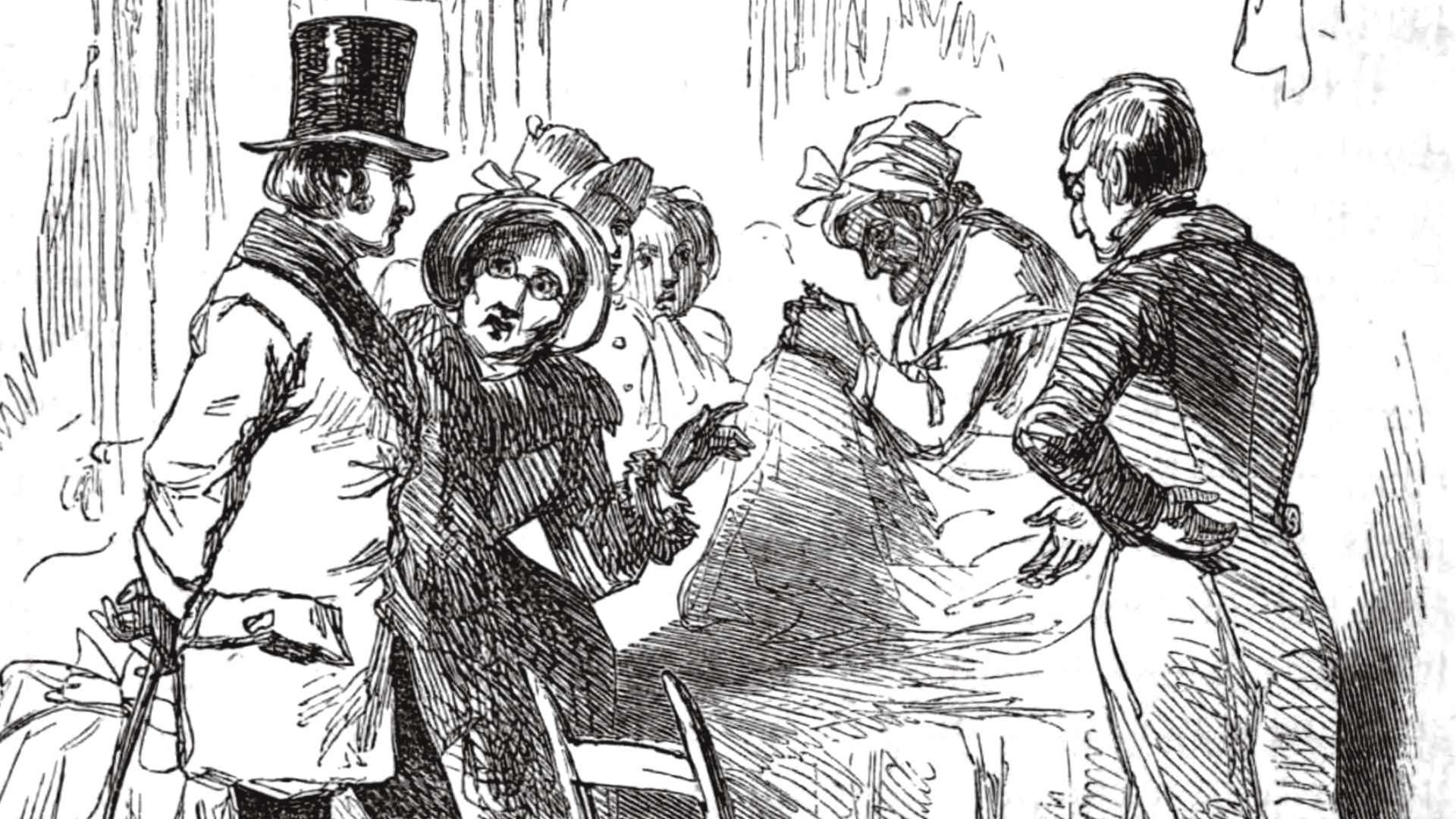
Spectators Paid To Watch Her Autopsy
Heth died in February 1836, but even death did not end the exhibition. Barnum arranged a public autopsy in New York, where approximately 1,500 paying spectators watched surgeon David L. Rogers examine her body. Rogers concluded that Heth was probably around 80, destroying the central claim on which her exhibition had been built. A woman who had been displayed during life was transformed into one final attraction after death.
 Unknown authorUnknown author, Wikimedia Commons

History's most fascinating stories and darkest secrets, delivered to your inbox daily.
Sarah Baartman Was Taken To London For Display
Sarah Baartman was a Khoikhoi woman born in southern Africa who traveled to Britain in 1810 under an arrangement that supposedly included exhibition work. South African History Online notes serious questions about whether the illiterate young woman could meaningfully consent to the written terms attributed to her. Audiences paid to see her body because Europeans considered some of her physical features unusually exotic. She was marketed under the degrading name "Hottentot Venus."
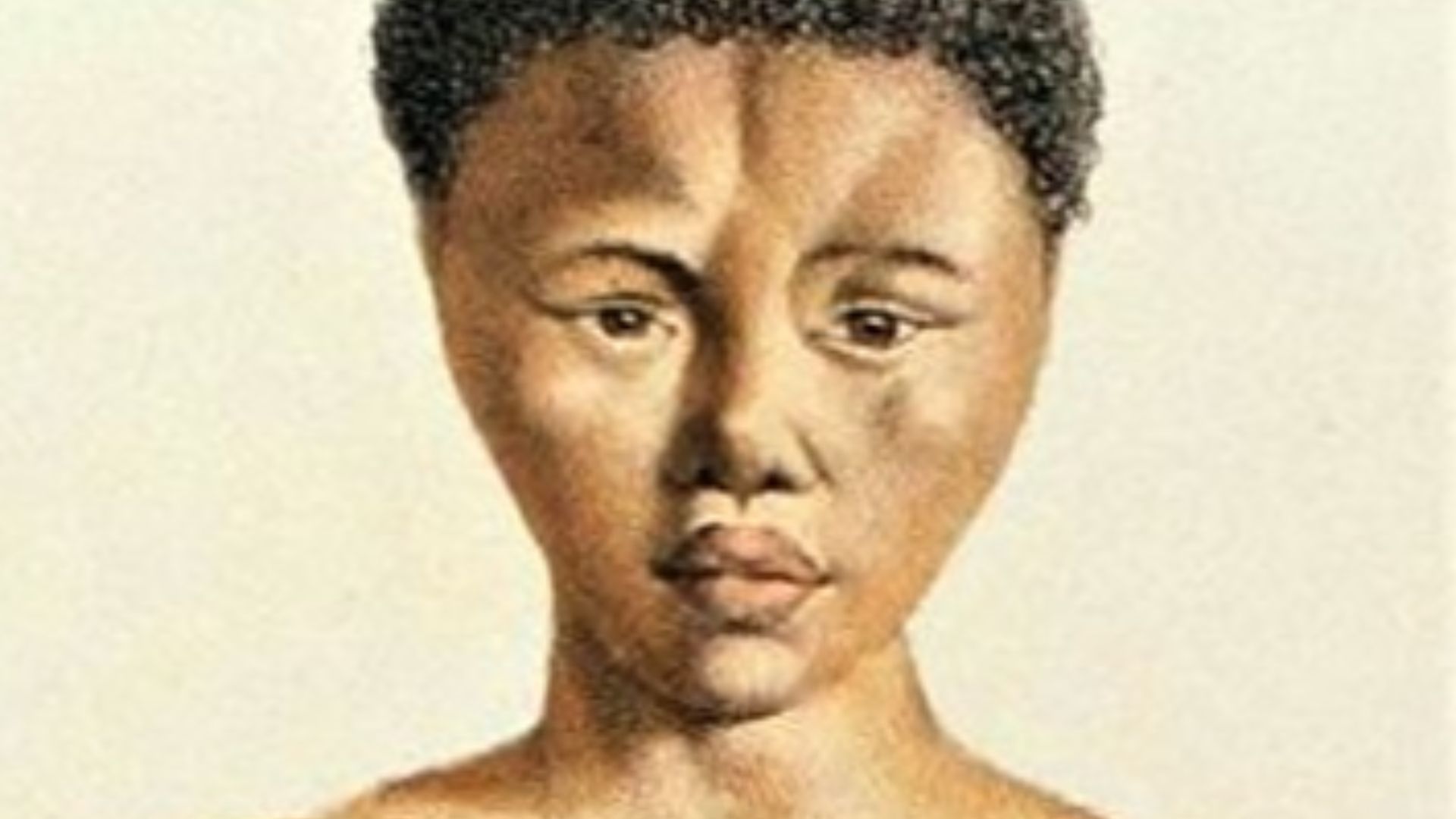
Crowds Were Invited To Study Her Body
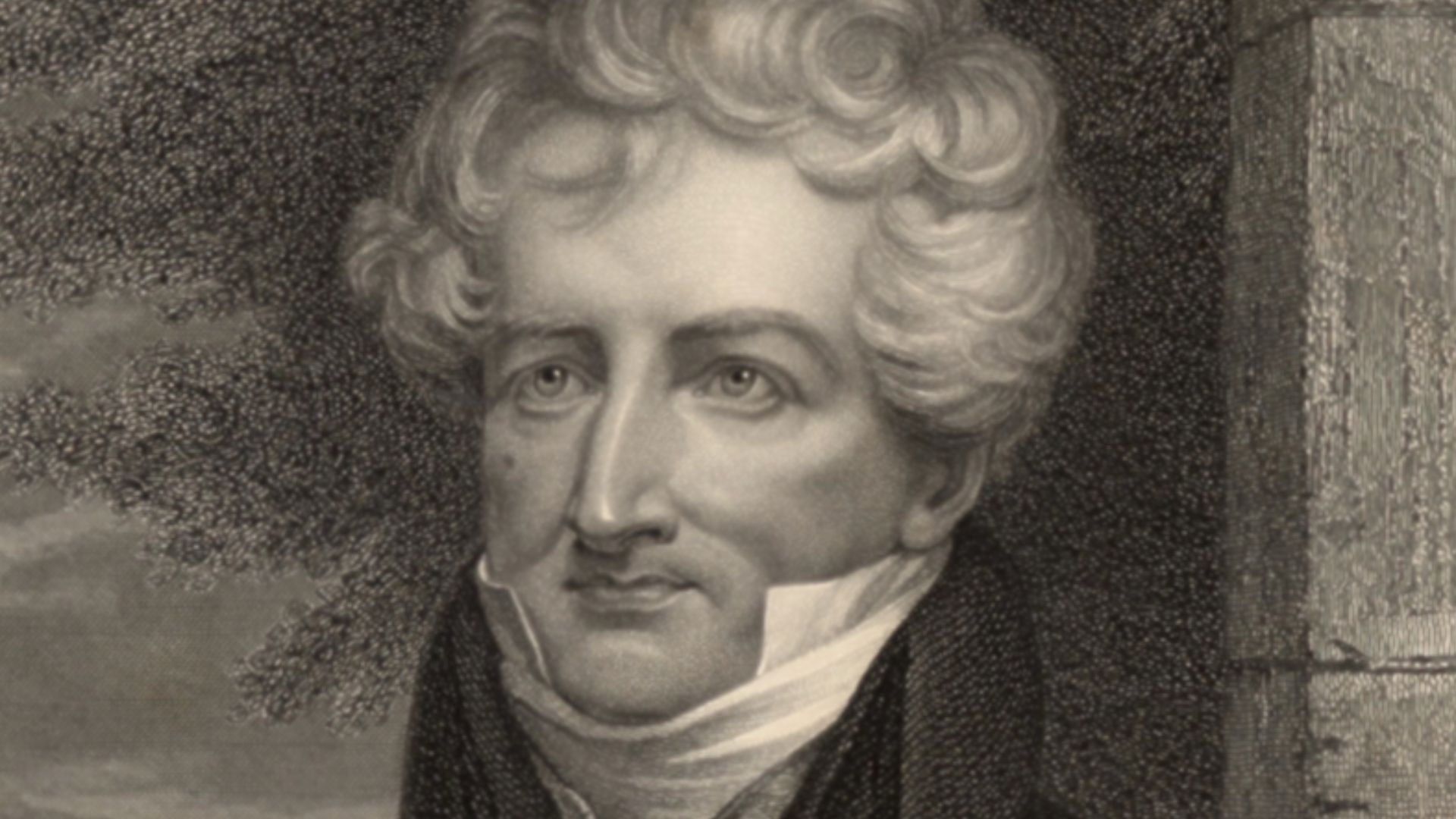
Baartman's exhibitions were built around the idea that spectators had a right to inspect her. In France she was also examined by naturalists, including Georges Cuvier, as European scientists tried to fit her body into racist theories about human hierarchy. Baartman resisted attempts to expose parts of her body that she considered culturally private. What promoters sold as curiosity therefore mixed entertainment, colonialism, and early racial science.
 James Thomson (1789-1850), Wikimedia Commons
A Museum Display Outlived Sarah Herself
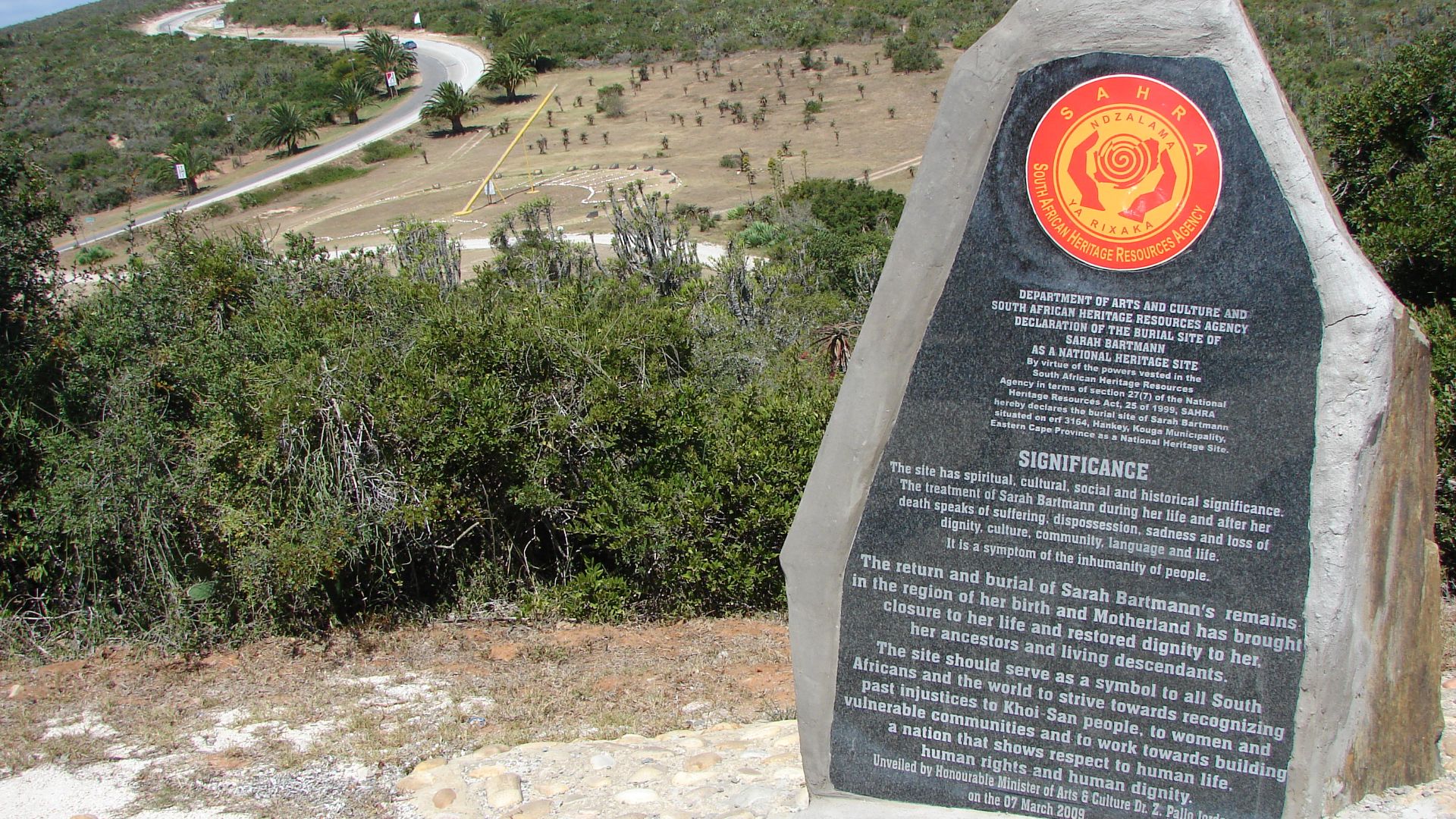
Baartman died in Paris in 1815, but Cuvier dissected her and preserved parts of her body along with a plaster cast and skeleton. Some of those remains were later displayed at Paris's Musée de l'Homme until the 1970s. After years of demands from South Africa, France finally returned her remains in 2002. Baartman was buried that August, nearly two centuries after strangers had first begun paying to look at her.
 Albert~nlwiki, Wikimedia Commons
Charles Byrne Earned Money By Being The Irish Giant
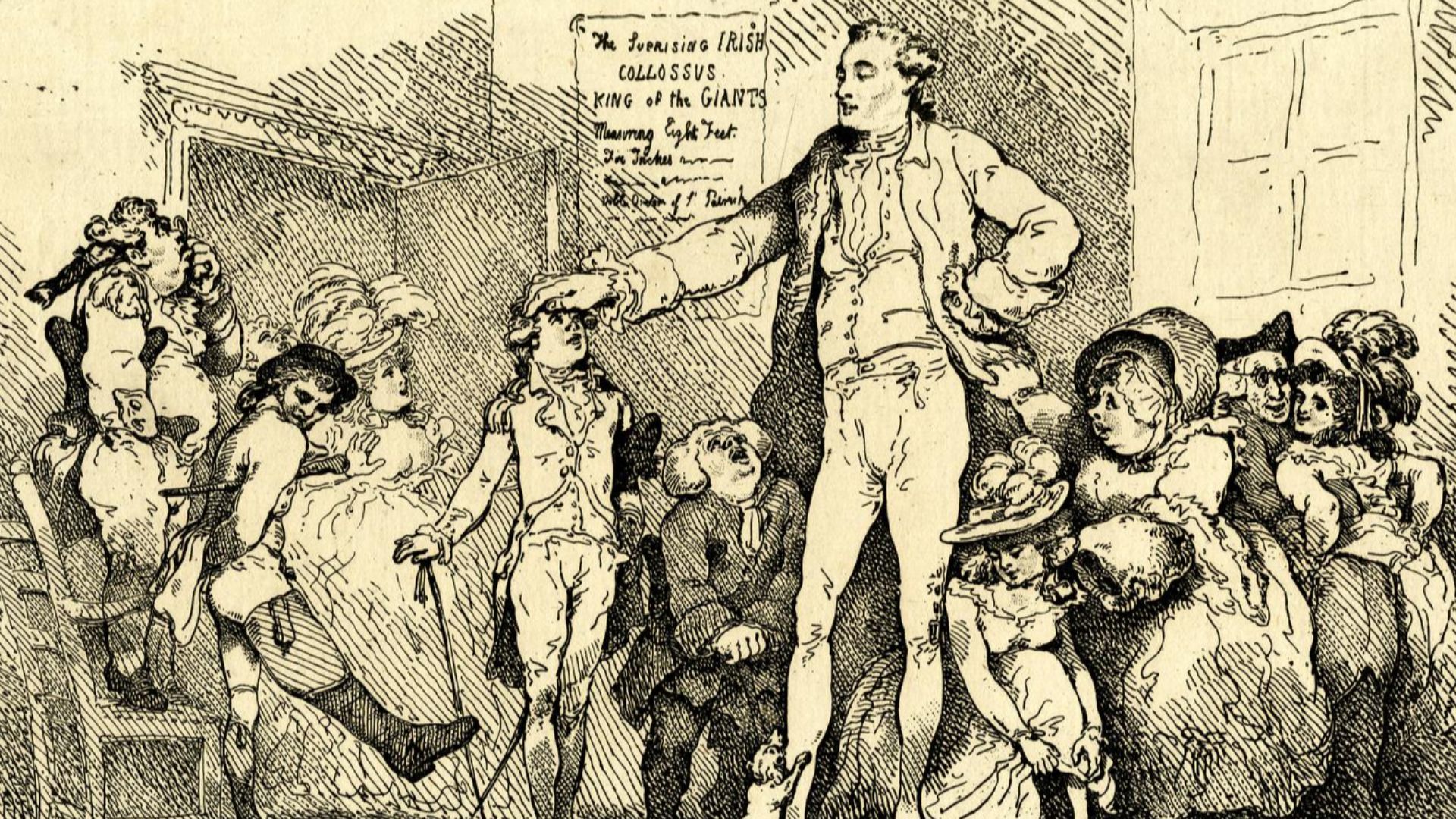
Charles Byrne was born in Ireland in 1761 and developed gigantism caused by a pituitary tumor. He grew to approximately 7 feet 7 inches and eventually supported himself by appearing publicly as the "Irish Giant." Such exhibitions gave people with highly unusual bodies one of the few available ways to earn substantial money from the attention they attracted anyway. Byrne became famous enough in Britain that his height also attracted intense interest from physicians and anatomists.
 Print made by: Thomas Rowlandson Published by: T Smith, Wikimedia Commons
Byrne Was Terrified Of Becoming A Specimen
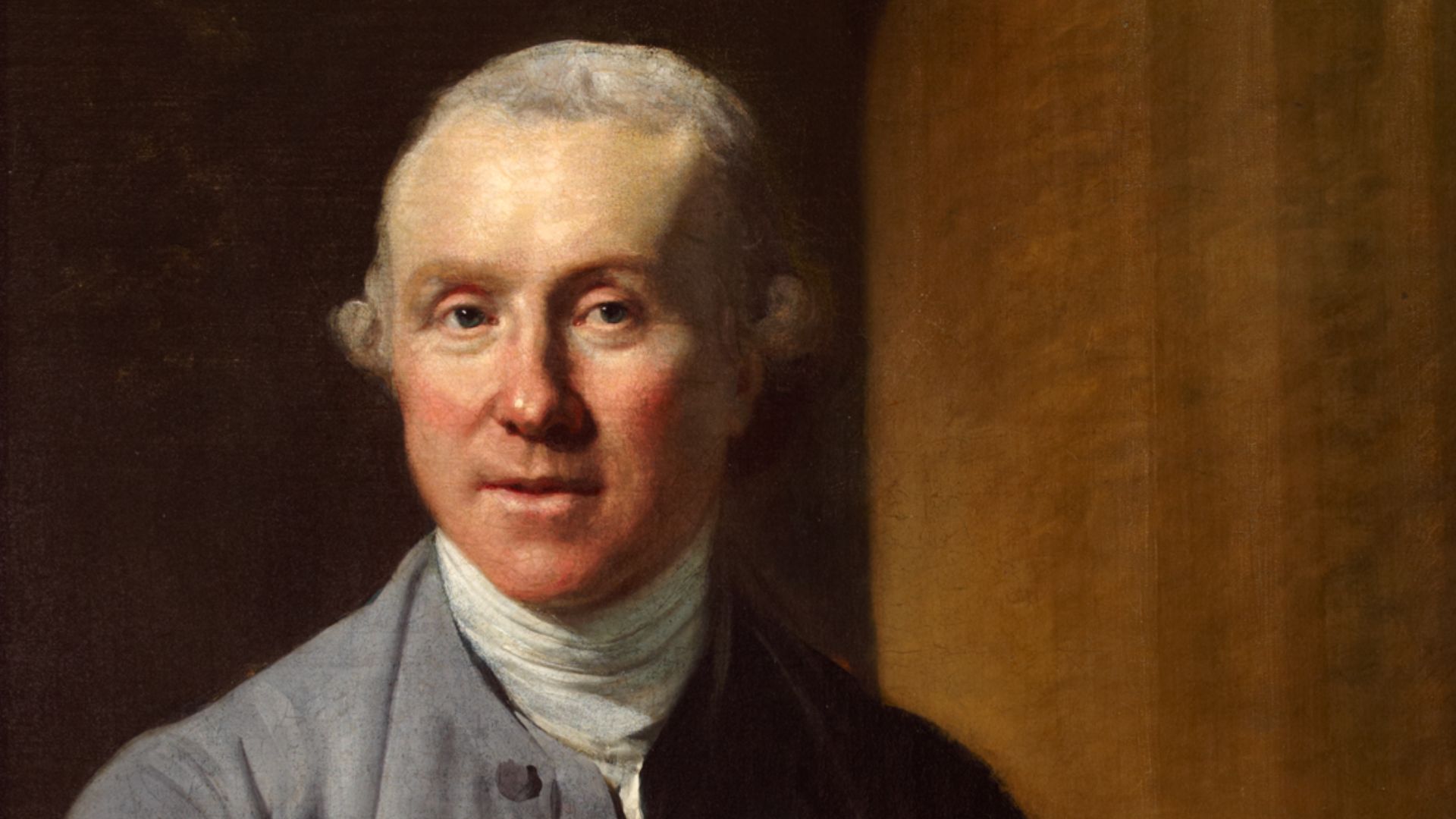
The anatomist John Hunter wanted Byrne's body for his growing collection. Accounts preserved by the Hunterian Museum state that Byrne wanted to prevent anatomists from obtaining his remains and hoped to be buried at sea. When Byrne died in 1783, Hunter intervened and reportedly paid Byrne's associates £500 for the body before the planned burial could occur. Byrne's fear that people would keep staring at him after death proved justified.
 Johann Zoffany (1733–1810) (attributed to), Wikimedia Commons
His Skeleton Became A Museum Attraction
Hunter prepared Byrne's skeleton and put it on display several years later. The remains ultimately became one of the Hunterian Museum's most famous anatomical specimens and stayed on public exhibition for generations. Ethical debate over the treatment of Byrne intensified in modern times, particularly because of the accounts of his wishes. When the renovated Hunterian Museum reopened in 2023, the skeleton was no longer displayed to visitors.
History's most fascinating stories and darkest secrets, delivered to your inbox daily.
Chang And Eng Drew Crowds Across Continents
Chang and Eng Bunker were born conjoined in Siam, now Thailand, in 1811. After traveling abroad as teenagers, they became internationally famous and toured the United States, Britain, Europe, Canada, Cuba, and South America. Their fame was so great that "Siamese twins" became the common historical expression for conjoined twins. Thousands of spectators bought tickets to see two young men whose bodies were advertised as an almost unbelievable natural phenomenon.
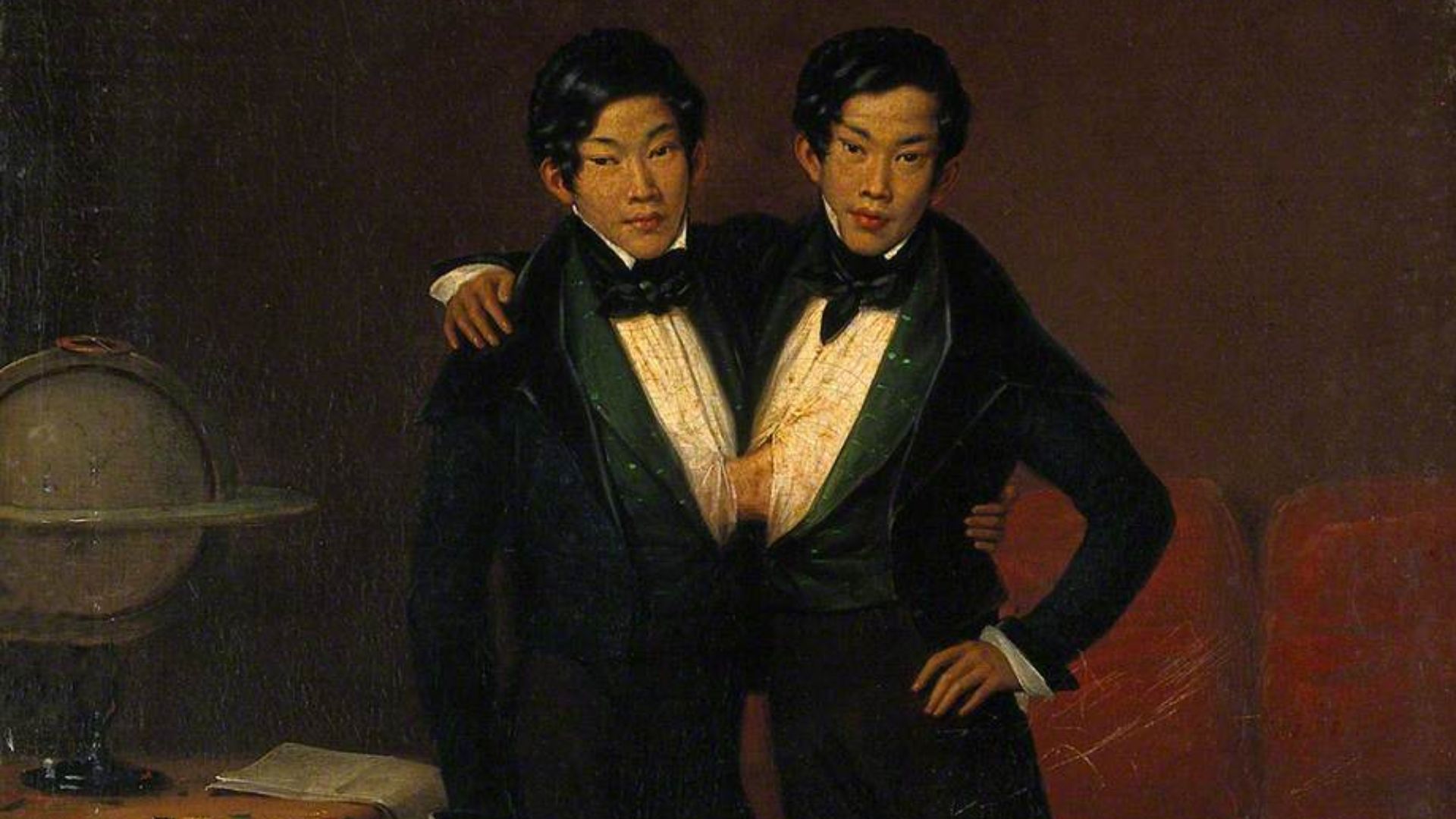 Edouard Pingret, Wikimedia Commons
Even Their Medical Exams Became Performances
Merely standing before an audience was not enough to keep crowds interested. National Library of Medicine records show that Chang and Eng performed feats of strength and gymnastics, while doctors publicly conducted experiments intended to understand how their bodies were connected. Promotional materials emphasized that respected scientific men had examined and authenticated them. Entertainment and medicine blurred together because their anatomy was treated as something the public had purchased the right to investigate.
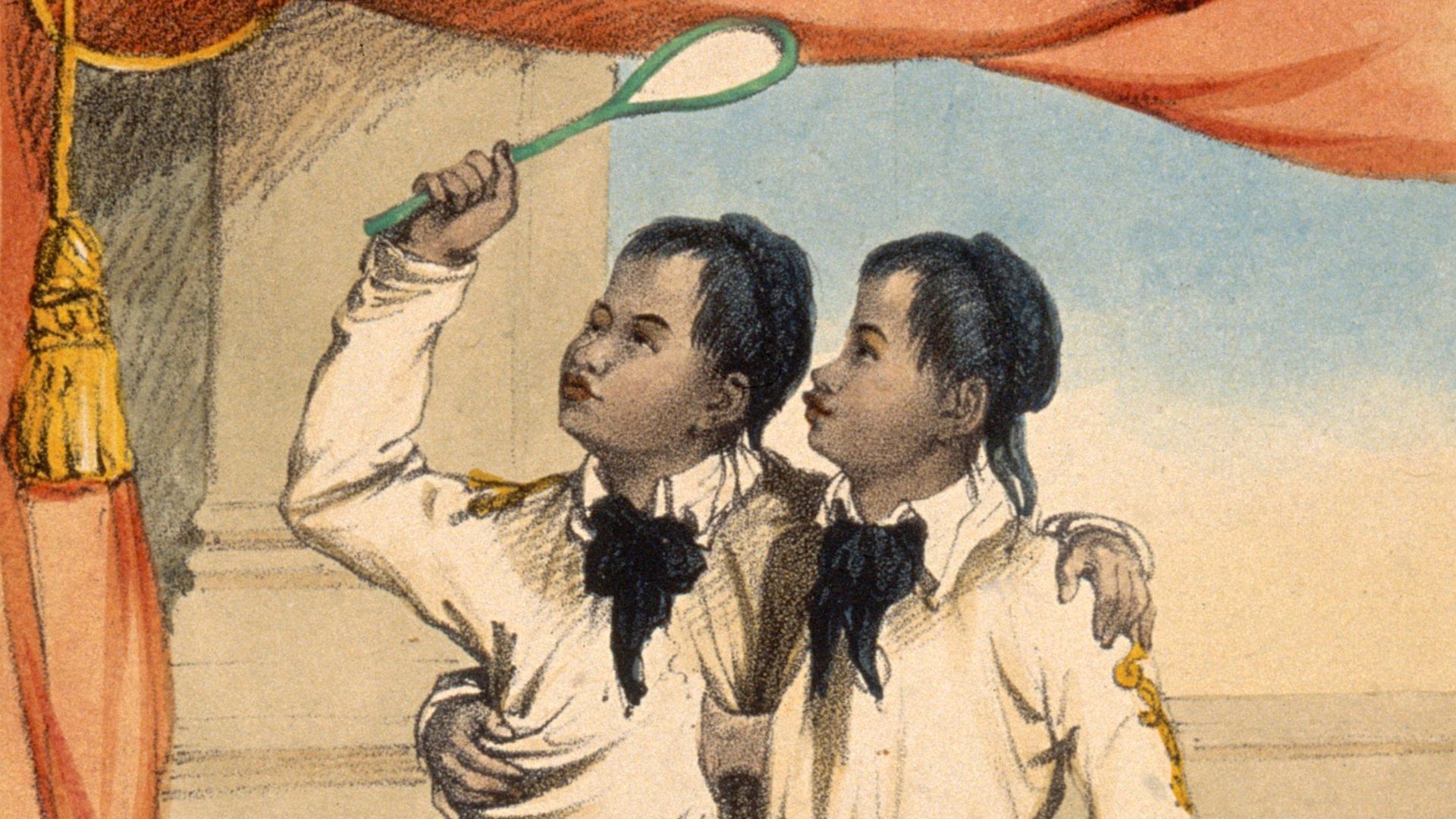
The Brothers Eventually Ran Their Own Show
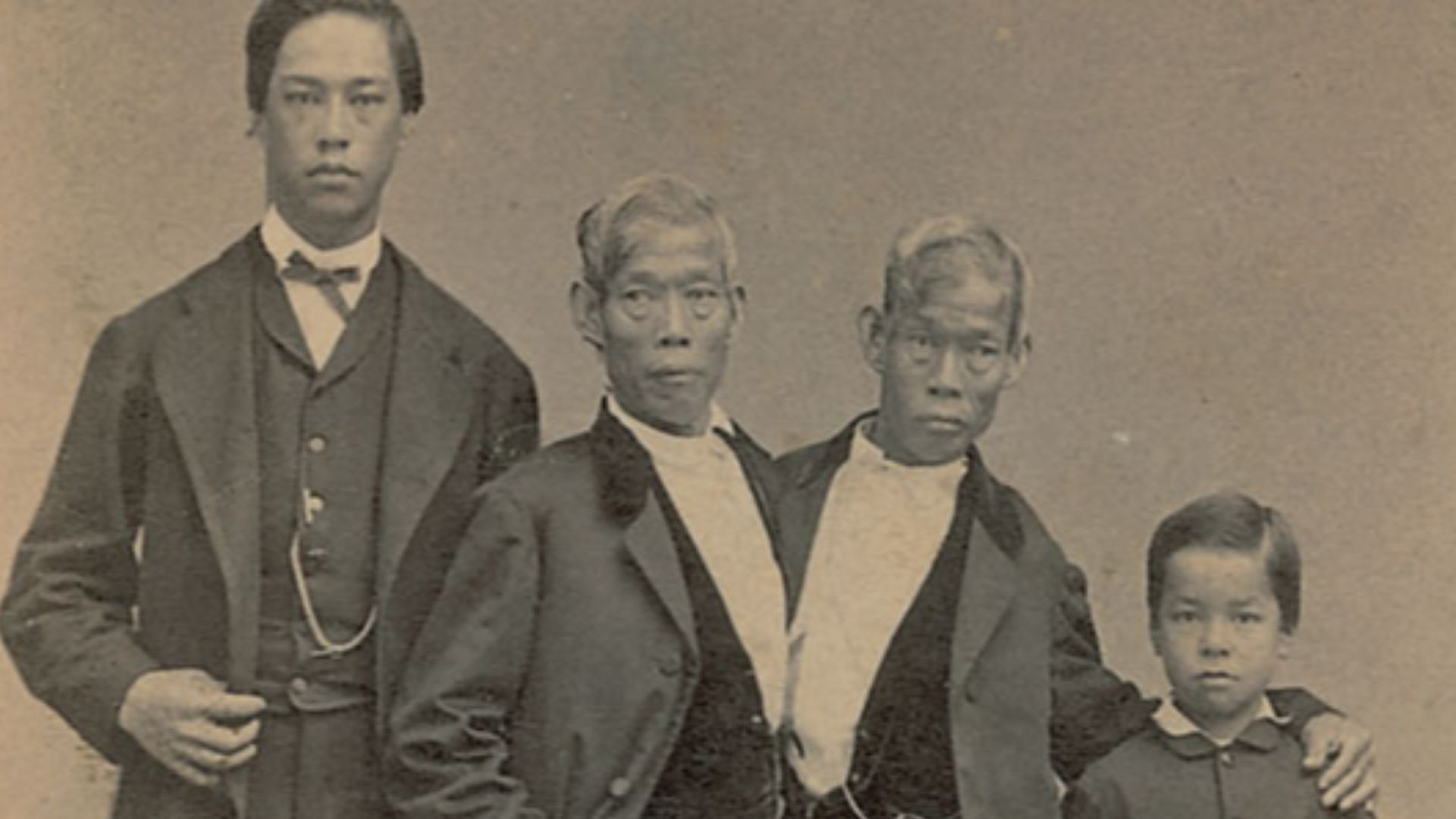
Chang and Eng eventually broke with their early managers and began controlling their own exhibitions. They became American citizens, settled in North Carolina, married sisters, and fathered 21 children between them. They also became landowners who enslaved people, making their place in antebellum Southern society far more complicated than the passive "curiosity" image suggested. Yet even after building private lives, they remained famous primarily because the public could not stop interpreting them through their bodies.
Millie Christine Were Born Into Slavery
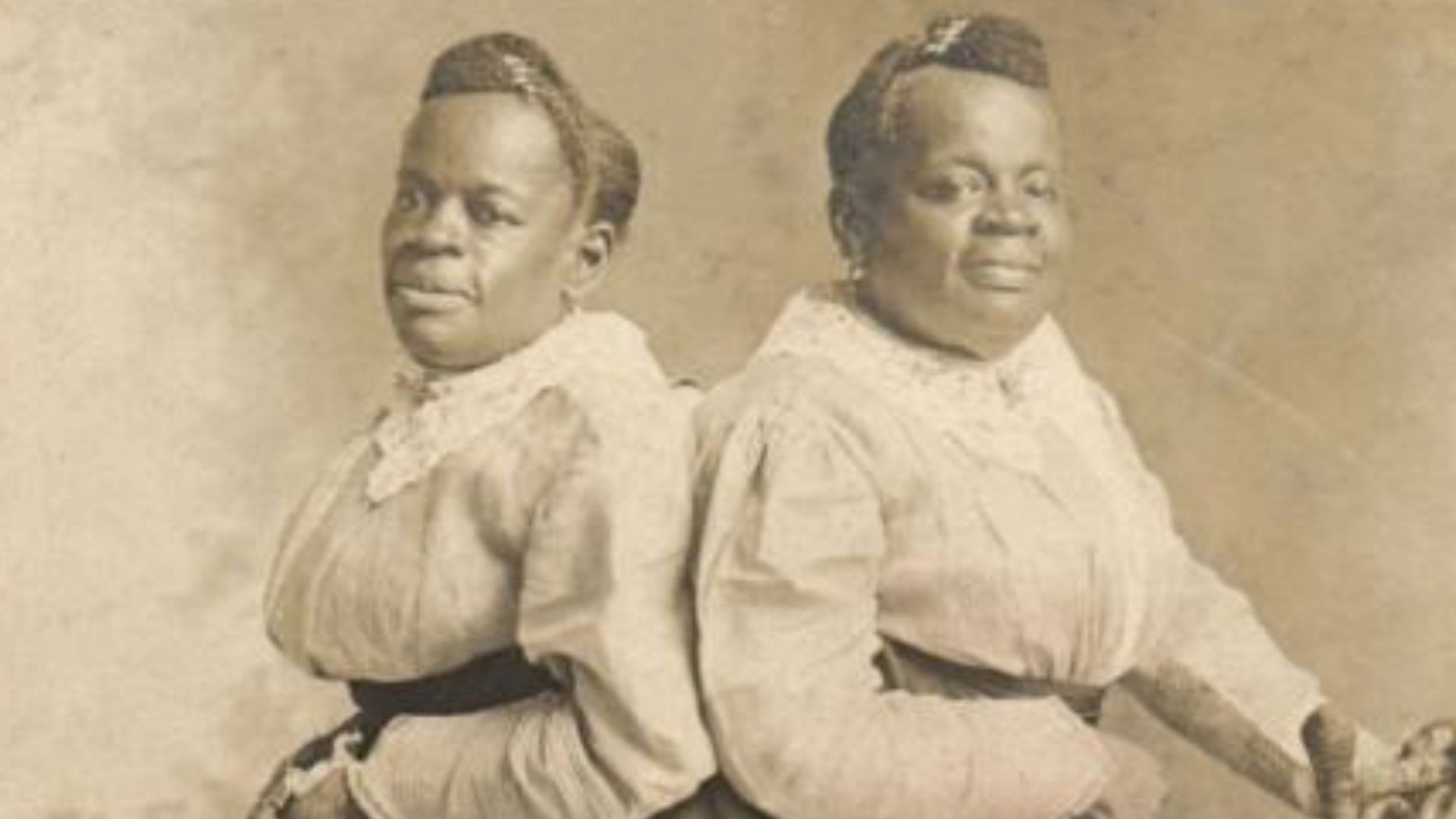
Millie and Christine McKoy were born conjoined in North Carolina in 1851 to parents who were enslaved. Adults quickly recognized that the girls could generate money through exhibition, and they were sold and transferred among people seeking to profit from them. The National Museum of African American History and Culture describes their childhood as one shaped by contested ownership, forced exhibitions, and repeated medical examinations. Their status as both enslaved children and profitable attractions made control over their lives especially precarious.
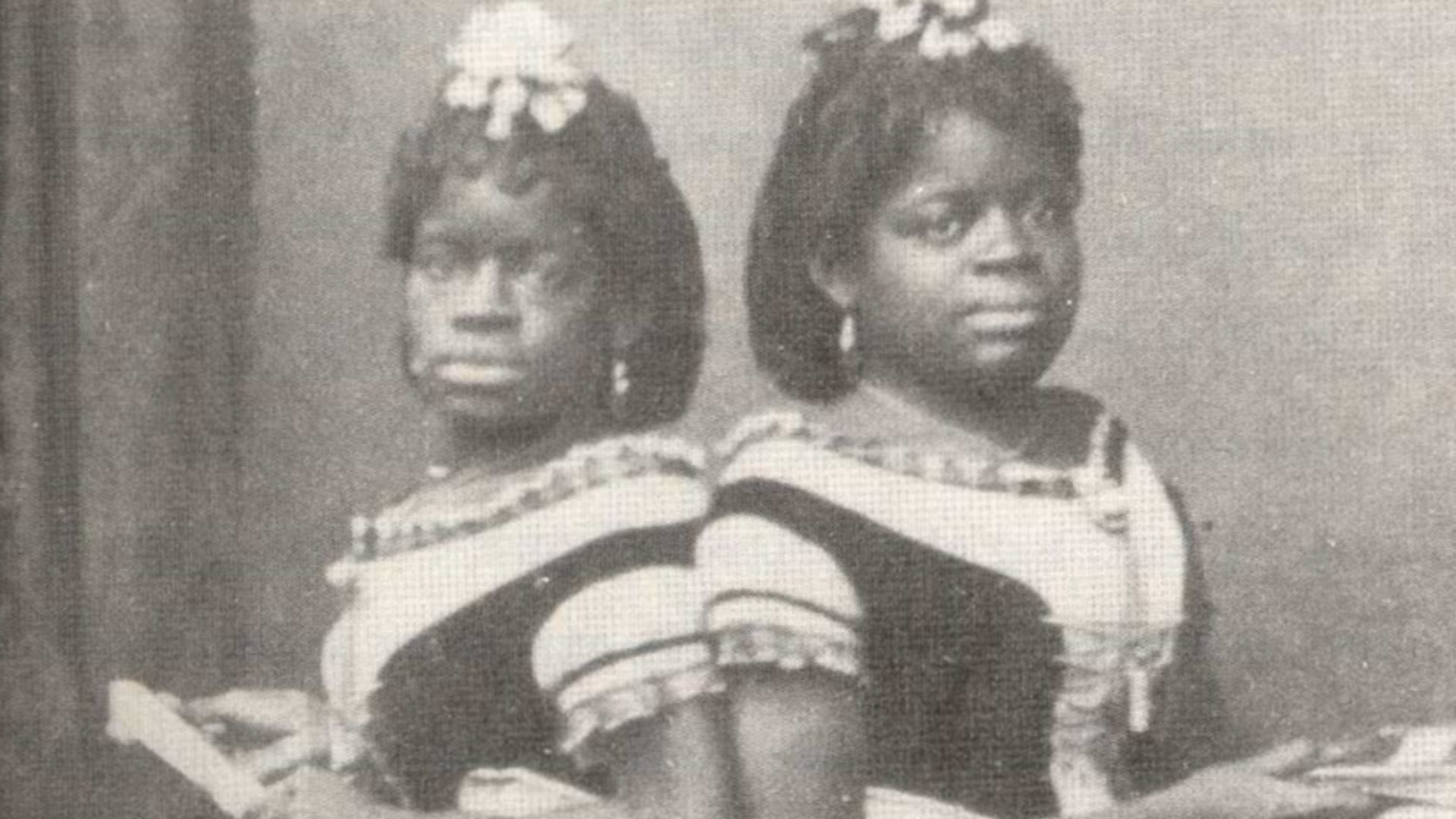
Their Family Had To Fight To Get Them Back
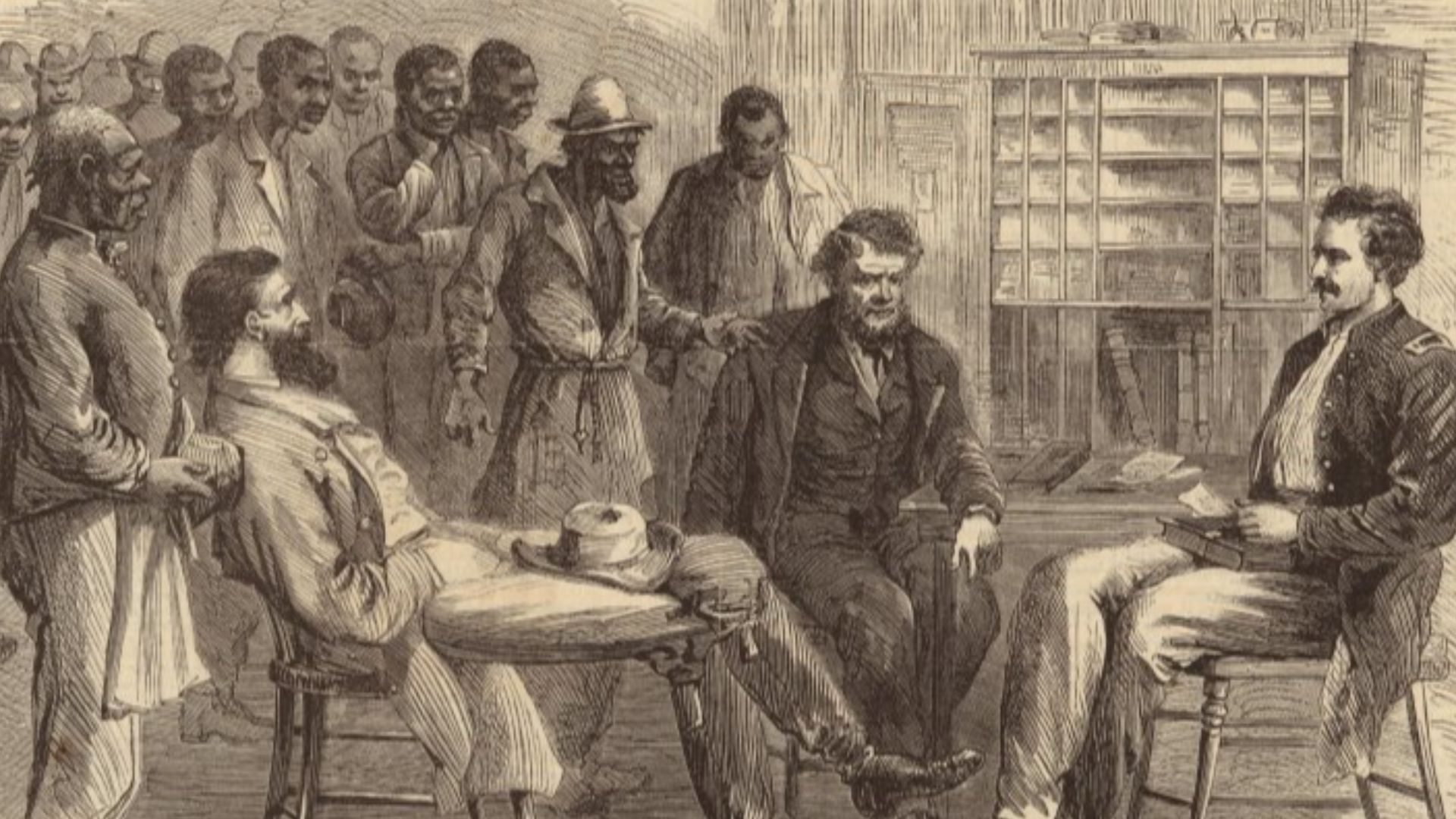
The sisters were separated from their parents and were also abducted by people hoping to exploit their earning power. Even after slavery ended, former enslaver Mary A. Smith refused to release them and attempted to maintain control over their performances. Jacob and Monemia McKoy appealed to the Freedmen's Bureau in 1865, leading to a legal struggle over the sisters' custody and contracts. A government agency created to help formerly enslaved Americans had to intervene because two teenage performers were still being treated as commercial property.
 Unknown authorUnknown author, Wikimedia Commons
Millie Christine Became Performers On Their Own Terms
As adults, the sisters developed careers involving singing and dancing rather than merely allowing audiences to stare at them. They traveled widely and performed before Queen Victoria in 1871. Later they returned to North Carolina, wrote about their lives, acquired property, and became donors in their community, including support for Black education according to family history. Their accomplishments complicated every simplistic advertisement that had once reduced them to a physical attraction.
 Frank Wendt, Boonton, NJ, Wikimedia Commons
History's most fascinating stories and darkest secrets, delivered to your inbox daily.
Joseph Merrick Chose Exhibition Over The Workhouse
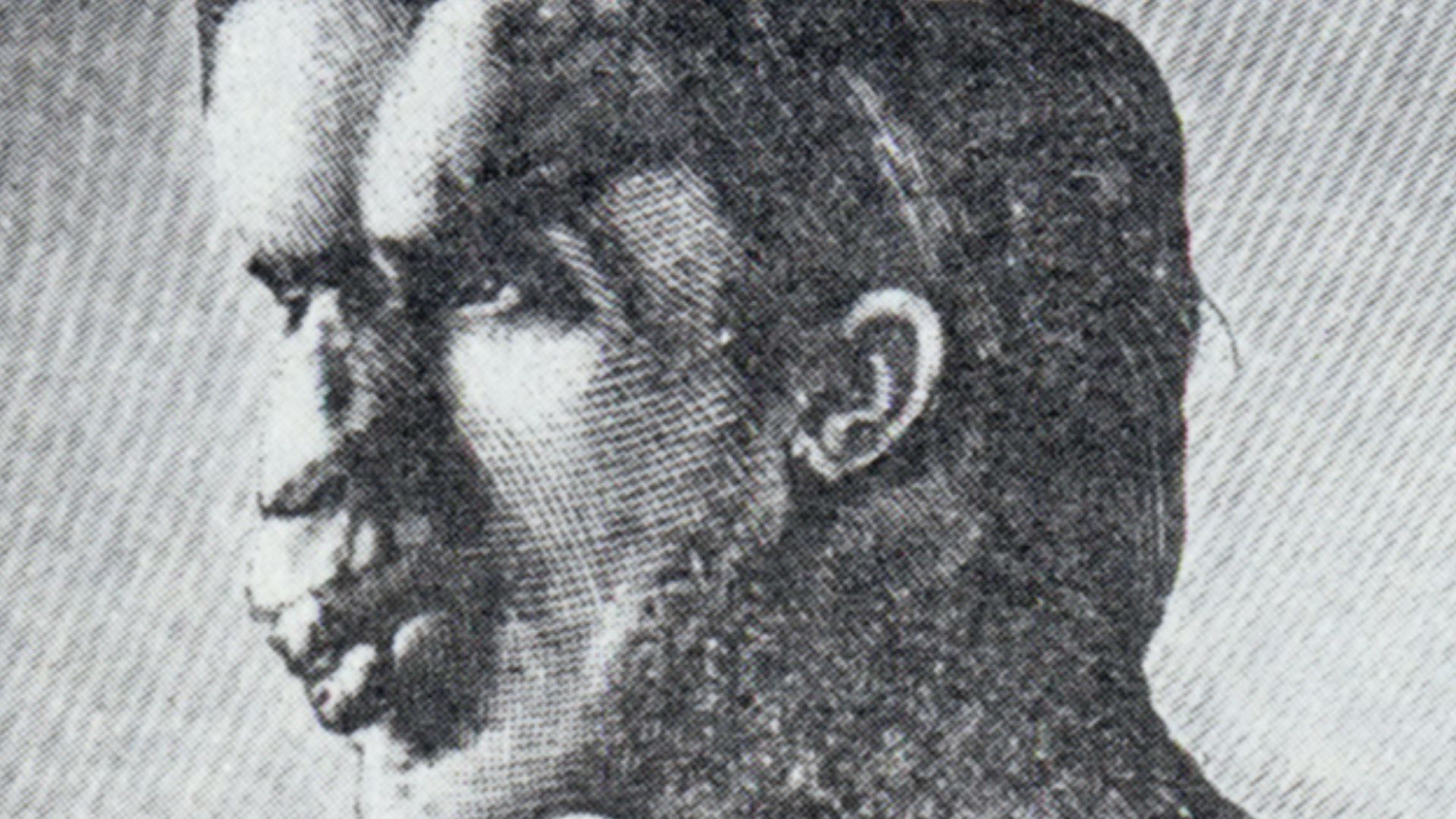
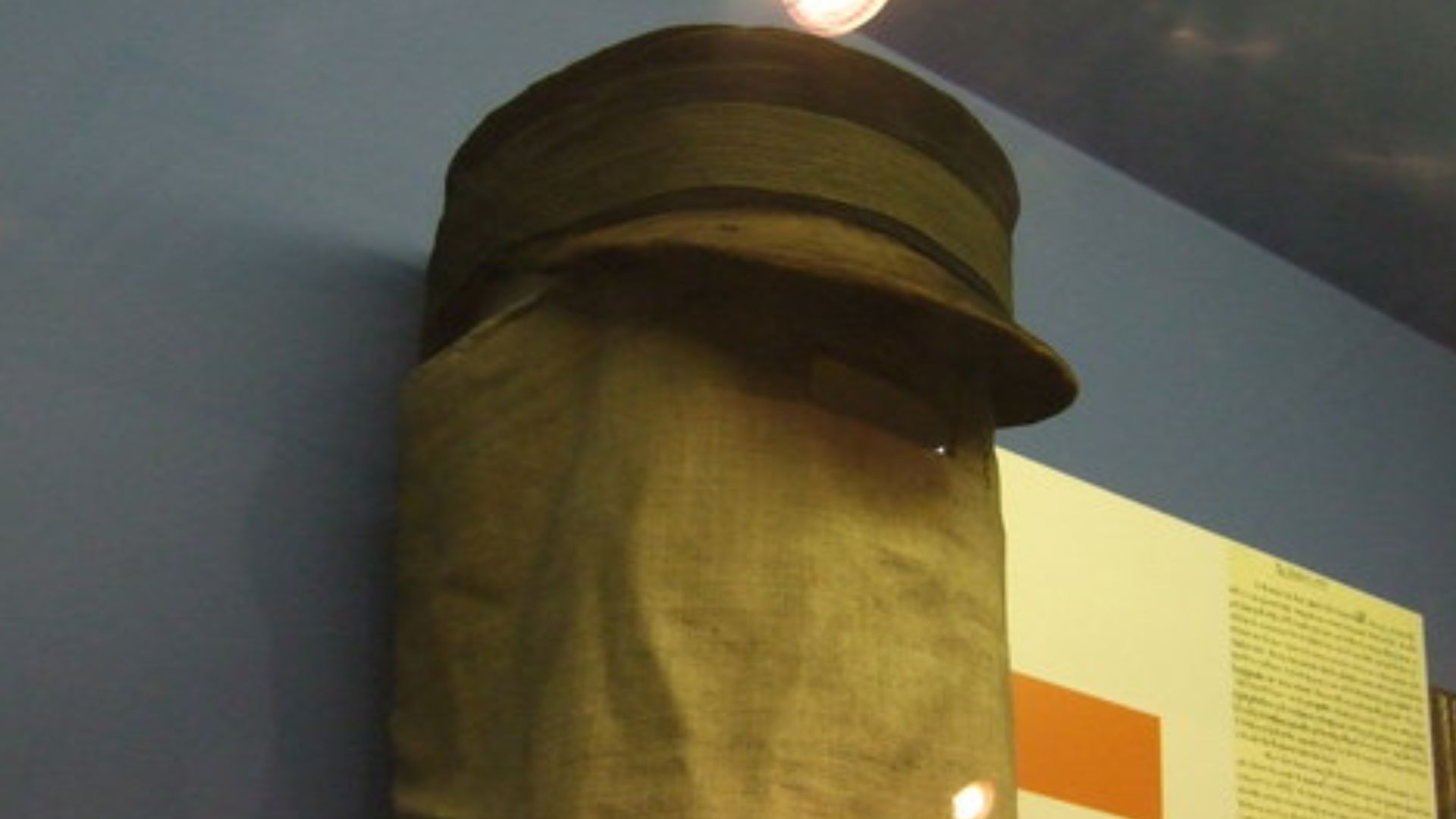
Joseph Merrick developed severe progressive physical differences that made employment and ordinary public life extremely difficult in Victorian England. After years of hardship, he entered a Leicester workhouse, which he intensely disliked. Merrick eventually contacted a showman himself because exhibiting his body offered both income and a route out. By 1884, London crowds were paying to see him under the stage name "the Elephant Man."
Visitors Were Told He Was Half Elephant
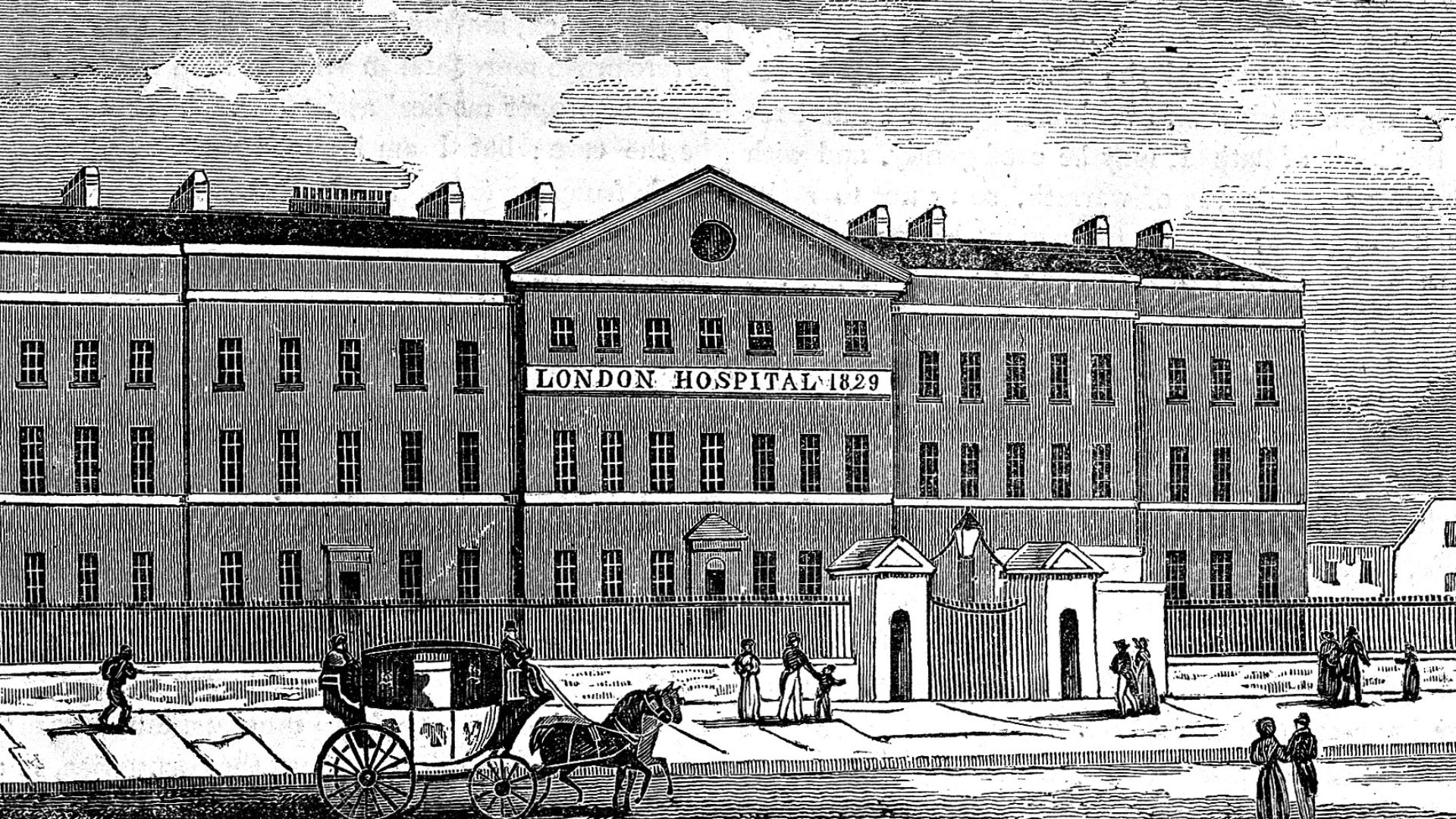
Merrick's promotional material described him in deliberately shocking language, including claims that he was "Half-a-Man and Half-an-Elephant." He nevertheless received a portion of proceeds from an autobiographical pamphlet sold at his exhibition, suggesting that the arrangement offered him more agency than the workhouse had. At the same time, physicians crossed the road from the London Hospital to inspect him and eventually presented his case to medical colleagues. Merrick later refused further presentations because they made him feel like an animal in a marketplace.
He Covered Himself To Escape The Staring
When English authorities increasingly restricted human exhibitions, Merrick toured continental Europe but was robbed and abandoned by a manager. He eventually returned to London and was given permanent rooms at the London Hospital after a public fundraising campaign. Wealthy visitors still came to meet him, including the Princess of Wales, so curiosity never entirely disappeared. On trips outside, Merrick wore a large hat, veil, and cloak specifically to hide himself from the gaze of strangers.
Julia Pastrana Was Marketed As Something Less Than Human
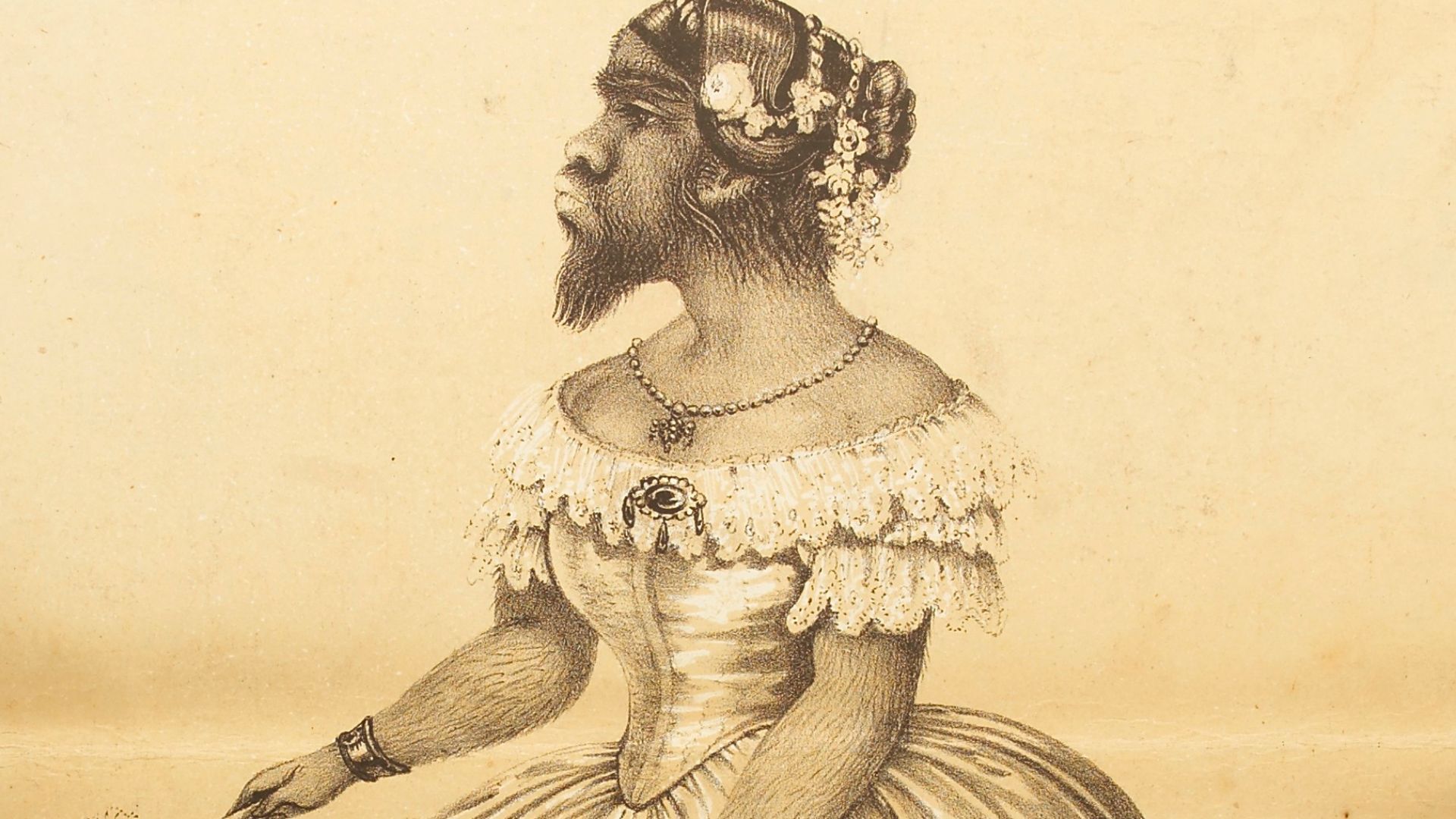
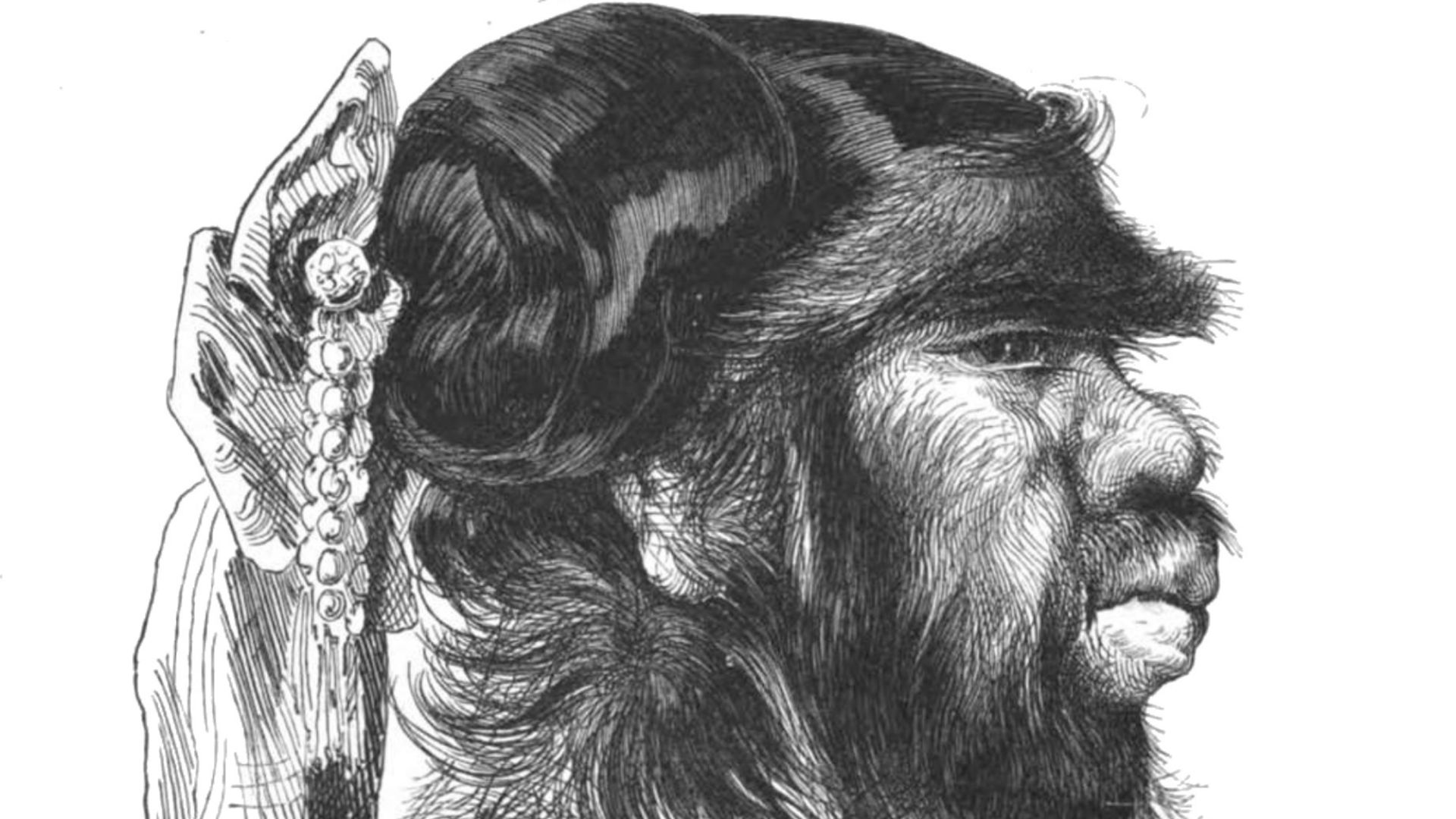
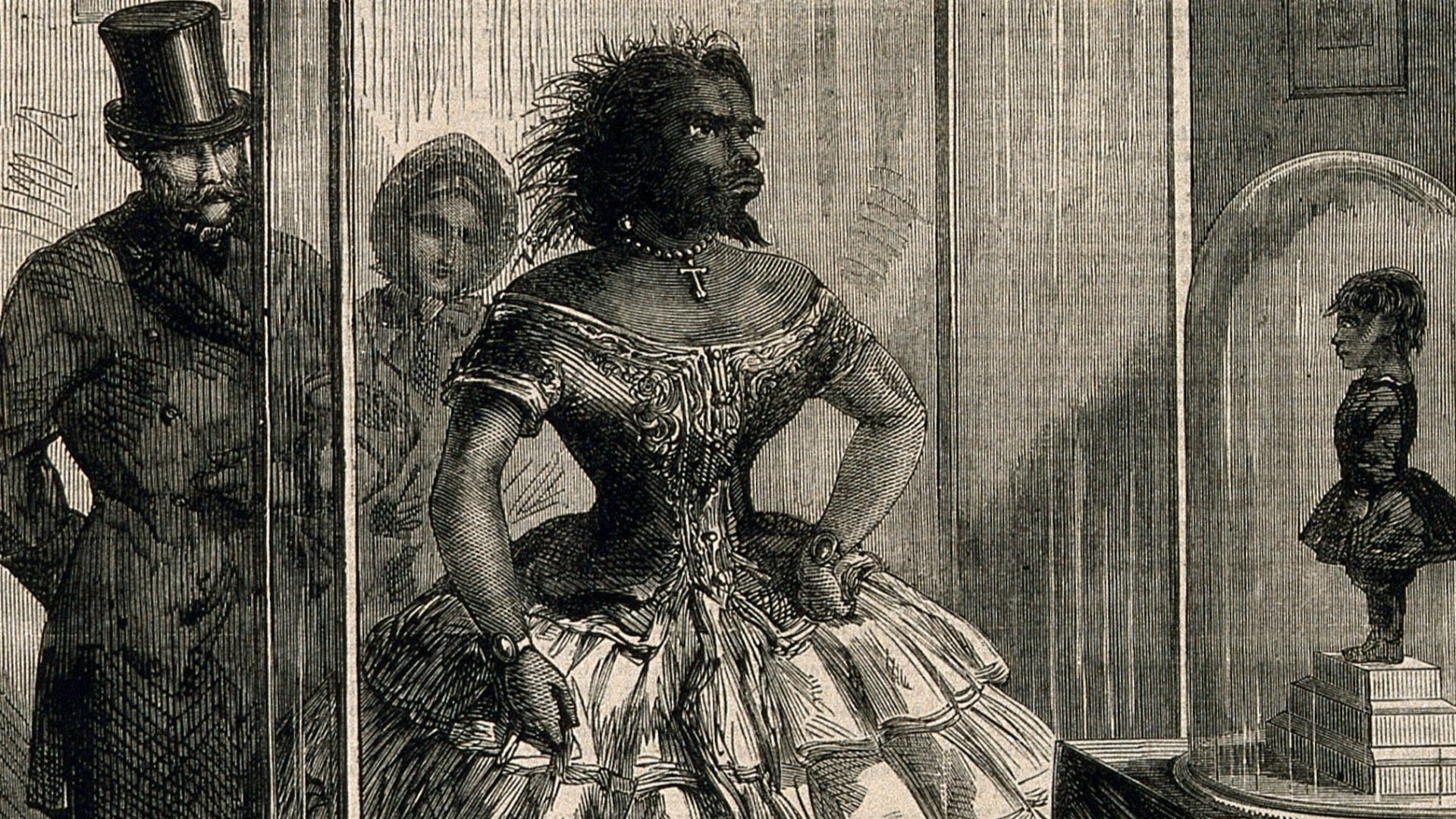
Julia Pastrana was a Mexican performer with extensive hair growth and distinctive facial features. Nineteenth-century advertisements gave her dehumanizing labels and encouraged audiences to question whether she was fully human. Wellcome Collection preserves publicity calling Pastrana a "nondescript," one of several terms promoters used to make her body seem mysterious and unnatural. Yet she was also a singer and dancer whose abilities were routinely overshadowed by advertisements for her appearance.
A Ticket Bought The Right To Stare
Pastrana appeared in the United States and Europe, where handbills advertised scheduled opportunities for audiences to see her. The language used around her demonstrates how sideshow publicity converted physical difference into supposed evidence of animality. Like several other performers of color, she was described more harshly than comparable white entertainers with similar hair-growth conditions. Her career reveals how racism and disability spectacle could reinforce each other.
Her Husband Kept Exhibiting Her Corpse
Pastrana died in Moscow in 1860 following childbirth, and her infant also died. Her embalmed body became an attraction afterward, with Wellcome Collection preserving an 1862 leaflet advertising the "mummified corpse of Julia Pastrana" in London. Her remains eventually entered a collection at the University of Oslo. After an ethics review concluded that the treatment of Pastrana had been profoundly unethical, she was returned to Mexico and buried in 2013.
History's most fascinating stories and darkest secrets, delivered to your inbox daily.
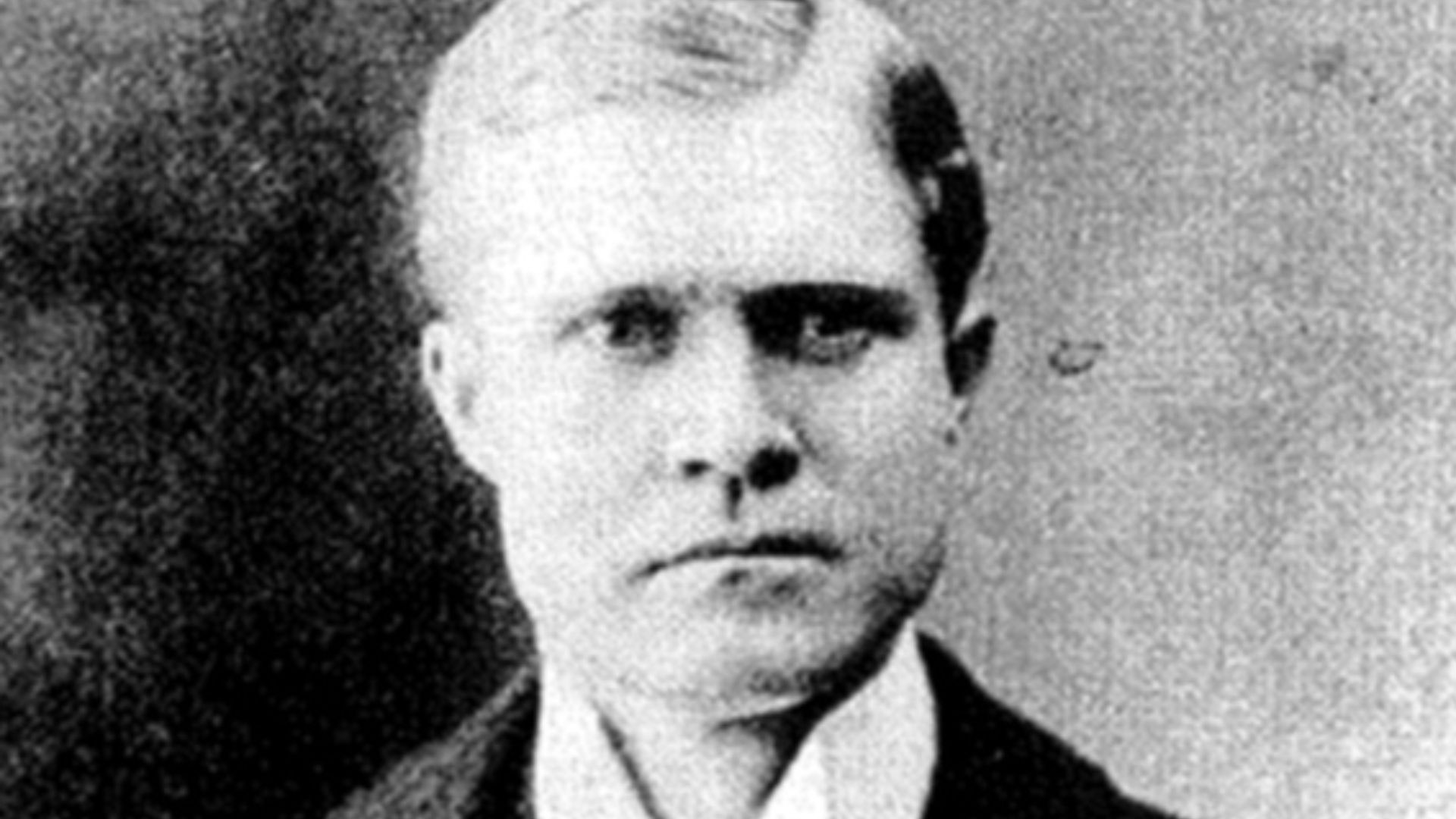
Ota Benga Was Displayed At A World's Fair
Ota Benga was born in the Congo region and survived violence that destroyed his community before American explorer Samuel Phillips Verner encountered him. Verner brought Benga and several other Africans to the United States for the 1904 St. Louis World's Fair. They lived as part of an anthropology exhibition alongside Indigenous people, allowing fairgoers to observe people whom organizers framed as examples of supposedly primitive cultures. A world's fair celebrating modern progress simultaneously turned living human beings into exhibits.
 Unknown authorUnknown author, Wikimedia Commons
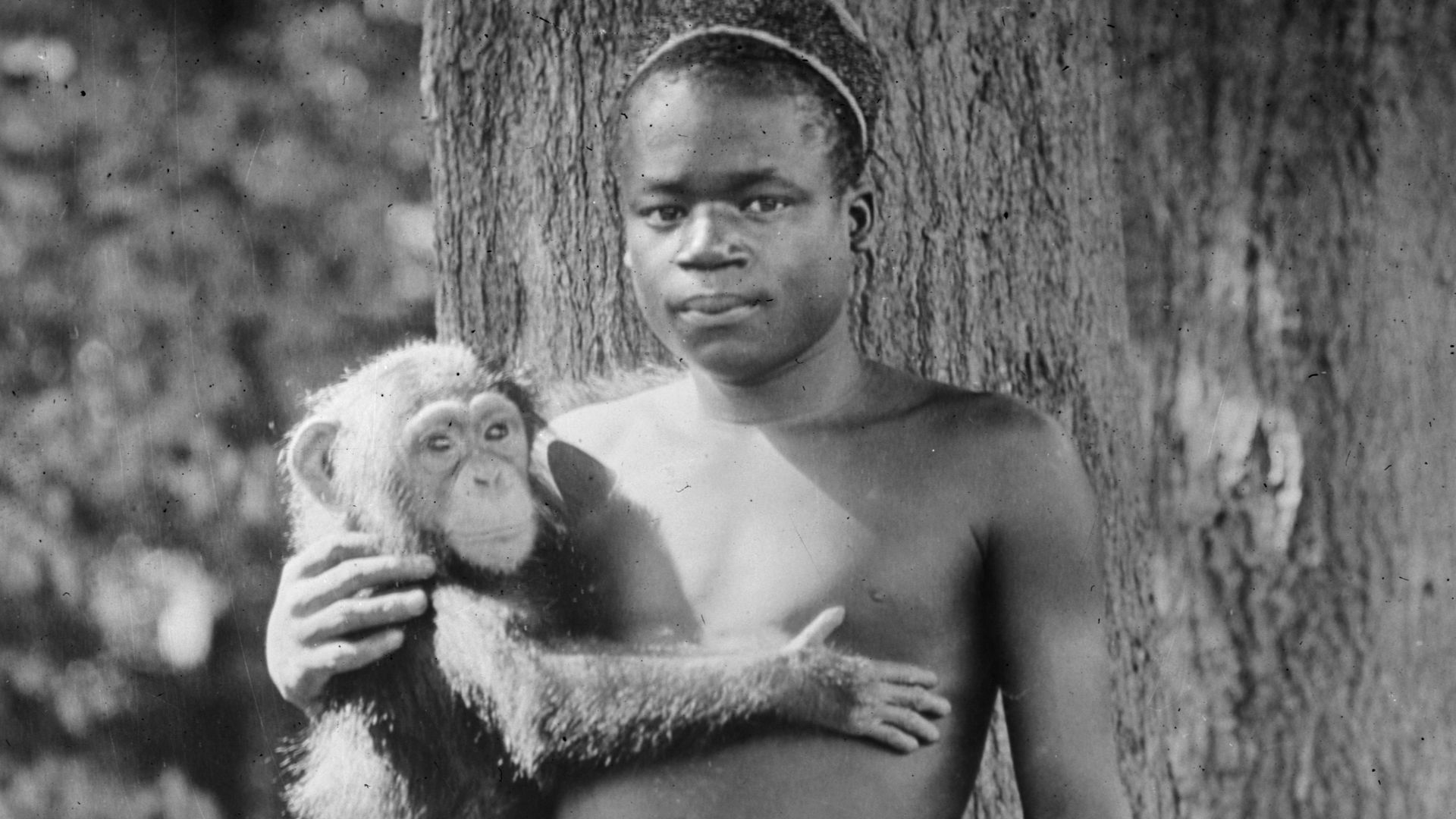
The Bronx Zoo Put Him In The Monkey House
Benga later returned to the United States and eventually lived temporarily at the Bronx Zoo. Zoo officials put his hammock in the Monkey House, gave him a bow and arrows, and exhibited him alongside an orangutan. Black clergymen protested the display, while the zoo defended what it presented as an educational exhibit connected to contemporary ideas about evolution. Visitors crowded around a man being positioned as though he belonged somewhere between the zoo's animals and its paying guests.
 Unknown authorUnknown author, Wikimedia Commons
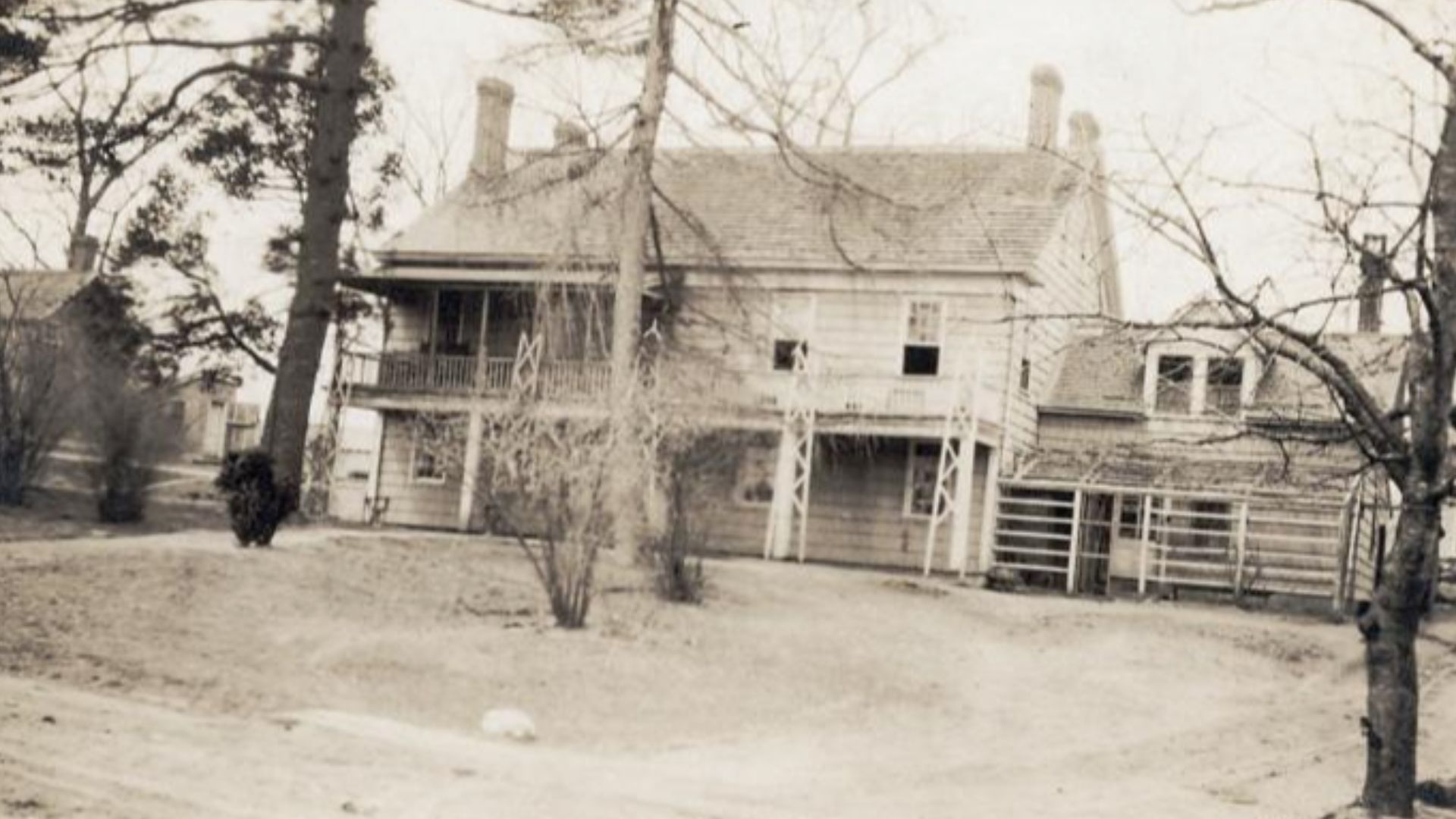
Leaving The Cage Did Not End The Spectacle
The zoo ended the formal Monkey House exhibition after protests, but Benga continued being harassed by visitors as he walked the grounds. He was eventually placed in a Black orphan asylum and later moved to Lynchburg, Virginia, where he learned English and worked. Plans to return to Africa became increasingly difficult as World War I disrupted travel. Benga died by suicide in 1916, a decade after American tourists had lined up to stare at him in a zoo.
 Unknown authorUnknown author, Wikimedia Commons
Krao Farini Was Sold As The Missing Link
Krao Farini was a young woman from Southeast Asia with hypertrichosis, which caused extensive hair growth. In the 1880s, promoters advertised her as the evolutionary "missing link" between humans and apes. The claim exploited popular fascination with Charles Darwin's theories while presenting a normal medical condition as evidence that Krao occupied some different stage of humanity. Audiences were effectively invited to visit a supposed evolutionary discovery in person.
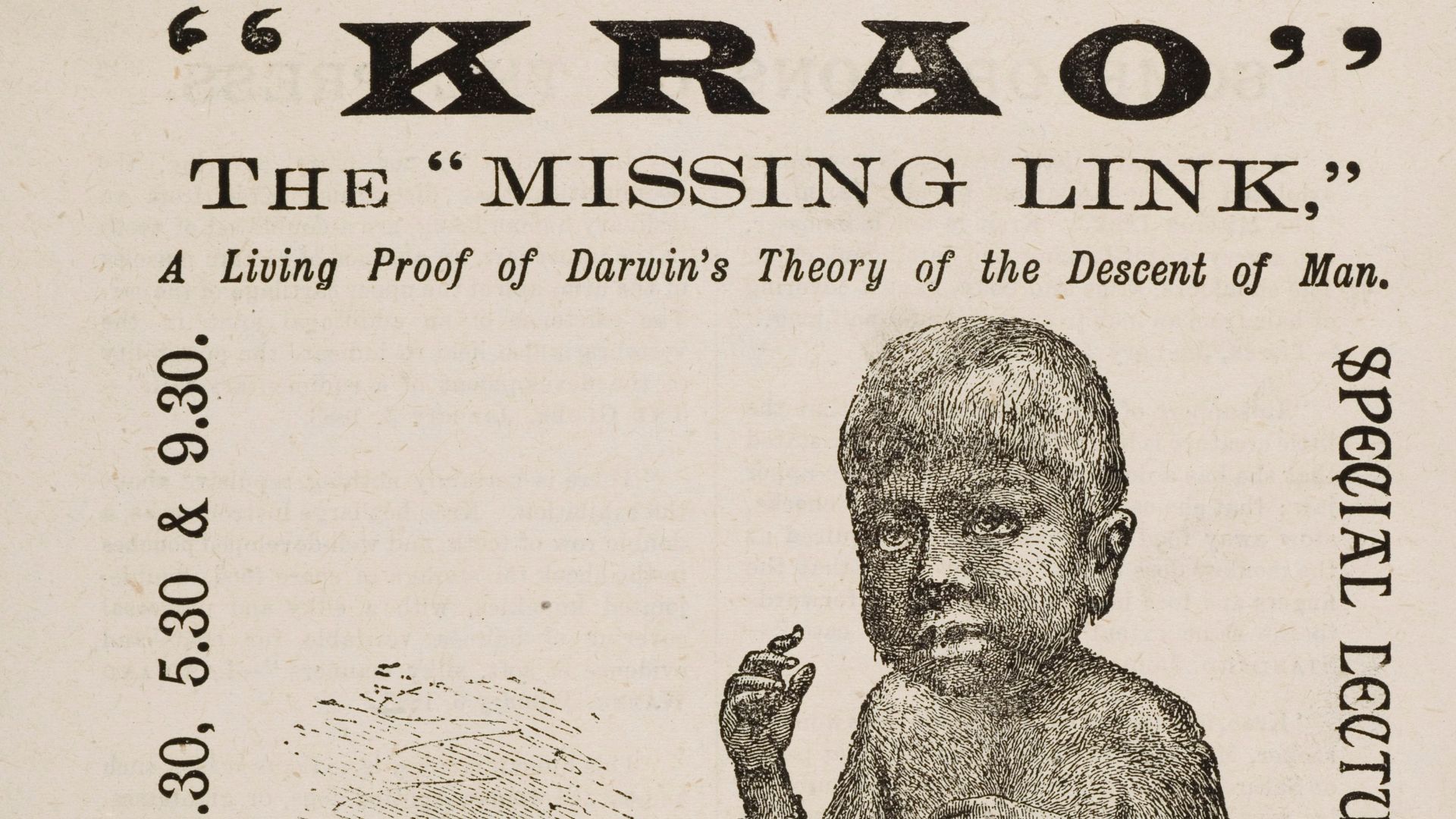
Her Wild Jungle Biography Was Mostly Promotion
Advertisements claimed that Krao had been discovered among a mysterious race of hairy people in a remote jungle. Historians treat much of this tale skeptically, particularly because sideshow managers routinely invented exotic origins for performers. Even contemporary Scientific American coverage acknowledged that Krao was plainly a human child despite the sensational billing. The fantasy survived because the tourist attraction depended upon the story being stranger than the person herself.
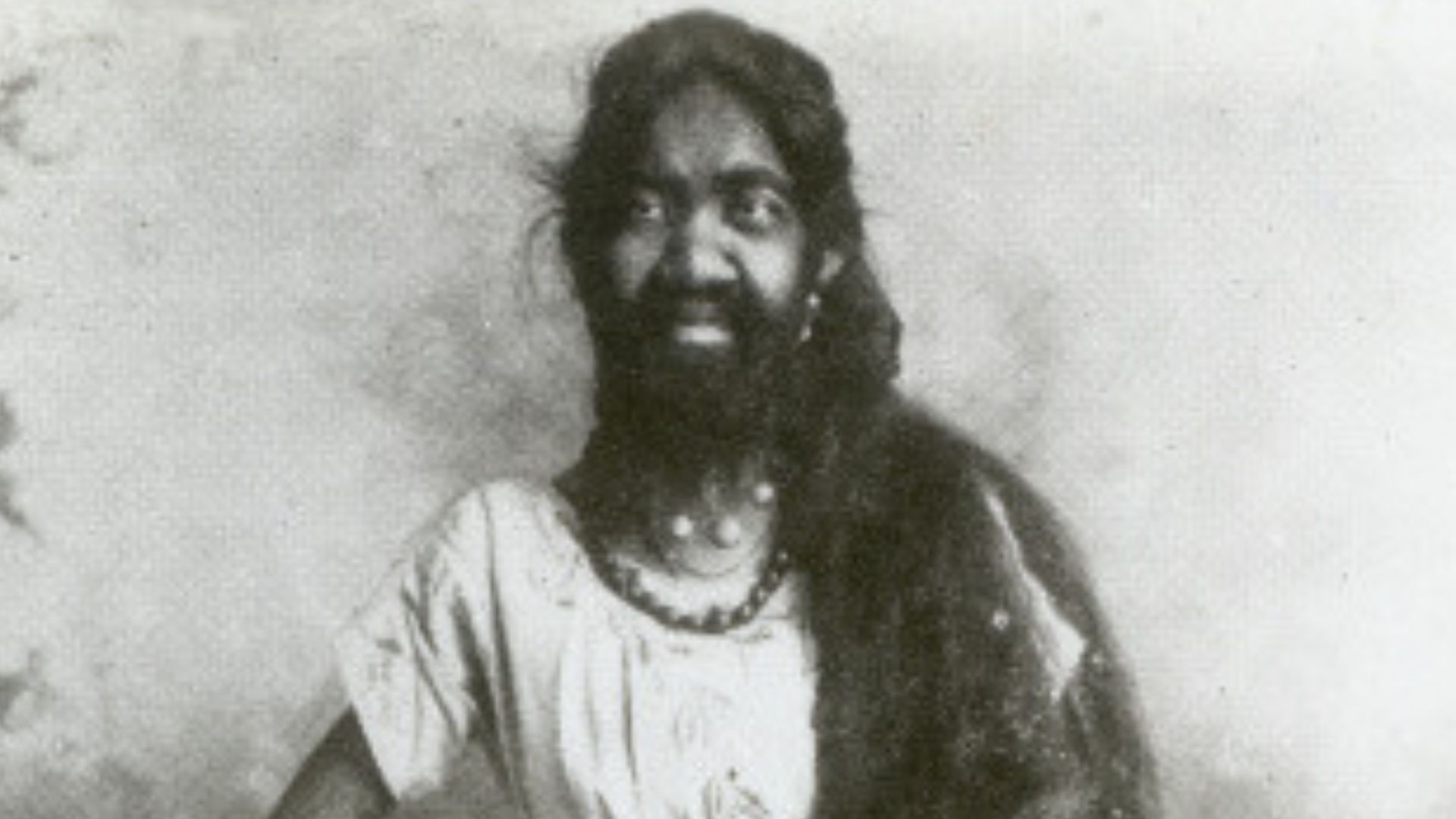 unattributed, Wikimedia Commons
The Woman Behind The Poster Was Very Different
Krao continued appearing publicly for decades and eventually settled in Brooklyn. People who knew her described her as multilingual, religious, and a peacemaker among fellow performers. She died during an influenza outbreak in 1926. Even her obituary continued using the "missing link" label, showing how thoroughly a publicity gimmick devised around a child had swallowed the identity of the adult woman.
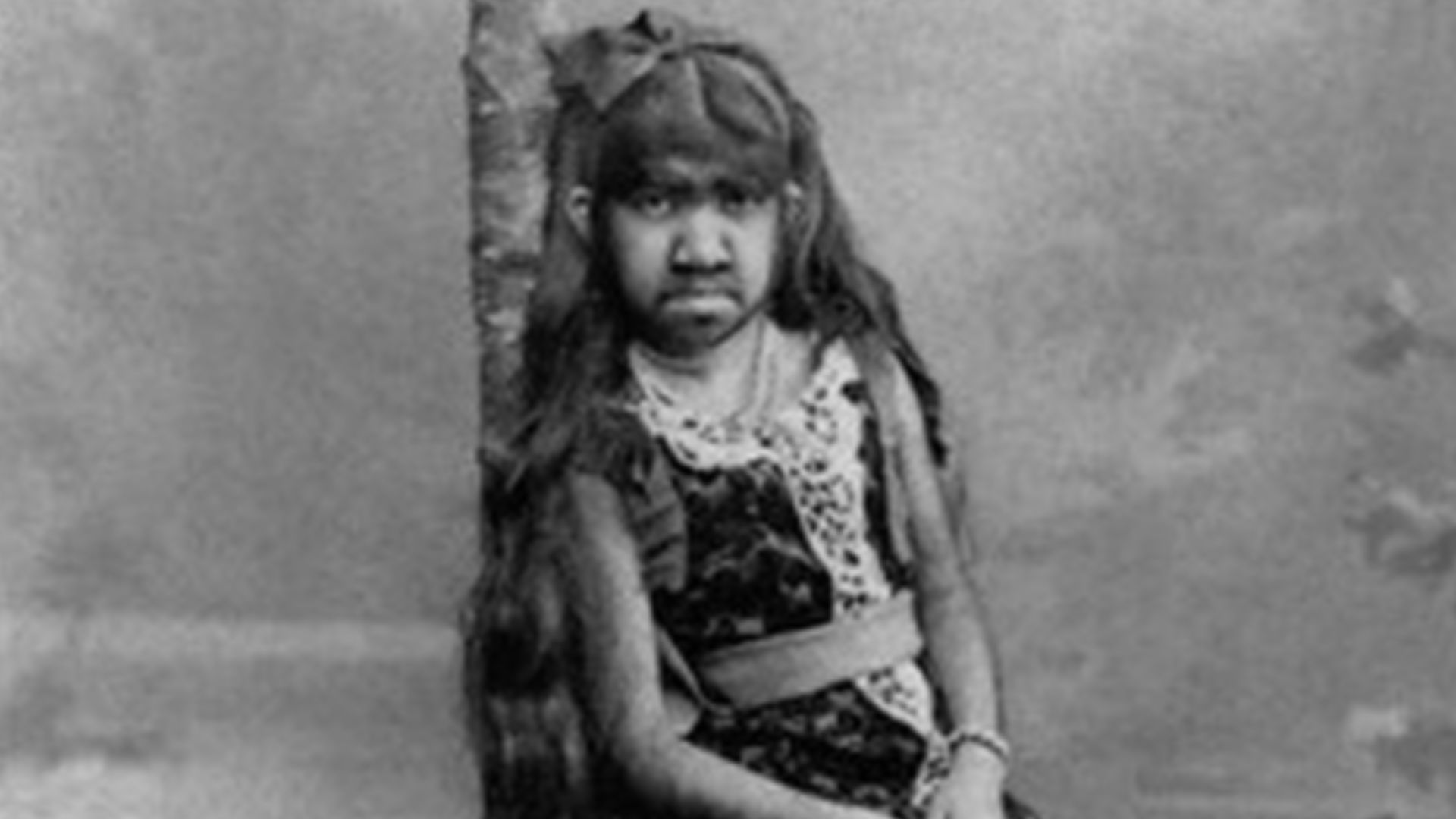 Julius Gertinger, Dresden, Wikimedia Commons
History's most fascinating stories and darkest secrets, delivered to your inbox daily.
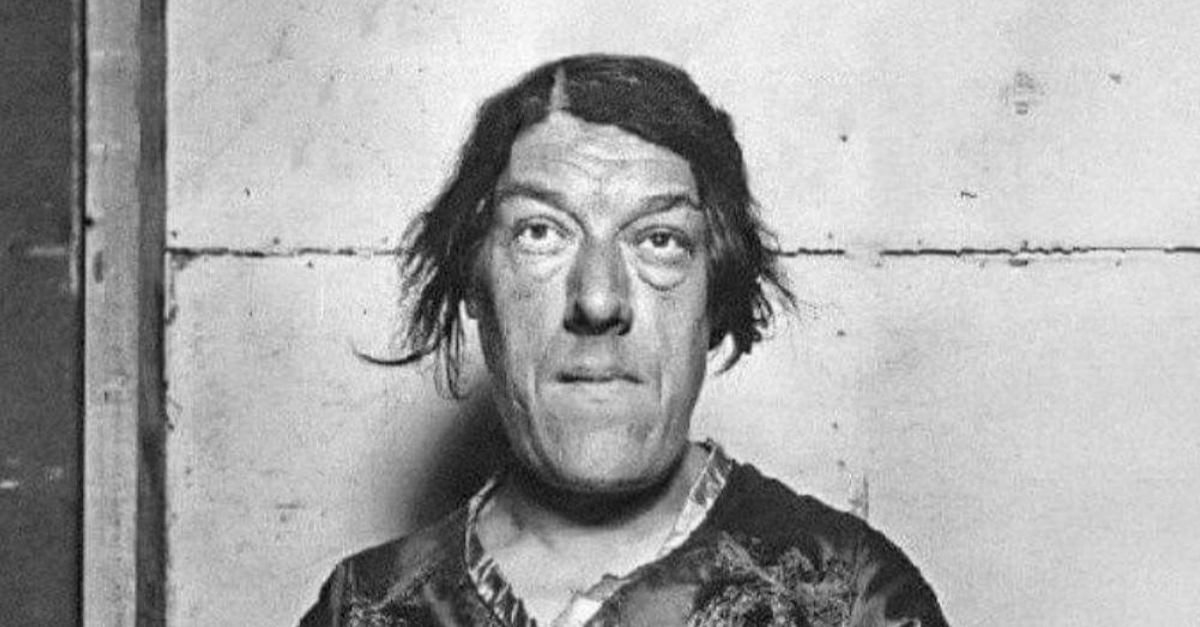
Mary Ann Bevan Turned Cruelty Into A Living
Mary Ann Bevan had worked as a nurse before developing acromegaly, a hormonal disorder that gradually changed her facial features and enlarged parts of her body. After she was widowed with four children to support, she entered the sideshow world and was notoriously advertised as the “world’s ugliest woman,” eventually performing at Coney Island and with major circus shows. Surviving archival material confirms that her appearance was openly marketed as a medical curiosity, while contemporary accounts show that the exhibitions could generate substantial income. The indignity followed her long after her death in 1933, and in 2006 Hallmark withdrew a greeting card mocking her appearance after a doctor pointed out that the photograph showed a woman living with a serious medical condition.
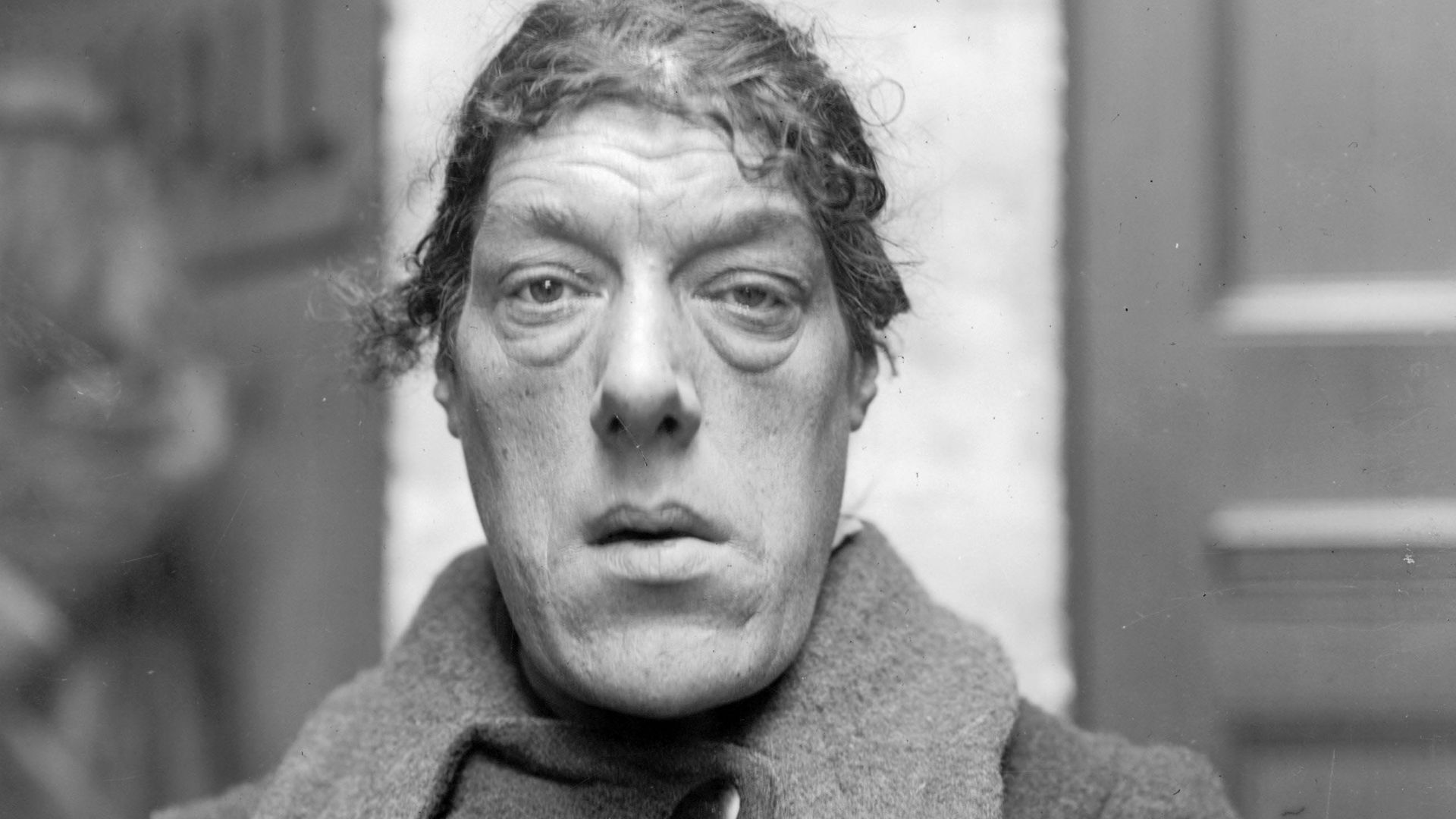 Unknown authorUnknown author, Wikimedia Commons
You May Also Like:
Little-Known Celebrity Scandals
History's Most Bone-Chilling Events
Historical Geniuses Who Were Complete Disasters Outside Their Field
Sources: 1, 2, 3, 4, 5, 6, 7, 8, 9, 10, 11, 12, 13, 14, 15, 16, 17, 18, 19, 20, 21, 22, 23, 24, 25, 26, 27