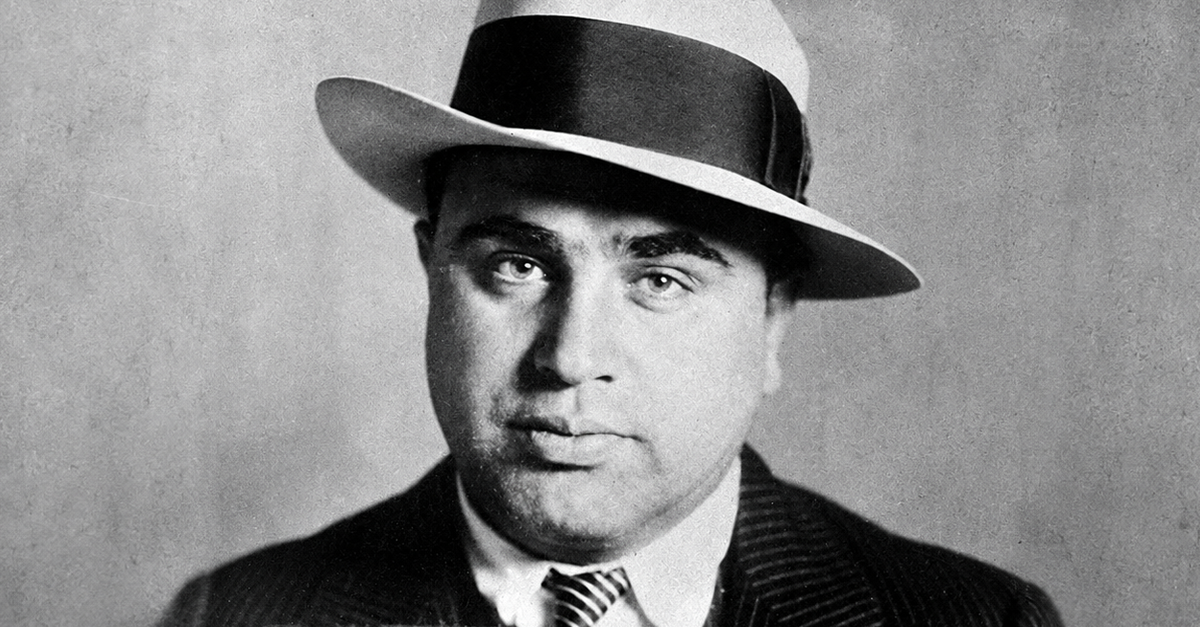
The Villain Edit Was Often The Point
History loves a clean bad guy, but real lives are rarely that cooperative. Propaganda, hostile chroniclers, courtroom prejudice, and later pop culture have all turned complicated people into stock villains. Sometimes later evidence cleared them; sometimes historians simply found that the familiar version was much too tidy.
 Google Arts & Culture, Wikimedia Commons
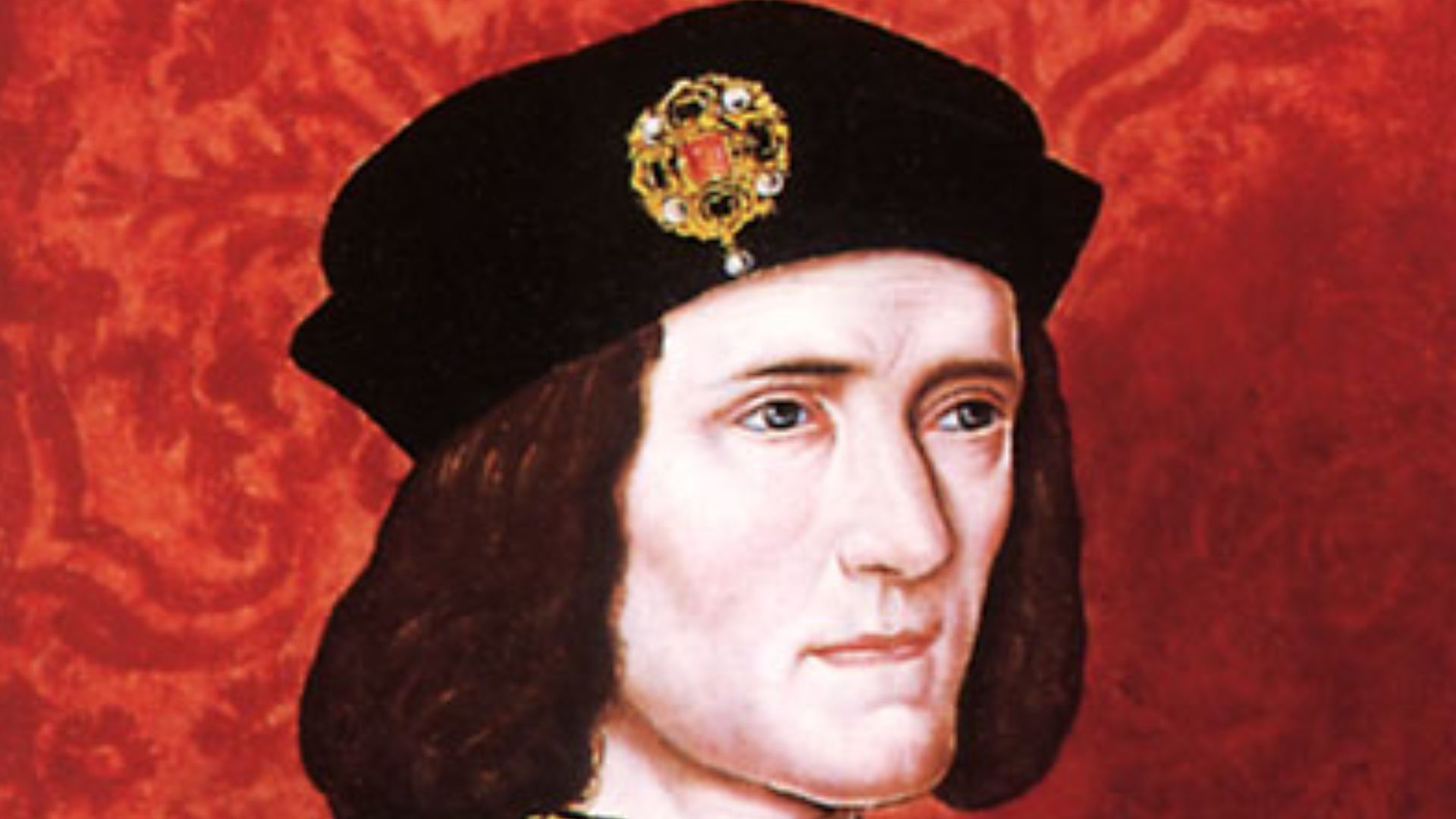
Richard III Became Shakespeare’s Perfect Monster
Richard III was remembered as the deformed usurper who took out his nephews for England’s throne. Tudor accounts and Shakespeare hardened that image, but the princes’ fate remains unresolved. The discovery of Richard’s remains also disproved the theatrical hunchback: he had scoliosis.
 Unknown authorUnknown author, Wikimedia Commons
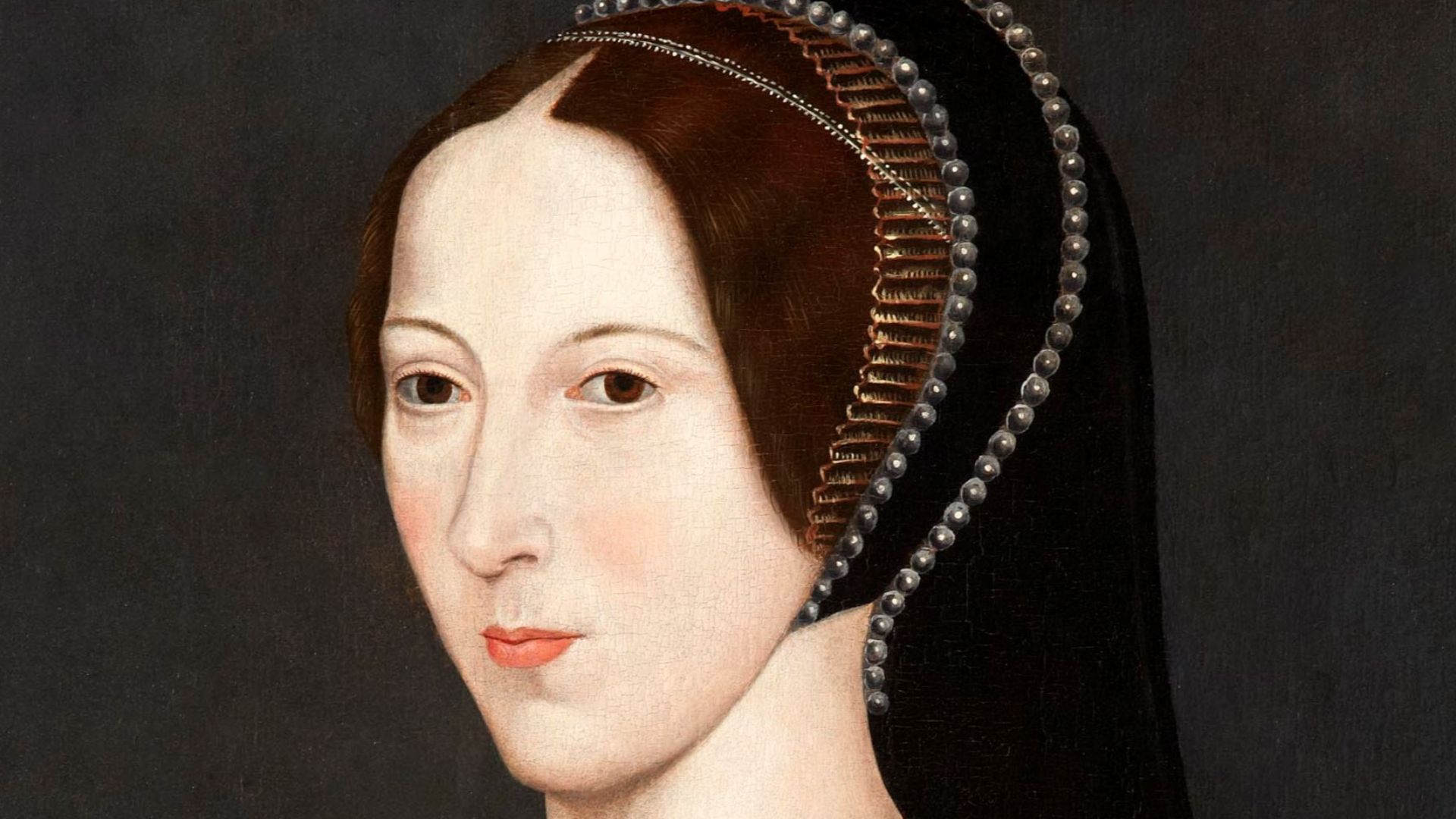
Anne Boleyn Was Branded A Scheming Adulteress
Anne Boleyn’s life was taken in 1536 after accusations of adultery, and plotting against Henry VIII. Modern historians generally regard those charges as contrived. Much of her darker reputation came from hostile observers and political enemies whose accounts long shaped the story.
 English school, Wikimedia Commons
Jane Boleyn Was Cast As The Ultimate Betrayer
Jane Boleyn, Lady Rochford, spent centuries being accused of supplying testimony that destroyed her husband George and Anne Boleyn. Yet no contemporary source clearly identifies Jane as the decisive accuser. Recent scholarship increasingly treats the jealous-wife story as a later construction.
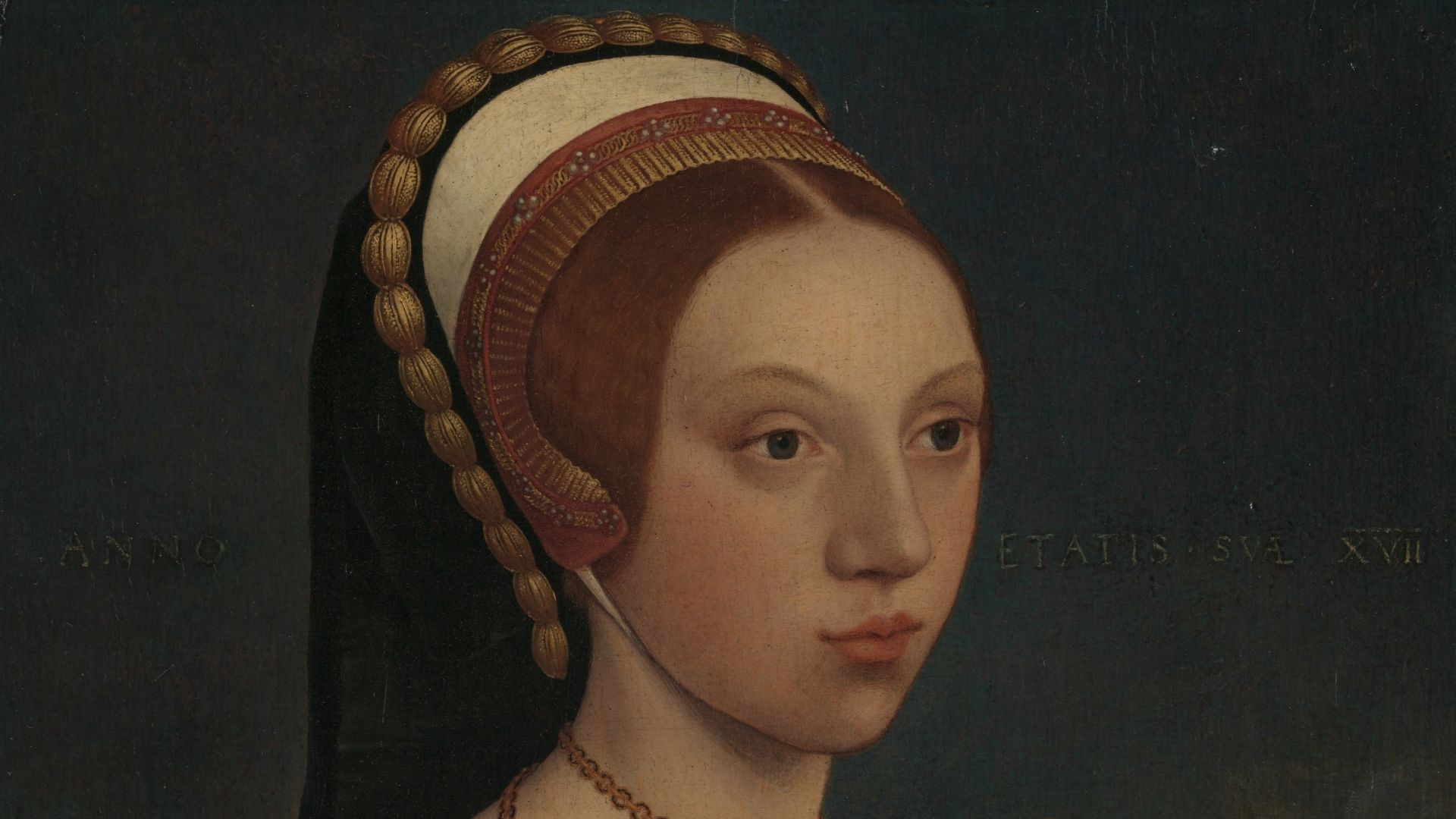 Workshop of Hans Holbein the Younger, Wikimedia Commons
Cleopatra Got Rewritten By Her Enemy
Roman propaganda turned Cleopatra into a dangerous seductress who manipulated powerful men. Much of that image came from Octavian’s campaign against her and Mark Antony. Modern scholarship instead emphasizes a capable monarch trying to preserve Egyptian power against an expanding Rome.
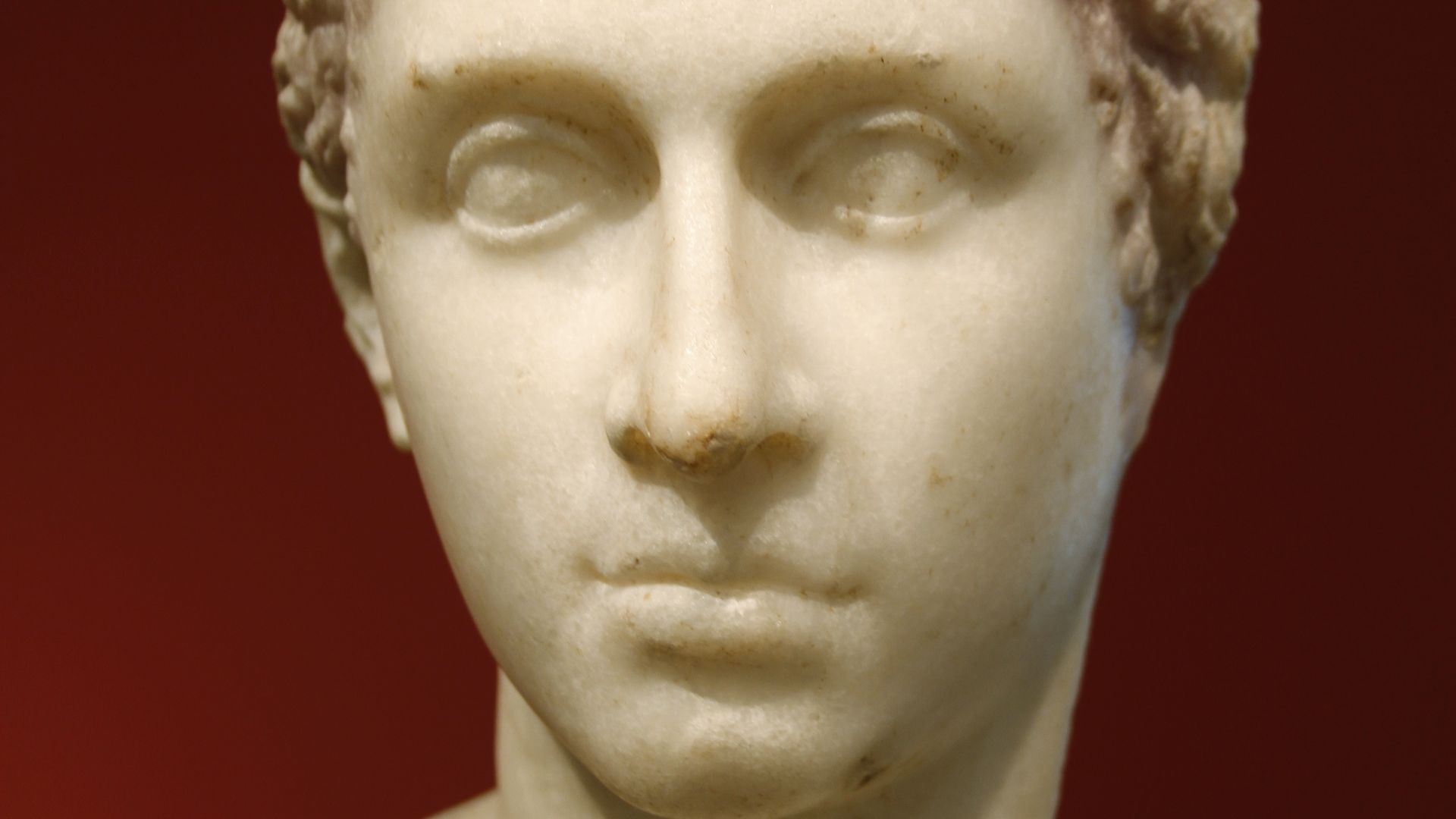
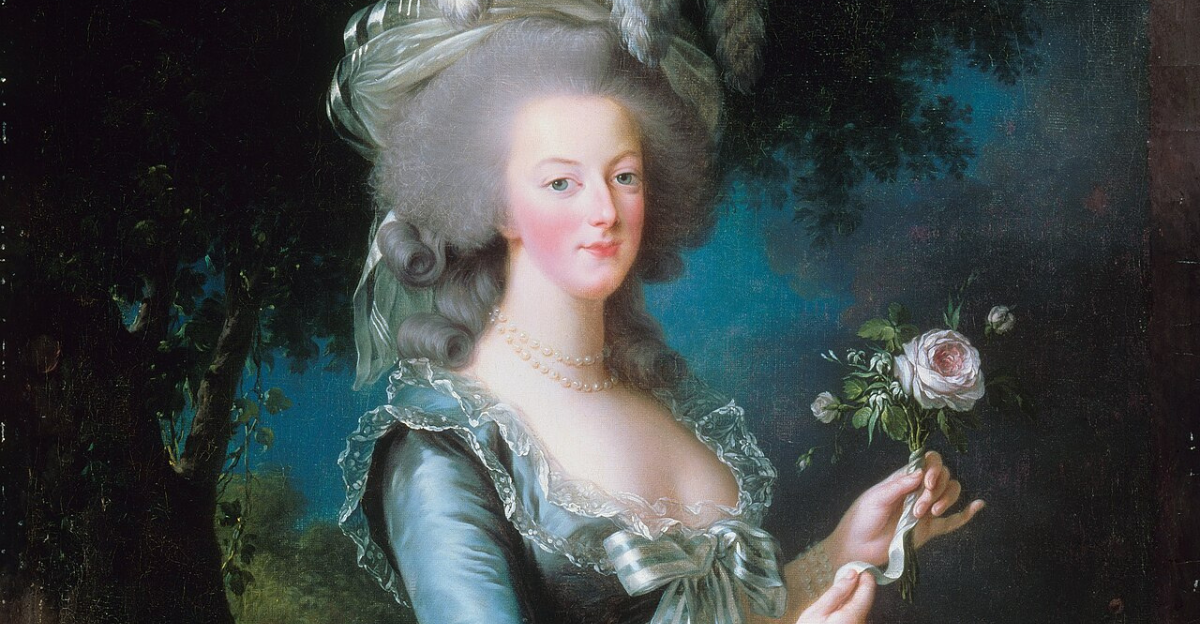
Marie Antoinette Never Said Her Most Famous Line
Marie Antoinette became shorthand for aristocratic indifference, helped by the claim that she answered bread shortages with “Let them eat cake”. Historians have found no evidence she said it; versions of the story circulated before she was queen and were attached to other royal women.
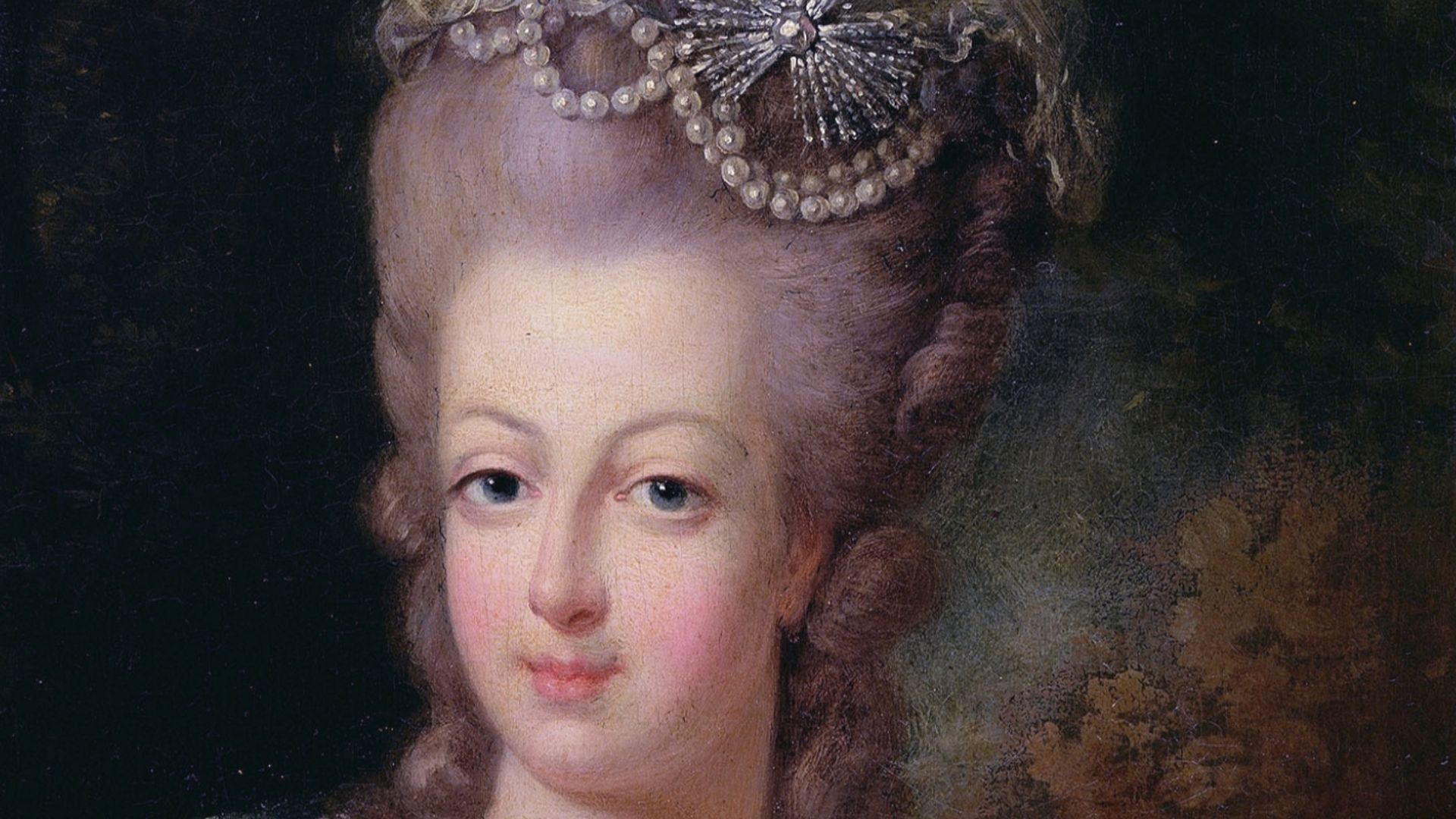 After Jean-Baptiste André Gautier-Dagoty, Wikimedia Commons
Catherine De’ Medici Became The “Serpent Queen”
Catherine de’ Medici was long portrayed as a poisoner, schemer, and mastermind of religious bloodshed. Historians now challenge many lurid stories attached to her, including black magic and organized seduction, while emphasizing her repeated attempts to negotiate between Catholics and Protestants.
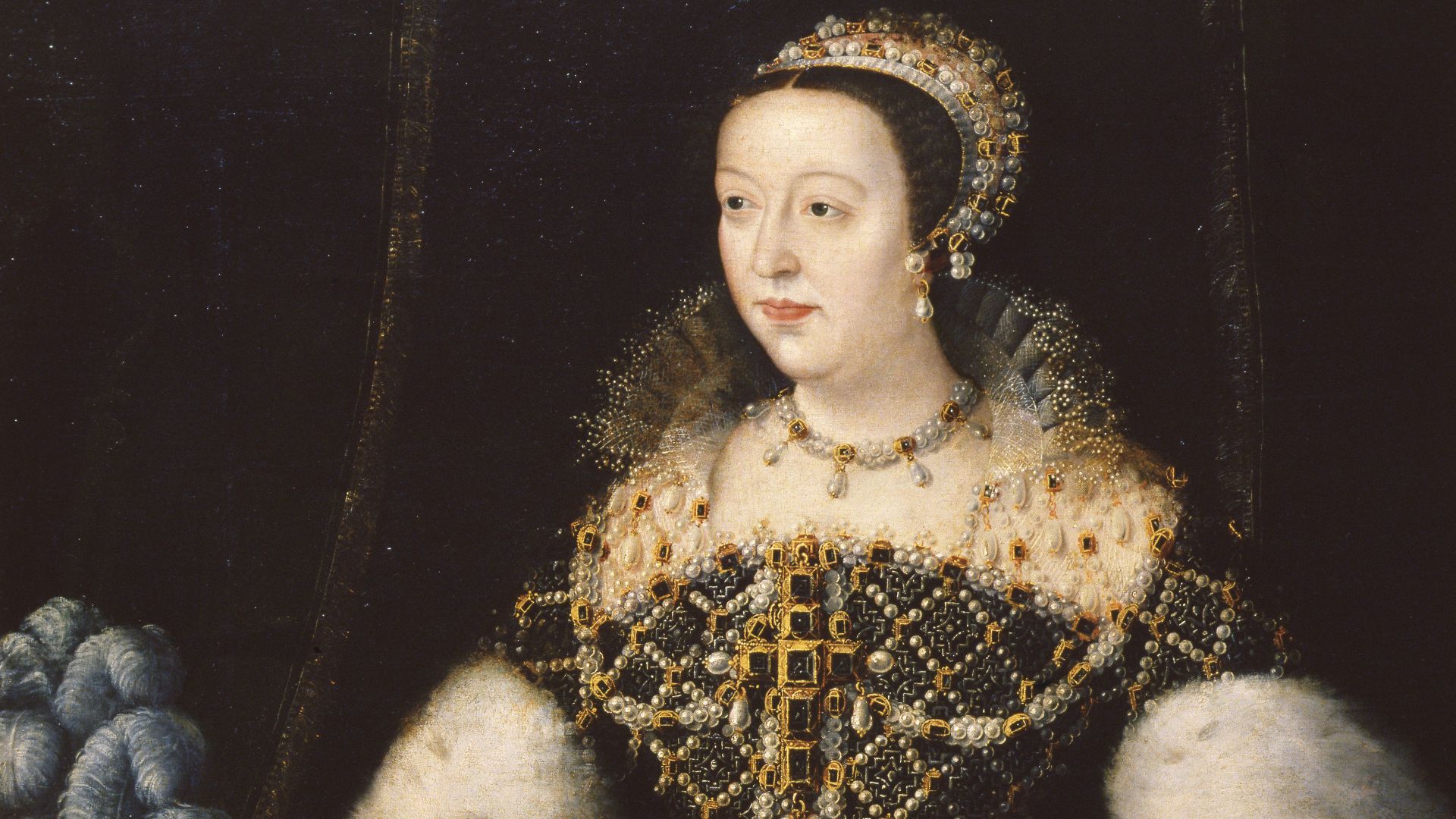 Attributed to Germain Le Mannier, Wikimedia Commons
Wu Zetian Was Demonized By Later Chroniclers
China’s only female emperor accumulated accusations of depravity, cruelty, and unnatural ambition. Some may reflect real ruthlessness, but hostile later writers shaped the record. Modern assessments also credit Wu Zetian with political stability, administrative reform, and a more merit-based bureaucracy.
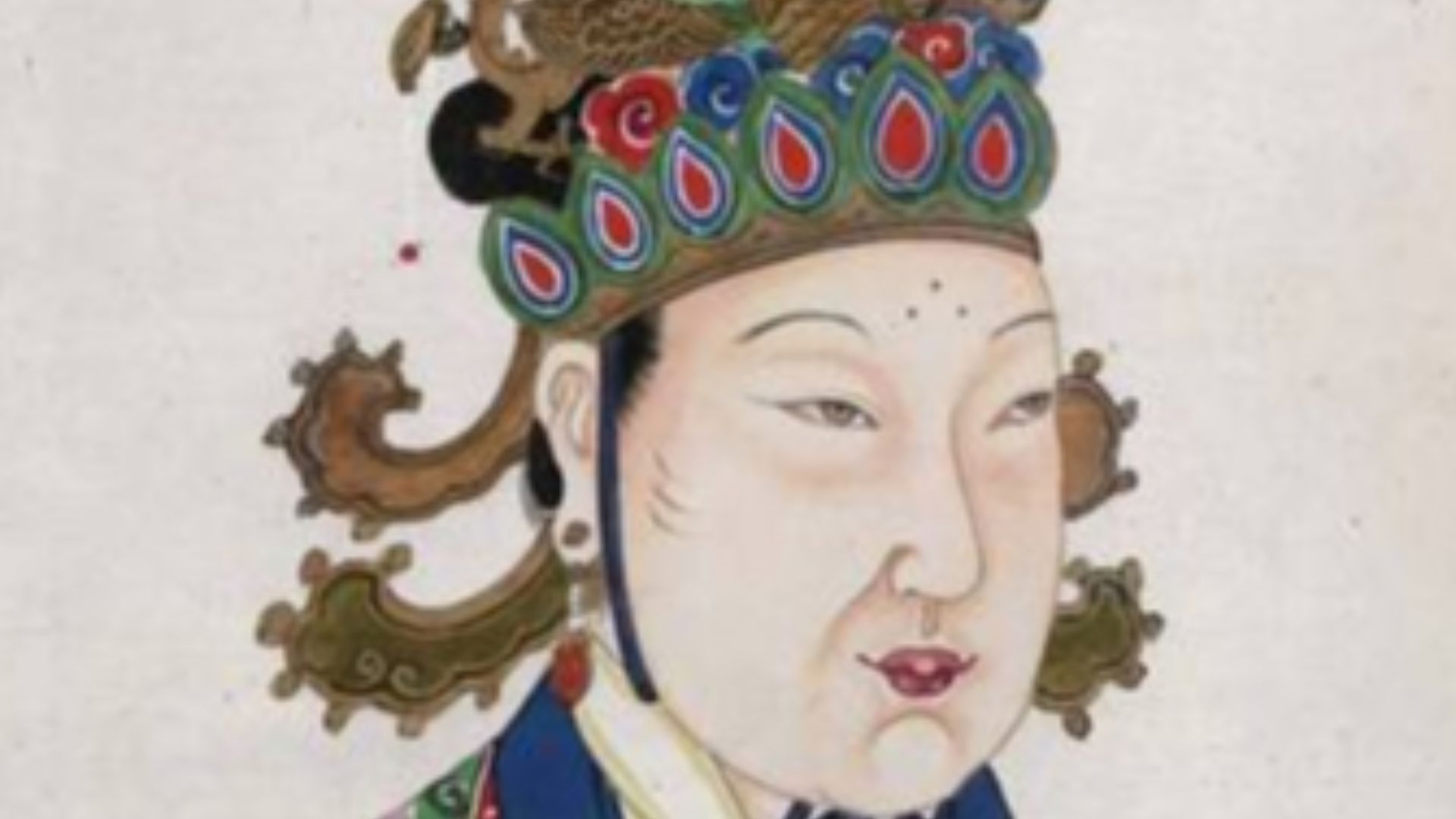 Unknown authorUnknown author, Wikimedia Commons
Mary Magdalene Was Turned Into A Prostitute
Western Christian tradition fused Mary Magdalene with other women in the Gospels, creating the enduring image of a repentant prostitute. Modern scholarship has separated those identities, while Catholic teaching today emphasizes Mary of Magdala as the first witness to the Resurrection and “apostle of the apostles”.
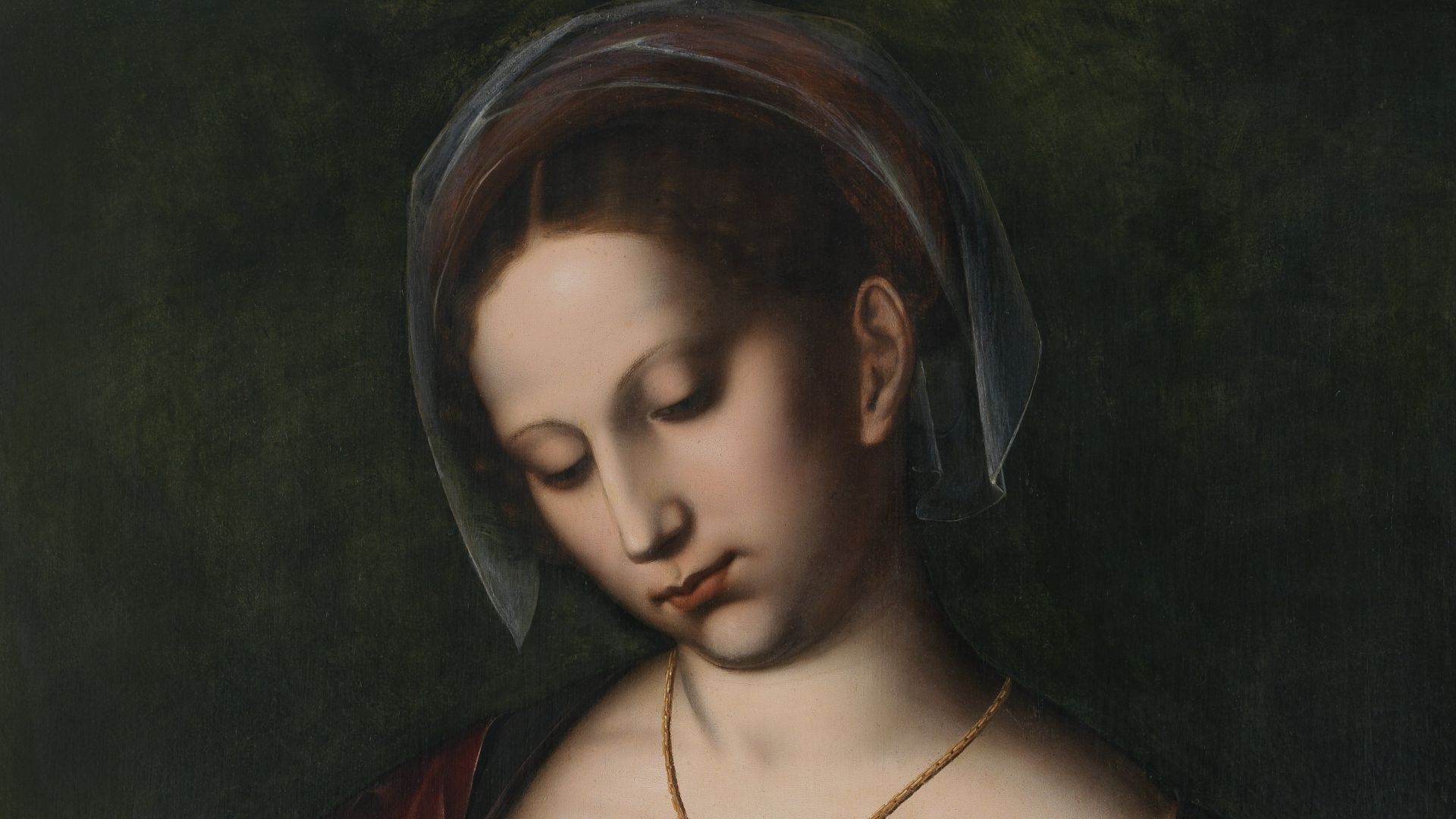 Ambrosius Benson, Wikimedia Commons

History's most fascinating stories and darkest secrets, delivered to your inbox daily.
Nero Probably Did Not Fiddle While Rome Burned
Nero became a synonym for monstrous rule, especially through the Great Fire of Rome. Yet the British Museum notes he was away when the fire began and later organized relief and reconstruction. Deeply hostile ancient accounts make separating genuine brutality from political propaganda difficult.
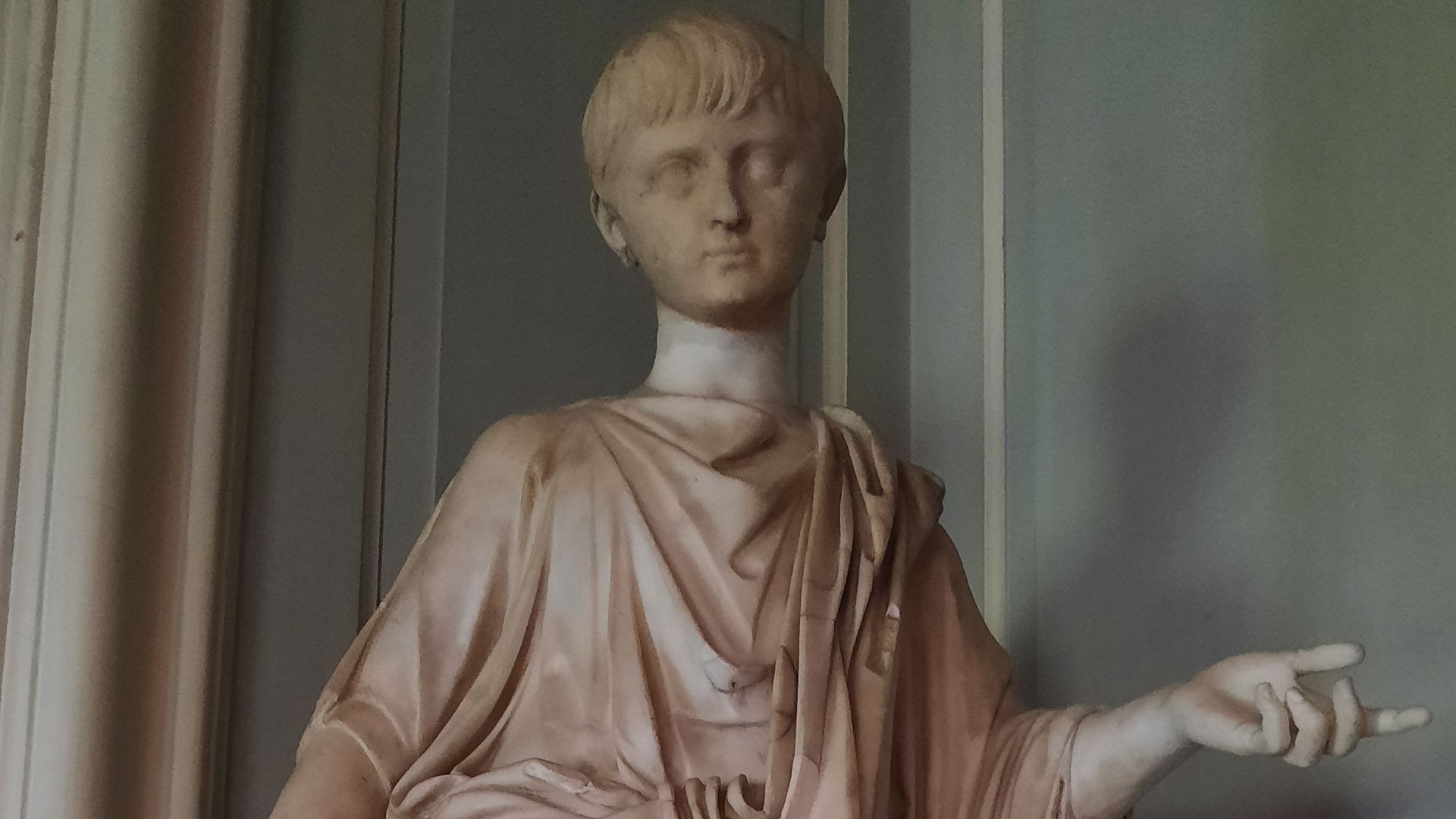 MumblerJamie, Wikimedia Commons
Thomas Cromwell Was More Than Henry VIII’s Henchman
Thomas Cromwell was often portrayed as the cold bureaucrat behind Henry VIII’s worst excesses. Later scholarship complicated that picture by stressing his administrative achievements and political skill. His ruthlessness remains real, but the one-note villain increasingly looks inadequate.
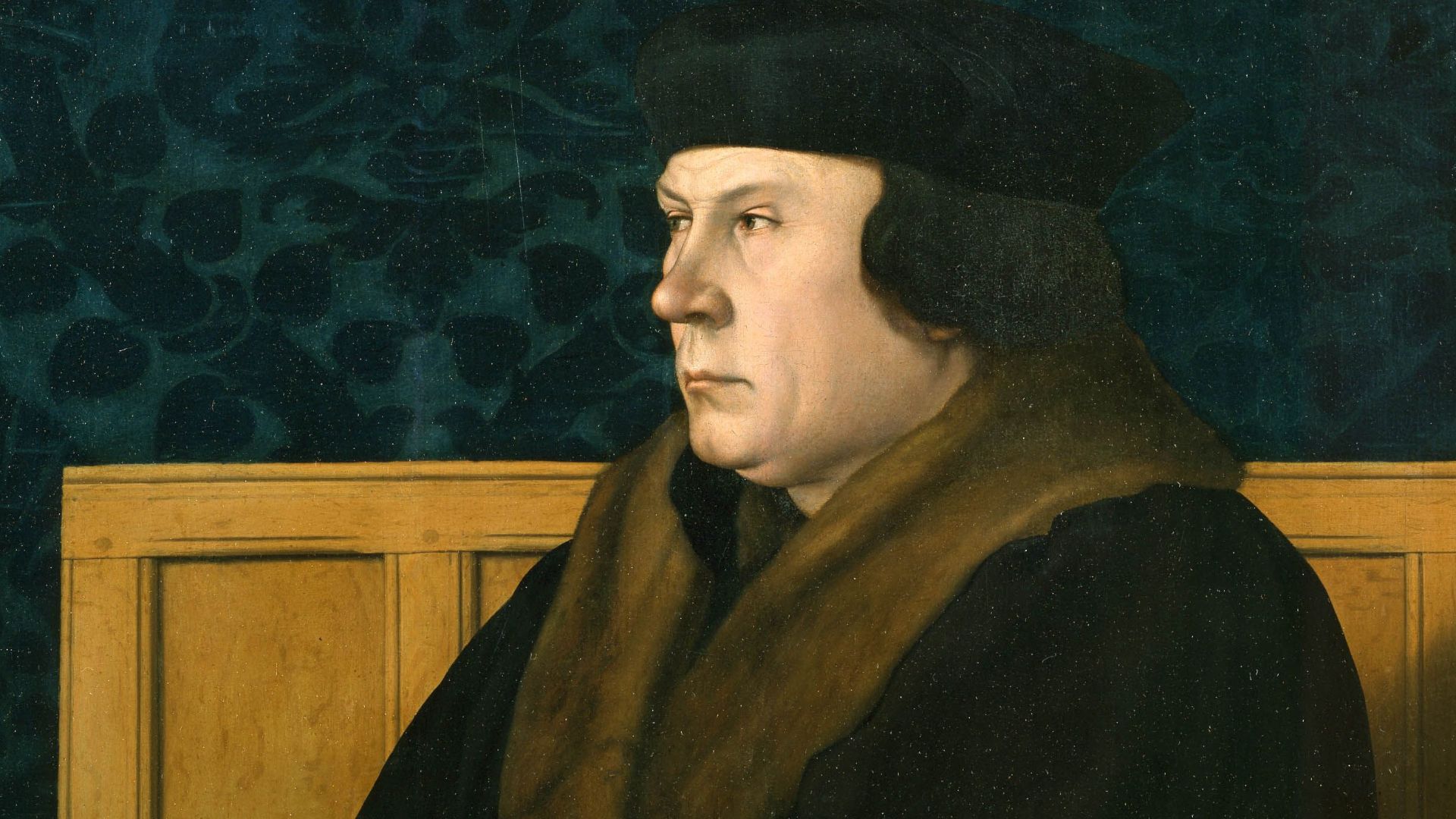 Hans Holbein the Younger, Wikimedia Commons
Isabella Of France Was Not Always A “She-Wolf”
Later writers turned Isabella of France into the “She-Wolf of France,” a dangerous queen who destroyed Edward II. The nickname appeared centuries after her lifetime. Historians still debate her responsibility for Edward’s passing, while contemporary evidence shows her reputation was never so simple.
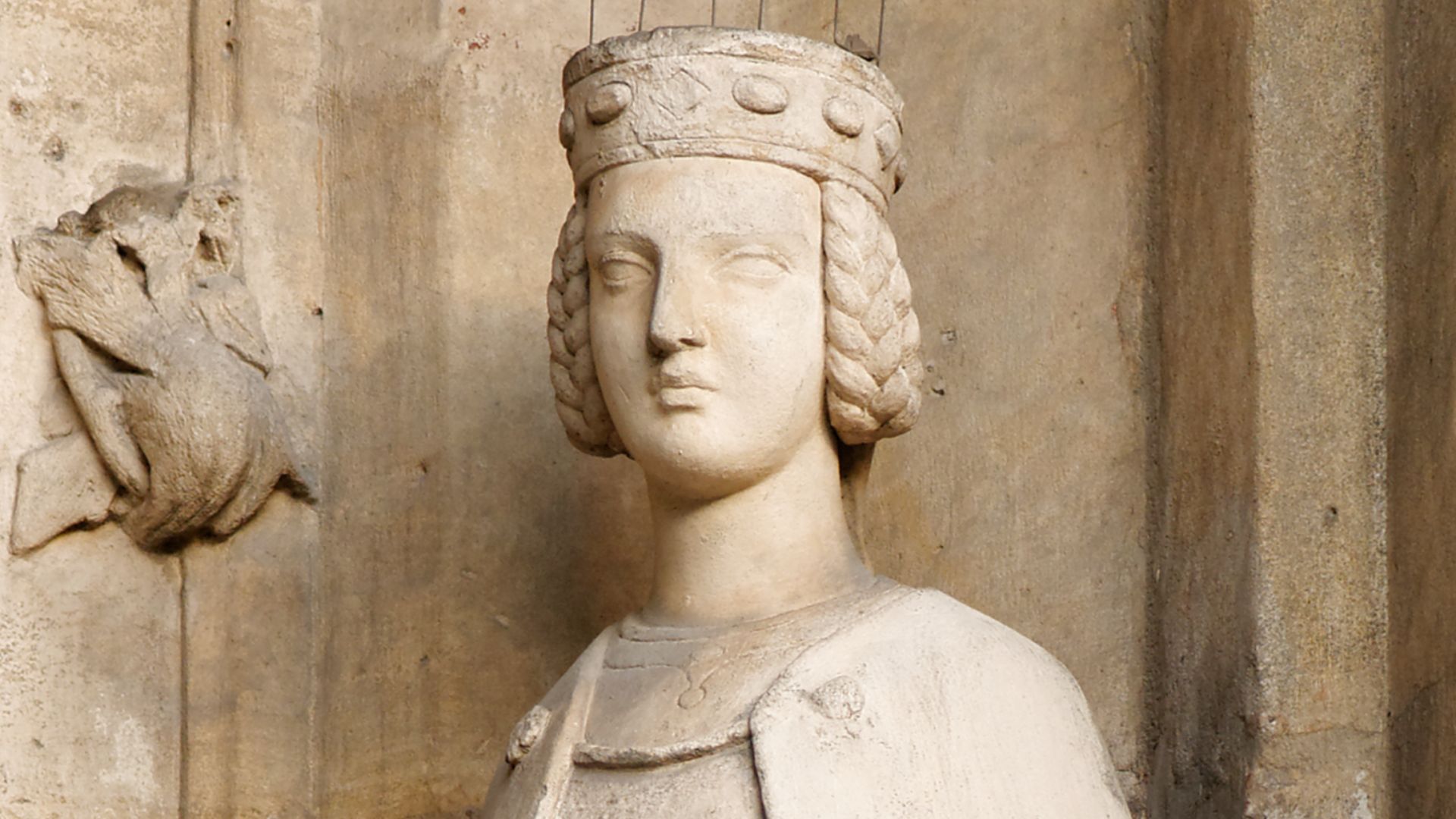 Louis Desprez, Wikimedia Commons
Joan Of Arc Went From Heretic To Saint
Joan of Arc was convicted of heresy in 1431 and ended after an English-backed church trial. Twenty-five years later, another ecclesiastical proceeding annulled the verdict after finding serious flaws in the original prosecution. Her reputation transformed further until the Catholic Church canonized her in 1920.
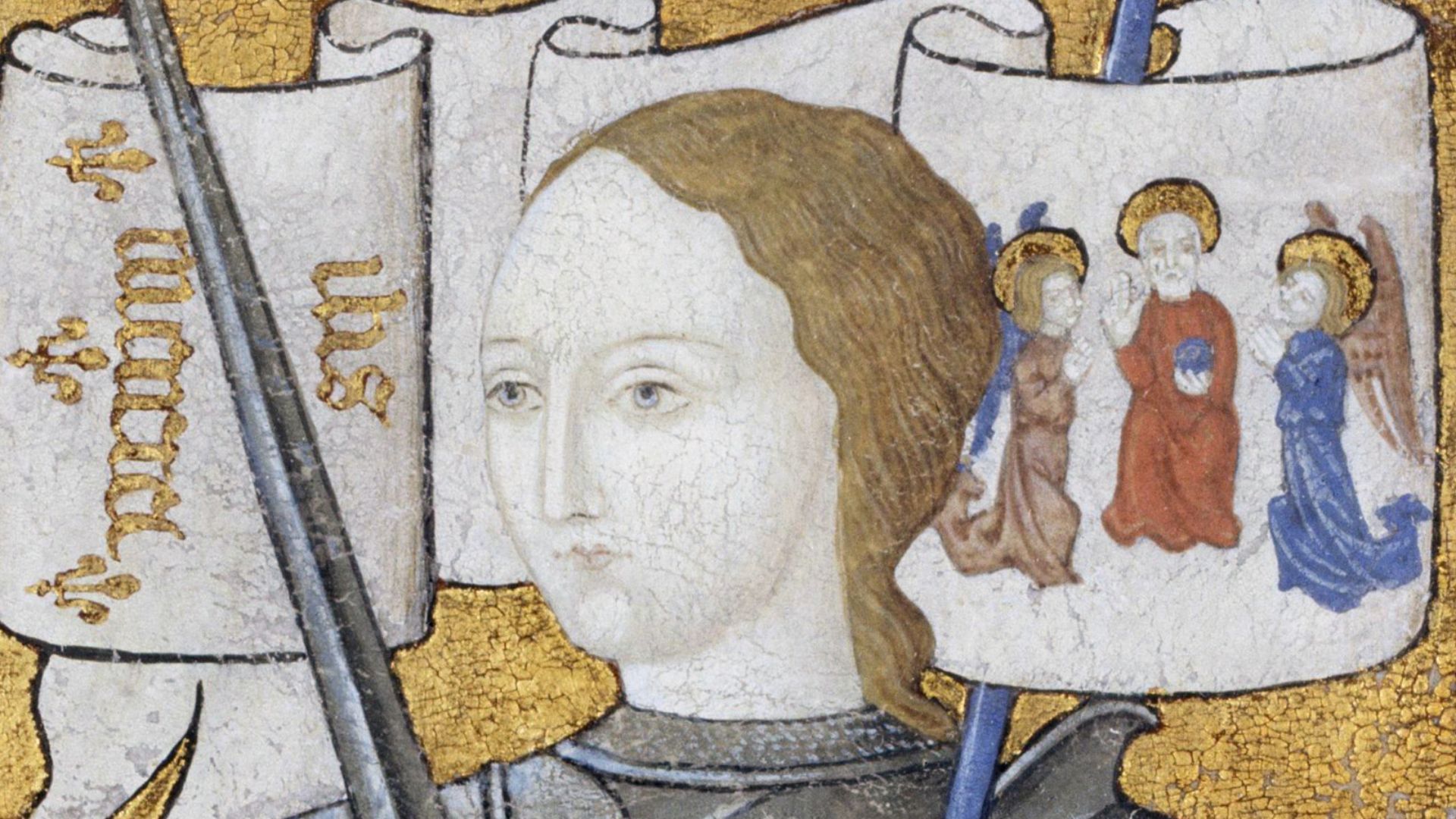 Meidosensei, Wikimedia Commons
La Malinche Was Reduced To “Traitor”
Malintzin, often called La Malinche, became a symbol of betrayal because she interpreted for Hernán Cortés during the Spanish conquest. Modern reassessments stress that she had been enslaved and transferred between powerful men. With no writings in her own voice, her motives remain uncertain.
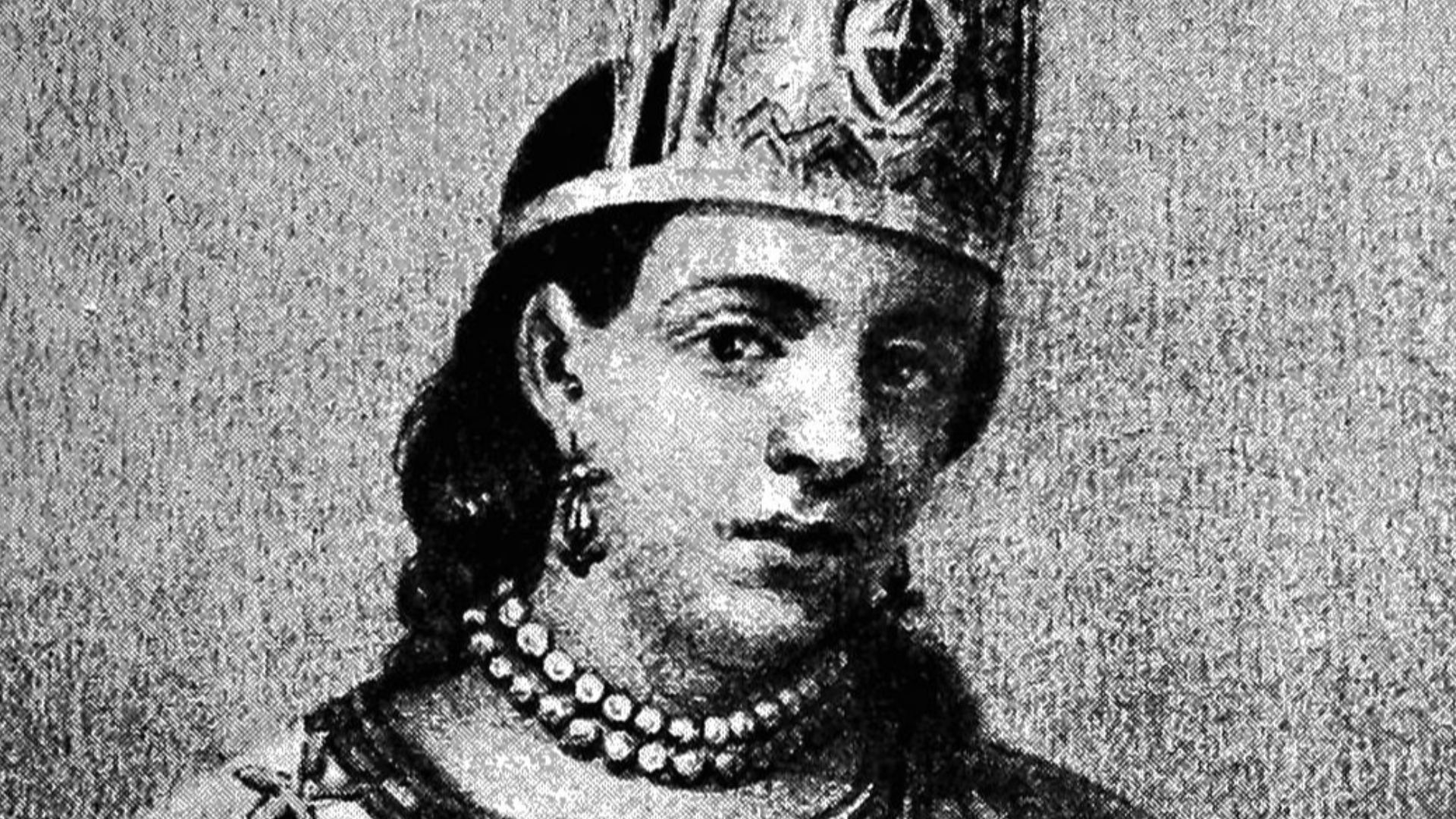 Unknown authorUnknown author, Wikimedia Commons
Captain Kidd Was Hired To Hunt Pirates
William Kidd entered legend as a swaggering pirate, but he began his career as a privateer and was commissioned to pursue pirates and enemy shipping. He was eventually convicted and executed in 1701. Historians have continued debating the extent of his guilt and how firmly the pirate label fits.
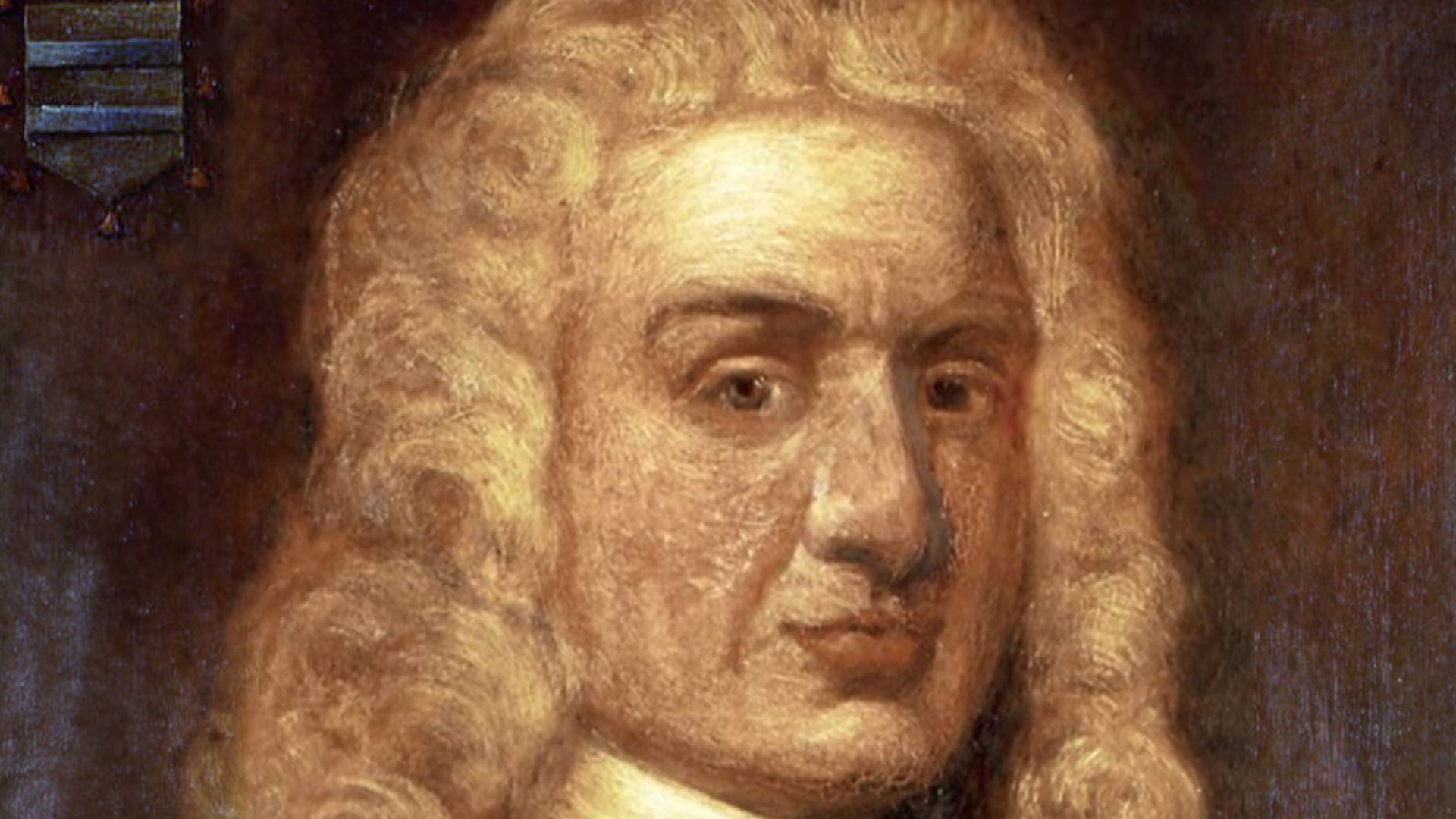 James Thornhill, Wikimedia Commons
Alfred Dreyfus Really Was Framed
French officer Alfred Dreyfus was convicted of treason in 1894 amid intense antisemitism. Evidence later exposed forgeries and pointed toward another officer, yet Dreyfus endured a second conviction before finally being exonerated in 1906. His case became a classic example of prejudice overriding evidence.
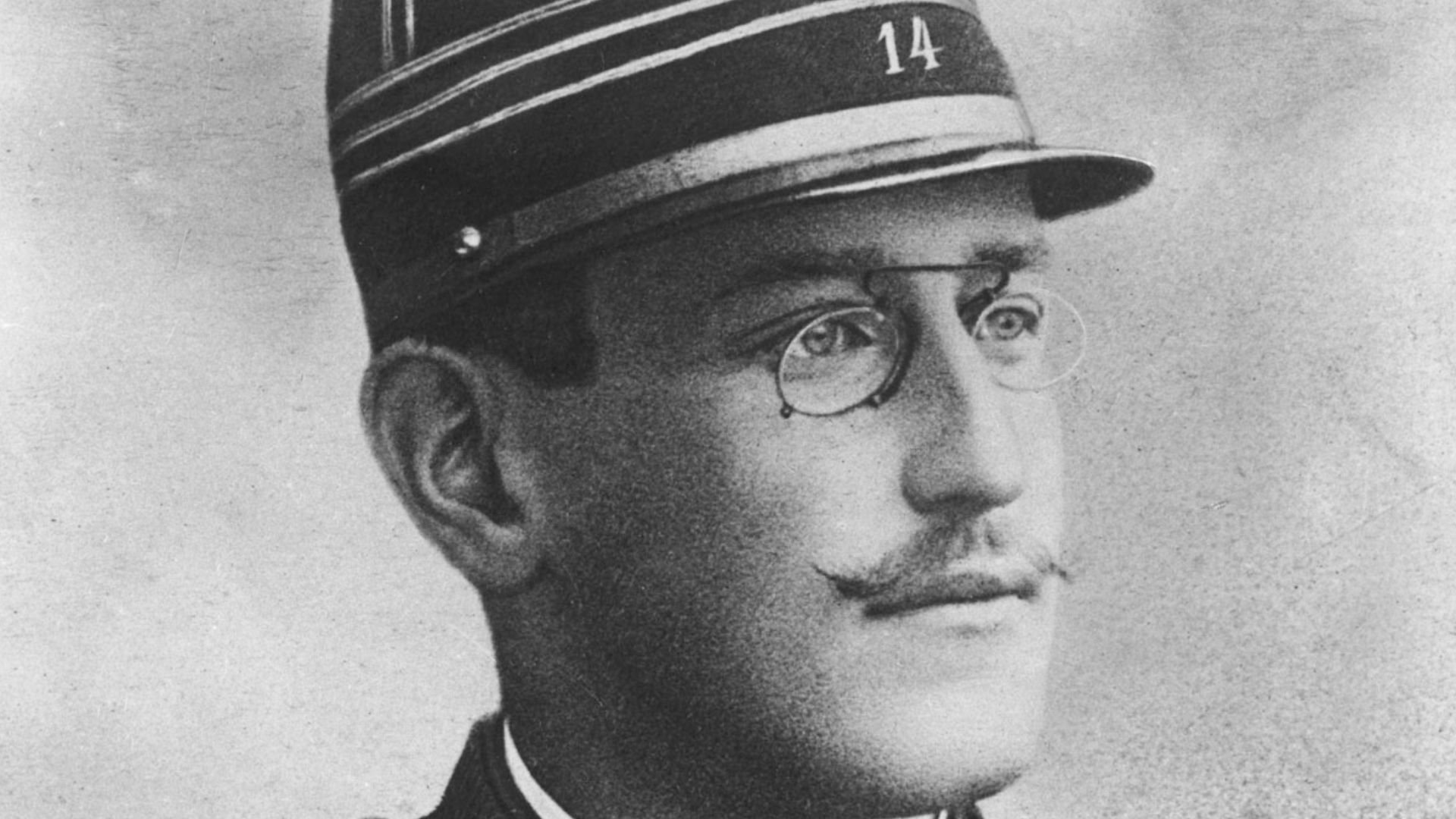 Aron Gerschel, Wikimedia Commons
Iva Toguri Was Not The “Tokyo Rose” America Imagined
Iva Toguri D’Aquino was convicted of treason in 1949 for wartime broadcasts from Japan and became inseparable from “Tokyo Rose”. Decades later, key witnesses admitted they had lied under pressure from prosecutors. President Gerald Ford pardoned her in 1977 and restored her citizenship.
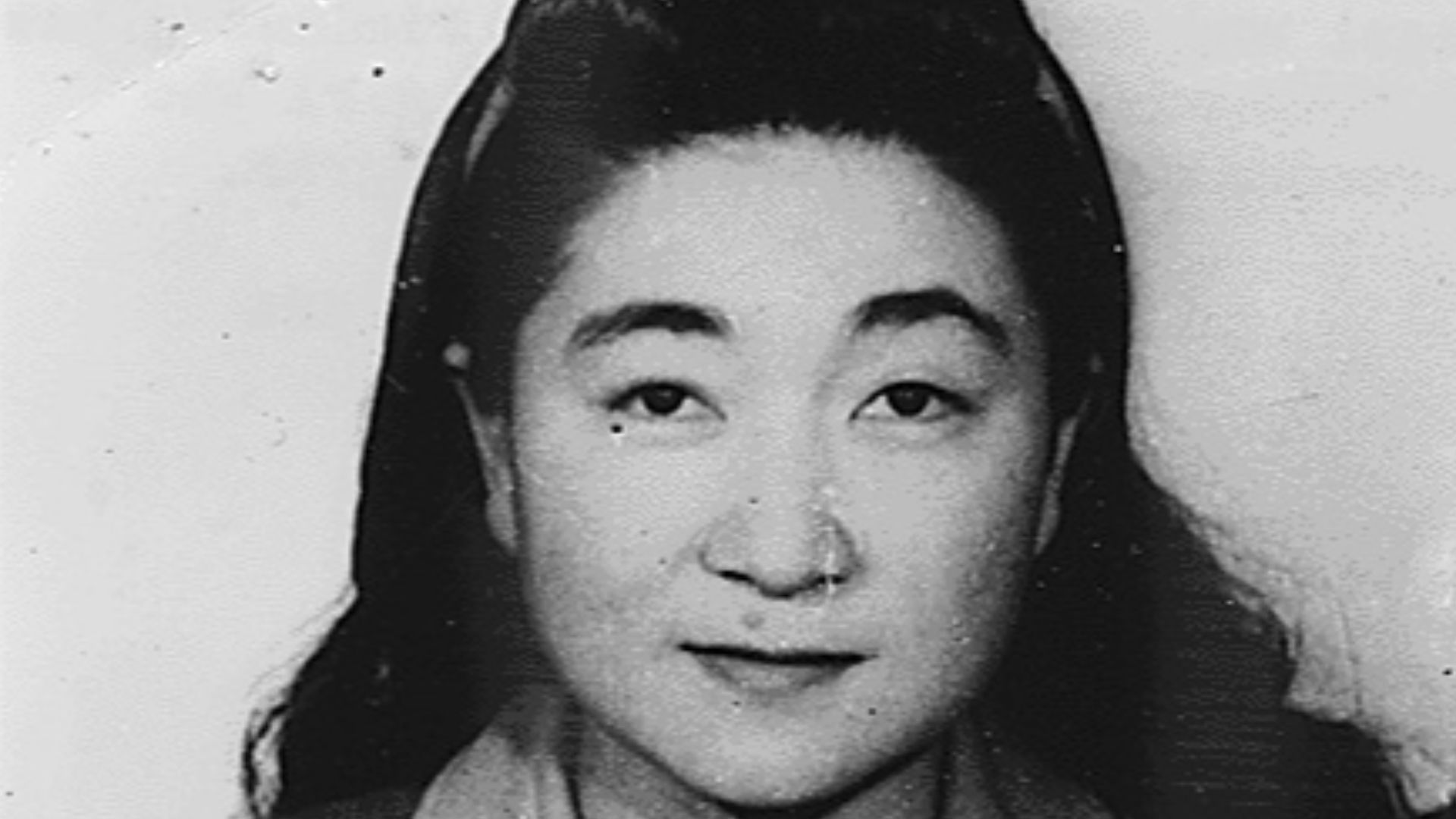 David Shapinsky from Washington, D.C., United States, Wikimedia Commons
Queen Liliʻuokalani Was Painted As The Obstacle
Supporters of Hawaii’s 1893 overthrow depicted Queen Liliʻuokalani as a threat while American and European business interests helped remove her. A US investigation subsequently concluded that American representatives had improperly aided the overthrow. In 1993, the United States formally apologized for its role.
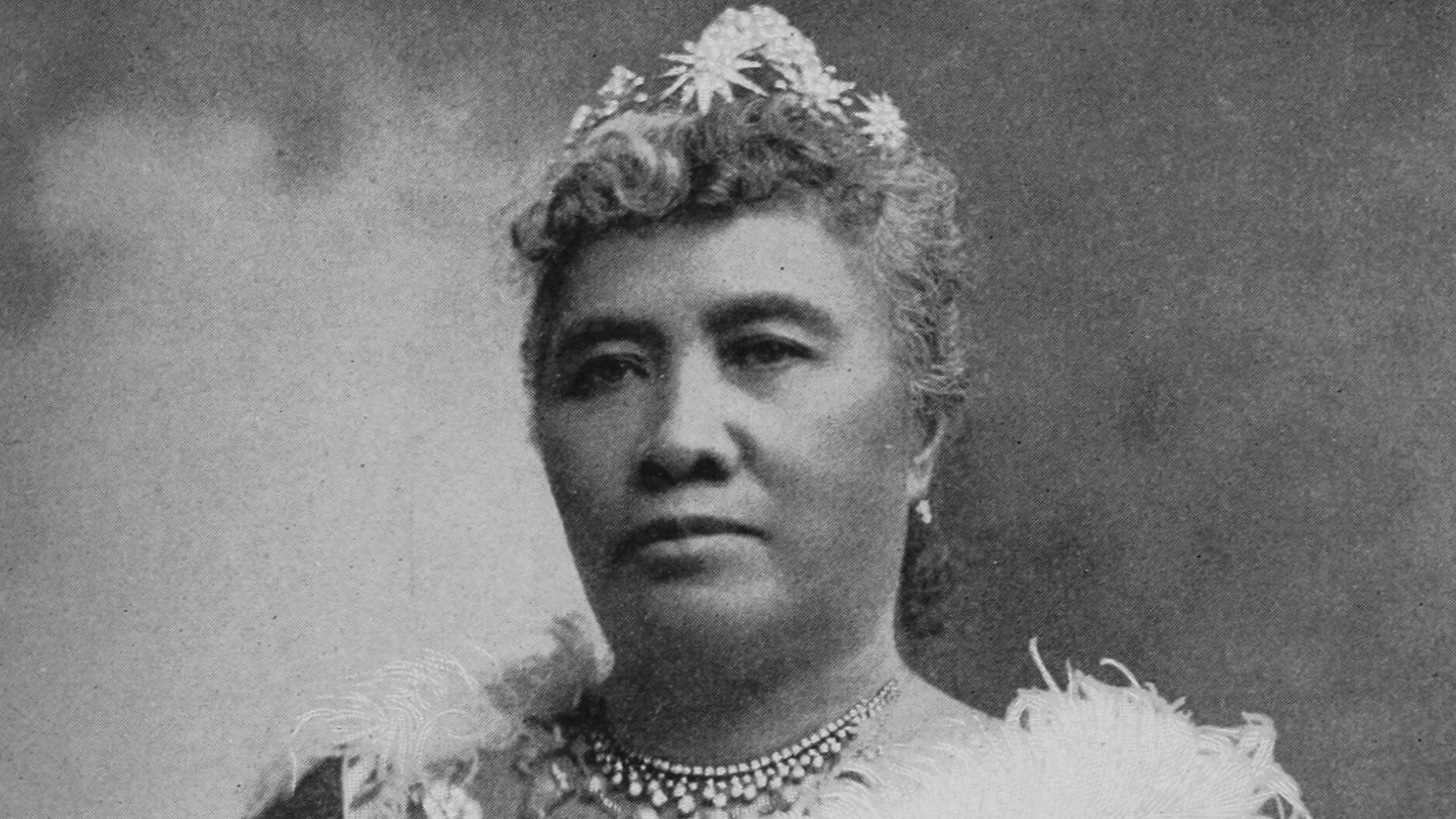 George Prince, of Washington, DC, Wikimedia Commons
Aaron Burr Became A Villain In Someone Else’s Story
Aaron Burr is remembered mainly for fatally shooting Alexander Hamilton in their 1804 duel. Historians note that Hamilton left a far richer written archive, while many of Burr’s papers disappeared in an 1813 shipwreck. That imbalance helped shape how later generations remembered both men.
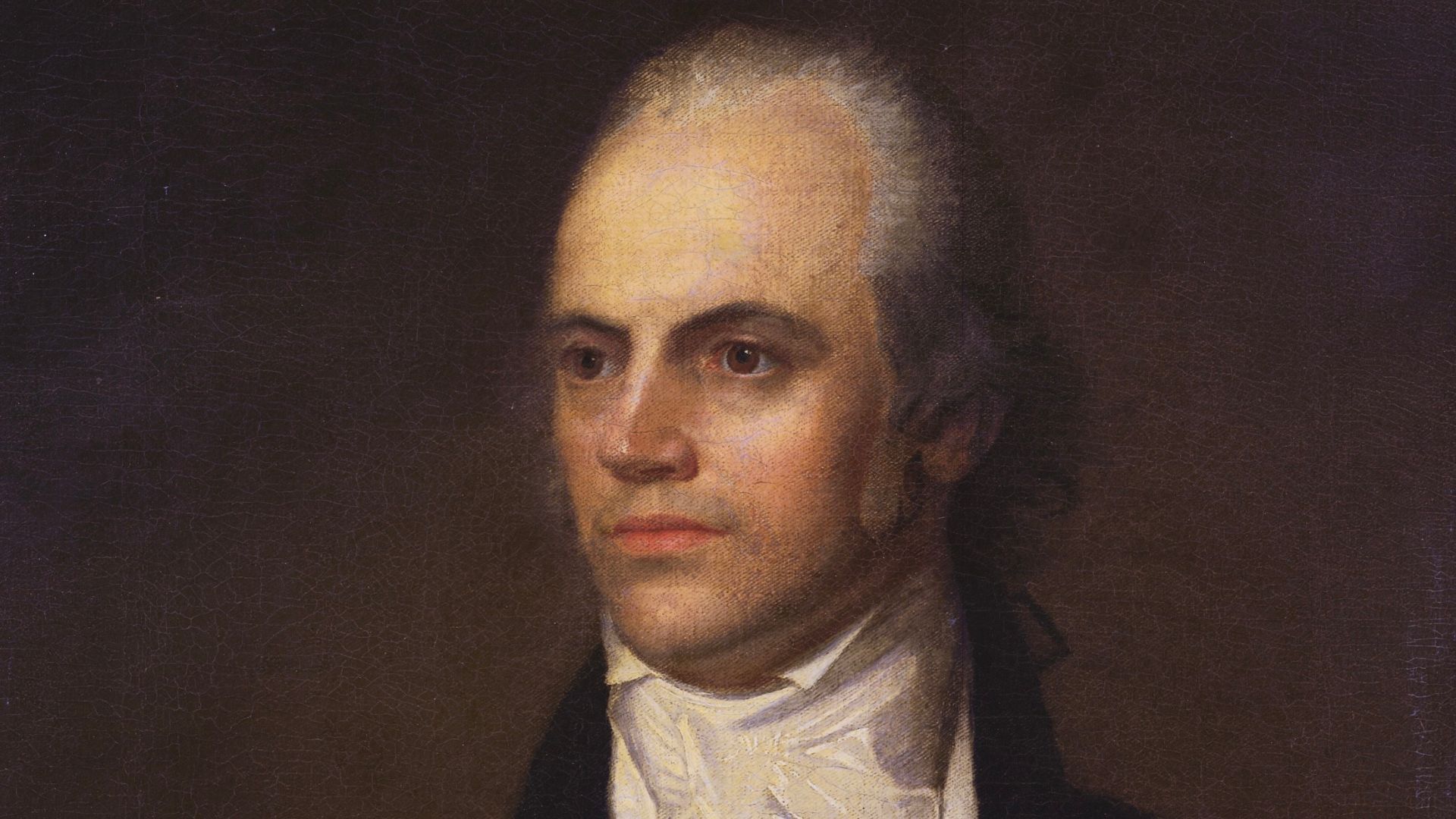 John Vanderlyn, Wikimedia Commons
John Brown Became Either Monster Or Martyr
John Brown’s 1859 Harpers Ferry raid made him a danger to many Americans and a martyr to others. His earlier issues in Kansas complicates any rehabilitation. Later generations increasingly placed his actions within his uncompromising campaign to destroy slavery rather than simply dismissing him as insane.
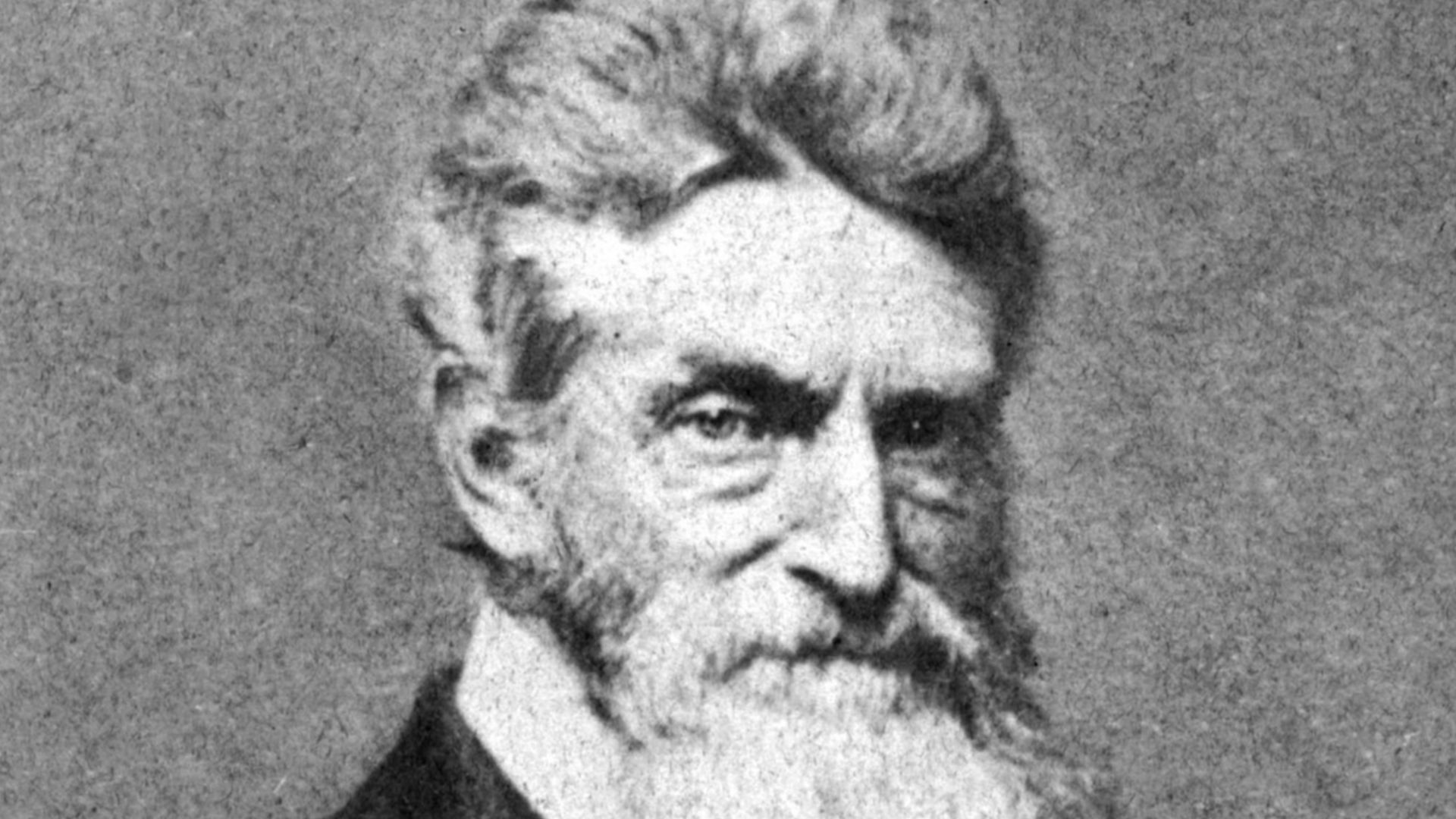 Reproduction of daguerreotype attributed to Martin M. Lawrence, Wikimedia Commons
Nat Turner Was More Than A Bloodthirsty Rebel
Nat Turner led an 1831 uprising in which followers took out roughly 55 to 60 white people, including women and children. White retaliation then ended scores of Black people, many uninvolved. Modern interpretations place Turner within resistance to slavery while still confronting the rebellion’s deliberate violence.
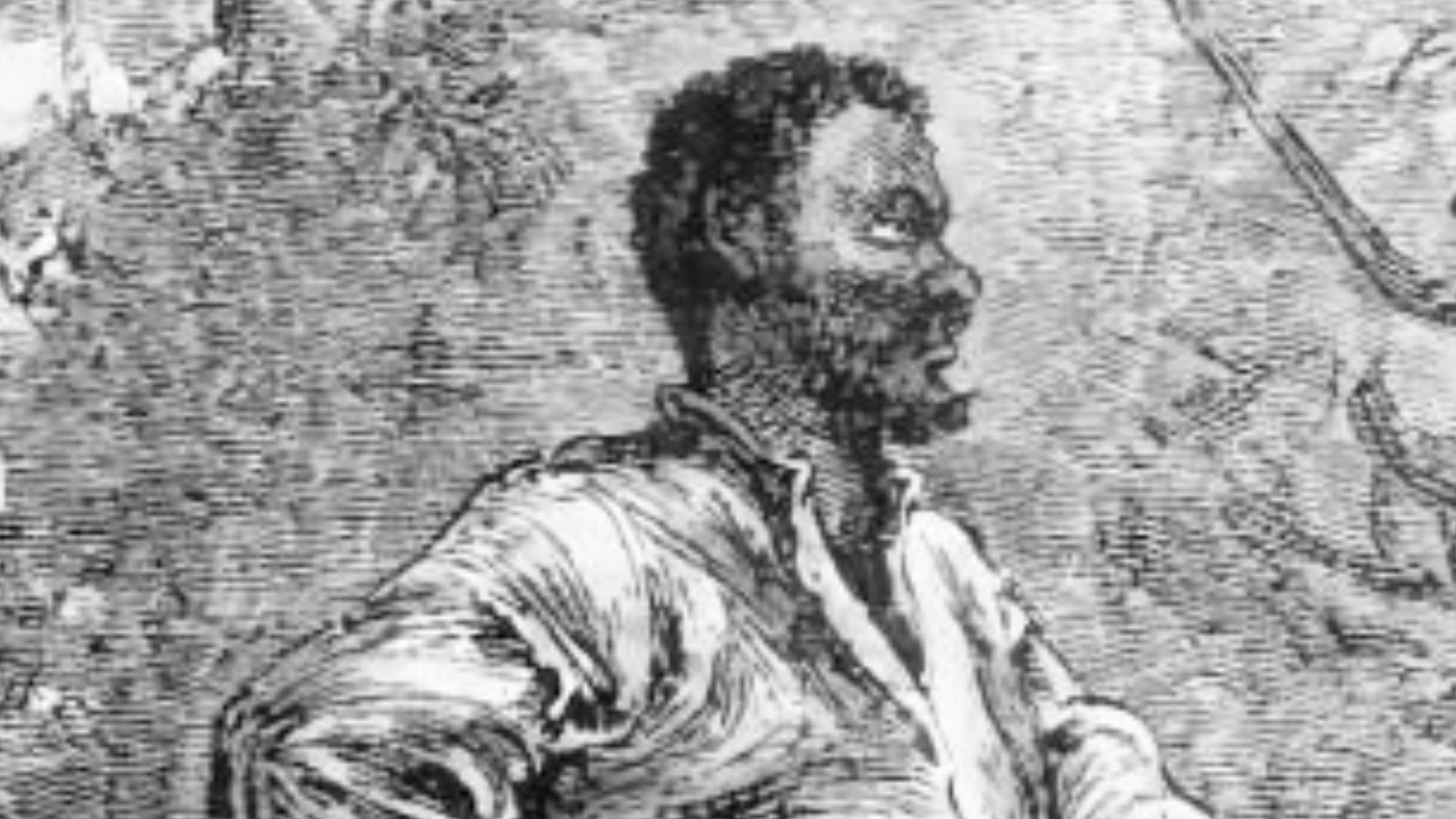 William Henry Shelton (1840–1932)[1][4], Wikimedia Commons
Sitting Bull Was Treated As A Threat To Be Removed
US officials portrayed Sitting Bull as a dangerous obstacle to assimilation and linked him to the Ghost Dance movement. He was taken out during an attempted arrest in 1890. Later accounts emphasize his resistance to US encroachment and his role as a spiritual and political leader.
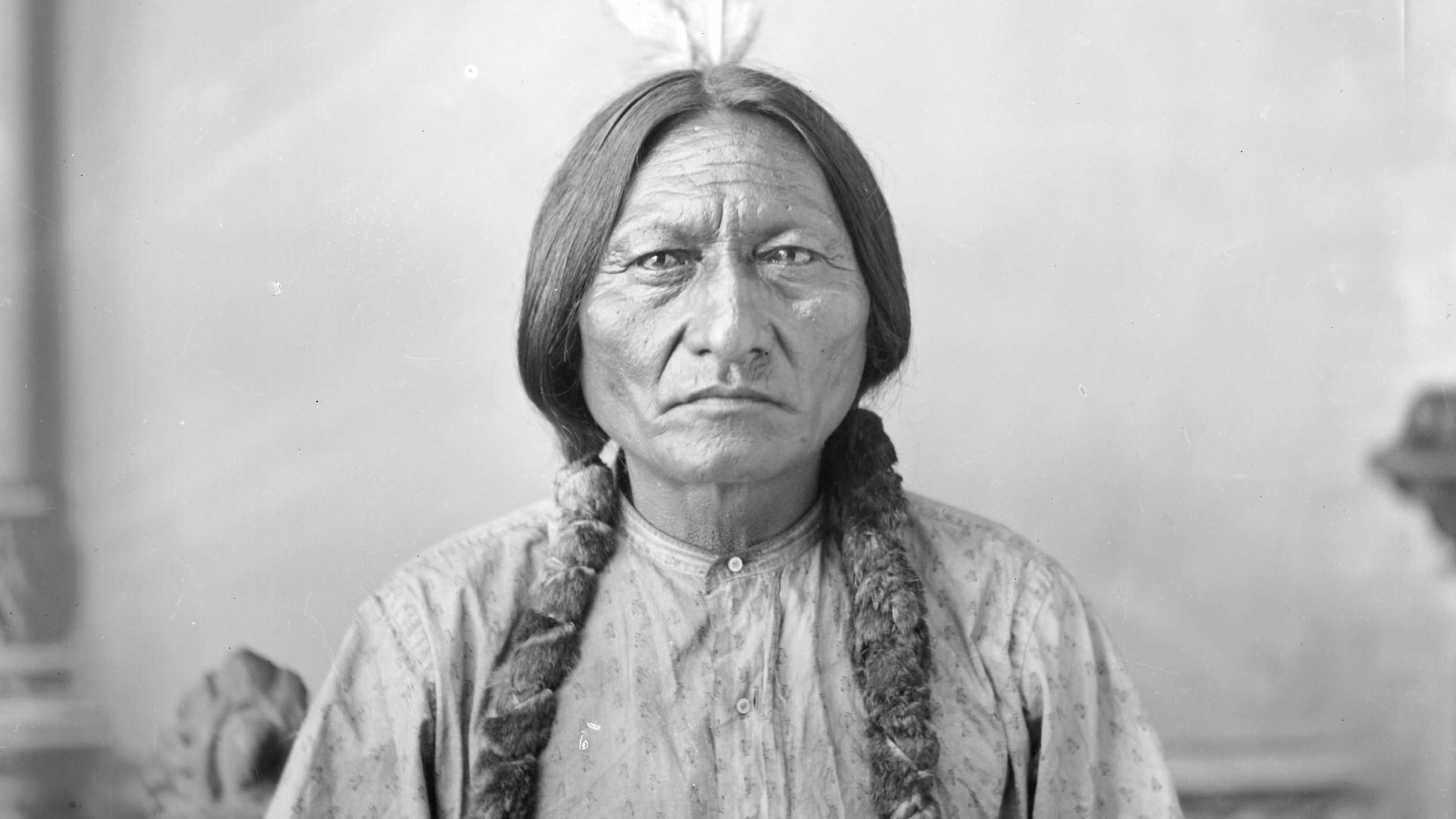 David F. Barry, Photographer, Bismarck, Dakota Territory, Wikimedia Commons
Ned Kelly Became Australia’s Uncomfortable Folk Hero
Ned Kelly was a convicted felon, admitted stock thief, bank robber, and outlaw, so the darker side of his story is not invented. Yet his Jerilderie Letter described grievances against police and colonial authority, and later Australians turned him into an underdog icon. His reputation remains unresolved: hero, criminal, or both.
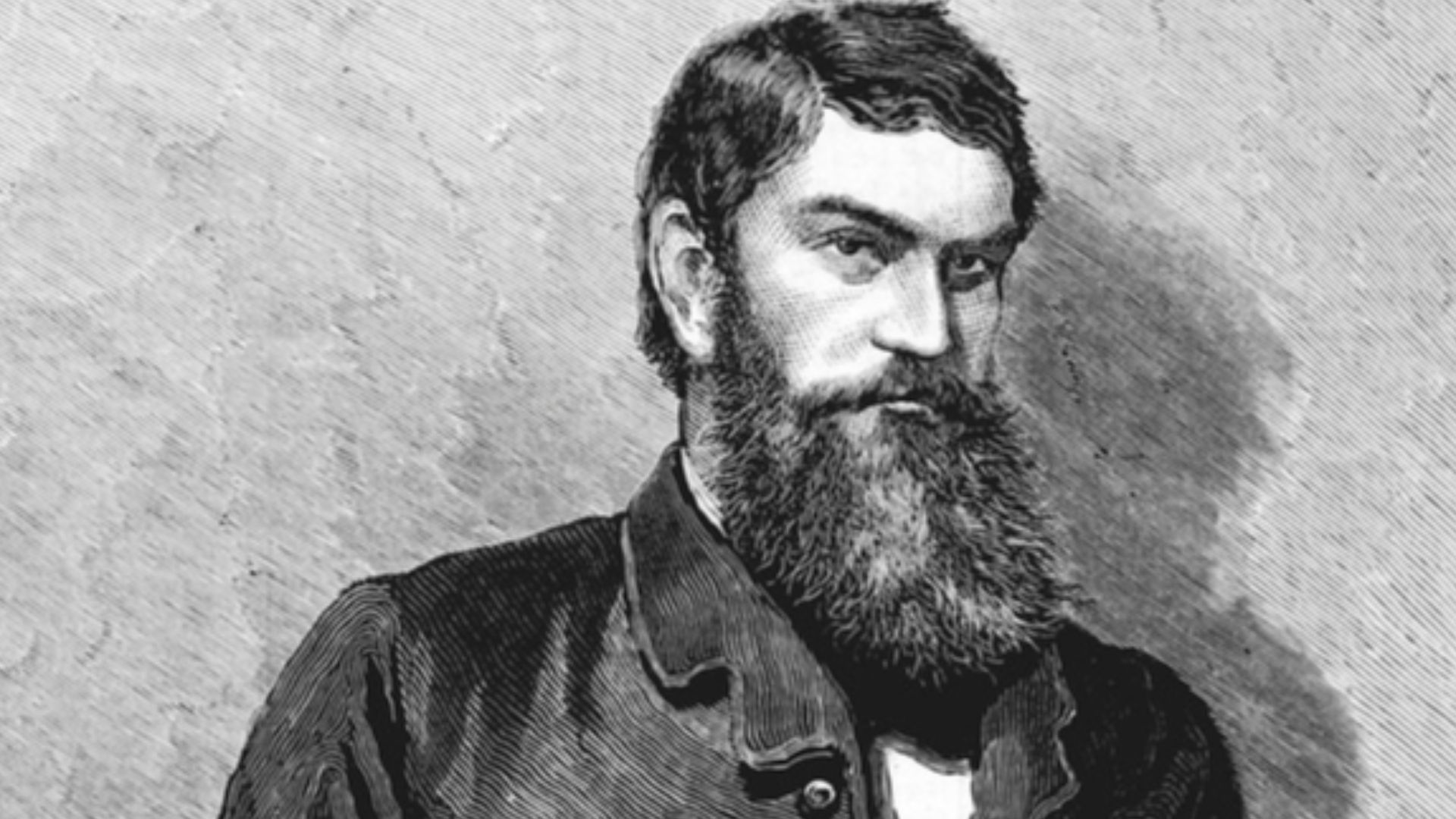 Unknown authorUnknown author, Wikimedia Commons
You May Also Like:
The Spencers, The Most Tragic Family In Britain
History's Most Spectacular Cases Of Mistaken Identity