
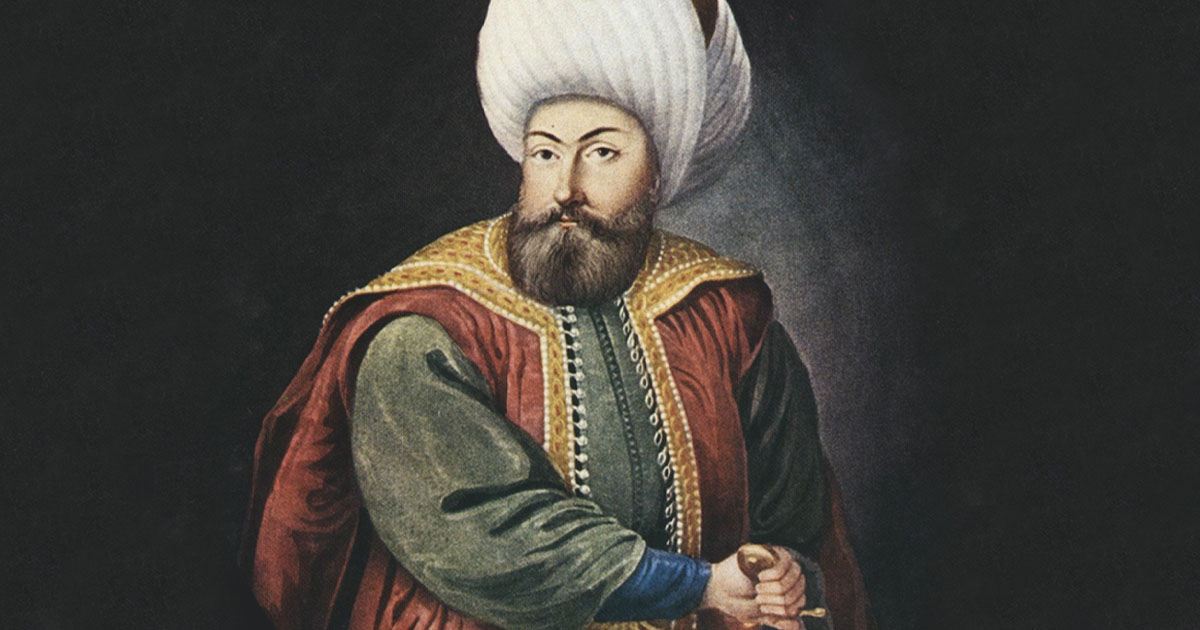
Seeds Of The Future
With almost nothing in terms of absolutely factual historical records, the life of Osman I remains steeped in legend and guesswork, despite his being one of the most impactful rulers in history. Believing it was his divine mission to rule, he fought to expand his lands through years of conquest and strategic diplomacy, laying the roots of what would become a vast and long-lasting empire—even if he wouldn’t live to see it.
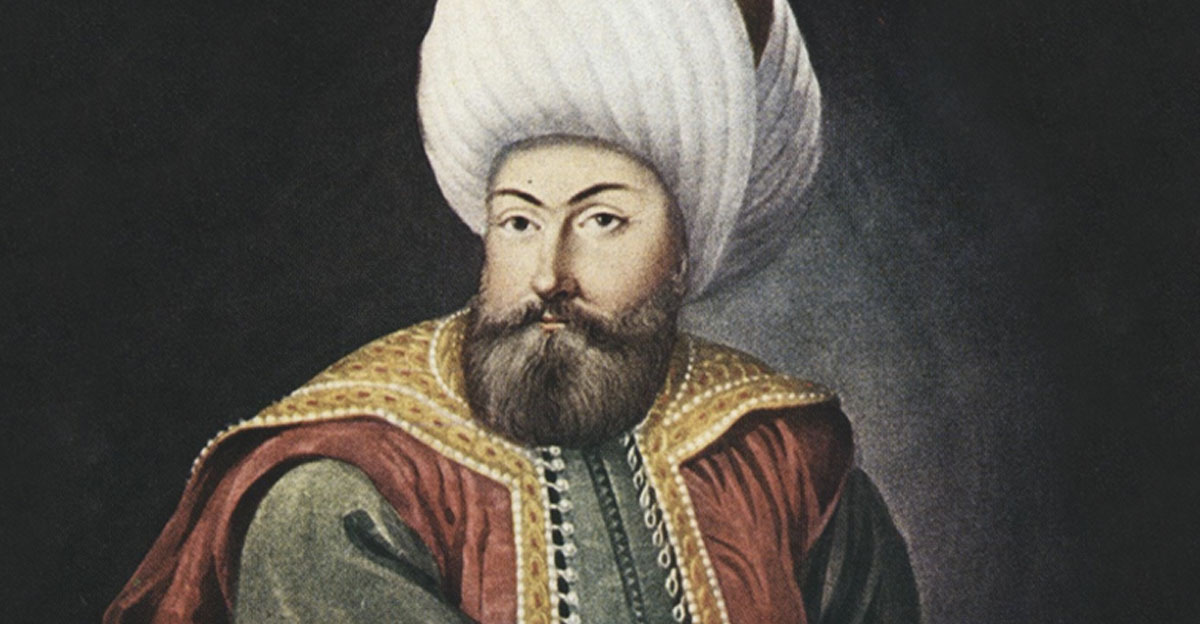
1. They Didn’t Know Him
Over 700 years ago, Osman I established what would become one of the most enduring dynasties in history, the Ottoman Empire. However, while he was responsible for creating the foundations of this mighty nation, not much remains in terms of historical records of his life. This is largely because the earliest sources available were written about him 100 years after the end of his reign, with no surviving accounts from anyone who lived during his lifetime.
Still, that doesn’t mean there aren’t bits and pieces that can tell his story.
 Harbiye Askeri Müzesi, Wikimedia Commons
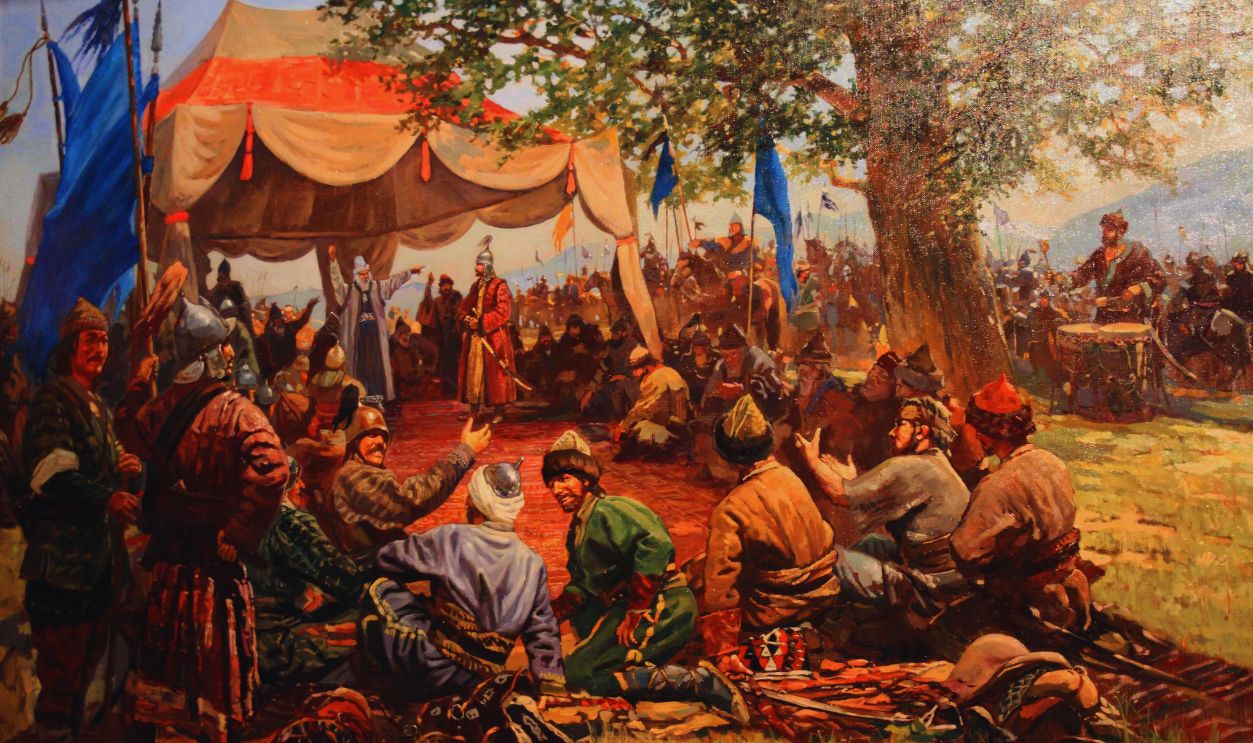
2. They Fled For Their Lives
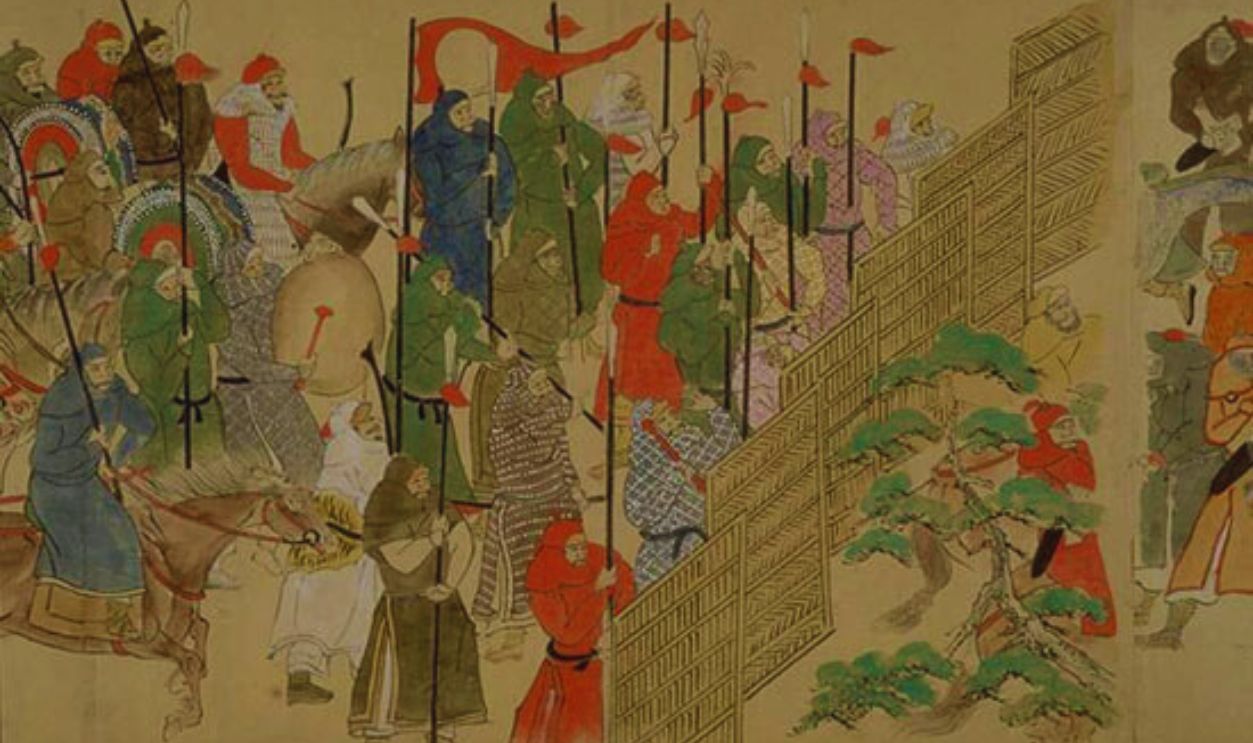
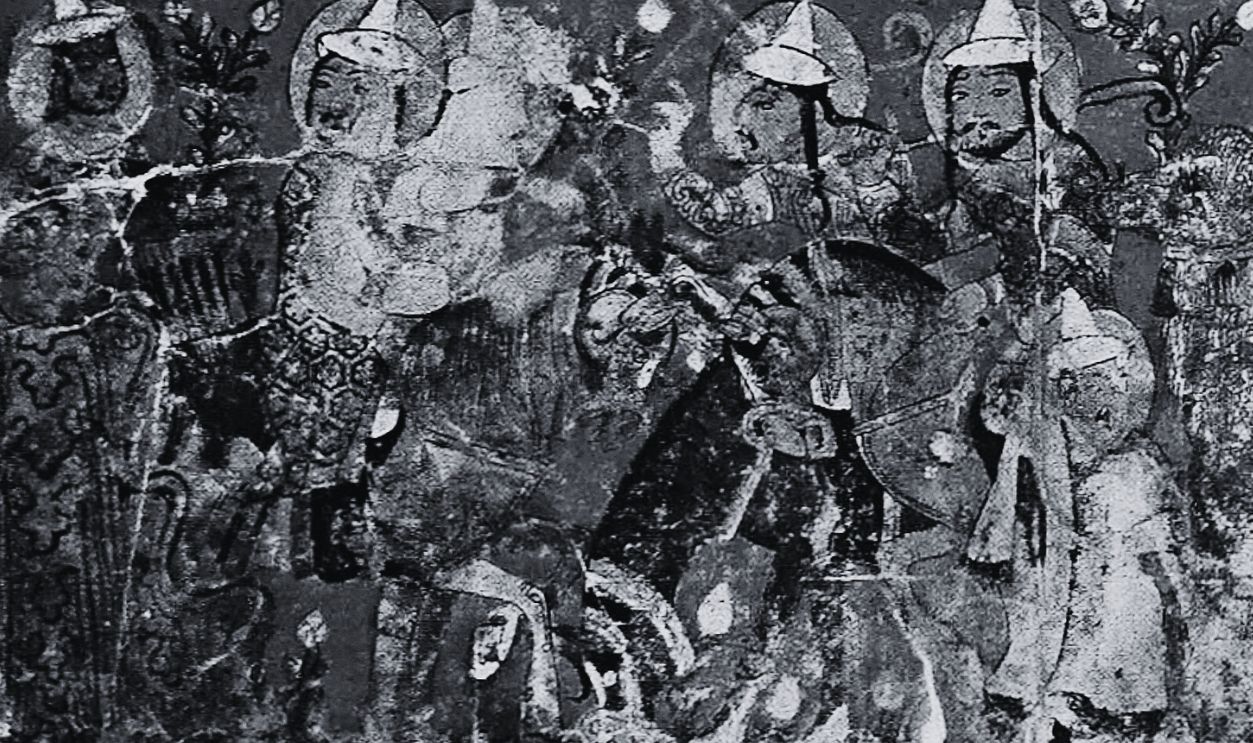
While not much knowledge remains about Osman’s life or family before he began his conquest, historians at least have an idea of where he came from. According to the most widely accepted conclusion, Osman’s family was part of the Oghuz Turkic clan—specifically the Kayı tribe—which resided in Central Asia. Unfortunately, Osman would never know this home, as a Mongol invasion drove his people out in the 13th century.
Not only that, but he had a link to this conflict from the beginning.
 Unknown Author, Wikimedia Commons
3. He Was Born Into Conflict
Like much of his life, the date of Osman’s birth remains unclear and is the subject of contention among historians, but it was likely several decades after his people fled from the Mongol invaders. Still, according to some records, he shared a distinct connection to this kind of strife, as he was allegedly born on February 13, 1258—the same day as the catastrophic Mongol invasion of Baghdad.
Thankfully, the Kayı tribe seemed to be faring better at the time.
 Screenshot from Diriliş: Ertuğrul, TRT (Türkiye Radyo Televizyon Kurumu) (2014–2019)

History's most fascinating stories and darkest secrets, delivered to your inbox daily.
4. He Helped Them
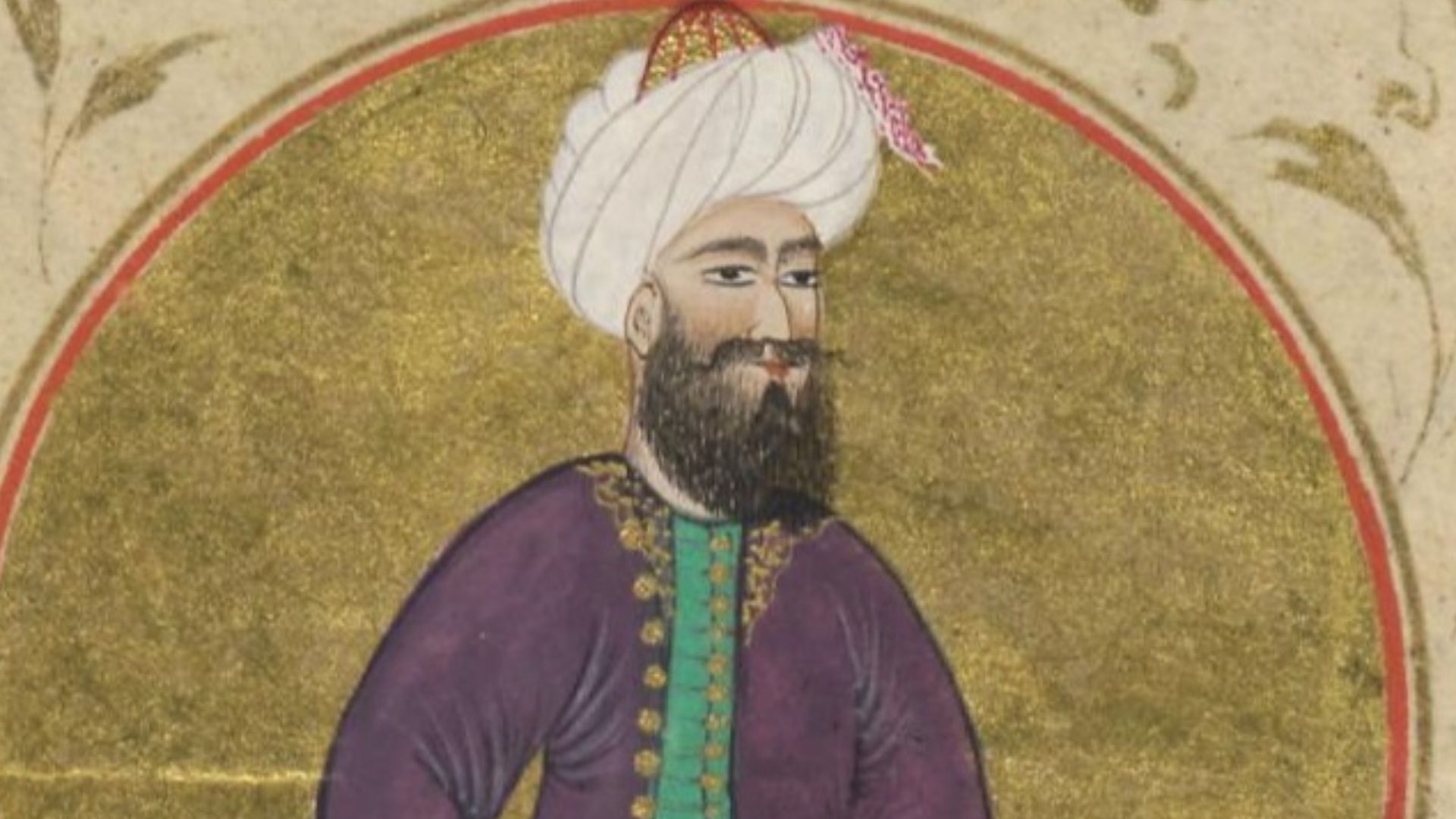
In the narrative of Ottoman tradition, Osman seemed to have inherited his outstanding leadership abilities from his father, Ertuğrul, a warrior chieftain. As the story goes, Ertuğrul took charge of his people in the wake of the Mongol invasion, leading them to the Anatolian Seljuks to ask for assistance. Fortunately, the Sultan took pity on the Kayı, granting them the town of Söğüt near the Byzantine border to live under the authority of Ertuğrul.
At the same time, it isn’t always easy to separate fact from legend.
 Derviş Mehmed, Wikimedia Commons
5. They Fabricated The Story
While the story of Ertuğrul leading his people to an alliance with the Seljuks was an essential part of Ottoman history, there isn’t much to support this record. It’s widely accepted that the account only emerged about 100 years after the events in question, likely fabricated by court chroniclers at the time. In reality, there’s no way of knowing the real source of the Ottoman people.
Regardless, Osman grew up under his father’s strong influence and learned to be like him.
 Austrian National Librar, Wikimedia Commons
6. He Trained In Everything
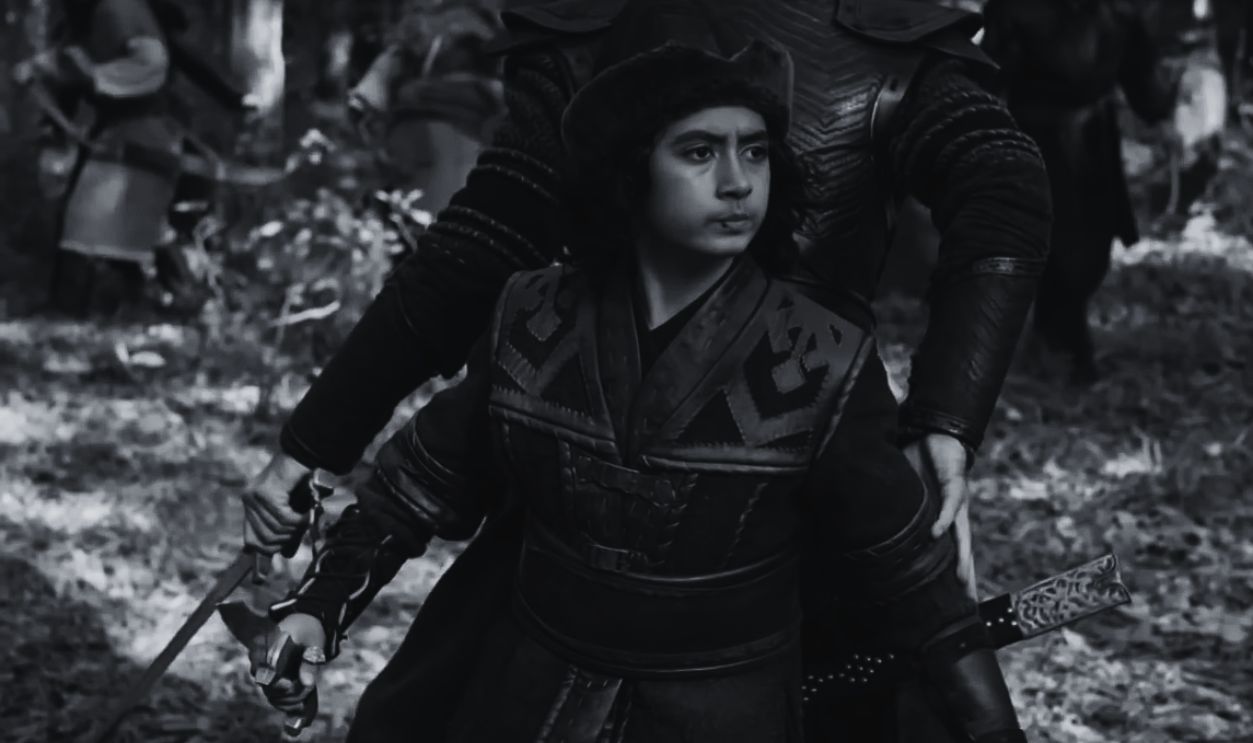
Osman may not have been the eldest child of Ertuğrul, but he was still the son of a warrior and would learn to become a formidable leader in his own right. According to the writings of Ottoman historian Kemalpaşazâde, this training began at a young age and included such skills as falconry, swordsmanship, and wrestling.
He had other skills, too.
 Screenshot from Diriliş: Ertuğrul, TRT (Türkiye Radyo Televizyon Kurumu) (2014–2019)
7. He Was Well-Read
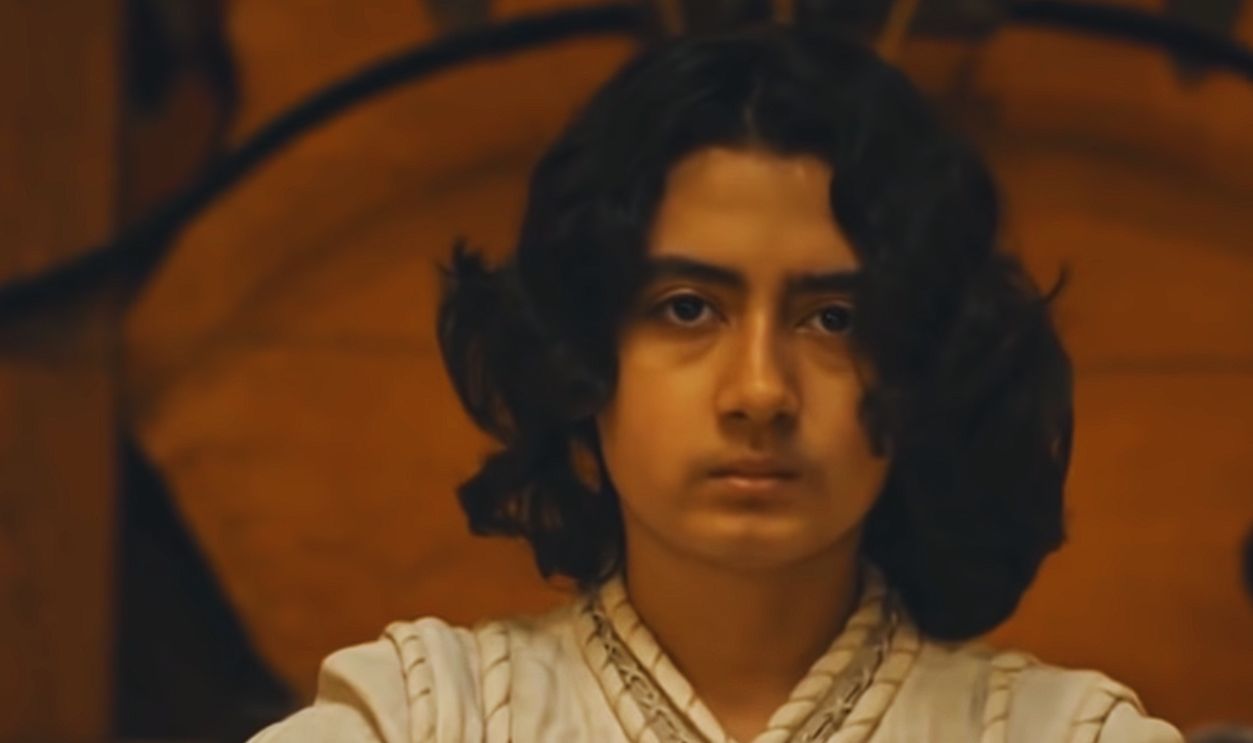
Not only did Osman receive the training befitting a warrior chief, but he reportedly excelled at every skill he encountered, becoming far greater at any of them than the rest of his brothers. However, being a proper warrior wasn’t only about battle prowess, and alongside his physical training, he studied under several Sufi sheikhs, resonating deeply with the principles of Islam.
All of these skills would come in handy soon enough.
 Screenshot from Diriliş: Ertuğrul, TRT (Türkiye Radyo Televizyon Kurumu) (2014–2019)
8. He Took Over The Reins
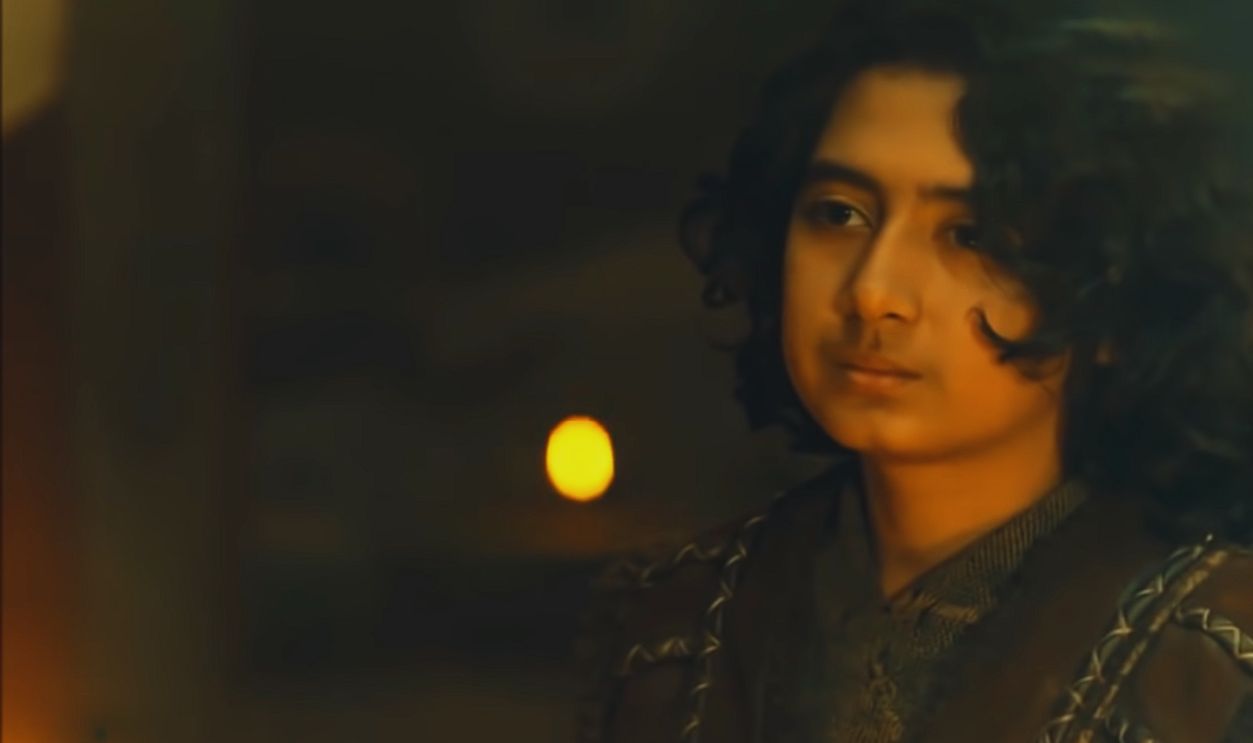
With all the wisdom and strength to back it up, Osman finally had the chance to demonstrate his leadership skills when, around 1280, his father perished. Of course, as the youngest of Ertuğrul’s sons, he wasn’t exactly a shoo-in to lead his people as their new Emir. While he ultimately did take over as ruler, he faced numerous struggles in laying claim to the title.
One relative made things especially dangerous for the budding Emir.
 Screenshot from Diriliş: Ertuğrul, TRT (Türkiye Radyo Televizyon Kurumu) (2014–2019)
9. He Tried To Take Him Out
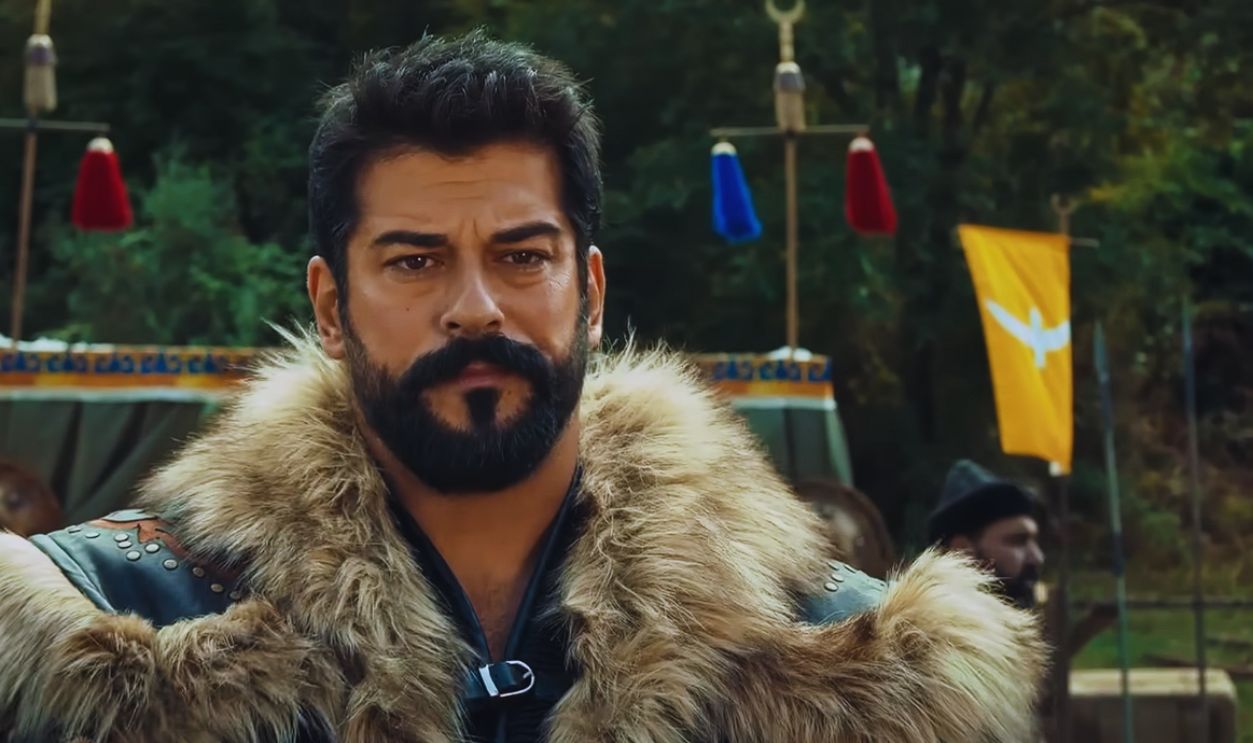
Also in contention for the title of Emir was Osman’s uncle, Dündar Bey, who not only wanted the power for himself but also may have believed Osman would only lead their clan to doom. While it’s unknown exactly what he did, several sources mention that Dündar tried to plot his nephew’s downfall, only for Osman to catch on. Making an example of his treacherous uncle, Osman executed Dündar himself.
At the same time, there is a wildly different version of events leading to Osman’s rule.
 Screenshot from Kuruluş: Osman, ATV (Turkuvaz Media Group) (2019–present)
History's most fascinating stories and darkest secrets, delivered to your inbox daily.
10. He Acted Out
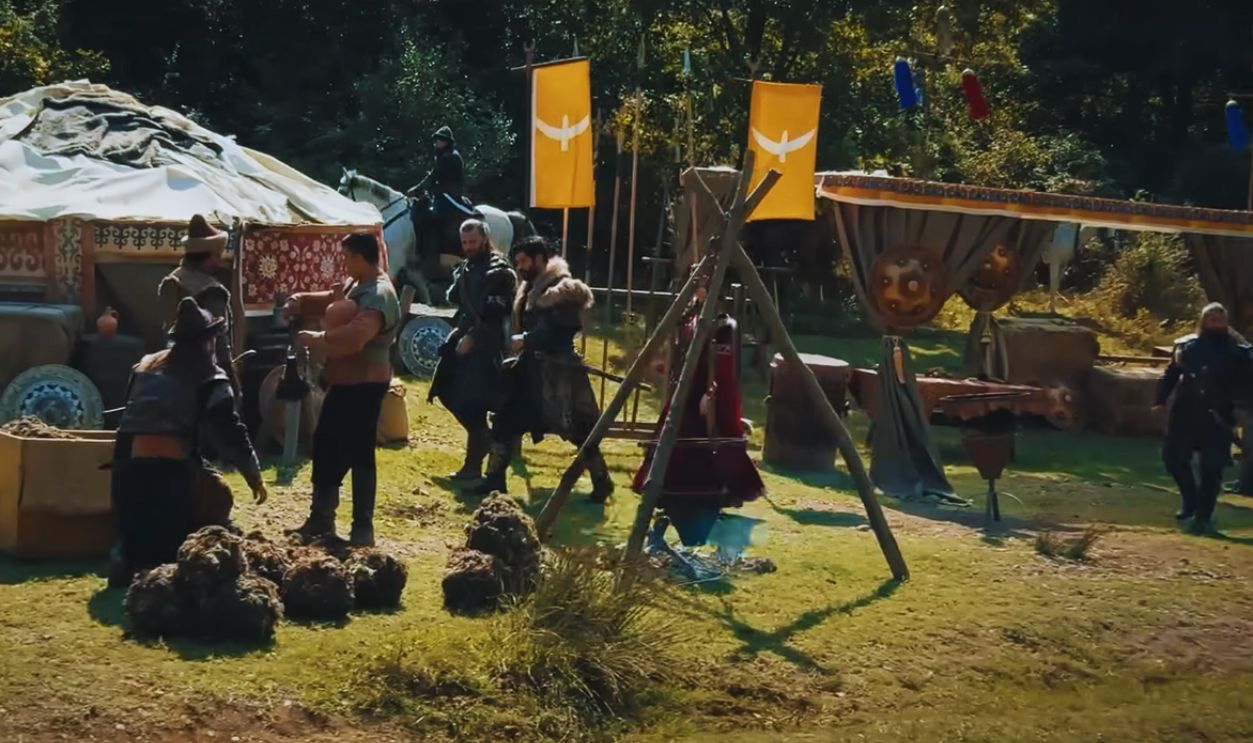
In another rendition of events, as per the texts of the Vilayetname, Osman wasn’t actually able to take the title of Emir right away, and it instead went to another uncle of his. In this version, Osman decided to prove his worthiness by taking matters into his own hands and attacking the nearby lands of the Byzantine Empire.
This kind of hostility was more than the Byzantine forces could take.
 Screenshot from Kuruluş: Osman, ATV (Turkuvaz Media Group) (2019–present)
11. He Asked For Help
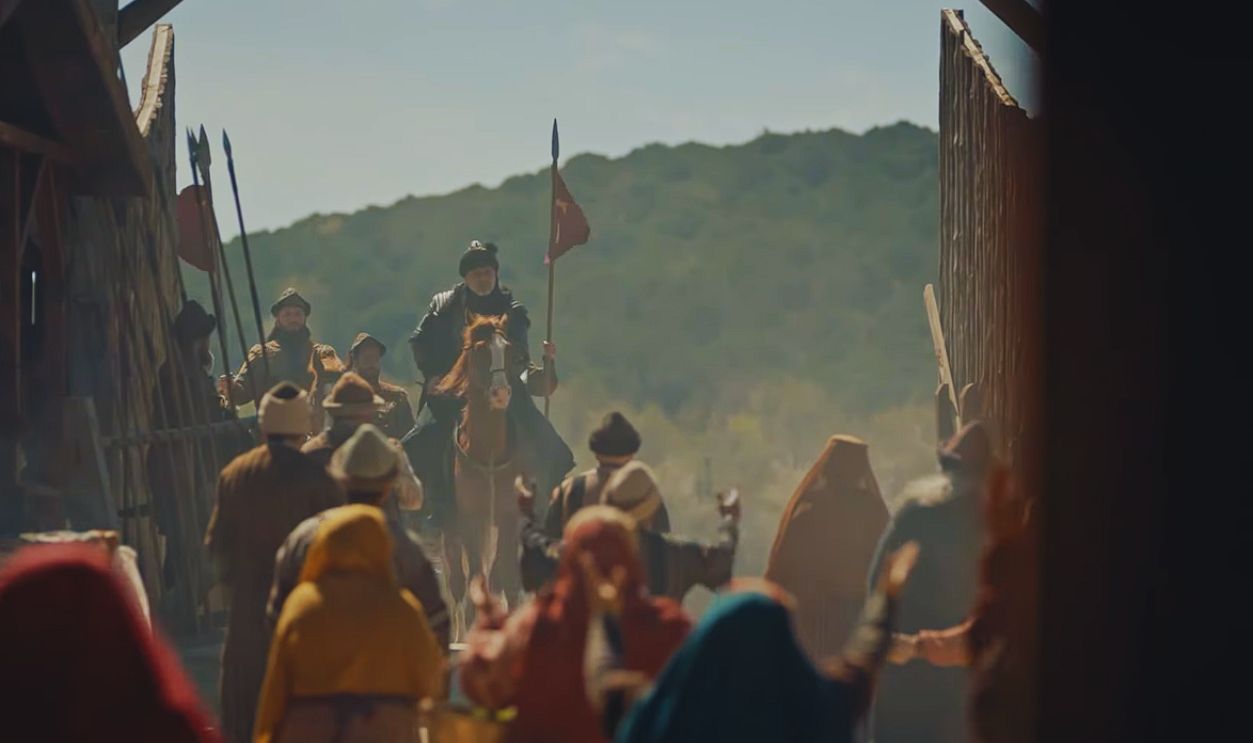
As the Byzantine city of Bursa became directly threatened by the continuous raids, its Tekfur—or governor—knew he wouldn’t be able to stand up to Osman by himself, so he told on him. Contacting Alâeddin Kayqubad III, the Sultan of the Seljuks, the Tekfur demanded that he do something about Osman’s behavior.
Unfortunately for the governor, this wouldn’t turn out how he hoped.
 Screenshot from Kuruluş: Osman, ATV (Turkuvaz Media Group) (2019–present)
12. He Respected Him Too Much
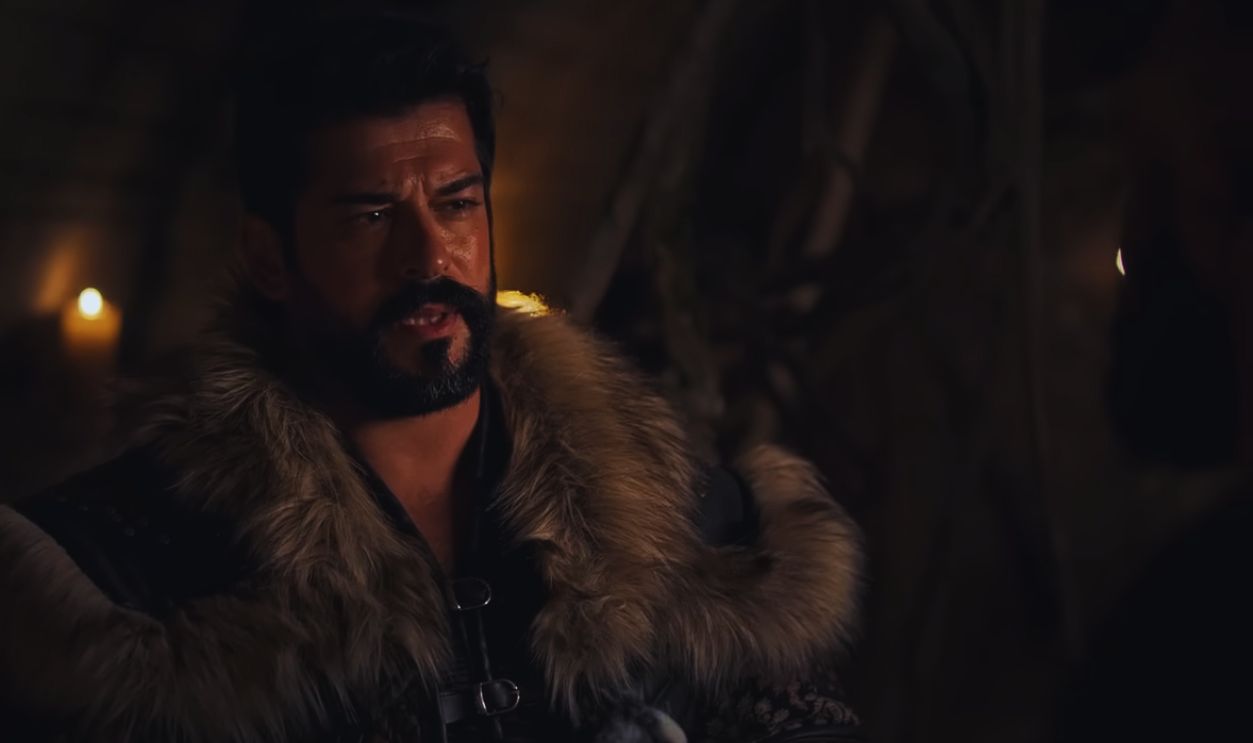
Wanting to keep the peace with the Byzantine Tekfur, the Seljuk Sultan ordered Osman’s uncle to hand him over. This was a request that Osman could not ignore, so he went before the Sultan to accept his judgment—only to hear something he never expected. The Sultan explained that he couldn’t punish him, as he actually admired what Osman was trying to do, and instead passed the matter onto the mystic, Ḥājī Baktāš Walī.
Surprisingly, this put Osman in the exact position he was fighting for.
 Screenshot from Kuruluş: Osman, ATV (Turkuvaz Media Group) (2019–present)
13. He Was The Chosen One
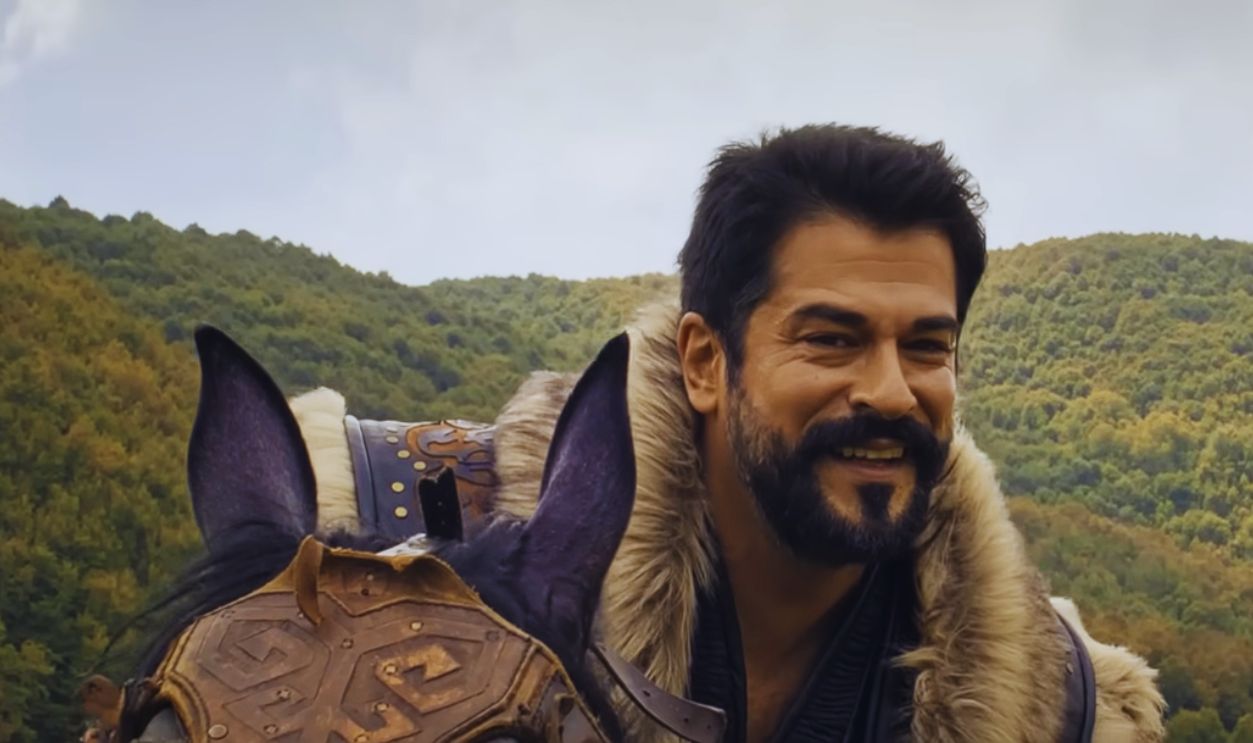
Traveling to Ḥājī Baktāš Walī, Osman once again relinquished himself to whatever judgment the mystic might render, only to receive another shock. The Ḥājī had nothing but praises to give Osman, going so far as to say he had been “waiting for someone like him for years”. With his fate decided, Osman returned with a message from the Ḥājī, telling the Sultan to bestow the title of Emir upon Osman.
Meanwhile, this wasn’t the only religious leader whom Osman impressed.
 Screenshot from Kuruluş: Osman, ATV (Turkuvaz Media Group) (2019–present)
14. He Married His Best Friend’s Daughter
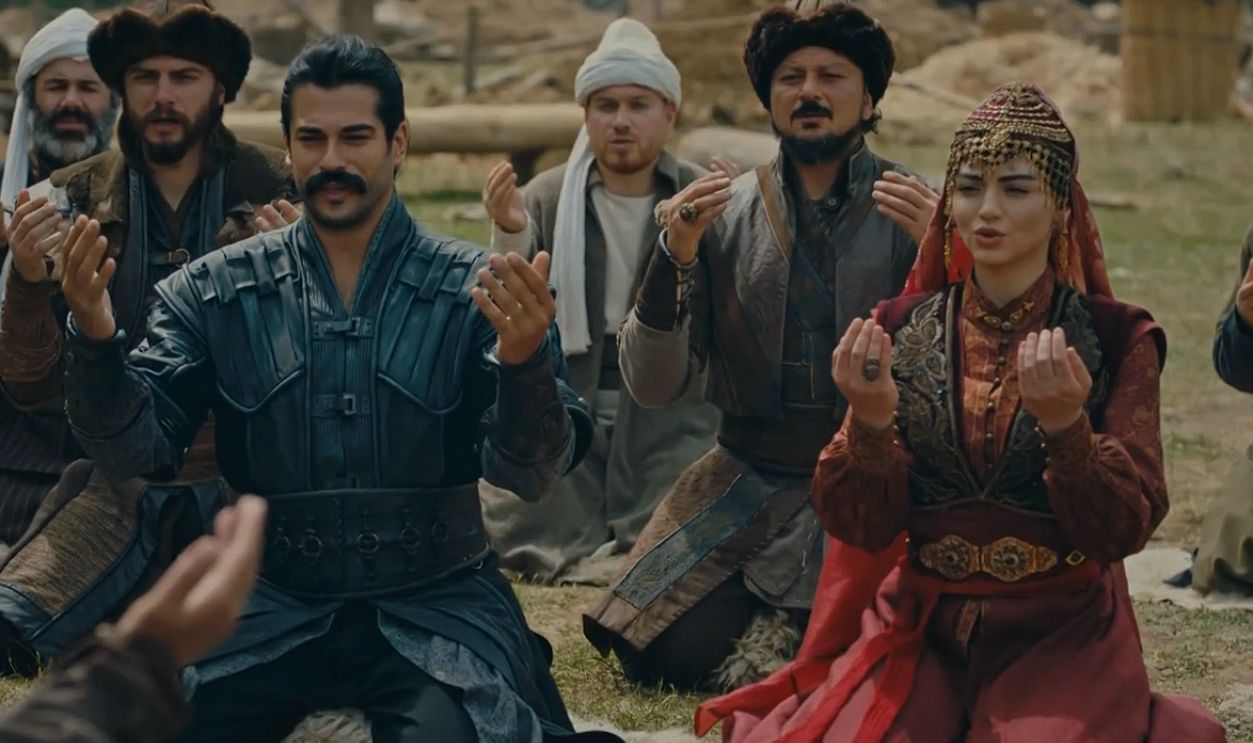
Osman would have several consorts in his lifetime, but his first marriage only came to be because he befriended another holy man. Growing closer to a local religious leader named Sheikh Edebali, Osman even reached the point of joining his family, marrying the Sheikh’s daughter, Rabia Bala Hatun.
All in all, though, Osman appeared to have a much greater connection with her father.
 Screenshot from Kuruluş: Osman, ATV (Turkuvaz Media Group) (2019–present)
15. He Saw Him In A Dream
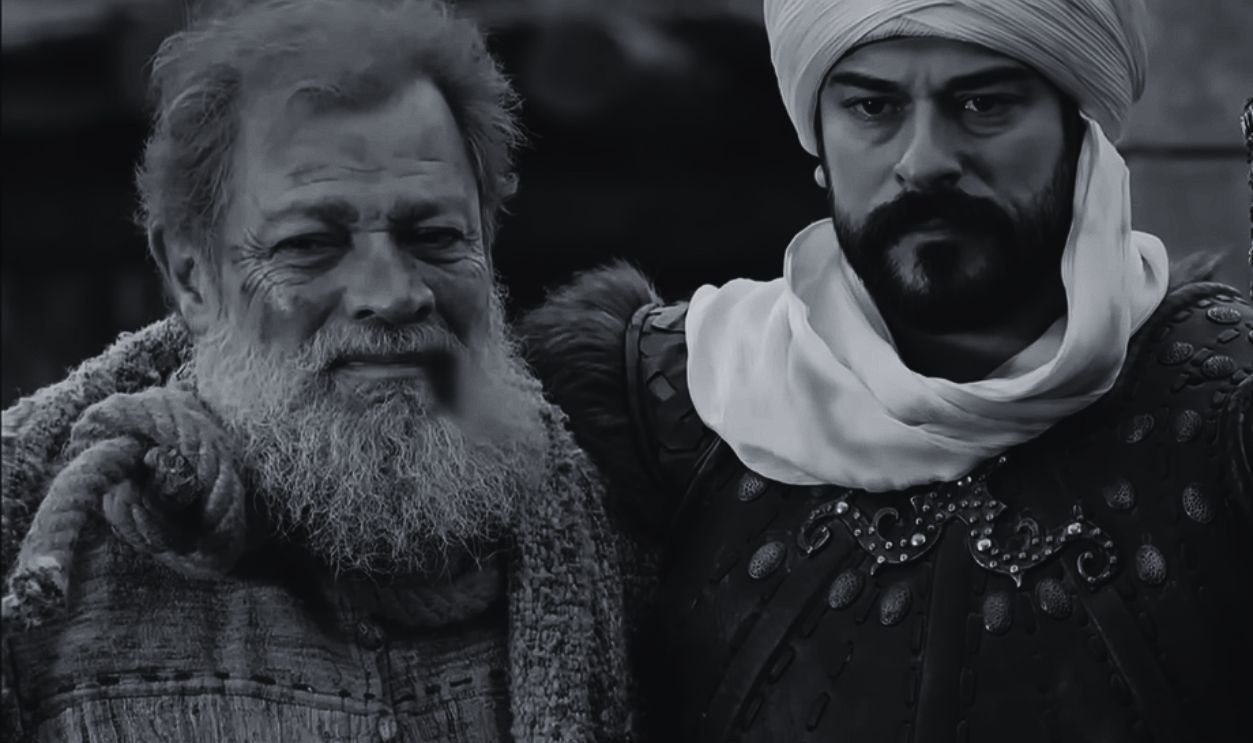
Osman’s friendship with Sheikh Edebali was legendary among Osman’s contemporaries, especially since the two of them claimed to have come together through divine intervention. In Osman’s words, he had a dream where he saw a moon emerge from the Sheikh’s chest before floating over and entering Osman’s own chest, proving they were meant to stay connected for life.
This wasn’t the biggest revelation from his dream, though.
 Screenshot from Kuruluş: Osman, ATV (Turkuvaz Media Group) (2019–present)
History's most fascinating stories and darkest secrets, delivered to your inbox daily.
16. They Were Chosen By God
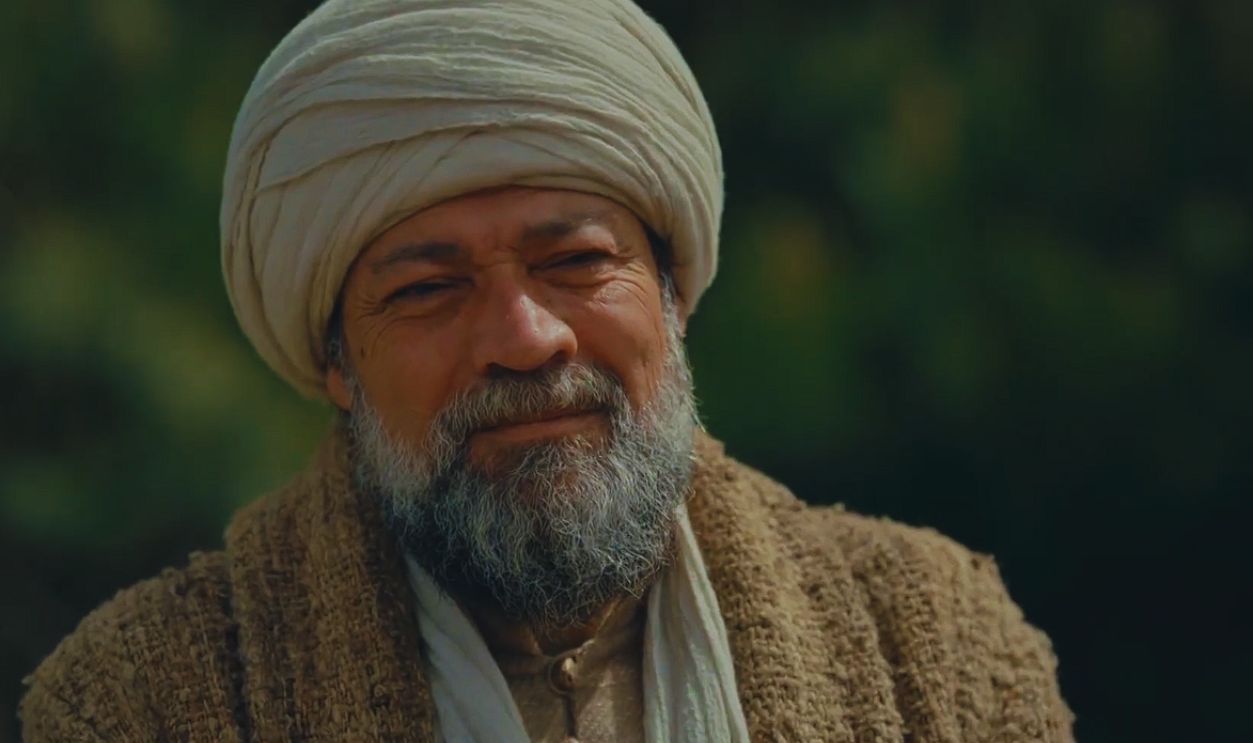
The moon sinking into Osman’s chest had only been the first portion of his dream, but the far more significant part seemed to foretell his destiny. As he explained, in the dream he saw an enormous tree sprouting from his body, the shadow of which covered the Earth. According to the Sheikh, this proved that God chose Osman to rule over his own empire.
Supporting this claim, Osman instantly began changing the lives of his people for the better.
 Screenshot from Kuruluş: Osman, ATV (Turkuvaz Media Group) (2019–present)
17. They Settled In One Place
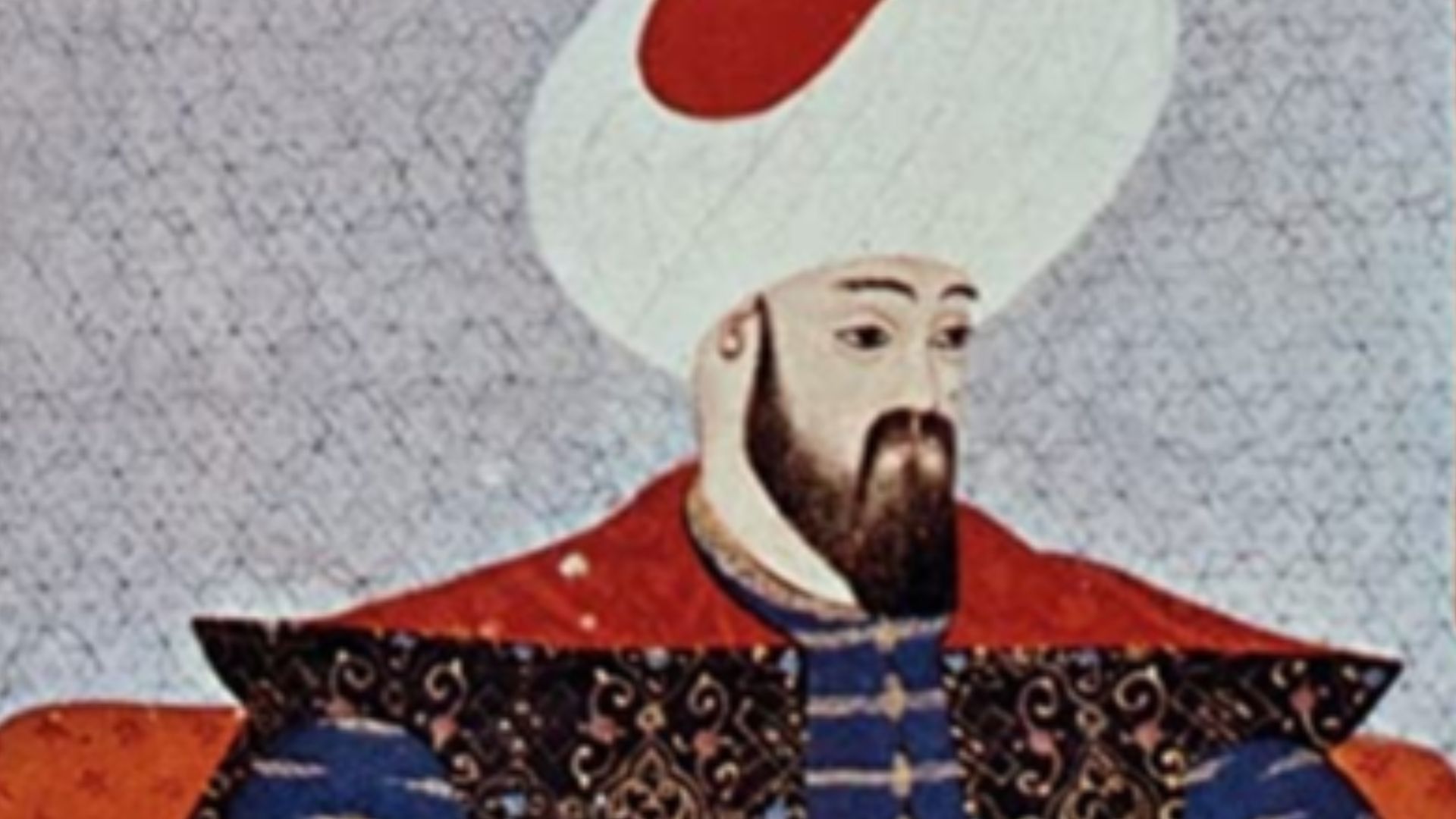
Before the Mongol invasion drove them out of Central Asia, Osman’s people had been content with their nomadic lifestyle, but he knew that they needed to change. To properly grow into an army better equipped to fight the Byzantine forces, Osman had his tribe leave those ways behind and put down permanent roots in the area.
This put him in the ideal place to continue his attack—and perhaps get his revenge.
 Ottoman miniature painting, Wikimedia Commons
18. He Wanted To Get Them Back
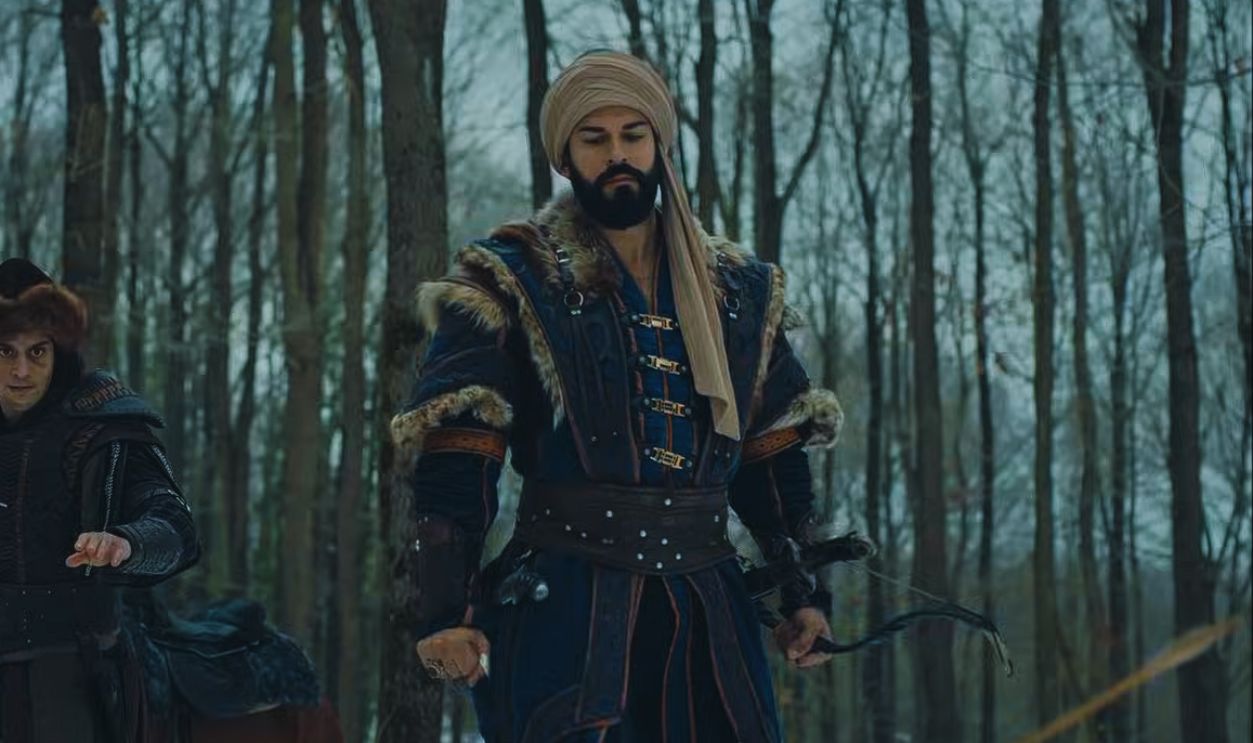
At this point, while Osman had become a rising threat to the Byzantine people, he wasn’t batting 100 when it came to their skirmishes. Around 1284, one of his raids had gone horribly wrong, and he suffered a defeat against the Byzantines. Therefore, when it came to his first official campaign against them, he was in the mood for revenge.
This wasn’t only out of humiliation for Osman, as he had lost more than pride that day.
 Screenshot from Kuruluş: Osman, ATV (Turkuvaz Media Group) (2019–present)
19. He Didn’t Do So Well
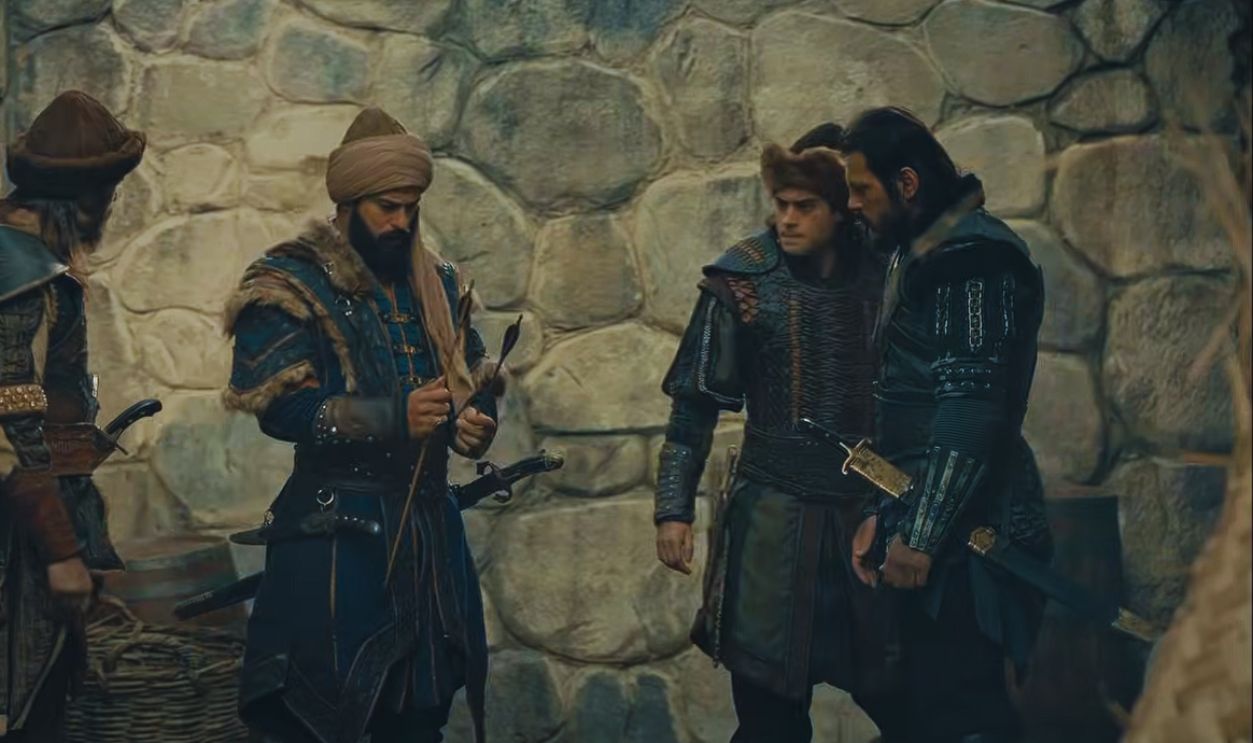
Osman was already a prolific commander, but he was still young and relatively inexperienced, and couldn’t win every battle. On that day in 1284, the Tekfur of Bursa had laid a trap for the Ottomans, ambushing Osman’s small forces and eventually forcing them to retreat, but not before taking the life of his nephew.
This time, he would be the one getting the drop on his enemies.
 Screenshot from Kuruluş: Osman, ATV (Turkuvaz Media Group) (2019–present)
20. He Advanced In The Night
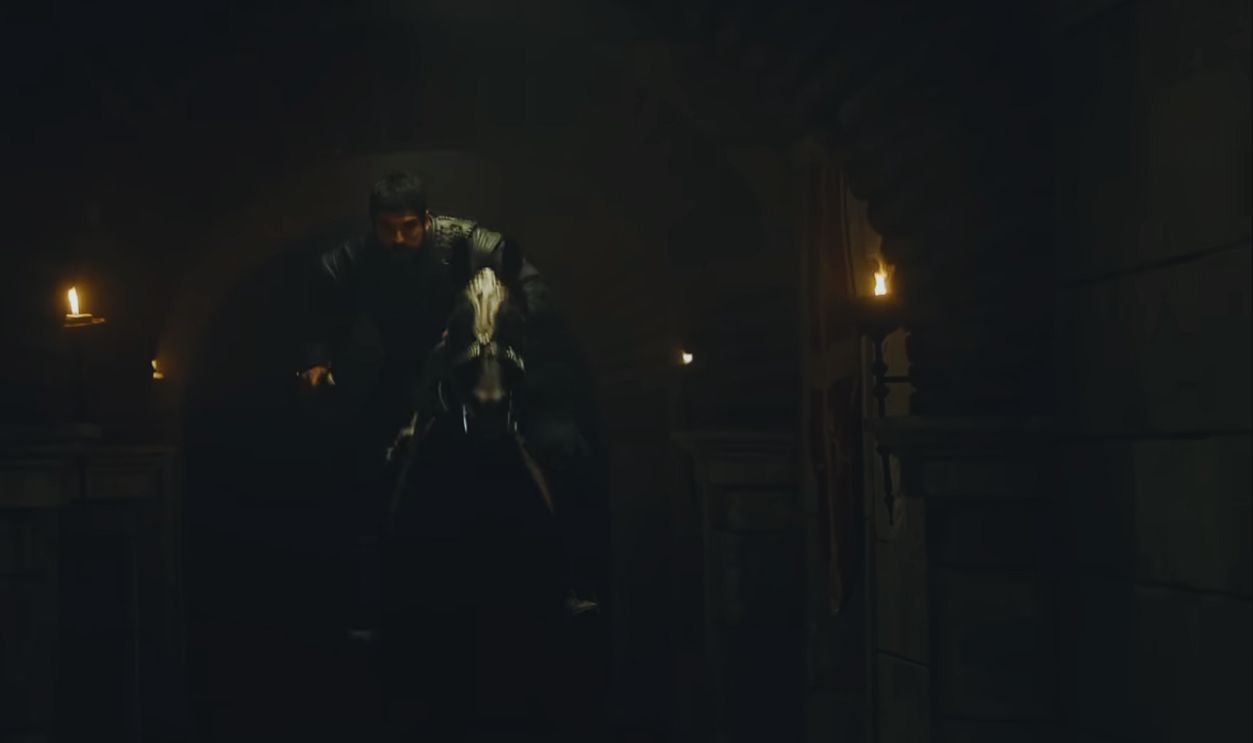
Embarking on his new campaign in 1826, Osman took an army of 300 men to overtake a fortress called Kulacahisar, but he didn’t attack immediately. Taking his turn to catch the Byzantines by surprise, Osman and his men waited until nightfall before descending upon the fortress in full force, overwhelming the men there and claiming it for themselves.
Suddenly, the Byzantines started to take him a lot more seriously.
 Screenshot from Kuruluş: Osman, ATV (Turkuvaz Media Group) (2019–present)
21. They Banded Together
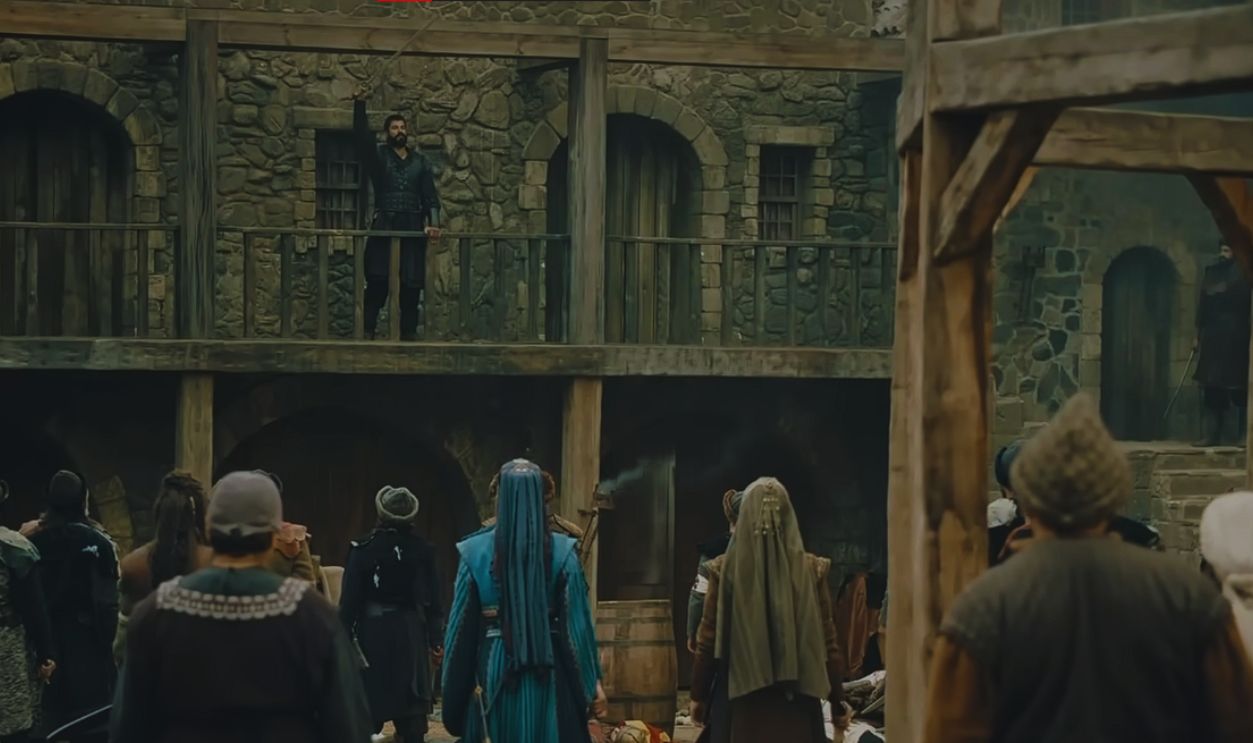
After surviving the invasion of his fortress, the governor of Kulacahisar only had a couple of choices—accept Osman’s rule and serve under him, or fight. The former was out of the question for the Byzantine Tekfur, but he no longer had the forces to take on Osman again—at least not on his own. Allying with the governor of another castle called Karacahisar, the two vowed to drive Osman back out of all Byzantine lands.
Naturally, they were due for another showdown with the Ottomans.
 Screenshot from Kuruluş: Osman, ATV (Turkuvaz Media Group) (2019–present)
History's most fascinating stories and darkest secrets, delivered to your inbox daily.
22. They Clashed Again
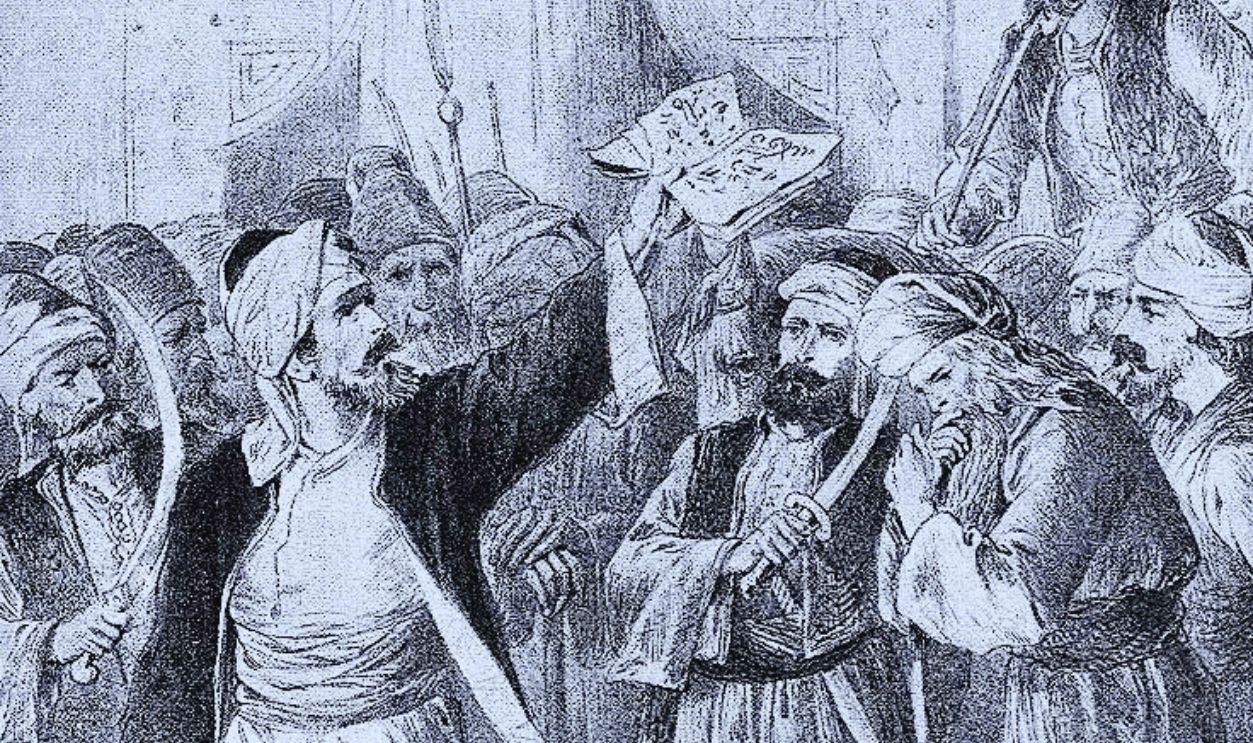
Osman knew the enemy would be coming for him sooner rather than later, but he wasn’t about to give up all the land he had expanded to, no matter the odds. Therefore, he met the combined forces of the two Byzantine governors head-on in an intense battle, one that took the lives of both his commander, Pilatos, and his brother, Savcı Bey.
Fortunately, Osman’s winning streak was just getting started.
 Unknown Author, Wikimedia Commons
23. They Converted The Church
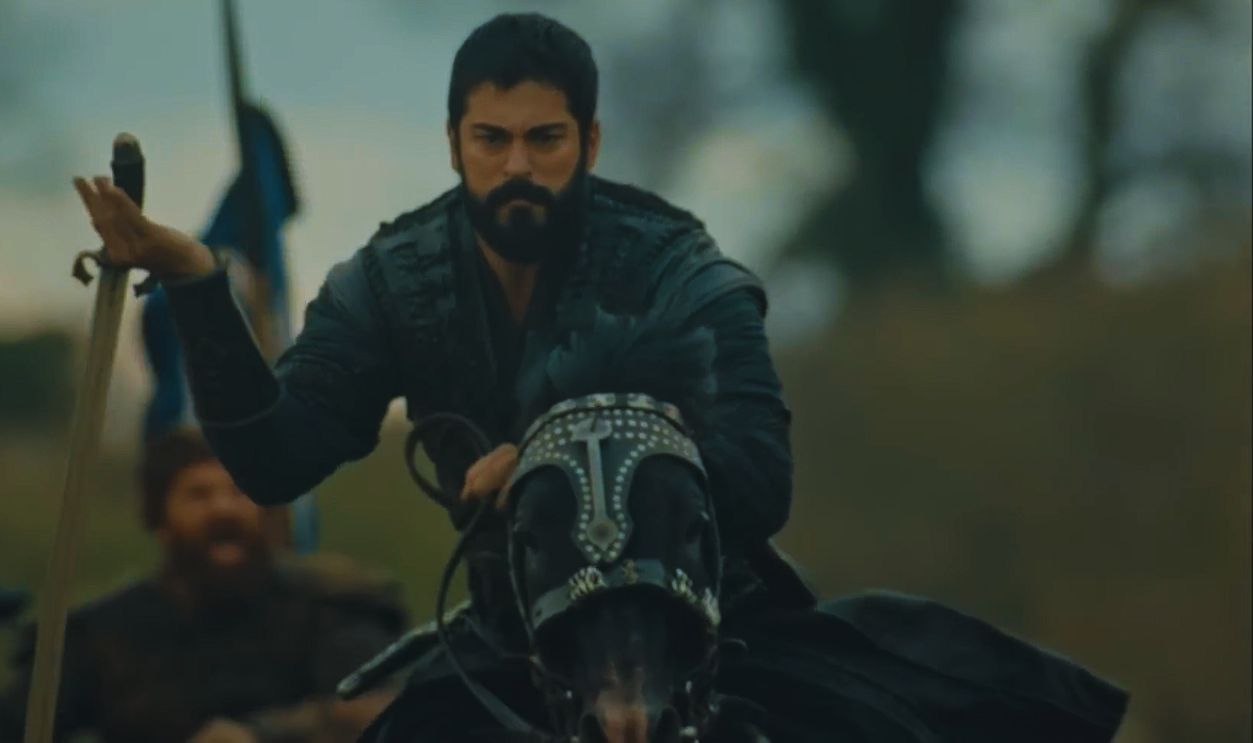
Proving he was every bit as dangerous as the Byzantines feared, Osman and his forces fought valiantly against their enemy until they finally defeated them, conquering Karacahisar too as a result. Marking their victory, they headed to the town’s church and—in an unprecedented action for them—transformed it into a mosque.
Once again, Osman was exactly where he needed to be.
 Screenshot from Kuruluş: Osman, ATV (Turkuvaz Media Group) (2019–present)
24. He Created A Home Base
Osman had achieved momentous success so far in conquering several towns and settlements, but he had far grander plans to expand his empire. Fortunately, Karacahisar was in a perfect strategic position for his plans, so he used the town as his staging base as he continued to strike out at his enemies.
Meanwhile, his recent deeds had greatly impressed the higher-ups back home.
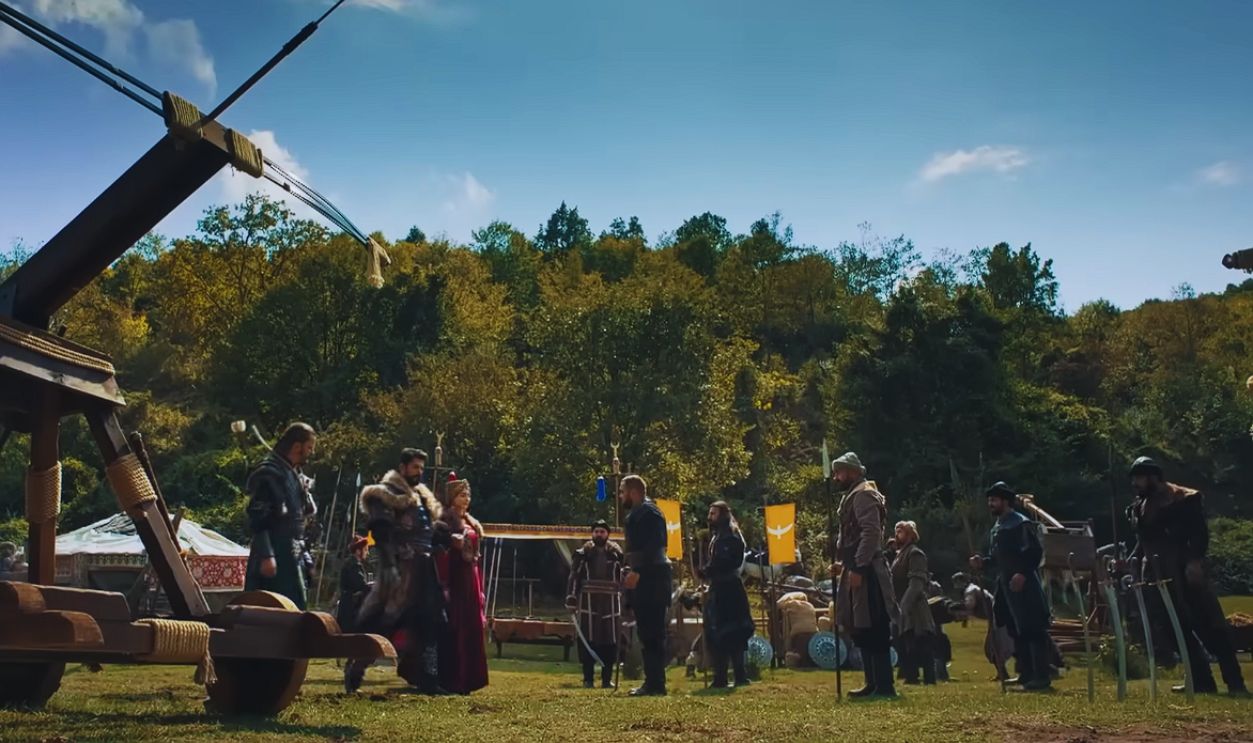 Screenshot from Kuruluş: Osman, ATV (Turkuvaz Media Group) (2019–present)
25. He Was Rewarded
Although Osman’s endgame was to rule over a vast empire, he still had to answer to Sultan Alâeddin Kayqubad III at this point—but luckily, the Sultan couldn’t have been happier. He was already a fan of Osman, but when he heard about the recent victories, he was over the moon and showered the Emir with praise. As a token of gratitude, he bestowed Osman with the title, “the honorable conqueror and border guardian Osman Shāh”.
Finally, Osman was one step closer to fulfilling his destiny.
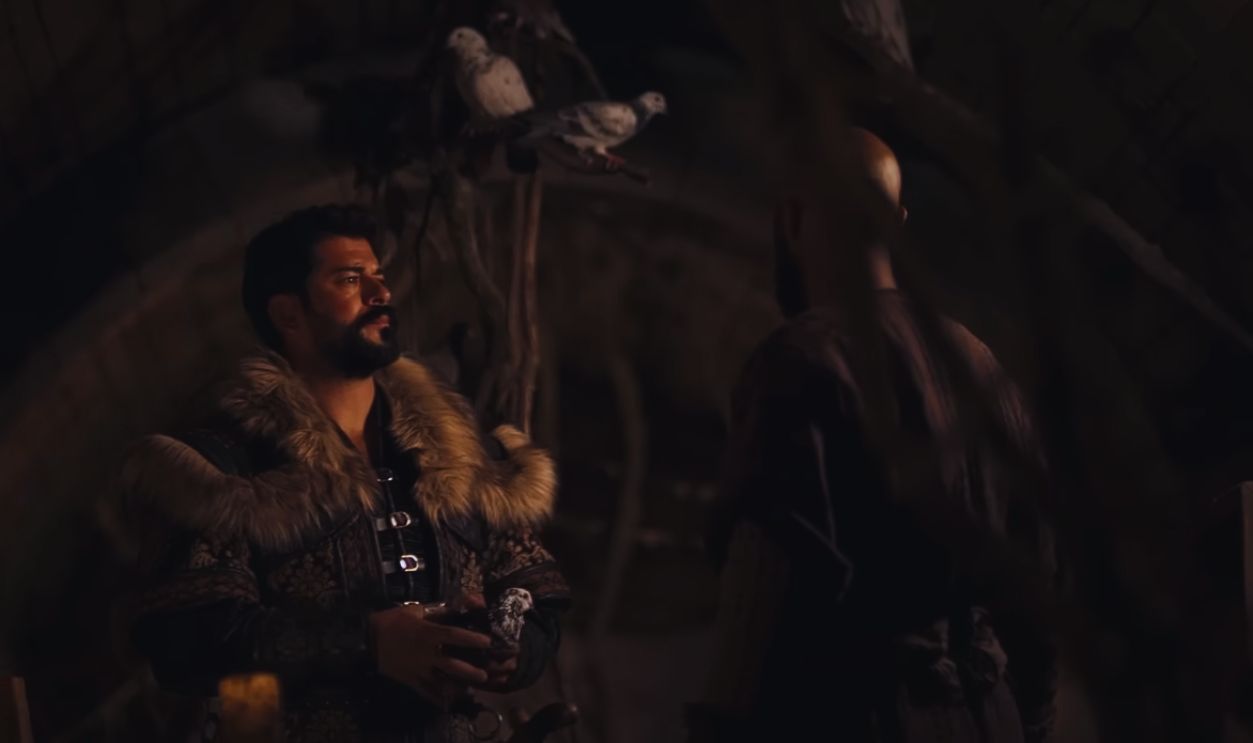 Screenshot from Kuruluş: Osman, ATV (Turkuvaz Media Group) (2019–present)
26. He Gave Him All The Power
The speed and efficiency with which Osman conquered the Byzantine lands were worth more than just one token of appreciation, so the Sultan set him up with all the authority he needed for his grand plan. Although Osman didn’t actually have the title of Sultan, he may as well have, considering he received complete control over the lands he conquered, exemption from taxes, and even the ability to mint his own coins.
Of course, this also meant that his life was in more danger than ever.
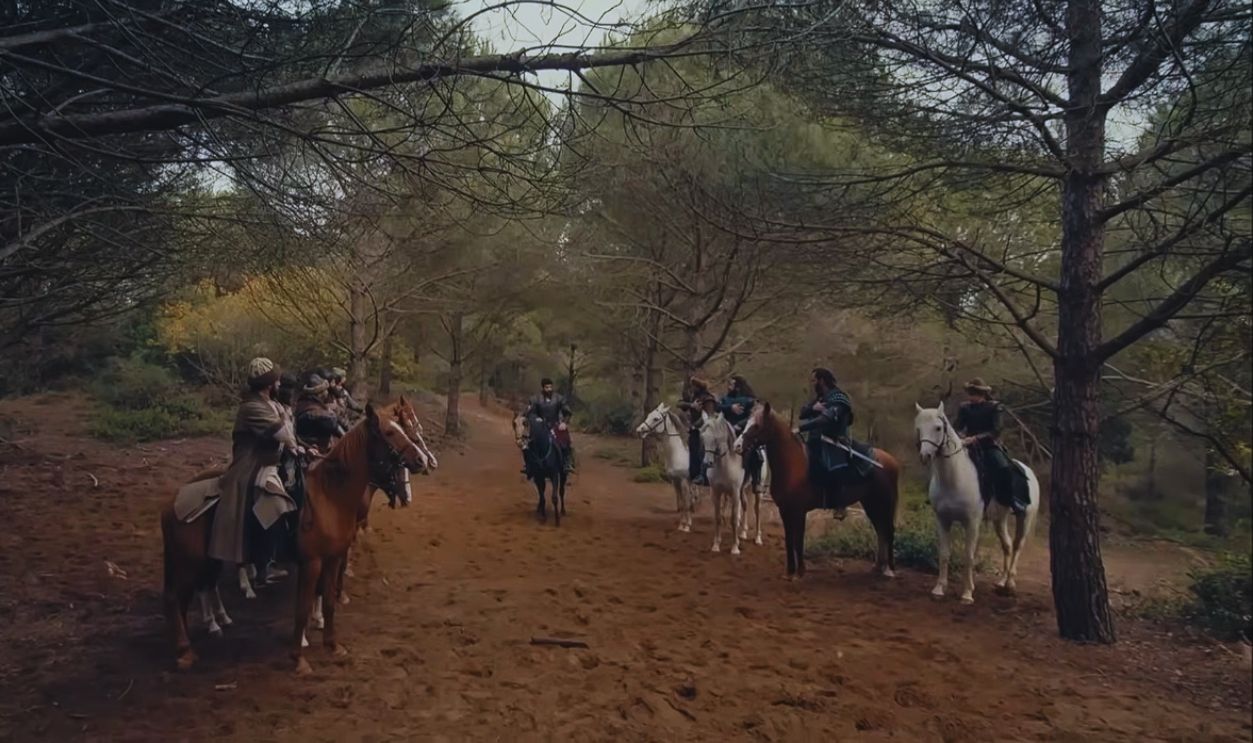 Screenshot from Kuruluş: Osman, ATV (Turkuvaz Media Group) (2019–present)
27. He Discovered A Plot
Although Osman largely furthered his conquest through force, he wasn’t a stranger to diplomacy and did try to forge alliances with several Byzantine tekfurs. Therefore, he saw nothing out of the ordinary when the governors of Yarhisar and Bilecik invited him to the wedding of their children. However, Osman then received word from another tekfur friend of his, Köse Mihal, that the wedding was a trap to end his life.
While he undoubtedly faced many threats as ruler, this one stung even worse.
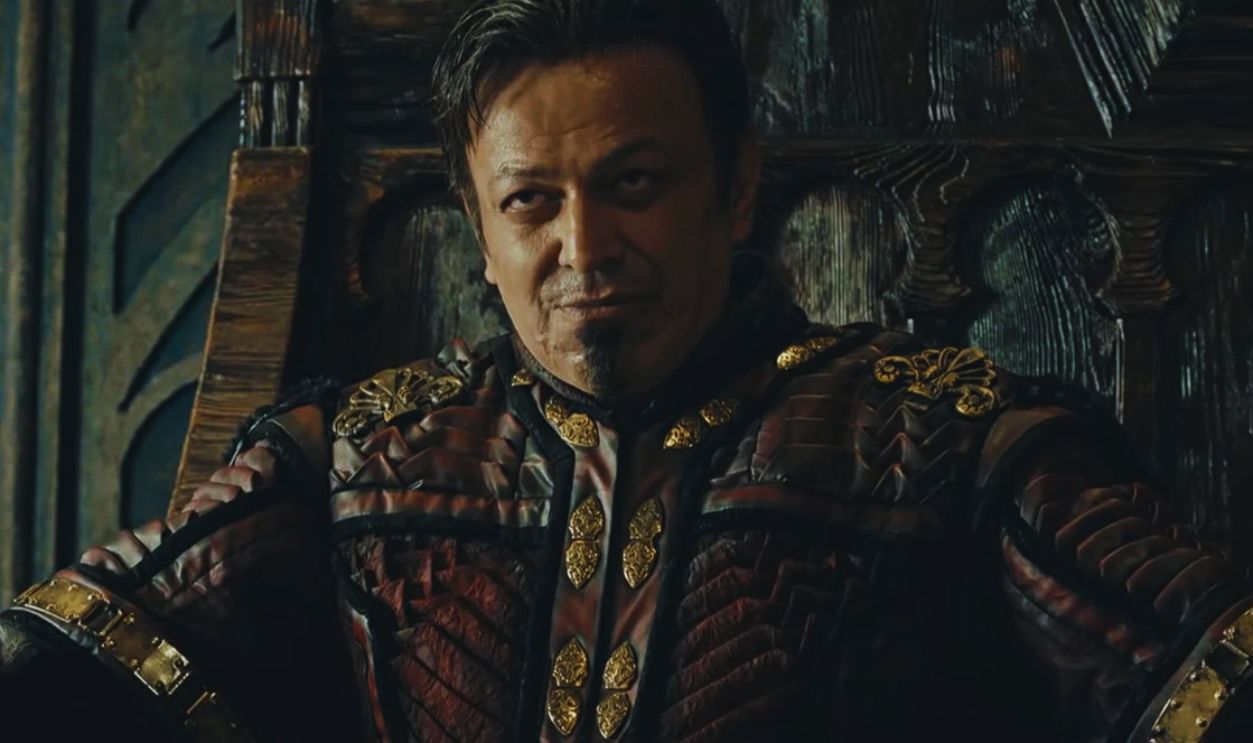 Screenshot from Kuruluş: Osman, ATV (Turkuvaz Media Group) (2019–present)
History's most fascinating stories and darkest secrets, delivered to your inbox daily.
28. He Didn’t See It Coming
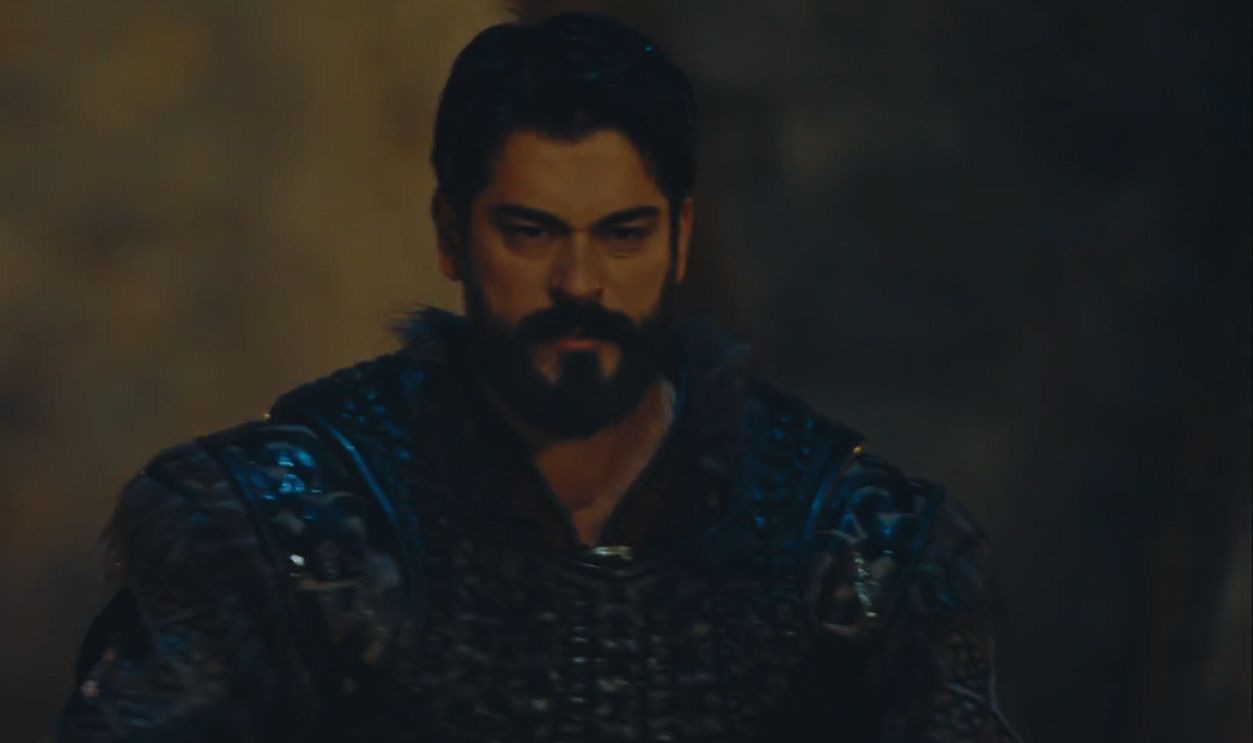
Osman had no shortage of enemies, but this plot was especially shocking and insulting to him, specifically since one of the major culprits was the Tekfur of Bilecik. Osman’s forces had long had a partnership with Bilecik, in which the fortress allowed the Ottomans to use it for storage during their travels in exchange for various tokens of gratitude. As such, the Tekfur was one of the last people Osman expected to betray him.
Nonetheless, the bridge was now burnt—and he had a plan.
 Screenshot from Kuruluş: Osman, ATV (Turkuvaz Media Group) (2019–present)
29. He Acted Like Nothing Was Wrong
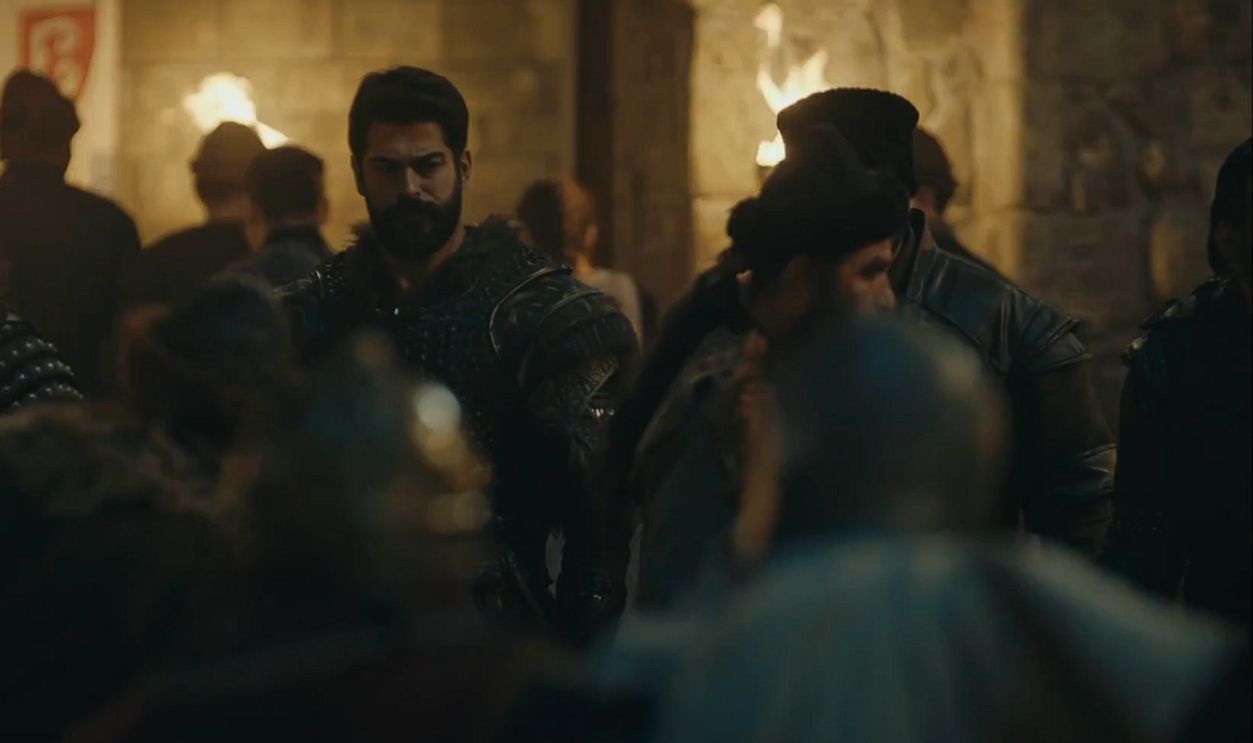
Osman could have just stayed away from the wedding and marched on the fortress, but he was much more clever than that and wanted to punish his friend for betraying him. On the day of the wedding, while many of the fortress’s inhabitants were outside celebrating, Osman sent his men into Bilecik carrying items for storage as usual. Once inside, however, his men surprised the few remaining guards and overtook the fortress.
As soon as everyone was in place, all he had to do was show up as expected.
 Screenshot from Kuruluş: Osman, ATV (Turkuvaz Media Group) (2019–present)
30. He Went To The Party
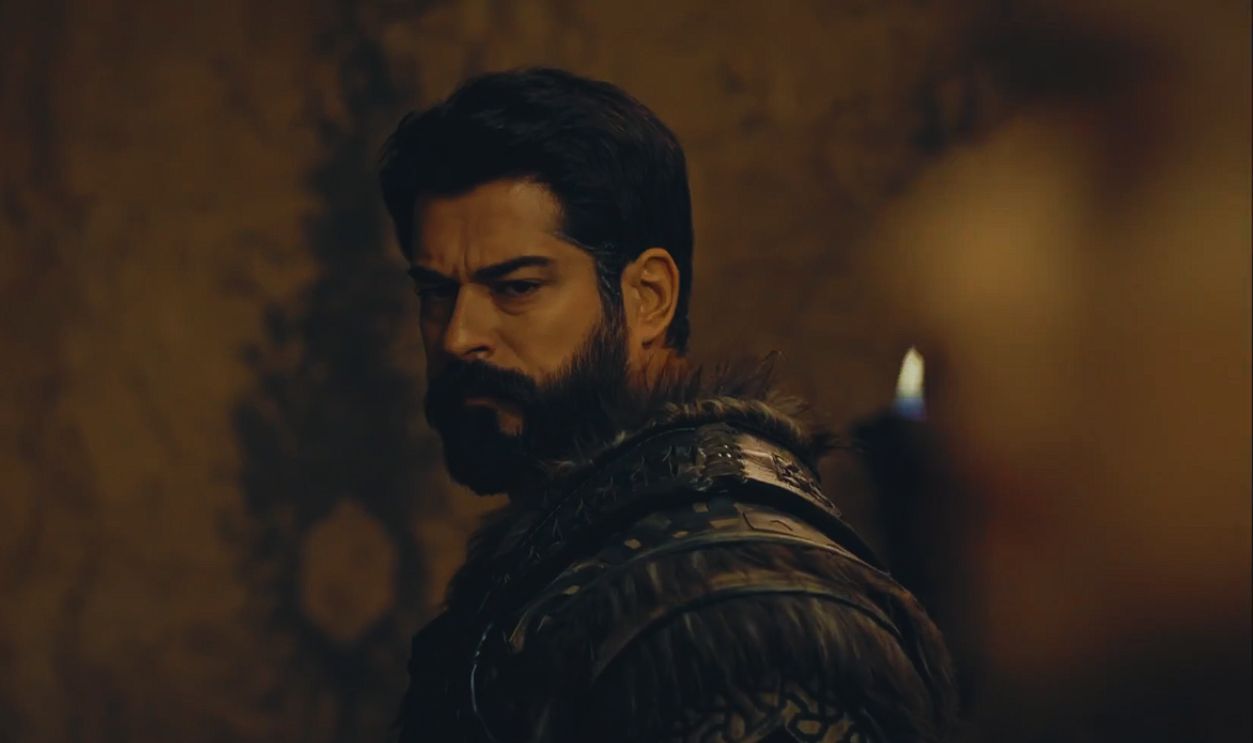
With the wedding in full swing, neither tekfurs realized that Bilecik had already fallen to Osman’s forces, and they were in for a rude awakening. Not one to refuse such an honor, Osman still attended the wedding feast as a guest, only then ordering his men to attack. The skirmish wasn’t long, and he soon emerged victorious with another fortress under his rule.
However, Bilecik’s Tekfur hadn’t been the only one behind the plot.
 Screenshot from Kuruluş: Osman, ATV (Turkuvaz Media Group) (2019–present)
31. He Took Her Captive
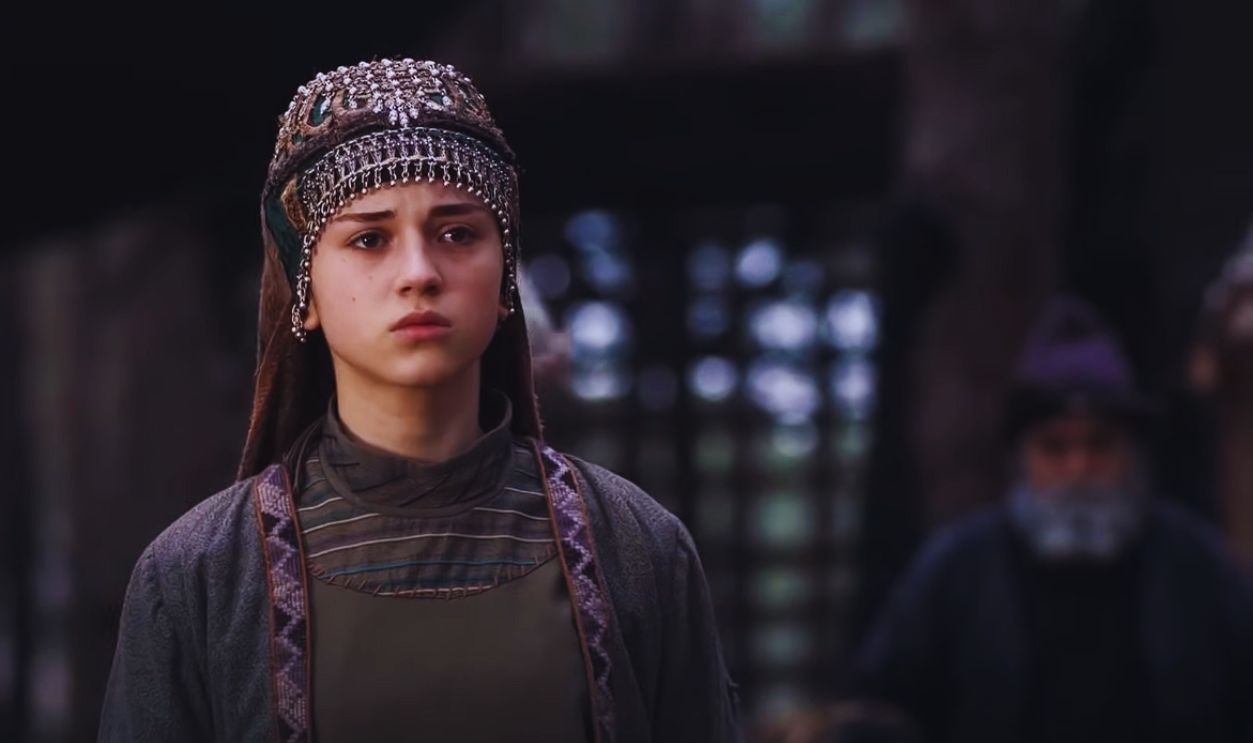
As soon as he secured Bilecik, Osman set out to conquer Yarhisar as well, since its governor had a hand in orchestrating the plot against him. As he was quick enough to reach the fortress before news of his victory did, and since many of its inhabitants and guards had been at the wedding, he had no trouble overtaking it as well. Adding insult to injury, he took the daughter of Yarhisar’s Tekfur captive, later marrying her to his son Orhan.
Fortunately for him, the Byzantines had other things to worry about.
 Screenshot from Kuruluş: Osman, ATV (Turkuvaz Media Group) (2019–present)
32. They Were Too Busy
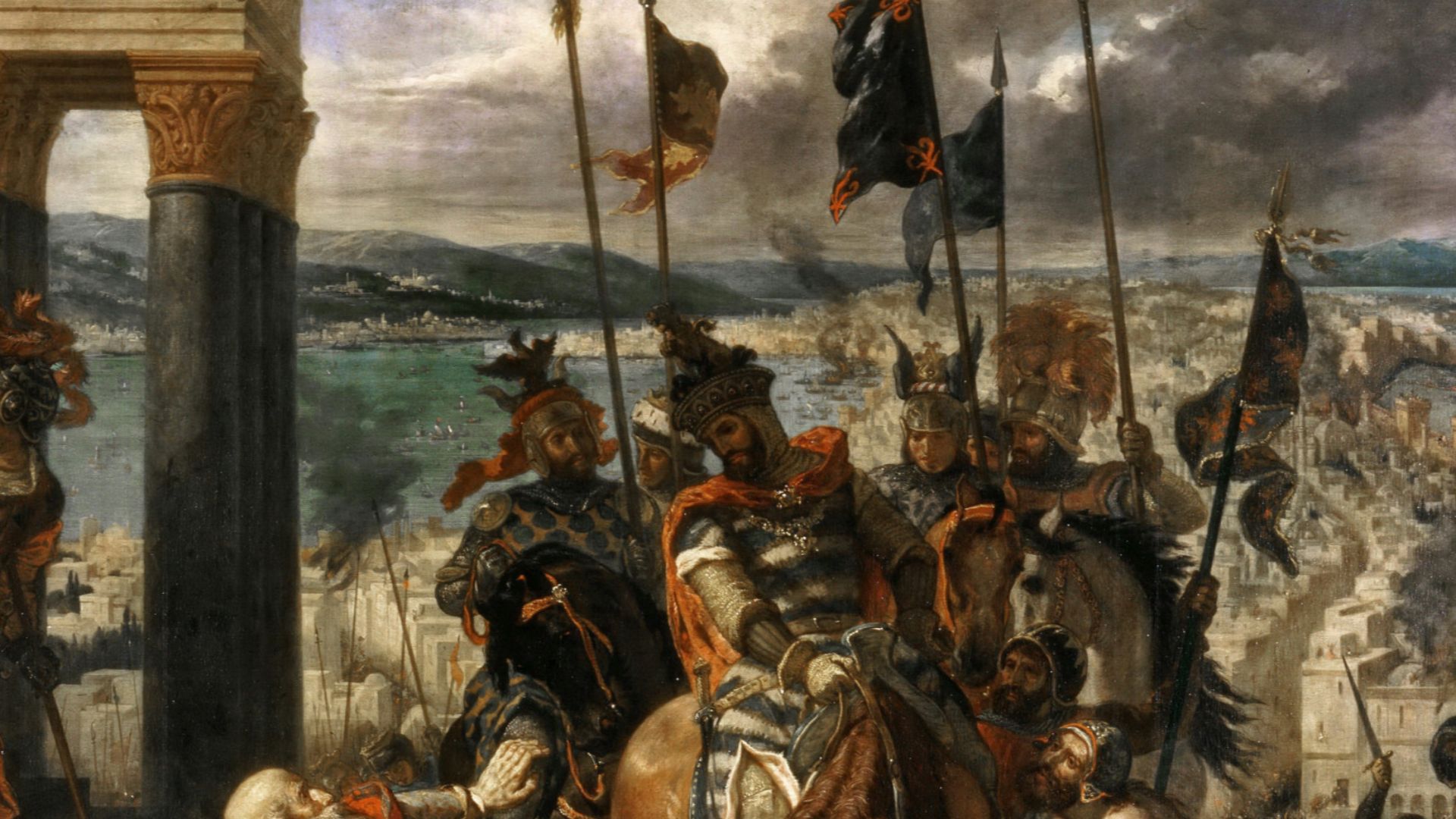
In the wake of such devastating and humiliating defeats, the Byzantines had woken up to how much of a threat Osman was, but they couldn’t stop him. Having already spread out their forces to combat other enemies in Anatolia and the Balkans, they just didn’t have the resources or manpower to fight him as well.
Naturally, he was more than happy to take advantage of the situation.
 Eugène Delacroix, Wikimedia Commons
33. He Took His Chance
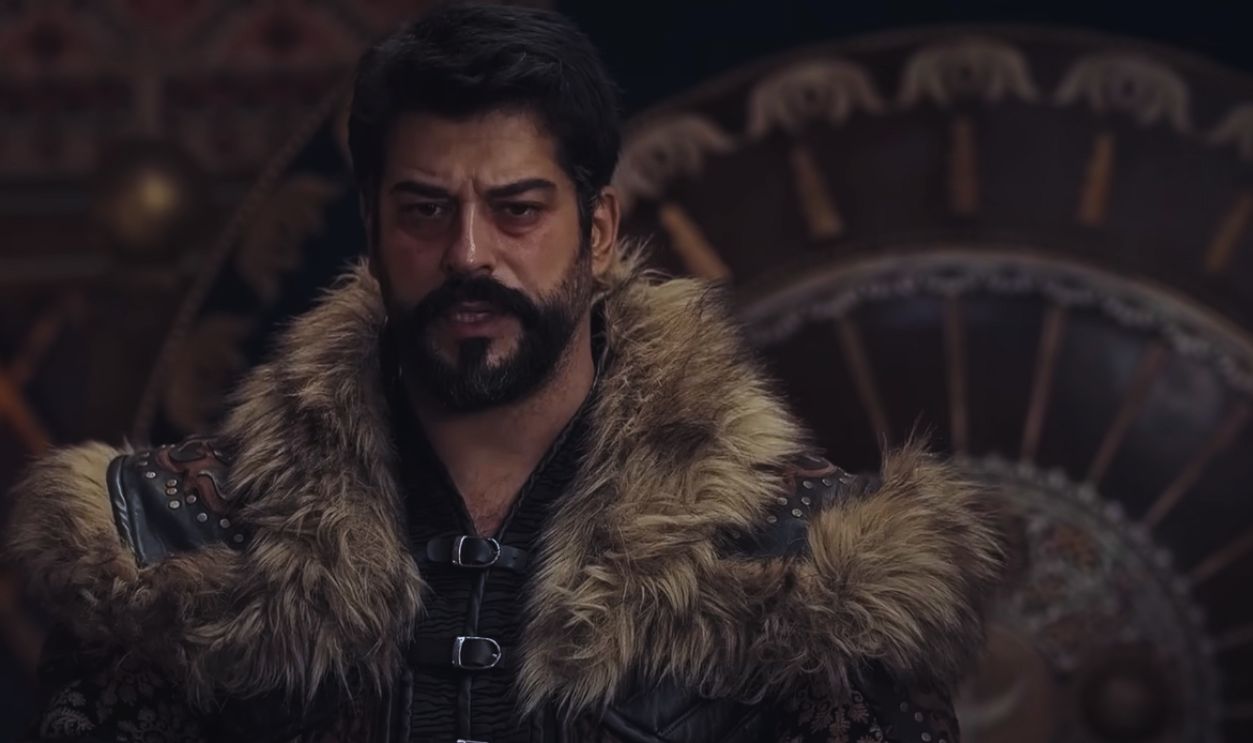
The lack of any real resistance Osman met in his conquest might have seemed like it was too good to be true, but he knew exactly what he was doing. Pressing his advantage against the Byzantines, Osman used their diminished presence to intensify his invasions and expand his territory at a terrifying rate.
Finally, he achieved what he had set out to do in the first place.
 Screenshot from Kuruluş: Osman, ATV (Turkuvaz Media Group) (2019–present)
History's most fascinating stories and darkest secrets, delivered to your inbox daily.
34. He Became Independent
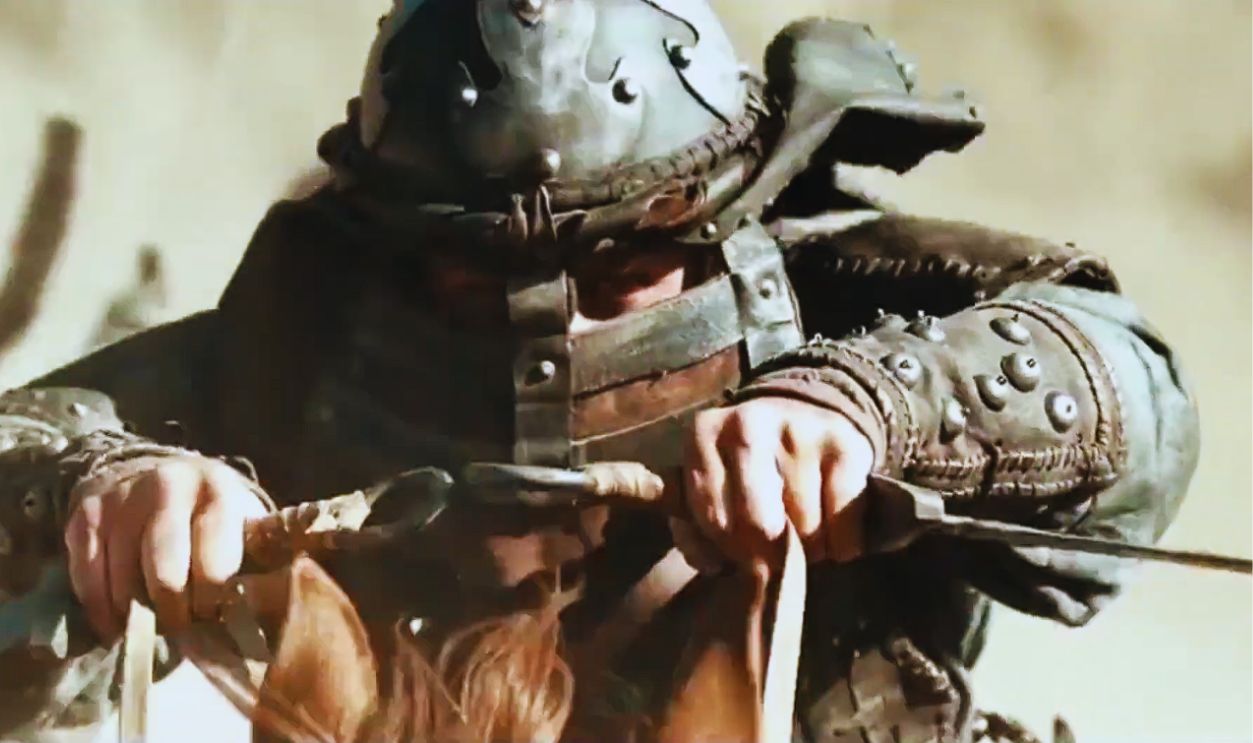
It’s a good thing that Osman received so much authority from Sultan Alâeddin Kayqubad III by this point, since in 1302, the Sultan was suddenly executed by the Mongol Ilkhan Mahmud Ghazan. This ended up being the best thing for Osman, since it allowed him the opportunity to declare himself the “sovereign of the house of Osman,” and take full autonomy as the ruler over his territory.
Ever the mystery, even this isn’t the only account of these events.
 Screenshot from Kuruluş: Osman, ATV (Turkuvaz Media Group) (2019–present)
35. He Was The Best Choice
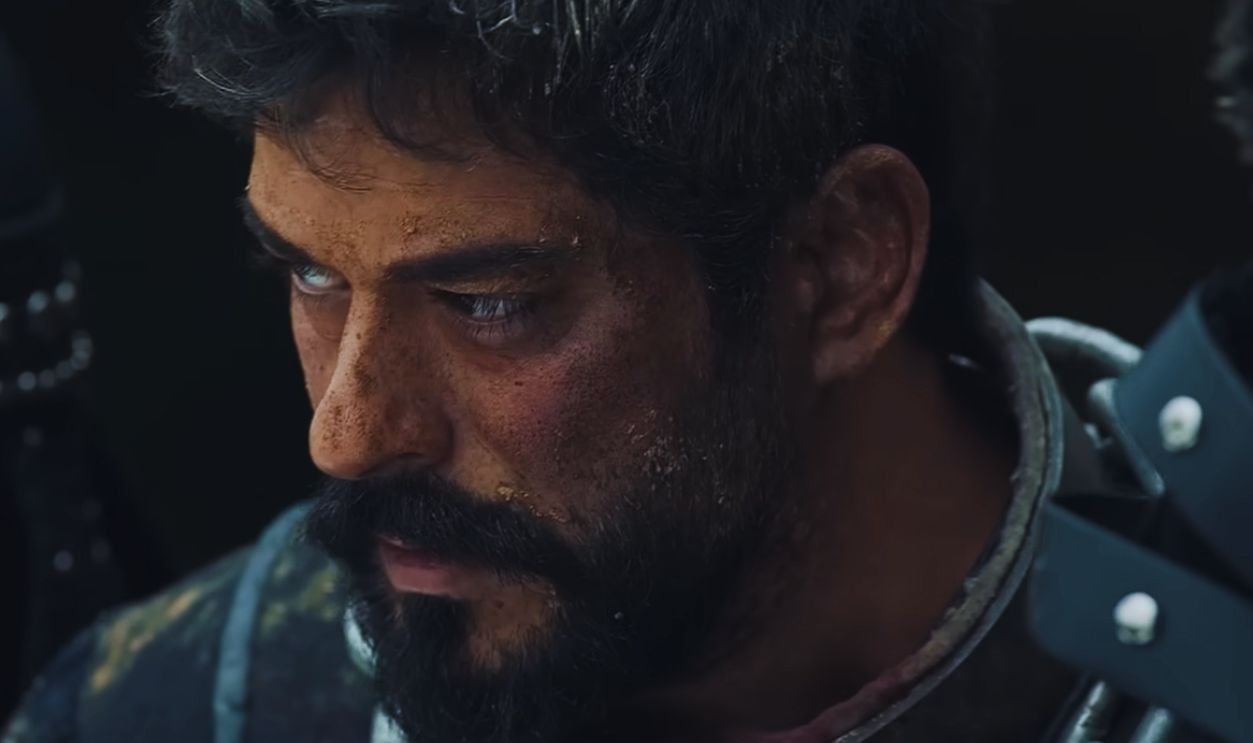
While one story has Osman simply proclaiming his own authority as an independent ruler, another record states that it wasn’t up to him. In this account, following the Sultan’s demise, a council of other Seljuk noblemen came together to find a replacement for him, especially since he had no children. Considering Osman’s track record, he seemed the perfect candidate to be the next Sultan, so they offered it to him—and he accepted.
If true, this quickly proved to be the best decision they could have made.
 Screenshot from Kuruluş: Osman, ATV (Turkuvaz Media Group) (2019–present)
36. They Couldn’t Handle Him
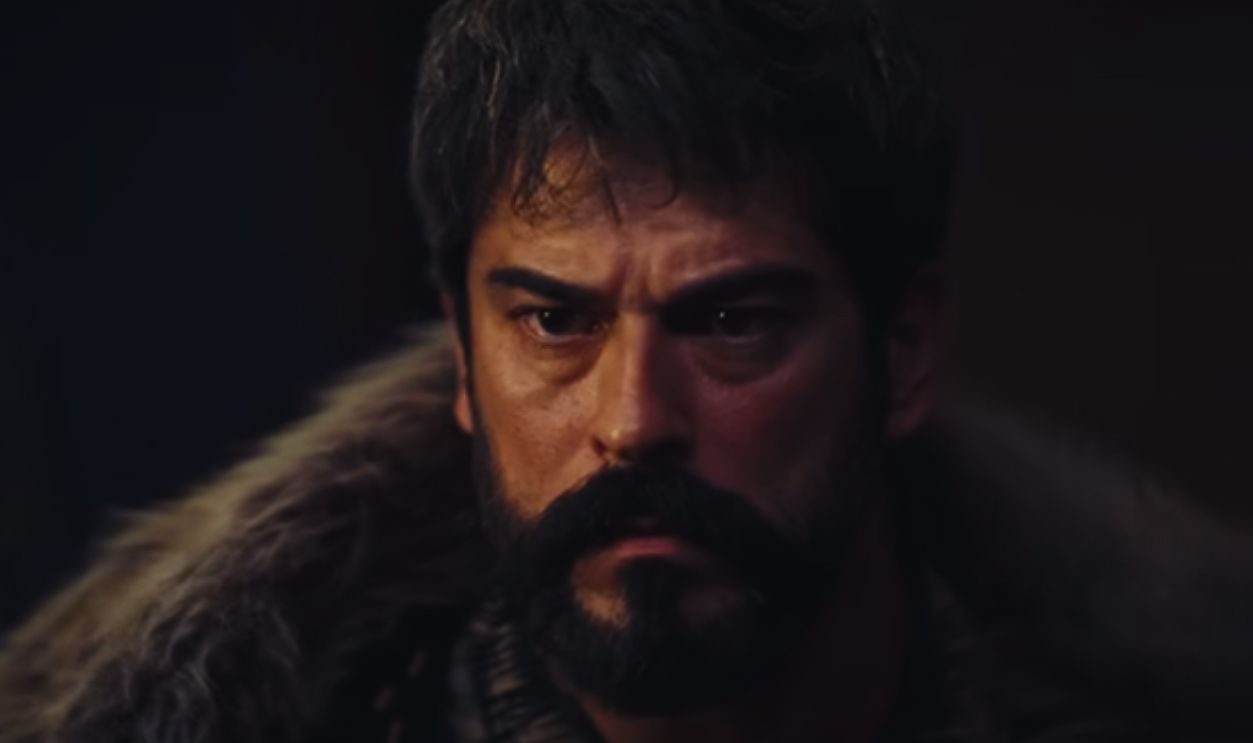
With his newfound autonomy, Osman reached a whole new level of menacing for the Byzantines, but they were no closer to eliminating him from the board. With what little forces were available to spare, they tried to stop him from expanding any further, but without success. Before long, any Byzantines who resided in the Anatolian countryside had no choice but to flee from the Ottoman invaders.
Fortunately for them, he wasn’t completely merciless.
 Screenshot from Kuruluş: Osman, ATV (Turkuvaz Media Group) (2019–present)
37. He Gave Them A Chance
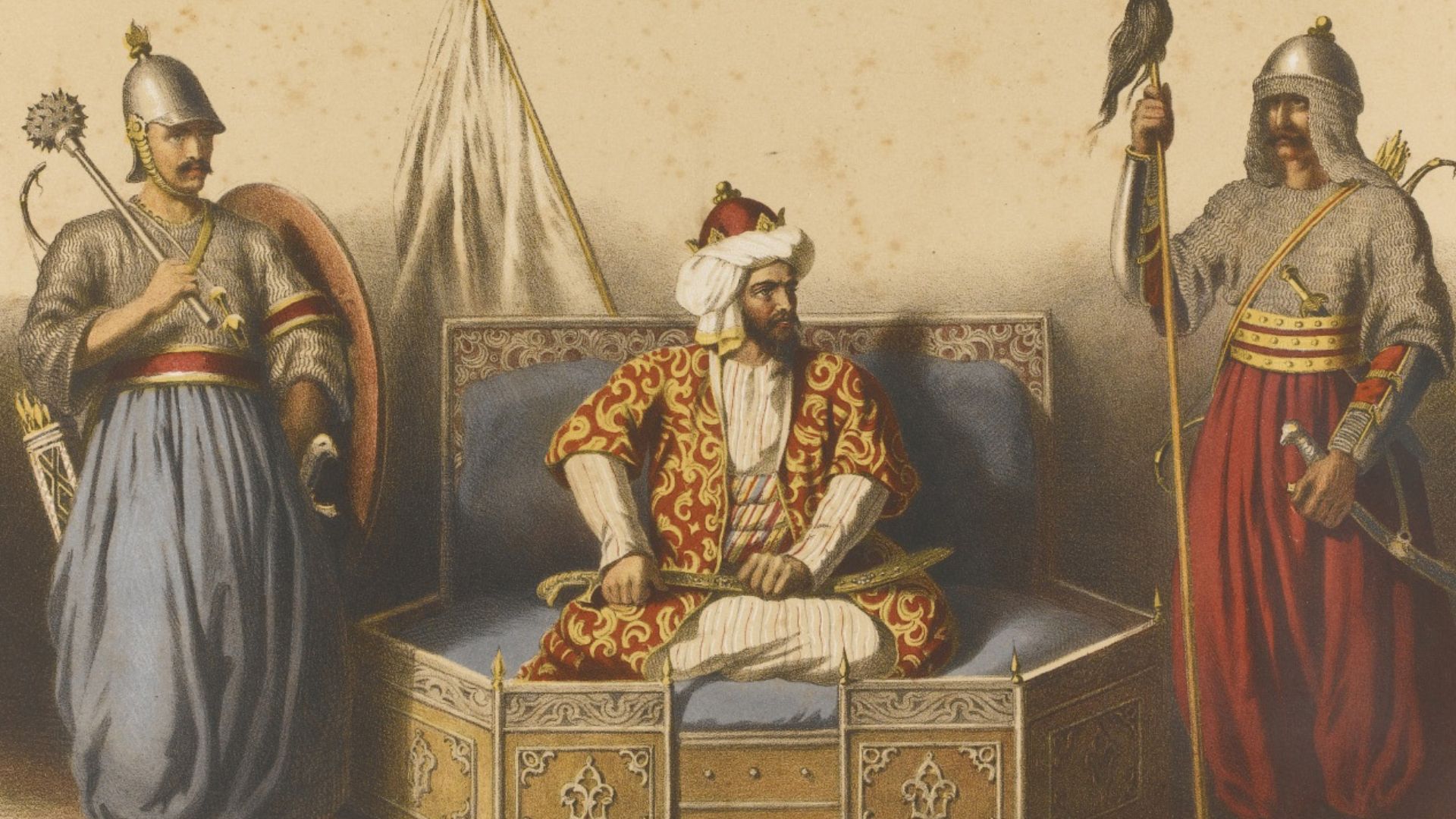
Osman was cold and calculating, but he still recognized that diplomacy had a place in his rising empire, and he could afford to ease up on the conquest. Extending a possible olive branch, Osman offered all the remaining Anatolian tekfurs a chance to either submit to his rule—which meant converting to Islam and paying a tax called jizyah—or facing more conflict.
By this point, he had already scared some of them into rethinking their loyalty.
 Arif Paşa
Original Uploader was: Erk, Kılıç46 (modified version), Wikimedia Commons
Arif Paşa
Original Uploader was: Erk, Kılıç46 (modified version), Wikimedia Commons
38. They Took Him Up On His Offer
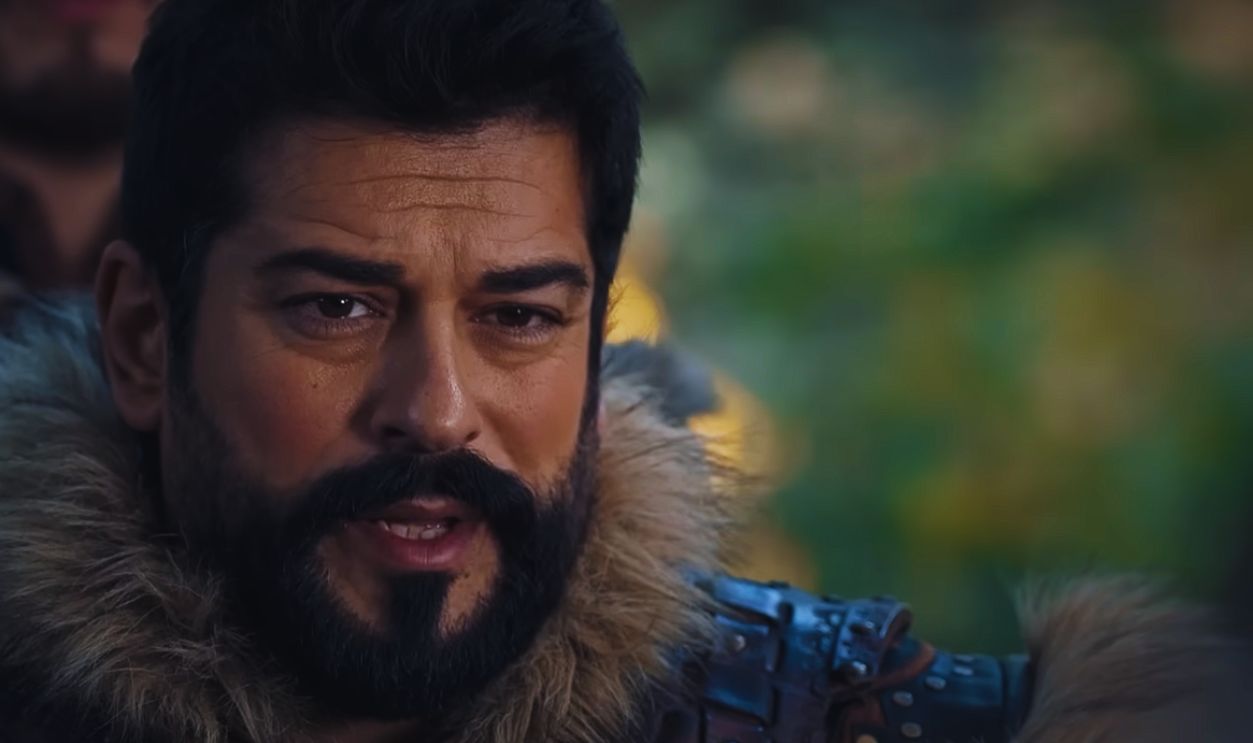
Whether they were already allied to Osman before this ultimatum or were scared of suffering the same fate as places like Bilecik, several Byzantine governors agreed to Osman’s terms. Fortifying their partnership, Köse Mihal was one of the first tekfurs to sign on under Osman’s rule, and he became one of his most trusted men.
On the other hand, some weren’t so ready to give up their allegiances.
 Screenshot from Kuruluş: Osman, ATV (Turkuvaz Media Group) (2019–present)
39. He Went After The Others
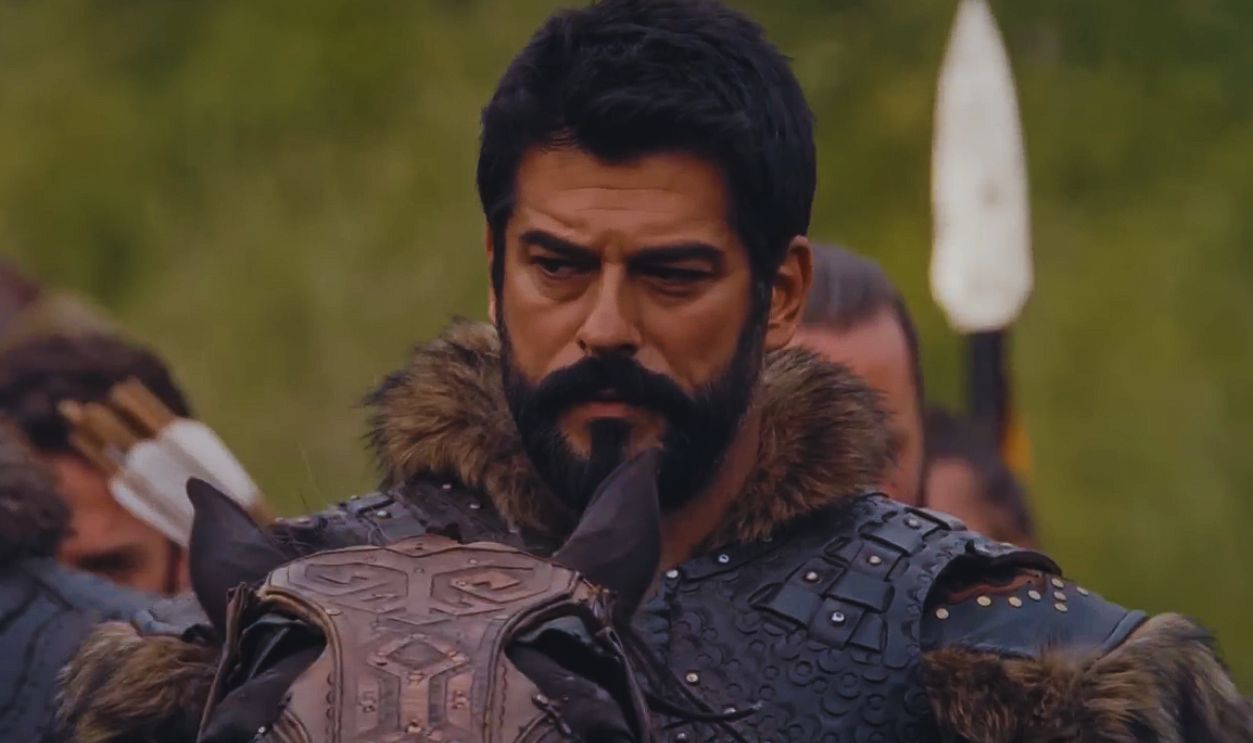
While some made the sacrifice and swore fealty to Osman and his growing empire, others refused to see him as anything but a threat to overcome and remained loyal to the Byzantine Empire. Osman anticipated this, and as a consequence of their choice, he targeted their fortresses next—such as those of Nicaea or Bursa.
This had already gone way too far, and the Byzantines had to do something about him.
 Screenshot from Kuruluş: Osman, ATV (Turkuvaz Media Group) (2019–present)
History's most fascinating stories and darkest secrets, delivered to your inbox daily.
40. He Wanted To Face Them
The Byzantine Emperor Michael IX was aware of the Ottomans, but had many other concerns on his plate, including his 1302 campaign to Magnesia. This would have been the perfect opportunity for Osman to take on the Emperor himself, but the Byzantine forces were far too massive to fight head-on. Likewise, Emperor Michael wanted nothing more than to divert his army and wipe out Osman once and for all, but his generals convinced him not to.
As it turned out, this may not have been the best decision for the Emperor.
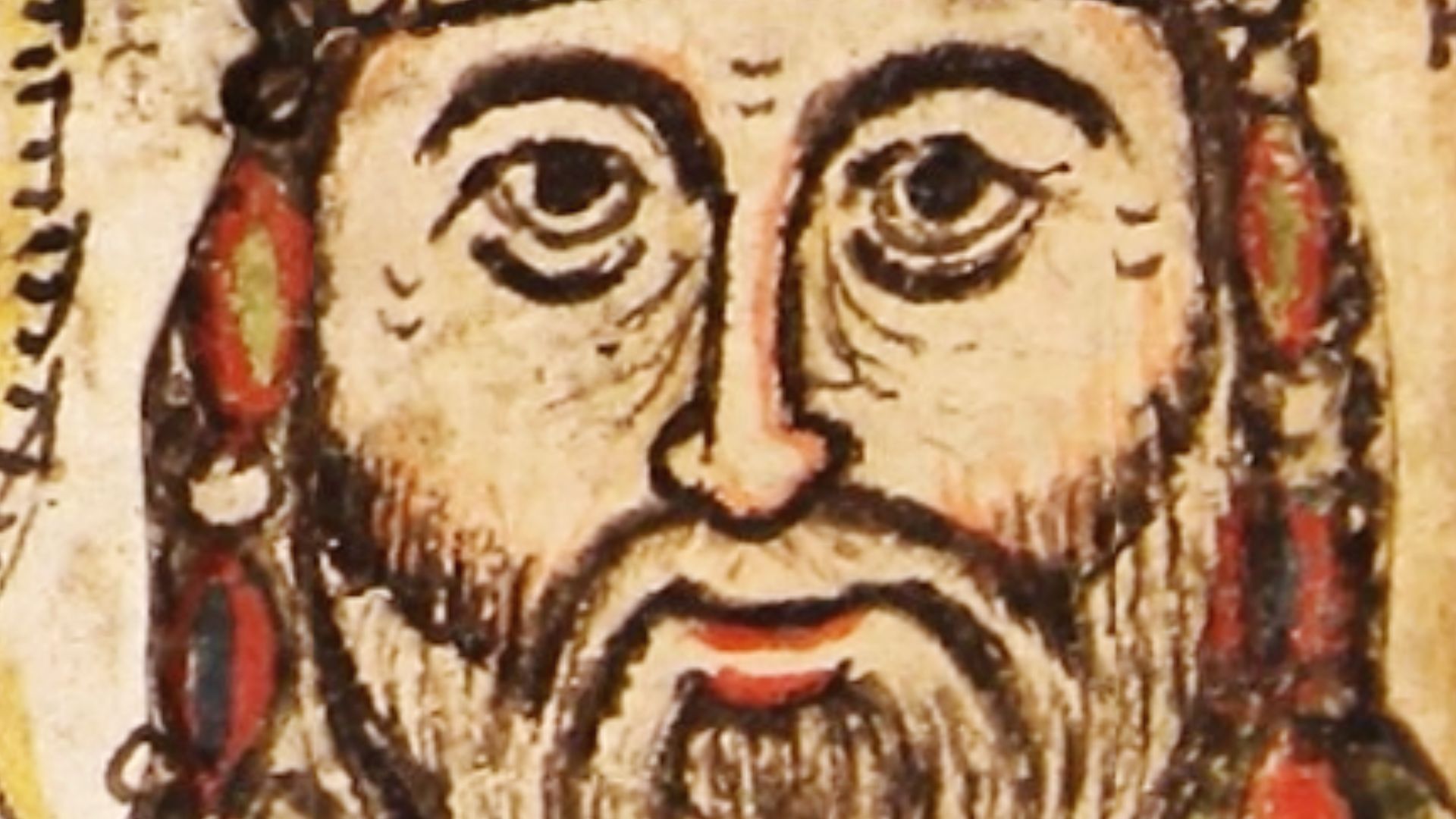 Unknown Byzantine scribes, Wikimedia Commons
41. He Was Losing Men
Instead of engaging the Emperor’s army straight on, which would have likely ended in a swift defeat, Osman went back to his roots and began raiding smaller forts and towns in the area. Although indirectly, Osman weakened the Byzantine army, whose men heard that their homes were under attack from the Ottomans and left to defend them.
Soon enough, the Emperor found that the tables had turned.
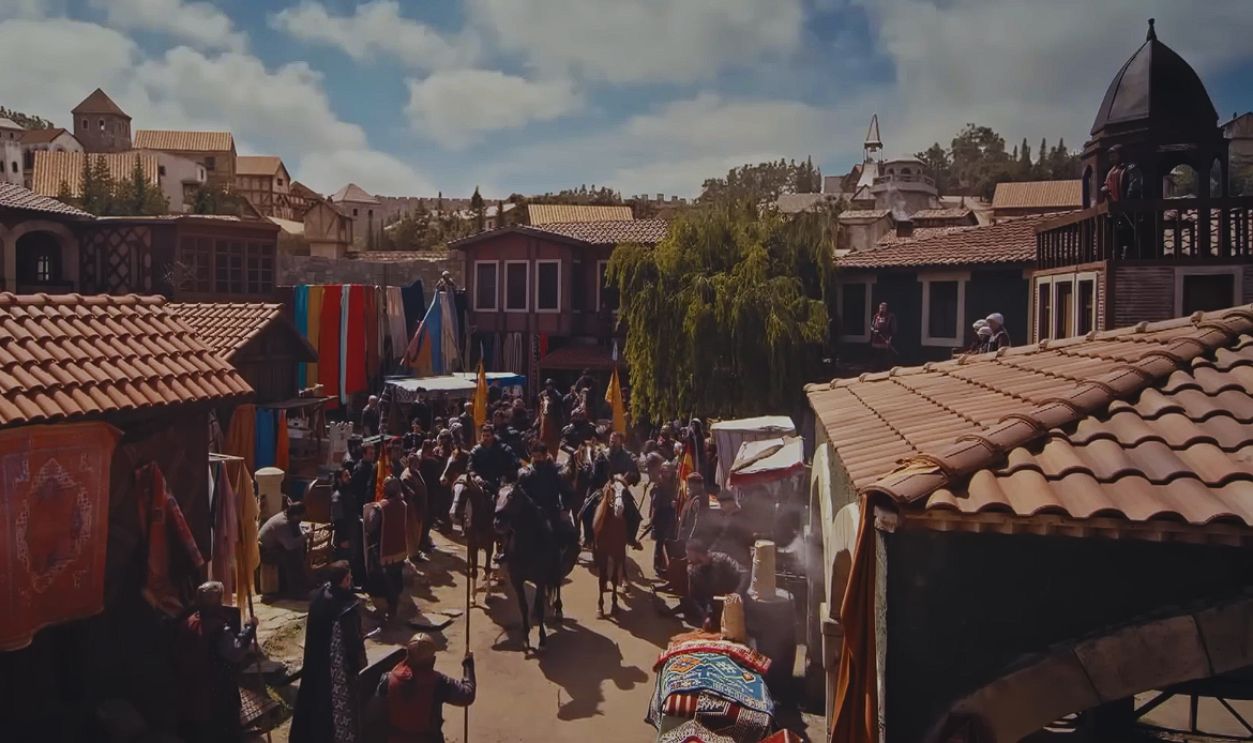 Screenshot from Kuruluş: Osman, ATV (Turkuvaz Media Group) (2019–present)
42. He Was Outnumbered
With a dwindling army and zero chance of success, Emperor Michael had no choice but to retreat across the sea, but it wasn’t the end for the Byzantines. The Emperor’s father then sent an army of 2,000 men to stand against Osman; however, even this wouldn’t be enough to stop him. When the two armies finally met at the plain of Bapheus, Osman answered the challenge with an overwhelming force of 5,000.
The previously intimidating Byzantines were shaking in their boots—and they were right to be.
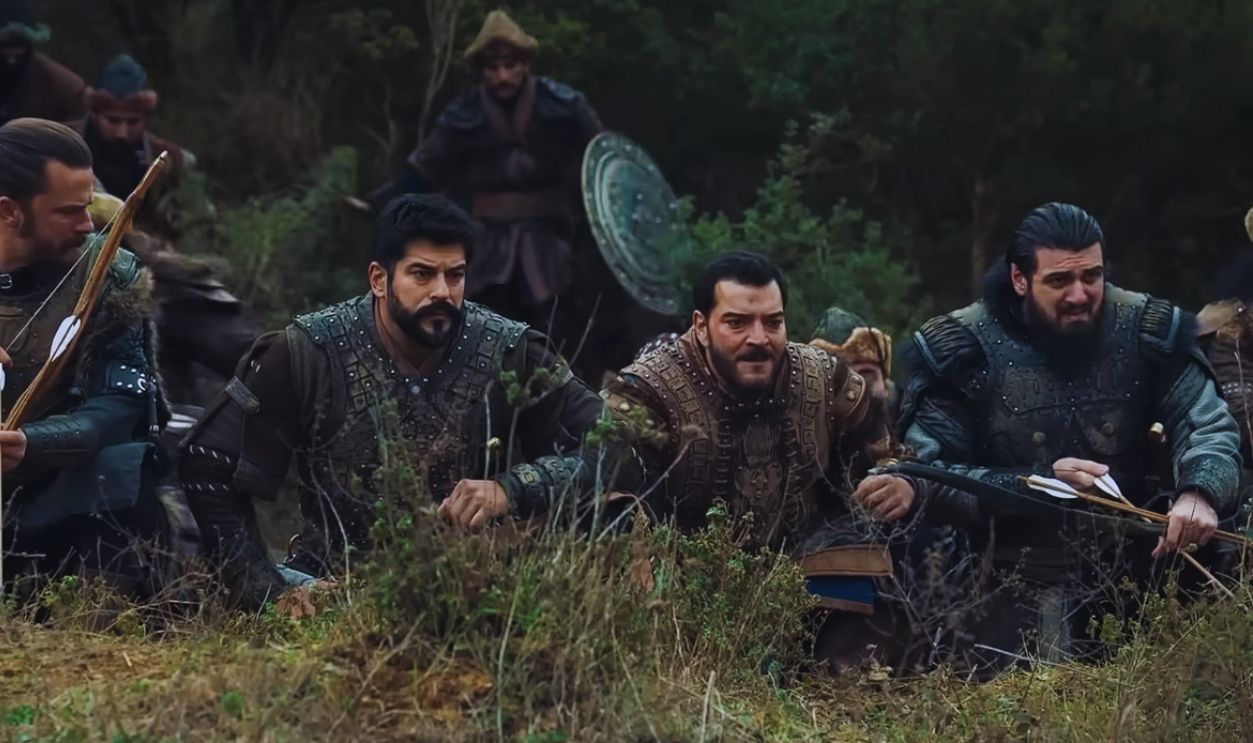 Screenshot from Kuruluş: Osman, ATV (Turkuvaz Media Group) (2019–present)
43. They Chased Him Off
To their credit, the Byzantine army refused to turn back despite the formidable odds against them, though they probably should have. They tried their best to overcome the Ottomans, but Osman’s cavalry was too swift and deadly, forcing the enemy commander to flee in defeat.
Achieving his greatest victories yet, Osman had the world at his fingertips.
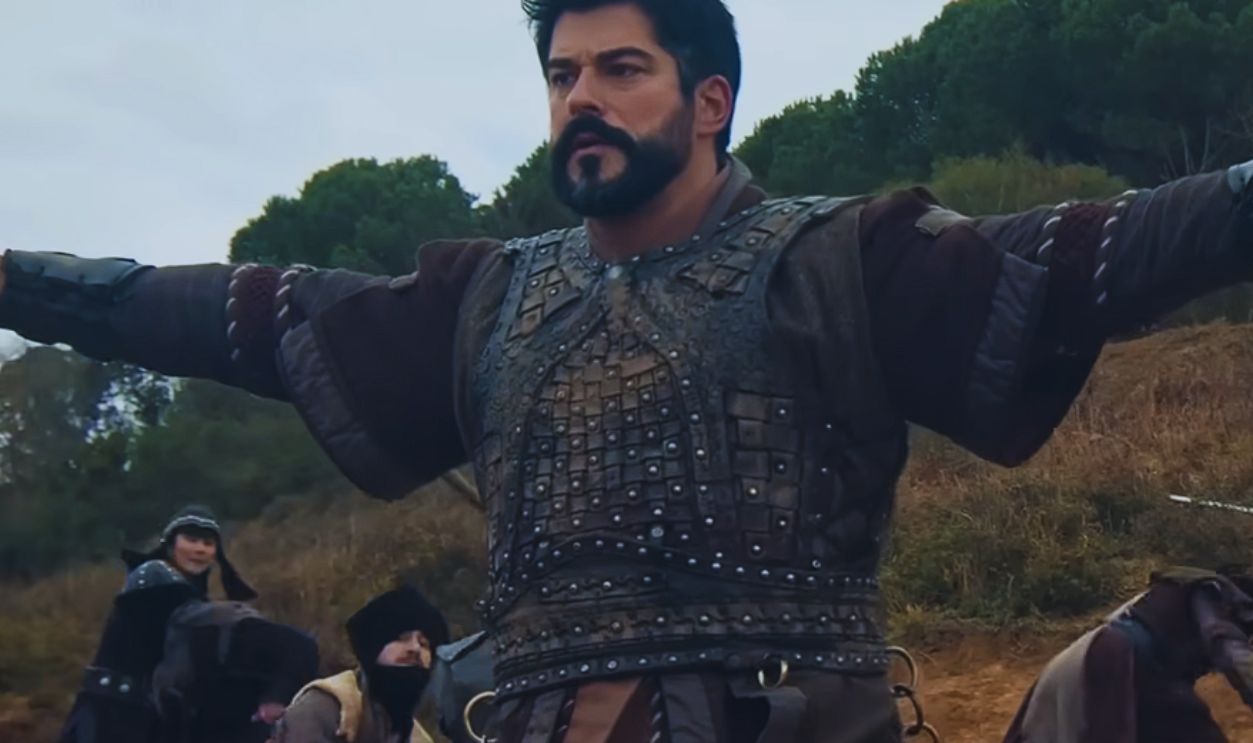 Screenshot from Kuruluş: Osman, ATV (Turkuvaz Media Group) (2019–present)
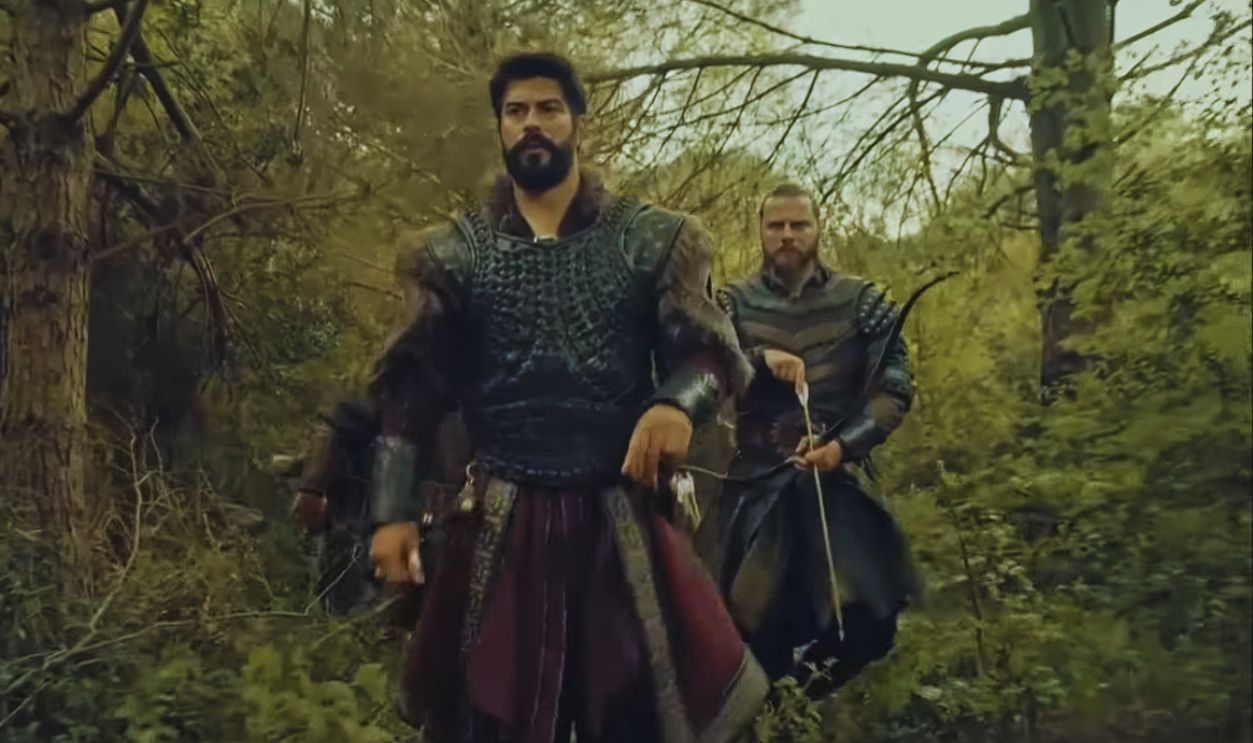
44. He Took Another City
In defeating the Emperor’s army and the one sent by his father, Osman successfully expanded the boundaries of his lands to the Marmara Sea and Black Sea, so it was time to shift gears. Heading south, he targeted Yenişehir and conquered many of the towns and fortresses around it before marching on the city itself. Taking it easily, he made it his new capital for the time being while he plotted his next actions.
Unfortunately for the Ottomans, this was when they started to show weakness.
 Screenshot from Kuruluş: Osman, ATV (Turkuvaz Media Group) (2019–present)
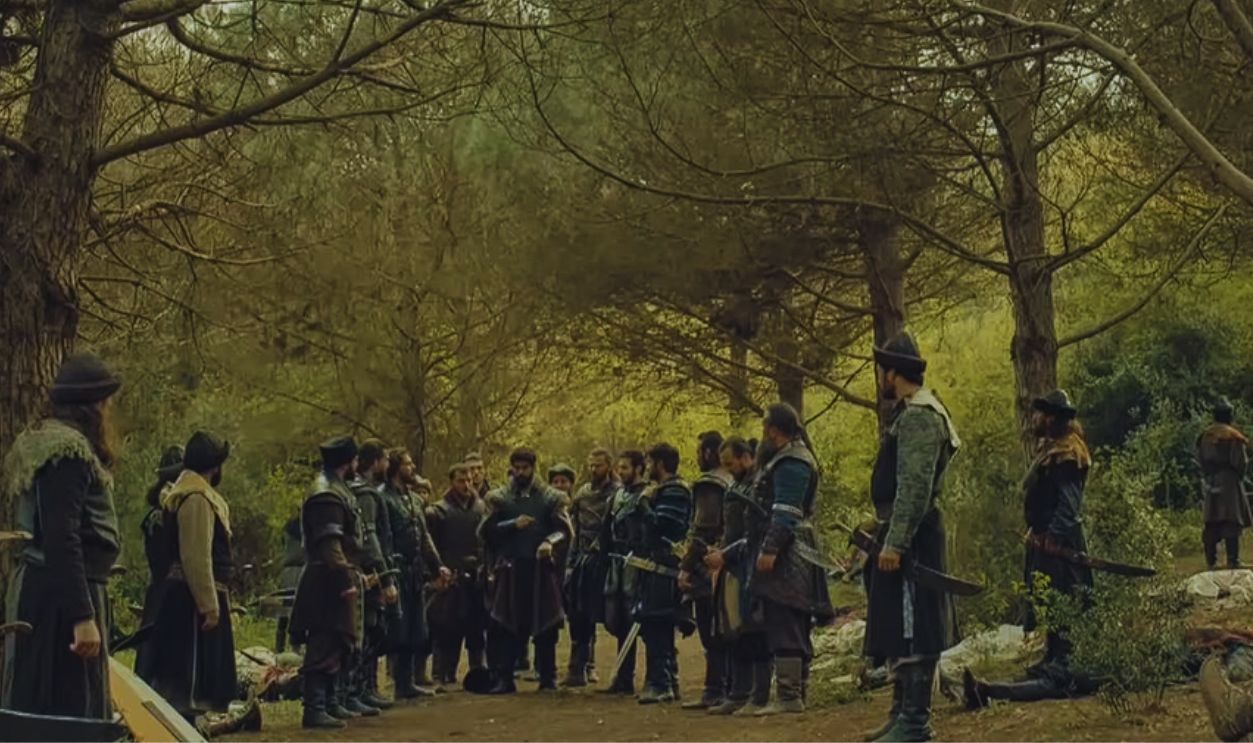
45. They Were Inexperienced
Growing in number and ambition, the Ottomans used their base in Yenişehir to prepare for a large-scale conflict, as Osman targeted some of the larger Byzantine cities. Going with Bursa first, Osman began a siege that may have lasted as many as nine years, which was much longer than he hoped. In truth, while the Ottomans were exceptional fighters and held their own, they had never invaded such a powerful city before and didn’t know exactly how.
In a cruel twist of fate, Osman was nearing the end of his story.
 Screenshot from Kuruluş: Osman, ATV (Turkuvaz Media Group) (2019–present)
History's most fascinating stories and darkest secrets, delivered to your inbox daily.
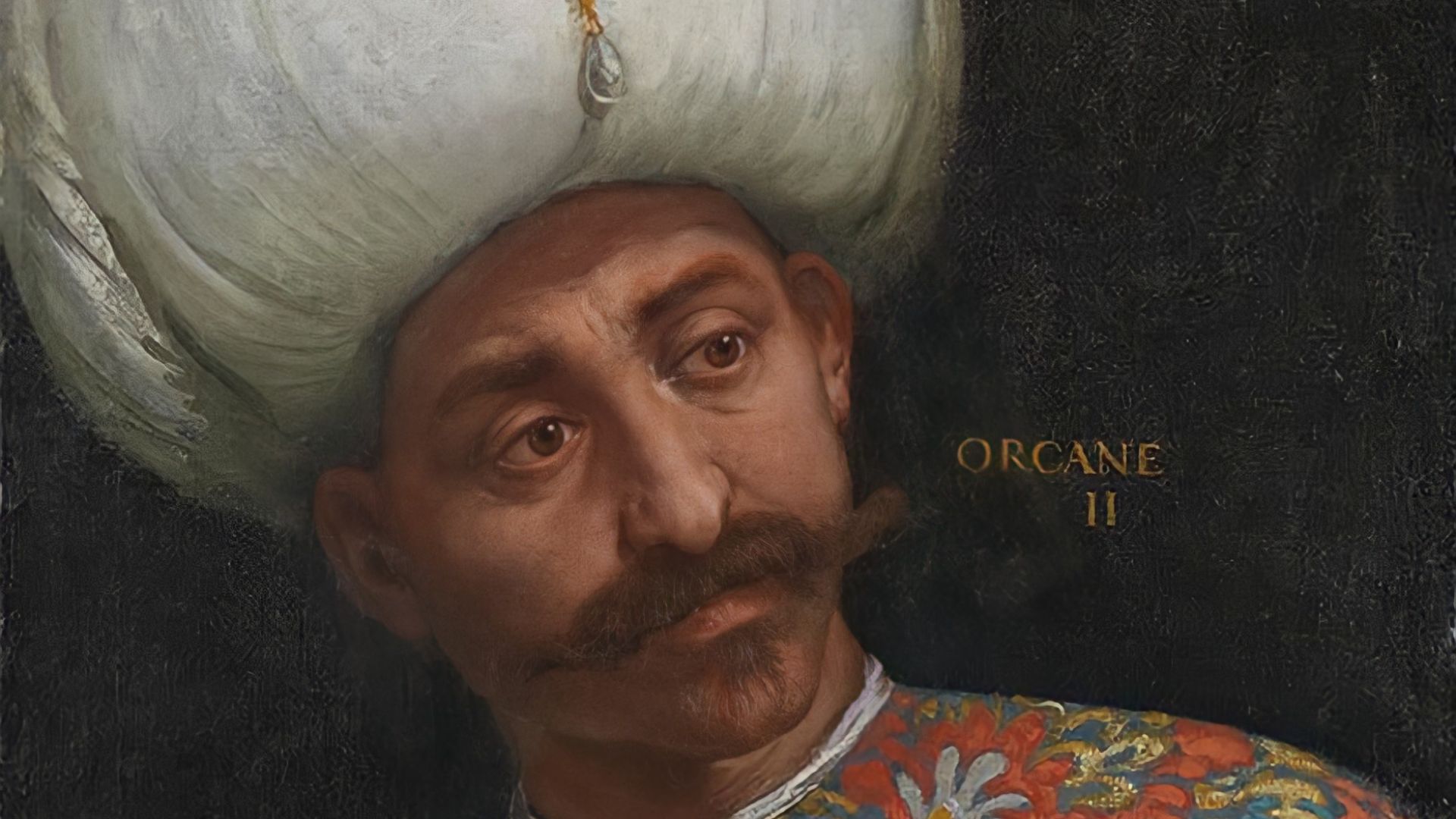
46. He Couldn’t Go on
Osman commanded his forces in the siege against Bursa for a few years, but eventually, he faced a much more personal enemy—one he couldn’t overcome. Stricken with gout so severe that he couldn’t stand, Osman gave up any hope of seeing victory with his own eyes, instead leaving the siege in the capable hands of his son, Orhan.
Still, he did not doubt they would overtake the city before too much longer.
 Follower of Paolo Veronese, Wikimedia Commons
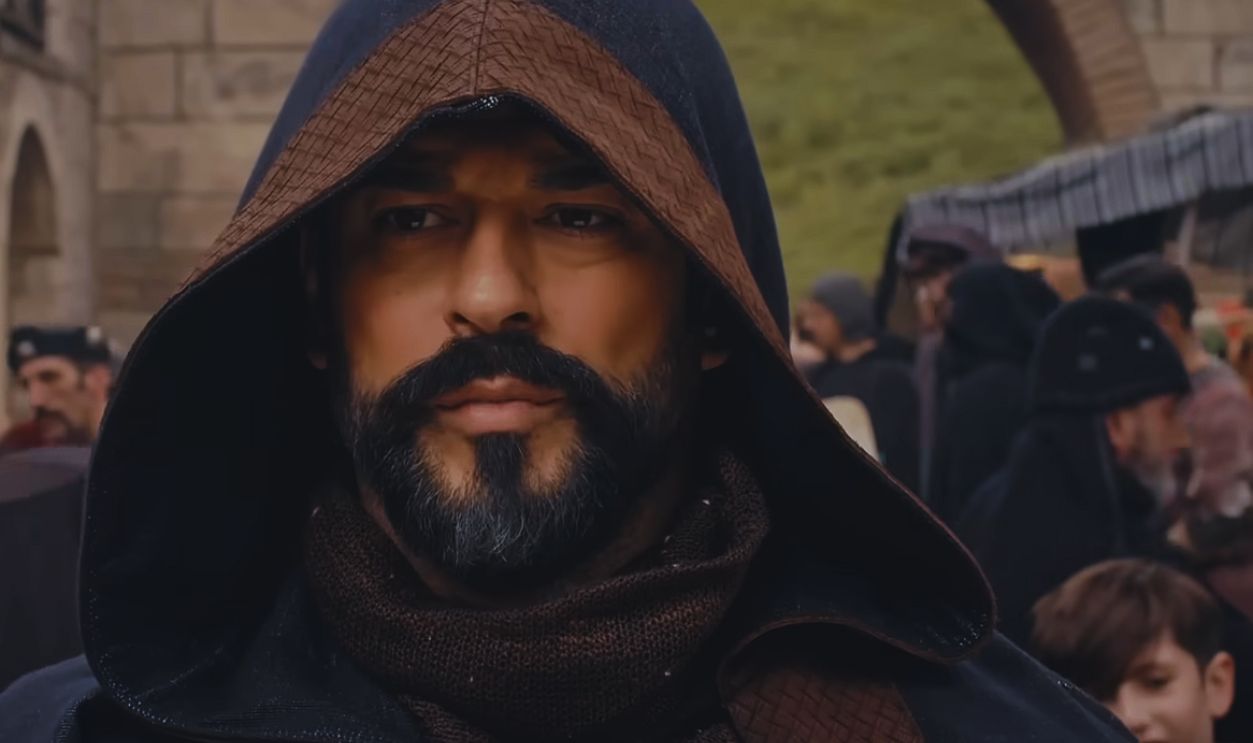
47. They Were Victorious
Lacking any siege engines, Orhan chose to continue the effort against Bursa not by attacking the city directly, but by maintaining a blockade to force it into submission. This worked better than he hoped, and the Ottomans soon overtook the city relatively peacefully. According to the story, Orhan rushed back to the Ottoman capital and informed his father of the victory, right before Osman perished.
Surprisingly, he had time to utter one last message to his son.
 Screenshot from Kuruluş: Osman, ATV (Turkuvaz Media Group) (2019–present)
48. He Became His Heir
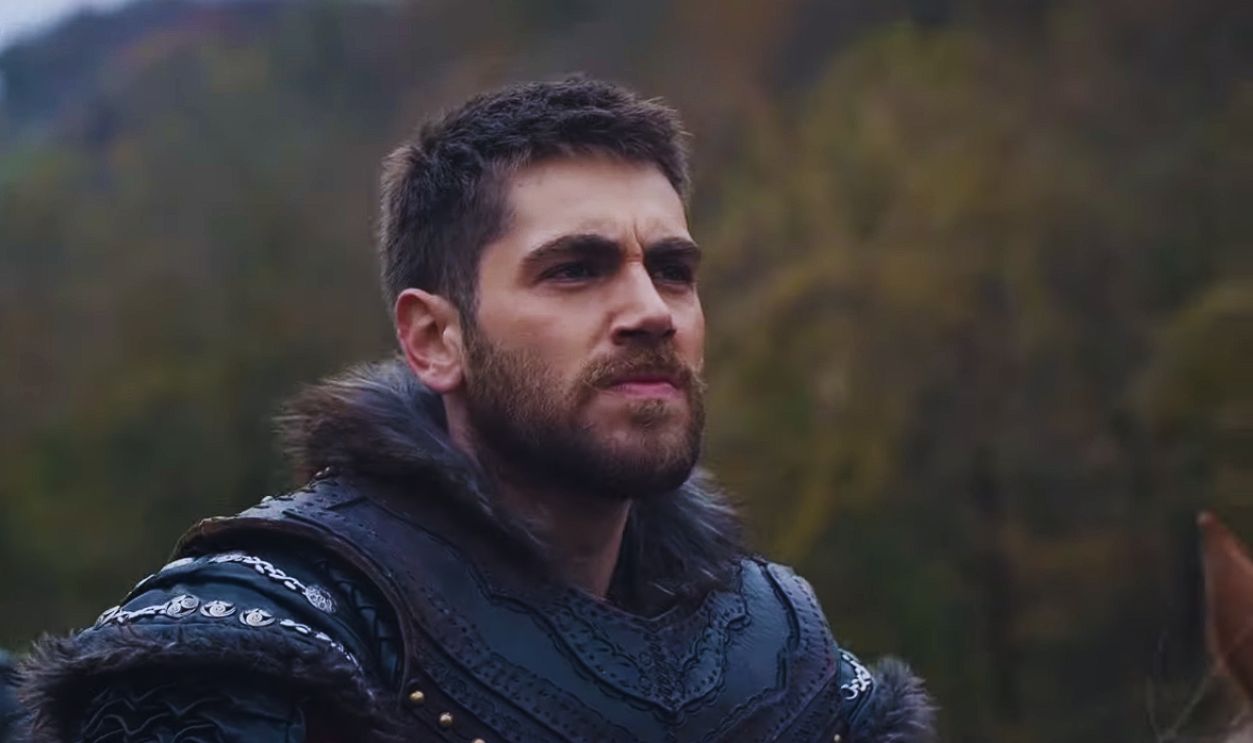
Just like his father before him, Orhan wasn’t the eldest of his siblings, but Osman believed he would be the best candidate to replace him as ruler of the new Ottoman Empire. Choosing him above his older, more passive son, Alâeddin, Osman allegedly had just enough life in him to proclaim Orhan as his successor.
Strangely, Osman wasn’t the only one who suffered from his affliction.
 Screenshot from Kuruluş: Osman, ATV (Turkuvaz Media Group) (2019–present)
49. He Wasn’t The Only One
Orhan helped to continue his father’s endeavors and contributed in part to the growth of the Ottoman Empire, ensuring a long line of rulers in his dynasty, many of whom shared a distinct similarity with Osman. As was later revealed, he wasn’t the only one prone to gout, as the disease’s gene ran in his family and often caused later rulers to suffer similar fates.
Of course, he managed to create a much more important legacy than this.
50. He Started It All
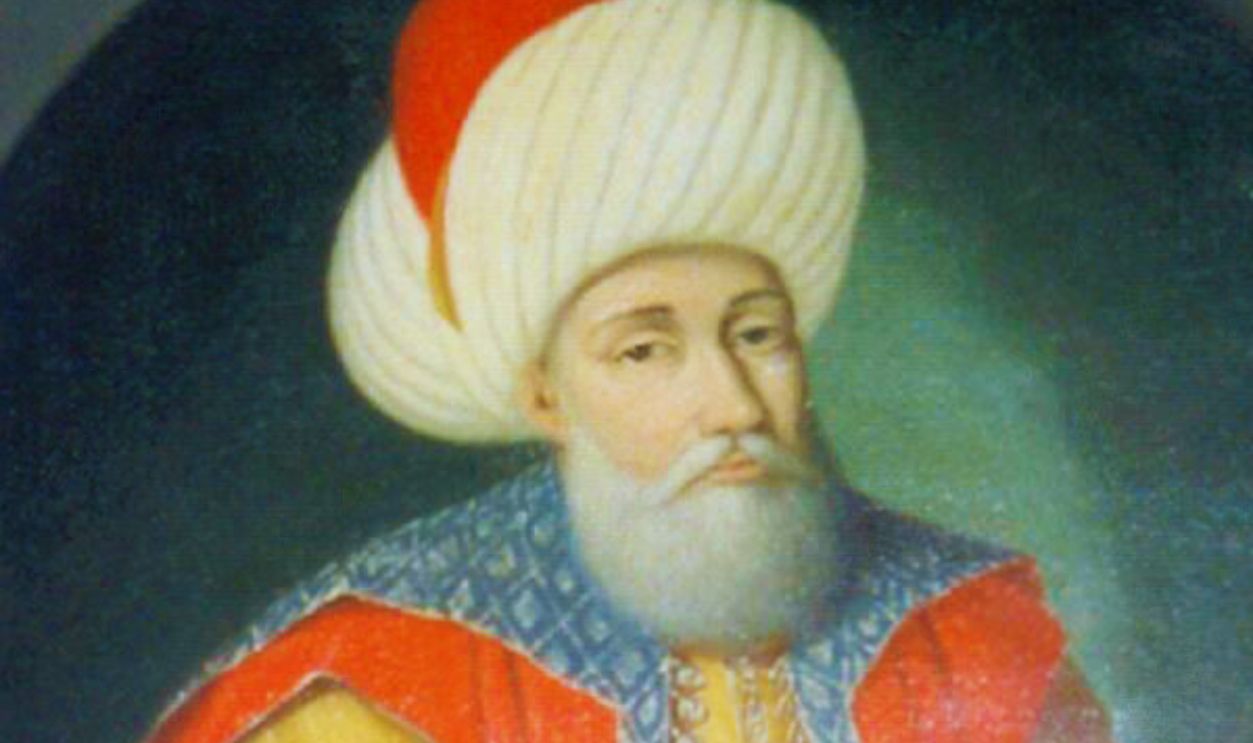
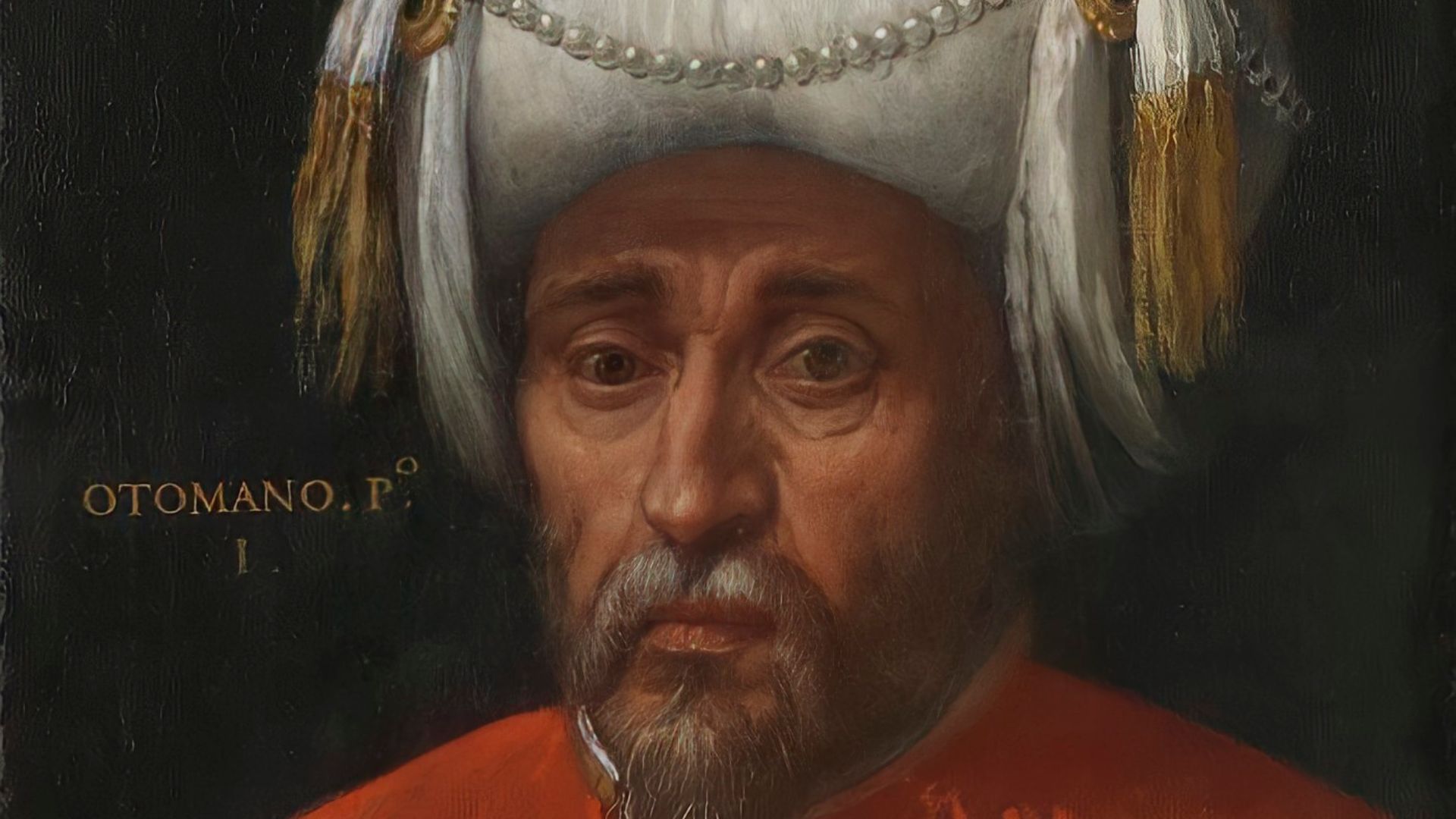
Although Osman I expanded his domain to an impressive scale at the time, it was nothing compared to the dominant power it would grow to in its centuries of existence. Still, although few details of his life have survived as fact, his status as the founder of the Ottoman Empire is undeniable. In fact, the only reason it has that name is that the word “Ottoman” is an anglicization of “Osman”.
 Paolo Veronese, Wikimedia Commons
You May Also Like:
Insatiable Facts About Ibrahim The Mad, The Deranged Sultan
Audacious Facts About The Ottoman Empire












._Mid_13th_century_(Turkoman_soldiers_detail).jpg)

