
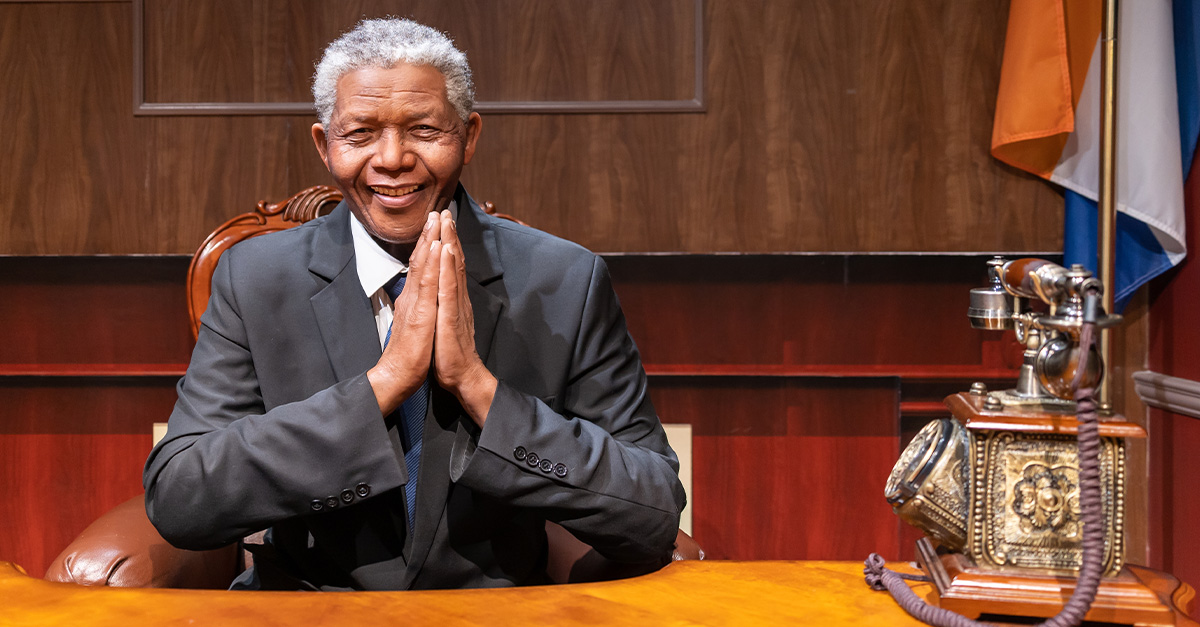
Nelson Mandela's Life Was One Of Service To His People & To Peace
Few figures in modern history embody resilience, forgiveness, and vision as profoundly as Nelson Mandela. Emerging from nearly three decades of imprisonment, he chose not anger, but reconciliation. His life story is one of extraordinary courage and unwavering dedication to justice.
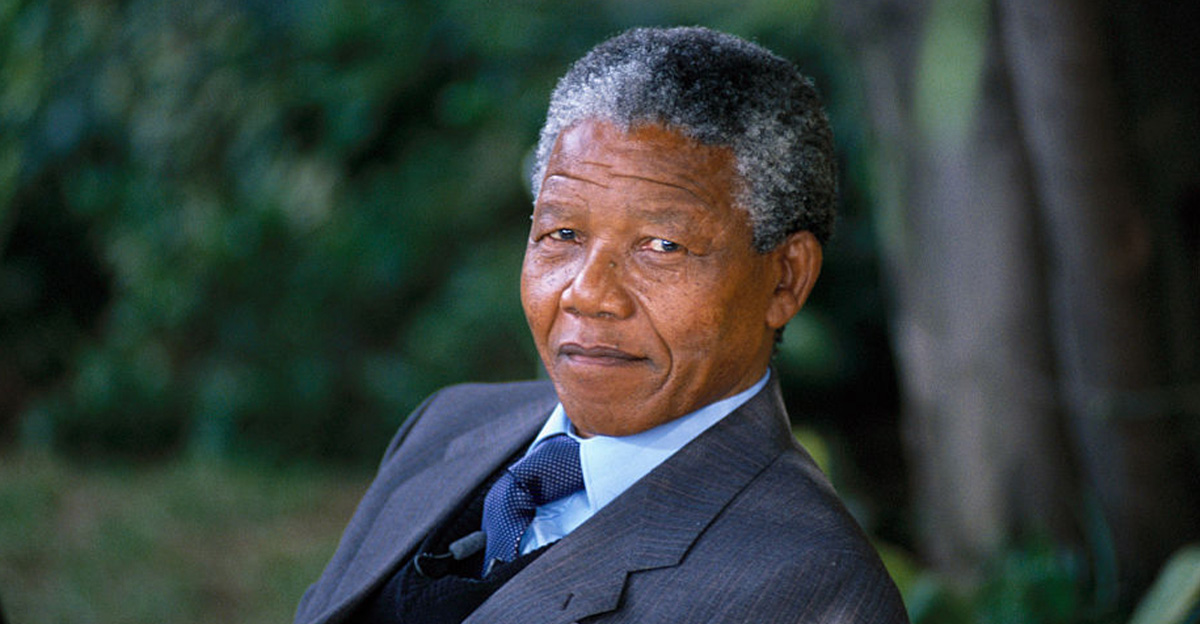
Mandela's Early Life and Roots
Born in 1918 in the rural village of Mvezo, South Africa, Mandela grew up under traditional Thembu customs while also experiencing the tightening grip of colonial and racial rule. This duality shaped his later leadership.
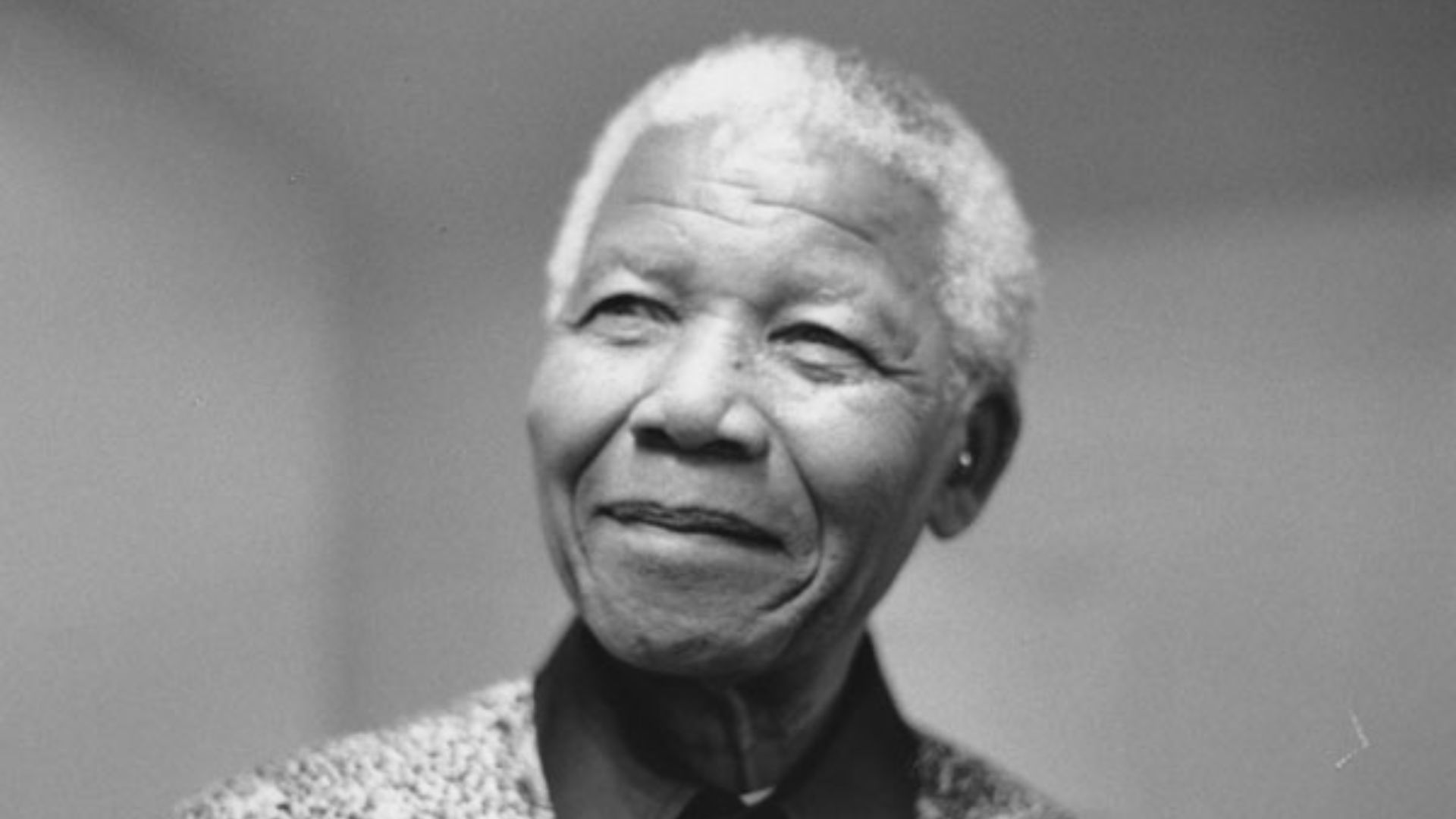
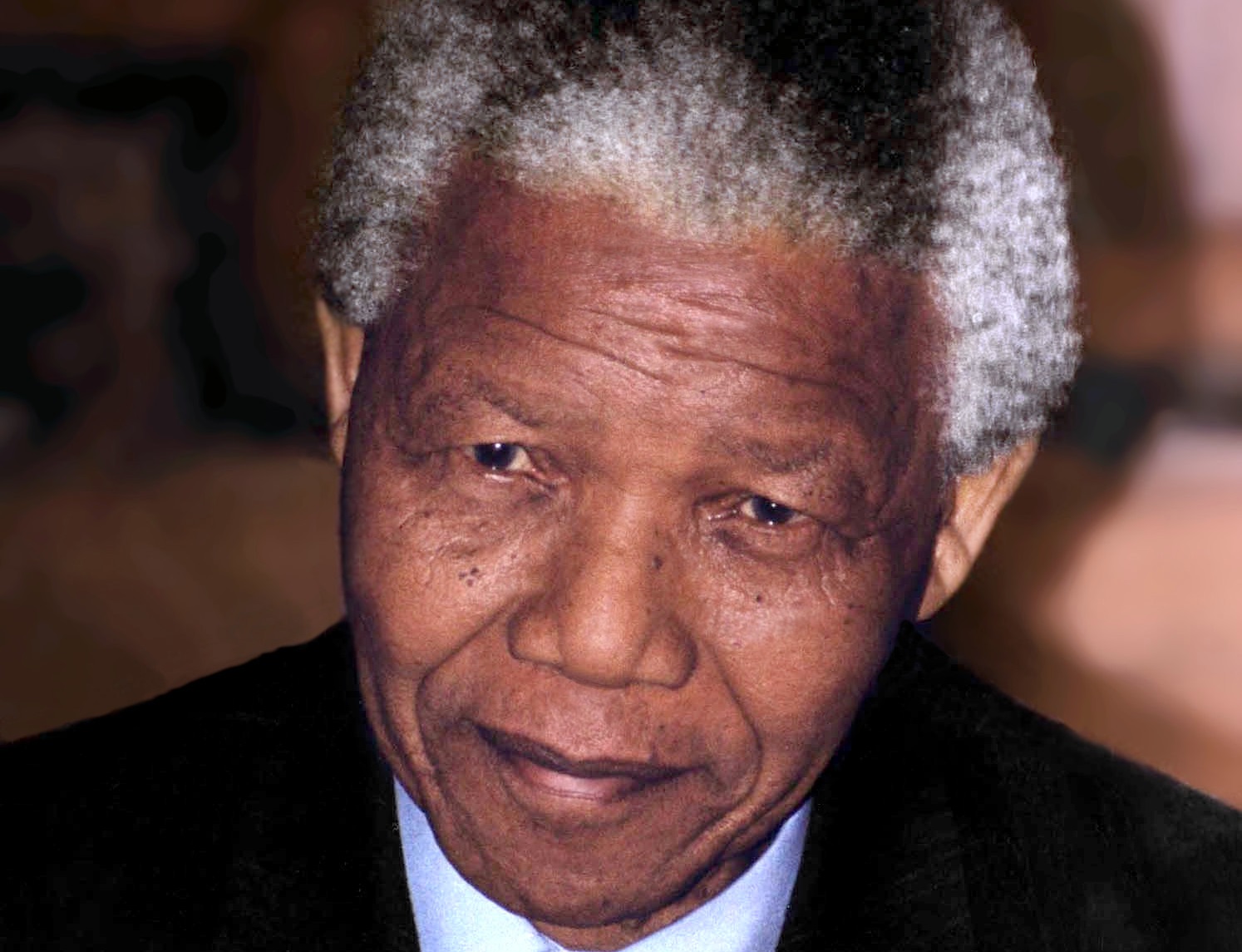 John Mathew Smith 2001 , Wikimedia Commons
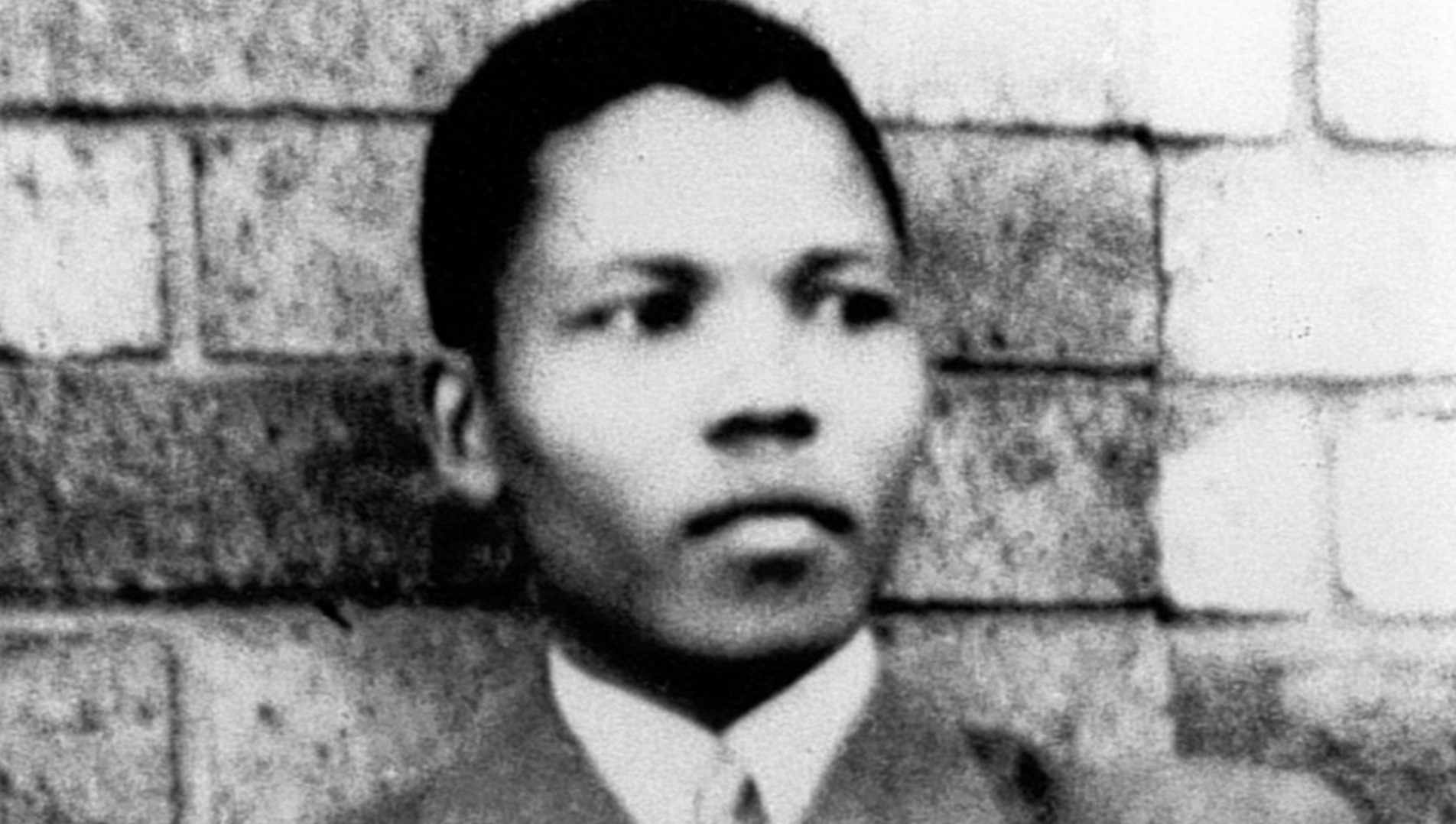
His Education & Awakening
Mandela’s education at Fort Hare and later the University of Witwatersrand exposed him to politics, law, and the injustice of apartheid. His studies prepared him for a life of activism rather than comfort.
 Unknown authorUnknown author, Wikimedia Commons
A Young Lawyer With Purpose
In Johannesburg, Mandela co-founded the first Black law firm in the city. He used his practice to defend those persecuted under apartheid laws, seeing the courtroom as both a shield and a stage for justice.
 Library of the London School of Economics and Political Science, Wikimedia Commons
The African National Congress (ANC)
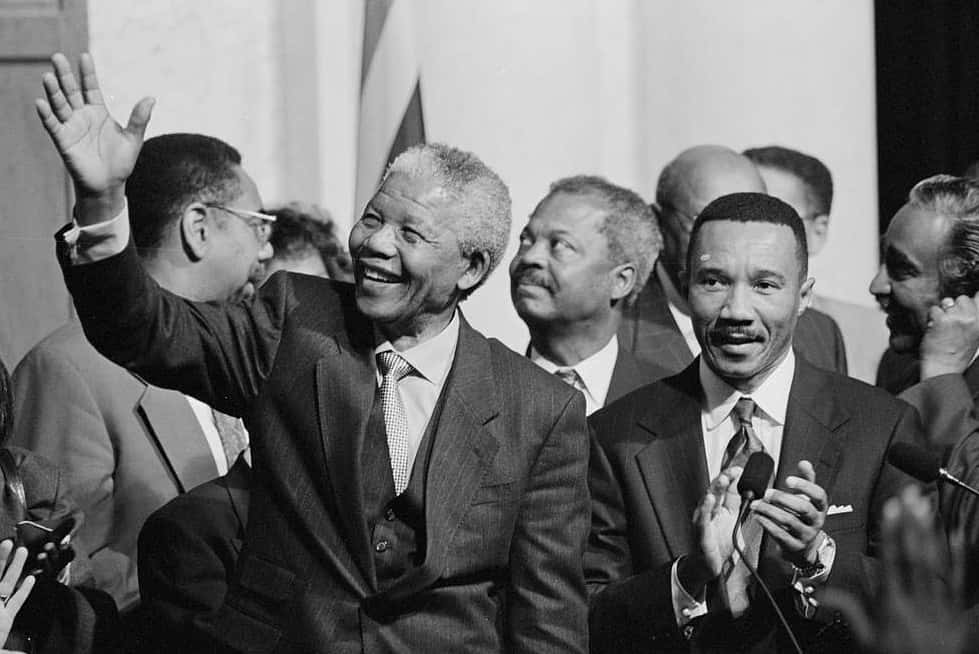
Mandela joined the ANC in the 1940s, quickly becoming a leading figure in its Youth League. His early activism centered on peaceful protest, but apartheid’s brutality would later force him toward more militant resistance.
Apartheid: A System Of Oppression
The apartheid regime, officially codified in 1948, sought to enforce strict racial segregation, stripping Black South Africans of their rights. Mandela knew it was a system that could not be dismantled by silence.
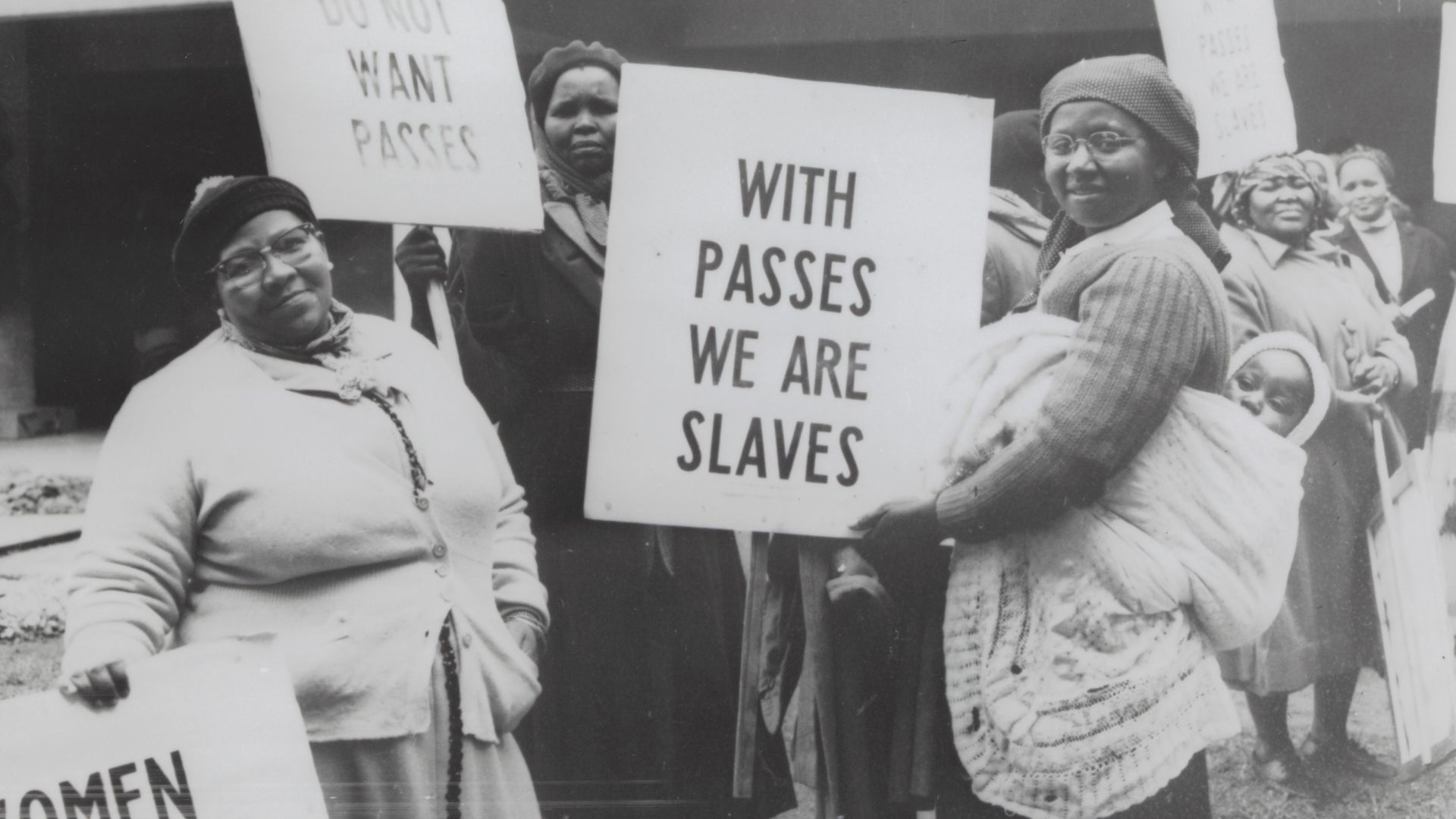 Afdruk zonder naam fotograaf / Anefo, Wikimedia Commons
Defiance & Imprisonment
Mandela was arrested multiple times during the 1950s and 1960s. In 1964, during the infamous Rivonia Trial, he declared he was prepared to die for the cause of freedom. He was sentenced to life imprisonment.
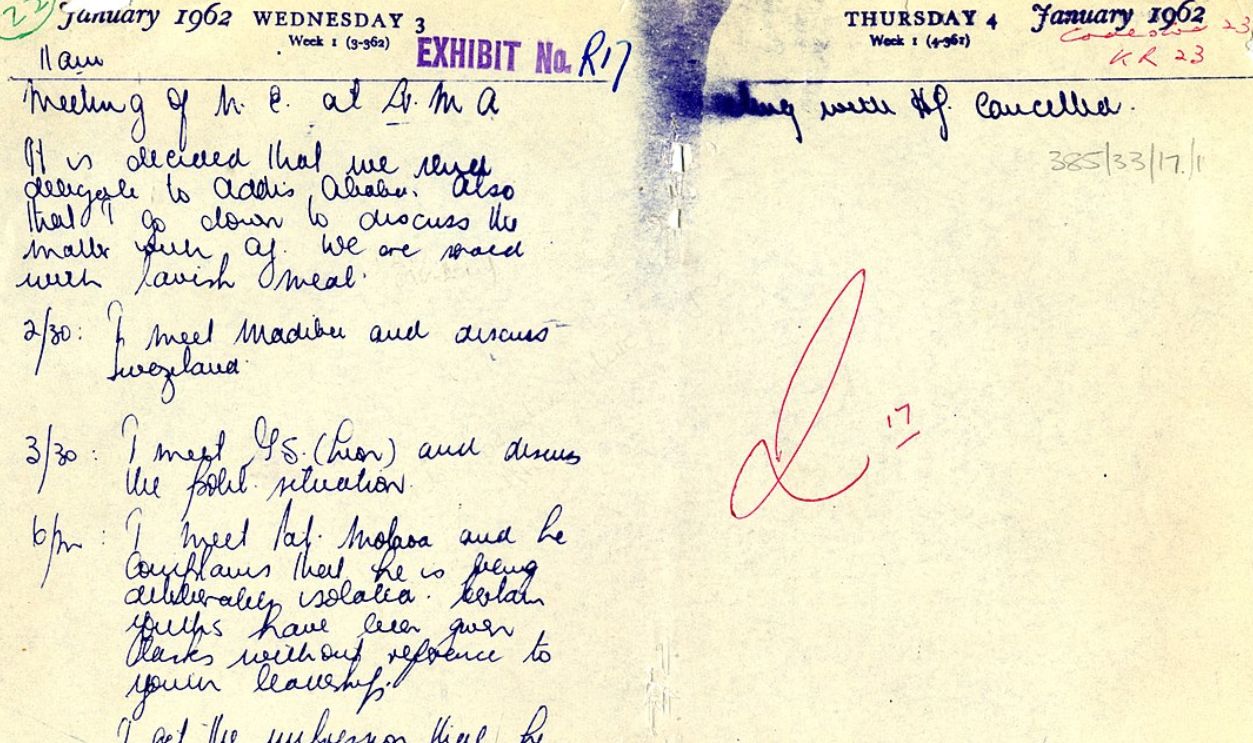 Department of Justice; Supreme Court of South Africa, Wikimedia Commons
Robben Island Years
Mandela spent 18 of his 27 prison years on Robben Island. Forced into hard labor and confined to a tiny cell, he endured isolation but continued to lead, educate fellow prisoners, and inspire resistance beyond prison walls.
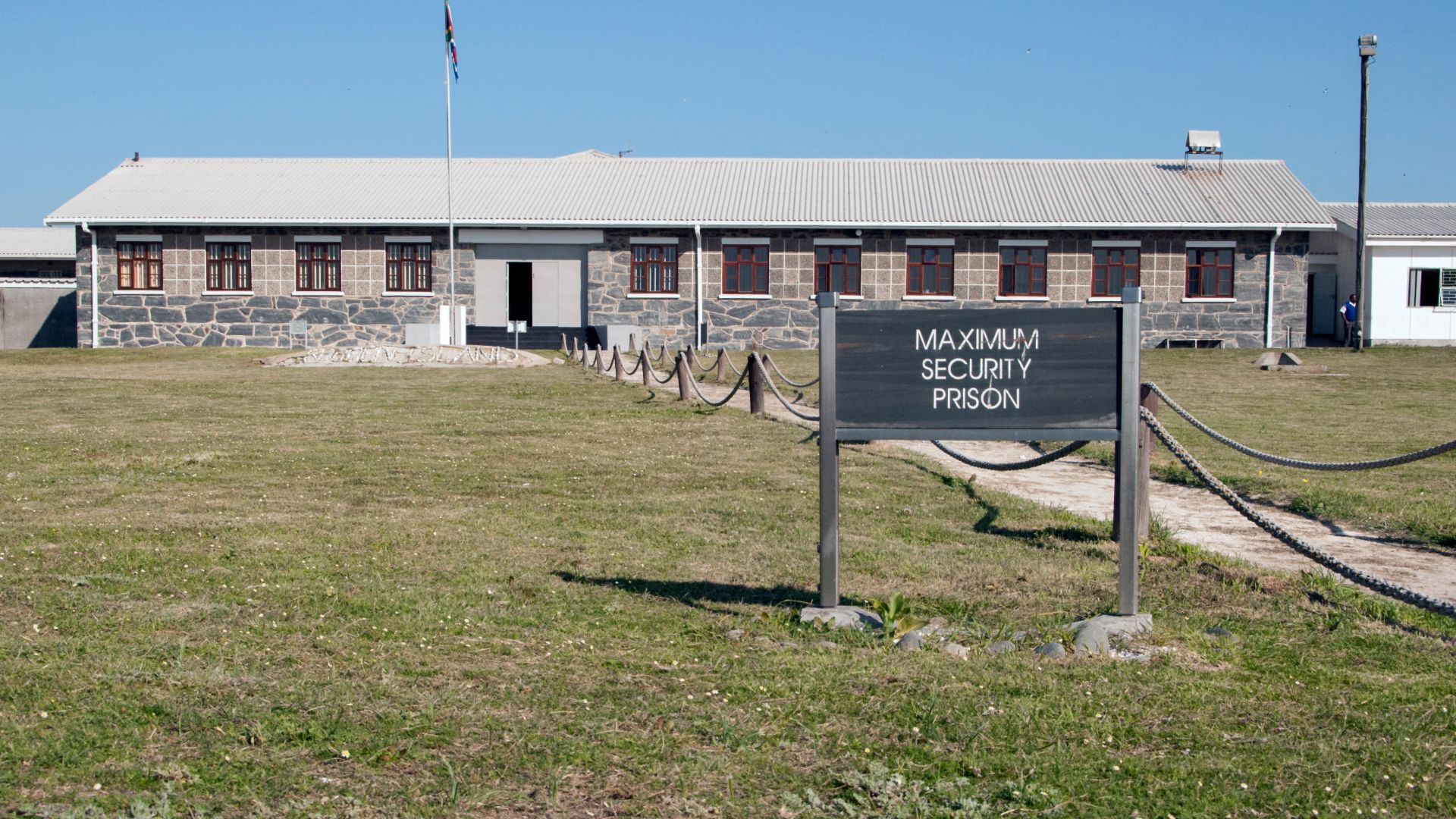 Moheen Reeyad, Wikimedia Commons
Global Symbol of Resistance
As decades passed, Mandela’s imprisonment became a rallying cry worldwide. Protests, boycotts, and international campaigns demanded his release, turning him into the global face of anti-apartheid struggle.
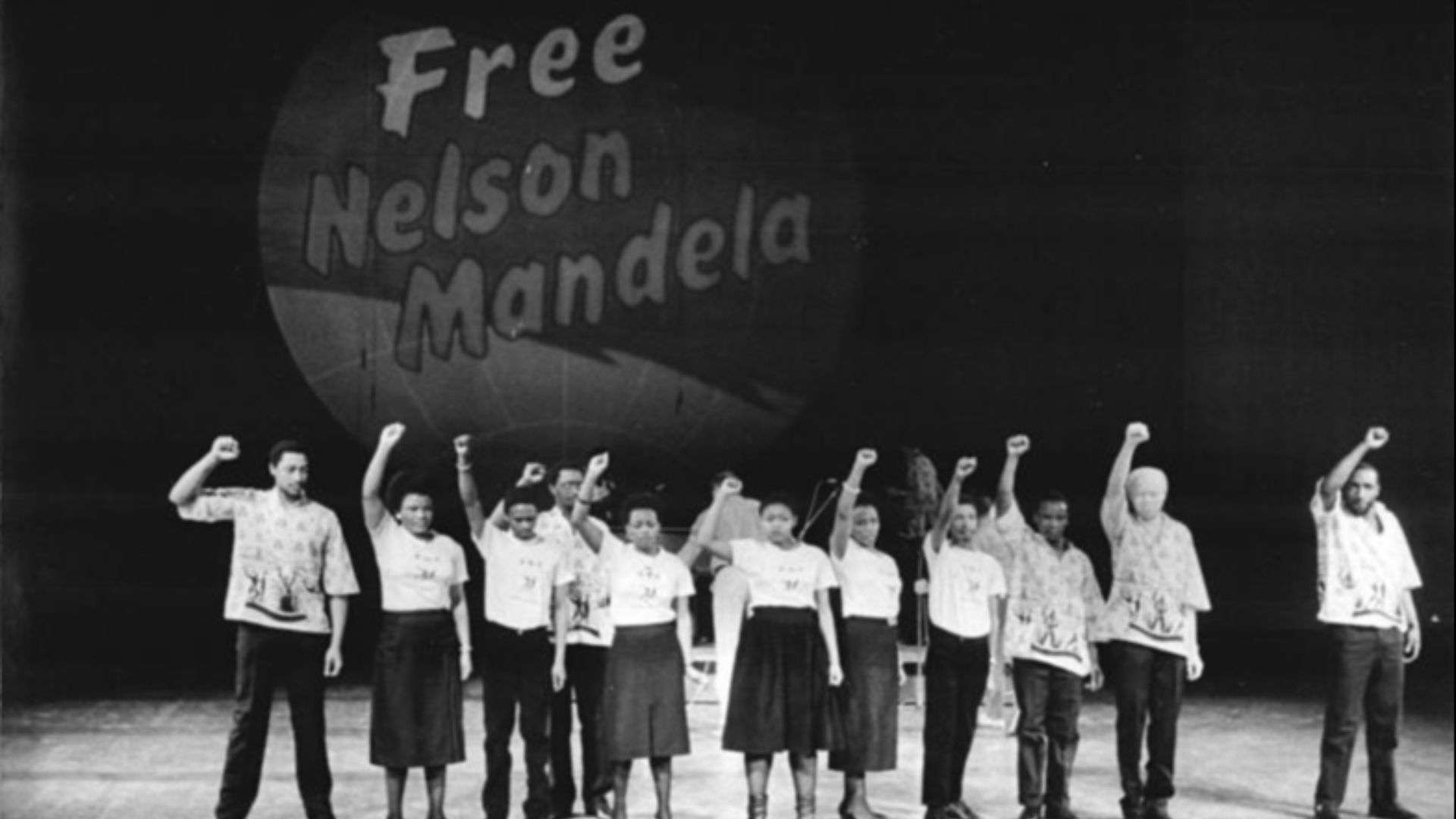 Bundesarchiv_Bild_183-1986-0920-016,_Berlin, Wikimedia Commons

History's most fascinating stories and darkest secrets, delivered to your inbox daily.
The World Changes, Mandela Waits
While South Africa remained entrenched in racism, the world shifted. By the 1980s, economic sanctions and global condemnation pressured the regime. Mandela remained steadfast, refusing conditional offers of release that required him to renounce the struggle.
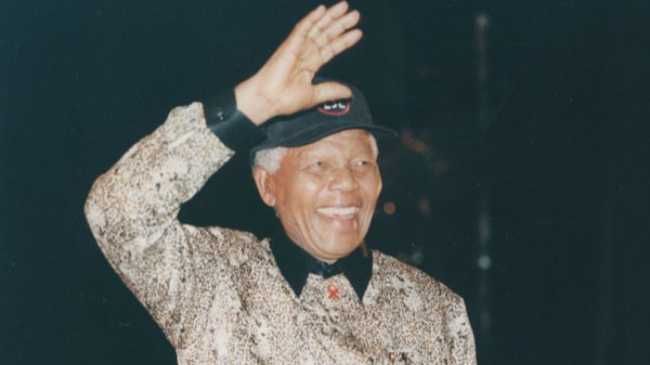 Library of the London School, Wikimedia Commons
Released At Last
On February 11, 1990, Nelson Mandela walked free. The world watched as he raised his fist in triumph. His words and demeanor shocked many—there was no bitterness, no vengeful rhetoric, only calls for unity.
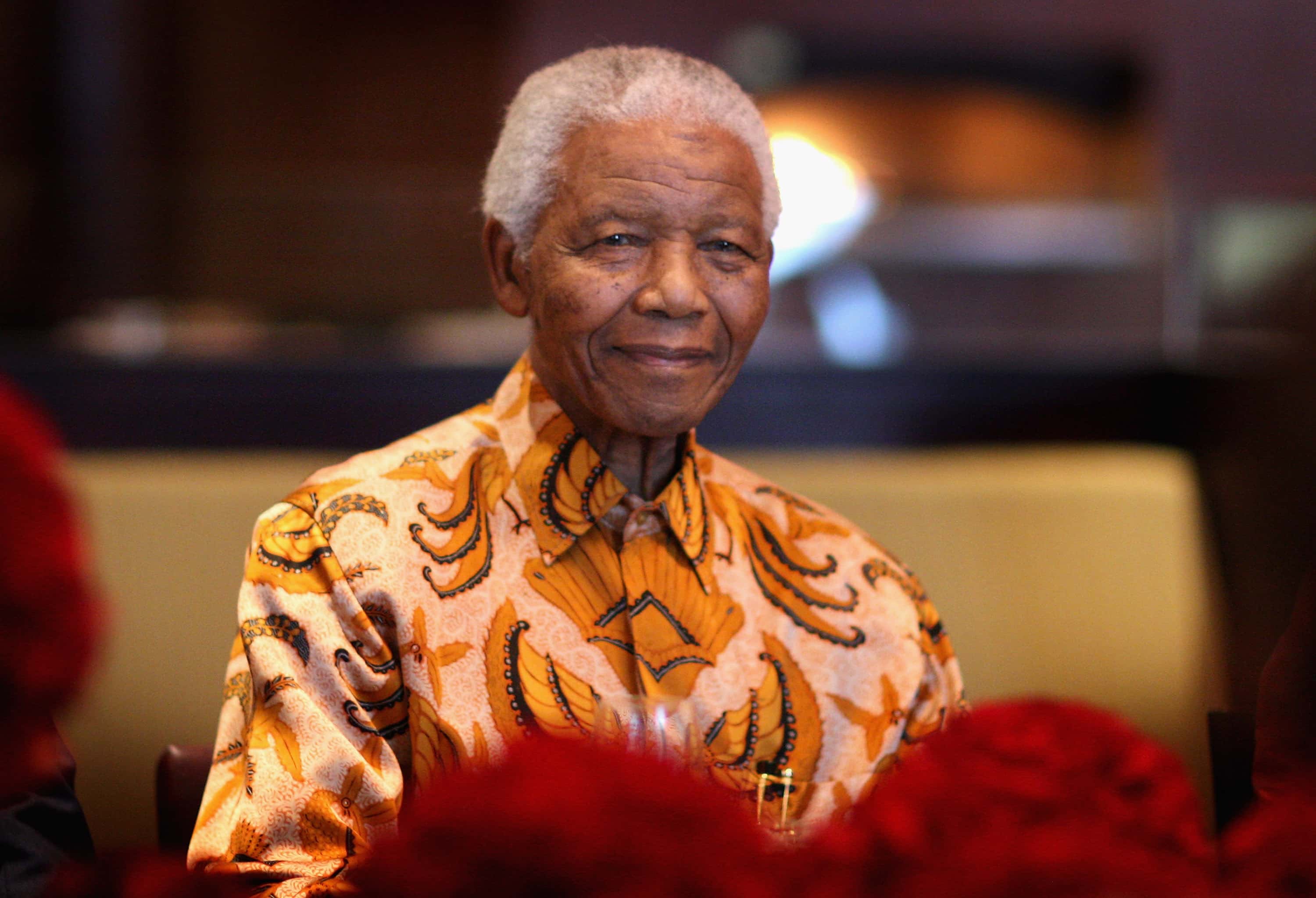
Choosing Forgiveness Over Revenge
Instead of fueling division, Mandela advocated reconciliation. He knew South Africa could not afford a civil war of retribution. His grace upon release set the tone for the nation’s future.
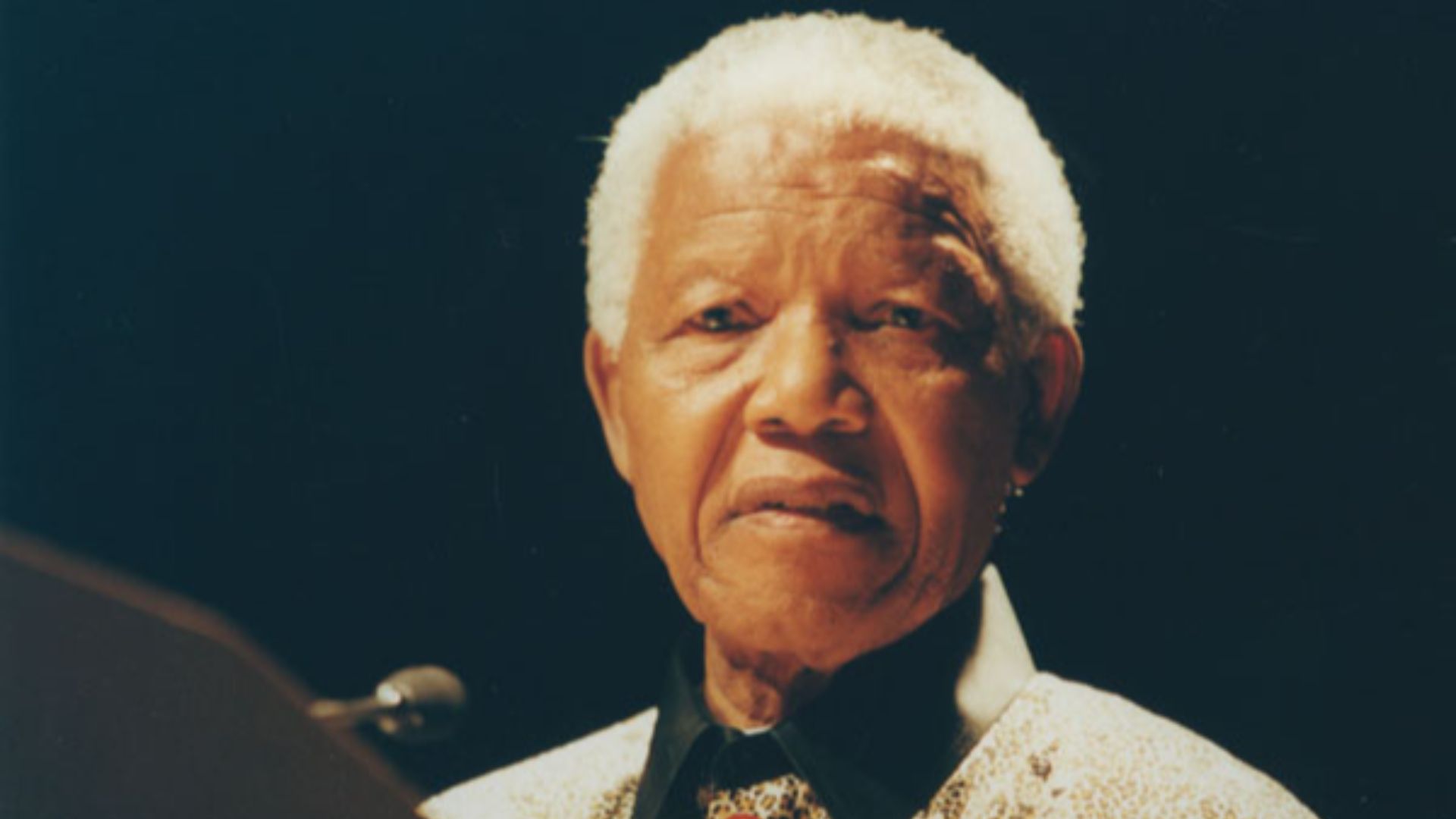 Library of the London School of Economics and Political Science, Wikimedia Commons
Political Transition
Mandela led negotiations with the apartheid government, working tirelessly to dismantle the old system peacefully. His leadership prevented South Africa from descending into chaos during this fragile time.
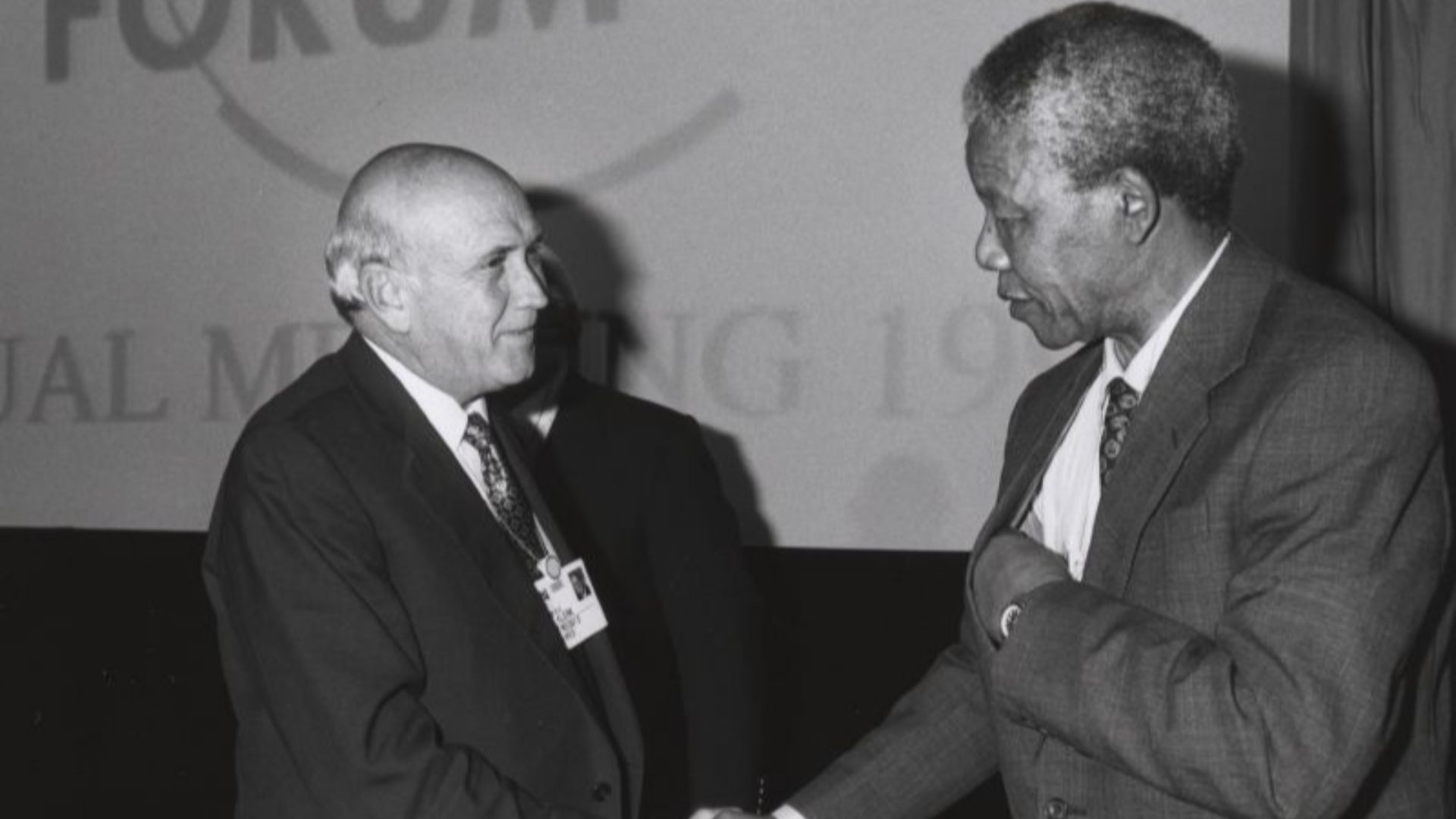 Copyright World Economic Forum (www.weforum.org), Wikimedia Commons
The 1994 Elections
In April 1994, South Africa held its first fully democratic elections. Millions queued for hours, many voting for the first time. Mandela, at 75 years old, became the nation’s first Black president.
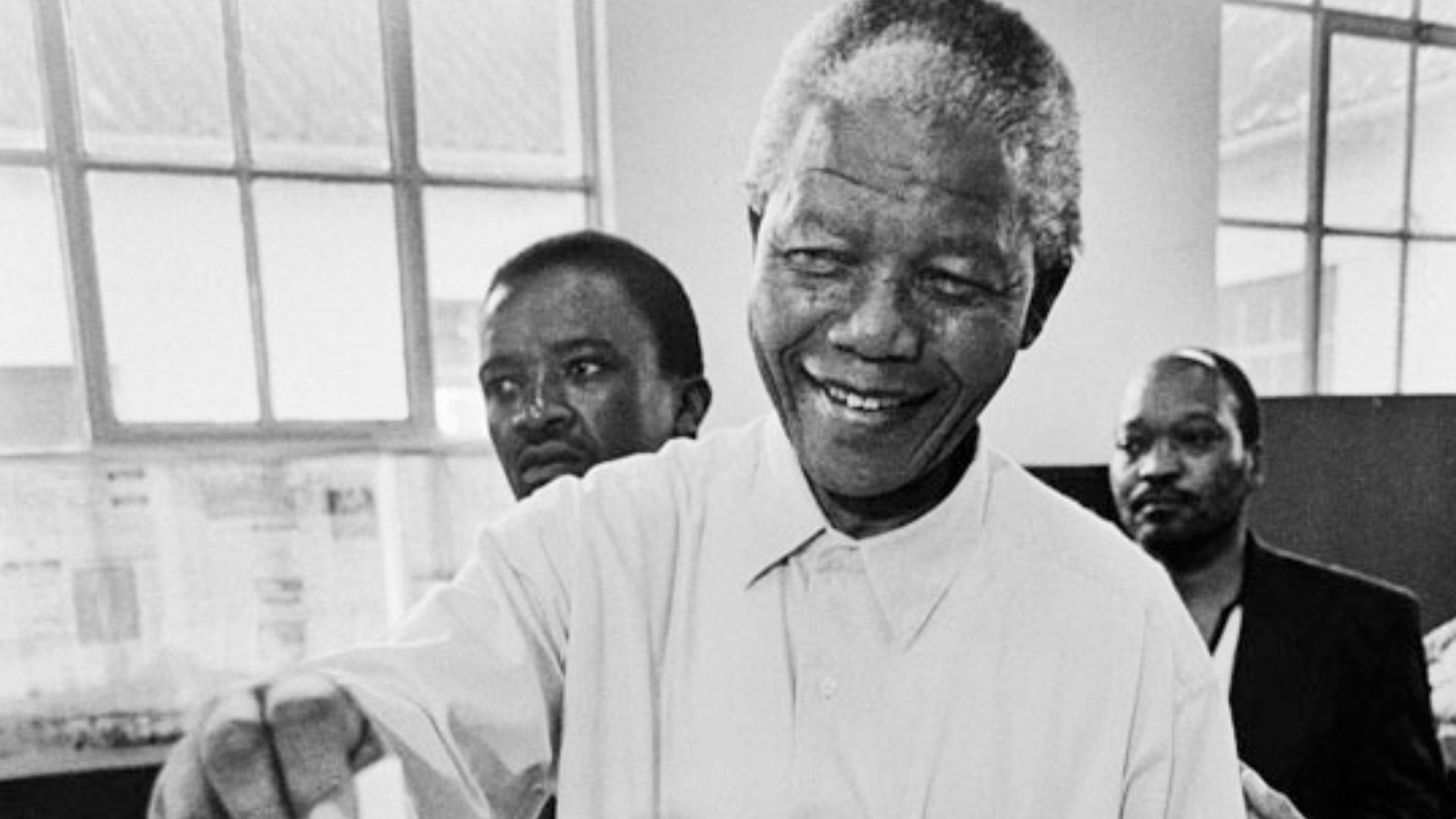 Paul Weinberg, Wikimedia Commons
Symbol Of A New Nation
Mandela’s inauguration was a global moment of triumph. World leaders, once divided over apartheid, gathered to witness South Africa’s rebirth. Mandela stood not just as president, but as the embodiment of freedom.
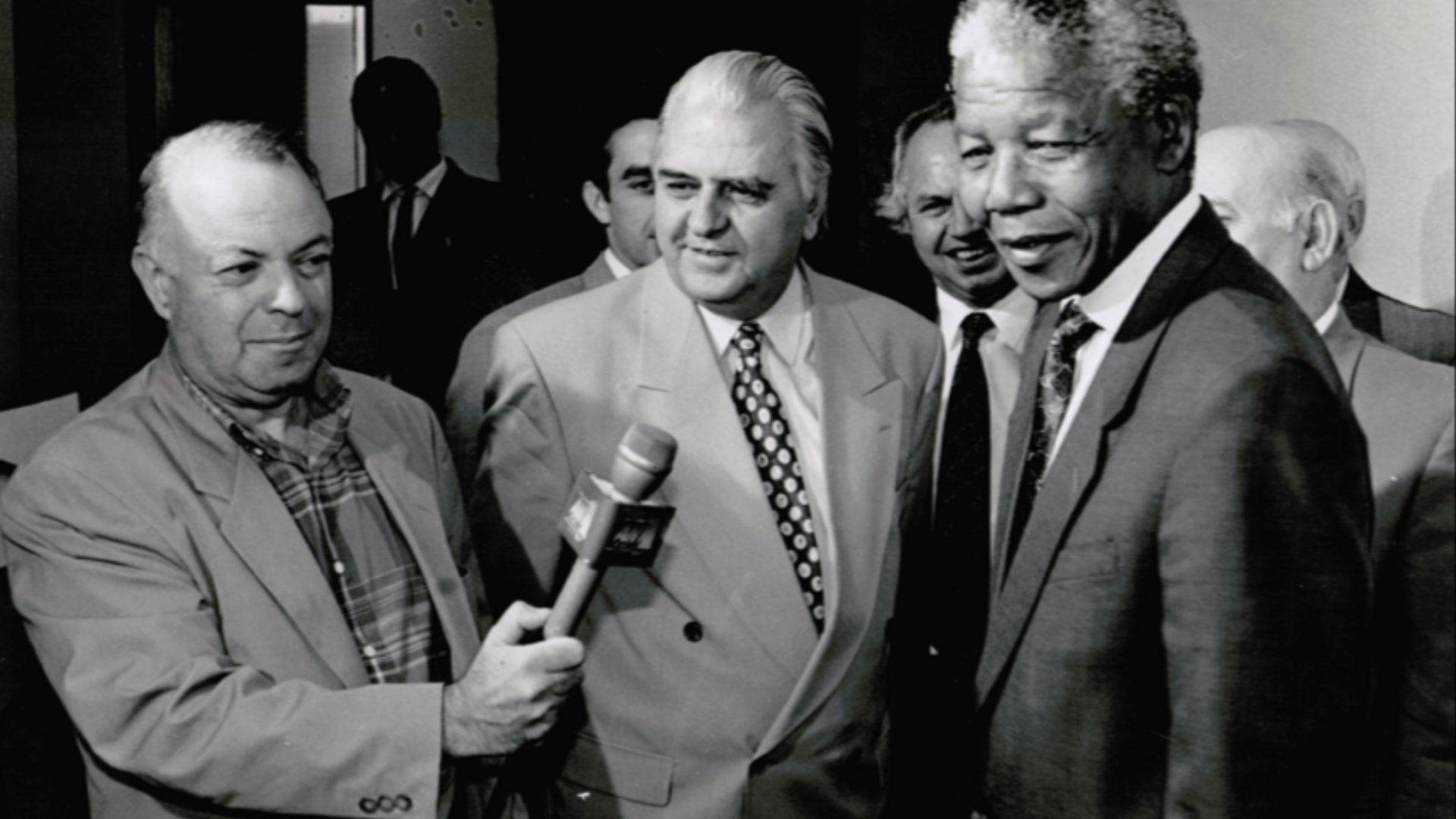 Unknown authorUnknown author, Wikimedia Commons
Nation-Building With Vision
Mandela prioritized healing. His government worked on housing, education, healthcare, and economic opportunity for Black South Africans long denied their rights. Progress was slow, but the direction was clear.
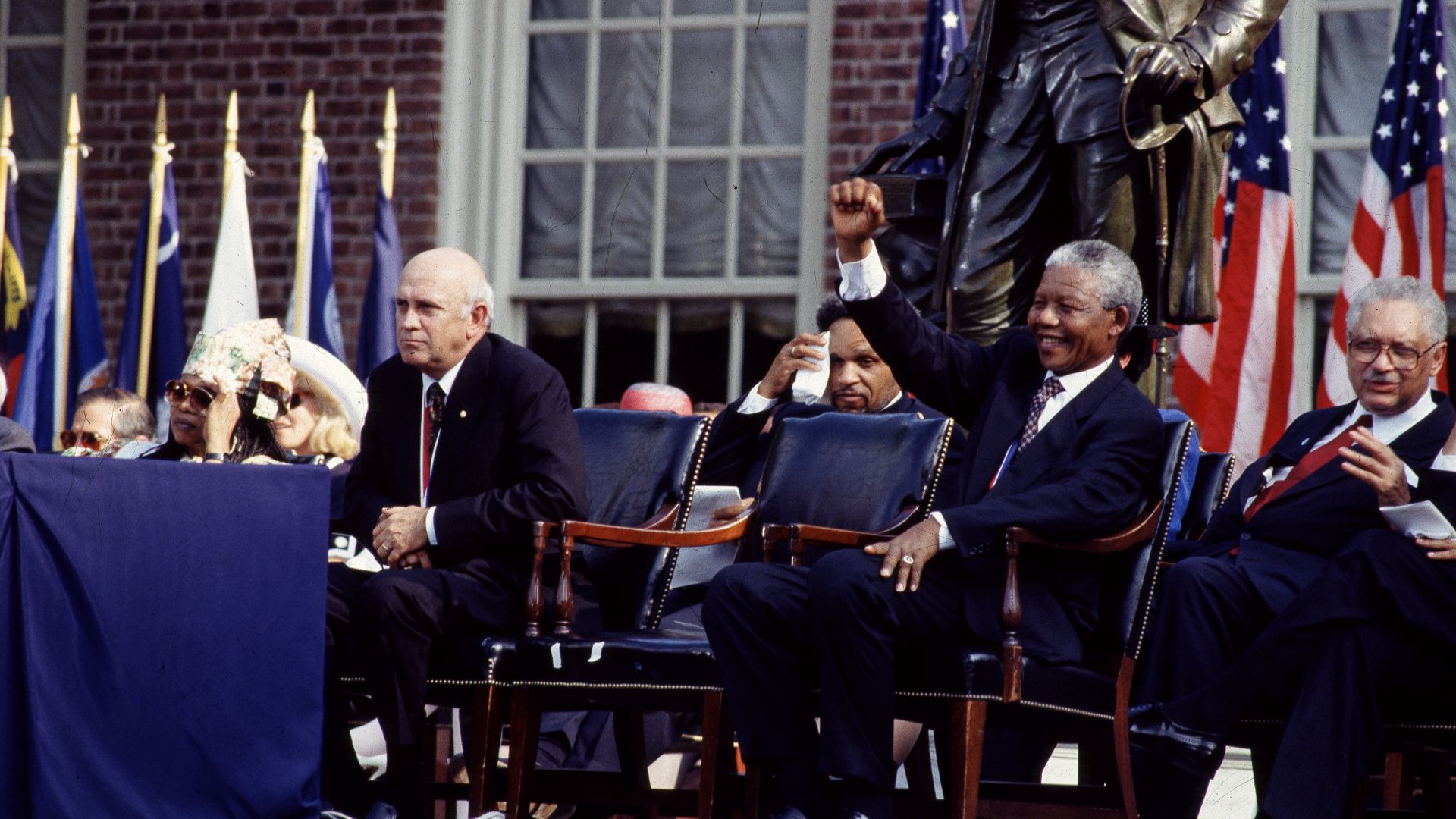 Carol M. Highsmith, Wikimedia Commons
Truth and Reconciliation Commission
Perhaps his boldest move was supporting Archbishop Desmond Tutu’s Truth and Reconciliation Commission. Instead of revenge trials, South Africa pursued truth-telling and forgiveness, laying bare the crimes of apartheid while avoiding mass bloodshed.
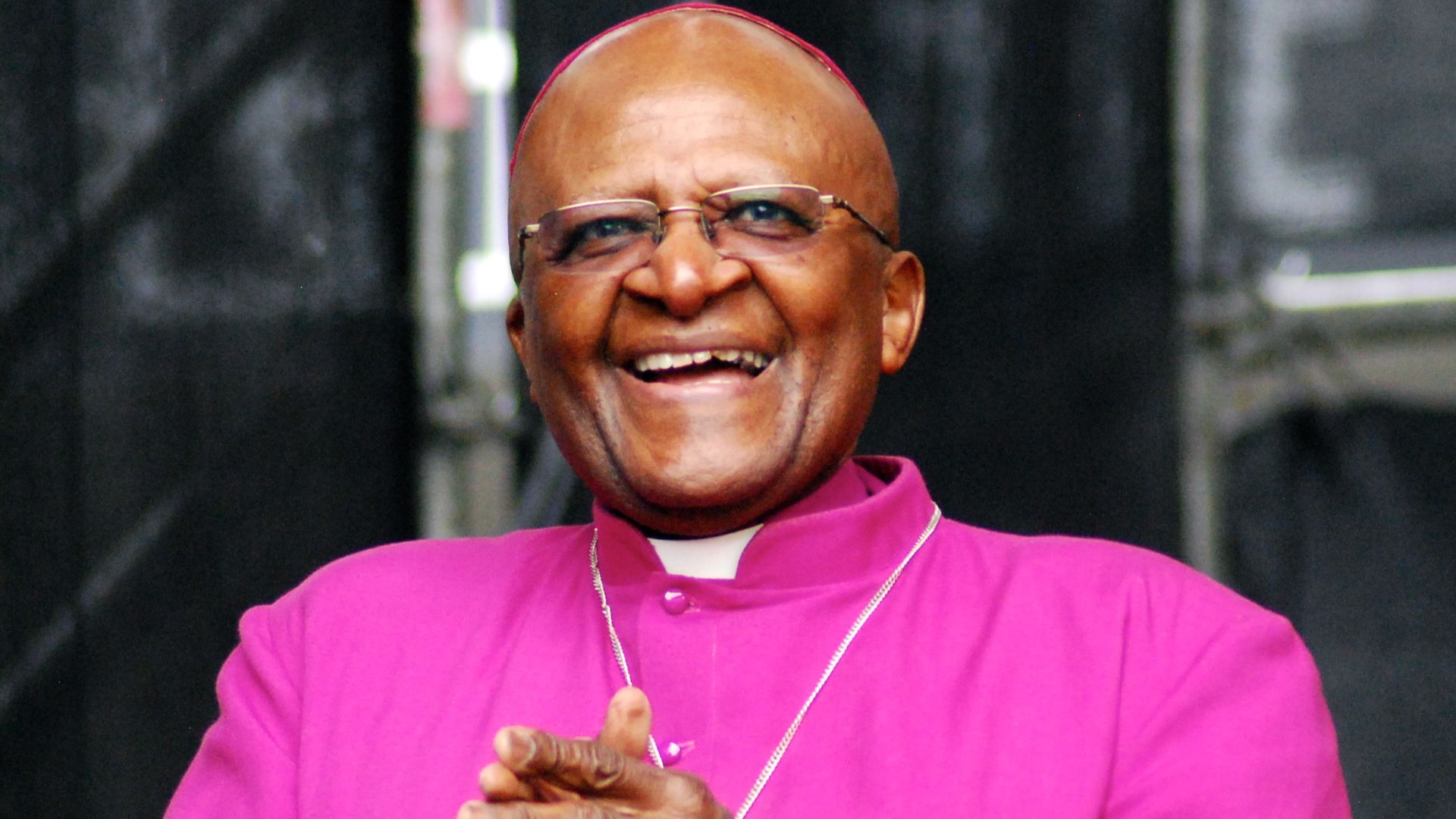 Kristen Opalinski, Wikimedia Commons
The Power Of Sports
Mandela understood symbols. When South Africa hosted the 1995 Rugby World Cup, he wore the jersey of the previously all-white national team, uniting the country through sport. The gesture became legendary.
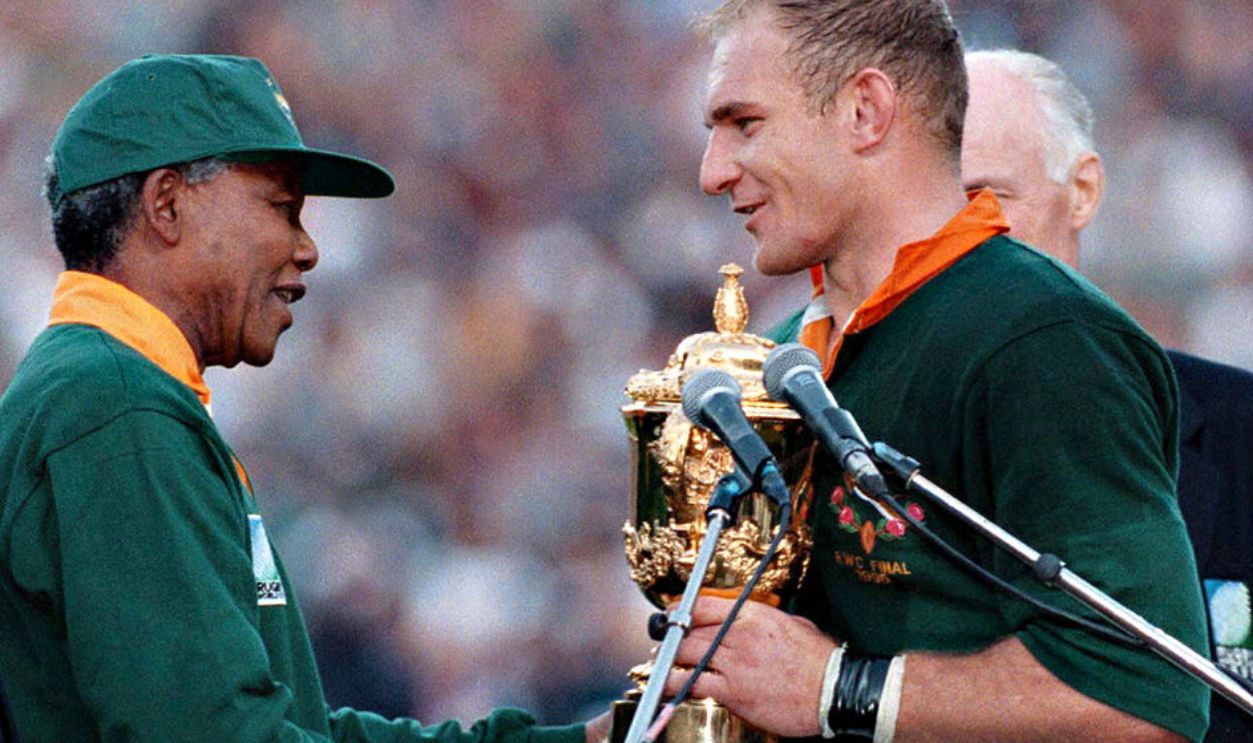 Media24/Gallo Images, Getty Images
Leadership Defined By Humility
Mandela served only one presidential term, voluntarily stepping down in 1999. In a world where leaders often cling to power, this choice elevated his moral authority even further.
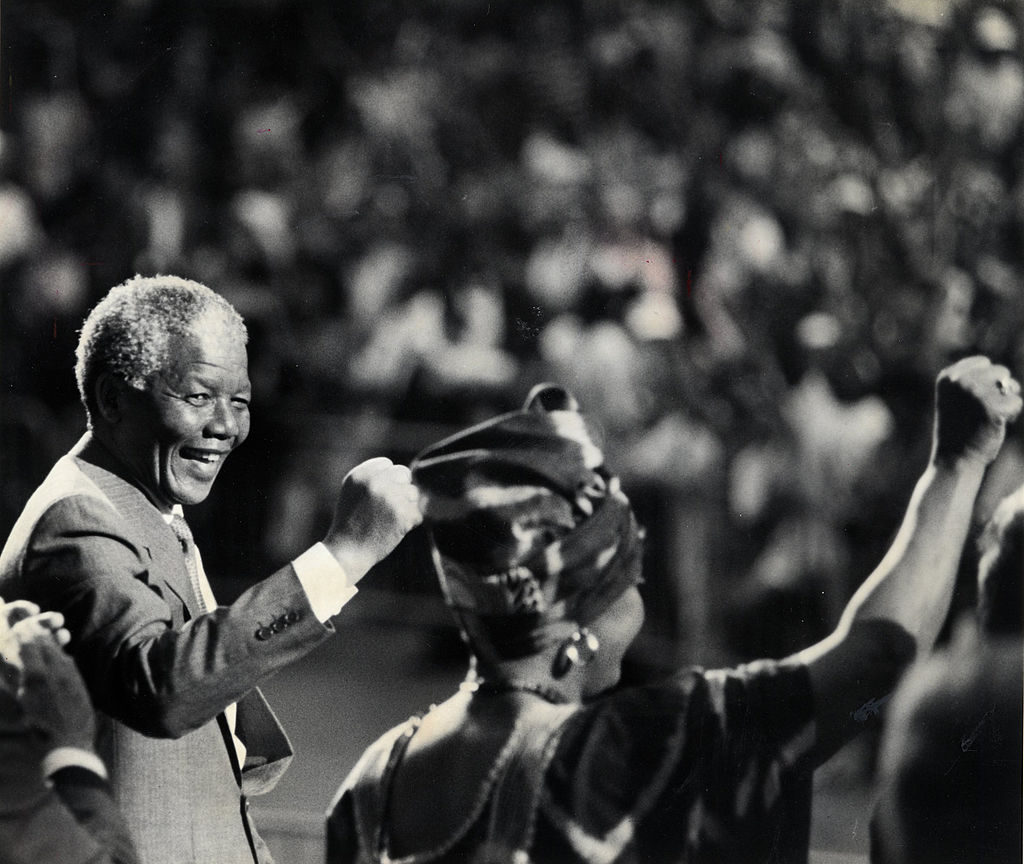
A Global Statesman
After leaving office, Mandela became a roving ambassador for peace, human rights, and the fight against HIV/AIDS. His influence stretched far beyond South Africa’s borders.
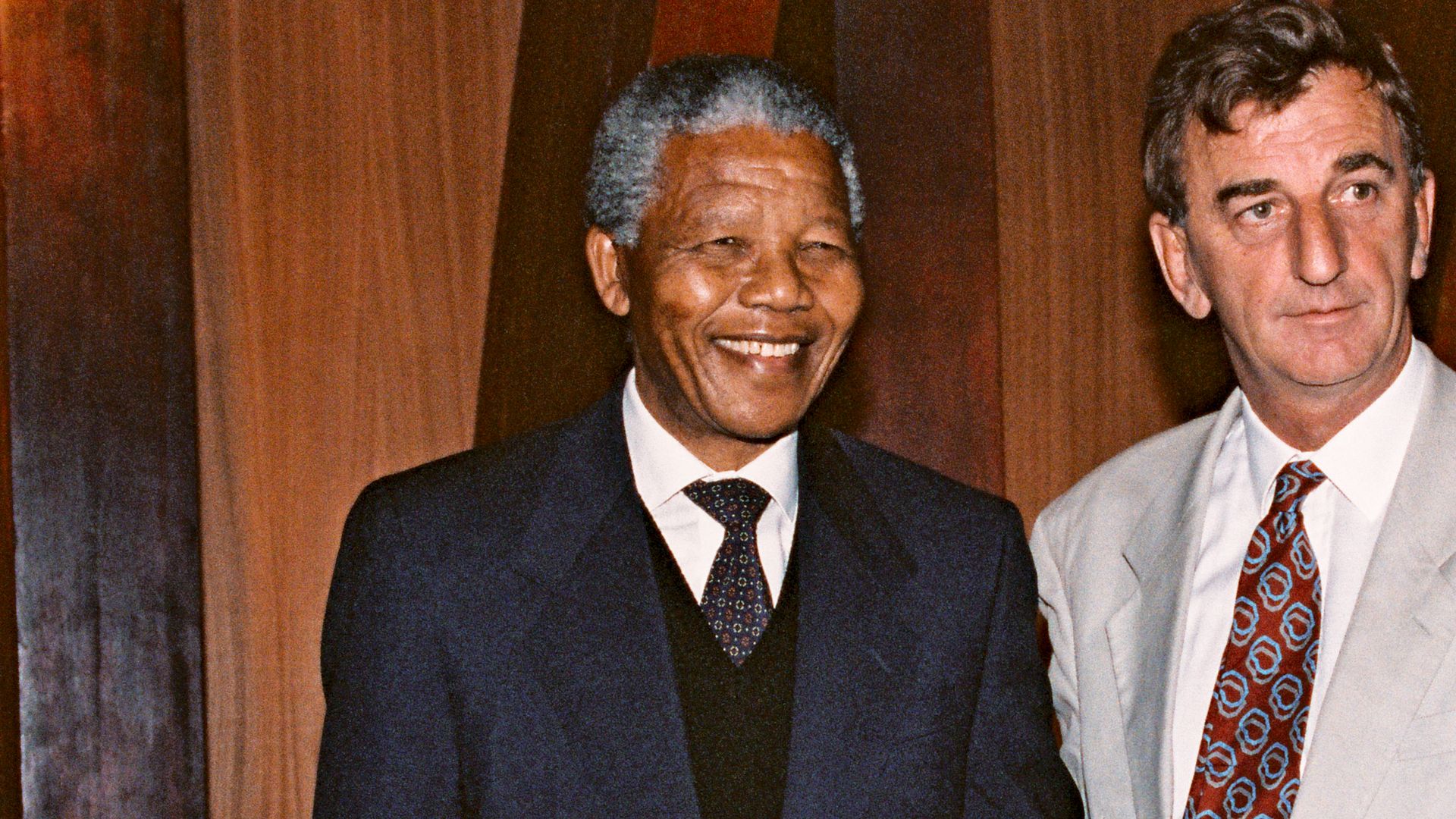 European Union, Wikimedia Commons
Lessons In Forgiveness
Mandela often spoke about forgiveness as liberation—not just for the oppressed, but also for the oppressor. He believed hatred chained the soul, while forgiveness set it free.
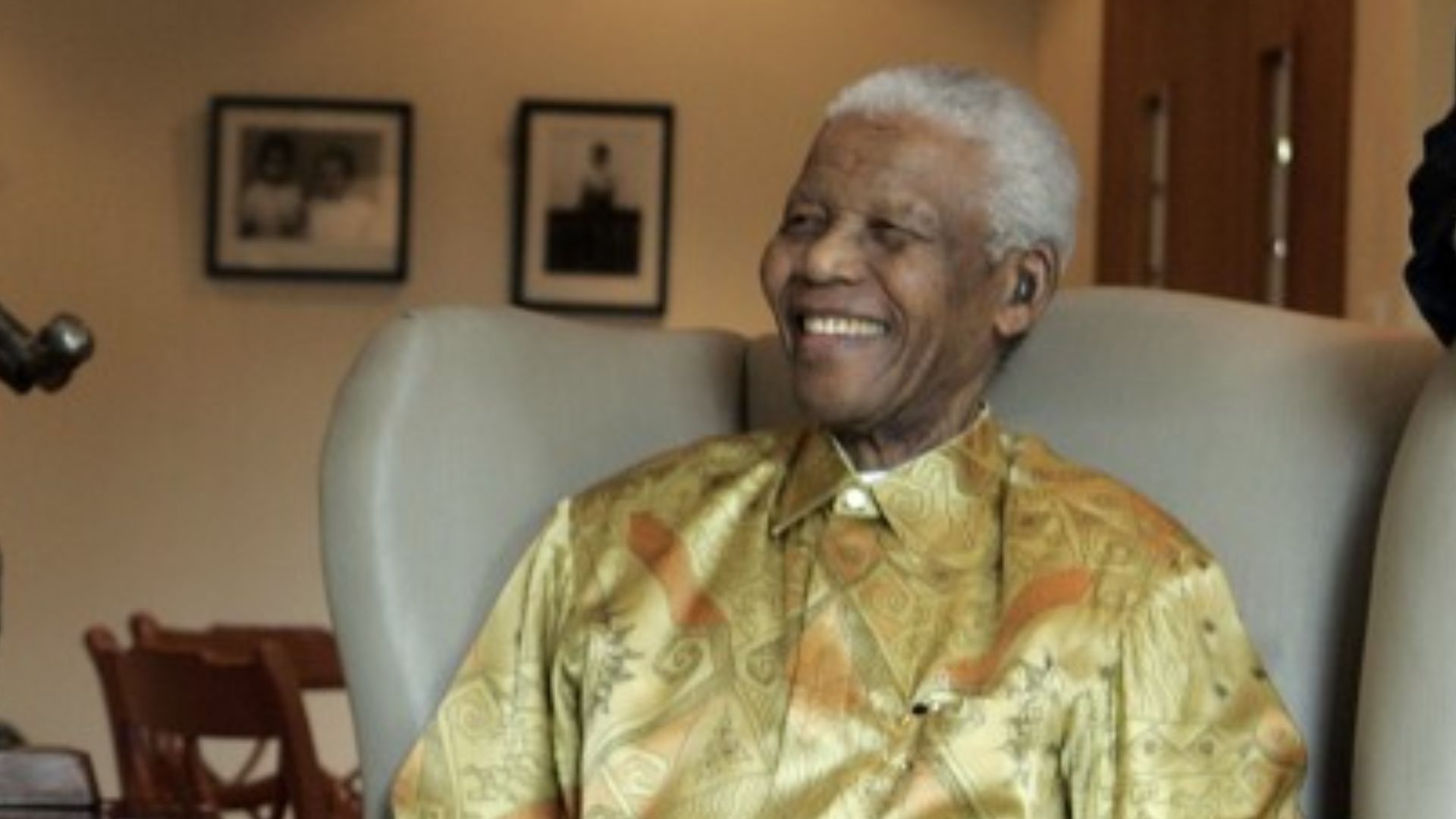 Governor-General of Australia, Wikimedia Commons
Criticism & Realities
While revered, Mandela’s presidency was not without criticism. Economic inequality persisted, and South Africa’s challenges remained immense. Yet even critics recognized his stabilizing role during a perilous transition.
 White House Photograph Office, Clinton Administration, Wikimedia Commons
Mandela The Human, Not The Saint
Mandela himself rejected sainthood. He admitted his flaws, but emphasized that courage was not the absence of fear, but triumph over it. His humanity made his leadership relatable.
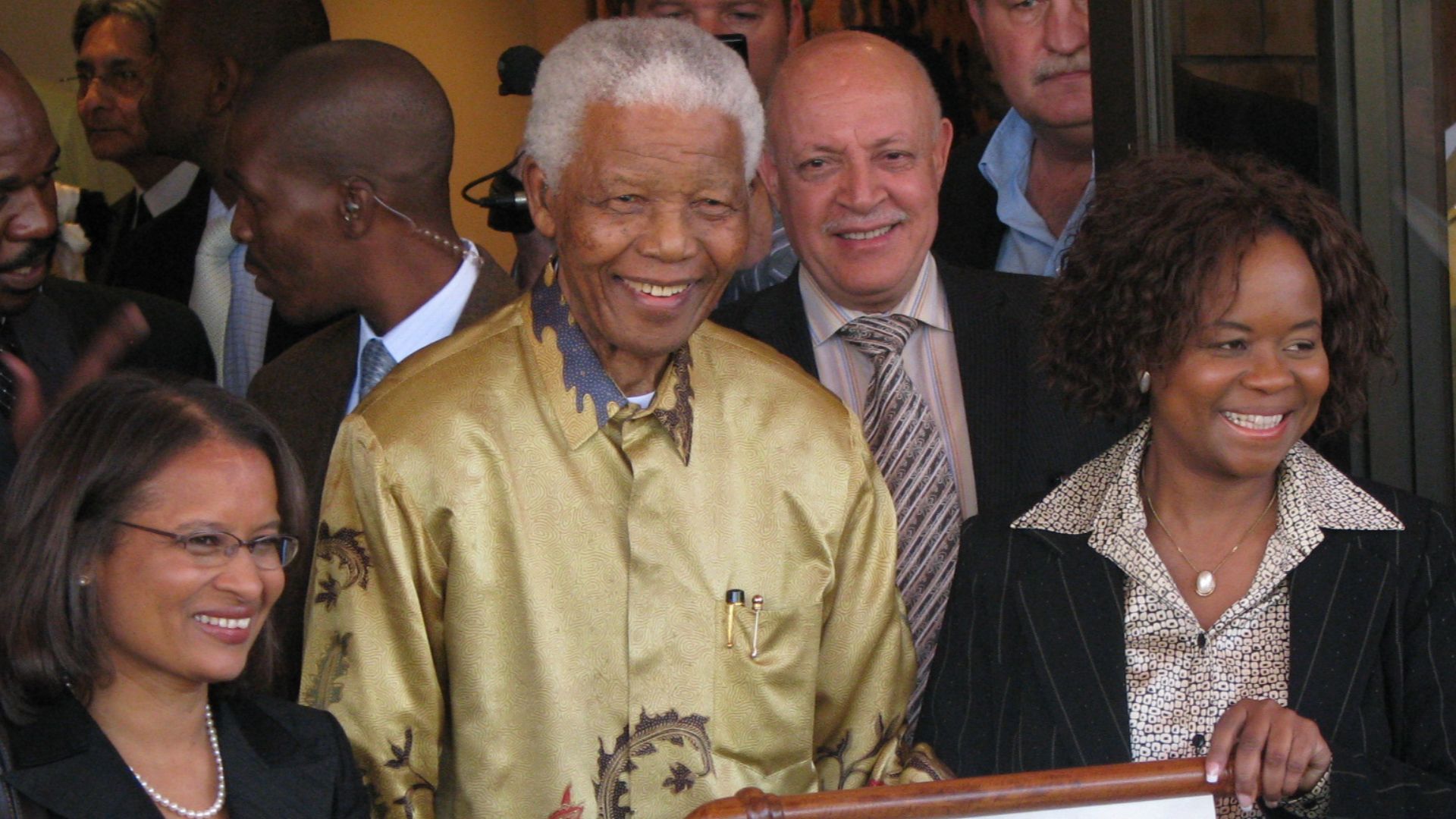 South Africa The Good News, Wikimedia Commons
Mandela's Retirement
Even in retirement, Mandela was sought after for counsel. He lent his name to causes worldwide, carefully balancing visibility with his desire for quiet family life.
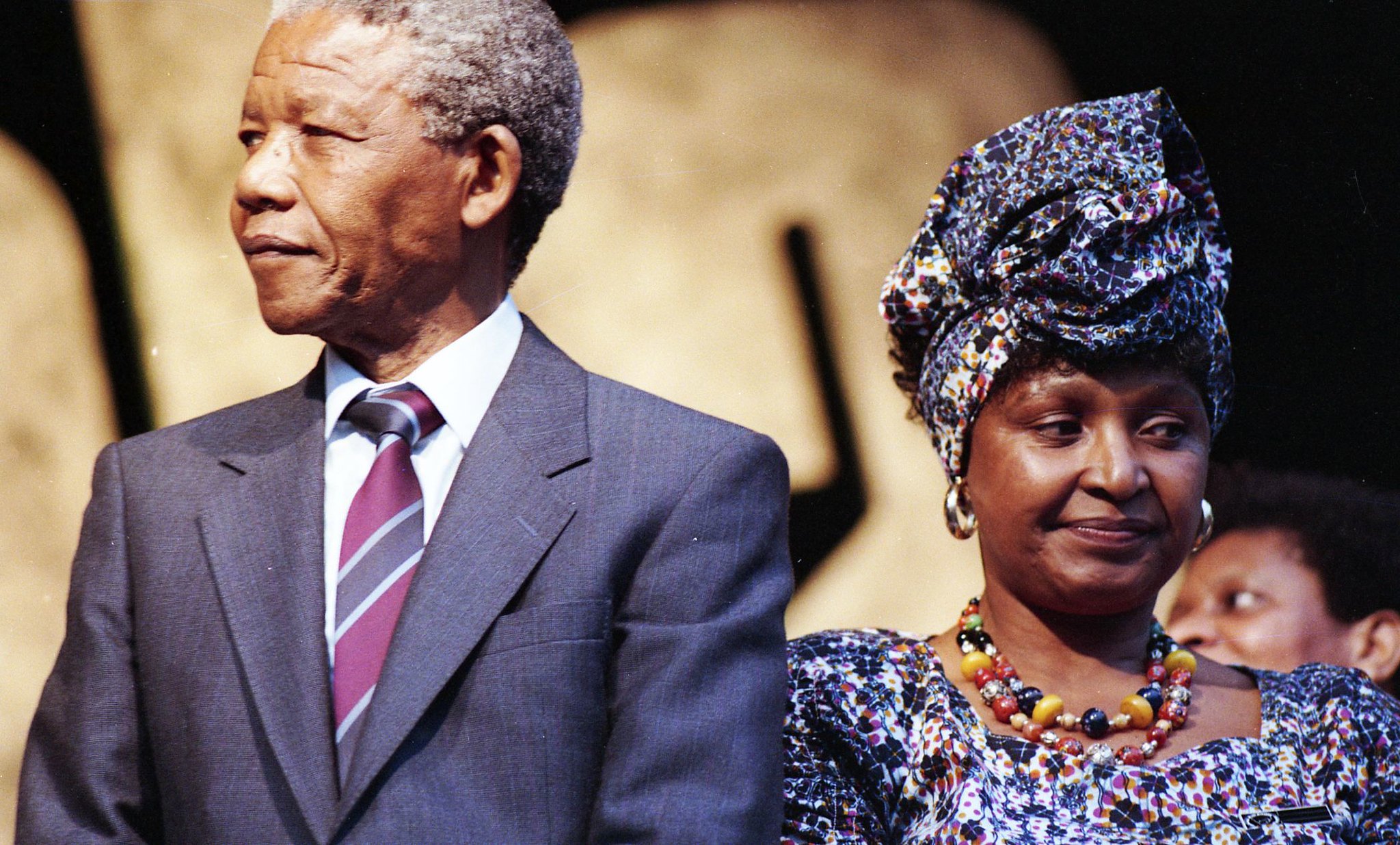 Archives de la Ville de Montreal, Flickr
Madiba's Passing in 2013
Nelson Mandela passed away on December 5, 2013, at the age of 95. The world mourned, with tributes pouring in from every corner of the globe. His funeral drew heads of state, but more importantly, millions of ordinary people.
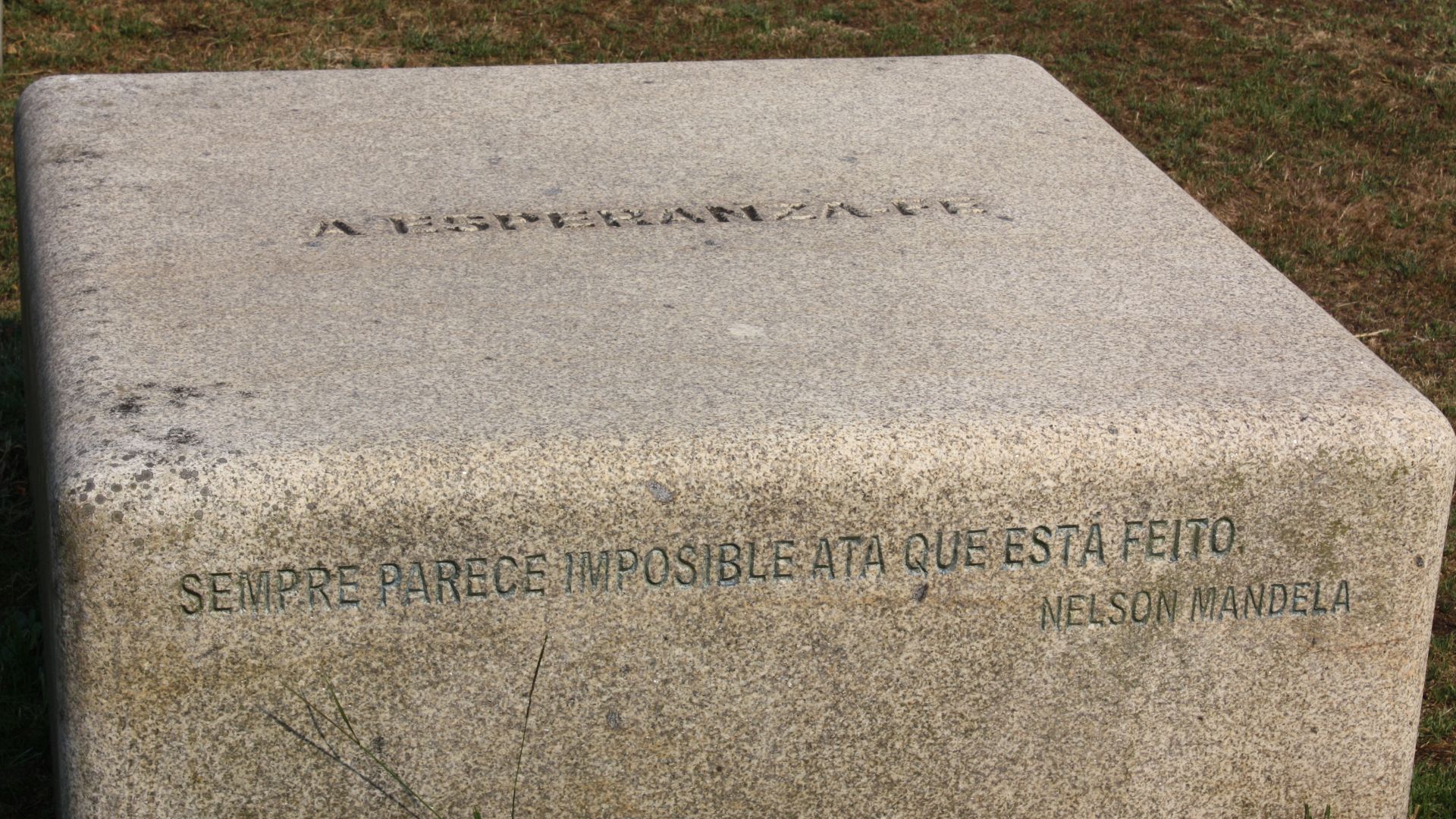
A Legacy Etched in History
Mandela’s legacy rests not just in political change, but in the moral example he set. He showed that even after immense suffering, a leader could choose hope over despair, reconciliation over revenge.
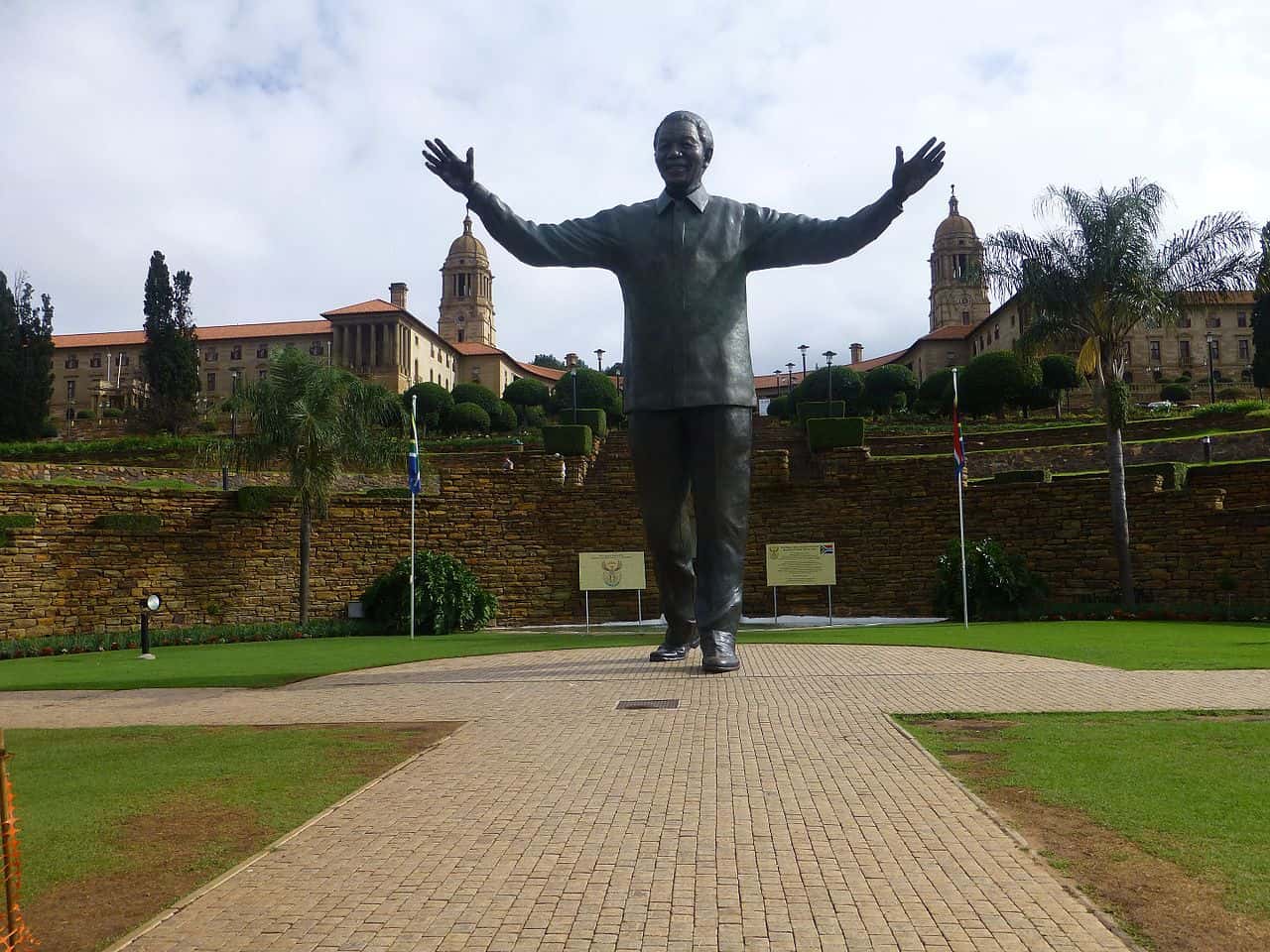
The Mandela Effect on Leadership
His model continues to inspire leaders, activists, and ordinary citizens. His vision proved that true leadership lies in service, humility, and forgiveness.
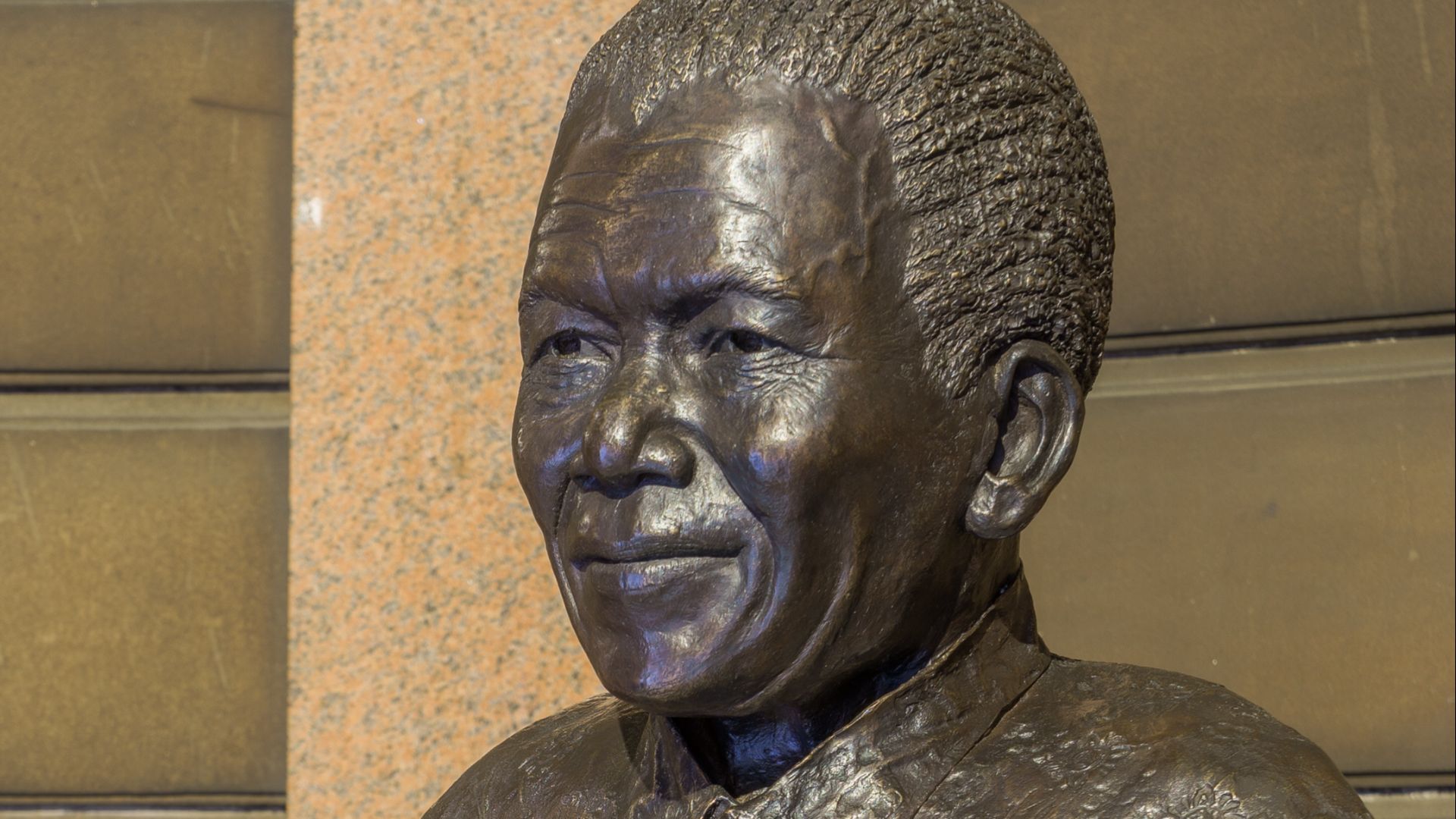
Enduring Inspiration
Streets, schools, and institutions around the world bear his name. Each stands as a reminder of his belief in justice, equality, and the strength of the human spirit.
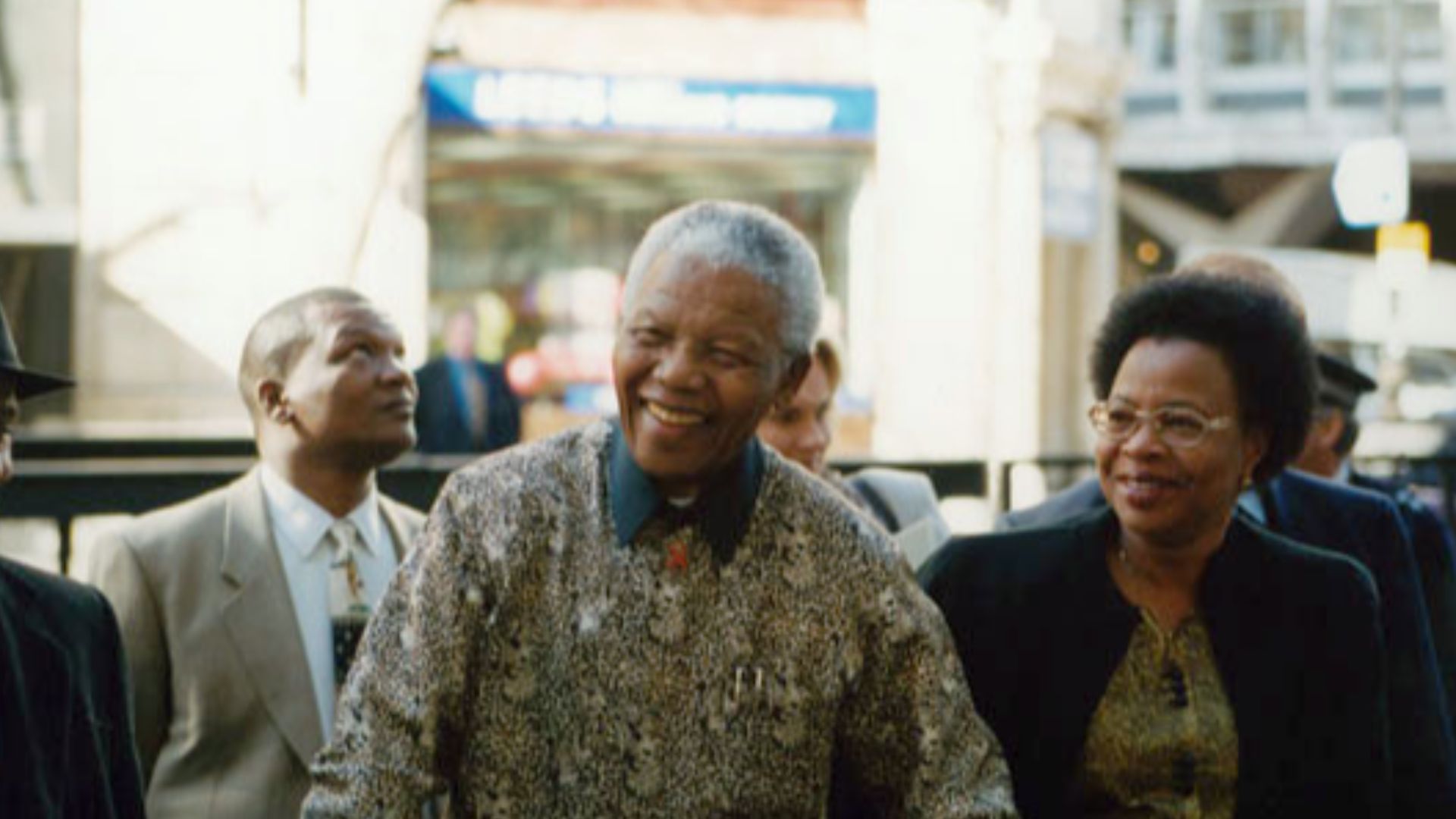 Library of the London School of Economics and Political Science, Wikimedia Commons
A Global Symbol of Resilience
Mandela’s life story reminds us that oppression can be defeated, that dignity can survive brutality, and that reconciliation is possible even in the deepest divides.
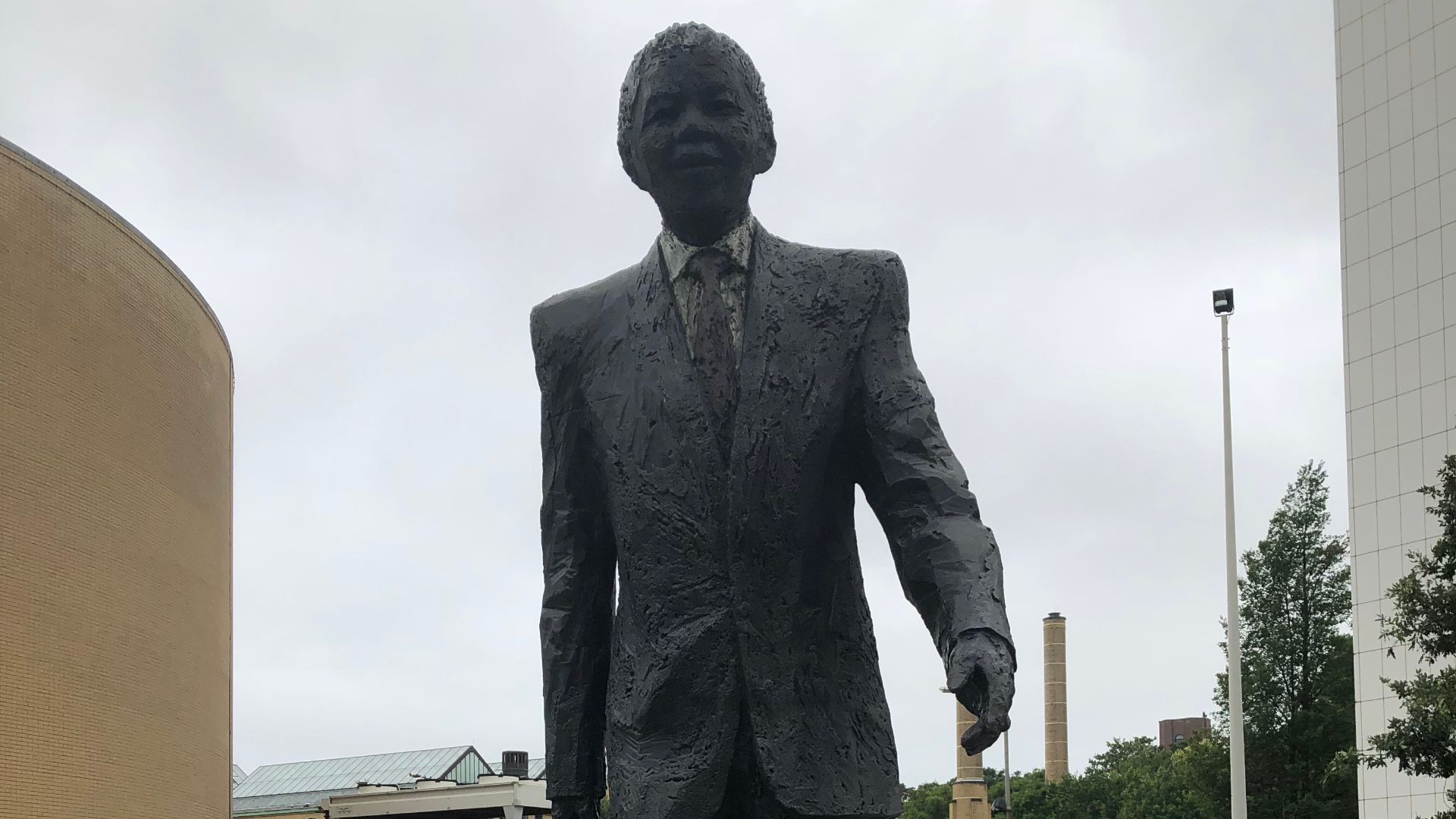
A Life Of Unimaginable Cruelty Met With Grace & Humility
Nelson Mandela emerged from 27 years in prison with no bitterness—just vision. His leadership transformed South Africa and inspired the world. Though he passed in 2013, his legacy lives on as an unbreakable testament to forgiveness, courage, and humanity.
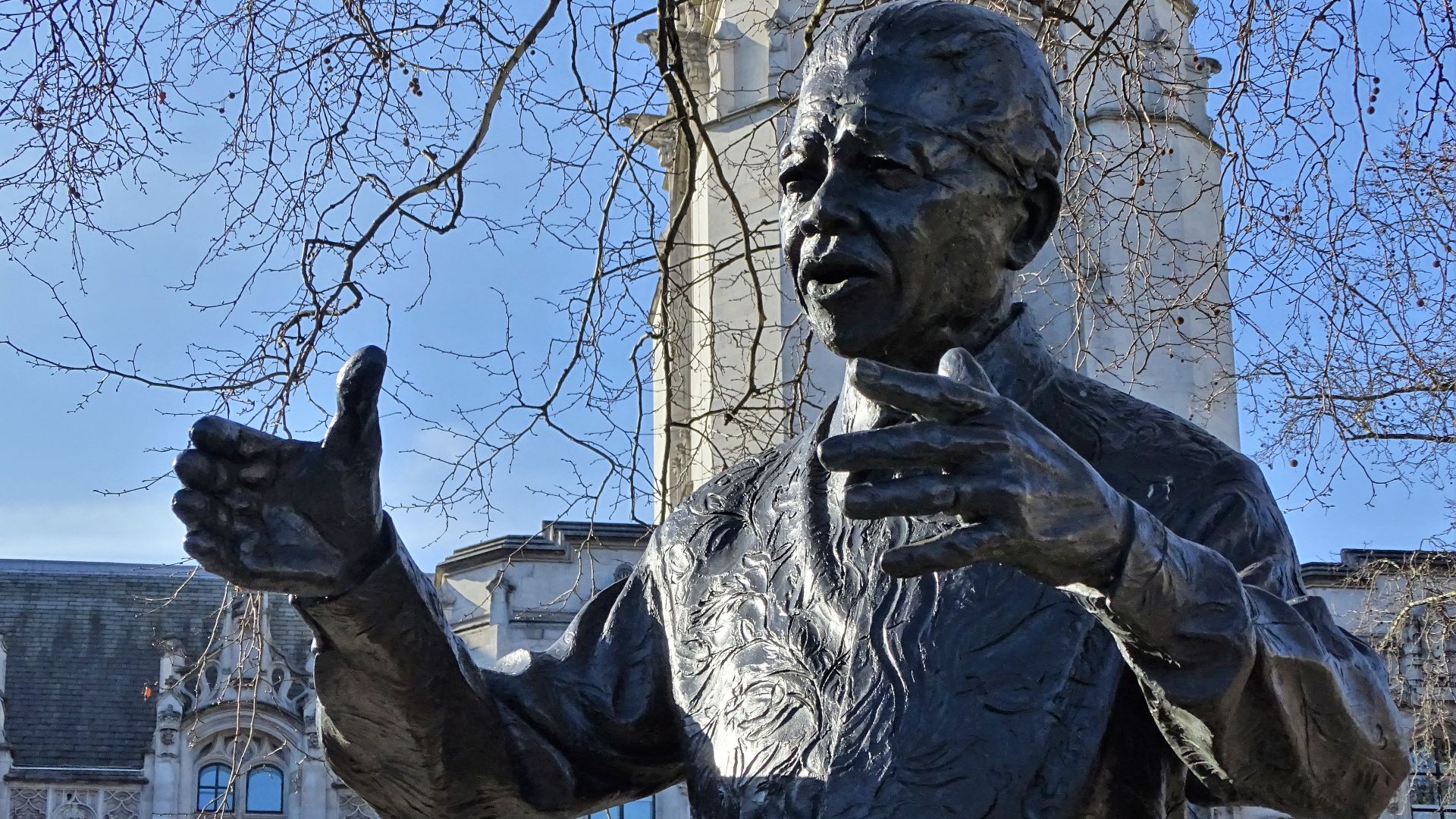 Neil Theasby , Wikimedia Commons











.jpg)