The Body Sometimes Keeps The Answer
Death does not always end the investigation. Centuries later, bones, preserved organs, hair, and even microscopic traces have revealed details that eyewitnesses and doctors never knew.
Napoleon’s Autopsy Pointed Straight At His Stomach
Napoleon Bonaparte died on Saint Helena in 1821 after months of worsening illness, and physicians examined his body almost immediately. Their descriptions recorded extensive disease in his stomach, including an ulcerated lesion that later specialists have judged consistent with advanced gastric cancer. Modern reviews of the original reports continue to regard stomach cancer, probably accompanied by gastrointestinal bleeding, as the strongest explanation for his death.
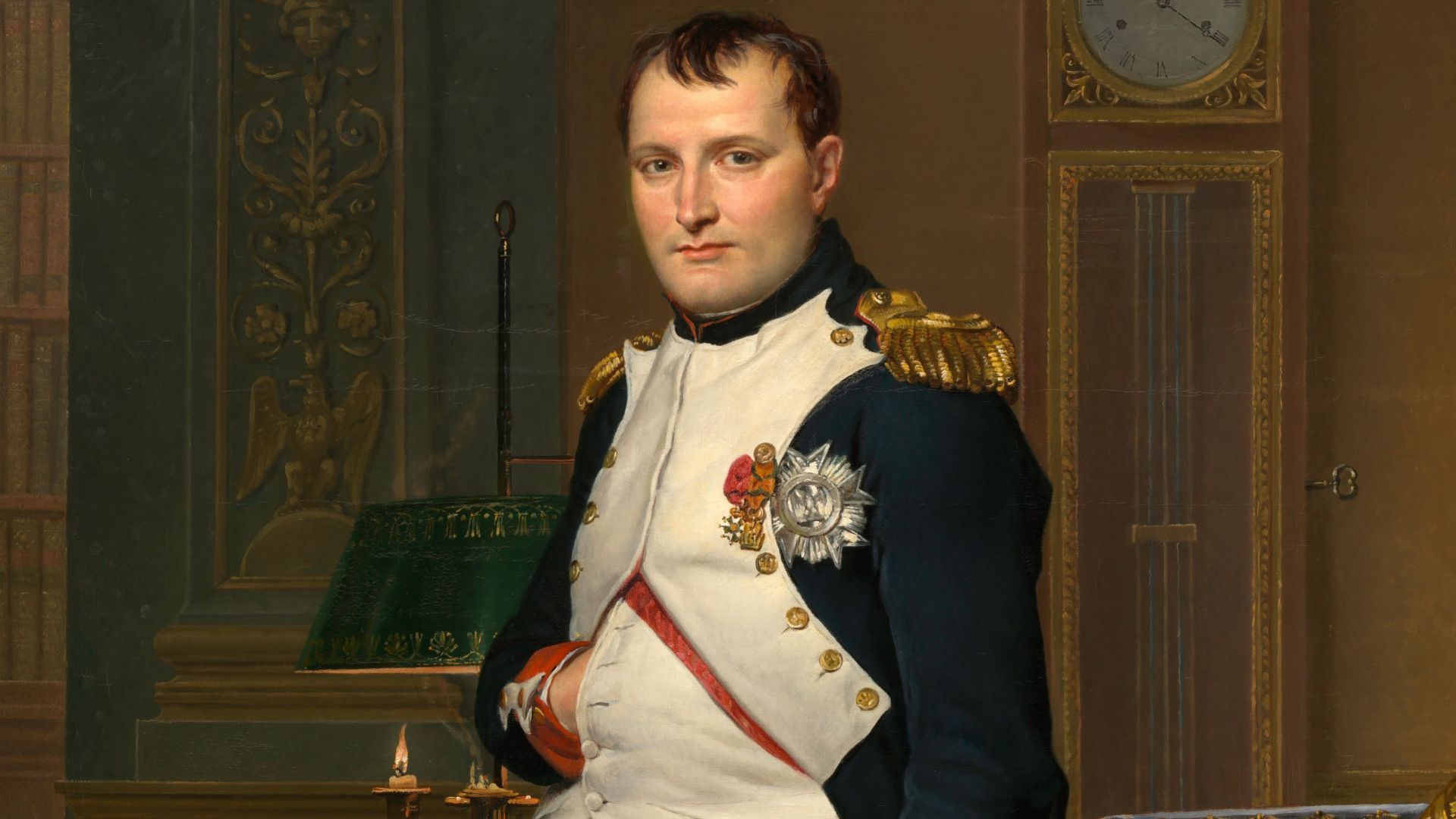 Jacques-Louis David, Wikimedia Commons
Then Napoleon’s Hair Complicated Everything
More than a century later, researchers found surprisingly high concentrations of arsenic in locks attributed to Napoleon. That discovery fueled elaborate poisoning theories, but samples cut years before his final exile also contained elevated arsenic, making a single murder attempt harder to establish. The strange clue therefore revealed genuine exposure while failing to overturn the stomach-cancer evidence found at autopsy.
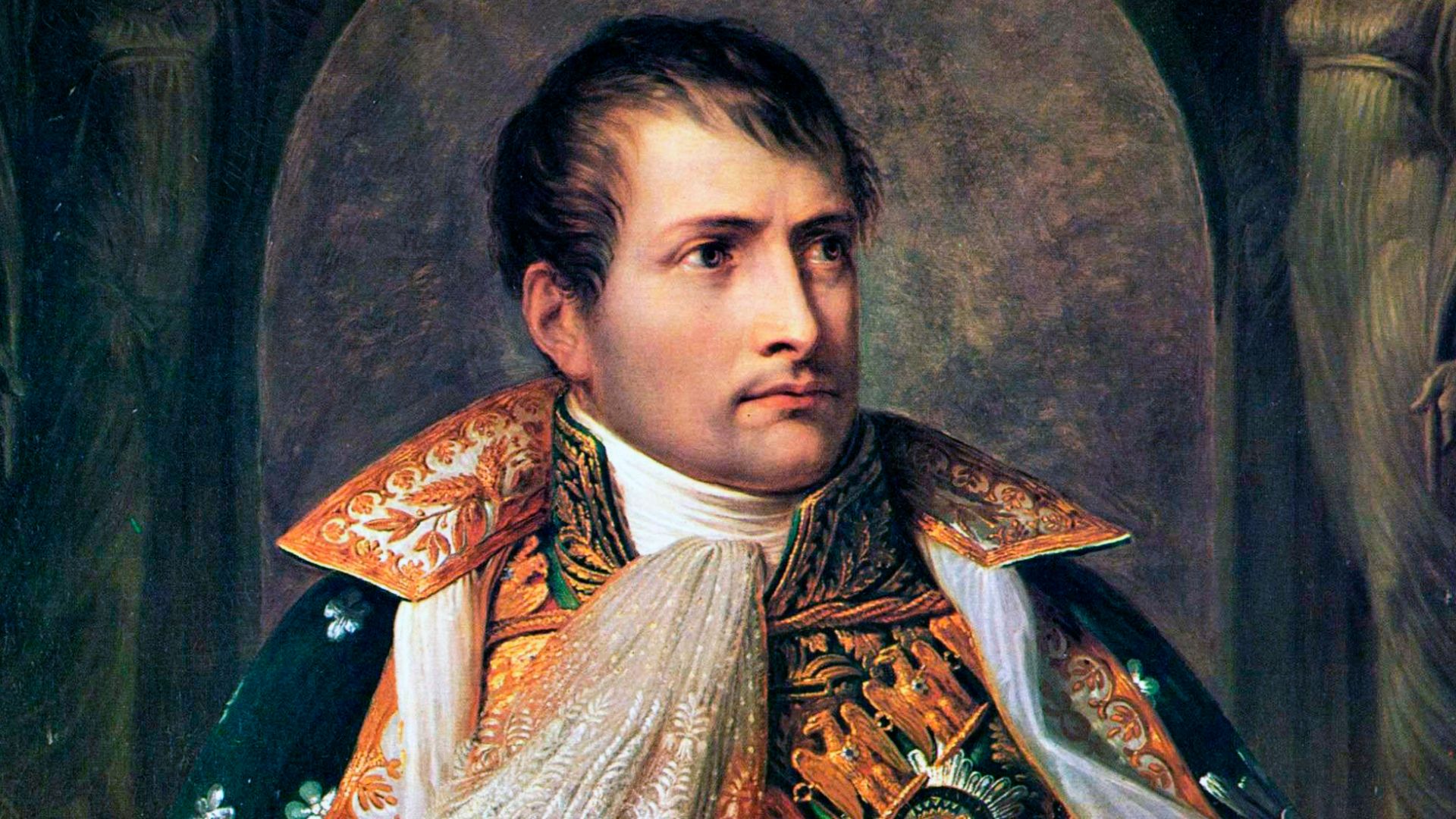 Andrea Appiani, Wikimedia Commons
Beethoven Left His Doctors A Final Assignment
Ludwig van Beethoven actually wanted future generations to understand his long history of illness, making modern genetic analysis especially fitting. In 2023, researchers sequenced DNA from five independently preserved locks of hair judged almost certainly authentic and found strong genetic susceptibility to liver disease. They also detected evidence that Beethoven had been infected with hepatitis B during at least the final months of his life, although the study could not solve the mystery of his deafness.
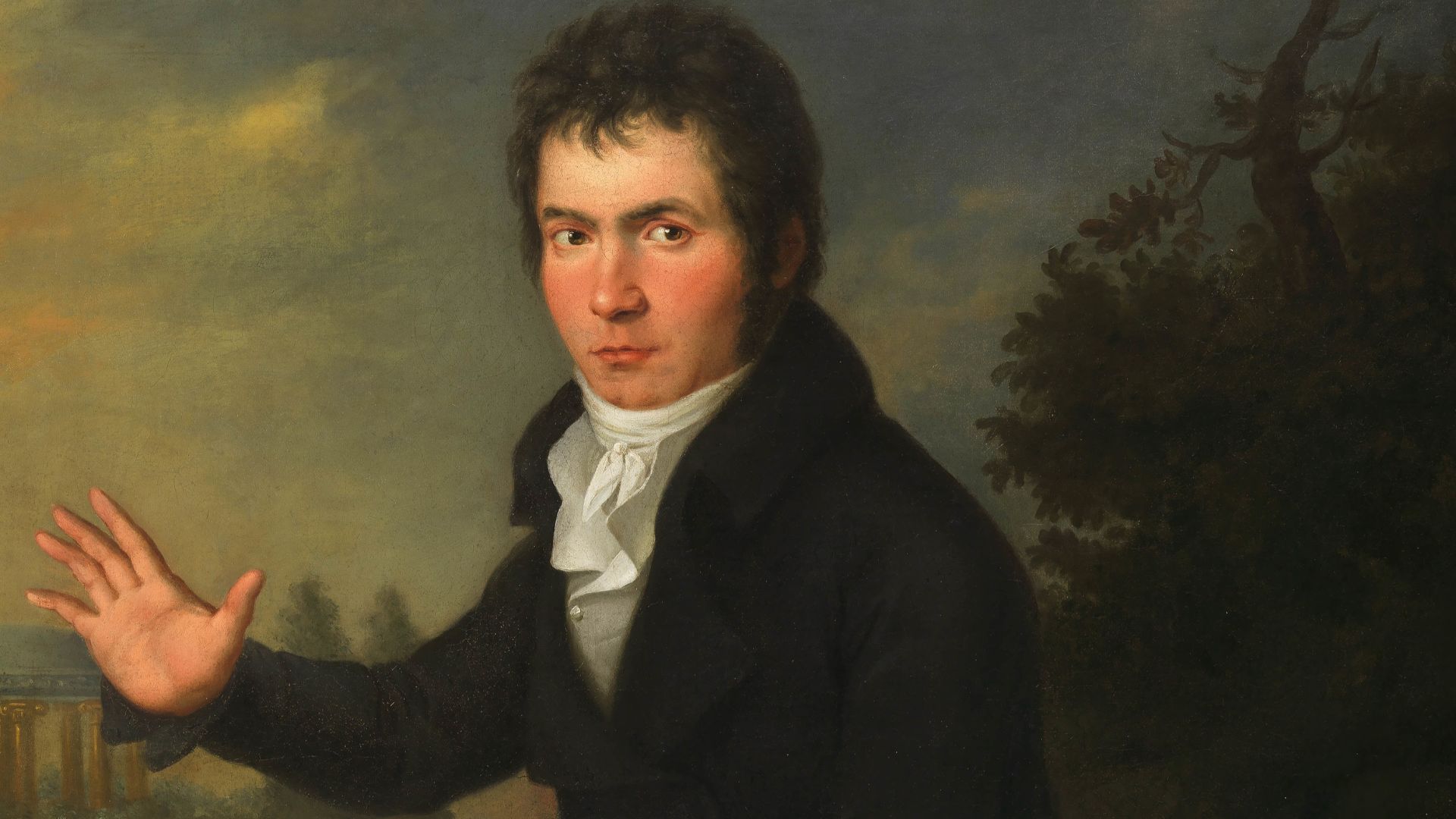
Beethoven’s Hair Held Another Nasty Surprise
The authenticated hair produced another startling discovery when researchers tested two locks for toxic metals. Both contained extremely elevated concentrations of lead, with one measurement roughly 95 times the laboratory's upper reference limit for hair. The findings cannot prove that lead caused Beethoven's death, but researchers concluded that such exposure could have contributed to some of the health problems that plagued him.
 Joseph Karl Stieler, Wikimedia Commons
Tutankhamun Was Carrying More Than One Problem
Tutankhamun's mummy has been examined repeatedly with increasingly sophisticated technology, replacing colorful theories with actual medical evidence. CT imaging and genetic testing identified problems including avascular bone necrosis in one foot and genetic material from the malaria parasite Plasmodium falciparum. Researchers proposed that the combination of severe malaria and his impaired physical condition may have played a role in the young pharaoh's death, though the precise sequence remains uncertain.
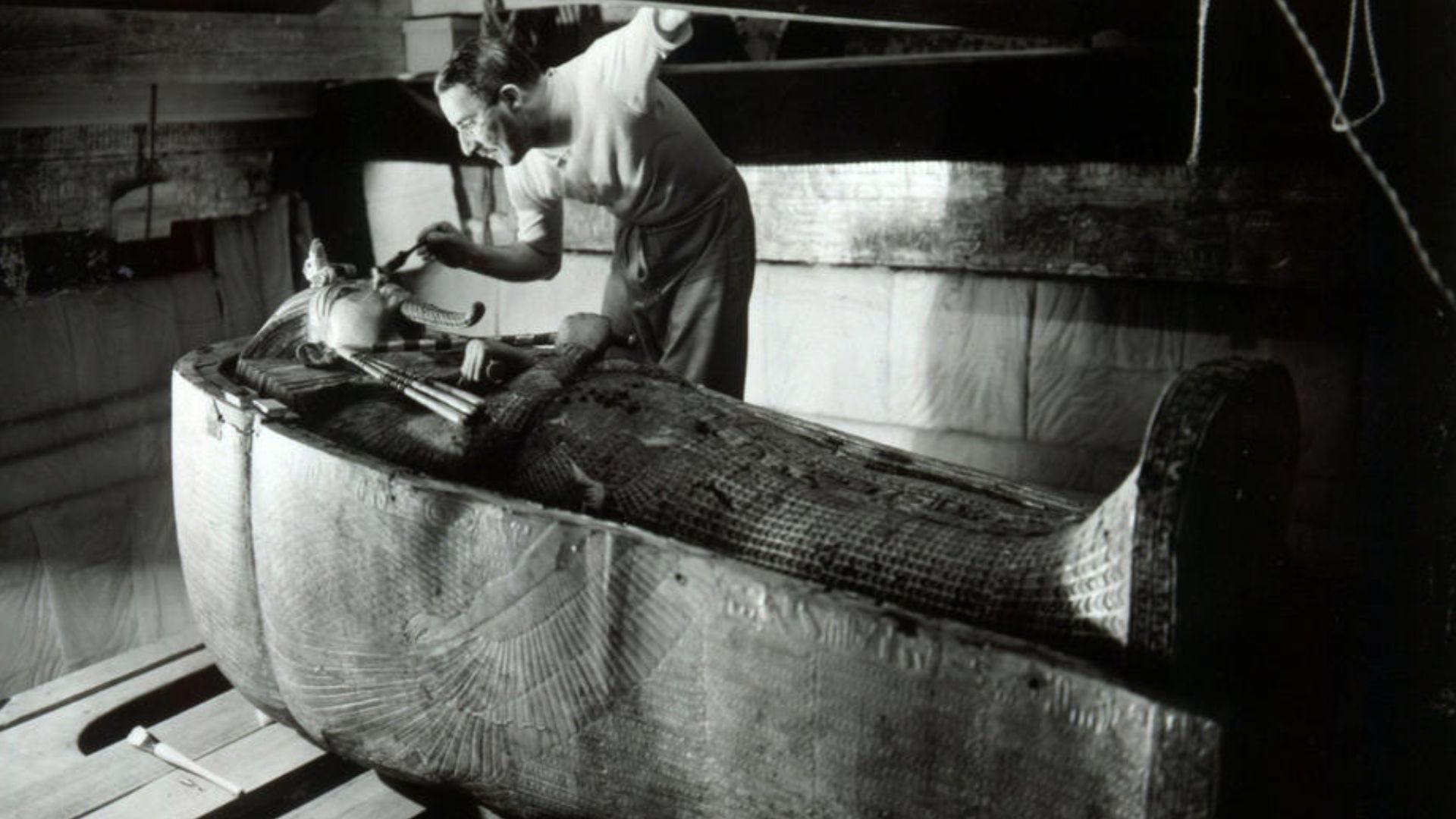 Harry Burton, Wikimedia Commons
Ramesses III Had A Hidden Wound
Ancient records described a conspiracy against Pharaoh Ramesses III, but for generations historians could not be certain whether the plot actually killed him. Modern CT examination of his mummy revealed a deep wound across the throat that had previously been hidden beneath layers of linen. Researchers concluded that the injury was probably lethal, and they even found an amulet placed inside the wound during mummification.
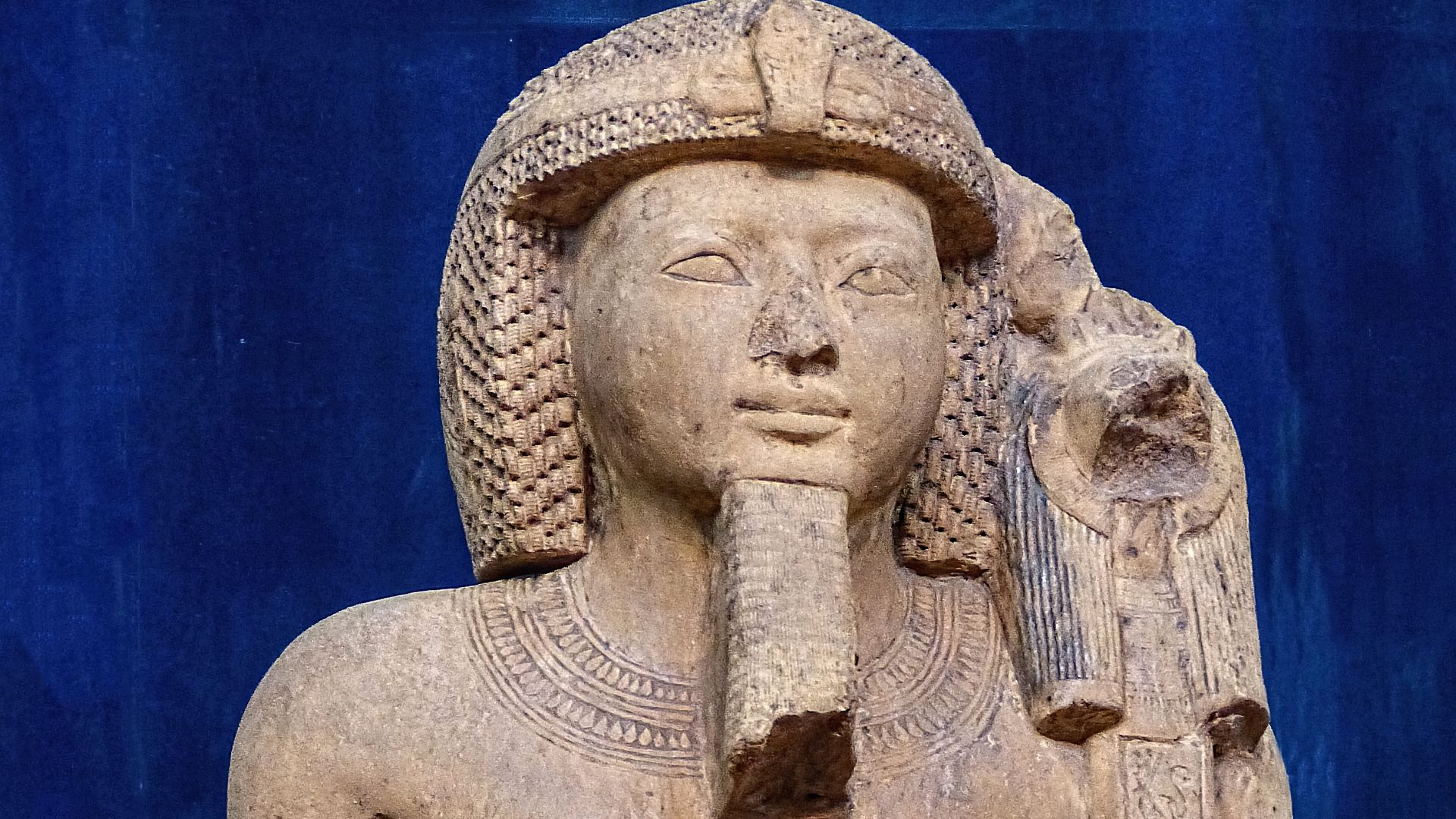 Mary Harrsch, Wikimedia Commons
Richard III’s Bones Told A Brutal Story
When a skeleton discovered beneath a Leicester parking lot was identified as Richard III, its injuries provided a remarkably physical record of his final battle. Researchers counted at least 11 injuries around the time of death, including serious wounds to the skull that were consistent with medieval weapons. The bones also confirmed that Richard had pronounced scoliosis, although they did not support the exaggerated image of a grotesque hunchback created by later tradition.
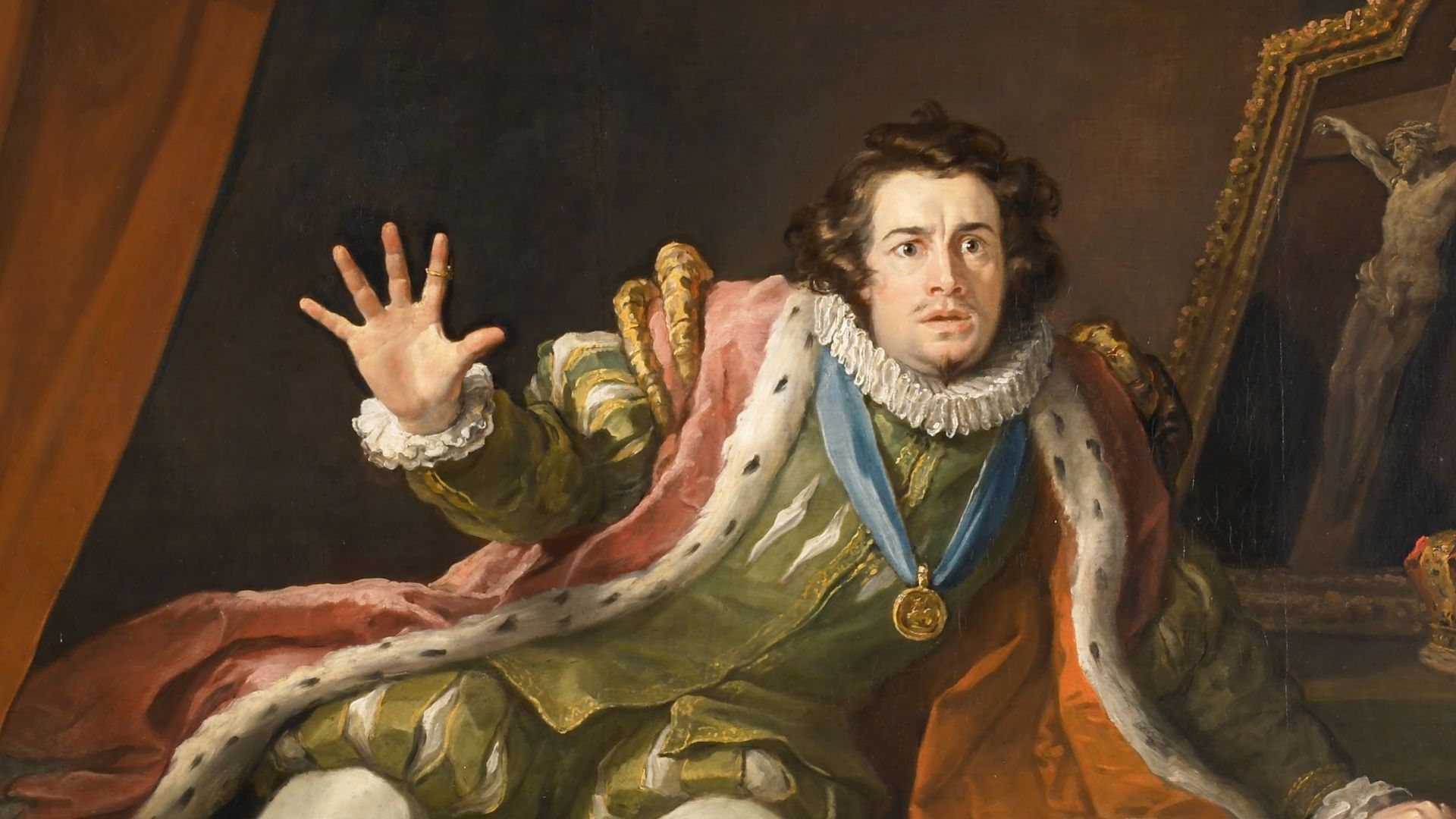 William Hogarth, Wikimedia Commons
Richard III’s DNA Produced A Royal Surprise
DNA analysis helped confirm the identity of Richard III by matching his mitochondrial DNA with living female-line relatives. Yet researchers encountered something unexpected when they compared Y chromosomes from the remains with men descended through a documented male line. They did not match, meaning at least one break in the expected biological father-son line had occurred somewhere across the generations.

History's most fascinating stories and darkest secrets, delivered to your inbox daily.
Ötzi Still Had The Weapon Inside Him
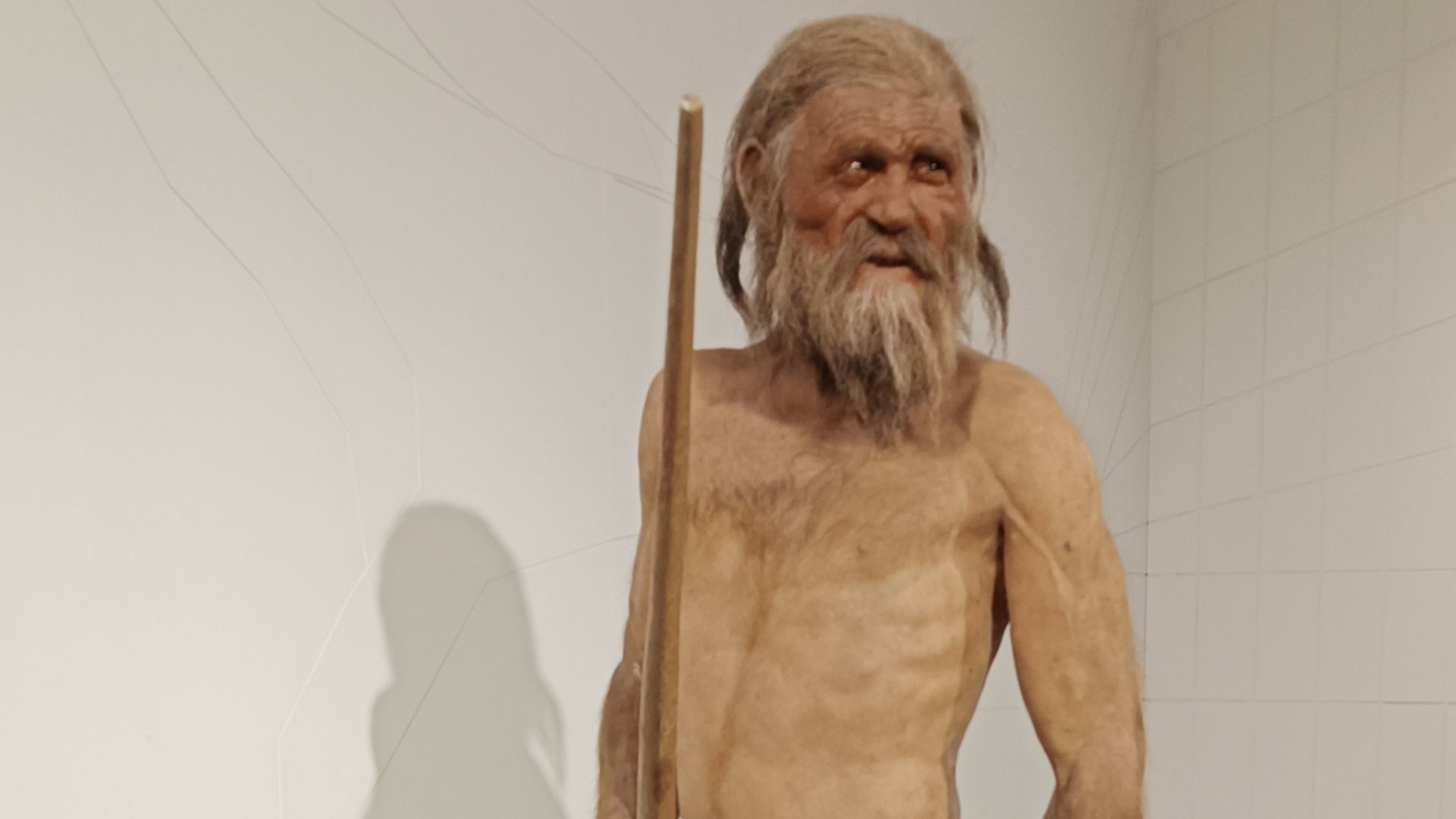
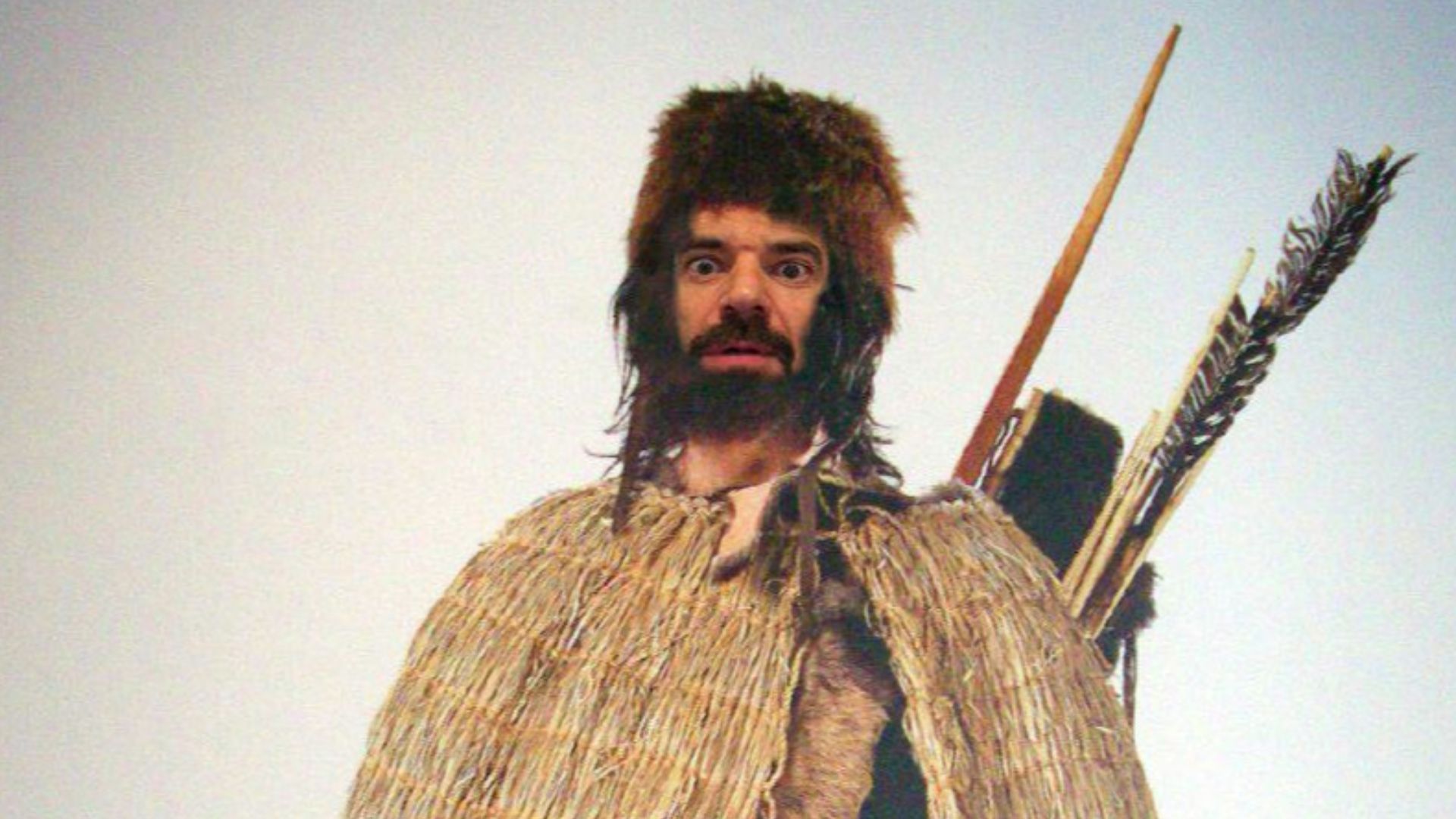
For years after Ötzi the Iceman was discovered in the Alps in 1991, his death was not fully understood. Imaging eventually revealed a stone arrowhead lodged near his left shoulder, with the projectile having damaged tissue and a major blood vessel. Newer forensic reconstruction has refined the picture and suggests blood loss from the internal injury alone may not have killed him immediately, leaving his final minutes or hours open to further investigation.
Ötzi Also Had A Surprisingly Modern Artery Problem
Ötzi lived more than 5,000 years ago, walked enormous distances, and had none of the conveniences normally blamed for today's sedentary lifestyles. Yet scans revealed arterial calcification, while genetic work has found that he carried a particularly strong inherited predisposition toward atherosclerosis. His body became striking evidence that susceptibility to cardiovascular disease reaches deep into human prehistory.
 Melotzi5713, Wikimedia Commons
Lenin’s Arteries Had Become Almost Like Stone
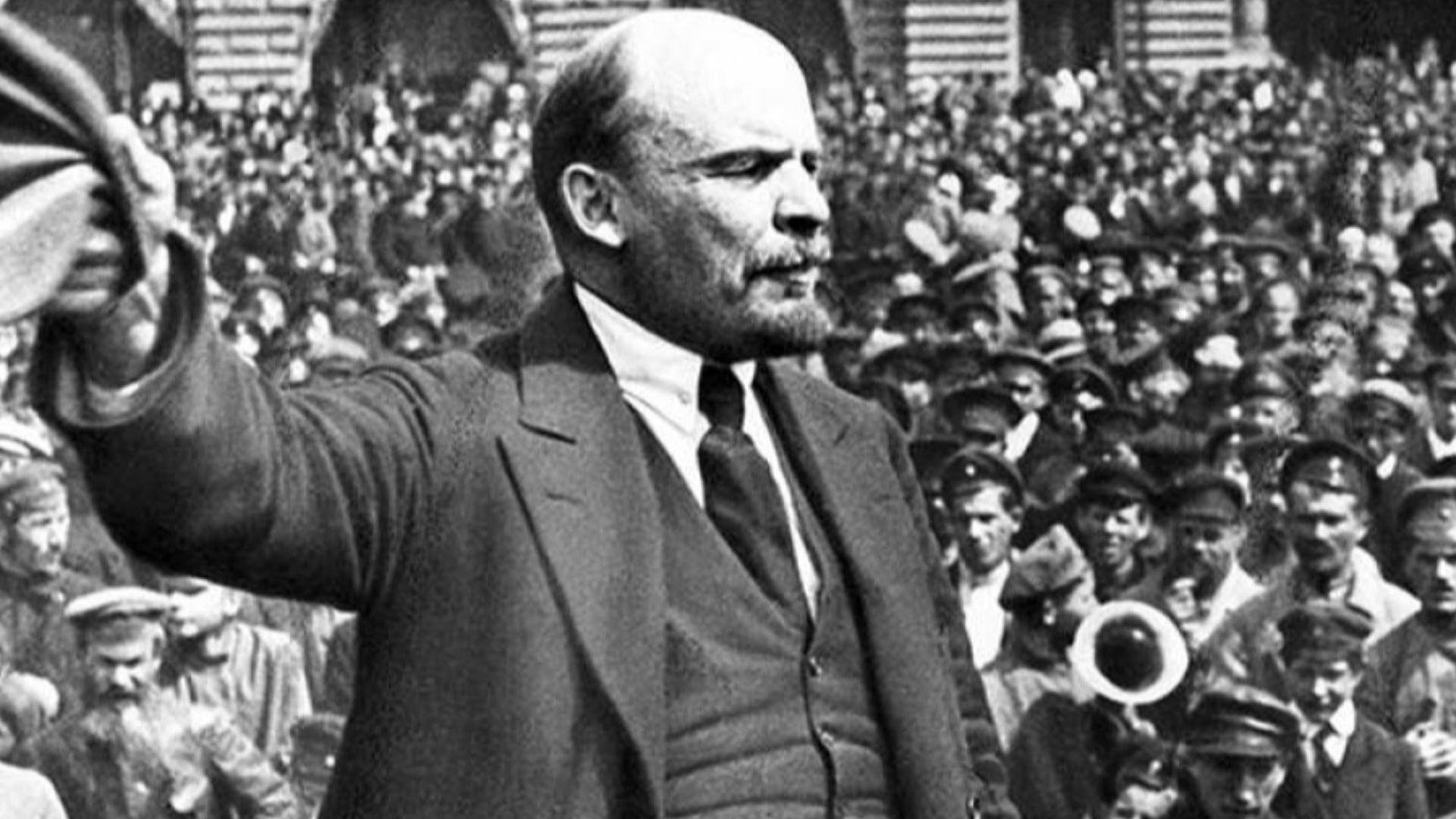
Vladimir Lenin suffered repeated strokes before dying in 1924 at only 53 years old. His autopsy revealed extraordinary atherosclerosis in the cerebral arteries, with later accounts describing vessels so heavily calcified that striking one with forceps produced a hard, mineral-like sound. Exactly why his vascular disease became so severe at such a young age remains uncertain, although family history has led researchers to consider an inherited component.
 Vladimir Lenin, Wikimedia Commons
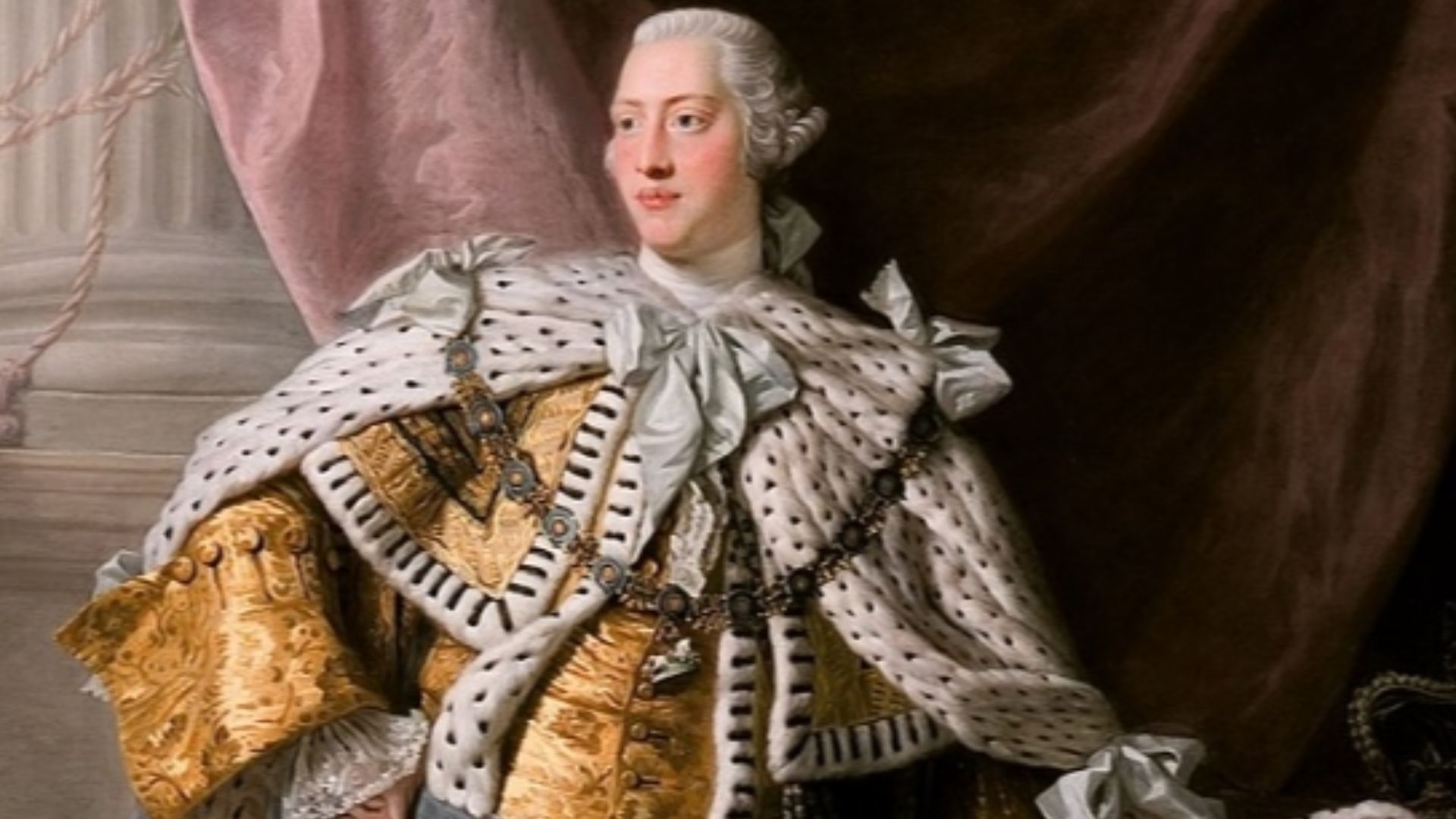
George III’s Hair Contained Arsenic
King George III's episodes of severe illness have inspired medical debate for generations, including the famous theory that he suffered from porphyria. Researchers examining preserved royal hair found another curious piece of evidence: unusually high concentrations of arsenic. Because arsenic was present in medicines administered to George and can interfere with the body's production of heme, researchers proposed that his treatments may actually have aggravated his illness.
 Allan Ramsay, Wikimedia Commons
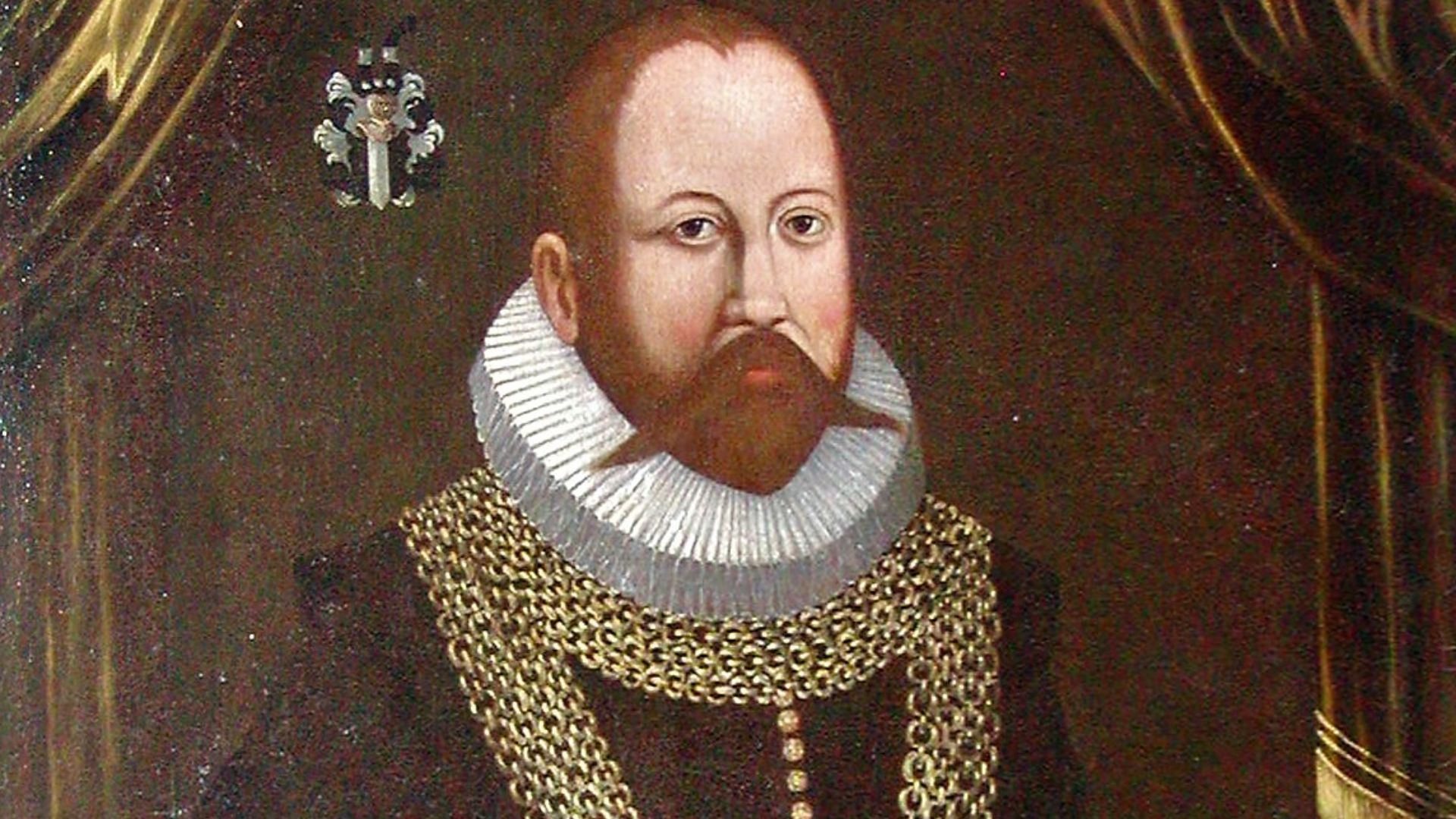
Tycho Brahe’s Exhumation Killed A Murder Theory
Astronomer Tycho Brahe became the subject of a persistent story that he had been poisoned with mercury, possibly even by someone close to him. His remains were exhumed in 2010 so scientists could examine hair, beard, teeth, and bones using modern techniques. The resulting analyses found no evidence of the massive mercury exposure required to explain his death, greatly weakening one of the most dramatic theories surrounding the astronomer's final days.
 Unknown artistUnknown artist, Wikimedia Commons
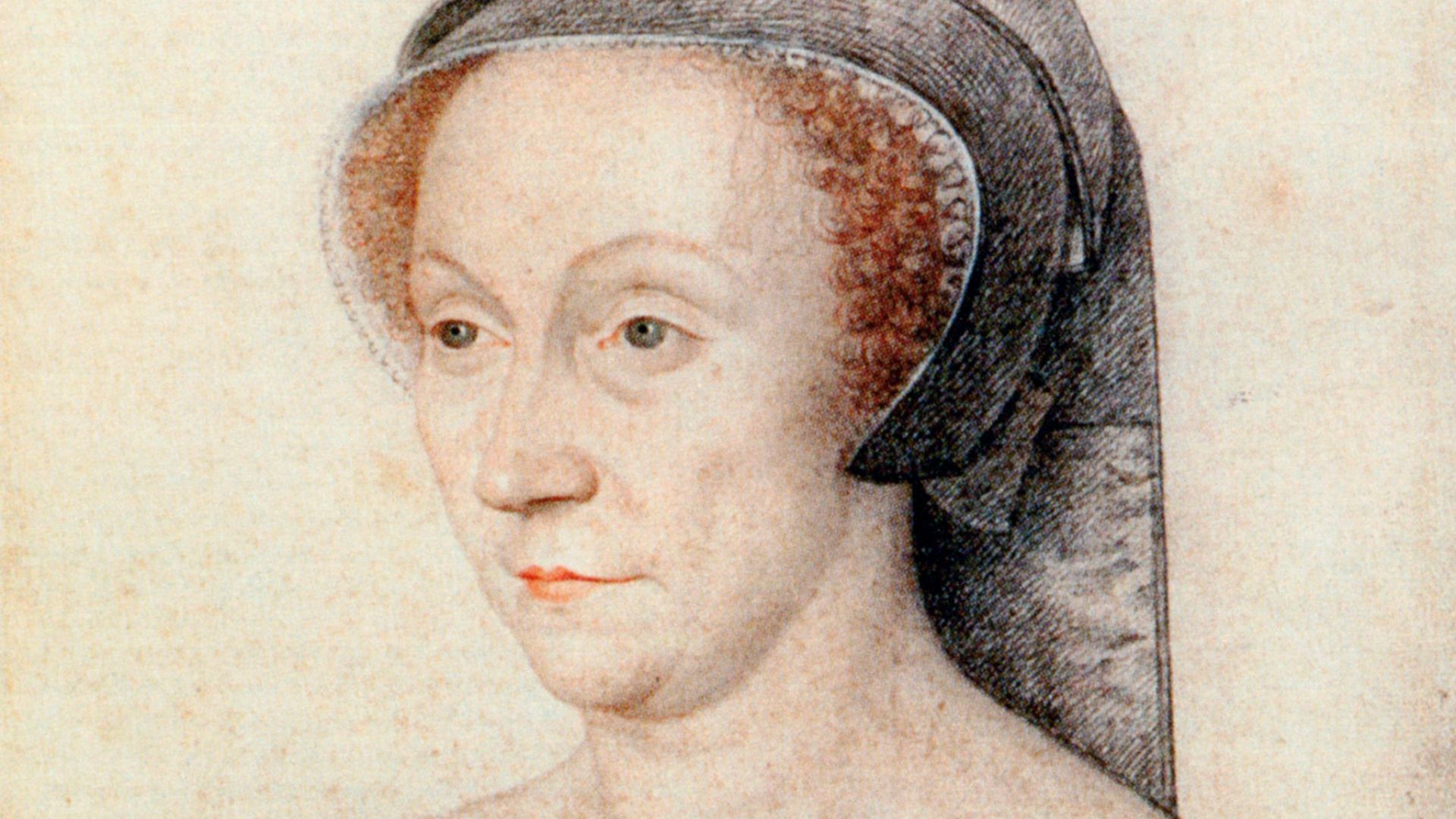
Diane De Poitiers Had Gold In Her Hair
Diane de Poitiers, the influential favorite of France's Henry II, was famous for maintaining a youthful appearance well into later life. When remains believed to be hers were examined, researchers found extraordinarily high concentrations of gold in her hair and concluded that she had probably consumed gold-containing preparations promoted at Renaissance courts as rejuvenating medicine. Her hair was unusually thin, a symptom compatible with chronic gold exposure, leading researchers to suggest that her beauty treatment may have damaged her health.
 Workshop of François Clouet, Wikimedia Commons
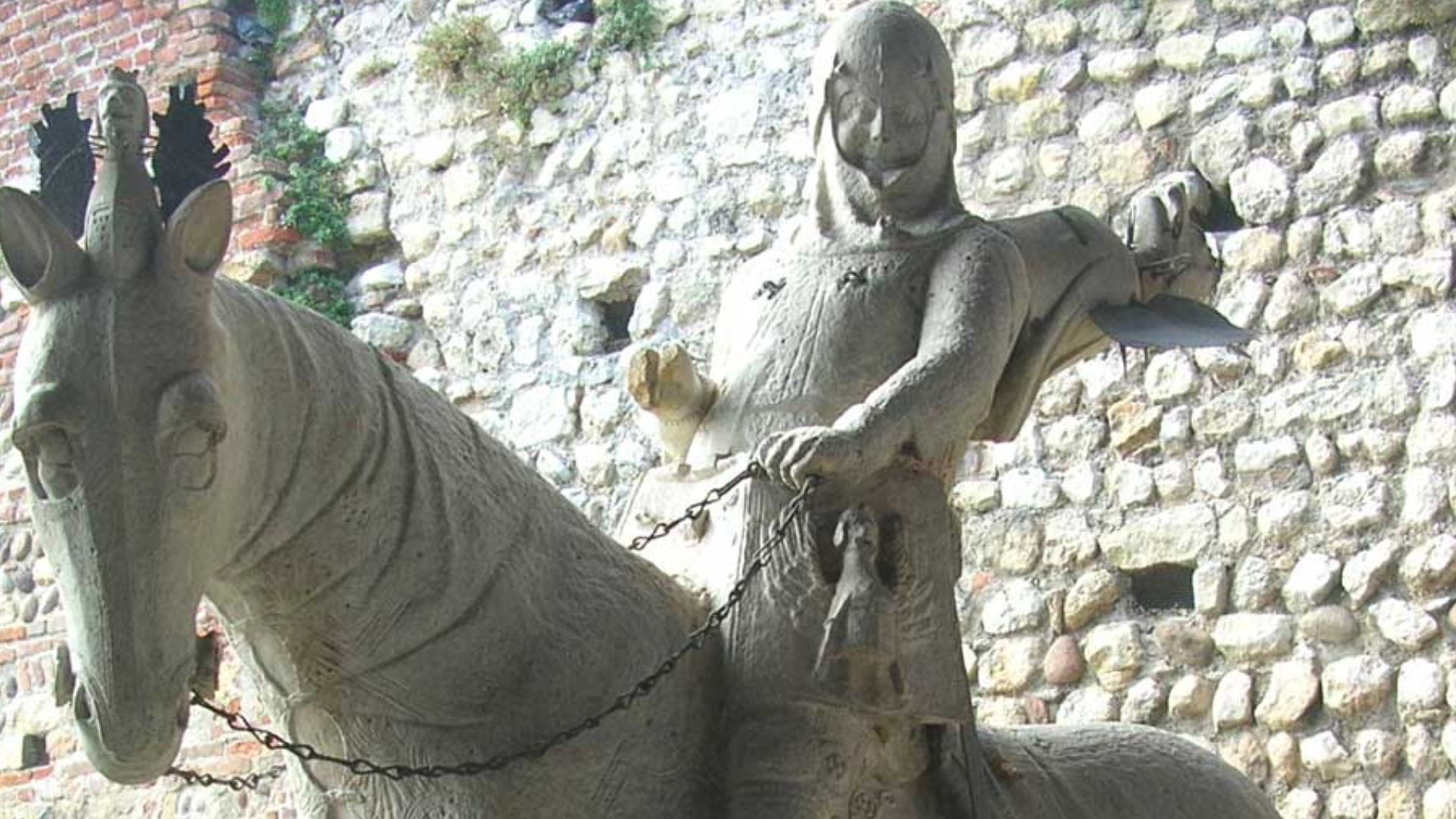
A Medieval Prince Had Foxglove Inside Him
Cangrande della Scala, ruler of Verona and patron of Dante, died suddenly in 1329 after developing vomiting and diarrhea. When his remarkably preserved body was studied centuries later, researchers found foxglove pollen in his intestinal contents and toxic concentrations of the digitalis compounds digoxin and digitoxin in preserved tissues. The evidence strongly supported digitalis poisoning, although researchers could not completely determine whether the fatal dose was deliberate or accidental.
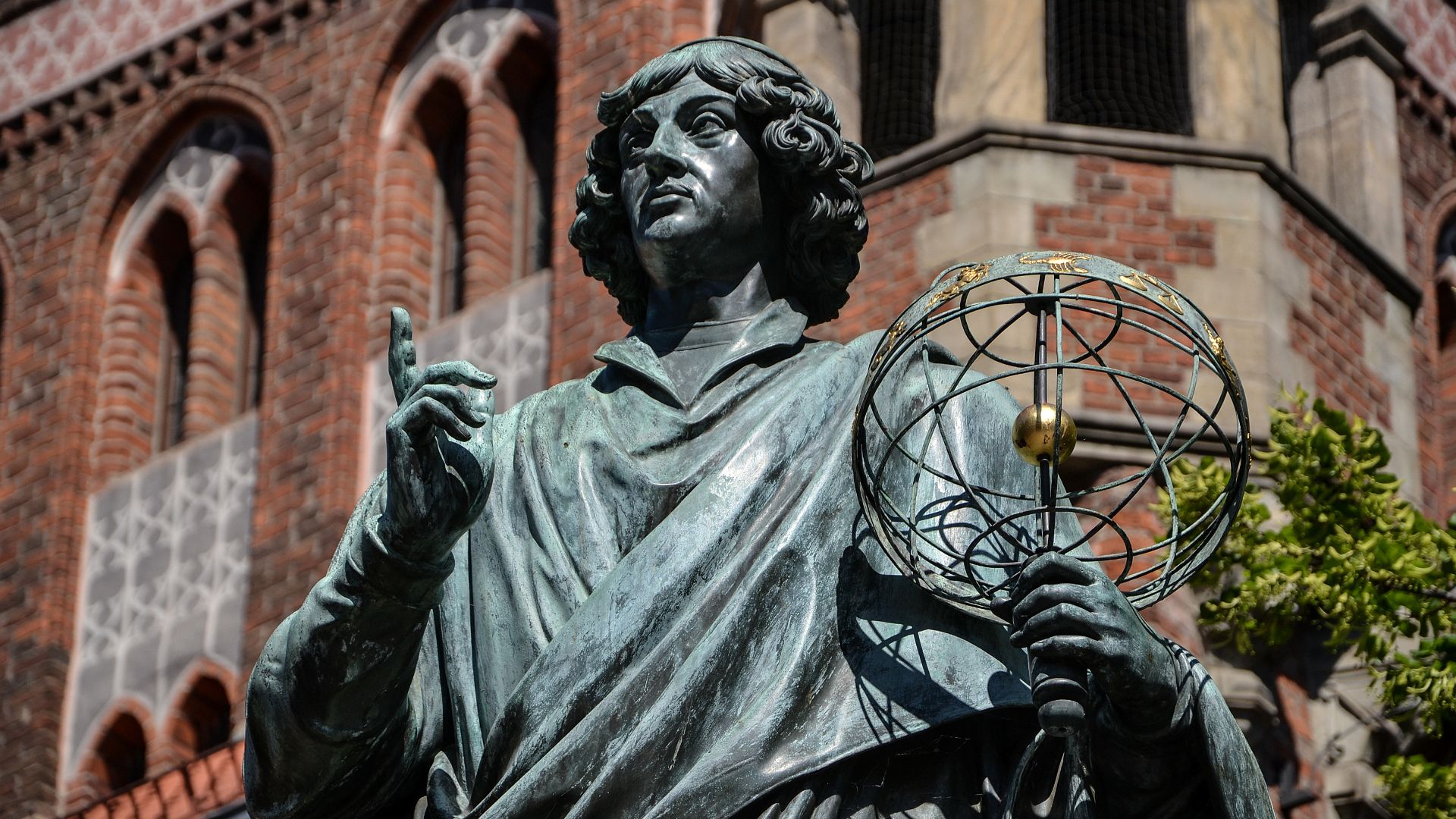
Copernicus Was Identified With A Hair From A Book
When archaeologists discovered bones beneath Frombork Cathedral in Poland, they suspected they had found astronomer Nicolaus Copernicus. DNA extracted from teeth and bone was compared with hairs found inside a book that Copernicus had once used, and matching mitochondrial profiles strengthened the identification. Science had effectively connected a centuries-old skeleton with strands of hair left behind among the pages of a book.
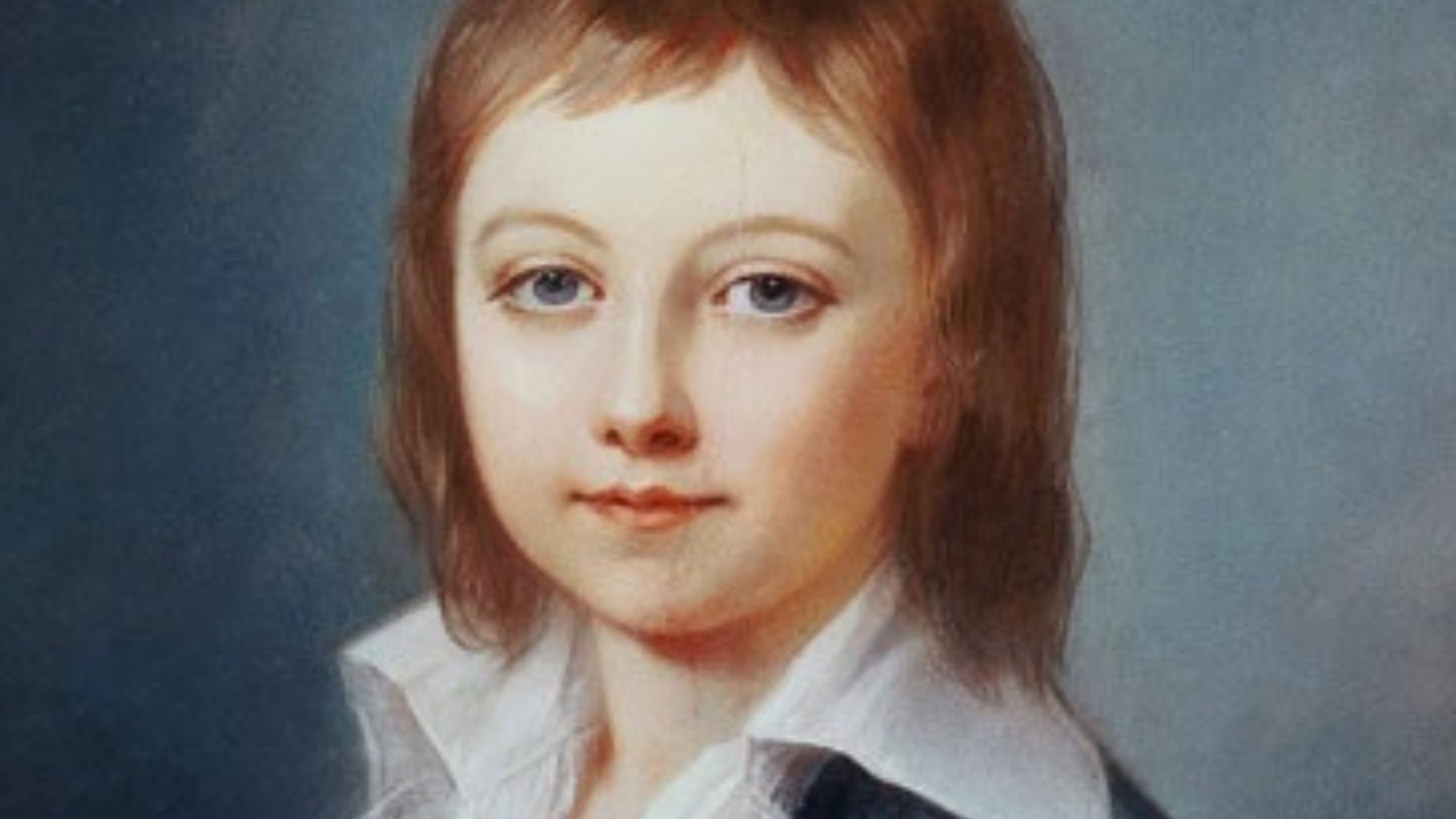
Louis XVII’s Preserved Heart Answered A Royal Mystery
Rumors persisted for generations that young Louis XVII, the imprisoned son of Louis XVI and Marie Antoinette, had secretly escaped the French Revolution. A preserved heart said to have come from the boy who died in captivity offered researchers a way to test that story. Independent DNA analyses showed a mitochondrial sequence matching maternal relatives of Marie Antoinette, strongly supporting the conclusion that the child who died in the Temple prison really belonged to her maternal family.
 Alexander Kucharsky, Wikimedia Commons
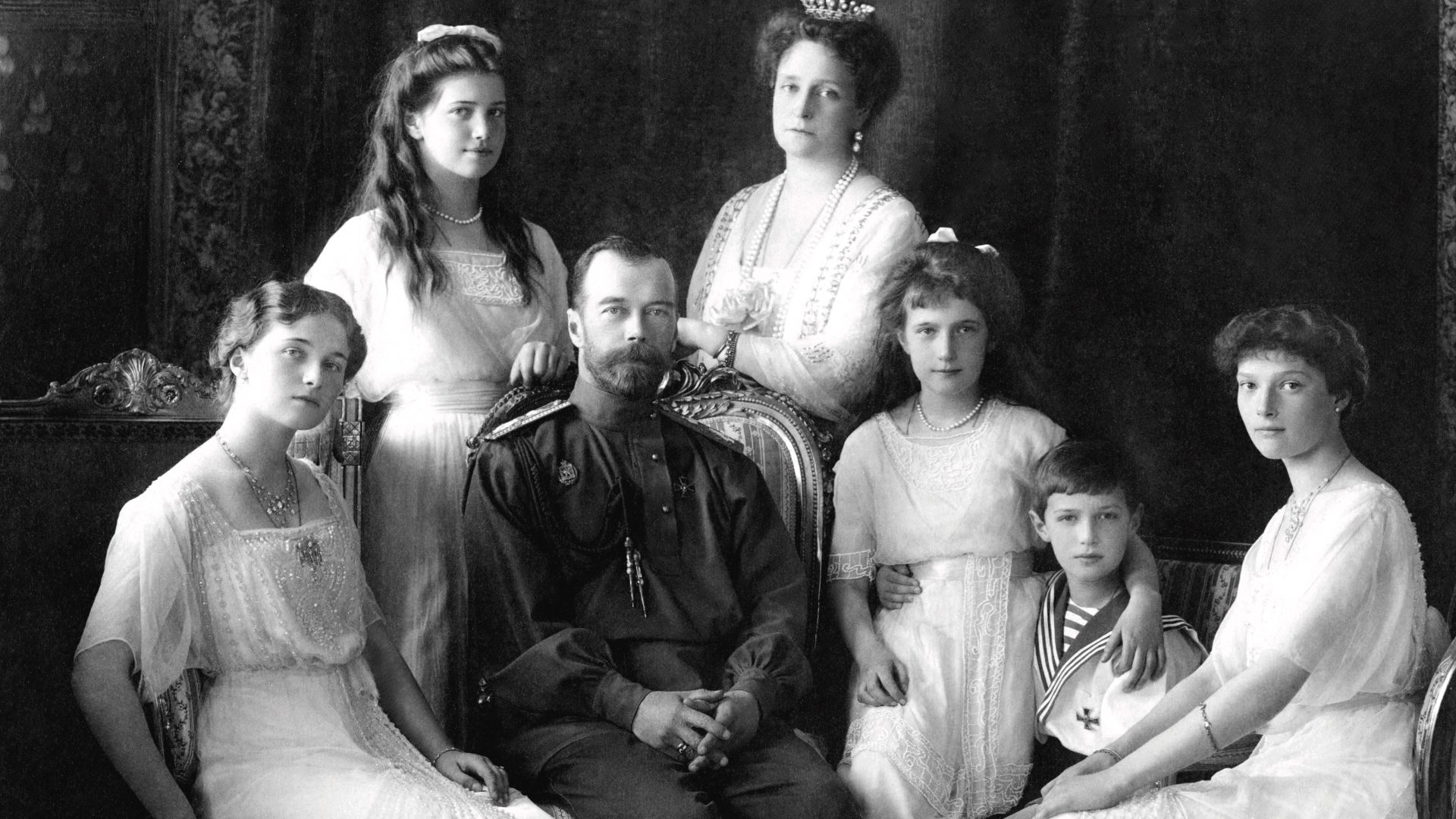
The Romanov Bones Closed A Famous Escape Story
For much of the 20th century, rumors suggested that one or more children of Russia's final imperial family might have escaped their 1918 execution. DNA from the first Romanov grave identified Nicholas II, Alexandra, and three daughters, but two children were still absent. Remains discovered in a second grave were later genetically identified as a male and female child of Nicholas and Alexandra, providing powerful evidence that the entire immediate family had died.
 Boasson and Eggler St. Petersburg Nevsky 24., Wikimedia Commons
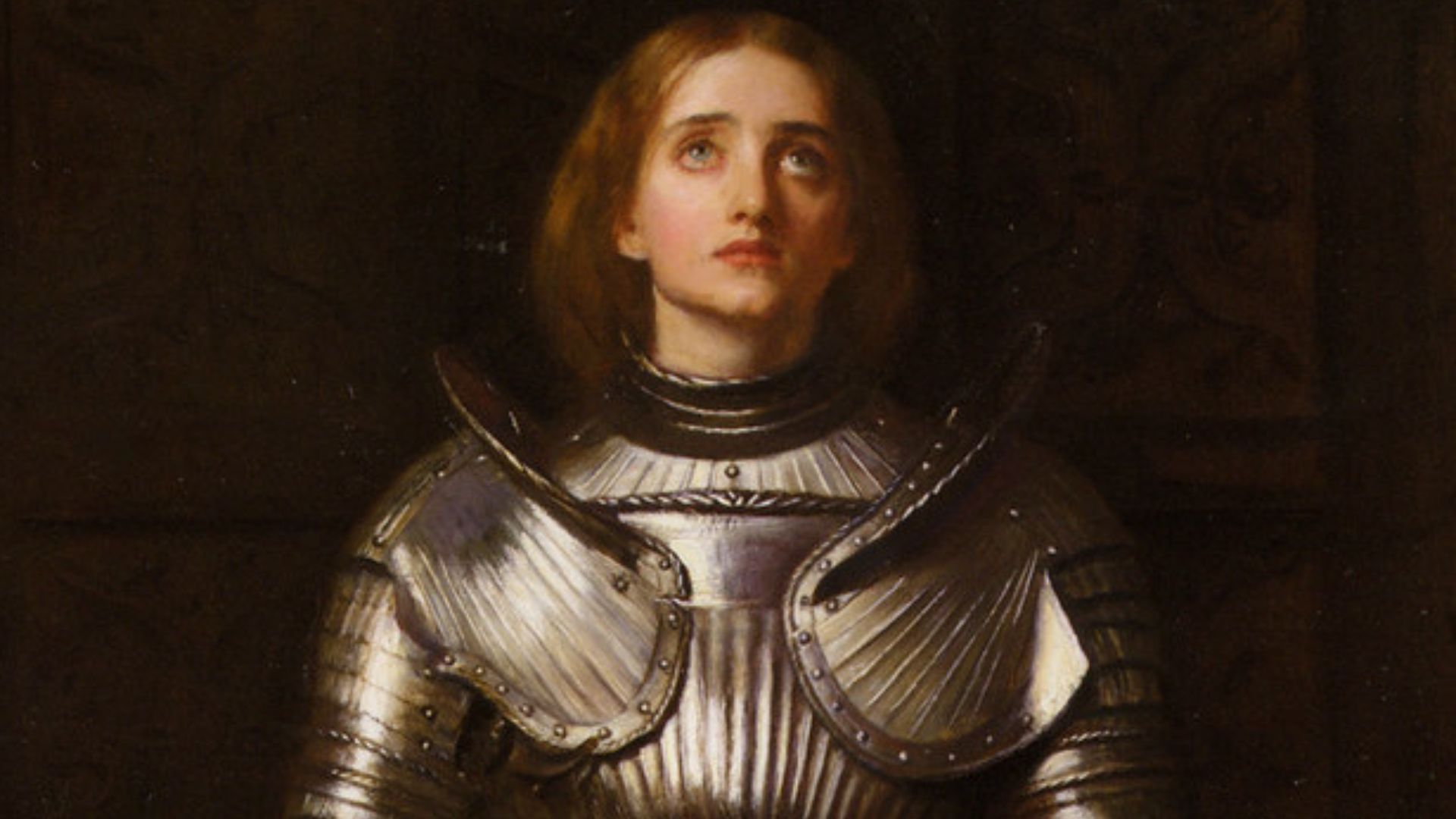
Joan Of Arc’s Relics Were Something Else Entirely
A jar of supposed remains from Joan of Arc contained charred-looking bone and material said to have been recovered from the site of her 1431 execution. Chemical tests, microscopy, pollen analysis, and radiocarbon dating produced a remarkable reversal: the material did not behave like burned 15th-century remains at all. Researchers concluded that at least some of the relics came from an ancient Egyptian mummy and even identified an animal bone among the collection.
 John Everett Millais, Wikimedia Commons
Richard The Lionheart’s Heart Kept Its Recipe
Richard I died in 1199 after being wounded by a crossbow bolt, and his body was divided for burial in different locations. More than 600 years later, scientists analyzed the powdered remains of his embalmed heart and found traces of substances including frankincense, myrtle, mint, mercury, and possibly lime. The unusual mixture revealed how medieval embalmers combined practical preservation techniques with substances carrying religious symbolism.
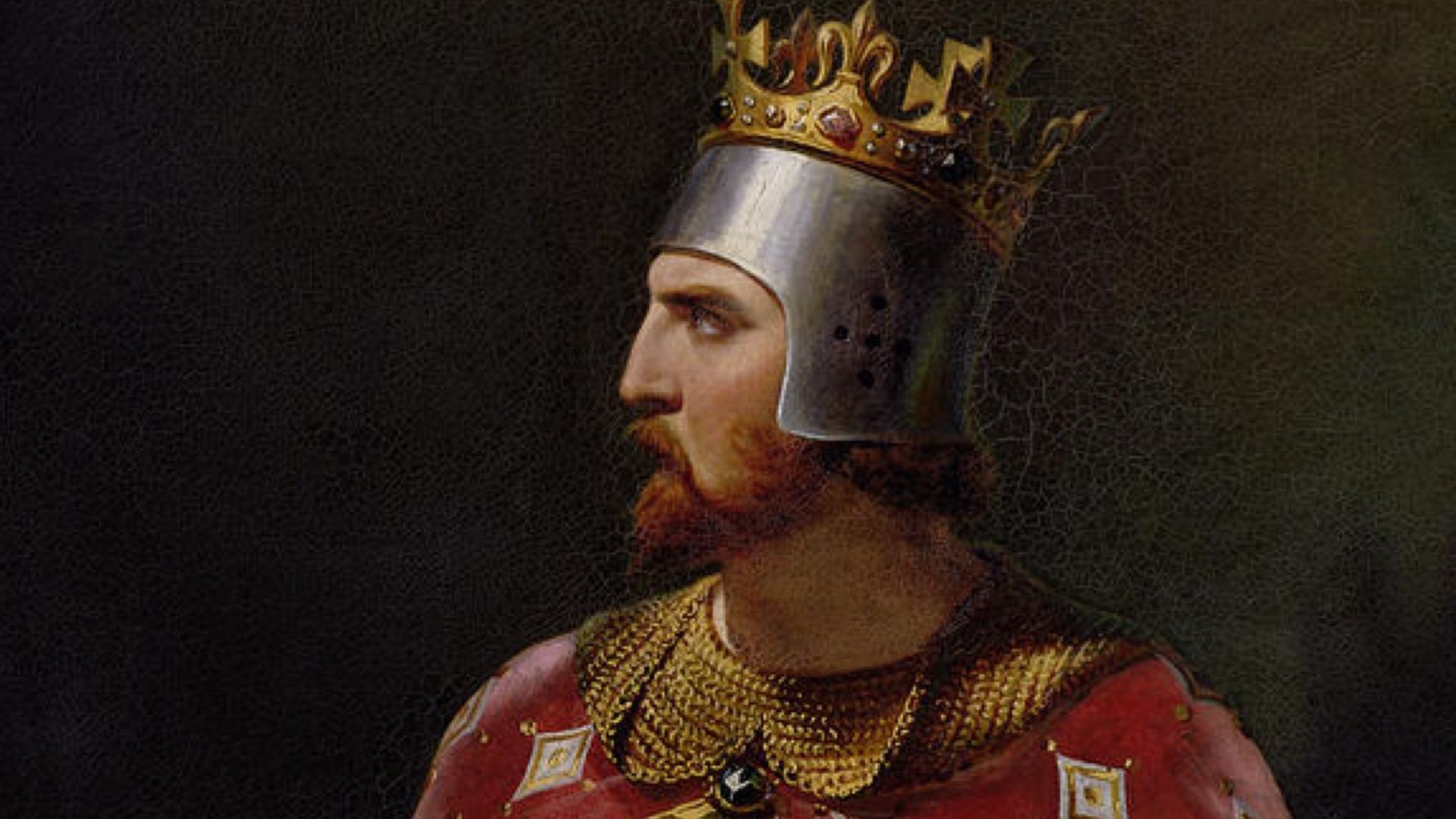 Merry-Joseph Blondel, Wikimedia Commons
Zachary Taylor Was Not Full Of Arsenic
President Zachary Taylor's sudden gastrointestinal illness and death in 1850 eventually inspired suspicions that he had been assassinated with arsenic. His descendants permitted an exhumation in 1991, and scientists at Oak Ridge National Laboratory analyzed hair and fingernail samples with neutron activation techniques. The arsenic concentration was far below the level expected in a lethal poisoning, effectively demolishing the theory that arsenic had killed him.
 James Lambdin, Wikimedia Commons
Garfield’s Autopsy Made His Doctors Look Worse
President James Garfield survived an assassin's bullet for almost 80 days in 1881, while doctors repeatedly searched his wound with fingers and instruments. Medical understanding of antisepsis was already advancing, but several of Garfield's physicians failed to apply it consistently, allowing infection to spread through his body. The subsequent examination helped demonstrate that the bullet itself had not immediately destroyed a vital organ, while infection and its complications became central to explanations of why he died.
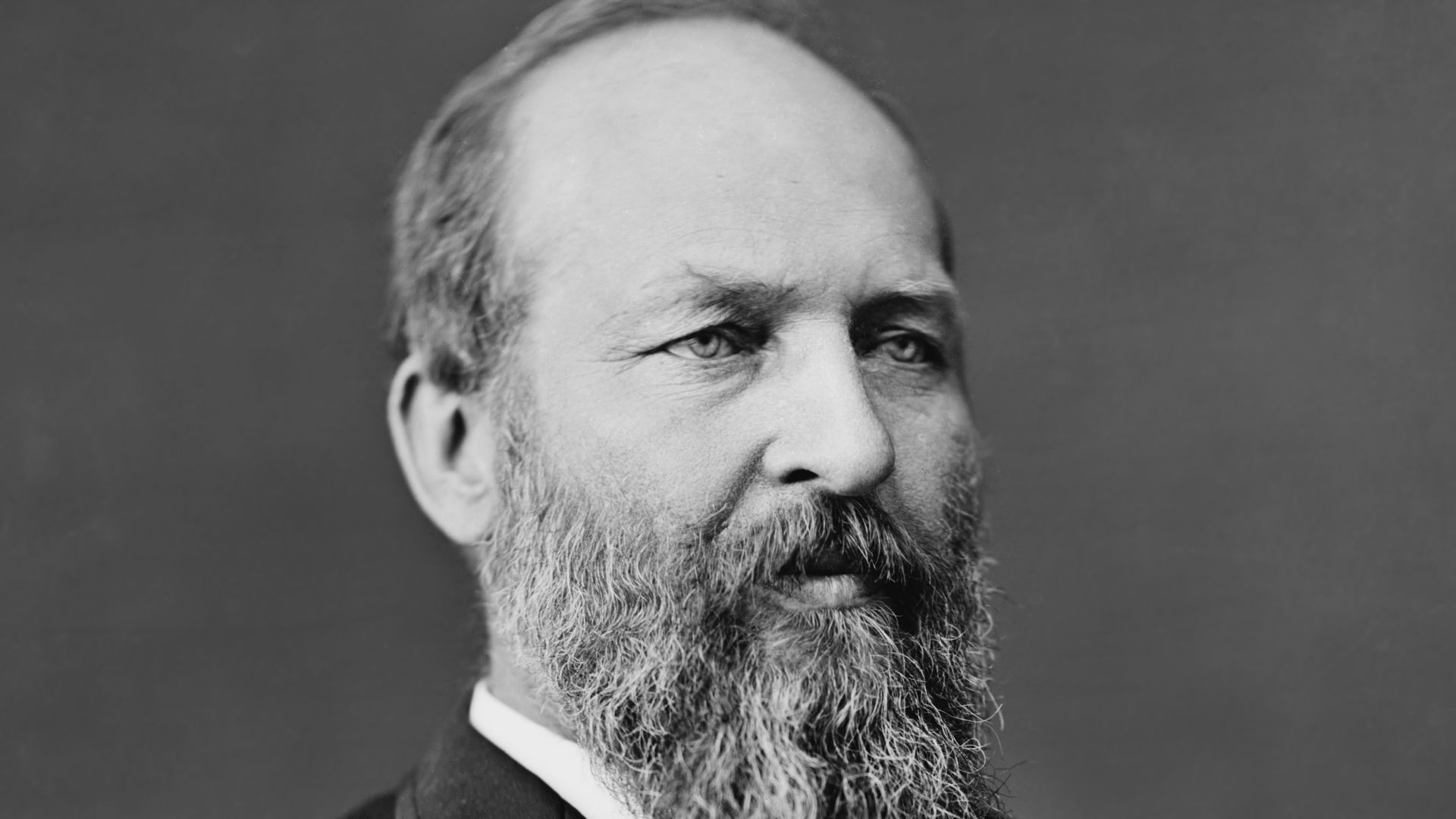 Unknown; part of Brady-Handy Photograph Collection., Wikimedia Commons
Lincoln’s Bullet Took A Devastating Path
Abraham Lincoln lingered for hours after John Wilkes Booth shot him at Ford's Theatre in April 1865, allowing doctors to observe the injury before performing an autopsy. Examination showed that the bullet had entered the back of the president's head, passed through brain tissue, and lodged toward the front of the skull near an eye. Fragments of bone driven through the brain added further damage, confirming just how catastrophic the apparently small entry wound had been.
 Alexander Gardner, Wikimedia Commons
Rasputin’s Autopsy Spoiled A Better Story
The most famous version of Grigori Rasputin's murder claims he survived poisoning, repeated gunshots, a beating, and finally drowning beneath the ice. The surviving forensic evidence does not support that theatrical sequence. Accounts of the autopsy do not record poison or water in his lungs and instead indicate that a close-range gunshot to the head was the decisive injury, making the enduring legend far more elaborate than the medical evidence.
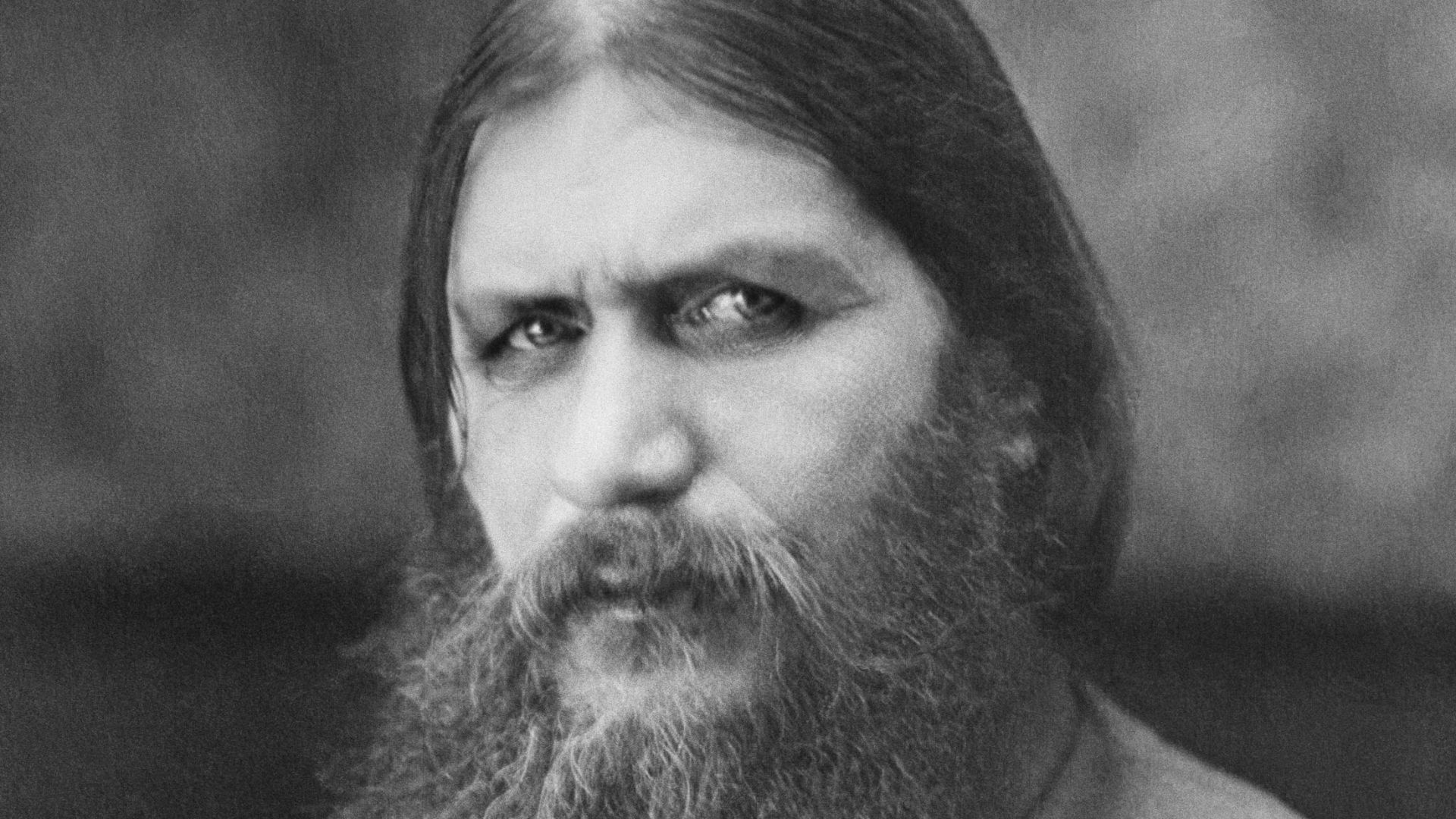 Unknown authorUnknown author, Wikimedia Commons
Einstein’s Autopsy Created A Second Mystery
Albert Einstein died in Princeton Hospital in 1955 after an abdominal aortic aneurysm ruptured, years after surgeons had attempted to reinforce the weakened vessel. Pathologist Thomas Harvey performed the autopsy and then removed Einstein's brain, which was photographed, divided into hundreds of blocks, and distributed in samples to researchers. Later anatomical studies reported unusual features, but scientists have never established that any particular feature explains Einstein's extraordinary intellectual abilities.
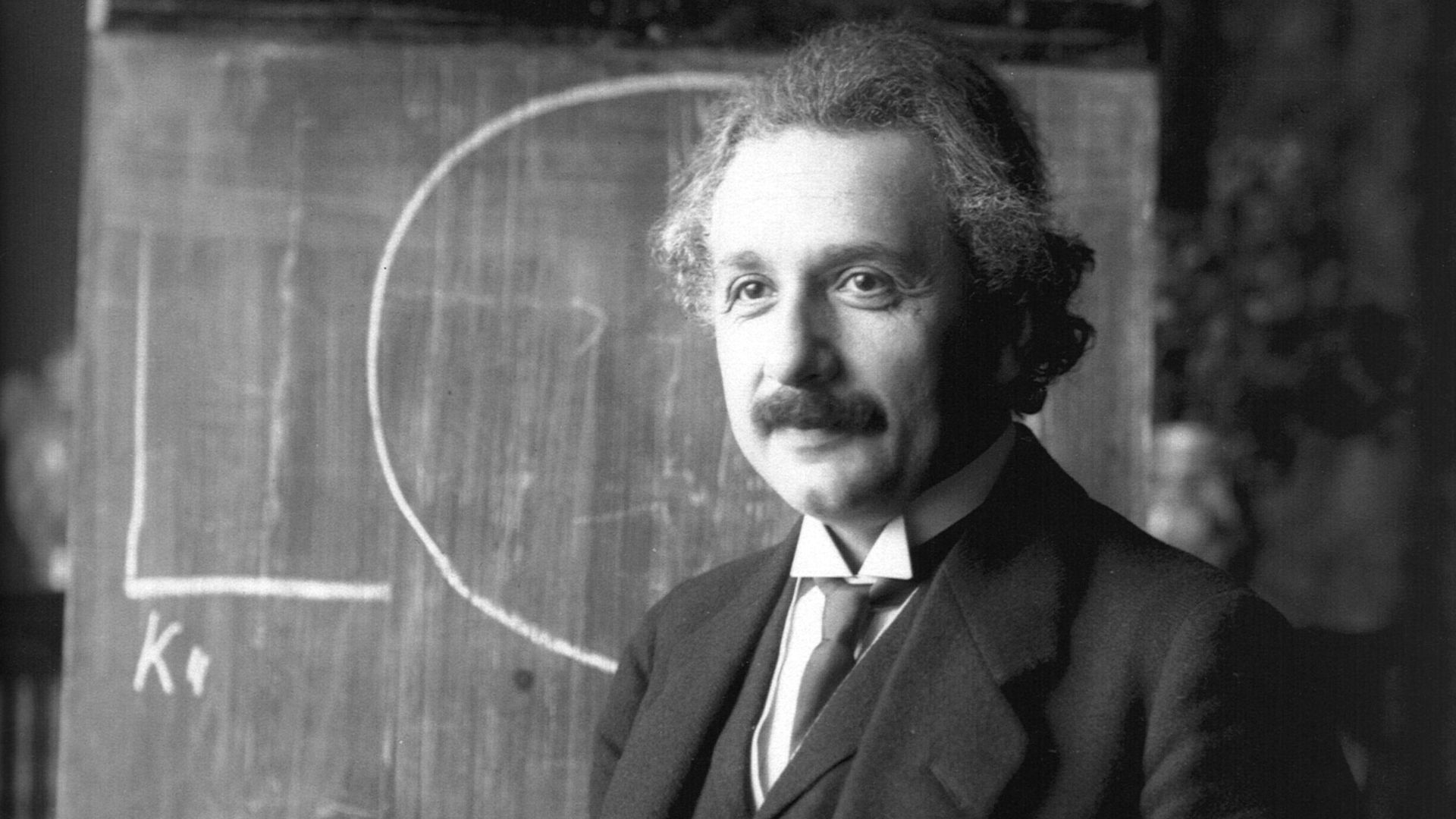 Ferdinand Schmutzer, Wikimedia Commons
Chopin’s Preserved Heart Supported An Old Diagnosis
Frédéric Chopin's body was buried in Paris, but his heart was preserved separately in Warsaw, creating an unusual opportunity for later medical investigation. During a visual examination in 2014, researchers reported features they considered characteristic of fibrinous pericarditis, including a whitish coating and small nodular lesions. They concluded that long-standing tuberculosis, complicated by tuberculous pericarditis, remained the most plausible explanation for the composer's death.
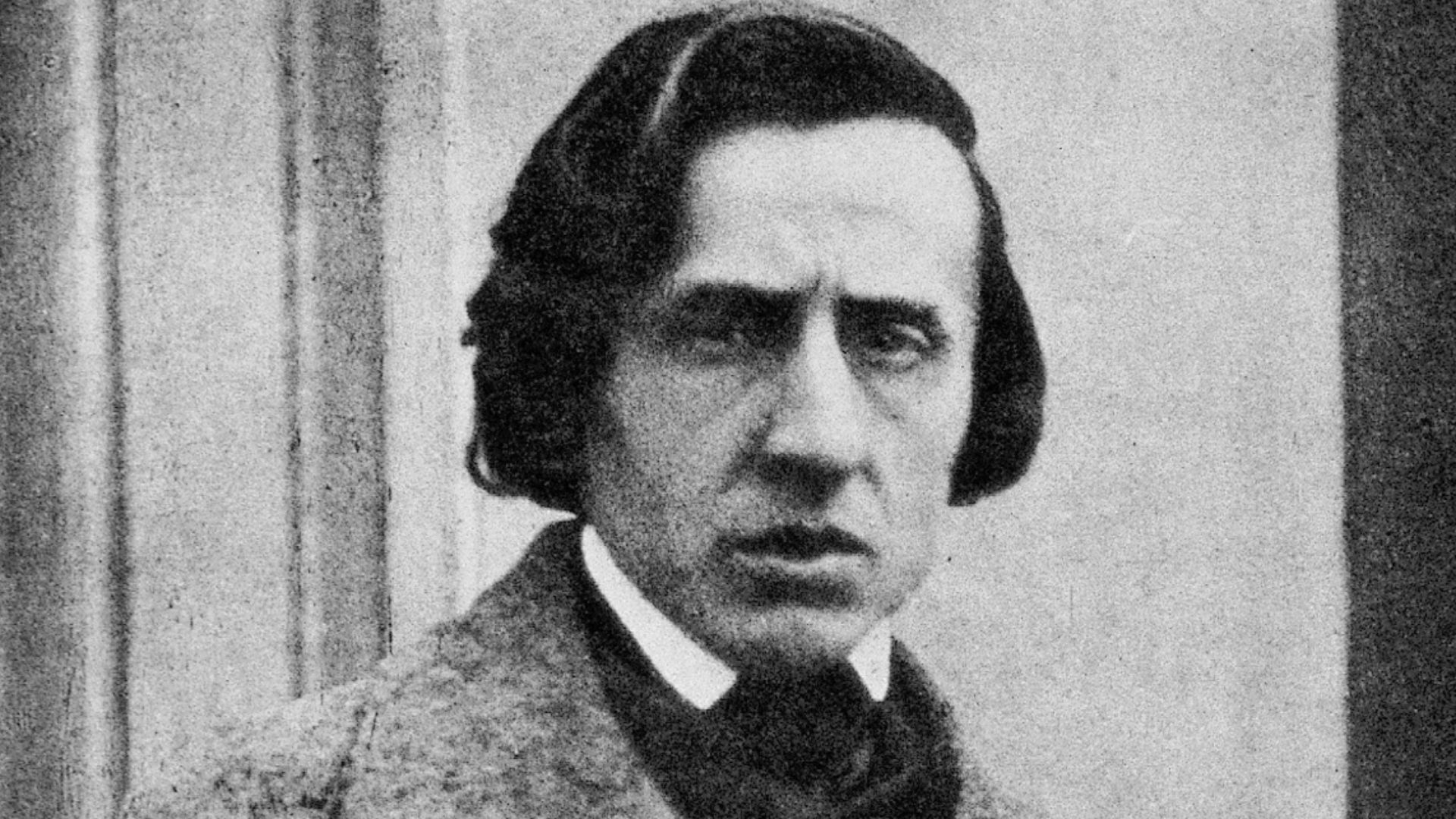 Louis-Auguste Bisson, Wikimedia Commons
Eva Perón’s Skull Images Revealed Surgery
Eva Perón died from advanced cancer in 1952, but an extraordinary medical detail remained largely hidden for decades. Researchers reviewing radiographs of her embalmed body noticed skull openings compatible with surgical burr holes and combined that evidence with testimony and historical medical records. Their investigation strongly supported claims that Perón underwent a prefrontal lobotomy during the final months of her illness, apparently at least partly as an attempt to manage severe pain and agitation.
 Unidentified photographer, Wikimedia Commons
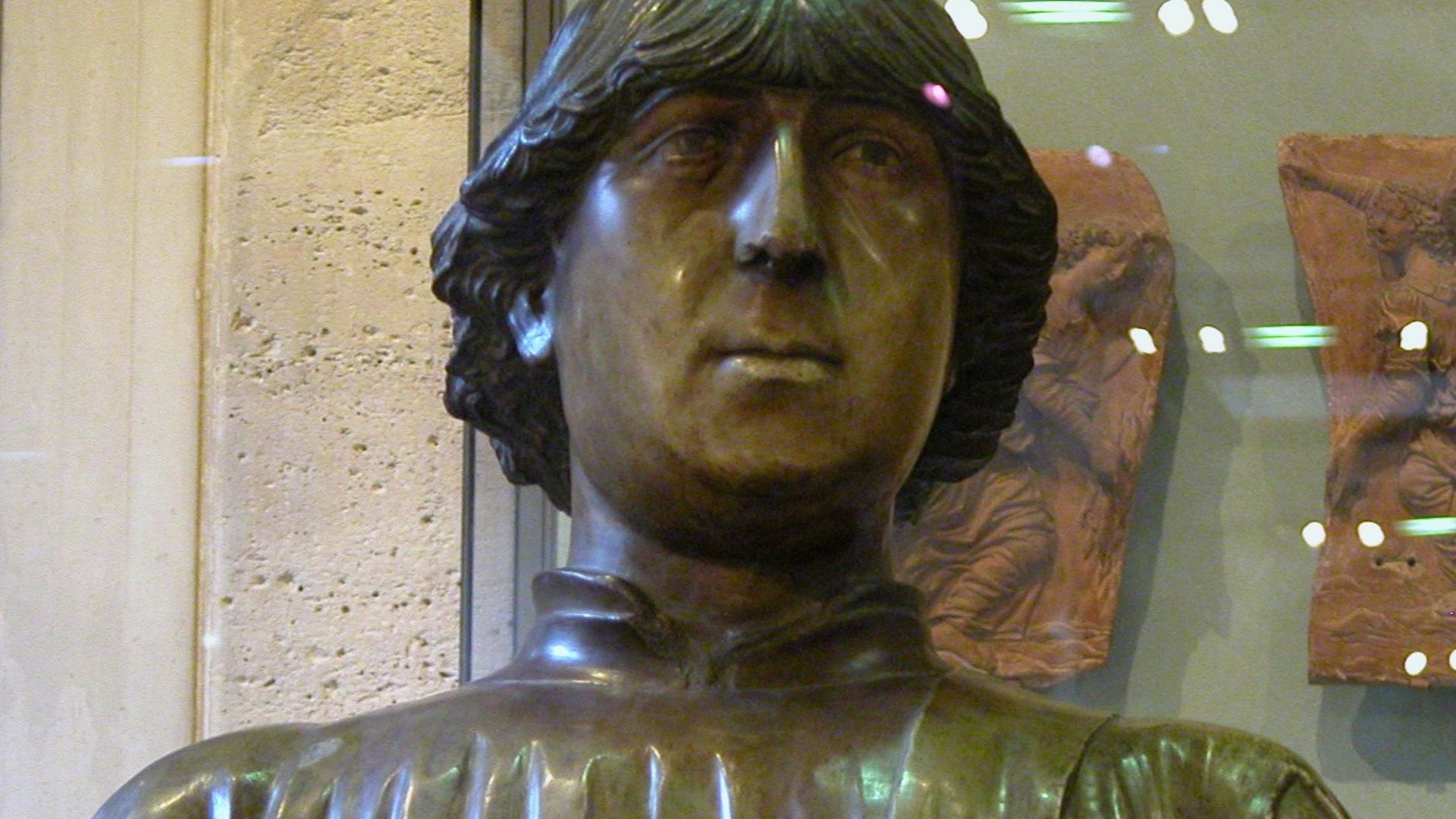
A Renaissance King Still Had His Tumor
Ferdinand I of Naples, also known as Ferrante, died in 1494 and was buried among a remarkable collection of preserved Renaissance bodies. Examination of his mummy uncovered tissue containing an adenocarcinoma that had spread into the muscles of the pelvis. Researchers were even able to detect a mutation in the K-ras gene within the preserved cancerous tissue, allowing a centuries-old tumor to be examined at the molecular level.
The Medici Family’s “Gout” Was Not One Disease
Historical documents repeatedly described members of Florence's powerful Medici family as suffering from “gout,” but their skeletons told a more complicated story. Modern examination found that only Ferdinand I displayed the characteristic bone lesions of uric-acid gout, while other relatives showed evidence of conditions including rheumatoid arthritis and diffuse idiopathic skeletal hyperostosis. The findings revealed that Renaissance physicians had been using one familiar word to describe several very different joint diseases.
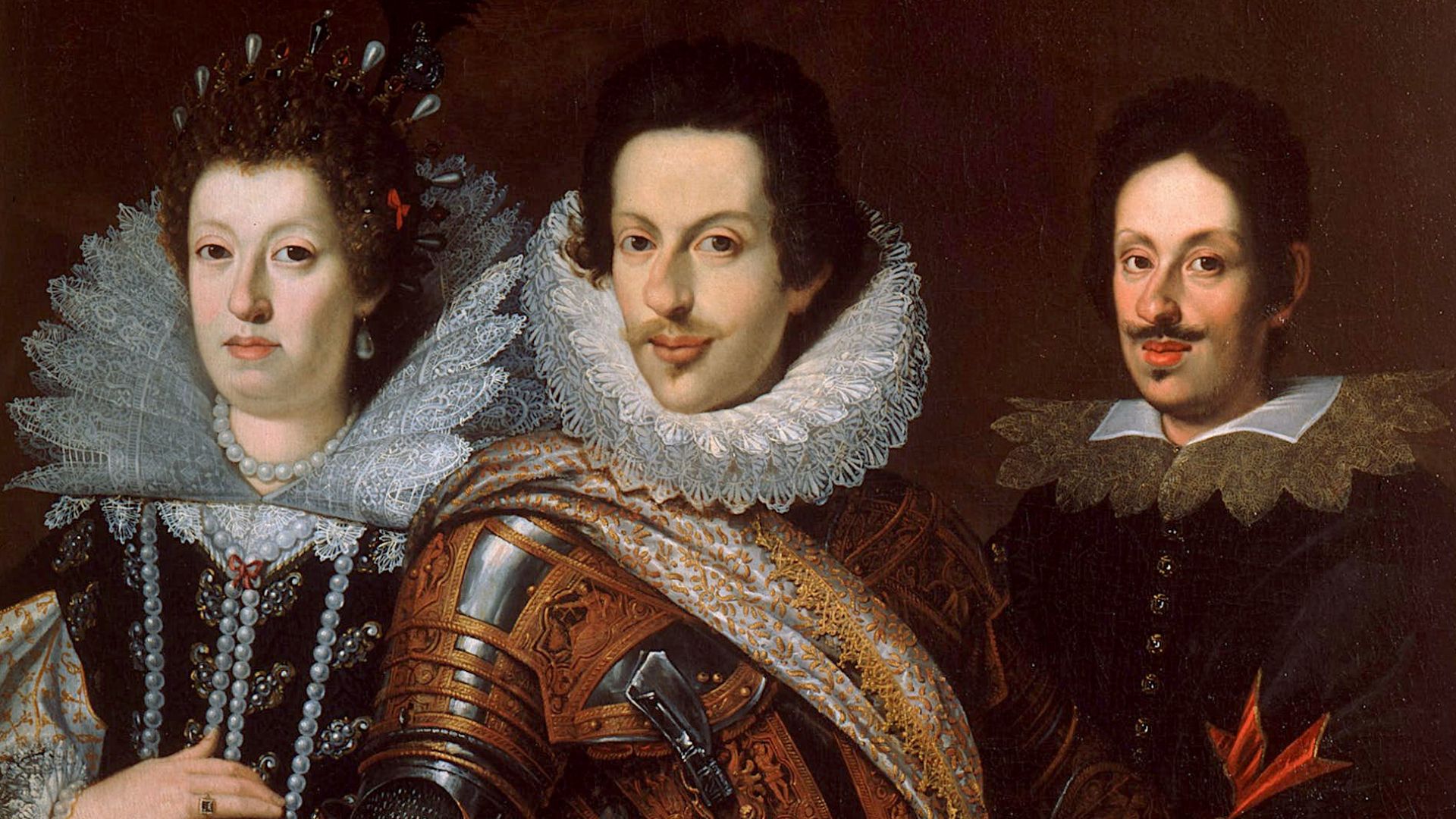 Justus Sustermans, Wikimedia Commons
Louis XVI’s Supposed Blood Betrayed Itself
A decorated gourd was long claimed to contain a handkerchief soaked in Louis XVI's blood after the French king was guillotined in 1793. Genome sequencing recovered human DNA from the sample, but the genetic profile created problems for the story, including ancestry and predicted eye color that did not fit what researchers expected from Louis. Scientists stopped short of declaring the attribution impossible, but concluded that the evidence failed to provide convincing support that the blood actually belonged to the king.
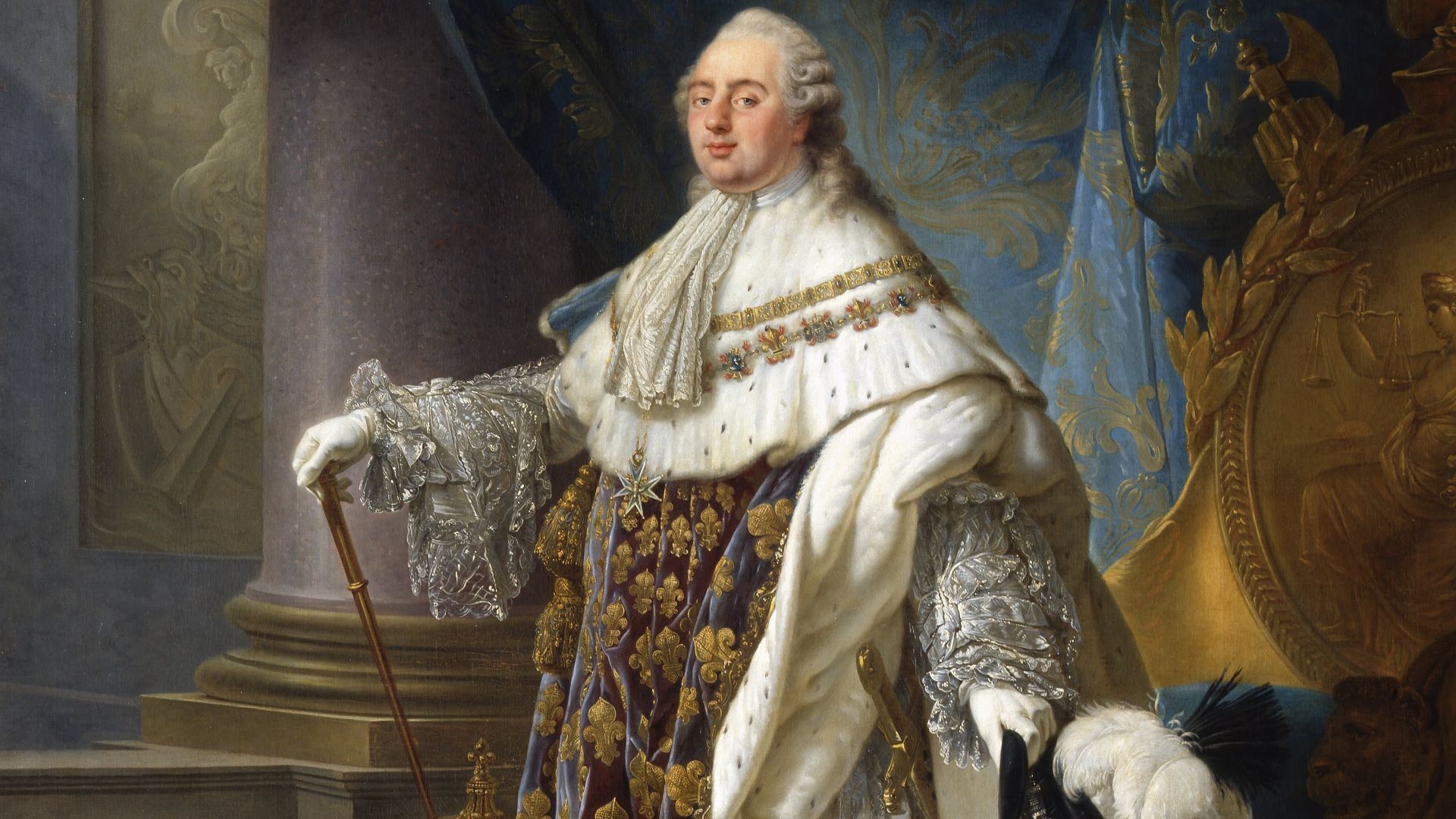 Antoine-François Callet, Wikimedia Commons
Death Can Leave A Very Long Medical Record
The most striking clues were rarely found in pristine laboratories immediately after death. They survived in bones, arteries, mummies, hearts, hair, and objects that nobody at the time could have imagined would eventually be tested for DNA or examined with a CT scanner. History may preserve the story people told, but sometimes the body preserves a very different one.
 Ja muzalevskaya, Wikimedia Commons
You May Also Like:
26 Facts About The Gruesome Deaths Of Historical Rulers
History's Most Bone-Chilling Events
Facts About Tragic Historical Figures
Sources: 1, 2, 3, 4, 5, 6, 7, 8, 9, 10, 11, 12, 13, 14, 15, 16, 17, 18, 19, 20, 21, 22, 23, 24, 25, 26, 27, 28, 29, 30, 31, 32, 33, 34, 35, 36, 37, 38, 39, 40, 41, 42, 43