The Most Peculiar Rules People Once Followed At Work
Work has always come with rules, but some of the workplace expectations people accepted in the past seem almost unbelievable today. From dress codes that controlled every detail of an employee's appearance to policies that dictated who could keep a job after getting married, these customs reflected the values and priorities of their era. Take a step back through history to discover some of the strangest workplace rules people once followed.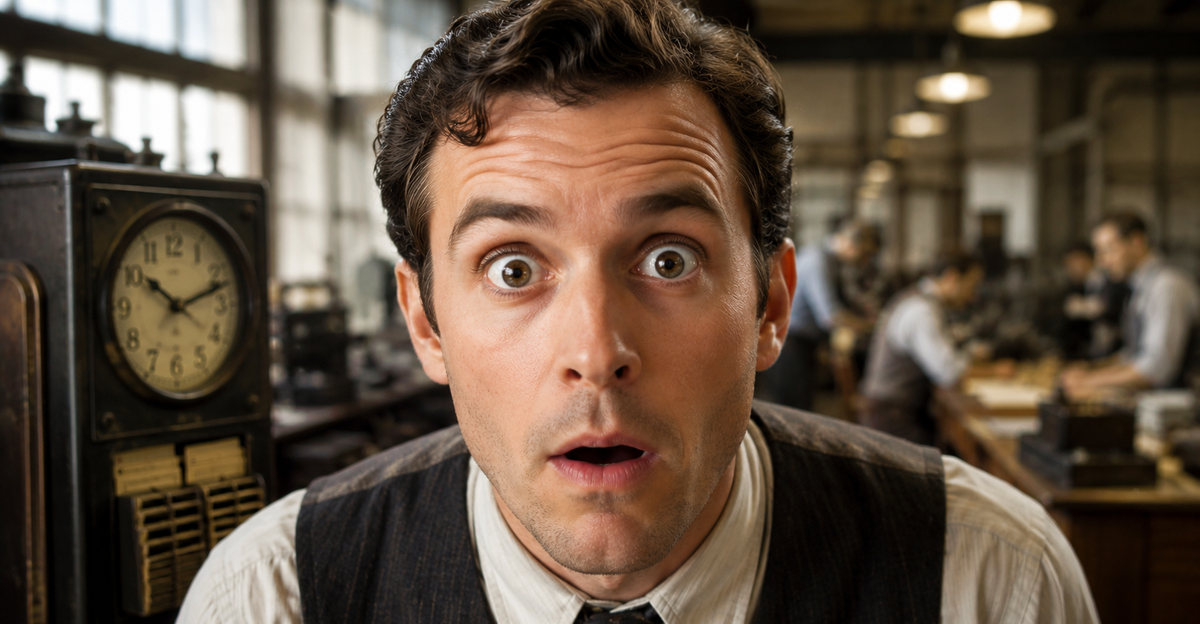 Factinate Ltd
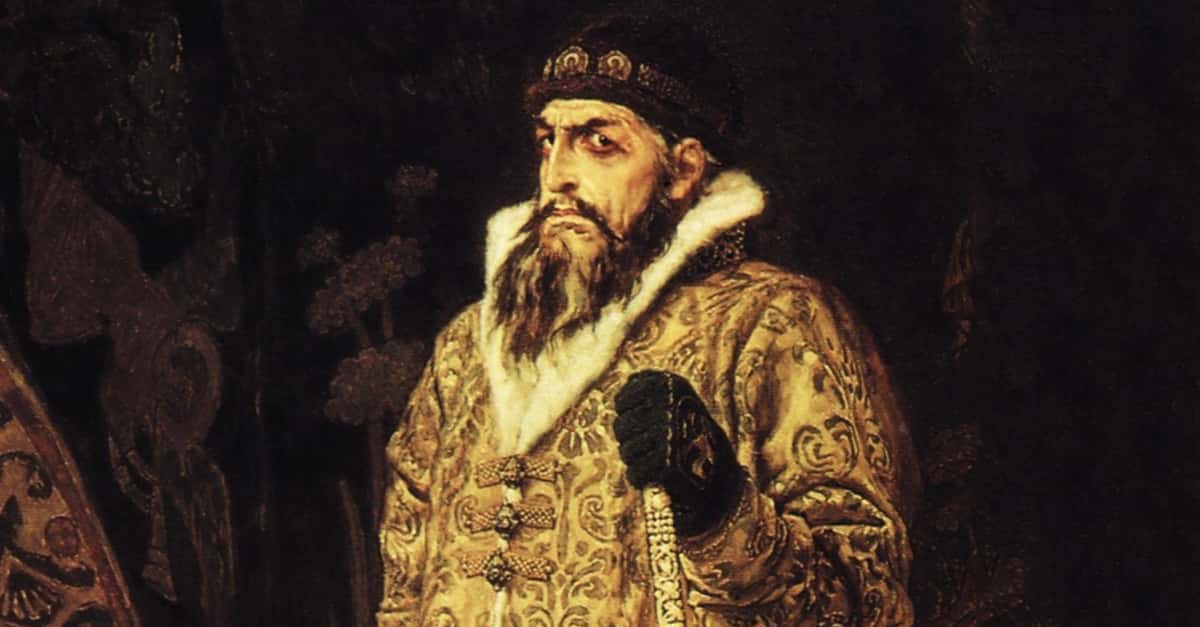
Hats Stayed On Until The Boss Said Otherwise
For centuries, removing a hat indoors was tied to workplace hierarchy as much as etiquette. Apprentices and junior employees were often expected to uncover their heads only after acknowledging a supervisor. Ignoring that custom could be interpreted as disrespect rather than a simple breach of manners. Modern offices rarely think about hats this way, but the rule once reflected strict ideas about authority.
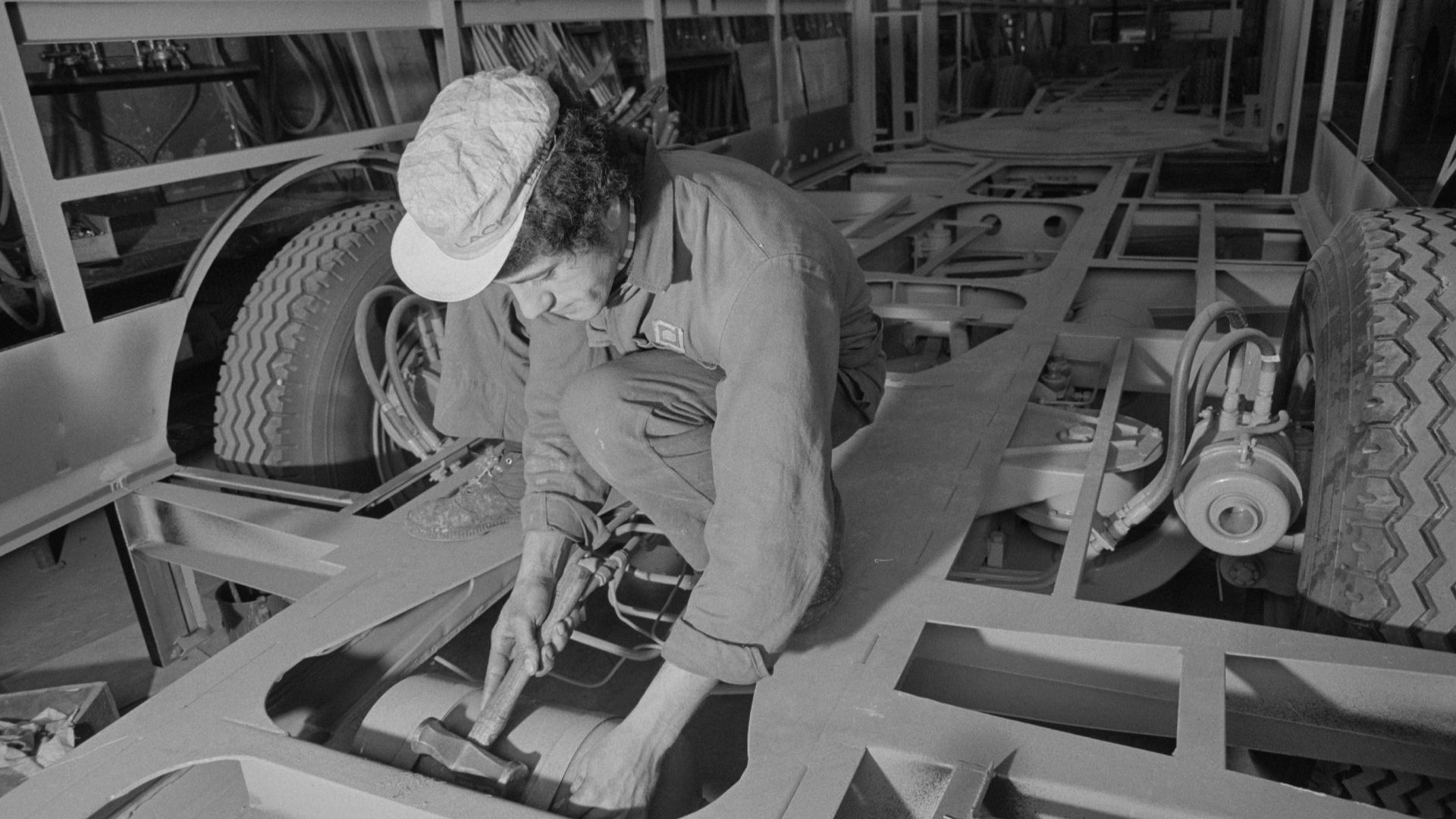
Factory Workers Lived By The Whistle
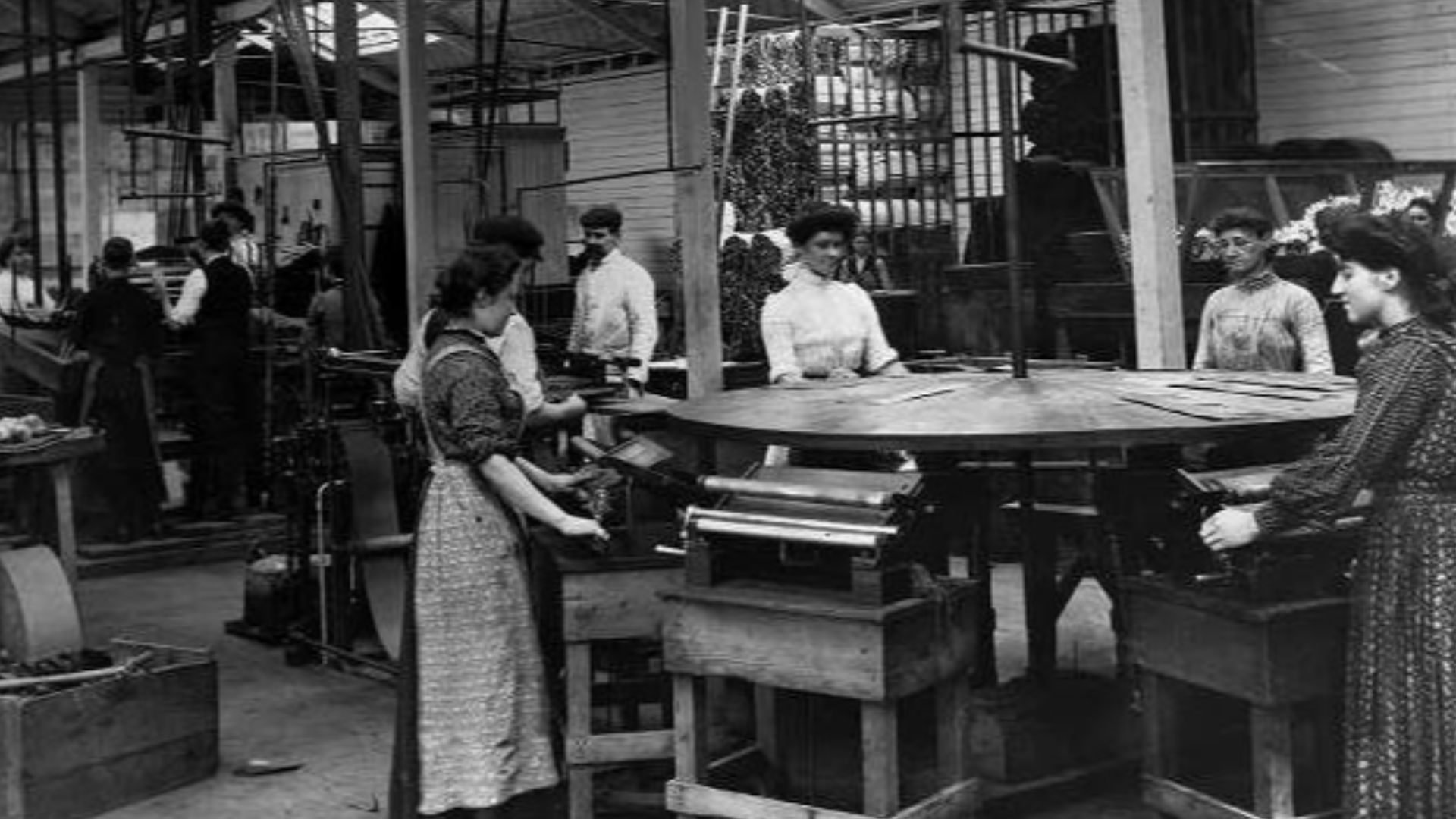
Industrial factories often used whistles to control every stage of the workday. The first whistle signaled arrival, another marked the start of labor, and additional blasts announced breaks and quitting time. Employees were expected to respond immediately because production depended on synchronized schedules. Entire factory towns organized daily life around those familiar sounds.
 Randolph.hollingsworth, Wikimedia Commons
Marriage Could Cost Women Their Careers
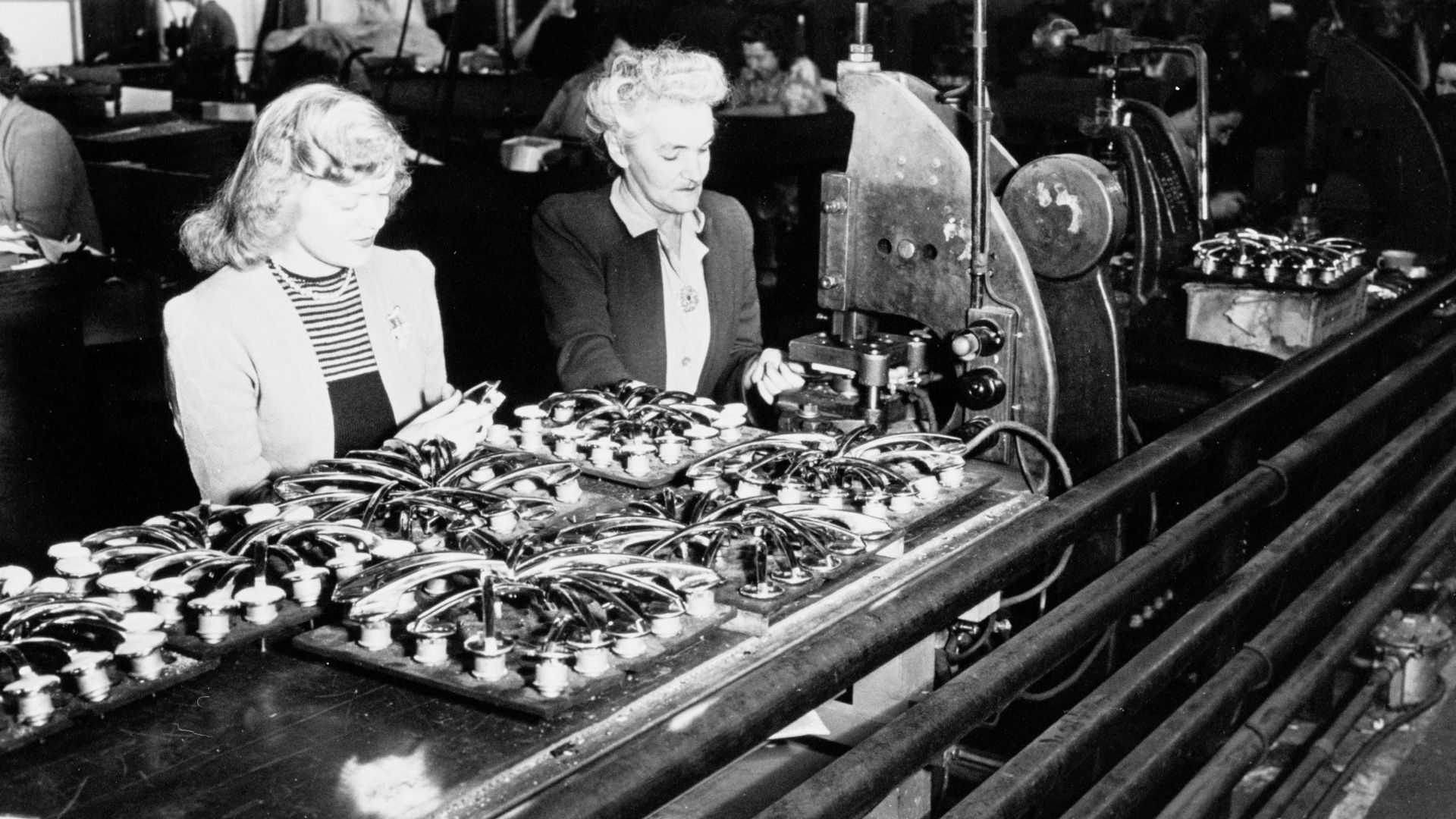
Many employers in the early twentieth century enforced "marriage bars" that required women to resign once they married. Schools, banks, and offices across the United States, Britain, and other countries adopted the practice. Employers argued that married women should focus on the home while jobs remained available for single women or men. These policies gradually disappeared after legal reforms and changing social attitudes.
 State Government Photographer, Wikimedia Commons
Pregnant Employees Were Expected To Leave
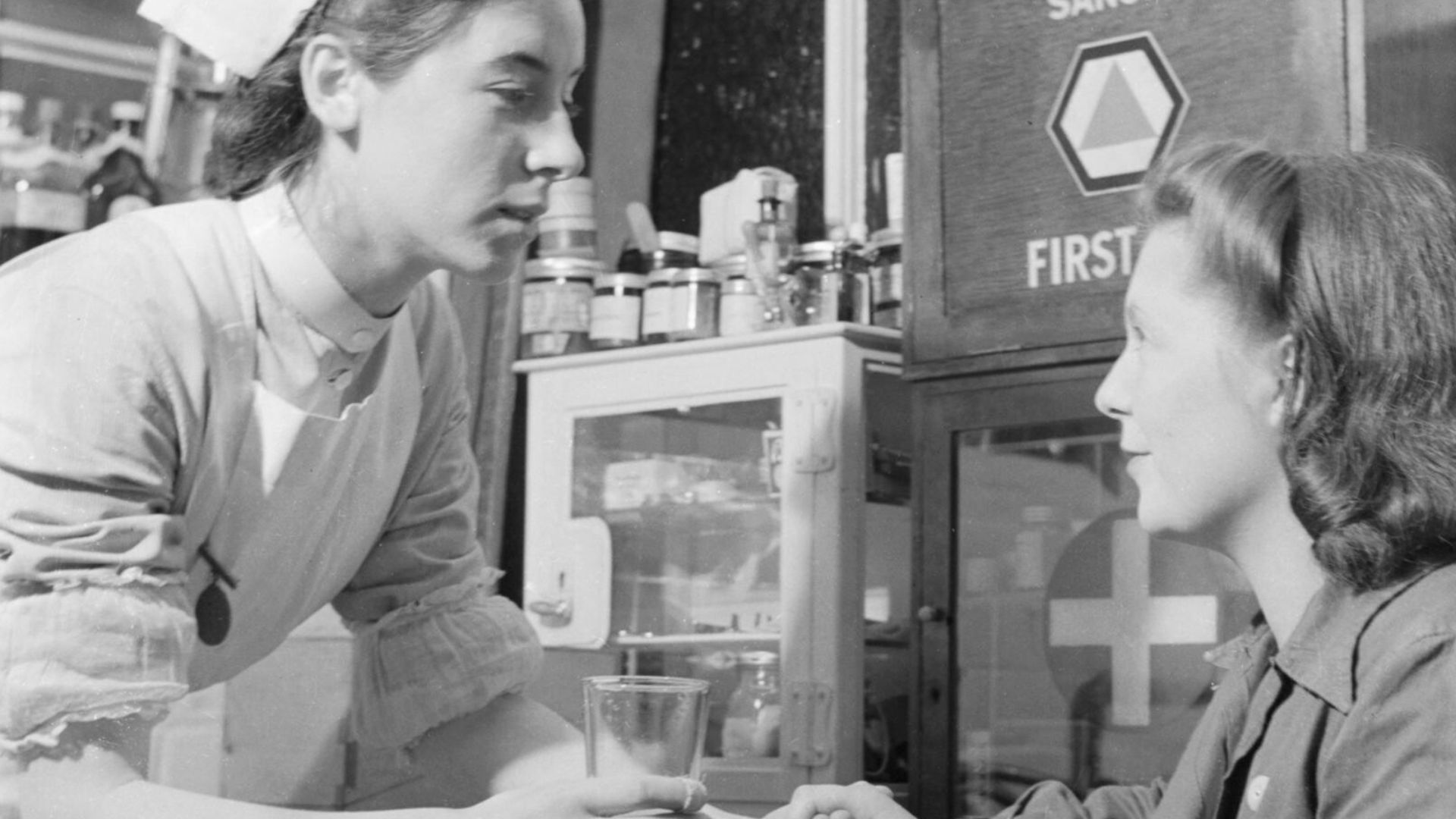
For decades, many workplaces automatically dismissed women once their pregnancies became visible. Some employers even required immediate resignation after pregnancy was confirmed. The assumption was that expectant mothers could no longer perform professional duties, regardless of their actual abilities. Court decisions and employment protections eventually made these policies illegal in many countries.
 Richard Stone, Wikimedia Commons
Talking During Work Could Bring Punishment
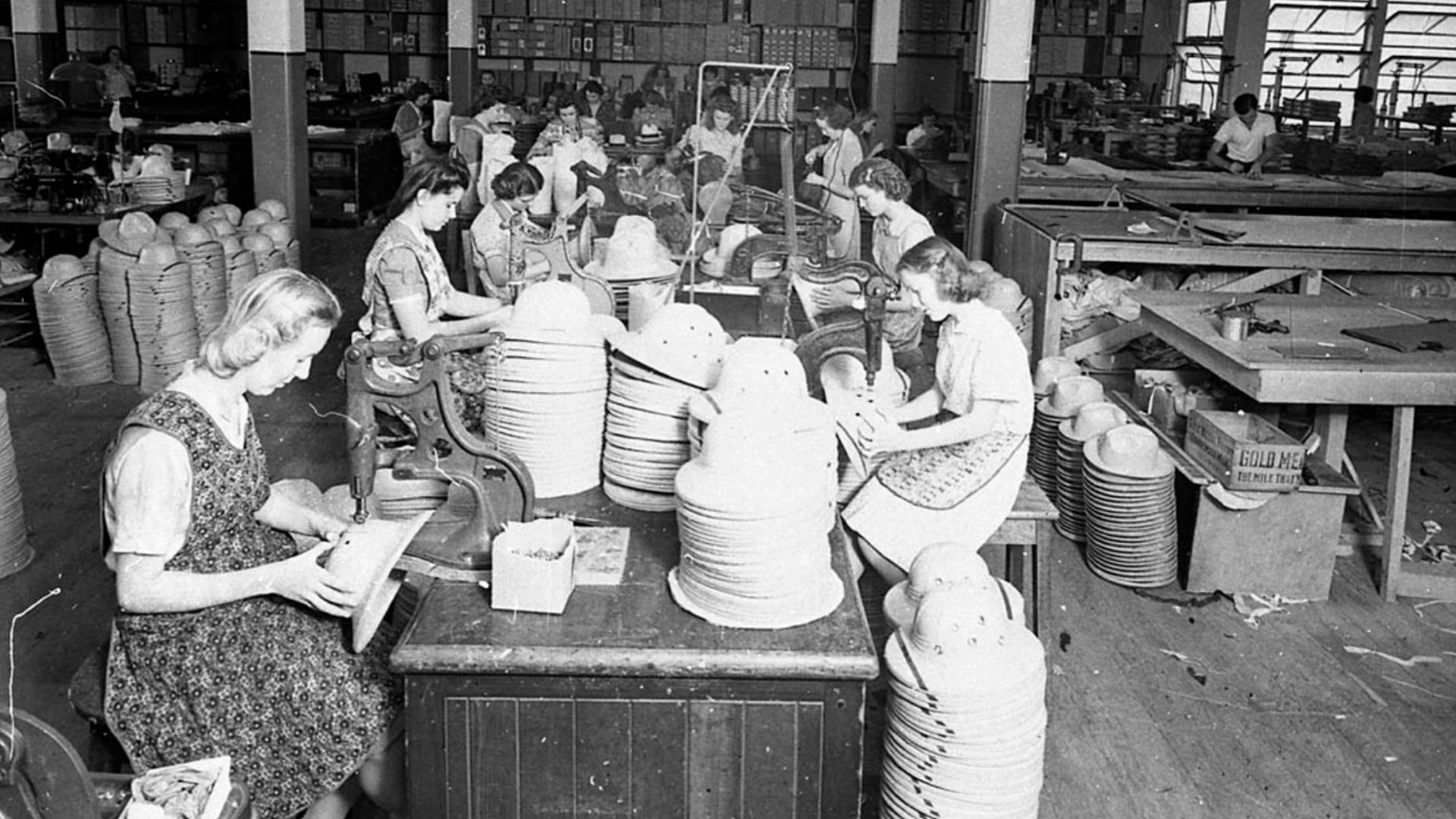
Many textile mills, factories, and workshops discouraged or outright prohibited conversation during working hours. Owners believed silence improved concentration and increased productivity. Supervisors sometimes walked the floor specifically to catch workers chatting. Although the policy seemed harsh, employers viewed quiet factories as efficient factories.
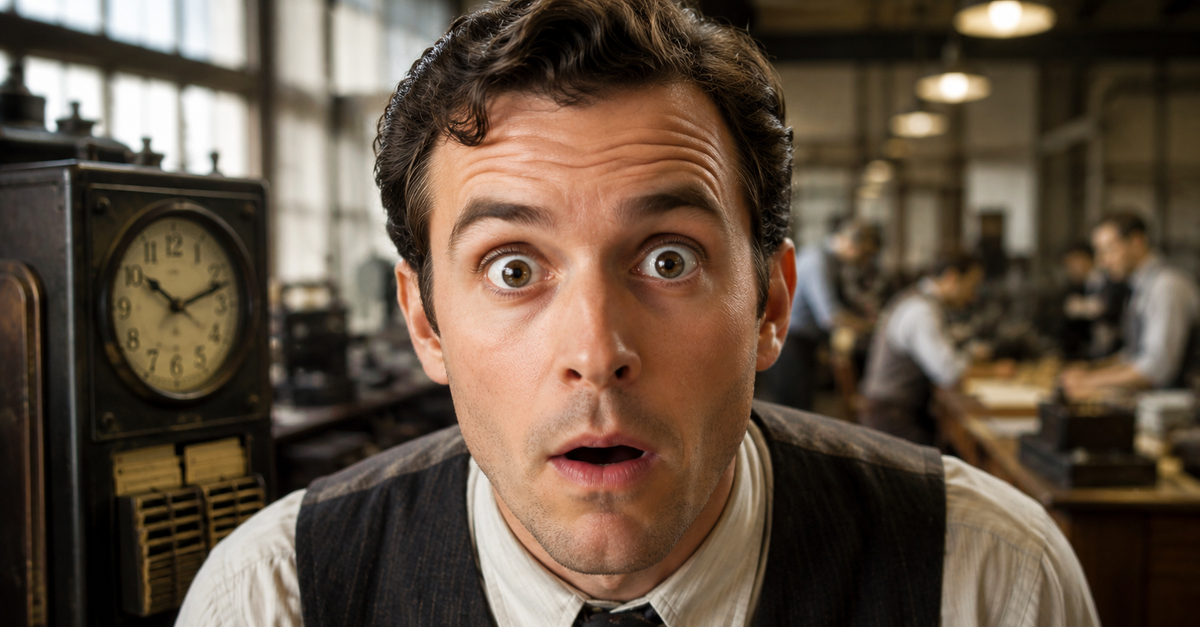
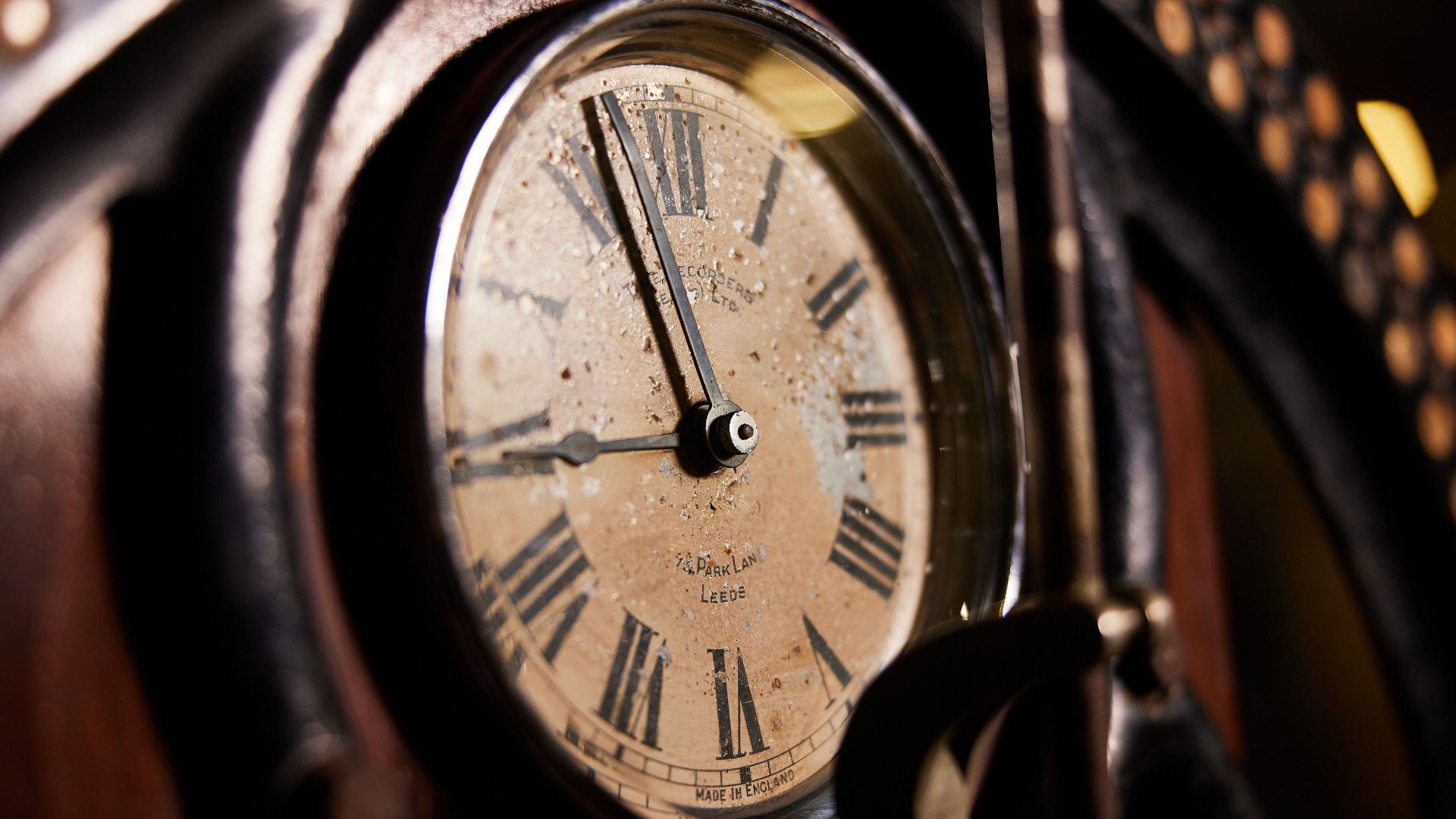
Every Minute Of Tardiness Was Recorded
Factories embraced time clocks during the late nineteenth and early twentieth centuries because they allowed employers to measure punctuality with precision. Even arriving a minute late could reduce wages or lead to disciplinary action. Workers quickly learned that punctuality affected both their paychecks and reputations. Timekeeping became one of the defining features of industrial employment.
 British Library, Wikimedia Commons
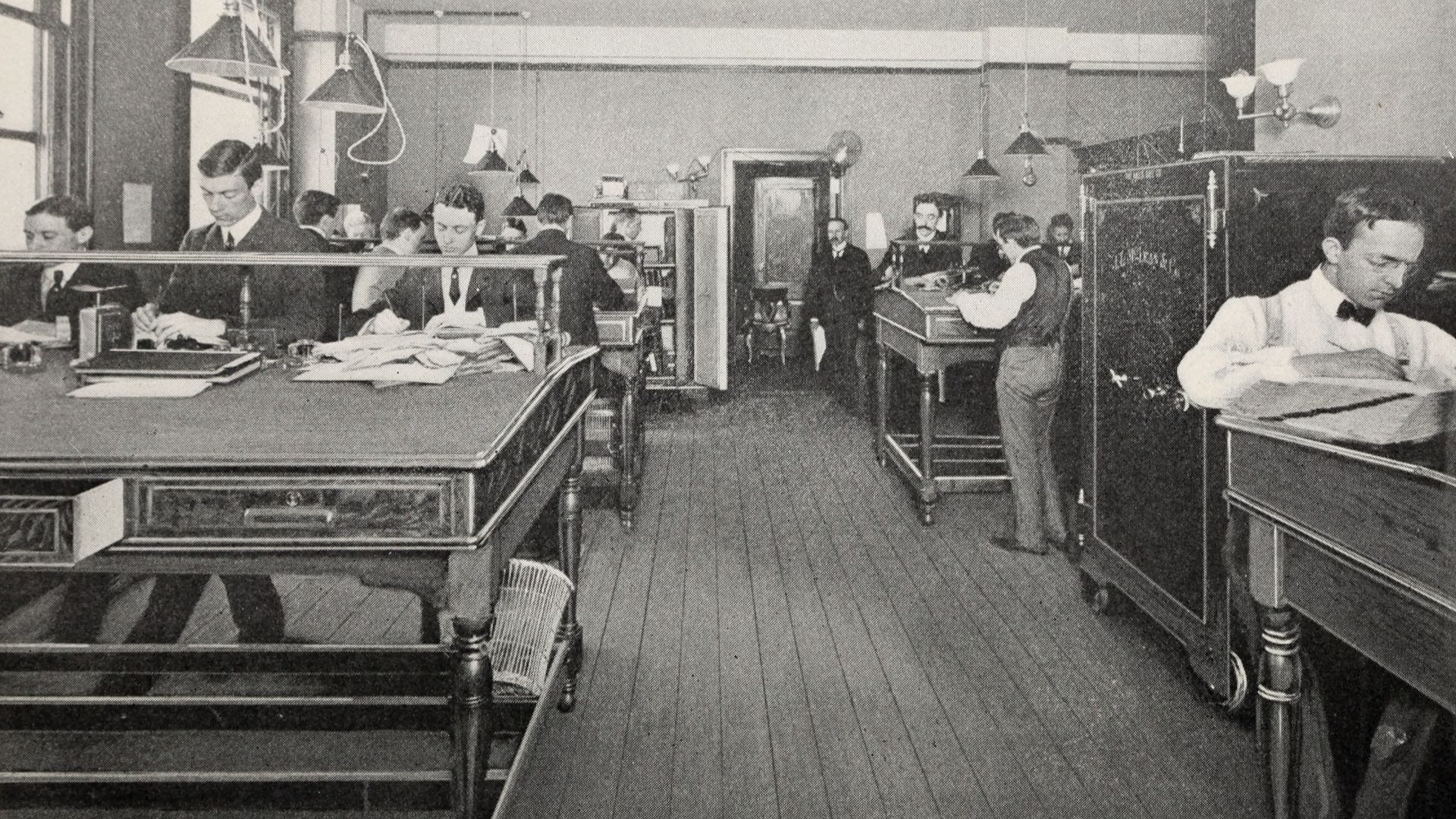
Dress Codes Left Little Room For Personality
Many businesses expected employees to wear nearly identical clothing. Bankers, insurance workers, and salespeople often dressed in dark suits, white shirts, conservative ties, and polished shoes. The goal was to project trust, discipline, and professionalism. Individual style mattered far less than presenting a consistent corporate image.
 J.L. McLean & Co., Wikimedia Commons
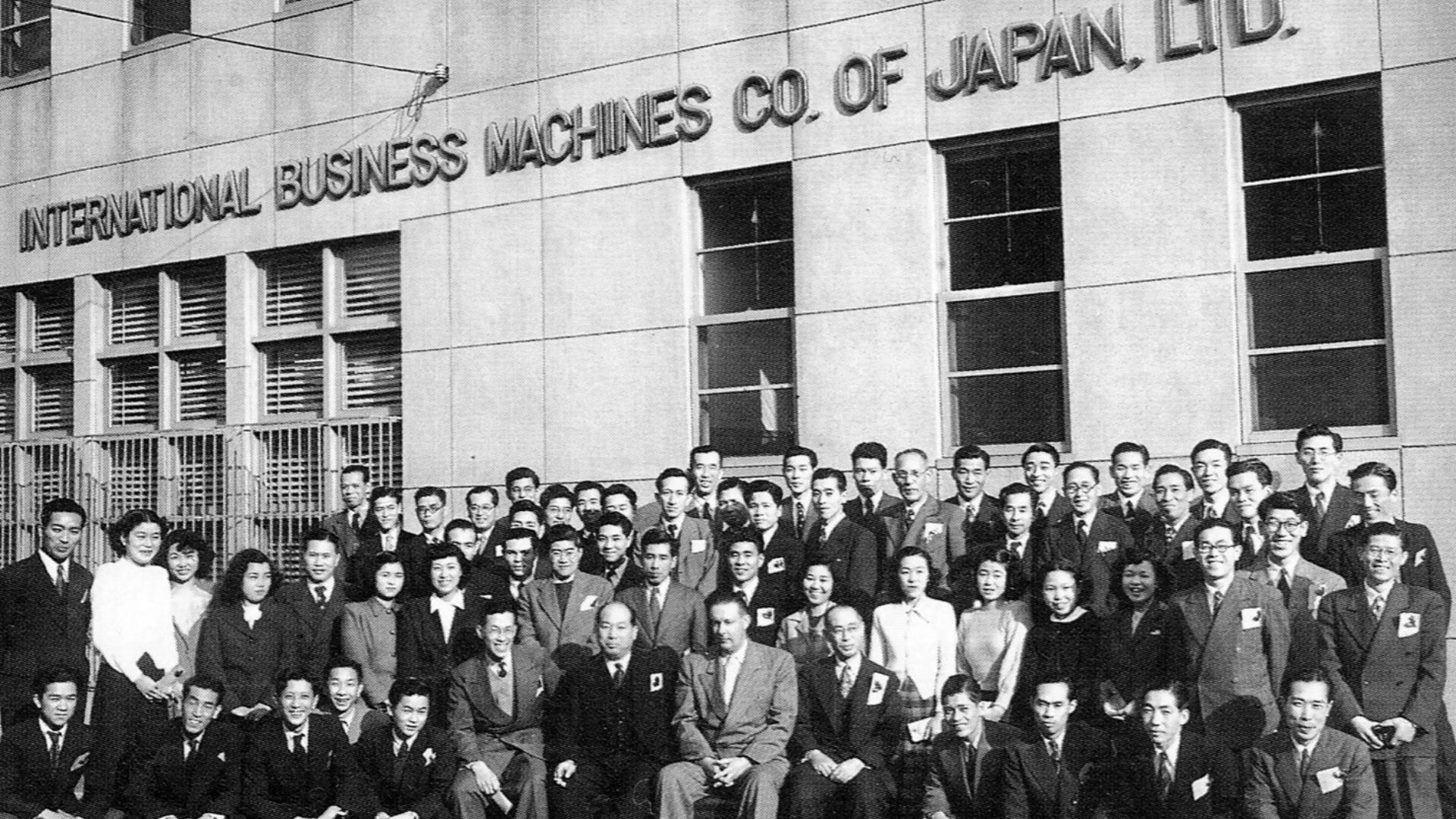
IBM Expected Nearly Uniform Appearance
For much of the twentieth century, IBM became famous for one of corporate America's strictest dress cultures. Male employees were widely expected to wear dark suits, white shirts, and conservative ties while maintaining an exceptionally polished appearance. Executives believed customers trusted employees who looked consistent and formal. Those expectations gradually relaxed as workplace culture evolved.

History's most fascinating stories and darkest secrets, delivered to your inbox daily.
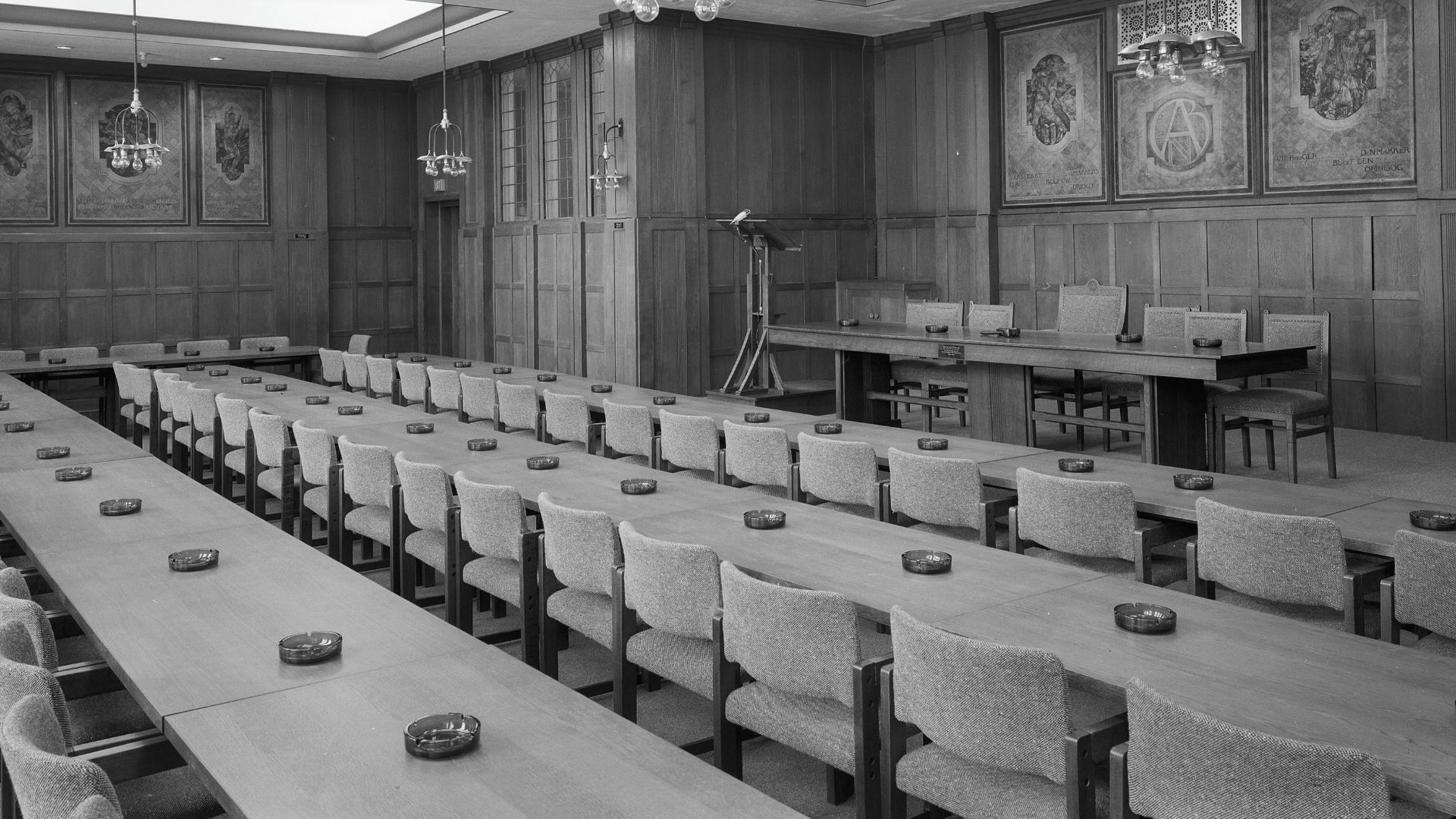
Smoking Breaks Were Practically Mandatory
Today smoking inside workplaces is almost unimaginable, but many offices once encouraged it. Cigarette breaks became common parts of the workday, and meetings frequently included ashtrays on every table. In some industries, declining a cigarette could even seem unusual. Growing medical evidence eventually transformed smoking from a workplace norm into a prohibited activity.
 Gerard Dukker, Wikimedia Commons
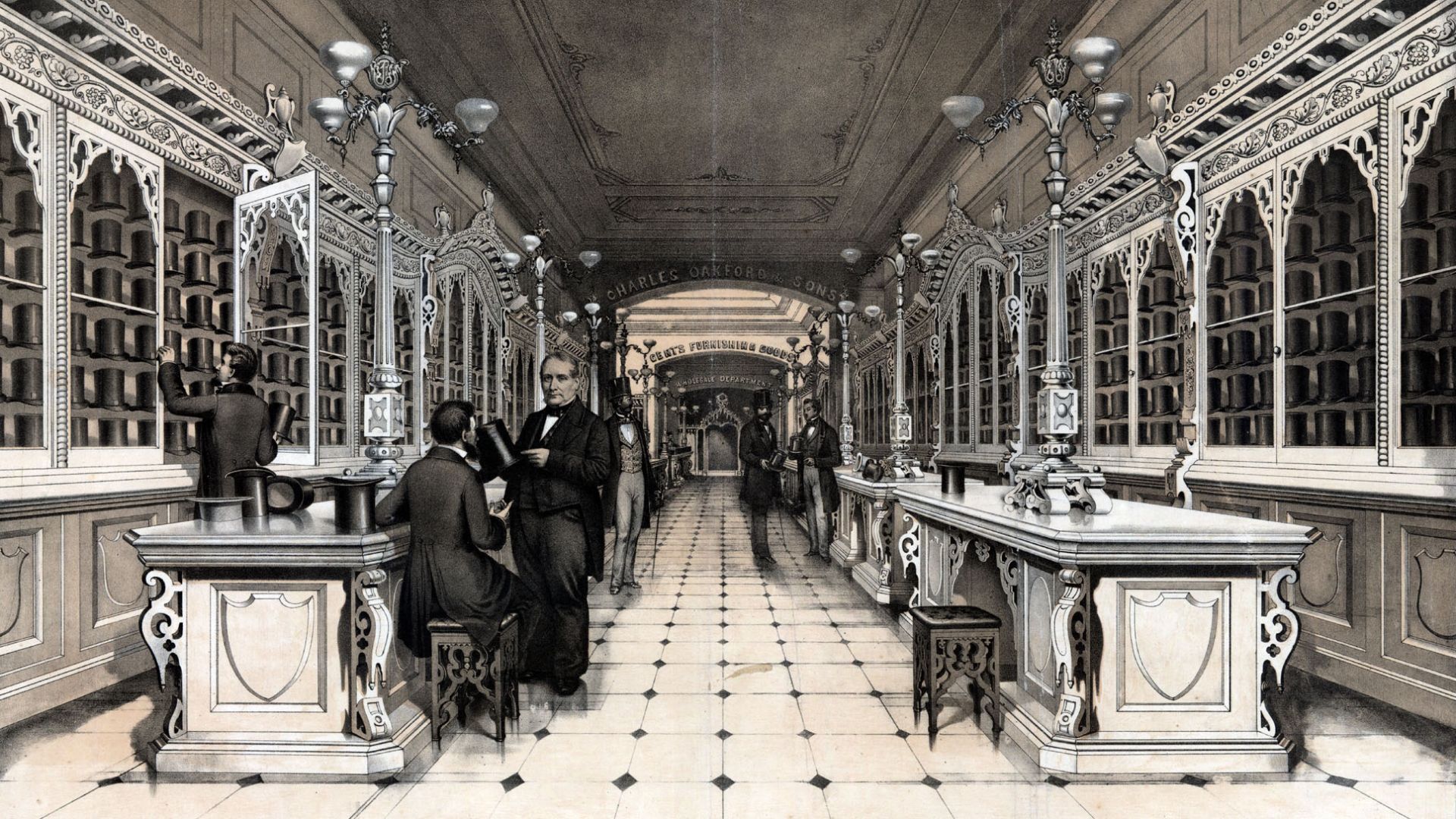
Standing All Day Was Part Of The Job
Retail clerks in department stores were often forbidden from sitting while serving customers. Owners believed standing projected energy, attentiveness, and respect. Even during slow periods, employees remained on their feet for hours. Many stores eventually relaxed the rule as workplace standards improved.
 Library Company of Philadelphia, Wikimedia Commons
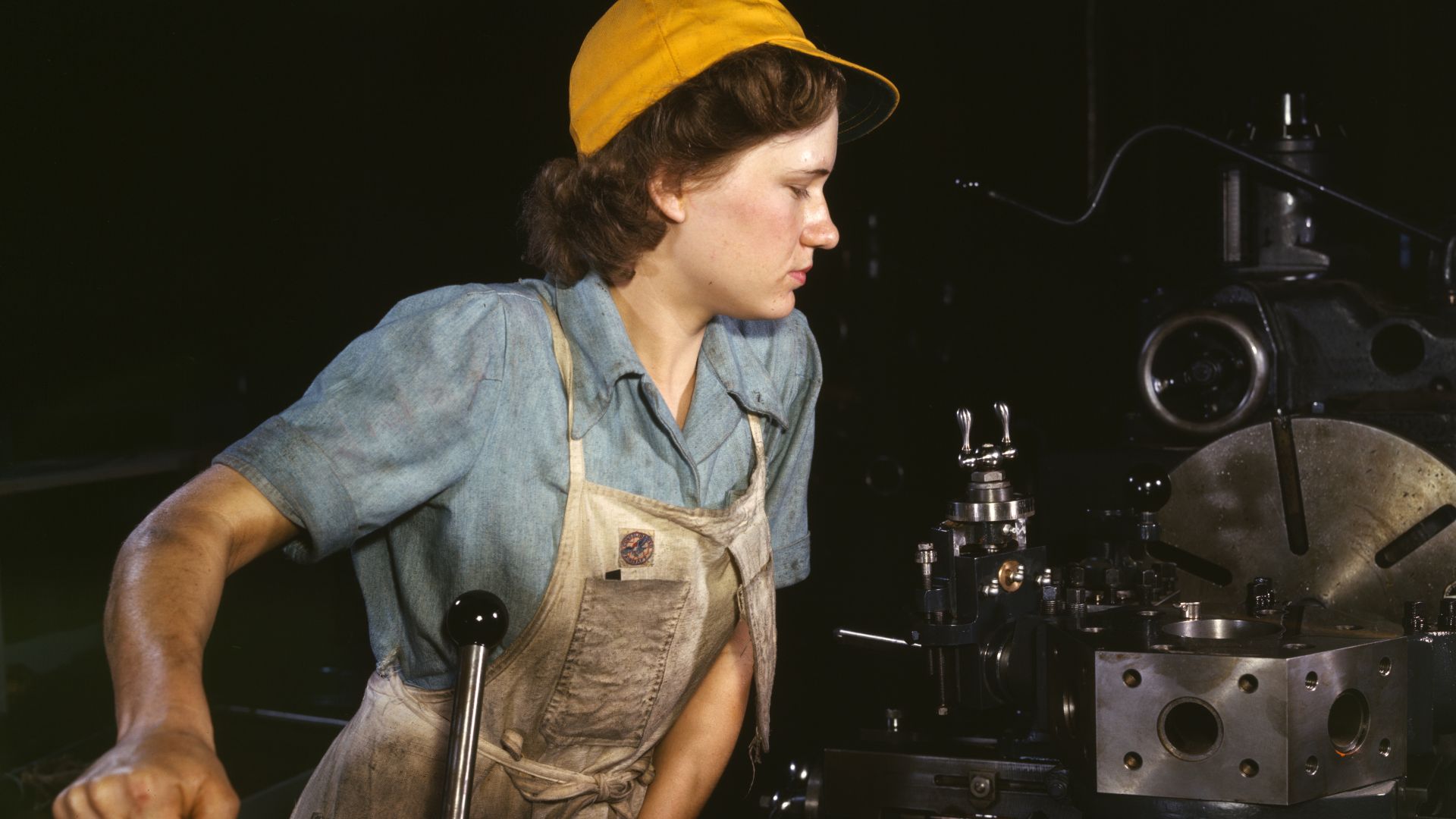
Secretaries Needed Permission To Wear Pants
Women working in professional offices frequently faced detailed clothing regulations throughout much of the twentieth century. Dresses or skirts remained mandatory in many workplaces well into the 1960s and 1970s. Pants were considered too informal or inappropriate for office settings. Changing fashion trends and workplace equality eventually brought those restrictions to an end.
 Howard R. Hollem, Wikimedia Commons
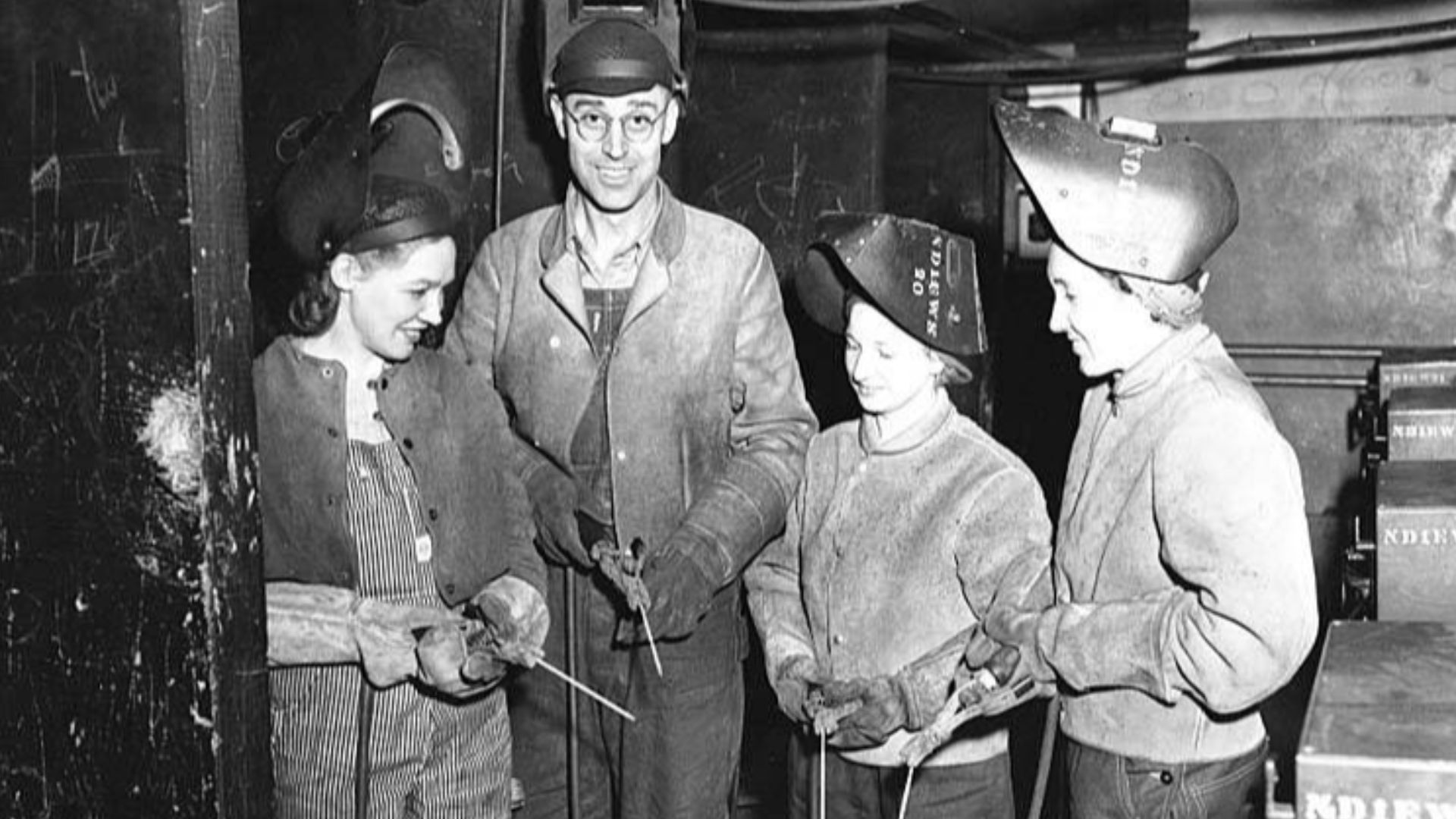
Facial Hair Was Often Discouraged
Many employers expected male workers to remain clean shaven. Executives believed a smooth face projected discipline, reliability, and professionalism. Beards sometimes required special approval or were simply not permitted. Modern workplaces generally allow far greater flexibility in personal appearance.
 UW Digital Collections, Wikimedia Commons
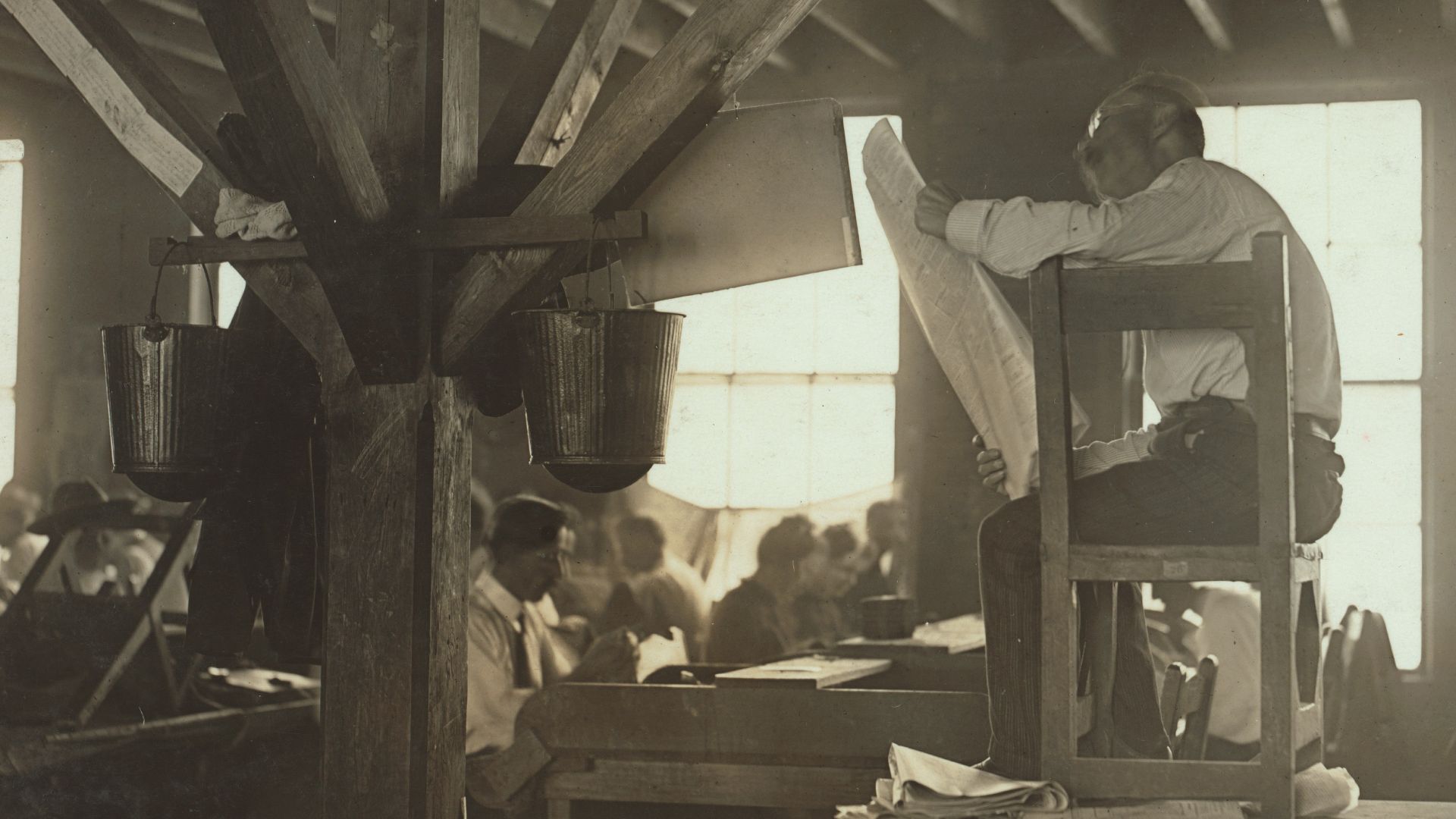
Employees Could Be Penalized For Reading
Some factories prohibited workers from reading newspapers or books during breaks on company property. Employers worried that reading distracted employees or encouraged political discussions. Managers preferred workers to remain focused on returning to production. As labor rights expanded, break periods gradually became more personal.
 Hine, Lewis Wickes; National Child Labor Committee Collection, Wikimedia Commons
Company Housing Came With Company Rules
Mining companies, mills, and railroad employers sometimes provided housing for workers. Living in company towns often meant following additional behavioral expectations outside working hours. Employers could regulate visitors, property maintenance, or community activities. The arrangement blurred the line between work life and private life.
![Title: [Railroad Workers, Locomotive 317, Texas & Pacific Railway Company]
Creator: Richie, Robert Yarnall, 1908-1984
Date: ca. 1946
Series: http://digitalcollections.smu.edu/cdm/search/collection/ryr/searchterm/Series 6: Negatives and Color Transparencie](https://www.factinate.com/storage/app/media/factinate/2026/7/24/17848905828692932eaadd5f9a10e6f162f4ff9c2b8927a78d.jpg) Robert Yarnall Richie, Wikimedia Commons
Robert Yarnall Richie, Wikimedia Commons
Office Romance Was Strictly Forbidden
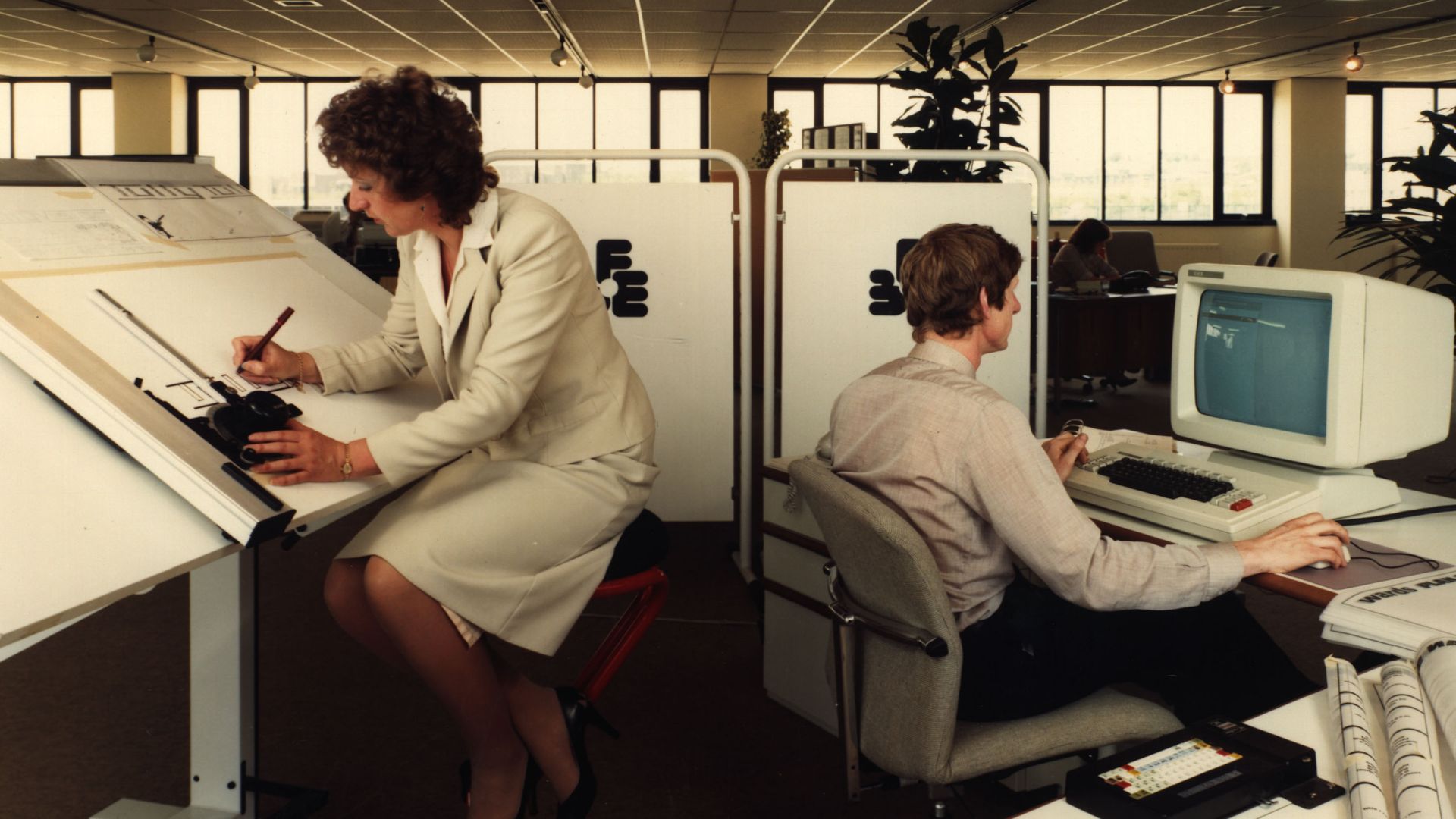
Many companies discouraged or banned romantic relationships between coworkers. Managers feared favoritism, workplace conflict, or damaged morale. Some employees even faced transfers or resignations after marrying colleagues. Modern policies typically focus on conflicts of interest instead of blanket prohibitions.
 Tyne & Wear Archives & Museums, Wikimedia Commons
Cashiers Were Personally Responsible For Shortages
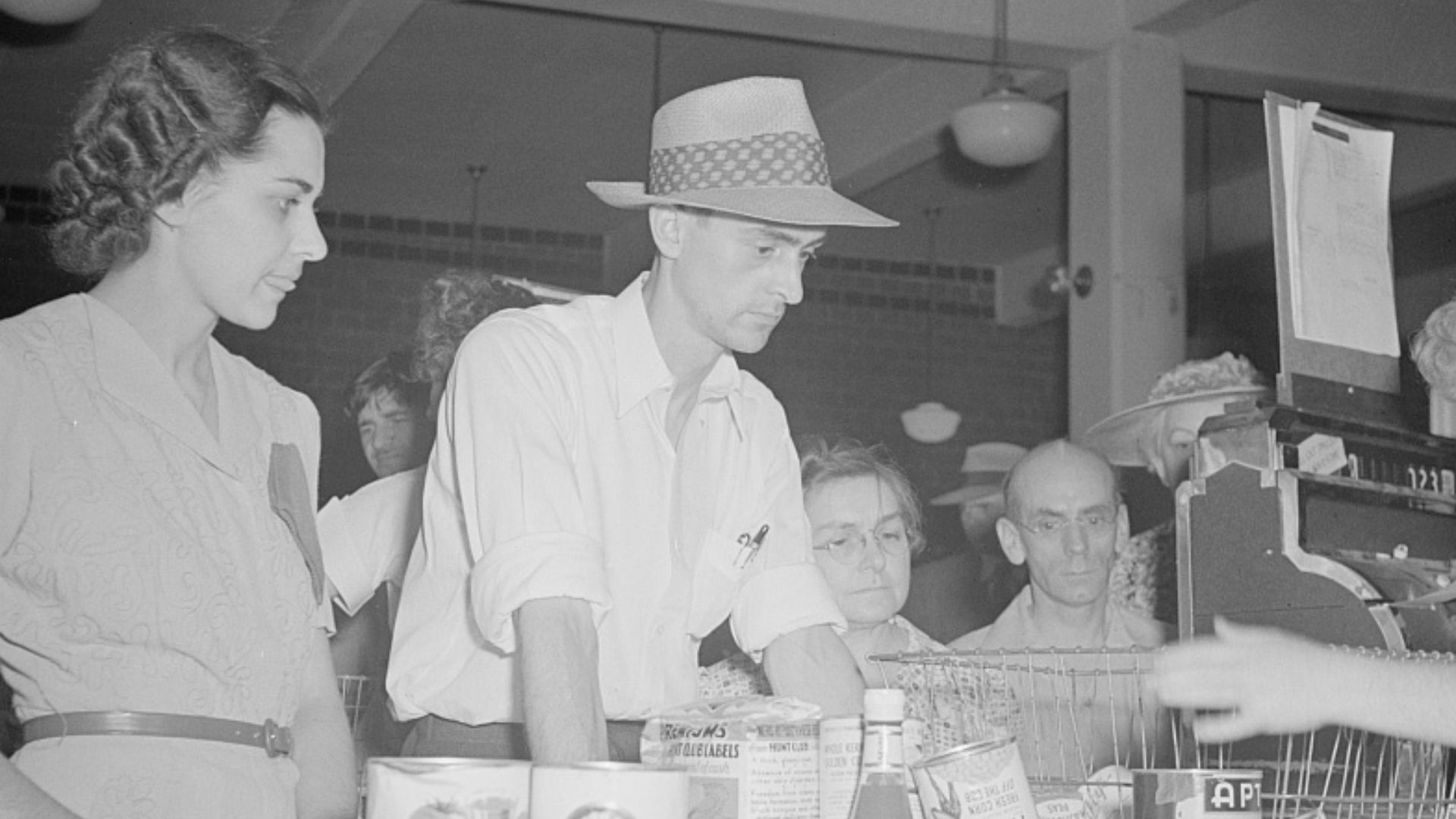
Retail employees frequently had to repay missing money from their own wages if cash drawers came up short. The policy placed enormous pressure on workers handling transactions throughout the day. Even honest mistakes could become expensive. Labor laws later placed greater limits on wage deductions in many places.
 Marjory Collins, Wikimedia Commons
Left Handed Workers Were Expected To Adapt
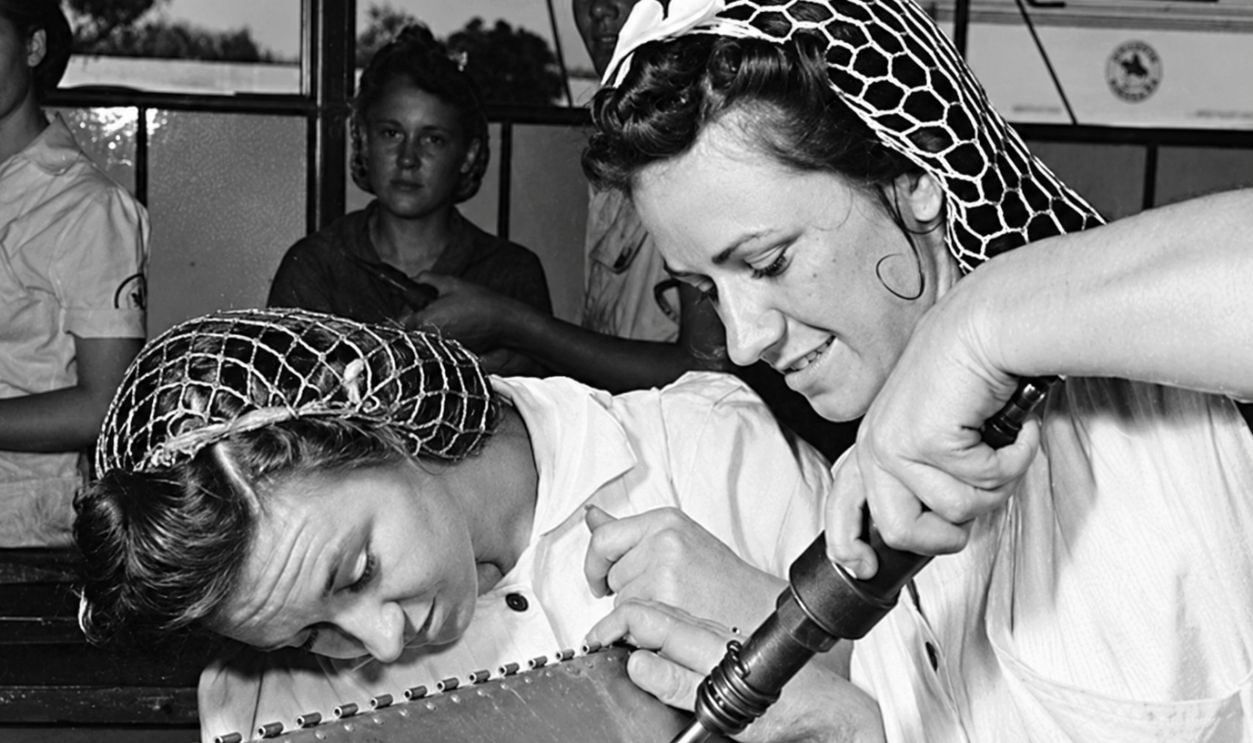
Schools and workplaces often viewed left handedness as undesirable well into the twentieth century. Some apprentices and clerical workers were instructed to write with their right hands instead. Employers valued uniformity over individual comfort. Scientific understanding eventually demonstrated there was nothing wrong with being left handed.
 Howard R. Hollem, Wikimedia Commons, Modified
Women Had Strict Makeup Expectations
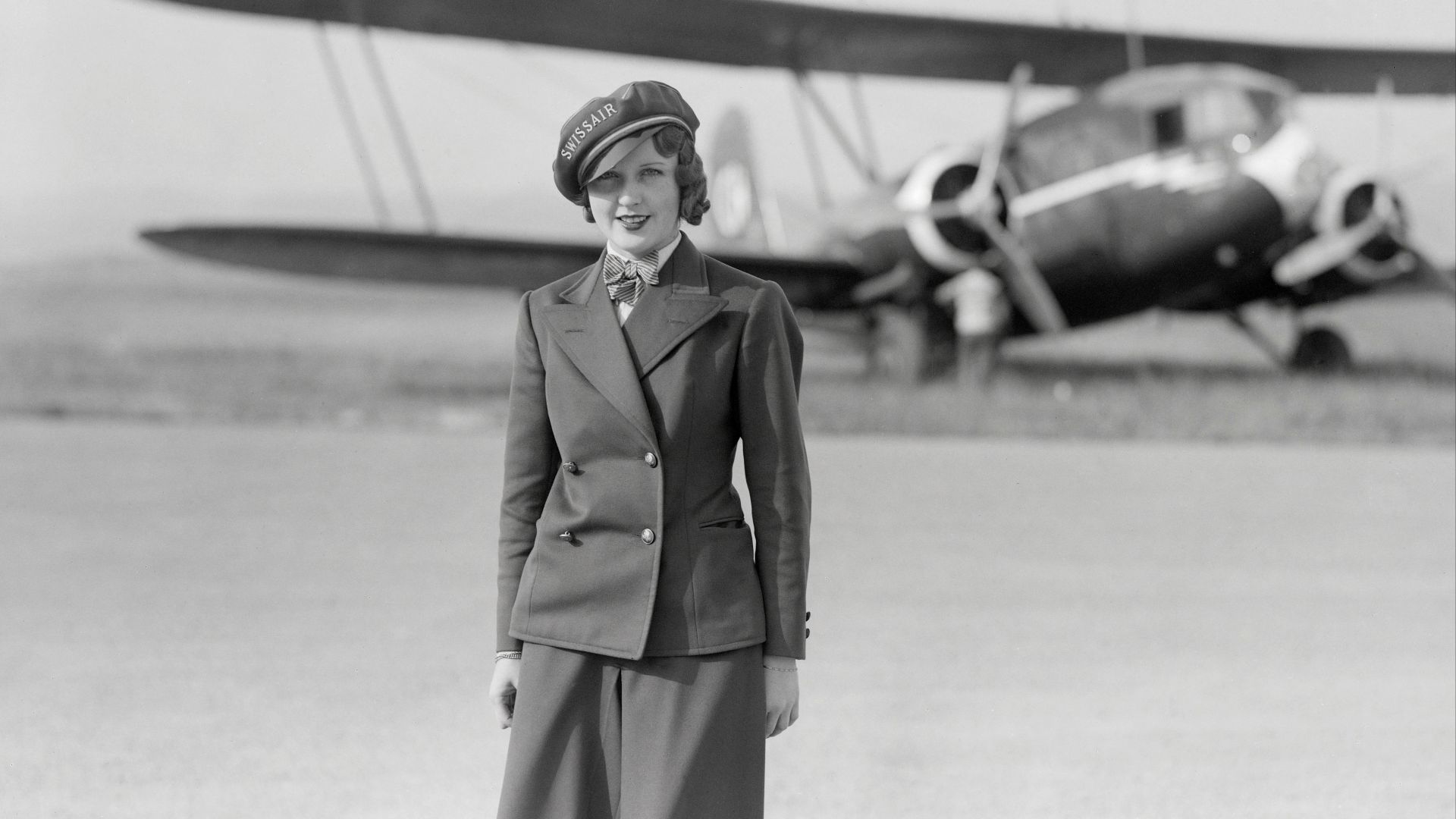
In certain industries, especially airlines, hospitality, and retail, women were expected to wear makeup while working. Appearance standards often included lipstick, hairstyles, and nail polish requirements. Employers argued that polished presentation strengthened the company's public image. Modern workplace standards generally provide much greater flexibility.
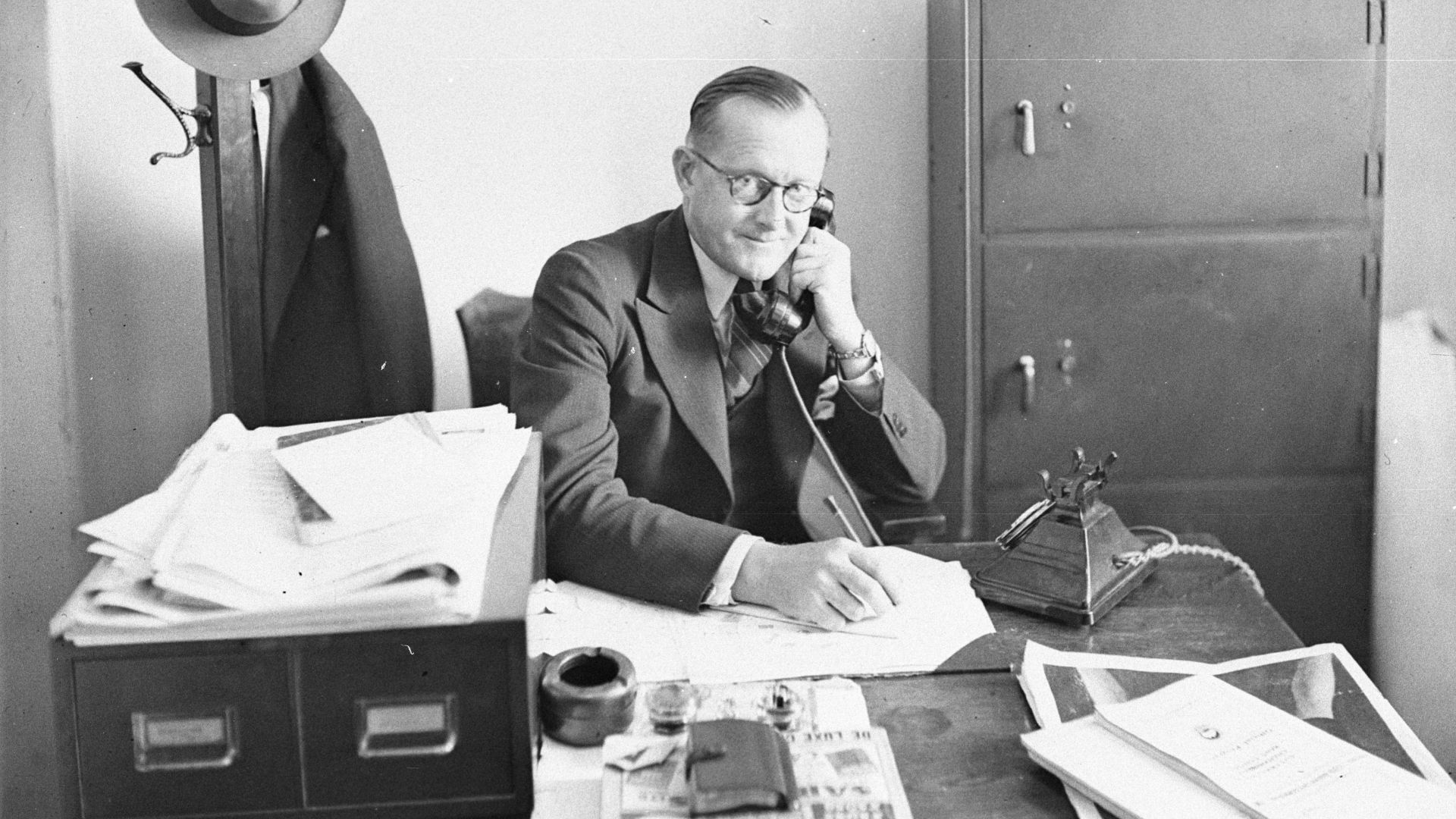
Personal Phones Simply Did Not Exist
Before mobile phones, many employers tightly controlled telephone access. Personal calls were often prohibited except for emergencies. Receptionists sometimes screened every incoming call before employees could speak with family members. The rule reflected both limited technology and expectations about workplace discipline.
 Photographed by Sam Hood, Wikimedia Commons
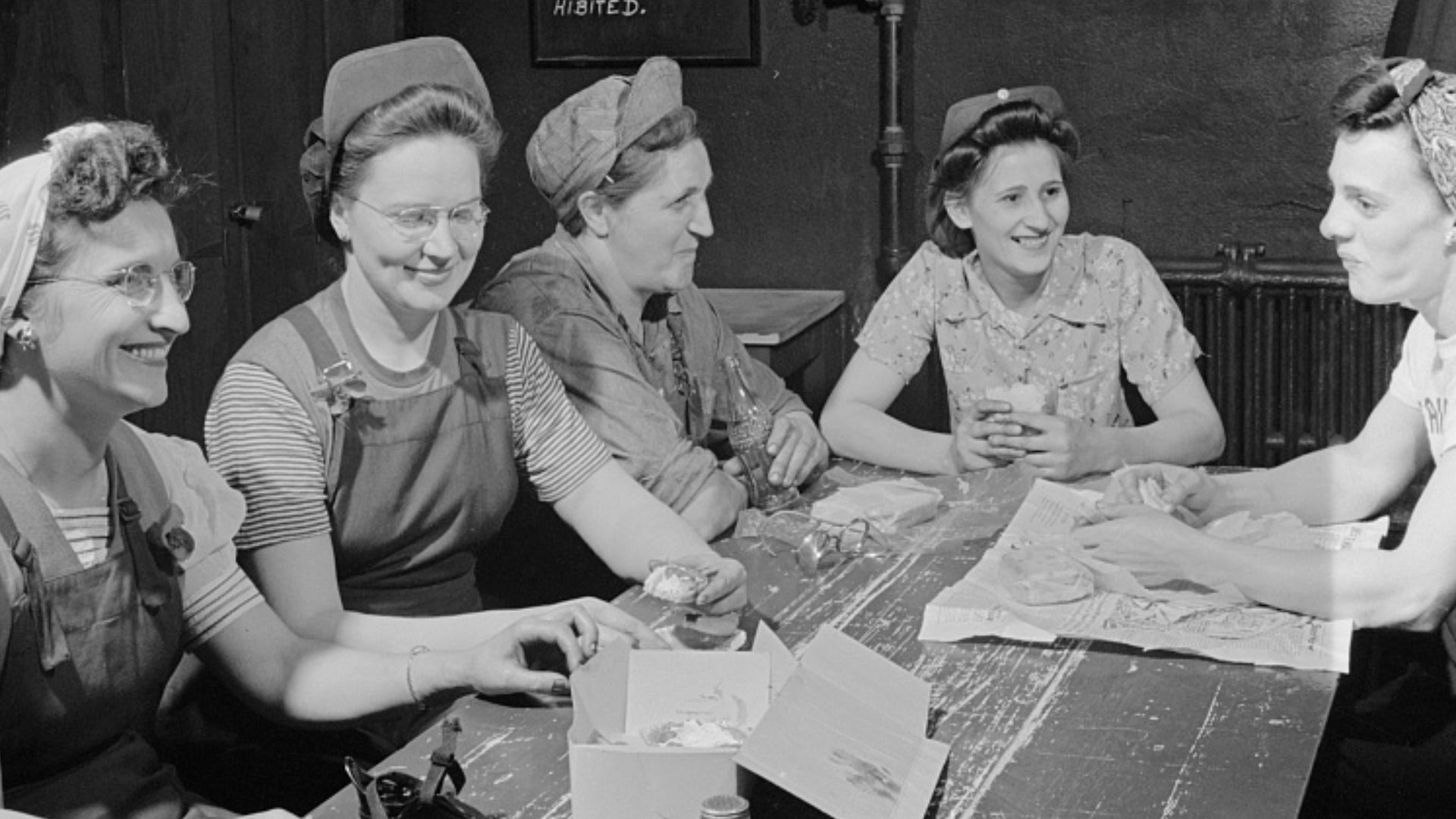
Lunch Breaks Happened On Schedule Alone
Employees rarely chose when to eat during the industrial era. Factories scheduled lunch breaks according to production needs rather than personal preference. Entire departments stopped simultaneously before returning together. Coordinated breaks kept assembly lines moving efficiently.
 Marjory Collins, Wikimedia Commons
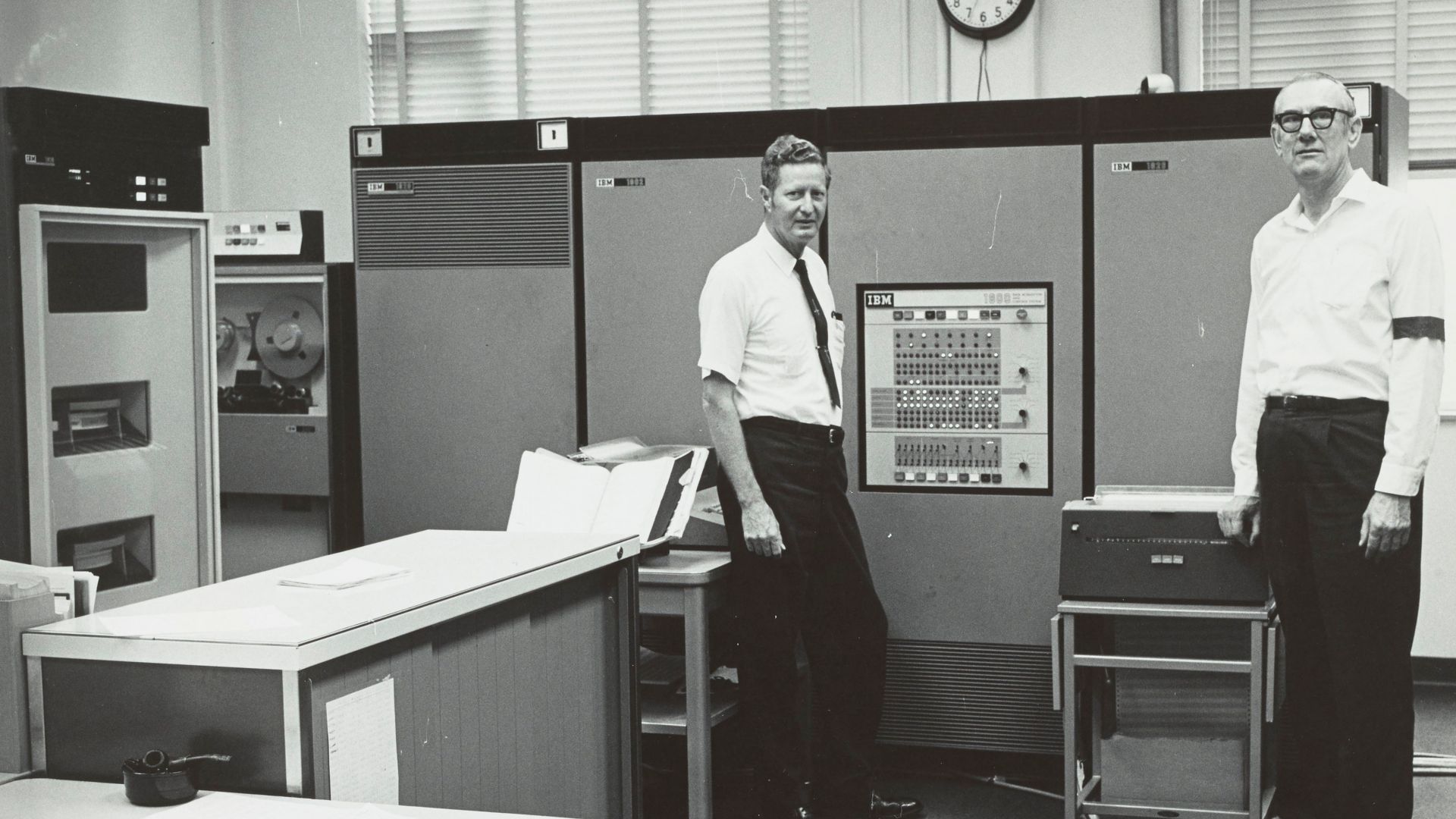
Loyalty Sometimes Meant Singing Together
Some companies actively promoted corporate songs during meetings and conventions. IBM famously encouraged employees to participate in company songs as part of building shared identity and enthusiasm. Singing together reflected a broader corporate culture emphasizing unity and loyalty. The practice eventually faded as management styles changed.
 Courtesy of Science History Institute, No Known Copyright, Wikimedia Commons
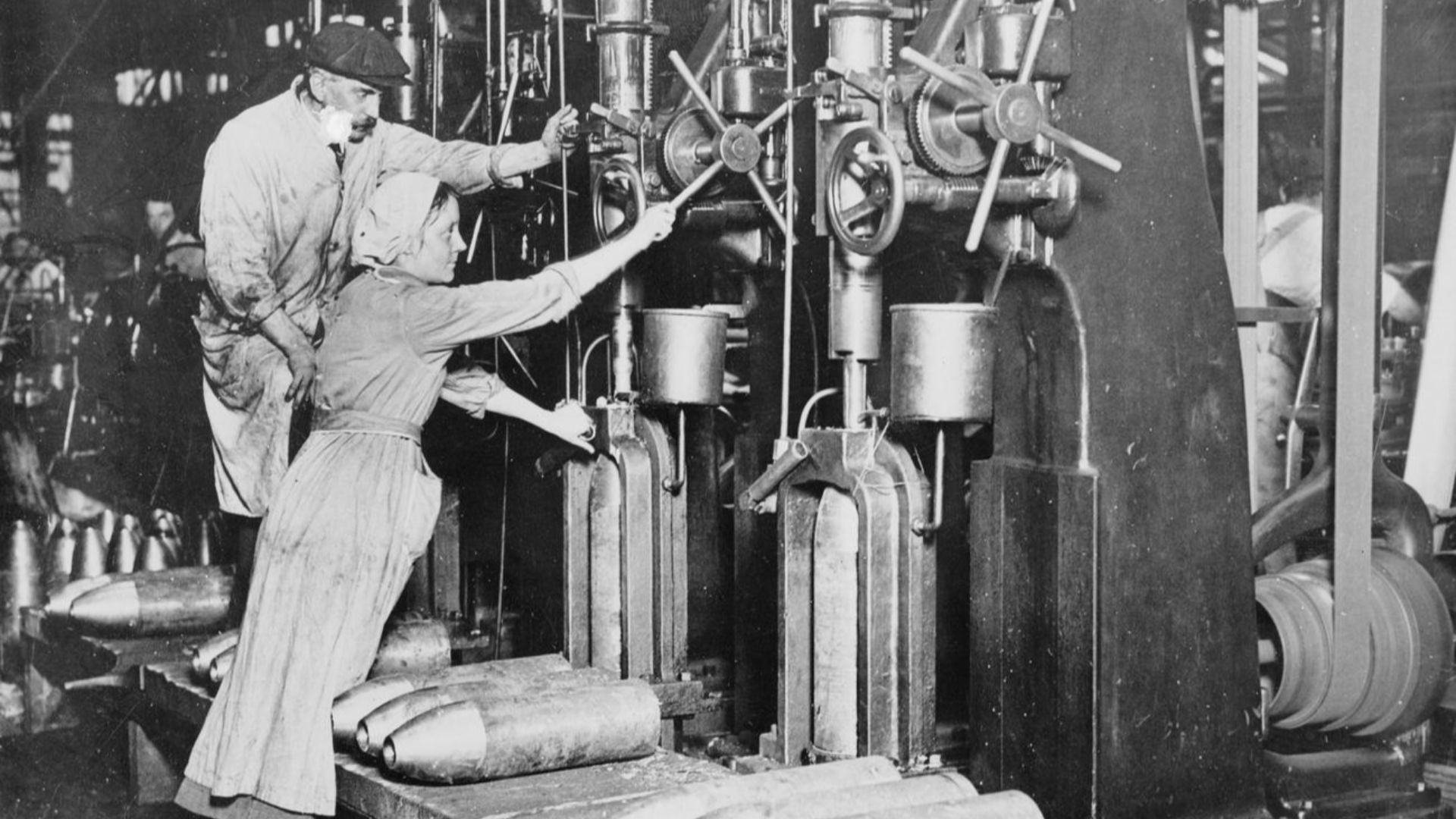
Women Often Needed Permission To Keep Working
After World War II, some companies rehired women only temporarily before encouraging or requiring them to leave once men returned from military service. Other employers continued limiting opportunities for married women despite their successful wartime contributions. These policies reflected social expectations rather than job performance. Expanding equal employment protections gradually challenged those assumptions.
 Unknown authorUnknown author, Wikimedia Commons
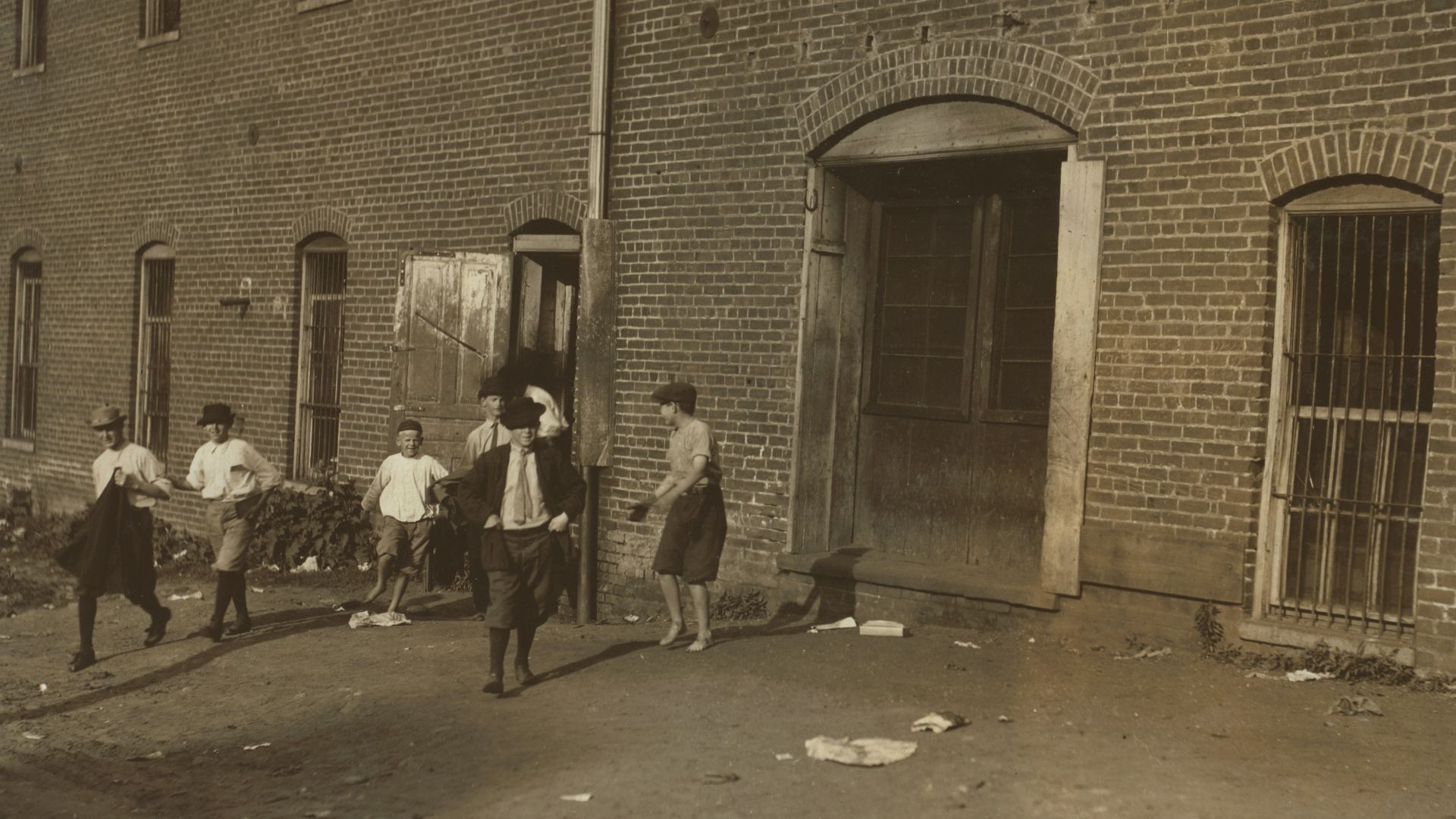
Breaks Were Closely Timed
Many employers measured breaks almost as carefully as working hours. Factory whistles, bells, or supervisors signaled exactly when breaks began and ended. Returning late could affect wages or invite disciplinary action. Strict scheduling reinforced the industrial emphasis on efficiency.
 Hine, Lewis Wickes; National Child Labor Committee Collection, Wikimedia Commons
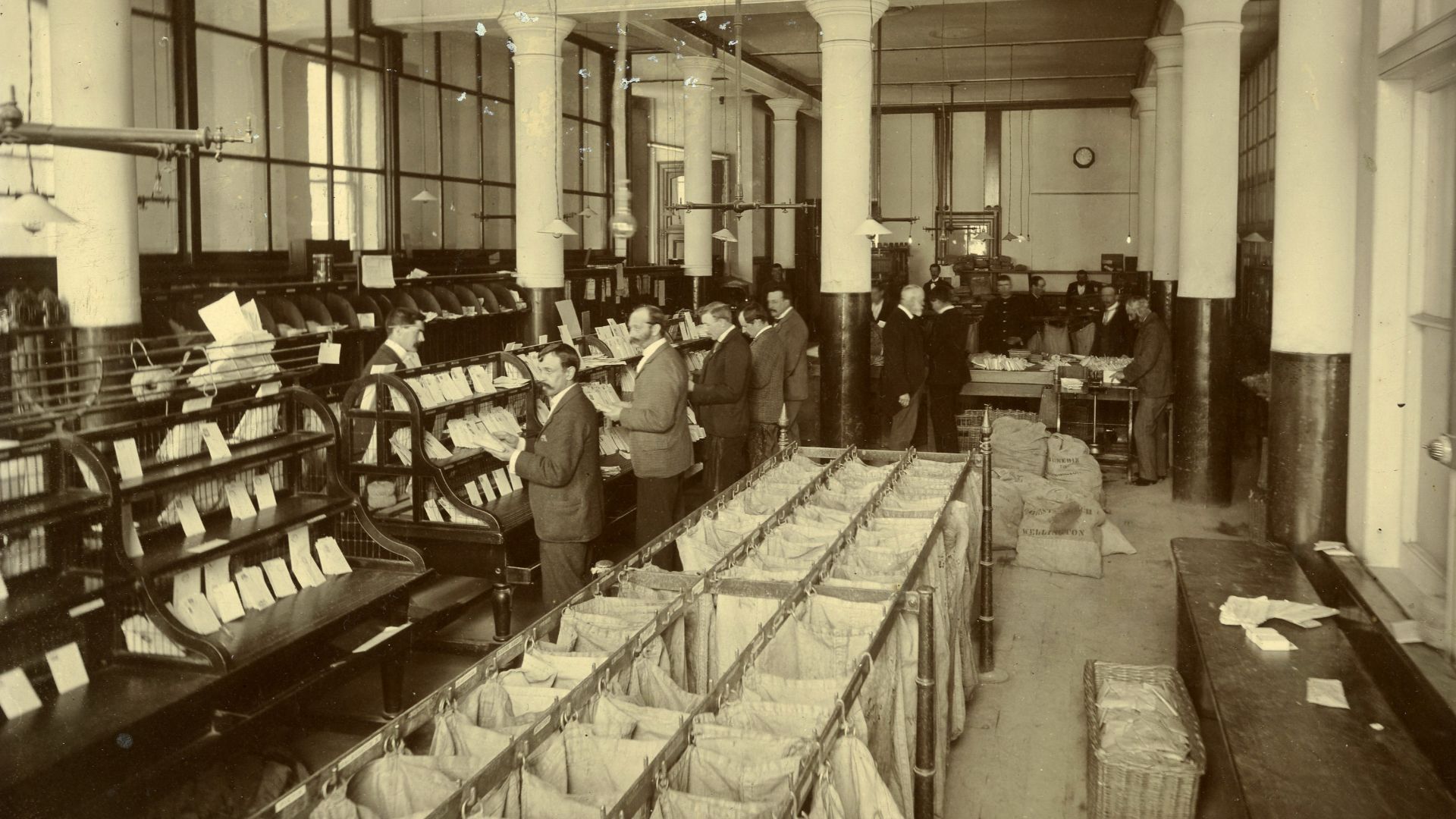
Personal Opinions Stayed Outside The Workplace
Employers often discouraged discussions about politics, religion, or labor organizing during working hours. Managers believed controversial conversations threatened harmony and productivity. Some businesses included these expectations directly in employee handbooks. Professional conduct policies today still encourage respectful behavior, though employees generally enjoy greater legal protections.
 Archives New Zealand from New Zealand, Wikimedia Commons
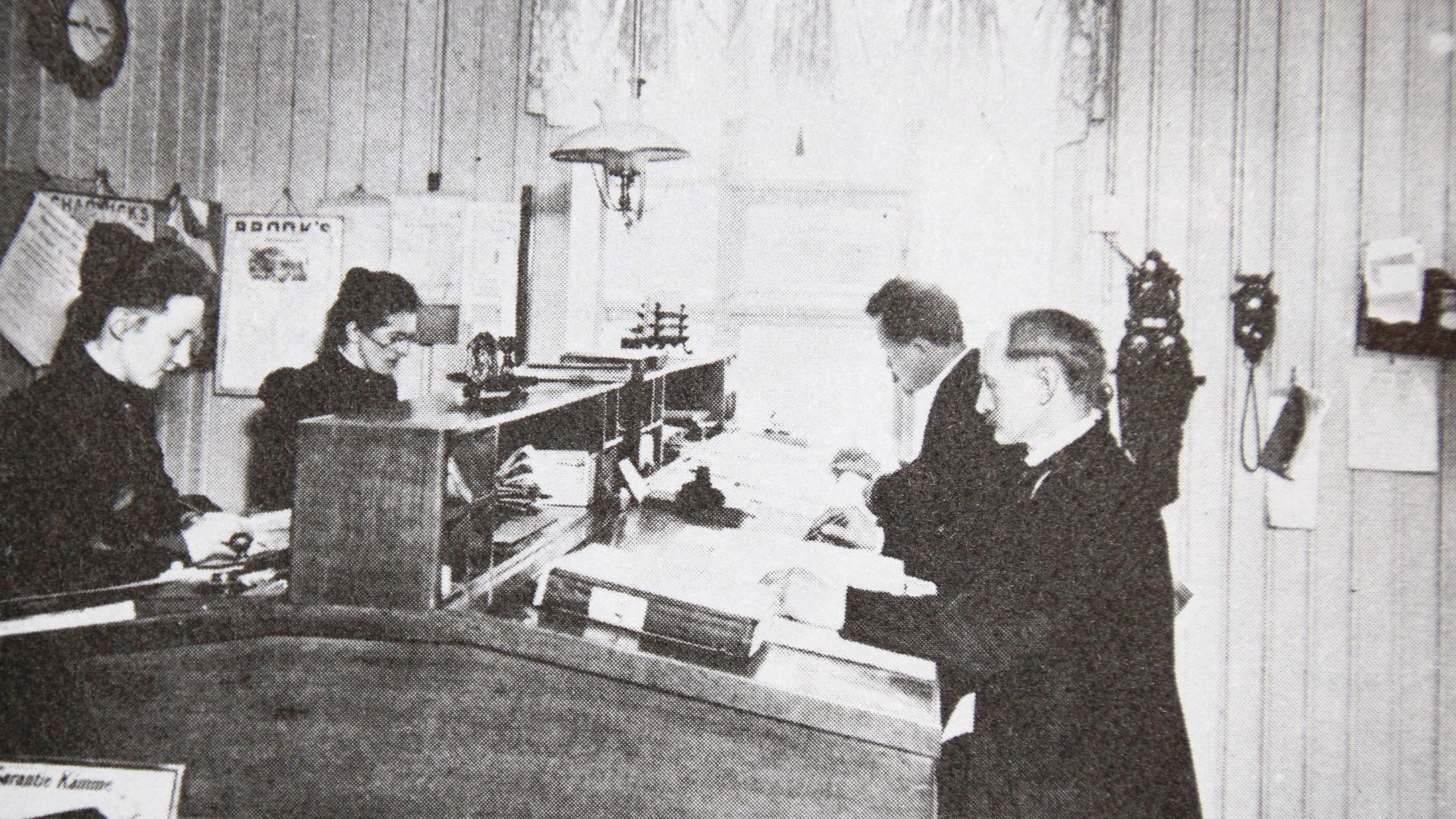
The Office Has Become Far Less Rigid
Looking back, many historical workplace rules seem surprisingly restrictive. They reflected the social norms, economic priorities, and management philosophies of their time rather than modern expectations. Labor laws, equal opportunity protections, and changing workplace culture have eliminated many of these unusual policies. The result is a workplace that offers far more flexibility and personal freedom than employees once imagined.
 Unknown authorUnknown author, Wikimedia Commons
You May Also Like:
The Weirdest Rules People Once Followed At Work
The Discovery Of A Bronze Age Blade Workshop In Southern Israel
Resilient Facts About Ellen Burstyn, The Actor Who Worked With The Devil