
A Challenge Every Step Of The Way
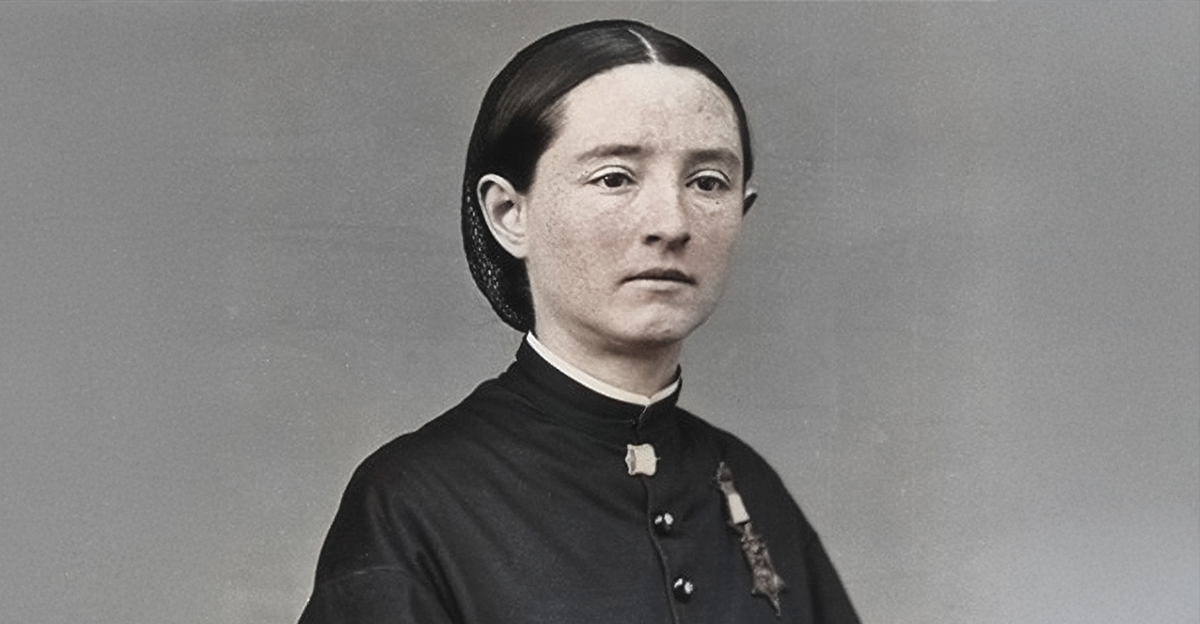
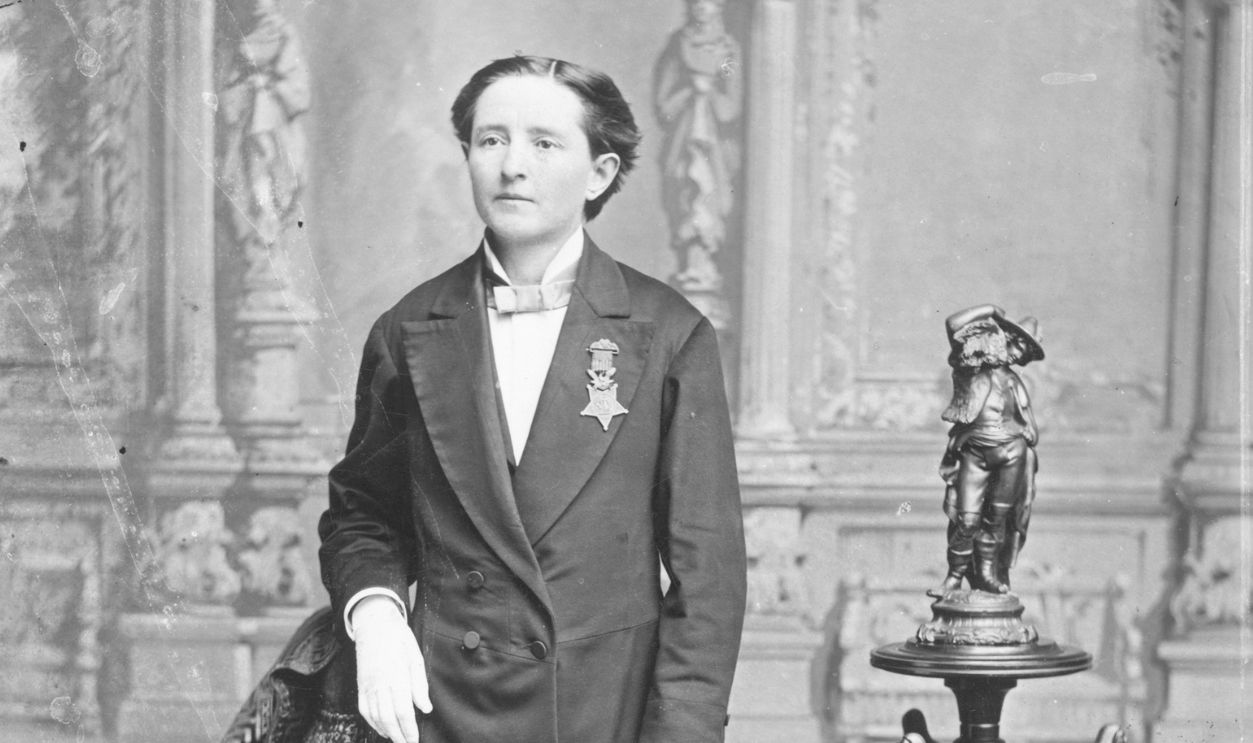
Mary Edwards Walker is the only woman ever awarded the Congressional Medal of Honor, but outside that accomplishment her life was marked by resistance and lack of public acceptance. A physician, Civil War surgeon, prisoner of war, and lifelong advocate for reform, Walker challenged 19th-century conventions at every step of the way, refusing to accept the limits placed on her because of her sex.
 US National Library of Medicine, NIH, Wikimedia Commons
A Childhood Shaped By Reform
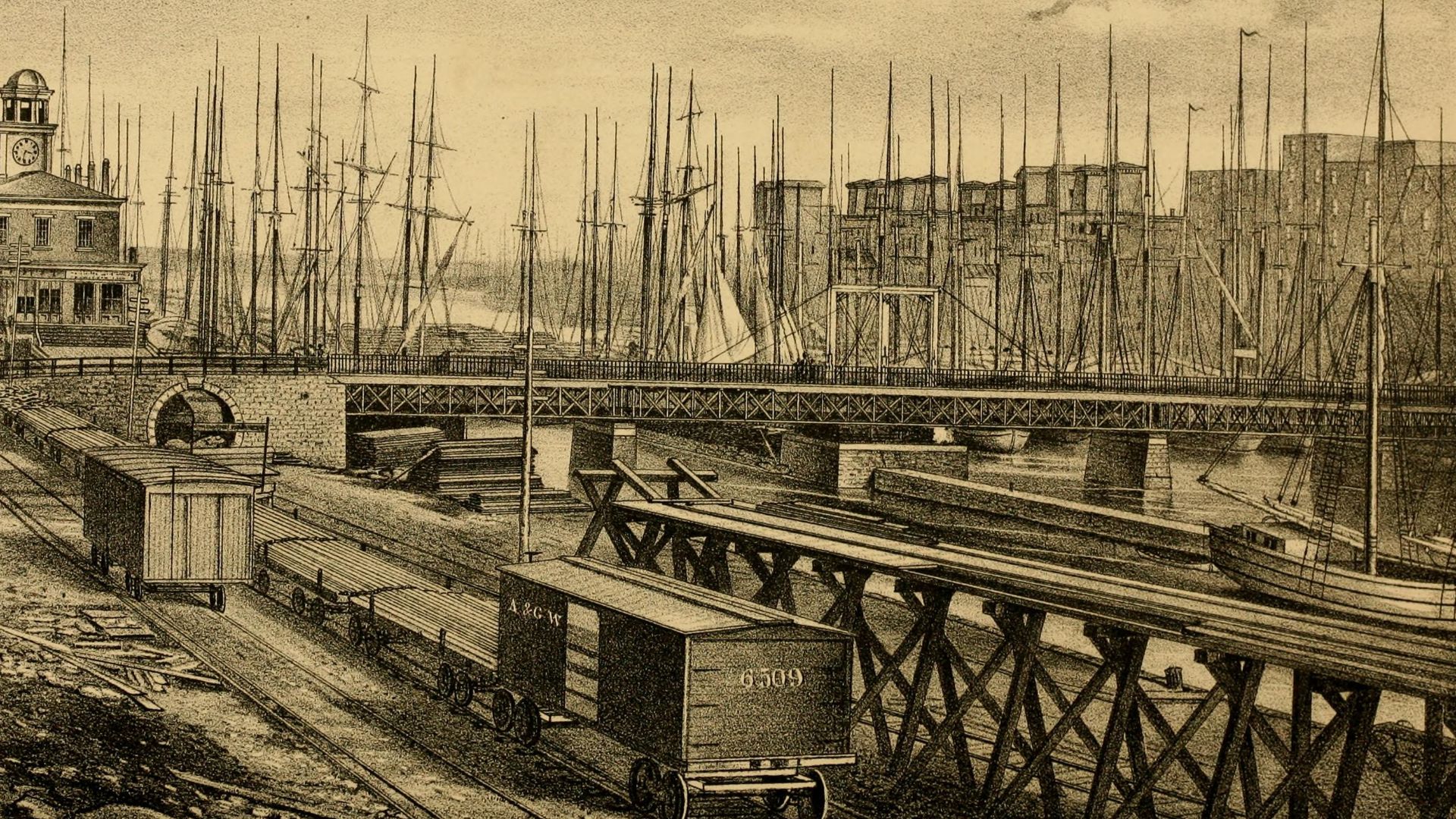
Mary Edwards Walker was born in 1832 in Oswego County, New York, to parents who embraced progressive ideas. Her own father was a doctor who encouraged education for both sons and daughters. Mary rejected traditional female dress at a young age, viewing at as impractical for doing farm work. Growing up on a farm where intellectual independence was valued gave her unconventional outlook on gender and social expectations.
 Johnson, Crisfield, Wikimedia Commons
Education At Falley Seminary
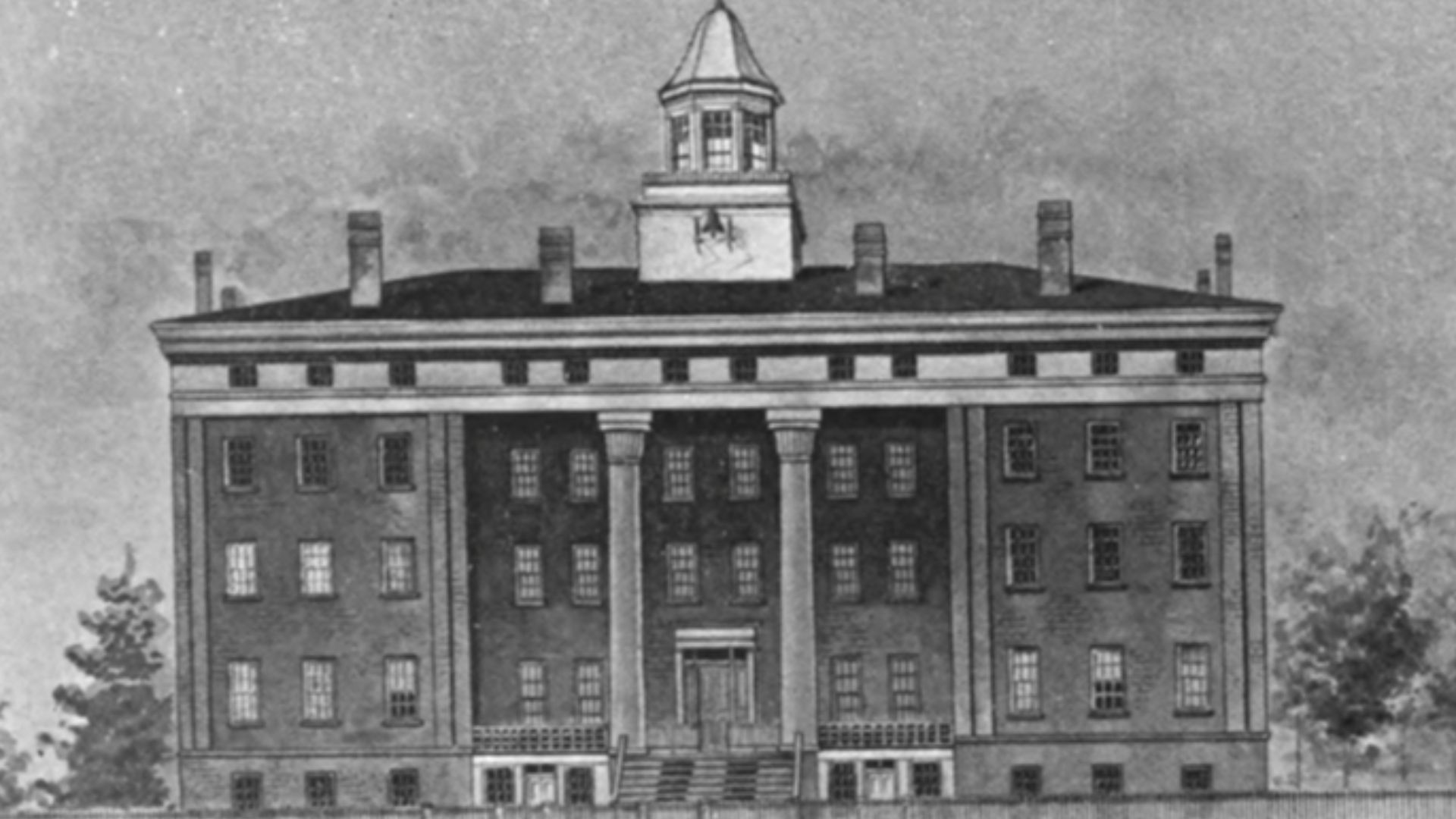
Walker attended Falley Seminary in Fulton, New York, where she received an education that was rare for young women of her era. She excelled as a student and her ambitions began to grow far beyond domestic life. Her early exposure to higher education strengthened her resolve to pursue a professional career.
 Crosscup & West Eng. Co., Phil., Wikimedia Commons
Pursuing Medicine In A Male Field
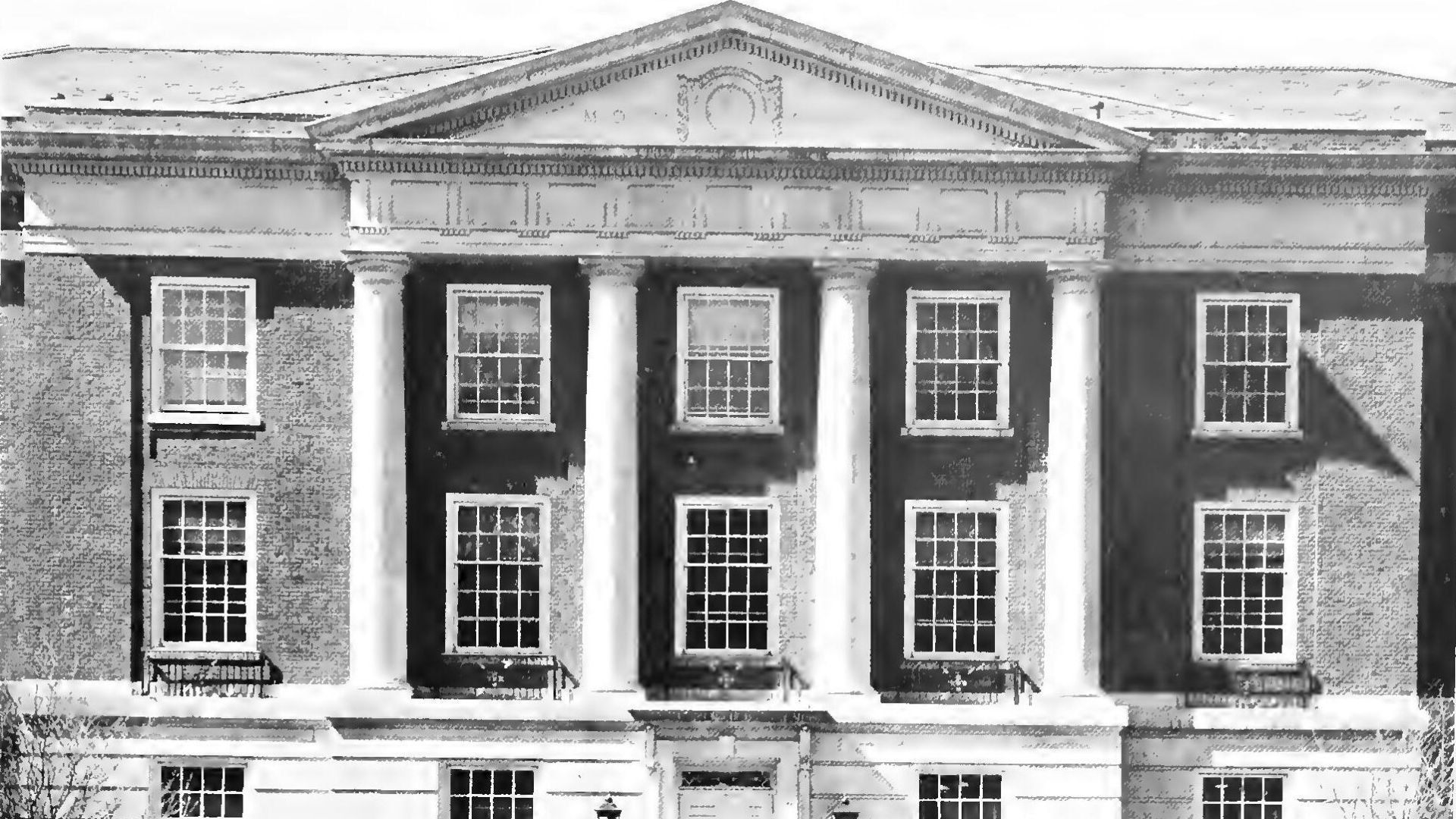
In the early 1850s, Walker enrolled in Syracuse Medical College, one of the few institutions that admitted women. She graduated with a medical degree in 1855, and in doing so became one of the first female medical doctors in the United States. Entering medicine as a woman at that time meant confronting skepticism and hostility from established male practitioners.
 Stephens (A.E.) Company, Springfield, Mass, Wikimedia Commons

History's most fascinating stories and darkest secrets, delivered to your inbox daily.
A Brief Marriage
Walker married her fellow medical student Albert Miller in 1855. She insisted on keeping her own name and often wore trousers beneath her skirts, a definite break with accepted custom. The marriage broke down quickly due to constant disagreements and Miller’s alleged infidelity. It ended in separation, leaving Walker in difficult shape financially, but all the more determined to establish herself as a professional.
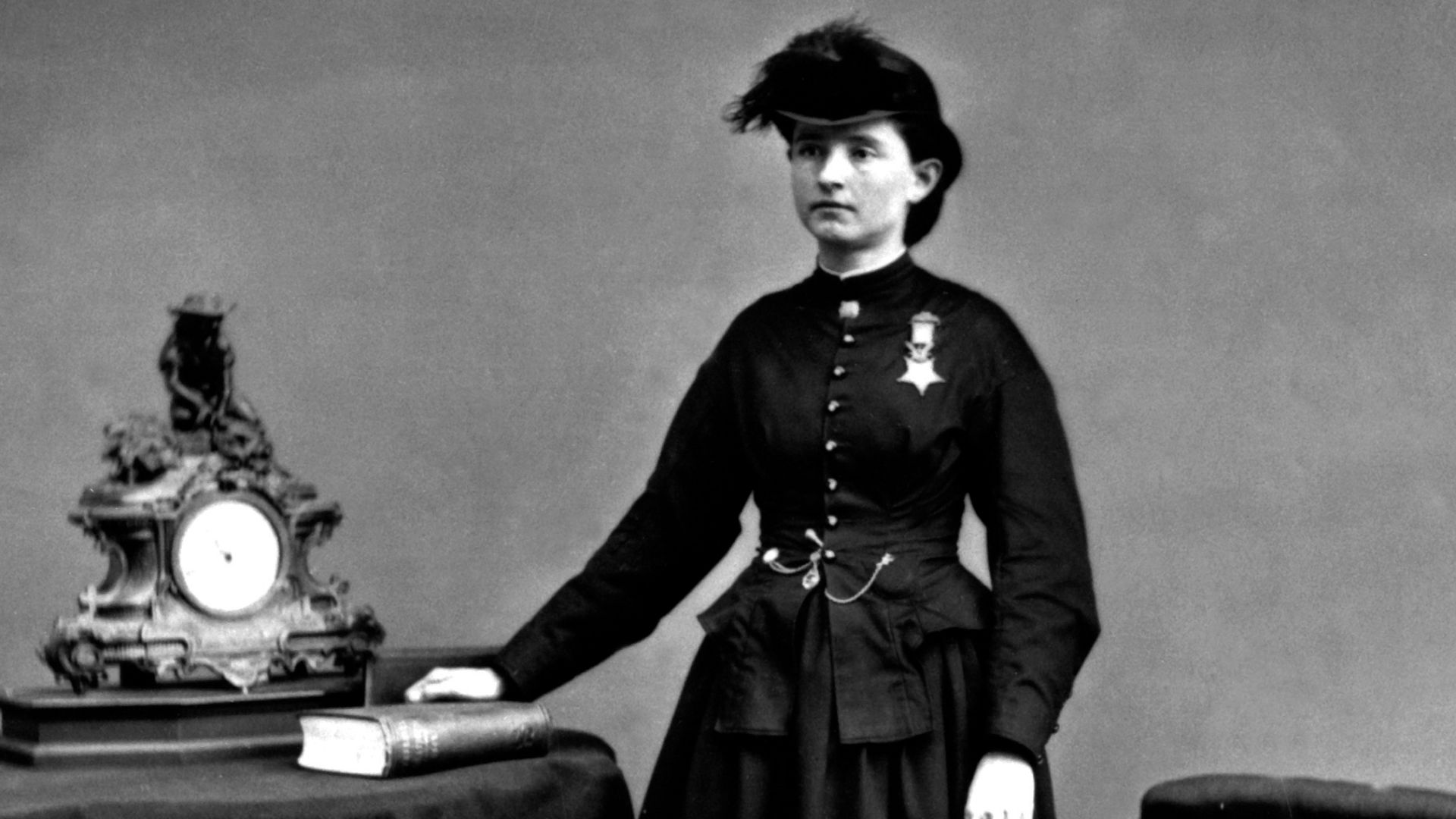 Mathew Benjamin Brady / Levin Corbin Handy, Wikimedia Commons
Establishing A Medical Practice
After returning to Oswego, Walker tried to build her own medical practice. Patients were reluctant to trust a woman physician, and her income was limited. Despite these struggles, she went on treating women and children, gaining valuable medical experience in the process.
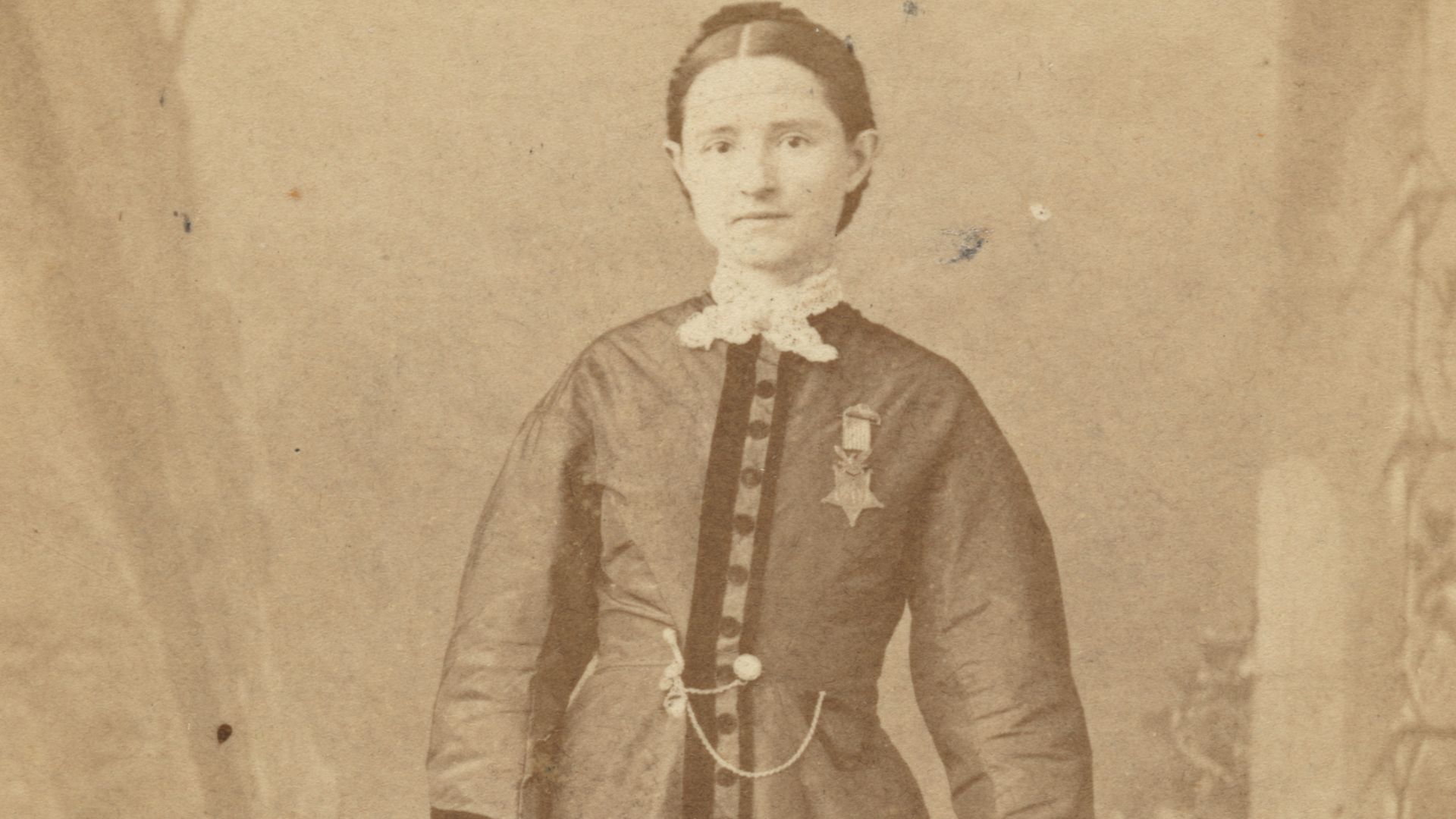 Elliott & Fry, Wikimedia Commons
Outbreak Of Civil War
When the Civil War broke out in 1861, Walker volunteered her services to the Union Army. Initially rejected for a commissioned position because she was a woman, she served as an unpaid civilian nurse in Washington, D.C., treating wounded soldiers in overcrowded hospitals.
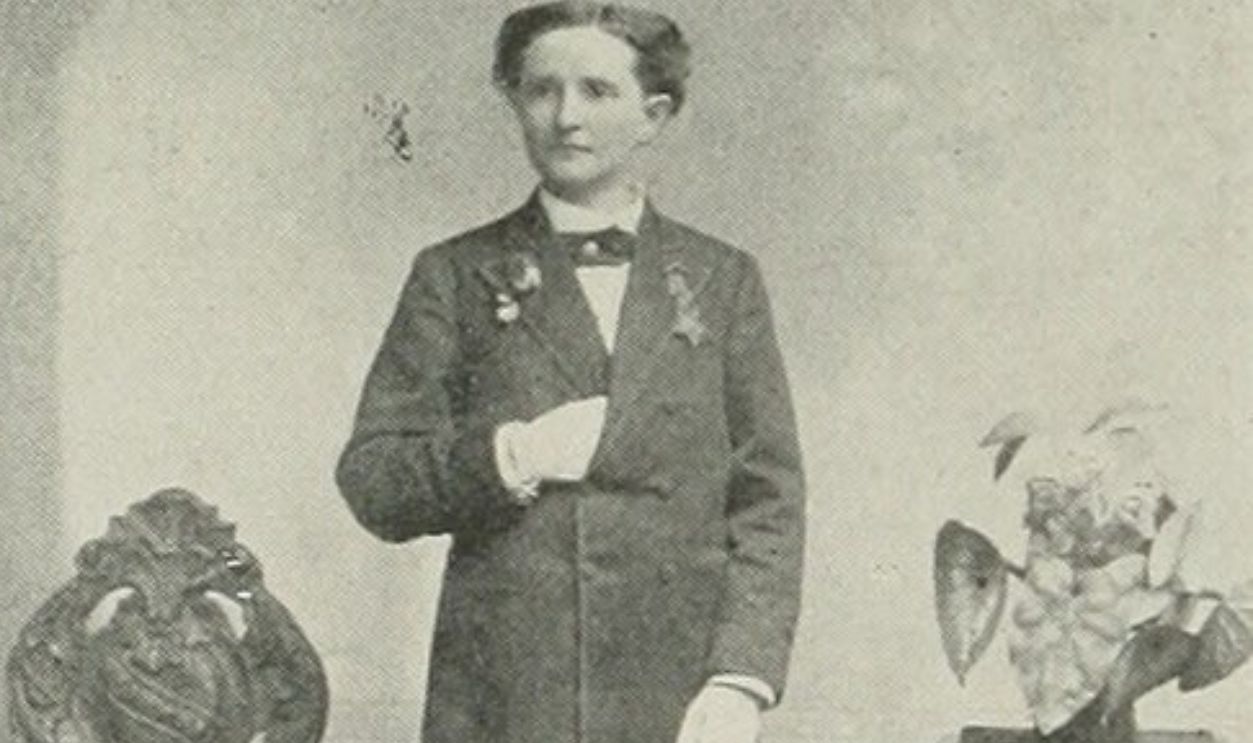
Serving Near The Front Lines
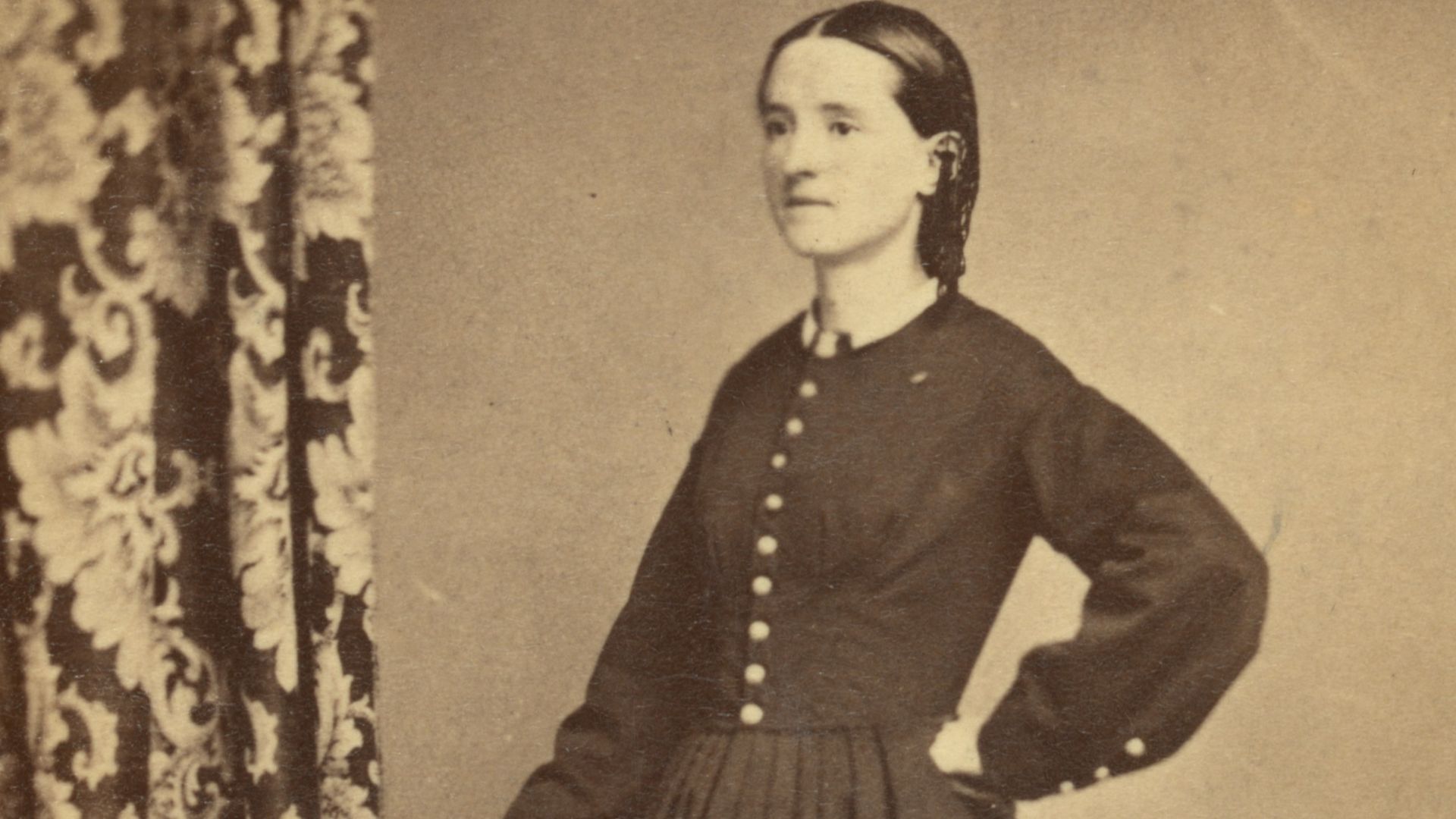
Determined to contribute more directly, Walker eventually secured a contract appointment as an assistant surgeon. She worked near some of the war’s most intense battlefields, including in Tennessee and Georgia, providing care under harsh conditions. Her willingness to stay close to the fighting distinguished her from many other civilian volunteers.
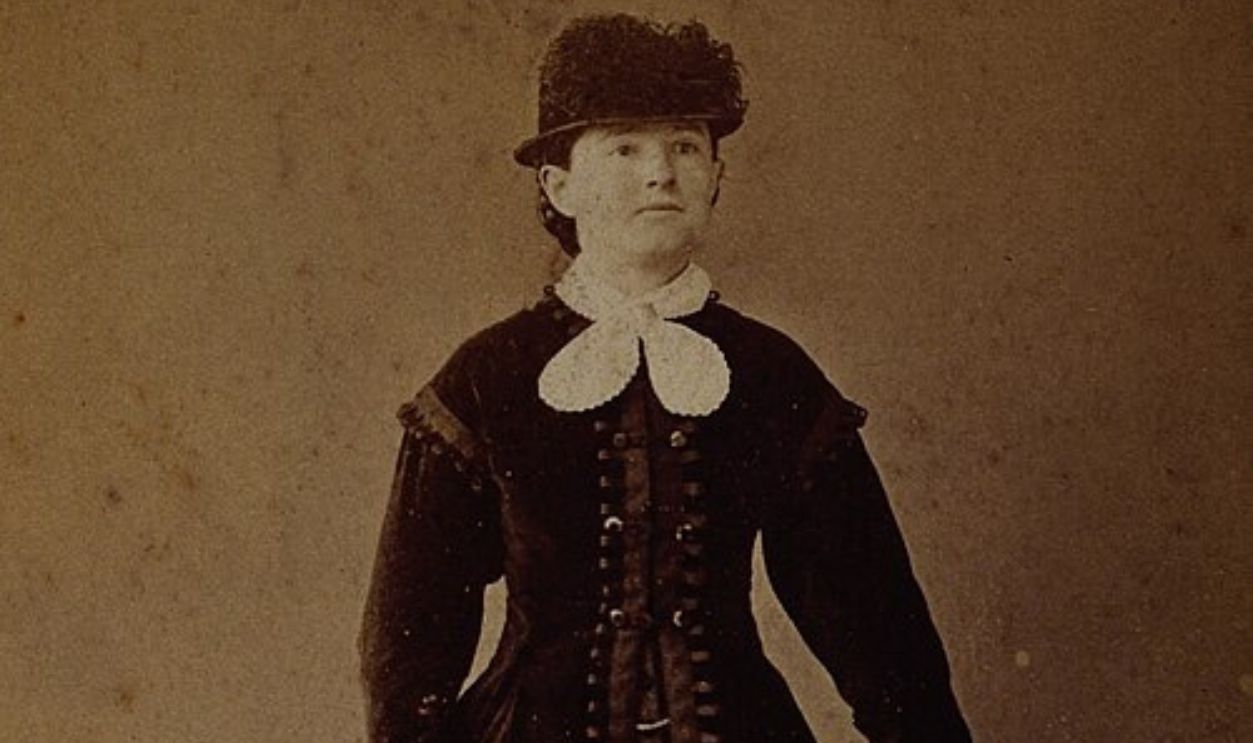
Medical Work Under Fire
Walker performed surgeries and treated battlefield injuries with limited supplies. The disease, infection, and trauma of battle casualties overwhelmed field hospitals. Her skill and persistence started to earn the respect as some US Army officers, even as others questioned her presence.
 Holyland, J. (John), 1841-1931, photographer, Wikimedia Commons
In Confederate Territory
Walker frequently crossed military lines to assist civilians and prisoners. Her movements into contested territory eventually attracted enemy suspicion. In 1864, while she was coming to the aid of a wounded Confederate soldier, she was captured by Confederate forces.
History's most fascinating stories and darkest secrets, delivered to your inbox daily.
Arrest As An Alleged Spy
Confederate authorities accused Walker of spying, partly because of her frequent border crossings and her unconventional appearance. She denied the charges but the Confederates still held her as a prisoner of war. Her capture brought into focus the risks she had willingly taken on as a volunteer.
 Harris & Ewing Collection, Wikimedia Commons
Imprisonment In Richmond
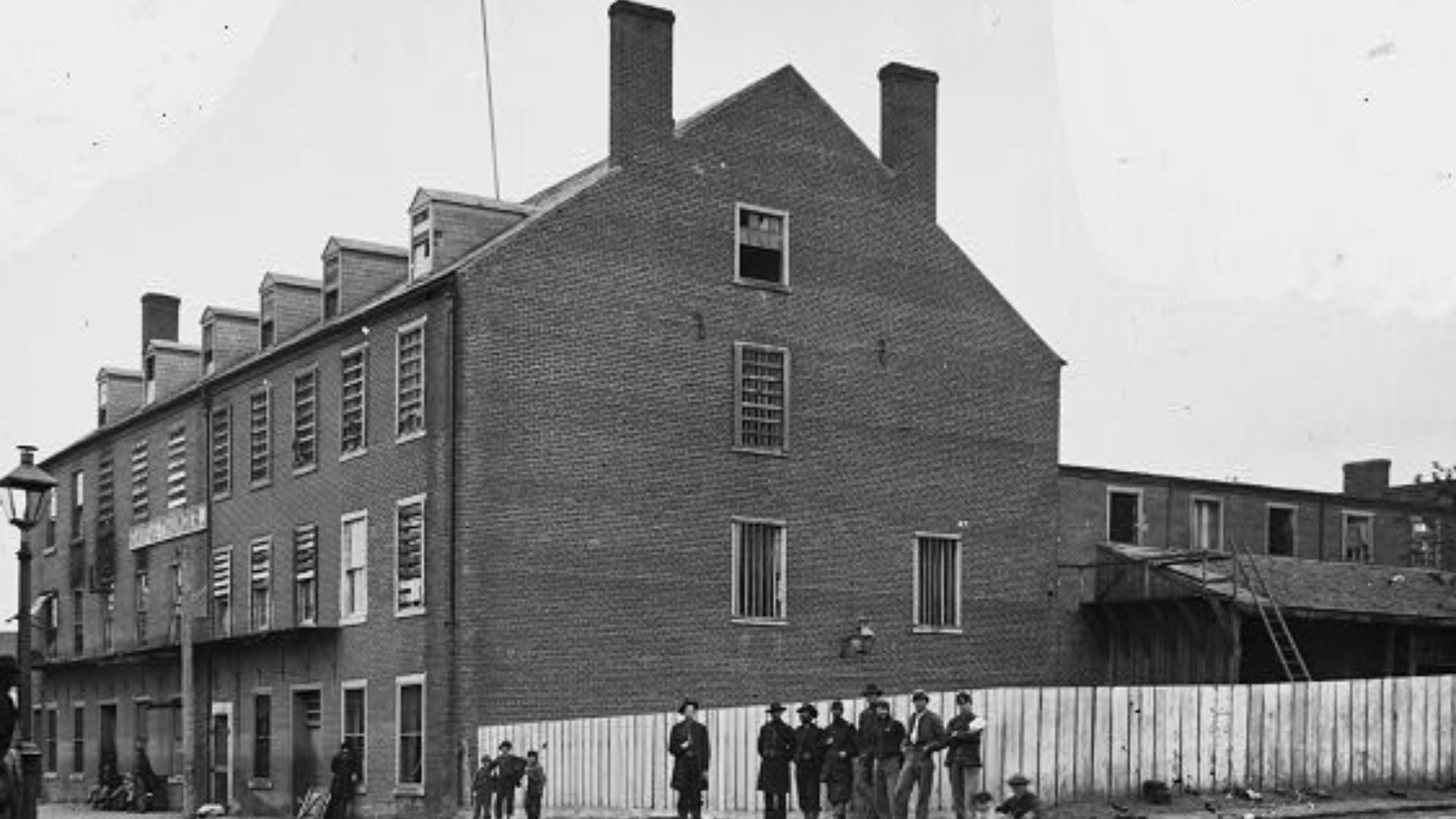
Walker was imprisoned at Castle Thunder in Richmond, Virginia, for several months. The conditions there were harsh, and food was scarce. She endured confinement with resilience, refusing to express any regret for her service.
 Unknown authorUnknown author, Wikimedia Commons
Prisoner Exchange Negotiations
Union leaders had already recognized Walker’s value, and they negotiated her exchange. In August 1864, she was released as part of a formal prisoner swap. Her exchange for Confederate prisoners reflected the high regard Union authorities now had for Walker.
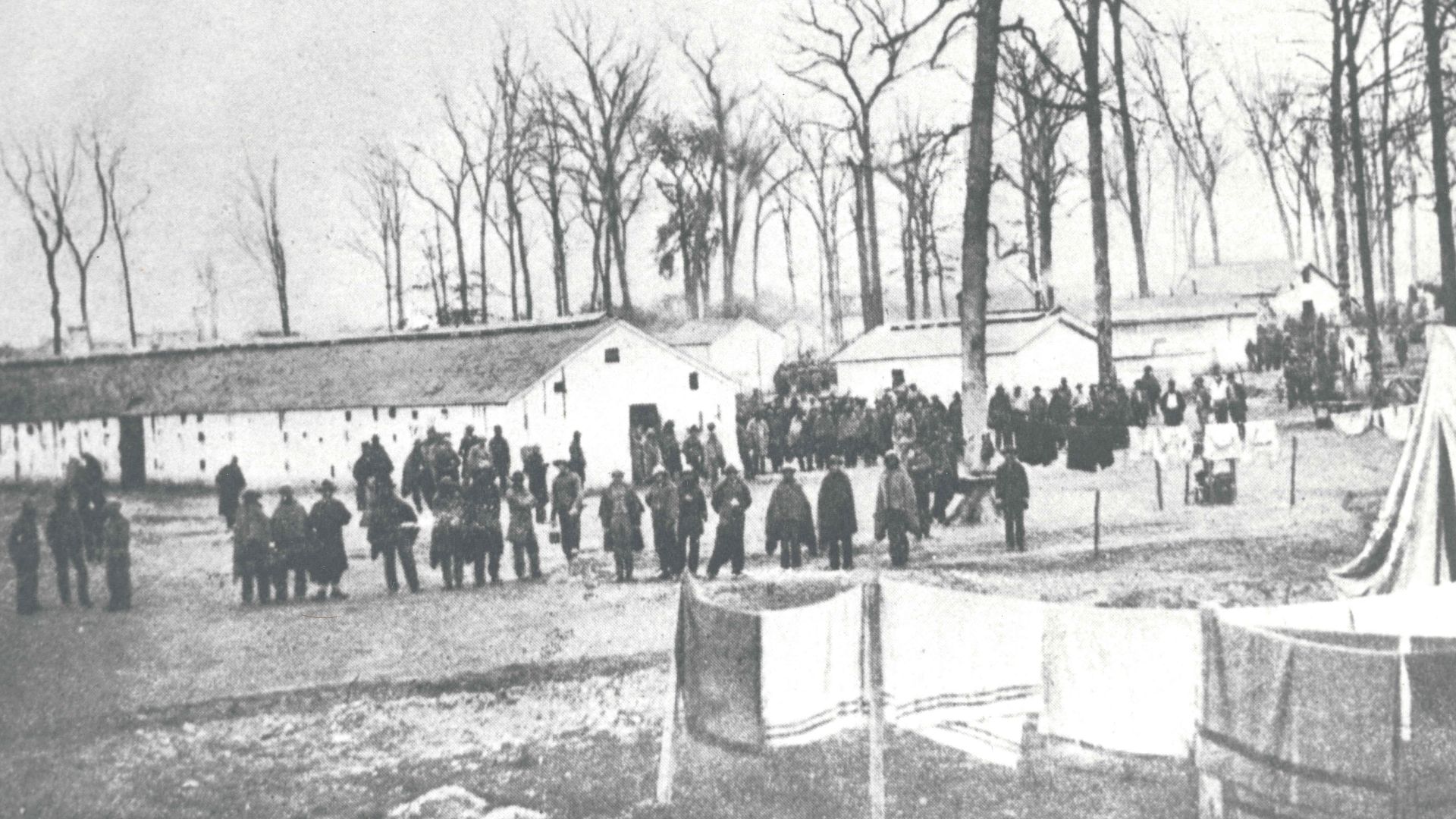 Unknown authorUnknown author, Wikimedia Commons
Return To Union Service
After her release, Walker made her way north in greatly weakened health but picked up her medical and administrative duties for the Union Army right back where she had left off. It was a matter of loyalty and finishing what she’d started; and besides, what else was she going to do?
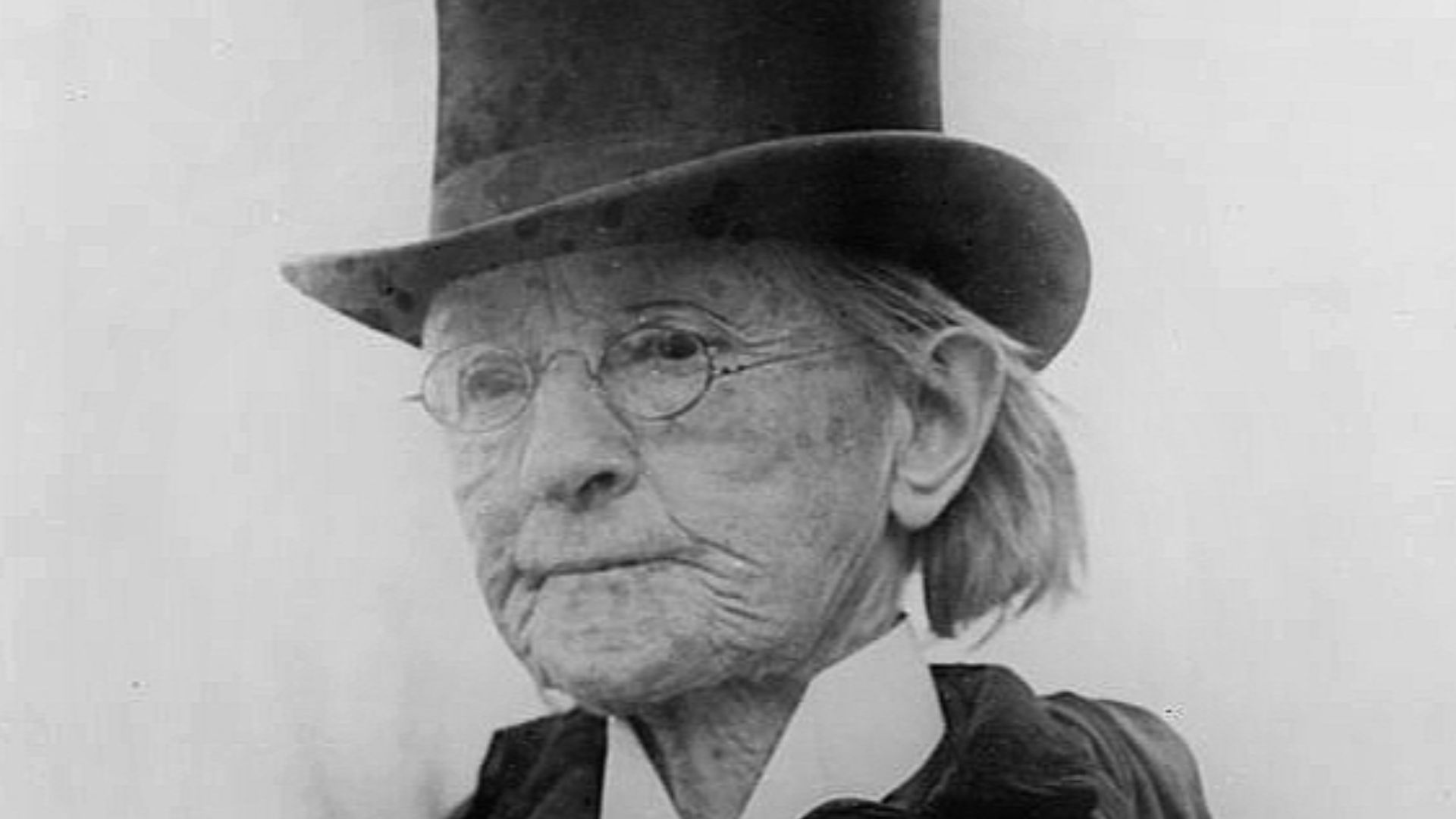 Bain Collection, Wikimedia Commons
Valued By Union Leadership
By the end of the Civil War, General Sherman and other officers widely acknowledged Walker’s medical contributions and bravery. Her willingness to serve in dangerous environments and her skill in treating wounded soldiers had made her a valuable asset to the Union war effort.
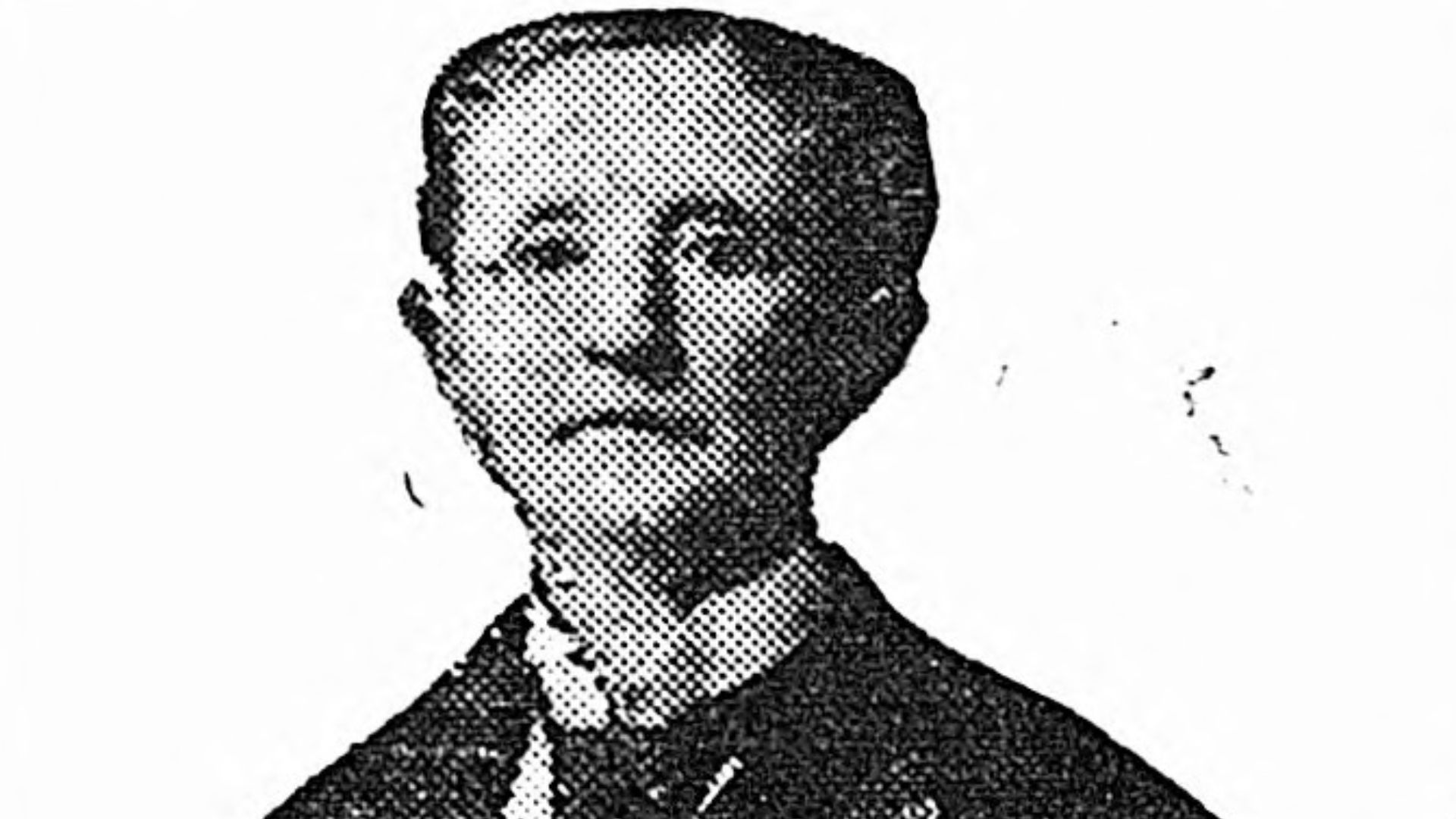 Devils Lake inter-ocean, Wikimedia Commons
Recommendation For The Medal Of Honor
In recognition of her service, Sherman and Major General George Thomas recommended Walker for the Medal of Honor. Andrew Johnson, who had replaced Abraham Lincoln as president after Lincoln’s assassination, approved the award in 1865. Walker’s citation praised her devotion and sacrifices during the war.
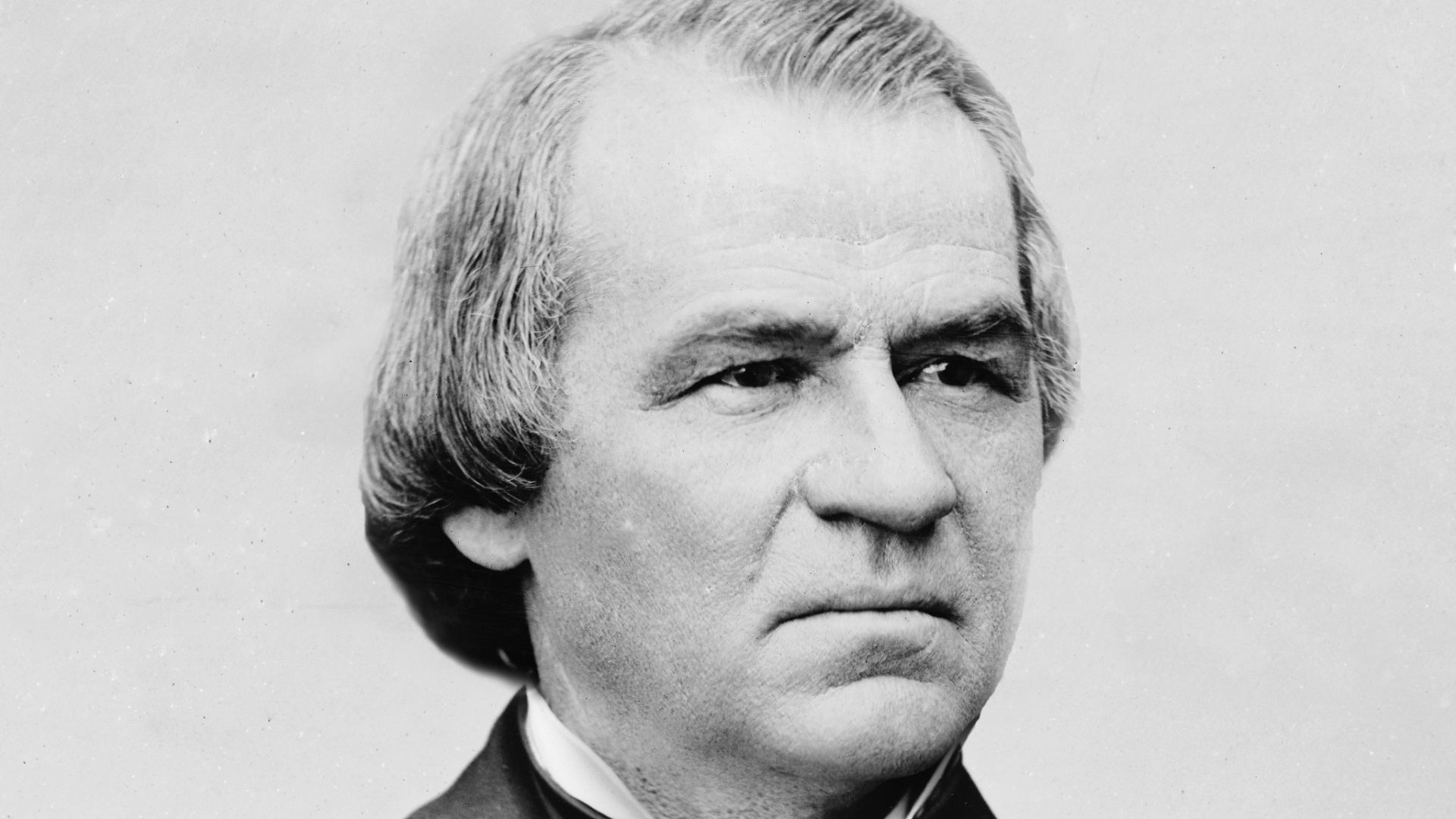 Mathew Benjamin Brady, Wikimedia Commons
History's most fascinating stories and darkest secrets, delivered to your inbox daily.
Historic Recognition
Mary Edwards Walker received the Medal of Honor in November 1865, becoming the only woman in American history to earn the distinction. The award placed her among a small group of honored soldiers, though her civilian contract status would later become controversial. But that was still decades off in the future. Even as the war was finally over, Walker faced plenty of other struggles in the years after the war.
 the day book, Wikimedia Commons
Unwavering Advocate
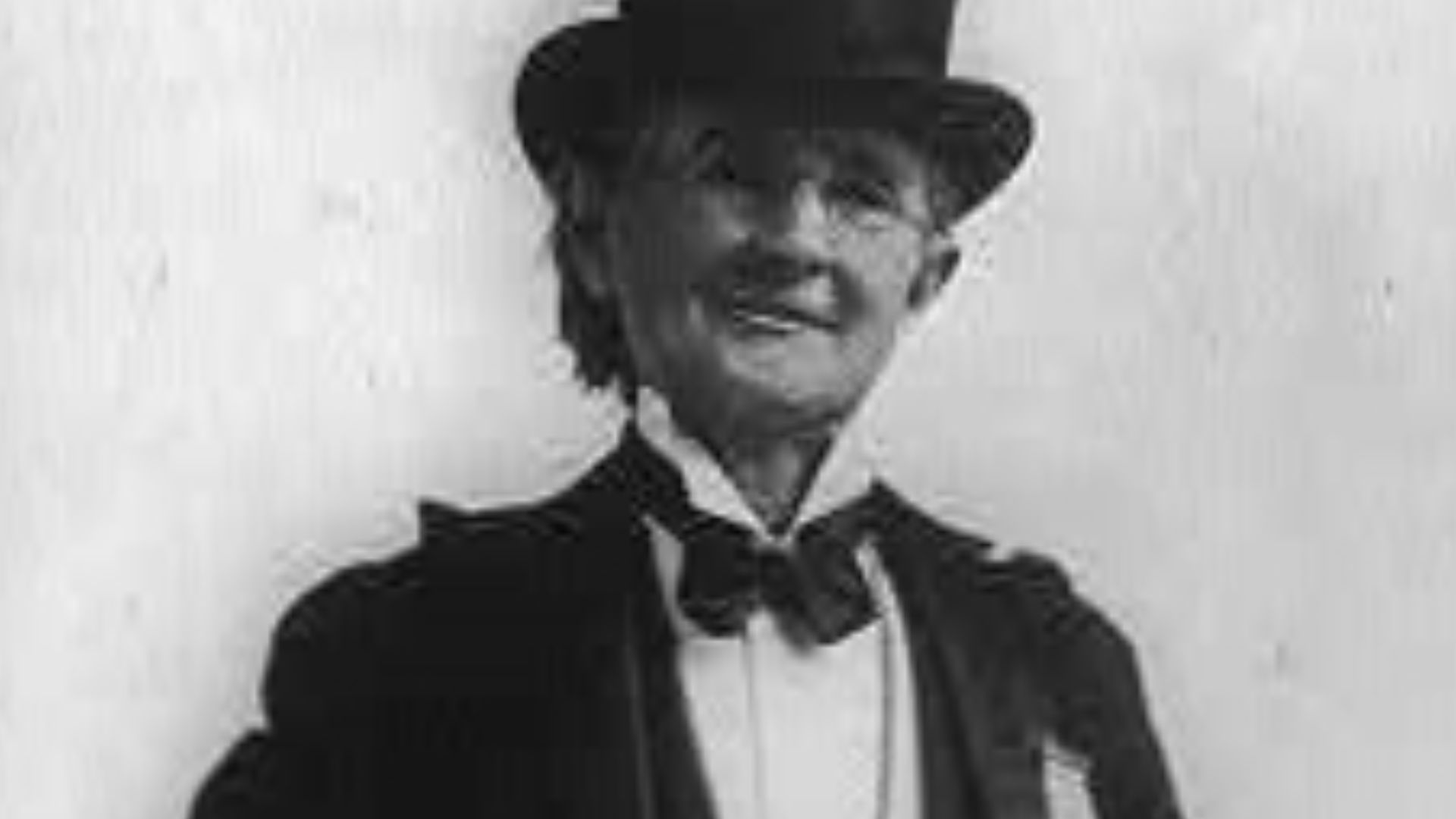
After the Civil War, Mary Edwards Walker didn’t go back to a quiet life of medicine. Instead, she used her experience and reputation to support causes she cared about, becoming a writer and lecturer on issues like health care reform, temperance, women’s rights, and the controversial idea of dress reform for women. But she hadn’t emerged from the war entirely unscathed.
 Bain News Service, publisher, Wikimedia Commons
Lifelong Disability Pension
Walker received a disability pension for health problems she gained during her imprisonment as a prisoner of war. Originally set at $8.50 per month in 1865, it was later increased to $20 per month in 1899. This was a modest compensation for her sacrifices, but still widely noted for her era. Even with this type of official recognition of her service, she remained a fierce advocate for equal treatment and opportunities for women.
Fighting For The Right To Vote
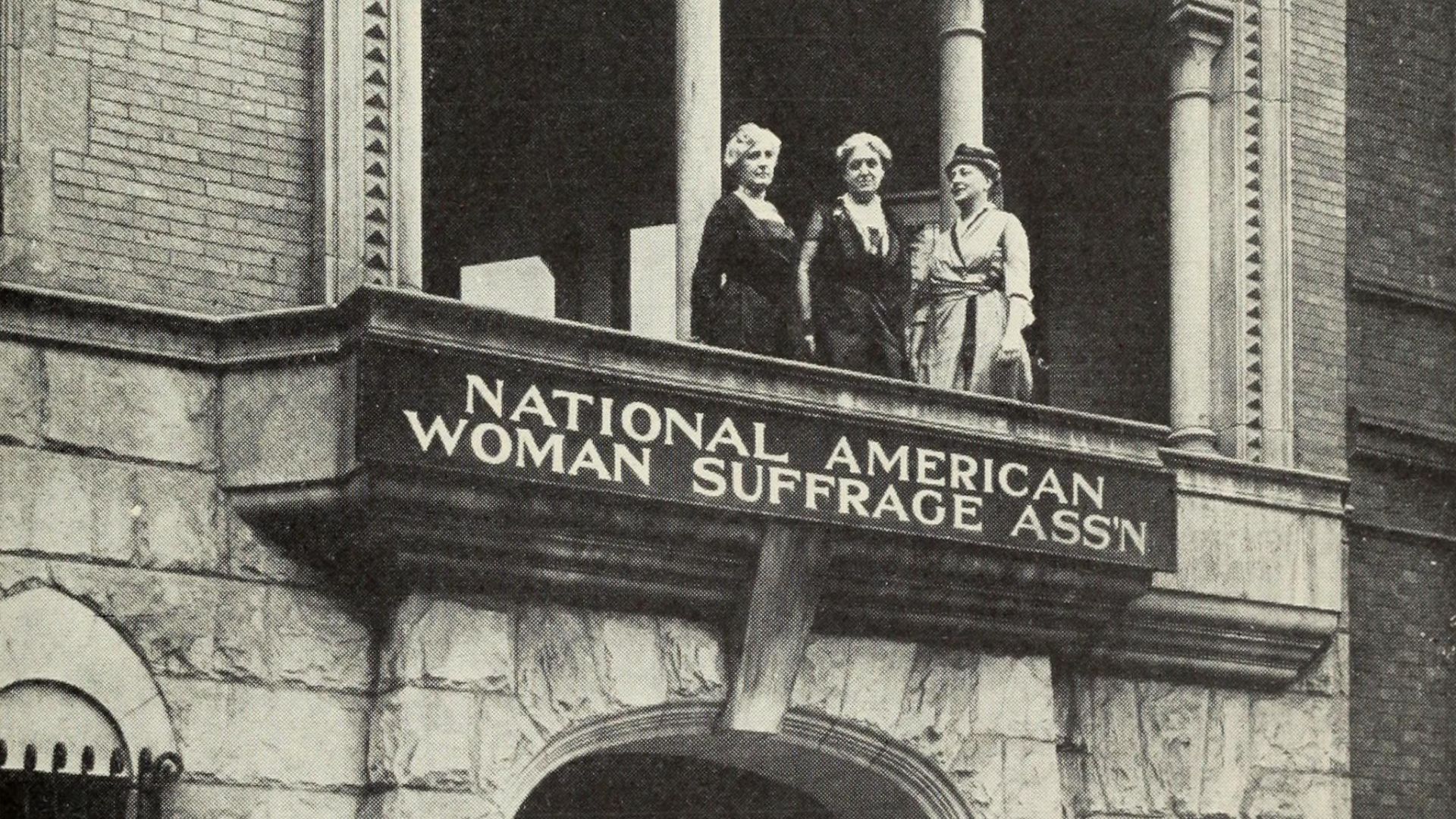
Walker was actively involved in the women’s suffrage movement. She joined the Central Woman’s Suffrage Bureau in Washington, D.C., and even attempted to register to vote in 1871, only to be refused. Interestingly, Walker eventually fell out of step with parts of the movement by arguing that women already had the constitutional right to vote, a stance that many suffragists rejected in favor of pursuing an amendment to the constitution.
 Internet Archive Book Images, Wikimedia Commons
Clothing As Political Statement
Walker frequently wore tailored jackets and trousers, arguing that restrictive women’s clothing harmed health and limited movement. Her attire attracted ridicule, arrest, and harassment, but she didn't let that stop her from challenging social norms.
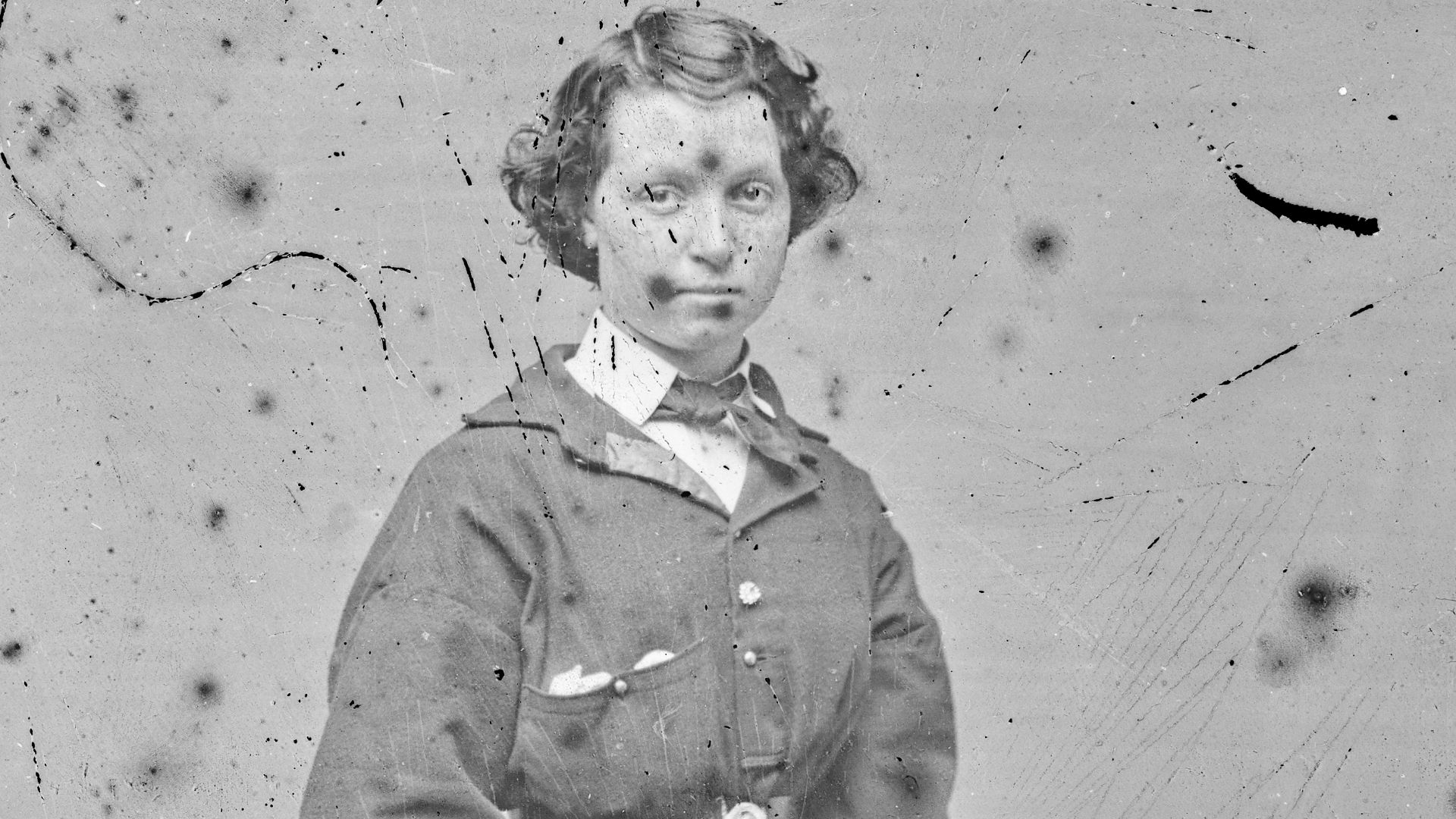 Mathew Brady Studio, active 1844 - 1894, Wikimedia Commons
Public Harassment And Criticism
Walker’s choice to wear practical, non-traditional clothing made her a target of public mockery and harassment throughout her life. Even before the Civil War, her refusal to wear the restrictive skirts and corsets expected of women brought unwelcome attention. As a young schoolteacher she was even chased and pelted with eggs by local boys and criticized by female peers and patients alike simply for what she wore.
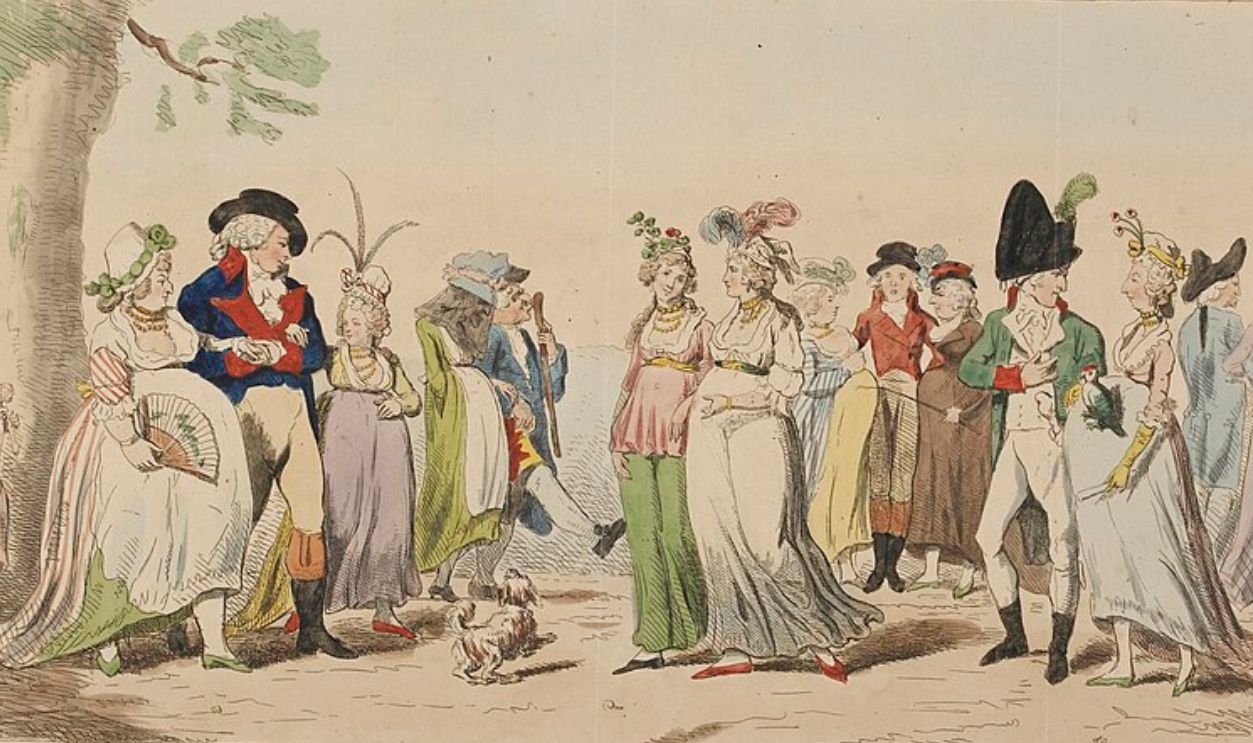 British Museum, Wikimedia Commons
History's most fascinating stories and darkest secrets, delivered to your inbox daily.
She Wouldn’t Back Down
Instead of backing down, Walker persisted in her belief that women’s attire should allow freedom of movement and not be a “physical slavery” — a conviction that shaped her identity as fiercely as her medical career.
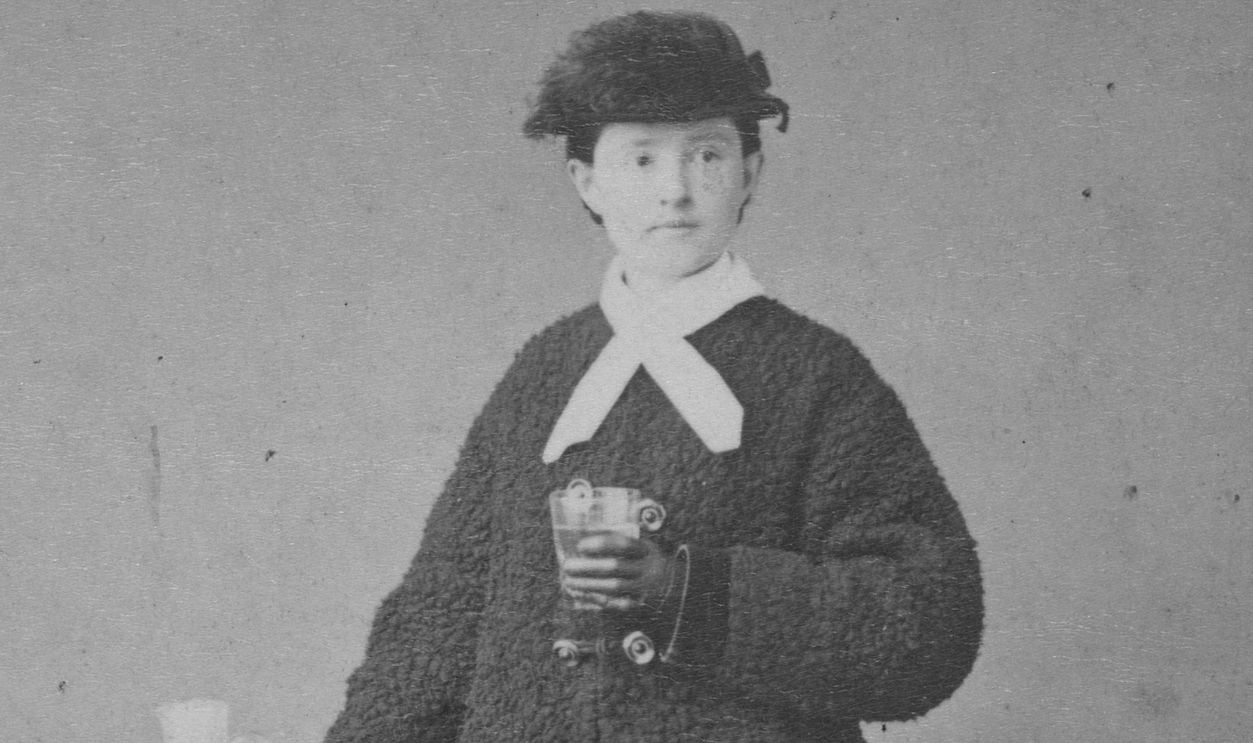
Further Conflict
Walker’s unconventional wardrobe often put her into direct conflict with laws and social norms of the day. She was arrested in New Orleans in 1870 because men mocked her for dressing “as a man,” and an officer even twisted her arm and questioned her sexuality. It was a memorable example of how radical her appearance seemed to contemporaries.
 The New York Historical, Getty Images
Defining Individualism
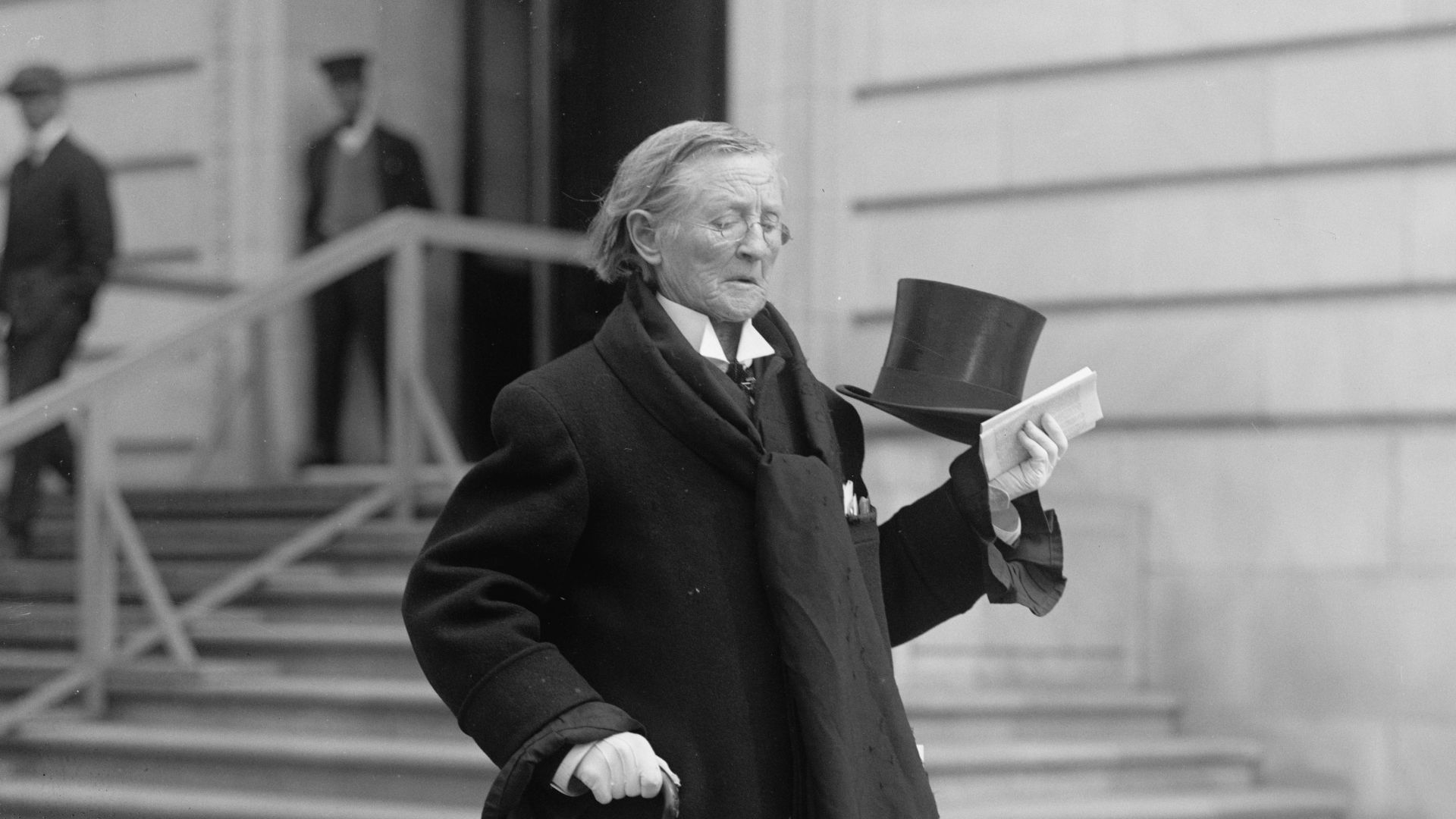
Aside from the New Orleans incident, Walker was frequently arrested for wearing what she considered her own clothes, including her signature trousers and top hat. Her retort to critics: “I don’t wear men’s clothes, I wear my own clothes”, became a defiant—and defining declaration of her individualism.
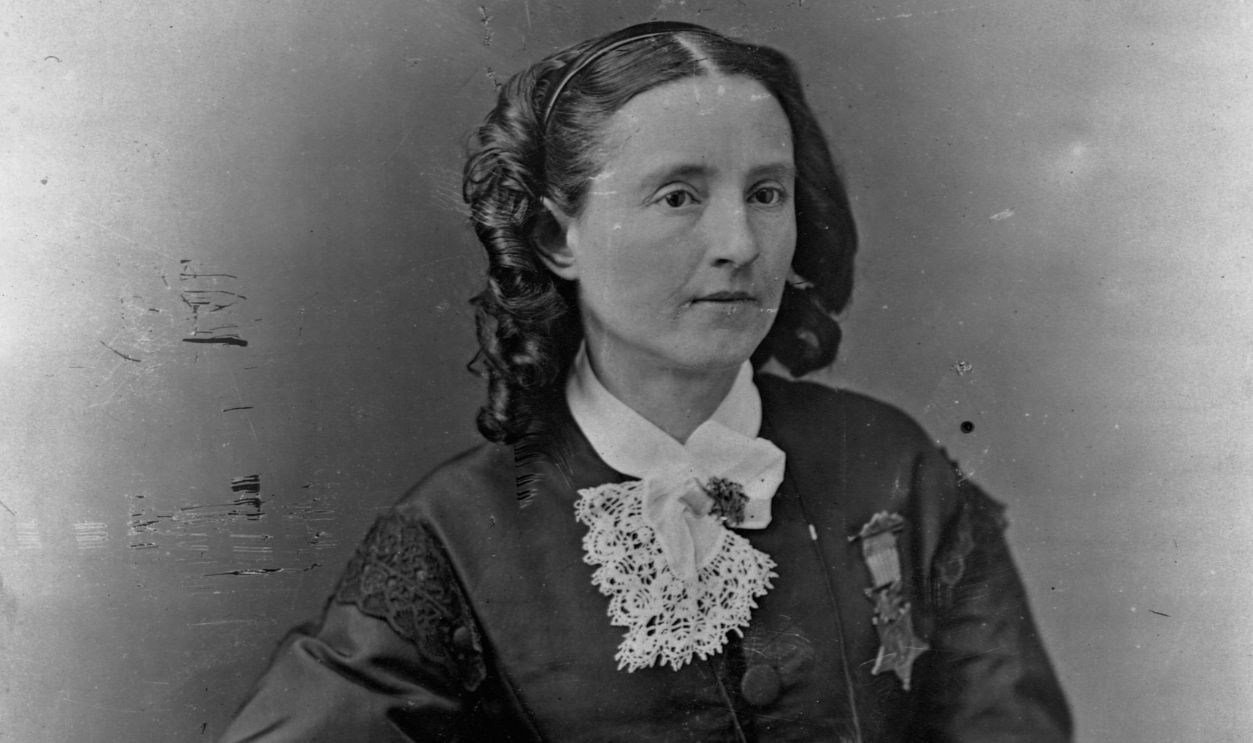 Library of Congress, Getty Images
The 1917 Review Board Decision
In 1917, Congress directed the Army to review past Medal of Honor awards and remove any deemed ineligible under newly tightened criteria. A review board concluded that Walker’s service, while courageous, didn't meet their revised standards because she'd served as a civilian contract surgeon rather than a formally commissioned officer. Her name was struck from the Medal of Honor rolls.
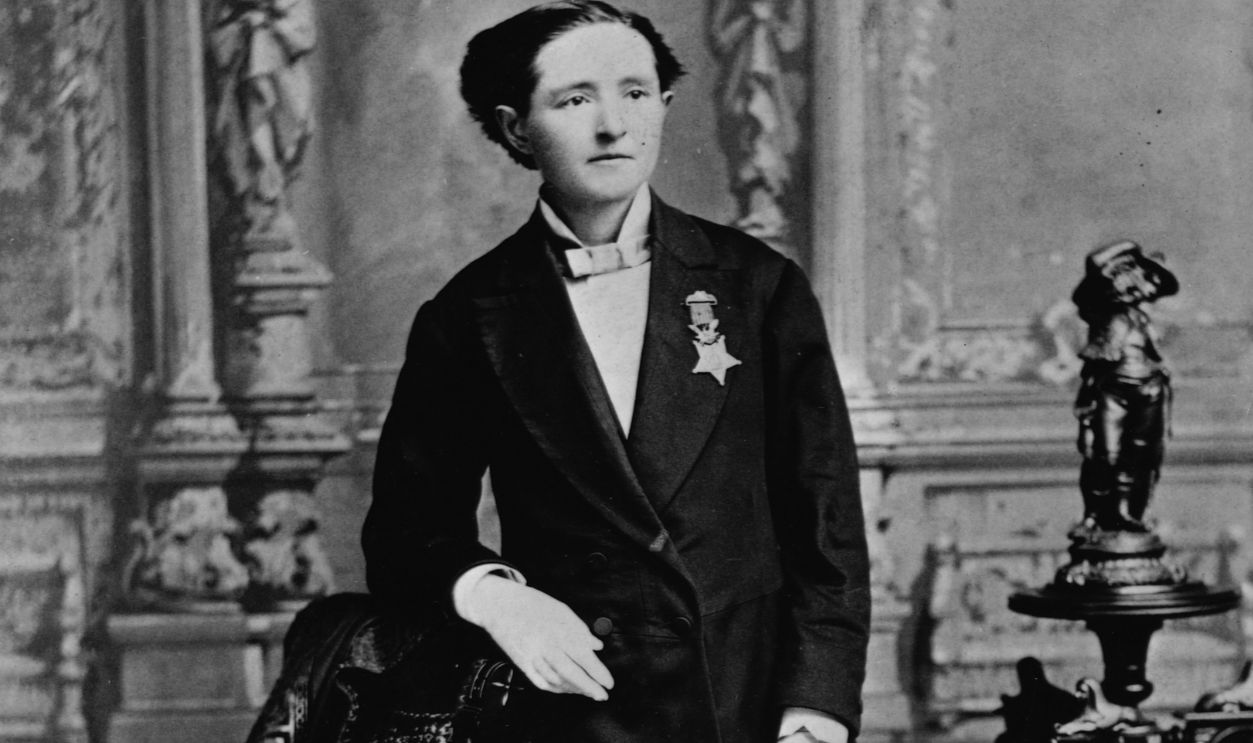 Library of Congress, Getty Images
Revocation Of The Medal
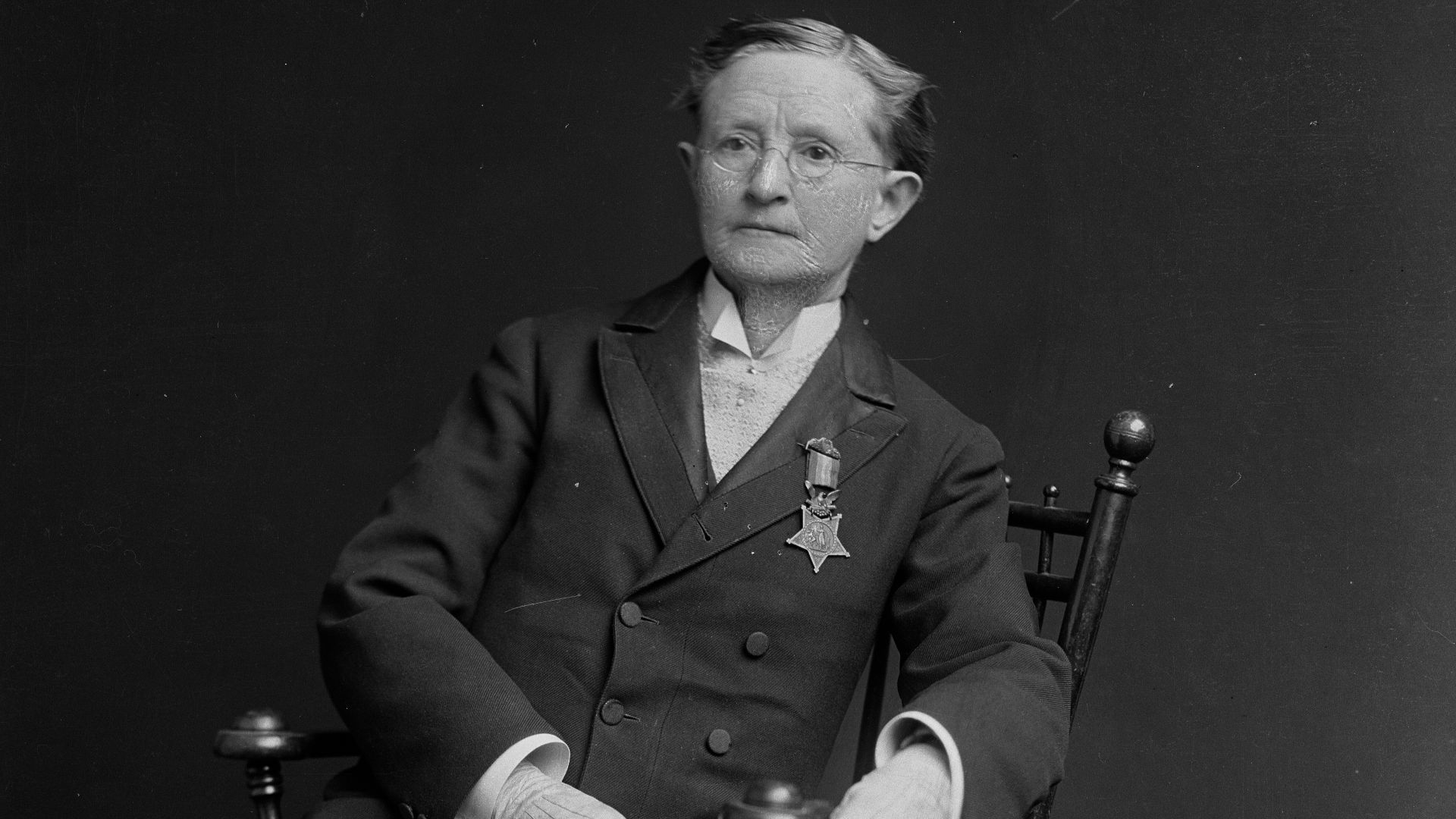
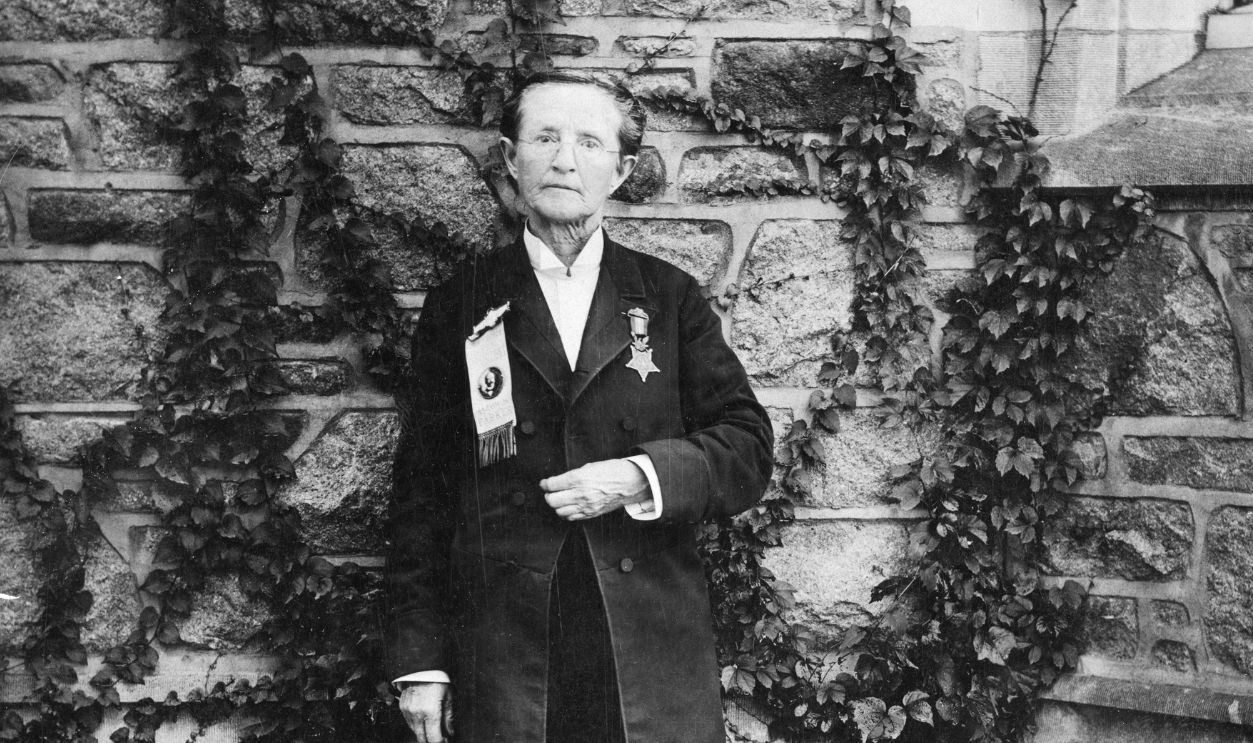
With her name struck from the roles as a result of the rule changes, the review board rescinded Walker’s Medal of Honor. Walker refused to surrender the medal and continued wearing it publicly until her death.
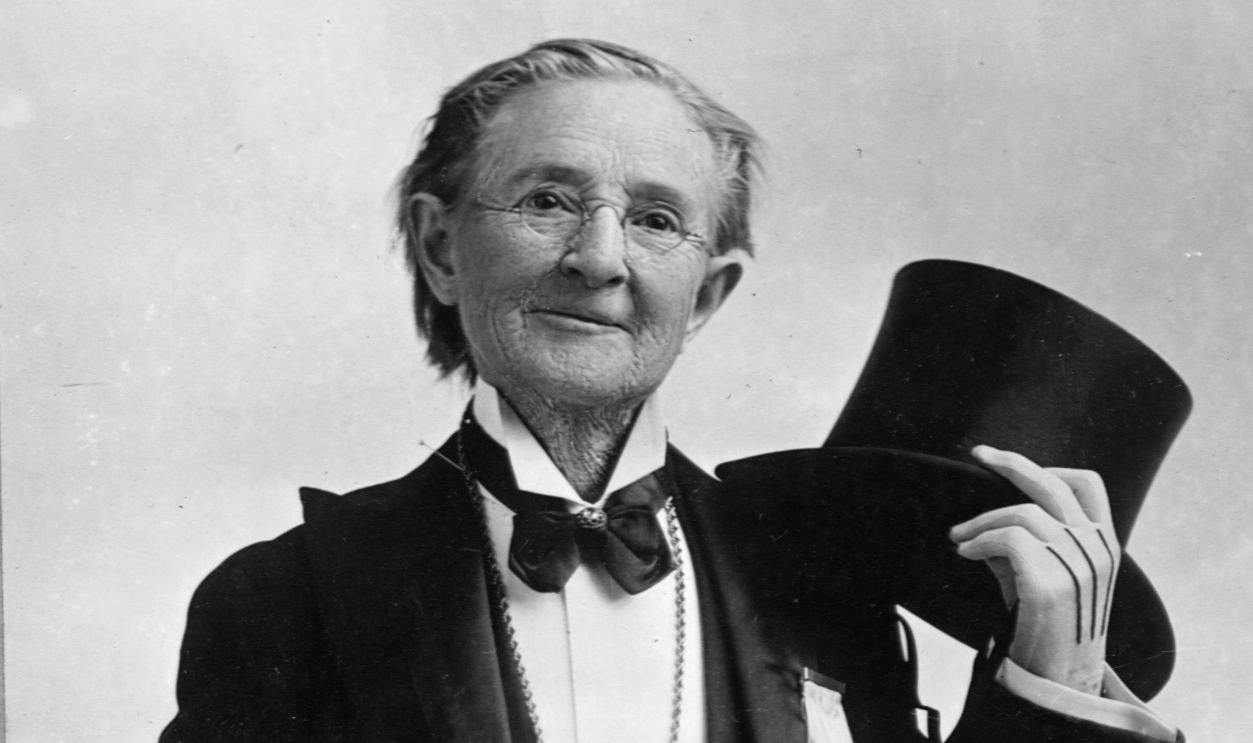 Library of Congress, Getty Images
Final Years In Oswego
Walker spent her later years in Oswego, New York, continuing to lecture and write. Although she never achieved widespread acceptance in her lifetime, she remained steadfast in her convictions. Mary Edwards Walker died in 1919, still wearing her Medal of Honor. Her lifelong efforts in medicine, military service, and reform activism stands as a symbol of courage, persistence, and the refusal to surrender her principle in the face of resistance.
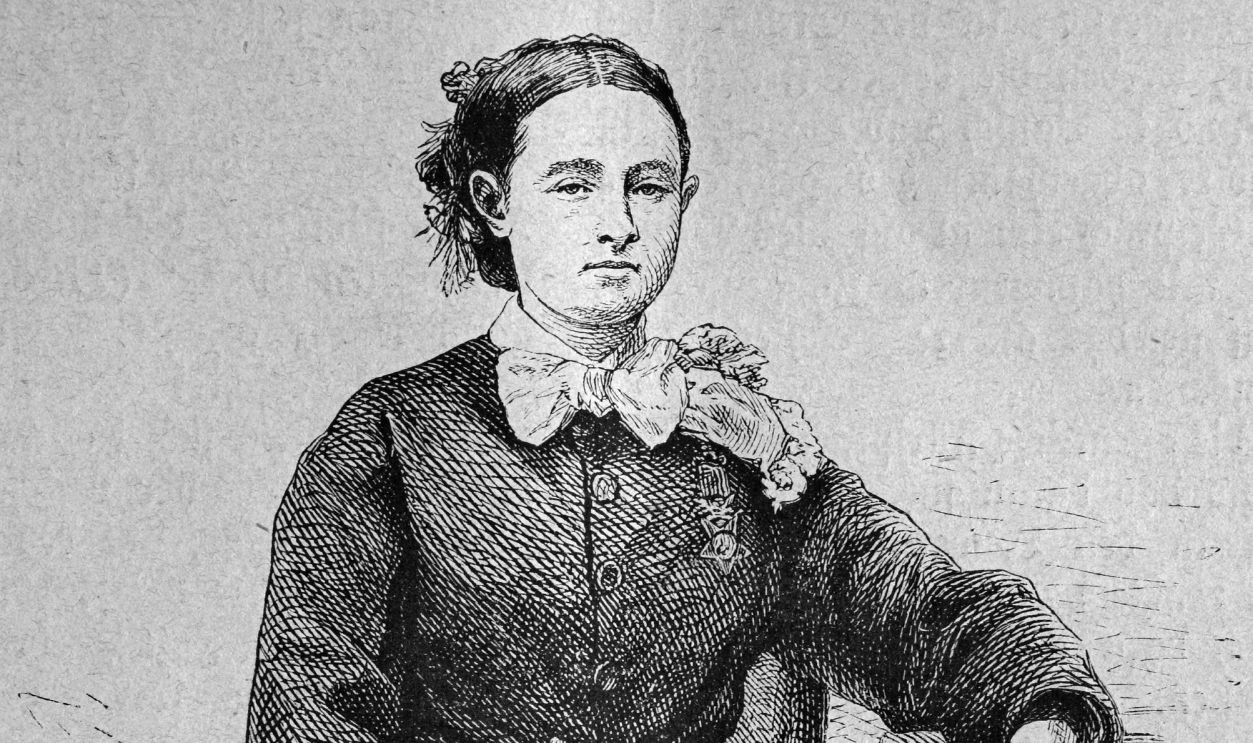 Bildagentur-online, Getty Images
History's most fascinating stories and darkest secrets, delivered to your inbox daily.
Reinstatement Of The Medal
More than sixty years after her death, Walker’s Medal of Honor was officially restored in 1977. The reinstatement recognized both her wartime service and the injustice of the earlier revocation.
You May Also Like:
Historical Figures Who Were Quietly Removed From Textbooks
Fearless Facts About Virginia Hall, WWII Super Spy










.jpg)

